Photography Tutorial · 2017-01-22
At 27, I Will Walk My Own Path, Without Regret
Sorry, but there is no 55th photography tutorial from me this week.
Because I want to share what is on my mind with you all.
The New Year is just around the corner, and I am already prepared to go home and receive earnest advice from my elders:
"Stop wasting your time online on those useless tutorials and just settle into a stable job!"
"Photography and the outdoors have no future! Do not even think about it!"
"You are about to turn 27. Find a partner, start a family, buy a house, and settle down!"
So today I wrote this article:
"At 27, I Will Walk My Own Path, Without Regret" (《27岁,我要走出自己的路,义无反顾》)
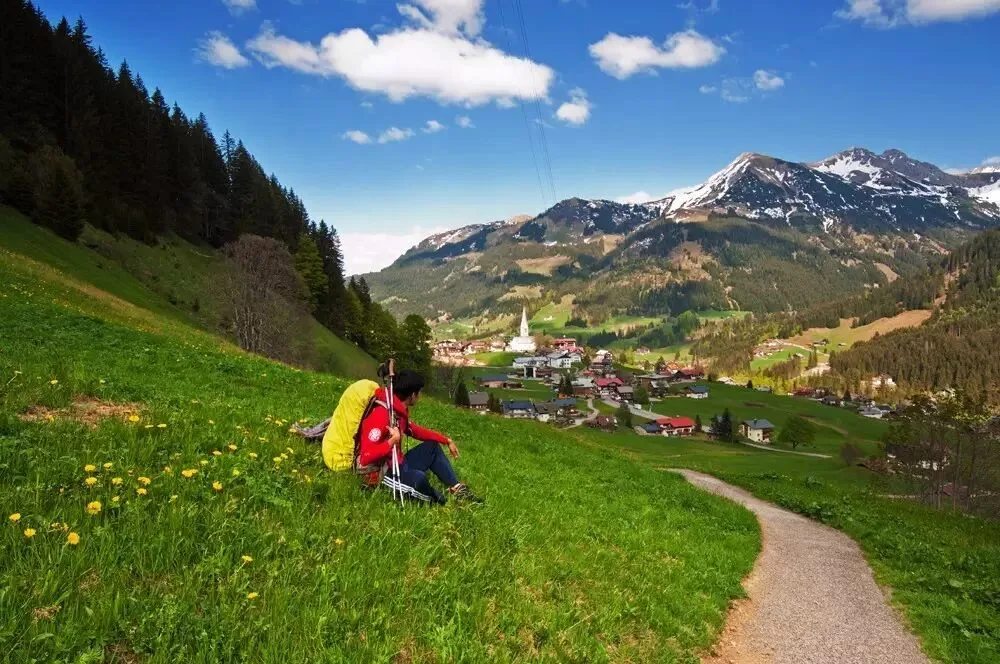
I studied abroad on a full scholarship, completed my university degree, and landed a great job offer after graduation... Perhaps the rest of my life, that ellipsis ahead, was supposed to continue along the standard script my parents and teachers had in mind - marriage, children, a car, a house, promotions, retirement - step by step.
But
once the seed of freedom is planted,
it will take root and sprout unstoppably.
As I mentioned in "Born to Be Crazy for Snowy Mountains - I Am Thomas, a Post-90s Outdoor Photographer" (《生为雪山狂 - 我是90后户外摄影师Thomas》), during my exchange studies in Europe, I began to think about the meaning of my life for the first time:
Am I really living for myself?
Or am I merely striving to become the person others expect me to be?
Lying beneath the boundless starry sky of Iceland, I realized that in this brief life, besides the textbook pursuit of fame and fortune, there are many other things worth pursuing - such as passion, faith, and ultimate beauty!
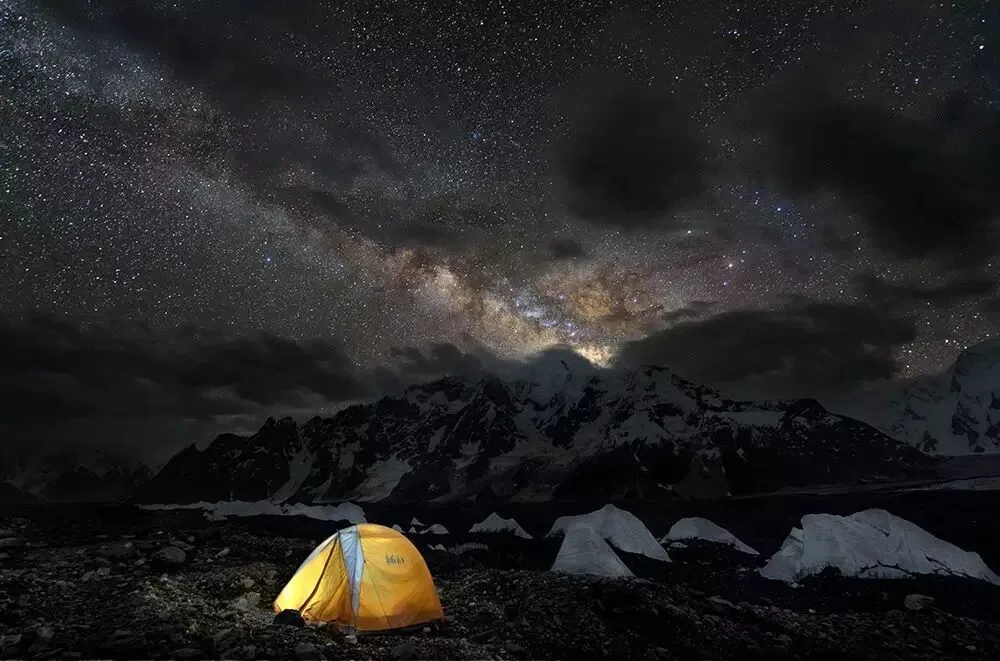
Watching those foreigners living their own wonderful lives, I gradually came to understand a truth:
You only live once, and the greatest danger in the world is being too afraid to take risks to do what you love, wasting your life away!
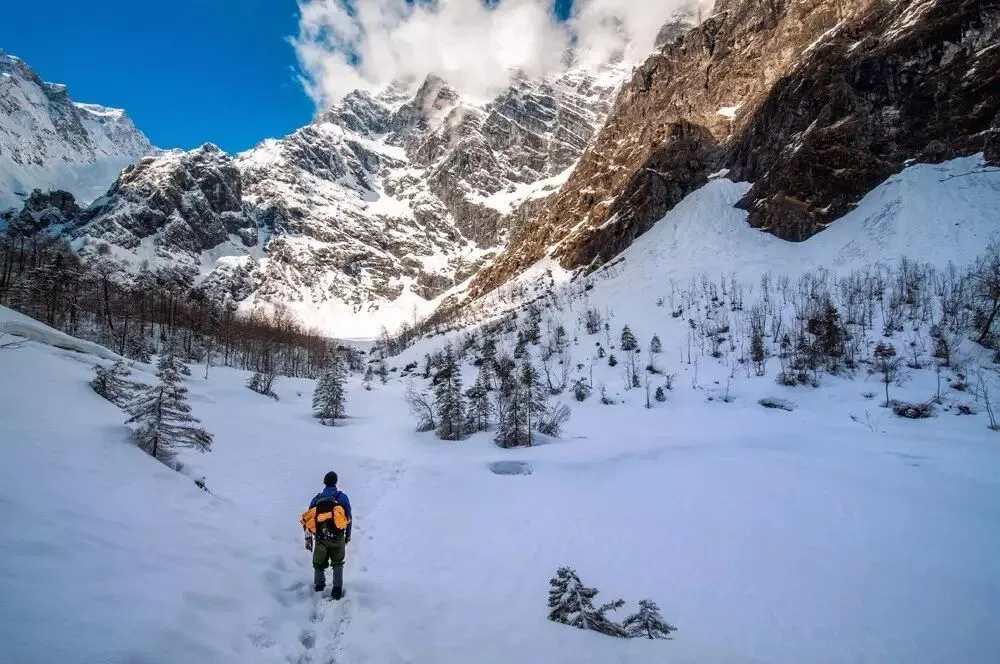
Although I still worked steadily after graduation, and spent countless nights wondering whether I should give up the dream in my heart,
until one day, on a dreary subway, I looked around at the listless eyes of the passengers. It suddenly struck me that although I was only 27, a third or even half of my life had already passed.
If I did not take action, my dreams and passion would only drift further away. I had to leave behind a life I could see through to its end at a glance, and act immediately.
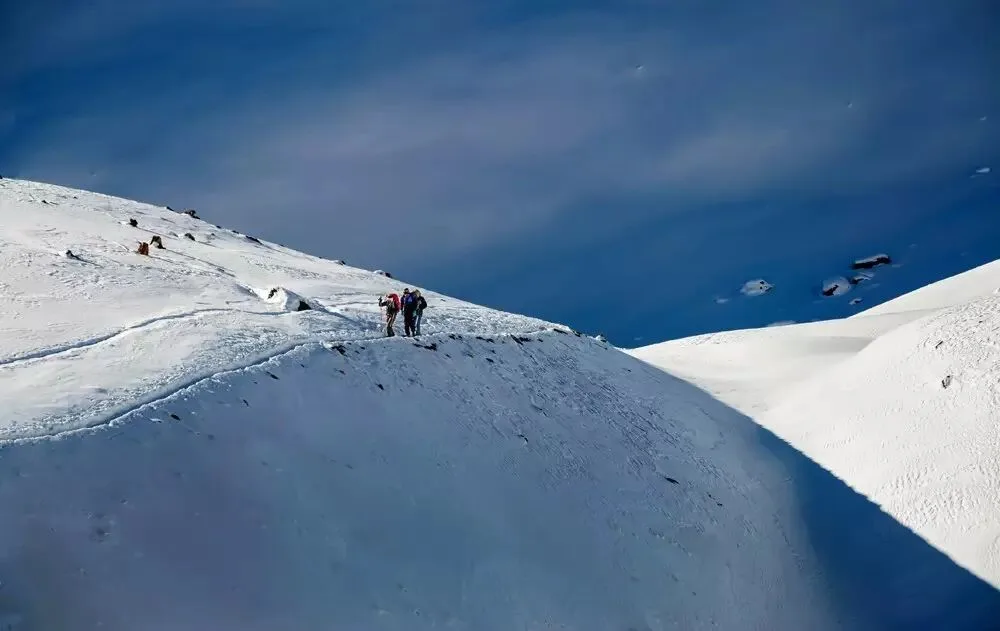
Though freedom is what I long for, reality still demands compromise.
Just like Shawshank in the prison, some birds can never be caged - if it has not spread its wings and flown high yet, it is because it is quietly preparing.
So that very day I wrote down my plan on my blog: after a few more years of saving and preparation, I would live like my idols Jimmy Chin, Max Rive and other outdoor photographers, constantly challenging my limits and chasing ultimate light and shadow.
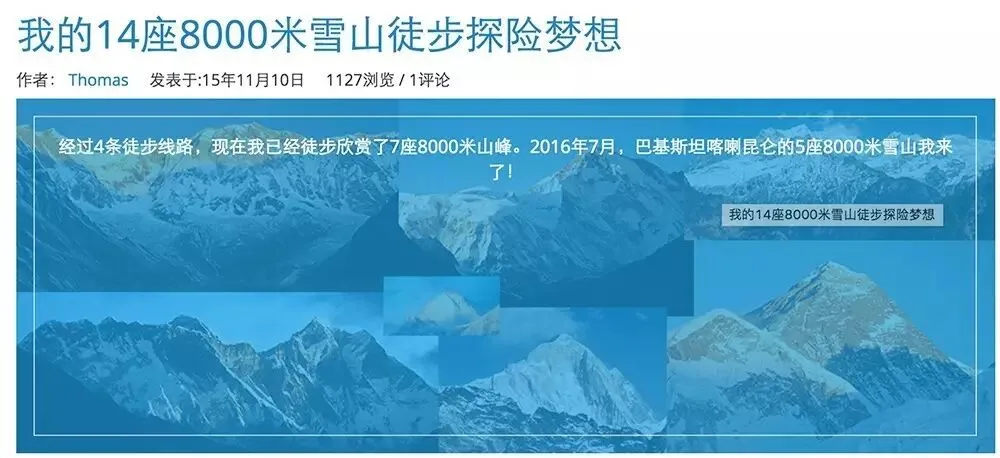
I got straight to work. Aside from saving money and building up my skills, I also started the Weibo, WeChat, Tuchong and other self-media accounts you see today.
Whatever - let me just set them all up first. Who knows, maybe later I could attract sponsorships or earn some writing fees. My original thinking was that simple, nowhere near noble or selfless.
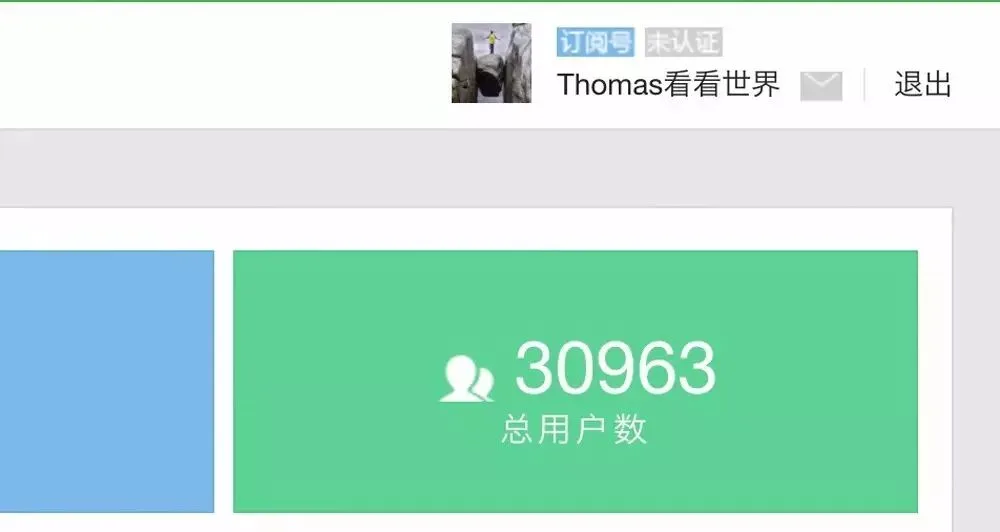
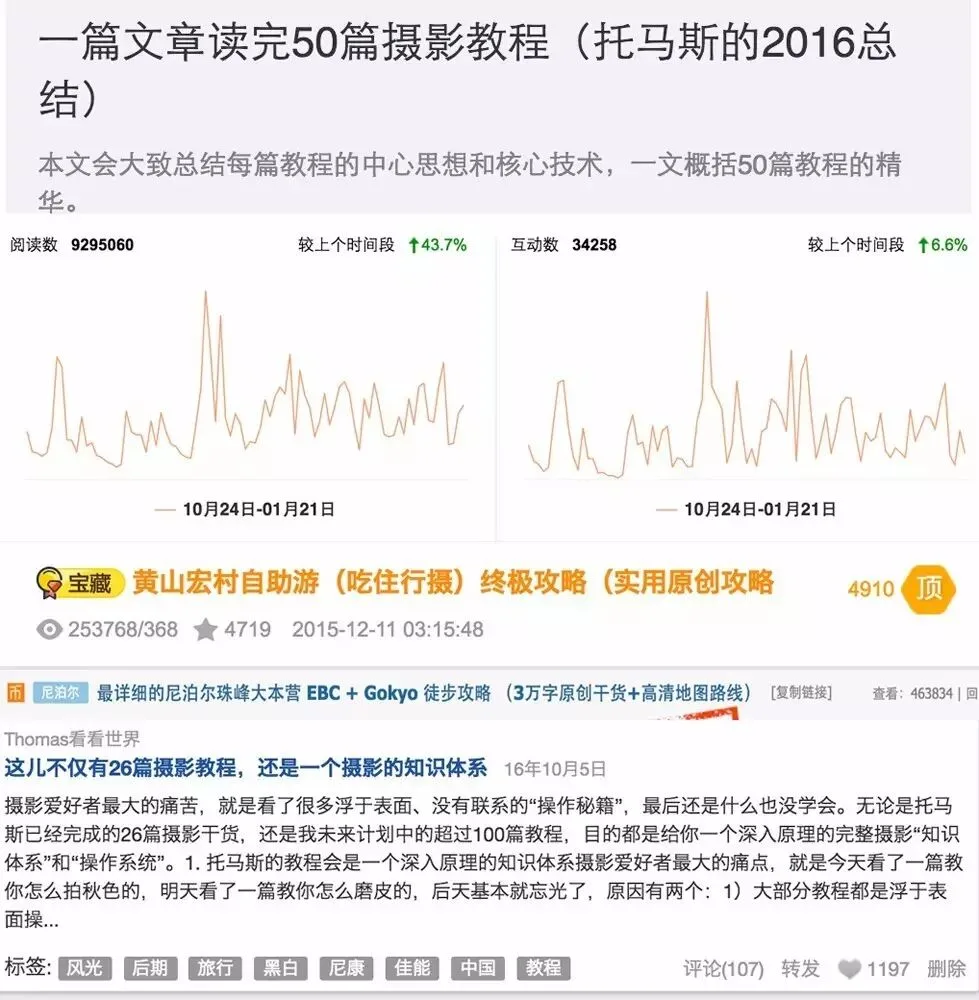
But what I never expected was that the articles I wrote with all my heart would actually attract quite a few readers.
The things I spent days and nights creating could genuinely help people and generate social value.
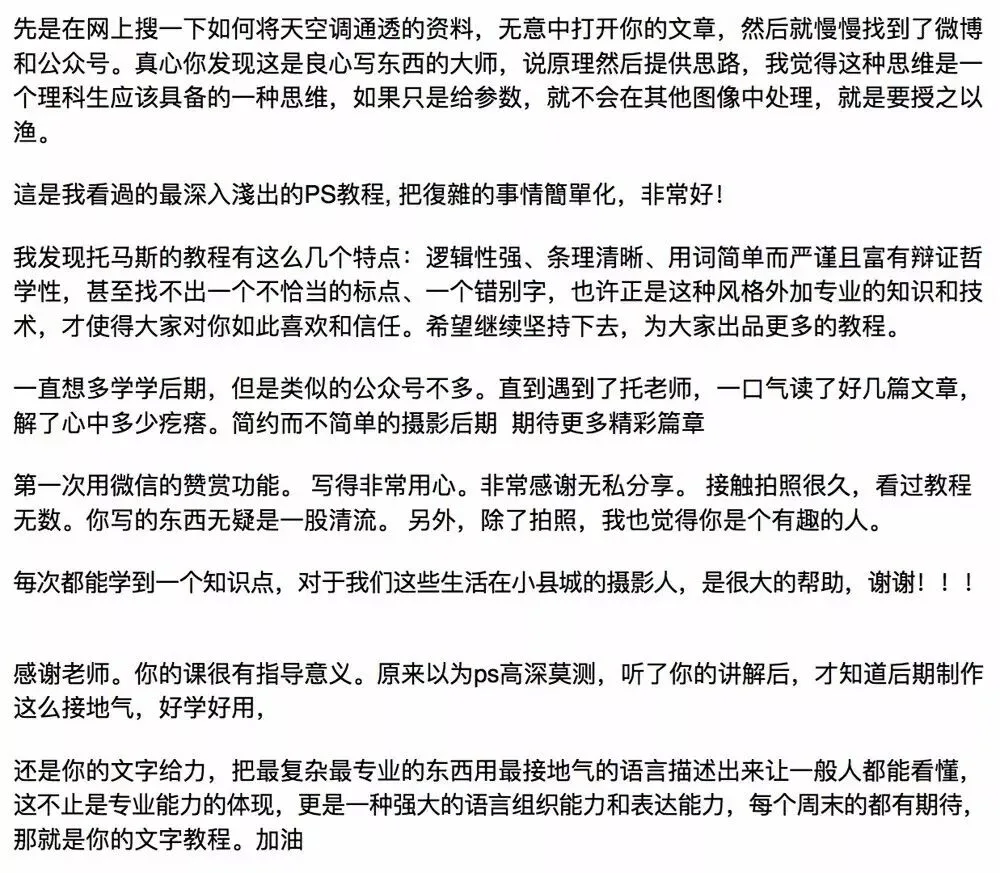
What moved me even more was the sincere encouragement from many warm-hearted netizens in private messages and comments.
I copied everyone's words into my notes, quietly motivating myself to keep shooting more exceptional photos, writing more detailed guides, and sharing more substantial tutorials.
Tutorials seem simple, but after writing more than 50 of them myself, I found that doing it well is truly not easy.
First, a tutorial must be high-quality and substantive. Piecing together an article like "Eight Composition Techniques" (《构图的八种技巧》) or "Ten Post-Processing Secrets You Do Not Know" (《你不知道的十个后期秘密》) from random bits of the internet is easy, but it is useless to readers. To write truly useful articles, my original knowledge was far from enough - I had to read, digest, think, practice, drill, and summarize on a massive scale.
In order to write the tutorial series "From Planning to Execution - An Ultra-Detailed Guide to the Pre-Shooting of Starry Skies" (《从计划到操作-超详星空前期拍摄教程》), "Post-Processing of Milky Way Photos" (《银河星空照片的后期处理》) and "How to Capture Low-Noise Milky Way Shots with an Ordinary DSLR" (《如何用普通单反拍出低噪点的银河星空》), I read through the first dozen or so pages of results about astrophotography on YouTube, various blogs, and search engines, and even traveled to Indonesia and Pakistan to experiment with night-sky shooting before I published them.
Besides photography, I also read extensively about painting, design, and color, bookmarking over a thousand pages within half a year. Without all this learning and summarizing, there would be no such widely shared articles as "The Core Techniques of Photographic Composition - It Is Not the Rule of Thirds, nor Subtraction" (《摄影构图的核心技巧 - 不是三分法,也不是做减法》), "Adding Depth and Dimension to Your Photos - On Building a Sense of Space in Photography" (《让照片更层次立体 - 浅谈摄影中空间感的构建》) and "Local Adjustments Are the Core of Post-Processing" (《局部处理是摄影后期的核心》).
Besides high-quality content, I also kept gradually improving my layout, paragraphs, fonts, and images. The image below shows the layout of my first article "If You Could Only Buy One Filter, Then It Must Be..." (《如果只能买一块滤镜,那么它一定是......》), which was quite messy.
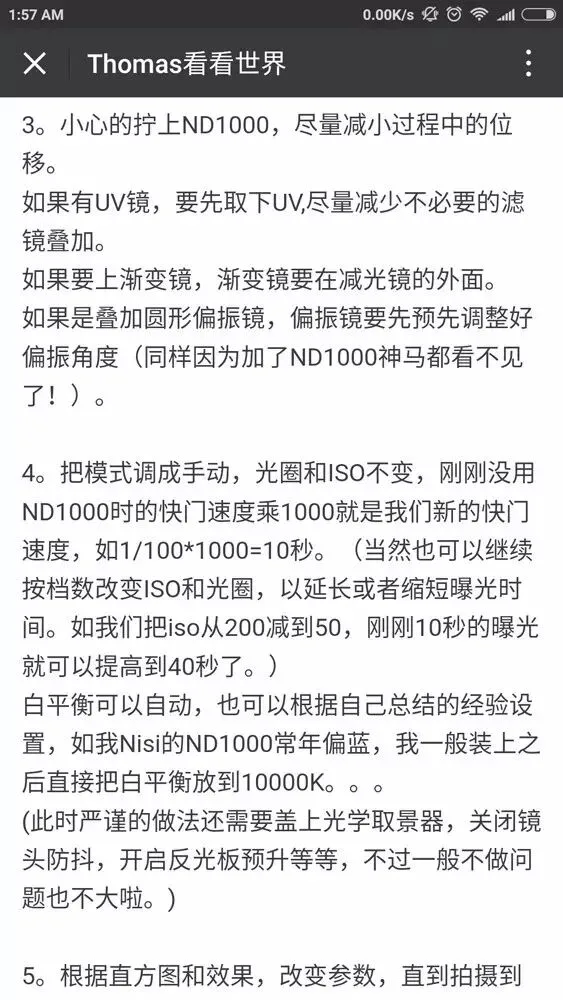
Later, by constantly referring to the layout styles of top WeChat official accounts and learning various layout techniques, I slowly developed the more readable format shown below.
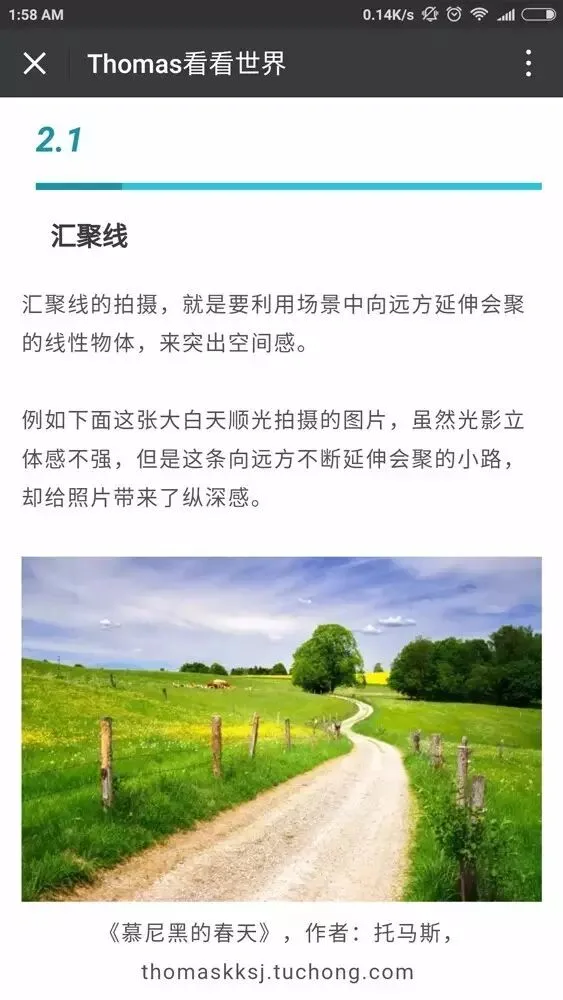
Besides being substantive, a tutorial must be understandable to readers - otherwise it becomes the author talking to himself.
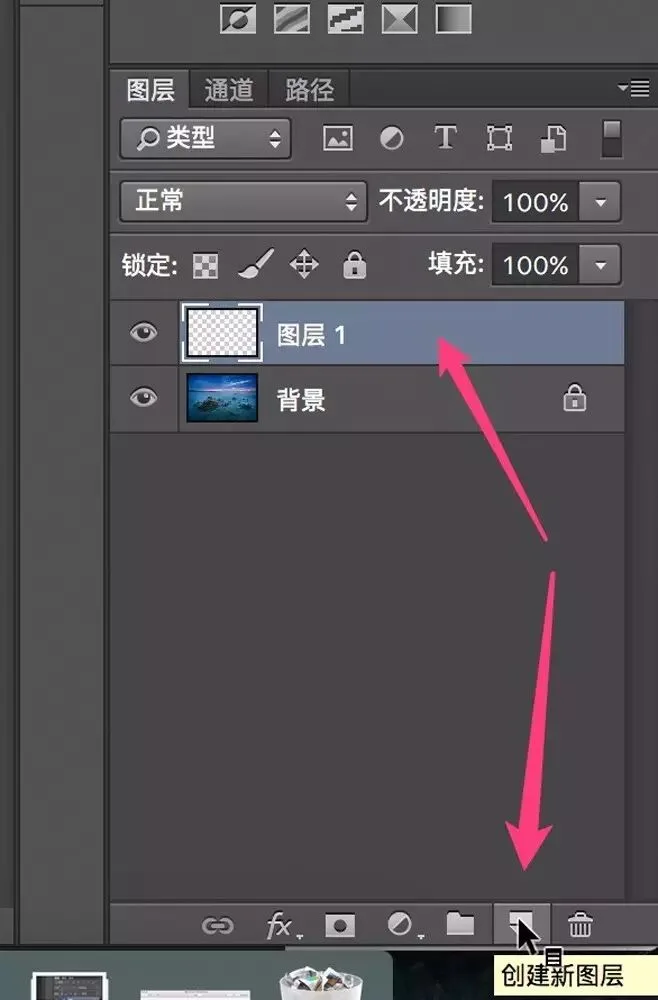
Many things that authors skim over thinking they are simple can leave readers totally confused. Beginners unfamiliar with the Photoshop interface may have no idea what we mean by the sharpening panel or color balance. So gradually I learned to annotate arrows and text on images and videos, so everyone knows how to find these features.
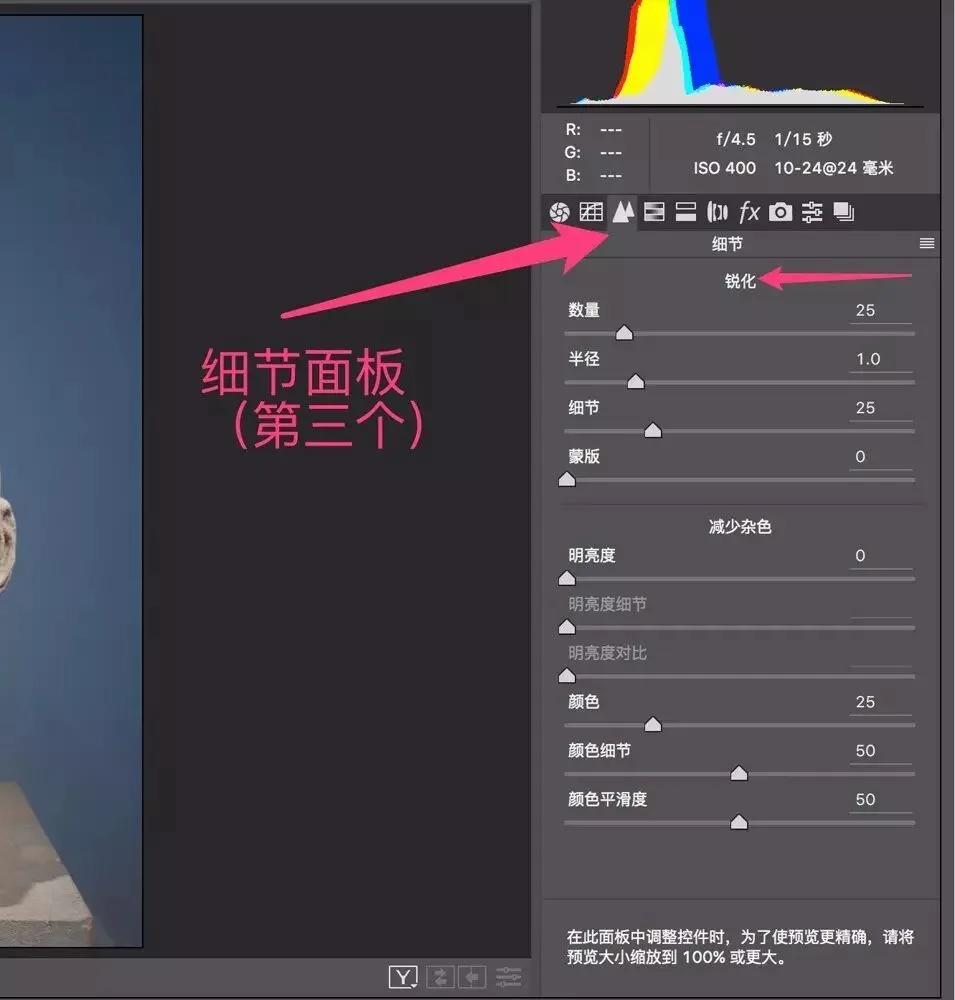
Even for a simple operation like "create a new blank layer," without careful annotations in the image, many beginners simply do not know where to start.
I remember once when I released a video that used the keyboard's Alt key, I just read it out as "hold down the Ate key." Later a user commented asking whether I meant the "Alt key" or the "@ key."
I was utterly shocked at the time - not because of such a novice question, but because I suddenly realized how incredibly hard it is to truly write an accessible, easy-to-understand tutorial.
If I could not put myself in the shoes of a complete beginner, like a diligent product manager, then many of the tutorials I thought were well done would fail to teach readers anything.
So observant friends may have noticed that later, whenever I mentioned the "Alt key" or "Ctrl key" in my videos, I put an image of that keyboard right beside it.
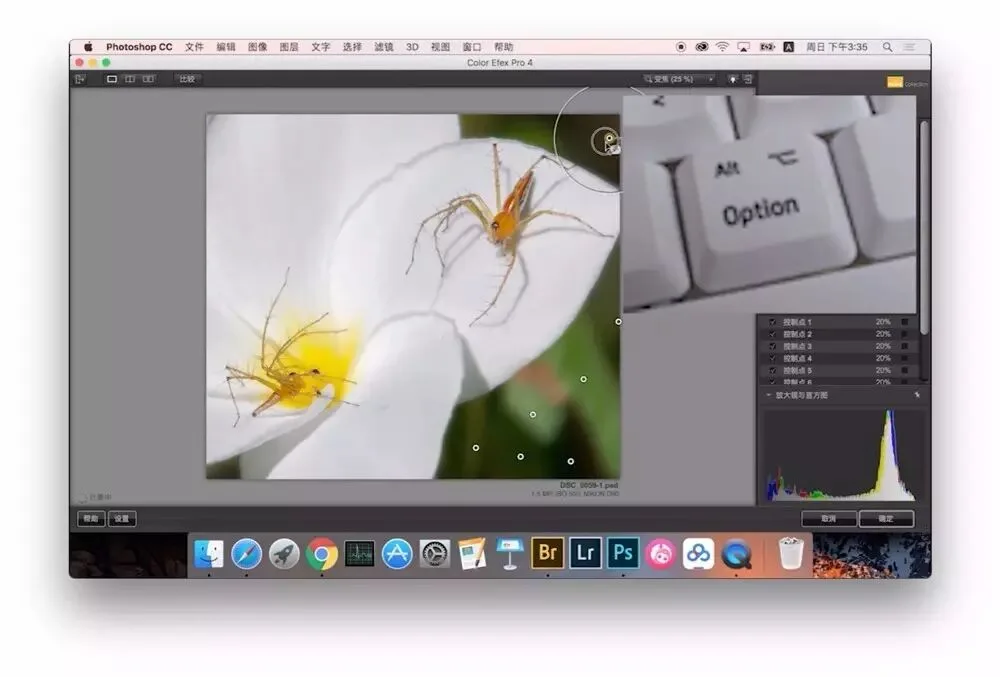
Although this adds some work, and most viewers will never notice these details, I think this is what it means to pursue perfection and polish every detail with craftsmanship.
Besides being substantive and understandable, tutorials must above all be systematic. Fragmented knowledge is easily forgotten; only systematic content truly helps people learn and improve. So every once in a while, I create a directory in a logical learning order, like "Read All 50 Photography Tutorials in One Article" (《一篇文章读完50篇摄影教程》).
Meanwhile, the content I publish can also be grouped into themed series:
For example, the ACR and Lightroom beginner series:
"What Exactly Is ACR in Photoshop? How Is It Different from Lightroom?" (《PS中的ACR究竟是什么?和Lightroom有什么区别?》)
"The Big Lessons of Photo Management and Backup" (《照片管理、备份的大学问》)
"Do Not Let Distortion Ruin Your Photos - Basic Corrections in ACR/Lightroom" (《不要让畸变毁了你的照片 - ACR/Lightroom基本校正》)
"Post-Processing Applications of the Histogram - How to Use It to Create Masterpieces in 8 Tonal Styles" (《直方图的后期应用 - 如何用它调出8种影调风格的大片》)
"Easily Beautify Your Photos - Understanding the Tone and Tonality Control of Lightroom's Basic Panel" (《轻松美化照片 - 理解Lightroom基本面板的色调与影调控制》)
"Photoshop Curves (Part 1) - How to Give Your Photos a Brand-New Tonality" (《PS曲线(上) - 如何用它让照片影调焕然一新》)
"Photoshop Curves (Part 2) - How to Create a Rich Variety of Effects Like Film, Low-Key, and Bleach Bypass" (《PS曲线(下) - 如何调出胶片、暗调、漂白等丰富多样的效果》)
"Do You Really Understand Sharpening?" (《你真的理解锐化了吗?》)
"How to Reshape Light and Shadow in Your Photos with Local Filters" (《如何用局部滤镜重塑照片光影》)
"How to Use the Brush to Make Flat Photos No Longer Dull" (《如何用画笔让平淡的照片不再单调》)
"Photoshop Brush in Practice - Turning a Flat Night Scene into a Dusk Masterpiece" (《PS画笔实战 - 平淡夜景秒变黄昏大片》)
"The Powerful Lightroom/ACR Brush - You Will Master It After Reading This" (《强大的Lightroom/ACR画笔 - 看完这篇就学会啦》)
"Lightroom in Practice - Editing Warm-and-Cool Cinematic Tones into Everyday Photos" (《Lightroom实战 - 修出冷暖电影色调的生活照》)
For example, the ever-updating and widely praised Nik plug-in series:
"Enhancing Photo Detail - A Detailed Guide to the Nik Tonal Contrast Filter" (《增强照片细节 - Nik色调对比滤镜详解》)
"A Noise-Reduction Wonder Even Better Than Photoshop - The Nik Dfine Plug-in" (《比PS更好用的降噪神器 - Nik Dfine 插件》)
"A Local-Adjustment Wonder Even Better Than Photoshop - The Nik Viveza Tutorial" (《比PS还好用的局部调整神器 - Nik Viveza教程》)
"Still Using the S-Curve? Try the More Powerful Nik Filter to Adjust Contrast" (《你还在用S曲线吗?试试更厉害的Nik滤镜调整对比度吧》)
Many friends worry that if Thomas later writes books or launches paid courses, he might delete these free tutorials and never update them again.
No, I will not. As stated on my official account's profile card, my mission is "to make photography no longer hard to learn." Whether it is photography, the outdoors, writing articles, or making videos, all of it is something I deeply love and that gives me a great sense of achievement. I will keep going.

I am also confident that if my free articles deserve three stars, my paid books and courses will surely earn five stars or even better.
Many fans are curious about how I manage to balance work, life, and photography.
My answer is simple: if you truly love something, there is no need to balance it - just give it everything you have got.
Outside of work, cut out all entertainment and leisure time - even part of your sleep - and pour all your energy into the things you love.
If you are still thinking about how to balance or what to give up, it means you do not love it enough.
True passion is always about giving your all and pursuing perfection.
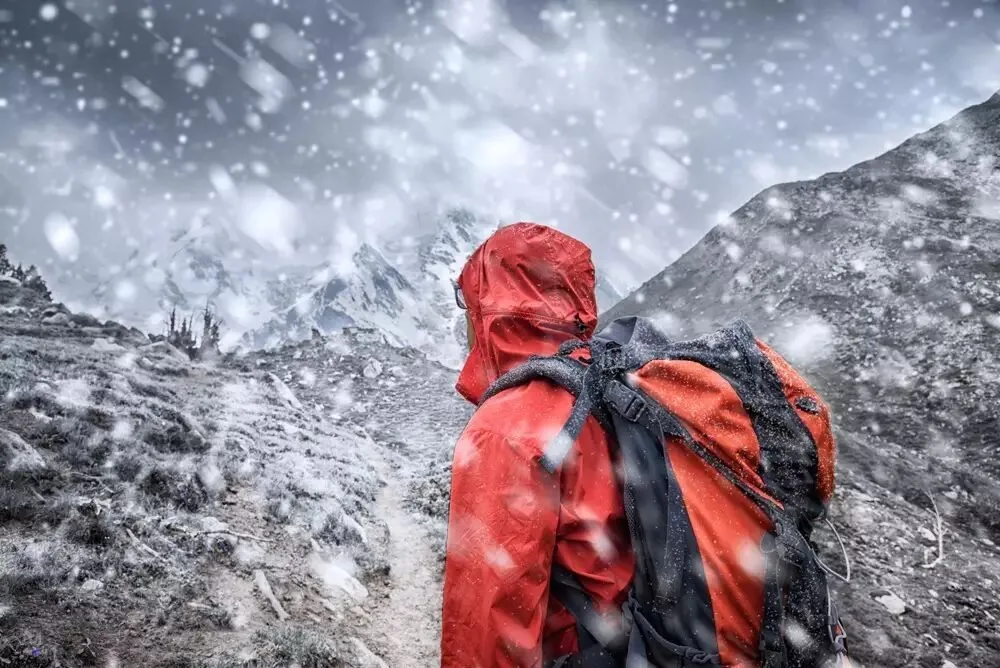
At 27,
although I am still working diligently at my day job,
I will not give up photography, the outdoors, or writing tutorials,
and I certainly will not give up the moment I have been preparing to spread my wings and soar.
At 27,
I have finally found a value I affirm within myself and a pursuit I can give my all to.
I am, at last, living for myself.
At 27,
I will walk my own path,
without turning back.