Photography Tutorial · 2025-03-23
An Amateur's Phone Photos Won a Major Prize? Here Is the Review!
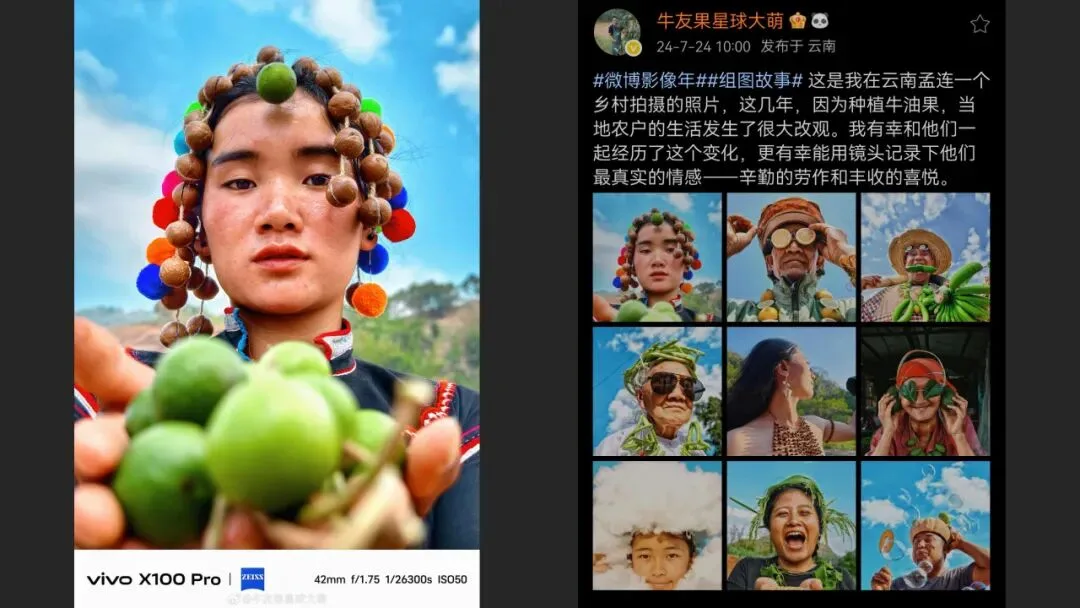
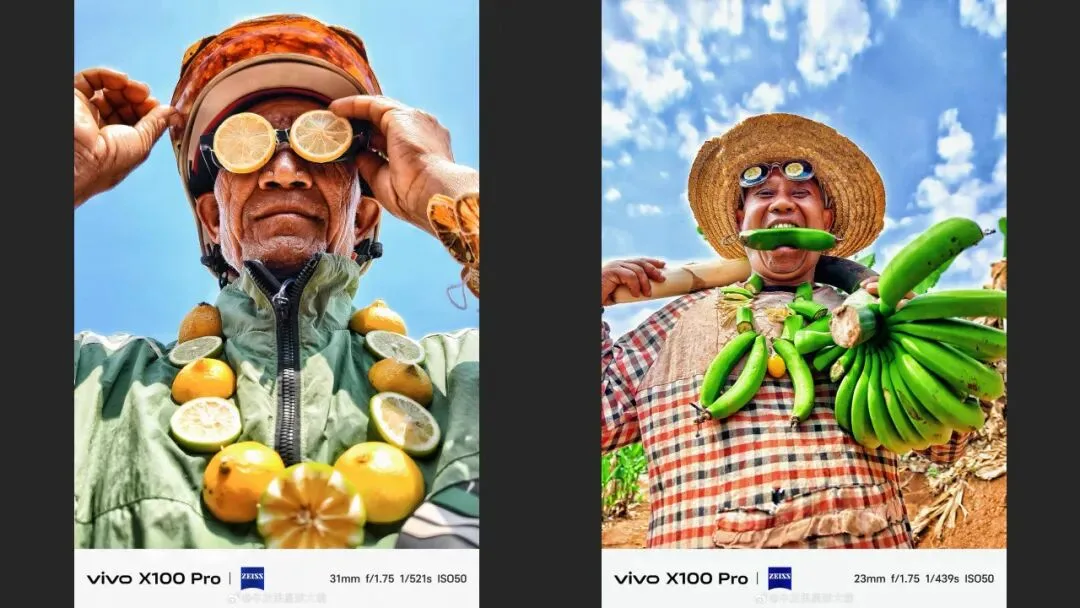
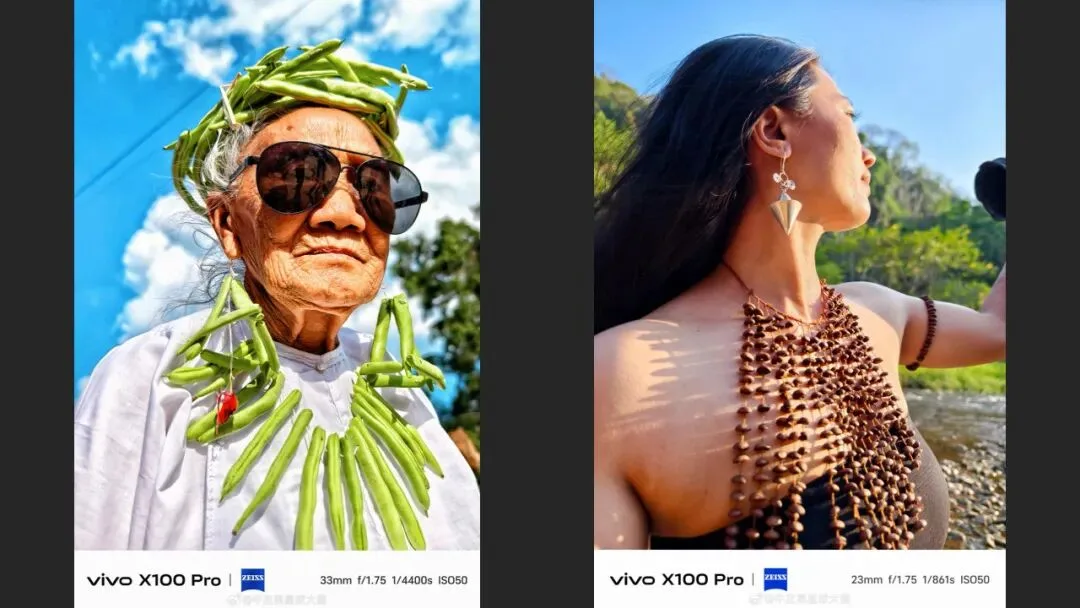
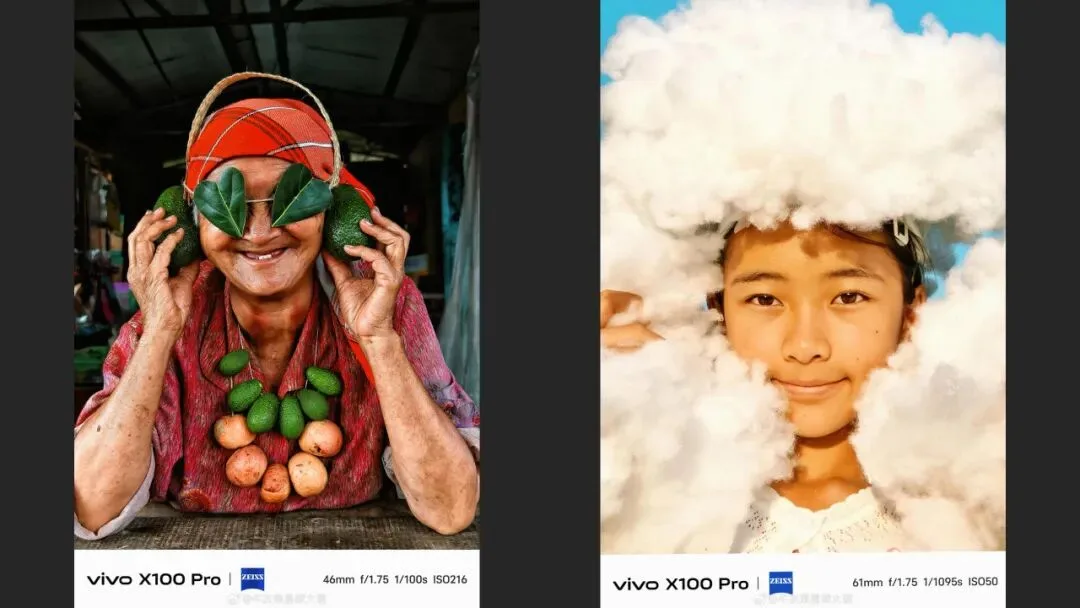
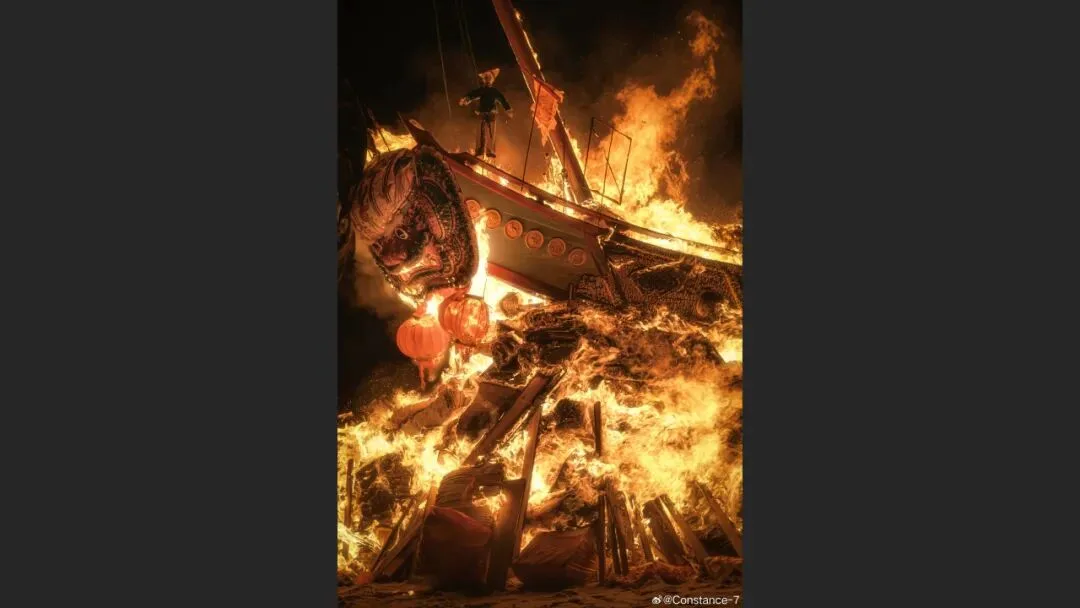
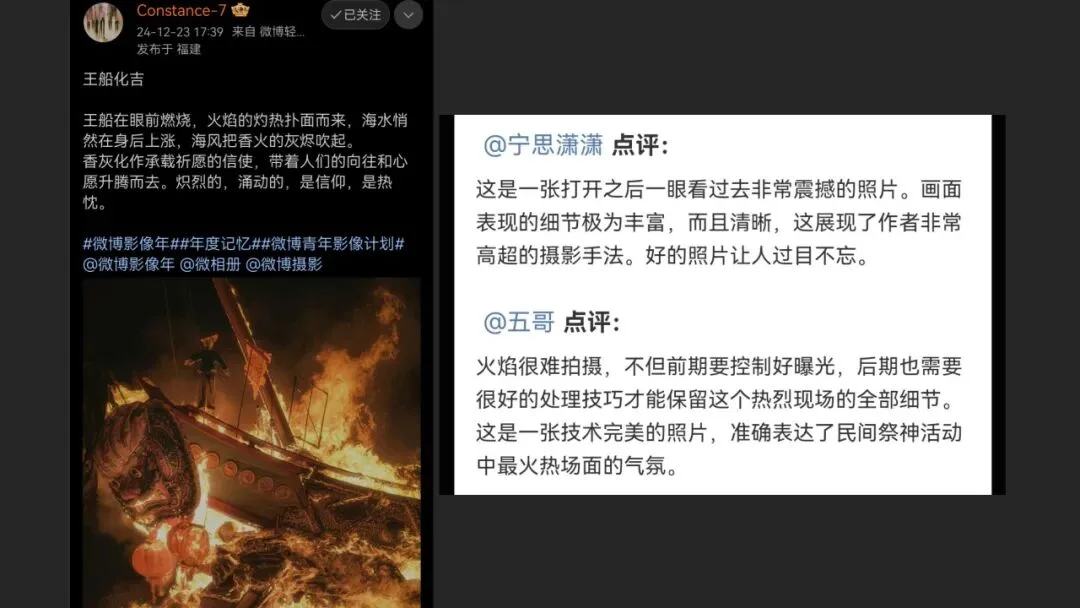
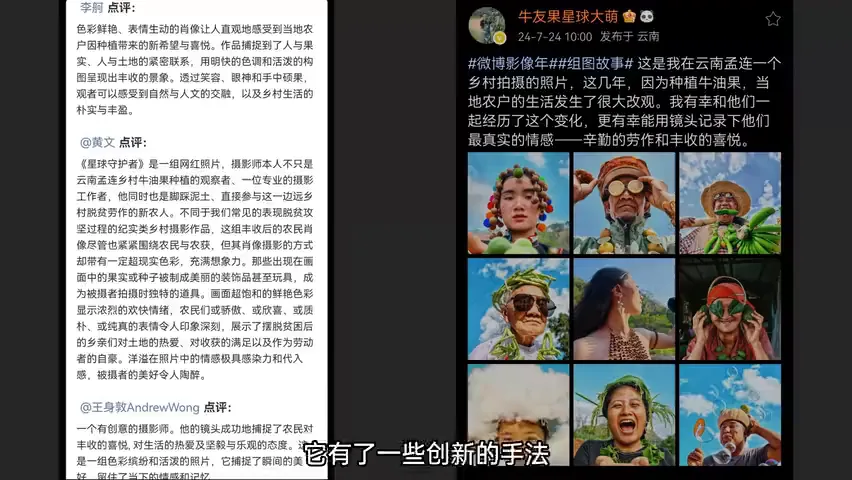
A set of phone photos shot by a photography enthusiast stood out from 5.56 million submissions to the "Weibo Image of the Year" (微博影像年) awards and took home the 100,000 RMB prize!
Why did these photos win?
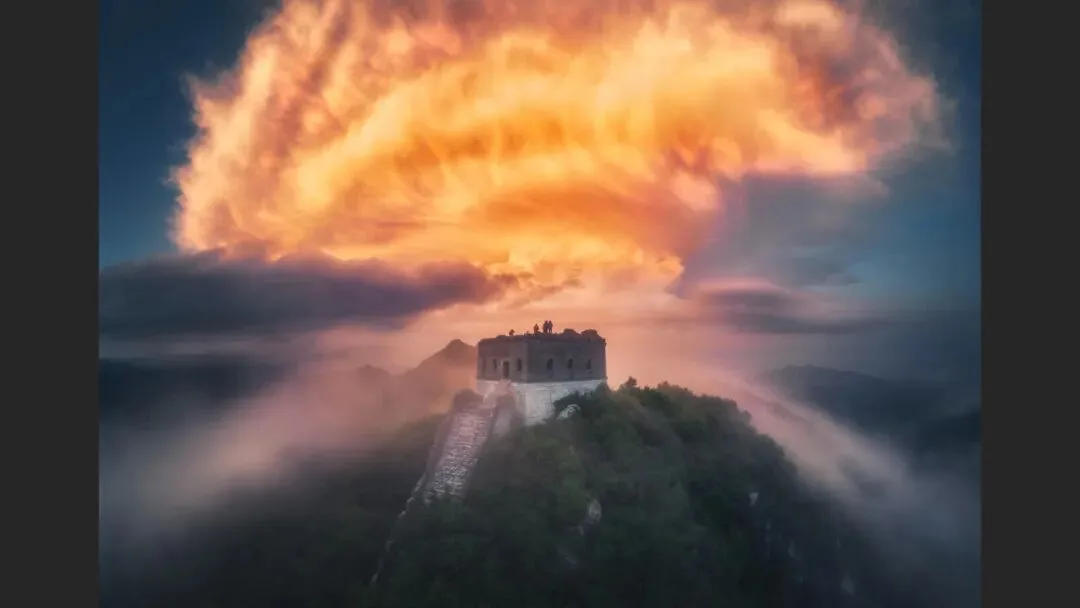
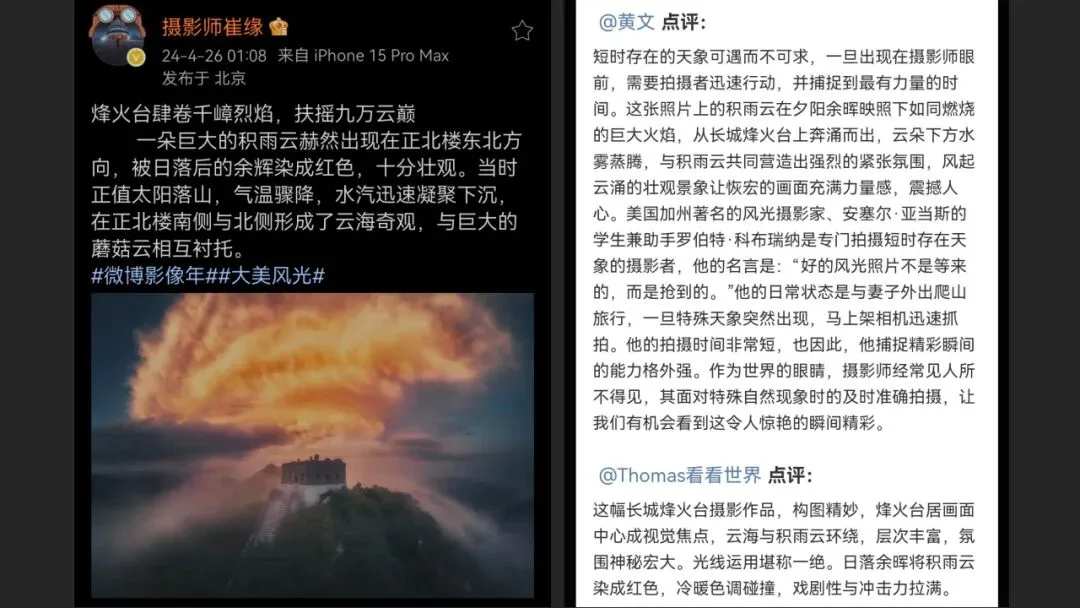
Today, at the Bird's Nest, Thomas will review the winning and outstanding exhibited works of the "Light and All Things" (《光与万物》) photography exhibition with you.
Video
▶ Watch the video tutorial on Bilibili
This is the illustrated companion to the video above. A set of phone snapshots by photo hobbyists beat 5.56 million entries in the Weibo Image Year to win the 100,000-yuan grand prize — at the 'Light and All Things' exhibition at the Bird's Nest, Thomas reviews the winning and exhibited works one by one. The five chapters below organize his commentary: why the top prize went to phone photos, the stories that moved the judges, decisive moments, subtraction in black and white, and more exhibits worth a close look.
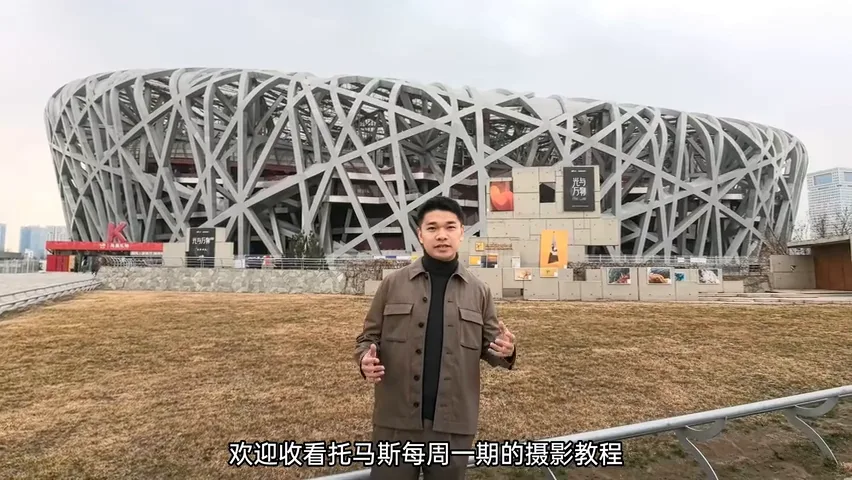
01 An Exhibition at the Bird's Nest and a Winner List Shot on Phones
From March 8 to April 13, 2025, the 'Light and All Things' exhibition ran at the Bird's Nest, featuring last year's Weibo Image Year winners. The grand-prize result surprised many: the work is honest yet inventive, shot entirely on a phone, and its author is not a professional photographer but an ordinary worker (at 0:50 in the video).
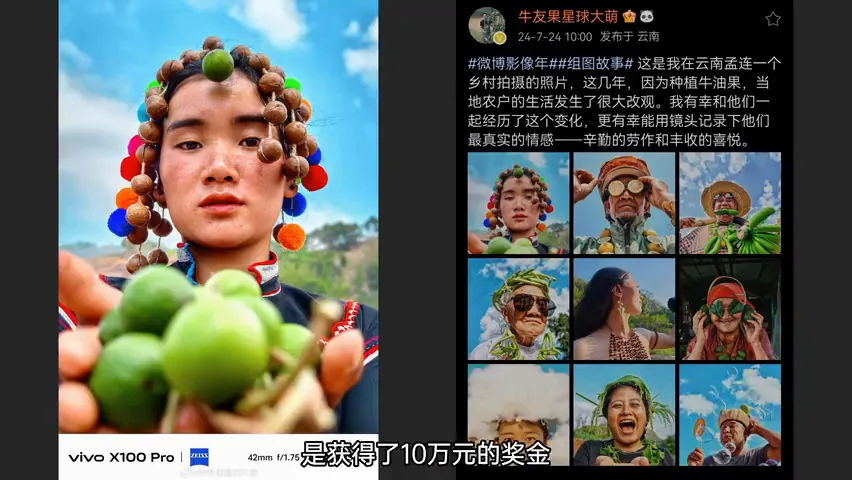
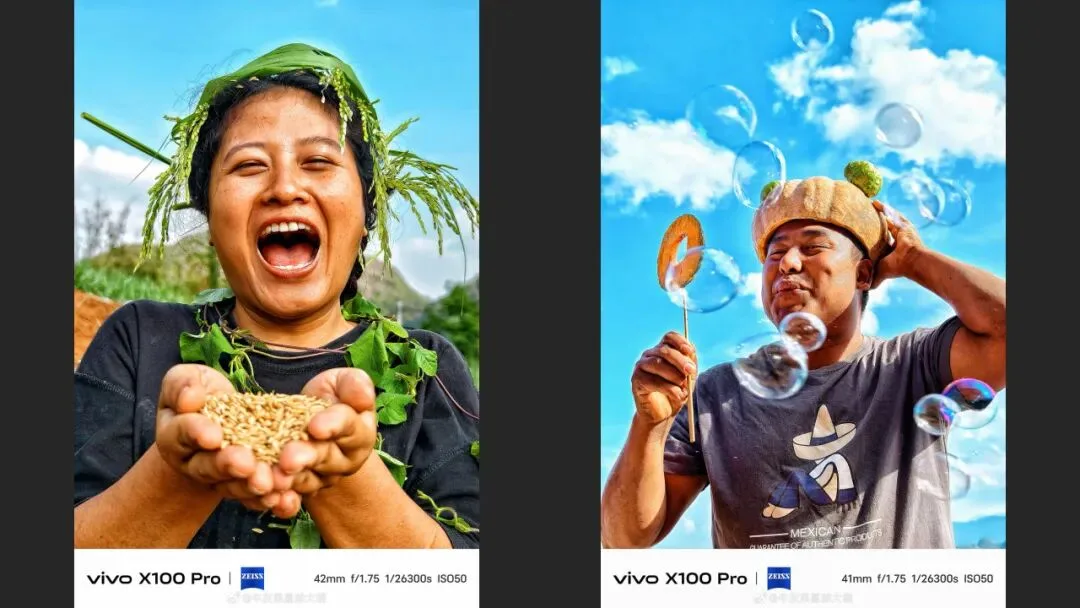
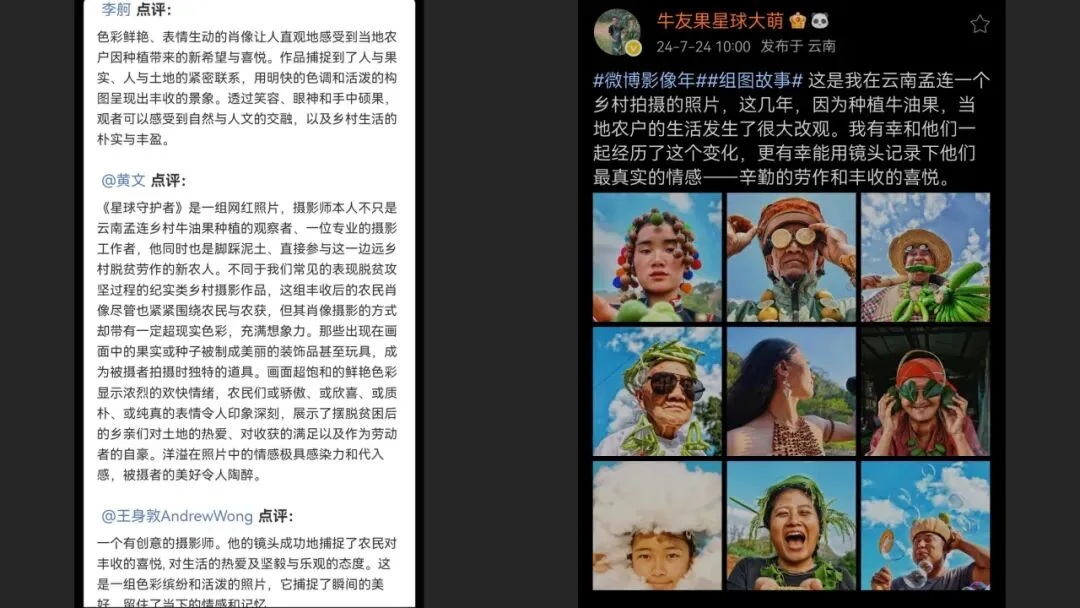
The winning series portraits rural farmers: the photographer had them wear their own produce — durians, lemons, green beans, vegetable leaves, cotton — as inventive headdresses and necklaces. A rural-revitalization theme easily turns cliché, but these pictures approach it with such fresh invention that theme and creativity reinforce each other, winning unanimous praise from the judges (at 1:15 in the video).
02 What Moves the Judges Is the Story Behind the Frame
The silver award is equally restrained: a mother has taken her child to Beijing for medical treatment, and on the child's birthday the family portrait is completed through a projector — the father appearing on the wall from far away. The frame is minimal; the story behind it lingers — documentary photography's power of saying more with less (at 1:58 in the video).

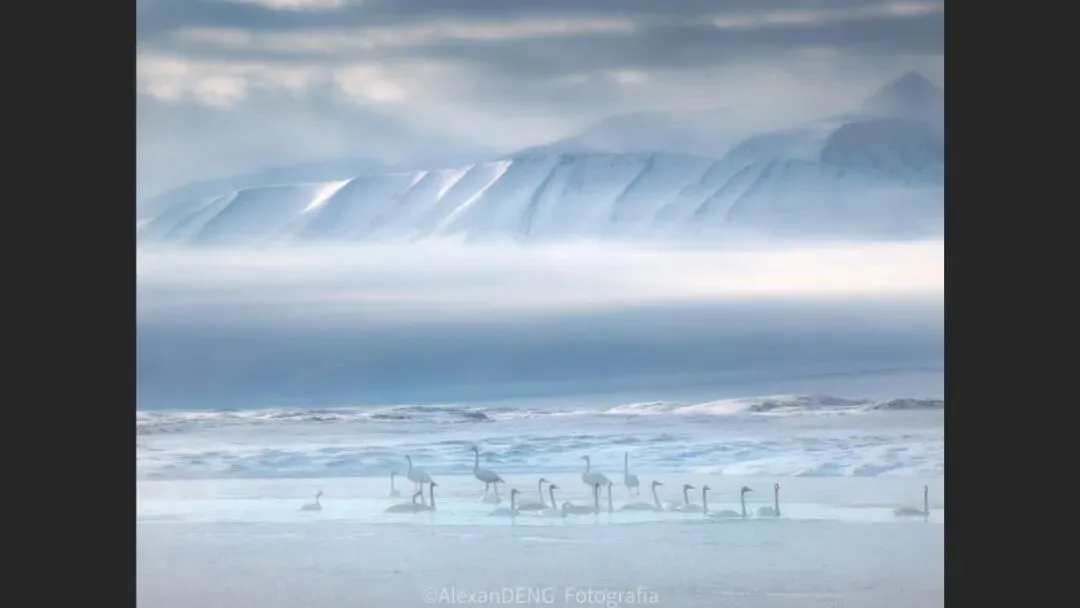
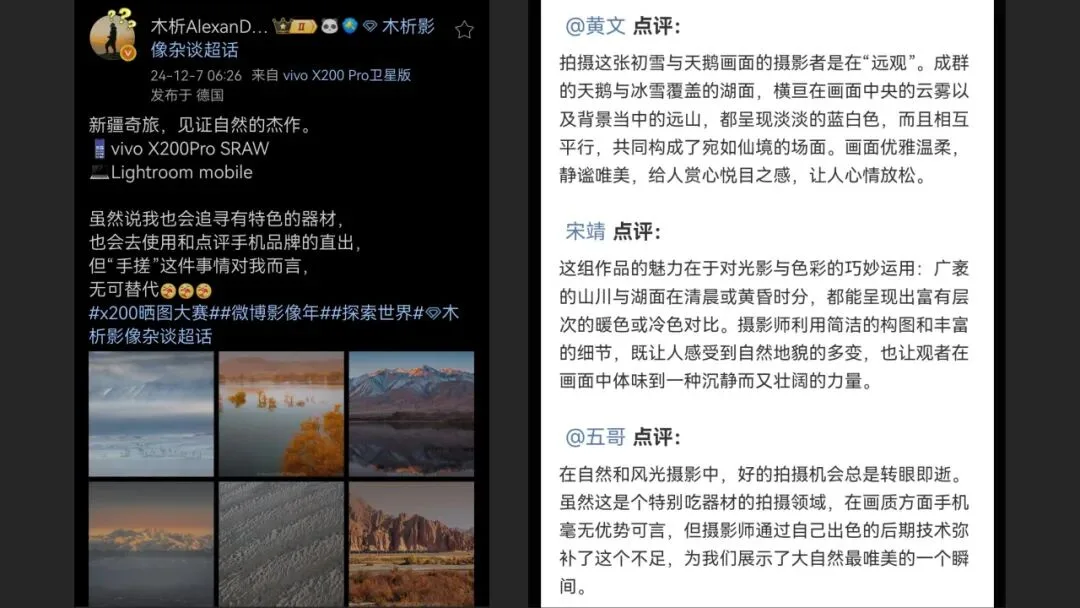
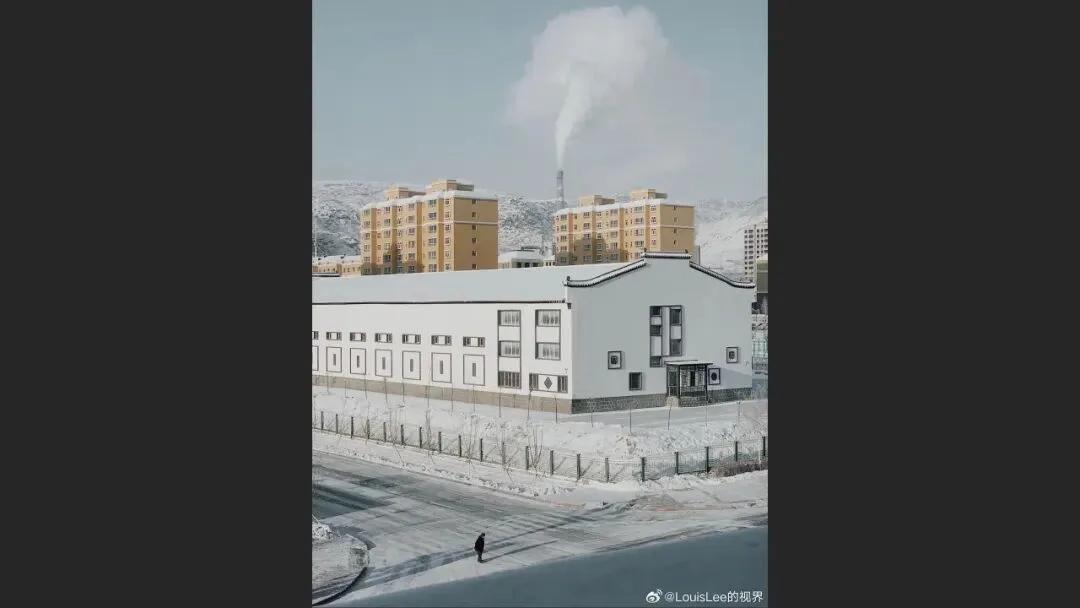
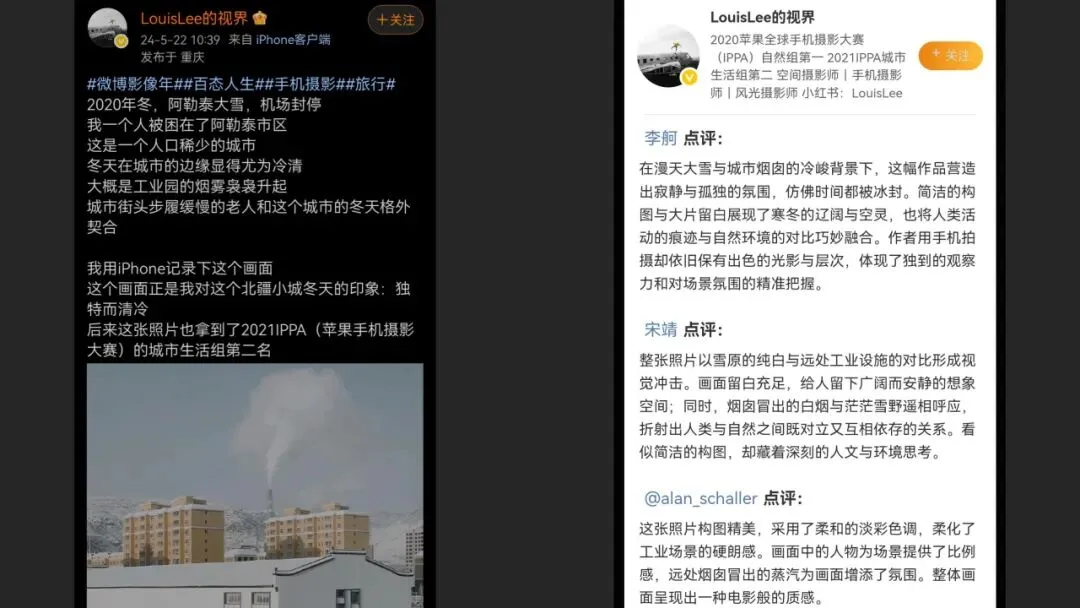
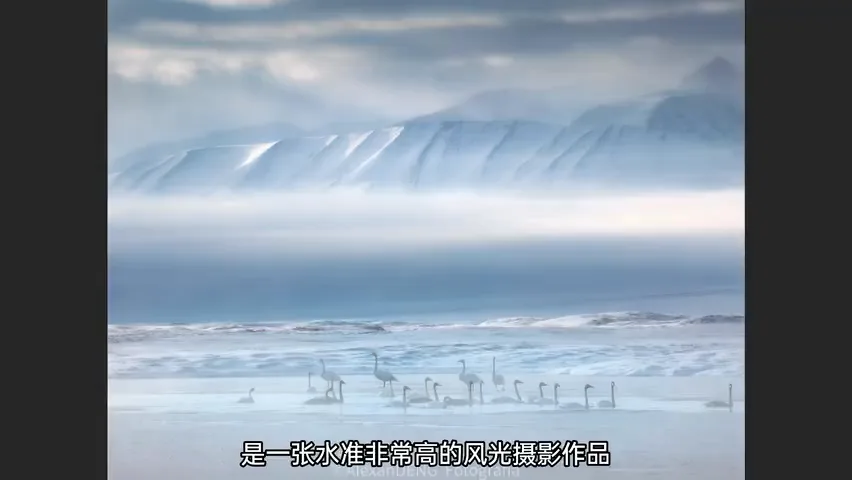
Layering alone can carry a landscape: birds in the foreground, mist in the middle distance, snow mountains behind — dreamlike light showing superb control. Another work, set in the northeast, wins on atmosphere: soft tones, rich layers, graded toward cyan against the orange building in frame for a subtle warm-cool contrast; the tiny figure in a vast scene conveys solitude and dependence between people and nature (at 2:42 in the video).
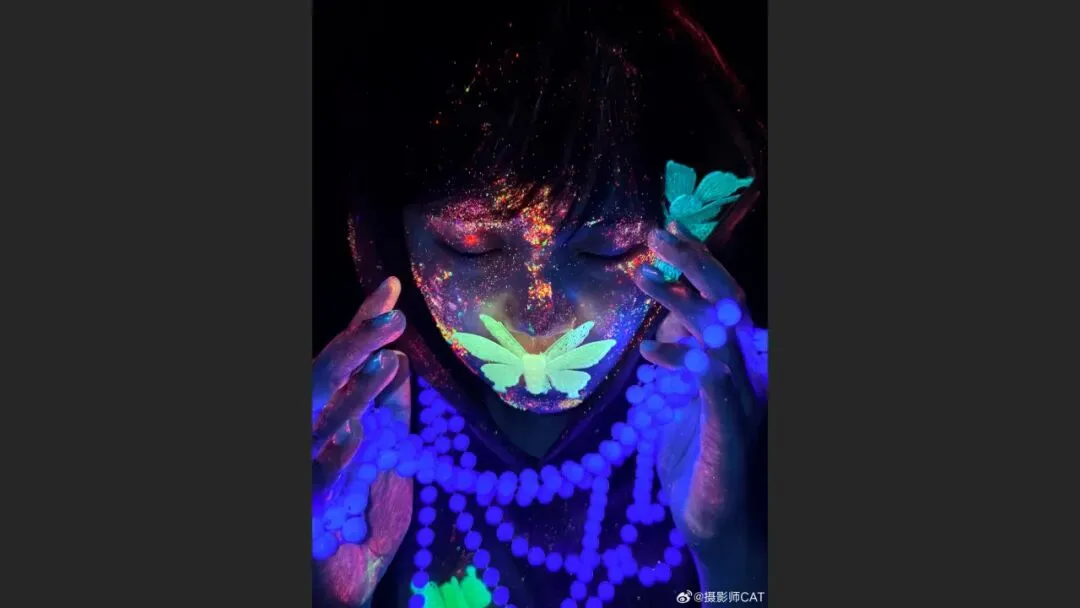
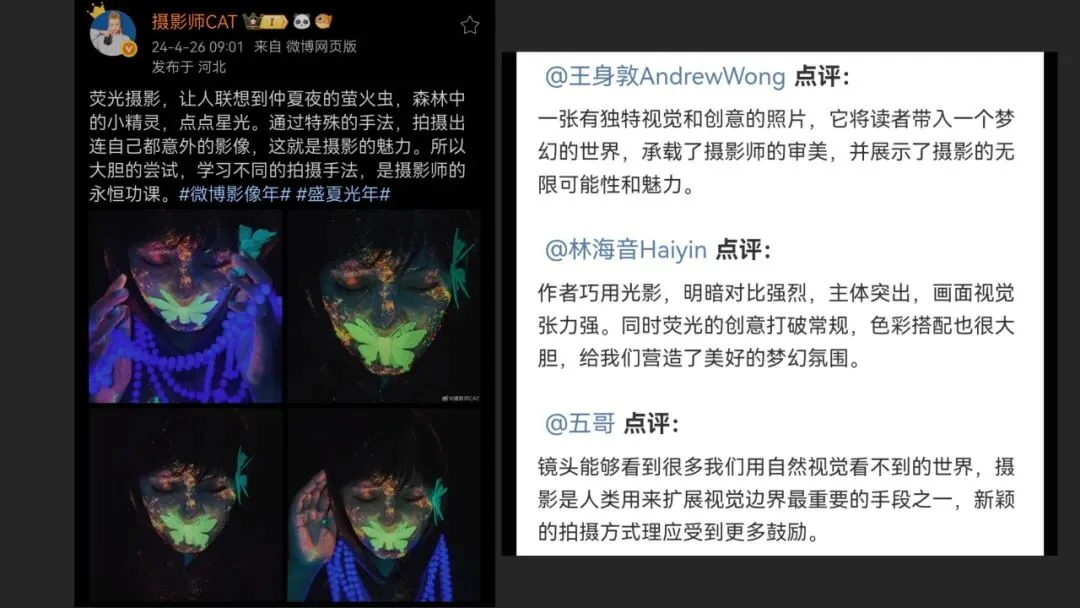
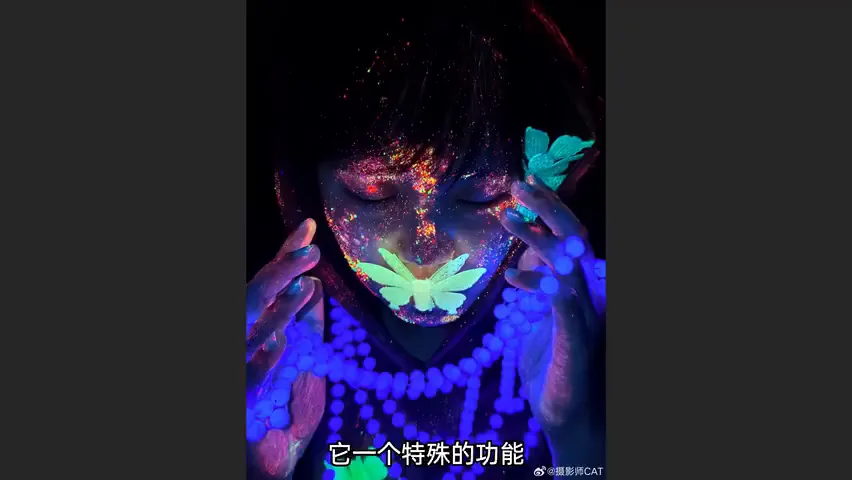
Another photographer used the Light Painting mode of a Huawei foldable, turning computational photography's unusual rendering into a creative language for a fairy-tale portrait — new technology can bring novelty to photographs too (at 3:21 in the video).
03 Decisive Moments and Once-in-a-Lifetime Light
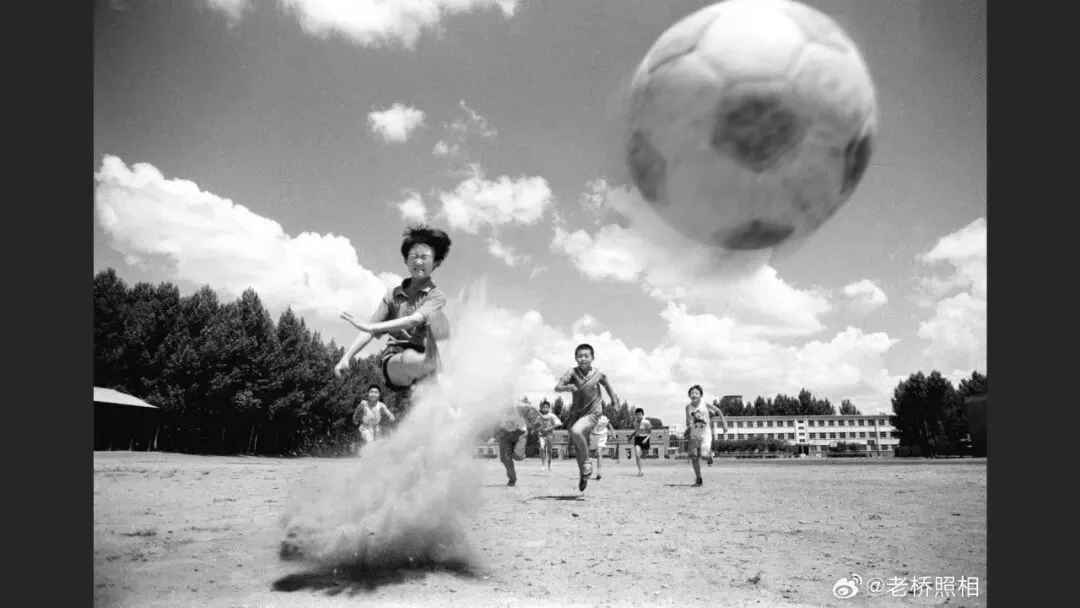
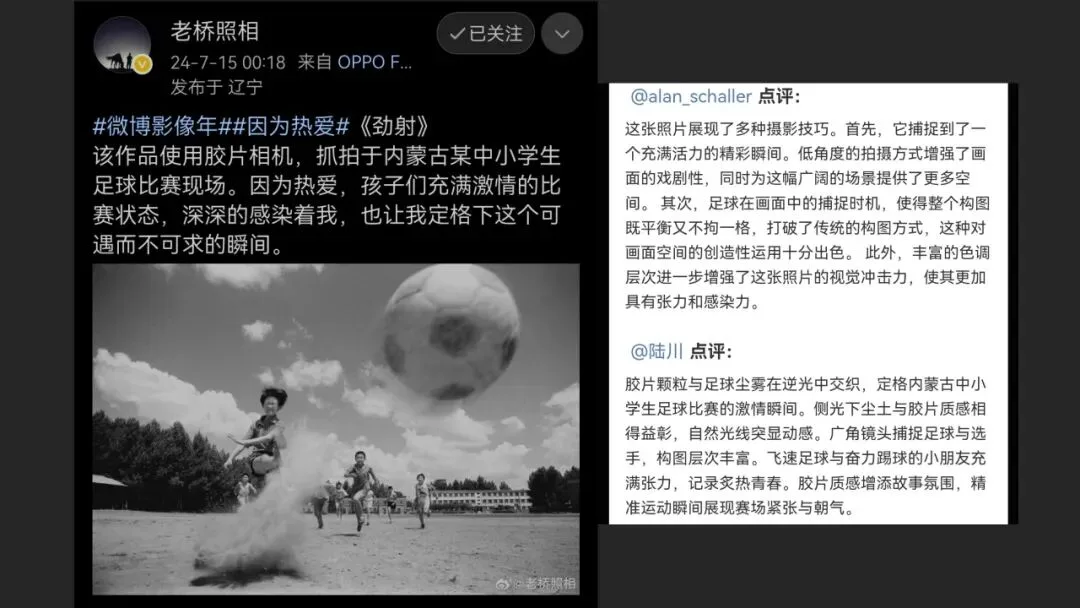
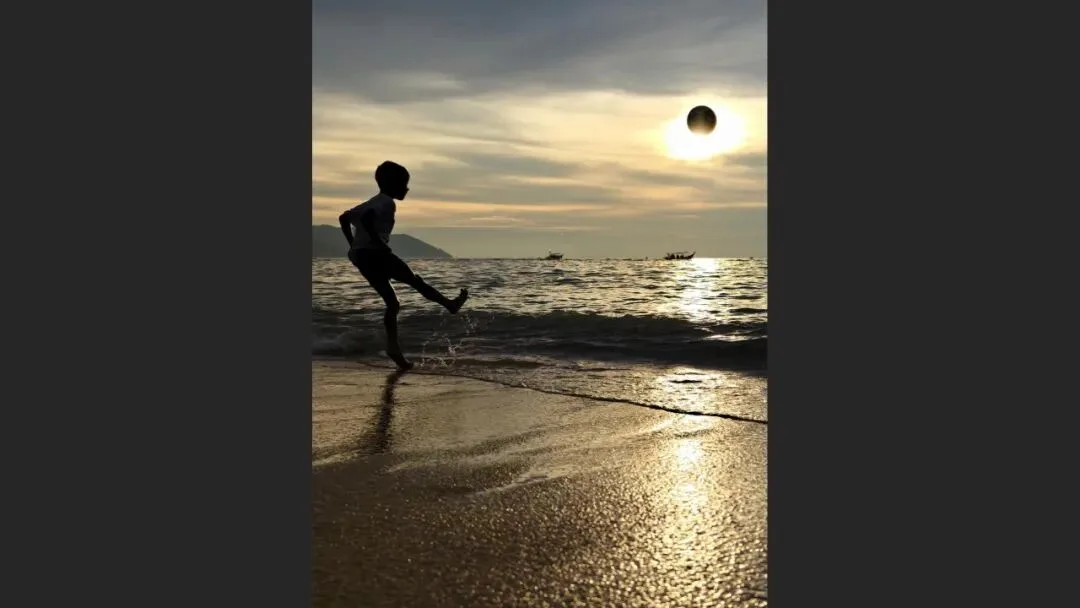
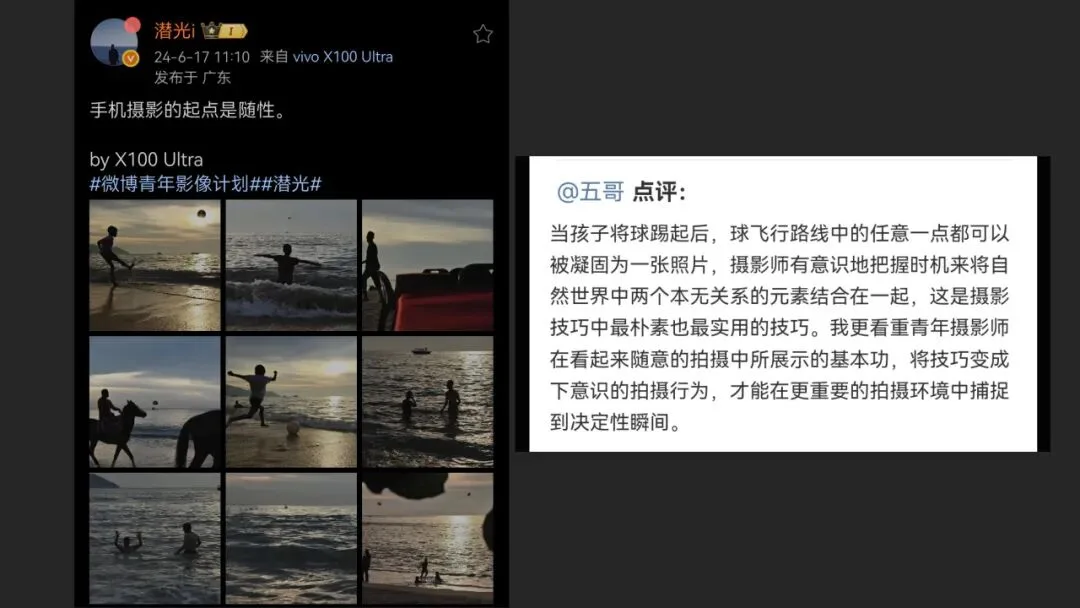
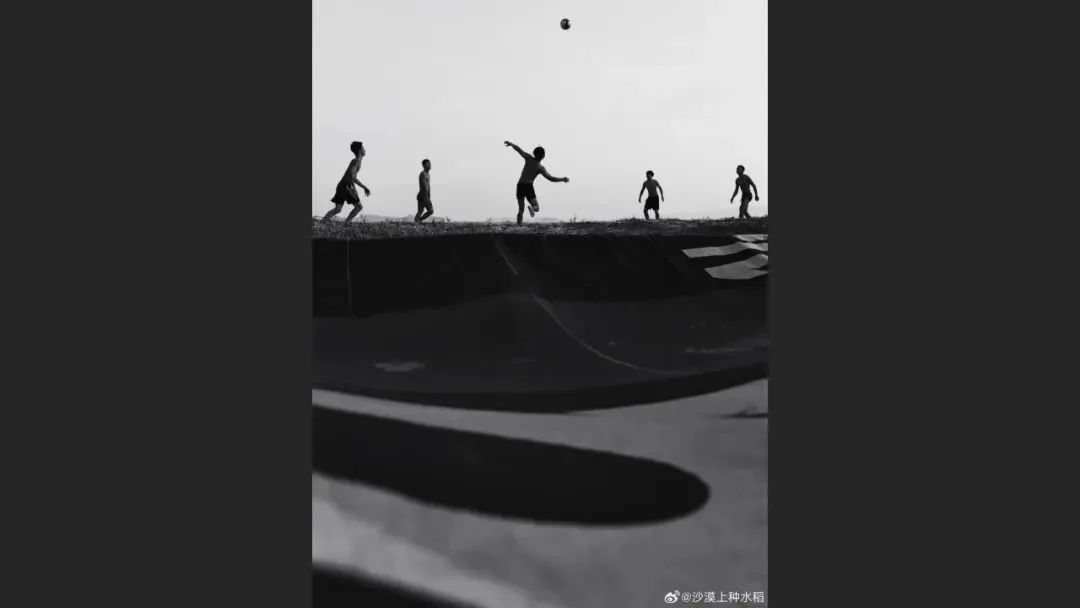
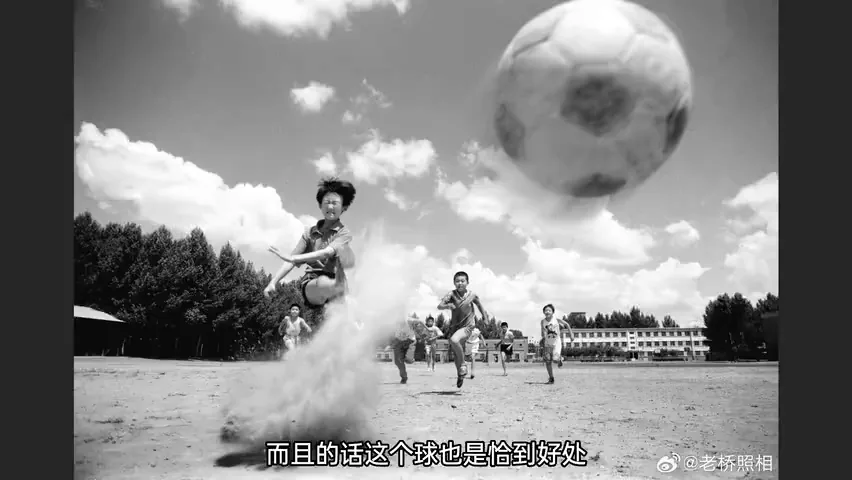
In one black-and-white frame a boy rises into the air to strike the ball, which happens to drift down right on the golden section in the most dynamic way — complete environmental context, perfect expression and motion. As Thomas says, a decisive moment you can never arrange, only encounter (at 4:22 in the video).
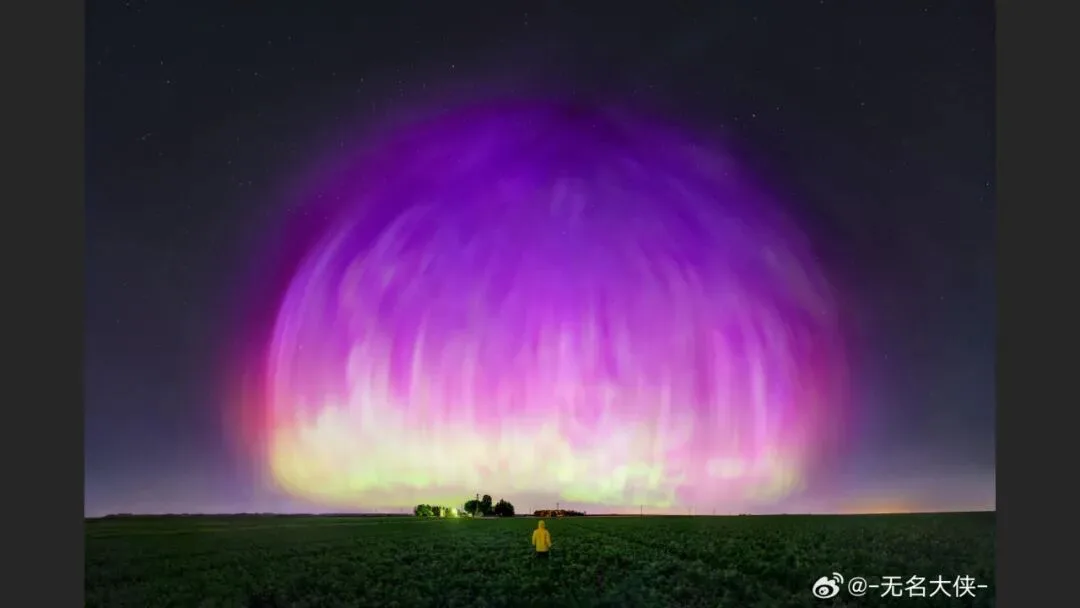
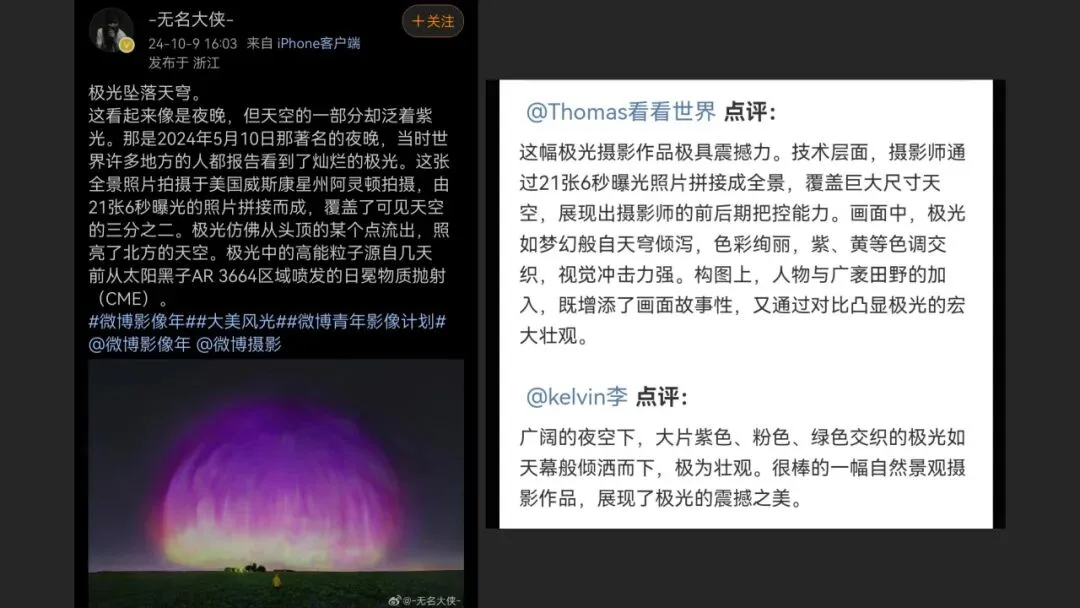
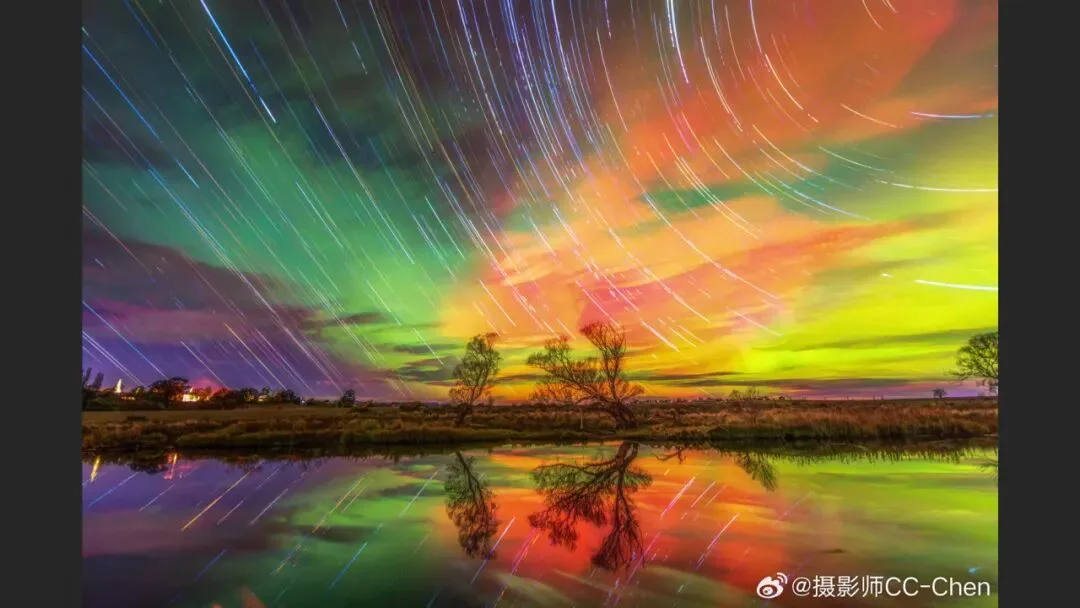
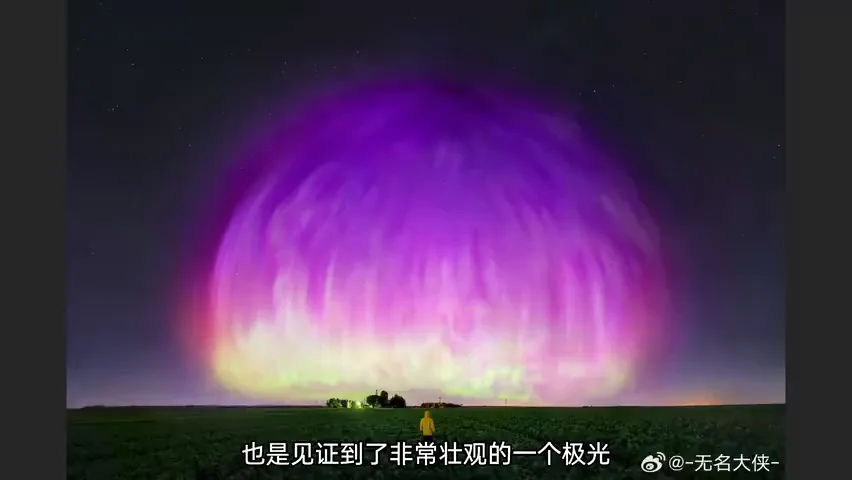
The landscape winner is equally unrepeatable: during the great global aurora storm of May 2024, this photographer in the northern United States witnessed a spectacular auroral dome where auroras almost never show, and stitched 21 six-second exposures into one panorama — beyond luck, it took craft (at 4:55 in the video).
04 Black and White Is Subtraction
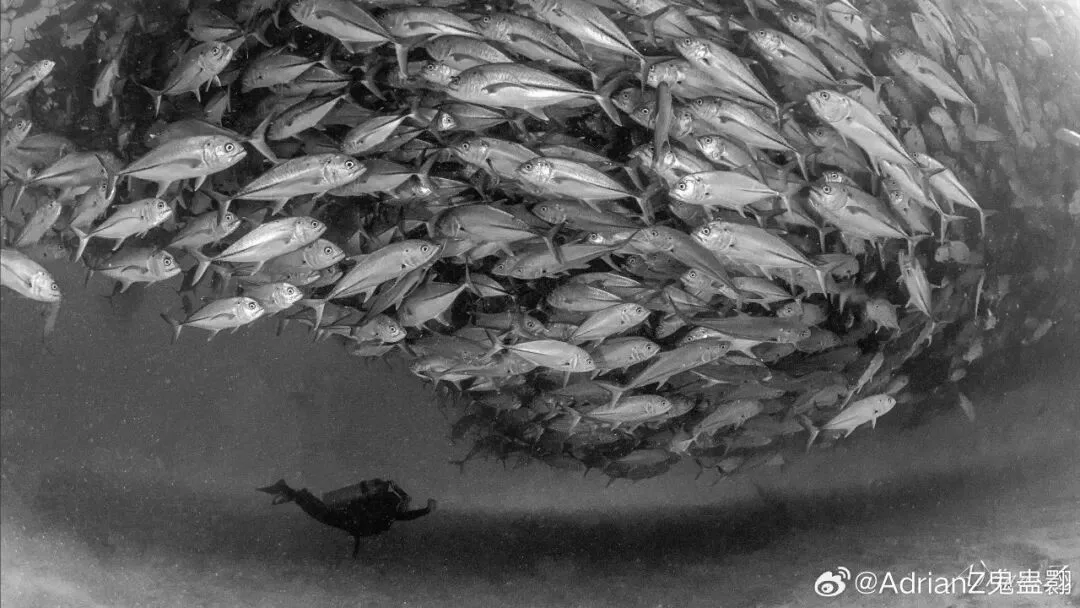
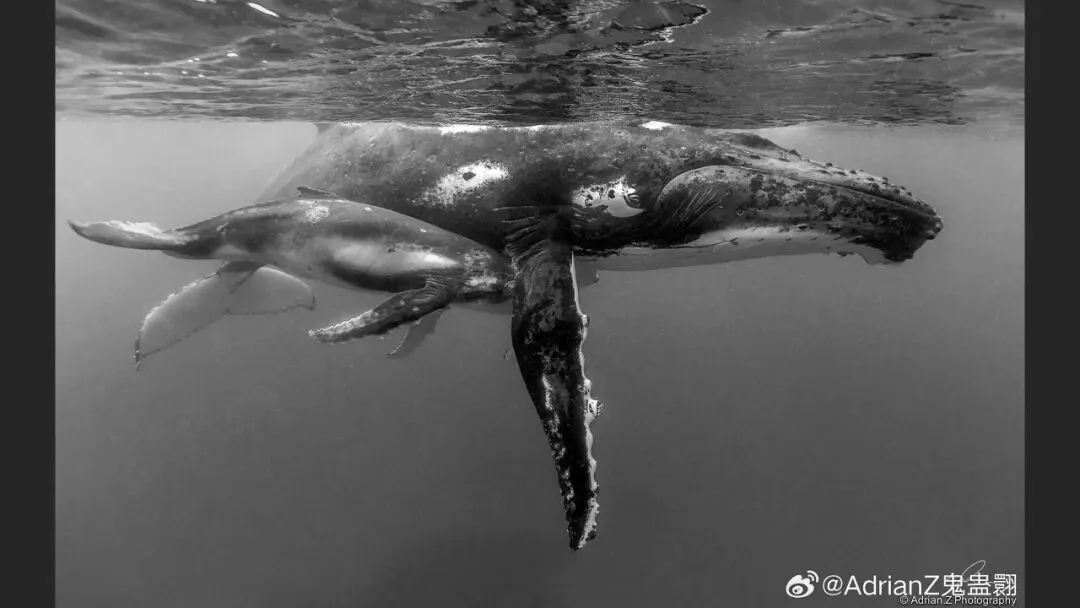
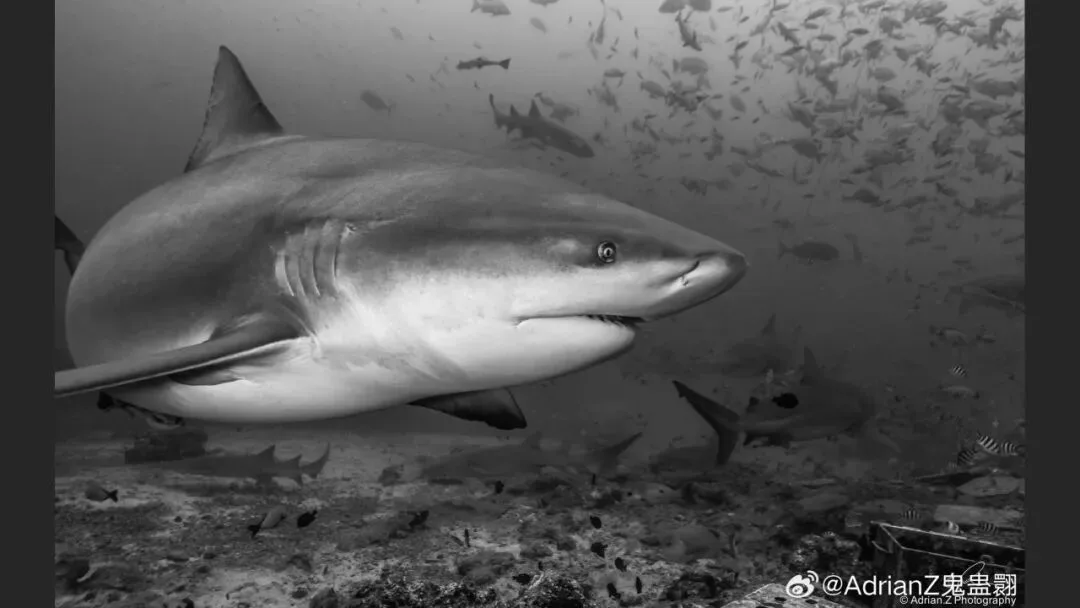
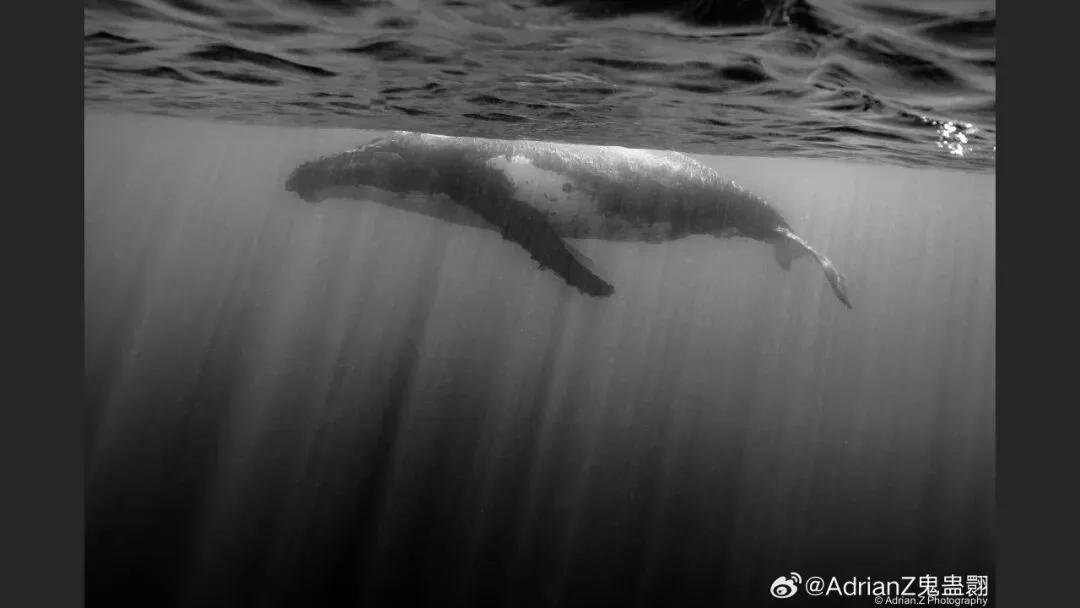
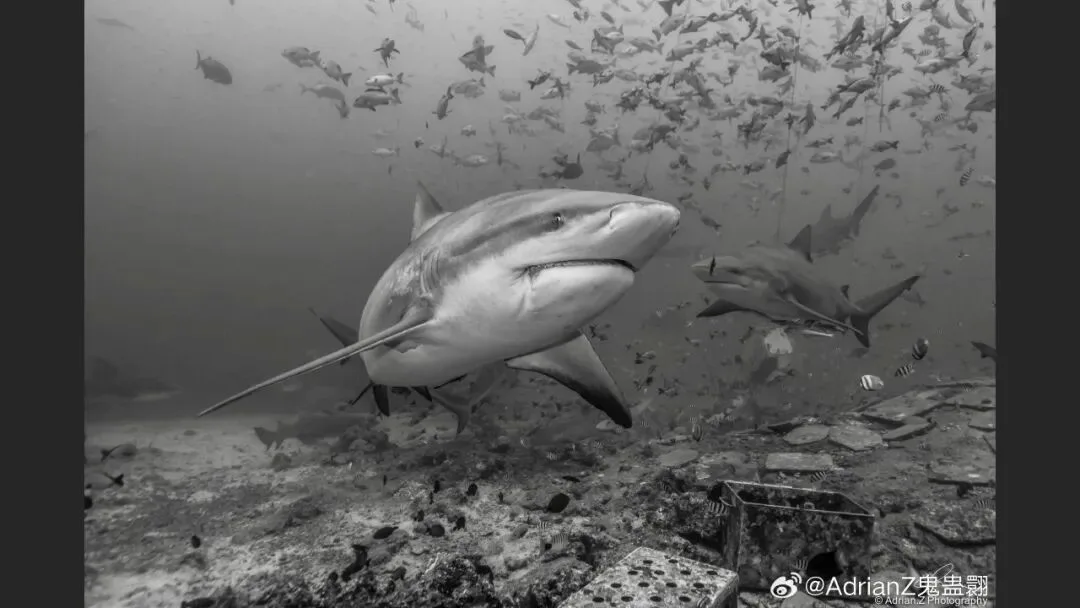
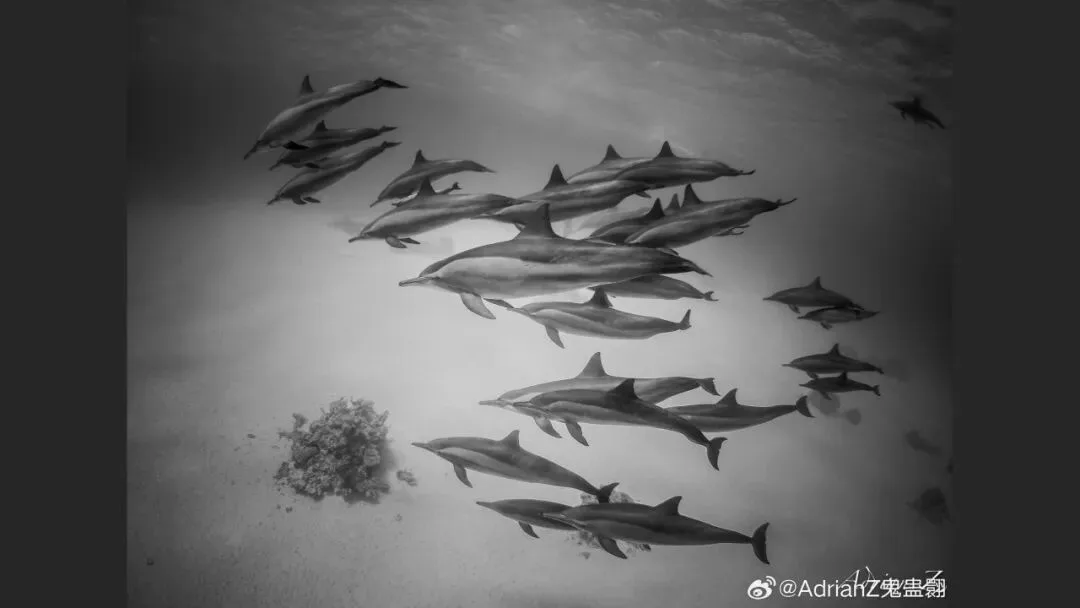
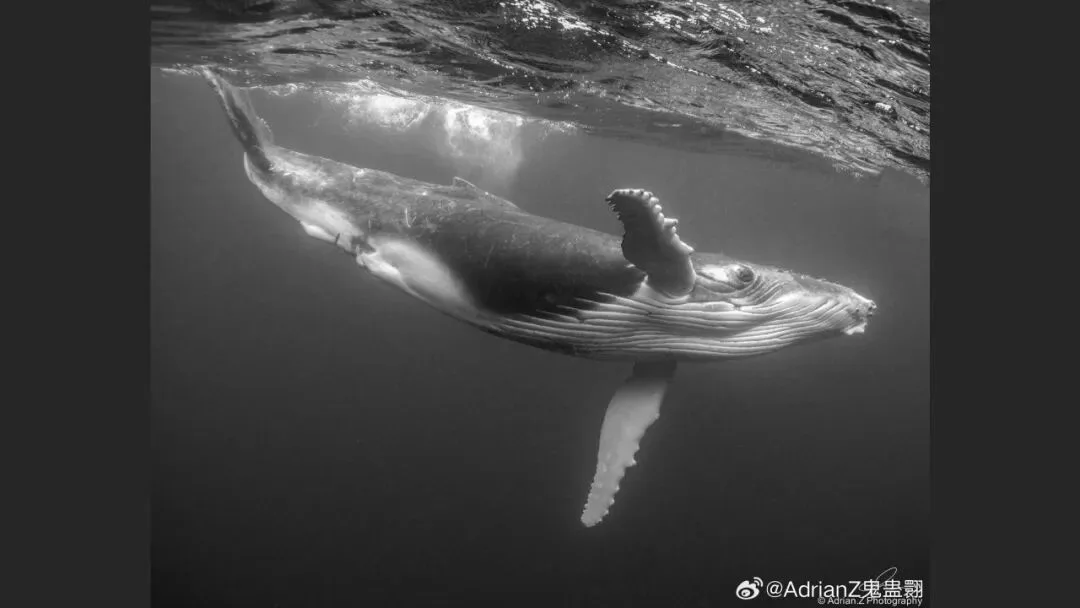
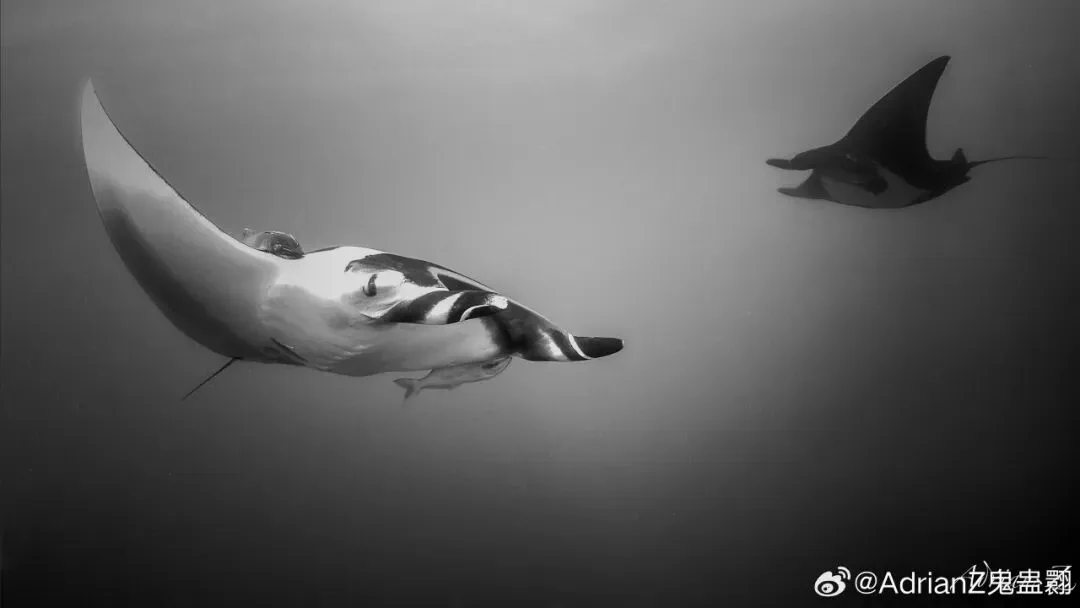
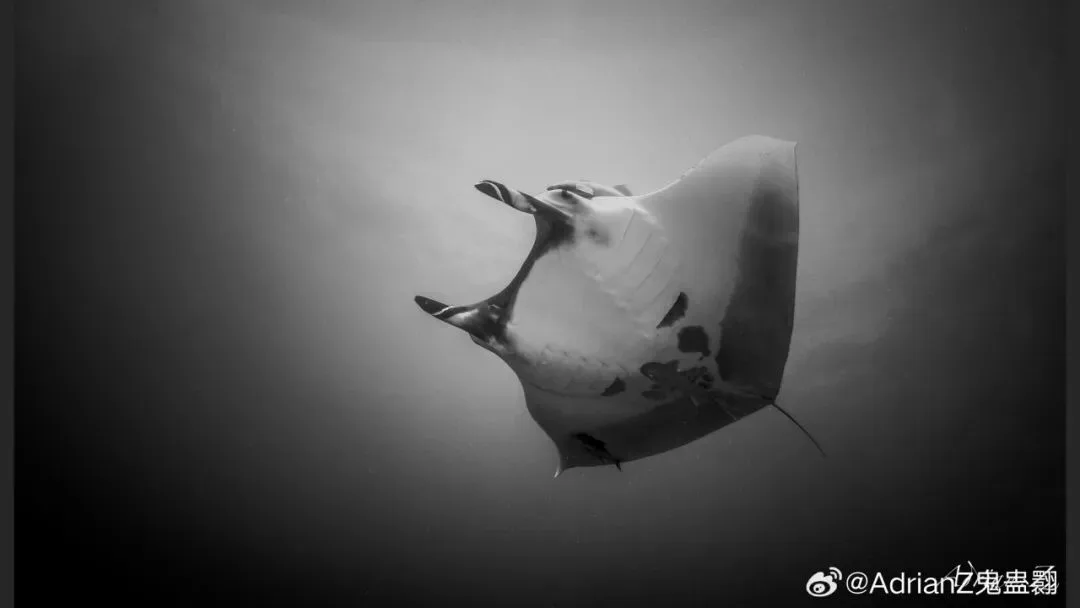
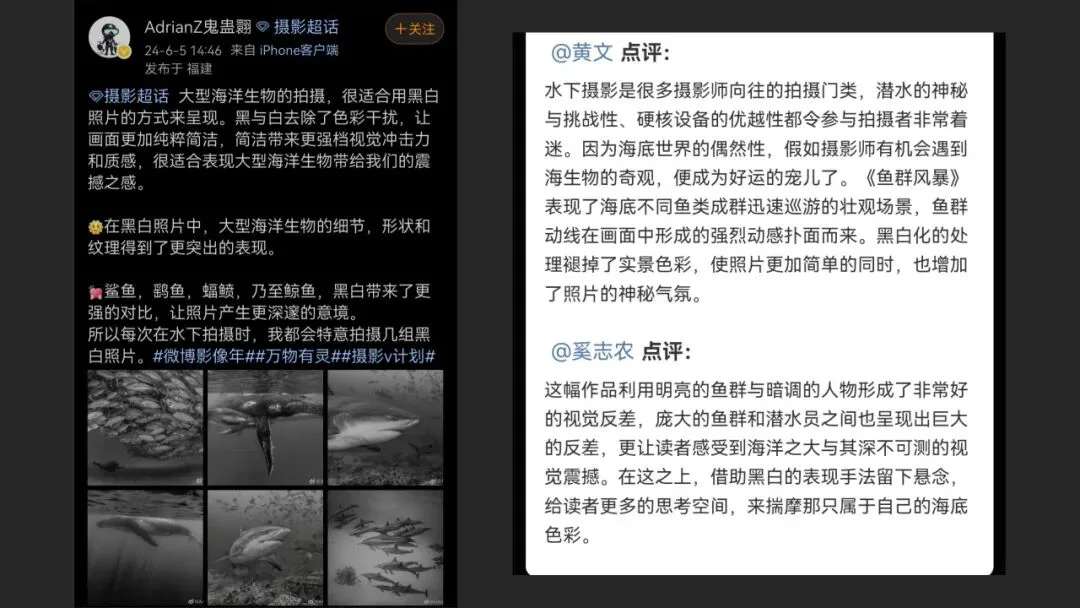
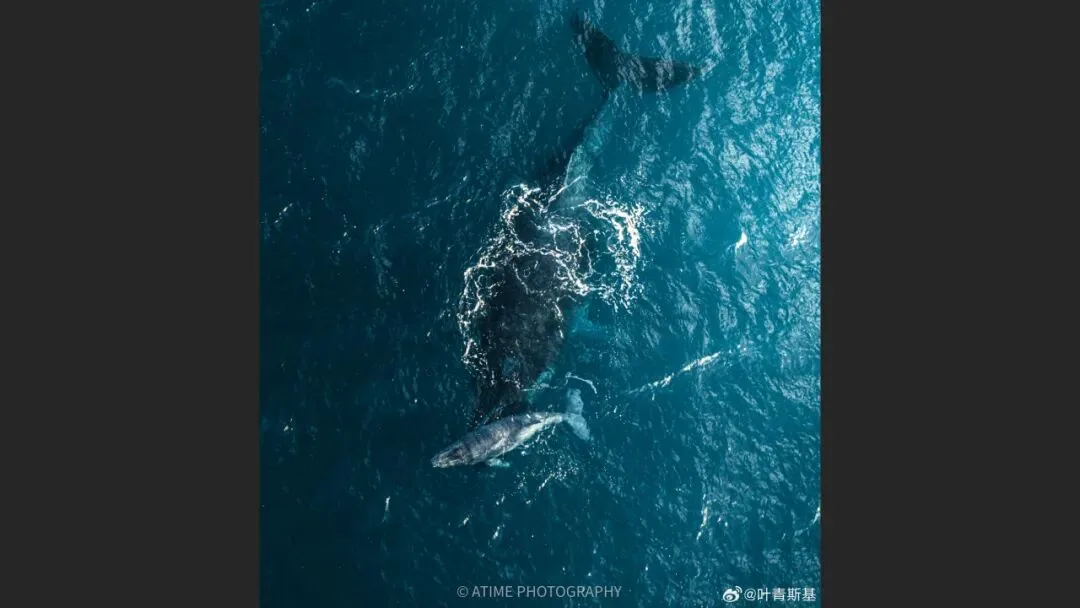
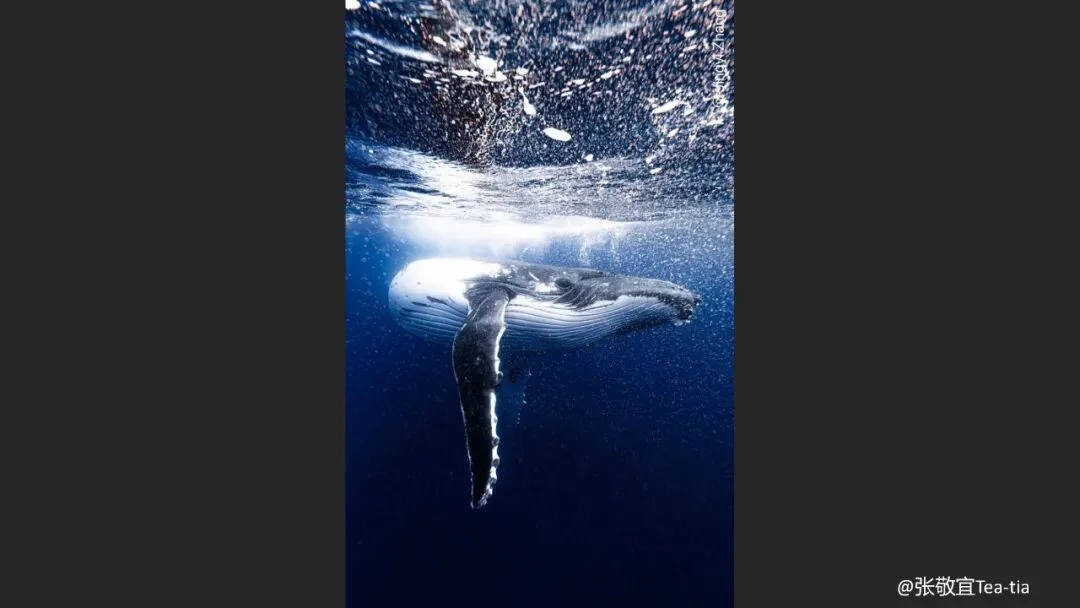
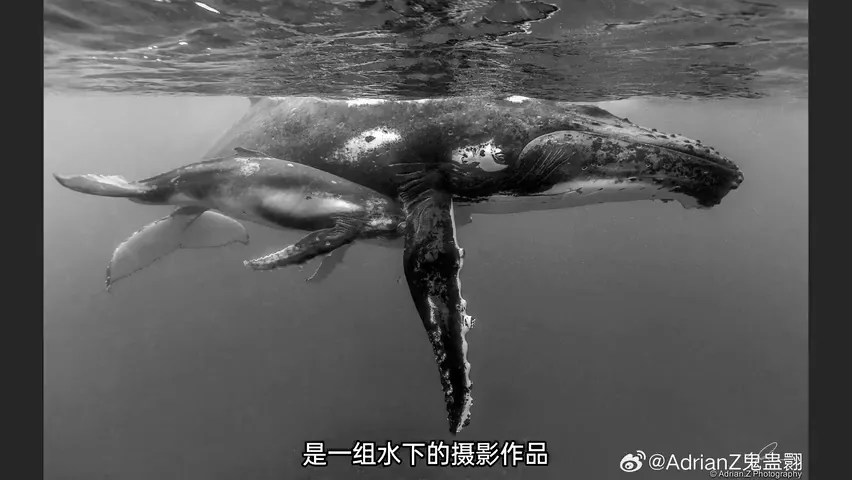
A set of underwater photographs rendered in black and white: stripped of color, the whale mother and calf, sharks and rays grow calmer, carrying the mystery of the deep — the grade you choose decides whether a photo feels true to life or beyond it (at 5:18 in the video).
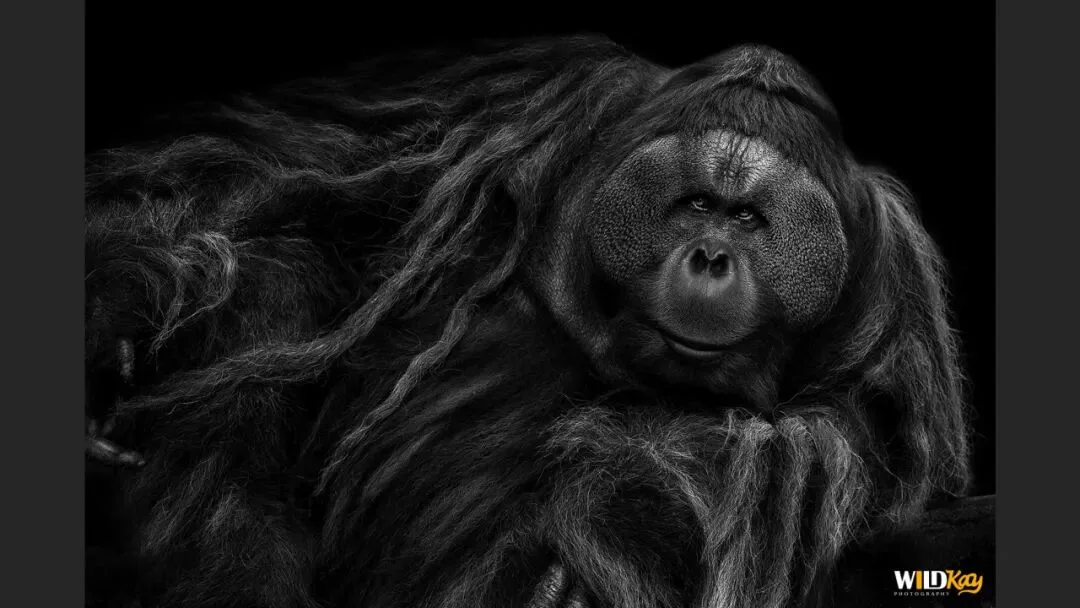
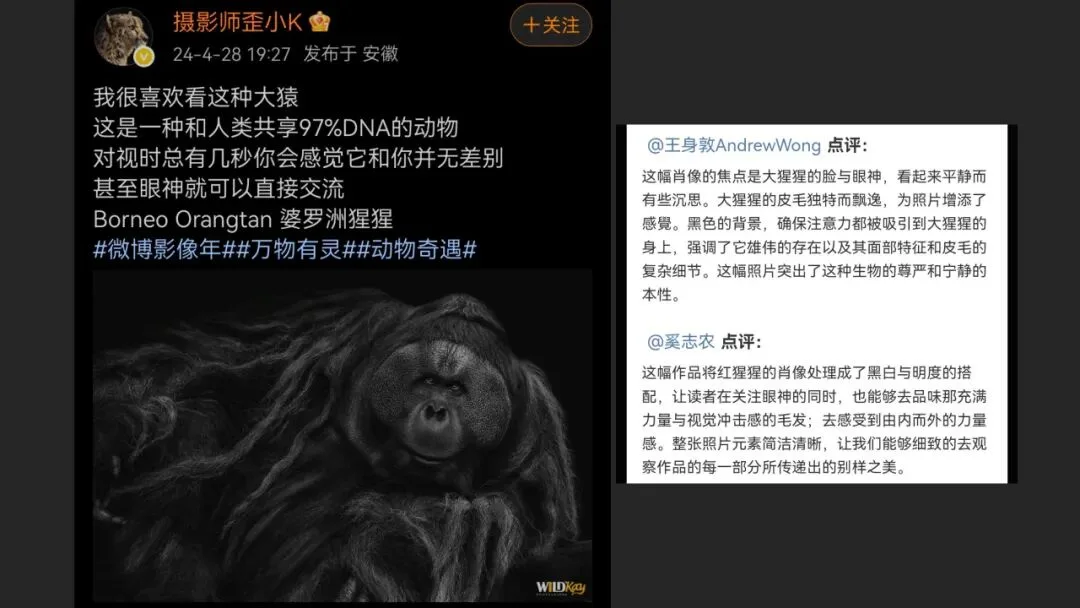
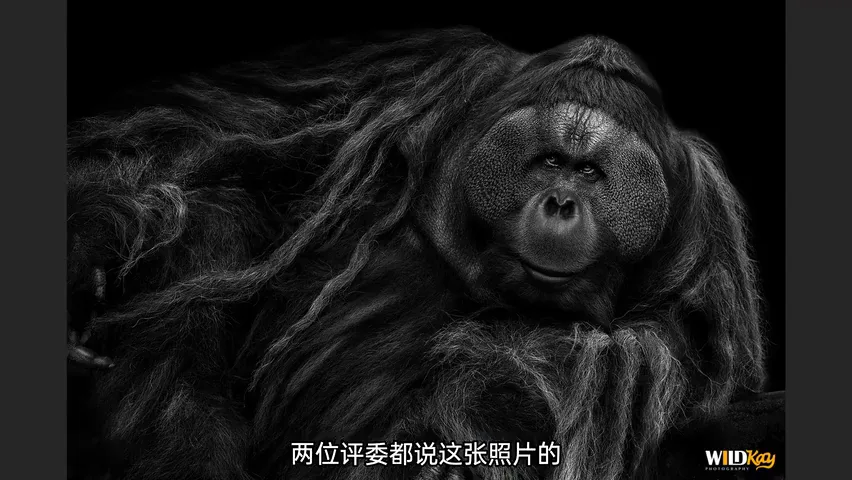
Two judges said the same about an orangutan portrait: the reddish original was converted to black and white, and with careful tone placement all attention converges on the melancholy eyes and the sheen of the fur. Photography is subtraction — discarding distracting color while keeping expression and tone is subtraction at its best (at 7:09 in the video).
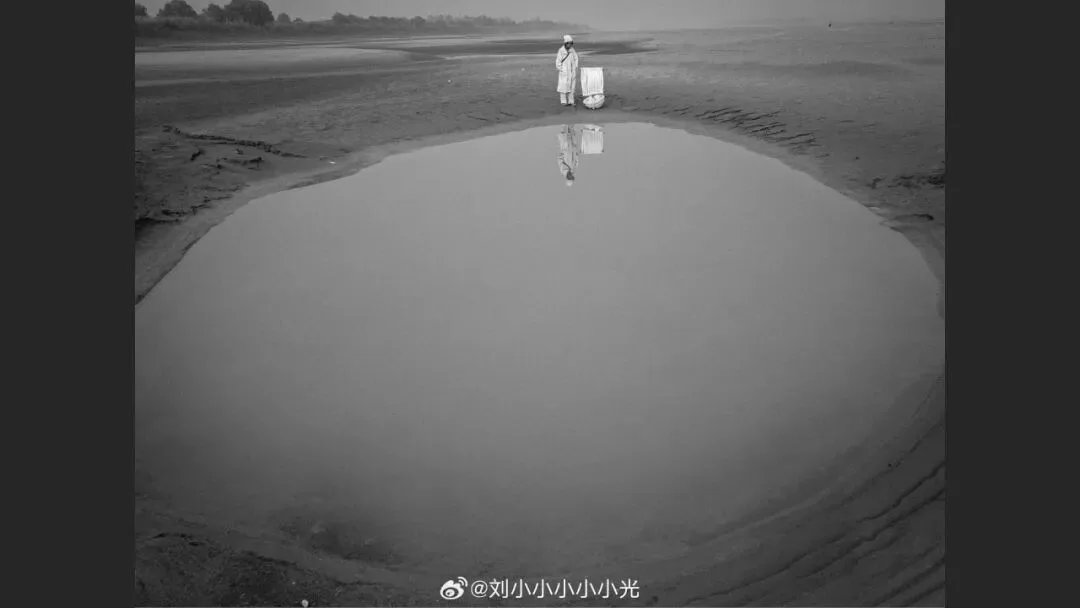
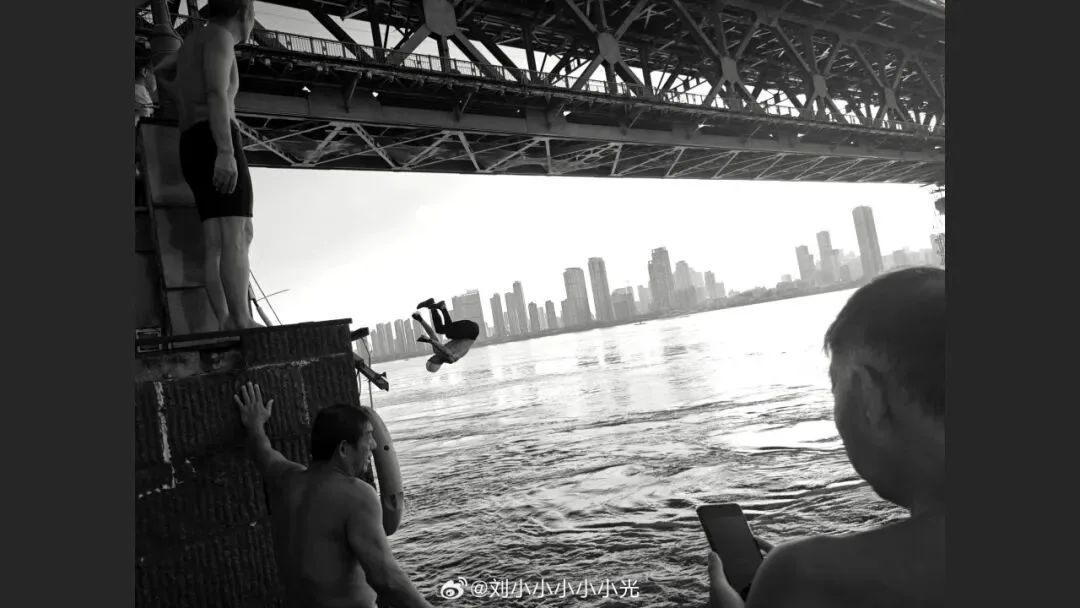
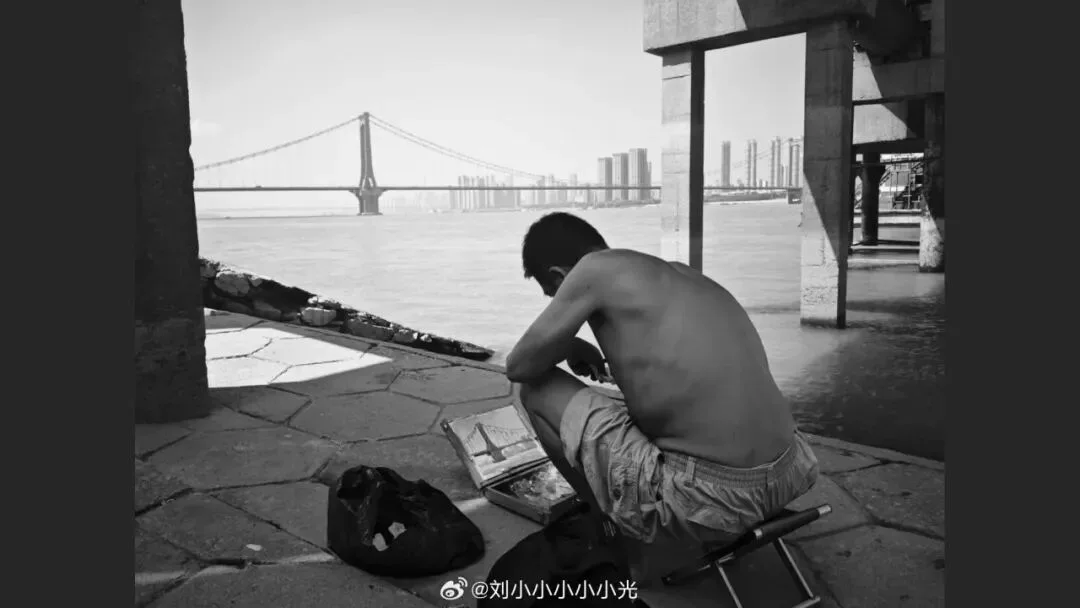
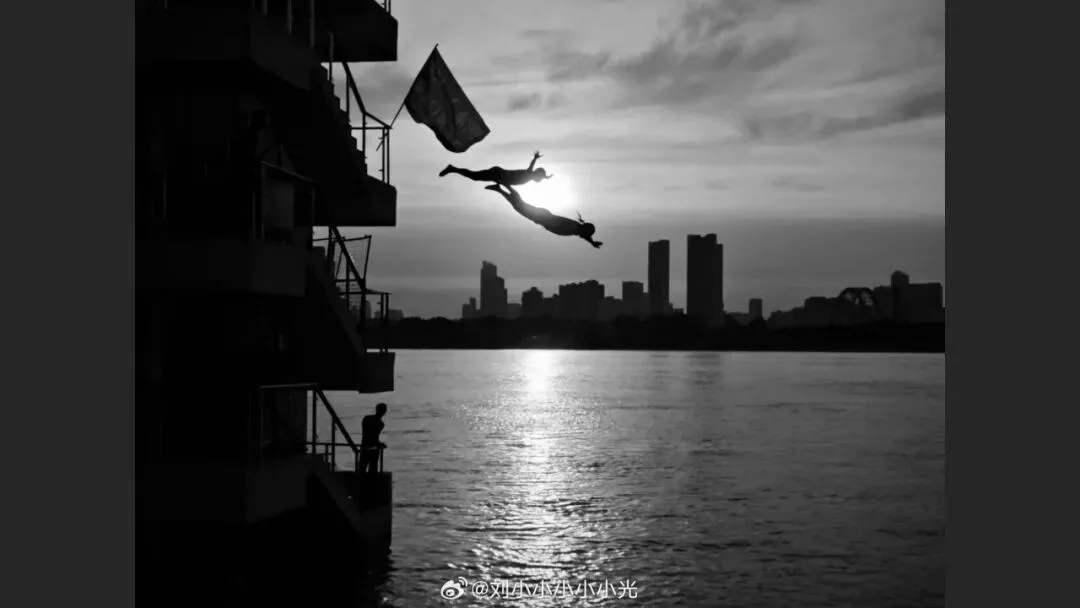
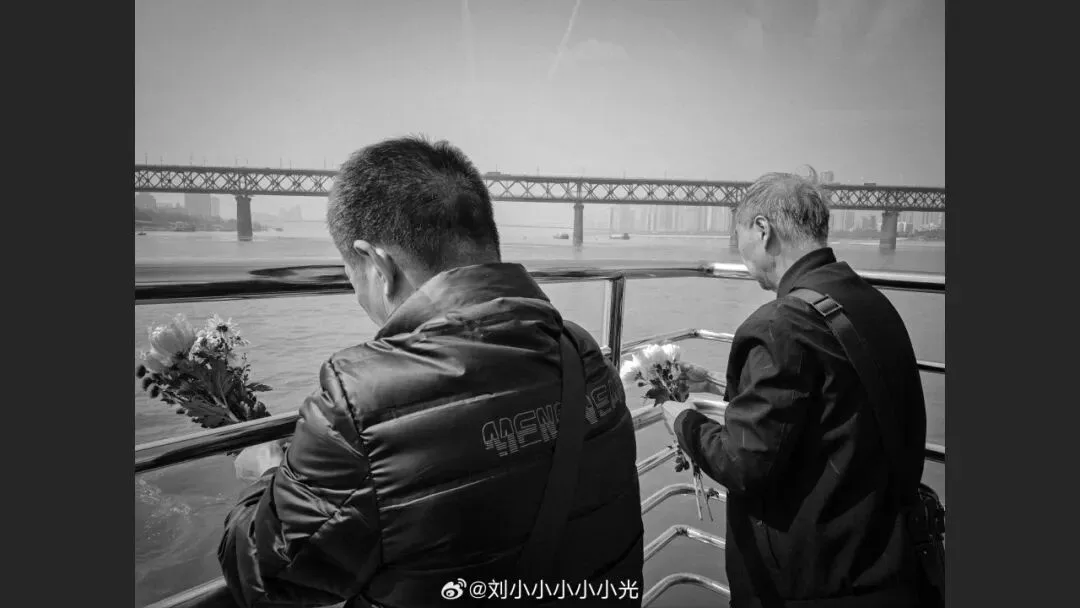
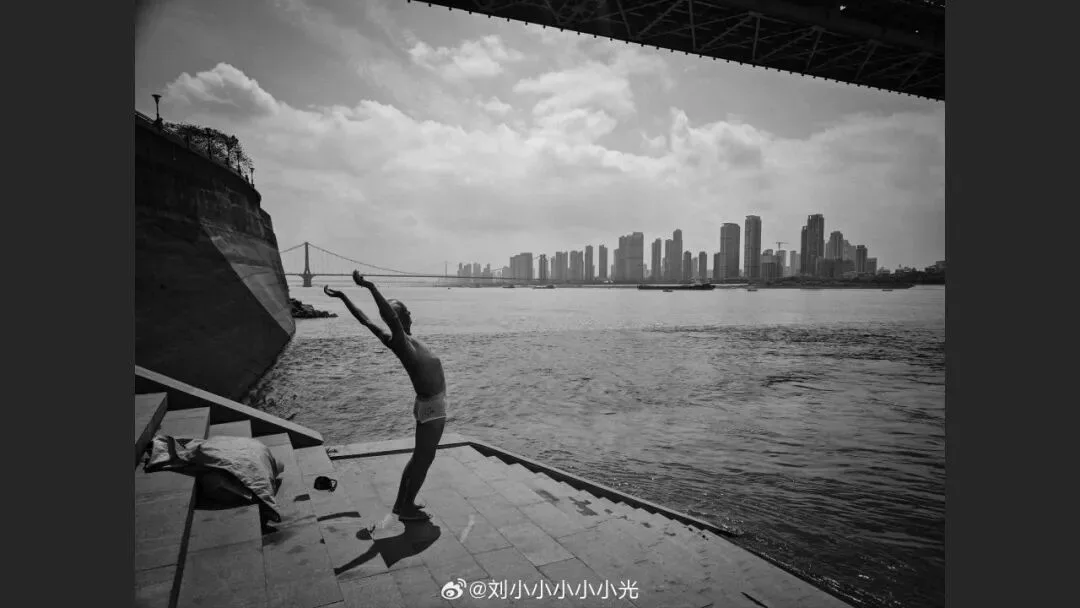
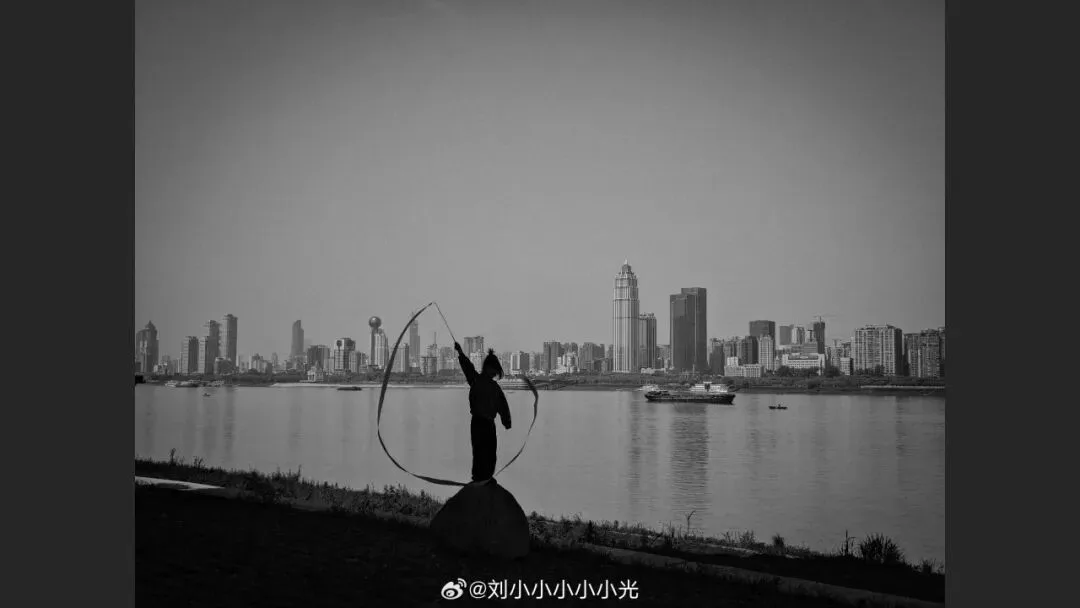
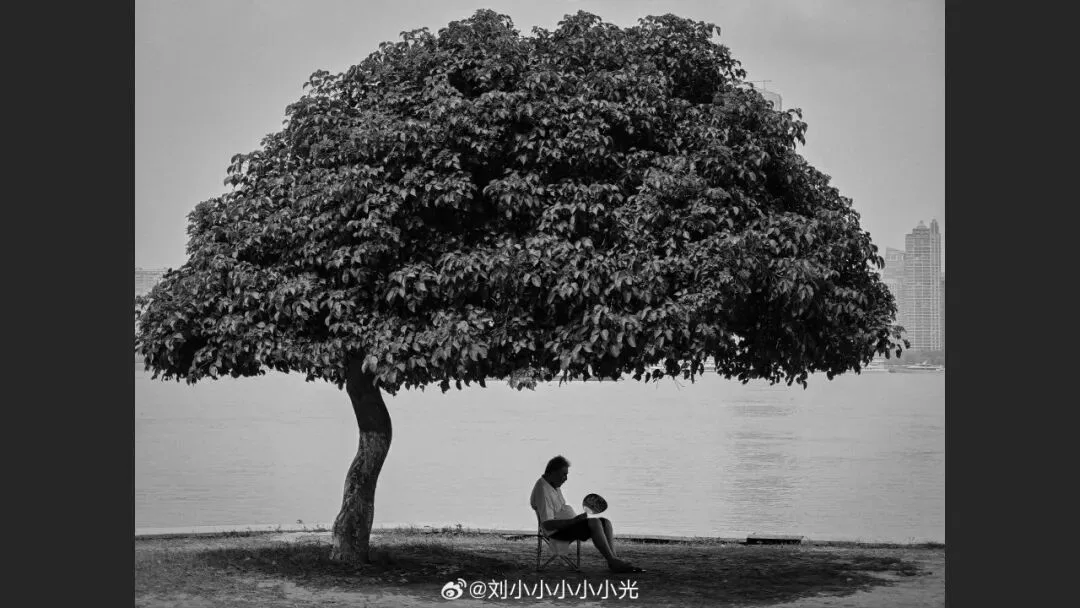
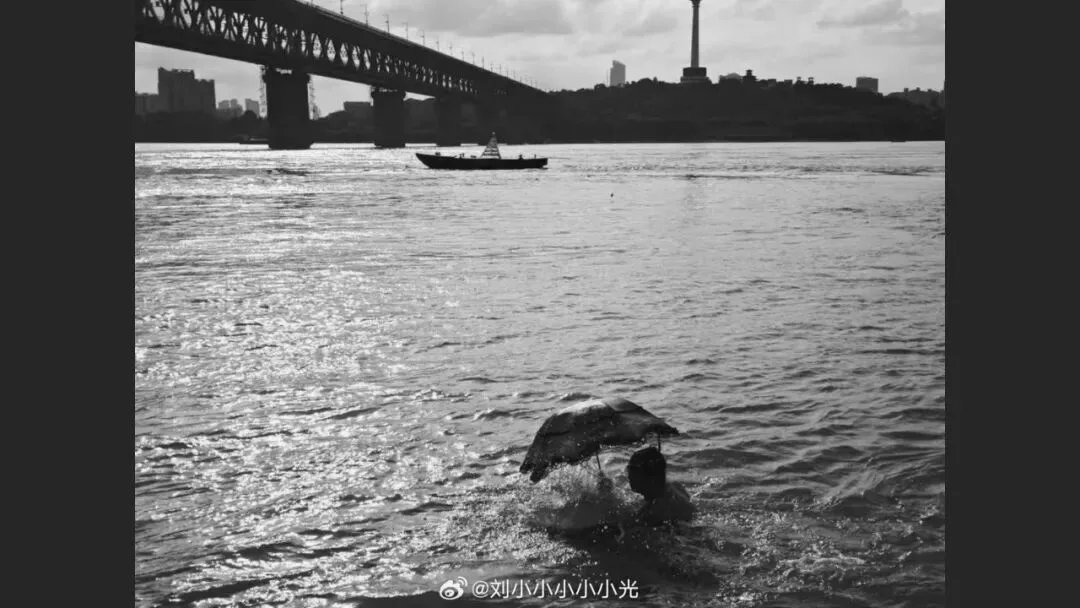
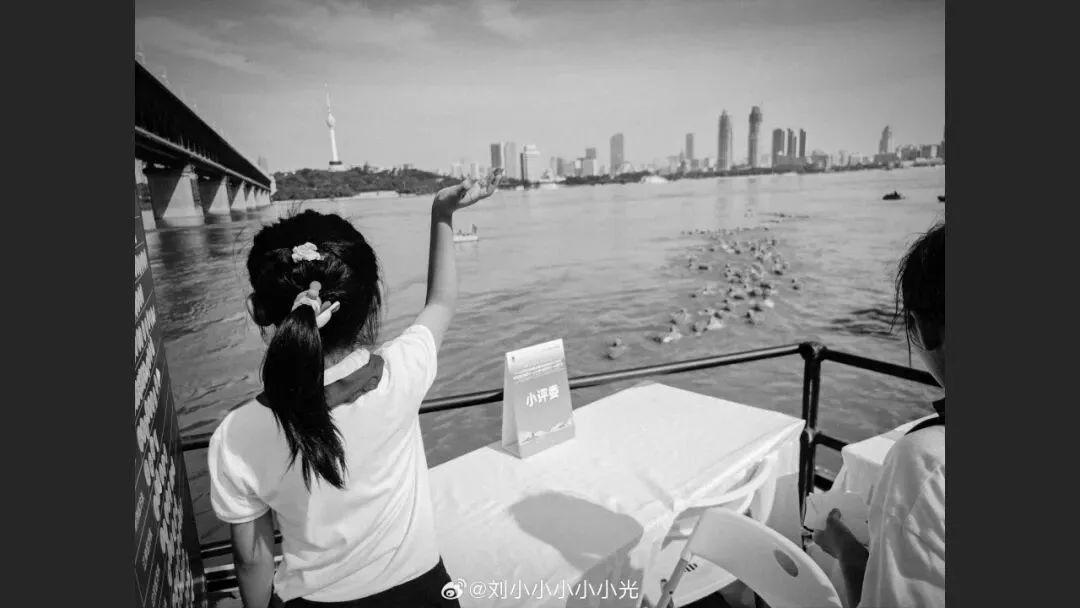
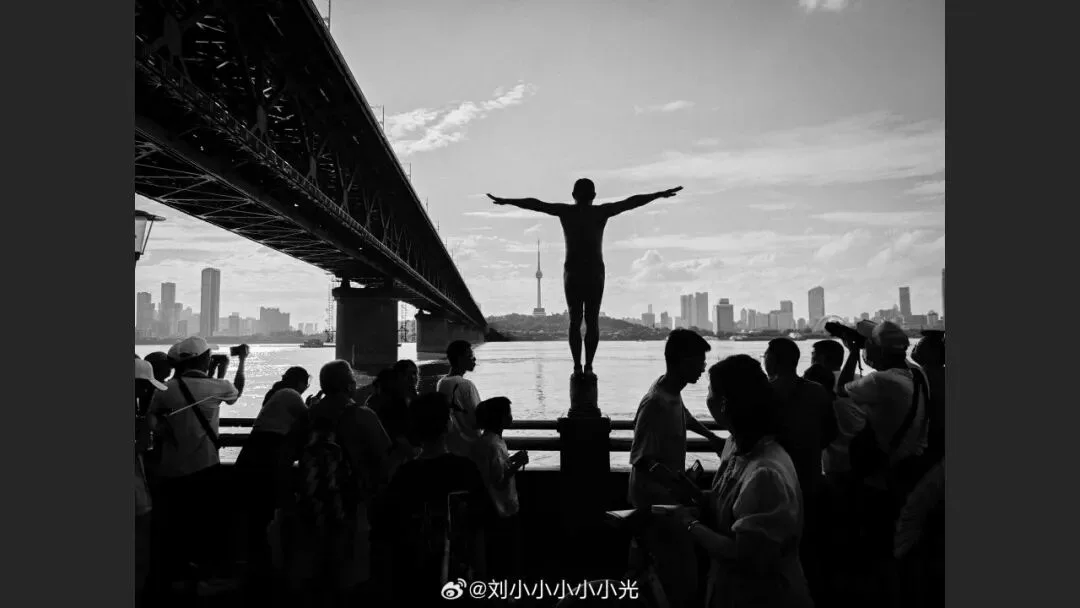
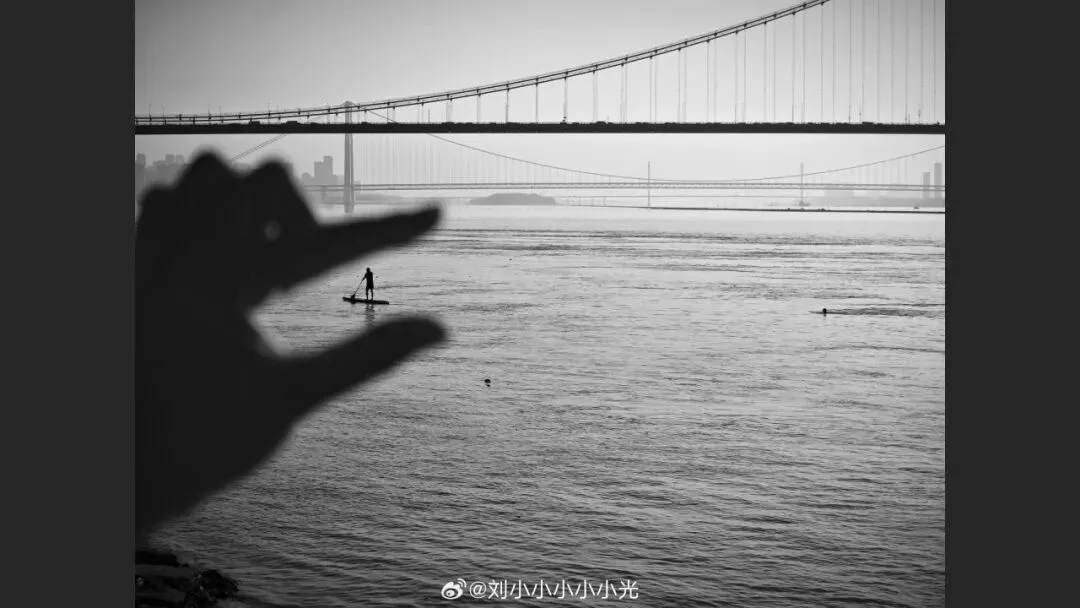
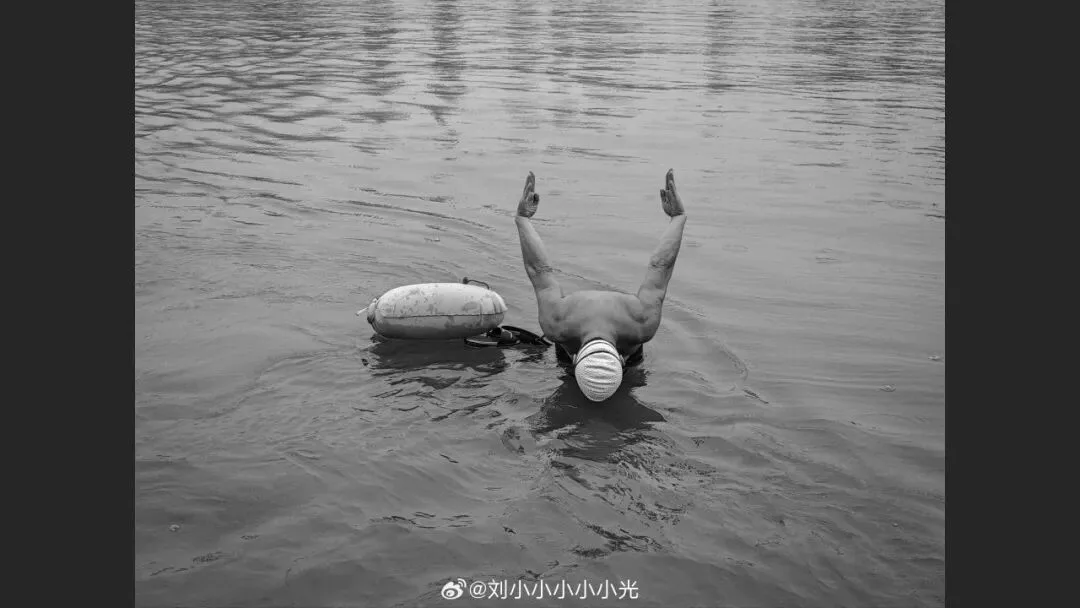
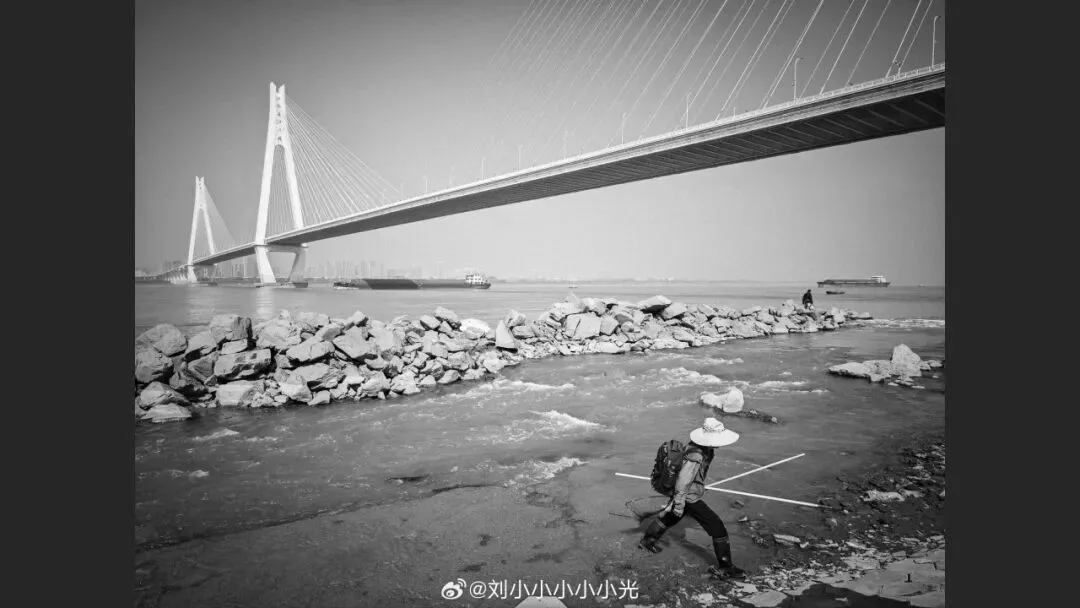
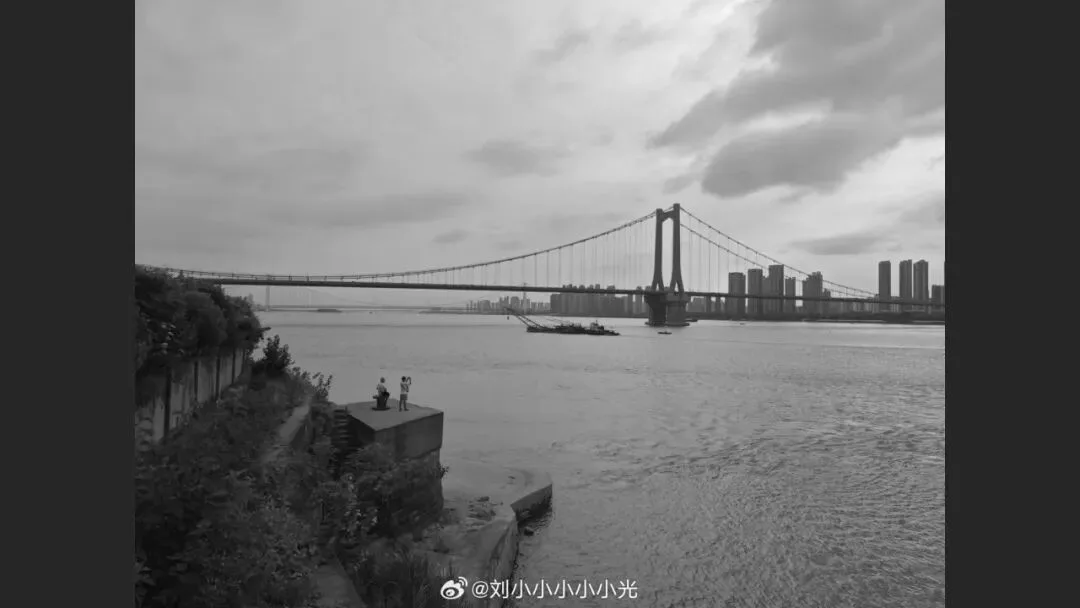
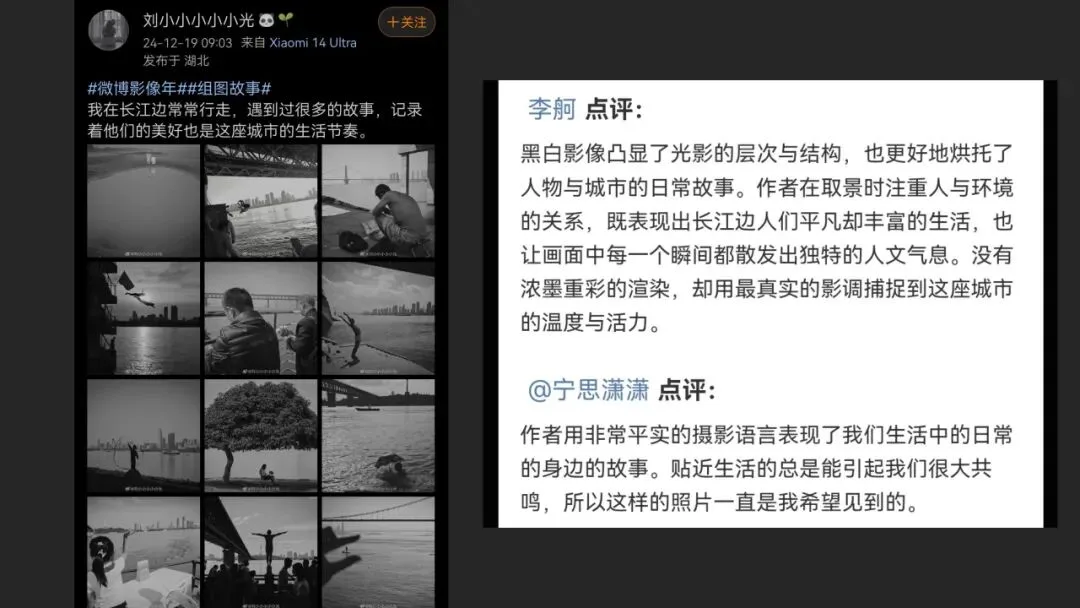
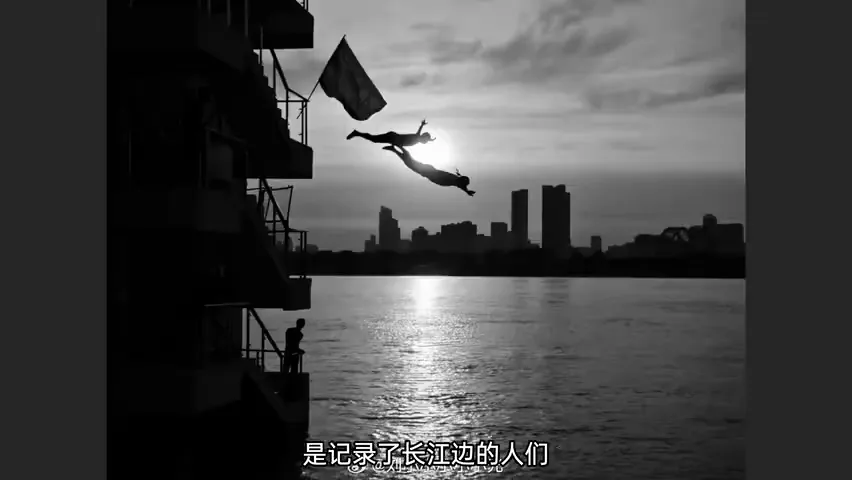
Black and white also tells stories: 'People by the Yangtze' uses a Chinese monochrome tonality and structure of light to record people diving, working and resting by the river — a full portrait of rich lives, thoroughly humanist (at 7:55 in the video).
05 More Exhibits Worth a Close Look
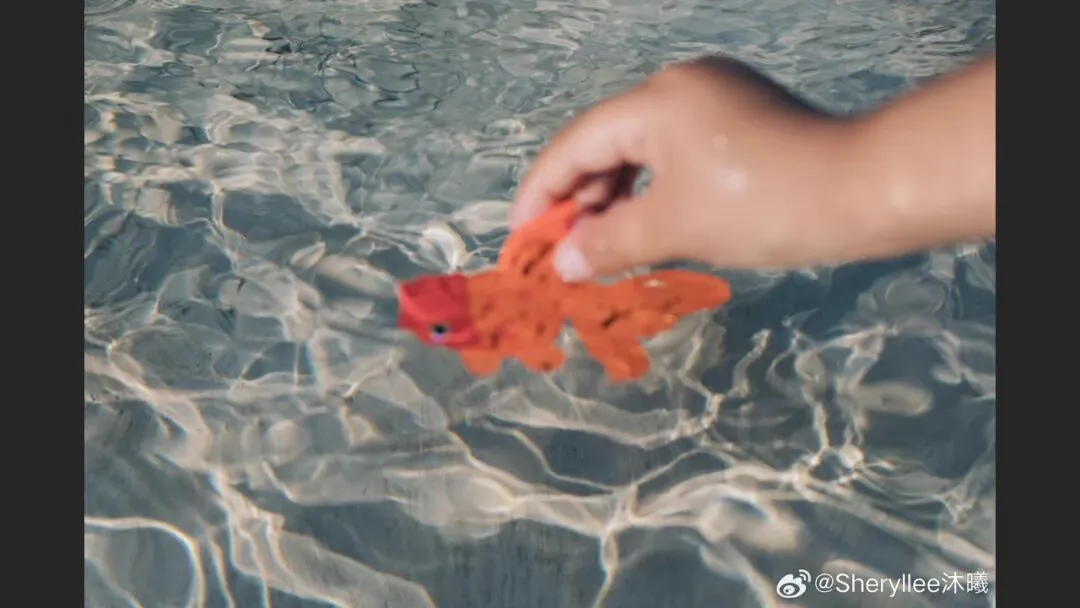
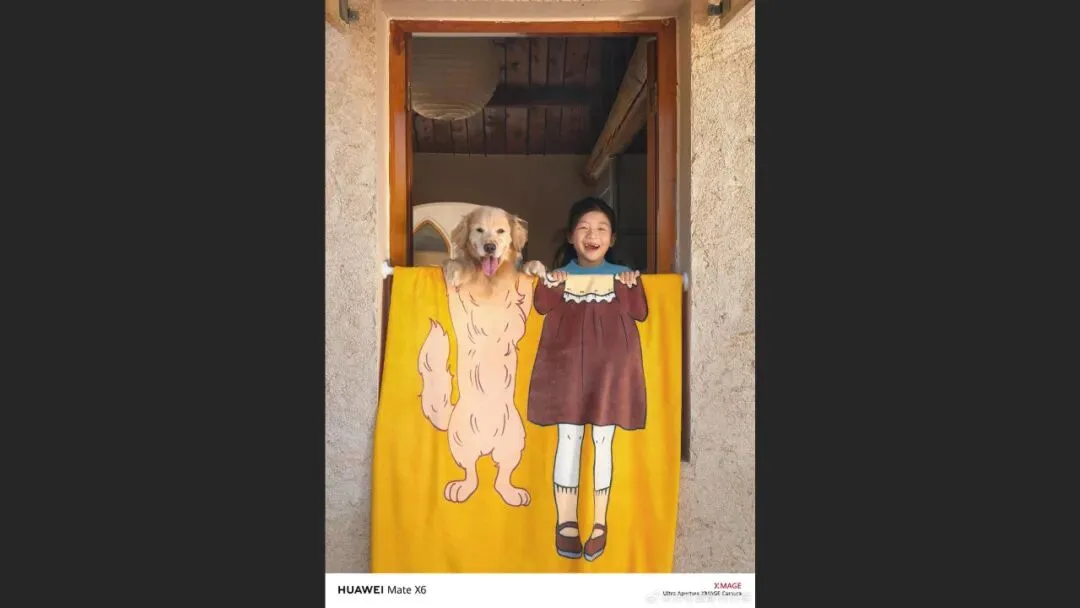
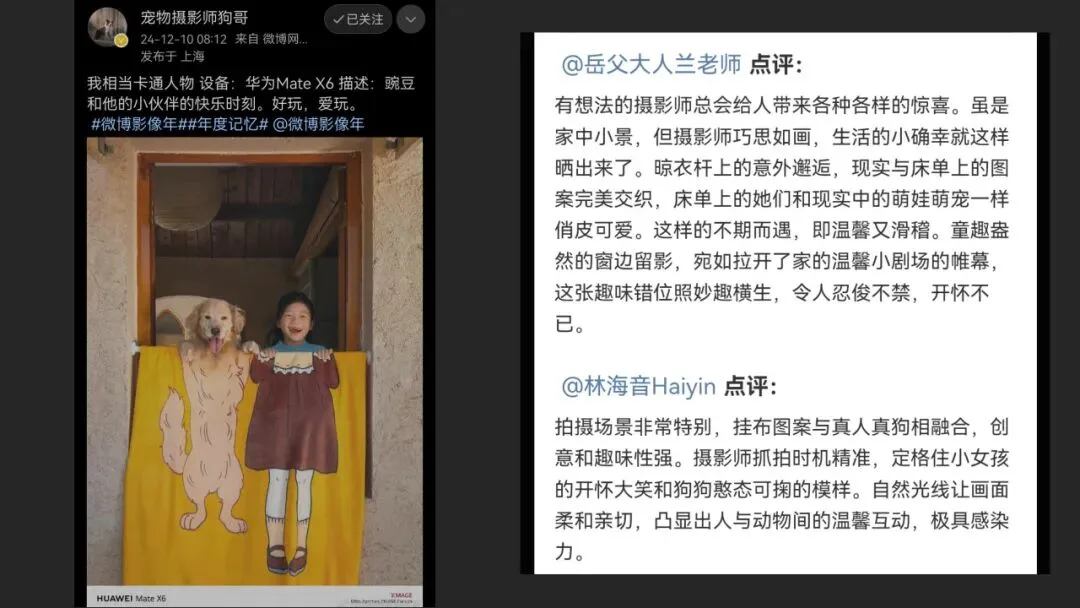
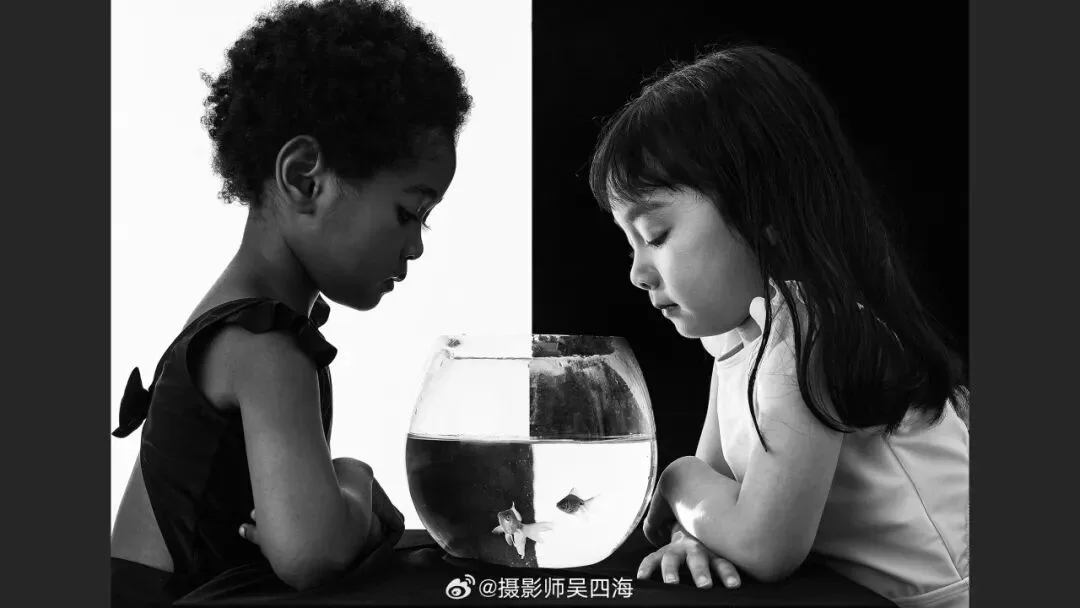
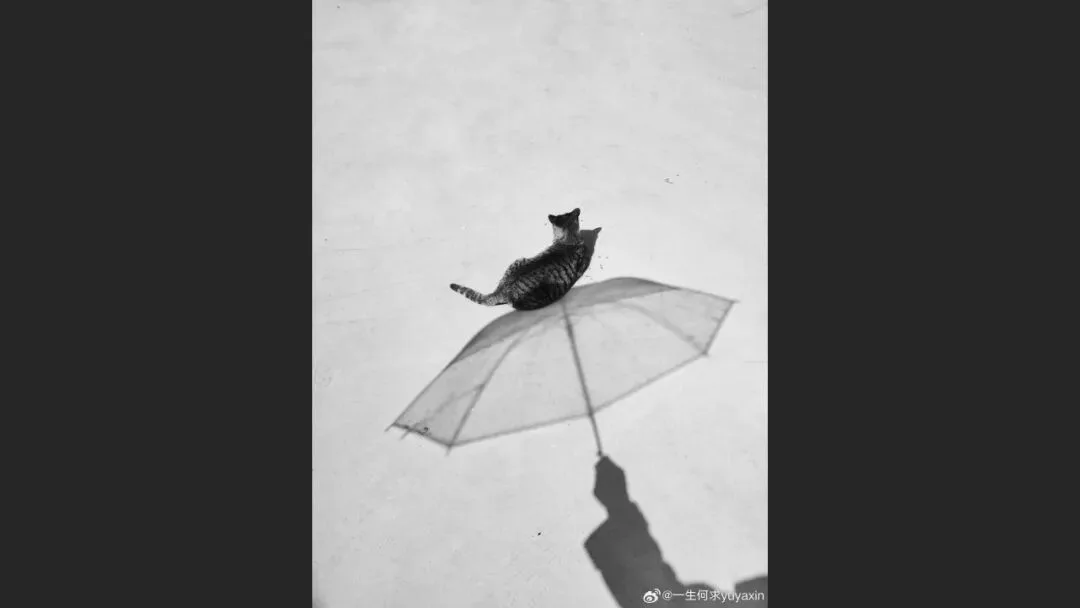
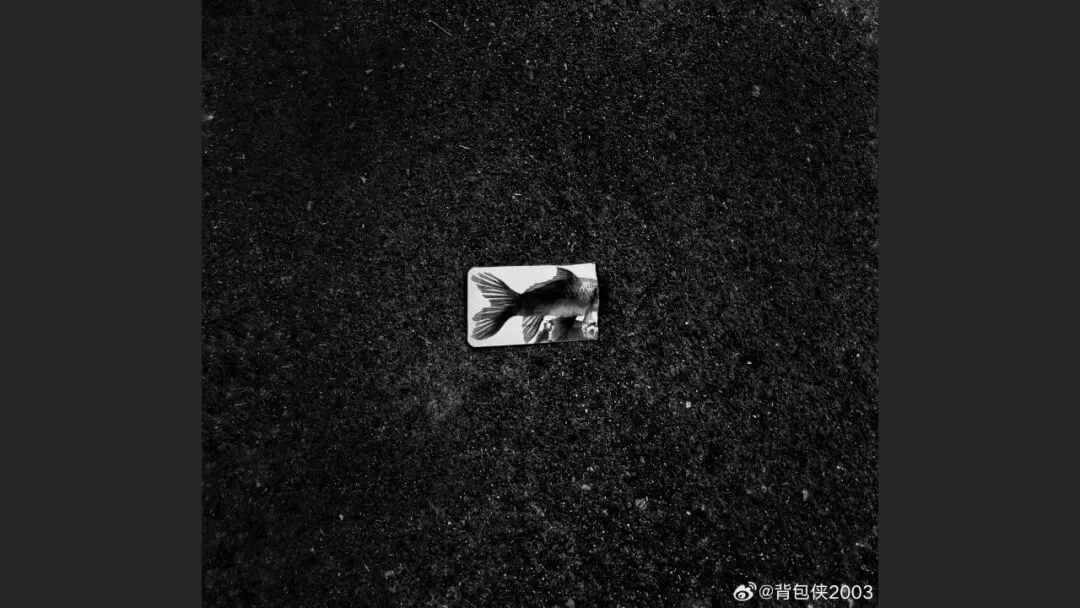
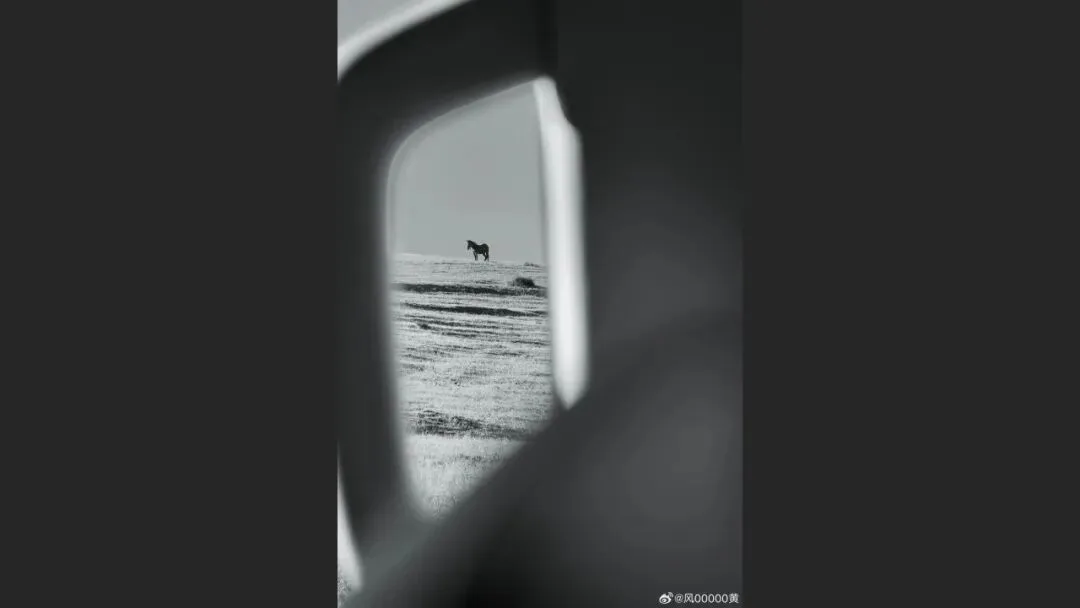
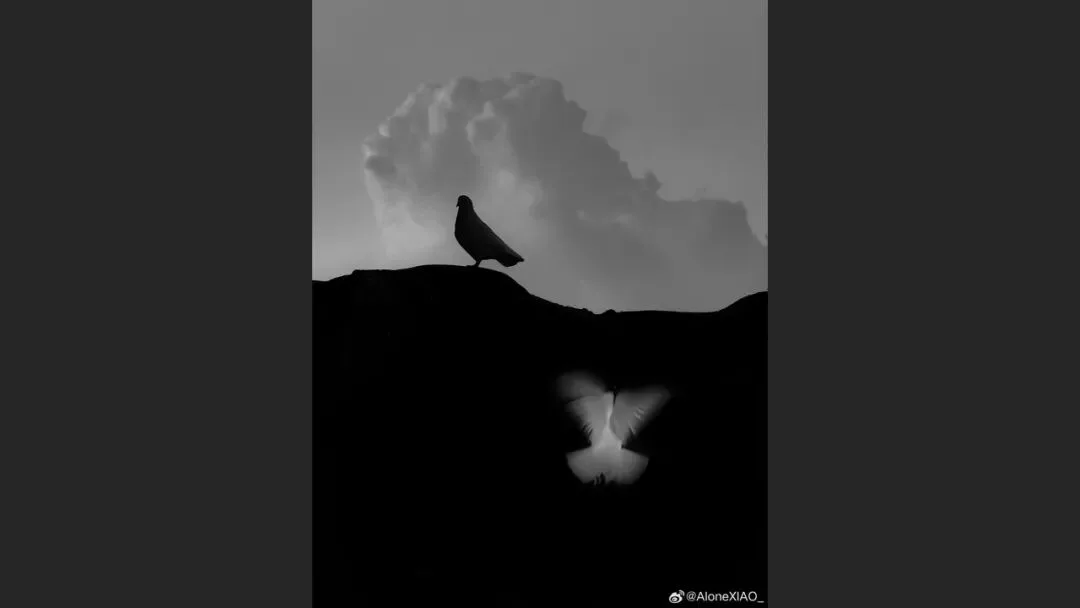
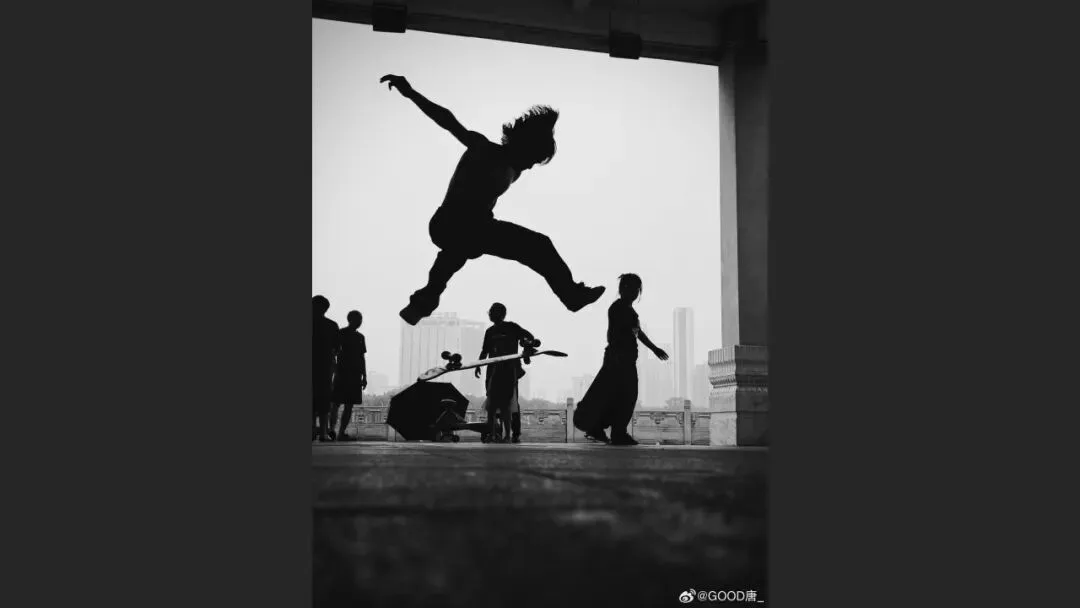
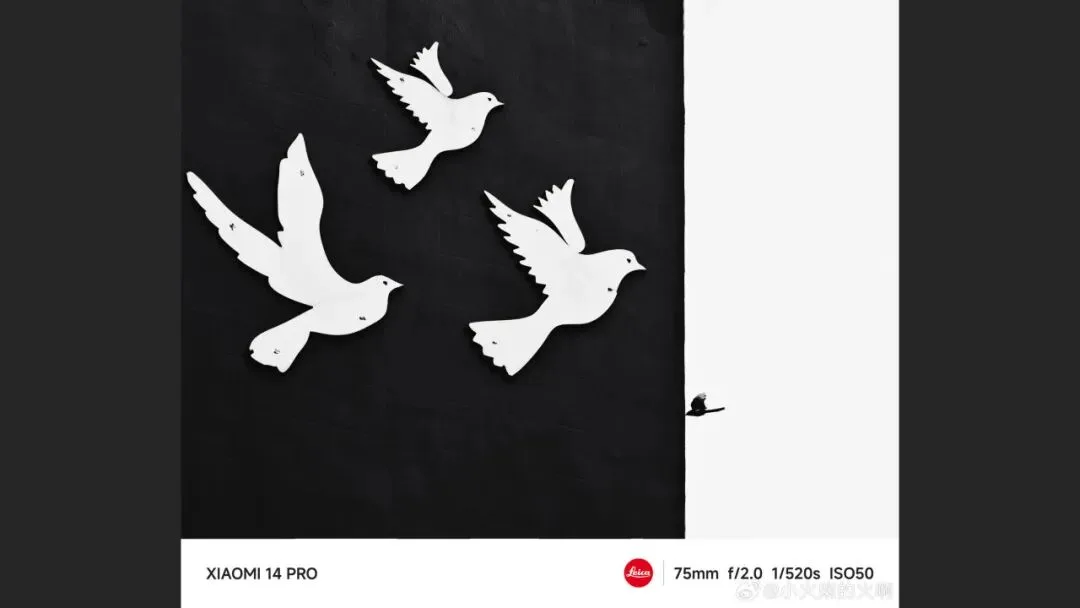
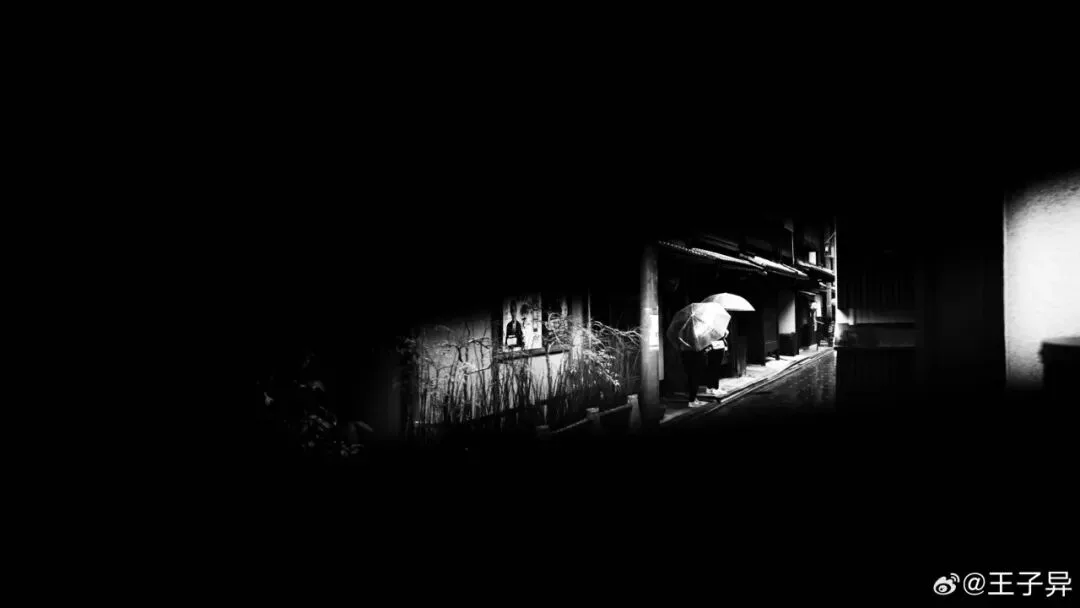
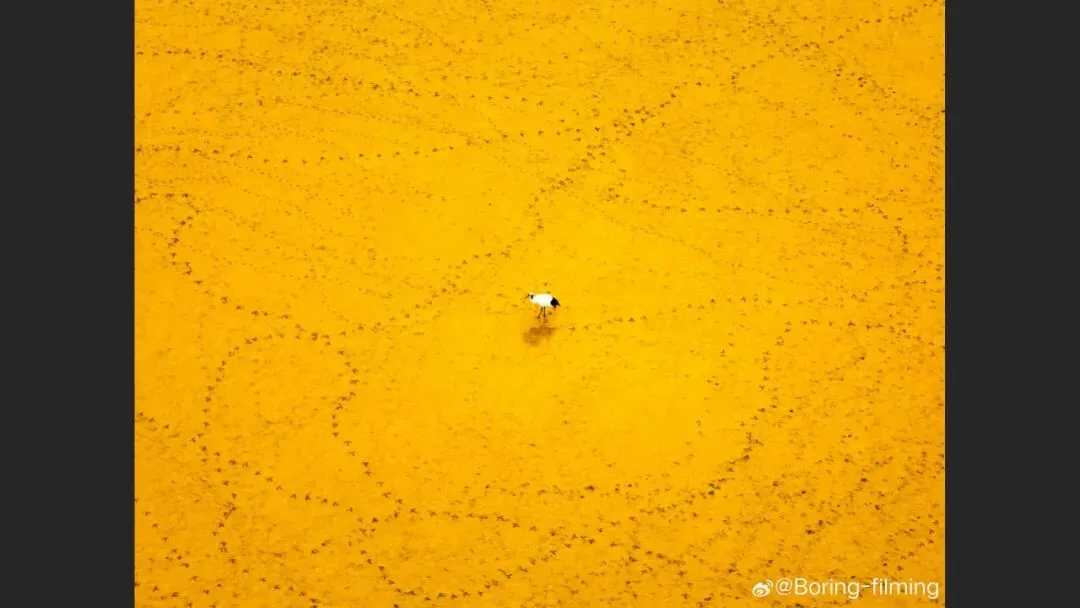
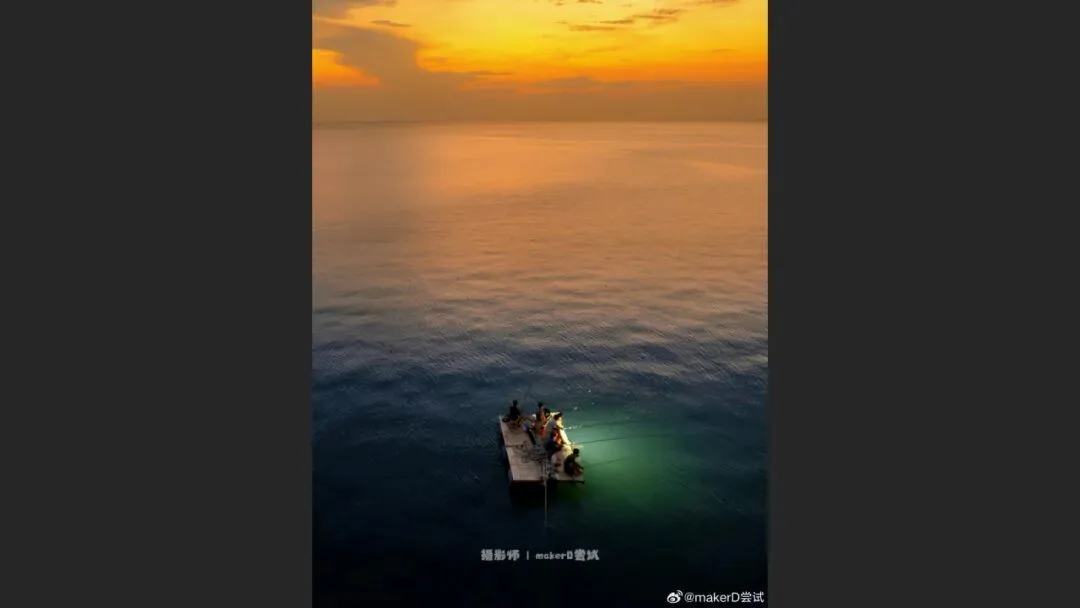
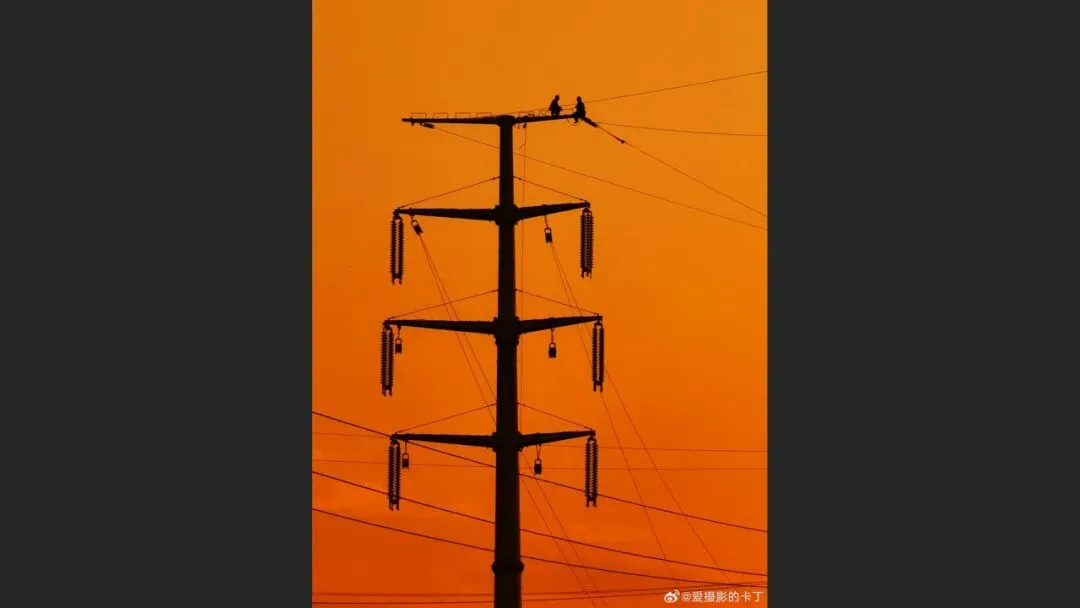
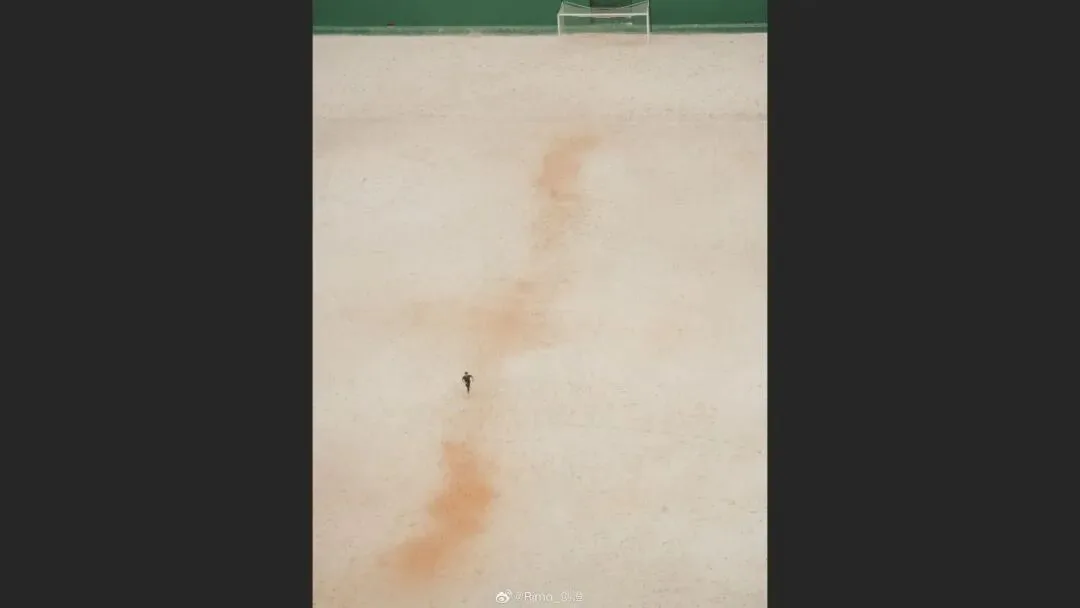
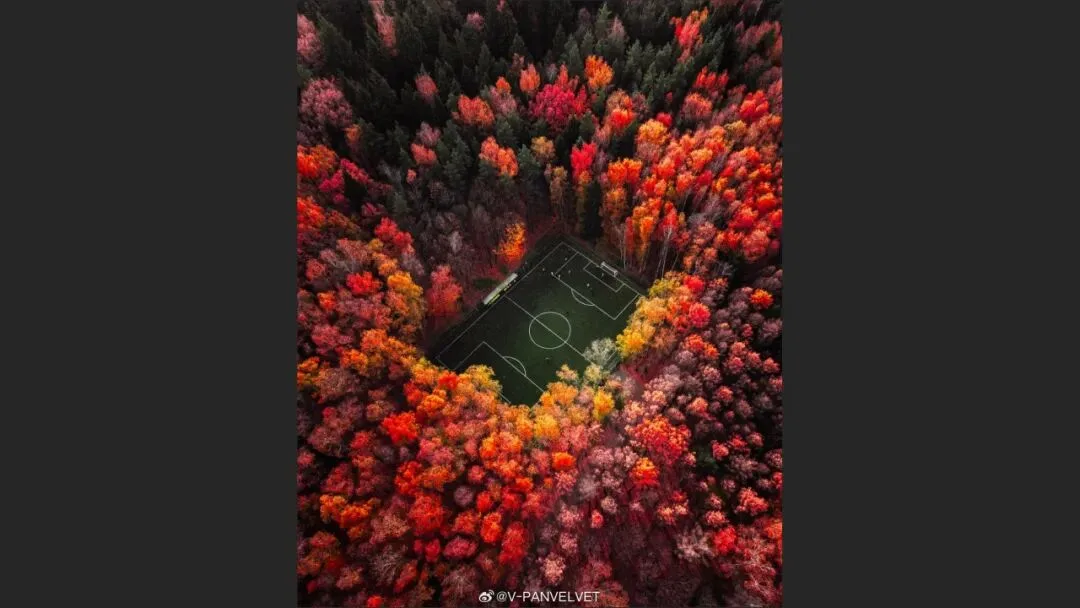
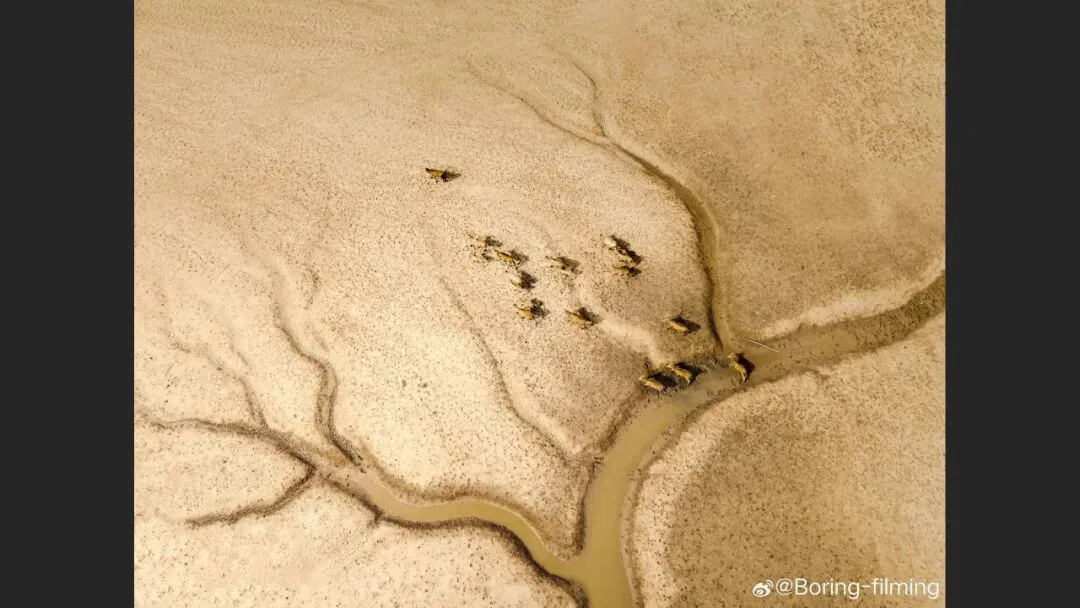
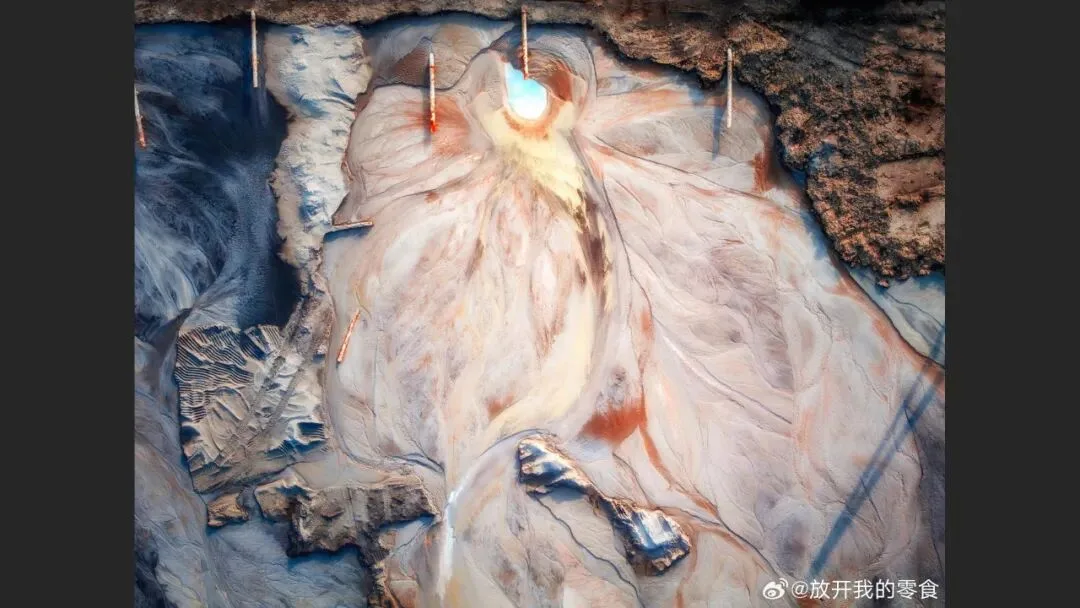
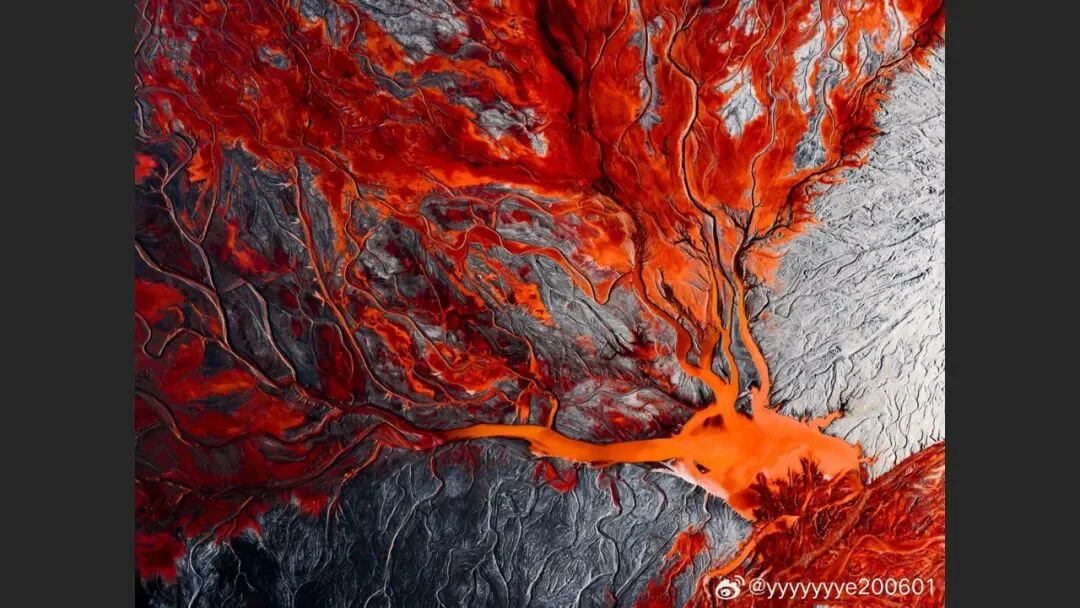
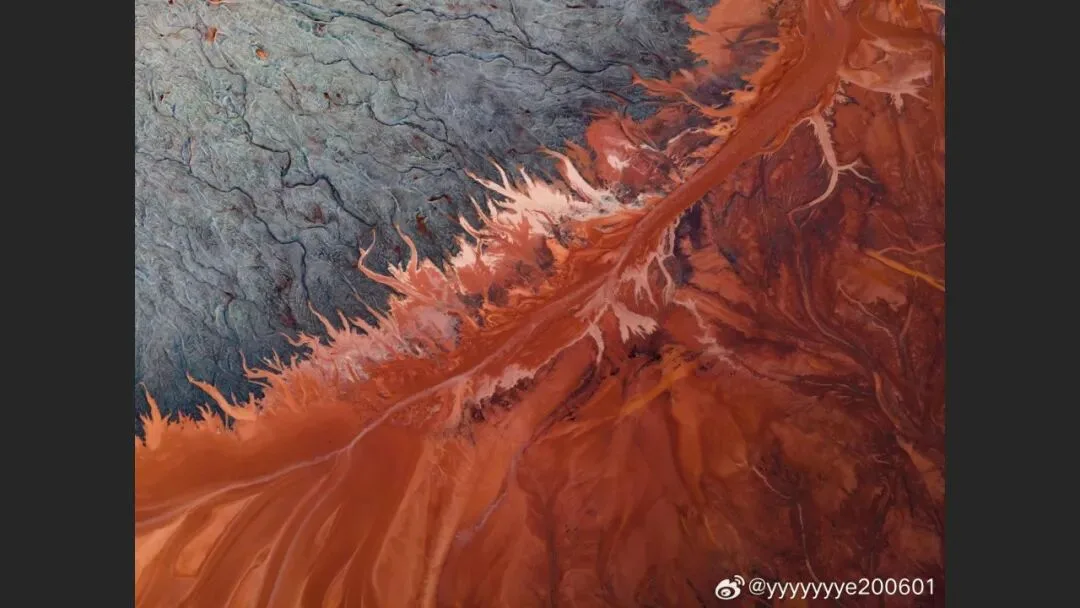
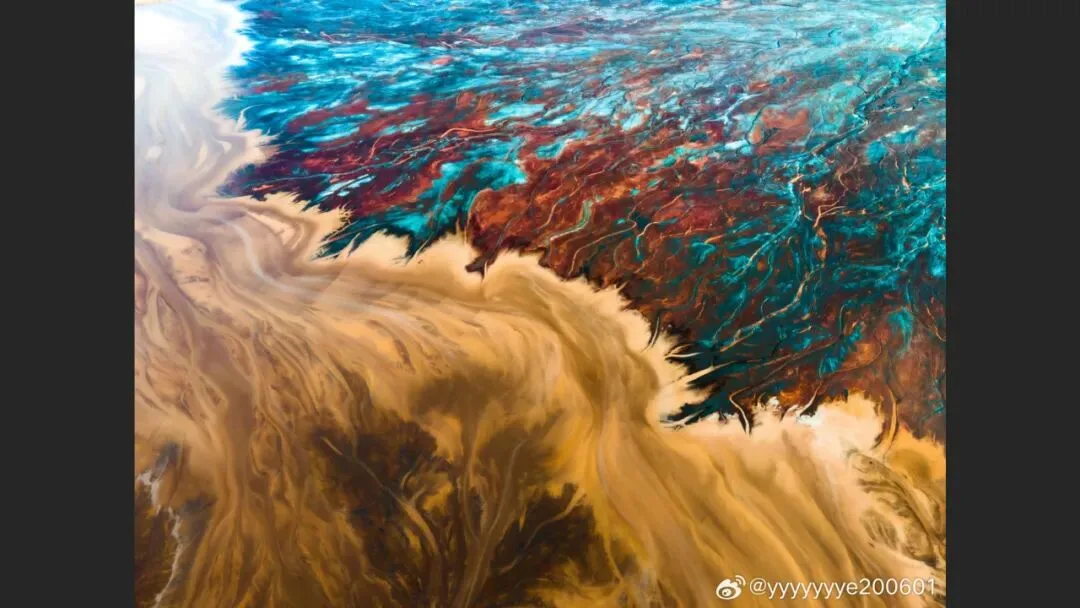
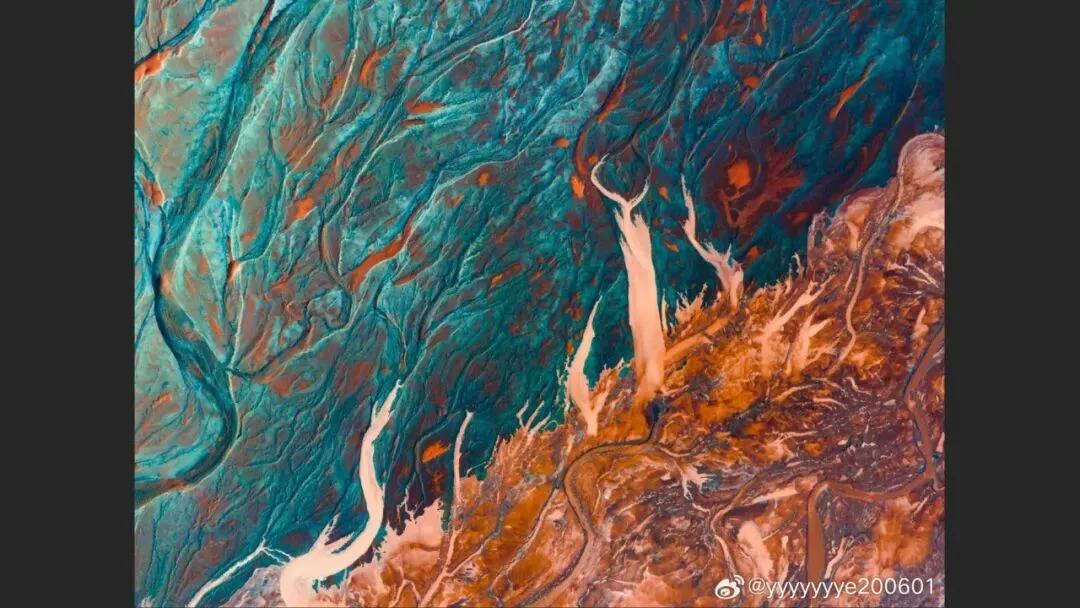
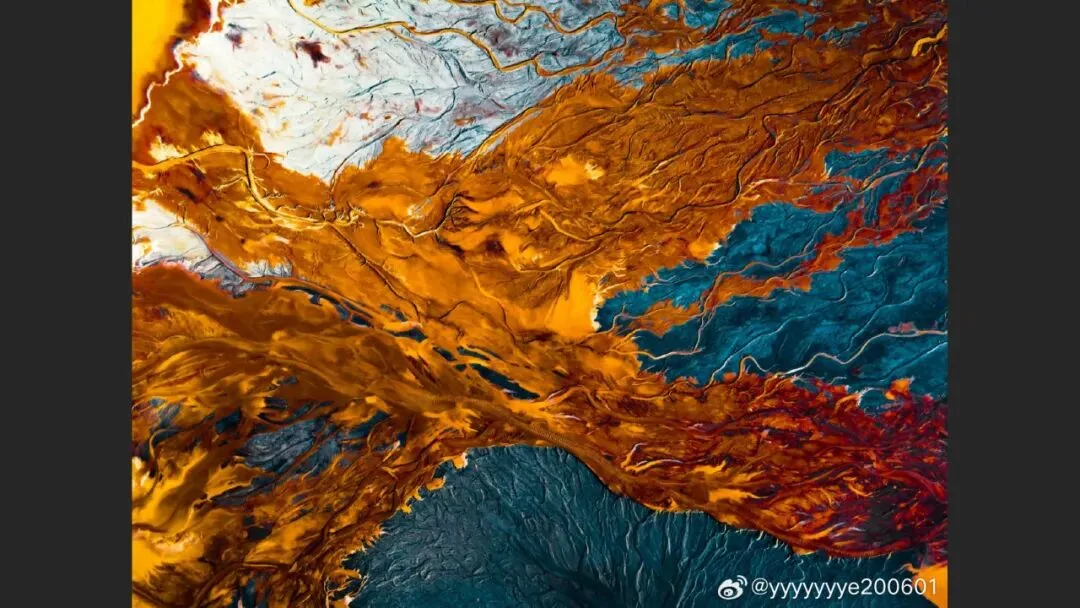
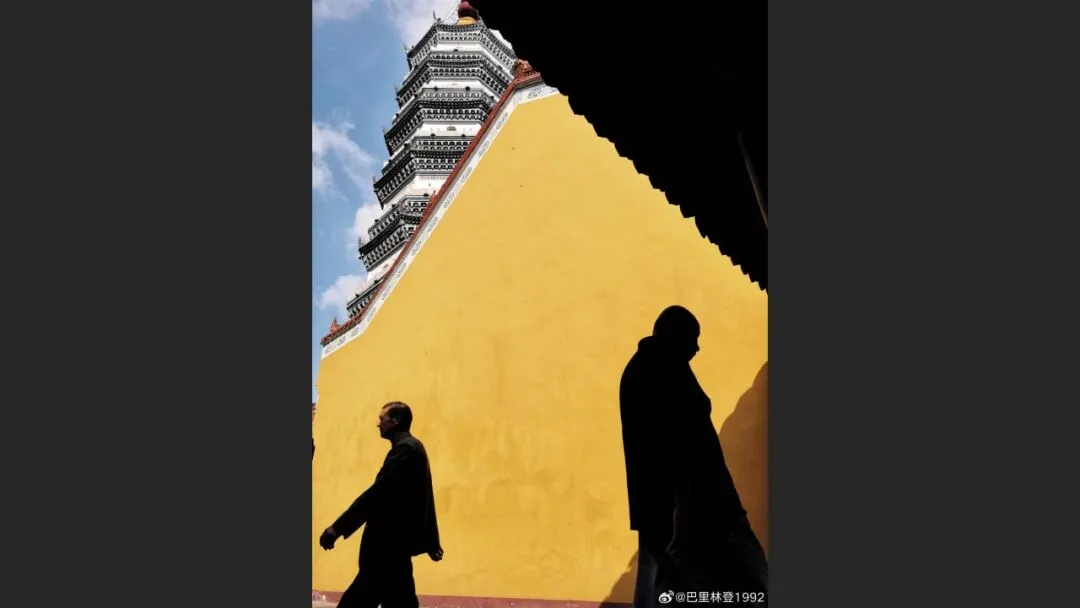
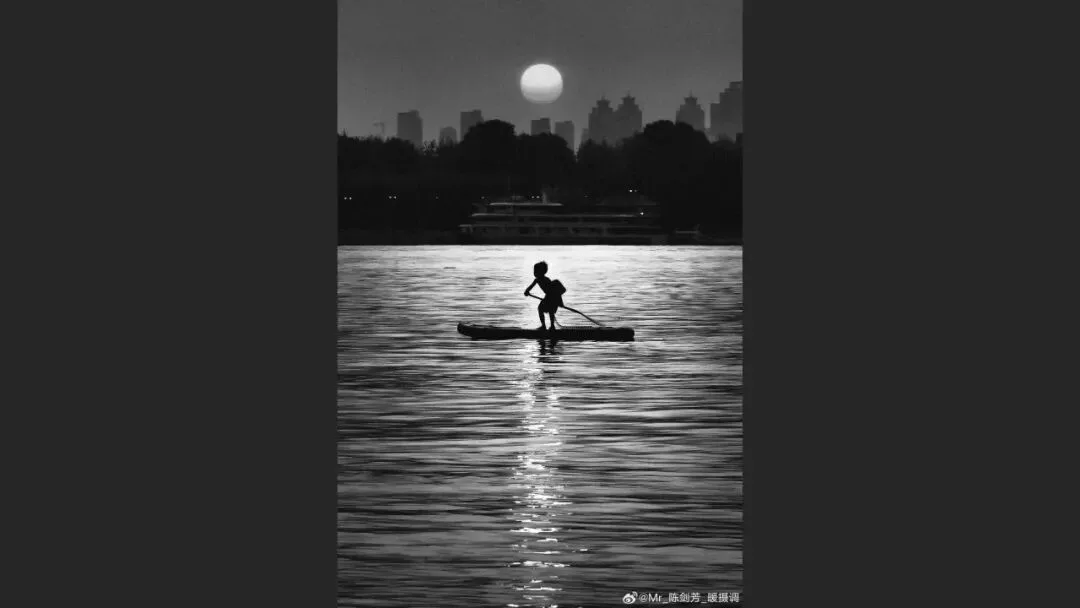
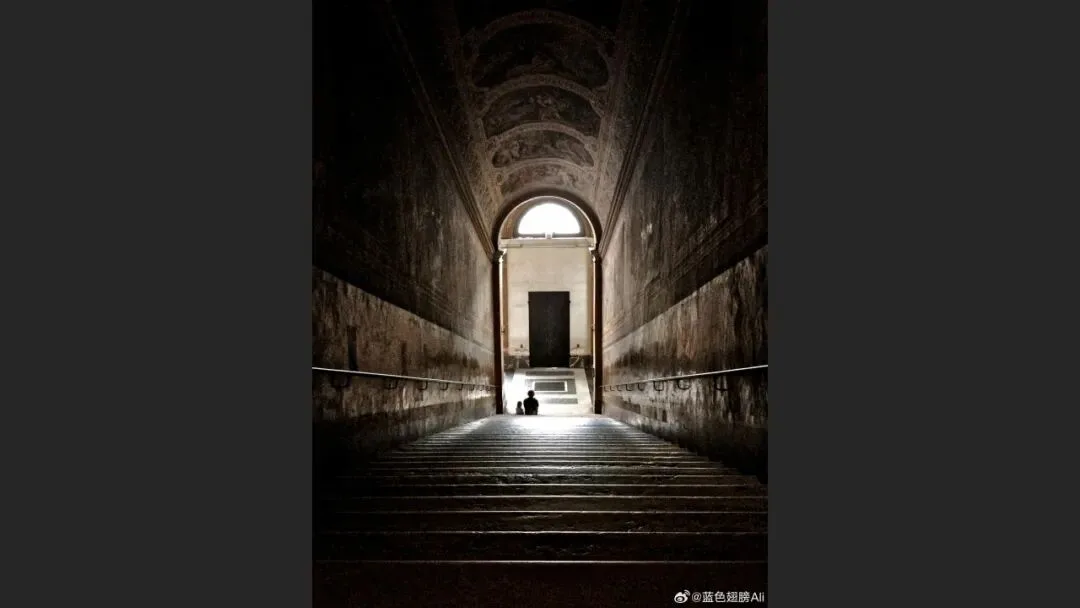
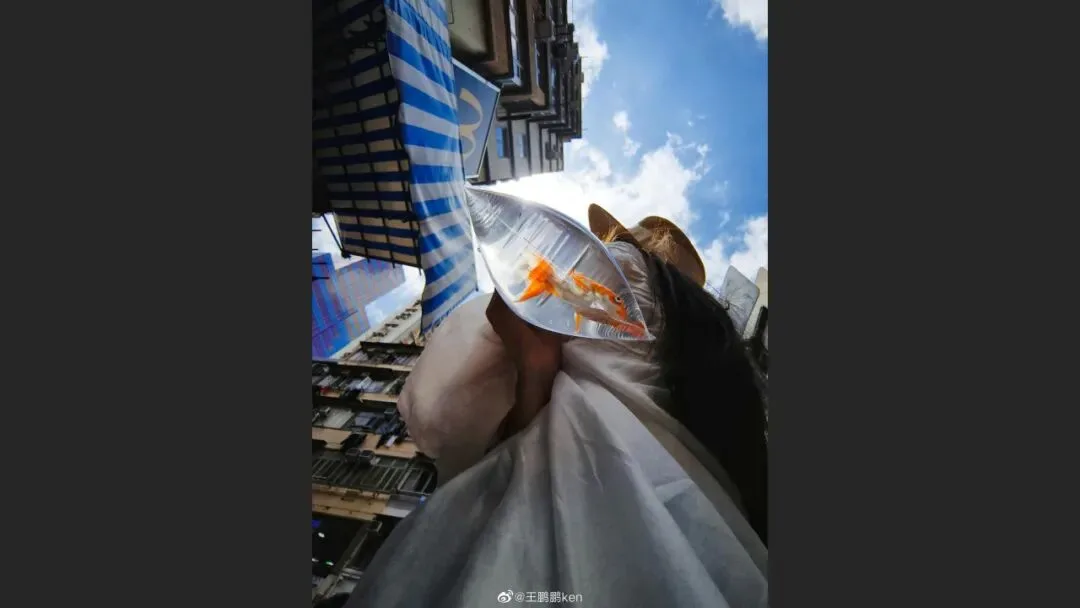
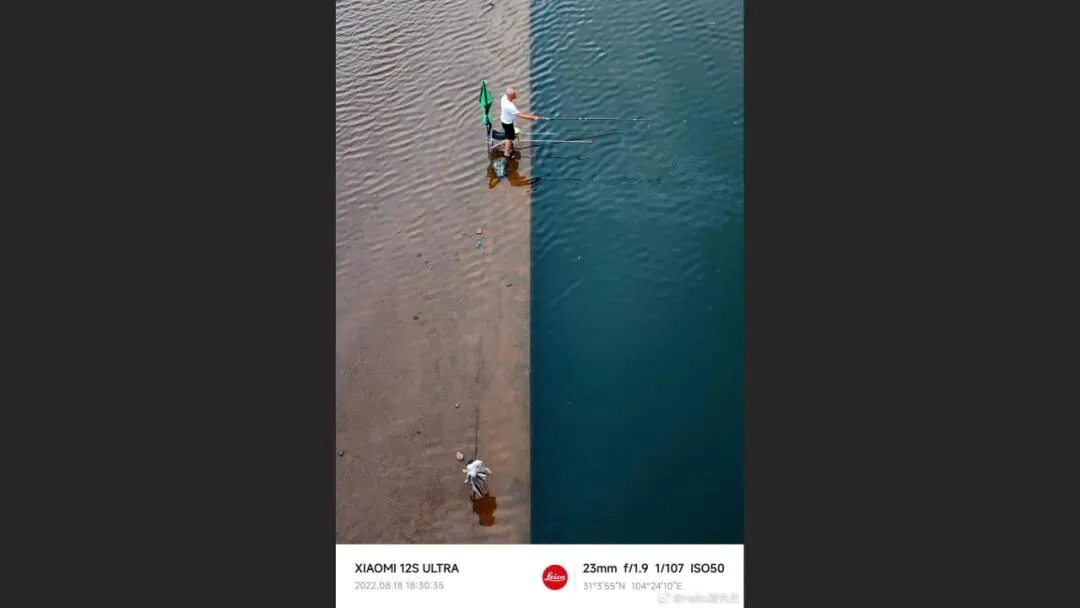
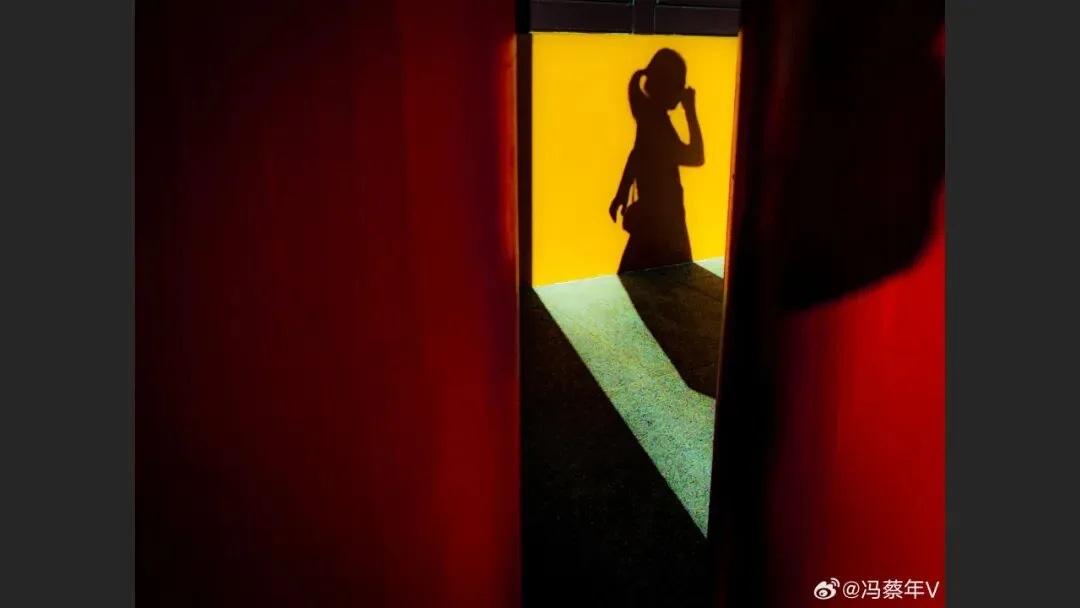
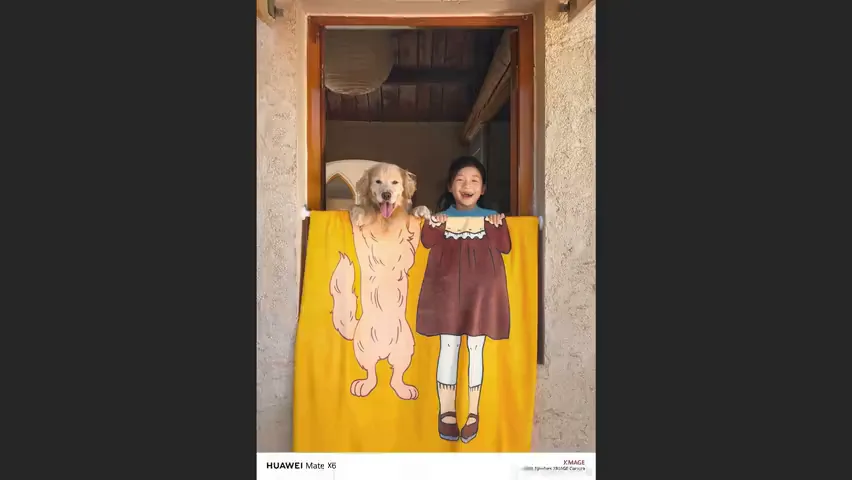
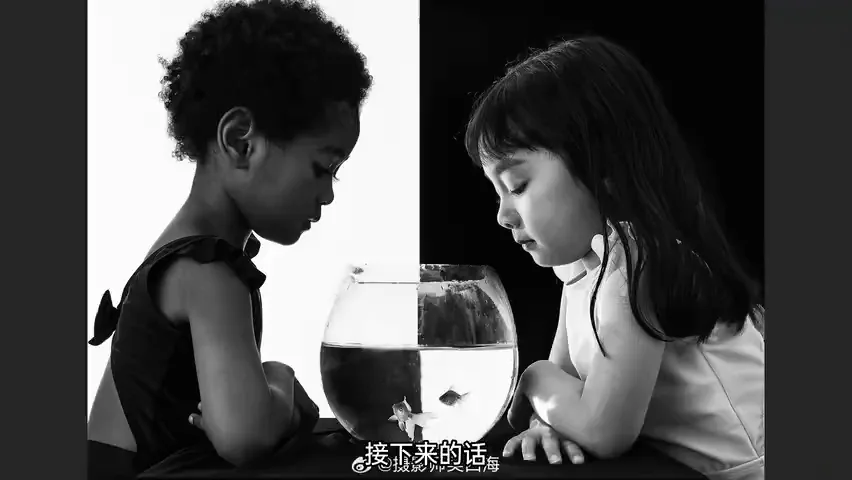
The exhibition holds more styles besides: photographer Gou-ge's creative portraits play with color and composition before a yellow door; a black-and-white vignette of children staring at goldfish is full of childlike charm and metaphor; there are minimalist silhouettes, abstract aerial textures, rigorously lit street scenes and more — all worth savoring in person (at 8:11 in the video).
1. Gear is never the barrier — a phone can win a 100,000-yuan prize; seeing and invention are the real currency; 2. Old themes need fresh eyes: turn produce into headdresses and rural revitalization looks brand new; 3. Be ready before luck strikes: a 21-frame, 6-second-exposure panorama is technique behind fortune; 4. Learn subtraction: black and white removes color, and what remains — expression and tone — carries more power.
Selected Winning and Exhibited Works