Photography Tutorial · 2018-05-10
Poetic Moments in the Ordinary: The Photography of Andre Kertesz
Thomas Chu Photo
One piece of solid insight every week — making photography easy to learn
The world is unordered and chaotic, but with his sensitive intuition, the moment he pressed the shutter, an ordered world was formed.
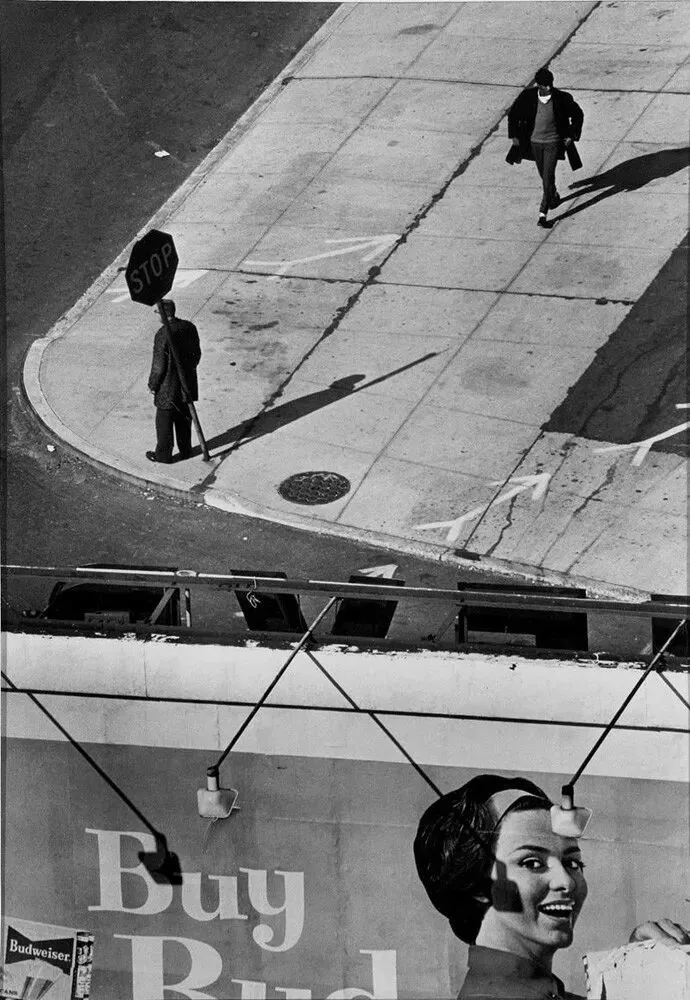
Buy, Long Island 1963
His work influenced many masters, including Cartier-Bresson, Man Ray, and Capa.
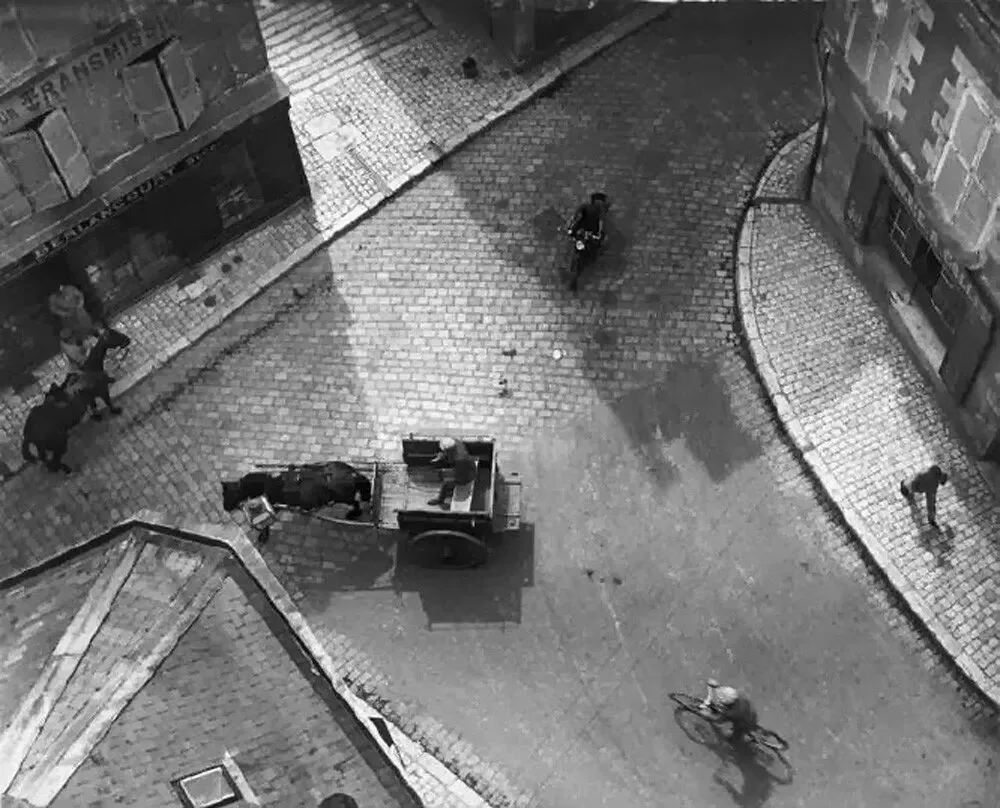
Crossroads 1930
Unlike Cartier-Bresson, who relied heavily on anticipation and planning, for him emotion and intuition were always the first conditions.
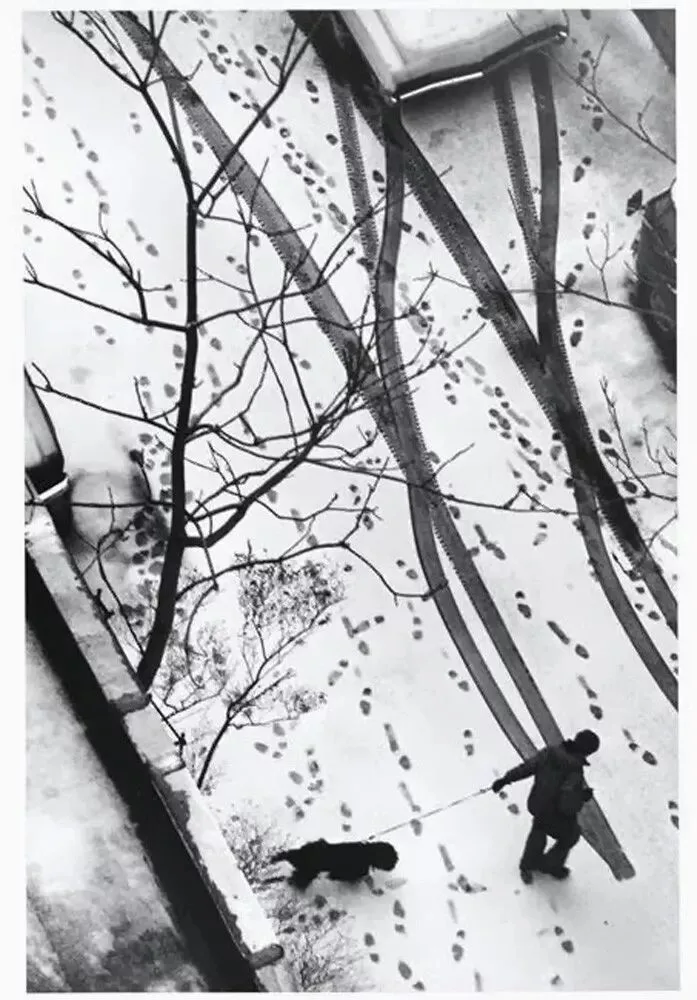
Macdougal Alley, New York City 1977
His works are casual and natural, yet everywhere they reveal a simple geometric beauty, full of poetry and rhythm.
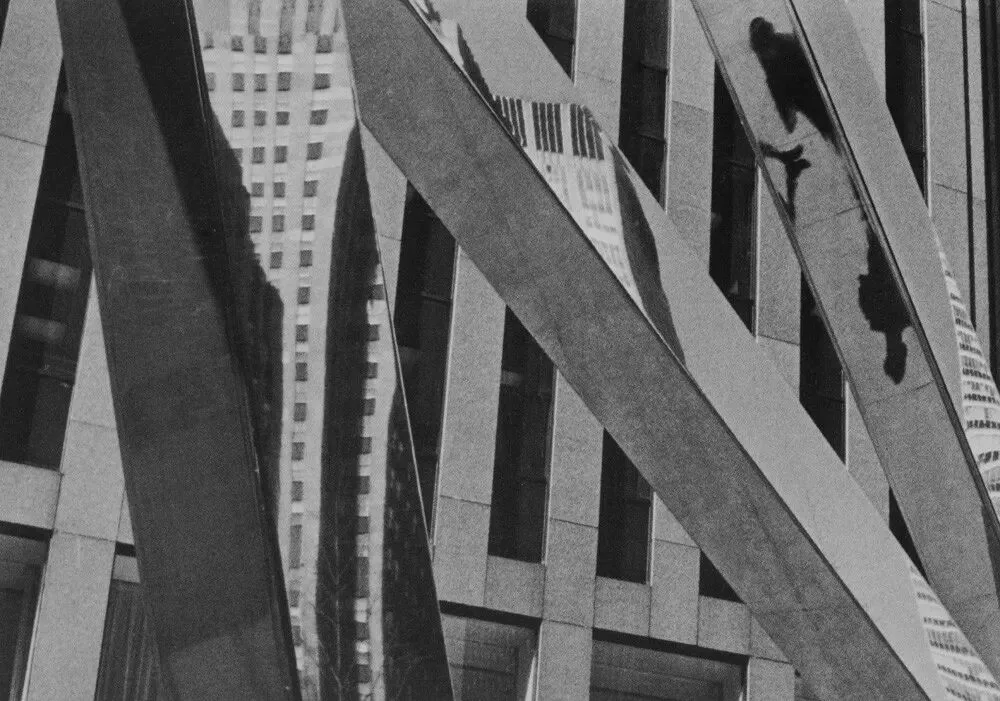
Sixth Avenue,New York,1973
Brassaï said he possessed the two qualifications essential to a great photographer: an untiring curiosity about the world, people, and life, and a refined sense of form.
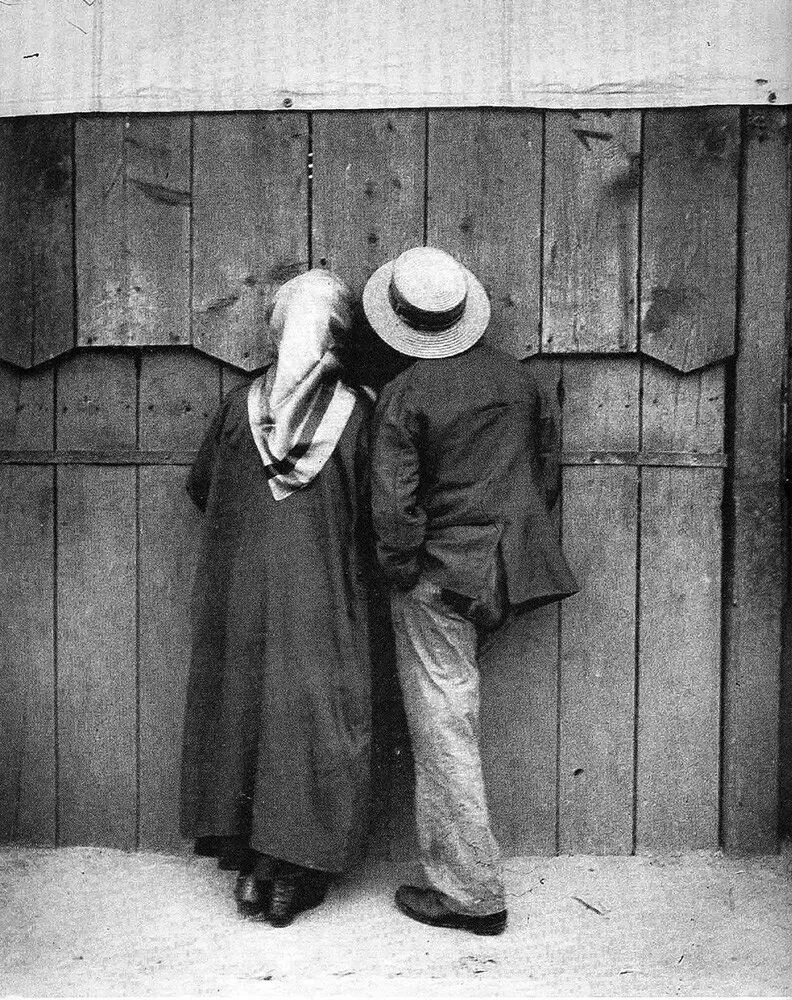
Looking at the Circus, Budapest, 1920
He is the photographer André Kertész.
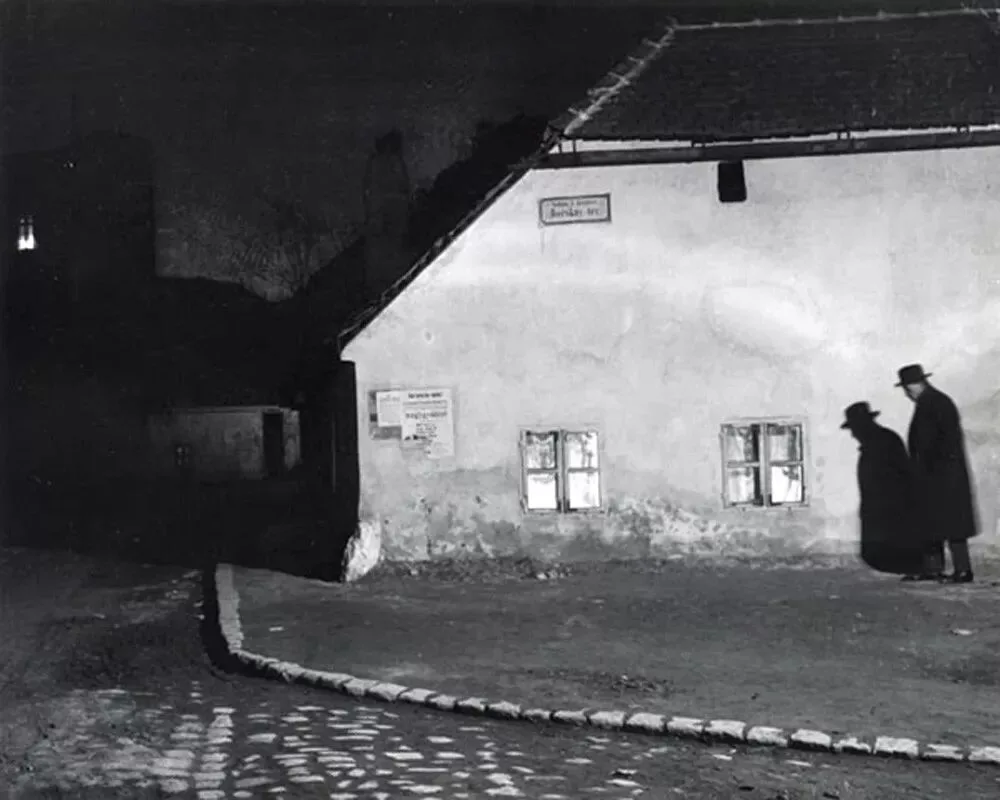
Bocskay Place, Budapest 1914
André Kertész was born in Hungary in 1894.
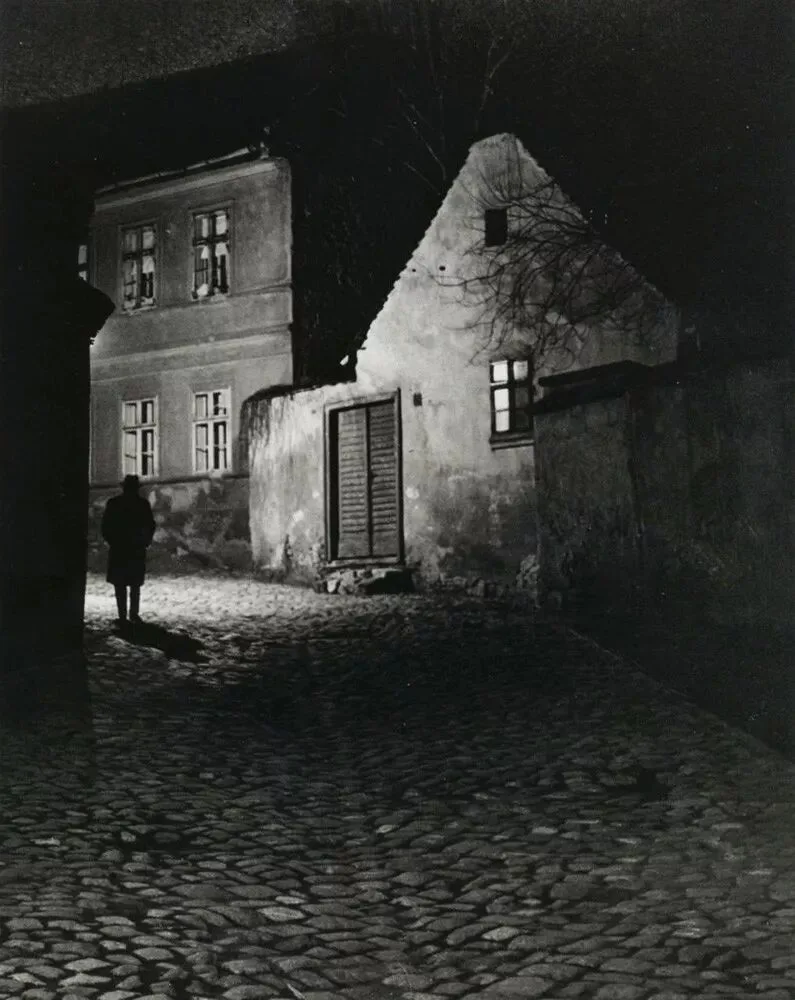
Budapest 1914
He began photographing constantly at the age of eighteen; his works were naturally whole from the very start — effortless and unpretentious.
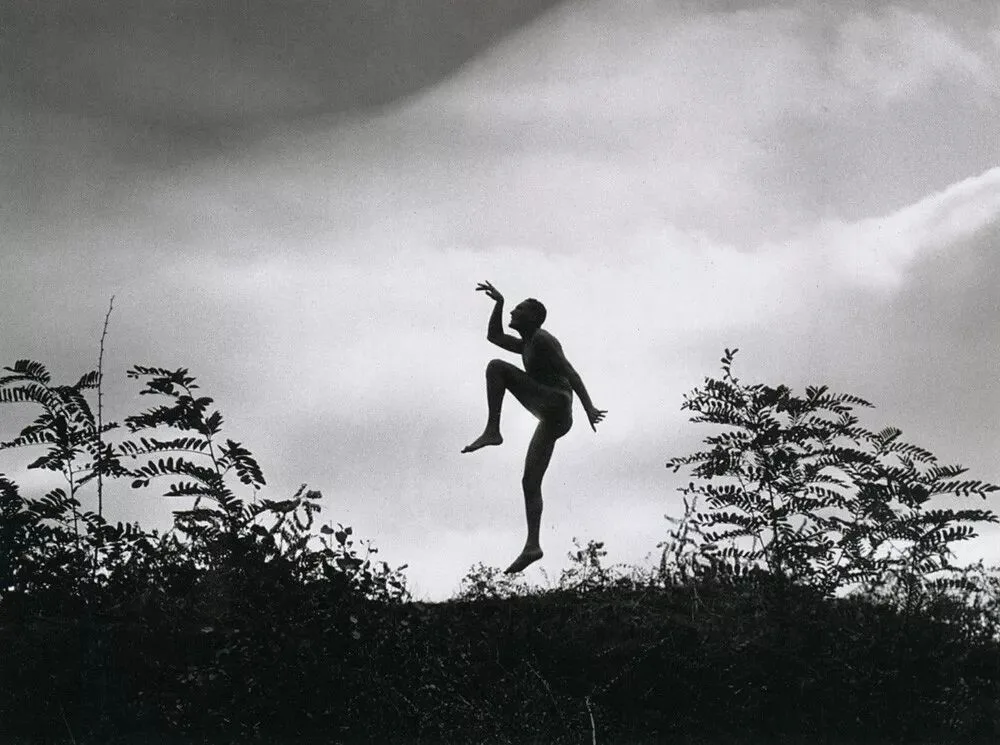
My Brother as a Scherzo 1919
After arriving in Paris, the capital of art, in 1925, he entered the golden age of his photographic creation.
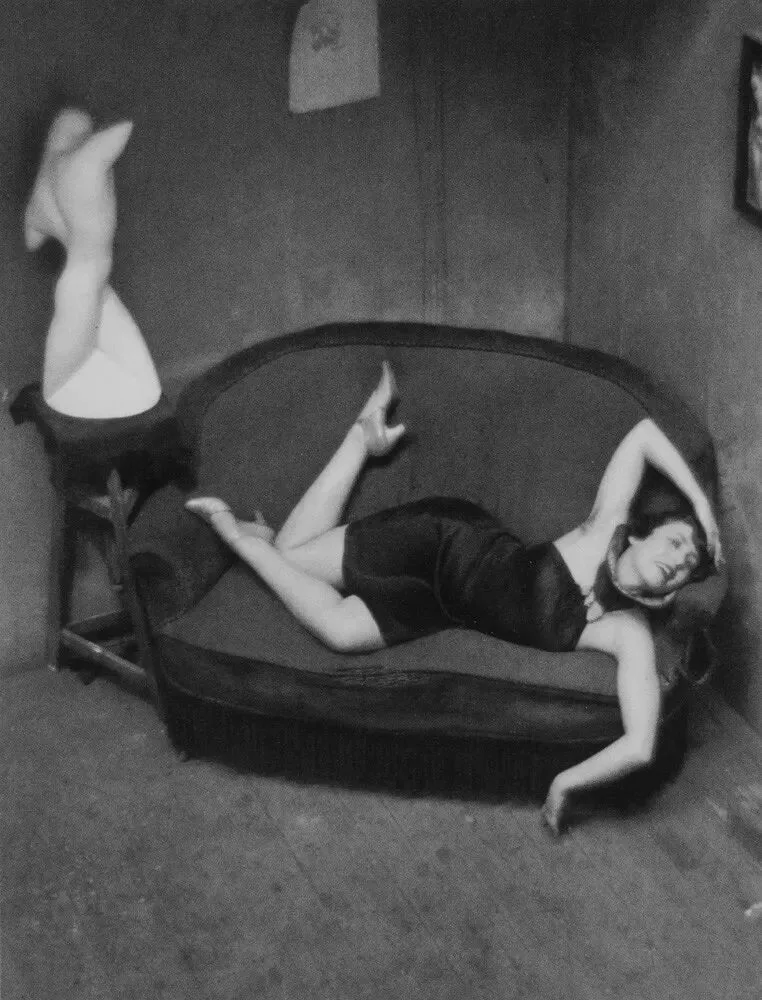
Satyric dancer 1926
In Paris, Kertész befriended many artists, among them Mondrian, who would later pioneer geometric abstract painting.
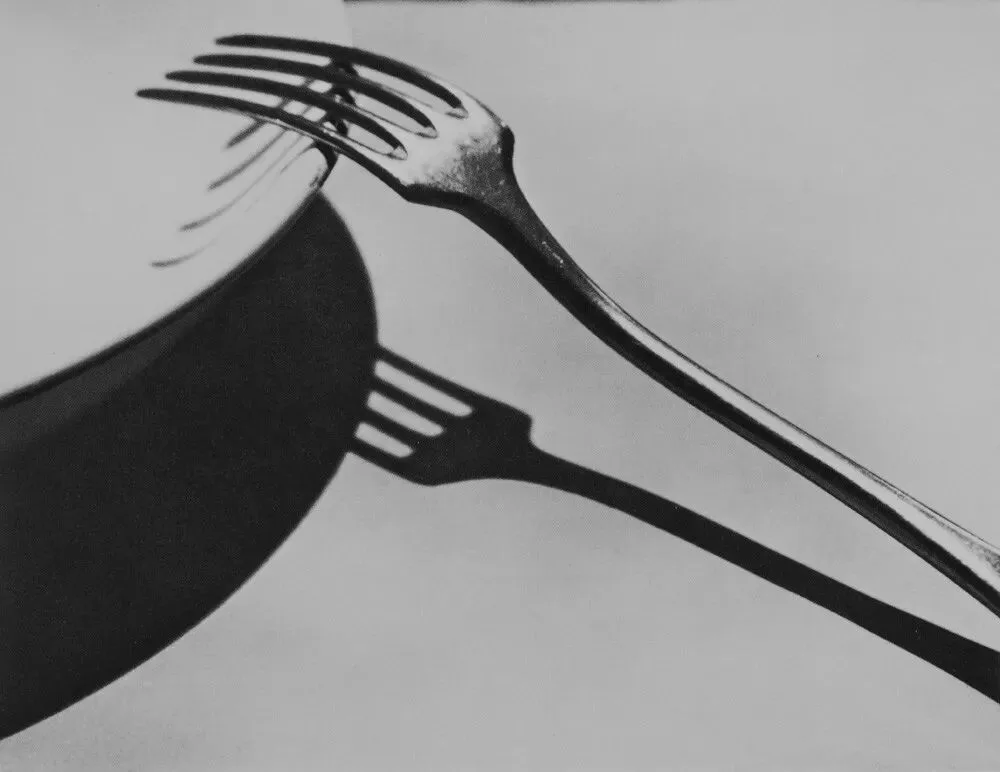
The Fork 1928
In Mondrian's home, he created a series of works that look ordinary today but were extremely advanced for their time — extracting lines, light and shadow, and geometric structures from ordinary scenes of life.
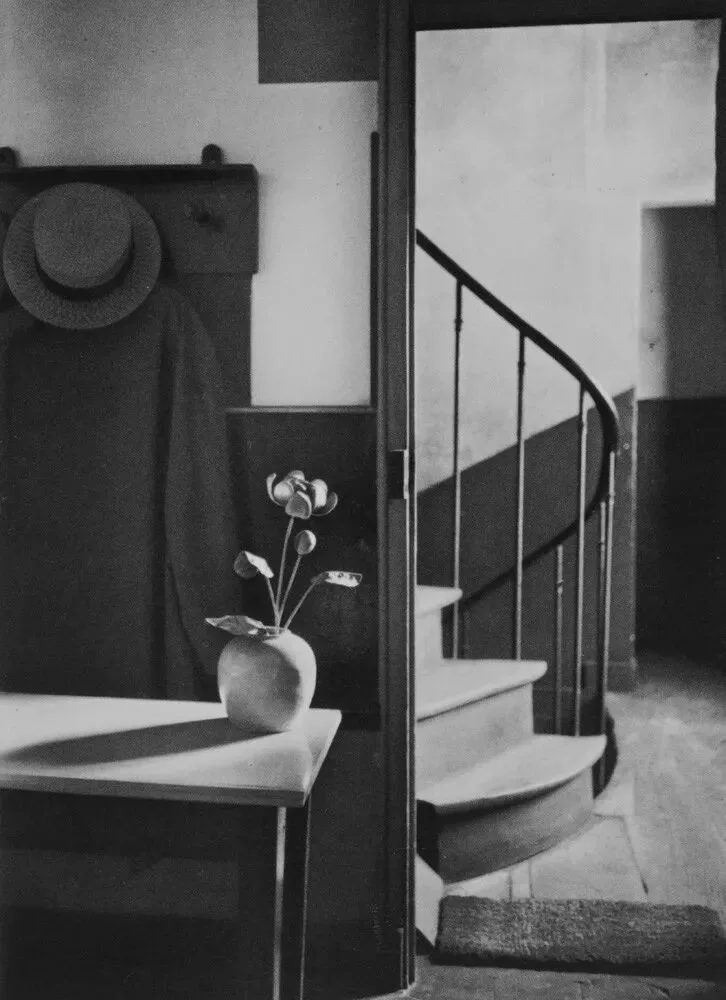
Chez Mondrian 1926
The piece below, "Mondrian's Pipe and Glasses," was collected for nearly 400,000 US dollars.
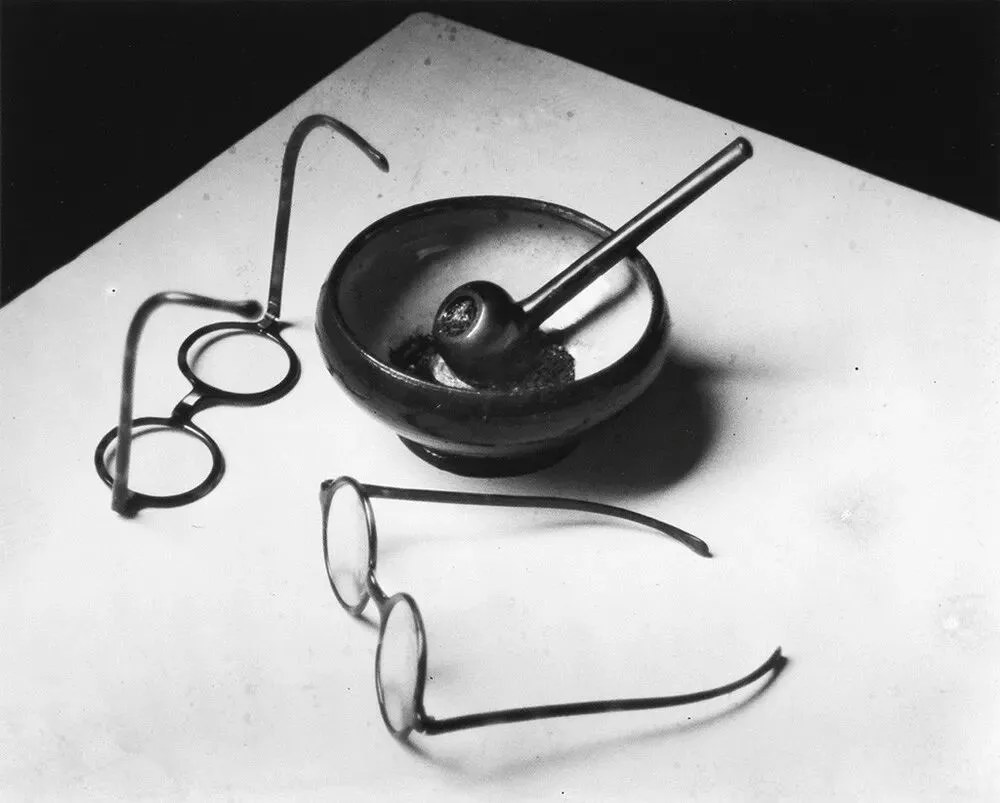
Mondrian's Glasses and Pipe 1926
His works everywhere demonstrate the photographer's keen power of observation.
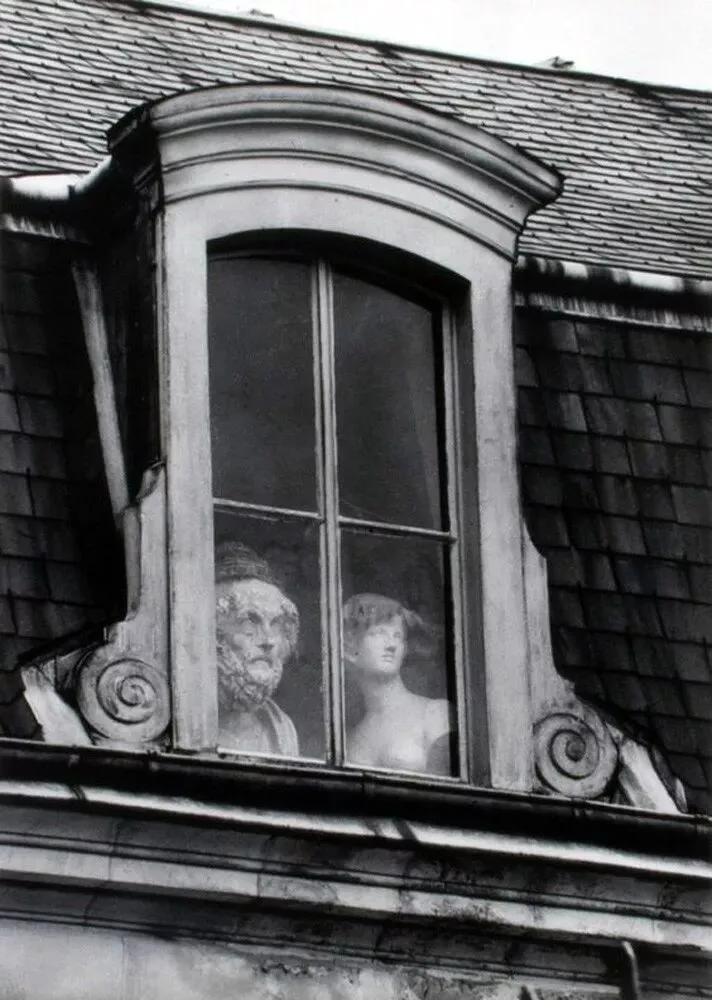
Quai Voltaire 1928
His street photography, besides its ingenious geometric composition, often required patient waiting to capture the flawless, decisive moment — a profound influence on Cartier-Bresson.
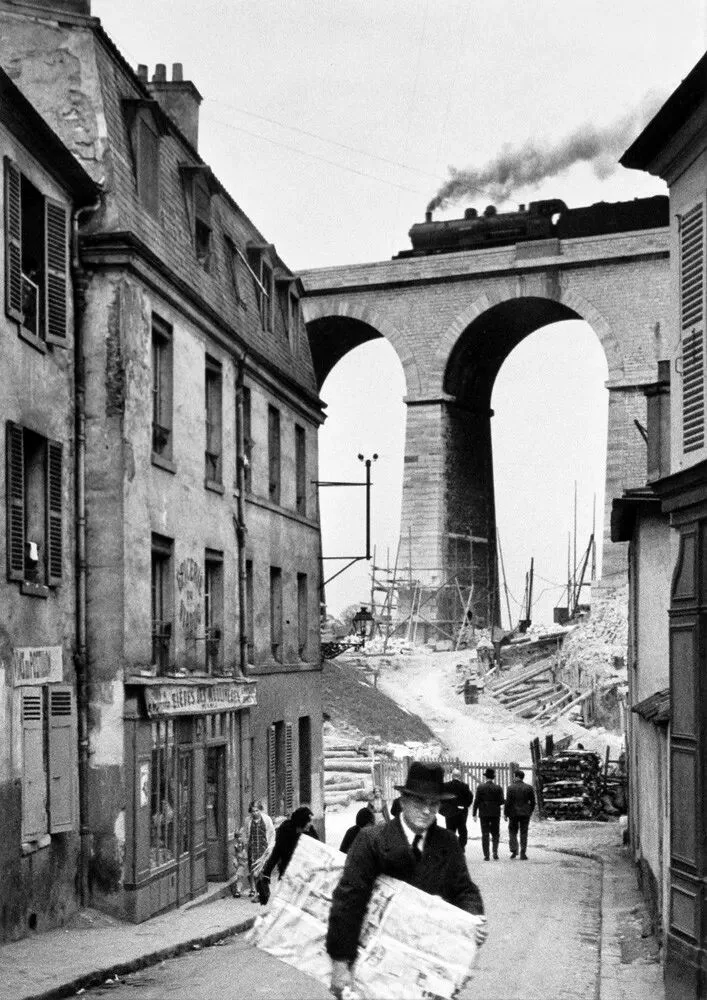
Meudon 1928
Photography is simple — unbelievably simple. Kertész once said of himself: "I have never run far to look for material; it is often right on the steps outside my door."
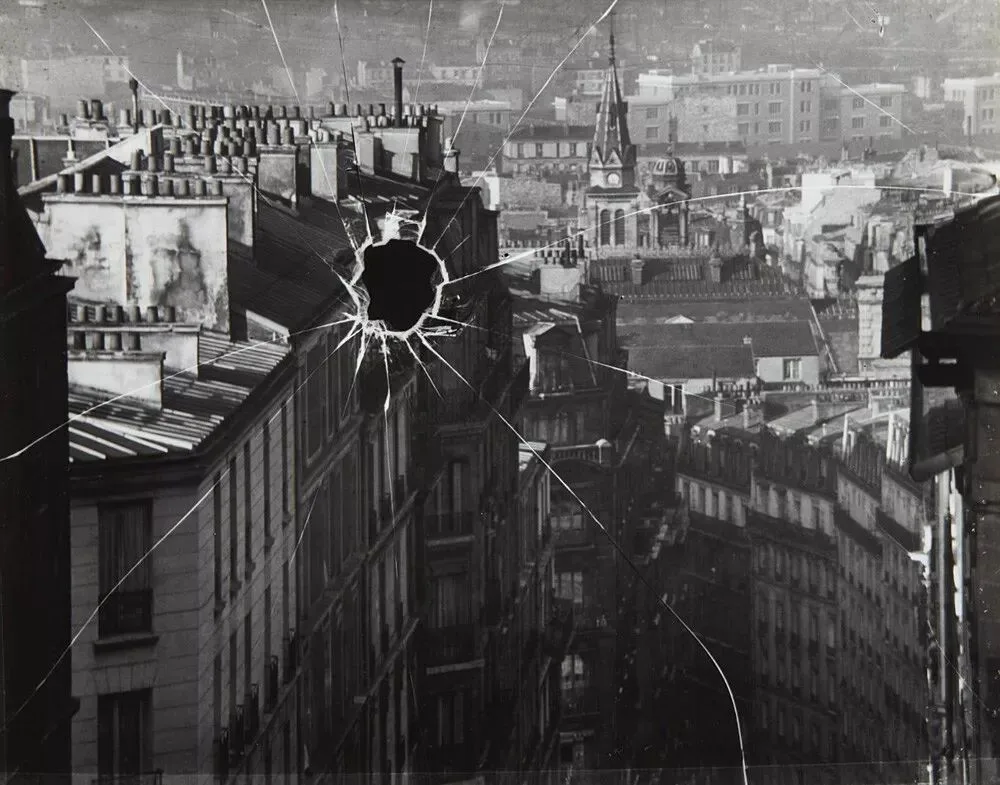
Broken Glass, Paris 1929
Critics described him: "His photos are so simple they seem like cheating. Astonishingly, he photographed this way from the very beginning."
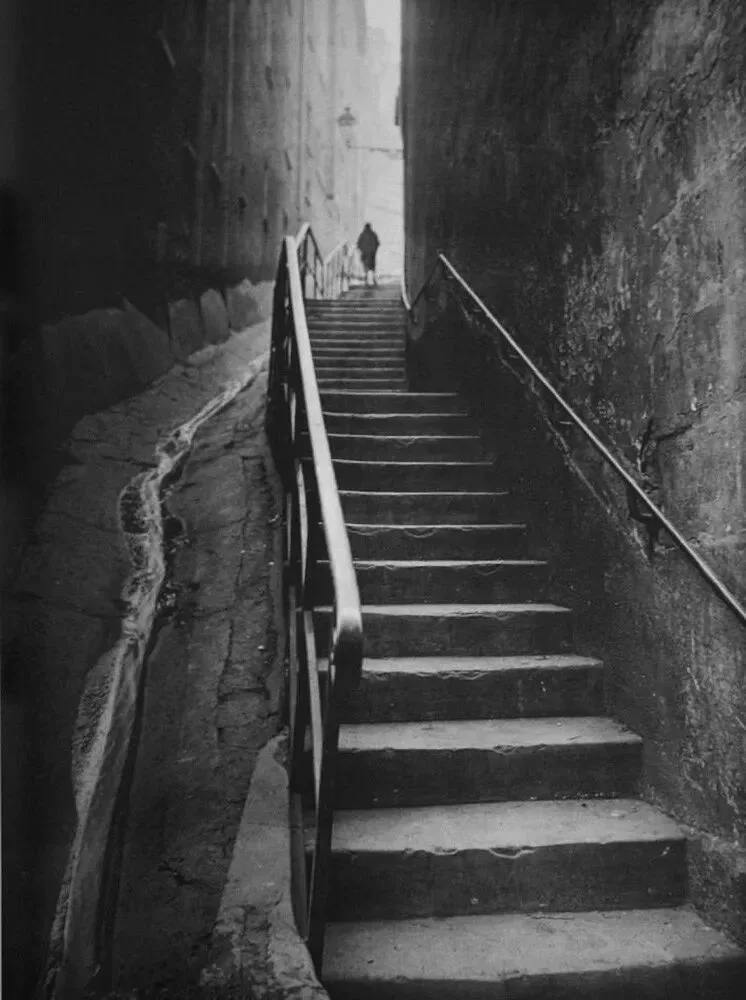
Lyons 1931
Unlike Cartier-Bresson's masculine, rigorously constructed compositions, André's works appear more spontaneous and gentle.
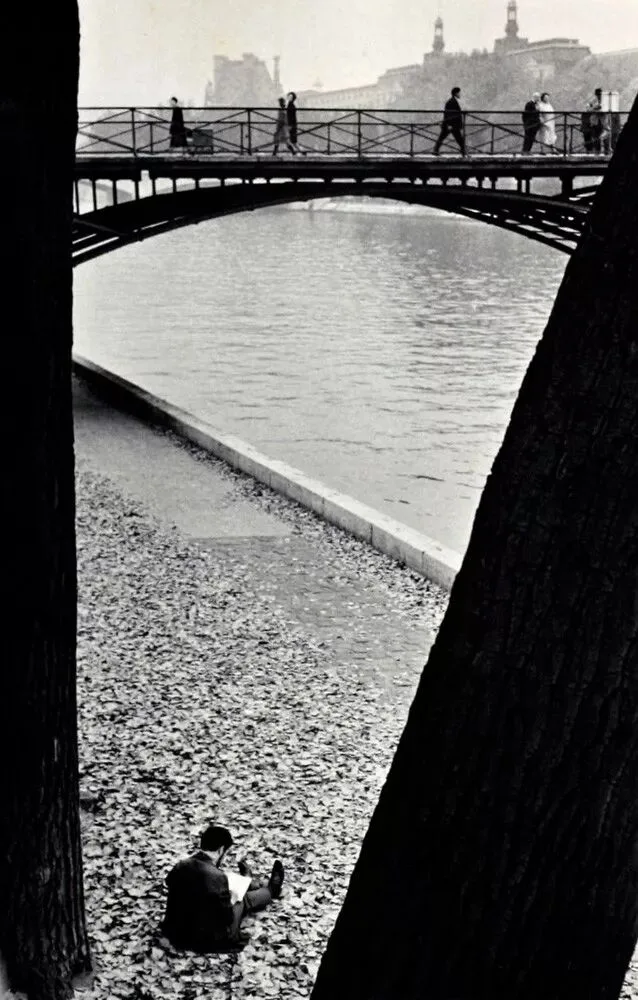
Le Pont des Arts, Paris, 1933
Yet within this simple, casual composition lies a kind of poetry.
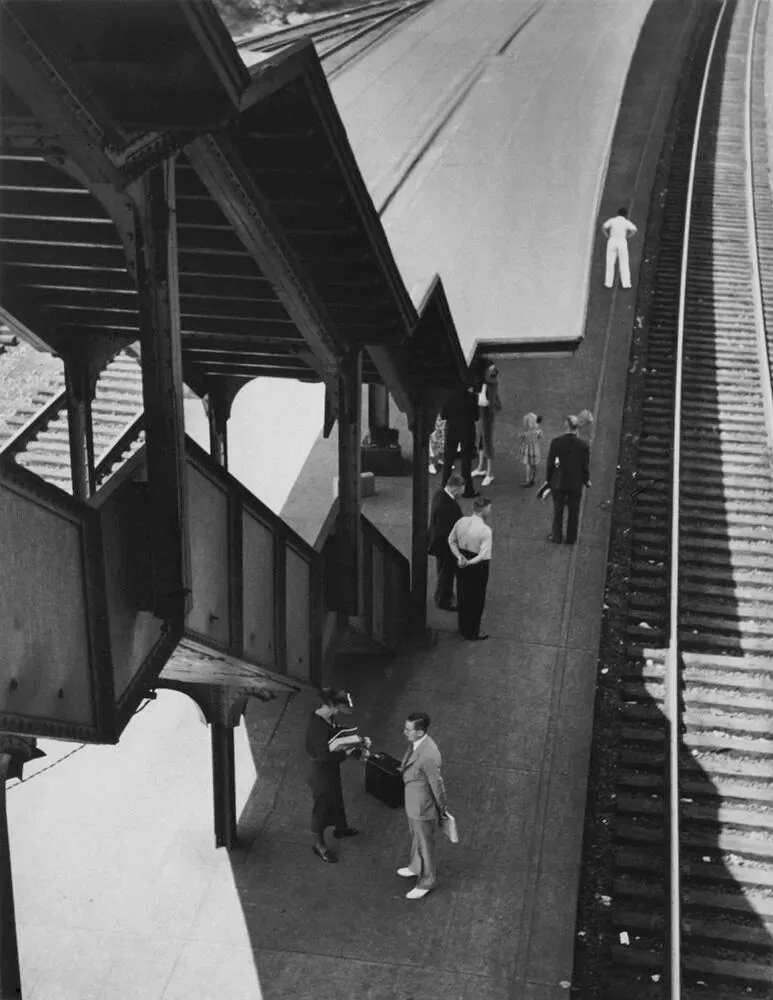
Poughkeepsie,New York,1937
Interwoven lines and blocks of color, as if filled with musical rhythm.
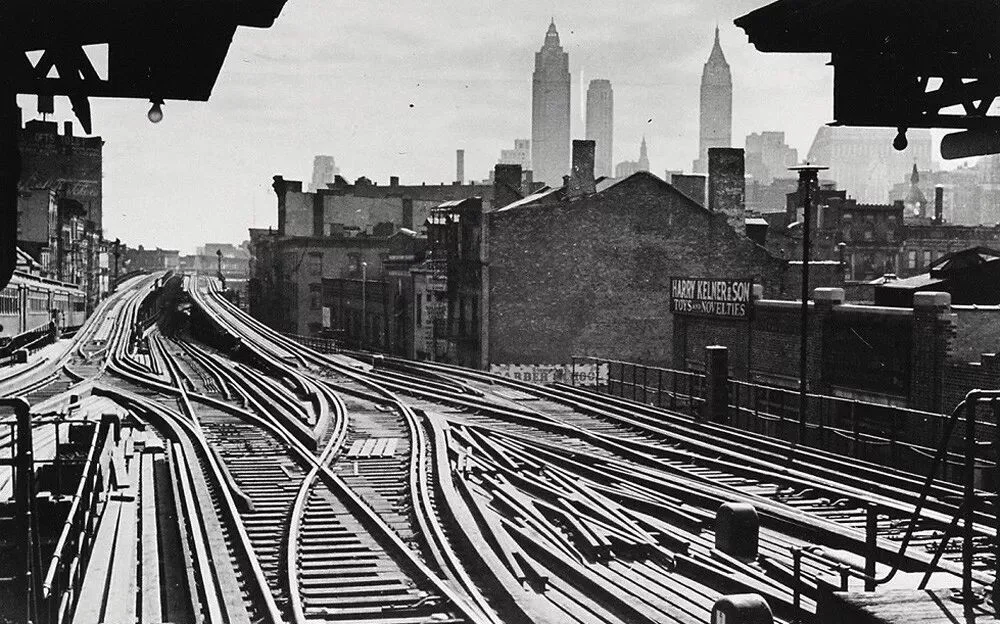
Elevated Train Platform, New York 1937
Beyond street photography, what earned Kertész his place in photographic history was his series of visual "distortion" works, exploring innovative visual expression with profound meaning.
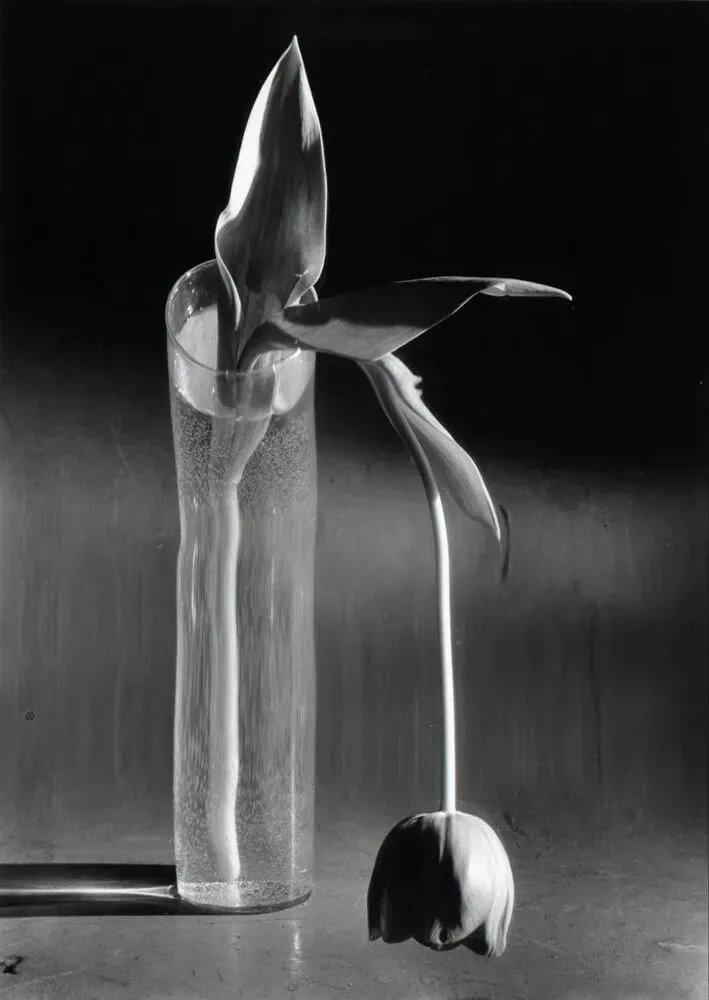
Melancholic Tulip 1939
The age of 43 was the turning point of Kertész's life. Against his friends' advice, he decided to leave Paris for America to fulfill a work contract. But after the contract ended, the outbreak of World War II made it impossible for him to return to France.
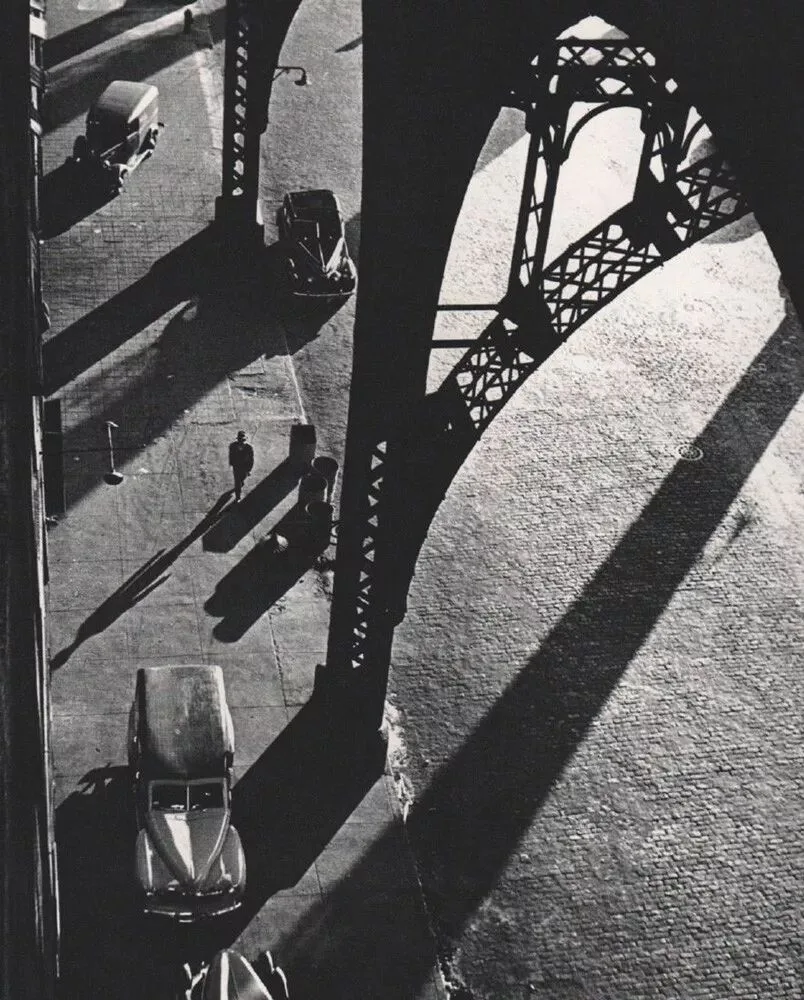
New York 1944
Honored as a master in Paris, he was ignored in America and fell into obscurity.
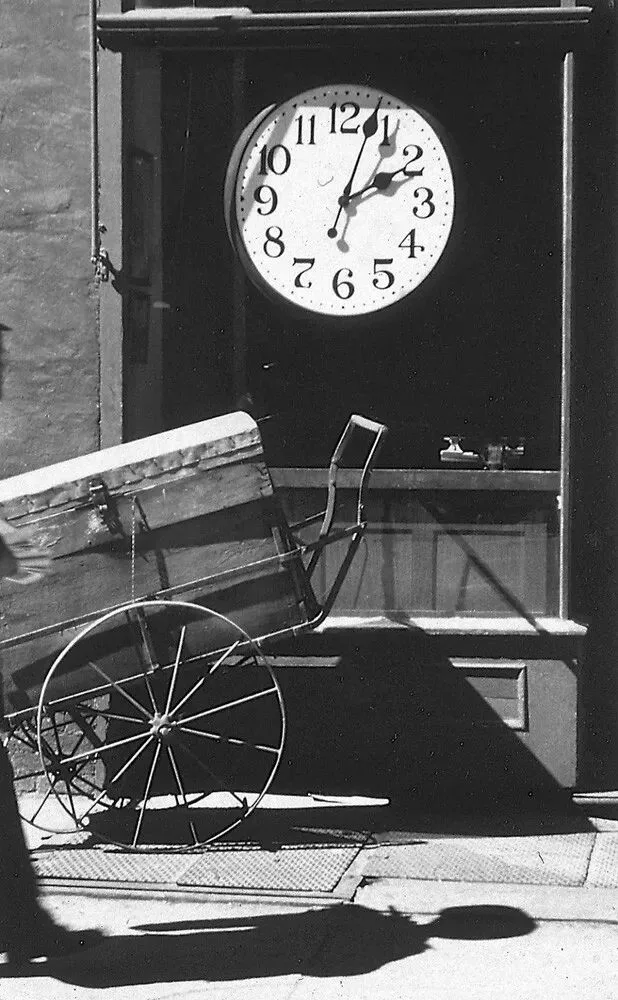
Watchmaker’s Shop New York 1950
The American photography world of that time only understood technique-first documentary photos, not expressive creative photography — no museum invited Kertész to exhibit.
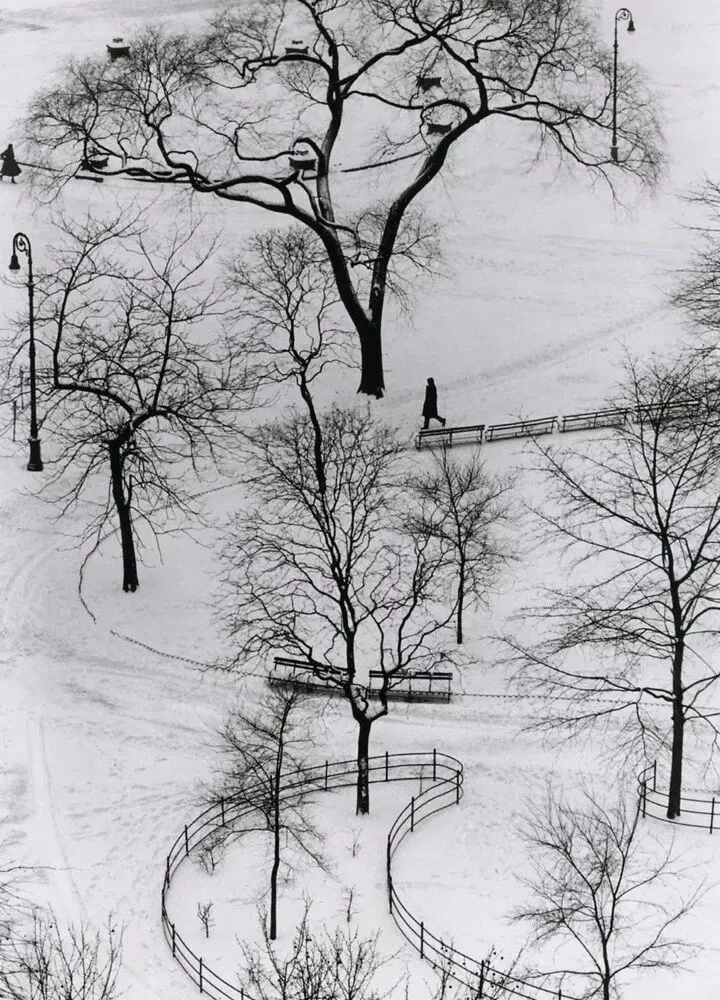
Washington Square, New York 1954
A tiger stranded on the plains, Kertész was forced by livelihood to apply for a job at LIFE magazine — only for LIFE's editors to judge his photos as "saying too much, making the intent unclear." In anger, Kertész decided he would never publish in LIFE for the rest of his life. In those hard years, he could only make a living photographing furniture.
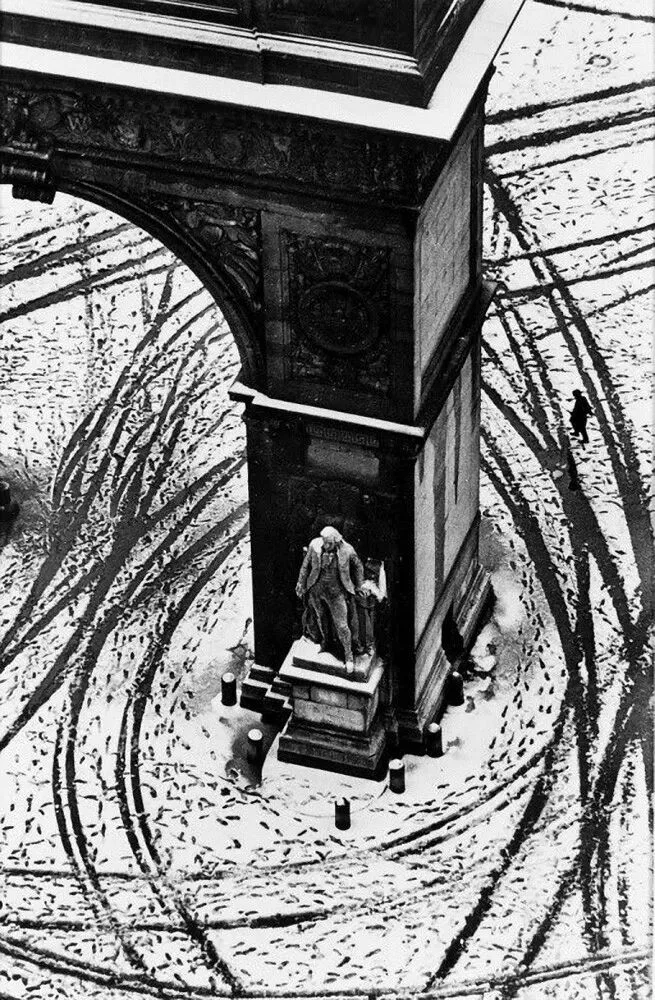
Washington square 1966
Through the long years, Kertész kept photographing the fragments of life he observed by intuition — steadfast and solitary — never changing himself because he was misunderstood.
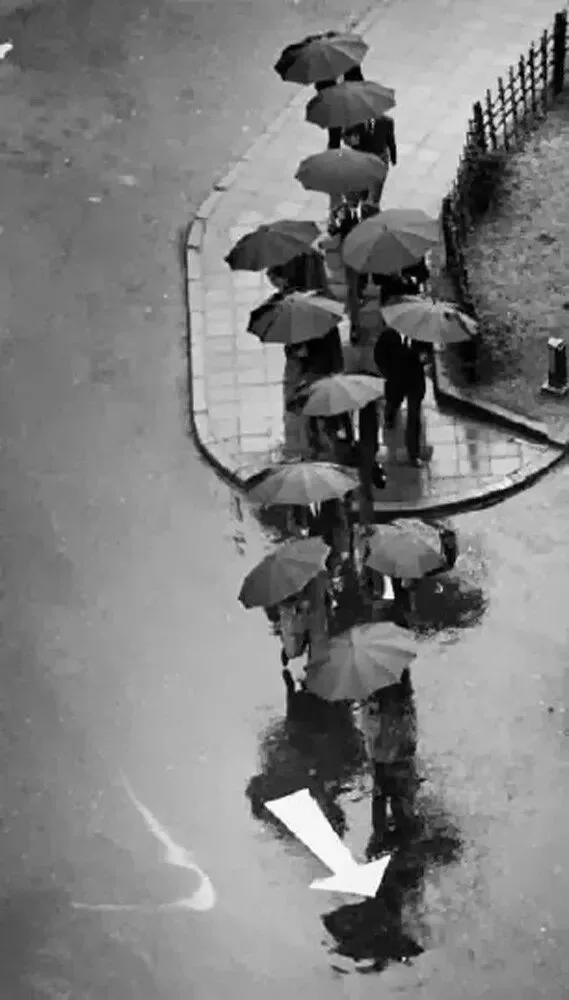
Rainy Day, Tokyo 1968
Not until American photography slowly matured did people discover with astonishment that such an extraordinary figure had been living in their own country all along. In 1964, the Museum of Modern Art held a retrospective for him; a series of global exhibitions followed, and flowers and applause surrounded Kertész once again.
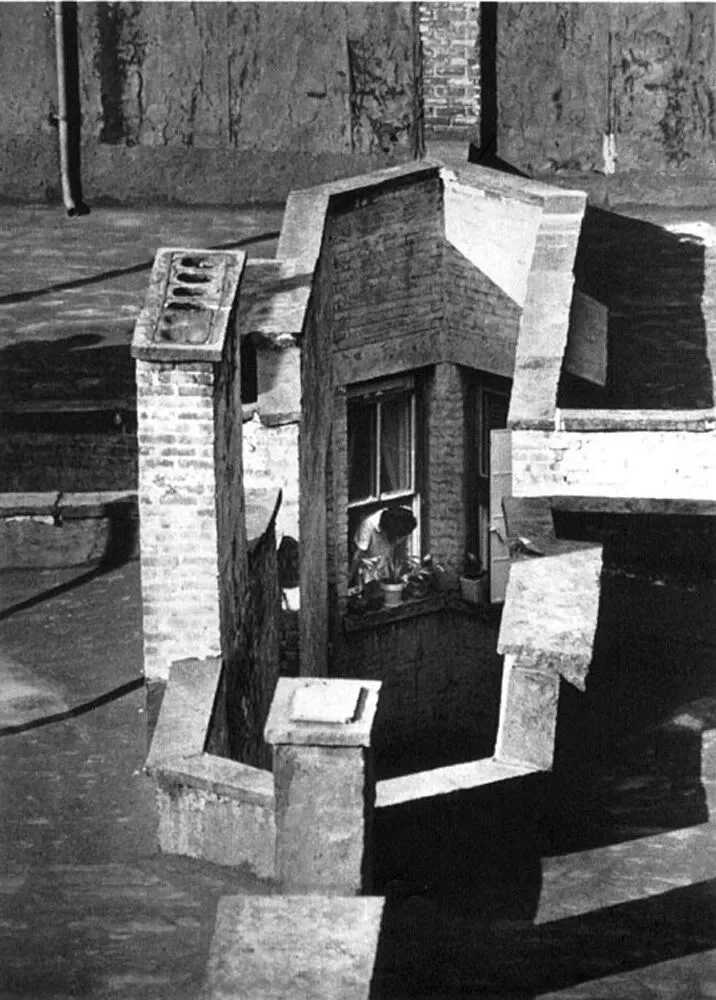
New York 1970
Kertész's late works are full of emotional metaphors born of experiencing all the vicissitudes of life.
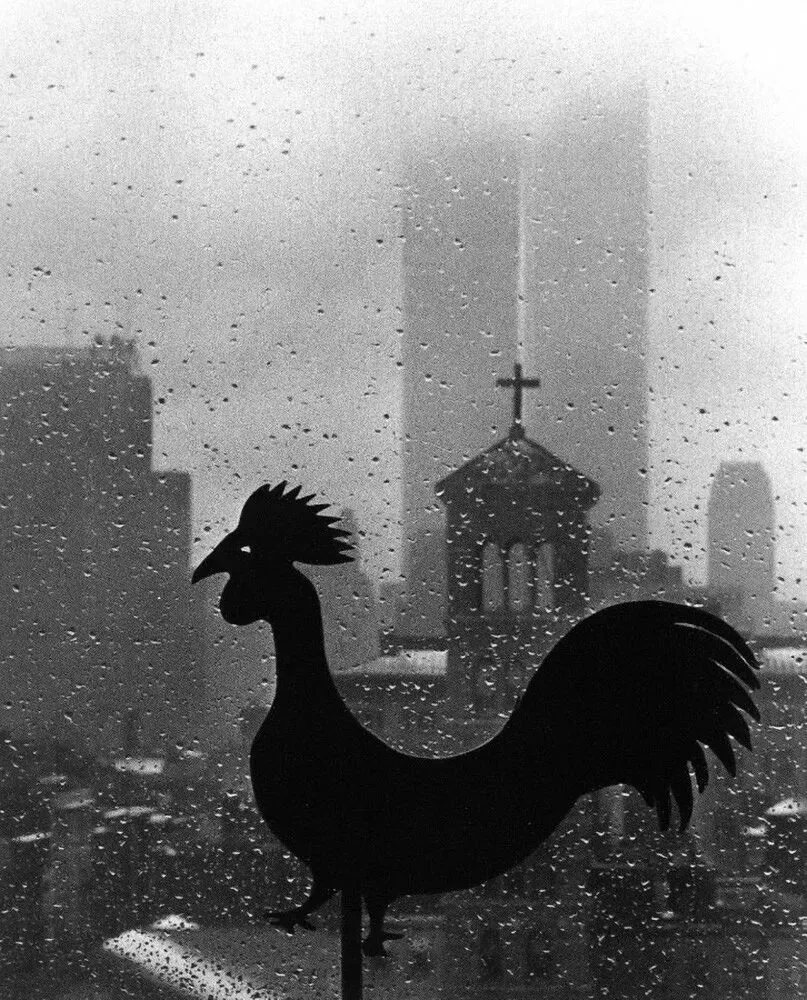
New York 1972
Anyone who has ever experienced loneliness will feel deep resonance with Kertész's late works. No matter how trends changed, he stubbornly held to his photographic philosophy in solitude, cutting poetic moments out of ordinary life.
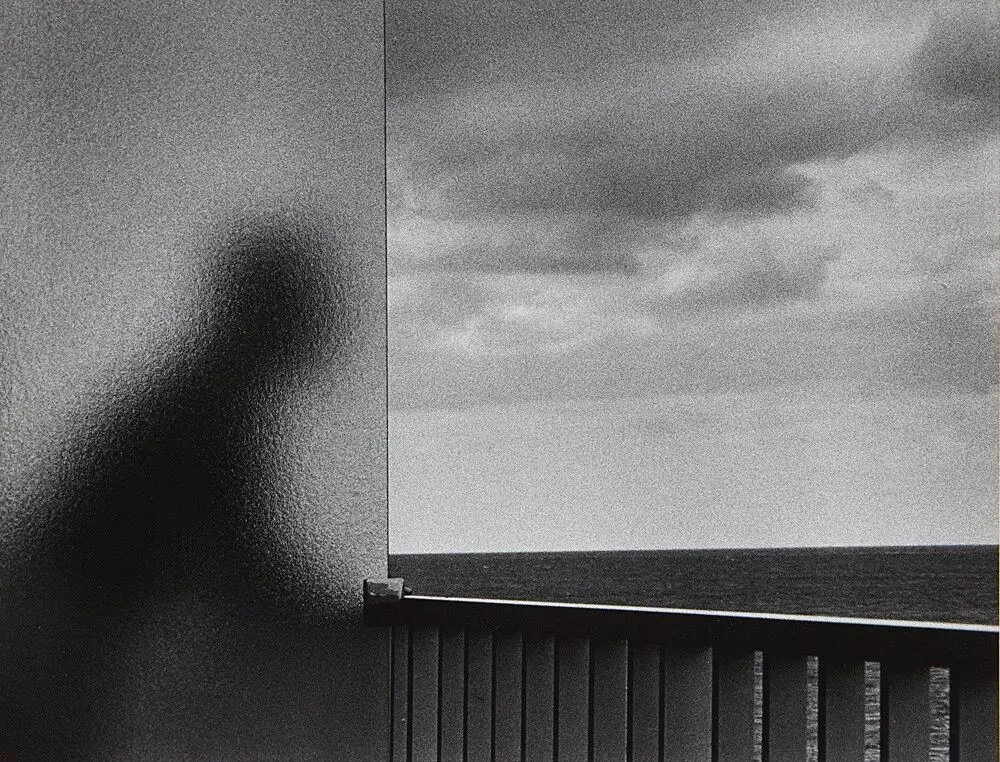
The Balcony, Martinique, 1972
"Appreciating the Masters of Photography" series:
1. Poetic Moments in the Ordinary — André Kertész
"Appreciating the Masters of Photography" is a new column by Thomas, aimed at improving aesthetics and broadening horizons. It features not only classic photos from photographic history, but also works by the most active and top photographers across every field, style, and medium today.