Photography Tutorial · 2022-02-20
From Beginner to Pro: A Learning Methodology Others Won't Share
Thomas Chu Photo
How does a complete beginner self-study their way to becoming a professional photographer?
How do you imitate other photographers' works, then fuse and innovate them into your own style?
How can landscape photography be used to tell China's stories well?
This video is my talk at the recent Toutiao Shengji Conference (头条生机大会), where I shared my methodology for learning photography and some reflections on my current stage of creation~
Video
▶ Watch the video tutorial on Bilibili
This is the illustrated companion to the video above: Thomas's talk at the Toutiao Creator Summit. Five years ago he was a programmer in a cubicle; today he is a professional landscape photographer and a National Geographic global award winner. The talk lays out his three methodology pillars — creation comes from life, imitate-fuse-innovate, and stay true to your mission. The five chapters below reorganize the speech with keyframes from the stage.
01 From the Cubicle to the Wild
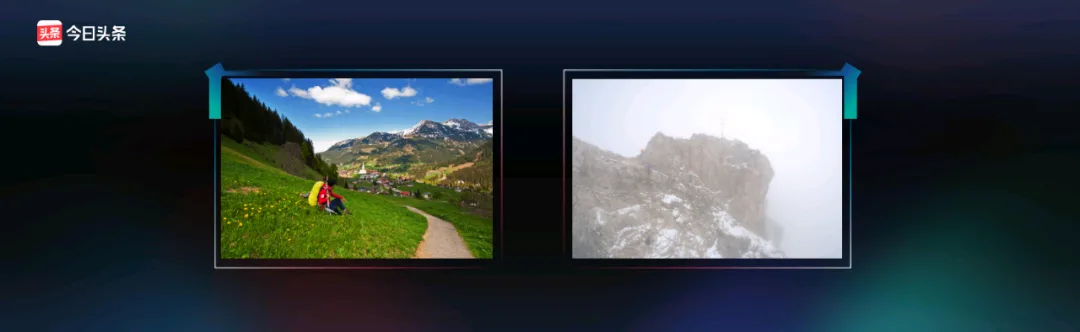
He got his first DSLR as a college freshman, shot everything, lost interest within a month and locked the camera away for over a year. The turning point came with an exchange semester in Germany: climbing a few-hundred-meter hill in jeans with no gear, shoes soaked — then working up from 1,000- to 3,000-meter peaks until he summited the Zugspitze, Germany's highest (at 1:19 in the video).
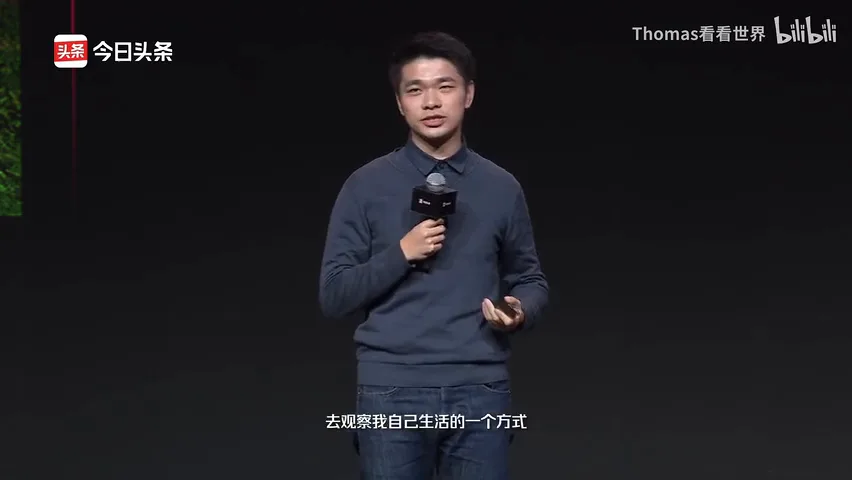
Photography gave him a deeper way to observe life and an engine for exploring the unknown. His entry-level DSLR lasted seven years — he understood early that better gear doesn't make photos special; spending that money on living, on a bigger world, is what made them interesting. Hence methodology one: creation comes from life (at 2:40 in the video).
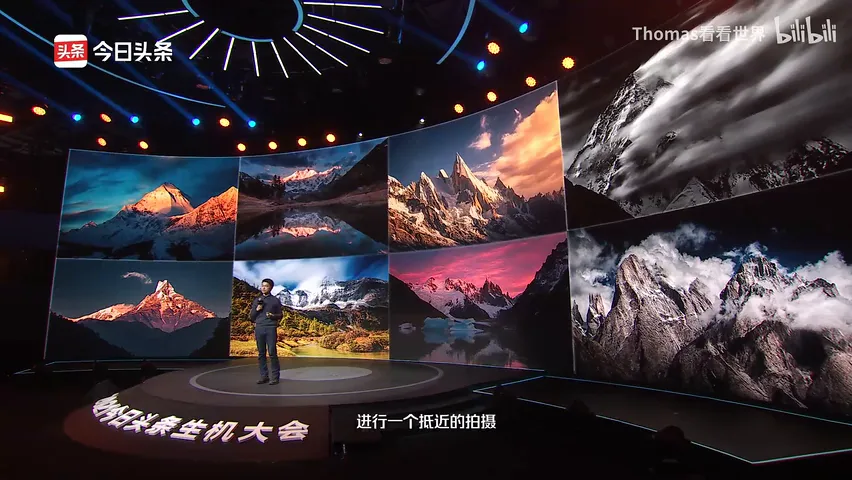
02 Imitate: Obsess Over the Details
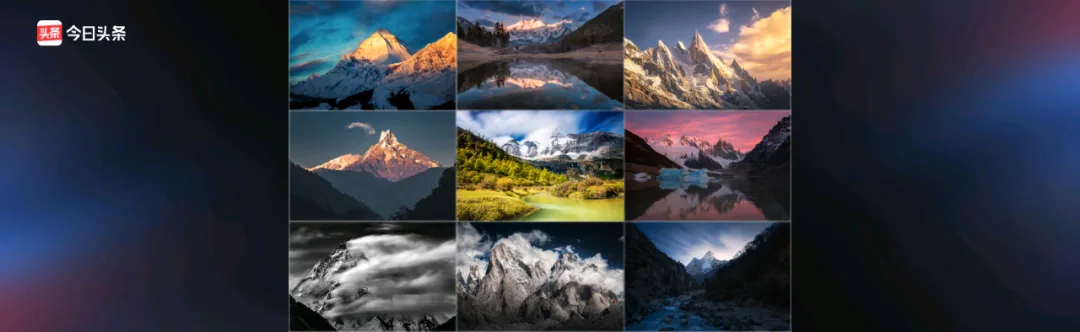
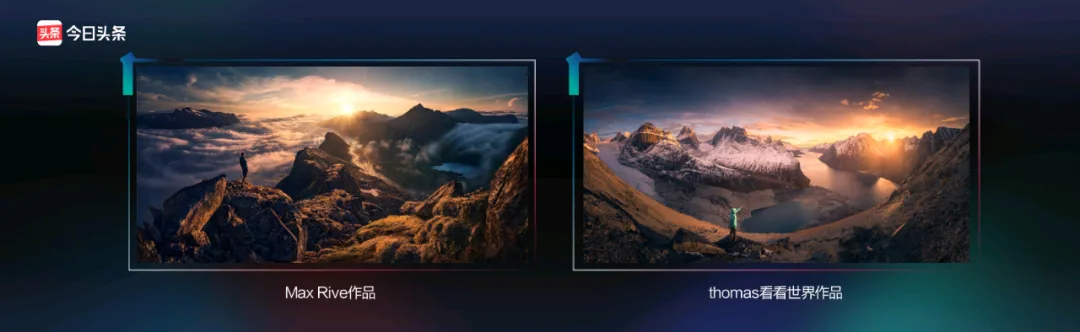
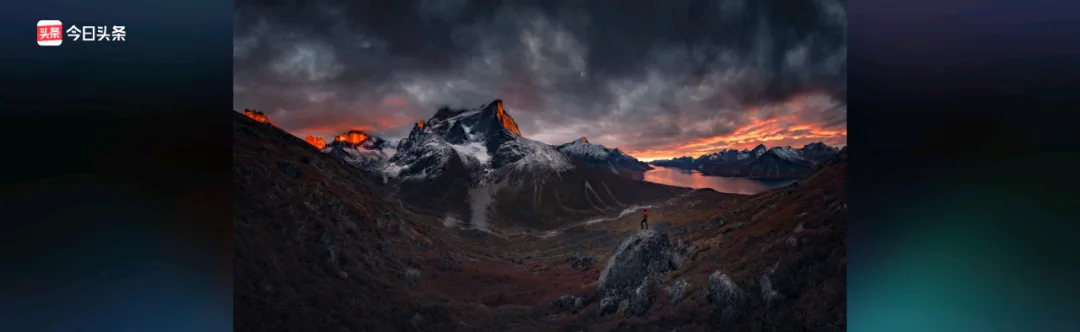
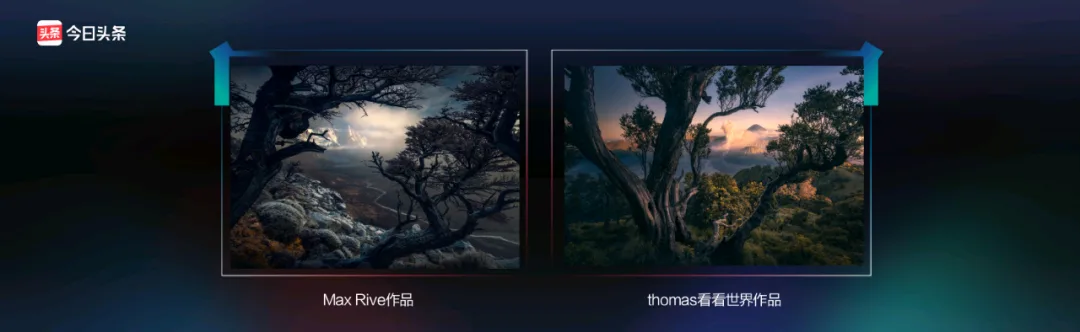
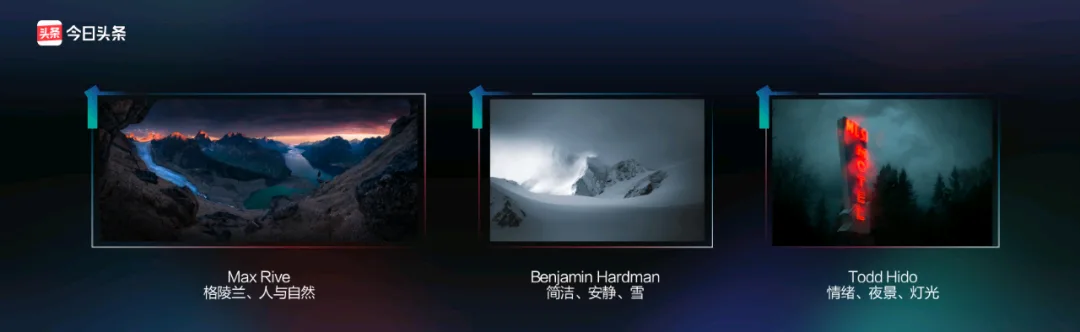
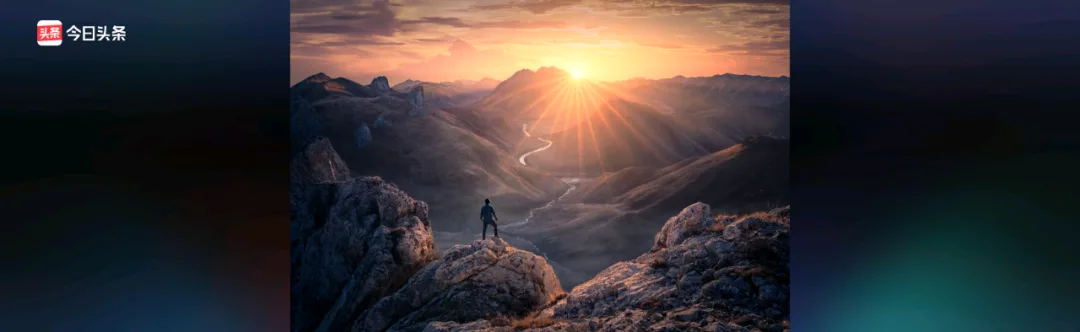
By 2015, having traveled widely but plateaued without a style, he chose the path of imitate–fuse–innovate. Imitation is not copying; it is digesting every detail of a creator's work. He loved the Dutch mountain photographer Max Rive and saved all his images to study composition and grading over and over (at 3:57 in the video).
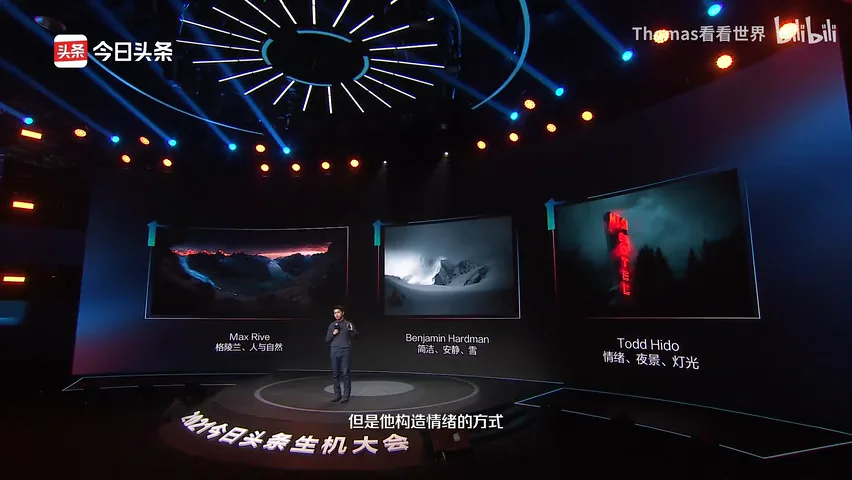
A famous example: shooting the same Nordic fjord at sunset with near-identical grading, his picture still fell short. Studying obsessively he found it — Max Rive's figures wear short puffy jackets, structured and powerful, with shorts exposing calf muscles, the whole body taut and commanding. He later shot in the same 'down jacket plus shorts' outfit and the image improved at once. That is how detailed imitation must be (at 4:38 in the video).
03 Fuse and Innovate, All the Way to a World Award
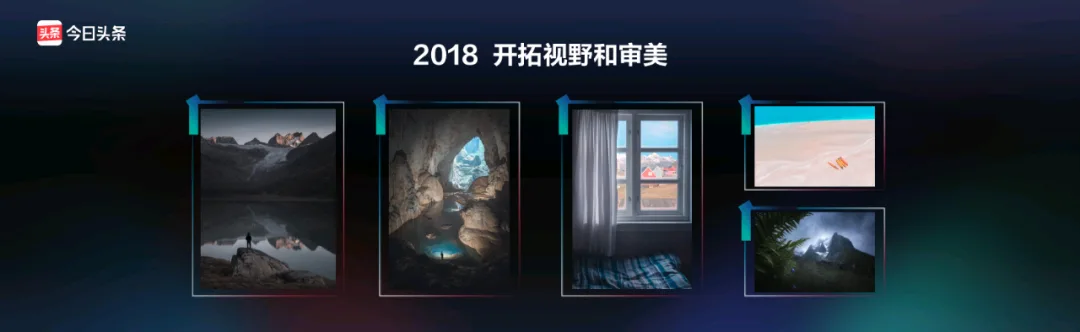
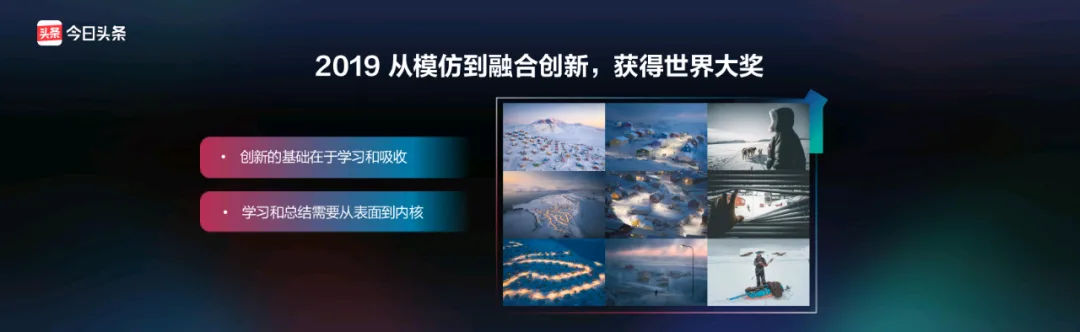
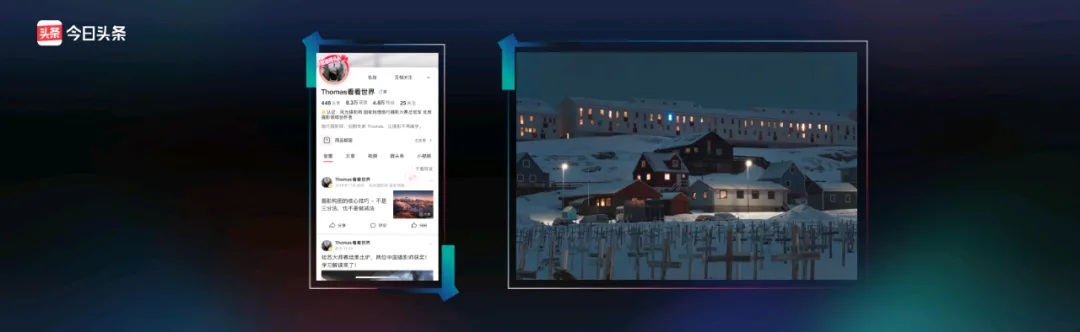
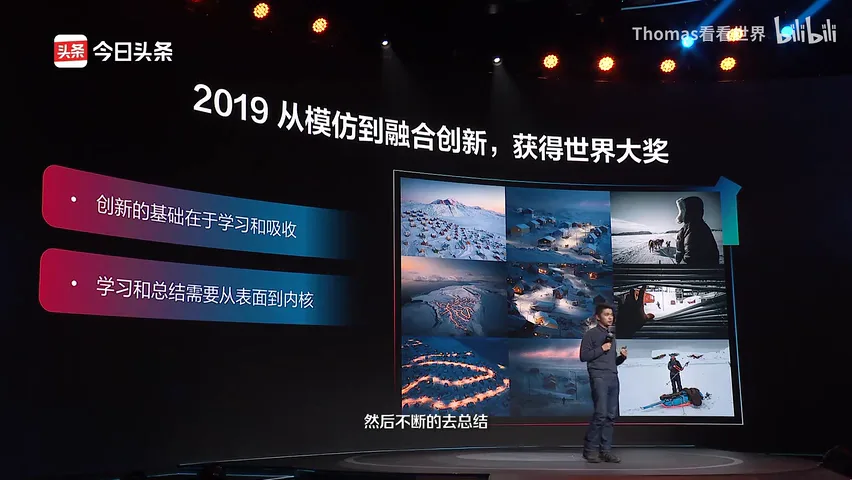
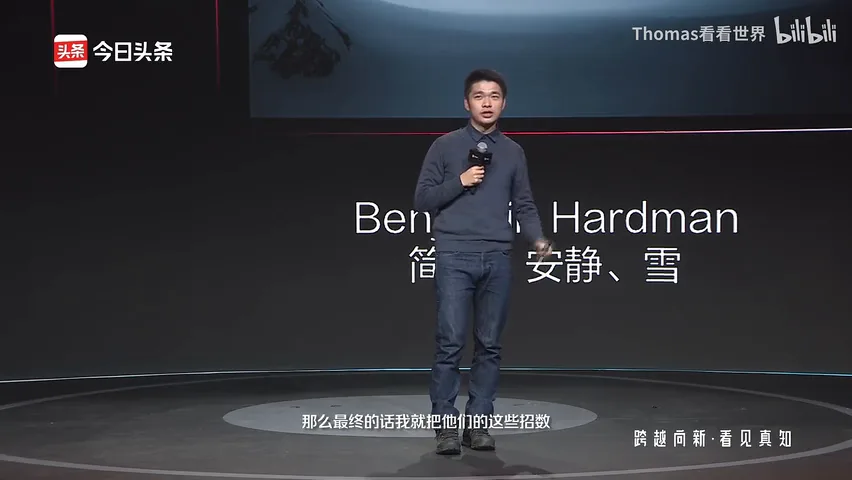
Imitate one artist only, and that artist stays your ceiling — as Qi Baishi said, 'those who learn from me live; those who copy me die.' In 2018 he began studying widely, and in 2019 fused what he learned with his Greenland Arctic work. The Icelandic photographer Benjamin Hardman, who uses snow for stillness, led him to choose winter for Greenland; the American Todd Hido builds mood from night lights and rain-fog, so streetlamps and glowing windows became his motifs too (at 9:06 in the video).
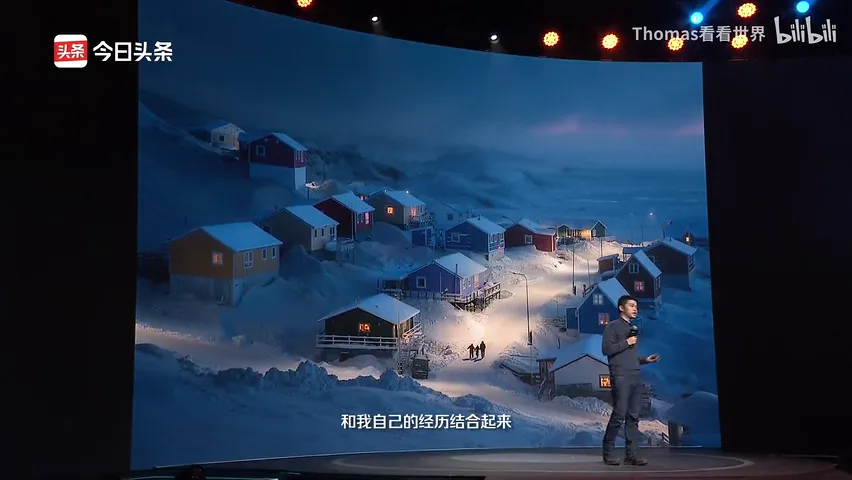
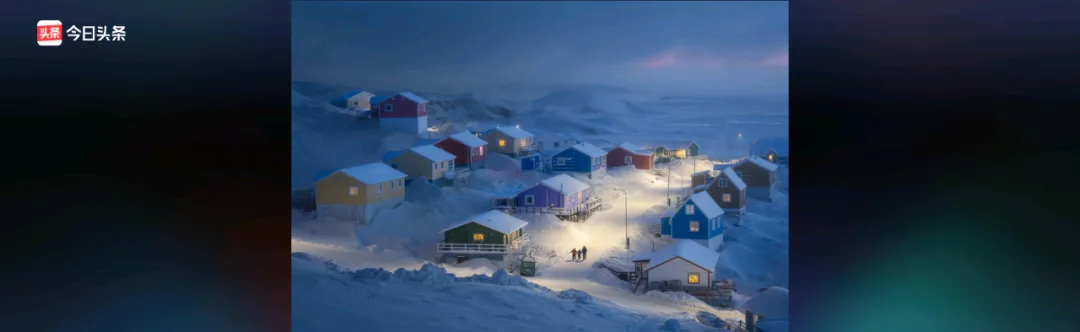
Internalized and fused with his own experience, this became the Greenland village image that won the 2019 National Geographic grand prize — figures but not Max Rive's pure wilderness, snow but warmer, lights with a positive, optimistic mood. Imitate, fuse, innovate: his second methodology (at 10:42 in the video).
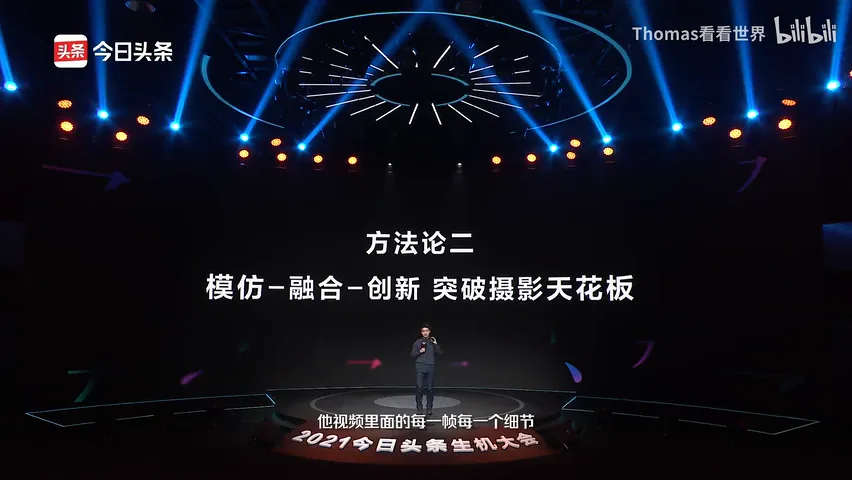
04 Stay True to Why You Started
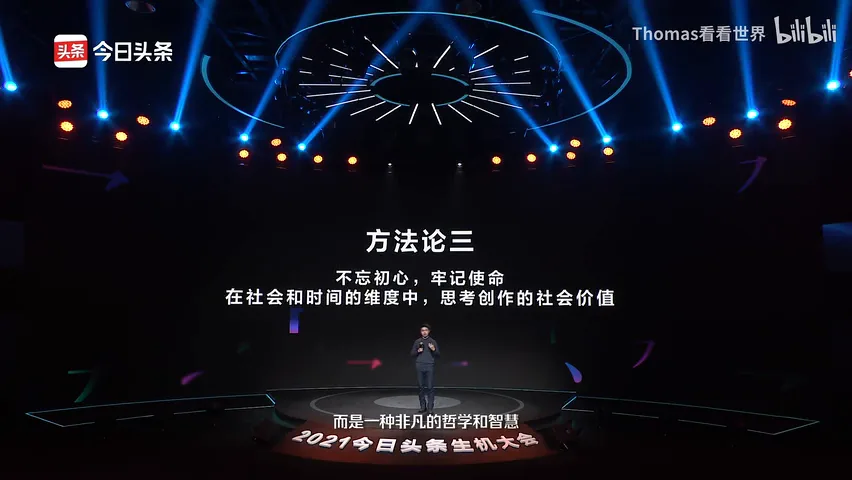
After the award, interviews and commercial jobs flooded in; a year of rushing left him lost, and wary — so many creators decline right after their peak. Eight characters on a community billboard woke him: stay true to the original aspiration, keep the mission in mind. The aspiration is remembering why you started; the mission is placing your work in the dimension of society and time: will it still matter in ten years? Does it nudge the world, even slightly, toward better? (at 12:33 in the video)
05 Telling China's Stories Through Photography
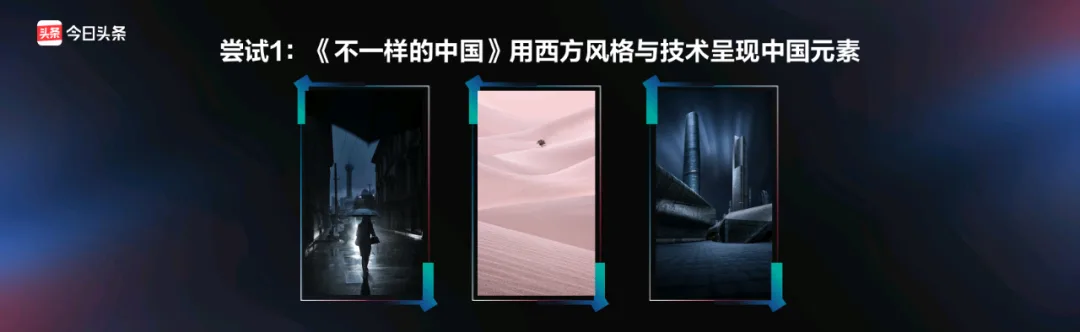
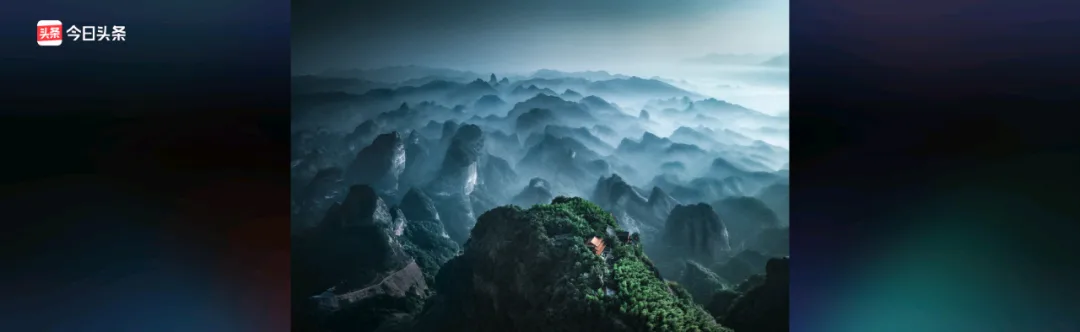
From late 2019 he shot China deeply and continuously. The first series, 'A Different China', applies Western techniques eastward: black-gold modern Shanghai, candy-toned Dunhuang desert, cyan fantasy Guilin — widely loved on overseas social media; he also scouted with satellite maps and drone searches, finding fresh vantage points in Tibet's mountains (at 14:12 in the video).
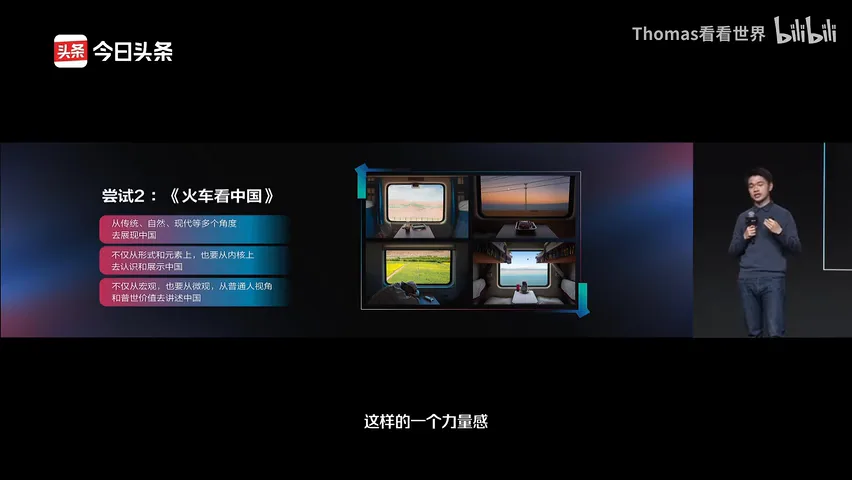
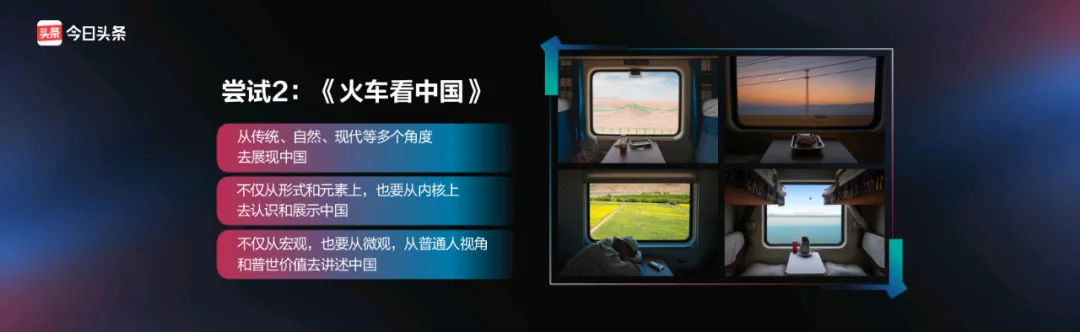
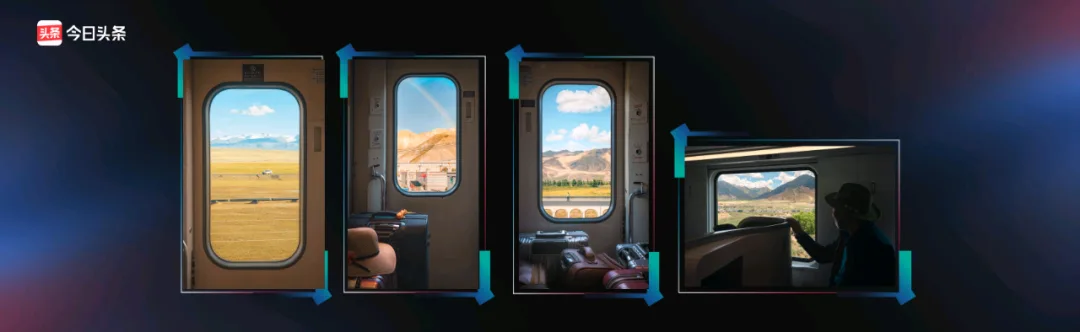
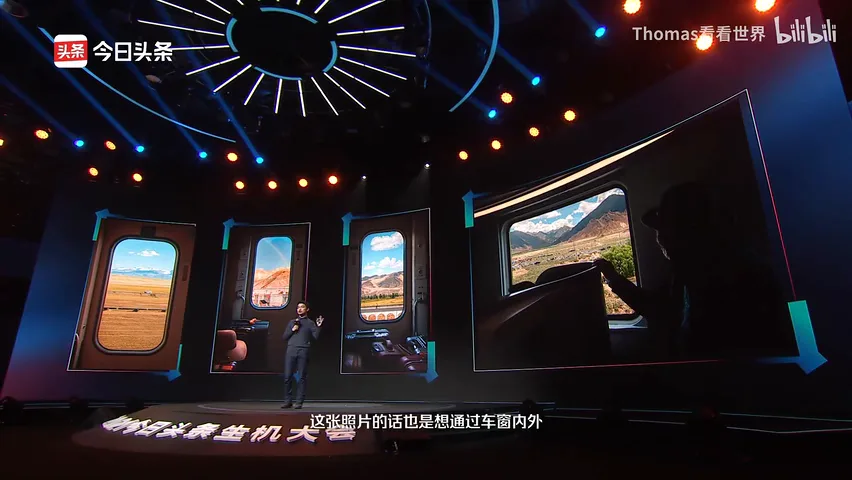
On a train from Xining to Golmud in mid-2020, amid the Gobi's signal towers, highways, chemical plants and wind farms, he felt the force of the Chinese people. That became 'Seeing China by Train': not just pretty scenery but China understood from ordinary people's view — an engineer asleep on his luggage, road workers on balance scooters, a Tibetan grandfather treating his family to business class on the Fuxing train's first day. Inside and outside the window: a civilization-state in full bloom (at 16:00 in the video).
1. Creation comes from life — when photos lack character, it is rarely the gear; it is that your life lacks character; 2. Imitate down to the details, fuse across ceilings: those who learn live, those who copy die; 3. 'Original aspiration and mission' is no slogan — test your work against ten years on, and against society; 4. Tell the story of the land beneath you through your own lens, and your creation will endure.
HD video:
https://www.bilibili.com/video/BV13b4y1t79j/
PPT