Photography Tutorial · 2020-08-23
The Blue Hour Loved by City, Architecture & Portrait Photographers: How to Shoot It
Thomas Chu Photo
For many photographers, the blue hour is an even more enchanting time to shoot than sunrise or sunset — perfect for cityscapes, architecture, portraits and lifestyle subjects.
In today's video tutorial, Thomas gives a complete breakdown of blue-hour photography.
Video Tutorial
▶ Watch the video tutorial on Bilibili
This is the illustrated companion to the video above. The blue hour — the 20-30 minutes after sunset before full darkness — is the favorite window of city, architecture and portrait photographers. Thomas moves from definition to camera settings, time blending and the technique's proper scope; the five chapters below follow the video, with every example photo and settings slide included.
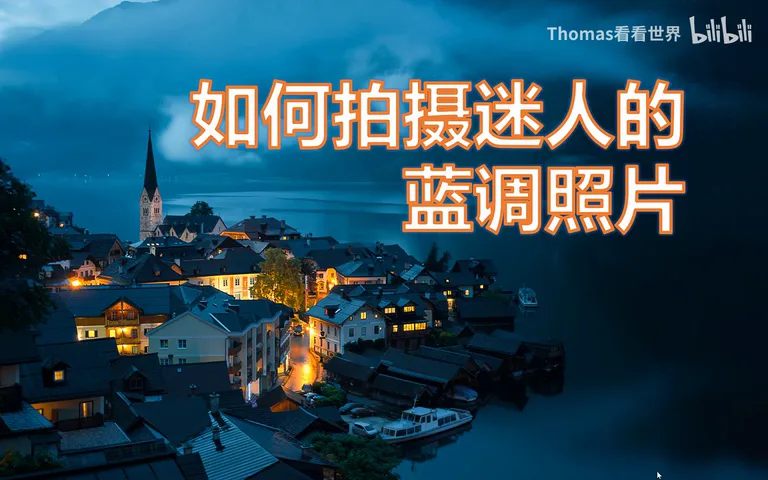
01 What Is the Blue Hour
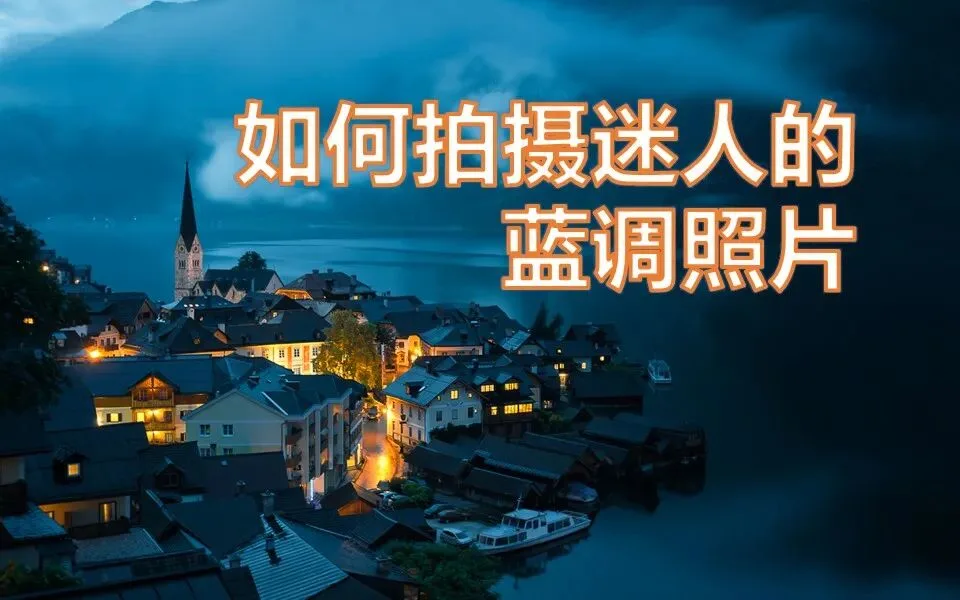
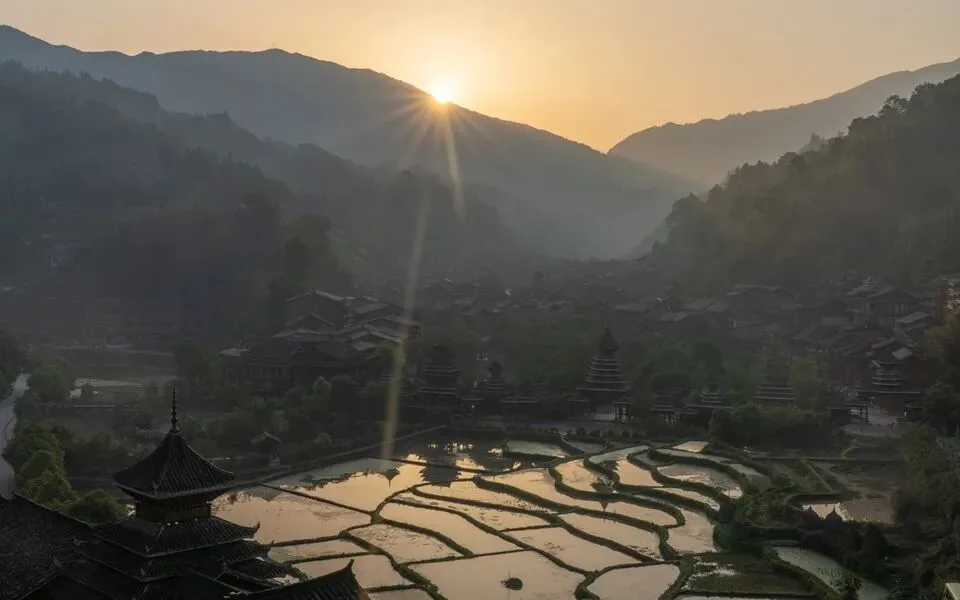
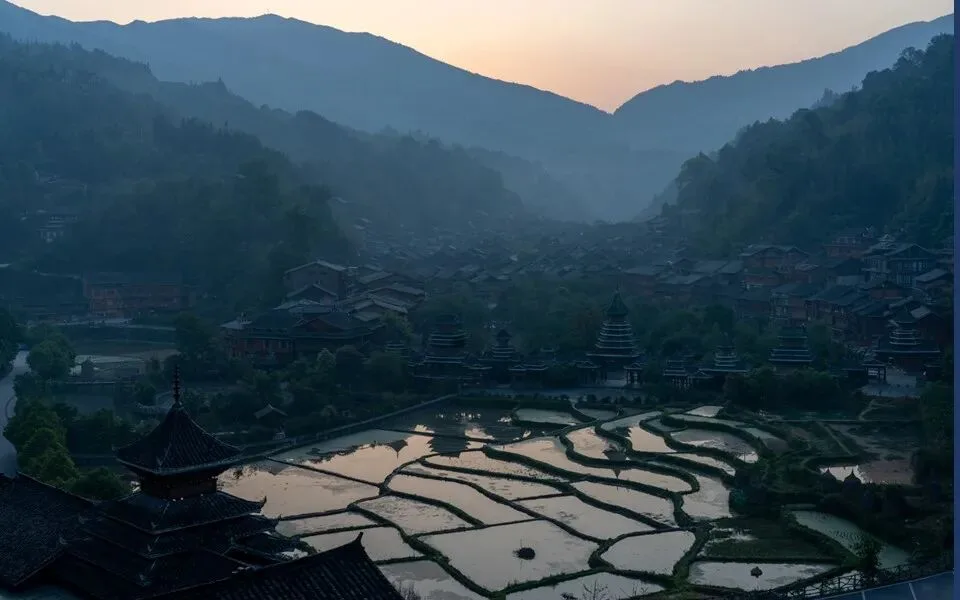
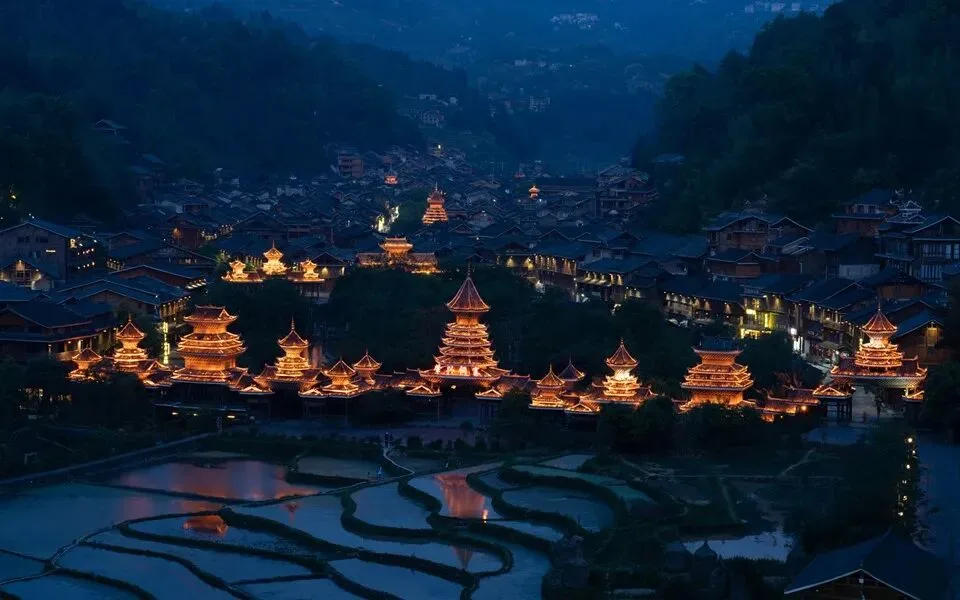
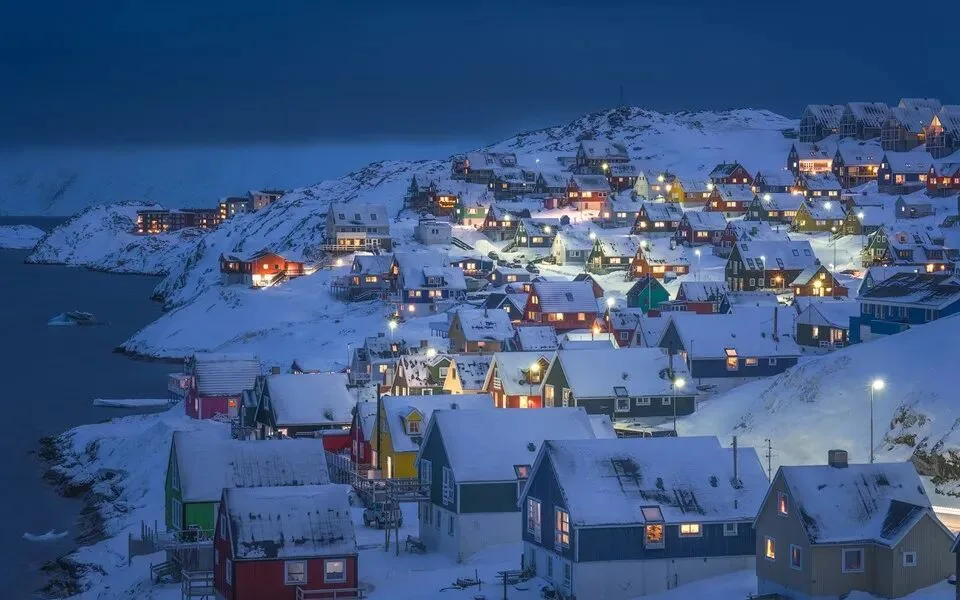
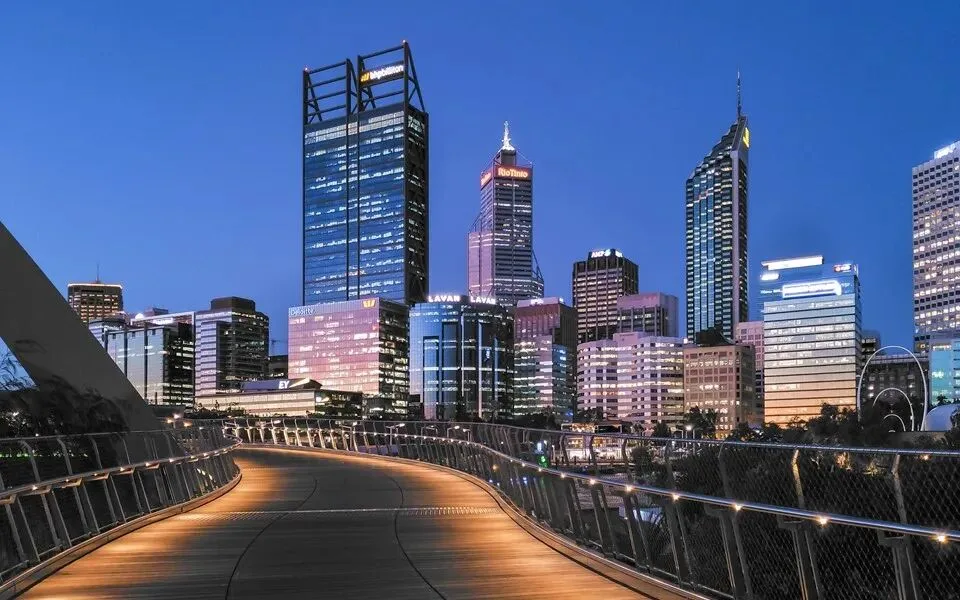
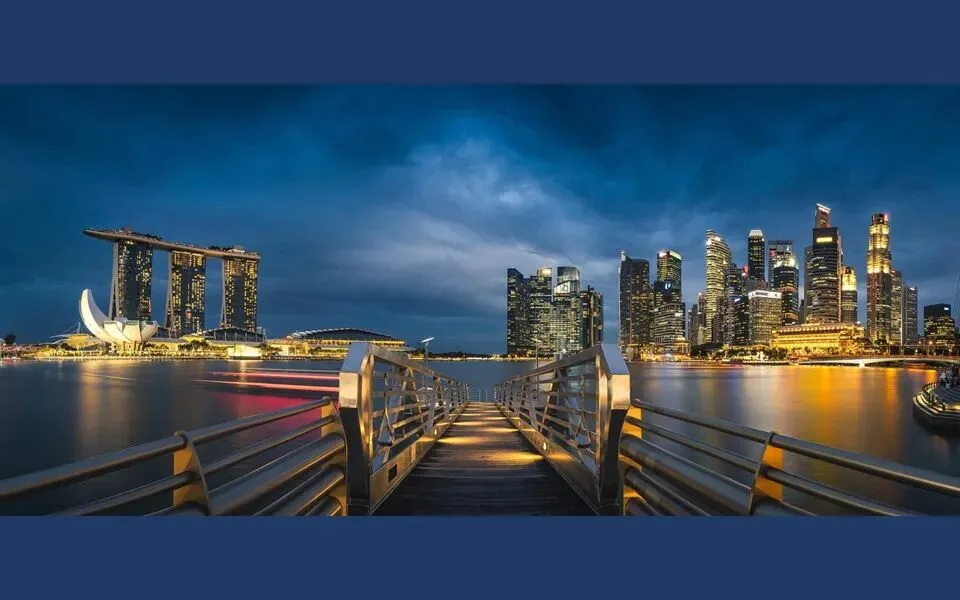
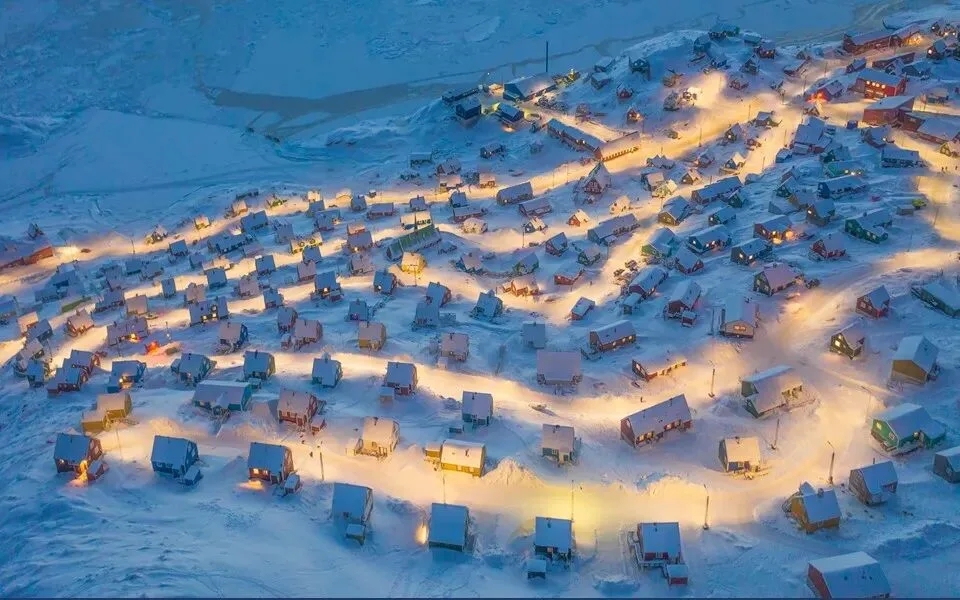
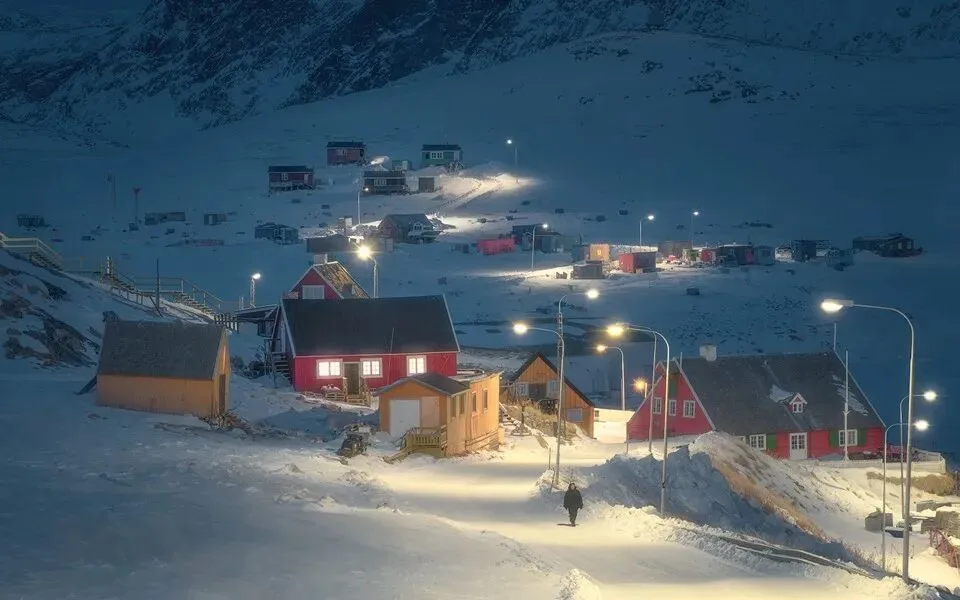
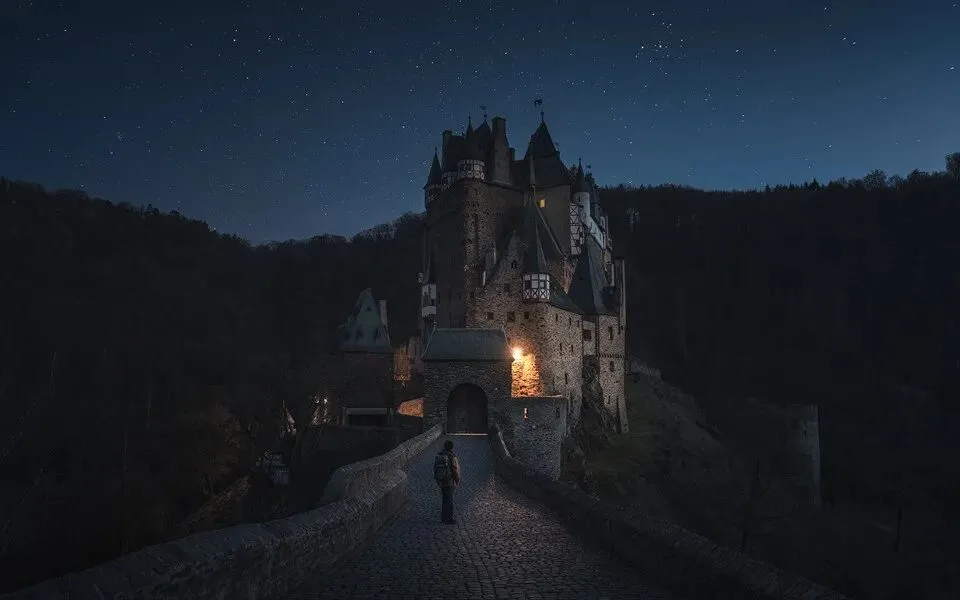
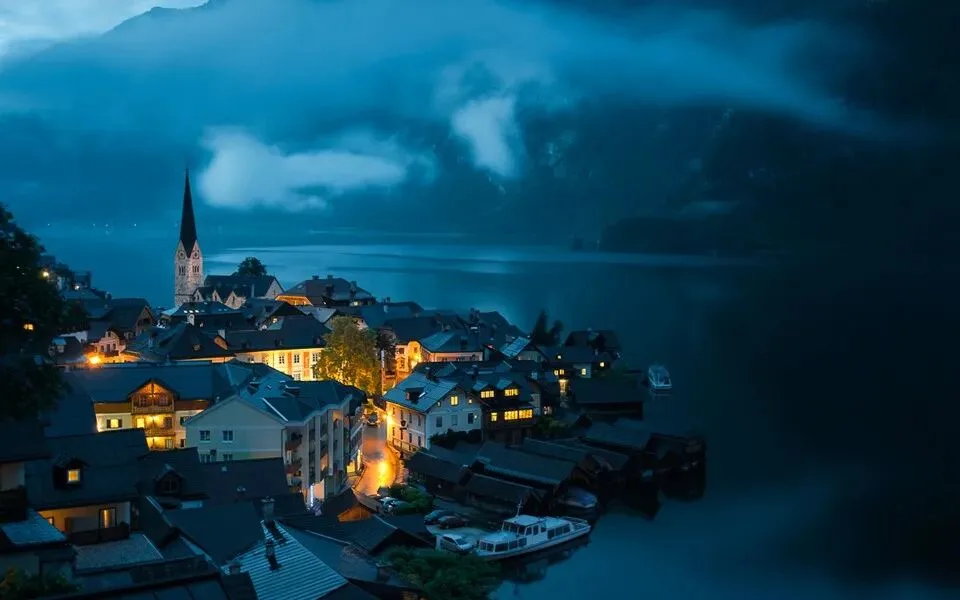
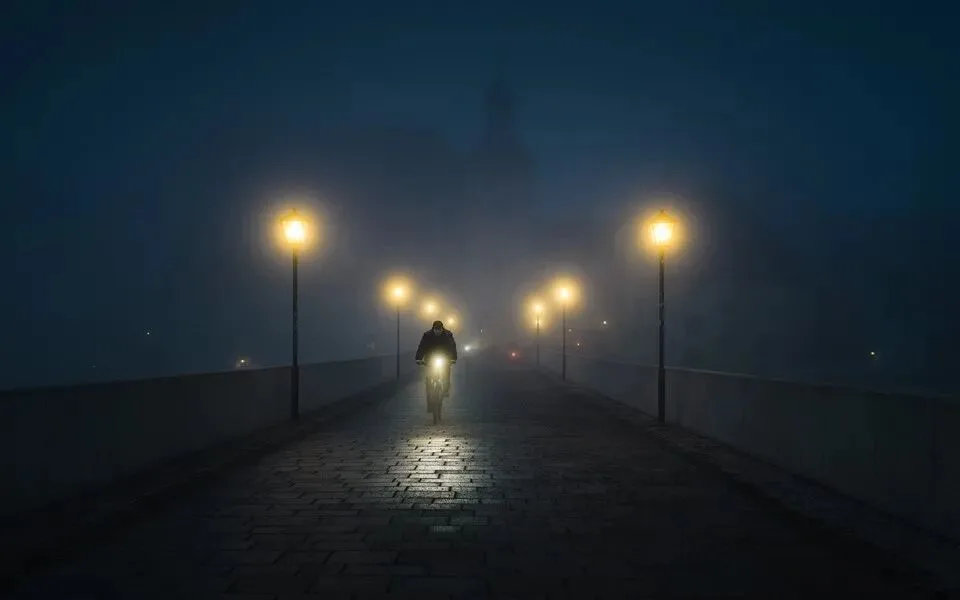
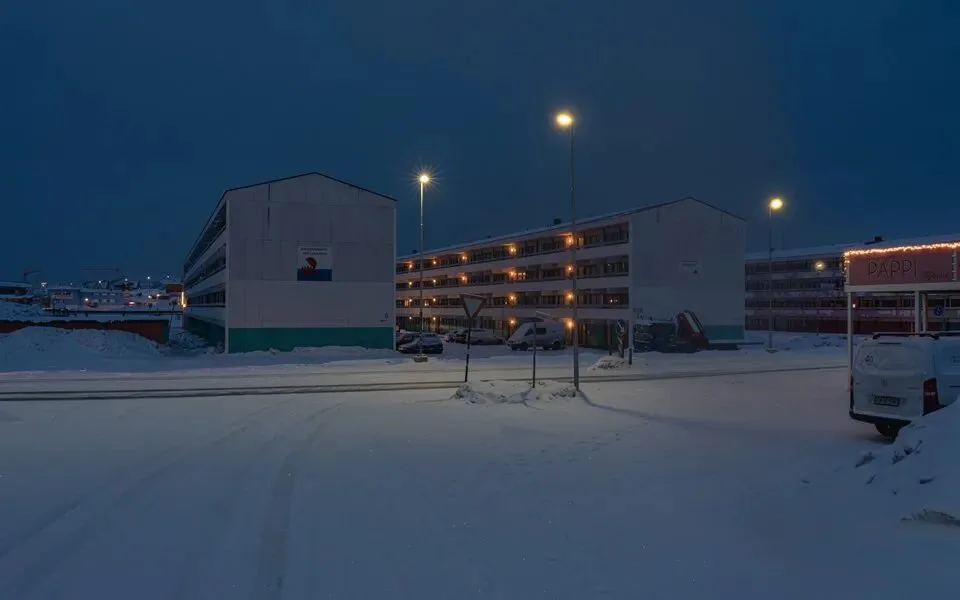
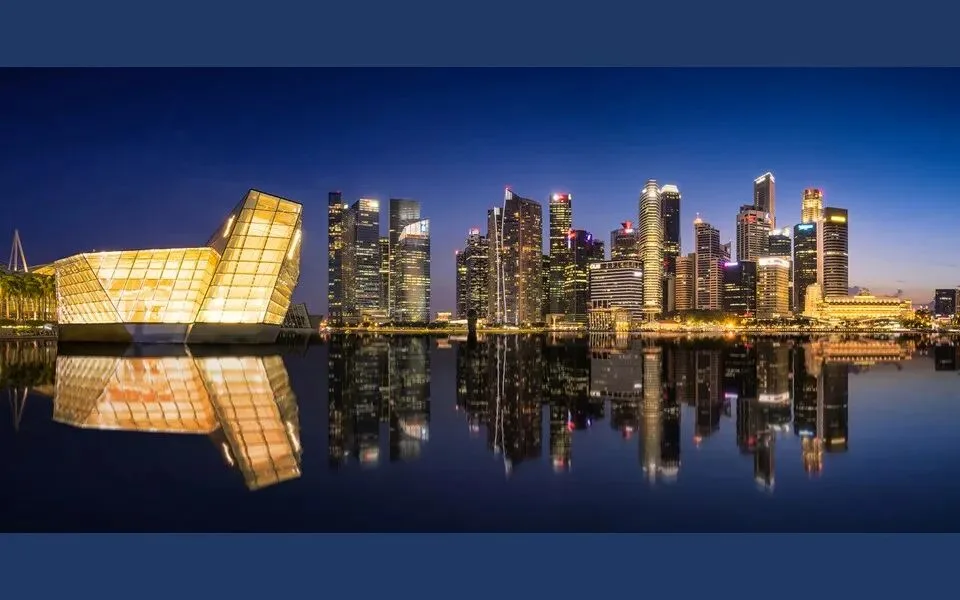
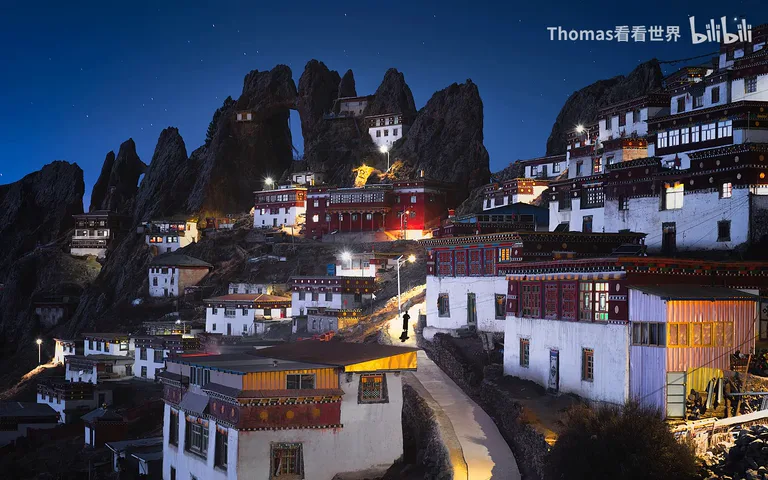
Right after sunset, golden afterglow or clouds may still warm the sky while the ground has already turned cool — warm above, cold below. Twenty to thirty minutes after sunset, sky and ground unify into a pure deep blue, and the only warmth comes from city lights: a perfect warm-cool pairing (at 1:41 in the video).
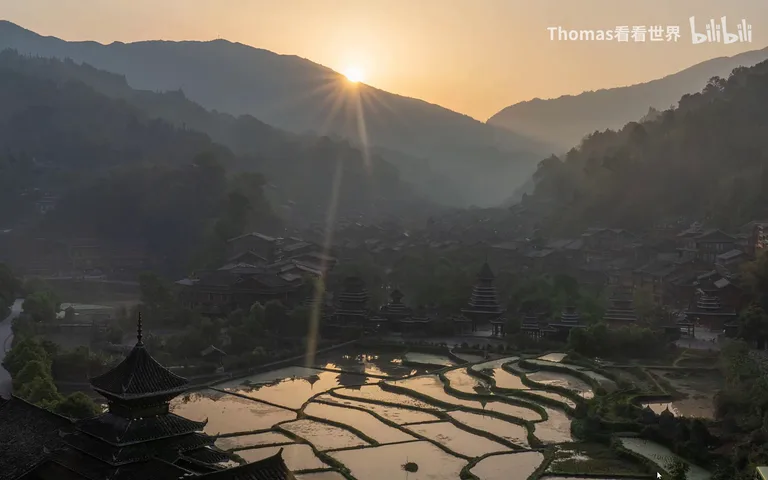
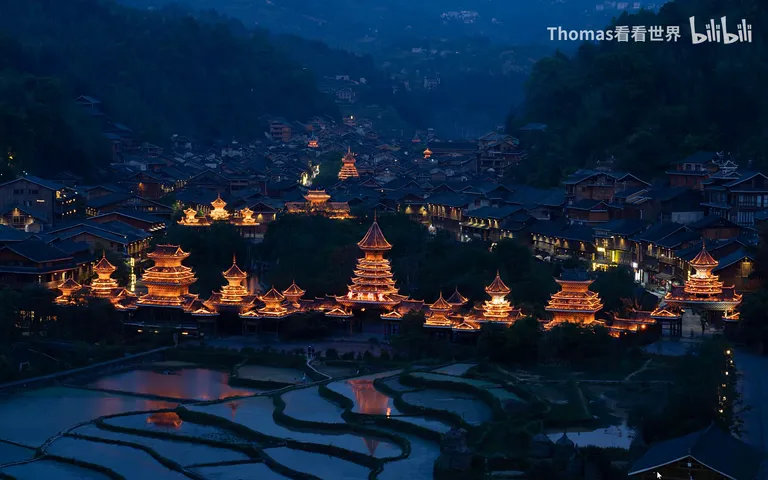
Wait until full darkness and the sky loses every trace of light, ground shadows lose all detail, and the photo turns black with harsh contrast — that is night, not blue hour. For cities and architecture, the sweet spot is precisely the blue hour between sunset and night (at 2:17 in the video).
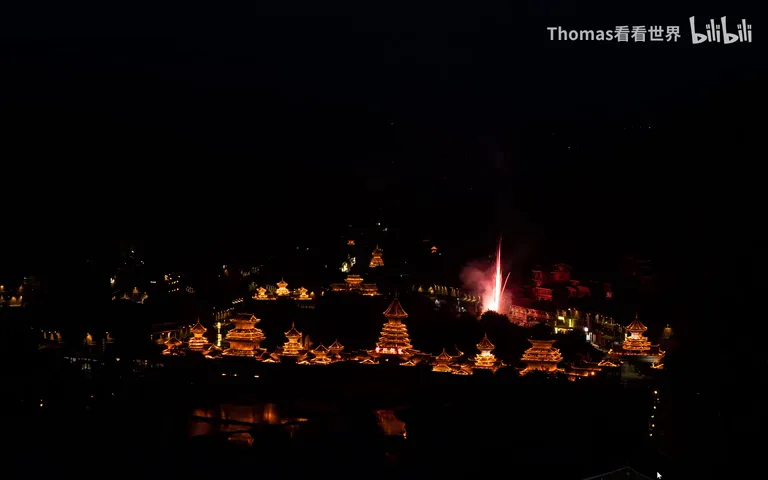
02 Timing Apps and Camera Settings
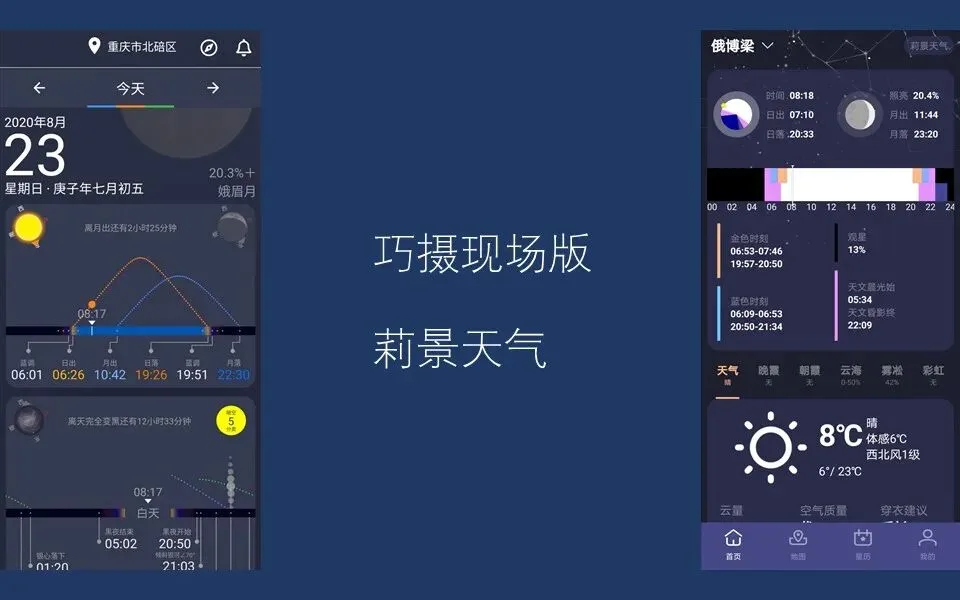
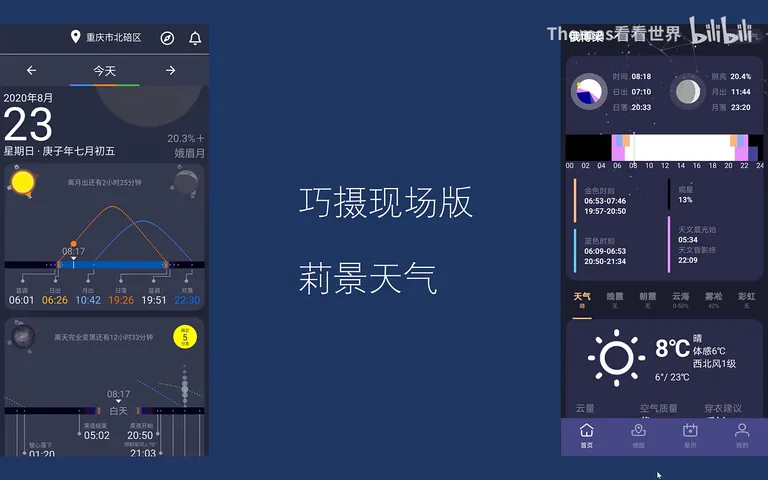
Exact blue-hour times come from apps — both PlanIt and Lijing Weather have free versions, down to sunset and the blue-hour window. Duration depends on latitude and altitude: at Eboliang in Qinghai the blue hour can run from 20:50 to 21:34, more than forty minutes (at 2:28 in the video).
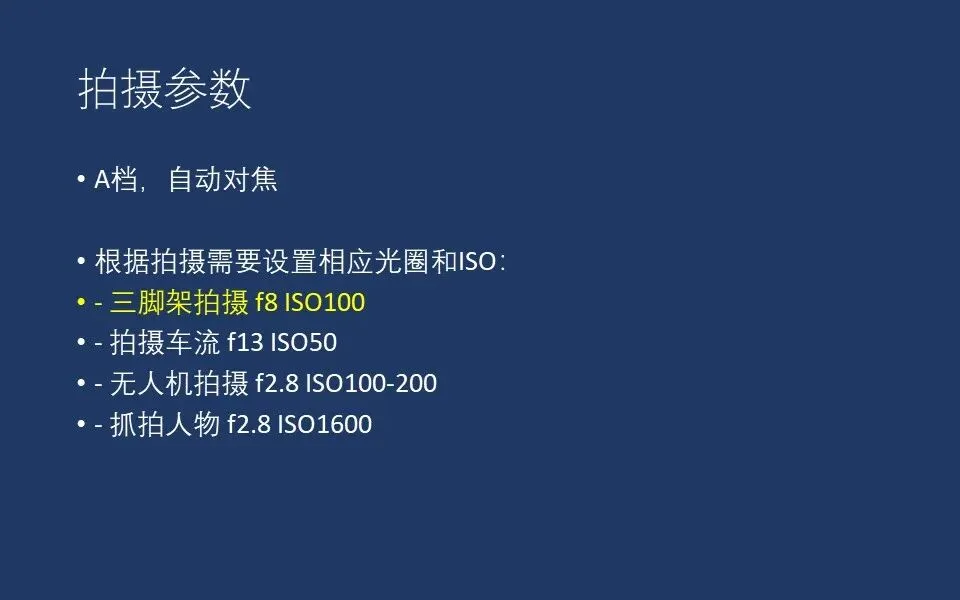
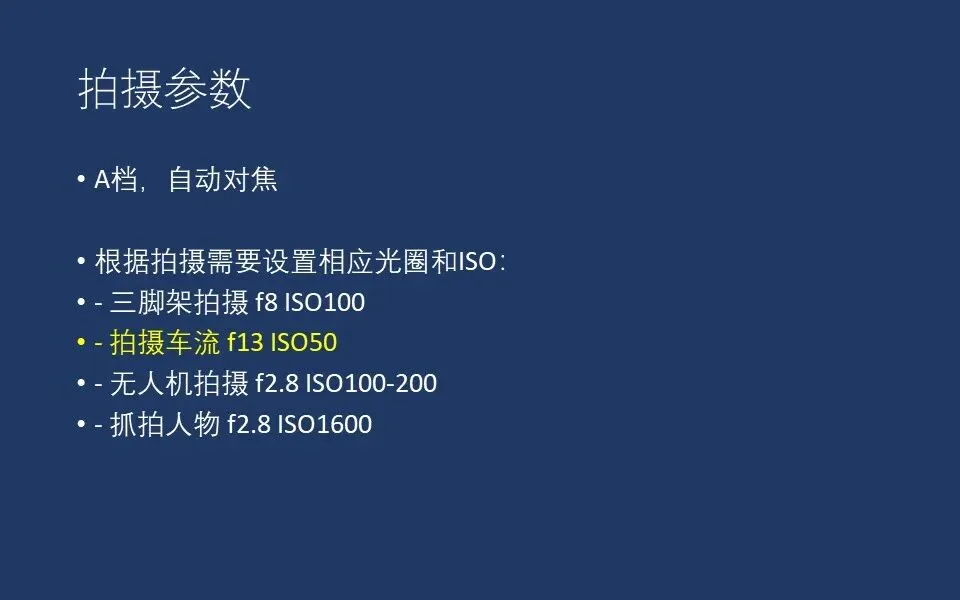
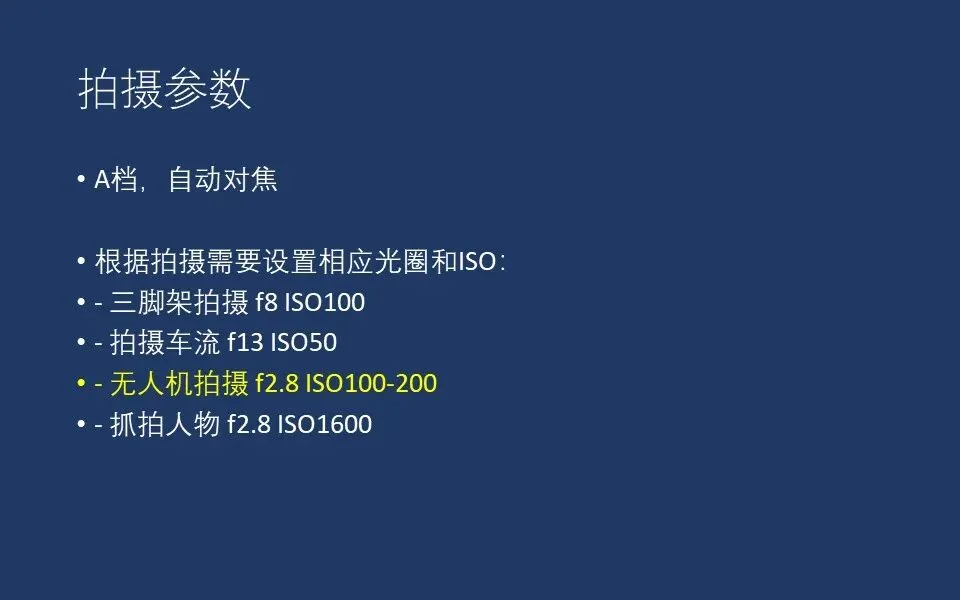
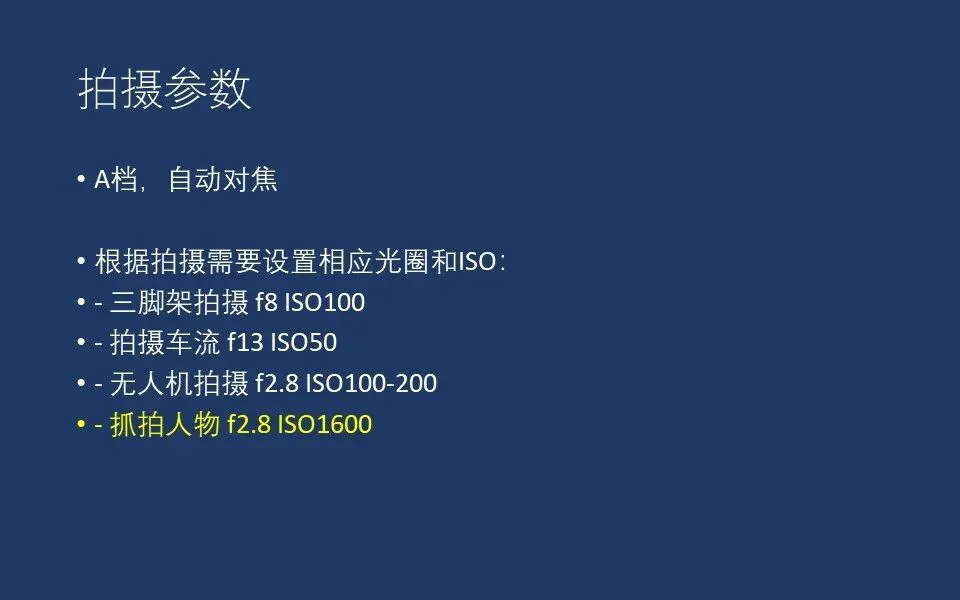
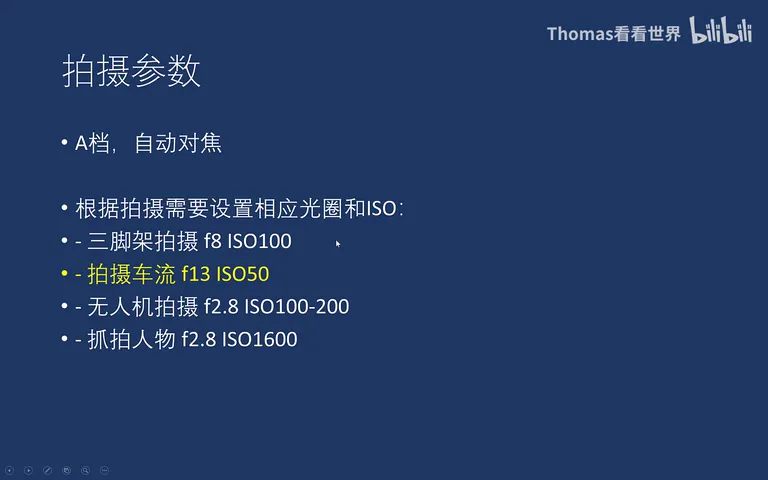
Settings: light is still ample in the blue hour — A mode with autofocus, f/8 at ISO 100 on a tripod for image quality; f/11 at ISO 50 to lengthen exposure for traffic trails; drones at ISO 100-200, f/2.8, 1-2 s exposures — steady enough when windless, and bursts guarantee a sharp frame; for candid people open up to f/2.8 at ISO 1600-3200. Phones work great too in night or pro mode (at 3:44 in the video).
03 Time Blending: Three Moments in One Frame
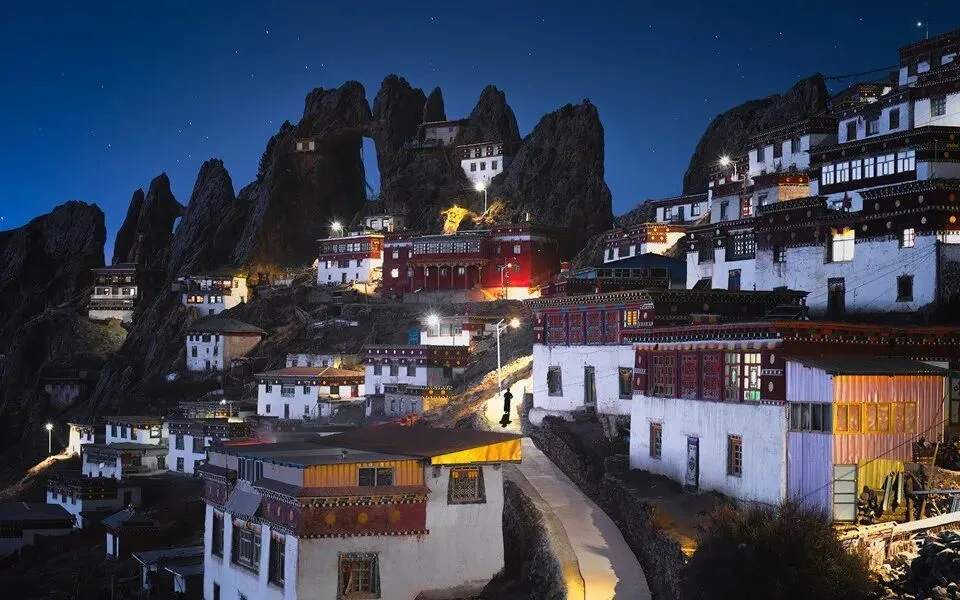
To combine a clean ground, moving people and stars, use time blending: keep the tripod fixed, shoot a clean blue-hour base at ISO 100 f/8, grab the person at ISO 3200, then wait for darker skies and shoot the stars with astro settings — blend the three (at 5:31 in the video).

Winter cities light up late, and stars are too few during the blue hour — both call for separate shots blended later. An unmoved tripod is what makes the merge easy; the result holds a dreamy blue-hour ground together with stars and a human figure (at 6:49 in the video).
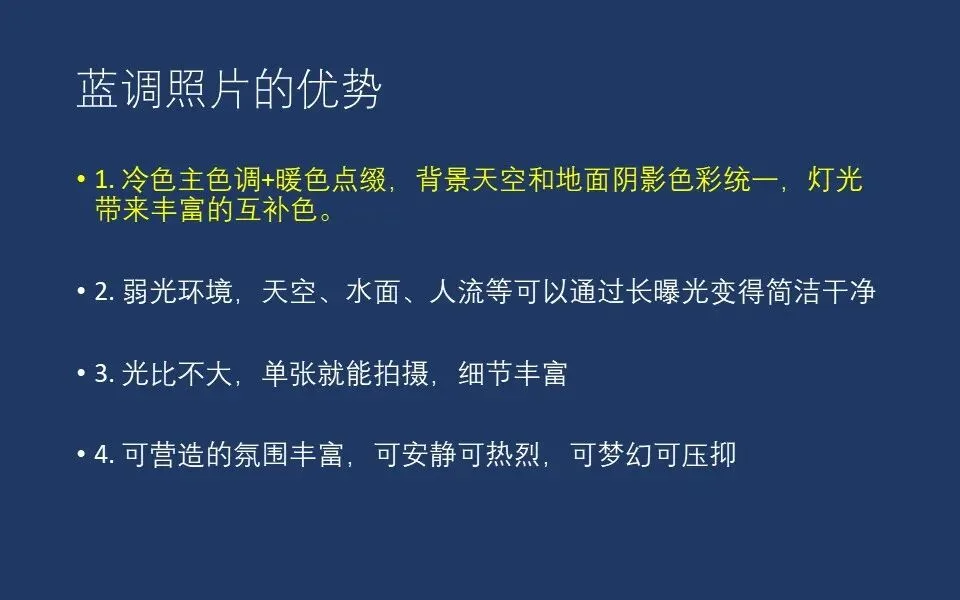
04 Four Strengths of Blue-Hour Photos
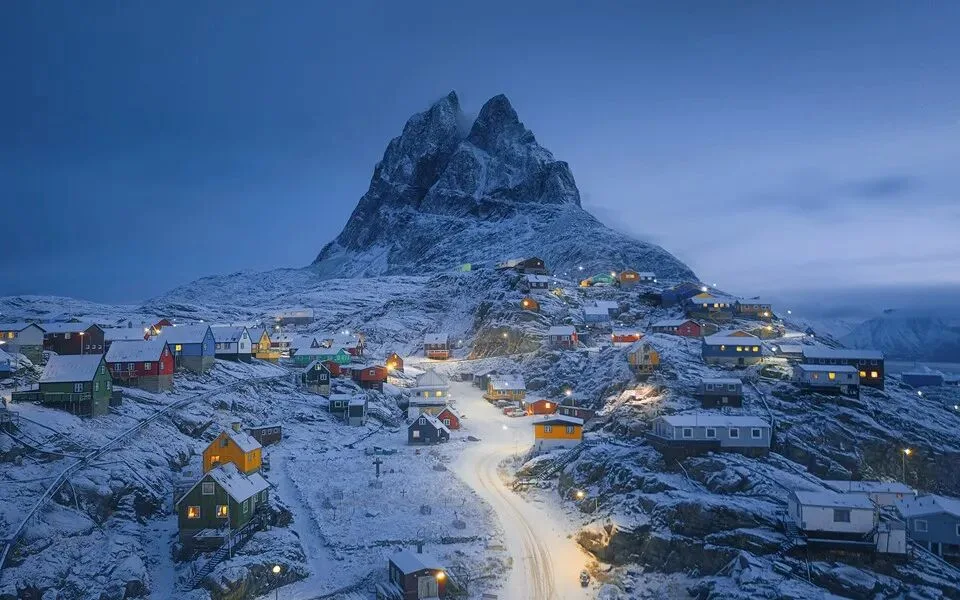
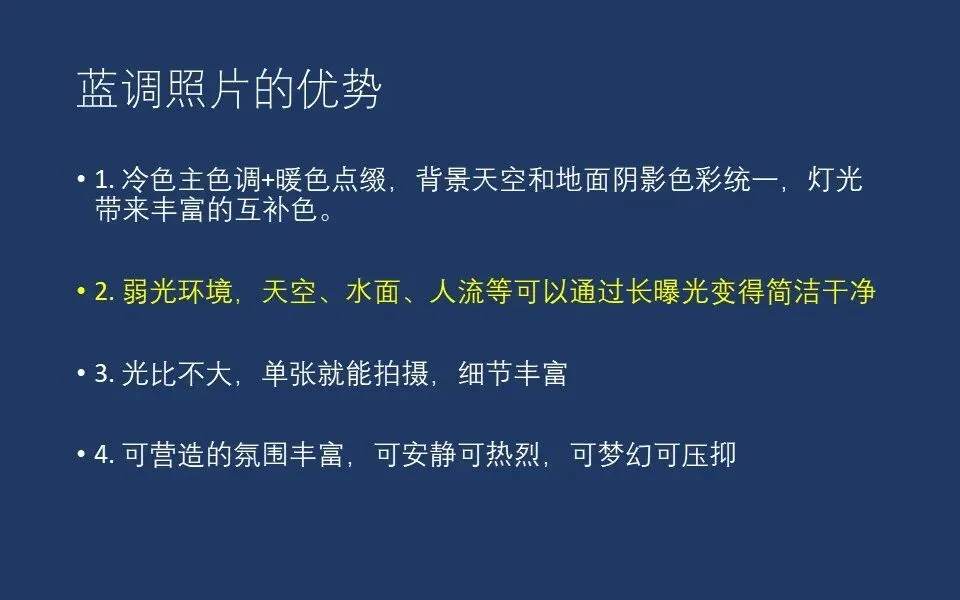
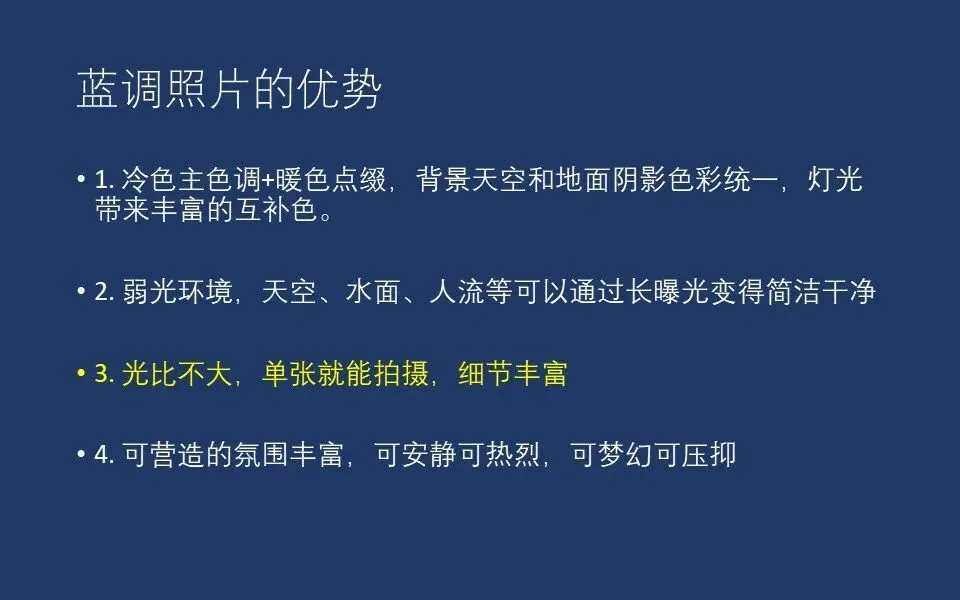
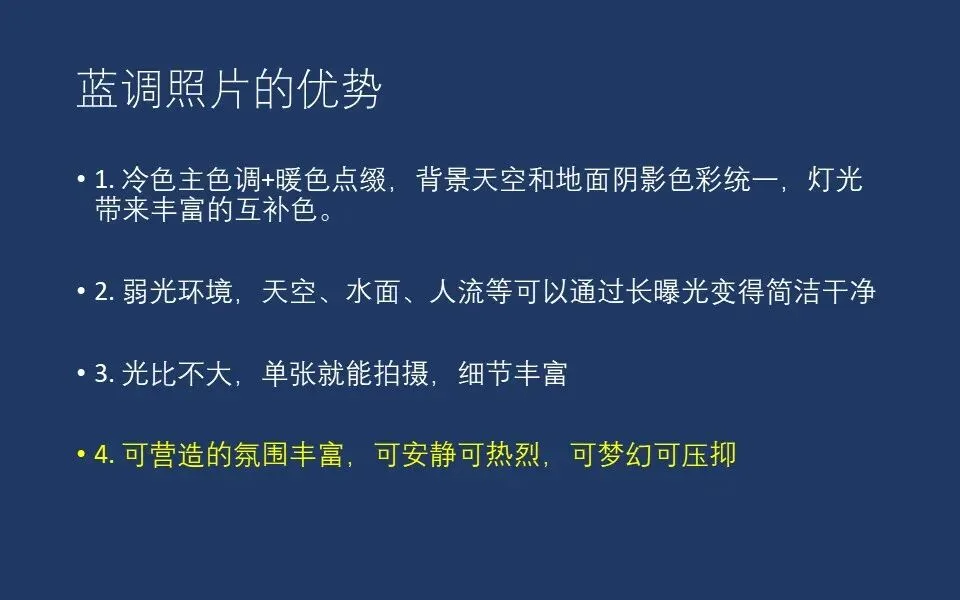
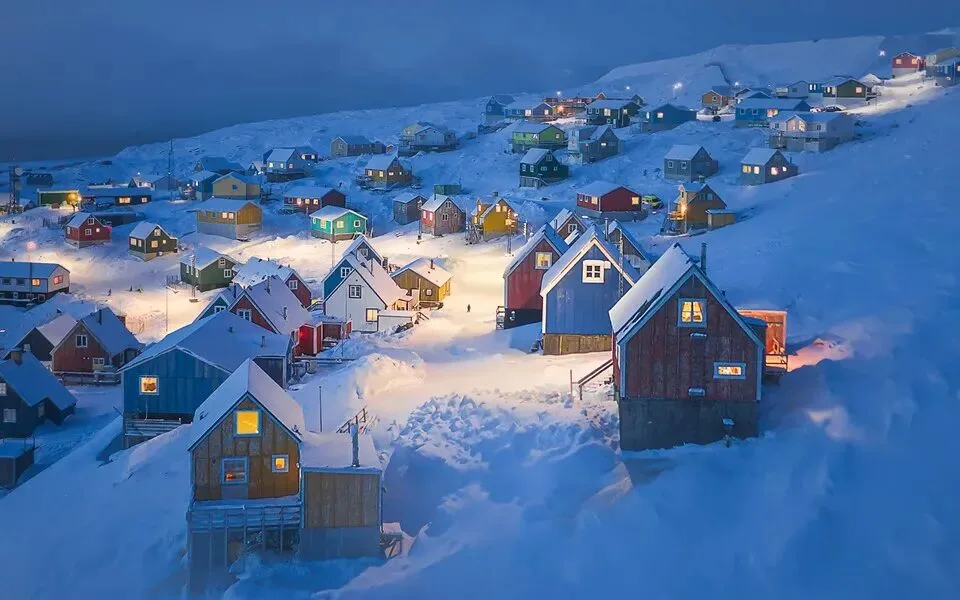
First, a unified cool palette: sky and shadows are all blue while lights and colorful houses become complementary accents. Second, in weak light long exposures clean up sky, water and crowds — water misted, clouds streaked into silk. Third, modest contrast means single-frame results rich in detail, phone-friendly, whereas at night even cameras need bracketing and lights halo the air into ugly glare (at 7:18 in the video).
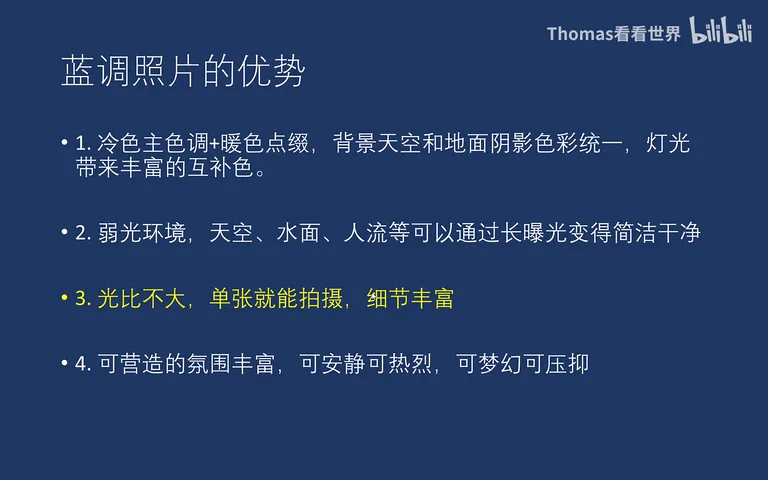
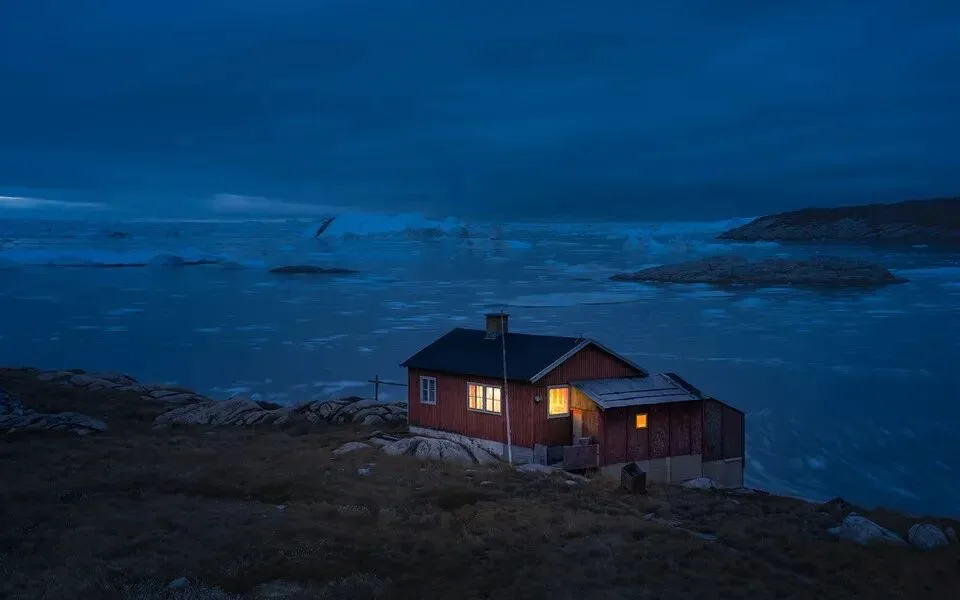
Fourth, emotional range: desaturated deep blues with mysterious scenes feel unique; restrained, refined blues suit contemplative landscape work; raising the saturation of blue and warm tones turns dreamy; to feel fervent, simply enlarge the warm share of the frame — a tiny bonfire in a vast blue sky is tranquil, a bonfire filling the frame is blazing (at 8:56 in the video).
05 Where It Works: Warm Artificial Light
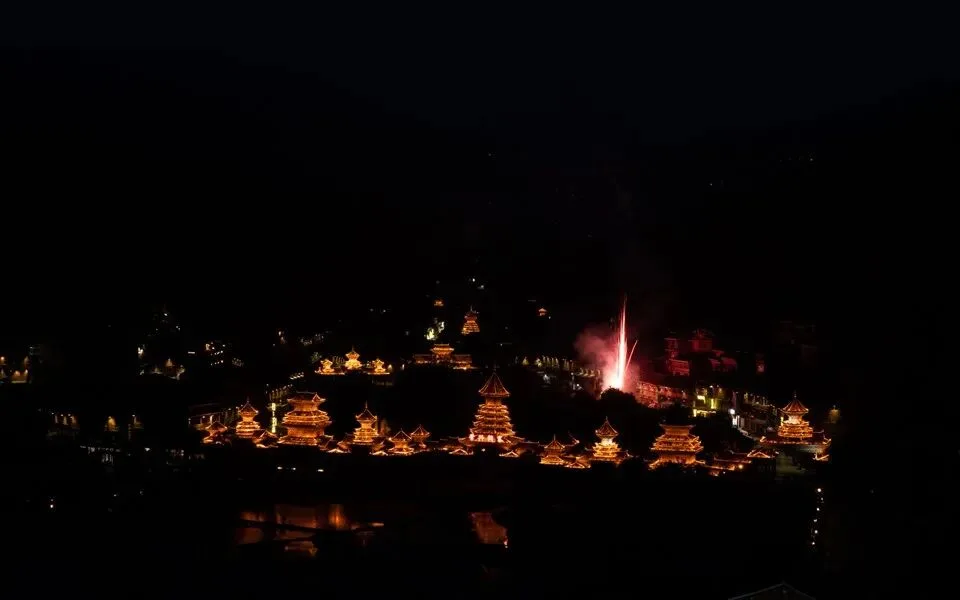
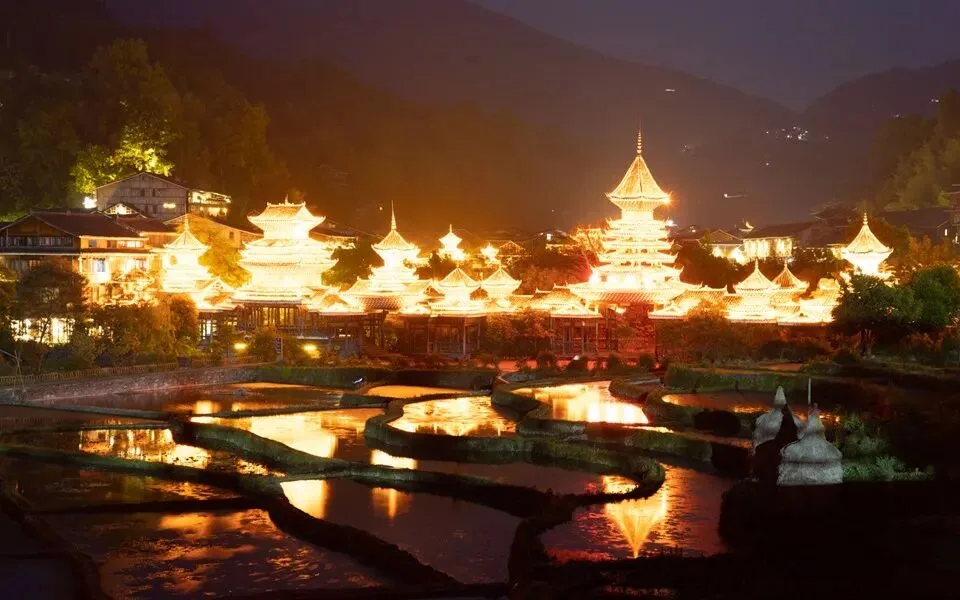
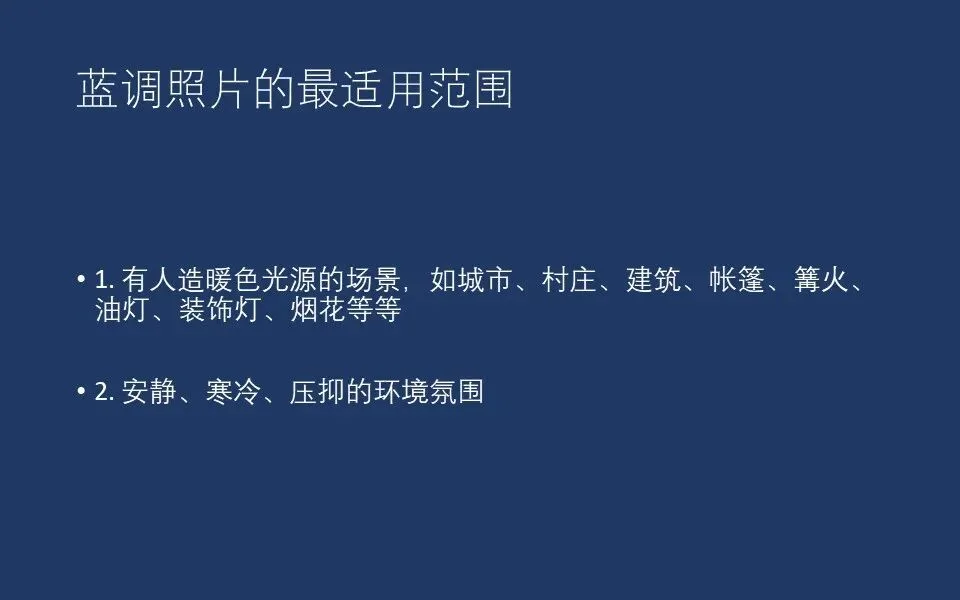
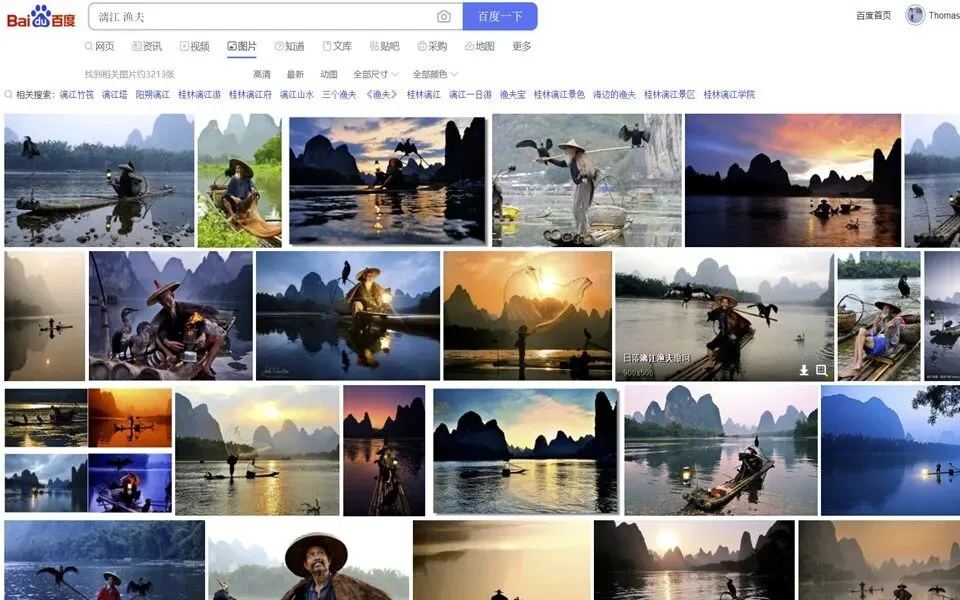
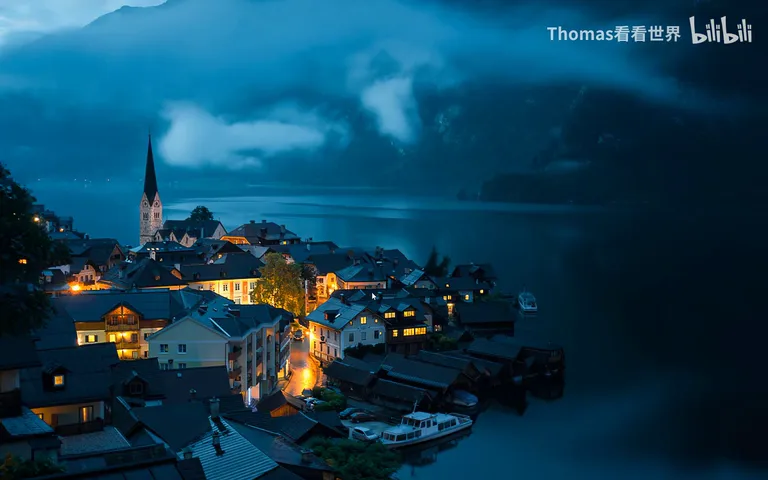
The warm-cool contrast means blue-hour photos need warm artificial light — which is why successful ones are almost always made in cities, villages, buildings, beside tents, campfires; outdoor lifestyle shooters even light their own scenes: a glowing tent, a bonfire, a firework, a moon lamp. Even the cormorant fishermen of the Li River light an oil lamp for the blue hour (at 9:57 in the video).

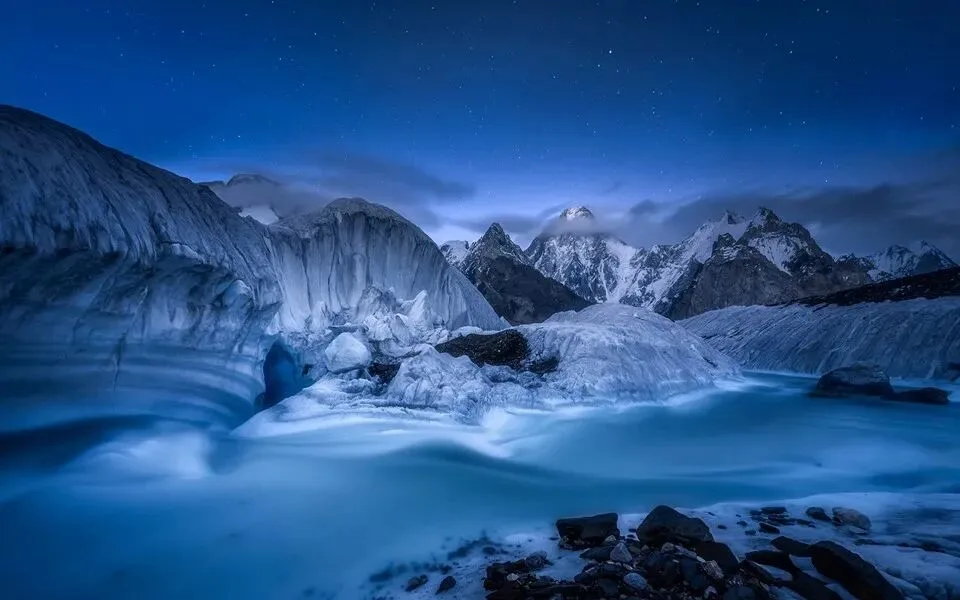
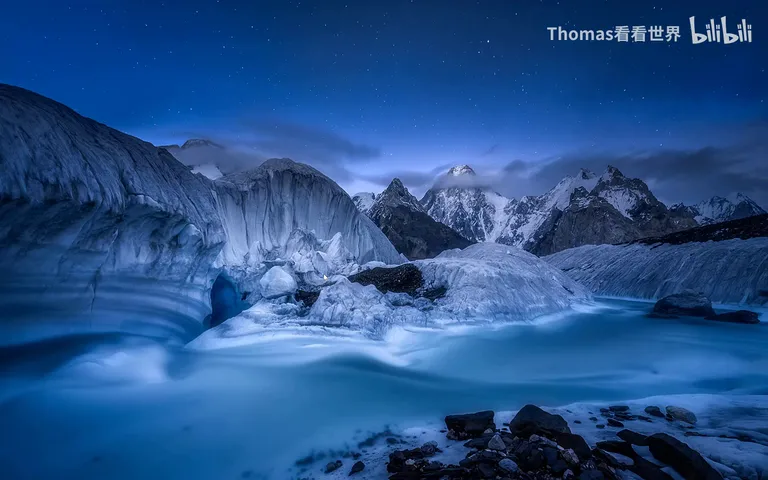
Natural landscapes without warm light can still use the blue hour, within a narrower range — quiet, cold, somber moods. Blue and cold share a natural visual bond; a blue-hour glacier works beautifully without any warm accent at all (at 11:20 in the video).
1. The blue hour is the 20-30 minutes around sunset before darkness; check it with PlanIt or Lijing Weather; 2. Settings are relaxed: f/8 ISO 100 on a tripod, f/11 for traffic trails, f/2.8 at 1-2 s for drones, f/2.8 from ISO 1600 for candids; 3. When ground, people and stars can't coexist, lock the tripod and time-blend; 4. The soul of the blue hour is warm-cool contrast — if there are no lights, light one yourself.
Tutorial Slides