Photography Tutorial · 2022-07-10
Is Pricier Gear Always Better? Building a Healthy Attitude Toward Camera Equipment
For beginners, is pricier camera gear always better?
On a limited budget, how do you achieve the best results for the least money?
Should photographers spend lots of energy studying gear specs?
In today's tutorial, Thomas draws on 8 years as an enthusiast and 5 as a professional to discuss building a healthy attitude toward camera equipment.
Video
▶ Watch the video tutorial on Bilibili
This is the fully illustrated companion to the video above. How much do cameras and lenses really matter? Drawing on eight years as a hobbyist and five as a professional, Thomas offers a practical framework: split gear into two attributes — functionality and image quality. Satisfy function first, buy quality within your means; quality spending hits diminishing returns, while functional gains never expire. The article also clarifies when an f/2.8 lens is worth it and when it isn't, and the four dimensions of photography that deserve your money and time more than gear.
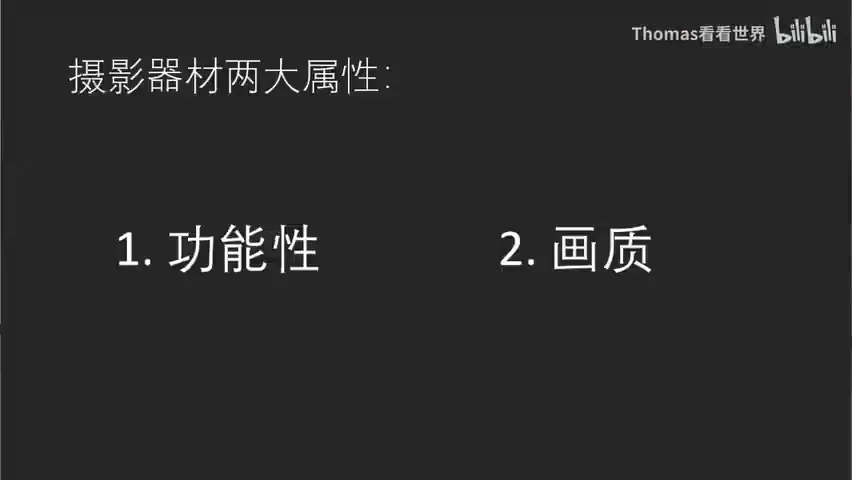
The video's conclusion fits on this summary card (at 2:05 in the video): gear has two attributes — functionality and image quality. Once you understand how the two divide the labor, every purchase decision gets clearer.
01 Does Gear Matter: D90, Phones and an Award-Winning Photo
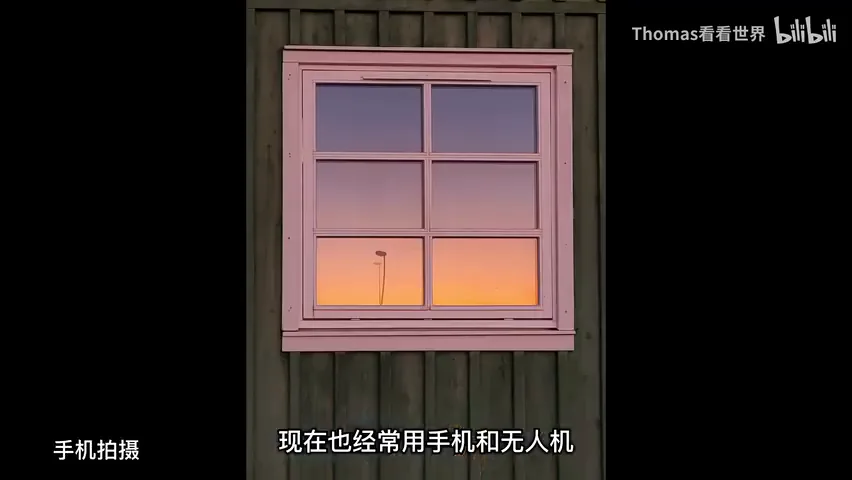
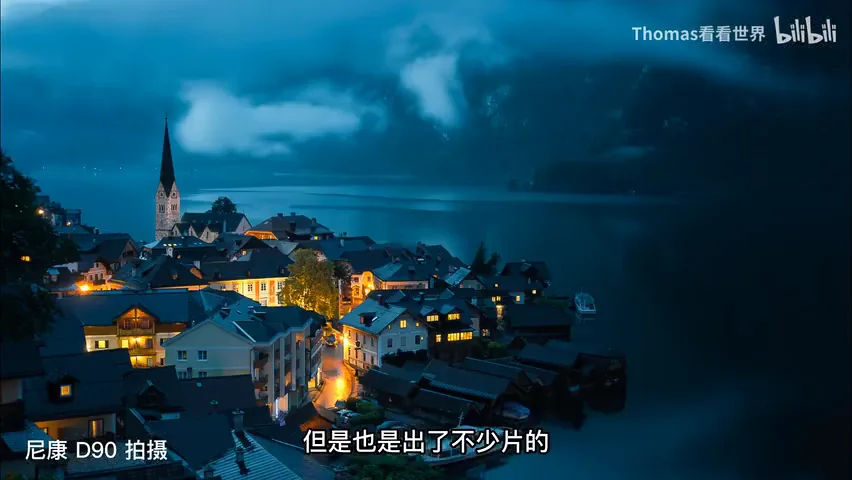
Thomas started on a Nikon D90 — a thoroughly ordinary entry-level APS-C DSLR — and still produced plenty of keepers, like this frame from Myanmar (at 0:41 in the video); today he often shoots on phones and drones, small sensors and modest resolutions included (at 0:49 in the video). Even his National Geographic Global Awards-winning image was taken with a 24-105 kit lens, not a fast trinity zoom or any exotic glass (at 1:02 in the video).
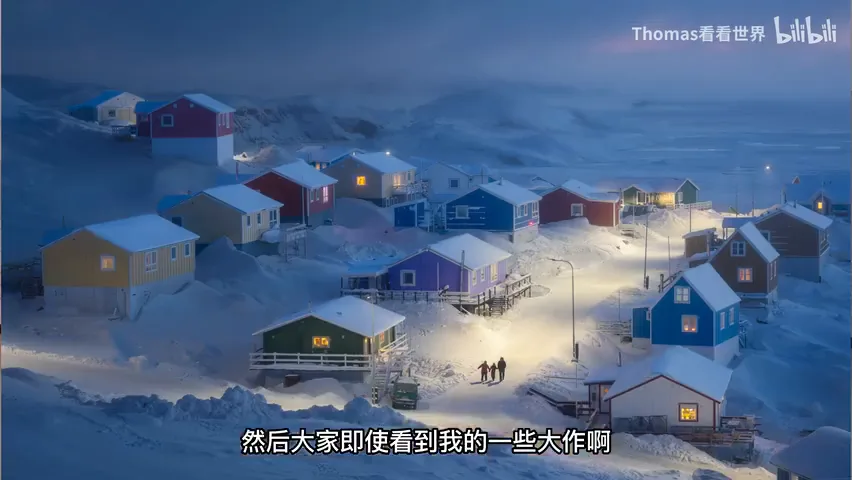

By now you might expect him to say "gear doesn't matter." But the counterexamples are just as real: without a drone, an angle like this is beyond Leica, Hasselblad or Phase One alike (at 1:21 in the video) — not a question of image quality, but of reaching the position at all. And cropping 90% of a frame while keeping it crisp (at 1:35 in the video) takes the 61-megapixel Sony A7R4; on a lower-resolution body you wouldn't dare cut that deep. Phone photos are the same: lovely at small sizes, a different story enlarged (at 0:51 in the video).
So gear seems simultaneously not-that-important and somewhat important — the real answer is to split it into two attributes.
02 Two Attributes: Function First, Quality Second
Functionality is the gear's power to make a shot possible at all: a drone reaches perspectives feet never will; a telephoto pulls distant birds and details into a special angle (at 1:27 in the video); a wide angle exaggerates foreground and perspective (at 1:31 in the video) — without the tool, those images simply don't exist. Image quality is how well the shot turns out: an A7M3 trails an A7R3, which trails an A7R4 (at 2:24 in the video) — governing enlargement, dynamic range and noise.
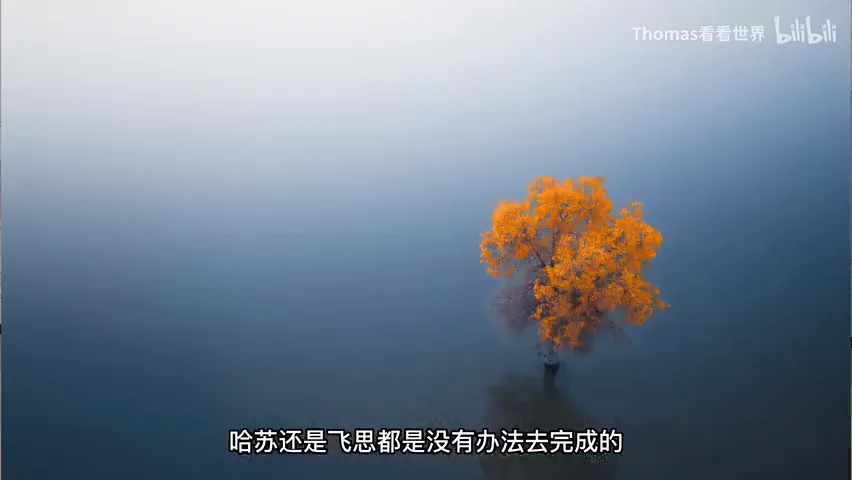
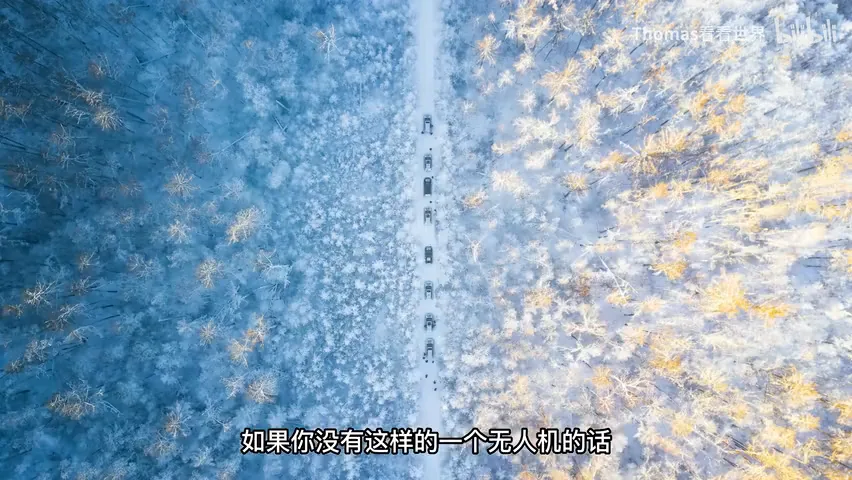
Hence the core conclusion: buy for functionality first, image quality second (at 2:36 in the video). Beyond a point, more money into quality buys ever-smaller gains — diminishing returns; functional improvements, meanwhile, never stop paying: owning a drone versus not owning one is a qualitative jump, and so is owning a telephoto. The cropping freedom of 61 megapixels (at 1:35 in the video) is, at bottom, another form of "getting the shot at all."
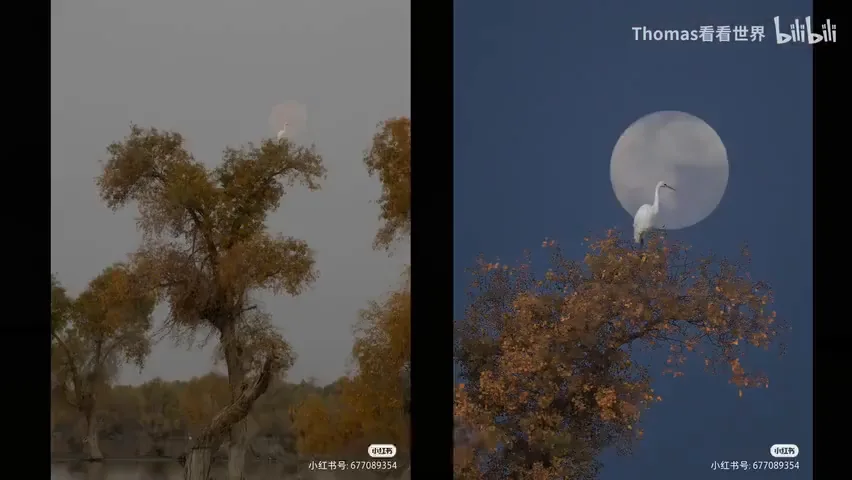
03 Investing in Function: Tripods, Filters and Drones
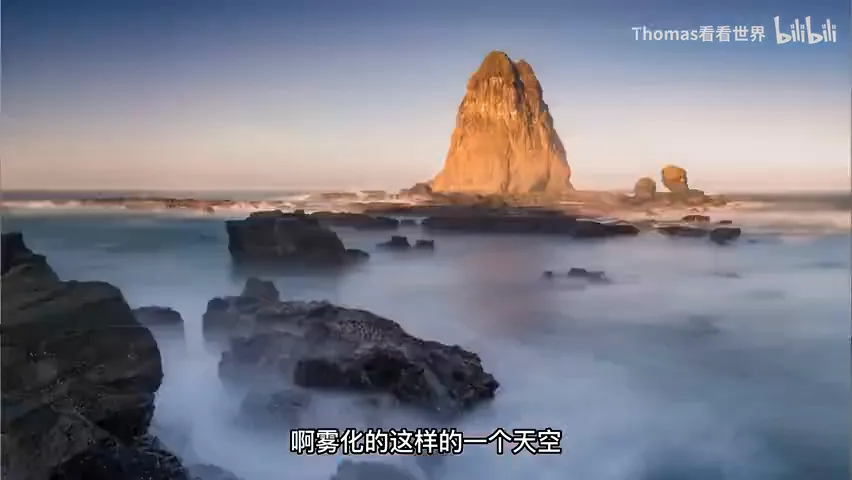
On a tight D90-era budget, Thomas's money went first to a tripod and filters (at 2:59 in the video) — silken long-exposure water simply cannot be made without a tripod and ND filters (at 3:05 in the video). That is functional investment in its purest form: without the tools, this genre of photo is zero.
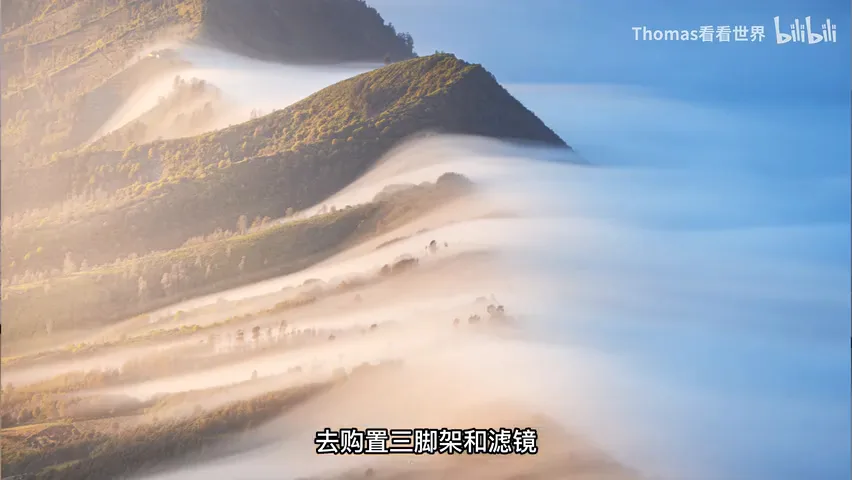
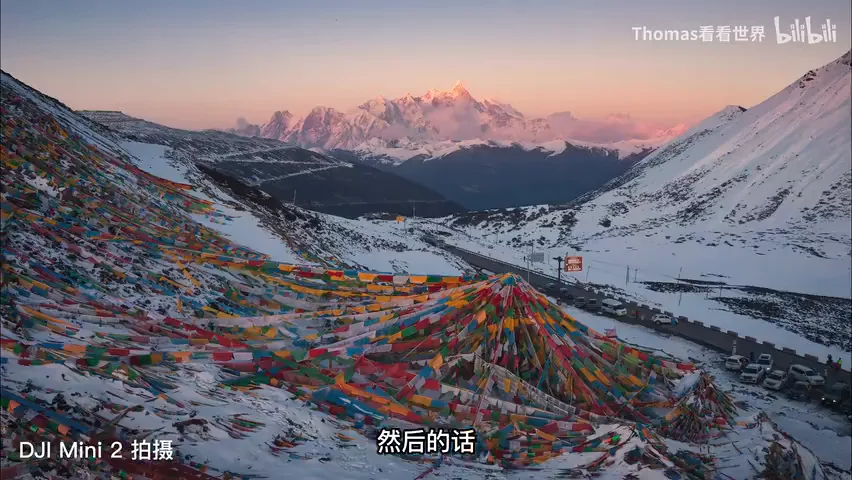
The drone is the greatest functional watershed in modern landscape photography (at 3:18 in the video): with one you get entirely different angles; without one, only ground positions. Starting with a Mini or Air model is about function; moving up to a Mavic or higher is chasing image quality (at 3:33 in the video). Tripods follow the same ladder: your first tripod enables long exposures — function; a steadier one adds a little more function; a ten-thousand-yuan rig mainly buys sharpness — that's already image quality (at 3:46 in the video).
04 Diminishing Returns: More Money, Smaller Gains
On image quality Thomas has an old saying: one coin, one coin's worth of goods; three coins, two coins' worth; ten coins, three coins' worth (at 4:22 in the video) — the front half of a parabola, where gains shrink as spending grows. The felt ladder: phone to APS-C is the biggest jump (at 4:40 in the video); APS-C to full frame is another solid one; stepping up to G Master or trinity lenses adds only a hint (at 5:02 in the video); beyond that — medium format, cine lenses costing hundreds of thousands — the difference turns faint (at 5:12 in the video).
Better yet, technique increasingly backstops image quality: stitch panoramas for more pixels (at 5:47 in the video), bracket exposures and blend HDR for dynamic range, focus-stack for depth of field, shoot long exposures or stack frames against noise (at 5:54 in the video). Poor dynamic range used to be final; now even phones can photograph into the sun and hold the full scene — one reason quality anxiety has faded (at 6:01 in the video).
05 When to Upgrade: Paying for Function and Growing on Four Dimensions
The same sum buys function or quality, and the value differs completely. Thomas roamed for years with just a 24-105, yet recently added a 70-200 and a 24-70 f/2.8 (at 6:28 in the video) — he increasingly shoots night streets, where the wide aperture delivers clean portraits and better depth of field. That's paying for function, and well worth it (at 6:50 in the video). Conversely, if you shoot landscapes at f/8-f/11, swapping a 24-70 f/4 for the f/2.8 is a quality upgrade only — invisible unless you pixel-peep at 200% (at 7:15 in the video).
That said, quality can convert into function (at 7:22 in the video): for fine-art photographers, resolution determines print size, and bigger prints fetch higher prices at auction — justifying medium or large format; for commercial shooters, quoting "100-megapixel Hasselblad," "a 300,000-yuan Phase One" or "ten lights" is part of the client's trust — even if only one or two lights do the work (at 7:58 in the video). Hobbyists without output needs rarely require that kind of quality (at 8:22 in the video).
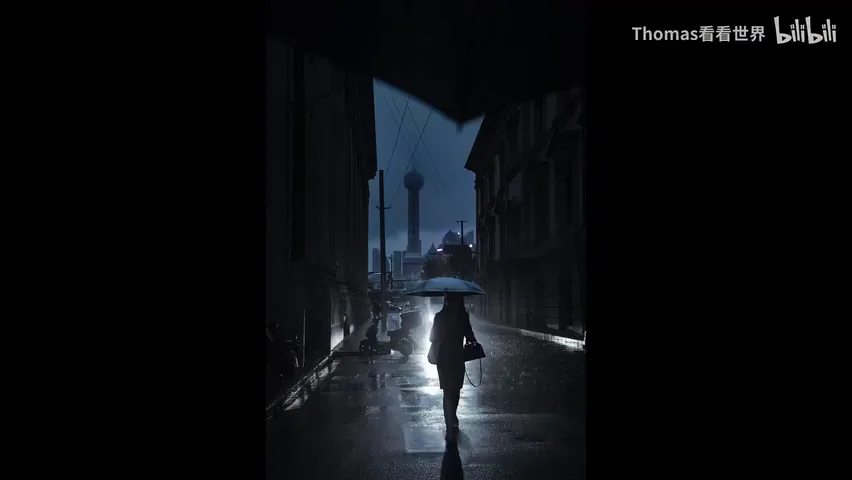
A photograph actually has four dimensions: gear, technique, form (aesthetics) and content (at 8:33 in the video). Rather than comparing spec sheets daily, invest the hours in craft — shooting and post; once technique reaches a threshold, study great photographers and artists to sharpen taste and find your own style; when both are in place, ask why you shoot and what emotion or intent you want to express — that leap happens in content (at 9:08 in the video). Upgrade timing lives here too: upgrade when your technique or expression demands a telephoto, a drone, deep cropping or dynamic range the gear can't deliver; move to flagship quality when commercial work calls for one-to-two-meter prints. Let gear grow alongside technique, aesthetics and content — instead of maxing it on day one and neglecting the rest, which puts the cart before the horse (at 9:56 in the video).
1. Gear has two attributes: functionality decides whether the shot is possible at all (drones, telephoto, wide angle, tripods, filters), image quality decides how good it looks — satisfy function first, then pursue quality; 2. Quality spending follows a diminishing curve: phone to APS-C is the biggest jump, full frame next, fast trinity lenses faint, medium format fainter — and stitching, bracketing, focus stacking and frame stacking increasingly backstop quality; 3. Spend on function: f/2.8 for night portraits is a functional investment, while f/4 to f/2.8 for daytime landscapes is a quality upgrade visible only at 200% magnification; 4. A photograph has four dimensions — gear, technique, form, content: pour time into technique, aesthetics and content, and upgrade gear only when it can no longer serve your expression.