Photography Tutorial · 2021-08-15
Great Seascape Photography Sharing! This Set of Photos of China's Coastline Is Just Too Unique!
Thomas Chu Photo
When seascape photography of the sea is mentioned, doesn't your mind conjure up the conventional scenery of blue skies and beaches, or a sunset sea?
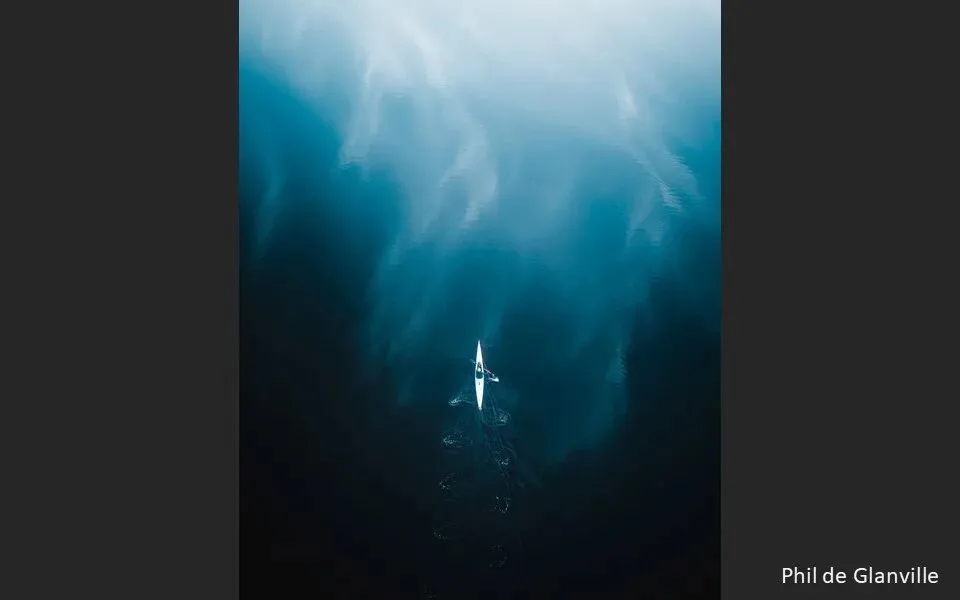
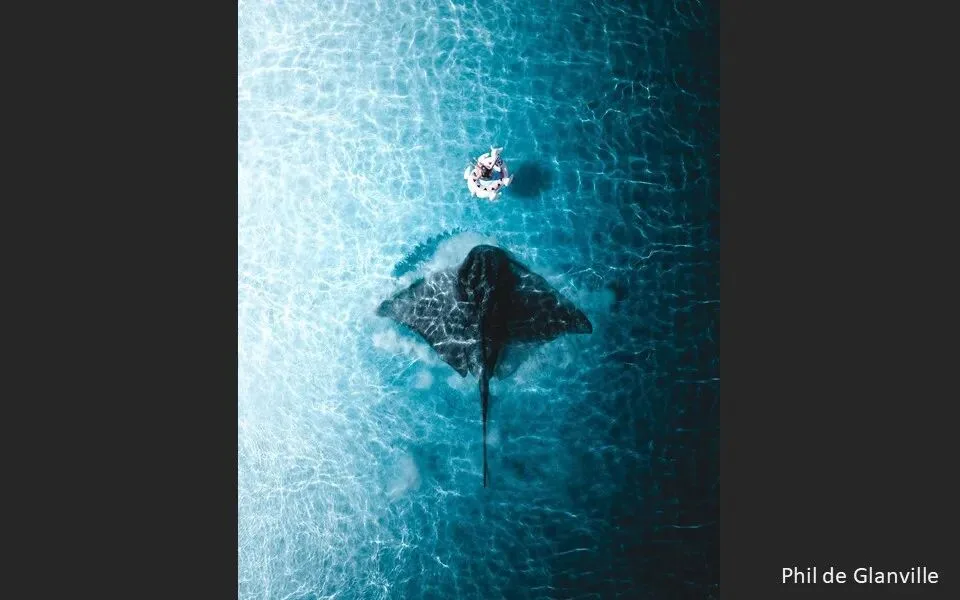
For the unpredictable sea, so closely tied to humanity, there are in fact many expressive styles and angles to explore. In today's tutorial, Thomas will share some excellent seascape photography works.
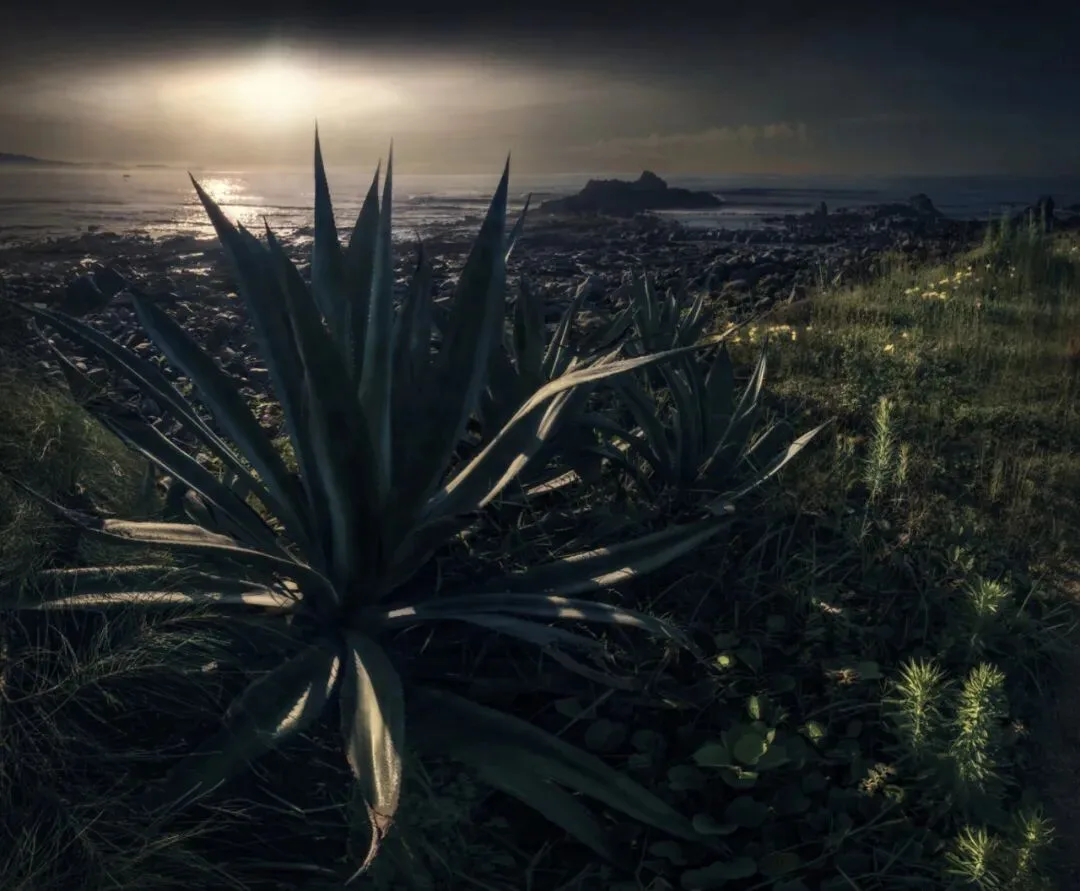
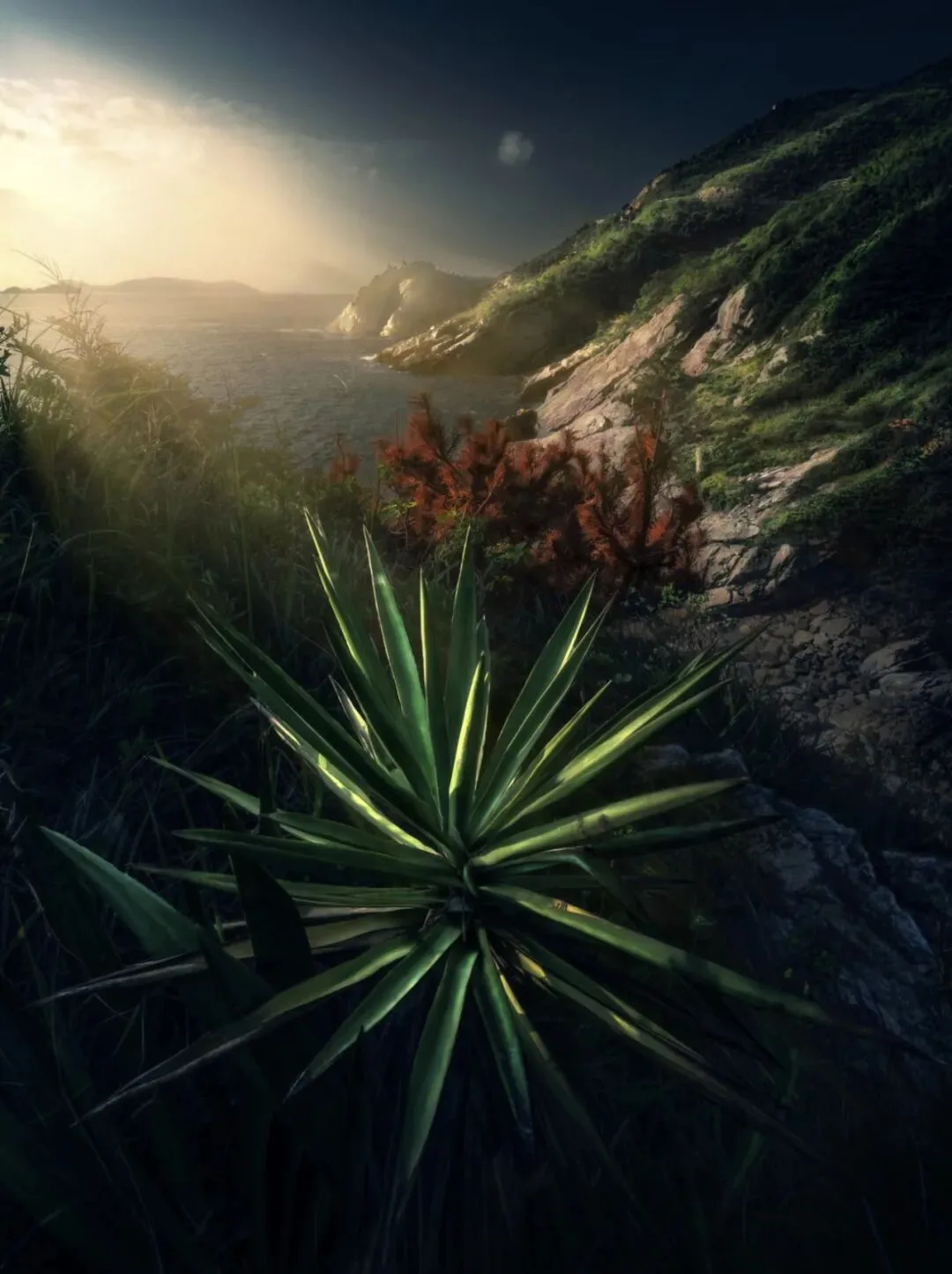
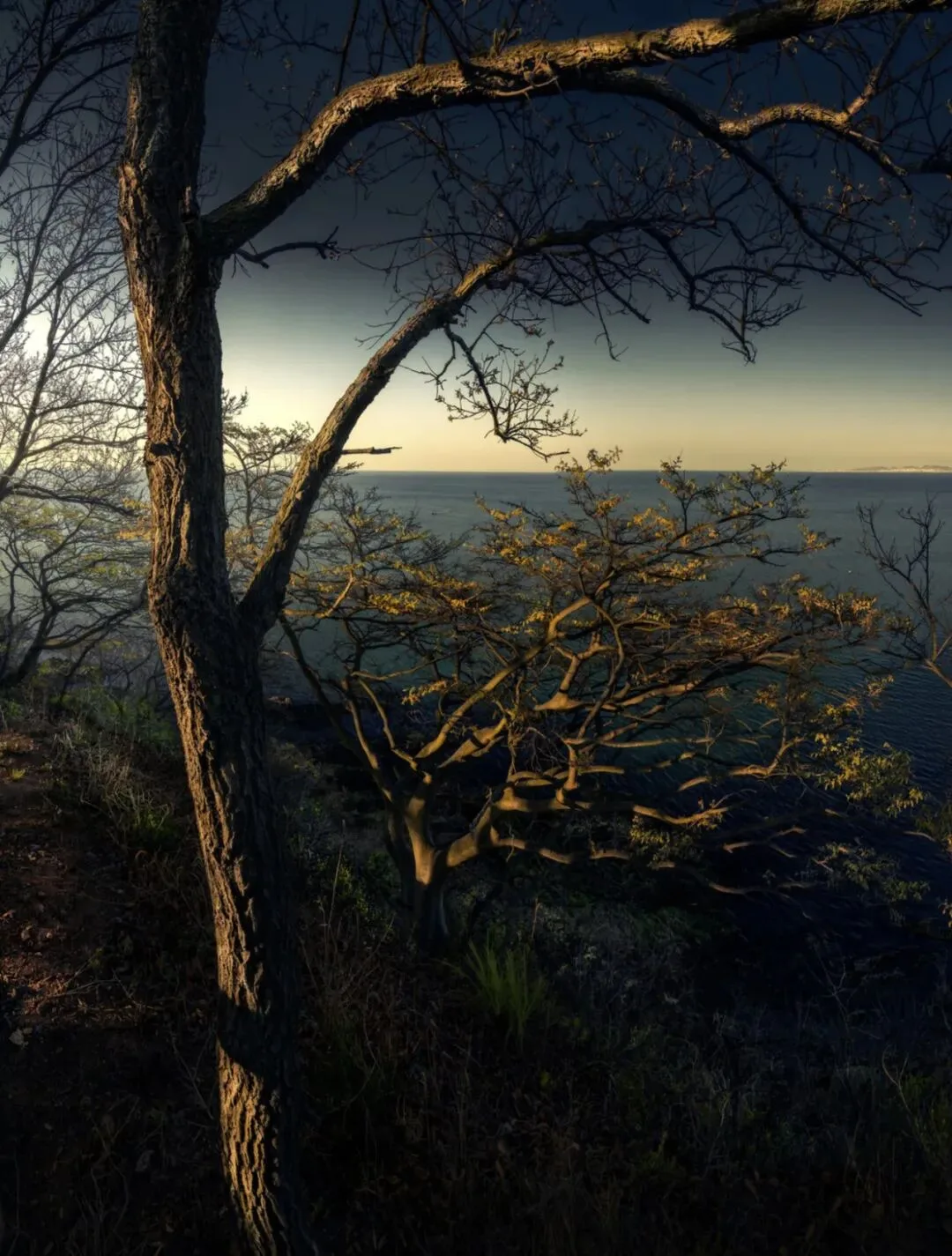
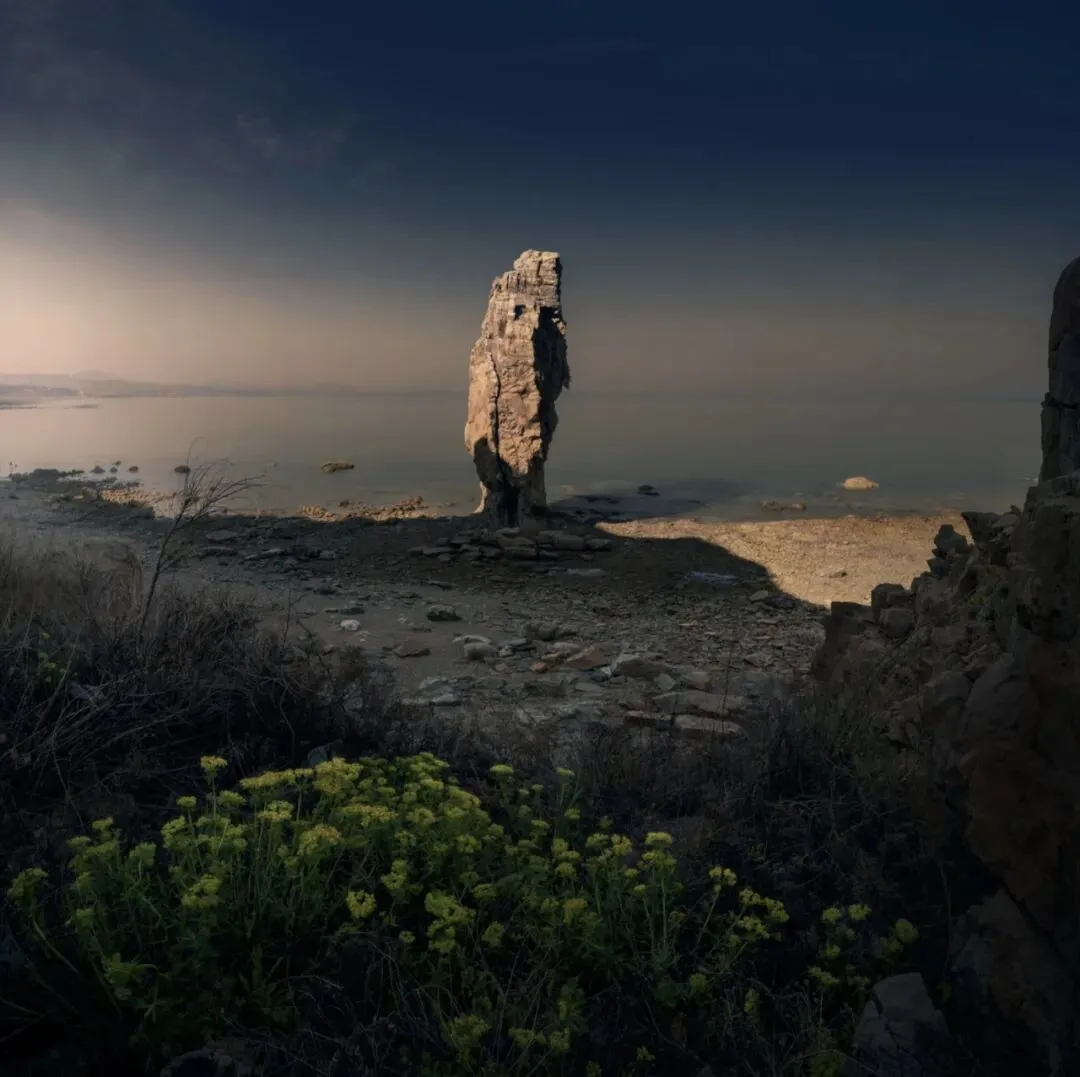
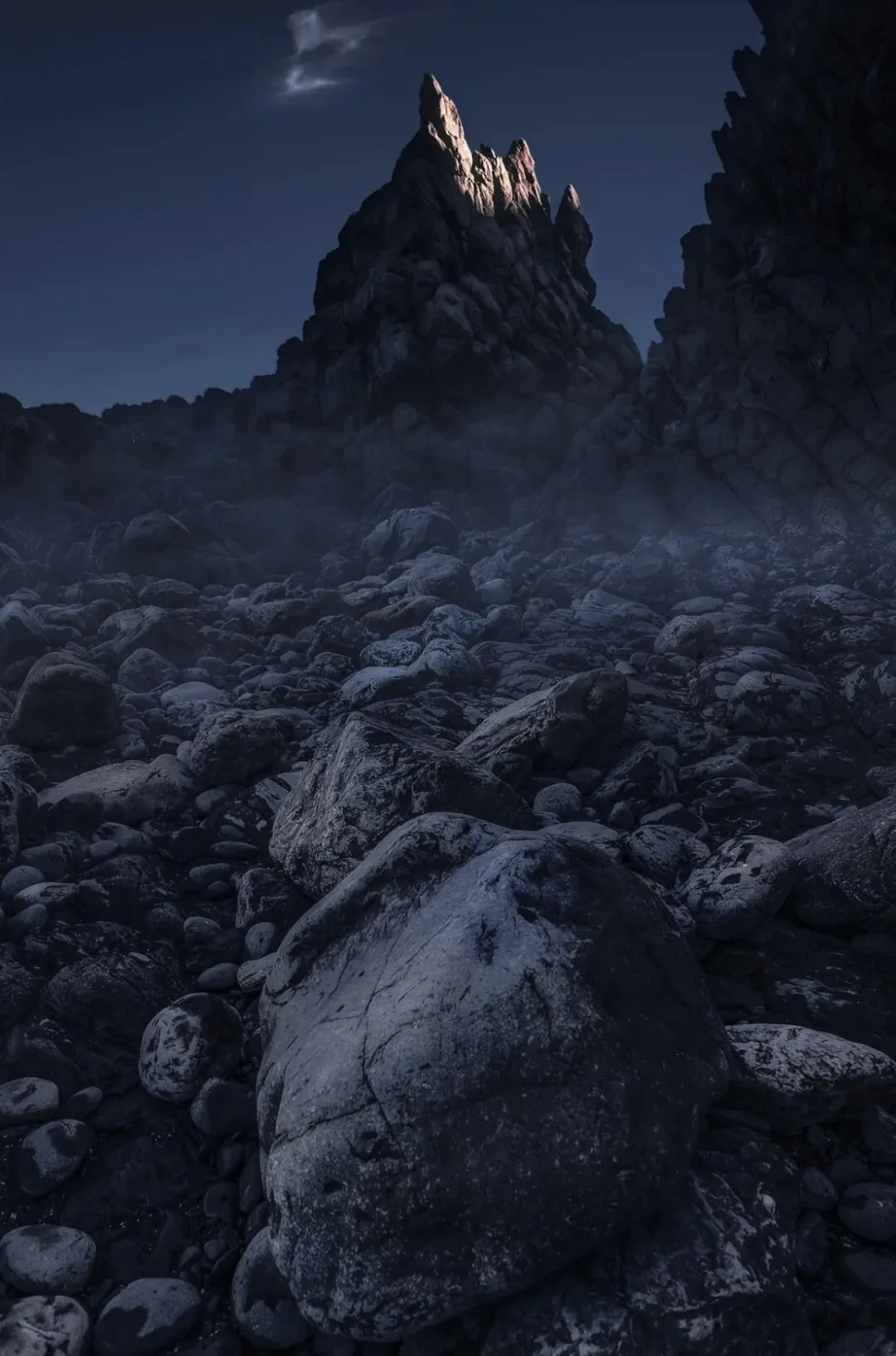
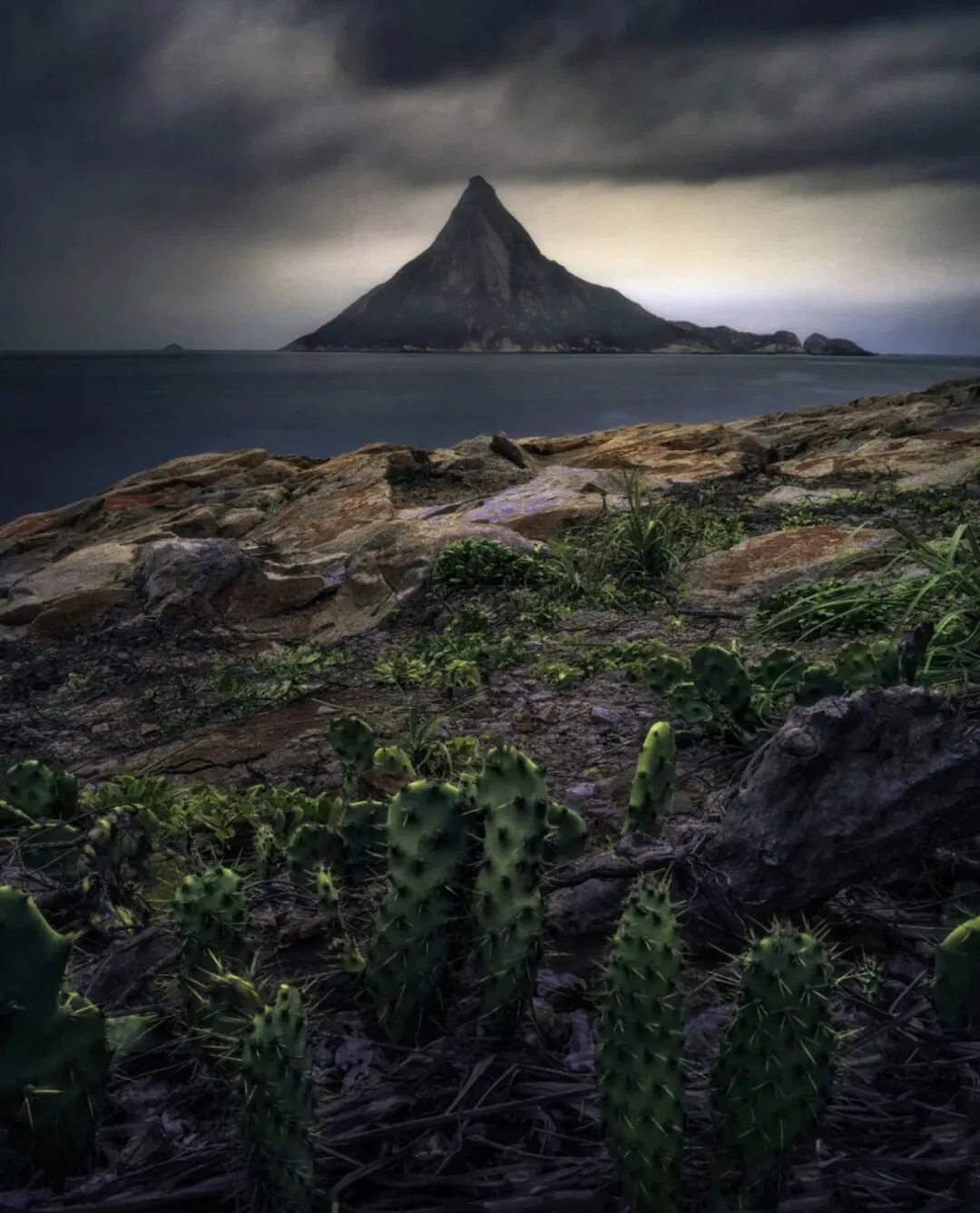
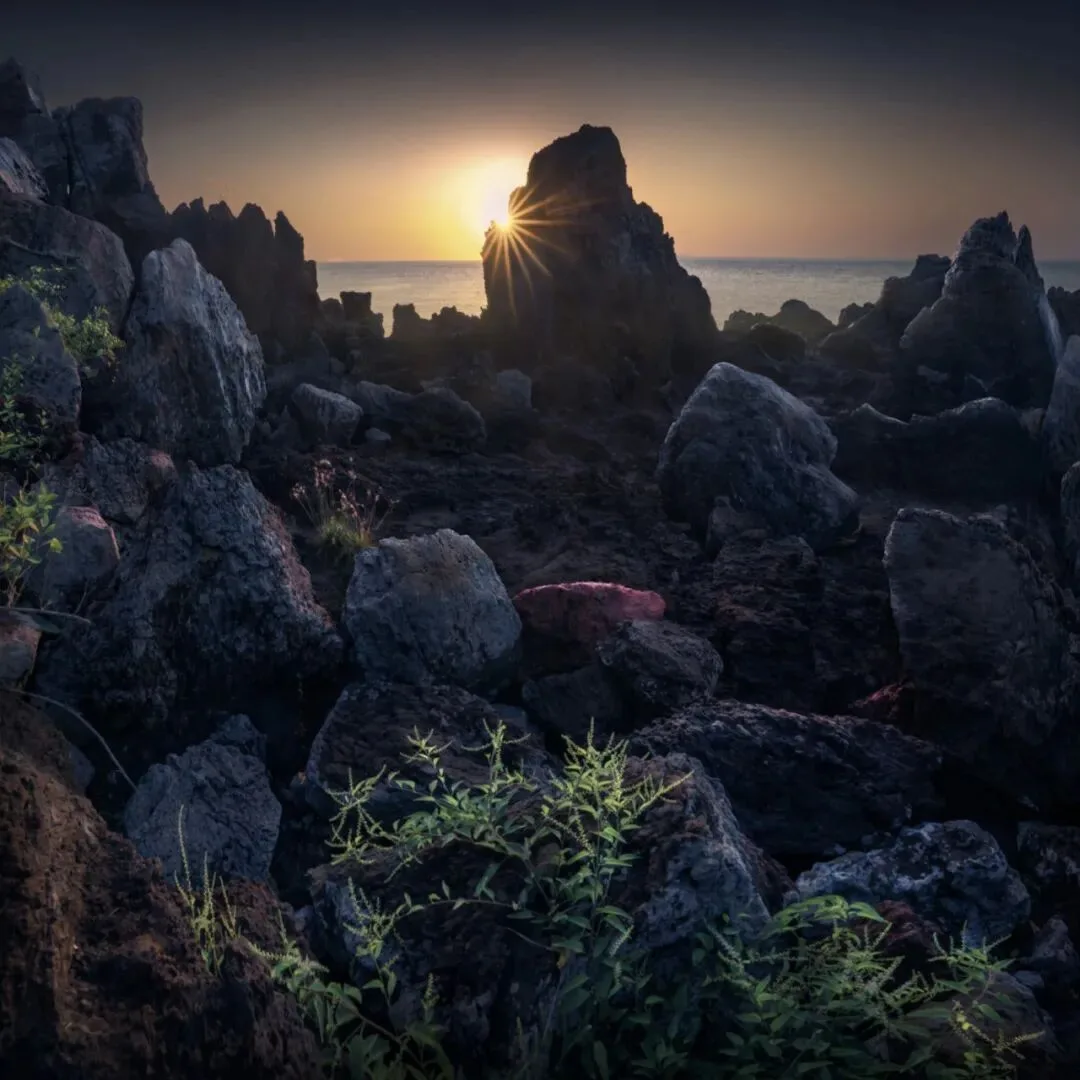
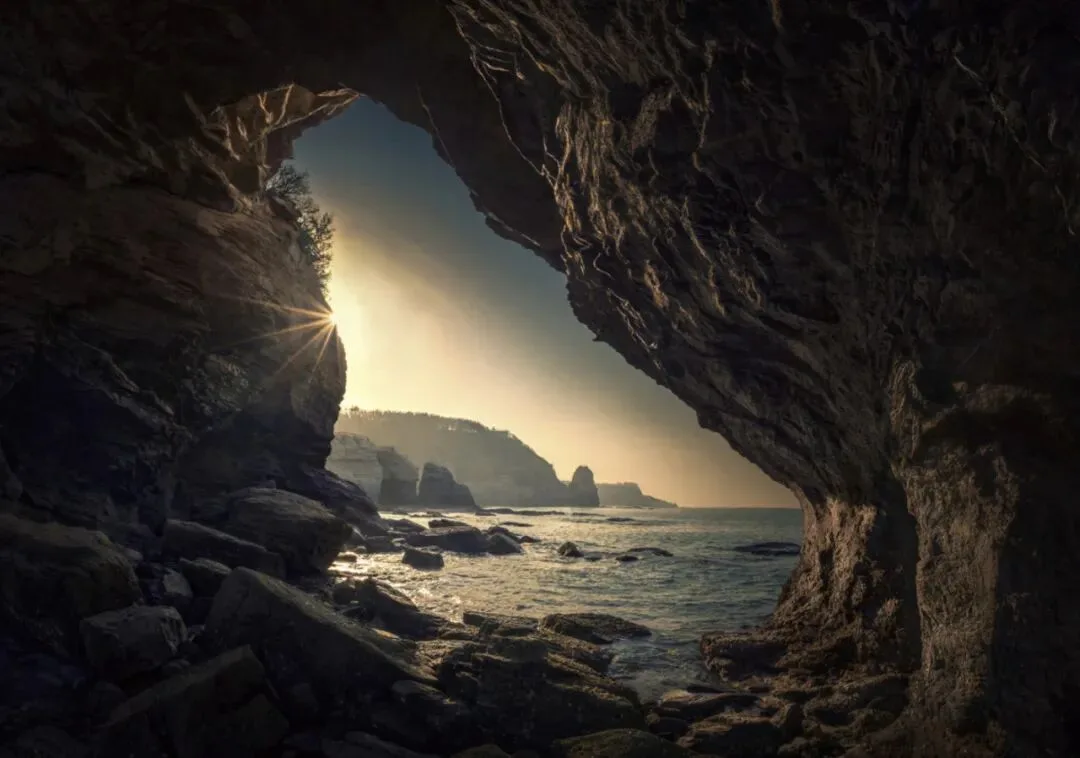
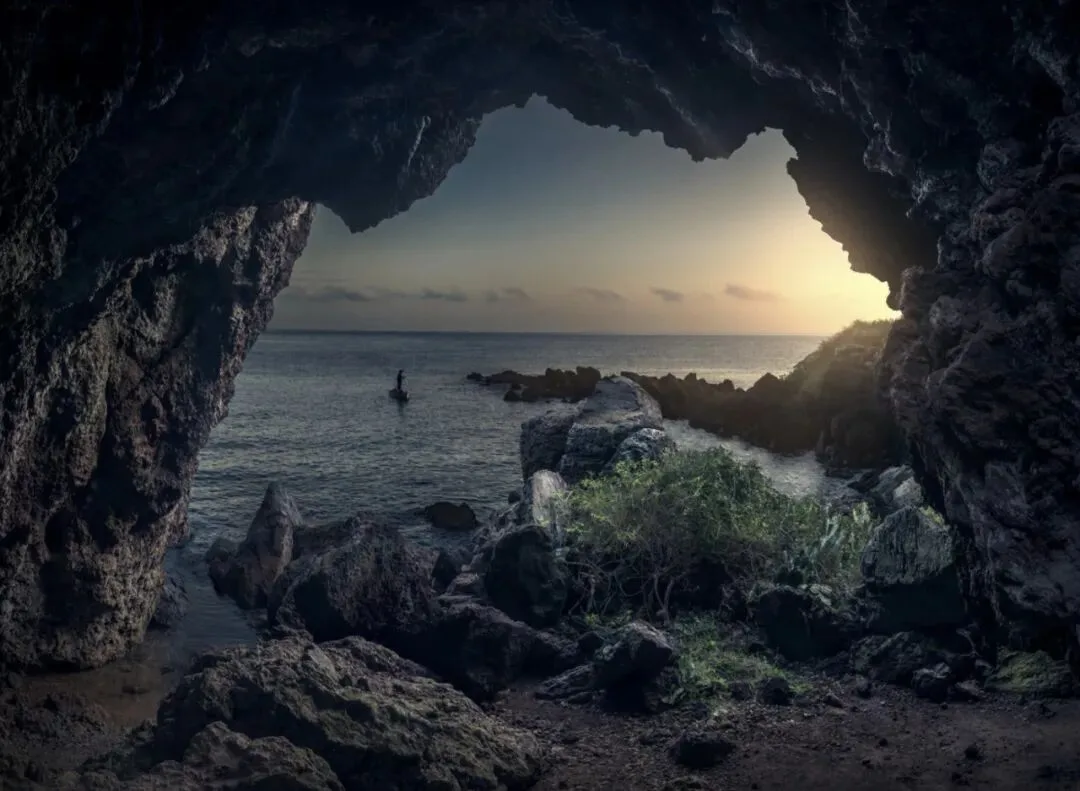
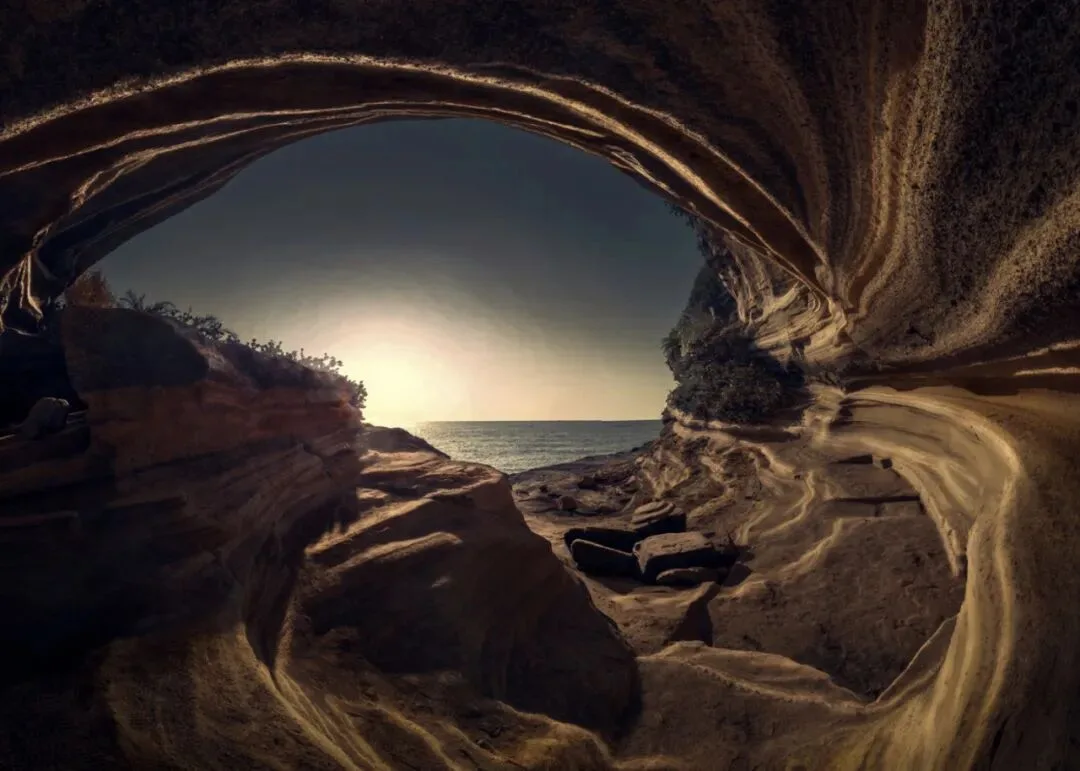
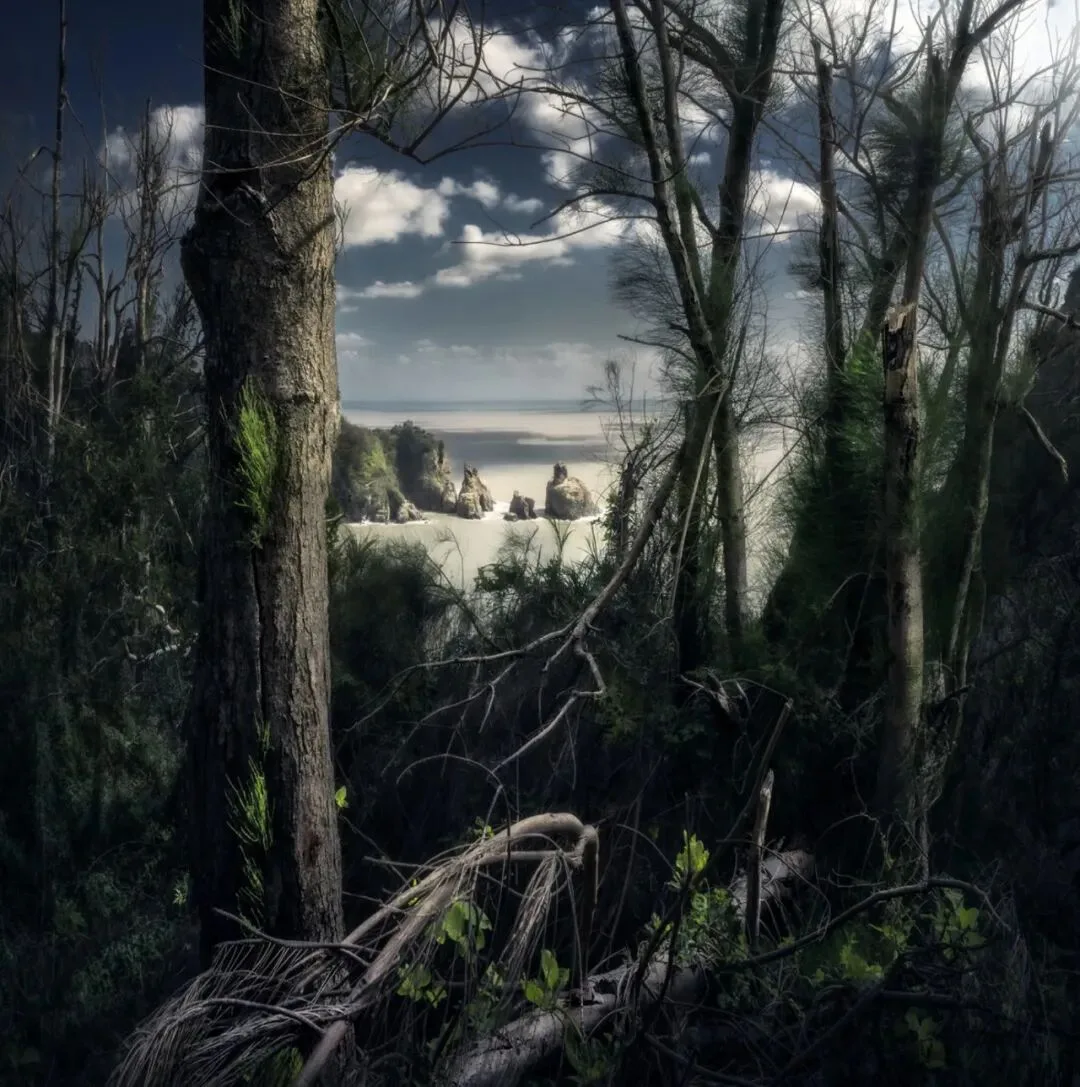
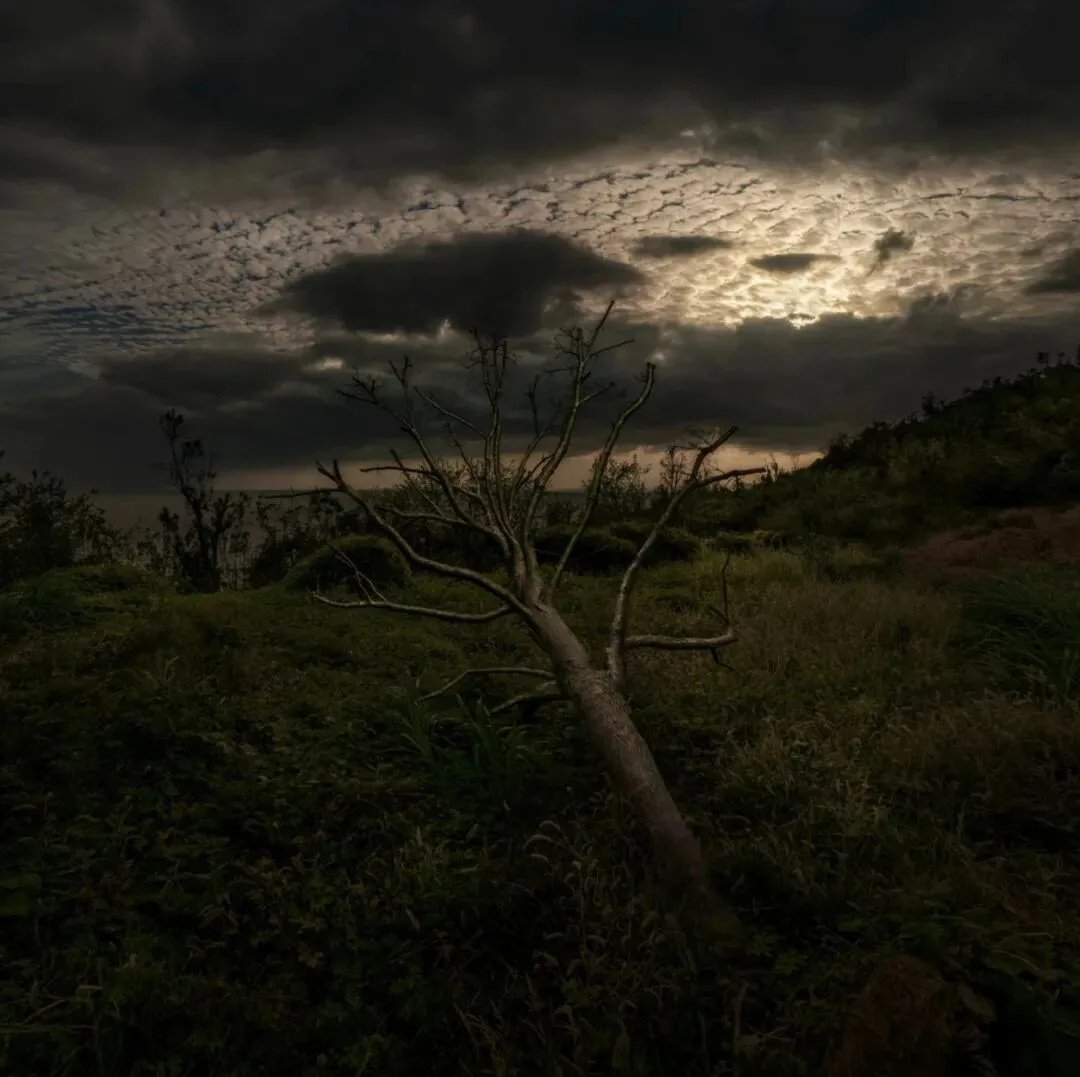
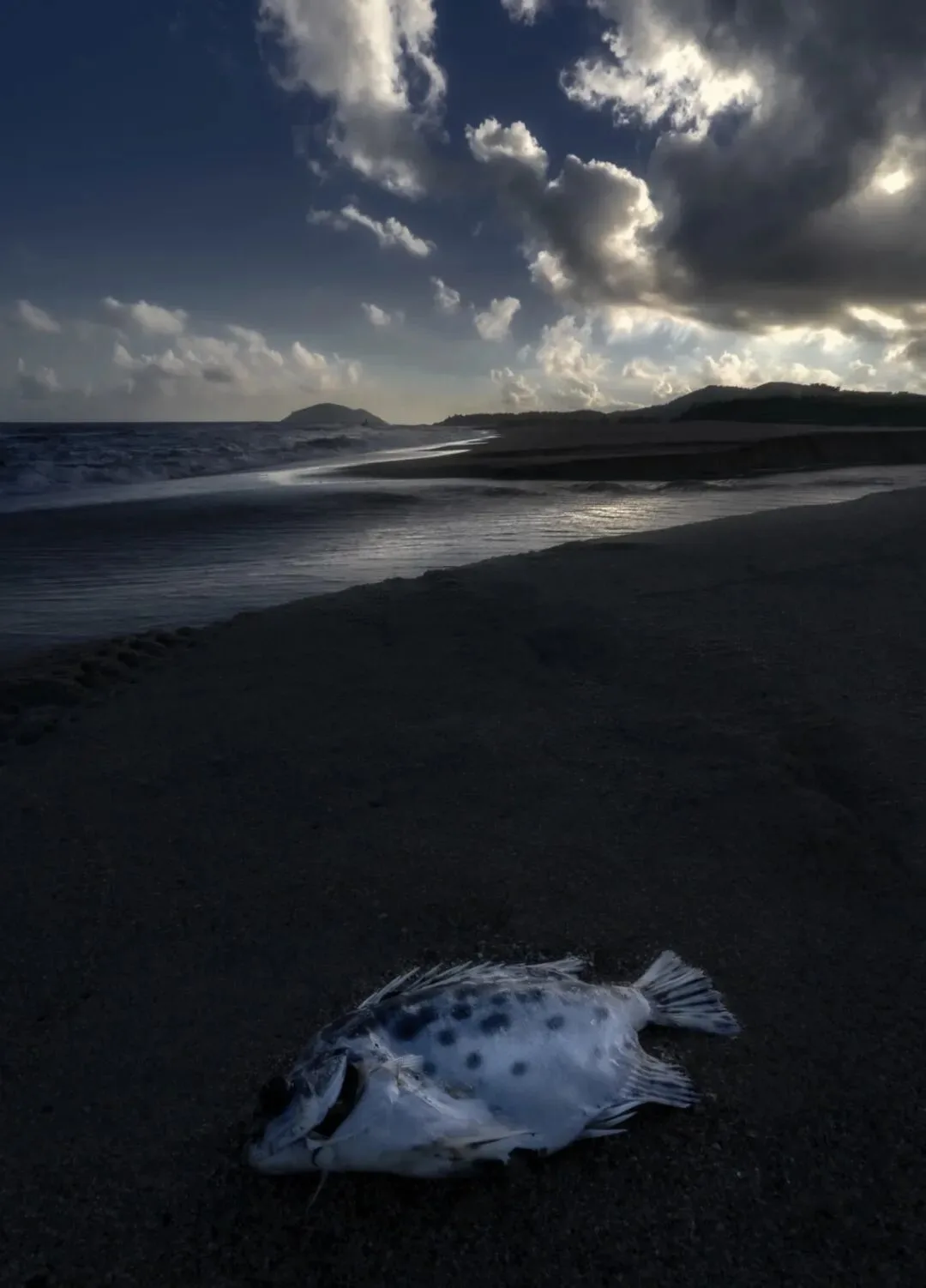
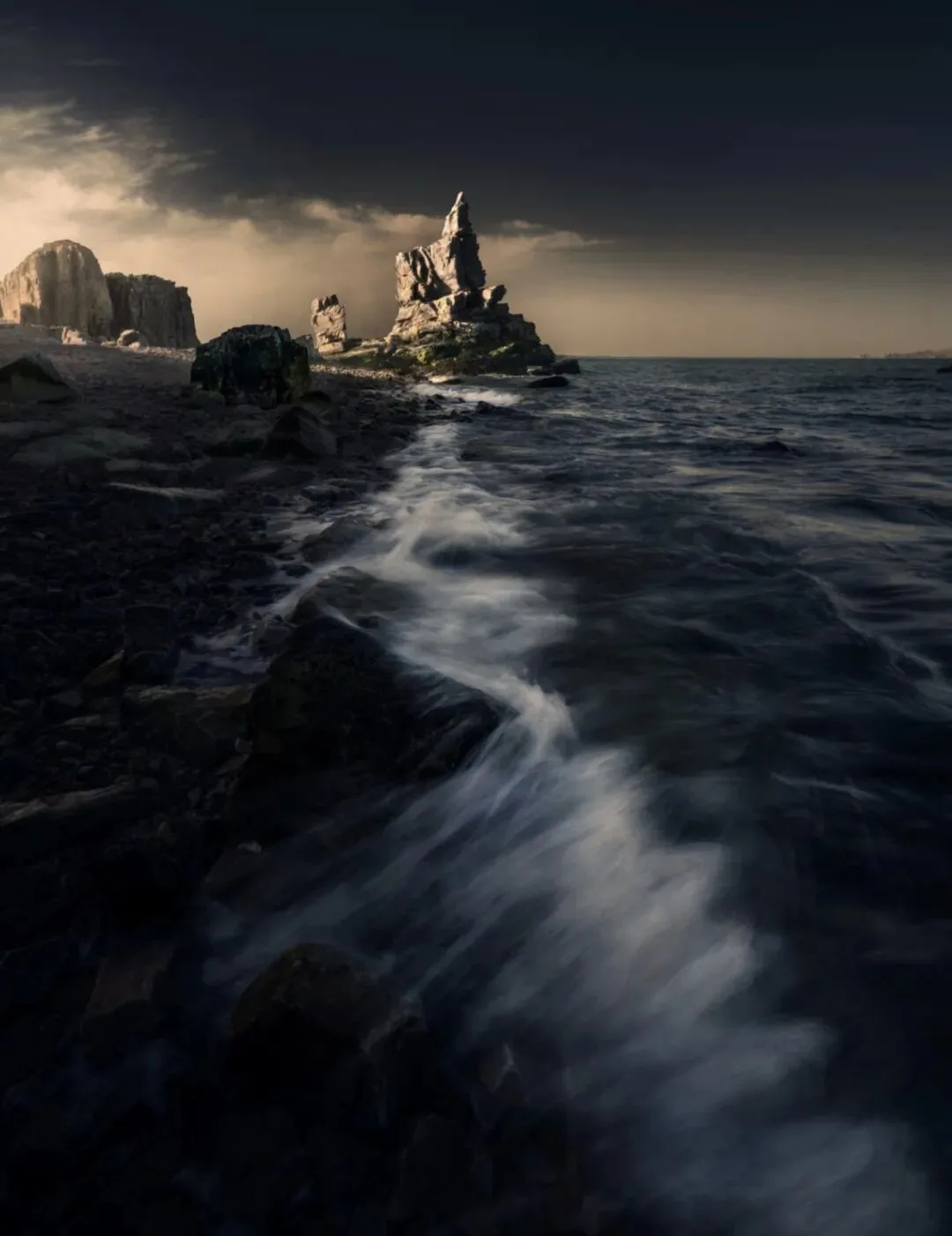
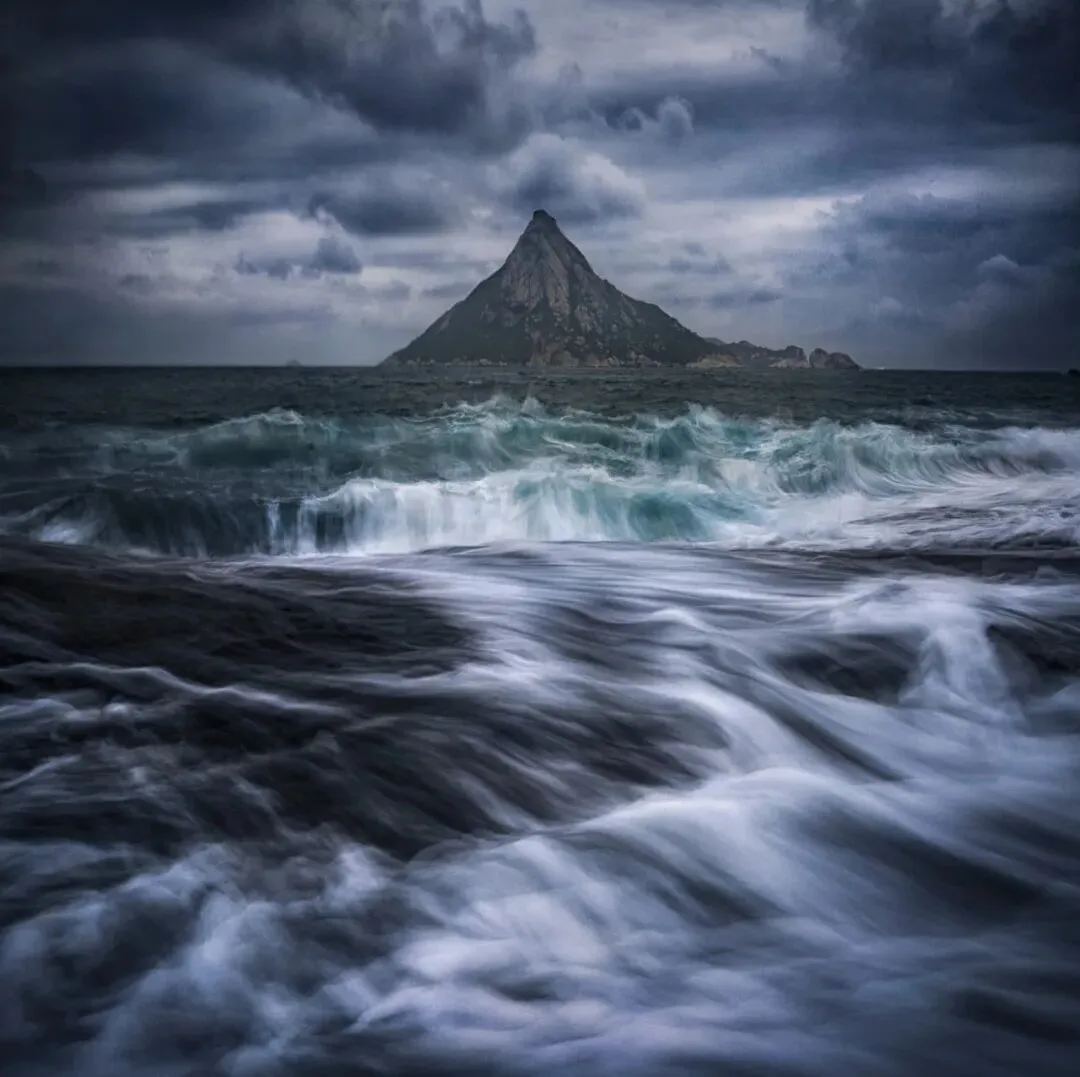
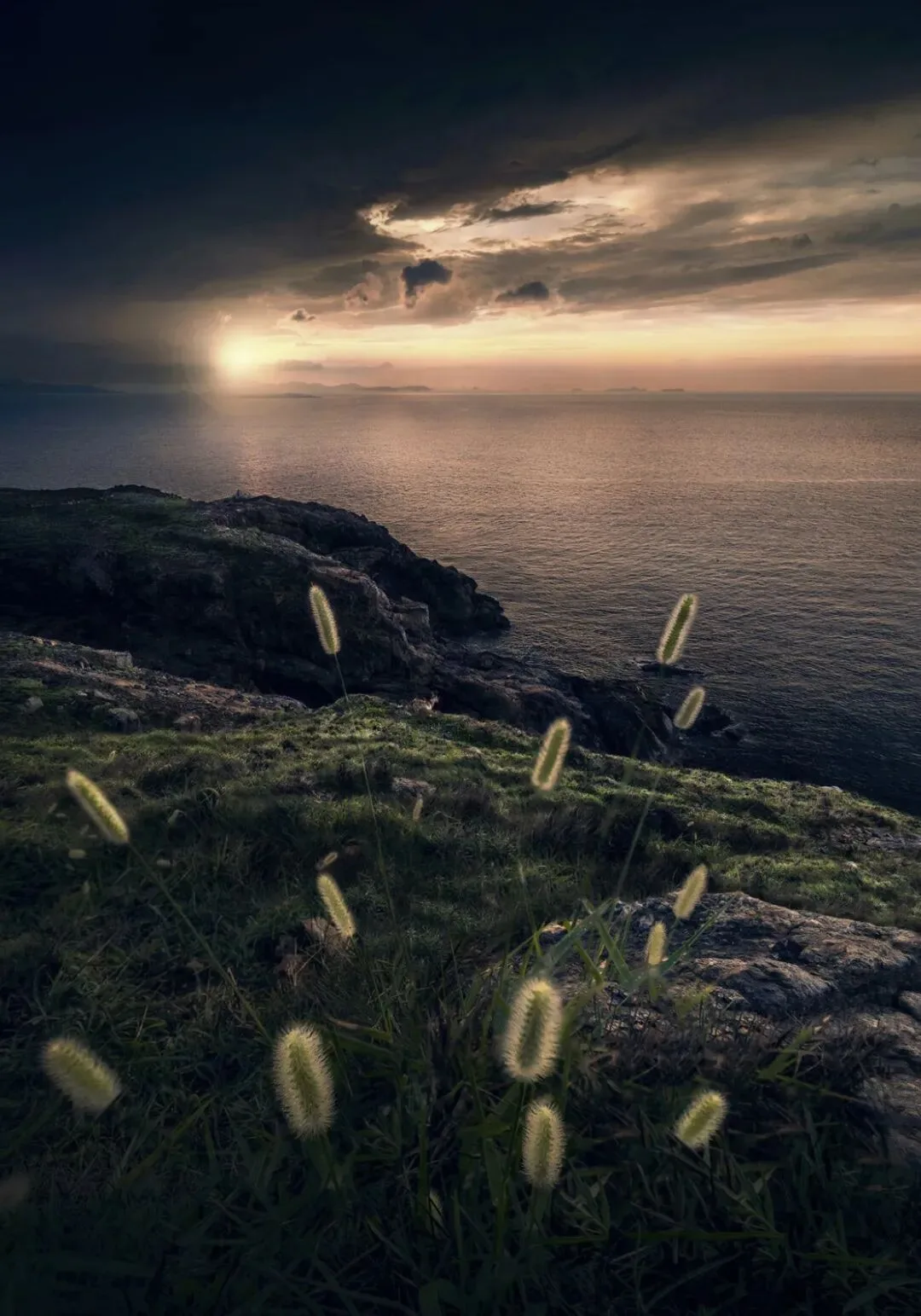
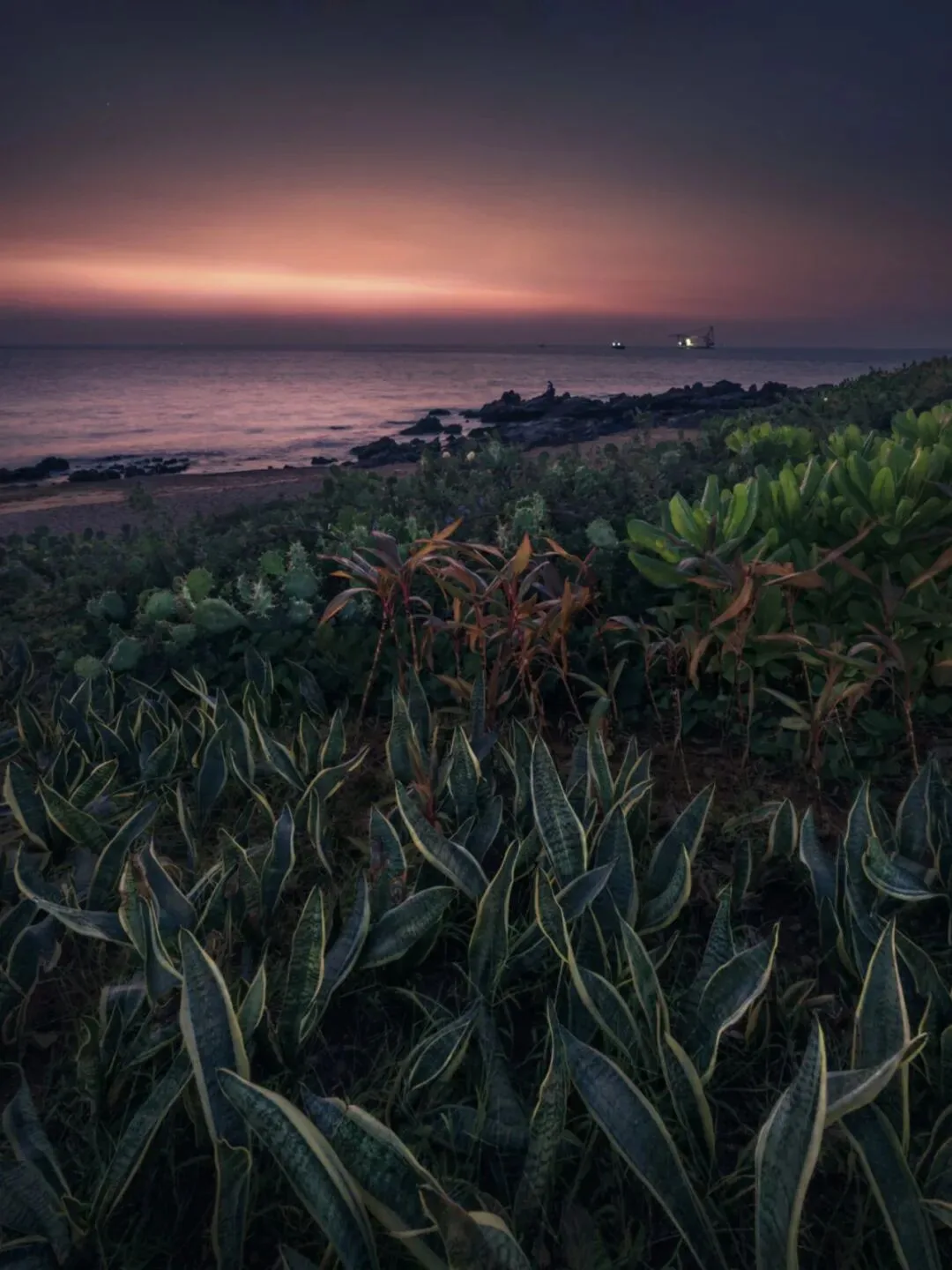
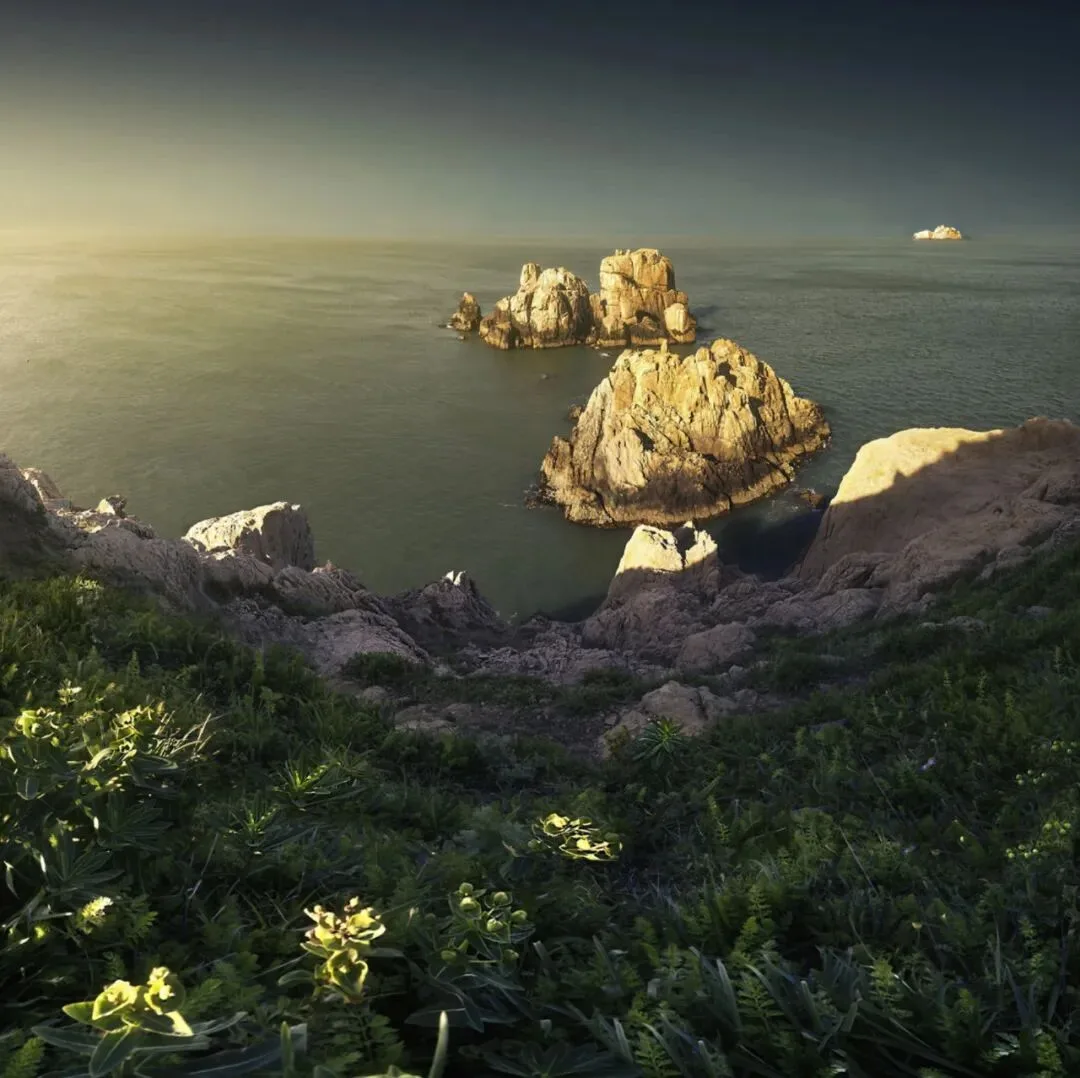
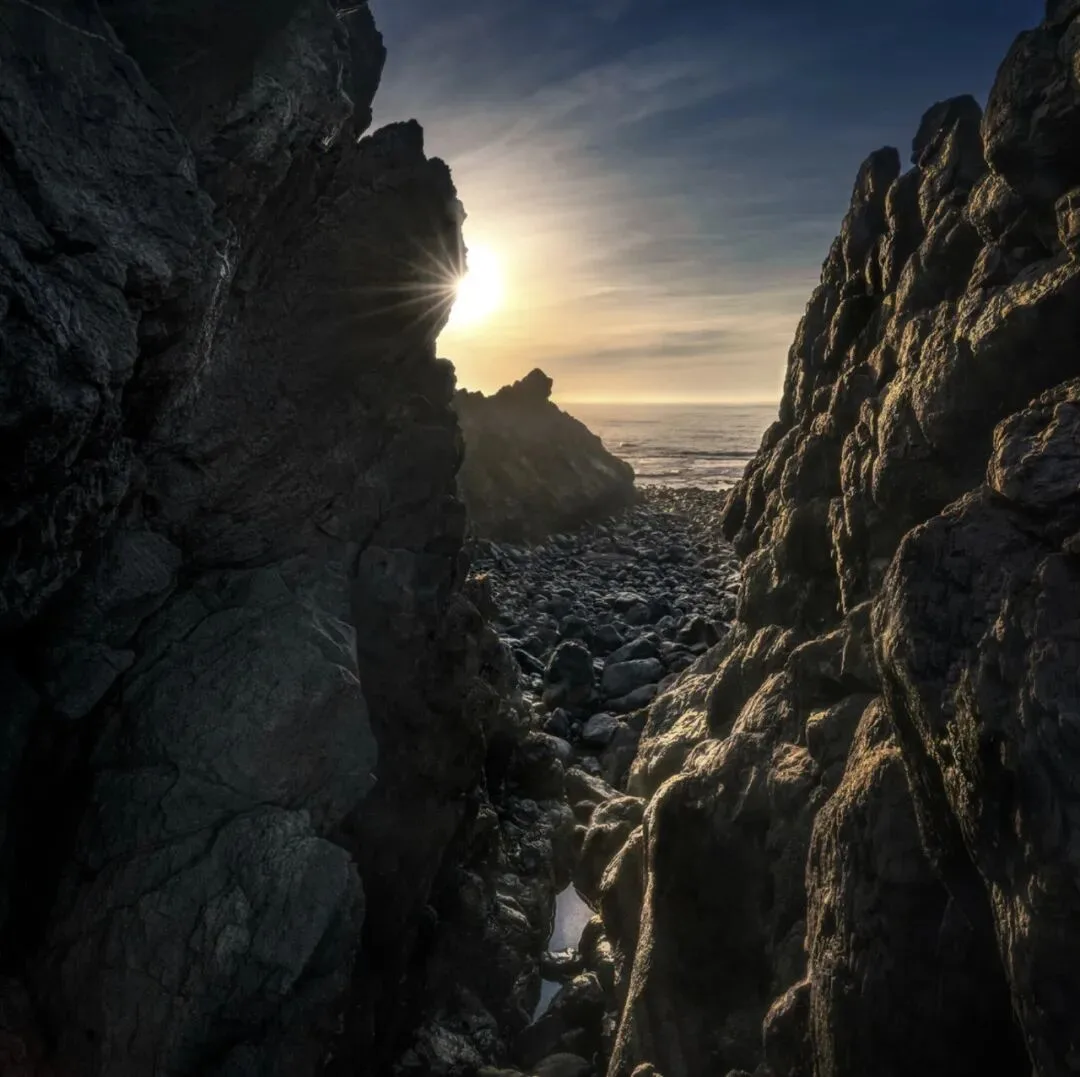
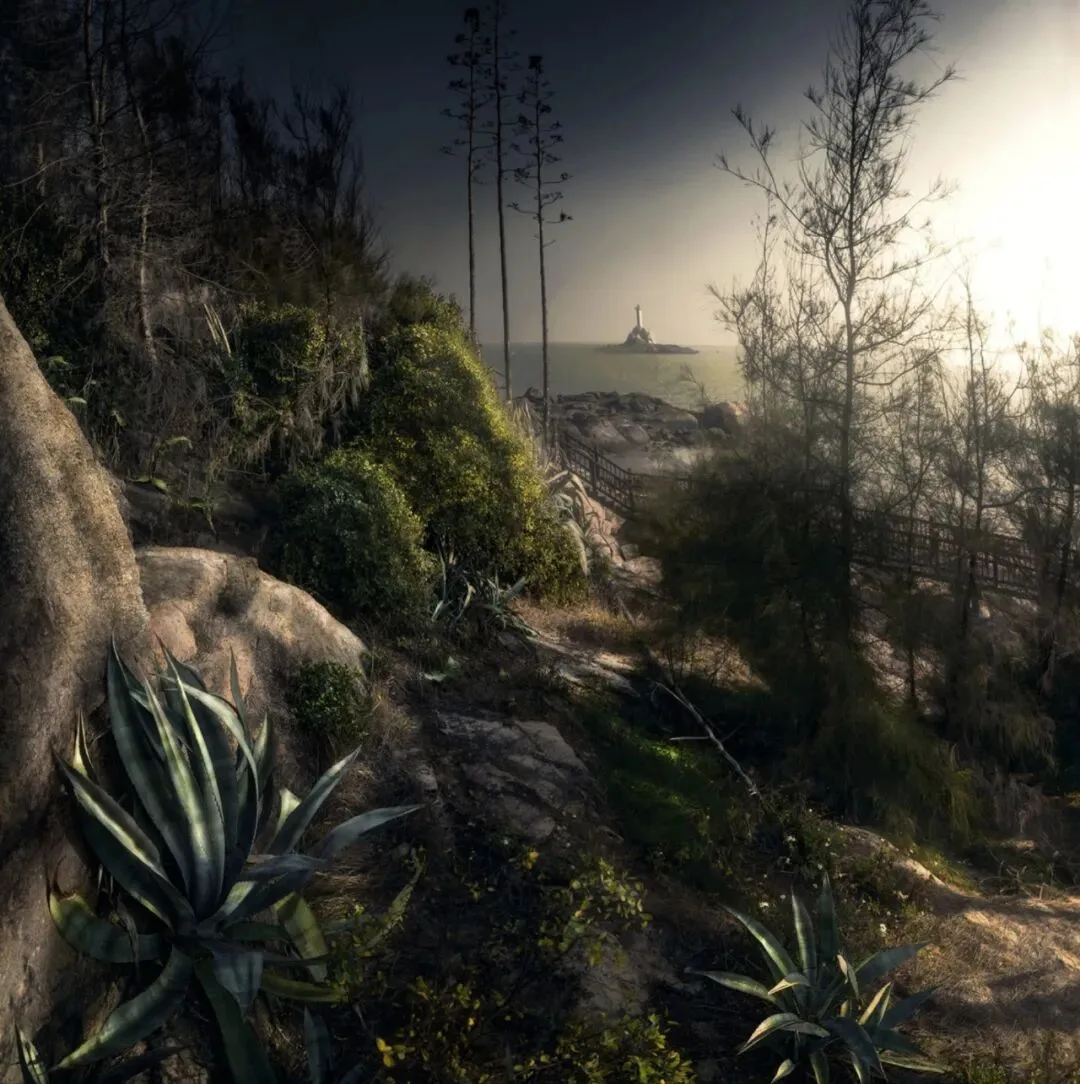
Among them, a set of photos of China's coastline by young photographer Duch left a very deep impression.
Video tutorial
▶ Watch the video tutorial on Bilibili
This is the illustrated companion to the video above. Mention seascape photography and we picture blue water or golden sunsets — but the genre has far more doors than that. This episode runs from Warren Keelan's monster waves to Benjamin Von Wong's plastic-pollution installations, and spotlights Duch, a young photographer discovered through the Rising Star program, and his Chinese-coastline series 'Ten-Thousand-Year Sea Stones'. Four chapters below, in the video's order.
01 A Hundred Ways to Shoot the Sea
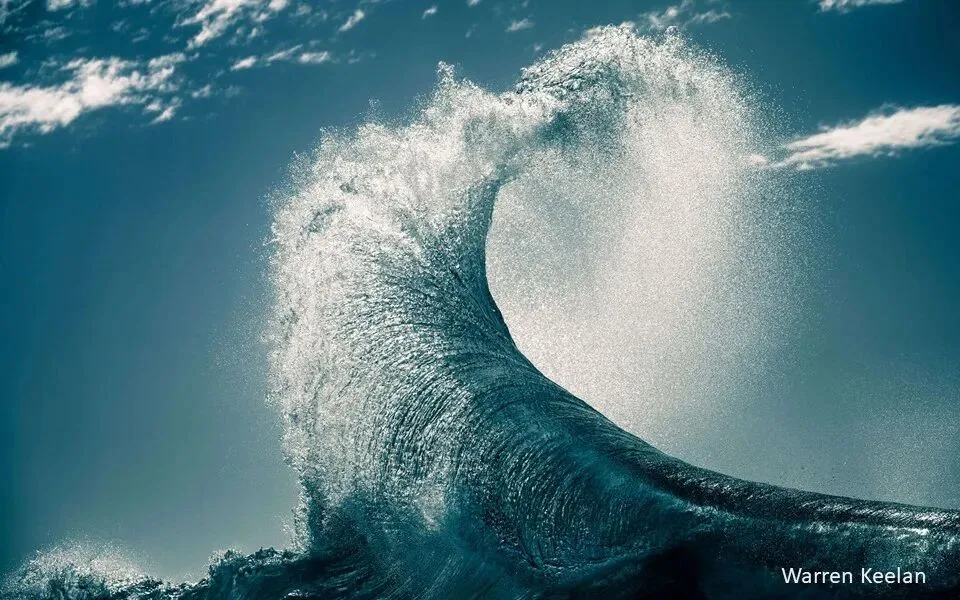
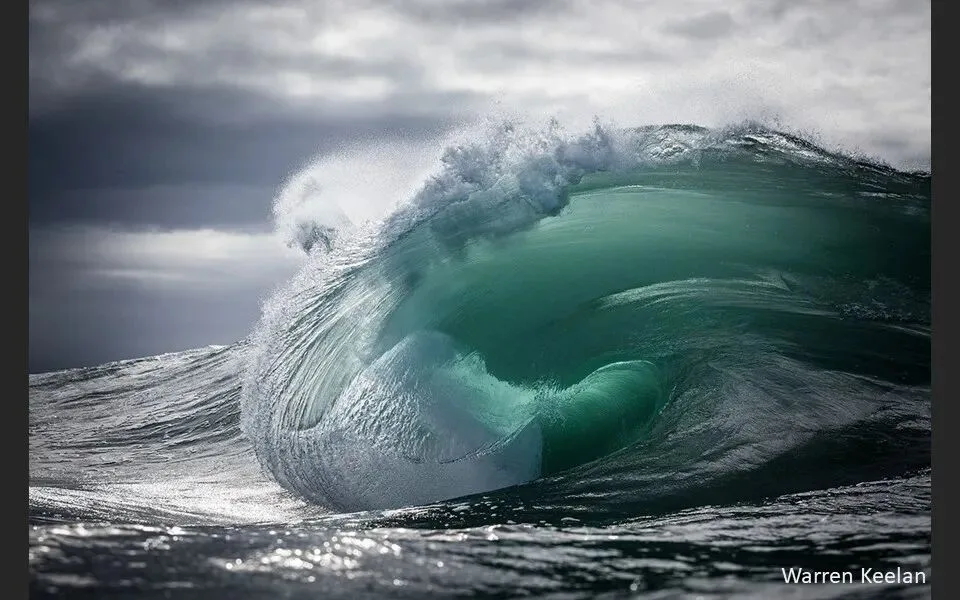
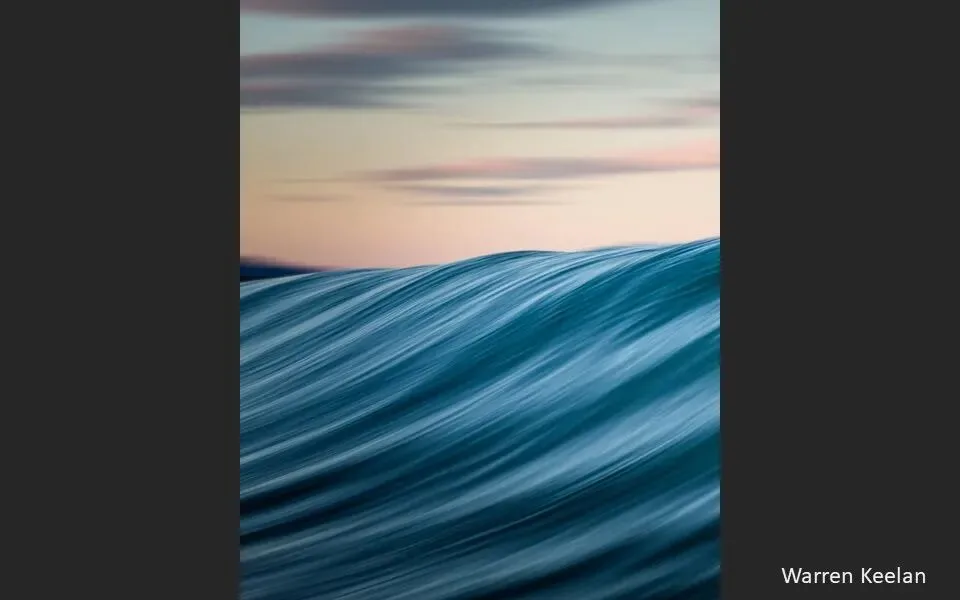
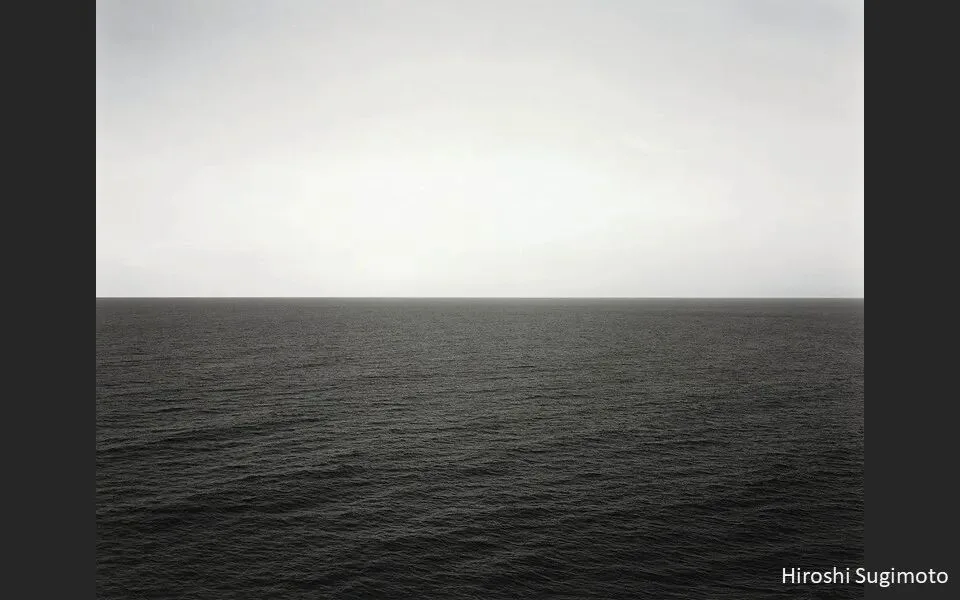
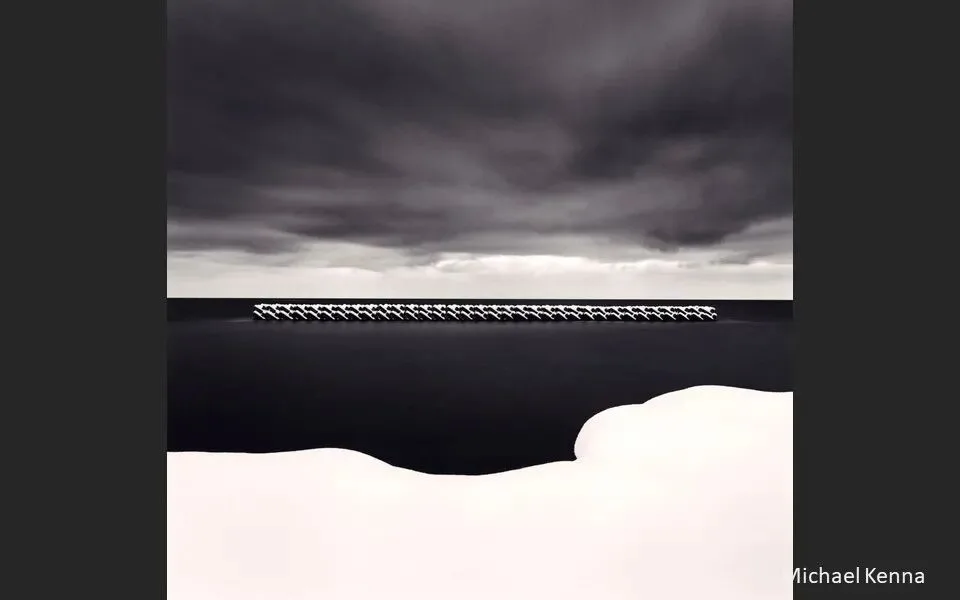
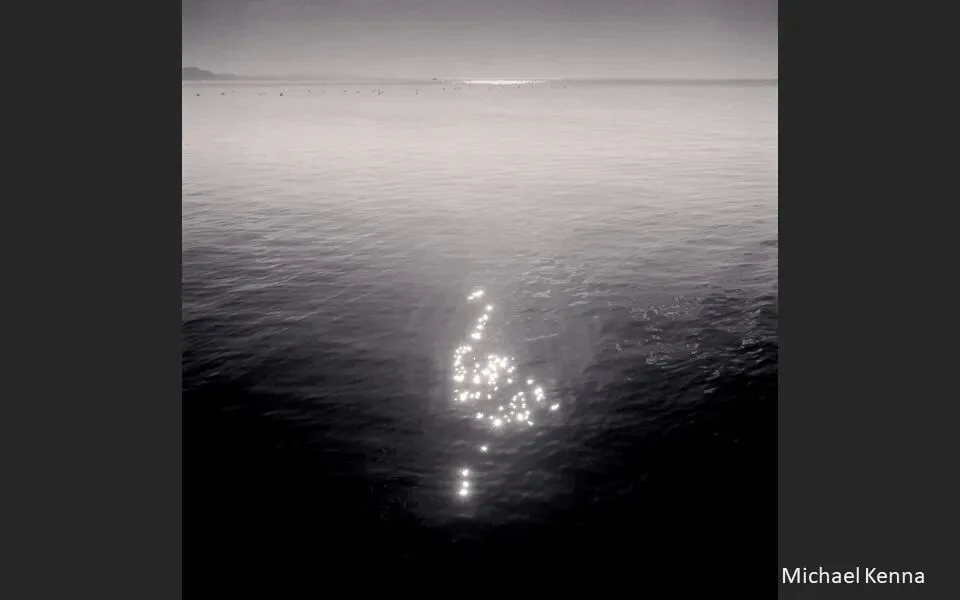
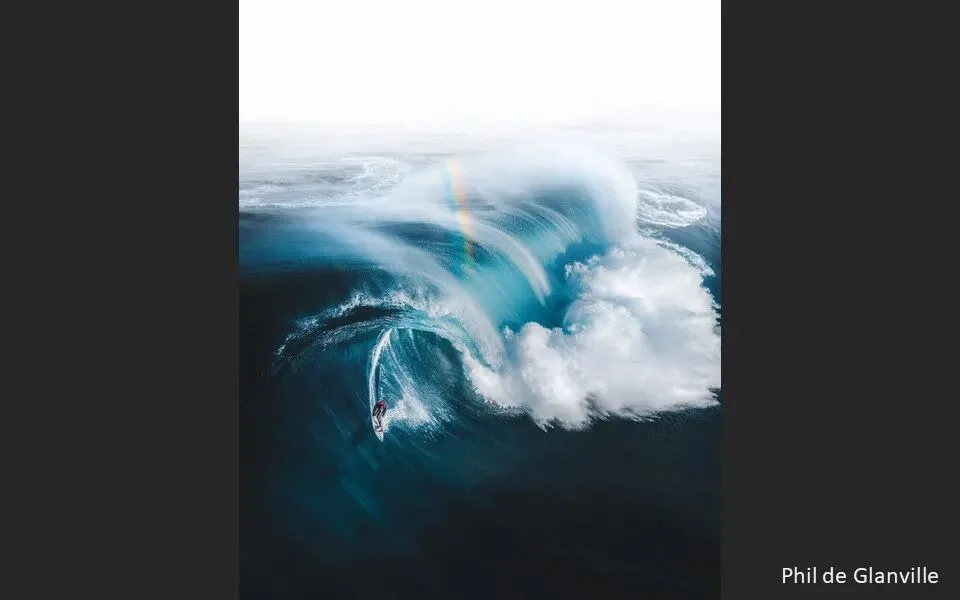
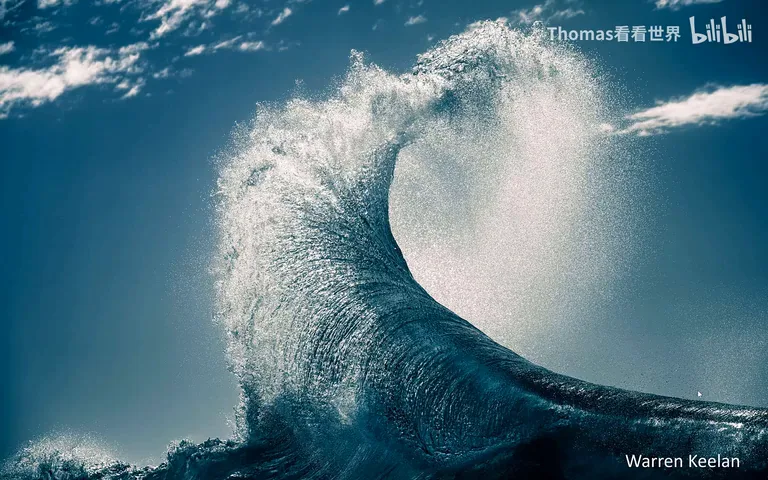
Australia's Warren Keelan telephotos the instant a wave curls, the detail itself becoming landscape; Hiroshi Sugimoto's Seascapes load a minimal horizon with a philosophy of time — the most famous seascape series ever; Michael Kenna's black-and-white long exposures turn sea and sky to mist against hard rock (at 1:02 in the video).
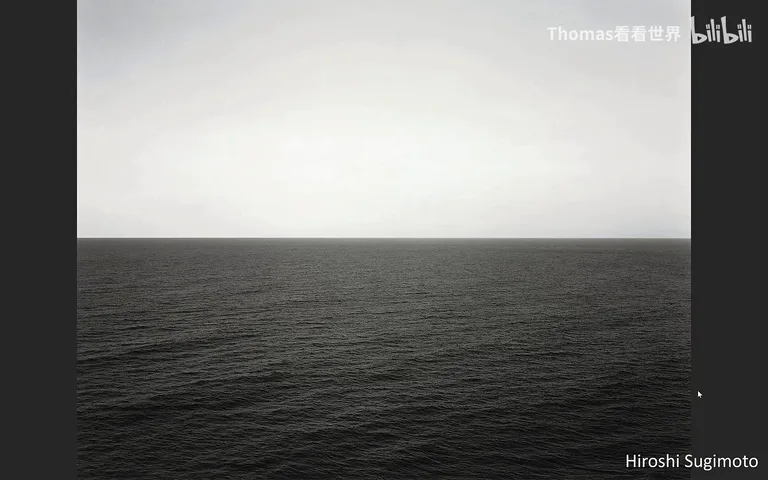
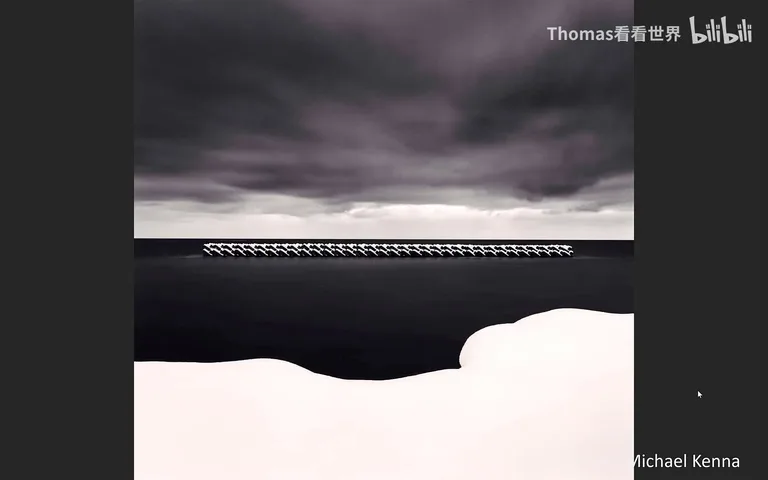
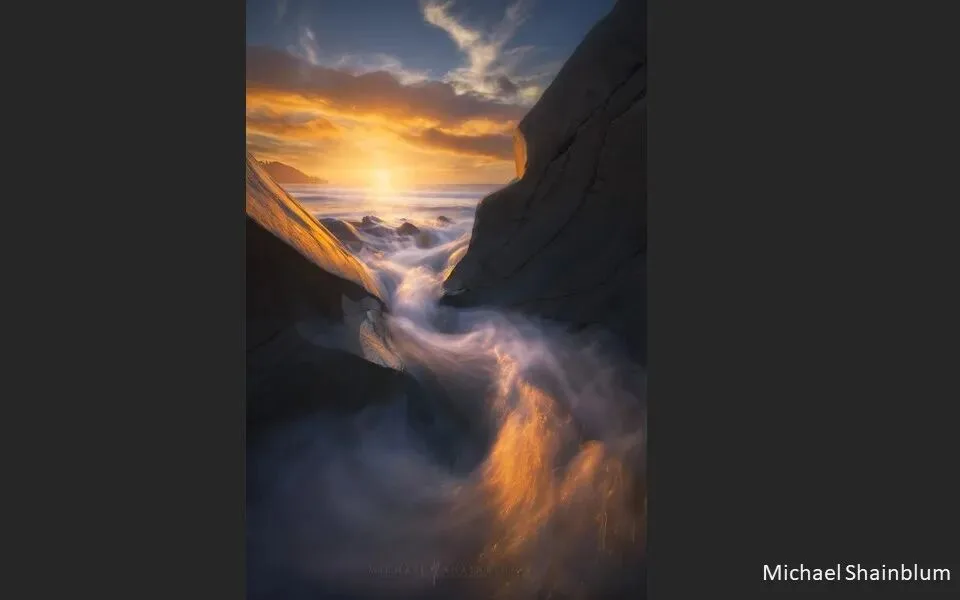
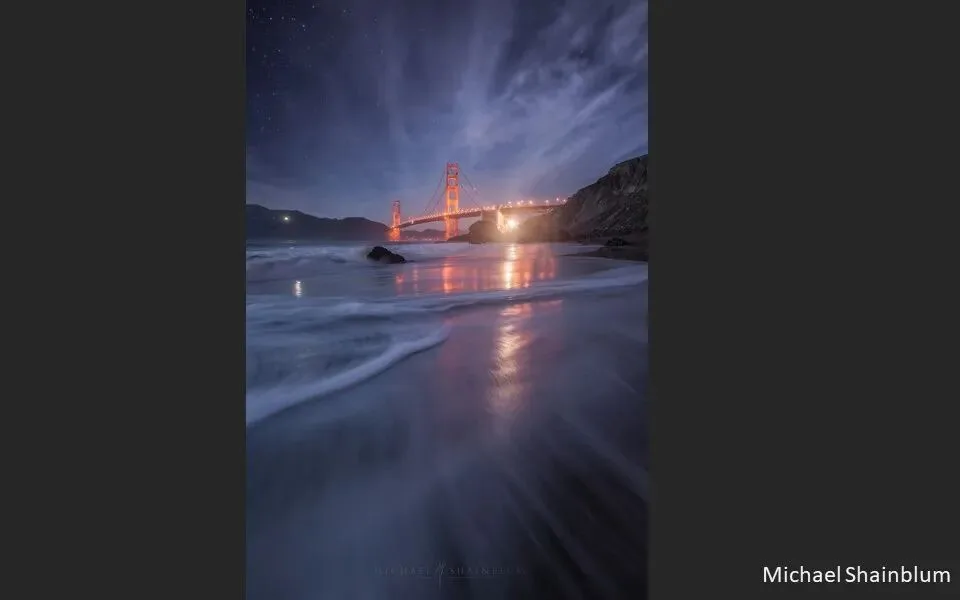
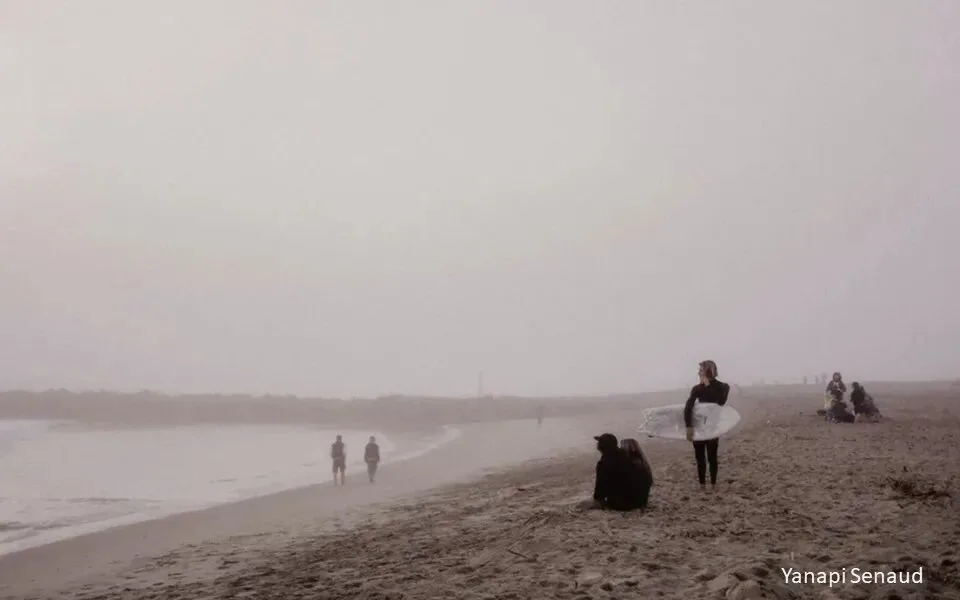
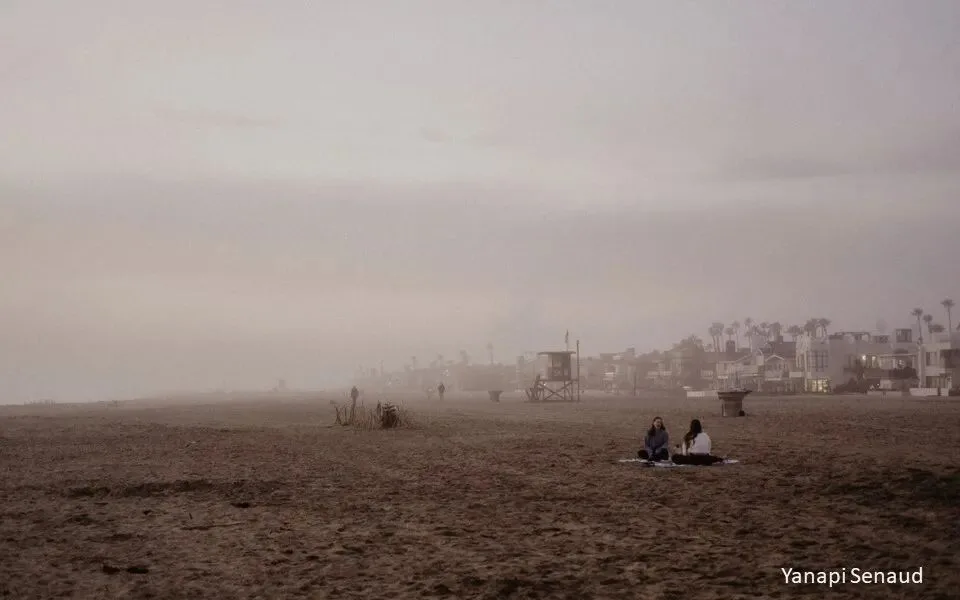
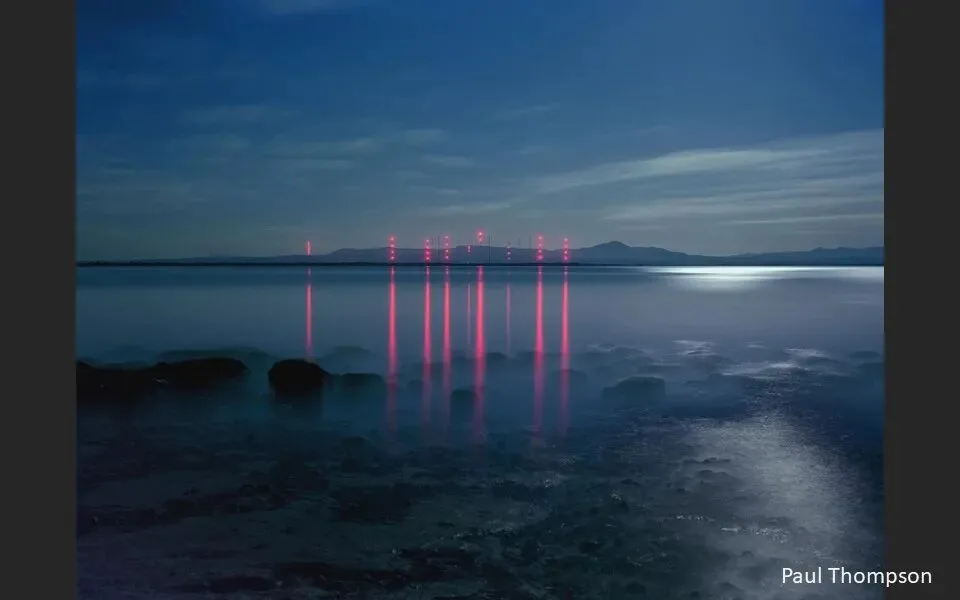
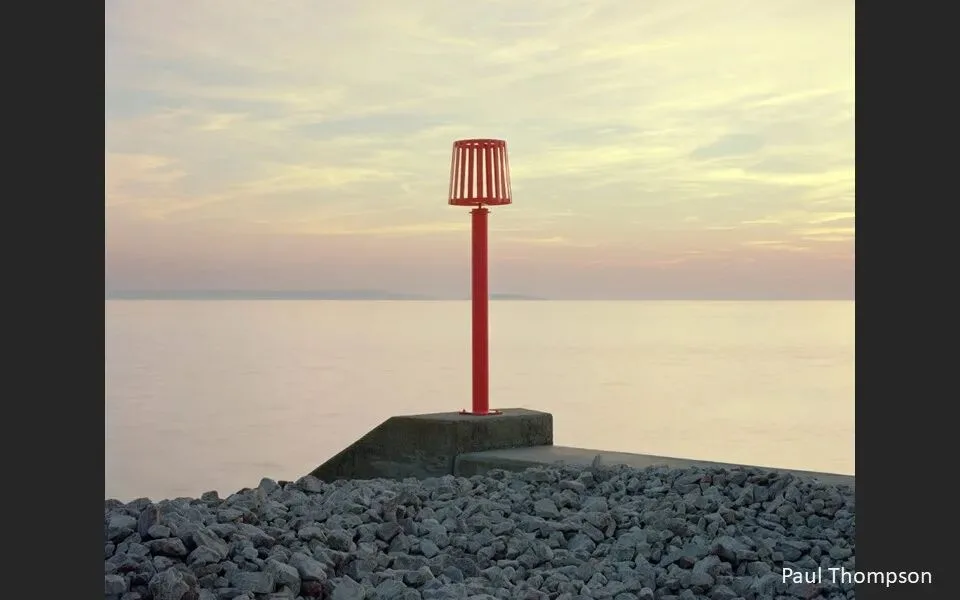
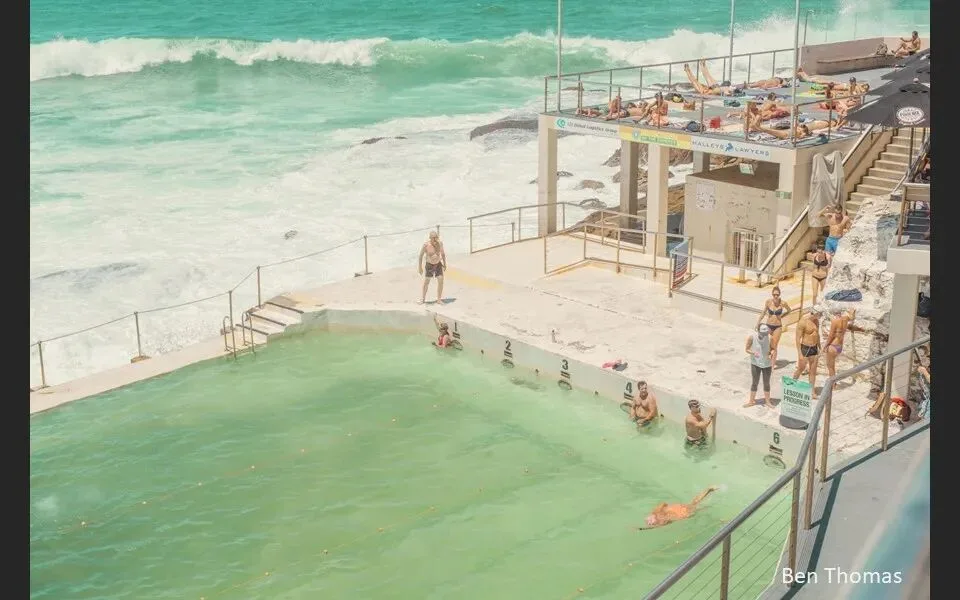
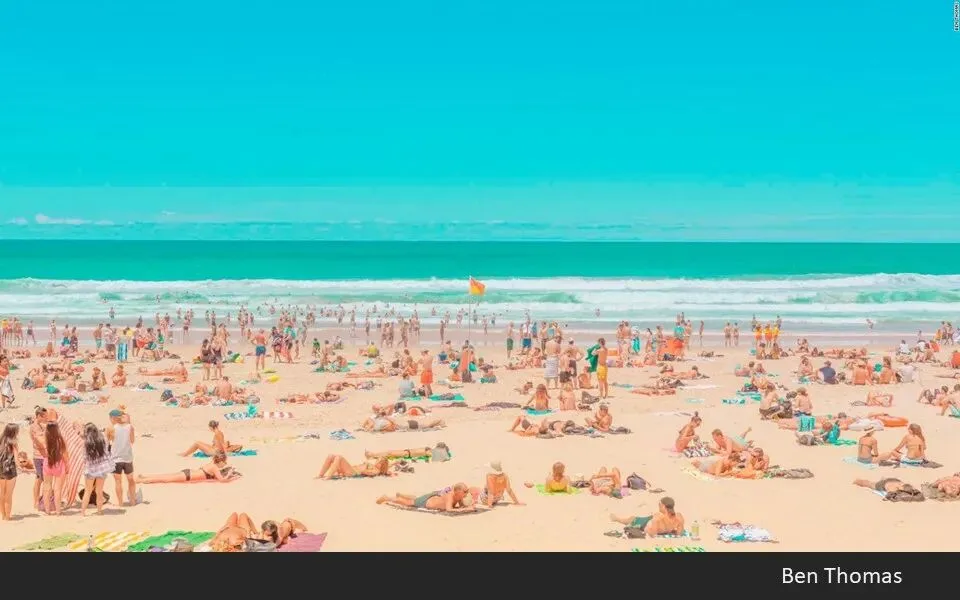
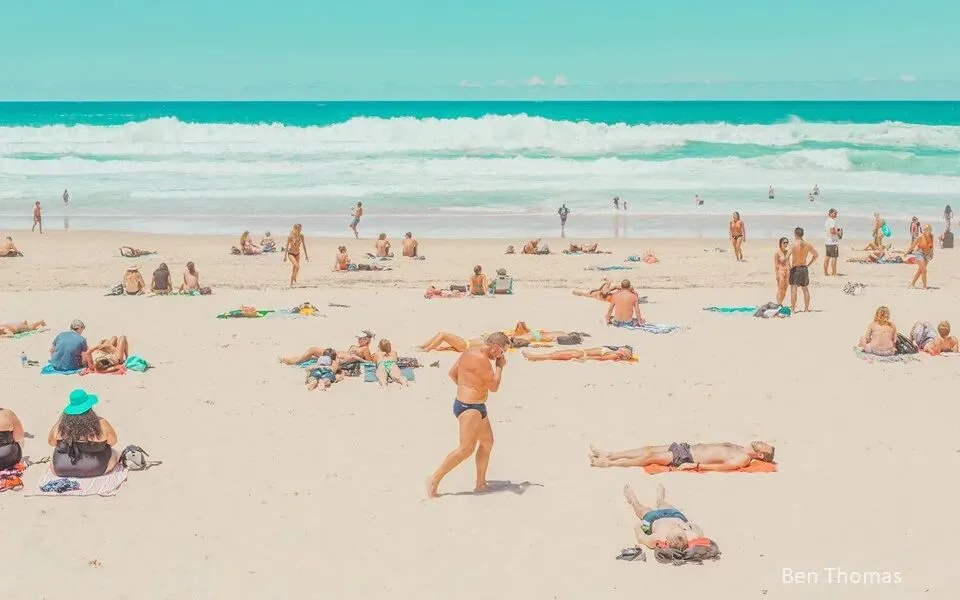
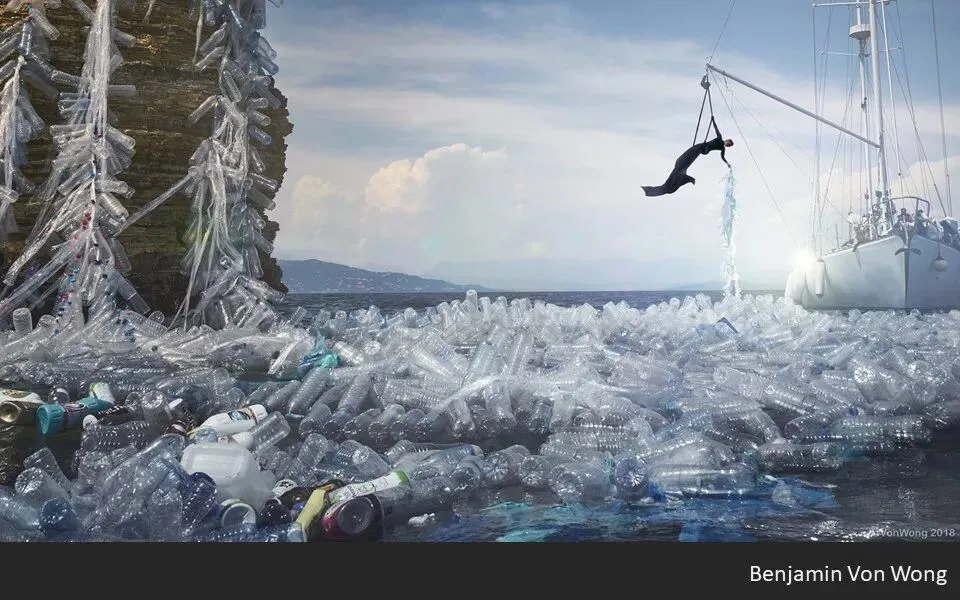
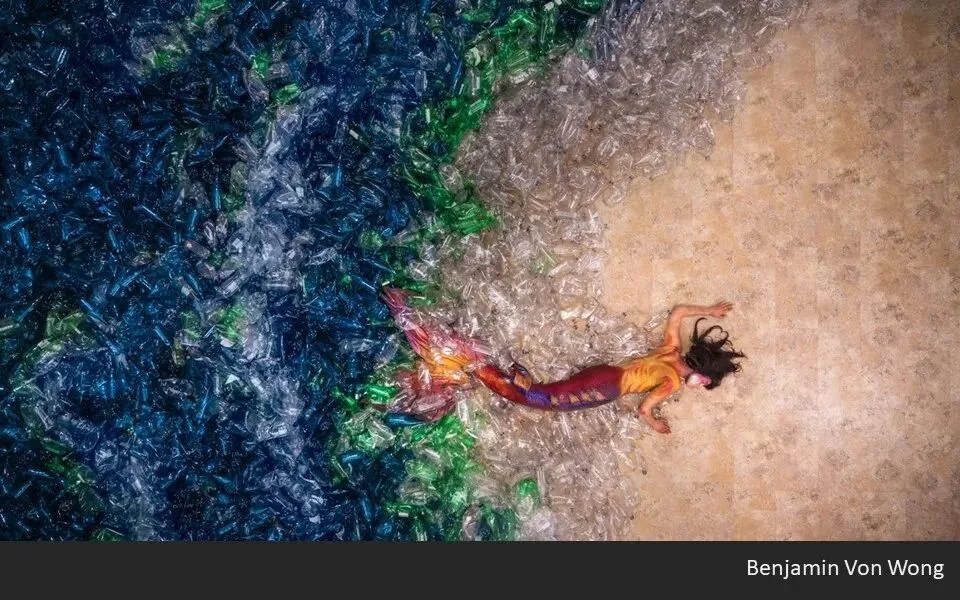
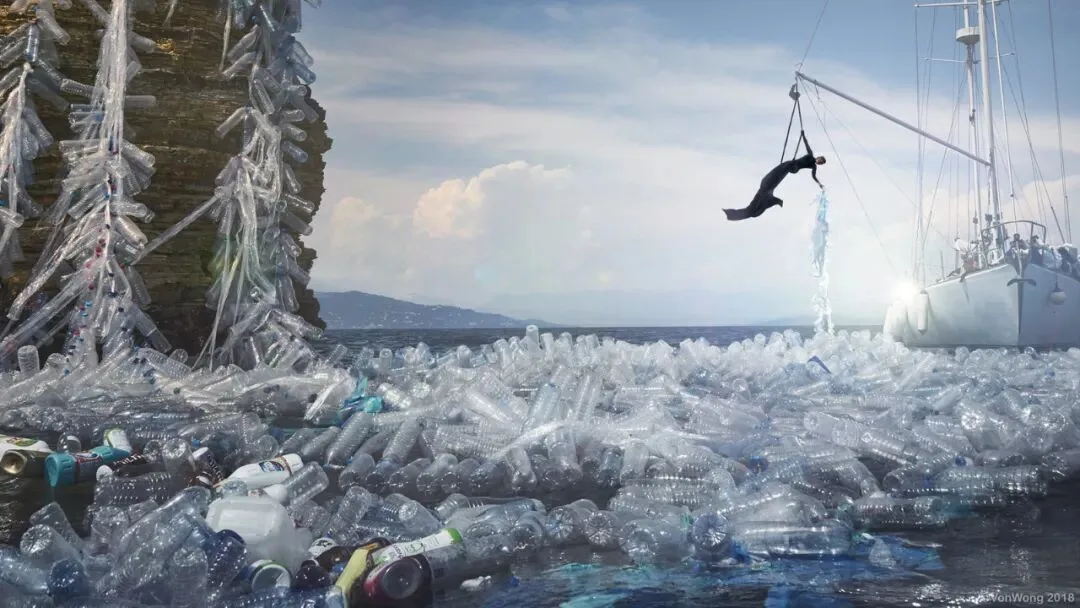
More paths: Michael Shainblum snaps silk into waves with 0.2-2 s shutters, coloring scenes with sunset warmth and night lights; Pietro Formis's cyan suits deep, limpid seas; Trent Mitchell finds cinema in foggy shores; Paul Thompson frames seaside artifacts, Martin Parr documents the consumerist beach, and Benjamin Von Wong attacks ocean plastic with installations (at 2:13 in the video).
02 Ten-Thousand-Year Sea Stones: Order in the Clutter
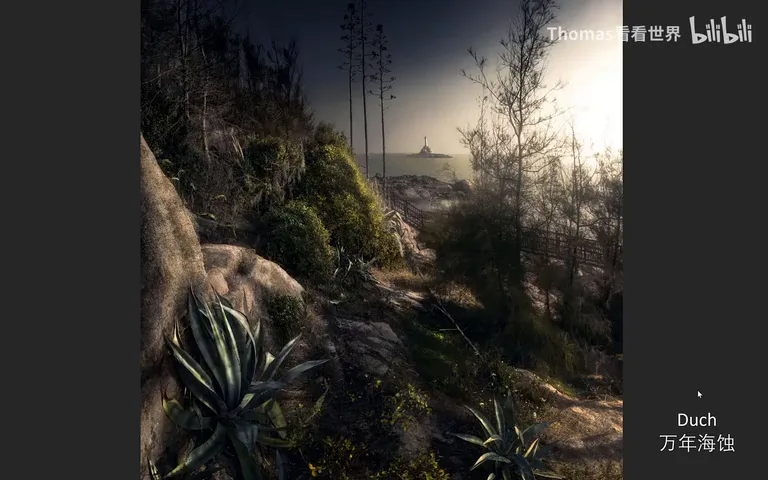
The featured photographer is Duch, discovered through the Rising Star program: his 'Ten-Thousand-Year Sea Stones' documents China's coastline yet looks so fantastical you doubt it. Real coastlines are messy — stray trees, weeds, man-made fences — but he finds the common thread: a surge of upward lines, trees, grass, fences, even a distant lighthouse all growing skyward, brimming with vitality against the eerie sea fog (at 5:43 in the video).
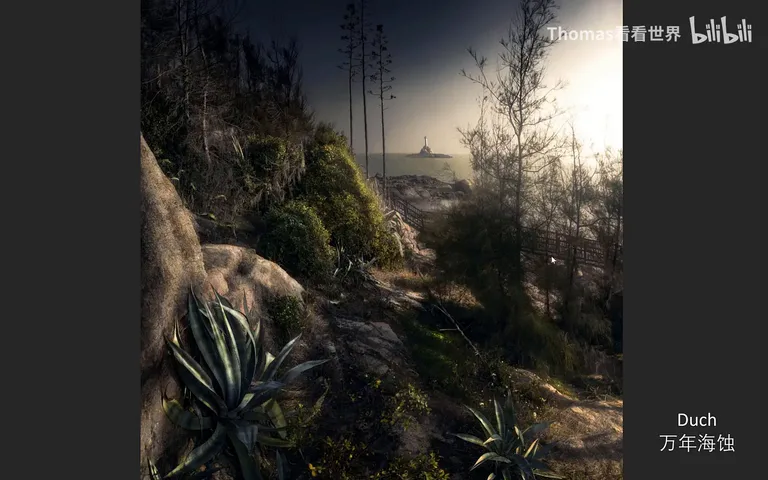
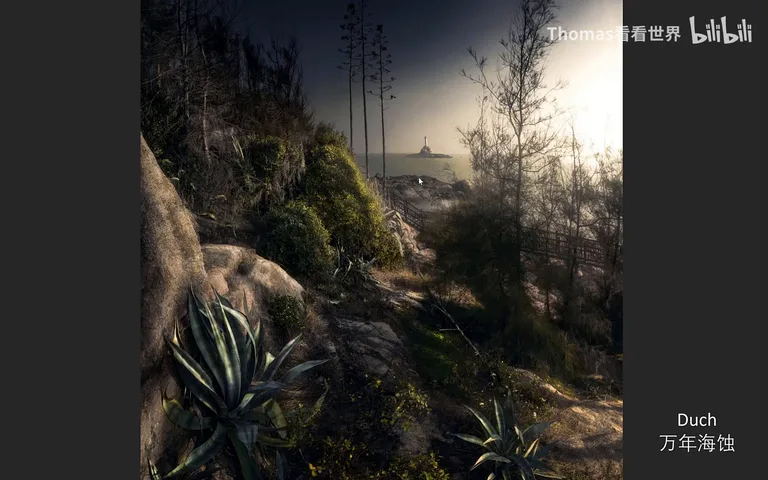
He often photographs seaside plants — so easy to make a mess of — yet finds their order: coastal trees all lean toward the sea, sculpted by wind and salt spray into a shoreline-specific rhythm of life. In post, the whole series is rendered in dark cyan tones, mystery and botanical form completing each other (at 6:38 in the video).
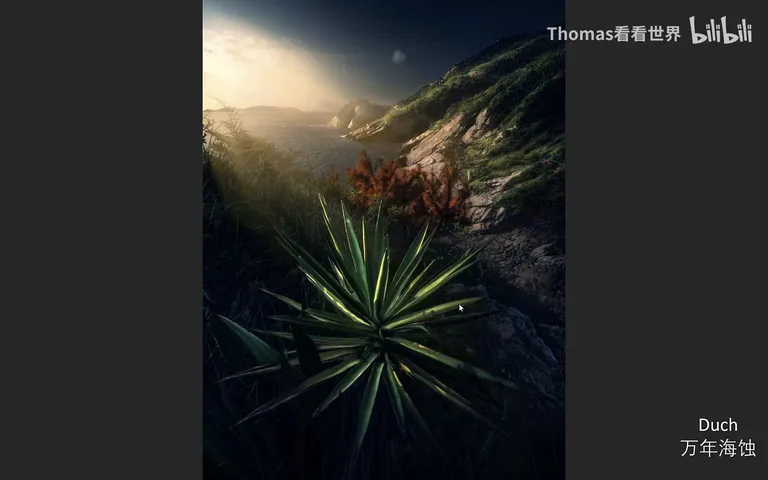
03 From Northern Winter Seas to Southern Sea Caves
The series refuses famous spots — no Weizhou Island, no Dalian's internet-famous beaches — recording instead countless nameless seascapes found through years of exploration: the frozen winter sea of the northeast, surf among southern reefs, views from deep inside sea caves. Such a body of Chinese seascapes is built on years of accumulation (at 7:30 in the video).
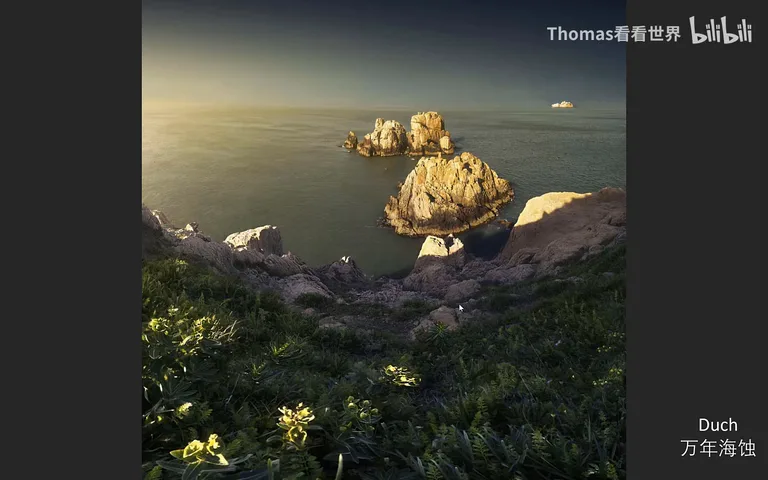
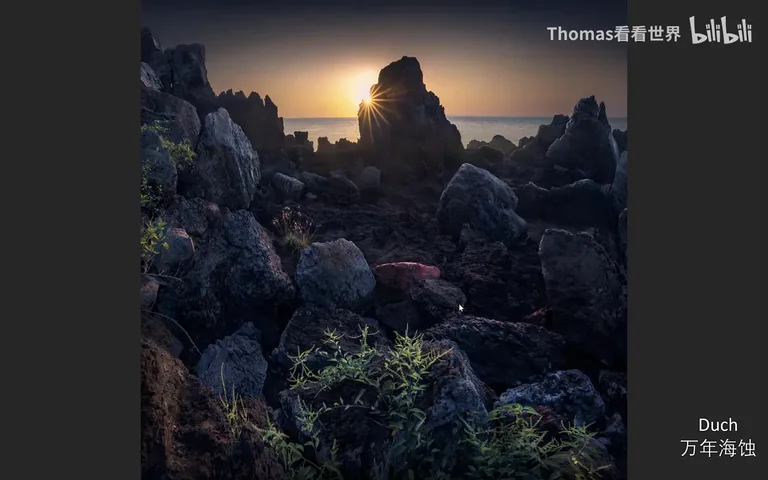

Fantastical styles are not for everyone, yet from framing to post-processing 'Ten-Thousand-Year Sea Stones' is instantly recognizable — which is exactly what style means. To follow the photographer, find his homepage on the Mepai platform (at 8:27 in the video).
04 Rising Star: Finding More Young Creators
Rising Star, co-founded by Thomas and astrophotographer Ye Ziyi, develops young creators: landscapes, culture, starry skies, architecture, street scenes, even video — single frames, series, or 30-second-to-10-minute films. Post your work on Mepai, Kuaishou or Weibo tagged '新秀计划' to enter; standouts get platform-wide promotion, with 4 grand prizes and 24 excellence awards, plus cash and gear for photographers under 30 (at 8:39 in the video).

1. Seascape is more than blue water and beaches: telephoto waves, minimal horizons, black-and-white long exposures, cyan underwater — each is a language; 2. Let the sea carry ideas — consumerism and environmental issues make powerful subjects; 3. Find order in a messy coastline: unified direction and form are triumphs of observation; 4. The end of style is recognizability — photographing an unphotographed Chinese coast beats repeating famous views.
HD video:
https://www.bilibili.com/video/BV1aq4y1n73y/
PPT