Photography Tutorial · 2018-01-14
Great Shots Under a Cloudless Sky? Three Fixes for the 'Blank Sky' Problem
A cloudless sunny day is jokingly called a 'blank-sky day' by photographers. The blank sky lacks detail and layering — like a bare board — making photos especially monotonous.
Photography enthusiasts often get a headache at the sight of a blank sky. Through long practice, Thomas has summed up three tricks below — fear no blank sky and keep making good shots.
1
Trick 1: Emphasize the Foreground, Reduce the Sky
Good photographers are good at playing up the strengths of people, scenes and weather in a photo, while hiding the flaws of the environment.
On a cloudless sunny day, the sky is naturally monotonous, so our first trick is to include as little sky as possible in the composition and emphasize the character of the land instead.
The photo below shows a scene I saw in Qiqian Village, Hulunbuir, Inner Mongolia. The sky was completely cloudless — a textbook blank-sky day.
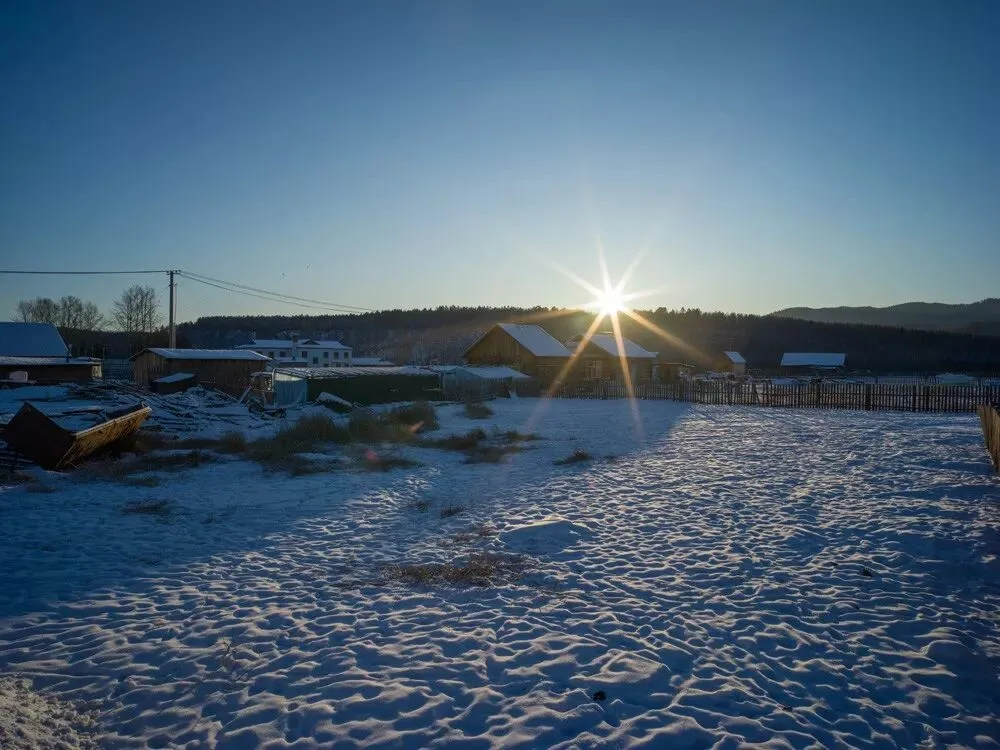
The first fix for a blank sky: include less sky and emphasize the land.
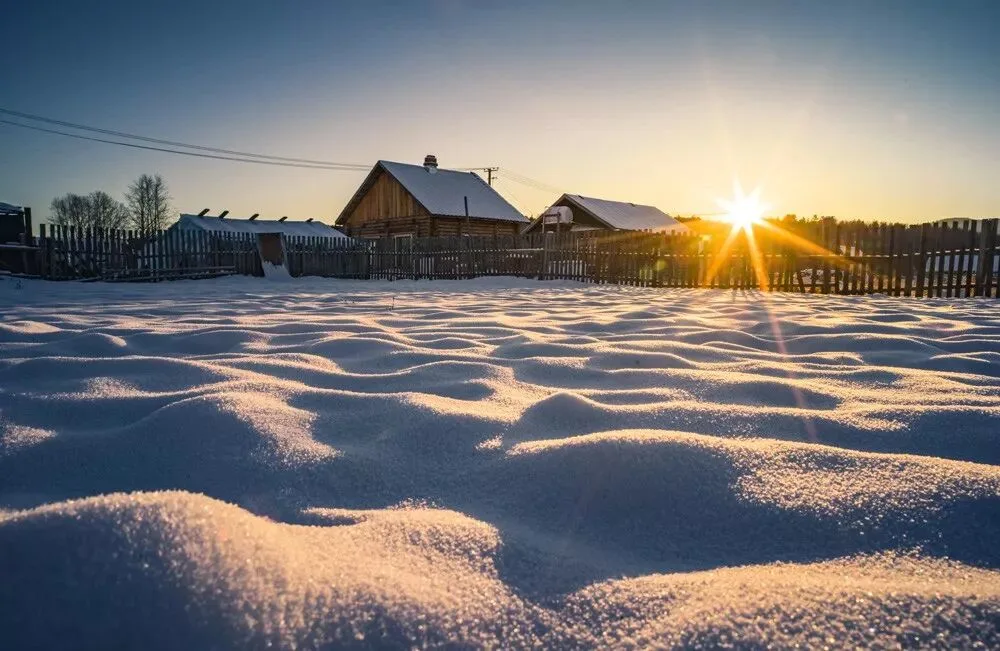
Observing the site carefully, I found the snow pits on the ground full of texture and character — something to strengthen in the composition. So I lay on the ground and used the Hasselblad X1D mirrorless with a 30mm wide-angle lens, shooting the snow up close from a low angle, with less than a third of the frame given to the sky.
Because my wide-angle lens was so close to the snow, its undulating curves and interwoven light-and-shadow textures were greatly emphasized, occupying most of the frame.
I believe most viewers of the image below will be drawn to the play of light and texture on the snow, and won't notice the blank sky behind.
Later I searched the snowfield carefully and found a lonely yet tenacious plant. For this composition, I simply abandoned the sky altogether, showing only the snow and the plant.

The key to trick one lies in two points: first, reduce the proportion of sky in the composition; second, find the especially appealing part of the land.
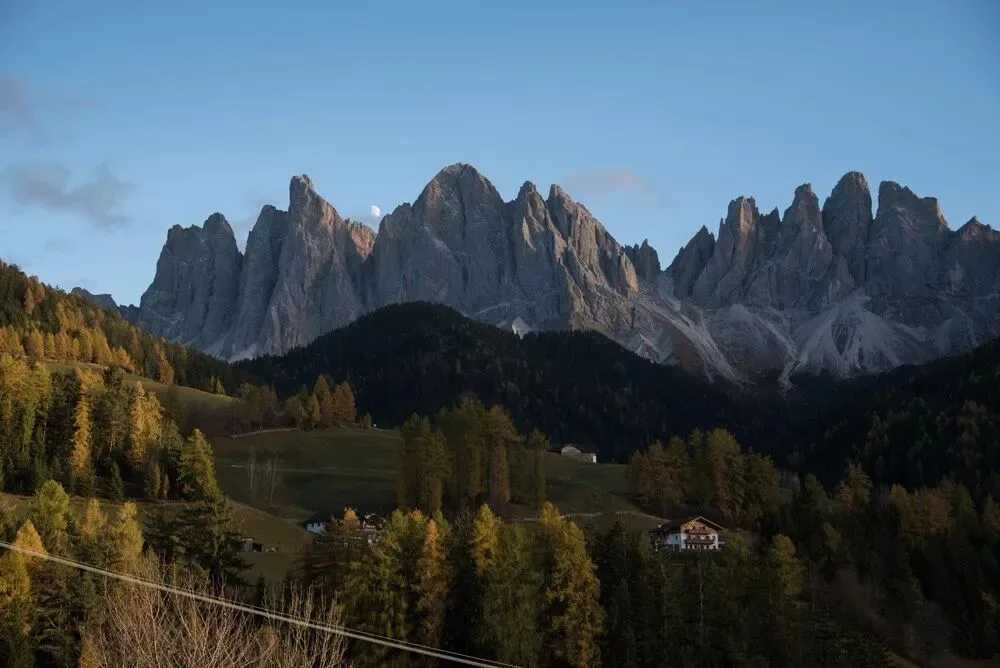
The image below is a photo I took in Santa Maddalena, Italy — very ordinary. Although I used a Haida polarizer to darken the sky, the sky was still a large blank with no beauty, the moon was inconspicuous, and the land looked cluttered.
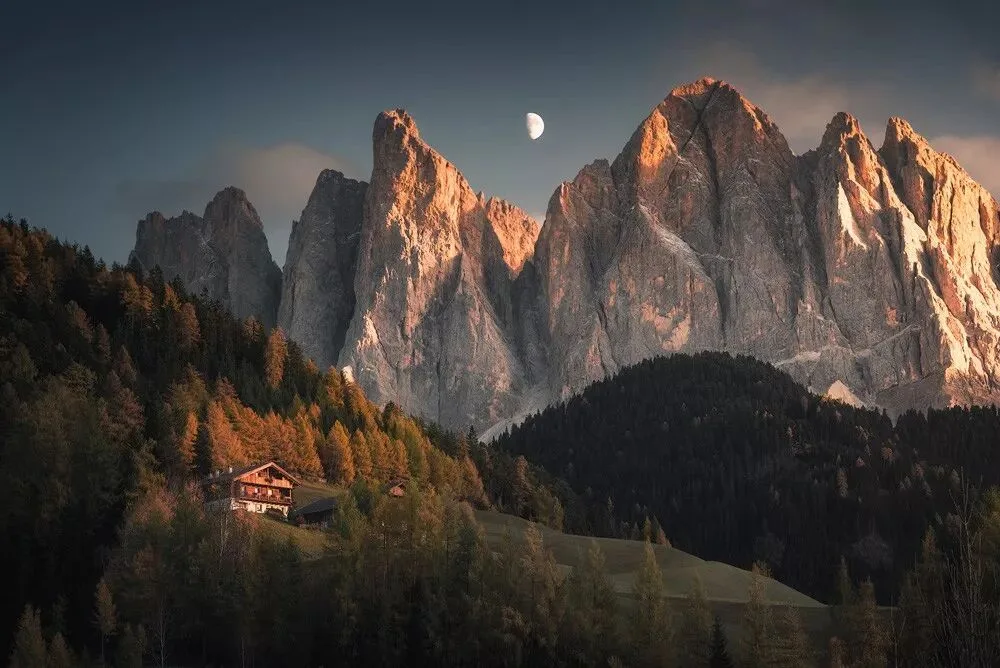
The image below is another work of mine from the same time and place. In the distance I spotted a cabin full of Alpine charm and pulled it close with the long end of my Nikon 24-120mm lens, making it stand out in the photo. And because only a little sky was included, the moon also became more visible.
By emphasizing the land with a telephoto and including little sky, I got a decent shot even on a blank-sky day.
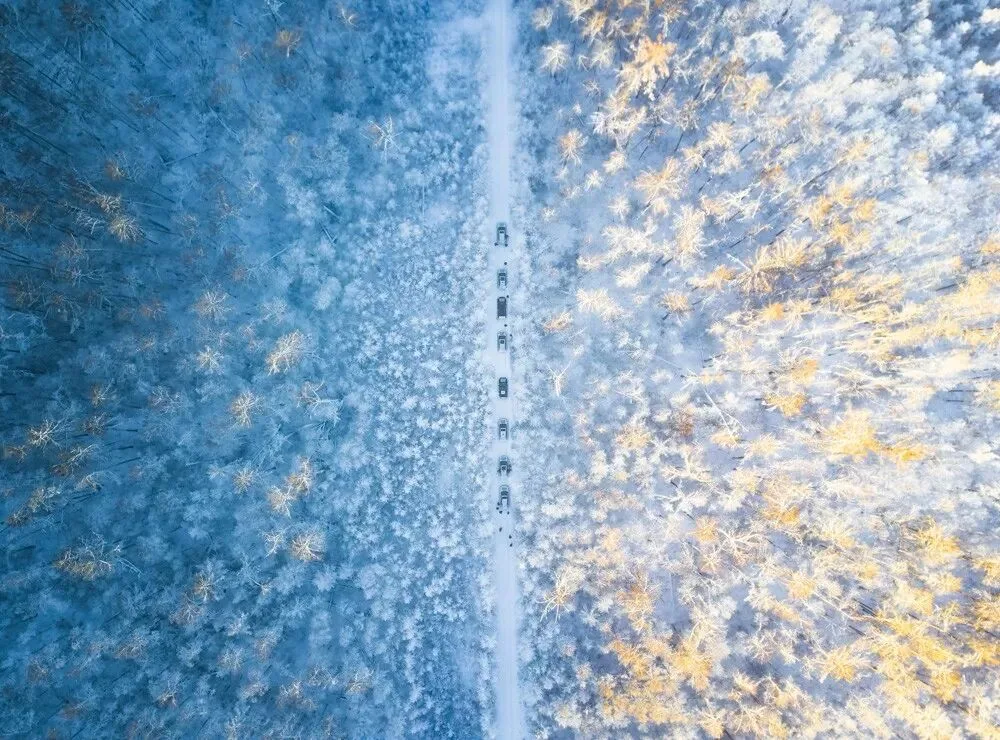
The photo below was taken with a DJI Mavic Pro drone as I passed the Greater Khingan Mountains near Mangui Town, Inner Mongolia. As you can see, the bare sky has no warm-cool layering at all, which badly hurts the mood of the photo.
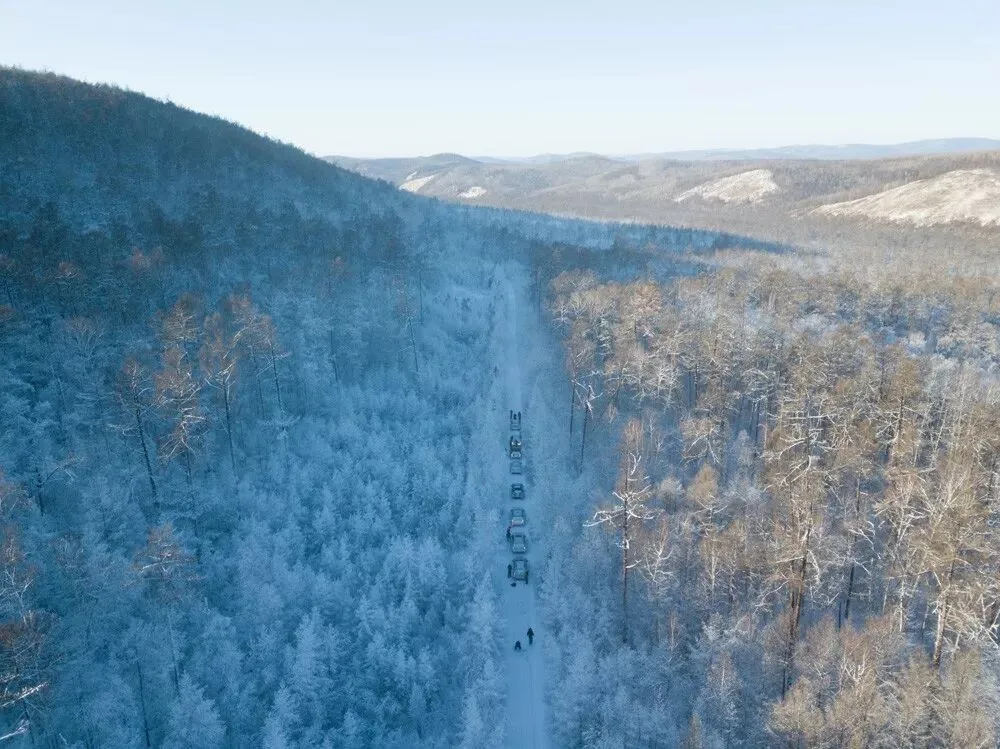
So I simply pointed the camera straight down, abandoned the sky entirely, and focused on the warm-cool contrast of the land — and ended up with a good shot.
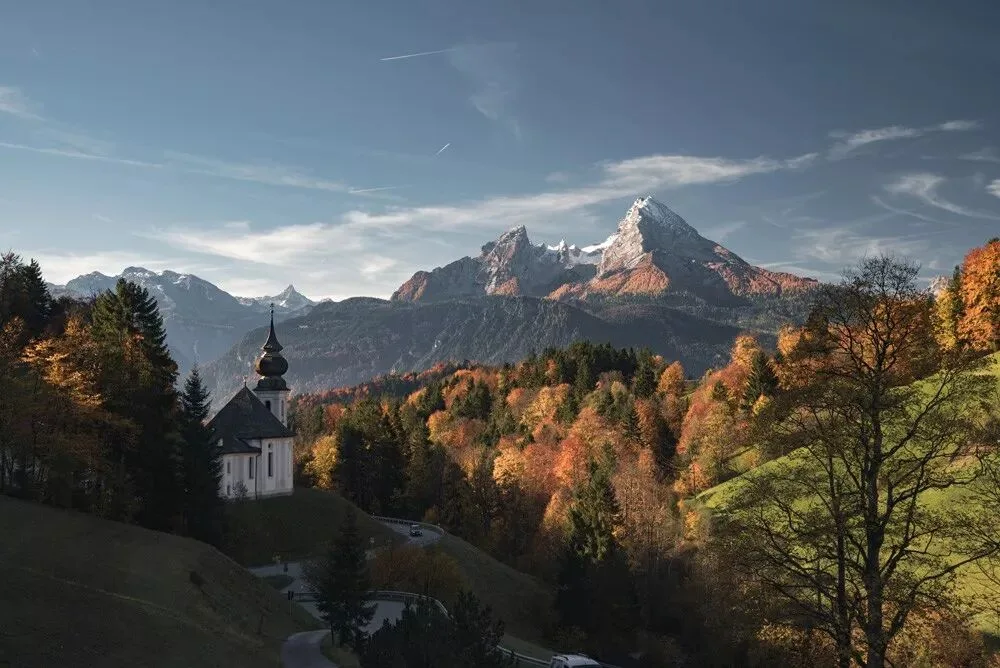
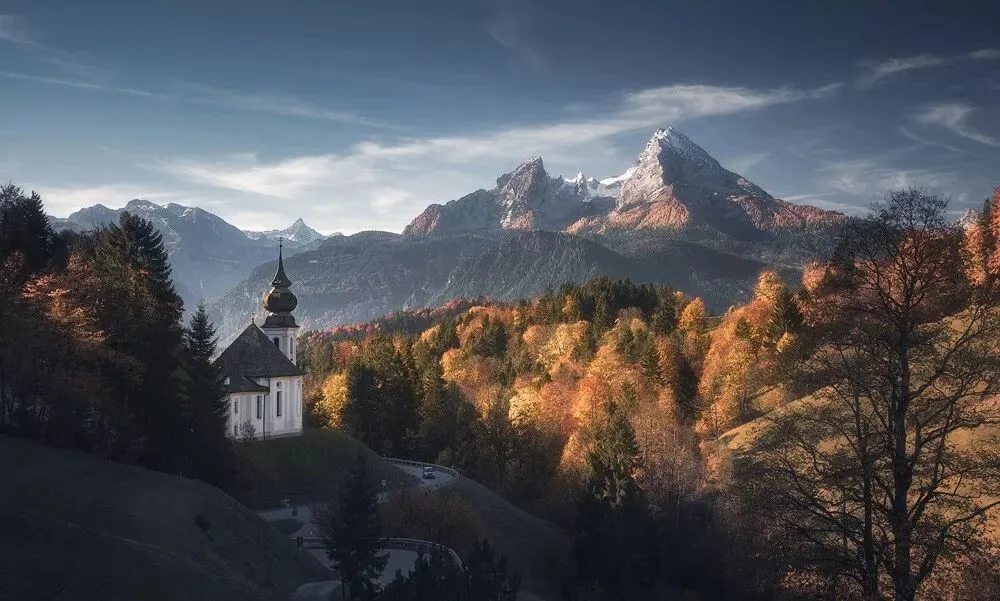
If we didn't pay attention when shooting, we can still rescue a blank-sky photo in post by re-cropping. In the image below, for example, the featureless sky takes up half the frame, weakening the viewer's focus on the autumn colors on the ground.
When cropping in post, I cut away much of the sky, directing the viewer's attention to the gorgeous, colorful autumn woods.
2
Trick 2: Use Frames to Block the Sky
Since blank skies are so annoying, besides including less or no sky in the composition, we can also cleverly use frame compositions to block the blank sky!
In the image below, for example, the day was perfectly clear, and the photo came out completely featureless.
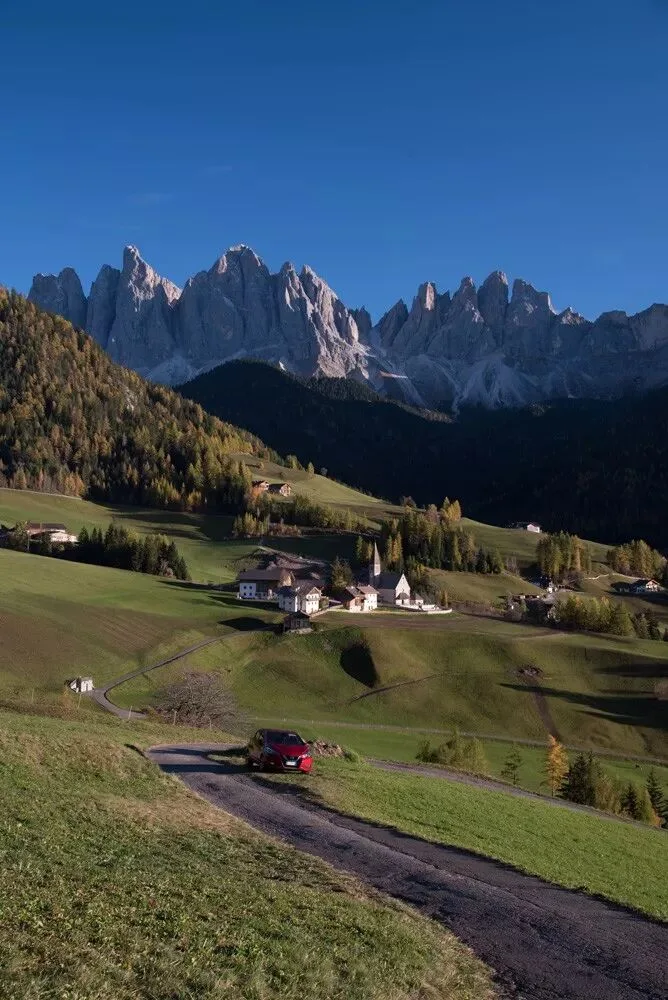
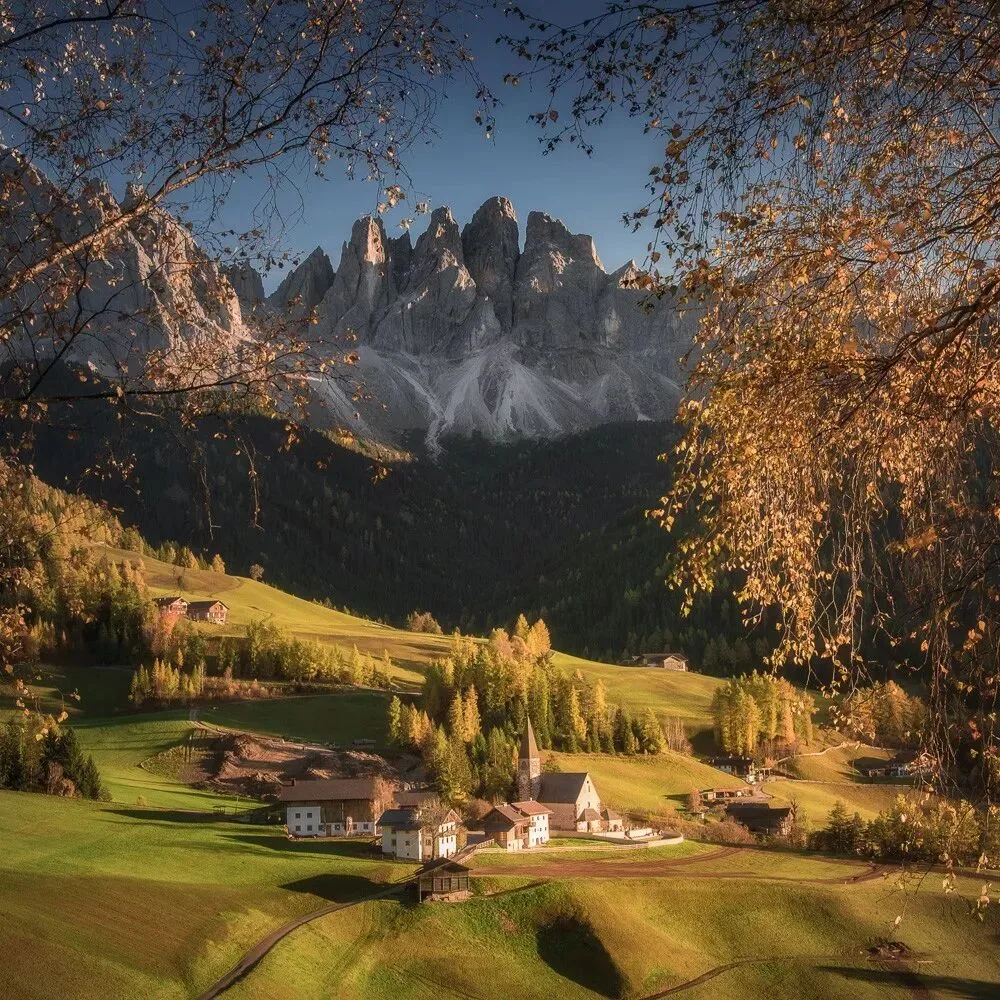
So I searched the hillside carefully and finally found this composition framed by leaves. The golden autumn foliage not only blocks the annoying blank sky, but also highlights the season and strengthens the sense of depth — achieving several things at once.
Another example below: the reindeer tribe of Aoluguya, Inner Mongolia. With an ordinary composition, the sky is simply too plain.
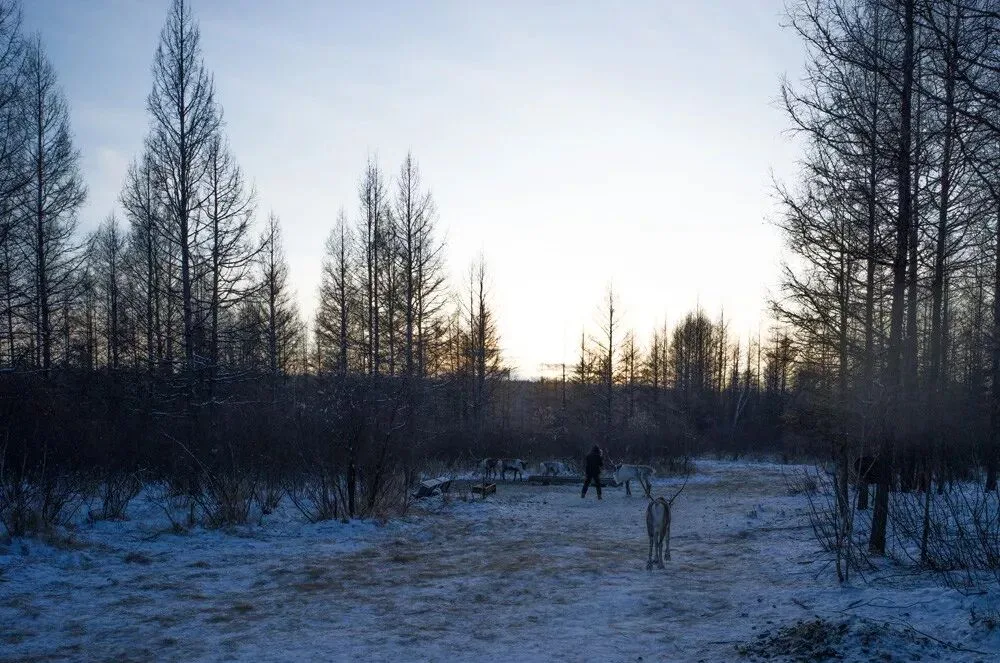
So I walked into the dense woods and used the thick trees to block the sky. Viewers can hardly notice that there is a blank sky behind!
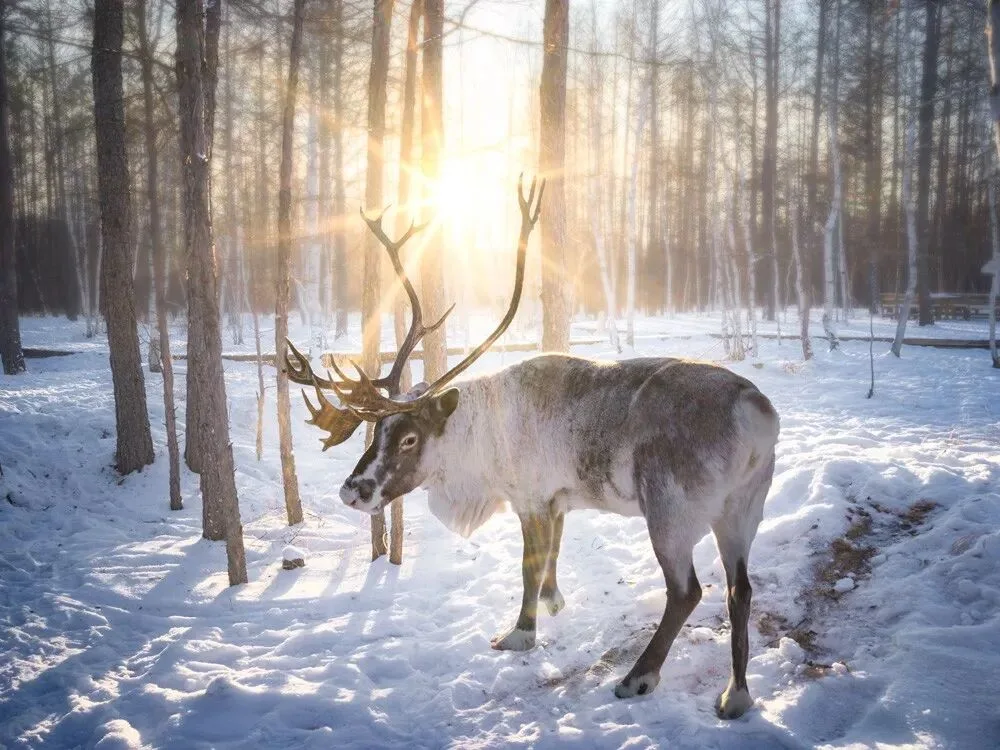
The photo below is an intimate landscape I shot with the Hasselblad X1D in Lengji Village, Inner Mongolia. Again, thanks to the cover of the dense forest, viewers can hardly notice the blank sky.

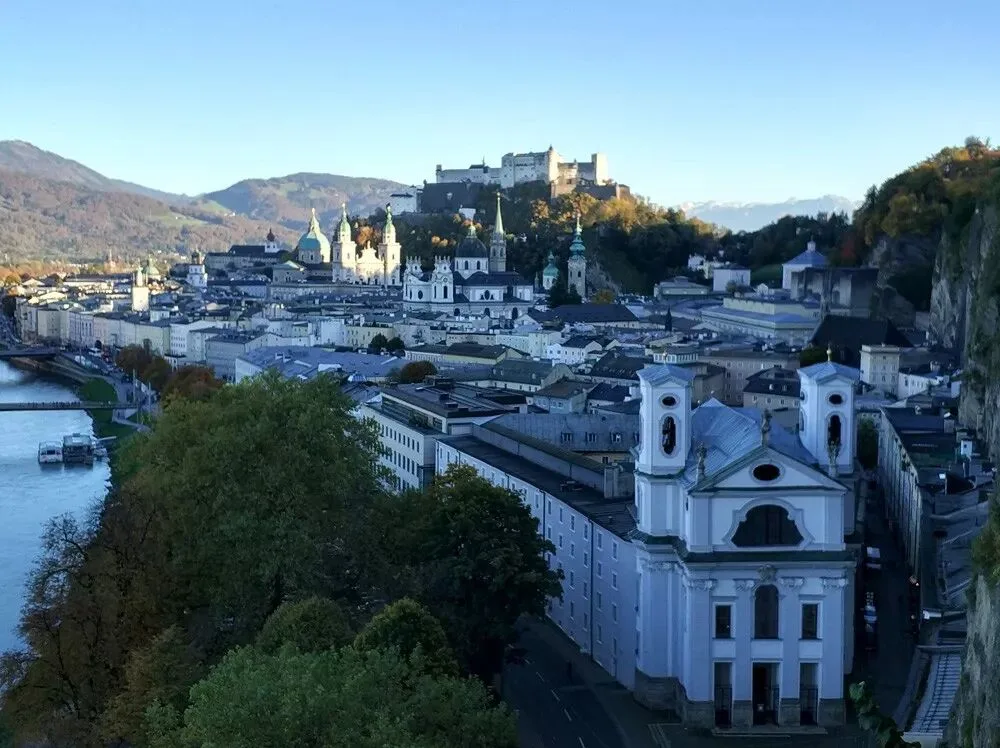
The image below is a casual shot I took with a Xiaomi 6 phone in Salzburg, Austria. As you can see, the blank sky really ruins the photo.
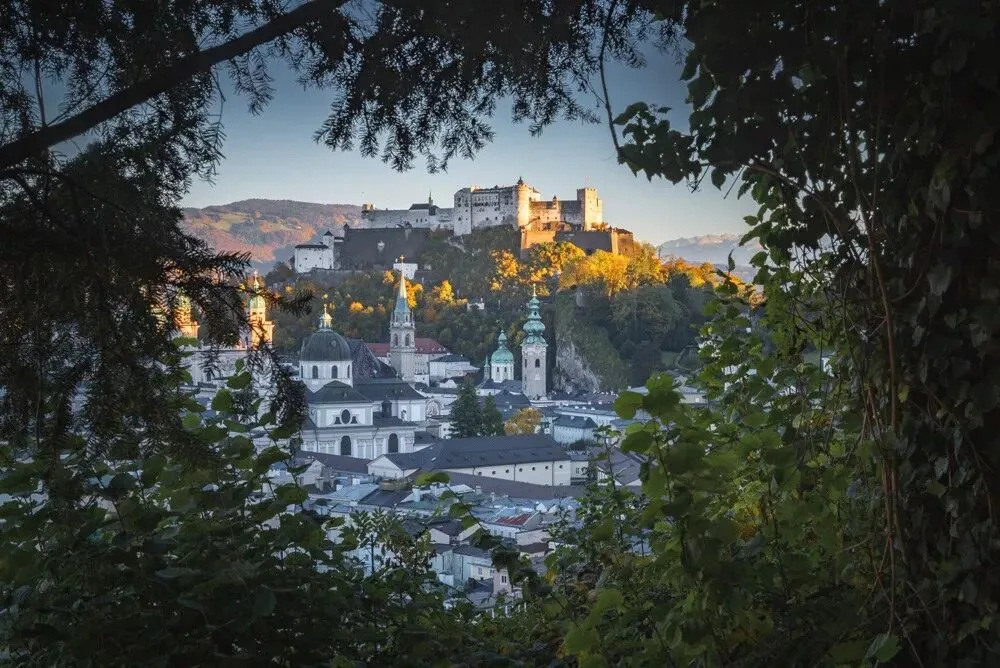
Instead of giving up, I searched the hillside carefully for a frame composition, and finally found a natural frame formed by vegetation — it not only blocked the blank sky nicely, but also recorded a one-of-a-kind 'heart of the castle'.
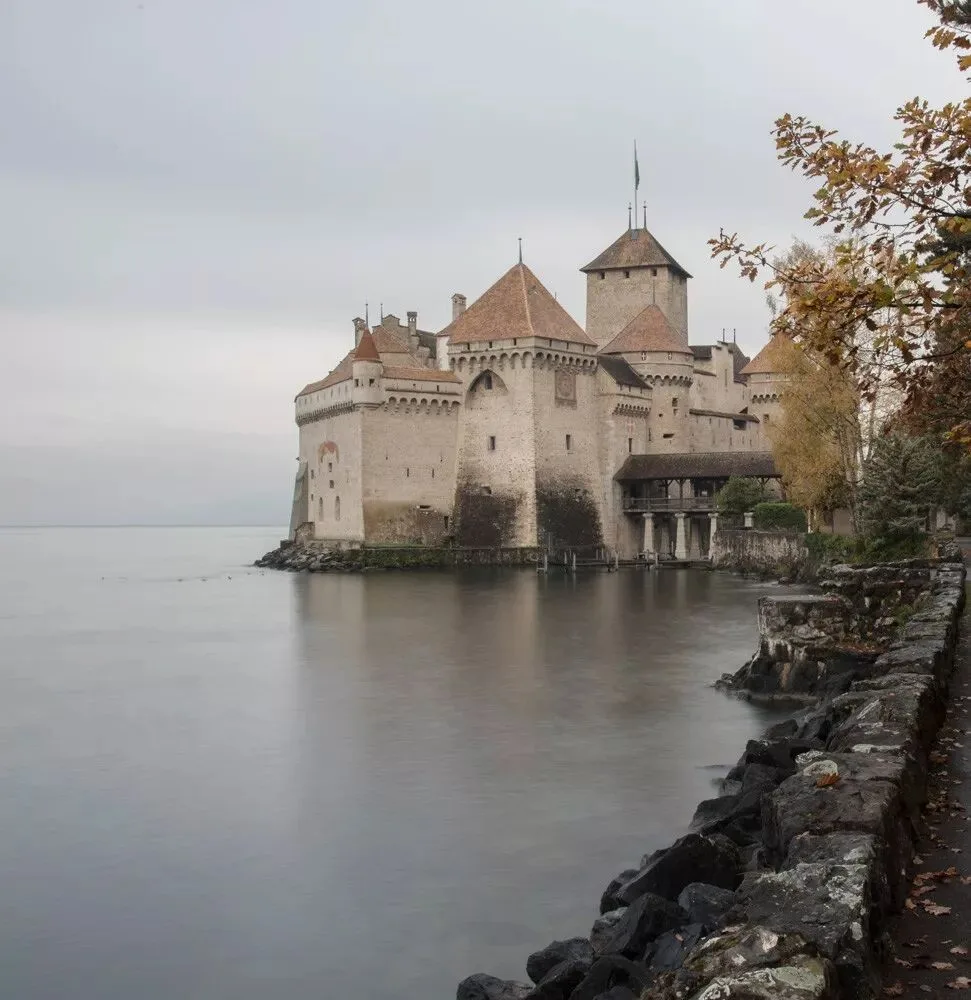
The two tricks above work not only for cloudless 'blank-sky days', but also for overcast 'blank-sky days' covered by clouds.
For example, when I visited Chillon Castle in Switzerland, the weather was gloomy and the sky had no layering at all — just a sheet of gray-white.
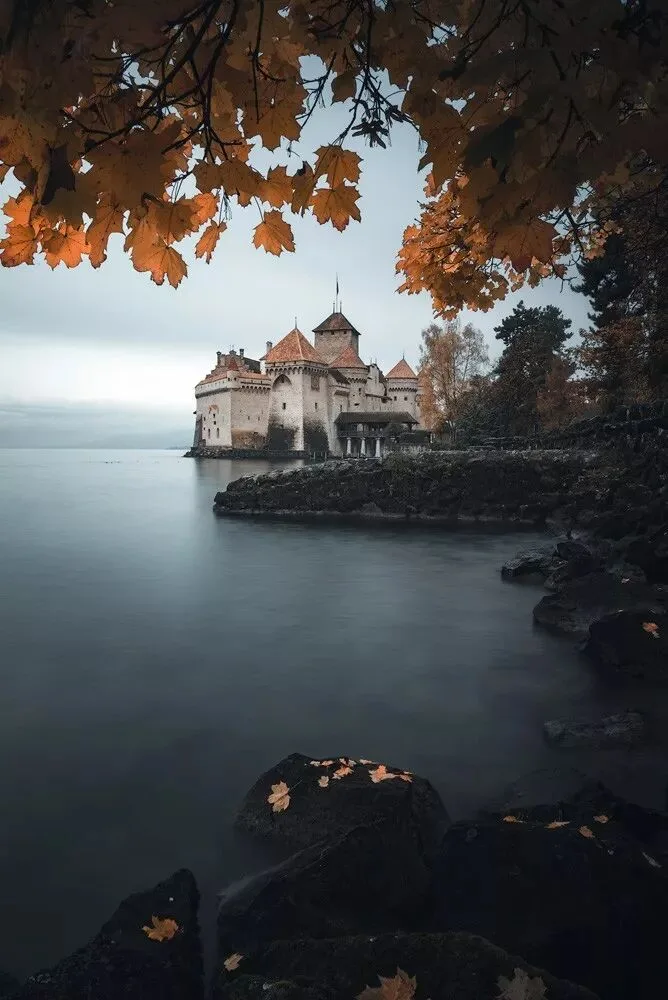
So I used the framing method again: the dense yellow leaves completely covered the drizzly 'blank sky'.
3
Trick 3: Be Patient and Wait for Morning, Evening and Night
Although a blank sky looks terrible during the day, at sunrise and sunset the gorgeous light and rich tonal layering greatly mask the plain sky.
And at night, the soft moonlight, the brilliant Milky Way and the splendid aurora turn a cloudless blank sky from a drawback into an advantage!
So the final trick for beating a blank sky is to wait patiently for the shooting opportunities of sunrise, sunset and night. The Greenland fjord below, for example, looks quite plain on a blank-sky afternoon.
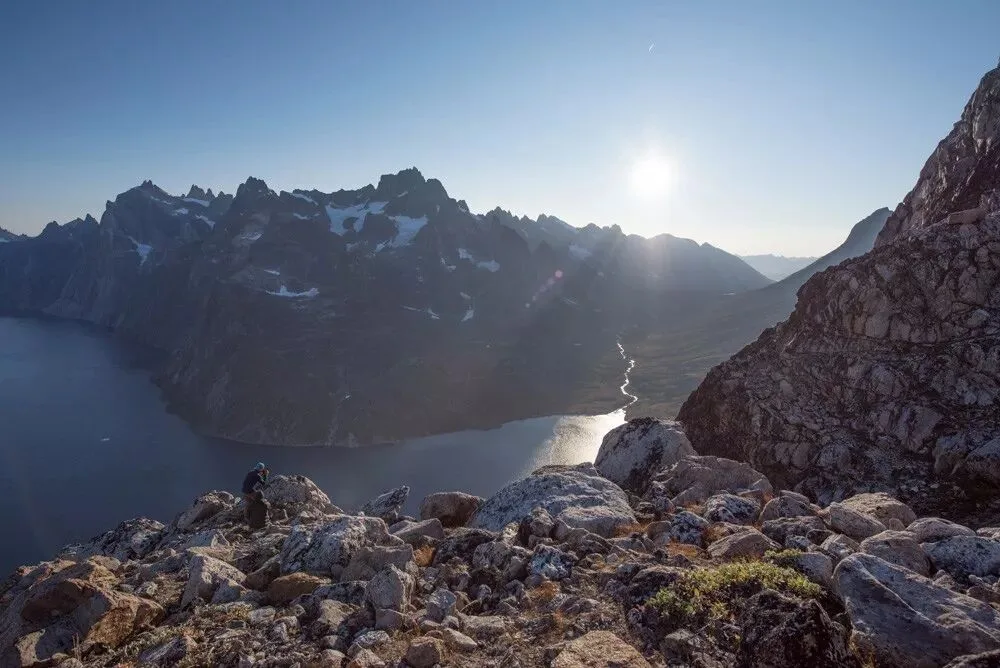
But at sunset, the golden light of the sun spills across sky and land, greatly weakening the blank sky's negative effect on the photo.
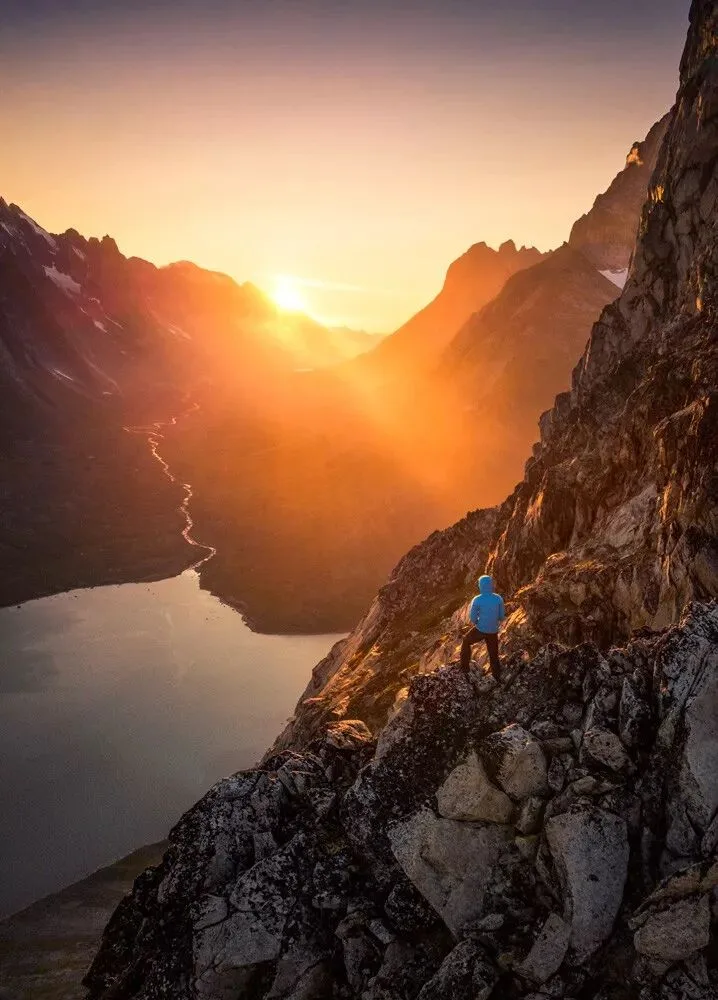
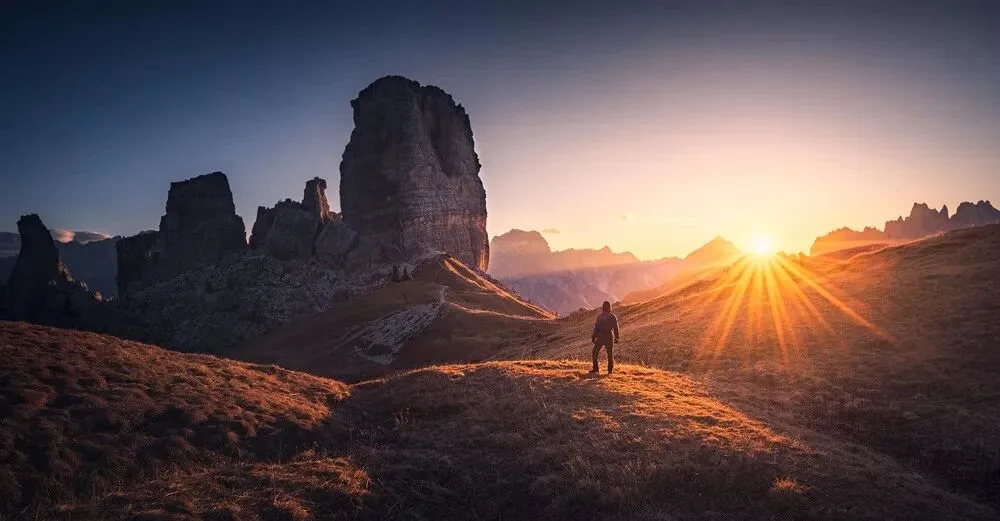
The two photos below are similar: thanks to the dazzling sunrise light, the colors are splendid and the tonal layers rich — viewers are hardly drawn to the blank sky.
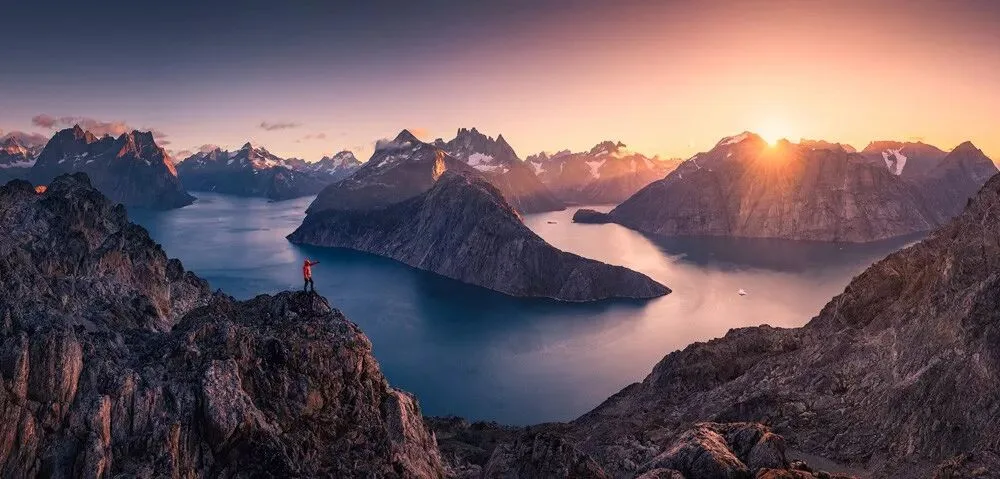
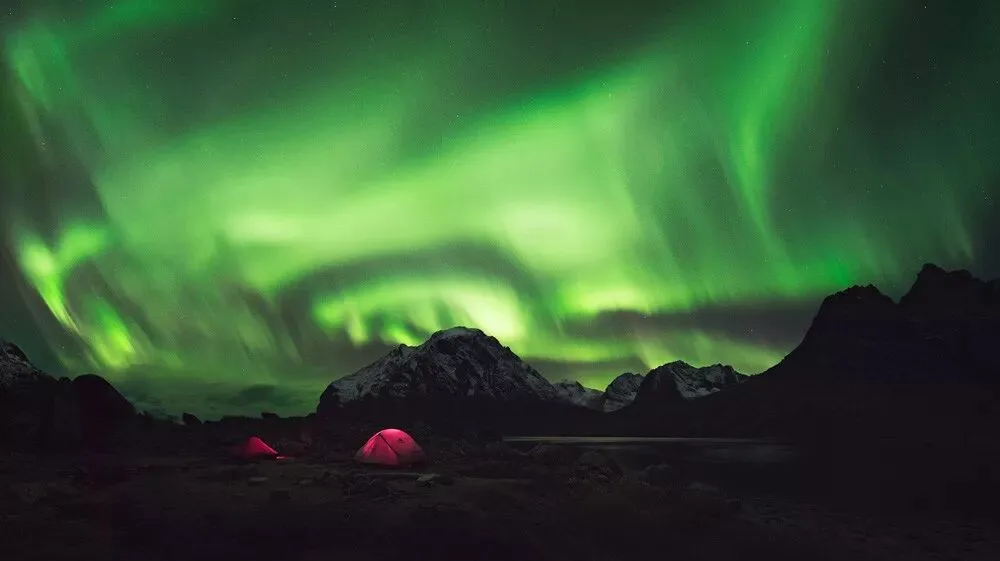
Beyond sunrise and sunset, nighttime turns a blank sky from a drawback into an advantage. With no clouds in the way, the stars and aurora shine all the more brilliantly.
Below is a clear blank-sky day I encountered in Greenland. Greenland lacks trees and caves, so the framing trick was out — only the third trick remained: wait!
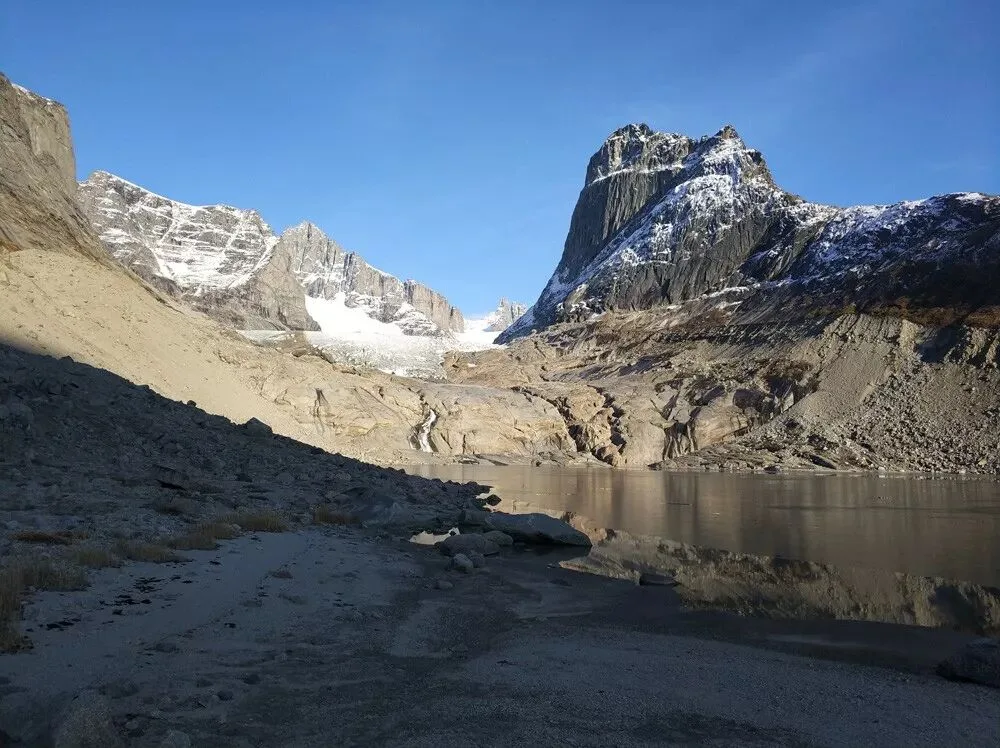
My teammates and I camped there and waited patiently — and that night we witnessed a feast of dancing auroras.
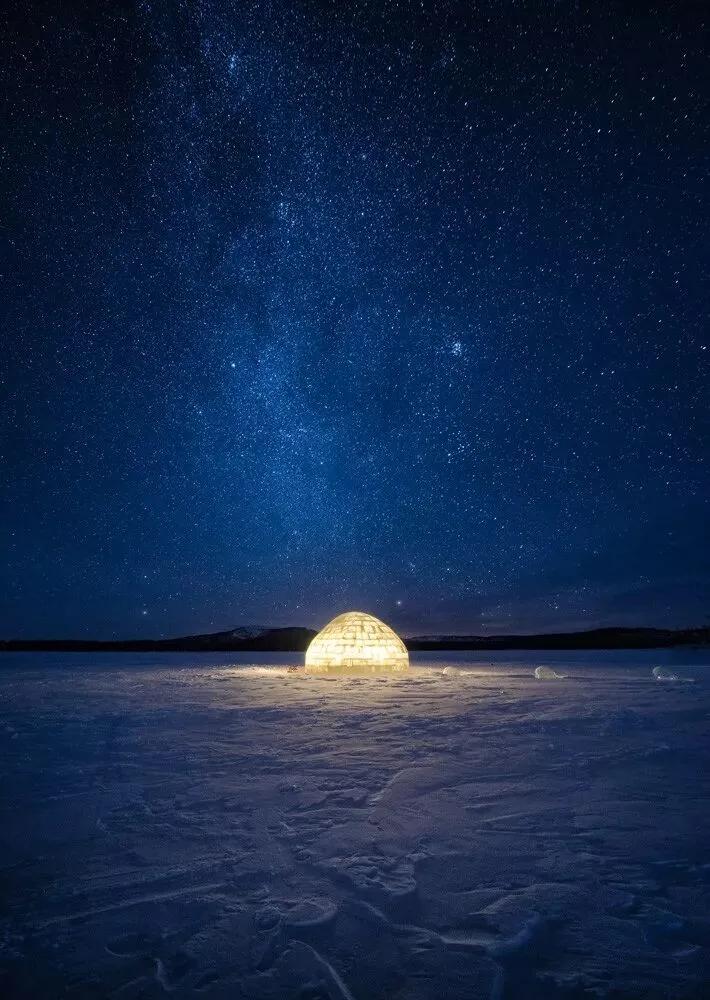
The image below shows Dujuan Lake in Arxan, Inner Mongolia, in winter. The plain daytime sky and the -30°C cold did not dampen our passion for photography.
After waiting patiently into the night, a sky full of stars made our photos anything but monotonous — the blank sky actually produced masterpieces.
Emphasize the foreground and reduce the sky. Use frames to block the sky. Wait patiently for morning, evening and night. Have you learned these three secrets for shooting on blank-sky days?