Photography Tutorial · 2019-01-10
Beyond Subtraction: Mastering 'Addition' in Composition
Thomas Chu Photo
@Thomas: Without addition as its foundation, subtraction in photography is a castle in the air — it never reaches the true realm.
In this article, teacher Terry F uses conceptual photography as an example to explore how to do addition in photography. We hope it inspires you.
That photography requires subtraction has become common knowledge. In fact, subtraction is "mistake-avoidance" work: its purpose is to remove superfluous content from the frame and reduce interference with the theme.
When you walk into a scene with a plan and your gear, you often need "subtraction" thinking to keep unnecessary objects out of the frame.
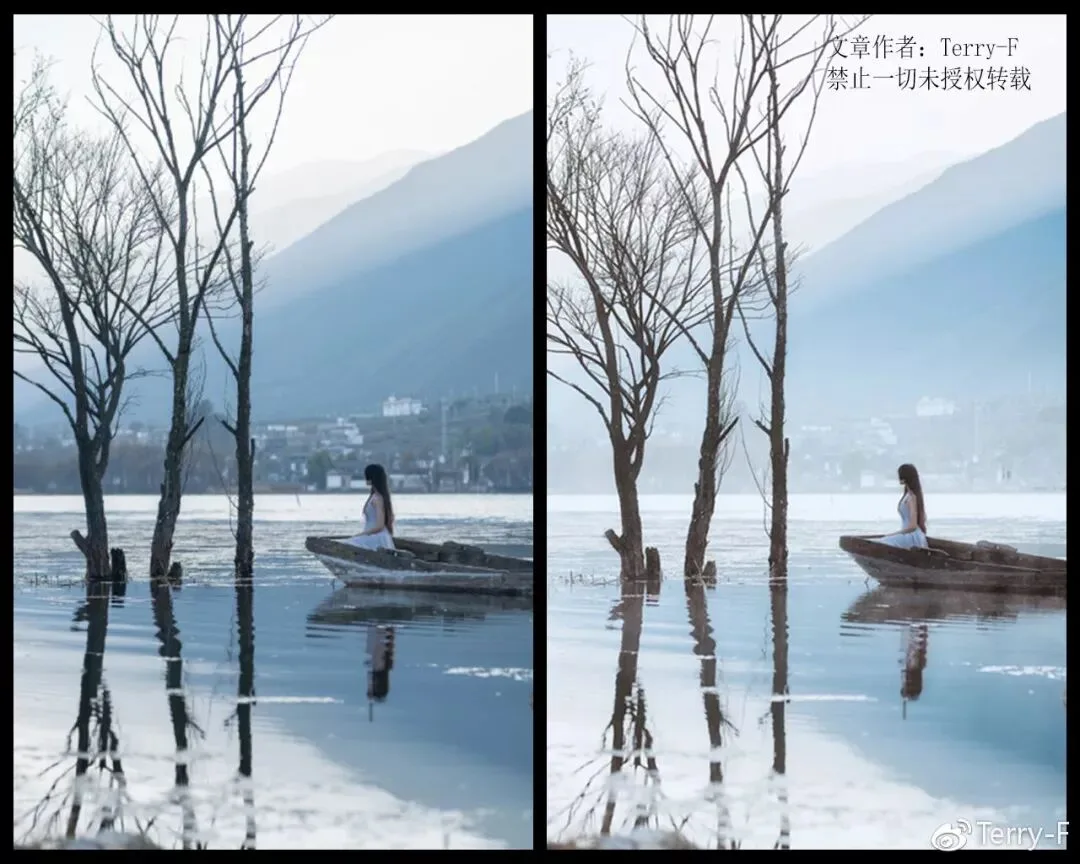
Take the left image above: the houses in the background keep the subject from standing out. After I added fog in post to weaken the detail, the right image is clearly cleaner.
But not everyone who applies this principle produces good photos. When you've subtracted the superfluous content to make the theme more prominent, you may find the theme itself utterly boring, with no highlight at all.
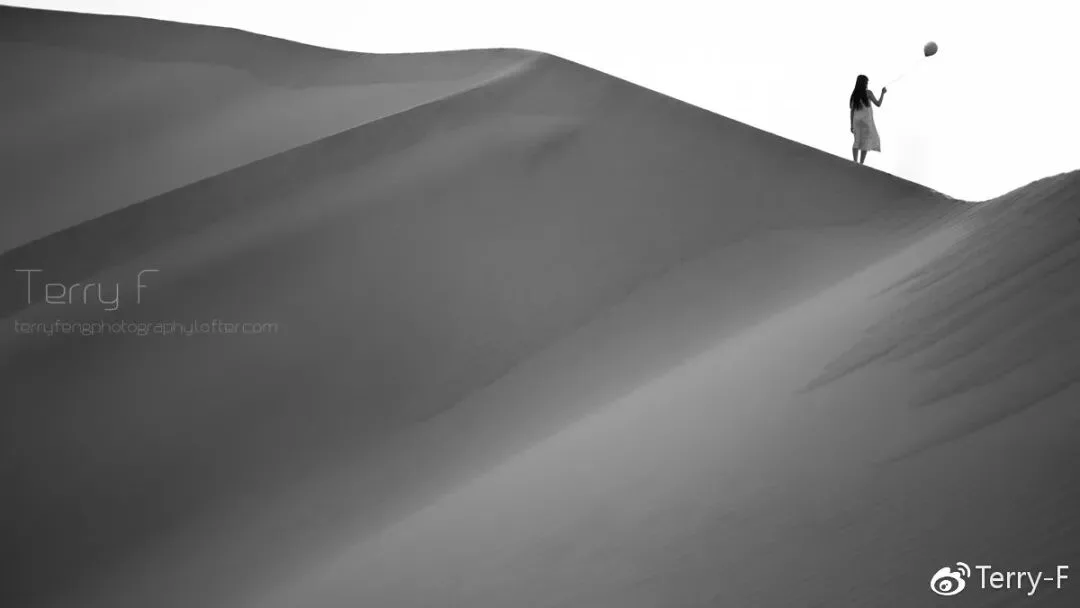
The image above is a boring subtraction. I avoided the messy wild grass in the distance, the messy footprints nearby, and the passable clouds in the sky, keeping only the simple figure and the dune's lines.
But thinking carefully, this image means nothing to me. No viewpoint, no imagination, no strong emotion, and no distinctive trait reflected.
Without interest, even perfect subtraction is useless. What we need more is to find a valuable theme, tell a vivid story, or express a strong emotion — and that's when addition becomes crucial.
"Addition" is the foundation that supports the content's value. Without good addition, subtraction can't achieve its effect either.
1
Failed Addition
Actually, many people love doing addition. But they share this confusion:
"I've applied so many techniques — why is my work still ordinary?"
The frame has light, scenery, and a beautiful model, and the editing is slick — so why does it still fail to stand out?
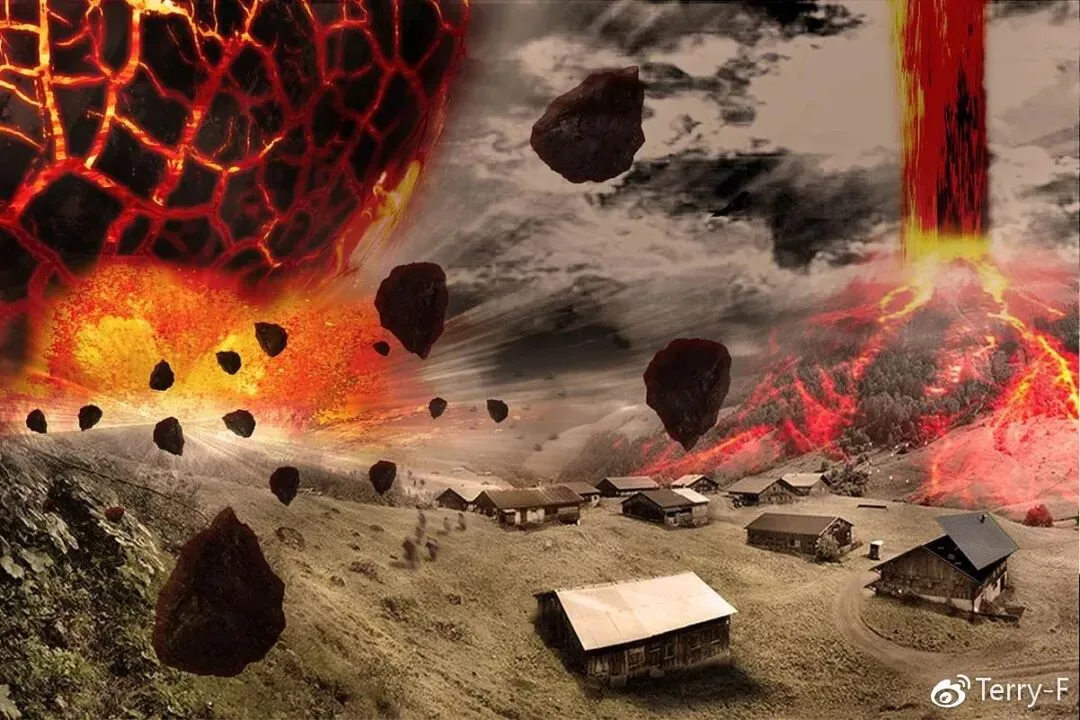
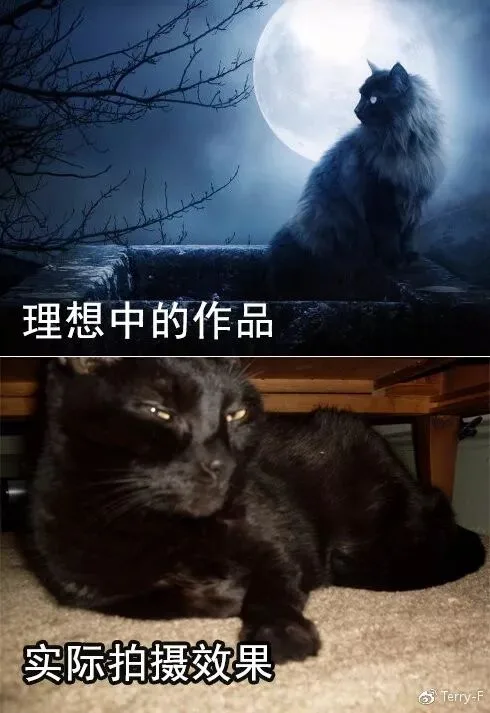
As in the image above, technique doesn't necessarily produce a masterpiece — it can also produce a cringe-inducing giant fireball.
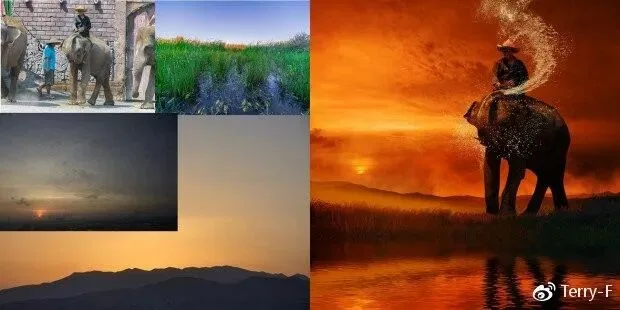
Author: Caras Ionut
Like the two images above: even a highly skilled editing master, if addicted to showing off technique, pieces together nothing more than an illustration.
Merely stacking techniques or content cannot turn an ordinary photo into an impactful work.
You have technique — so do others. You have a good-looking model — so do others. Where does your advantage show?
When everyone is working hard, the advantage you prided yourself on may already have become mediocre.
It's like a master chef and me cooking the same dish: even with identical ingredients and tools, the final results can be worlds apart.
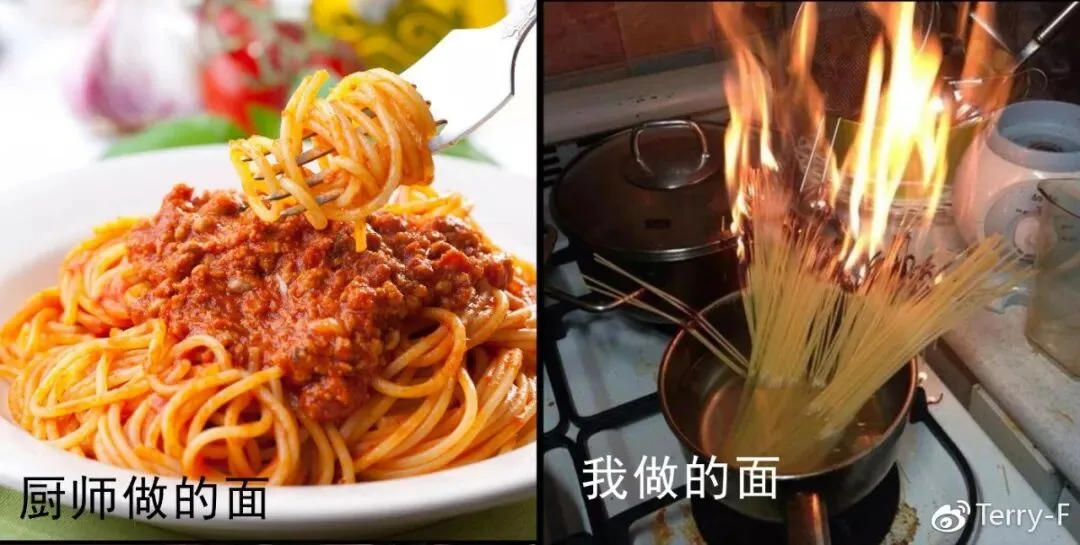
Delicious feasts aren't made by merely being generous with ingredients.
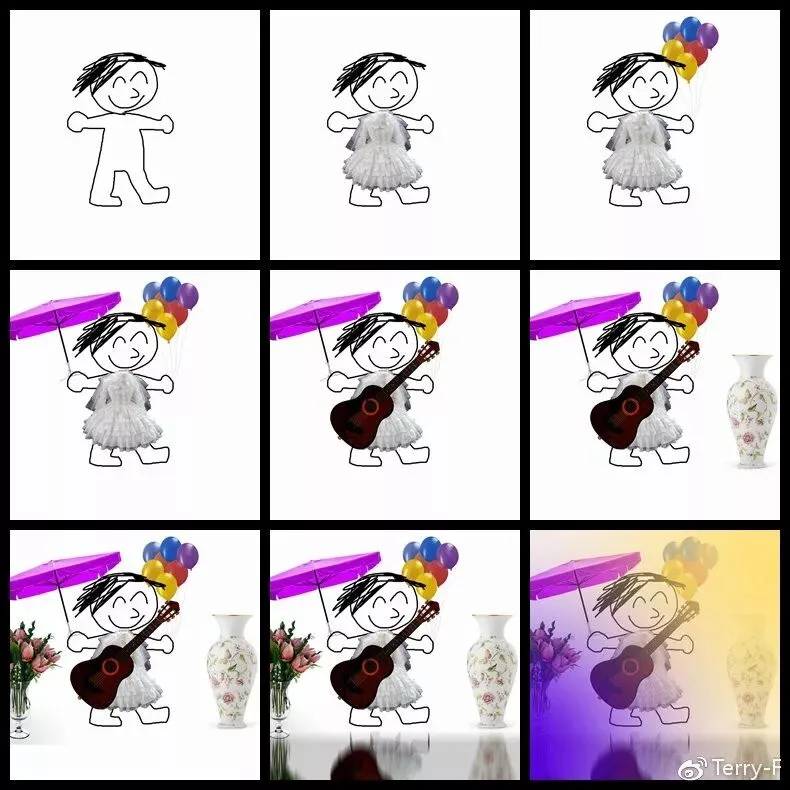
Say Xiao Wang found a good-looking model and dressed her in a gorgeous gown for a striking effect; then, seeing others use balloons and umbrellas in their shoots, he brought those along too. He went to a gorgeous location to shoot. Afterward, feeling it wasn't cool enough, he added reflections and yellow-blue light.
With so many things added together, Xiao Wang suddenly felt he had become a photography master.
A good chef, whatever dish they make, cares about ingredient pairing, heat control, and seasoning method.
The same goes for photographers: pair the frame's content well, choose the right moment, add sensible composition and lighting — and you can shoot a qualified photo.
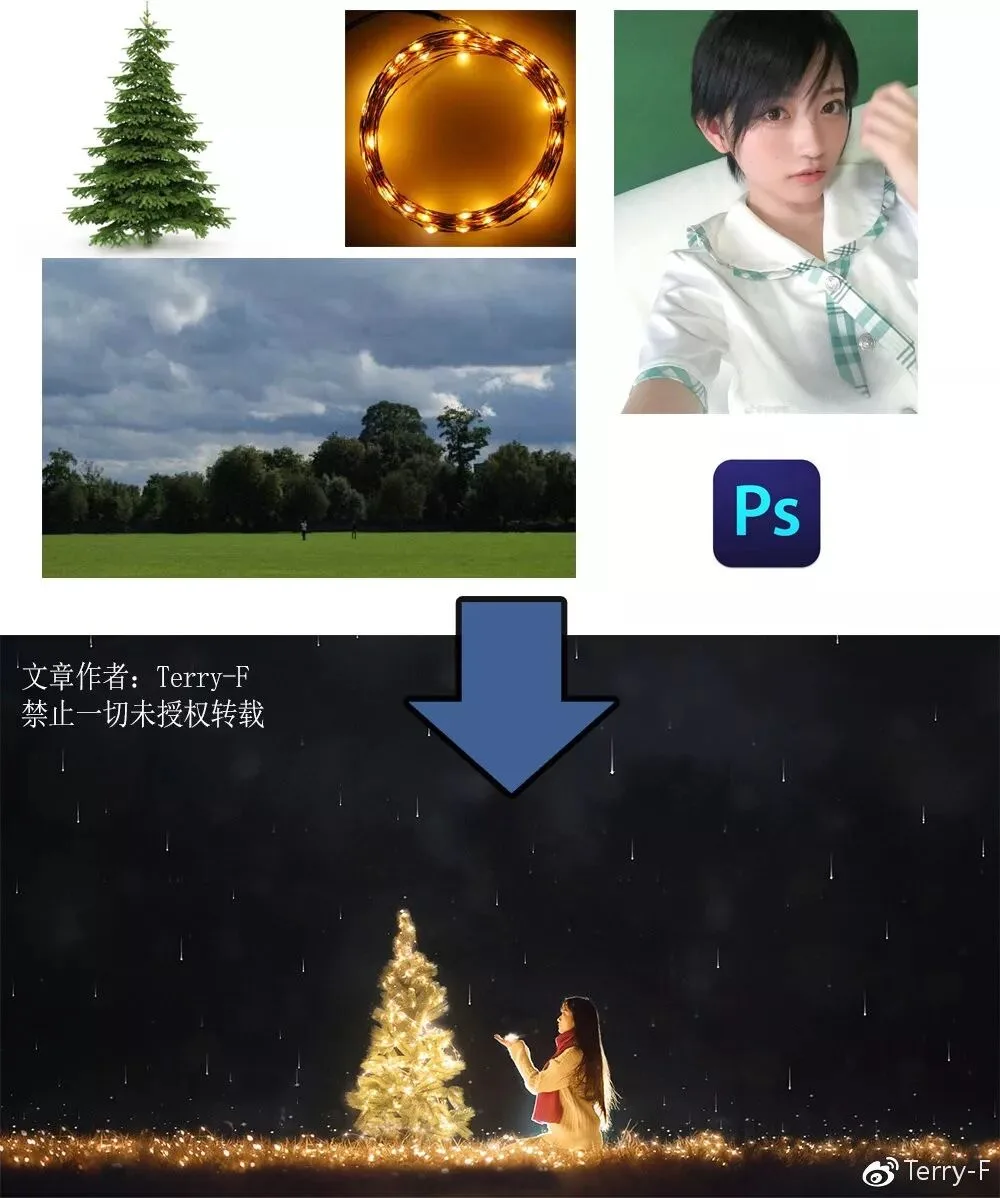
The image above is a qualified photo — and only qualified. It's fitting and pretty; the additions that should be made were made, and so were the subtractions — but nothing about it makes one's eyes light up.
Its biggest highlight isn't a profound story or strong emotion — it's merely the spectacle built from a 200-meter string of lights. At the end of the day, it's still a mediocre photo.
But adjust the ingredient pairing slightly, swap in different seasoning, and you can achieve a far stronger effect. The shooting cost goes down while the content becomes more thought-provoking.

Even a small change in content pairing can transform a work completely.
2
Excellent Addition
So how do we do addition well?
Let's take an egg as an example and see how, step by step, added content turns a simple egg into a stunning work.
Very few photographers seriously practice shooting with eggs as their subject. But everyone has heard the story of Da Vinci drawing eggs. Drawing eggs can be a starting point — and shooting eggs has the same value.

In other words, if you can't even shoot an egg well, where does your confidence for portrait masterpieces come from?
We can treat the egg as a most basic object form. Add sensible light and shadow to give it all kinds of textures.
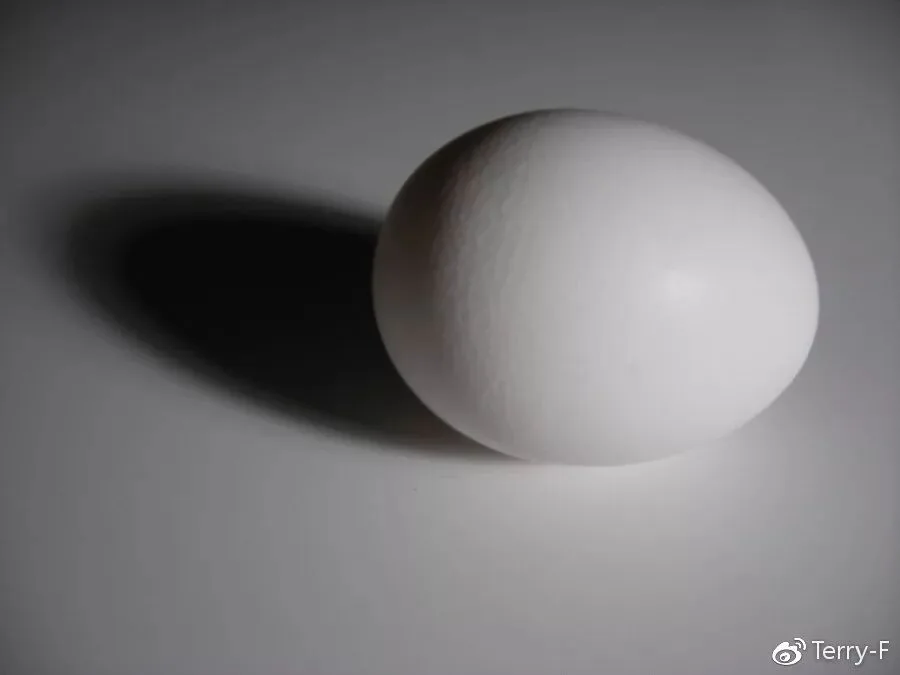
Author: Empud
You can also use more advanced lighting to fill the frame with a livelier breath.
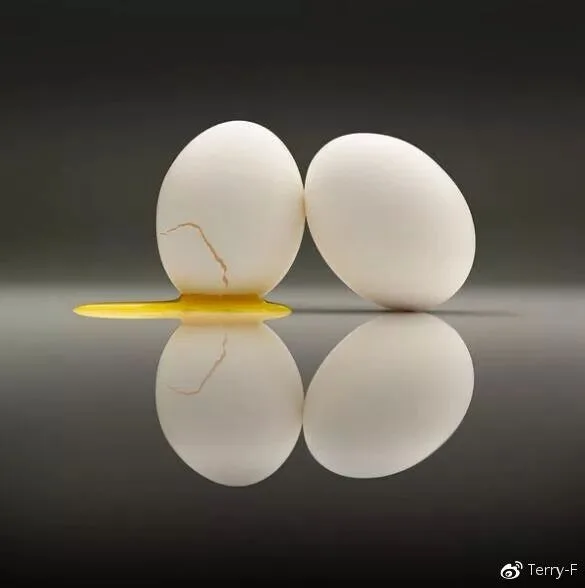
Author: D.A. Wagner
Paolo Farinella turned the egg's shadow into a chick, adding plenty of fun to the photo.
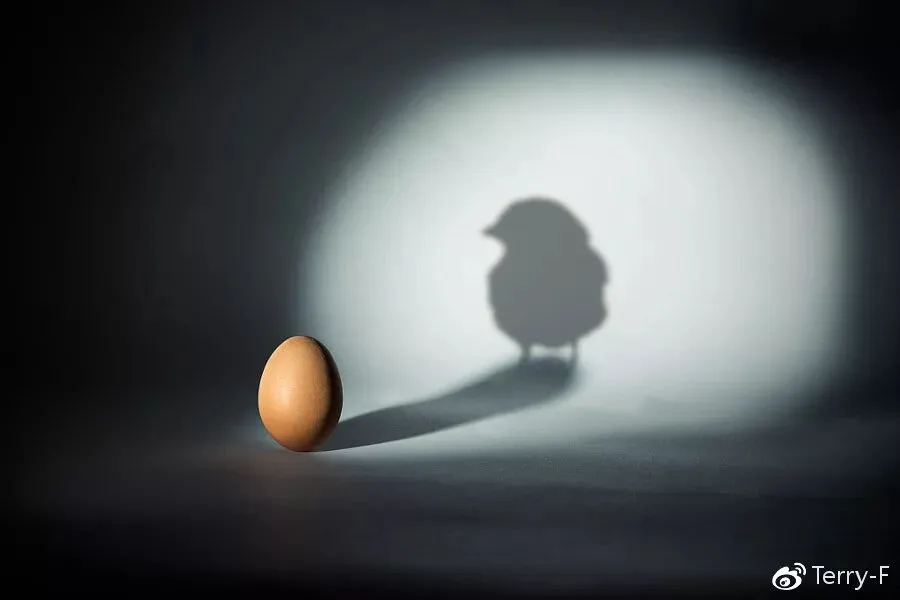
We can go further and give the egg a richer story. In a recent CT student photography competition, we saw just such a work.
The author Weiyang cleverly placed the egg's story inside a cage, hinting at the egg's fate and adding a strong dramatic effect to the frame.
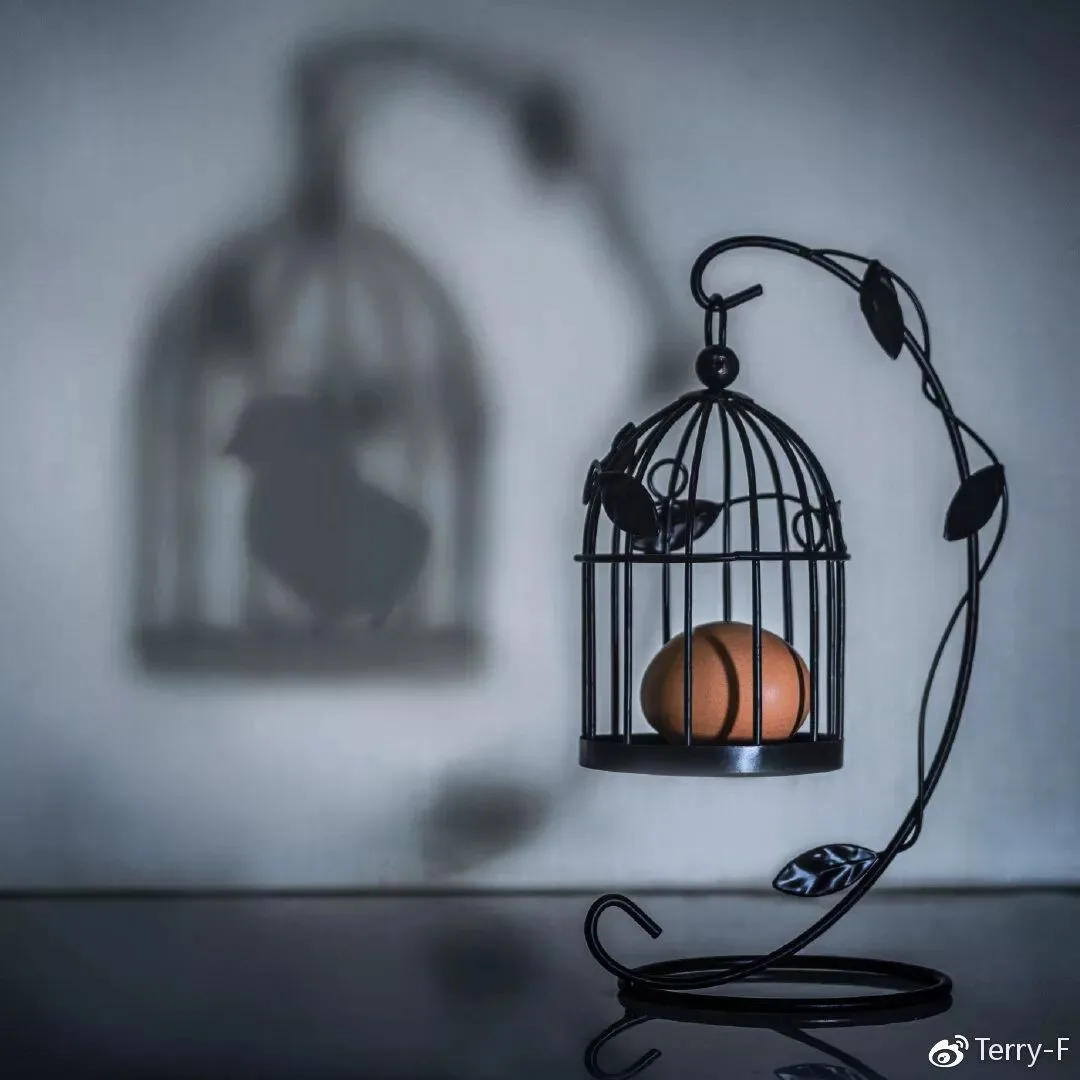
Author: 未央Bulabula
Of course, we could keep adding to the story — but more things is not better. Once the story is told clearly and sinks into people's hearts, it's time to stop, leaving room for the viewer to keep thinking. A good photo, a good film, or a good novel is never long and tedious.
3
The 1+1+1 Conception Method
First, think clearly: what is the most important thing in the frame?
Then think about what other elements should fill the frame to support the key element.
Finally, review what skills you have to realize the image.
Take the image below — think about what its most important element is.
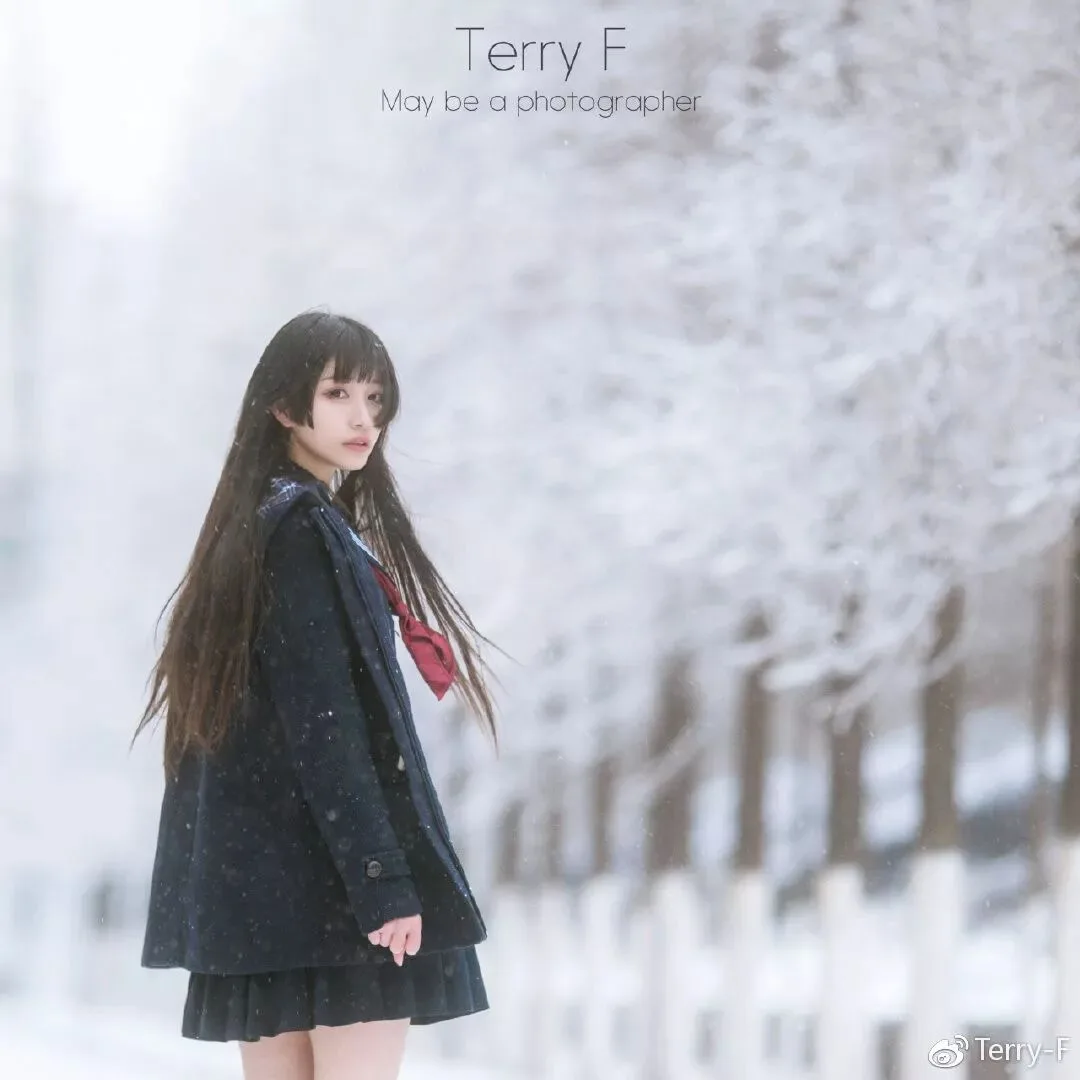
If the keywords in your mind are: girl, long hair, looking back — then your starting point is probably wrong.
In fact, the subject of this frame is not the person but the snow scene. The person can be swapped, the pose changed, the outfit re-picked — but in this context, snow is the irreplaceable element.
Taking the snow as the starting point of thought and letting other elements support this theme produces a far stronger effect.
The thought process is as follows:
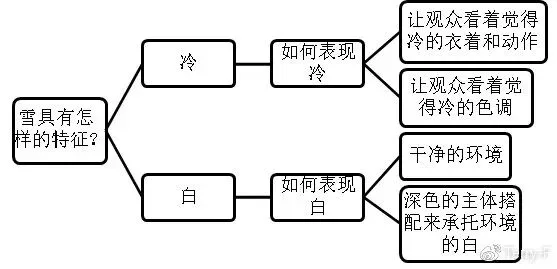
After finishing the thinking, determine whether your current technique can realize the image, and questions like where to go and what props to prepare.
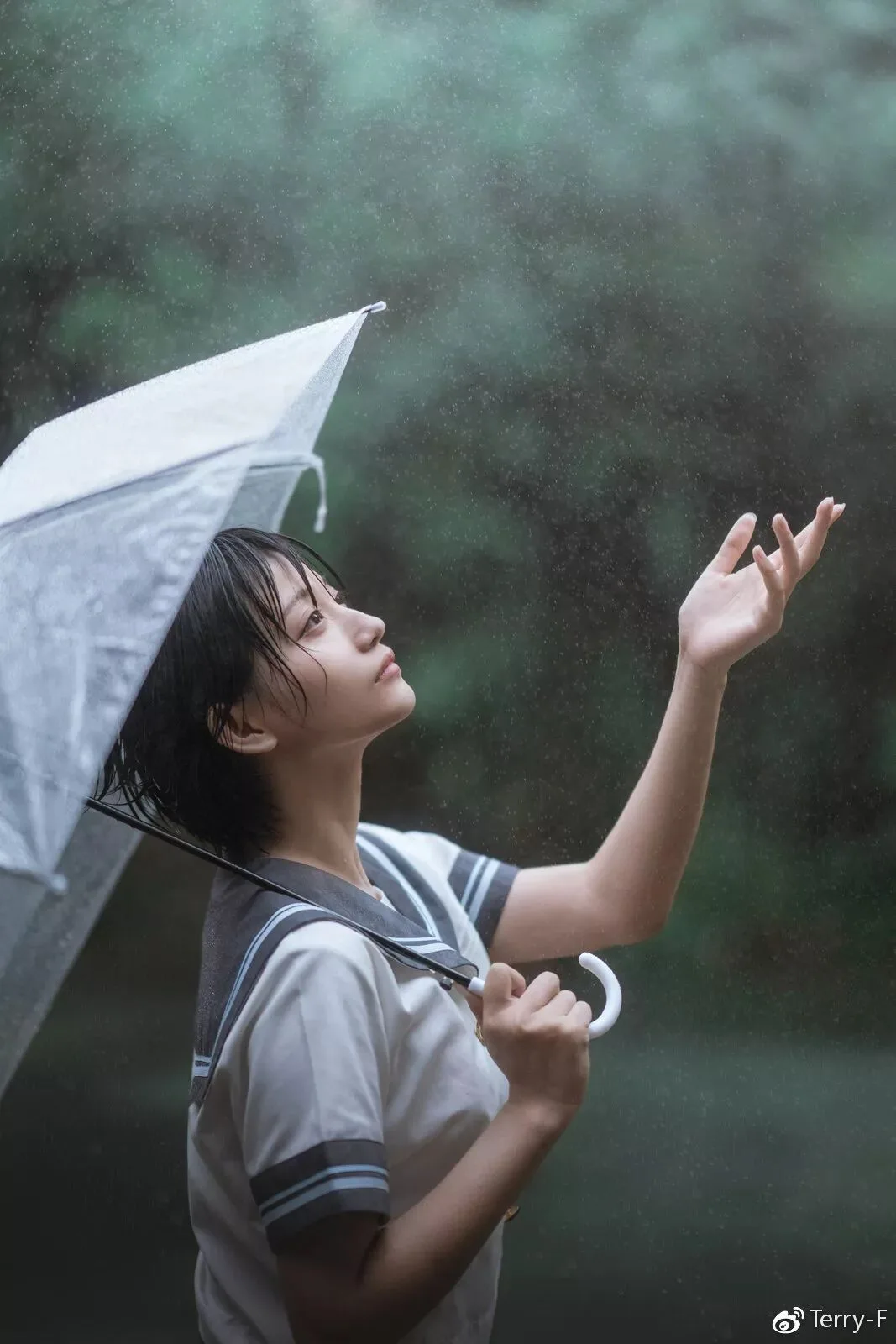
Having read the analysis above, why not think for yourself how to shoot the theme of "rain"?
Summary
The process of choosing a subject is actually a process of thinking about life.
We must learn to notice the characteristics and phenomena of things around us. Whether it's an egg, a great field of chimneys, or a broken heart — anything can be the starting point of creation. Then slowly add to a simple theme until it becomes a complete story; and the story should stop at the right point, leaving room for thought.
Once we've found the right direction and have high expectations for the work, the next step is doing subtraction in the field.
Some may feel satisfied as long as their work has a stunning image, grand momentum, a trendy subject, or a pretty girl. That is not a long-term goal. Photography is a process of constant self-transcendence. The day you stop surpassing yourself, your past fame becomes a mockery of you.
Author of this article:
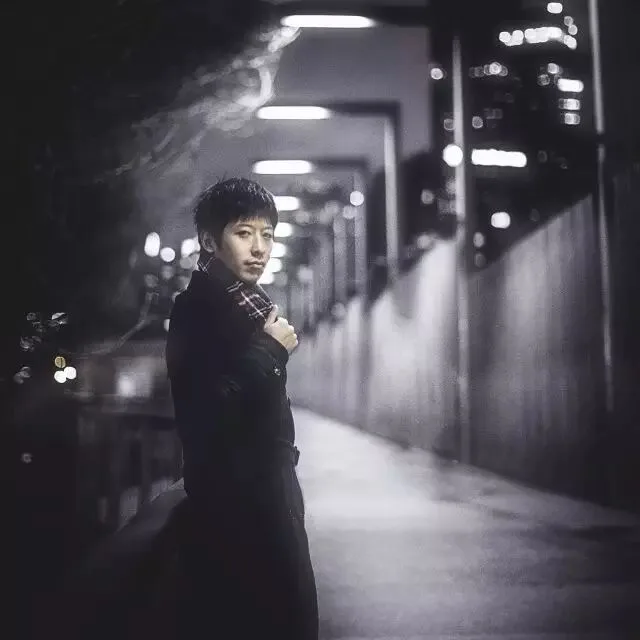
▲ Feng Tao (Terry F)
Fine Art Photographer
Getty Images contributing photographer
Sony contracted photographer
Weibo's Top Ten Photographers of the Year
The first Chinese winner of Sweden's 1x themed competition