Photography Tutorial · 2021-05-30
Beyond the Rule of Thirds: Understanding Composition from the Roots
Thomas Chu Photo
When we search the web for tutorials on photographic composition, they usually teach formulas like the rule of thirds, the golden ratio, and symmetry.
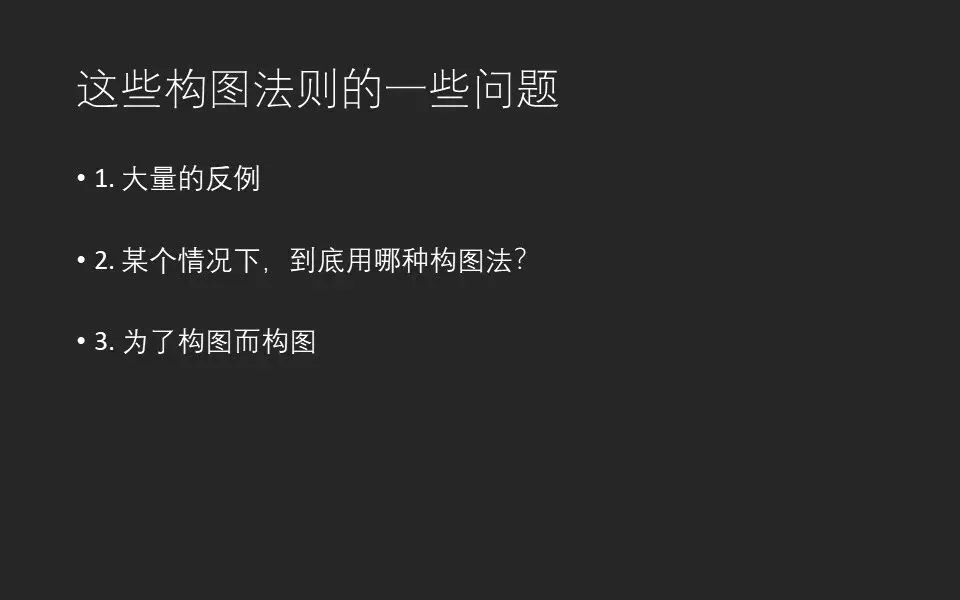
These rules are somewhat practical, but there are plenty of counterexamples and situations where they can't be applied.
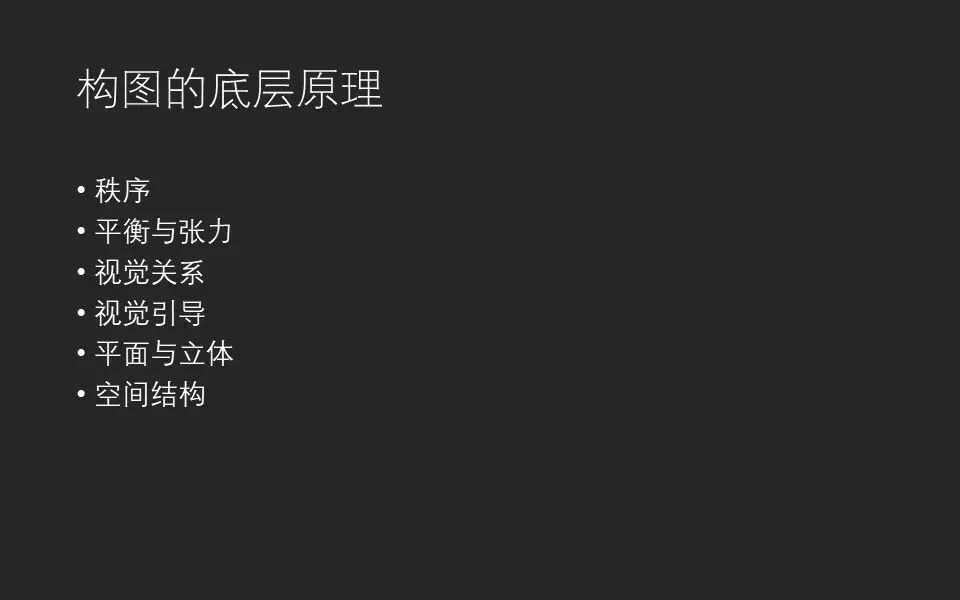
Because the underlying principles of visual composition are not these formulas, but an understanding of order, structure, balance and tension, and two versus three dimensions.
Today's tutorial starts from one of the underlying principles of photographic vision — balance and tension — and shares how to compose.
Only by understanding the underlying principles can we flexibly apply formulas like thirds and symmetry, know their differences and limitations, and at the same time break free of these rules to compose more flexibly according to the actual situation.
Video tutorial
▶ Watch the video tutorial on Bilibili
This is the illustrated companion to the video above. Search 'photography composition' and you get formula lists — rule of thirds, symmetry, golden ratio — yet countless masterpieces obey none of them. Starting from first principles, Thomas uses the key pair 'balance and tension' to explain what composition really is: why the rule of thirds works, why Bruce Gilden throws his subject to the corner. Four chapters below.

01 Three Problems with Composition Rules
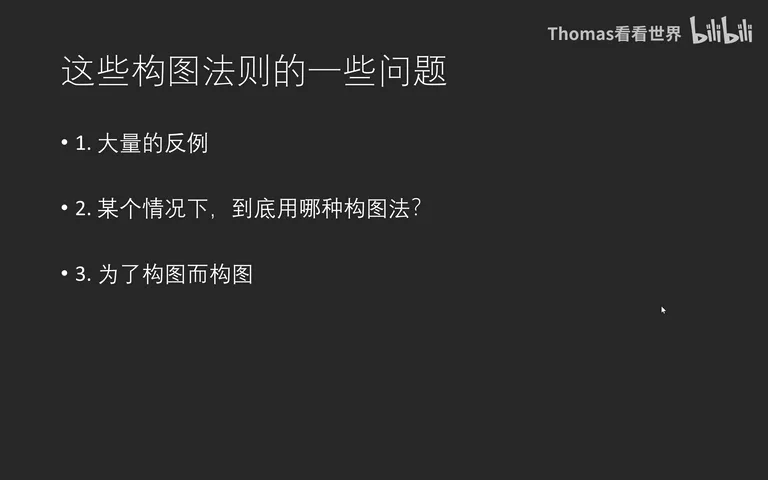
Memorizing rules brings three problems: first, famous counterexamples abound — Alex Webb's frames are neither thirds nor centered, Bruce Gilden throws subjects to the corner with every line tilted, and Max Rive's stately images merely sit 'slightly off-center'; second, in a concrete scene you never know which rule applies; third, you start composing for the rule's sake, putting the cart before the horse — composition exists to serve expression and story (at 0:31 in the video).

02 Visual Weight: the Physics of Balance
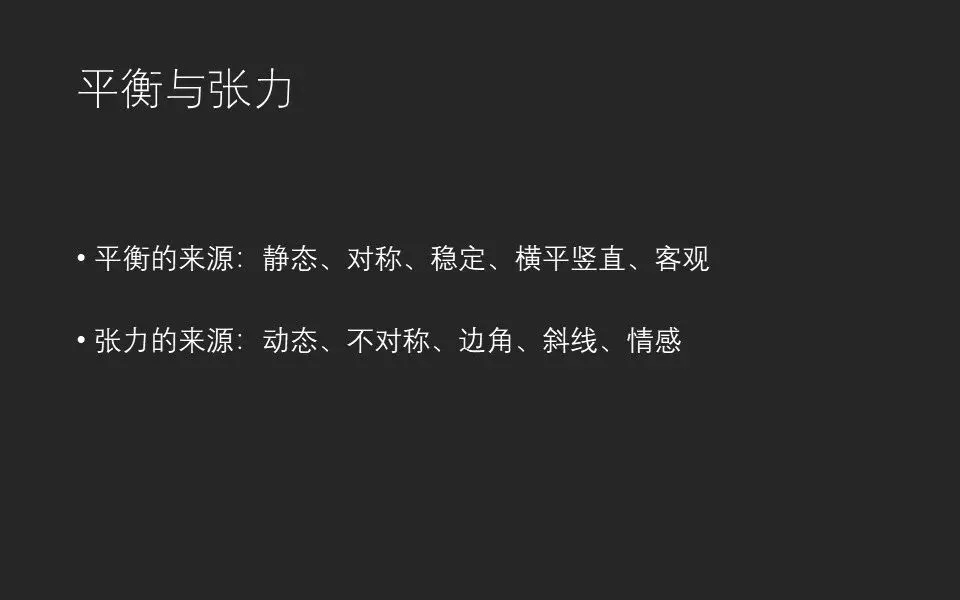
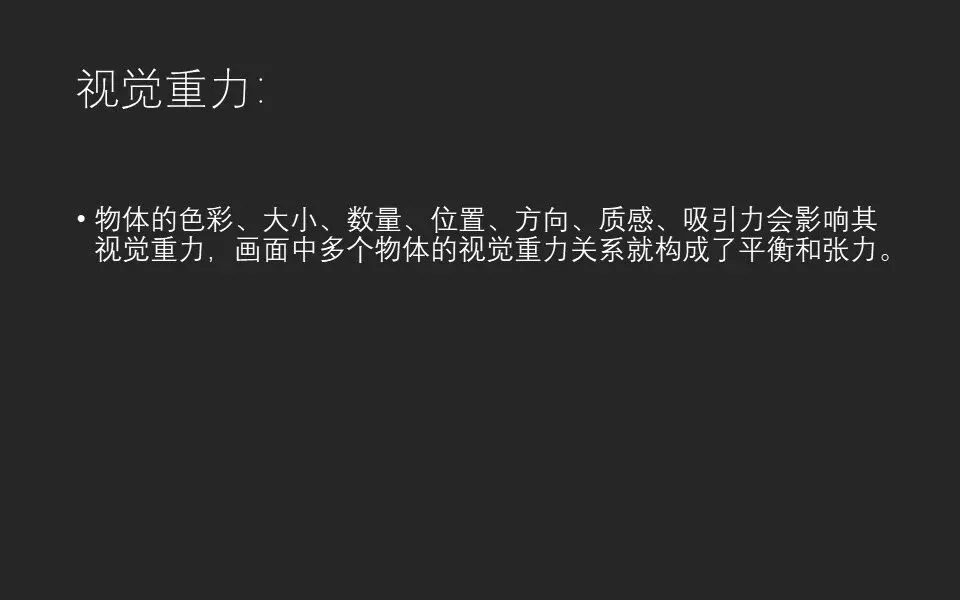
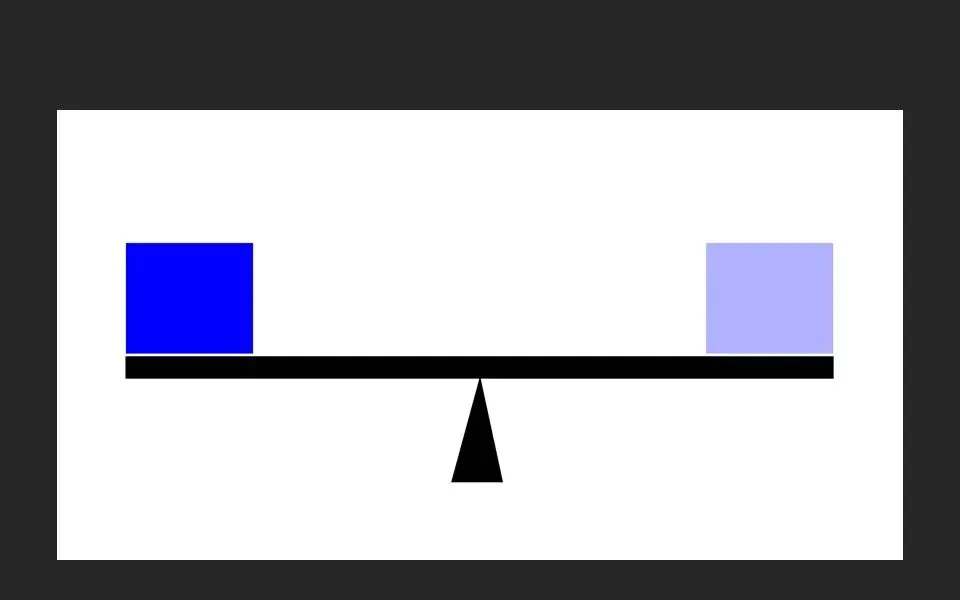
Balance is static, symmetric, stable, level, objective; tension is exaggerated, dynamic, asymmetric, tilted, emotional. The balance between them is set by visual weight: an object's color, size, quantity, position, direction and texture all contribute. On a balanced beam at equal distances, the darker block simply looks heavier (at 4:07 in the video).
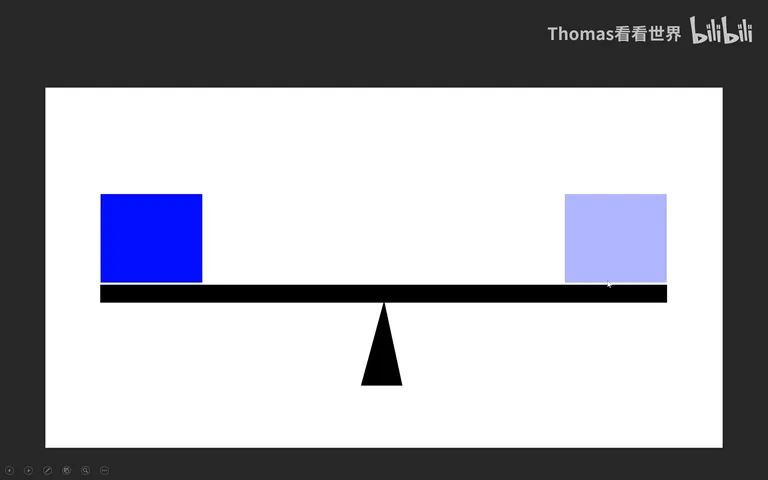
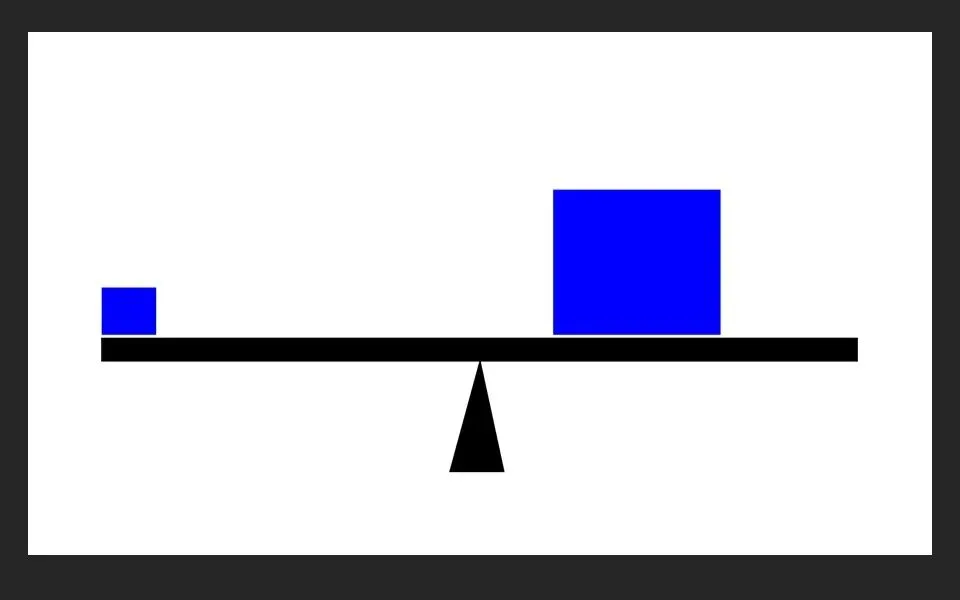
Recall the lever principle from school: a big heavy object near the center can be counterweighted by small light ones far from it. Alex Webb's street work works exactly like this — two large figures near the center on the left, seven smaller ones pushed to the far edges on the right, their quantity and distance restoring the weight, forming an exquisite lever balance (at 5:06 in the video).


03 Maximum Balance Versus Maximum Tension
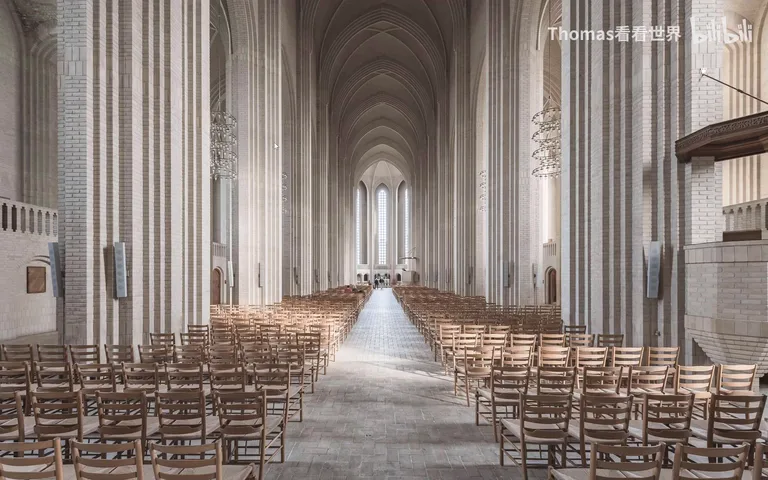
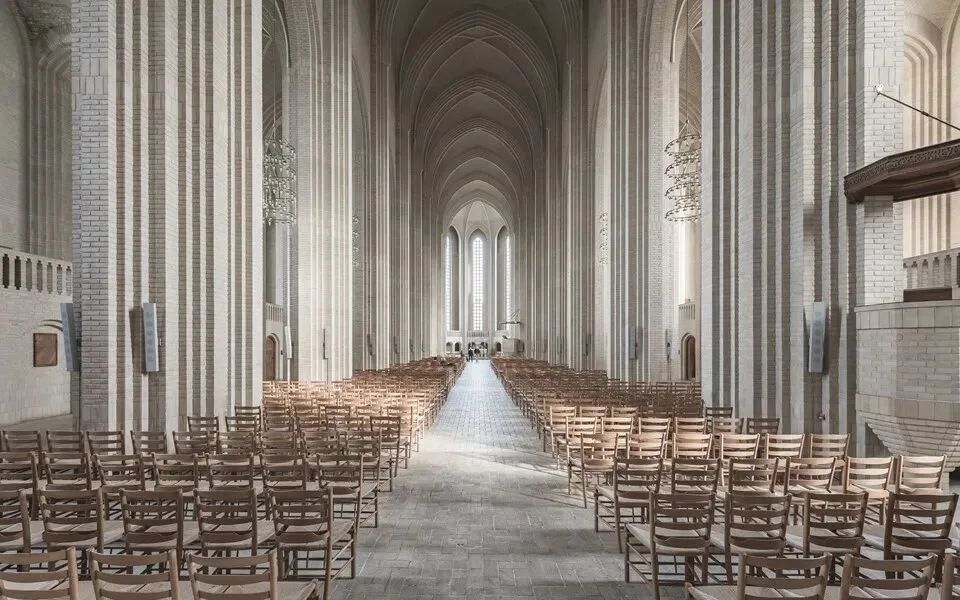
When is absolute balance right? Churches and temples are born symmetric and solemn — center the subject for gravitas; ID photos must be centered, objective and composed — shoot one on the thirds and it gets rejected. When is maximum tension right? Bruce Gilden corners his subjects, tilts every line and hunts extreme expressions — motion, asymmetry, diagonals and emotion are all sources of tension (at 7:26 in the video).


04 In Practice: Choosing the Balance Point
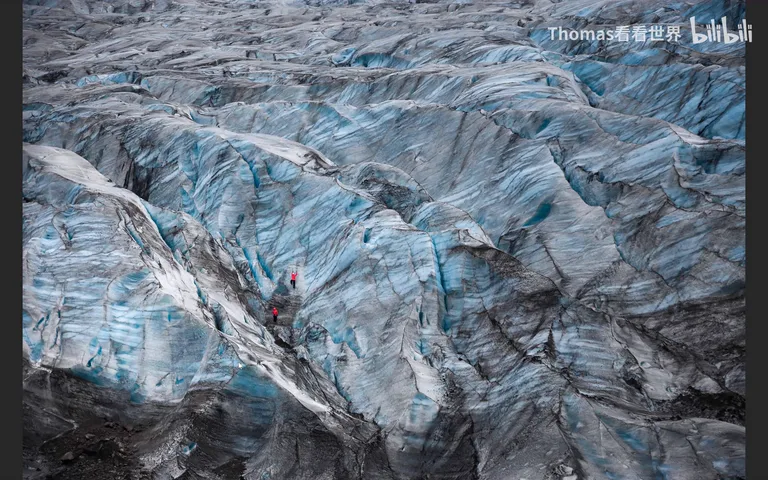
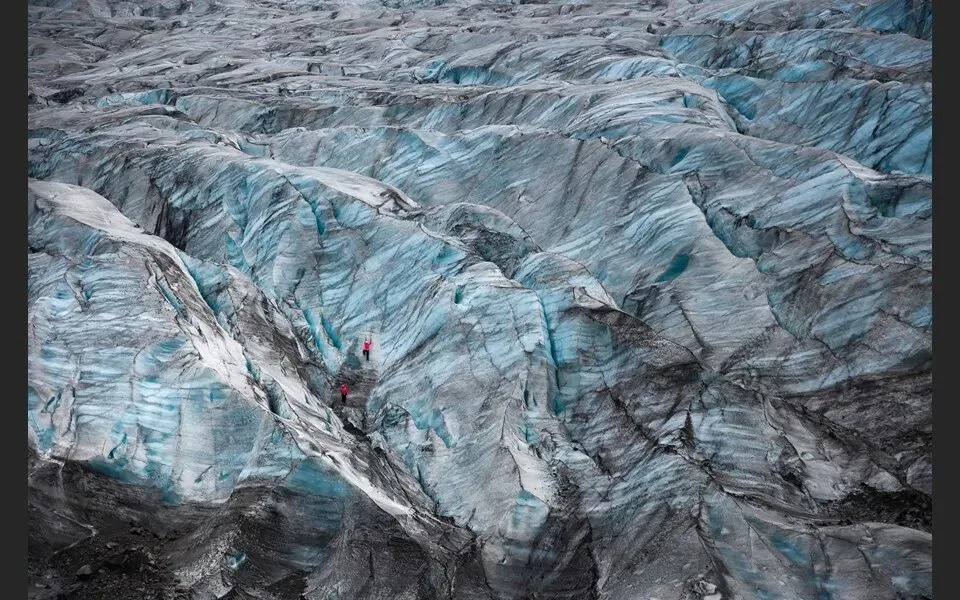
Most photos live in between — a dynamic balance carrying some tension. Shooting glacier textures, whose repetition grows dull, Thomas placed his small companion at the frame's edge to boost tension without breaking balance; a large figure in the corner would shatter the balance and simply feel wrong (at 12:14 in the video).
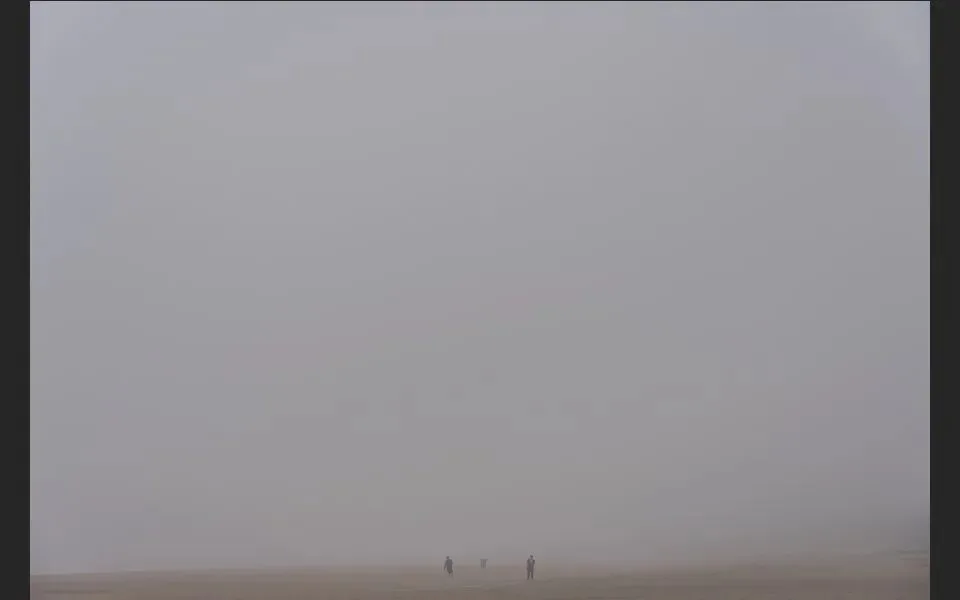
On a foggy day in the Zhoushan Islands, with little to see, the thirds feel flat and a centered frame duller — so he set the tiny figure at a corner: the vast negative space expresses human smallness under heaven while the edge placement supercharges the tension, giving a plain foggy scene something to discover (at 13:39 in the video).

On a sunlit holiday beach he wanted ease and energy: a tilted shoreline, the kayak around the lower third; but the kayak is big and saturated — too close to the edge it would overbalance, so three people on the left press it back a little, trading some tension for poise. Car photography for speed is almost always tilted, yet push the car fully to the edge and it looks about to flip — pull it back in. There is no formula for this; only long looking and practice teach the feel (at 15:20 in the video).

1. Composition rules are surface; beneath them, balance and tension governed by visual weight; 2. Big objects near the center, small ones balancing through number and distance — the lever principle is the composition principle; 3. Symmetry for churches and ID photos, tilt and motion for emotion and speed — decide the expression first, then the composition; 4. Most pictures want a little tension inside dynamic balance, and that degree comes only from years of looking and practice.
HD video:
https://www.bilibili.com/video/BV1tq4y1j7sK/
PPT




















Related articles:
"Five Underlying Post-Processing Concepts More Important than PS Technique!"
"In Post-Processing, Technique Is Not the Most Important Thing!"
"The Most Important Step in Post-Processing — 90% of Enthusiasts Ignore It!"
"These Photography Masterpieces Were All Cropped Out in Post?"
"Five Major Misconceptions in Post-Processing"
"Local Adjustment Is the Core of Post-Processing"
"What Can Post-Processing Do for Landscape Photography?"
"Put Down the Camera and Attain Enlightenment — Visualized Post for Landscape Photography"
"Compositing = Faking? These 4 Compositing Techniques Actually Restore Reality!"
"Six Compositing Techniques of Modern Landscape Photography"
"On the Proper Limits of Landscape Post-Processing"
"Why Do My Landscape Photos Lack Atmosphere?"
"What Level of Brightness Feels Most Comfortable in Landscape Photography?"
"No Ideas in Post? Going by Feel? Reconstructing the Point of Interest Is the Key!"