Photography Tutorial · 2022-04-10
Repetition and Echo: A Key Composition Concept from 10,000 Photos
Thomas Chu Photo
In today's photography tutorial, Thomas shares a very important compositional concept — repetition and echo.
This technique is far more useful than common compositional methods like the "rule of thirds" or "symmetrical composition".
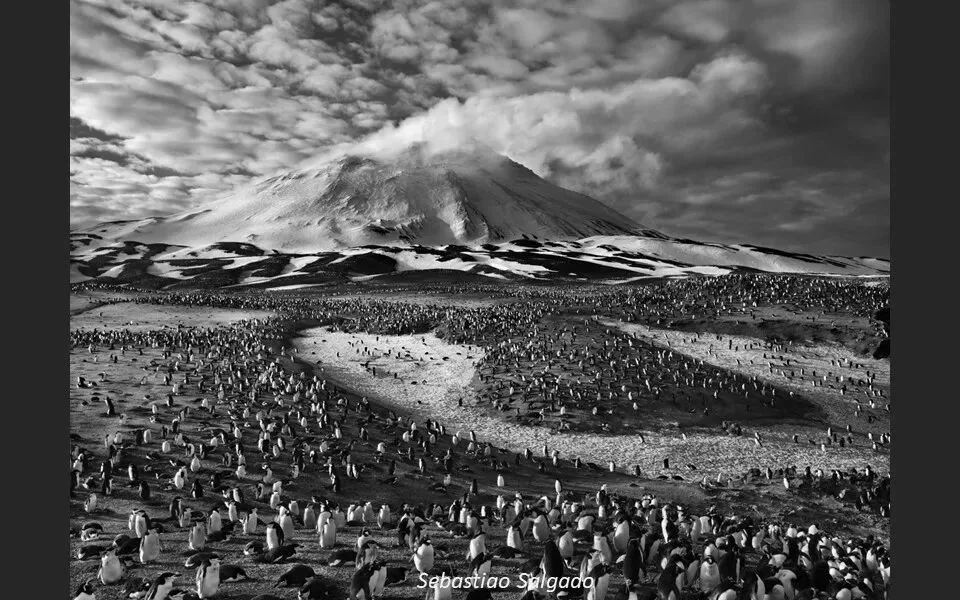
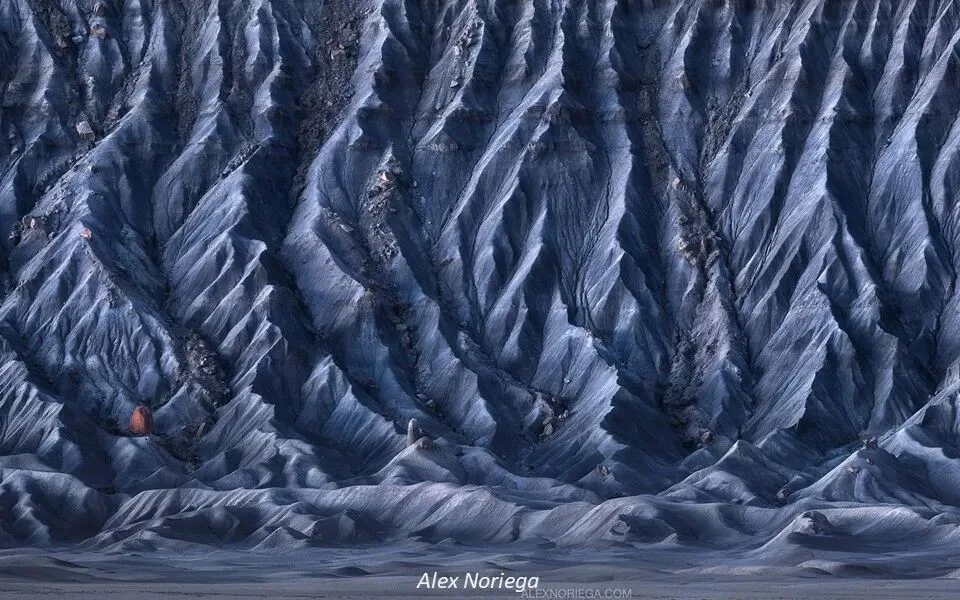
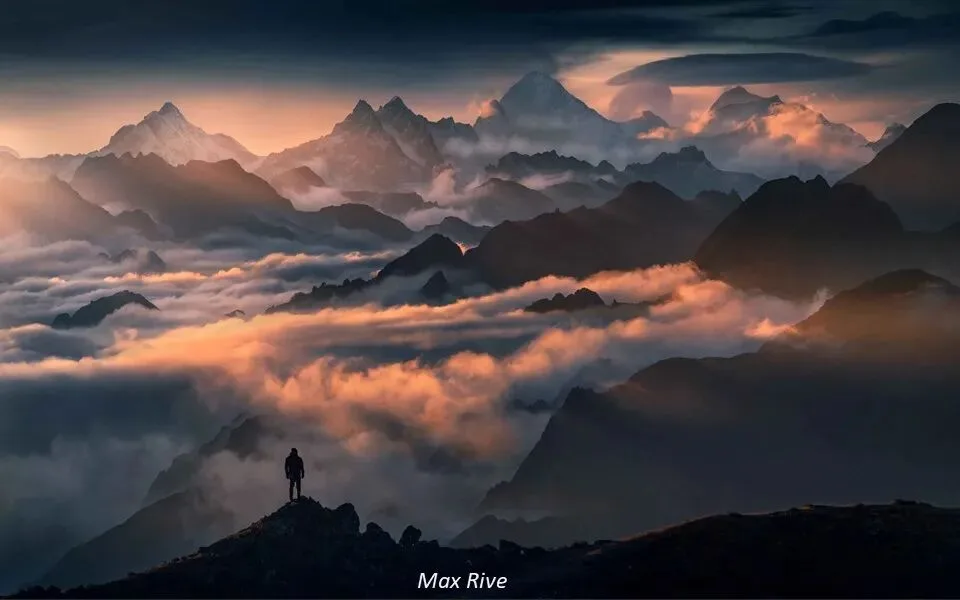
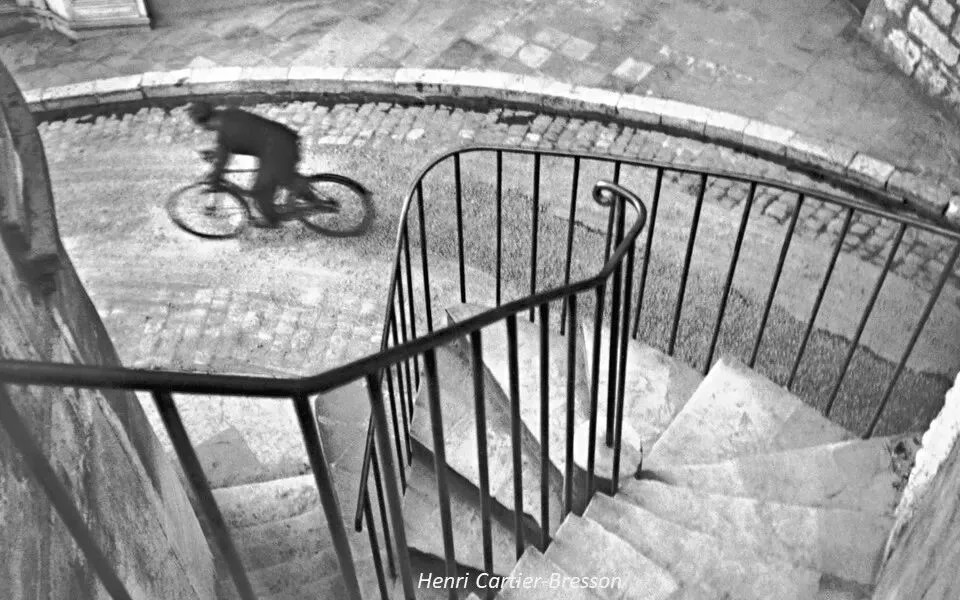
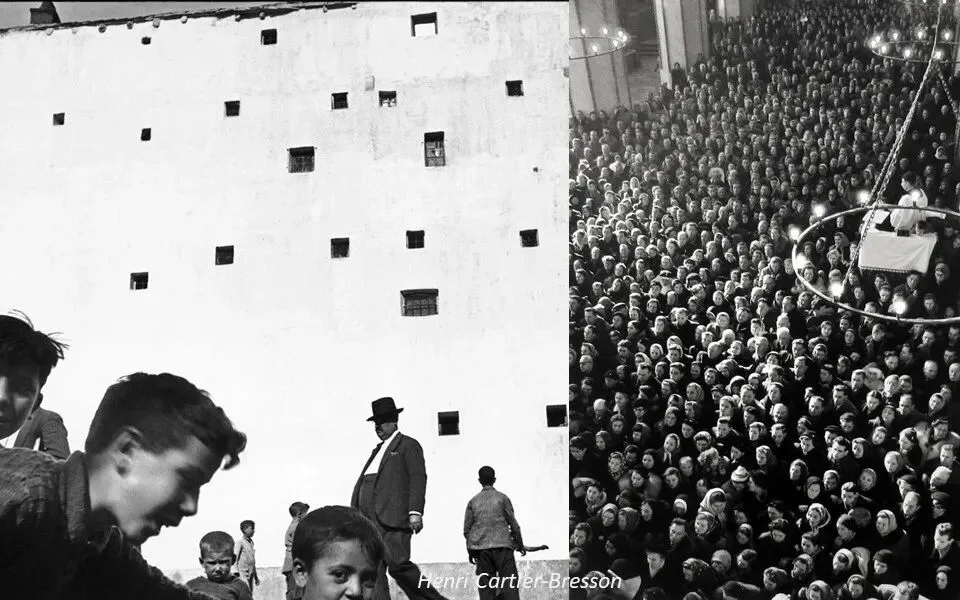
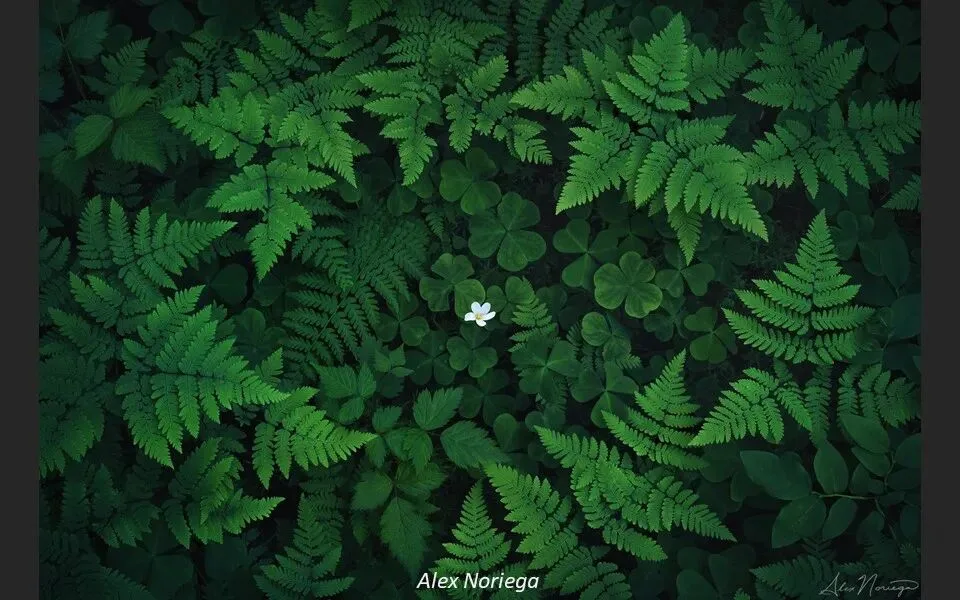
"Repetition and echo" is not only beloved by classic photographers like Cartier-Bresson, Salgado, and Stephen Shore — today's hottest photographers such as Benjamin Everett, Alex Noriega, and Max Rive also apply it extensively in their work~

Video
▶ Watch the video tutorial on Bilibili
This is the illustrated companion to the video above. 'Repetition and echo' is a compositional concept deeper than the rule of thirds — beloved by Cartier-Bresson, Salgado and Stephen Shore as much as by today's Benjamin Everett and Alex Noriega. Starting from the two definitions and moving through photographic history to his own National Geographic grand-prize image, Thomas's talk is reorganized into four chapters.
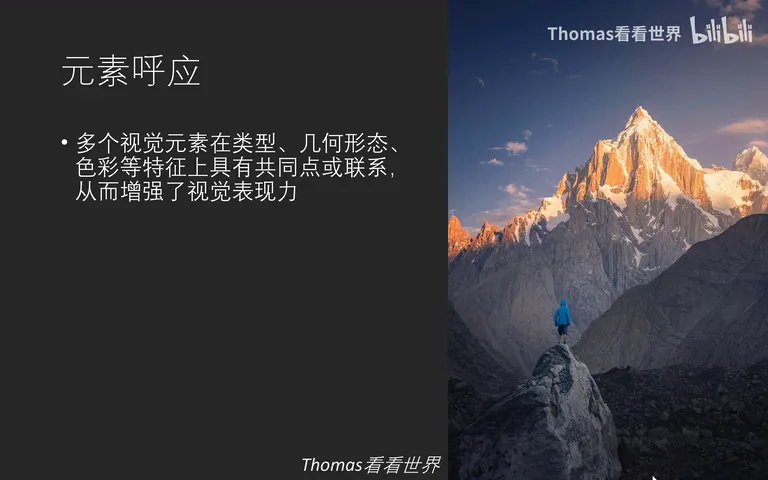
01 Echo: Making Elements Resonate
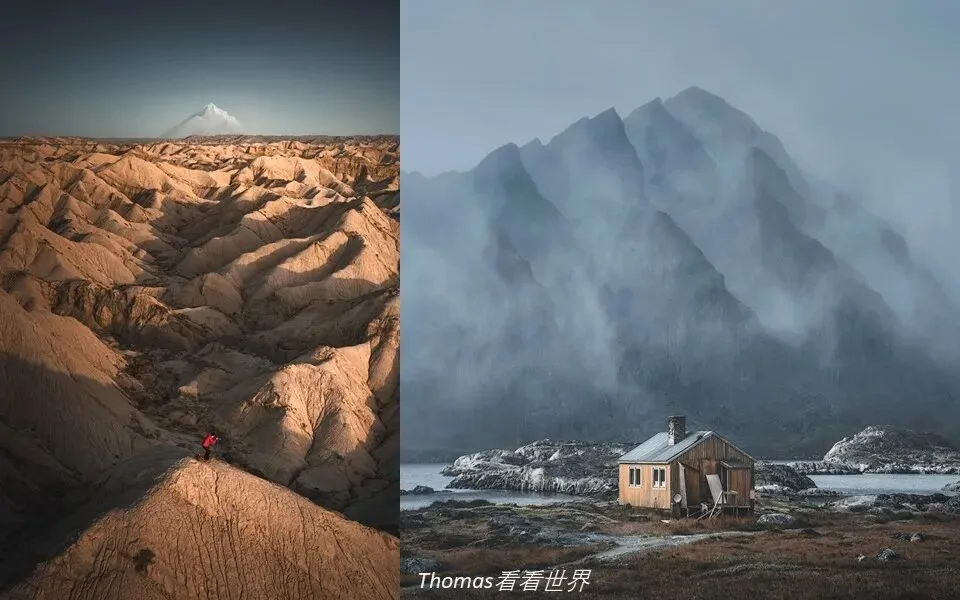
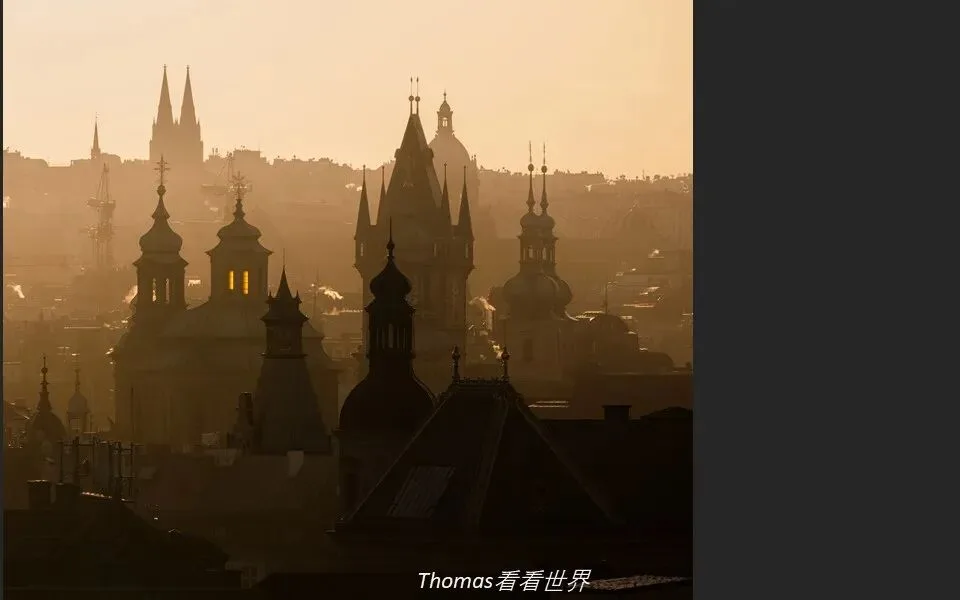
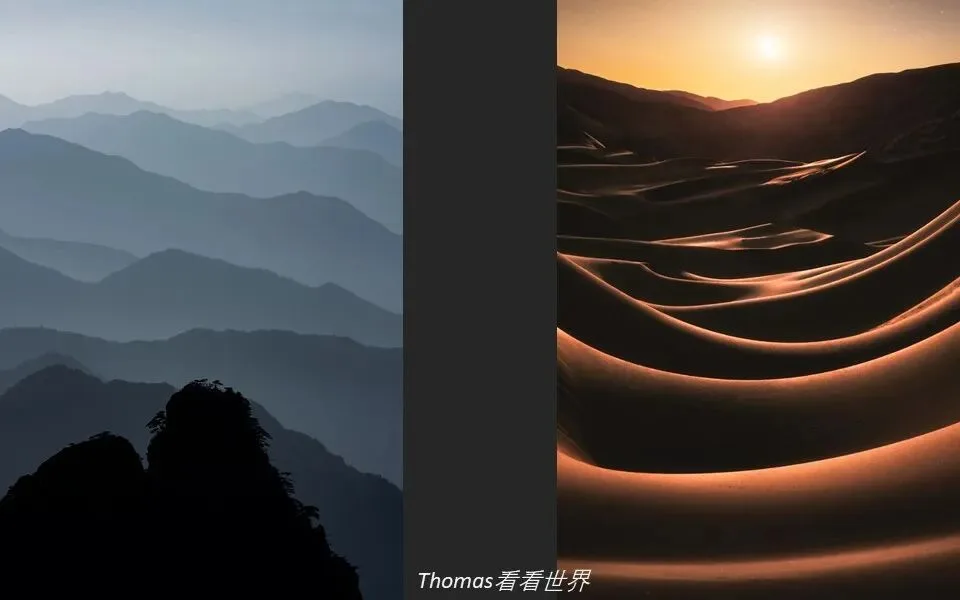
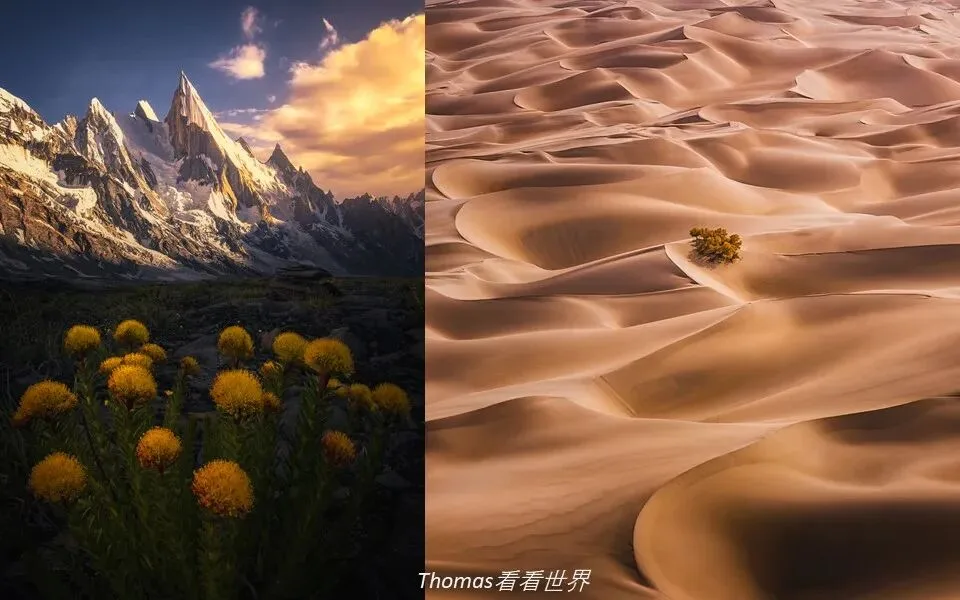
Echo means several visual elements share features of type, geometry or color, strengthening the image. Thomas stood on that boulder precisely because its triangle echoed the peak behind — such similarity feels telepathic and right; a foreground summit against the snow mountain behind, hut roofs answering mountain shapes — the same principle throughout (at 0:38 in the video).


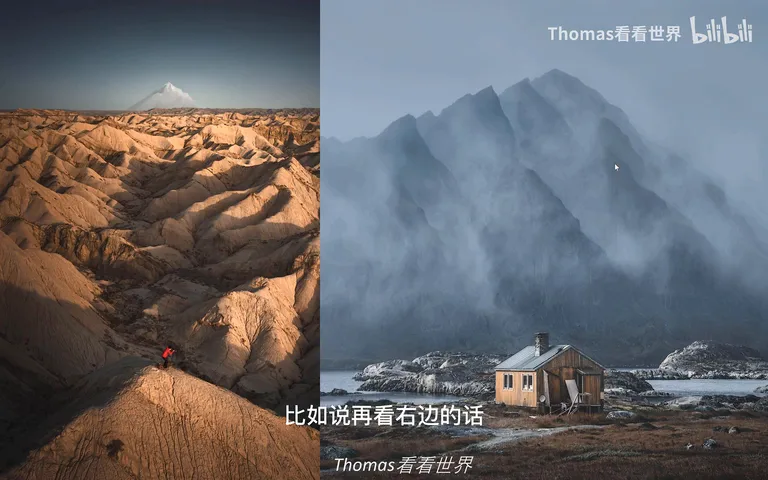
02 Repetition: Beauty, Rhythm and Impact
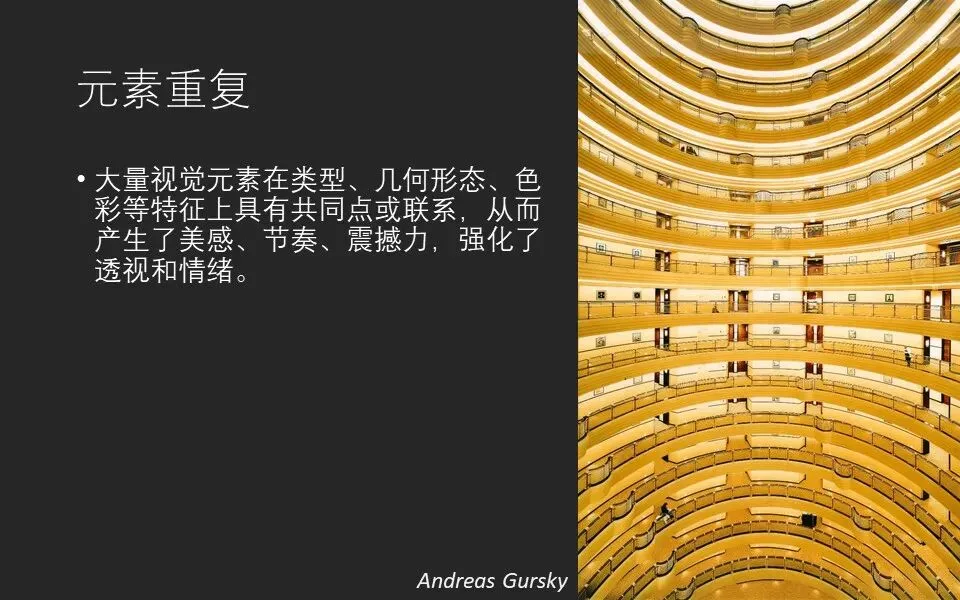
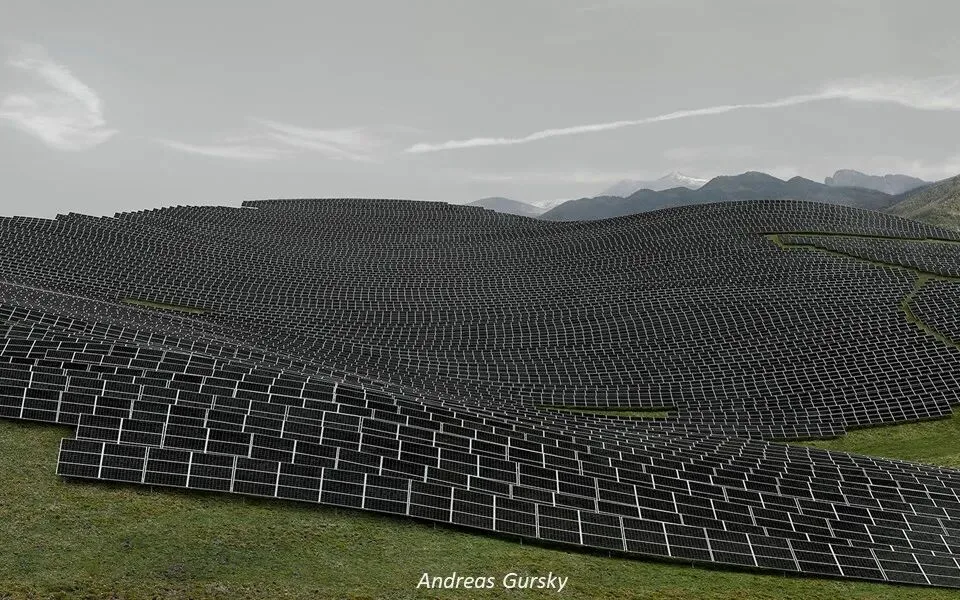
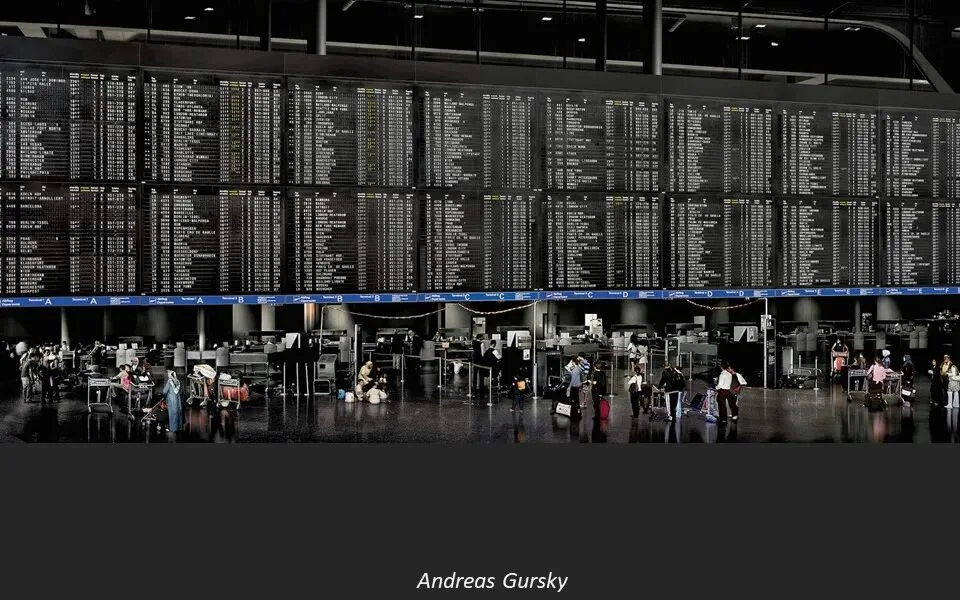
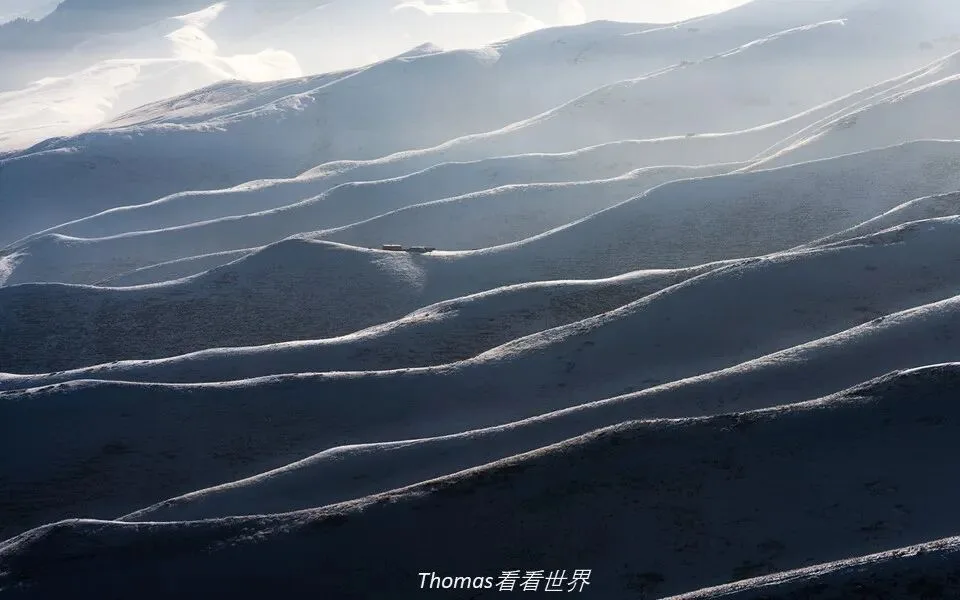
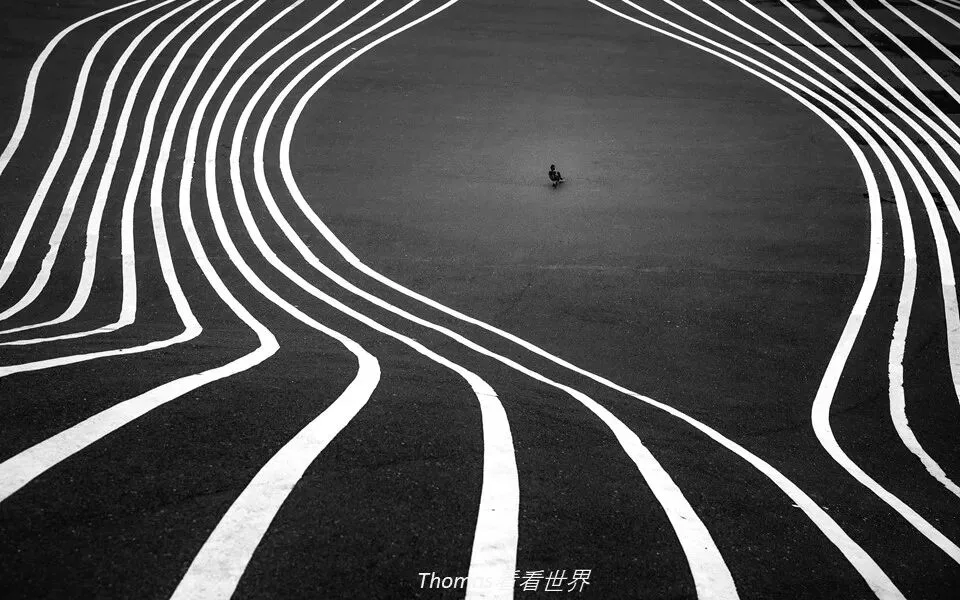
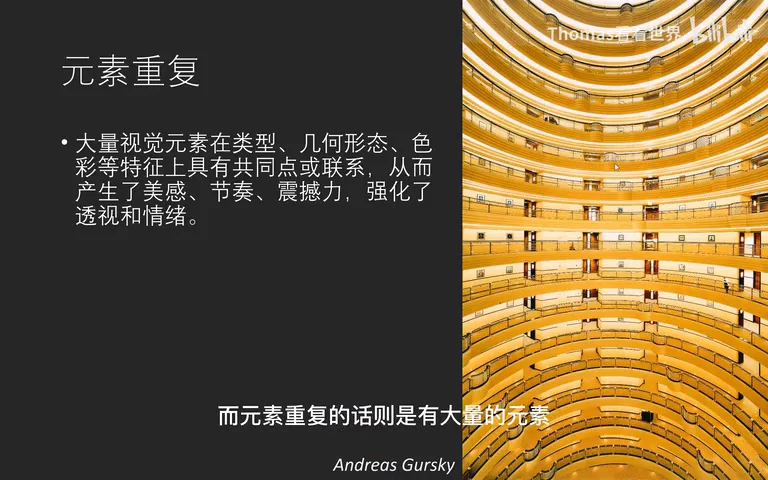
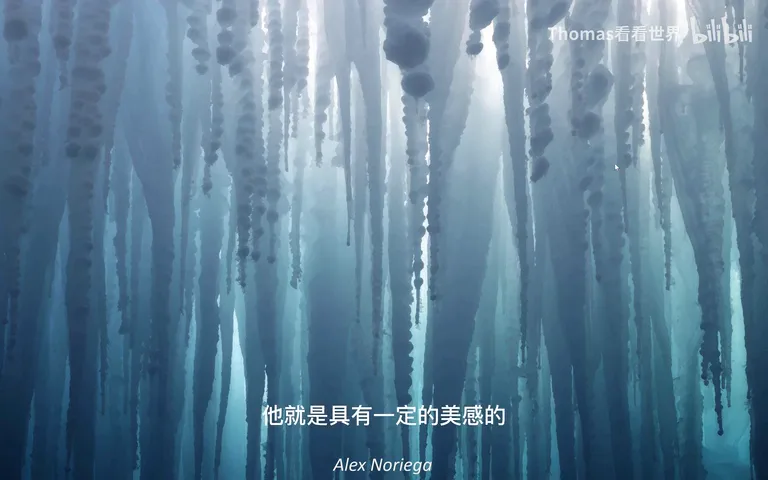
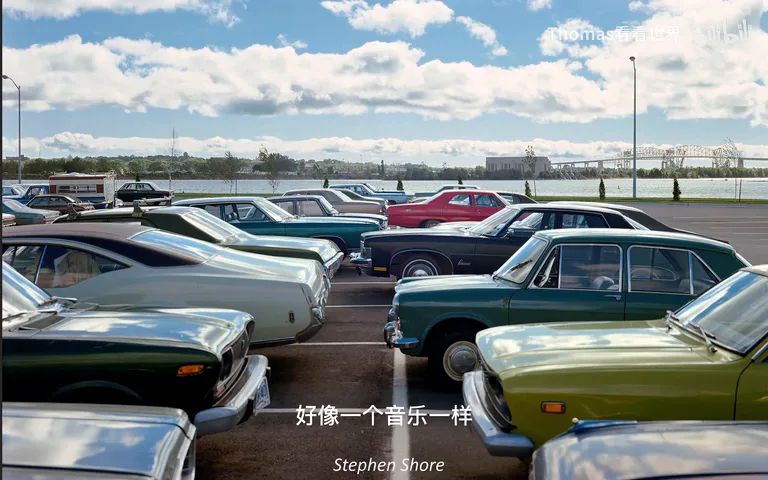
Repetition means many elements sharing type or form — and once the number grows, beauty, rhythm and impact emerge, strengthening perspective and emotion. Andreas Gursky's hotel stacks concentric floors; Alex Noriega's dense icicles are beautiful by nature; Stephen Shore's packed lot of different-colored cars stretching away reads like a musical score (at 1:42 in the video).
03 In Practice: The Secret of a Grand-Prize Image
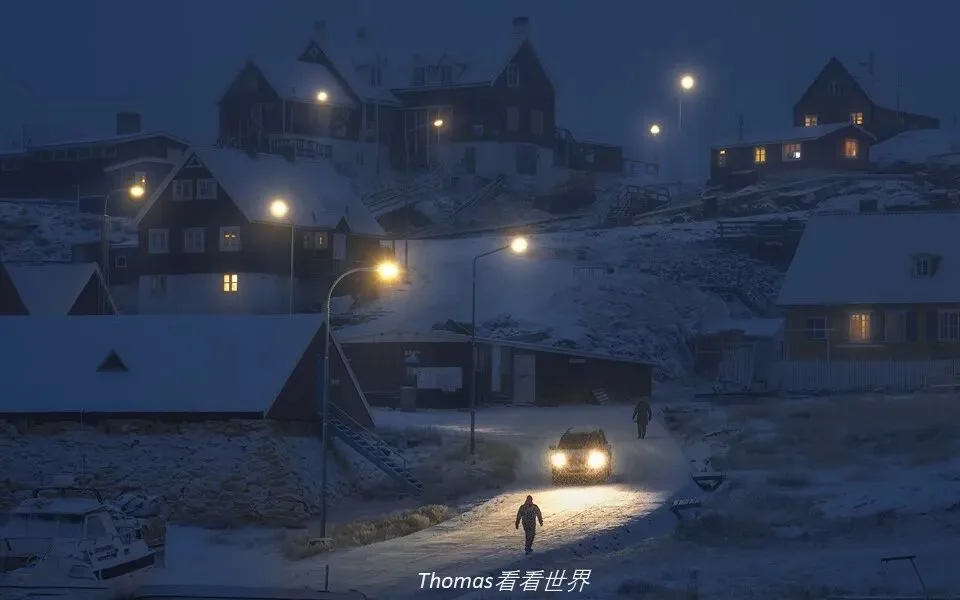
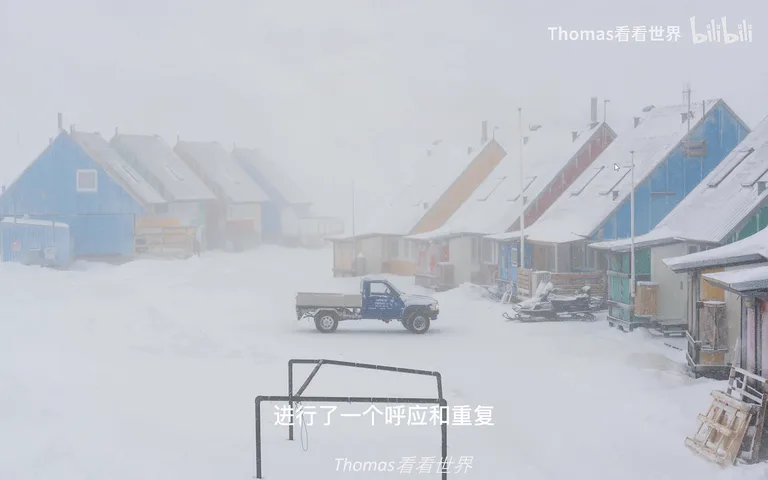
His National Geographic grand-prize Greenland village endures thanks to repetition: the angle he found renders every house as a similar 'triangle-over-rectangle' form, varied by riotous color; the chosen road stretches away, its lampposts spaced like musical notes; at night the scattered lights read as a starry sky, a feast for eye and mood at once (at 3:38 in the video).


04 From Photographic History to Daily Life
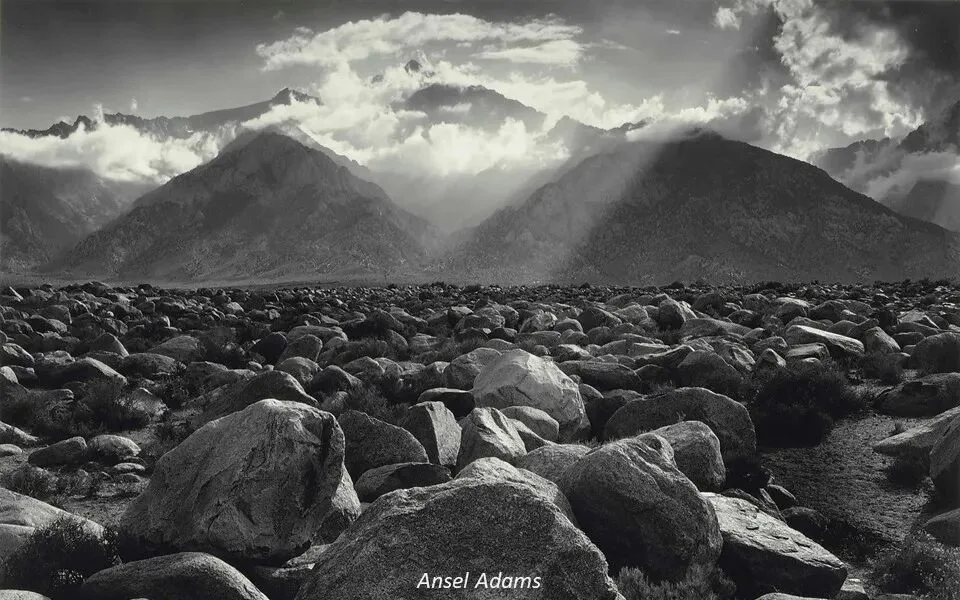
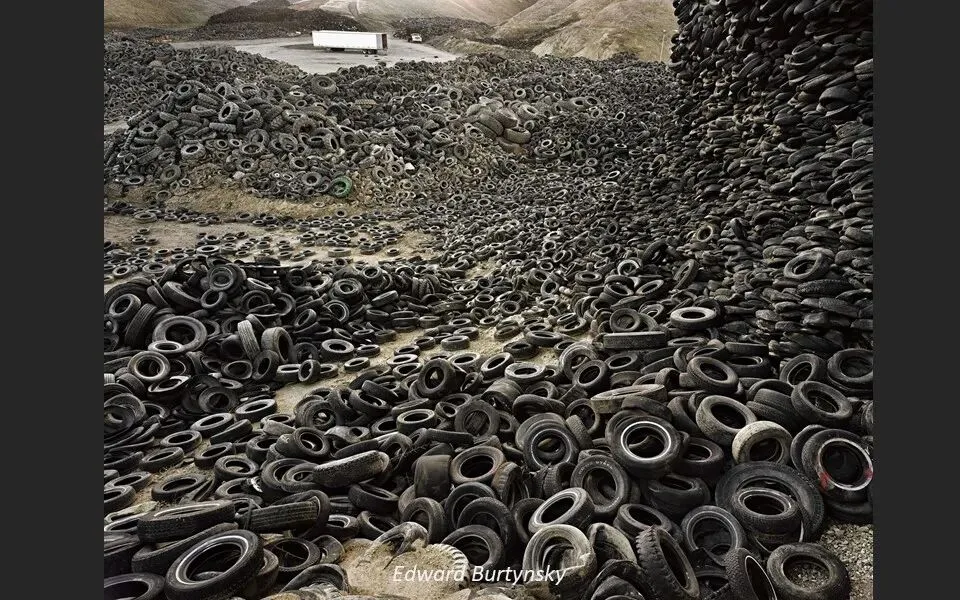
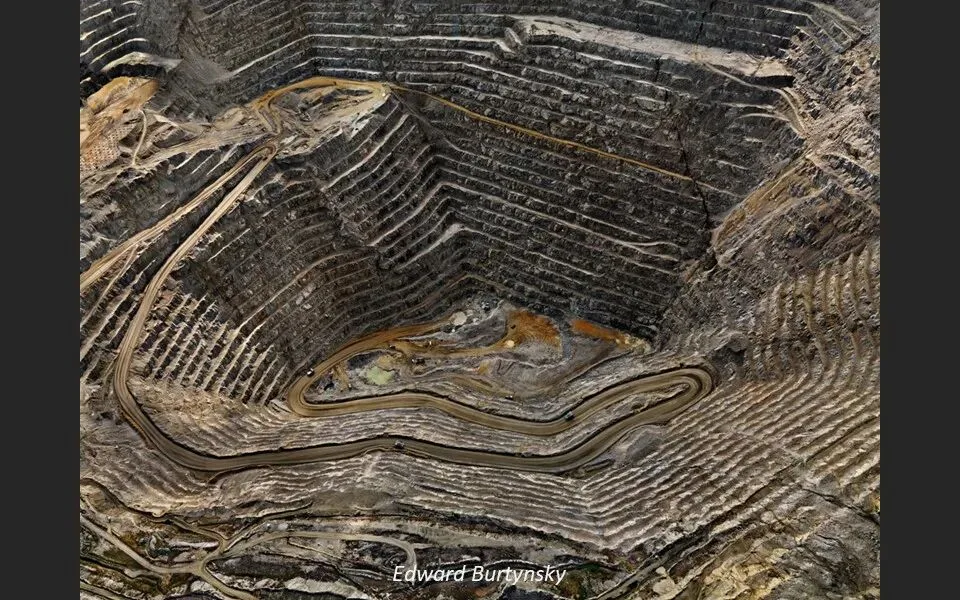
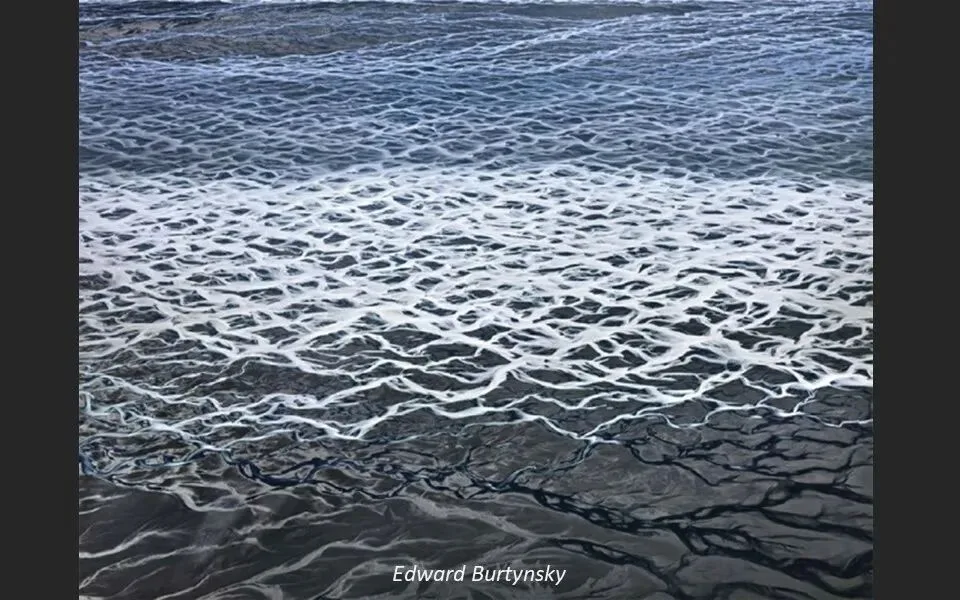
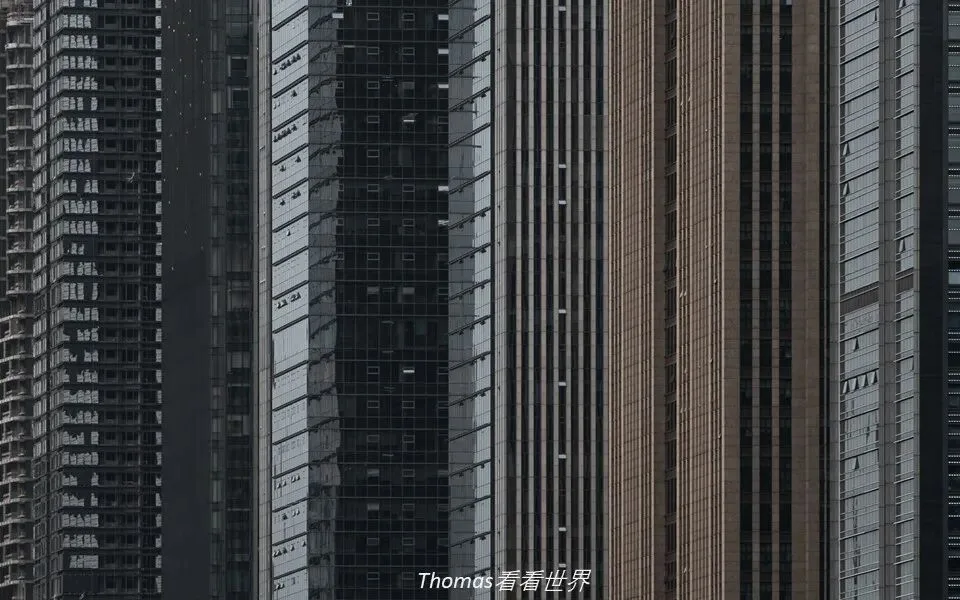
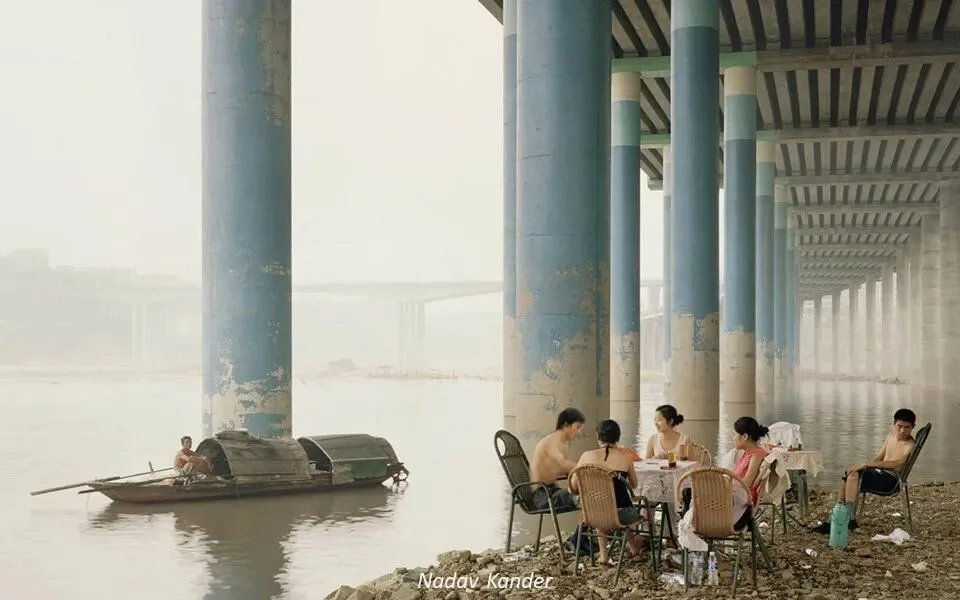
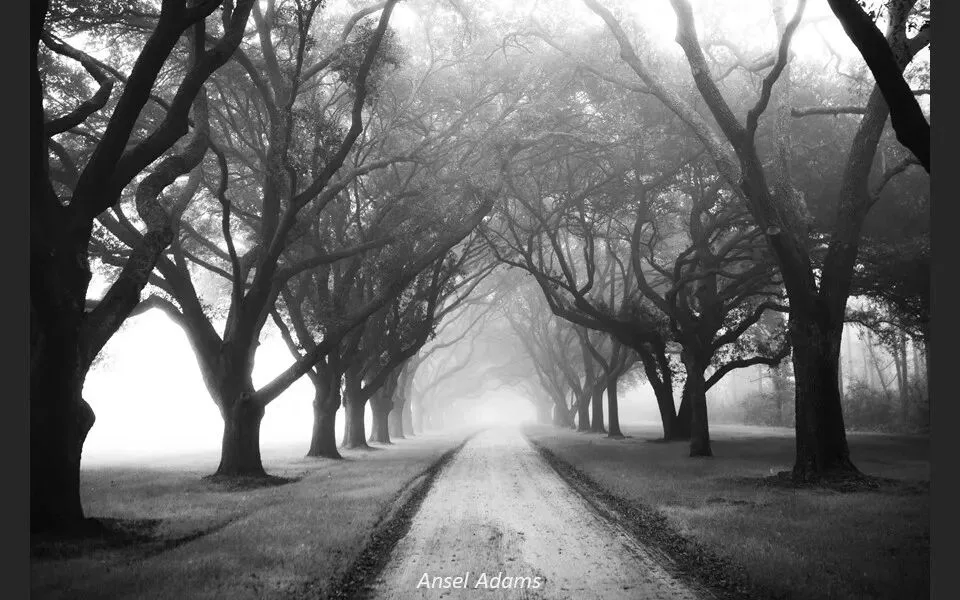
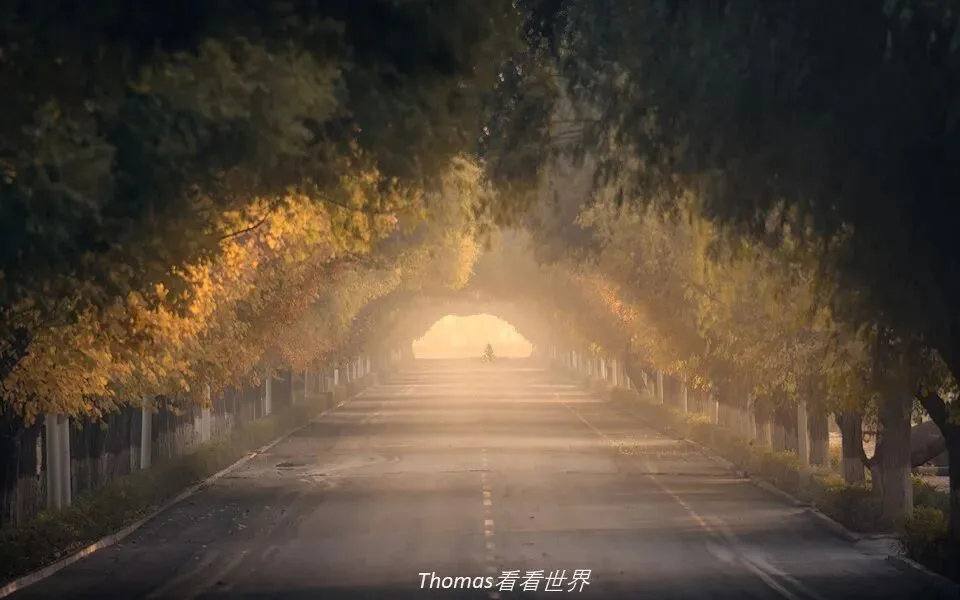
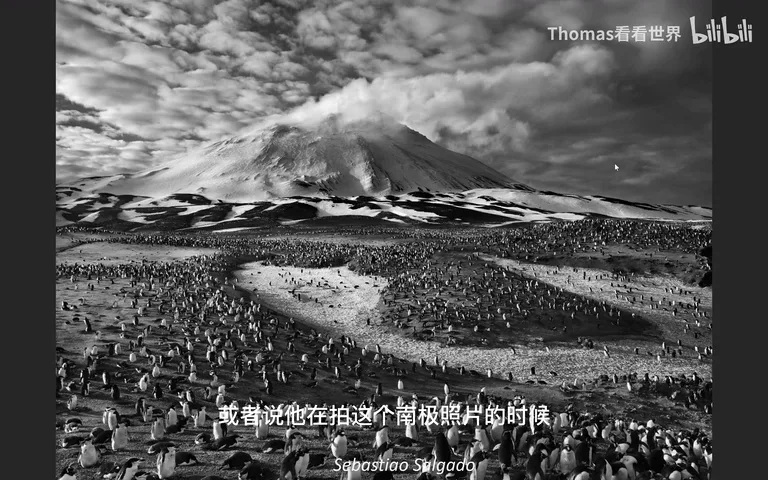
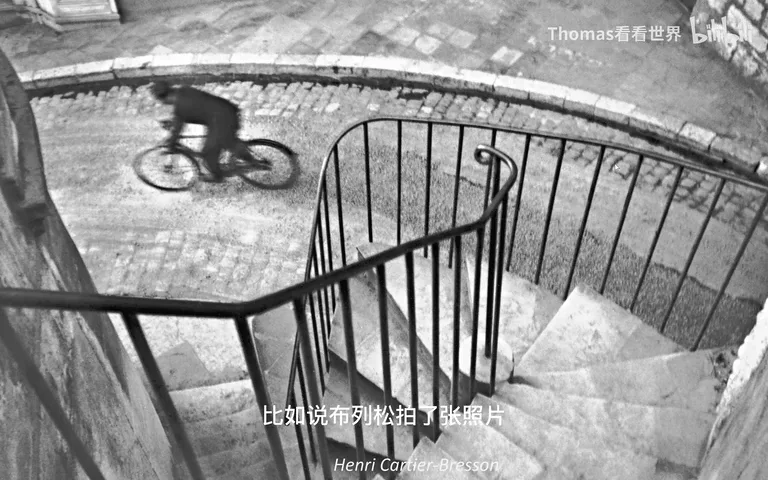
Repetition needs neither Greenland nor the Himalayas. Salgado's Antarctic masses of penguins and walruses strike self-evidently, and the skin folds of two turning walruses are themselves visual repetition; Cartier-Bresson's spiral staircase delights through the rhythm of steps and railings; Edward Burtynsky repeats one object a hundred, a thousand times to stage industrial shock — and daily life repeats everywhere: tower windows, bridge piers, avenue trees, lightbulbs hung out to sell (at 6:00 in the video).
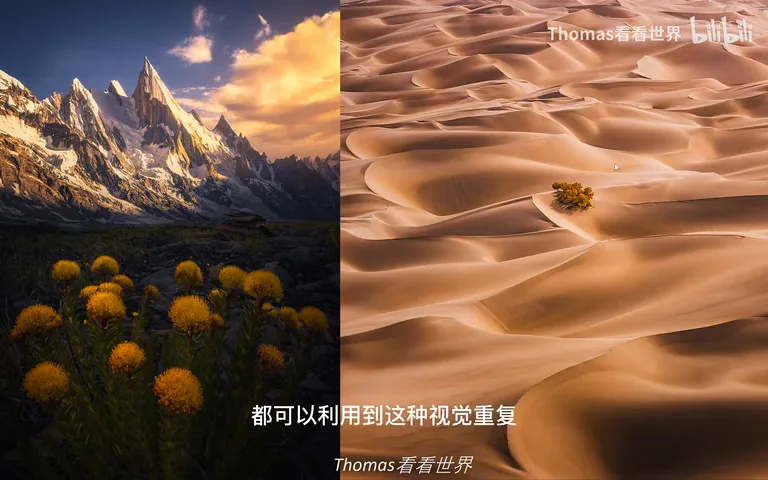
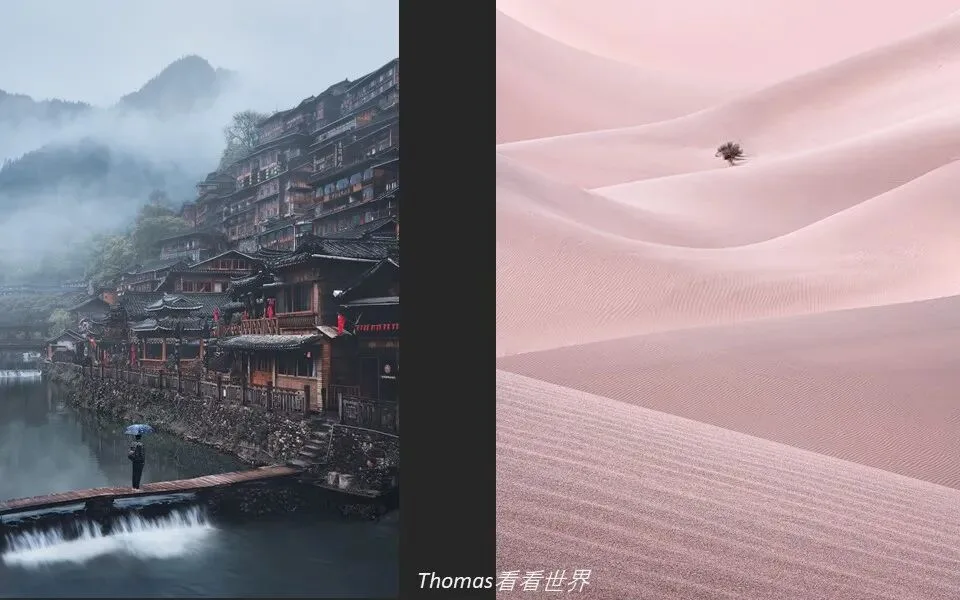
1. Echo is commonality between a few elements; repetition is the mass piling of many — the first seeks harmony, the second rhythm and impact; 2. Repetition need not be identical — similar forms or colors suffice, with variation inside the pattern; 3. Telephoto compression is the tool that distills repetition: ranges, dunes, windows and piers all become music; 4. Train the eye first — woods in a park, shop windows down the street, repetition is everywhere.
HD video:
https://www.bilibili.com/video/BV1dr4y1p75i/
Click to view the index of 400+ other photography tutorials
PPT