Photography Tutorial · 2019-11-24
These Masterpieces Were All Created by Cropping in Post
Thomas Chu Photo
In an era when even phone photos have tens of millions of pixels, cropping in post can be much bolder!
In today's tutorial, Thomas will use some of his own photos to share the ideas and thinking behind recomposing in post.
In some of these cases, cropping away more than 80% of the original frame turned an ordinary shot into a masterpiece!
Video Tutorial
▶ Watch the video tutorial on Bilibili
This is the illustrated companion to the video above. 'Good photos are cropped' goes the saying — with his own files Thomas shows, case by case, how second-pass cropping turns originals hampered by short lenses, hasty framing or stray clutter into entirely different pictures — some cropped by more than 80% of their area. Four chapters below, with all before/after comparisons included.
01 Not Enough Reach? Crop to the Rescue
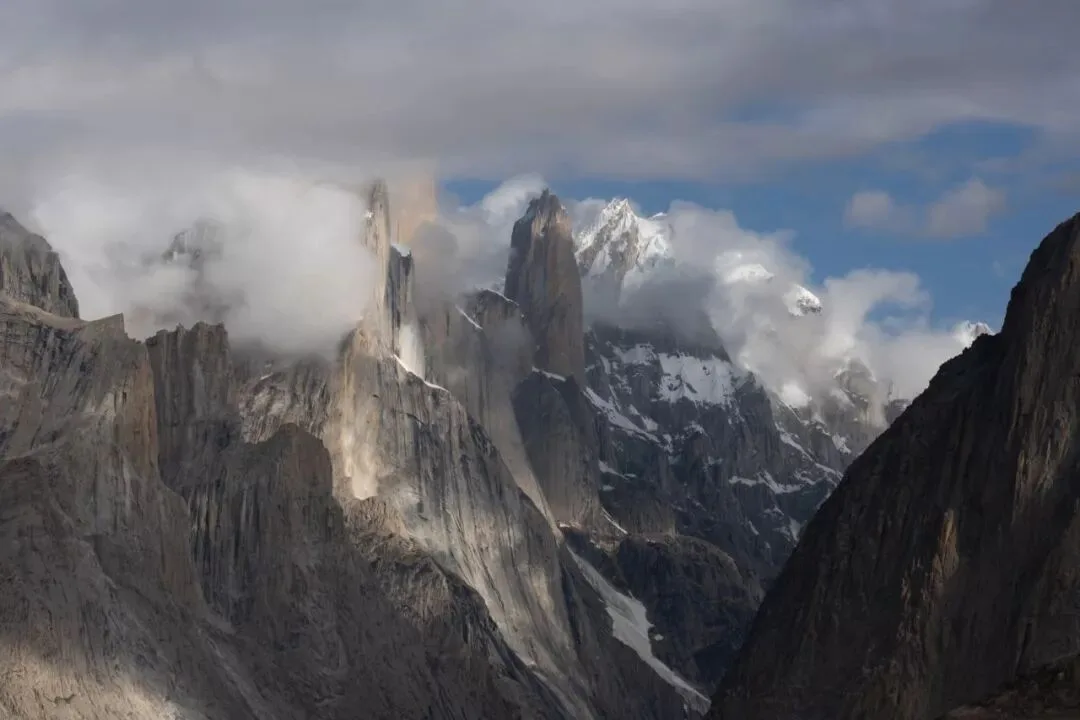
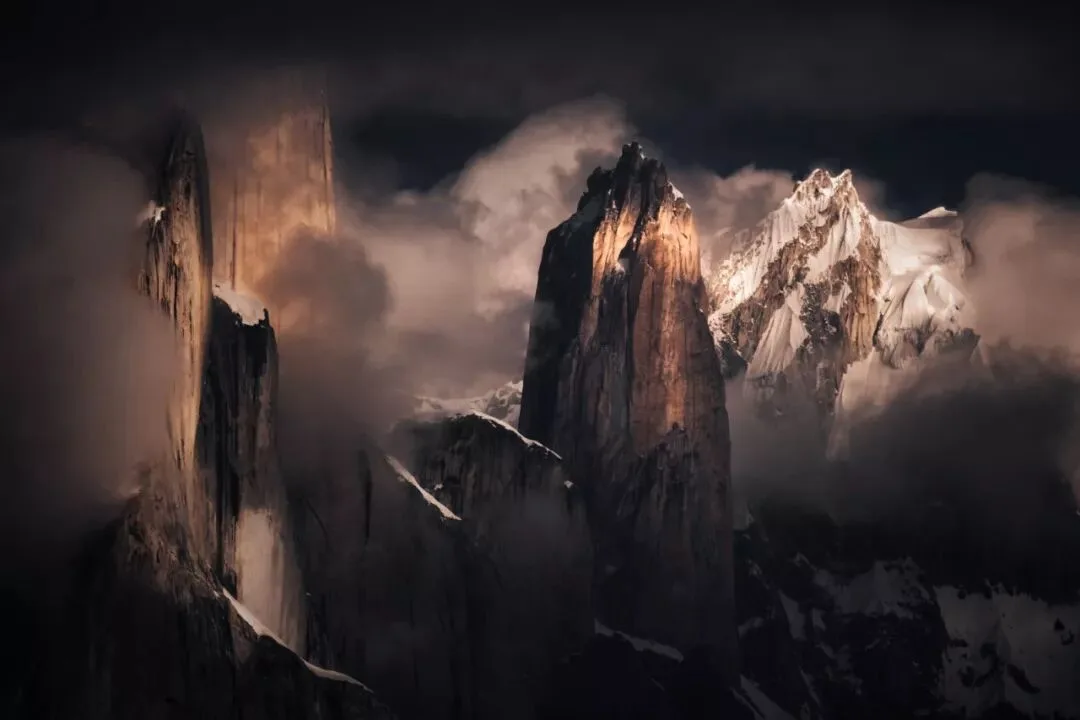
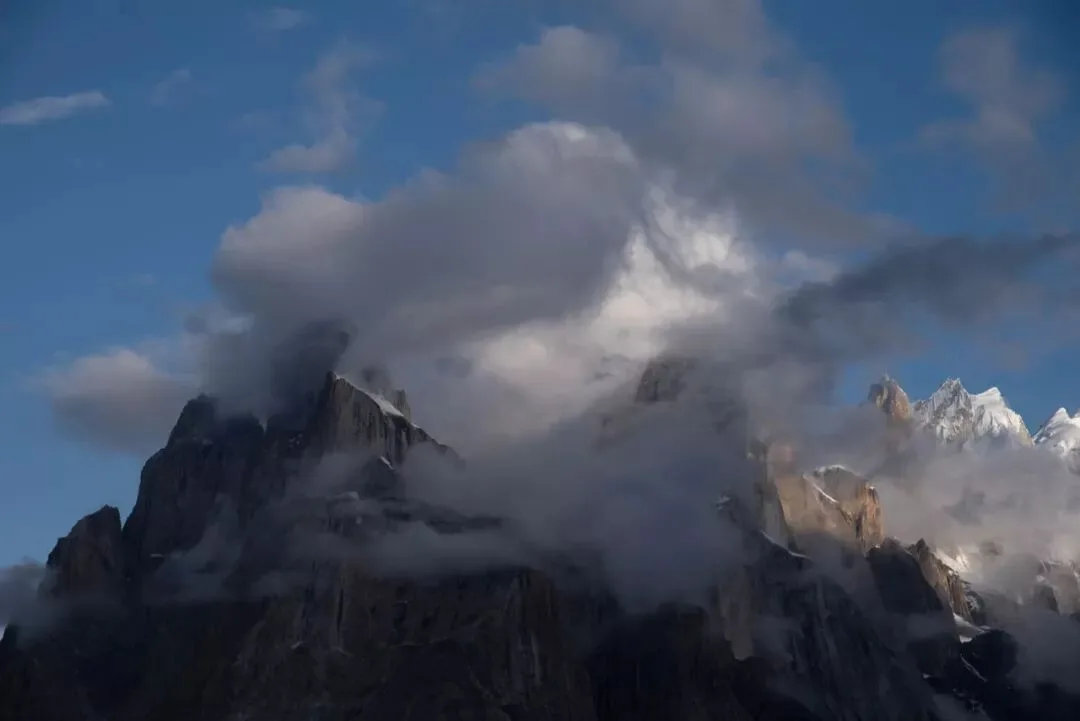
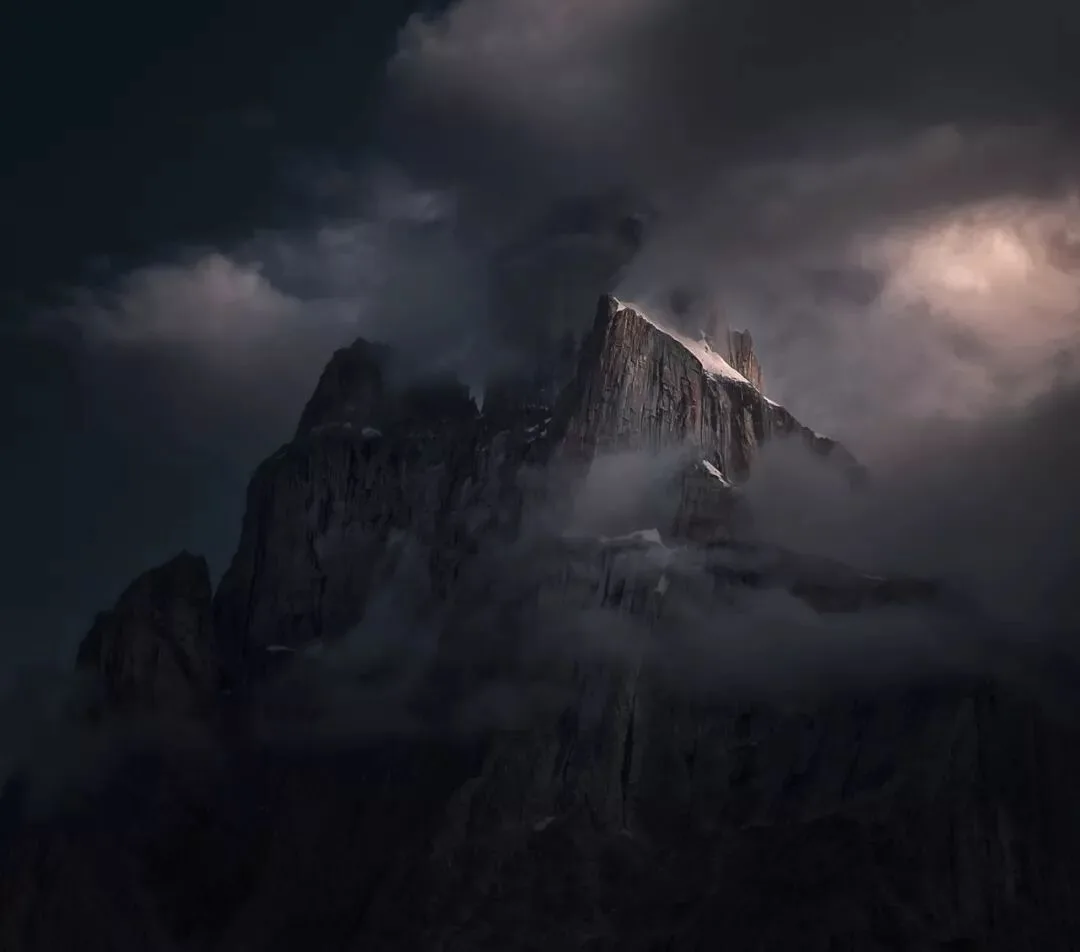
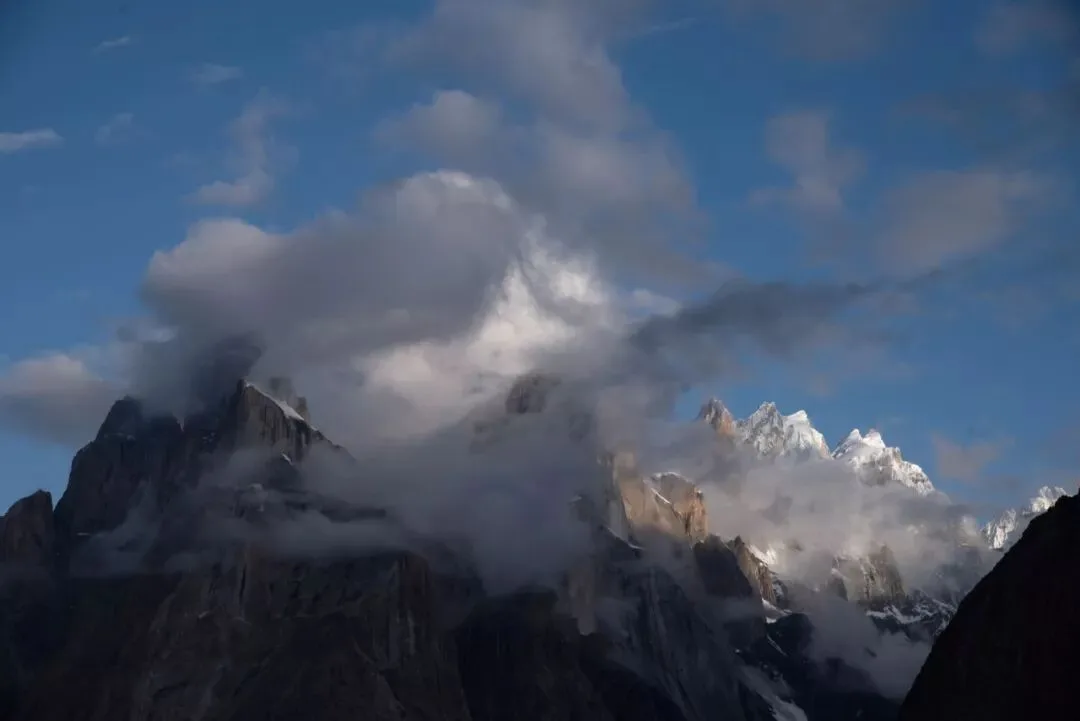
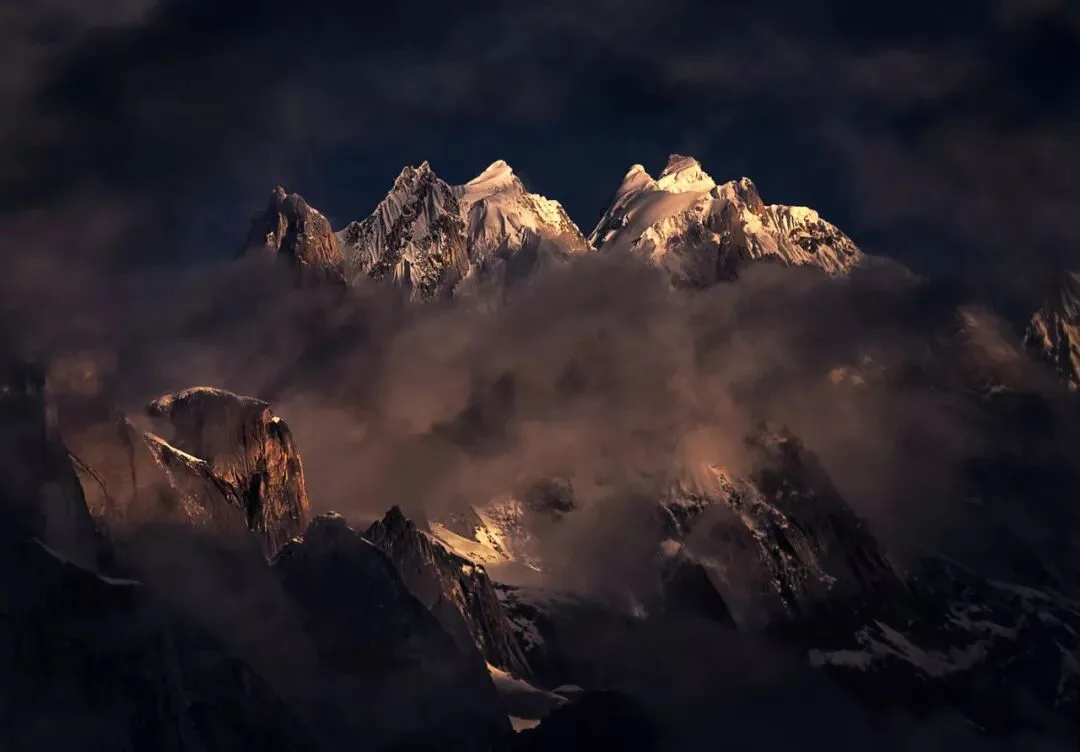
Shooting a tower-like peak in swirling cloud with a 24-105mm, the reach fell short; by the time the 100-400mm was mounted, the fleeting best light had passed and only one frame survived — cropping pulled the eye to the essential tower in the center and cut the rest, and the result looks like a different photograph (at 1:15 in the video).
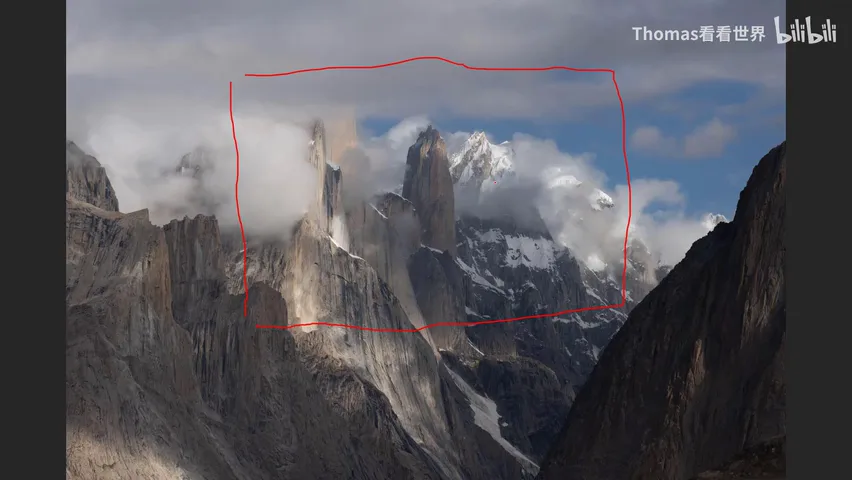
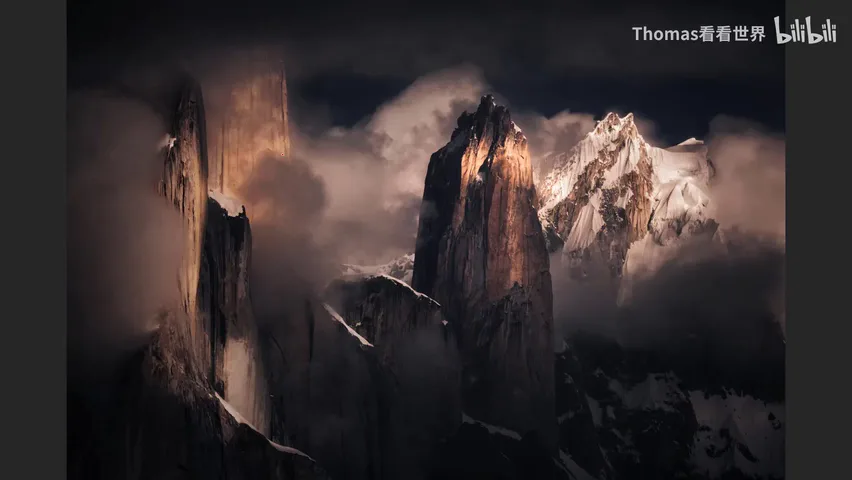
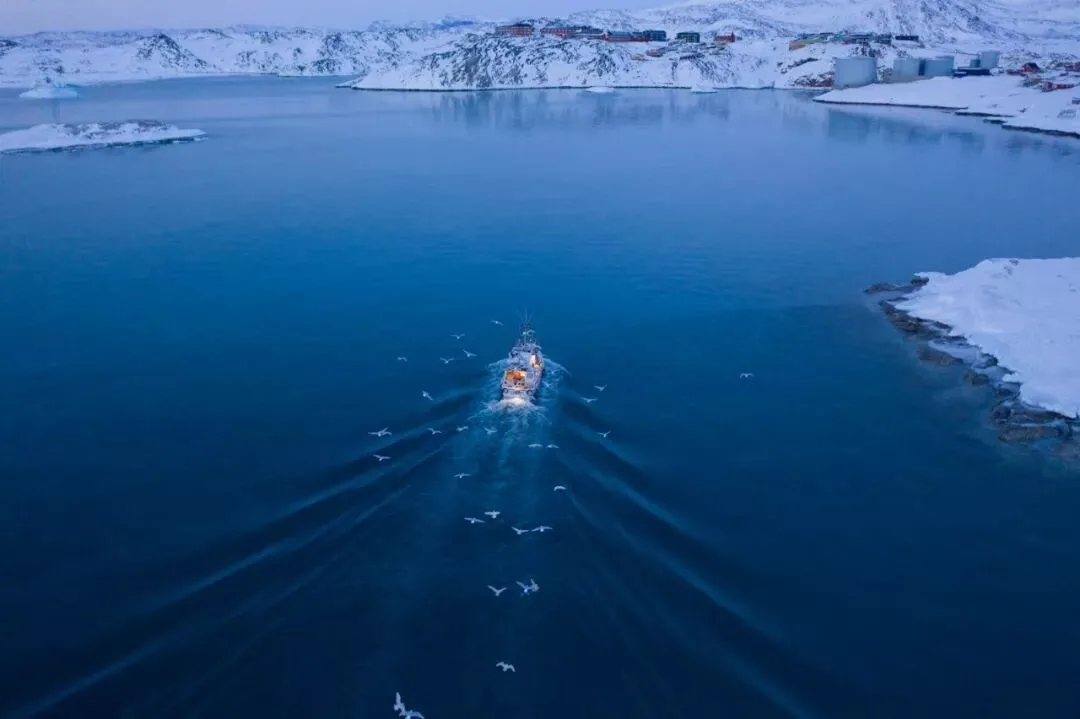
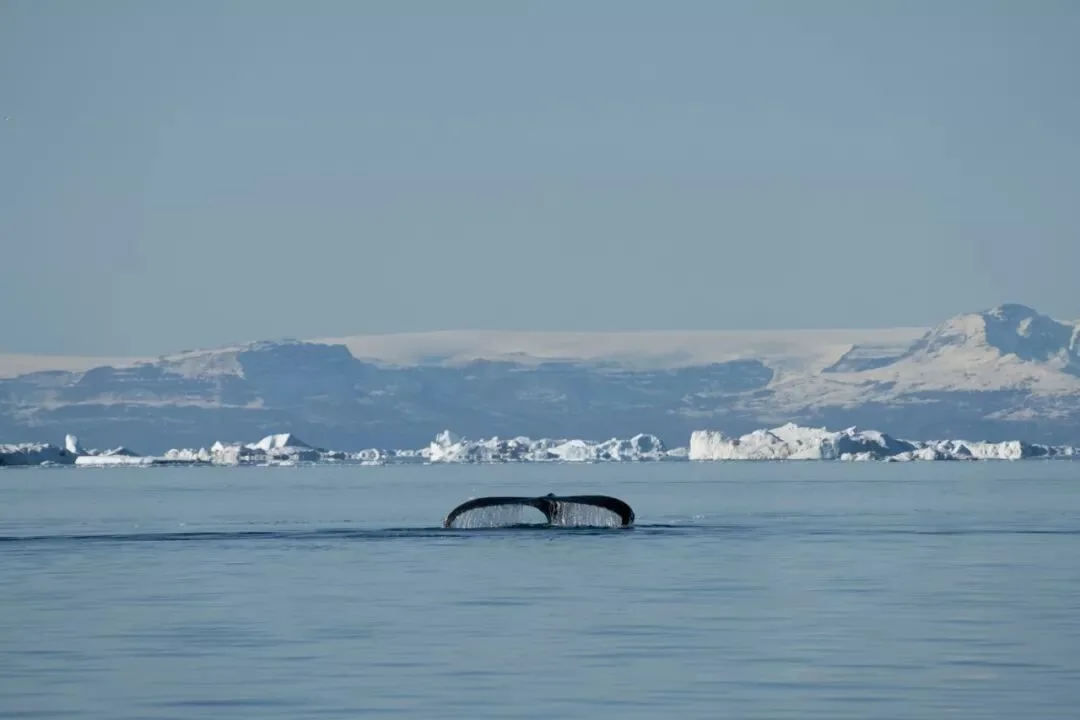
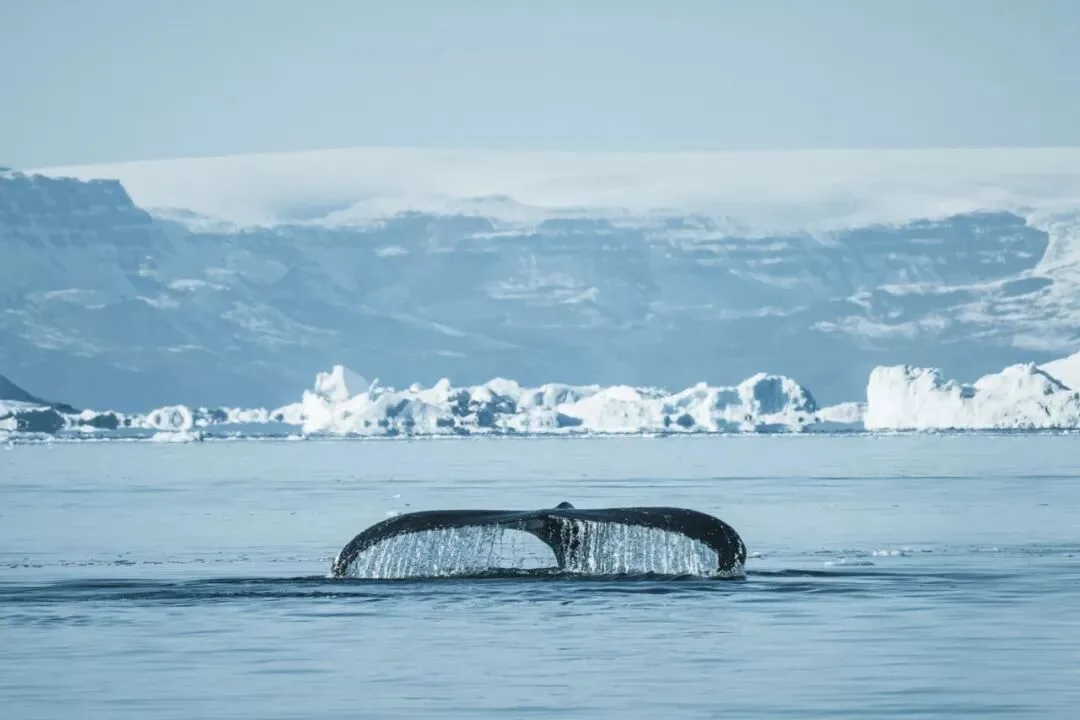
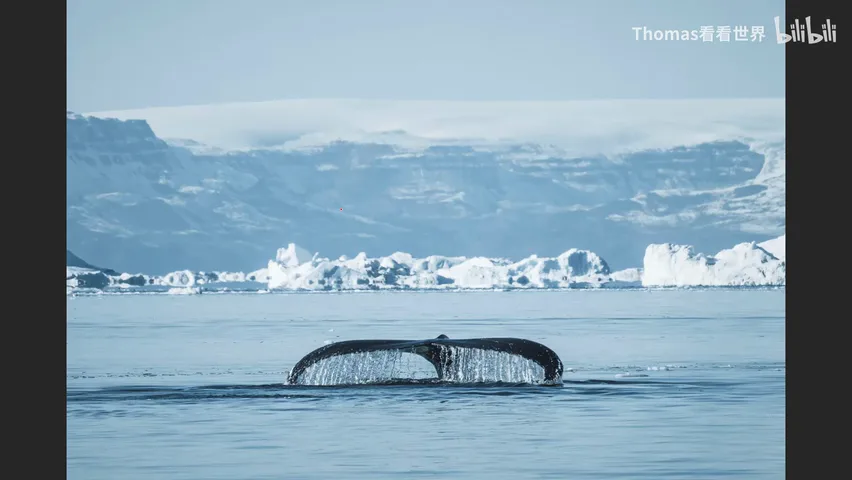
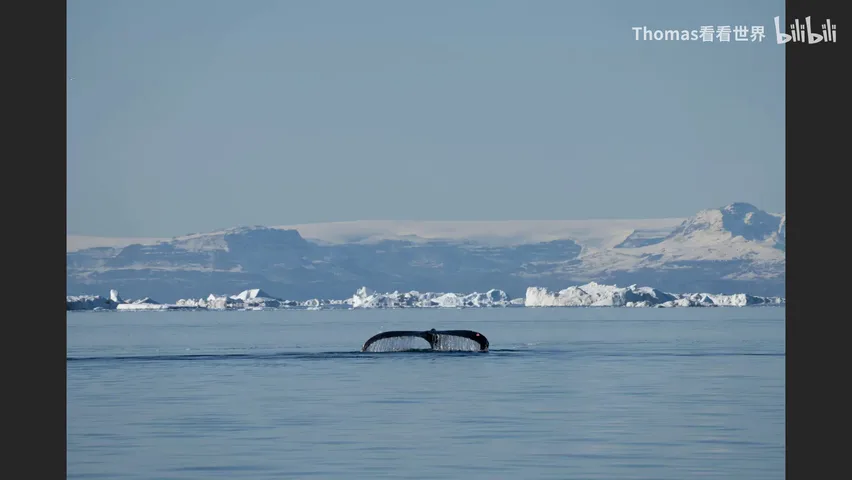
Drones are the same: the Mavic 2 has a fixed lens, and from the harbor frame only the fishing boat and gulls mattered — crop away the cottages and the hill and the subject snaps into clarity; likewise a whale shot on an A7R4 with the 100-400mm at 400mm — the fluke is the essence, and only a crop gives it the spotlight (at 1:52 in the video).
02 Remove the Clutter, Reveal the Point
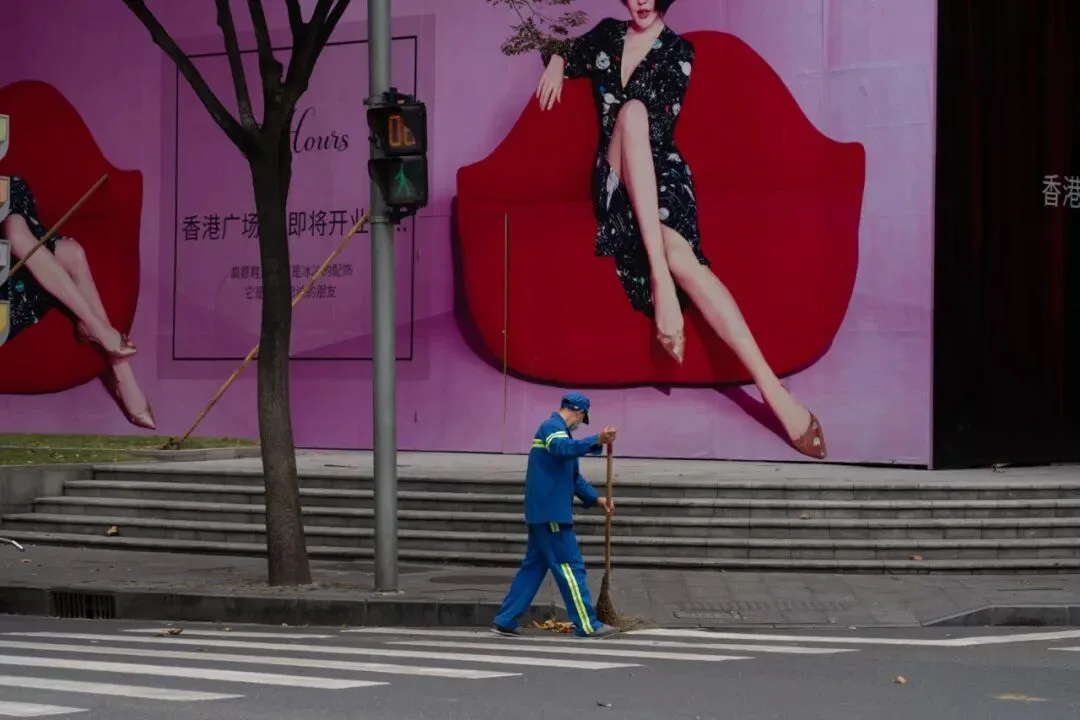
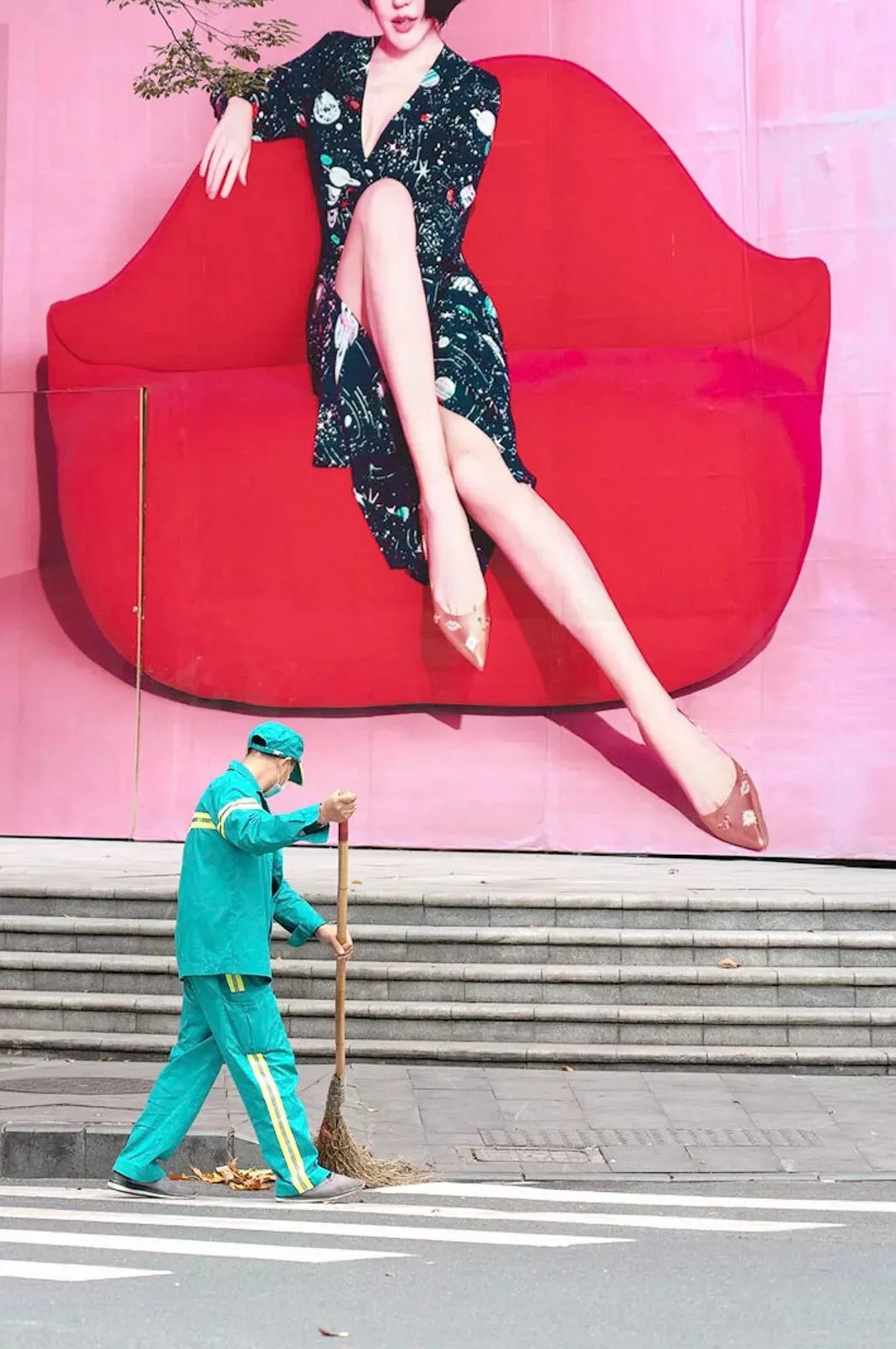
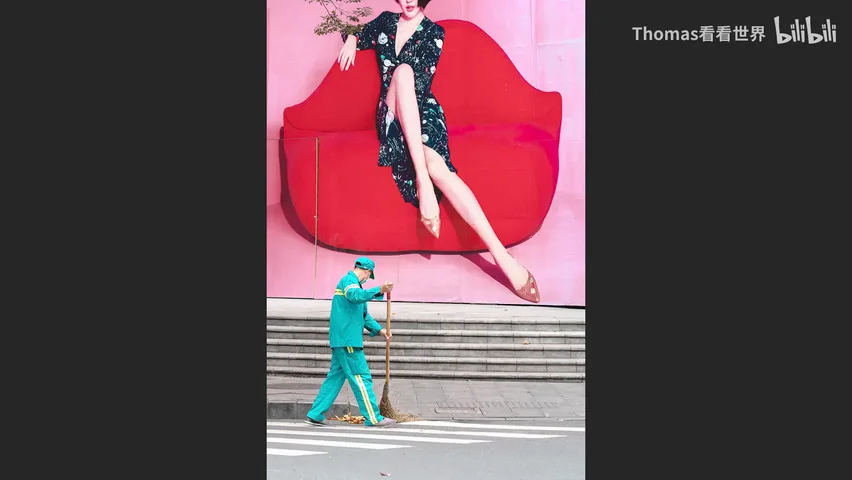
A horizontal street frame was chaos of branches, red lights and messy billboards — yet the real points of interest were the all-blue sanitation worker, the woman on the billboard and the sweep of red behind them, an intense contrast of color and content. Cropping away the sides set that contrast completely free (at 2:49 in the video).
03 The Second Crop: Re-examining the Frame
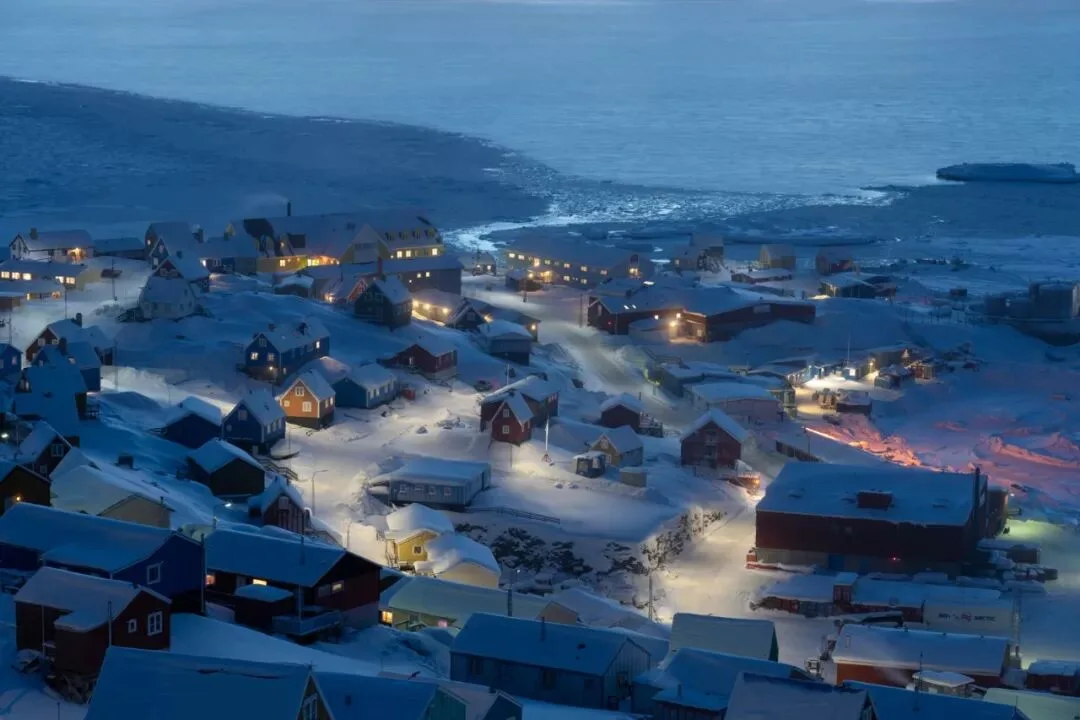
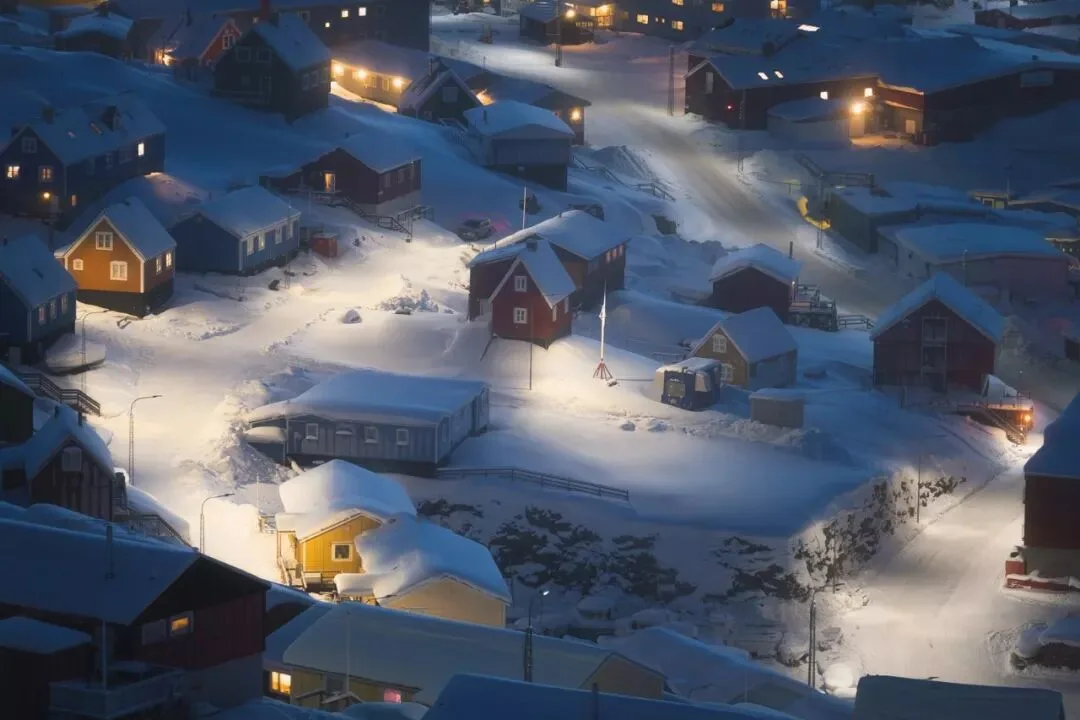
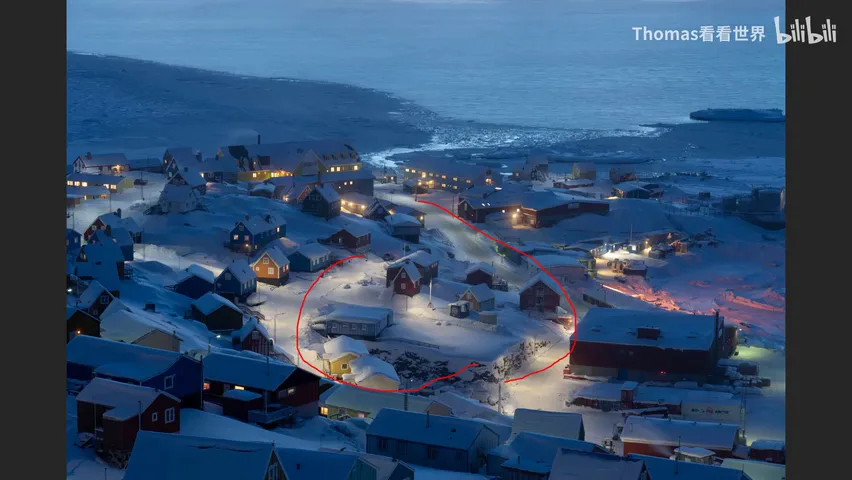
Shooting a Greenland village at night, unsure of the frame, he kept the sea for context; analyzing it later at the desk he realized the magic was the middle — tiny houses and streetlamps curling into a ring. Cropping away the sea above and the tall buildings around made the ring of lights the hero (at 4:08 in the video).
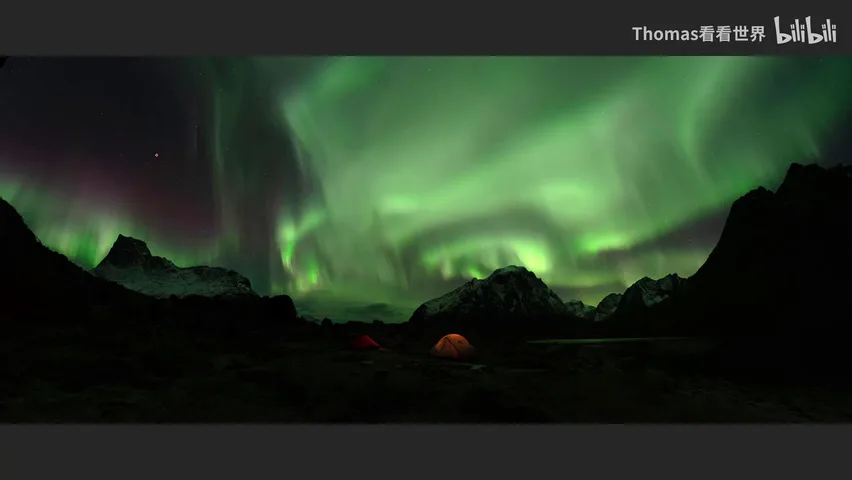
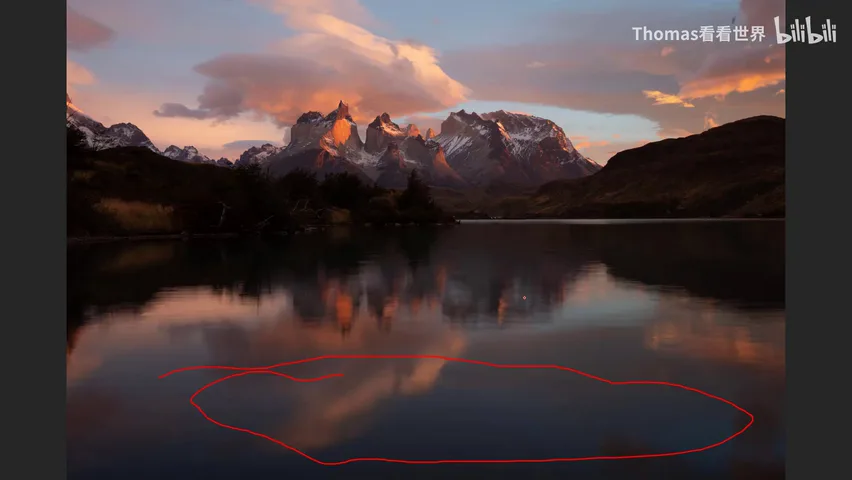
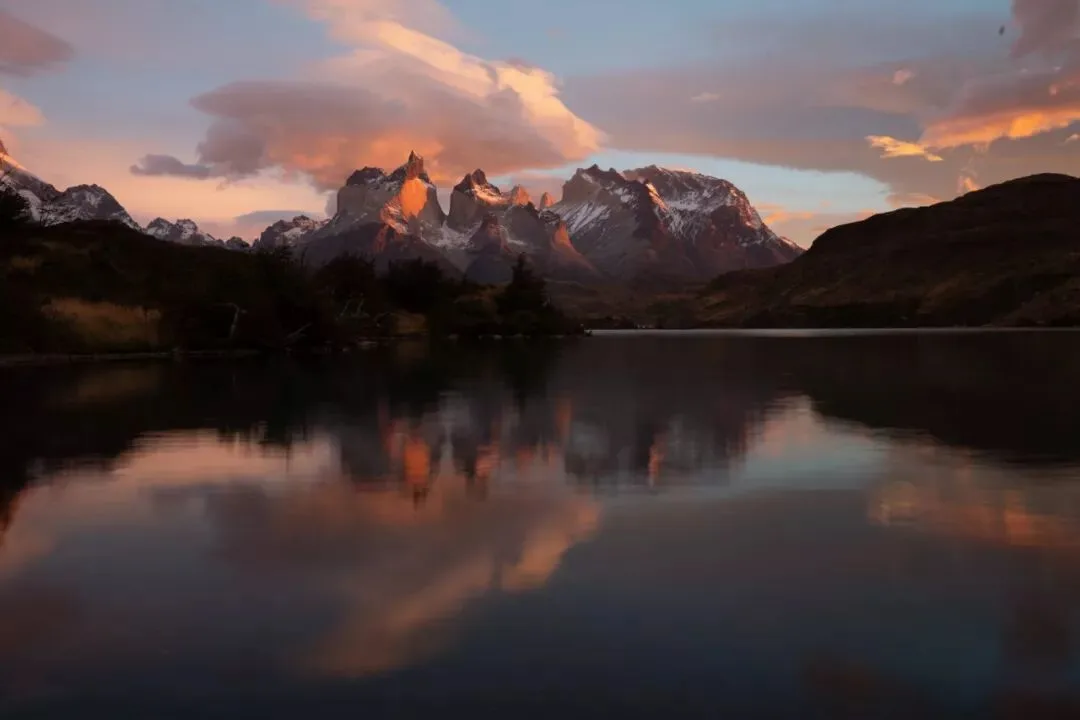
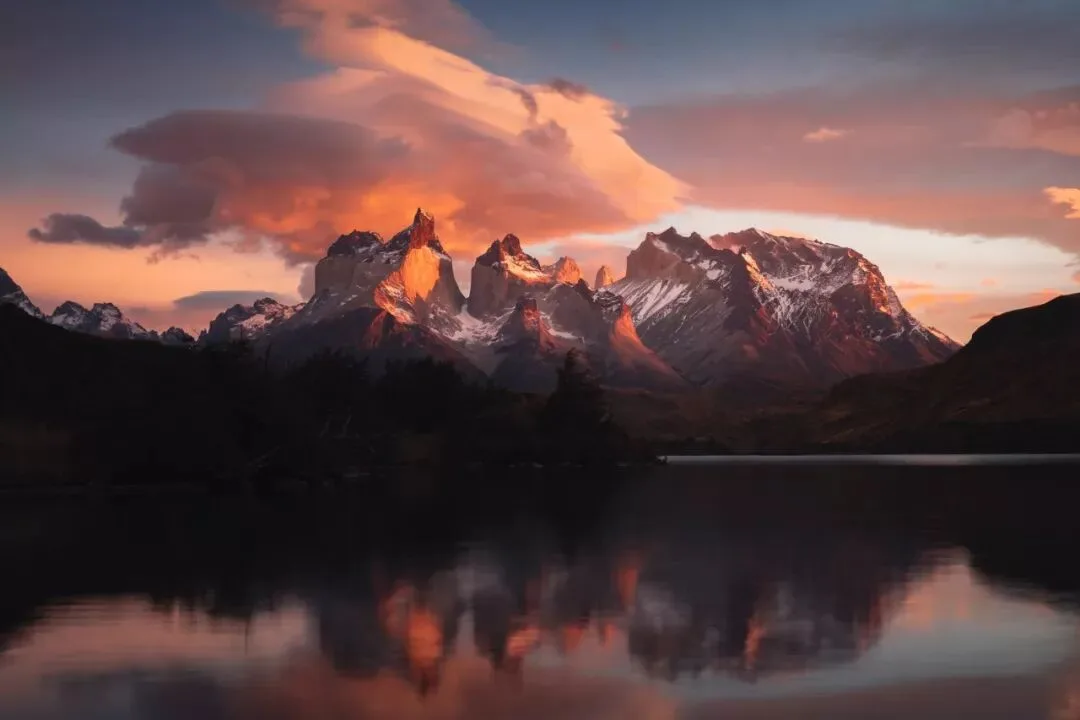
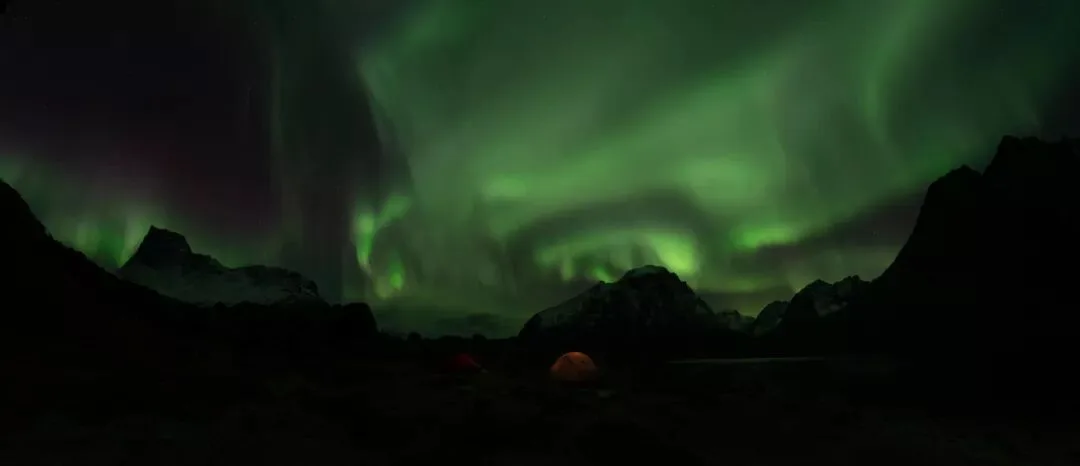
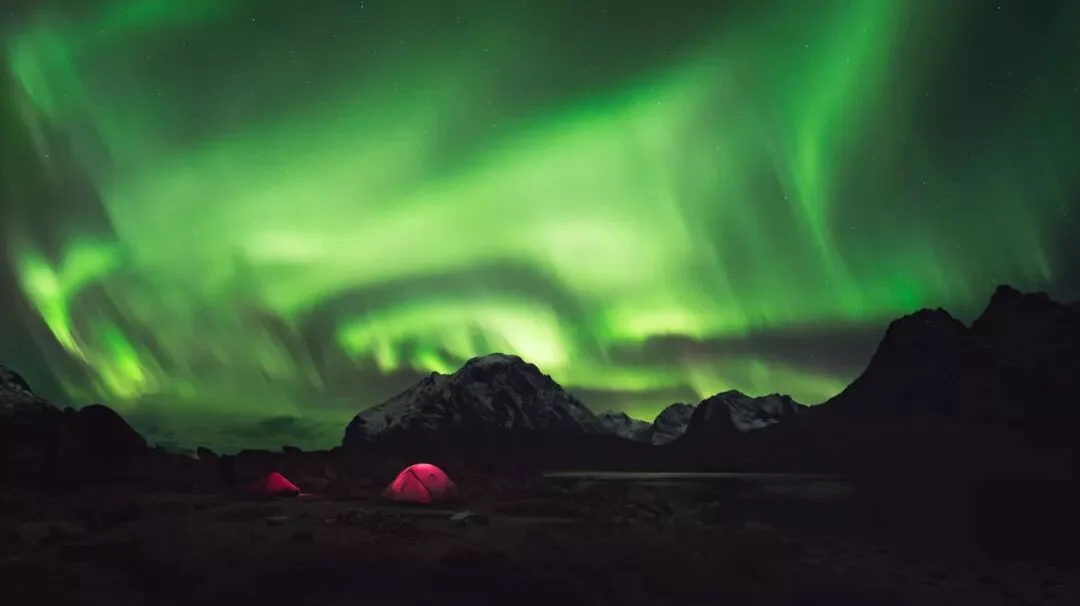
A panoramic aurora filled the sky — violet flares on the left — yet a sudden patch of black sky dead-center undermined it; crop it, and the all-green scene finally says 'aurora everywhere.' The Torres del Paine sunrise, shot symmetric for safety, lost its empty foreground water in the final version for the same reason (at 5:10 in the video).
04 Turning Discards into Treasures
The greatest gift of the second crop is rescue. A cloud-wrapped mountain felt majestic in person but flat as a flat file; studied closely, one peak wreathed in cloud above and below — ribbed with rock and snow — could stand alone. Cropping away four-fifths of an A7R3 file still leaves around ten megapixels, and the result is unrecognizable as the same scene (at 7:25 in the video).
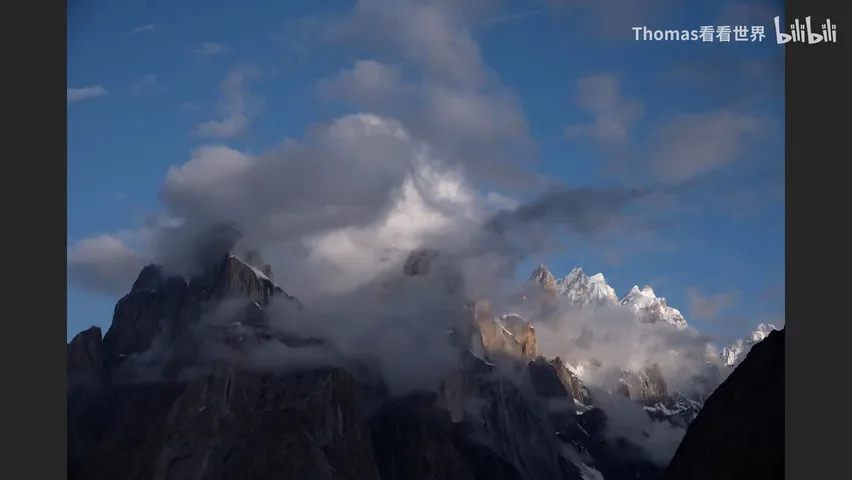
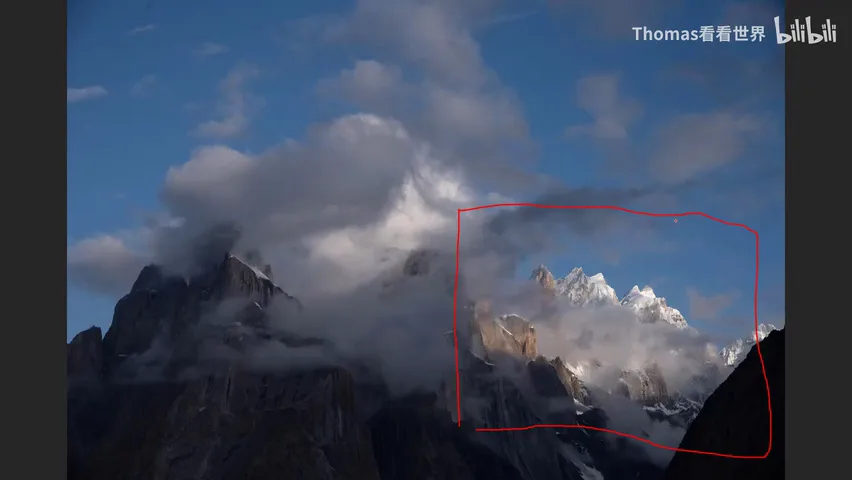
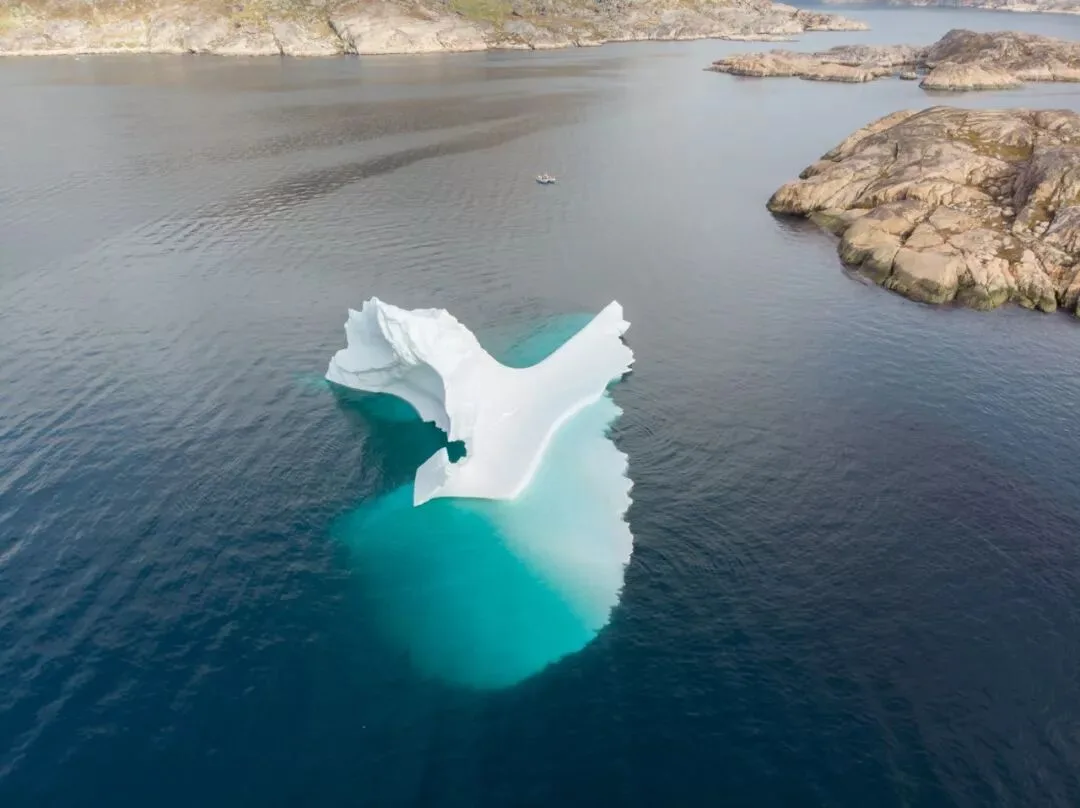
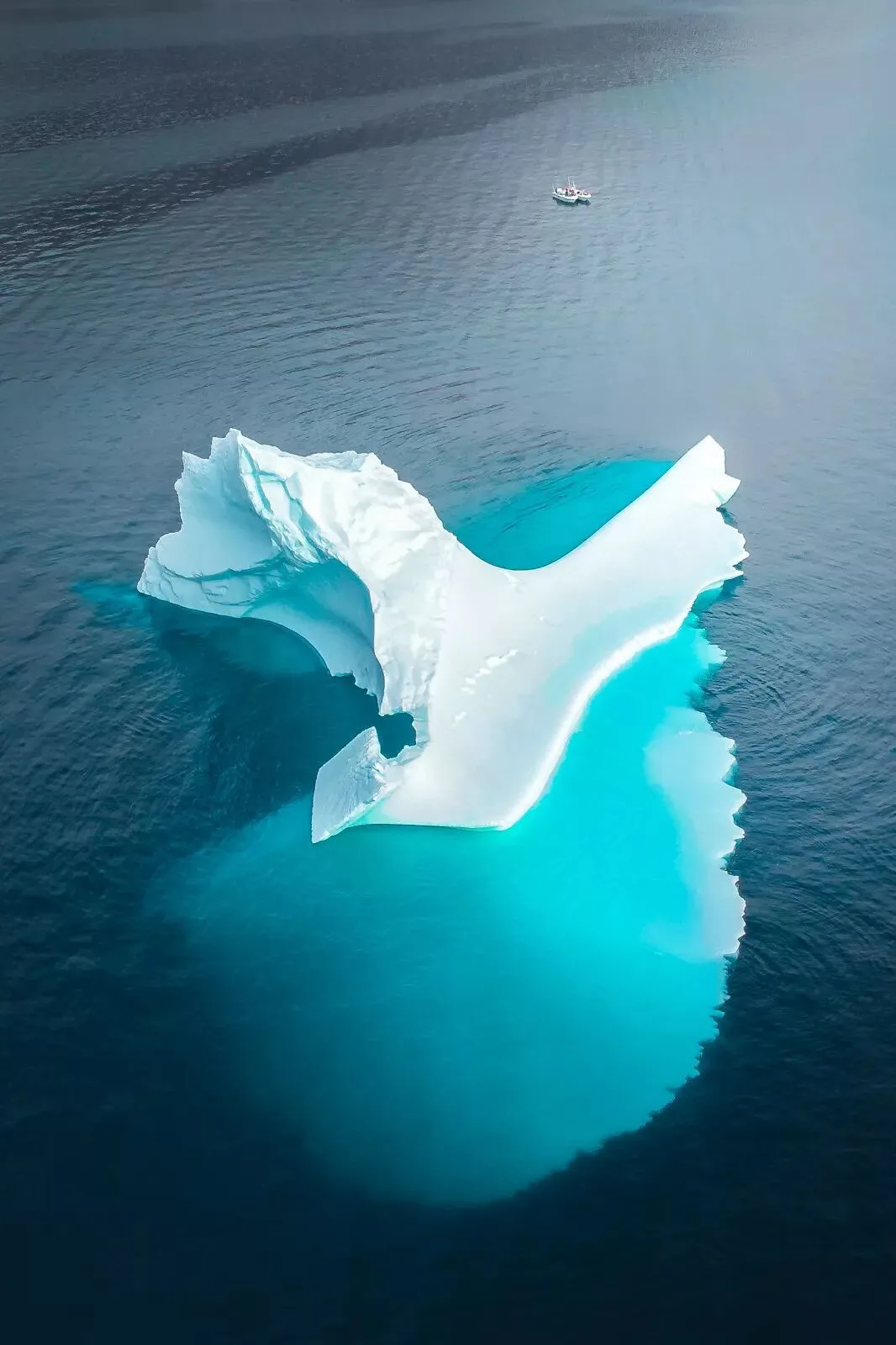
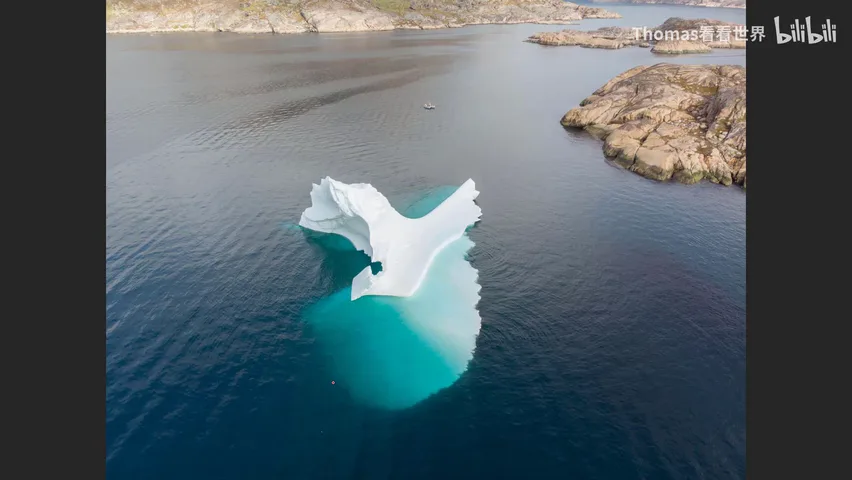
Drone shooting leaves seconds to think, so the ice-sea frame swallowed a pointless islet — when the real subject was the floe at center, mostly hidden underwater; the boat stays only as a scale reference, without which you cannot tell how vast the ice is. When the moment outruns your thinking, the second crop is your second chance (at 9:43 in the video).
1. Not enough reach? Crop: the wide frame saves the moment, the telephoto composition happens at home; 2. Cropping is subtraction — remove what does not serve the subject and the highlight emerges; 3. The second crop is a second look at composition: amplify what you meant to say, cut the empty and the irrelevant; 4. High-resolution sensors let you crop boldly — but the foundation is every moment you seriously photographed in the field.
Illustrated Outline