Photography Tutorial · 2019-03-22
Spectacular Landscape Masterpieces Need Visual Guidance Even More - Photo-Editing Mini-Contest, Episode 7 Review
Thomas Chu Photo
The pre-shoot is composing, and post-processing is performing. From the same original, different photographers produce different results. The collision of different ideas is fascinating.
Let's review the original from the 7th contest: a composition of a small tree by a lake in Torres del Paine National Park (original download address in "Photo-Editing Mini-Contest, Episode 7 - Marc Adamus's Classic Location, Want to Take Up the Challenge?" (《修图小赛第7期 - Marc Adamus经典机位,你要来挑战下吗?》)).
To increase the difficulty of this challenge, the contest provided a total of 4 originals with slightly different compositions and shooting times.
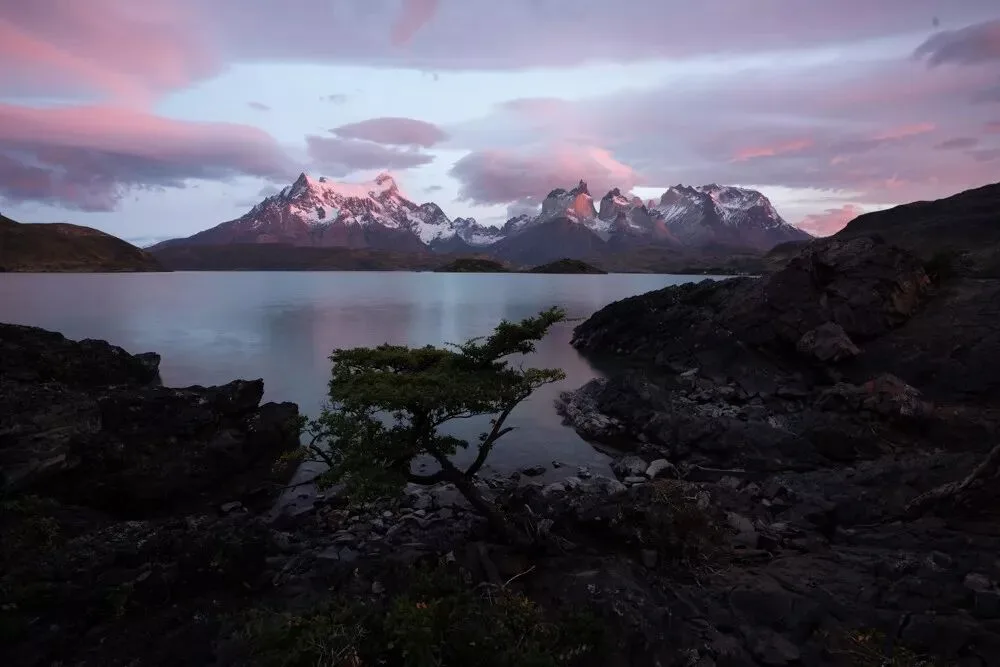
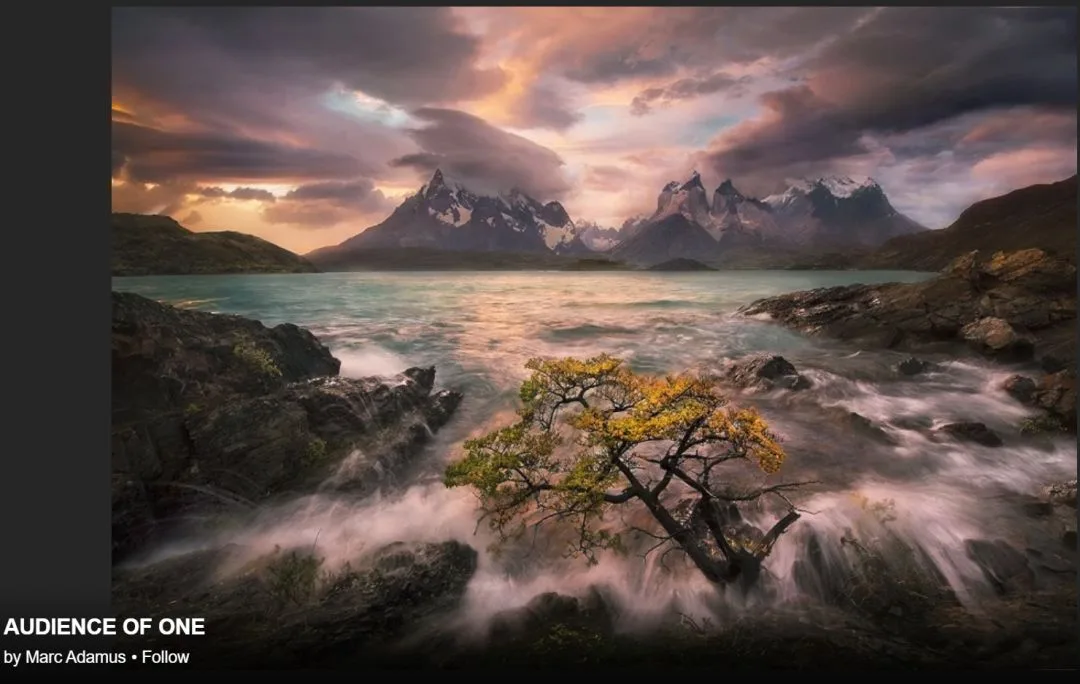
This spot was first discovered by renowned American landscape photographer Marc Adamus. His works went viral on social networks, and since then it has become a check-in pilgrimage site for landscape photography enthusiasts.
Selection Award winning works
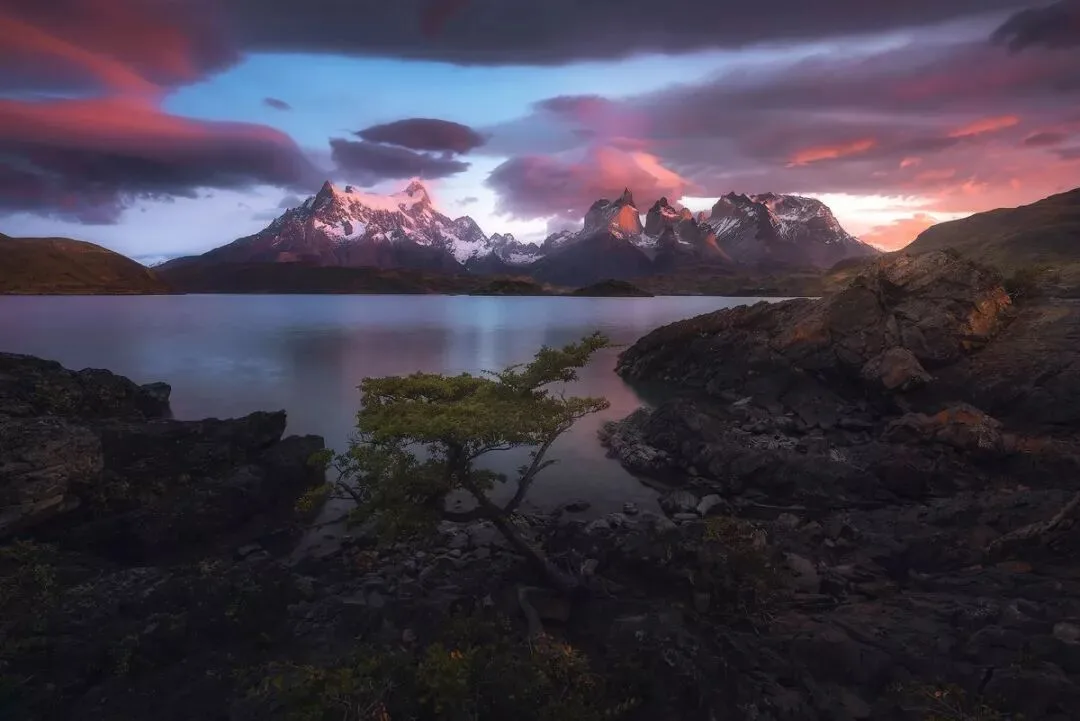
Photographer: shujian345偶然
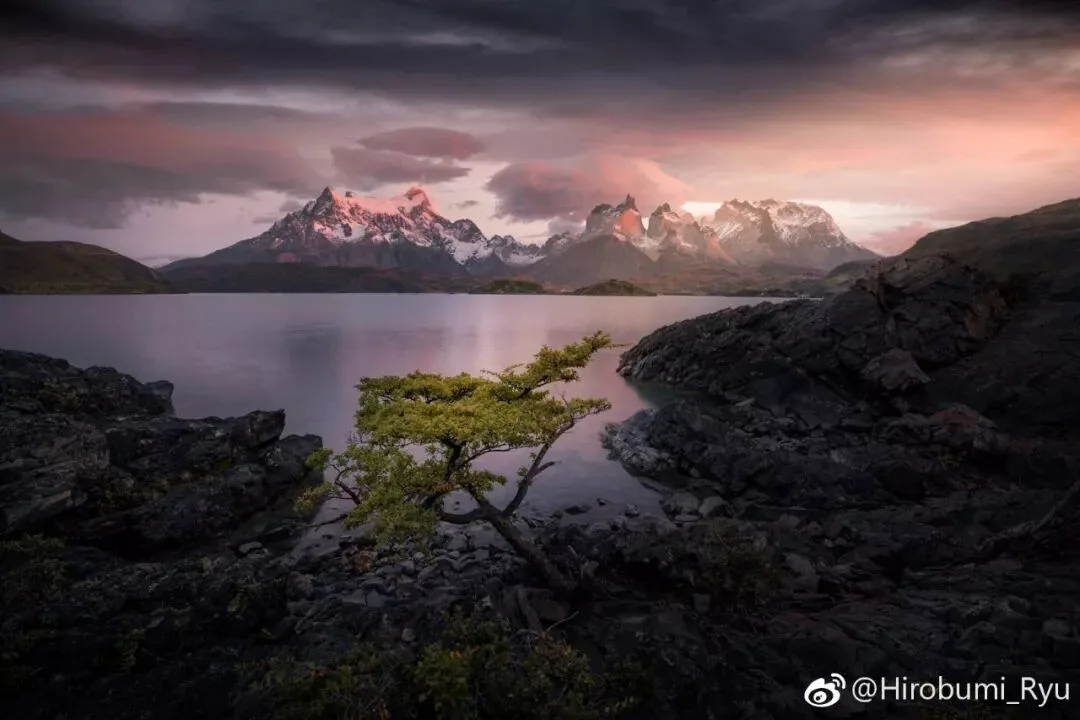
Photographer: HirobumiRyu
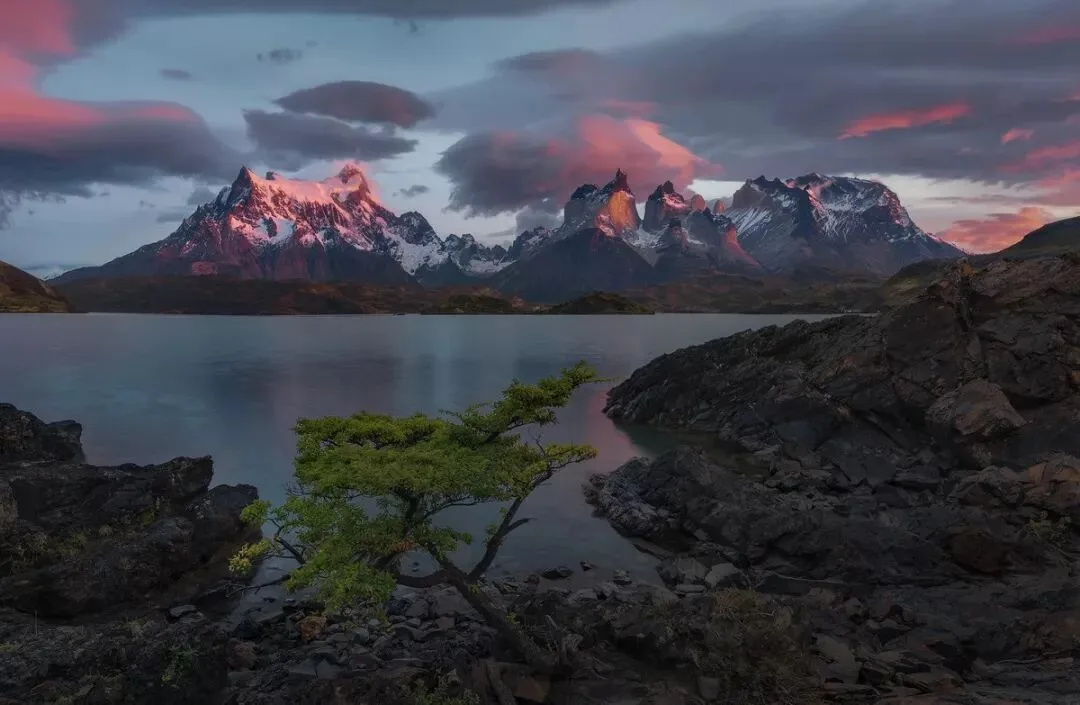
Photographer: _尘光_
Selection Award prize
The same model Thomas uses
Haida NanoPro 8-stop ND filter

Review 1: Is bluer sky and redder red clouds always better?
This time, to increase the contest's diversity and difficulty, Thomas provided 4 originals from different times and compositions, hoping to see everyone's personalized choices and insights.
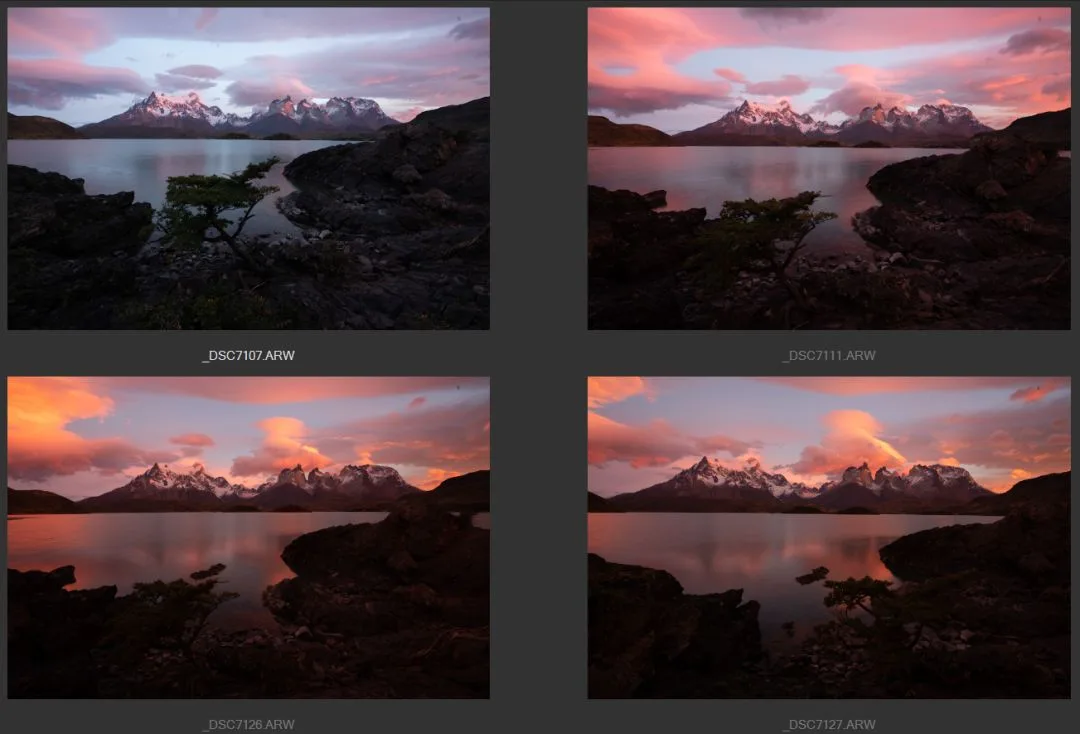
Surprisingly, the final three winning photos all used the first original - that is, when the dawn glow had just begun and hadn't yet filled the sky.
Aside from Thomas's personal preference, I think there are the following reasons:
Large-scene landscape photography emphasizes a sense of layering. Layering means separation and hierarchy - that is, the frame needs variation.
A sky full of red clouds is indeed spectacular, but when the sky is all red clouds, it loses variation and layering, becoming a flat red slab.
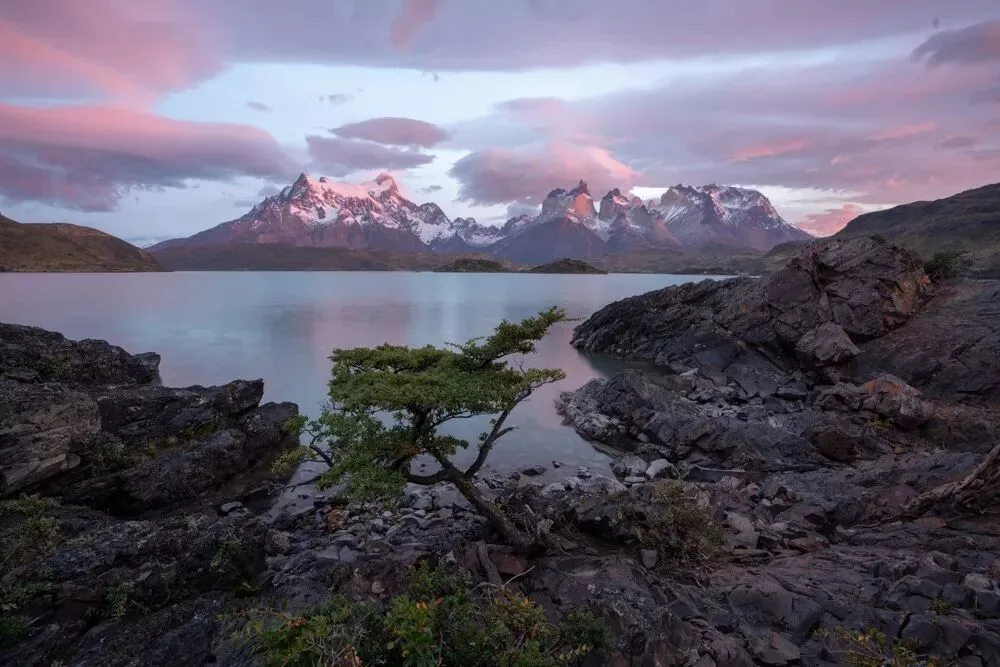
When the dawn glow has just begun, although the sky lit by the glow isn't that red yet, the rest of the sky is still cool-toned or low-saturation.
Under this contrast of cool-warm hues and high-low saturation, the red clouds stand out even more. The sky is also full of light-dark and cool-warm variations, rich in detail and layering.
Secondly, in handling the blue-sky portion of the sky, these three winning works also did well.
Many submissions have very red clouds and very blue sky, which is a bit unnatural (the sky at sunrise is usually slightly blue; only during the day is the sky very blue).
More importantly, the high-saturation blue steals the presence of the high-saturation red, and they conflict with each other. As Thomas mentioned in the book "The Fundamentals of Landscape Photography Post-Processing" (《风光摄影后期基础》), colors need to be matched relatively.

To make a color's saturation stand out, besides directly increasing its saturation, you can also appropriately reduce the saturation of other colors.
These two winning works handle the blue sky quite well - the blue is comfortable and not harsh.
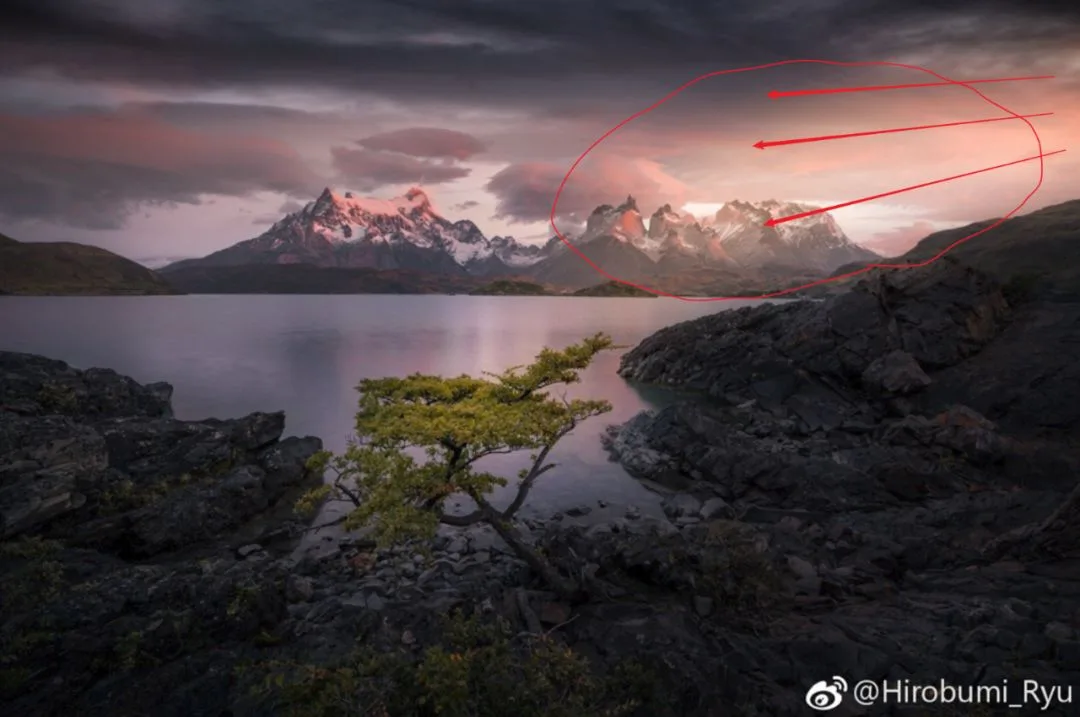
Hirobumi's work is handled even more cleverly: he directly filled the blue sky with other dark-cloud material. This makes the sky look cleaner and more unified, and the contrast between red clouds and dark clouds is even better than between red clouds and blue sky.
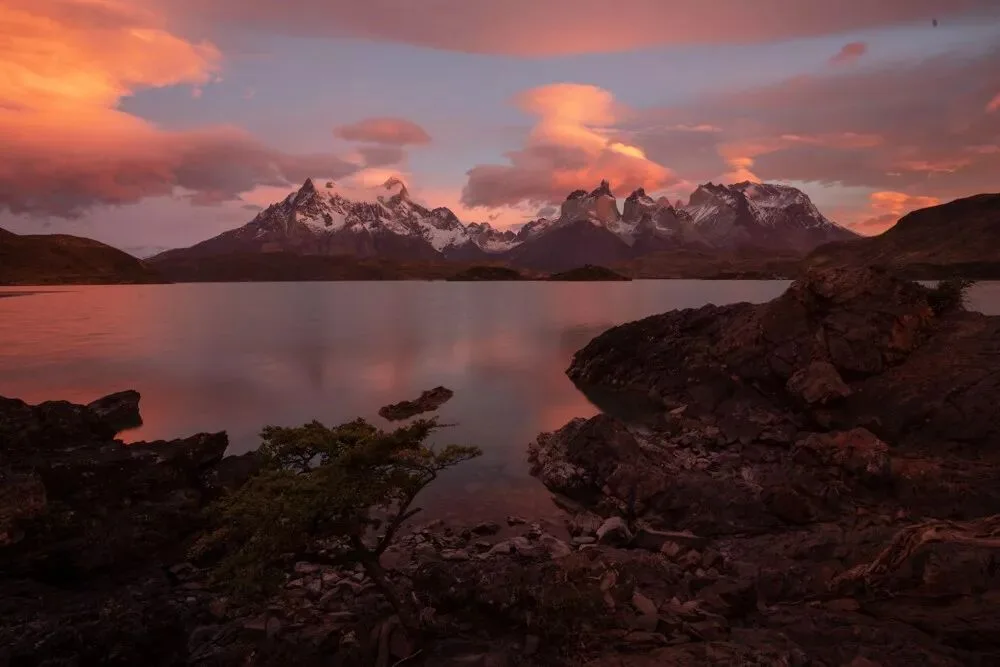
As for the later red-cloud originals, although the overall layering of the sky is poorer, focusing on the local area makes it easier to highlight the key points and features.
Because the Sony A7R3 is a higher-resolution camera, even cropped as below, the long edge still has 1,900 pixels - more than enough for posting online.
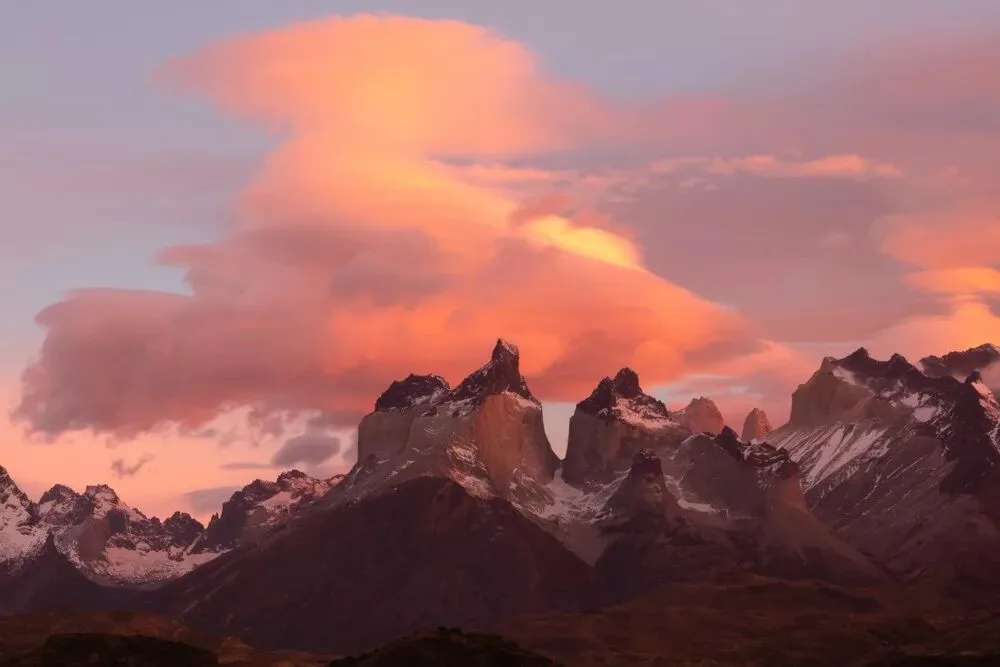
This composition would look great in a dark tone, but I didn't see any submissions this time that attempted such a large-scale crop.
Review 2: The point of interest needs to be separated from the background
The later originals, besides having slightly poorer sky layering than the earlier ones, also have poorer separation of the foreground trees.
As the foreground point of interest, the trees are clearly what we need to express. In the first original, the trees' background is clean water, giving strong separation and drawing attention.
In the later originals, the trees' background is rock with equally complex detail, and the trees blend into it.
For example, in the excellent work below, although the color and tonality are decent, the trees and rocks are mixed together.
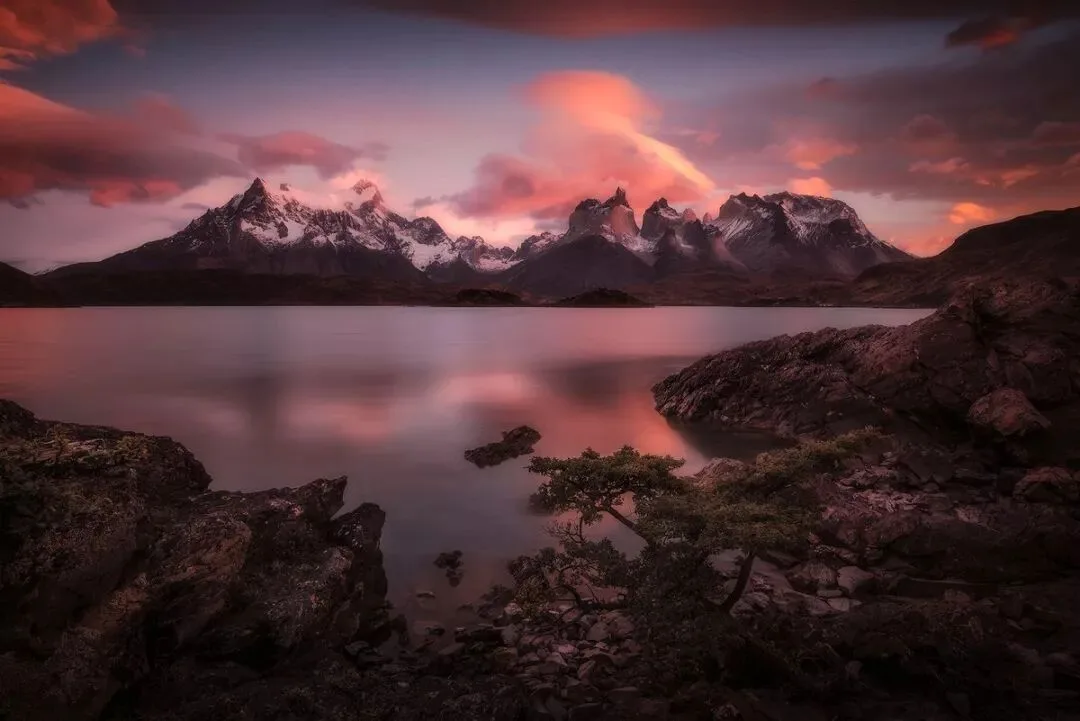
Excellent work, photographer: 南京大萝卜
Of course, the later originals can be separated from the background with careful processing.
In the excellent work below, the author completed the post-processing separation of the point of interest well by darkening the rocks behind and strengthening the green of the trees, but the intensity is a bit strong, slightly unnatural.
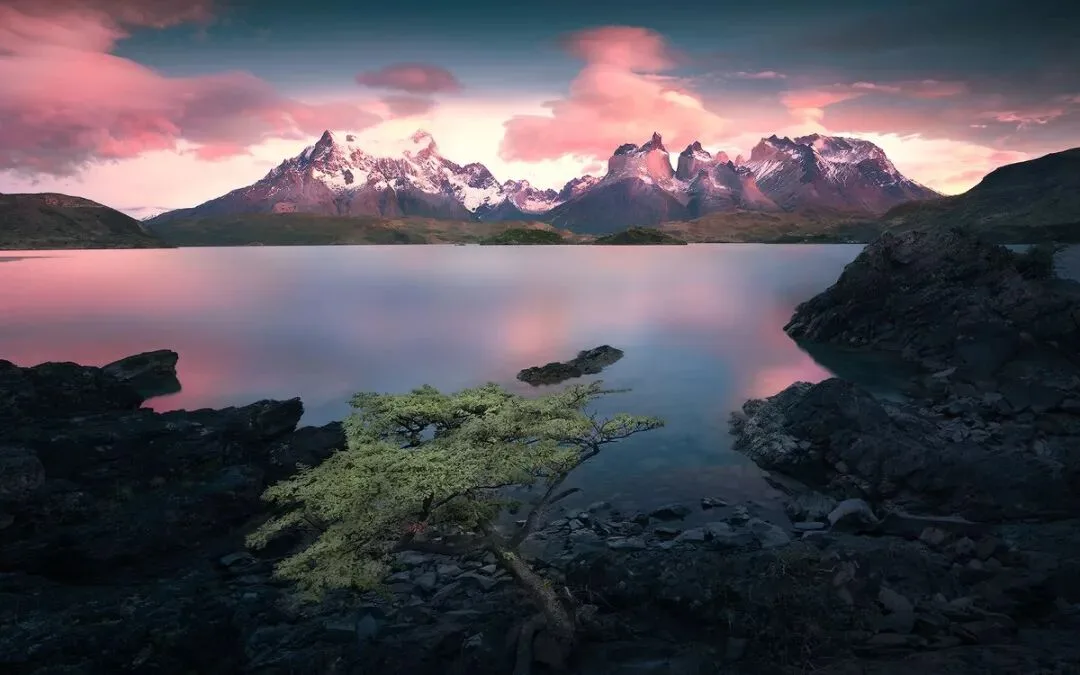
Excellent work, photographer: 行云流水
Review 3: The more spectacular the scene, the more you need to guide the viewer's eye
Spectacular scenes often contain rich information. A large amount of information is both an advantage and a disadvantage, because there are also many irrelevant cluttered elements, and the viewer doesn't know where to look.
Therefore, for large-scene landscapes, the photographer needs to use composition, color, and tonality to guide the viewer's vision - strengthening what needs to stand out and weakening what you don't want the viewer to focus on.
The foreground rocks in this image are actually quite cluttered, so they need some processing. The excellent work below stands out in other aspects, but its handling of the ground is not careful enough.
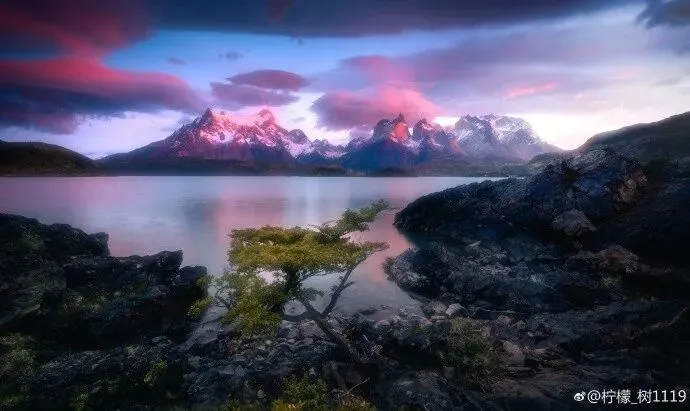
Excellent work, photographer: 柠檬_树1119
Let's look at this winning photo: the ground has been effectively darkened, and the frame has clear primary and secondary distinctions.
In this winning photo, the ground rocks are also handled well - both contrast and brightness are reduced, and it doesn't look cluttered.
At the same time, the details of the rocks are well preserved, so the darkening doesn't look deliberate. The author also weakens the few weeds below appropriately.
The ground handling of this winning photo is even more outstanding. You can observe the abrupt spots on the distant rocks and the dead branches on the near ground; the author used the clone stamp tool to process them, making the frame look tidier.
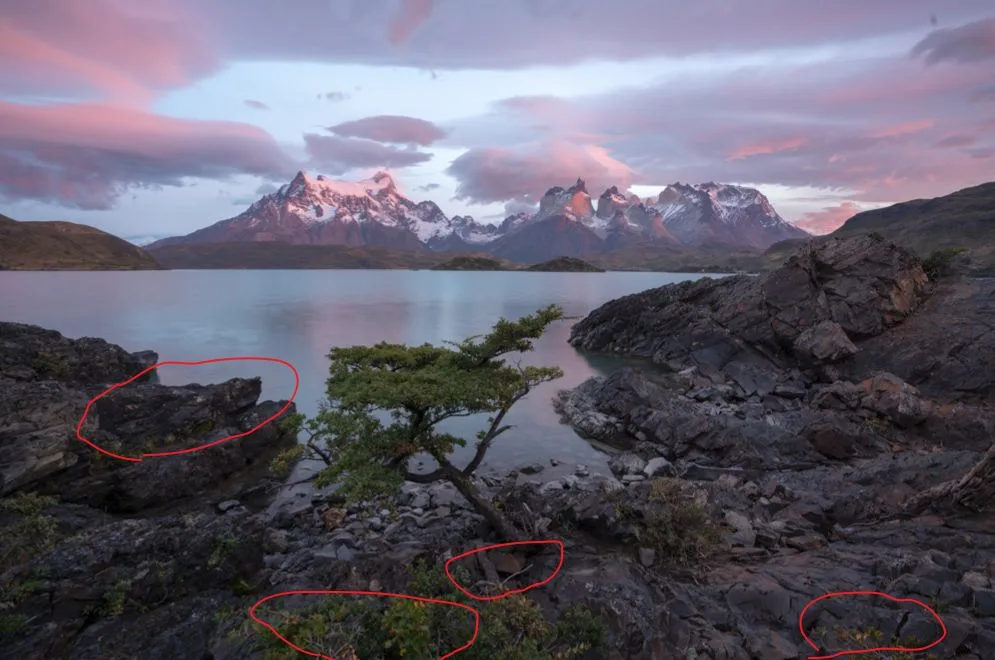
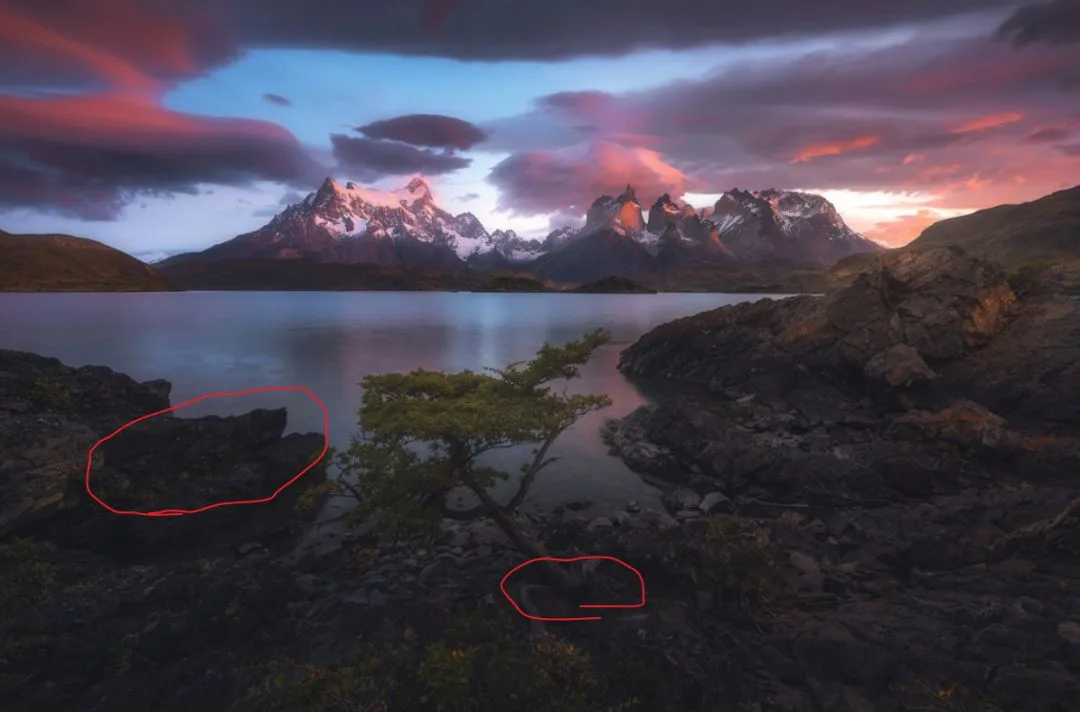
Moreover, while weakening the overall rocks, the author didn't turn them into a solid black block, but continued to use luminance to create depth among the rocks. The rocks at the upper right have detail and are brighter, while those at the lower left have less detail and are darker, so the rocks no longer appear as a single block but have near-far relationships.
The winning works also handle the visual guidance of the sky well, using post-processing to add a sense of light, making the right side of the sky more eye-catching while greatly enhancing the photo's atmosphere and dimensionality.
Other featured excellent works
Besides the above works, the following ones are also quite distinctive.
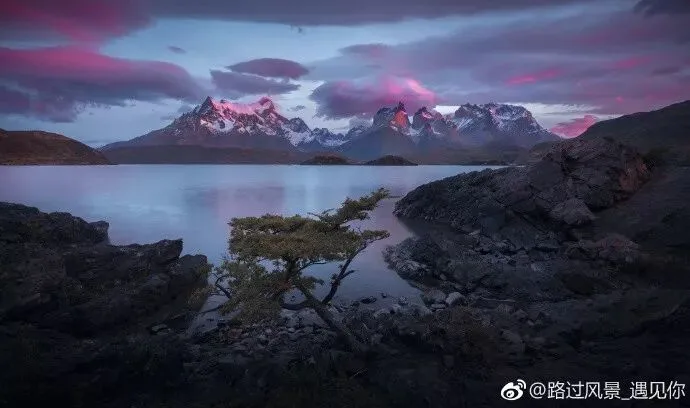
Photographer: 路过风景遇见你
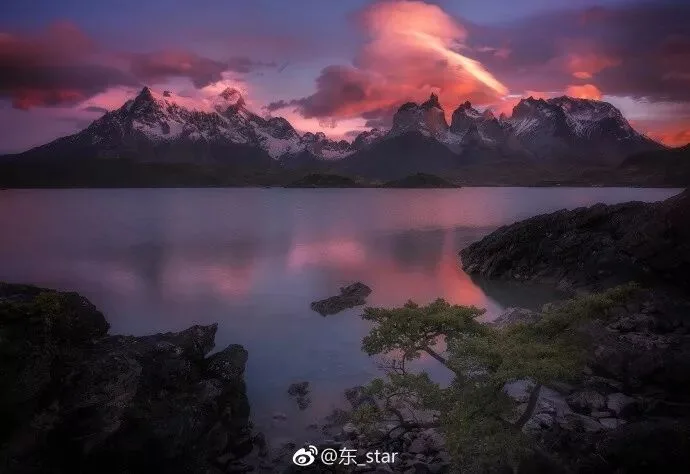
Photographer: 东star
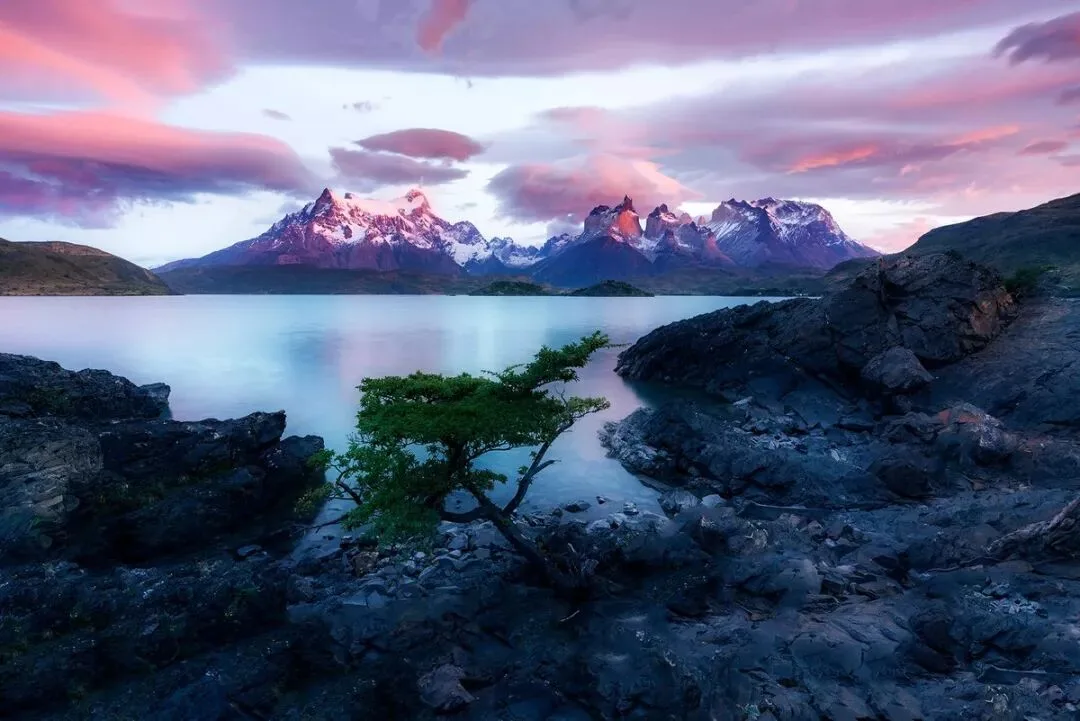
Photographer: 深圳小勇哥
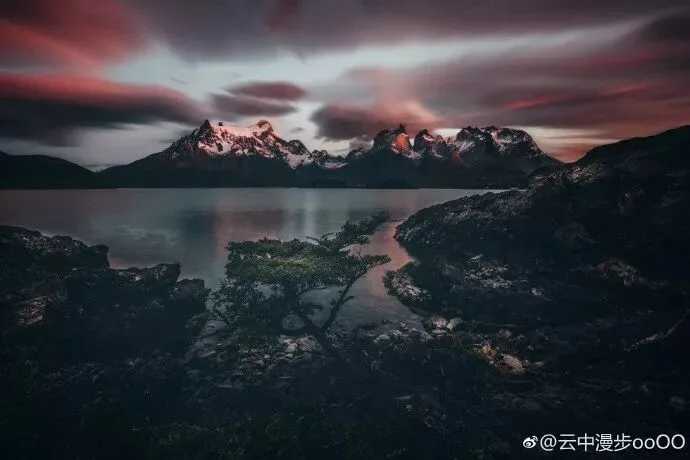
Photographer: 云中漫步ooOO
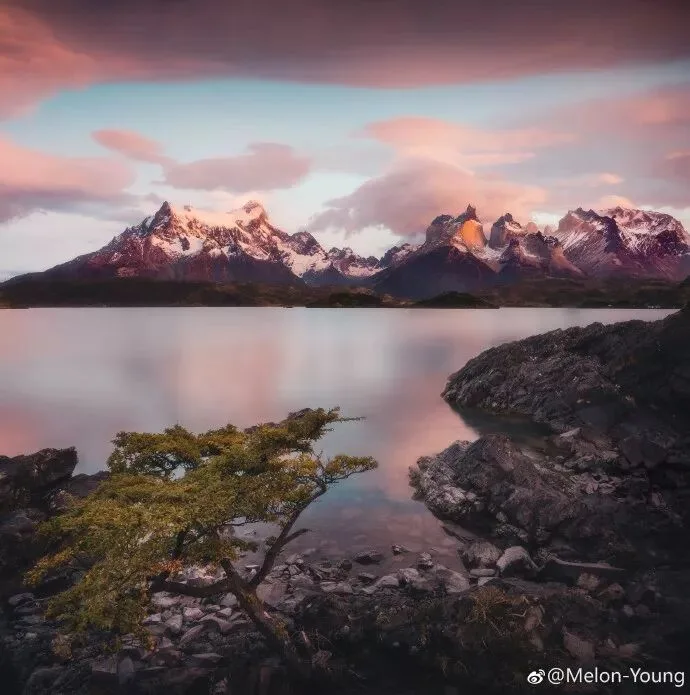
Photographer: MelonYoung
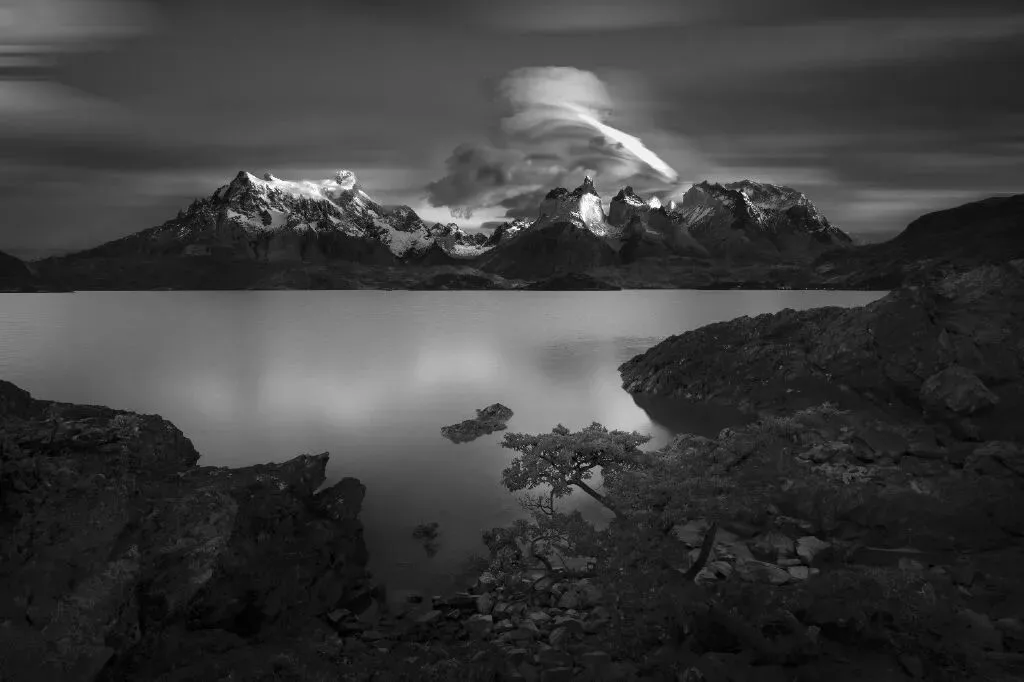
Photographer: zxk小红人
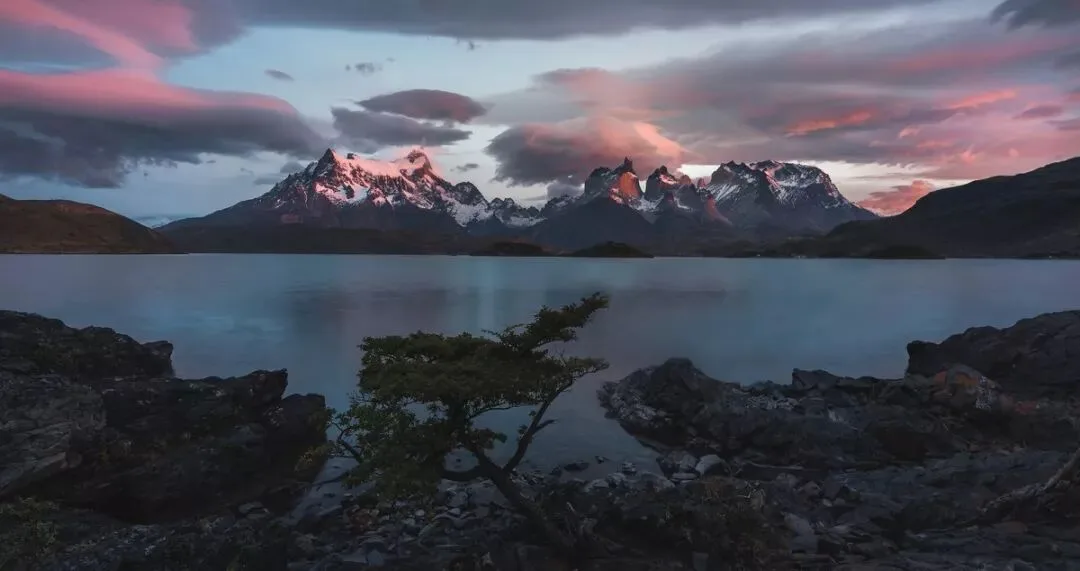
Photographer: 长桥
Thomas's original intention in holding the photo-editing mini-contest is not to compete, but to generate exchanges of ideas and collisions of inspiration through different post-processing results.
The selection of winning and excellent works is somewhat subjective. Thomas mainly wants to provide some inspiration and exchange by explaining the reasons for selection.
If you have different views or ideas about these works and the post-processing of the originals, you're welcome to discuss them in the comments.
Past episodes:
"So Many Effects from the Same Image? The Winning Works of the First Photo-Editing Mini-Contest Are Out!"
"Can You Imagine Editing It Like This? Thomas's Photo-Editing Mini-Contest, Episode 2 Exhibition"
"How to Control Color Combinations in Photos - Photo-Editing Mini-Contest, Episode 3 Review"
"Post-Processing Should Go from the Whole to the Parts, with Selection and Omission - Photo-Editing Mini-Contest, Episode 4 Review"
"Overcast Days Can Be Edited Like This! Photo-Editing Mini-Contest, Episode 5 Review"
"How to Give Photos a New Atmosphere Through Post-Processing - Photo-Editing Mini-Contest, Episode 6 Review"