Photography Tutorial · 2024-07-15
The Photographer Behind the Famous Trump Photo: A Professional Look at Evan Vucci's Work
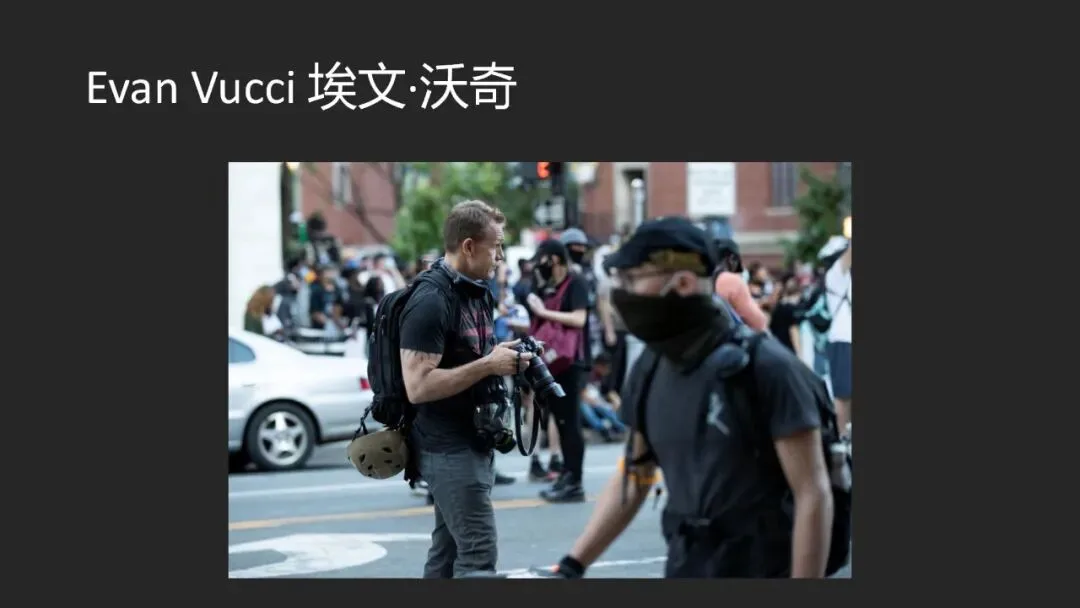
Evan Vucci is an experienced press photographer who won the 2021 Pulitzer Prize.
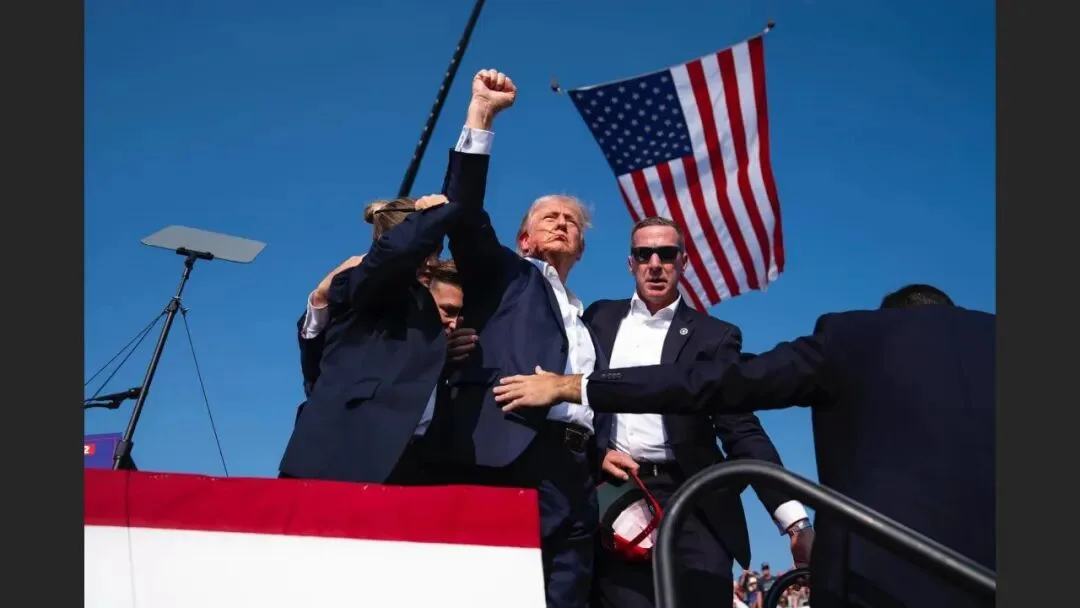
Yesterday he went viral worldwide again for capturing the historic photo of the assassination attempt on Trump.
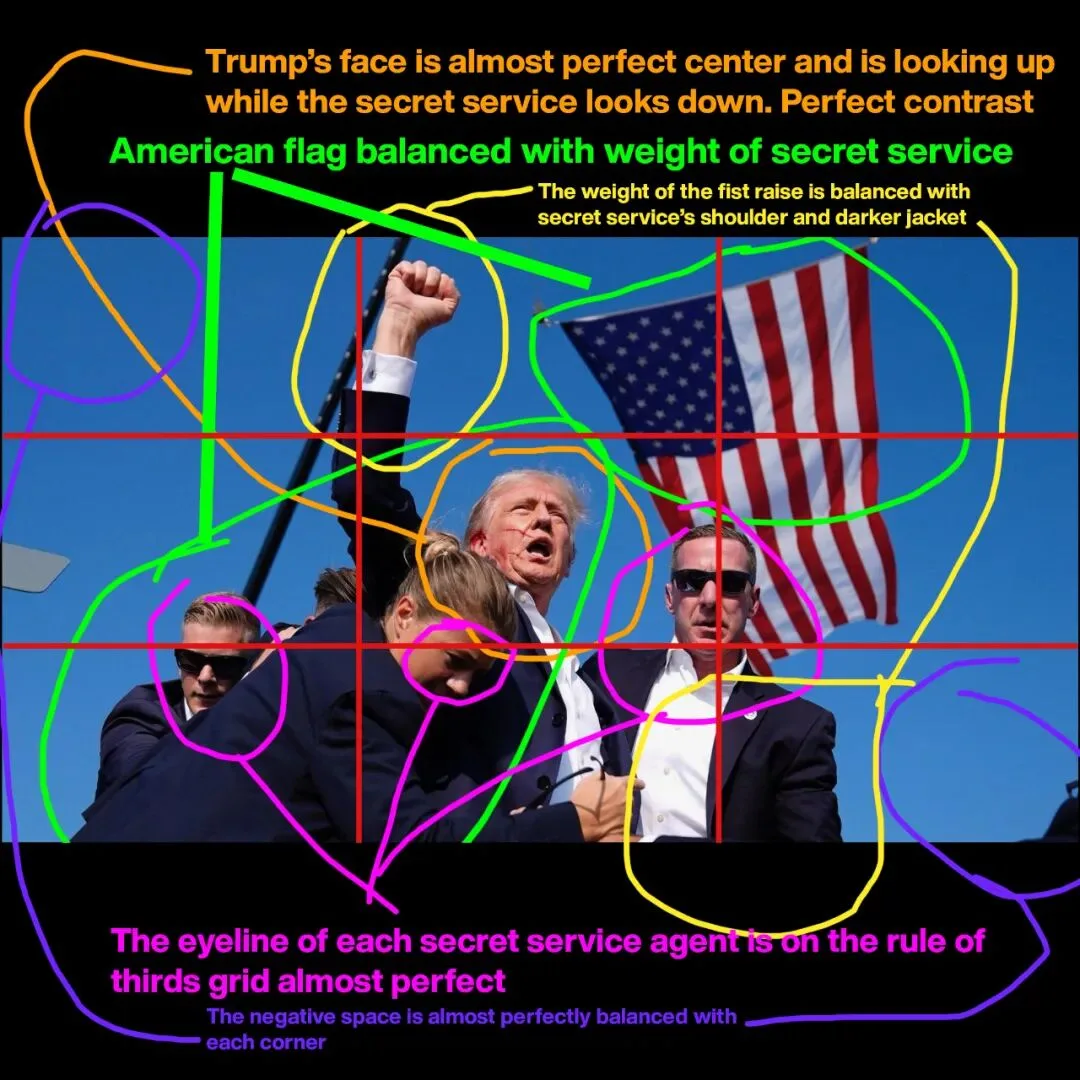
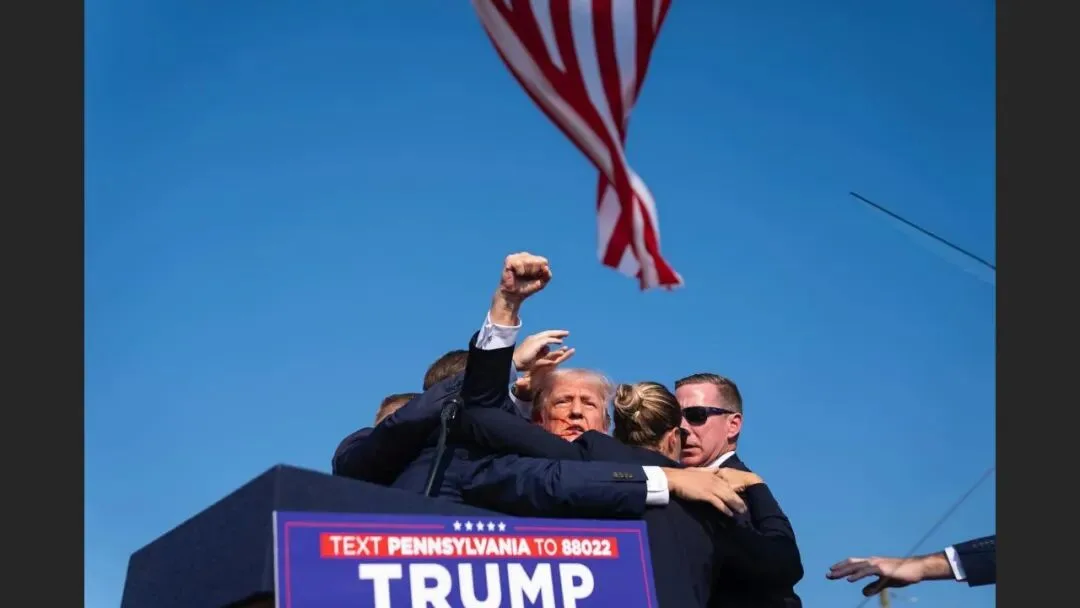
In today's photography tutorial, Thomas analyzes from a professional angle how, in such a short time, he used a low camera angle, special symbols, rich light and shadow, and balanced composition to create such a classic press photograph.
Video
▶ Watch the video tutorial on Bilibili
This is the illustrated companion to the video above. In this 8-minute commentary, Thomas breaks down, from a professional press-photography standpoint, the craft behind AP photographer Evan Vucci's historic photo of the assassination attempt on Trump — his professional habits of dedication and shooting volume, his use of the low angle, his search for symbols, his rendering of light and shadow, and his compositional ideas about complex structures and high camera positions. Keyframe screenshots are included; skim here for the framework, then dive into the video for the details.
Start with the overview. This slide, captured at 2:24 in the video, is also the core argument of the whole analysis: the compositional decisions he made on instinct within seconds of the gunfire all come from long professional practice. The sections below break that practice into five learnable directions.
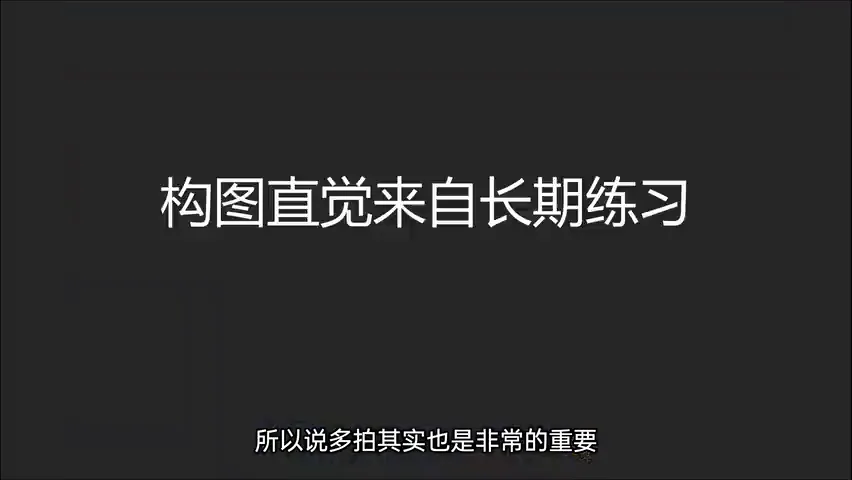
01 Dedication and Volume: Great Photos Are Selected
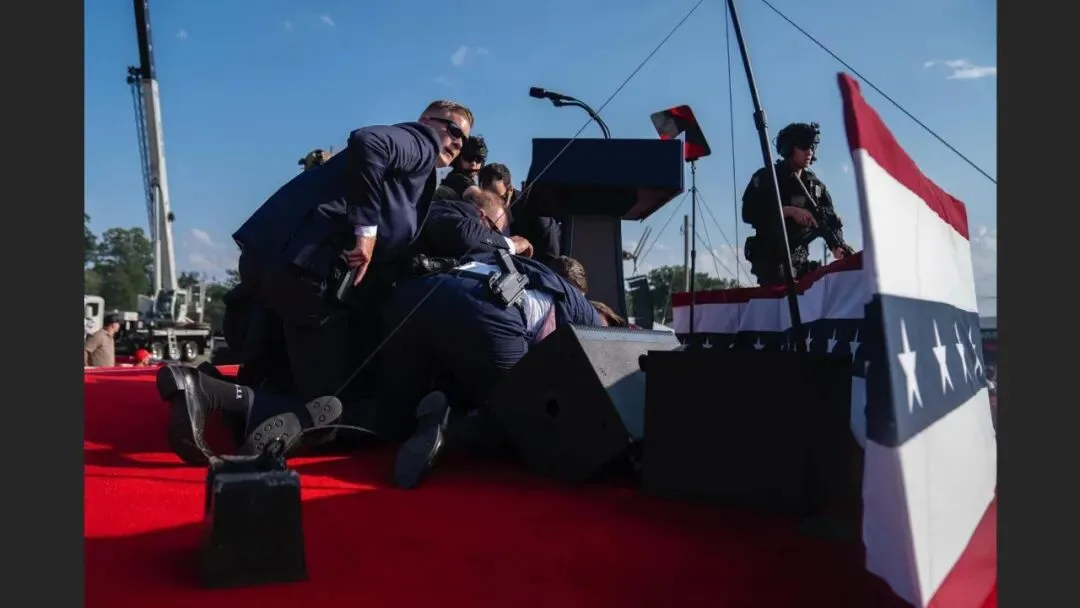
The first takeaway is dedication. In the footage right after the gunfire, with the area around the podium extremely dangerous, these press photographers' first instinct was still to capture the most unique photos, first-hand and in the first moment, and share them with the world (at 0:58 in the video) — a professional instinct that deserves every shooter's respect.
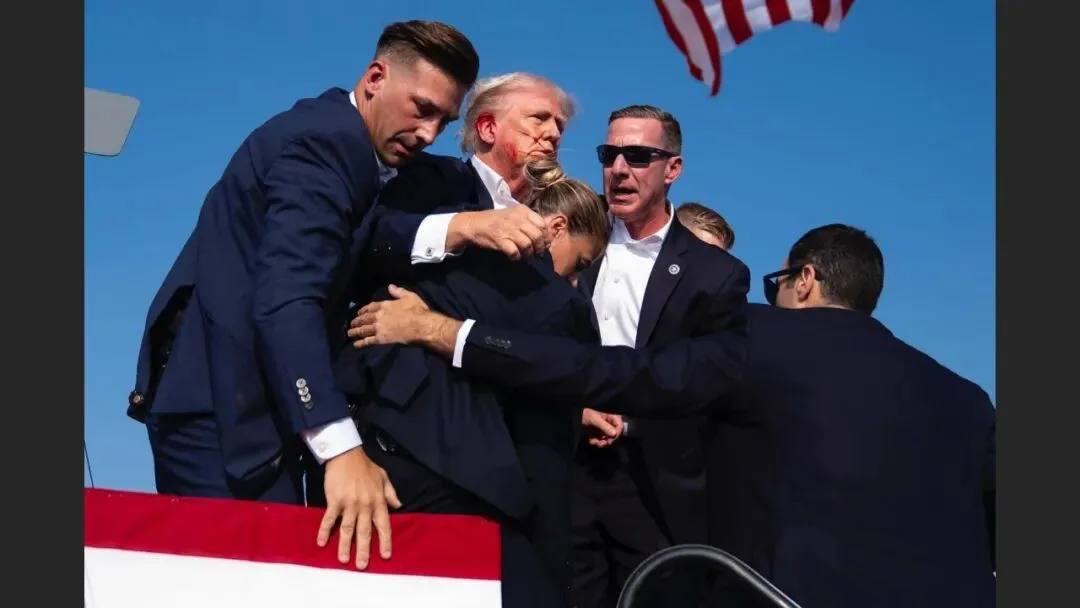
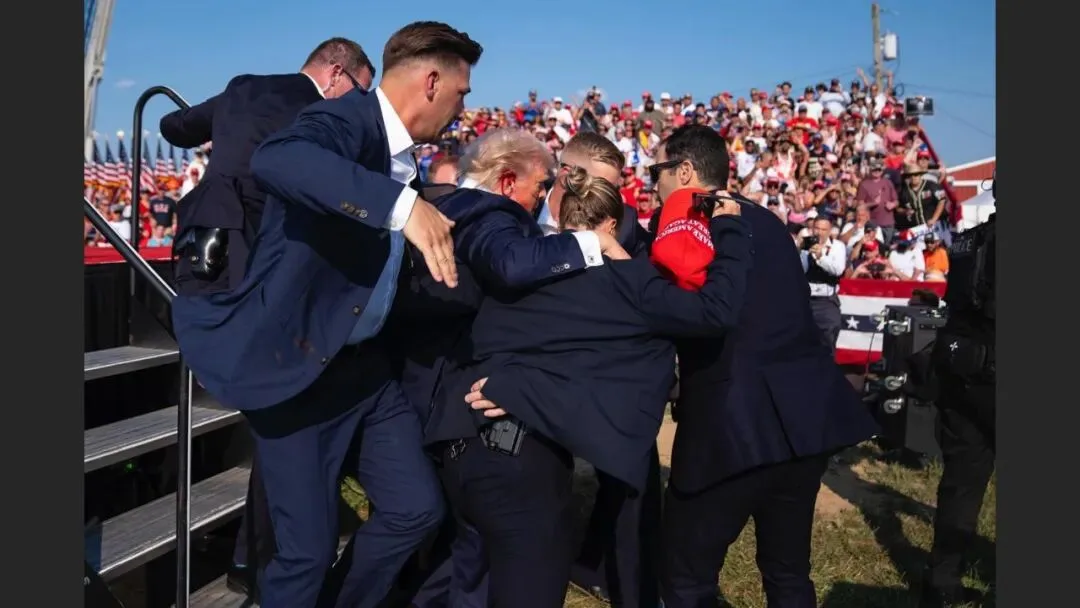
The second is volume. He pressed the shutter far more than once that day: he shot while agents pinned Trump down below the podium, shot as Trump first stood back up, and shot the raised-fist moment (at 1:38 in the video). The frames we saw published were slowly selected from hundreds, even thousands, of exposures.
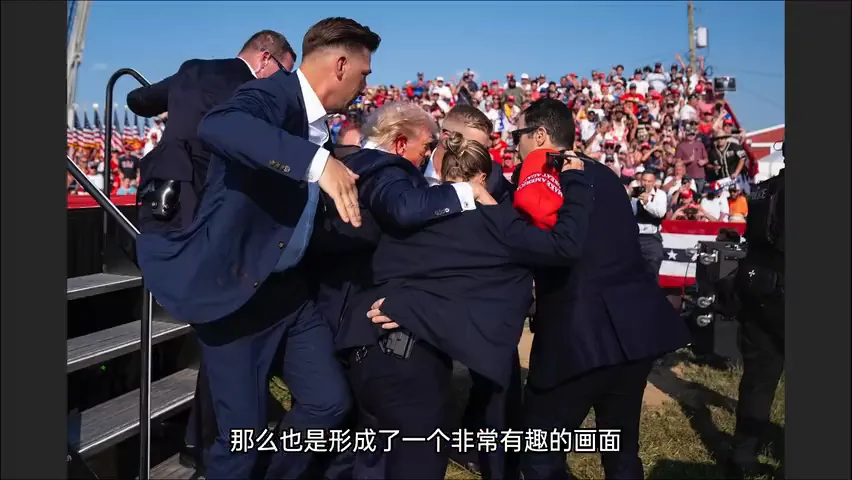
Shoot a lot, miss nothing, and only then do you get to choose — the plainest truth in press photography, and in all photography (at 1:33 in the video).
02 The Low Angle: Clean Backgrounds and a Commanding Presence
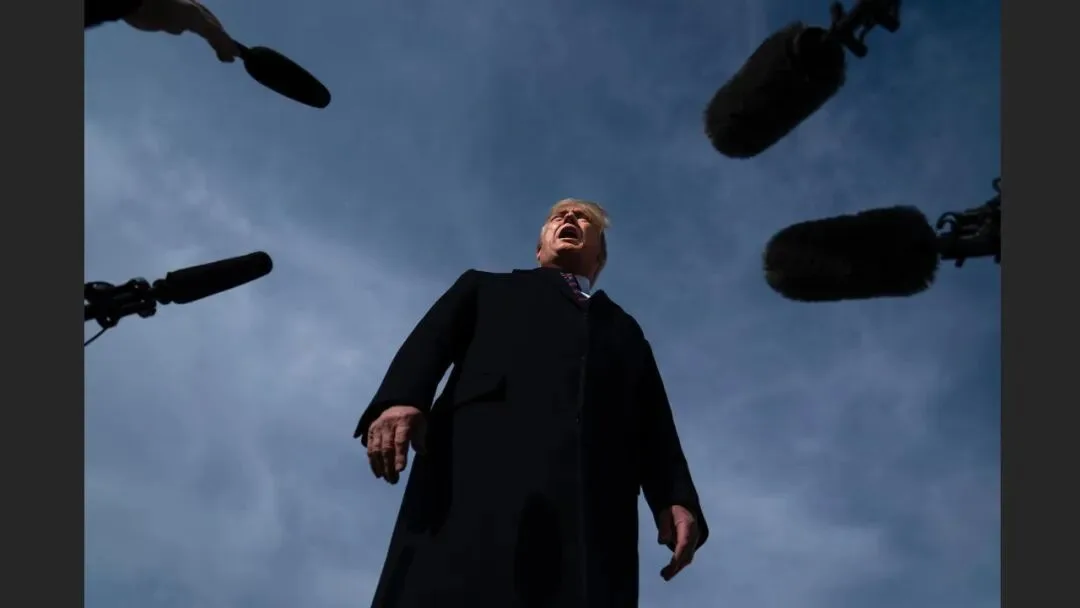
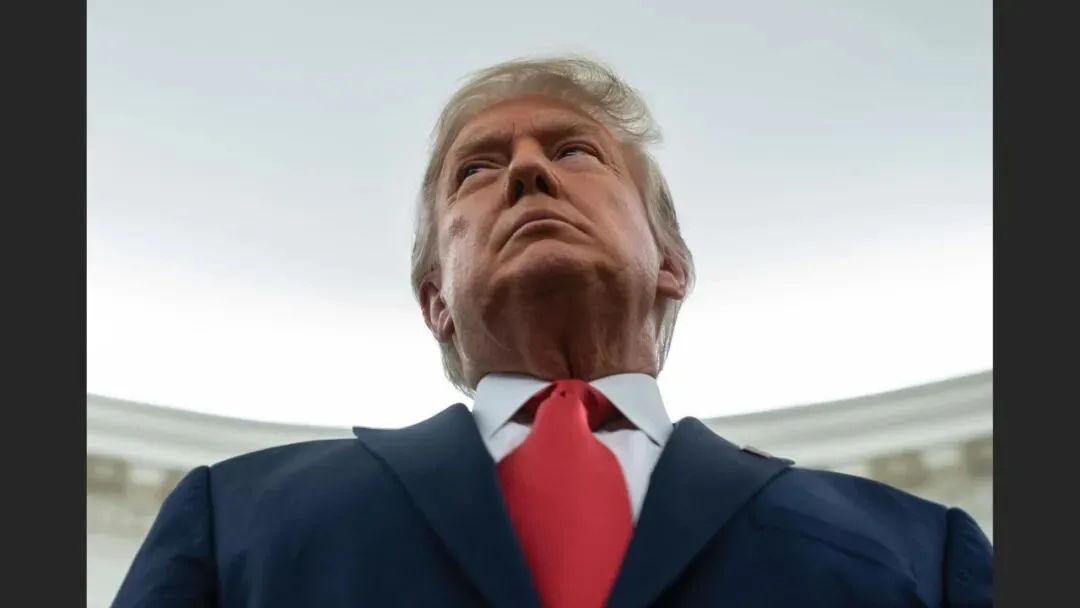
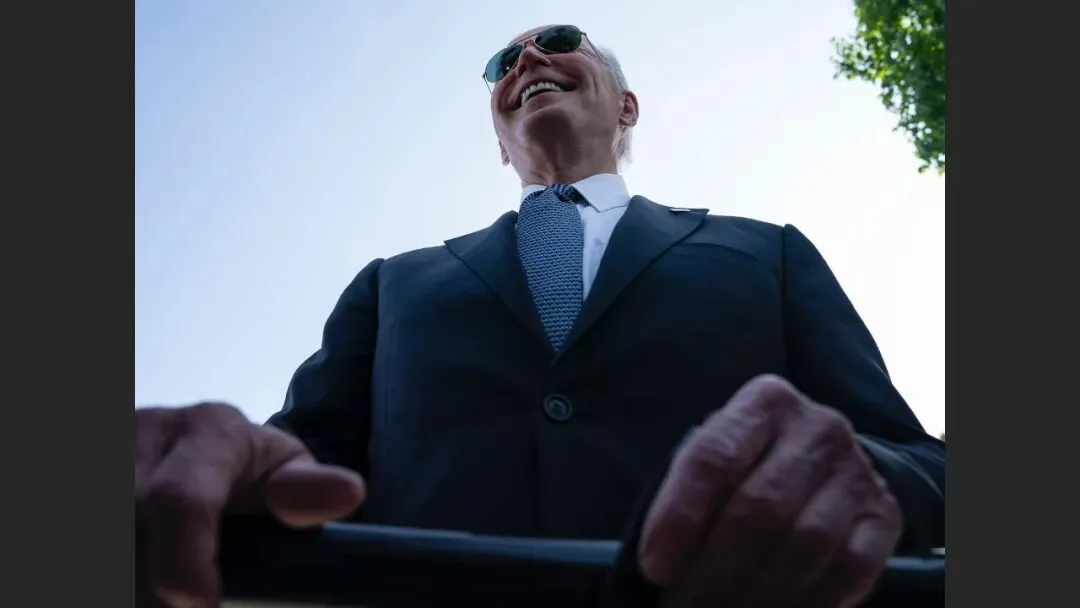
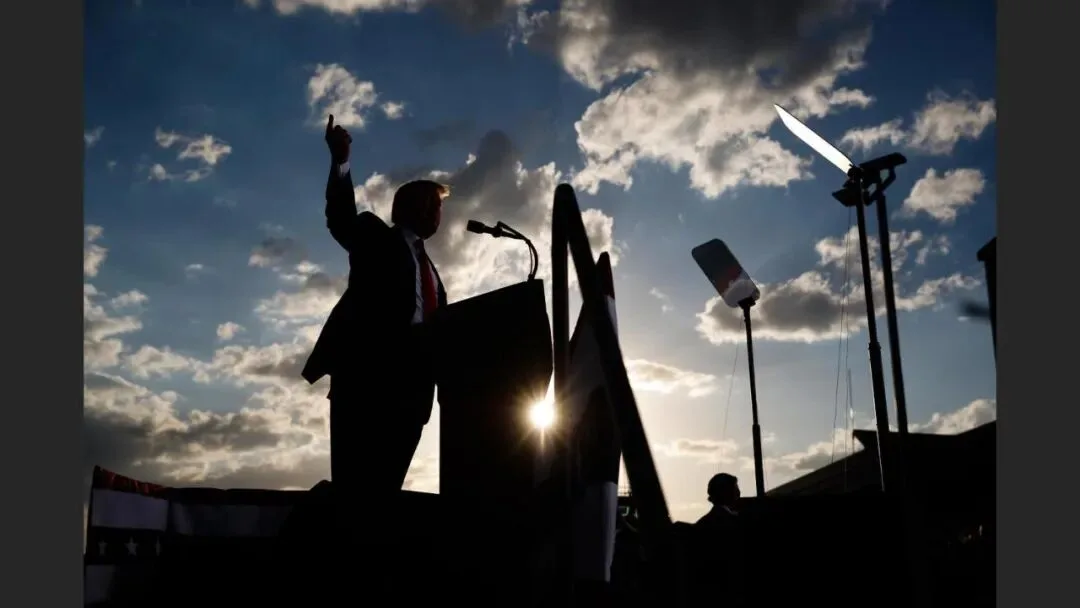
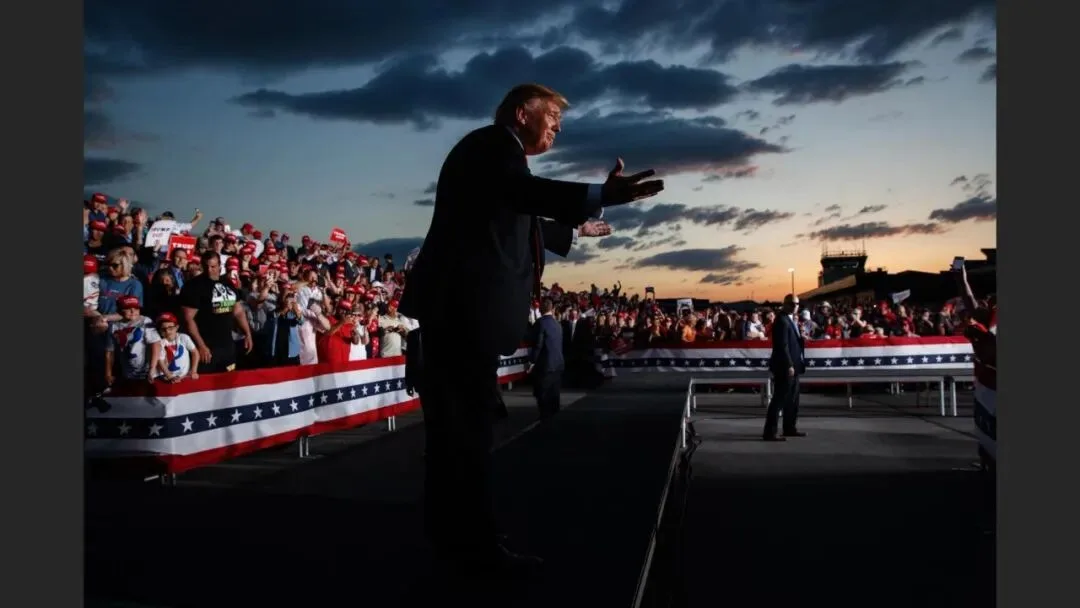
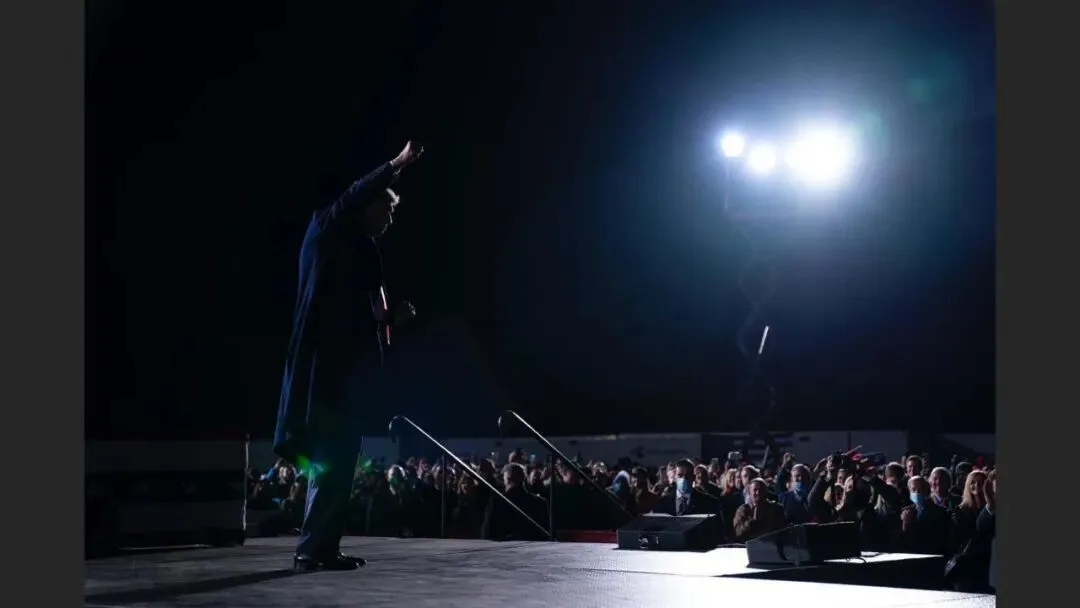
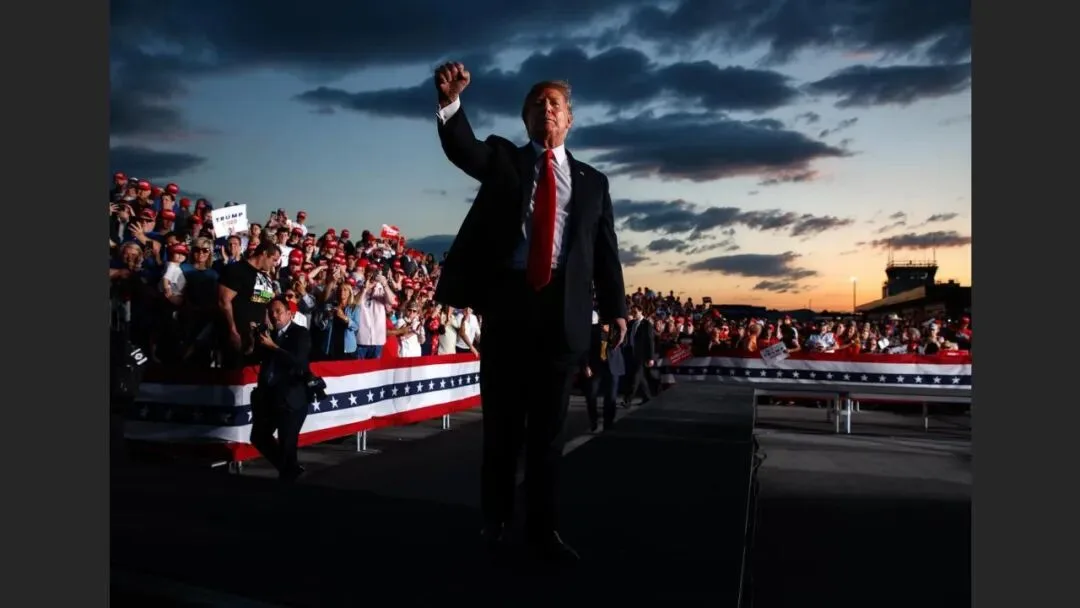
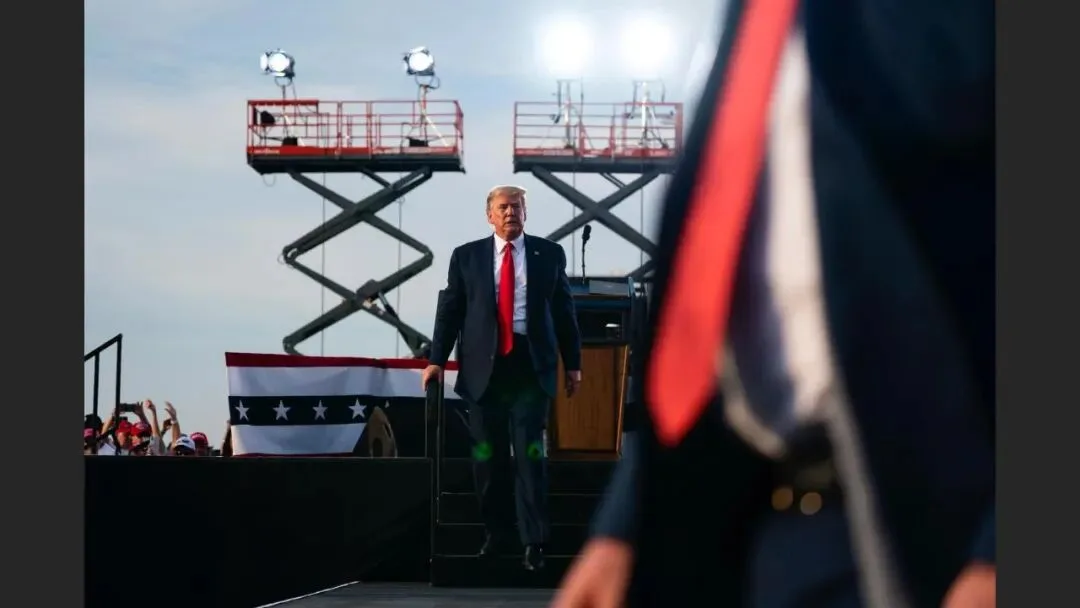
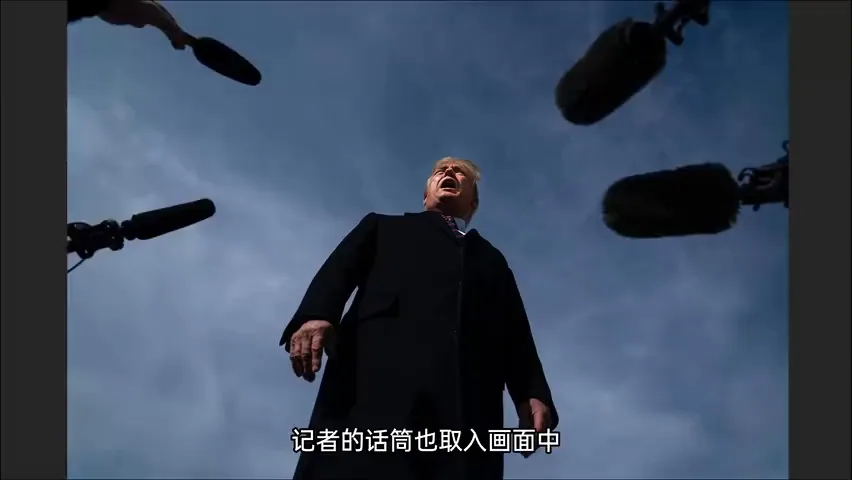
Looking through more of his work, you'll find the low angle is his signature language. Benefit one: the sky becomes a clean background. Benefit two: it makes people look commanding. His camera often sits at about knee height relative to the subject (at 3:12 in the video).
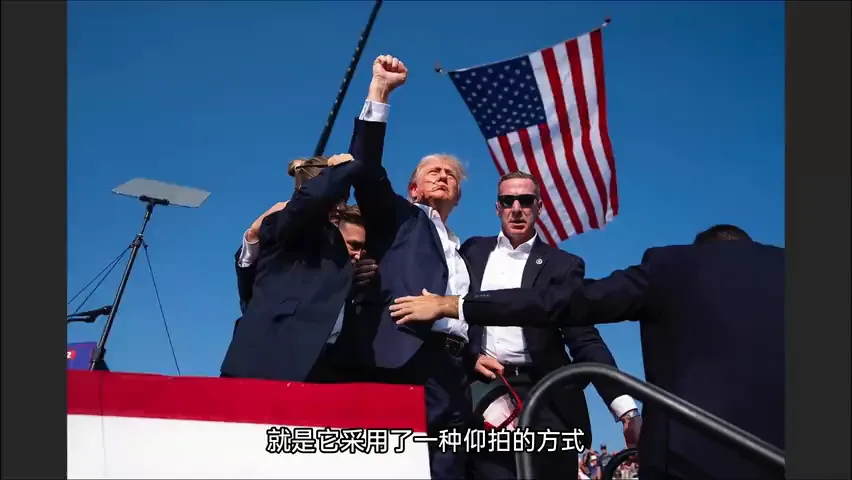
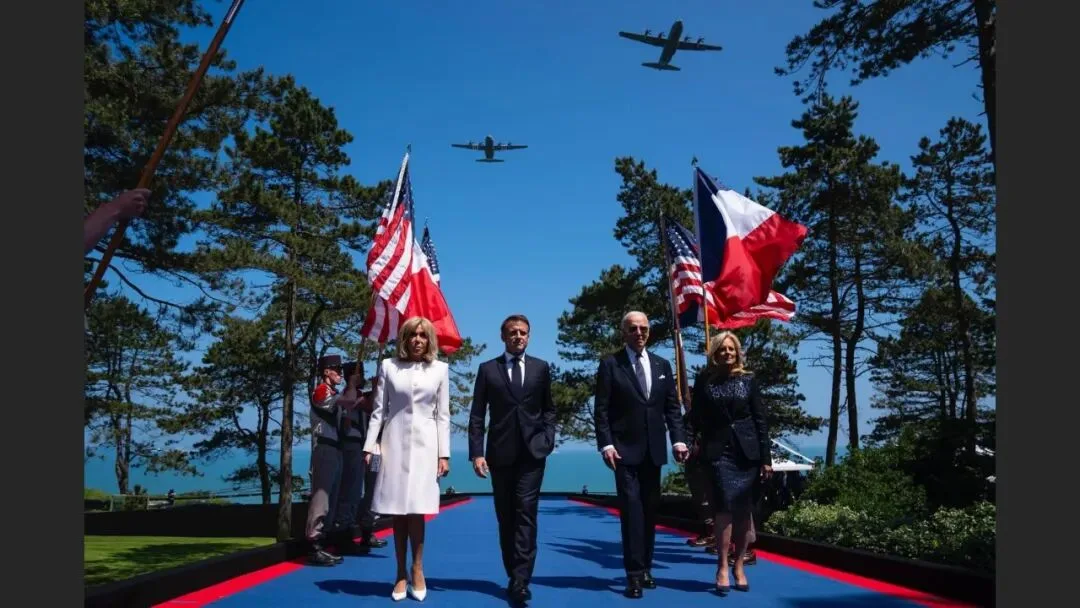
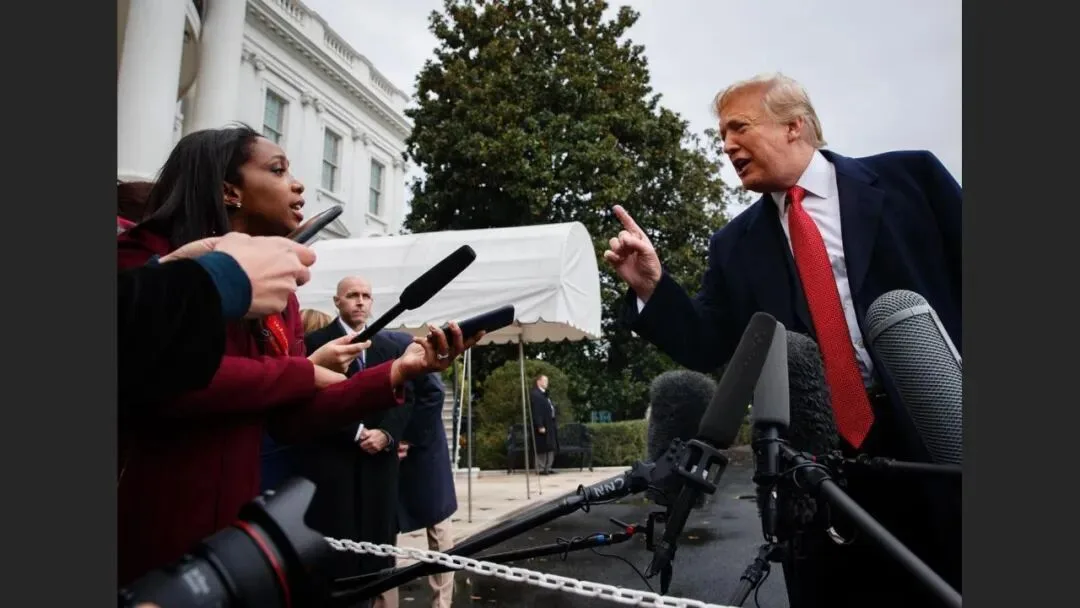
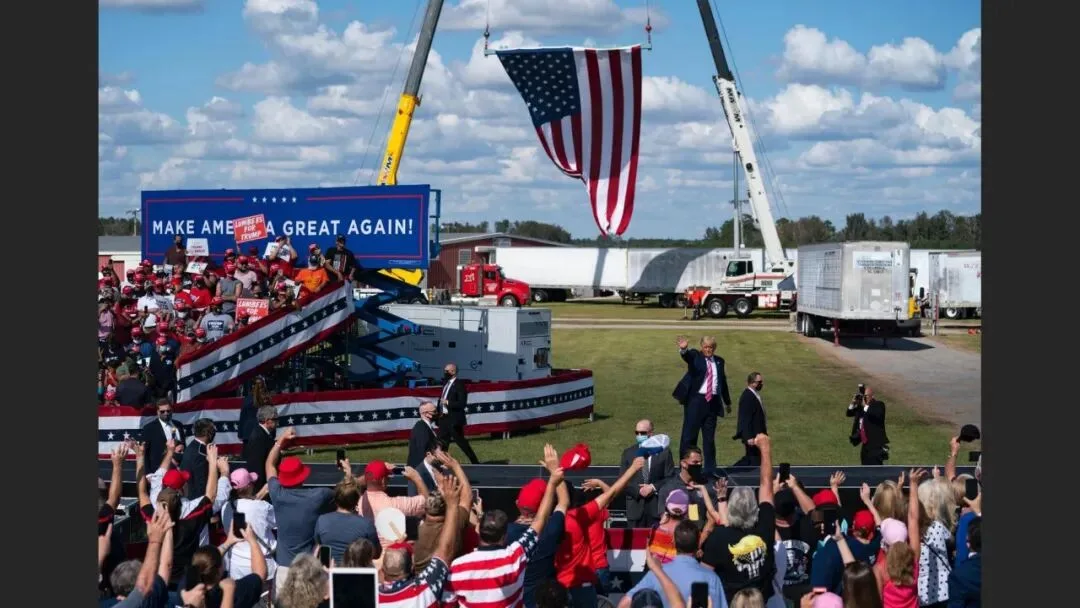
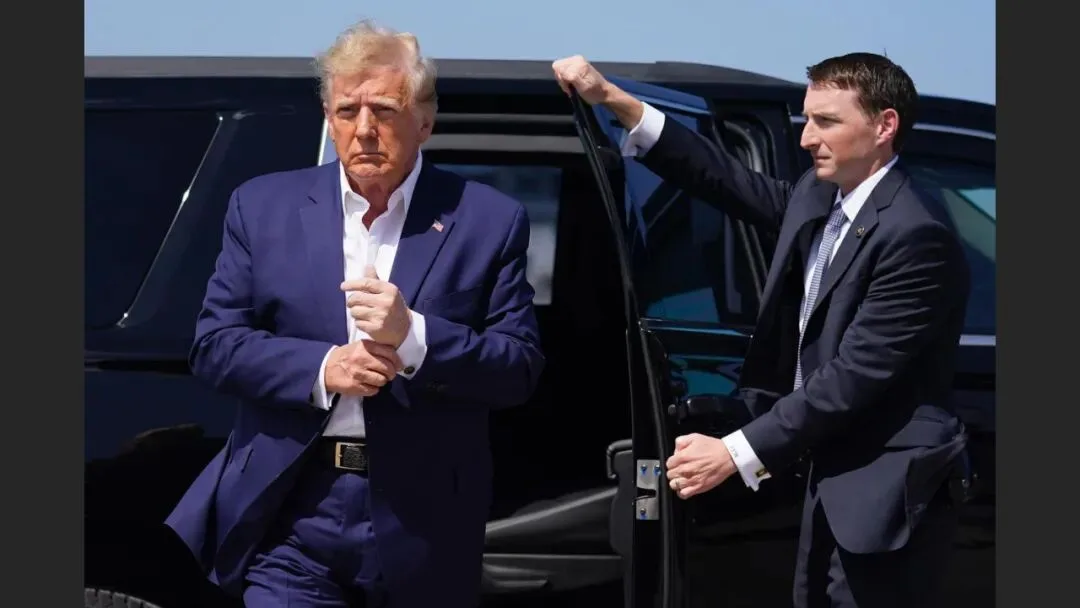
The most typical example: from knee height, the low angle pulls the figure, the American and French flags behind him, and the aircraft passing low overhead all into one imposing frame (at 2:56 in the video). It also neatly excludes the messy ground clutter — even the microphones of fellow reporters are woven into the picture, creating a very distinctive in-the-moment energy (at 3:29 in the video).
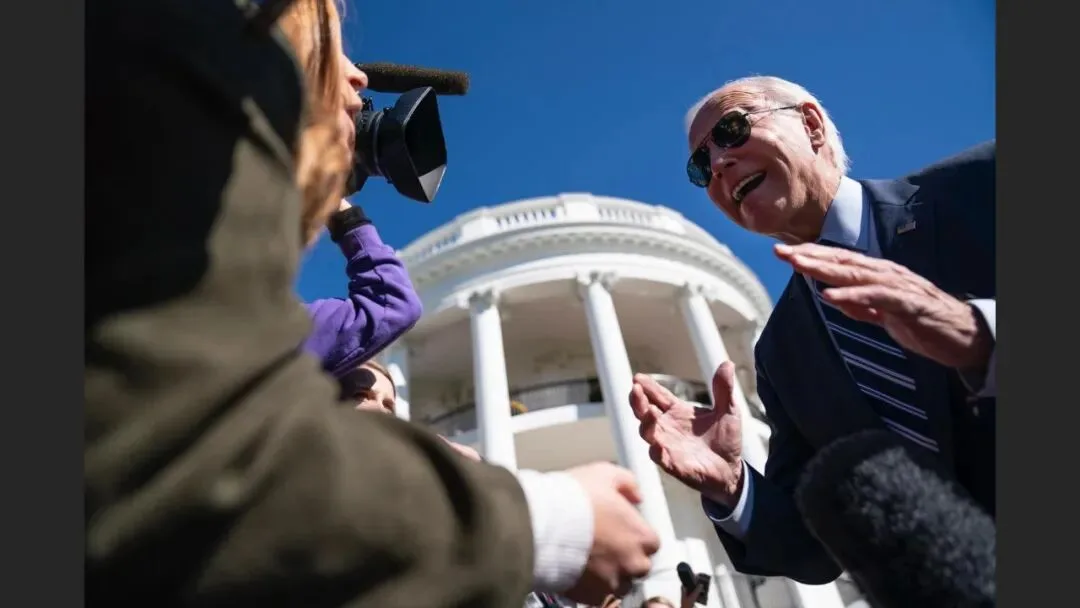
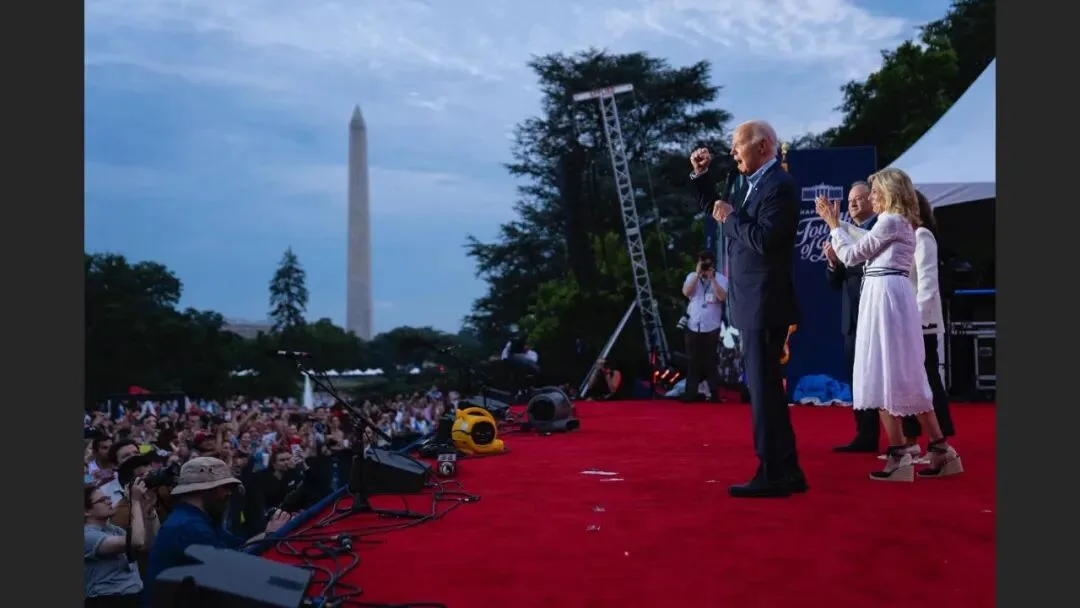
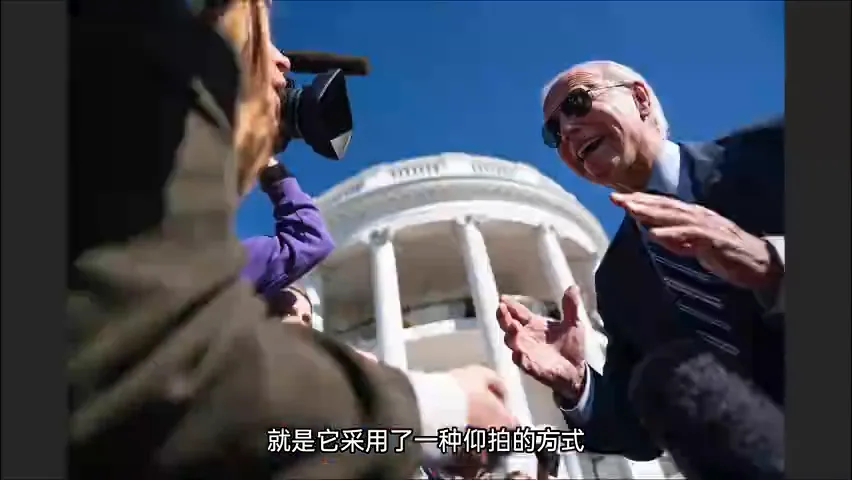
Photographing Biden applauding before the White House colonnade, he used the same approach: colonnade and sky compressed into the background, the figure clean and prominent, his expression gently exaggerated (at 3:41 in the video). And in a low-angle frame the clouds and sun overhead can interact with the subject and lift the mood of the whole picture (at 4:02 in the video). For event portraiture, this is a technique well worth learning.
03 Symbols: Let the Frame Tell the Story
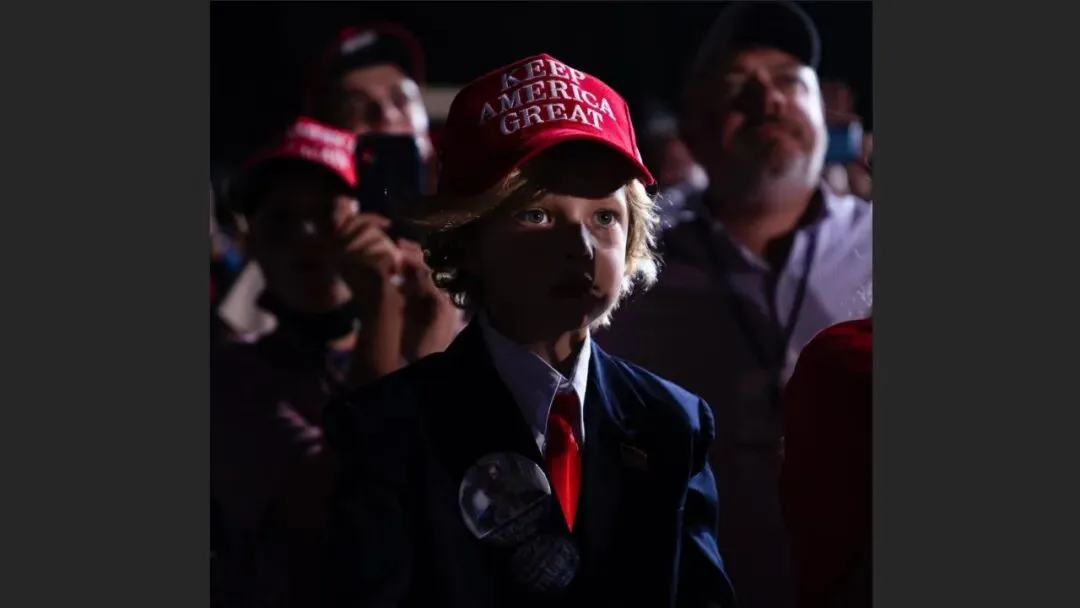
Returning to that classic frame, the other key element is the use of symbols — the American flag unfurling above. With or without that flag, the photo reads completely differently (at 4:19 in the video). Symbols inject narrative and identity into a news moment — the layer most easily overlooked in the many online readings of this photo, and the most worth learning.
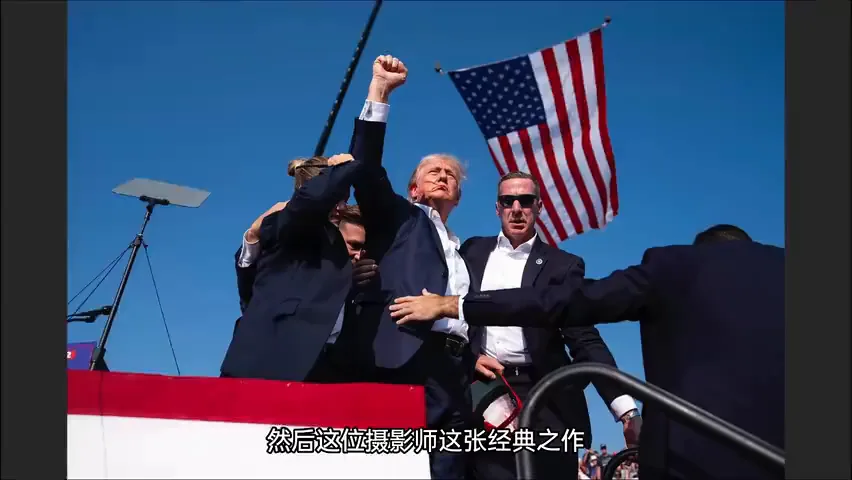
This is an awareness honed over years of shooting: when covering Biden's speeches, he watches for symbolic objects on site that can form a relationship with the political figure (at 4:31 in the video); and across his other photos of Trump, the American flag keeps recurring, echoing the man (at 4:50 in the video).
04 Light and Shadow: Shaping Mood and Character
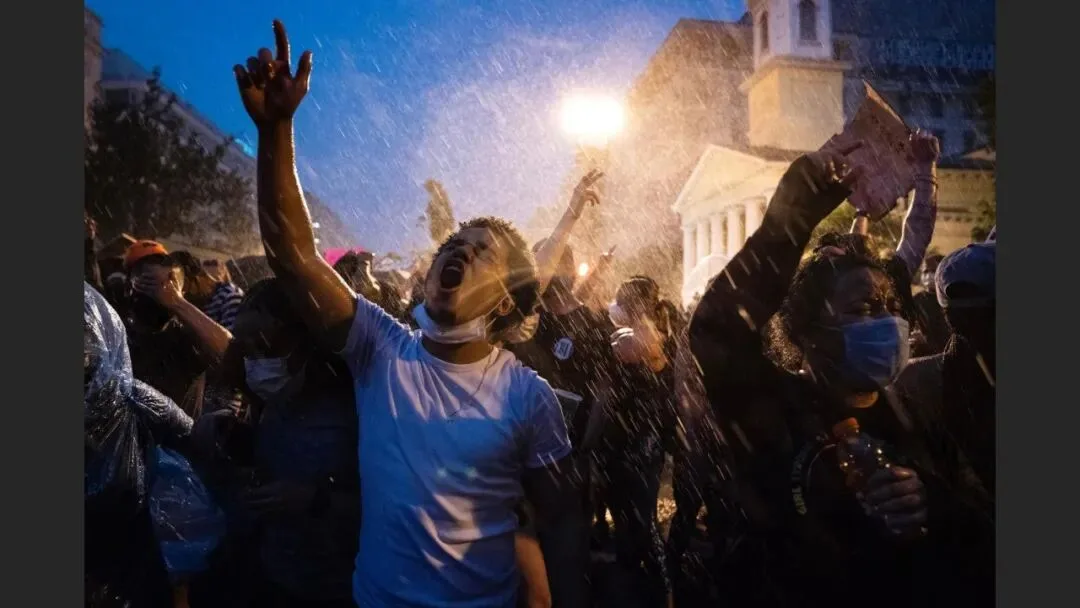
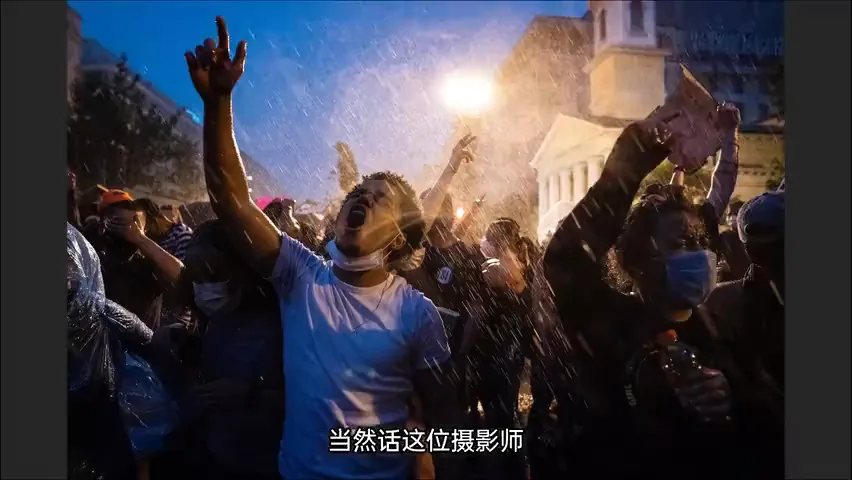
His handling of light is equally masterful. One of his 2021 Pulitzer-winning photographs: a rainy night, a single huge streetlamp behind as the key light — the rain-soaked crowd, the sheen on their clothes, their grieving expressions — all carried by light and shadow into a distinctive, moving atmosphere (at 4:58 in the video).
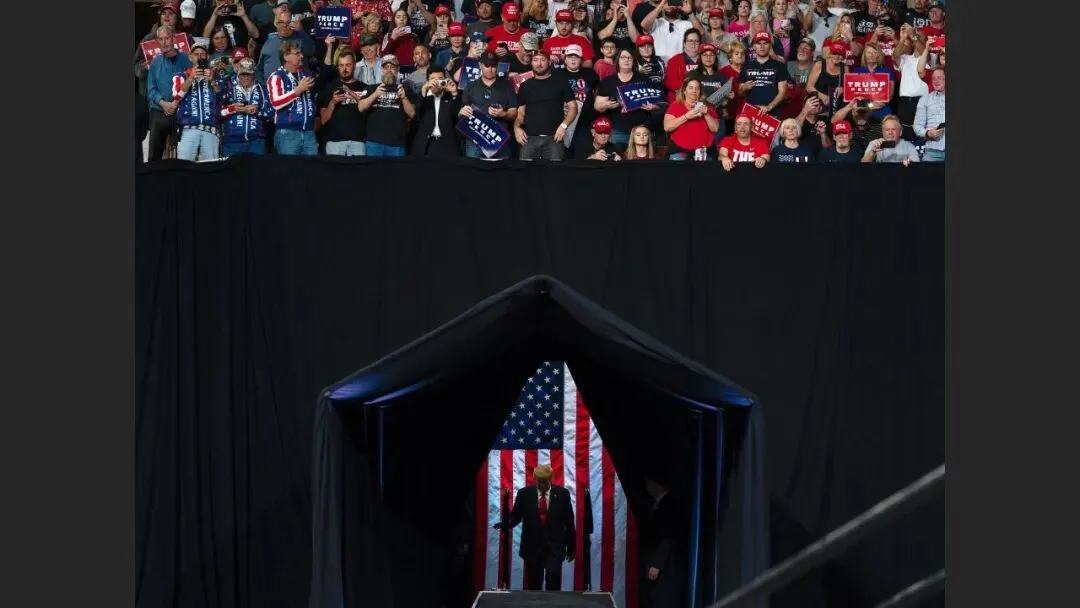
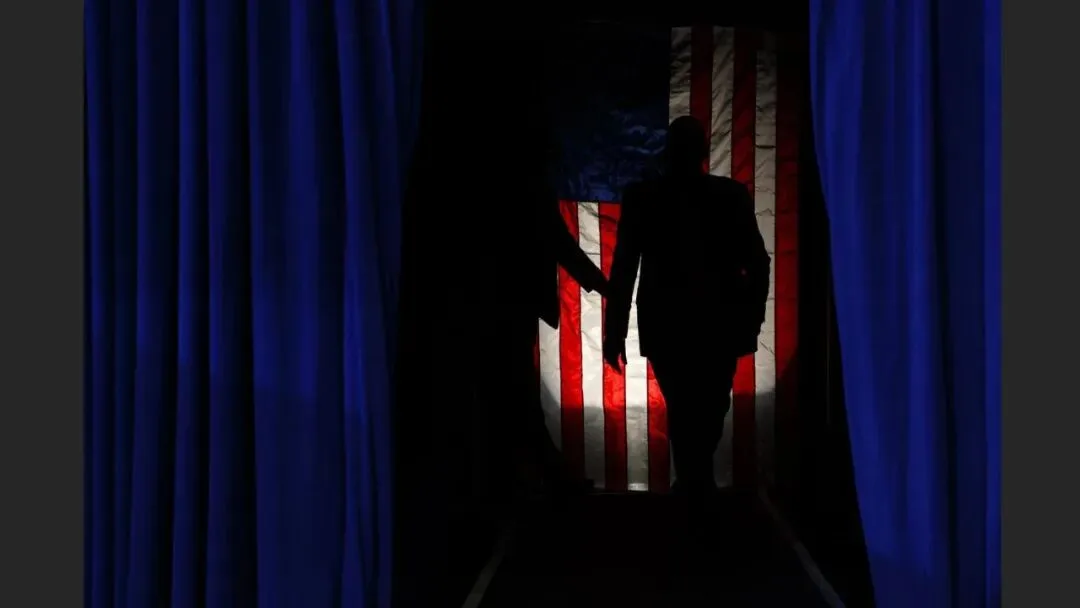
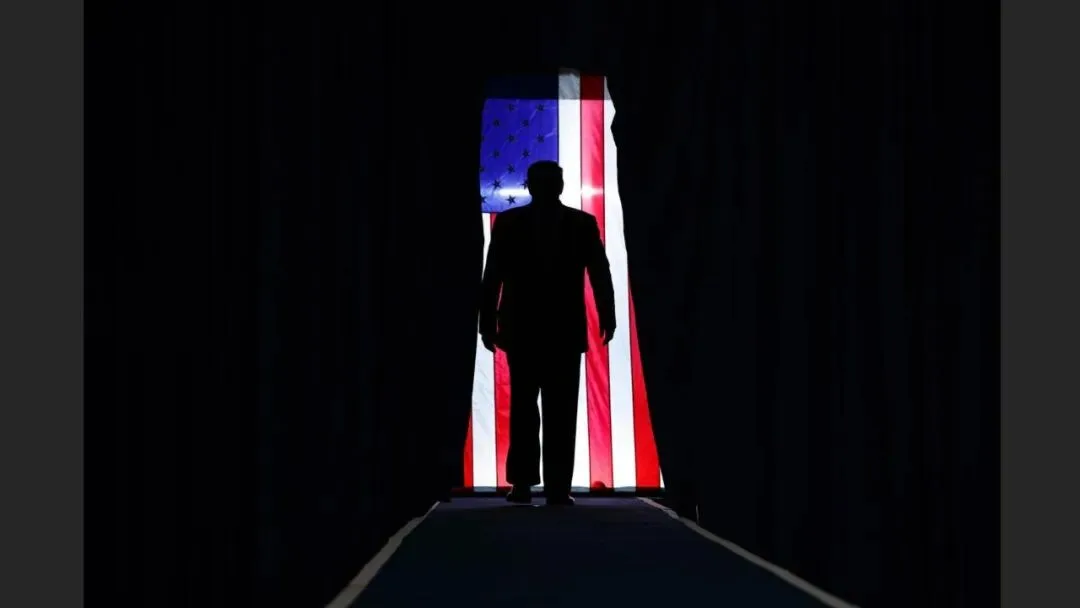
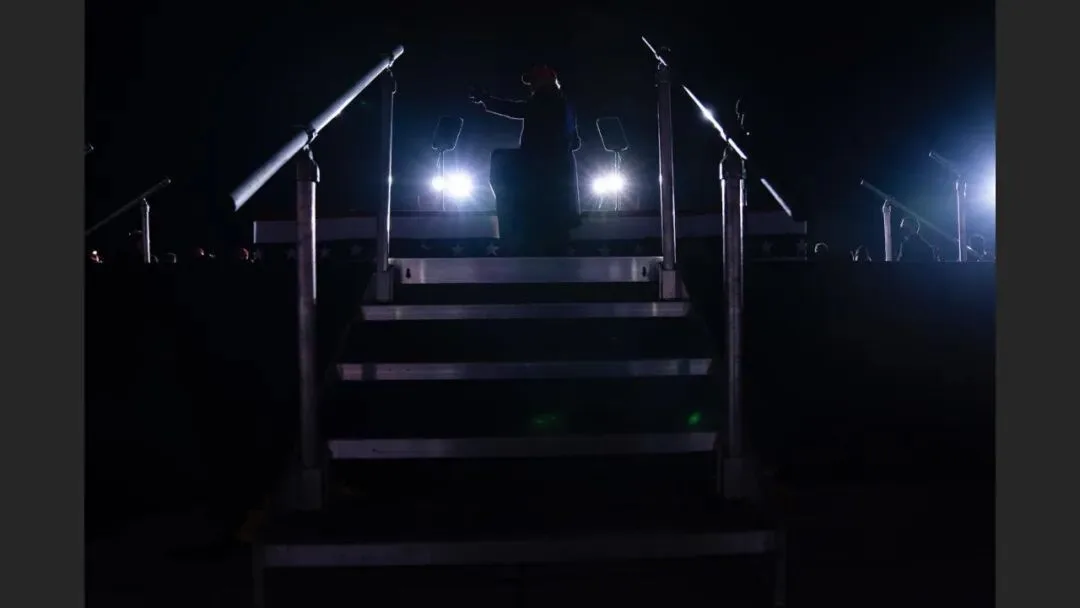
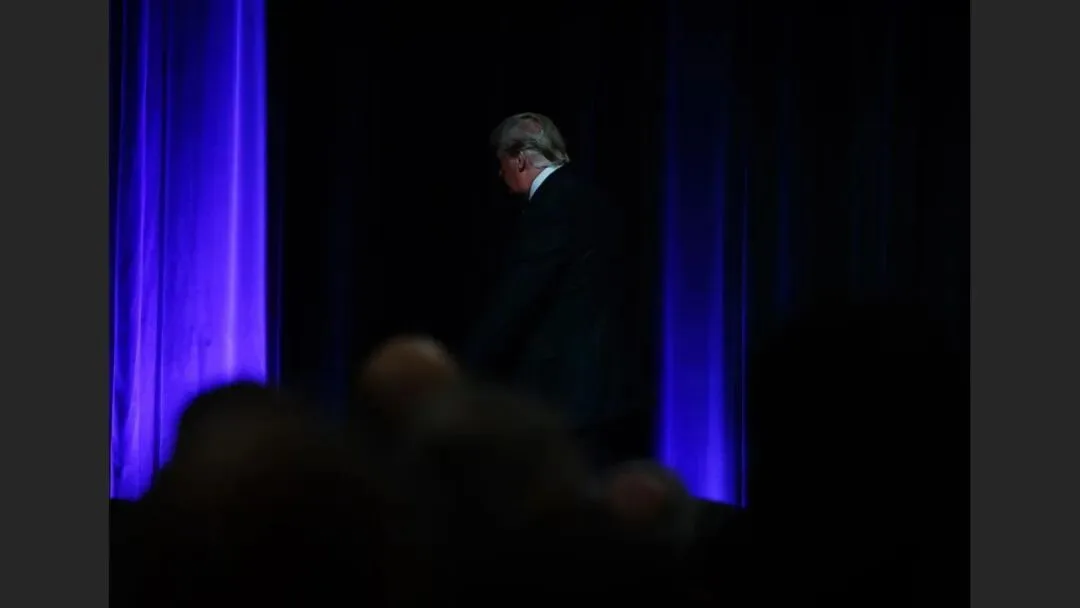
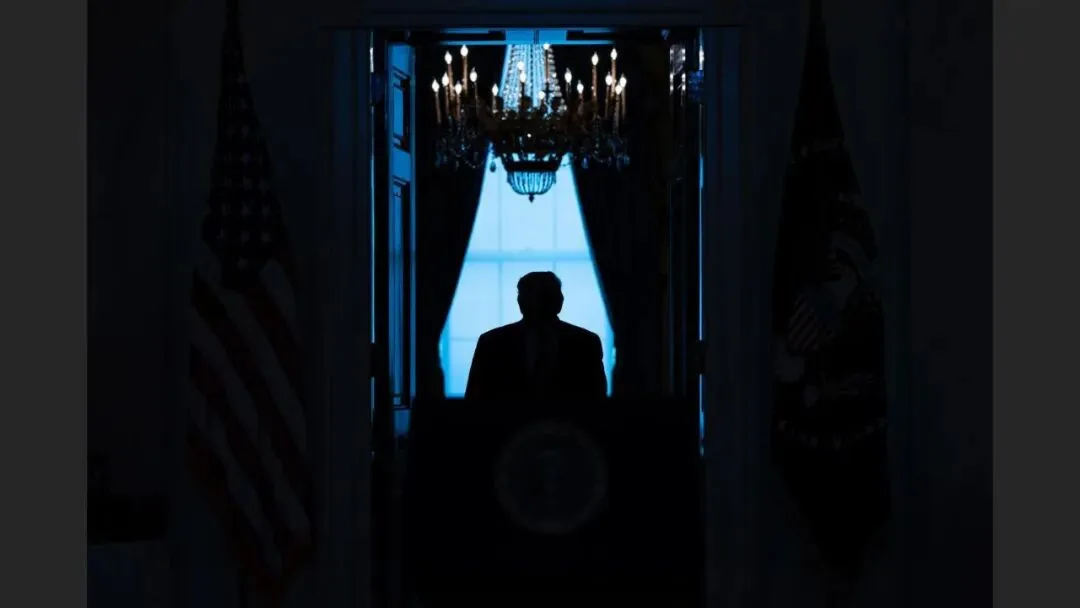
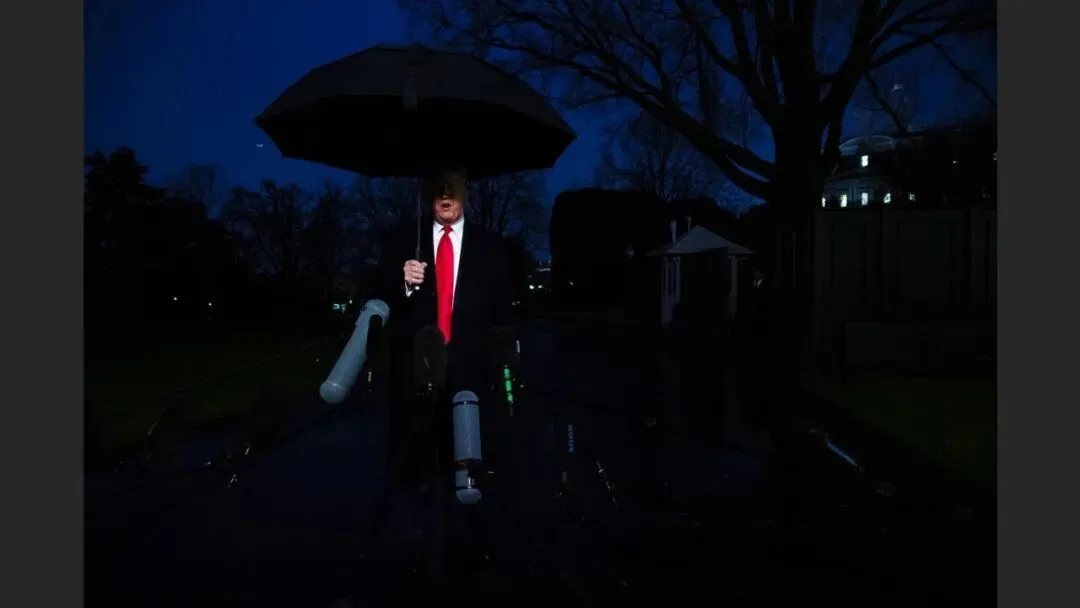
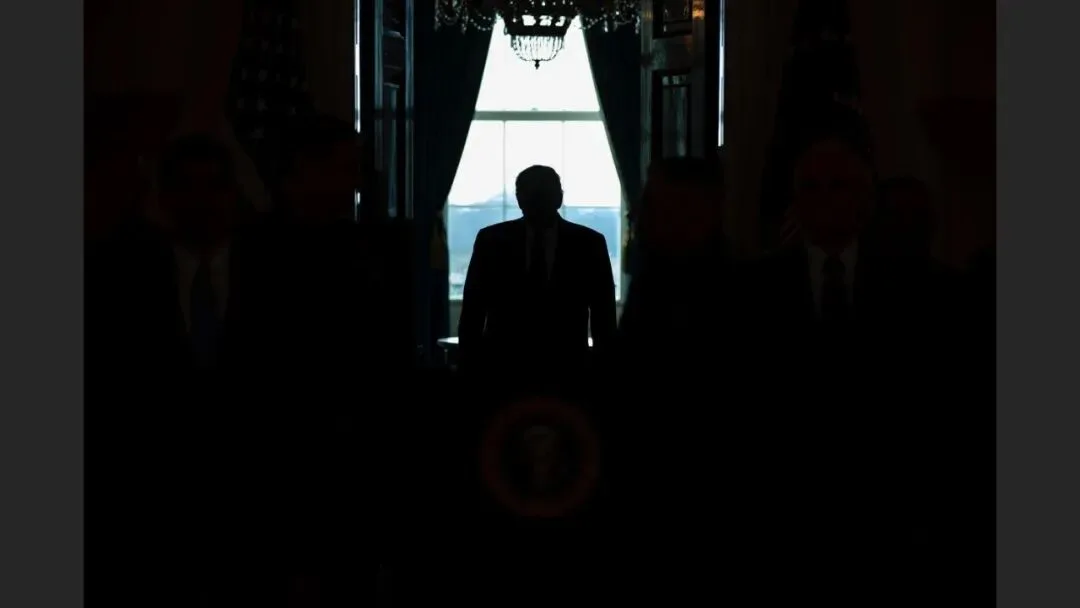
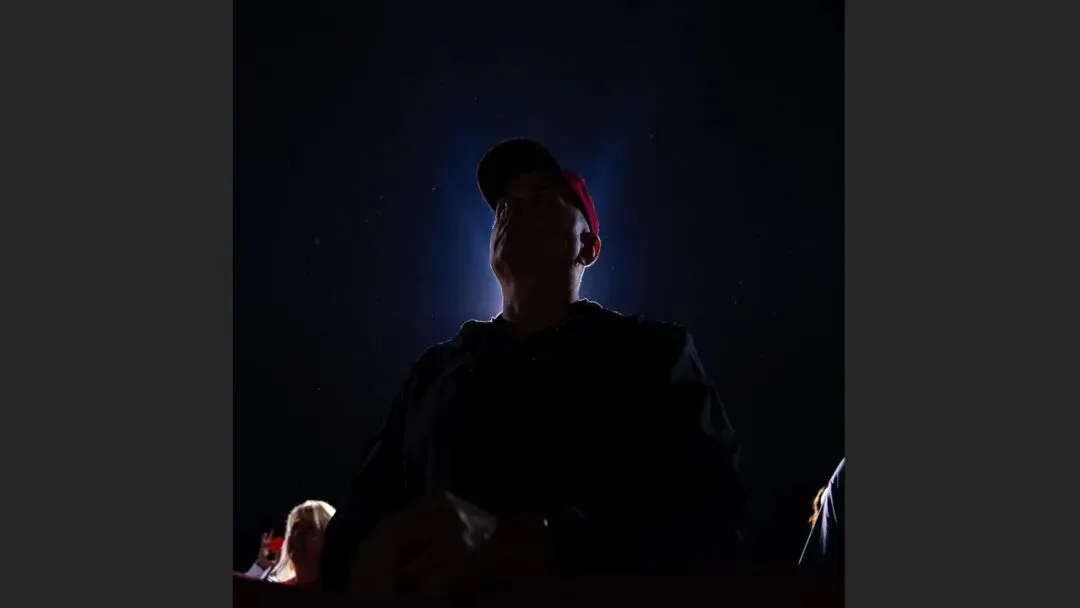
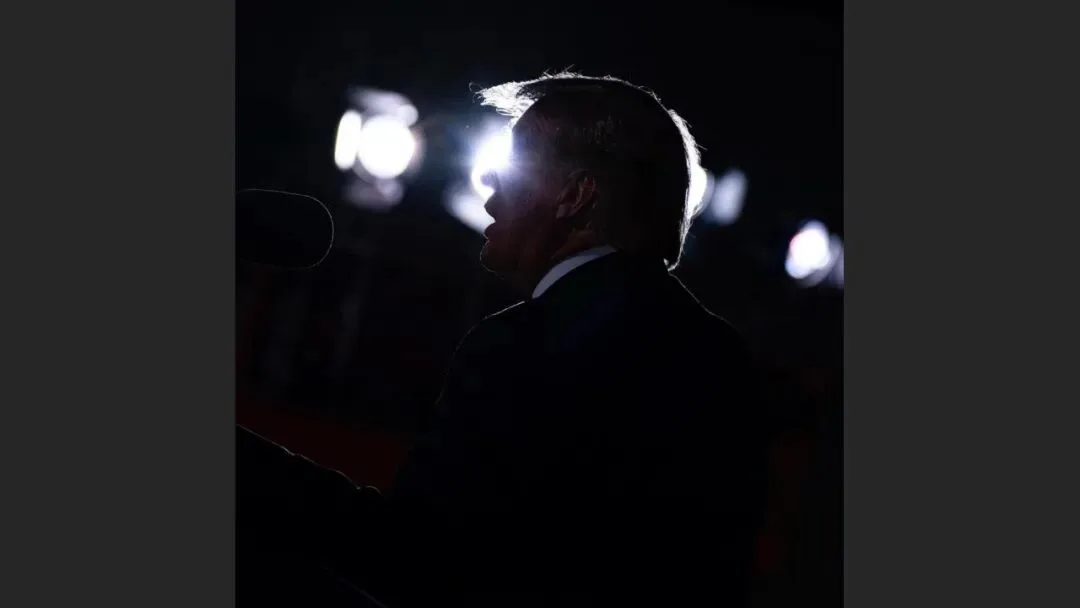
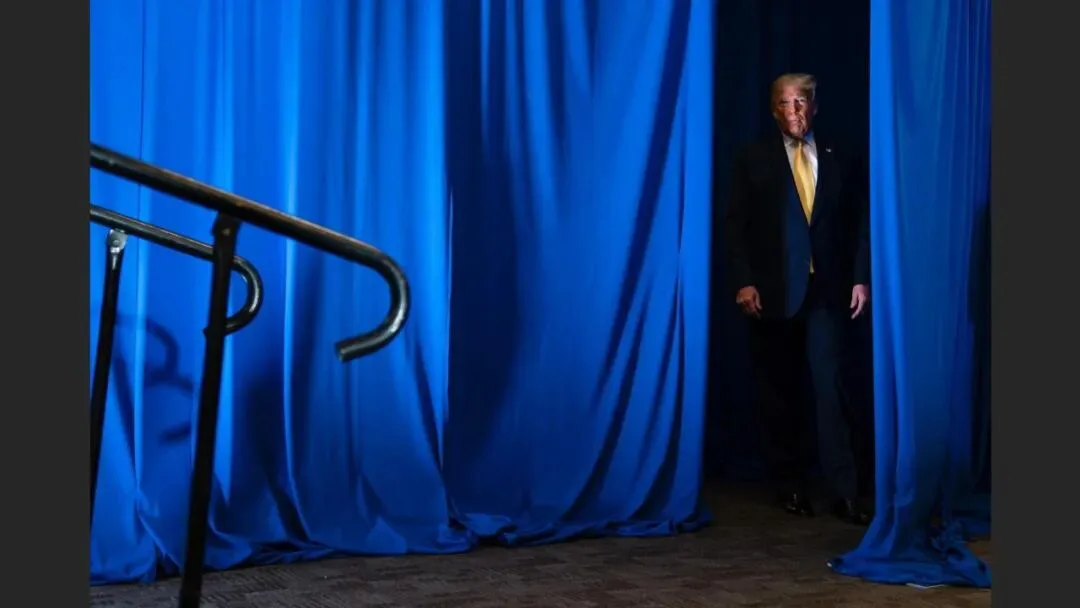
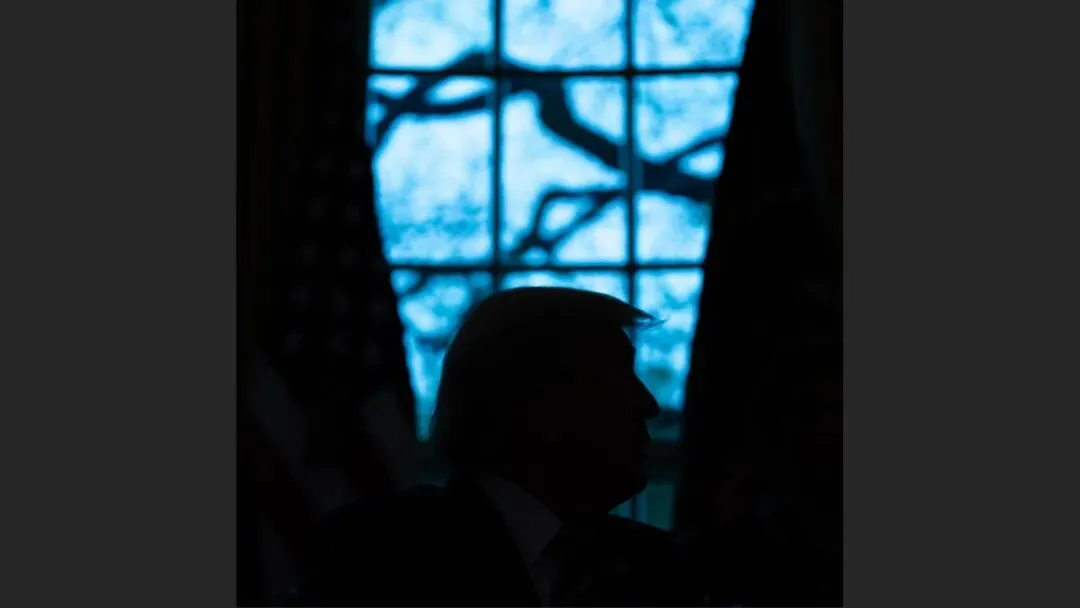
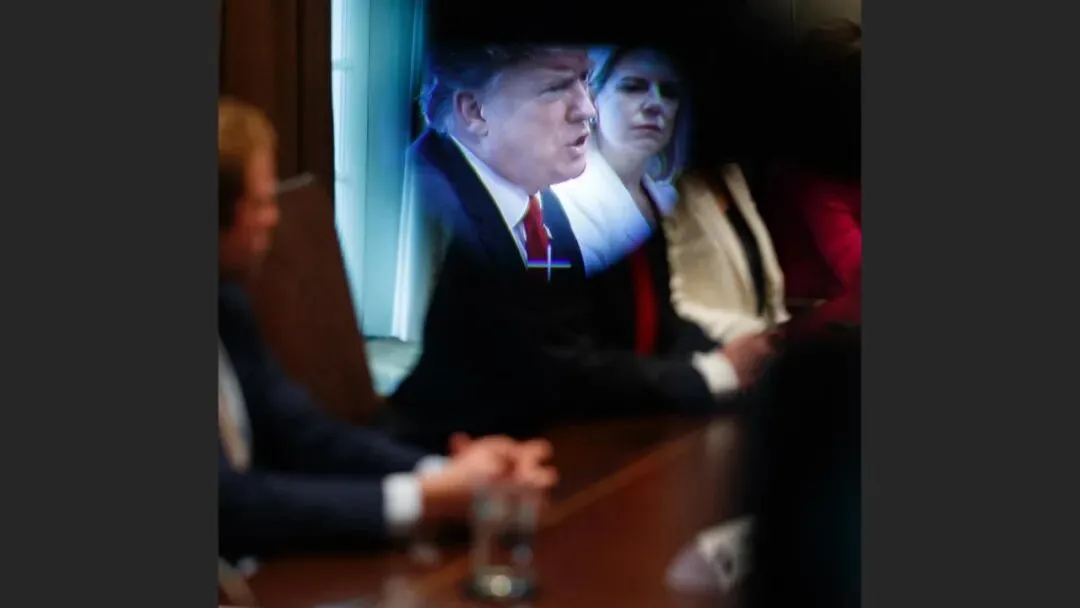
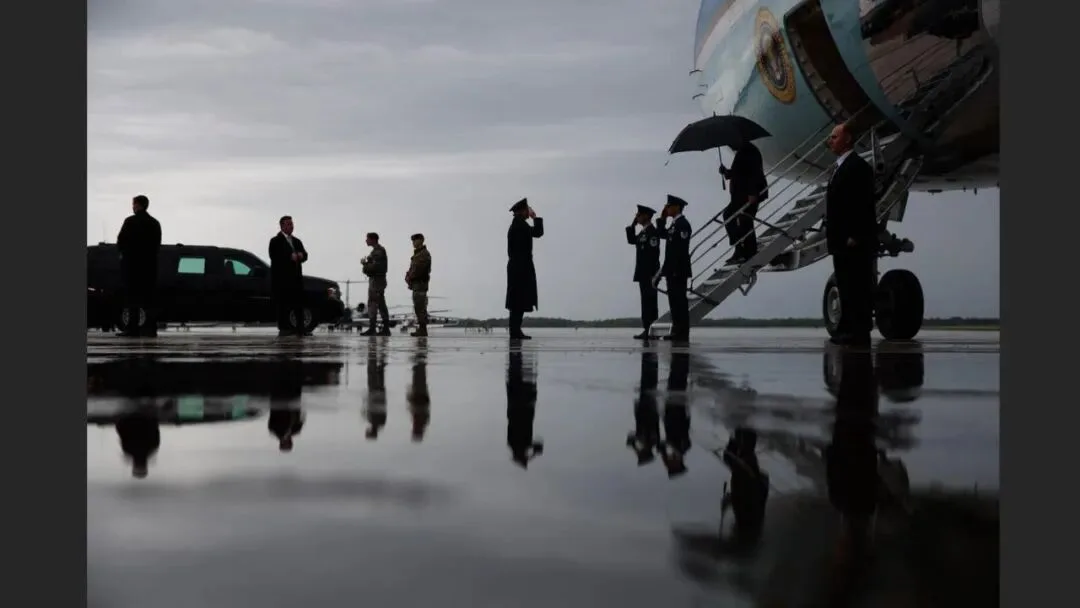
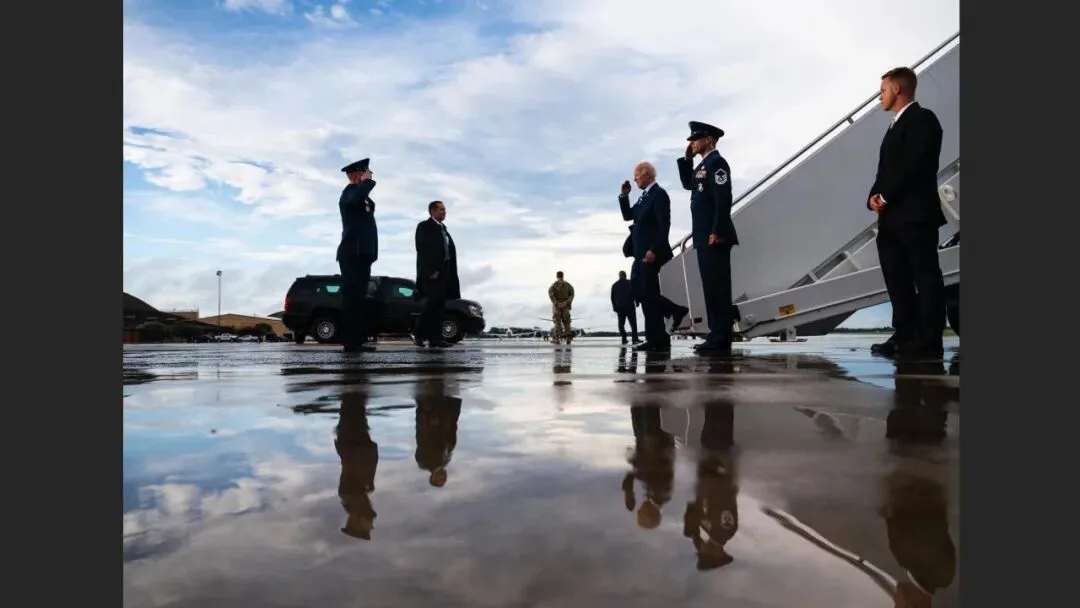
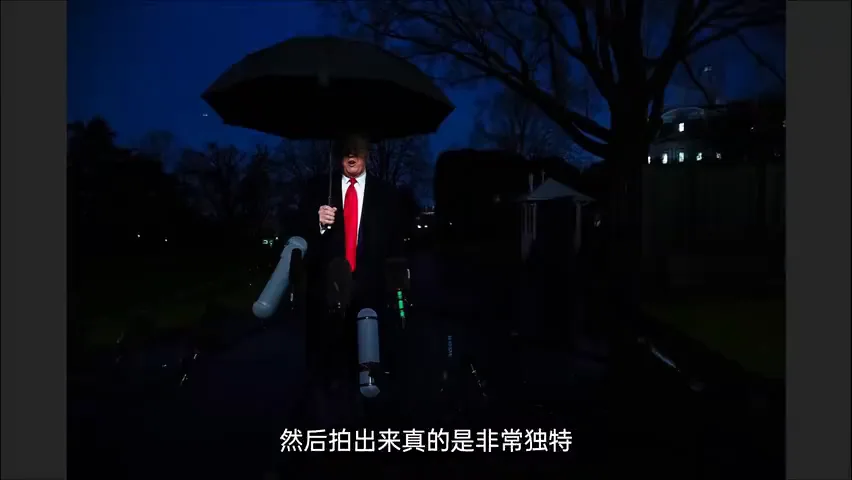
From years of trailing political figures he has mastered available light: overhead lamps can wrap a figure in atmosphere (at 5:32 in the video); a simple silhouette before a White House window is already strikingly unique (at 5:48 in the video); a portrait split by hard light into a half-bright, half-dark face may look unsettling, yet it reveals exactly the many faces of a politician (at 5:52 in the video). He also uses reflections to give frames a solemn, one-of-a-kind quality (at 7:32 in the video).
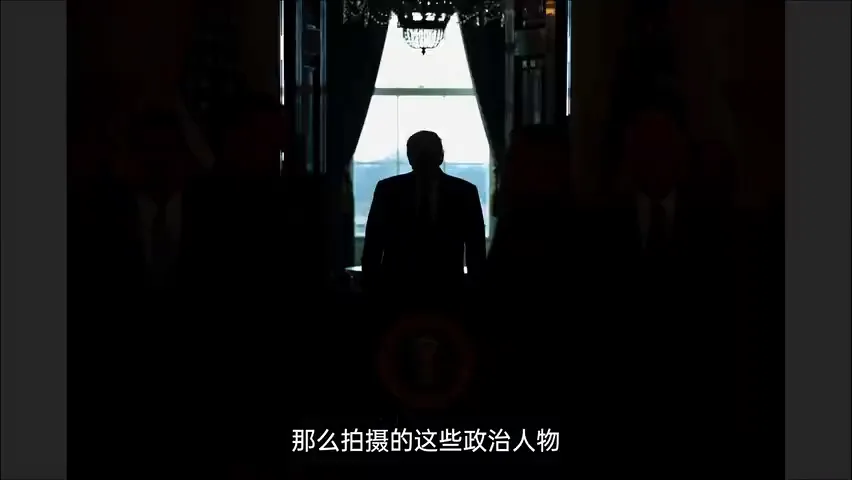
05 Structure and Camera Position: Order Within Complexity
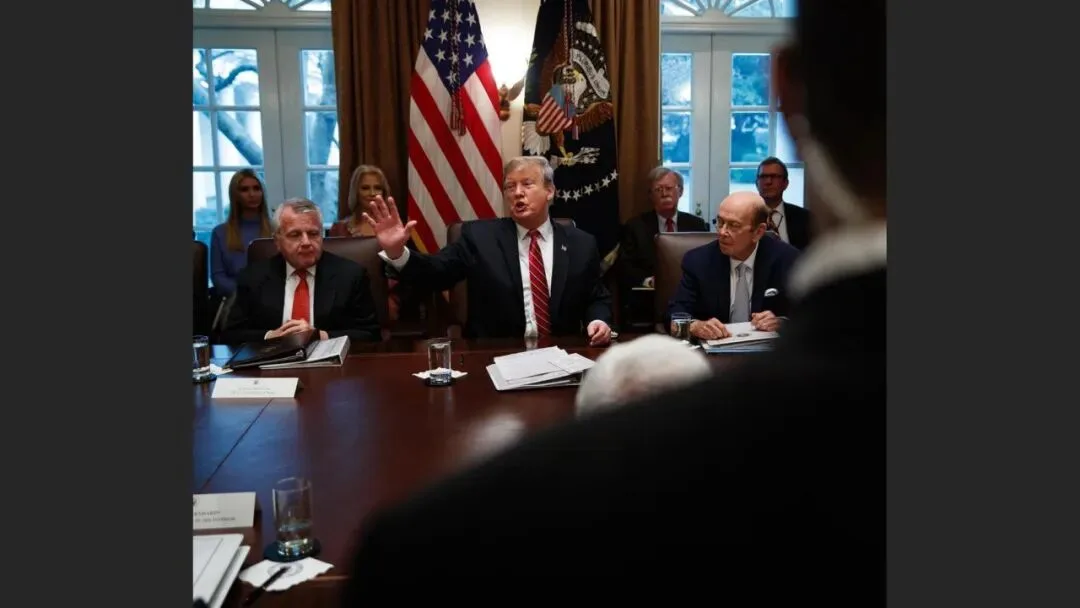
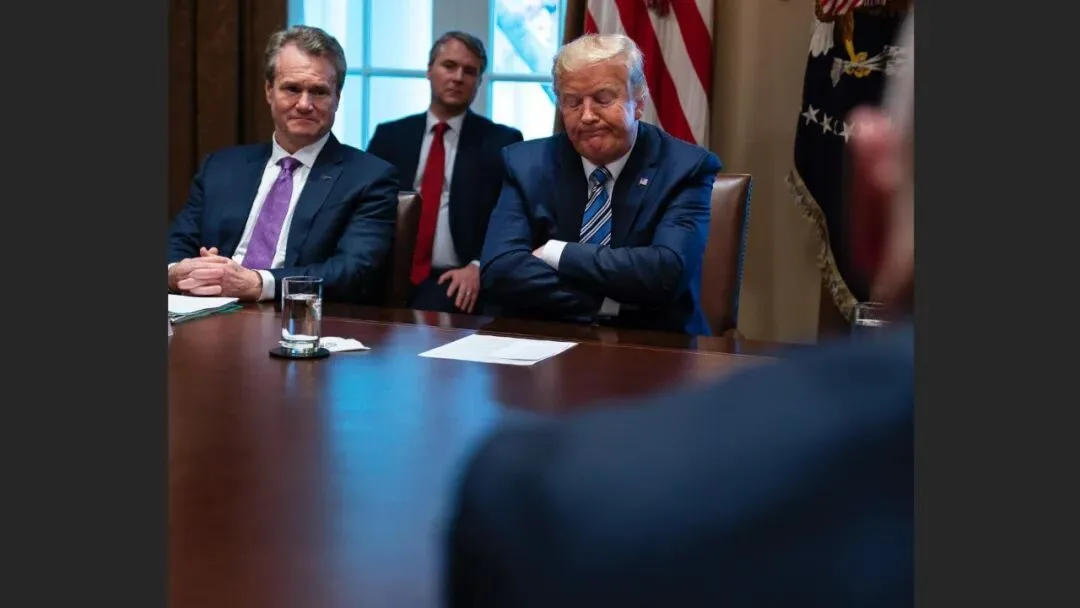
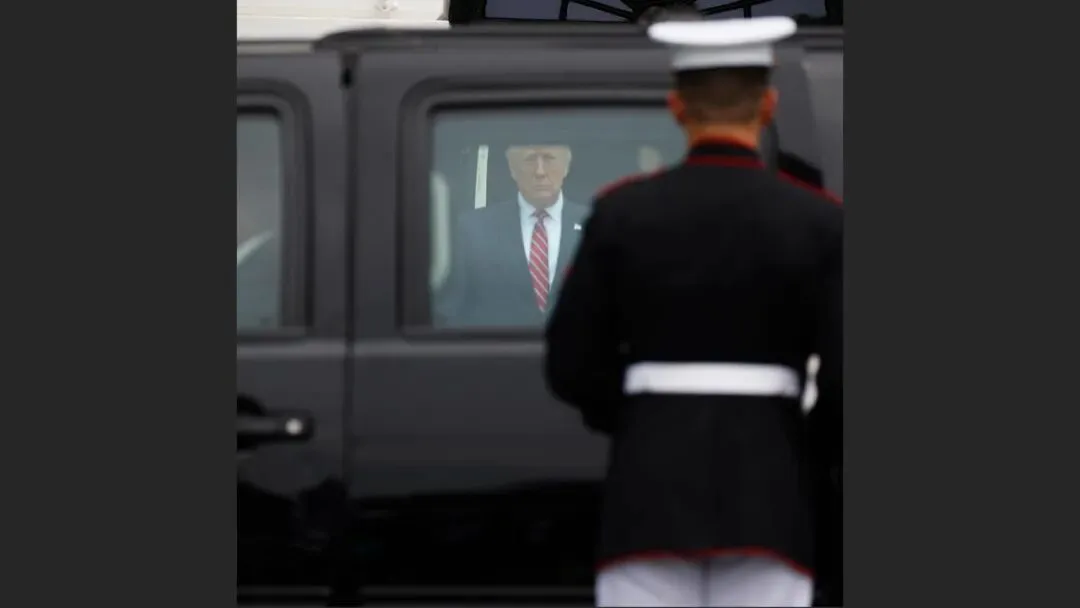
Covering events, he never settles for simply photographing people; he builds complex structures within the frame: pulling a foreground shoulder or silhouette into the picture instantly adds layers, along with the feeling of being there (at 6:42 in the video). In the cabinet-room frame below, the blurred shoulder at the right foreground is the entrance to the whole image (at 6:56 in the video).
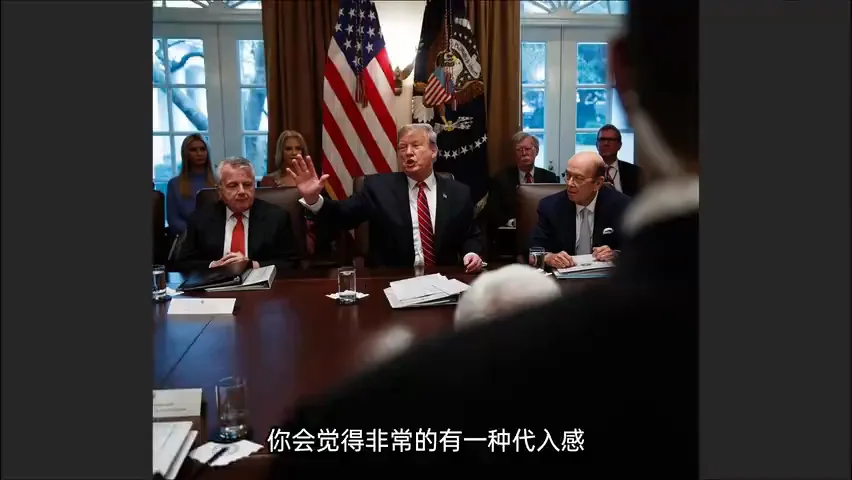
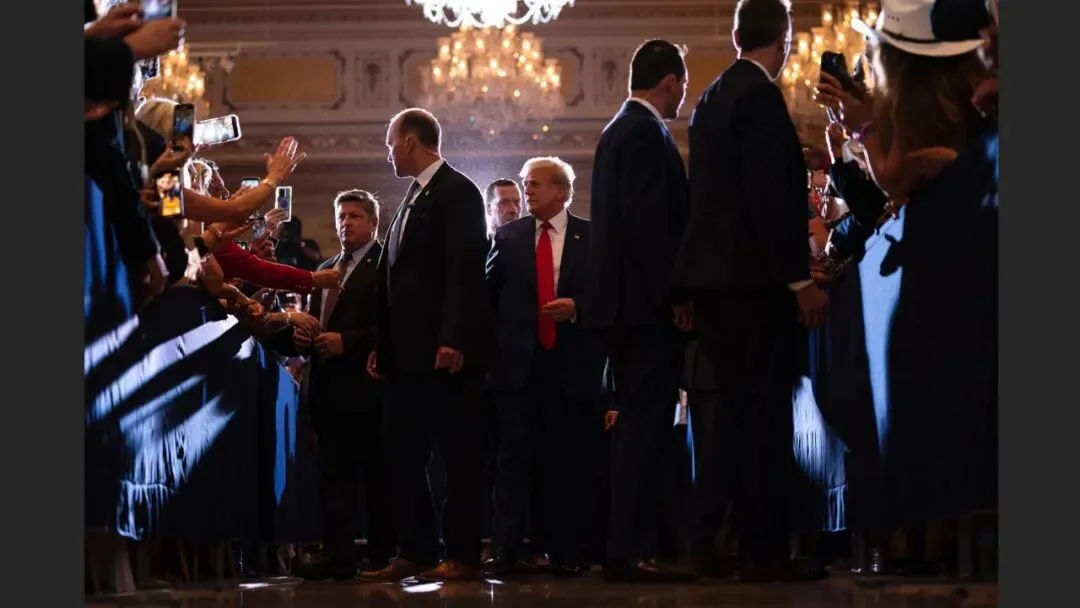
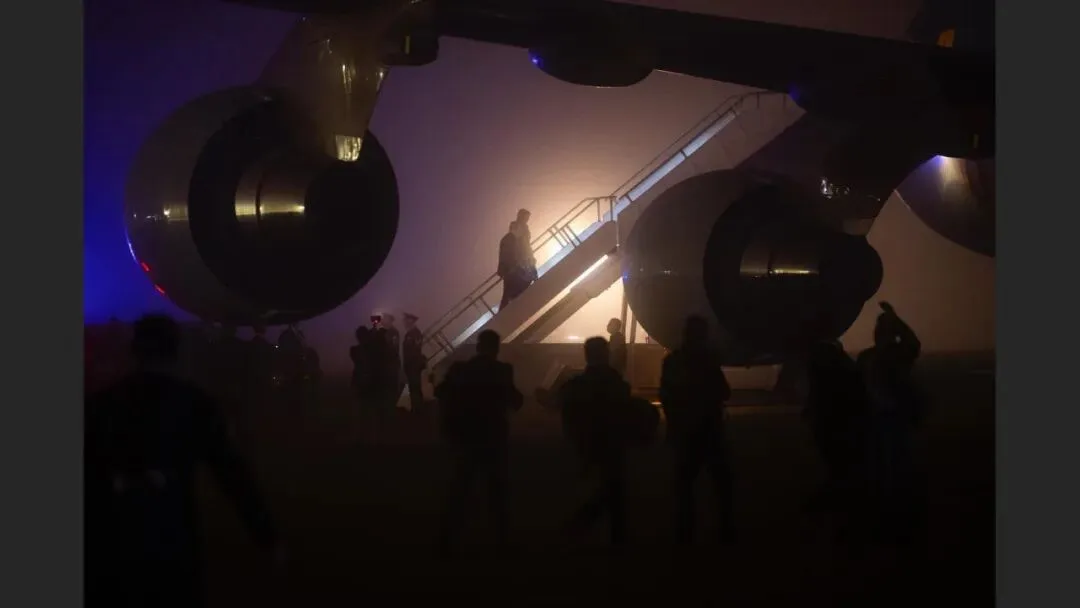
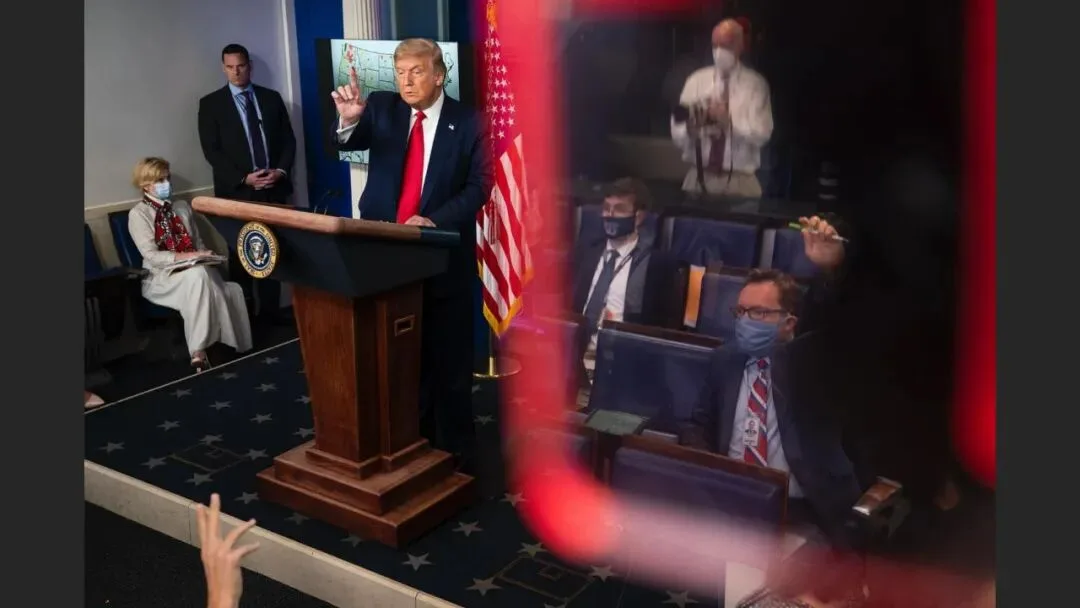
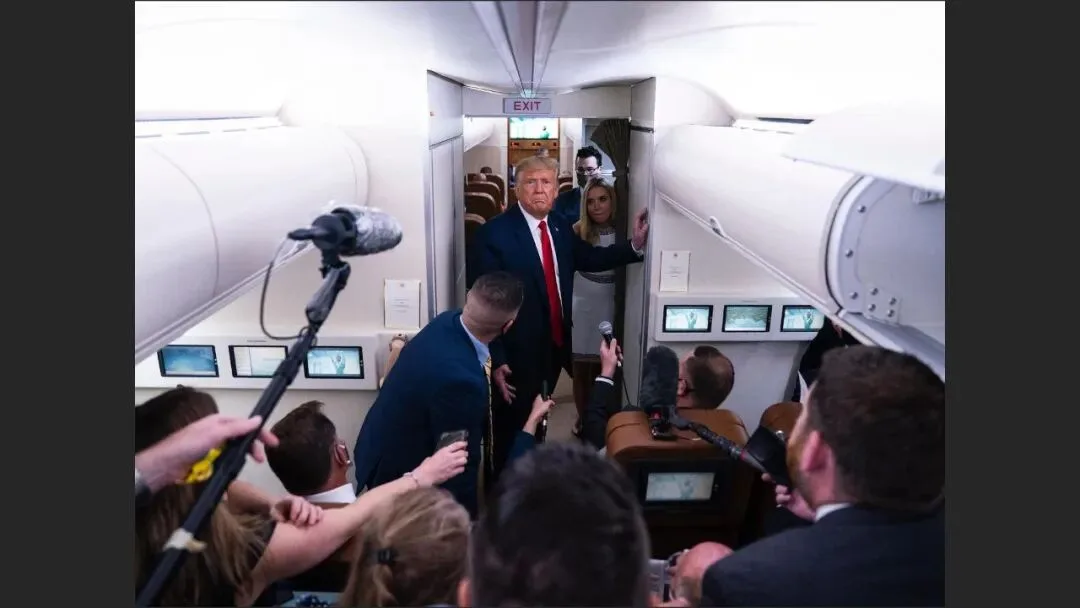
At one of Trump's press conferences he used an on-site reflector to fold the question-raising reporters into the frame as well, so a single photo maps the relationships of nearly everyone in the room (at 7:07 in the video). The high angle is his other weapon: shooting down suits complex structures, the whole environment, and the interplay between people and their surroundings (at 7:44 in the video) — the presidential aircraft, the press corps, the seating rows and Trump at center compose one singular structure (at 8:01 in the video).
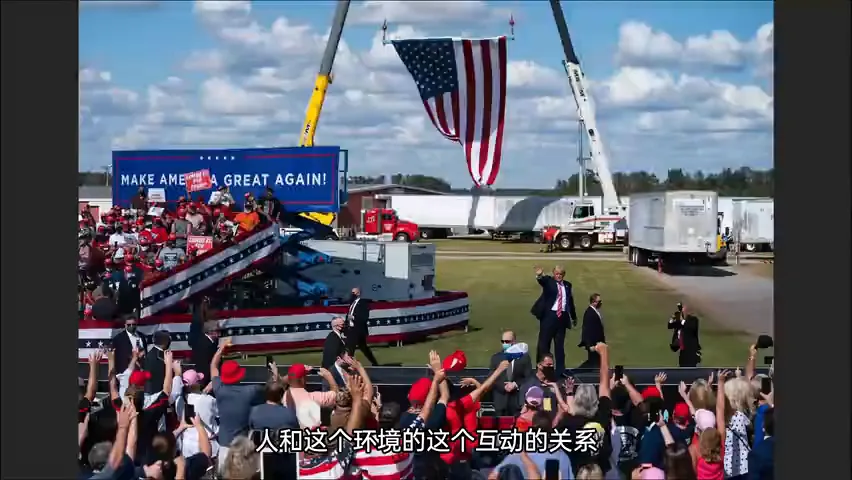
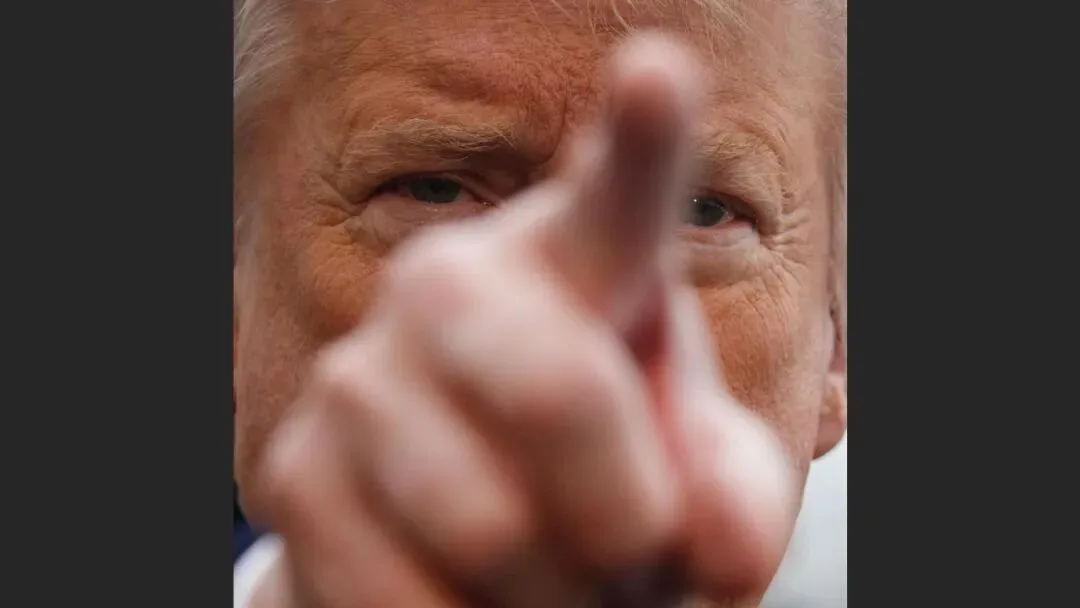
Finally, seizing decisive expressions and gestures is a fundamental skill for the press photographer — and for every photographer: the raised arm, the clenched fist, the glance back, the pointing hand — he always fires at the instant the subject is most eloquent (at 8:18 in the video). What we call instinct is simply all of this practice internalized as reflex.
1. Dedication and volume precede everything: record the moment first, then select the classic from hundreds of frames; 2. The low angle is the workhorse of event portraiture — a knee-height camera, a clean sky, exaggerated presence and expression, with clouds and sun adding atmosphere; 3. Learn to hunt for symbols — flags, badges, reflections, silhouettes — so the photo tells its own story; 4. Use light and structure to define character: streetlamp-and-rain mood, overhead light, foreground frames and high-angle complexity — instinct comes from long practice.