Photography Tutorial · 2017-03-18
To See All 14 Eight-Thousand-Meter Peaks, Just Trek These 5 World-Class Routes
"The 14" refers to the 14 highest snow peaks in the world - the only peaks on Earth whose elevations exceed 8,000 meters. Climbing all 14 eight-thousanders is unquestionably the highest honor in mountaineering. Only the strongest, most tenacious, and also luckiest climbers can complete this challenge.
Although even climbing just one of them is extraordinarily difficult for ordinary people, with the continuous development of high-altitude tourism, trekking to view - or even photographing up close - all 14 eight-thousanders is no longer an unreachable dream.
Thomas has summarized 5 trekking routes with world-class scenery here. Completing the challenge of these 5 routes not only lets you see the world's most spectacular glaciers, canyons, and snow peaks, but also lets you experience up close the splendor of all 14 of the world's highest peaks.
Since the end of 2013, Thomas has completed trekking and viewing 13 snow peaks across 4 of these routes. In this article, except for Shishapangma, which was shot by the Manfeng brothers, all other photos were taken by Thomas.
1
Sandakphu-Phalut Trek, Darjeeling, India
Difficulty: 1 star
Scenery: 3 stars
Time: 5-7 days
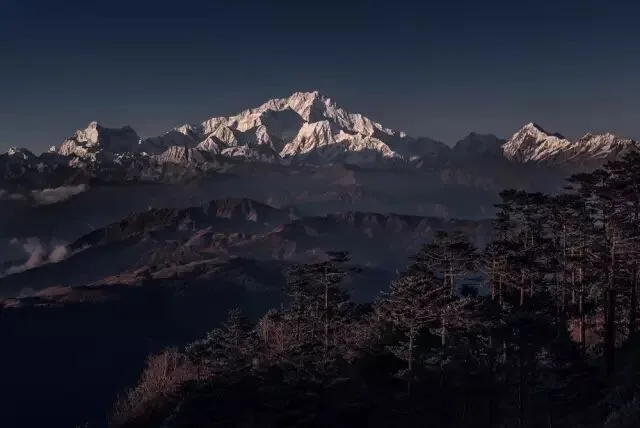
1 eight-thousander: Kangchenjunga (3rd)
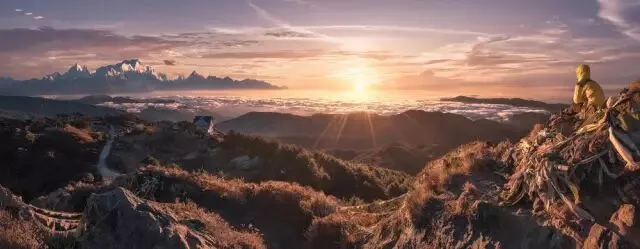
There are several trekking routes to view the 8,586-meter Kangchenjunga. However, the base camp route on the Nepal side takes 3 weeks and is very arduous, while the base camp route on the Sikkim side is not open to Chinese travelers for political reasons. So after much research, only the Sandakphu-Phalut route is the most suitable.
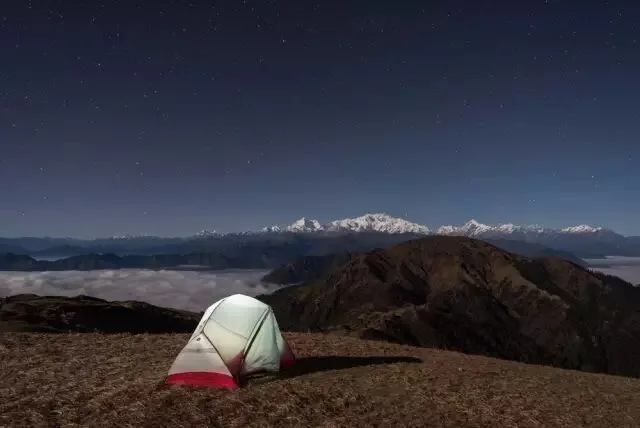
Sandakphu and Phalut are two 3,000-meter-class peaks near Darjeeling, India. Although there are few Chinese guides about this route, it's actually a popular route within India. The main mountain roads are already accessible by vehicle, so facilities along the way are complete and the difficulty is very low.
Along the trek, you can not only see the massive form of Kangchenjunga, the local sacred mountain, but also catch distant views of Everest, Makalu, Lhotse, and several high peaks of Bhutan. The route passes through diverse landscapes like pastures, forests, meadows, and villages, as if you've arrived in western Sichuan or the Alps, making it hard to leave.
2
Shishapangma South Route / Circuit
Difficulty: 2 stars
Scenery: 2 stars
Time: 2-4 days / 6-10 days
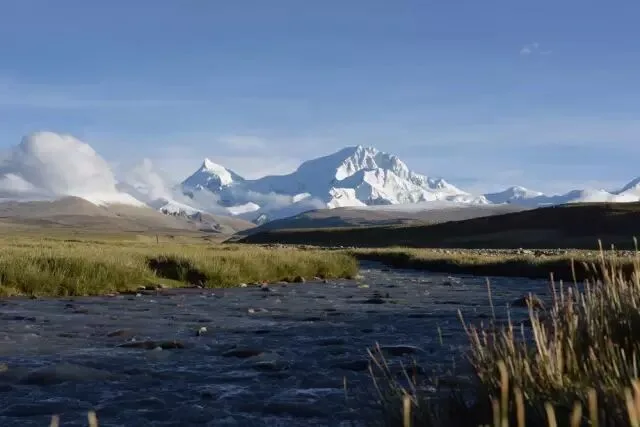
1 eight-thousander: Shishapangma (14th)
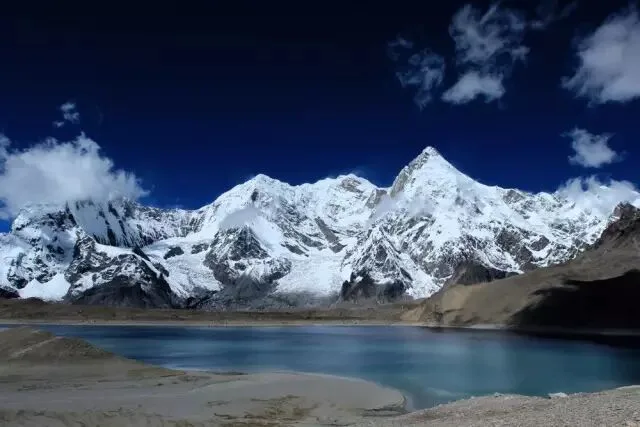
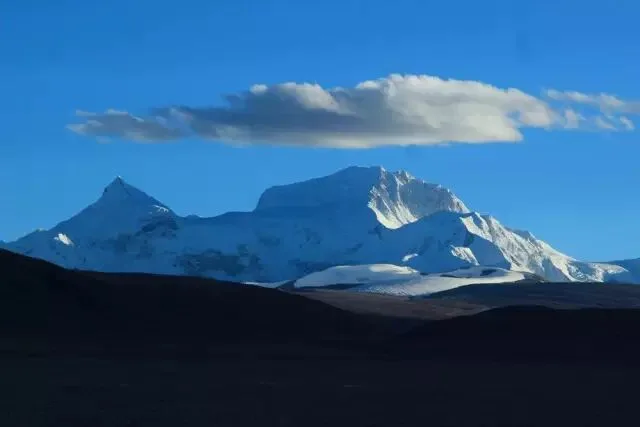
Shishapangma is the only eight-thousander entirely within China's territory, and it's also the last eight-thousander to be successfully climbed by humans (first ascent by Chinese climbers).
The traditional viewing route is the south-side base camp trek, which takes only 3 days round trip from Nyalam County and isn't difficult. Now the longer Shishapangma circuit has also been explored and opened, offering views of alpine lakes, glacial towers, and other scenery along the way.
3
Nepal Annapurna Circuit (ACT) + Annapurna Base Camp (ABC) Trek
Difficulty: 3 stars
Scenery: 4 stars
Time: 12-22 days
3 eight-thousanders: Dhaulagiri (7th), Manaslu (8th), Annapurna (10th)
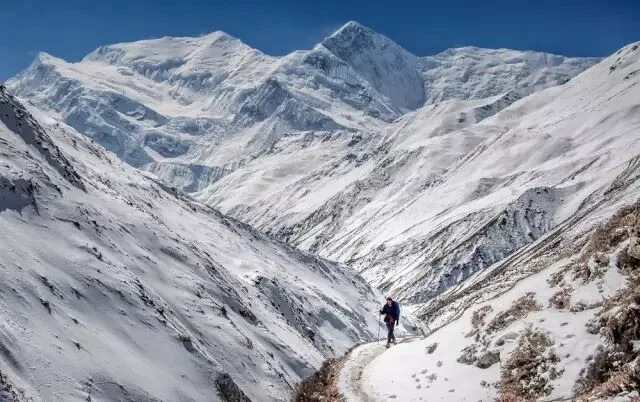
The Annapurna Base Camp (ABC) trek in Nepal is an entry-level high-altitude trekking route. The route starts near Pokhara and heads deep into the snowy mountains.
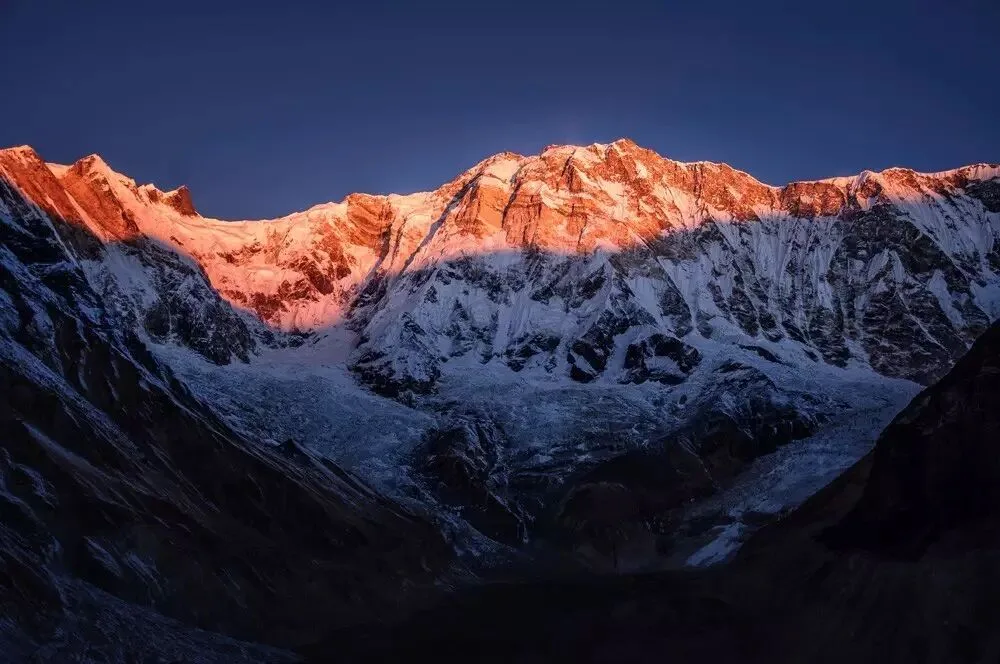
At the end of the trek, trekkers are blocked by a huge mountain wall - this is Annapurna I, the peak with the highest climbing fatality rate among the 14.
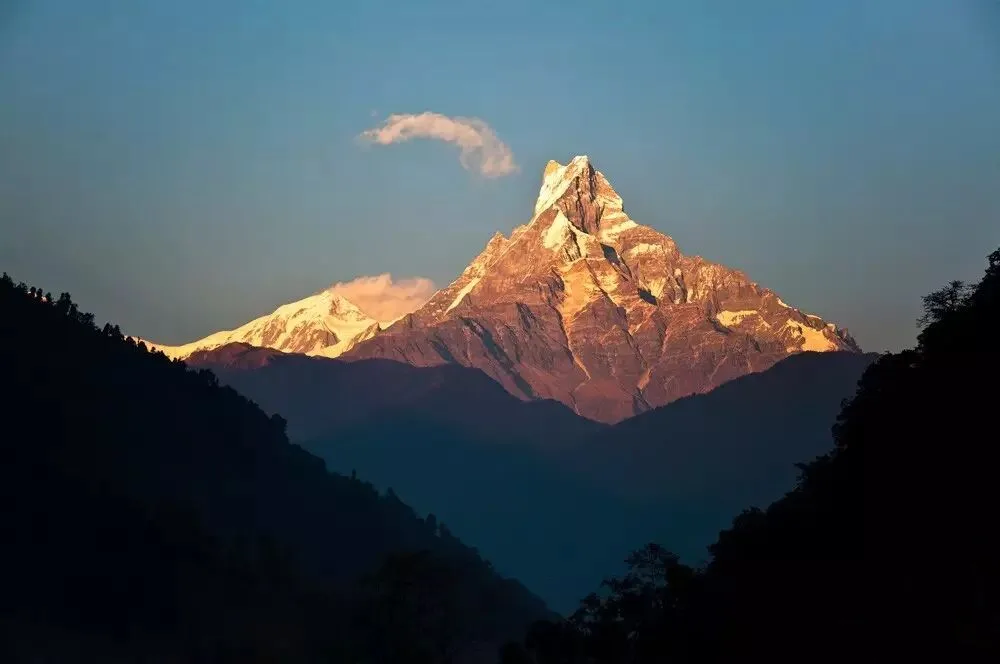
Another popular peak on the ABC route is Machapuchare, famous for looking like a fish tail.
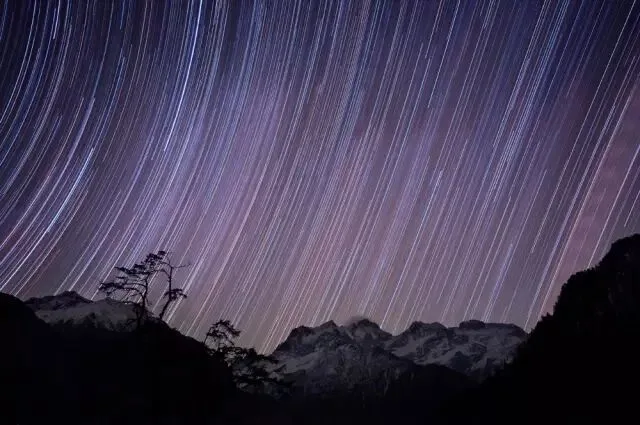
Near the ABC route, which takes 5-8 days round trip, is the Annapurna Circuit trek. Because of its rich scenery along the way, the Annapurna Circuit was once hailed as the most beautiful trekking route in the world. Thanks to the continuous opening of roads on both sides of the pass, this route, which once took 2-3 weeks, can now be completed in just over a week at the fastest.
Manaslu, beside the ACT route, comes from the Sanskrit "Manasa," meaning "Mountain of the Spirits." Nepalis call it "Pangje," meaning "decorations piled up," and regard it as a sacred mountain.
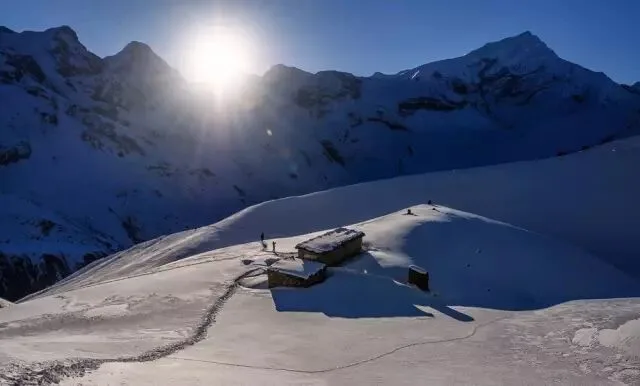
The 5,416-meter Thorong La Pass is a major difficulty on the route, and it's home to the world's highest teahouse.
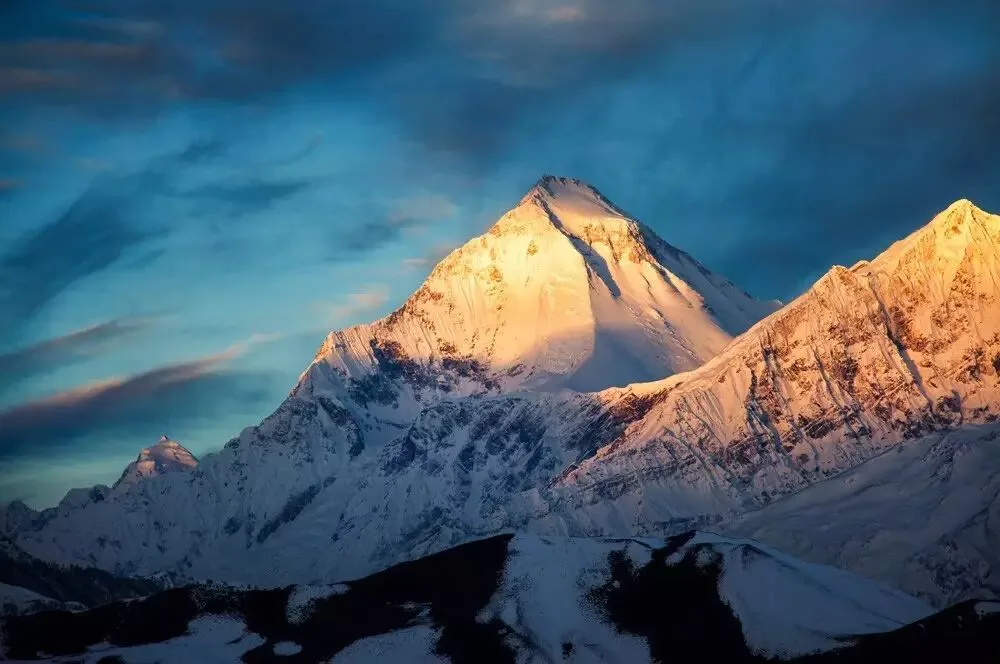
After crossing the pass, trekkers enter the outlying area of Mustang, where they can see the 8,167-meter Dhaulagiri. Dhaulagiri means "White Mountain." From afar, its mass looks pyramidal; up close, its walls are sheer and the climbing conditions are harsh, earning it the name "Devil's Peak." It wasn't until 1960 that its virgin status was broken by a joint Swiss expedition.
4
Nepal EBC (Everest Base Camp) + Gokyo Lakes Trek
Difficulty: 4 stars
Scenery: 4 stars
Time: 12-20 days
4 eight-thousanders: Everest (1st), Lhotse (4th), Makalu (5th), Cho Oyu (6th)
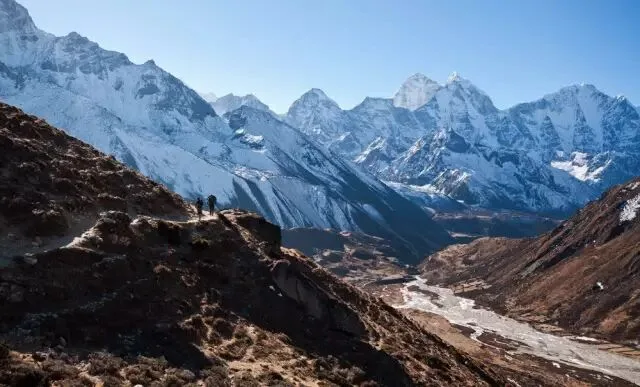
The trekking in the Everest region is commonly abbreviated as the EBC route because most people head for the Everest Base Camp as their destination.
This route is a classic "teahouse trek." Along the way, every 1-2 hours of walking there's a village or rest stop, so you don't need to carry your own food and camping gear, greatly reducing the difficulty. You can also hire a porter to carry your big pack and guide you at the cheap price of $10-15 per day, greatly easing the trekking burden.
The biggest difficulty of this route is the high altitude. The latter half is all trekking and sleeping above 4,000 meters, with several days trekking and sleeping above 5,000 meters, testing the body's acclimatization. Secondly, the trekking intensity is also high, with the total time generally 10-20 days; combined with passes above 5,000 meters and multiple viewpoints, it also demands physical fitness and willpower.
Viewing Everest up close from the south side actually feels less majestic than from the Chinese side.
But when I think of May 29, 1953, when New Zealand climber Edmund Hillary and 39-year-old Nepali guide Tenzing Norgay climbed Everest from here together, ushering in the golden age of mountaineering history, I feel thrilled.
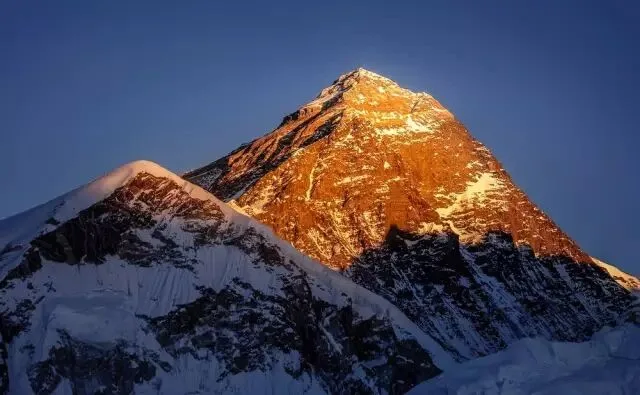
Although Lhotse (8,516 m) is right beside Everest and shorter than it, its steep mass makes it far more difficult to climb than Everest, with more than 300 brave climbers having fallen asleep at its foot to date.
In 1989, Jerzy Kukuczka - one of the greatest climbers of the 20th century and the Polish mountaineer who climbed all 14 eight-thousanders in the shortest time - lost his life while descending after summiting via Lhotse's hardest south face. His memorial stands below this death peak, forever gazing up at Lhotse's sheer, heaven-defying south face.
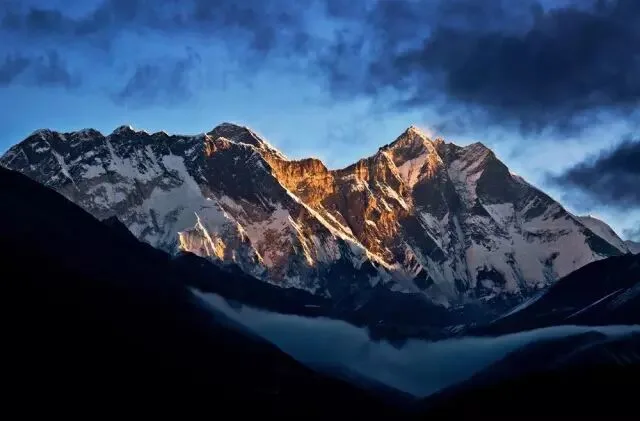
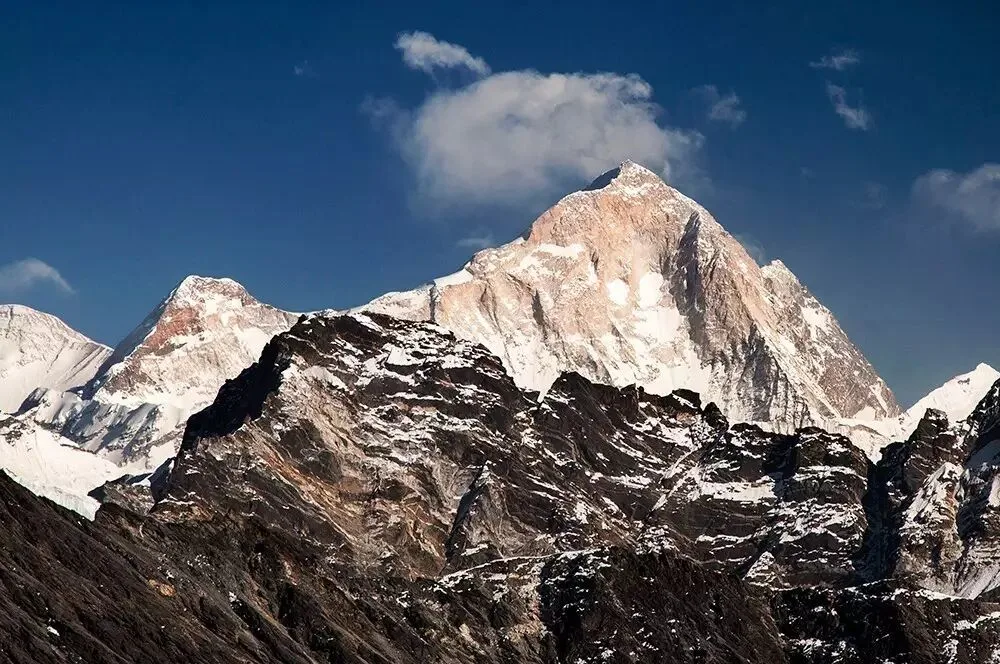
Makalu lies 24 km east of Everest and is famous for its two towering satellite peaks and the huge glacier at its base. From Gokyo Ri, you can view this giant from afar; for an up-close appreciation, the Everest East Face trek on the Chinese side is more recommended.
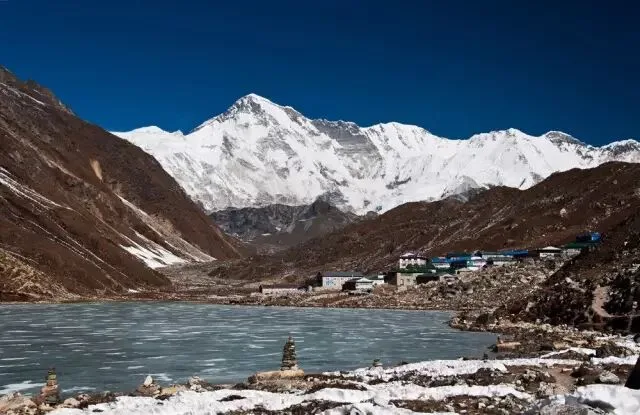
Cho Oyu sits on the border between China and Nepal, meaning "Chief Great Master" in Tibetan. Cho Oyu has five ridges - northwest, northeast, southwest, southeast, and west - with layered peaks and snowy summits, truly spectacular.
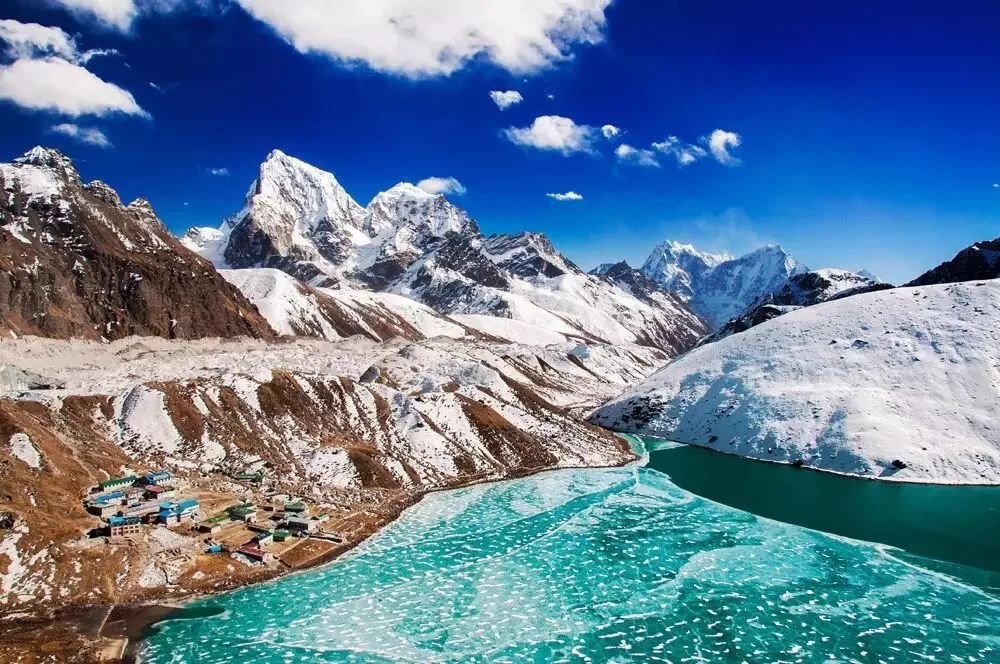
Gazing at the enormous mass of Cho Oyu from the village of Gokyo and the Third Lake, one can't help but marvel at humanity's smallness.
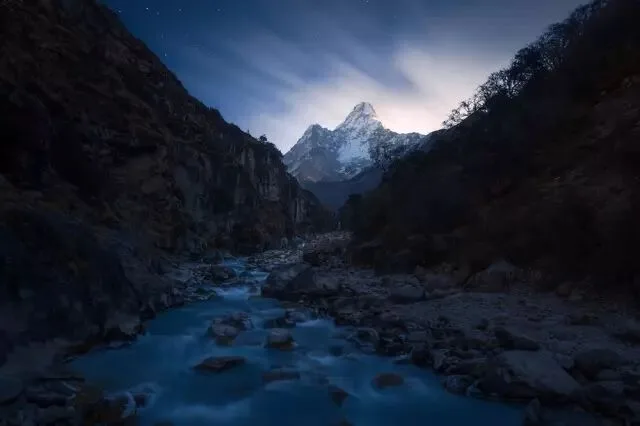
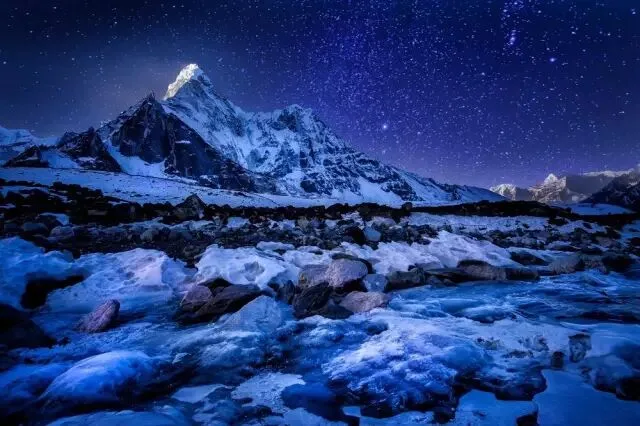
Ama Dablam, like Machapuchare in the Annapurna region, isn't the tallest, but its upright, handsome form makes it outshine the 7,000-8,000-meter giants, becoming a hot favorite in every trekker's lens.
The EBC and Gokyo routes are connected by the Cho La Pass. If you don't make a detour to see Gokyo's beautiful lakes and the magnificent panoramic scenery from Gokyo Ri, it would be a great pity.
5
Pakistan K2 + G1/G2 + Nanga Parbat Base Camp Trek
Difficulty: 5 stars
Scenery: 5 stars
Time: 16-24 days
5 eight-thousanders: K2 (2nd), Nanga Parbat (9th), Gasherbrum I (11th), Broad Peak (12th), Gasherbrum II (13th)
The ultimate boss is finally here: the Pakistan K2 + G1/G2 + Nanga Parbat Base Camp trek, letting you feast your eyes on 5 eight-thousanders at once.
The K2 base camp route has become increasingly popular in recent years, but it only lets you see K2 (Qogir) and Broad Peak. In fact, with 5 more days, you can see the other three giants.
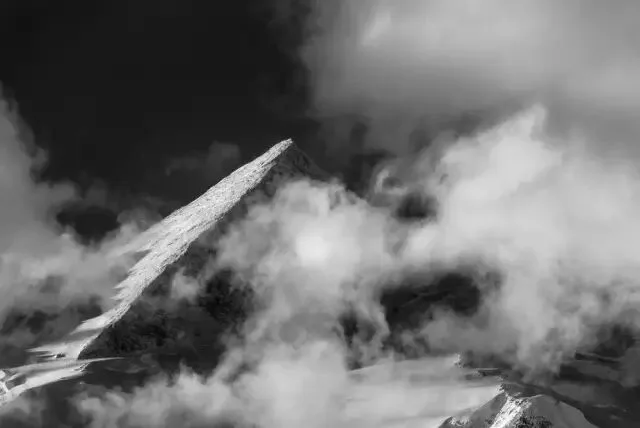
K2 (Qogir), meaning "tall and majestic" in Balti, is the highest peak of the Karakoram range at the China-Pakistan border. In fact, K2's pyramid-like form rising from the earth, combined with the unpredictable, harsh weather of the Karakoram region, makes it a true "death giant." In 1954, an Italian expedition stood atop K2 for the first time.
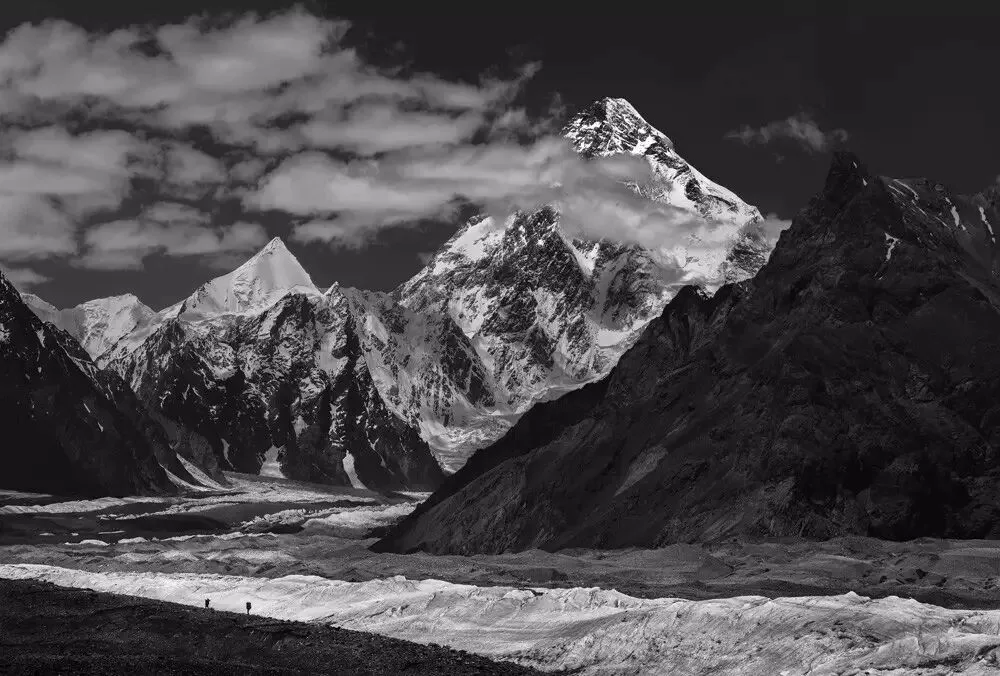
Broad Peak has a huge, gentle mass and is one of the easiest of the 14 to climb. However, because of its flat top, its highest point is hard to distinguish, and mix-ups of climbing the wrong summit often happen...
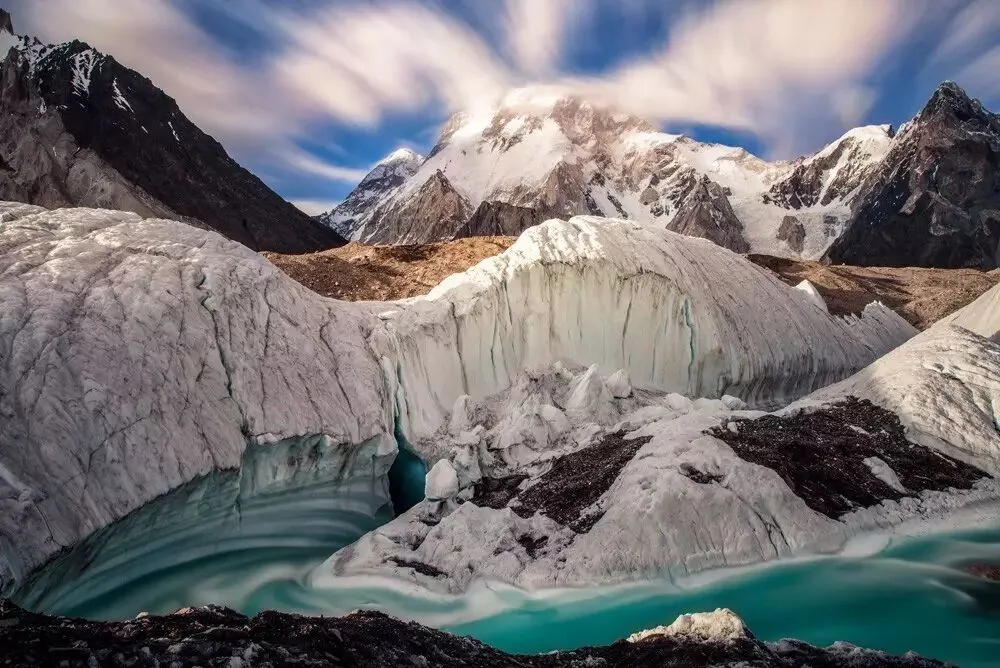
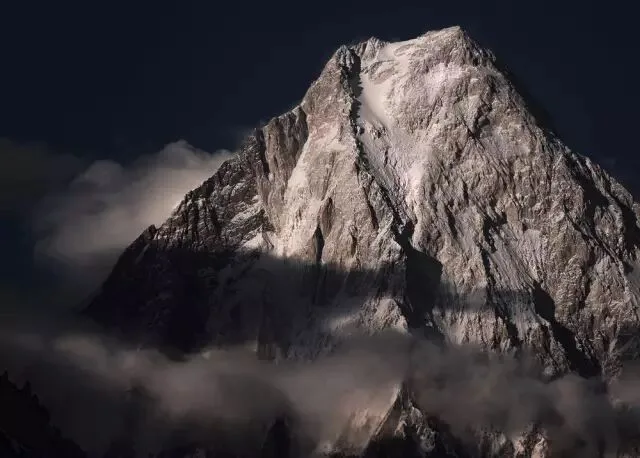
The K2 trek splits into two sections from Concordia Camp: one side leads to the K2 base camp, and the other leads to the camp for Gasherbrum I and II (G1, G2). From Concordia or the pass, the round trip to the G1/G2 base camp takes only 2 extra days. The image below shows the 8,080-meter Gasherbrum I and the huge glacier at its base.
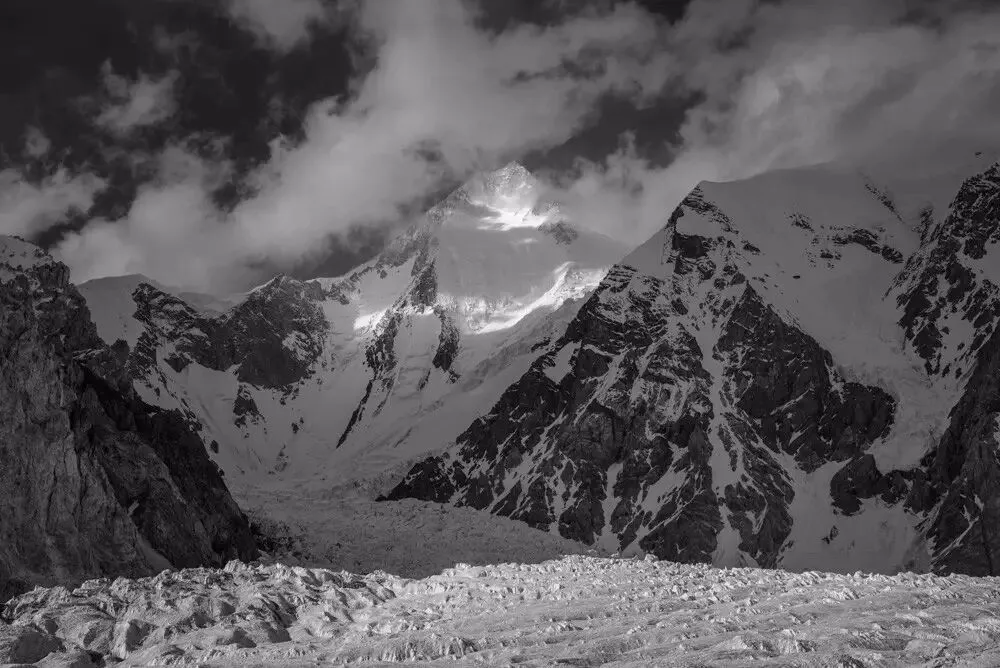
Gasherbrum II is a neighbor of Gasherbrum I. Seen from the Pakistani side, its summit looks like a giant pyramid, very awe-inspiring.
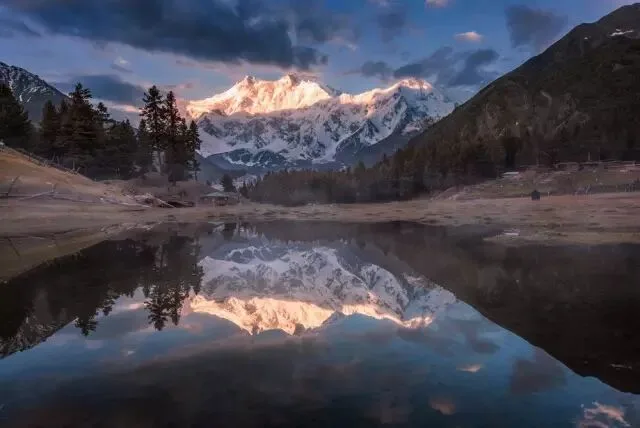
The Nanga Parbat base camp route requires a 3-day round trip by vehicle plus trekking from Skardu, the starting point of the K2 trek. The official trek begins from the fairytale-like alpine meadow of Fairy Meadow, and you can reach the base camp in just half a day.
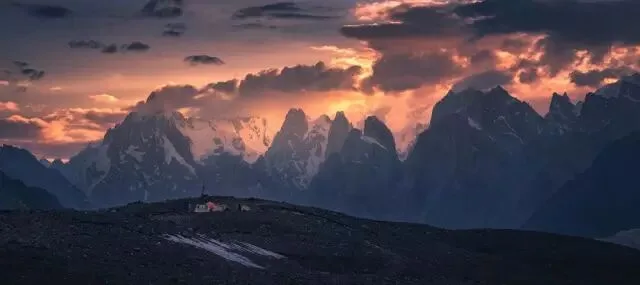
Along the K2 trek, there are also peaks with steep and peculiar shapes, such as the Trango Towers, Muztagh Tower (not the one in Xinjiang, China), and G4 Peak, which are actually even more favored by photographers.
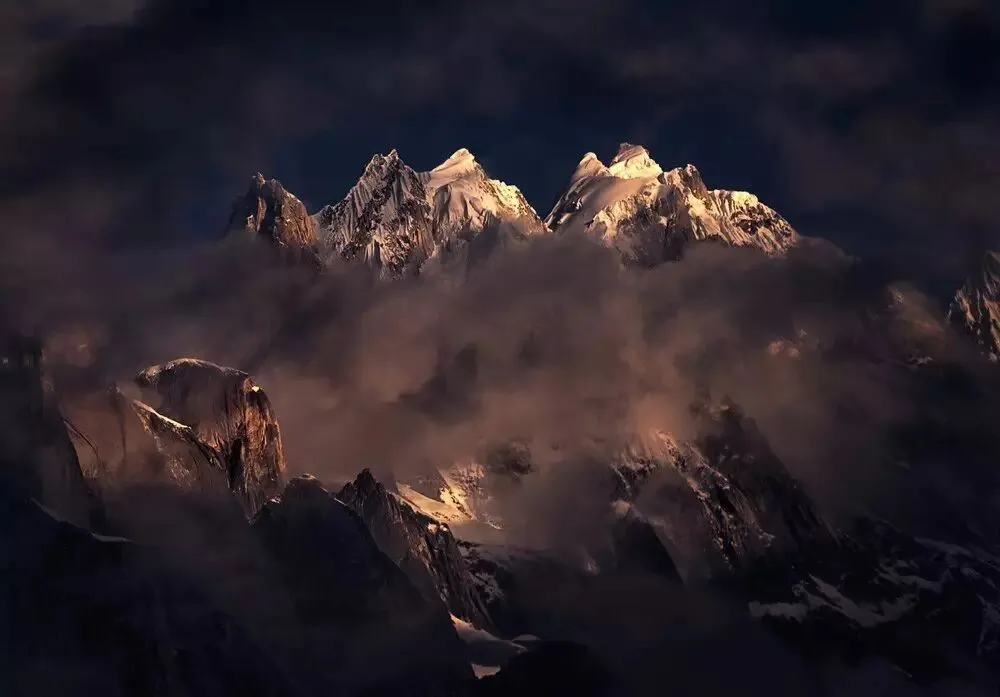
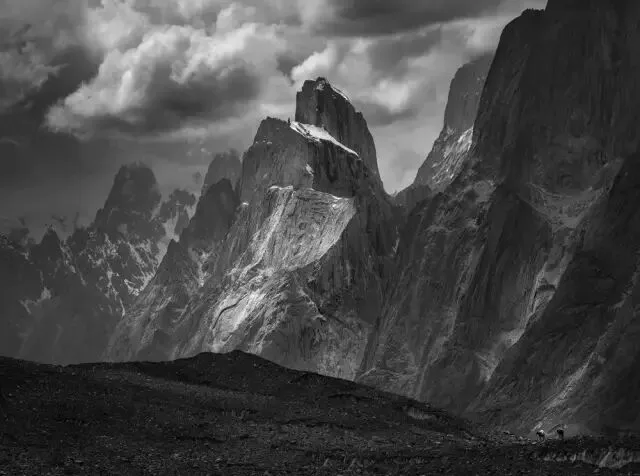
Only by being there in person can you truly appreciate the greatness of nature.
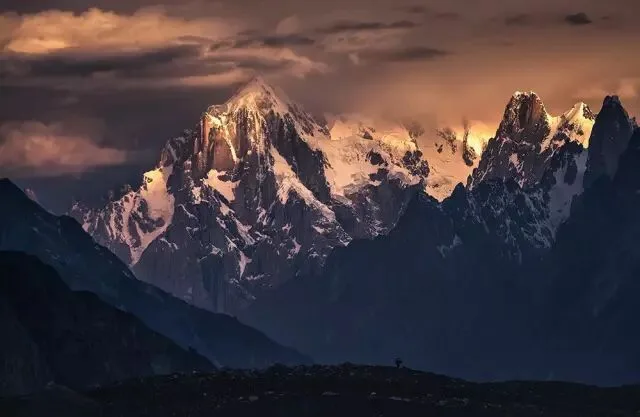
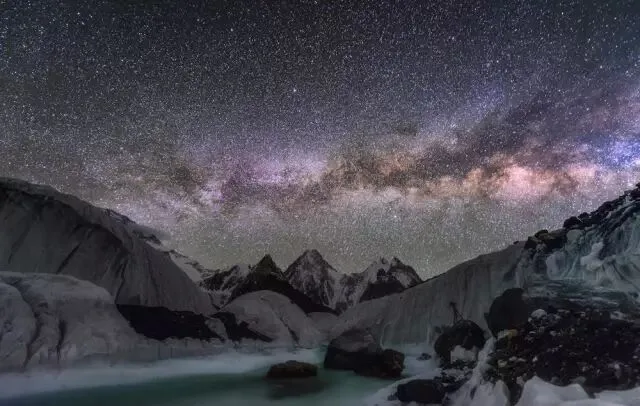
The latter half of the K2 base camp trek is spent walking on glaciers the whole way, with extremely awe-inspiring scenery.
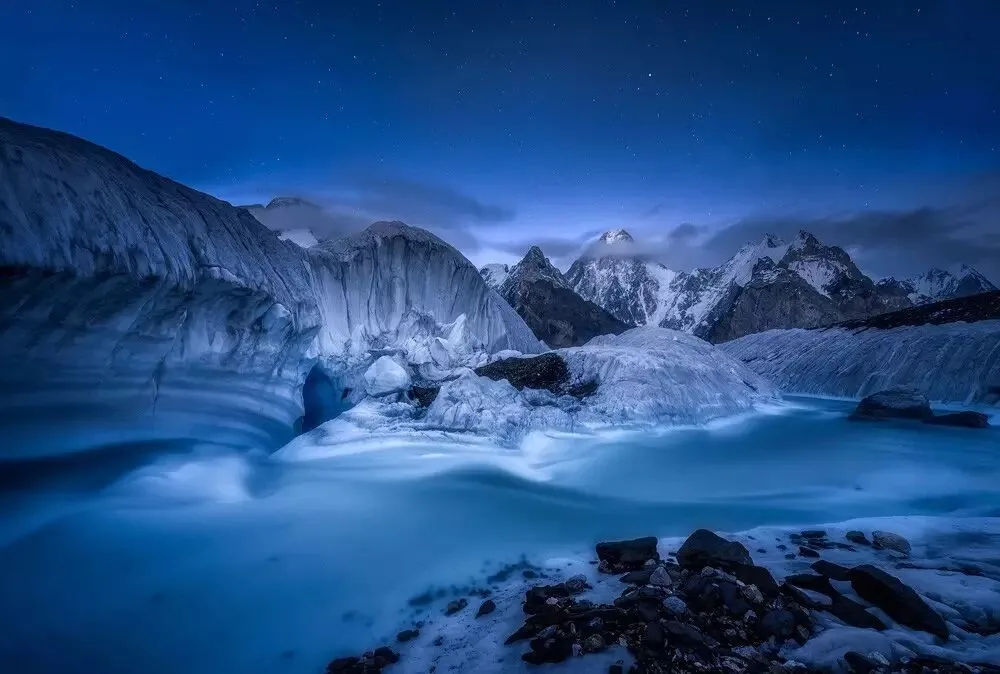
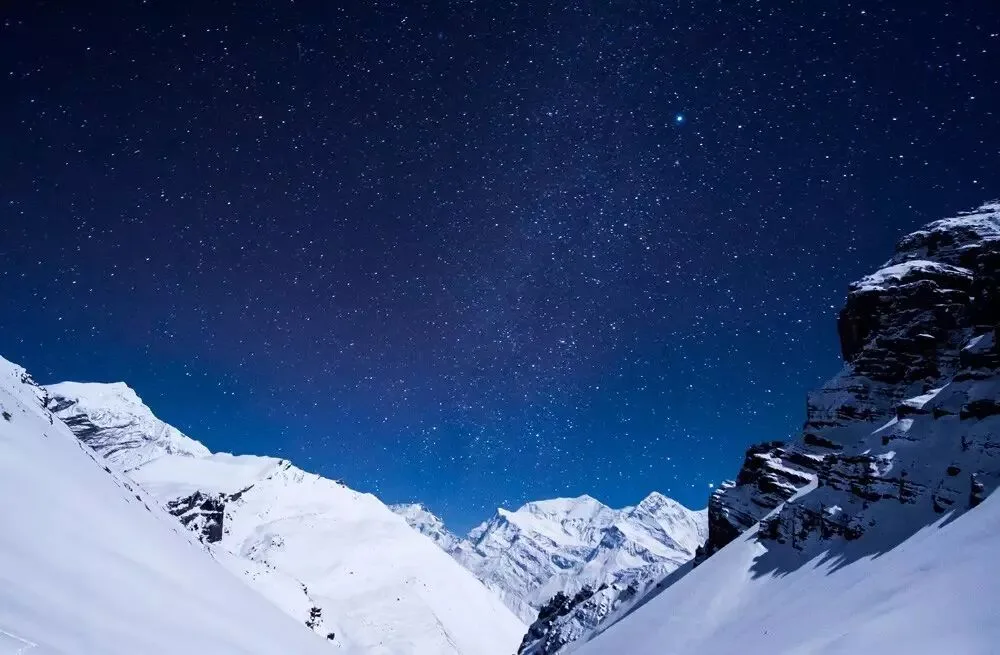
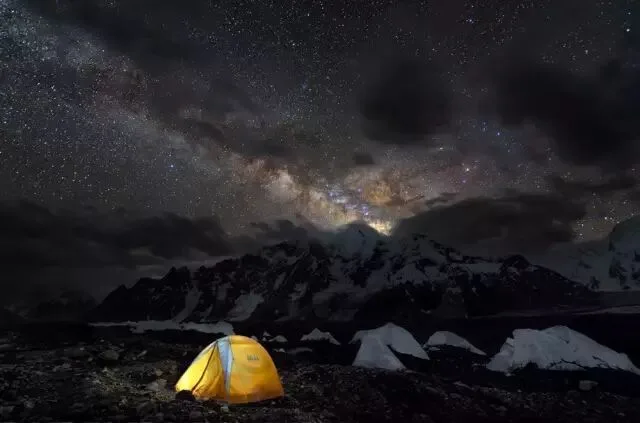
The Milky Way over the high plateau shines brightly and vividly, accompanying trekkers to sleep.
The above is the ultimate dream of trekkers - 5 world-class routes to trek and view all 14 eight-thousanders.
Although we don't have the ability to summit the 8,000-meter giants and experience the feeling of looking down on all the mountains,
constantly pushing past our limits to trek all 5 world-class routes and behold the world's highest peaks and most extreme beauty is a life well lived!
I am Jiying AX photographer - Thomas Chu Photo

Jiying AdventureX (极影AdventureX)
http://www.theadventurex.com
Push the Limits
Ultimate Imagery
Geek Sharing
Follow @Thomas Chu Photo, and learn one photography skill every week.