Photography Tutorial · 2022-10-13
So Beautiful! A Photographer Deeply Shot This Fairyland at the Border of Sichuan and Qinghai Over 5 Years!
The author of this article is Zhou You (周游), a photographer of Jiying, presenting his landscape masterpieces from 5 years of deep shooting in China's Nianbaoyuze region.
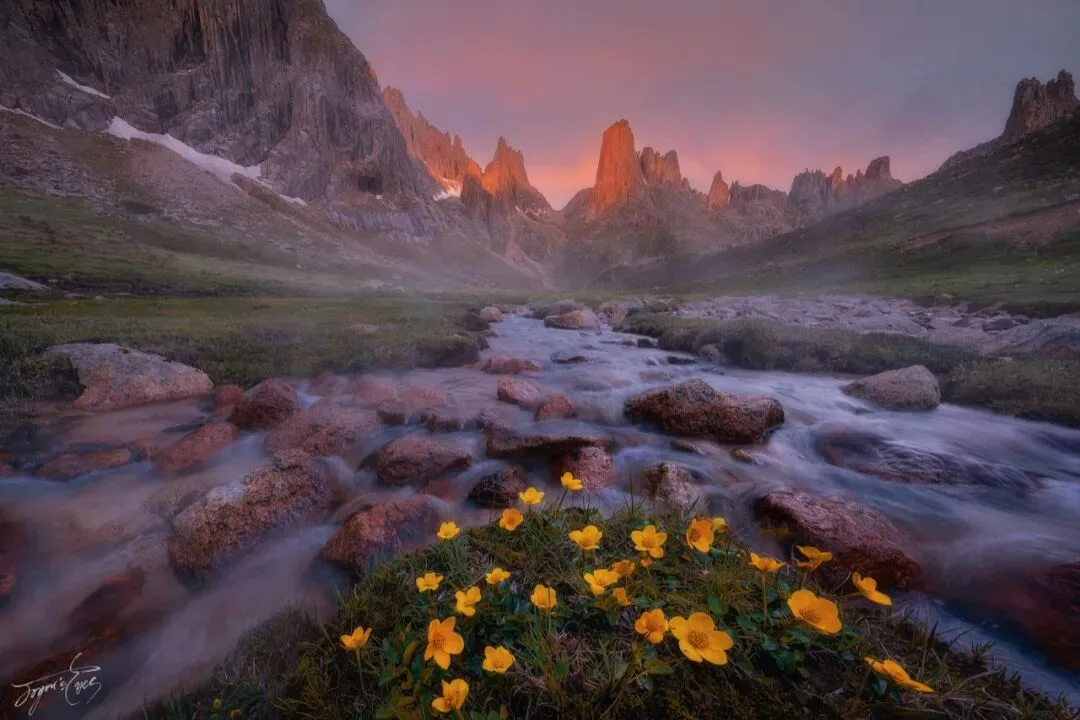
In 2018, as a worker in the water conservancy industry, I (Zhou You) participated in a water conservancy scientific survey in the Sanjiangyuan (Three Rivers Source) region, and came to know Sanjiangyuan through my work.
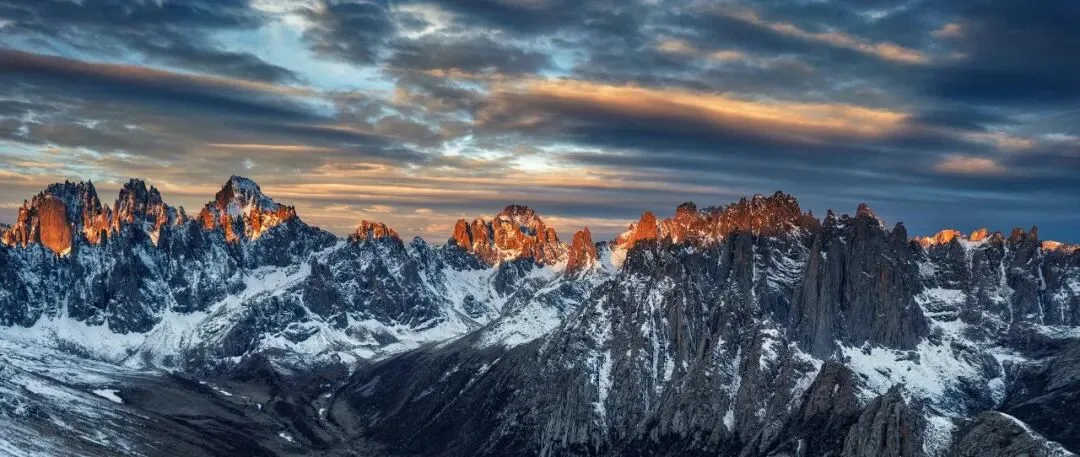
Nianbaoyuze sits in the eastern Bayan Har Mountains, the watershed between the sources of the Yellow River and the Yangtze River, and is the core area of Sanjiangyuan. Its sharply towering peaks and scattered lakes deeply attracted me, who normally loves shooting natural landscapes.
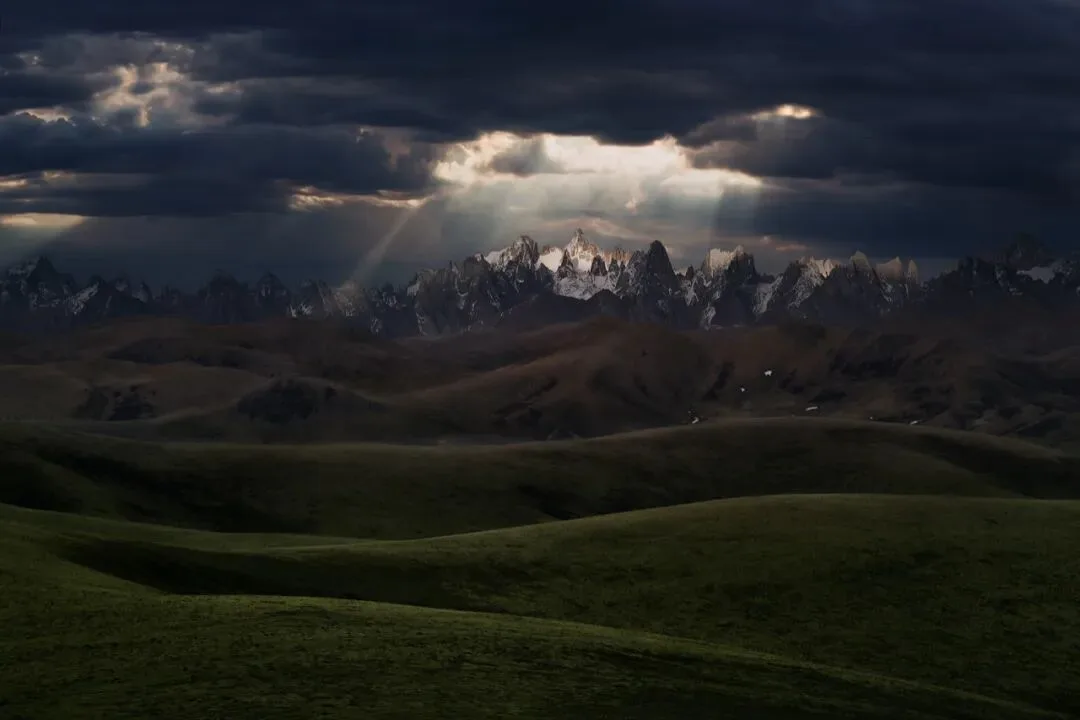
I decided to carry 30kg of photography gear and supplies, trekking across 1,000 square kilometers of mountains, using my lens to record every mountain and lake here, shooting this pure land at no expense spared - all to live up to my love for the great mountains and rivers of my motherland!
What's the difference between Nianbaoyuze and Lianbaoyeze?
Since the Nianbaoyuze scenic area was closed indefinitely in 2018, many tourists have wanted to see its beauty, but can only gaze at it from afar by the roadside.
Lianbaoyeze in Aba Prefecture, Sichuan, shares the same geography and landforms, and became popular thanks to everyone's longing for Nianbaoyuze. So what exactly is the relationship between Nianbaoyuze in Jiuzhi, Qinghai, and Lianbaoyeze in Aba, Sichuan?
Although the names differ, they are in fact the same mountain - the domain of the same deity.
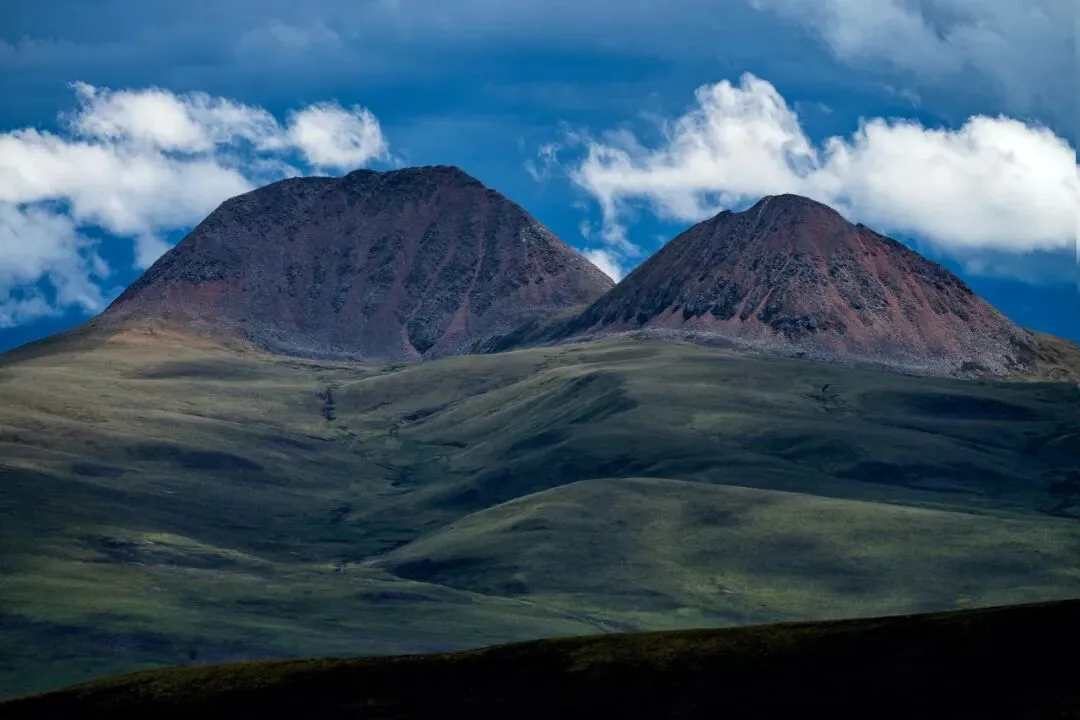
Those familiar with Tibetan culture may know that sacred mountains in Tibetan areas have their own family systems. The 5,369-meter main peak of Nianbaoyuze is the mountain deity Nianbaoyuze himself, with his relatives and attendants all around him. This mountain area is also named after the greatest deity himself, indicating that this region is his domain. It's just that "Nianbaoyuze" is the Qinghai pronunciation, while "Lianbaoyeze" is the Sichuan pronunciation.
Geography and Landforms
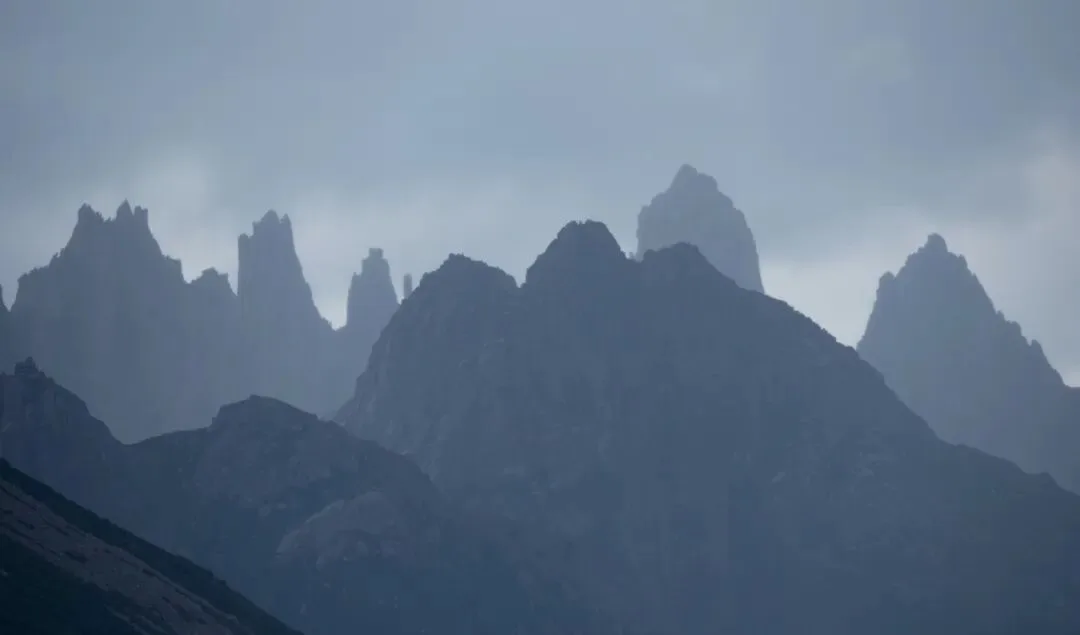
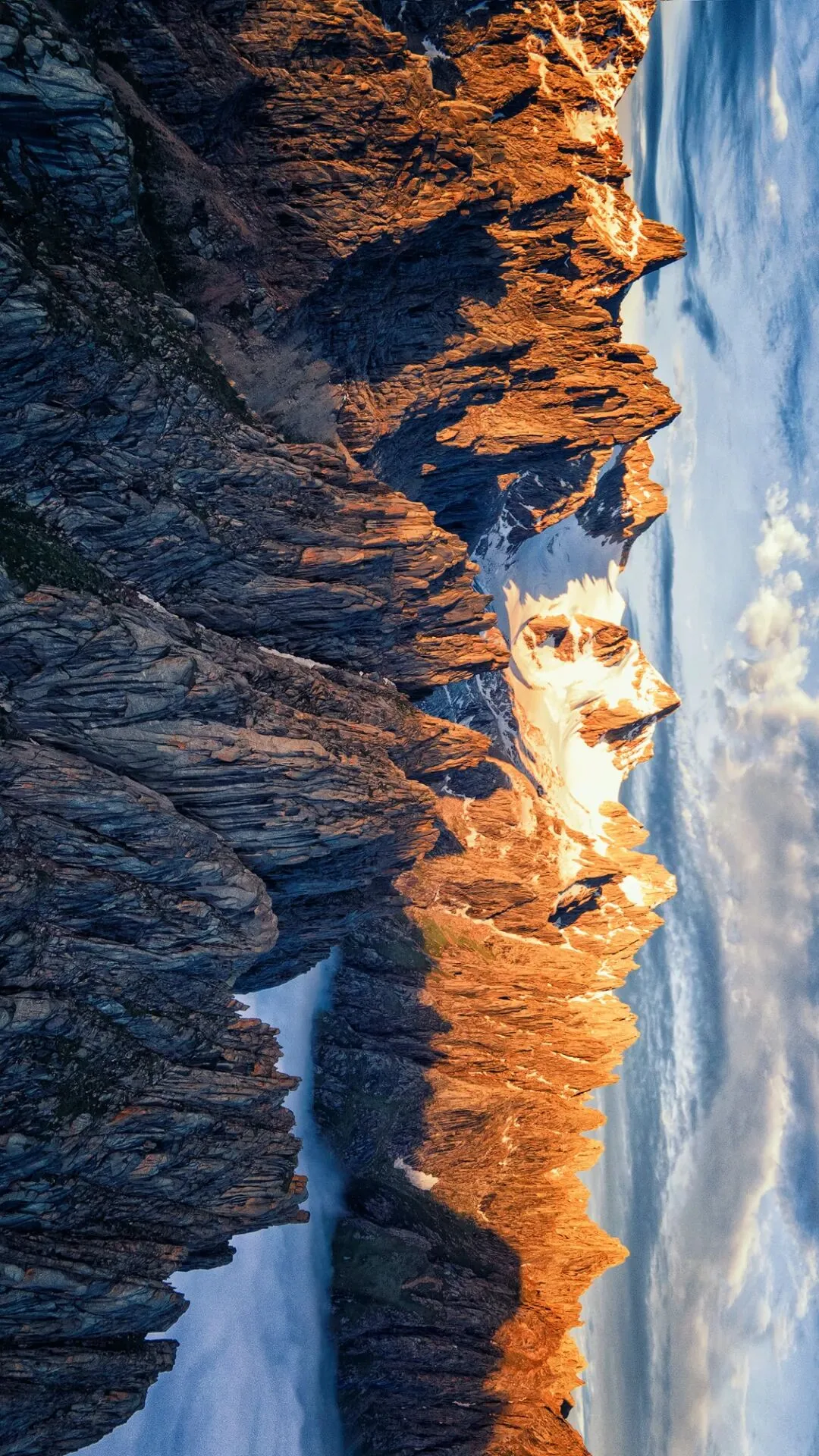
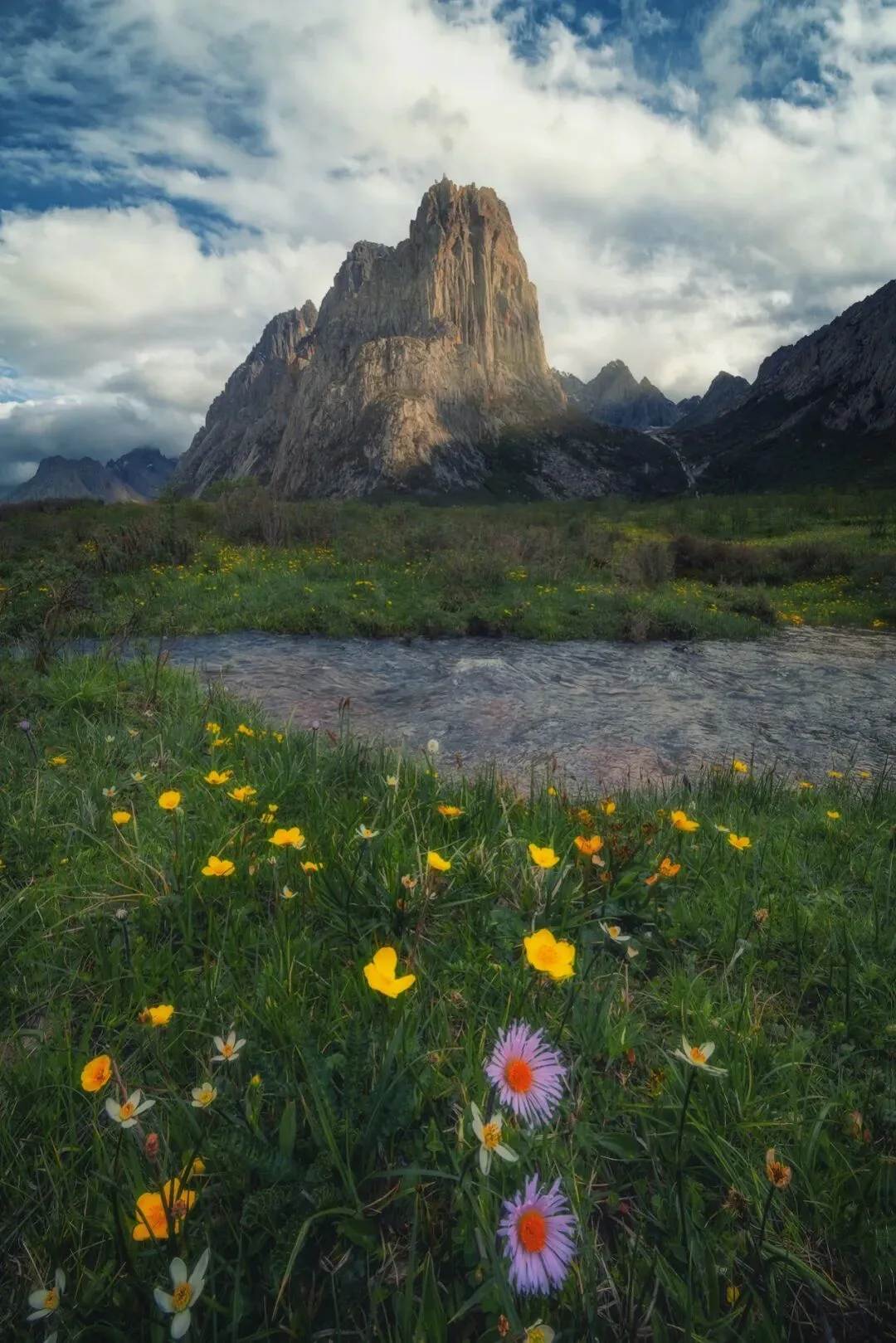
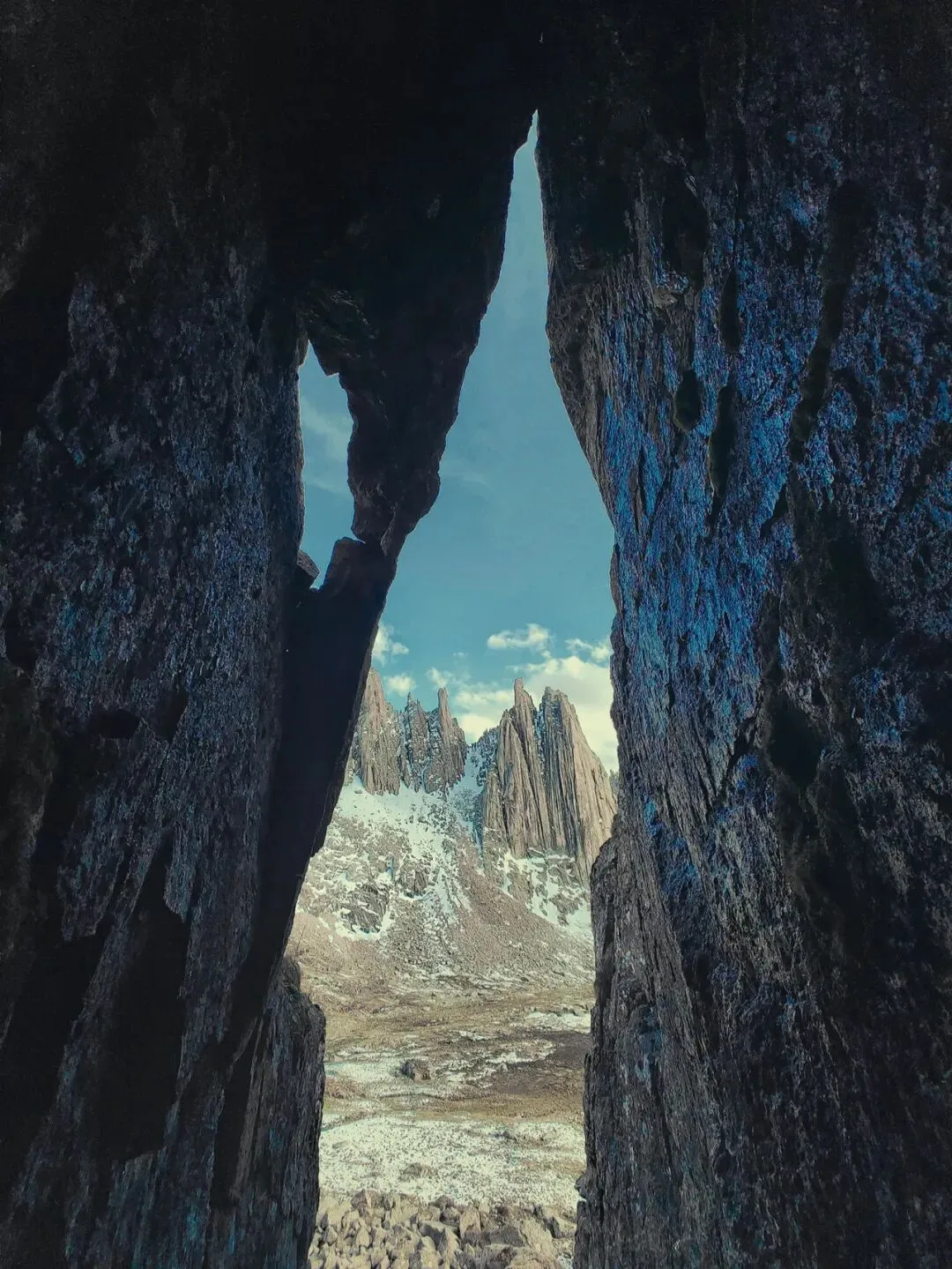
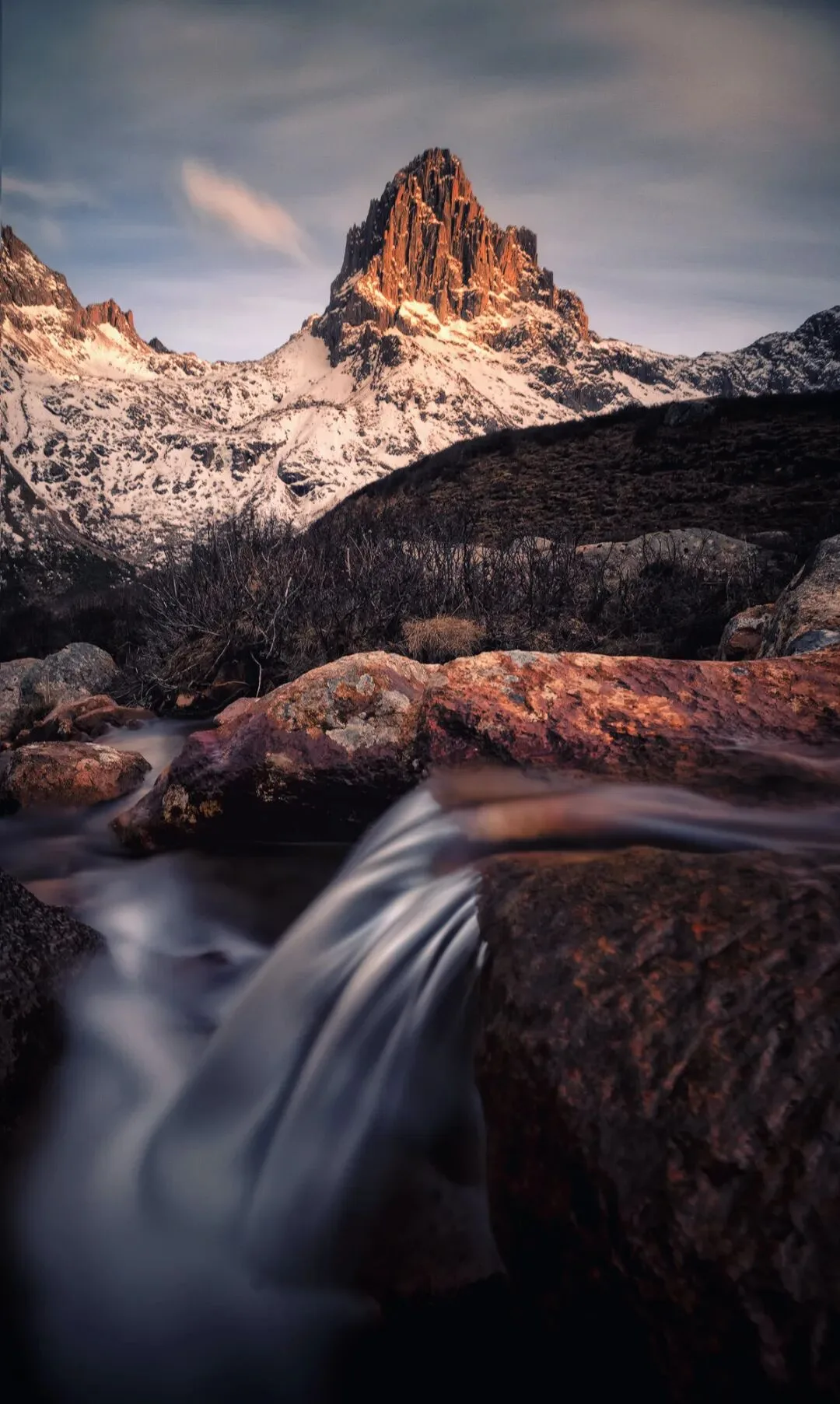
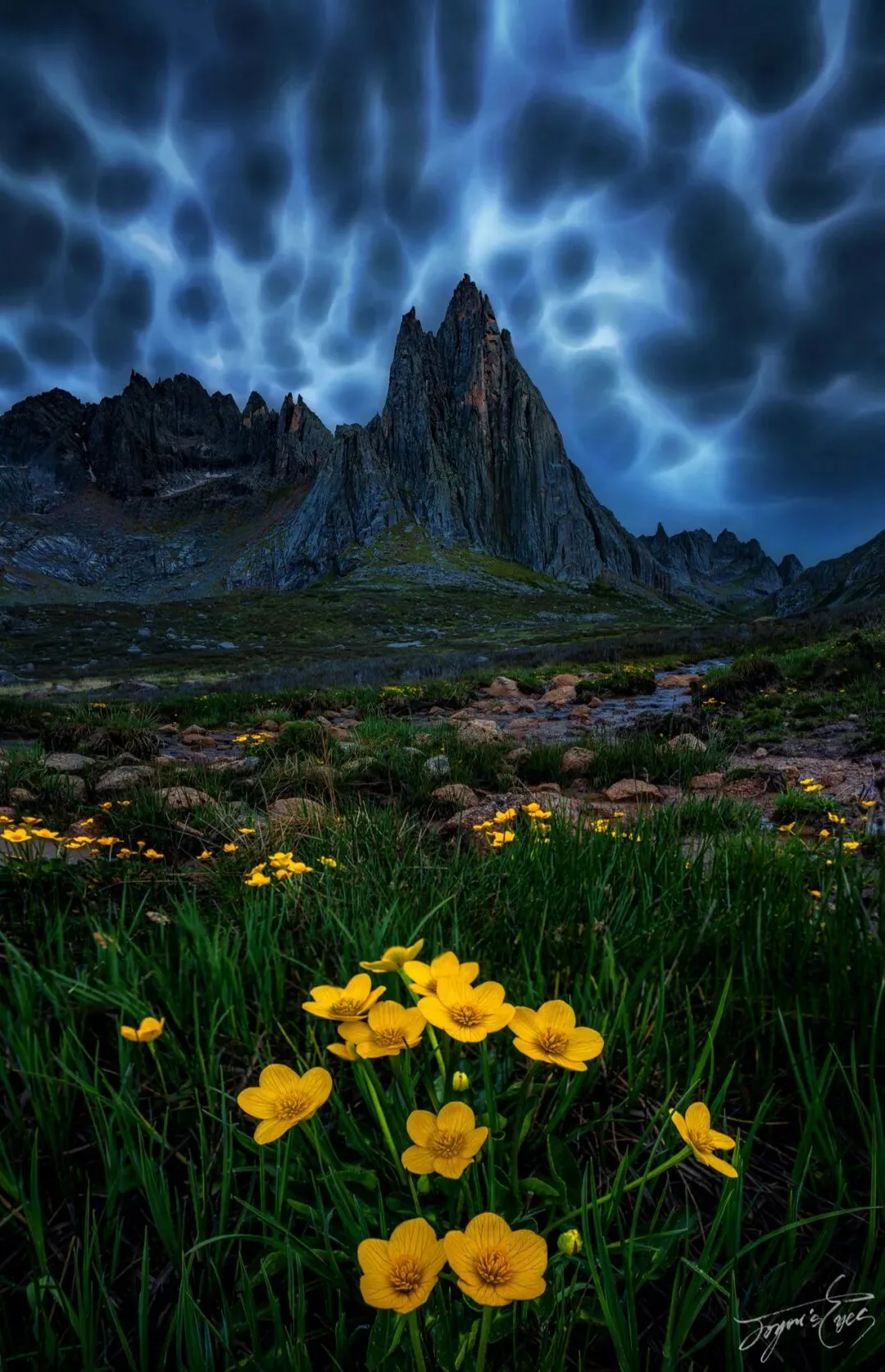
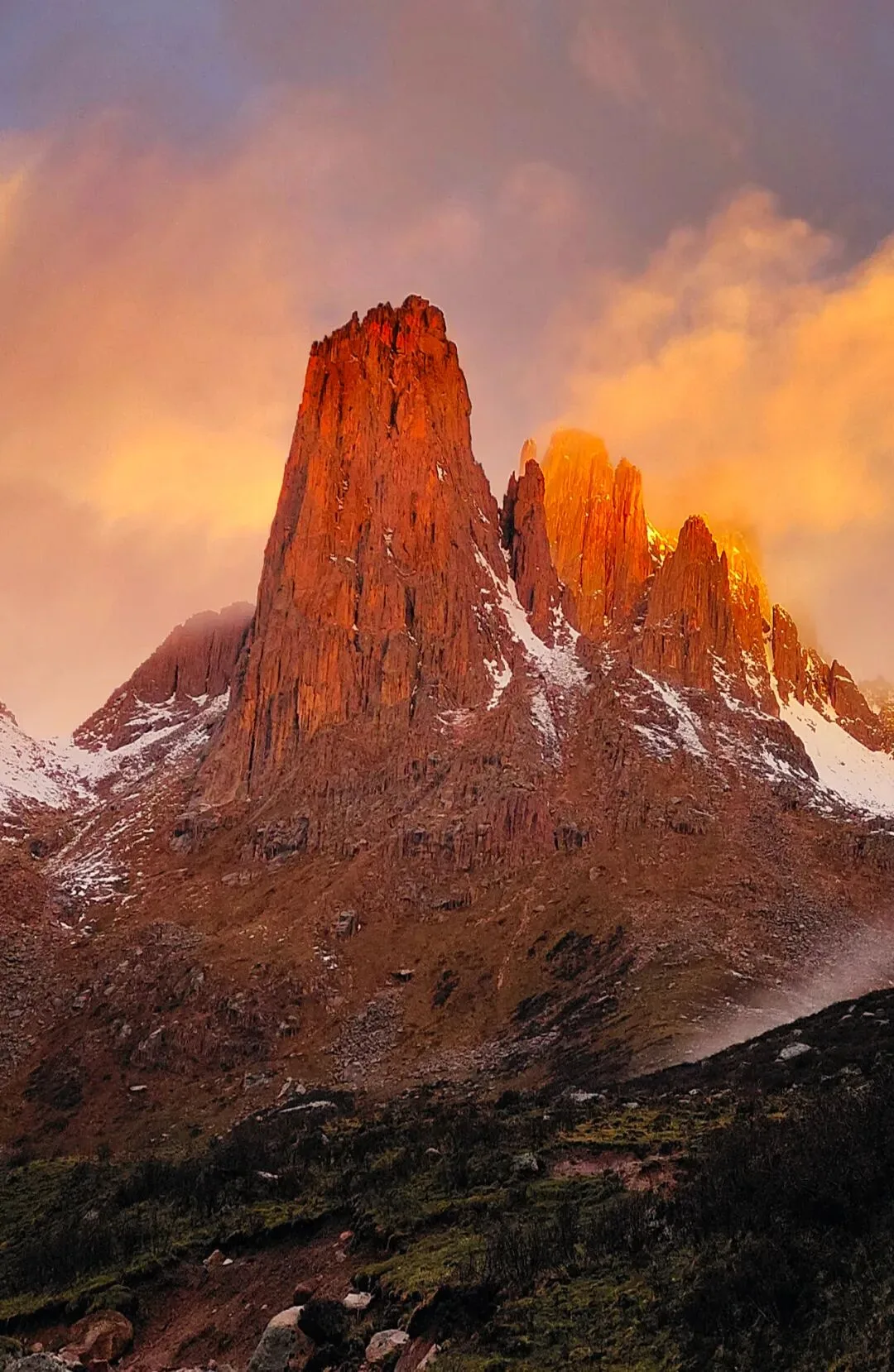
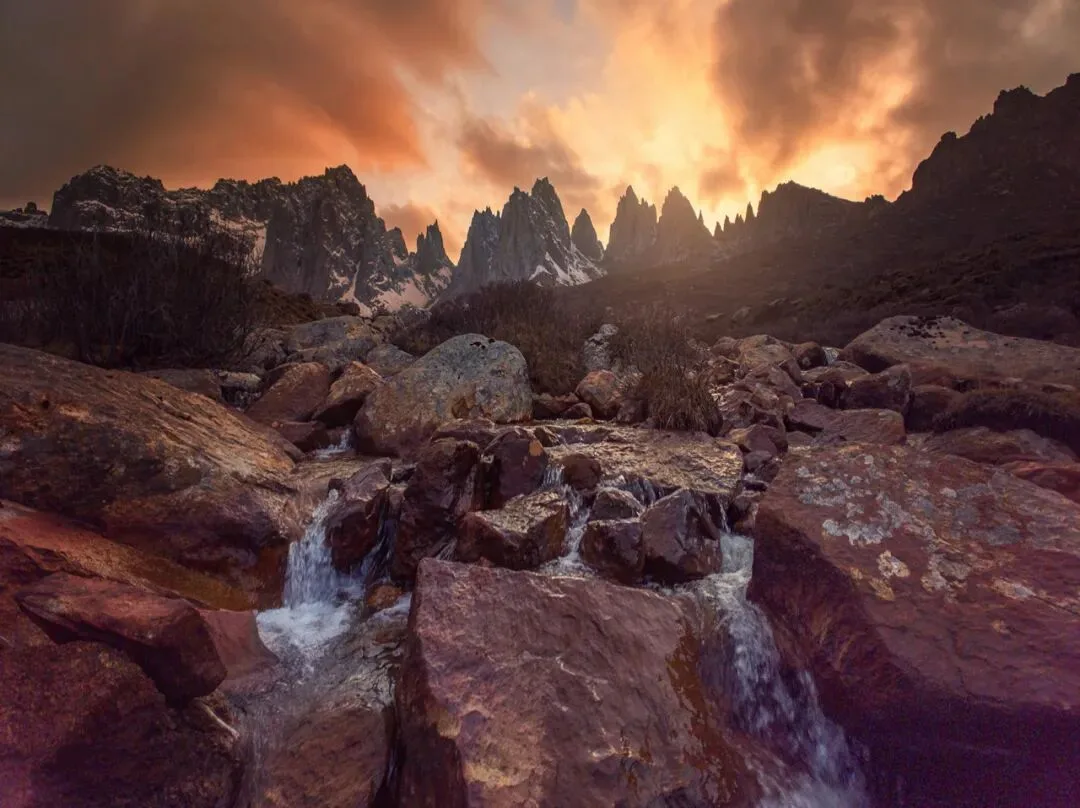
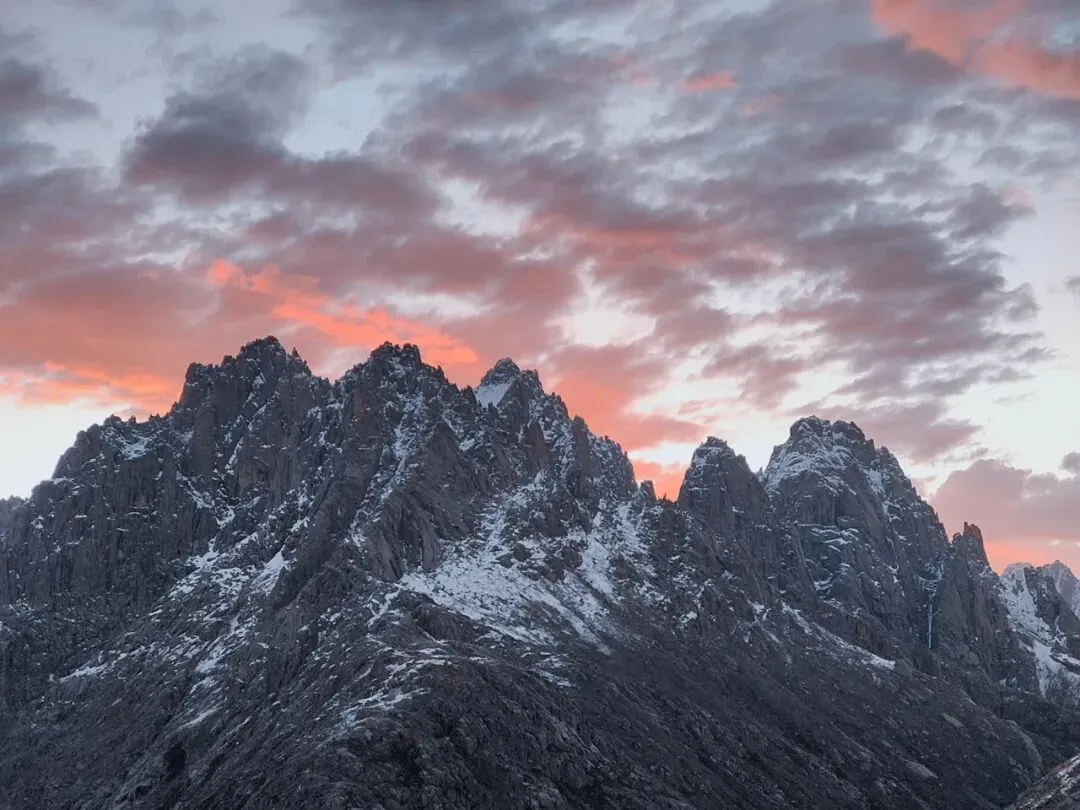
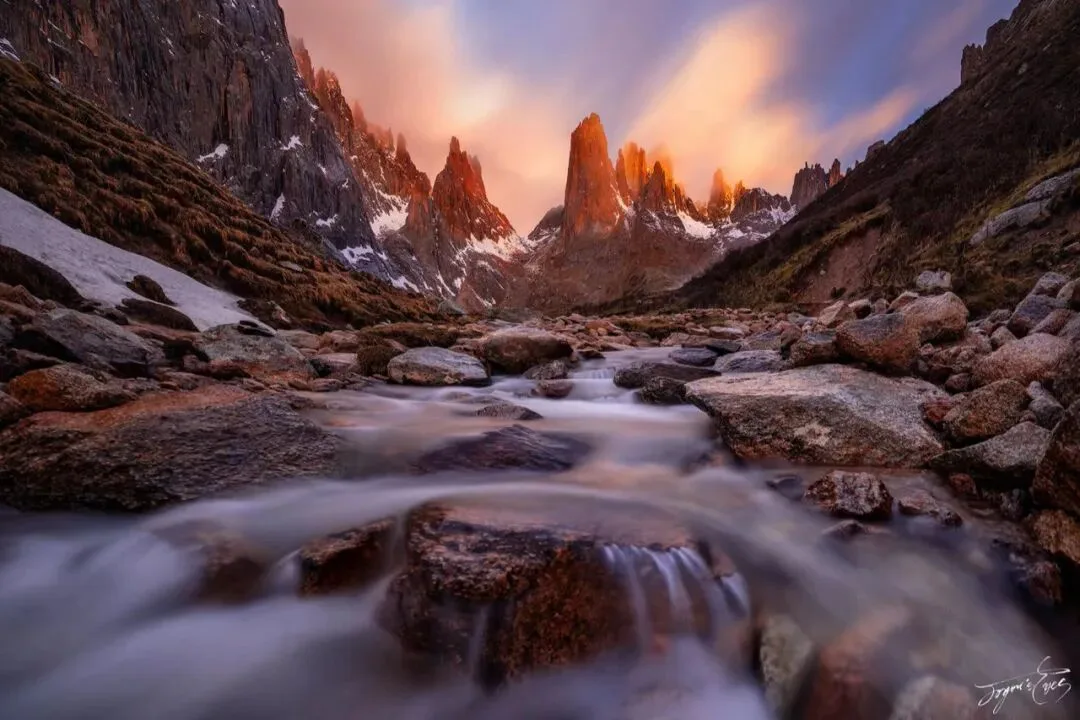
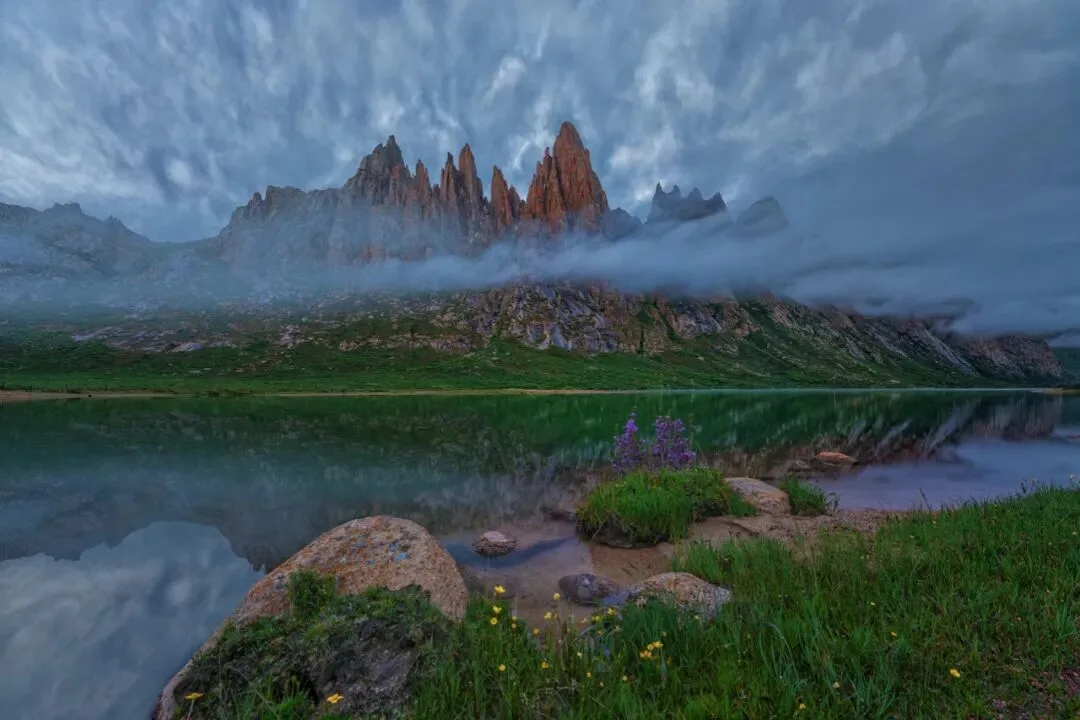
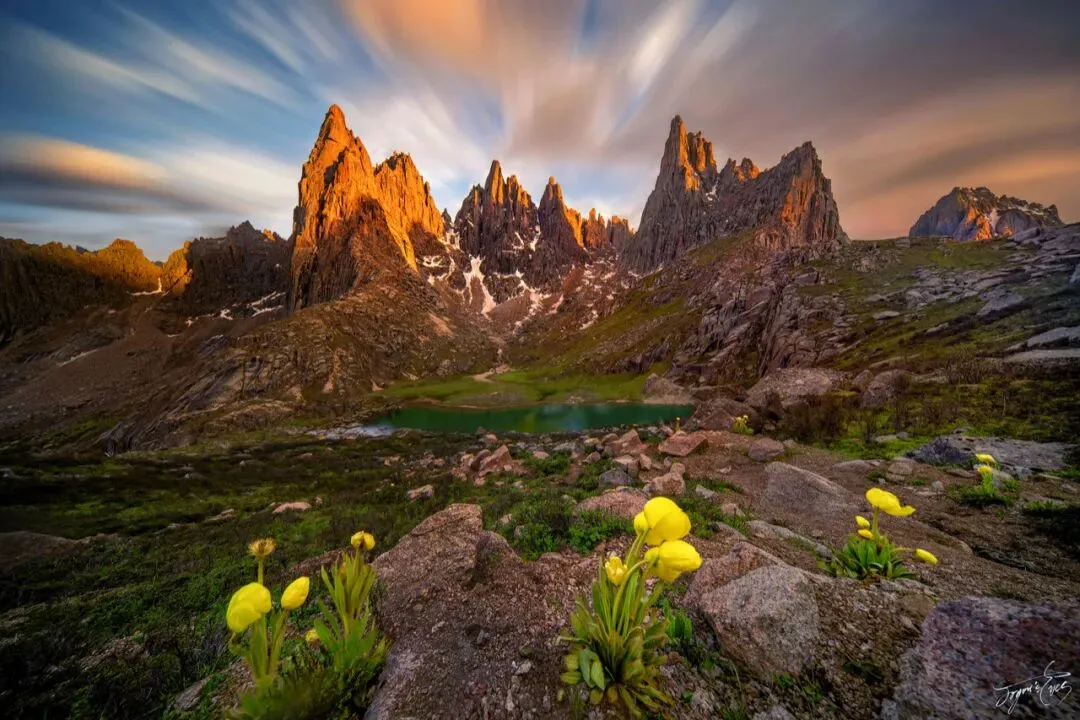
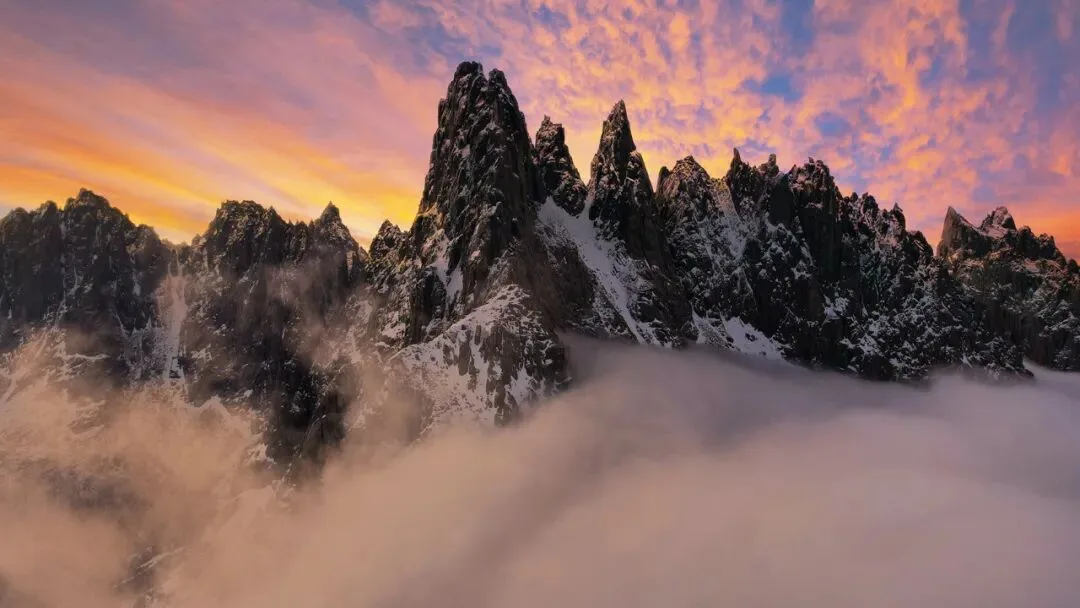
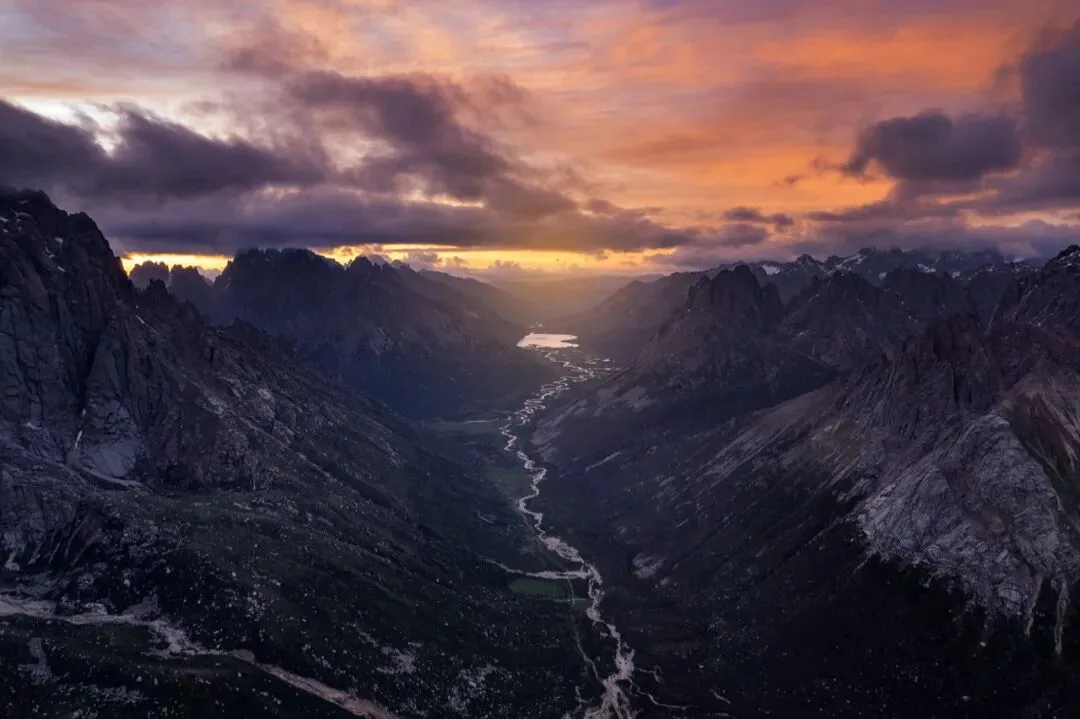
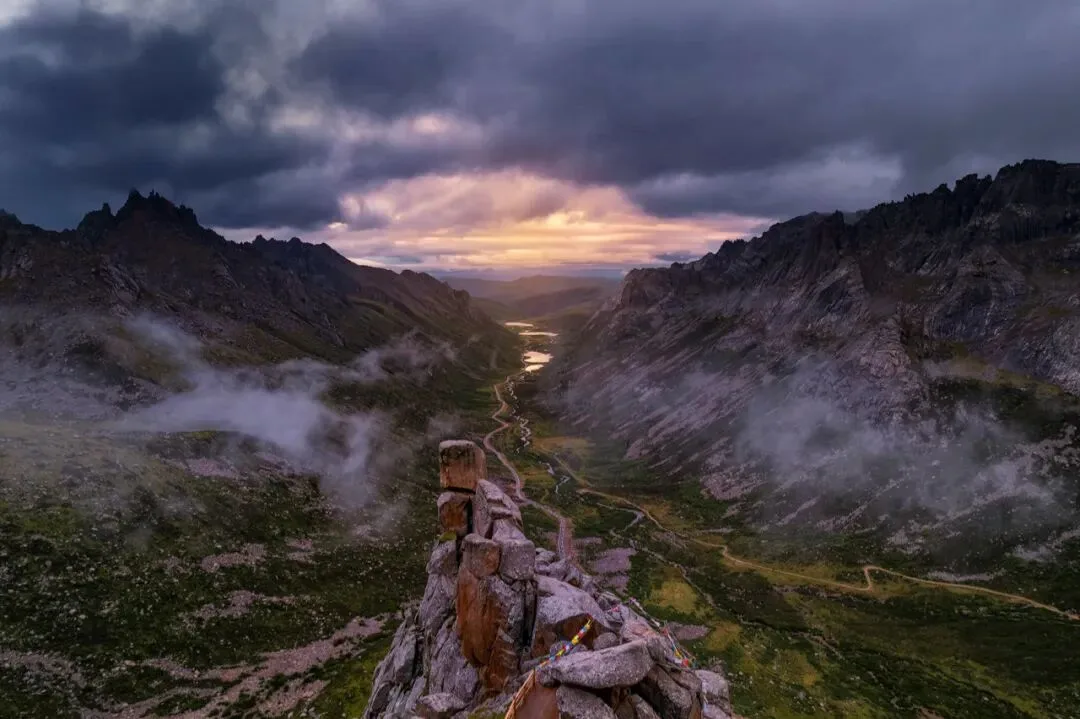
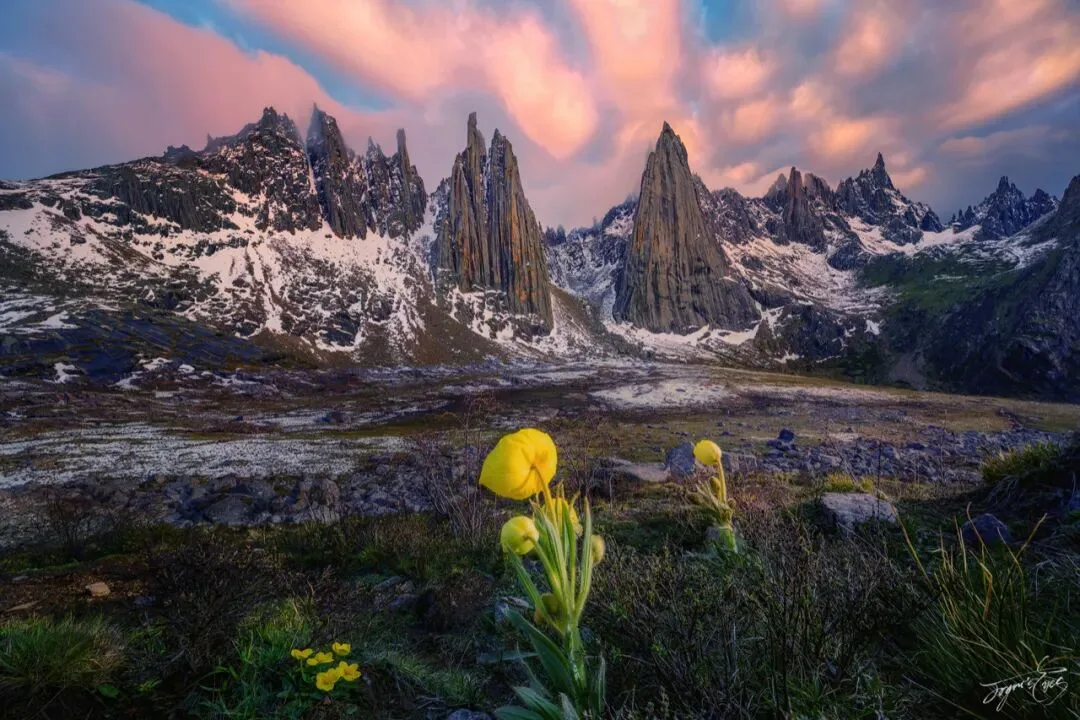
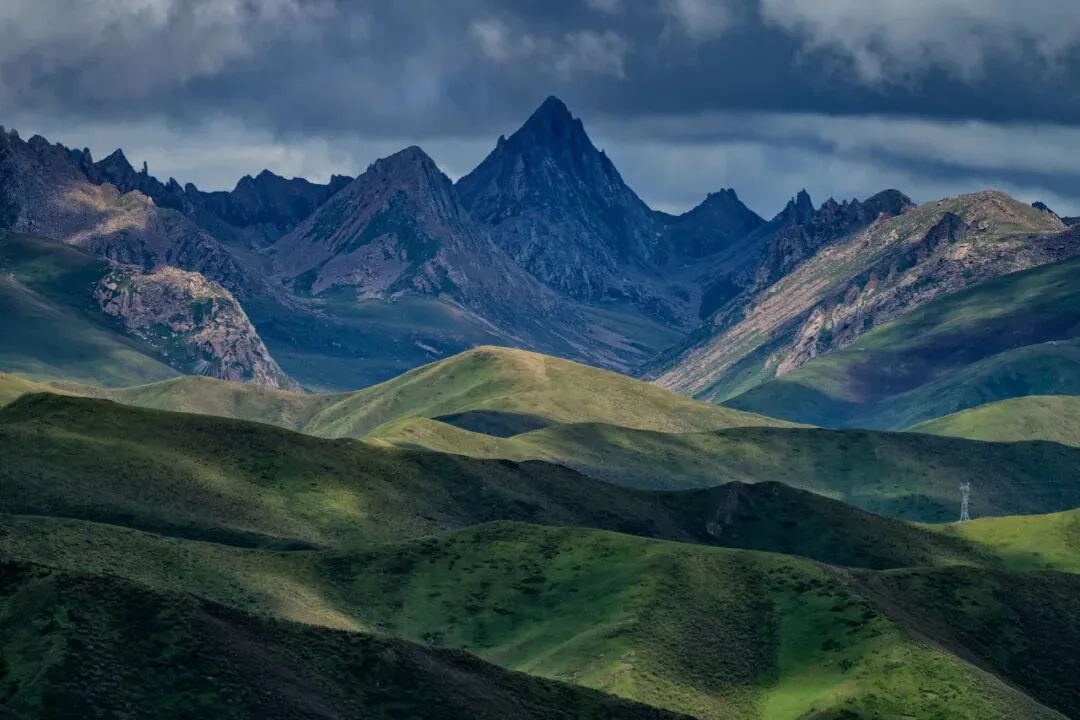
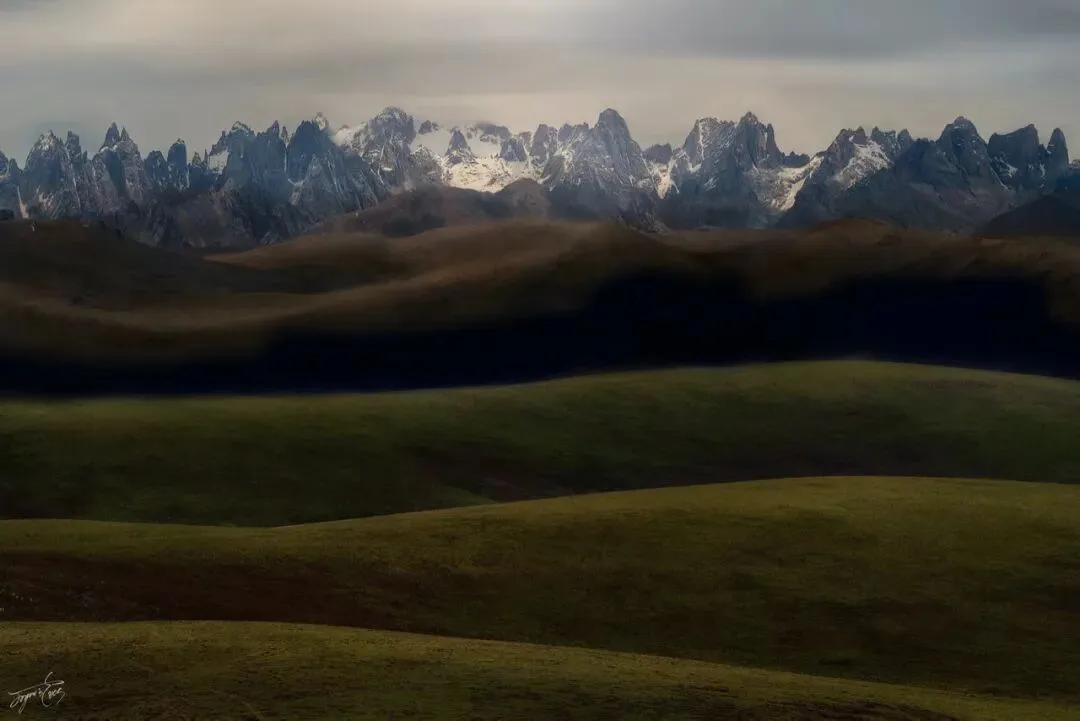
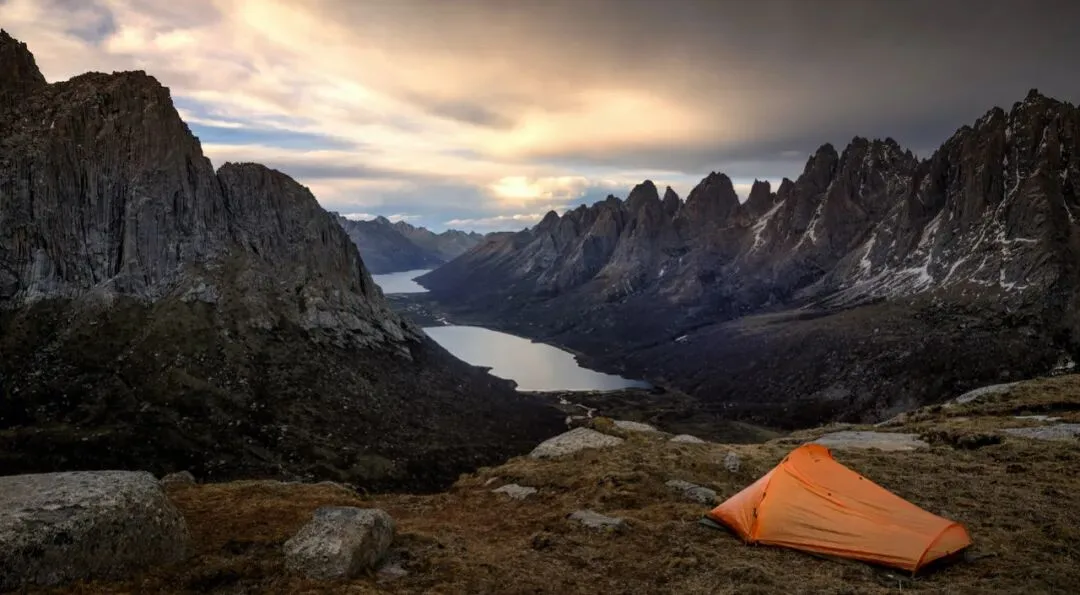
The mountains here are mostly tower-shaped, with almost vertical cliffs, like needles and awls thrust into the mountains, sharply standing. Here, tower peaks stand in groups amid jagged, imposing rocks.
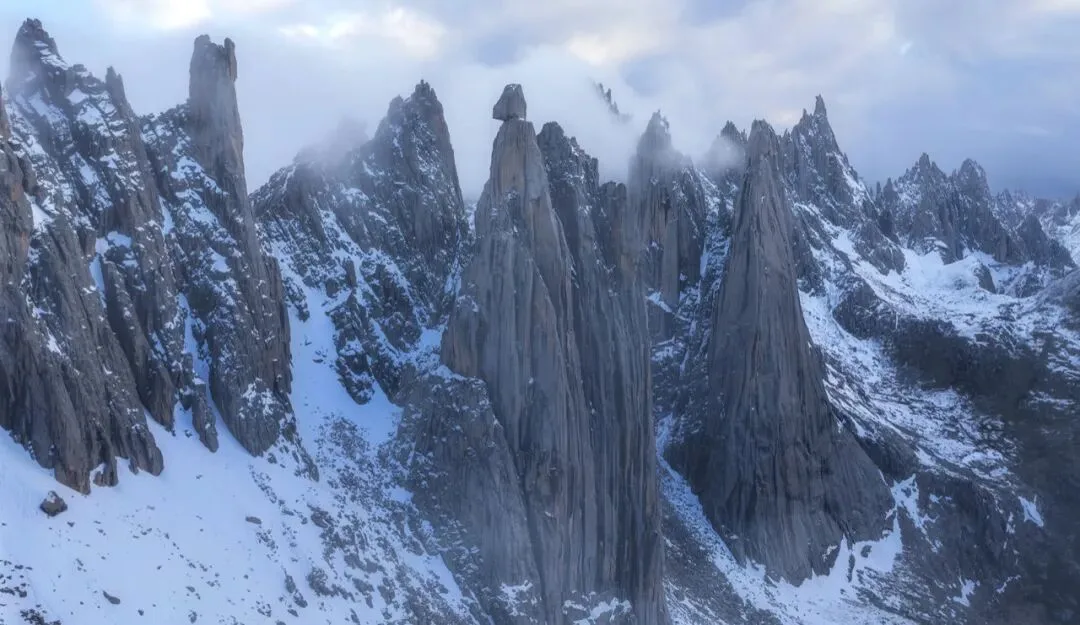
Although they're all filled with tower peaks, they're completely different from the peaks of Patagonia in South America. Their relative elevation isn't as high, and they're more like an eastern Dolomites.
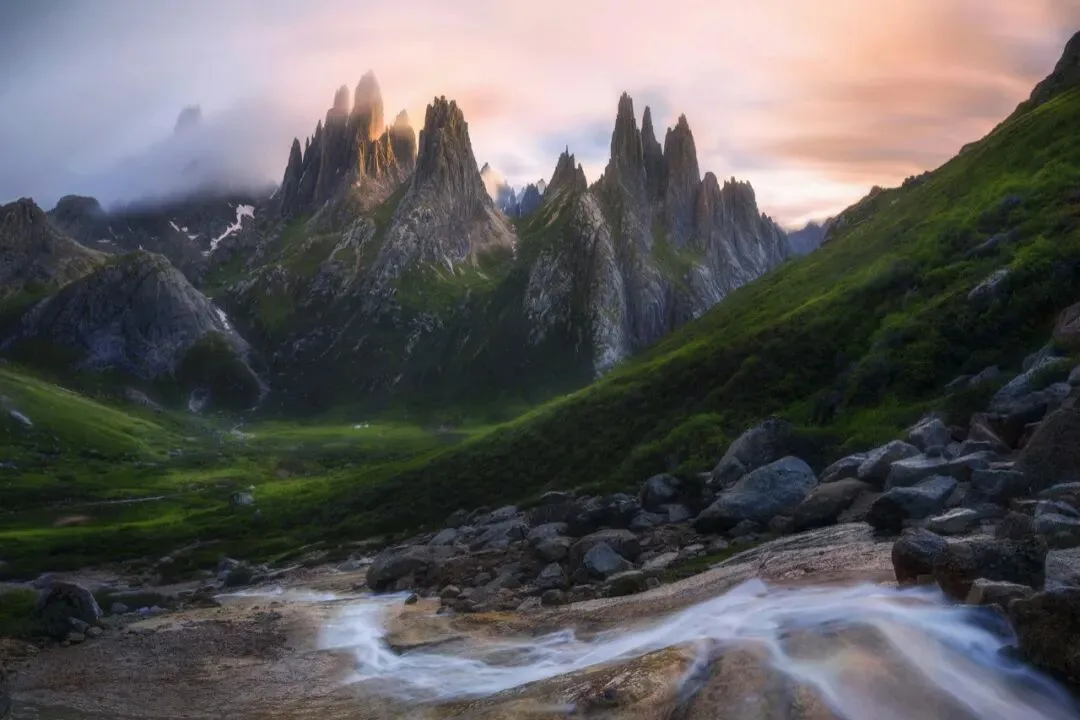
The cause of Nianbaoyuze's magical landforms is inseparable from the local rock characteristics and the movements of ancient glaciers.
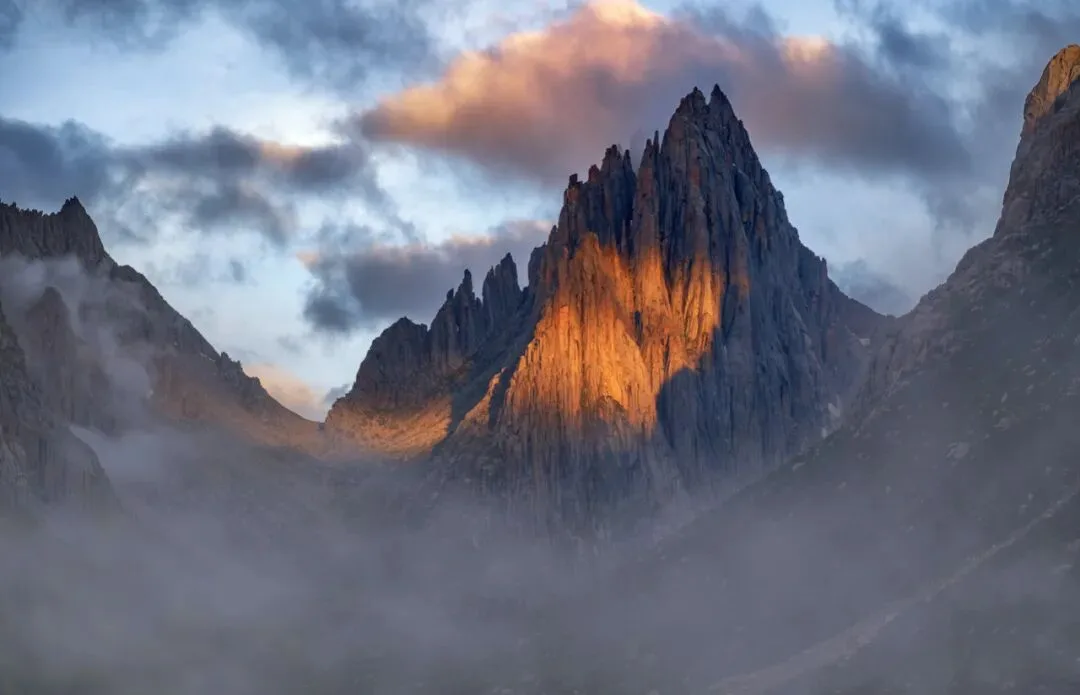
Metamorphic sandstone and granite, under the action of ancient glaciers, formed the magical landscape of standing tower peaks.
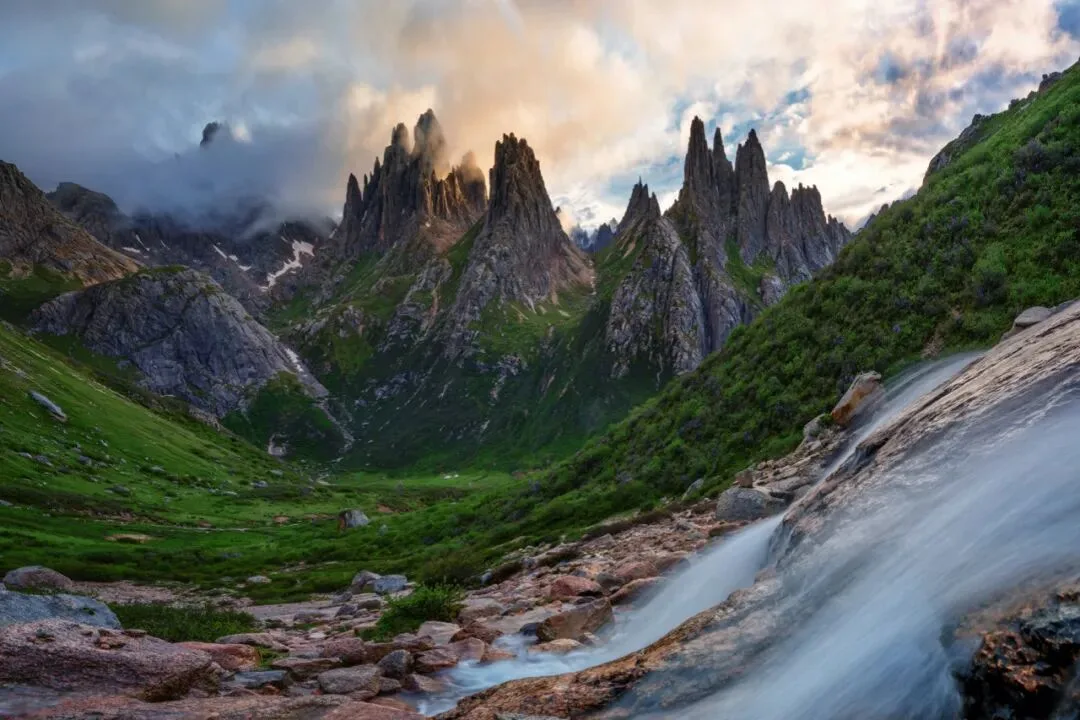
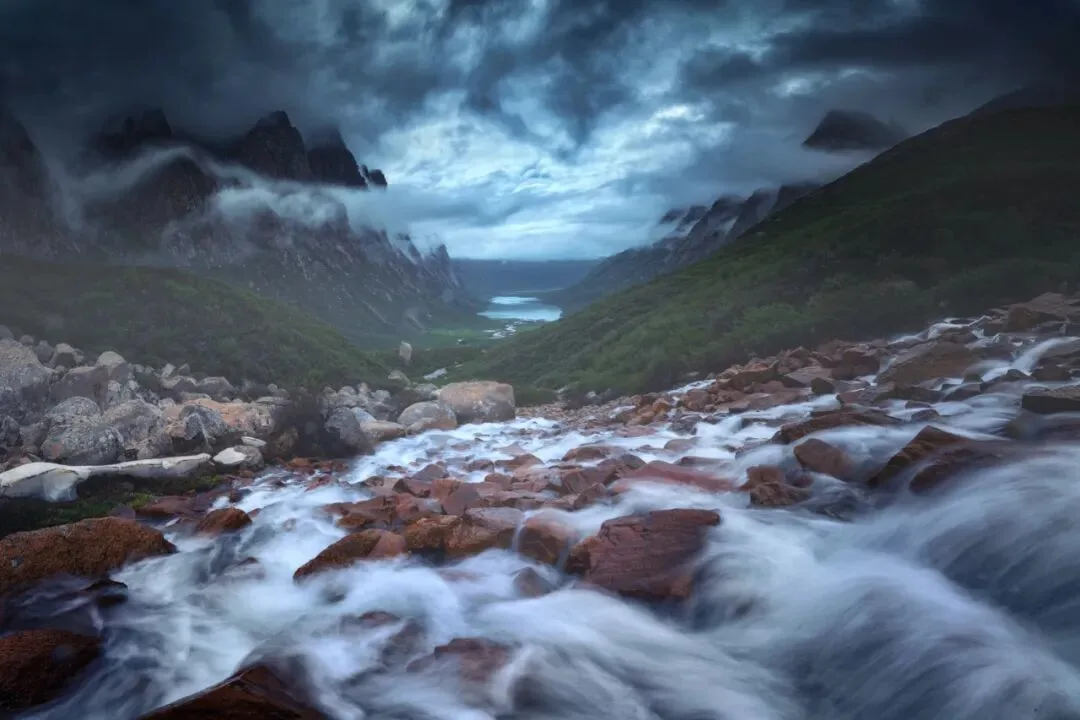
Not only that, ancient glacial landforms formed by extensive Quaternary glaciation - such as glacial trough valleys, terminal moraines, lateral moraines, glacial erratics, lateral moraine ridges, glacial terraces, ancient cirques, and glacial lakes - are everywhere.
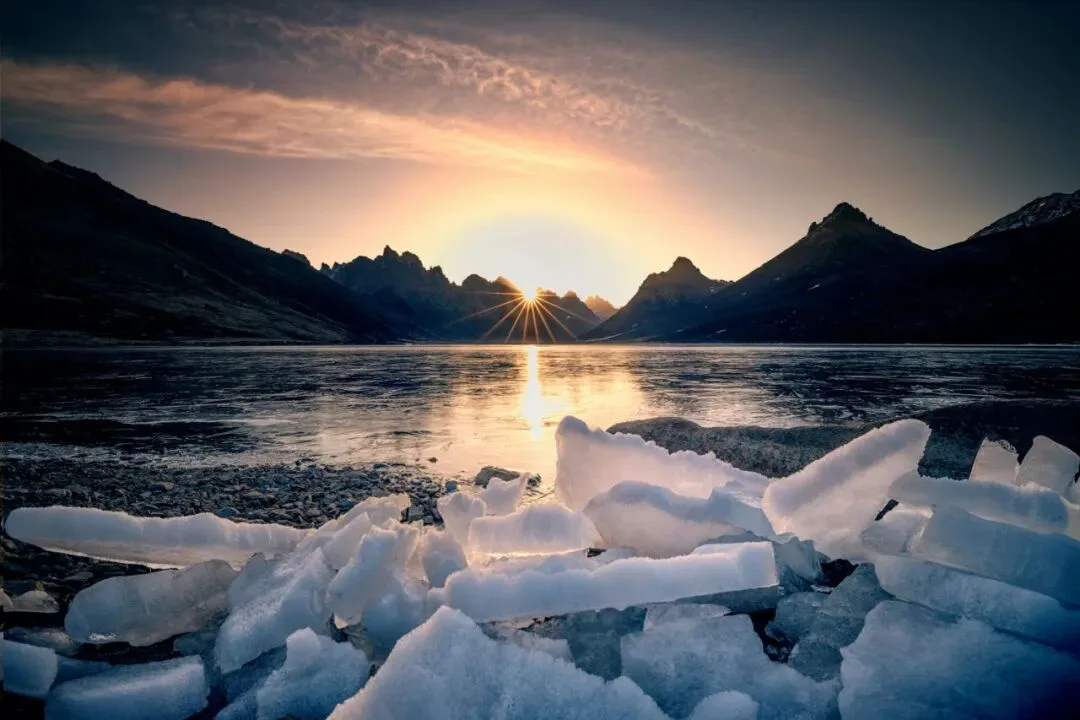
Nianbaoyuze's remaining modern glaciers and the geological relics of multiple glacial activities formed over 650,000 years can be called living fossils in glacial research.
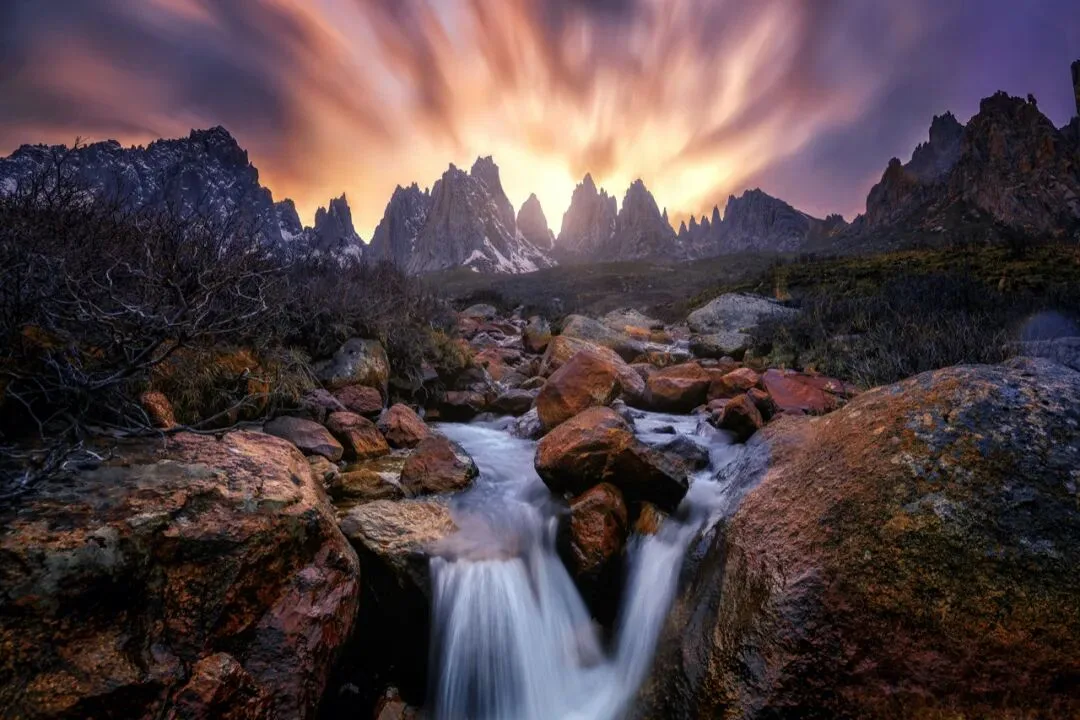
Hydrological Characteristics
The poet Li Bai once said, "The water of the Yellow River comes from heaven." Nianbaoyuze sits in the eastern Bayan Har range of the Sanjiangyuan Nature Reserve, in Jiuzhi County, Golog Tibetan Autonomous Prefecture, Qinghai Province. Its main peak, at 5,369 meters, is the highest peak of the Bayan Har Mountains, which are also the watershed between the sources of China's Yangtze and Yellow Rivers.
The Nianbaoyuze area has abundant rainfall. Every year from June to August, it's usually drizzly here, continuously supplying water to the Yangtze and Yellow Rivers, which is why the Sanjiangyuan region is also called the "Water Tower of China."
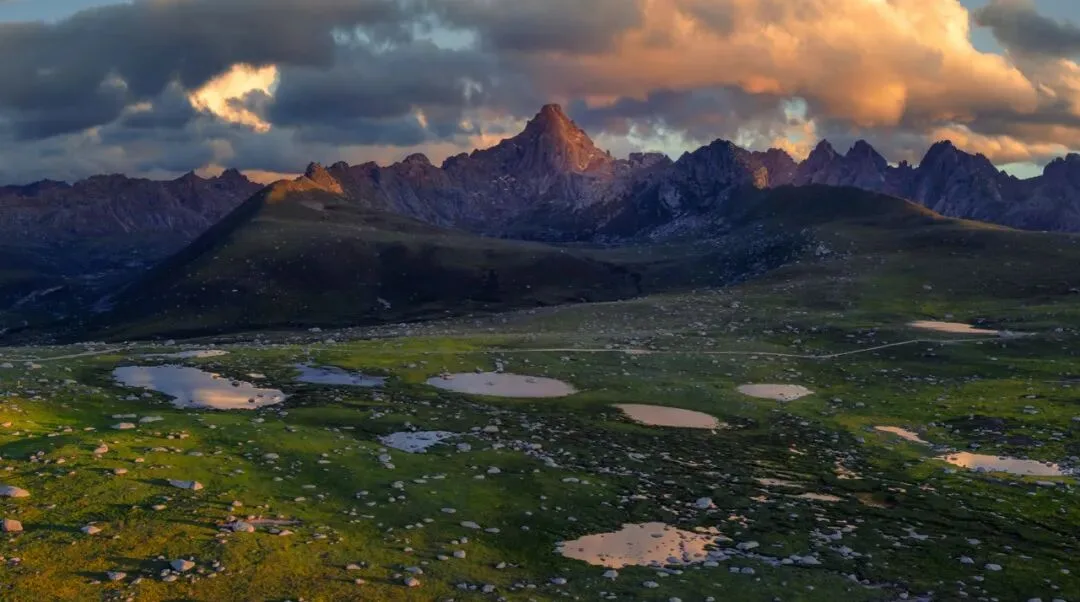
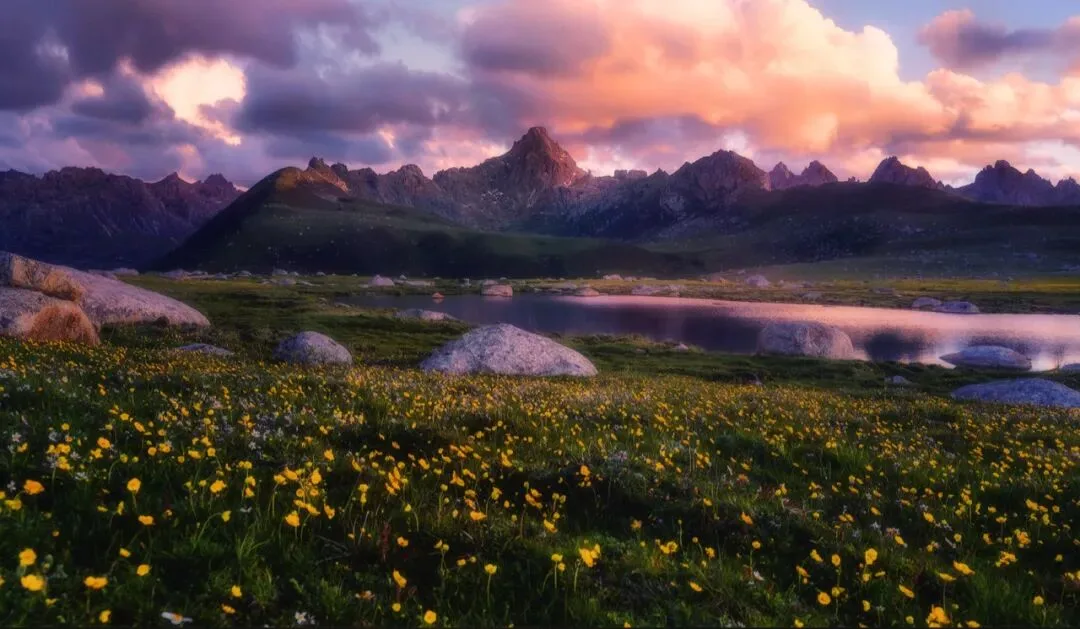
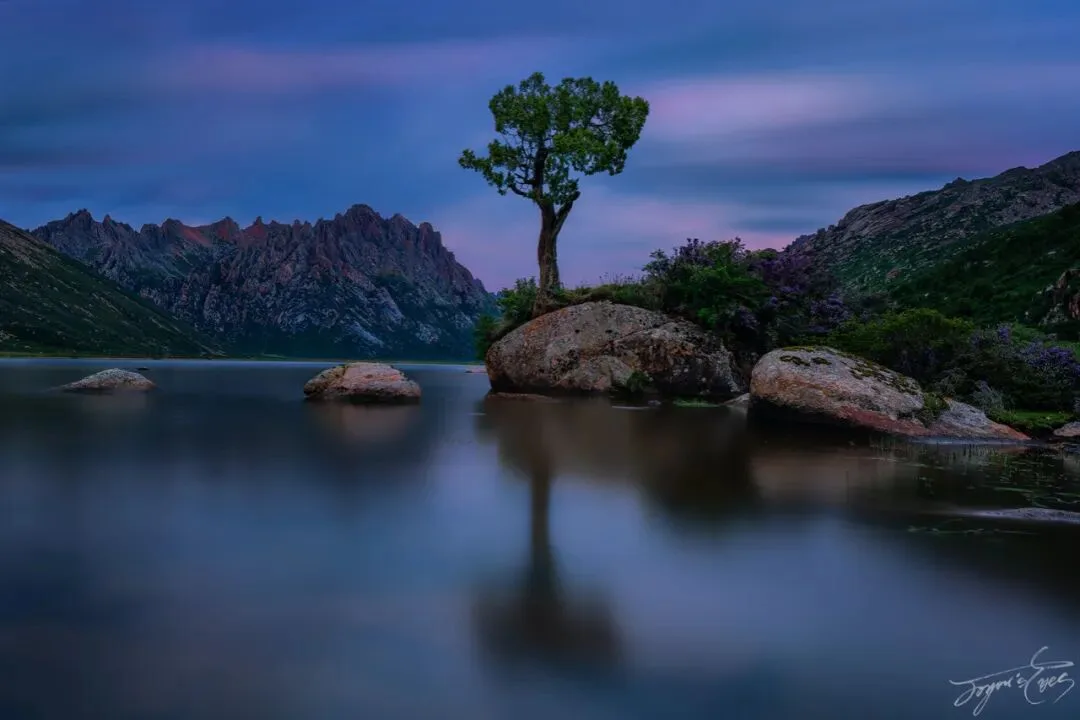
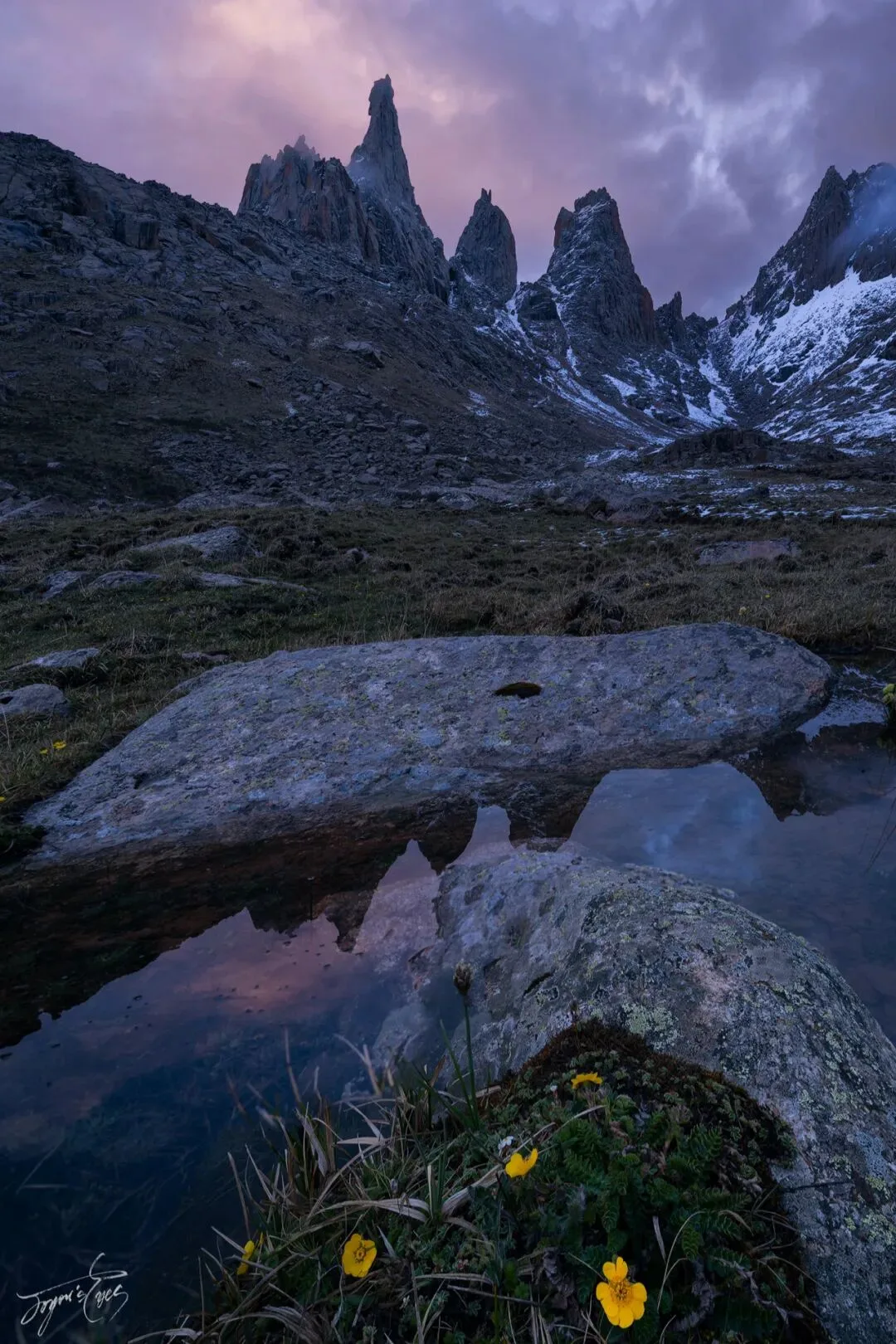
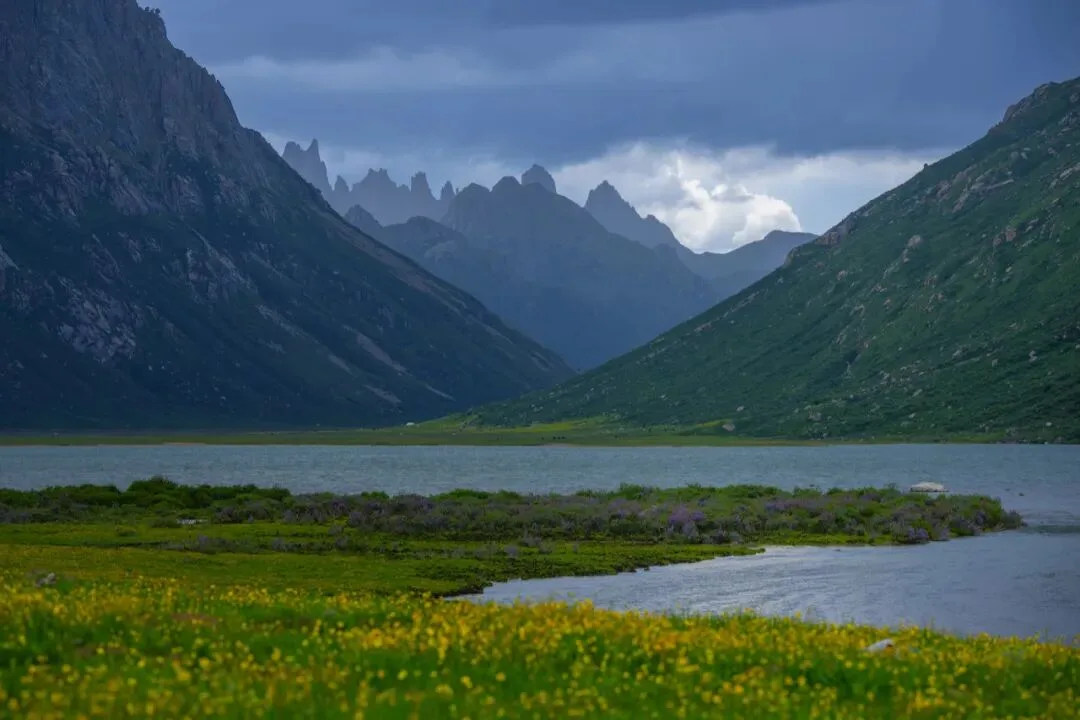
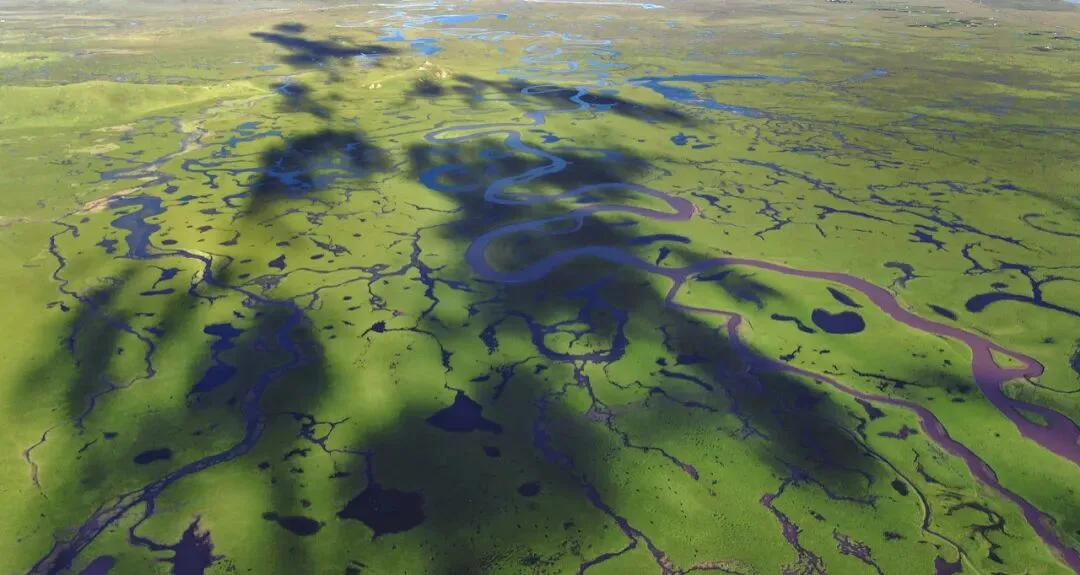
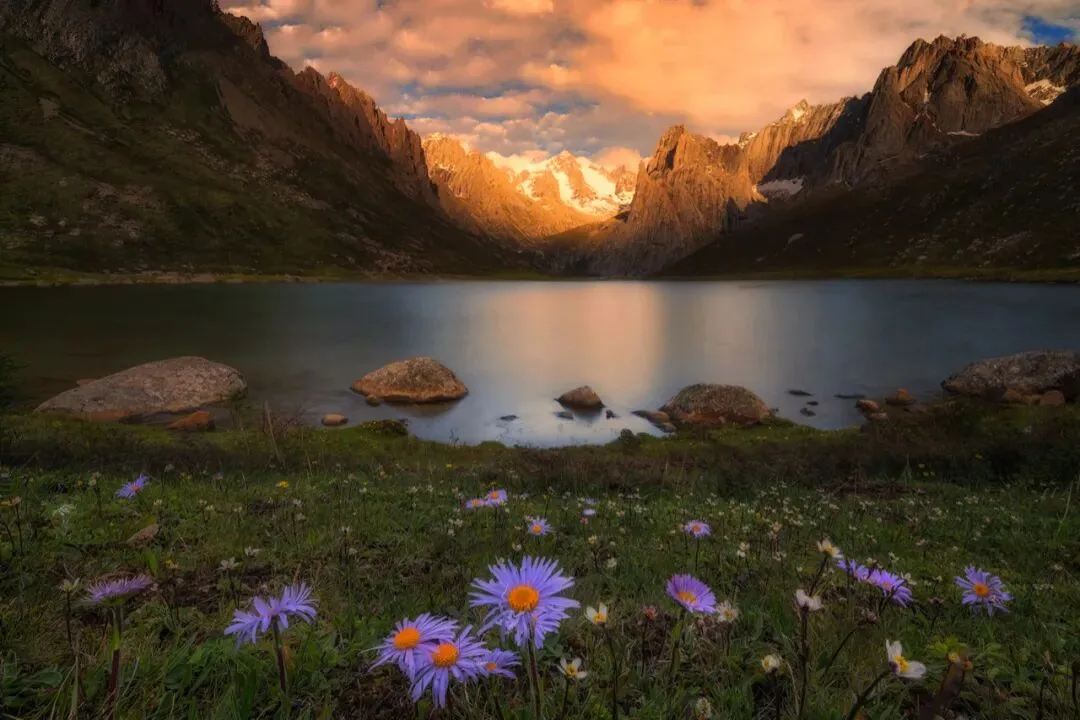
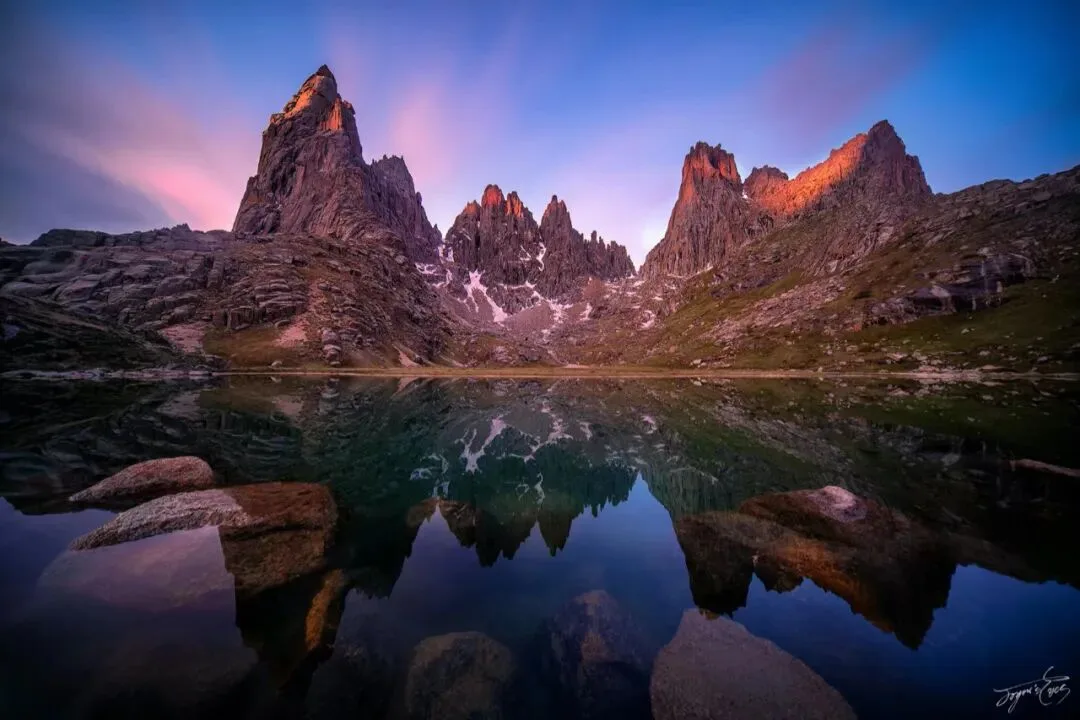
The abundant precipitation has formed more than 180 lakes of various sizes in Nianbaoyuze, including 16 larger ones. Besides the well-known Fairy Lake and Demon Lake, there are also Ridongma Lake, Marza Lake, Maridang Lake, and others.
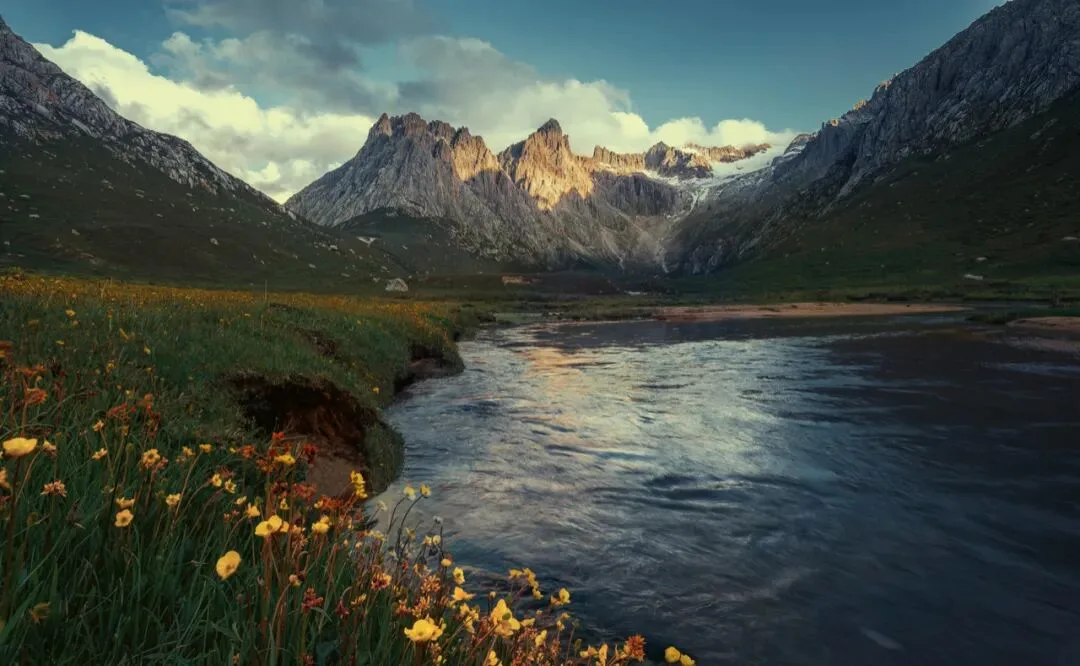
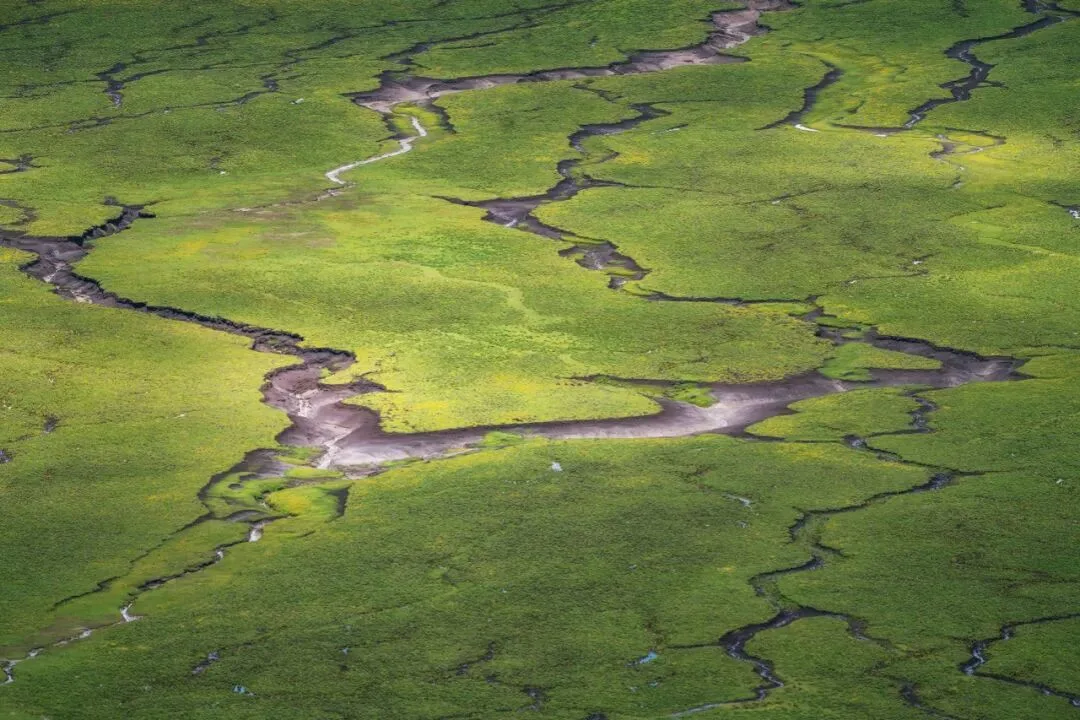
Water is the source of all things. Nianbaoyuze is an important ecological area of the Qinghai-Tibet Plateau, dotted with glaciers and lakes, forming a plateau wetland ecosystem represented by glacial landscapes and highland lakes.
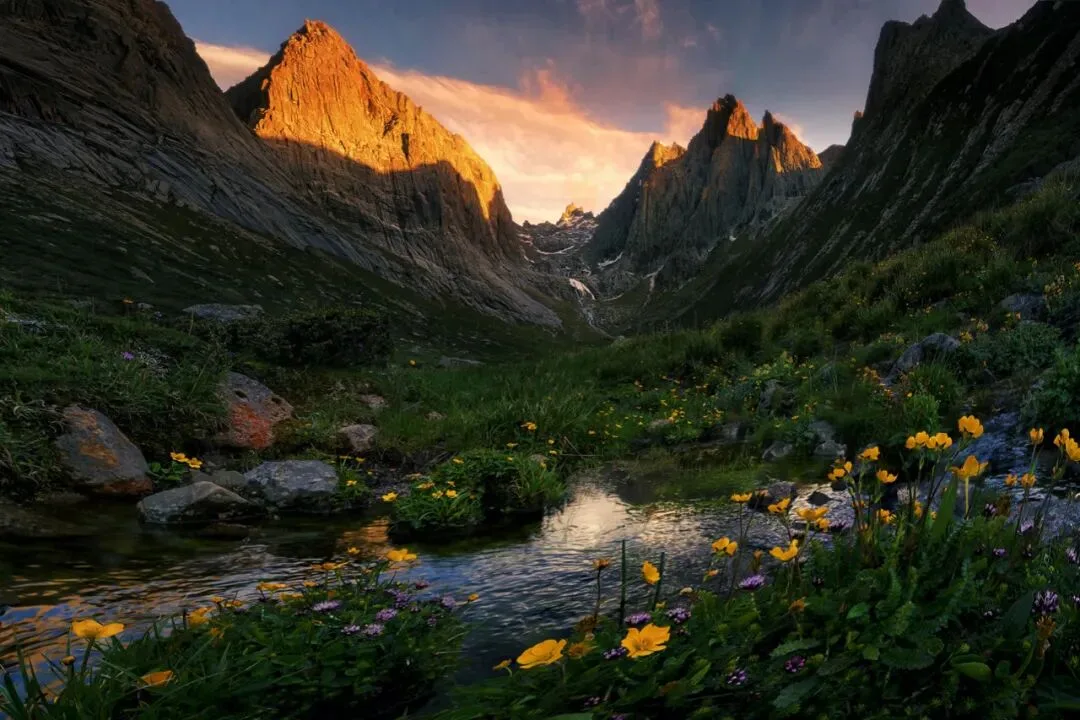
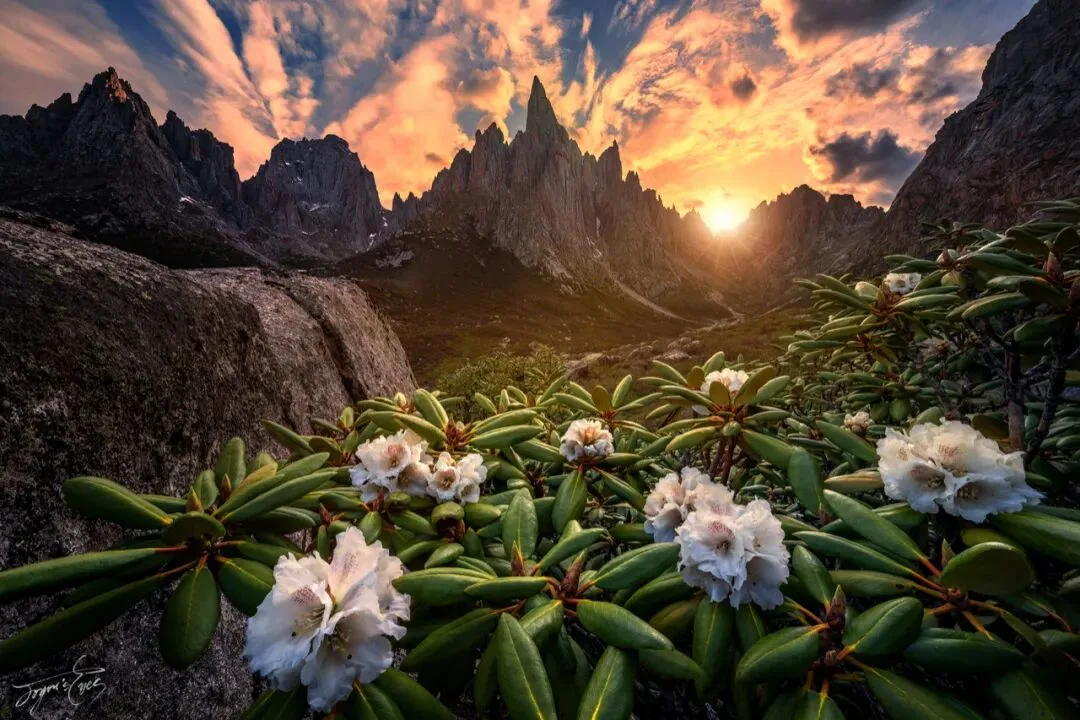
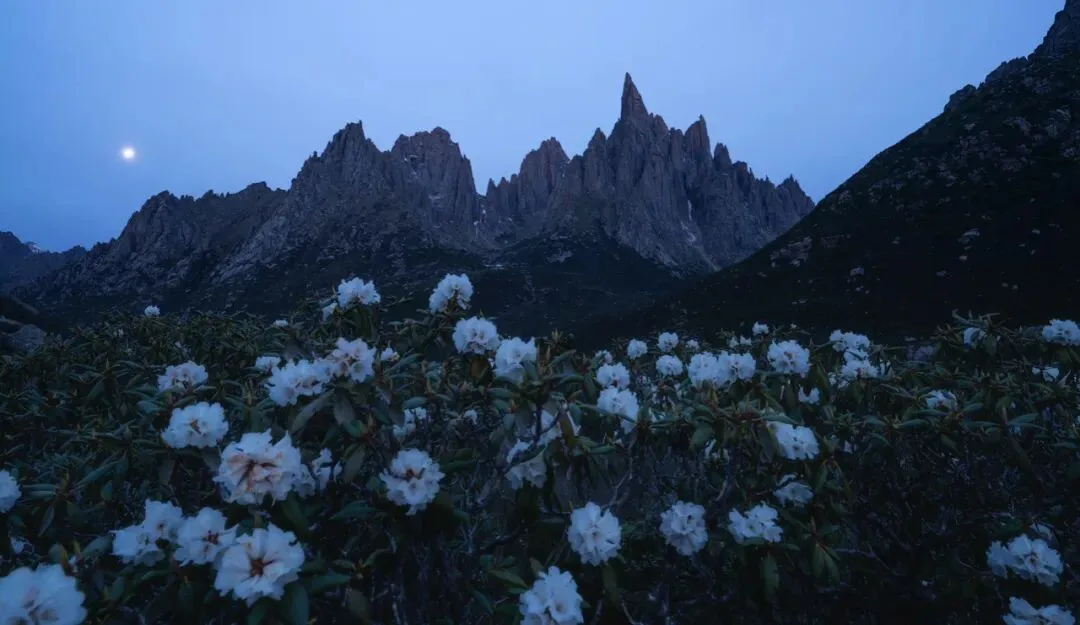
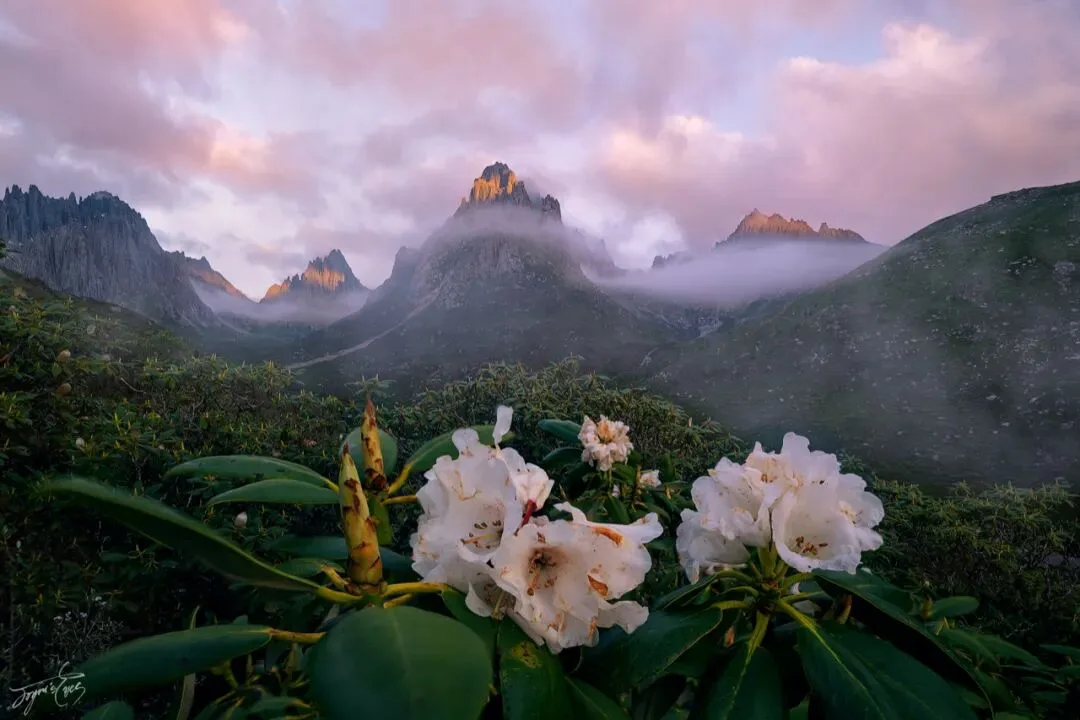
Hundreds of flowers sway by the lakeside, breathtakingly beautiful. It's called the "Back Garden of the Gods." Its specific geographical location and landform features determine its rich biodiversity, with over a thousand endemic species in the Tibetan region alone, making it a precious plateau gene bank.
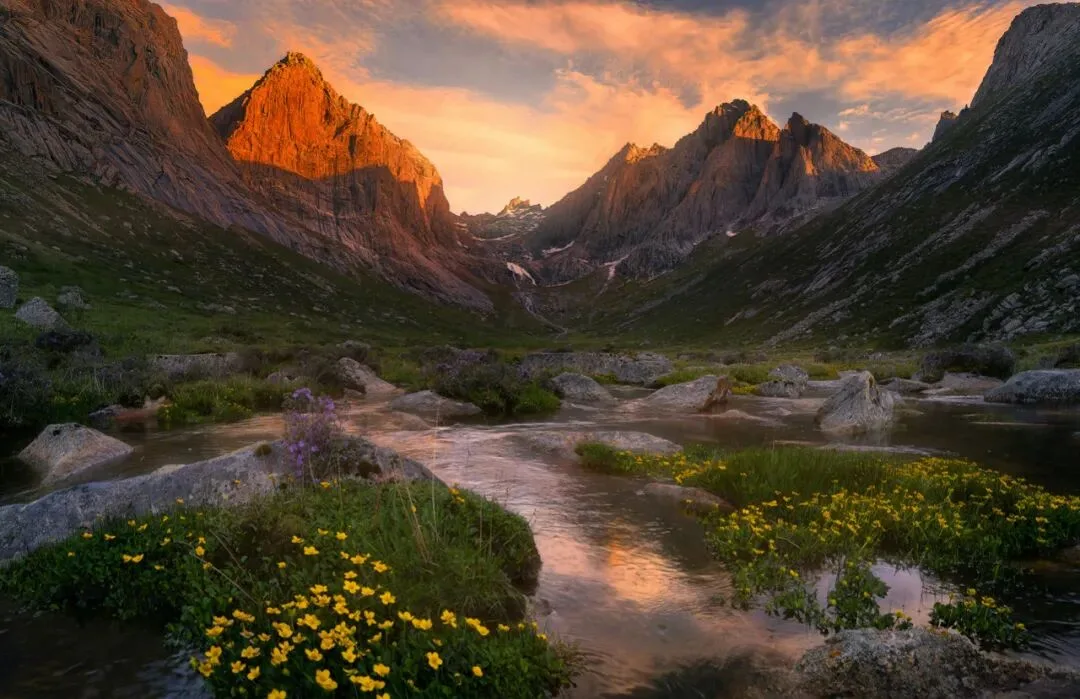
Stories Behind the Scenery
Nianbaoyuze's beauty comes in many forms: the elegance of seas of flowers, the mystery of seas of clouds, the tranquility of lakes, and the grandeur of snowy mountains.
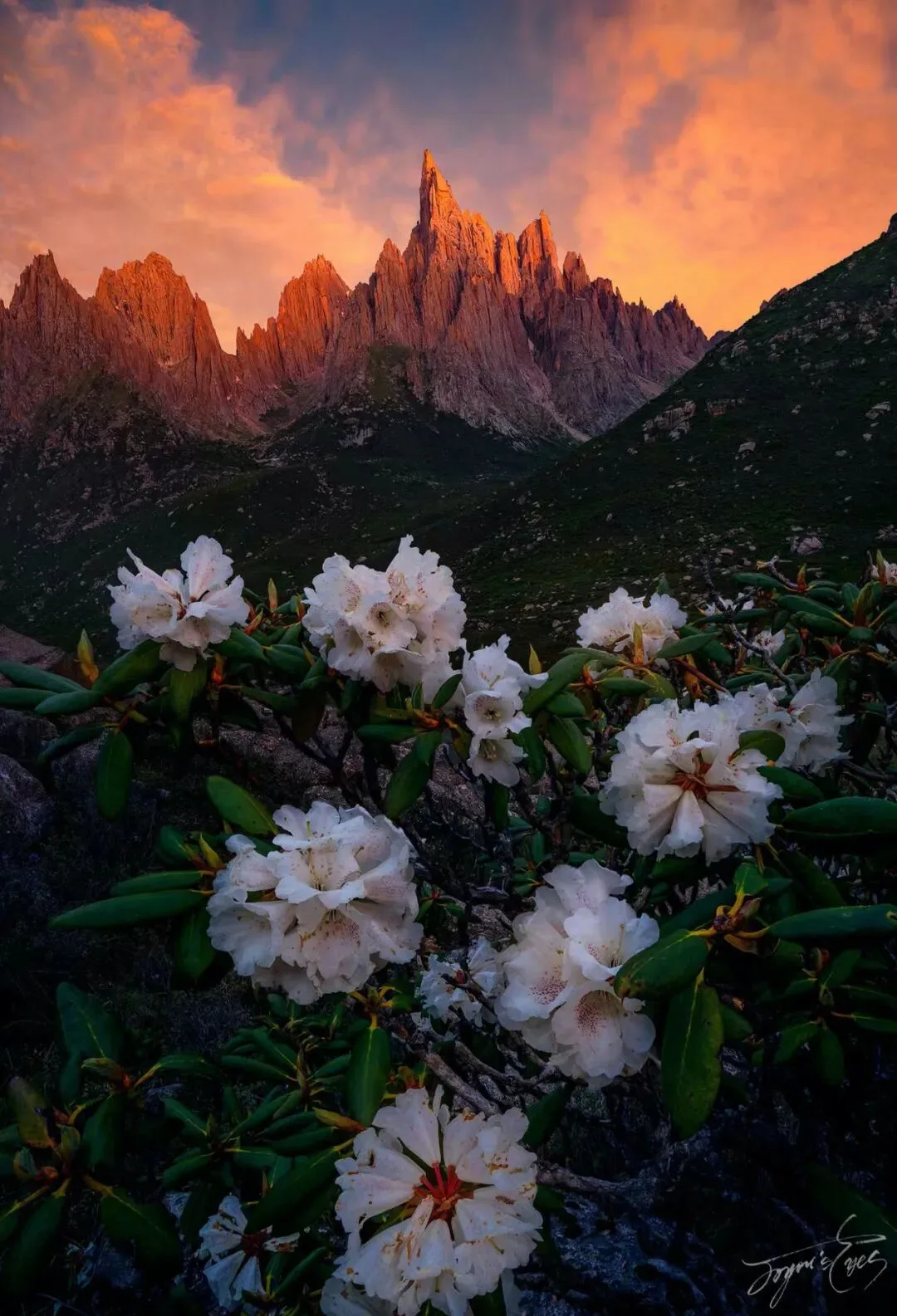
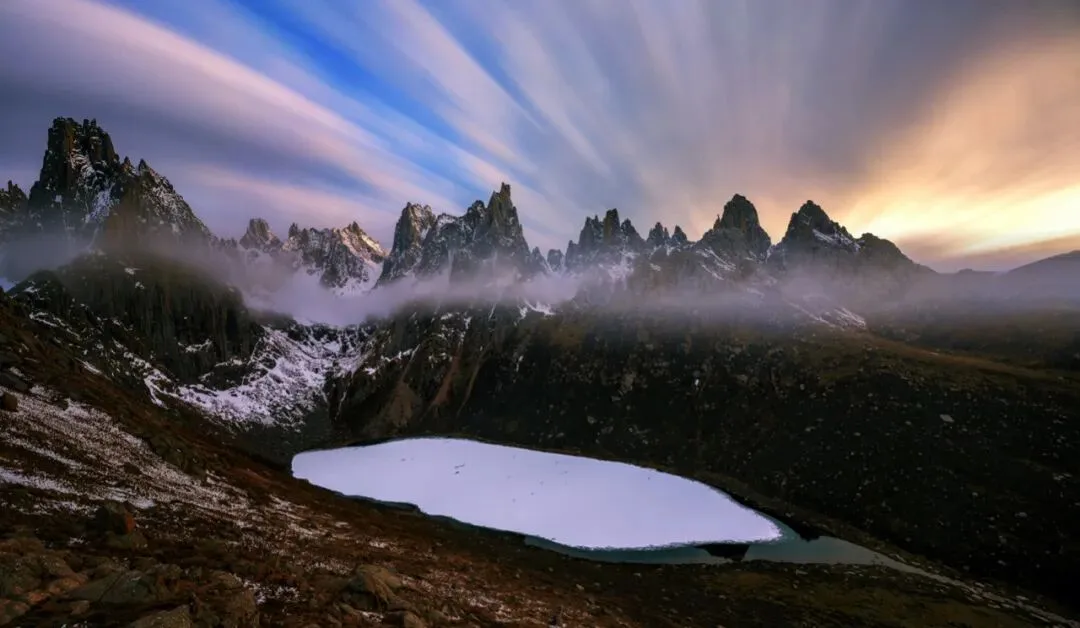
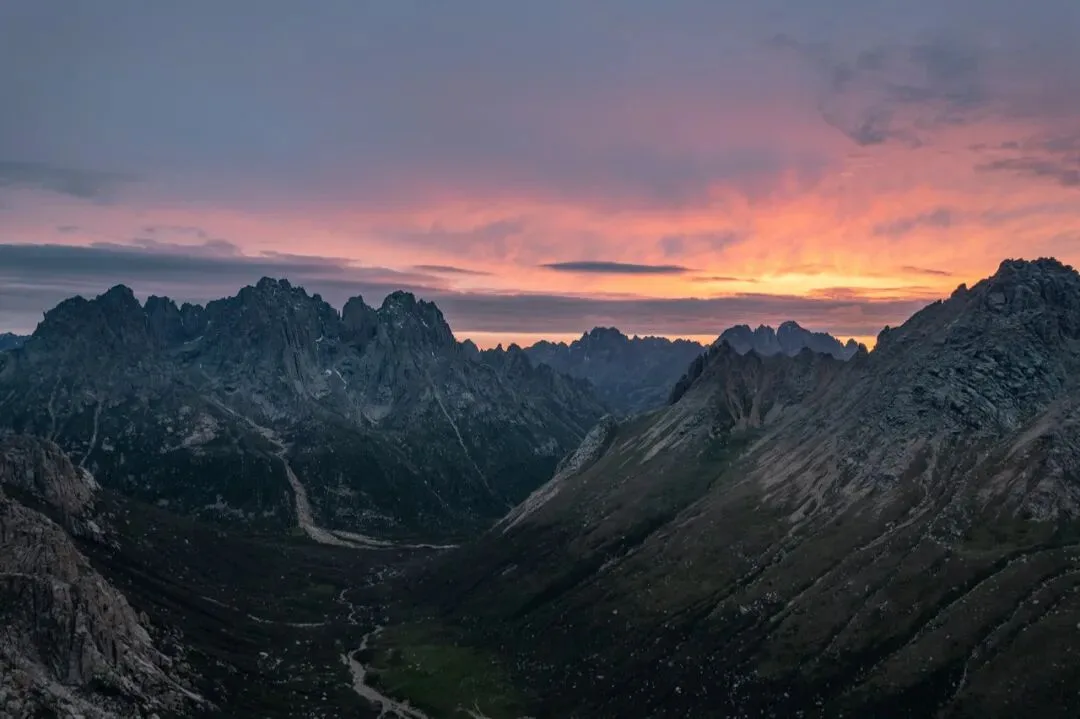
The 4,500-meter Shangri Gancuo Pass is undoubtedly the most magnificent place in all of Nianbaoyuze, with peaks and towers lining both sides, soaring into the clouds. Standing on the pass, you can look down upon Shangri Gancuo and Xiari Gancuo, two pearls of the plateau. Because of the high altitude, the road up the pass is nearly straight and little known, its traces long since faded.
Climbing the pass with a heavy load is extremely difficult, and getting up wasn't easy. In the end, it rained every day, the desired weather never came, and food ran out. To wait for a perfect sunrise, I survived on plain water alone for three days and four nights.
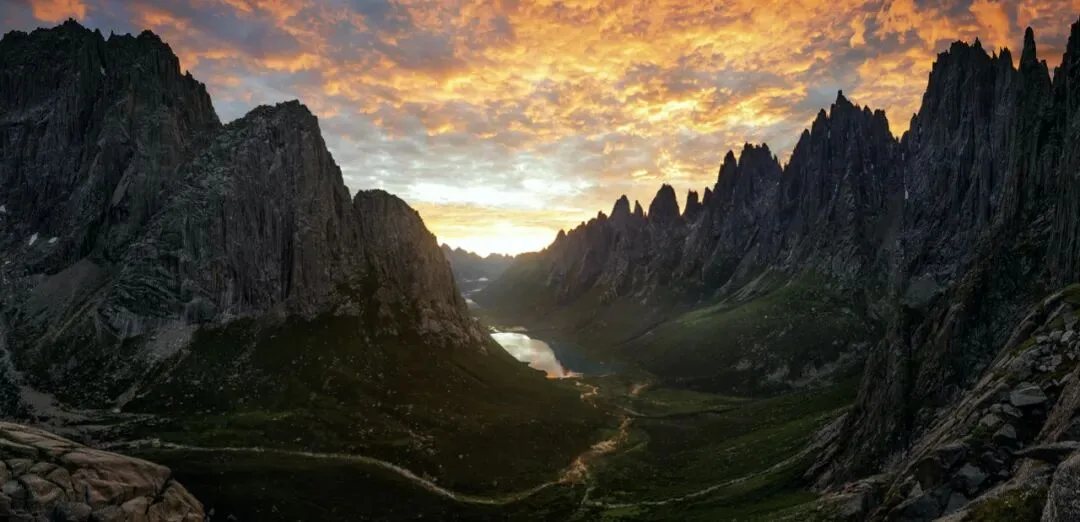
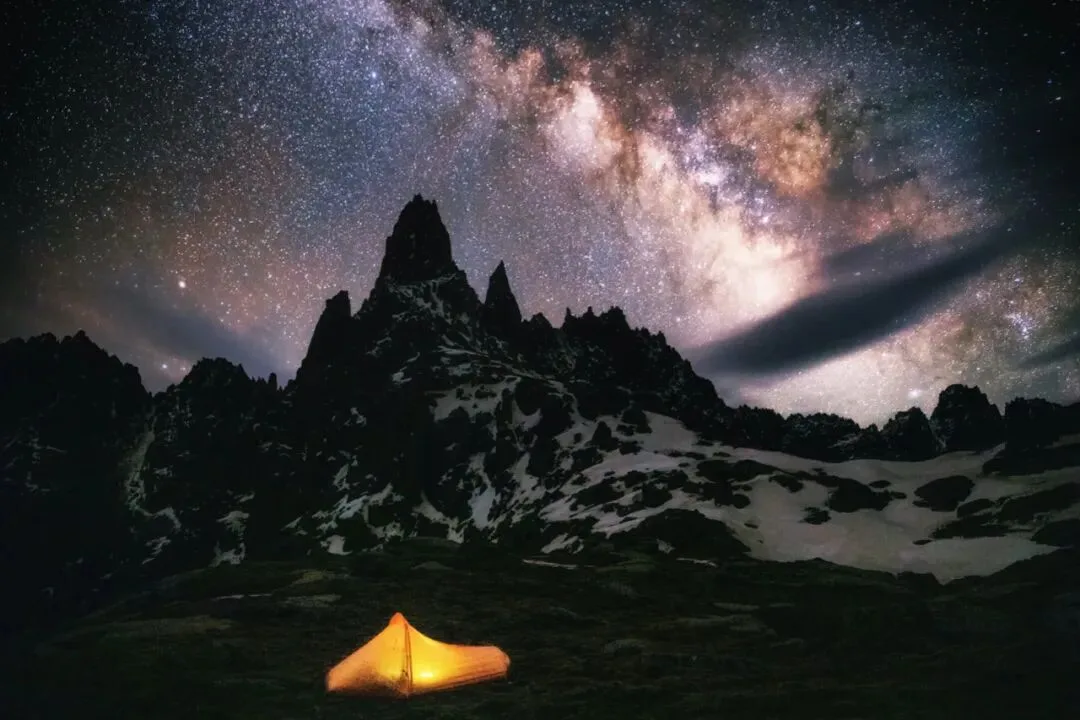
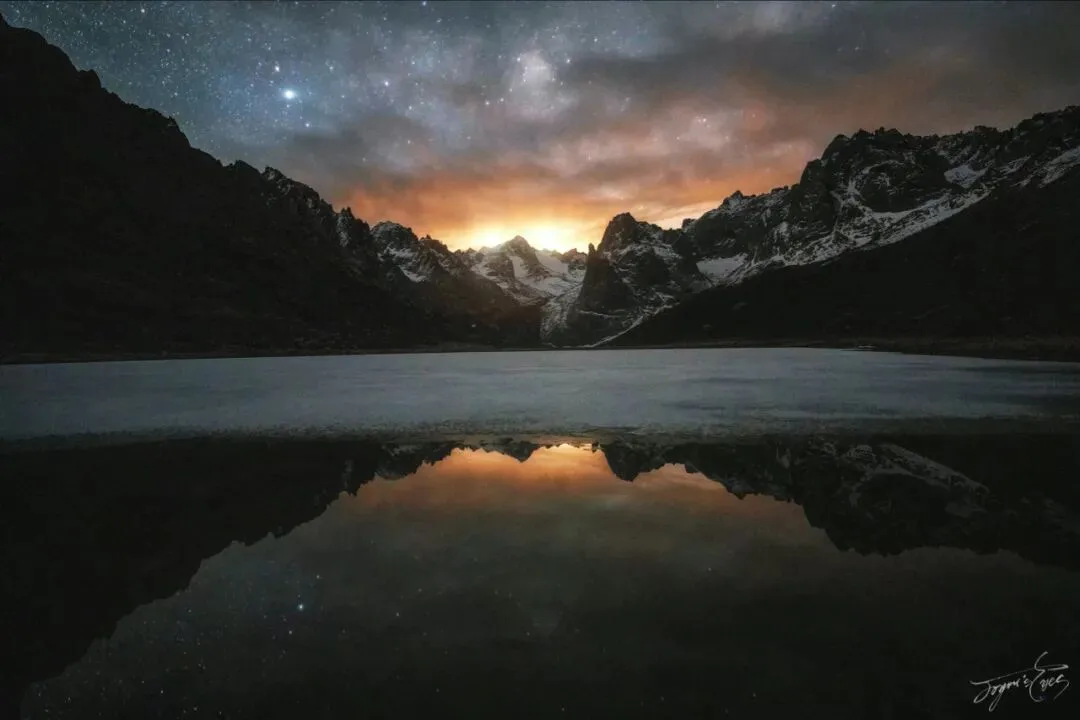
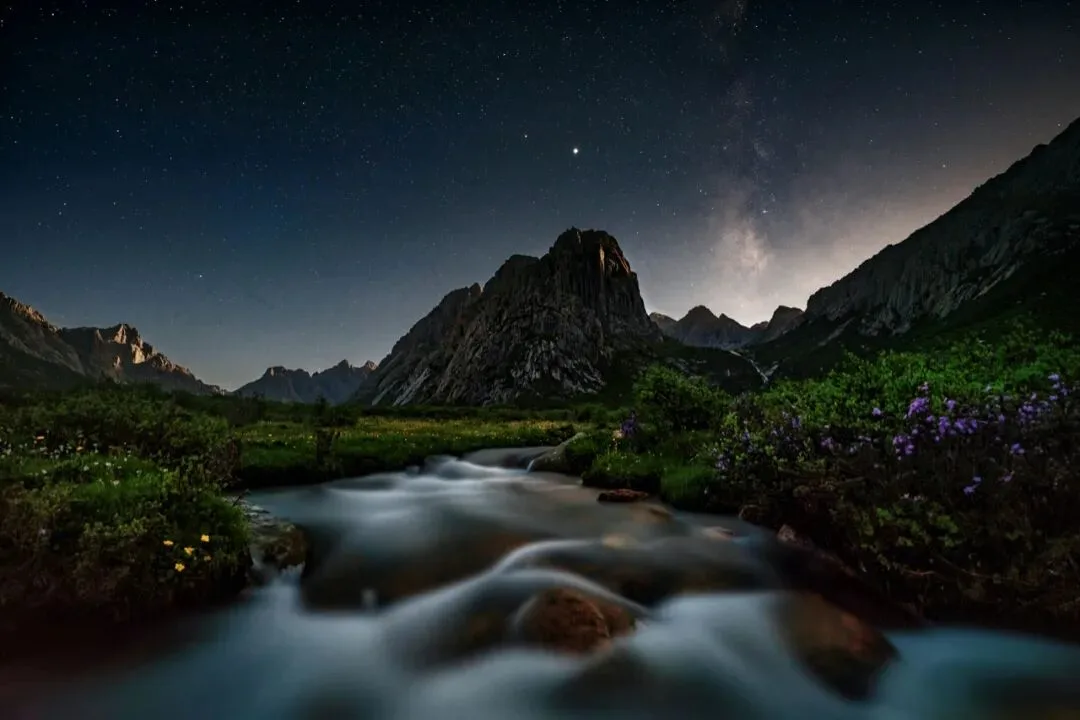
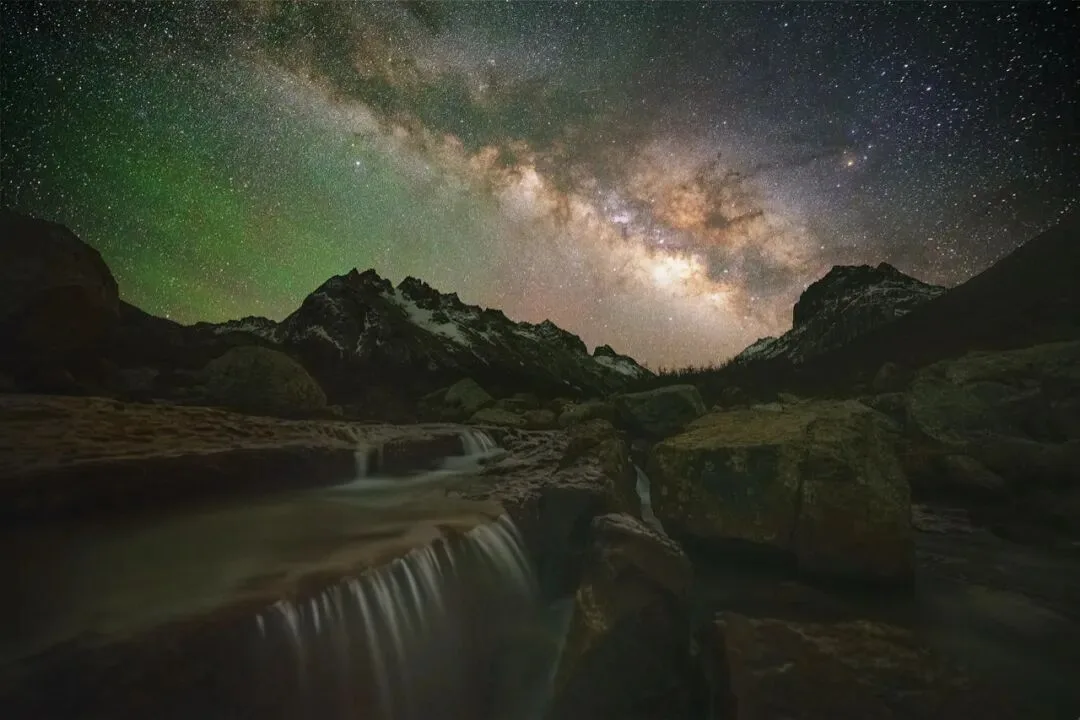
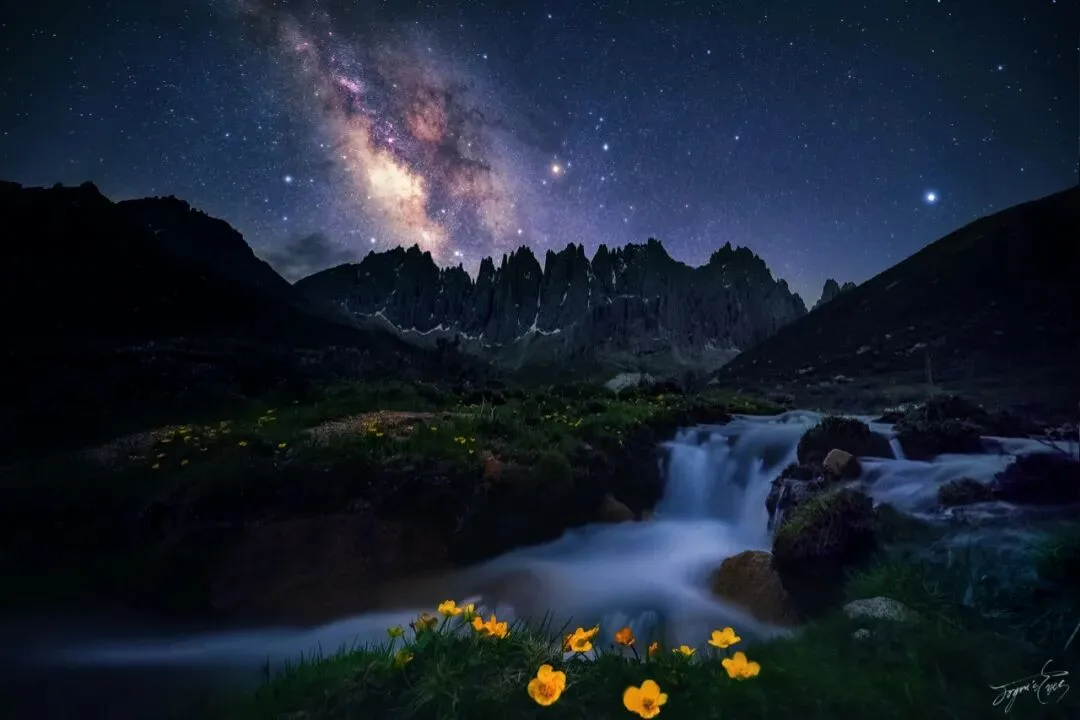
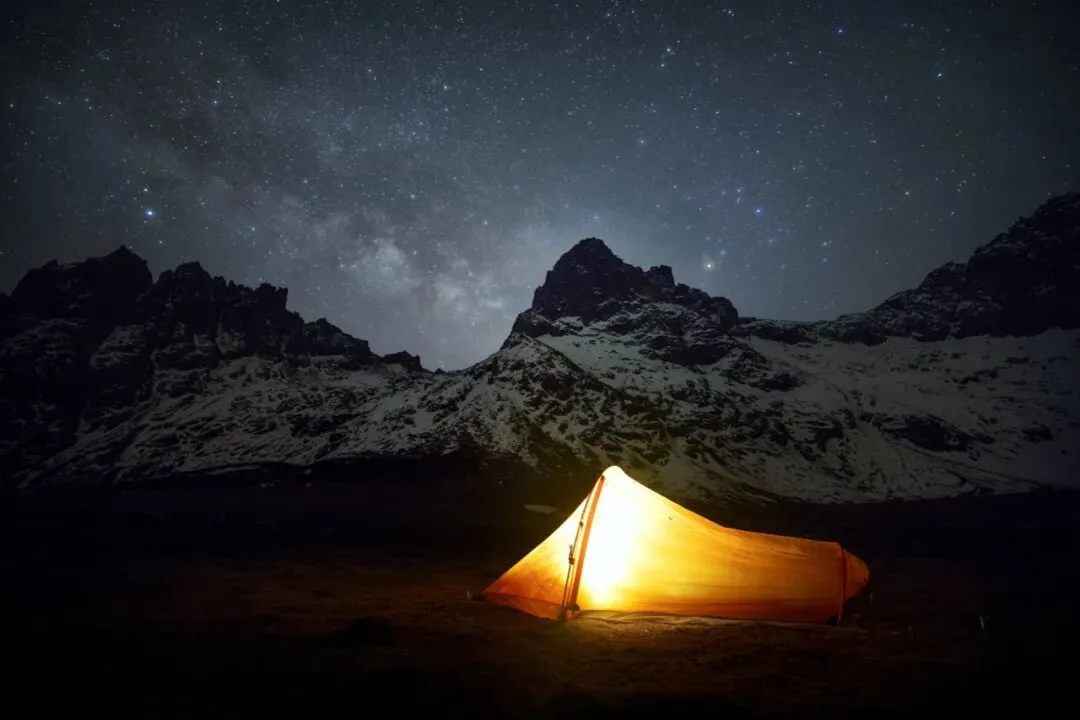
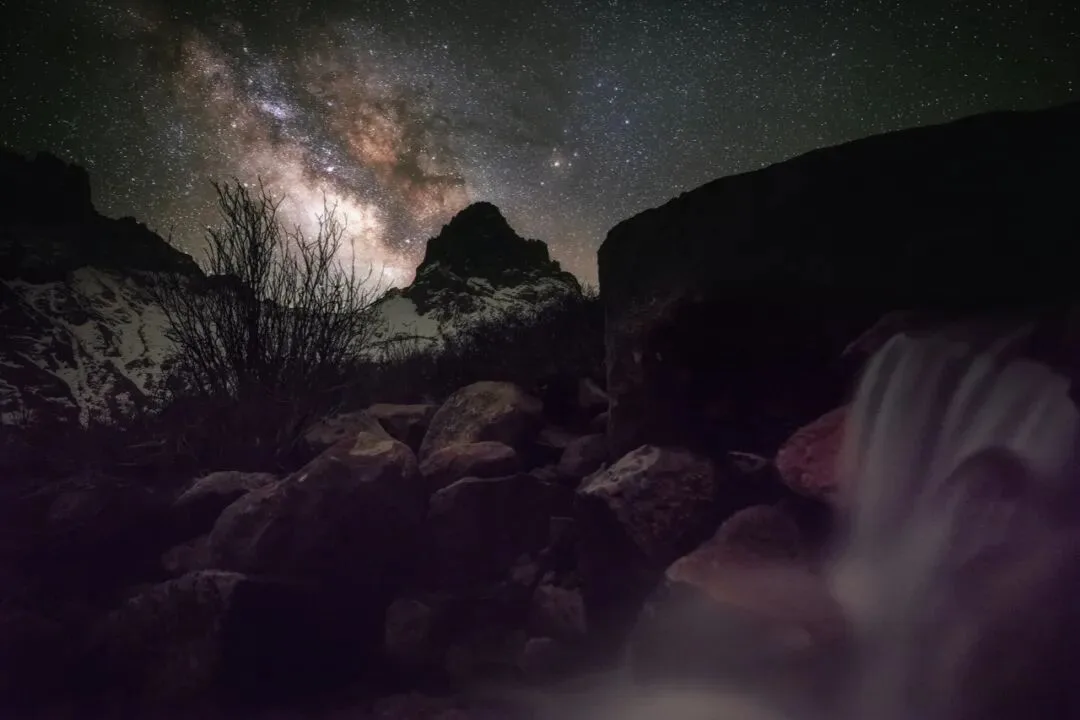
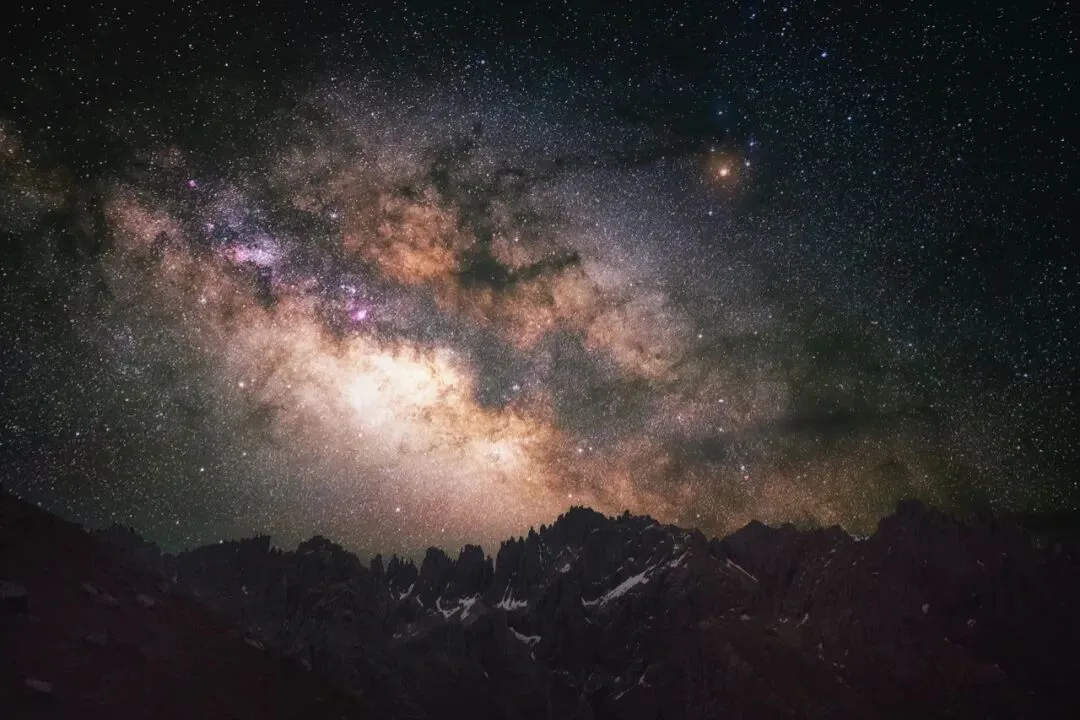
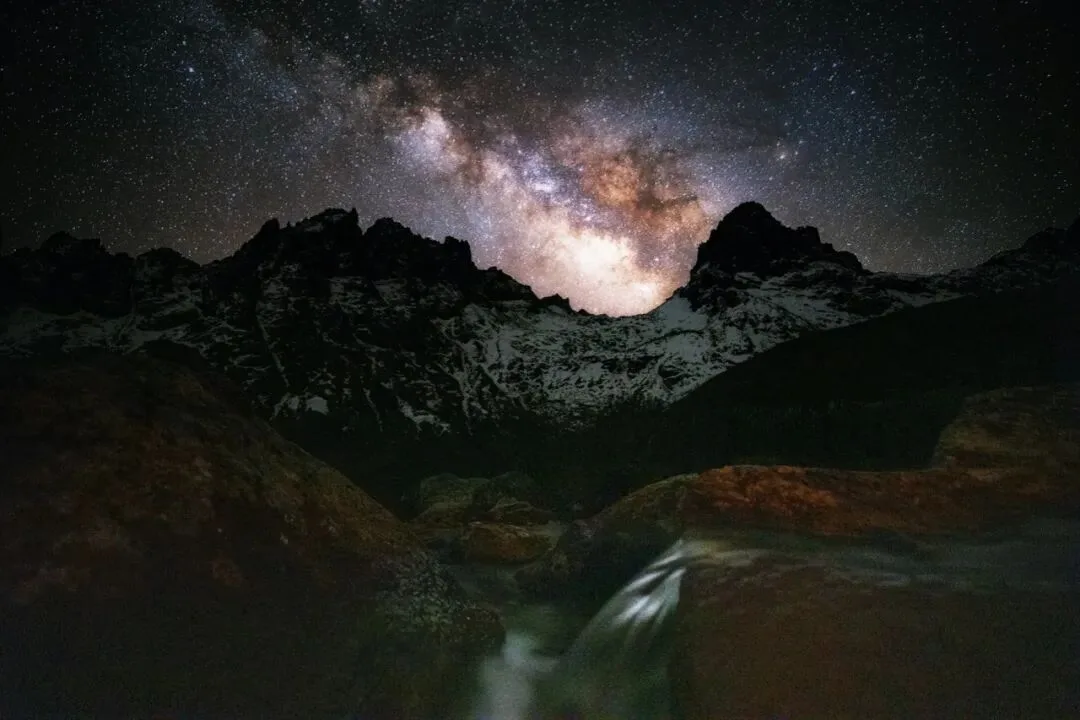
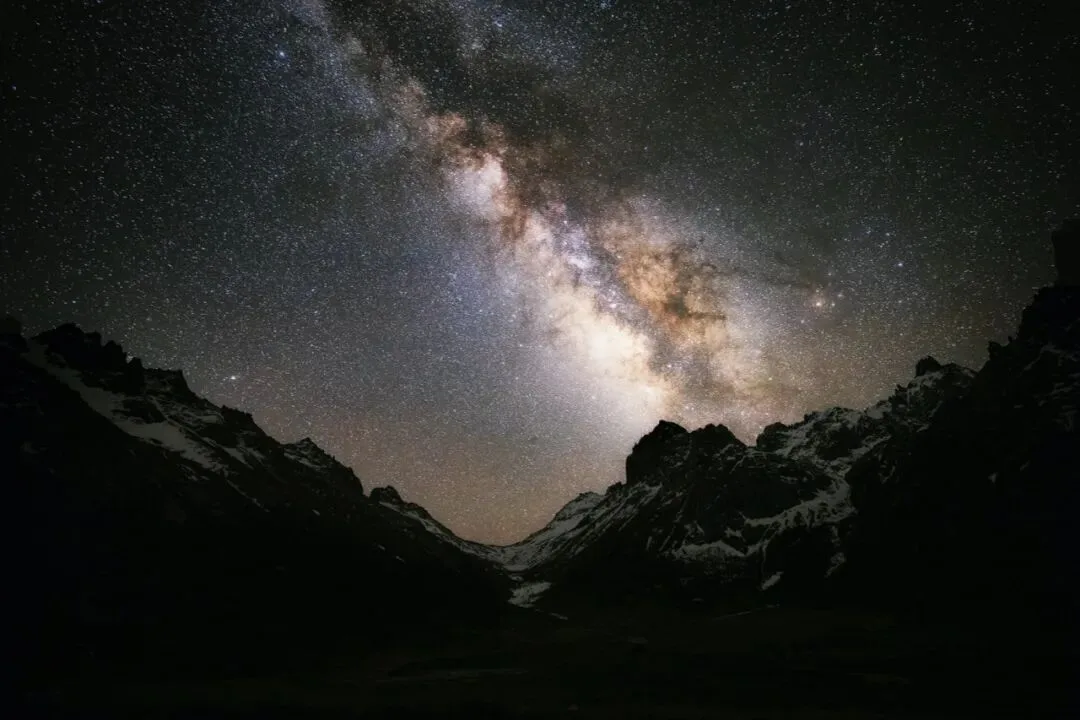
On the Shangri Gancuo Pass, hungry for 72 hours, just to wait for the most beautiful sunrise fire clouds. During the wait, when I used Planit to simulate, I discovered this spot could also capture a perfect spring Milky Way arch.
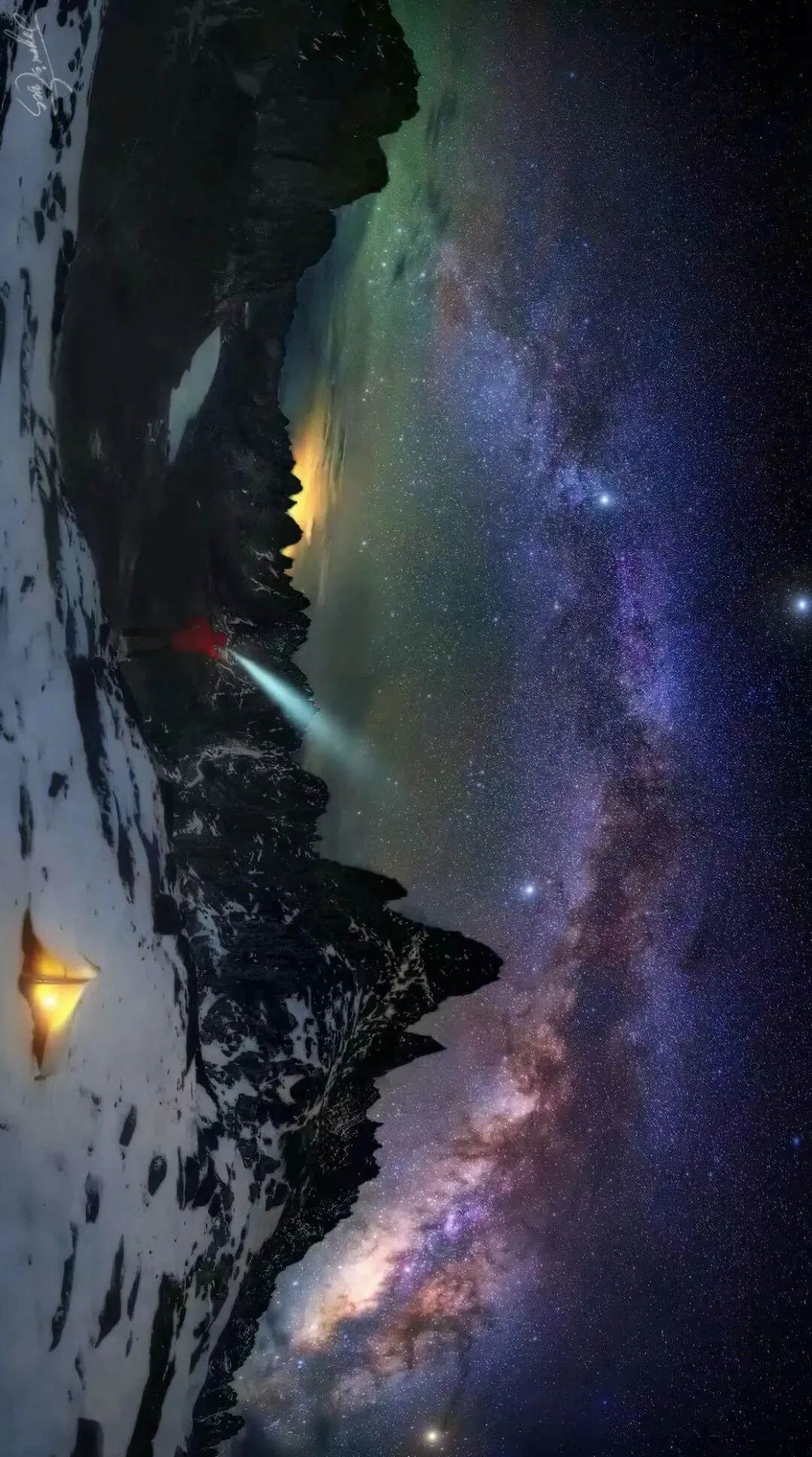
So in May the following year, I came here again. Unfortunately, this time I was hit by a snowstorm, and even meals had to be cooked with melted snow water. After waiting two days in the heavy snow, at midnight on the second day, the snow cleared and the sky turned fine, and I finally captured the perfect Milky Way arch.
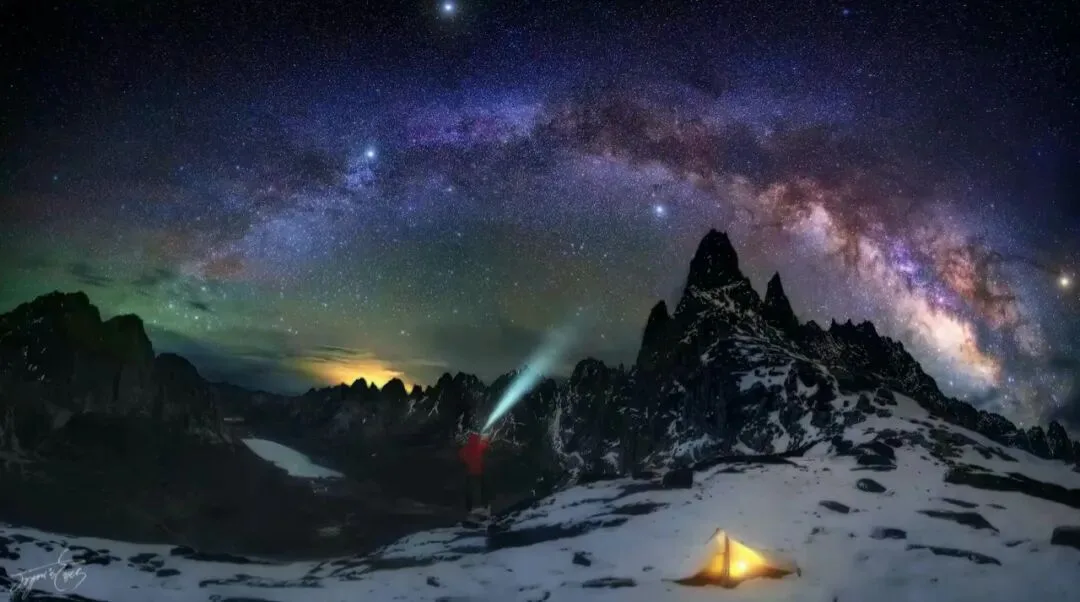
Whether it's the previously open Nianbaoyuze scenic area or the later newly developed Lianbaoyeze scenic area, both are only a small part of the entire Nianbaoyuze mountain region, a microcosm of this 1,000-square-kilometer area. Next, follow my lens to enjoy the unseen beauty of the entire Nianbaoyuze mountain region.
More Beautiful Images
Other related content:
"Great Seascape Photography Sharing! This Set of Photos of China's Coastline Is Just Too Unique!"
"Incredible! This Post-00s Photographer Filled a Blank in Chinese Photography!"
"Amazing! This Post-95 Photographer Won the 'Oscar' of Astro-Photography!"
"These Distinctive Chinese Landscapes - Which One Do You Like Best?"
"Superb Night-Sky Photo Appreciation and Review! How Can Star-Landscape Photography Avoid Homogeneity?"
"The Constellation Project Results Are Announced - These Young Photographers' Photos Are All Incredible!"
"The 2017 Jiying Outdoor Landscape Photography Contest Results Announced!"
"A Group of Super Awe-Inspiring 2018 Shortlisted Landscape Works - Which One Do You Like Best?"
"These Landscape Masterpieces Won Awards at the 2018 Jiying Outdoor Landscape Photography Contest!"
"These Beautiful Scenes Are All in China? So Cool!"
"These Magnificent Roads and Bridges Are the Most Beautiful Gift the Older Generation Left for the Younger"
"So Amazing! The Shortlisted Works of the 2019 Jiying Landscape Photography Contest Are Announced!"
"This Marvel of China Won the Grand Prize in the 2019 Jiying Landscape Photography Contest!"