Photography Tutorial · 2023-07-25
Great Shots in Fog and Haze? Ideas for Fog, Haze and Sandstorm Photography
Dense fog, haze and sandstorms lack light and color, and many photographers avoid them at all costs.
But quite a few master photographers actually love hazy days the most.
Master the 3 ideas shared in today's tutorial, and you can shoot stunning photos even in haze!
Video
▶ Watch the video tutorial on Bilibili
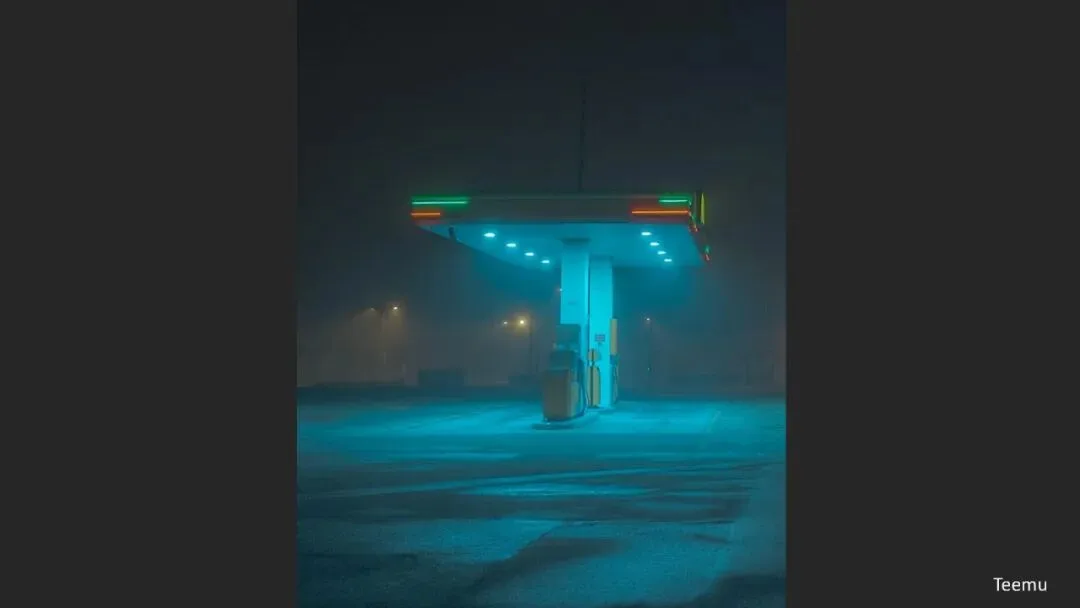
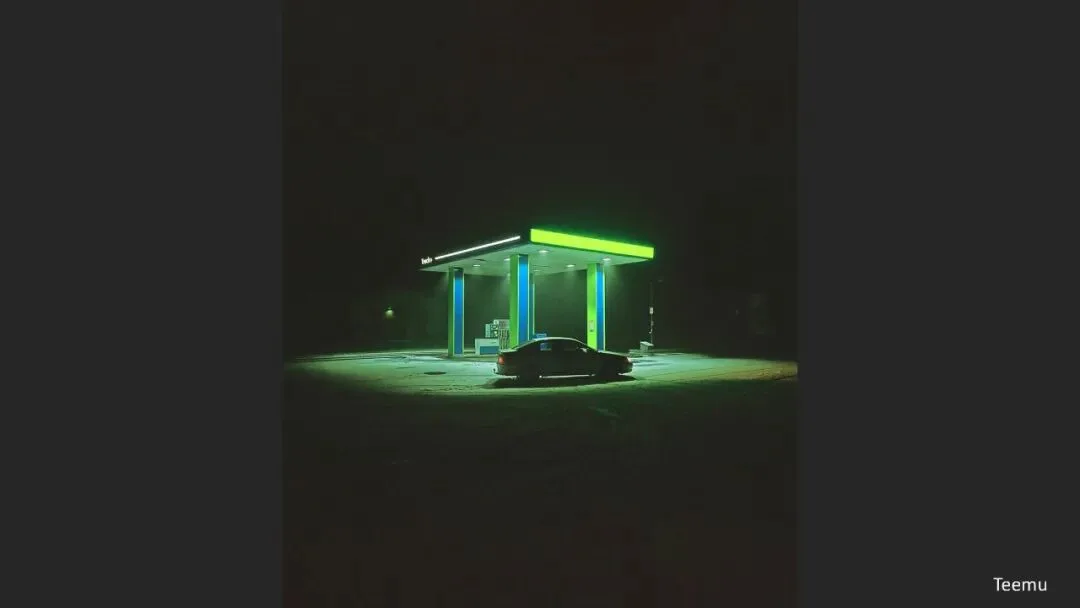
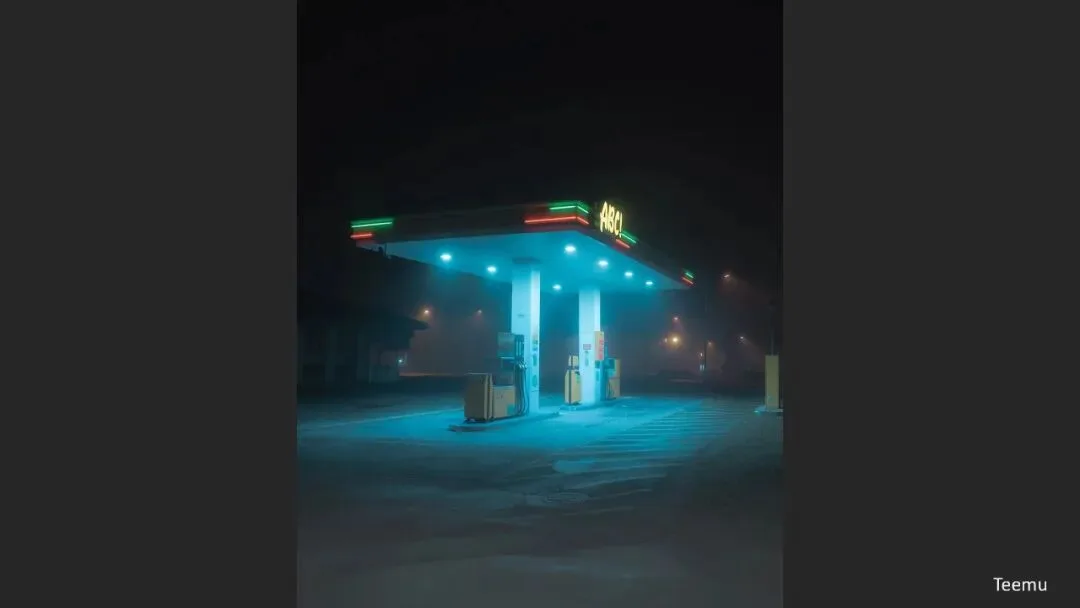
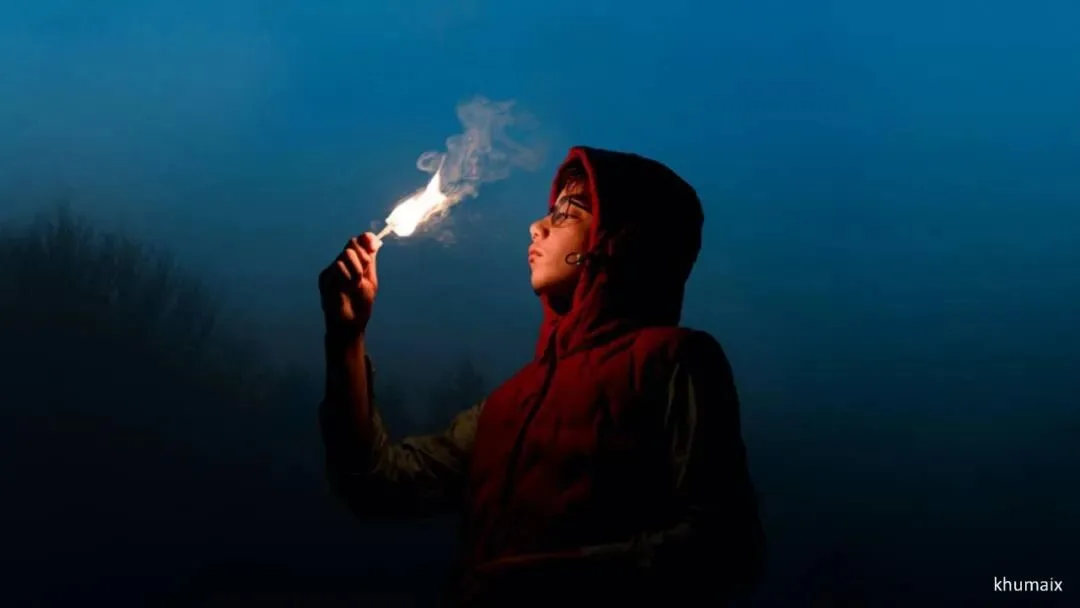
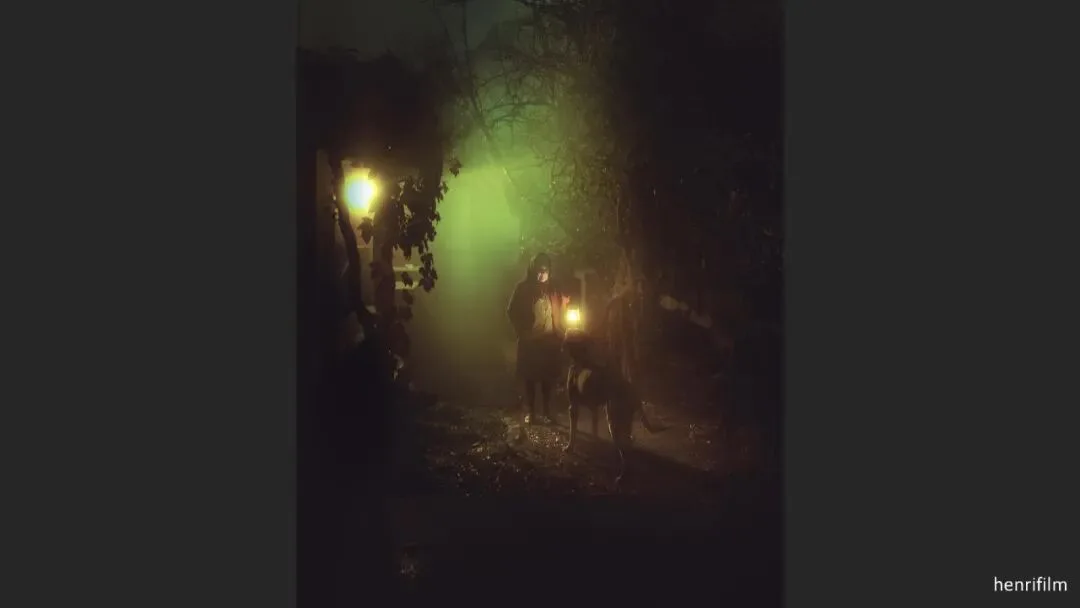
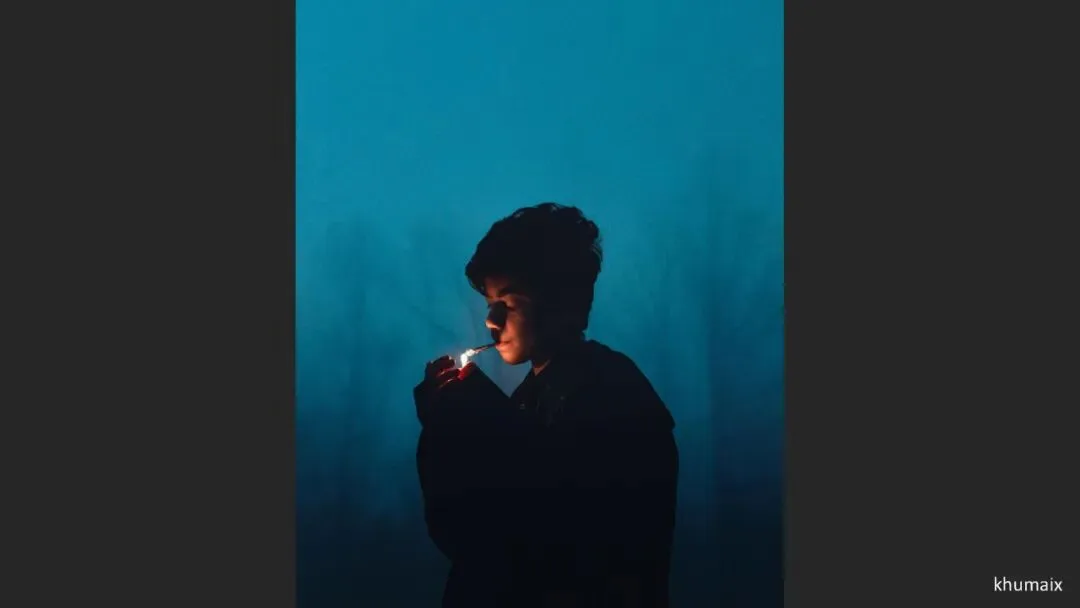
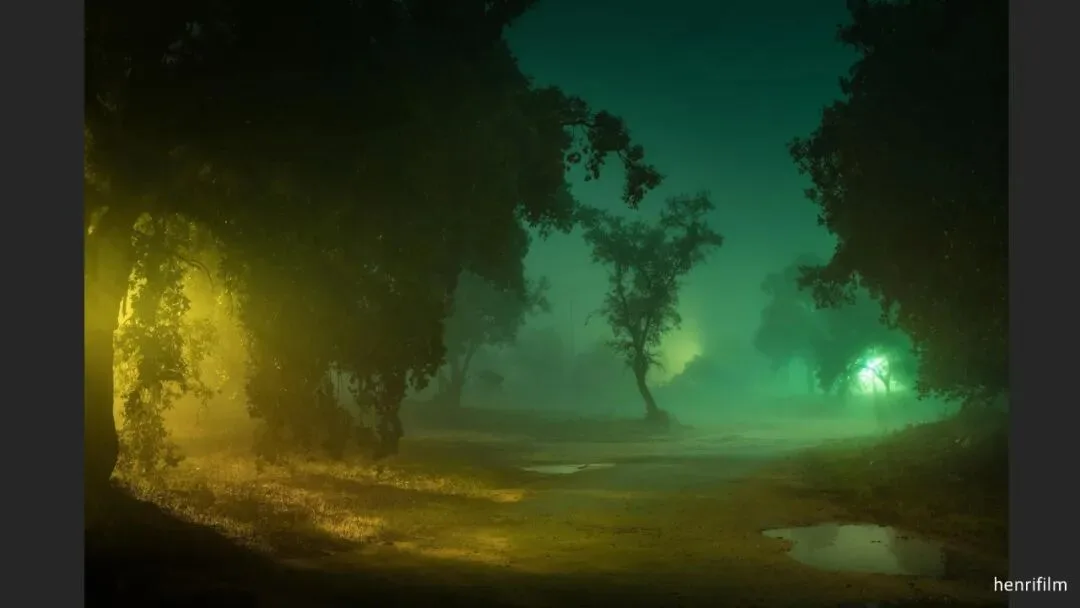
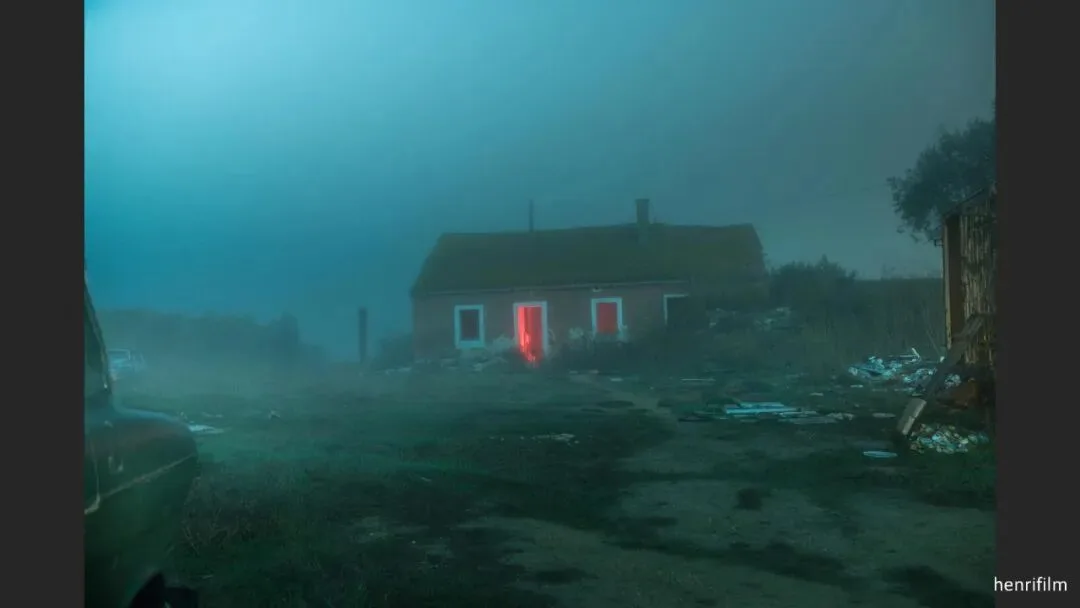
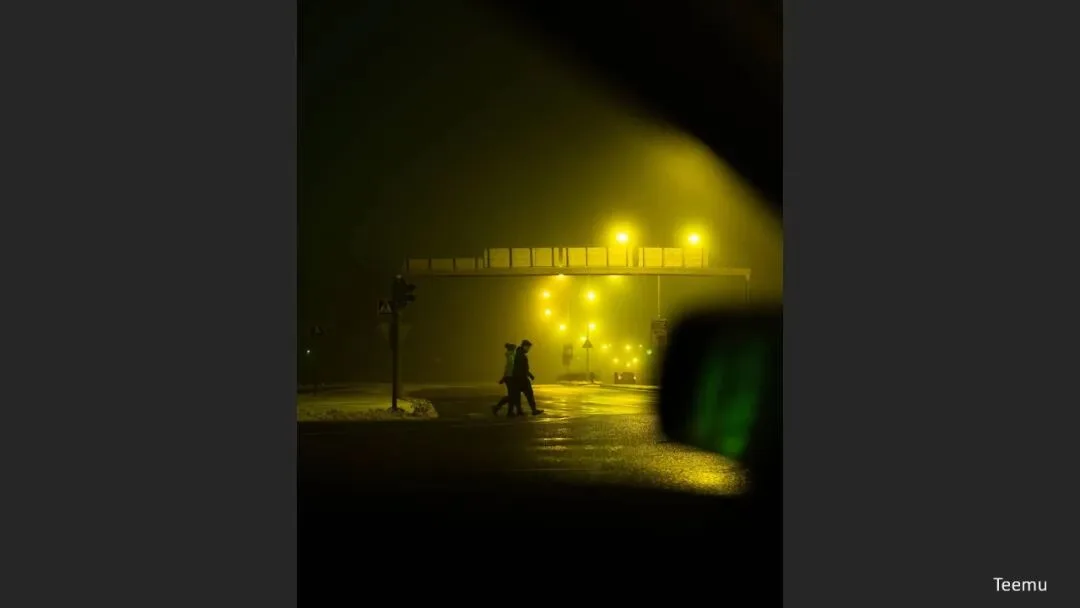
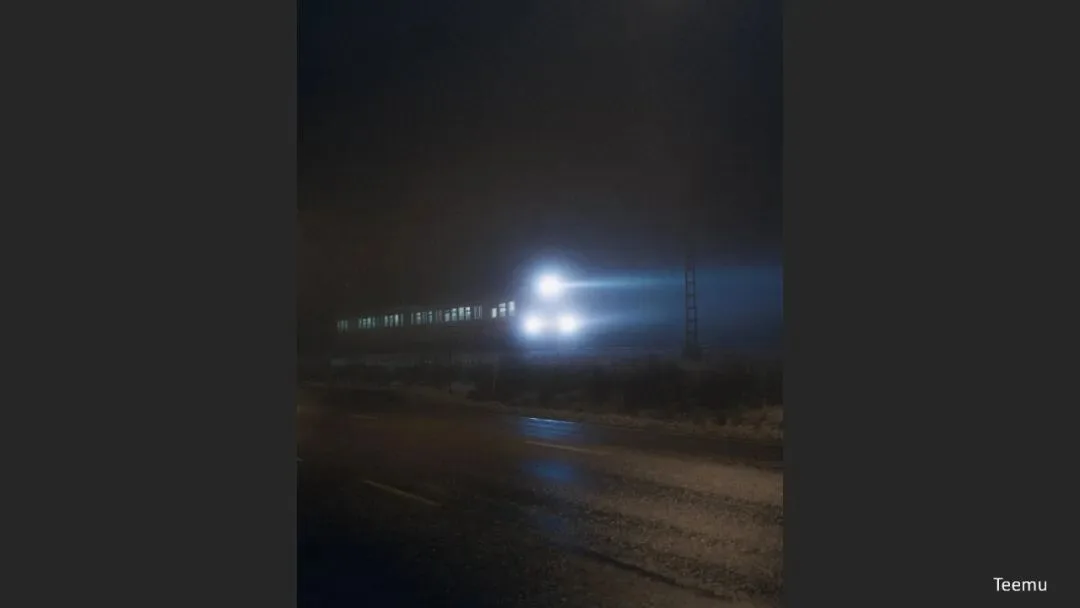
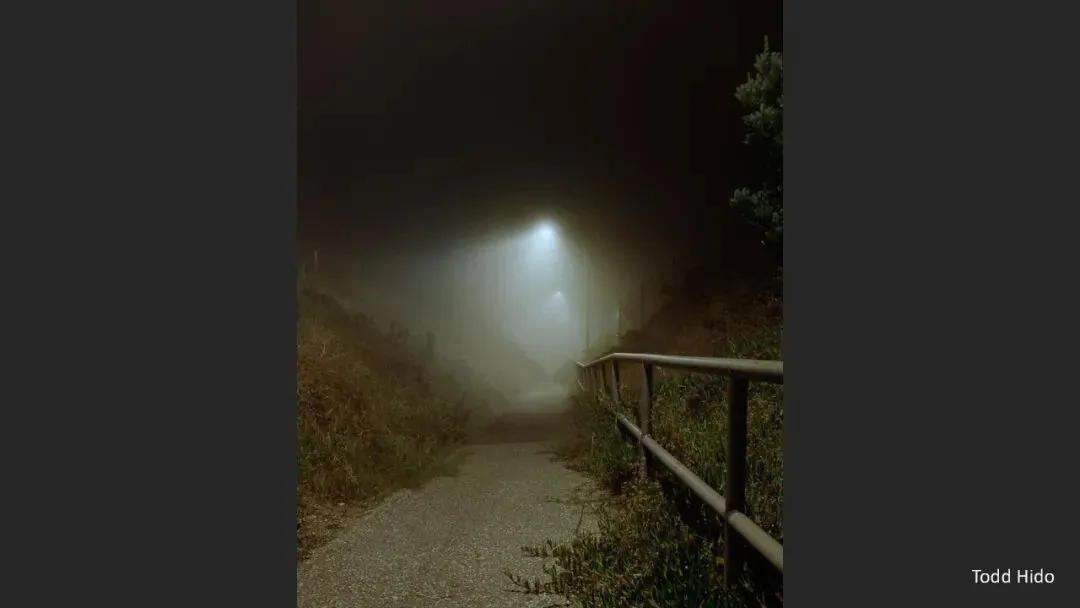
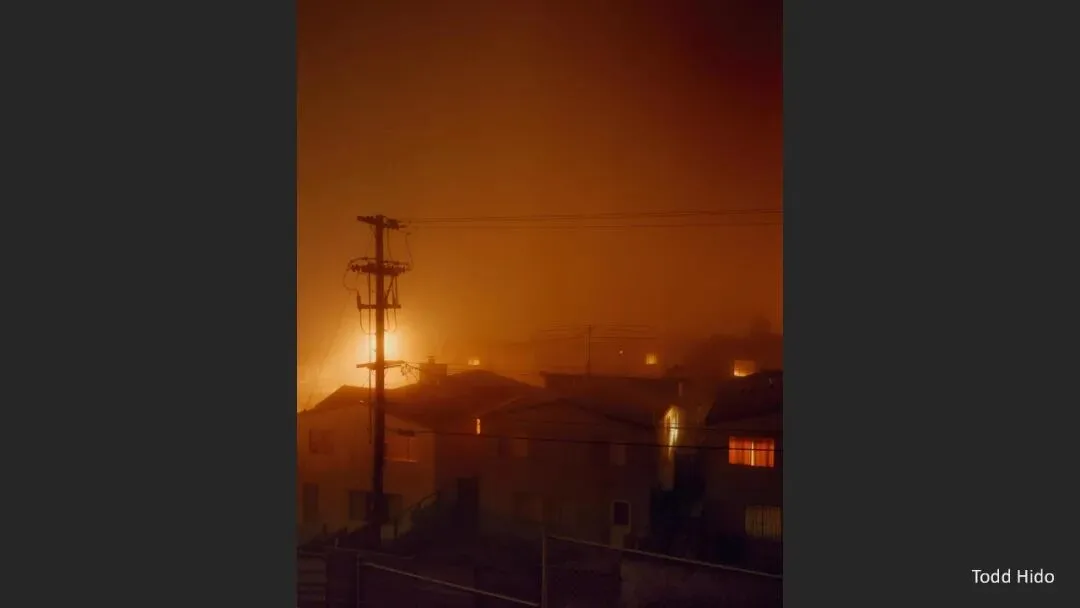
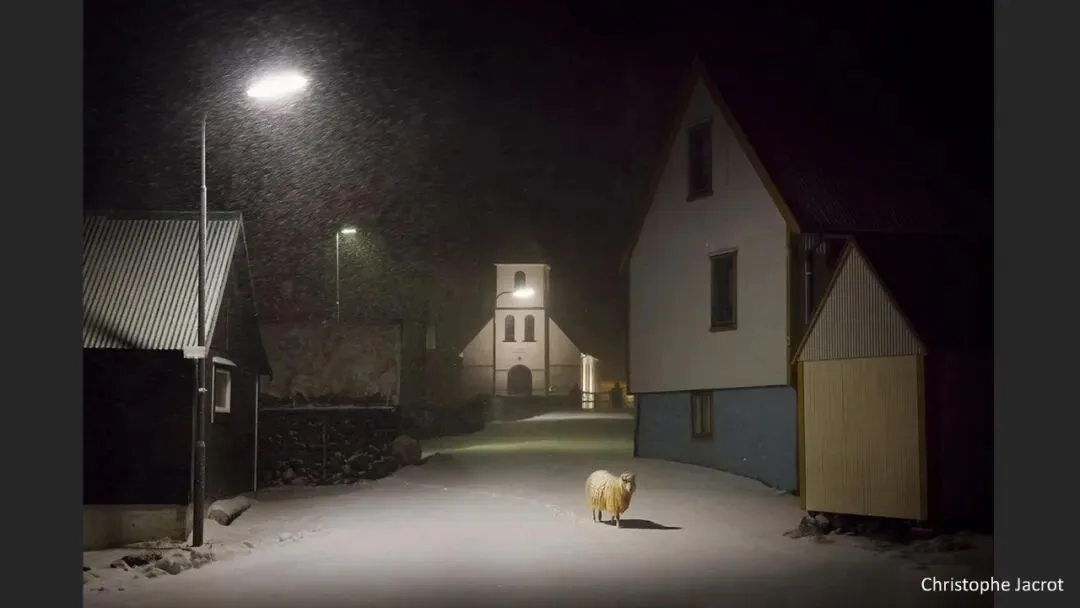
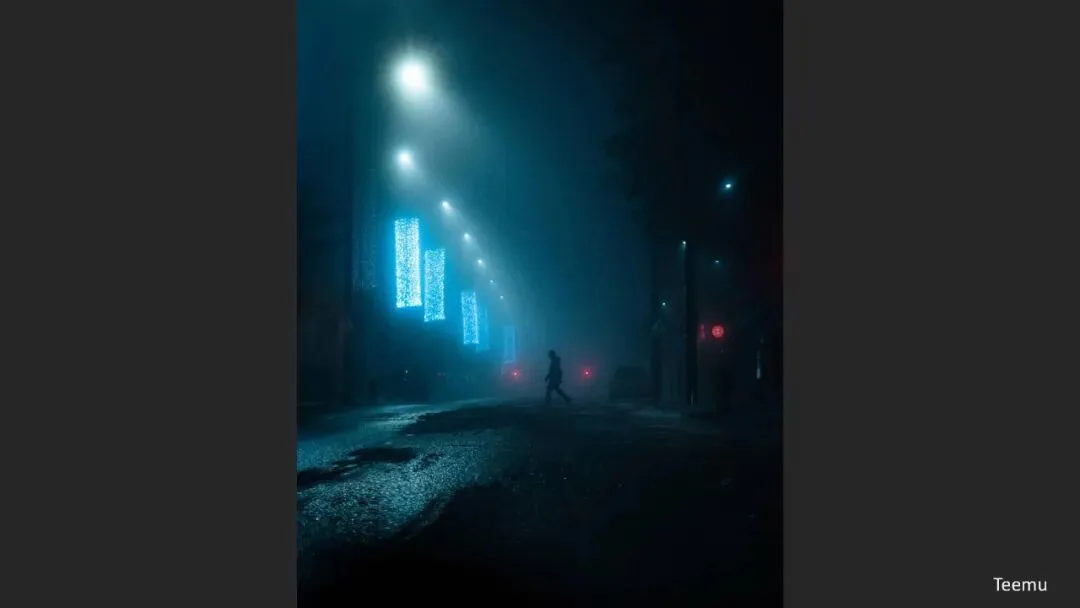
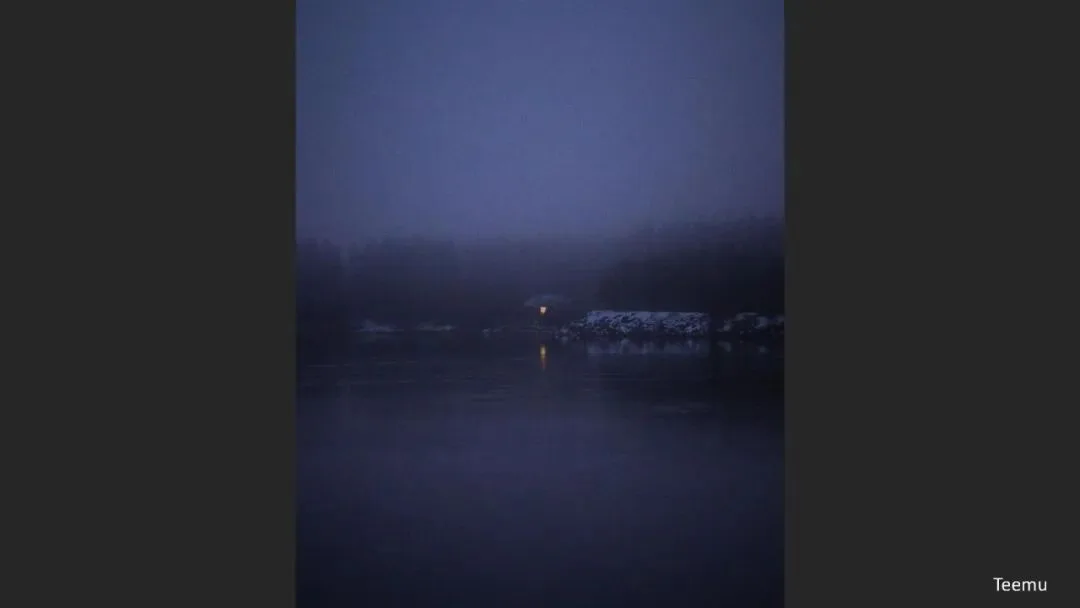
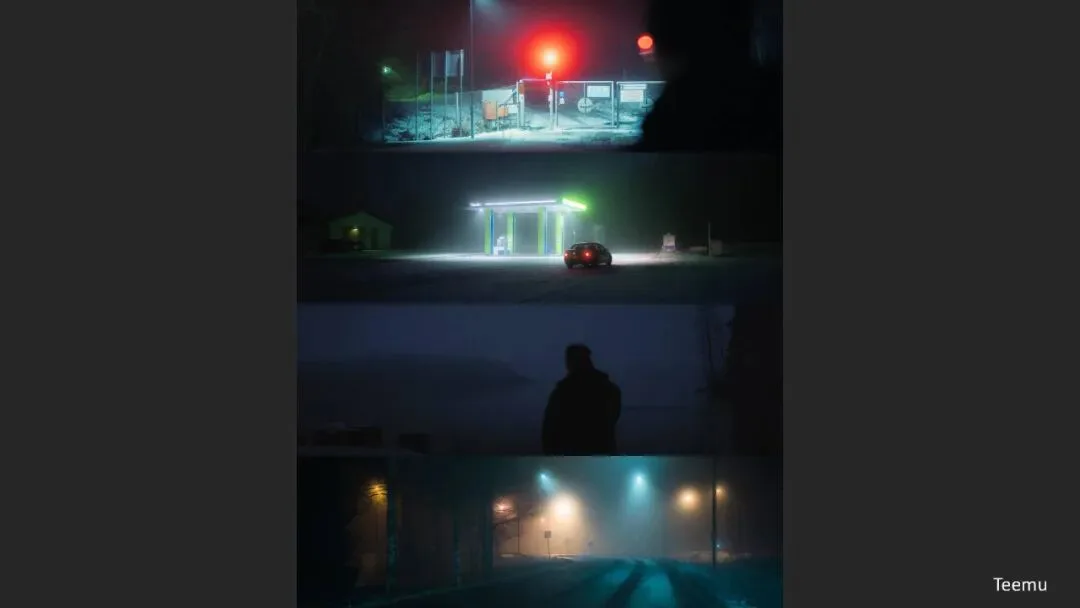
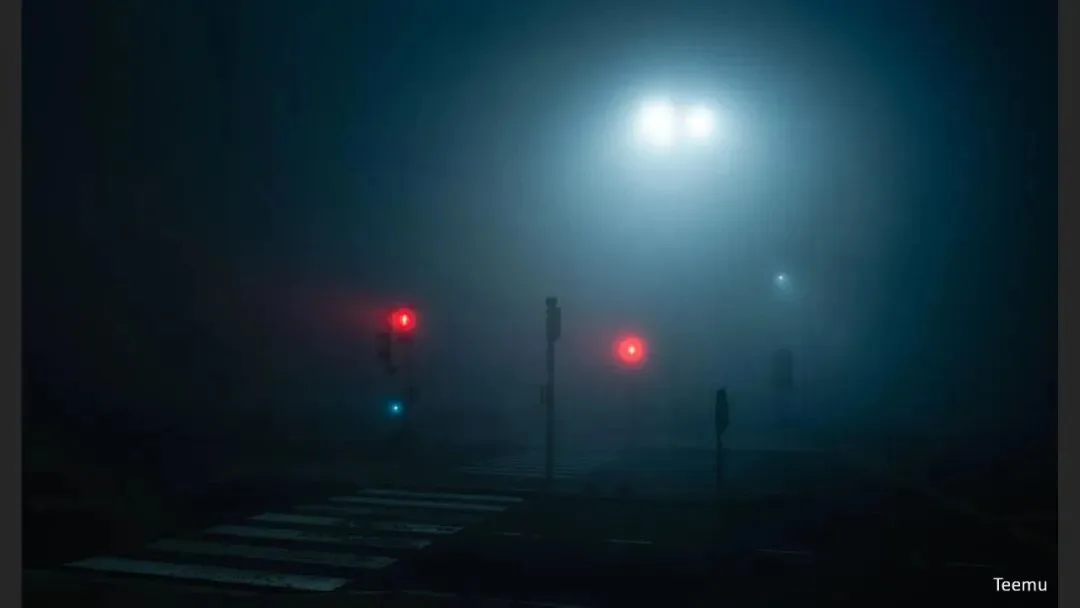
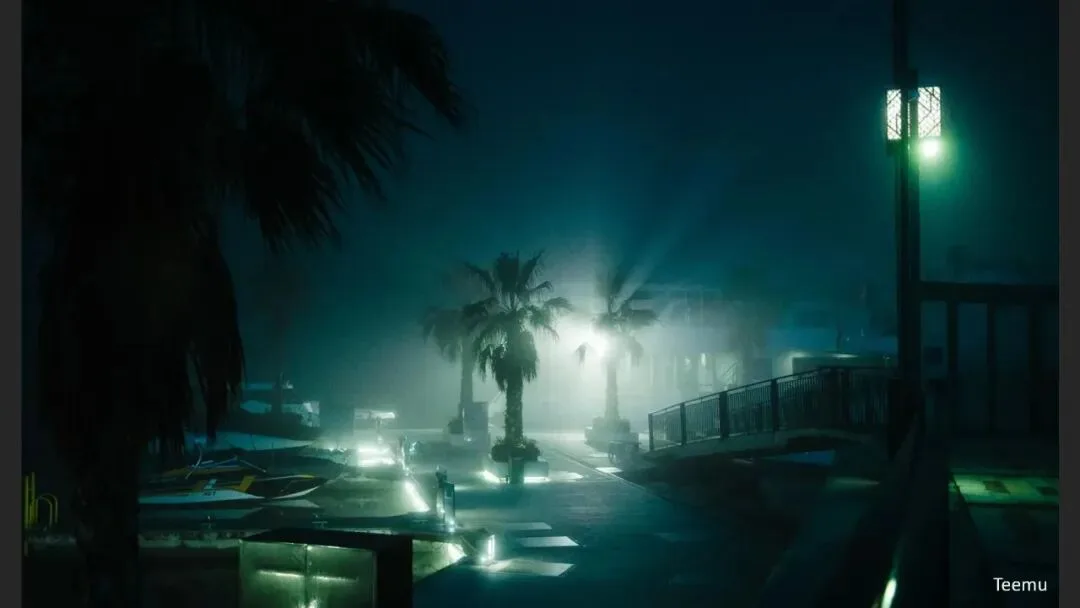
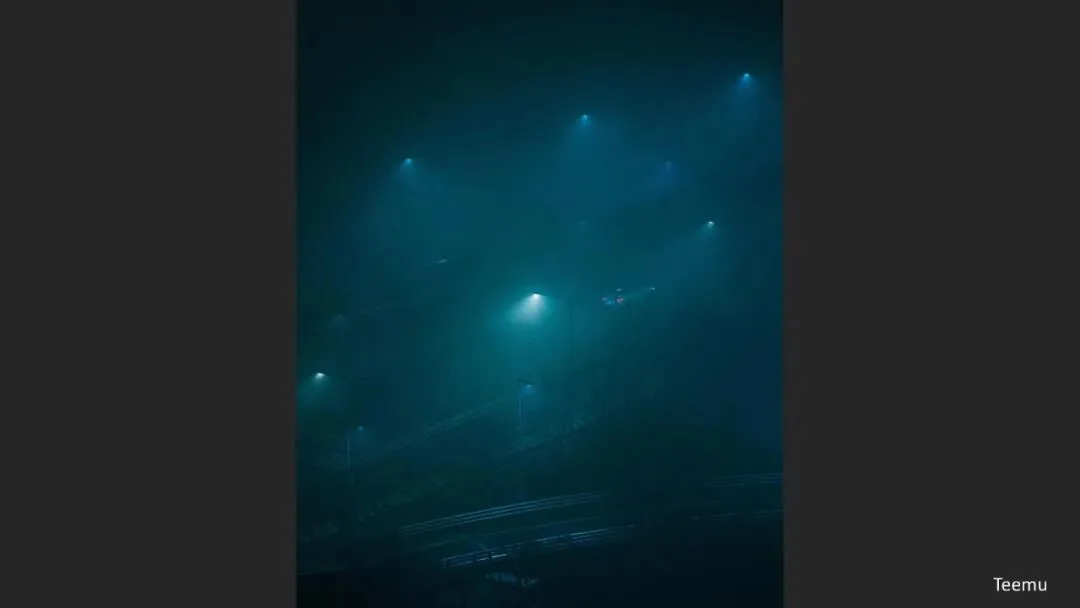
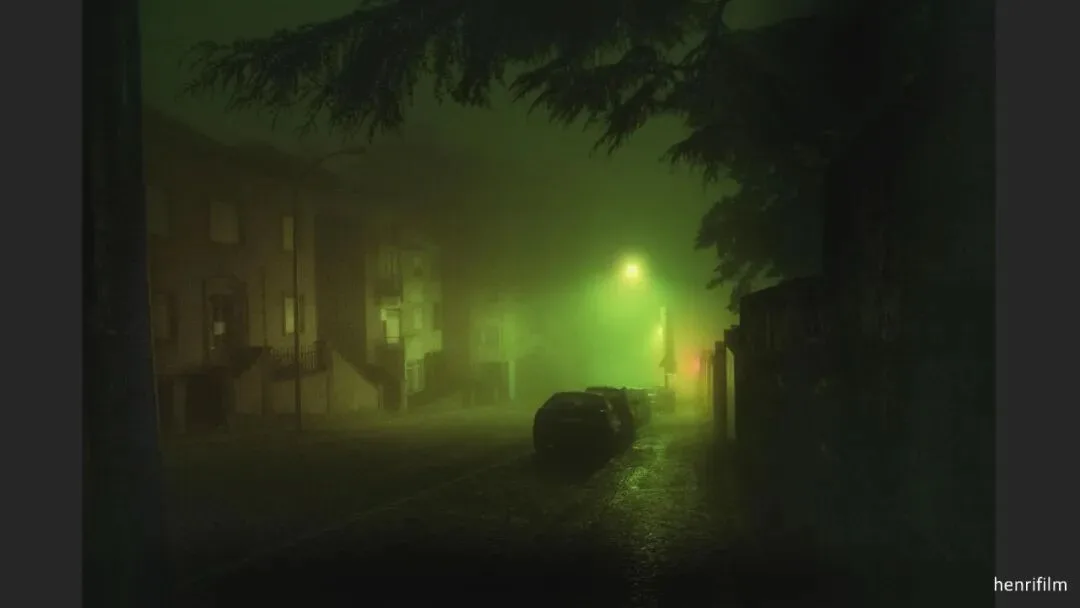
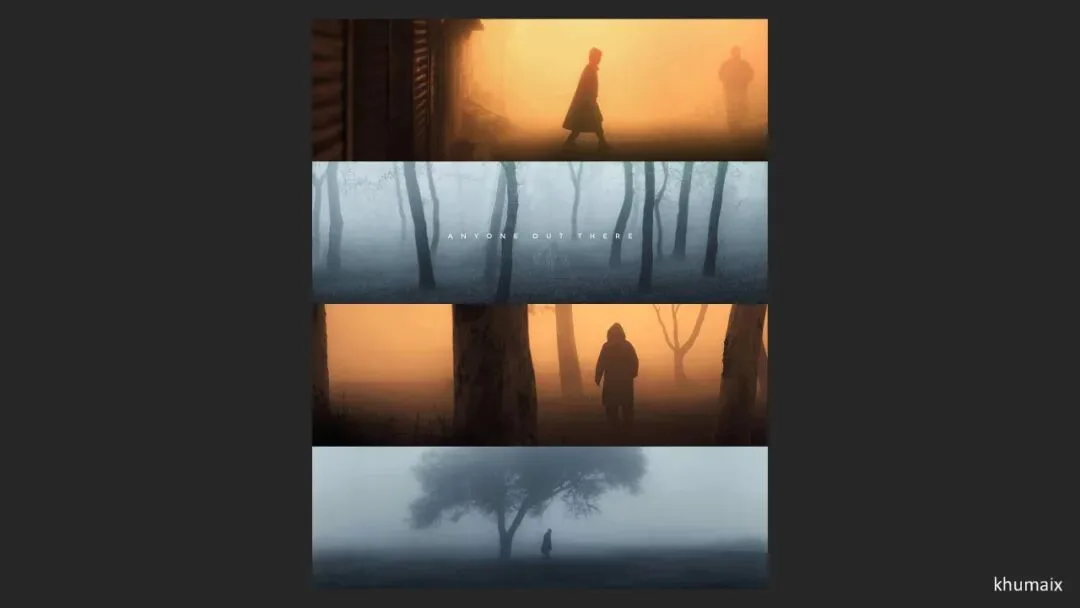
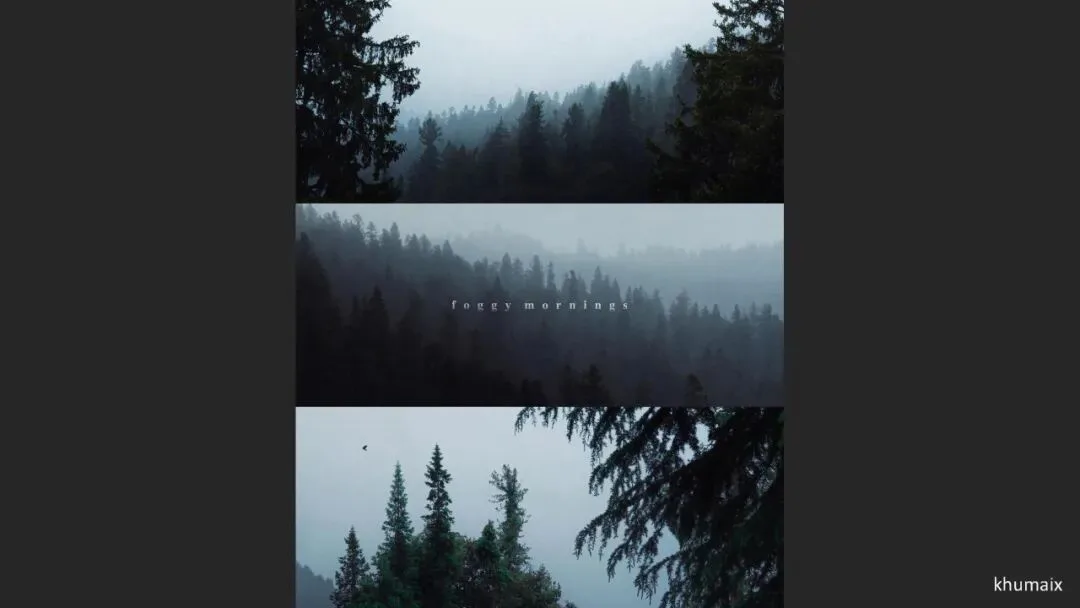
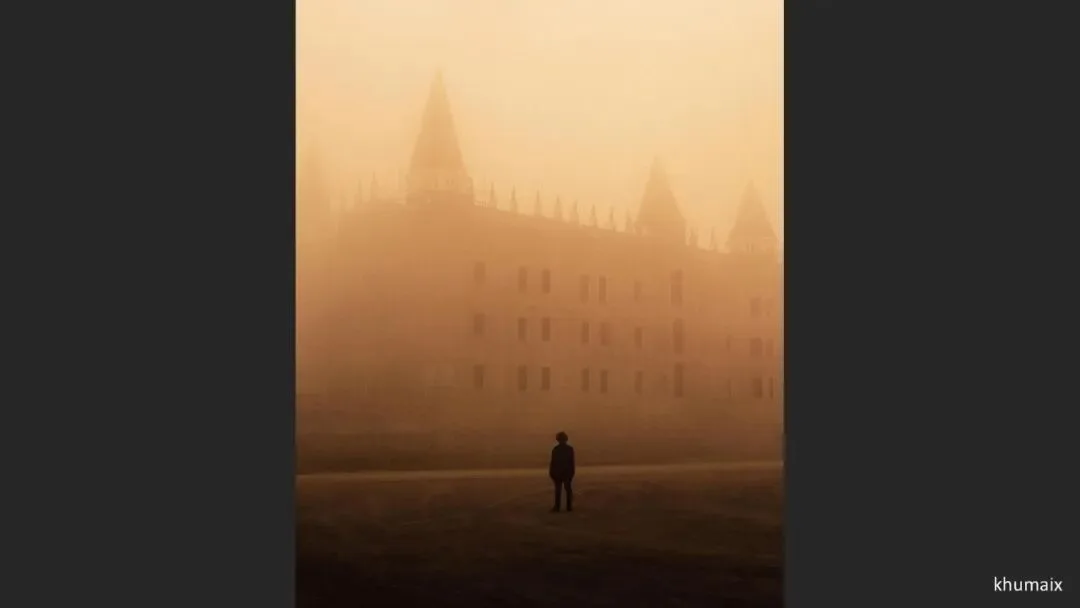
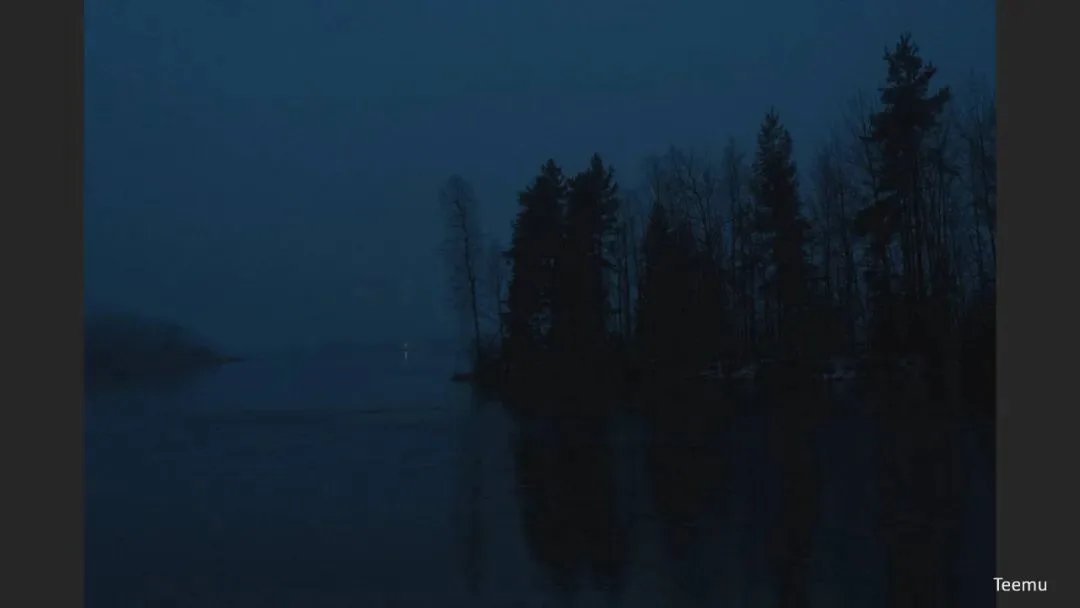
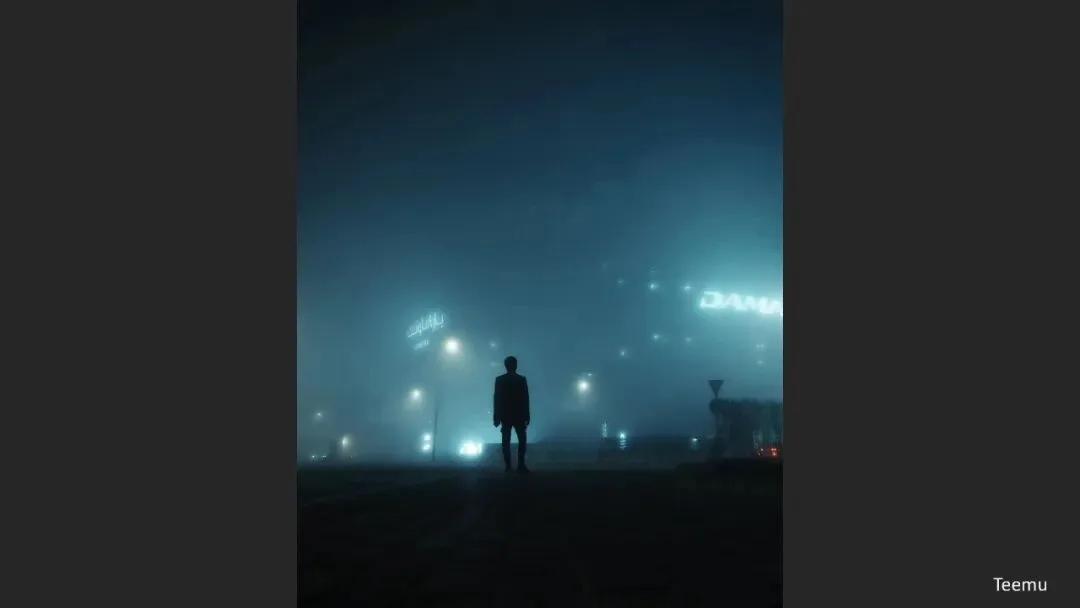
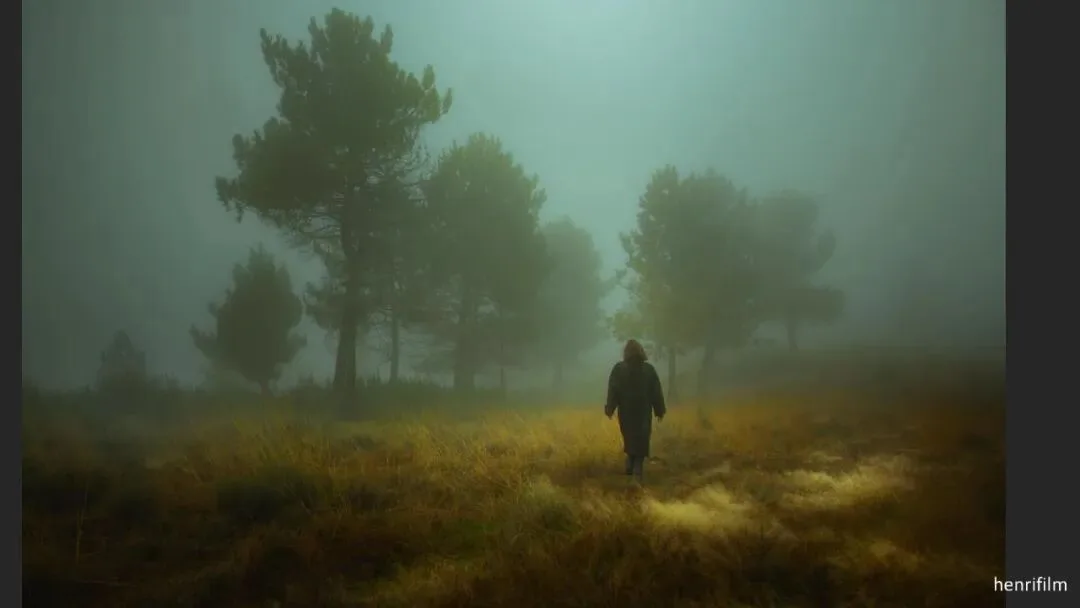
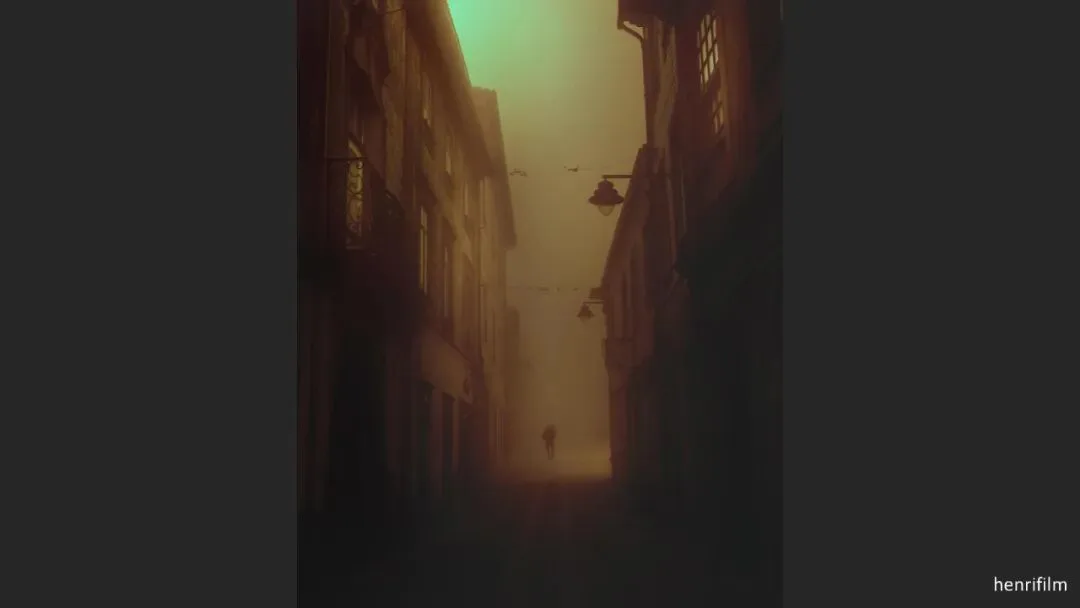
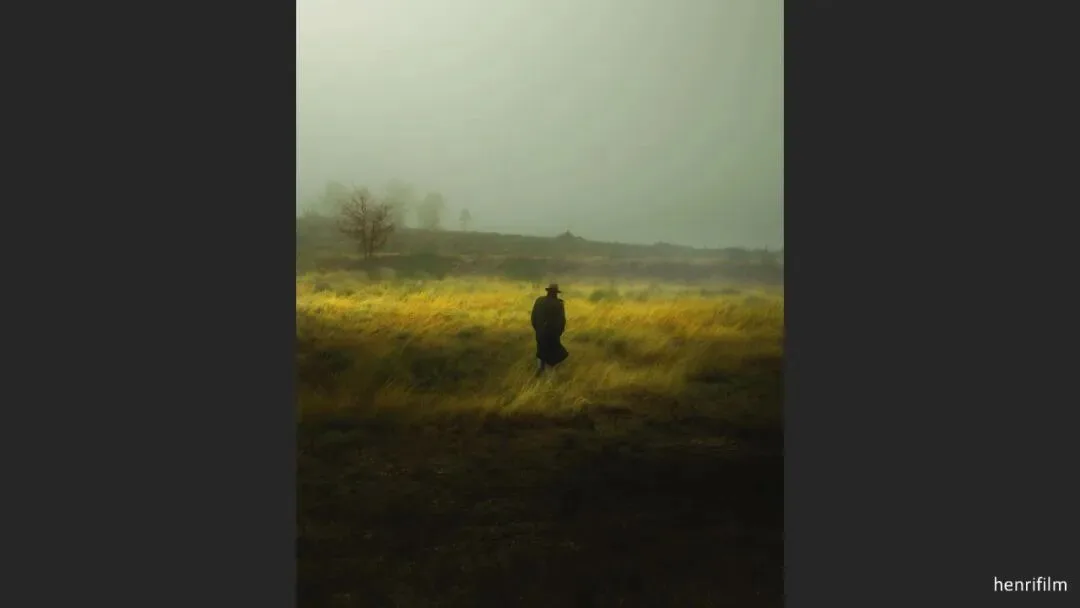
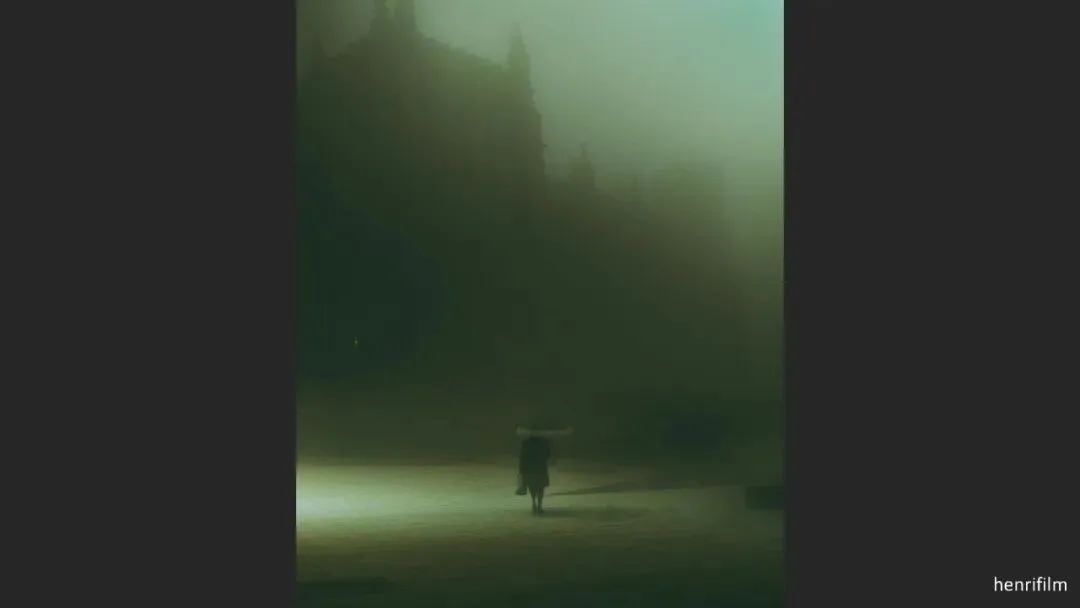
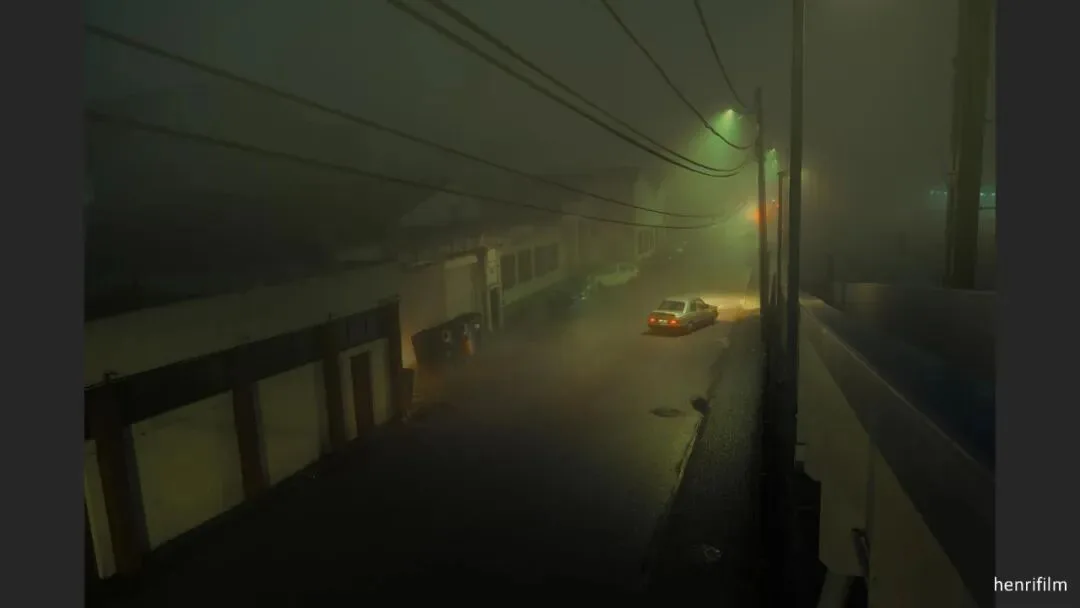
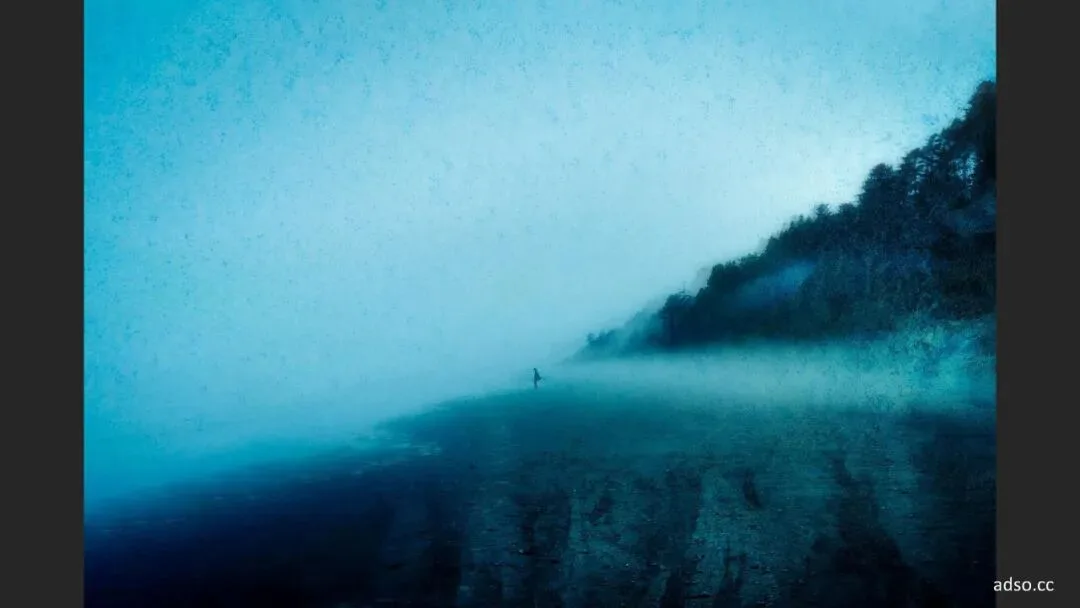
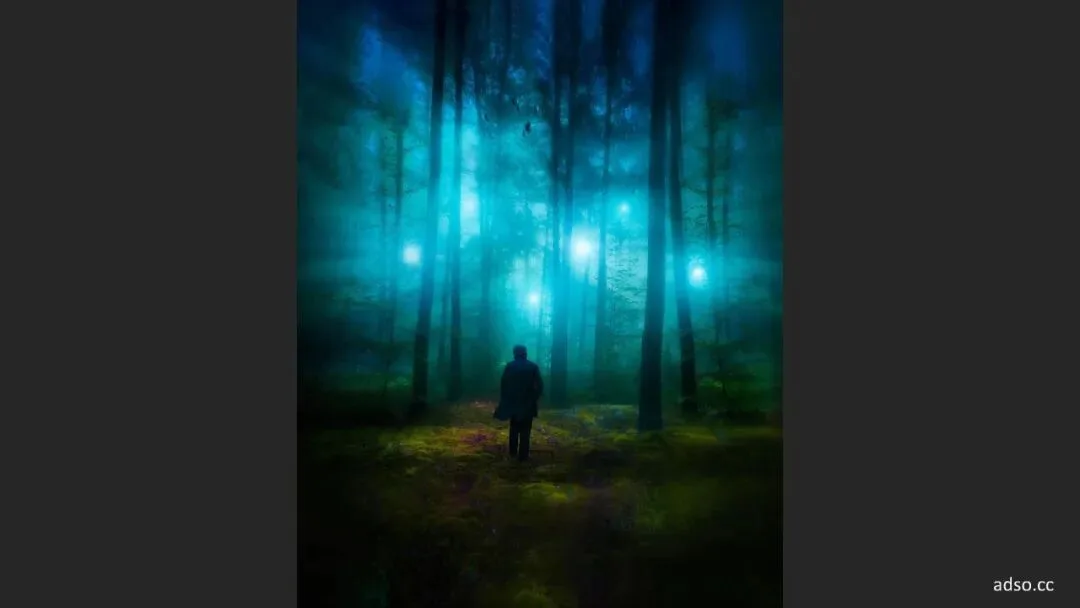
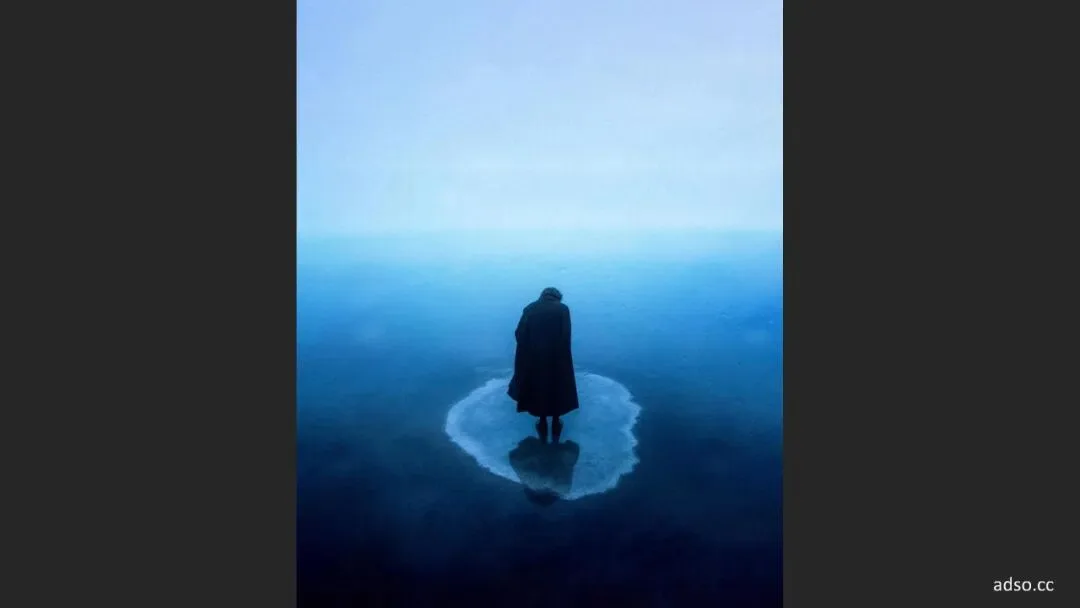
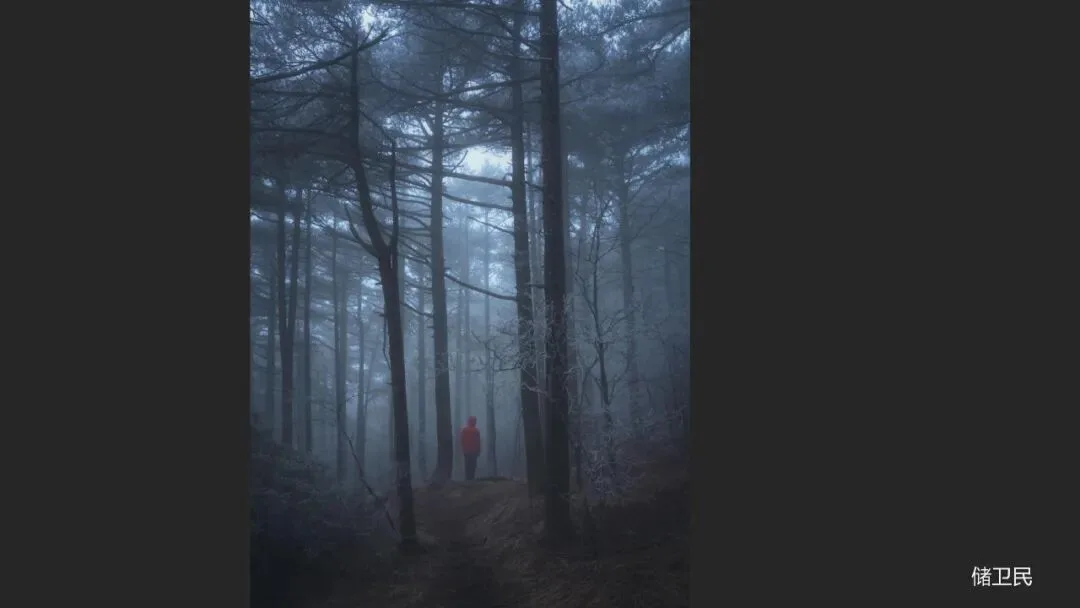
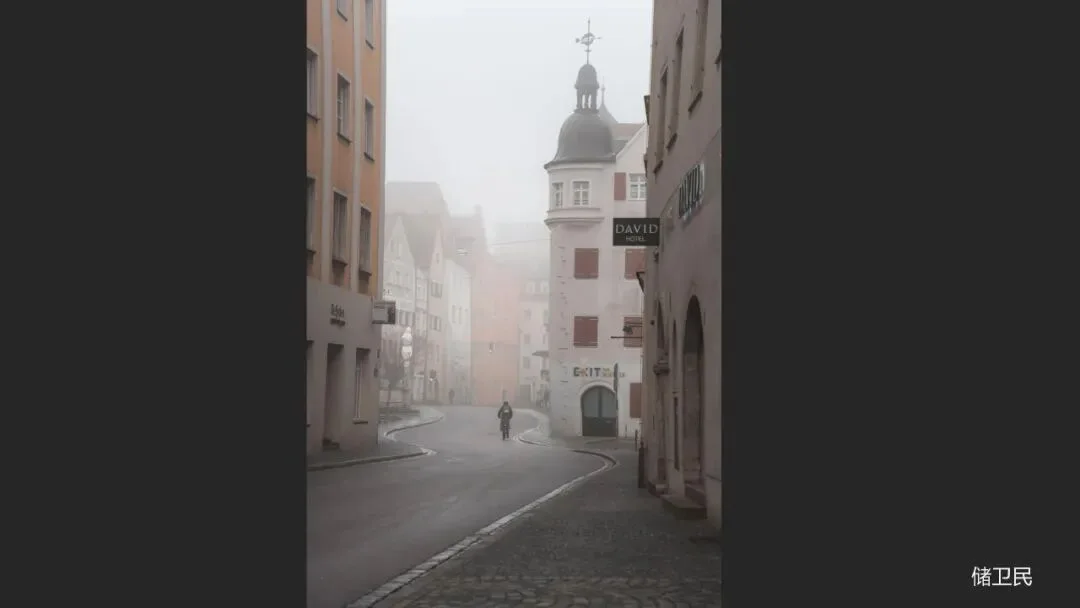
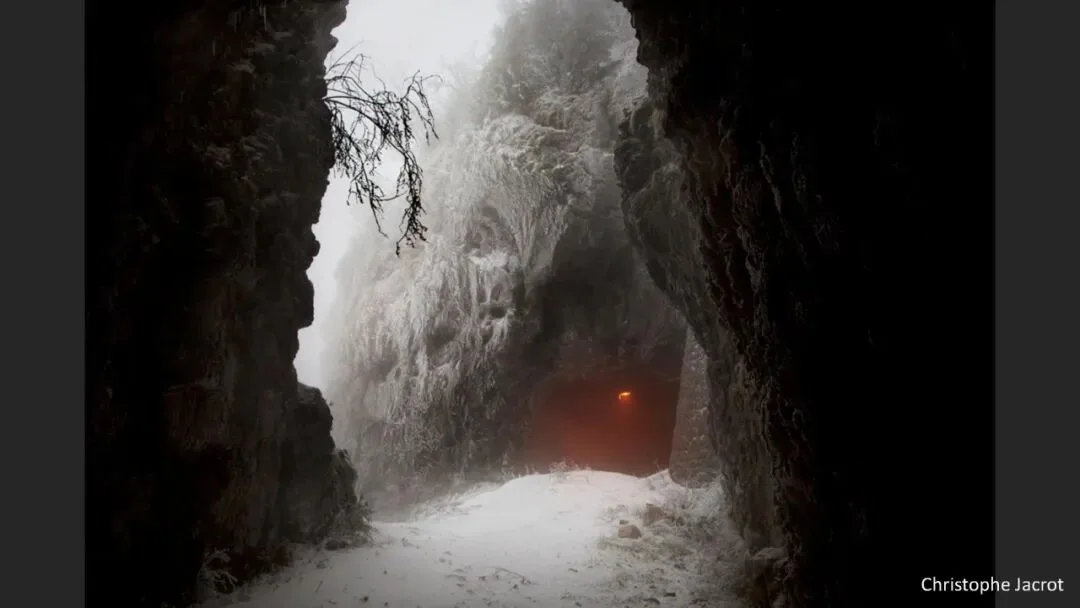
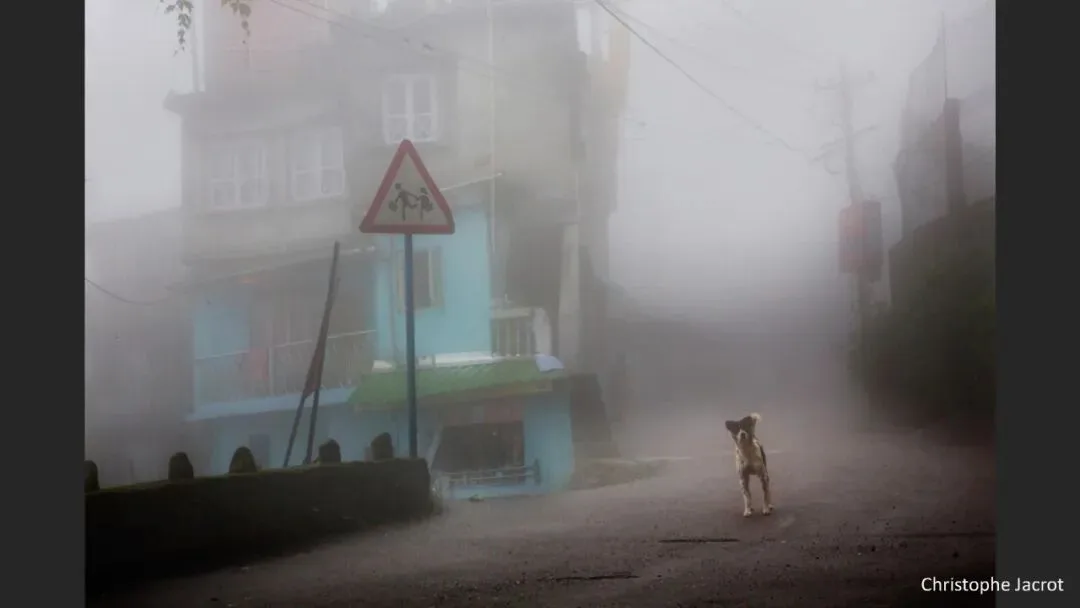
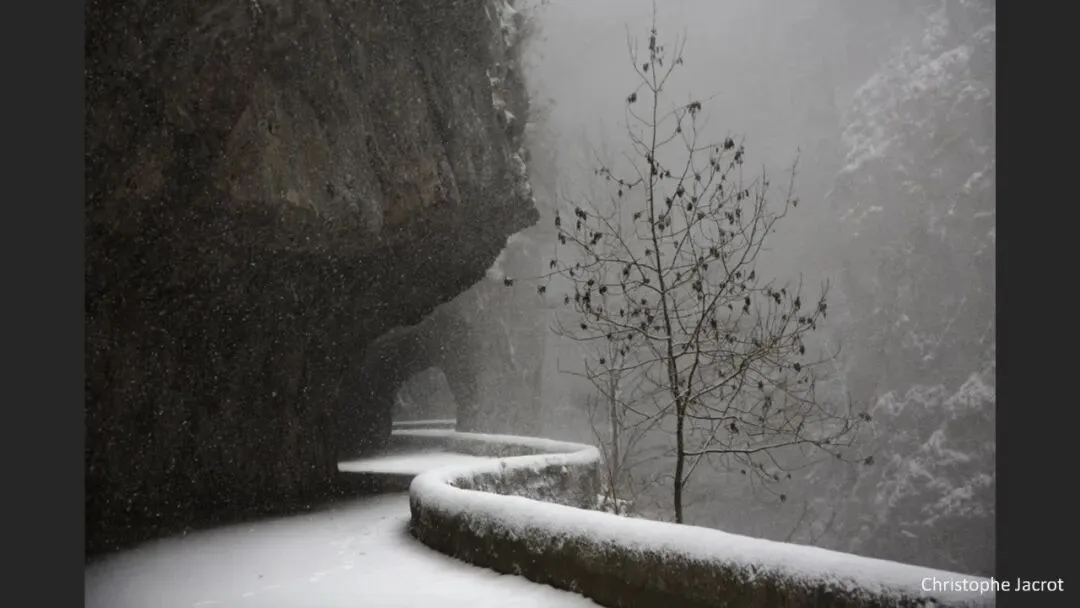
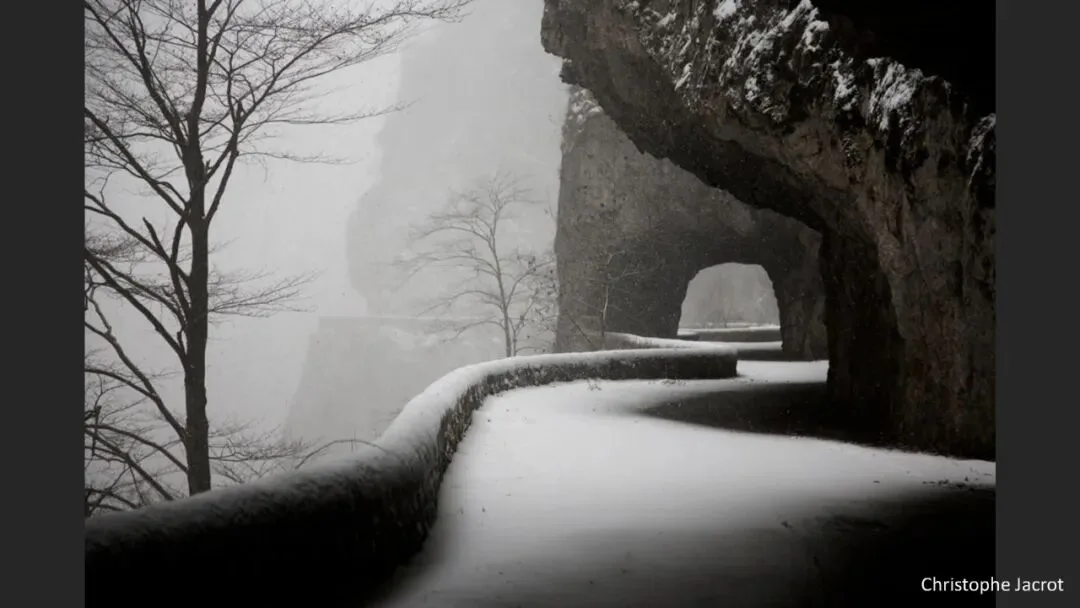
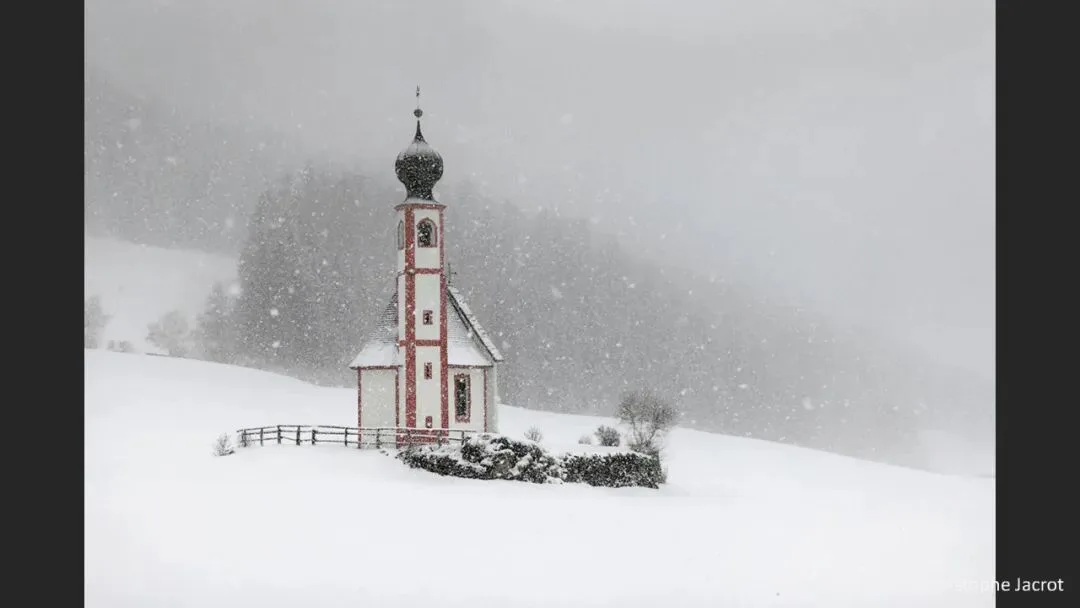
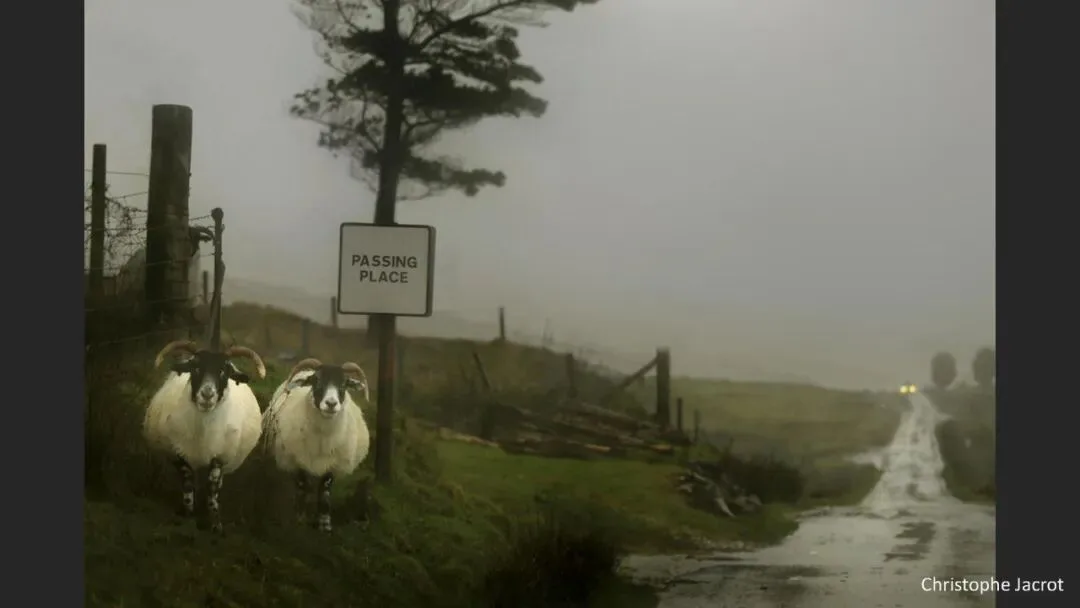
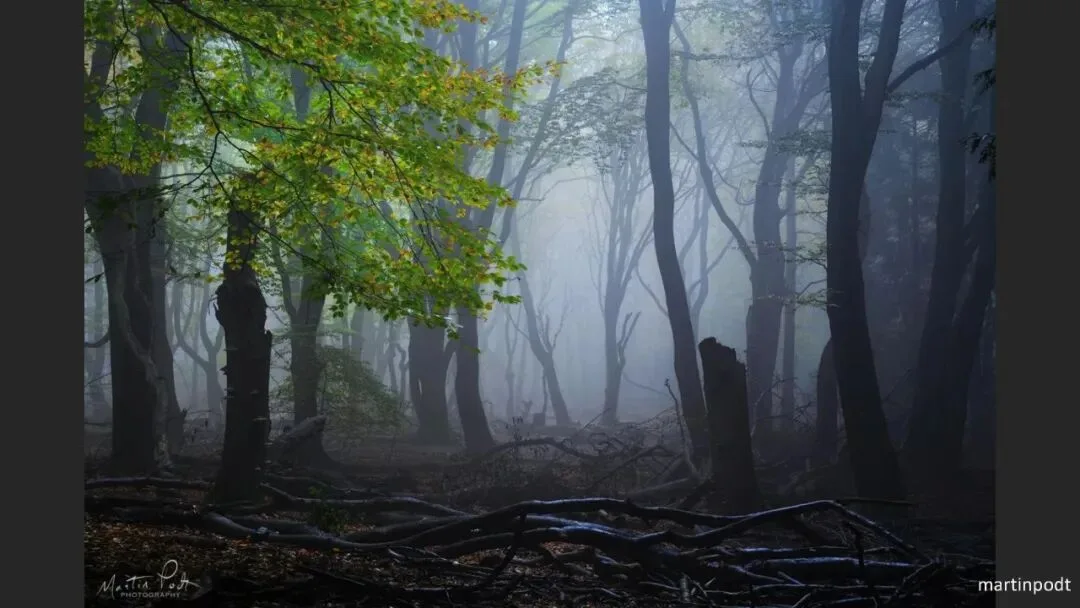
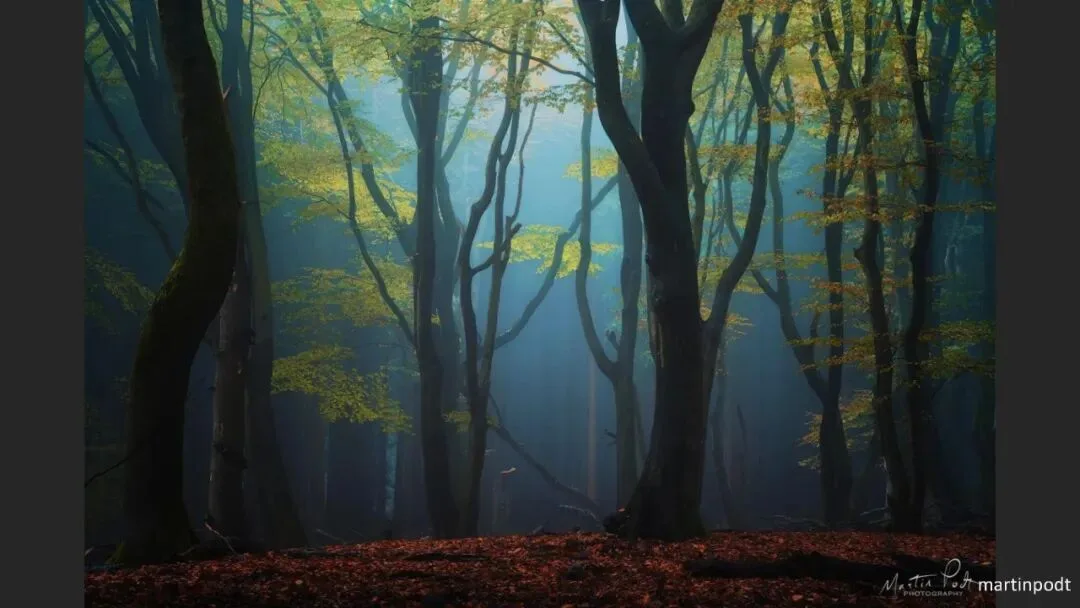
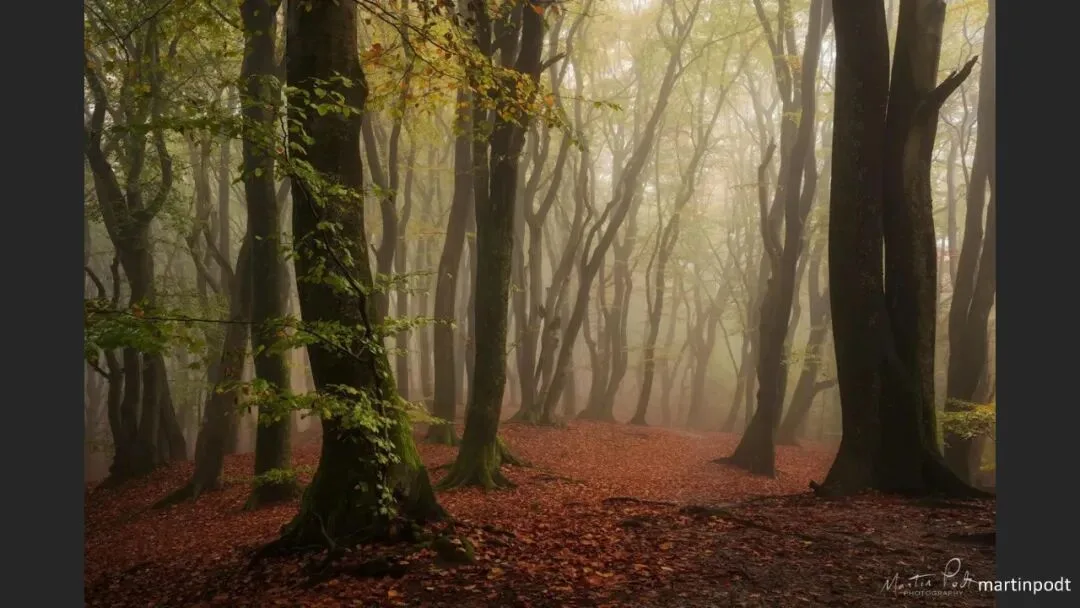
This is the illustrated companion to the video above. Haze, thick fog and sandstorms hide plenty of opportunities, and Thomas distills three approaches: manufacture color and light yourself, build mood with silhouettes and negative space, and use dense fog as a clean backdrop with layered depth. The slides above collect the example images; below the three ideas are written out in video order with screenshots.
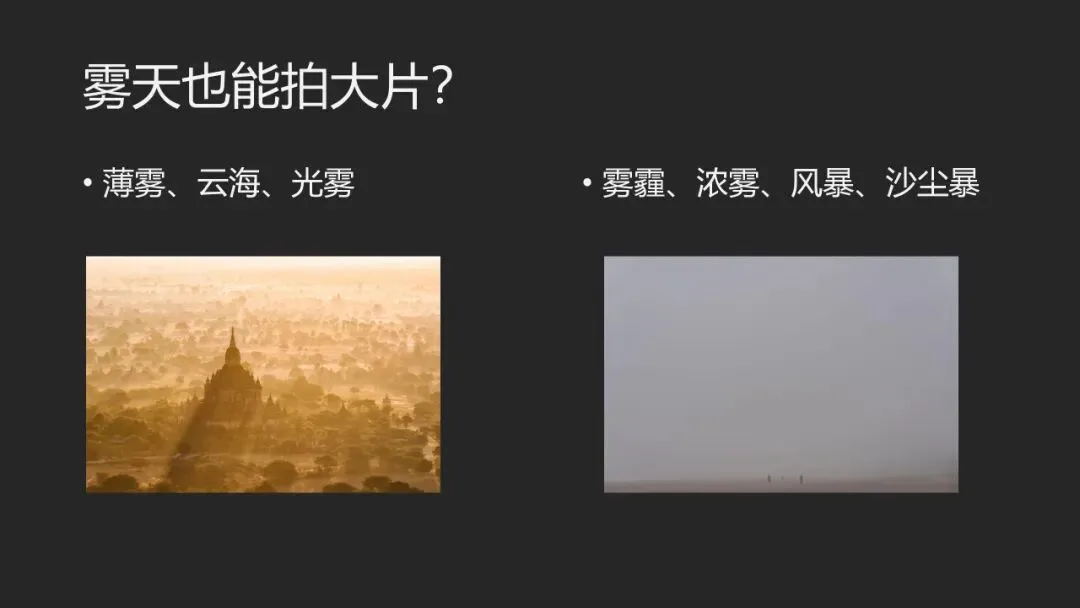
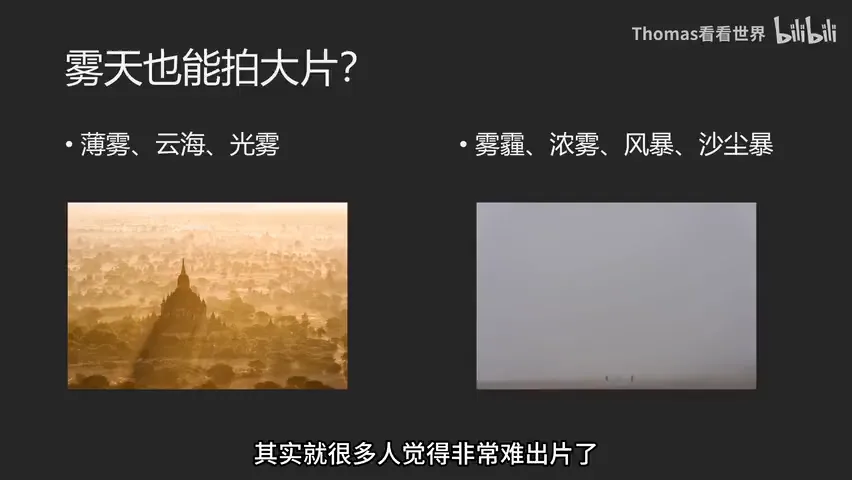
Start with the outline: how to shoot in haze — from thin mist, cloud seas and light, to haze, dense fog, wind and sandstorms (the title card at 0:31 and the outline card at 1:07 in the video).

01 Three Difficulties of Hazy Weather
Why do hazy days feel so unphotogenic? Three reasons: the light is flat so subjects lose their relief, color is scarce, and low visibility leaves little to shoot (the key-points card at 1:07 in the video). But flat light is not necessarily a flaw, and missing color can be overcome — which is exactly where the three ideas below begin.
02 Manufacture Color and Light
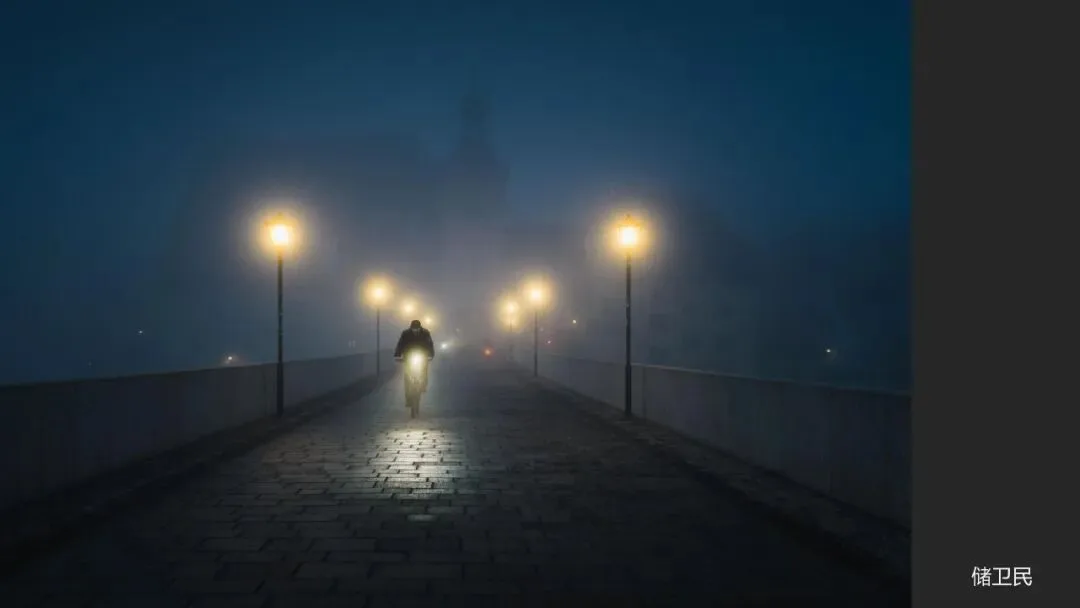
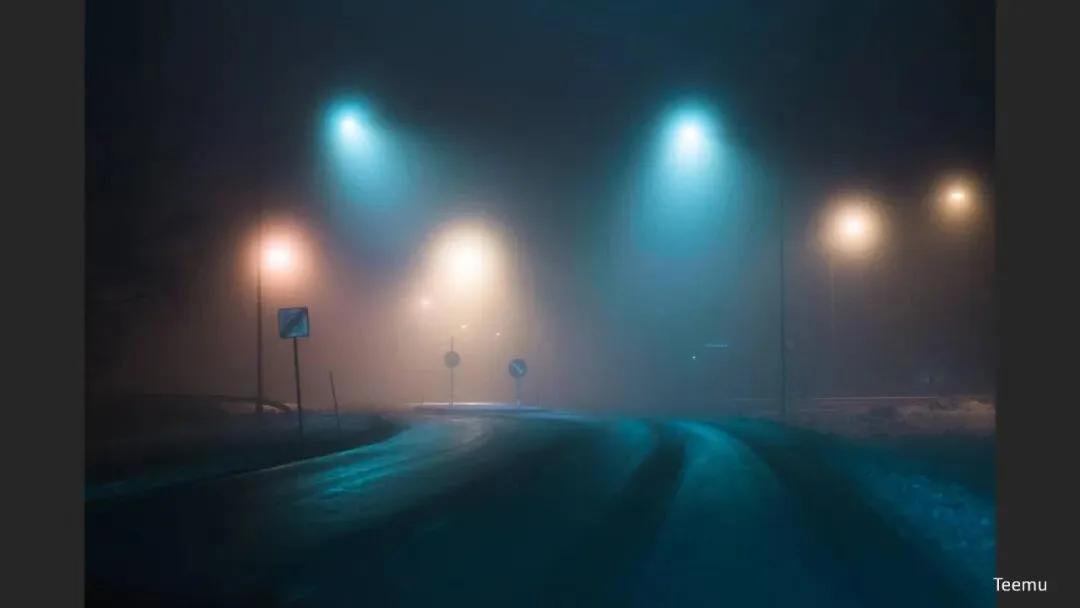
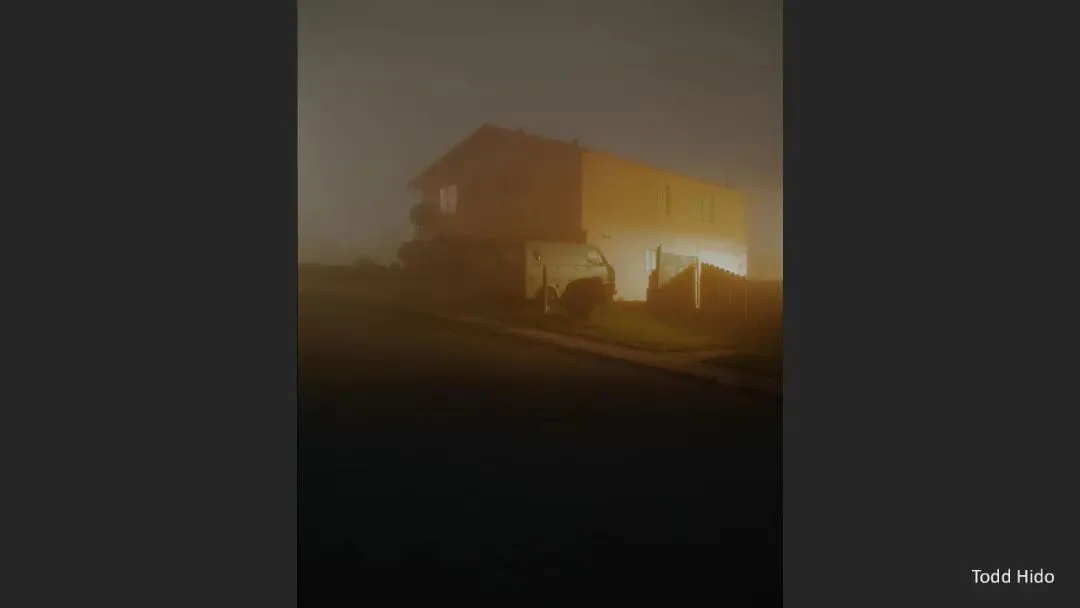
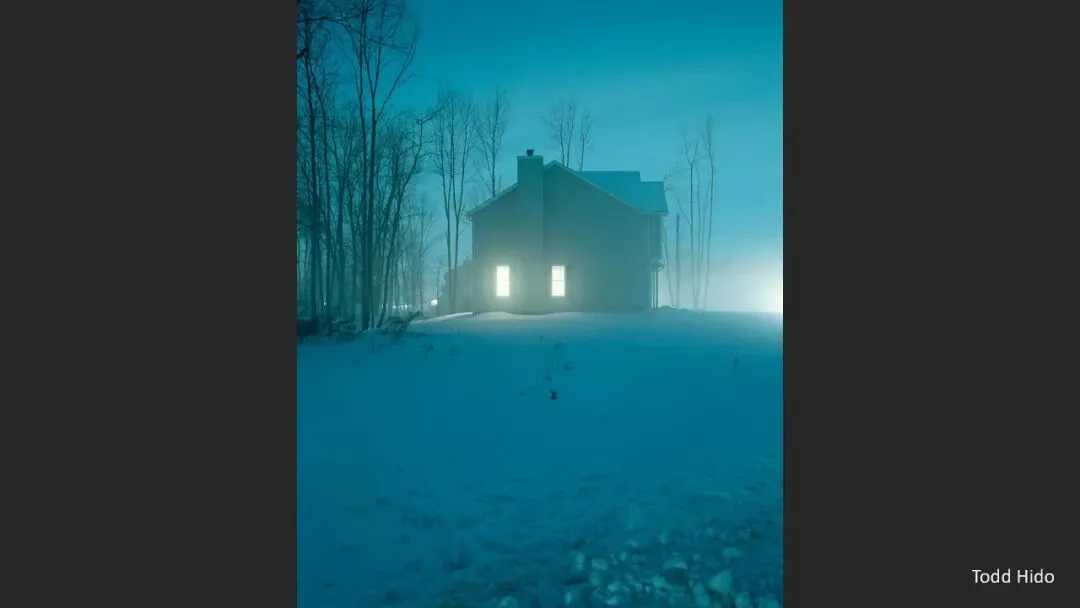
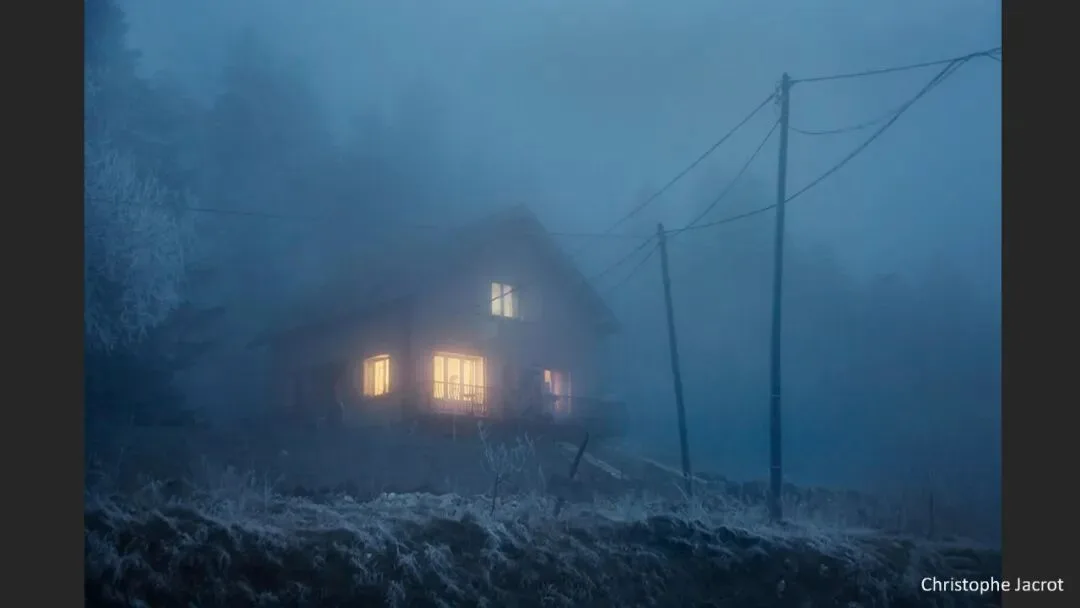
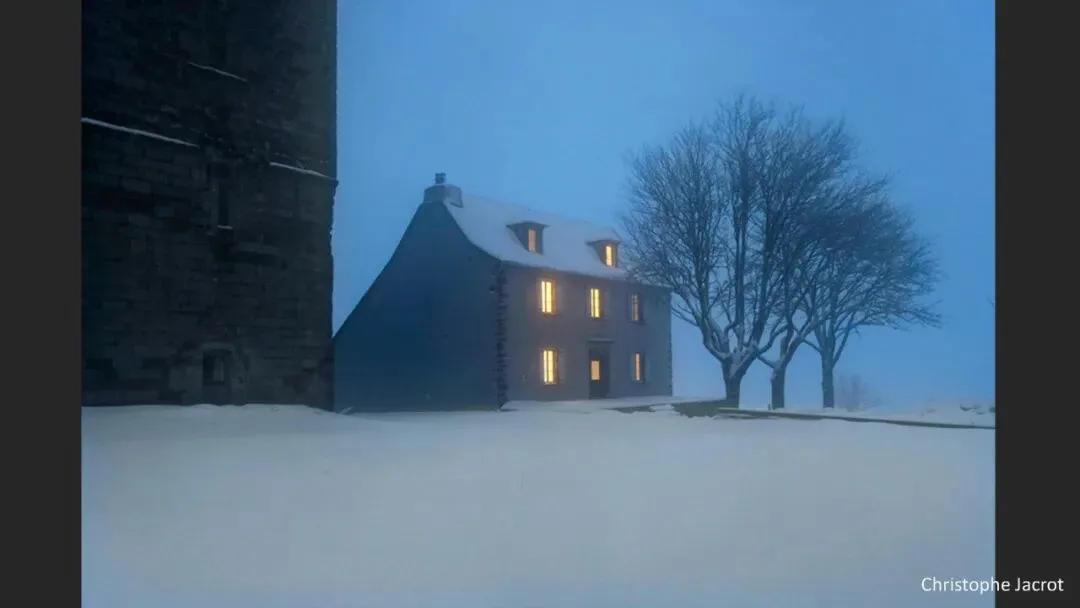
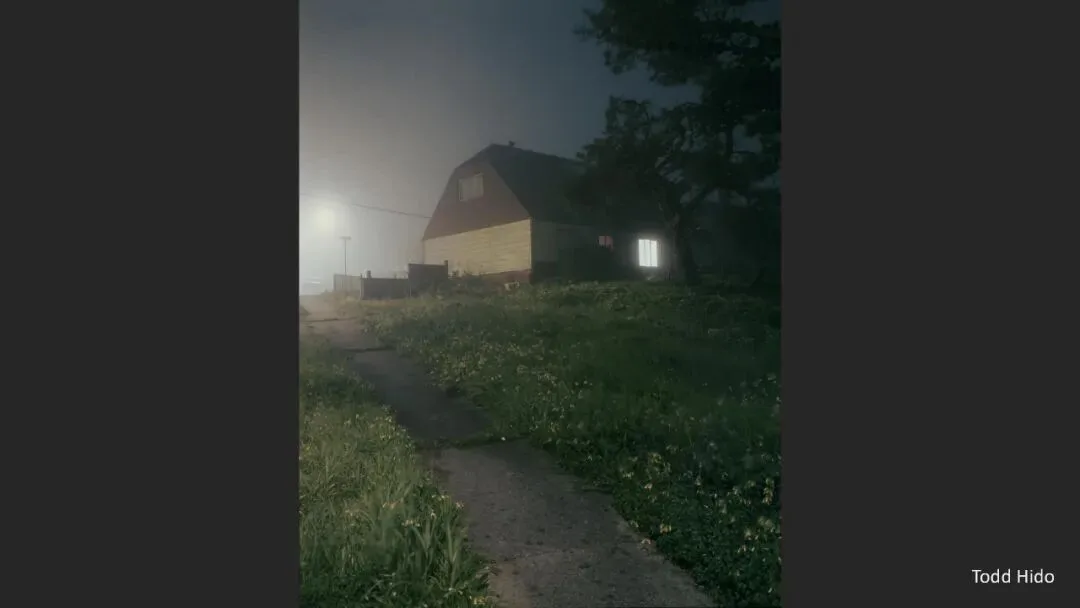
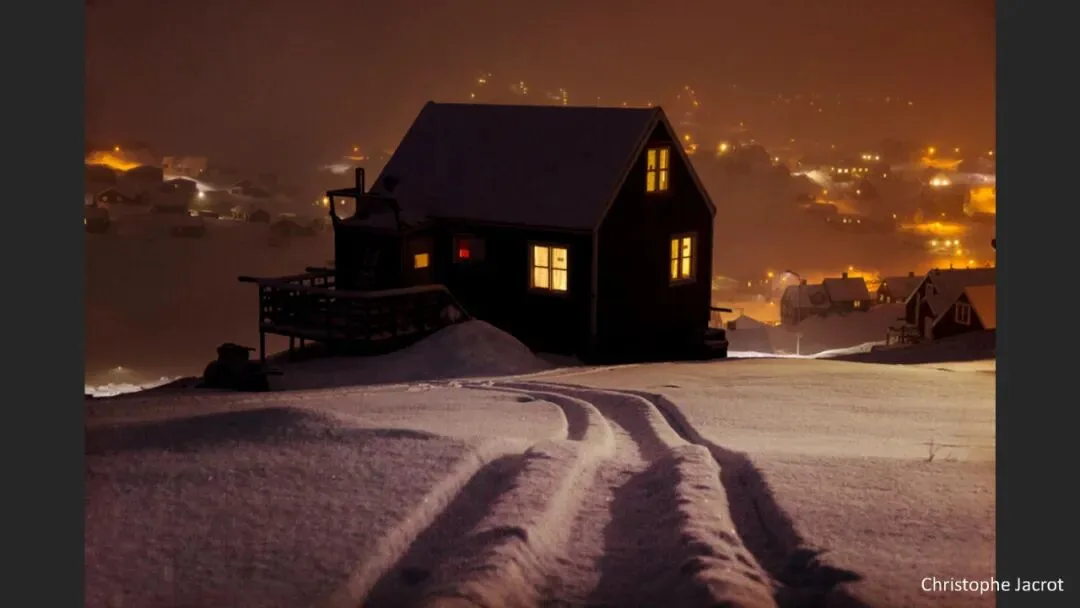
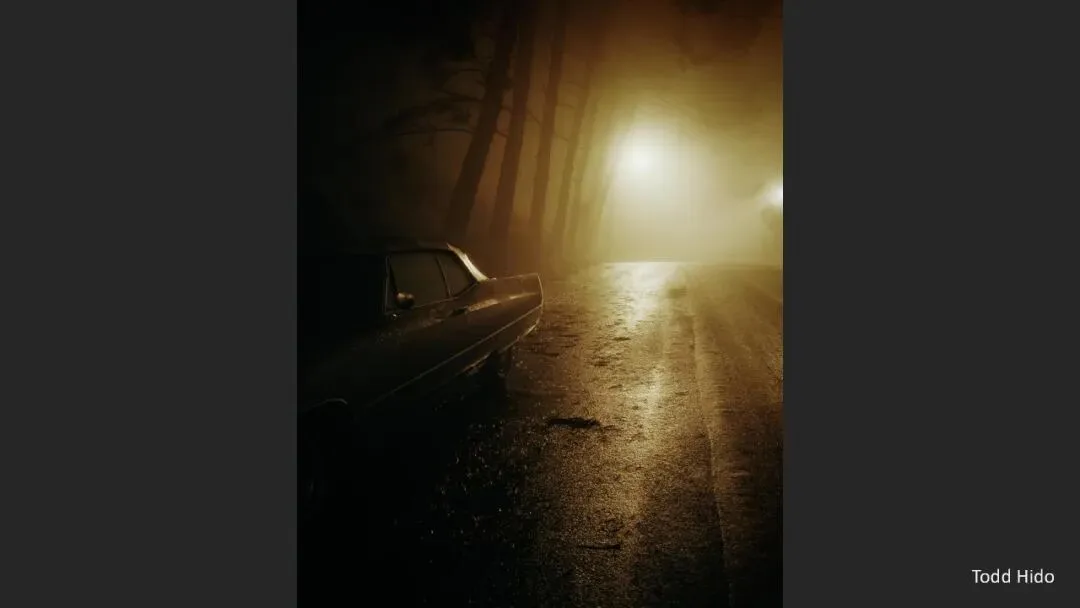
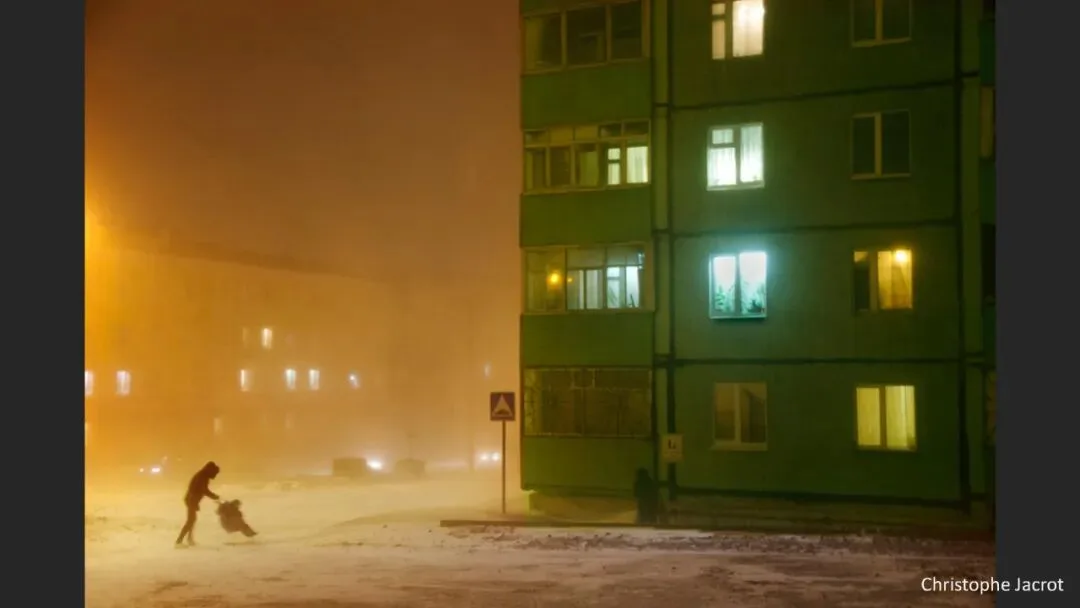
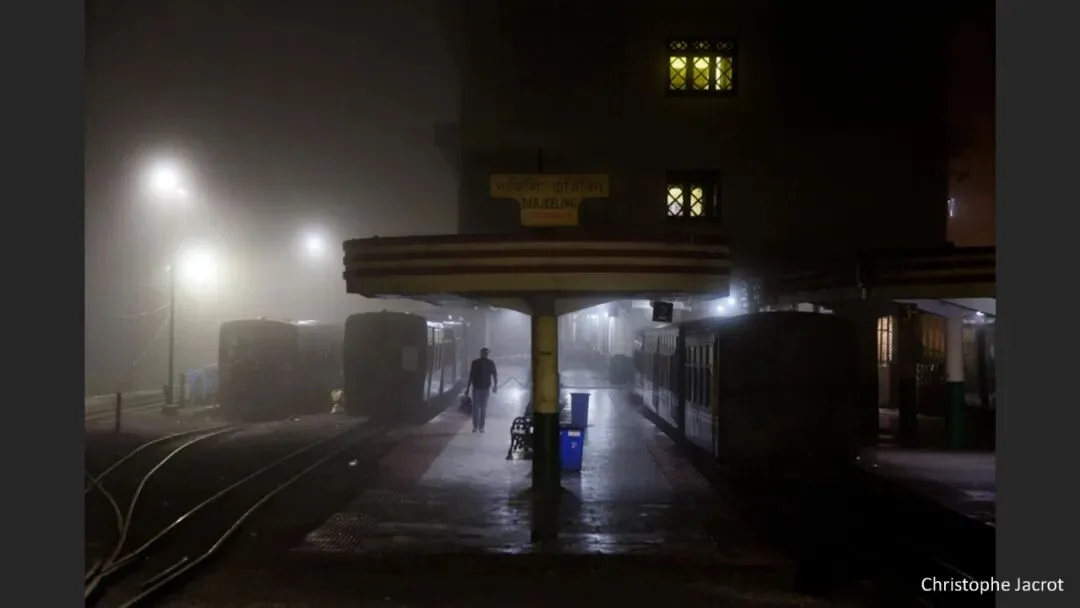
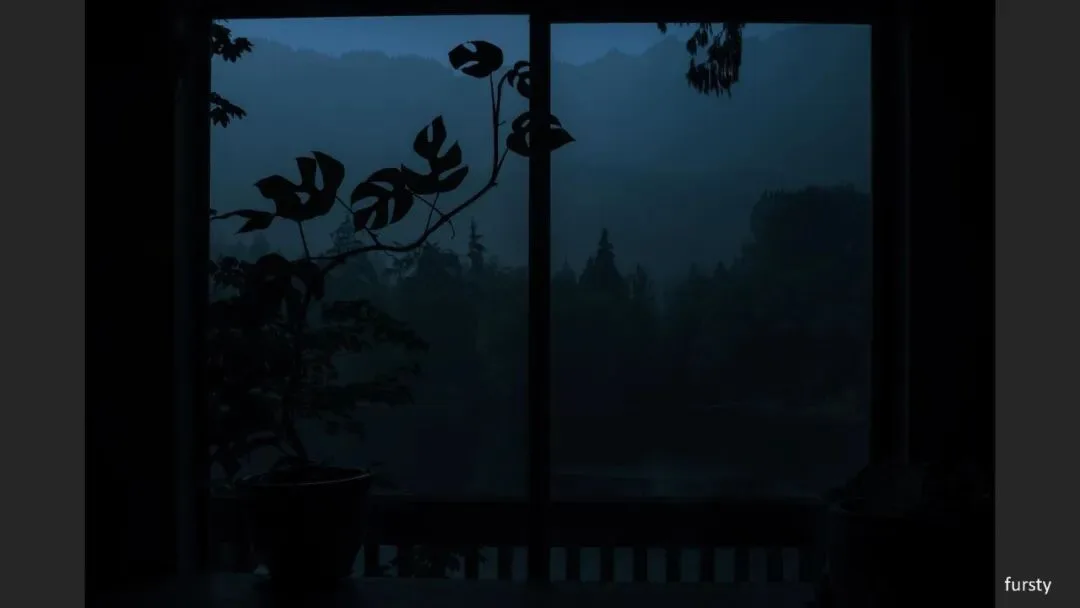
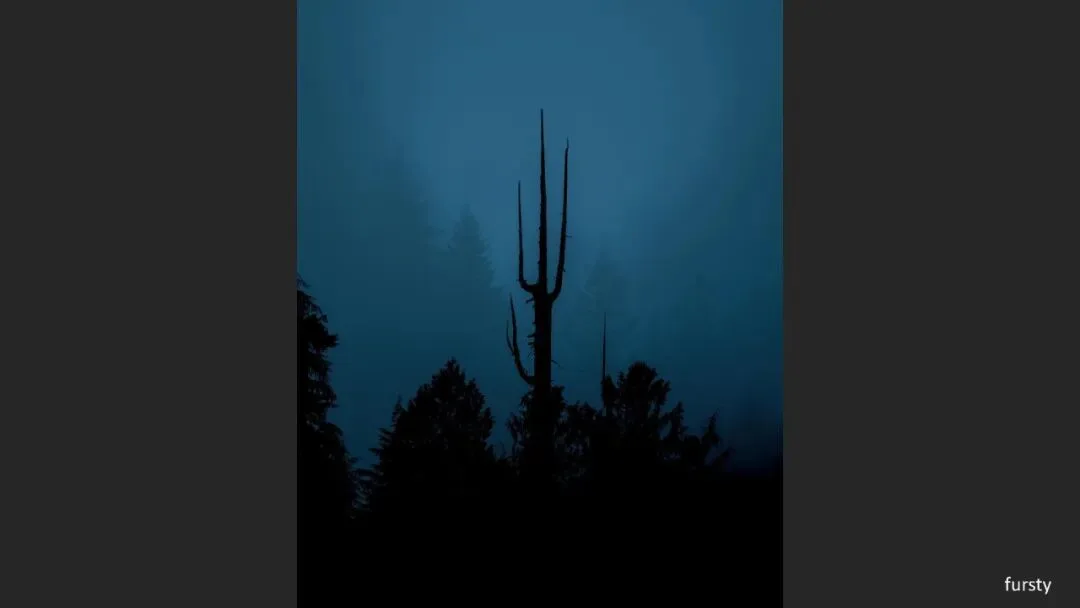
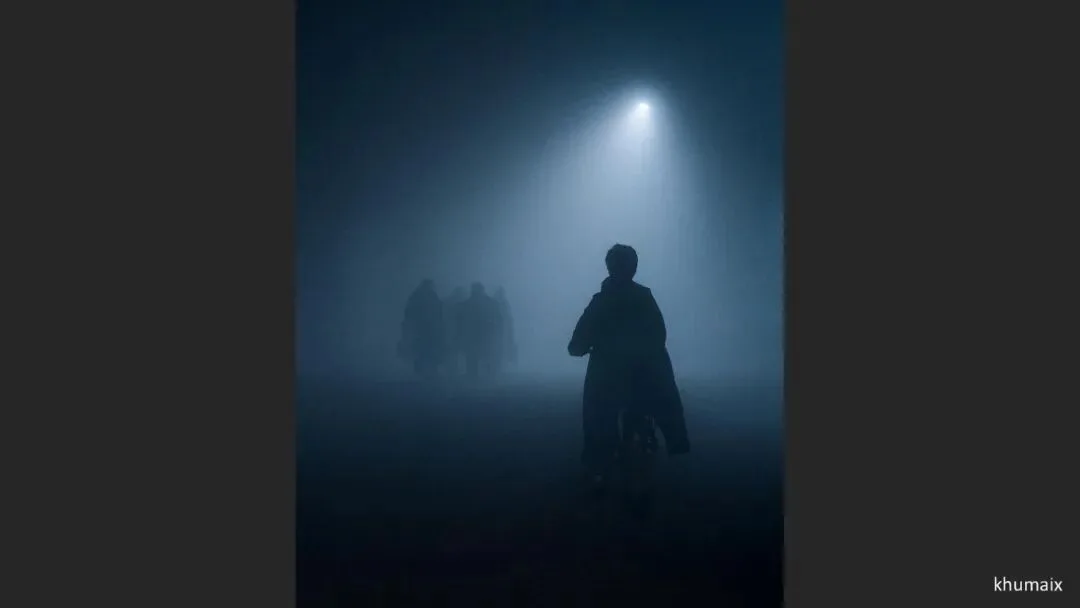
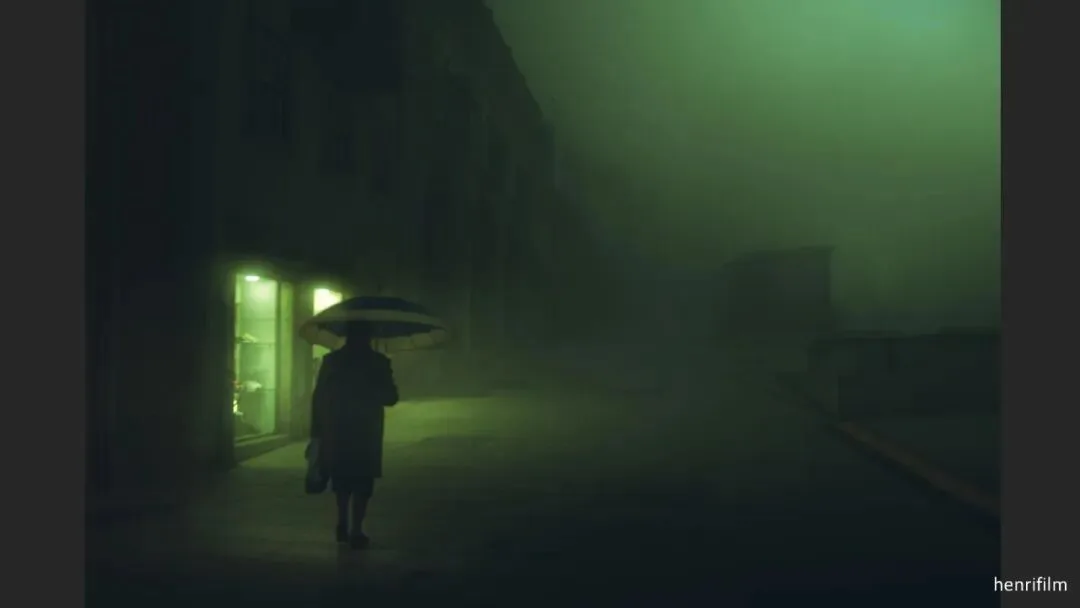
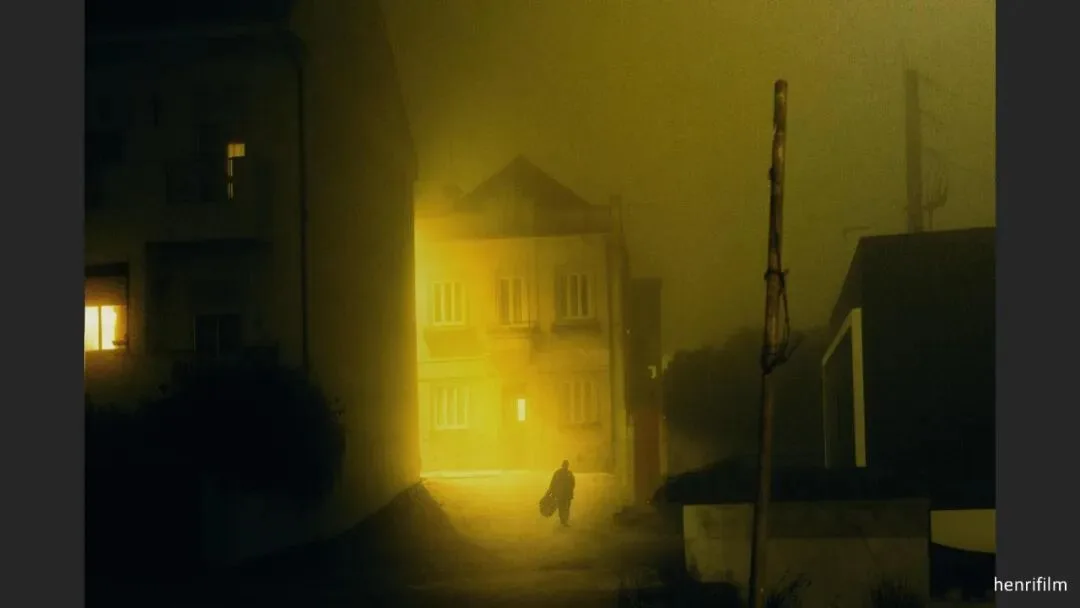
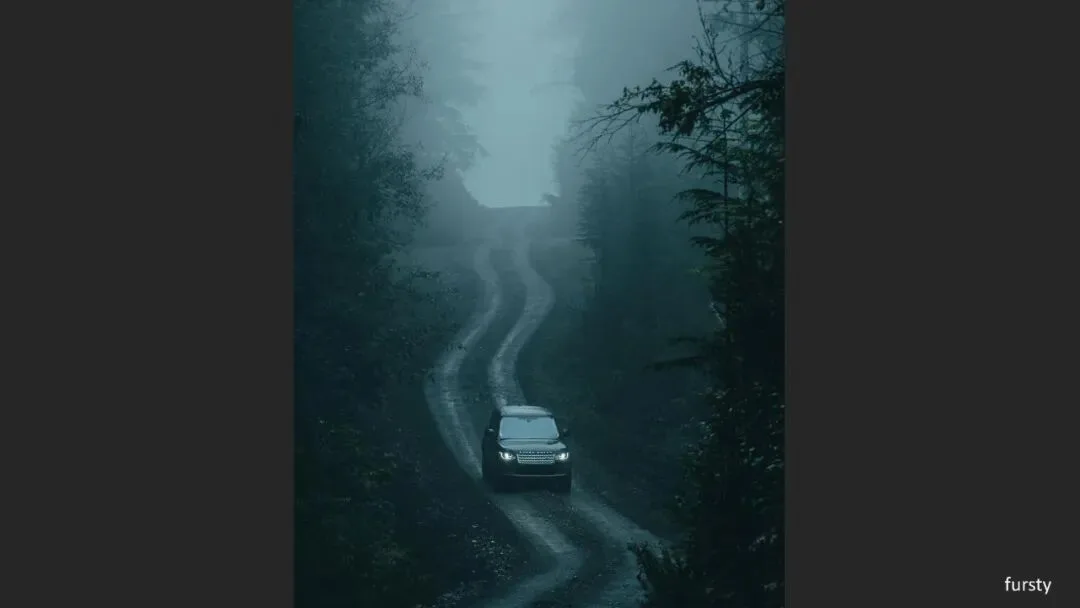
The first idea is to manufacture color and light with two tools: skylight and artificial light. The blue hour before sunrise and after sunset arrives in any weather, cooling the whole scene; shoot warm artificial lights — street lamps, car headlights, lit windows — against it and the warm-cool contrast appears on its own (at 1:47 in the video). Todd Hido builds entire suburb series this way, warm windows glowing through cold fog (at 2:34).
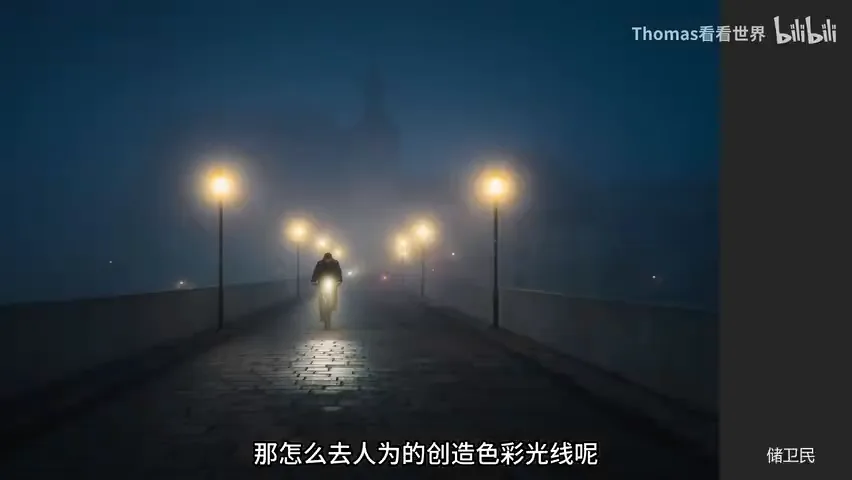
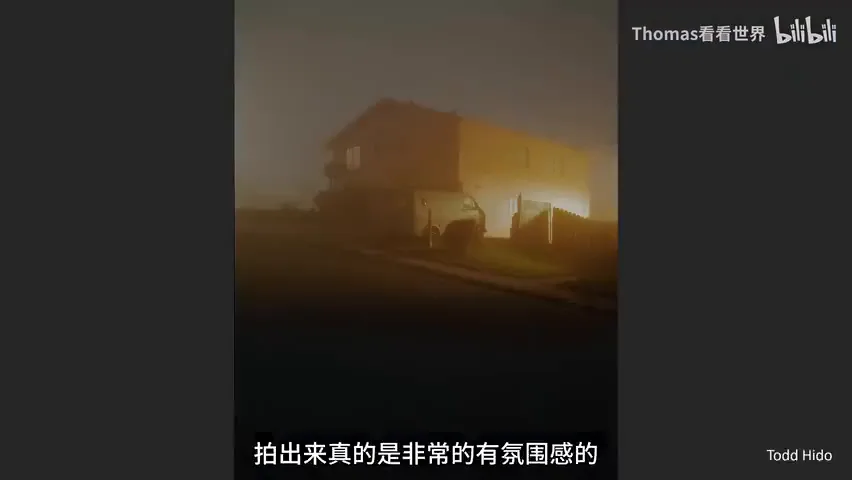
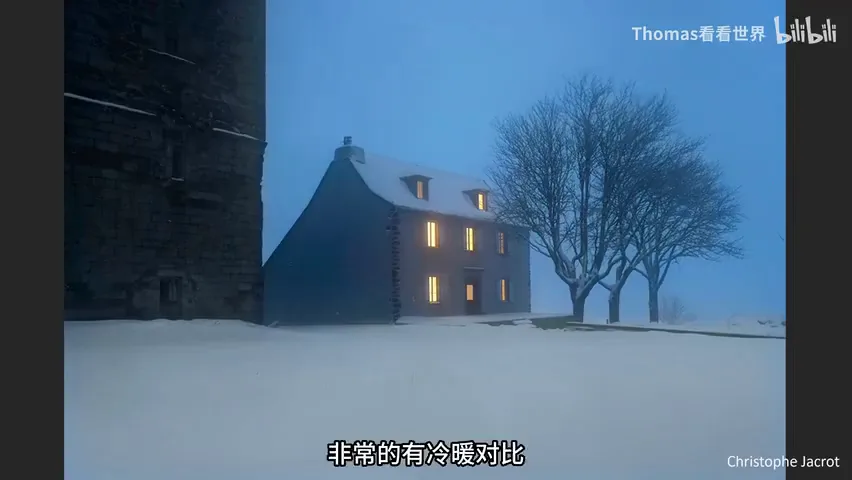
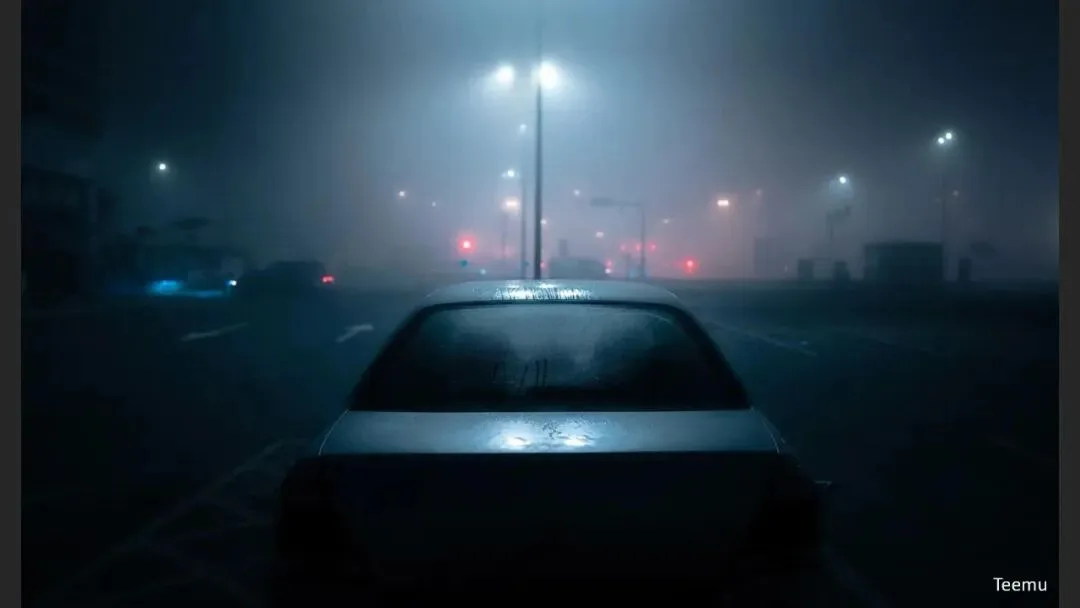
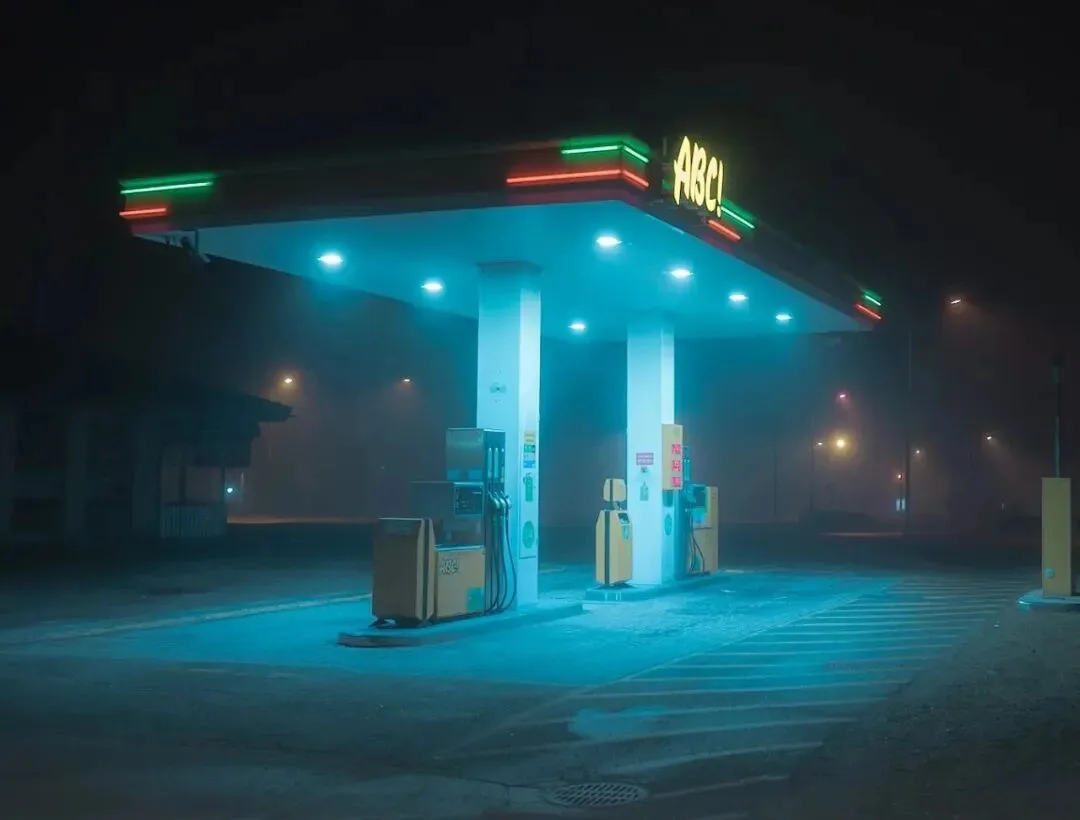
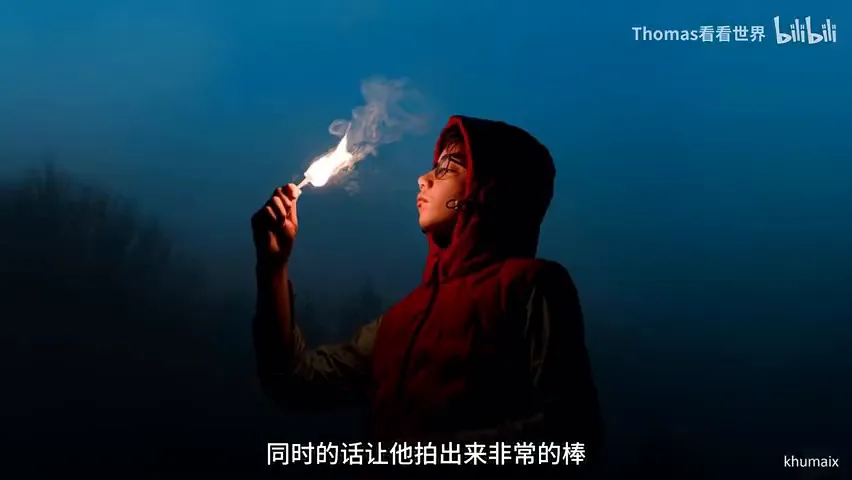
Gas stations are a fog classic — colorful signs and paint against tinted mist work beautifully (at 3:01 in the video). You can go further and make your own light: light a fire, a cigarette, a flashlight, or use the car window as a frame. Foggy air is damp, and droplets on the ground, the car body or glass add sparkling highlights (at 3:28).
03 Mood through Silhouette and Space
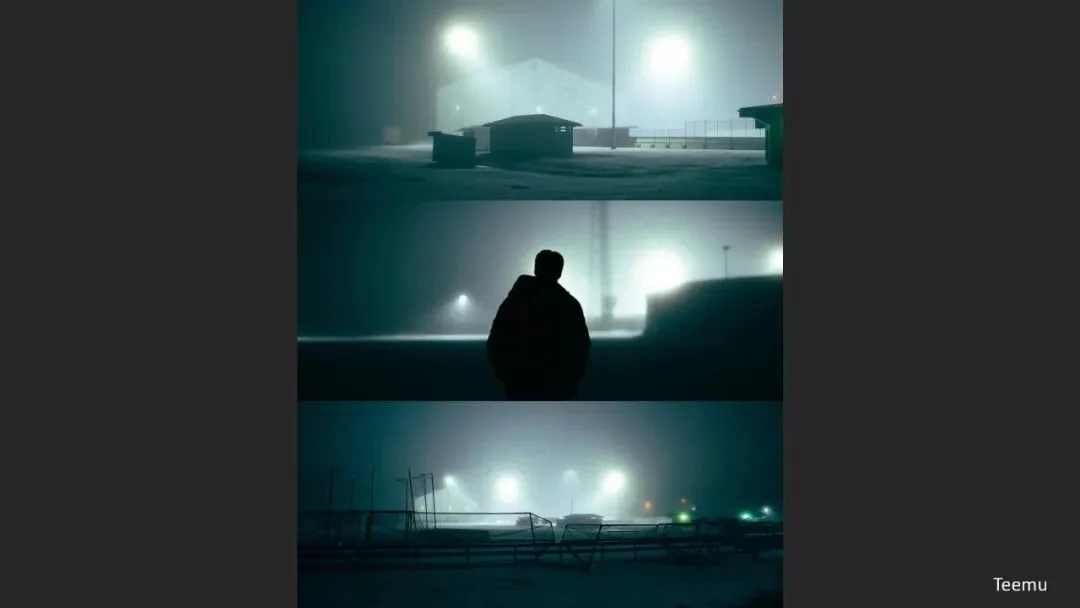
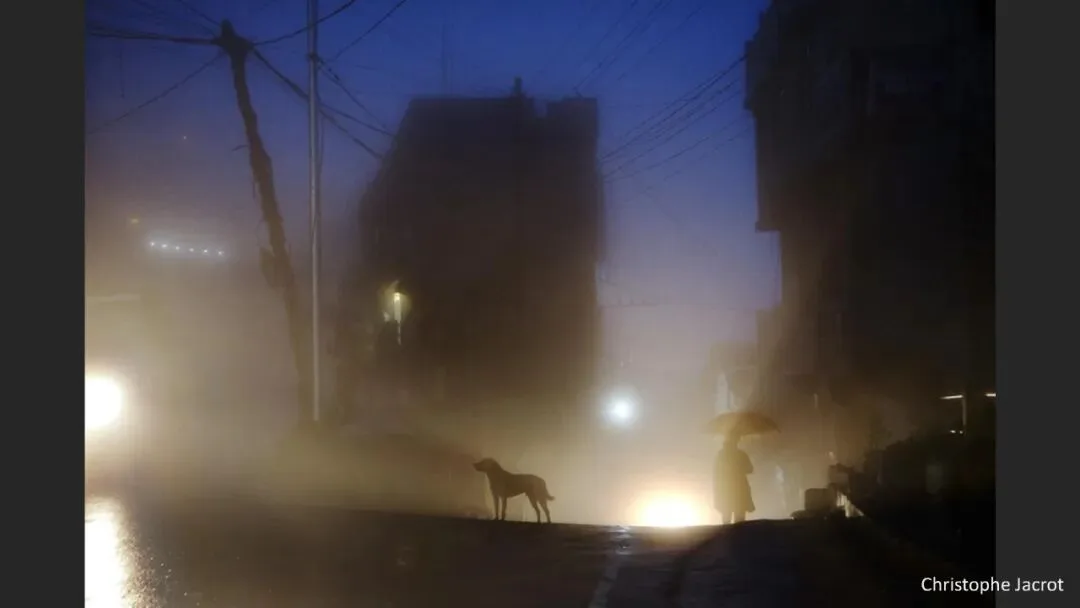
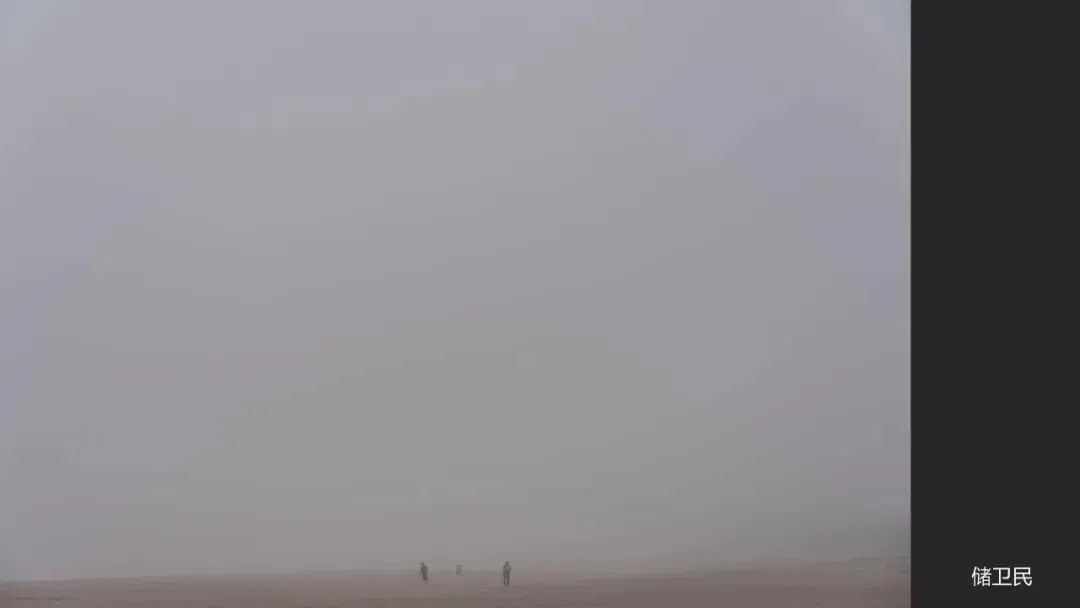
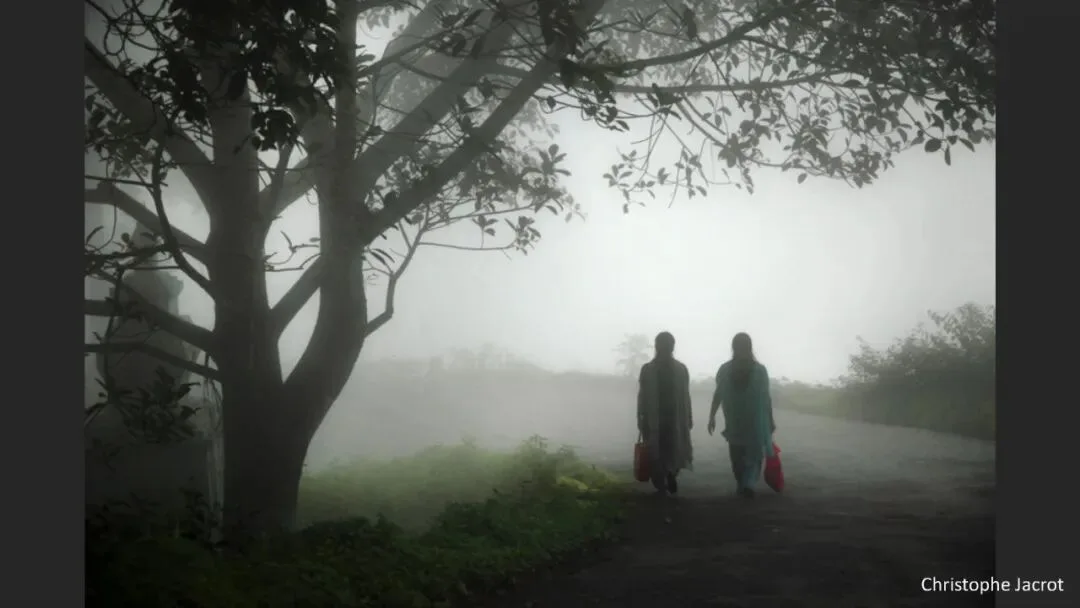
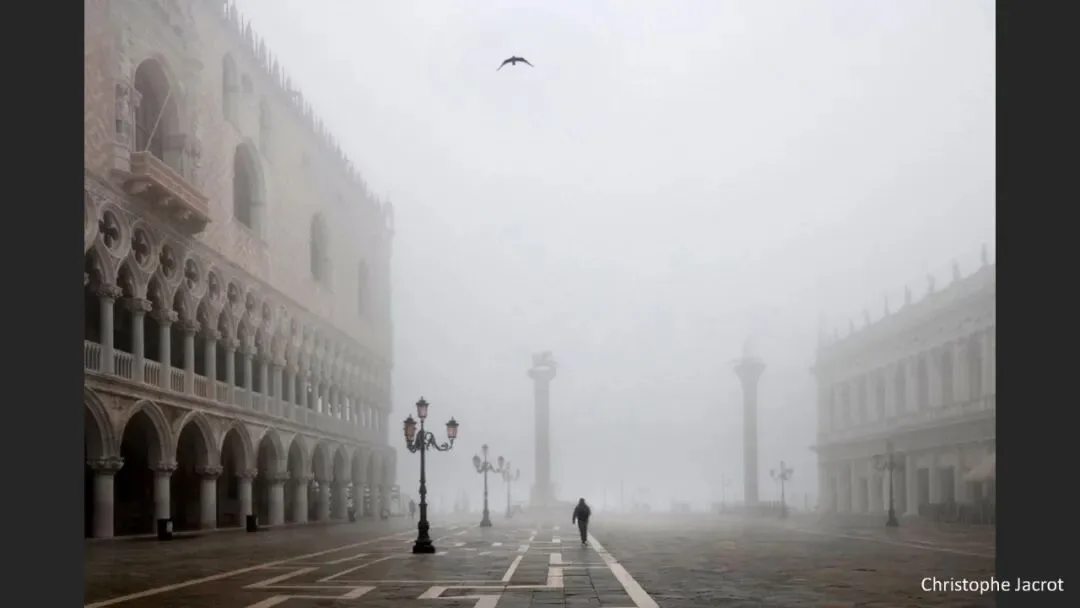
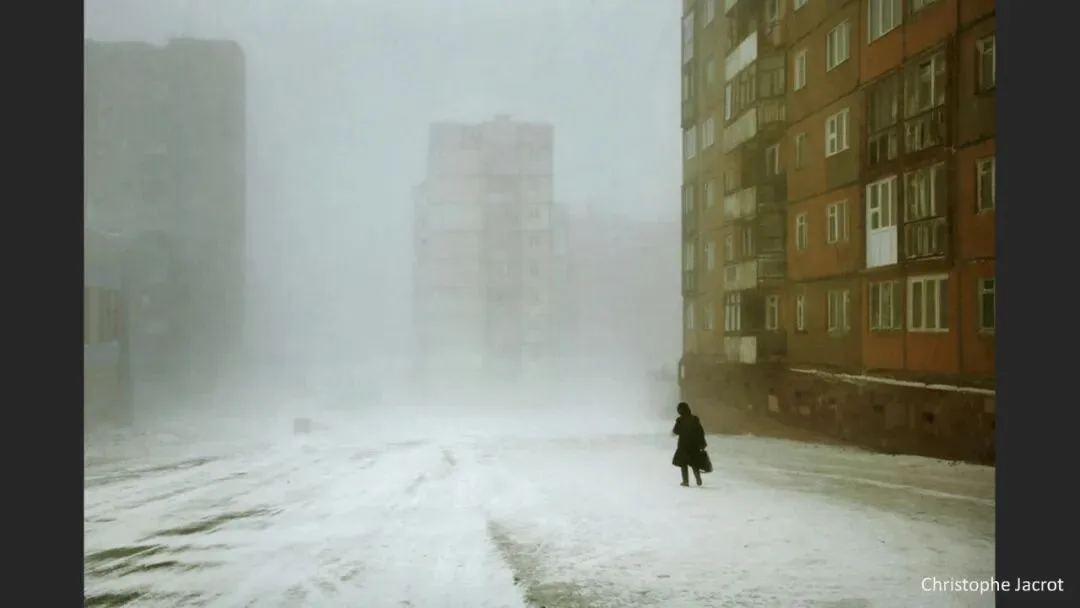
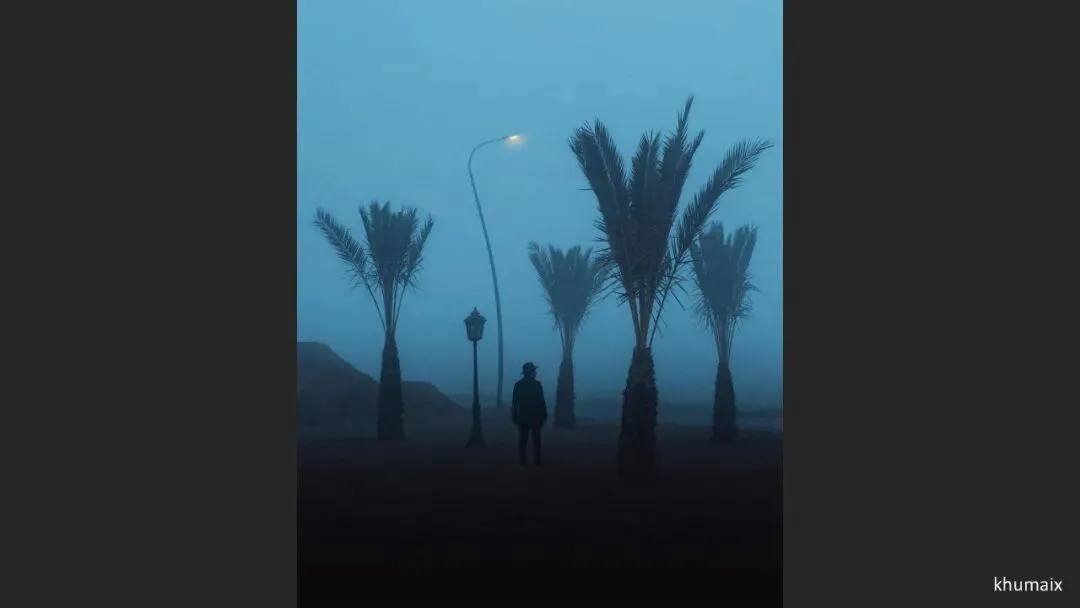
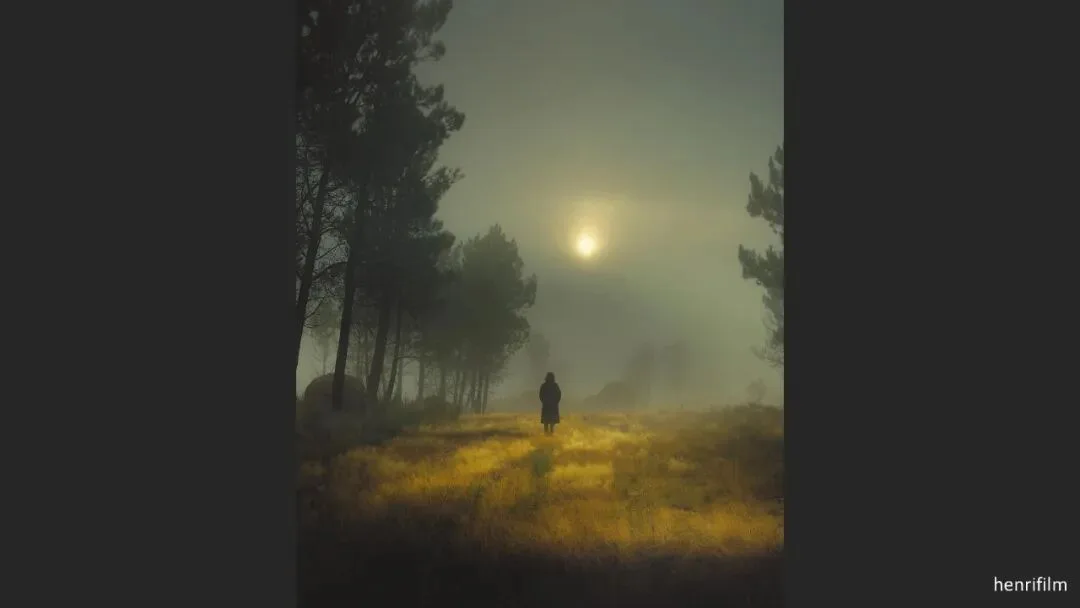
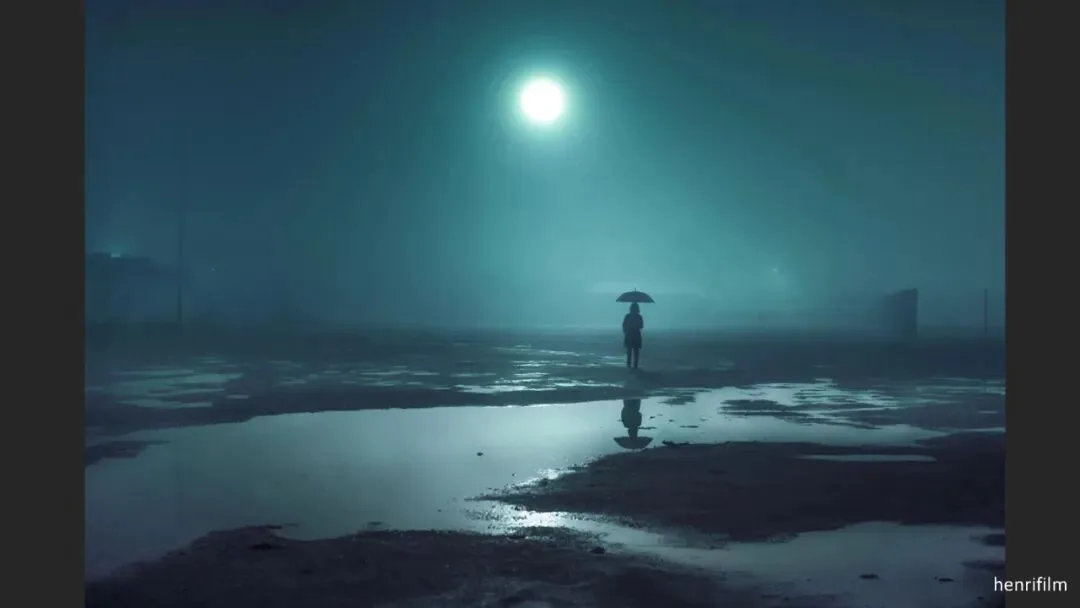
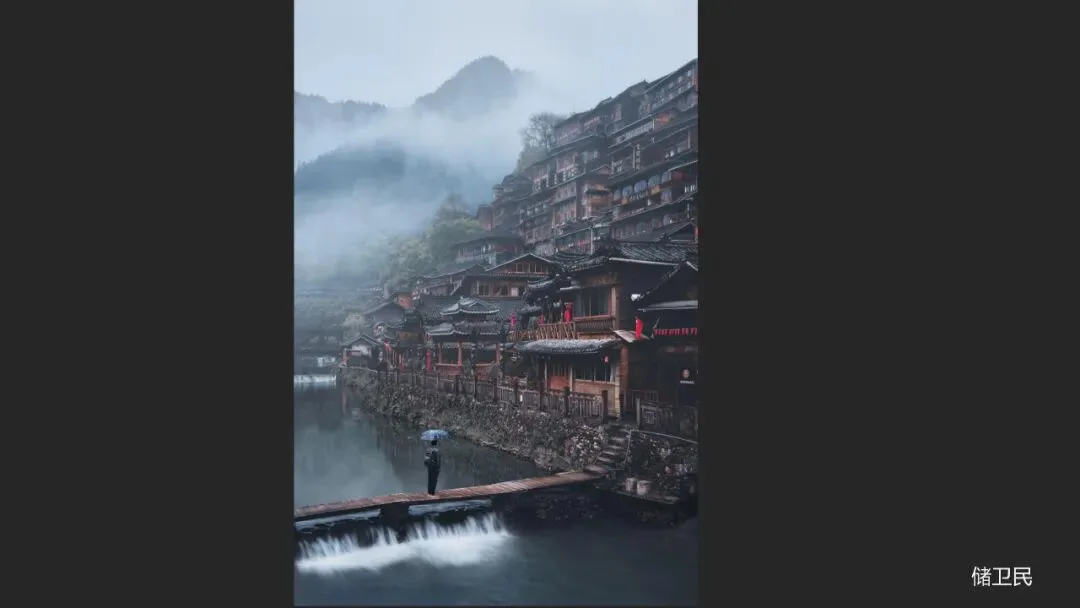
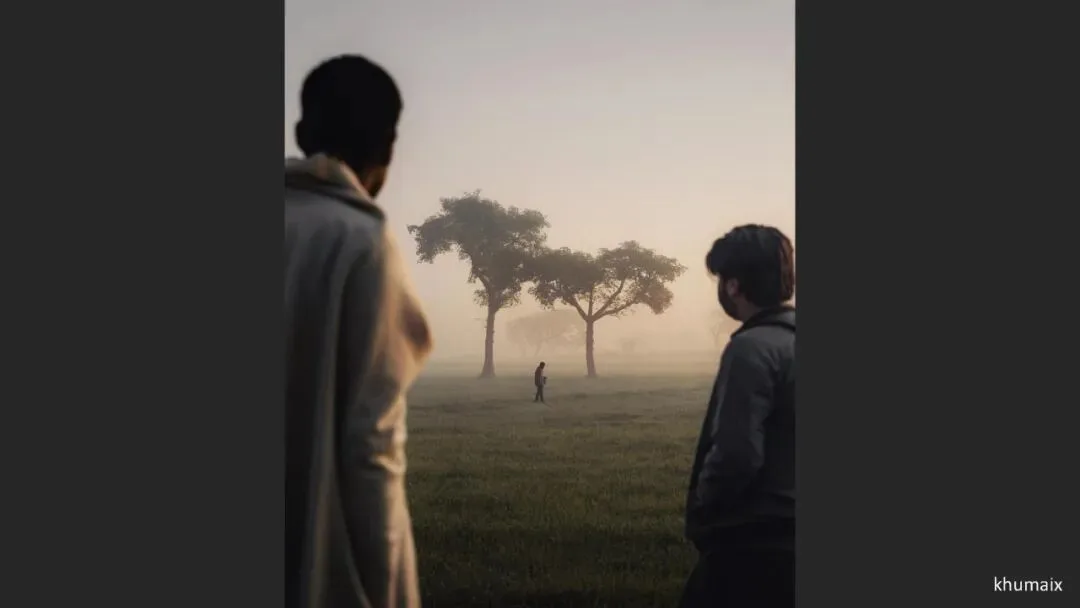
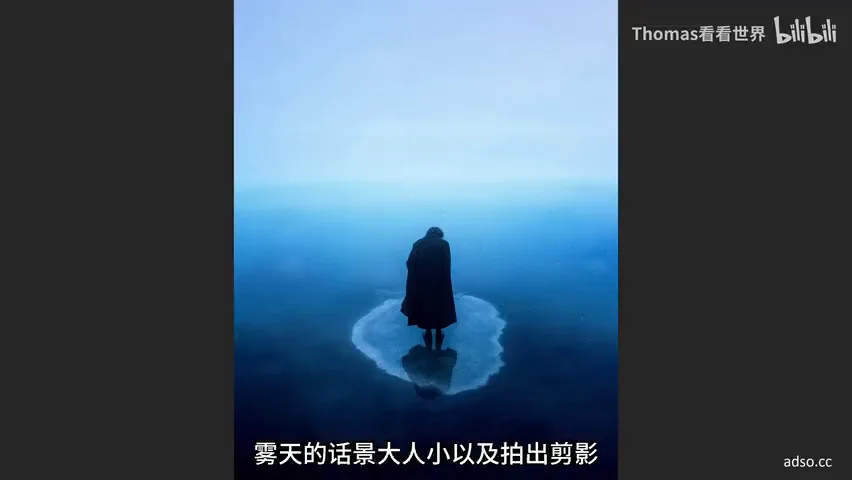
The second idea: flat fog light is perfect for silhouettes, and the endless white or blue expanse begs for generous negative space. Composition here often follows neither thirds nor symmetry — the figure simply occupies a tiny fraction of the frame, small against the vastness (palm silhouettes at 7:04 and a lone figure in a whiteout street at 6:40 in the video).
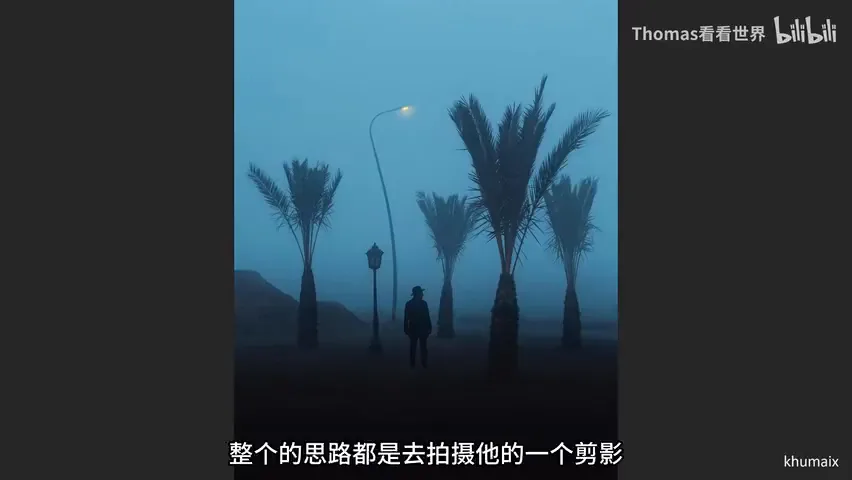
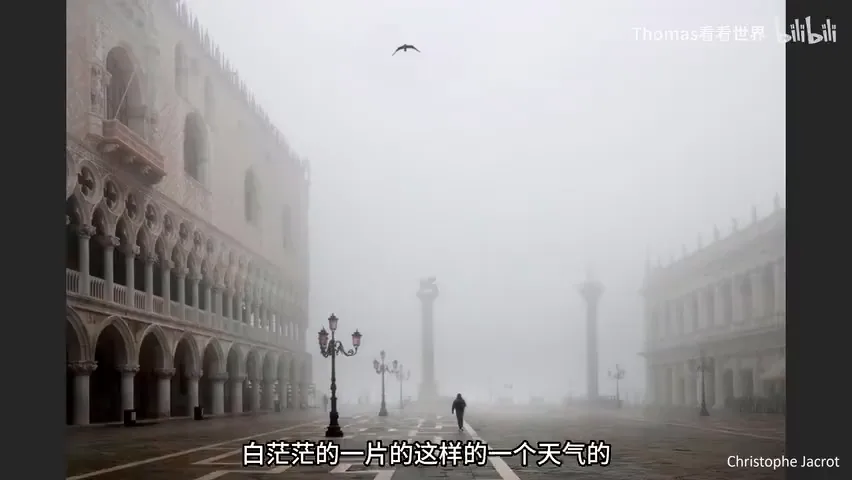
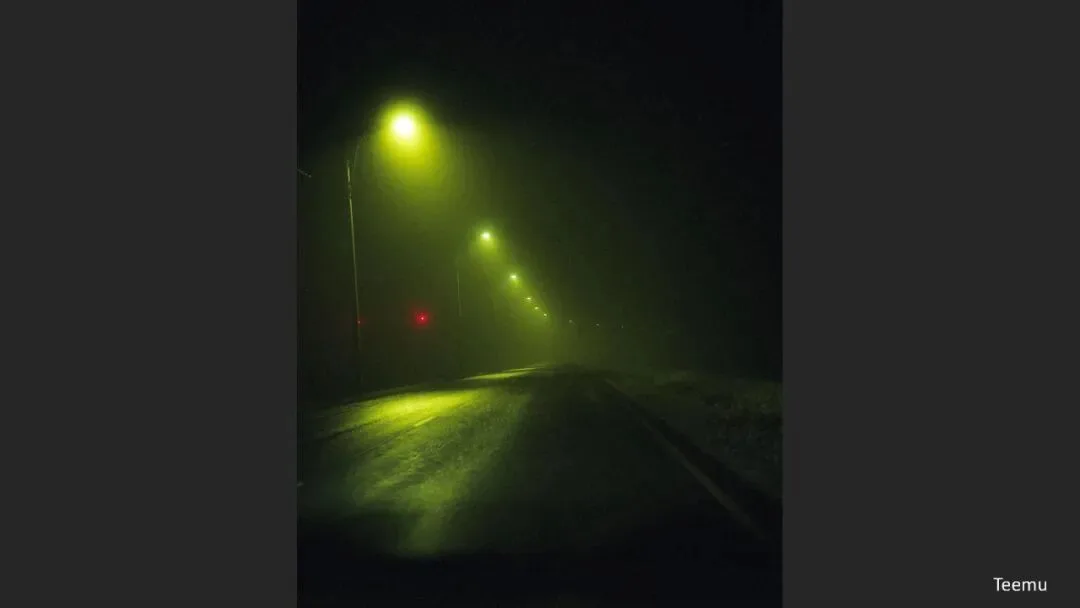
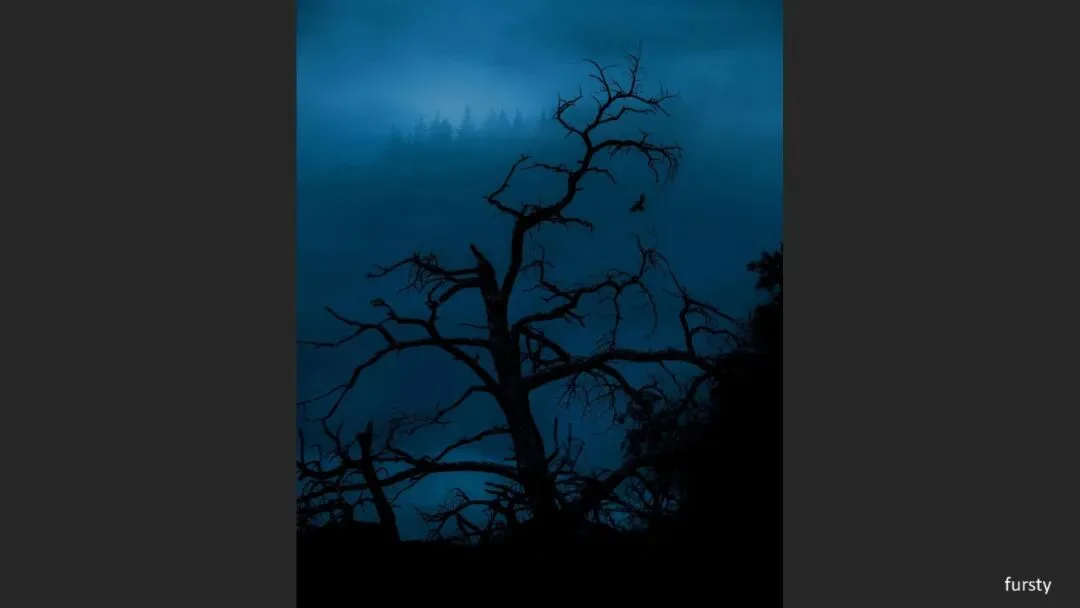
In post, haze scenes take a teal-blue tint, a Blade-Runner gold, or even a cyan-green beautifully; yet the mood comes from more than color — the silhouetted figure, the vast space, buildings and sun, moon or lamps barely emerging through the murk, all stretching the image's emotional tension (an example of small-figure silhouette at 8:26 in the video). If nothing else sticks, remember two rules: figure small in the frame, subject as silhouette.
04 Clean Backdrops and Misty Layers
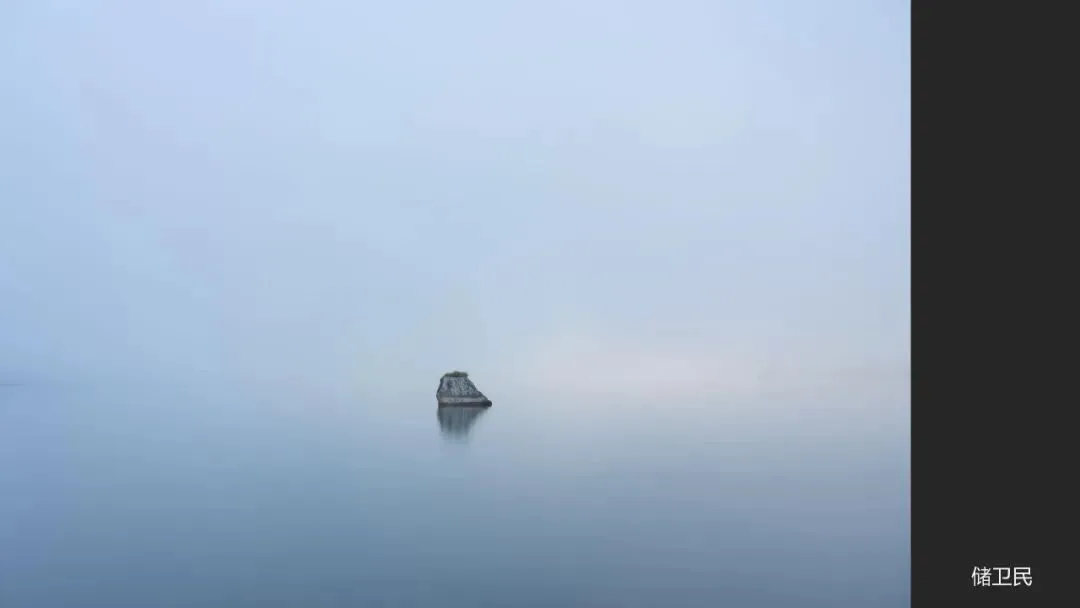
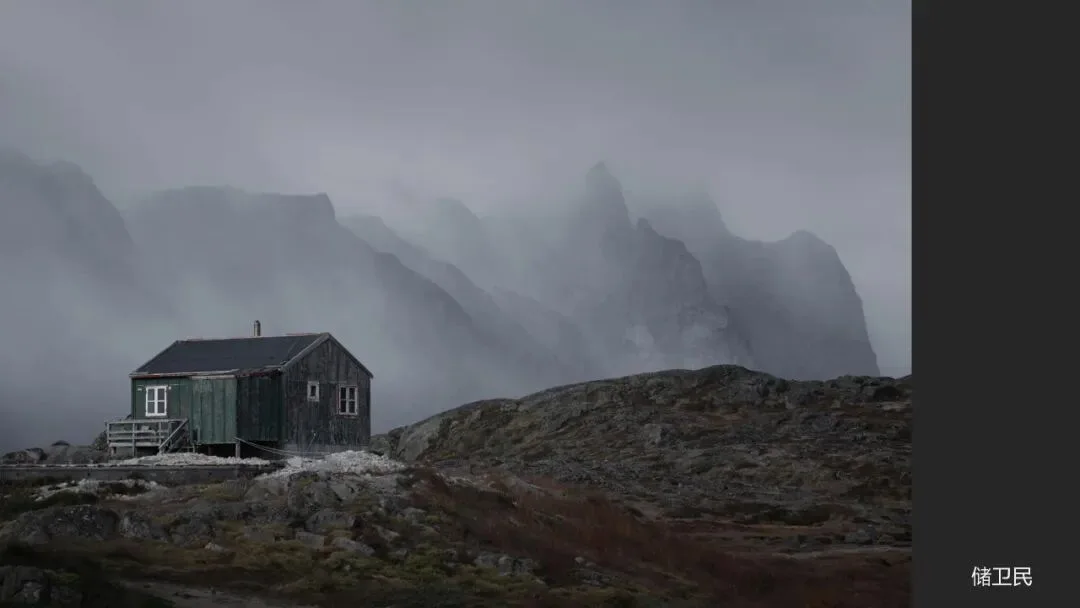
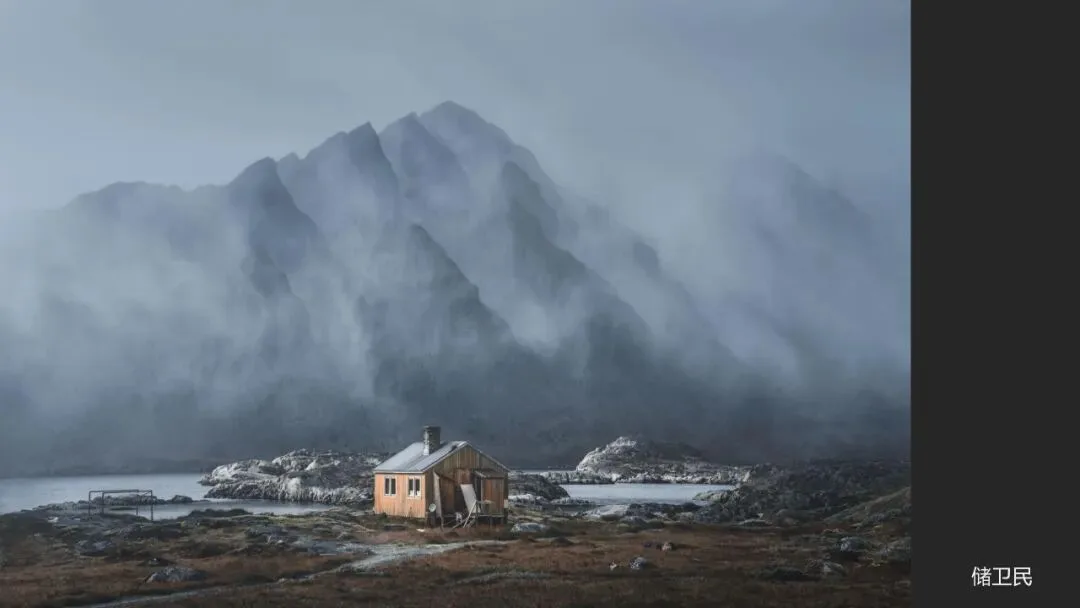
The third idea treats dense fog as a backdrop. The landscape behind a lone rock may be a mess, but when thick fog rolls in, sky and ground merge into one flawless minimal background (the idea card at 8:37 in the video). In house portraits, distant hills ghost through the murk — drop the clarity in post and the misty layering sings.

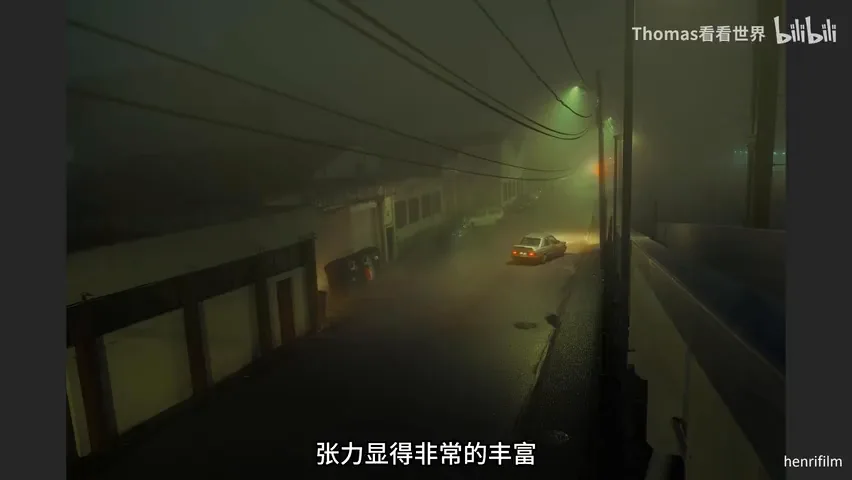
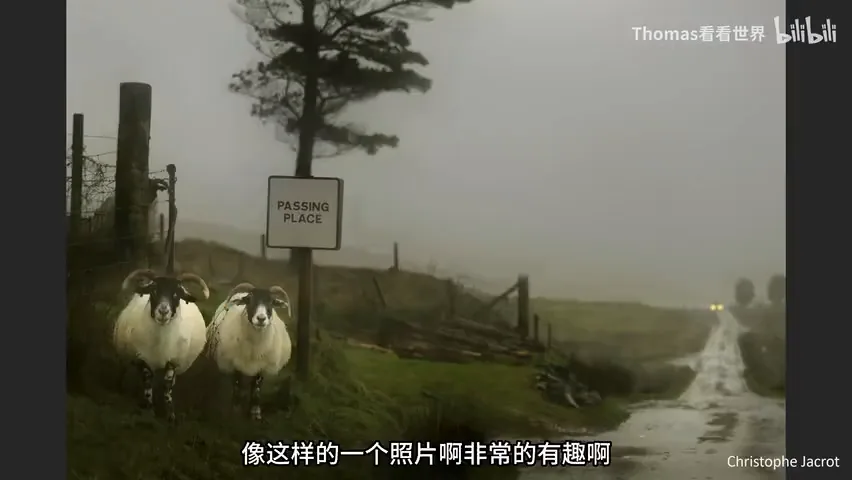
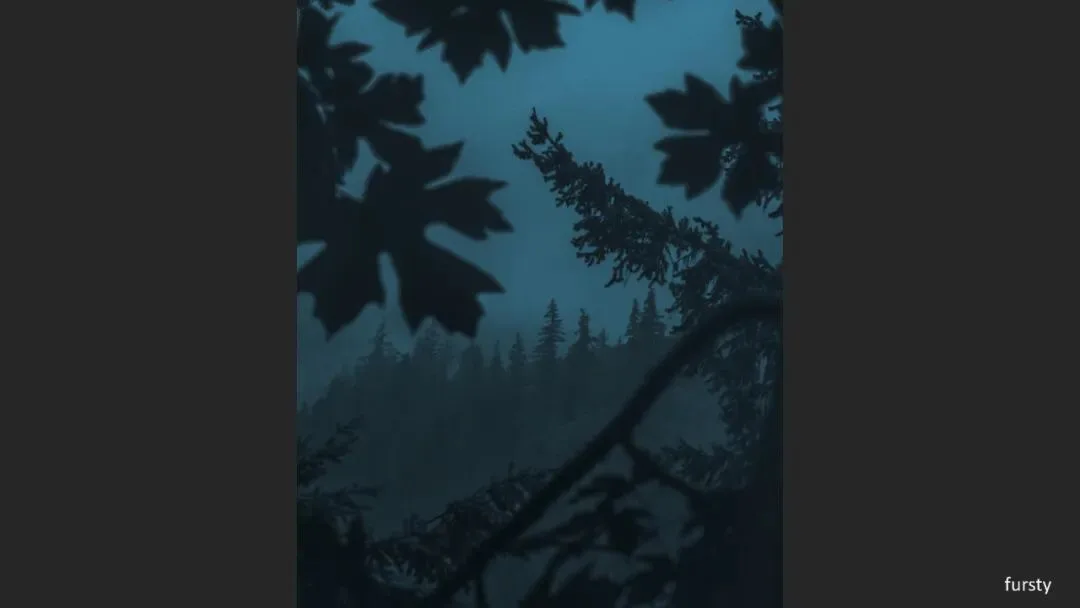
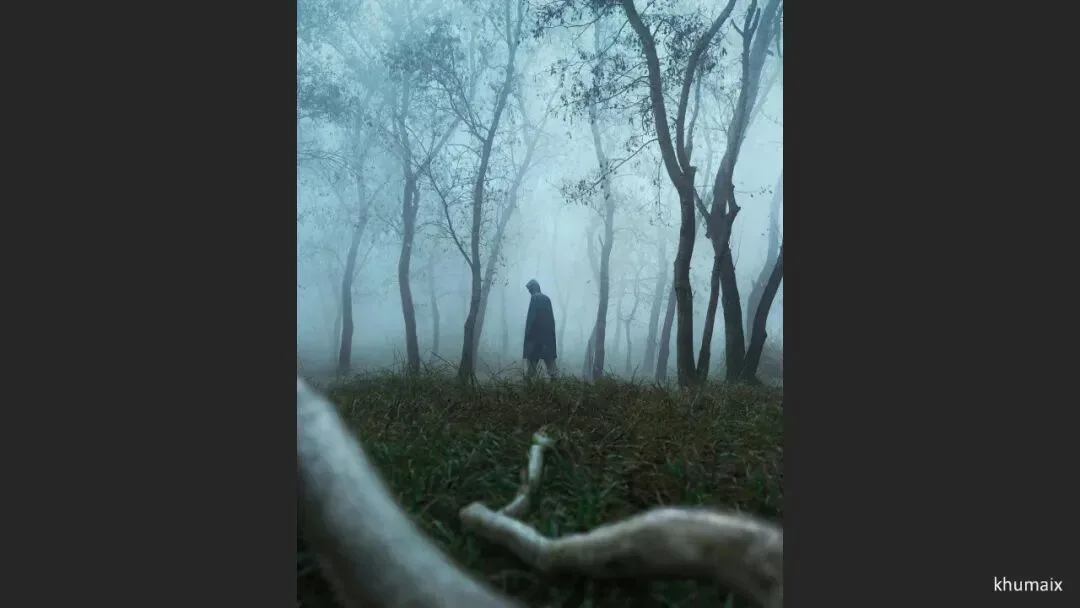
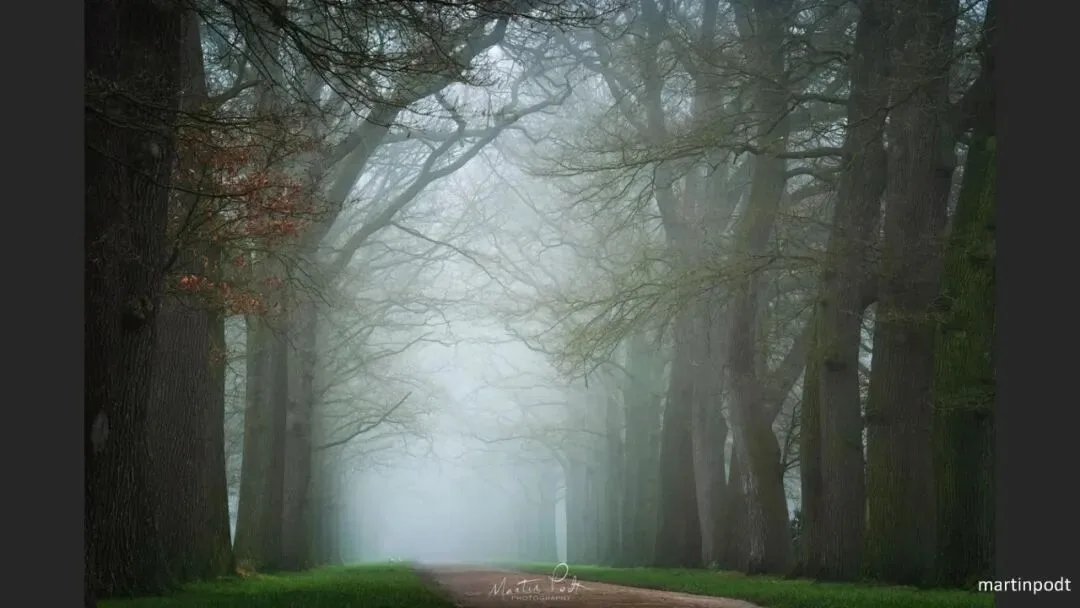
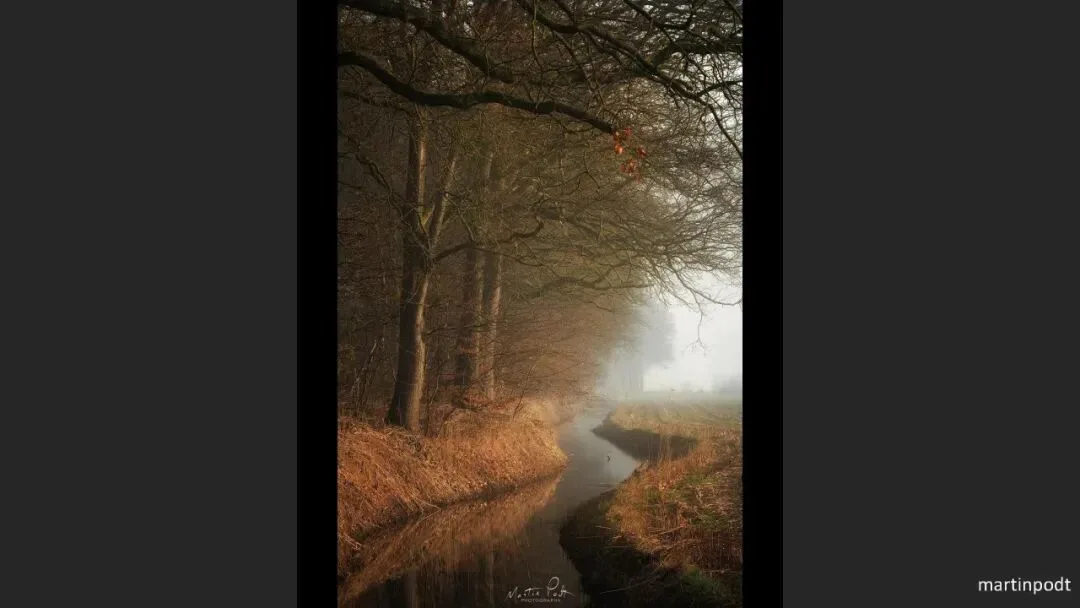
Forests are among the best fog subjects: woodland scenes tend to visual chaos, and fog conveniently veils the tangled twigs and leaves, leaving near trees sharp while the distance dissolves into white. With the right angle — a dark cave or trunk in front, progressively hazier depths behind — the layering alone makes the picture. Sandstorms work the same way: poor visibility isolates the subject against a blank canvas, and car commercials routinely use foggy forests graded from near to far, dark to bright, sharp to misty, with figures and trees as leading lines (at 10:05 in the video).
1. Haze brings three difficulties — flat light, scarce color, low visibility — and all three can be turned around; 2. Pair blue-hour skylight with warm artificial light to manufacture contrast; gas stations and glowing windows are the classics; 3. Shrink the figure, shoot the silhouette, then grade teal-blue or Blade-Runner gold and the mood arrives; 4. Dense fog is the cleanest backdrop there is — forests, rocks and buildings hide their clutter in it, and the near-to-far fade into mist is layering itself.
PPT