Photography Tutorial · 2020-07-19
Dialogue with Four Photography Masters
Thomas Chu Photo
Recently, at the Horizon Online Lecture Hall (地平线网络大讲堂), Thomas interviewed four North American Chinese photography masters — Yunman (云漫), Jeff (杰夫), Fan Chaoliang (范朝亮), and Beijing Zhangzi (北京张子) — raising 11 photography-related questions and exchanging ideas and viewpoints.
Today Thomas has selected the questions that fellow photographers care about most, condensing the 3.5-hour interview into a single article. We believe you will surely gain something from it.

1. What Is a Good Photo?
Thomas:
We'd like to ask the teachers: how is a good photographic work defined? When judging different categories such as landscape and wildlife photography, what are the similarities and differences in the criteria?
Fan Chaoliang:
What is a good work? This is a huge question. The evaluation criteria for various kinds of photographic works do share common ground.
In my article series "Fan Talks Photography" (《摄影范谈》), I divided the levels of photography into four tiers: from the technical level to the artistic level, then to the level of language, and finally to the historical level.
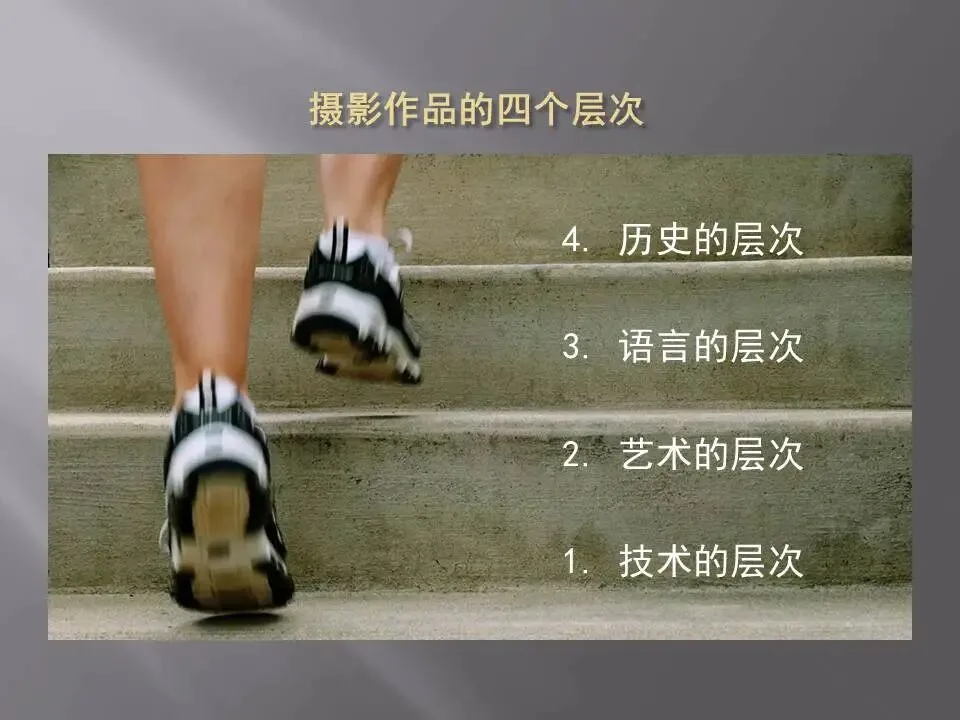
In my lectures, I further divided the elements of good photography into seven. The first three of these are the standard requirements of typical salon photography competitions.
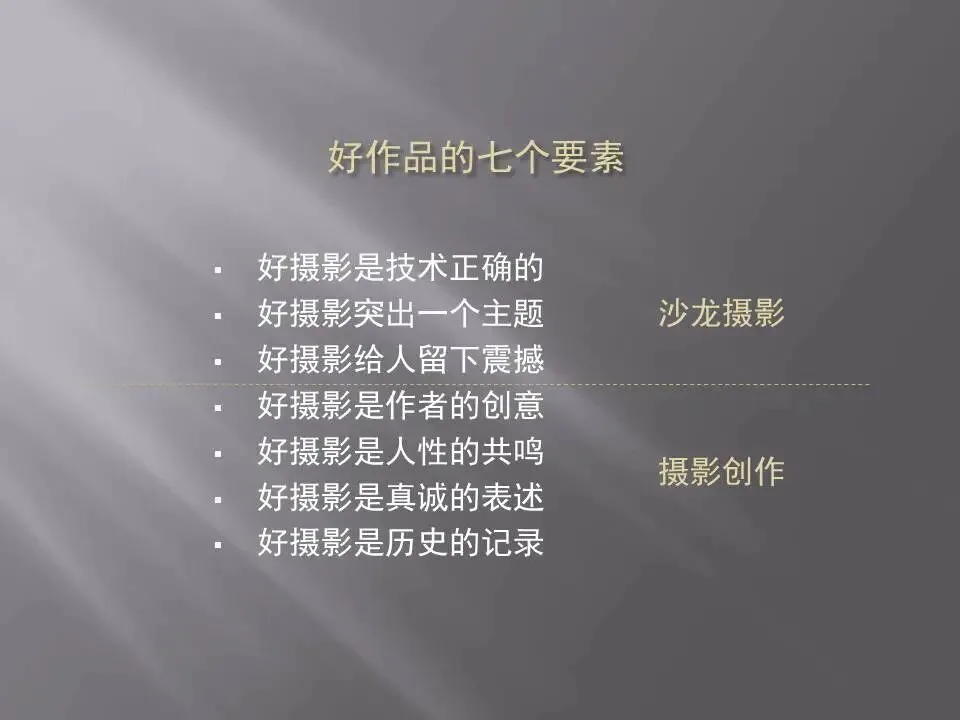
They are: technical quality, composition with a prominent subject, and impact. Ordinary standard competitions all score by these three criteria.
But these three criteria alone are far from enough. For a true photographic work, we have higher requirements. We must look at whether the work has creativity, storytelling, emotion, sincerity, and historic significance.
By historic significance I mean something unrepeatable, of historical value. Of course, these elements are not rigidly divided either — for instance, technical quality and composition also affect impact, and storytelling and creativity also affect impact. So these seven elements are interconnected.
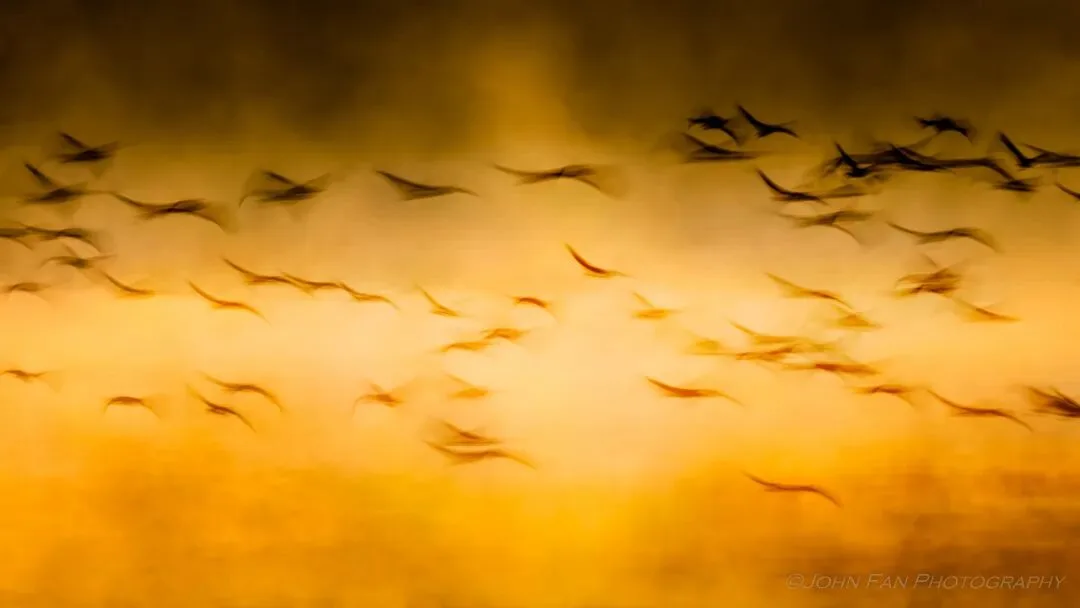
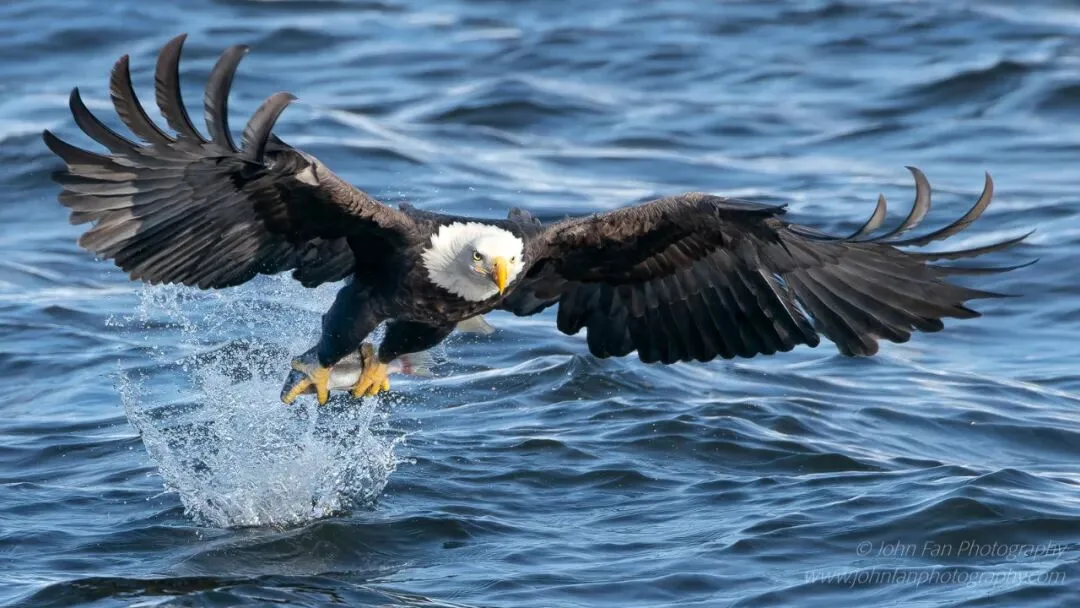
Work by Fan Chaoliang
So what different requirements apply to different categories of photographic works?
To a certain extent, it relates to the shooting conditions. A landscape photographer generally has relatively ample time to shoot, and the subject matter can often be repeated. So our requirements for landscape works — technically, compositionally, and in light and color — overall far exceed those of other categories of photography.
Likewise, our requirements for documentary photography and for studio portrait photography also differ. In studio photography the environment can be controlled, so our technical requirements for it are extremely high.
Documentary photography, on the other hand, demands stronger storytelling, while the requirements for light and color are relatively weaker. So a photographic work is only meaningfully compared within its proper category.
Work by Fan Chaoliang
There is now a practice of swapping categories: for example, taking a building and Photoshopping an airplane onto it. With such a change, it is no longer architectural photography.
Because we Photoshopped an airplane onto it, reality was altered. Such a photograph should be classified as creative photography. But judged for creativity within creative photography, that building photo with a Photoshopped plane is child's play — hardly any creativity at all.
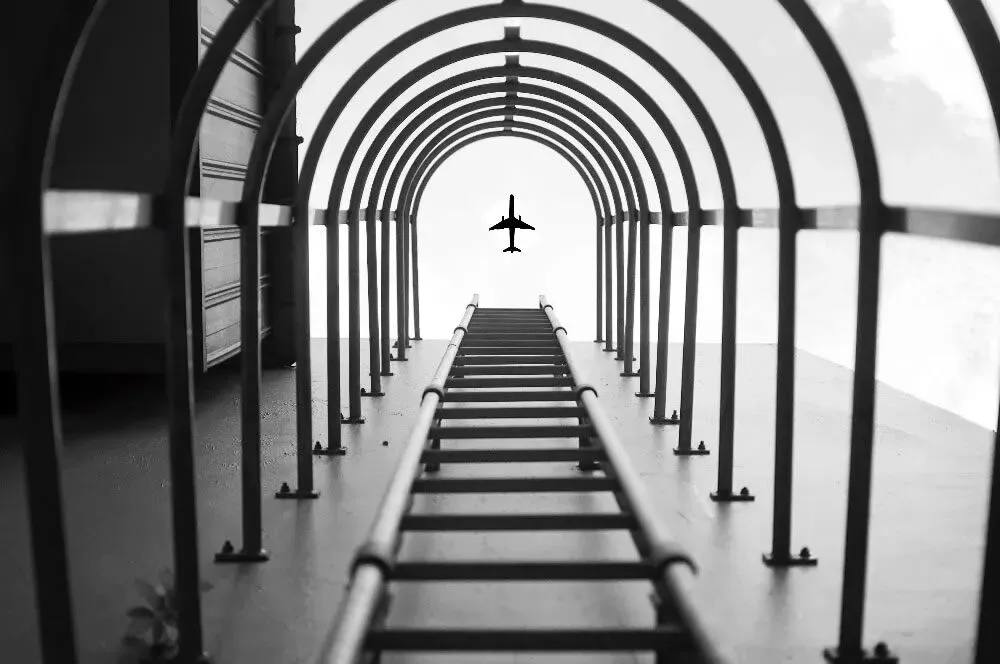
That photo secretly changed the category of photography, entering an architectural photography competition with a creative-photography work. It later won an award, which was then revoked. It's not that artistic creation is forbidden — but the excuse of artistic creation must not be used to create unfair competition.
2. The Impact of Video on Photography
Thomas:
The emergence of photography once changed the history of painting, and today is an era of exploding short video. Many photographers have begun embracing video, while others have begun rethinking the position of still photography. How do the teachers view this trend? Any advice for photographers and enthusiasts?
Beijing Zhangzi:
Whether equipment or online content, the changes over the past few years have been enormous — truly earth-shaking. Many consumer cameras now offer very good video features; five to ten years ago even many professional bodies might not have offered them. Prices have also become very affordable.
I myself supplied image material to Getty Images for many years. Starting about three years ago, whenever they contacted me they asked more and more whether I had video material they could use commercially. In the past year they have often even asked whether I have 3D video or panoramic video material. I think institutions like them must be the closest to, and most aware of, market demand.
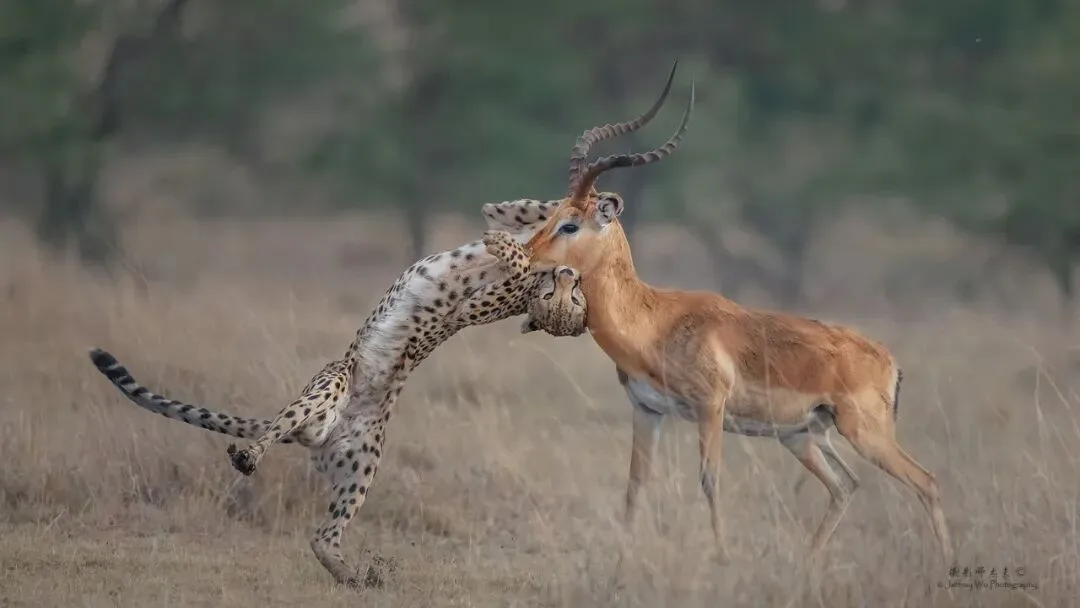
Work by Jeff
I have always felt that video is the author telling the audience a story, while a still image is the author letting the audience imagine the story themselves. For example, a video can clearly and completely show how a cheetah expends enormous effort to hunt down an antelope: from stalking, to chasing, to pouncing, to suffocating, to feasting.
A still image shows the audience the most brilliant instant — but what happened before and after is left to the audience's own imagination.
3. Check-In Spots and Imitation
Thomas:
In the era of mass tourism, the check-in phenomenon is prevalent: once a new photogenic spot appears, the masses quickly swarm to it. How do the teachers view this check-in and imitation phenomenon? With fewer and fewer niche locations, how can photography enthusiasts still create distinctive works?
Yunman:
The check-in phenomenon has indeed thoroughly changed landscape photography. We could say that the vast majority of popular landscape photos on social media today are concentrated at a few dozen of the world's hottest check-in spots — maybe just 30 to 50? Anyway, the number is really small. In a sense this is truly a tragedy, but if we go deeper, it's not that simple.
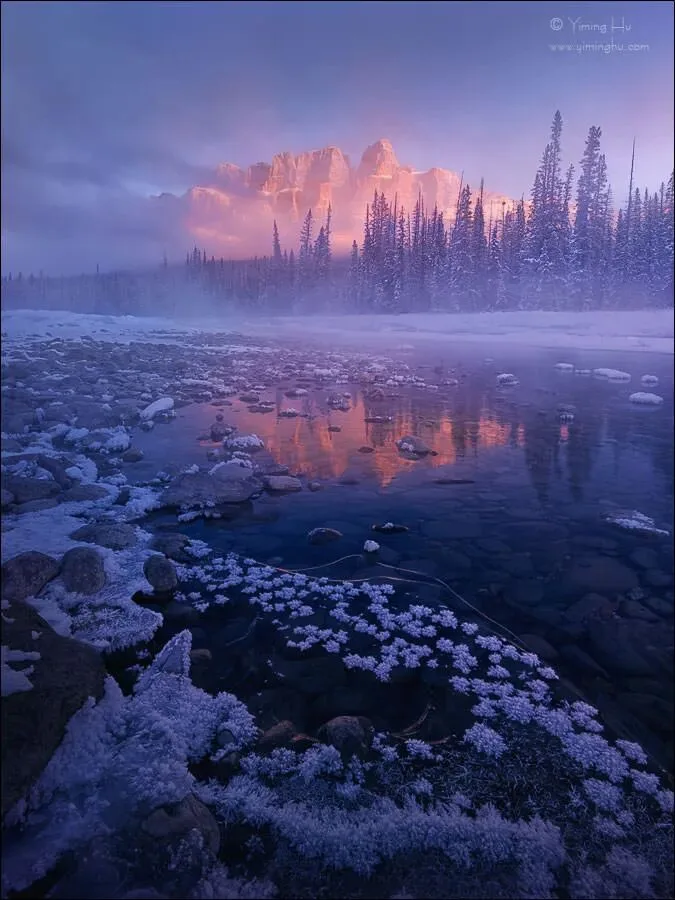
Work by Yunman (云漫)
First of all, for beginners, there is nothing shameful about checking in and imitating.
Imitation is the first step of learning. Look at how others frame their shots, how they choose light, how they post-process — imitate enough, and your own eye will keep improving.
Even for seasoned enthusiasts or professional photographers, checking in is completely understandable. First, we are people too — we also want to travel. Seeing a wonderful place, even ordinary folks who never publish photos want to go see it — of course we photographers want to see it too; that's perfectly normal. And having gone there — especially the first time — it seems hard to resist pressing the shutter a few times at the check-in spots.
If I encounter truly rare light or weather, I will publish check-in-spot photos too — for example, this autumn sunset at Zion National Park in the US.
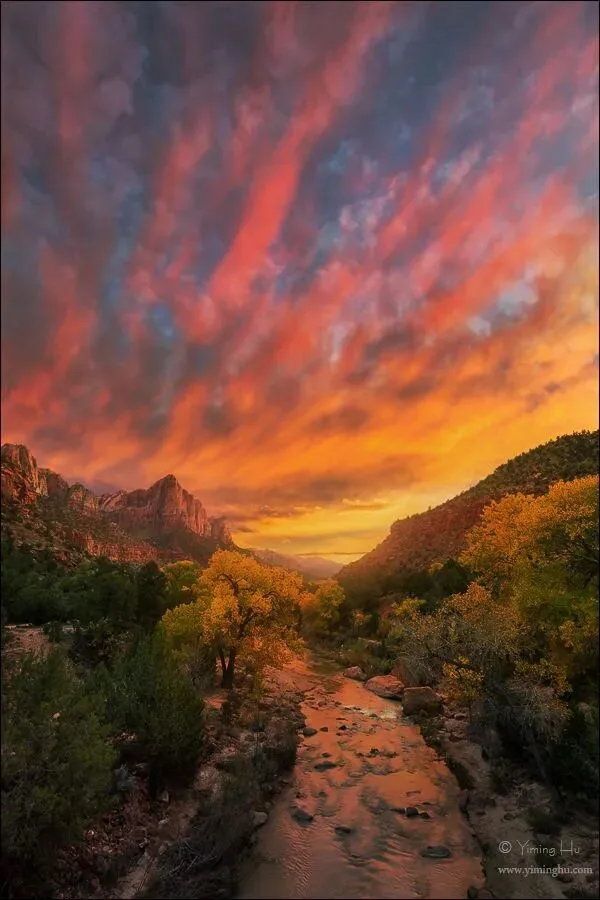
Work by Yunman
There is really nothing wrong with checking in itself. The question is: what do you do after checking in?
For beginners: check in at a famous spot, post it to your friend circle back home, get countless likes, a pile of "toxic! master! awesome!" comments, and a big confidence boost — that's fine.
Such encouragement keeps many people shooting seriously. But beginners should not linger too long in the stage of check-in → lots of likes → smug pride. They should move beyond this stage as soon as possible.
Different photos have different uses. Check-in photos can of course be published in magazines or online — they might even be especially popular. But as photographers, we must know our own level: showing to the general public who don't understand photography (say, ordinary travel-magazine readers), to a public that knows some photography (most enthusiasts), or to expert peers — different audiences, completely different standards.
You yourself need to be clear whether it represents your current level. You need to know your readers. For example, if entering a photography competition, my advice is: don't submit check-in photos. But if you're doing something else — say, writing an article for a travel magazine — then by all means send the check-in photos, no problem.
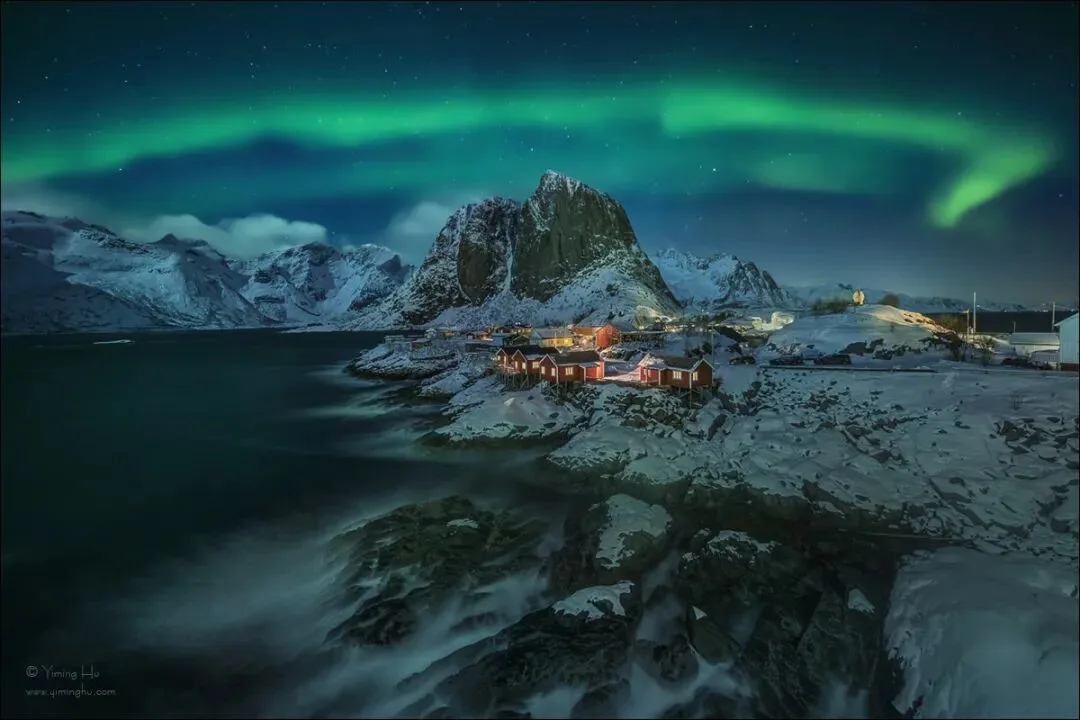
Work by Yunman
Having finished my view on checking in itself, let me now talk about how to shoot more distinctive works.
About 1–2 months ago, I discussed the standard for top-tier landscape photography. I proposed that we should shoot works of "what people cannot see" or "what people do not see."
"What people cannot see" refers to scenes the vast majority of people have no opportunity to see or shoot. Many people may feel there are no fresh scenes left in this world. That is completely untrue. There are so many places in this world that no one has photographed, or that few have visited. It's just that they are not by the roadside — you can't just casually shoot them.
So if you have the courage and ability — strong enough outdoor skills and stamina — I encourage everyone to leave the check-in spots and explore the wilderness yourselves. I often do this anyway, and Thomas often goes exploring in wilderness areas like Greenland and K2.
What if you say you don't have that ability or nerve? You can consider going with outdoor-expert friends, or finding professional outdoor companies to take you.
What if venturing into desolate places to shoot "what people cannot see" really isn't your personality, and you're afraid? Then consider shooting "what people do not see": at mass check-in spots, in places photographed by hundreds of thousands or millions of people every year, find your own unique angle.
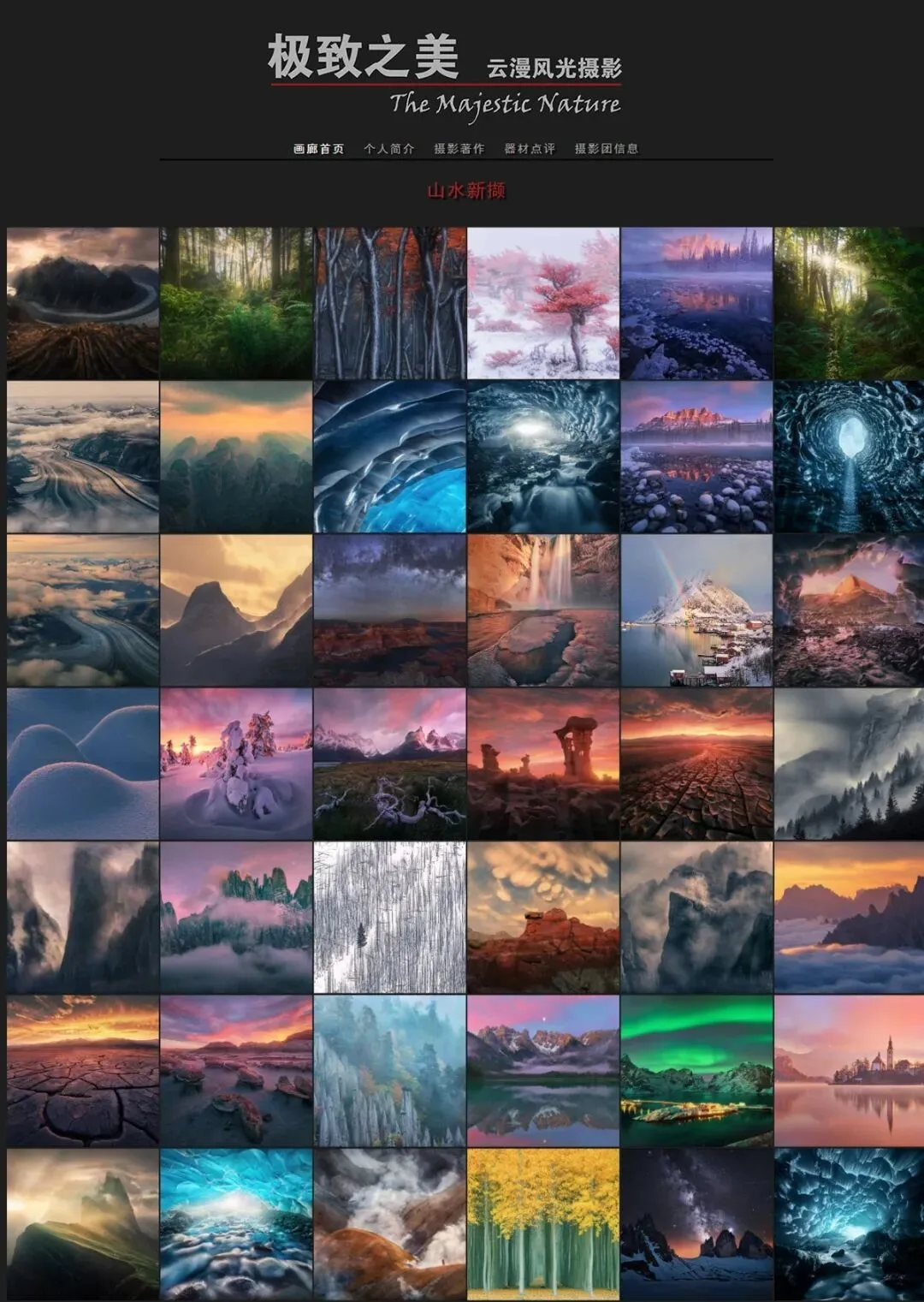
Work by Yunman
What is most crucial here? Most crucial is having the willingness — you must actively and proactively look for new angles. You can't say, "I'll just take a check-in shot at this spot and be done" — you must look for new angles. Of course, willingness alone is not enough; you also truly need the eye to discover unique places. That needs to be cultivated slowly.
Many people probably know that some of my famous works were shot at extremely unique angles in places photographed by millions. I have done this more than once or twice, which shows it is not luck — not accidentally stumbling on a new angle — but the result of effort. Even at the tackiest check-in spots, we can still find our own most unique perspective. The following photos were all taken at today's hottest attractions — can you tell where they are?
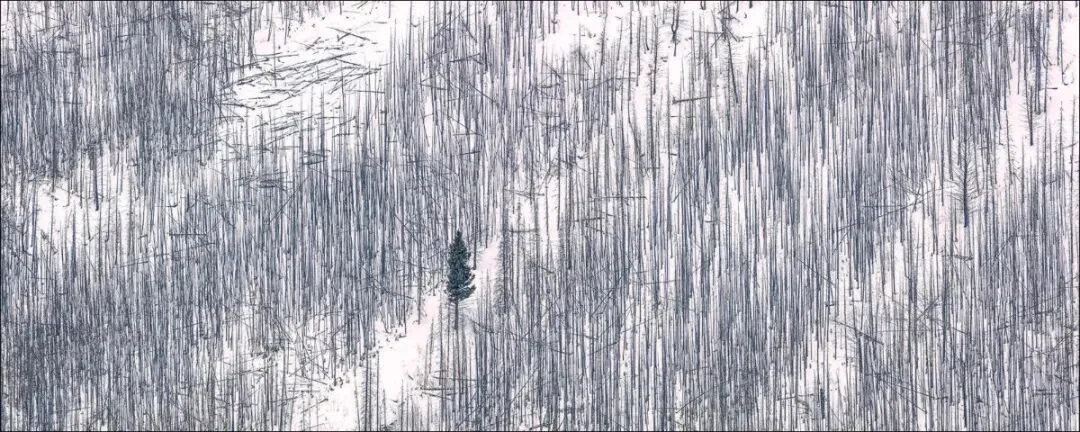
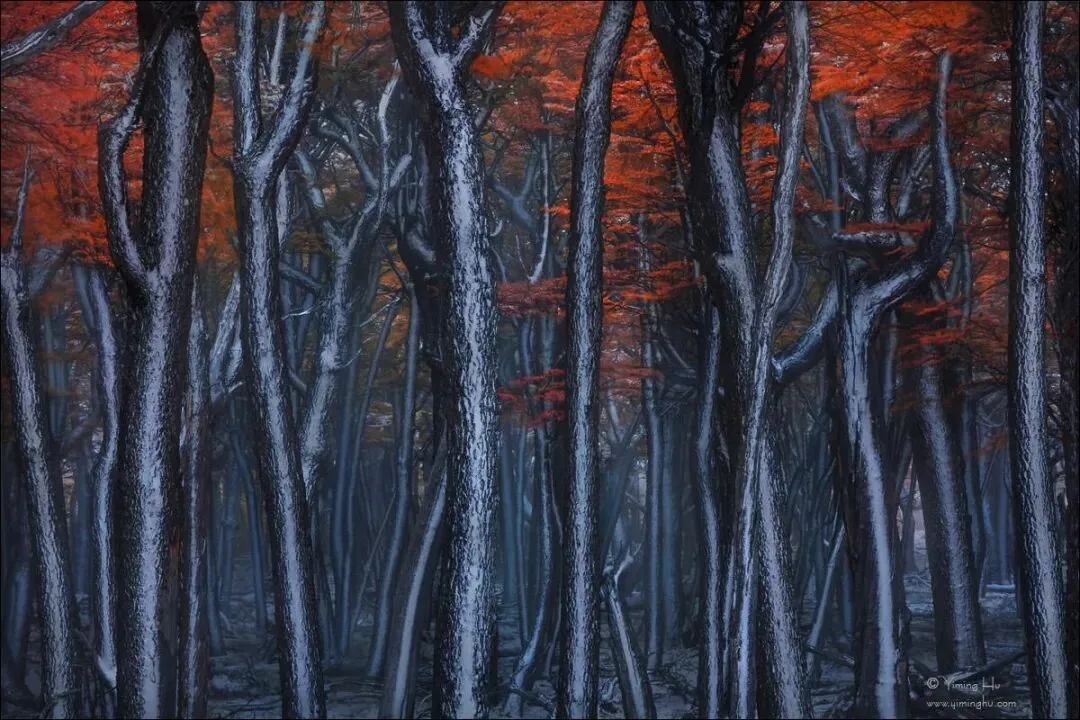
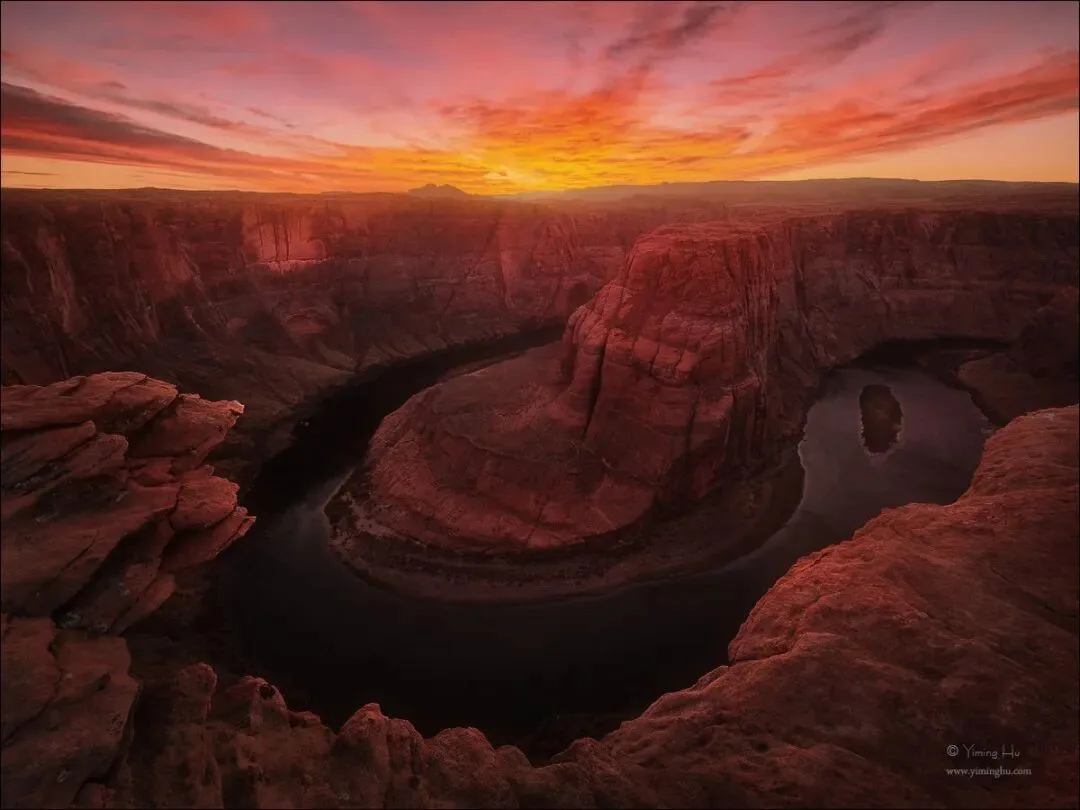
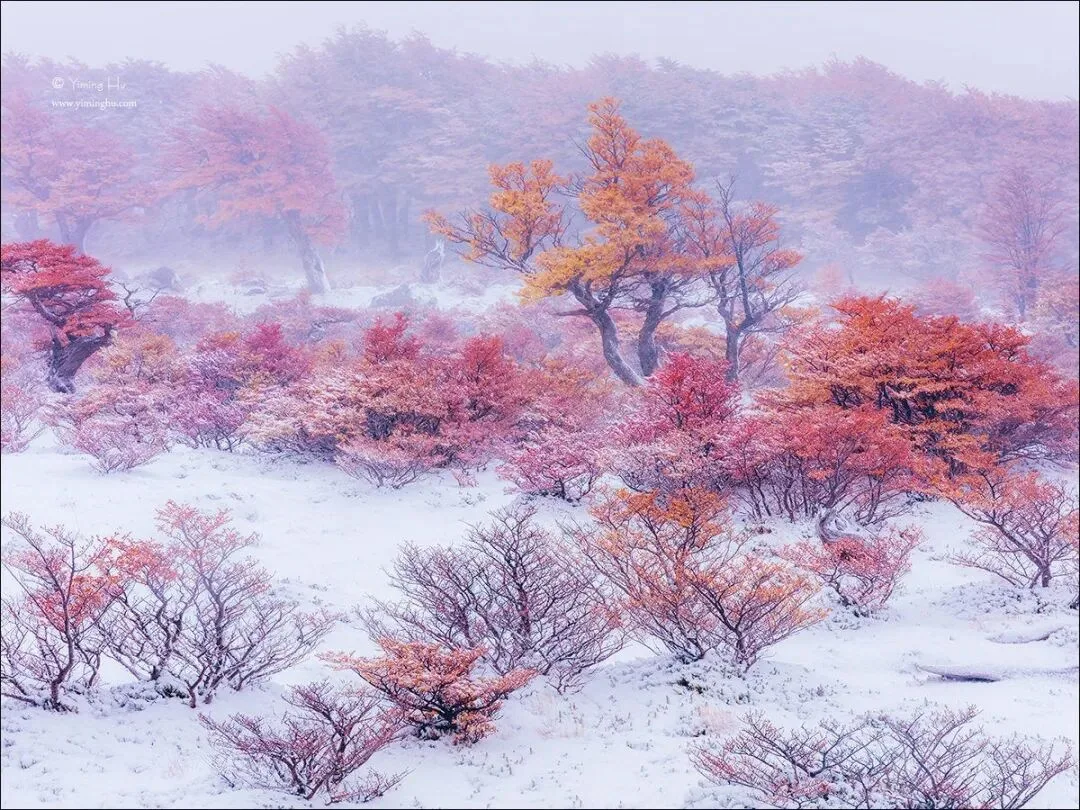
Work by Yunman
The photos just shown were actually all taken at the hottest attractions of the moment — not so easy to tell where, right? They include Banff National Park, Patagonia, Antelope Canyon, Horseshoe Bend, and so on.
4. Aesthetic Fatigue
Thomas:
In the social media era, images are no longer scarce. From South American starry skies to Arctic auroras, and even brilliant moments of animal predation and exciting time-lapse aerials — people have seen more and more of everything, and aesthetic fatigue has set in. May I ask the teachers: do you experience such aesthetic fatigue? Any suggestions for creators?
Beijing Zhangzi:
Aesthetic fatigue is indeed sometimes a kind of annoyance, but on the whole such occasions are rare for me.
On one hand, I myself keep trying many new things — new directions like video and aerial photography. From the technical and equipment angles there are always new problems and new challenges for me to think about and solve, so you could say I simply have no time to fret.
I have been to Iceland about ten times now, and Norway at least seven or eight times — and to this day, every time I go back I still make new discoveries and new attempts.
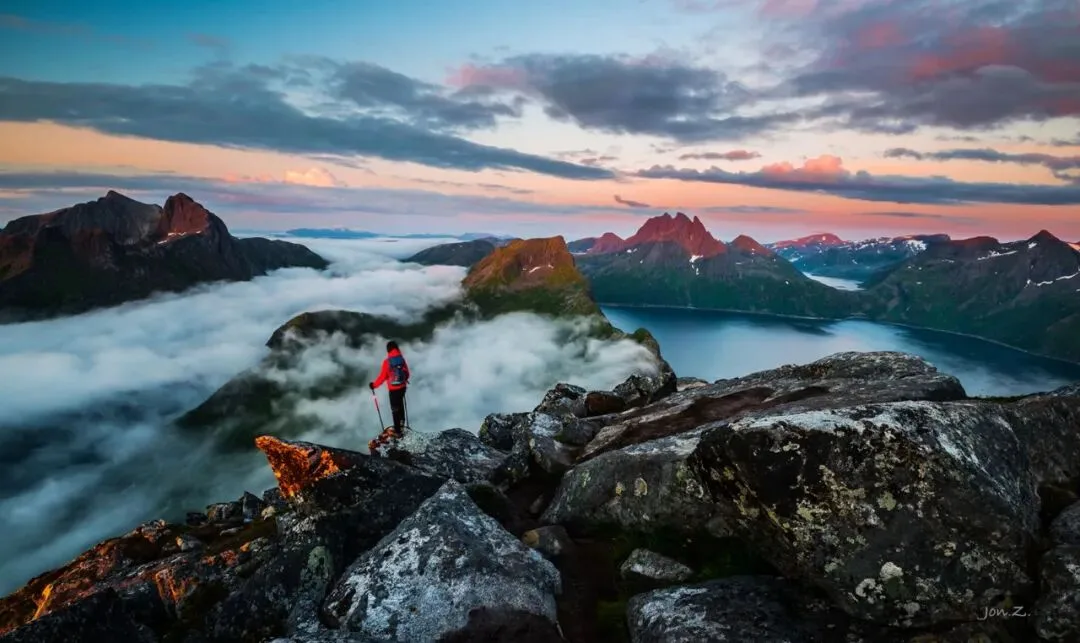
Work by Beijing Zhangzi
My earliest trips were purely still photography; then I started shooting time-lapse; then time-lapse plus sliders and turntables; then drones — first stills, then video; and next I actually want to try FPV drones.
Actually, time after time, I feel the reason each trip makes me want to go again is the renewal of equipment and technique: I want to see how I can use these things to capture better imagery in these places. As I mentioned just now, I do feel we are born in a wonderful era.
5. European/American Style vs. Chinese Style
Thomas:
I first learned many popular European/American photography styles and advanced techniques by reading the teachers' articles and posts. How did the teachers first come into contact with these cutting-edge techniques?
Now more and more young photographers imitate these European/American color tones and shooting methods. What do the teachers think of this? Is it possible to excavate new content and styles from Chinese culture and life?
Yunman:
As John Fan said just now, learning photography these days is truly a blessing — there are countless tutorials online, paid or free; for any technique, one search finds many written or video tutorials.
For us, learning was indeed difficult at the start. I think everyone's learning path may differ. I am a typical research-minded science-and-engineering person — I love pondering everything I do. Many techniques that now look "advanced," such as exposure blending and focus stacking, I figured out myself.
Generally I look at the idea. For example, when I see a photographer mention the concept of "highlight rendering," I really don't much care how he did it — like what step one is, what step two is. I only need to know the concept, and get inspired — "oh, this idea is really nice." Generally, I can quickly think of several different ways to achieve it. In fact, any post-processing goal has several ways to achieve it, with no right or wrong. We just pick whichever suits our hands.
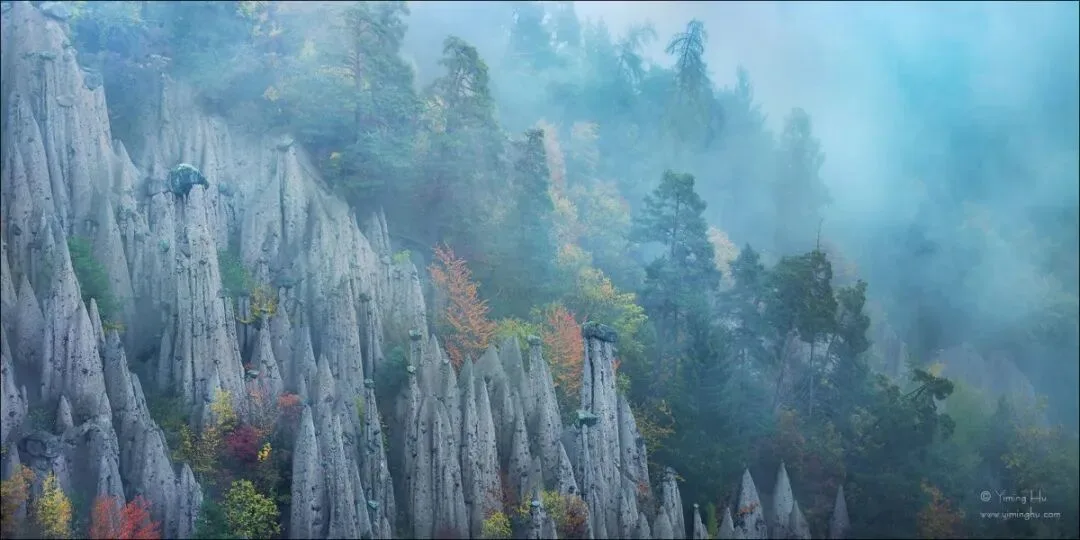
Work by Yunman
About some currently popular techniques, color tones, and styles, I want to say a few words. I think the biggest problem right now is too much information. Too many beginners are obsessed with an endless stream of technique tutorials — obsessed with so-called "solid takeaways," always dreaming that learning a few tricks from a tutorial will produce masterpieces. But I think that is a directional error.
For example, darkening some area of the frame is your goal. But there may be ten or more ways to do it — why learn every single one? What is the actual result of spending too much time learning countless techniques? You have no time left to truly master how to use technique.
You would do better to follow one or two teachers — not learn from one teacher today and another technique from another teacher tomorrow. Better to learn the two simplest methods from one or two people, but learn them deeply, then apply them a thousand times — I believe the effect will be far better. Ideas are forever far more important than techniques.
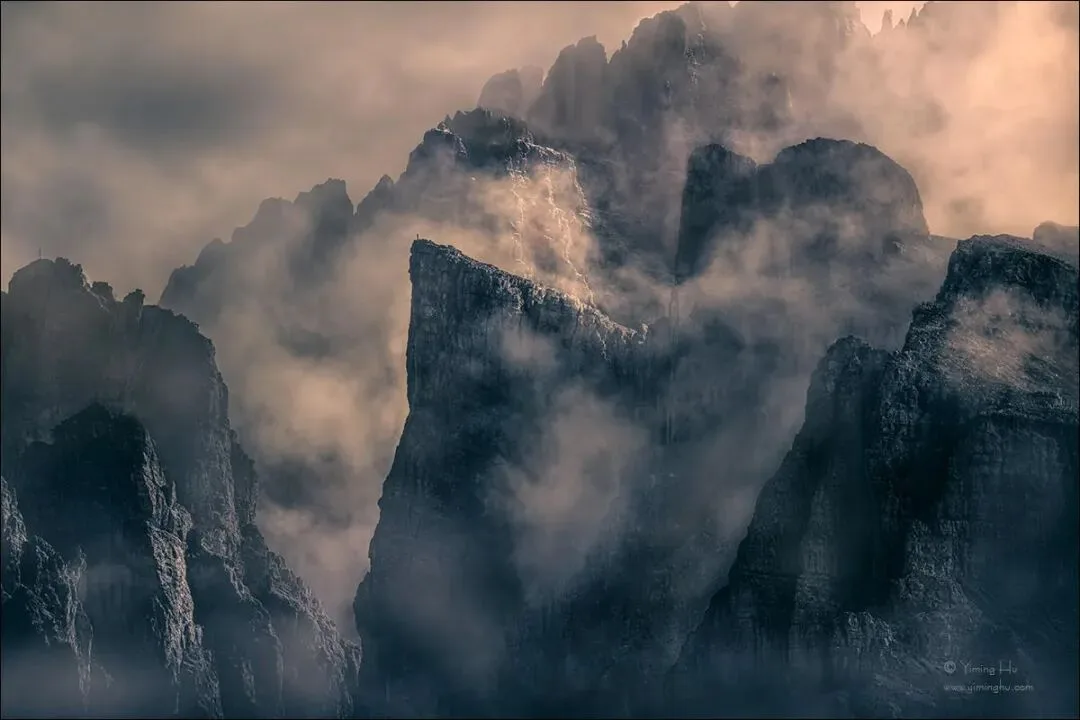
Work by Yunman
I always say: 90% of my post-processing can be done with the three simplest tools — curves, masks, and Gaussian blur. No advanced techniques needed. Only when I encounter the rare, more complex situation — like needing to rebuild light and shadow — do I possibly bring out more advanced tools. You can learn those advanced tools, but most of the time, a few simple tools are enough.
Once more: spending too much time learning too many techniques leaves you no time to truly master how to use technique. Better to learn 1–2 kinds, but deeply, then apply them a thousand times. 90% of my post-processing can be done with the three simplest tools: curves, masks, and Gaussian blur.
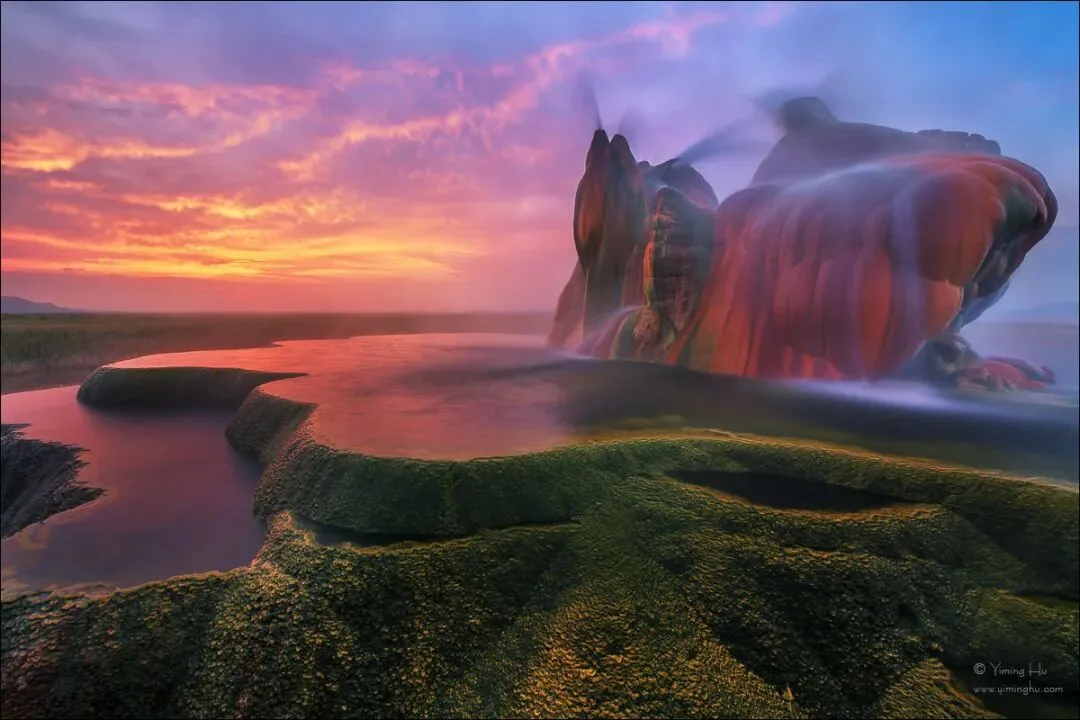
Work by Yunman
About imitating color tones and styles, I also want to say a few words. If you genuinely love these styles, of course you can imitate them, and then develop your own characteristics from there.
But your reason for doing so should be love — not because the style is currently popular and gets likes easily, or because some celebrity told you to. For example, if Yunman or Thomas says dark-toned landscape is the trendiest, and you go imitate dark tones; or some master says minimalist black-and-white is the true art, and you go imitate minimalist black-and-white. You must ask whether you truly love the style — whether it can truly express your inner self.
There is a famous American author named Robert Greene, who wrote a best-selling success book called "Mastery" (Chinese edition: 《专精力》).
The book studies some masters of history, including da Vinci and Darwin, analyzing their paths to success. He argues that these people succeeded because each of us is born with a natural inclination toward something — in plain words, a true love for a certain thing.
When most of us choose our future life goals and careers, we are influenced by too much: utilitarian and worldly influence, parents' influence, whether it makes money, and so on.
We do not heed the call of our heart's true love; we do not follow our natural inclination — we think too much about money, honor, and the like. Then a few years or a dozen years later, our passion for our choice fades, and we stop doing it earnestly. Those successful masters, by contrast, all heeded the call of true love.
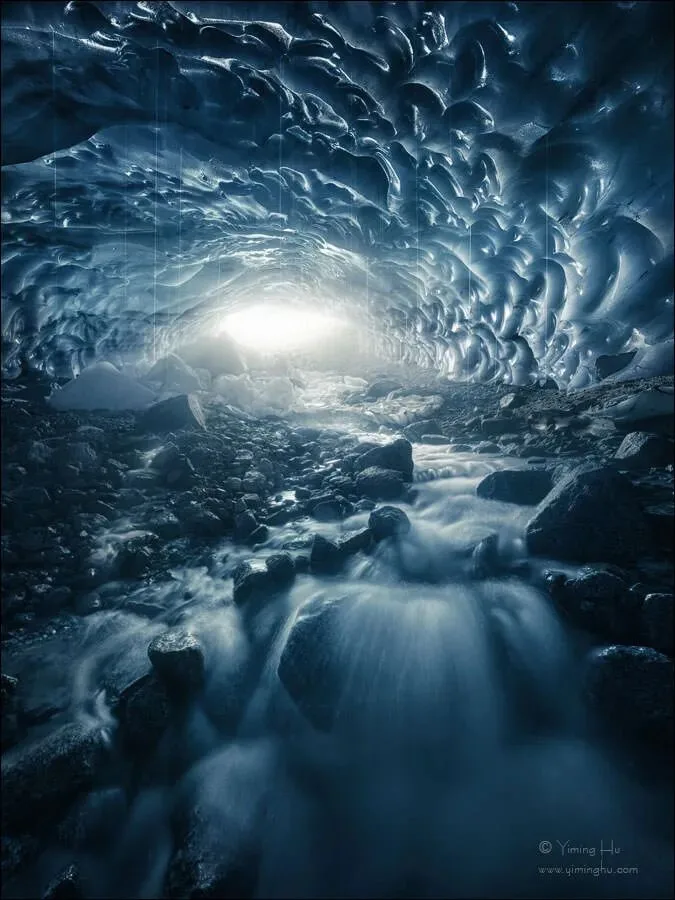
Work by Yunman
If your nature loves a bright, brisk style, why follow the crowd into the magical dark style? Doesn't it feel oppressive? Take me, for another example: I personally don't like photos with only formal beauty. If someone tells me minimalist landscape is the only art and everything else is sugar water, I'll tell him to take a hike — this is the extremism Fan (范博) spoke of.
Although many years ago I wrote an article greatly praising minimalist landscapes, I have changed — I no longer like them. I want photos to have story, experience, and nature's magical landforms or details. So now I truly dislike so-called minimalist art pieces with only tonality — to me they are pretty and decorative but without substance; to me, that is the real salon sugar water.
But what I like, you may not. I cannot be extremist. If you happen to love exactly that style, then by all means don't let Yunman talk you into shooting grand, magnificent big landscapes like him — that doesn't suit you. Shooting such pieces, you won't enjoy it — it will be torture — so what use are all those likes? Go heed the call of your heart, and shoot the style you yourself love.
So, what is a born natural inclination? In other words, what is true love? It's the same as the question Fan asked you just now: can you go to a place without bringing a camera? Let me ask differently: if the photos you shoot may not be published — never published, never shared — would you still shoot?
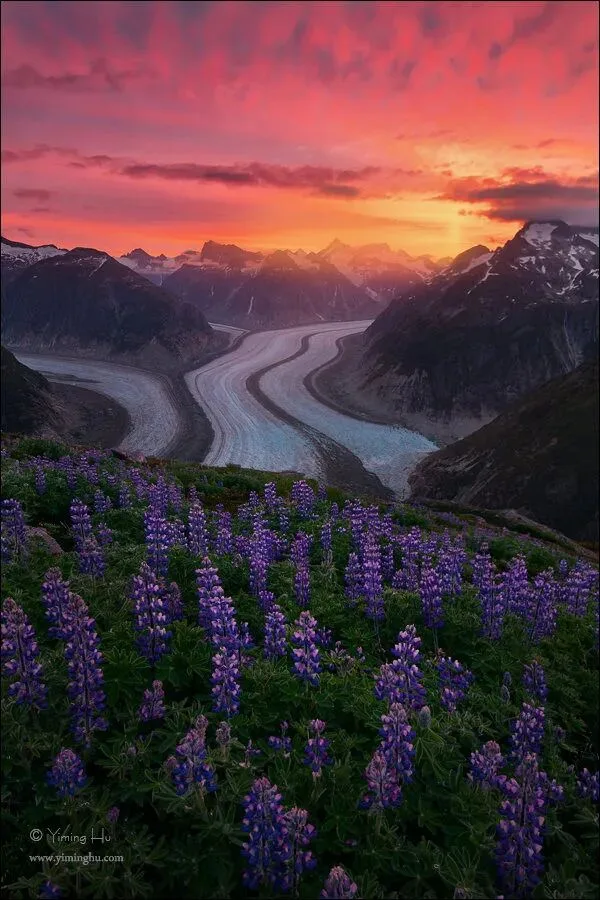
Work by Yunman
Finally, on whether we can excavate subjects and styles from Chinese culture — of course we can. Two months ago a Chinese photography magazine interviewed me, and the editor asked this very question. At the time I recommended everyone look at the works of Mr. Ye Wenlong (叶文龙), a Golden Statue Award winner one year — he draws inspiration from Chinese shanshui painting to shoot landscapes.
But what I want to say is: if you do this — if you say, "then I'll shoot in the Chinese shanshui style too" — it must be because you love this style, not because this style can bring fame, awards, or likes. If you don't love it but do it for utilitarian purposes, you will surely find it hard to do well, and impossible to sustain.
6. The Philosophies of Domestic vs. International Photographers
Thomas:
What is the most crucial difference between the photographic philosophies of foreign and domestic photographers? By comparison, what advantages and disadvantages do each have?
Yunman:
In my view, international landscape photography may currently be in the best moment it has ever had. In both professional and amateur circles, landscape photography is among the most popular subjects. So why do I say now is the "best moment"? It shows mainly in the following aspects:
First, this industry once relied mainly on a very small number of professional photographers to produce works. Many of them were of ordinary talent — but because it was their job, they simply had more opportunities to shoot than others. But times are different now. The spread of digital technology, the earth-shaking changes in media, and the great increase in people's leisure time and income have brought a large number of talented people who genuinely love landscape photography into this field.
We not only see that many professional photographers are now far better than before (as Teacher Zhangzi also mentioned just now) — we also see a great many amateurs, no less skilled than professionals, publishing high-quality works in large numbers. This is the first point — and why I say this is the best of times.
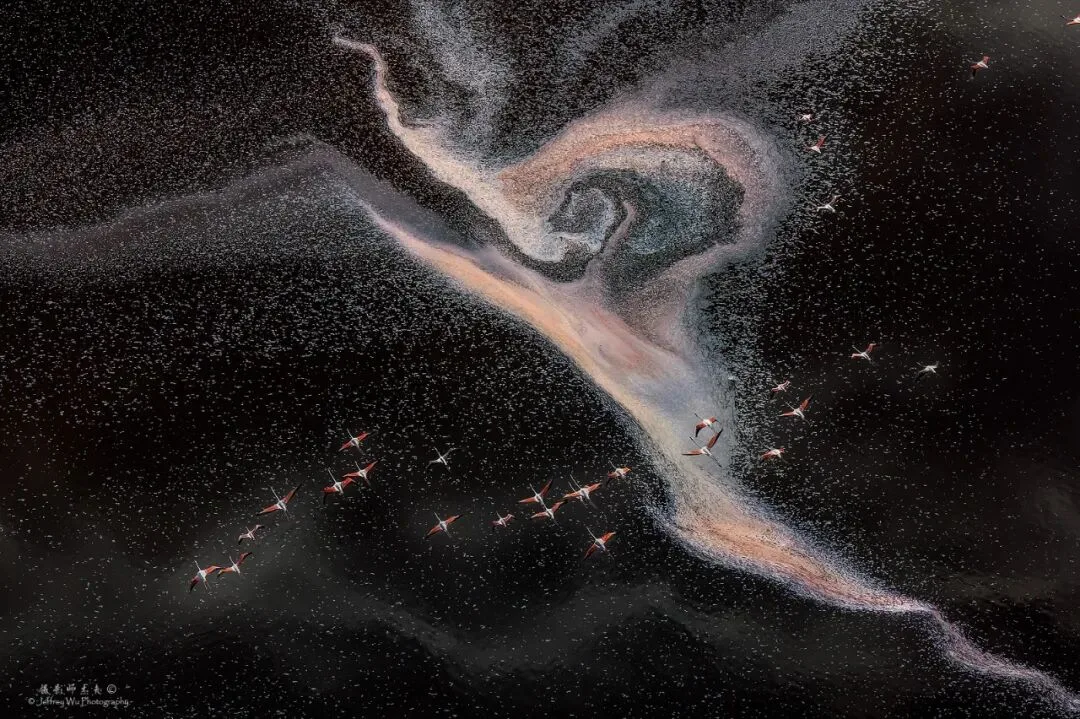
Work by Jeff
Second, from the style of works to the thinking behind shooting and post-processing to technique, a great many new things have appeared. This too is unprecedented.
Third, we see many deeper ways of shooting. Honestly, most people in the past — including Ansel Adams — shot by the roadside.
Now it's different. As I said just now, many people used to think there were no new places left on the earth's surface to photograph. But look at the shooting of today's very top tier of photographers: you will find a large number of places in the world that no one, or almost no one, has ever set foot in — and these relatively unfamiliar places hold so much astonishing scenery.
So to sum up: how is the current state of landscape photography abroad? Let's not speak of everyone — at least of the leading figures, the international leaders of landscape photography: they place particular emphasis on innovation in content, in location, and in technique. This is extremely important — without innovation, you will be looked down upon.
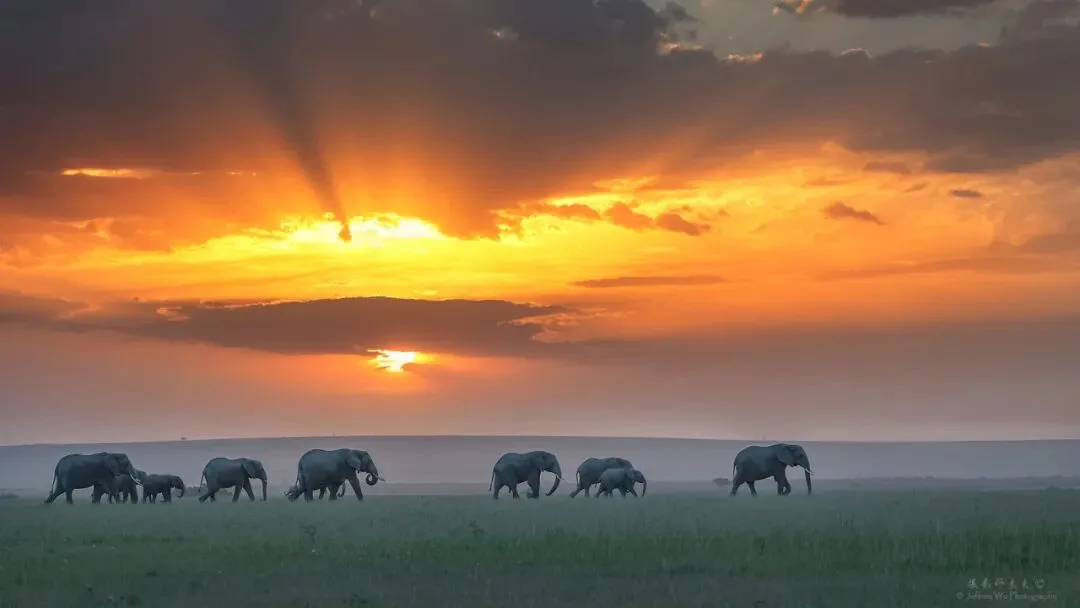
Work by Jeff
Rather than a difference between domestic and foreign philosophies, I feel it is more a difference between the older generation and the new. After all, America also has a large batch of so-called "old masters" (老法师) who were once very famous but whose current work is really unwatchable.
But the so-called difference between the old generation and the new is more about an old versus new mindset — not necessarily actual age. For example, compared with the post-90s generation, I as a post-60s person am naturally an "old master" — but I, at least for now, firmly refuse to admit that I am complacent and unwilling to accept new things. You couldn't beat that admission out of me.
I think I'm actually quite good at accepting new things. Besides, I know some domestic teachers in their 60s and 70s who are still constantly innovating. However old we get, we should keep an open mind.
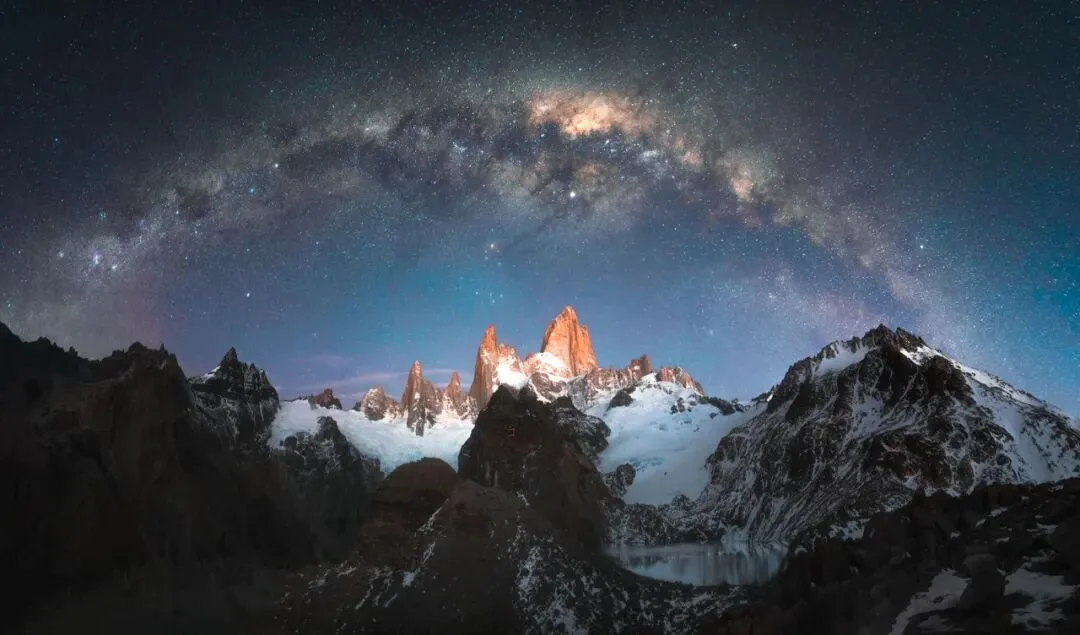
Work by Thomas
In addition, many excellent young Chinese photographers love traveling all over the world to shoot at popular check-in spots. Their technique is already very good. For each individual, this is of course not wrong. But as a group, I feel everyone should dig deeper into China's unique landscapes.
China has so many of the world's top landforms — Chinese photographers have an unmatched advantage here; don't waste it. I dream of shooting in these places but have no chance to go now. I am very glad to see several outstanding young photographers such as Kaka (卡卡), Tony Wang, and others — too many names to list — who are very focused on the landscapes of western China, but I think this group could be even bigger.
7. Advice for Young Photographers
Thomas:
May I ask you photographers born in the 60s/70s: what do you think of the young photographers born in the 80s/90s/00s? Any advice?
Jeff:
I think the post-80s, post-90s, and even post-00s generation of photographers has one very strong, very obvious characteristic: they are photographers of the internet age — or as we say, the e-era.
This generation completely bypassed the domestic "old master" system: they learn entirely on the internet, share on the internet, improve on the internet, and even become famous on the internet.
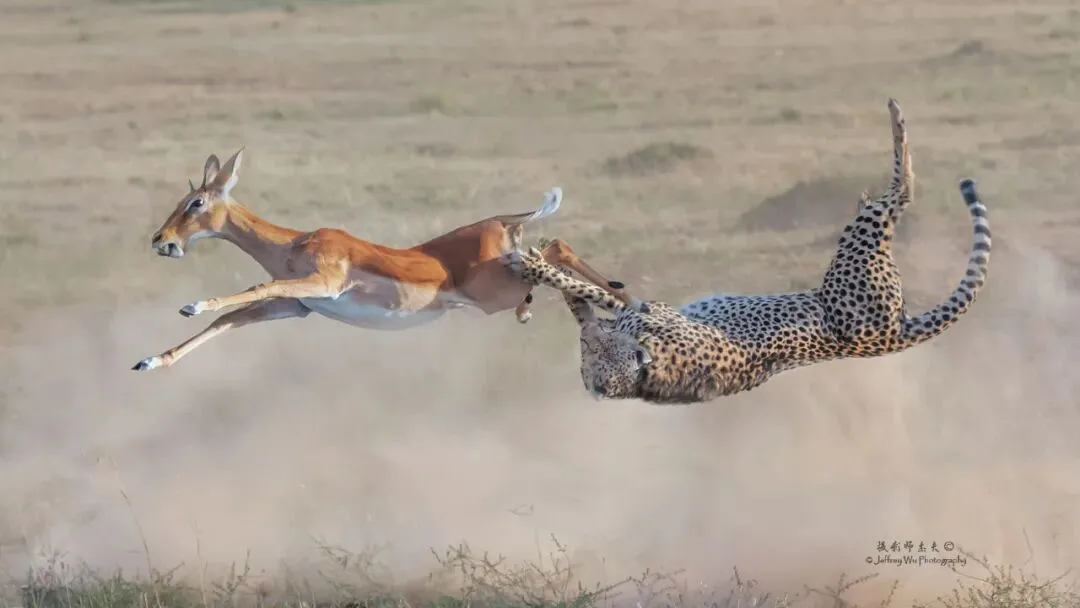
Work by Jeff
I feel this generation of young people — in their synchronization with modern photographic concepts, techniques, and skills, in their fanaticism for learning, and in the conditions under which they shoot and learn — has reached a level our generation simply could not. Therefore, I absolutely believe they are the future of photography.
And one more thing: what about us old fellows born in the 60s? I think the waves behind drive on those before; if we front waves don't want to die on the beach, we can only keep whipping ourselves onward to stay at the top of the industry.
For example, in post-processing, artificial intelligence is now being introduced quite deeply into post techniques. Just the other day there was a very good foreign AI software called Topaz — Teacher Yunman wrote a review of Topaz Gigapixel, the interpolation enlargement software, and I wrote a review of Topaz's AI noise reduction. Also, in the next day or two, I will share with everyone the latest "Jeff Workflow" (杰夫流程) — a new workflow using AI to improve image quality.
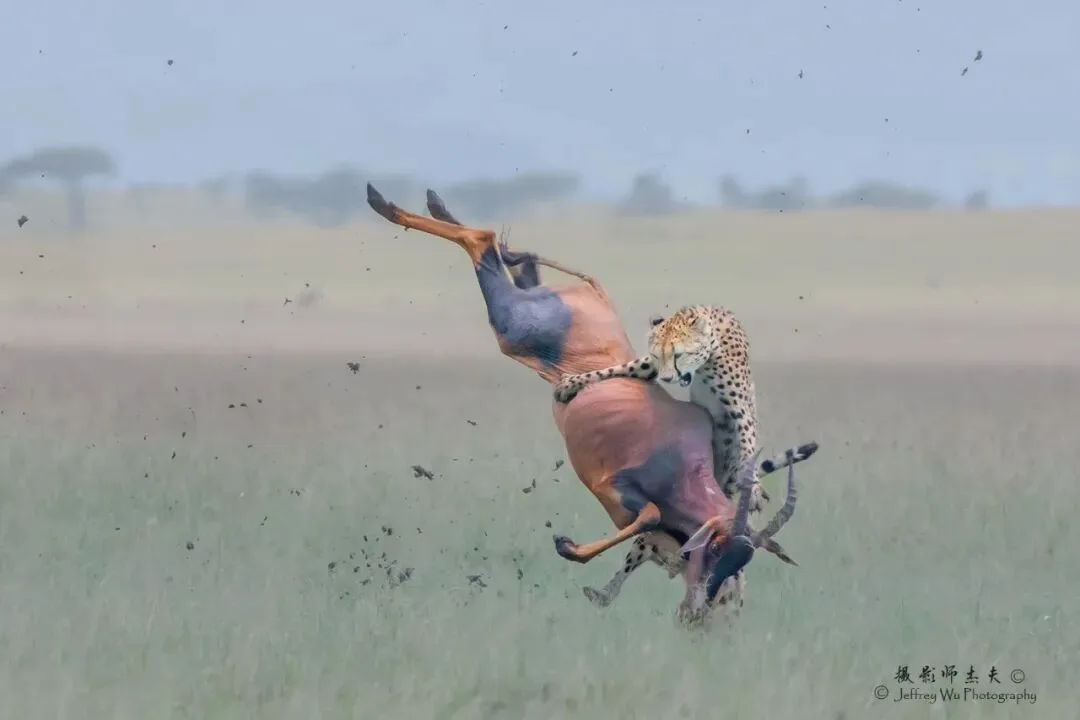
Work by Jeff
So the rise of the post-90s — post-80s, post-90s, and later the post-00s — actually gives us a stronger sense of urgency: to keep up with the times and stand at their forefront. Therefore, their emergence not only represents the future of photography, but is also excellent motivation and inspiration for us veteran photographers who have already begun the second half of our photographic journey.
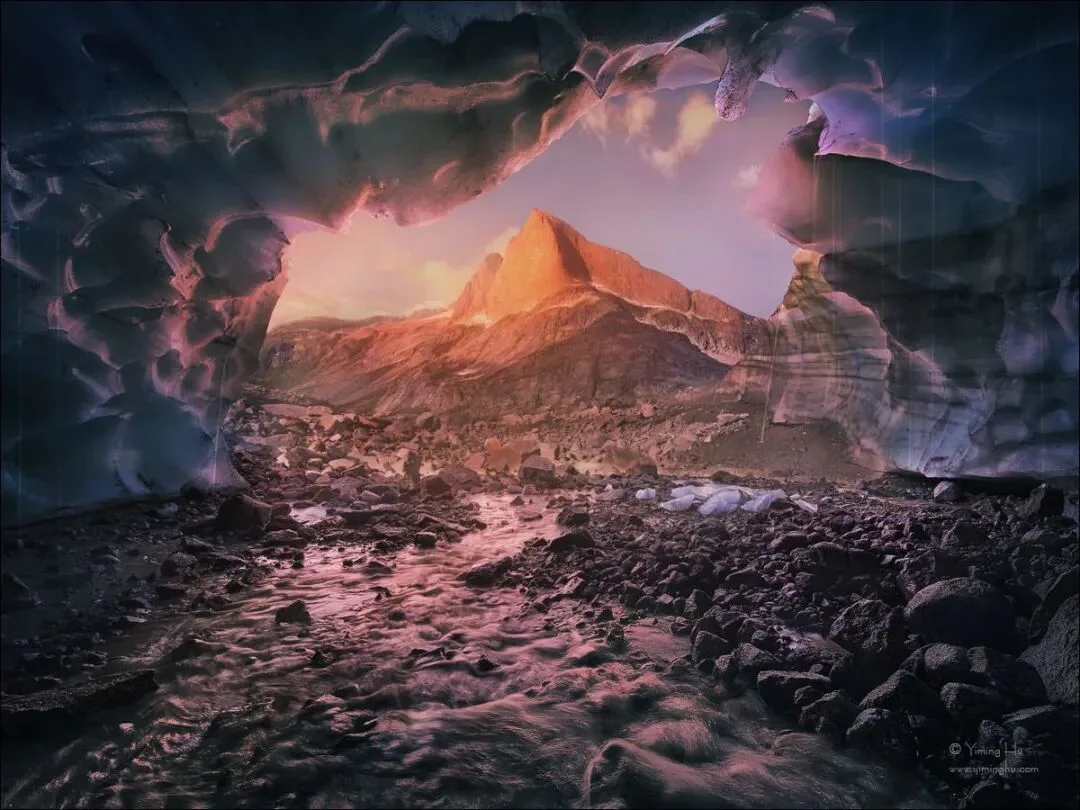
Work by Yunman
Interview organizer: Australian Horizon Club (澳洲地平线俱乐部)
Interview guests: Yunman (云漫), Jeff (杰夫), Fan Chaoliang (范朝亮), Beijing Zhangzi (北京张子)
Interview host: Thomas Chu Photo
Interview transcript: Diandian (点点)
Manuscript editing: Thomas Chu Photo