Photography Tutorial · 2022-01-23
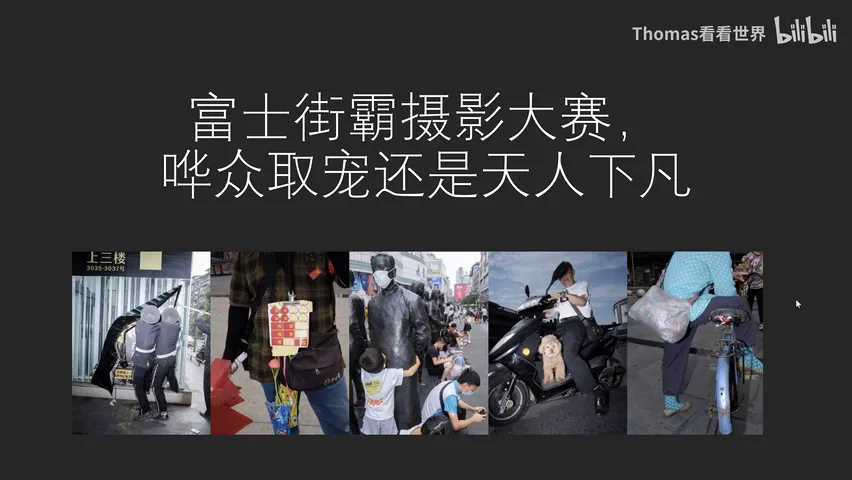
Fujifilm Street Photography Awards: Grandstanding or Divine? A Detailed Analysis and Review Is Here!
Thomas Chu Photo
The Fujifilm Street Photography Awards have recently gone viral, and the grand prize selected from 500,000 entries has sparked heated debate.
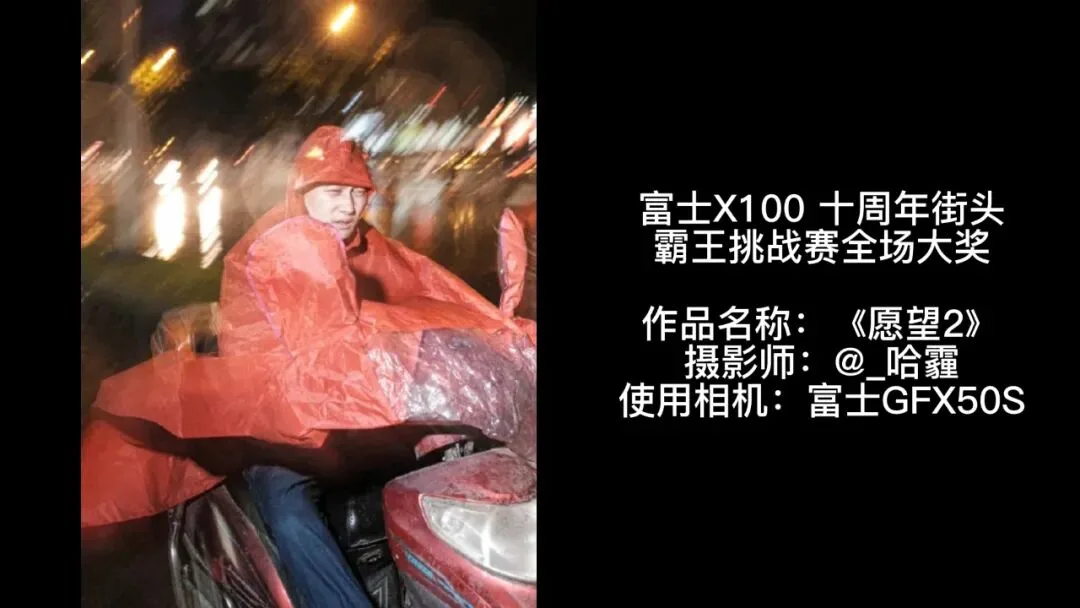
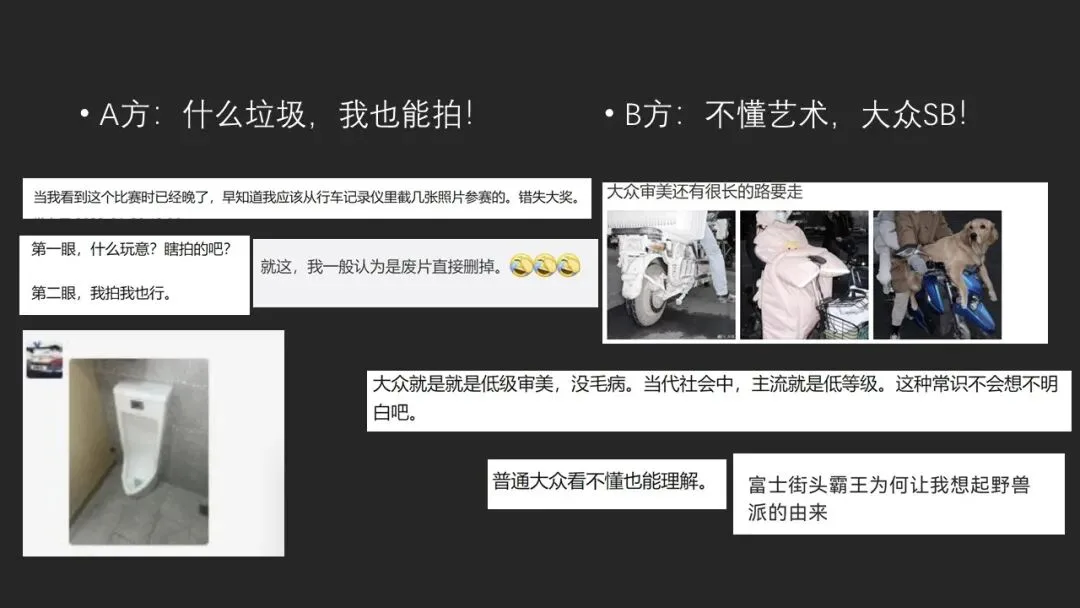
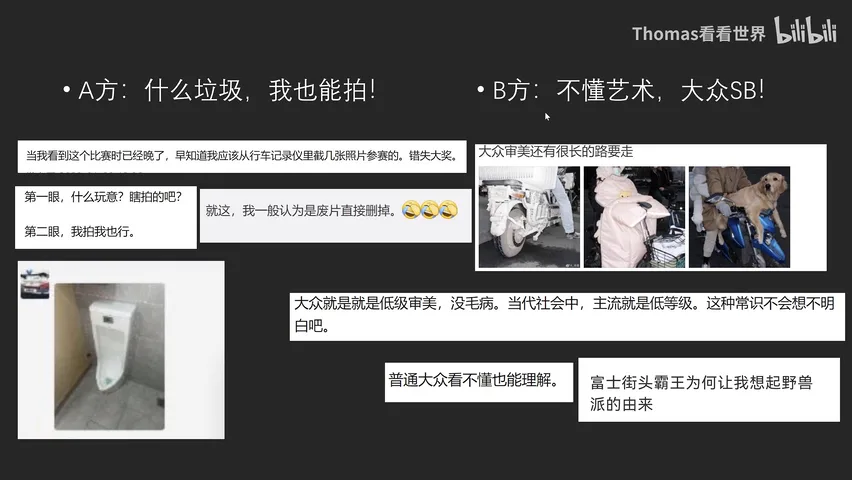
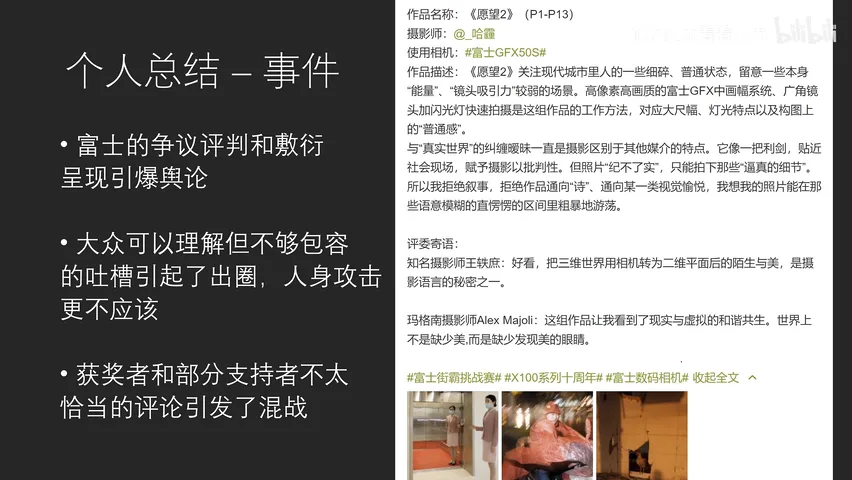
One camp believes the grand prize is grandstanding — nothing but sloppy, worthless shots. The other camp believes the winner is a divine masterstroke, and that public taste is just too poor.
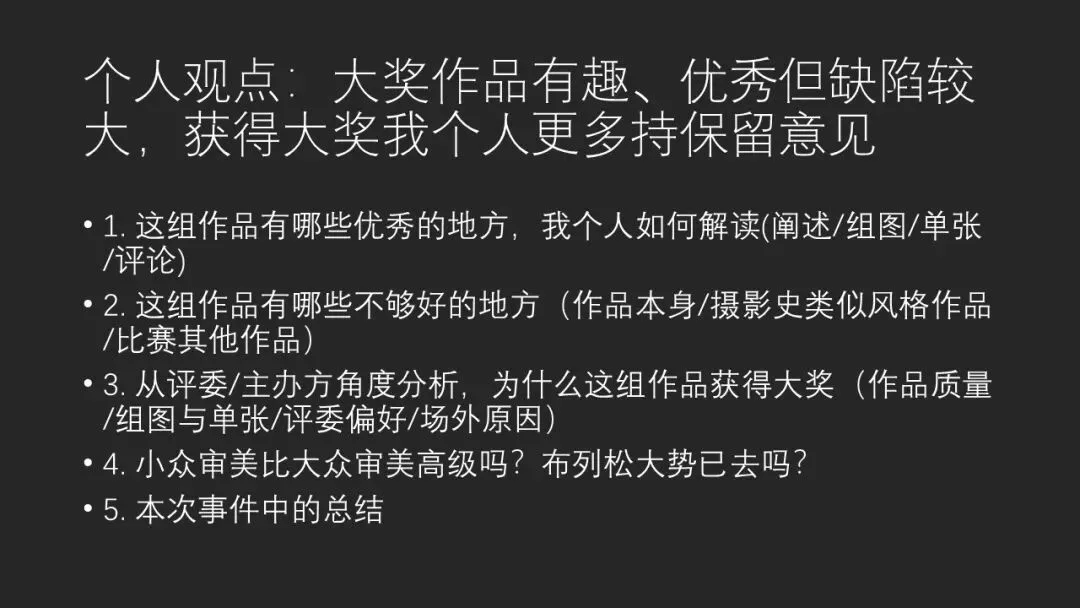
Today's video tutorial is a personal, detailed analysis — including what highlights and strengths this winning set has, and what major flaws it has that make me feel the award is highly controversial.
As well as my commentary and thoughts on both sides' viewpoints.
Video tutorial
▶ Watch the video tutorial on Bilibili
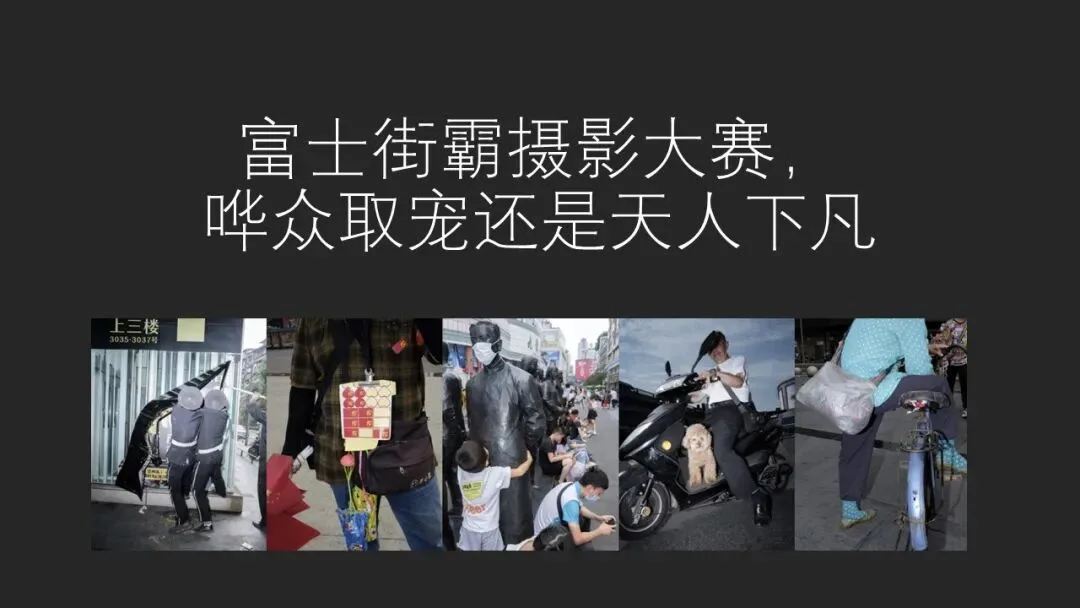
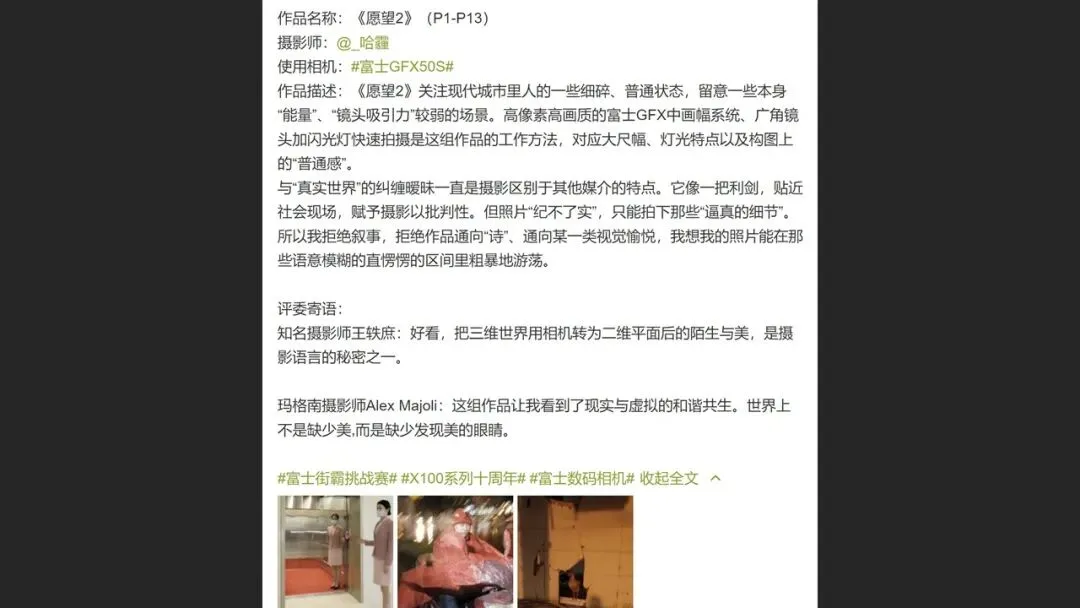
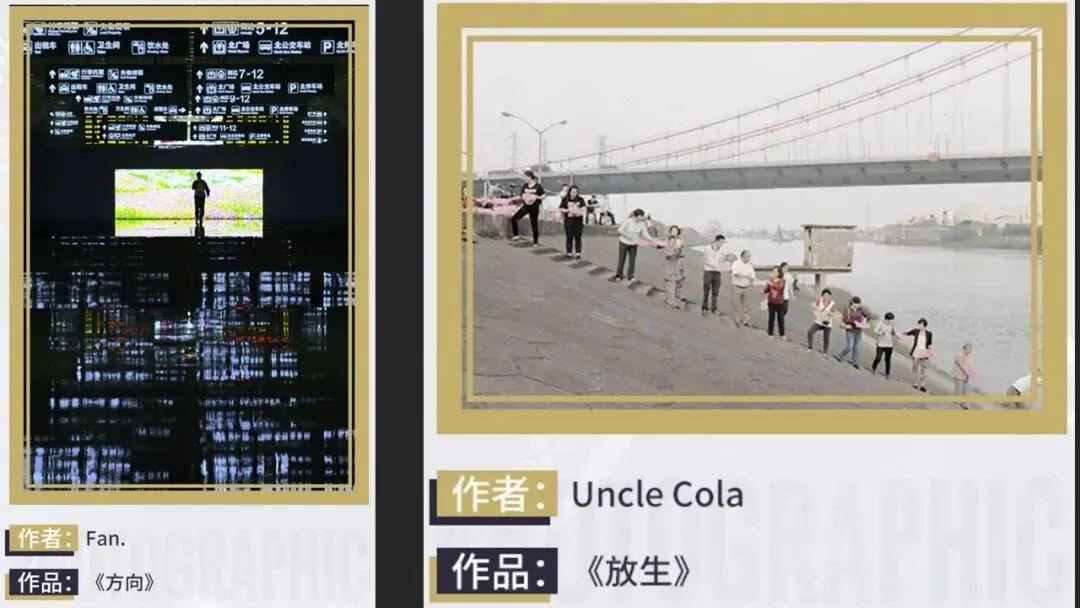
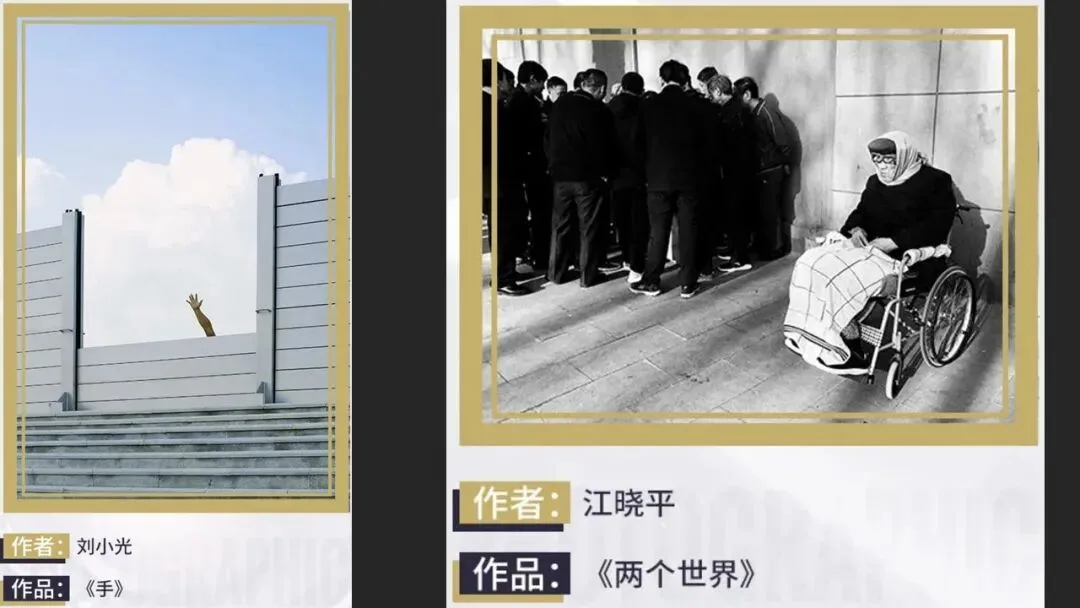
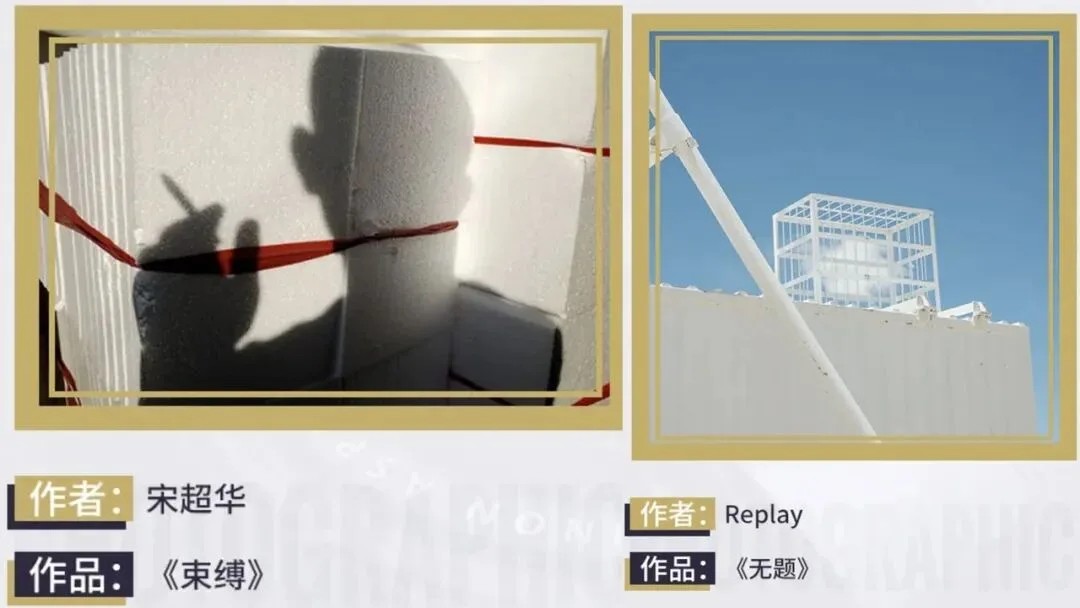
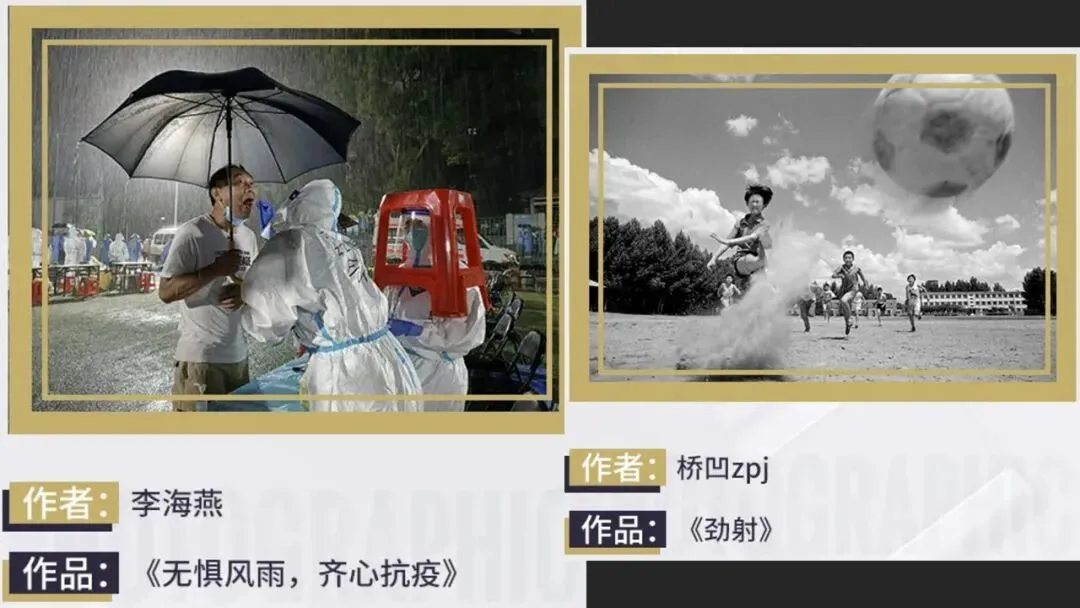
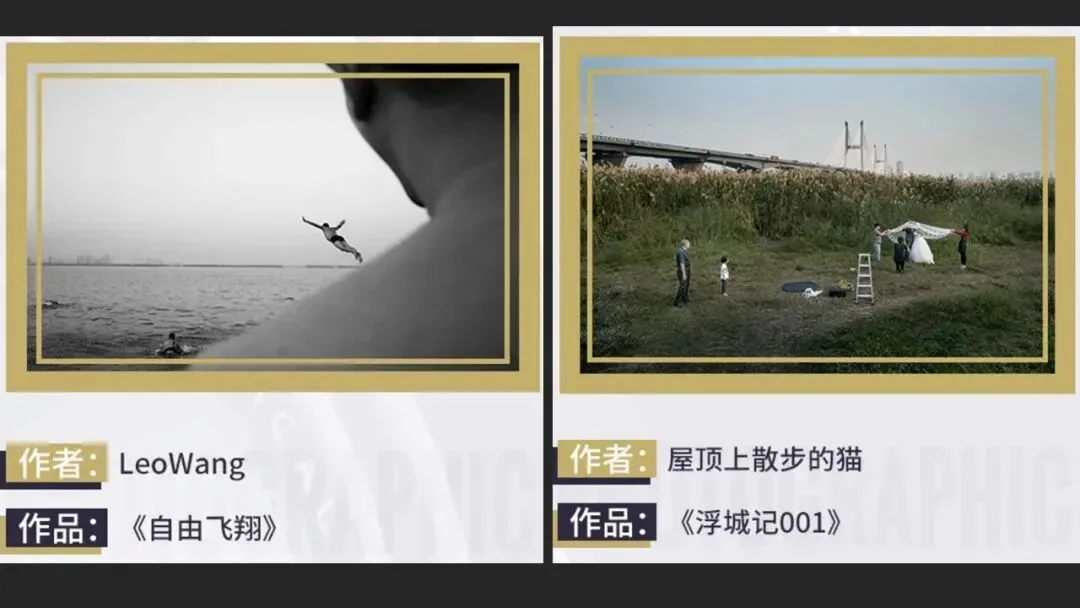
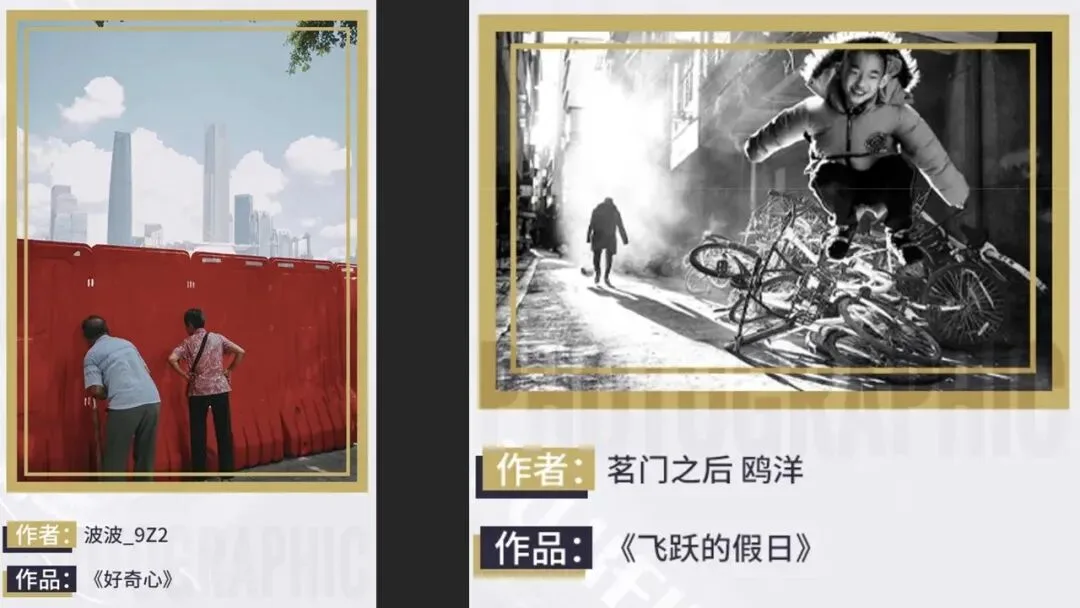
This is the illustrated companion to the video above. The Fuji Street Photography Challenge's grand prize, 'Who am I', chosen from 500,000 entries, split the internet: one camp sneered 'trash, I could shoot that', the other scoffed 'public taste has far to go'. Thomas spends 25 minutes dissecting it — where the series excels, where it falls short, why the jury picked it, and whether niche taste outranks popular taste. The full award images live in the slides section above.
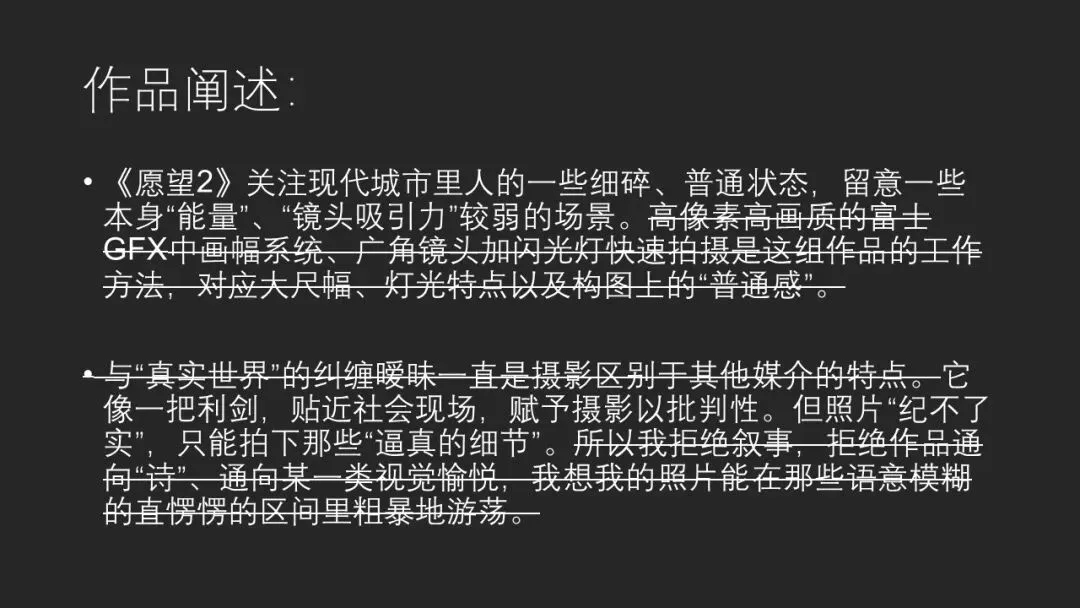
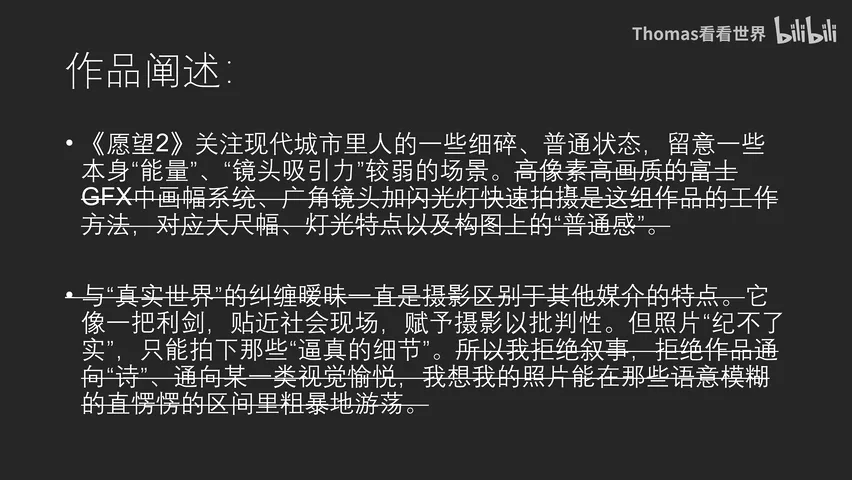
First, the question and the conclusion: this is analysis, not tribalism — Thomas finds the work interesting and accomplished yet clearly flawed, and reserves doubt about the grand prize (the title card at 0:22 in the video).
01 The Storm and a Stance
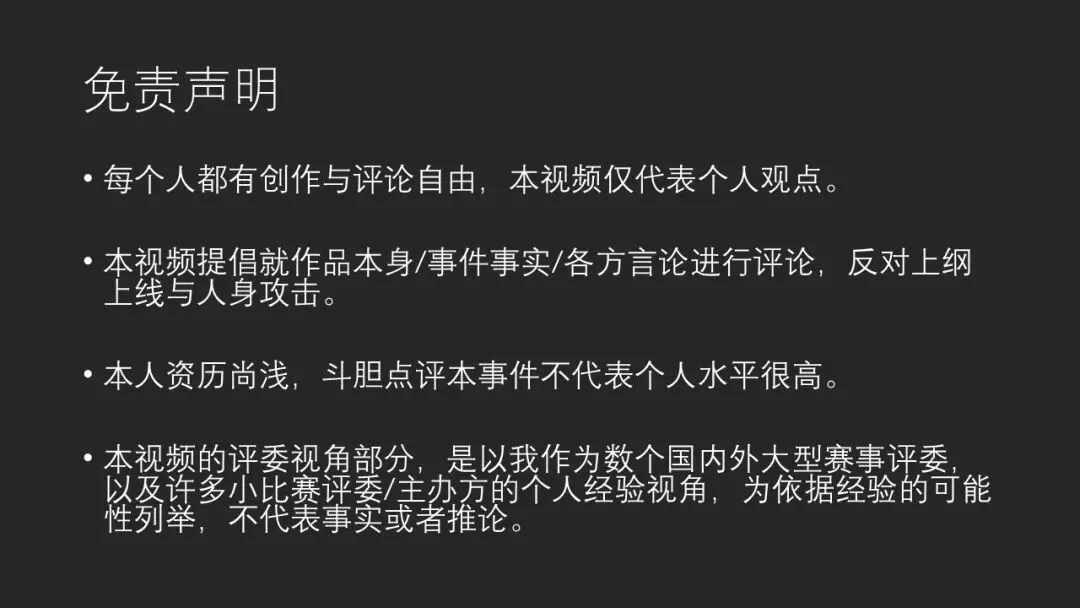
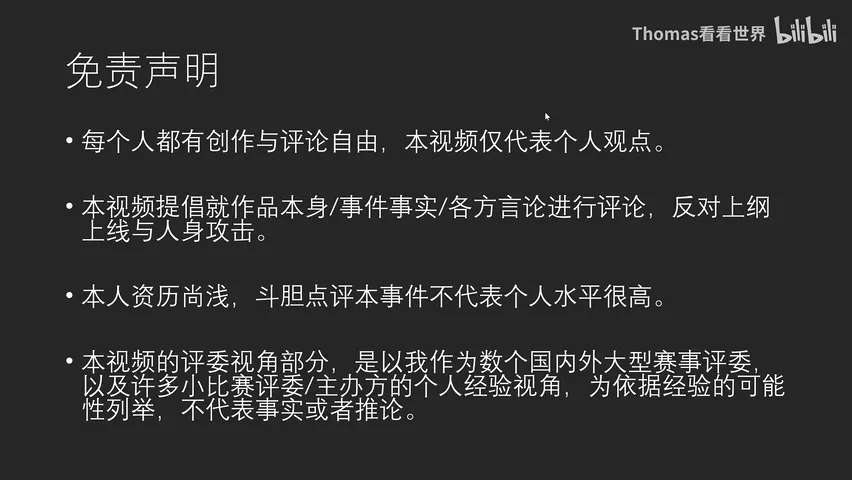
The debate split in two: camp A jeered 'garbage, random snapshots, I could do it — I'd have deleted them'; camp B sneered 'public taste has a long way to go; the masses are just lowbrow' (the viewpoints card at 1:08 in the video). Thomas sets three ground rules: everyone is free to create and to comment; the work and the award decision itself are fair game; and personal attacks are off the table (the disclaimer card at 3:28).
02 Reading the Series: Groups and Singles
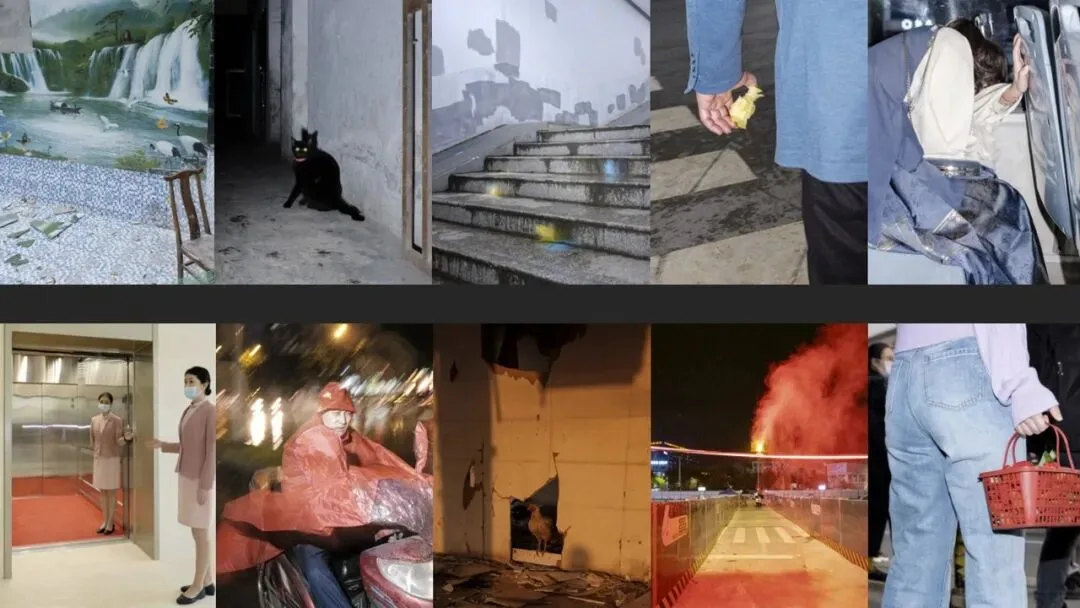
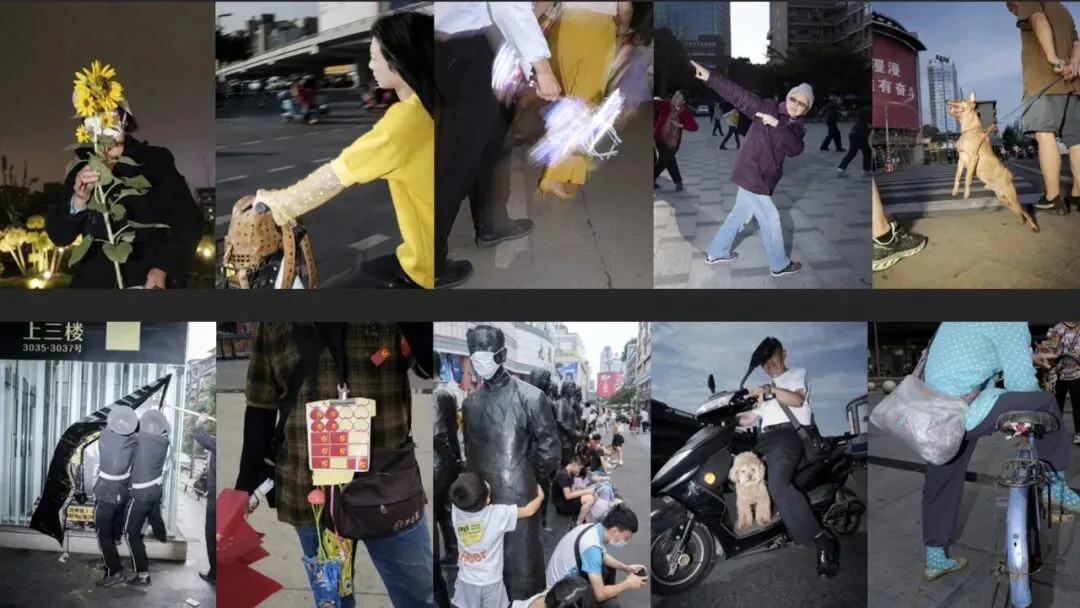
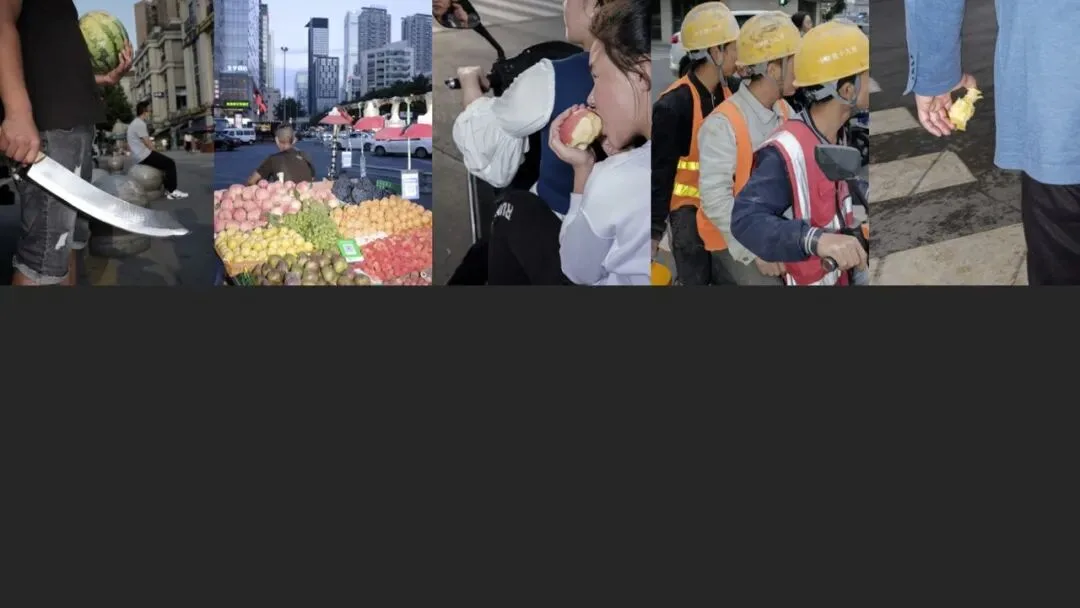
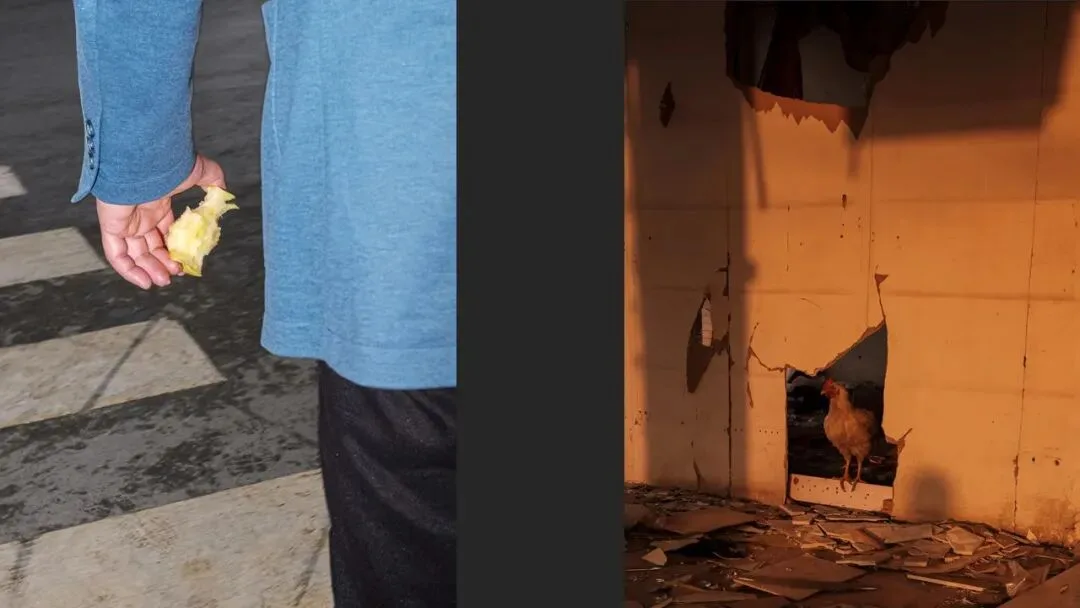
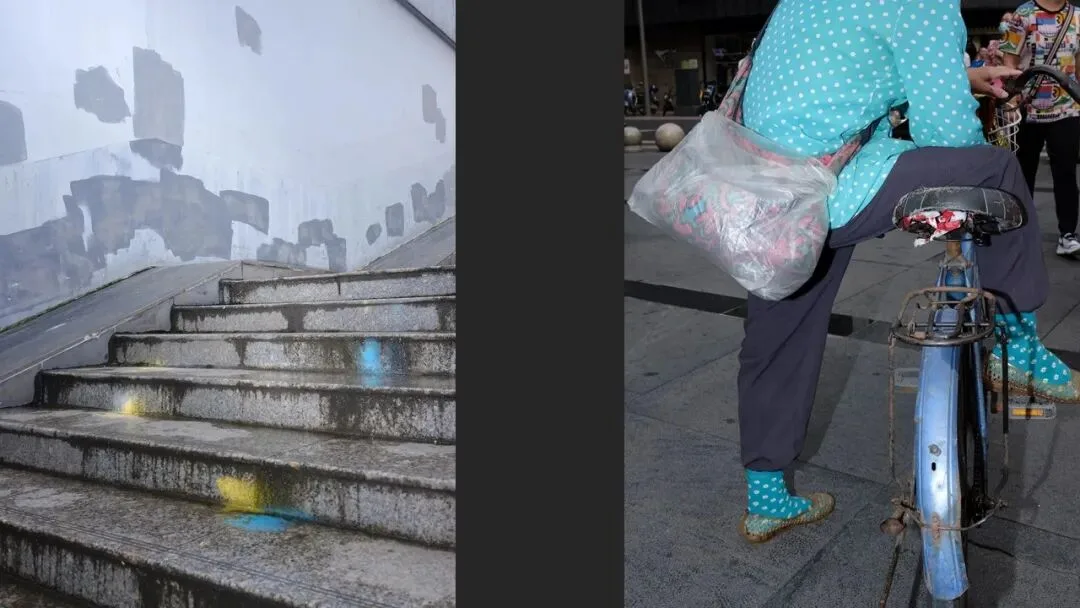
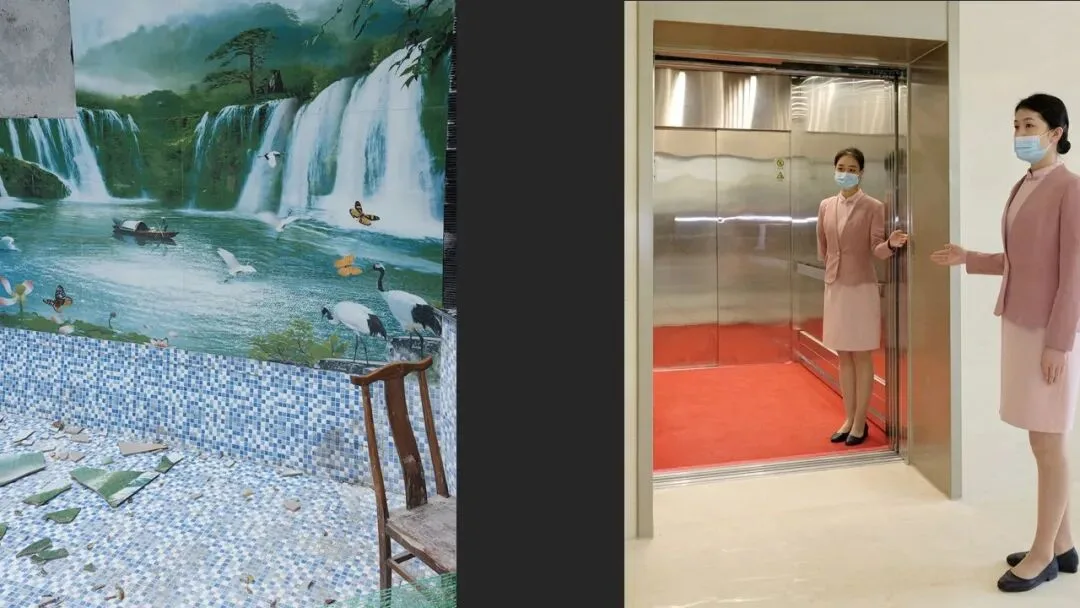
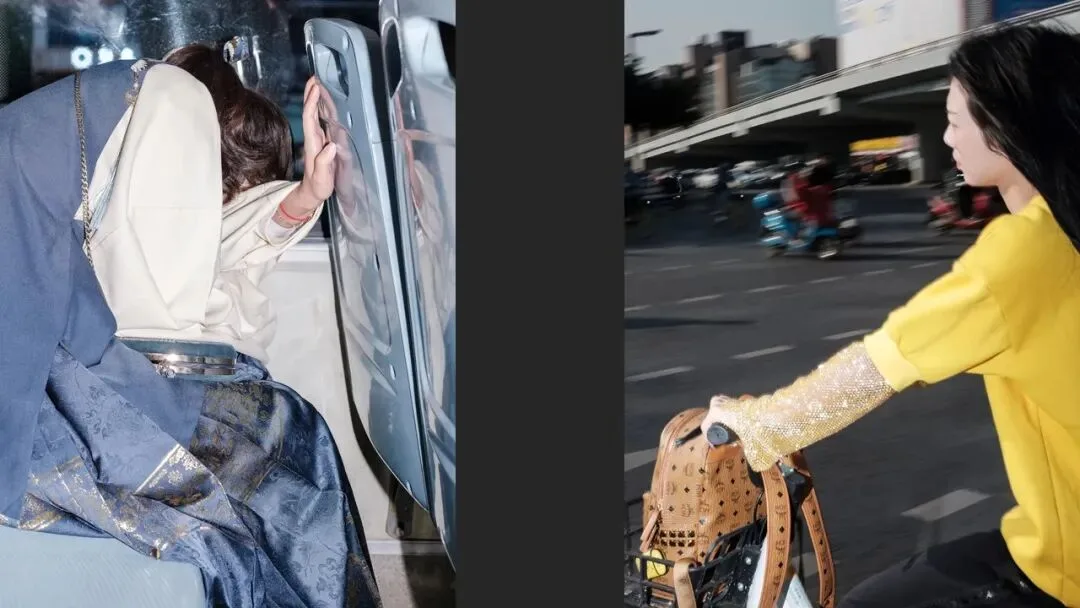
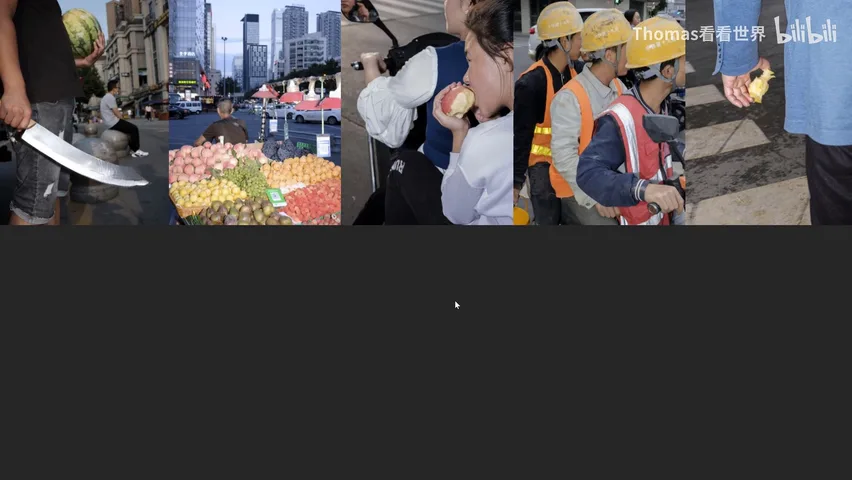
Read as a whole, five threads emerge: a blue-yellow pair, a red-orange set, a vital group of people and dogs, the most abstract cluster, and a 'fruit' thread running from a figure with a watermelon and knife to fruit for sale and a half-eaten apple (at 5:30 in the video). Singles shine too: complementary color blocks, repetition like musical staves and notes, striped bags echoing striped shirts, complex space flattened into plane structure, and elevators mirroring space within space (at 6:16).
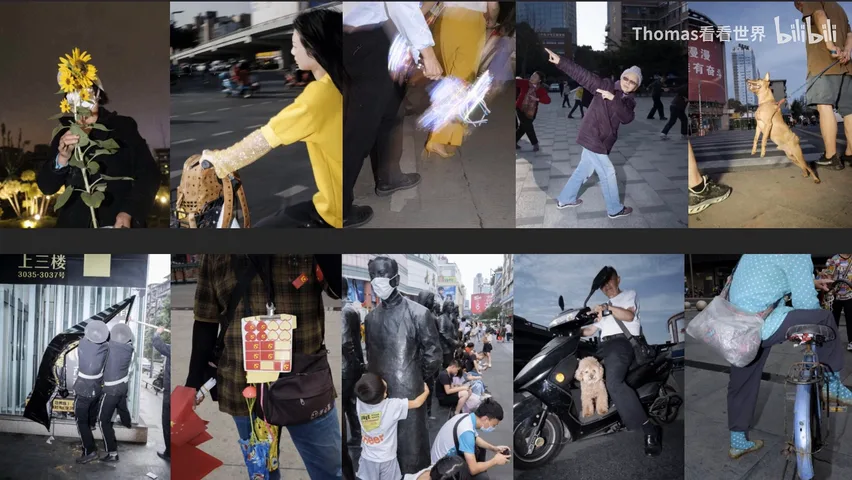
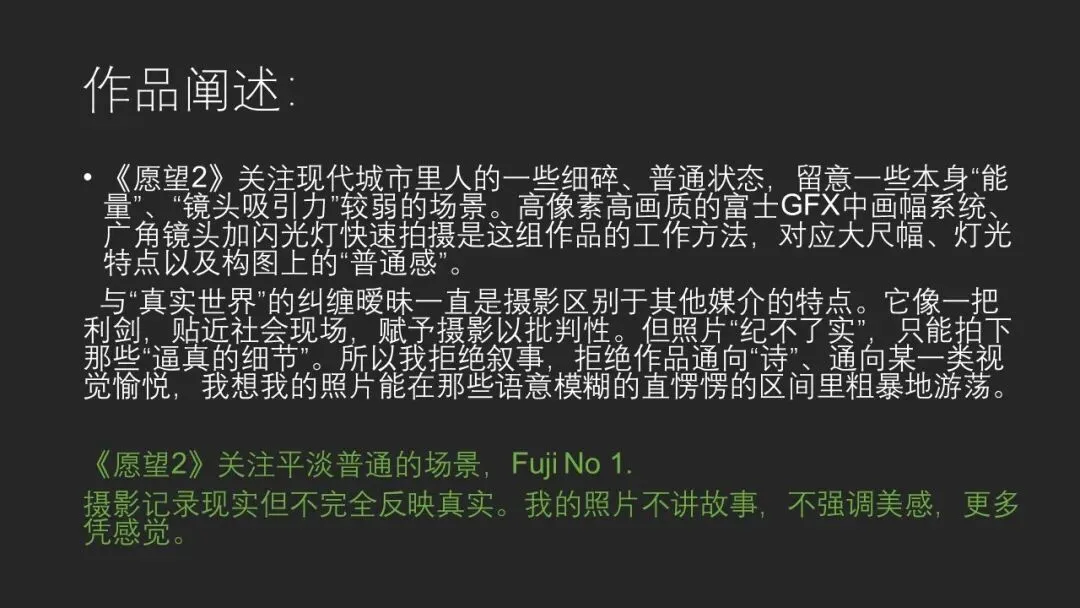
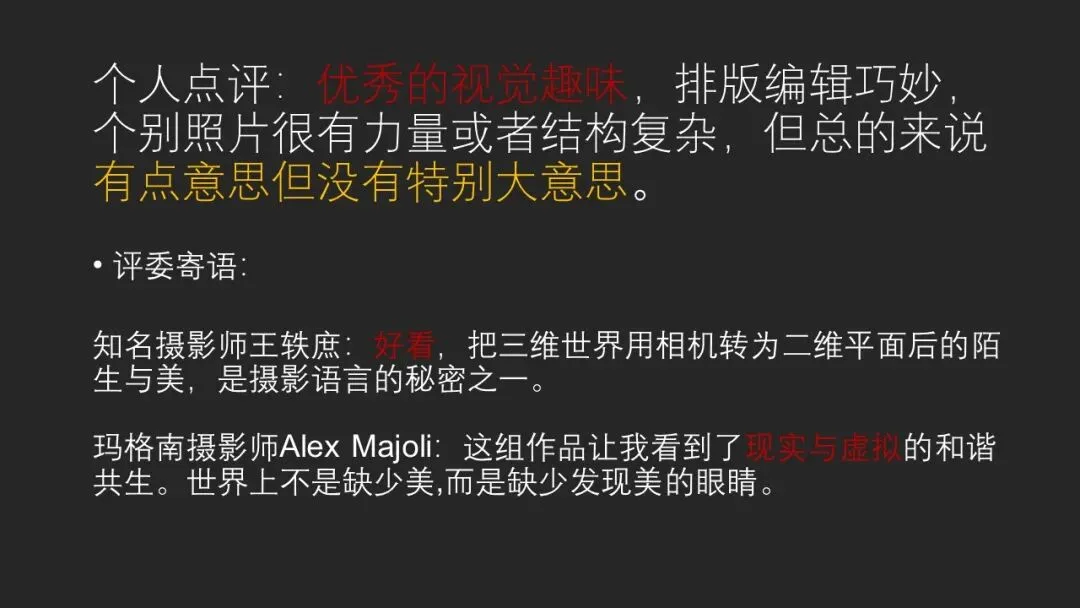
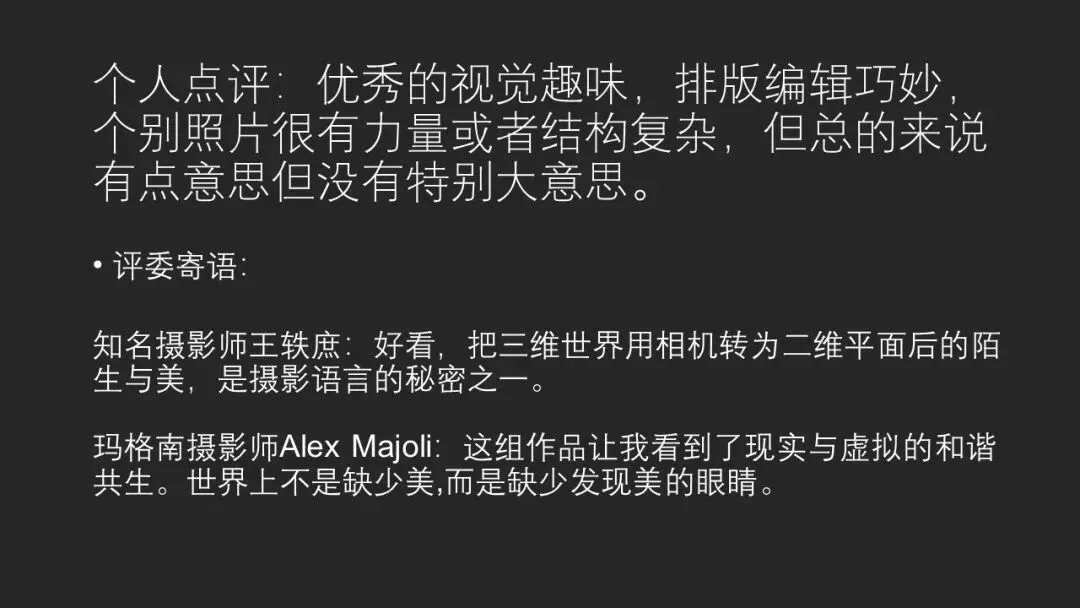
One lesson stands out: attention to ordinary people's states — a fashionable young woman squinting her way to work, an exhausted commuter after a shift. Street photography need not chase decisive moments or the usual 'worthy' subjects like sanitation and construction workers; plain everyday states deserve the frame too (at 8:30 in the video). Thomas's verdict: excellent visual wit, clever sequencing, a few forceful frames, complex structure — 'interesting, but not that interesting'; the jury's 'defamiliarizing beauty' says too little, and the Magnum photographer's 'reality and virtuality in harmony' is thin (the artist statement at 13:32).
03 Against the Masters: Where the Gap Shows
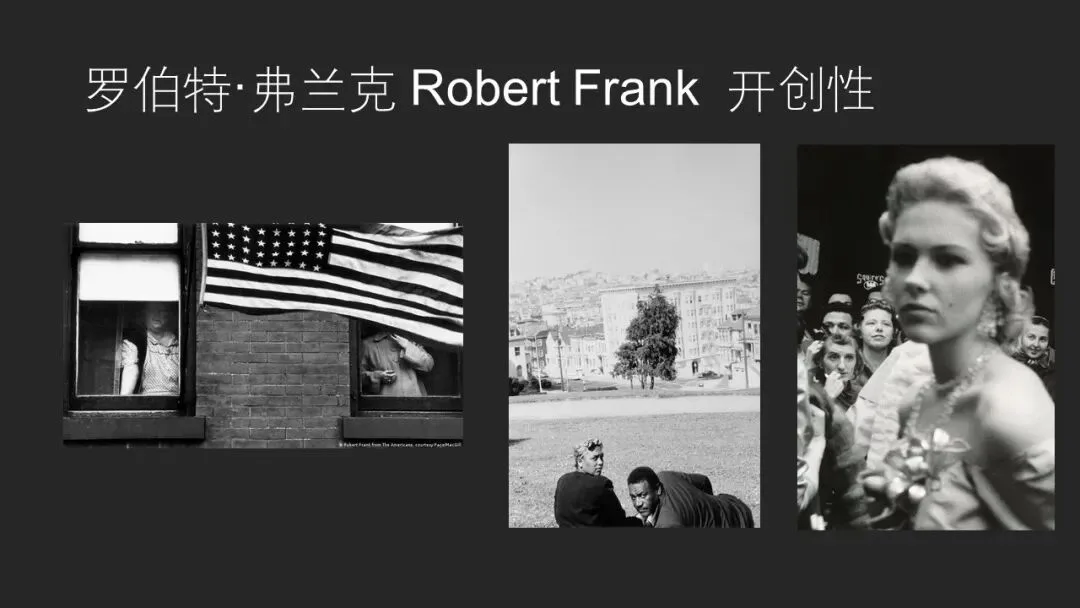
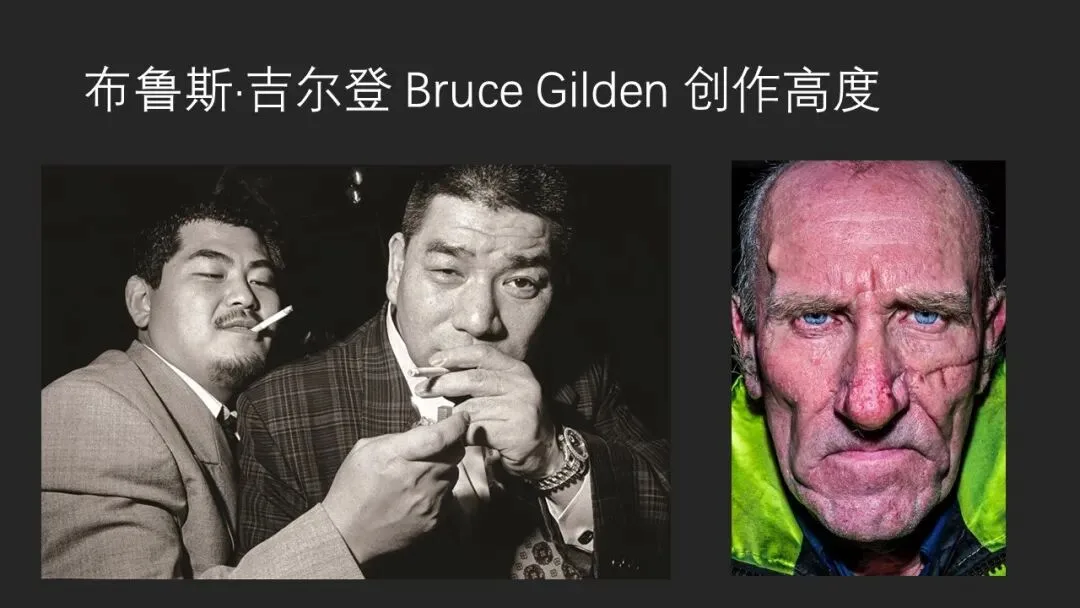
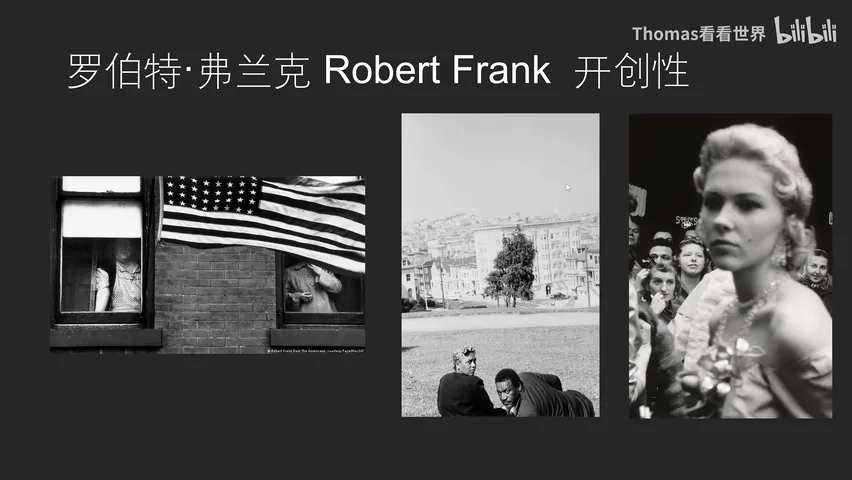
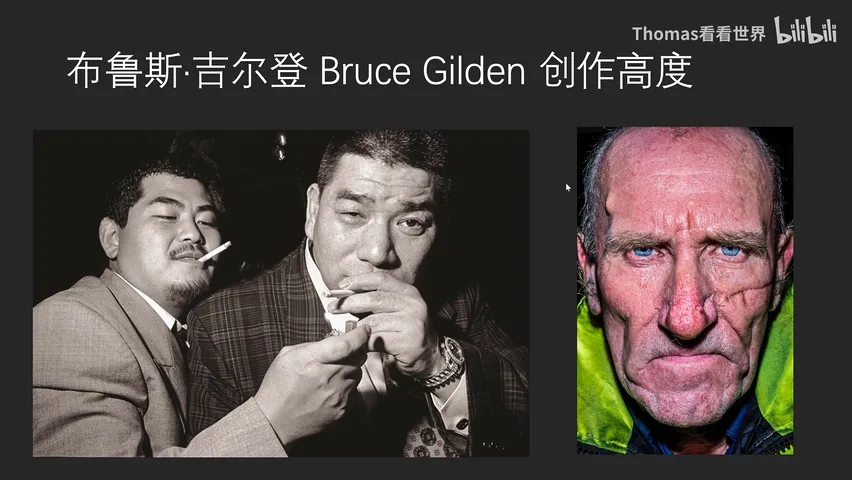
Set against photo history the gap is immediate: Robert Frank pioneered this anti-polish aesthetic, his greatness lying in opening the movement itself (at 14:09 in the video); Martin Parr also fires flash at strangers by day, but the flash serves his biting satire and absurdism — a wholly different creative depth (at 14:38); and Bruce Gilden's in-your-face flash remains the ceiling of the genre (at 14:44). Borrowing the technique without the depth is the shortfall.

04 Why This Series Won
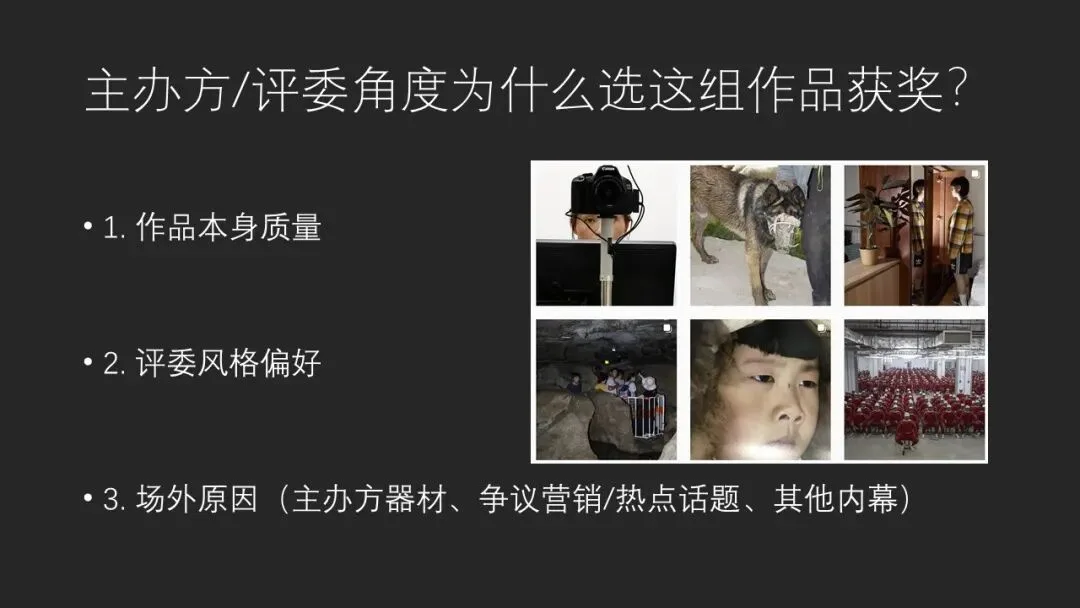
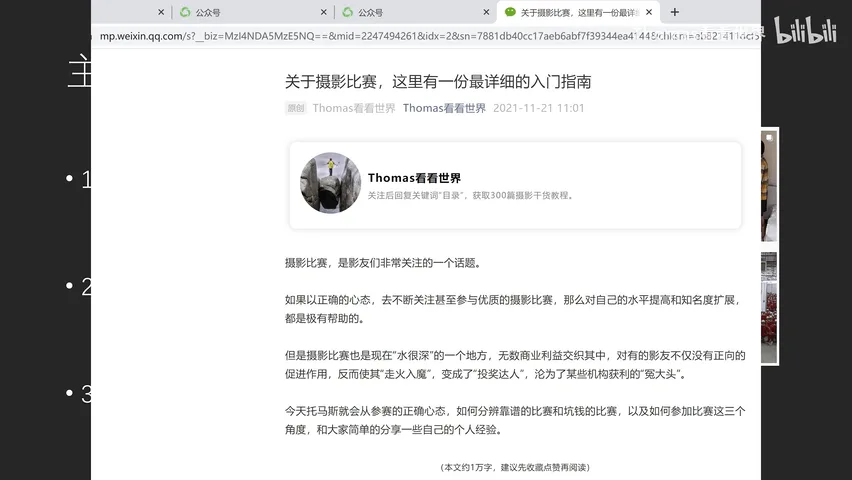
Why did this series win from 500,000? First, the work is genuinely decent; second — the key — jury taste: pull up one judge's Instagram and the stylistic kinship is unmistakable (at 18:14 in the video). It was chosen not because its style is rare, but because it is the style the jury knows best. As for off-stage factors, the bigger the contest the fewer — yet they can be neither proved nor disproved: Rashomon (at 17:53). The takeaway for entrants: study the jury roster and past winners before you submit.
05 Is Niche Taste Really Higher?
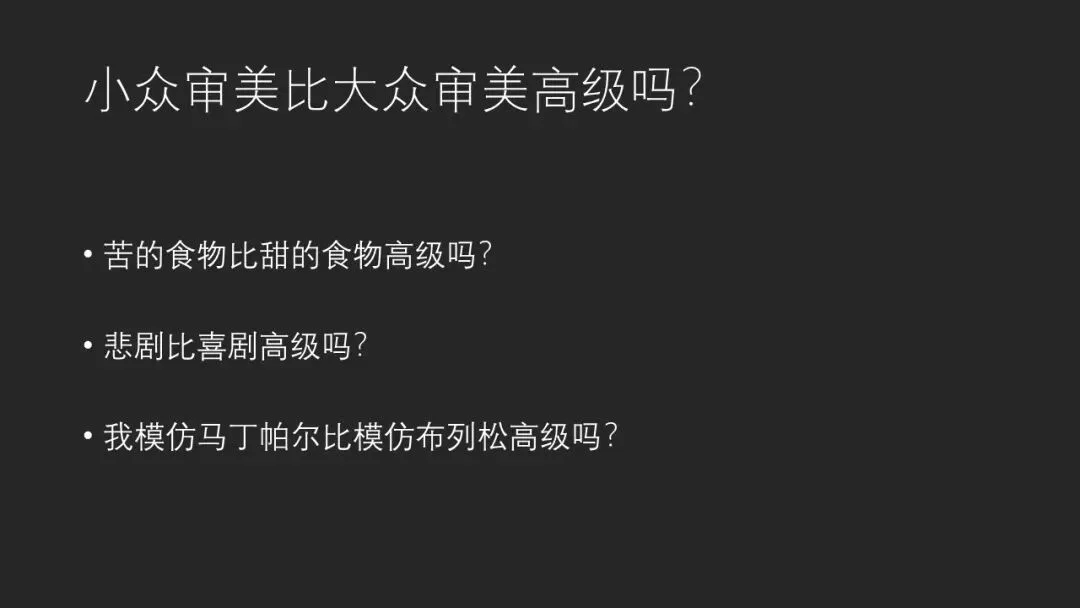
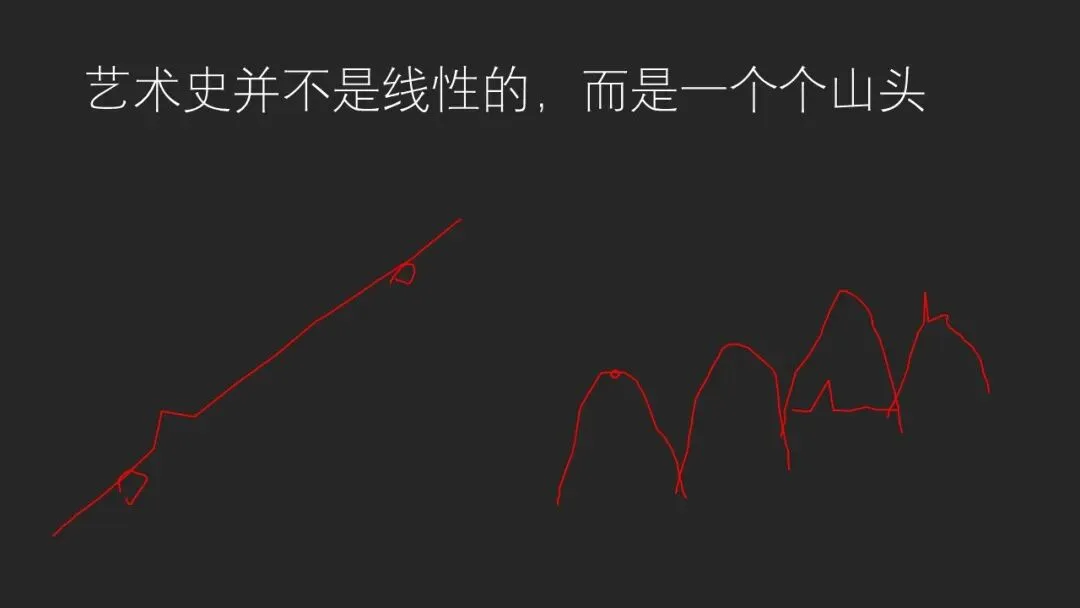
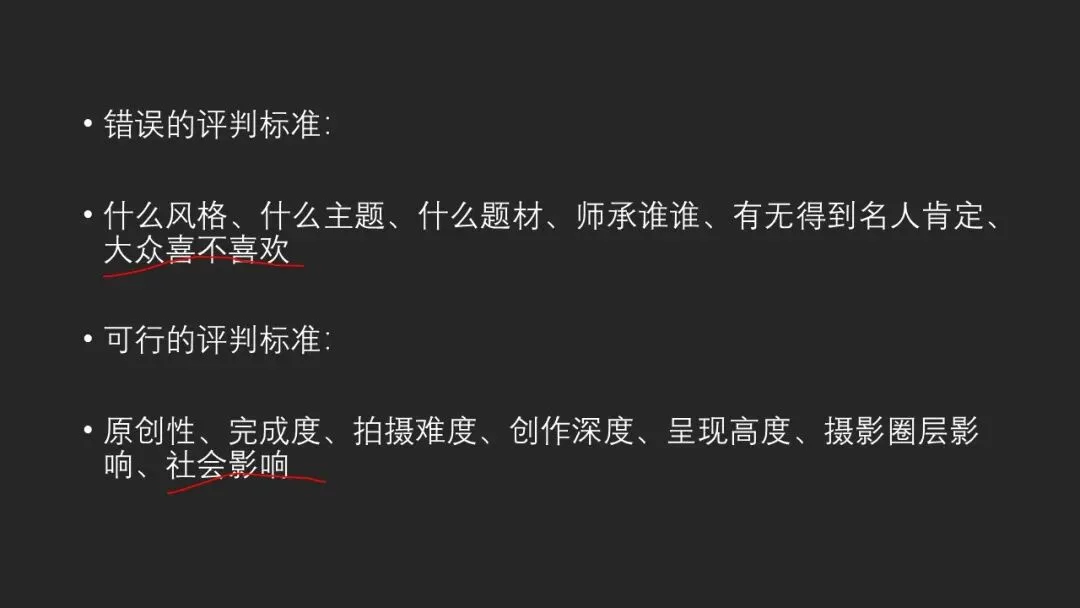
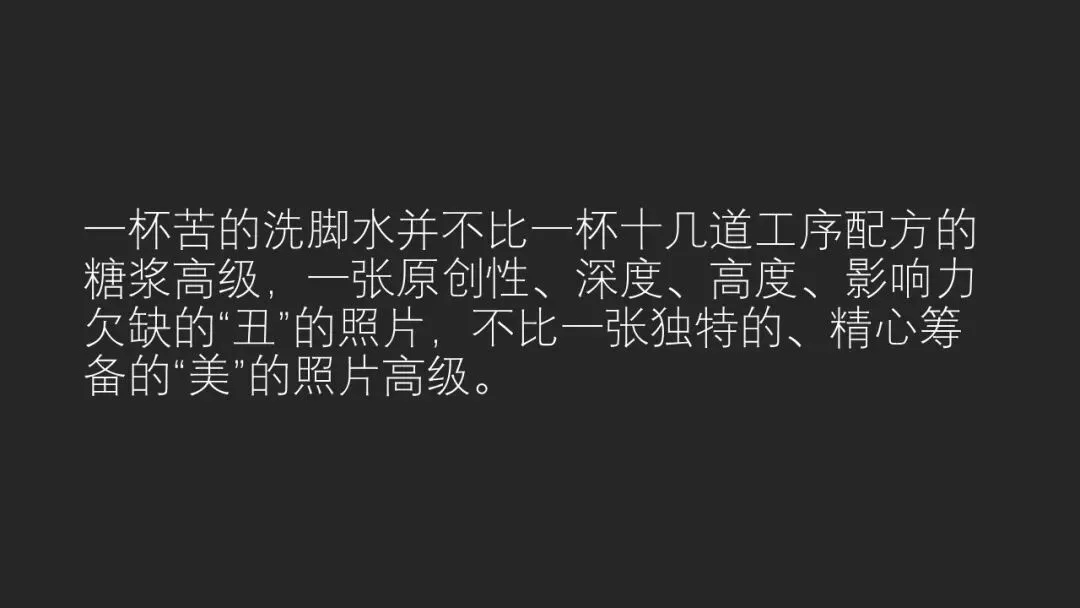
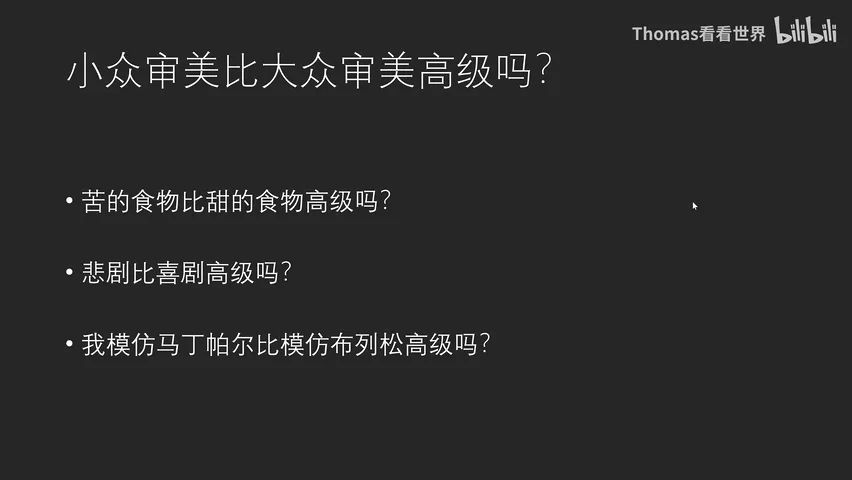
Here is the claim Thomas most wants to rebut: is bitter food automatically nobler than sweet? Tragedy than comedy? Imitating Daido Moriyama than imitating Cartier-Bresson? Photo history is not a straight line but a range of hills: pictorialism's summit filled up, so newcomers had to found new peaks — Moriyama crowns one, Lang Jingshan another, and no hill is inherently higher (at 18:50 in the video). Style, subject, lineage, celebrity endorsement and mass appeal are the wrong yardsticks; the workable ones are originality, completeness, difficulty, depth, presentational height, and influence within photography and society at large — a cup of bitter instant coffee is not nobler than a carefully brewed Longjing.
06 Three Closing Thoughts
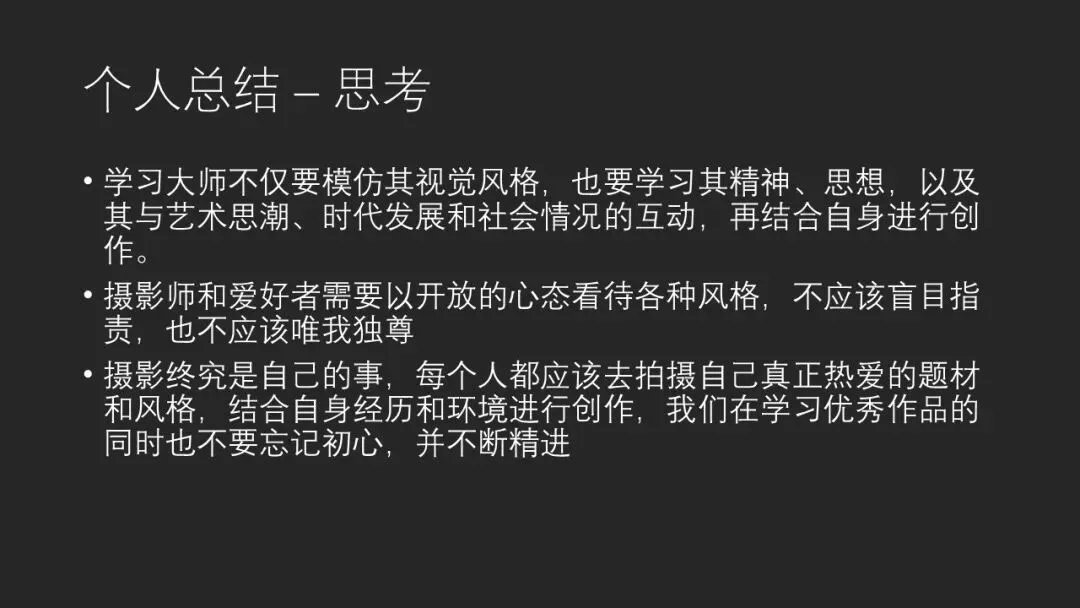
The video lands on three thoughts: first, learn from the masters' spirit and their dialogue with their era — not just their look — then create from your own reality (the closing card at 23:32); second, meet unfamiliar styles with an open mind — you may critique, but neither attack the person nor crown yourself; third, photography is ultimately your own affair — a Cartier-Bresson at 90 percent beats a Moriyama at 20, and creating what you truly love is the way forward.
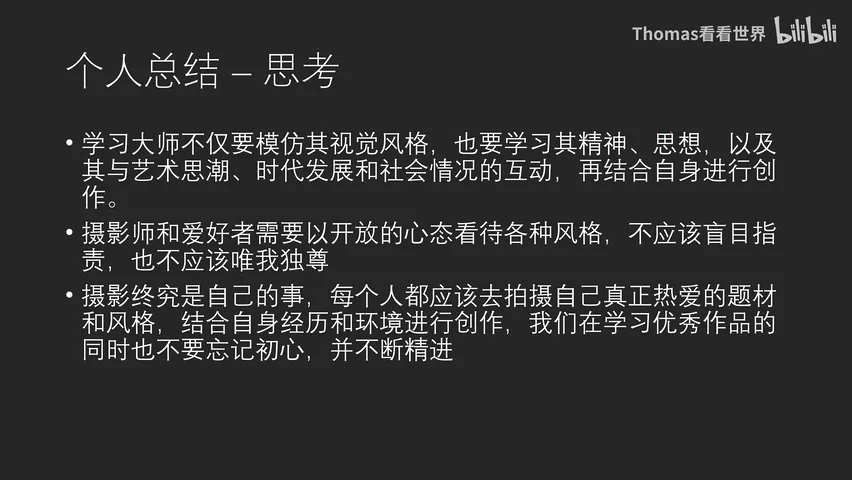
1. Judge work by originality, completeness, difficulty, depth, presentational height and influence — not by stylistic camps: a Cartier-Bresson at 90 percent beats a Moriyama at 20; 2. Awards track jury taste: it is rarely rarity that wins, but familiarity; 3. The grand prize teaches attention to ordinary perspectives, visual wit and series editing, while its limits lie in technique outpacing depth; 4. Photography is finally your own affair — see the world with an open mind and set your course by what you love.
HD video:
https://www.bilibili.com/video/BV1Xq4y1c77S/
PPT