Photography Tutorial · 2023-04-16
In the Age of AI Art and Video, Where Is the Future of Still Photography?
Recently, many people have declared that "photography is dead."
Indeed, in this era, still photography can't match video in narrative and realism, nor can it outdo AI art in imagery and creative presentation — its status is precarious.
But does photography truly have no unique power or future path?
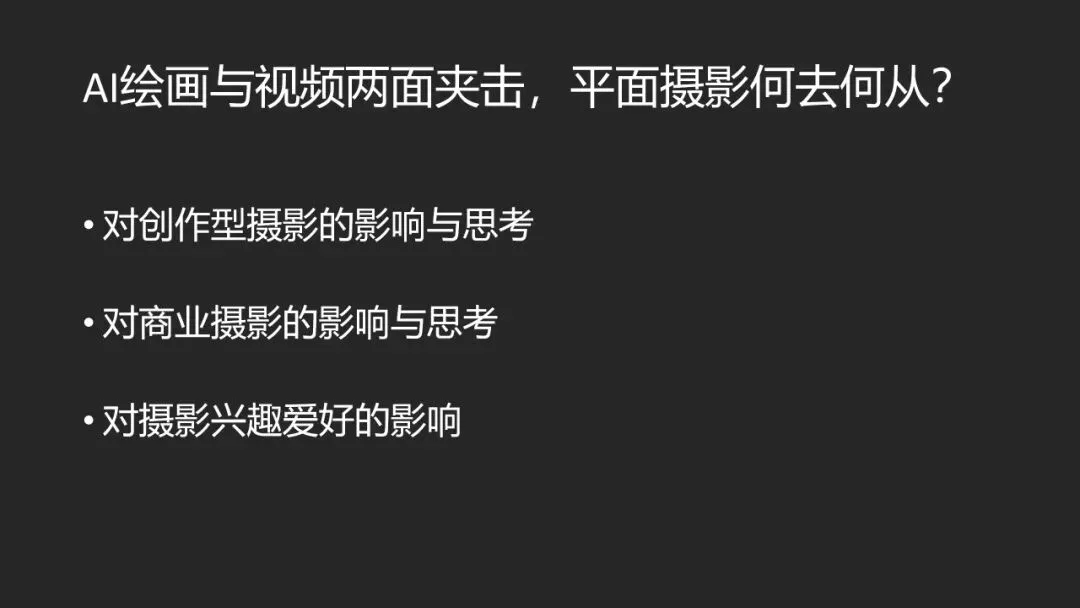
In today's video, Thomas will provide a comprehensive analysis and discussion from three aspects: creative photography, commercial photography, and hobby photography.
Video
▶ Watch the video tutorial on Bilibili
This is the illustrated companion to the video above. 'Photography is dead' is the refrain everywhere: video outdoes stills at narrative and authenticity, AI outdoes them at imagery and invention. Thomas analyzes the question across creative, commercial and hobbyist photography and proposes three survival paths for creative work. The notes below follow the video's order, expanding on cases the text can only summarize.
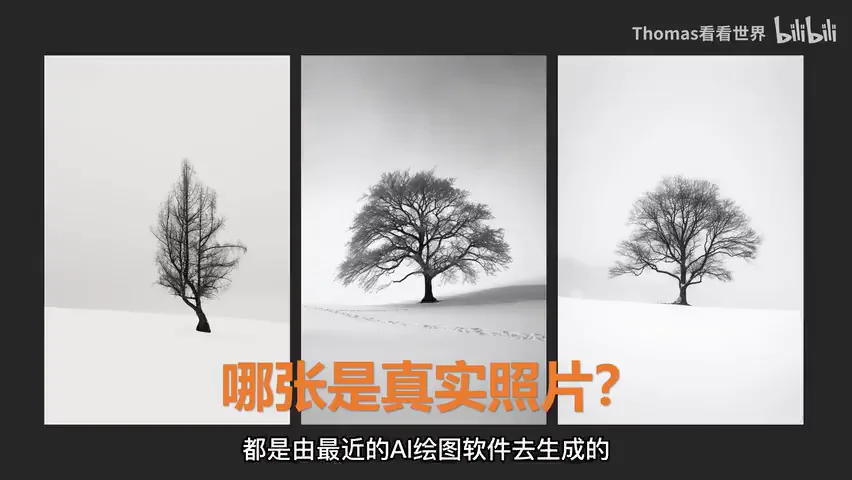
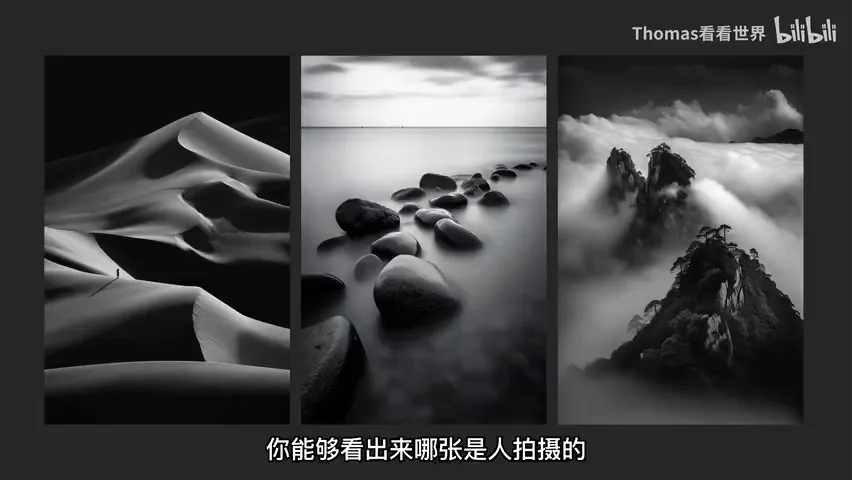
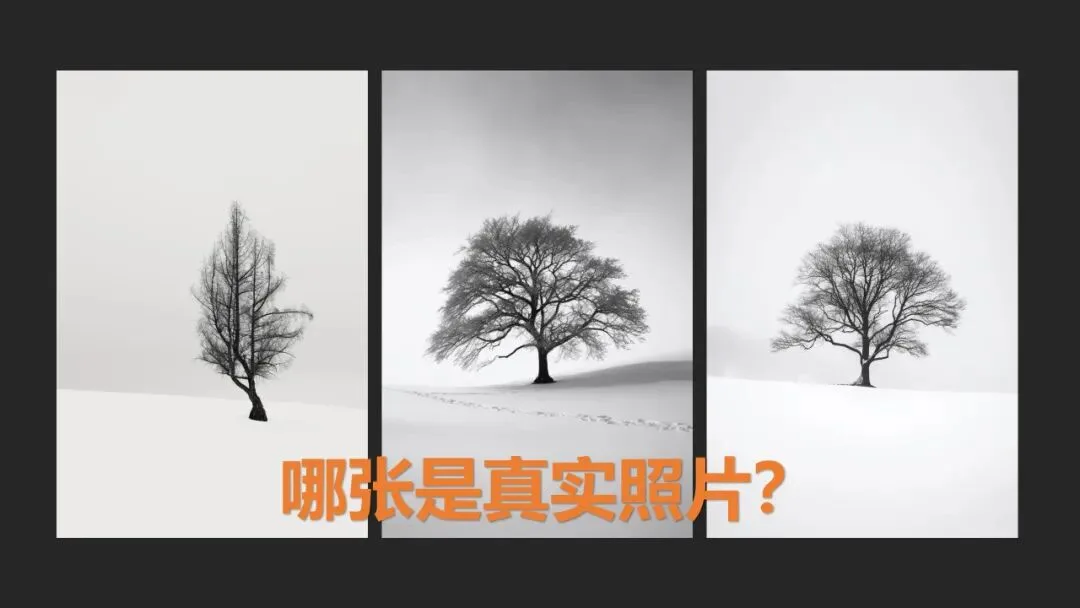
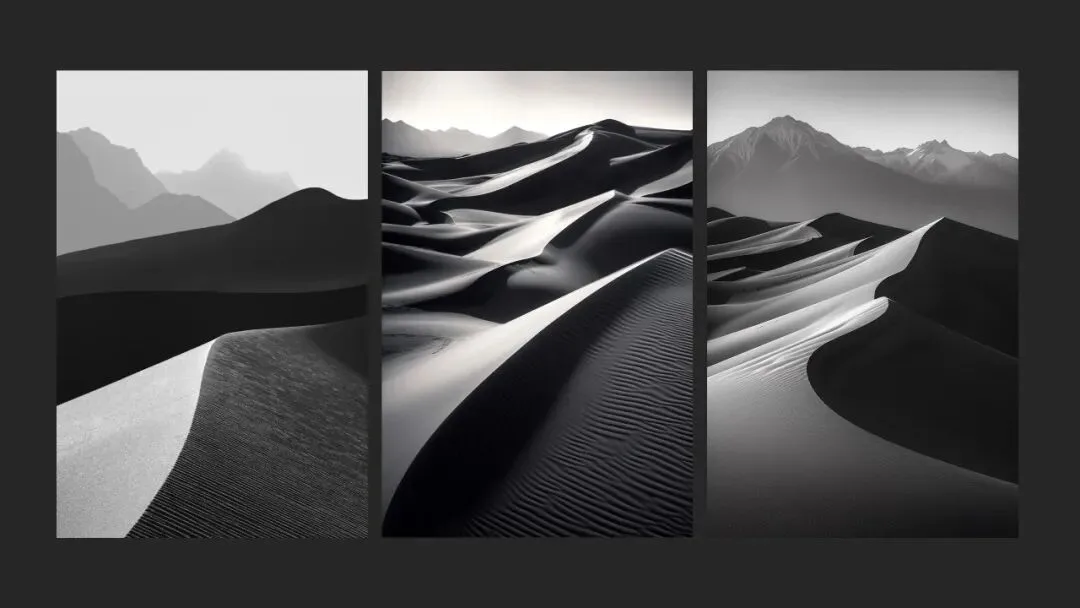
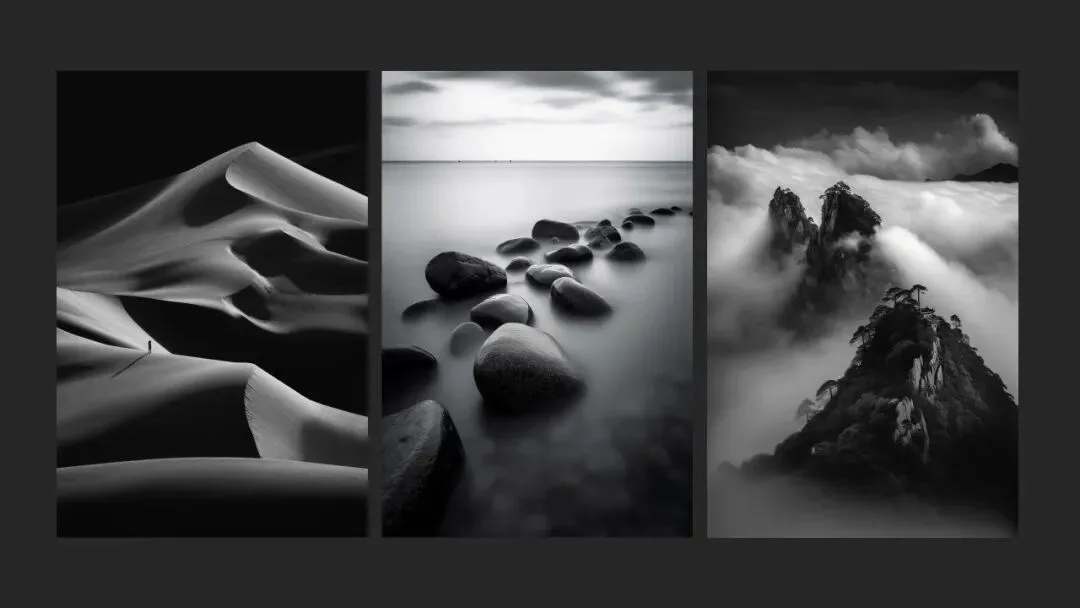
The video opens with a game: in each trio only one photo was shot by a human, the rest are AI-generated — can you tell (at 0:08 and 0:16 in the video)? The answer is the first of each. The point is made: at the level of 'does it look good', AI has closed in.
01 Creative Photography: Squeezed from Both Sides
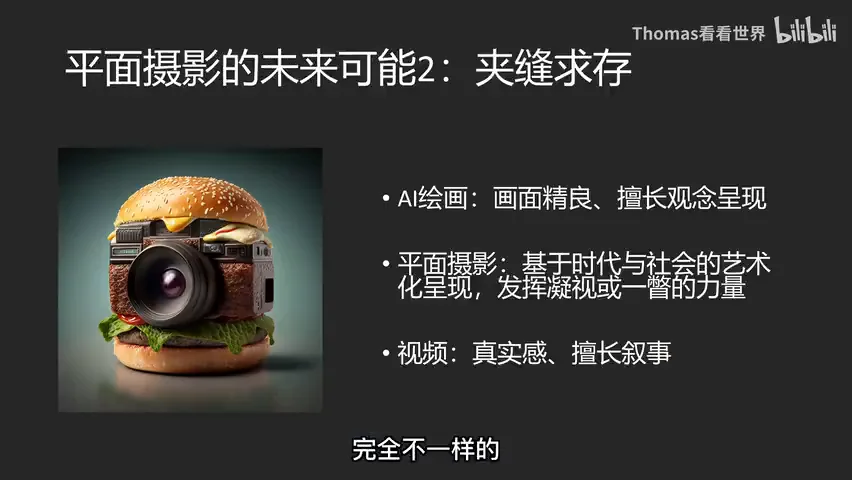
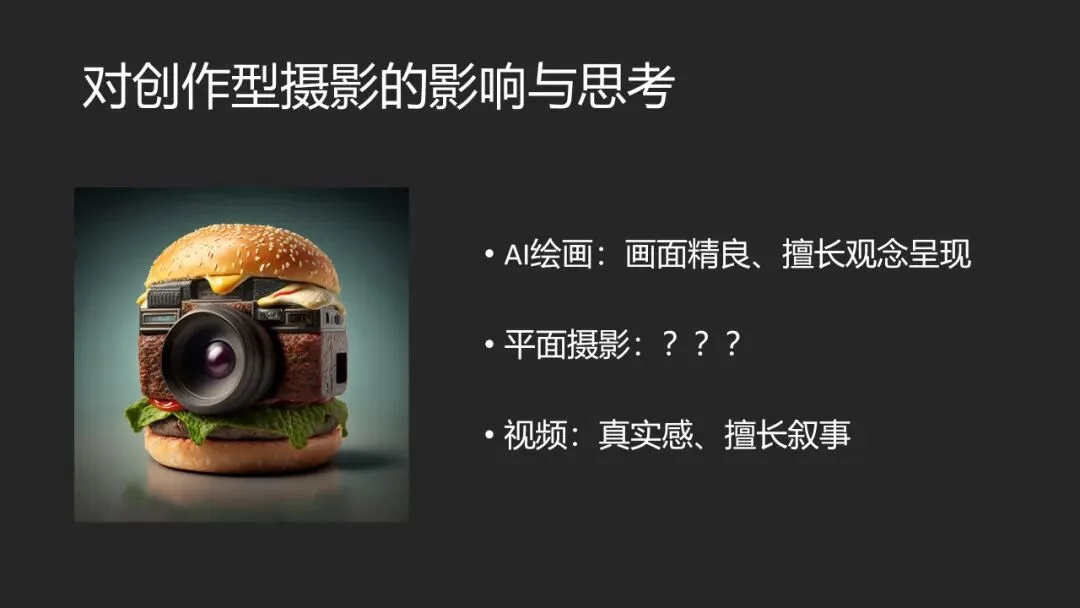
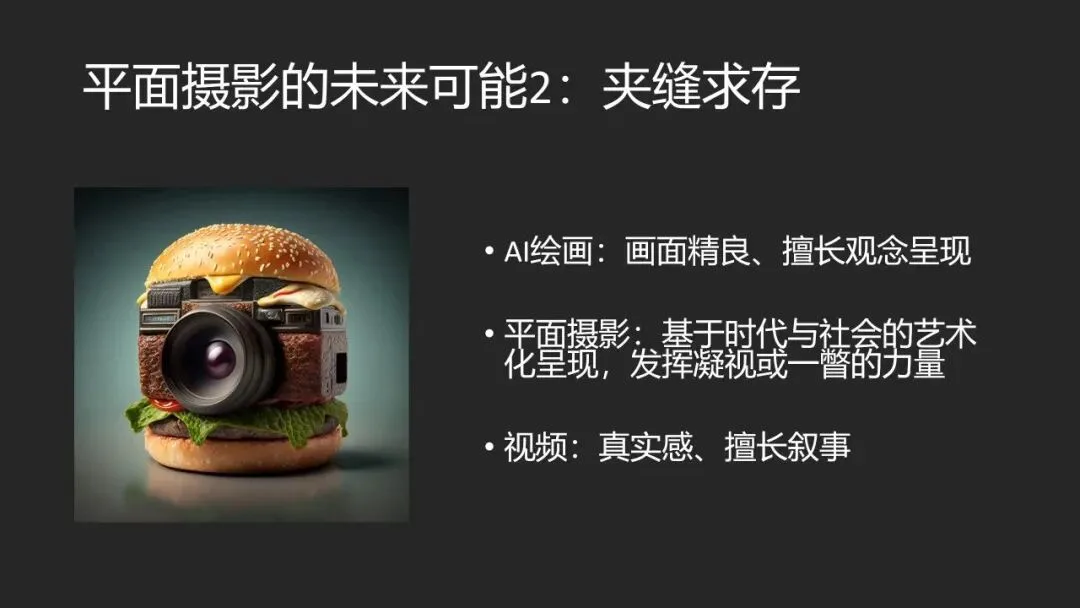
The cover image — a camera sandwiched in a burger — is stills photography today: AI above, video below (at 1:02 in the video). Some expect a documentary revival — sorry, but documentary's golden age has passed: news now travels on video-first platforms, and video simply tells stories better, with a stronger feel of authenticity. Also challenged are the two internet-era genres: trend-driven color-grade photography — black-gold, teal-orange, Instagram looks — up against AI, which conjures piles of such images in seconds; and presenting ideas through staged photography, whose value AI now exceeds (at 2:32).


02 Path One: Photography Plus Video
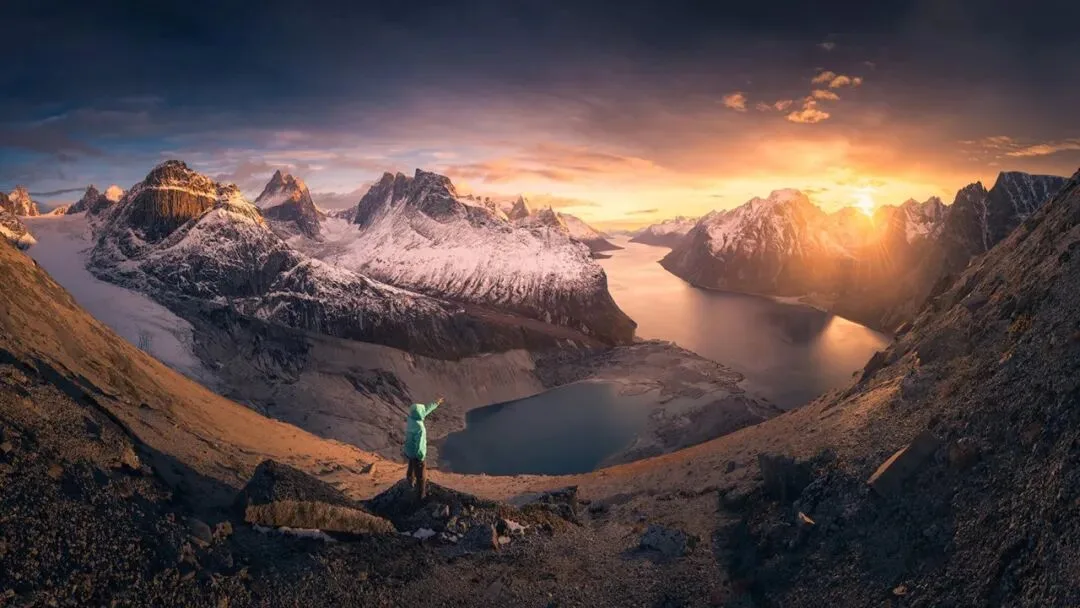
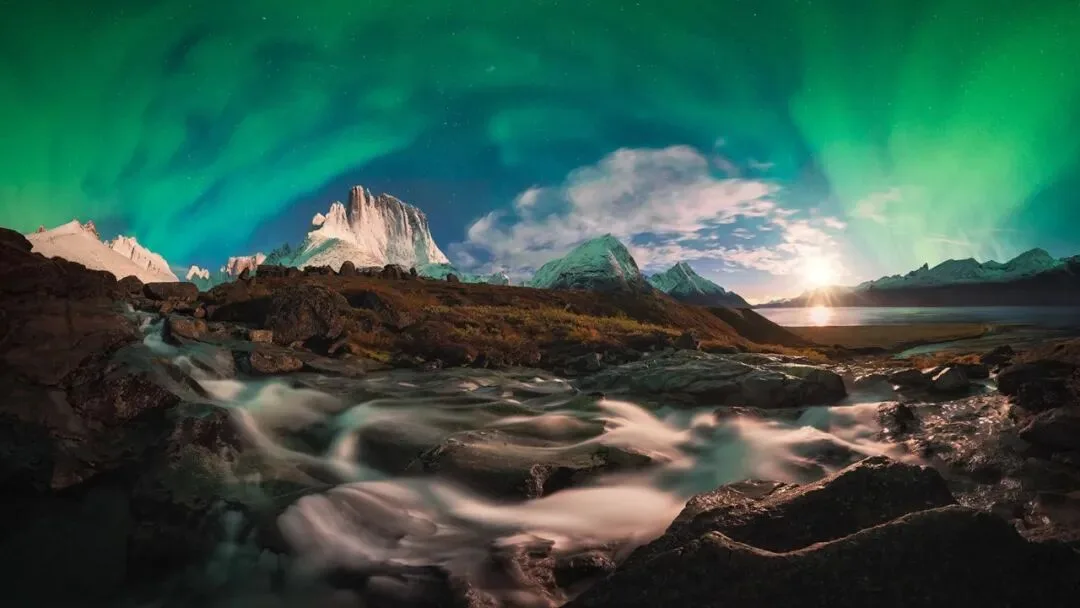
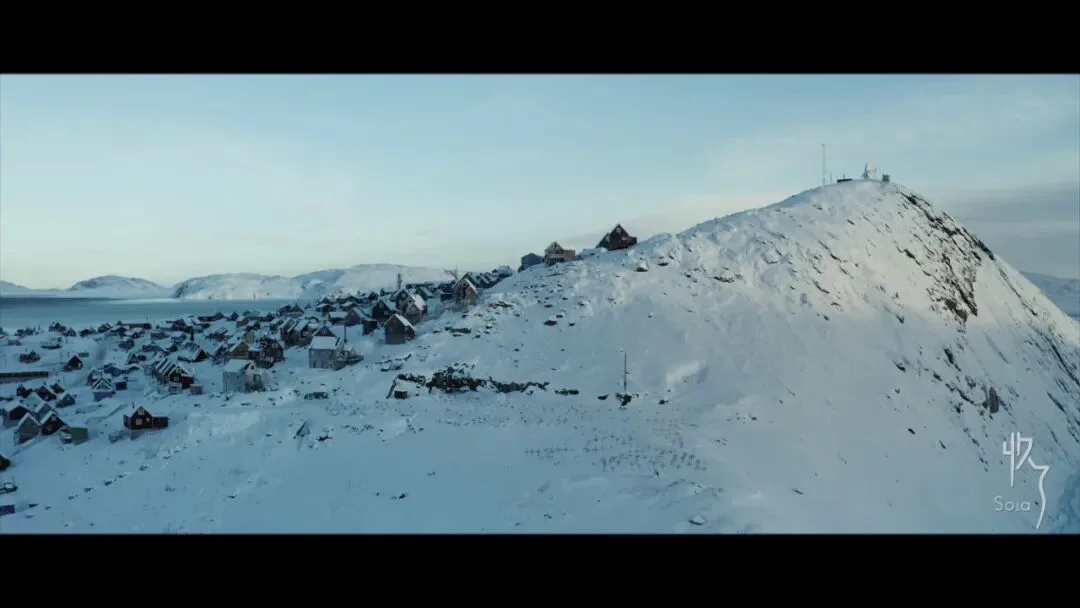
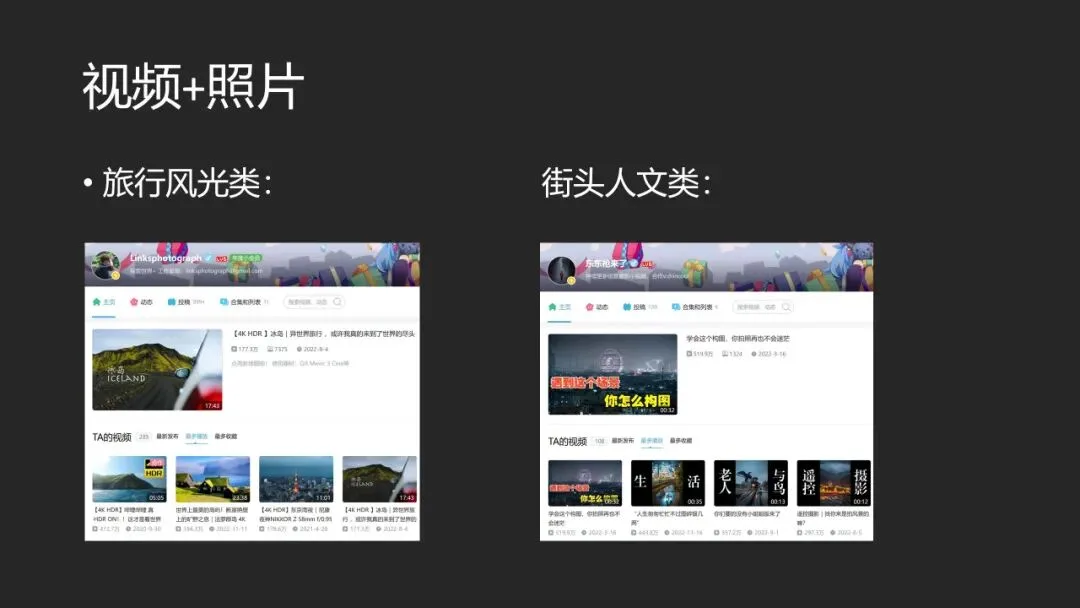
Too real for AI's rivals and too imaginary for video's — what then? The first path is to show the value of process through video. What moves people in landscape work is not only the final frame but the finding of the composition, the waiting for light, the moment an animal family walks into view — precisely what separates a photograph from an AI image, which can spawn thousands of lookalikes but never the fact of your presence. Thomas's Greenland behind-the-scenes clips show how (at 4:25 in the video); travel and street creators are already blending video with stills well.
03 Path Two: AI Plus Photography
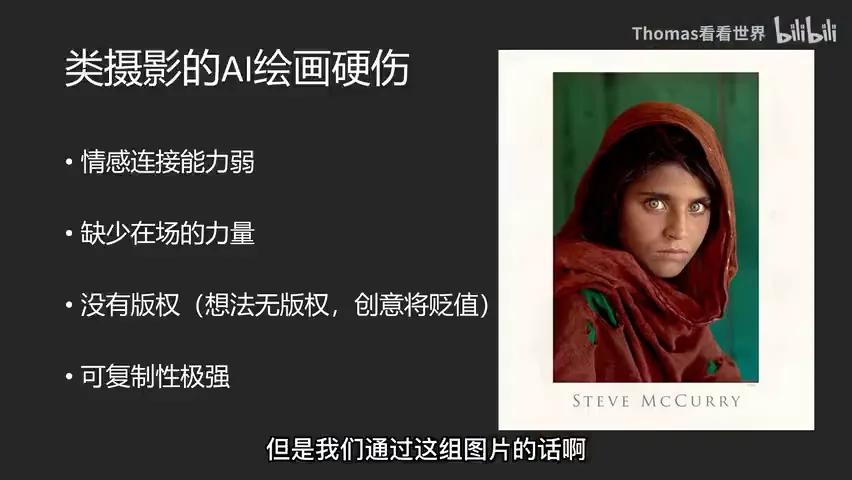
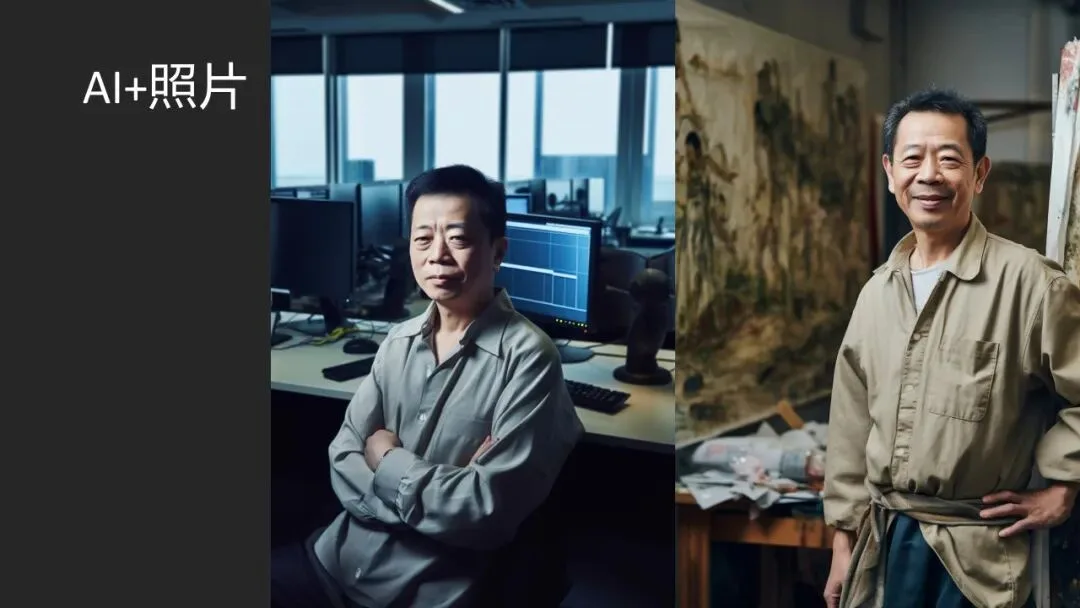
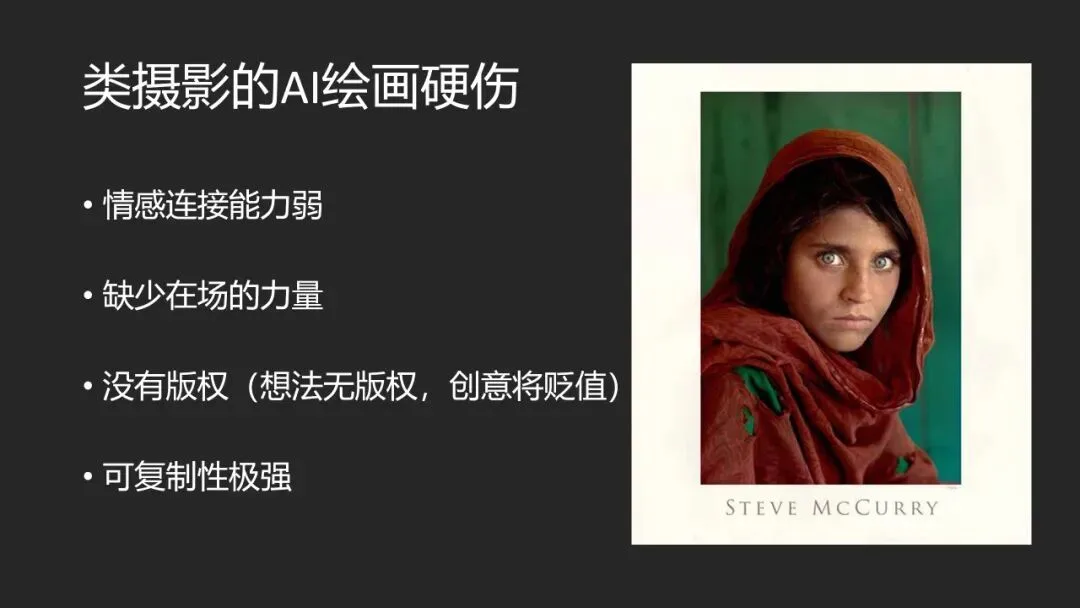
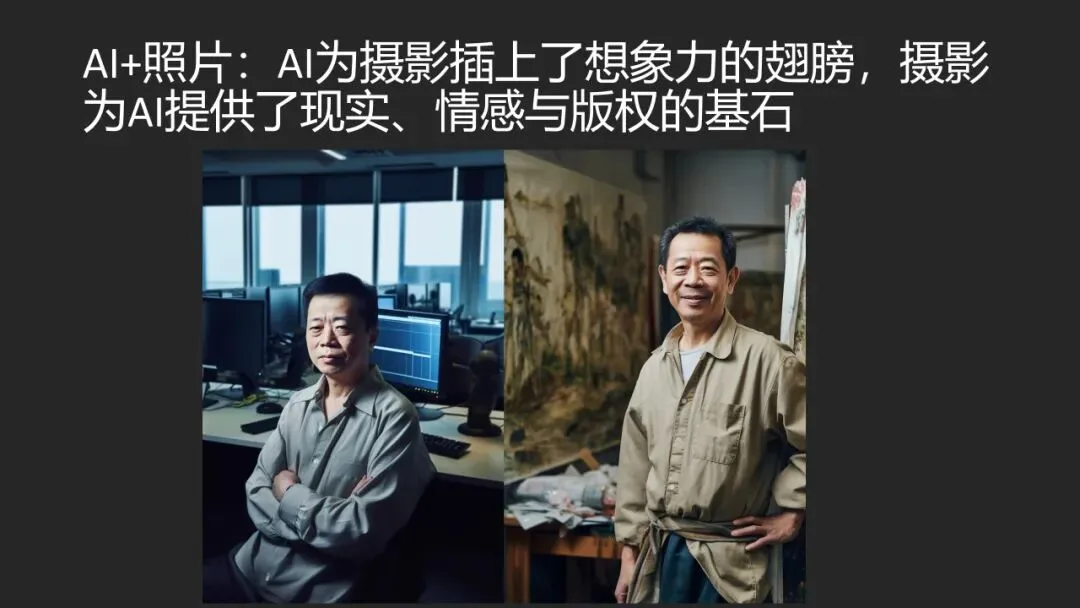
The second path pairs AI with real photographs. Thomas generated 'A Middle-Aged Man and His Old Dream' — an office worker juxtaposed with the artist he once hoped to become (at 5:43 in the video). But beside Steve McCurry's Afghan Girl, pure AI's weaknesses show: we know the girl existed, and that fact creates the emotional bond and the power of witness; AI images carry no copyright (several countries deny protection), replicate endlessly, and an idea spreads in seconds — the fake Trump-arrest images spawned countless variants at once (at 5:59).

The better play: find a hundred real middle-aged workers, photograph their actual workplaces, then generate each person's 'old dream' beside the portrait. The shock and emotional force of real photographs is immense, and portrait rights plus copyright anchor the whole series. AI lends photography wings of imagination; photography gives AI a foundation of reality, emotion and copyright (at 8:30 in the video).
04 Path Three: Gaze, Glimpse, Presence
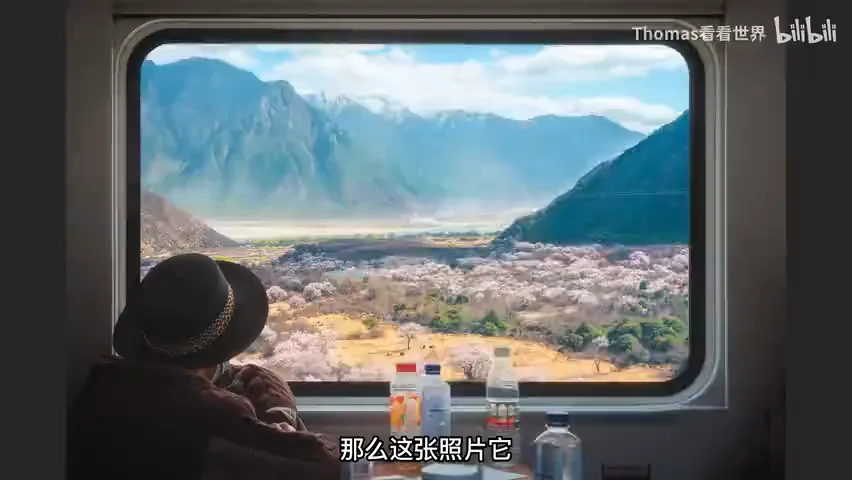
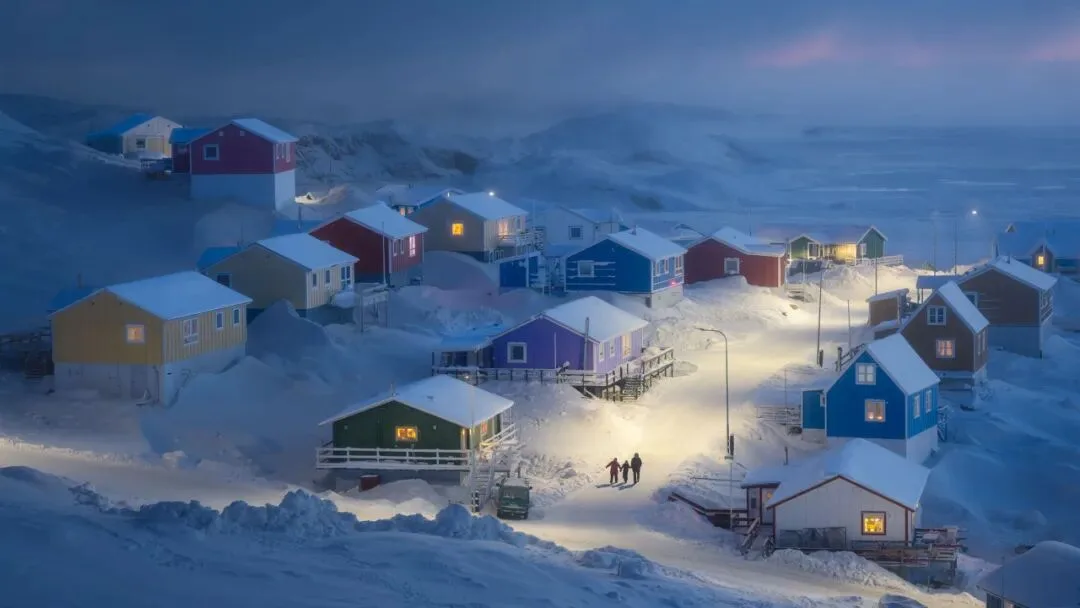
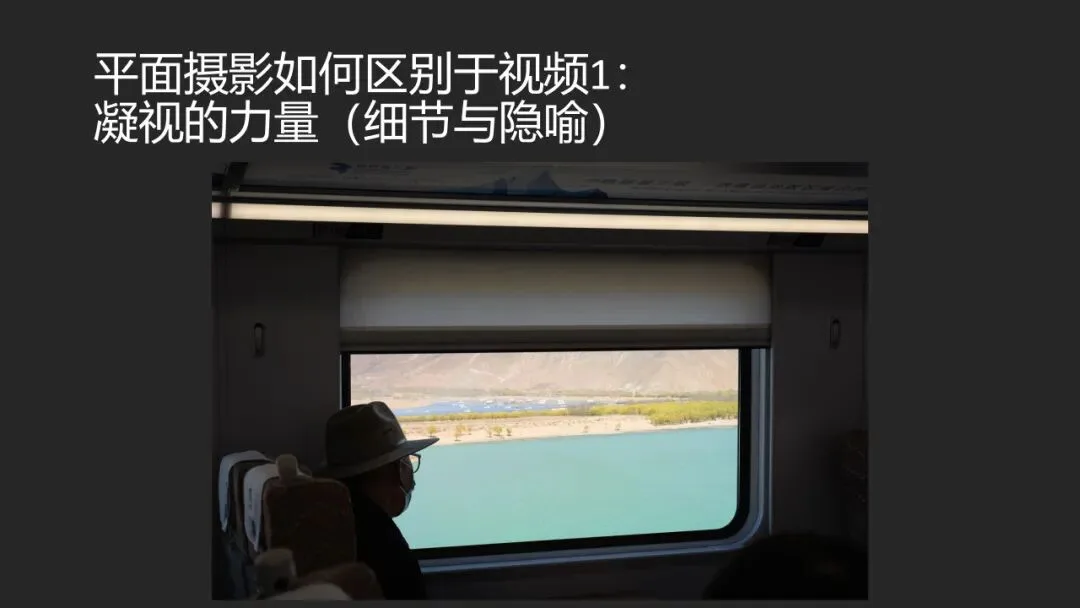
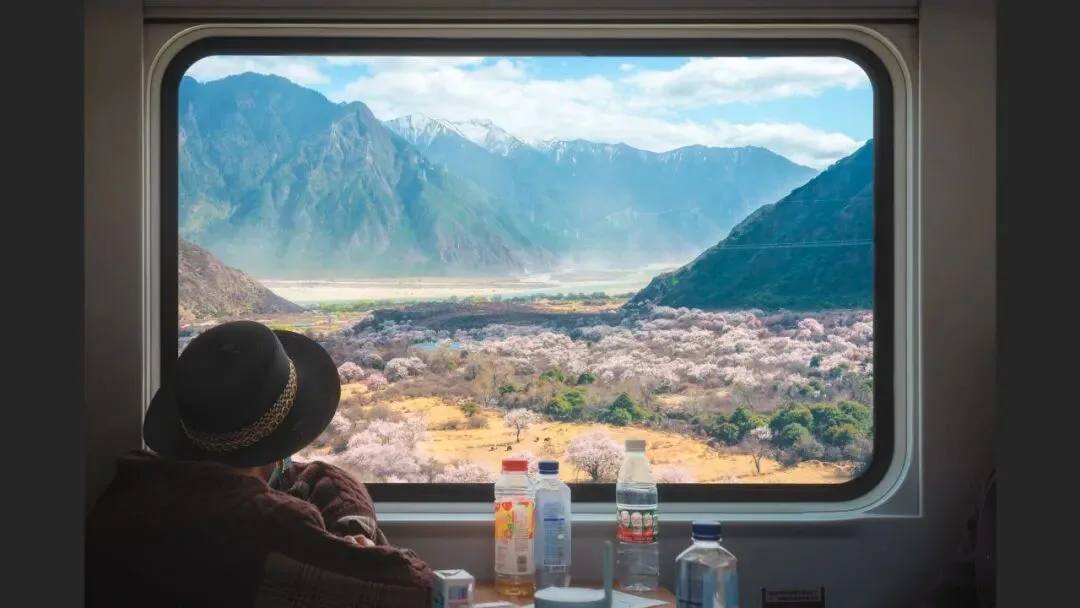
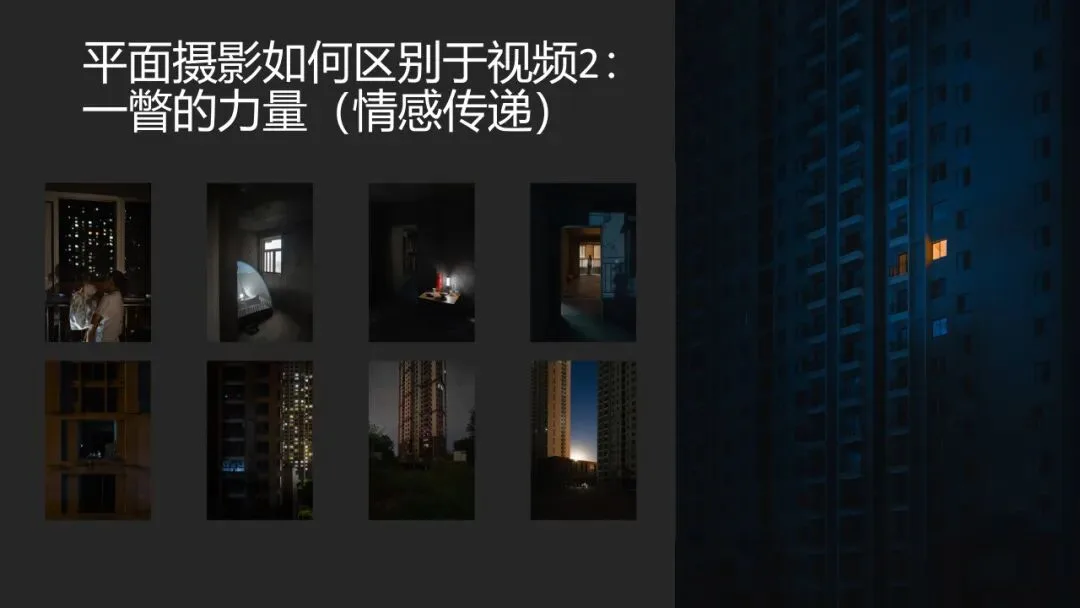
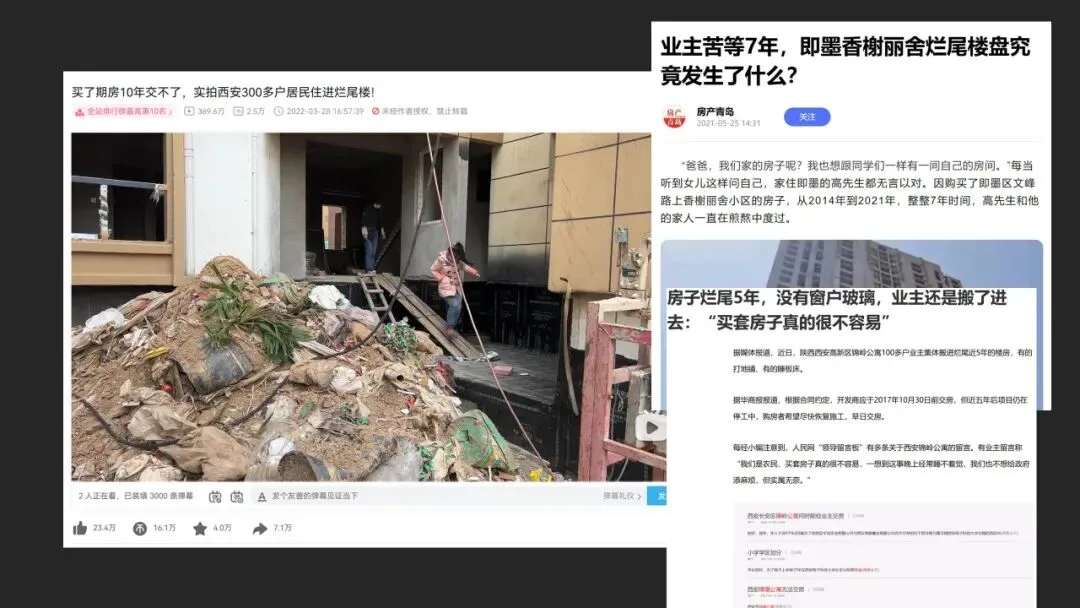
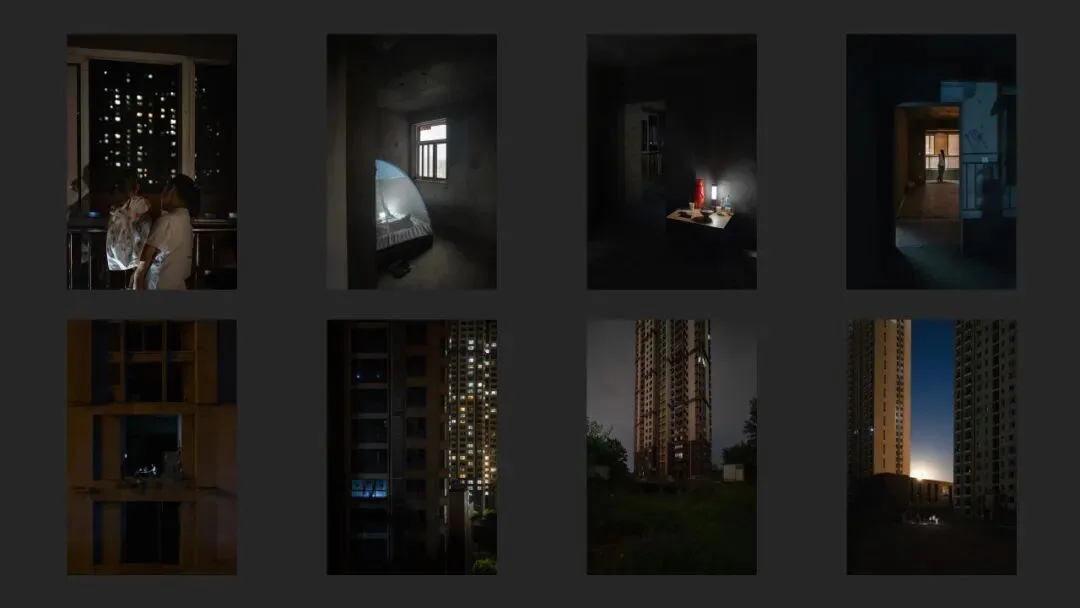
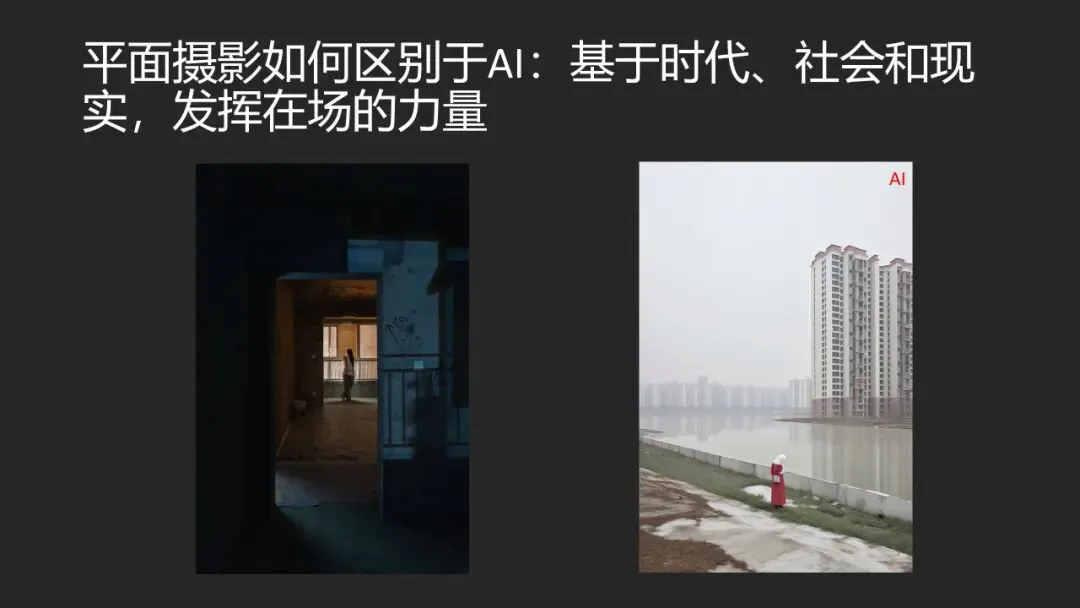
The third path is to occupy ground where neither AI nor video is strong. The gaze: a photograph rewards dozens of seconds of reading — an ordinary train-window scene holds a water project, a town across the river, a rail line; such frozen details survive no fleeting video (at 10:30 in the video). The glimpse: the unfinished-building series hit collective emotion overnight with stark minimal frames. And presence: marked AI images beside real ones feel utterly different — work rooted in its era and society remains photography's moat (the three-path summary at 12:52).

05 Commerce and Hobbies: It Depends
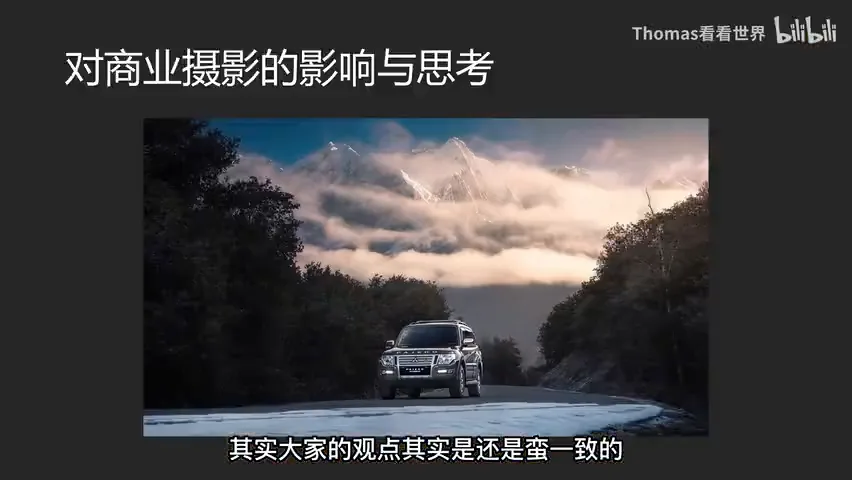
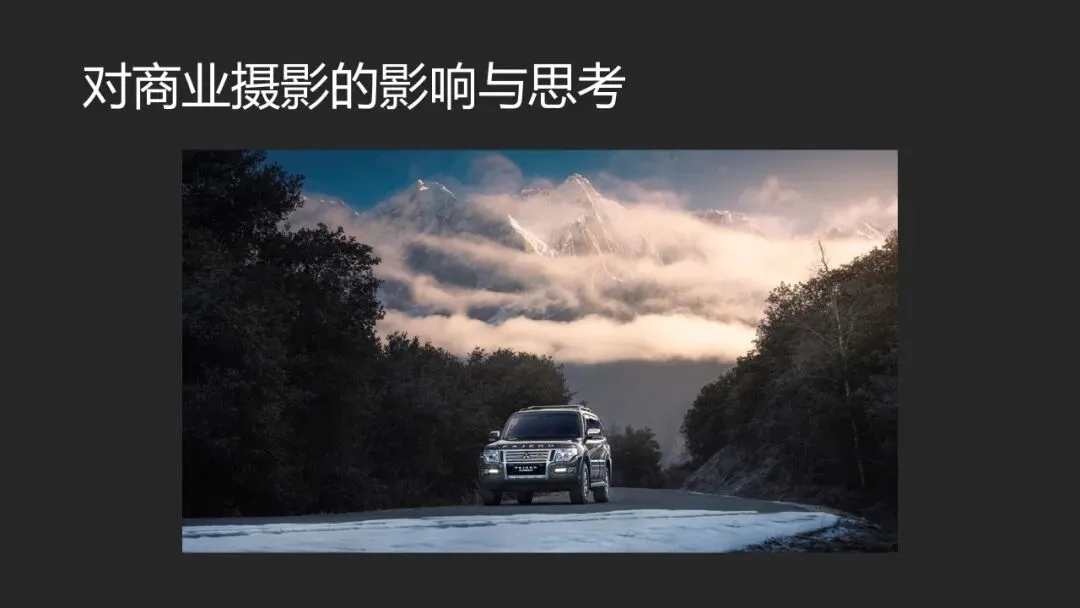
Commercially it depends: process-and-experience work (portrait sessions, photo tours, weddings), authenticity-dependent work (events, ID photos, portraiture, fashion) and detail-heavy products (cars, architecture, jewelry, industrial goods) are safe for now — one wrong door handle and it is not that car. Under pressure: low-end food photography (menus already say 'serving suggestion'), stock imagery (AI generates illustrations on demand) and simple products (apparel brands dream of cutting models and stylists too) — while commissions tilt wholesale to video or video-plus-stills (at 13:14 in the video). For hobbyists the impact is small: the joy is in the process, and AI is just one more medium and one more teacher — it renders what 90 percent of photographers cannot, an ideal study for color, layering and sequencing.
1. Documentary's golden age is gone, and trend grades plus staged concepts are being caught by AI — stills truly sit between video and AI; 2. Three paths: let video carry the process of presence, let real photos anchor AI with emotion and copyright, and hold the ground of gaze, glimpse and presence where the rivals cannot follow; 3. Commercially, check three boxes — process experience, authenticity, detail complexity — own all three and you are safe; 4. For hobbyists AI is not a threat but a new medium and textbook: the joy is in the doing, and style comes from steady accumulation.
HD video:
https://www.bilibili.com/video/BV1qj411w7n7/
PPT








Related Tutorials:
"From Beginner to Professional: Learning and Creative Methods Ordinary Photographers Won't Share!"
"Want to Improve Your Aesthetic? 6 Websites Professional Photographers Keep Secret!"
"How to View Imitation in Photography? How to Imitate in a Way That Truly Improves Your Shooting?"
"The Grand Prize Photo of an International Competition Was Stolen? How Artists Steal Inspiration and Style"
"Famous Portrait & Landscape Photographers Discuss Shooting Experience! This Crossover Dialogue Is Full of Insights!"
"About Photography Competitions: Here's the Most Detailed Beginner's Guide"
"How to Improve Your Aesthetic and Learn Photography Through Competitions? Methodology Sharing Is Here!"
"Can Photoshopped Images Still Be Called Documentary Photography?"
"In the Video Era, Does Still Photography Still Have a Future?"
"How to Avoid Sameness in Landscape Photography? Some of My Thoughts"