Photography Tutorial · 2023-06-18
Street Photography on a Train! I Captured the Slow Life on a Green Train
What's the longest you've ever ridden on a mode of transport?
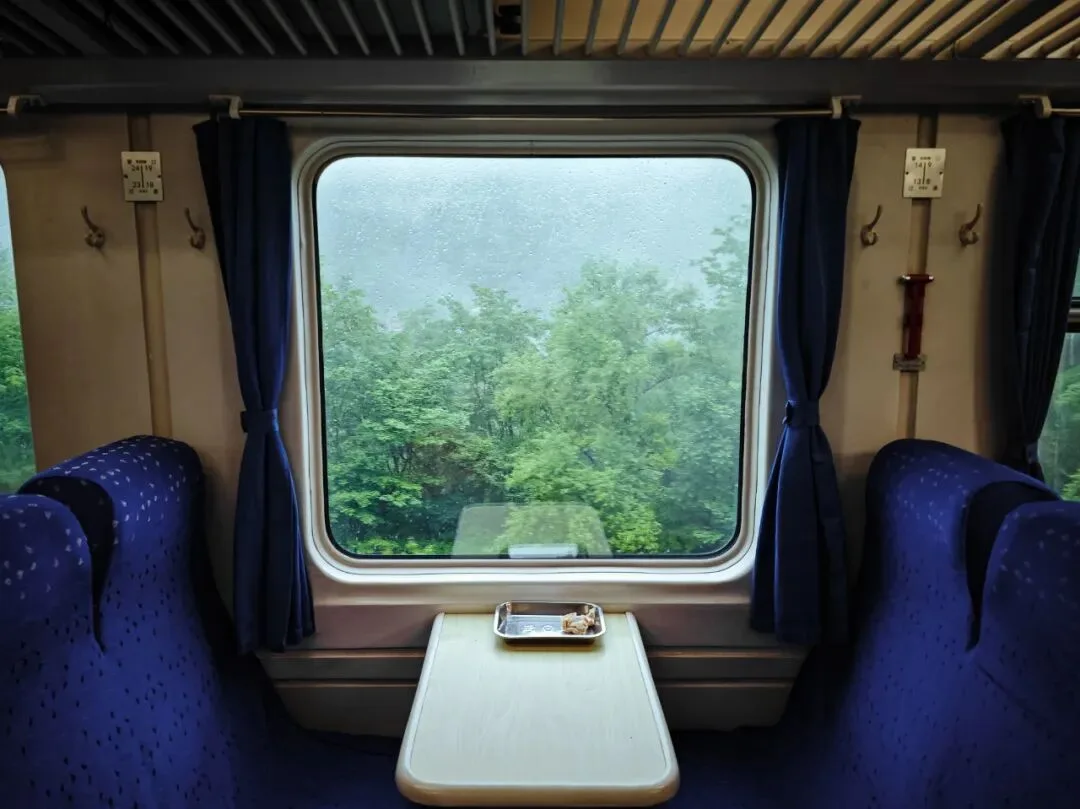
From Guangyuan, Sichuan to Baoji, Shaanxi, there's a slow train that covers just over 300 kilometers but takes 11 hours.
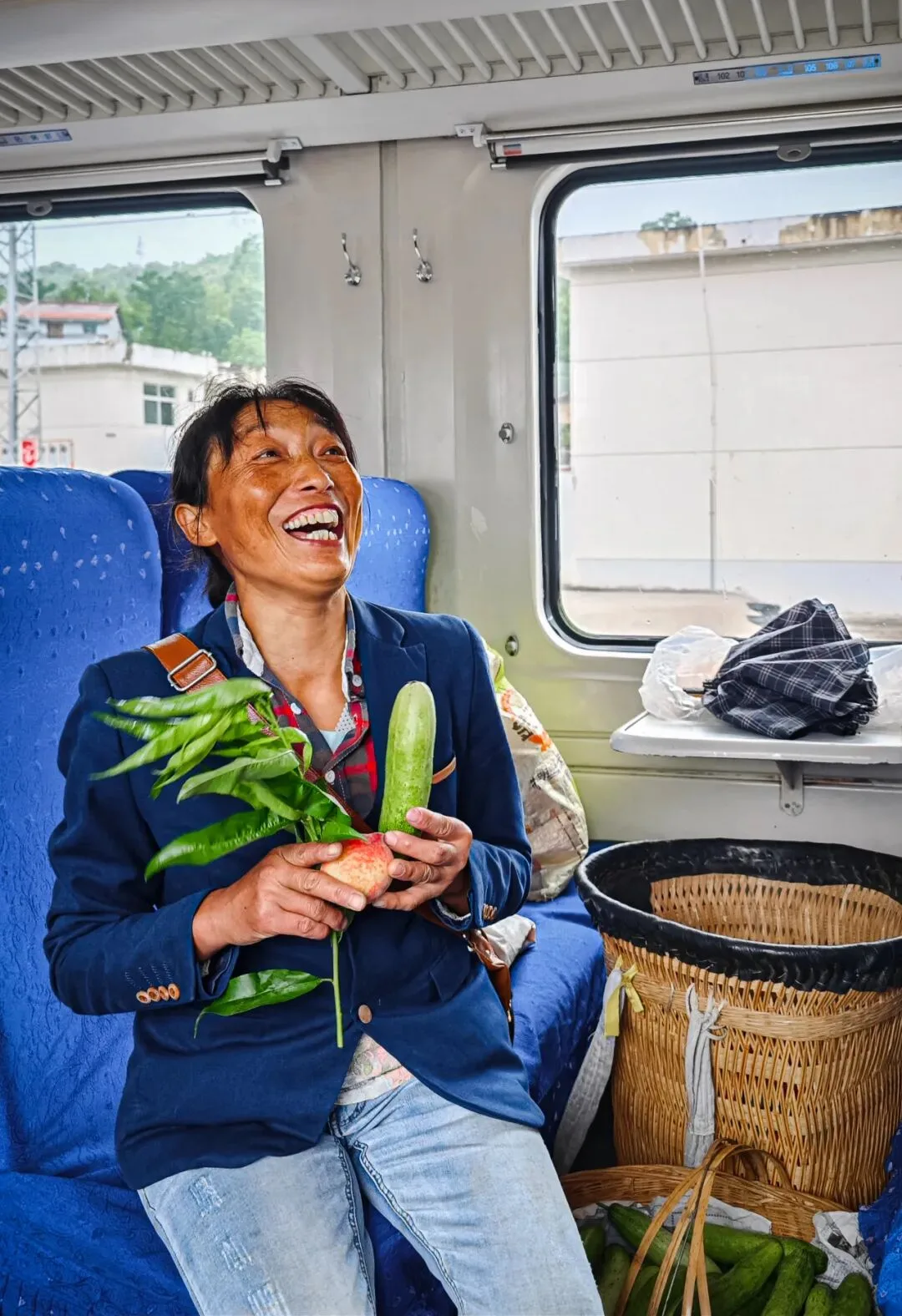
In today's video, I spent a week "slowing down" to shoot, using photography to document the slow life inside and outside the slow train.
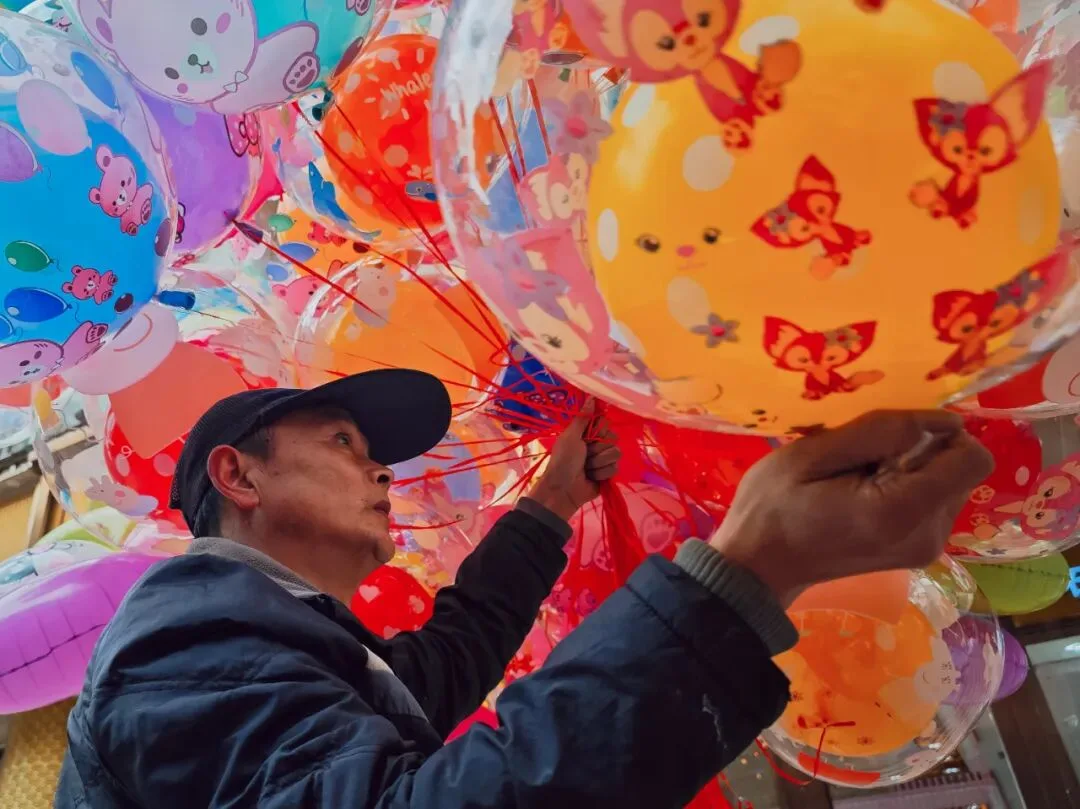
Video
▶ Watch the video tutorial on Bilibili
This is the fully illustrated companion to the video above. Thomas spent several days riding and photographing the 6063/6064 slow train that winds through the Qinling mountains, documenting the slow life inside and outside the carriages. The text follows the video's narrative arc, paired with keyframe screenshots — read it here for the big picture, then watch the video for the atmosphere.
01 The Slow Train and Its Rolling Market
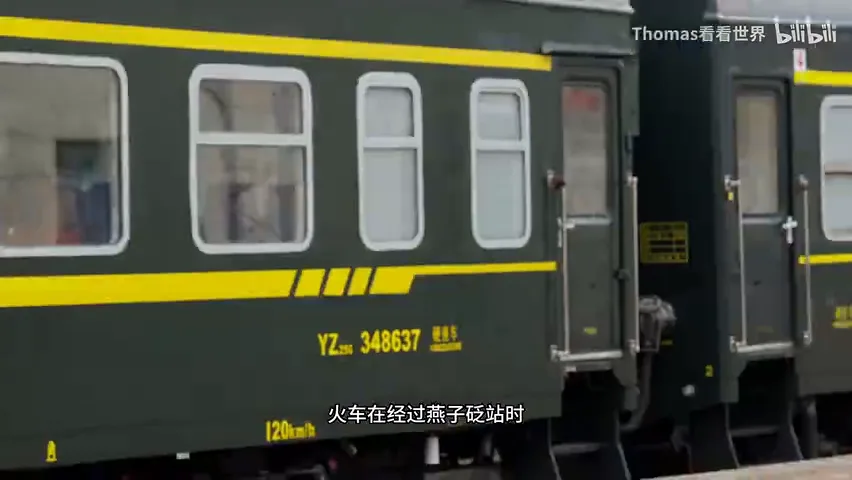
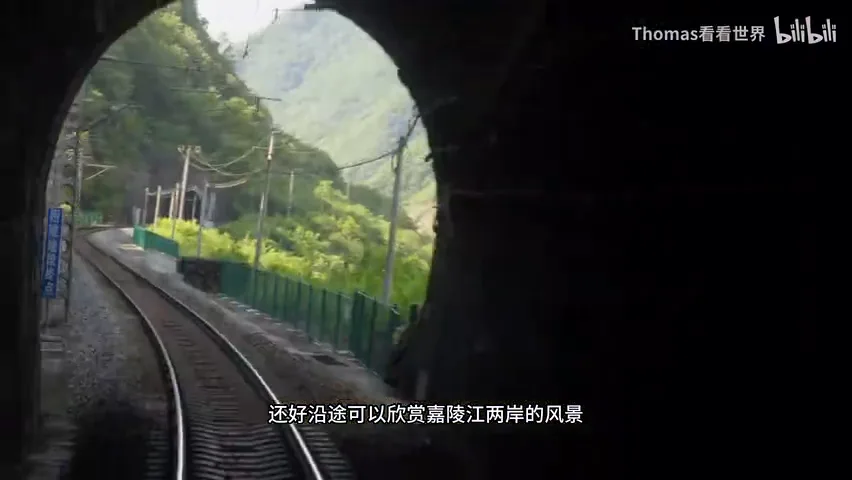
From Guangyuan in Sichuan to Baoji in Shaanxi, the green-skinned 6063/6064 train follows the Jialing River gorge through the Qinling mountains, covering just over 300 kilometers in 11 hours (at 0:32 in the video). It has run for more than 60 years; villagers along the line board it every morning to sell produce or work day jobs. What feels like an eternity to those of us used to planes and high-speed rail is simply their normal pace of life.
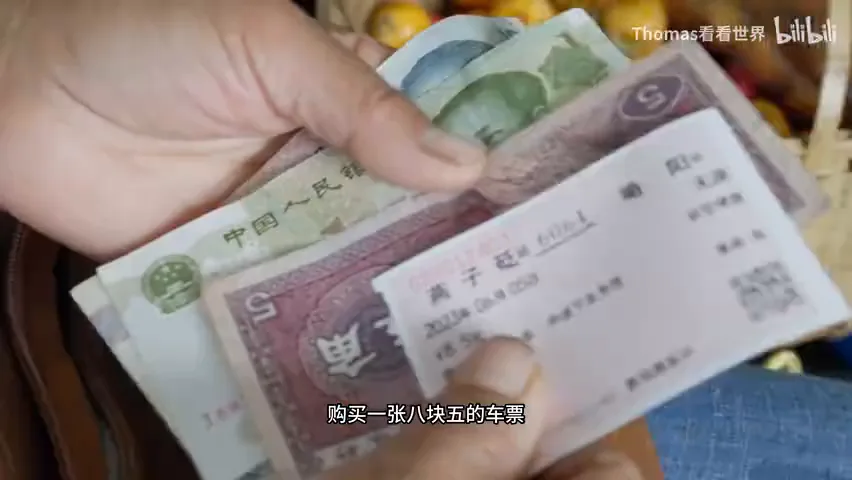
When the train pulls into Yanzibian station, villagers are already waiting on the platform. A ticket costing just 8.25 yuan takes them to Lueyang, the largest county town nearby, where they sell their farm produce (at 0:59 in the video). The fare is almost symbolic — a sense of mission the slow train has kept for over six decades.
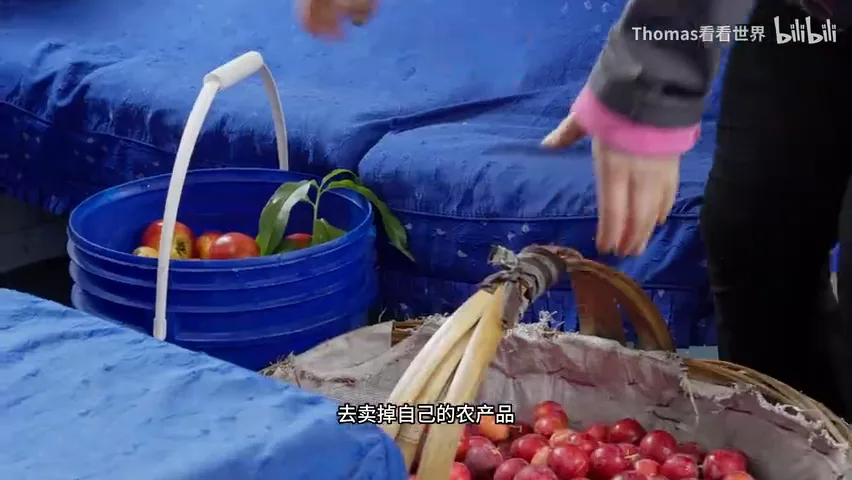
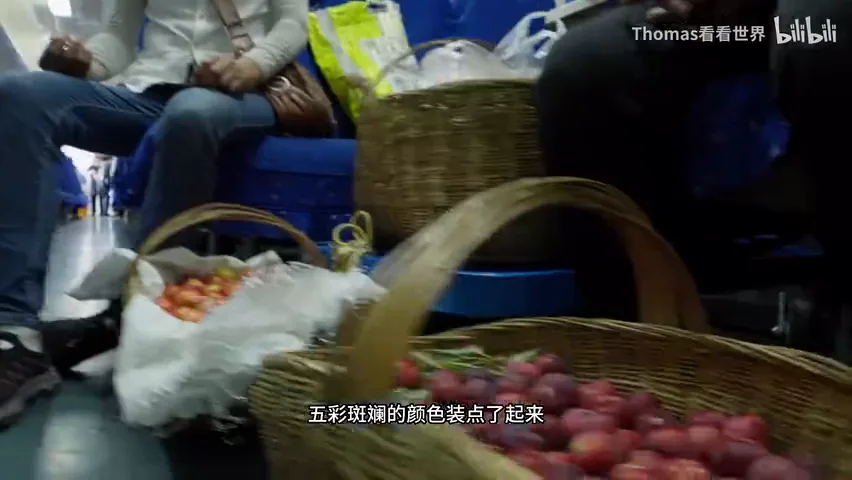
Soon the carriages are decorated with the brilliant colors of peaches, plums, loquats and green beans. Vendors carry their goods up and down the aisle calling out sales, and passengers and conductors barely bat an eye (at 1:08-1:21 in the video). It is less a passenger train than a traveling market.
02 Environmental Portraits: Printing Photos on the Spot
On a train like this, burying yourself in your phone is the wrong move. Thomas struck up conversations with the villagers instead, shot environmental portraits of them with his phone, printed the photos on the spot with a portable printer and gave them away (at 1:30-1:37 in the video). The villagers treasured the prints — an instant gift like this builds trust no chat-up line could buy.
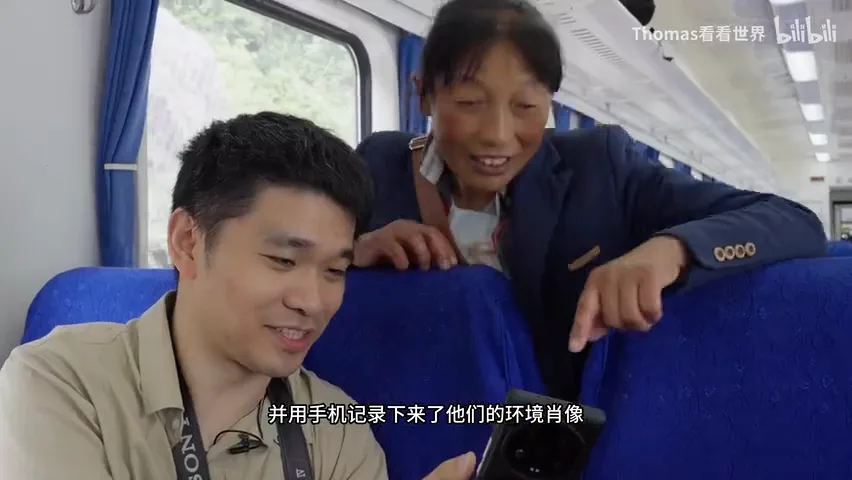
But this was his first meeting with these villagers, and their expressions in front of the lens were still a little stiff. Thomas wanted genuinely unguarded moments — so he decided to slow his shooting way down over the following days, boarding and alighting with them every day, living a life without deadlines (at 1:52-2:11 in the video).

03 Yanzibian Town: Living Inside the Villagers' Routine
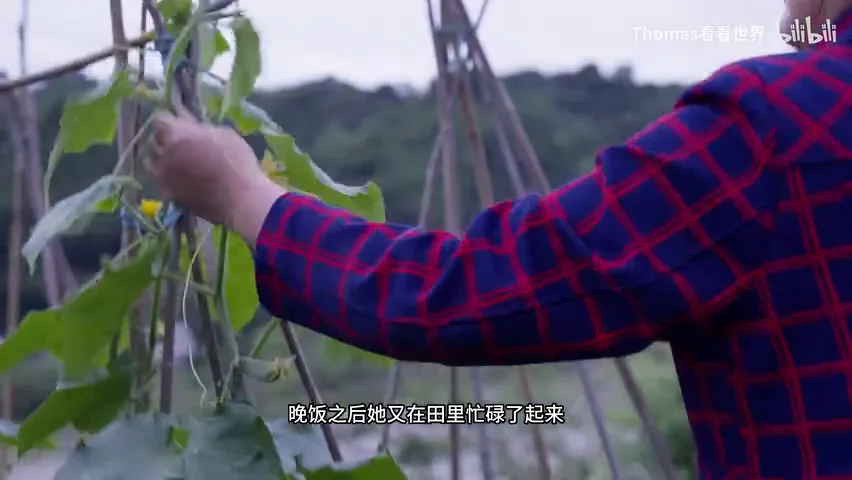
Thomas returned to Yanzibian, a town of fewer than 30,000 people tucked between the Jialing River and the Daba mountains. There he met a local who had just ridden the train home, was warmly invited to his house for dinner, and watched him head back to the fields afterwards. It dawned on him that the produce flowing along the small Yanzibian-to-Lueyang trade route originates exactly here, with these unpretentious mountain folk (at 2:15-2:42 in the video).
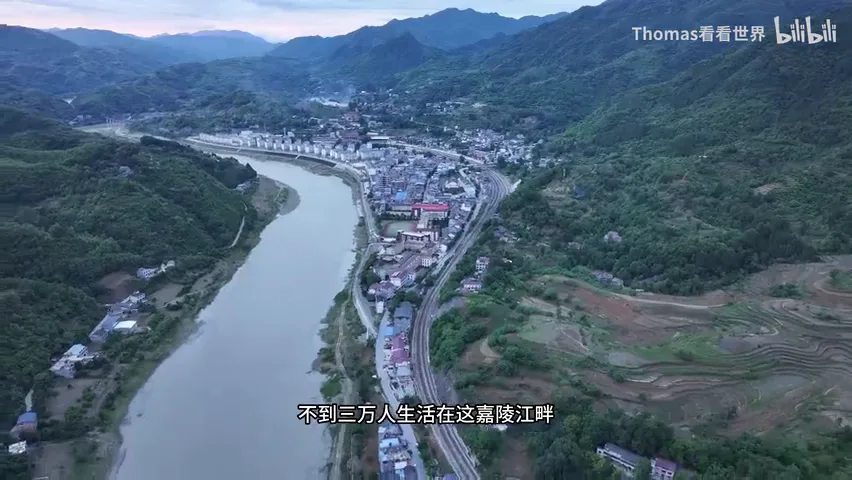
Early the next morning, the tiny Yanzibian station filled up again on schedule with villagers heading to market: back-baskets, hampers and pushcarts loaded with freshly picked vegetables and fruit (at 2:47-2:59 in the video). The market opens on the platform before the train has even arrived.
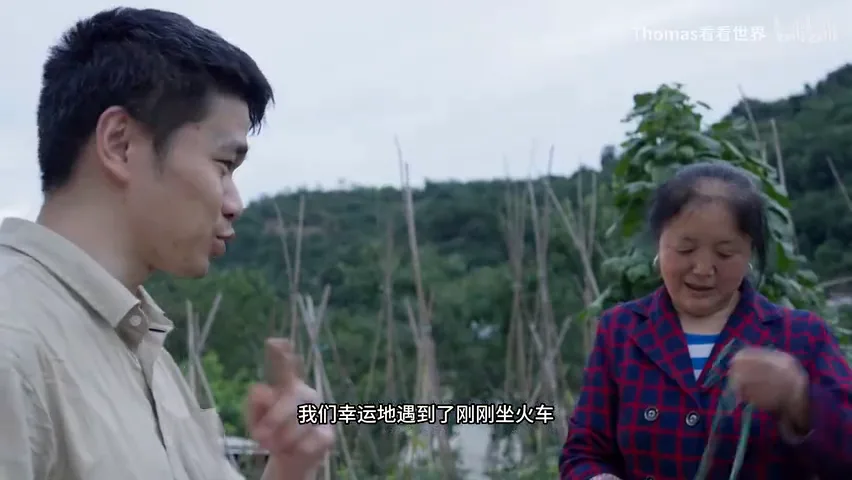
After several days of following the villagers, they stopped noticing his camera, and Thomas began catching genuinely candid moments. The familiarity, trust and warmth between villagers — and between them and the conductors — finally started to show in the photographs (at 3:01-3:25 in the video). That is something no first-day snapshot could ever capture.
04 Lueyang: The Pop-Up Market Outside the Station
As the train neared Lueyang, villagers crowded the doors in advance. The moment it stopped, they unloaded tens of kilograms of goods — helping each other or aided by the conductors — then dropped their leisurely pace and sprinted with their baskets to grab a good spot for stall-setting (at 3:31-3:51 in the video). The ease aboard the slow train and the rush on the platform make a vivid contrast.
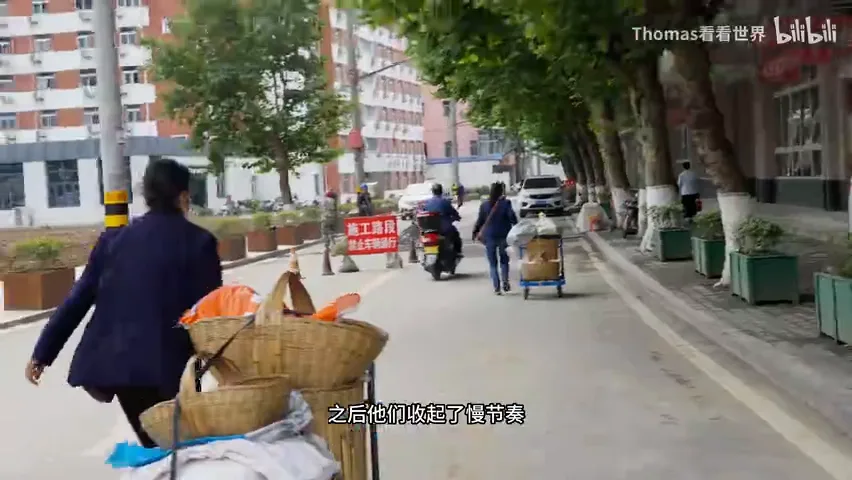
At an intersection some 300 meters from the station, the villagers set down their baskets, spread out their linings and lay out fruit and vegetables of every kind — and the pop-up "train market" comes to life. Nearby residents have long synced their days to it, ambling over at the appointed hour for the freshest produce (at 3:54-4:13 in the video).
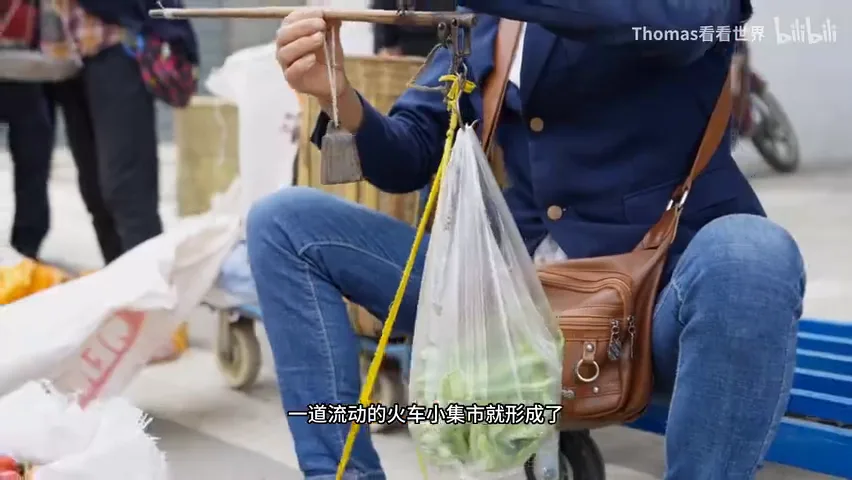
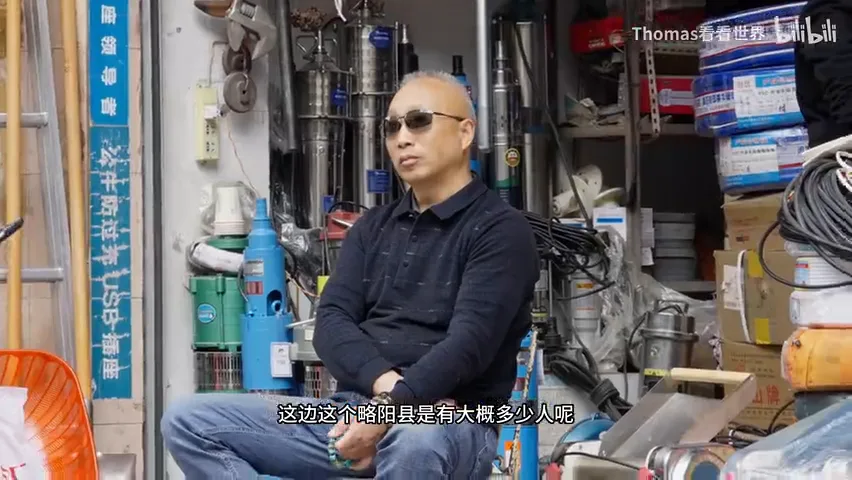
As foot traffic thinned, the vendors kept relocating, spreading through Lueyang's streets to sell through the afternoon. Thomas wandered the streets along with them, photographing passers-by and gifting prints — including the striking uncle in sunglasses he had spotted from far away (at 4:33-5:15 in the video).
05 A Slower Rhythm of Shooting, and the Gear Choice
Around three in the afternoon, after hours of selling, the villagers of Yanzibian board the slow train home with empty baskets. Day after day, the routine repeats — the 6063/6064 accompanying them through a plain, unadorned life (at 5:27-5:44 in the video).
After days in the mountains, it was not only life that slowed down but also Thomas's shooting rhythm. His gear this time was the Xiaomi 13 Ultra: compared with a camera, a phone feels more approachable and puts people at ease; its computational photography is both prompt and restrained, with more truthful rendering (at 5:53-6:26 in the video). When photographing people, how much presence your gear has becomes part of the picture itself.
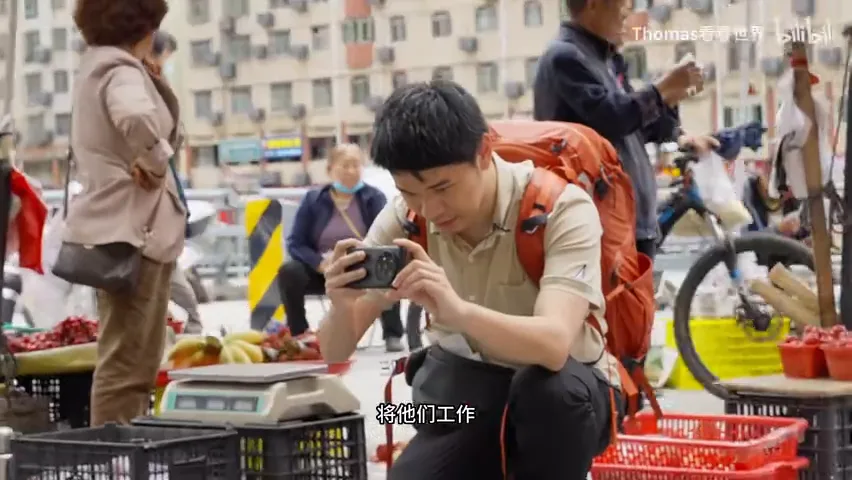
Staying with real, ordinary people and truthfully recording their everyday work and life, letting them be seen through light and shadow, preserved forever — perhaps that is the unique meaning of documentary photography (at 6:38 in the video). The slow train eventually reaches its terminus, but the moments a photograph holds do not.
1. Slow down first: after days of following your subjects, they stop noticing the camera and candid moments appear; 2. Environmental portraits plus on-the-spot printing is the most effective icebreaker — give the photo to your subject and trust follows immediately; 3. When photographing strangers, approachability matters — a phone puts people at ease more easily than a camera; 4. Great documentary photos capture relationships: the familiarity and trust between villagers, and between villagers and conductors, move people more than any single decisive moment.
HD video:
https://www.bilibili.com/video/BV1kh411N7C5/
Scan the QR code above or click "Read More" at the end of the article