Photography Tutorial · 2019-10-17
The Beauty of Greenland May No Longer Exist in a Few Decades
Thomas Chu Photo
This summer, two news stories — "Greenland's glaciers melted 12 billion tons in one day, setting a heat record" and "Trump wants to buy Greenland" — brought a mysterious polar island into the public eye.
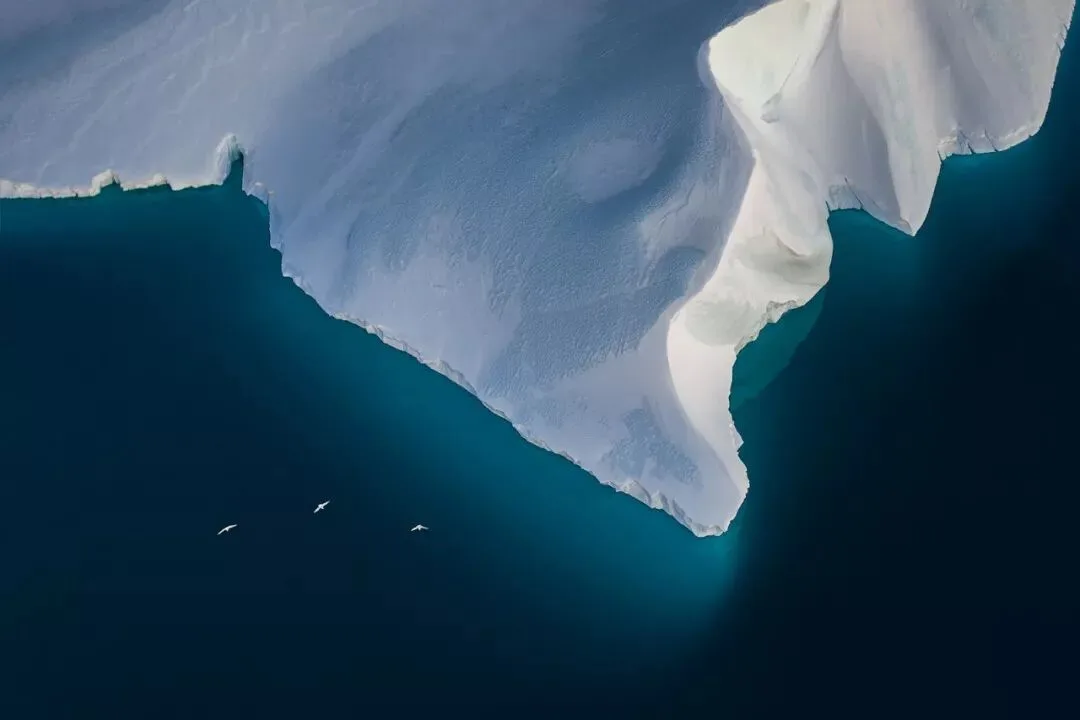
DJI Mavic 2 Pro, ISO100 f2.8 1/8s
Polar landscapes are one of my long-term subjects. This March, a night photo I took in the small town of Upernavik in Greenland was honored with the overall winner of the National Geographic Traveler contest and second place in the travel category of the IPA International Photography Awards.
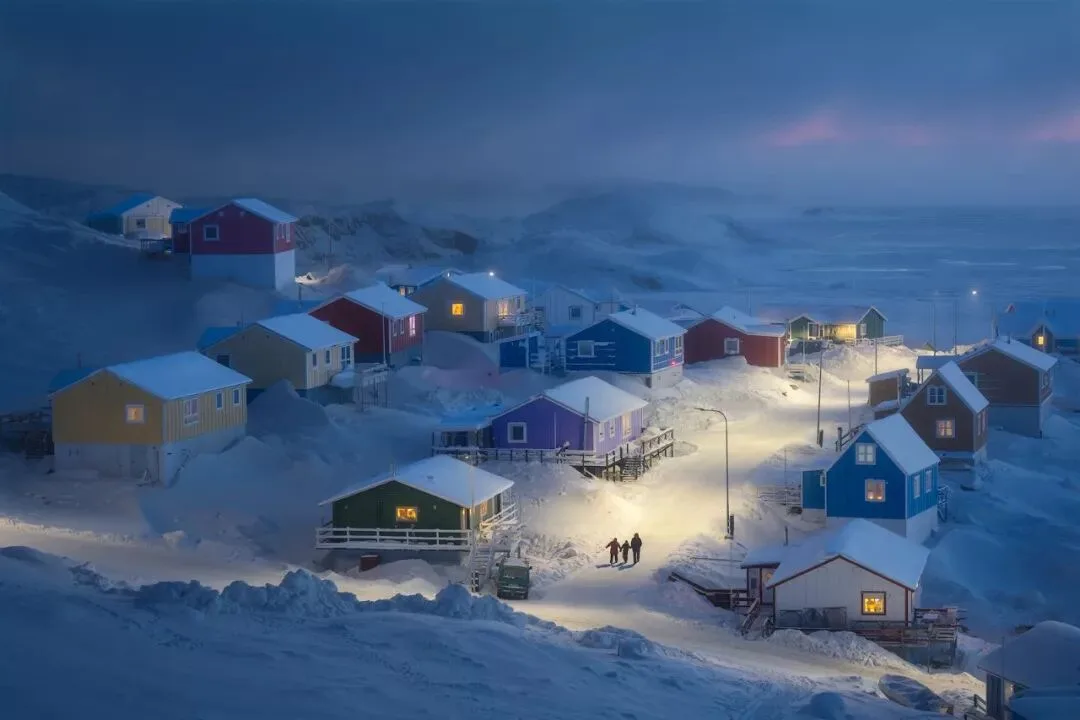
Sony A7R3, ISO3200 f4 1/50s
With climate change and deepening globalization, Greenland's natural landscapes and social culture are changing dramatically every year.
So this September I came here again, hoping to document its appearance before the landscape is transformed.
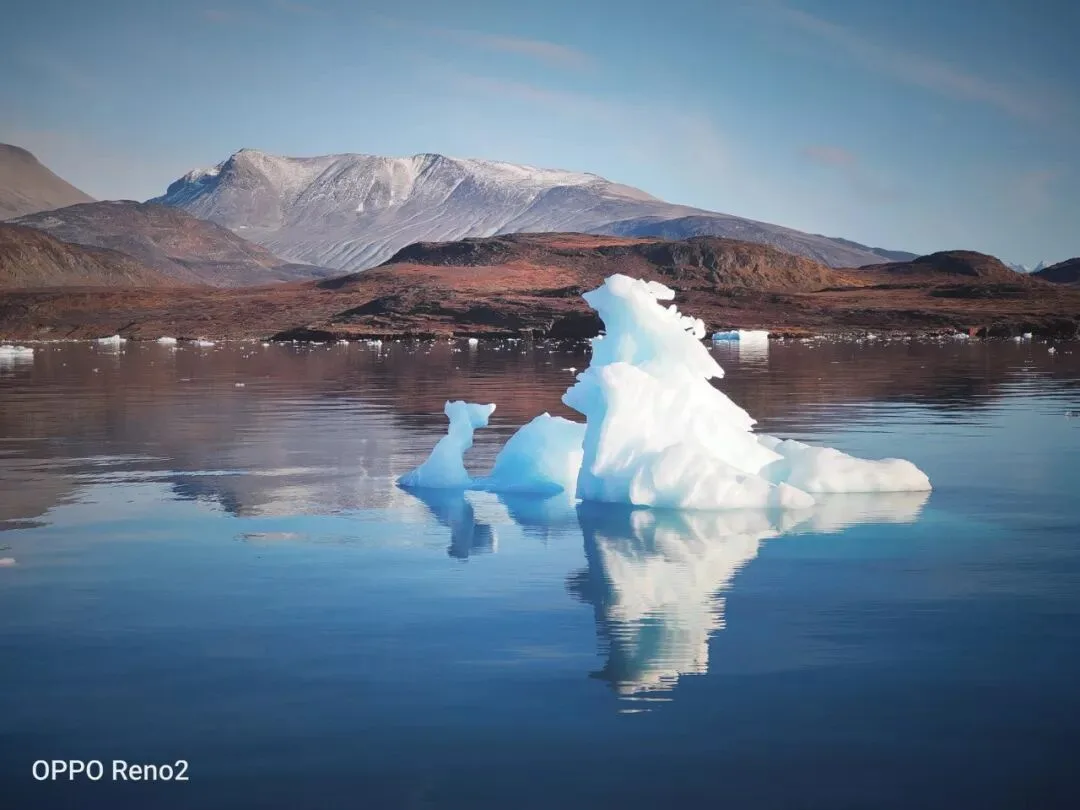
OPPO Reno2, 2x zoom, auto mode
To reach Greenland, you can only fly from Denmark's capital Copenhagen or Iceland's capital Reykjavik.
Departing from Copenhagen, after a 4-hour transoceanic flight, Greenland's outline gradually emerges — a world of white.
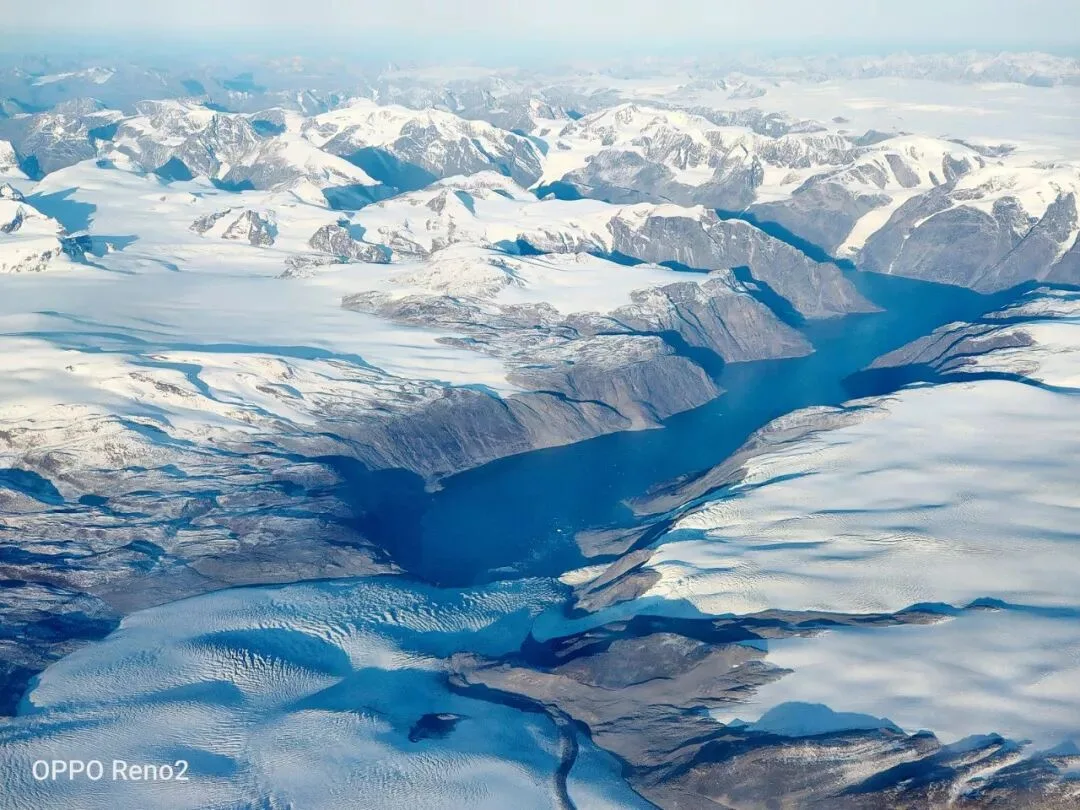
OPPO Reno2, 2x zoom, auto mode
With an area of over 2 million square kilometers, Greenland is the world's largest island — a full 60 times the size of Taiwan.
And more than 80% of the island is covered by permanent ice and snow.
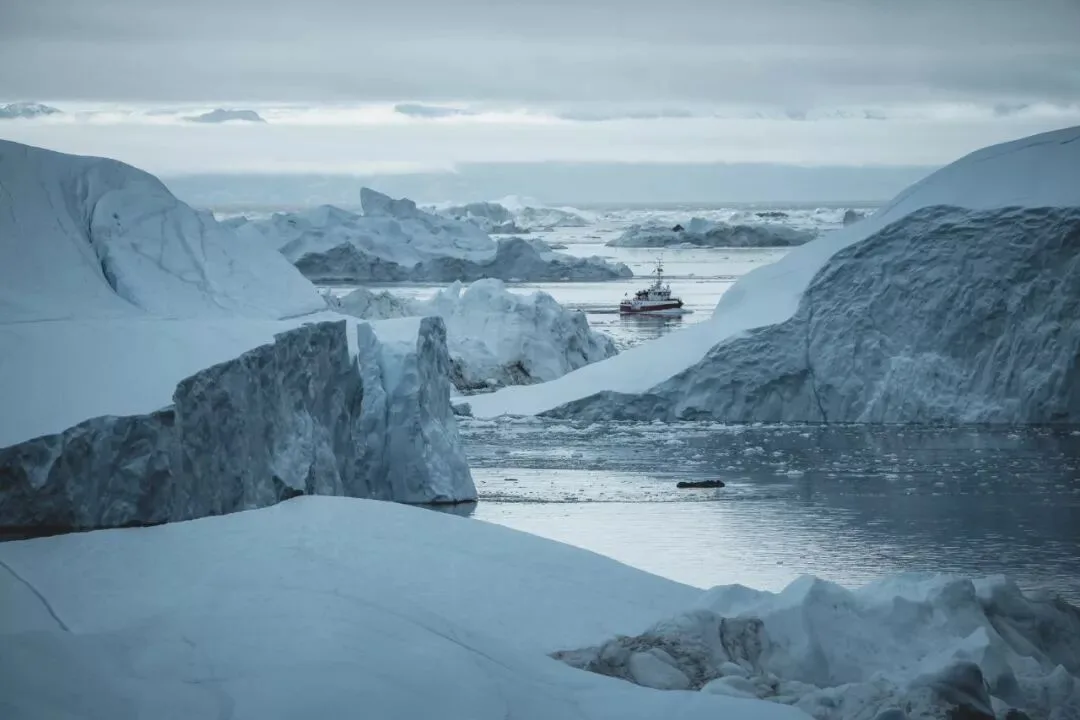
Sony A7R4, ISO400 f5.6 1/1000s
Along the coasts of southern and western Greenland, there are exposed rocks and permafrost terrain.
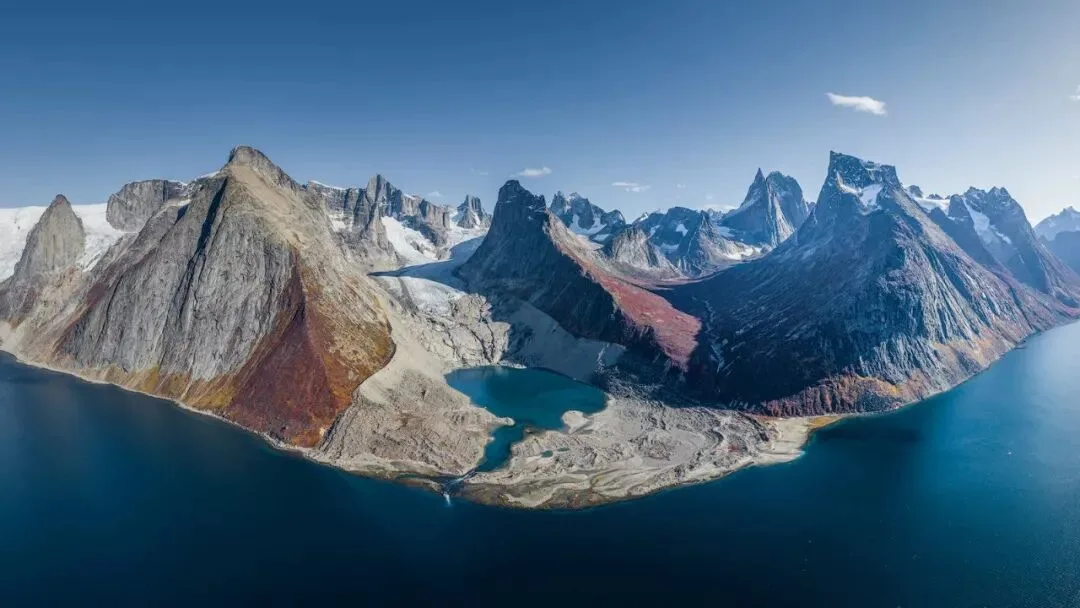
DJI Mavic 2 Pro, ISO100 f8 1/500s
The rest of the time, all you see beyond the window is endless white.
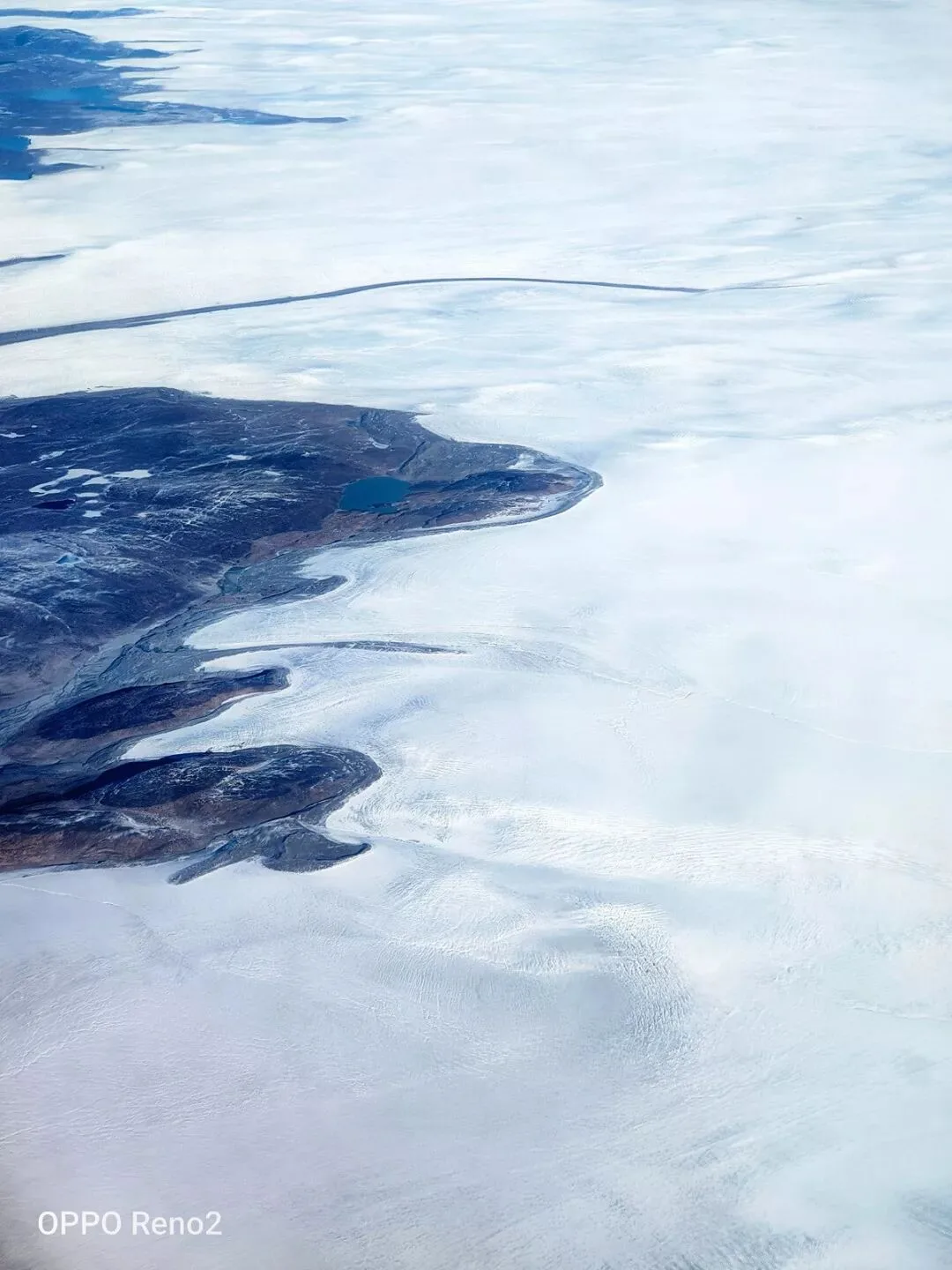
OPPO Reno2, 2x zoom, auto mode
Greenland's peak tourist season is July-August, when the climate is pleasant, flowers are in bloom, and you can see the midnight sun (polar day).
Personally, I prefer to go in September, when there are far fewer tourists, hotels are no longer packed, and — more importantly — there's a chance of seeing the aurora.
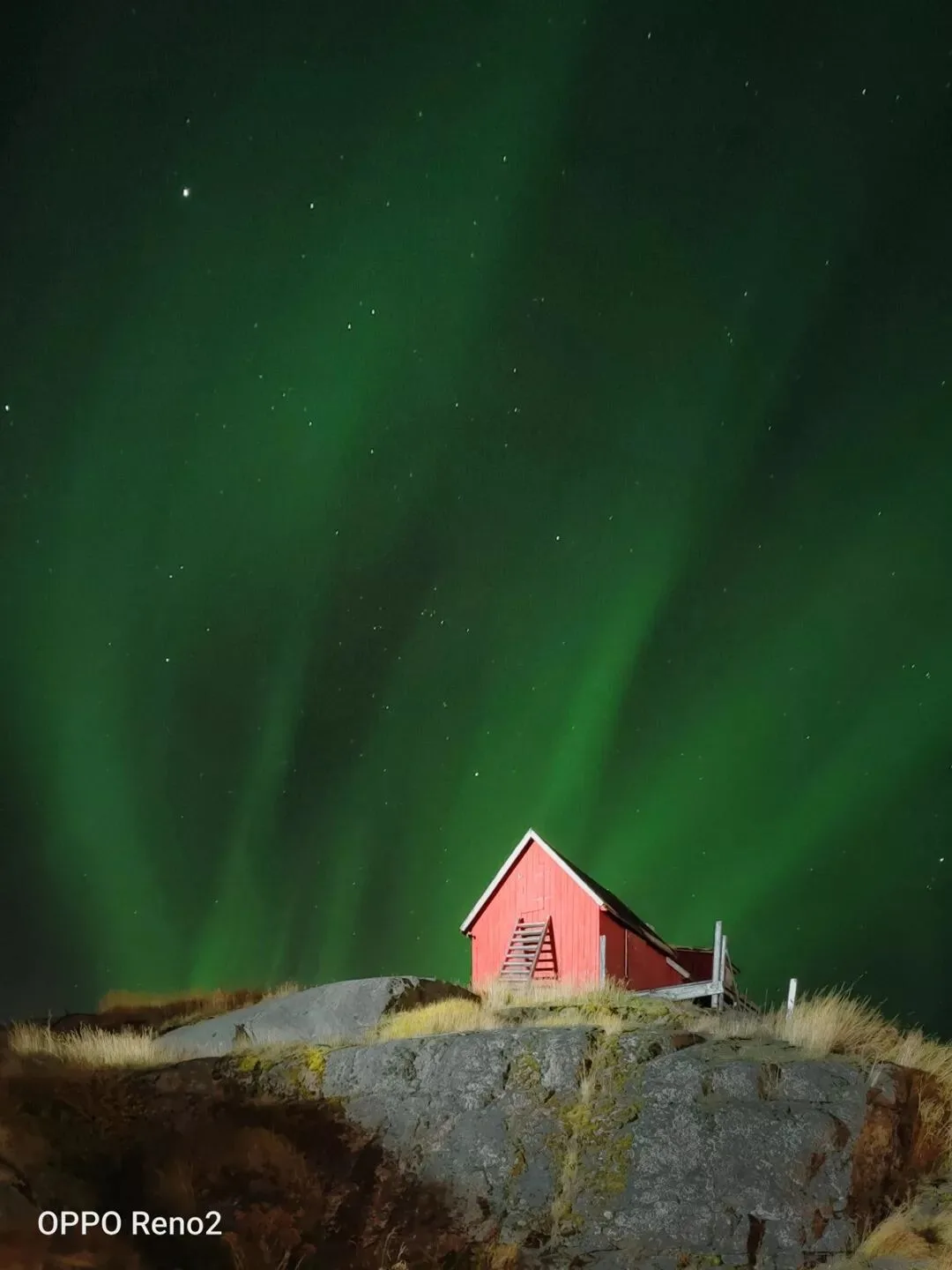
OPPO Reno2, 1x, pro mode
When night falls, depending on solar activity, the sky may show a faint green glow (aurora level 1-2), flowing green ribbons (aurora level 3-5), or even purple aurora dancing across the sky (level 5 and above).
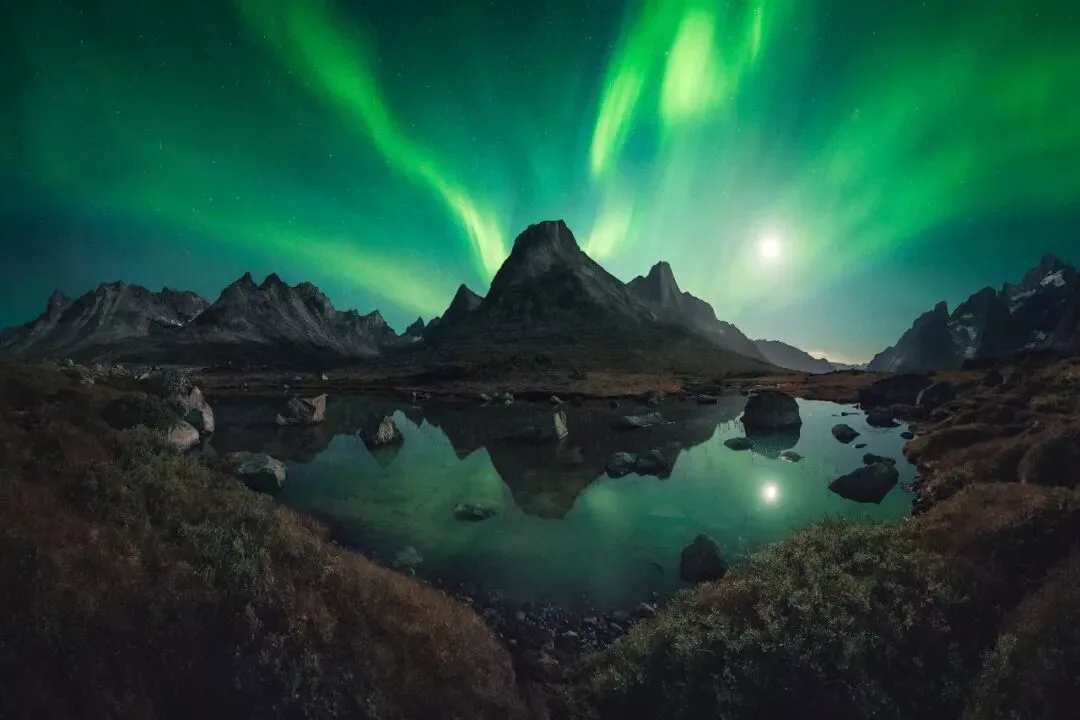
Nikon D750, ISO3200 f5 6s
However, autumn temperatures in Greenland are already around 0 degrees.
Just arriving from China's 20-plus degrees, Greenland immediately gave me a rude awakening with a heavy snowfall.
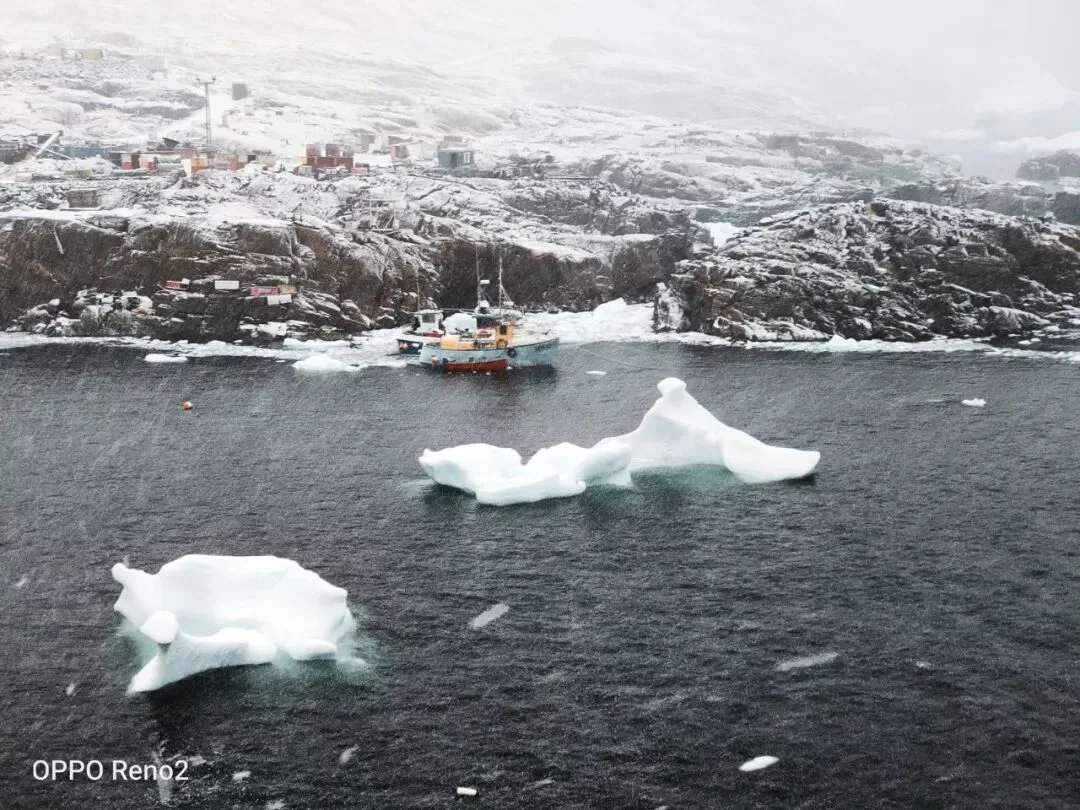
OPPO Reno2, 2x zoom, auto mode
Greenland's houses are all colorful. After a snowfall, we discover the reason why.
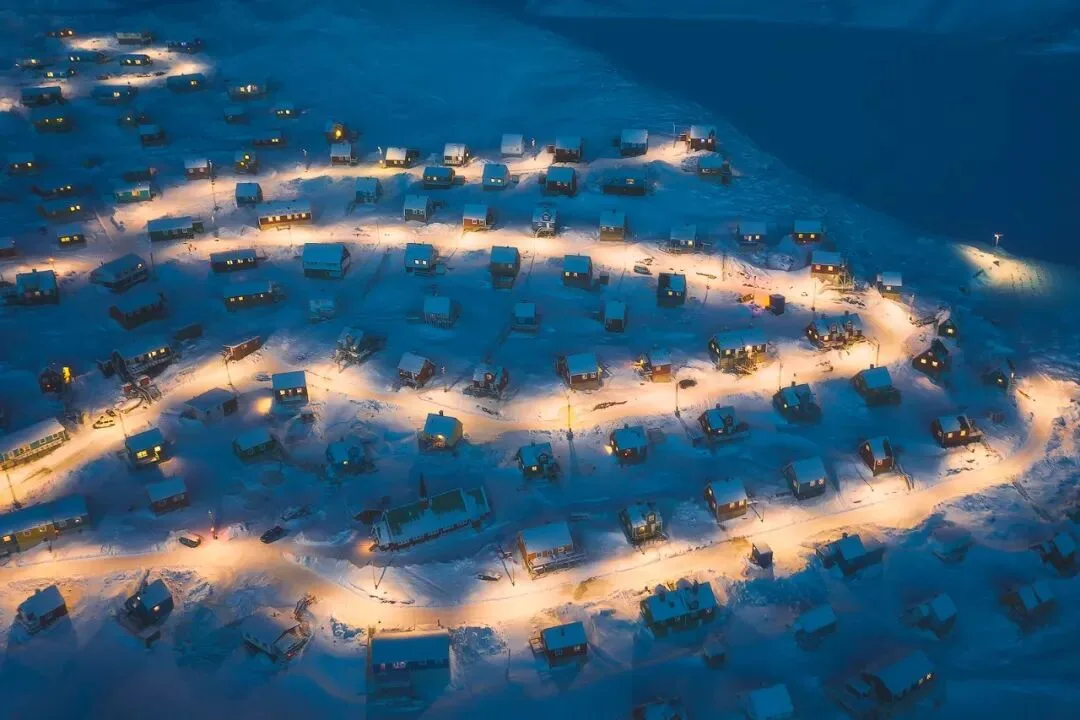
DJI Mavic 2, ISO100 f2.8 1s
When the entire Arctic land turns a blanket of white, without the hints of red, yellow, and blue houses, I'd almost lose my way.
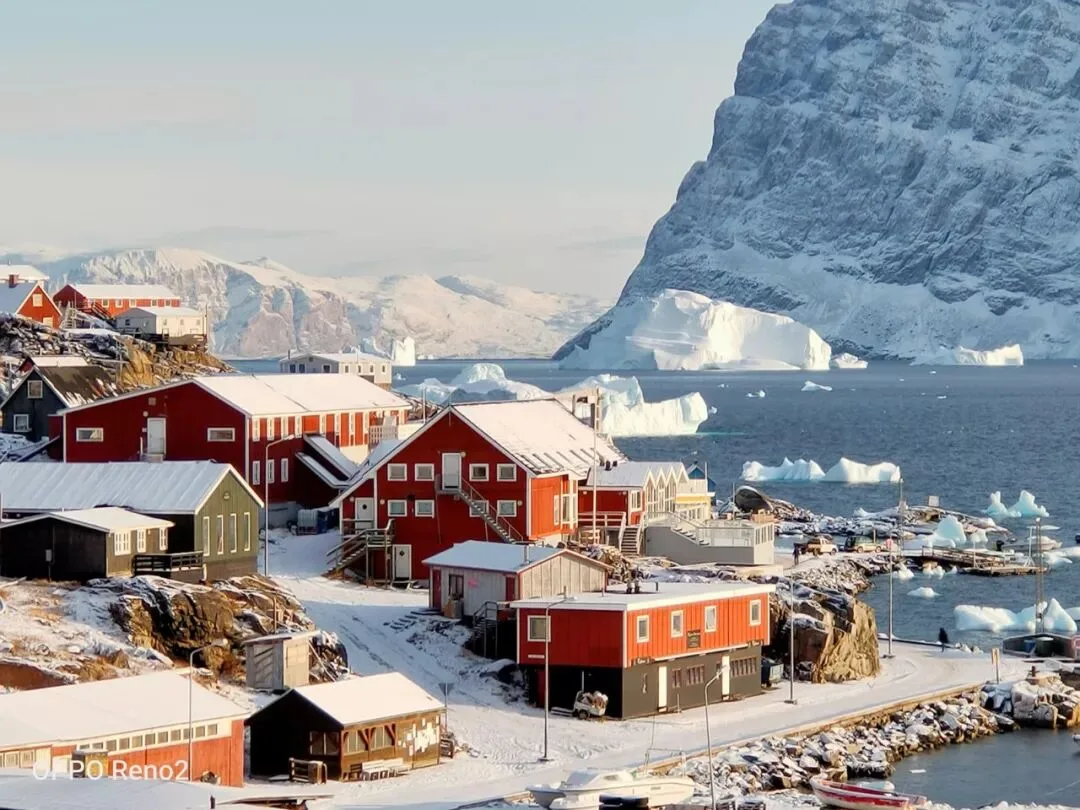
OPPO Reno2, 5x telephoto, auto mode
Having traveled thousands of miles to Greenland, the most important thing is to see the sea ice and icebergs.
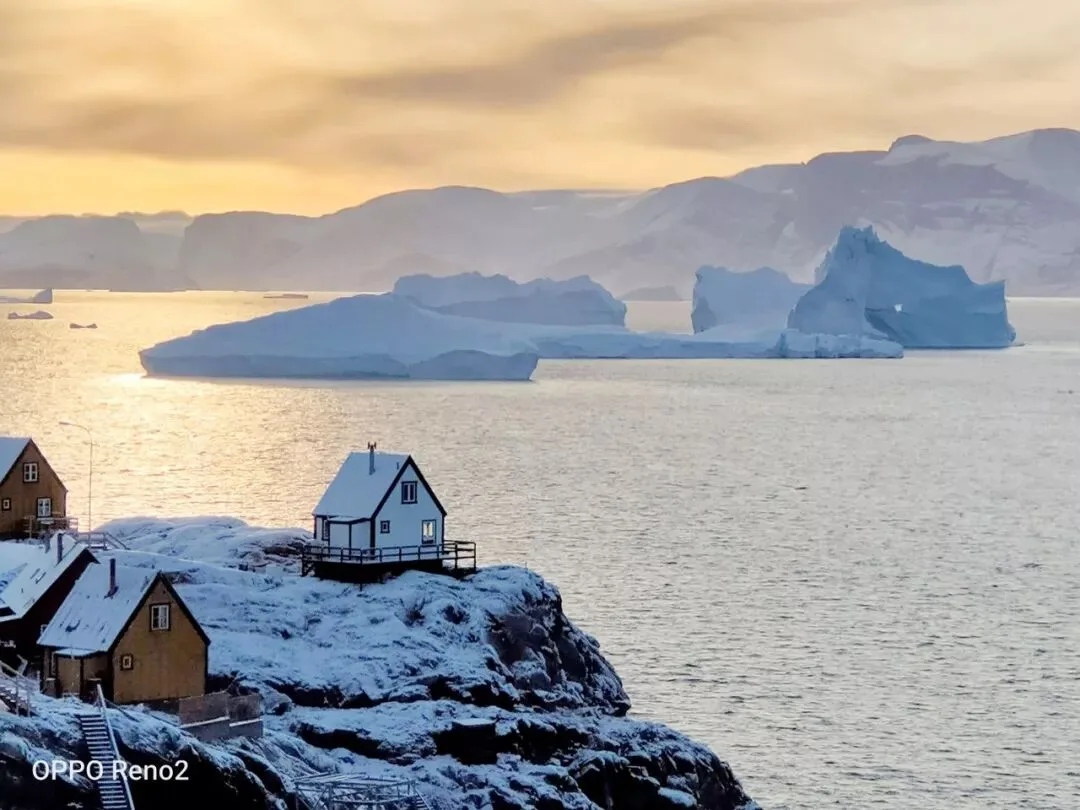
OPPO Reno2, 5x telephoto, auto mode
Only in the Arctic and Antarctic can you see such a spectacular sight — the entire sea covered with dense sea ice.
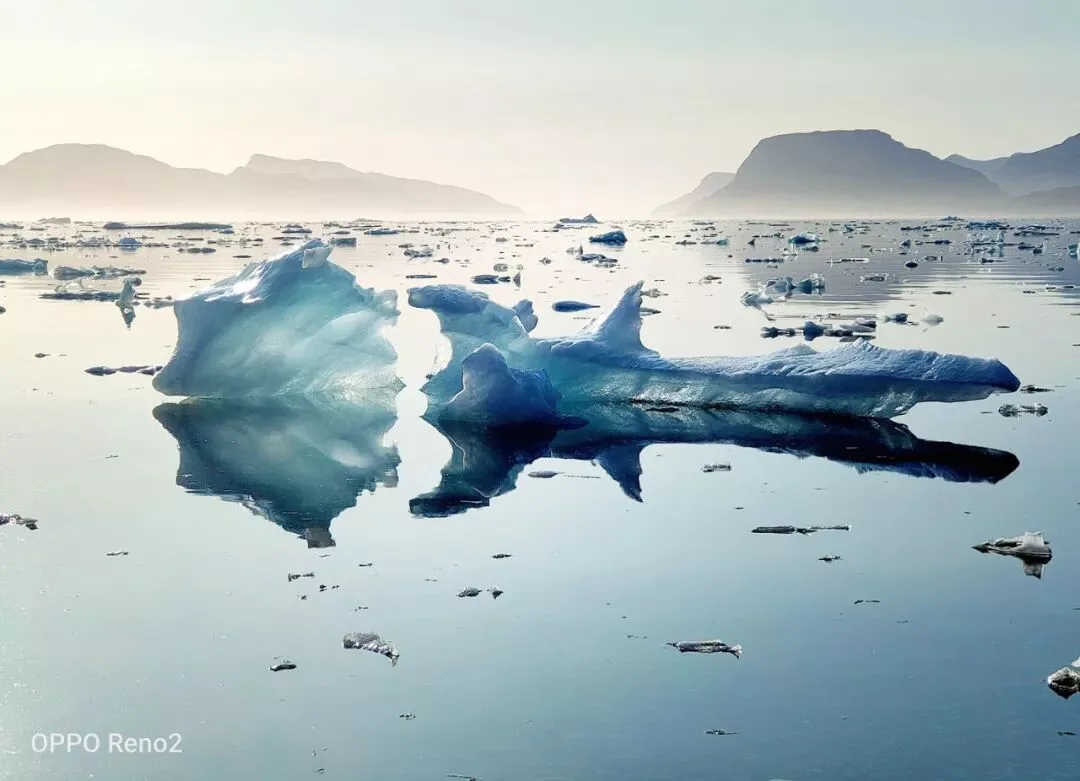
OPPO Reno2, 2x zoom, auto mode
In Greenland, the best place to see sea ice is the town of Ilulissat in the west.
The icefjord near Ilulissat is a UNESCO World Heritage Site. Home to the extremely active Jakobshavn Glacier, an average of 200 million tons of ice is discharged into the North Atlantic here every day.
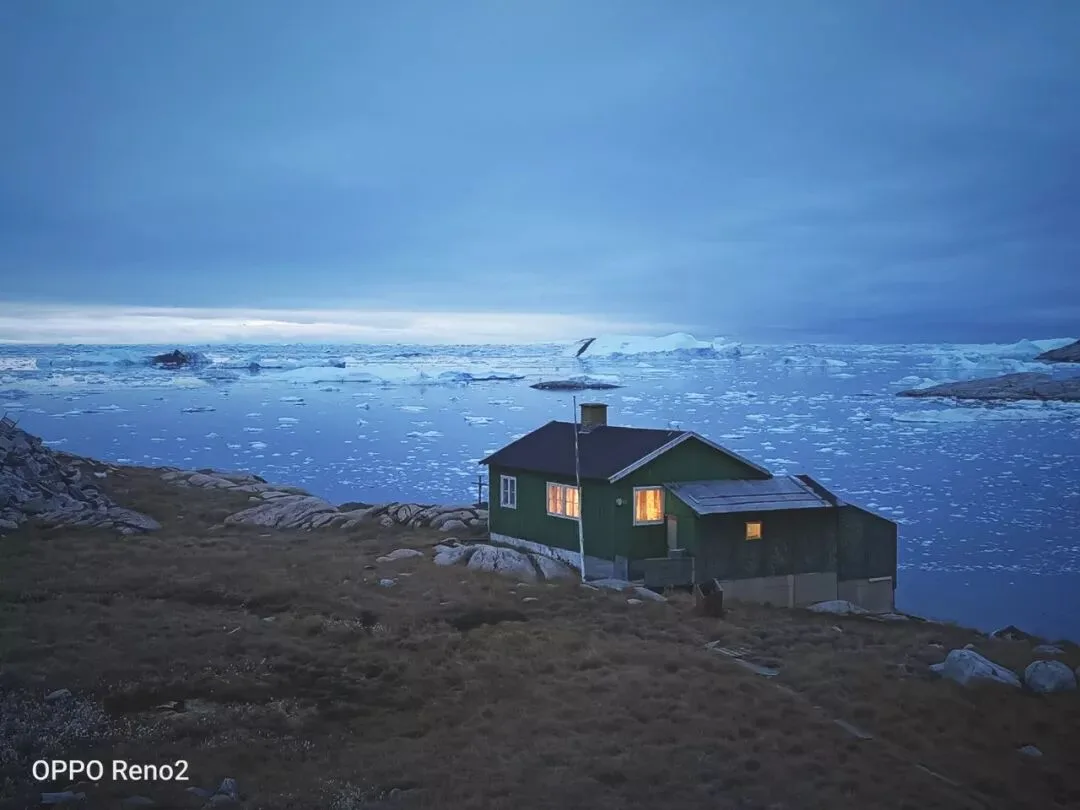
OPPO Reno2, 2x zoom, pro mode
Sometimes when the sea breeze blows, the entire area outside the town is also full of sea ice — extraordinarily spectacular.
Also, Ilulissat sits within Disko Bay. Thanks to the bay's shelter and the "shield" formed by dense ice of all kinds, the sea here is often calm, even reflecting perfect mirror images.
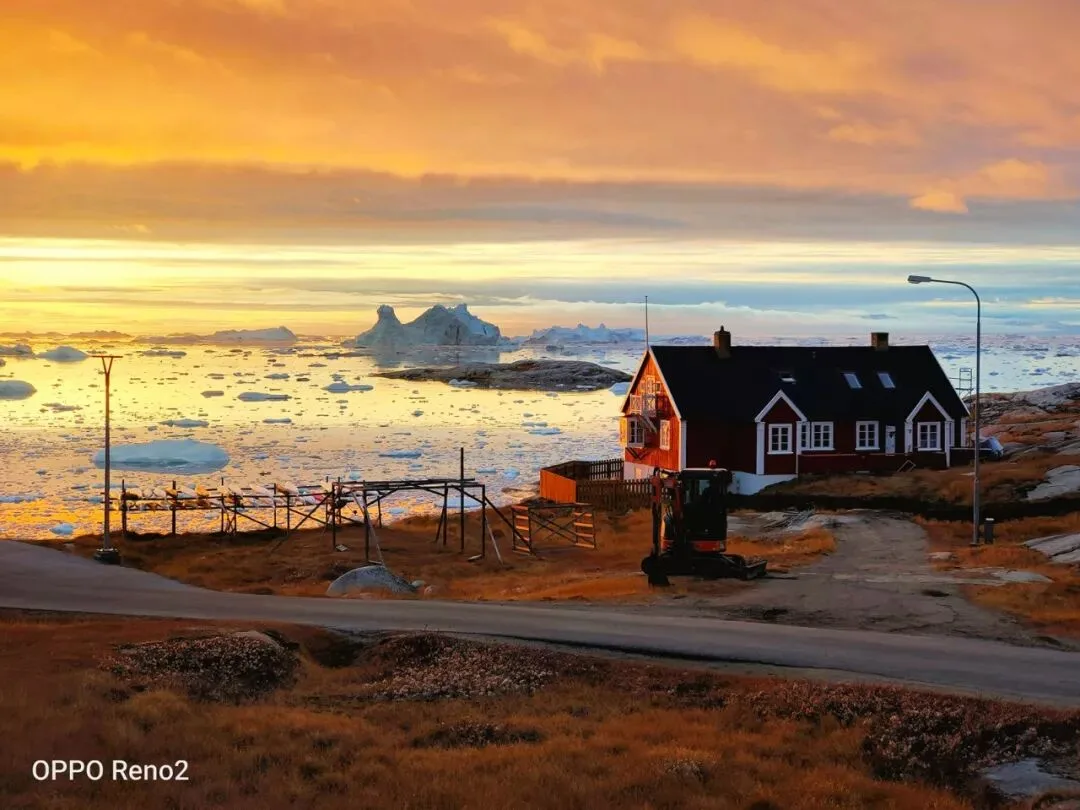
OPPO Reno2, 2x zoom, auto mode
That afternoon was overcast and gloomy, and I'd already given up hope.
But near sunset, a gap appeared in the clouds on the horizon. A premonition of a "masterpiece" made me grab my gear and rush to the shore.
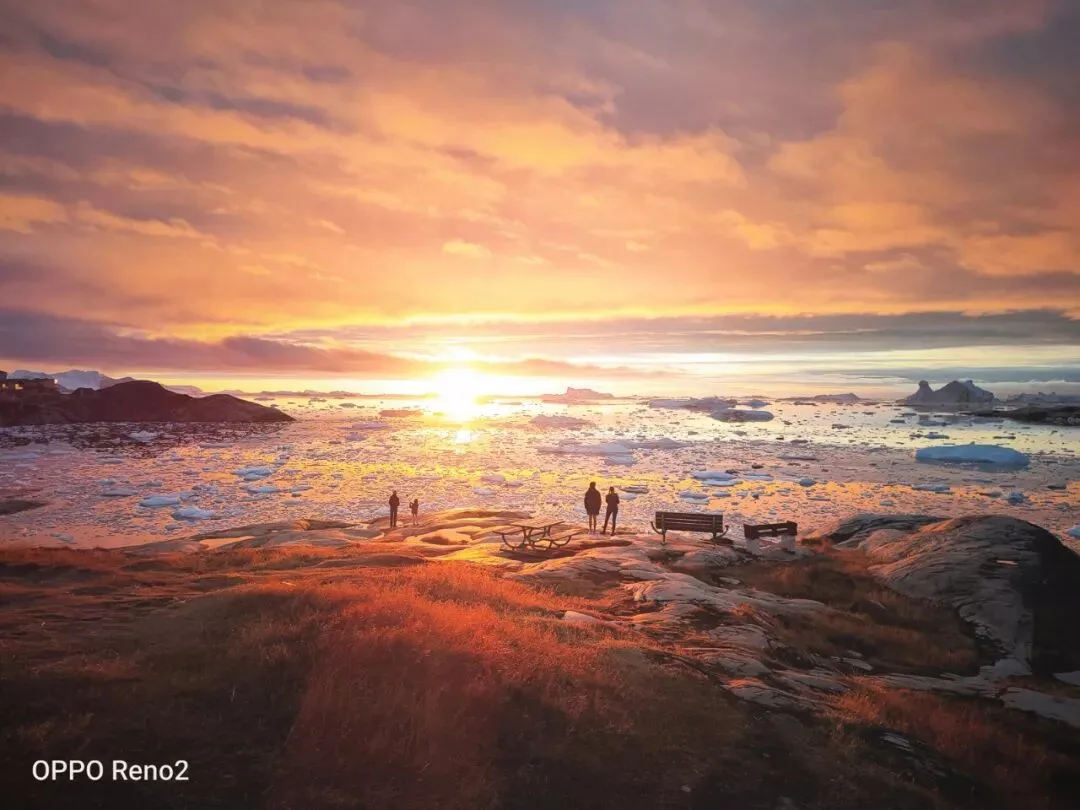
OPPO Reno2, 1x, 48MP, auto mode
Still, the scene at sunset stunned me. The clouds across the sky turned golden and red-purple, and the sea was as calm as a mirror, doubling the breathtaking spectacle of the sky.
The dense sea ice on the water at that moment seemed like clouds in the sky.
I shot time-lapses and stills at the same time, too busy to pause. At that moment, I rather envied the few locals ahead — they could fully immerse themselves in this magnificent sight.
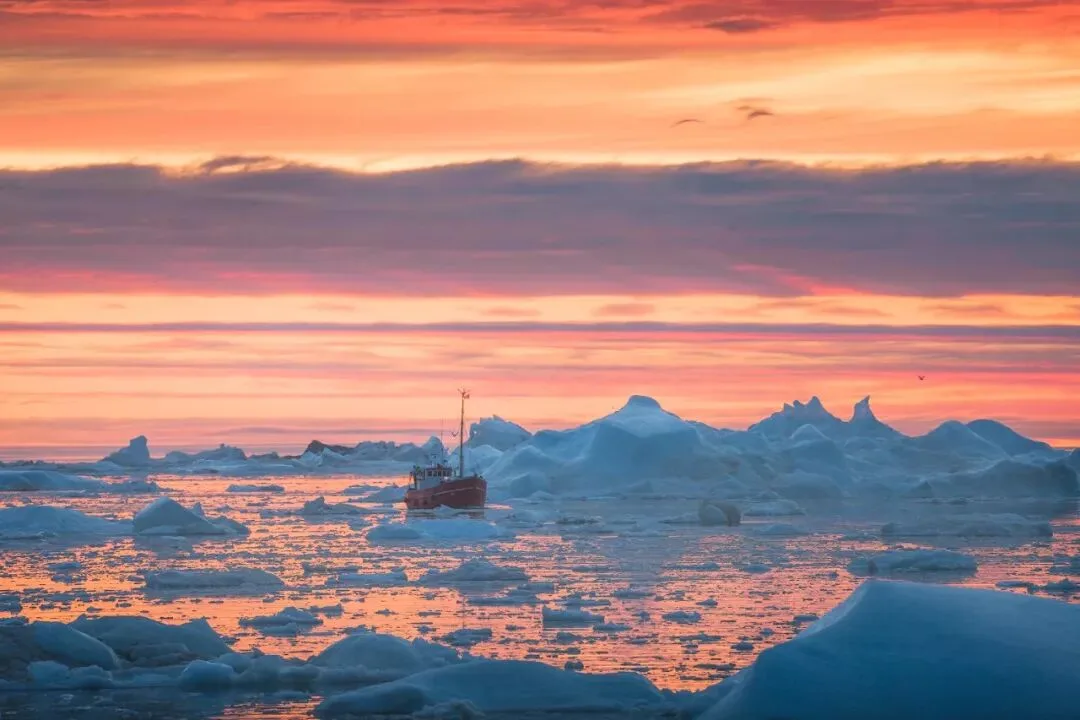
Sony A7R4, ISO400 f8 1/125s
Besides viewing sea ice from the shore, locals have converted fishing boats into sightseeing vessels, letting visitors get up close to these spirits of the sea.
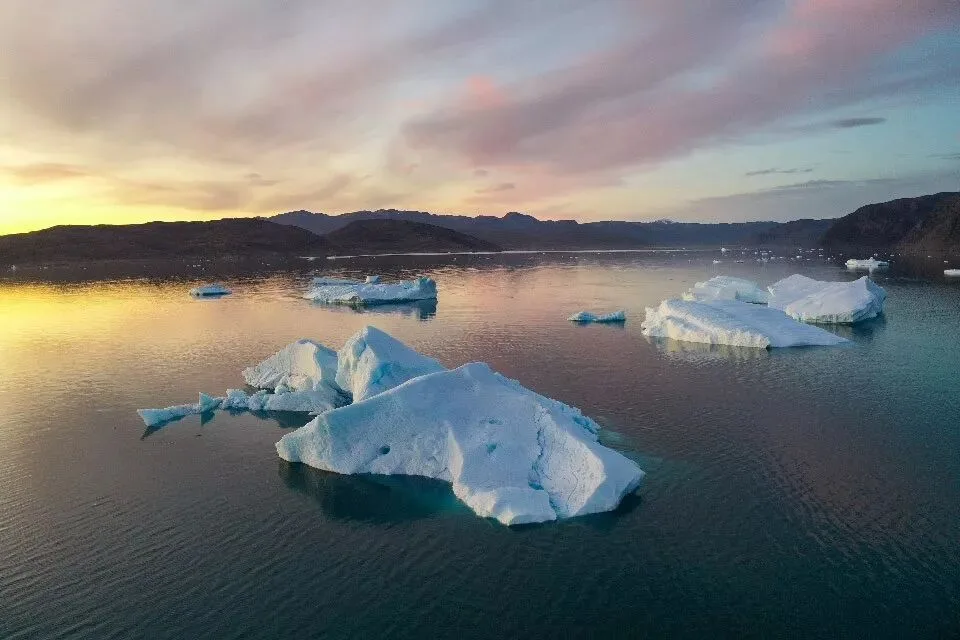
DJI Mavic 2 Pro, ISO100 f4 1/20s
Generally, the bluer the ice, the older it is. White ice floes are younger.
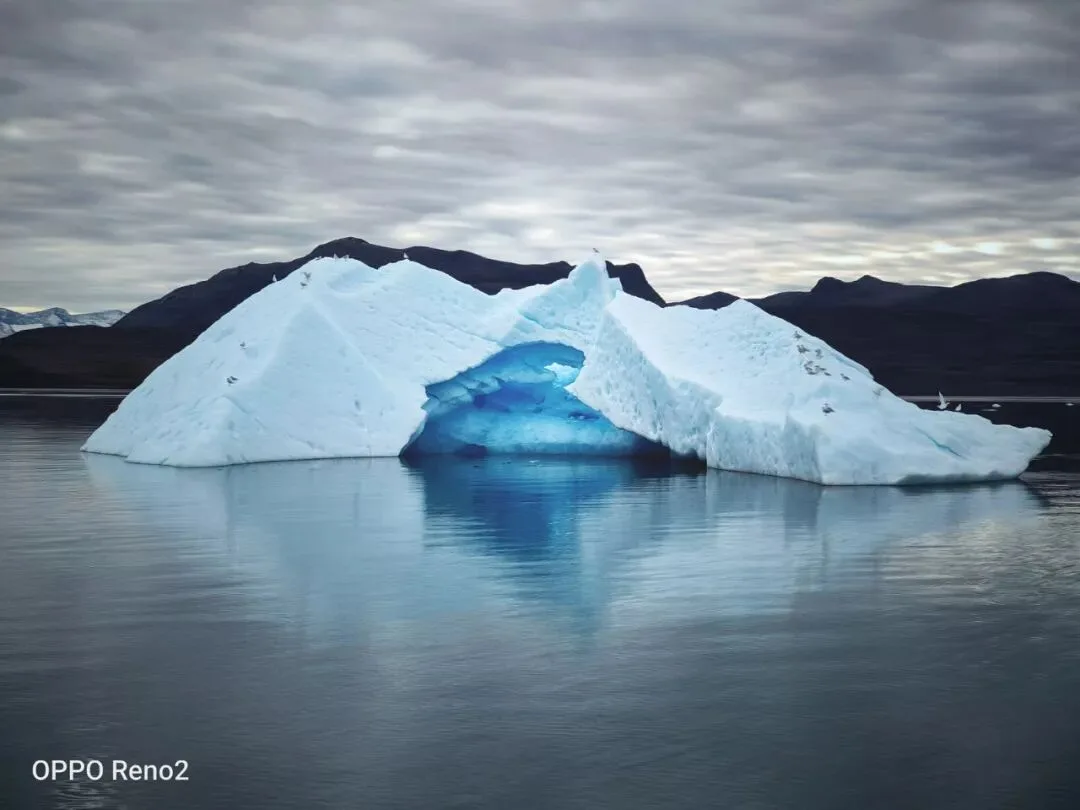
OPPO Reno2, 2x zoom, auto mode
Snow on glaciers is compressed layer by layer into ice. Fresh ice still contains many air bubbles, and sunlight reflecting within them appears white. The older the ice, the fewer bubbles, and the bluer it appears.
At sea we discovered a huge ice floe that was entirely blue — possibly a masterpiece nature took tens of thousands of years to create.
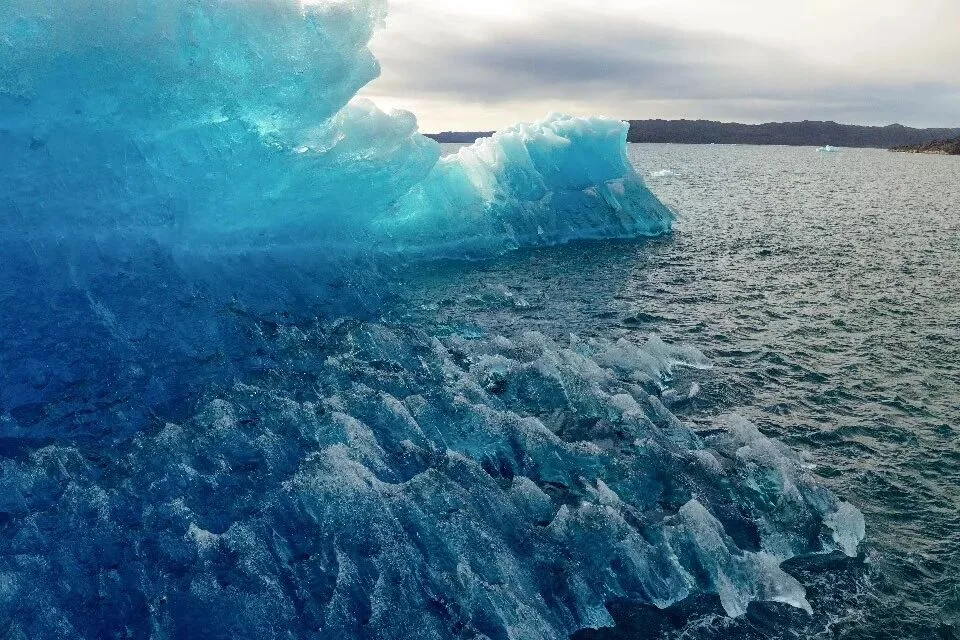
DJI Mavic 2 Pro, ISO100 f8 1/160s (original colors)
At the boundary where the glacier meets the sea, ice that calves off every day forms icebergs, which further break apart into ice floes of various sizes. The small ones just poke their heads above the water, while the large ones are as tall as a dozen stories.
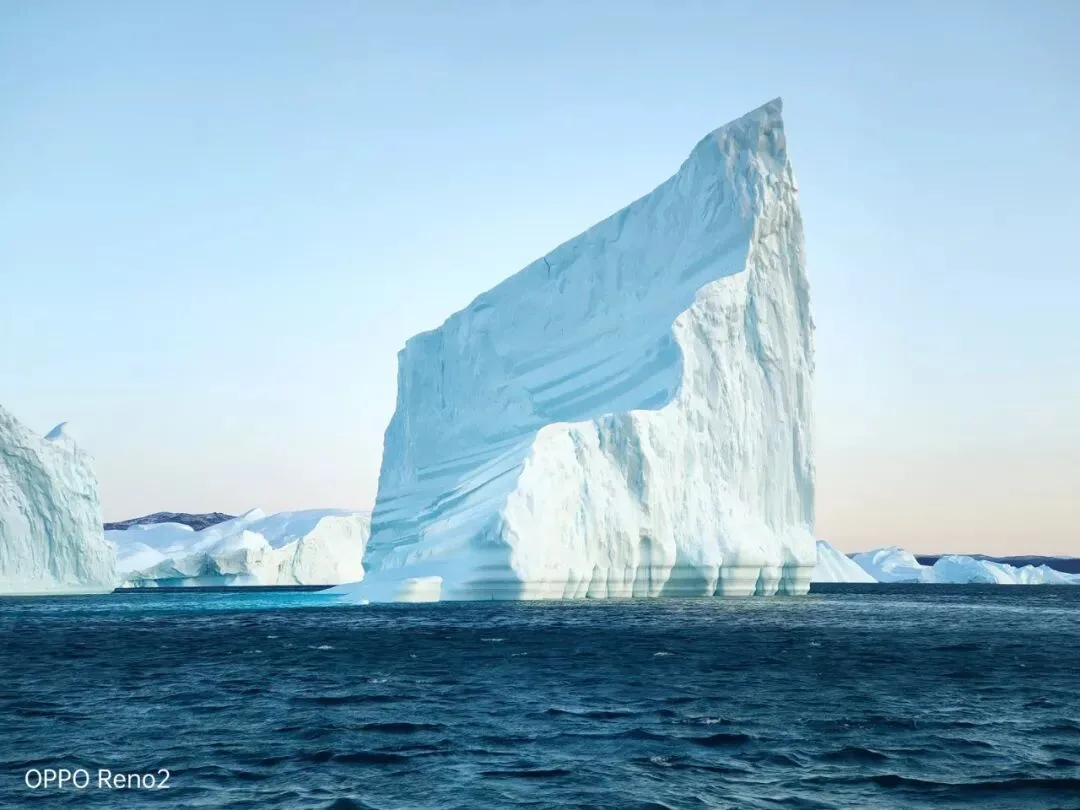
OPPO Reno2, 5x telephoto, auto mode
Keep in mind these heights are only above water — the submerged volume of an iceberg is typically nine times that above water.
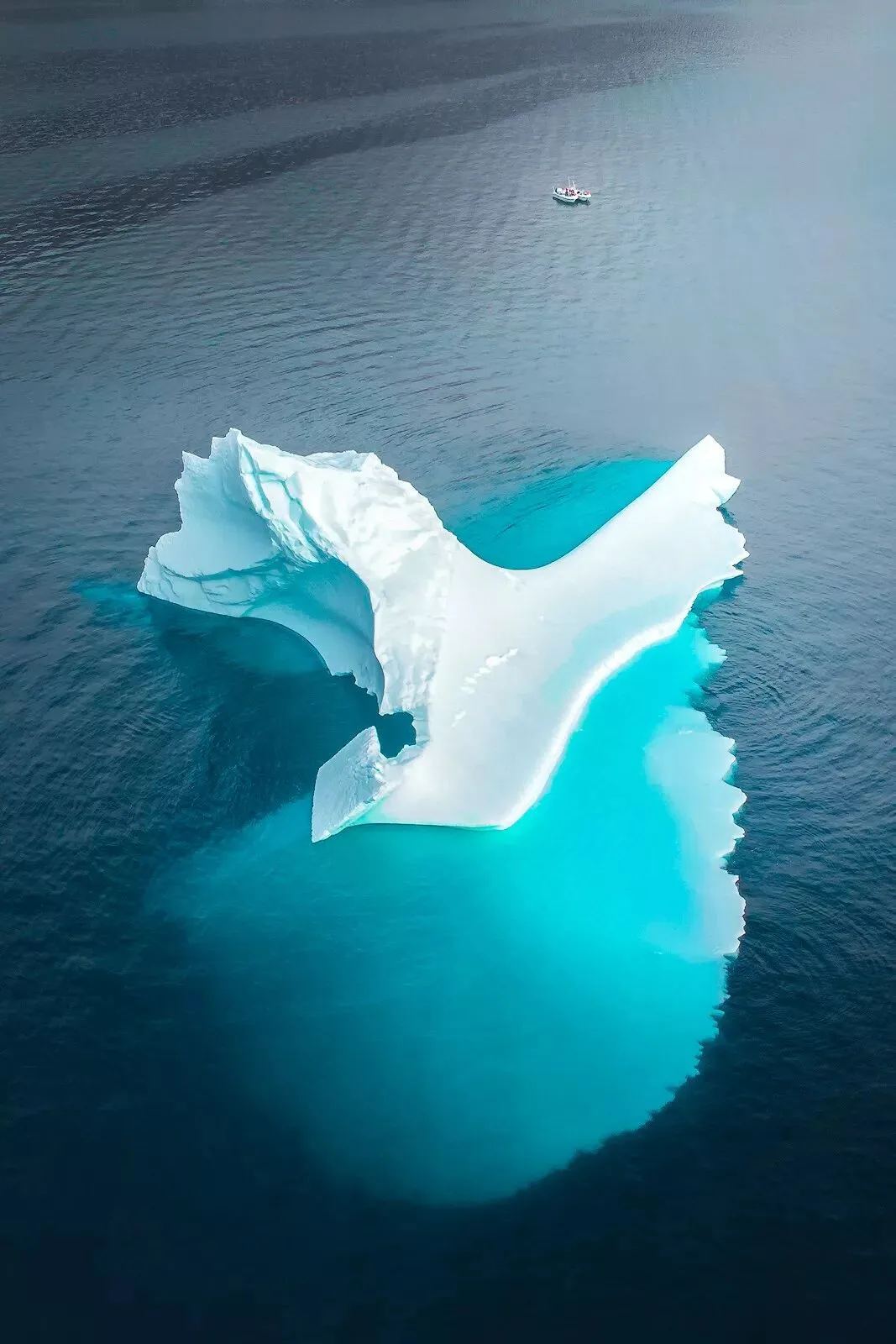
DJI Mavic 2, ISO100 f8 1/125s
Some icebergs are so huge they even run aground in the bay, where the average water depth is over 300 meters.
There's a theory that the iceberg that sank the Titanic entered the sea from here.
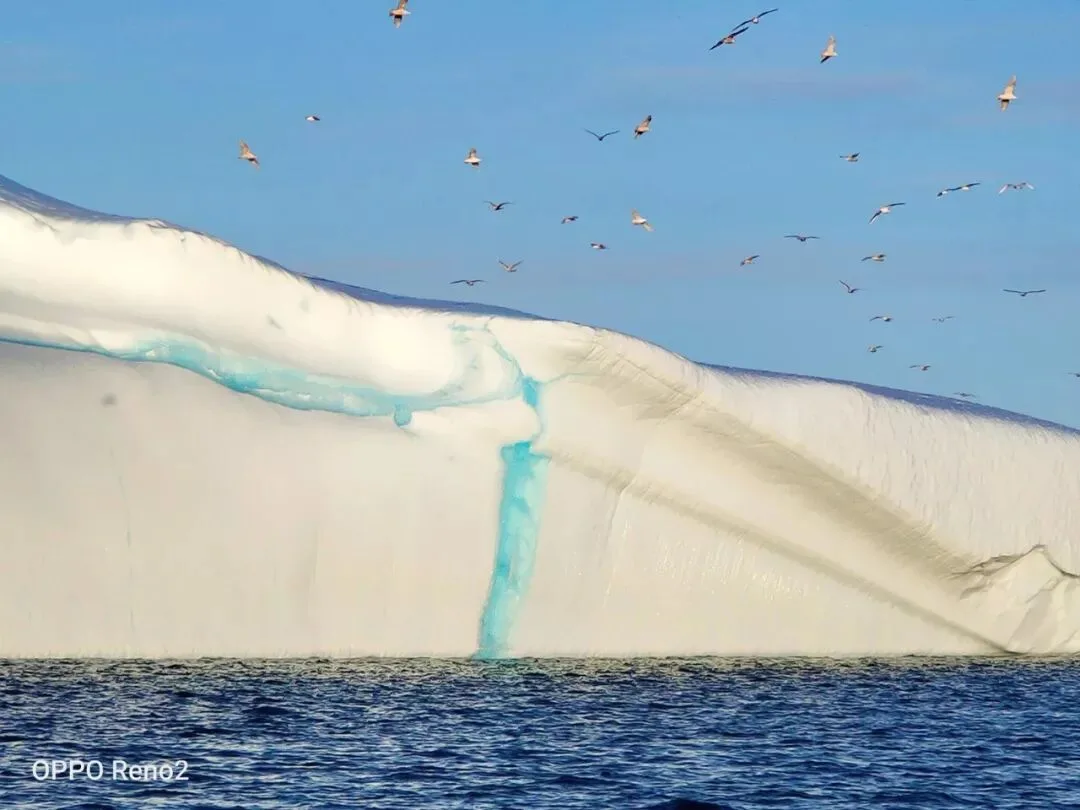
OPPO Reno2, 5x telephoto, auto mode
Huge icebergs are rich in nutrients, attracting various fish and seabirds to gather nearby.
Suddenly the captain shouted, "Look, whales!" Several fin whales surfaced and, with a loud boom, spouted huge plumes of water.
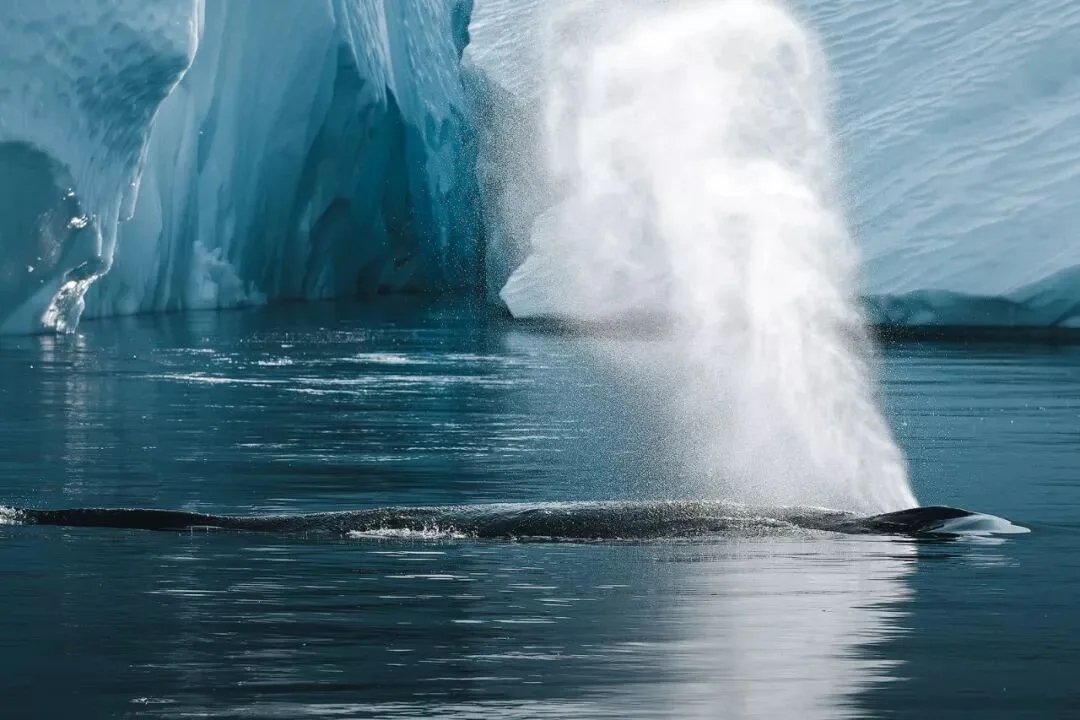
Sony A7R4, ISO400 f10 1/1000s
This was my first time feeling such enormous creatures up close.
The whales swam around our boat, occasionally spouting water or slapping their tails, drawing endless gasps and shutter clicks from everyone on board.
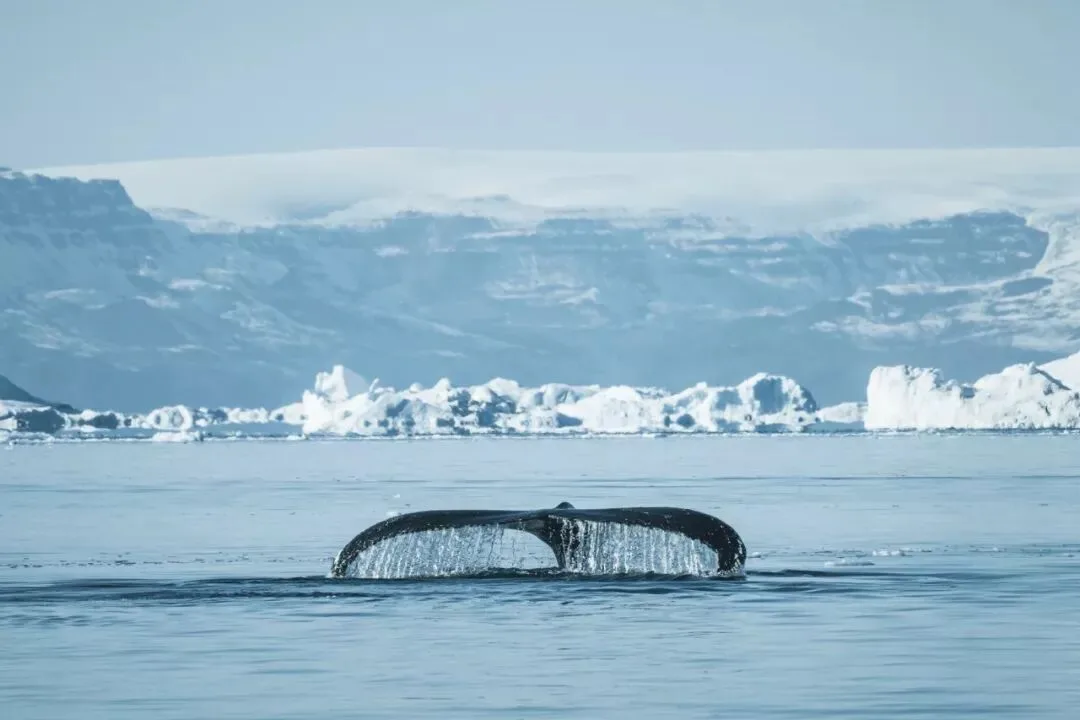
Sony A7R4, ISO400 f14 1/800s
Besides Ilulissat, Greenland has many other interesting places worth visiting.
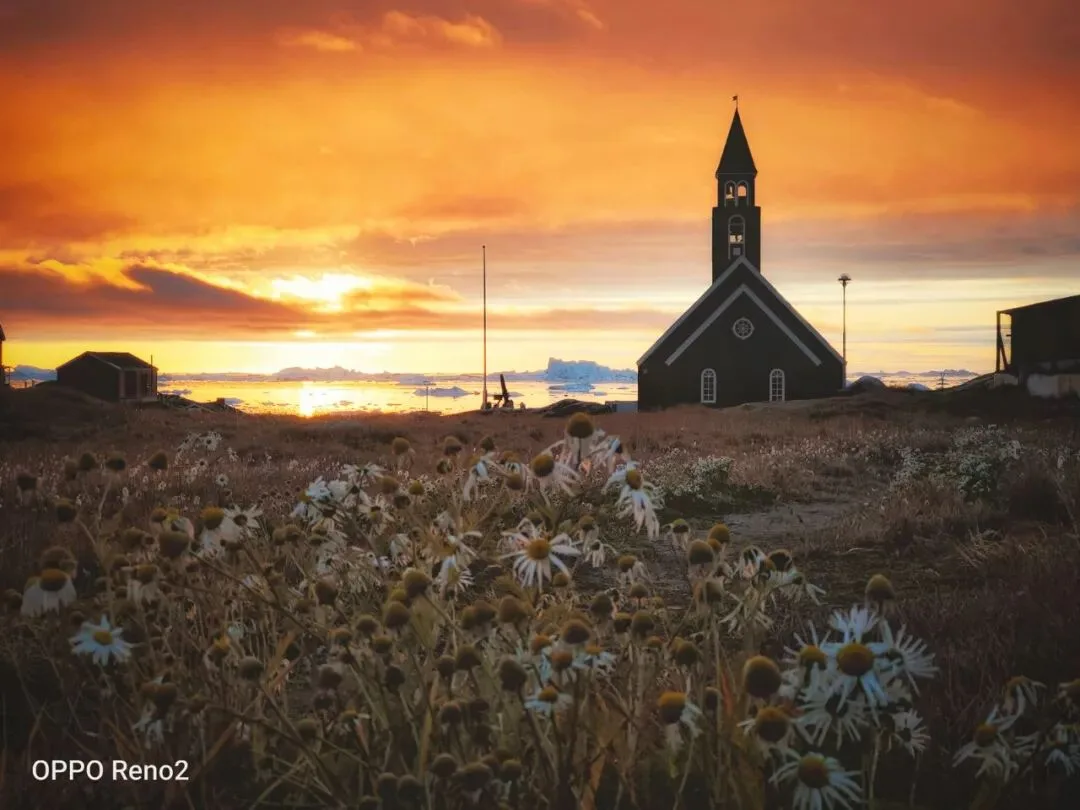
OPPO Reno2, 2x zoom, auto mode
Nuuk is Greenland's capital, located outside the Arctic Circle. It's the only city in Greenland with a population over 10,000.
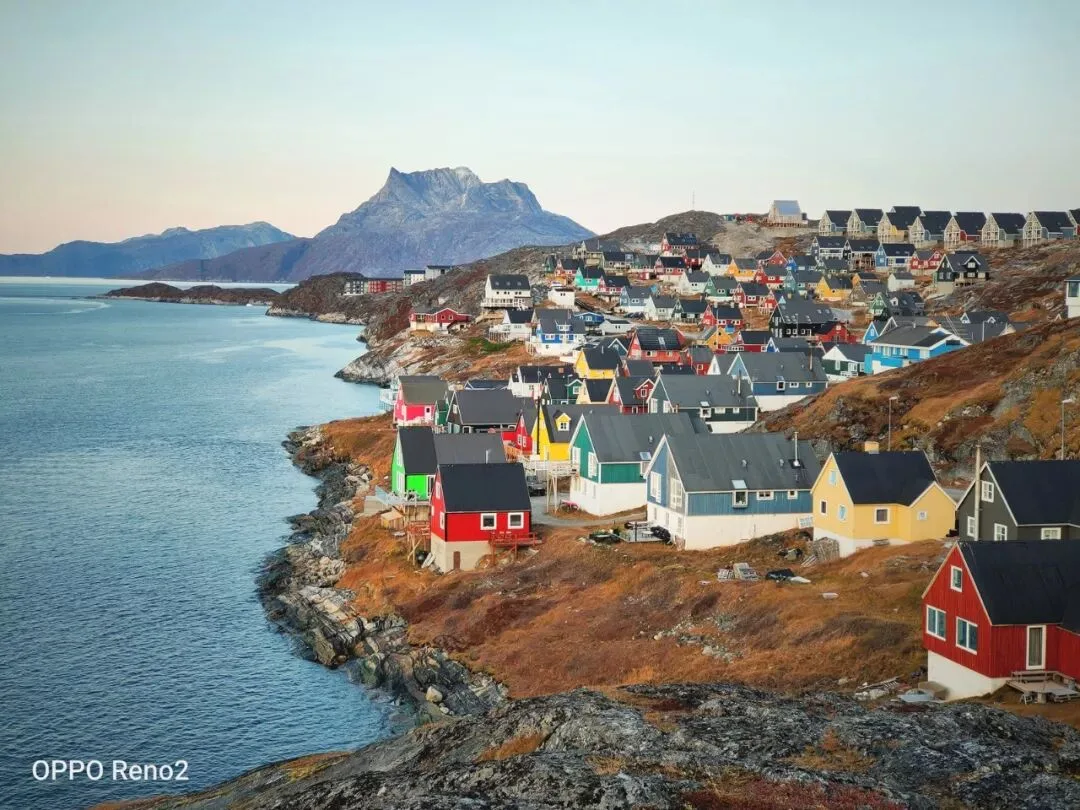
OPPO Reno2, 1x, auto mode
Other places are either small towns of a thousand-plus people or tiny fishing villages of a few dozen.
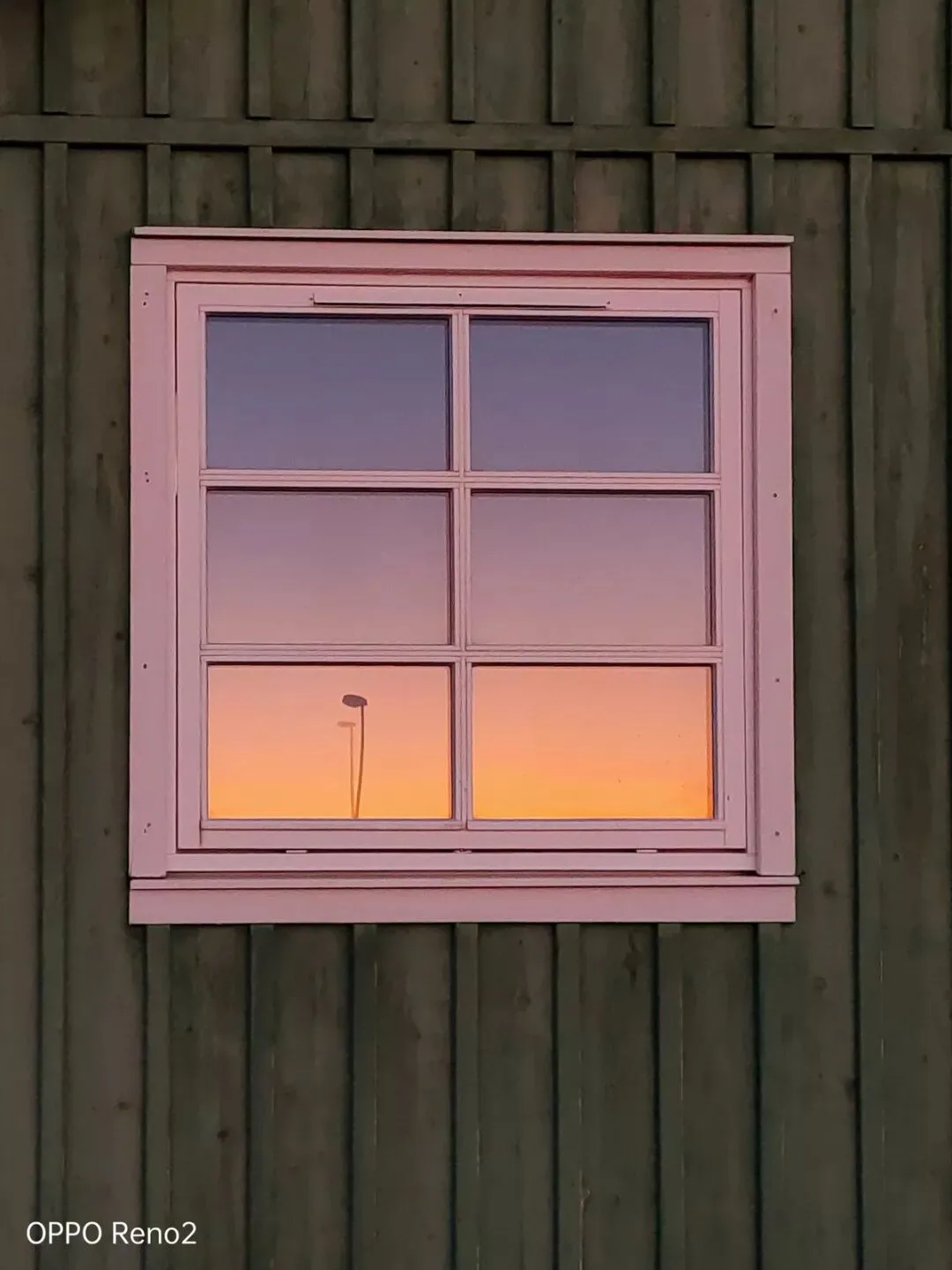
OPPO Reno2, 2x zoom, auto mode
Qaqortoq is a large town in southern Greenland with a population of nearly 3,000. The town has built multi-story modern apartment buildings on the hillside. Though the architecture has changed, the colorful hues remain.
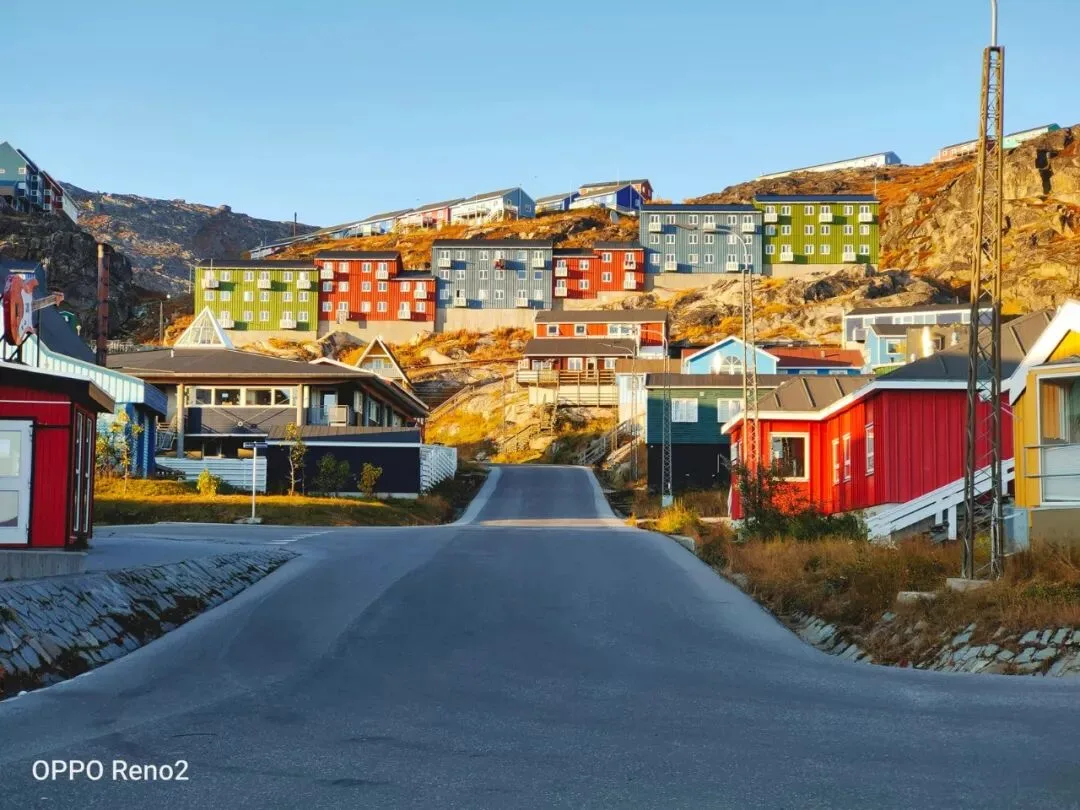
OPPO Reno2, 2x zoom, auto mode
Near the town of Qaqortoq lies the famous Tasermiut Fjord.
Fjords form when glaciers erode river valleys that are then flooded by seawater. This land of world-class glaciers in Greenland has naturally given rise to countless magnificent fjords.
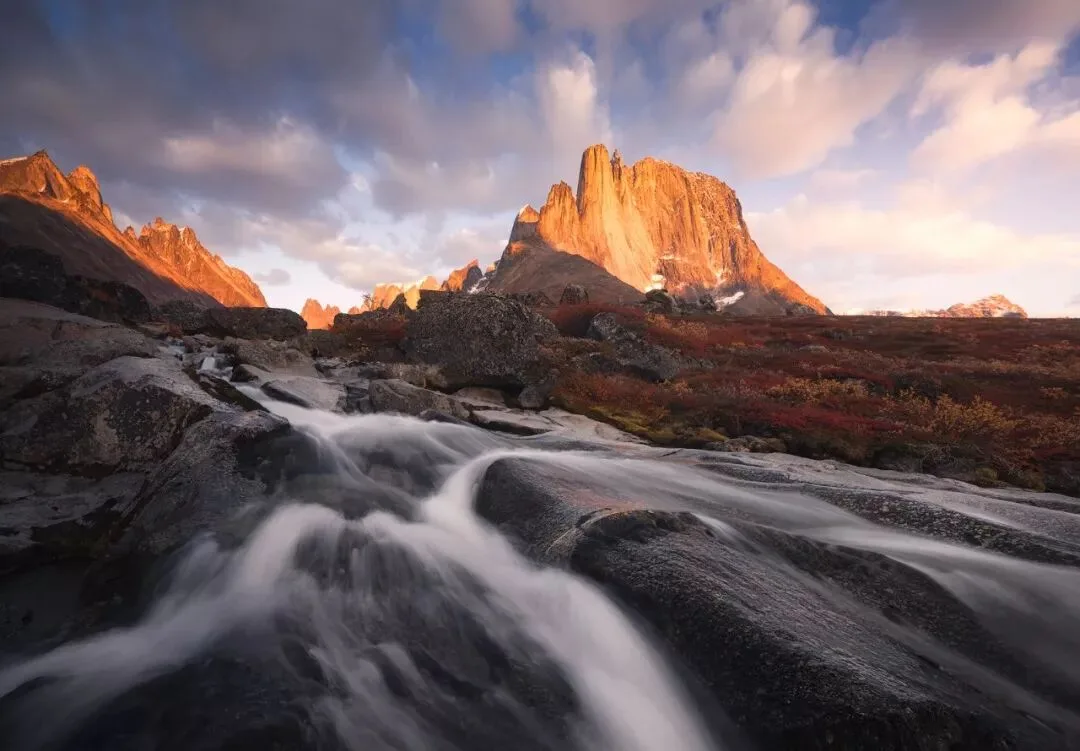
Sony A7R4, ISO50 f16 0.5s
The great rock peaks here rise one after another from sea level, their towering forms inspiring awe.
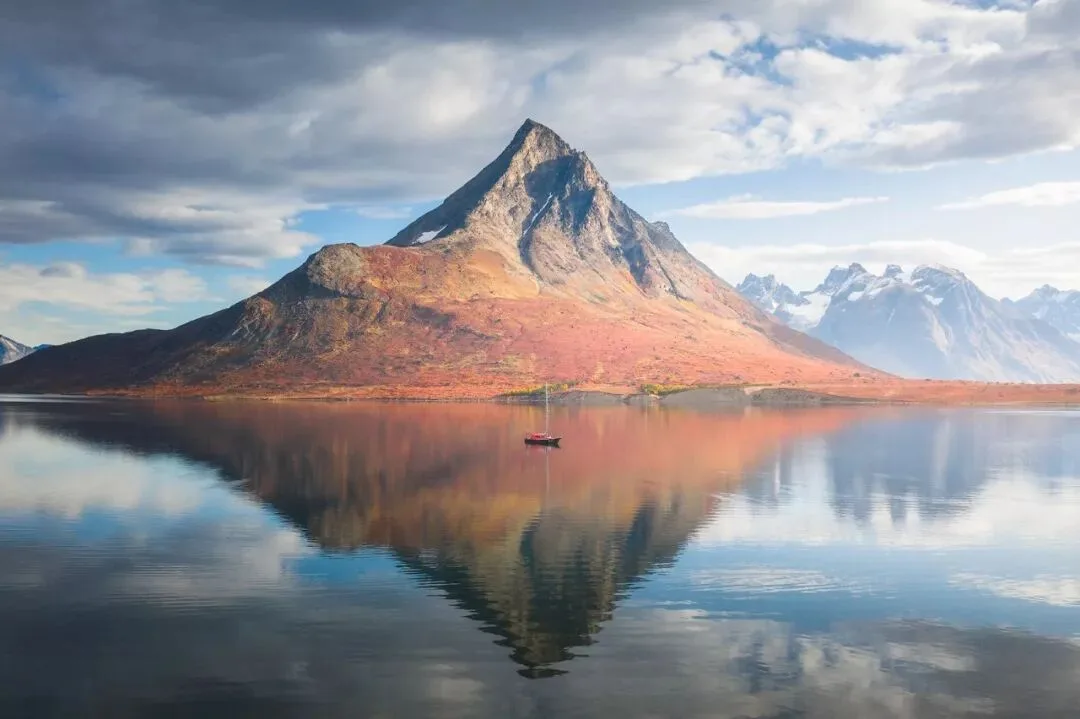
DJI Mavic 2, ISO100 f5.6 1/640s
I found that quite a few of Greenland's towns and villages are built against mountains and beside the sea, like the town of Uummannaq below.
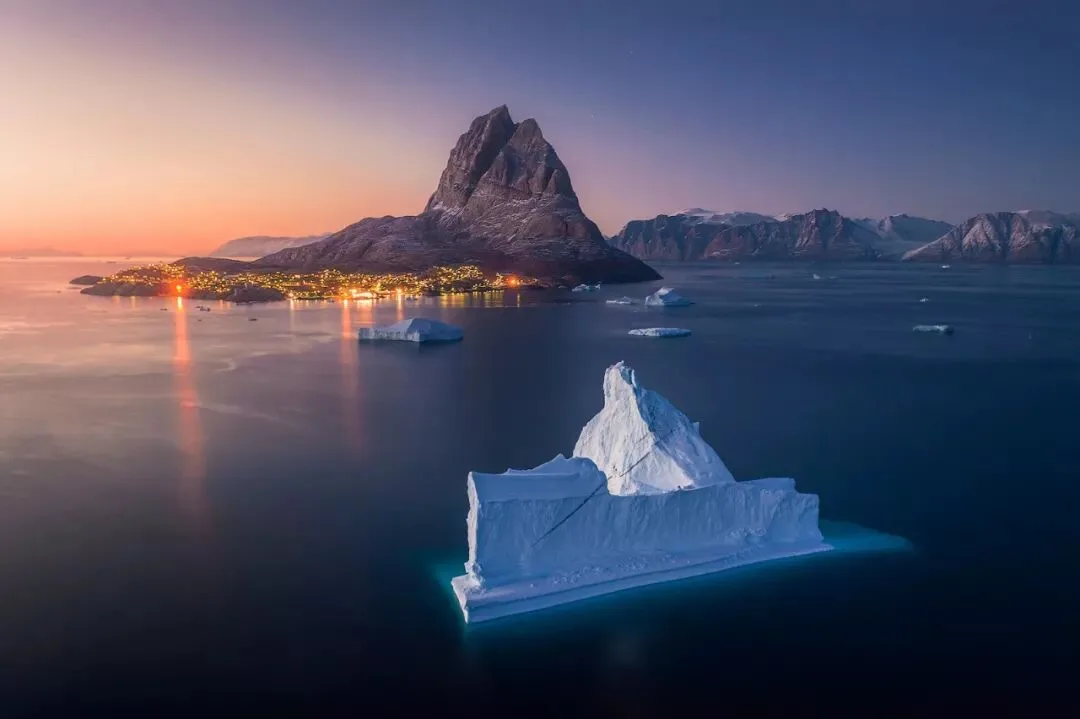
DJI Mavic 2 Pro, ISO200 f2.8 5s
The town sits on a small island 600 km north of the Arctic Circle. The huge peaks around the island block the strong winds, protecting this fishing-based town.
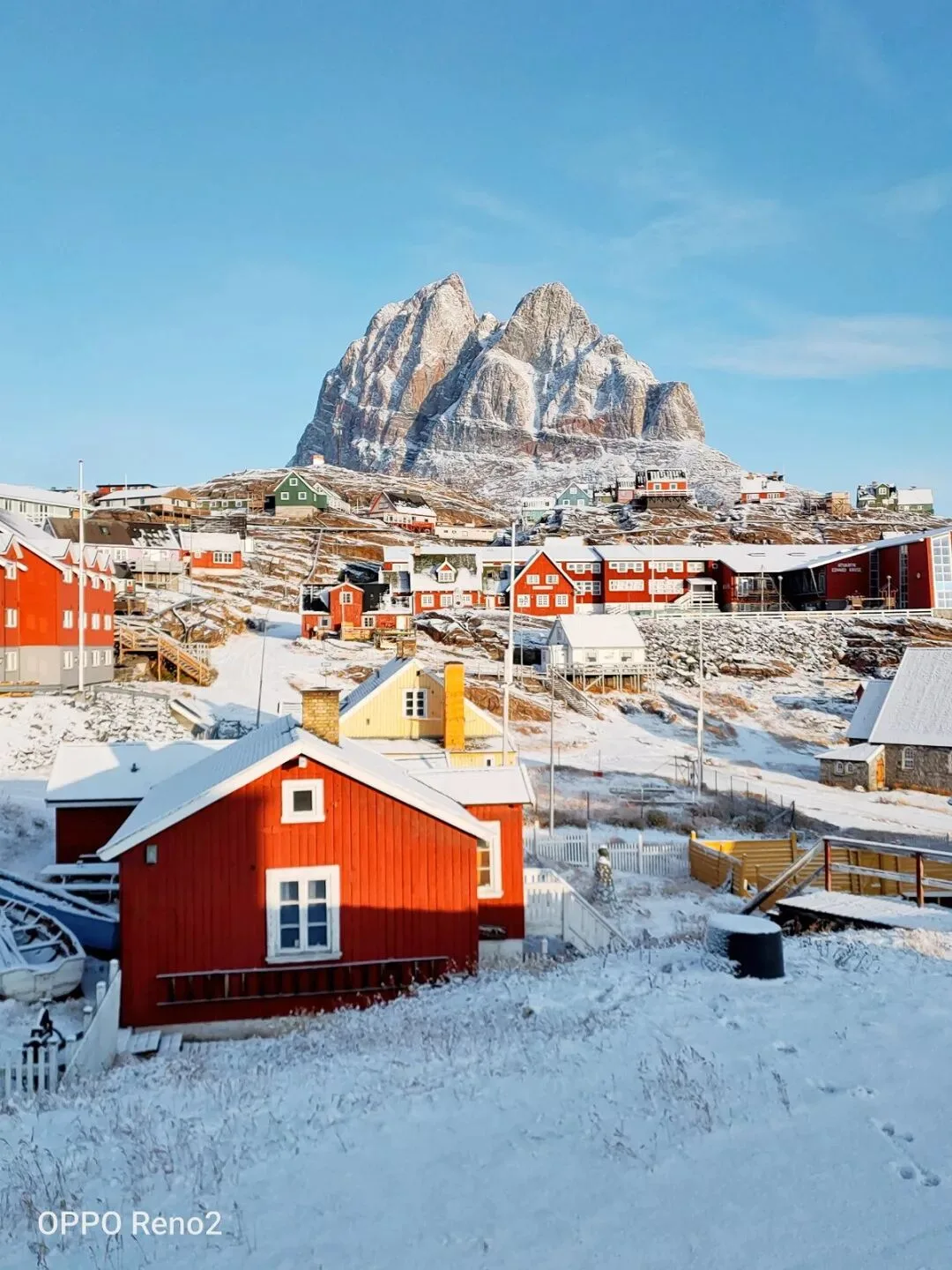
OPPO Reno2, 2x zoom, auto mode
The town's indigenous people are all Inuit, whose appearance closely resembles Mongolians. Their ancestors crossed the frozen Bering Strait to reach Canada, then migrated by boat from there to Greenland.
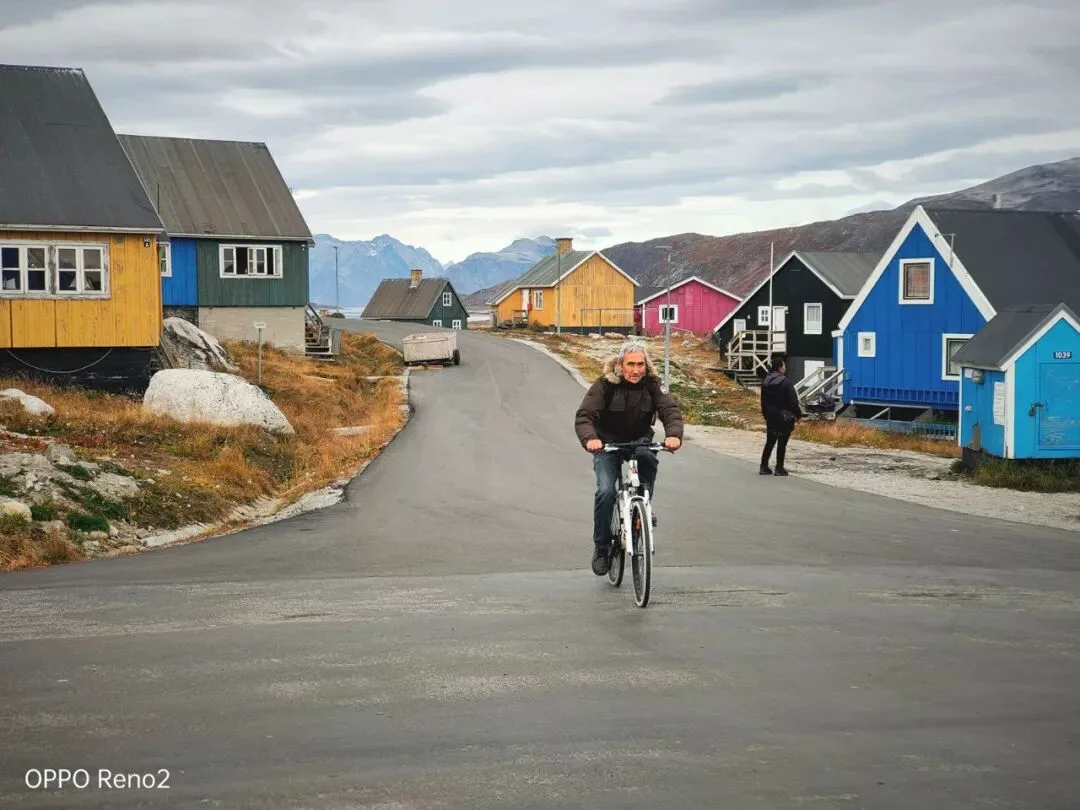
OPPO Reno2, 2x zoom, auto mode
Fishing is the main local industry, with over 80% of Greenland's exports being fishery products (especially Arctic shrimp).
While we were shooting, a fisherman sailed over and excitedly showed us the big fish he'd just caught.
When we asked how much one would cost, he cheerfully said to pay whatever we wanted. After consulting the captain, we bought a fish weighing dozens of jin for 50 yuan.
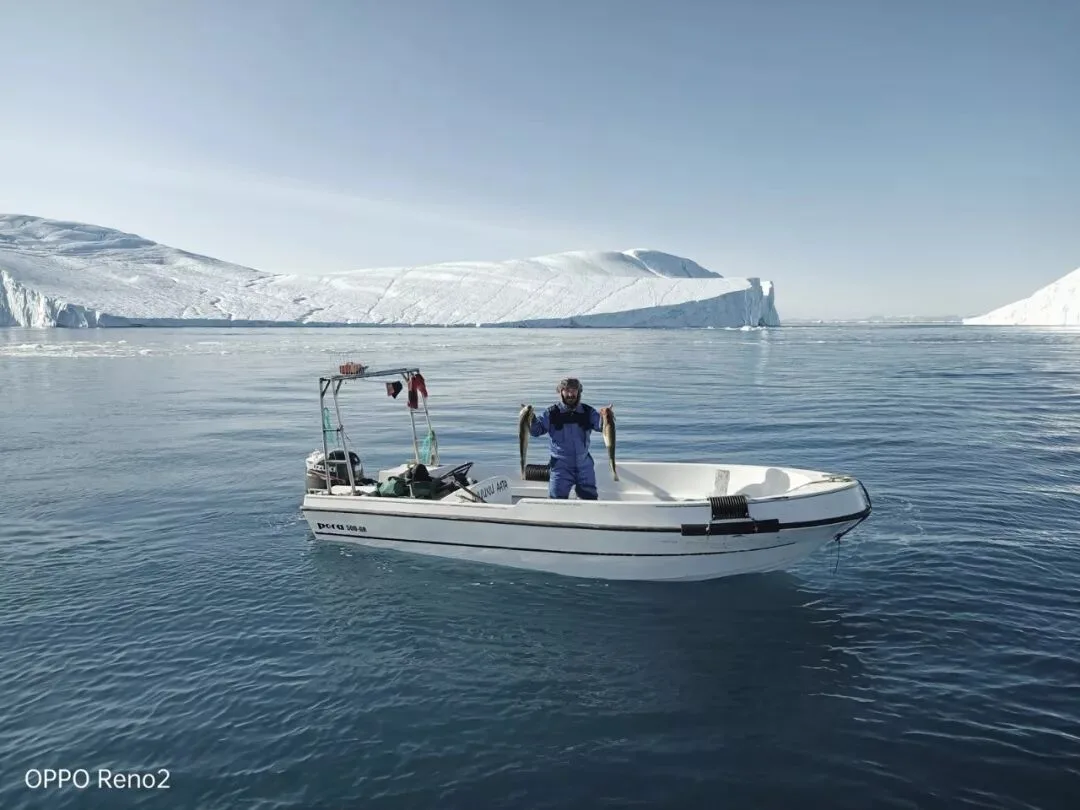
OPPO Reno2, 2x zoom, auto mode
Beautiful scenery and simple, honest people — Greenland left a deep impression on me.
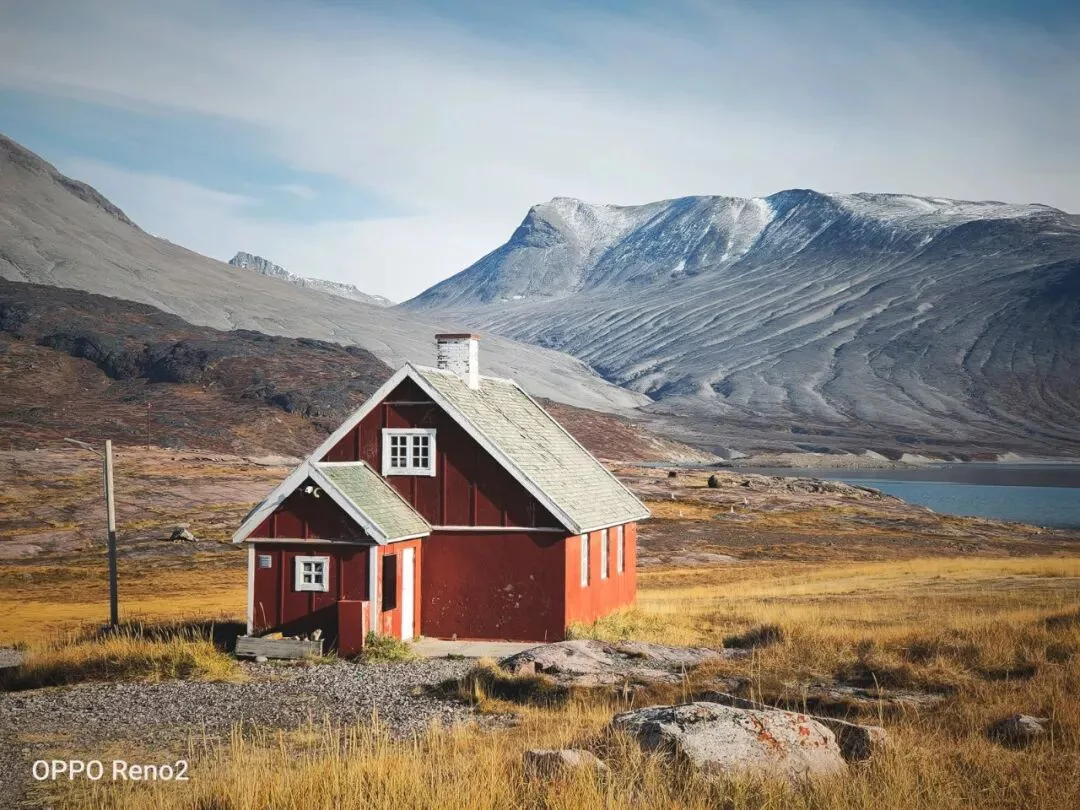
OPPO Reno2, 2x zoom, auto mode
But such beauty may no longer exist in a few decades.
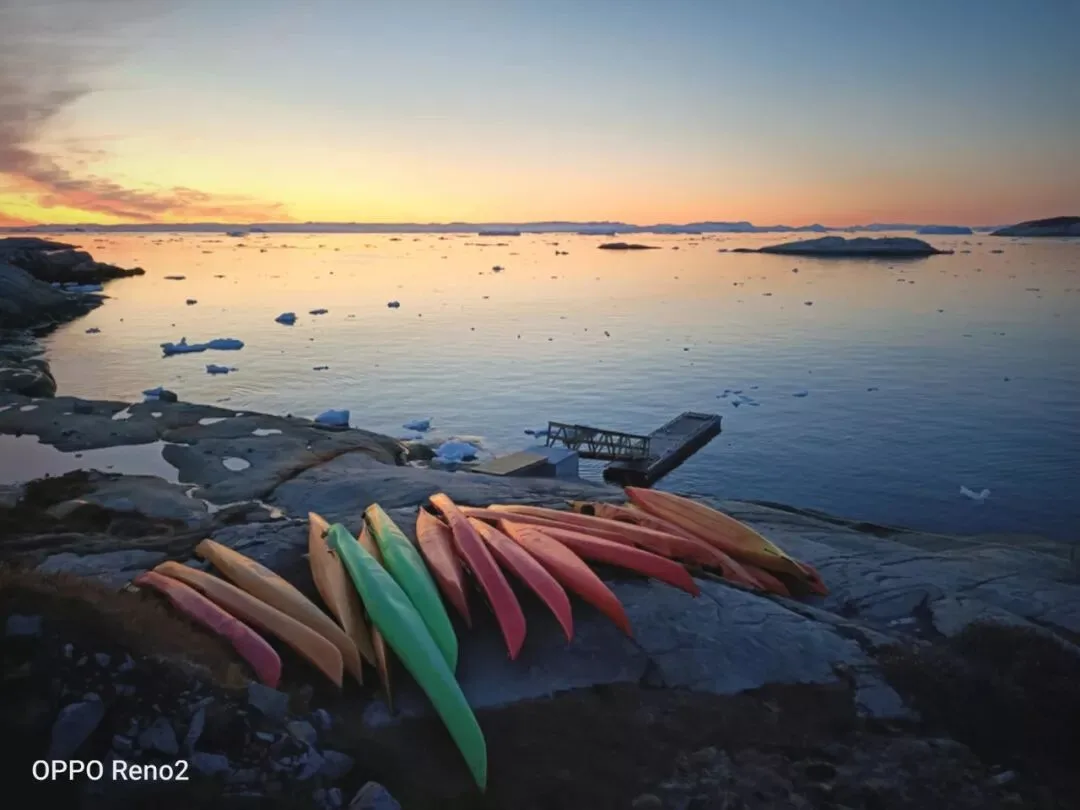
OPPO Reno2, 1x, auto mode
The Arctic is an amplifier of climate change. The impacts of global warming, though far from our daily lives, are increasingly evident in Greenland.
Every summer, the melting rate of Arctic glaciers keeps breaking records — this year shocking the whole world.
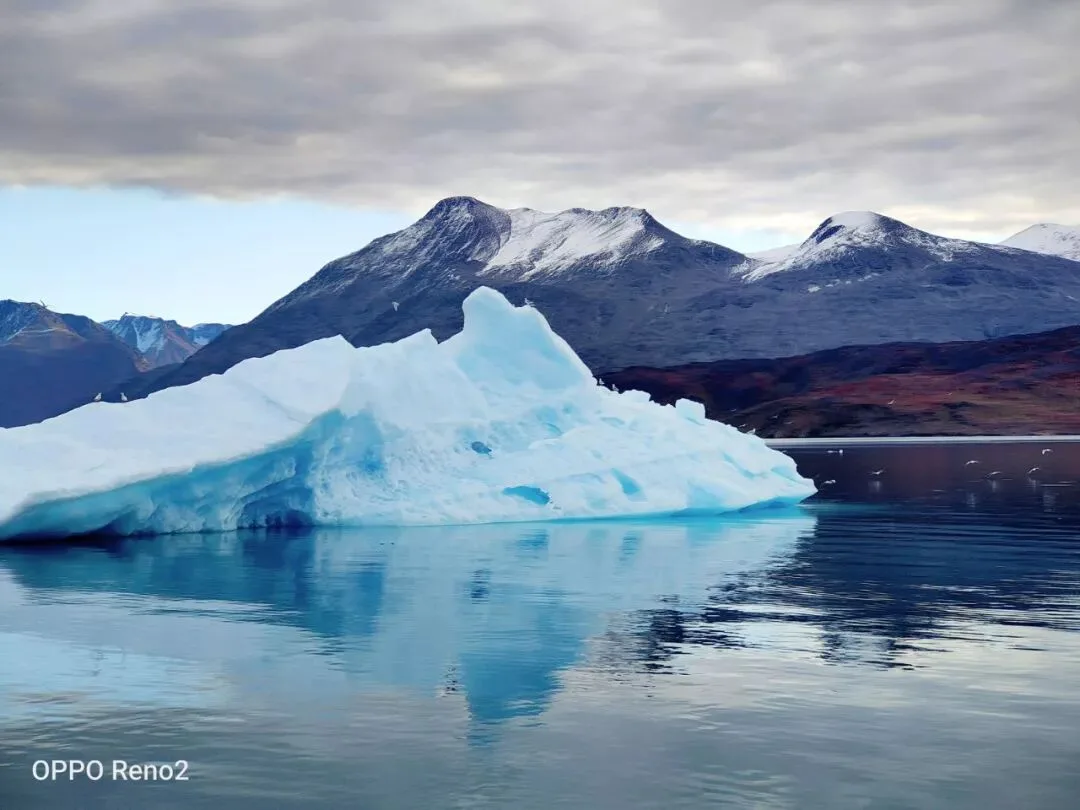
OPPO Reno2, 2x zoom, auto mode
The winter ice season is getting shorter, and the fishermen's traditional dog-sled fishing is becoming unsustainable.
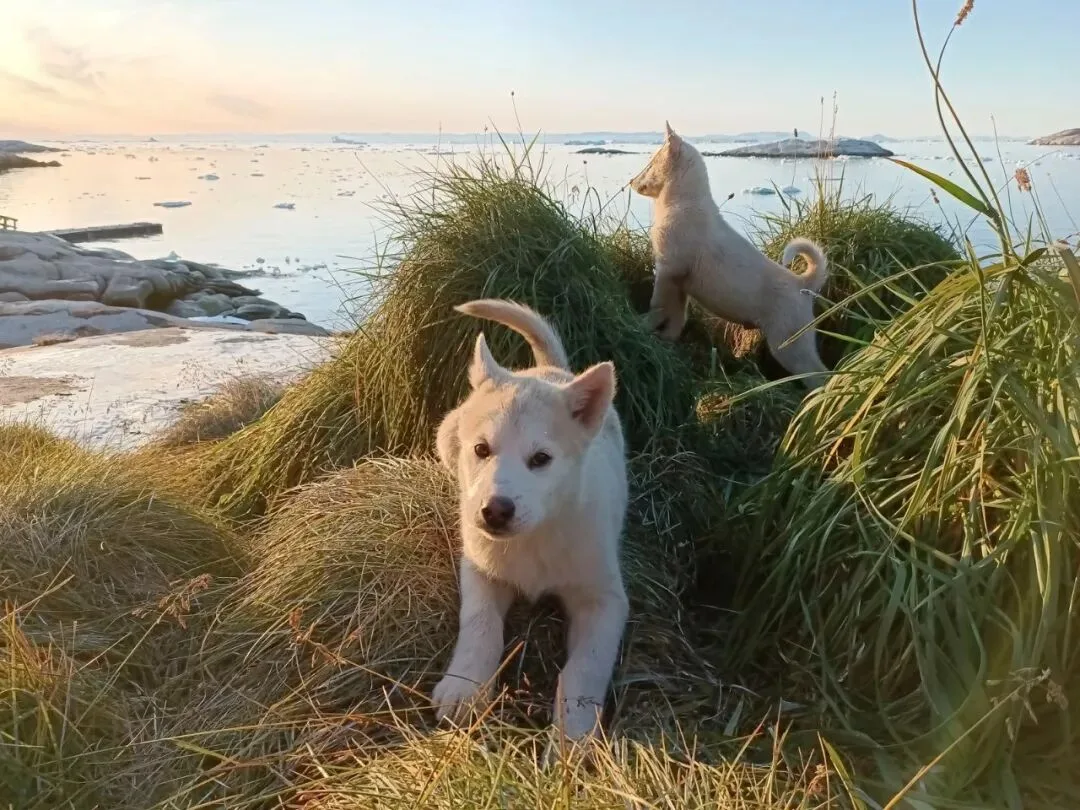
OPPO Reno2, 1x, auto mode
Humanity still cannot fully confirm the causes and patterns of global warming.
The melting ice brings new opportunities for Greenland's mining and shipping industries — and has also stirred the ambitions of the local government and even the distant US president.
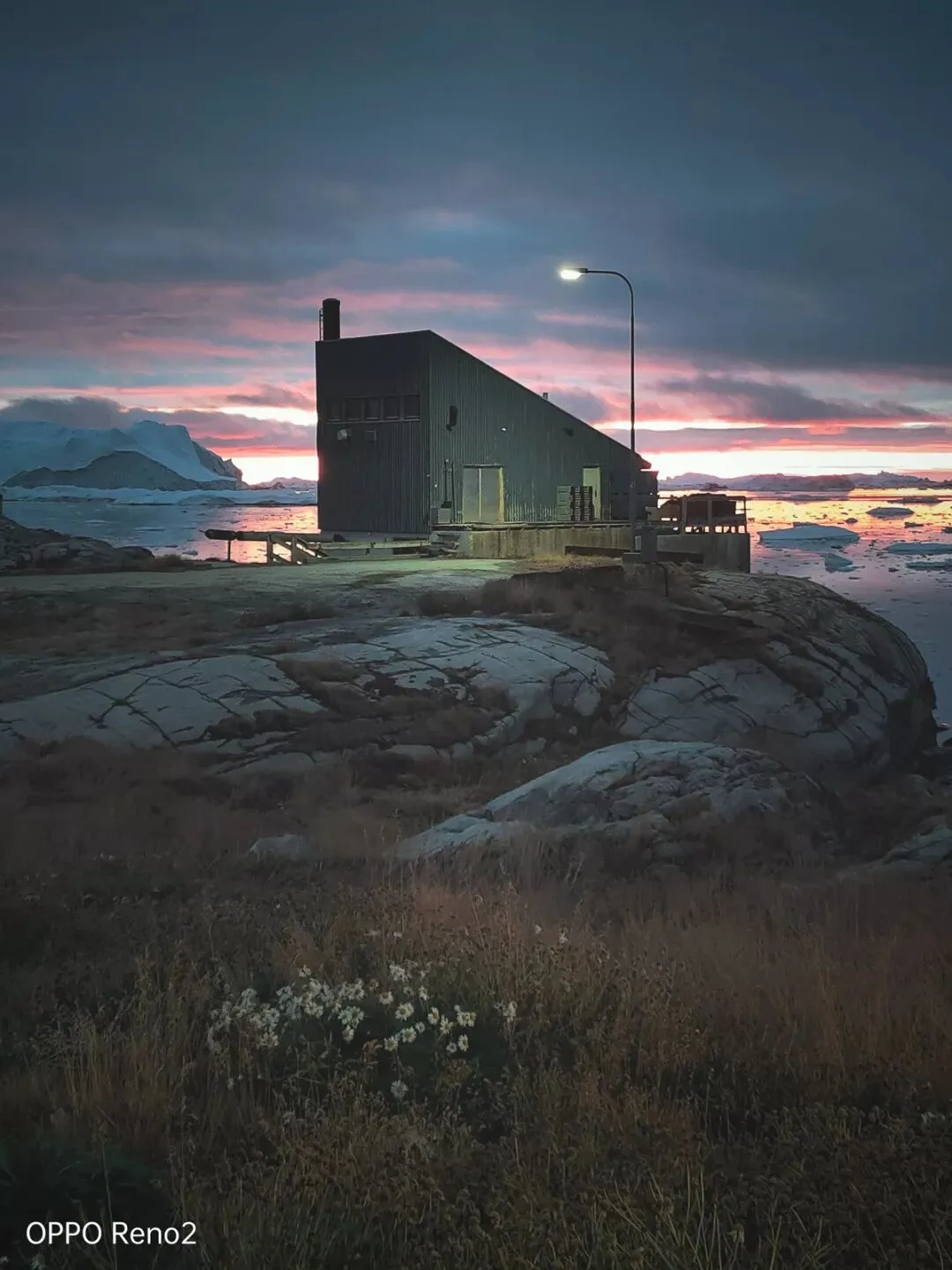
OPPO Reno2, 1x, 48MP, auto mode
What Greenland will look like tomorrow, we don't know.
But if one day our descendants can only experience this icy wonderland through photos, that would undoubtedly be a sorrowful story.
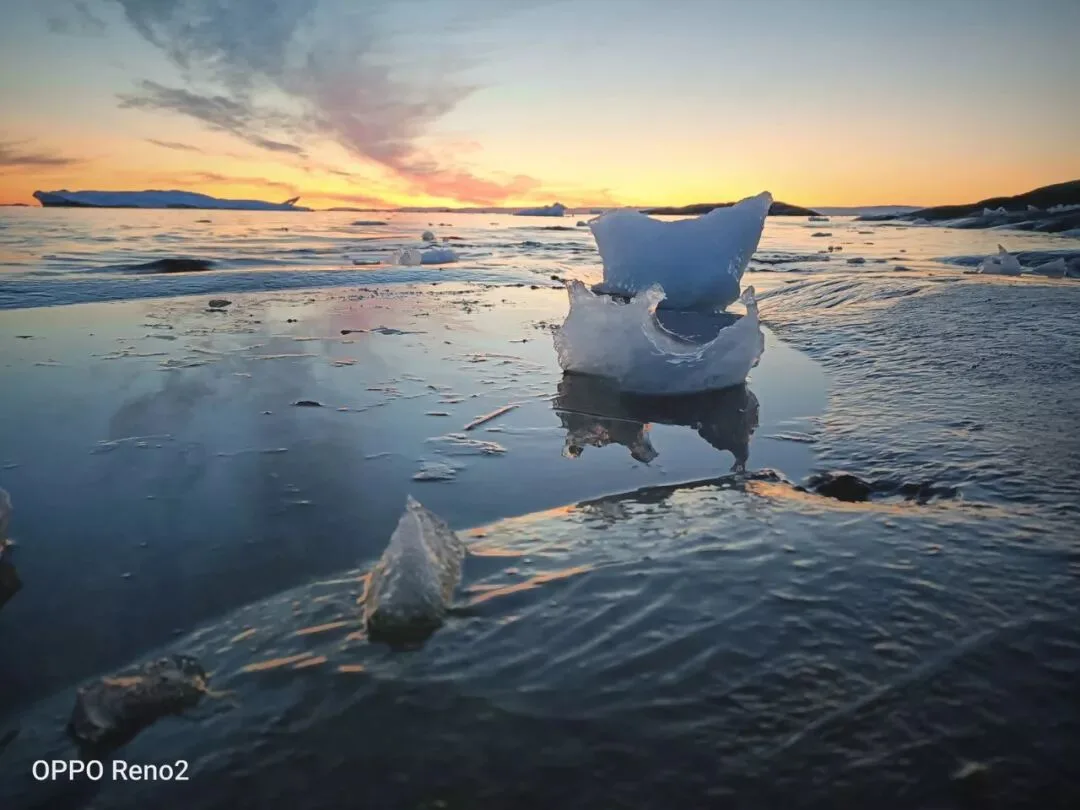
OPPO Reno2, ultrawide, auto mode