Photography Tutorial · 2023-12-10
In Indonesia, I Photographed the Upward Force of Life | Tree Series
In 2017, my first stop after quitting my job to become a professional photographer was Indonesia with a Nikon D750 — where I shot the cover image for my book 'Fundamentals of Landscape Post-Processing'.
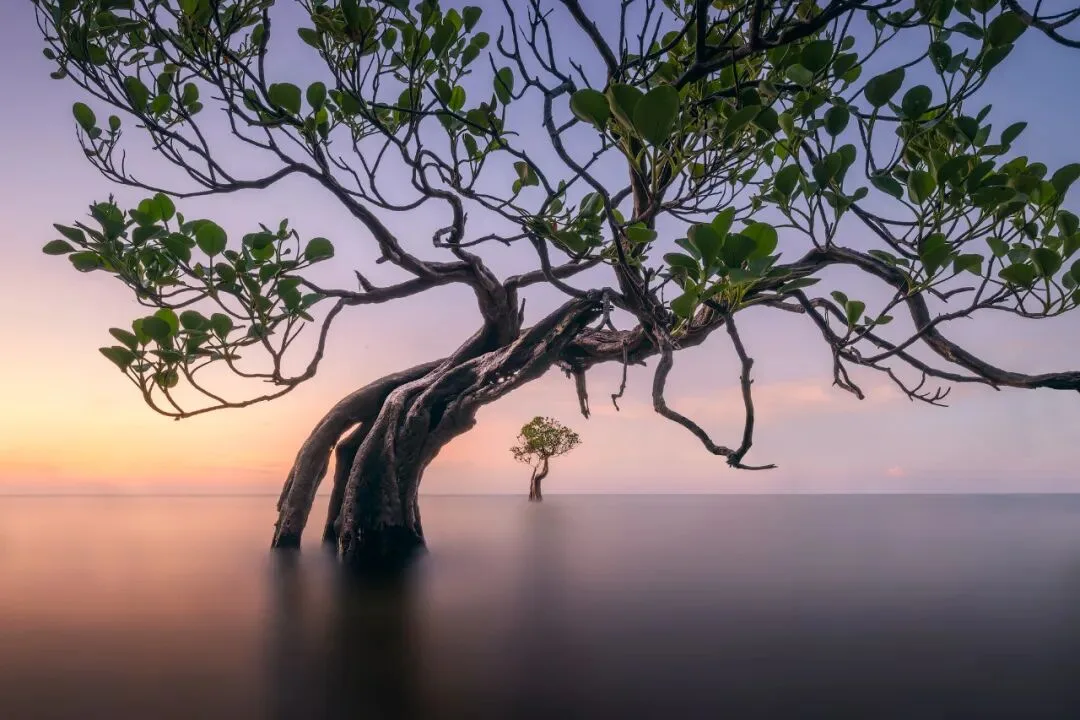
In 2023 I returned for a landscape trip dedicated solely to 'trees', carrying the Nikon Z8 to document tropical trees in extreme terrains, capturing their ever-upward vitality.
Video
▶ Watch the video tutorial on Bilibili
This is the illustrated companion to the video above. In 2023 Thomas returned to Indonesia with a Nikon Z8 for a trip dedicated entirely to trees — from the starry sky and sunrise of Mount Bromo, to high-angle grabs in Banyuwangi's Dejawatan forest park, and the mangroves standing in seawater on Sumba Island. The five chapters below organize the video's location ideas, camera settings and self-portrait technique, paired with keyframe screenshots; skim here for the framework, then watch the video for the details.
01 Never Repeat Yourself: New Angles Beyond the Cover Shot
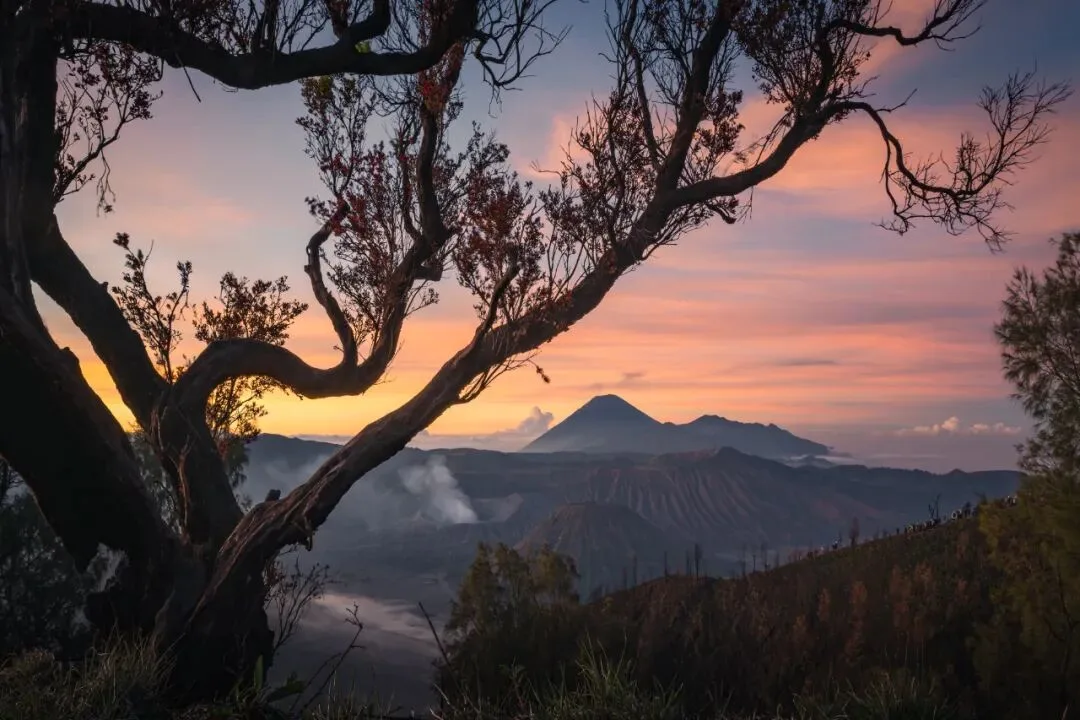
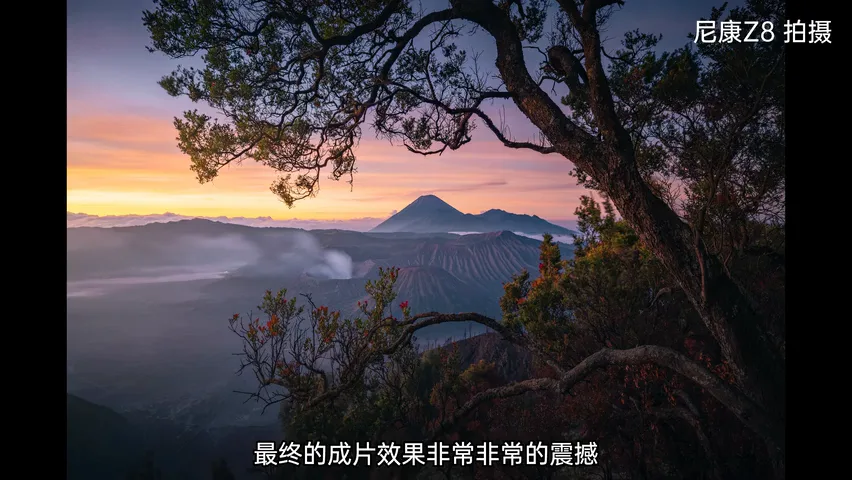
In 2017, on the first stop of his new life as a professional photographer, Thomas came to Indonesia with a Nikon D750 and photographed a tree a dozen meters below the main viewpoint — an image he loved so much it became the cover of his book 'Fundamentals of Landscape Post-Processing'. In 2023 he returned to the exact same spot with the Z8, deeply moved, but his rule is never to repeat himself: even at the same location, go explore different angles nearby (at 1:11 in the video).
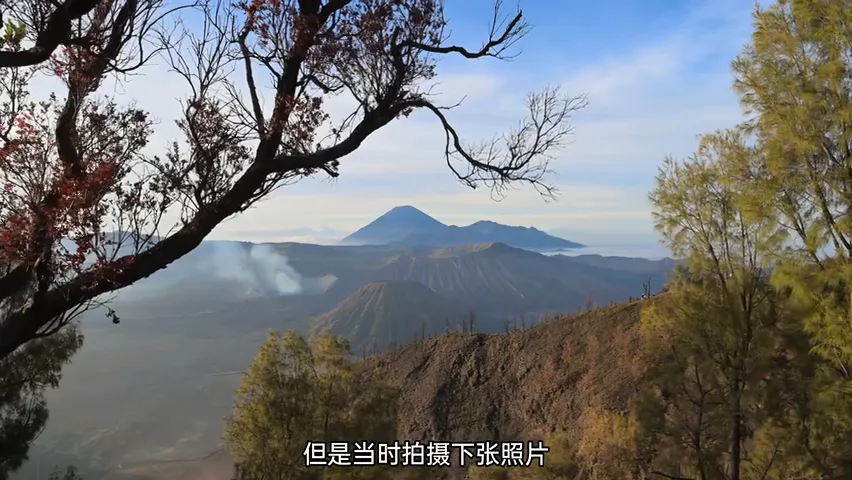
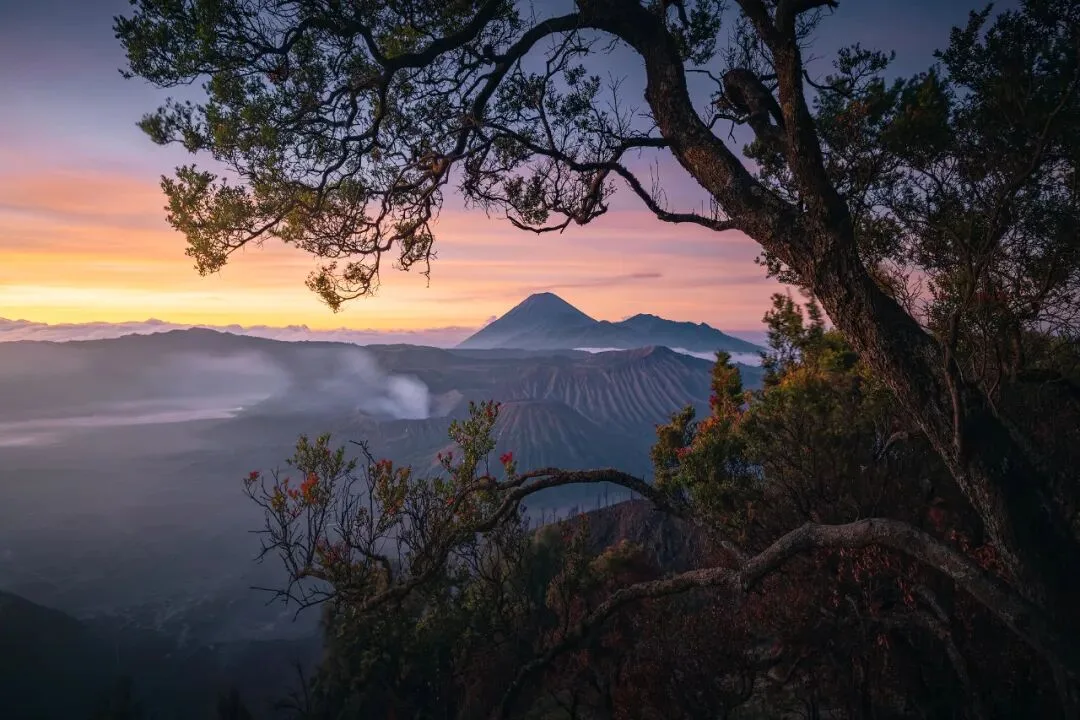
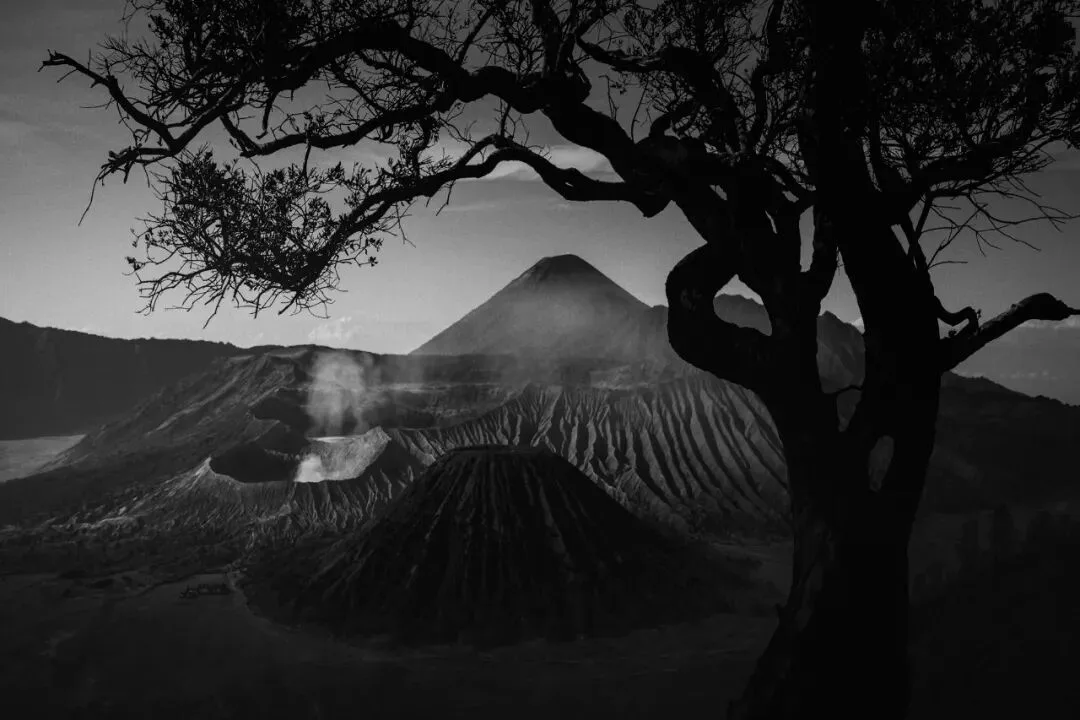
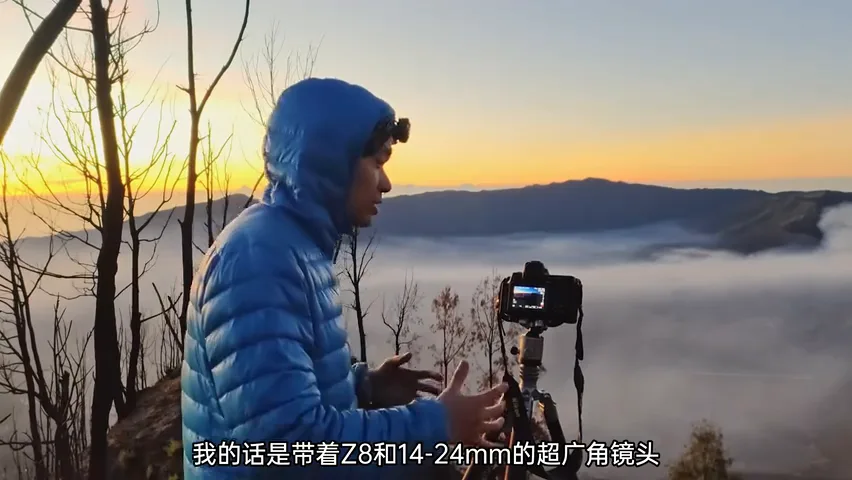
New foregrounds are everywhere on the hillside: a tree framed by grass in front and the texture of the mountain behind makes a strong composition. Beyond wide-angle foregrounds, he also mounts the Nikon Z 180-600mm super-telephoto to capture distant vignettes — dead trees set against the volcano's ridged slopes, a pairing both harmonious and majestic (at 2:25 in the video).
02 Two Mornings of Waiting: Bracketing and the Rule of Thirds
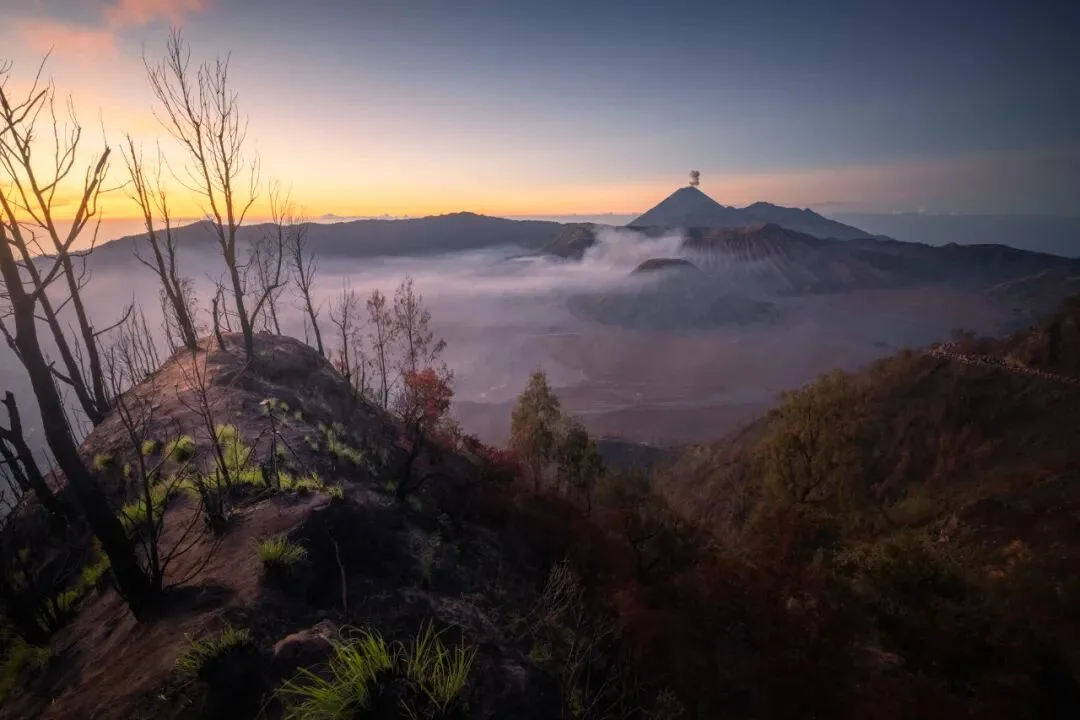
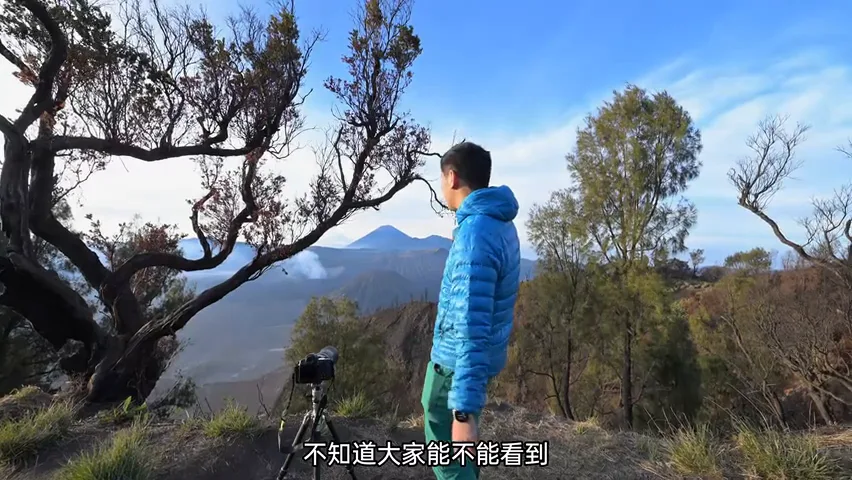
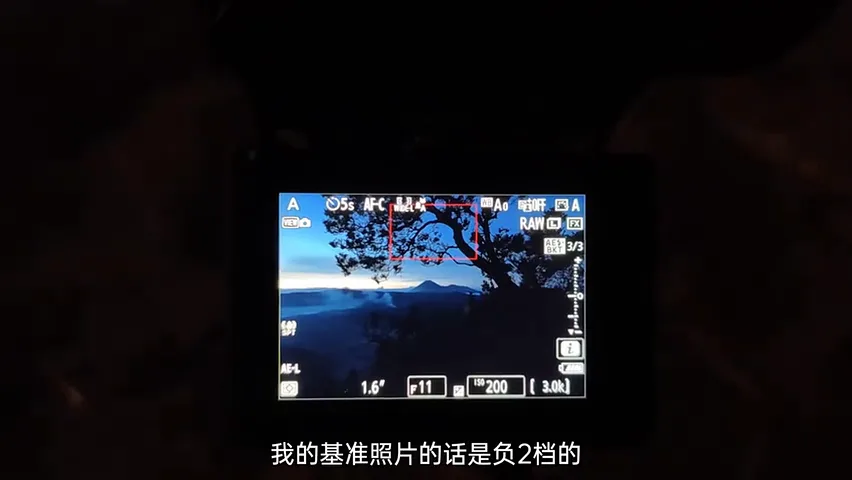
For a fresh tree foreground he waited at the spot through the whole night, watching the starry sky slowly turn into sunrise. In such weak light ISO can't go too low: he dropped from ISO 400 at night to 200, set f/11 in A mode, and configured a three-frame, two-stop bracketed burst with the base at -2 EV — the trees cast nearly black shadows while the sky was brightening, an enormous contrast range (at 2:58 in the video). One press of the shutter captures all three frames.
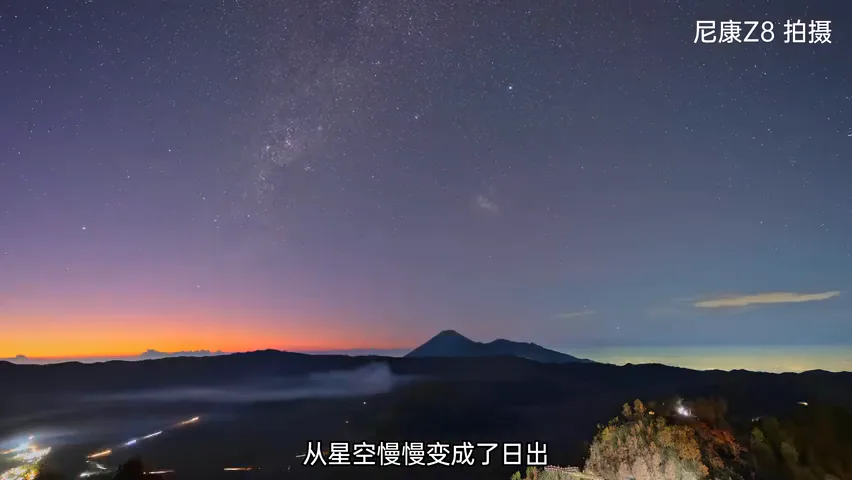
On the second morning he moved to a new position: dead trees on the left, a meadow below, the mountain toward the sunrise still sunk in shadow while the sun lit the grass directly, making the foreground sparkle. Following the rule of thirds, he placed the volcano at the right third of the frame; heavy smoke rising from the sand sea meant this height captured the widest sheet of cloud (at 4:24 in the video).
03 The Magic Forest: High Tripod for Light, Telephoto for People
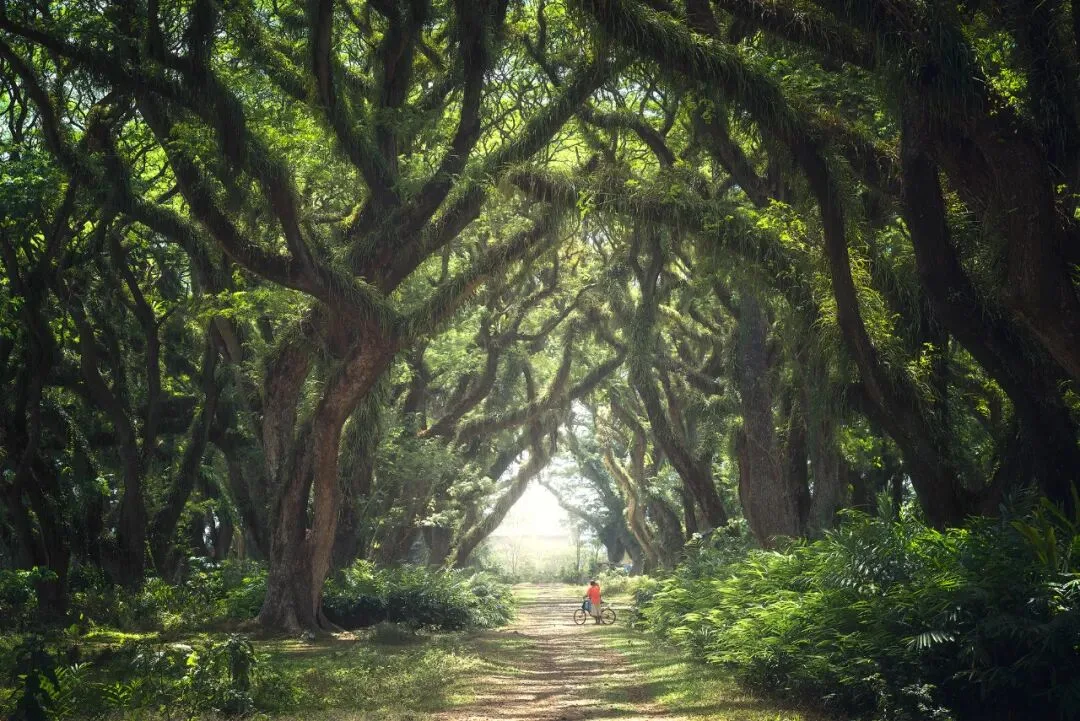
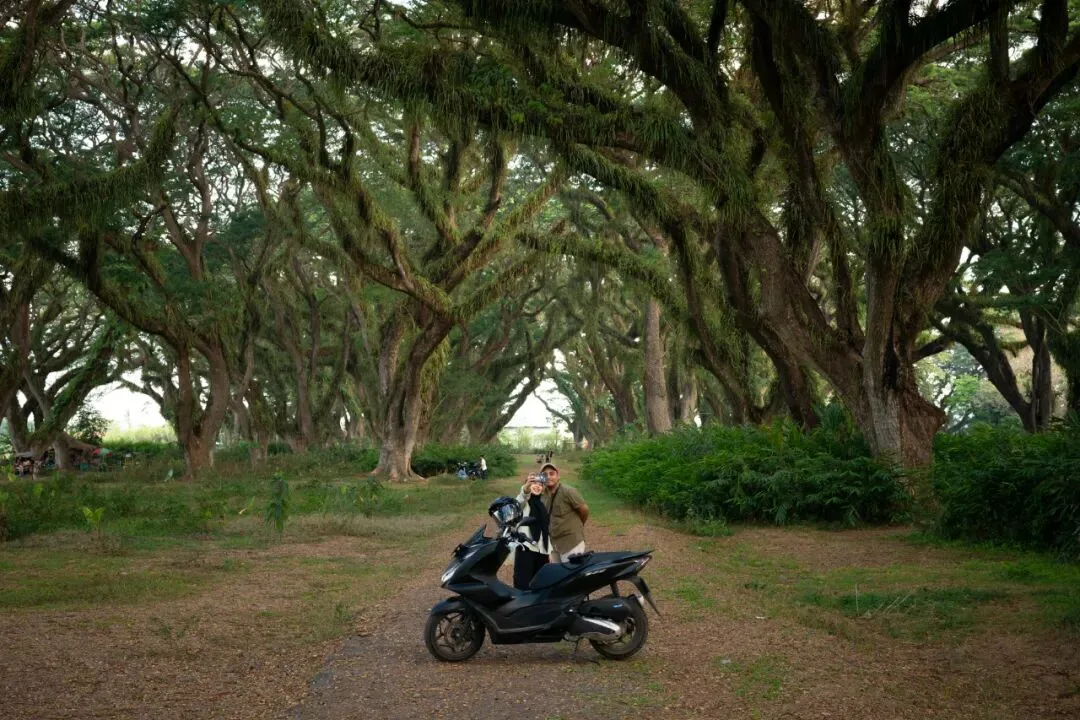
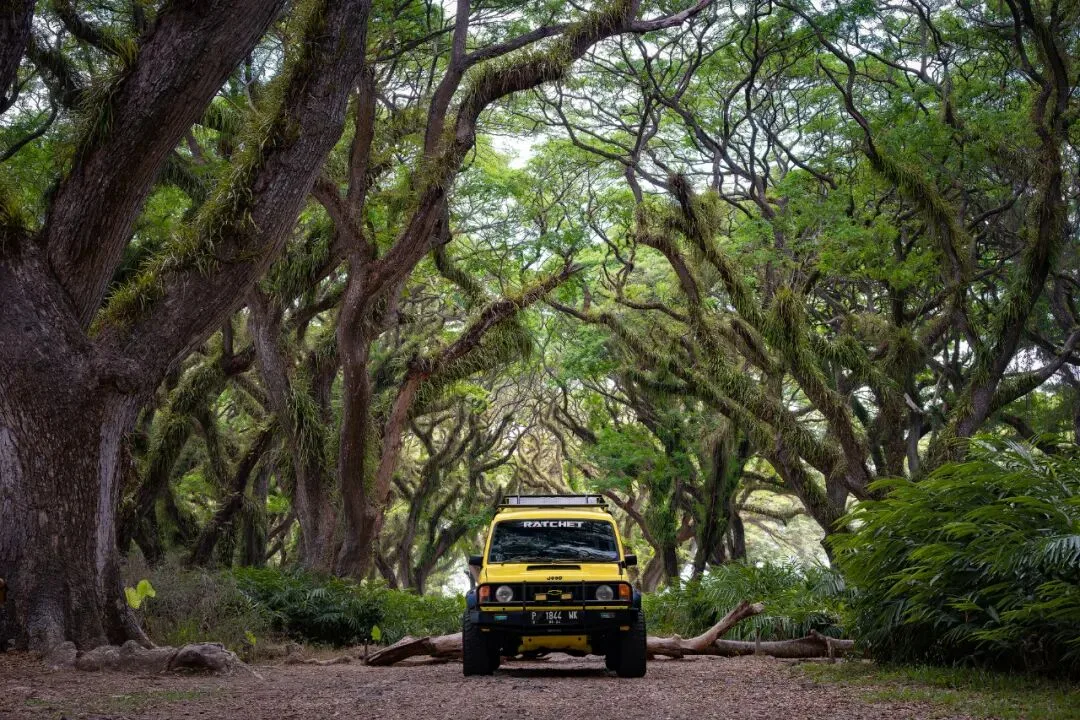
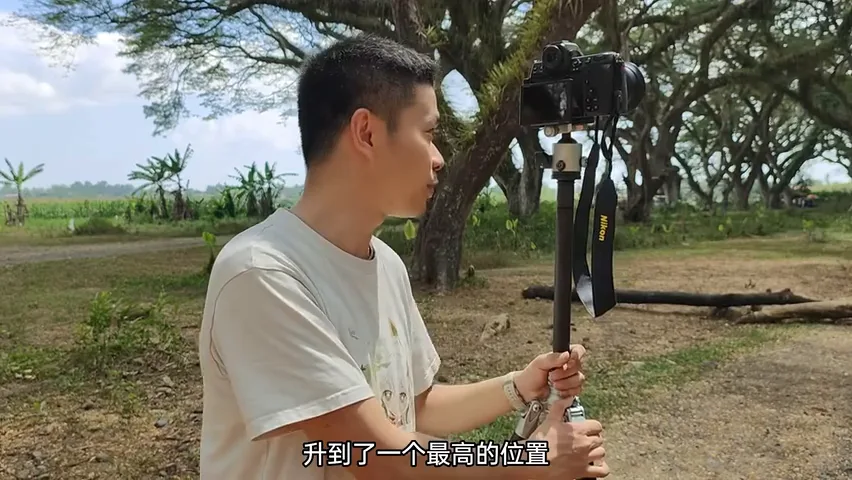
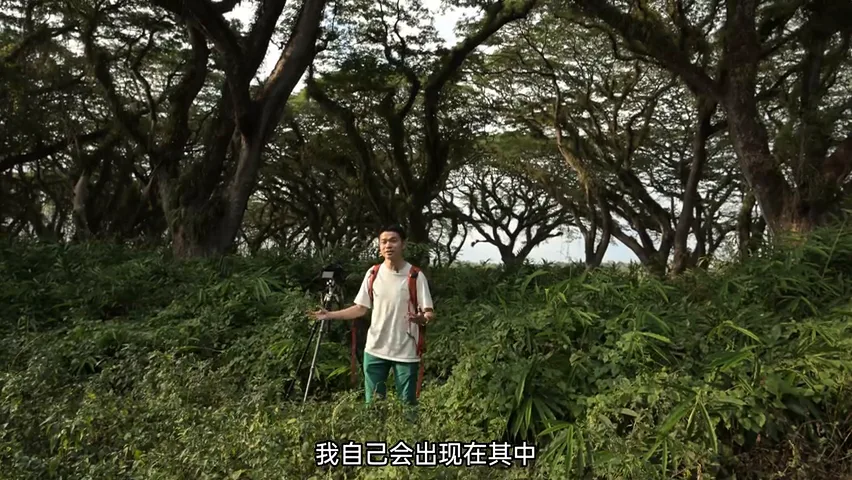
After sunrise they drove six hours to Dejawatan forest park in Banyuwangi — a tropical rainforest that looks like a film set. With the morning sun slanting through the trees and light patterns scattered across the ground, Thomas raised his tripod to its full height to catch them; as motorcycles and local kids kept passing along the forest path, he left the camera mounted and shot candidly, giving the landscape a touch of human warmth (at 5:38 in the video).
04 Interval-Timer Selfies and Crown Shyness
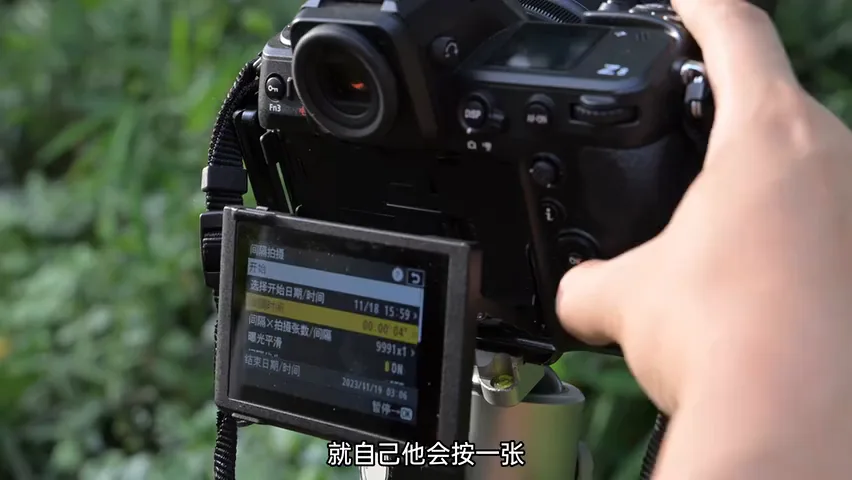
Many viewers wonder how Thomas appears in his own photos. He found a natural arch formed by two trees, pointed the 14-24mm ultra-wide upward so the perspective converged dramatically, and planned to stand beneath it; with the camera on the tripod he opened the interval shooting menu: a 4- or 5-second interval for selfies, the shot count set to maximum, exposure smoothing switched on — press start, walk into position, and wait for the shutter (at 6:30 in the video).
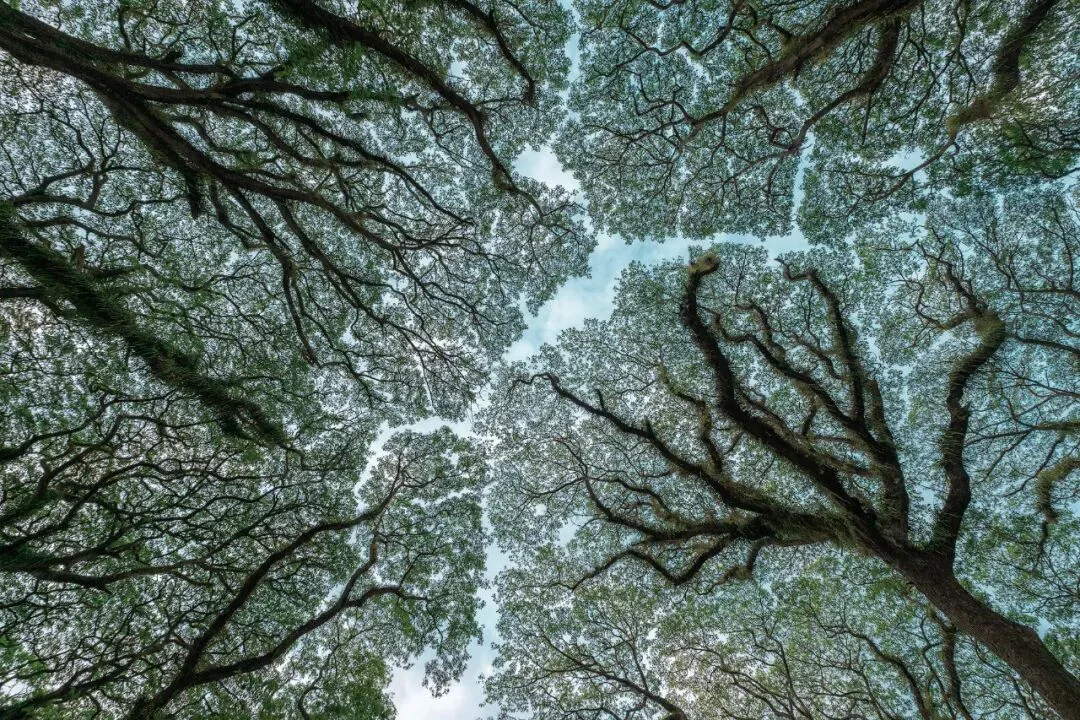
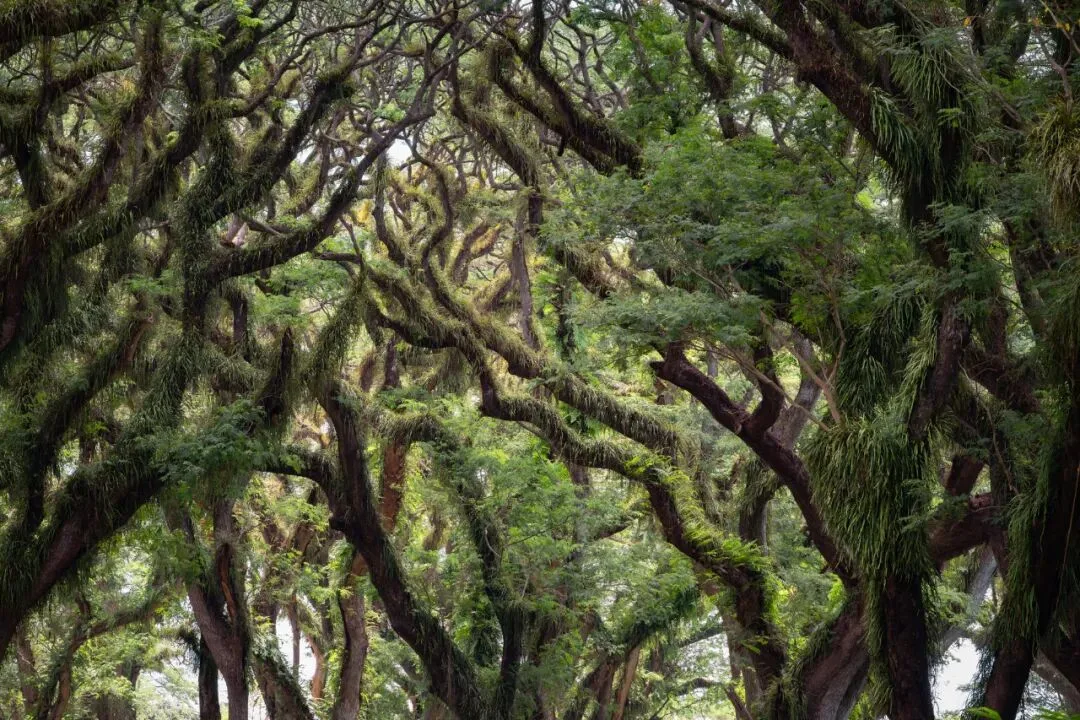
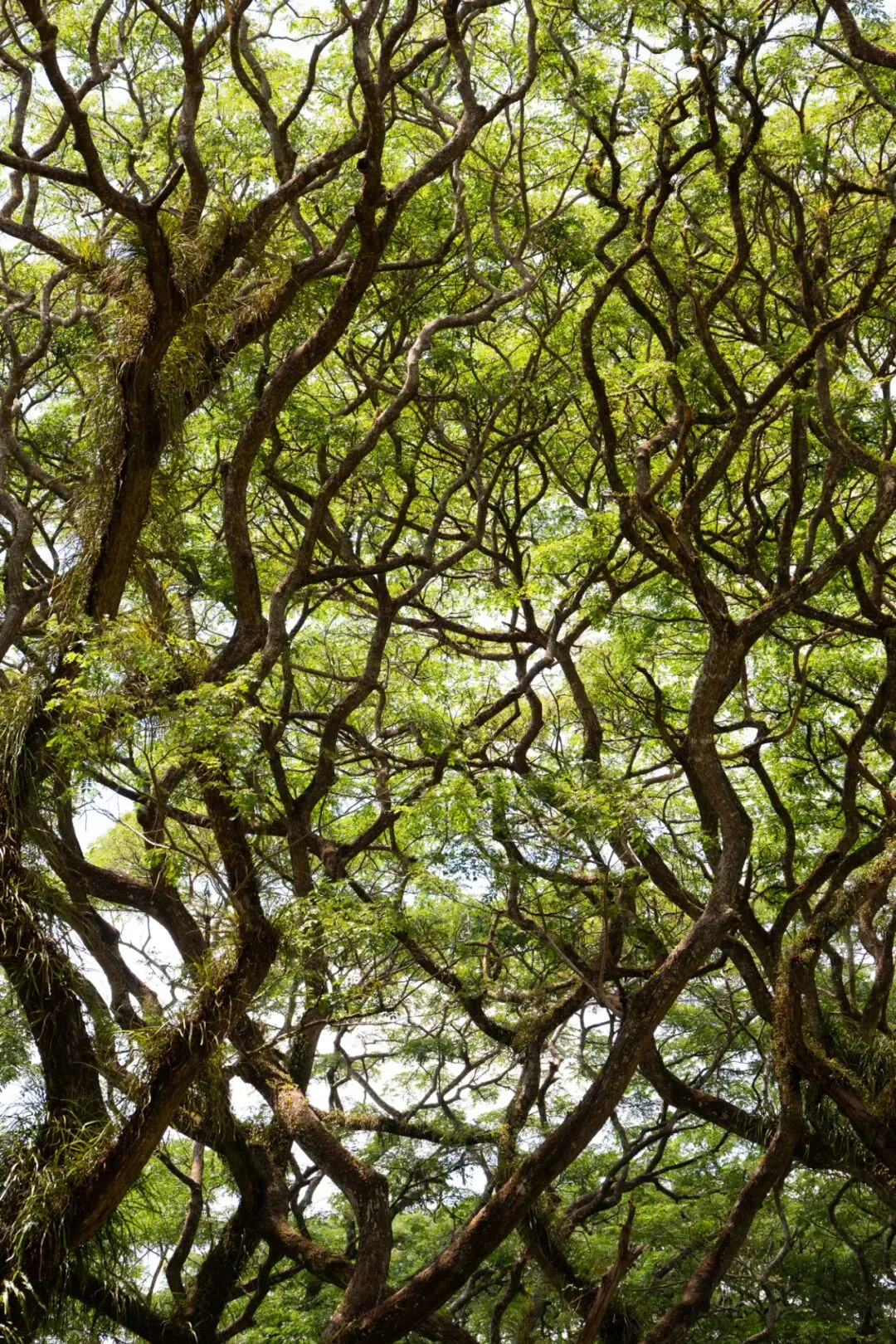
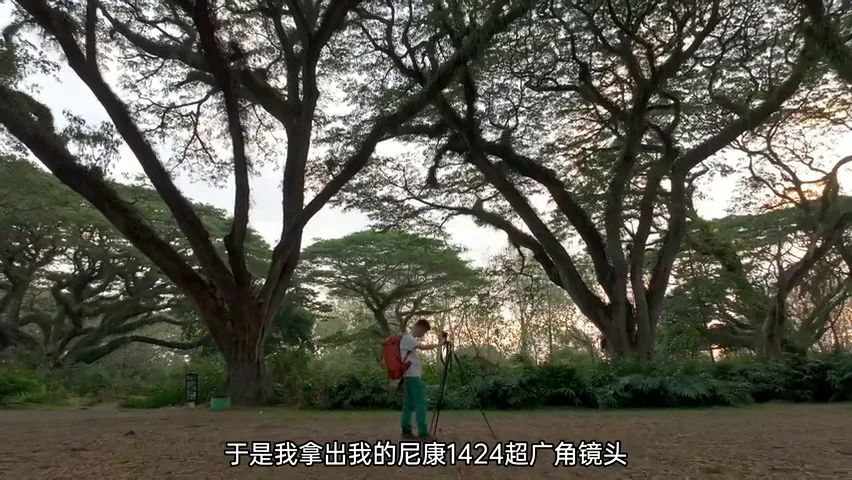
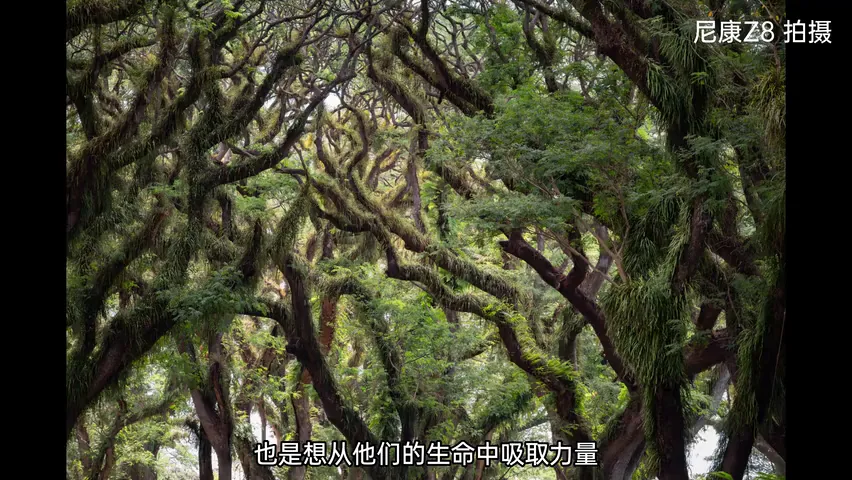
Exploring the forest, he noticed the crown shyness here is striking — neighboring crowns refuse to touch, leaving channels of sky between them. He raised the 14-24mm ultra-wide skyward to record the spectacular pattern; he also leaned heavily on the telephoto for tree details, where the textures, color blocks and structures of branches and leaves carry the same force of life (at 7:11 in the video).
05 Sumba Island: Mangroves Growing in Seawater
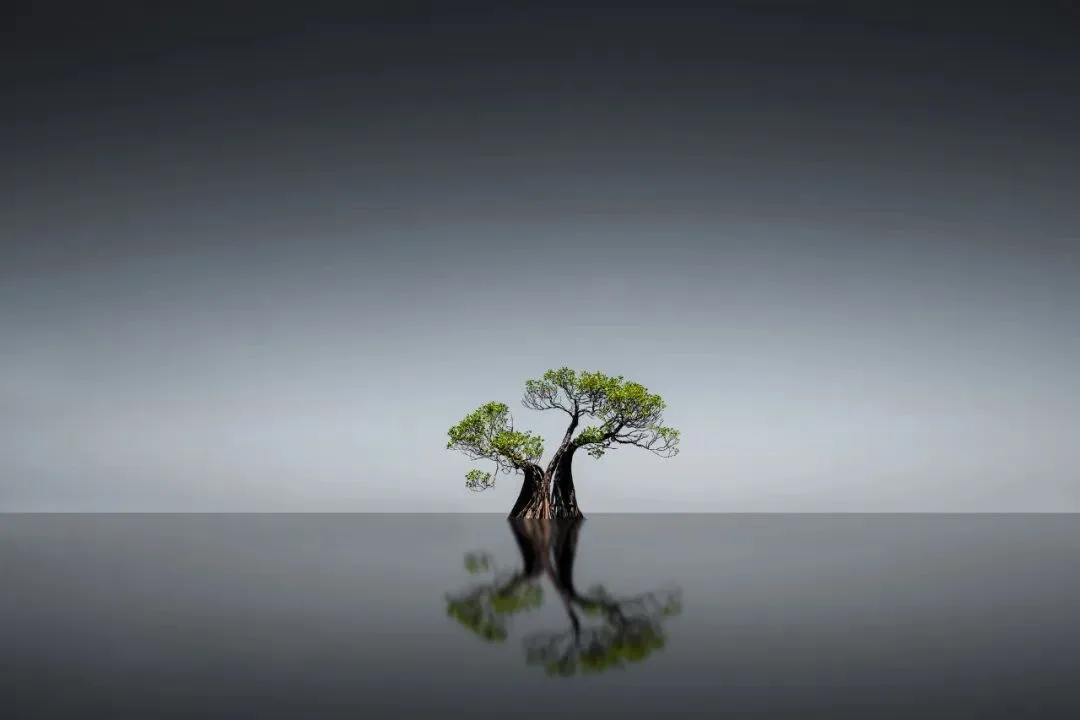
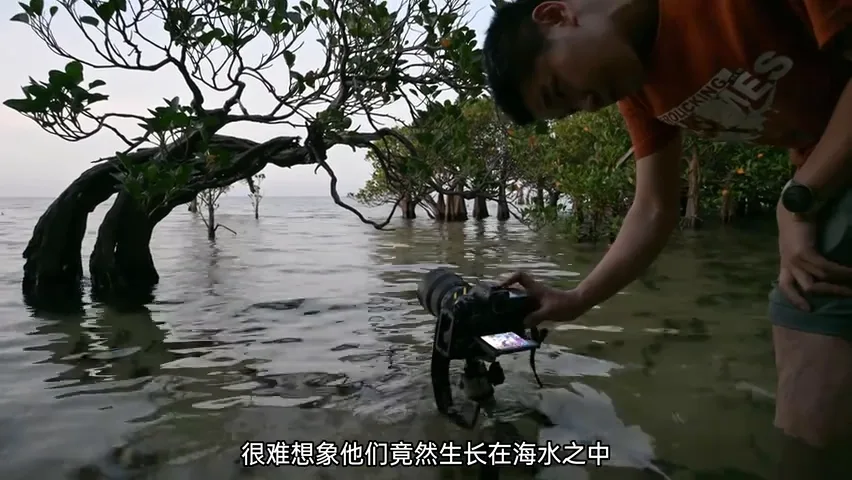
The final leg was a flight to an off-the-beaten-path destination — Sumba Island, Indonesia. Here a mangrove forest grows at the ocean's edge: wading waist-deep in seawater, Thomas positioned his camera just above the surface and, with some struggle, found and photographed these lives against the odds — hard to imagine trees thriving in salt water, each shaped into its own character (at 7:46 in the video).
1. Never repeat yourself, however good the spot — change the foreground, the focal length, the angle, and new pictures will appear; 2. Hand extreme contrast to bracketing: ISO no lower than 200 in weak light, f/11, three frames two stops apart with the base at -2 EV; 3. People enrich a landscape — shoot light patterns from high angles and passers-by with a telephoto; 4. Let the interval timer take your self-portrait: one frame every 4-5 seconds, count maxed out, exposure smoothing on — all you do is walk into the frame.
Tree-Seeking Works with the Nikon Z8