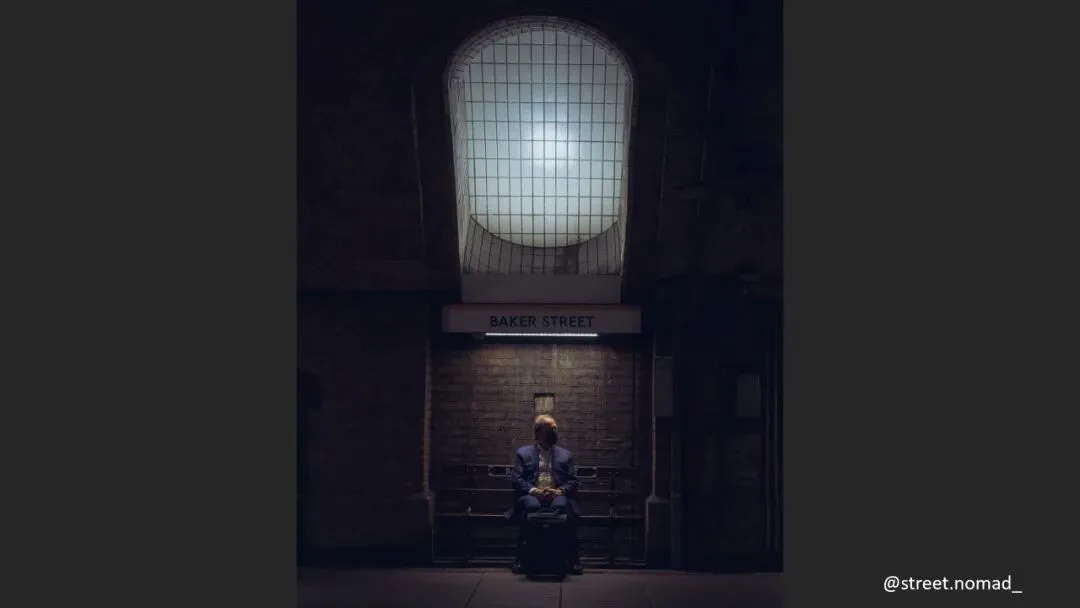
Photography Tutorial · 2023-04-22
Street Light and Shadow at Its Best: Instagram Street Photography Highlights
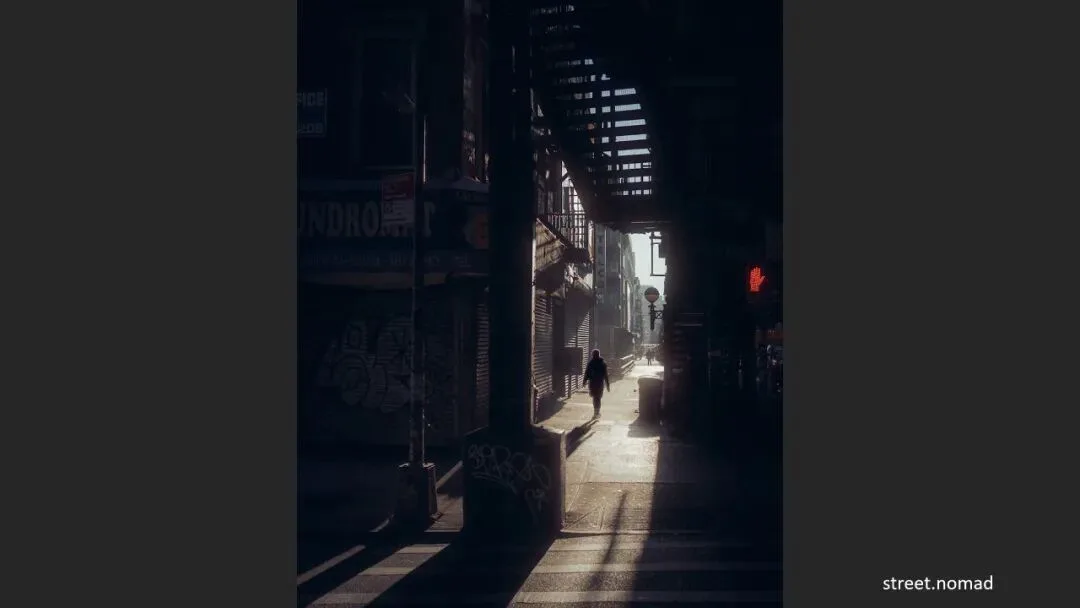
Since its very birth, the decisive moment and the play of light and shadow have been among the key words of street photography.
In today's aesthetic-expansion tutorial, Thomas has selected more than 30 street photography works from Instagram — let's enjoy them together.
Video
▶ Watch the video tutorial on Bilibili
This is the fully illustrated companion to the video above. Thomas turned the 8-minute visual-literacy session into text and paired it with keyframe screenshots — thirty-odd street photographs hand-picked from Instagram, reviewed one by one across four lighting situations: sunrise and sunset, rain, fog and midday, and night with reflections — explaining what makes each frame work and what you can borrow. Skim it here for the framework, then go back to the video to study each image.
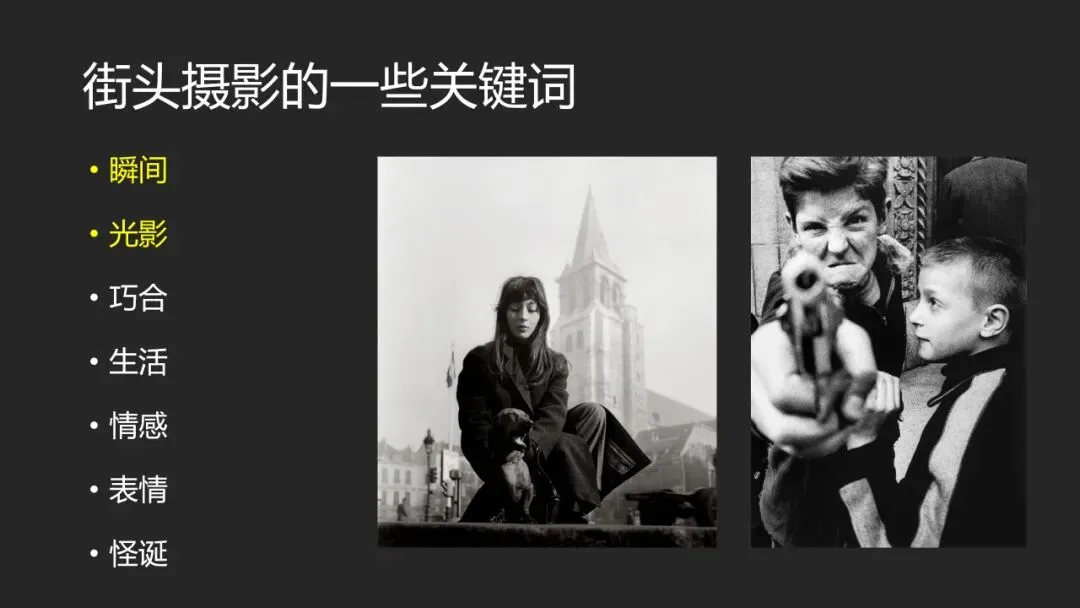
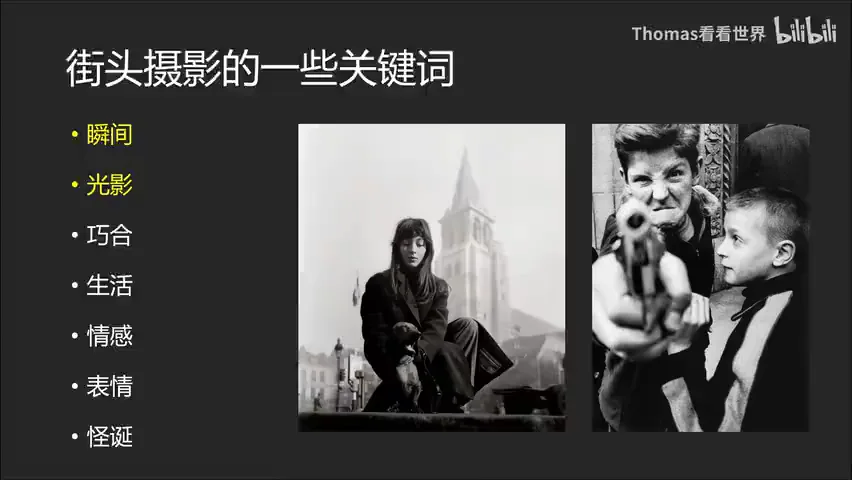
Start with the overview. This slide, captured at 0:24 in the video, lists the keywords of street photography: the moment, light and shadow, coincidence, everyday life, emotion, expression, and the surreal. The episode focuses on the first two — the moment and light — which have been the genre's defining ideas since its birth.
01 Sunrise and Sunset: Streets Facing the Sun and Long Shadows
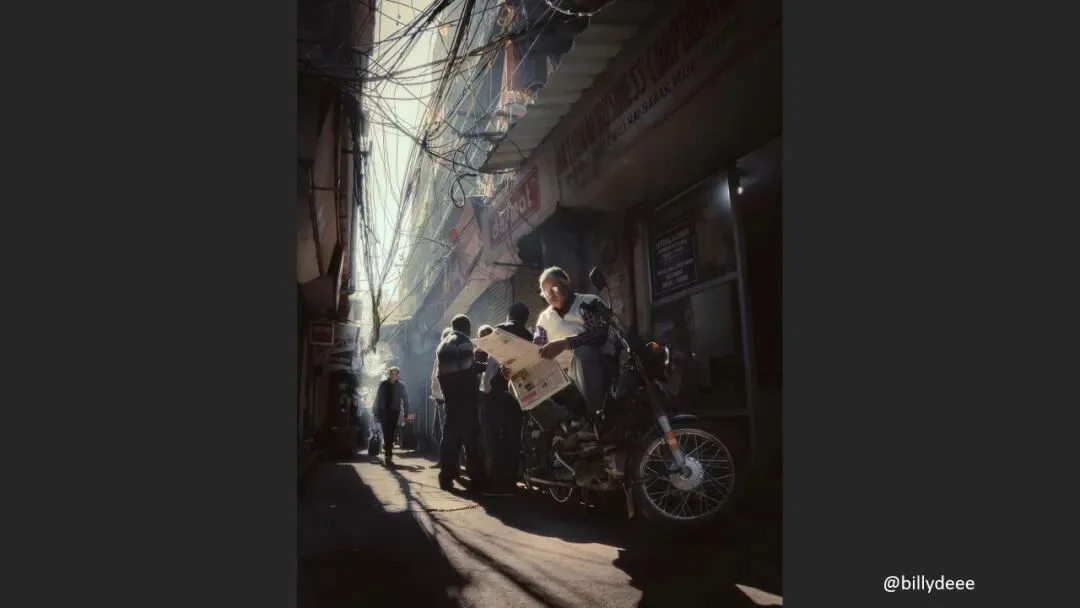
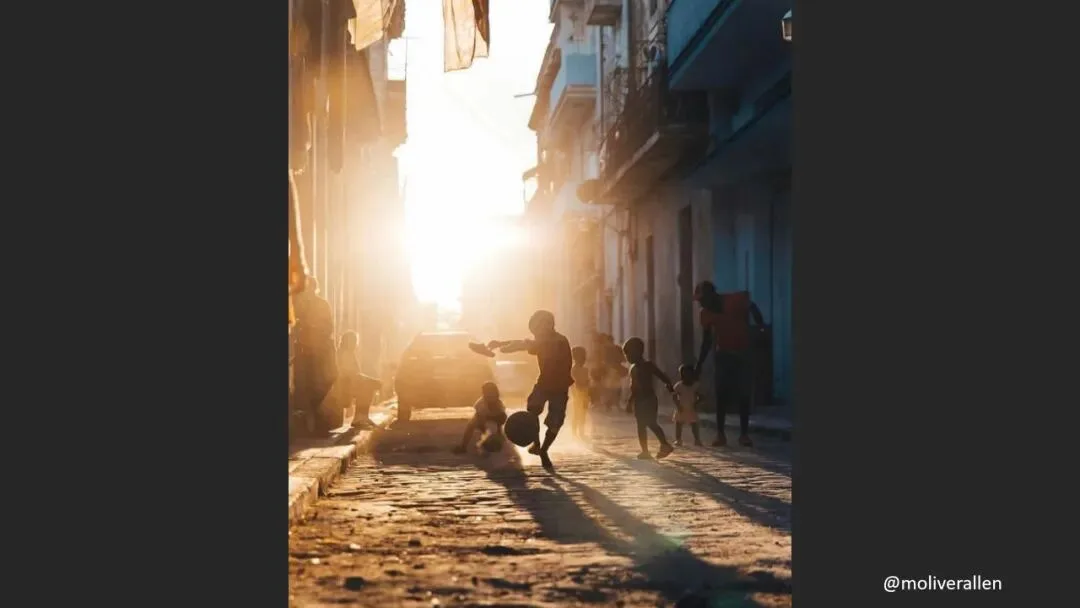
The first photo was likely taken at sunrise. Whether at dawn or dusk, east-west streets that face the sun deliver strong results. The photographer chose a low angle so that the man reading a newspaper and his motorcycle form the foreground, building a satisfying triangular structure, and the perspective makes the frame sing (at 0:49 in the video).
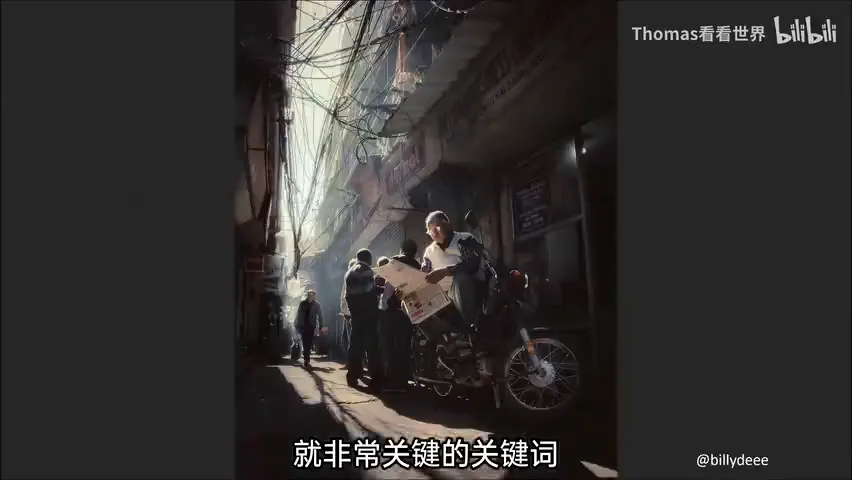
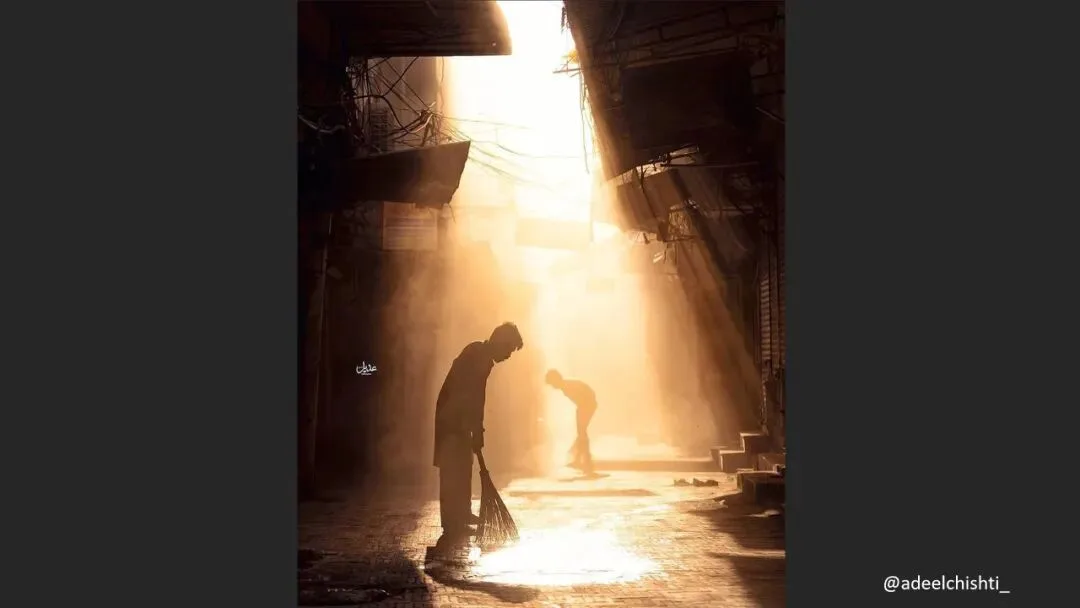
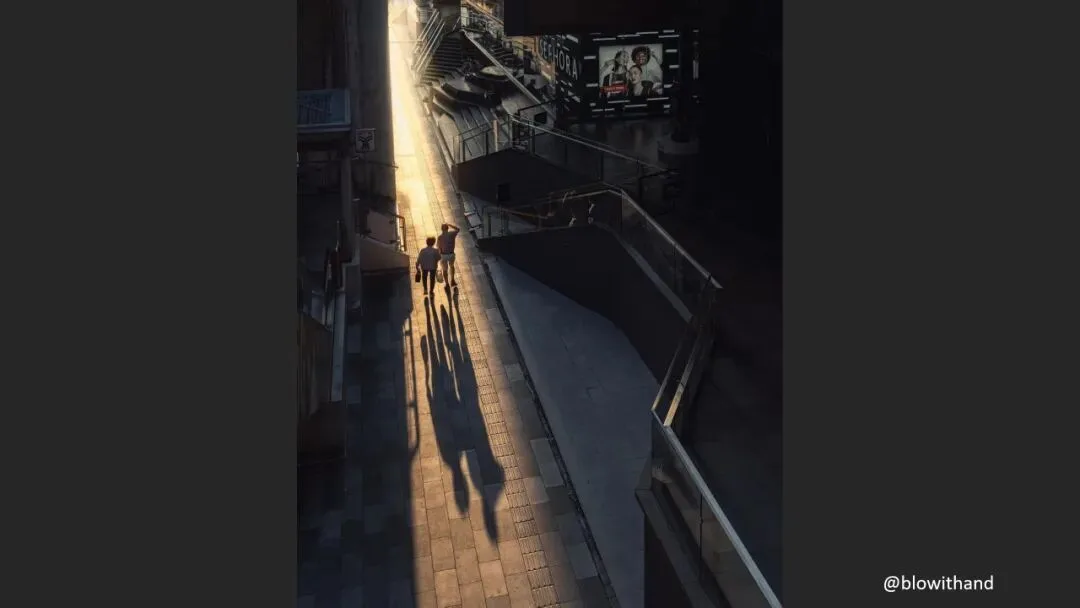
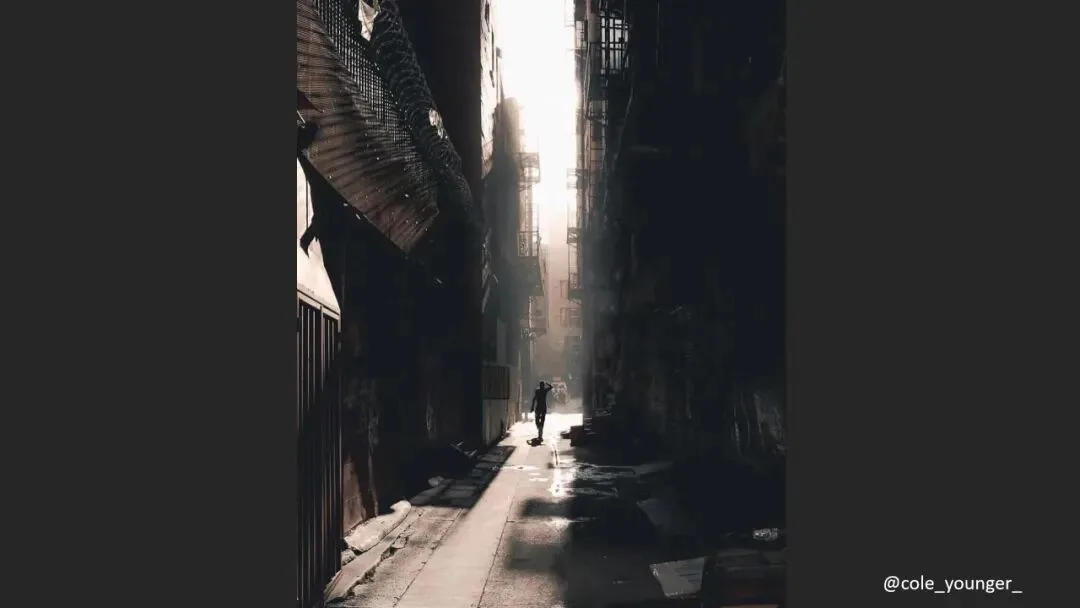
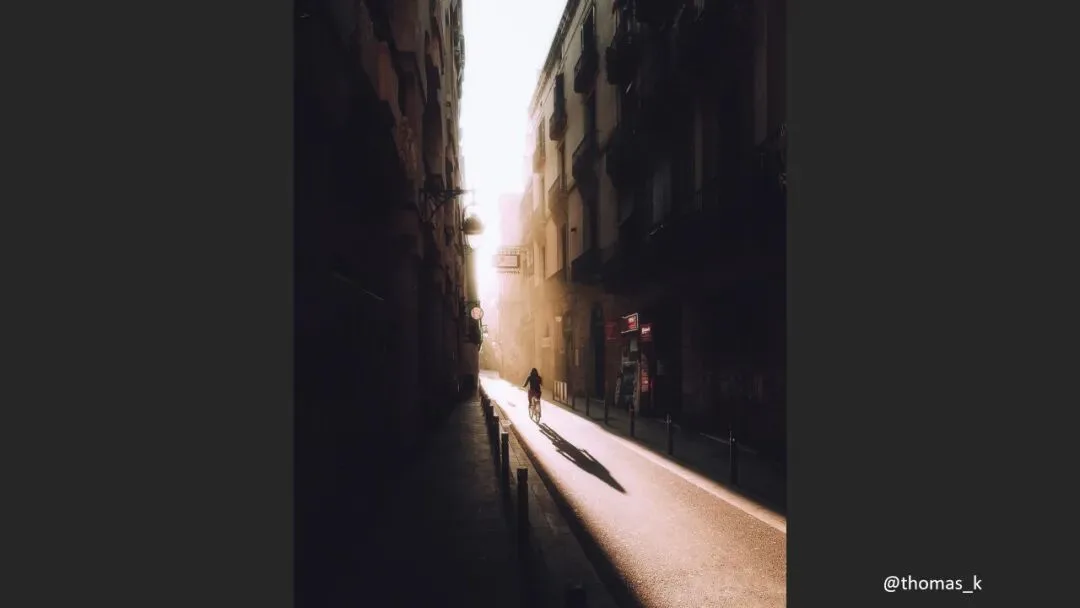
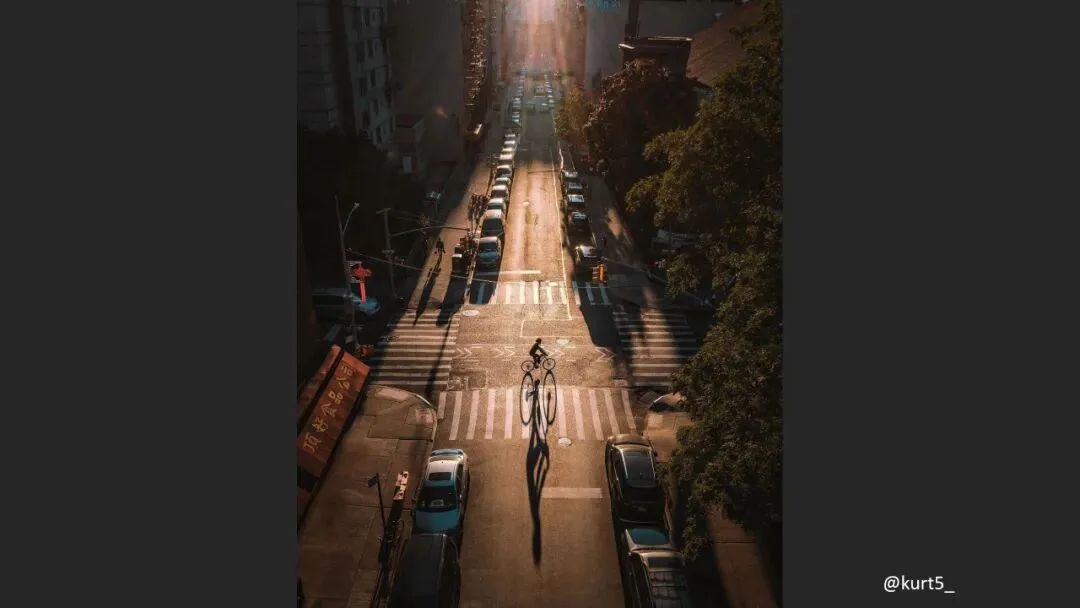
The next one is a telephoto shot. Thomas makes a point here: street photography does not forbid clipping — the sky and the lit patch of ground (probably standing water) are completely blown out, yet the atmosphere is untouched (at 1:19 in the video). In the same spirit: a very narrow street with a doorway framing a passer-by, or a higher vantage point where low sun drags very long shadows from people and bicycles (at 1:49 in the video).
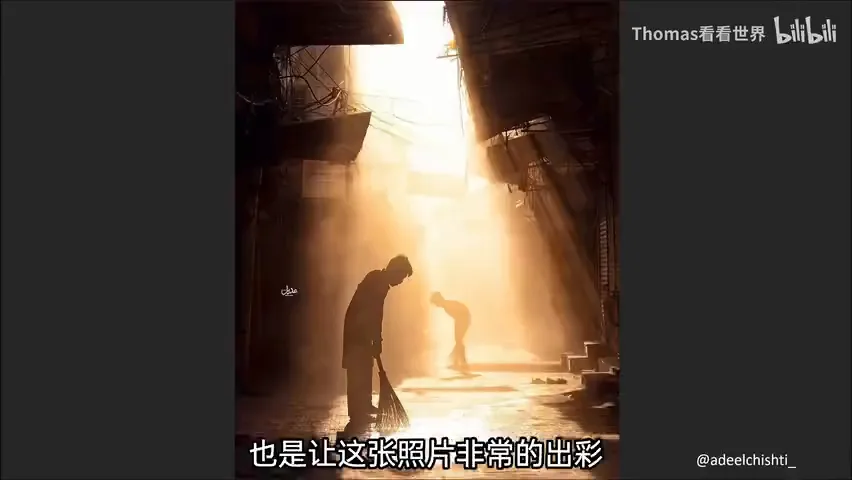
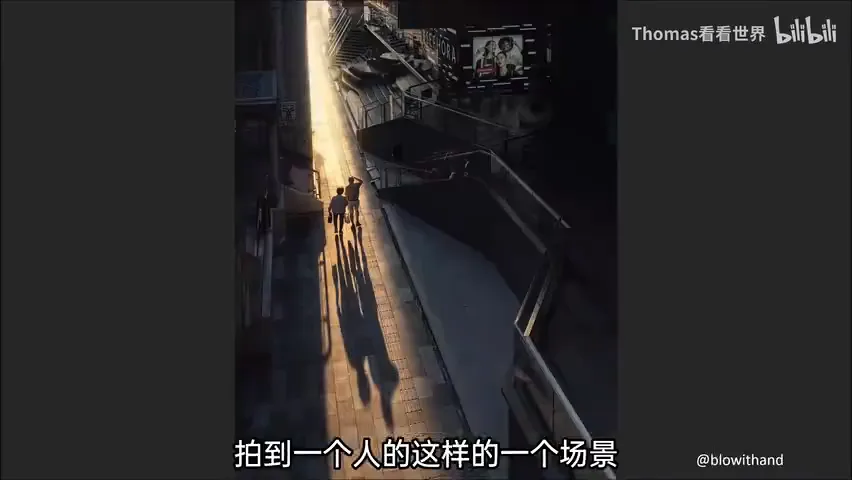
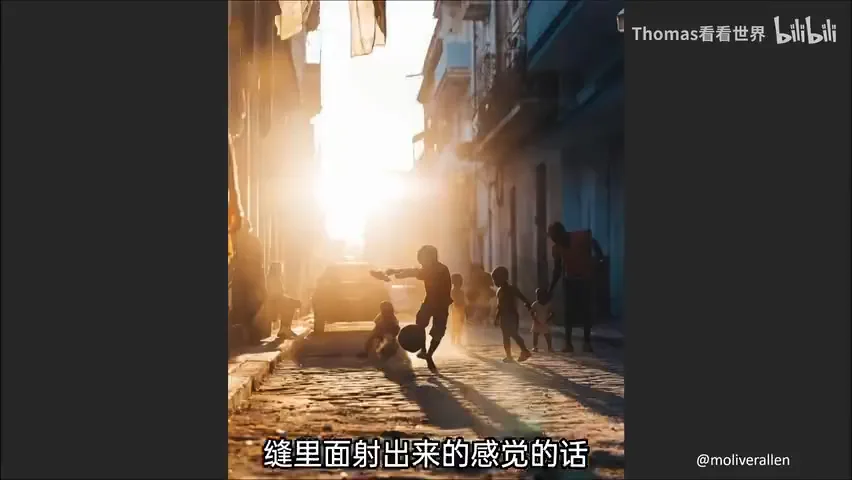
What these frames share: warm up the highlights, while keeping the shadows either black or cool — both work. The narrower the street, the stronger the squeeze from both sides, and the more striking that shaft of light bursting through a gap becomes (at 2:20 in the video). You can also use a telephoto to catch people in motion, or, as one photographer did, find an overpass and lamp posts and use their shadows to push the contrast further (at 2:41 in the video).
02 Rain: Reflective Ground, Backlit Raindrops and Glass as a Prop
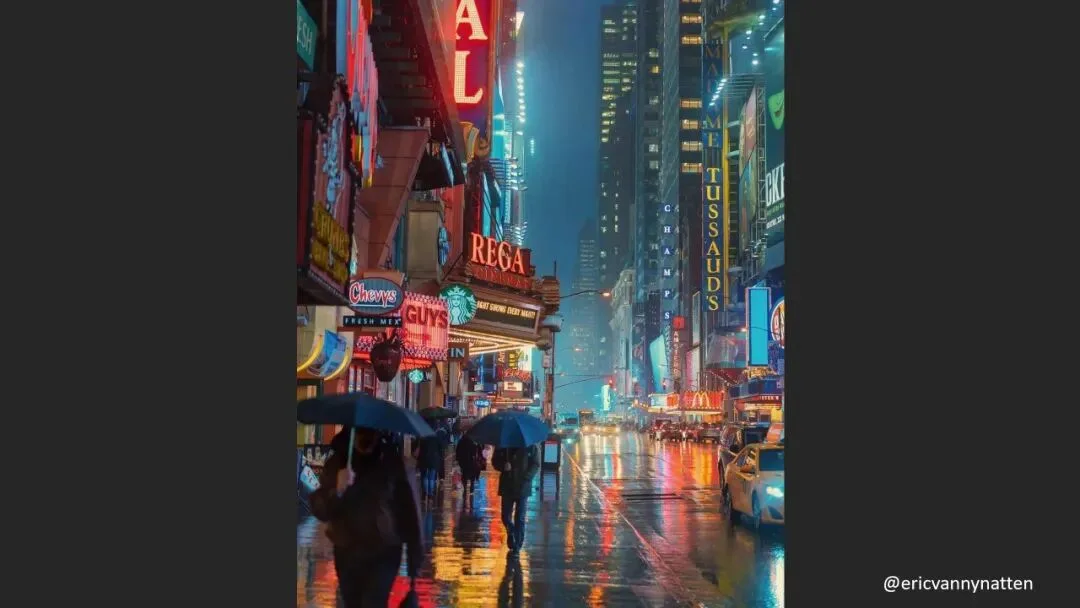
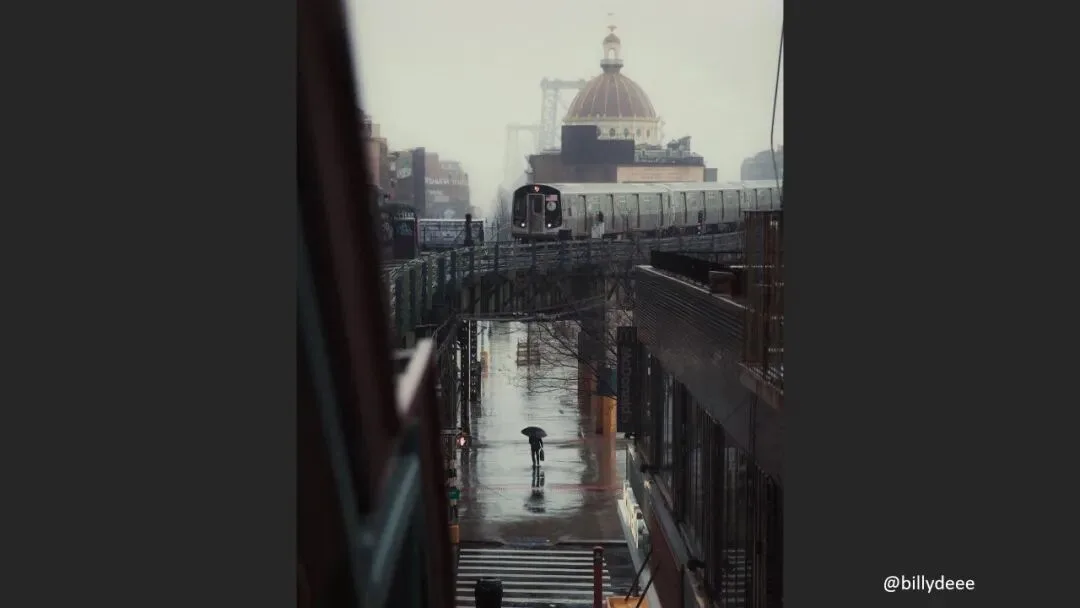
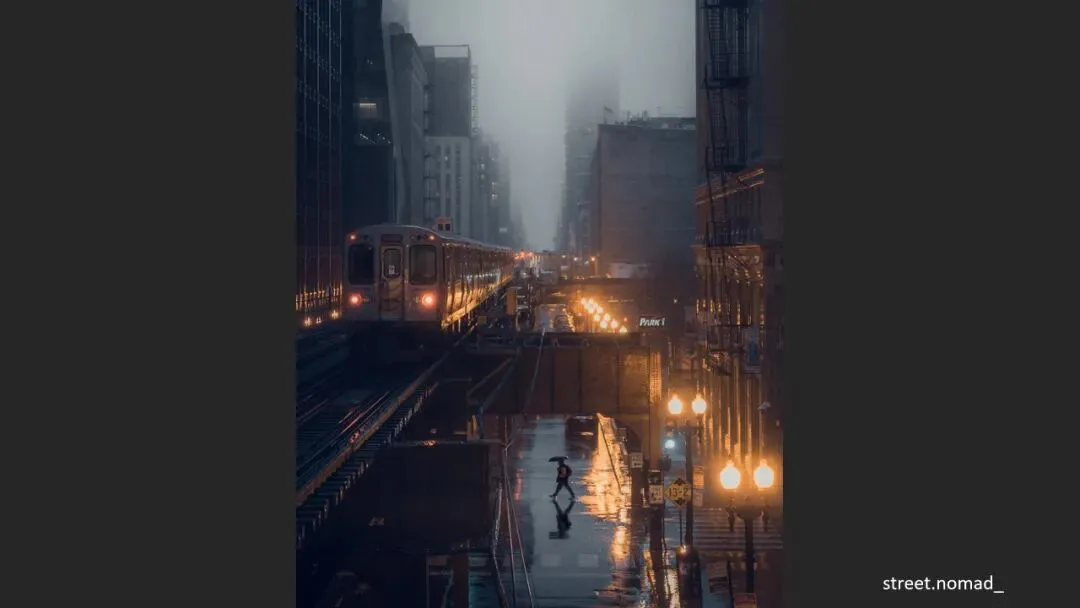
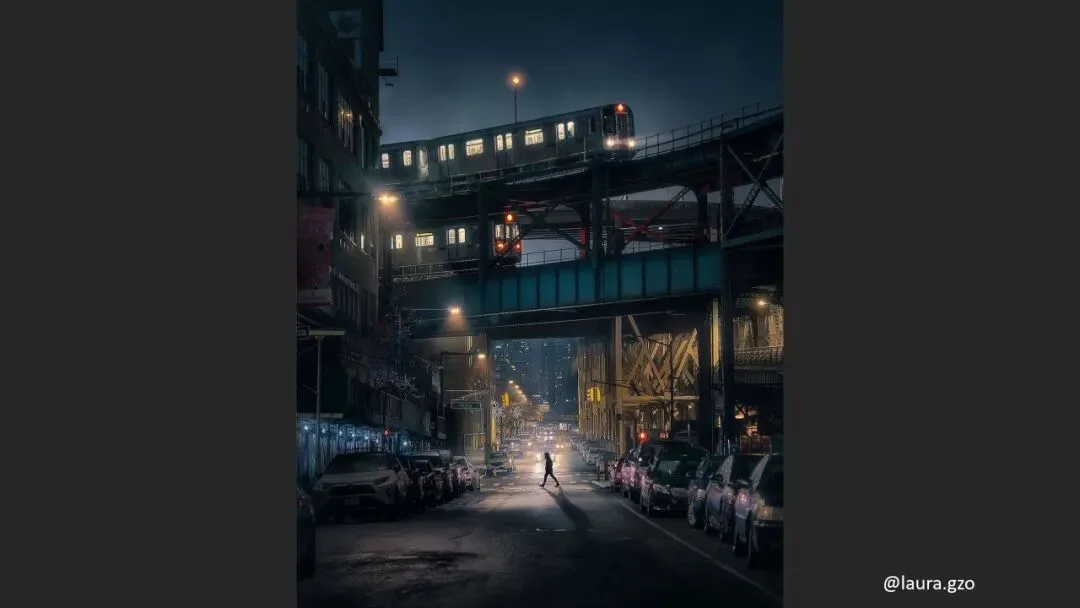
After all the golden-hour frames, rainy streets offer a very different kind of light. Think about it: dry stone paving on a sunny day cannot reflect such rich colour, but in rain — whether it is the blue you dial in with white balance or the multicoloured lights spilling across the ground — colour and light both become extraordinary (at 2:56 in the video). Rain brings mood on its own, as in the frame where a person and a passing train share the moment.
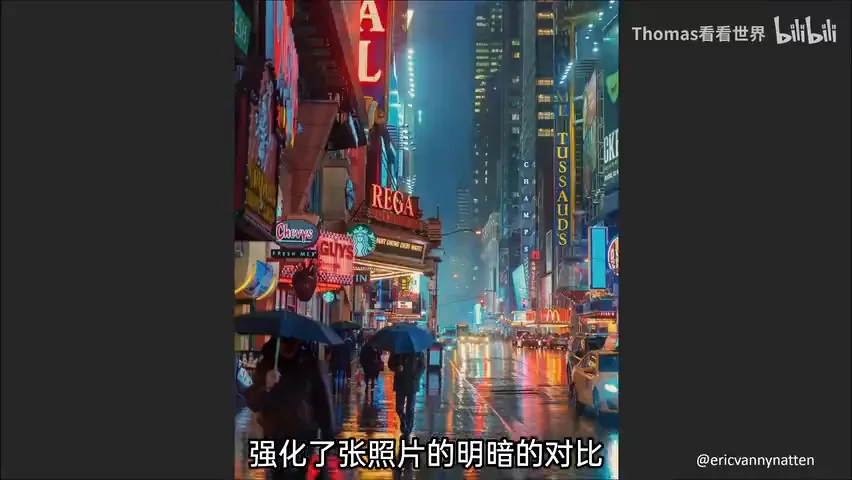
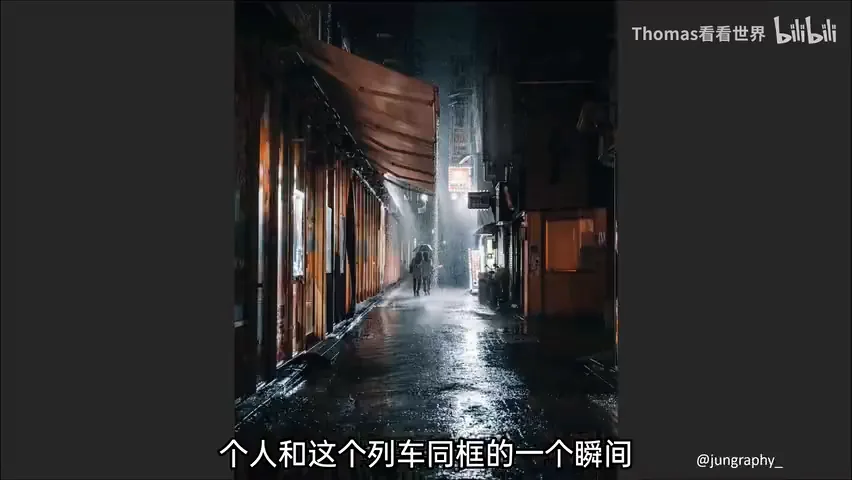
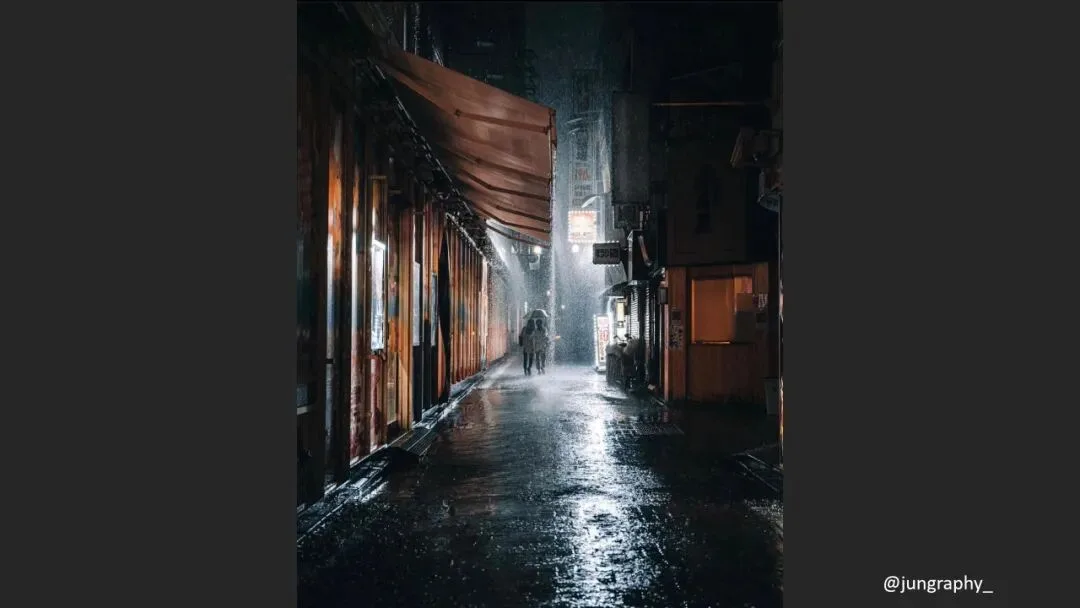
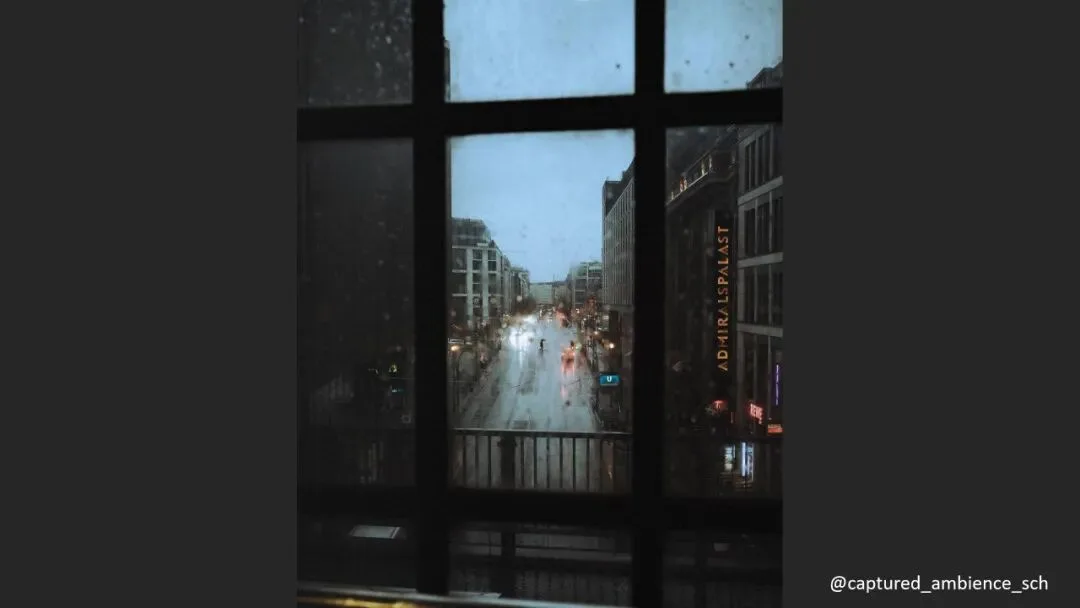
A point Thomas often makes: when the rain is heavy, look for a strong light source that is backlit — a lamp shining toward you across the wet ground will render the dense curtain of raindrops with real impact (at 3:35 in the video). In rain and mist clarity drops, the distance dissolves into haze, and that gap in transparency between foreground and background gives the picture both atmosphere and depth.
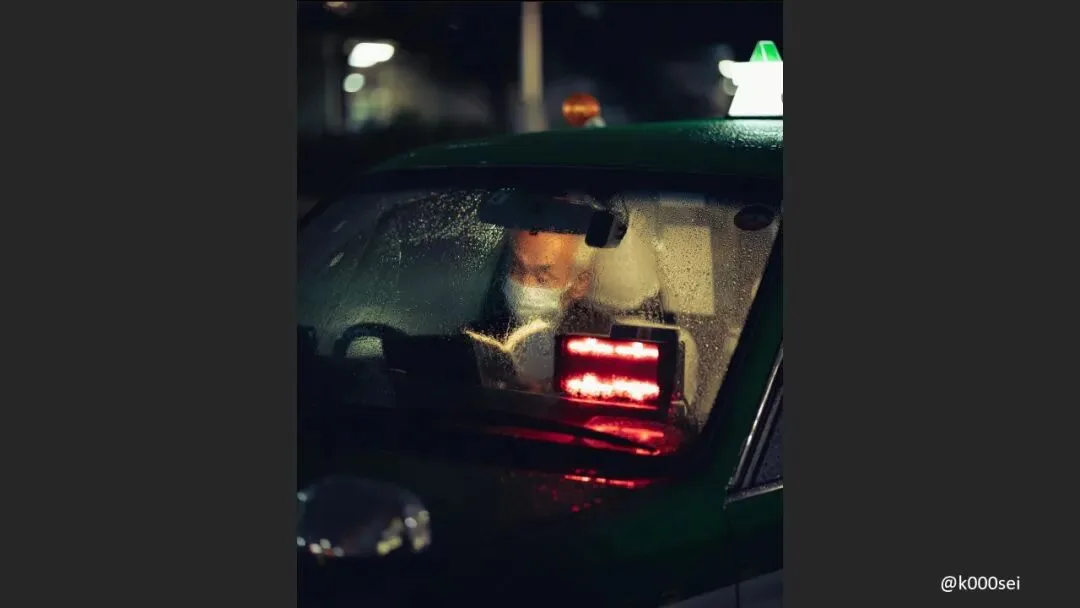
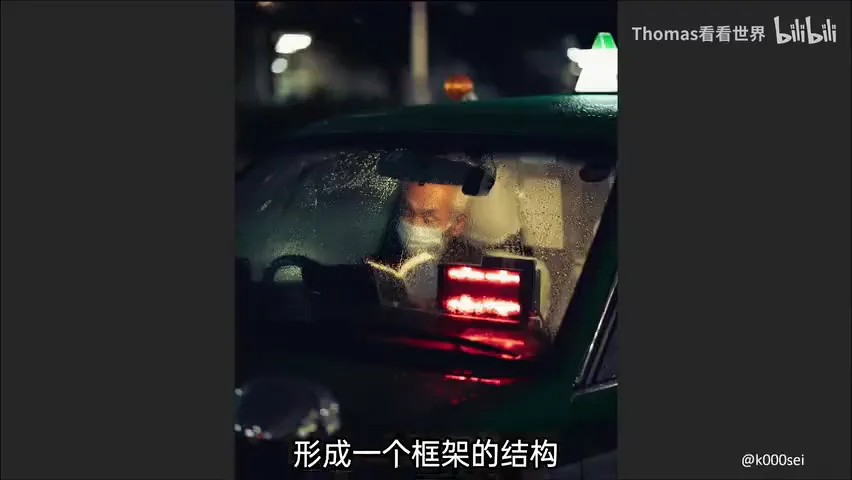
Glass is a favourite rainy-day prop: beaded with water it adds instant texture, it can serve as a frame within the frame, and you can shoot people through a car window (at 4:11 in the video). One photographer's colour is worth studying: rather than building complex palettes, he pushed the whole background into a dark tone with a hint of blue, so the oranges and reds pop vividly without ever looking over-graded (at 4:29 in the video).
03 Fog and Midday: Oppression, Freshness and Silhouettes
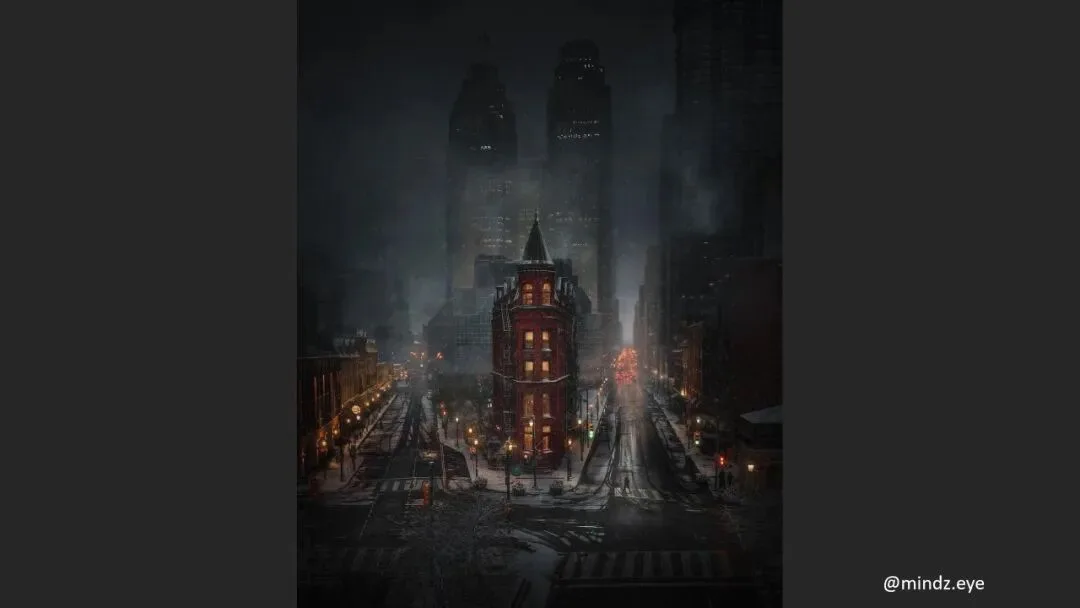
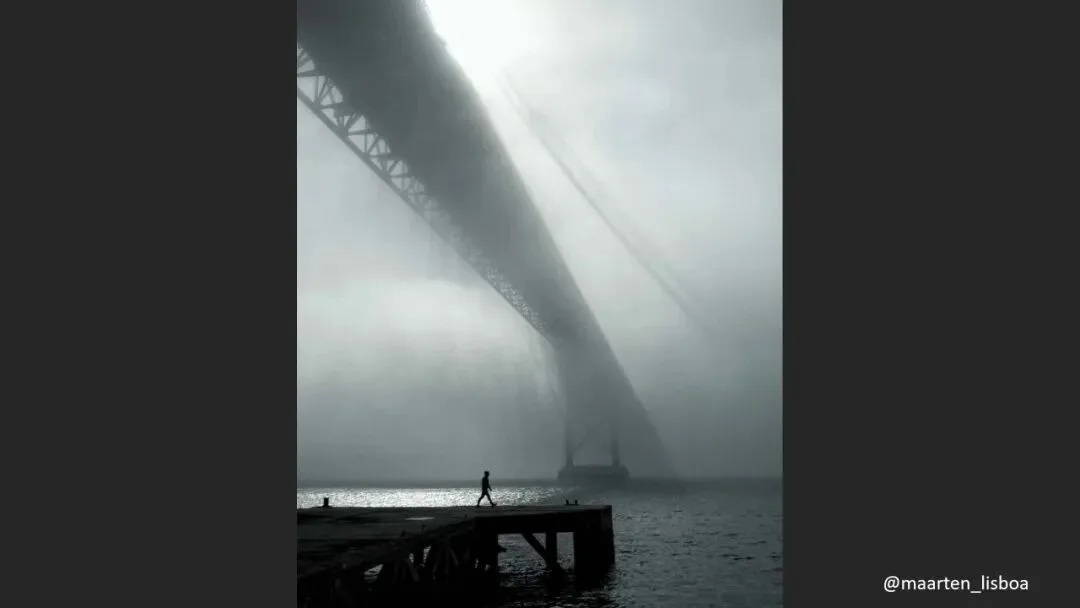
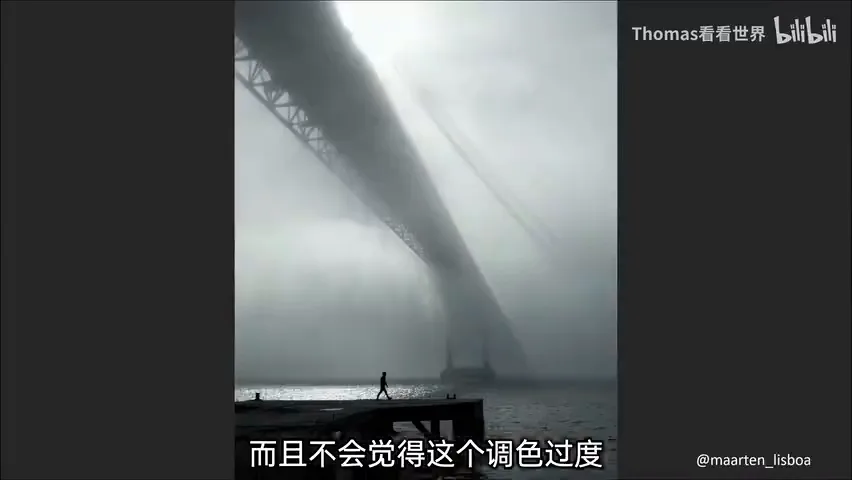
Fog can shine too. It brings an inherent sense of oppression, and this photographer found a bridge to shoot from below — the colossal structure looming through the haze makes that heaviness palpable (at 4:56 in the video).
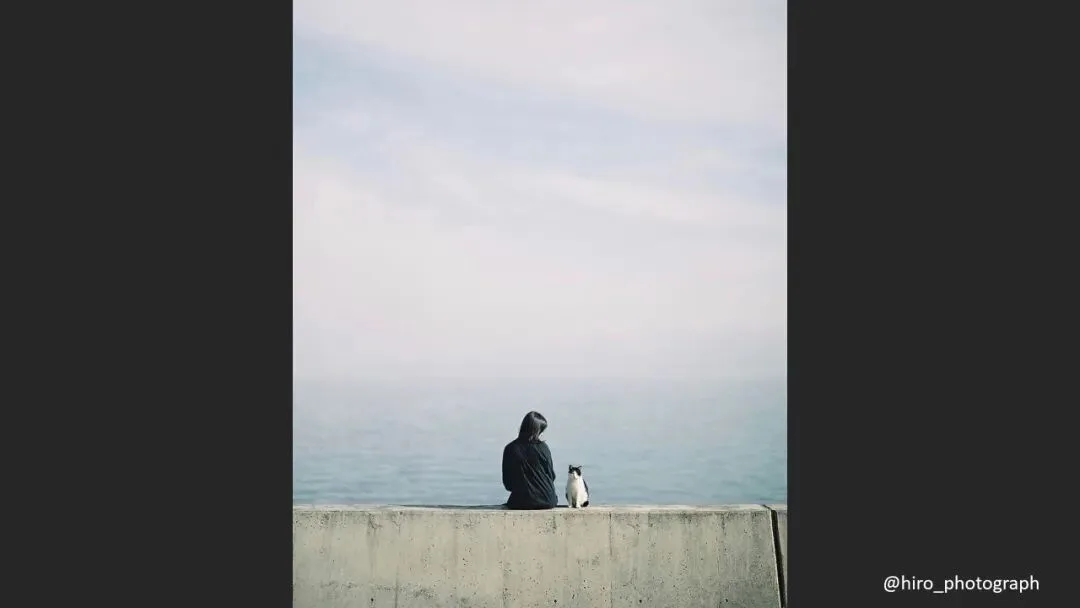
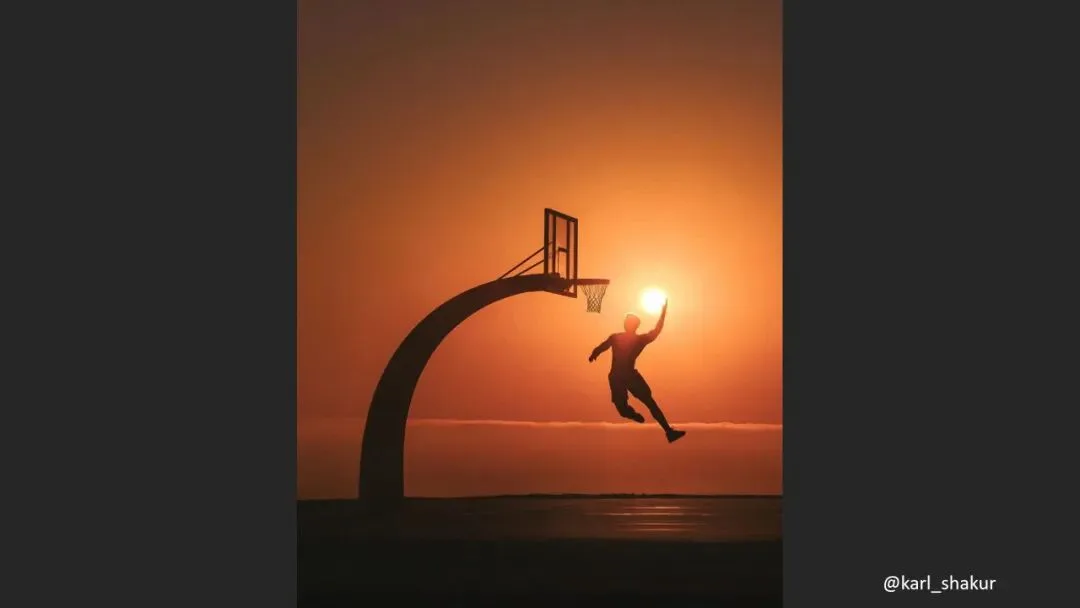
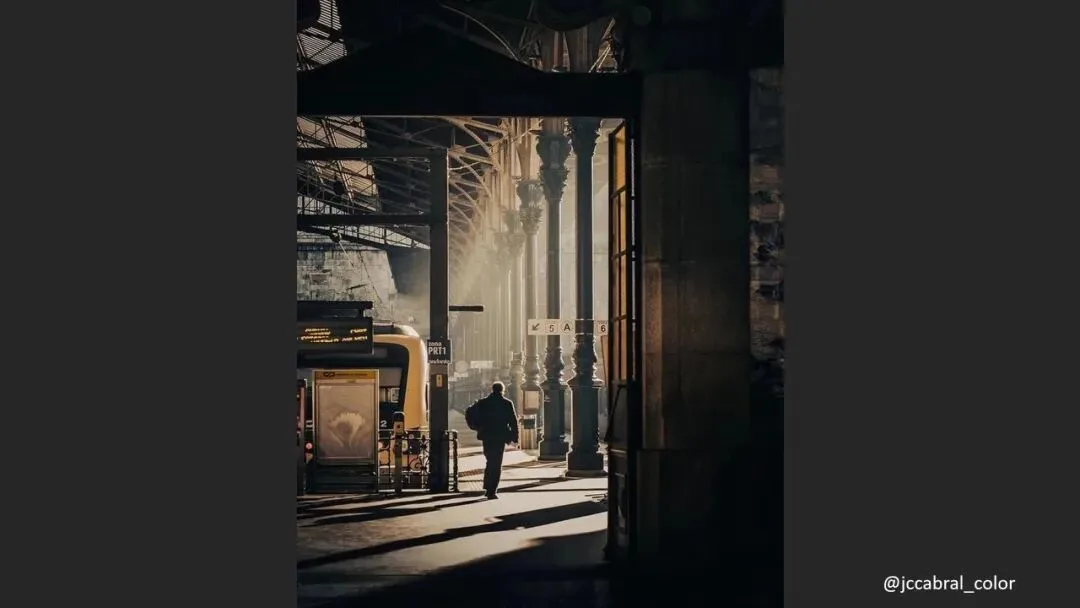
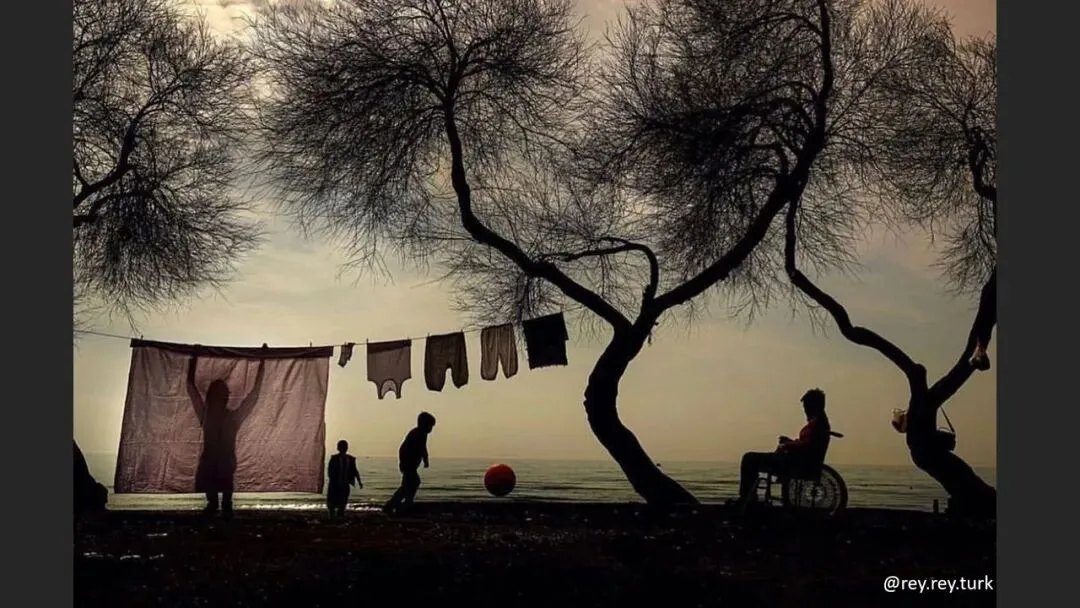
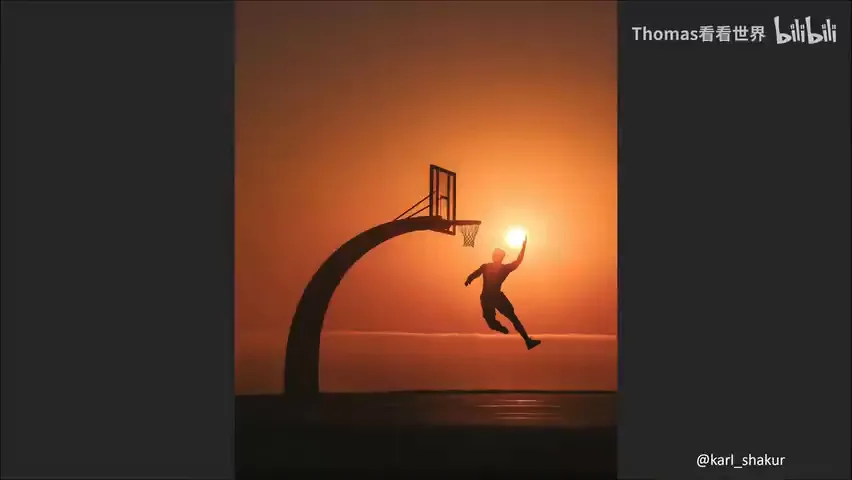
High noon works as well: one photographer went for a fresh, airy palette against a spotless background; another used silhouettes, timing the jump so the figure touches the sun, which turns into a basketball — wonderfully original (at 5:20 in the video). Someone else exploited the intricate structure of a railway station, where sunlight breaks into countless alternating bands of light and shadow; and another took the high vantage point mentioned earlier to catch pedestrians and bikes on an east-west street at golden hour (at 5:44 in the video).
04 Night and Reflections: Teal-Orange, Complementary Colours and Layered Glass
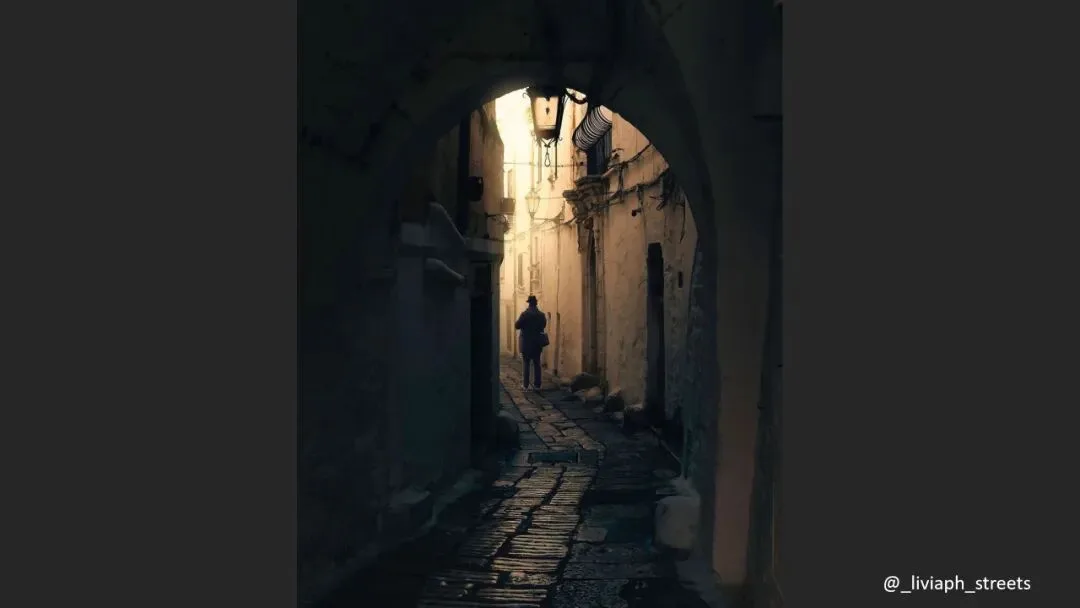
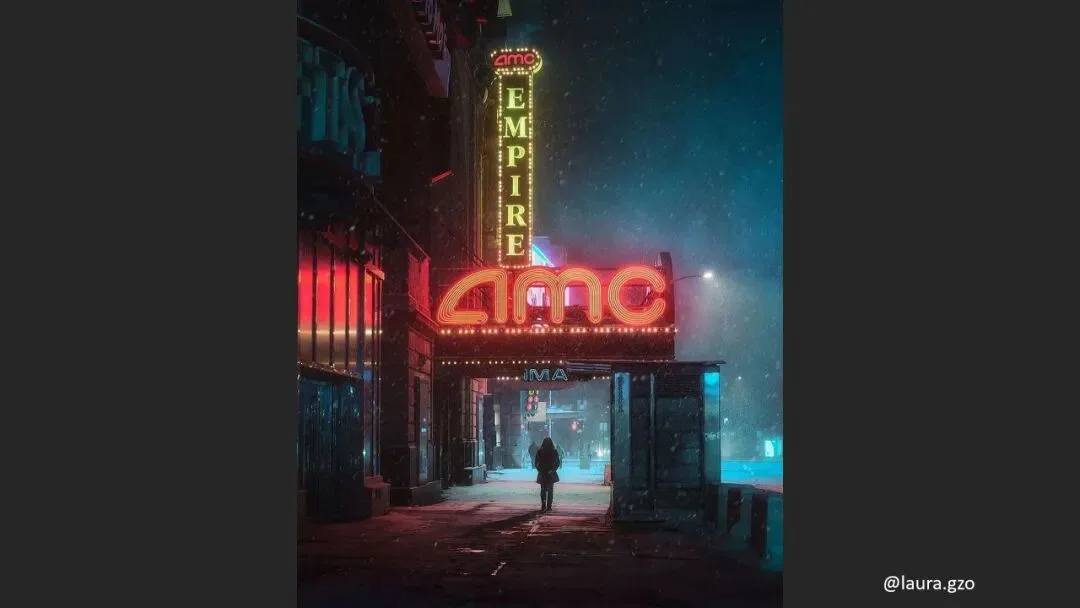
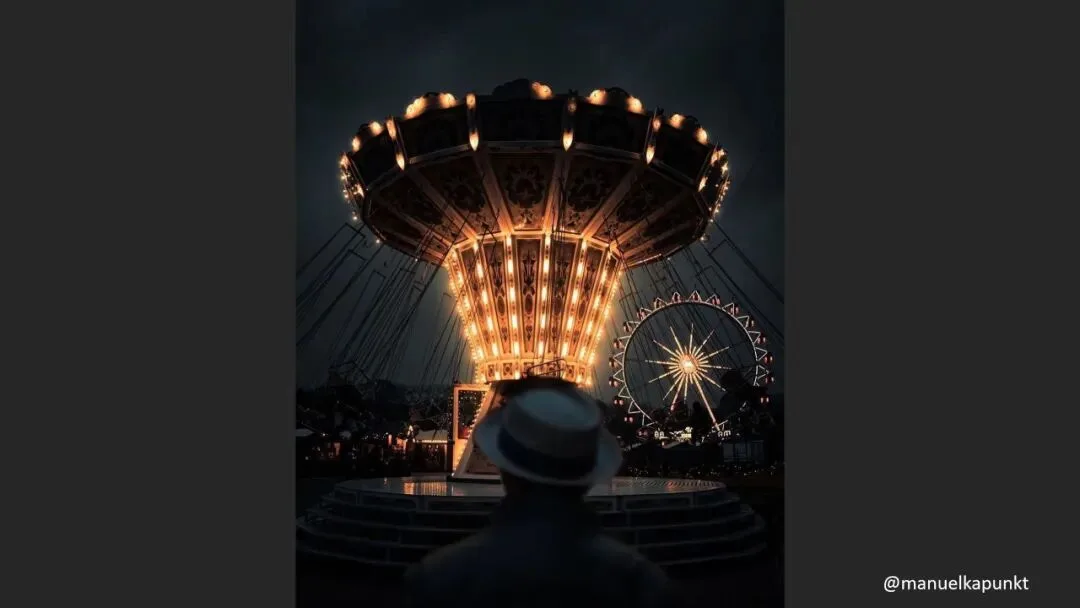
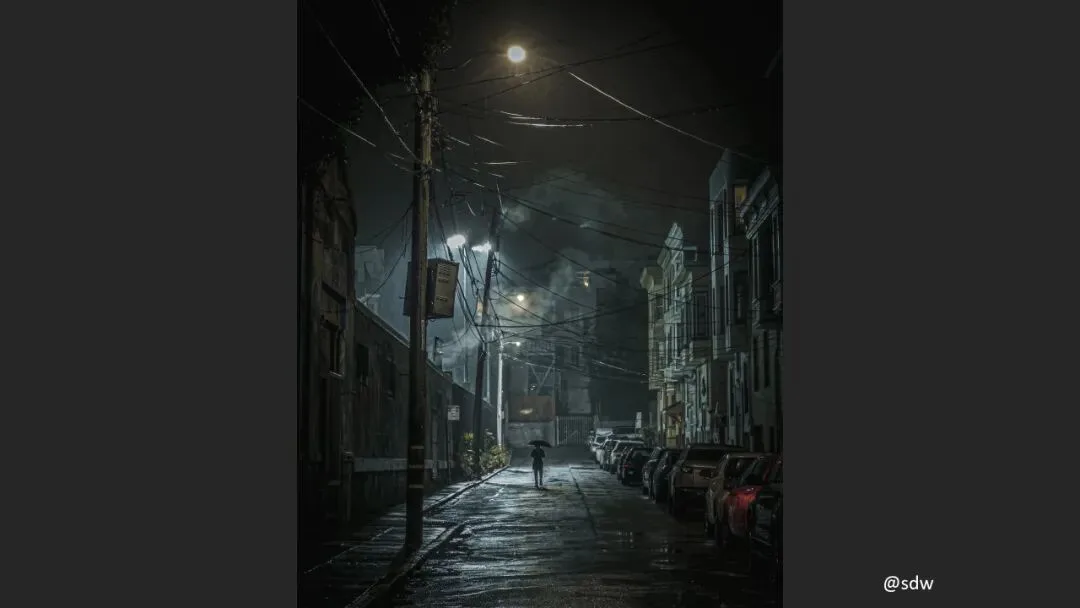
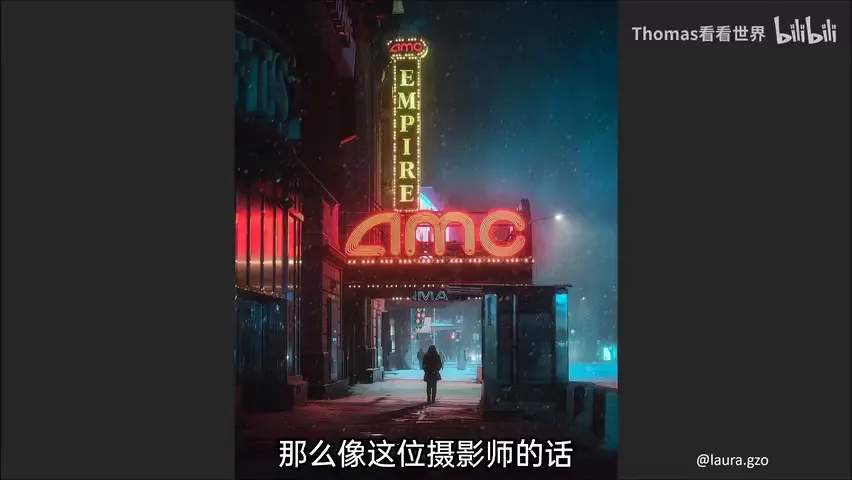
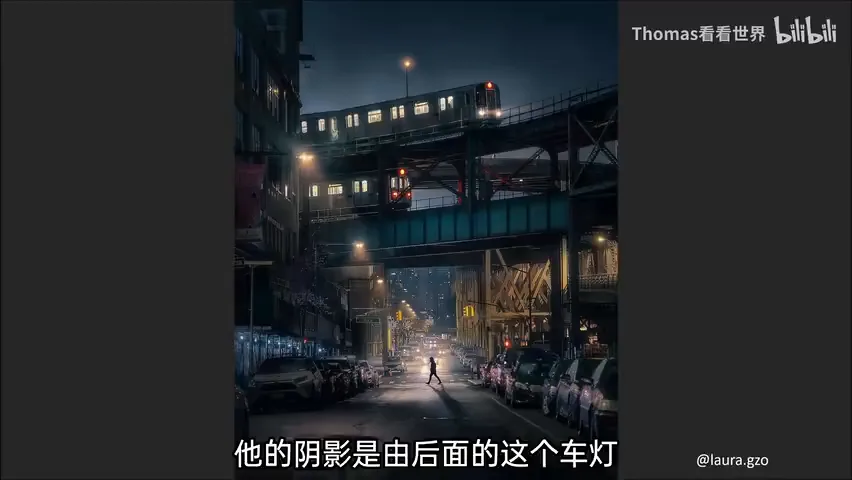
Night scenes can lean teal: teal generally pairs with rain, snow and fog, while blue suits clear night skies, and you then look for warm lamps to set up the contrast (at 5:58 in the video). Here the background is a very dark, desaturated teal with a single lamp and a figure in a hat in front — strong stuff; another frame is teal-and-orange, the person's shadow thrown by headlights from behind, utility poles adding to the slightly oppressive mood, which Thomas rather likes (at 6:26 in the video).
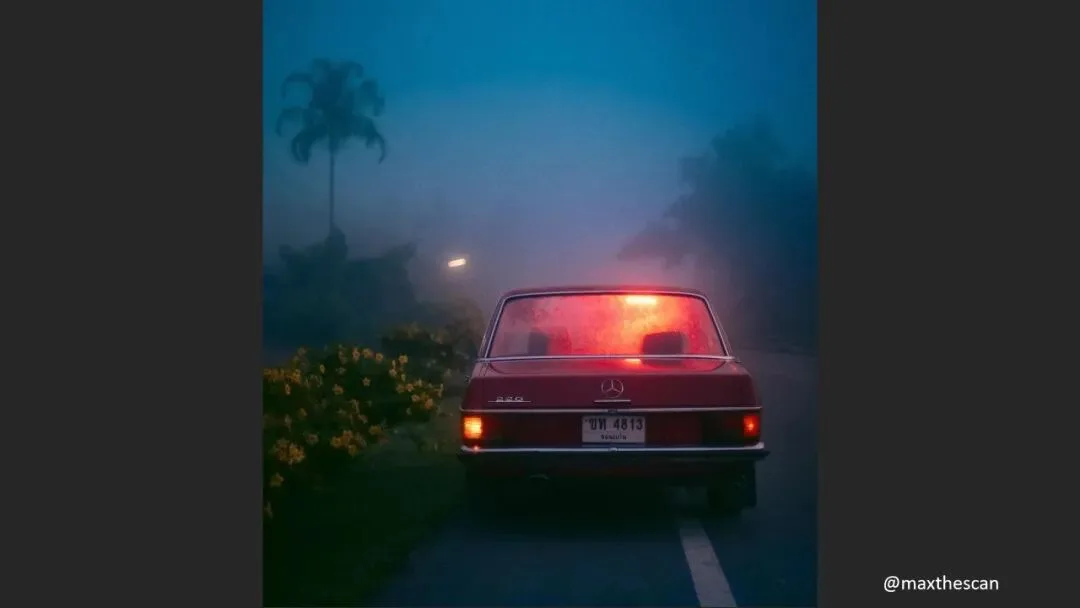
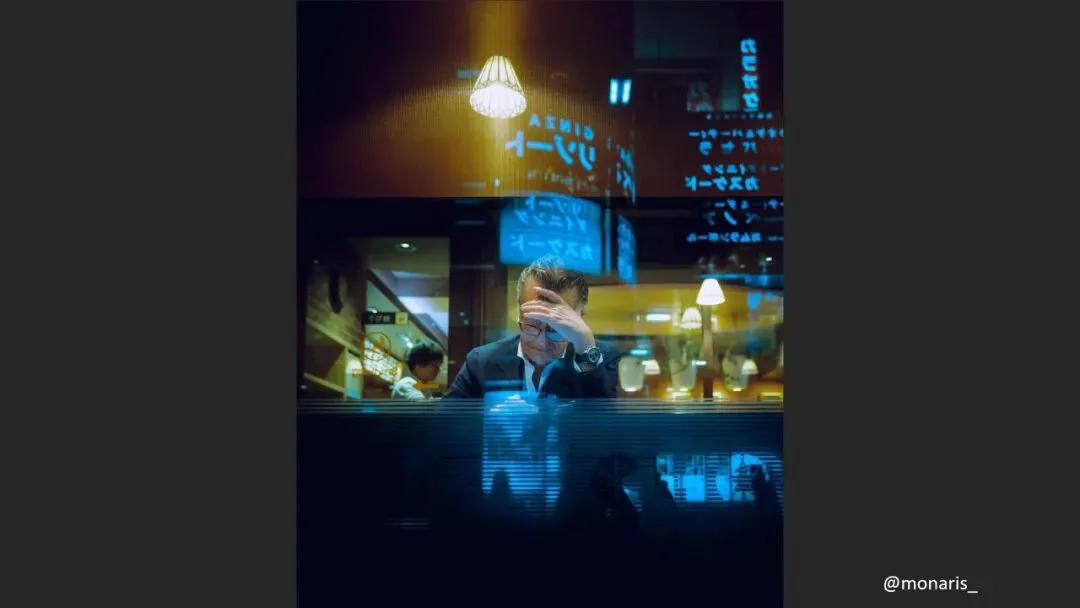
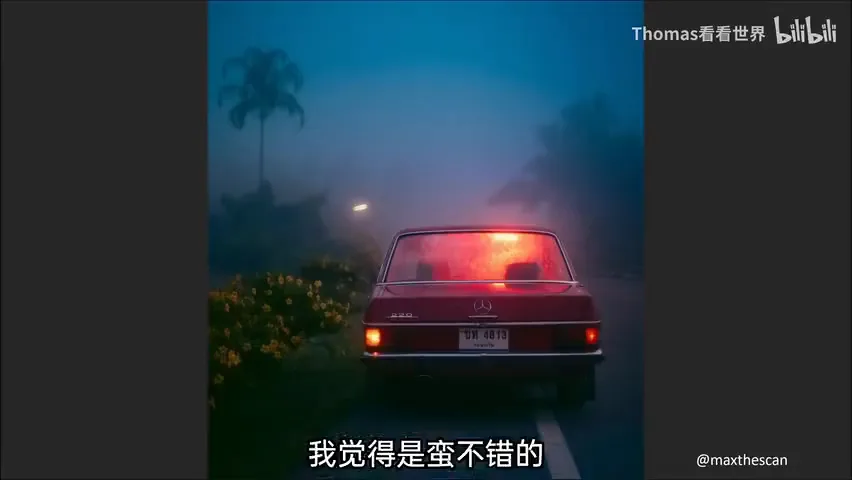
A classic car glows red inside — slightly eerie — against a blue background with orange flowers: two complementary pairs, red with green and orange with blue, and utterly captivating (at 6:44 in the video). In cities, glass reflections are a common way to build rich layers; catching silhouettes at golden hour, especially a person's shadow thrown onto glass or bright clothing, is another trick many street photographers rely on (at 7:13 in the video).
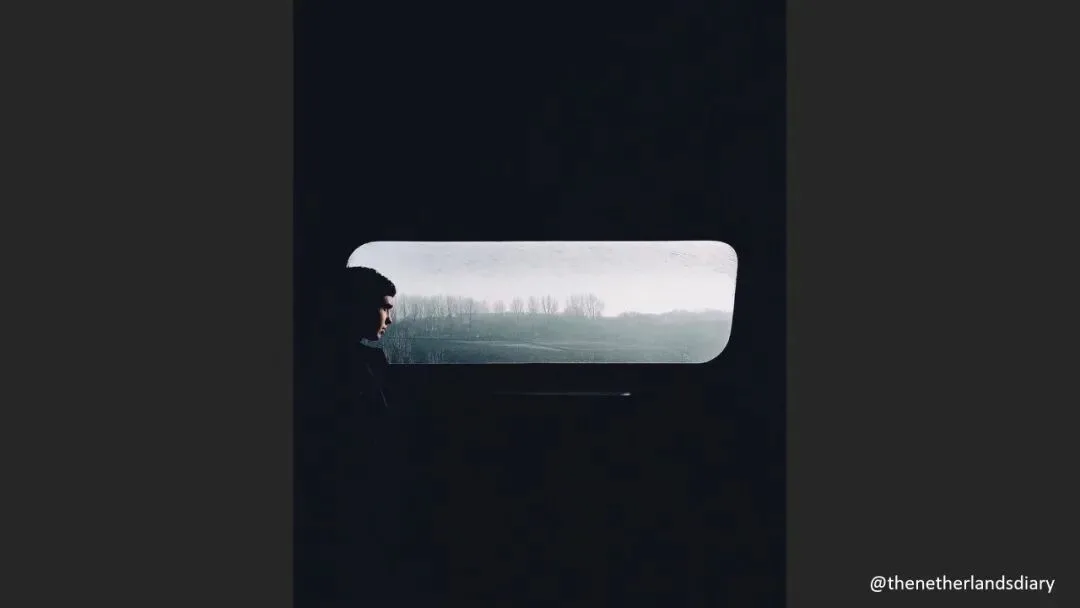
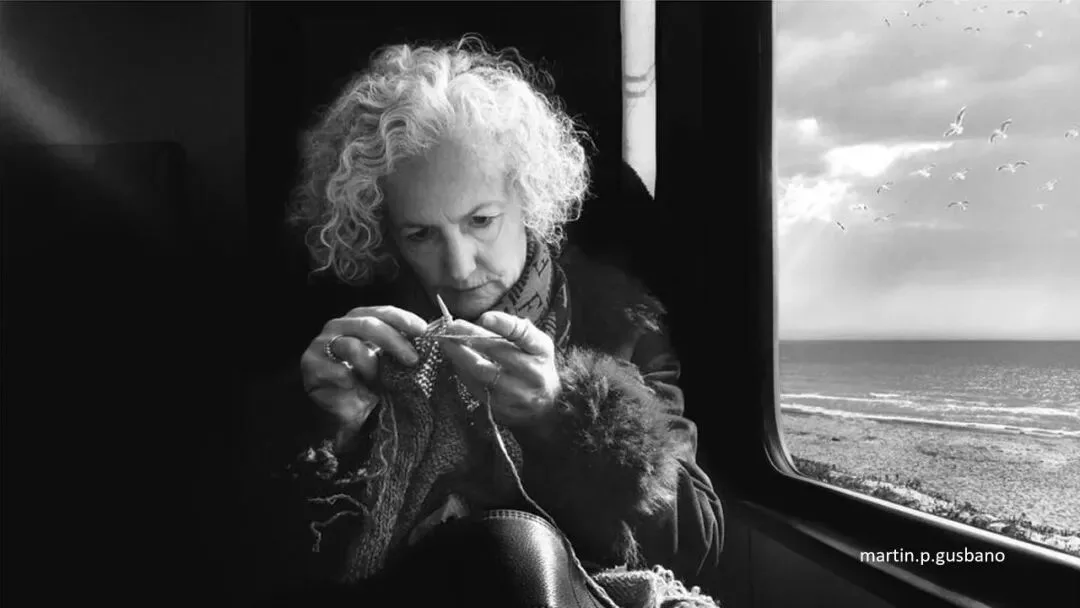
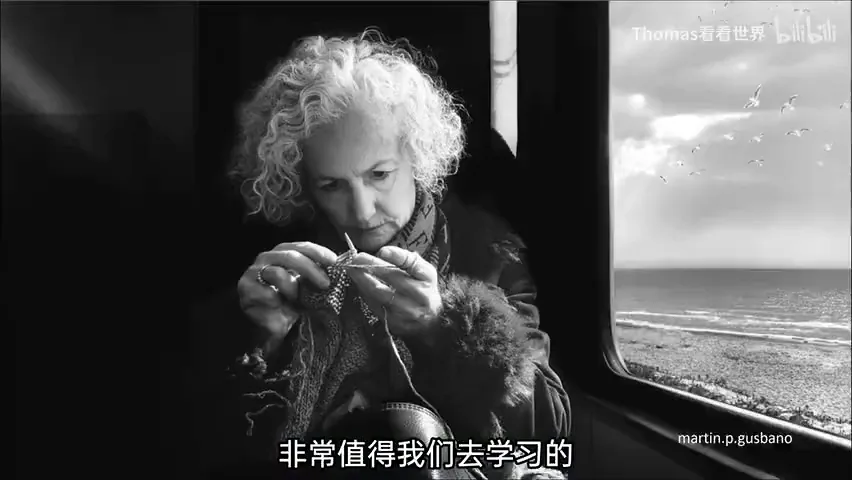
The last two: one is shot on a train, but the photographer darkened the entire carriage so that only the light on the face and the mood outside the window remain — well worth learning from (at 7:36 in the video). The other meets its subject at eye level, catching an elderly woman's intense concentration just as a seagull sweeps past the window — the moment and the light, both landing in a single frame (at 7:49 in the video).
1. At sunrise and sunset find east-west streets facing the sun: low-angle triangles, high-vantage long shadows, shafts of light through narrow gaps, warm highlights with black or cool shadows — and don't fear local clipping; 2. In rain, mine reflections and white balance for colour, shoot dense raindrops against strong backlight, frame with glass and car windows, and darken a bluish background so oranges and reds pop; 3. In fog, shoot massive structures from below for oppressive weight; at midday go for fresh tones, silhouettes and the alternating bands of complex architecture; 4. At night lean teal or blue against warm lamps, exploit red-green and orange-blue complements and layered glass reflections, and darken everything but the light on a face — the moment and the light remain the roots of street photography.
PPT