Photography Tutorial · 2022-09-18
The 2022 International Photography Awards Are Announced — Here's a Learning Analysis for Photographers!
The 2022 IPA International Photography Awards were recently announced.
This is one of the competitions I follow long-term, because its overall standard is excellent and its categories are quite detailed. Whether we shoot portraits, landscapes, architecture, fashion, or news, we can all gain inspiration from it.
In today's photography tutorial, I'll share 90 works that I particularly like or that inspired me.
Video
▶ Watch the video tutorial on Bilibili
This is the fully illustrated companion to the video above. Thomas turned the 12-minute review of the IPA 2022 winners into text and paired it with keyframe screenshots — from industrial plants rendered as fairy tales and rooftops photographed like microchips, to screen-lit nights and rainy streets, long-exposure subtraction on overcast days, a super-telephoto moon planned to the minute, and finally series thinking and "aerials with a foreground". Skim it here for the framework, then go back to the video to study each image.
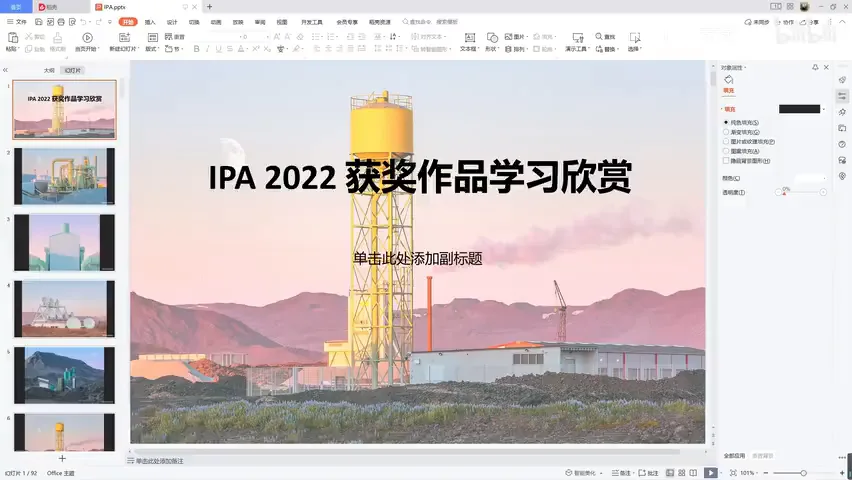
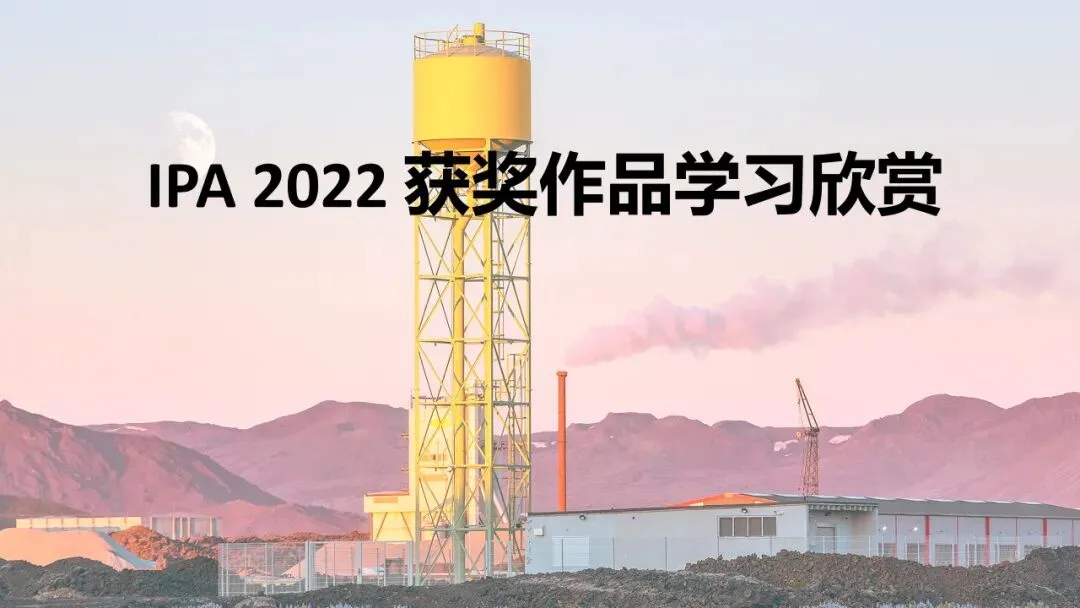
Start with the overview. Captured at 12:05 in the video, this is the title slide of the deck, "IPA 2022 Winners: Study and Appreciation". The International Photography Awards is a competition Thomas has followed for years, notable for its sheer number of categories — advertising, fashion, editorial, landscape, portrait and more, split again into professional and non-professional and by country — which means many winners and a huge pool of strong photographers to learn from. Here he picks roughly ninety images that inspired him or that he simply likes.
01 From Industrial Plants to the City Chip: Find a Theme, Change the Angle
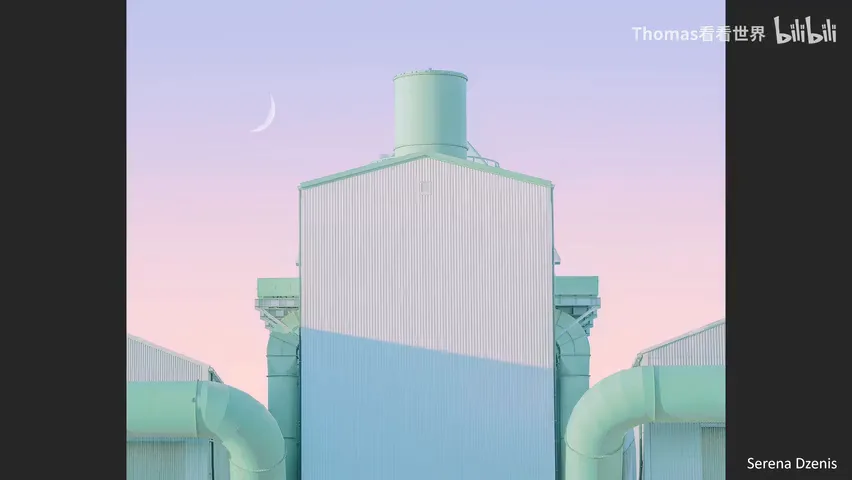
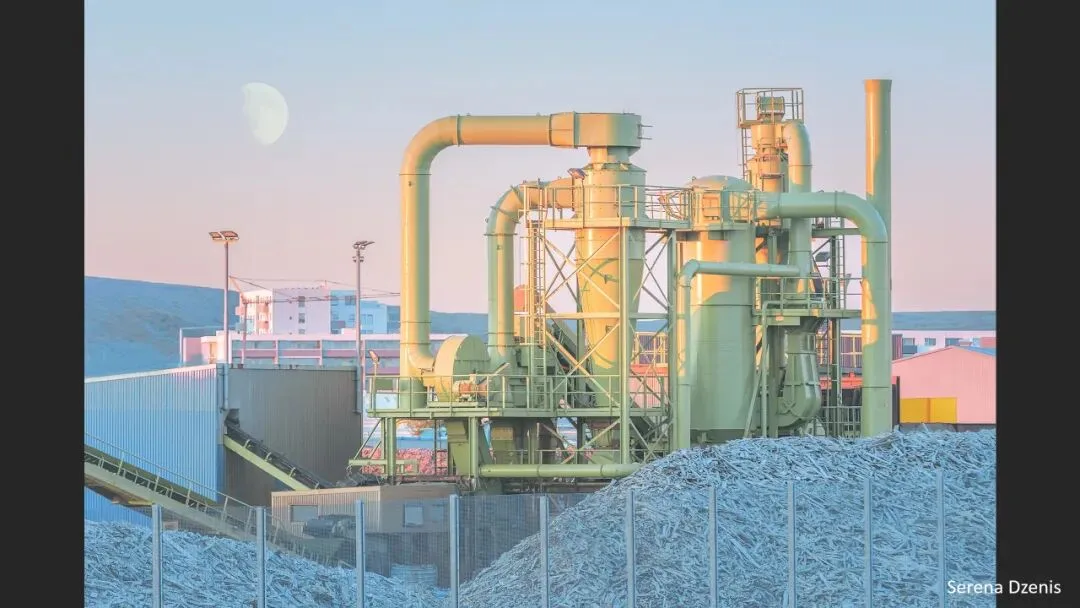
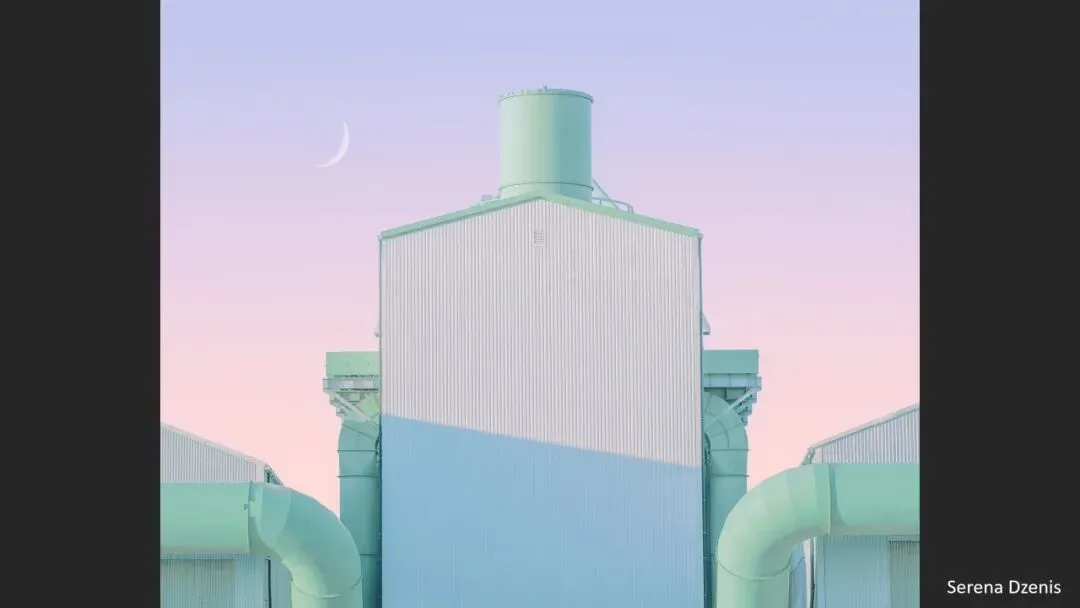
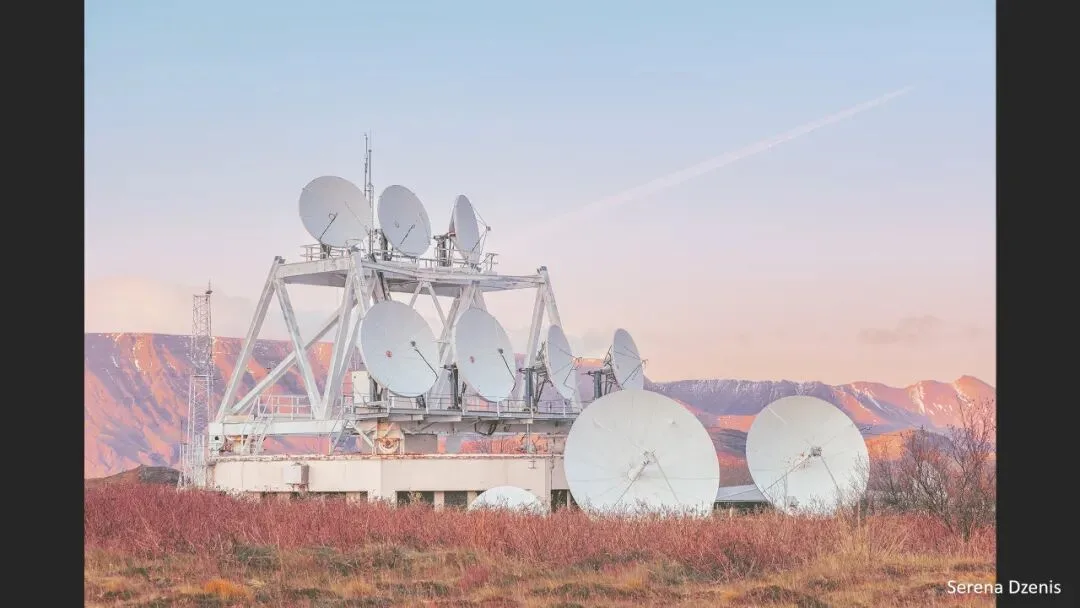
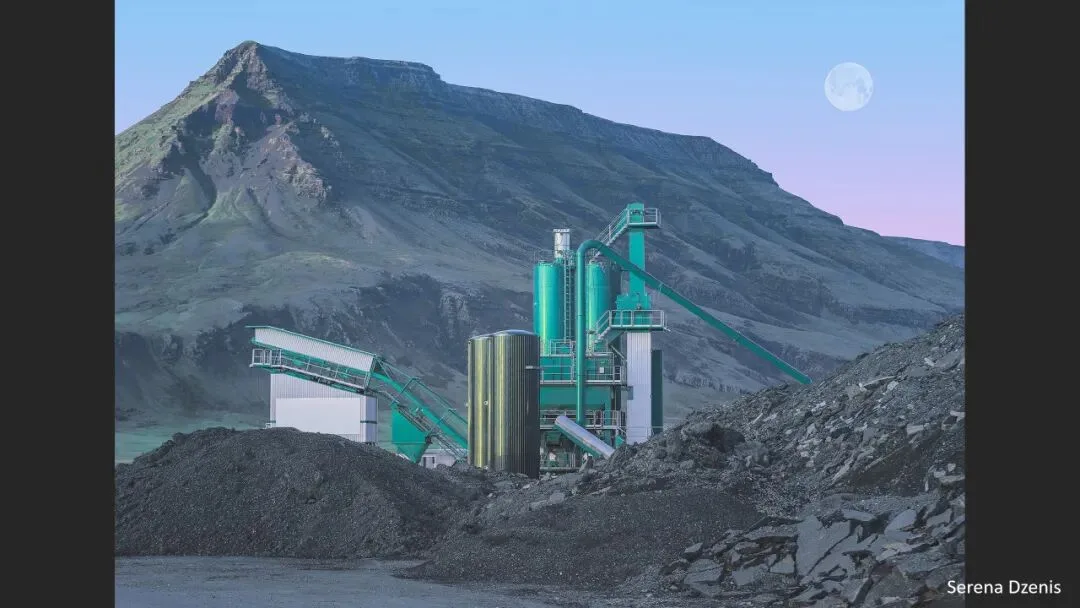
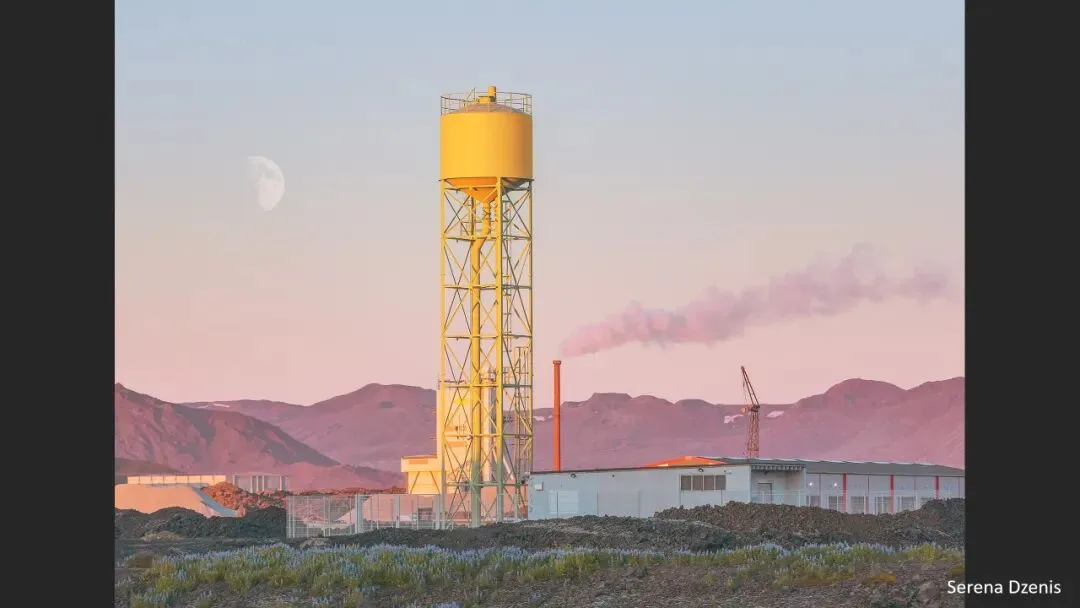
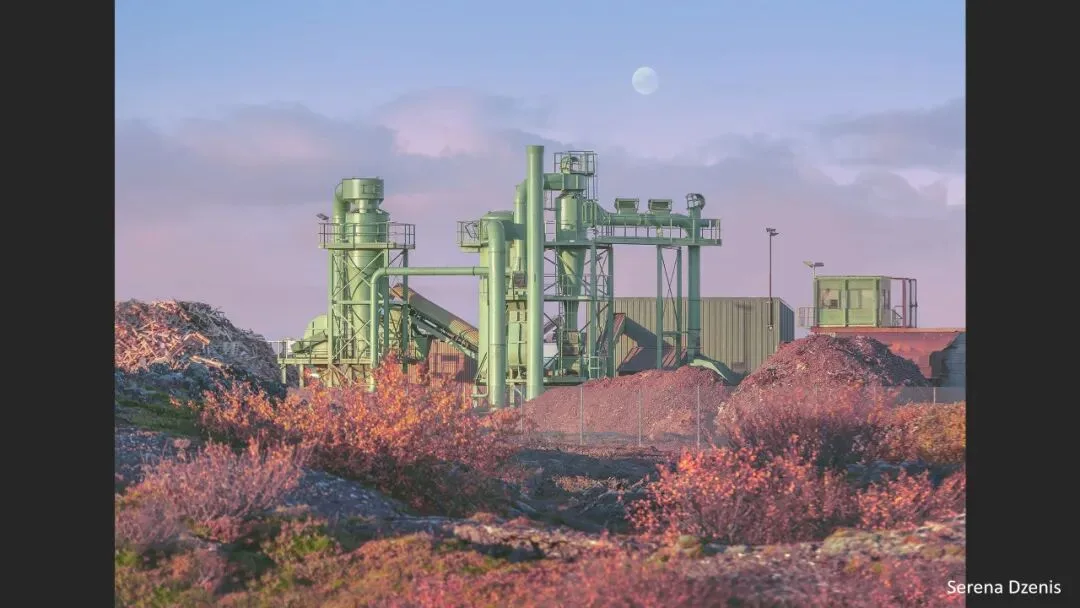
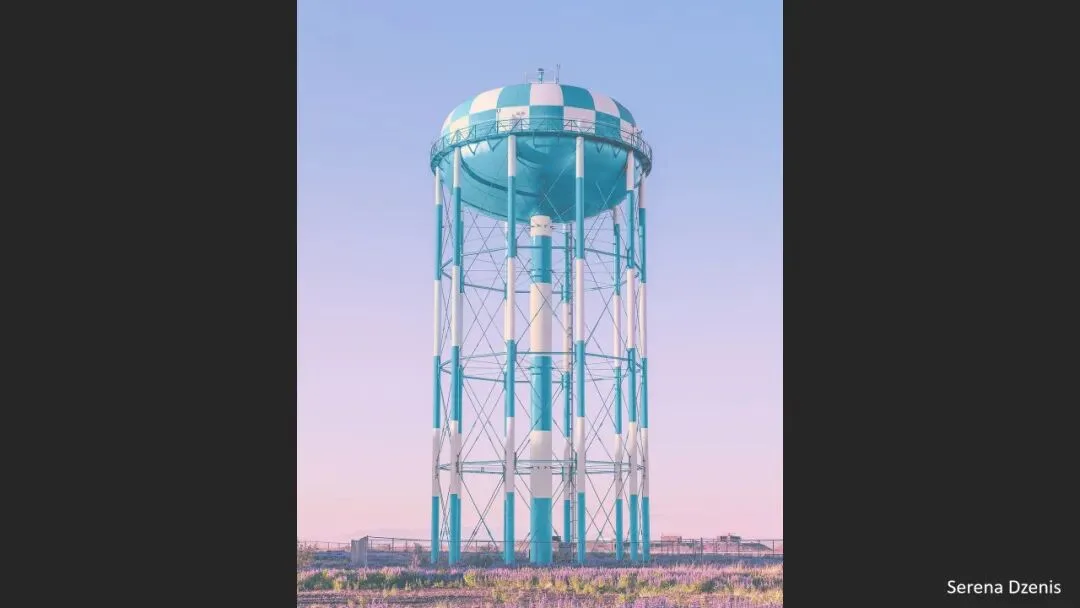
Thomas's favourite set is Serena Dzenis's industrial architecture — plants, antenna towers and the like. It is not cool, deadpan typology; it renders these structures as something fairy-tale and dreamlike, in sharp contrast to our usual impression of industrial sites as messy blights on the landscape (at 1:15 in the video). The method: shoot at sunset or sunrise when the sun is low, so the ground sits in clean shadow while the sky turns lilac, which a little grading pushes into a gorgeous orange-purple.
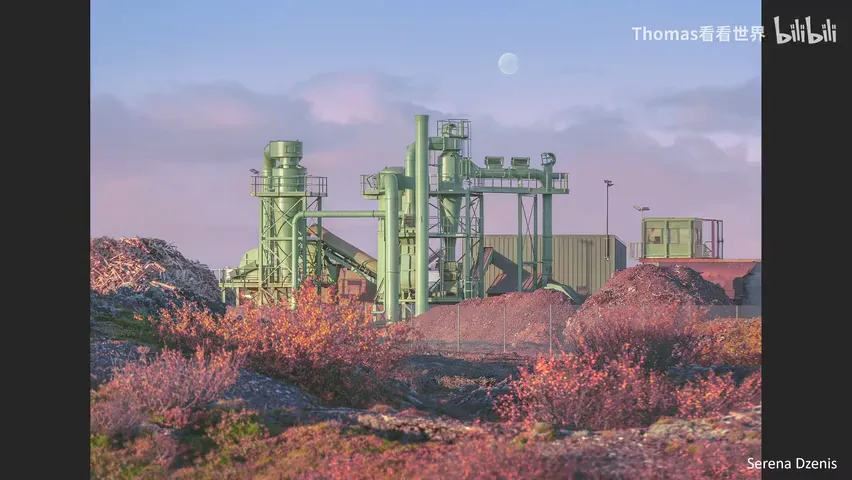
She also works with depth of field: in this frame the foreground is thrown out of focus — originally a scruffy patch of shrubs with construction debris to the left, the kind of scene we would all walk past as ugly, yet through shooting choices and colour grading it becomes genuinely beautiful (at 2:04 in the video). It struck Thomas because he has seen plenty of similar plants backed by mountains and sky in north-west China, around Lanzhou for instance — something entirely possible to emulate at home.
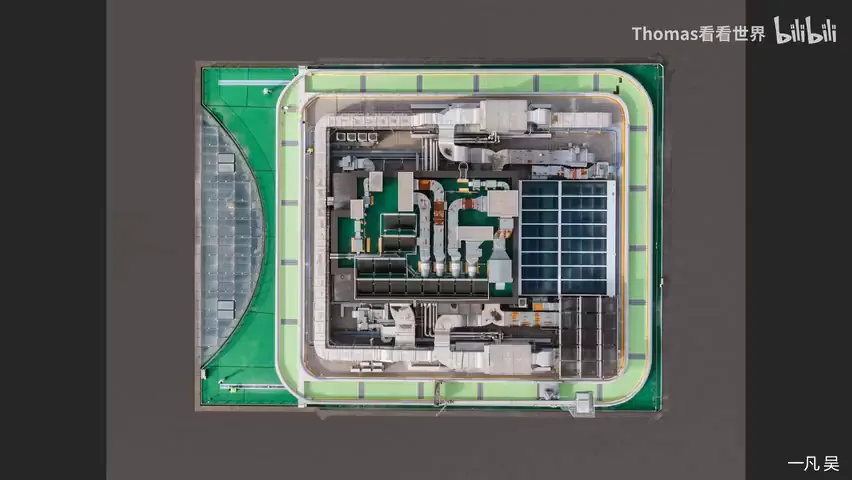
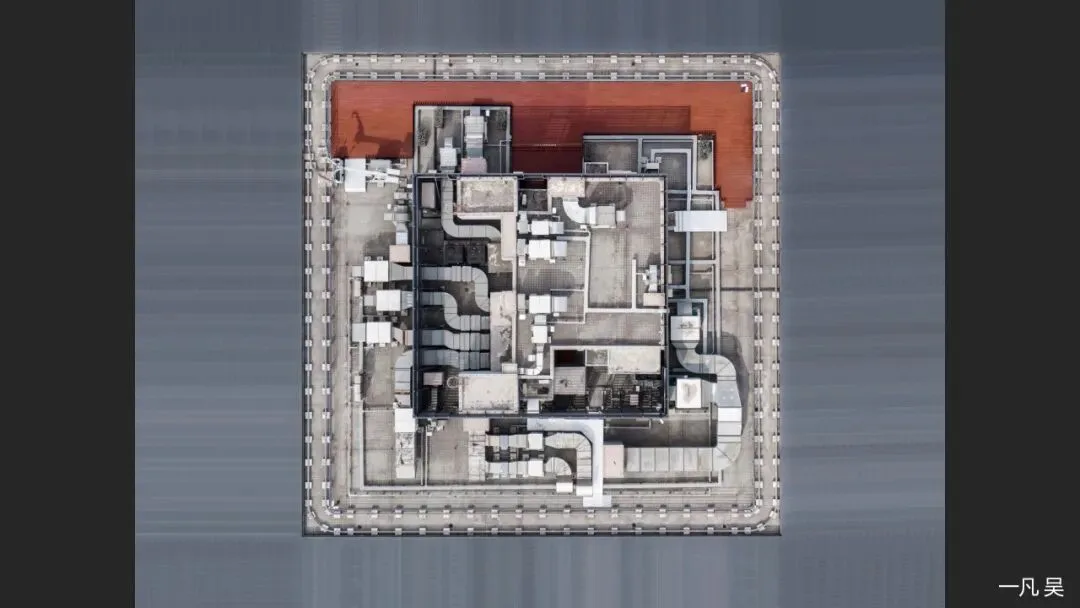
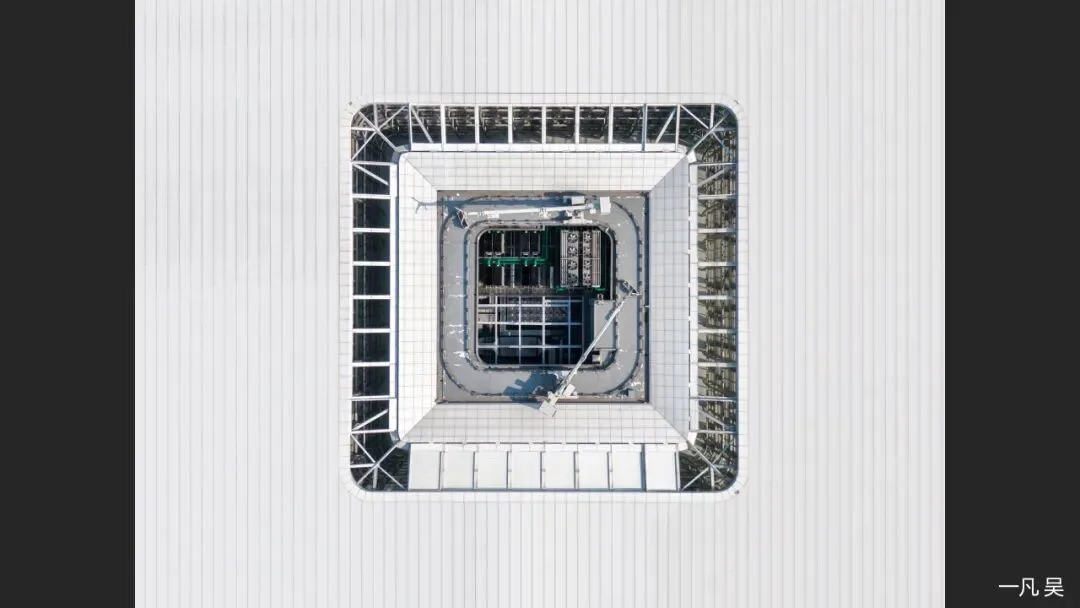
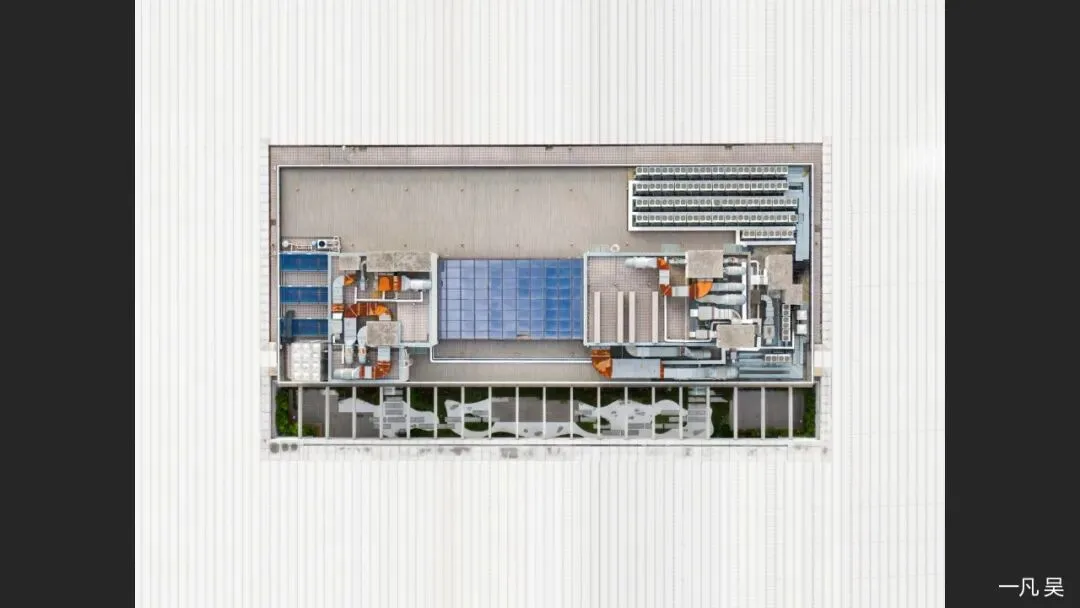
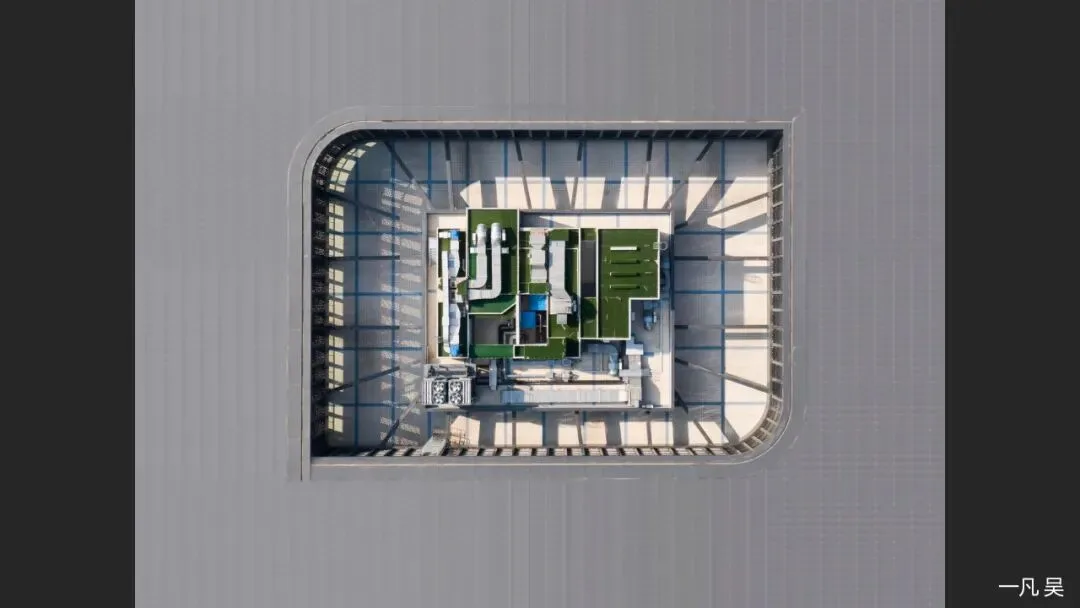
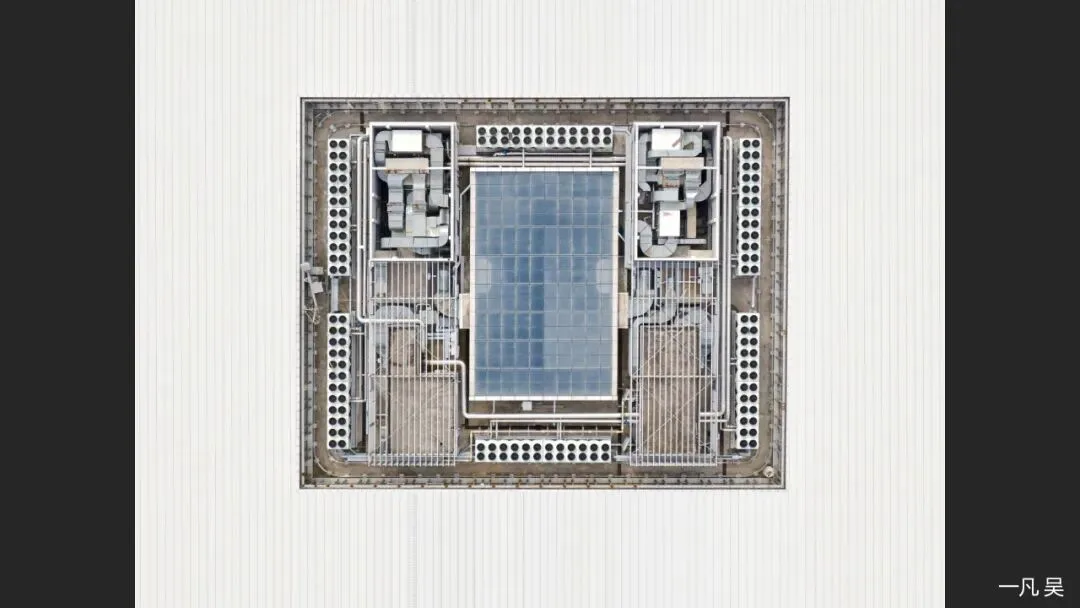
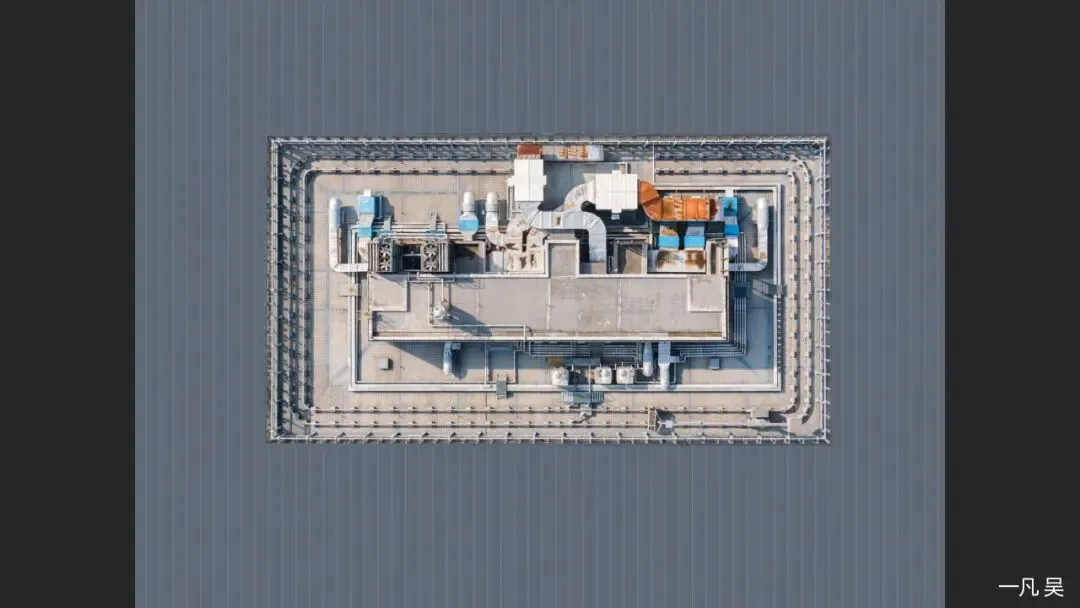
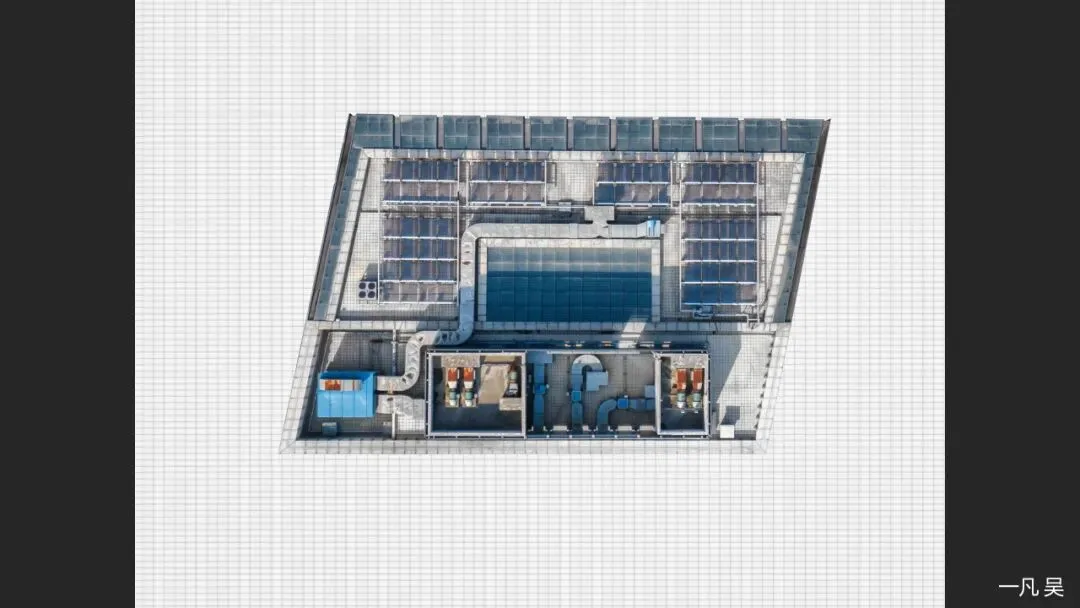
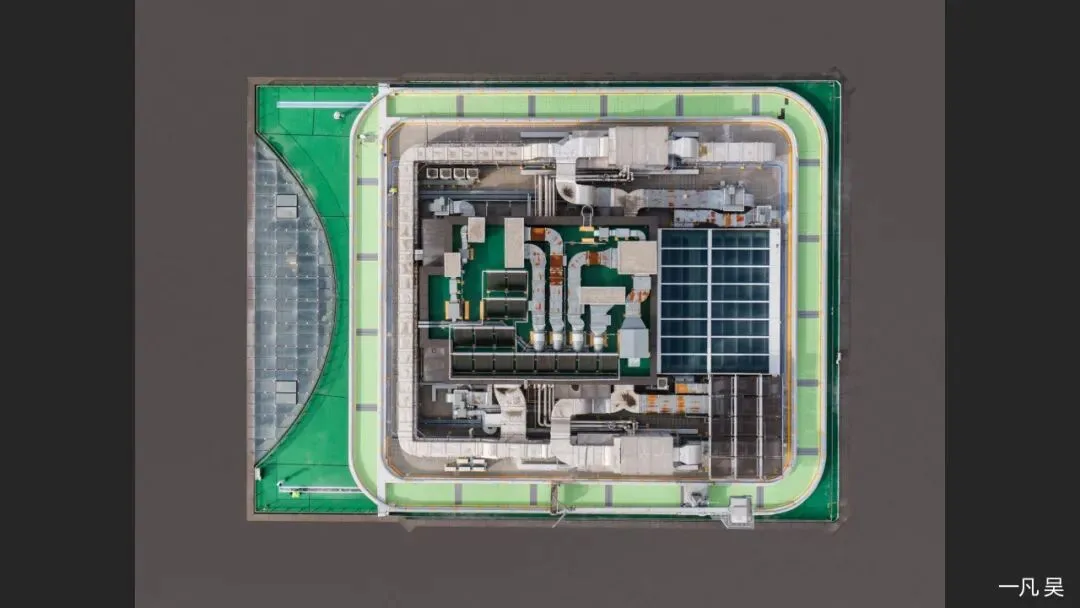
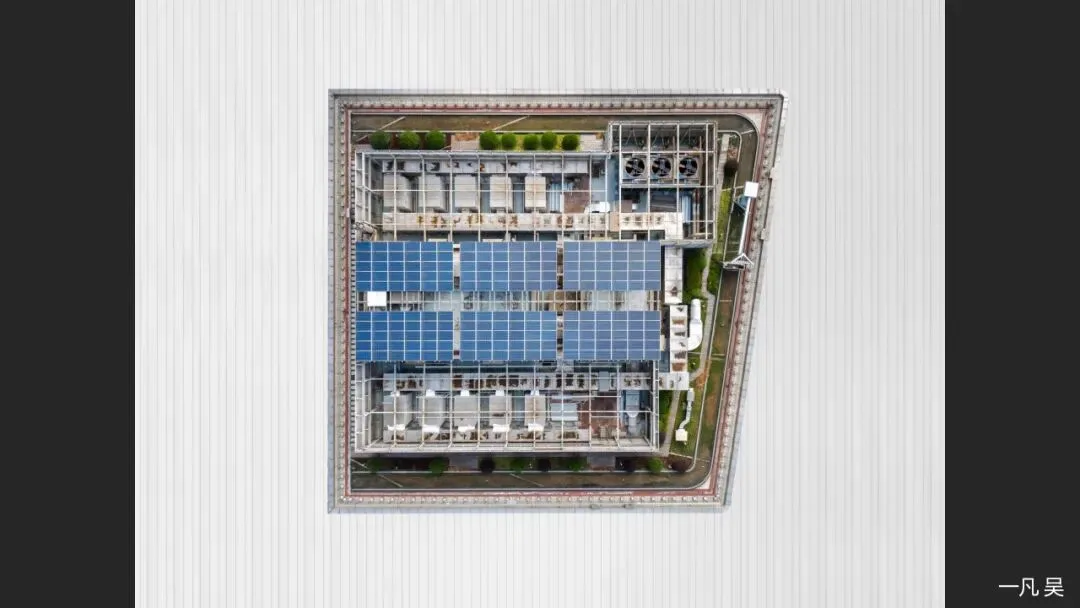
The second set is City Chip by Chinese photographer Wu Yifan — chip as in microchip. How do you photograph a city with fresh eyes? He seized on one theme and shot it as typology: the very top surfaces of buildings, especially the extraordinary geometry formed by rooftop air-conditioning and ventilation units (at 3:05 in the video). In post the buildings are isolated and set on a textured background, and suddenly the rooftops really do read as chips — networks of connecting lines, blocks of machinery like components. The jury clearly agreed, and it points to a new direction for city work: can you find a theme this interesting to shoot?
02 Light After Dark: Screens, Rainy Nights, Artificial Lighting and Telephoto
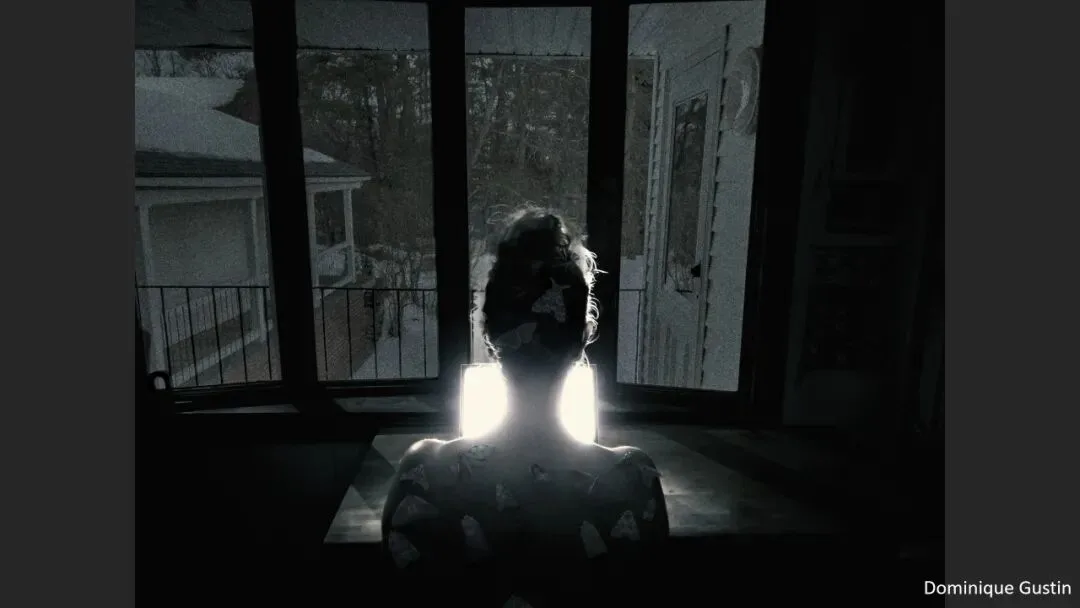
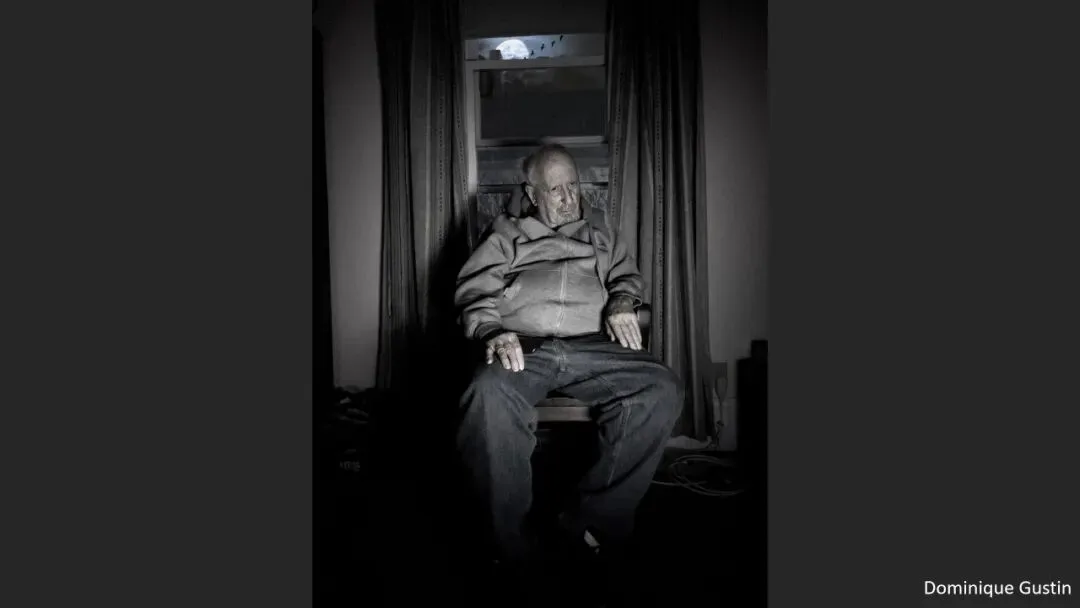
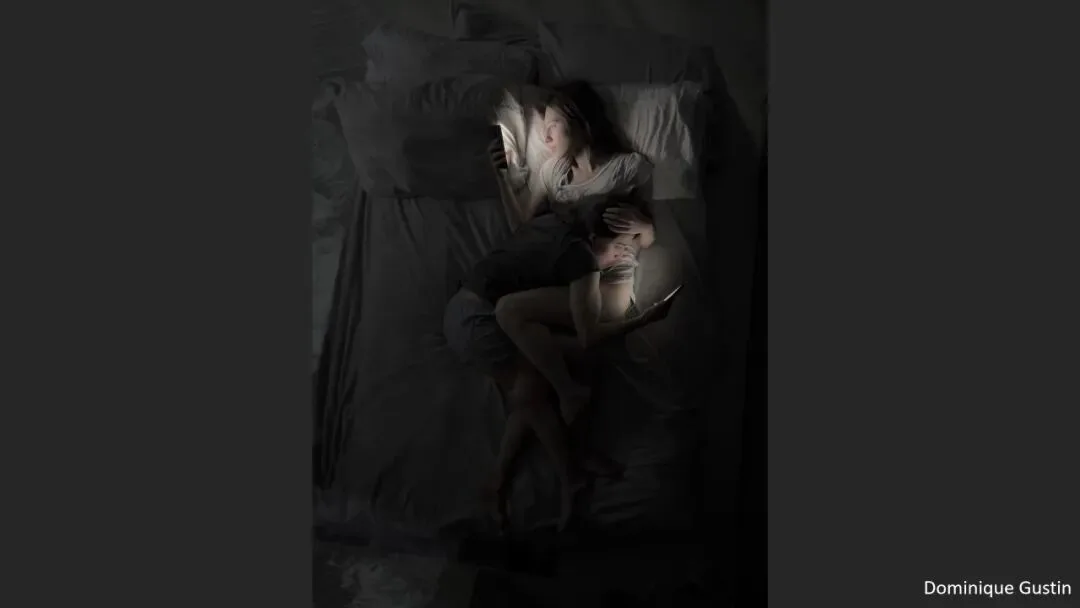
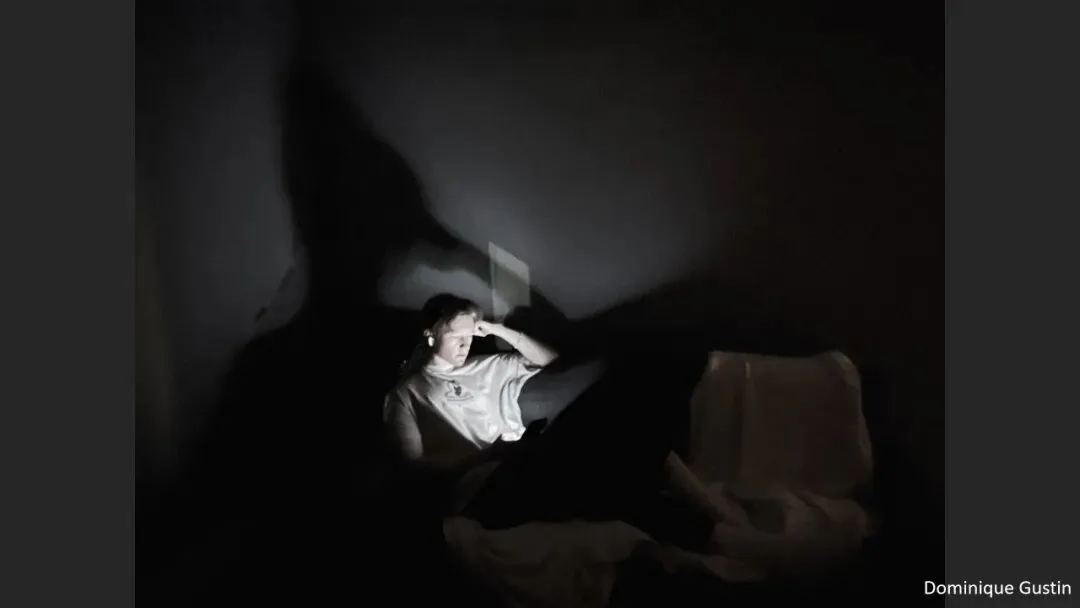
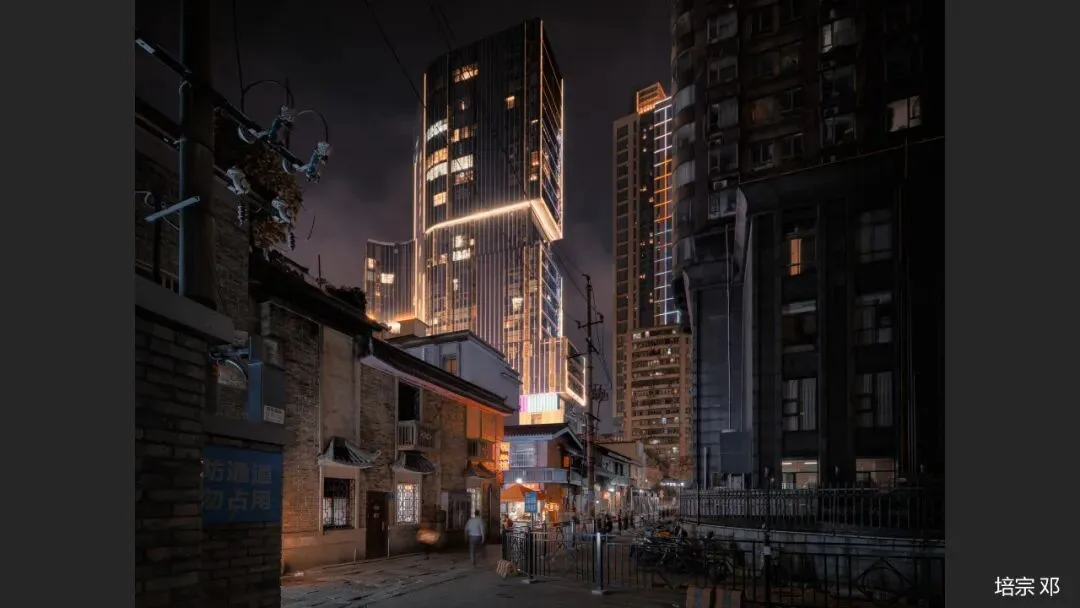
One series was shot on a phone and could not be simpler: lights off at night, people staring at computer, TV and phone screens (at 4:13 in the video). It relies on observation and an everyday vantage point to capture how we communicate now — artificial light in the dark as a portrait of modern life. Another set deliberately shoots city nights in the rain: light catching the raindrops creates a special effect, and the foreground is worked too — whether lit up close on location or overlaid in post — for a dreamy result. Rainy nights are well worth shooting (at 4:44 in the video).
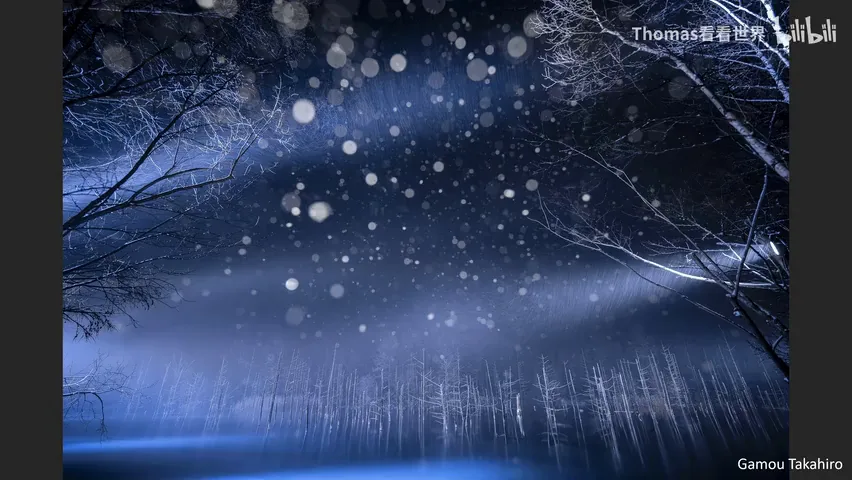
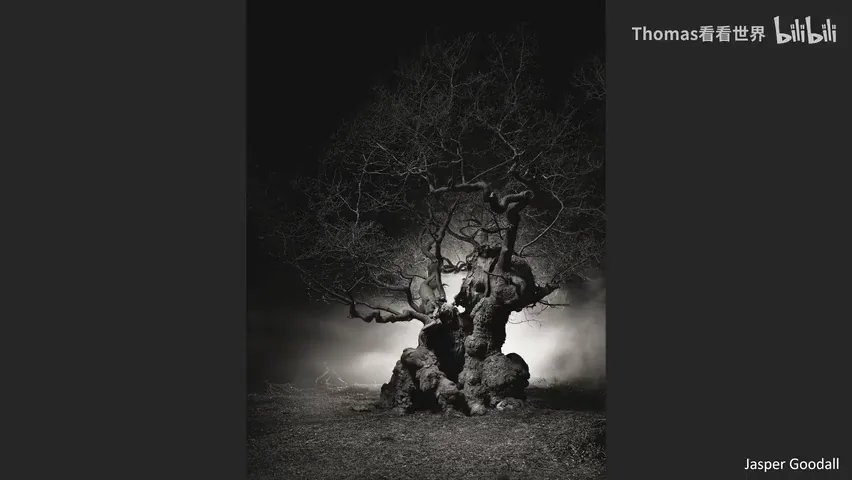
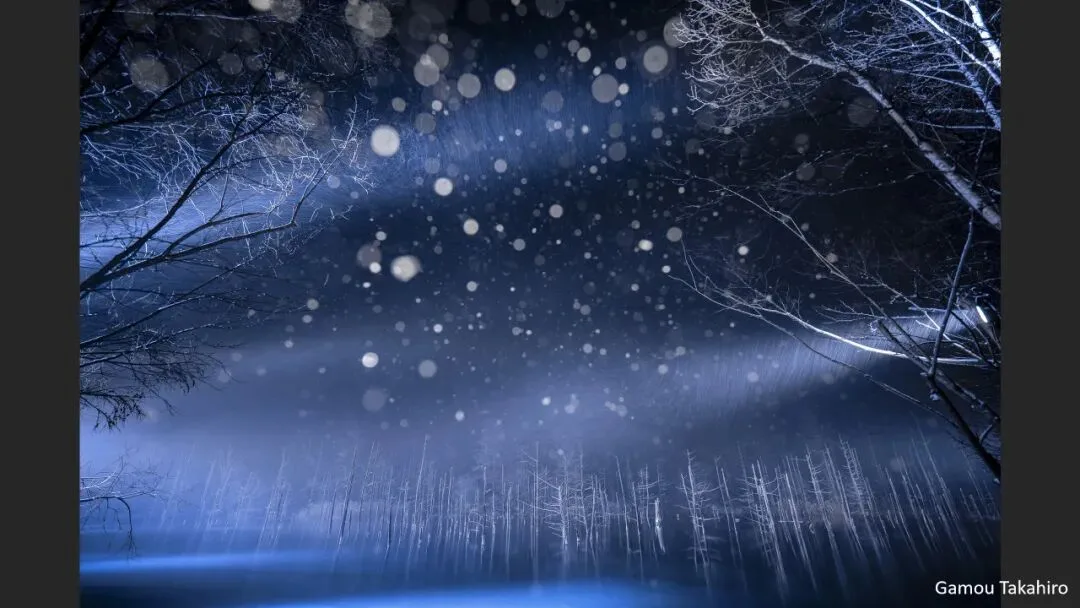
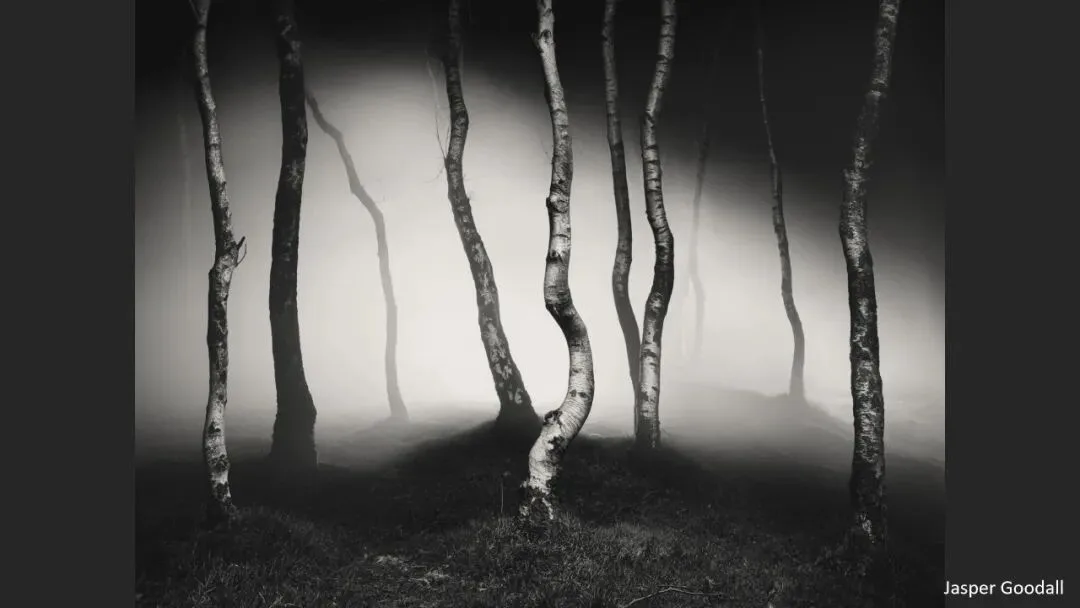
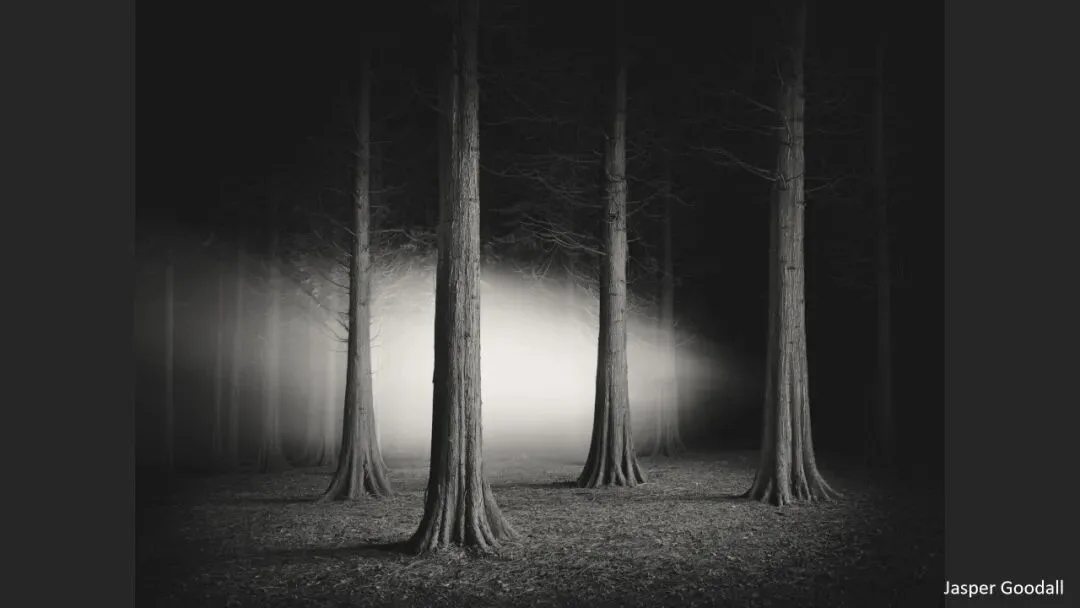
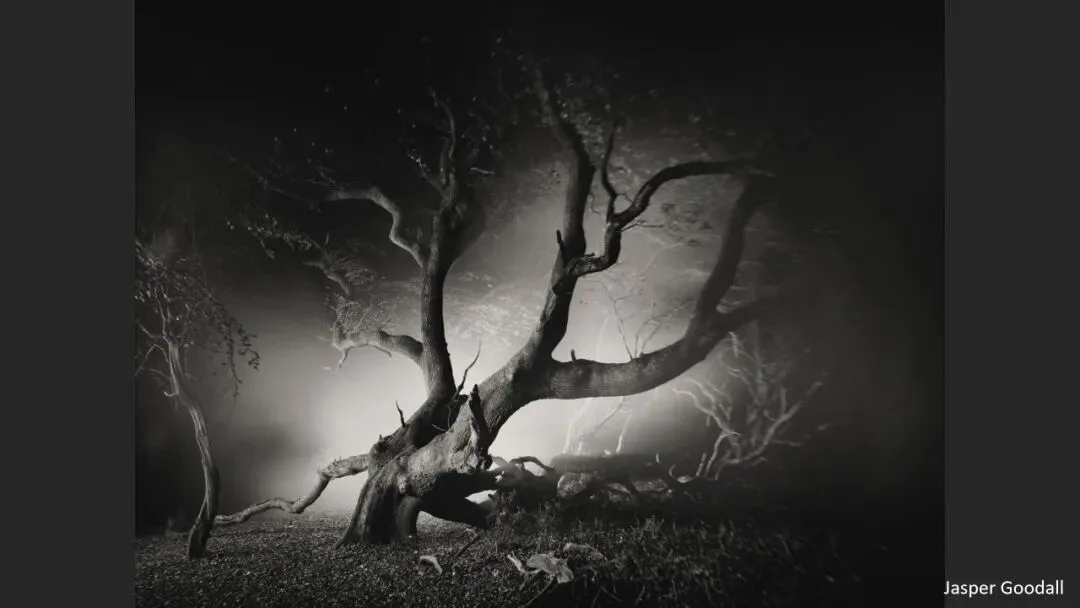
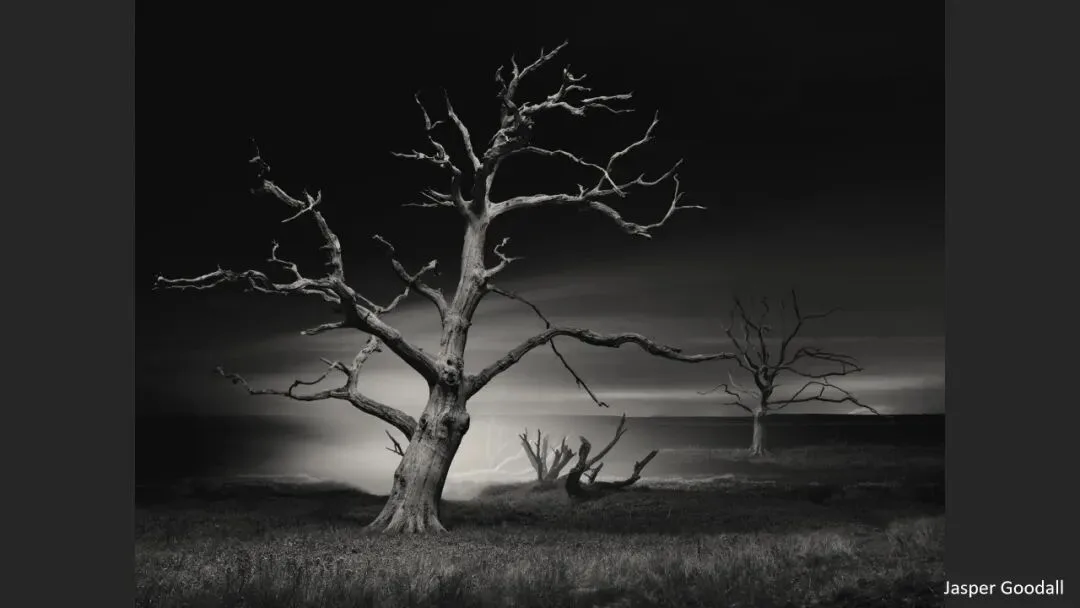
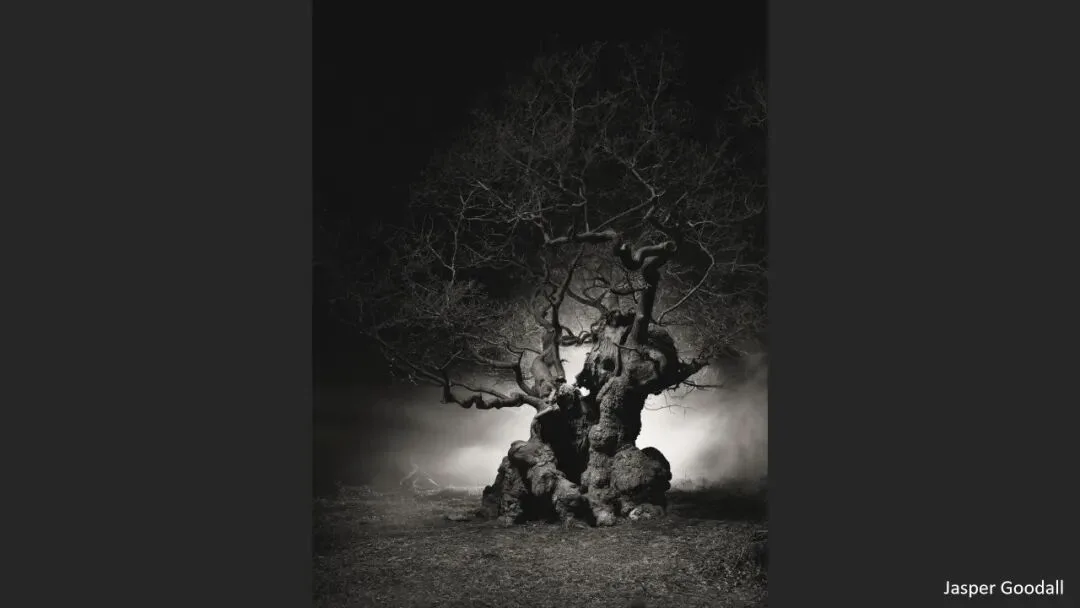
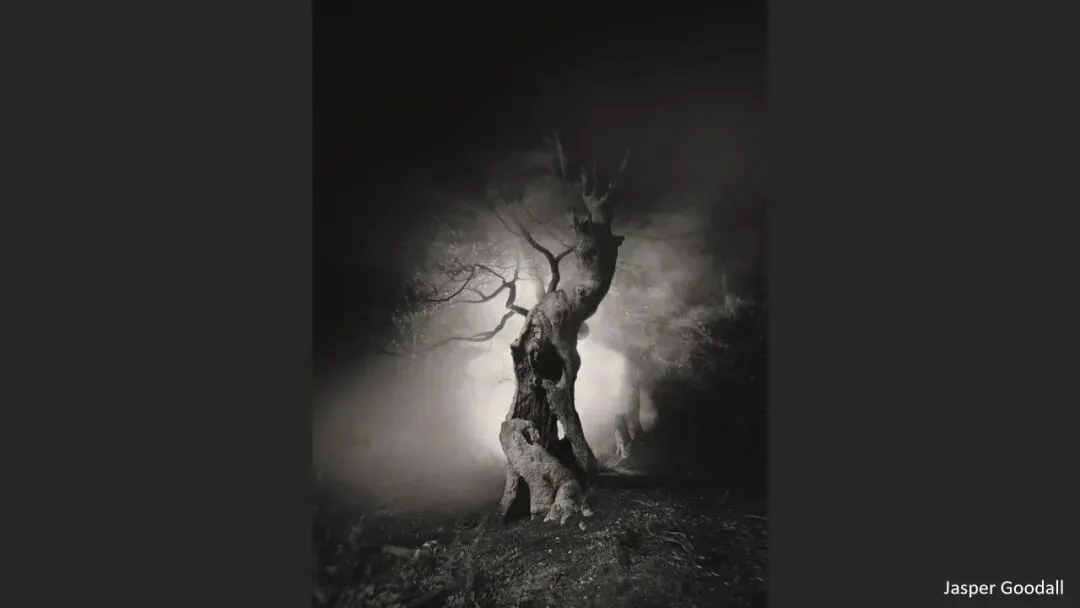
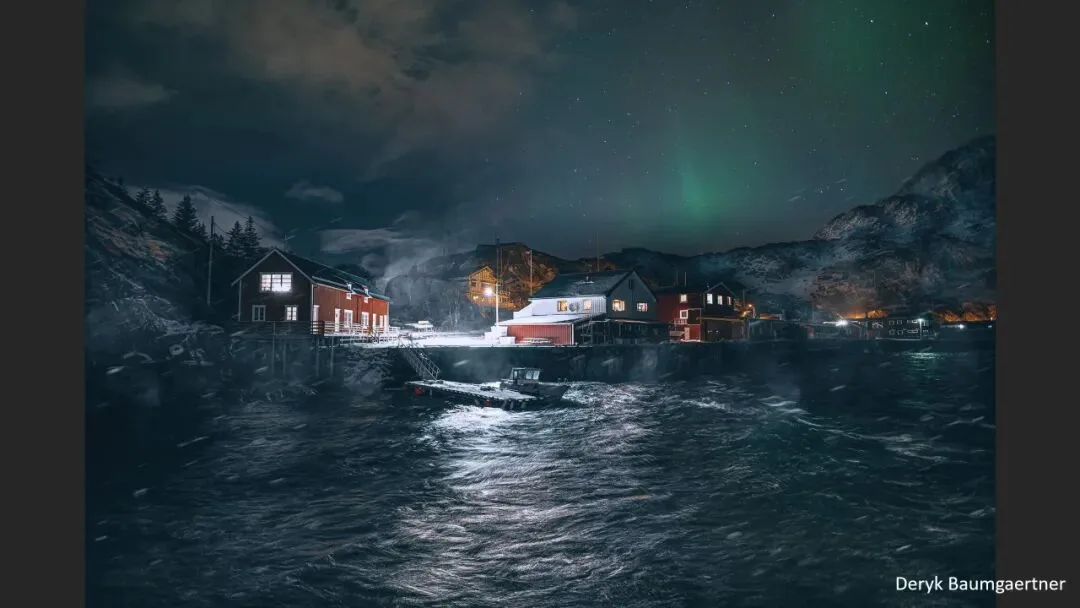
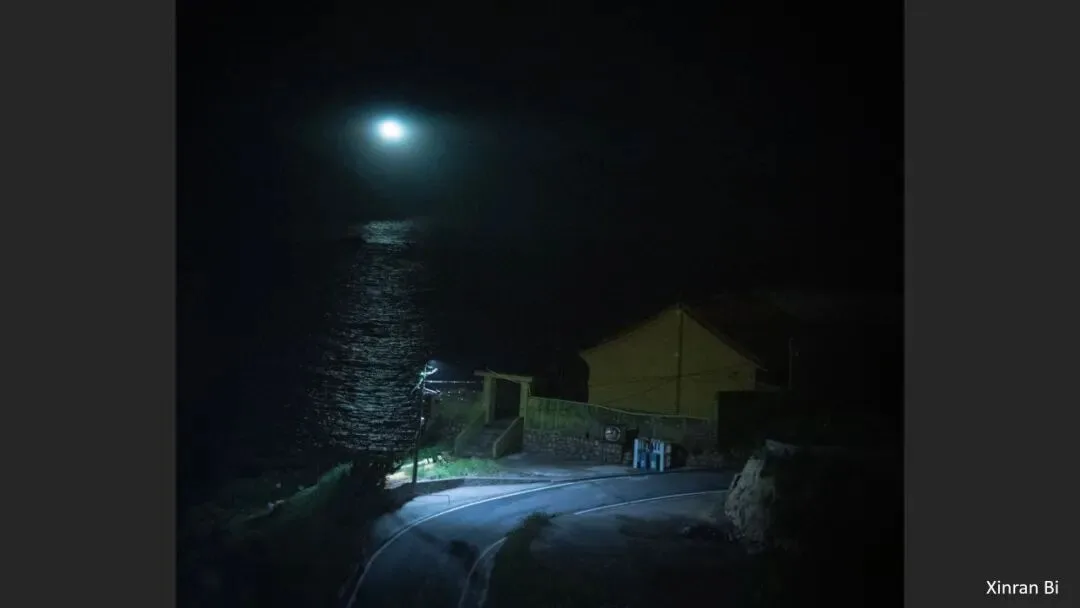
Another photographer went into a small, unlit forest at night and lit it himself to bring out the texture of the trees and a horror-film, mysterious mood (at 5:12 in the video) — a real prompt to think about lighting outdoor scenes after dark. One more frame froze flowing water at night with a fast shutter while taking in aurora and lamps at the same time, equally dreamlike.
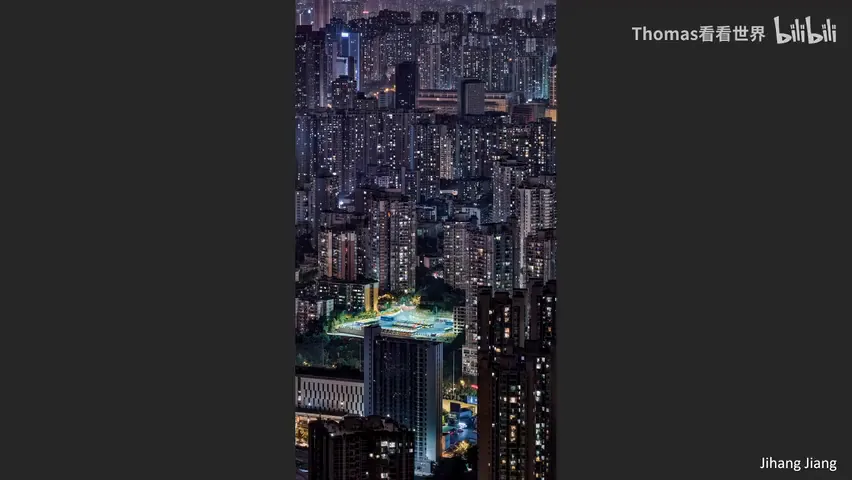
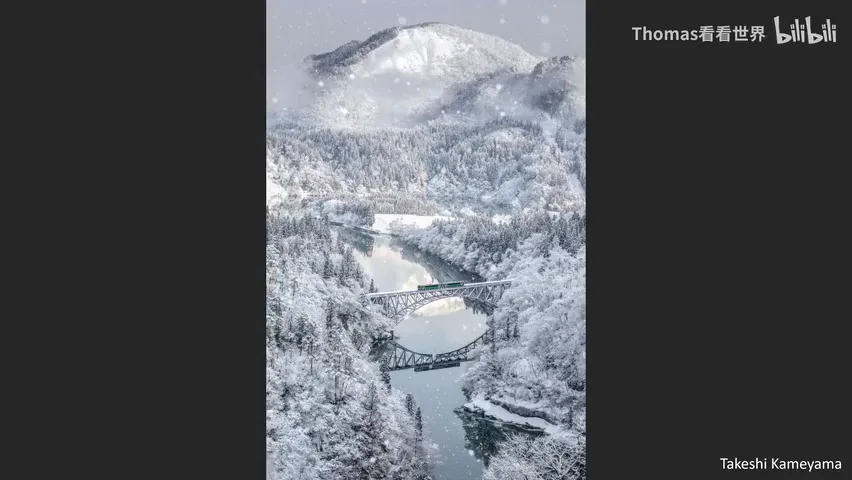
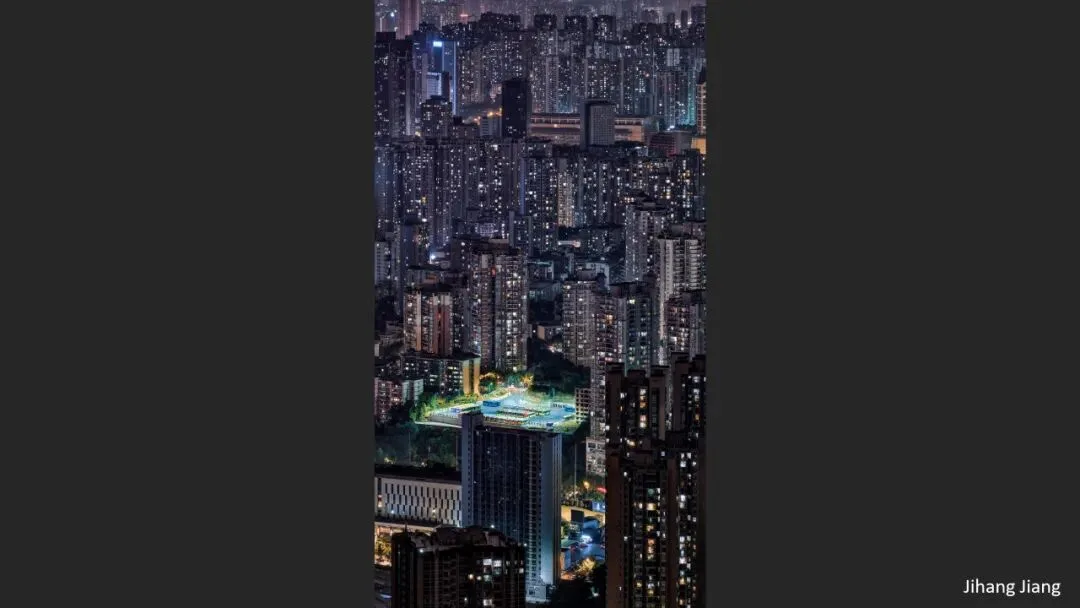
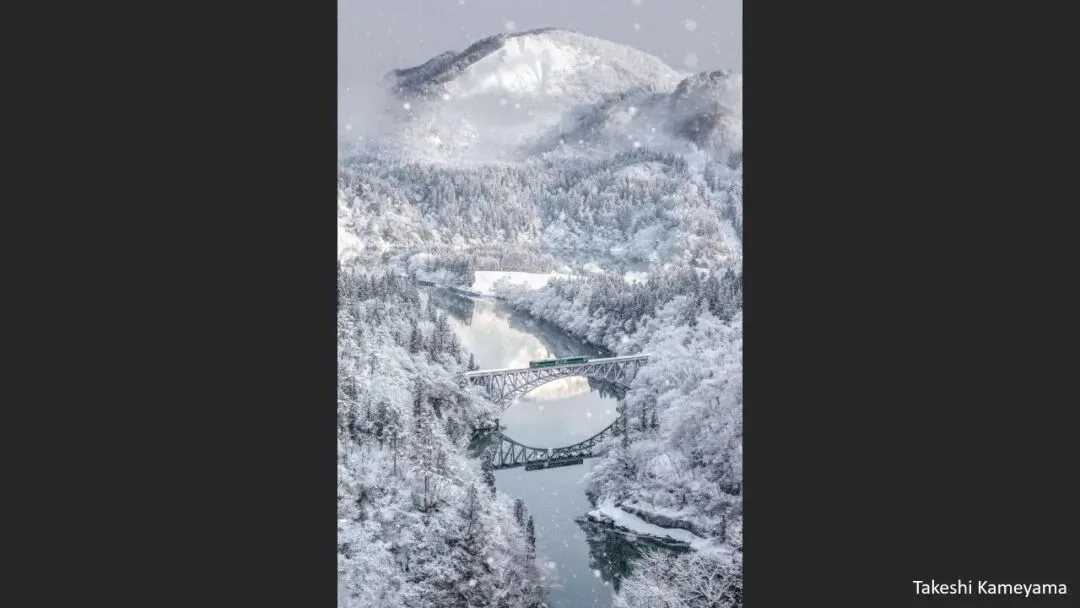
Chinese photographer Jihang Jiang used a telephoto to compress the dense lights of a city until they read like a sky full of stars, with a bus stop perched on a high-rise in the middle as the finishing touch (at 5:46 in the video). All of these draw their mood from lights at night. And one superb single frame: Takeshi Kameyama caught a train passing through a small town buried in snow — a scene straight out of a fairy tale (at 6:14 in the video).
03 Weather and Subtraction: Overcast Long Exposures, Darkened Windows, a Planned Moon
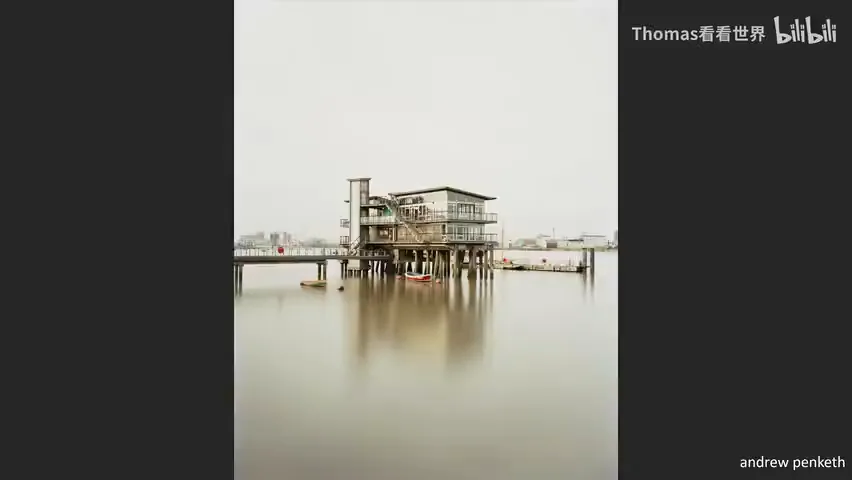
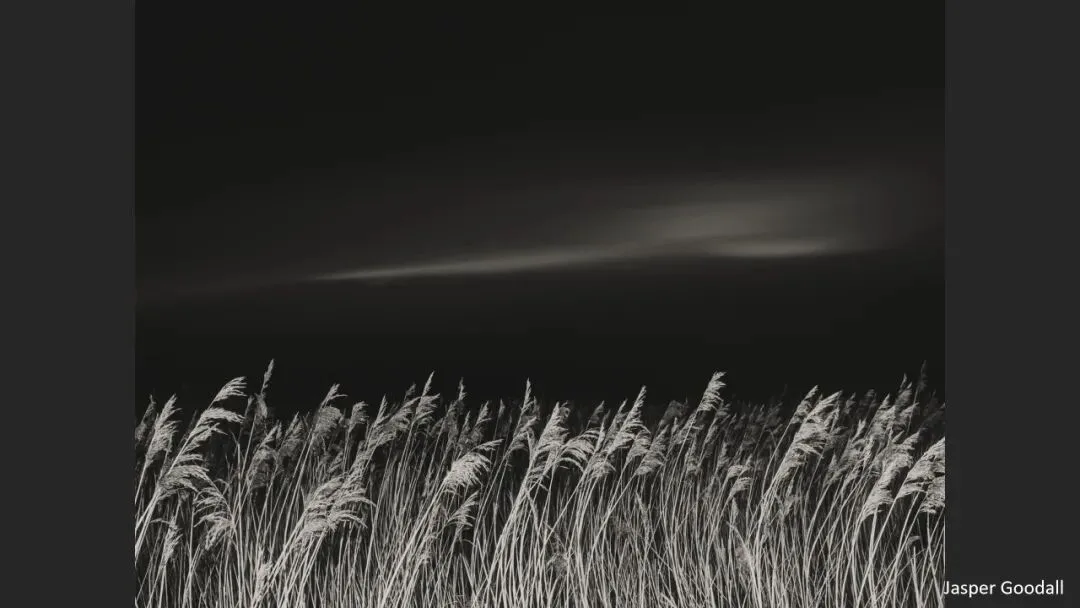
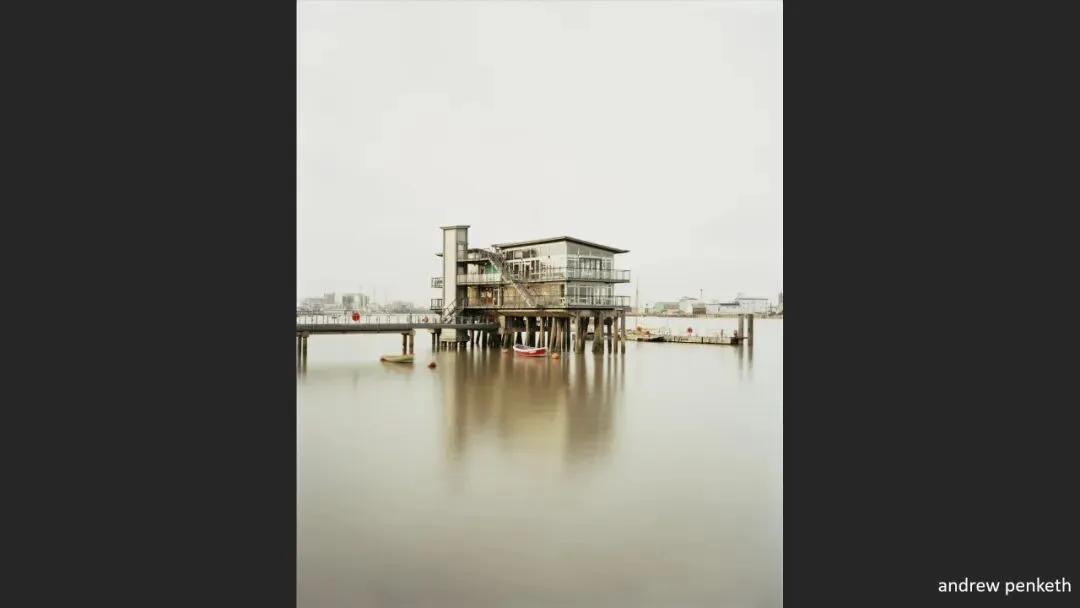
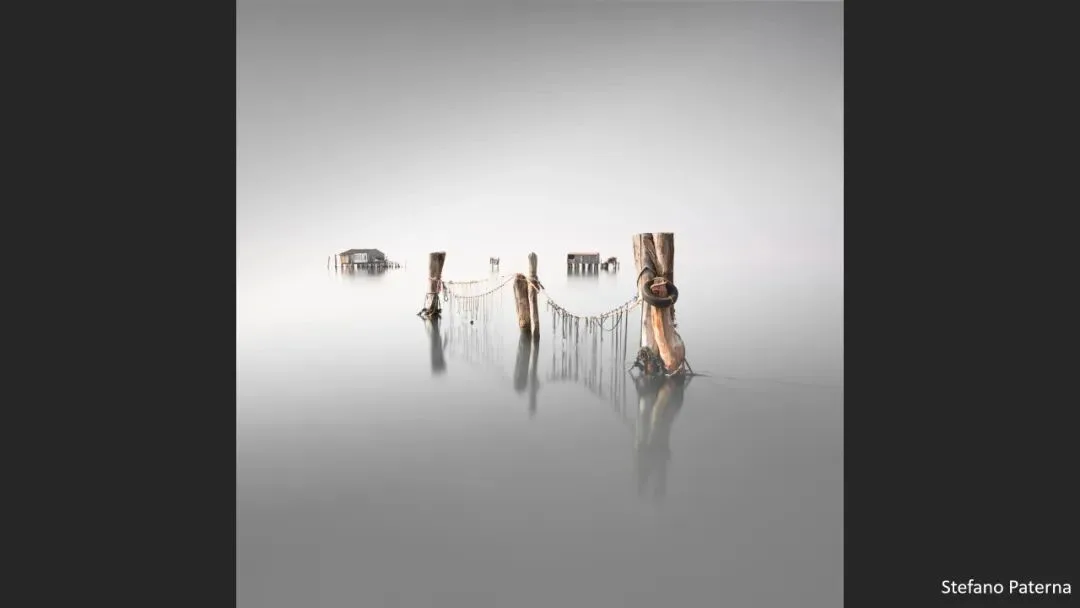
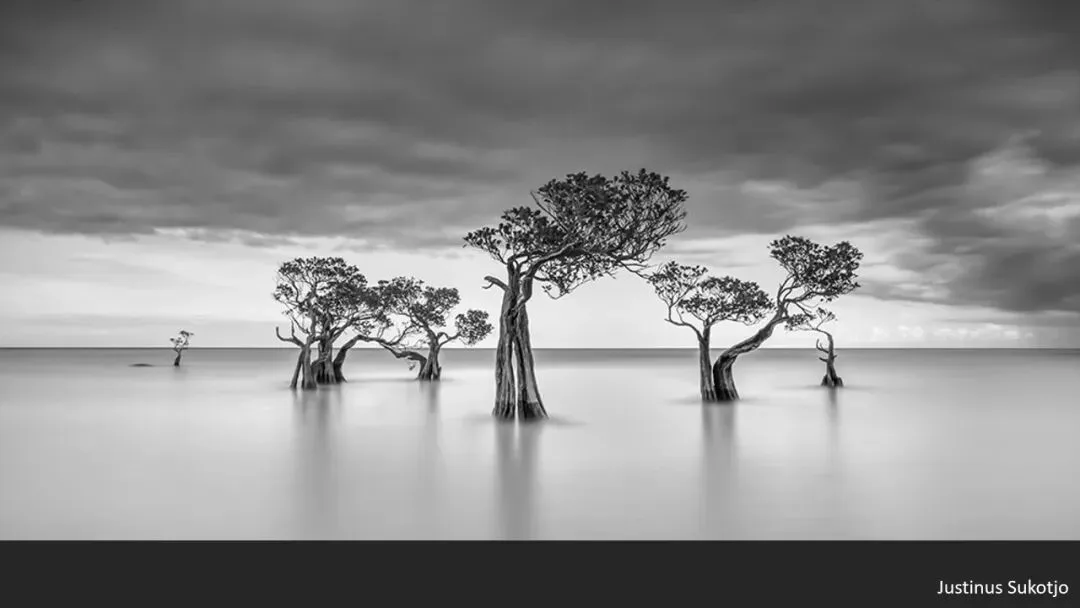
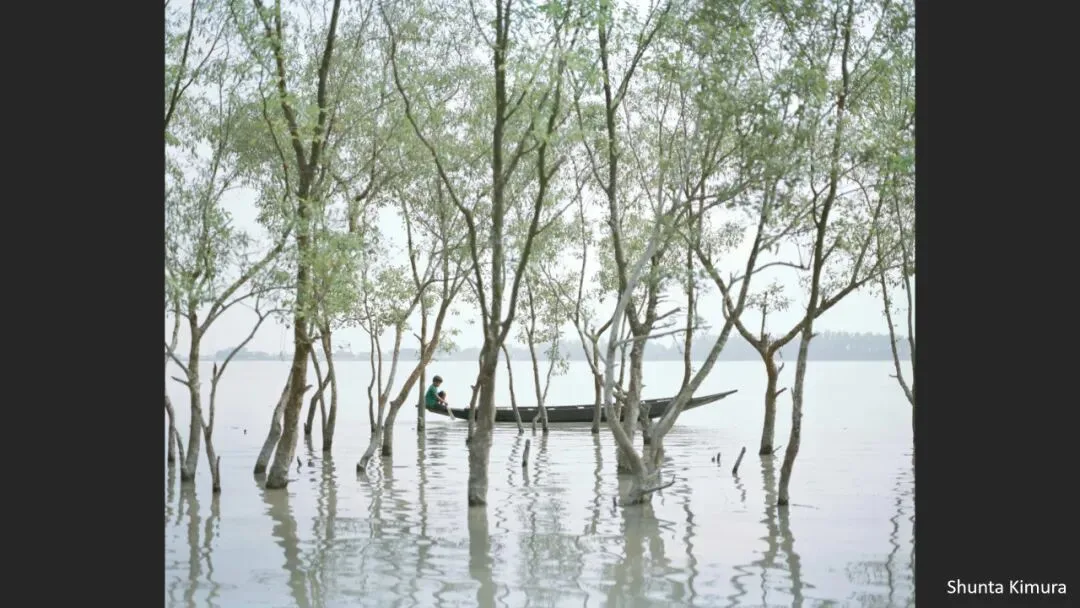
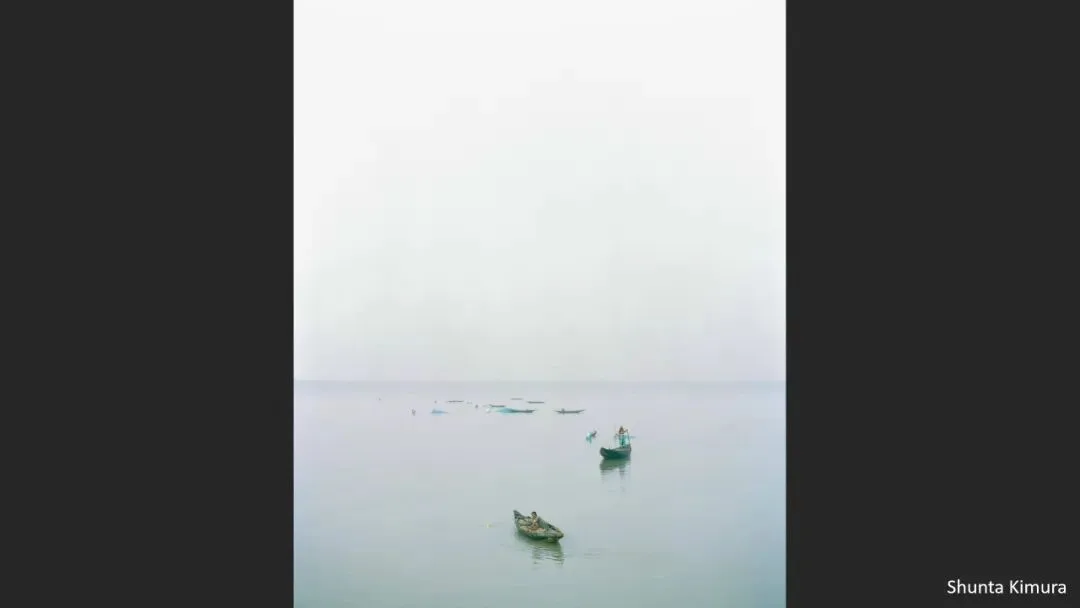
These frames offer a different approach: overcast, rainy days have little light to speak of, but find a featureless sky and a featureless stretch of water, shoot a long exposure through an ND1000 filter, finish it in post, and houses, buildings or trees standing in the water are abstracted and isolated beautifully (at 6:36 in the video). A strategy worth borrowing for grey days.
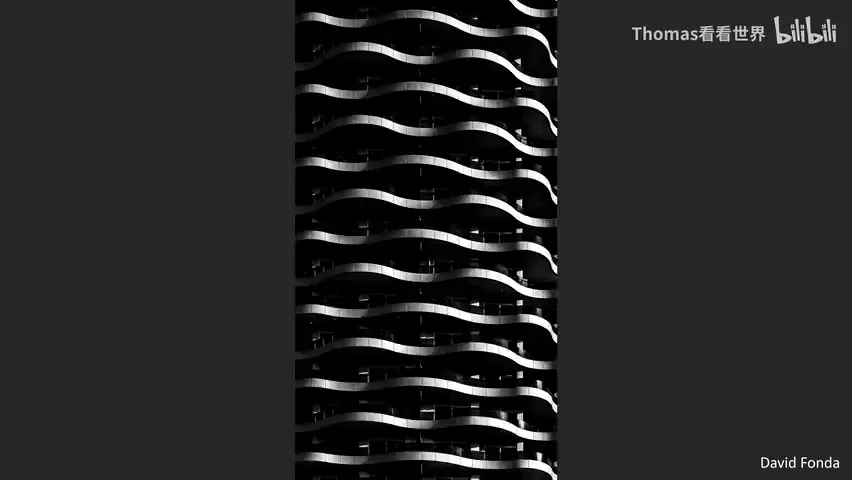
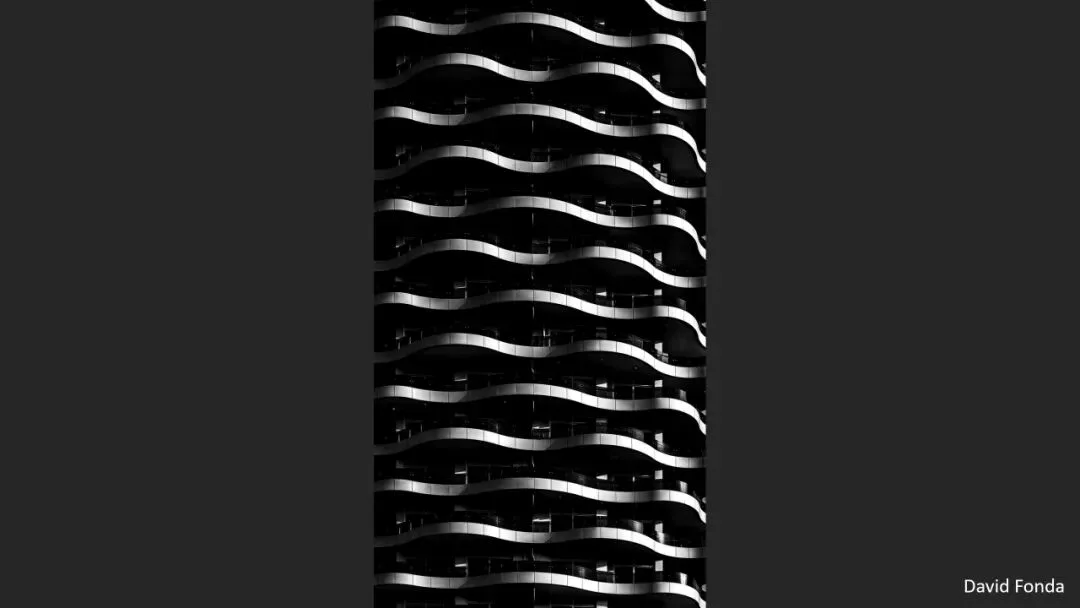
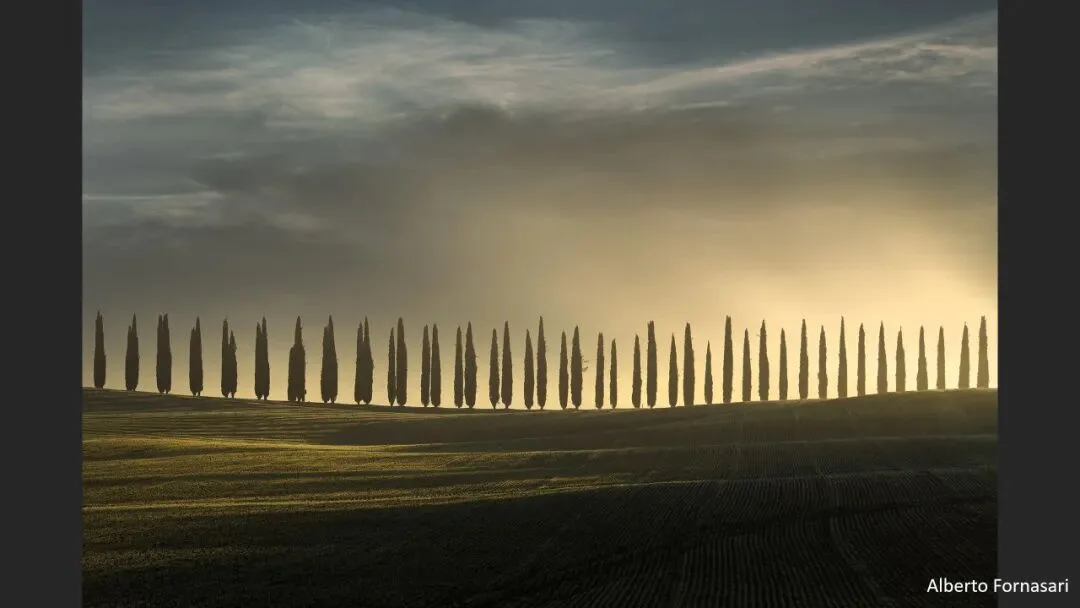
There is also a lesson in city post-processing: David Fonda photographed a strikingly designed building, then darkened the originally cluttered balconies and windows in the middle and brightened the signature curved facade, working the luminosity so the geometry comes through far more strongly (at 7:08 in the video). Another frame of Tuscan trees uses backlight and rim light for silhouettes — again well worth studying.
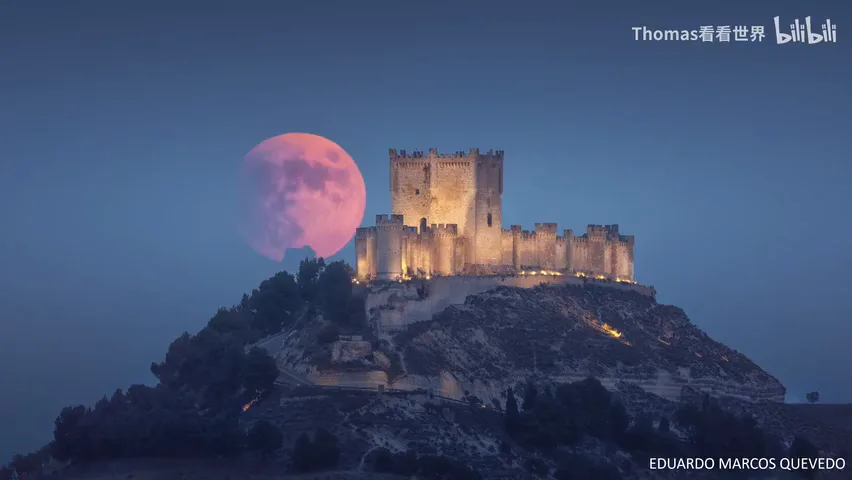
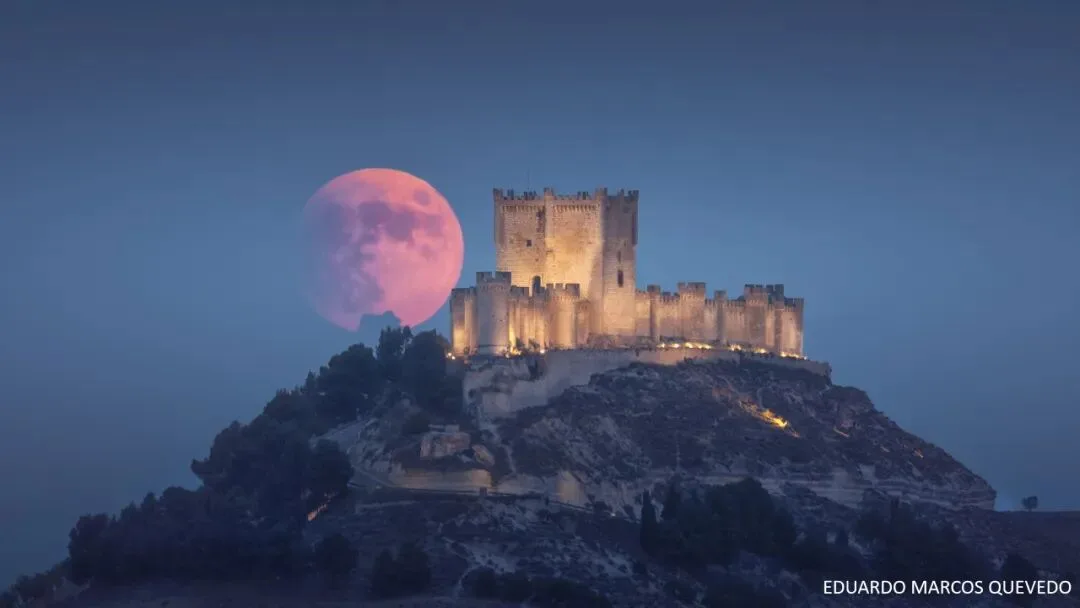
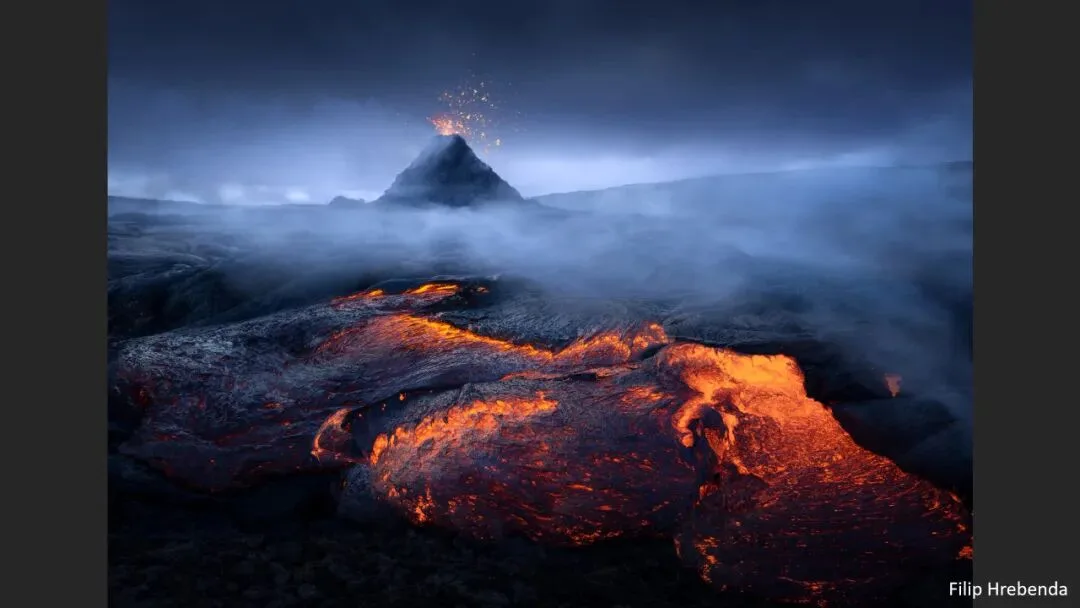
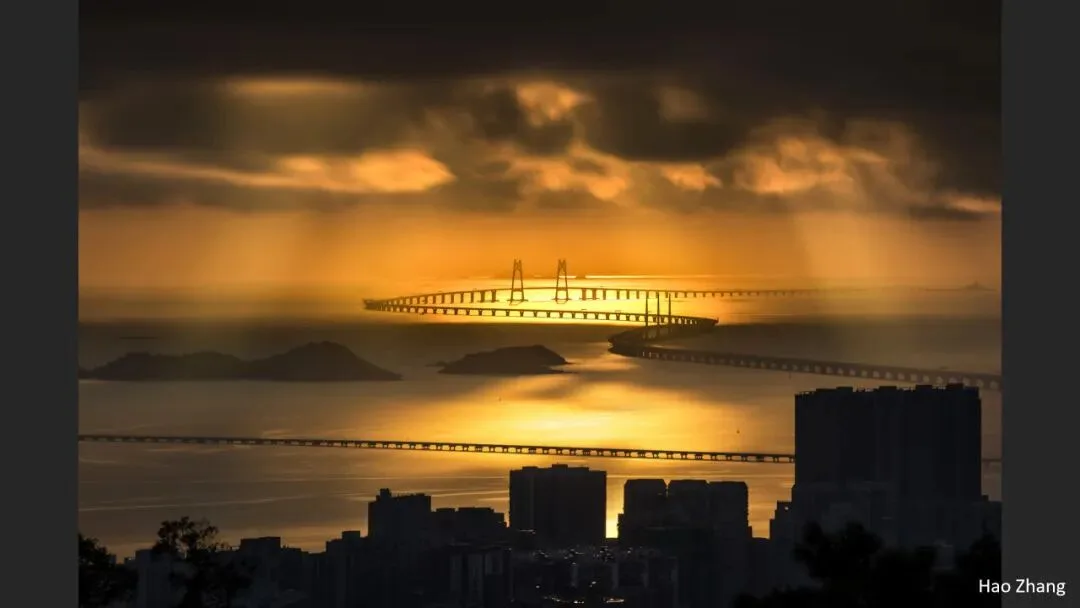
This one ties in with last week's tutorial on the moon: Eduardo Marcos Quevedo used software to calculate the moment the moon would pass exactly behind a building — here a castle — and captured it with a super-telephoto, spectacular and memorable (at 7:47 in the video). Also in this stretch: drone footage of a volcano's lava, and a bridge against a backlit sunset by Chinese photographer Hao Zhang.
04 Series and Aerials: Minimalism in Sets, Ordered Density, Aerials with a Foreground
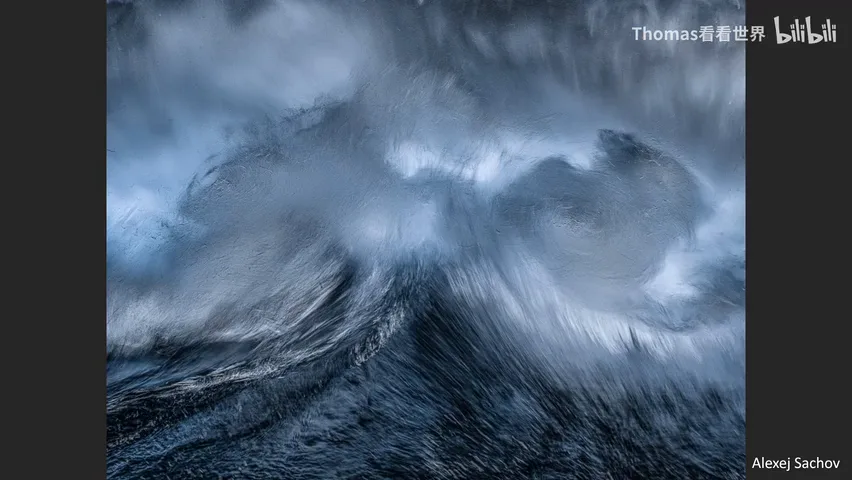
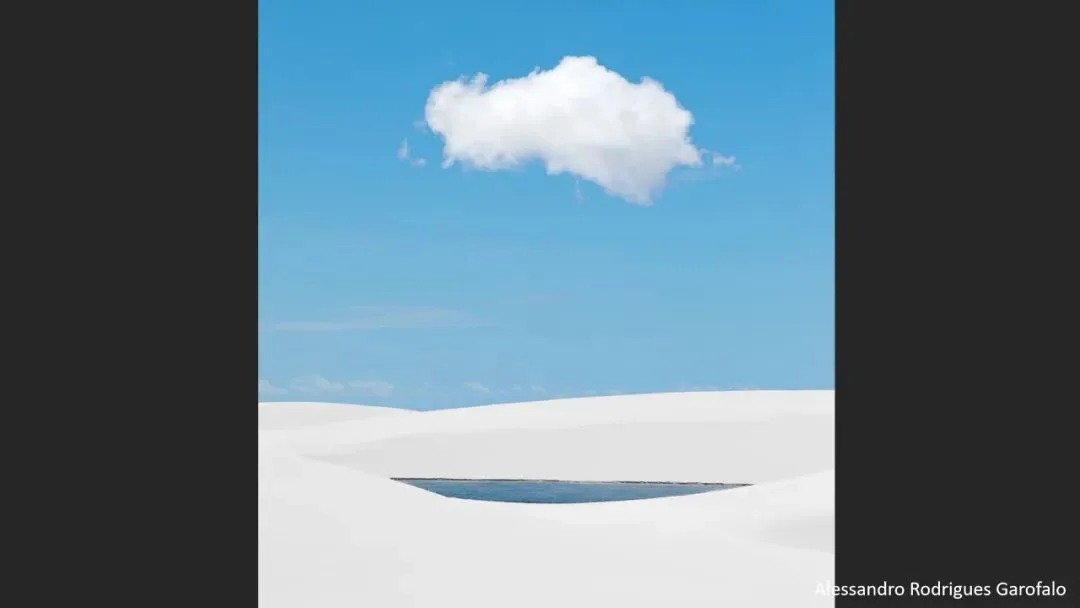
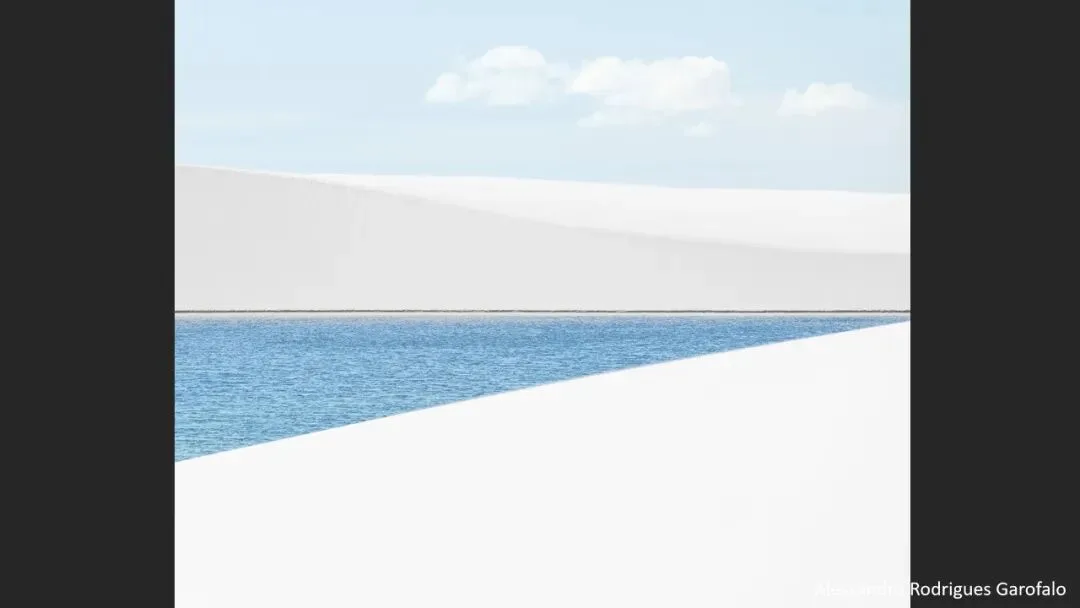
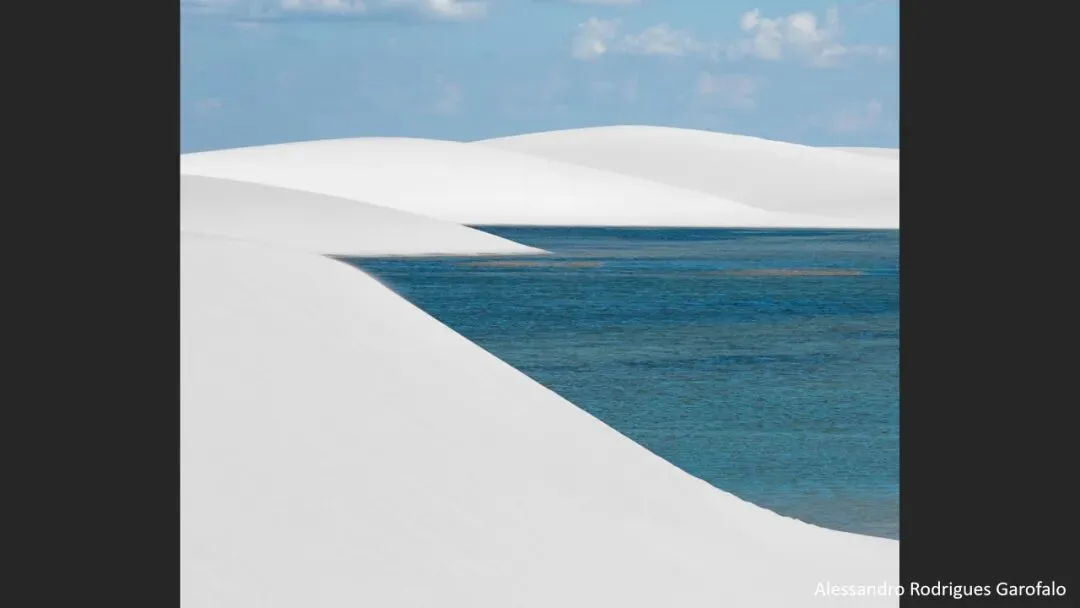
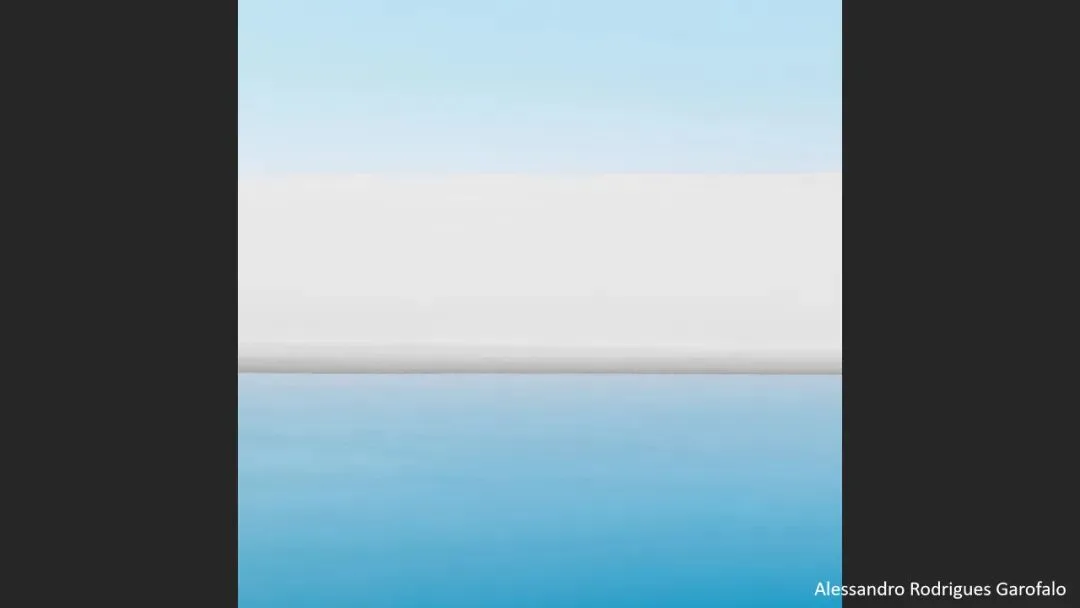
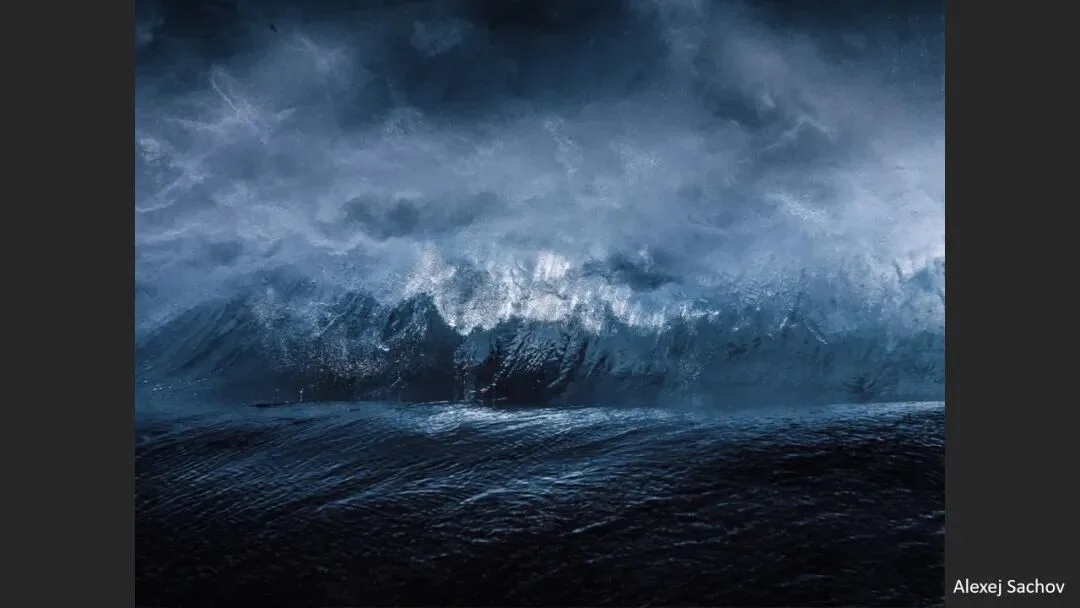
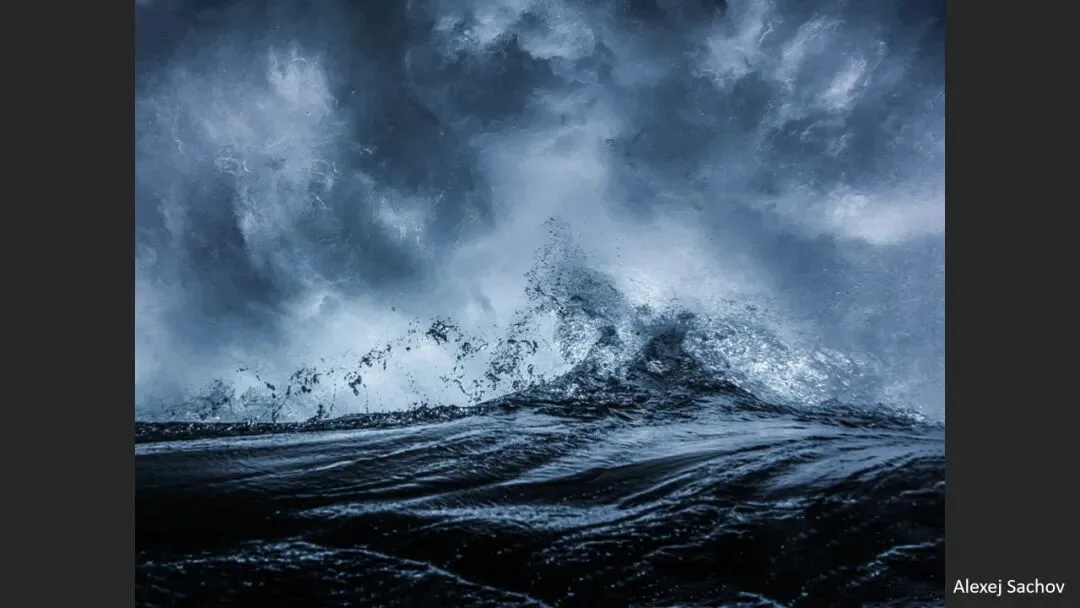
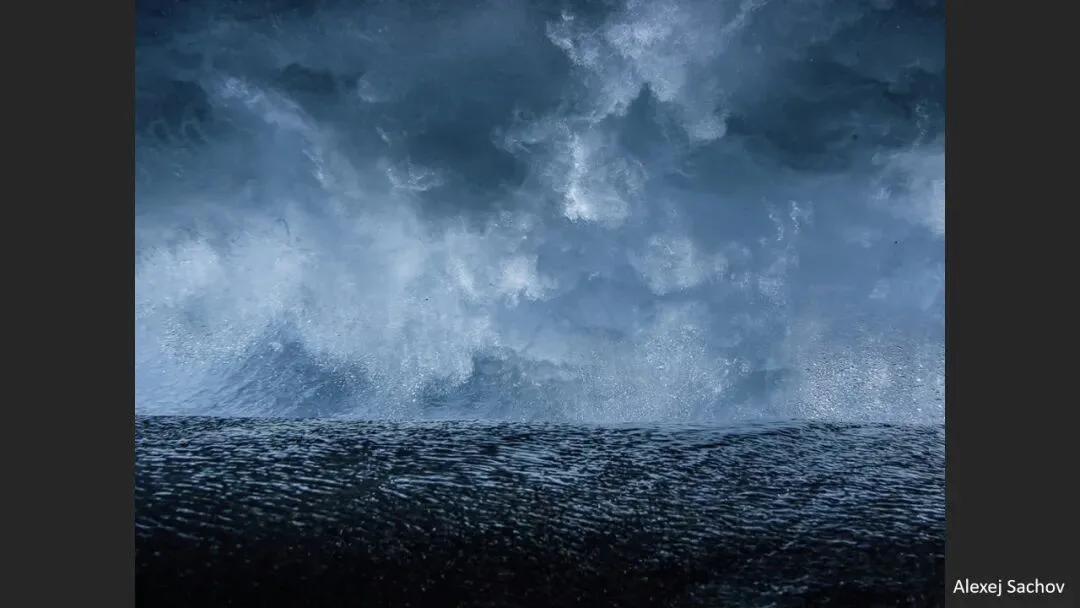
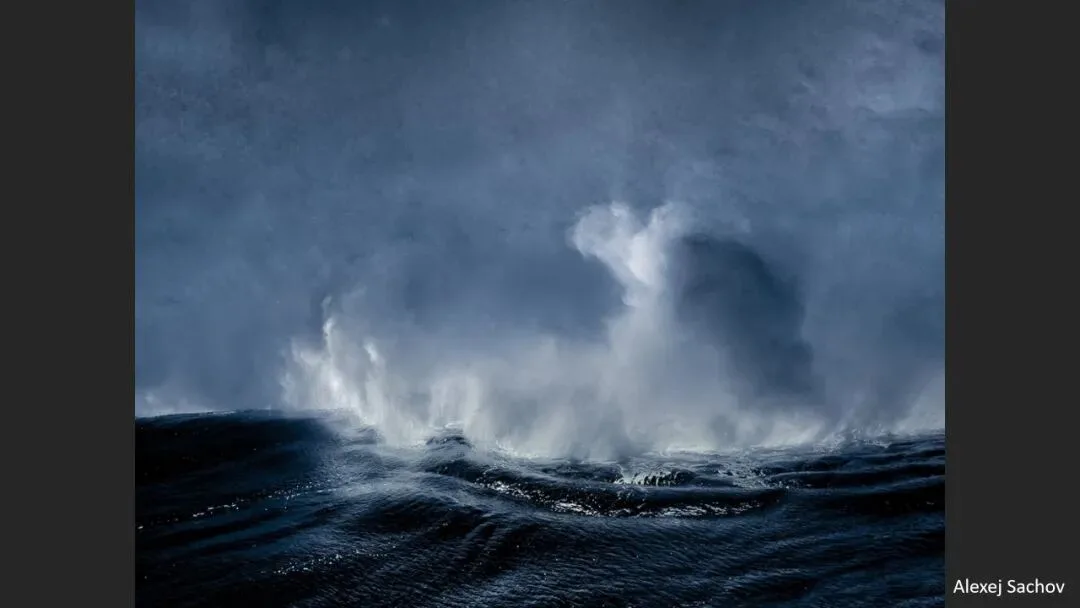
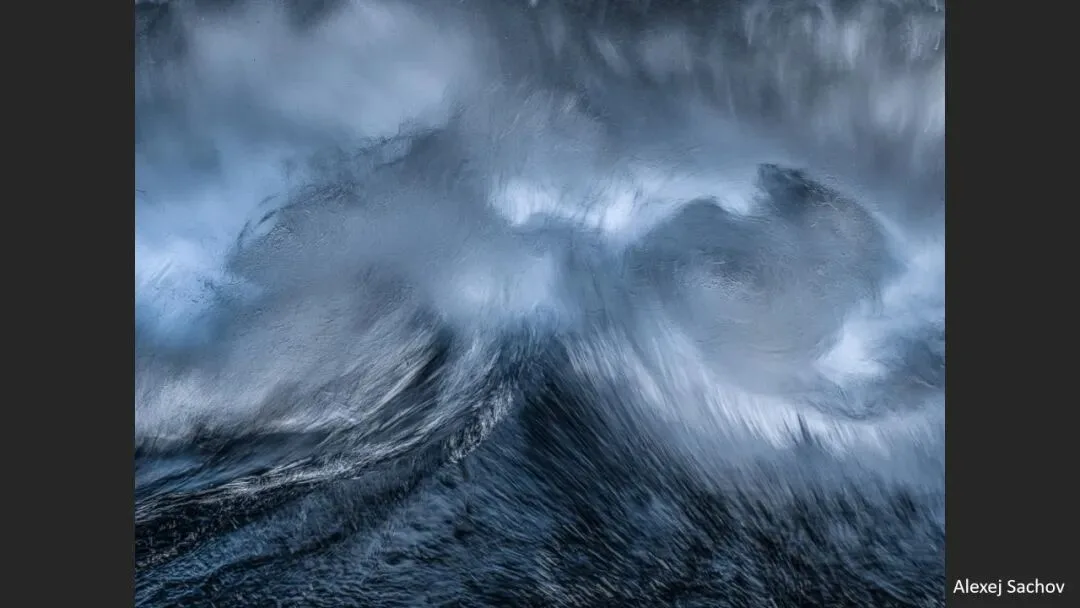
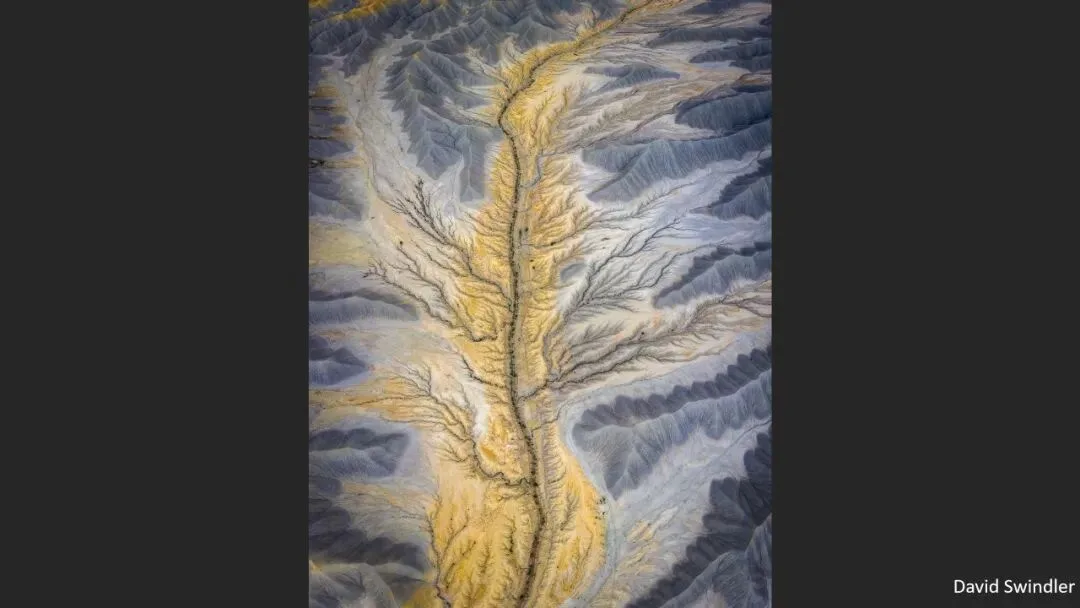
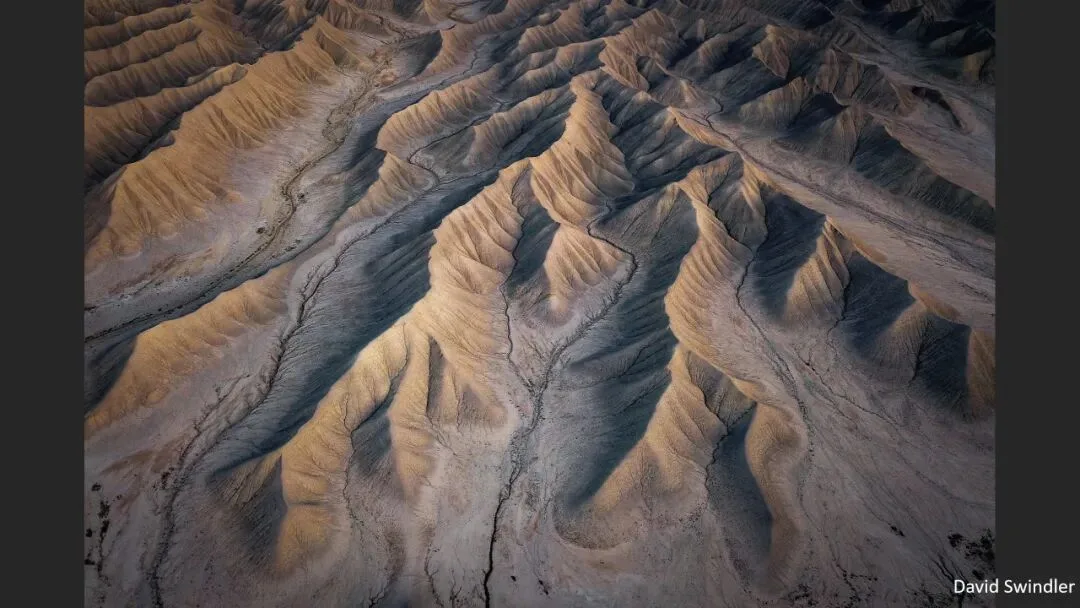
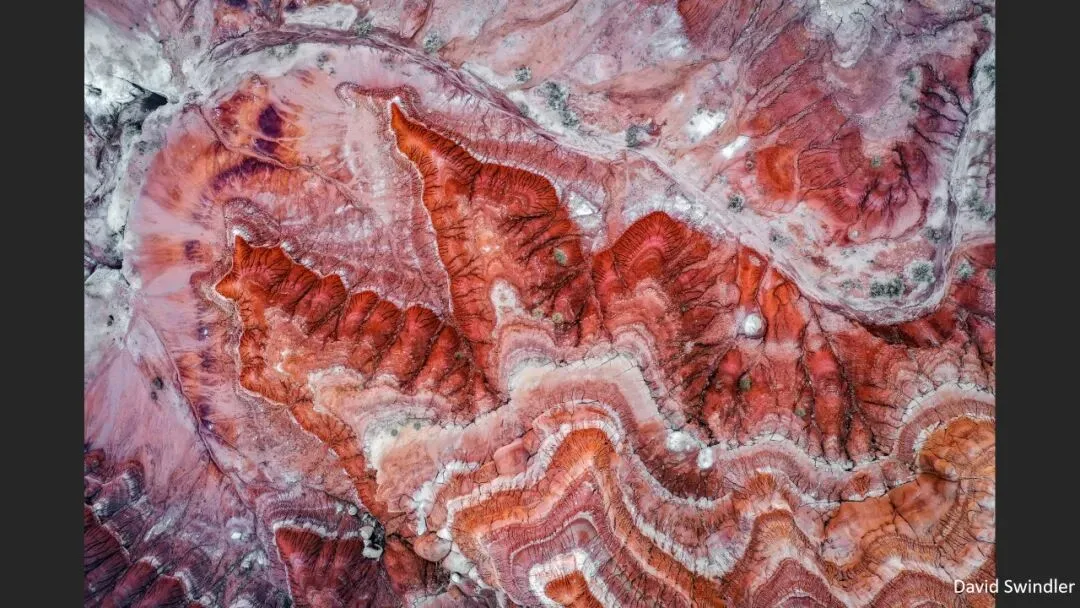
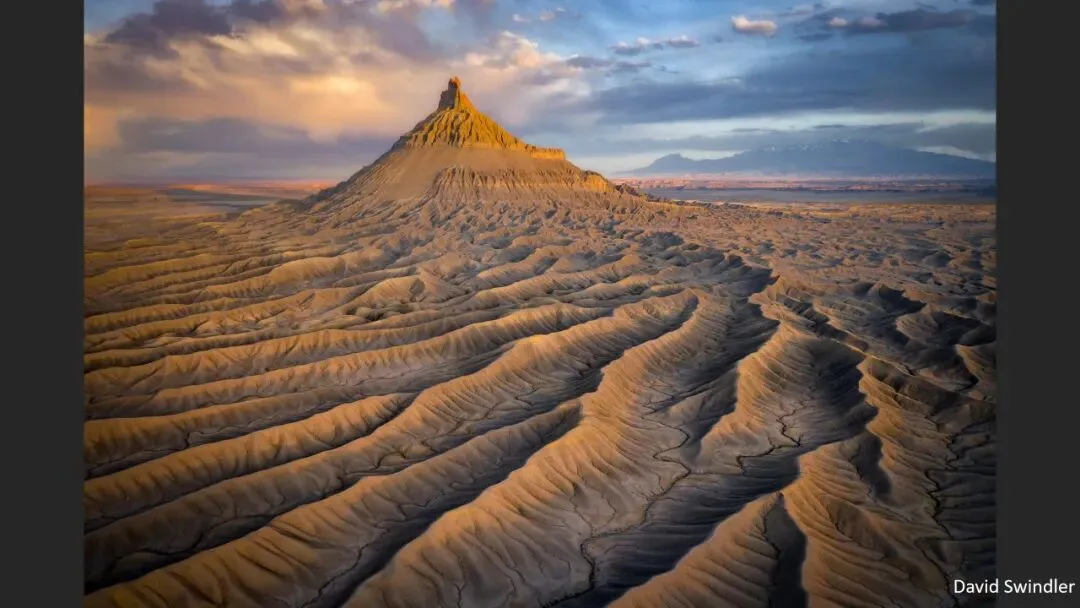
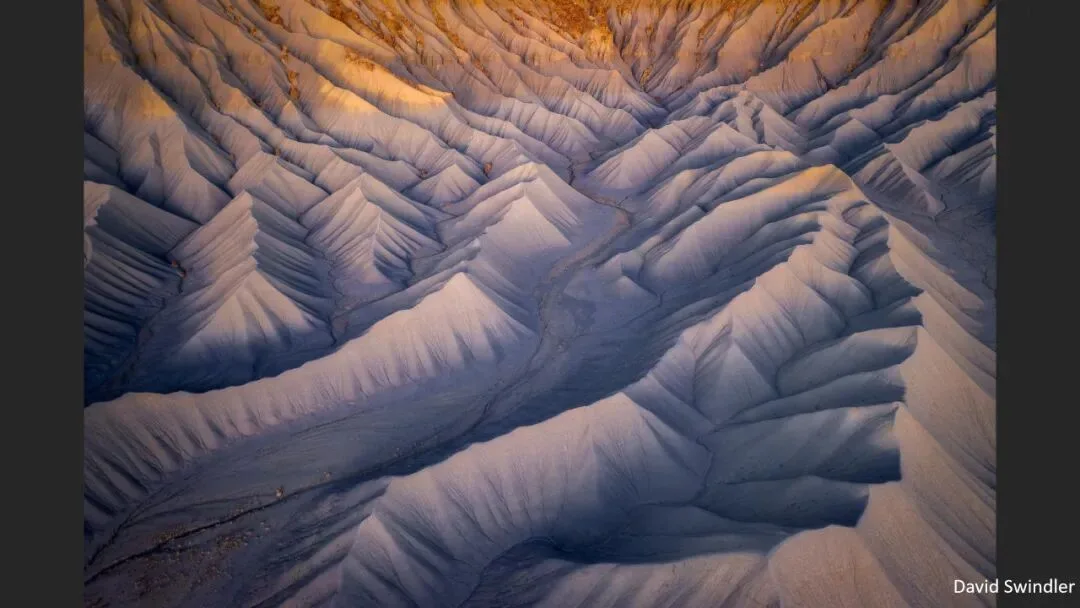
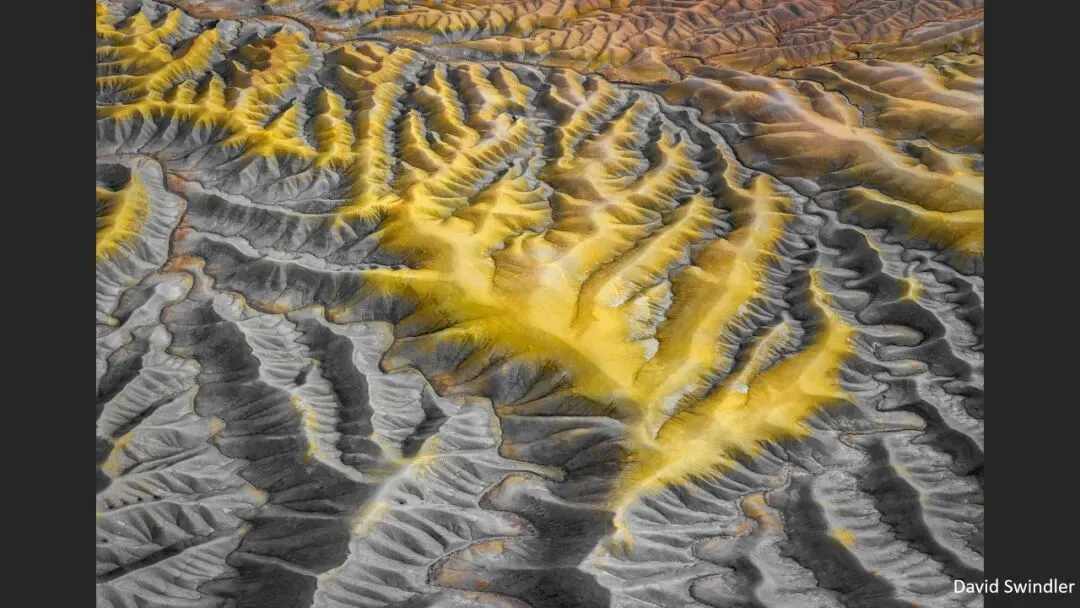
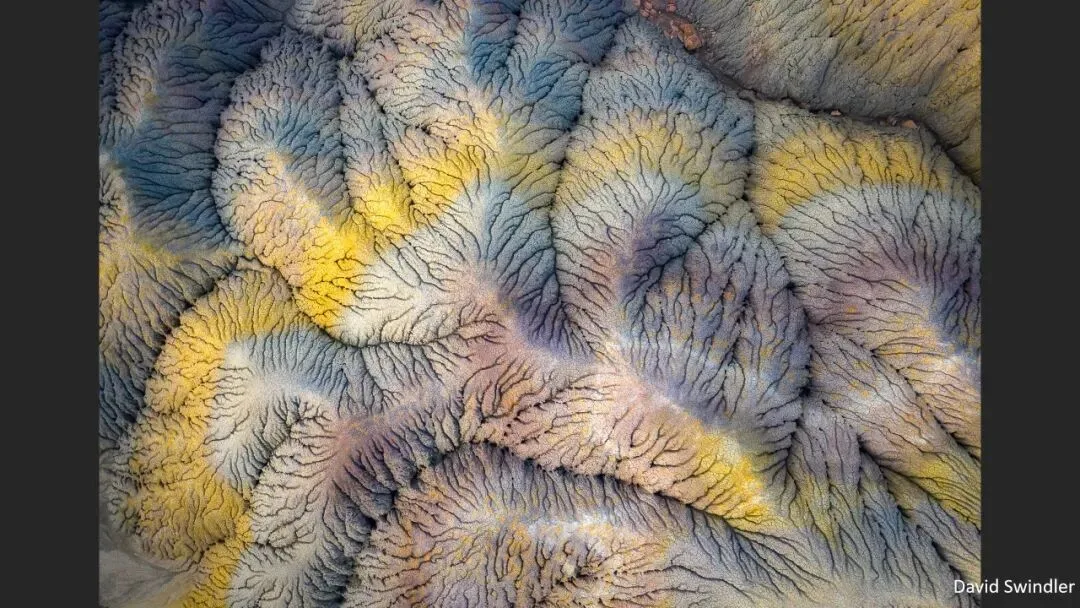
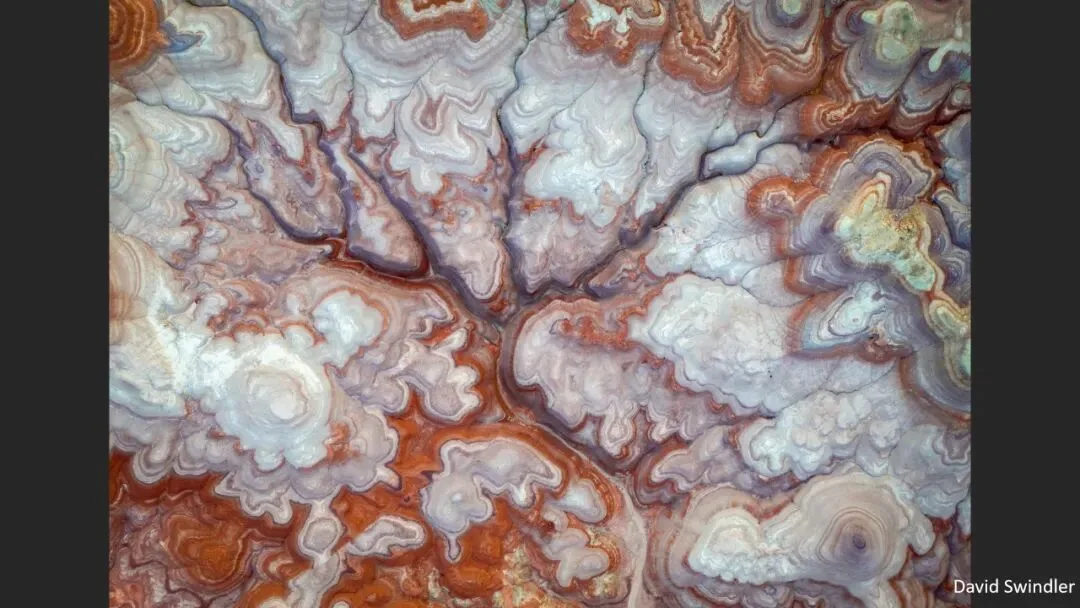
A minimalist series of white sand dunes shows why sets matter: each frame alone is rather plain, but presented as a group they hold together (at 8:20 in the video). Alexej Sachov's set was shot while snorkelling — the breaking wave splits into two layers, above and below the surface, something Thomas had never seen before; David Swindler, meanwhile, uses a series to record the textures of the land.
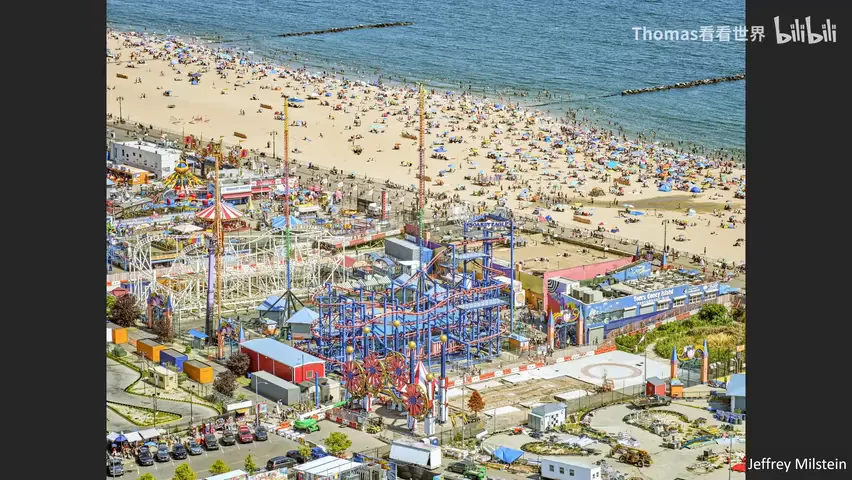
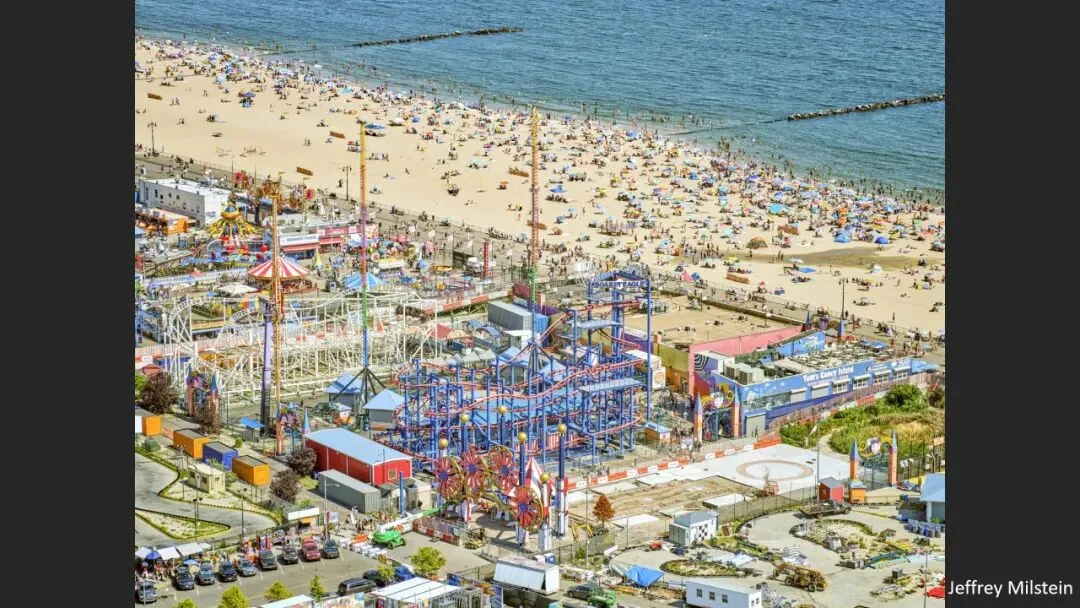
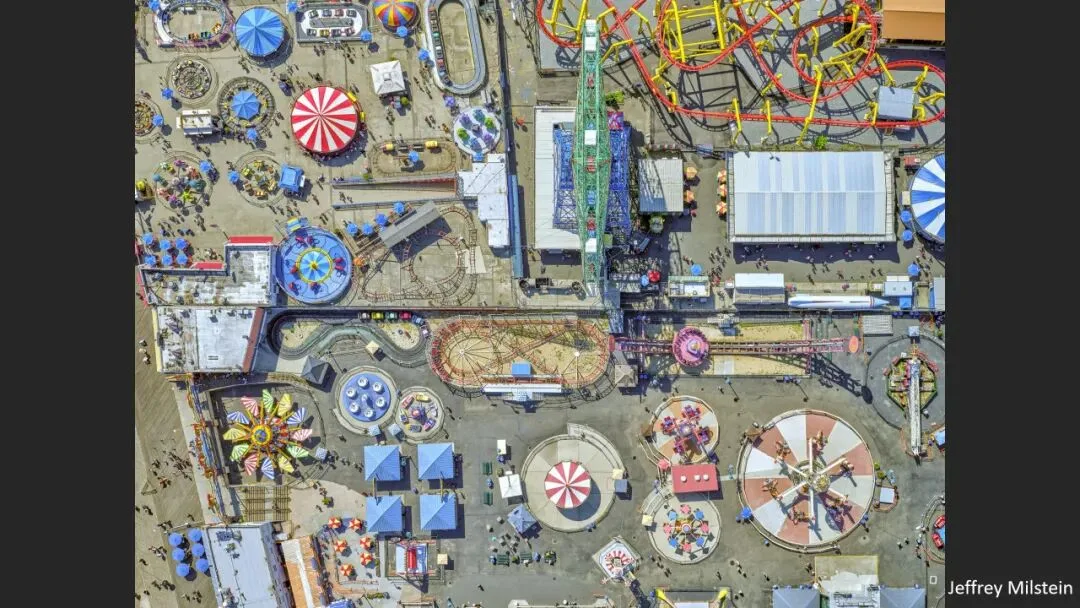
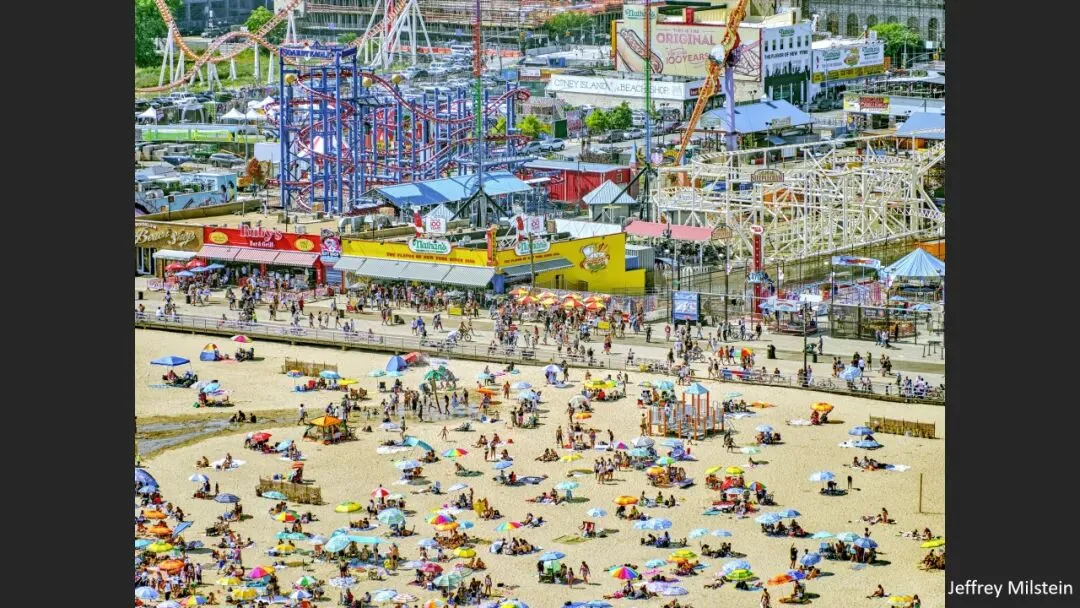
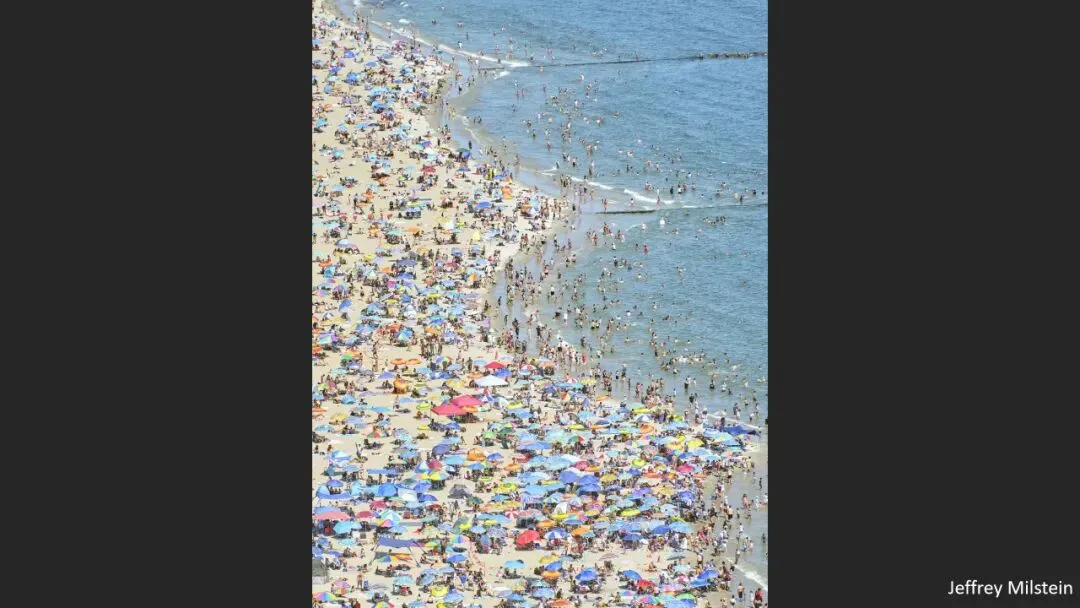
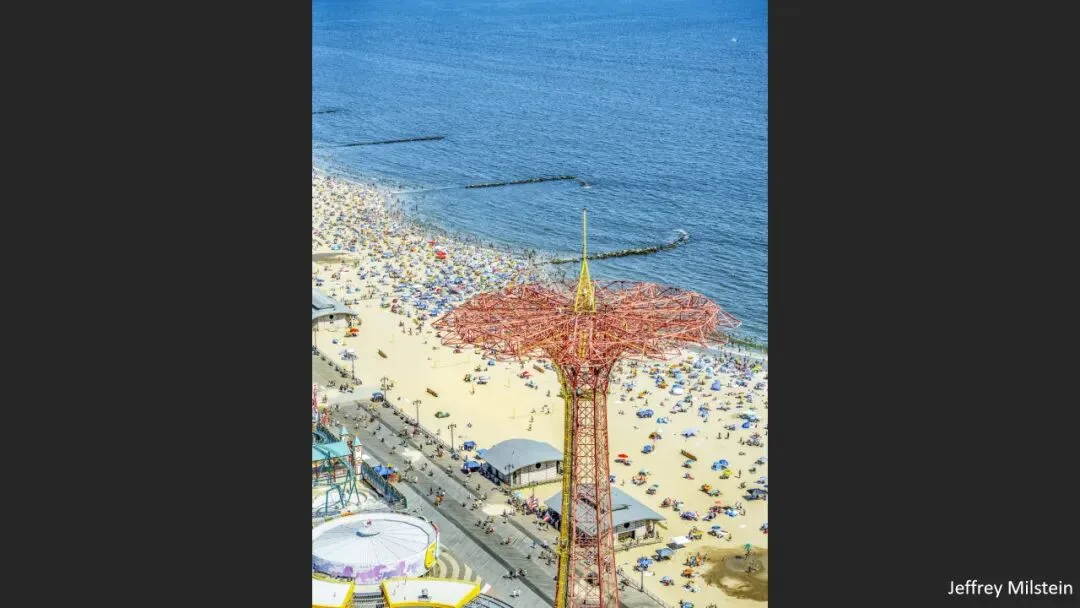
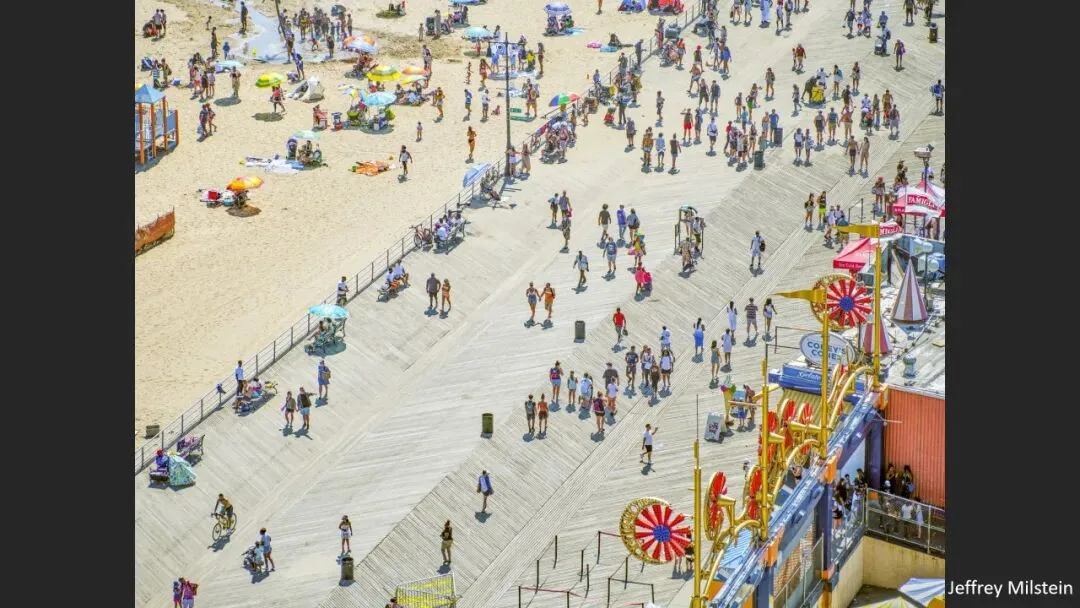
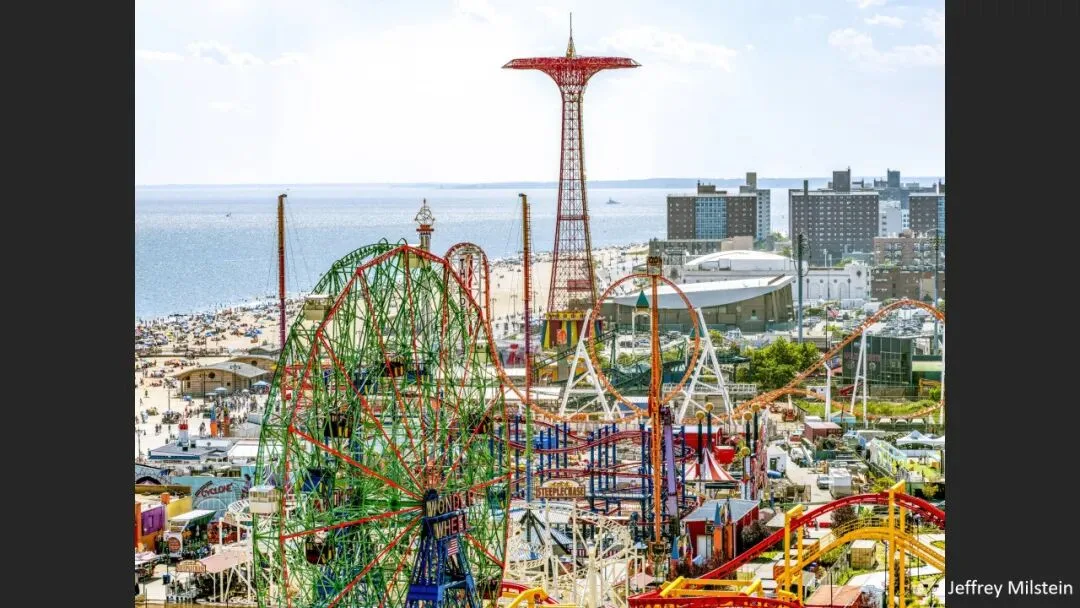
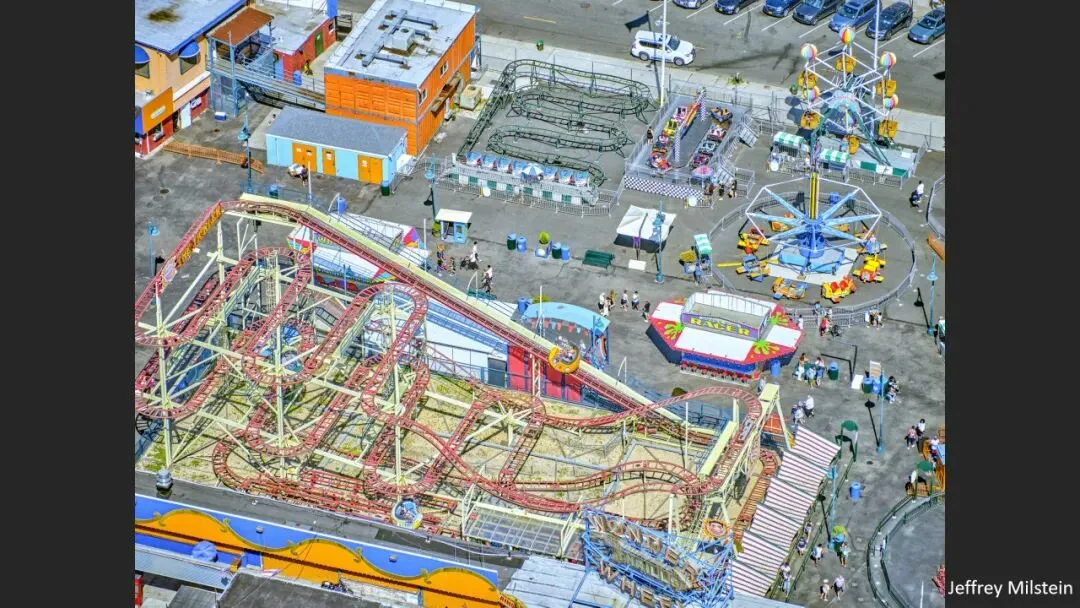
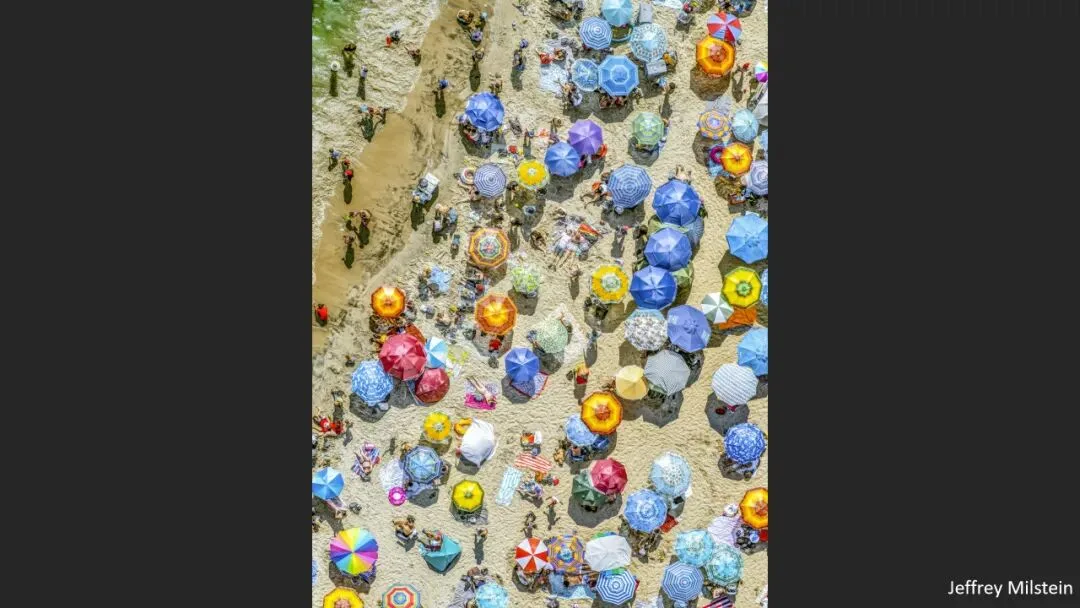
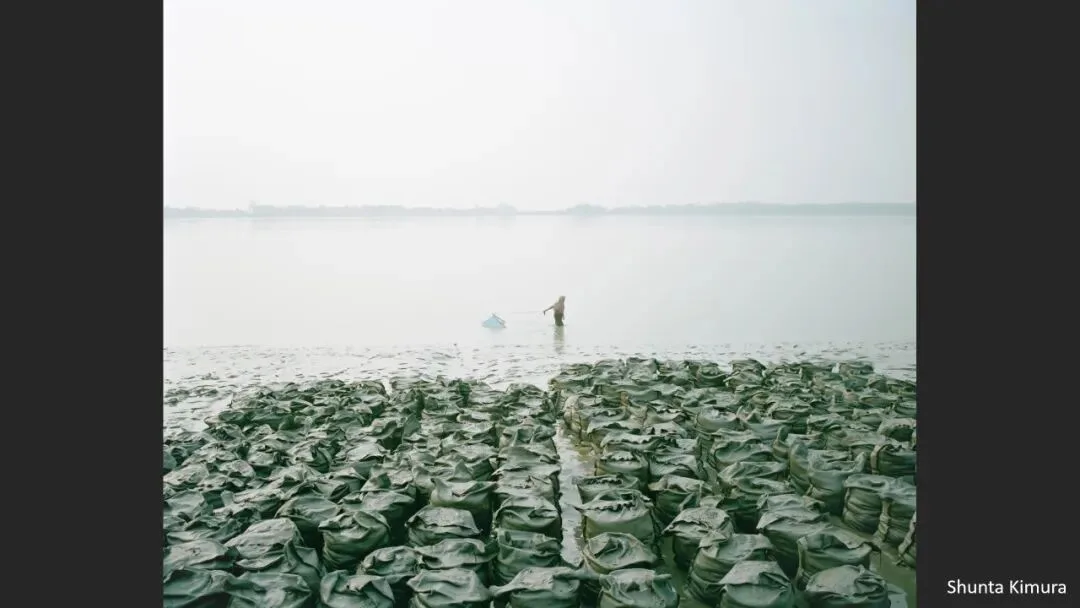
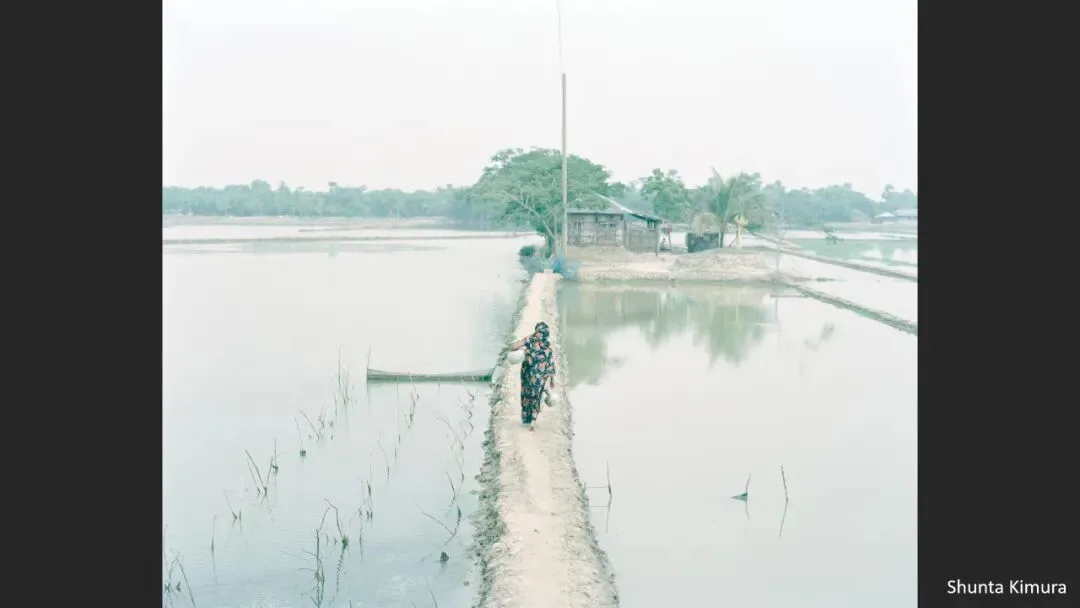
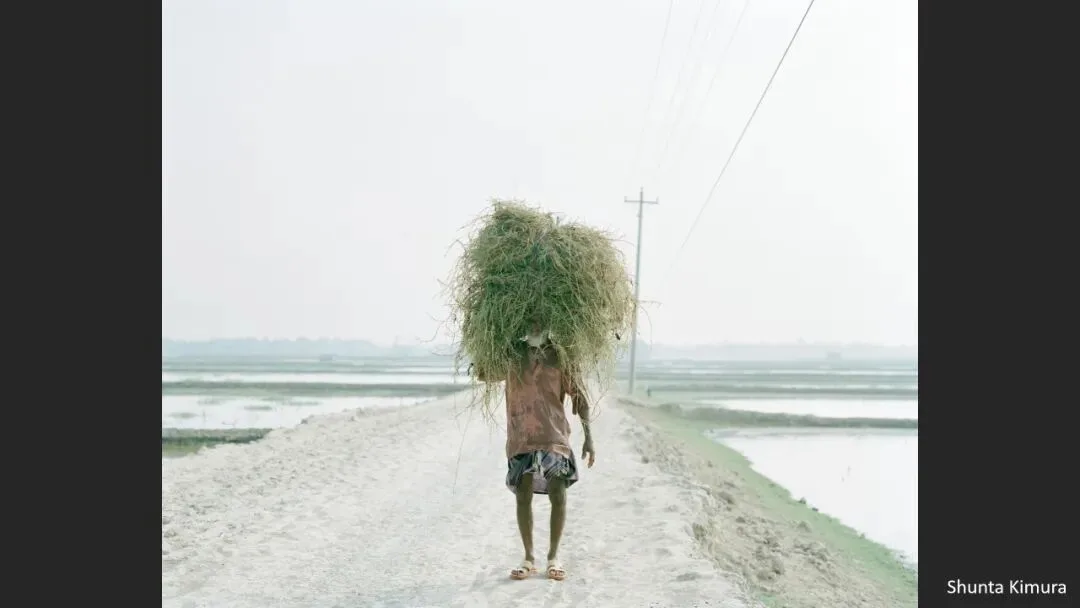
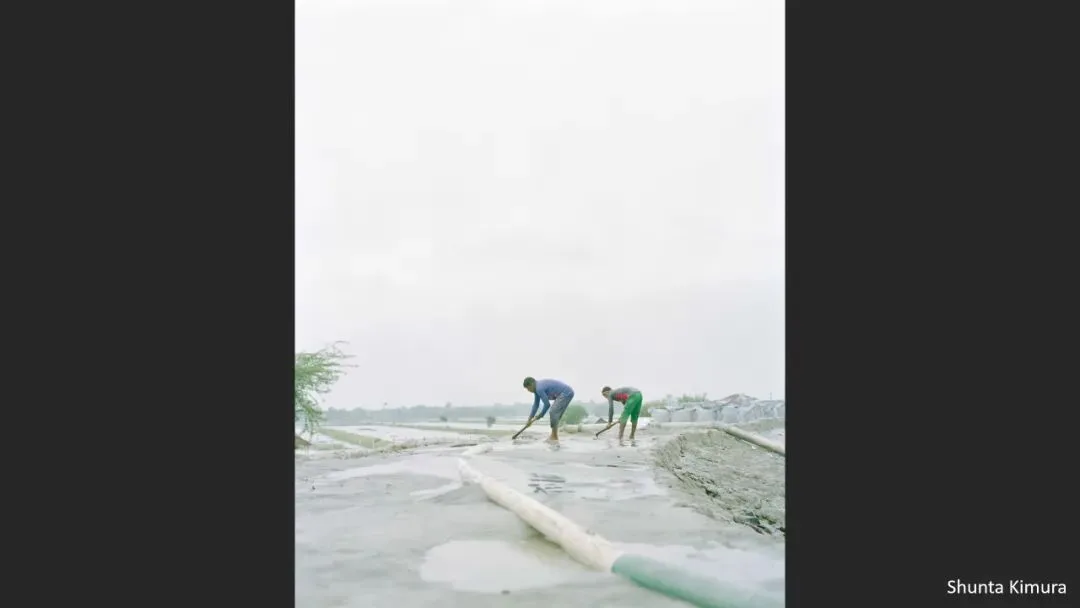
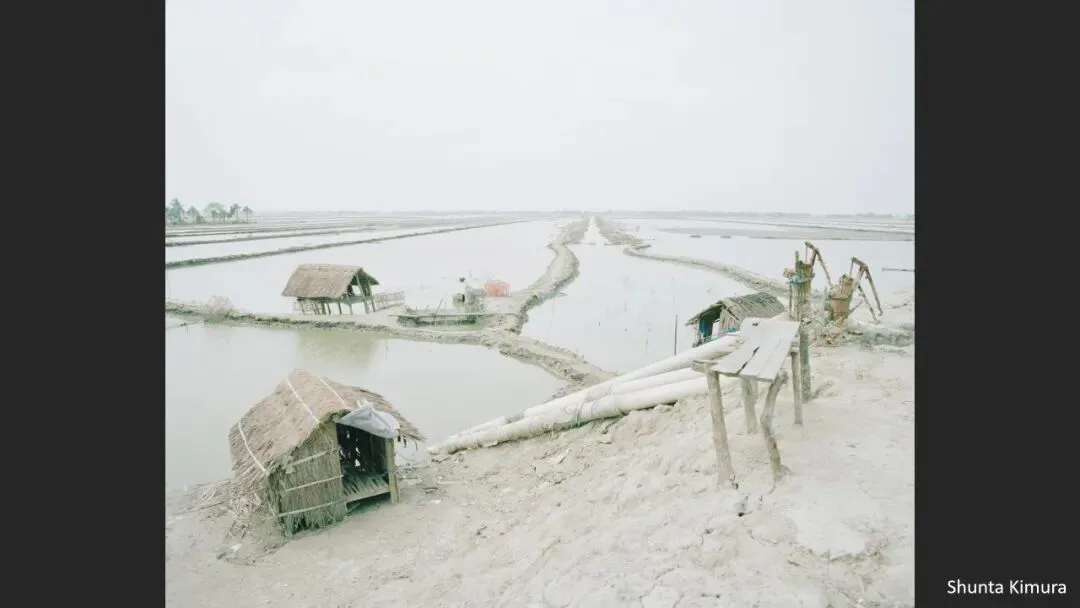
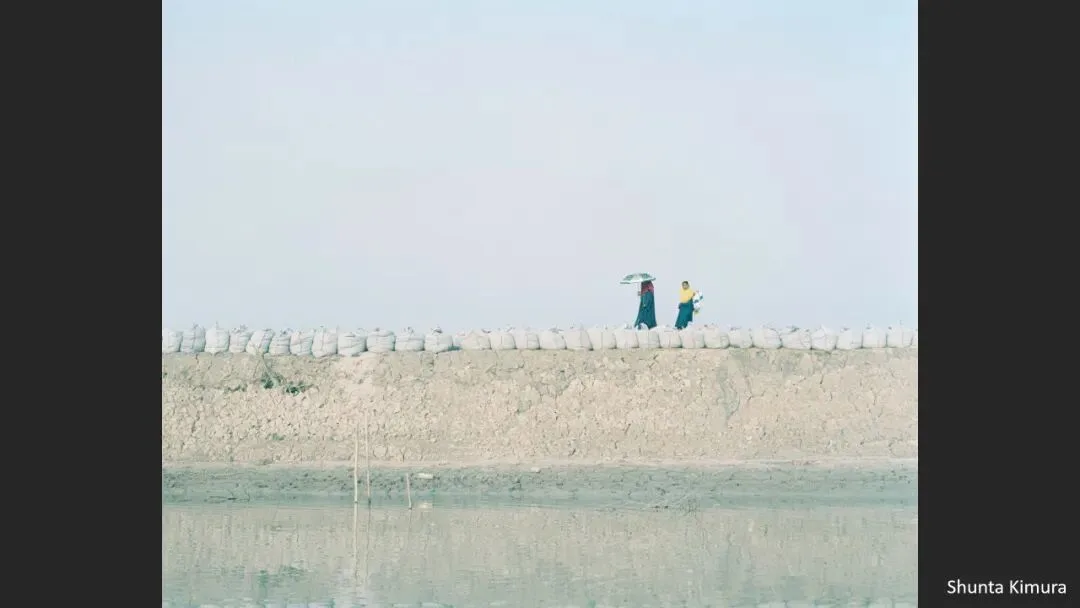
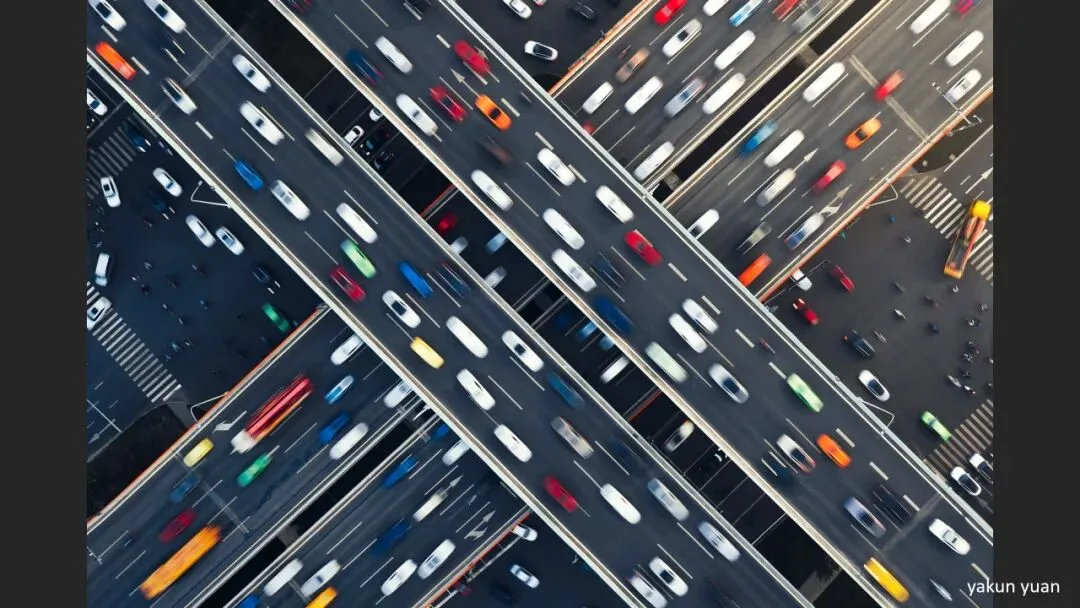
Jeffrey Milstein shot crowded beaches and amusement parks from the air on sunny days: the beach, the rides and the parasols are riotously colourful to begin with, so the images are rich and vivid — dense and chaotic, yet with an underlying order that makes them beautiful (at 9:24 in the video). Another series turned overcast weather to its advantage for a theme of development, portraying daily life in a developing country. And a drone shot of a highway interchange used a slightly longer exposure to give the traffic a sense of motion (at 10:10 in the video).
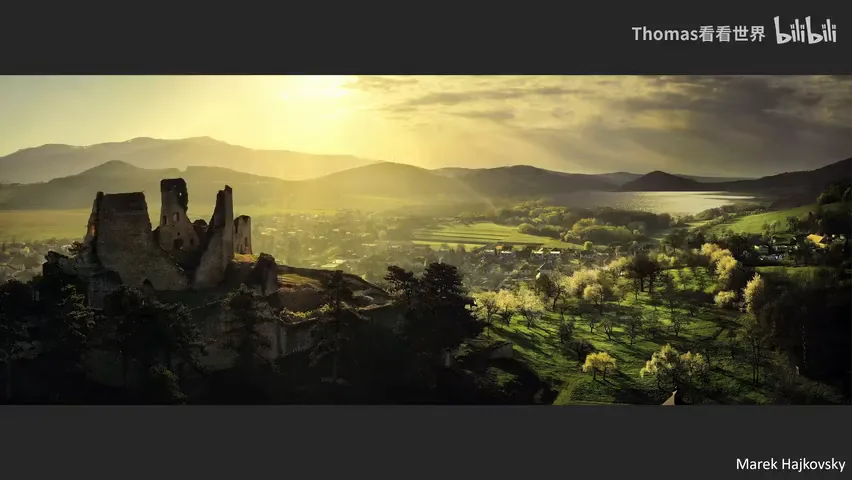
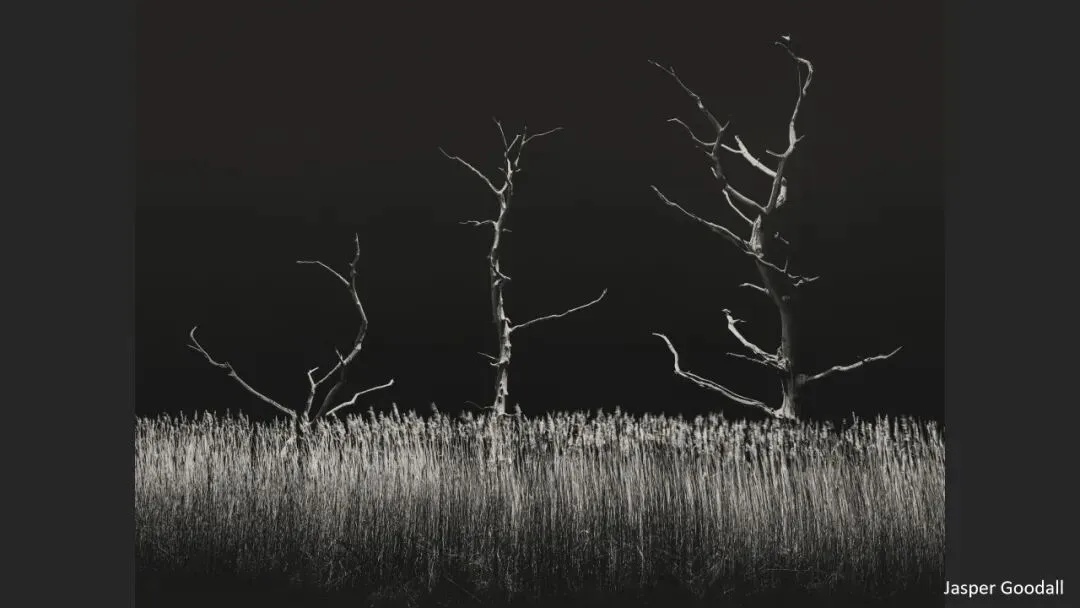
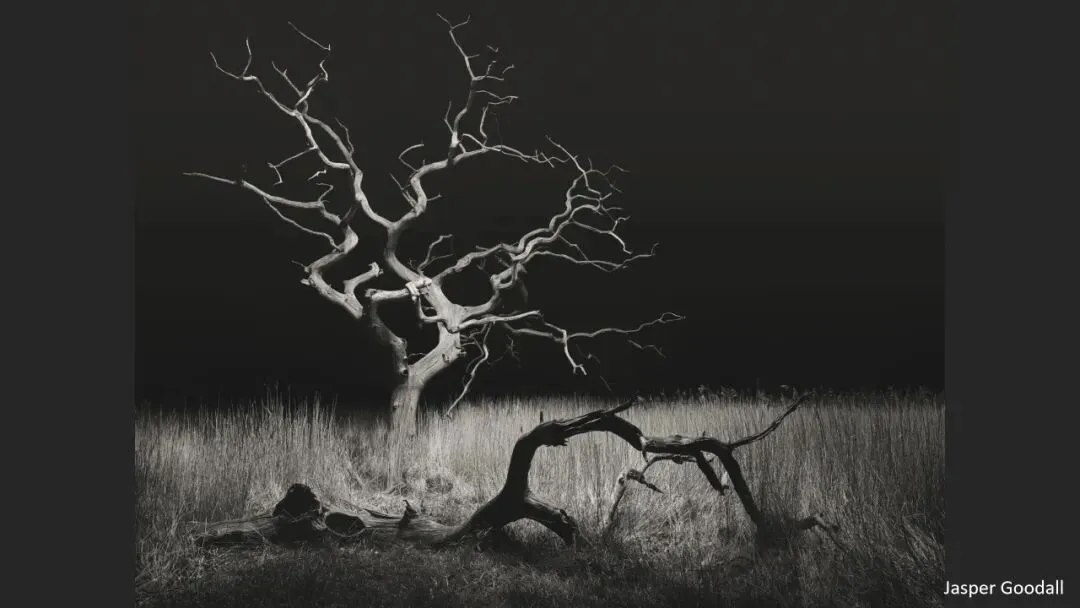
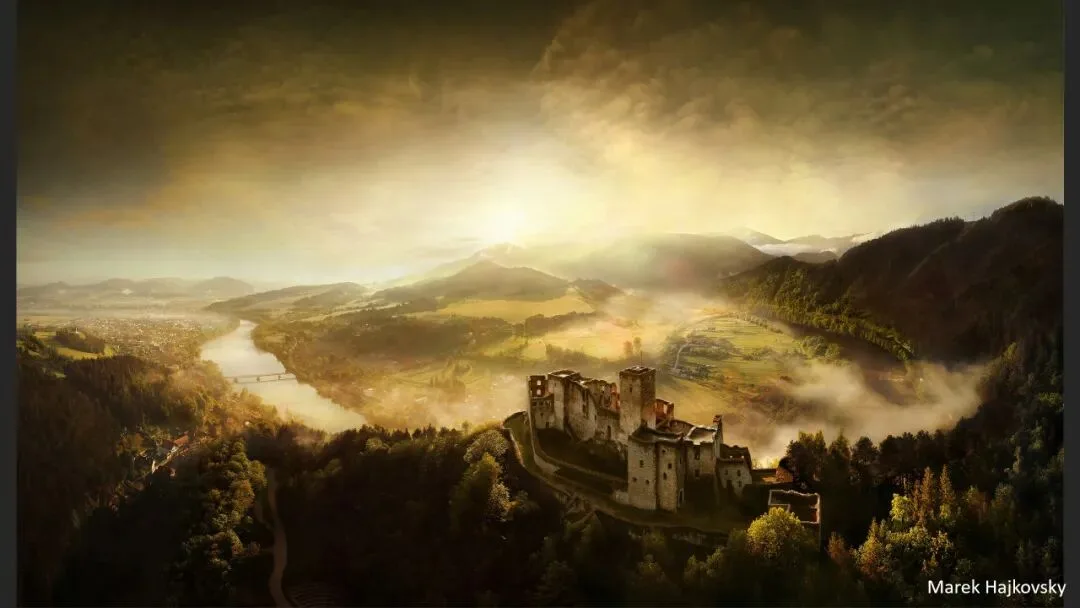
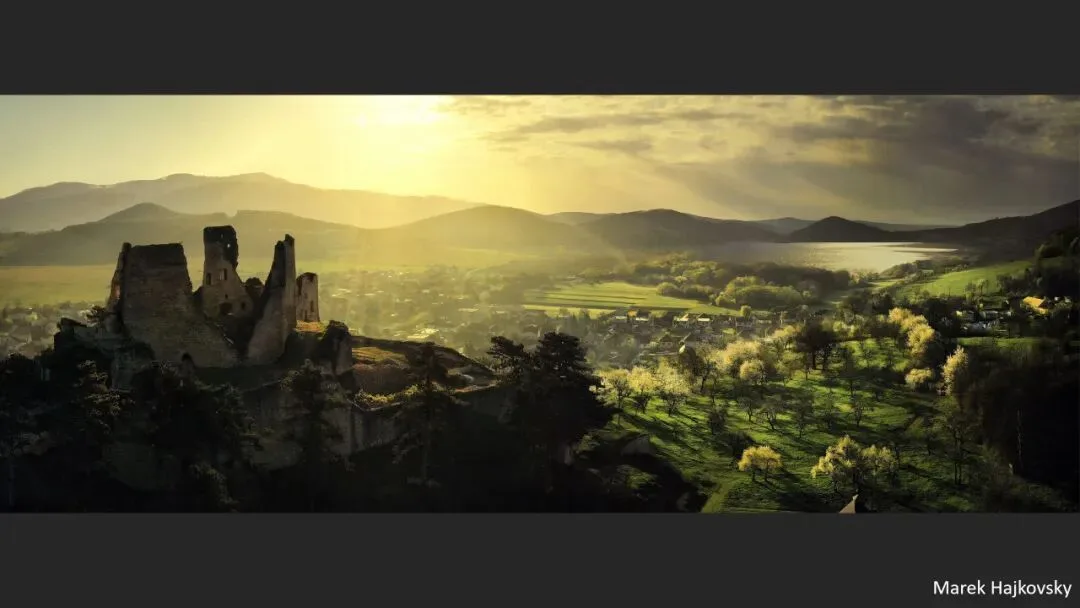
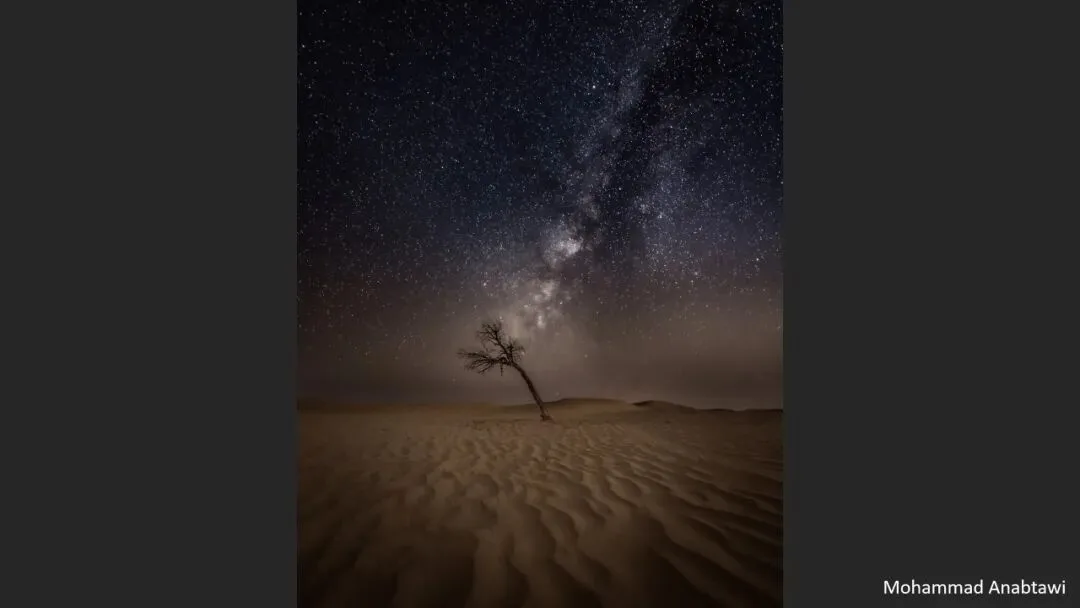
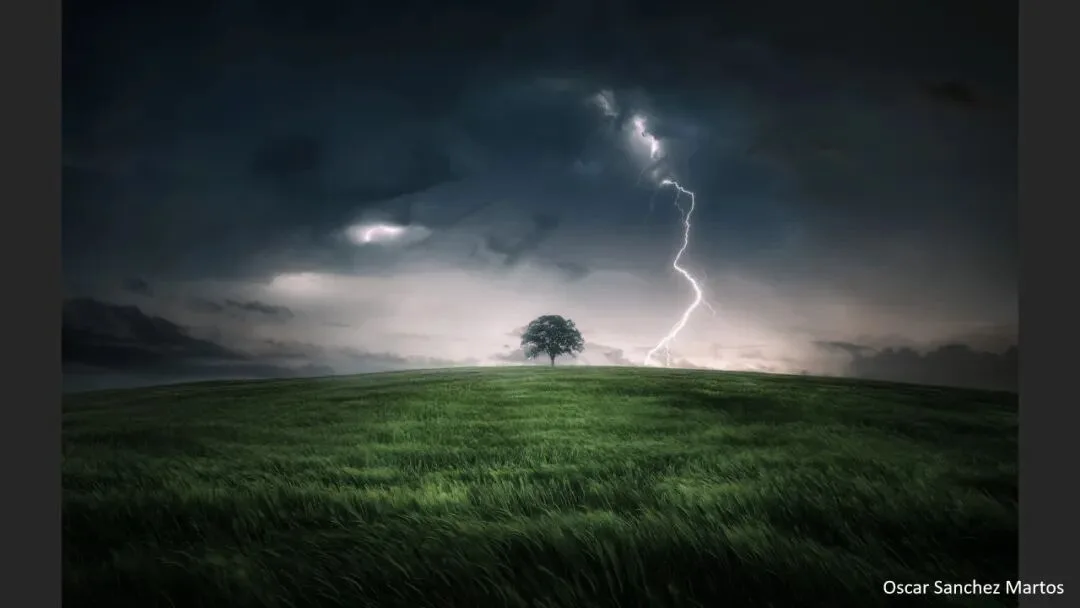
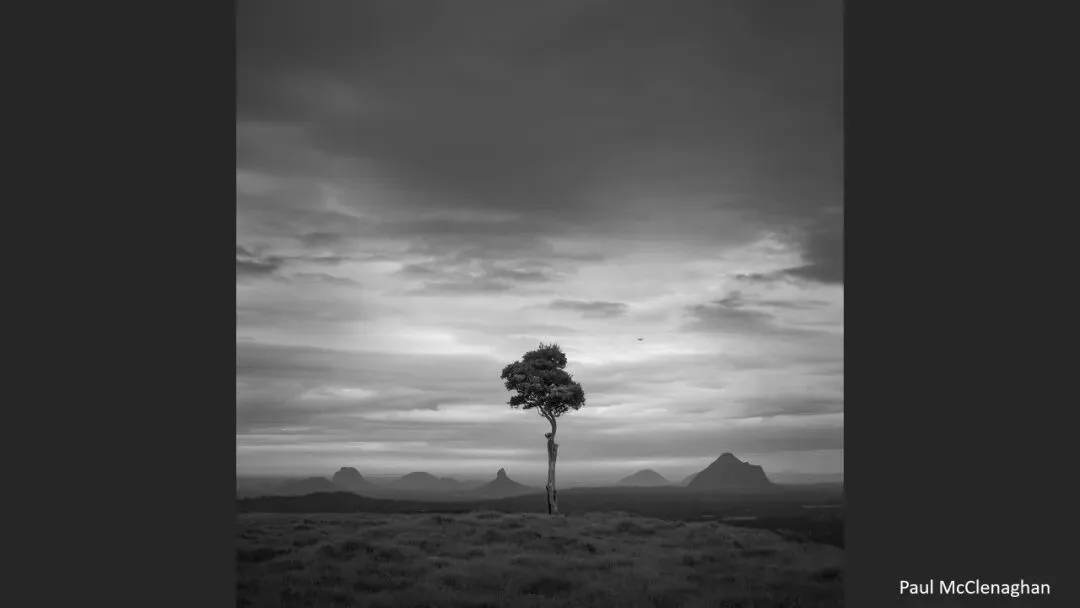
Marek Hajkovsky excels at panoramas, and every one uses the low sun of sunset or sunrise: a low sun across a wide, horizontal panorama gives the frame tonal structure — dark below, bright in the middle, light and shade varying left to right — so the stitched image has real depth (at 10:22 in the video). In this one a castle serves as foreground, a dreamlike village fills the middle, and lake, mountains and sun close the distance. Thomas stresses the point: an aerial is not about climbing to 500 metres and looking straight down; it still needs layers and a foreground, middle and background — here perhaps only 200 metres up, finding the castle as a foreground for the village and the lake beyond. An aerial with a foreground is what makes a truly good aerial (at 11:11 in the video). The closing images all take a tree as the subject, paired with lightning or a starry sky — ideas to emulate and think about.
1. Find a theme and change the angle: industrial plants turn fairy-tale under a low sun (ground in shadow, orange-purple sky, blurred foreground), and rooftops shot as typology become a City Chip; 2. Night light is raw material — screen glow, raindrops in the rain, lighting a forest yourself, telephoto compression of a million windows, a train in the snow; 3. Let weather do the subtracting: featureless sky and water plus an ND1000 long exposure abstract the subject, darken cluttered windows and brighten the curve in post, and plan the moon behind a castle with software; 4. Series and aerials: minimalism works as a set, density needs order, and aerials should not just climb and look down — find foreground, middle ground and distance, because an aerial with a foreground is a good aerial.
HD video:
https://www.bilibili.com/video/BV1TW4y1q7fy/
PPT





Other Related Tutorials:
"Revealing the Shooting Ideas and Post-Processing of IPA Photography Award Winners"
"How Do Those Extreme Landscape Masterpieces Come to Be? Revealing the Shooting and Post-Processing Behind the Photos"
"Greenland Original Files Revealed! Sharing Pre- and Post-Processing Ideas in Landscape Photography"
"What Does a 100-Megapixel Panorama Masterpiece Retouched for 6 Hours Look Like? Here's the Pre- and Post-Processing Process!"
"How Did a Professional Photographer Turn a Small Ditch into a Huge Waterfall? The Contrast Is Huge!"
"Three Hours for One Photo? Starry-Sky Light Trails Can Be Shot Like This!"
"How Were the 'Sky Eye' Starry Photos Planned and Shot? Achieving Effects Impossible in the Field Through Day-to-Night Conversions in Post!"
"Seascapes Can Be Shot Like This? A Brief Discussion on Time Compositing in Seascape Photography"
"Amazing Light and Shadow Is Shot Like This? Time Compositing in Overcast-Day Landscape Photography!"
"Planning Ideas and Shooting Processes Revealed: How Do Two Photographers Shoot the Same Scene Differently?"
"Shooting the Sun Directly! With a 1,000x Dynamic Range, How Does a Professional Photographer Complete a Complex Landscape Shoot with 15 Original Frames!"
"This Photo Really Isn't a Painting? Sharing the Shooting and Post-Processing Ideas Behind the Egret Under the Moon!"
"How to Subtract from a Photo? Cloud and Mist Rendering Can Have This Effect!"
"What Was Retouched in a Photo That Took 4 Hours? Revealing the PSD of a Landscape Masterpiece, Layer by Layer!"
"How to Post-Process a Super-Magical Dark-Toned Snow Mountain Photo? PSD Layer-by-Layer Analysis Is Here!"
"How to Light a 10-Meter Glacier? Milky Way and Iceberg Masterpieces Are Shot Like This!"
"Snow Mountain and Peach Blossom Masterpieces Are Shot Like This! On-Site Teaching at Suosong Village Beneath Namcha Barwa~"
"Desert + Yardang Wonders! On-Site Shooting in Xinjiang's Uninhabited Area + Black-and-White Post-Processing Ideas"
"Can You Only Take Check-in Shots at a Viewing Platform? A Drone Finds a Gorgeous Composition 3 Kilometers Away!"