Photography Tutorial · 2023-09-24
Appreciating the IPA Photography Awards! How Are Photographers Shooting in 2023?
A few days ago, the results of the 2023 IPA Photography Awards were released.
As a competition with comprehensive categories and a consistently high standard, these winning works are perfect for photography enthusiasts to broaden their thinking.
In today's video, Thomas has selected some winning photos for appreciation and study.
Video
▶ Watch the video tutorial on Bilibili
This is the fully illustrated companion to the video above. Thomas turned the 12-minute review of the IPA 2023 winners into text and paired it with keyframe screenshots — why single images need everything to line up at once, the craft of vantage point and echo (a tiny-planet view, a dragon blood tree, complementary colours), the imagination behind series (ice textures, divers, shadows and a microchip), and finally typology close to home and the power of a set. Skim it here for the framework, then go back to the video to study each image.
Start with the overview. Captured at 12:30 in the video, this is the winners page on the IPA website. The International Photography Awards spans an unusually wide range of categories — from commercial to fine art, landscape, travel and documentary — split again into professional and non-professional and by country, so the pool is large and the overall standard is high, making it an ideal survey of how photographers around the world are shooting right now. Thomas picks both single images and series to discuss.

01 Winning with a Single Image: Everything Has to Line Up
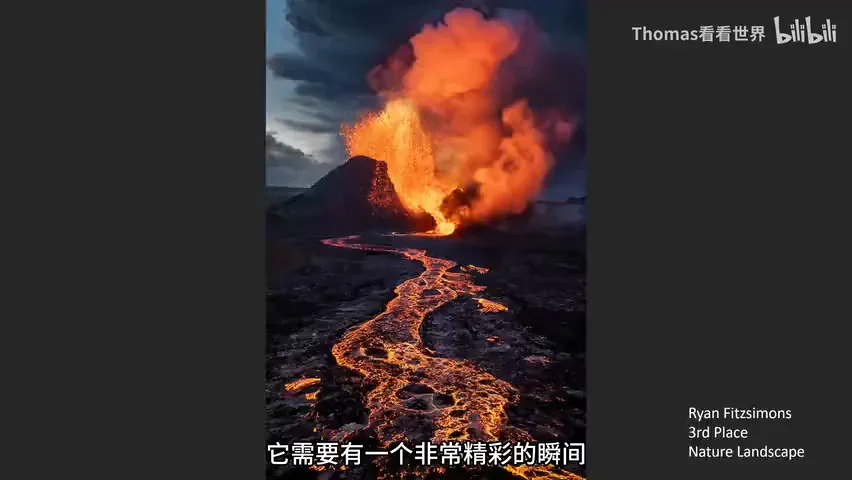
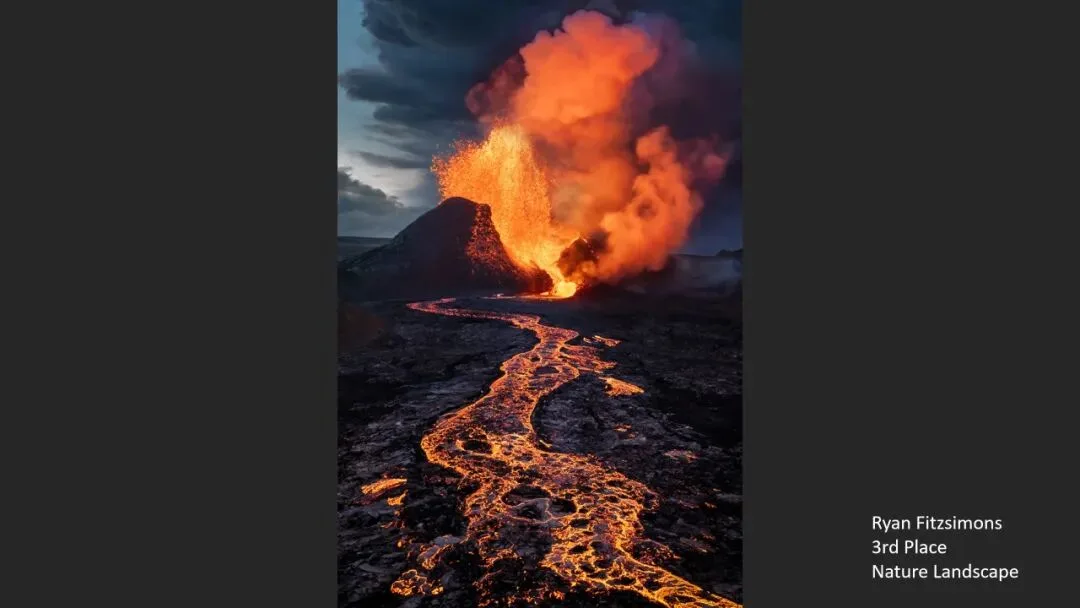
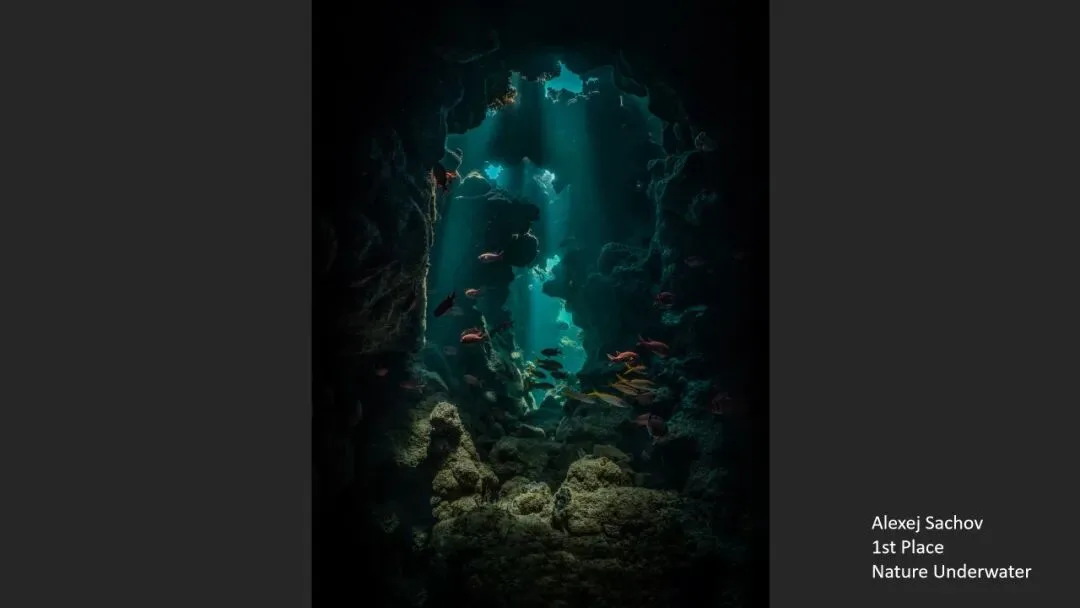
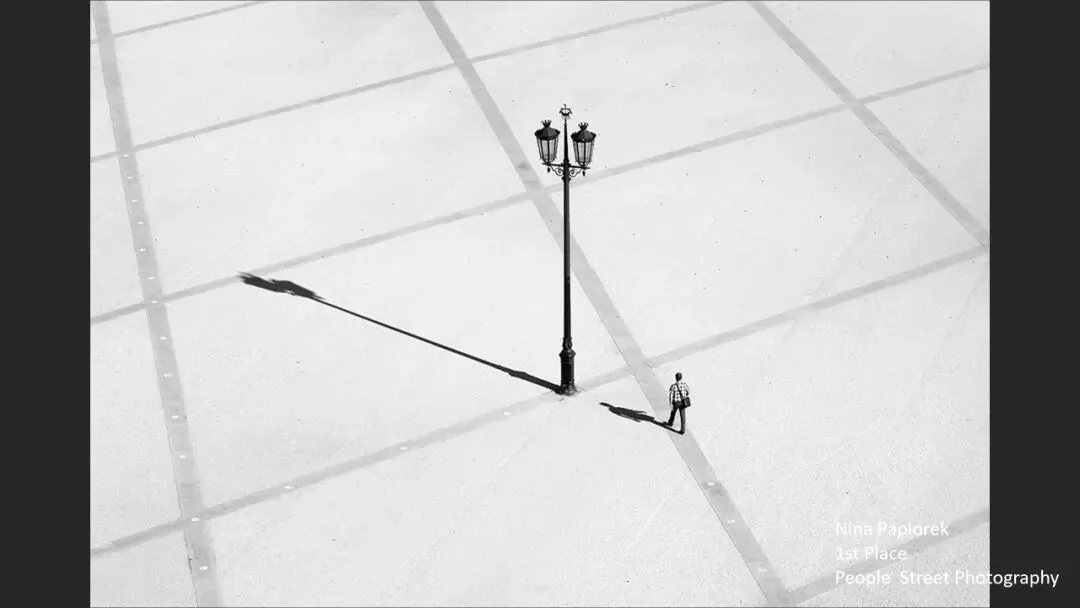
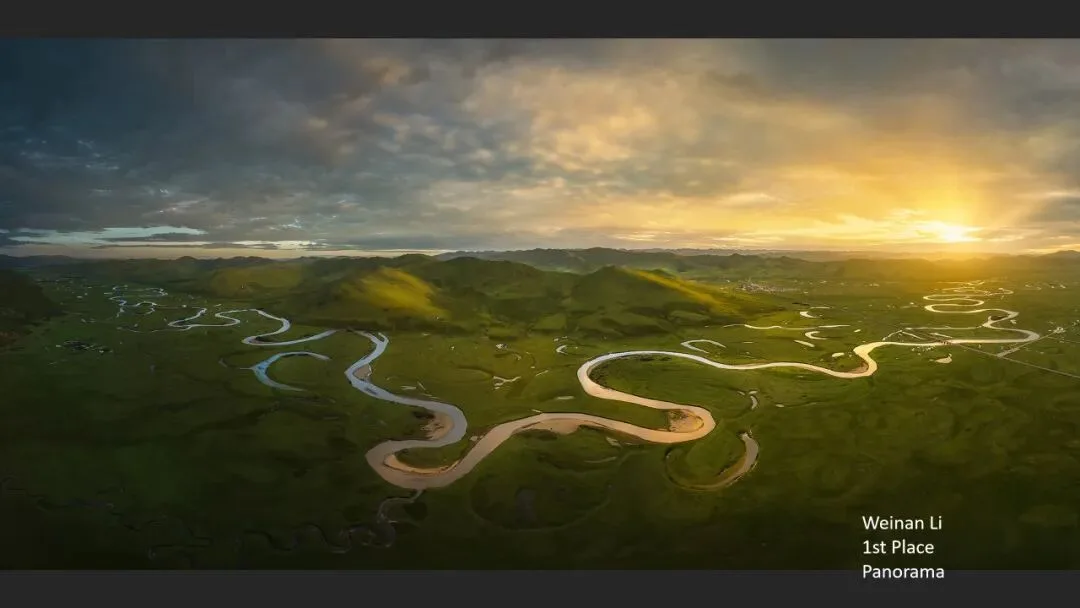
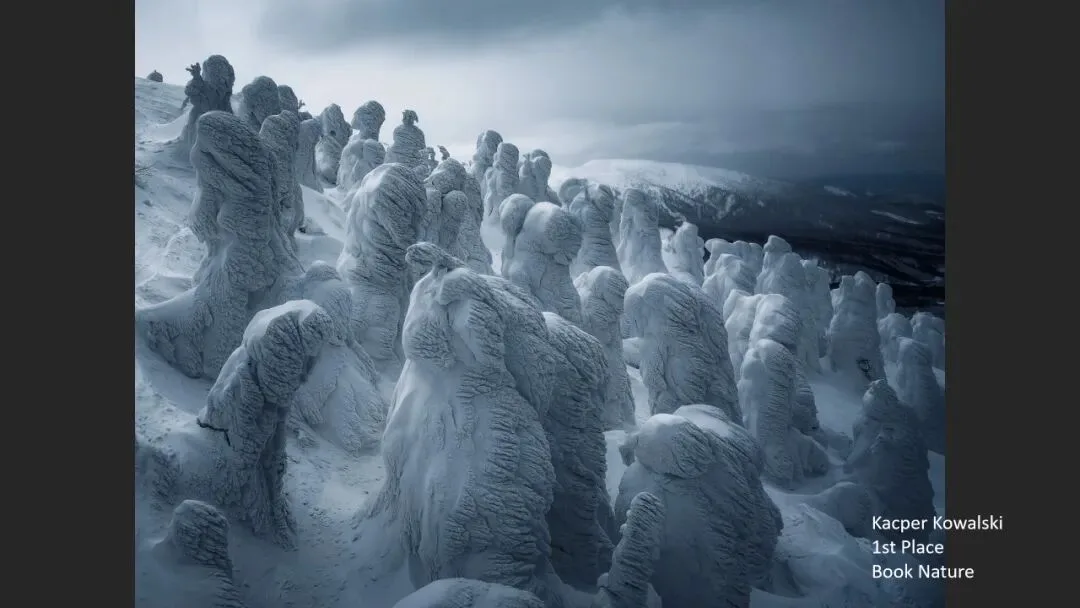
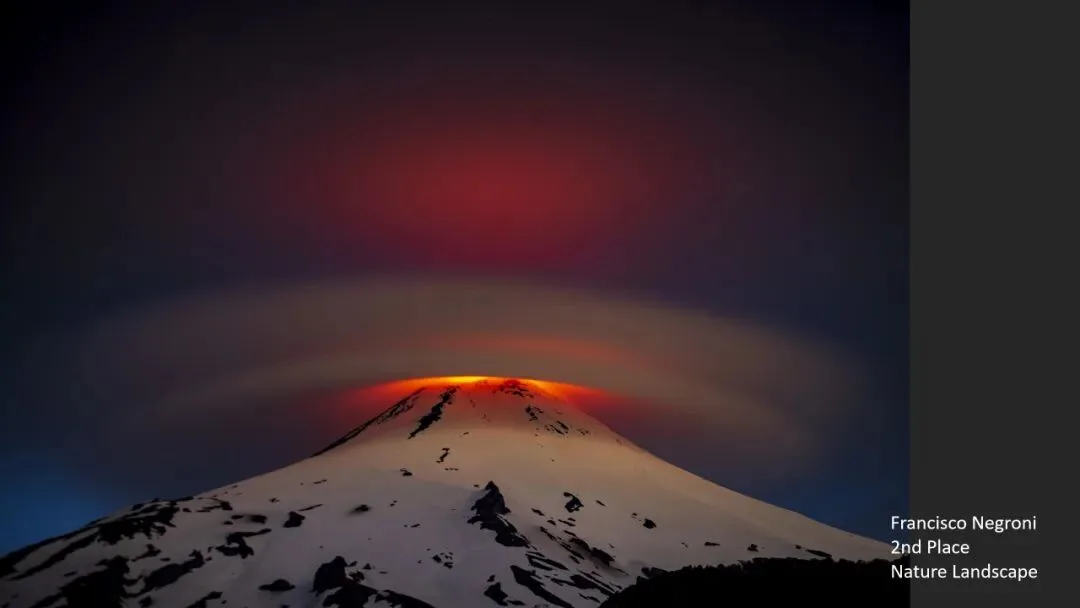
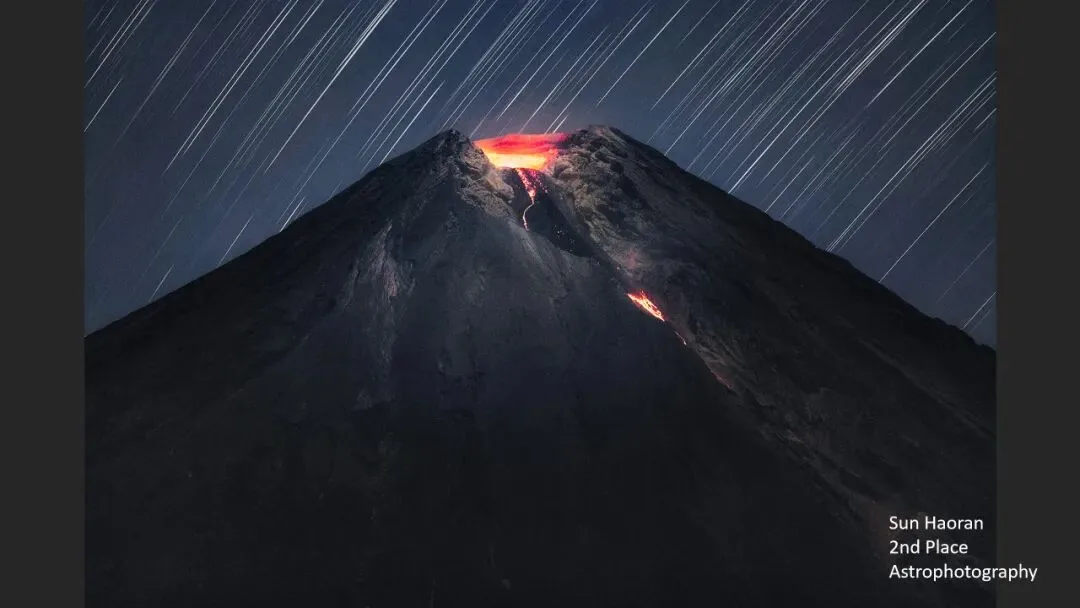
IPA accepts singles and series in the same pool, but in Thomas's observation a single image has a much harder road to a prize — it needs a truly exceptional moment: Ryan Fitzsimons's erupting volcano, a rare instant few ever witness; or a scene almost impossible to reach, such as the layered light inside a cave; or an extremely minimal way of seeing (at 1:13 in the video). A panorama of a river meandering out to both edges reads as harmonious and calm, while a snow scene where every detail of frost on the trees lands with real force.
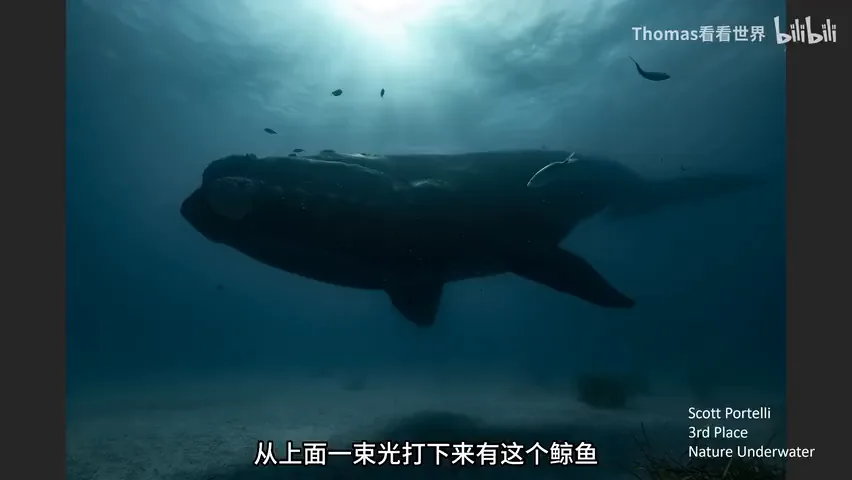
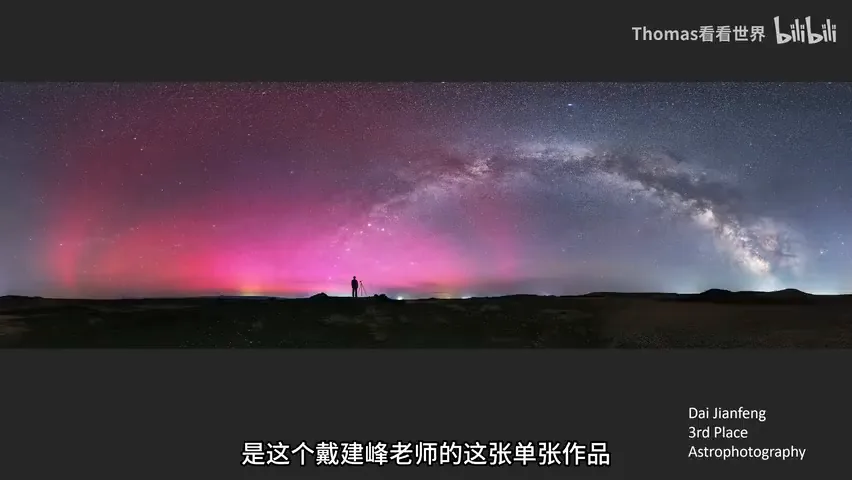
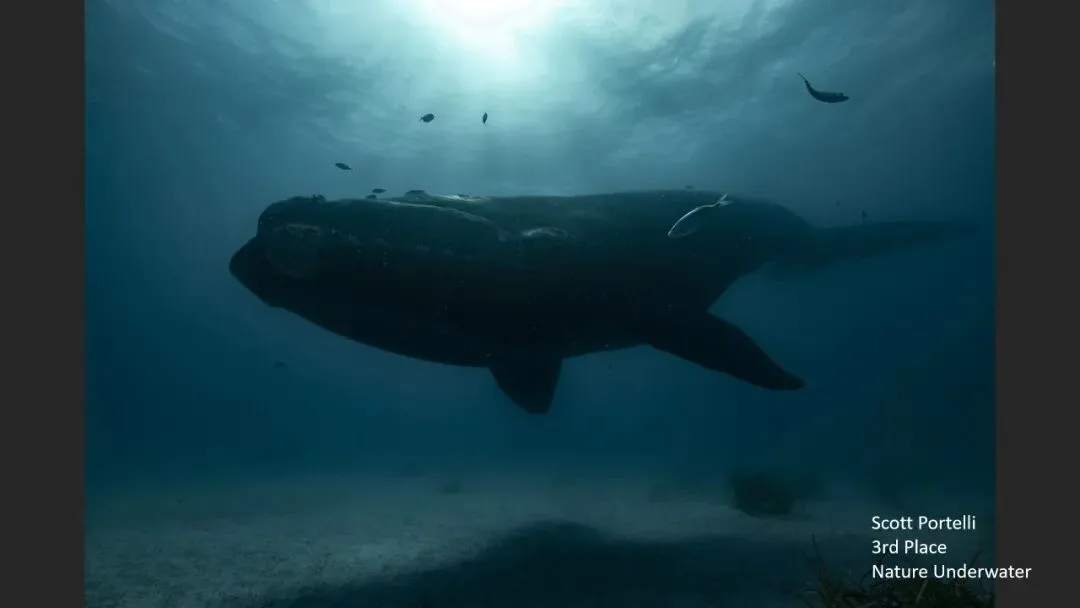
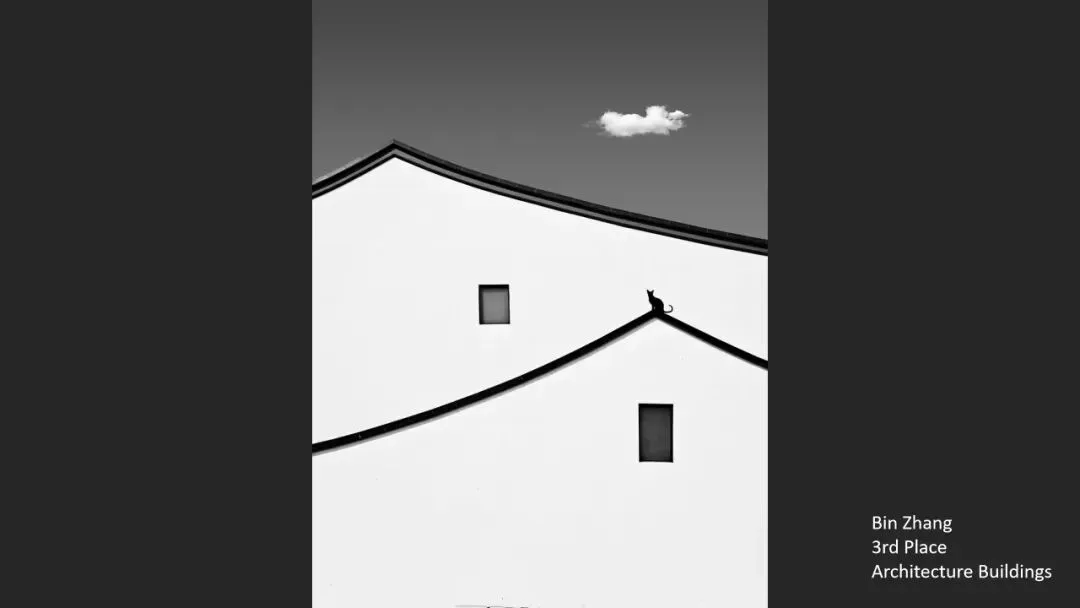
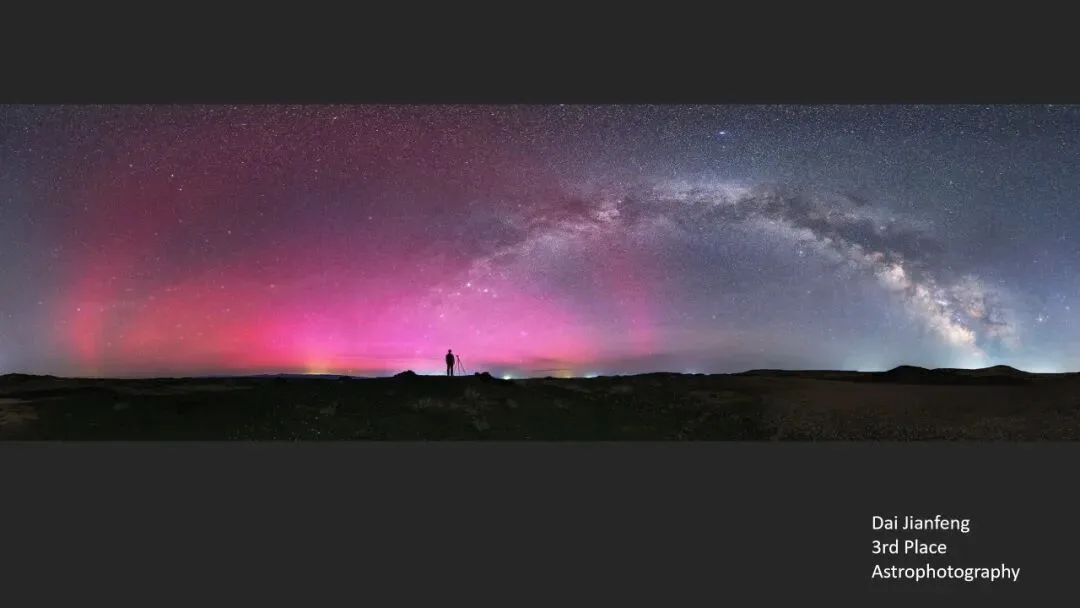
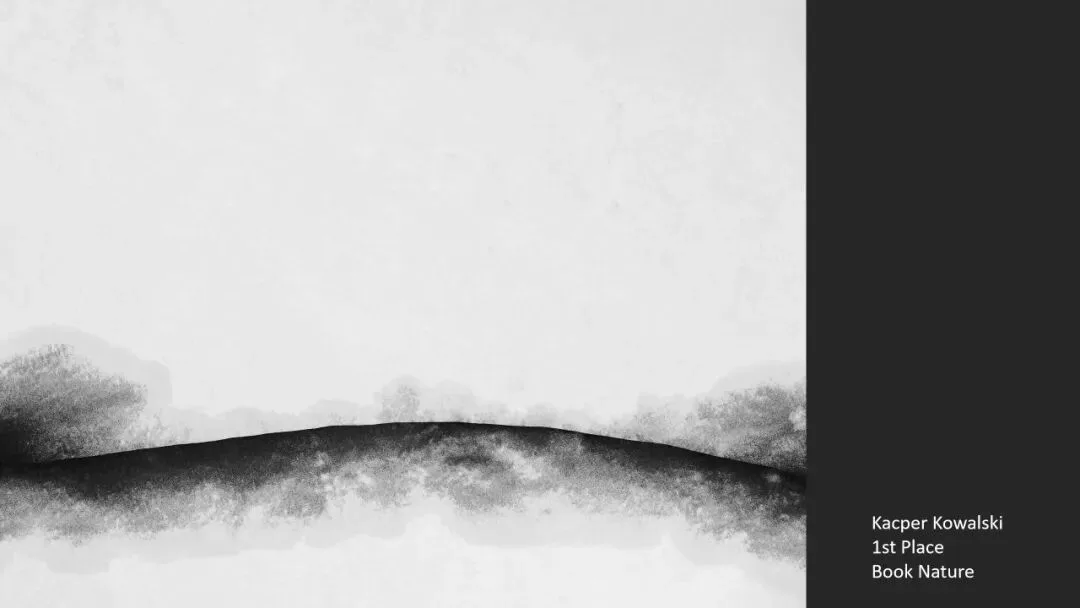
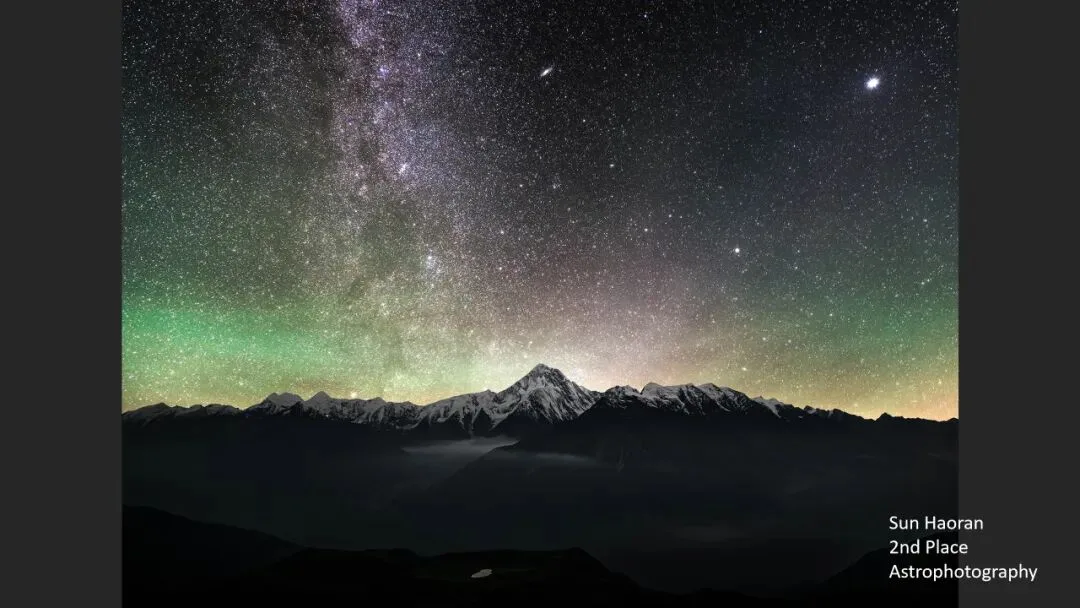
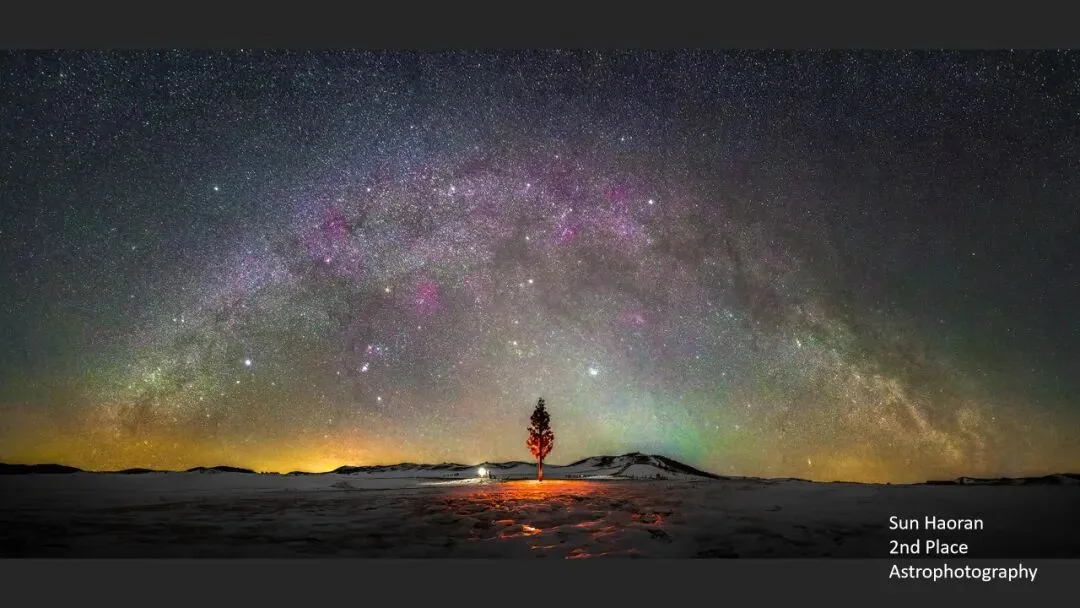
Scott Portelli's underwater frame is remarkable too: a shaft of light falls from above, the whale and its shadow below build depth, and the whole image feels solemn and grand (at 1:59 in the video). Another single pairs a creative composition with minimal black and white for a feel close to Chinese ink painting. In astrophotography the top two places went to series; third went to a single by Dai Jianfeng — airglow, a Milky Way arch and a photographer standing beneath it, figure and landscape echoing each other, twin arcs framing both sides, a stunning stitched panorama (at 2:25 in the video). For a single to win, the timing, the place and the person all have to align.
02 Vantage Point and Echo: Tiny Planet, Dragon Blood Tree and Complementary Colours
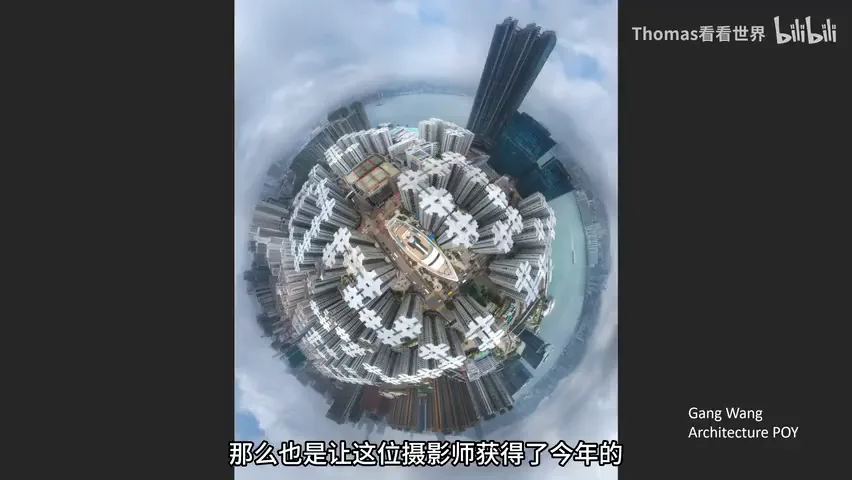
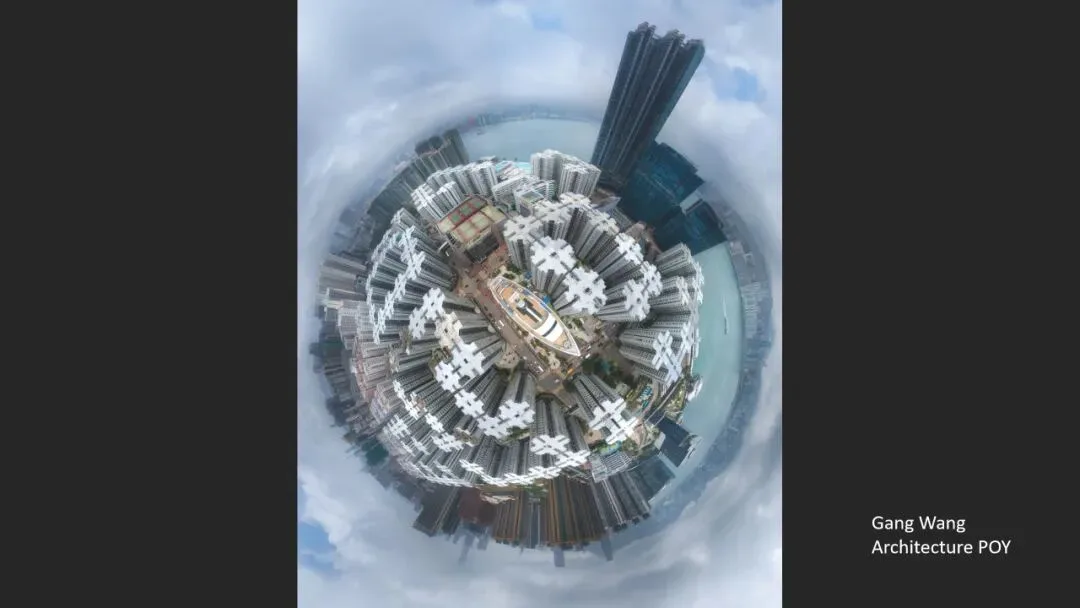
One Thomas particularly admires is Gang Wang's tiny-planet view of a building: inside sits a ship — a park or attraction — hemmed in by skyscrapers. An ordinary wide-angle could never deliver this impact, but the tiny-planet projection makes the surrounding towers loom sharp, strange and exaggerated, and it earned him Architecture Photographer of the Year (at 2:50 in the video). Idea, technique and subject fit each other perfectly — a model worth studying.
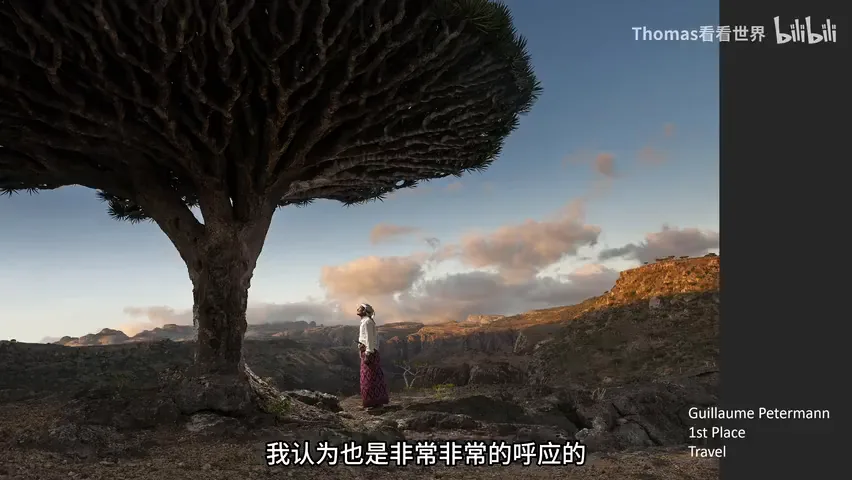
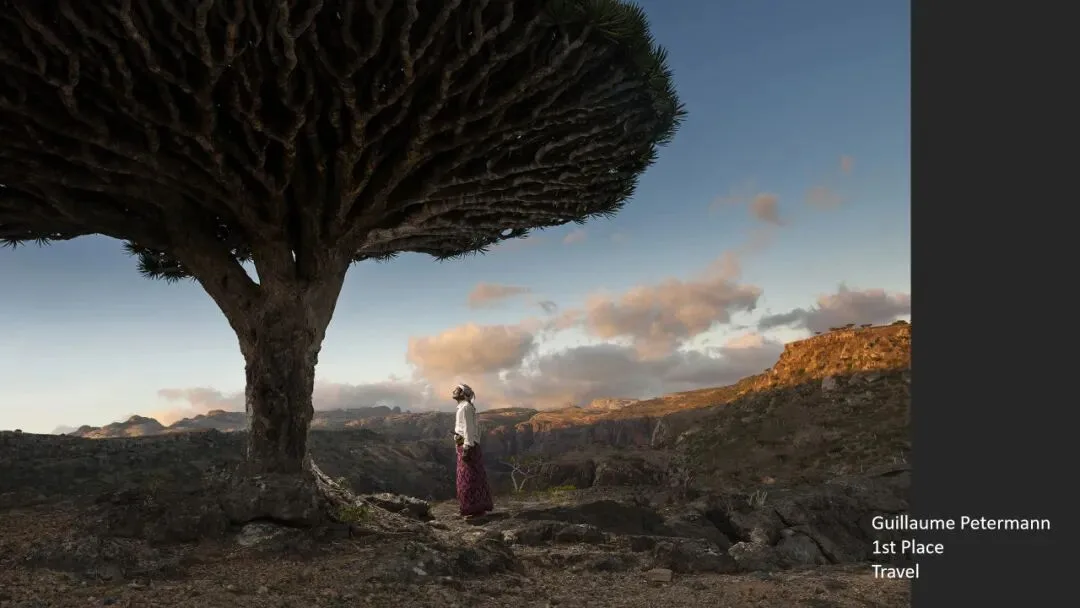
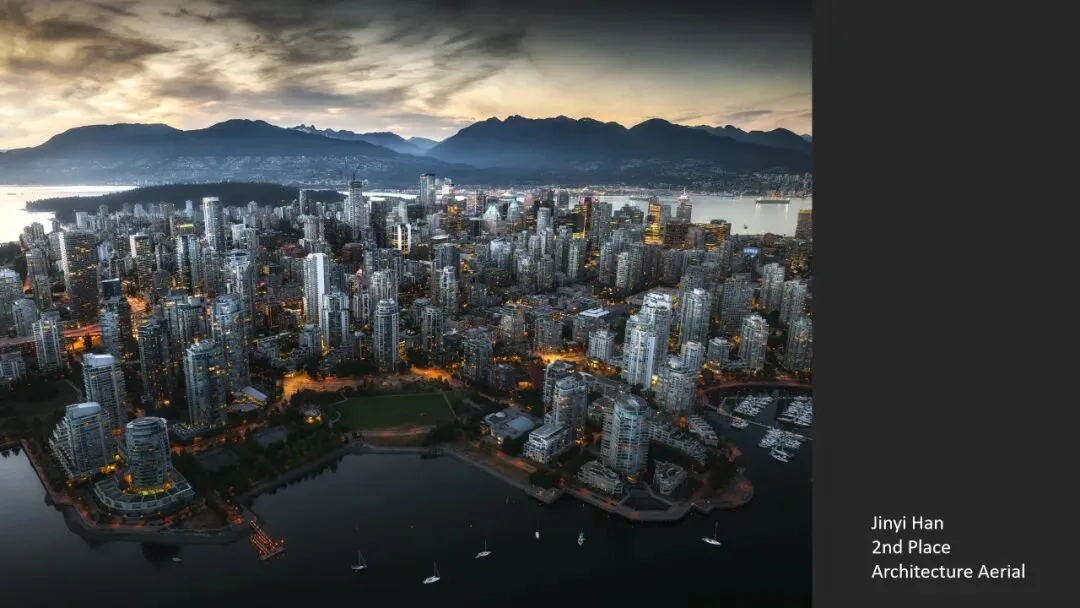
A frame heavy with atmosphere comes from Socotra, Yemen: Guillaume Petermann sets a dragon blood tree against a figure in local dress beneath it, the two echoing each other, and it won the Travel category (at 3:36 in the video). A city image pairing gold with pale blue is equally strong, and another sets highly saturated orange and blue — a complementary pair — against a minimal black-and-white background for colour with real punch (at 3:55 in the video).
03 The Imagination of a Series: Ice, Divers, Shadows and a Microchip
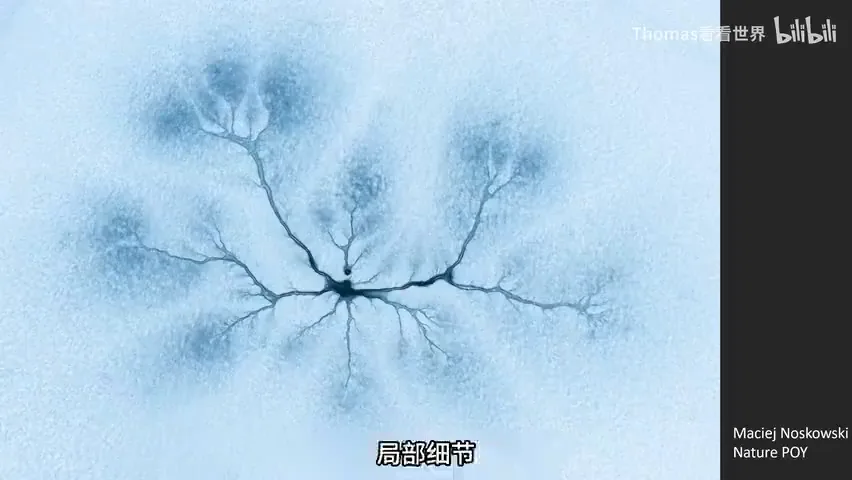
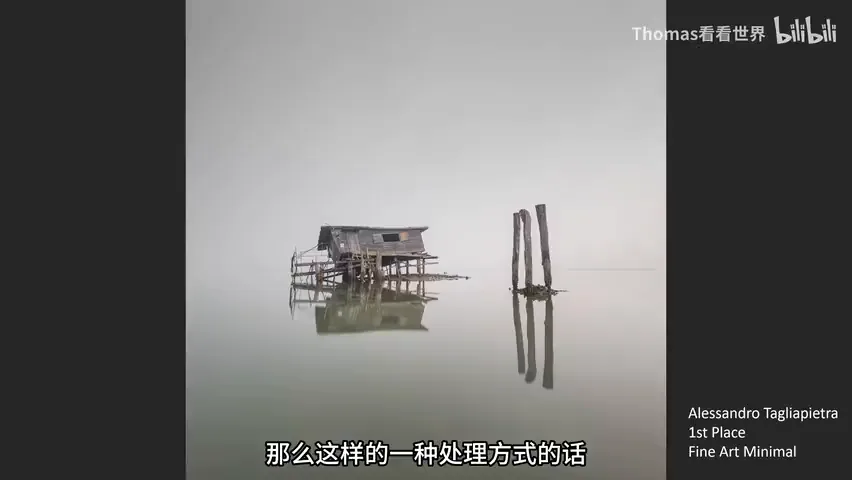
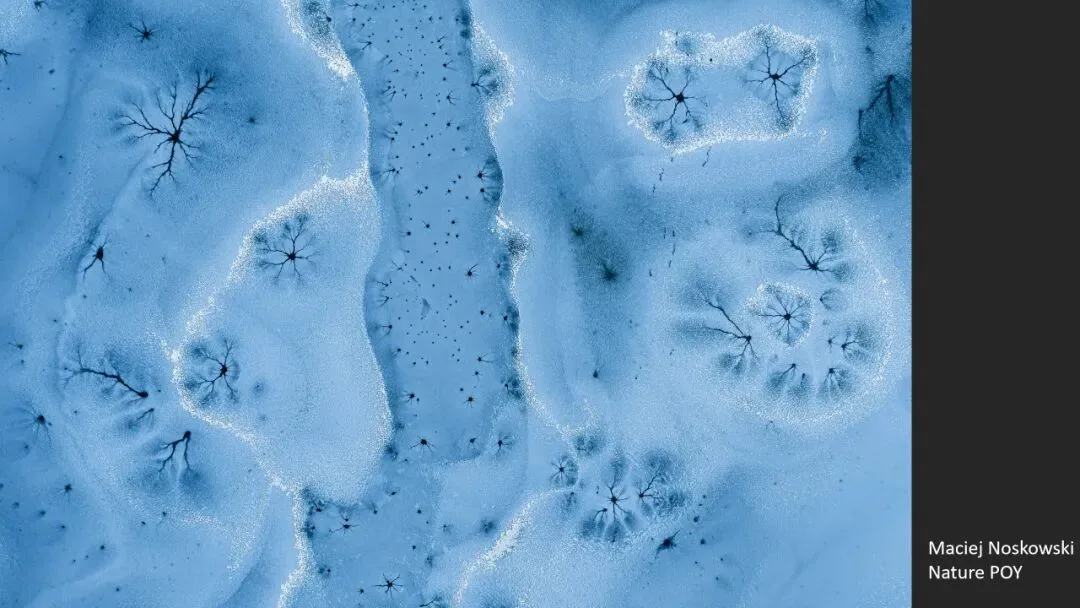
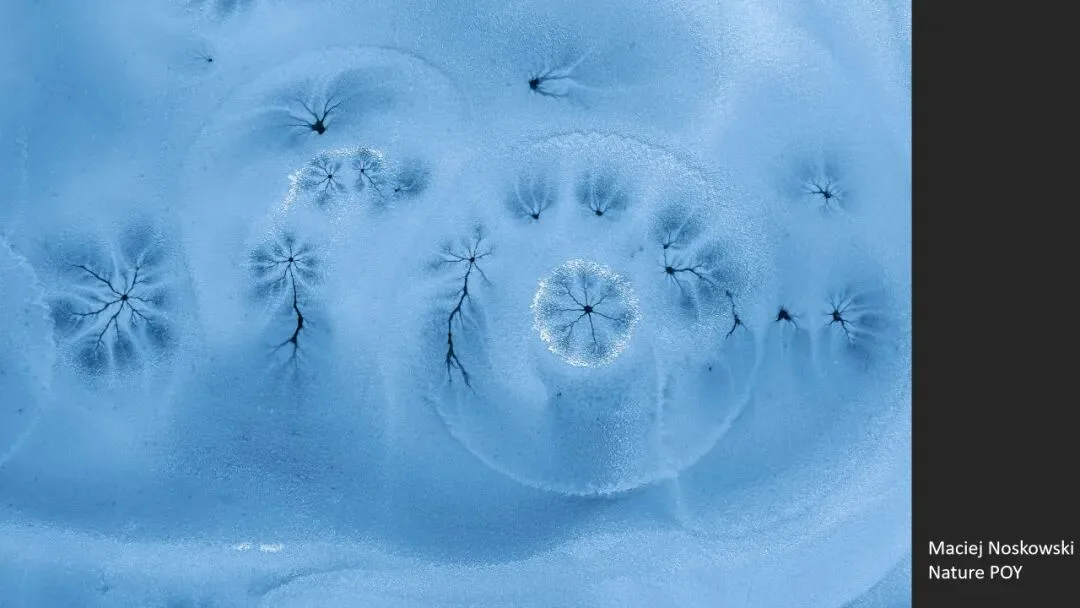
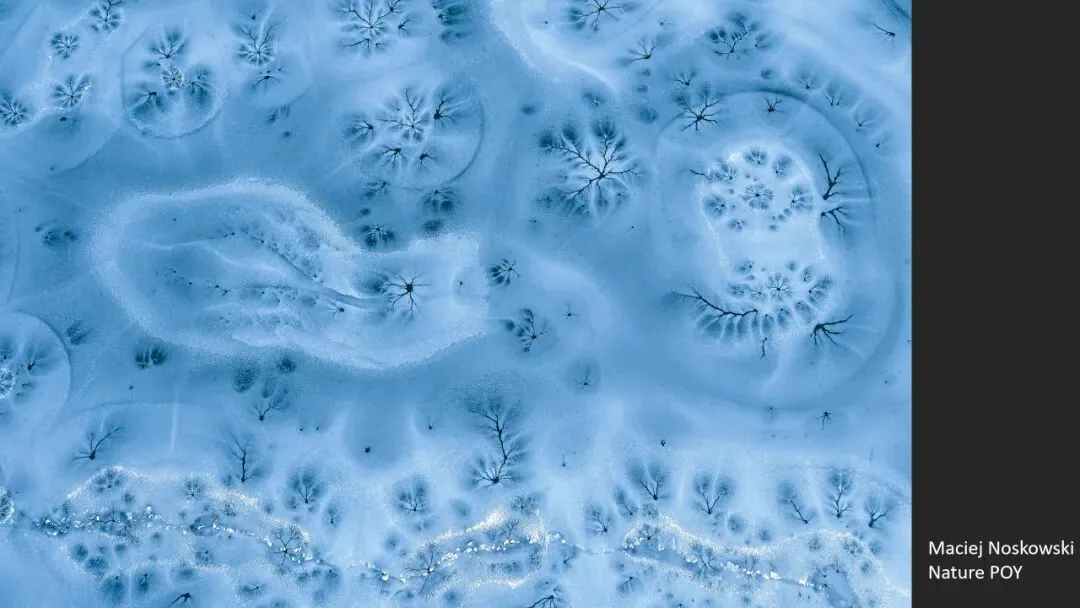
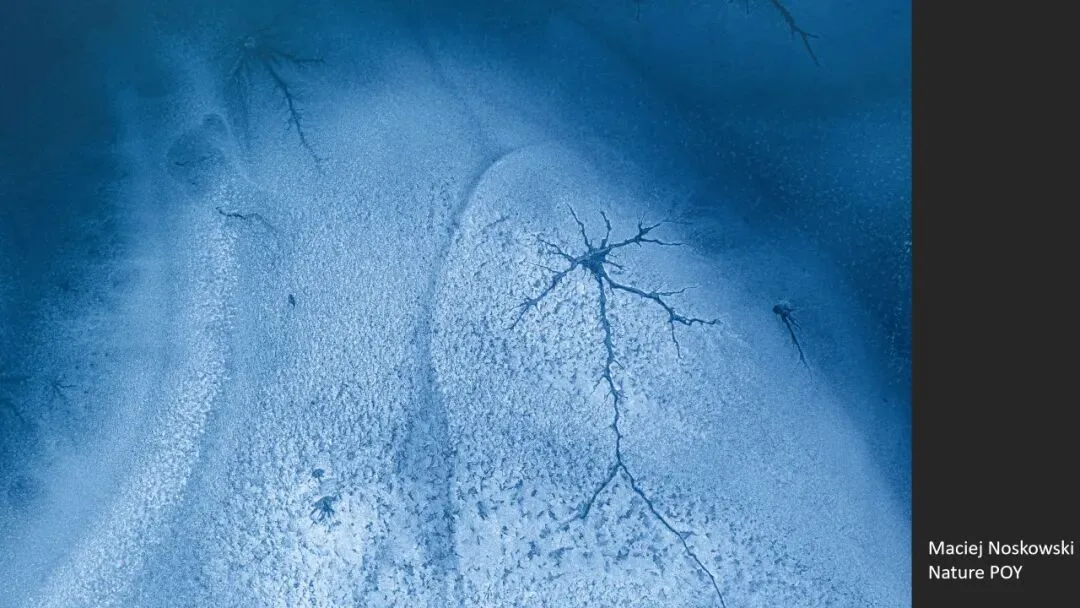
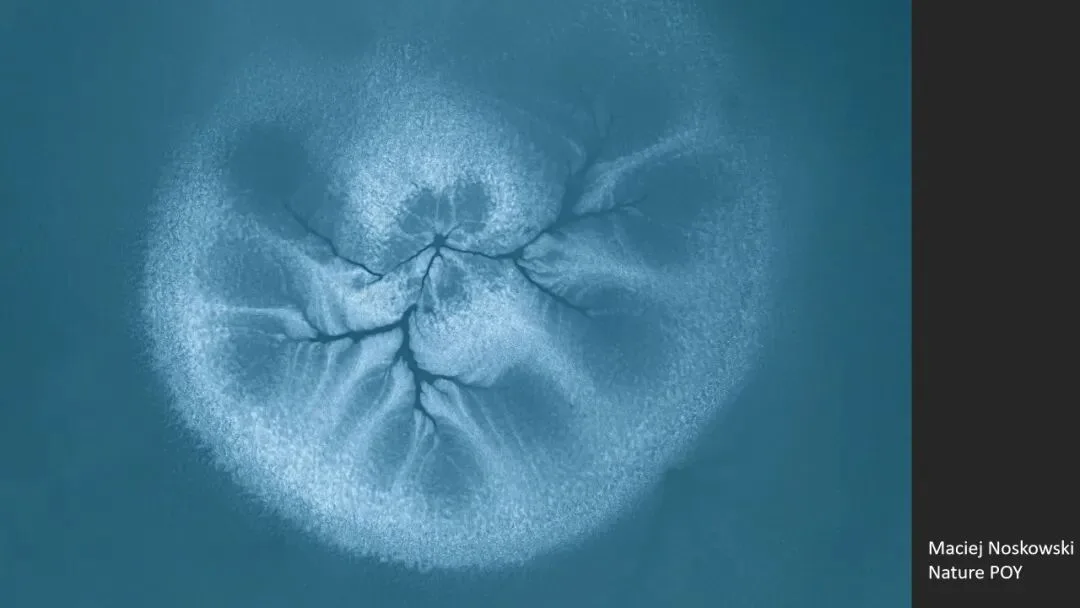
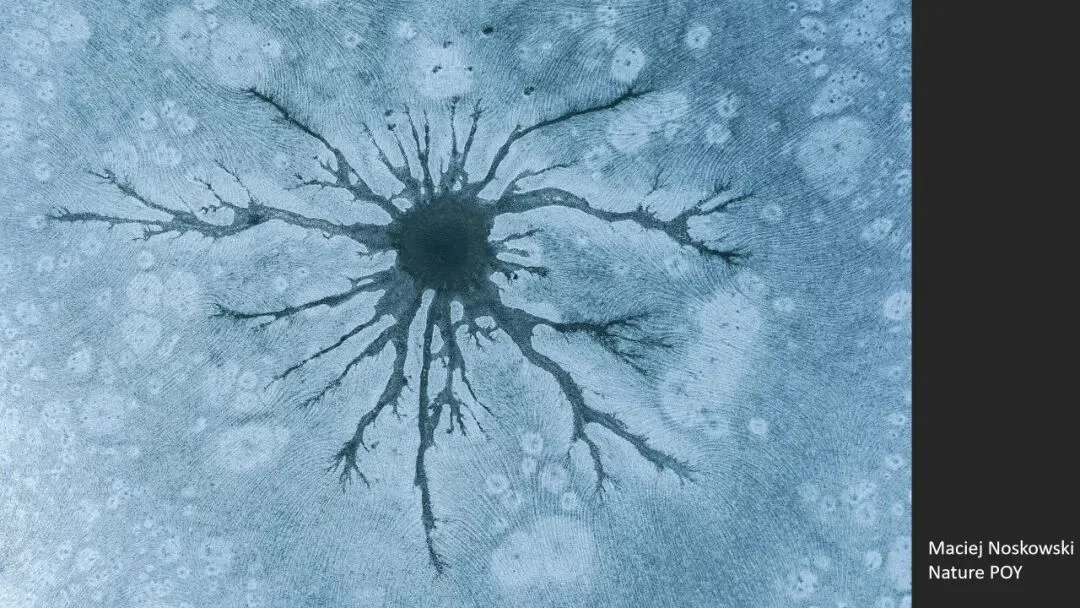
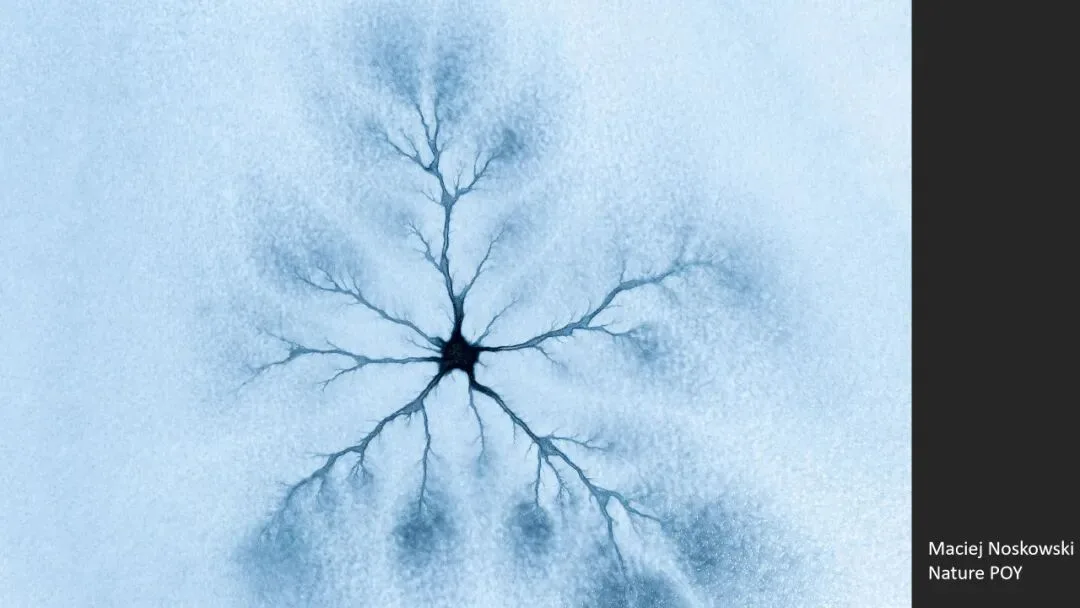
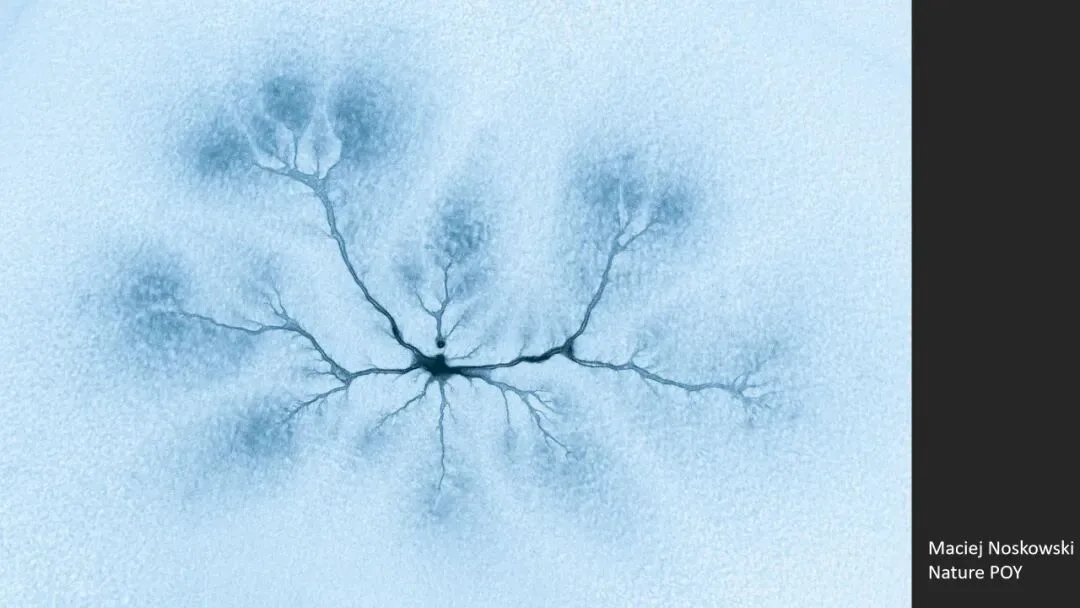
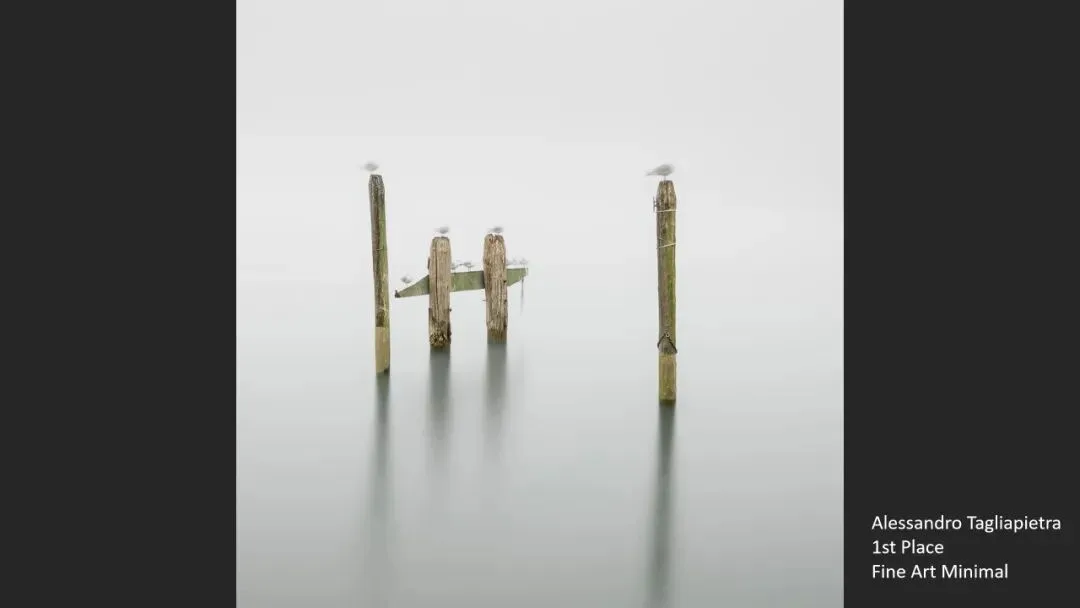
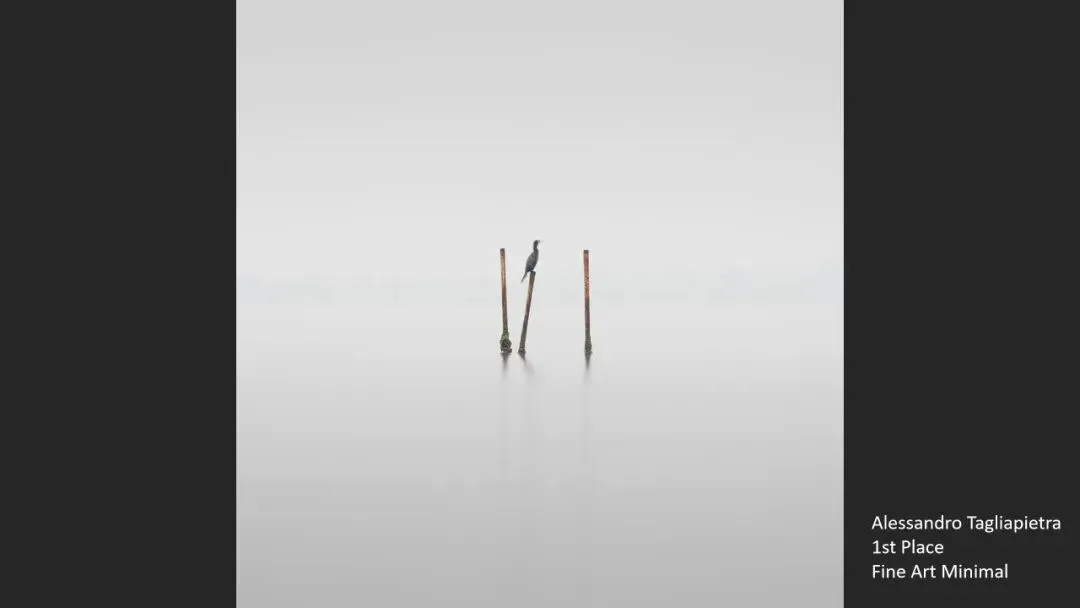
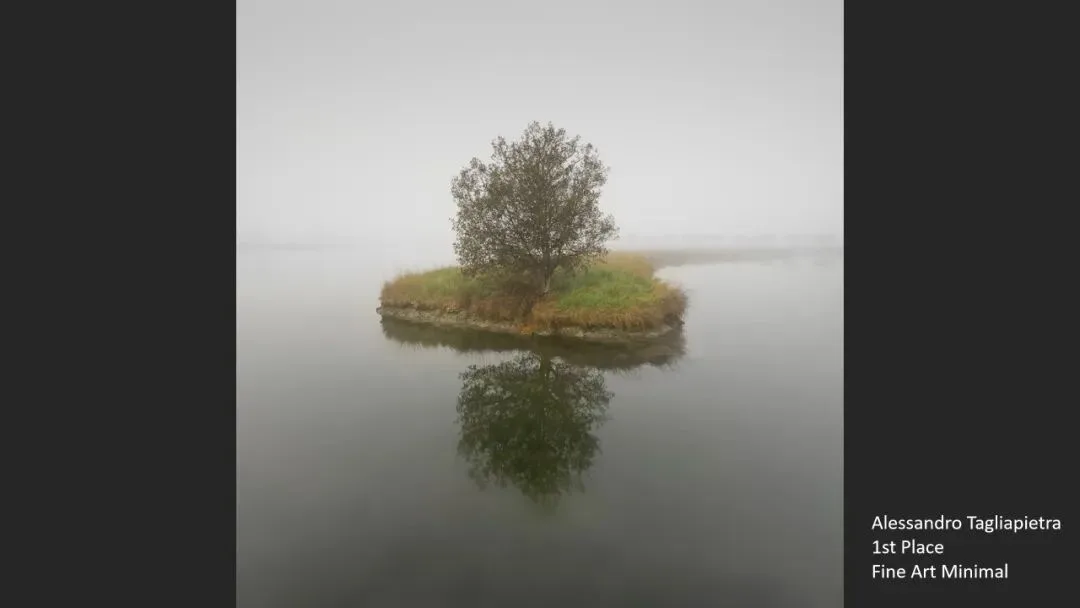
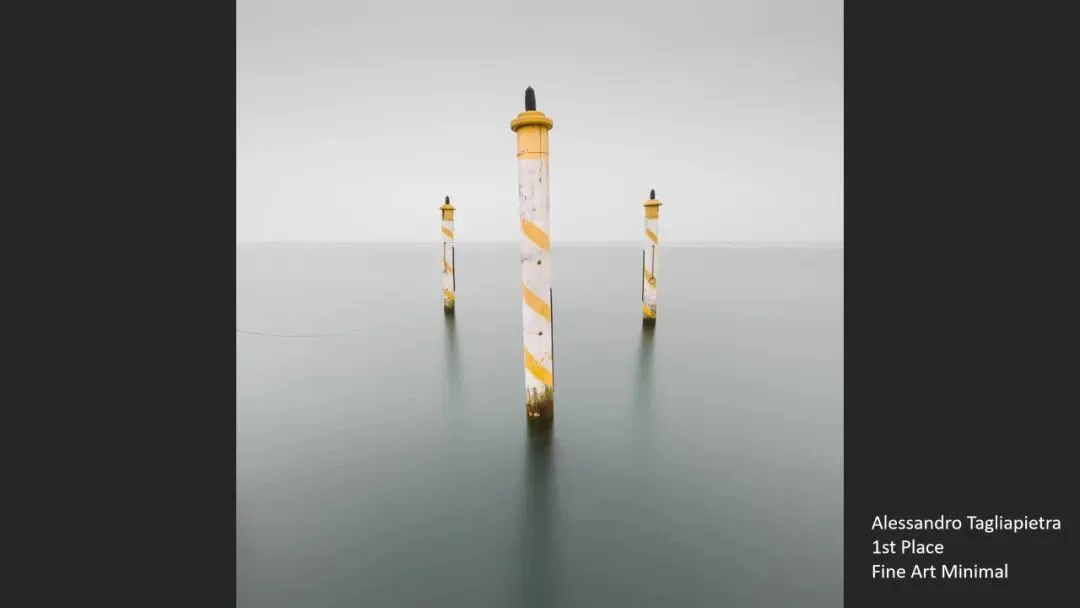
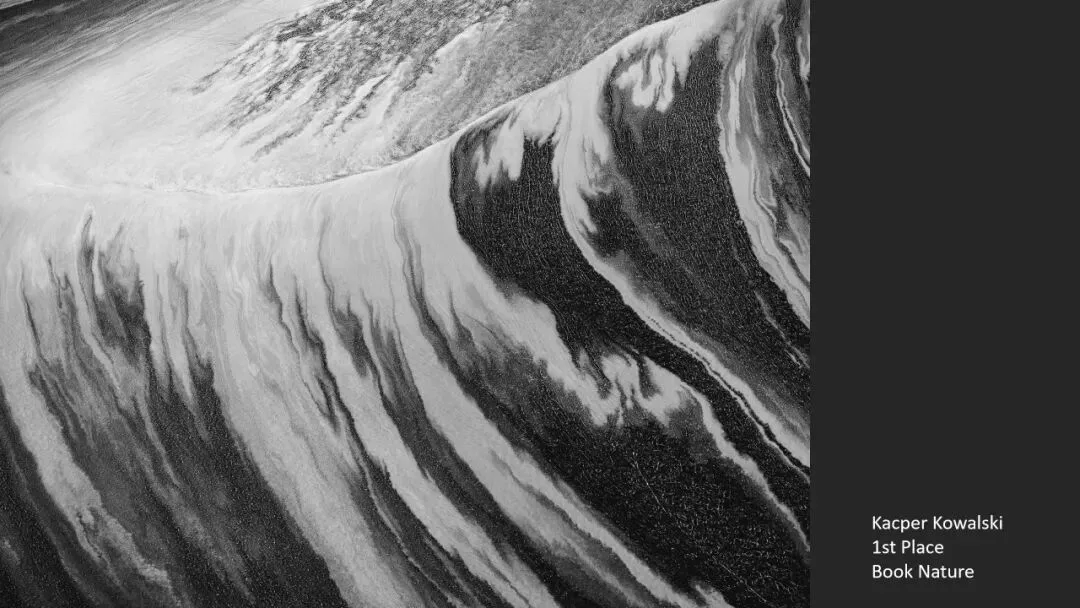
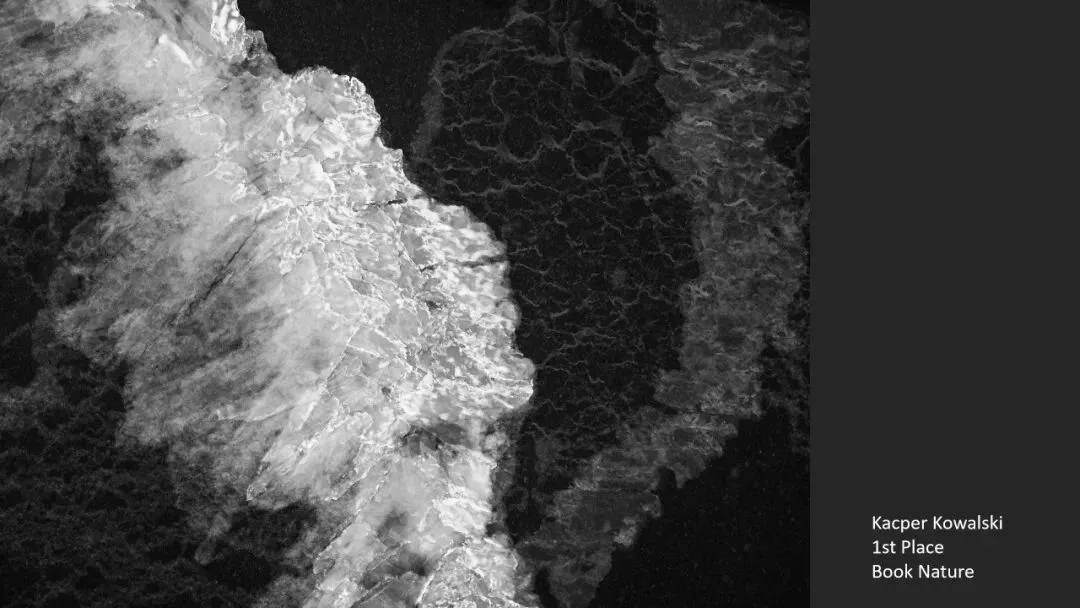
On to series. Nature Photographer of the Year went to Maciej Noskowski's aerial textures of winter ice and snow: spare framing, a dramatic aerial vantage point, minimal compositions that record the wild, almost fantastical patterns nature draws (at 4:14 in the video). Another minimal set is the kind seen often in competitions and relies heavily on post — though the bird on a post with a touch of motion blur, sharp against soft, is handled beautifully; work like this may involve extensive clean-up, with even the reflections built in post (at 4:49 in the video).
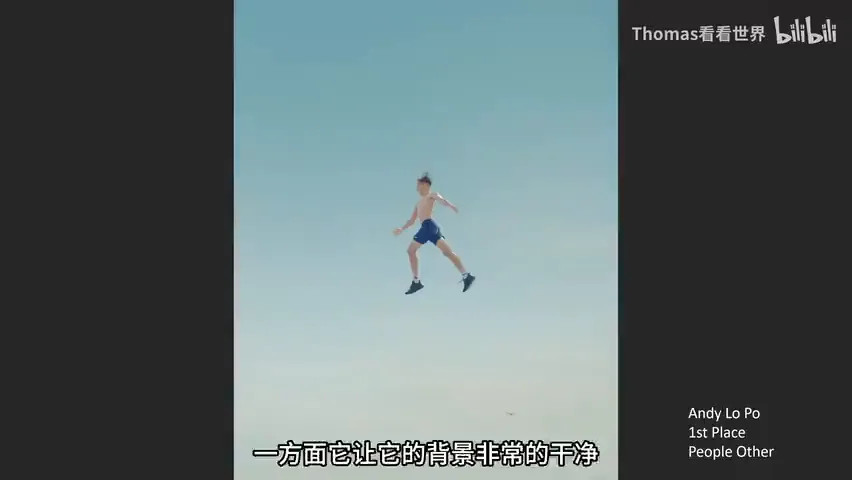
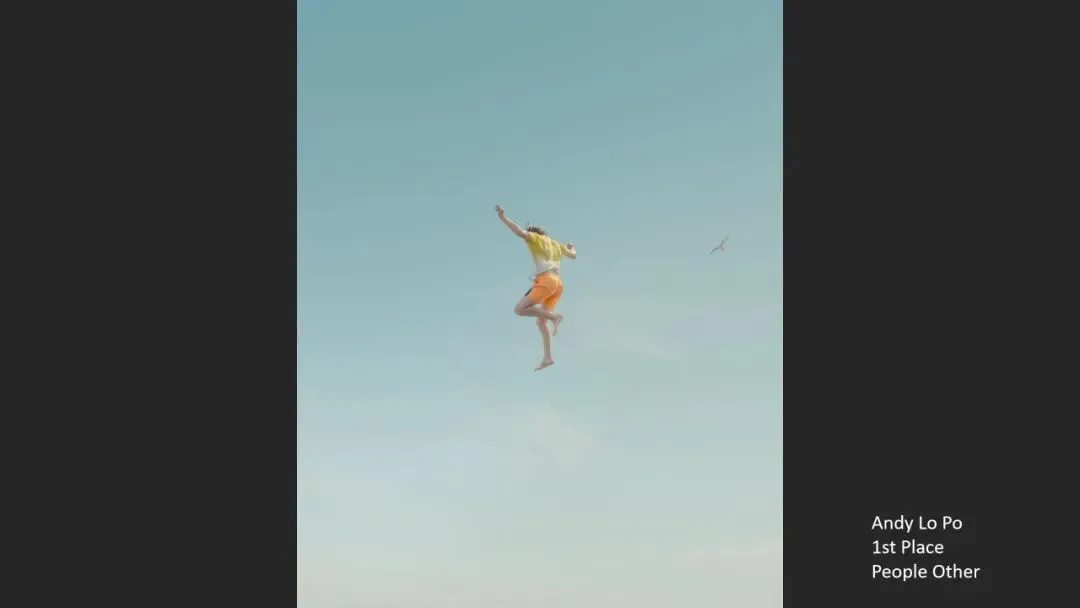
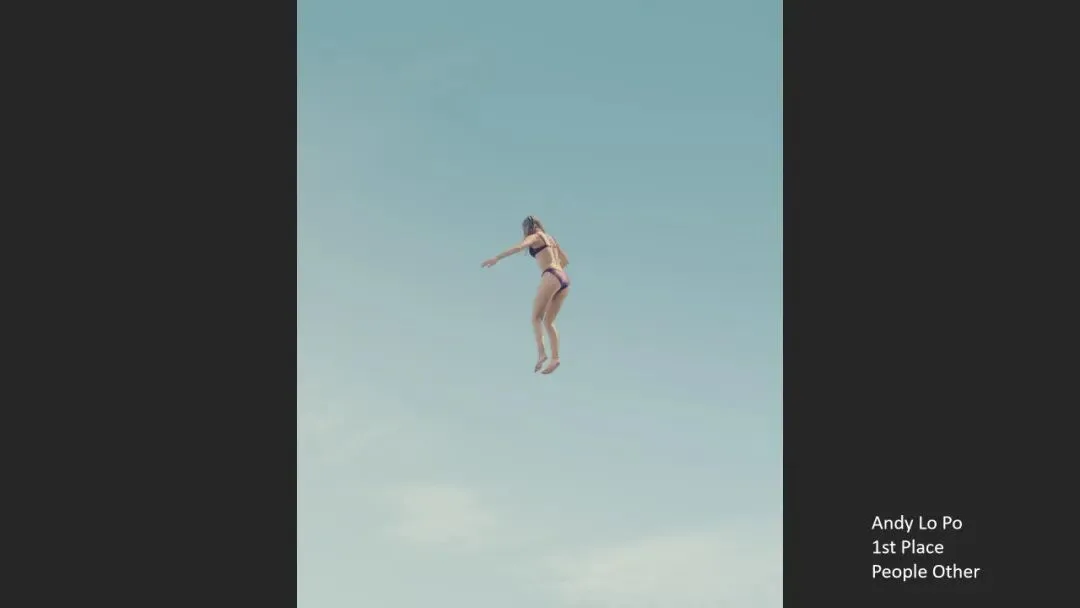
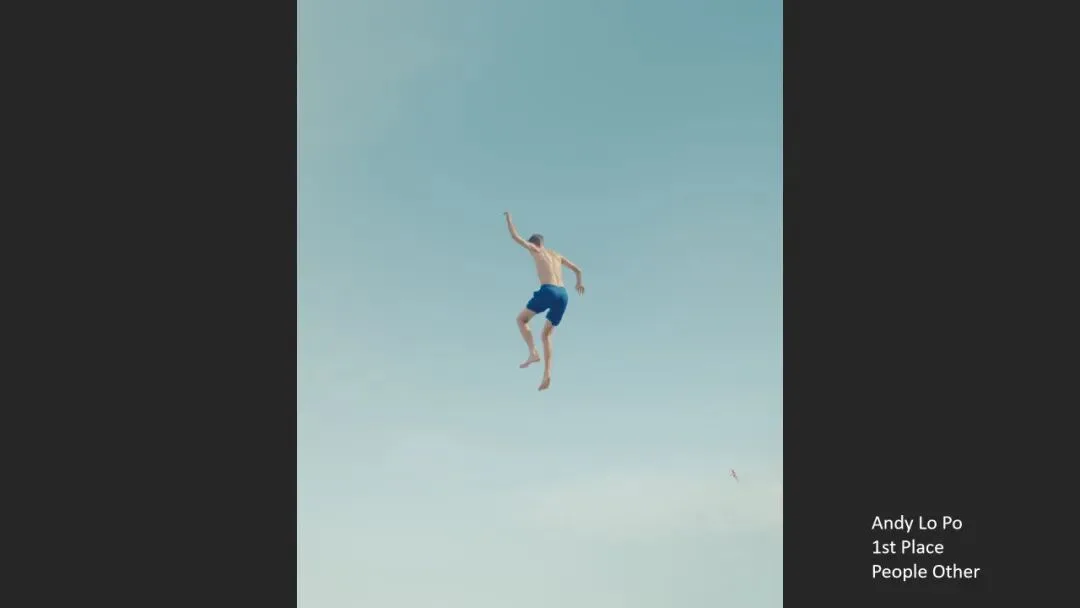
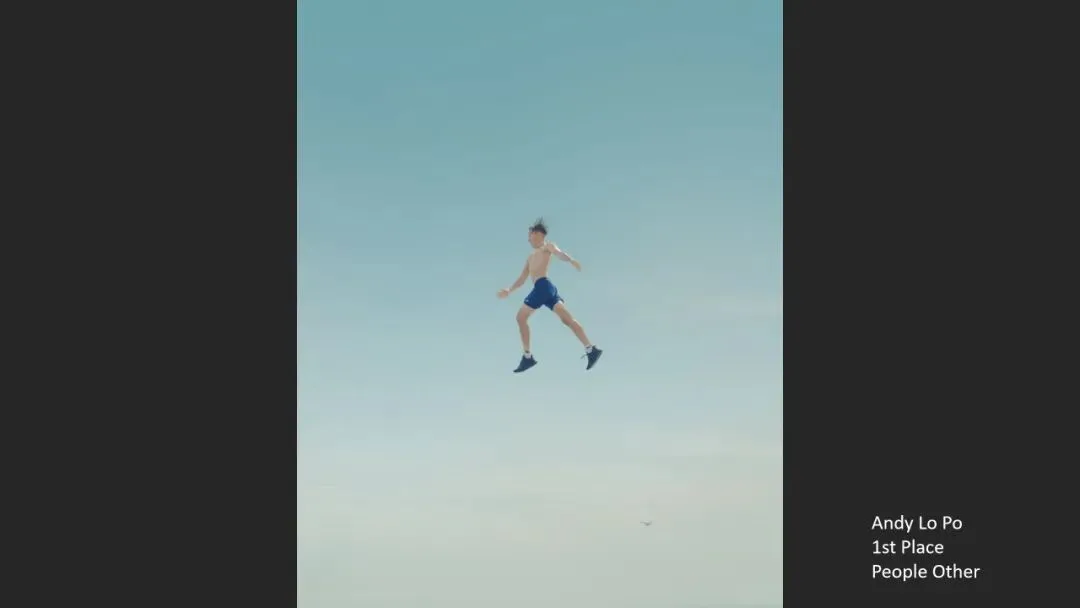
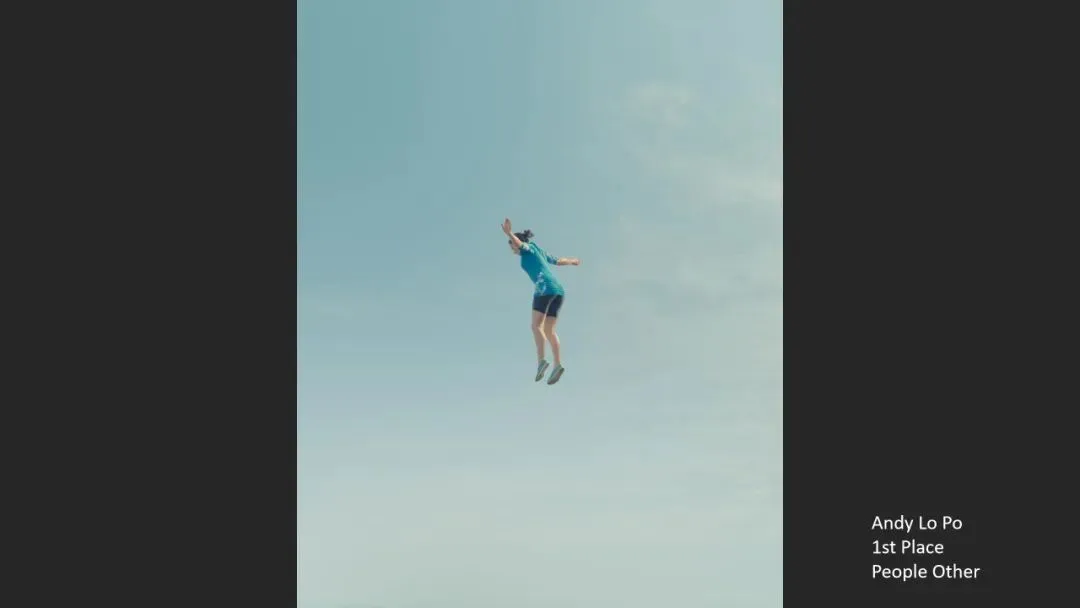
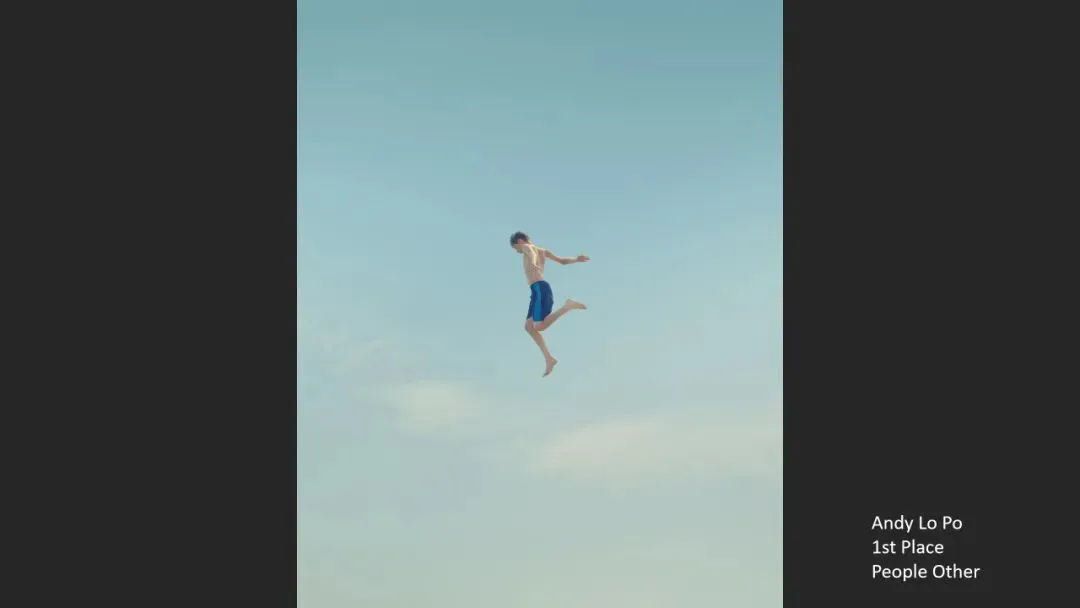
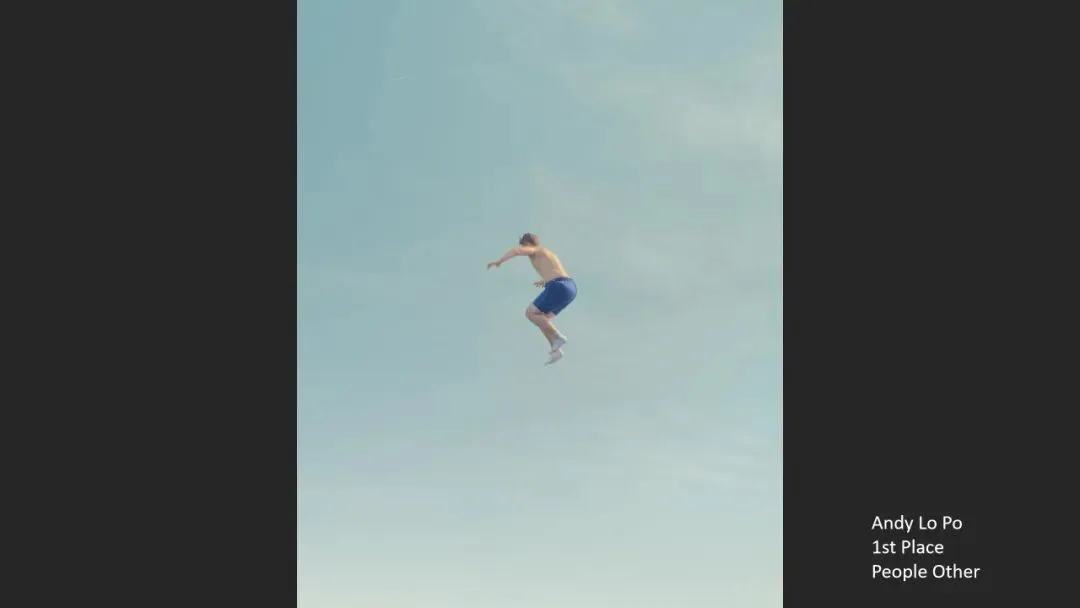
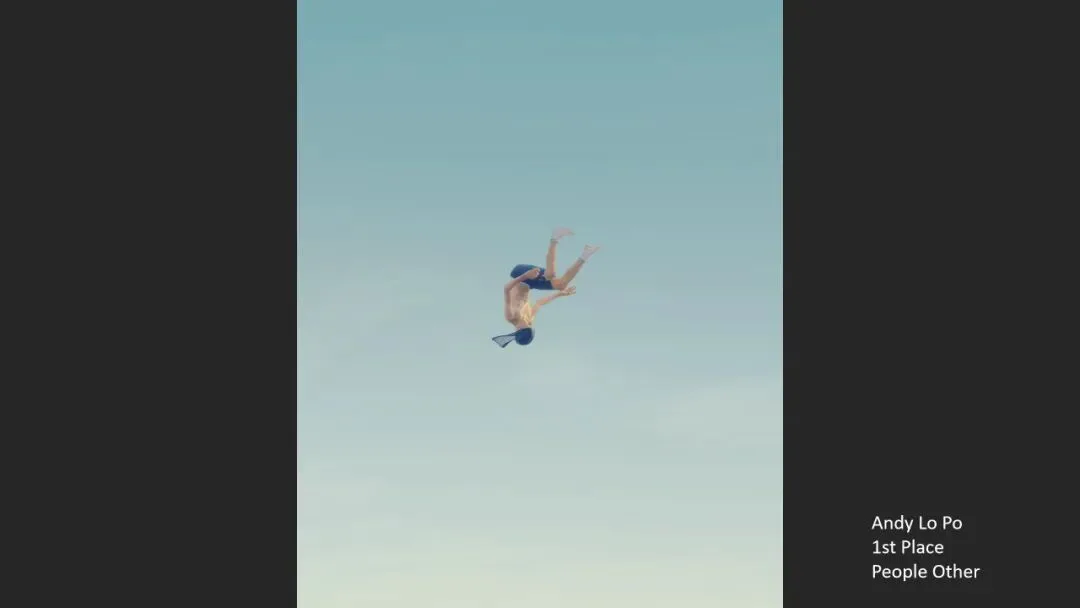
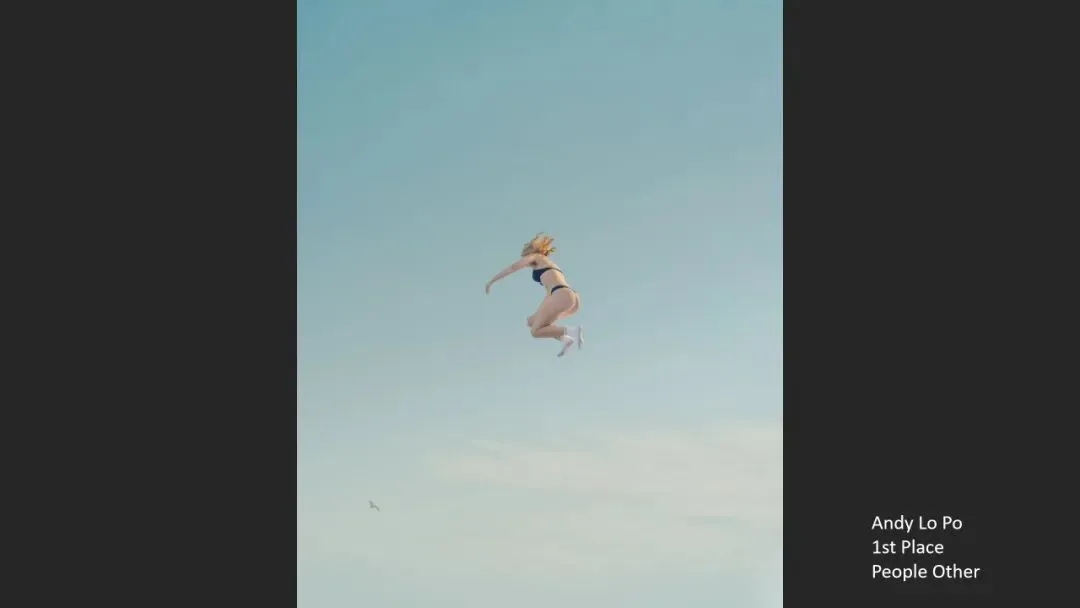
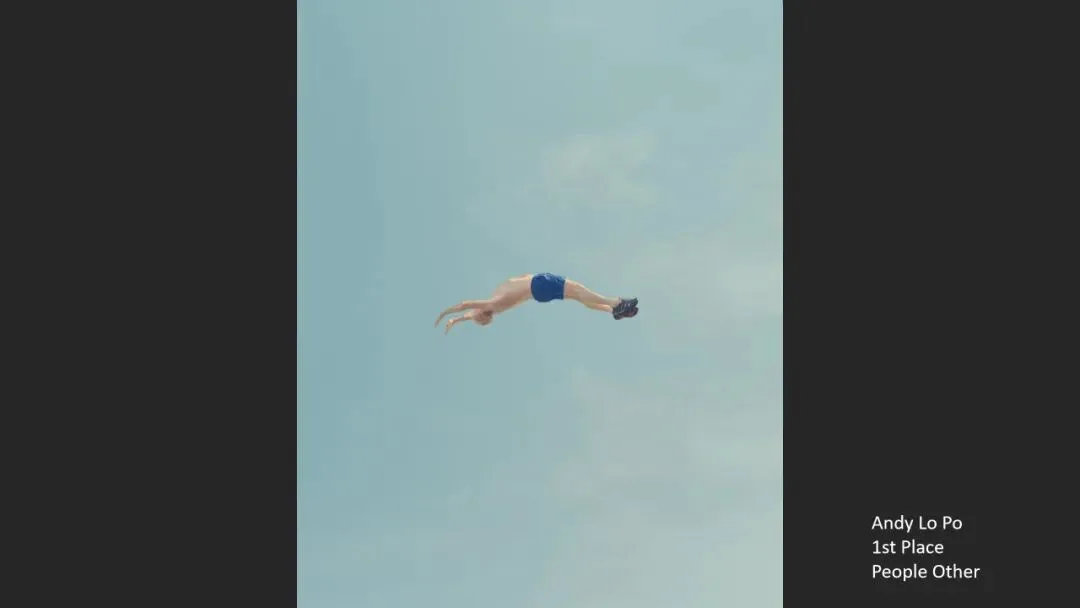
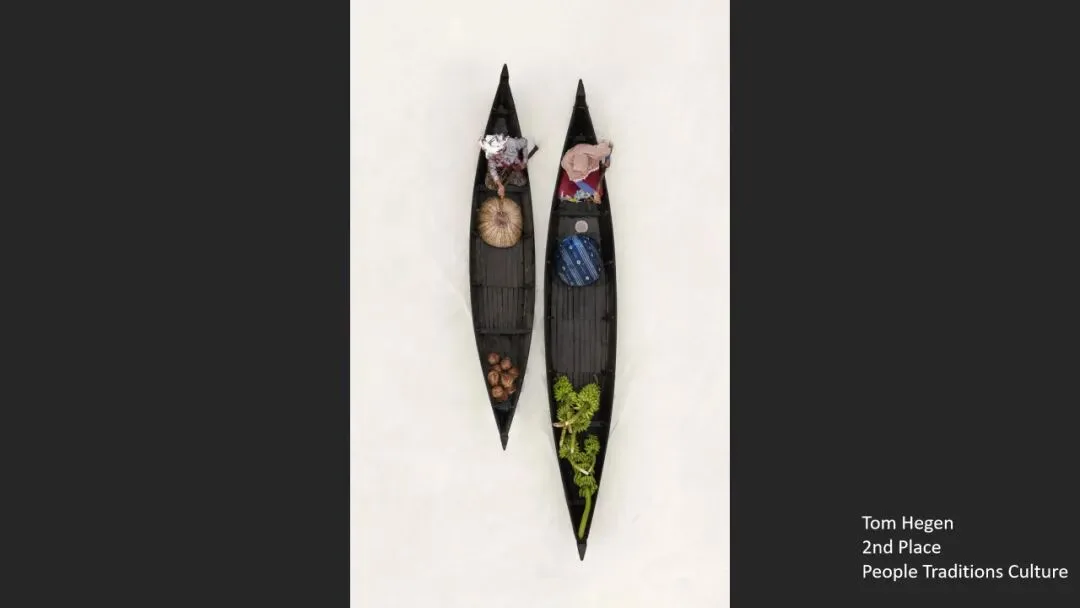
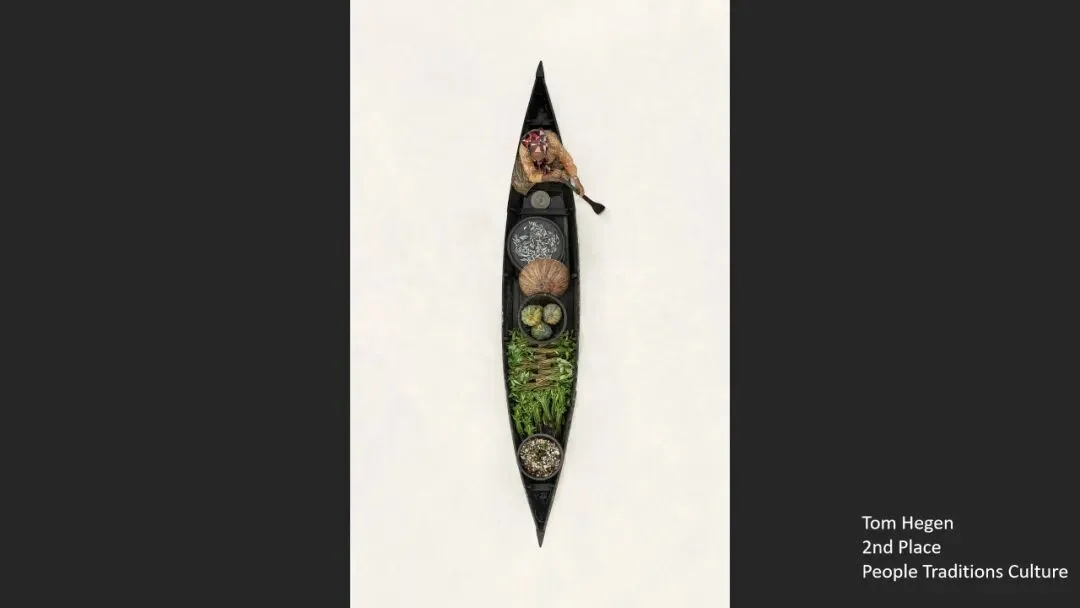
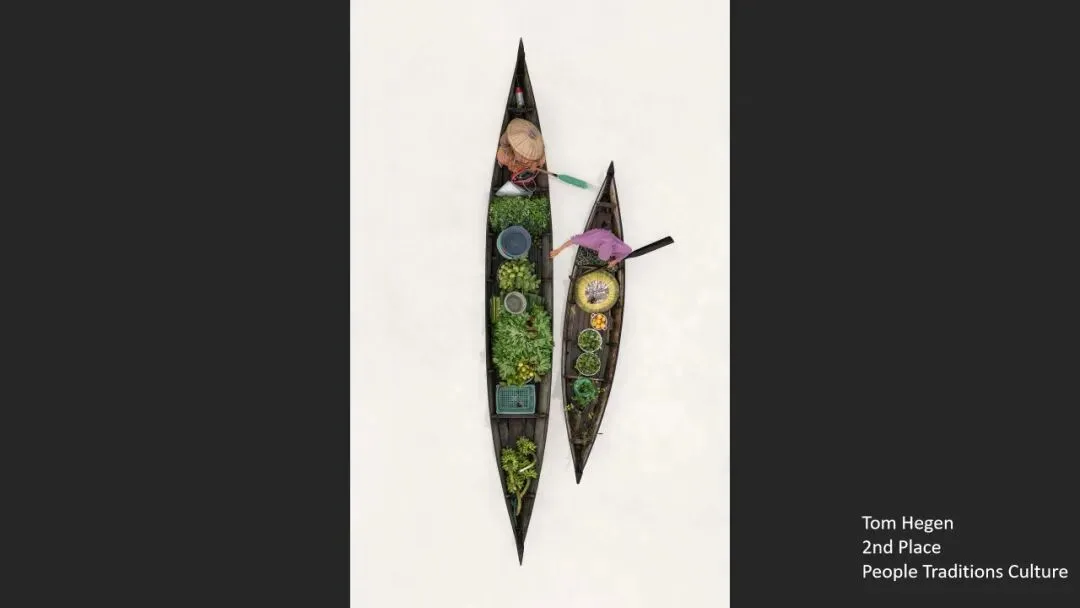
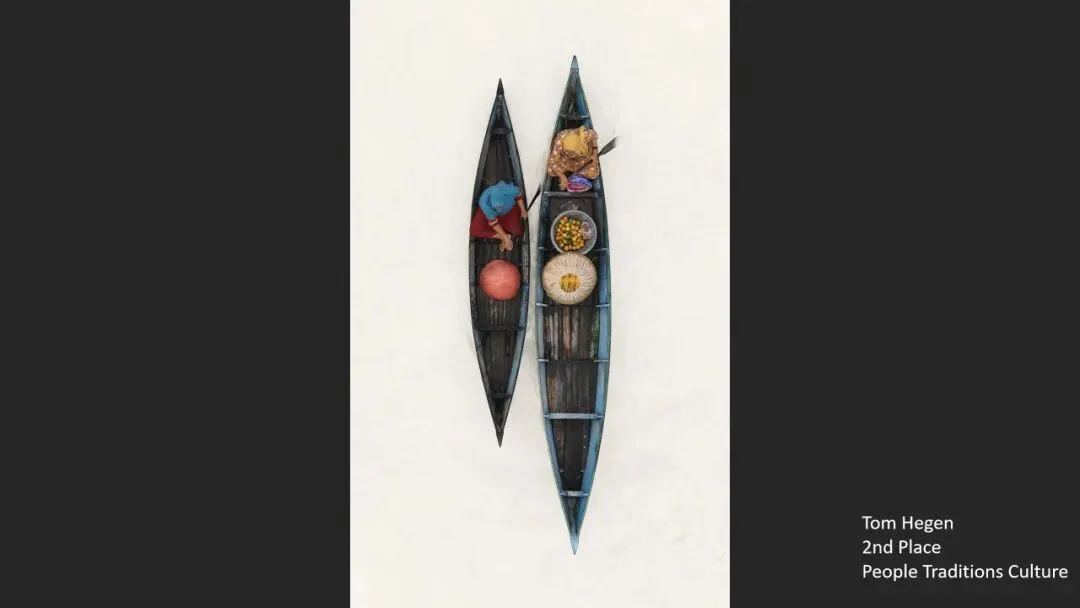
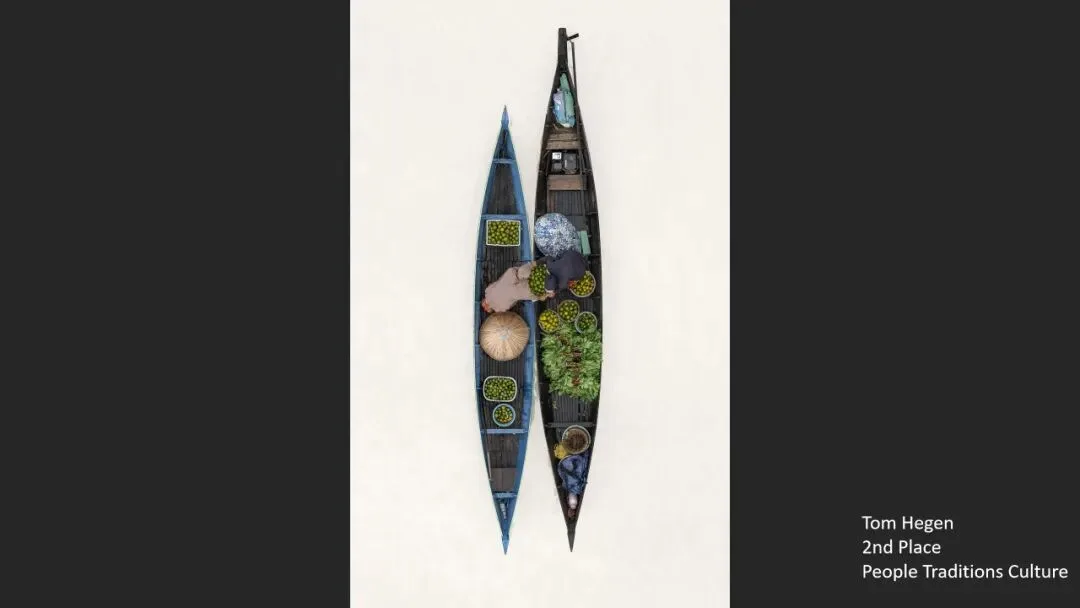
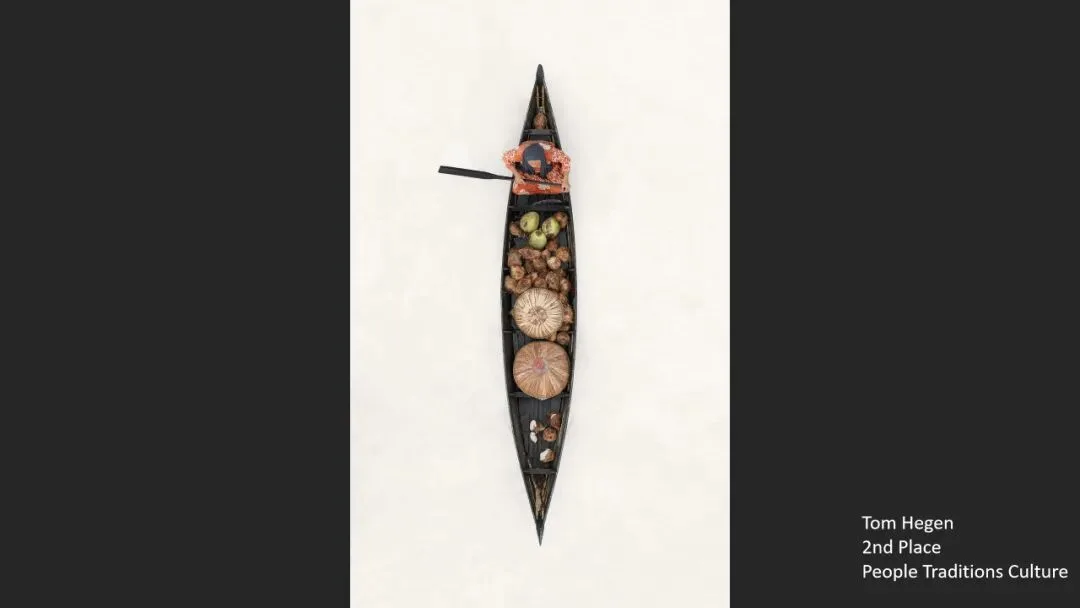
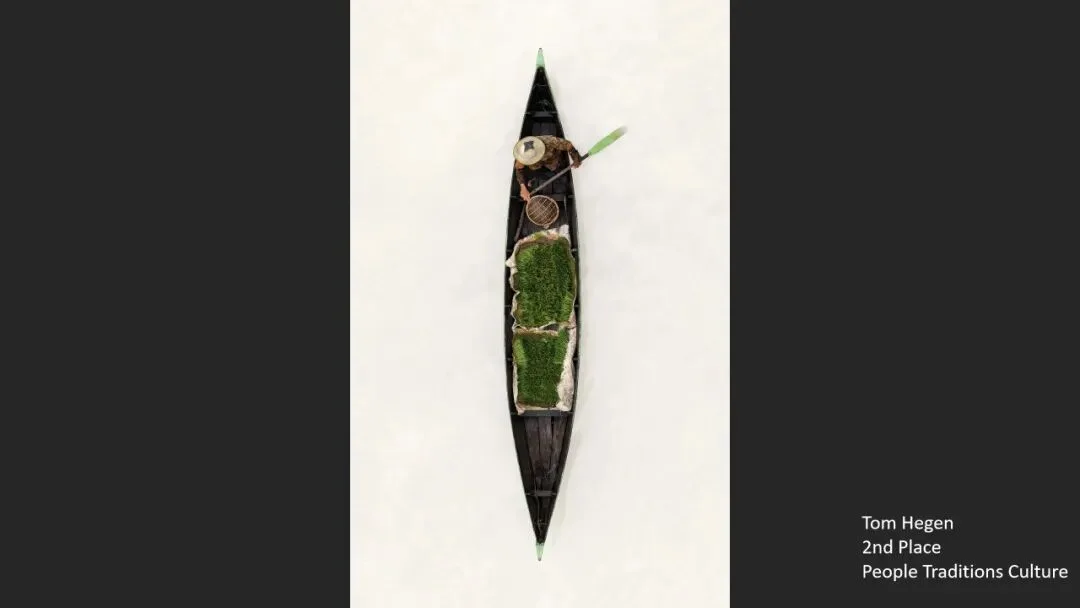
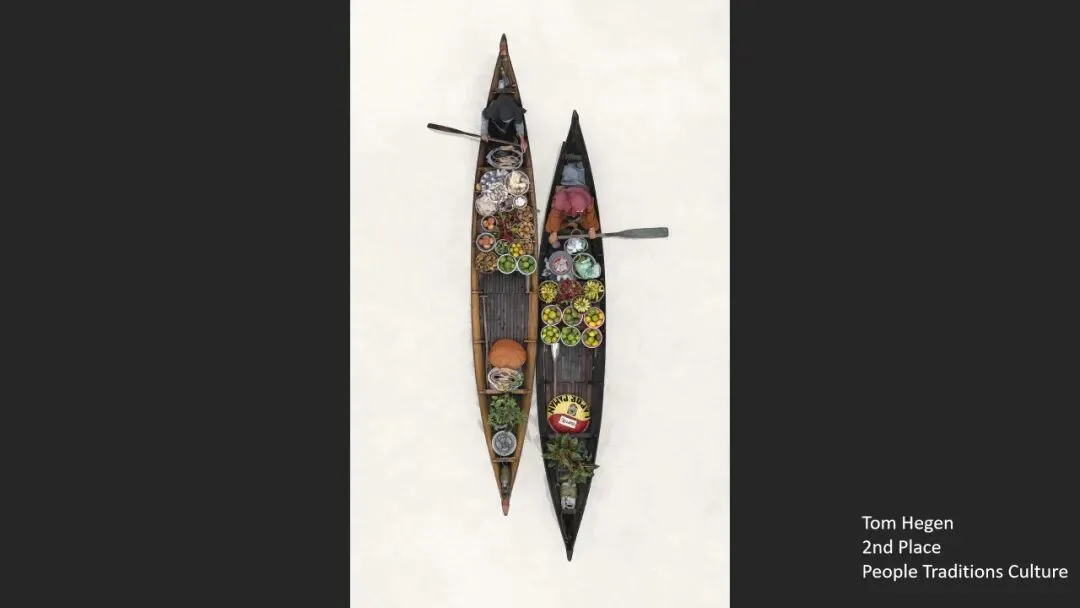
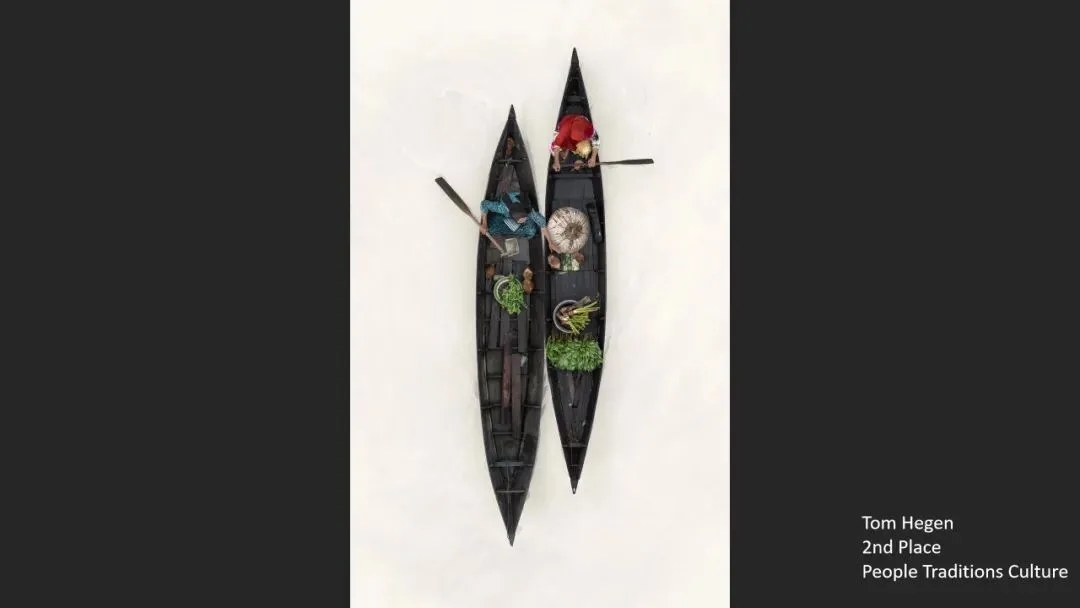
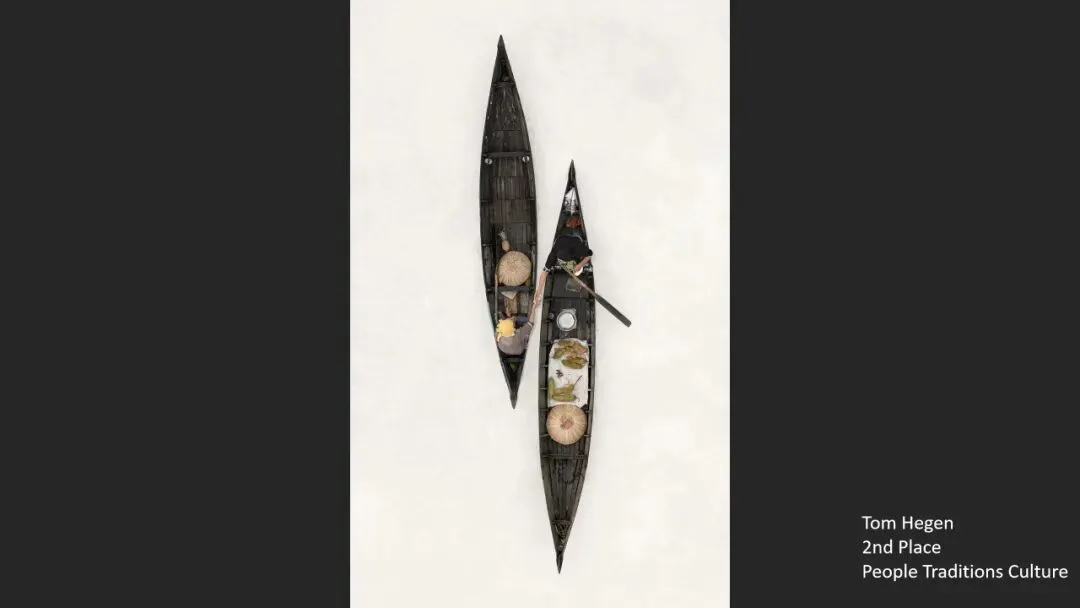
Andy Lo Po's set is wonderfully imaginative: when we photograph people, few of us think of catching them mid-dive. It keeps the background immaculate while placing the figure in a specific setting, conveying the joy of a holiday — nothing like conventional portraiture (at 5:16 in the video). This year's Sony World Photography Awards still-life winner, potted garden plants suspended in mid-air, springs from a very similar idea. Another series lifts boats onto a white background as if shot in a studio, fusing documentary with commercial photography for a singular effect (at 6:02 in the video).
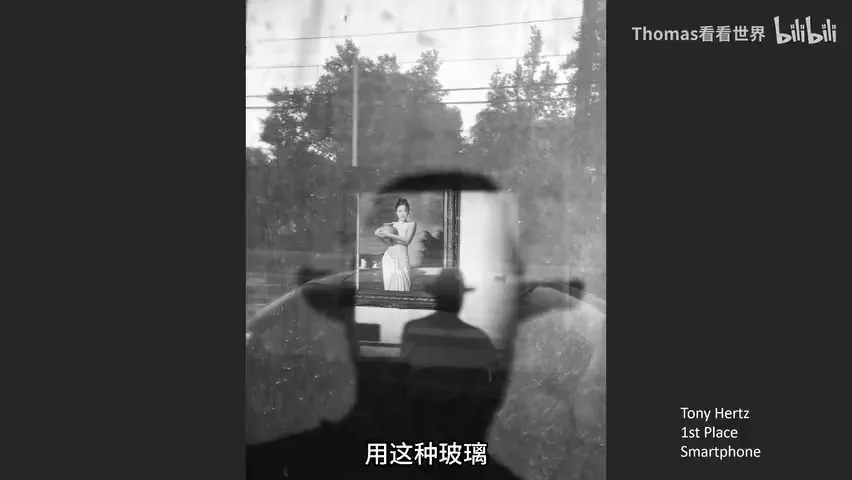
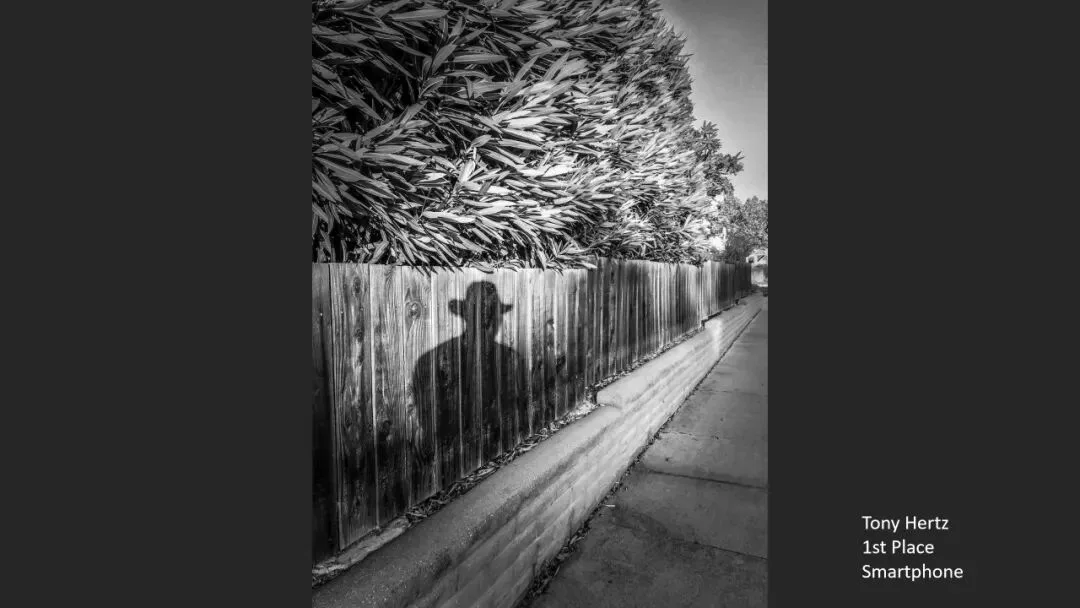
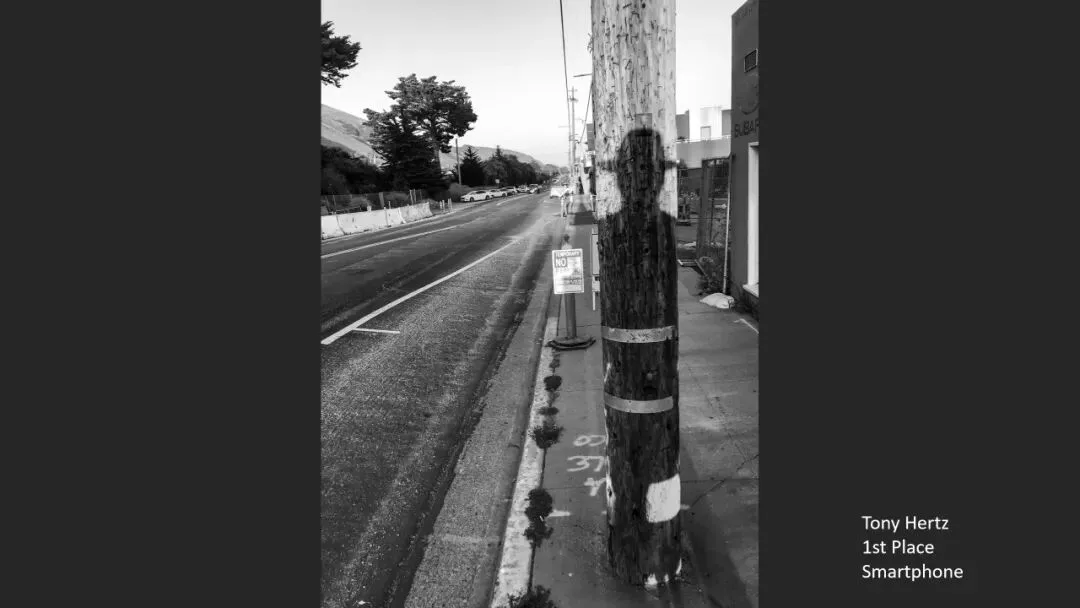
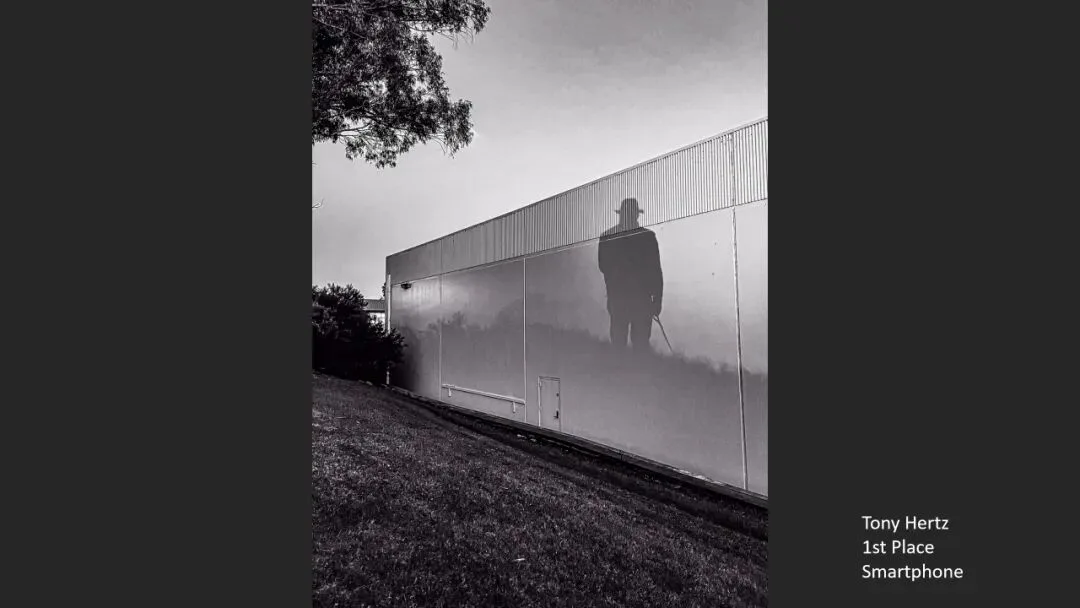
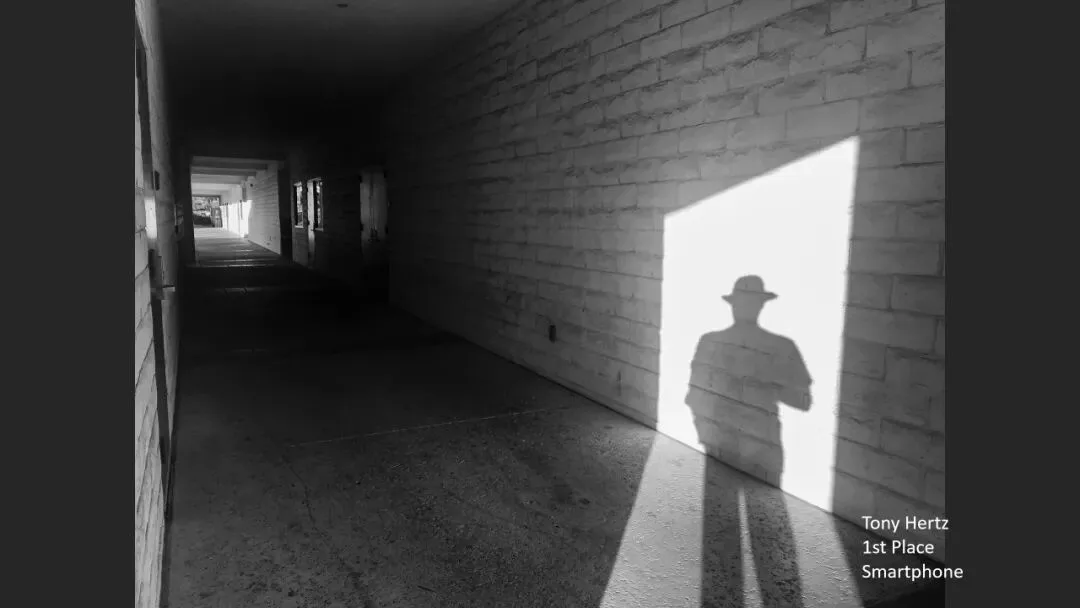
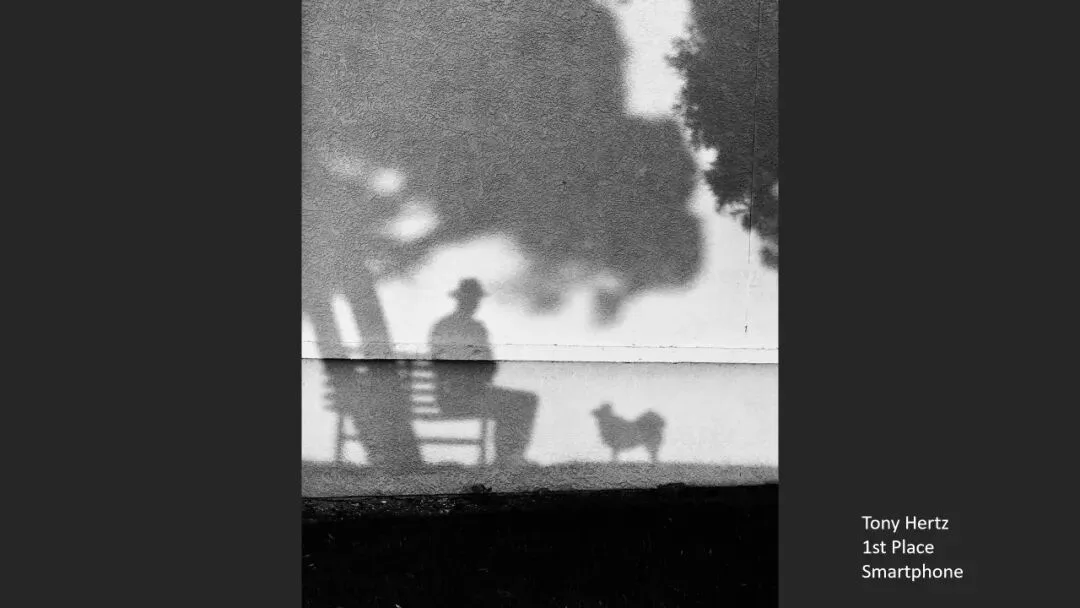
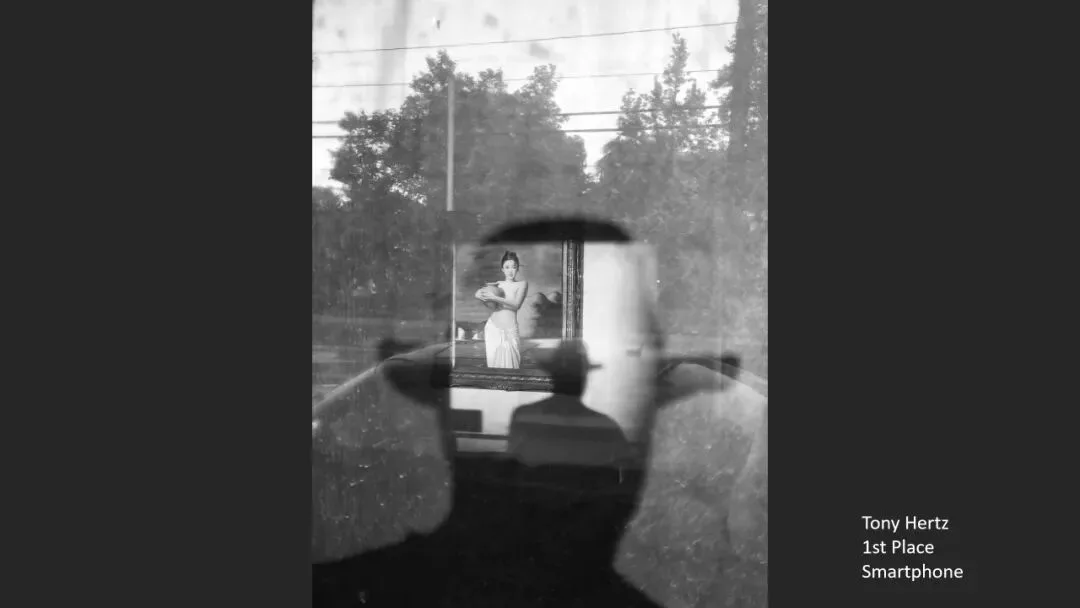
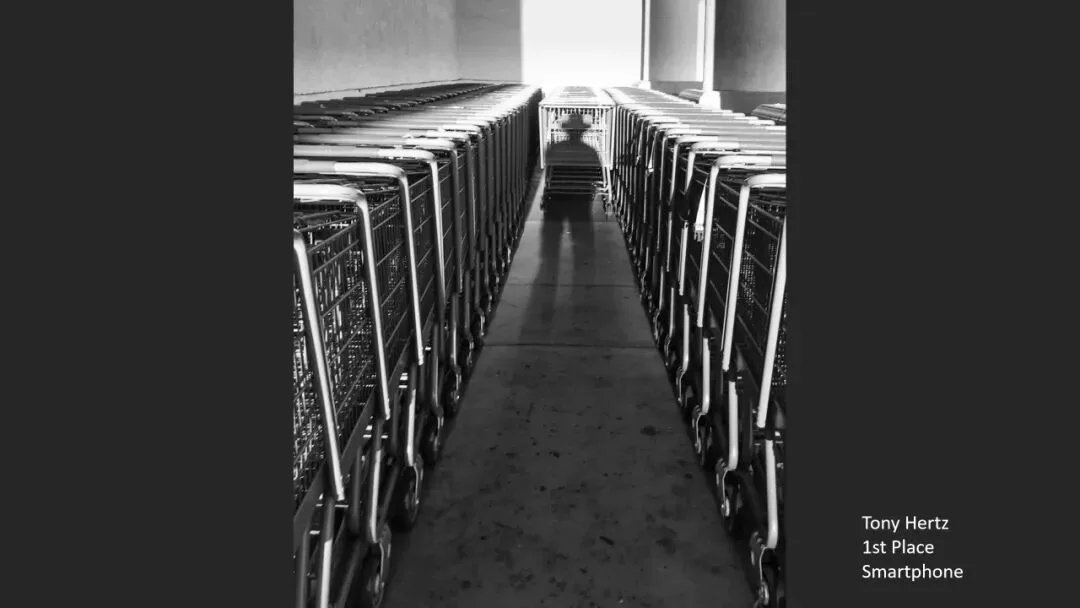
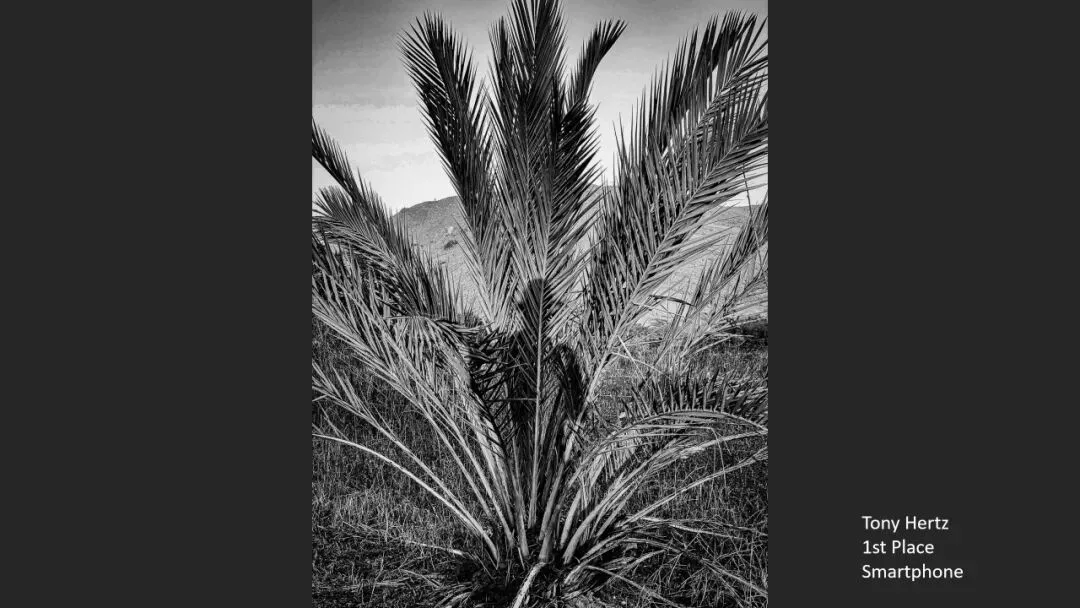
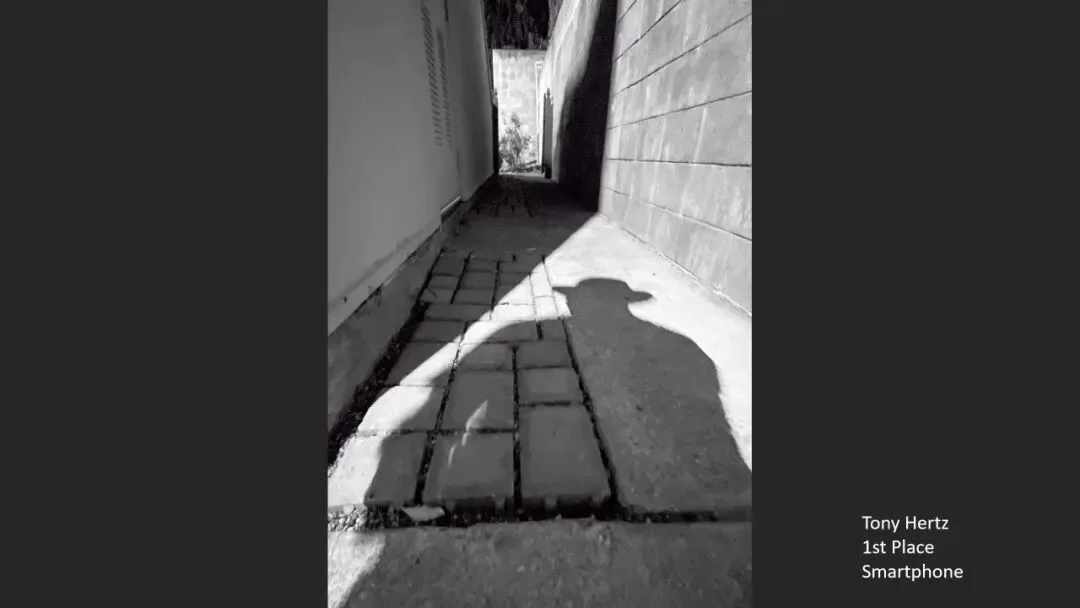
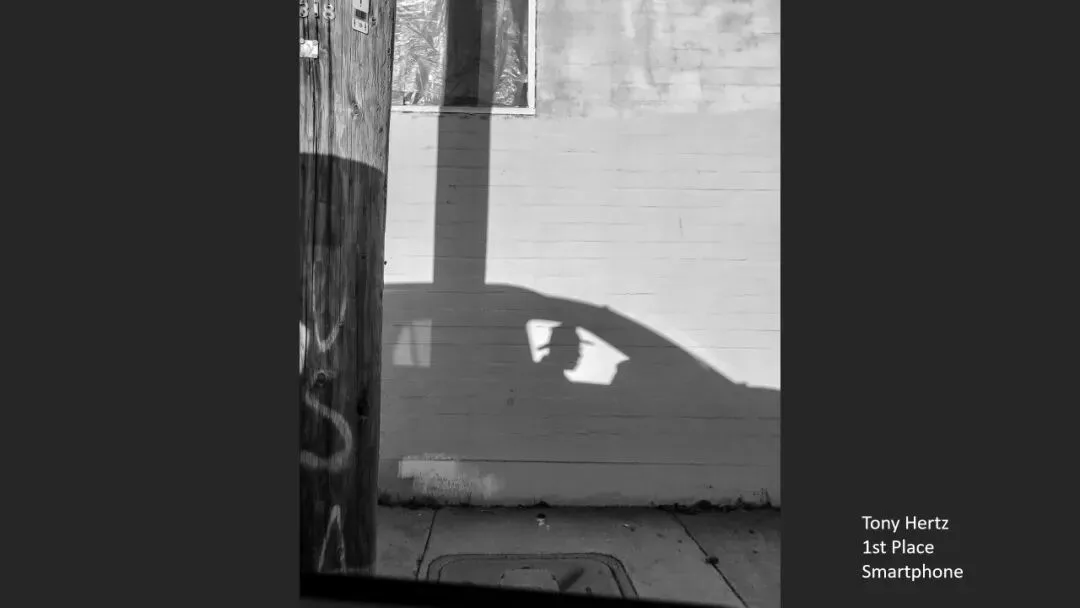
The Smartphone grand prize went to Tony Hertz's series of his own shadow: a hat lends it a vintage air, and he keeps hunting for new angles — glass to build complex spatial structures, a supermarket trolley for an unexpected setting, the shadow thrown across all kinds of surfaces and onto cars in alleyways (at 6:31 in the video). It is a textbook case: a series needs both consistency and variation, revealing a unified visual sensibility along with rich observation and imagination (at 7:12 in the video).
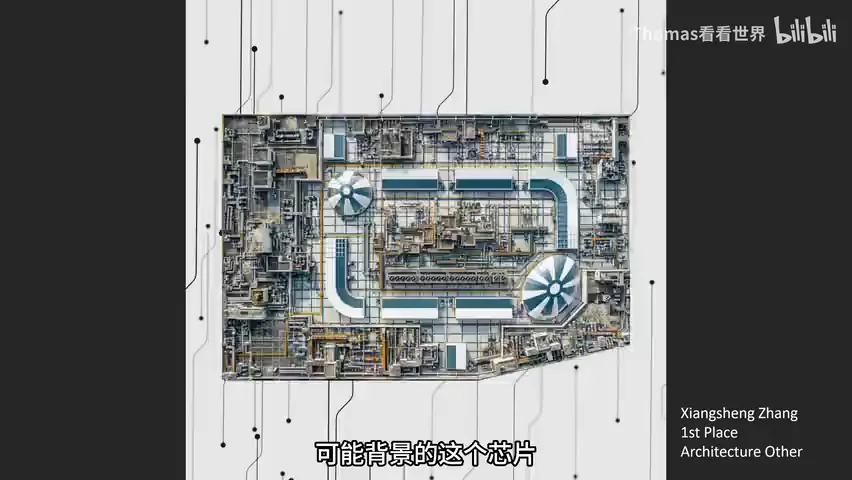
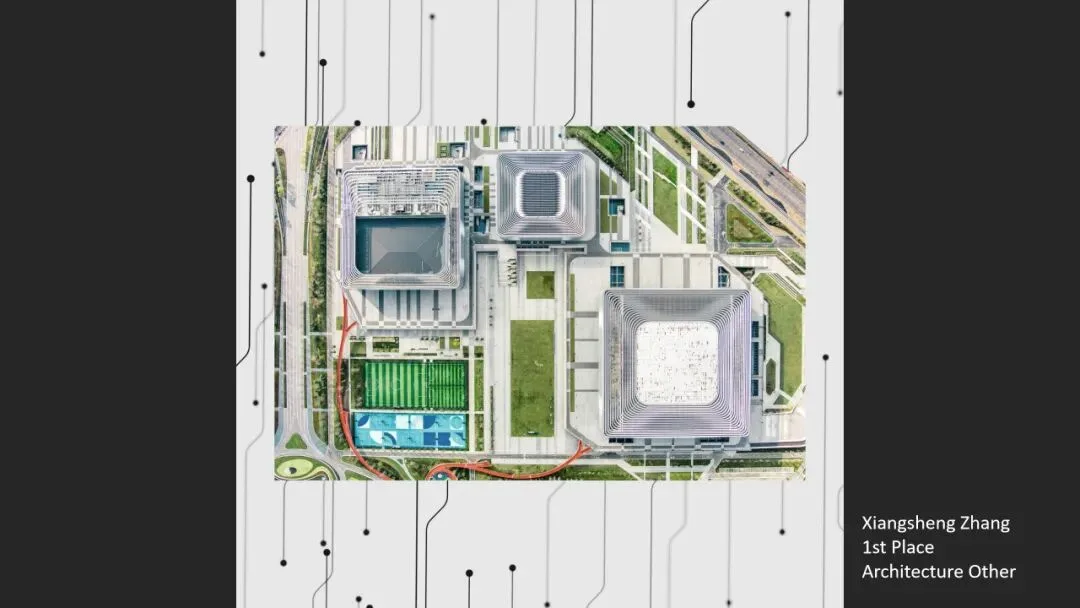
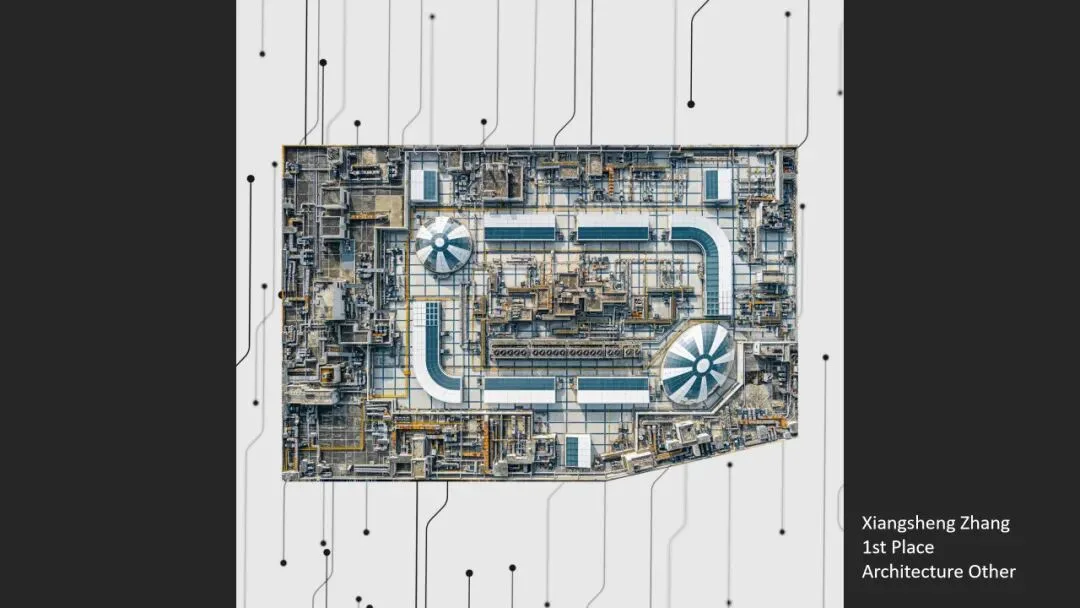
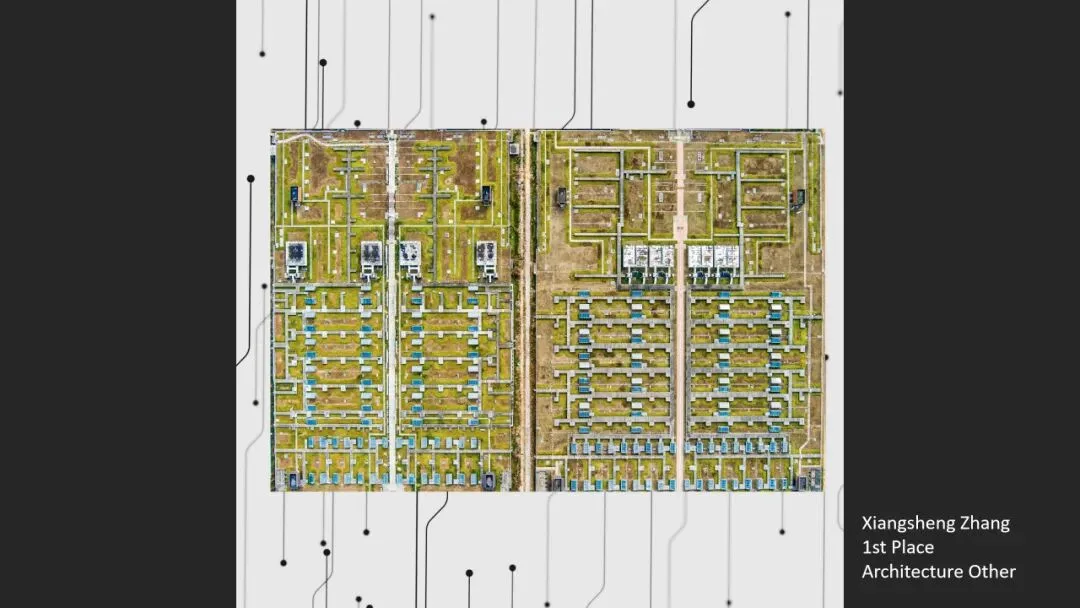
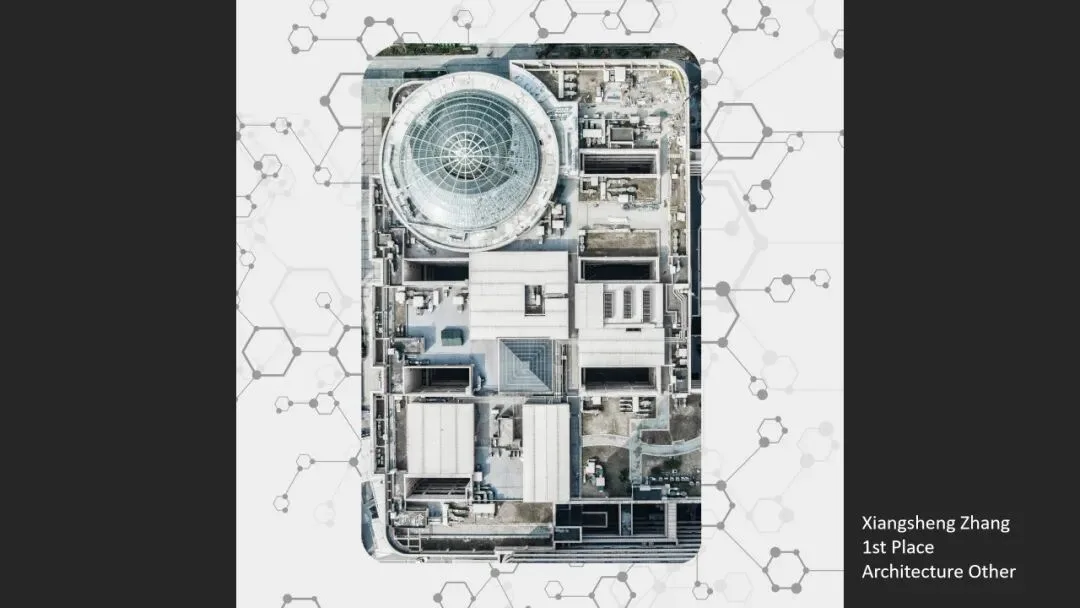
Xiangsheng Zhang's series is just as inventive: aerial views of city blocks cut out and laid onto a microchip background. The jury noted that it pairs two remarkably similar objects — vast urban architecture and the smart chip, each a pinnacle of industrial civilisation, and formally they rhyme. The chip background is a little rough and repetitive, but the imagination on show is abundant (at 7:27 in the video).
04 Typology Close to Home and the Power of a Set
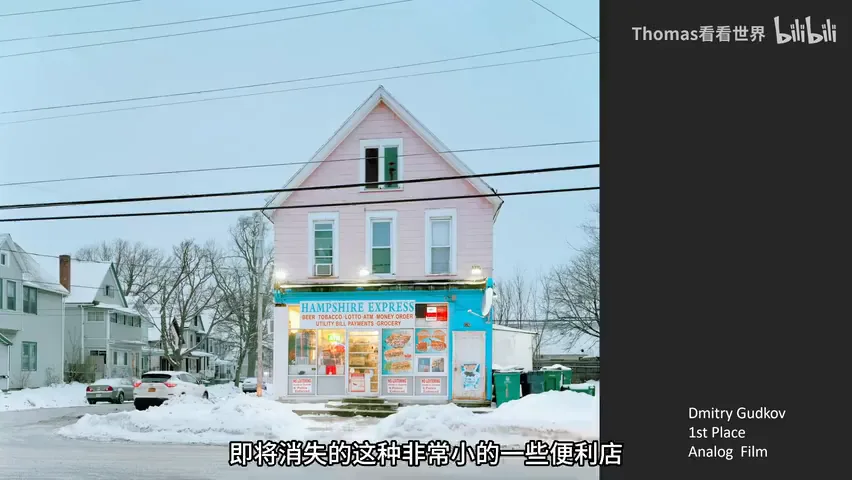
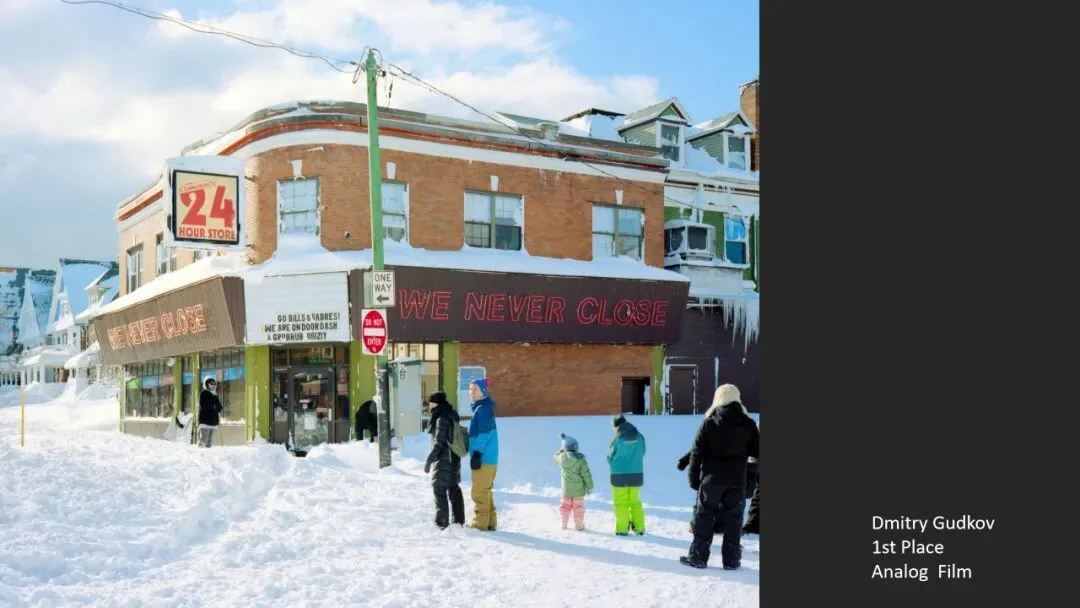
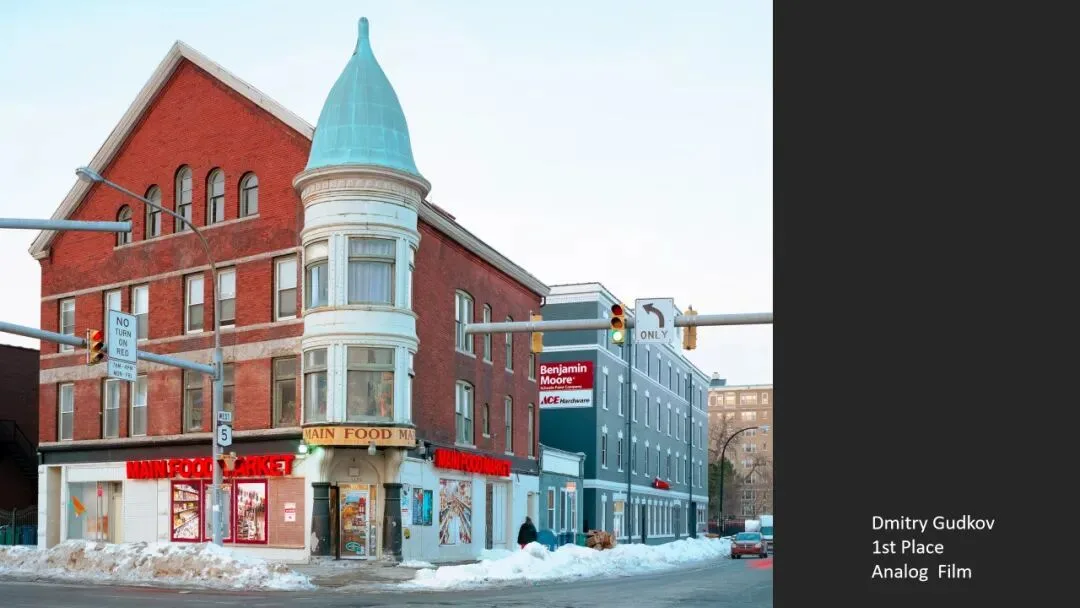
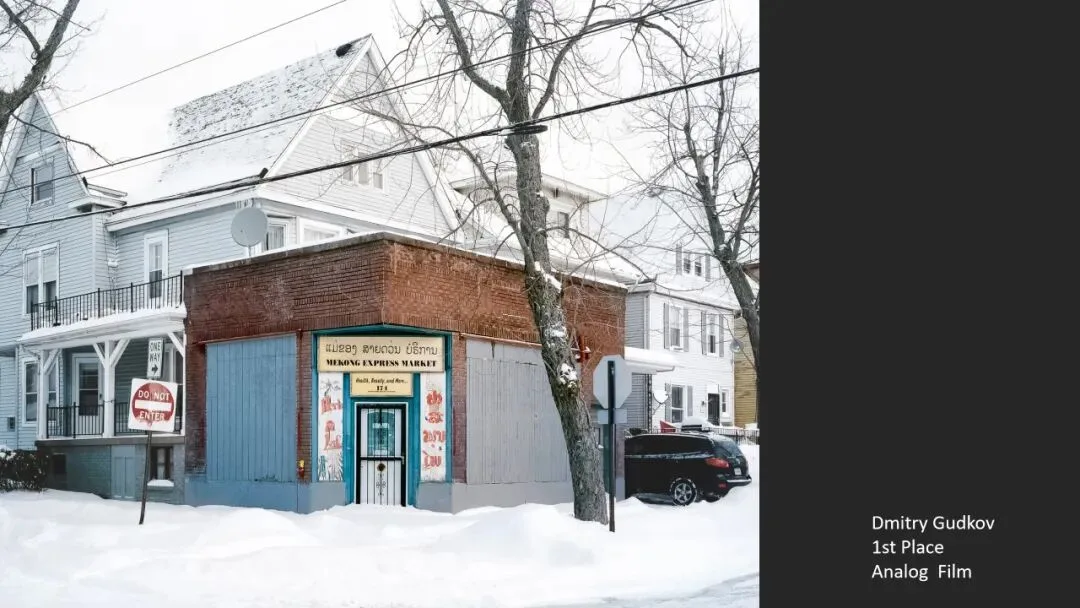
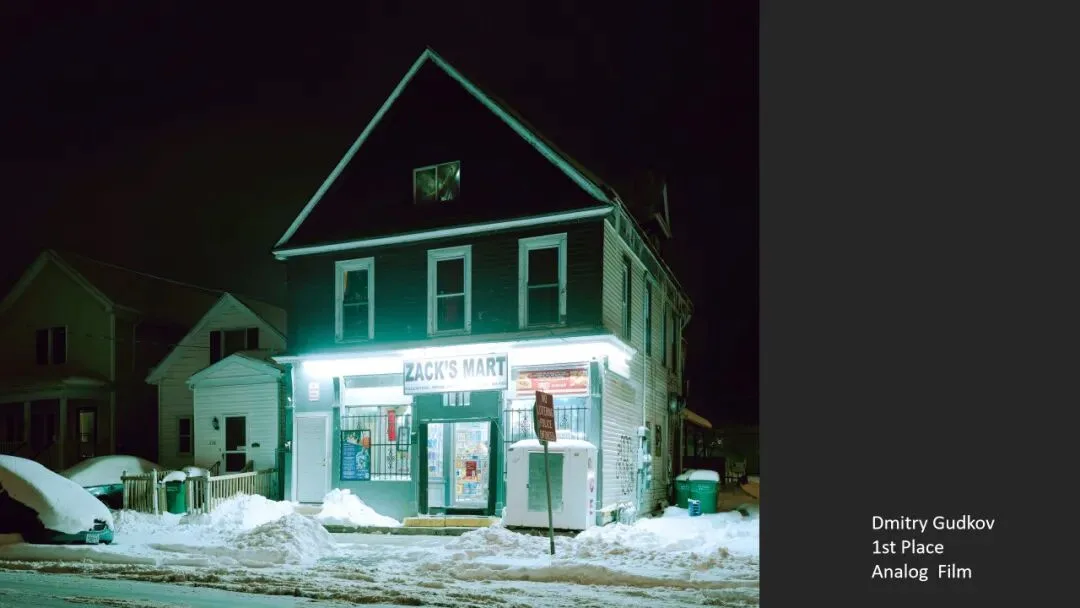
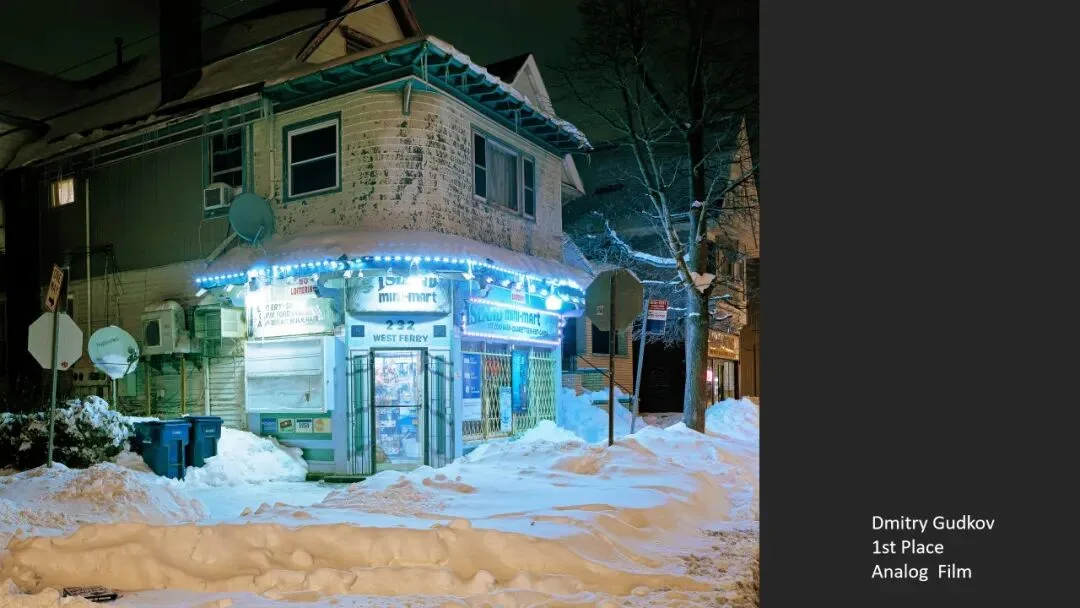
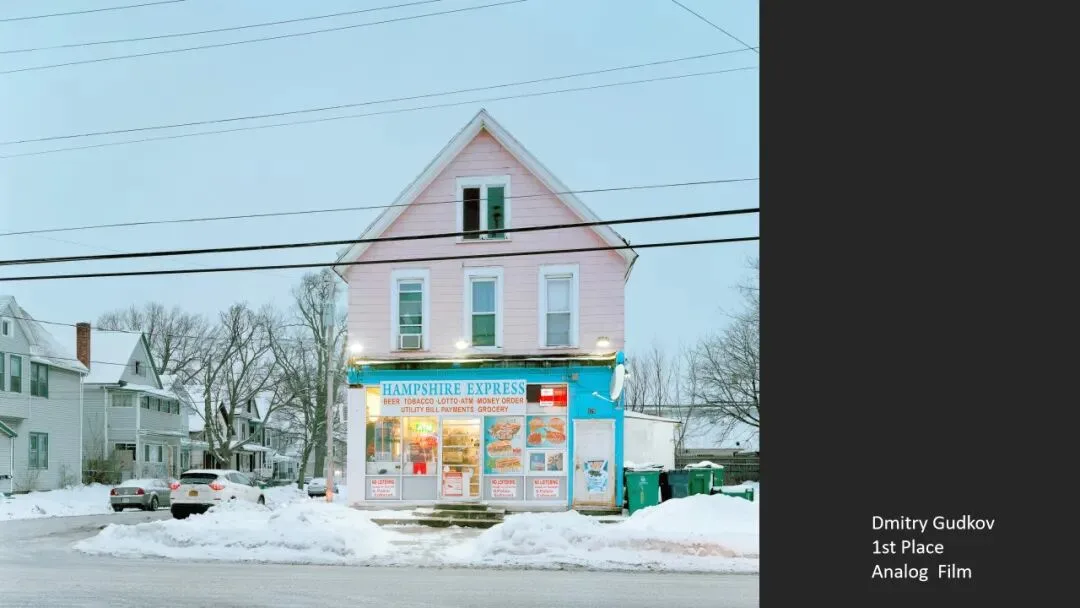
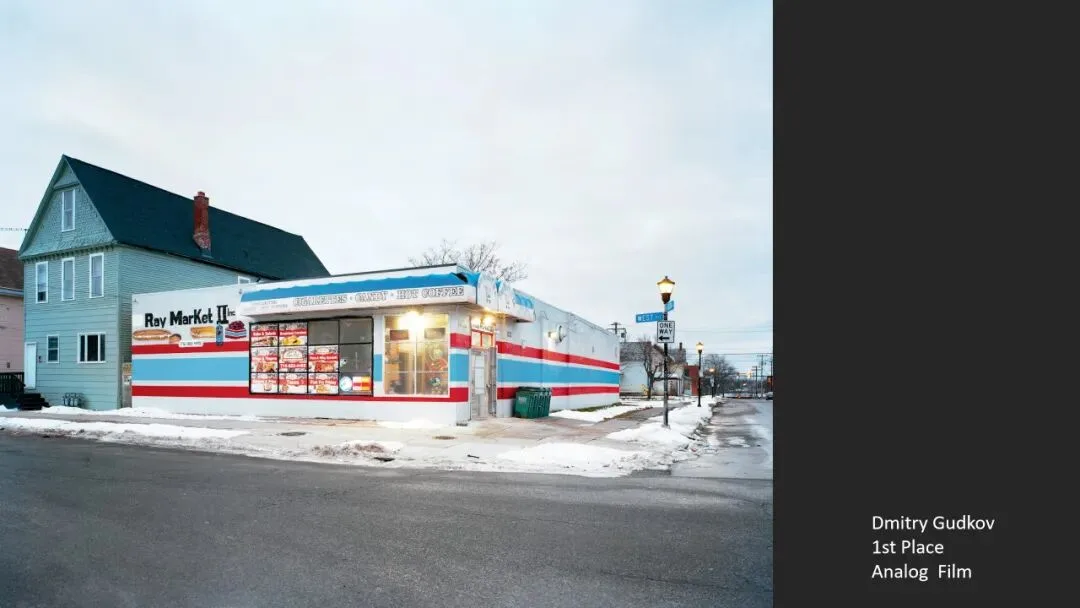
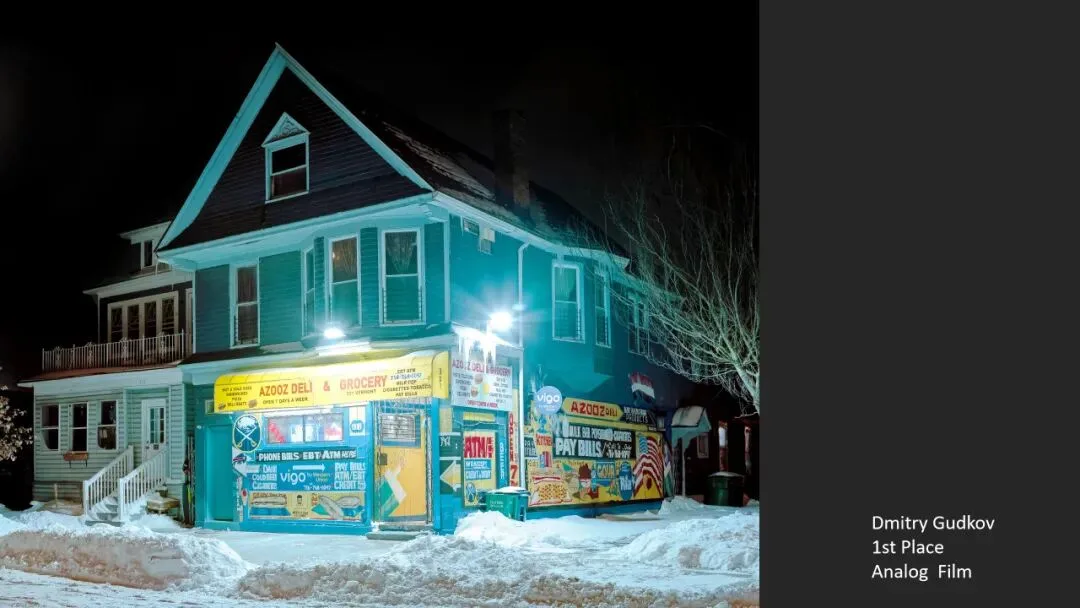
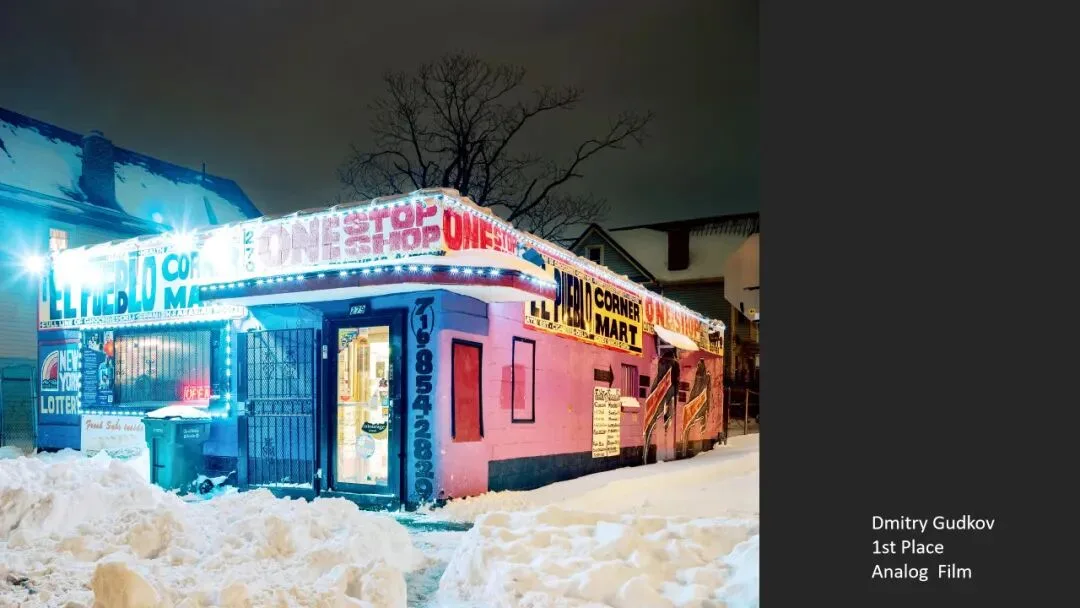
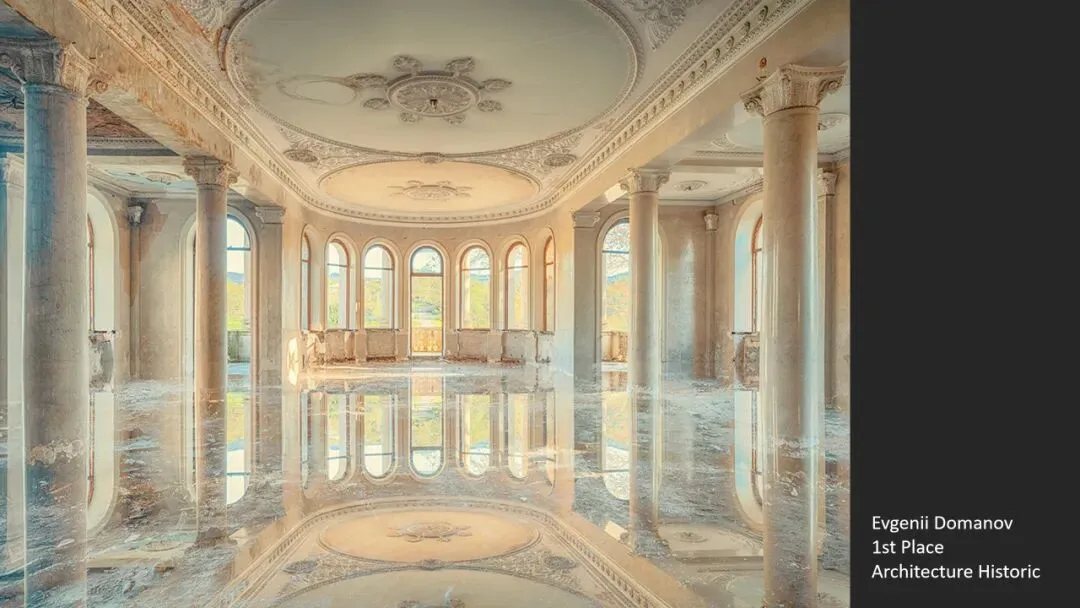
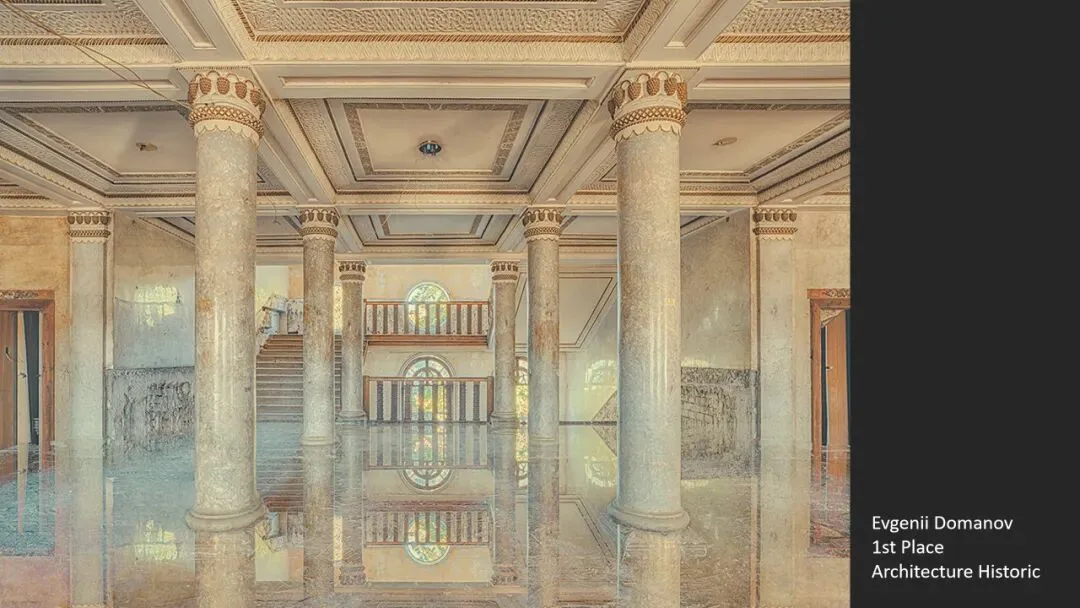
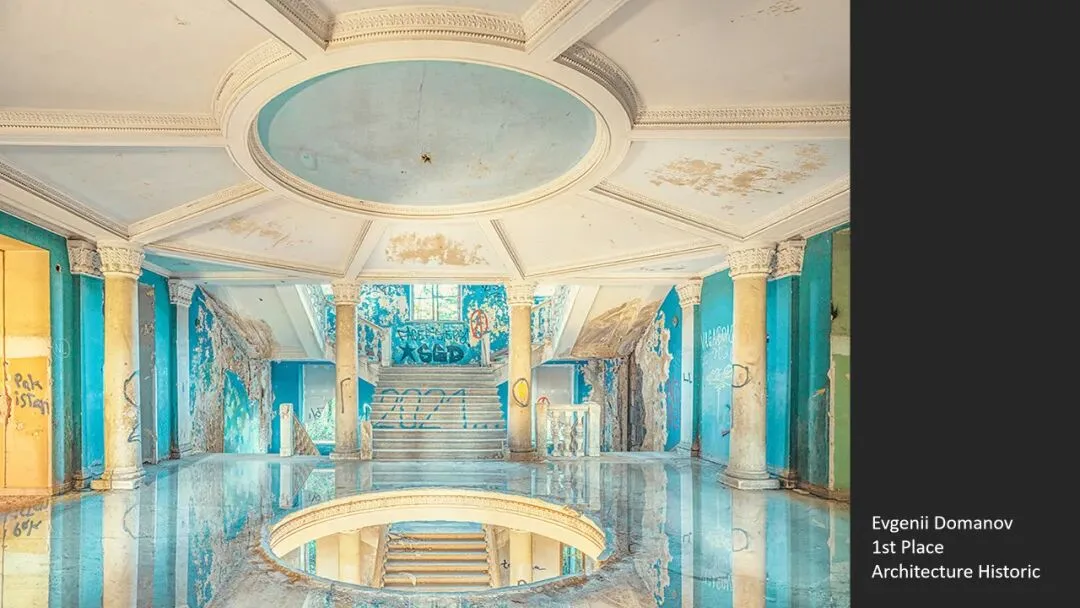
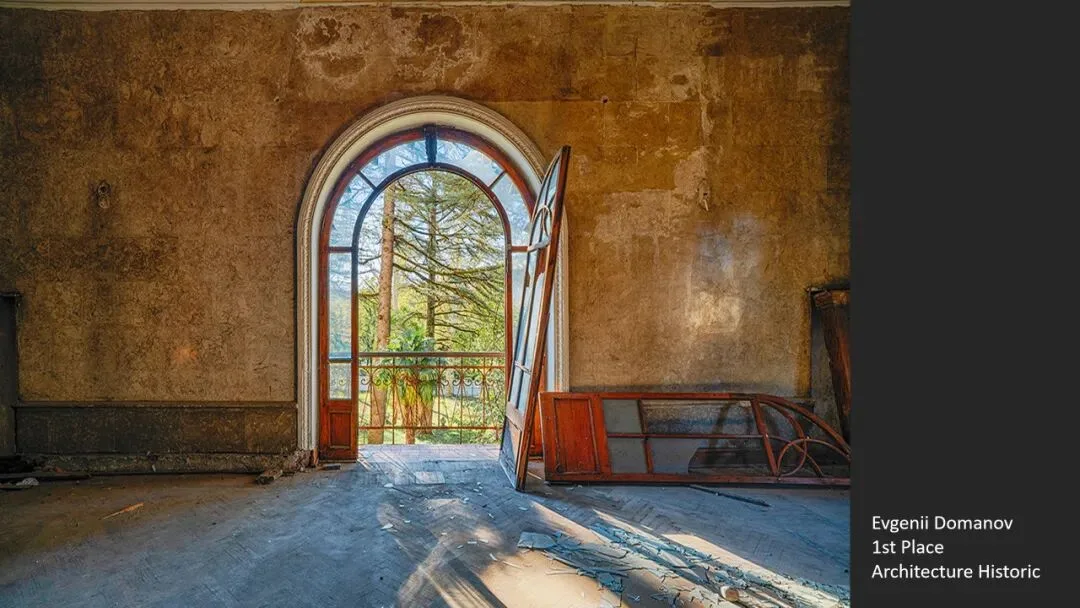
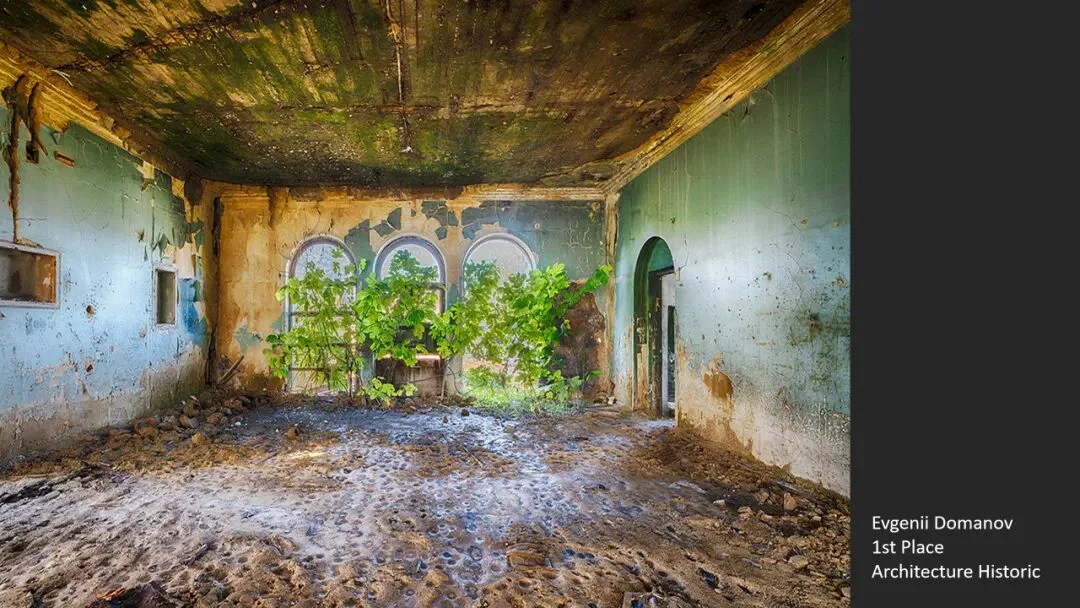
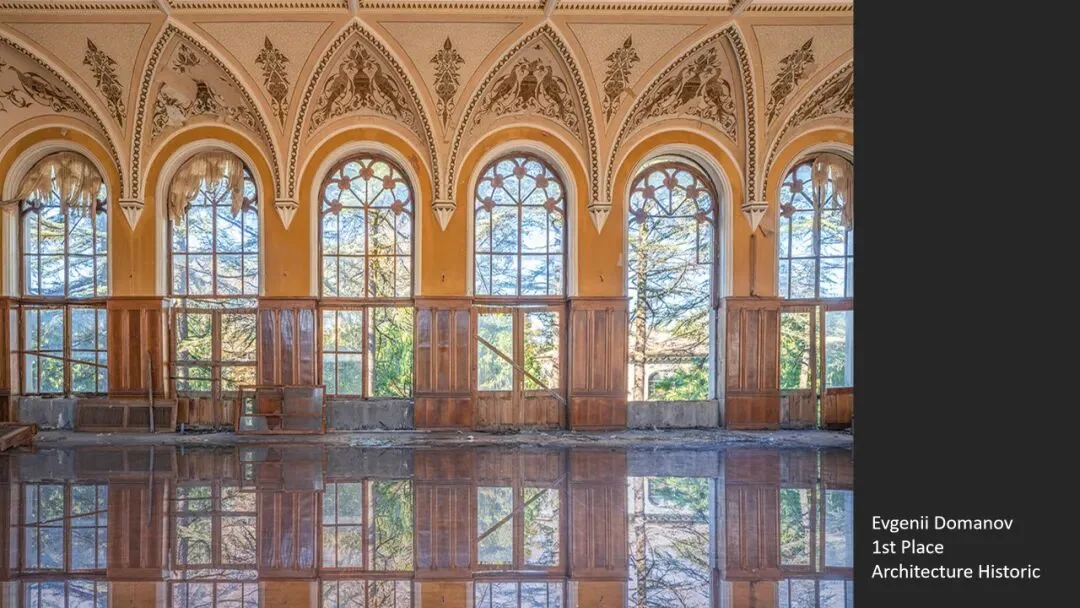
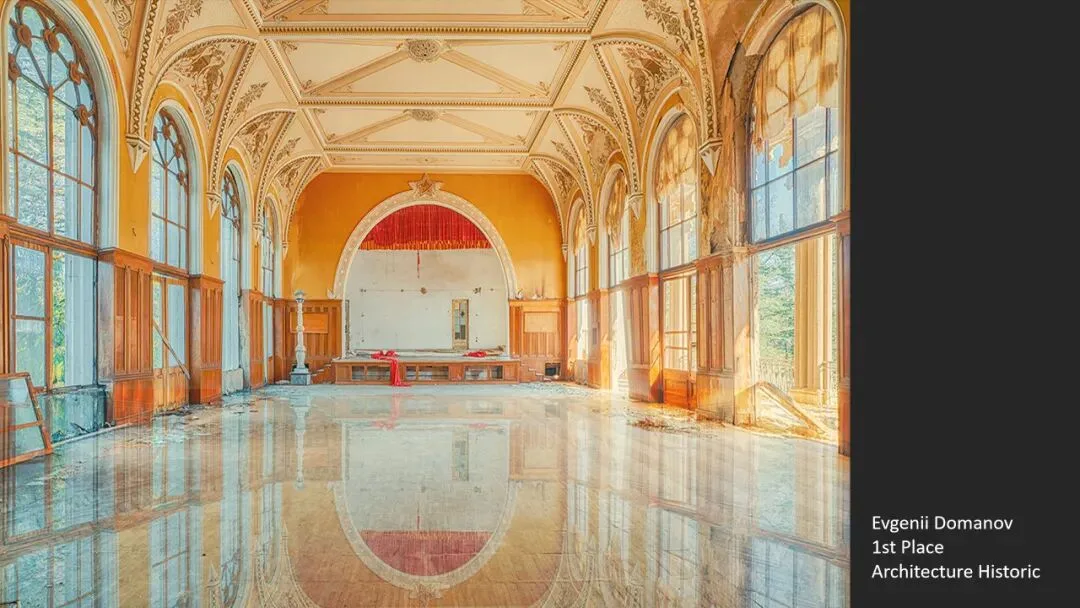
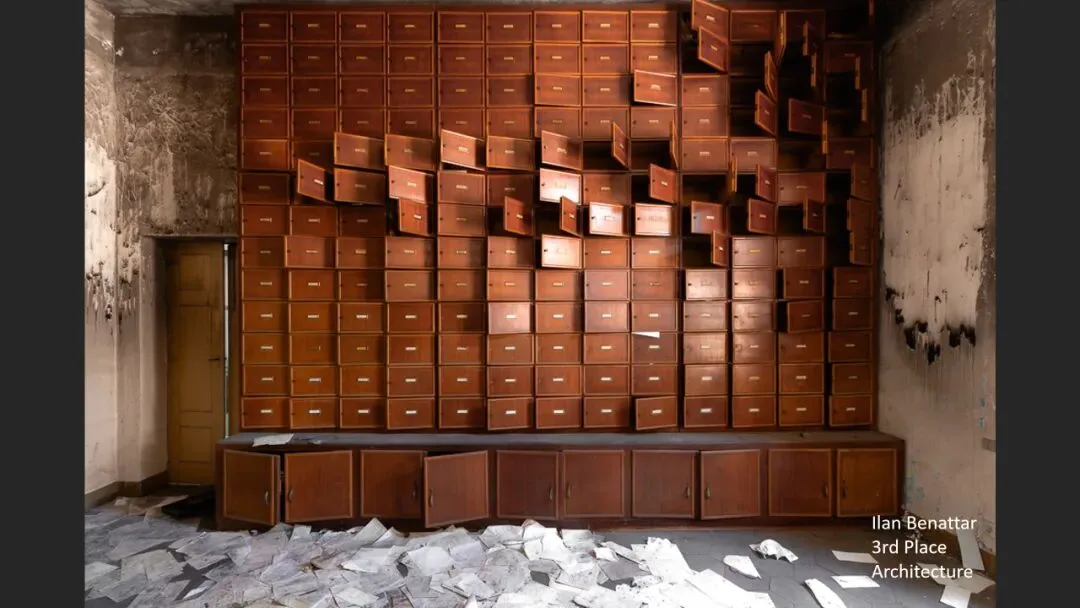
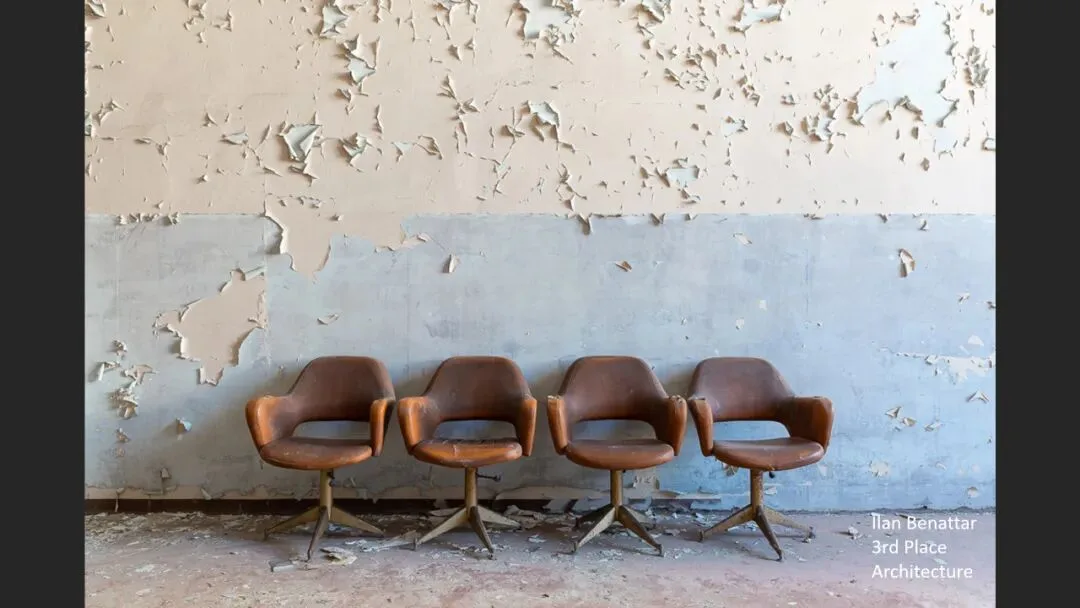
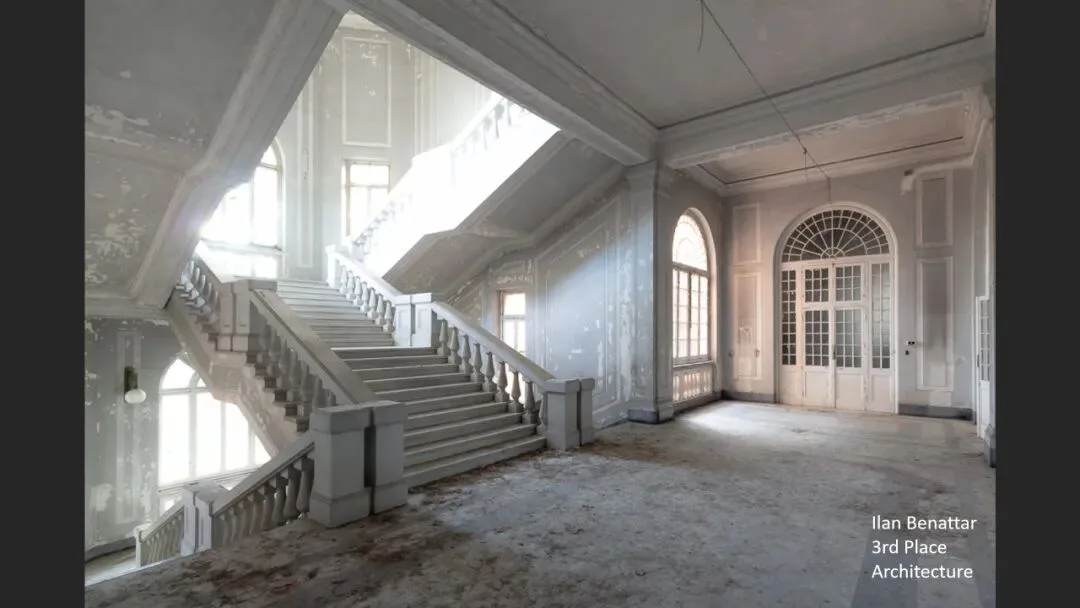
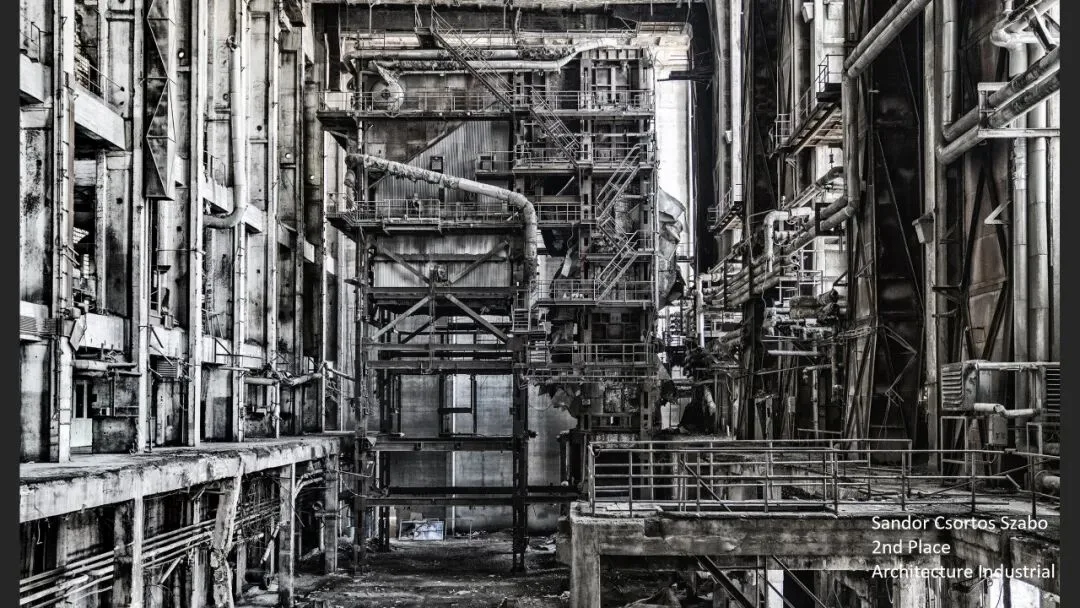
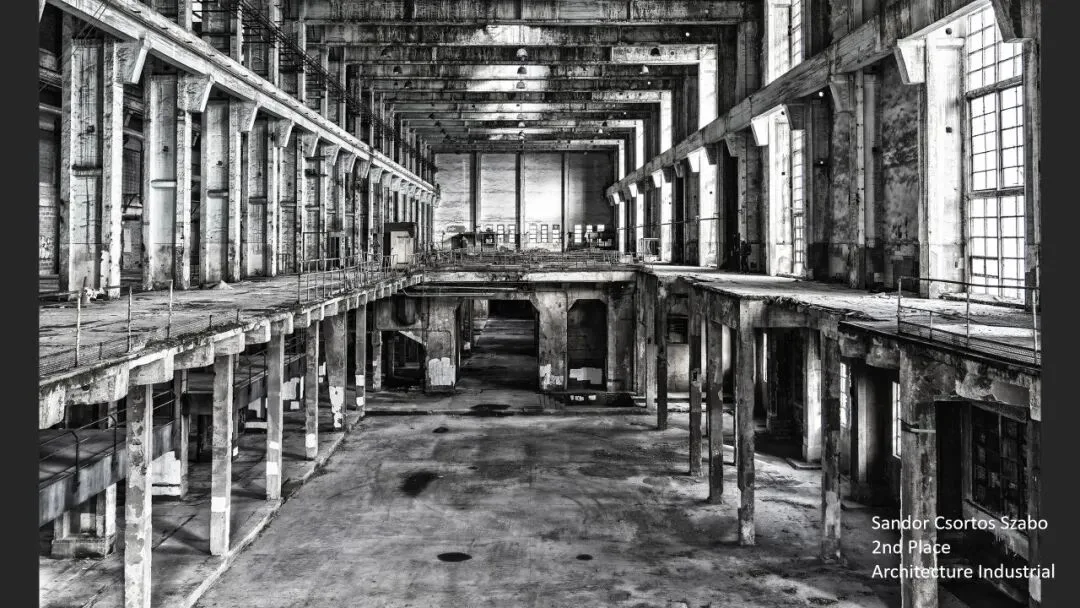
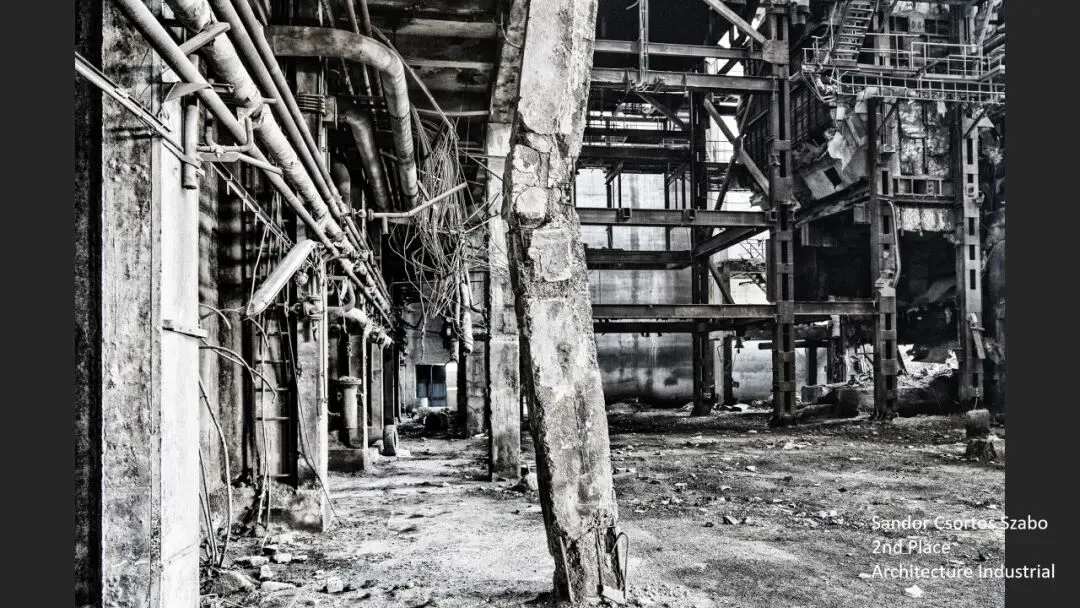
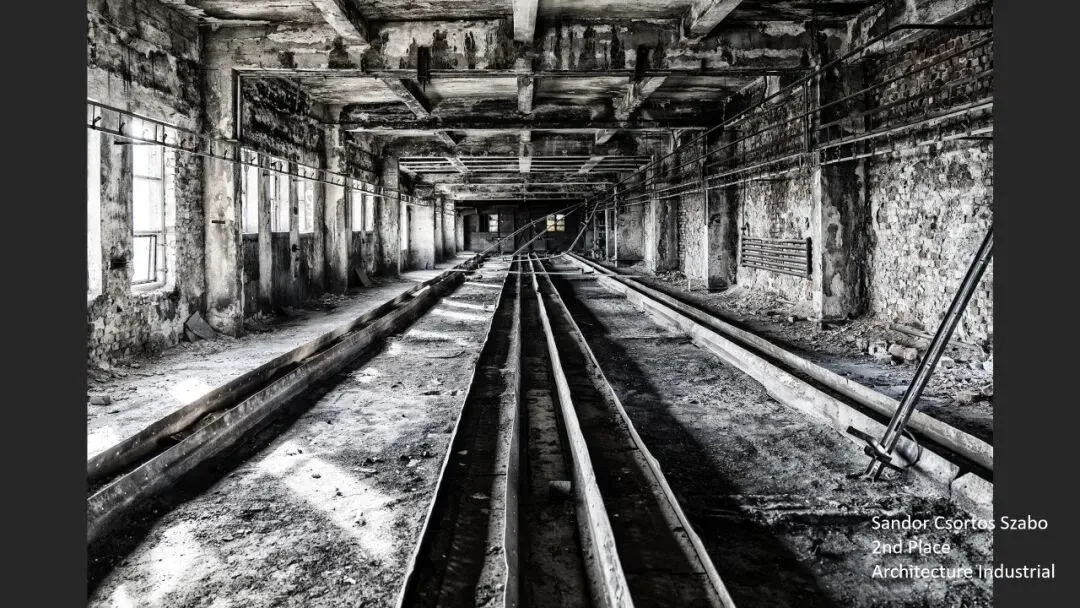
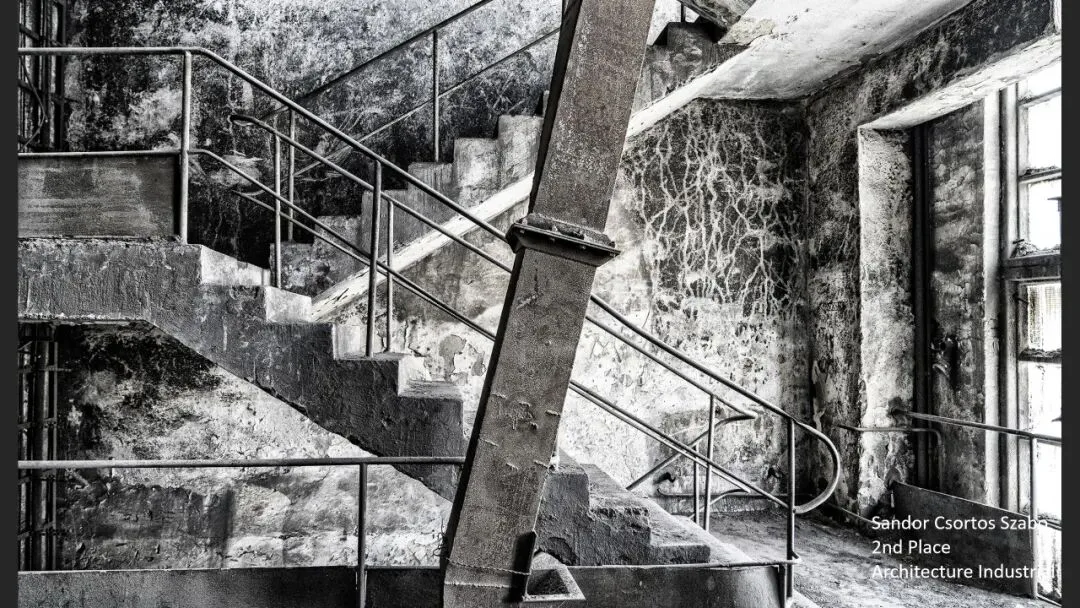
Dmitry Gudkov's set is full of lessons: you do not have to travel far or chase the spectacular. In an ordinary small town he photographed the corner convenience stores that are about to disappear, in a near-typological manner — an approach that demands a series, because a single frame may seem unremarkable, yet as a set both the subject and the formal rhythm become inspiring (at 8:06 in the video). Another series documents largely abandoned, overgrown Soviet-era buildings with a distinctive HDR look, and the set elevates the theme.
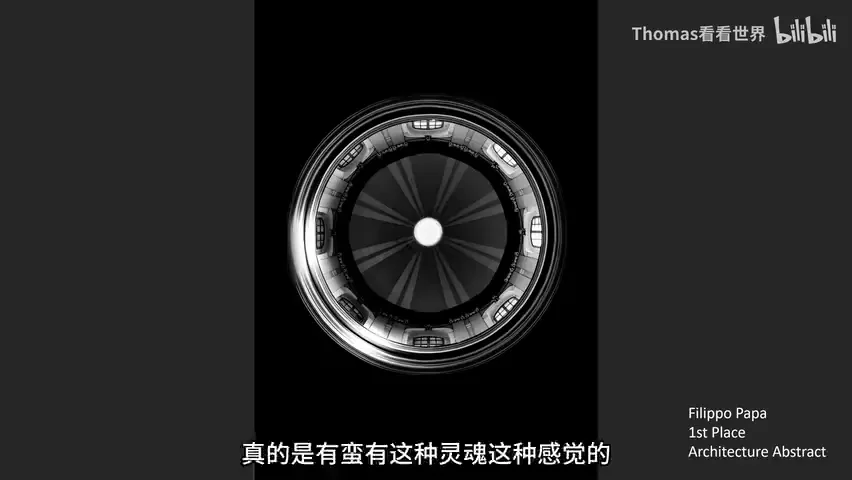
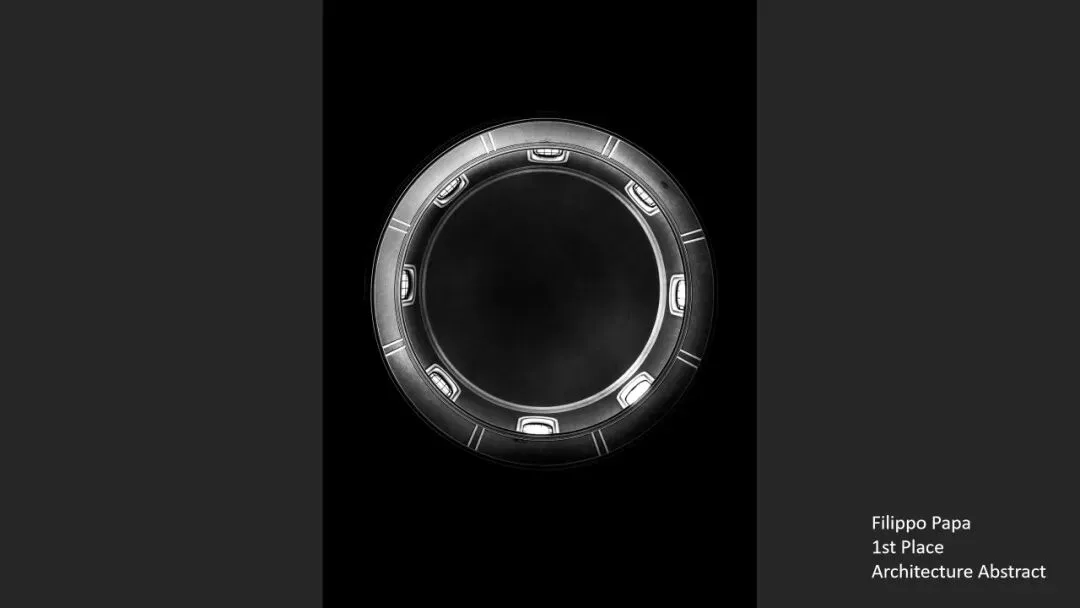
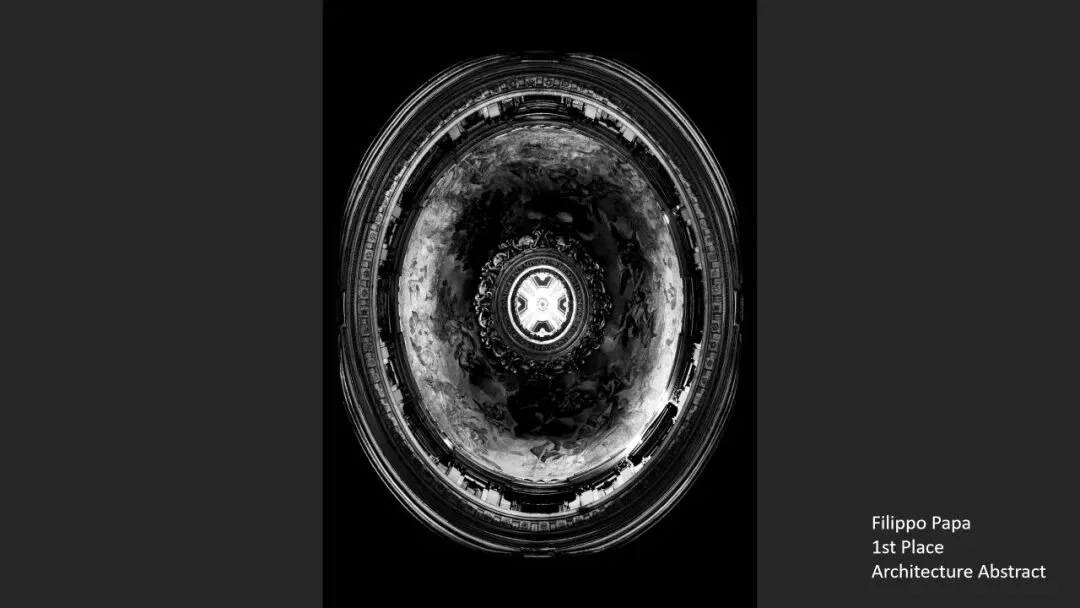
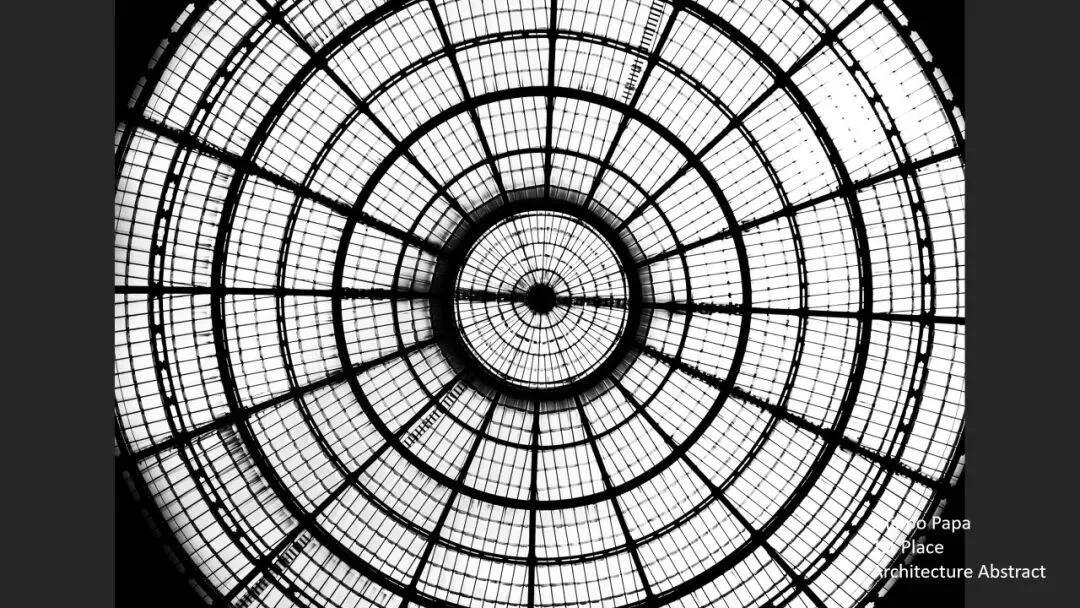
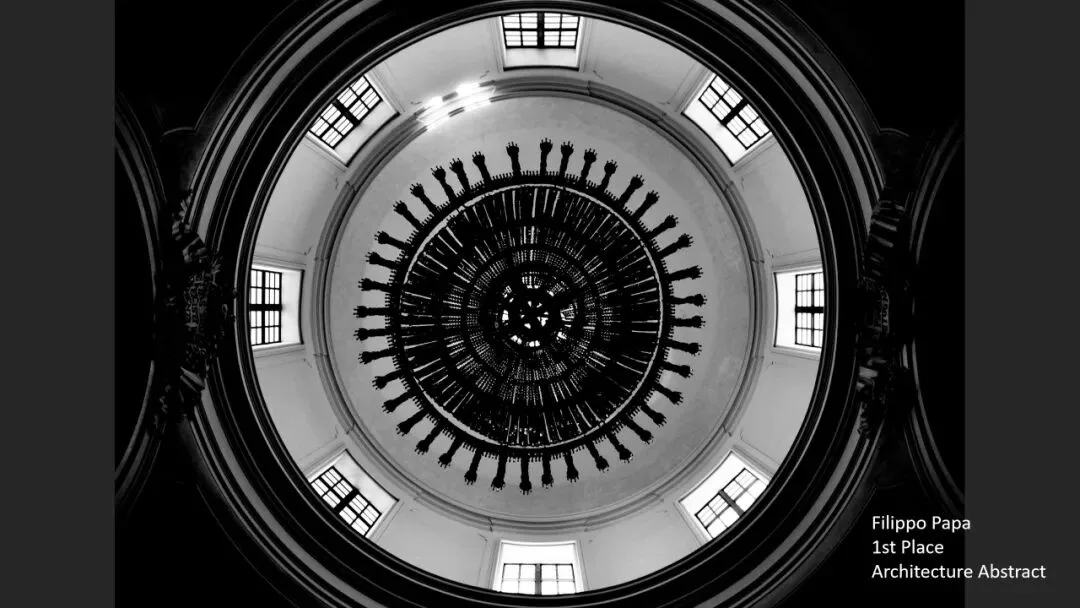
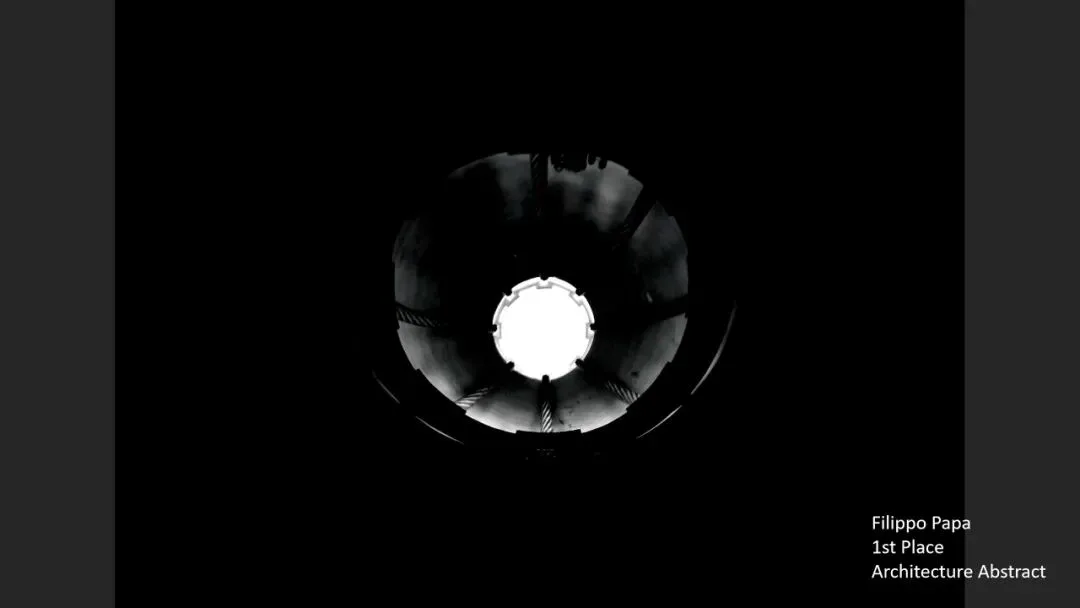
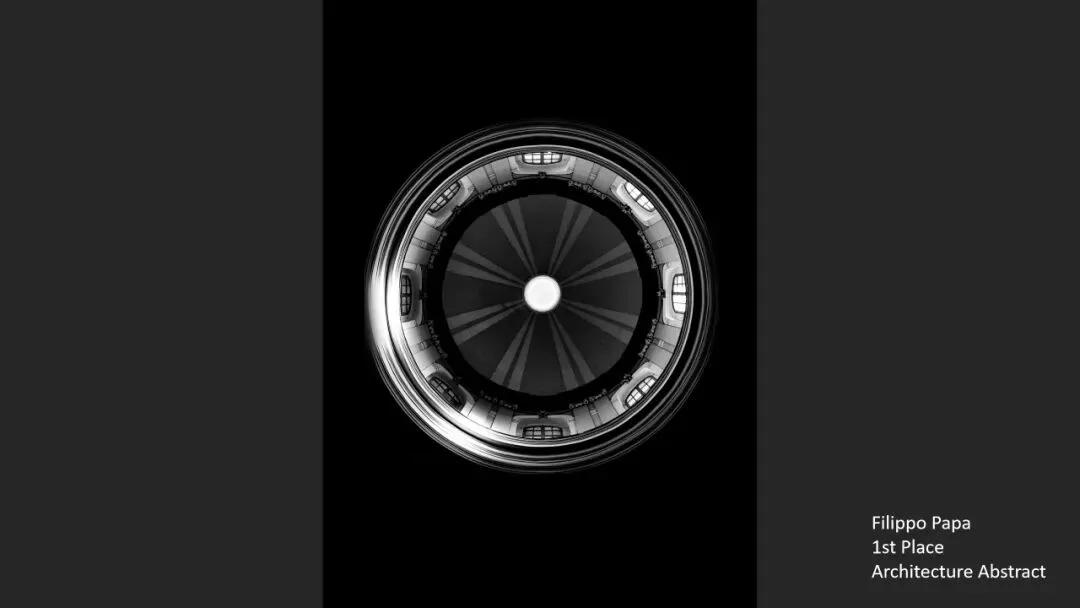
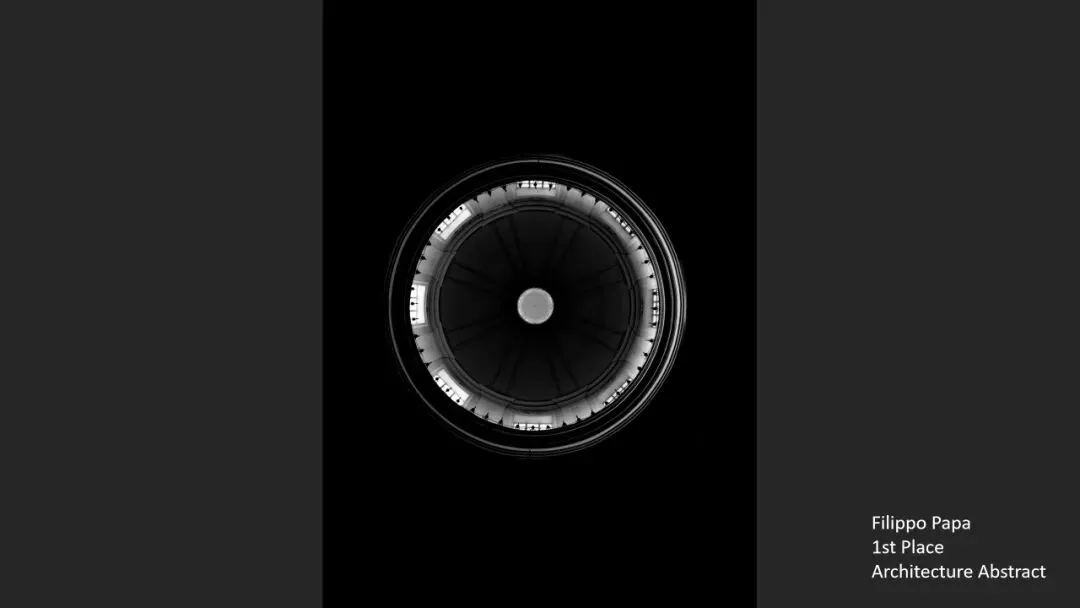
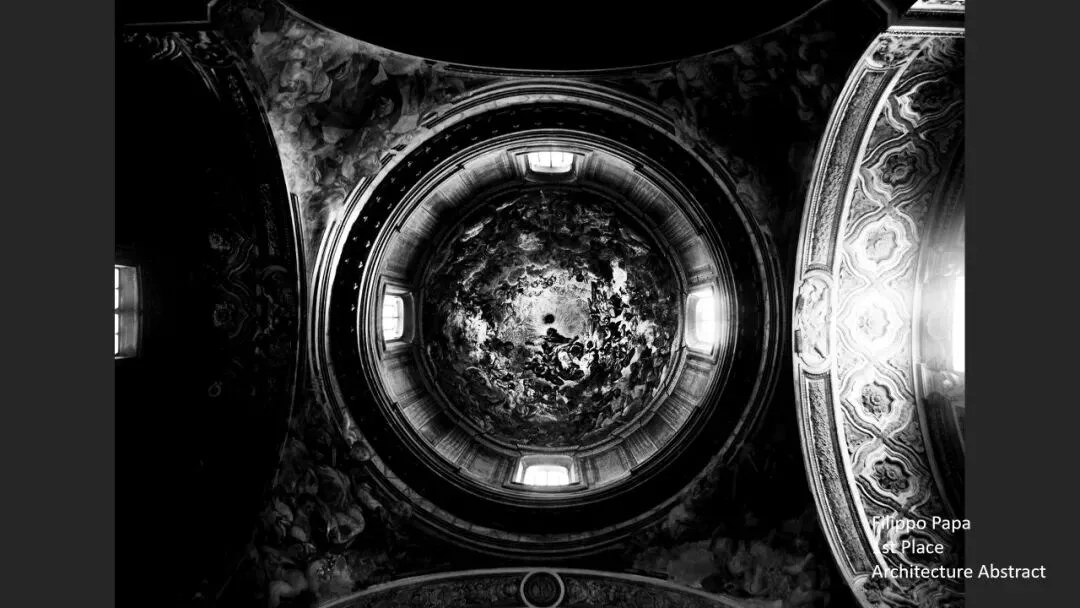
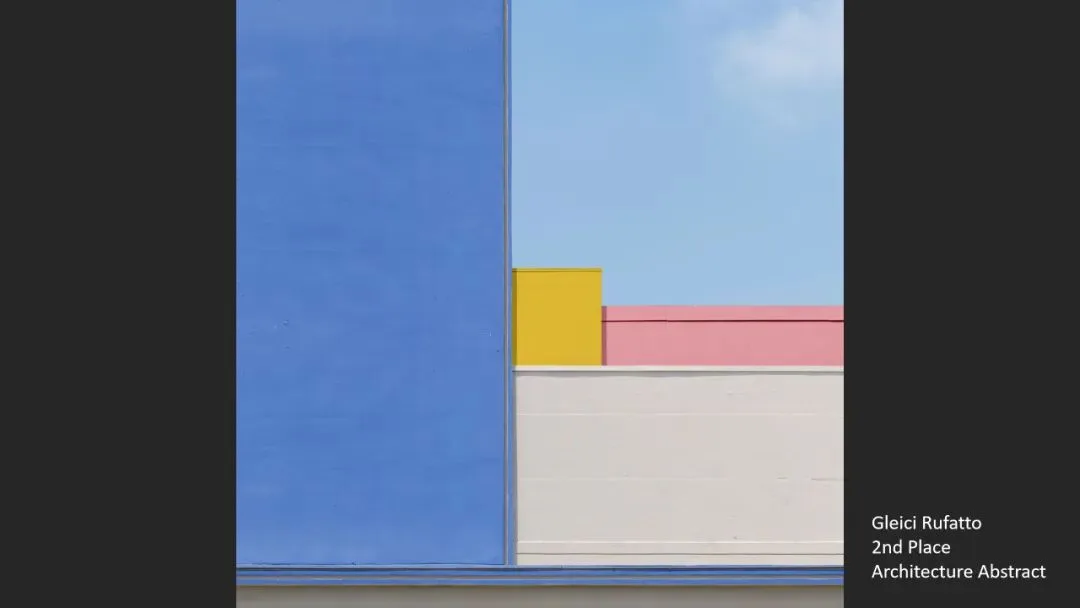
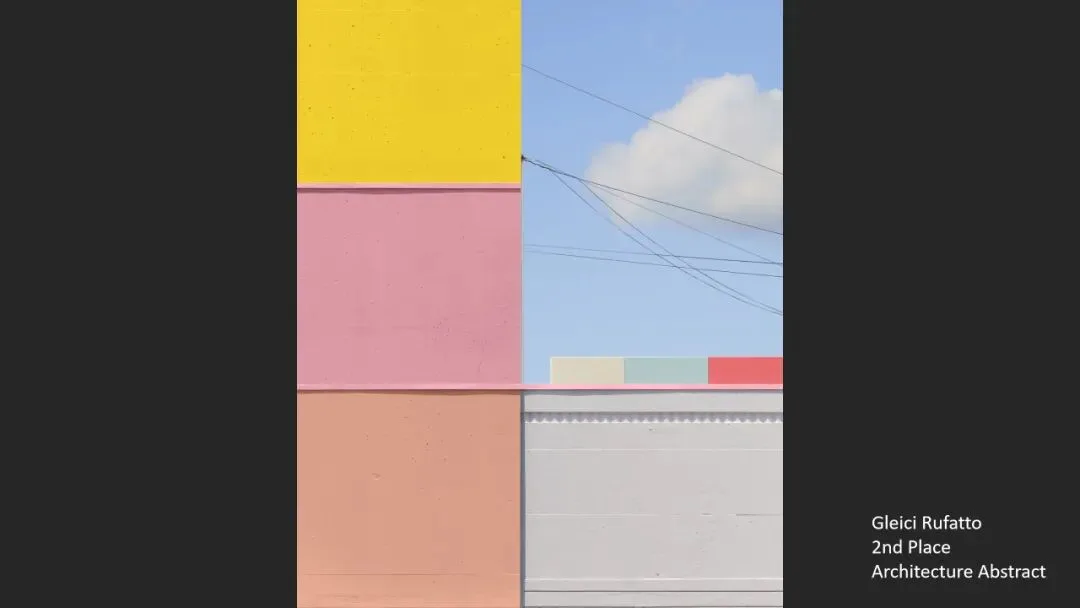
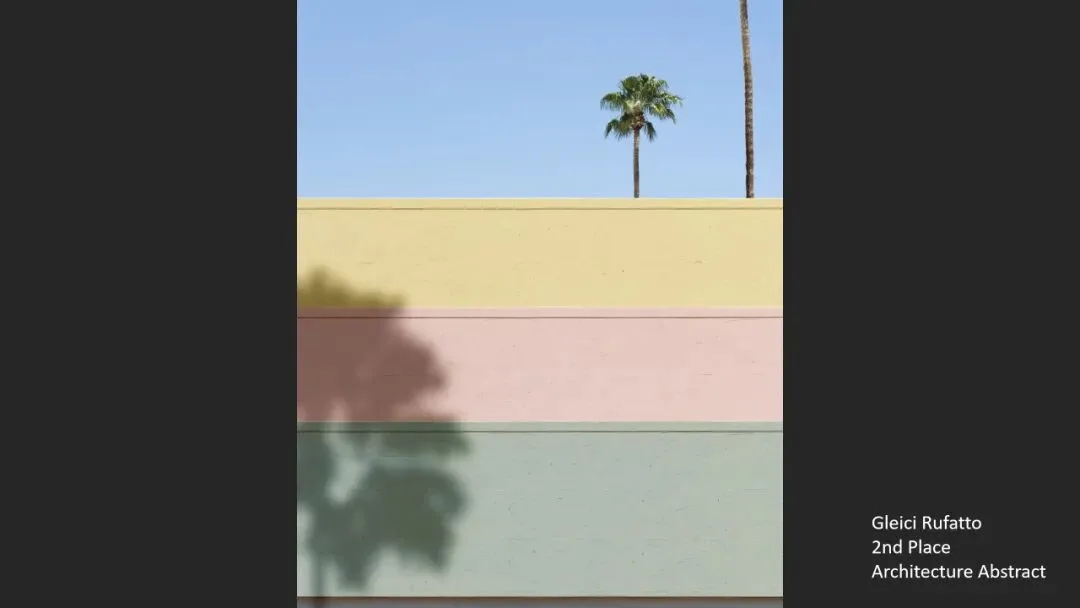
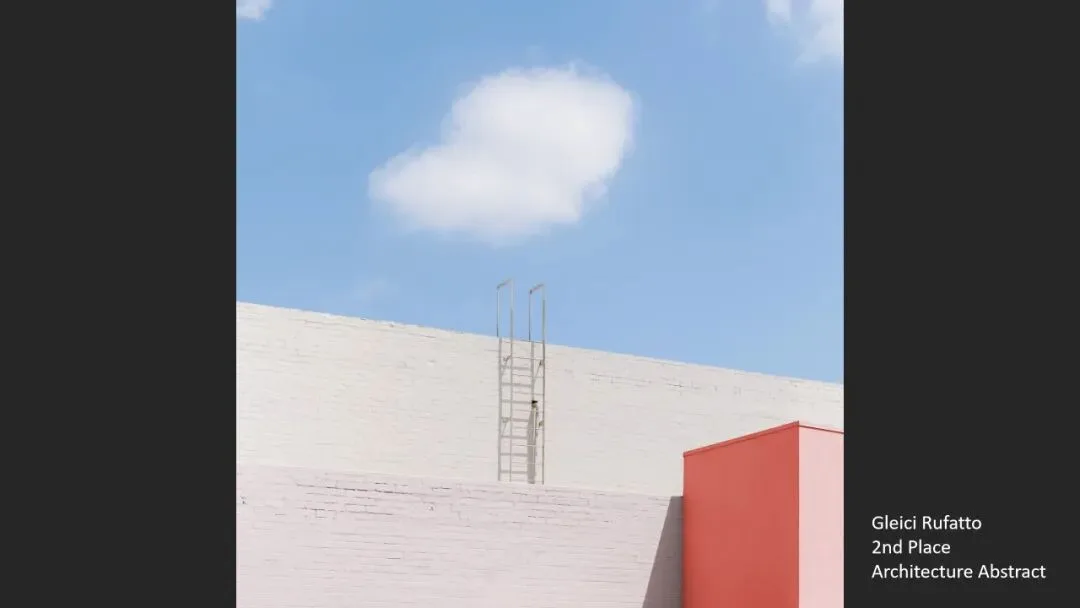
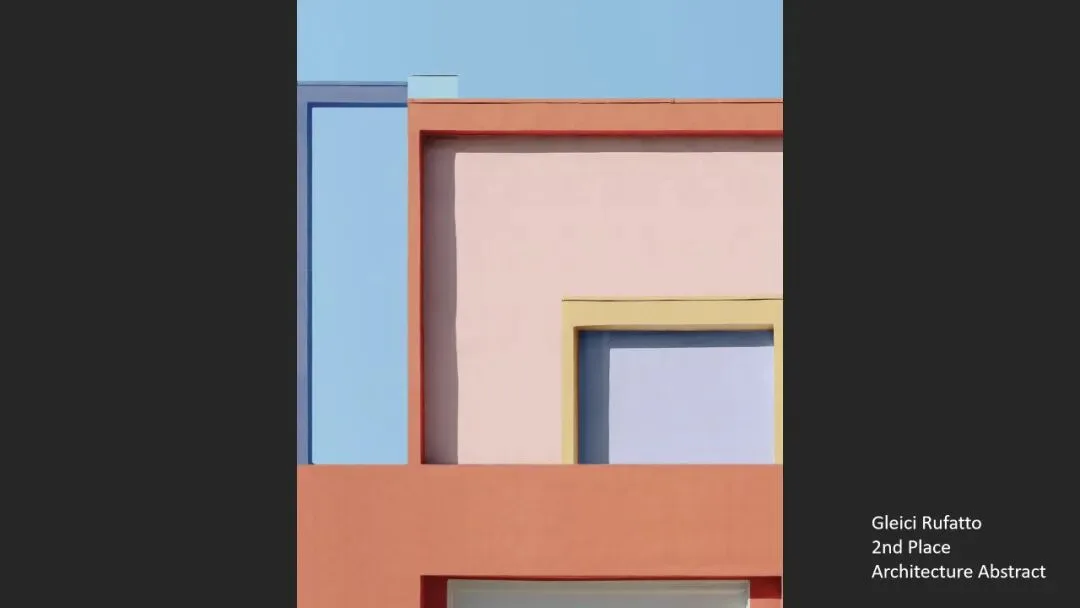
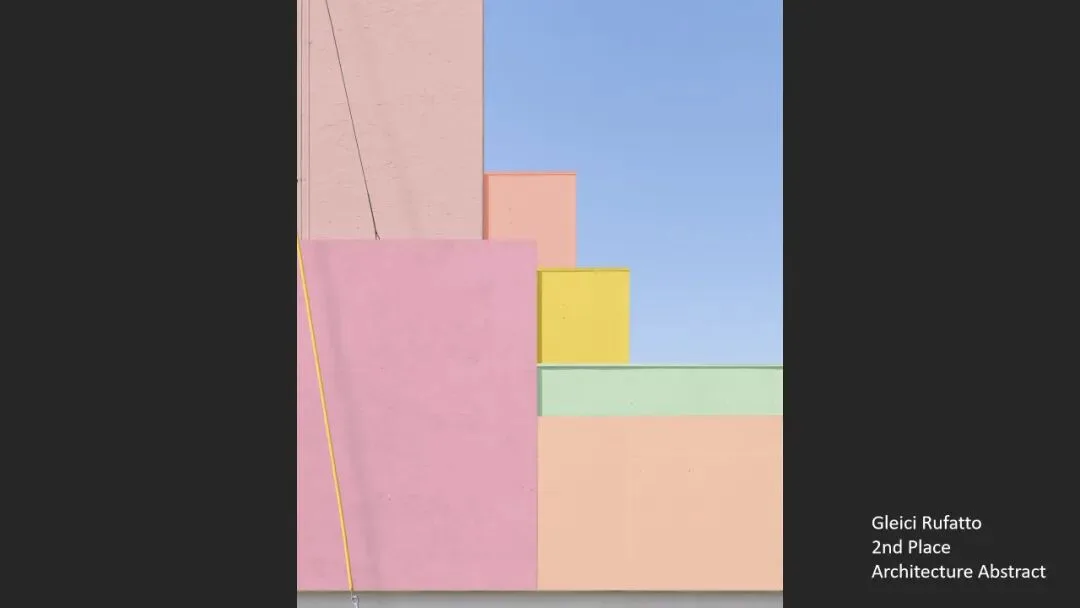
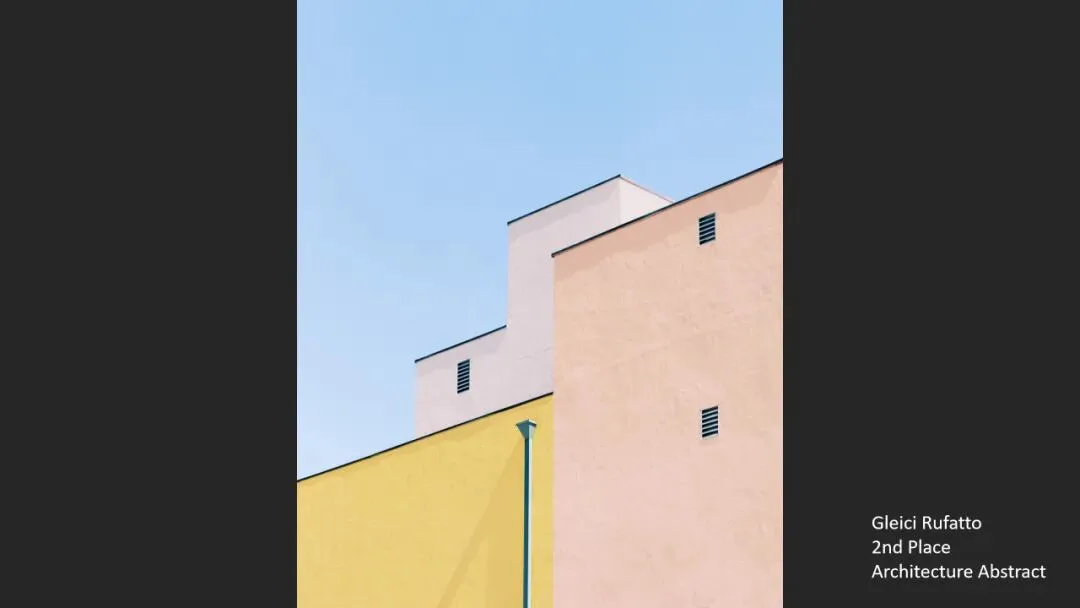
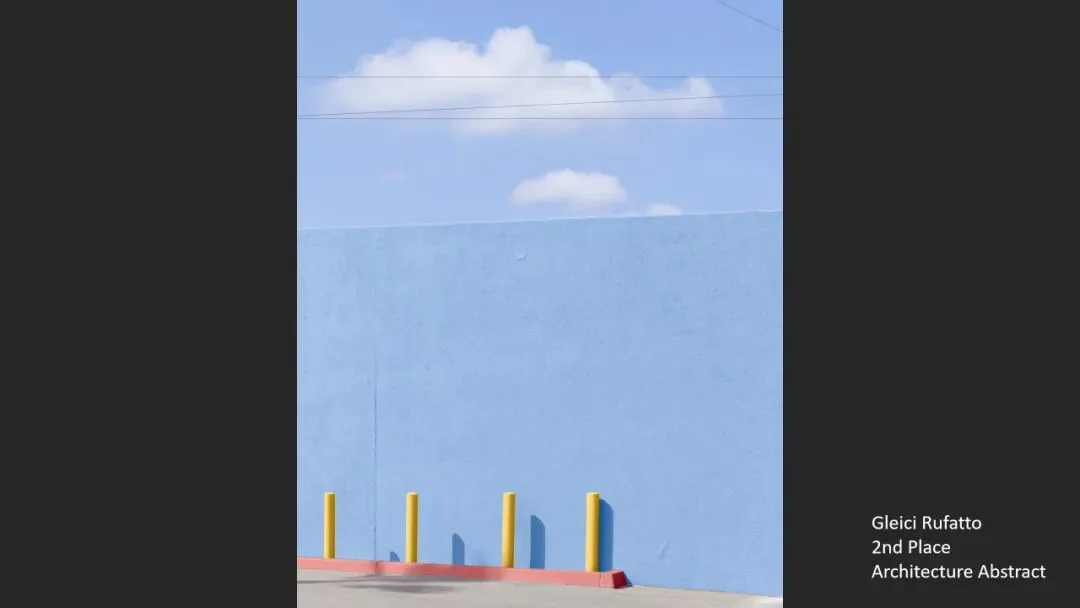
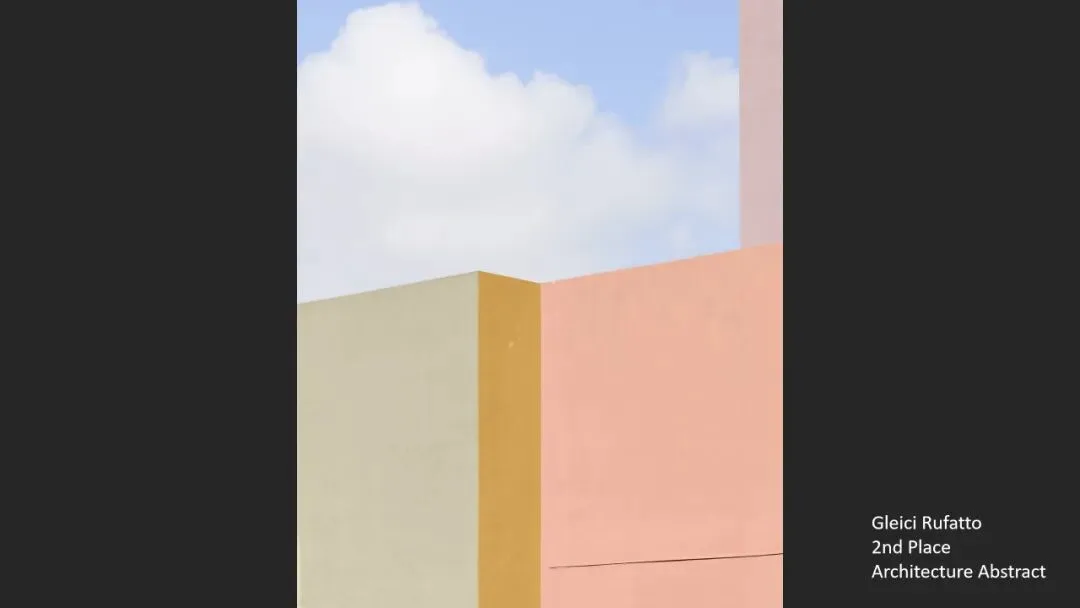
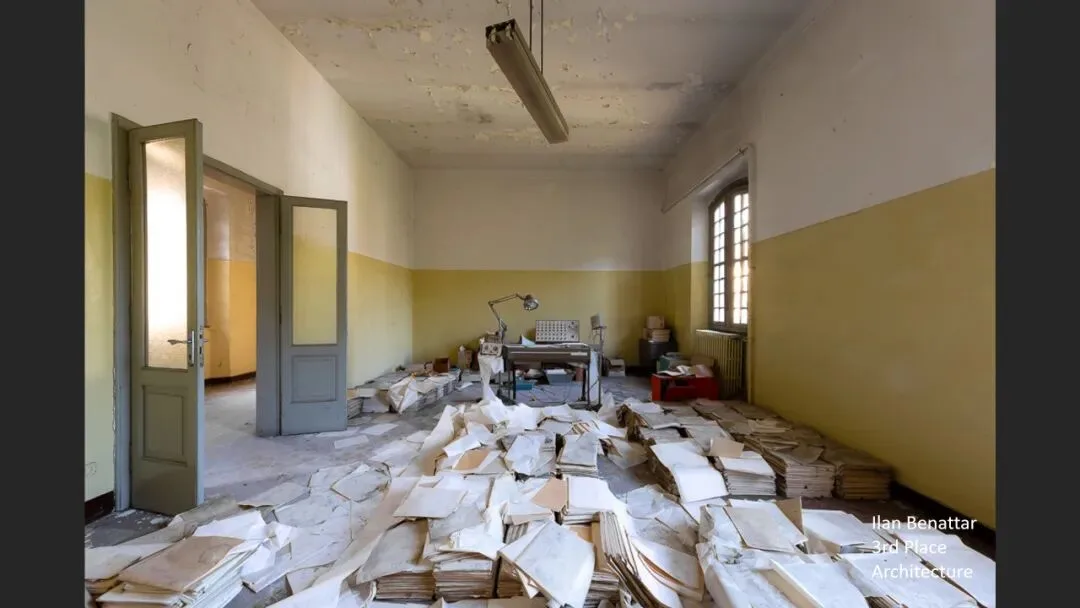
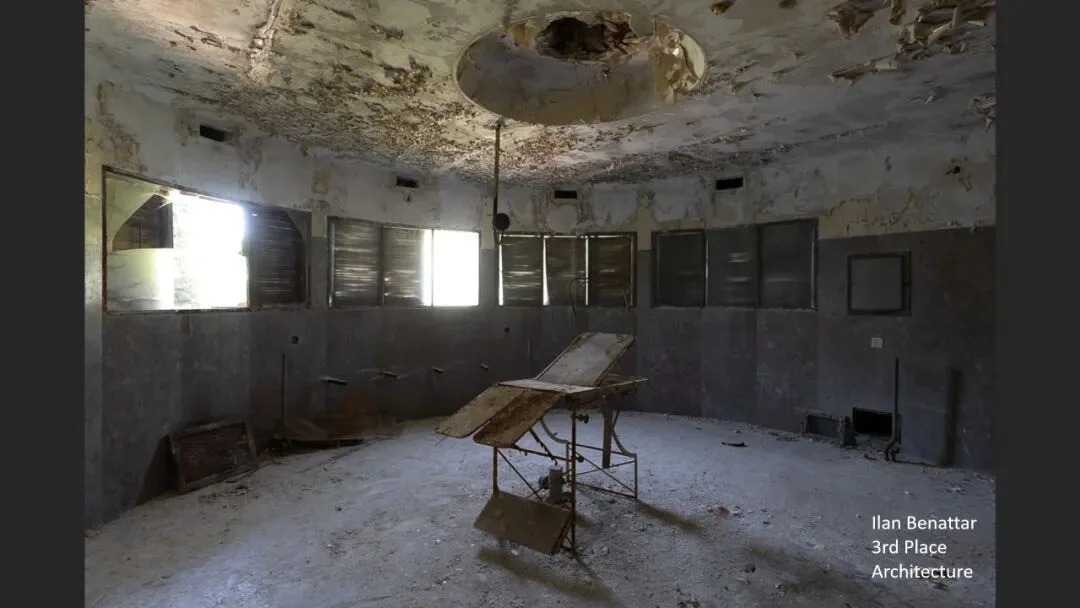
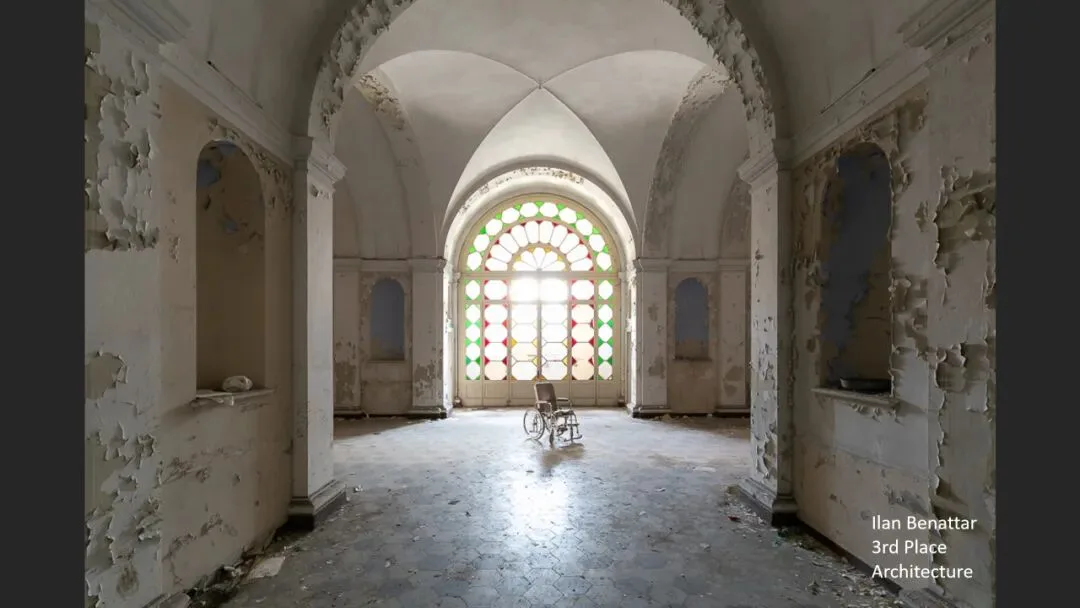
Filippo Papa photographs church domes and similar architecture, and his black-and-white treatment draws out a sense of the sacred, something almost soulful. We all glance upward when visiting a church, but photographing it as a series and finding the right post-processing to distil your own understanding of the architecture — its essence — is what makes it work (at 8:57 in the video). In a similar spirit: a set of minimal colour blocks in extreme compositions, unified and striking; and a series on abandoned hospitals, with neatly left-behind objects and ruined walls that speak of the peculiar force of time.
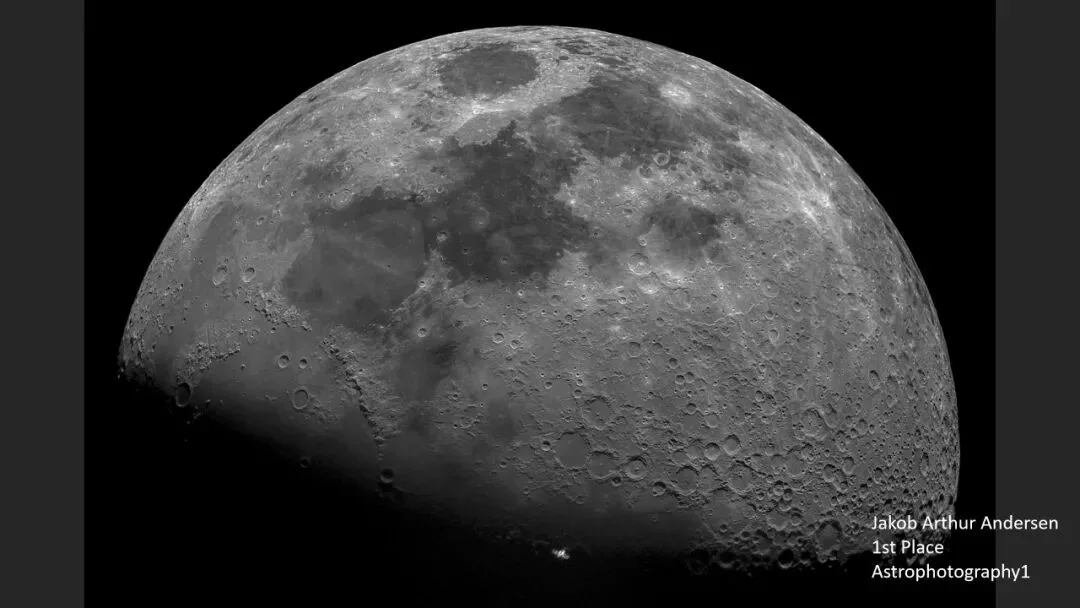
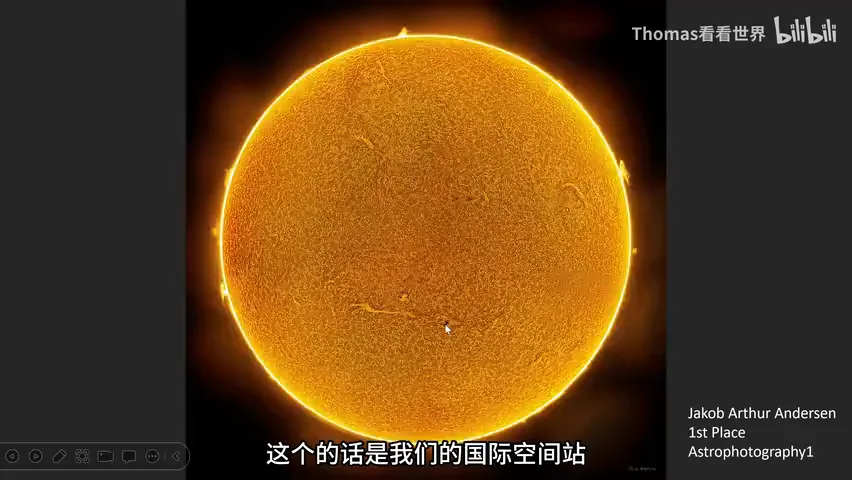
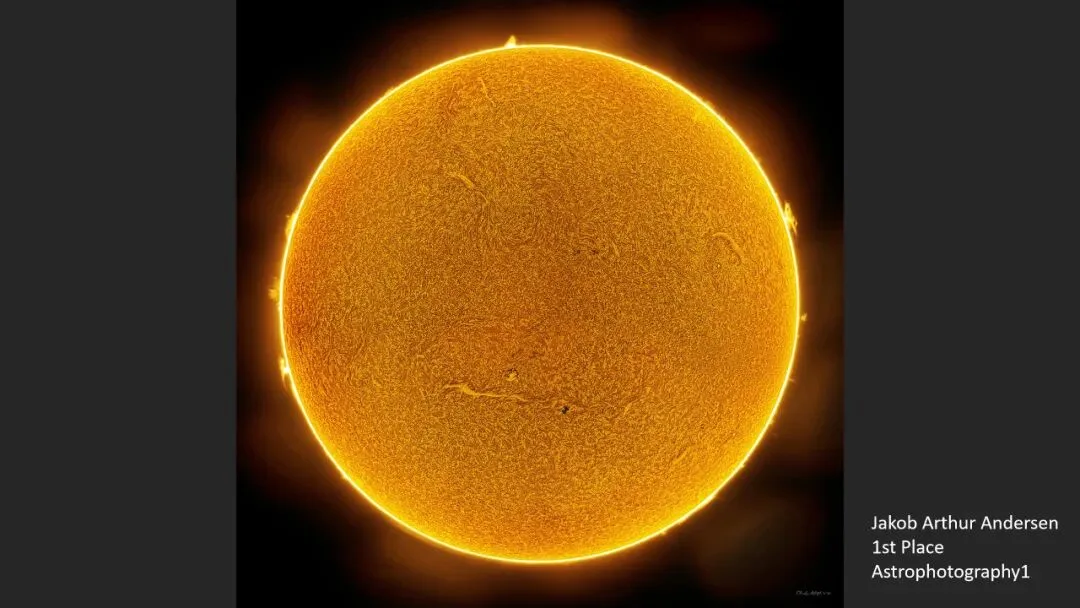
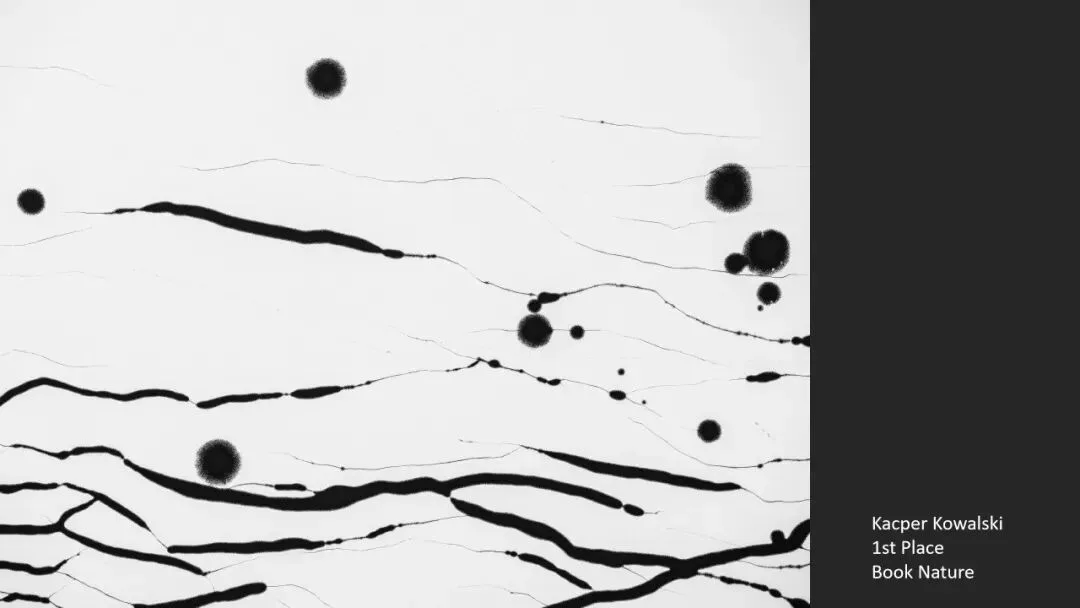
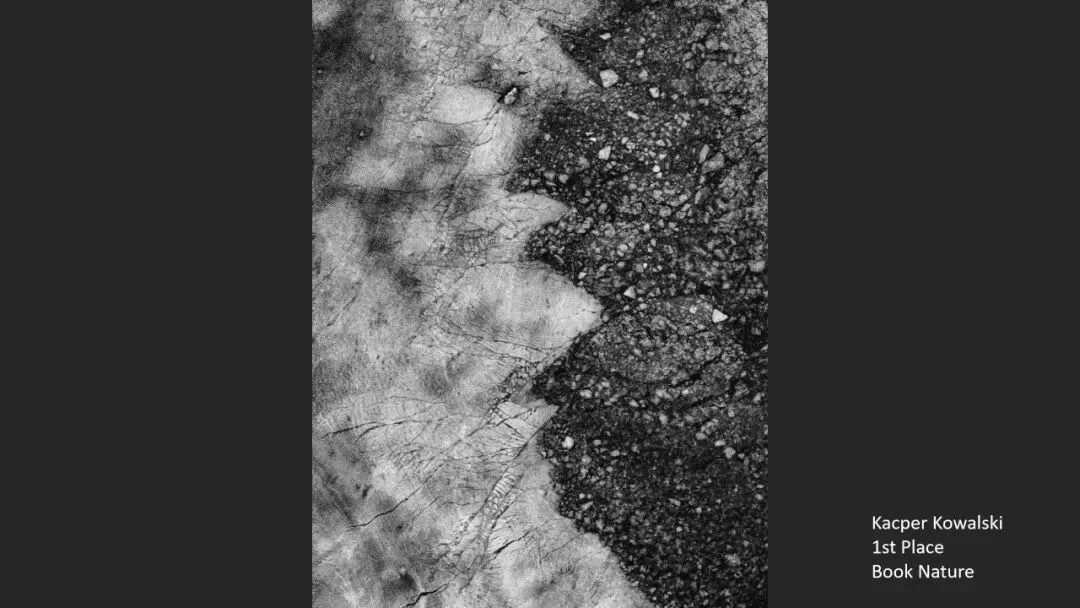
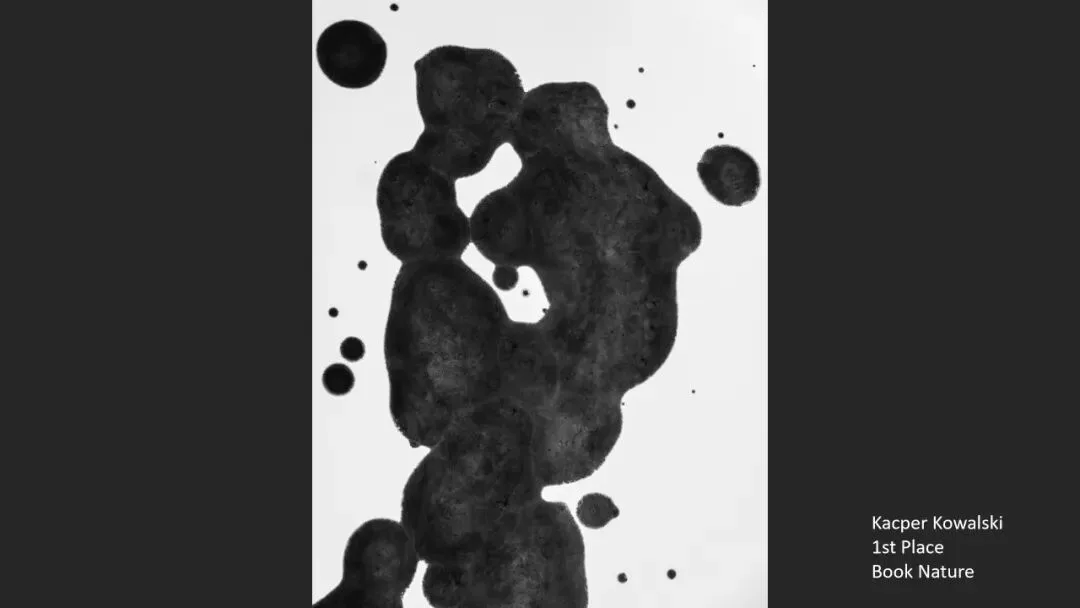
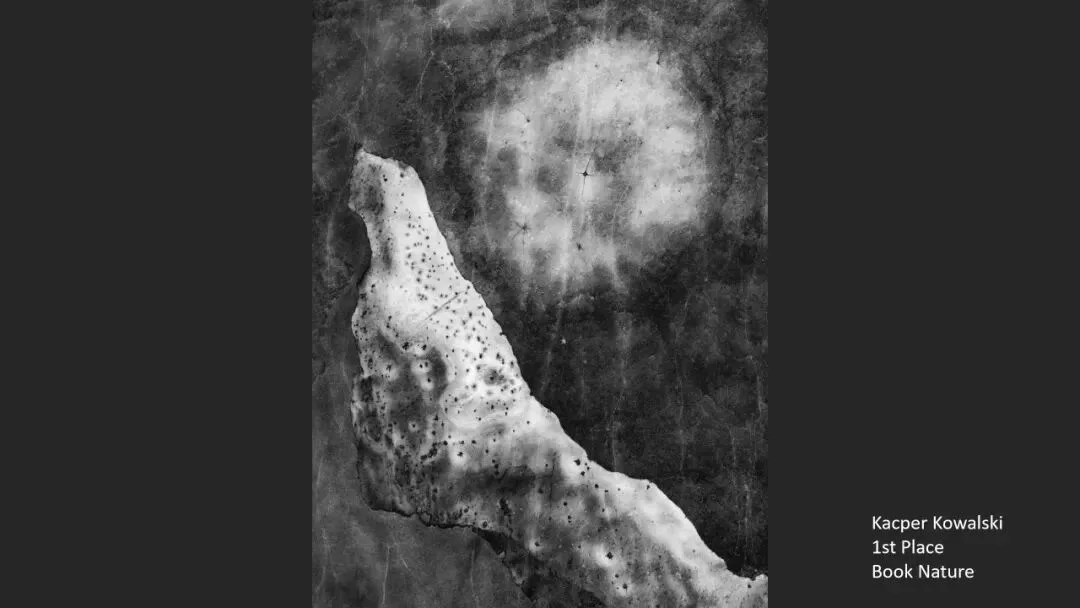
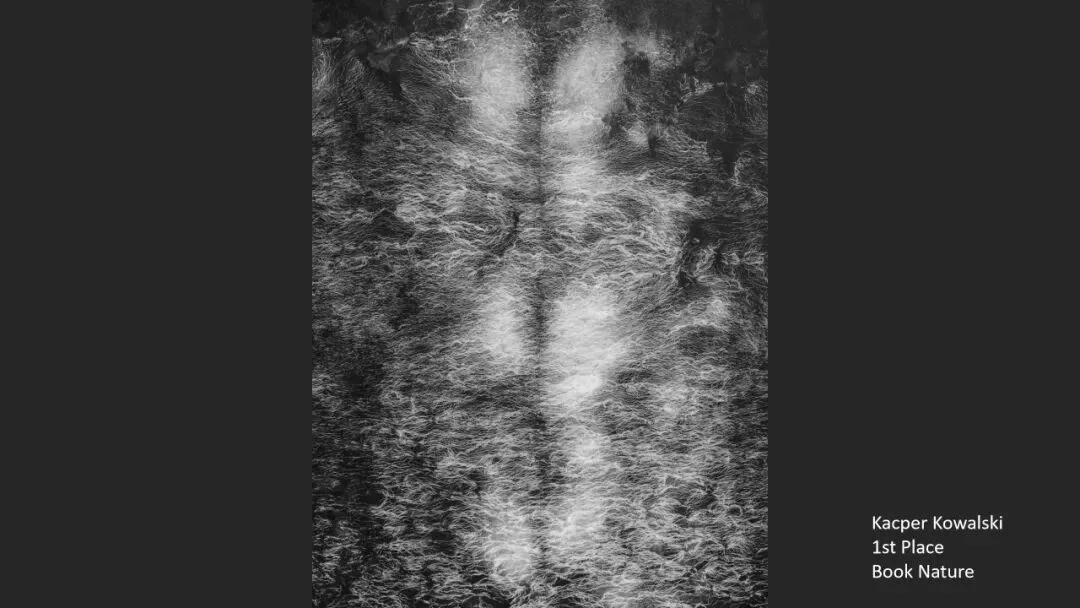
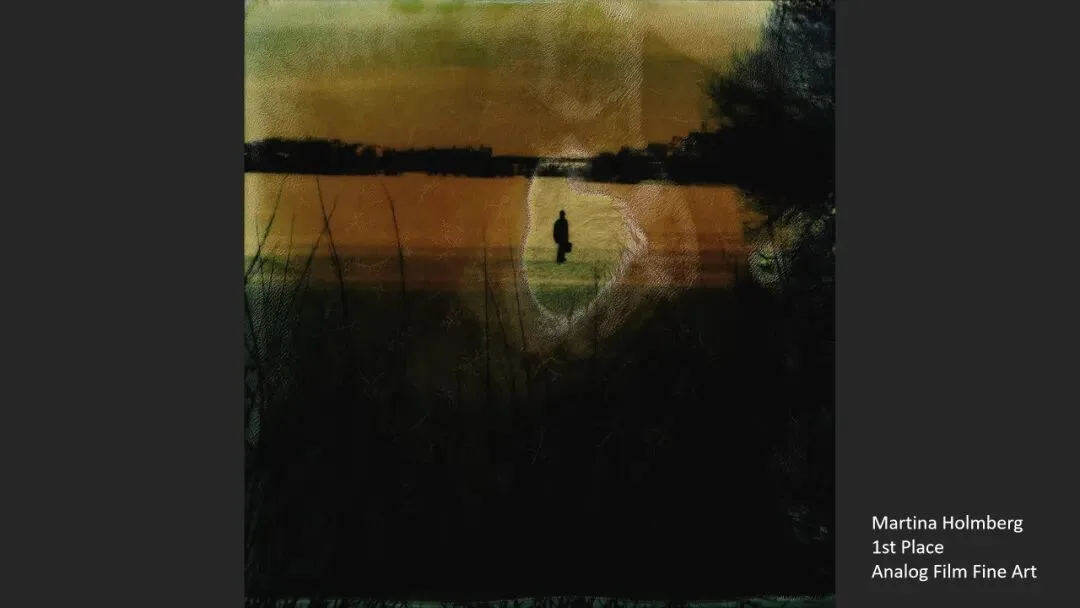
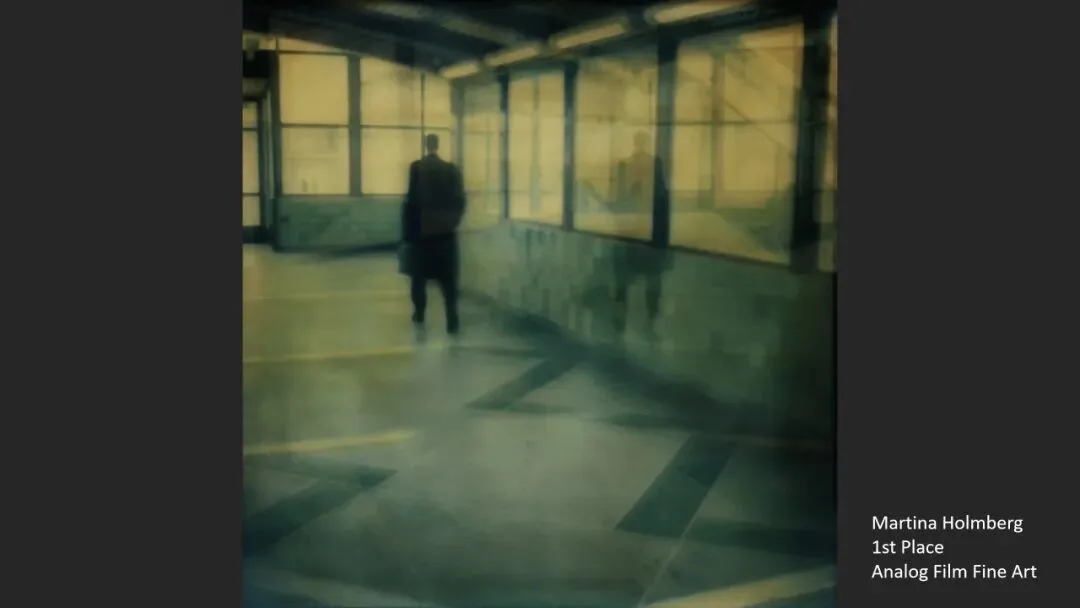
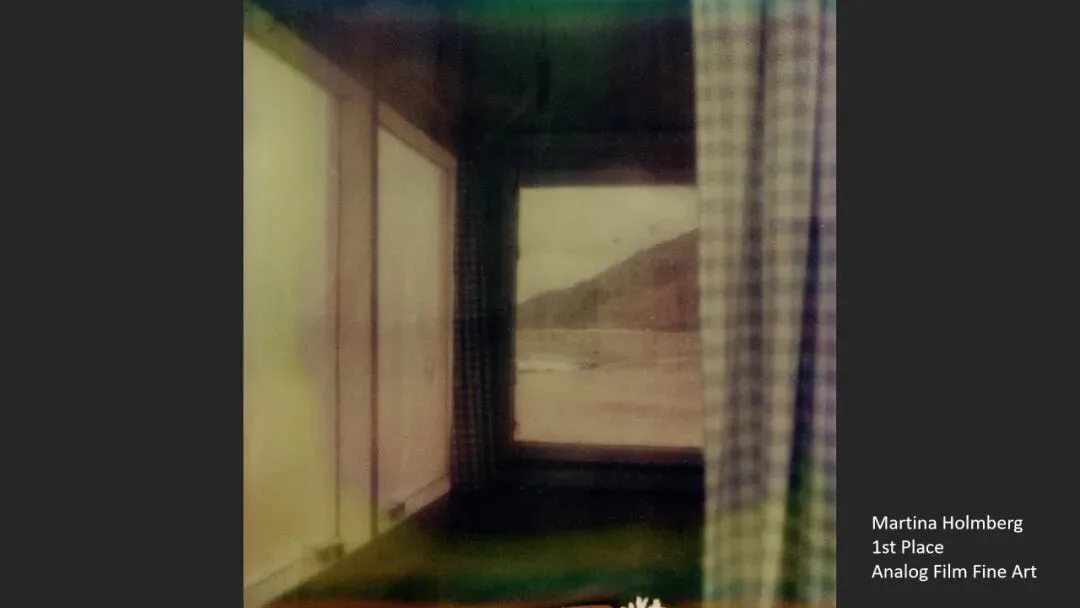
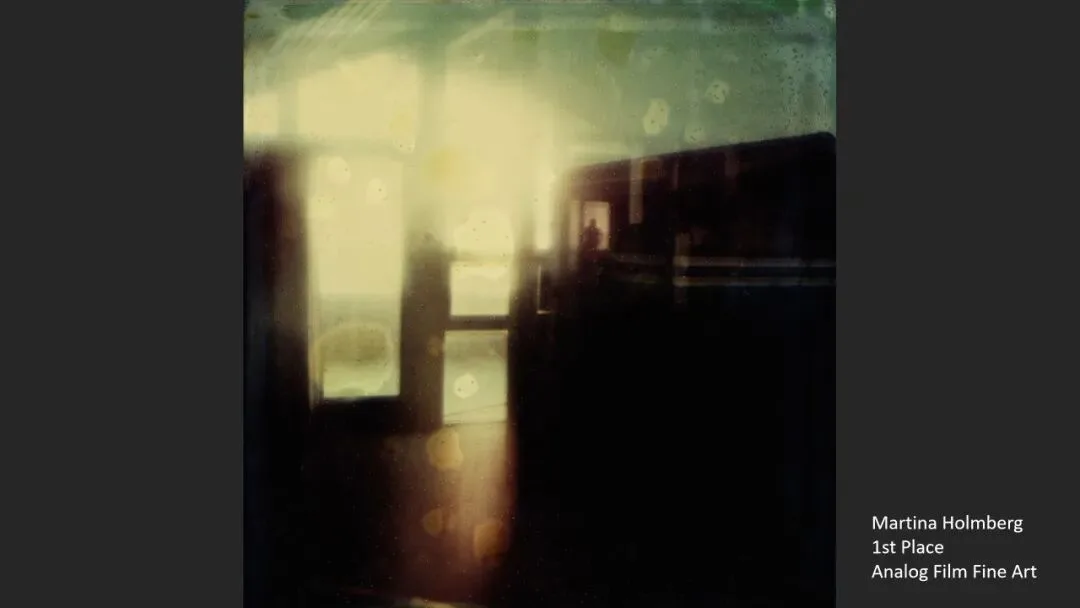
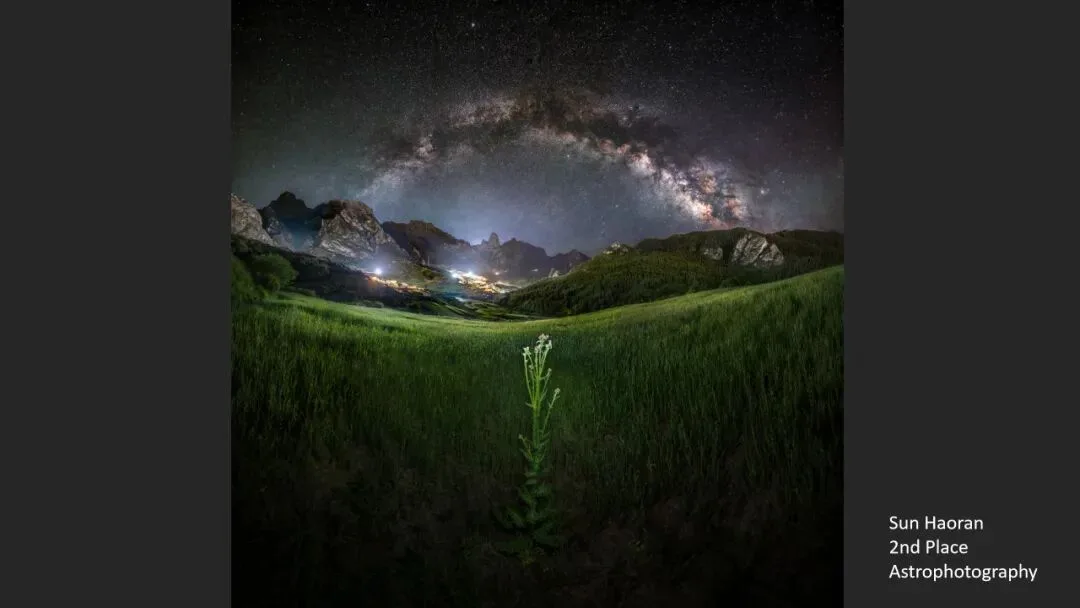
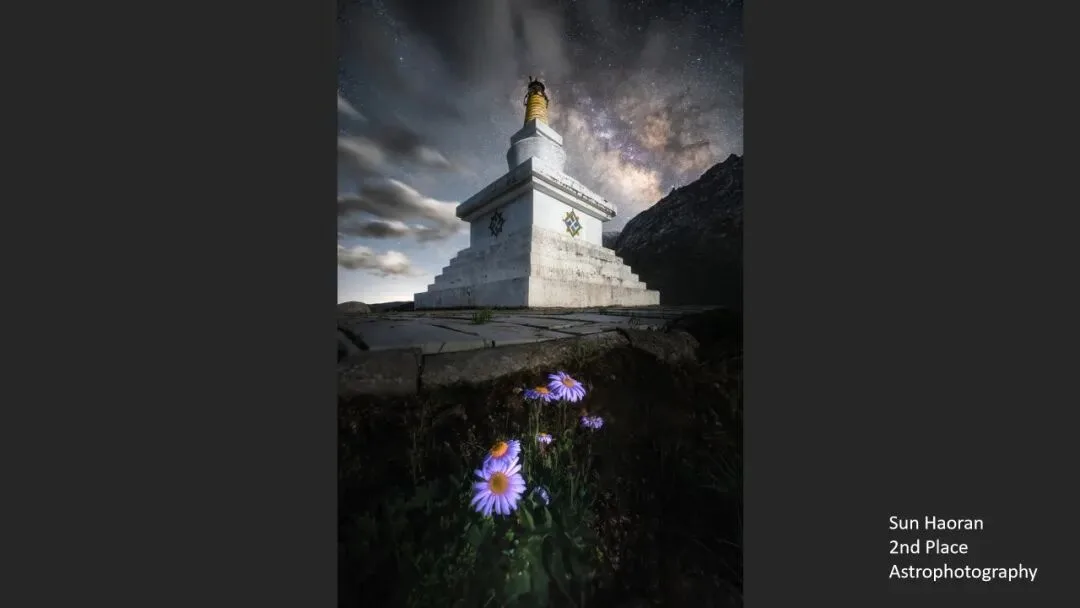
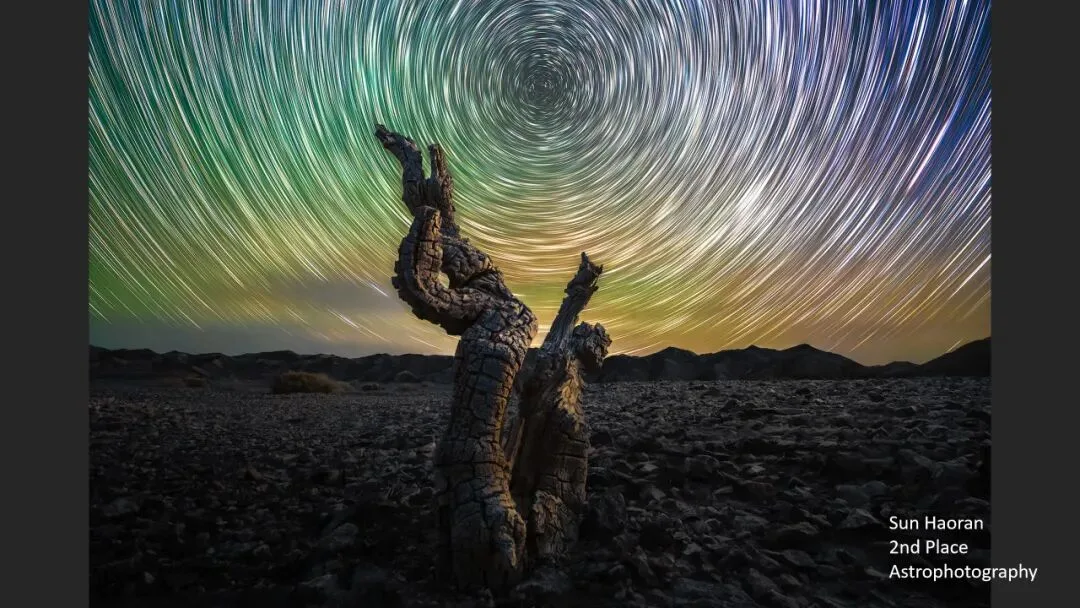
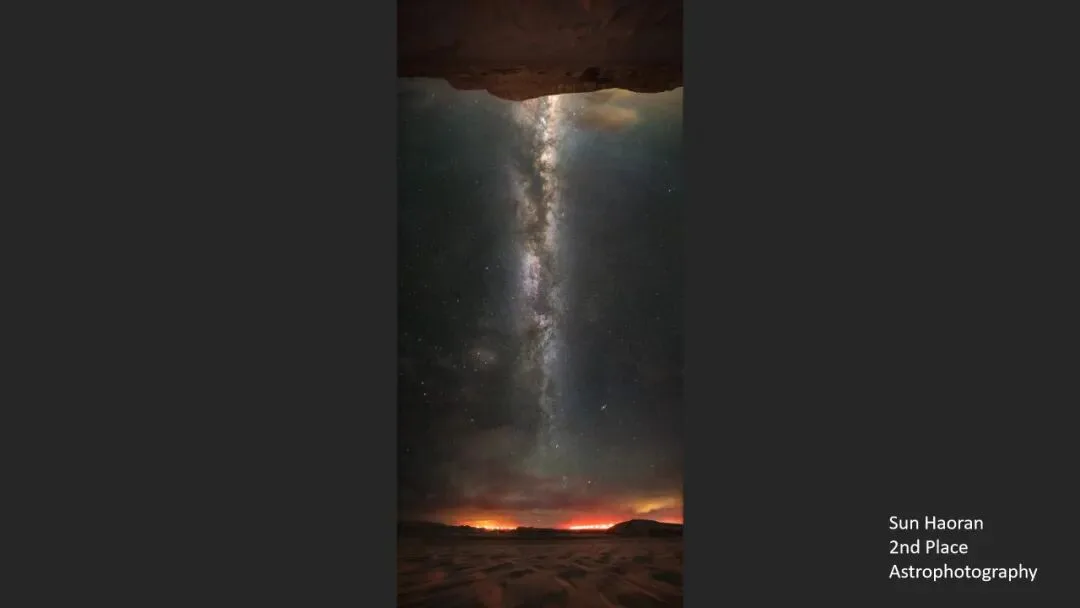
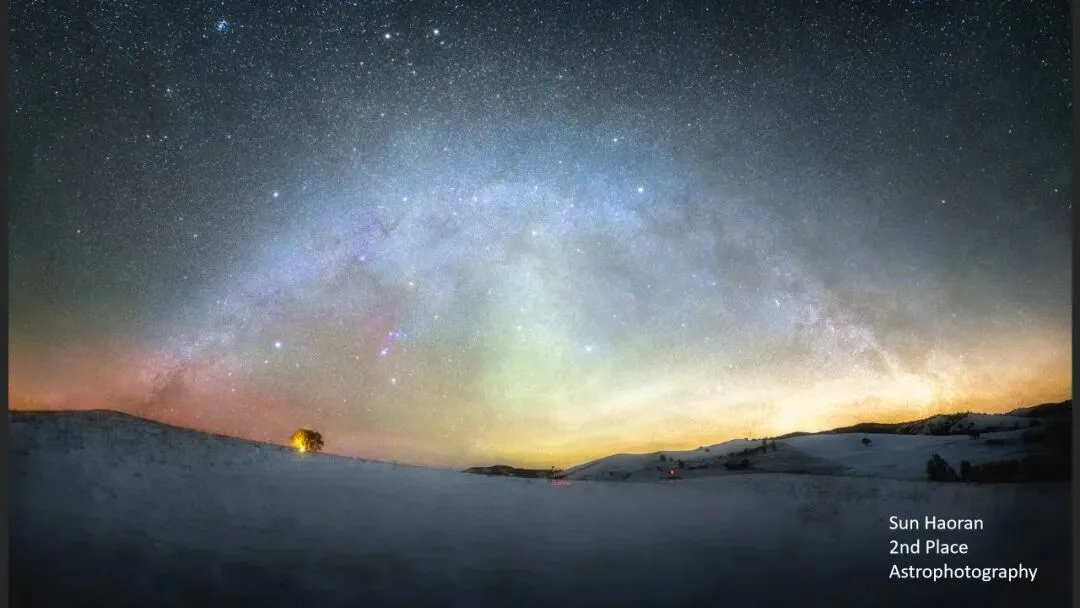
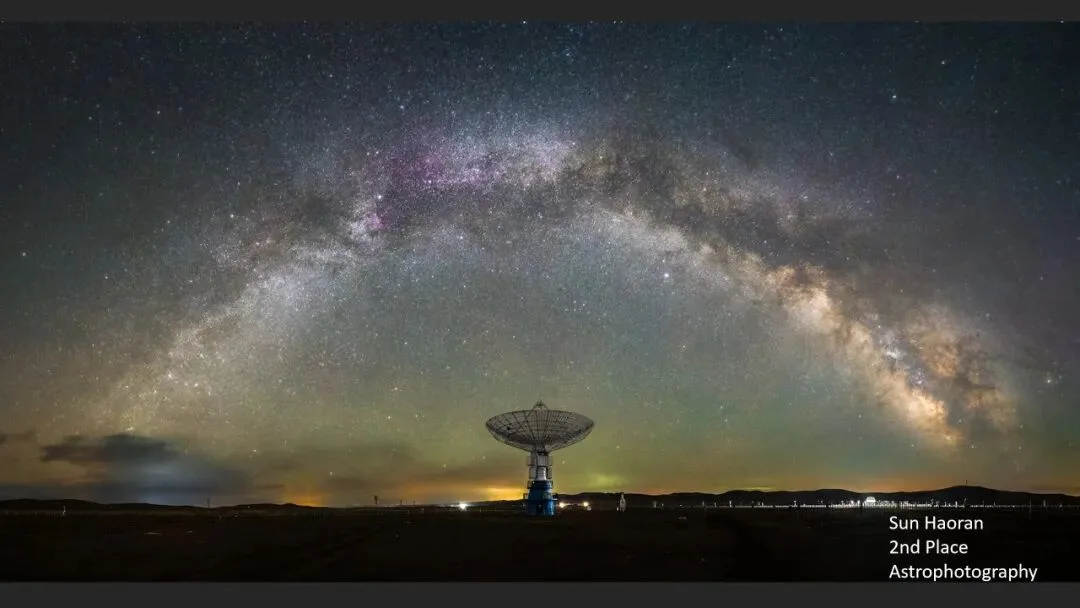
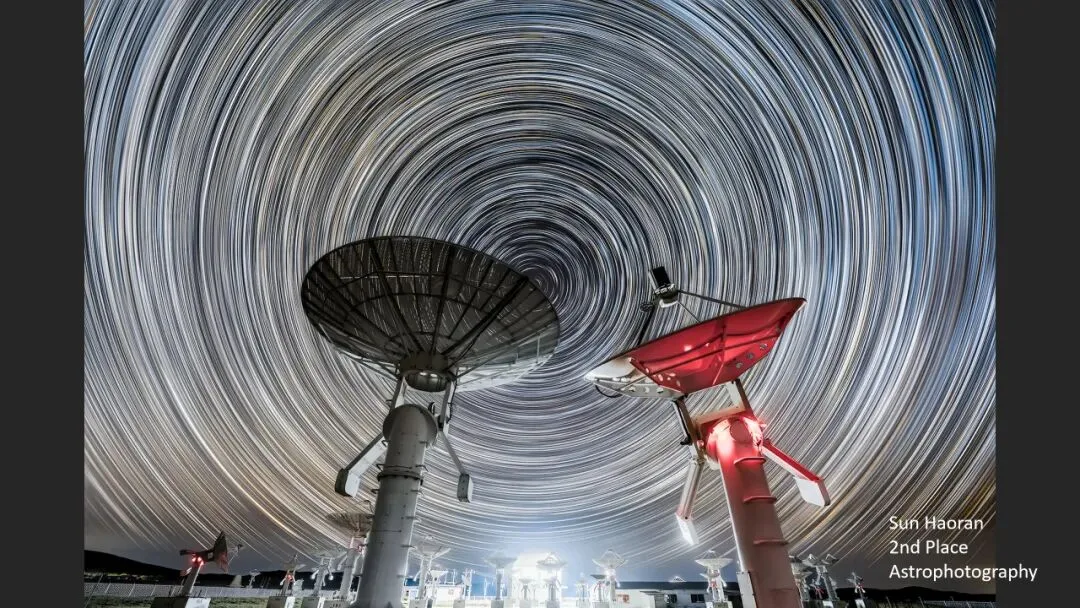
This year's astrophotography winner, Jakob Arthur Andersen, is superb: the unifying device is a tiny dot at the centre of every frame — the International Space Station — against the Moon, the Sun and assorted galaxies, setting human smallness against the grandeur of the Sun and the vastness of the Moon for a genuine sense of the sublime (at 10:13 in the video). Then come a spare winter series, restrained and evocative; classic black-and-white typology whose tonal handling is worth studying; and a film series that uses darkroom chemistry so that blur and blotches become ordered, beautiful texture — very assured work (at 11:14 in the video).
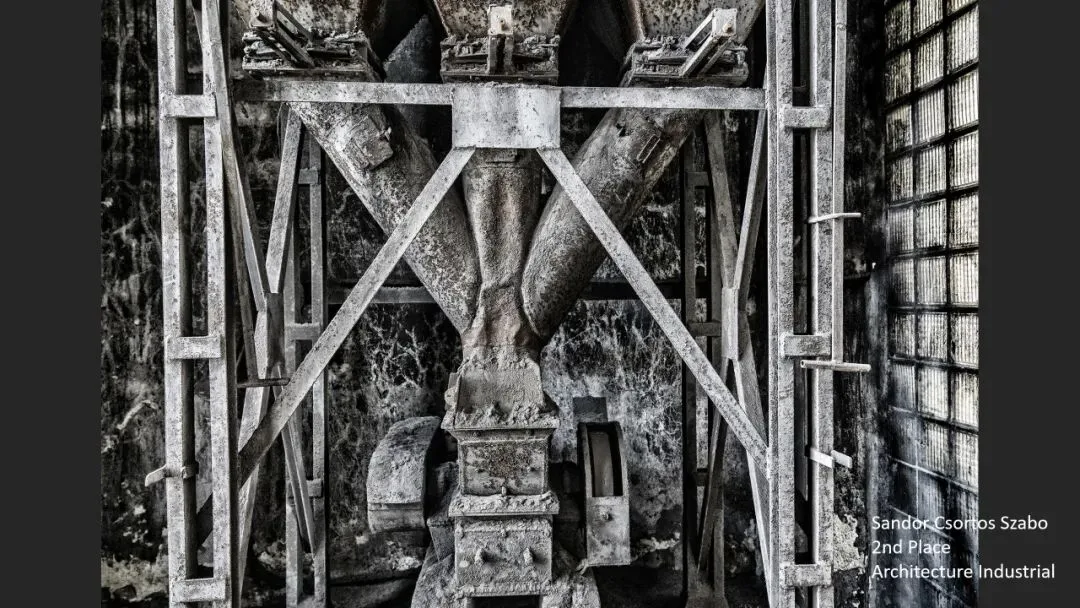
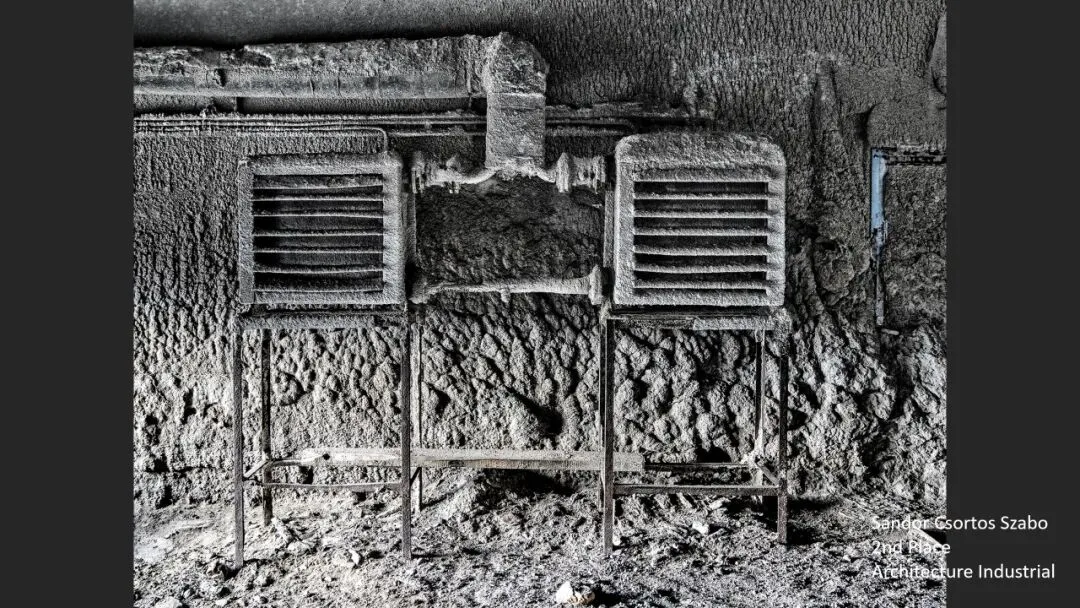
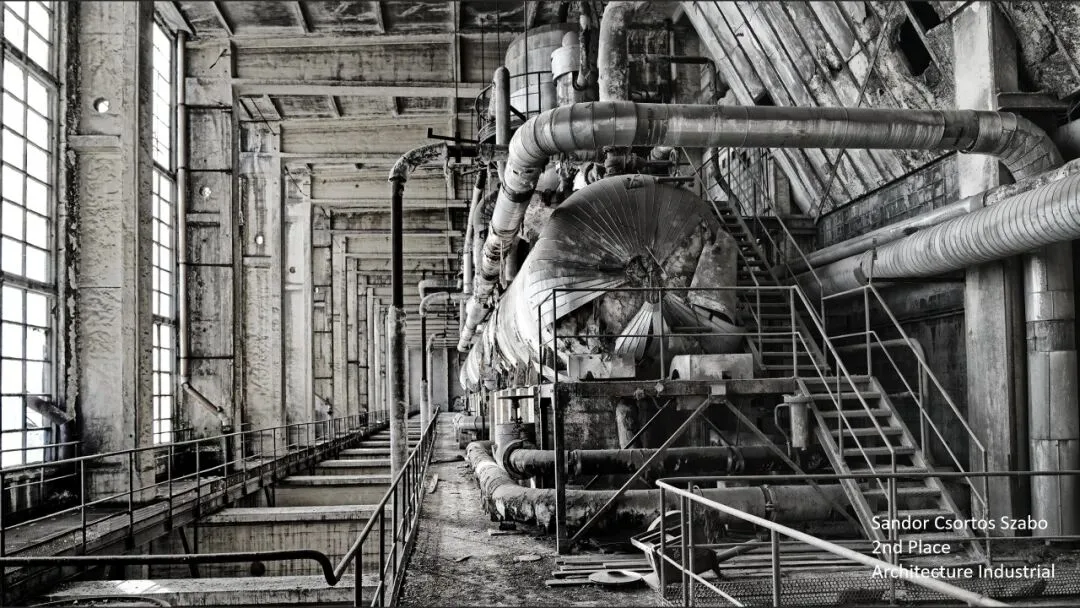
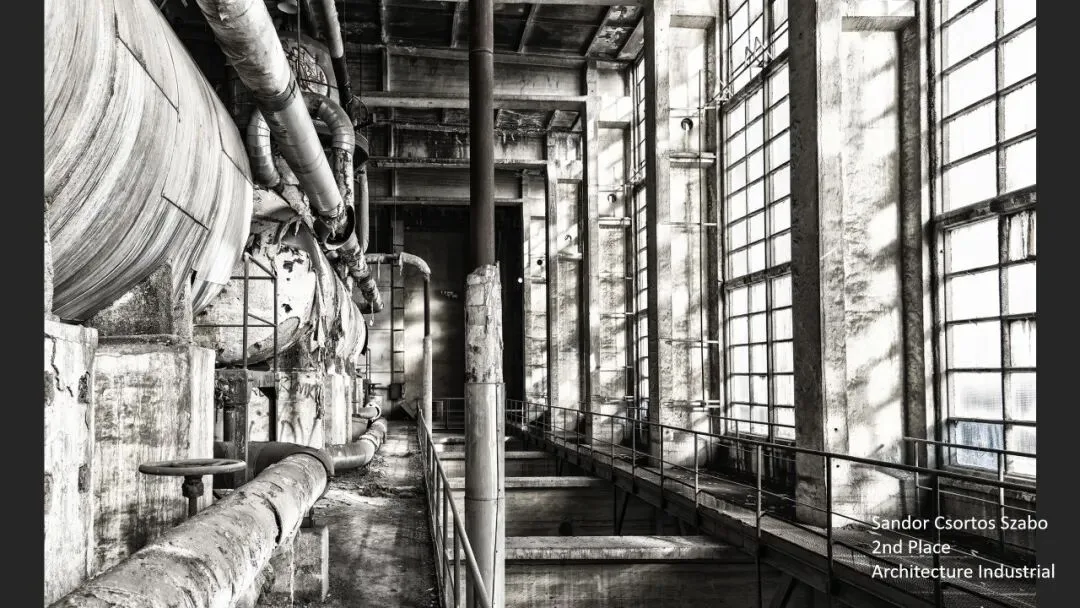
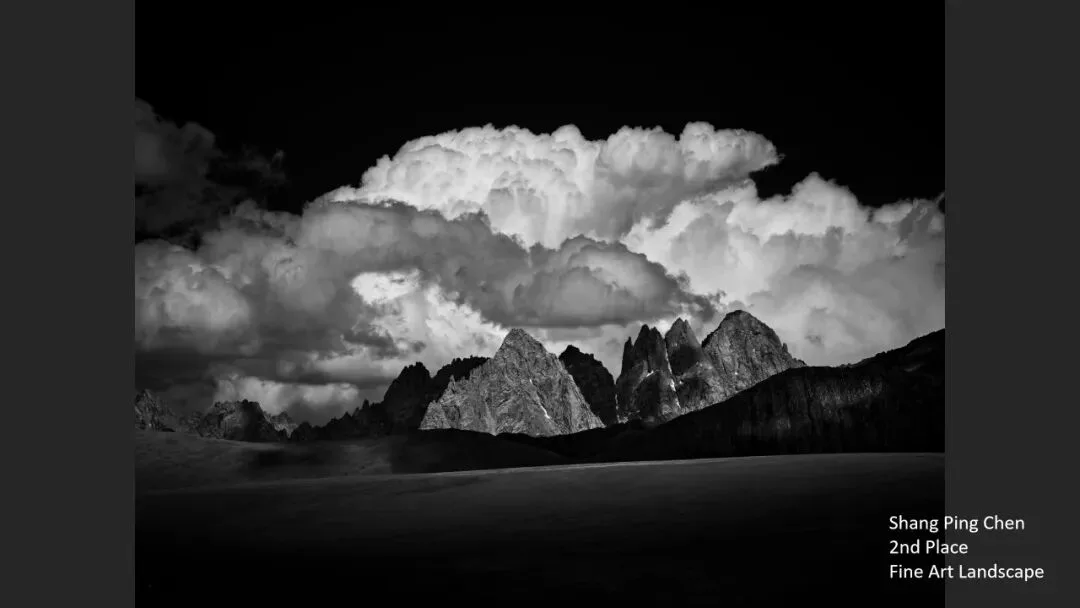
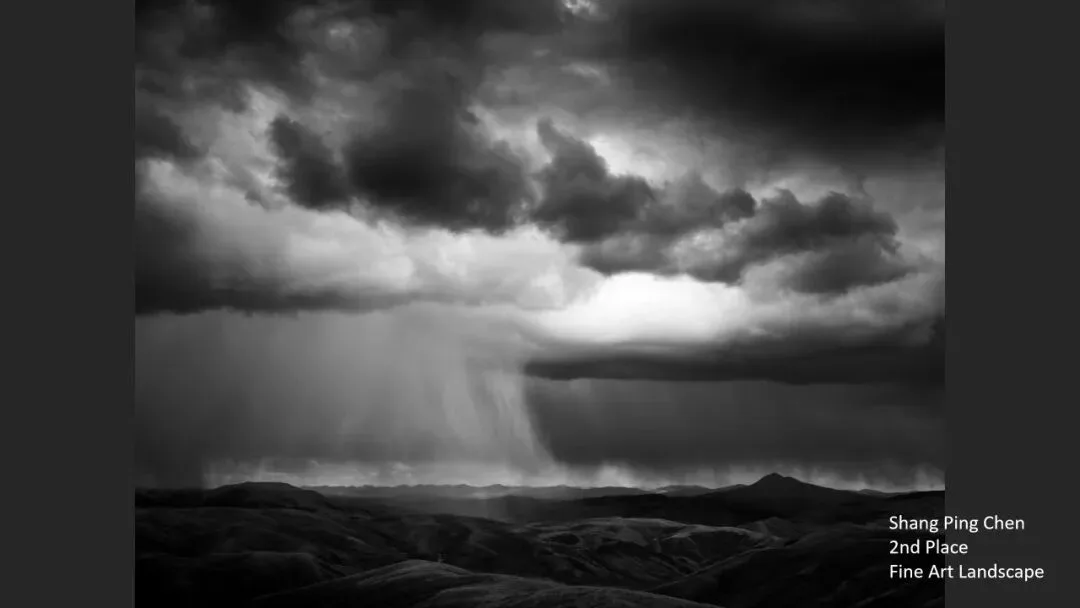
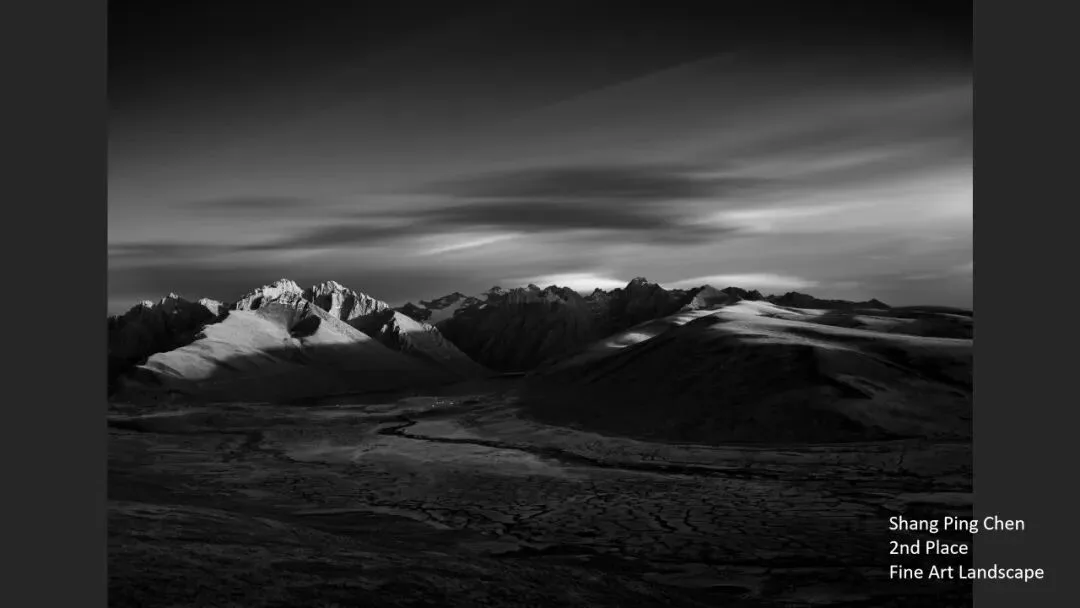
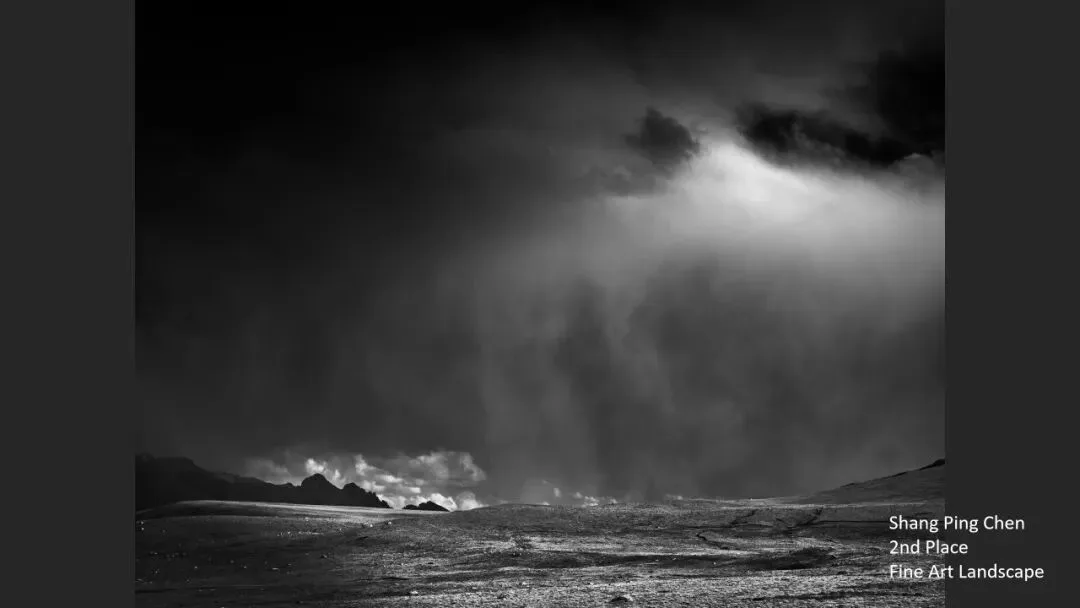
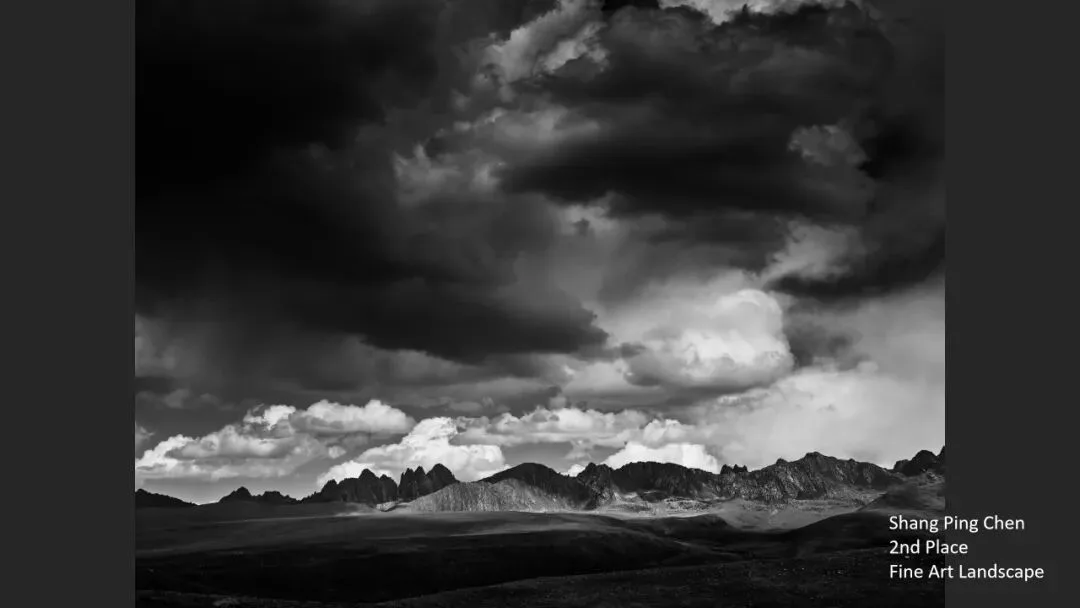
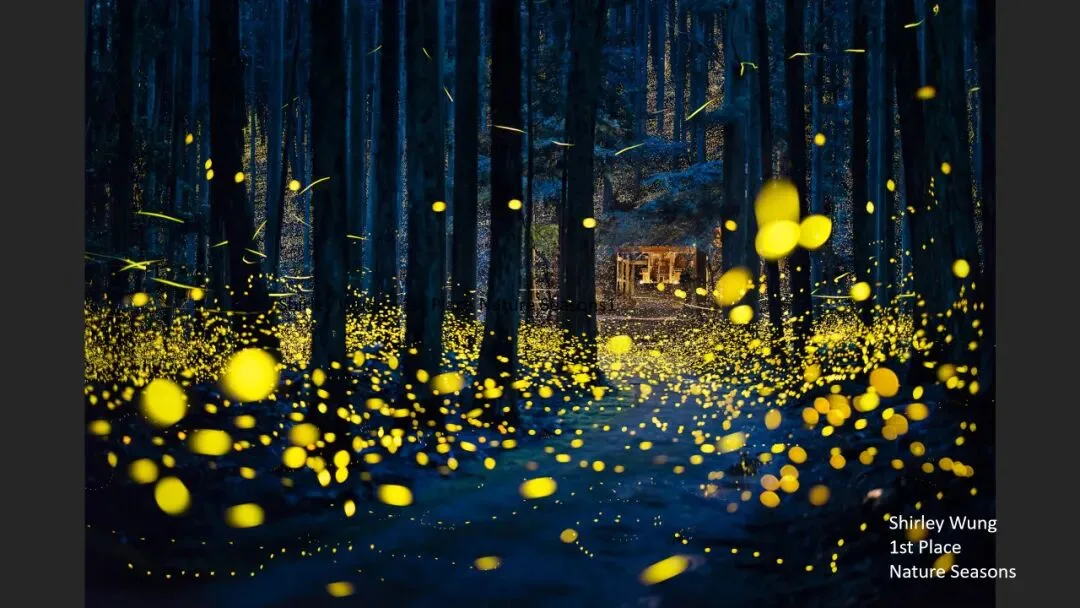
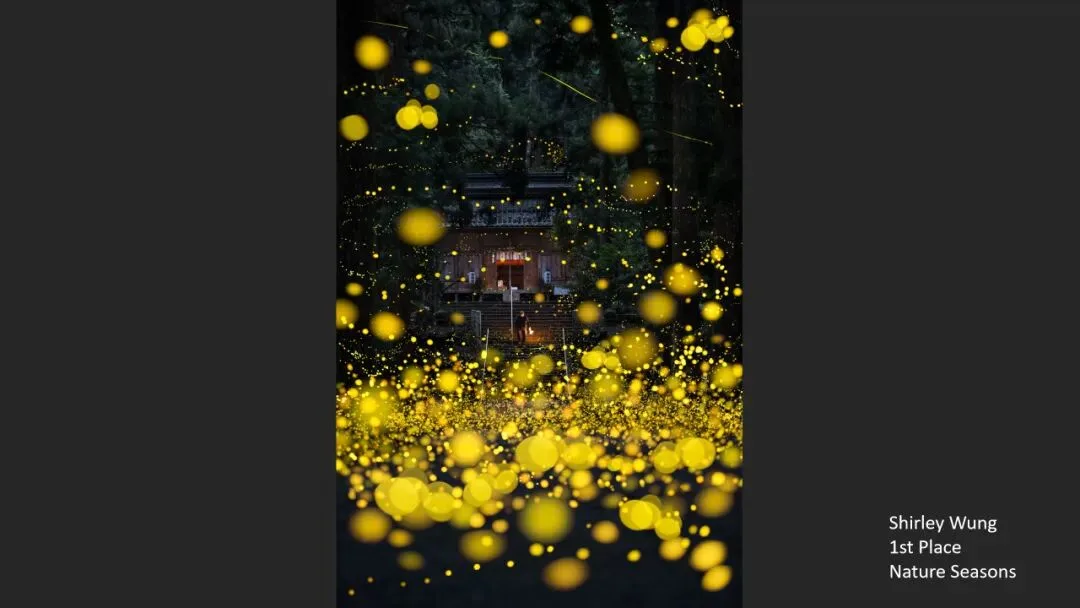
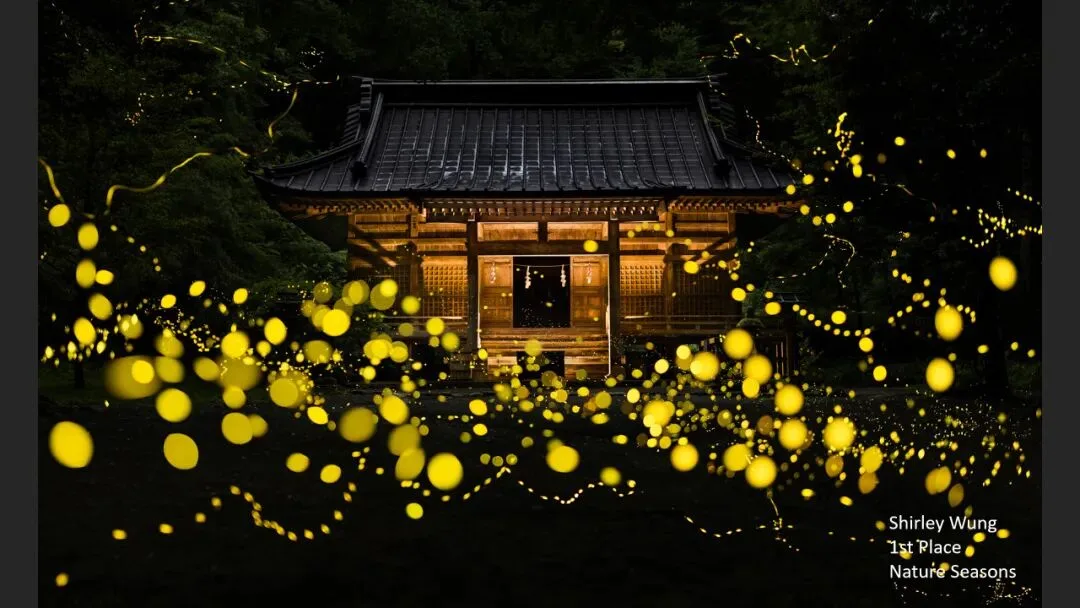
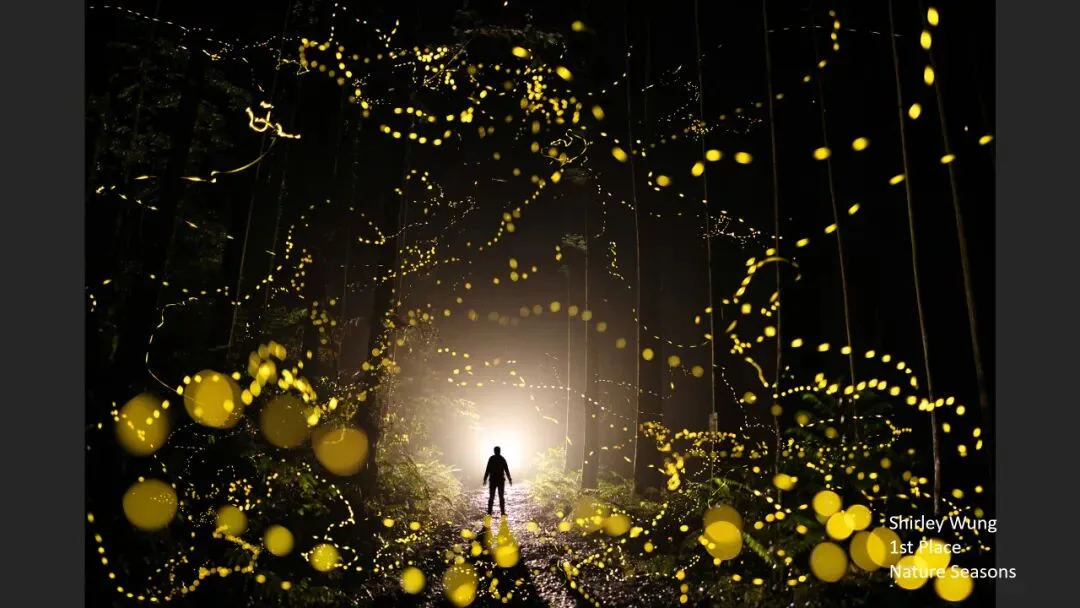
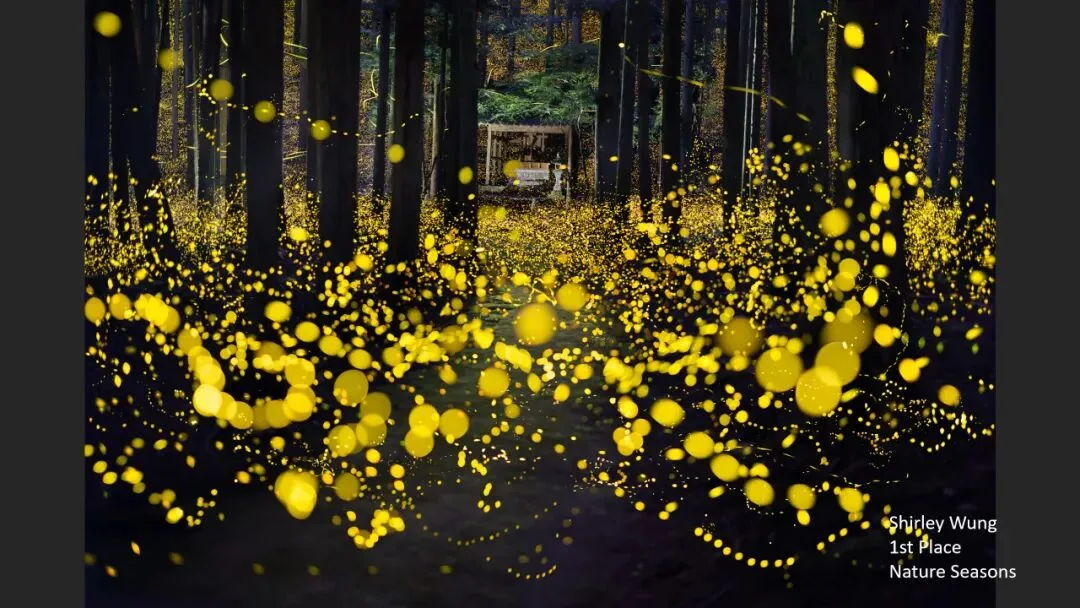
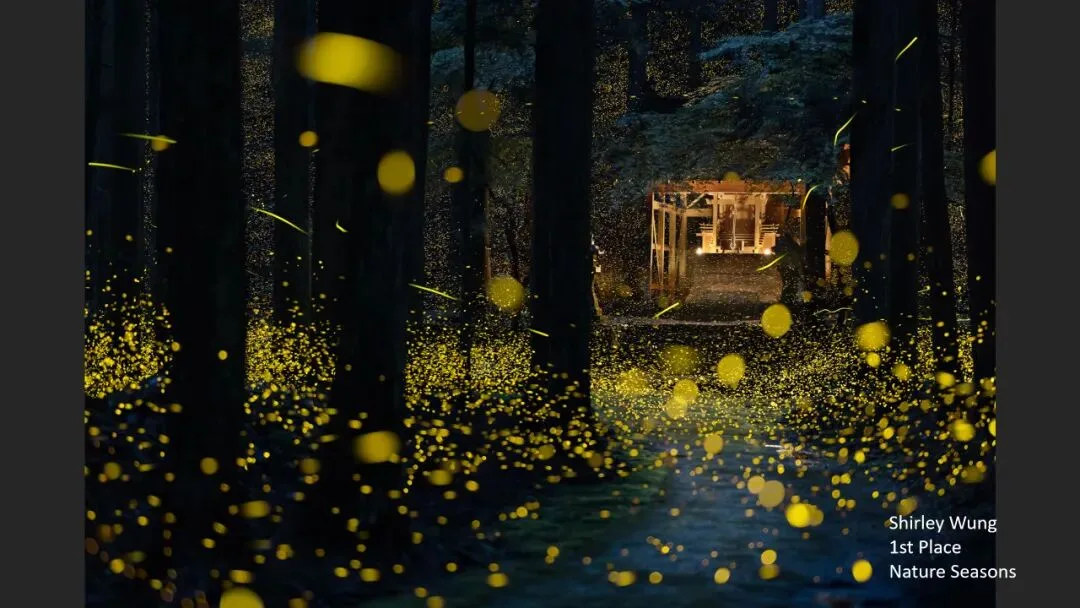
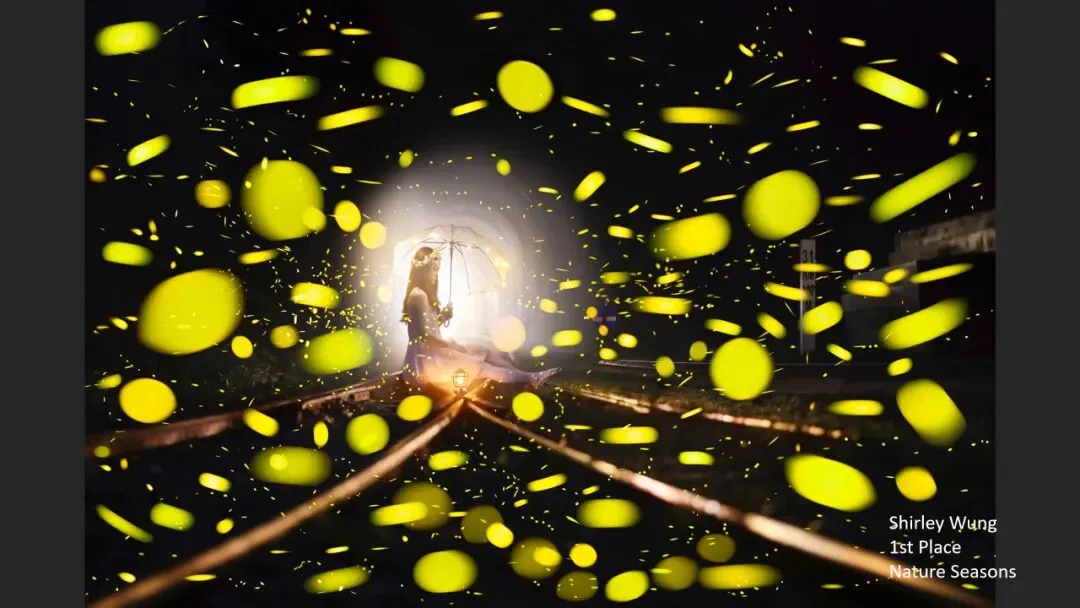
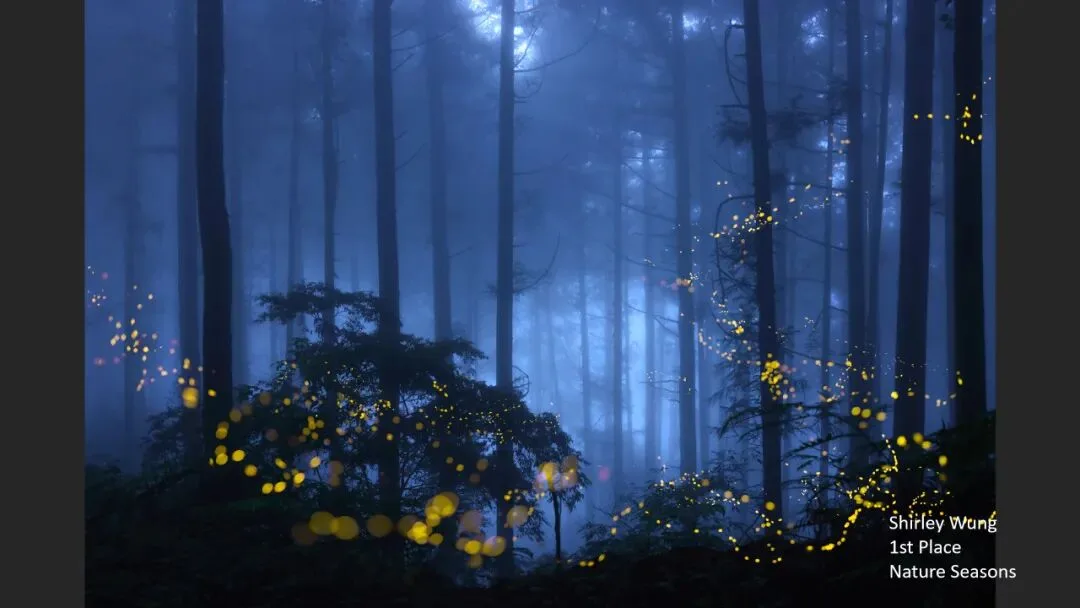
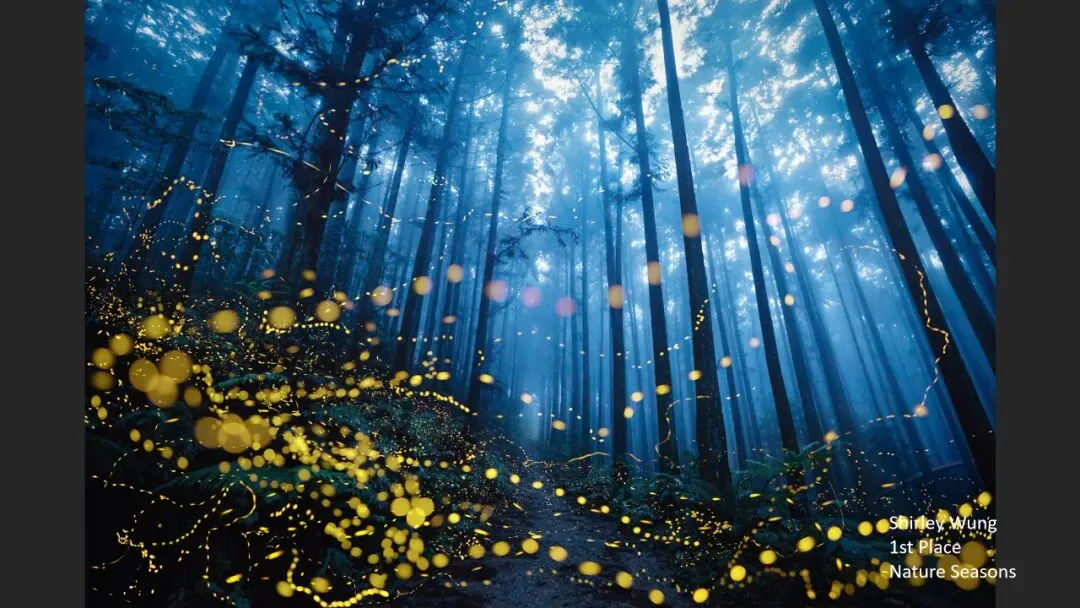
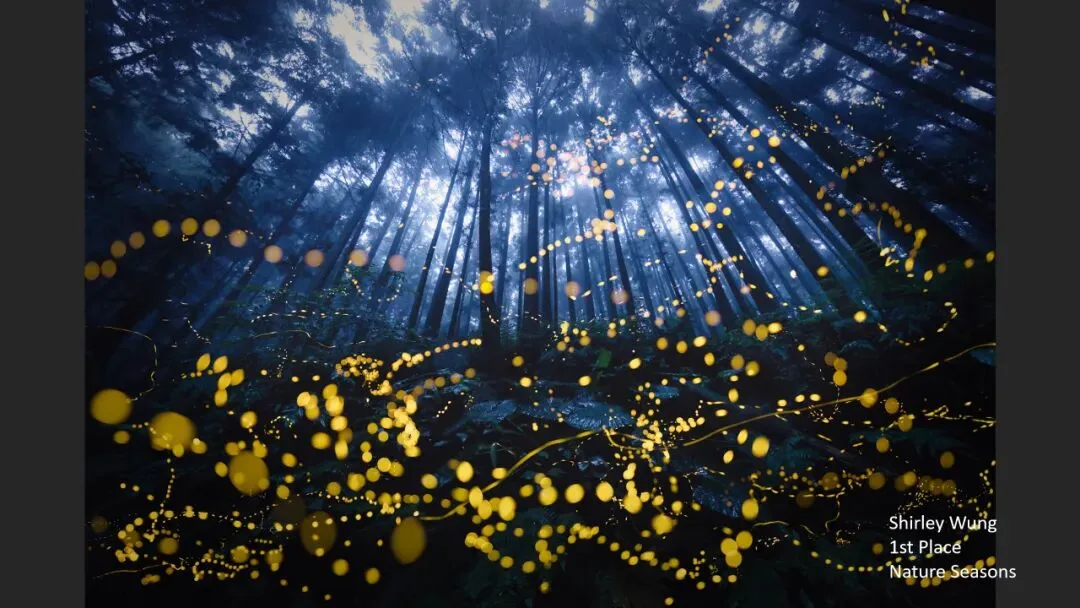
The closing sets all make the same point: industrial architecture presented as a series still hits hard, and it can be shot right where we live; a series of cloud formations that might not place highly as singles feels entirely different as a set; plenty of people have photographed fireflies, but gathered into a series the impact changes completely; and an astrophotography set, brought together, carries real force and shows both technique and taste (at 11:45 in the video). Series work is a direction every enthusiast can push into.
1. A single image wins only when everything aligns — an eruption, cave light, a whale in a light shaft, airglow beneath a Milky Way arch — a rare moment paired with minimal observation; 2. Vantage point and echo create impact: a tiny-planet view of a ship ringed by towers, a dragon blood tree answering local dress, saturated orange-and-blue complements on minimal black and white; 3. Series stand on imagination: aerial ice, divers on clean backgrounds, a shadow shifting between glass and a shopping trolley, city aerials laid on a microchip — alike yet varied, revealing a unified visual sensibility; 4. No need to travel far: corner shops, church domes, abandoned hospitals, clouds, fireflies, the tiny dot of the ISS — themes are elevated only as a set, and series work is the direction most worth pursuing.
HD video:
https://www.bilibili.com/video/BV1e34y1A7cY/
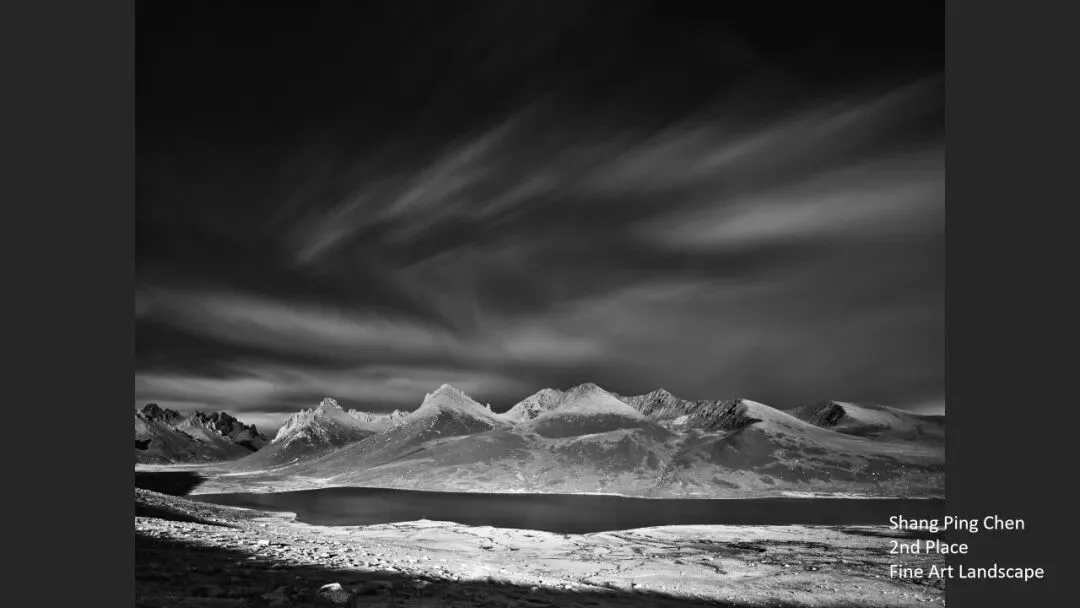
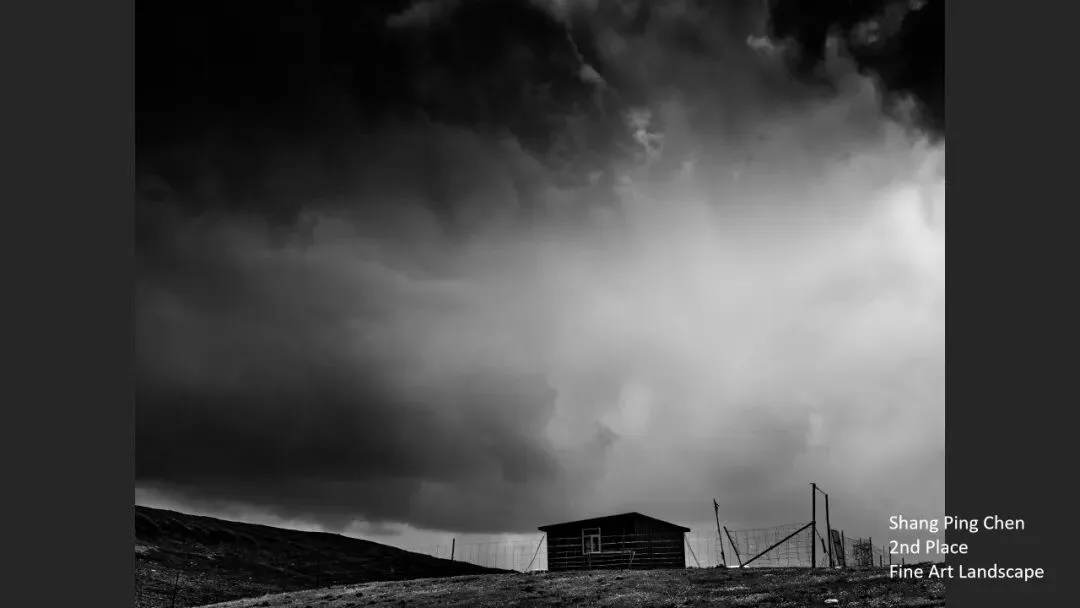
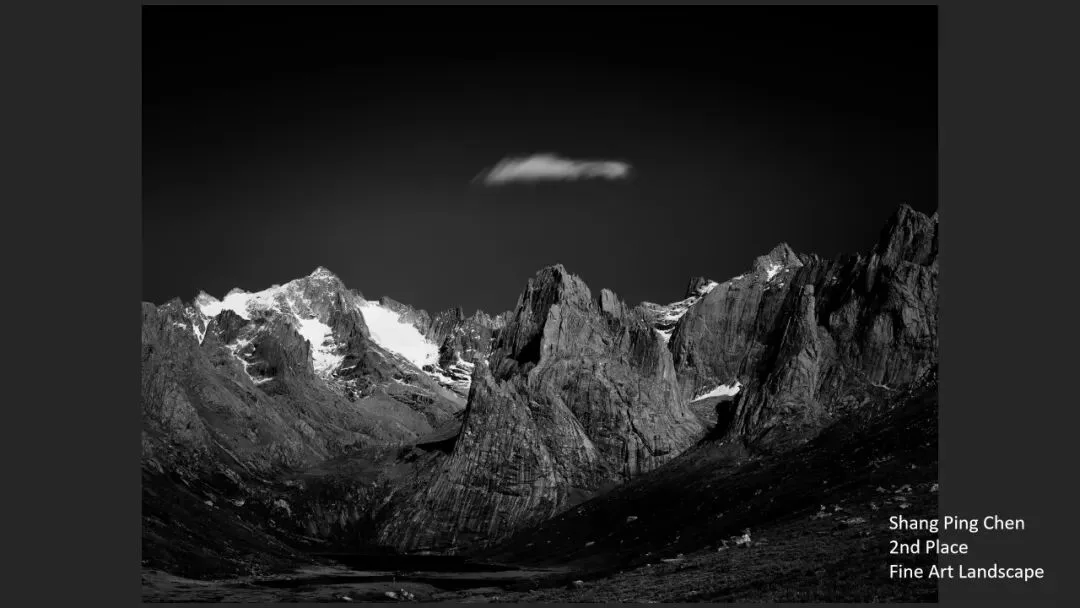
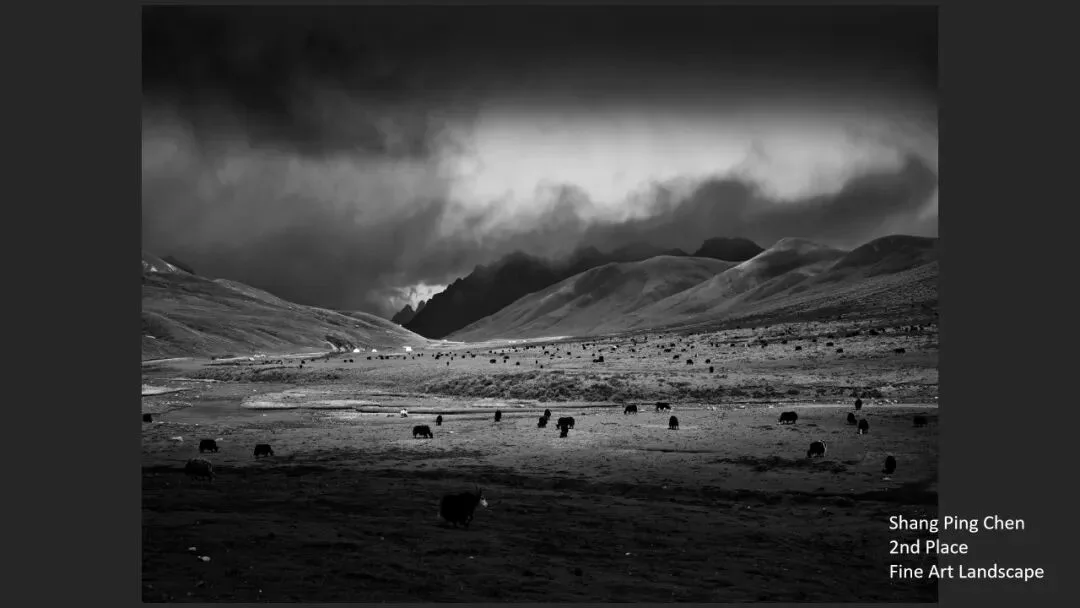
Selected Winning Works
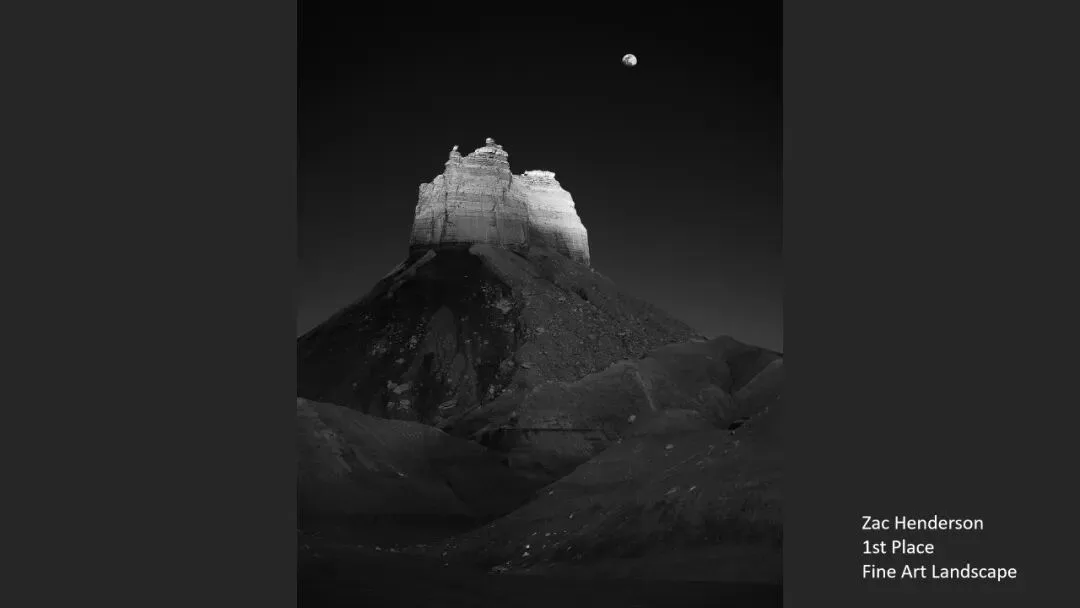
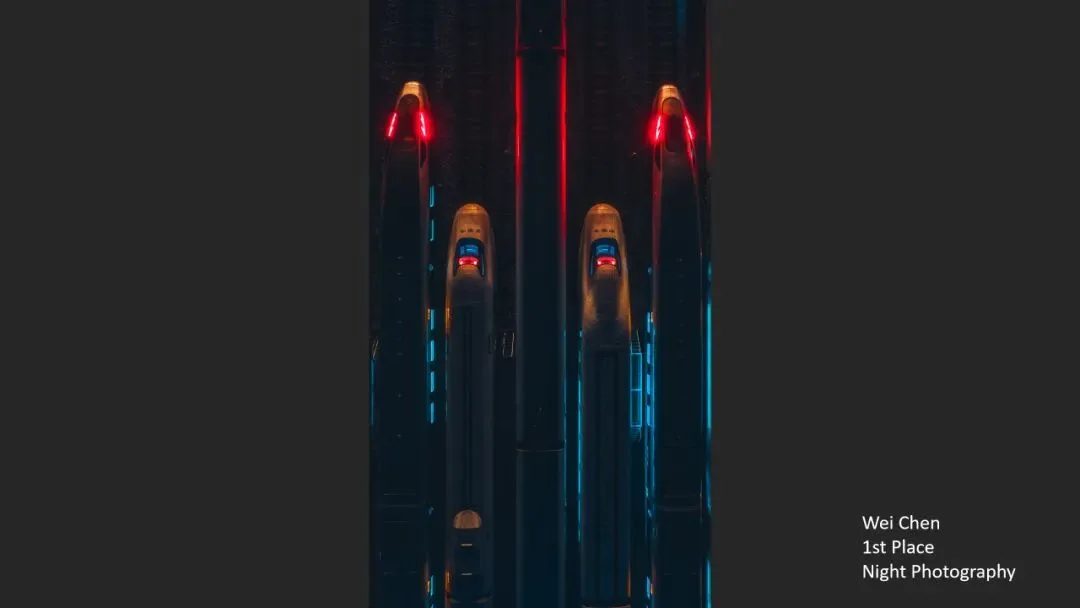
Scan the QR code above or click "Read More" at the end of the article