Photography Tutorial · 2024-01-07
How Are Landscape Photographers Shooting in 2023? Appreciating the Winning Works of the Landscape Photographer of the Year Contest!
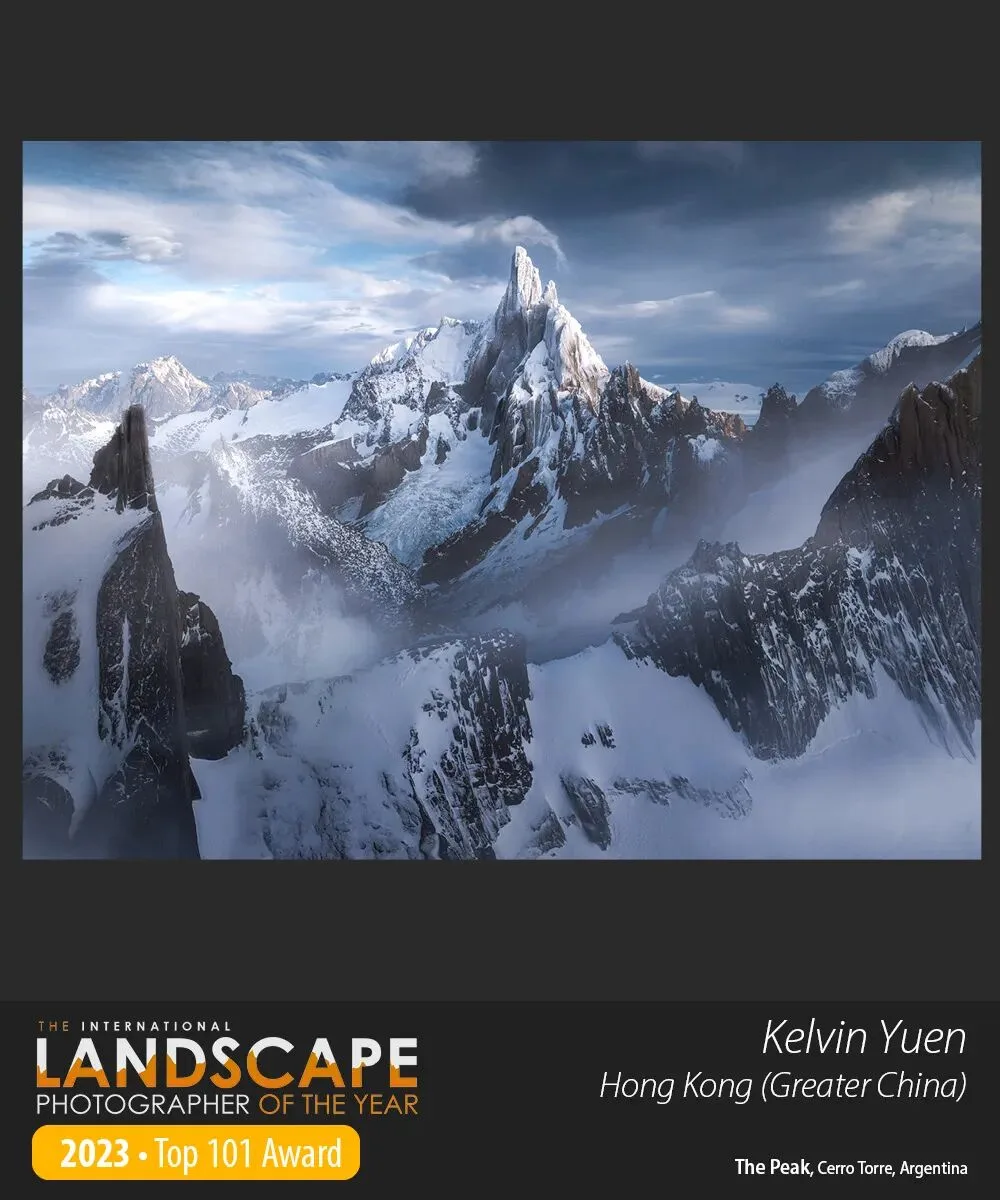
The ILPOTY Landscape Photographer of the Year contest is one of the photography competitions I've followed for a long time — it showcases the most extreme visual presentations by landscape photographers around the world.
What inspirations will this year's winning works bring us? How did landscape photographers shoot and post-process in 2023?
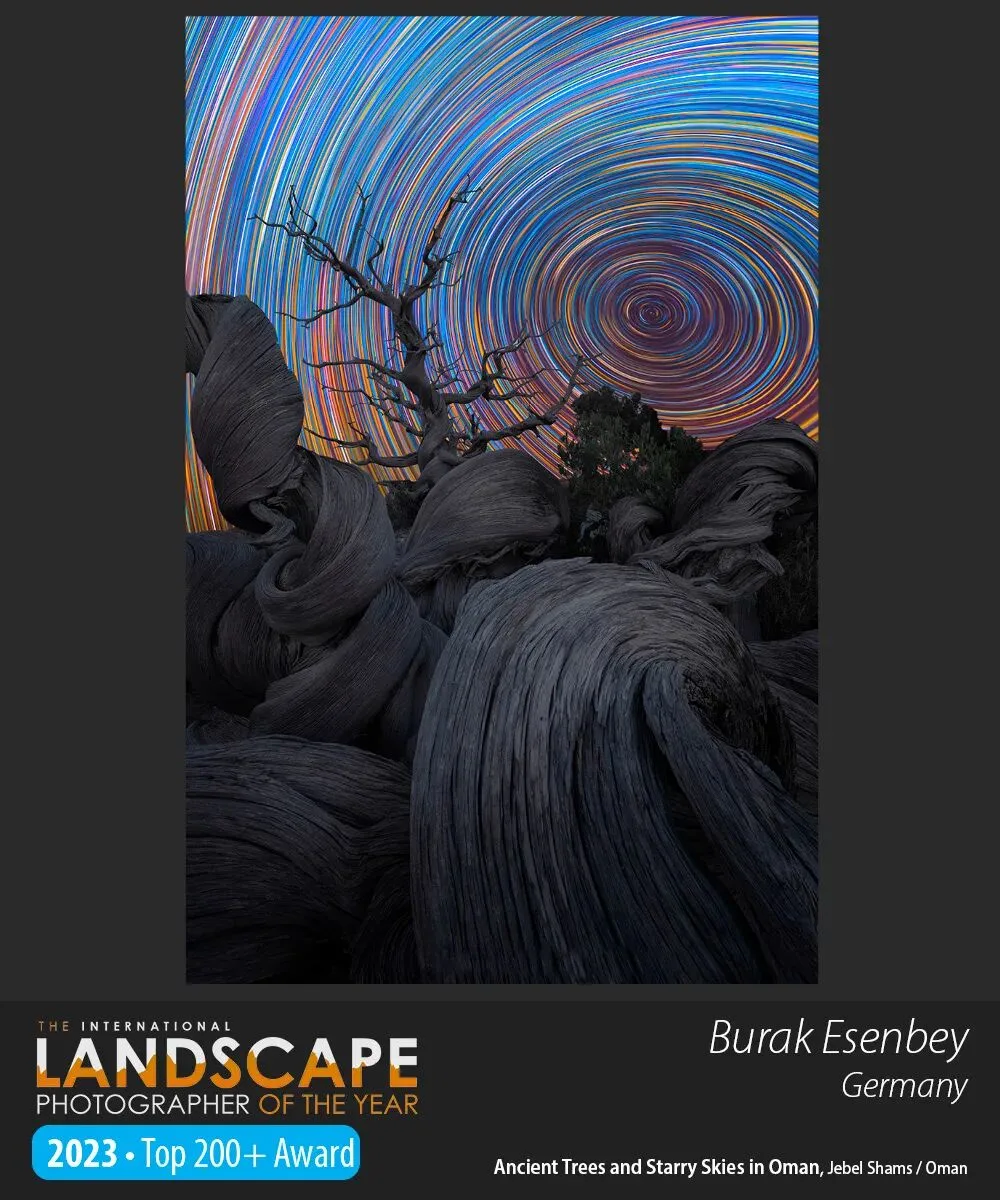
In today's video, Thomas will appreciate this year's winning photos together with everyone!
Appreciation Video
▶ Watch the video tutorial on Bilibili
This is the illustrated companion to the video. In 13 minutes Thomas walks through the winning images of the 2023 International Landscape Photographer of the Year (ILPOTY) — the abstract aerial vision of the overall winner, natural spectacles from star trails to volcanoes, oil-painting-like abstract details, and what makes a photo judges want to score high. The four chapters below follow the video in order with keyframe screenshots; skim here for the big picture, then watch the video for the full works.
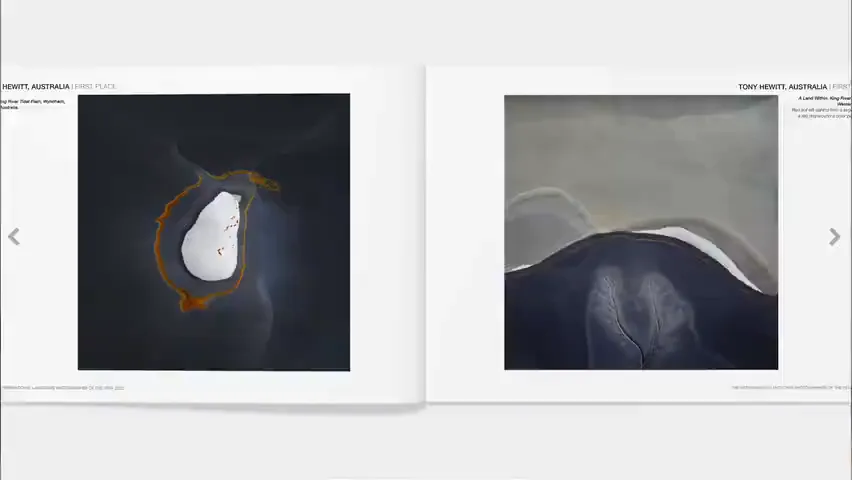
Start with the overview. This screenshot from the contest website (at 1:43 in the video) shows the portfolio of this year's overall Landscape Photographer of the Year — abstract landforms shot from high above, standing for what the judges valued most in 2023: a coherent style, restrained color and a distinctive point of view.
01 Photographer and Photo of the Year
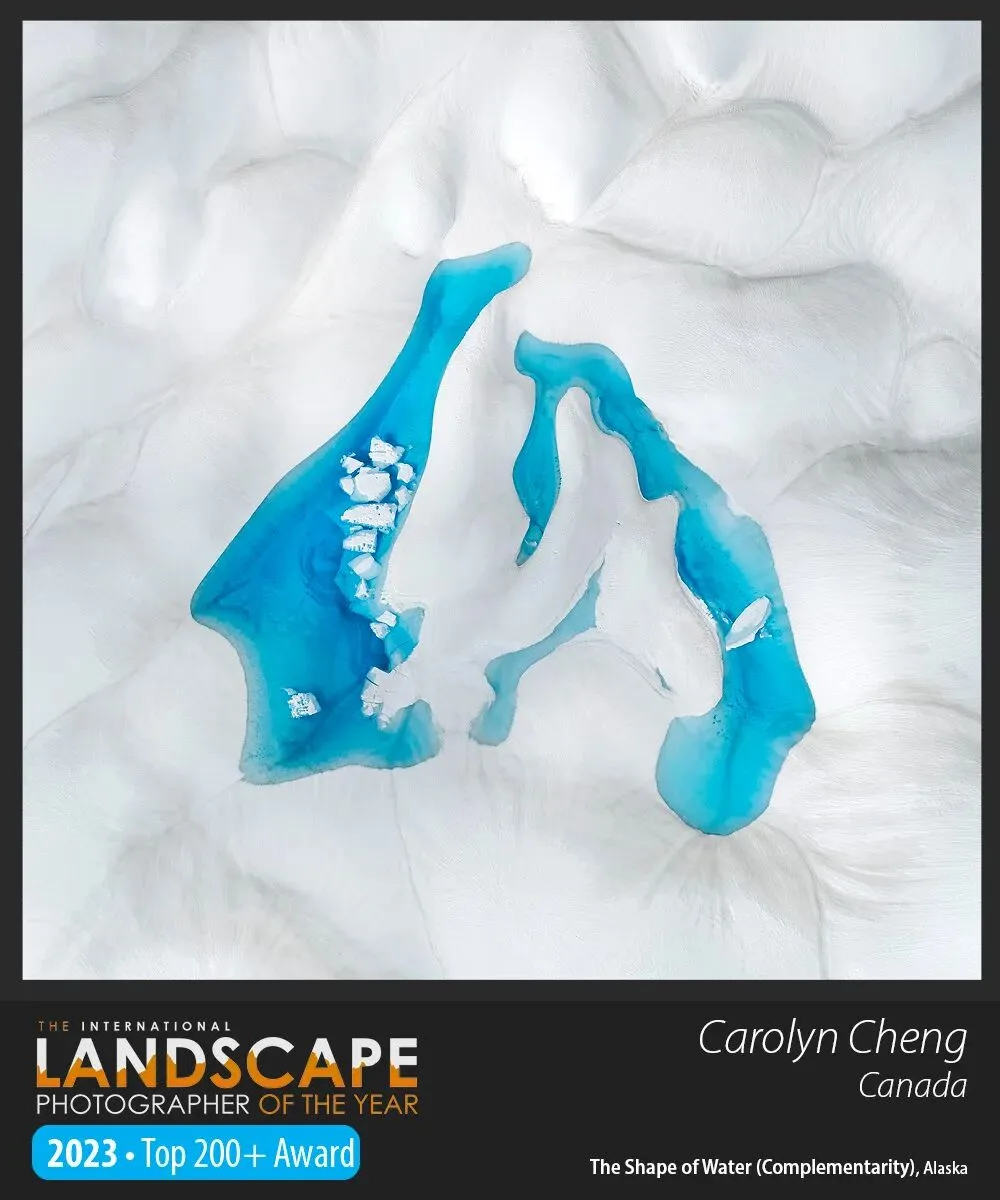
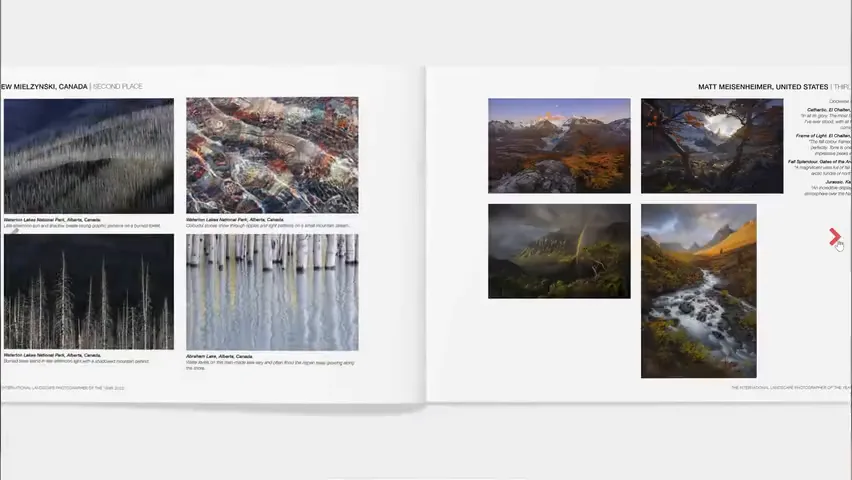
First, the Landscape Photographer of the Year award: it asks for a four-image portfolio with a coherent style and consistently high quality (at 1:48 in the video). This year's winner shot abstract landforms from high above; the runner-up is equally abstract — trees and their reflections, stones and ripples in water, all viewpoints we tend to overlook; third place returns to the traditional wide-angle, magical style of landscape work (at 2:02 in the video).
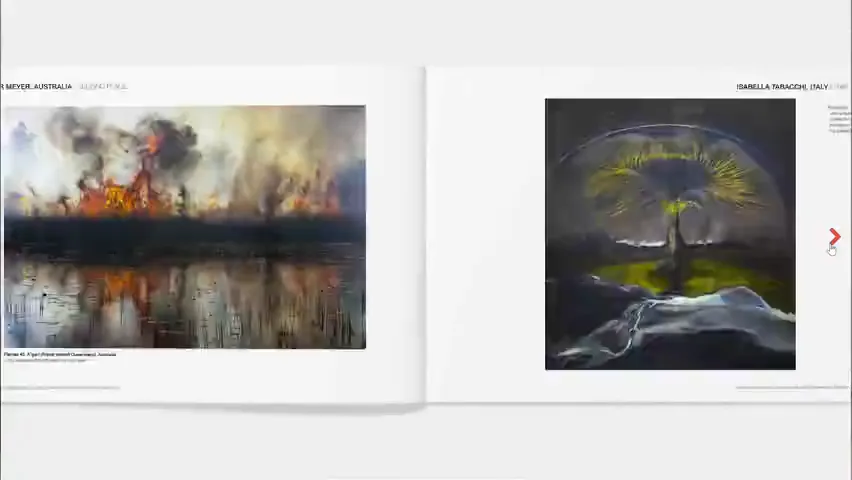
The single-image Landscape Photo of the Year is just as compelling: the top scorer is built on purple-red tones — not overly saturated, clean and minimal overall (at 2:32 in the video); second place documents the Aboriginal tradition of fire-stick farming in Australia, strong in both subject and impact (at 2:49 in the video); third place is once again a minimal, abstract aerial view (at 3:07 in the video).
Thomas also offers a caveat at the start of the video: entry fees for contests like ILPOTY and IPA are steep — 100-200 RMB per image — and minor awards only really matter on a professional resume, so he does not recommend them for non-professionals, especially those on a tight budget; as learning material, though, the visual quality of these winning works is beyond question and worth everyone's attention (at 0:43 in the video).
02 Night Skies: New Ways to Work with Light
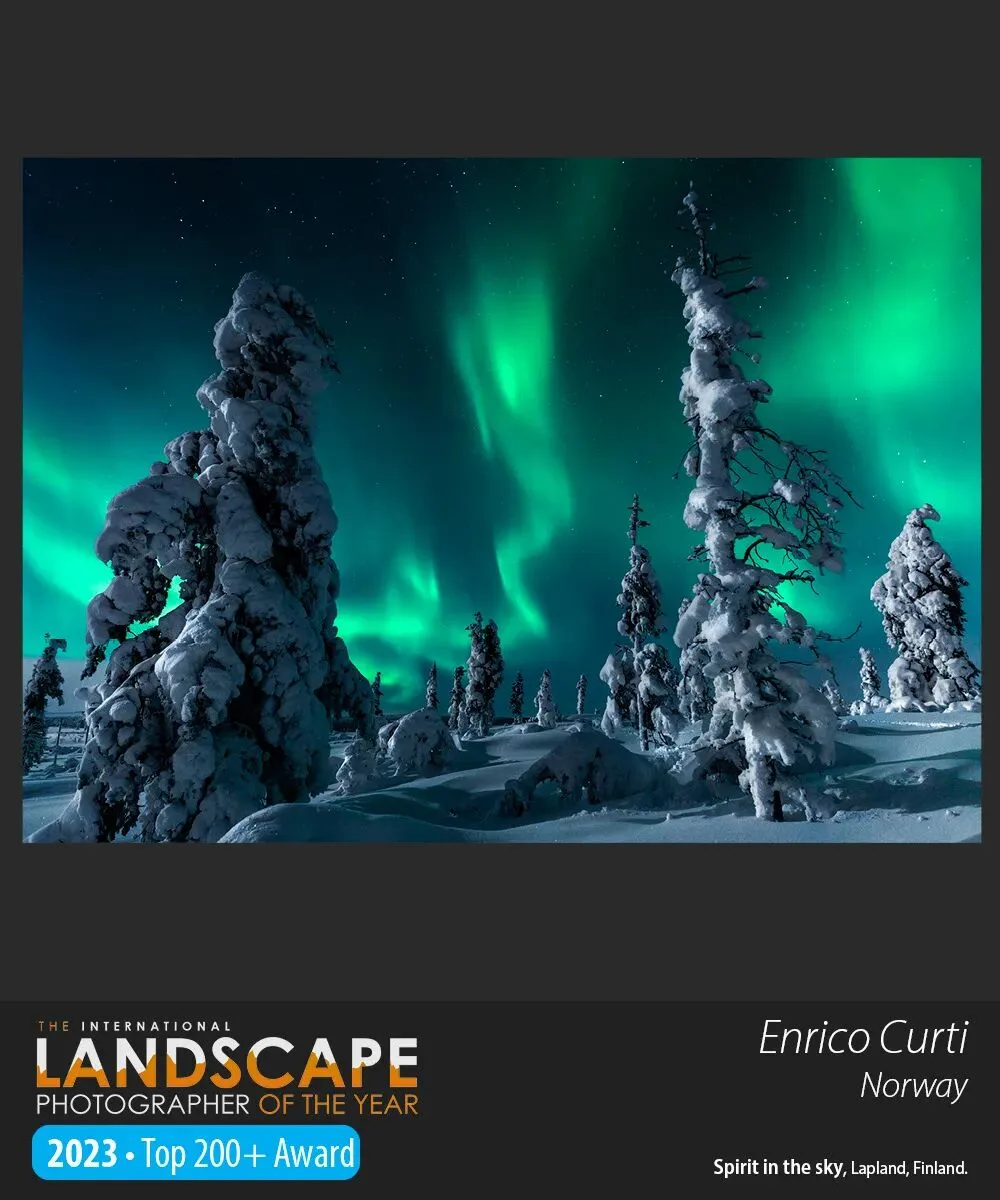
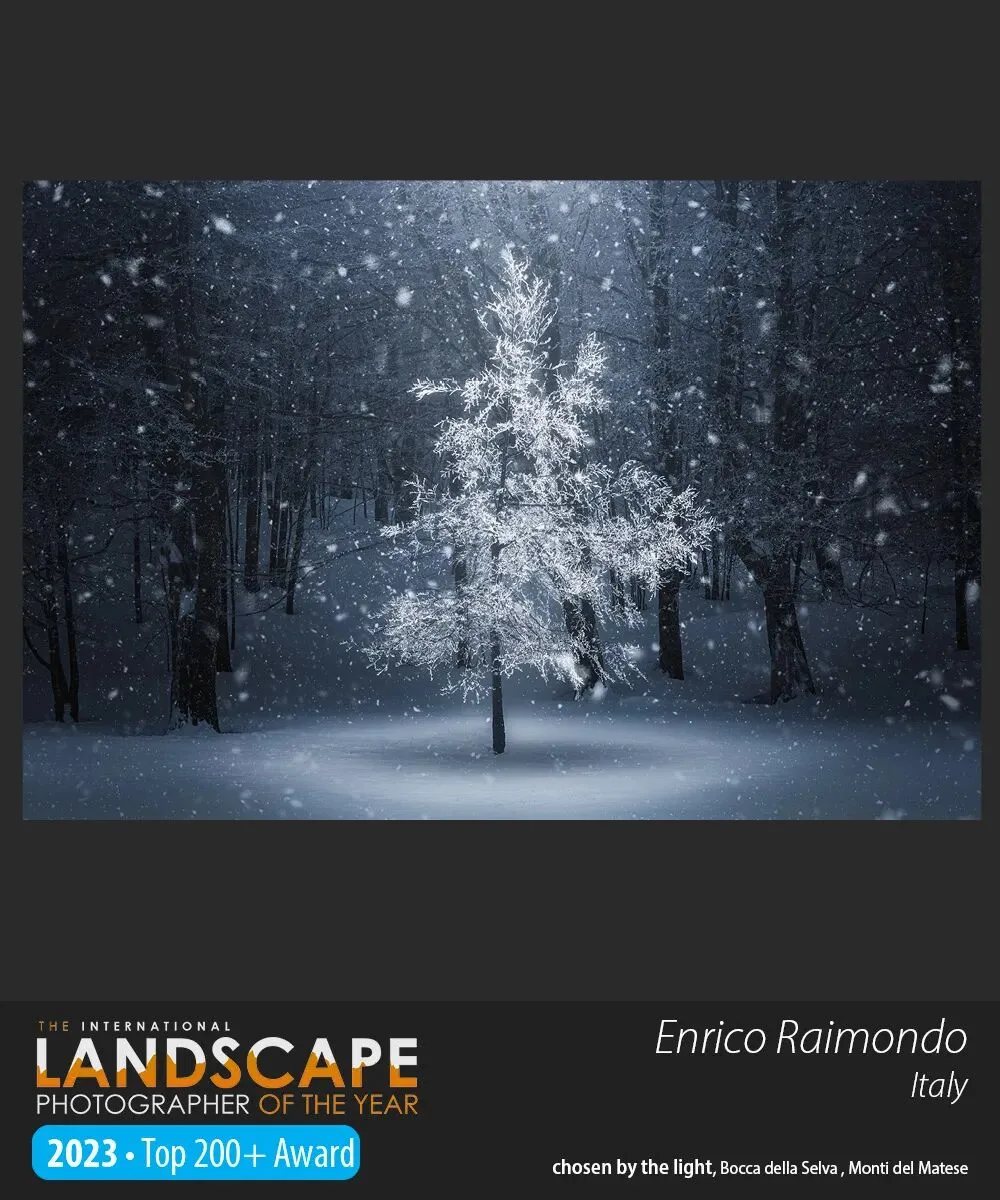
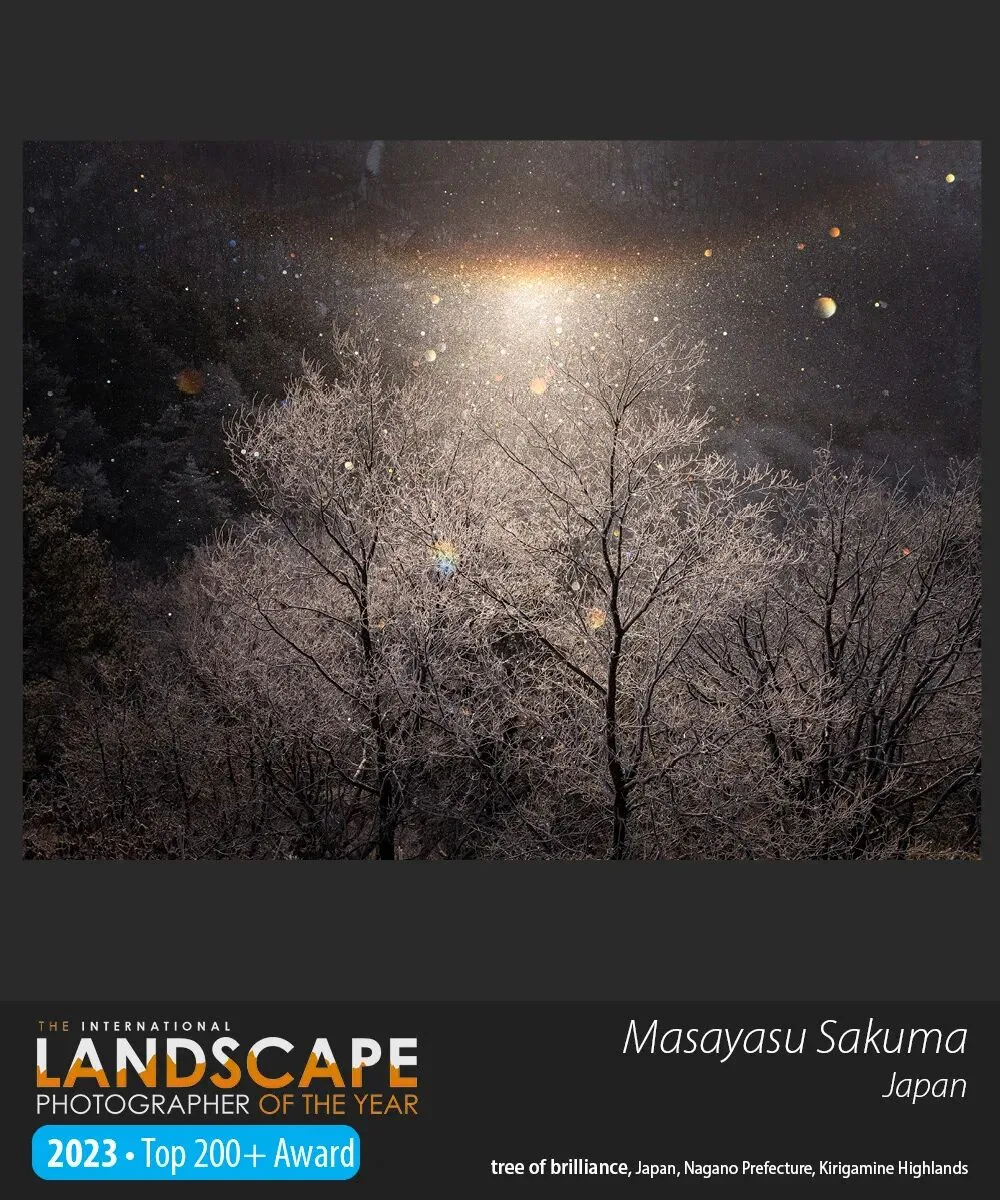
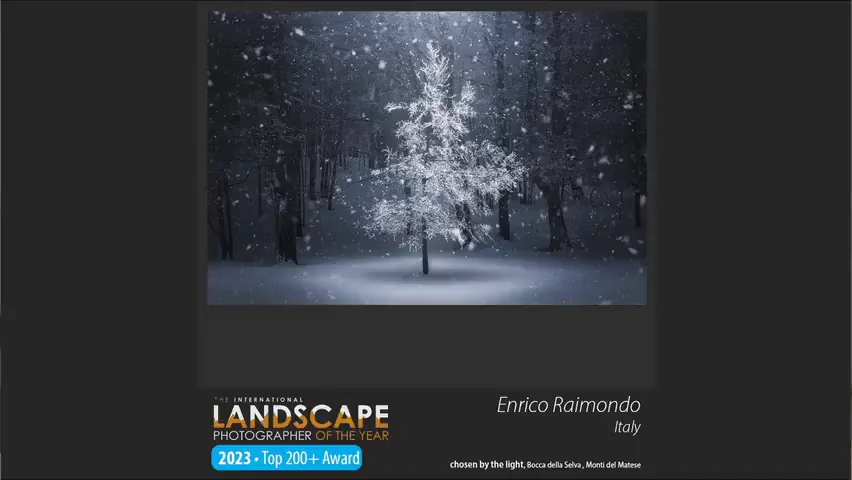
The night and starry-sky selections offer plenty of fresh ideas. Take this tree in snow: the background sits in complete darkness while the tree itself is lit bright by a very strong light source — Thomas cannot tell whether the photographer lit it with a drone or by other means, but the visual result is undeniably striking (at 3:24 in the video).
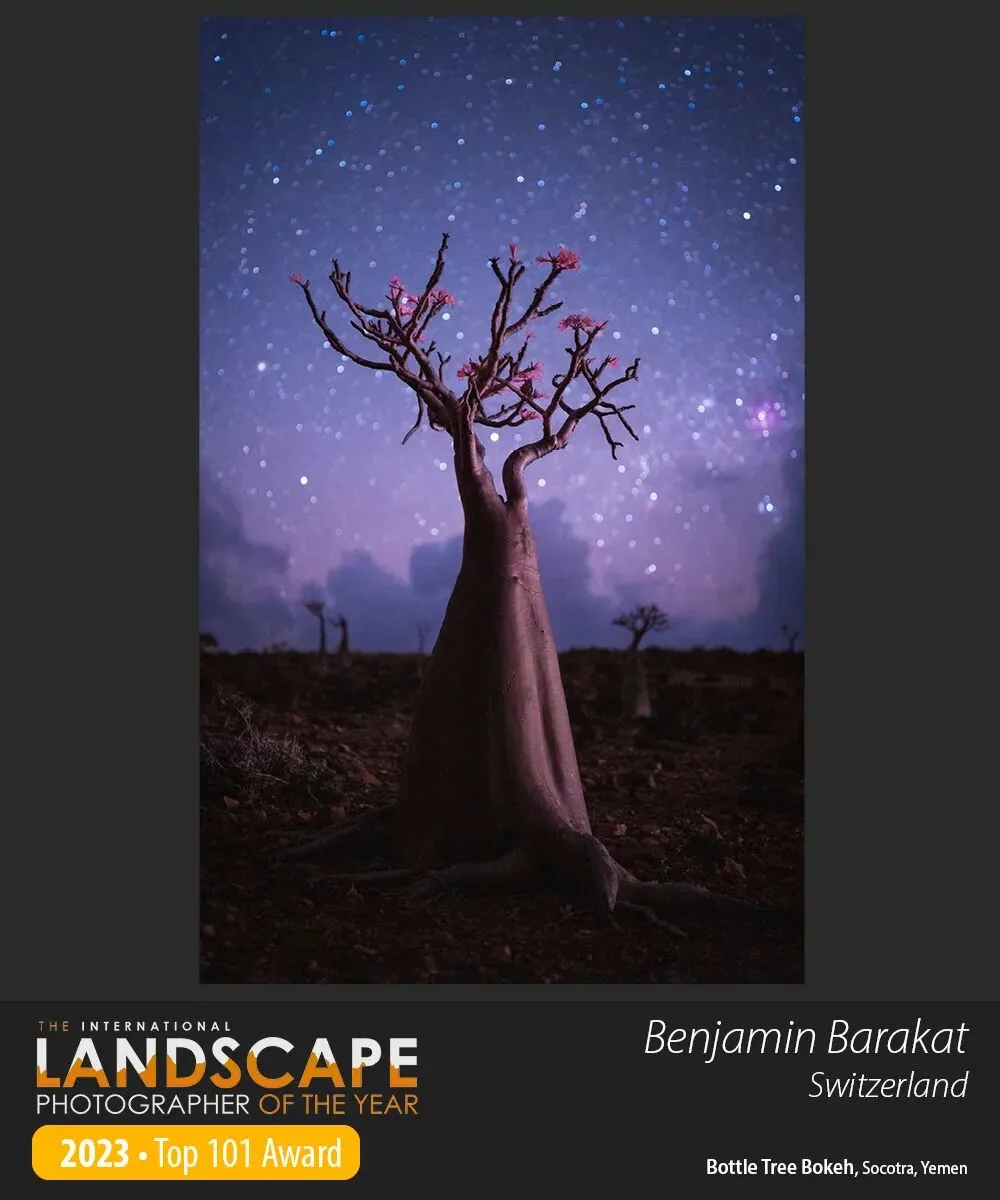
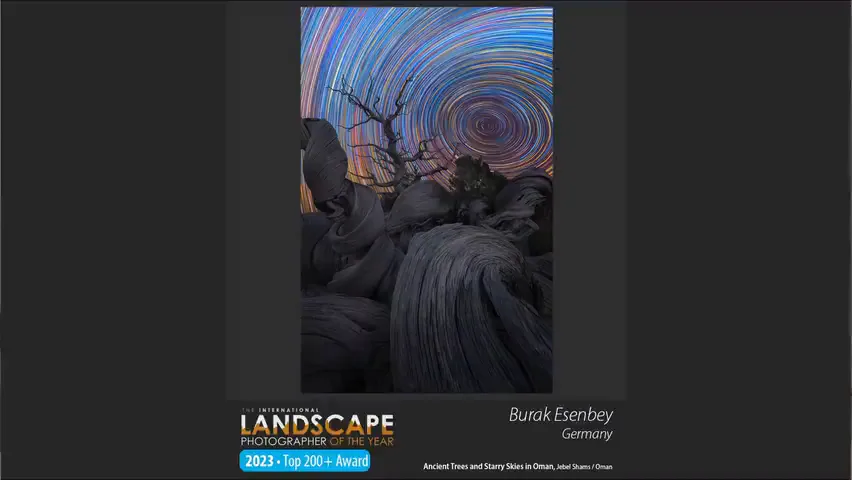
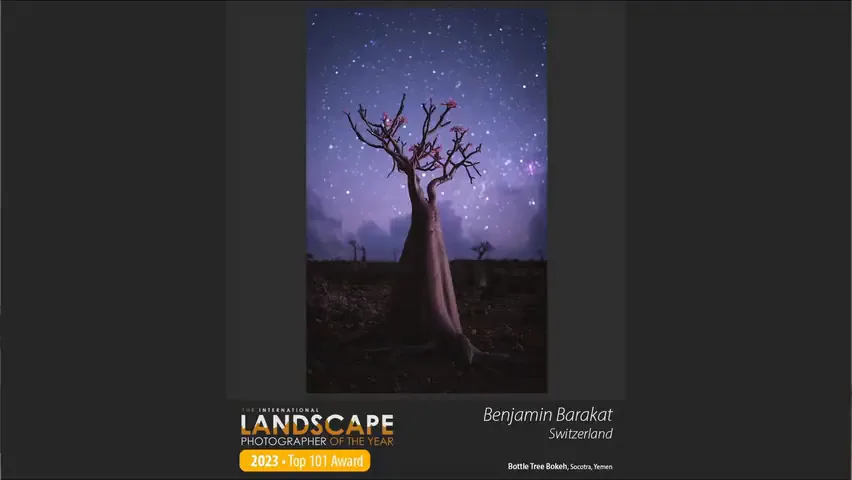
Star trails can carry color too: this image renders the trails in highly saturated colors while the ground is pushed toward desaturation — a vivid-versus-muted contrast, unified by the echo between the trees' texture and the arcs of the trails (at 3:44 in the video). And the stars need not be the subject: as long as the subject is distinctive enough, throwing the sky out of focus as a backdrop and focusing on the subject works beautifully (at 4:10 in the video).
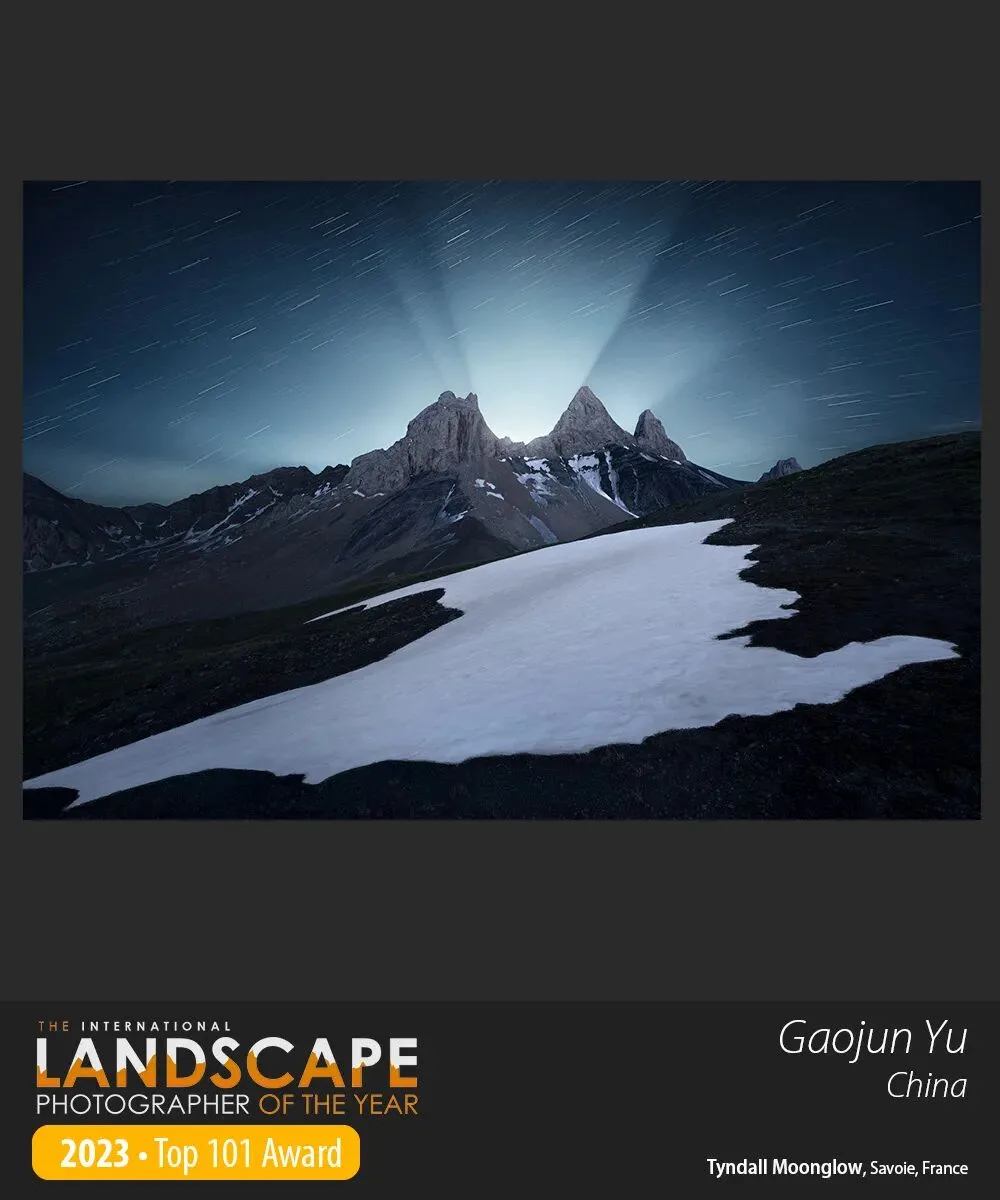
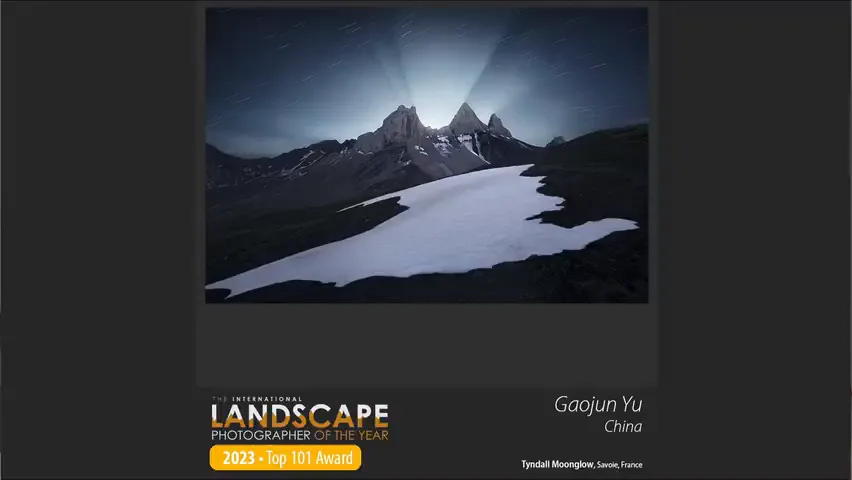
Light pollution can serve as an element too: here the glow of a city climbs into the night sky from behind a snow mountain, sharing the frame with star trails — the trace of humans folded into nature becomes an asset rather than a flaw (at 4:56 in the video).
03 Rare Natural Spectacles Judges Love
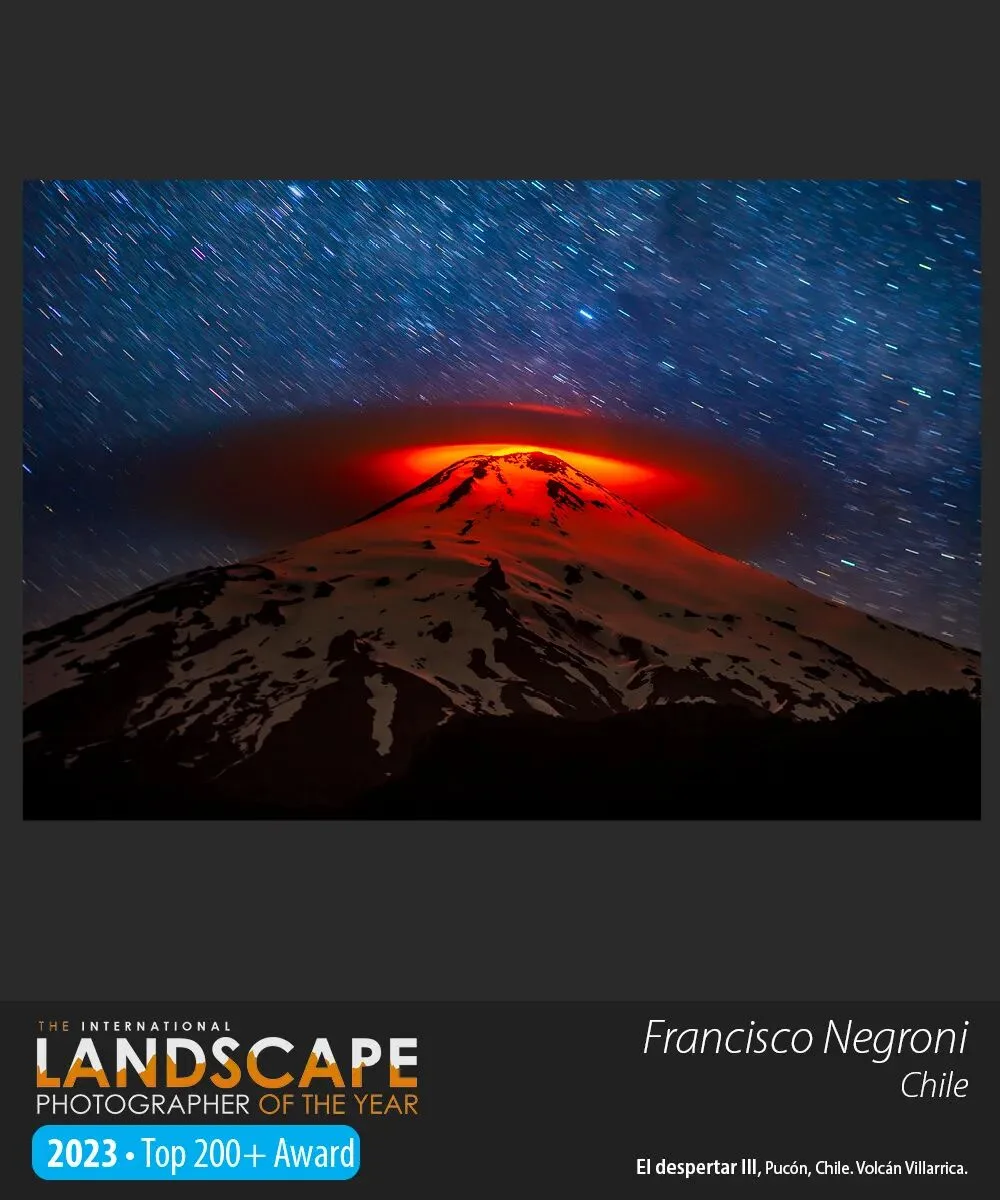
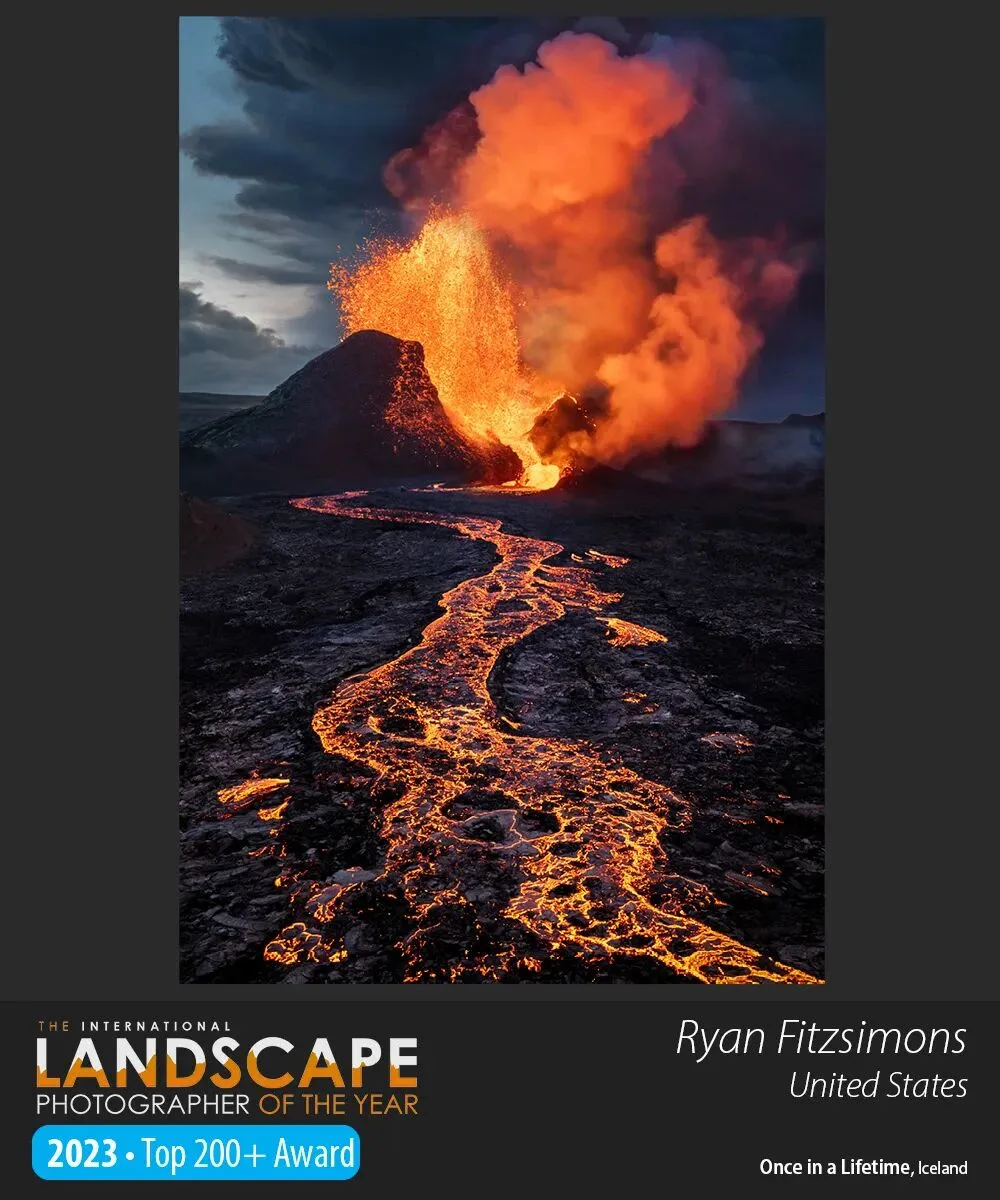
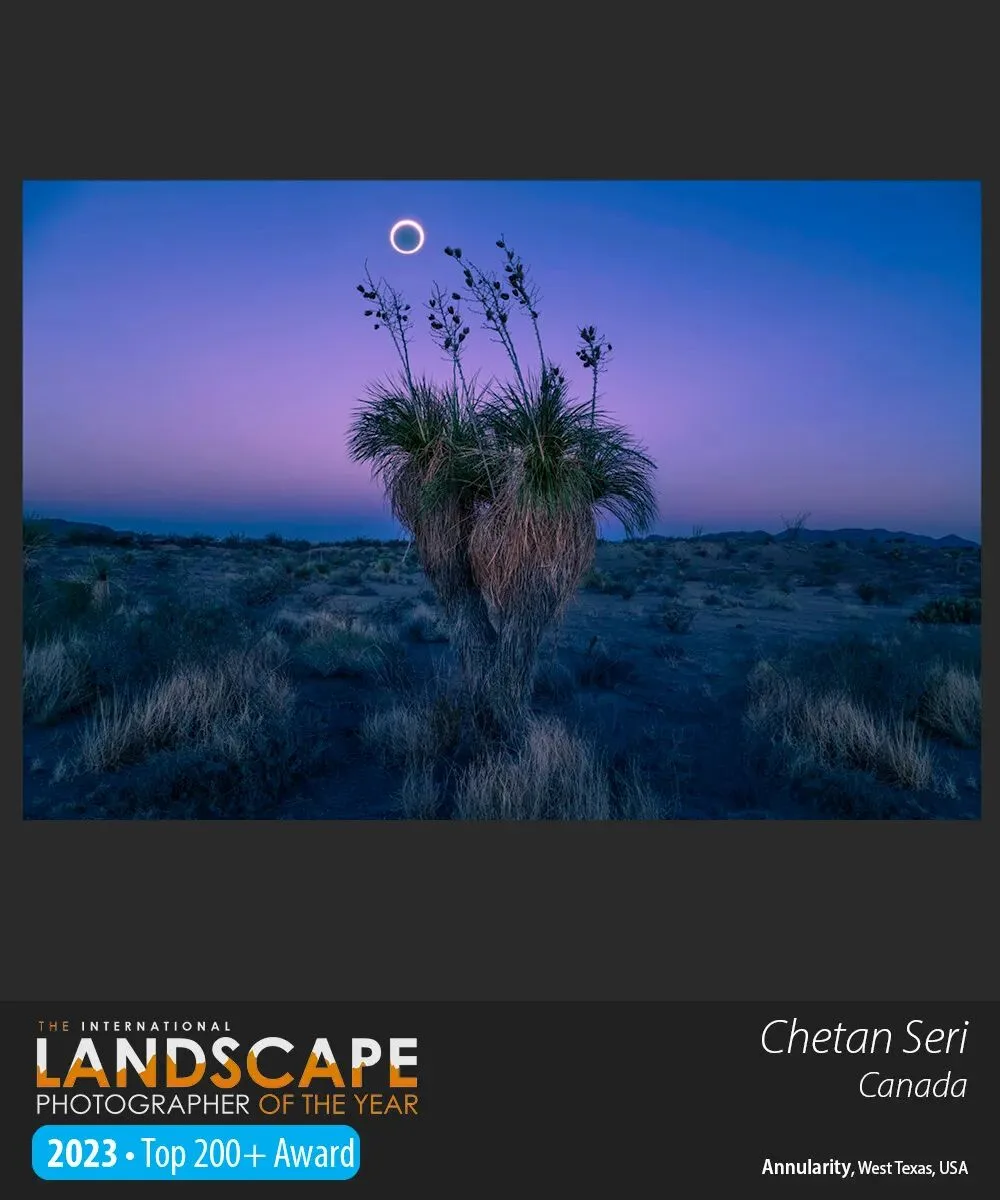
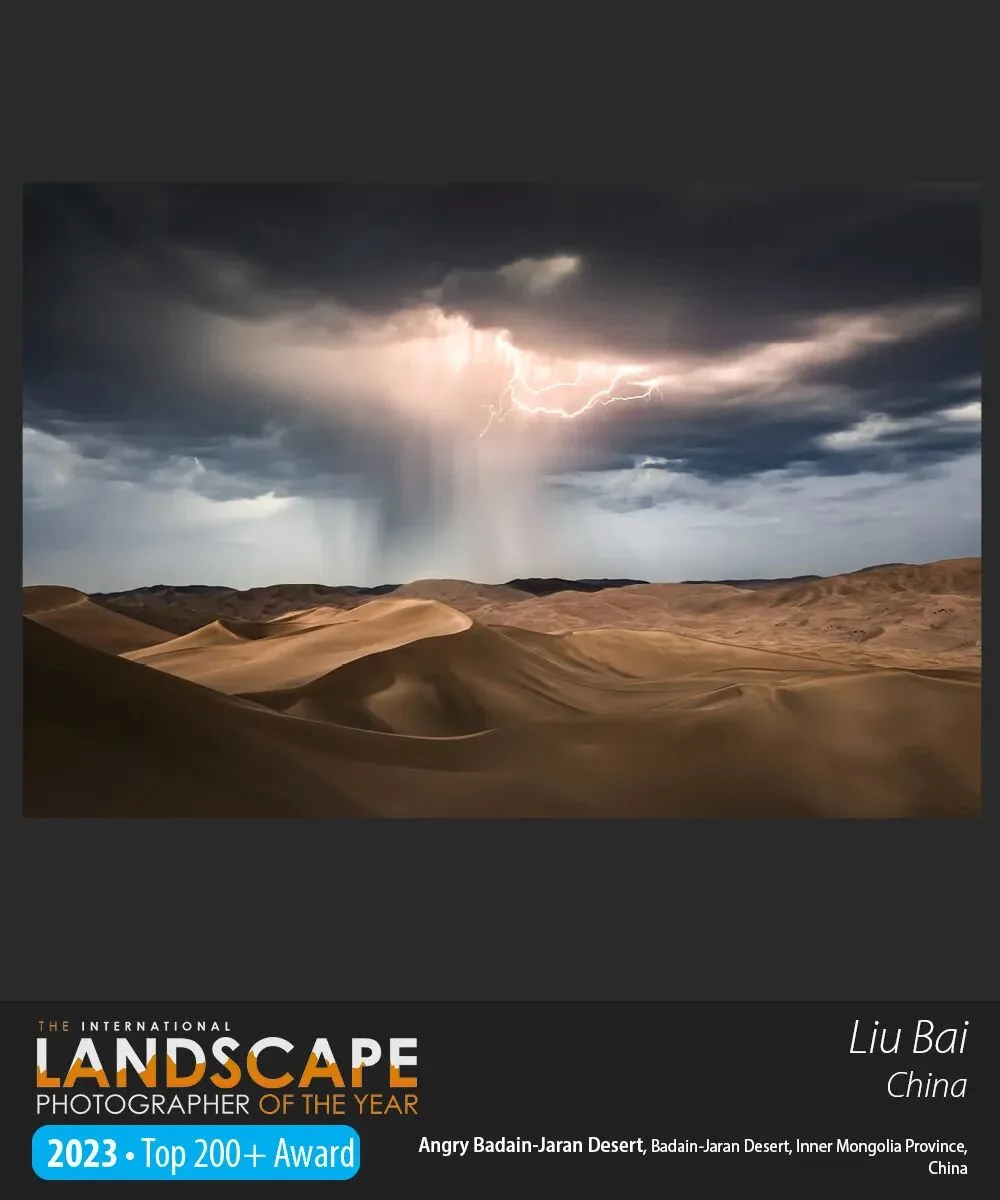
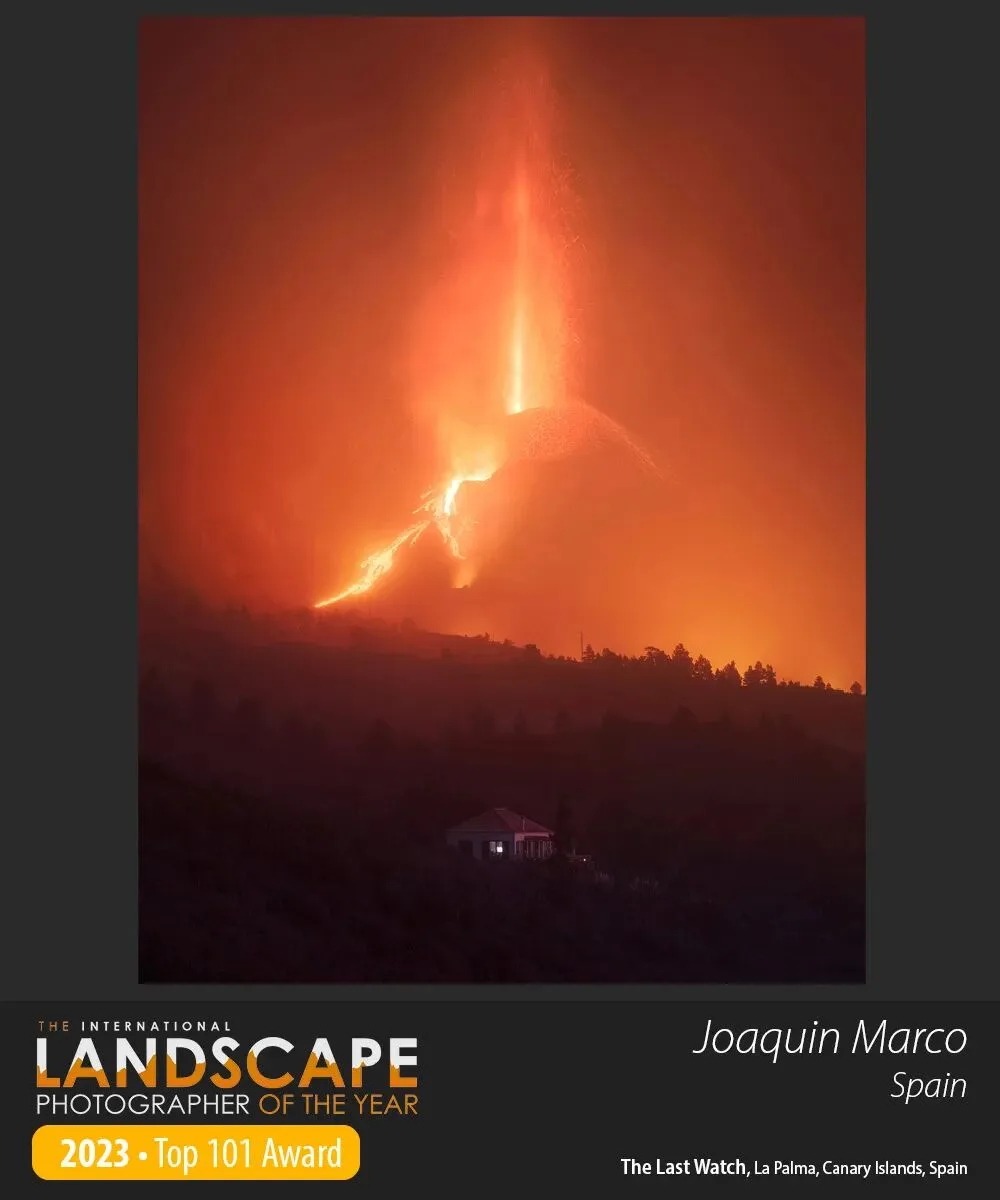
Erupting volcanoes, auroras, total solar eclipses, moonlit firefalls, lightning — rare natural spectacles have a natural edge with landscape judges (at 4:30 in the video), and volcano images made this year's list.
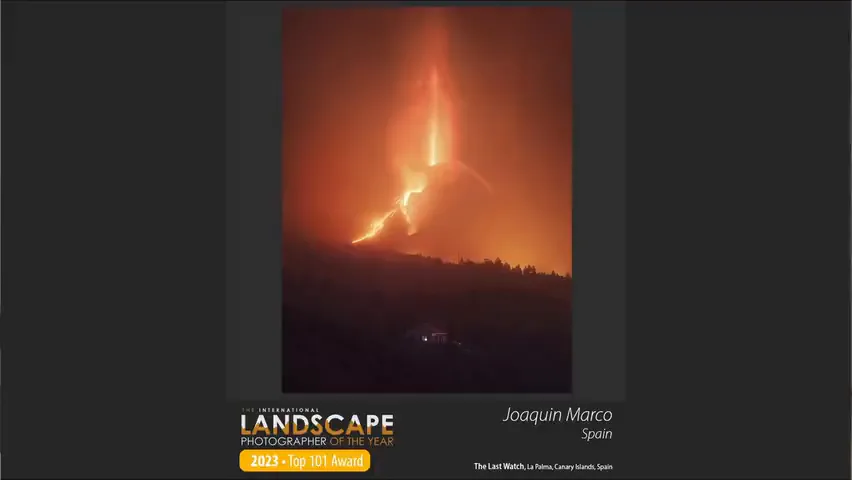
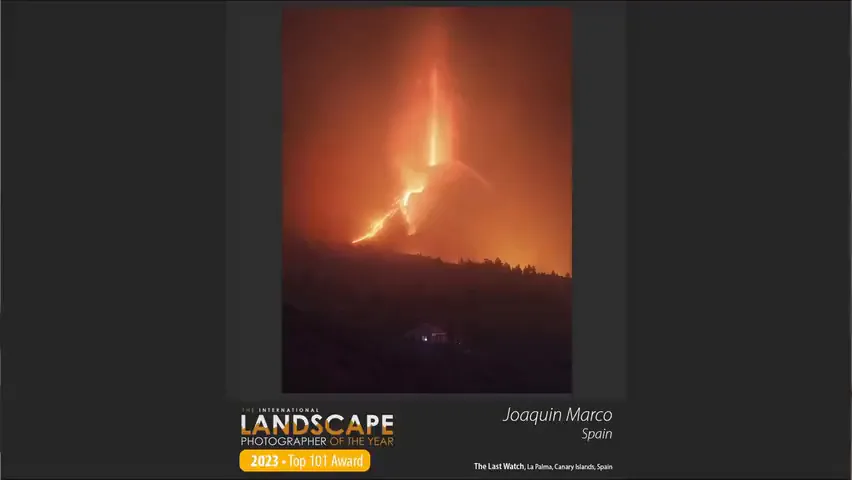
Thomas admires this telephoto frame most: a volcano erupting in the distance, a small lit house in the foreground. Violent nature and quiet human life in one frame — a contrast this rare, he says, would earn a very high score from him were he a judge (at 4:45 in the video).
04 Painterly Texture: Abstract and Minimal Details
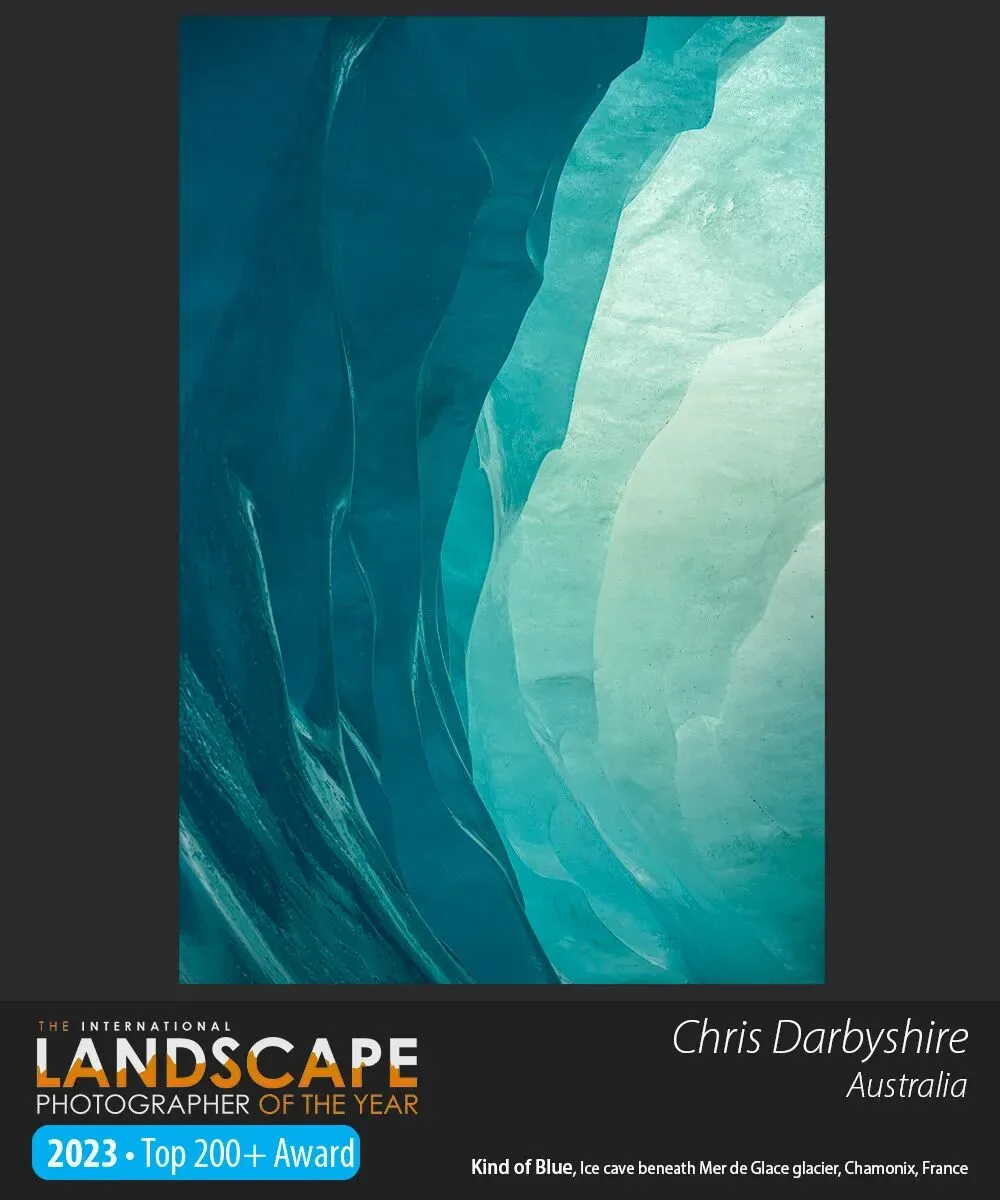
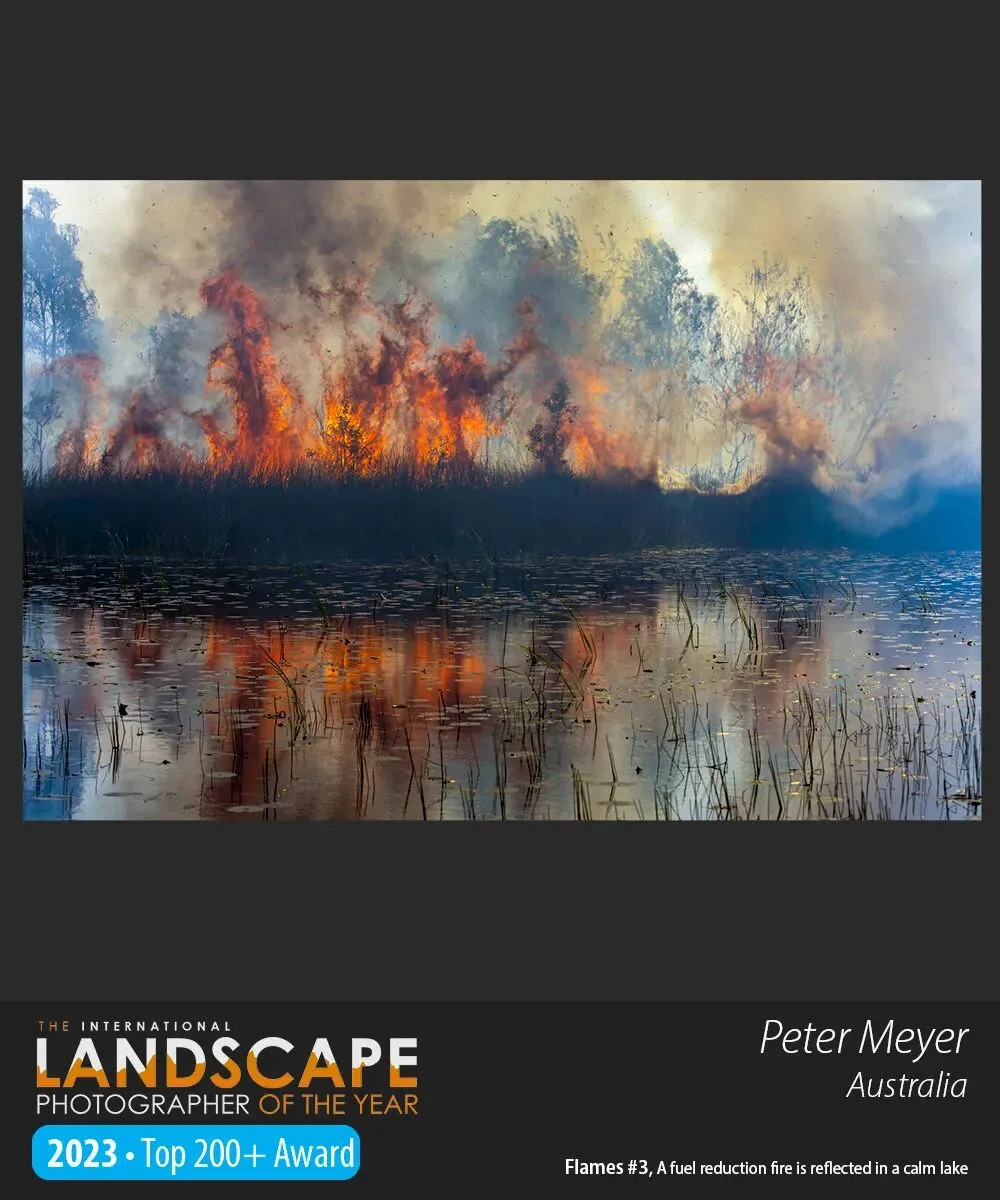
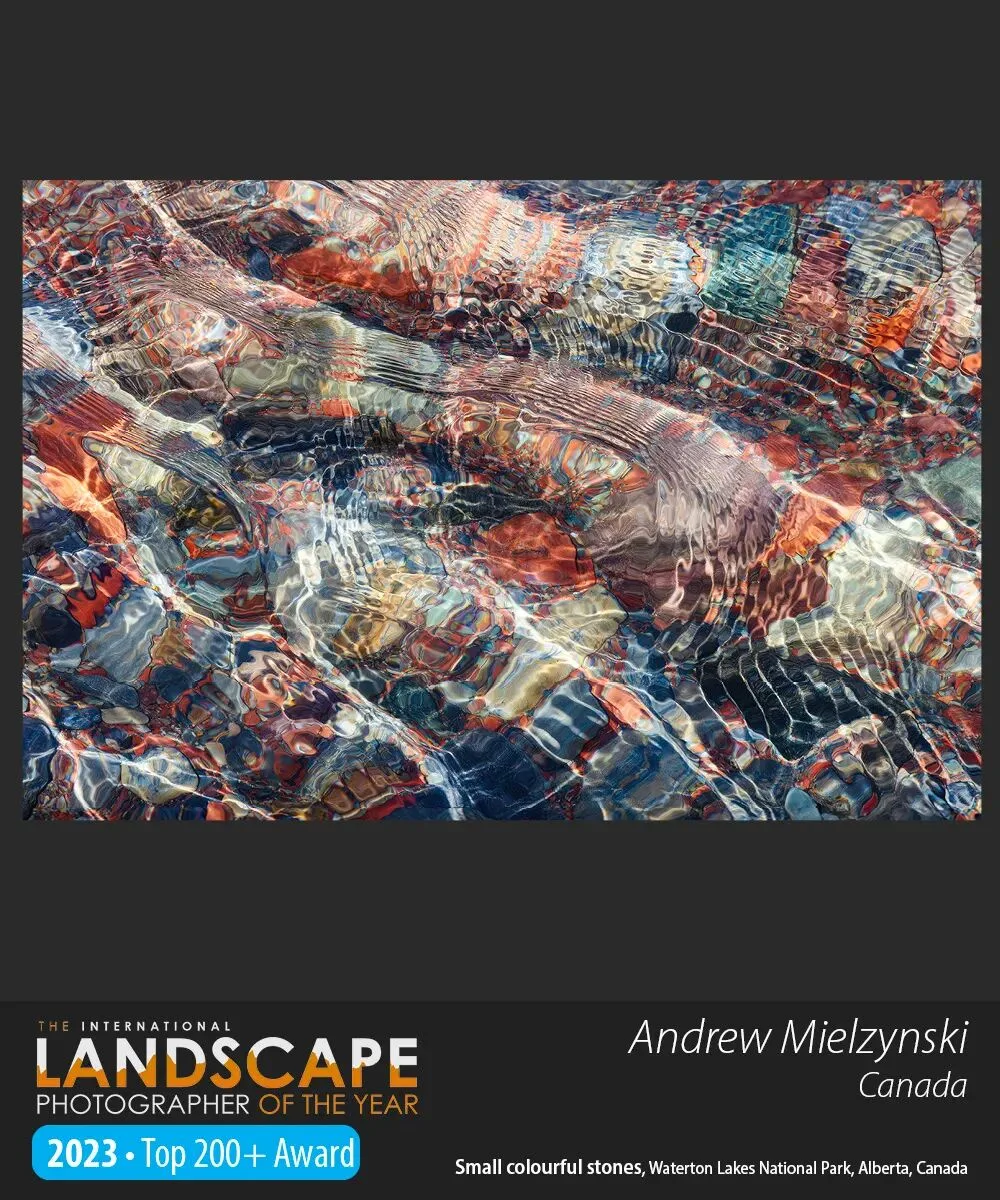
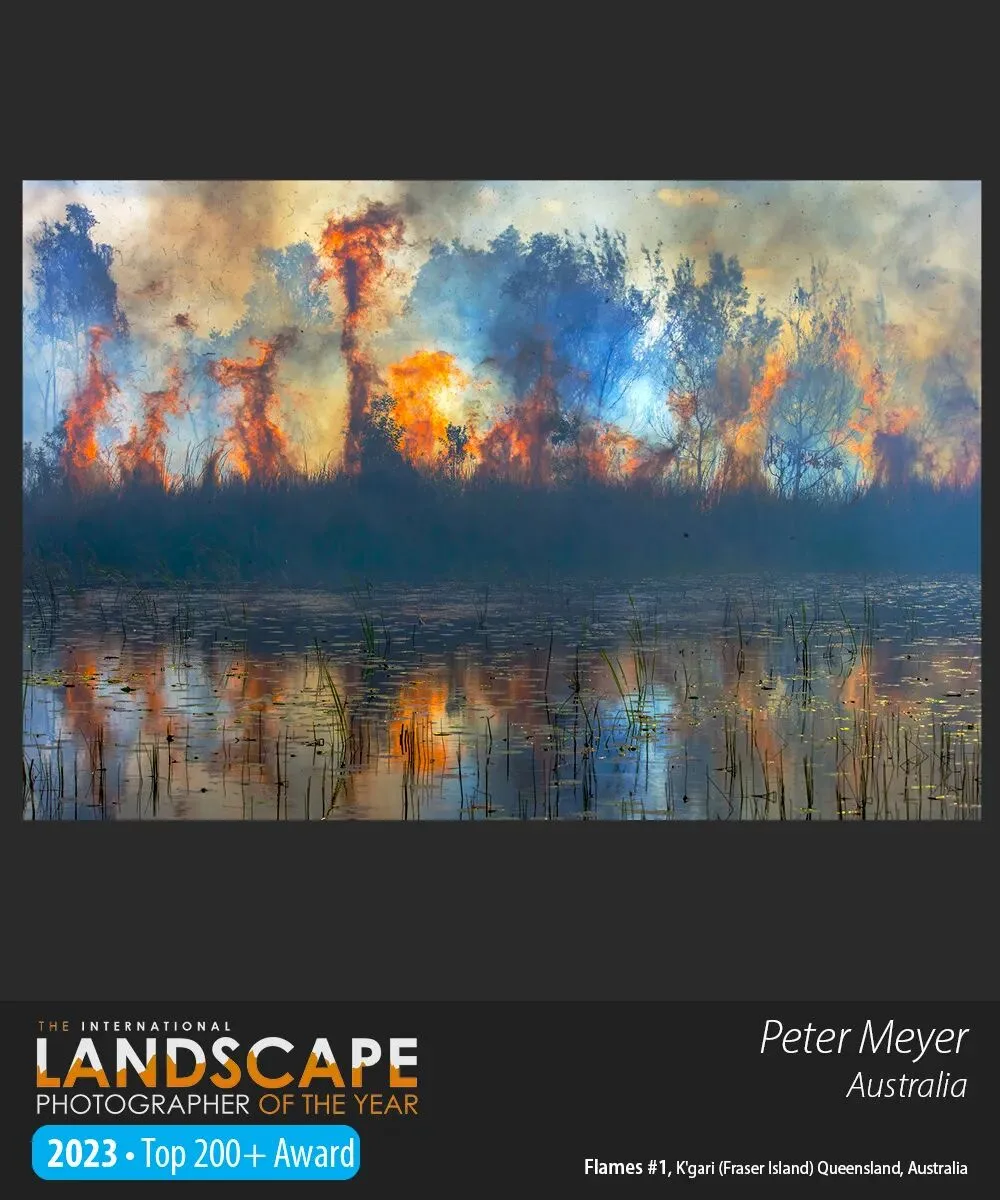
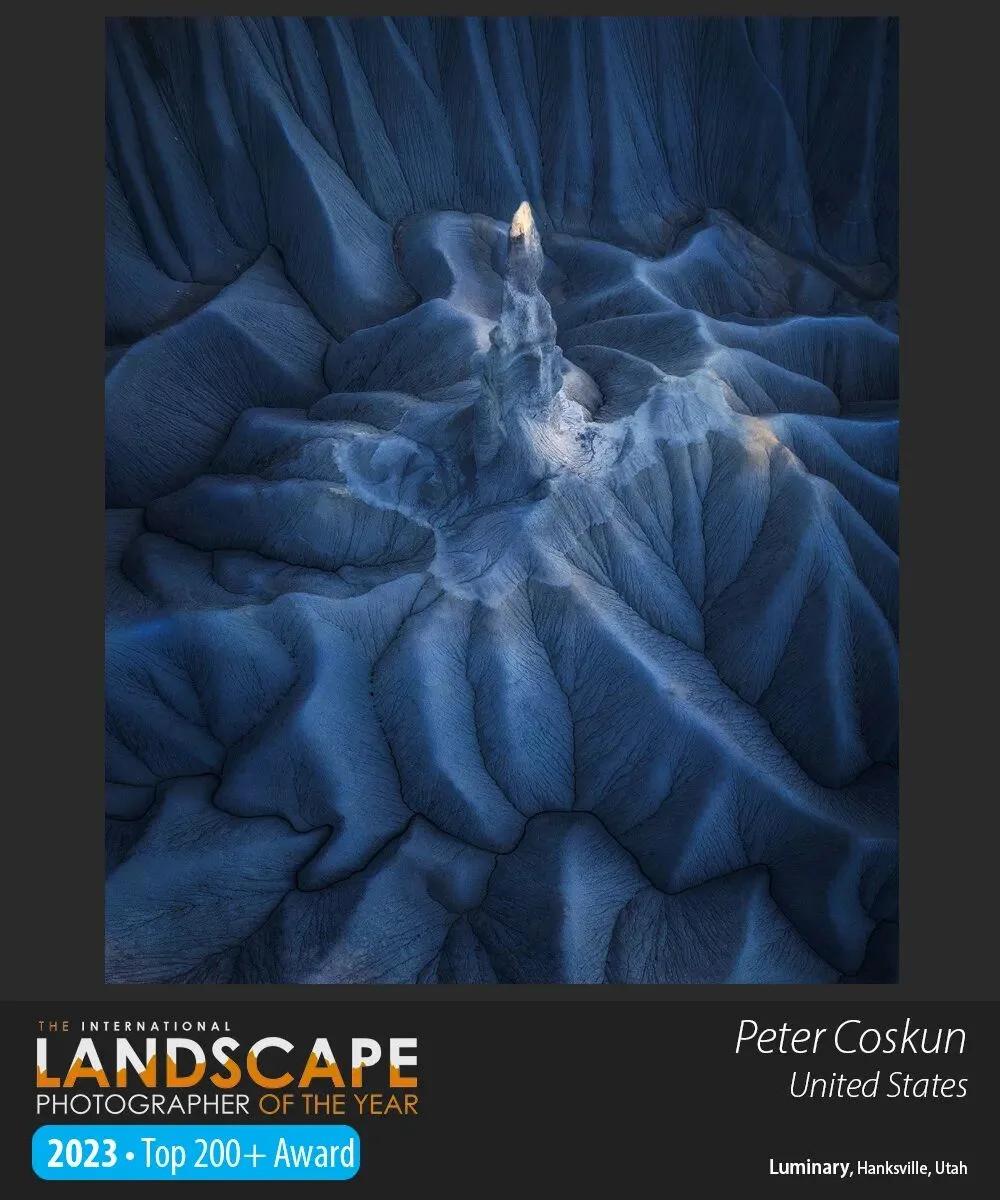
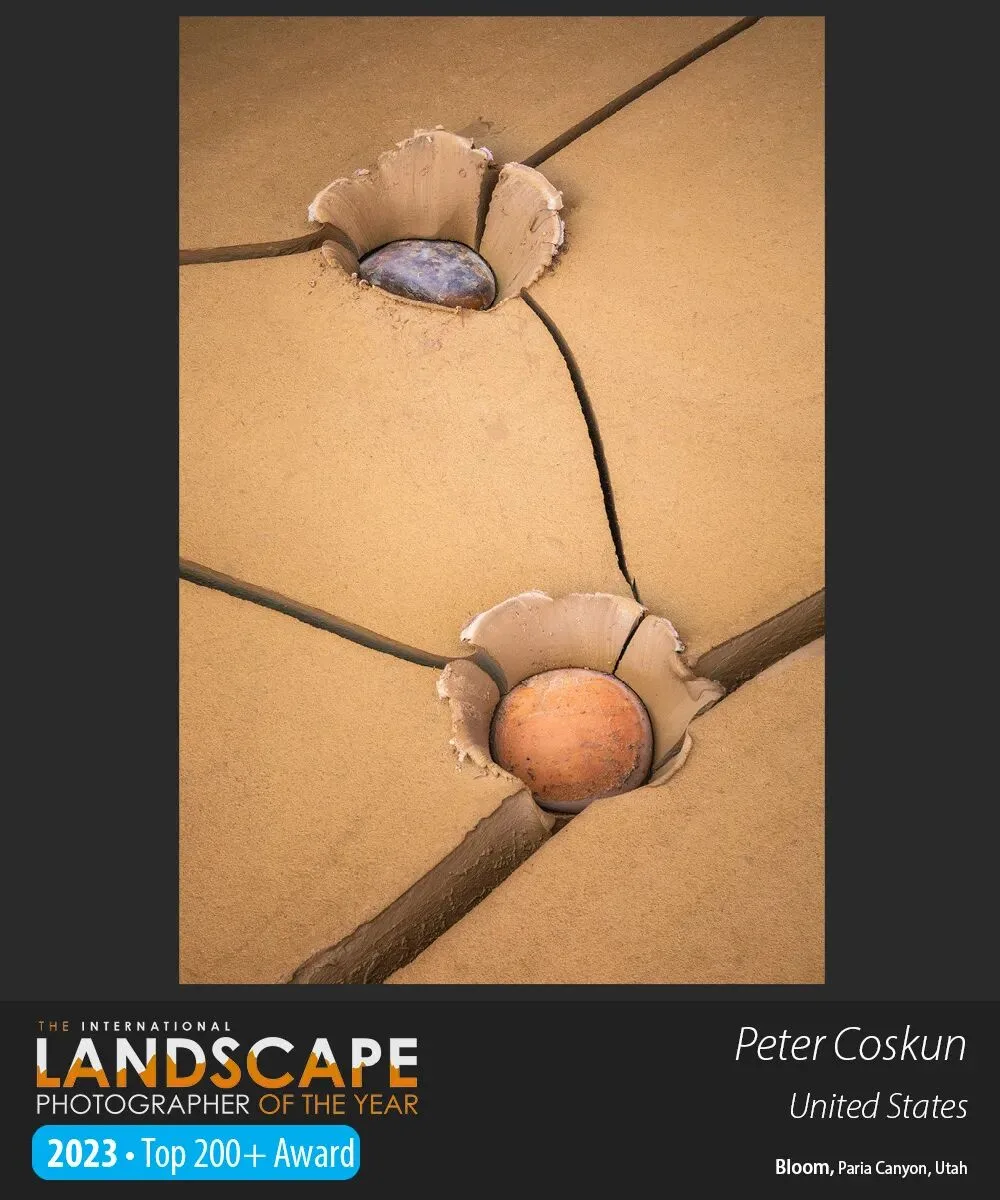
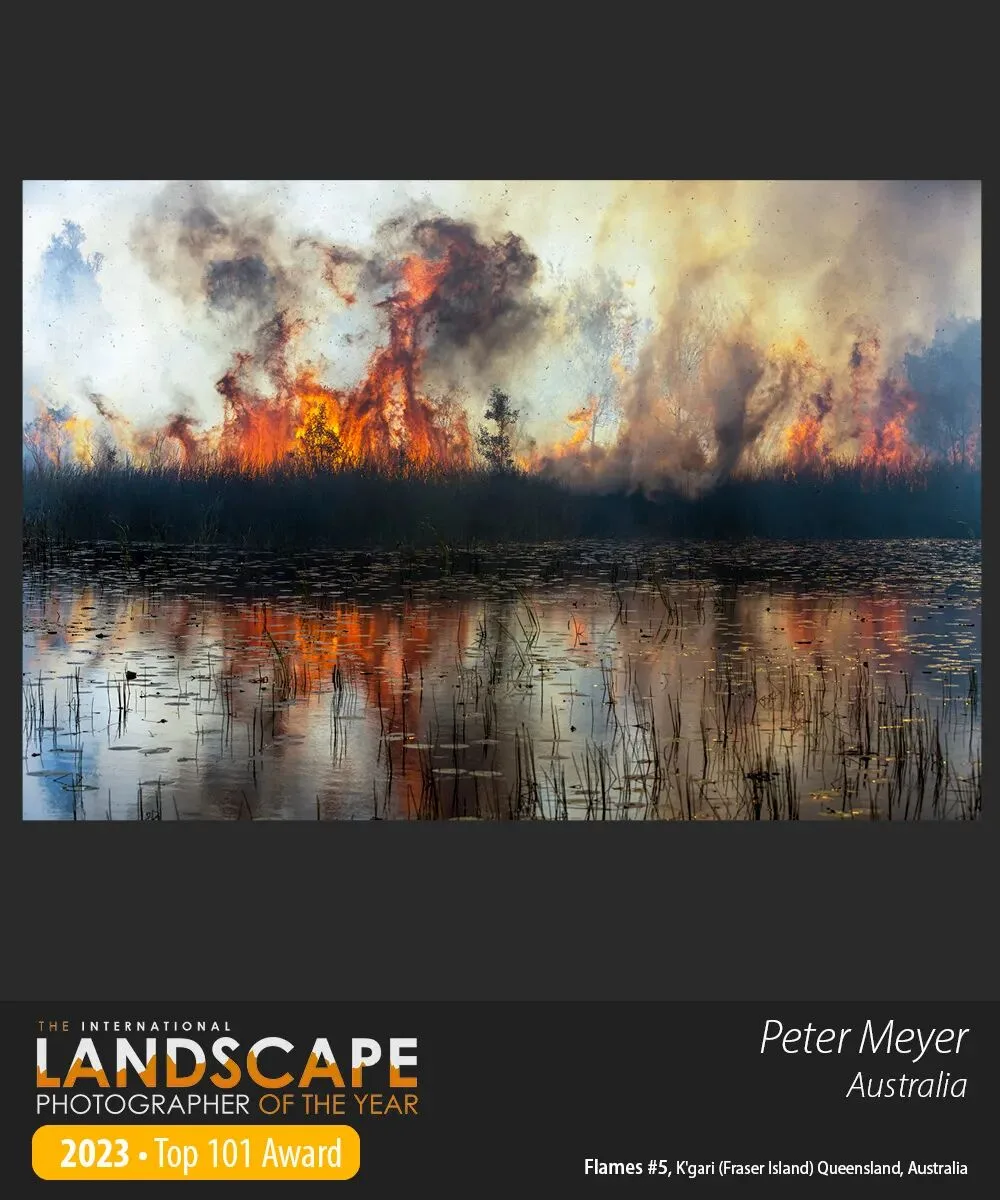
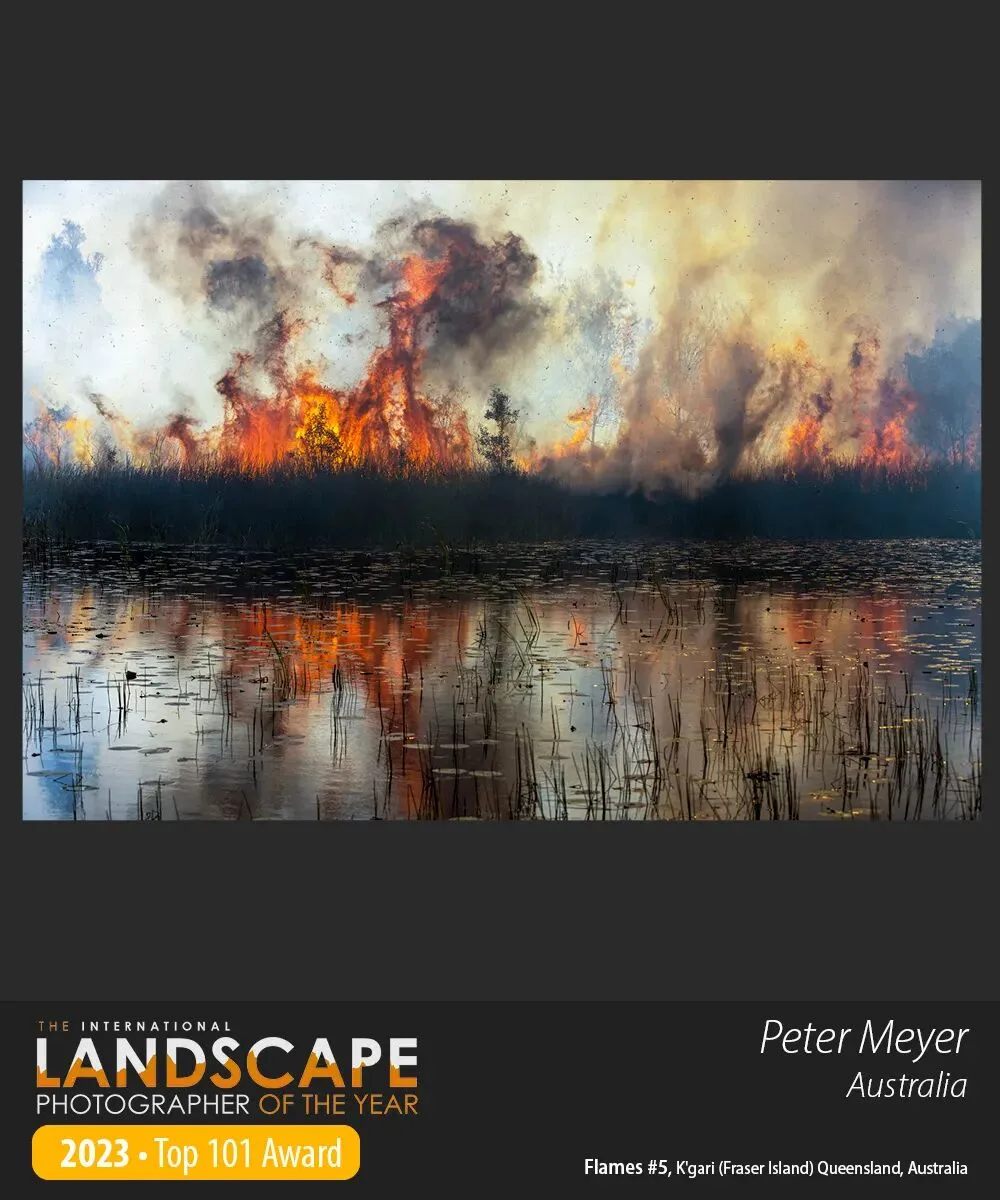
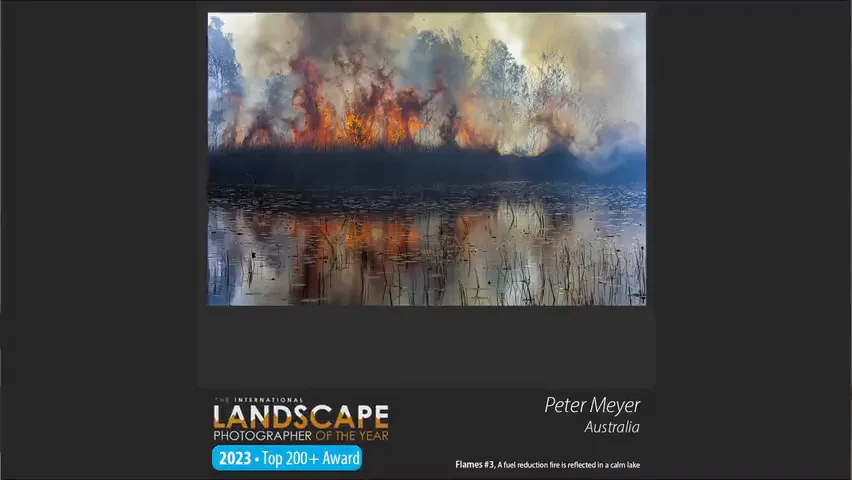
After so many grand vistas, abstract scenes feel refreshingly new. The burning-forest image: fire, smoke and reflection together — clean yet layered, reading like a painting (at 5:35 in the video); its author's color work is equally distinctive, articulating texture, detail and warm-cool contrast with clarity — an oil-painting palette well worth studying (at 5:56 in the video).
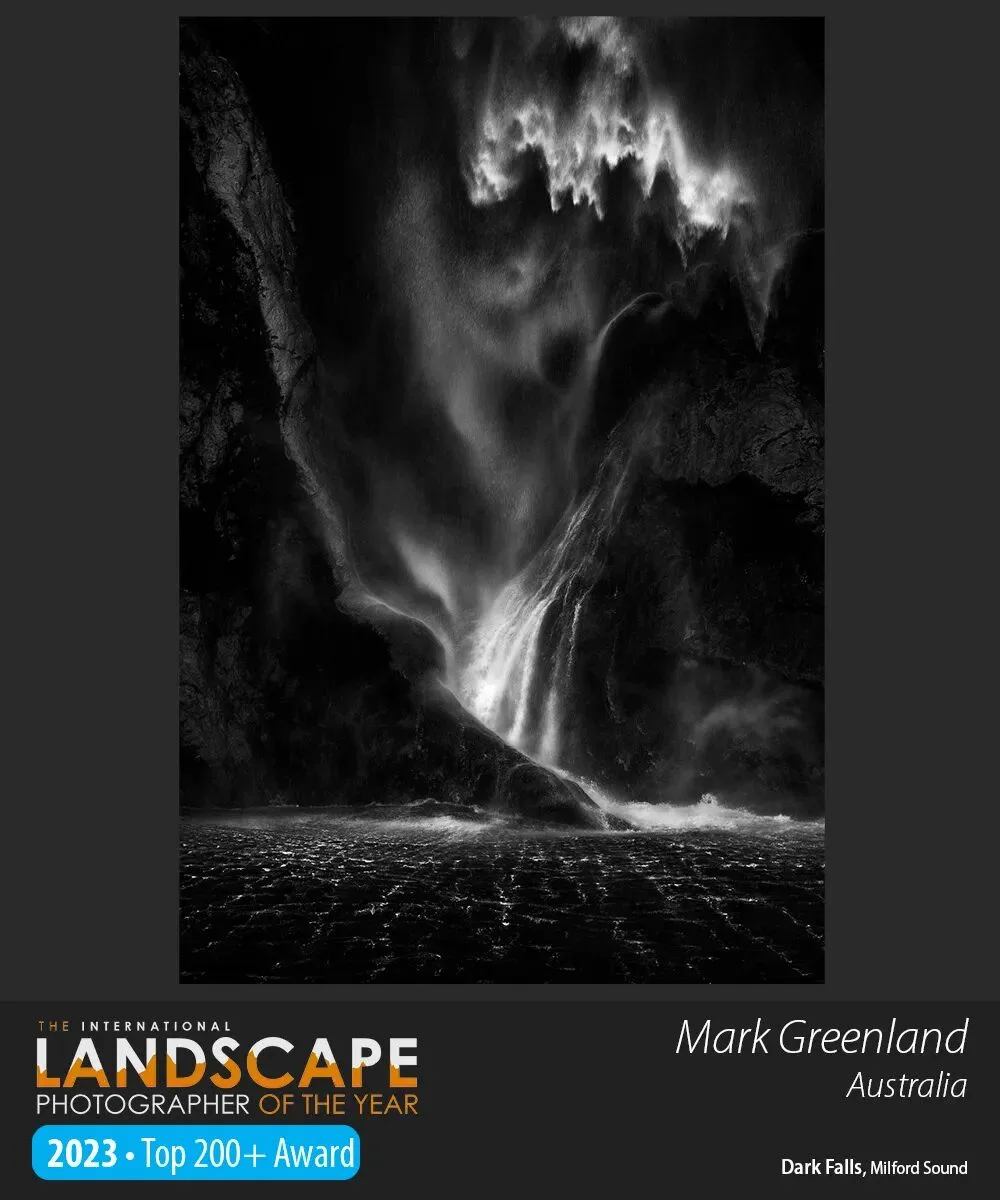
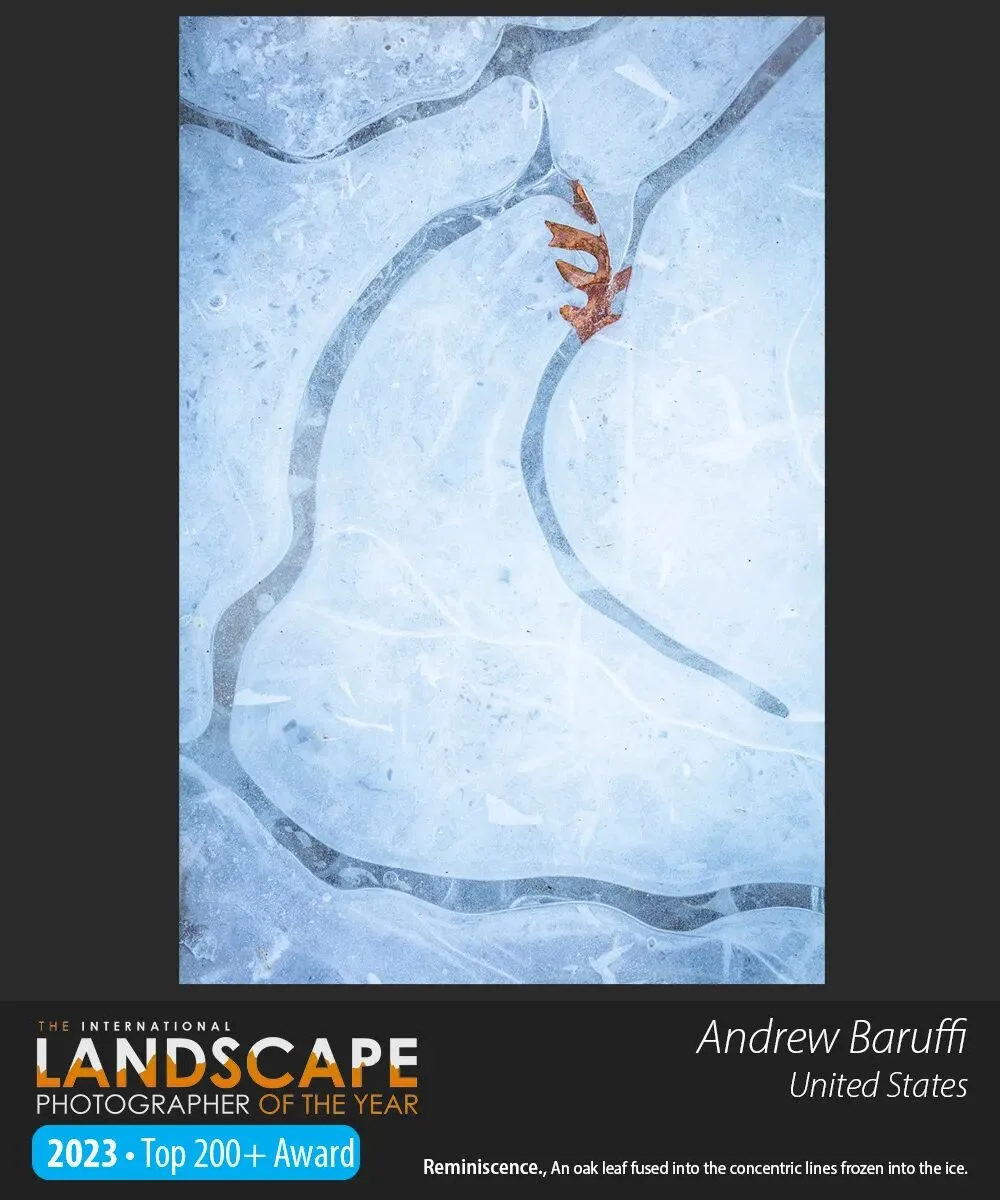
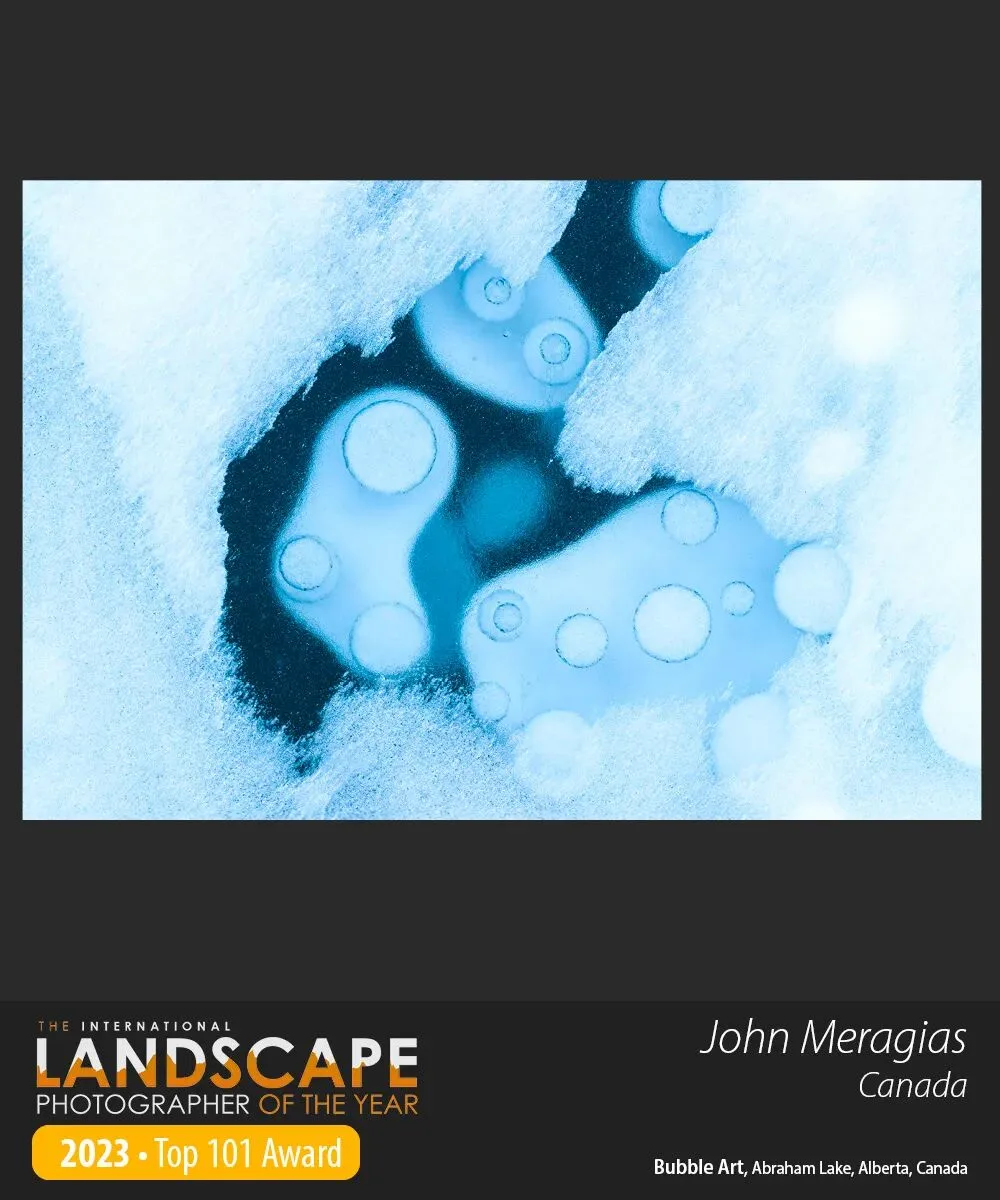
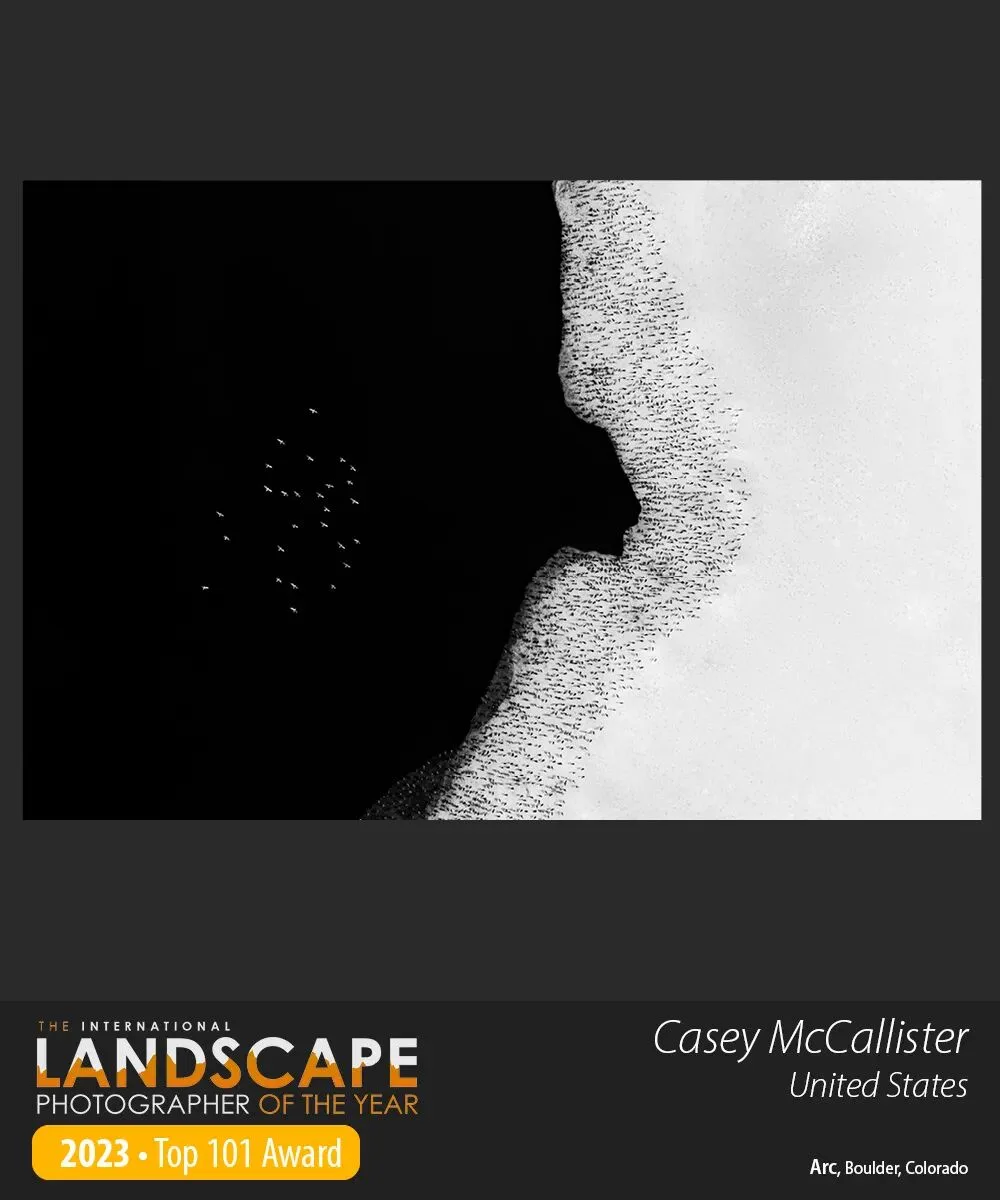
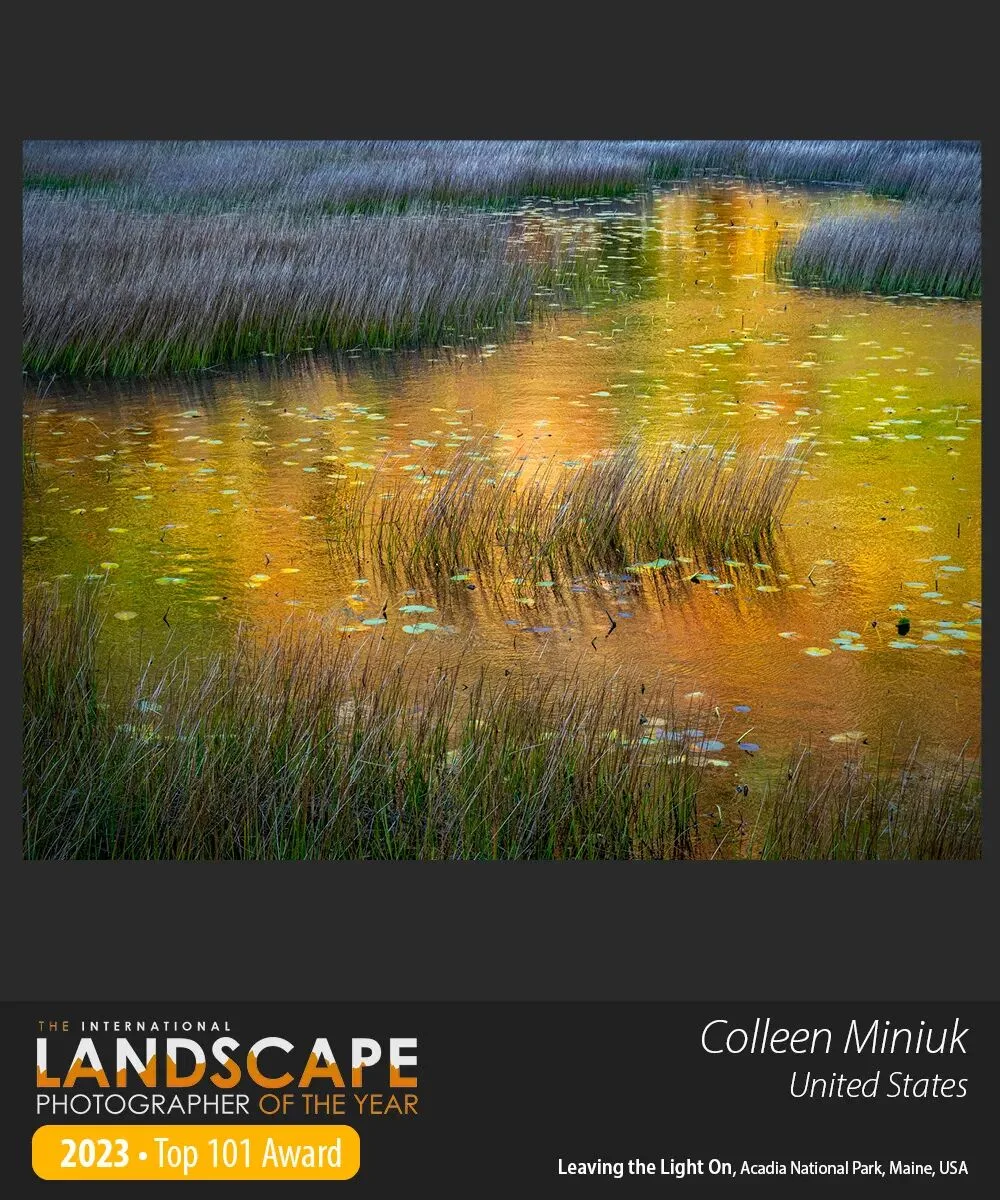
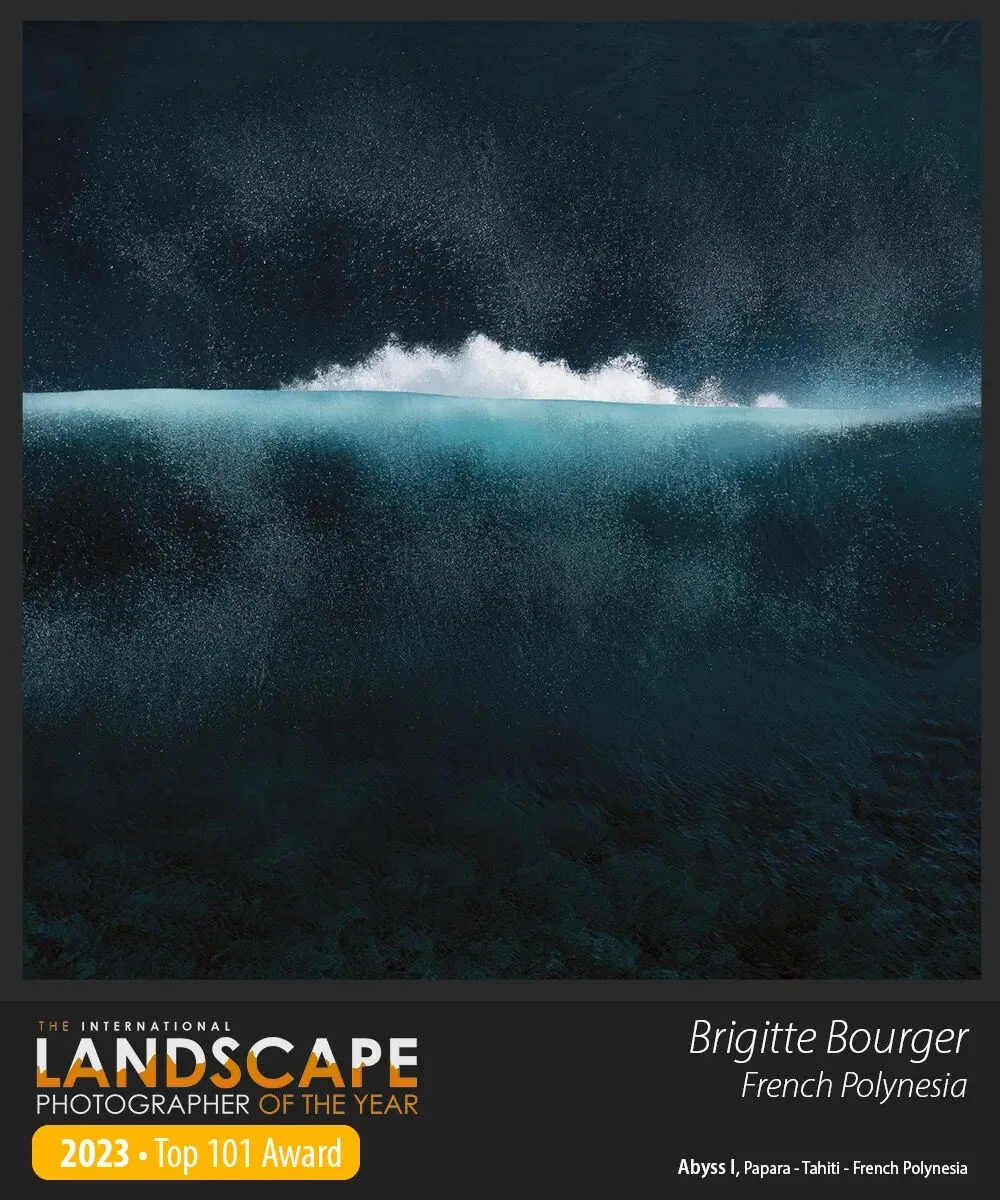
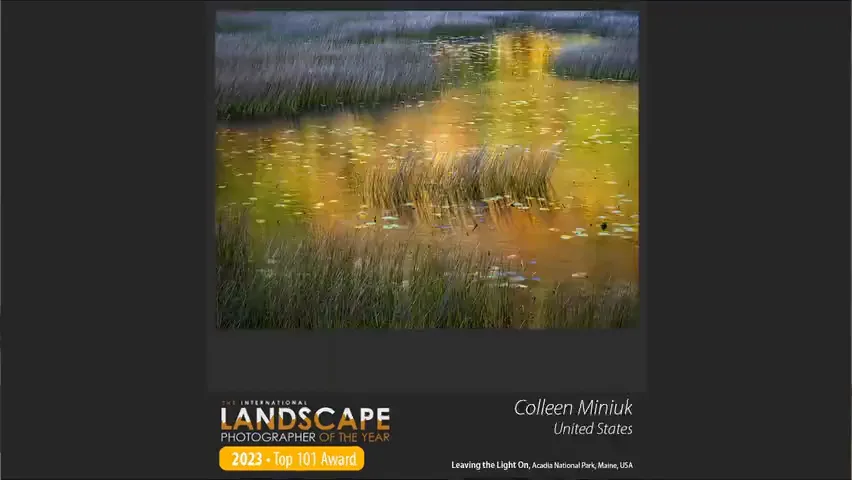
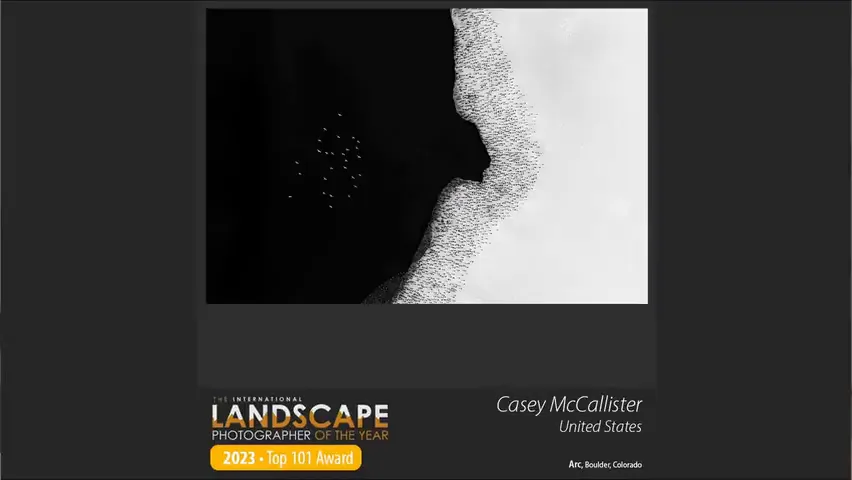
Small local scenes can shine as well: one frame takes just a corner of a park pond and post-processes it into a saturated, painterly style (at 6:41 in the video); black-and-white works rely on distinctive tonal crafting in post — the background crushed to black while the water's texture is lifted to white, for a strong visual punch (at 7:29 in the video).
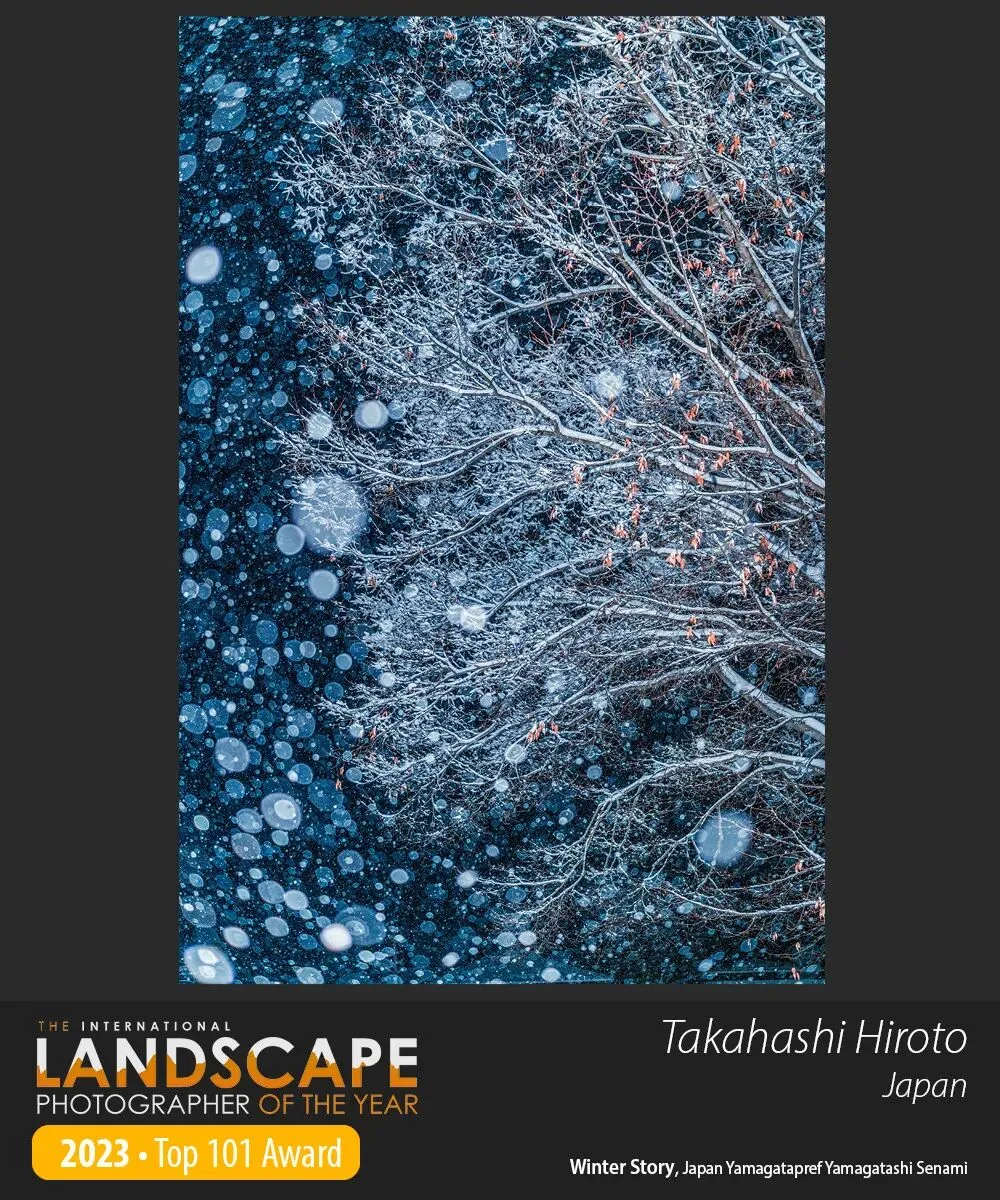
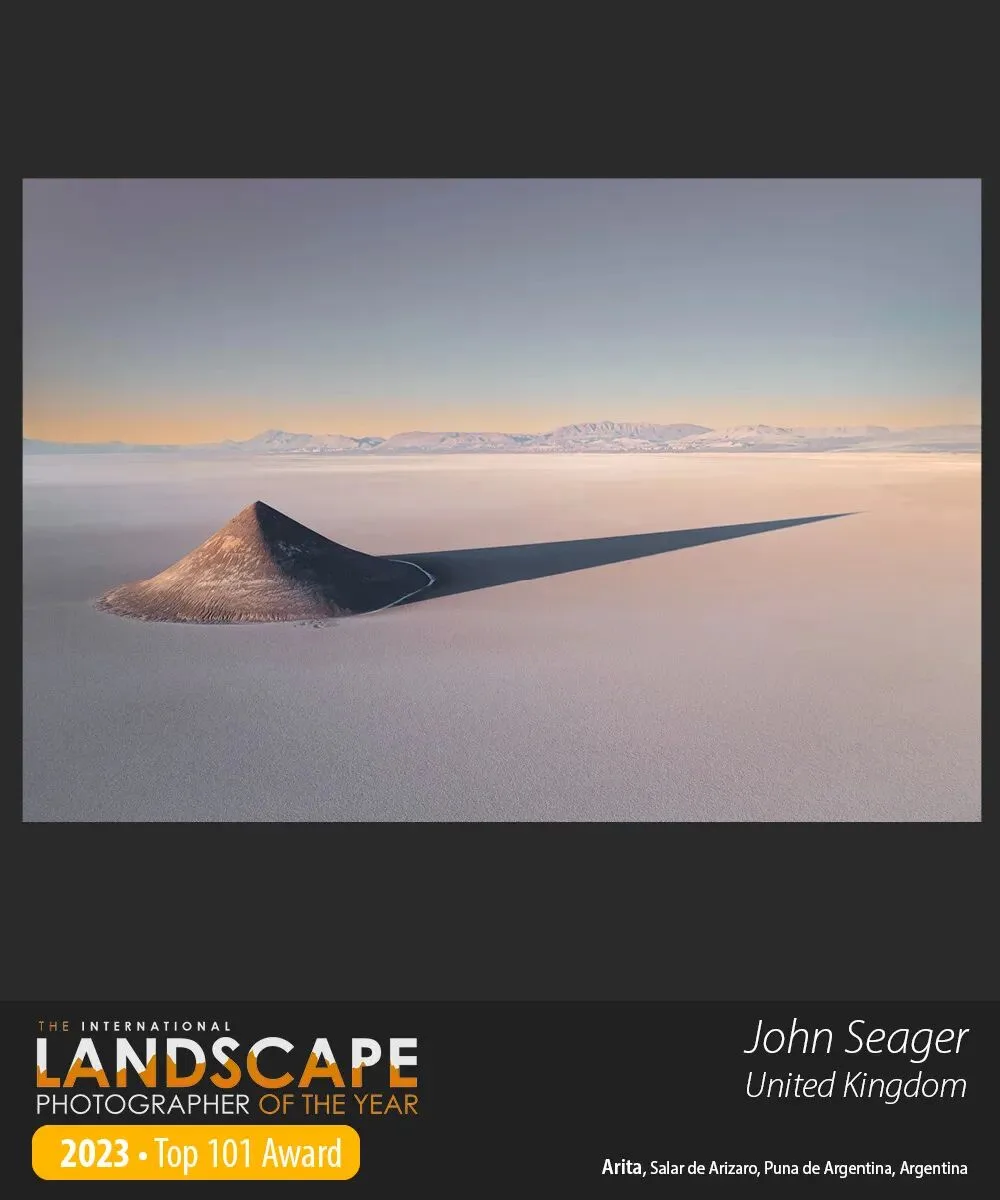
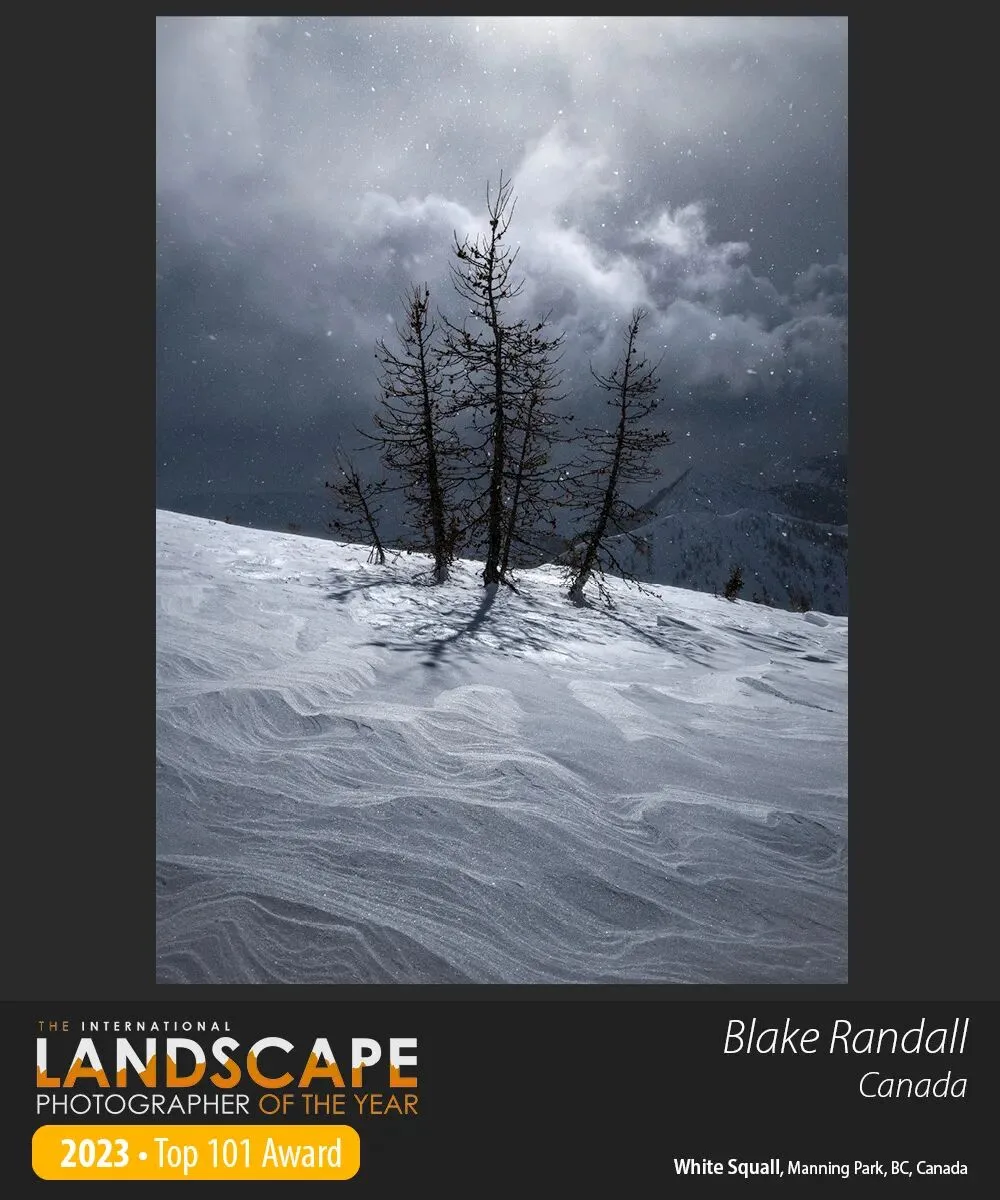
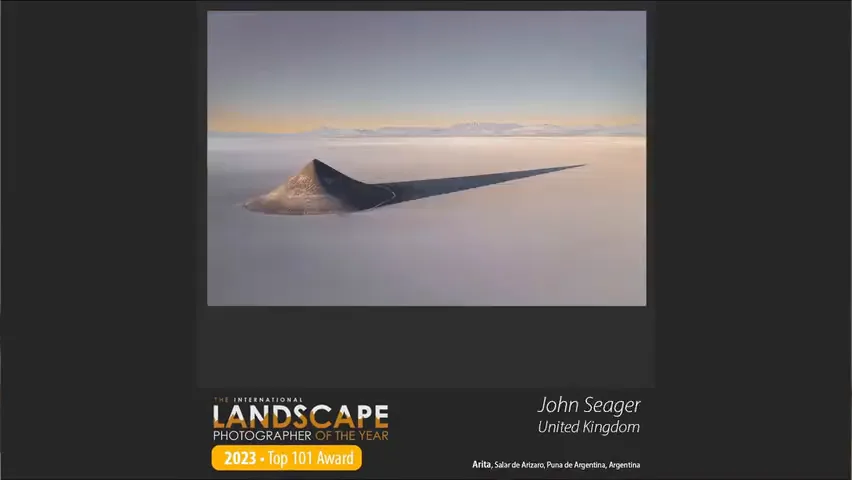
Minimal compositions win repeatedly: one frame is just a simple mountain and its shadow, yet the subject is highly distinctive (at 7:56 in the video); another shoots a clean tree's backlit shadow with minimal layering, lifted further by a few snowflakes — simply superb (at 8:16 in the video).
1. The photographer-of-the-year award favors four-image portfolios with a coherent style and even quality, and abstract viewpoints shone this year; 2. Rethink night skies: colored star trails, blurred stars as a backdrop, and light pollution as an element all work; 3. Rare spectacles like volcanoes and auroras hold a natural edge, and human traces in the frame make them stronger; 4. For abstract details and minimal compositions, post-processing texture and restrained color turn the frame into a painting.
HD video:
https://www.bilibili.com/video/BV1kK4y16777/
The 2024 album-grade wall calendar "Seeing the World 2024" (《看见世界2024》), featuring Thomas's works from the past two years, is now available on Taobao — everyone is welcome to shop at the Posts & Telecom Press Taobao store!

Works Appreciation