Photography Tutorial · 2017-05-09
The Meaning of Landscape Photography Beyond Shooting and Editing
The joy of landscape photography lies not merely in the photos, but in the process of exploration, discovery, and challenging oneself.
Behind a landscape photograph lies not only all kinds of in-camera and post-processing technique, but also the photographer's reflection on life, nature, and beauty.
In today's era where nearly everyone owns a digital camera, we have more opportunities to travel to different places, to shoot and to create.
Yet in the field of landscape photography, many people go to popular shooting spots of all sizes to take photos with nearly identical compositions; at some places you can even see a row of tripods photographing the same scene. This has gradually evolved into a "contest" over who can catch the better sunset or sunrise light and clouds — reduced to mere shooting and post-processing.
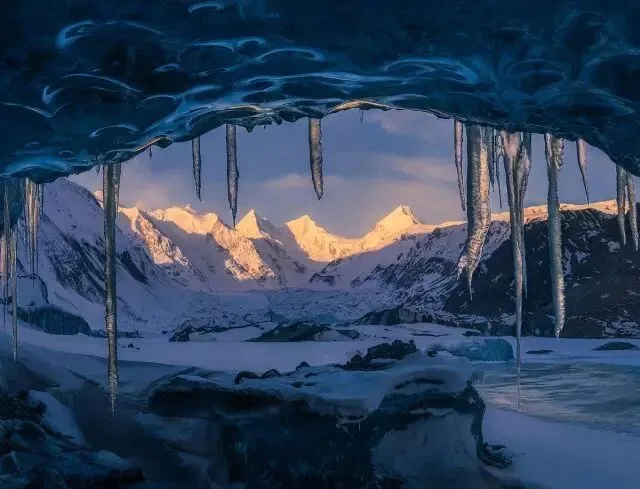
“Icebound Window"
Shot during a 3-week exploration journey in southeastern Tibet this March
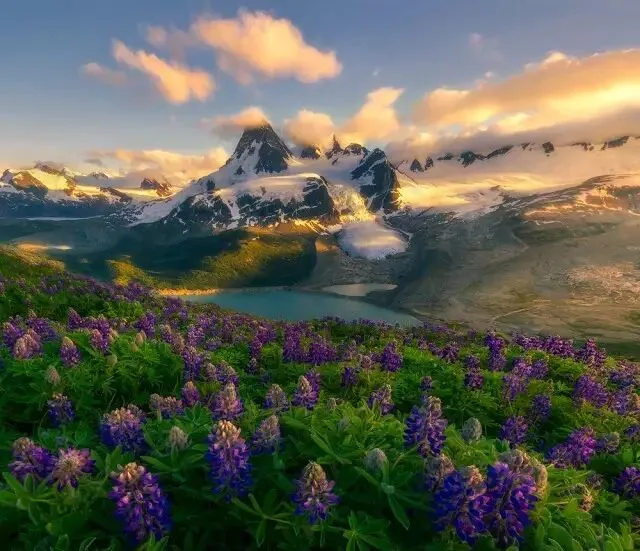
“Mountain Flowers Sea”
Shot during a 1-week exploration of the uninhabited wilderness of Canada's Pacific Range
I understand that many landscape photography beginners want to shoot at locations where the great masters have shot, or follow a master's photography tour to learn and shoot.
Learning by standing on the shoulders of giants — there is no doubt nothing wrong with that; you can indeed learn a great deal, and it is a learning process. I never considered it a bad thing. Throughout the history of art and photography, many painters and photographers have been influenced by the works of other painters and photographers.
When I started shooting landscapes in 2012, I too went to shoot at vantage points where masters had shot. In that process I could understand the composition thinking of those before me, but after a while I found it limited my own photographic imagination and creativity.
Later I also joined some masters' photography tours to learn and shoot, during which I was fortunate to meet Marc Adamus, currently one of the world's top landscape photographers. Many people familiar with my landscape work feel it carries a shadow of Marc Adamus — indeed he influenced me a lot. We discussed and exchanged a great deal, both on landscape photography and wilderness exploration, and explored and shot together in the uninhabited Canadian wilderness.
Through this process, I came to understand that landscape photography is not just shooting and post-processing — it is more about how to explore, to excavate and discover, and to use your imagination to express your feelings about a scene.
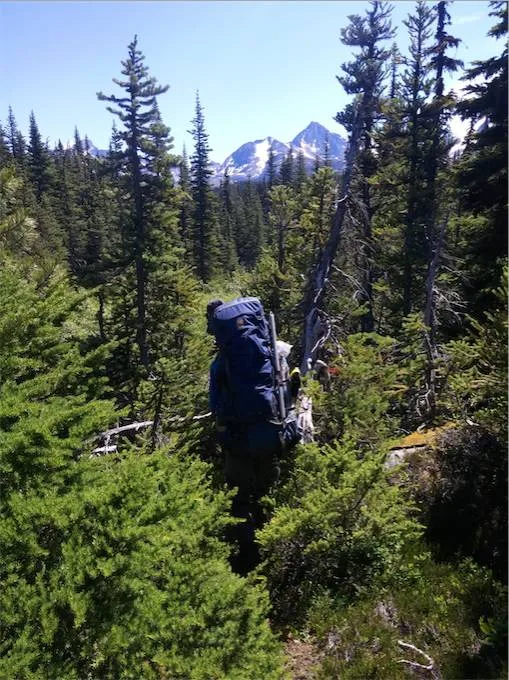
Bushwhacking through dense shrubs during the Canadian wilderness exploration
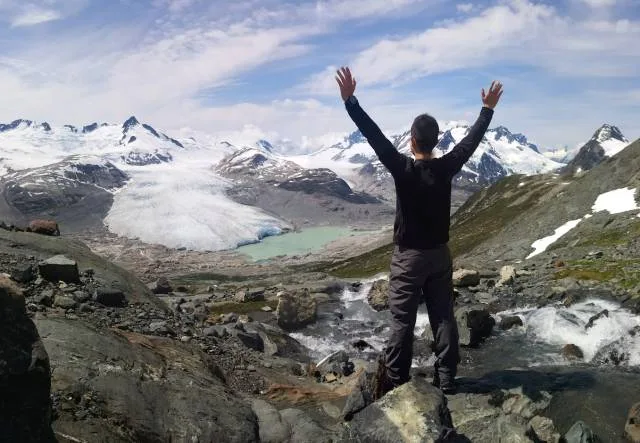
I am gazing at the distant glacial lake and mountain range
Through these experiences I gradually built a foundation — one that began with my love of nature and the outdoors since childhood. It is exactly this love of nature that led me to choose shooting landscapes and to share and express my feelings about nature.
Landscape photography is a bond that maintains my connection with the natural world, rather than shooting merely for the sake of images. This has had a profound influence on my landscape photography ever since.
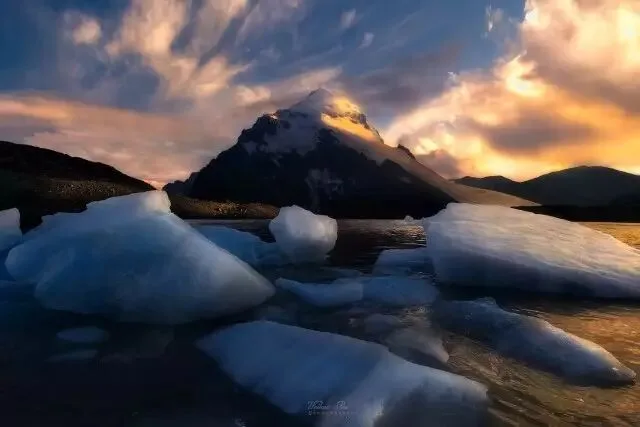
"Pyramid"
Shot in an icy lake at Bogda, Xinjiang
(This work was also honored with a Highly Commended award at the 27th MML International Mountain Nature Adventure Photography Contest)
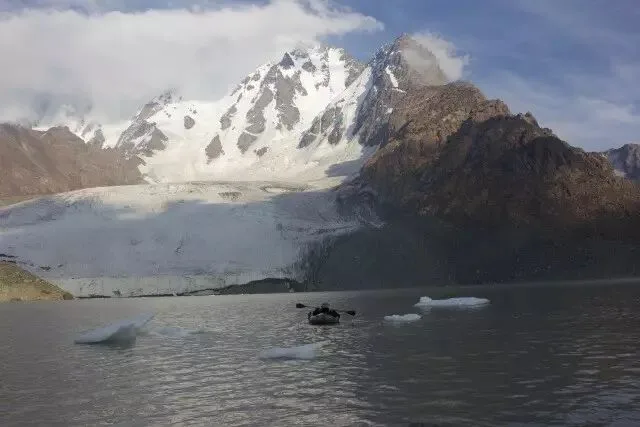
Behind the scenes of the "Pyramid" shot — thanks to my traveling companion for the photo
If you shoot landscapes purely for the images, you will lose much of the reward and joy of the process.
Just like my Tibet exploration journeys last October and this March: the large amount of time spent beforehand on map research and planning the itinerary could immerse me for long stretches on its own.
The sense of achievement and outdoor experience gained from overcoming various difficulties in the wild, and the contact and blending with nature — these are the rewards and joys of the process. In new places rarely photographed by anyone, you never know what unexpected beauty you will discover and find — that too is one of the rewards and joys.
For city dwellers today who cannot live without phones, social media, and the internet — who must stay in constant contact with others — a week or longer of offline life in the wild may be hard to imagine. But for me, it is the most ordinary thing.
And I thoroughly enjoy these days of escaping busy urban life. Reading novels in the tent; listening to the wind beating against the tent while waiting for the storm to end; exploring and shooting the surrounding areas; cooking my own three meals a day — these all become the daily "routine" of wilderness life.
I even study different wilderness conditions and backpack weight limits, and how to cook more conveniently and deliciously while keeping nutrition as complete as possible. Almost every time I gain different experience and adjust the food for the next trip. These, too, are joys of the exploration process for me.
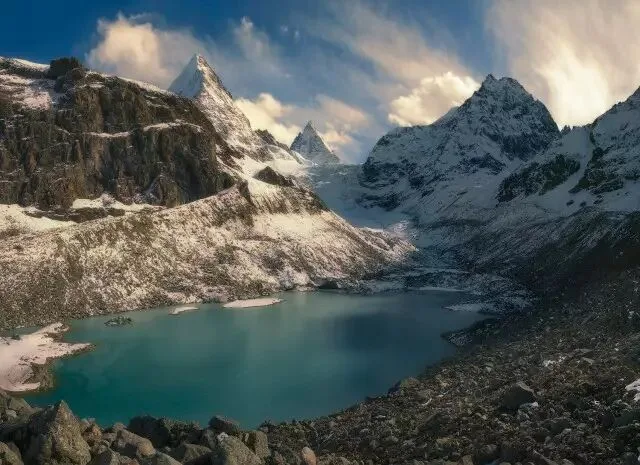
“Himalaya Temple”
Shot in southeastern Tibet
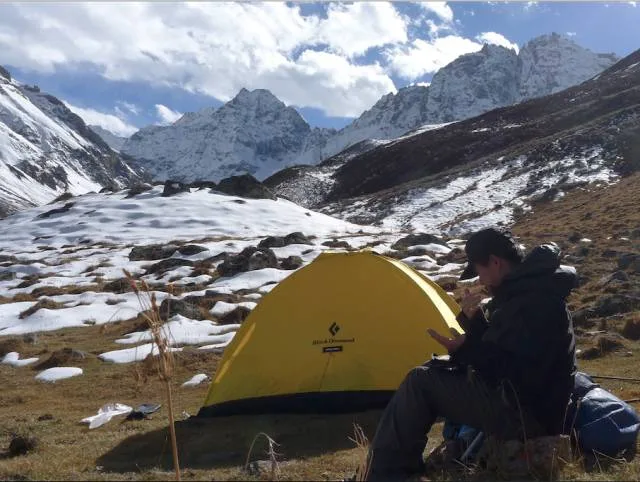
Enjoying the afternoon sun in the high mountains of southeastern Tibet, preparing to set off and explore the surrounding area
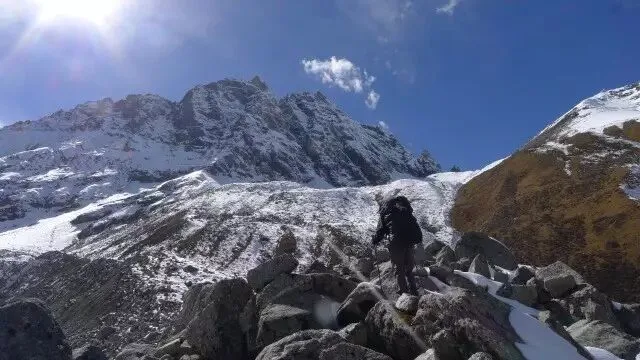
Climbing a huge snow-covered scree slope during the exploration
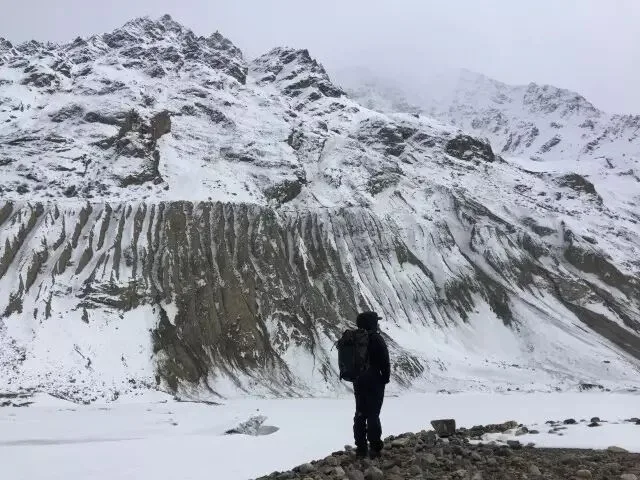
I am gazing at and observing a distant glacier
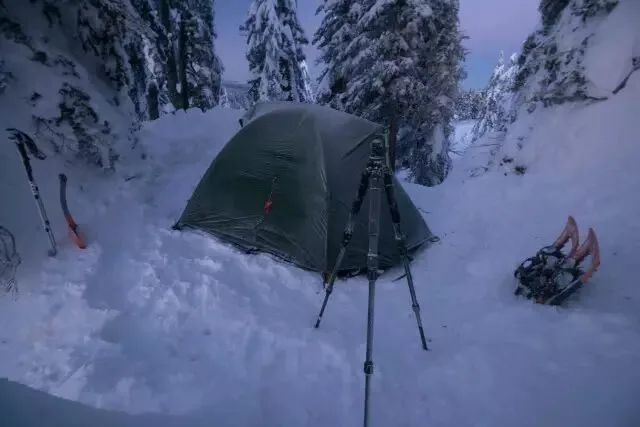
Camping in deep snow at around -30°C during a winter exploration
When exploring in the wild, you may encounter all kinds of wildlife — which is actually one of the interesting parts of wilderness exploration. Some wild animals are very "shy" yet curious and playful, like the sable. Some are rather wary of people, like the snow leopard. And some may behave aggressively toward humans when they feel threatened, like bears. (I will share more specifically in the future about how to deal with animals in the wild and my own outdoor animal encounters.)
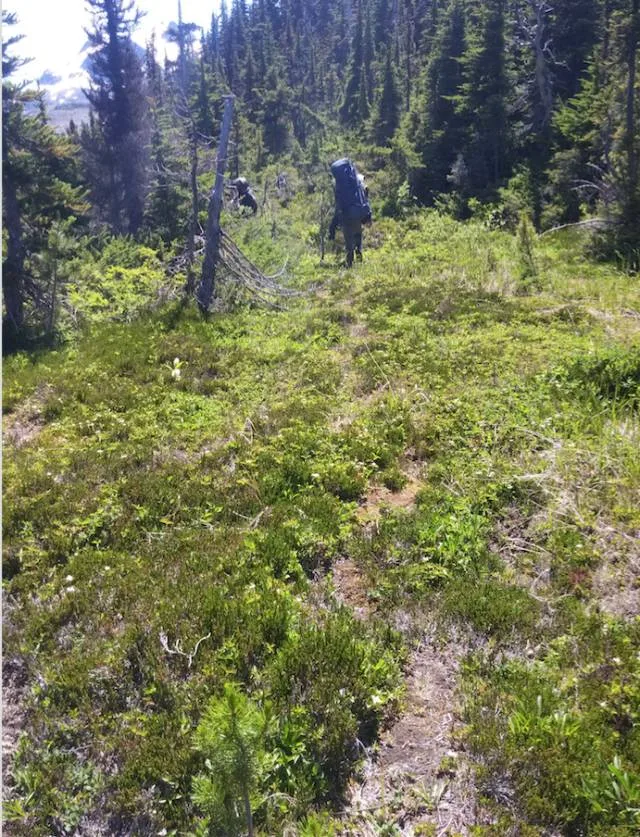
A "trail" made by bears in the uninhabited Canadian wilderness
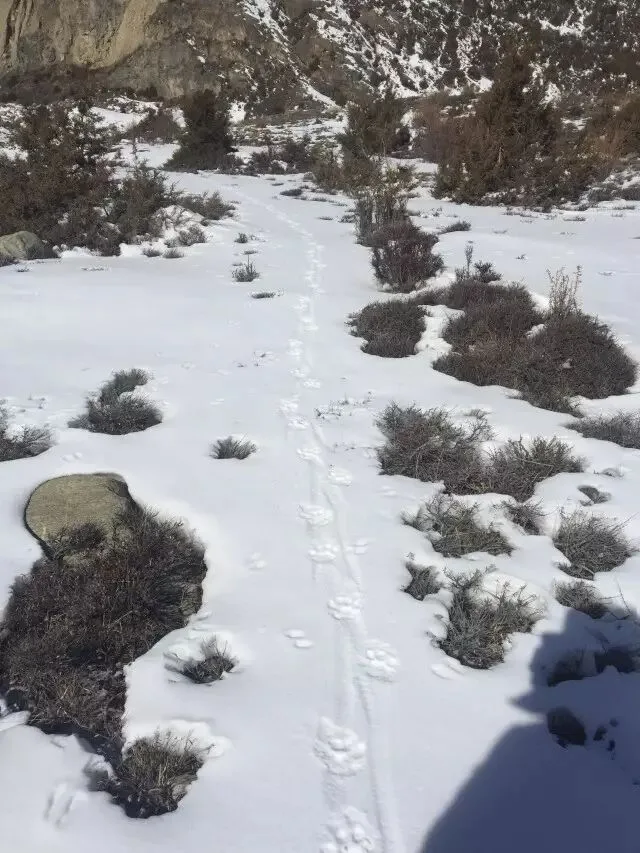
During the 3-week exploration of southeastern Tibet this March, I spotted a snow leopard — and these are the footprints it left in the snow.
On the other hand, many of my shooting and exploration processes turned out differently from the original plan — plans are always changing. Many times I had targeted a specific shooting location, but during exploration and along the way I discovered other locations that were just as good or even better, and changed the plan.
This is also what I mentioned before: you never know what beauty you will discover during exploration — you must adapt to the actual situation at all times. Sometimes it is a change of weather; sometimes other unpredictable natural factors force the plan to change.
Sometimes a landscape also looks completely different from before or from the last exploration: changes in river and stream water levels, a sea-eroded rock pillar that has collapsed, or a glacier that has melted and shifted. These are part of the charm of exploration and landscape photography — nothing stays the same forever; there is always something new to discover.
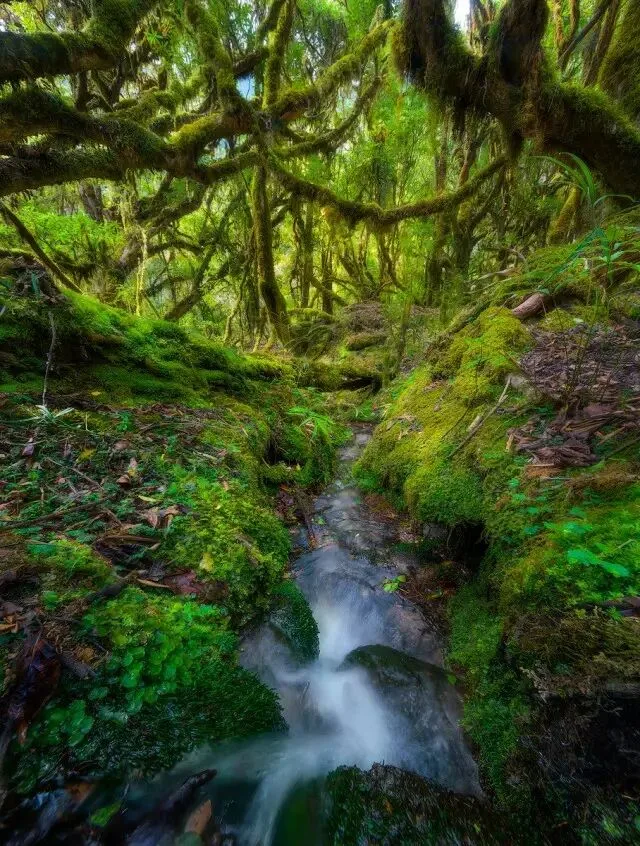
“The Path to Green Haven"
Shot this March: a temperate rainforest scene unexpectedly discovered during the 3-week exploration of southeastern Tibet. This is probably the most beautiful forest scene I have ever seen.
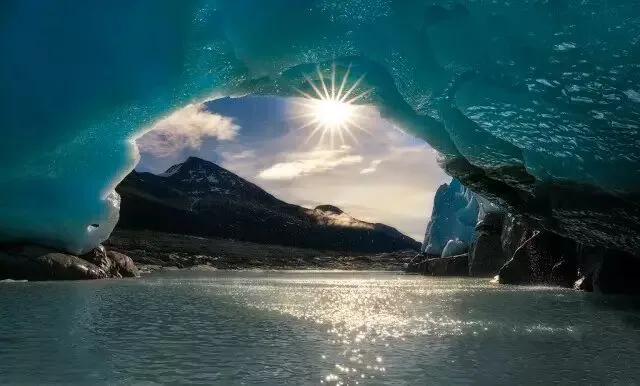
“See Through the Arch”
Shot in a glacial lake discovered during the 1-week exploration of the uninhabited Pacific Range in Canada
(A giant ice arch formed by glacial melting, spanning about 15 meters across the water)
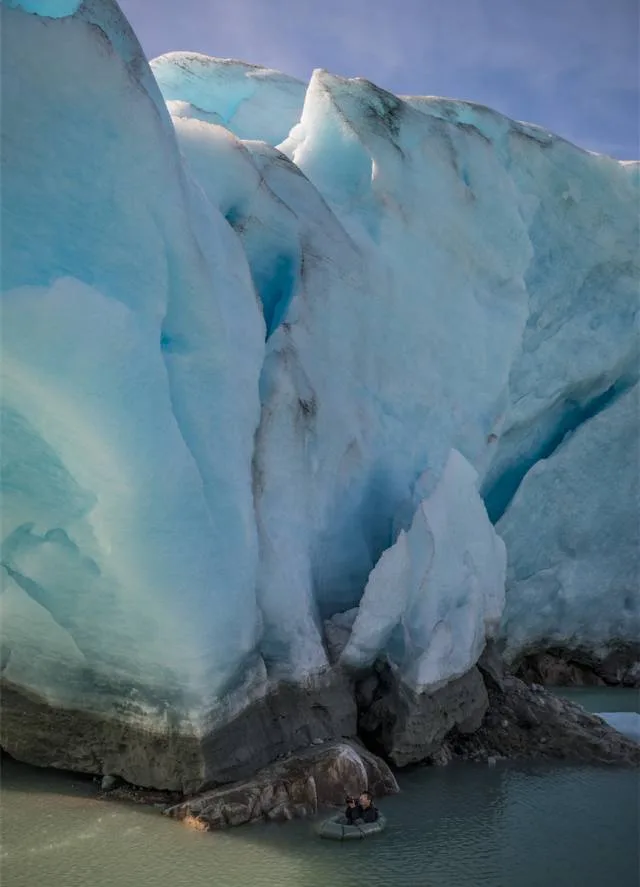
Behind the scenes of "See Through the Arch": paddling a kayak under the giant glacier to photograph the ice arch
(PS: Extremely dangerous — do not imitate. If the glacier cracks and ice falls, it would be fatal.)
The world is so big, with so many places waiting to be explored and photographed. Open up your mental space: don't let preset frames and images shot by others limit your photographic creativity, and don't shoot merely for the sake of images.
After all this, surely someone will say, "I don't have that much time, money, or energy to explore and shoot like this." That is actually not a problem. Even at relatively popular national parks or scenic spots, explore a little, observe from a different angle, and in different seasons or weather conditions nature can give you unique inspiration and ideas — enabling you to shoot different works. What matters more is that you learn to enjoy this process of exploration — not only in the literal sense, but also in exploring with the observational power of your eyes.
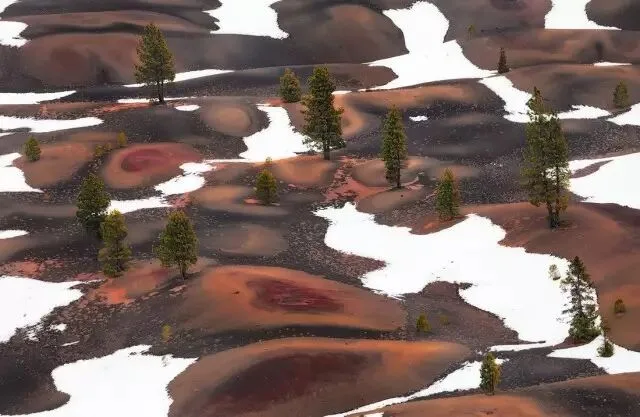
“Puzzle”
Shot at Lassen National Park, California: an unexpected jigsaw-puzzle-like scene formed by snow piles and terrain
I am Jiying AX (极影AX) photographer Weihao Pan (潘玮浩). Together with our team members, I will continue bringing you photography tutorials regularly, sharing behind-the-lens and adventure stories. Thank you for following our team.
Tuchong ID: WeihaoPan潘玮浩
Jiying AdventureX (极影AdventureX)
Push the Limits
Ultimate Imagery
Geek Sharing
Follow @Thomas Chu Photo, and learn one photography skill every week.