Photography Tutorial · 2019-07-14
How to Give Your Landscape Photography Ideas
Thomas Chu Photo
I'm AdventureX AX member — Pan Weihao
Today's article isn't very long and has few images, but I want everyone to think carefully and welcome active comments. Regarding the photos you take yourselves, what are your thoughts? Or rather, before shooting, what makes you feel a scene is worth shooting?
Lately, I've been constantly thinking about the importance of the idea or concept contained in an image — it's what makes you stop and think: "There's something here worth shooting." That's what goes through my mind before I start shooting.
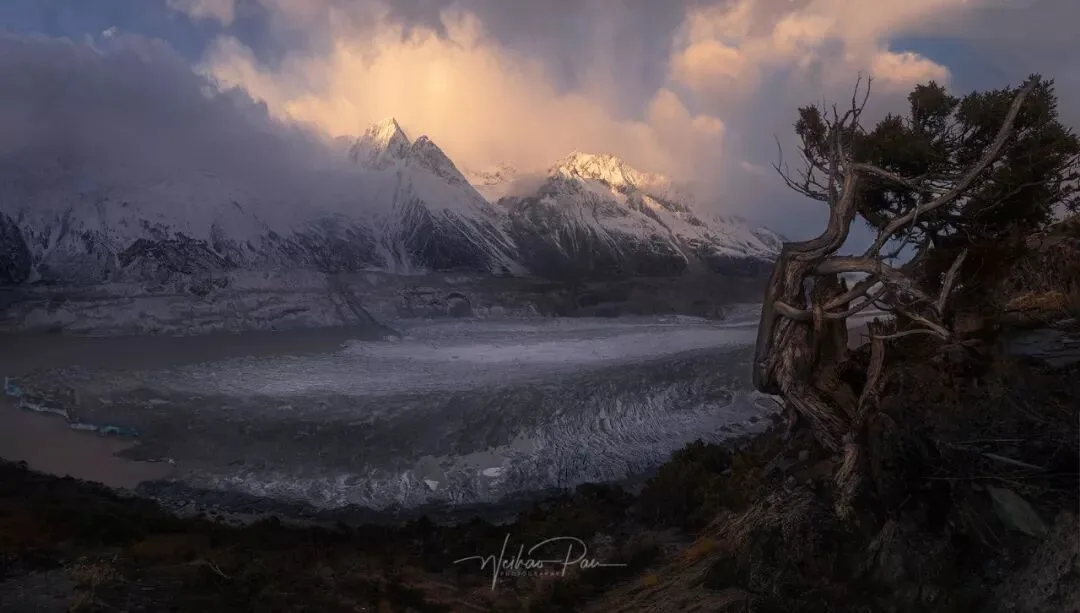
An idea or concept has no visual features of its own; the photographer's role is to "choreograph" different visual elements — lines, shapes, colors, and light-dark values — into a composition to express an idea or concept. An idea or concept carries importance: it can contain information, emotion, feeling, statement, metaphor, or story.
I often think that creating an original landscape work of your own has five parts (in order): idea and concept, visualization and concretization, composition, shooting, post-processing, and presentation.
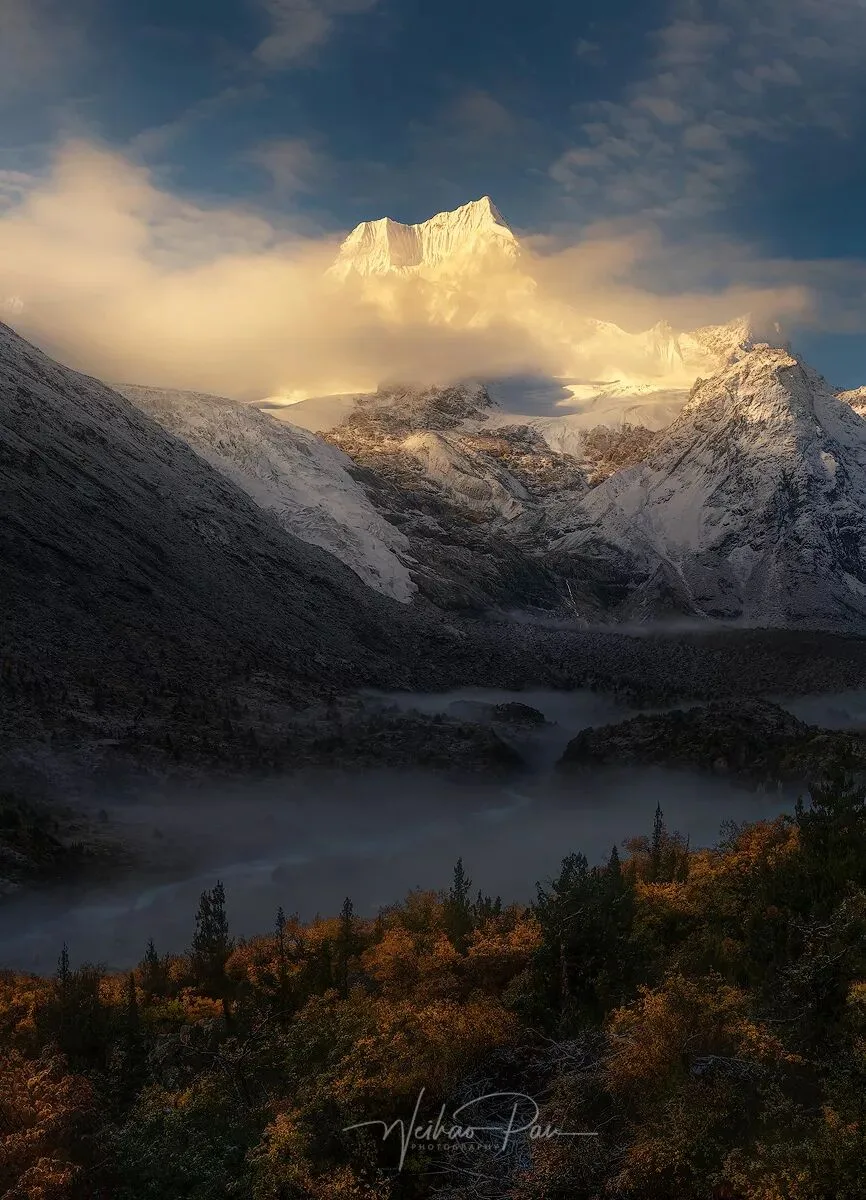
Let's return to landscape photography. I think many landscape photographers or enthusiasts rarely consider the idea or concept behind a landscape image when shooting. More often it's: "Look! So beautiful!" — and seeking aesthetically beautiful, personally pleasing scenery and composition.
I say this not to negate that approach. Undeniably, landscape photography is largely about pursuing aesthetically beautiful, personally pleasing scenery and composition. But gradually you'll find it's like writing a sentence focused on the beauty of the handwriting while ignoring the meaning behind the words. Viewers of our images can indeed be struck by the beauty in a short time, but in the end can only find scattered fragments or nothing at all in terms of idea or concept. On this point, let alone others, even I sometimes neglect it.
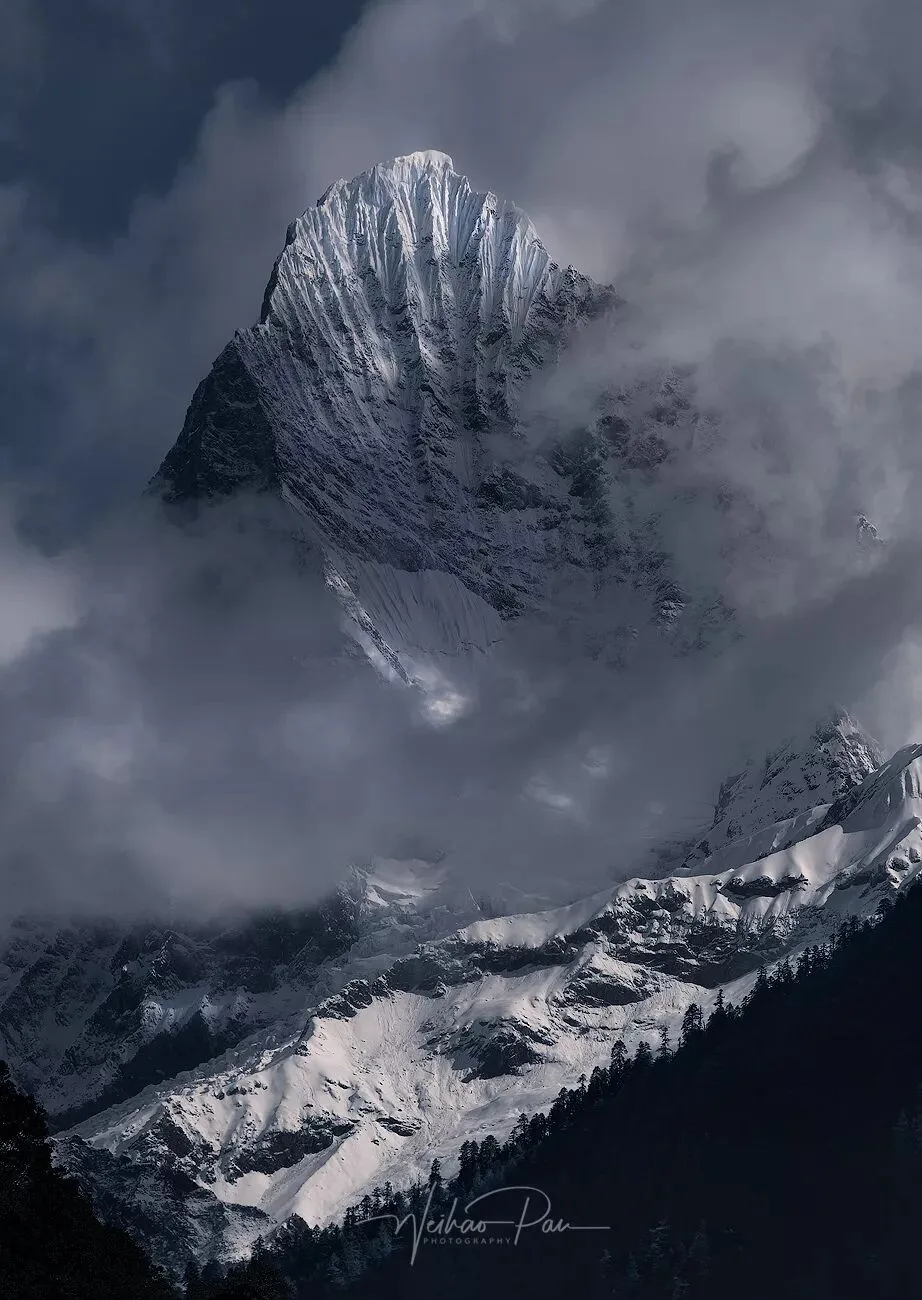
To avoid neglecting it, while pursuing aesthetically beautiful, personally pleasing scenery and composition, ask yourself about the same scene and composition:
What can I feel?
What makes me feel that way?
Have I "told" the story of this place?
These three questions are very important, because they force us to "give" the image an extra layer of meaning. Besides expressing beauty, landscape photography often expresses the fusion between the photographer and the landscape — and that fusion is what the photographer can feel; what makes the photographer feel that way is the landscape's "story." Whether the work I shot has "told" the story of this place, in other words, is whether viewers can learn about this place through my work and feel what I feel.
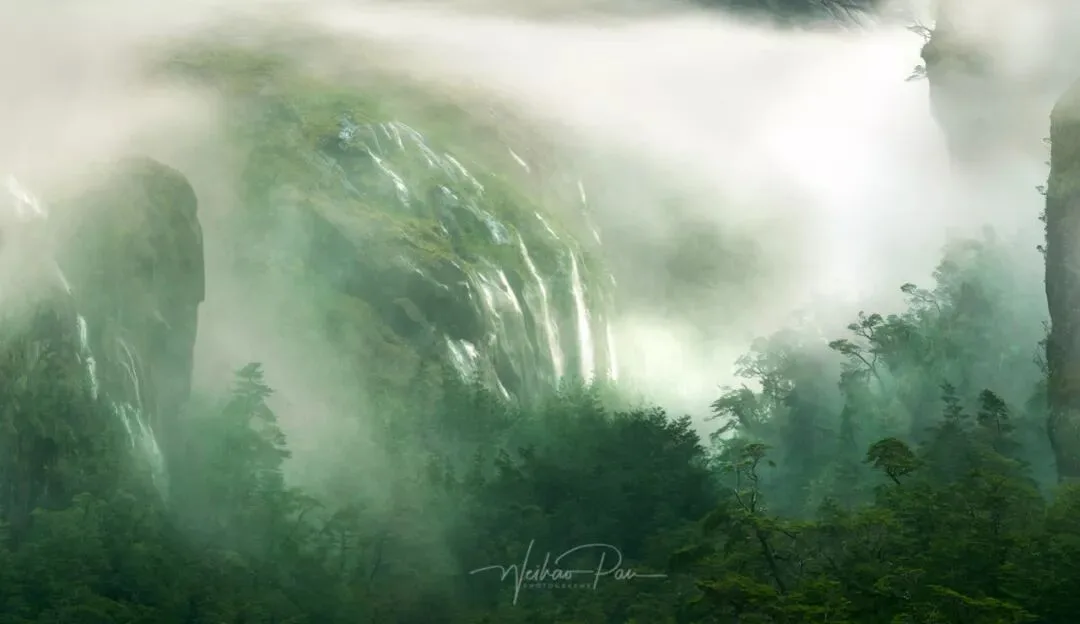
Take a recent image I shot while exploring the Chilean fjords of South America as an example.
During the 10-plus-day trip exploring the Chilean fjords, nearly more than half the days were rainy. The precipitation and humidity of this place were unlike anything I'd first experienced at such high latitudes — and precisely this abundance of precipitation, combined with the strong winds, created these wonderful Coigüe (also known as southern beech) forests.
Coigüe trees are a hallmark of the South American fjords. Here, the gnarled, clawing shapes of the Coigüe trees exude a powerful vitality, and in this work, all the Coigüe trees seem to reach toward the waterfall — that is, water, the source of life. The waterfall, clouds, and mist in this work represent the abundance of precipitation in this place.
I could say that when I saw this scene, a voice in my heart told me — this is what this place gives me; unlike the Patagonia most people visit, the Chilean fjords on the other side of Patagonia are filled with an air of vitality!
Here I must introduce a concept — visual language. Visual language is a language that expresses a certain idea through different visual elements — lines, shapes, colors, light-dark values, and composition. It's a language we humans aren't familiar with or accustomed to. And visual language possesses its own unique metaphors, symbols, and euphemisms.
As in the Chilean fjord image above, the clawing trees are a symbol of vitality, and water, the source of life, is likewise a symbol. The overall composition makes the trees seem to be desperately competing for water, the source of life, leading viewers into a concept: the most fundamental thing for all living beings — water. Drawing our attention to water itself is a very subtle hint. On another level, the whole scene also expresses my own feelings in the Chilean fjords, revealing a different side of Patagonia in South America.
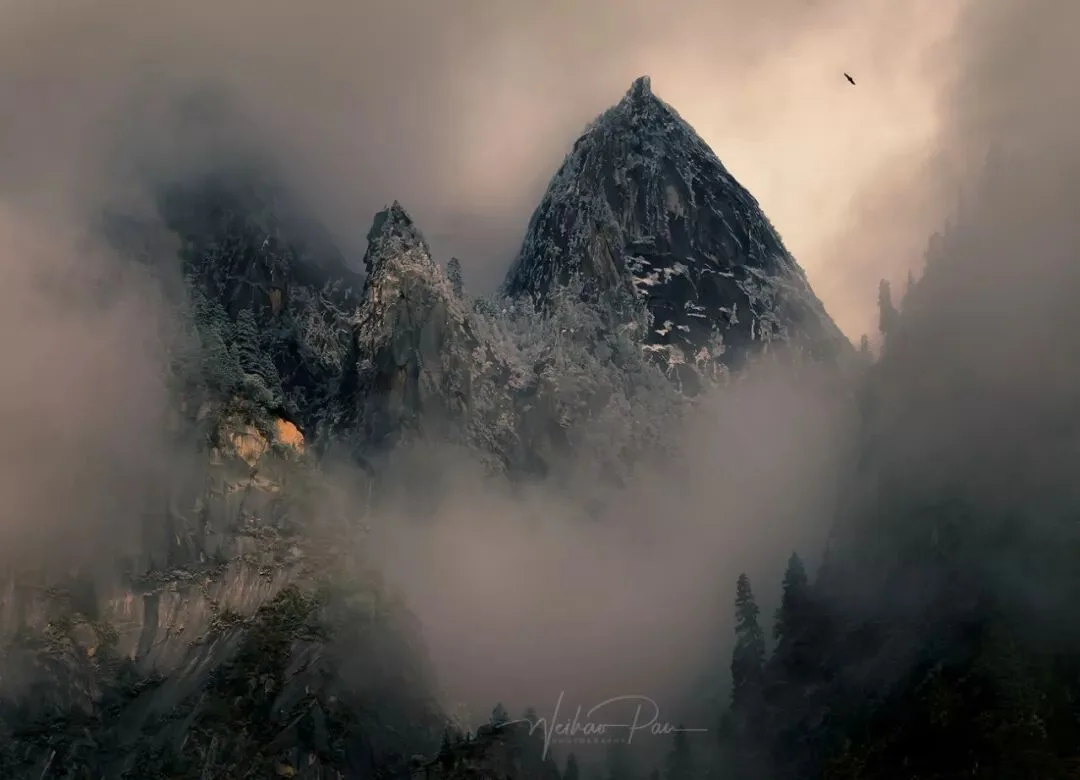
In fact, most of us share similar visual insight — easily attracted and influenced by visual elements like elegant lines and bold, vivid colors. But not everyone can shoot through these visual elements and express their own feelings and ideas.
In daily shooting practice, to enable ourselves to express our feelings and ideas through these visual elements, we first need to practice expressing our ideas and concepts clearly in spoken language. This helps build a bridge between visual language and our everyday spoken language.
Everyday spoken language is an effective tool for our daily communication, while visual language is a language tool full of metaphor and obscurity — one we're not accustomed to, yet also a language full of imagination.
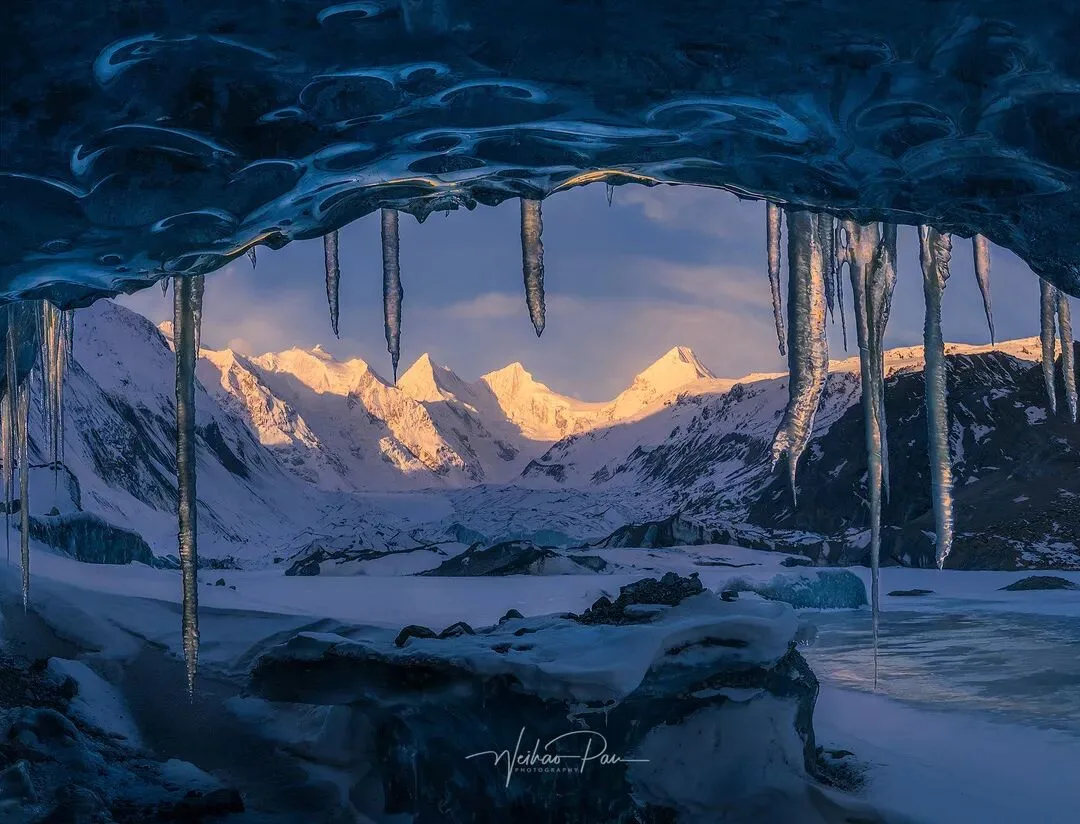
Different people have similar or completely different interpretations of the same image, and that's one reason visual language is so charming — it's a medium full of imagination. That's exactly why I raised those three questions earlier in the article: attempting to answer them is equivalent to giving the photo meaning behind it.
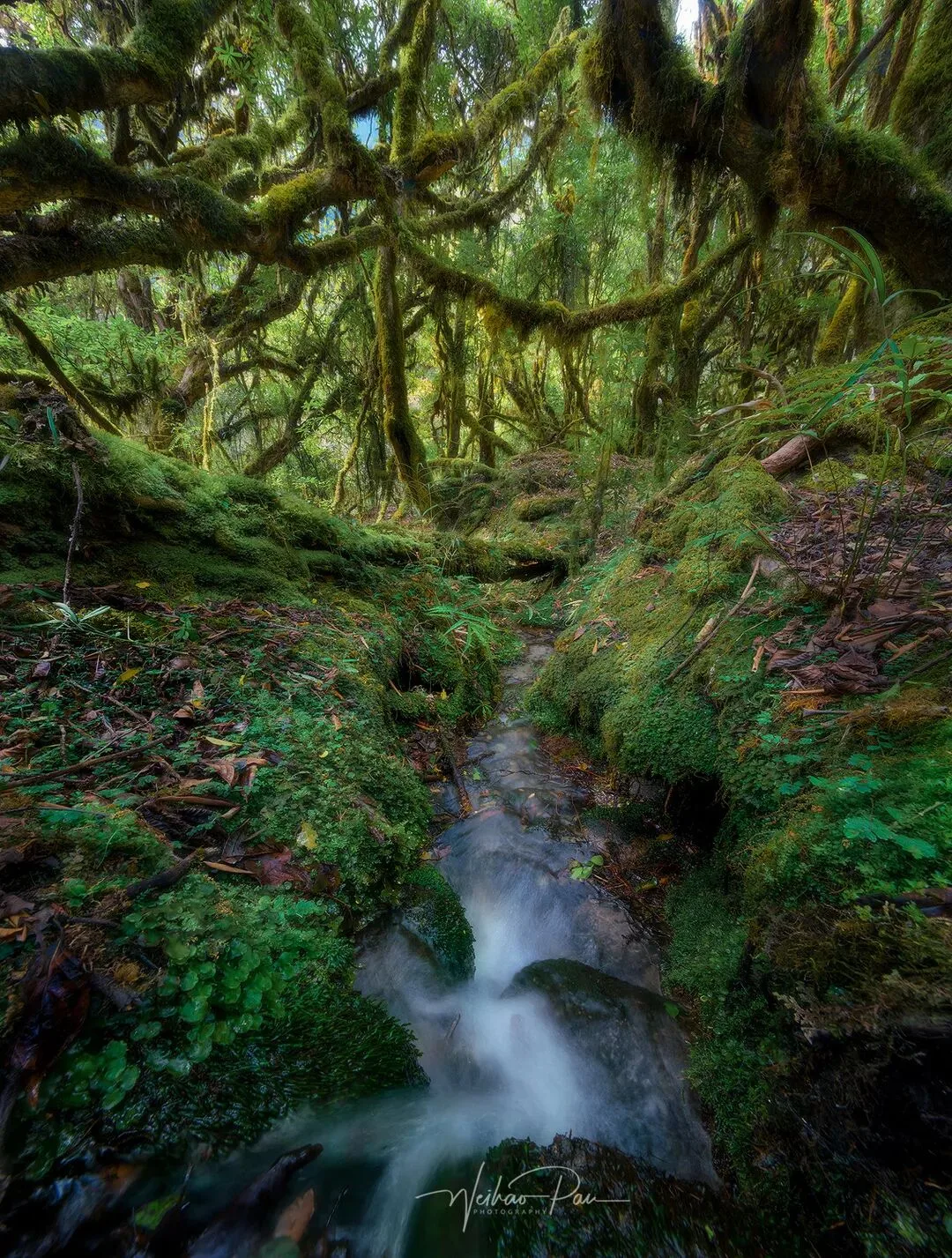
Only when we can do what's described above and answer the three questions can we give our works an extra layer of meaning, even if that meaning is self-assigned.
If you can't even answer these questions for your own work, let alone claim it has meaning. And works endowed with "meaning" also help us stay focused on the subsequent shooting, post-processing, and other process stages.
About the Author
Pan Weihao
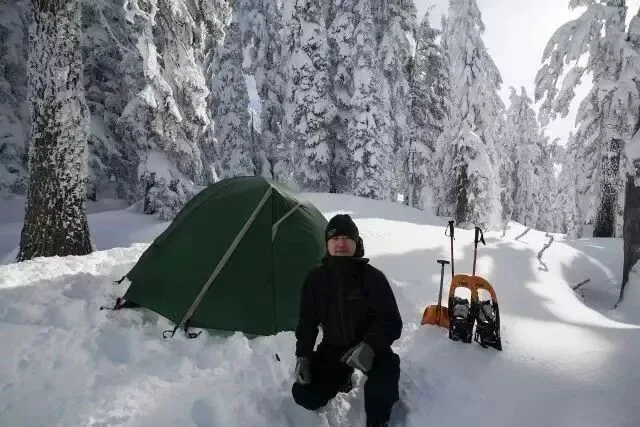
A landscape photographer and founder of the AdventureX team, he has been photographing diverse landscapes in the United States and Canada since 2012, with his footsteps spanning coasts and deserts, temperate rainforests, canyon wildernesses, and snow mountains and lakes. Familiar with the weather in the US and Canada, he often tracks weather and light conditions when shooting. His works won an award in the 27th Memorial Maira Luisa contest in 2016 and second place in the landscape category of the 2017 ND Photography Awards. His works have been collected by the NHM Image of the Natural History Museum in Britain and published in magazines such as Landscape Photography Magazine, Outdoor Photographer Magazine, China National Travel (中国国家旅游), and Popular Photography (摄影之友).
Follow Thomas for more travel and photography guides
Click "Read More" at the end of the article
To take more photography courses