Photography Tutorial · 2024-10-20
The Leica Oskar Barnack Award Announced! On-Site Review of the 2024 Winning Photos!
The 2024 Leica Oskar Barnack Award was announced a few days ago.
Interestingly, this year's two winning series are an emotional presentation by a female photographer with a film studies background, and a rational investigation by a male photojournalist with an economics background.
In today's photography tutorial, Thomas will appreciate these two winning series with you at the awards ceremony at Leica headquarters in Germany, and interview both winning photographers on site.
Video
▶ Watch the video tutorial on Bilibili
This is the illustrated companion to the video above. When the 2024 Leica Oskar Barnack Award was announced, Thomas happened to be at Leica's headquarters in Wetzlar, Germany for the ceremony. The video captures the atmosphere on site, a reading of the two winning series, and in-depth interviews with both winners. This article reorganizes all of that into text with keyframe screenshots for a closer read.
01 On Site in Wetzlar: Awards Night
The video opens with Thomas standing in Wetzlar, the small German town where Leica's headquarters is located. That evening, the 2024 Leica Oskar Barnack Award was about to be announced. Twelve series had made the final round (at 0:22 in the video), and everyone on site was waiting to see which would take the newcomer award and the main prize.
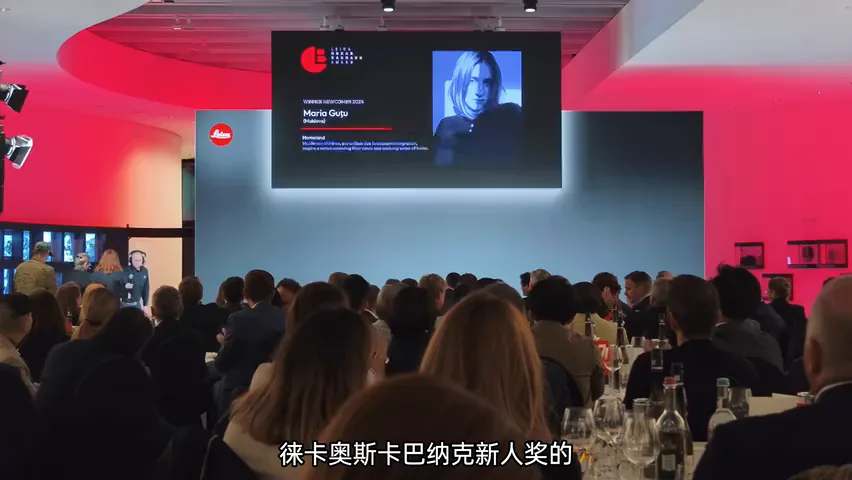
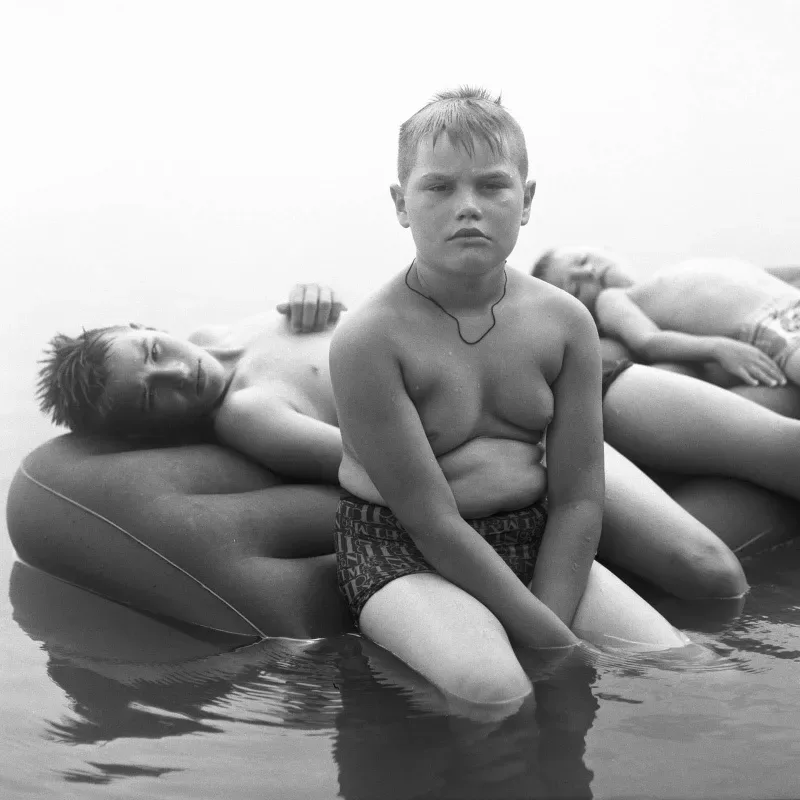
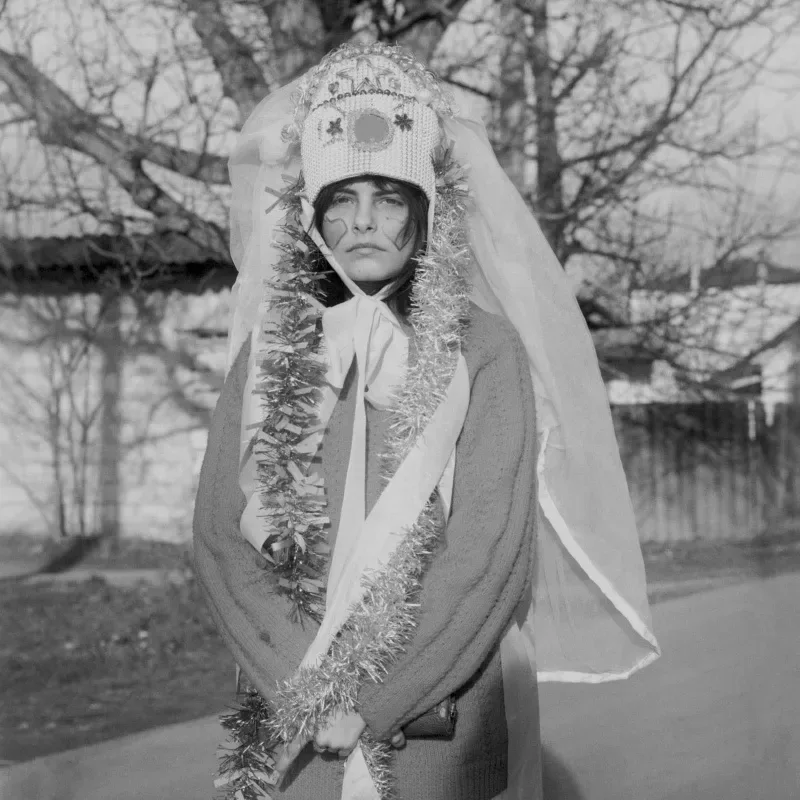
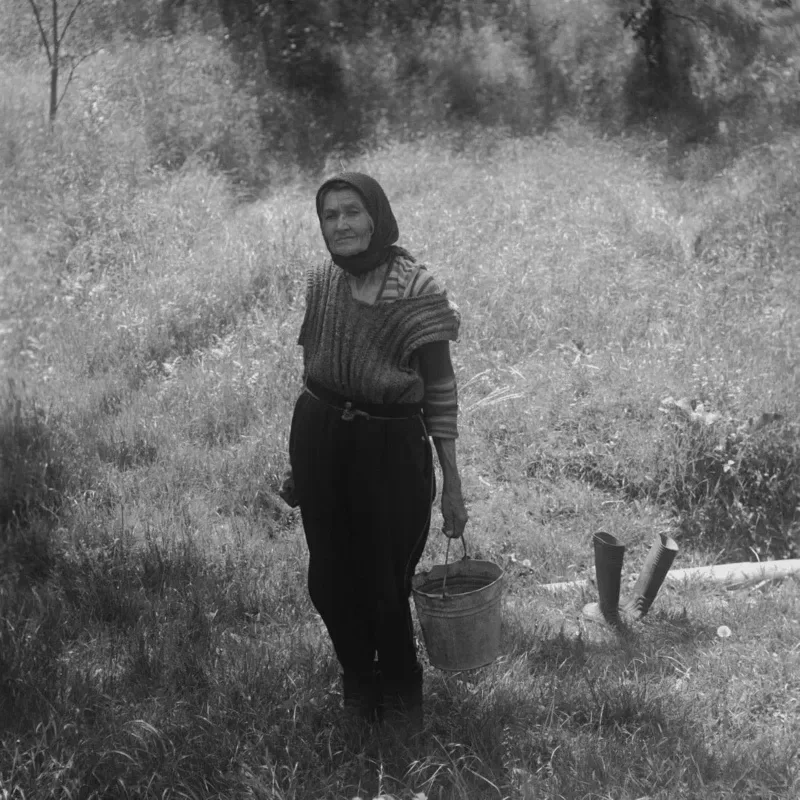
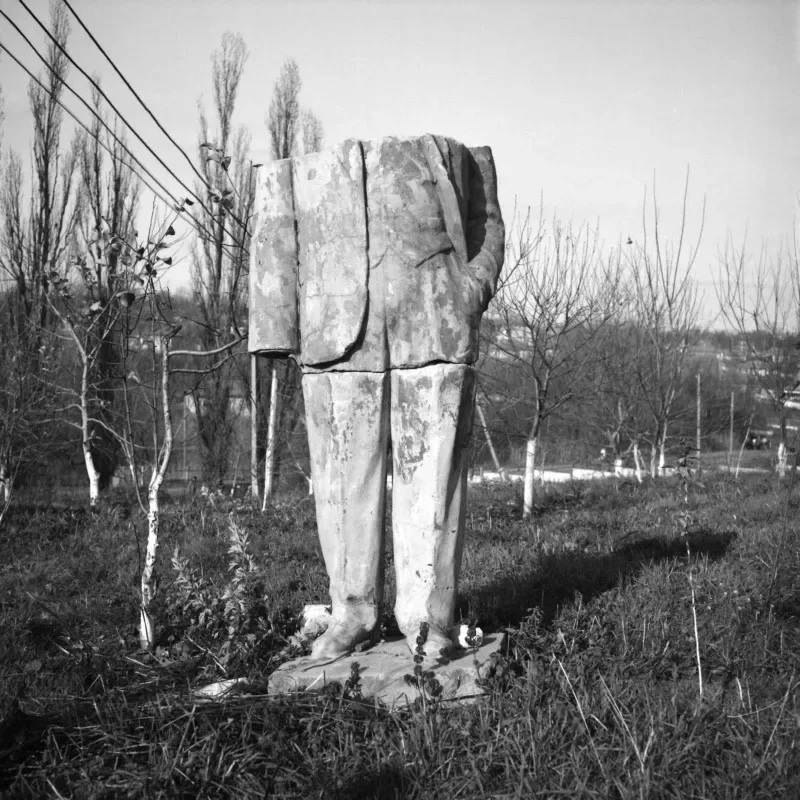
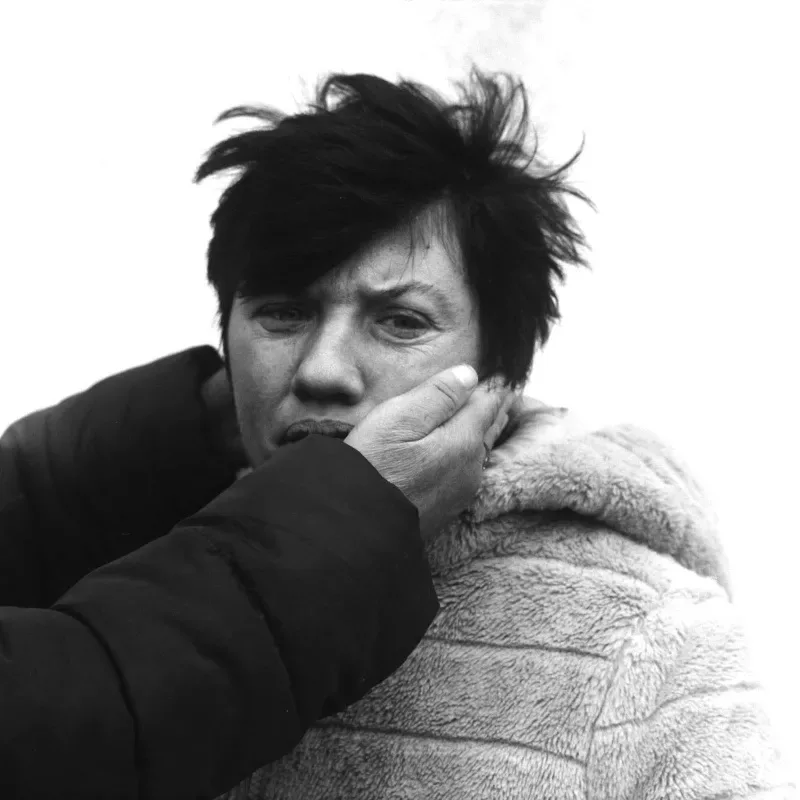
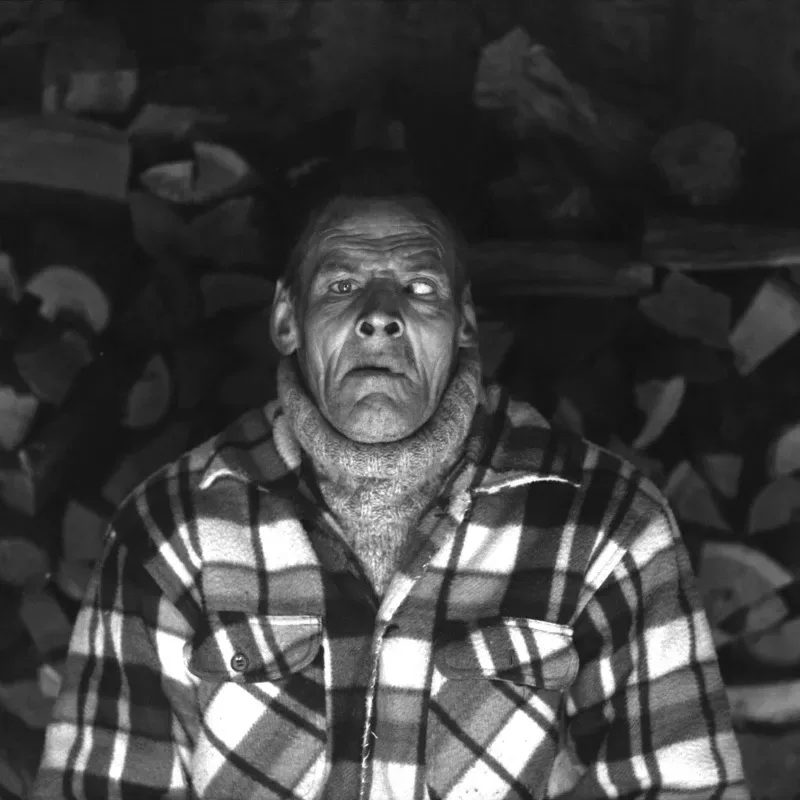
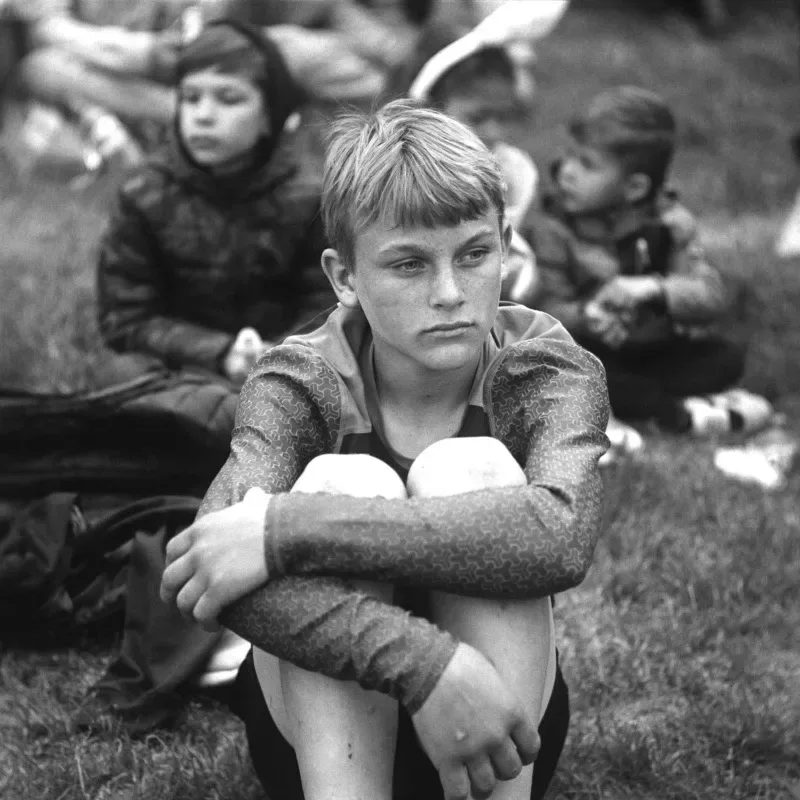
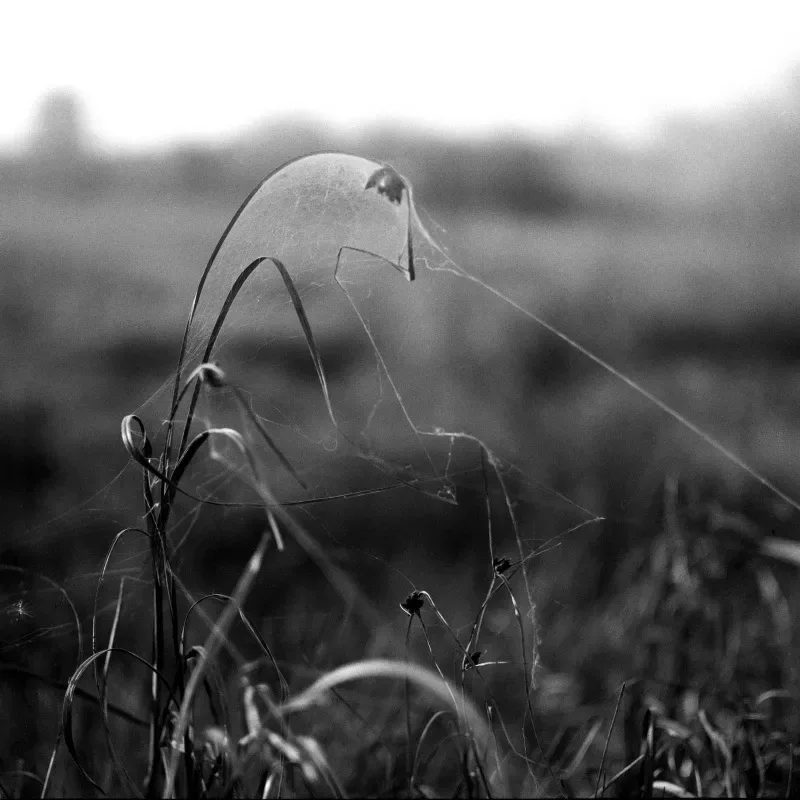
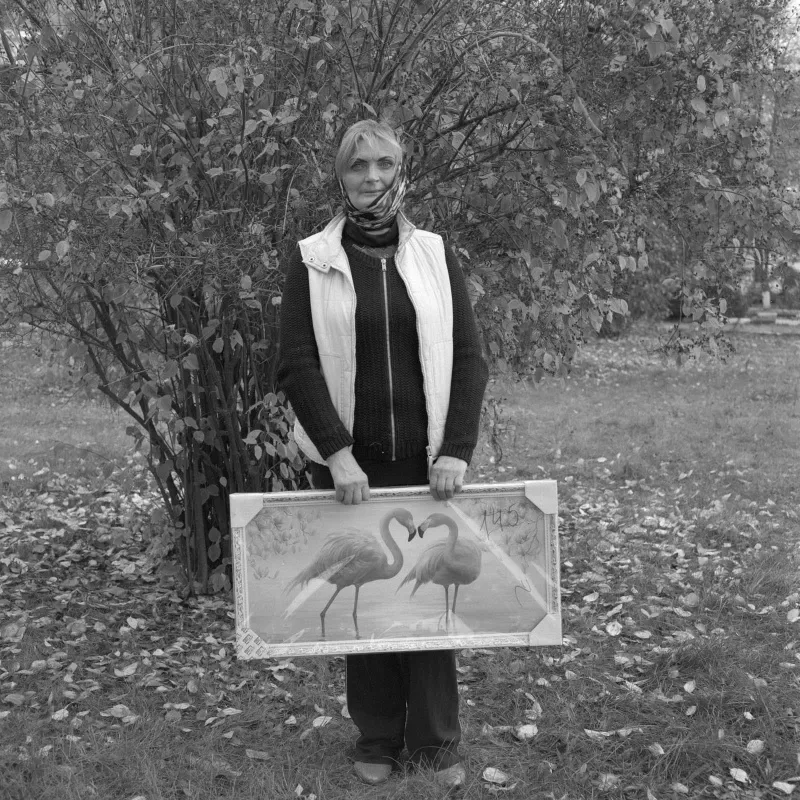
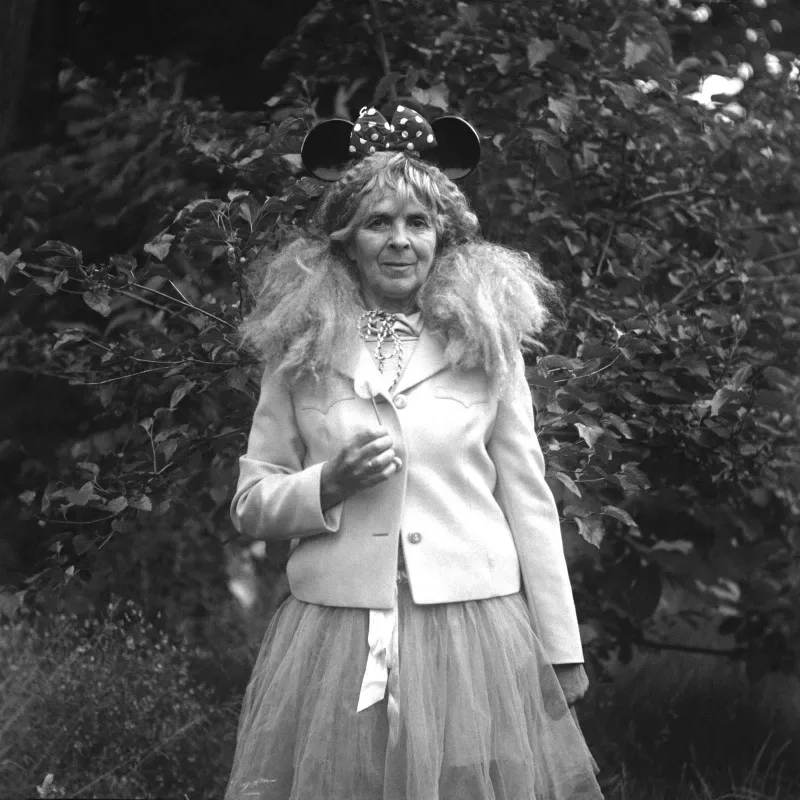
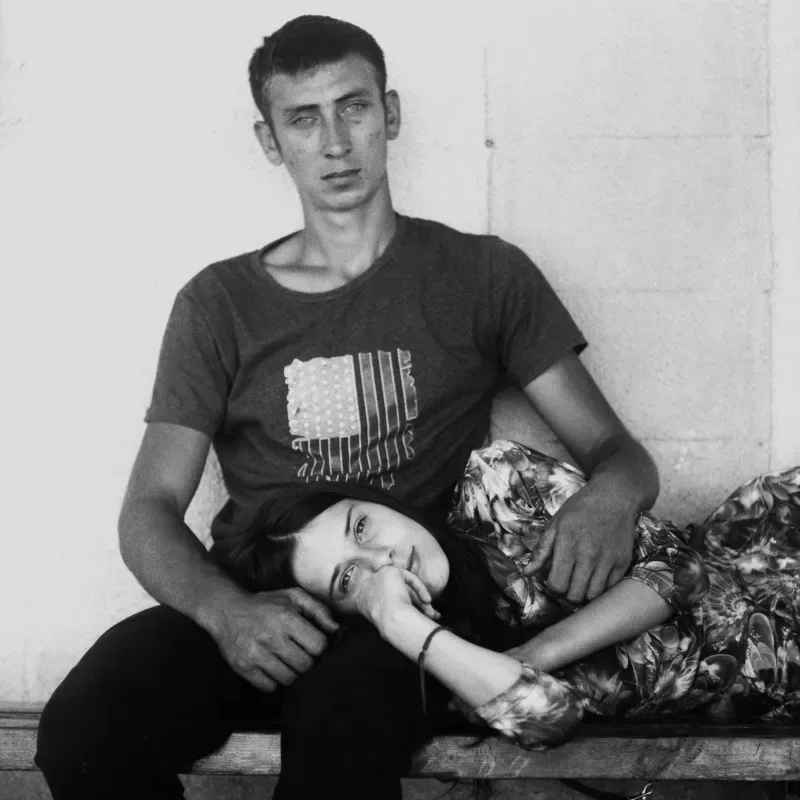
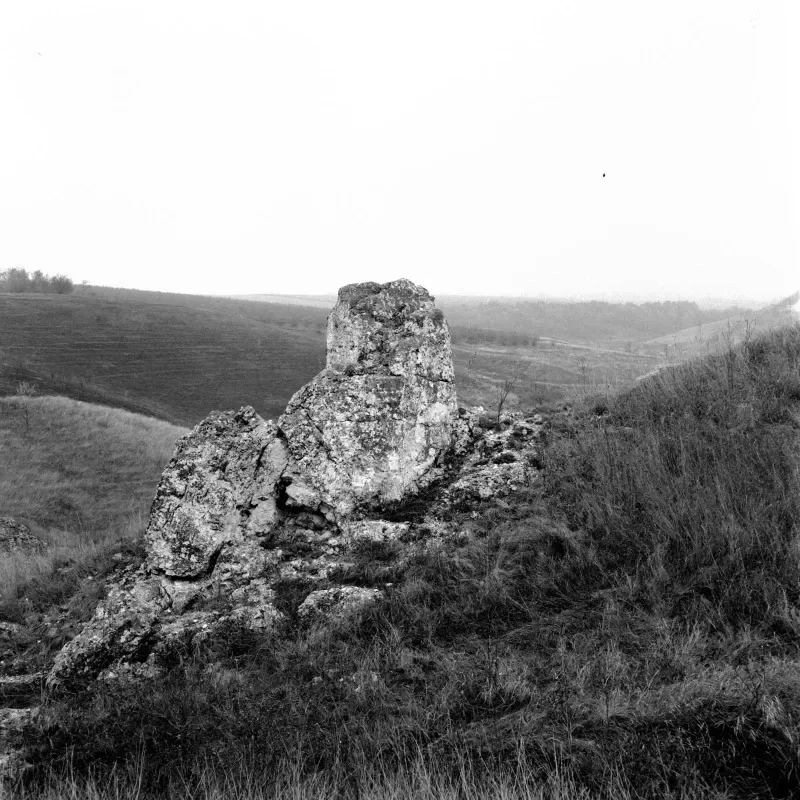
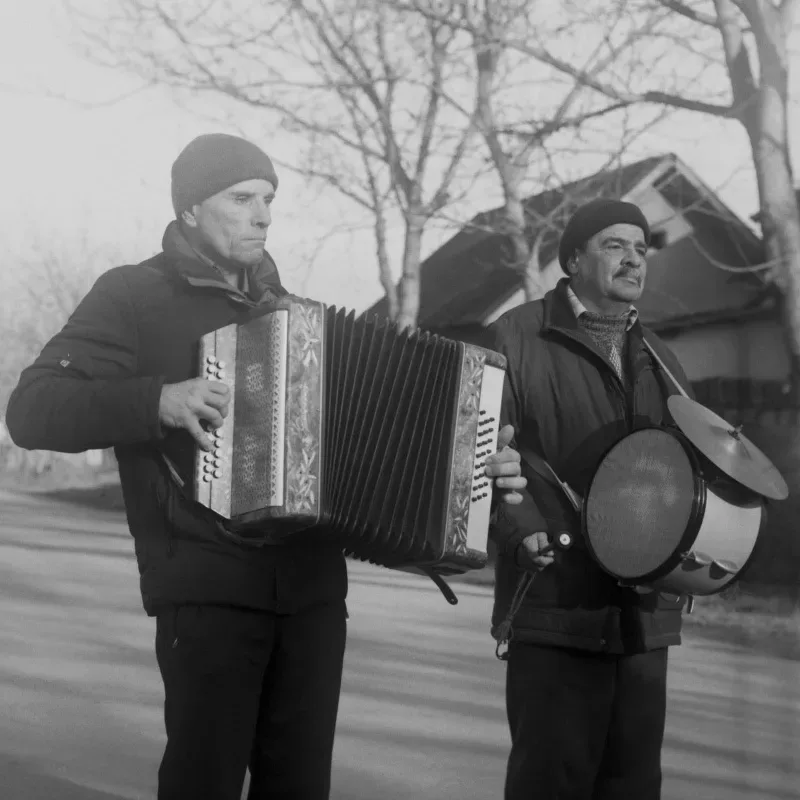
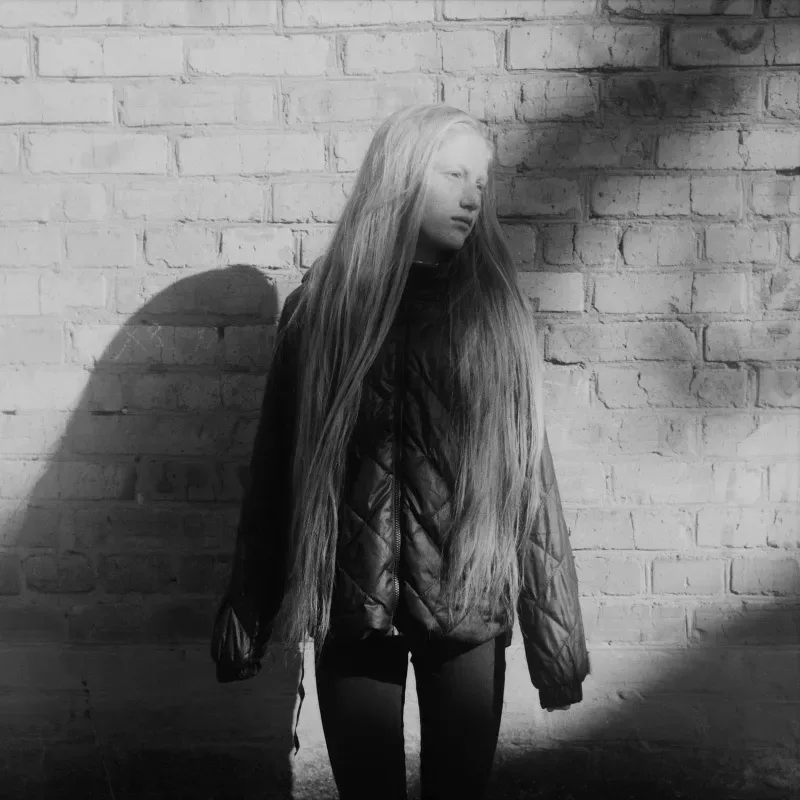
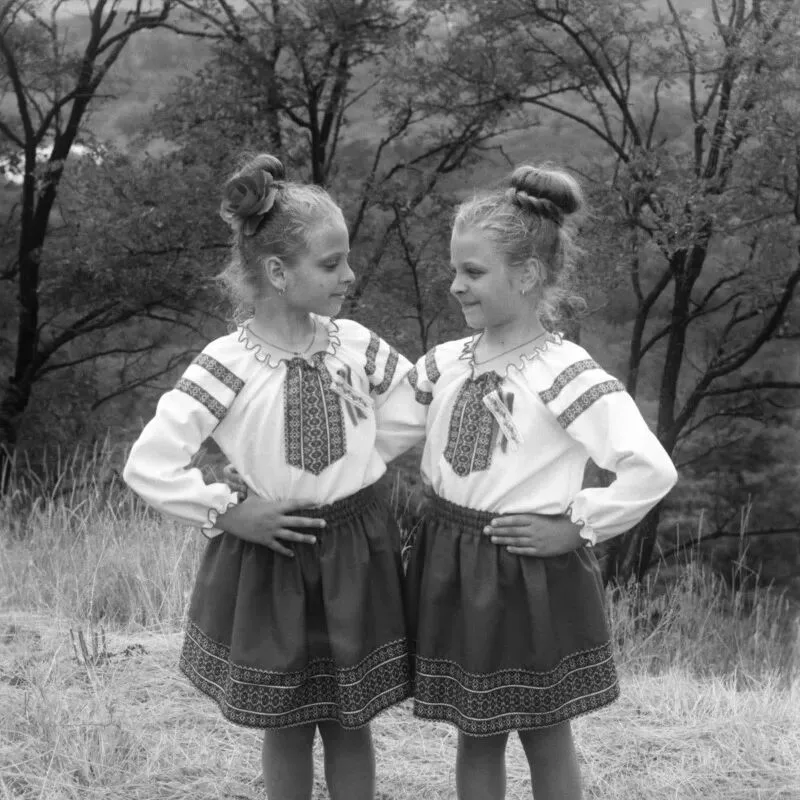
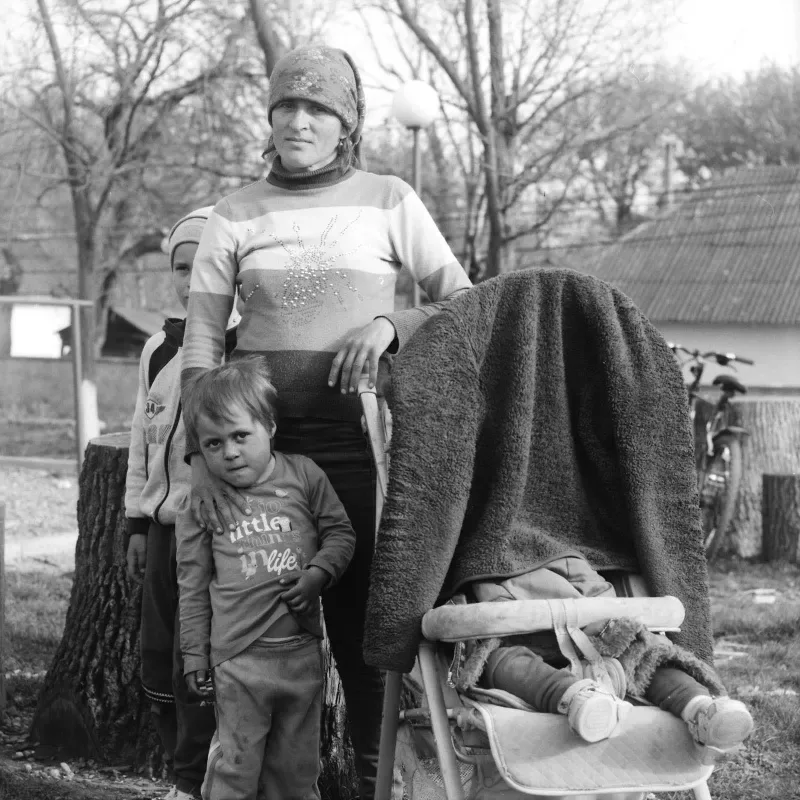
The newcomer award went to Moldovan photographer Maria Guțu for her series "Homeland" (at 0:53 in the video). Looking across all twelve finalists, Thomas considers this series among the very best in visual quality and artistic intent.
02 The Newcomer Award: Maria Guțu's Homeland
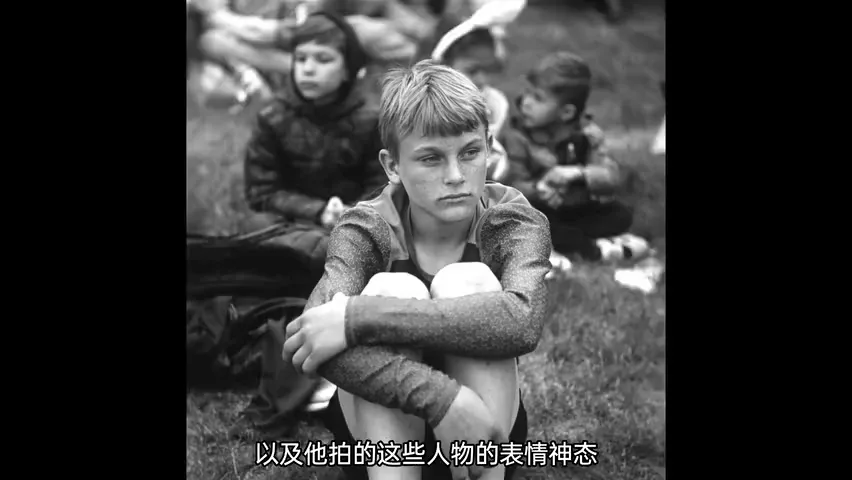
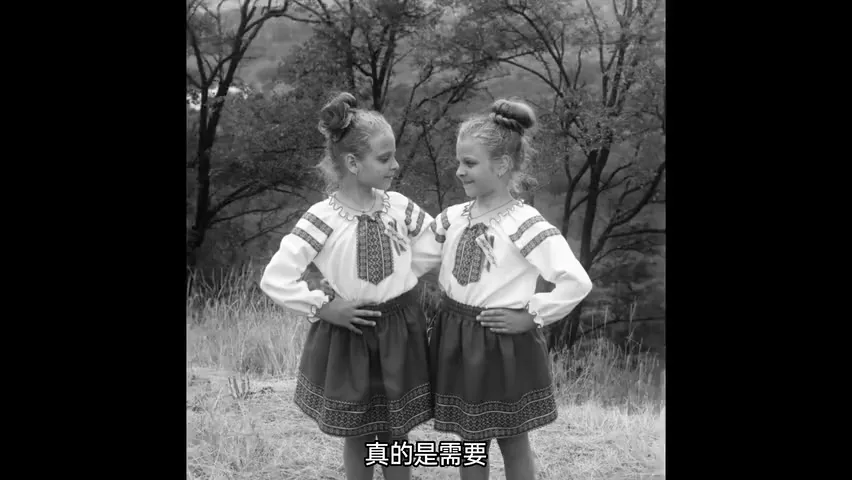
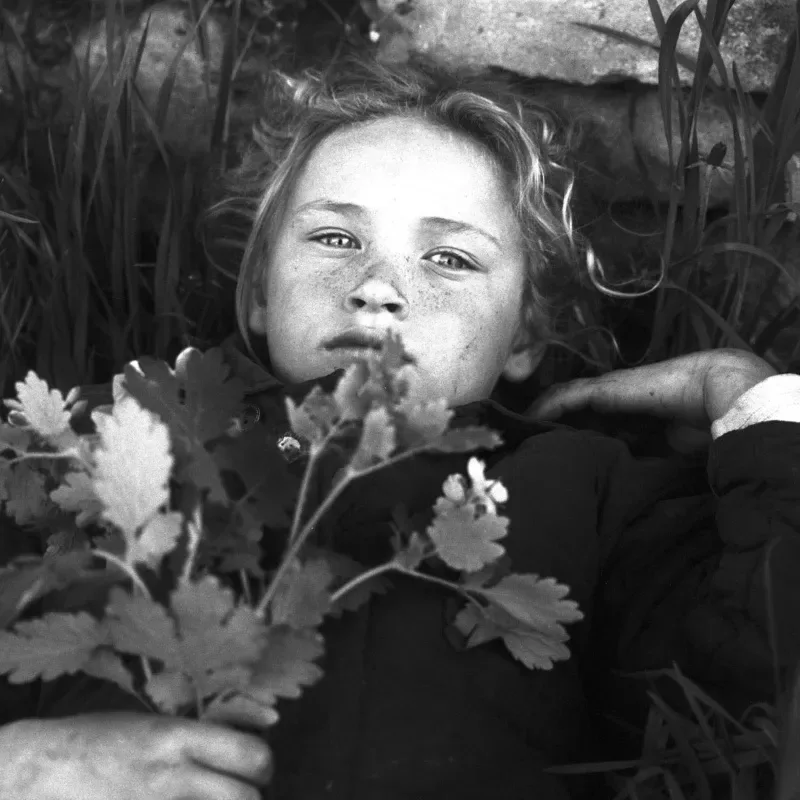
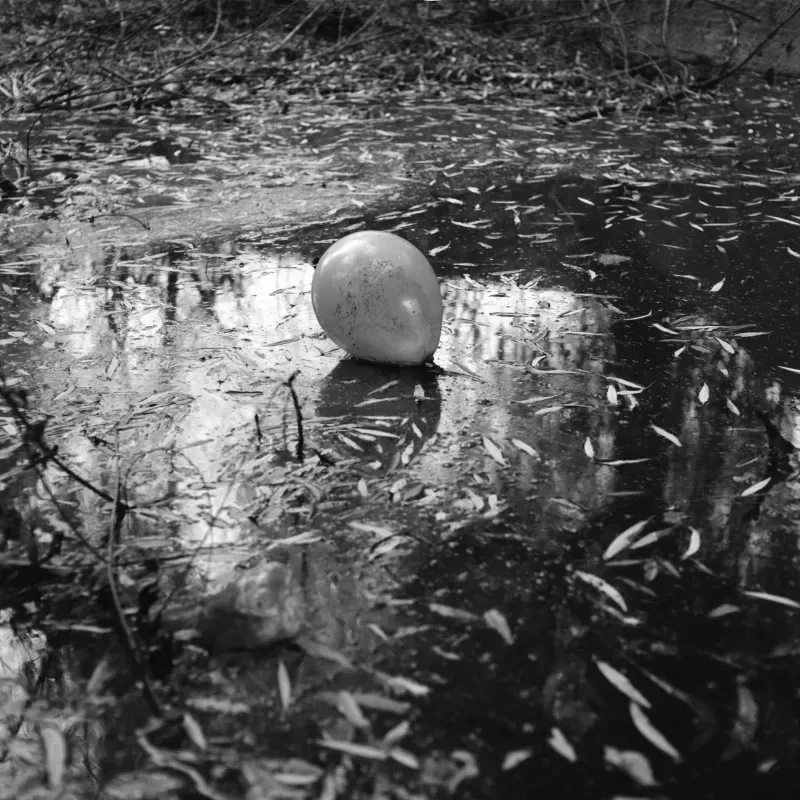
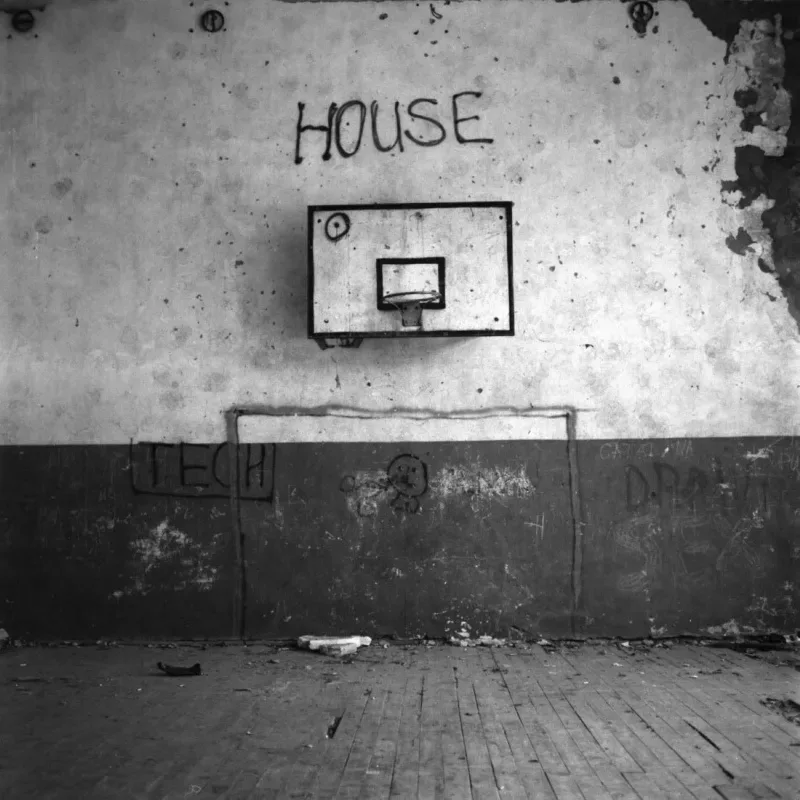
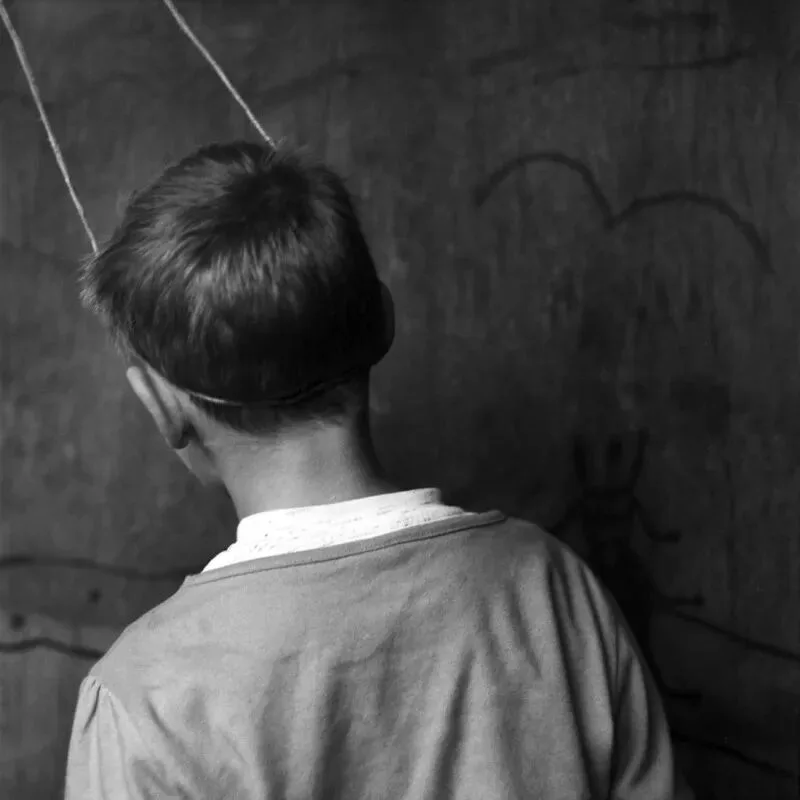
Moldova is an agricultural country with a steadily draining population; its villages are left mostly with the elderly and children left behind (at 1:34 in the video). A faint sadness, a quiet melancholy hangs over "Homeland", and Guțu expresses it perfectly through black-and-white tones, her command of grayscale, and the utterly natural expressions of her subjects.
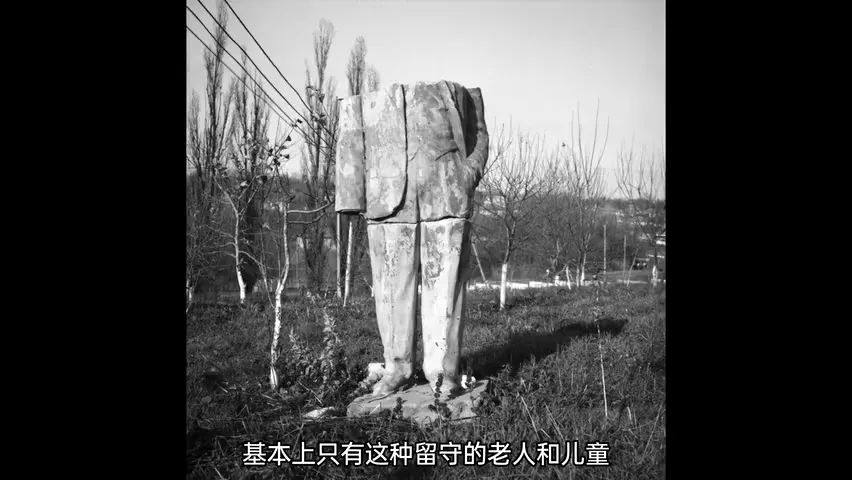
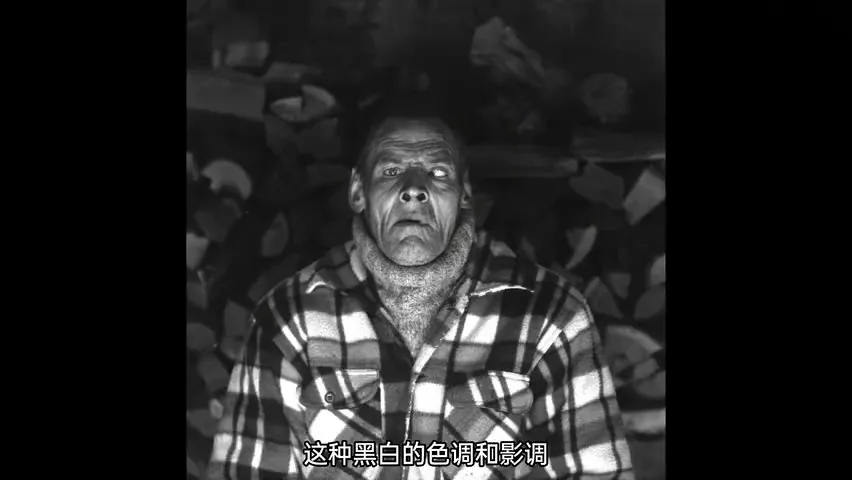
Consider a question: when photographing people on the street or in a village, is it easier to capture a smile or an expression of sorrow? Clearly the latter (at 2:11 in the video). A passing tourist usually gets the standard smile; the genuine sadness in these pictures requires either being family, or knowing the local language and culture and living among people long enough to earn that state of trust. As a young woman photographer, Guțu made full use of her approachability and of the local's advantage in language and cultural background.
03 The Interview: Where Natural Portraits Come From
On site, Thomas sat down with Guțu for an in-depth conversation and asked her two questions. The first: how does she achieve such natural portraits, and how does she communicate with local people (at 3:13 in the video)? Her answer is disarmingly simple — when she meets someone she wants to photograph, she explains what kind of picture she hopes to make and what she is doing, turning the shoot into an honest exchange.
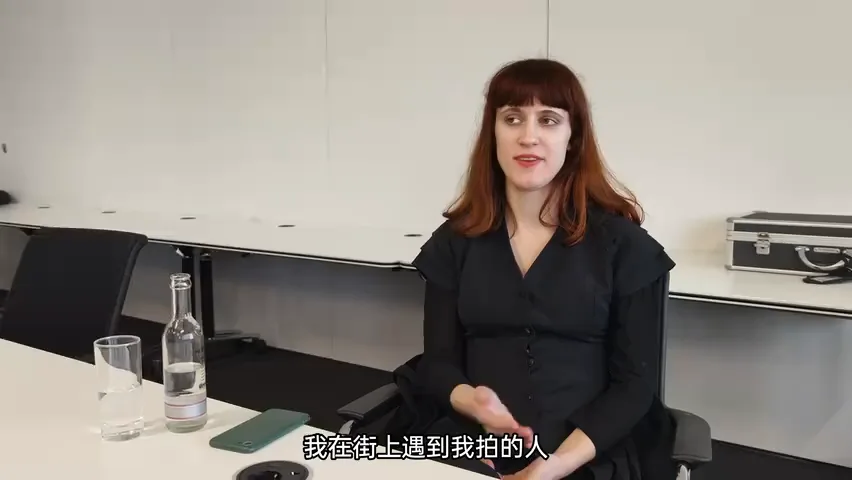
The second question: as a film-school graduate, why did she turn to still photography (at 4:11 in the video)? For a creator trained in cinema who went on to win a photography award, the two media share an understanding of narrative and emotion — and this question leads straight to the key takeaway at the end of the video.
04 The Main Award: a Sober Narrative on Critical Minerals
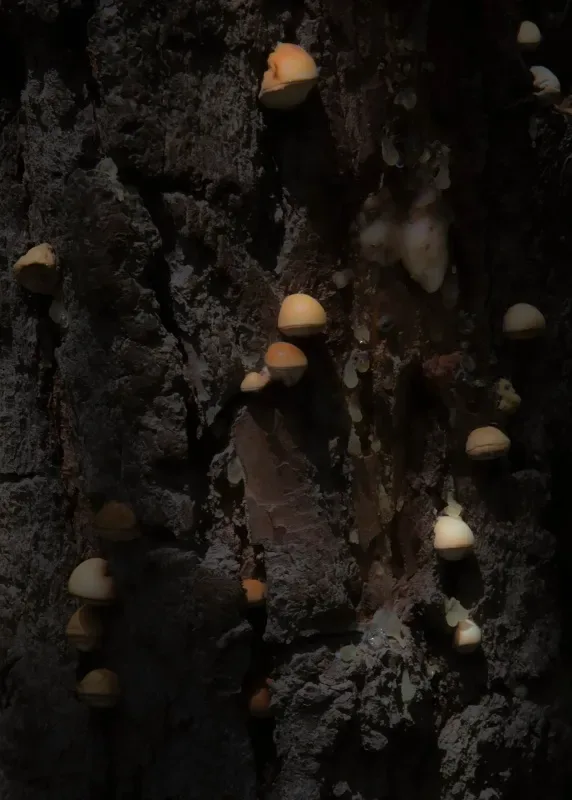
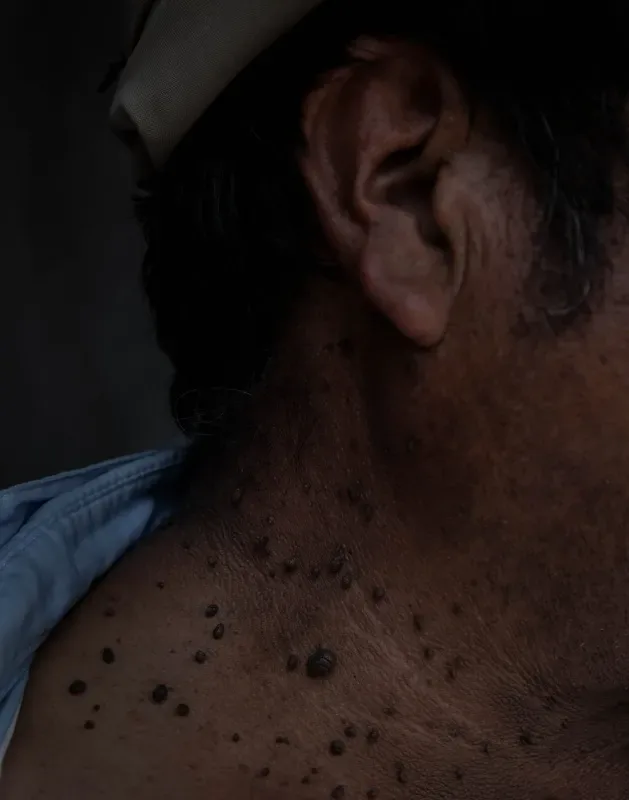
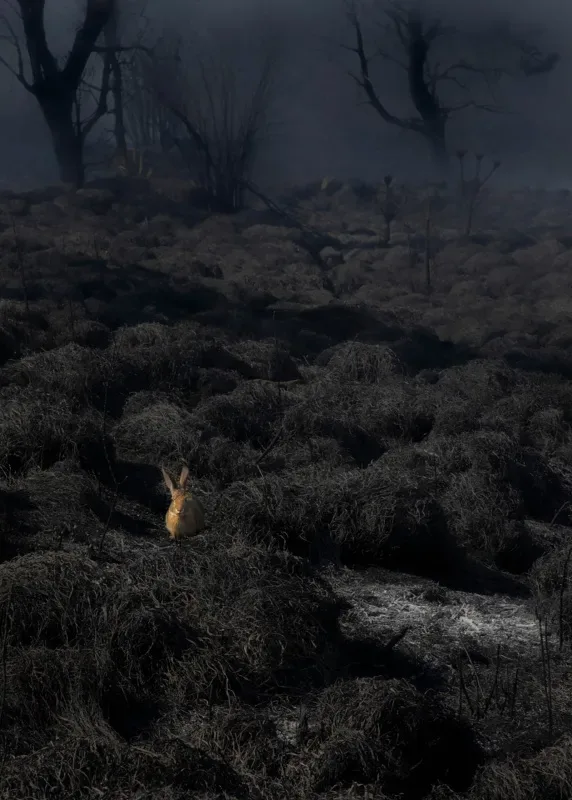
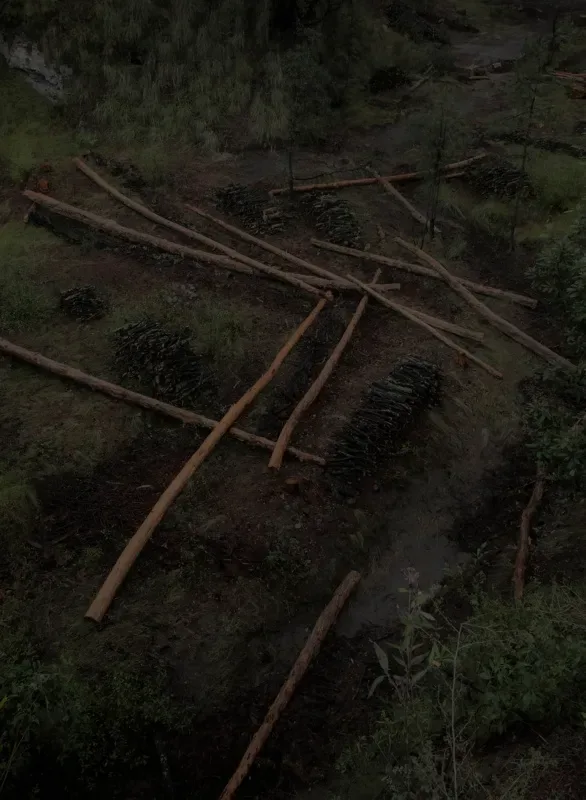
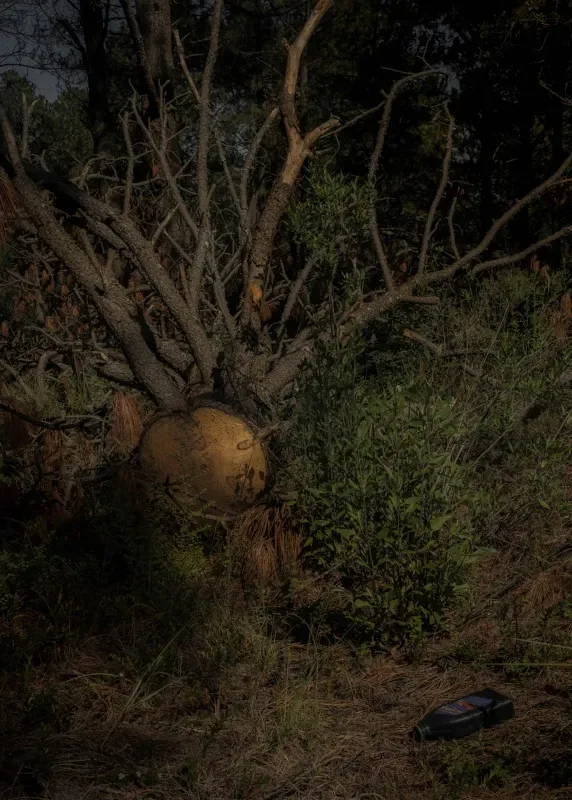
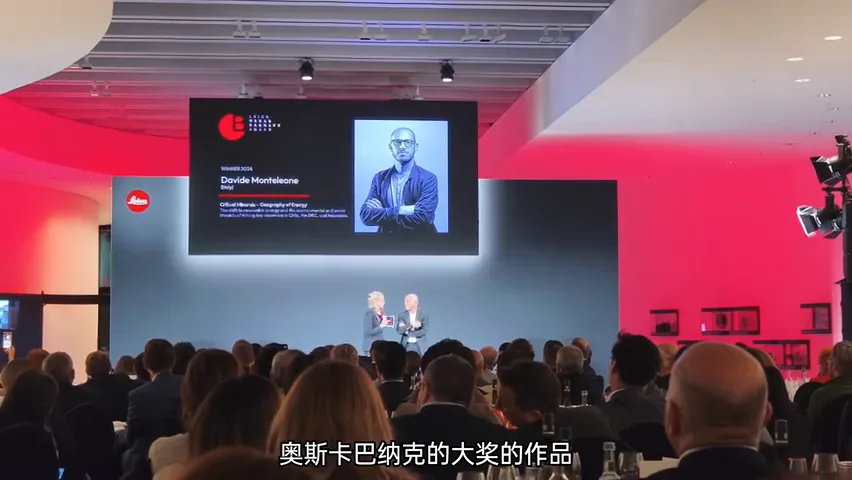
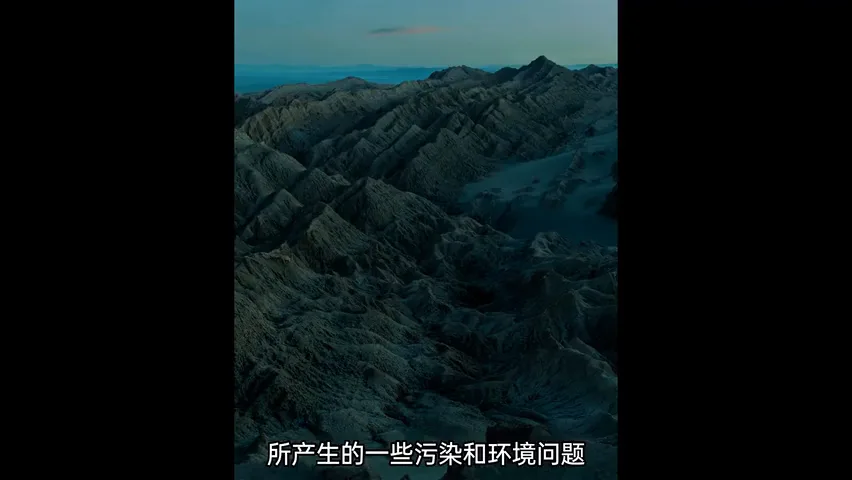
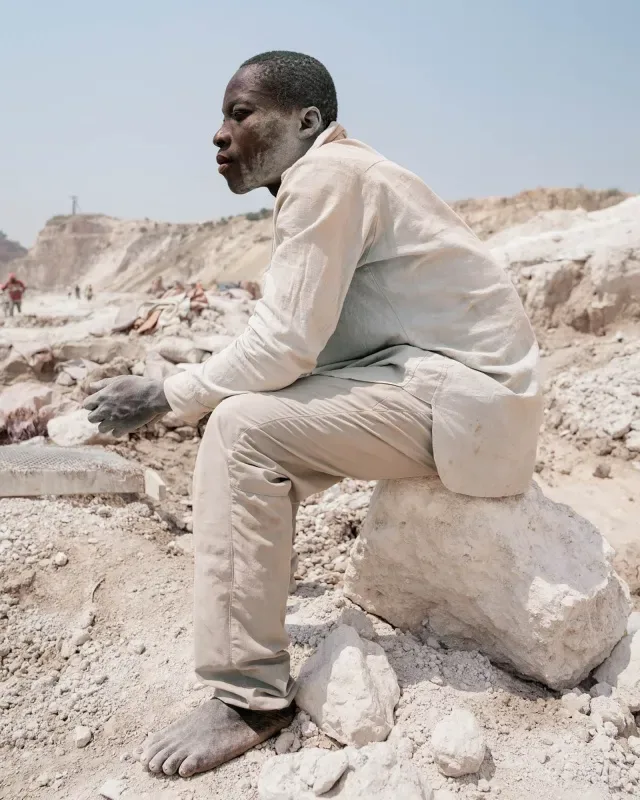
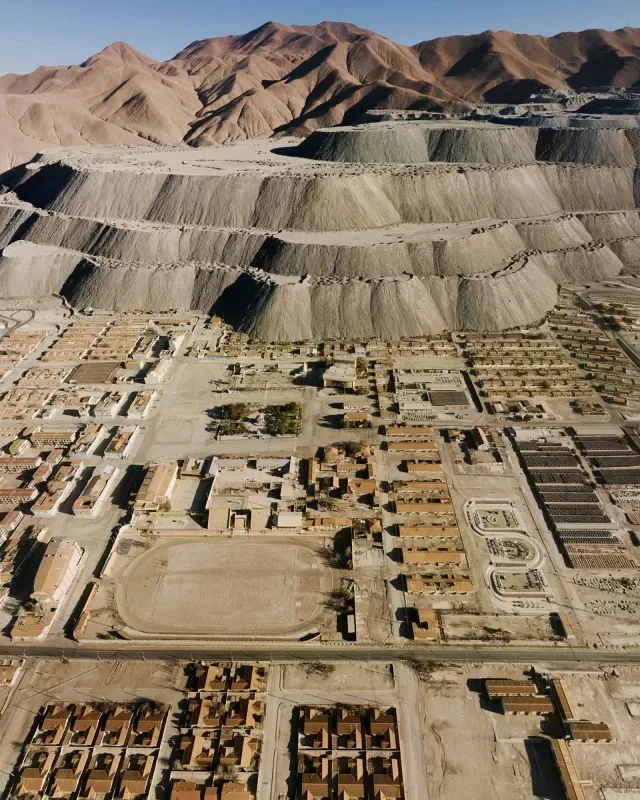
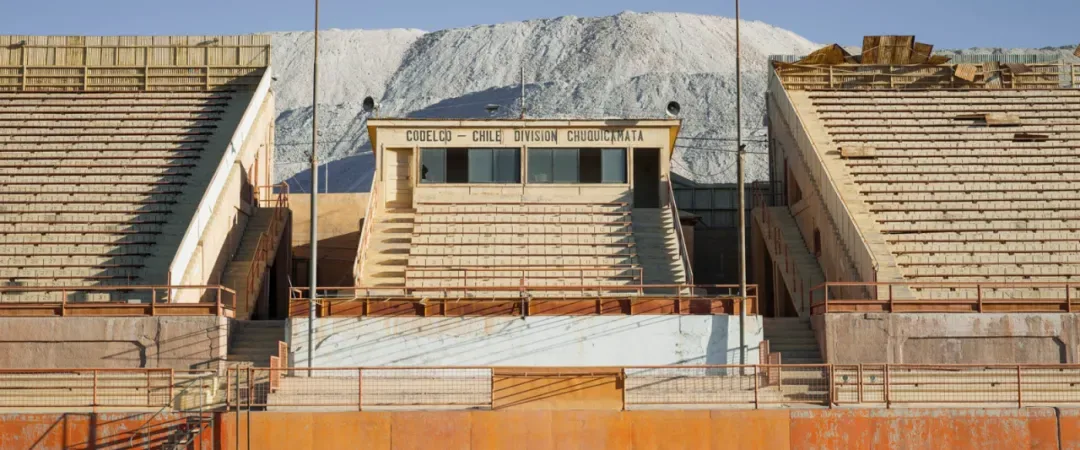
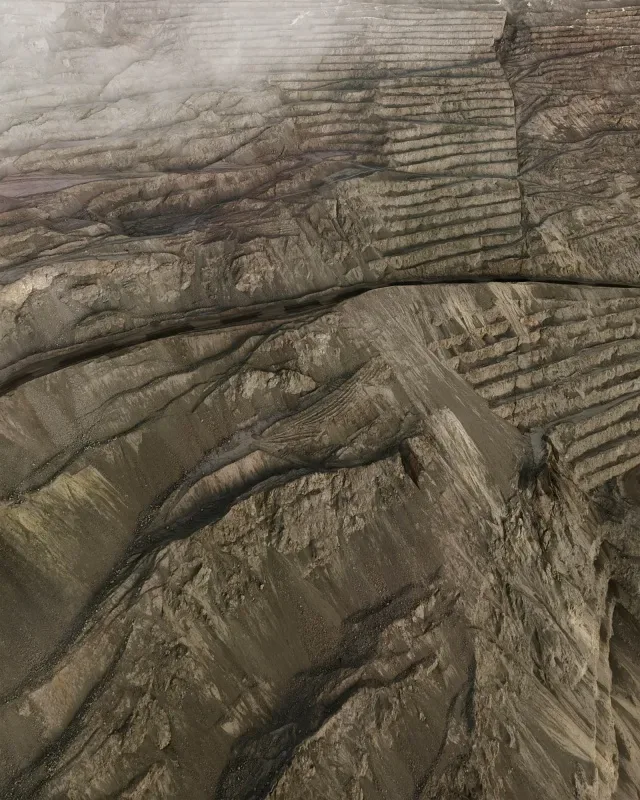
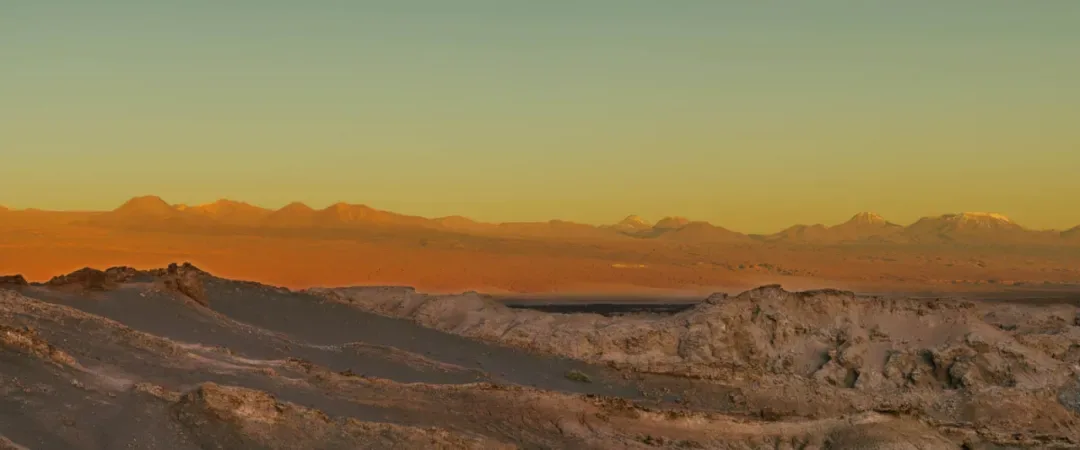
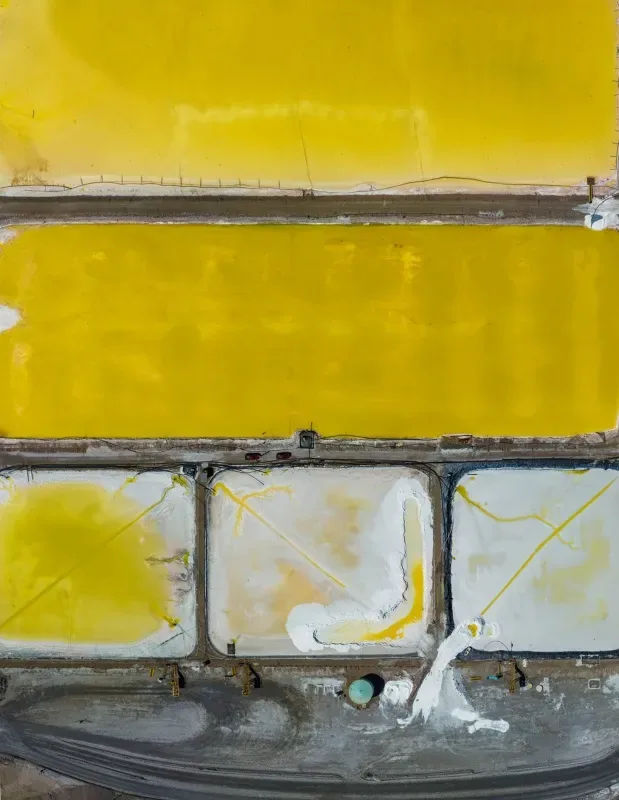
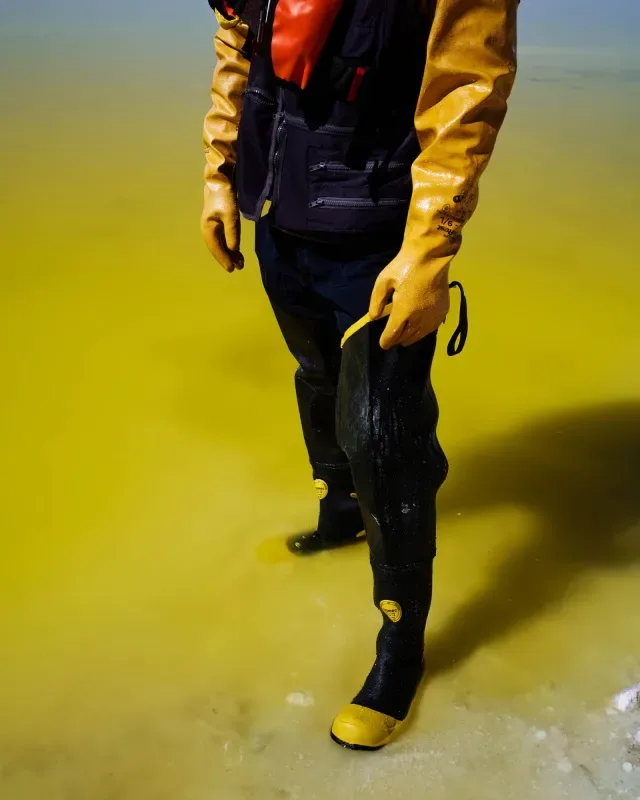
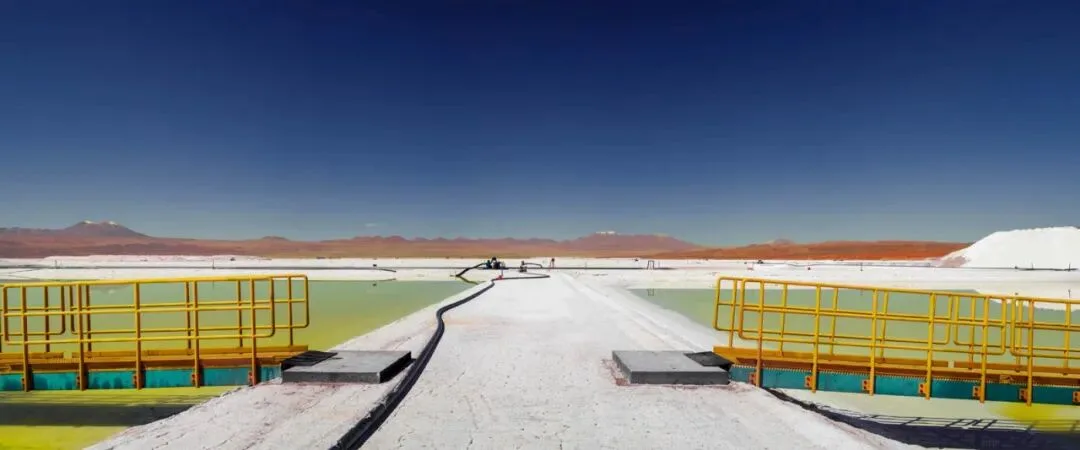
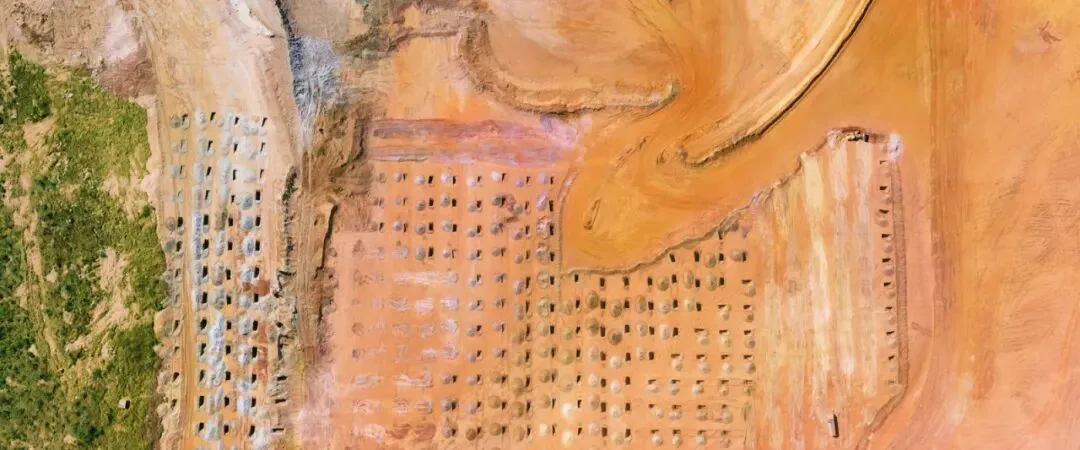
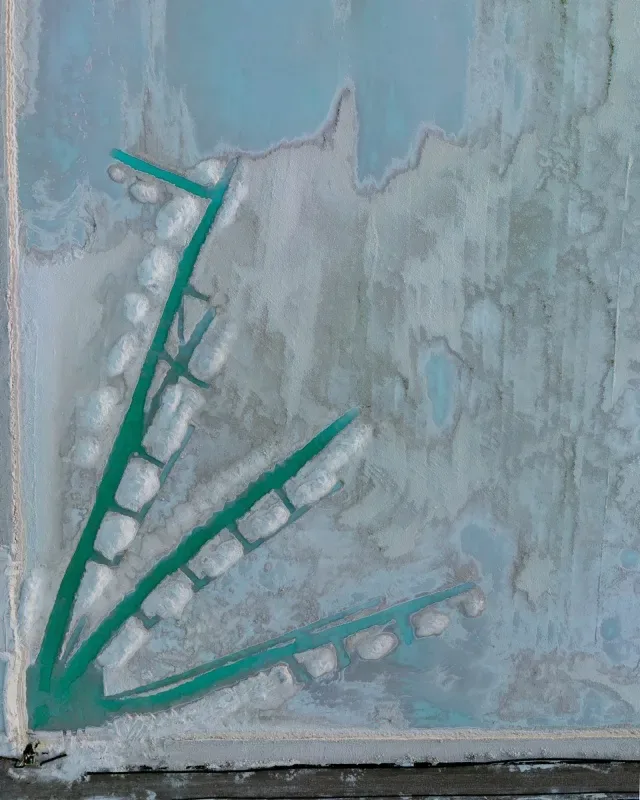
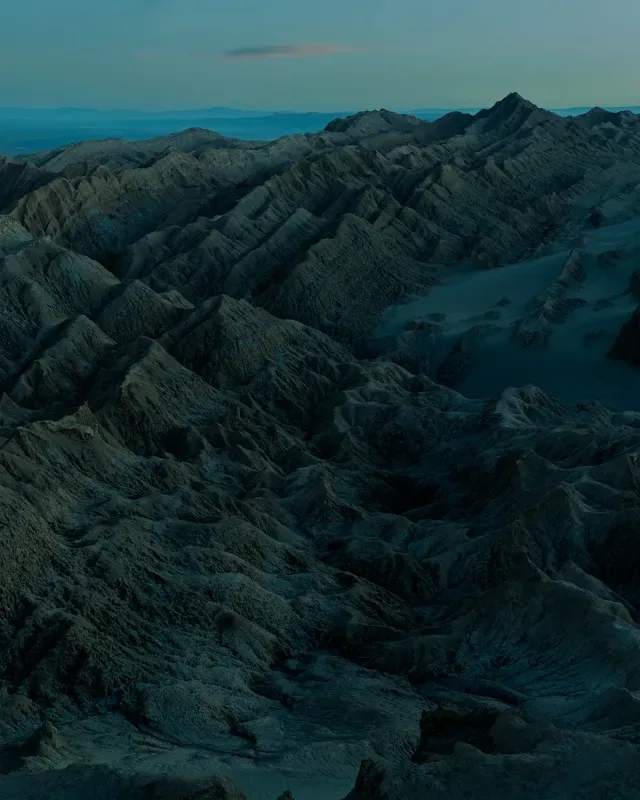
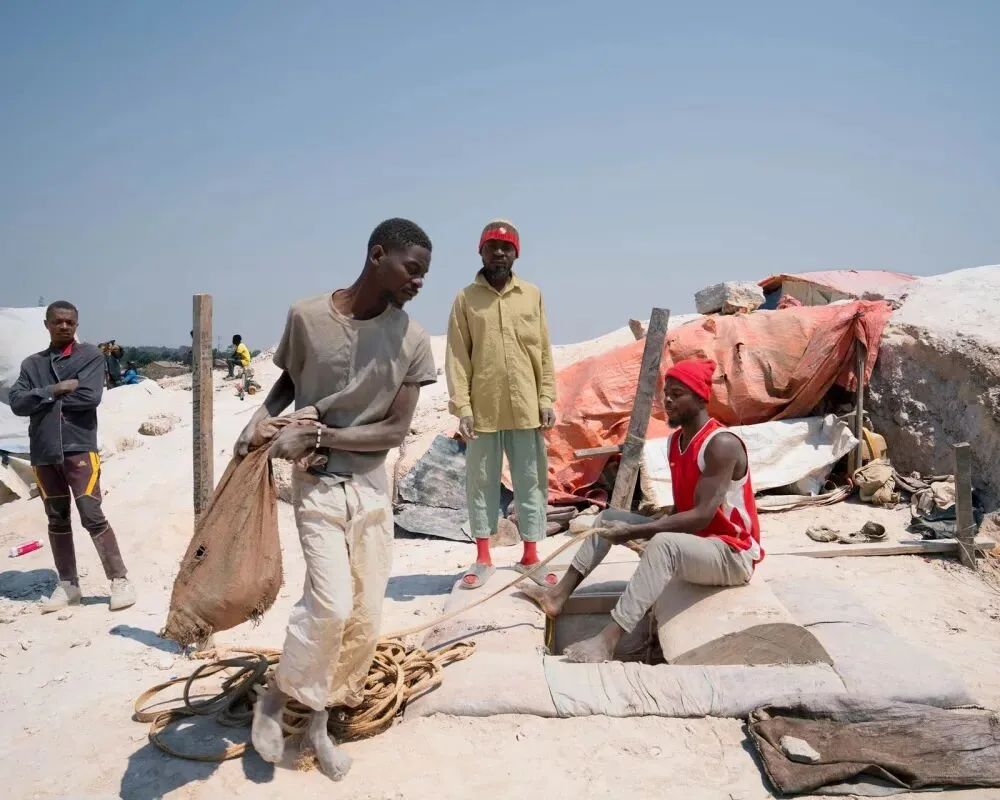
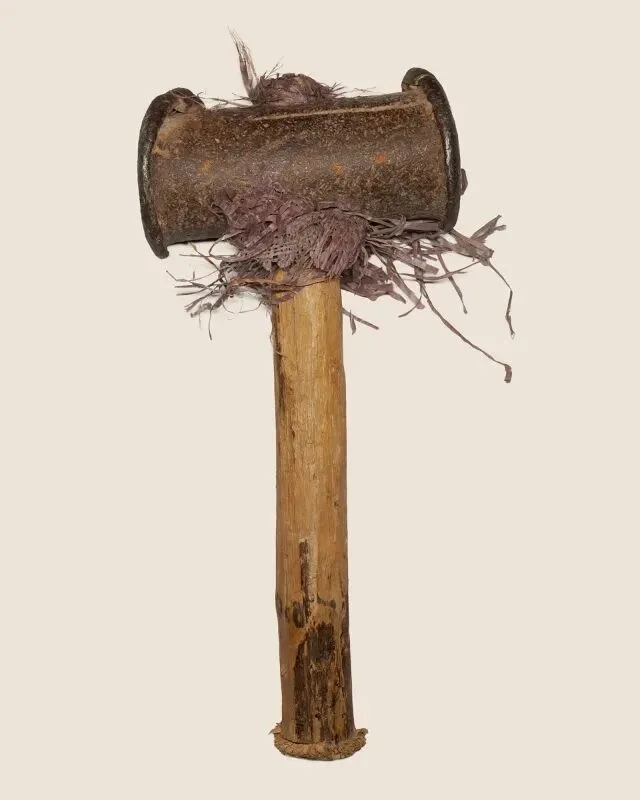
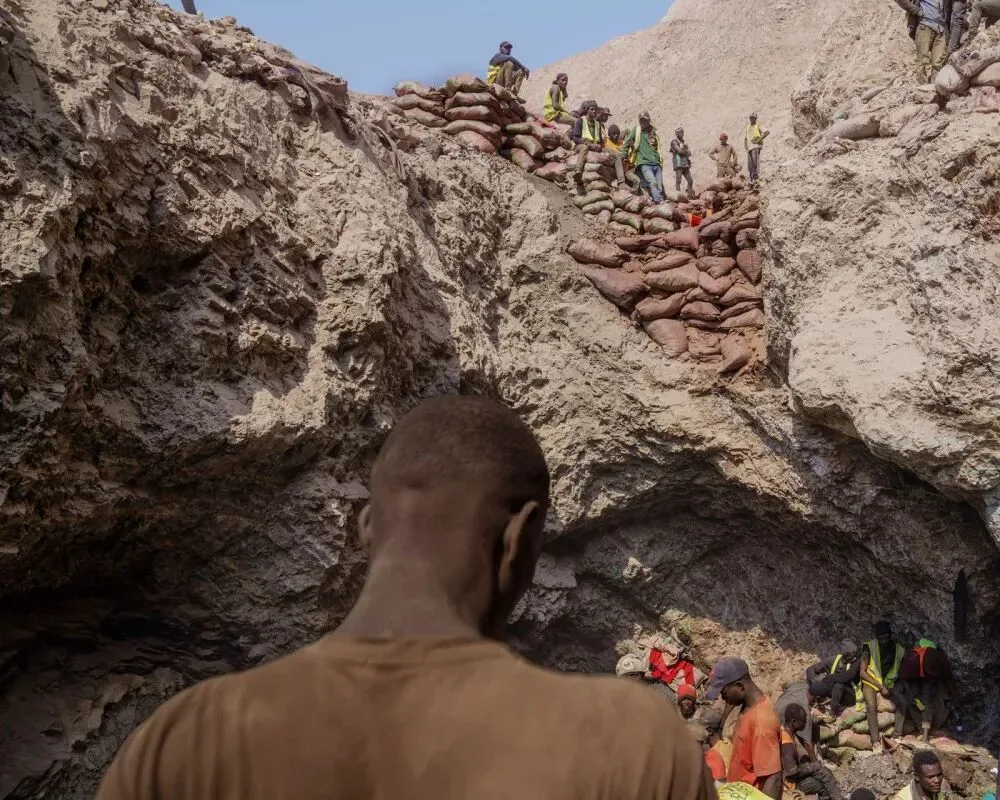
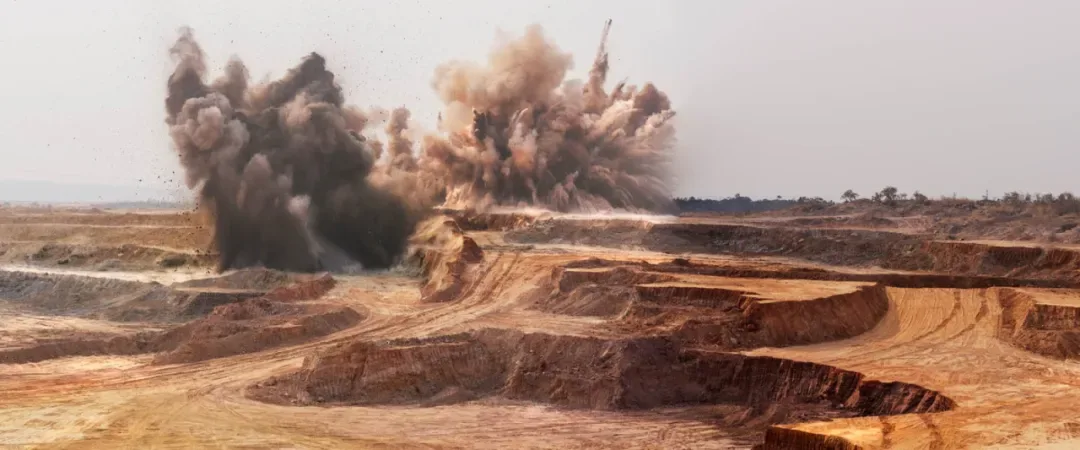
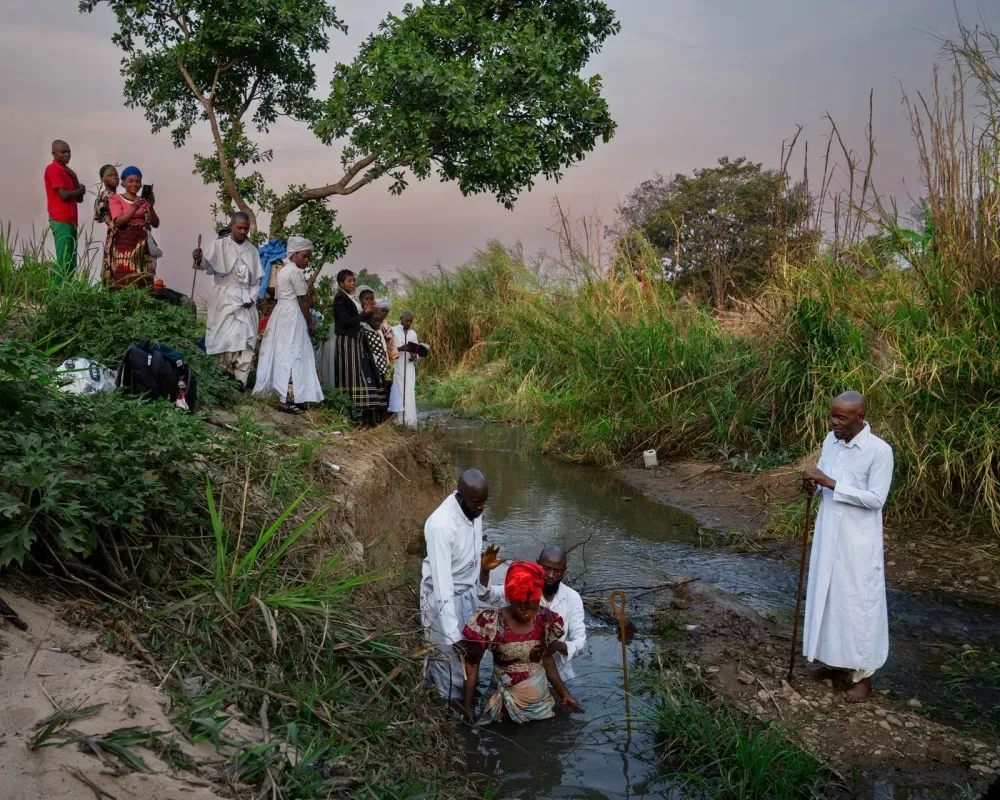
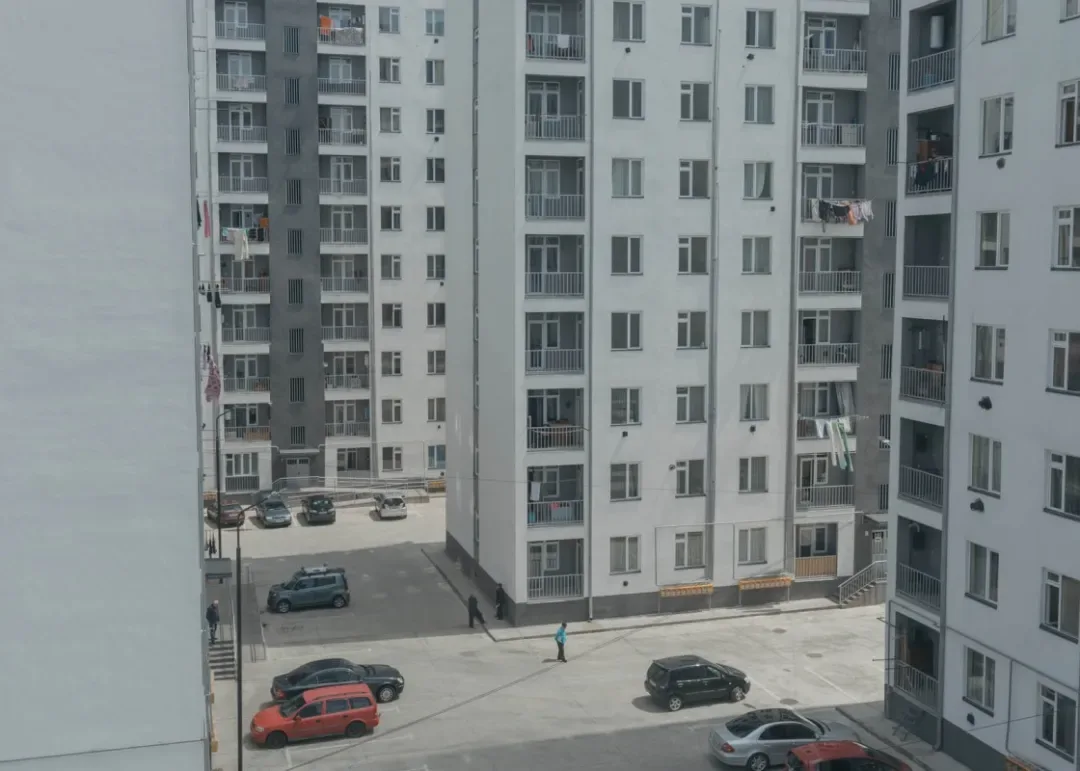
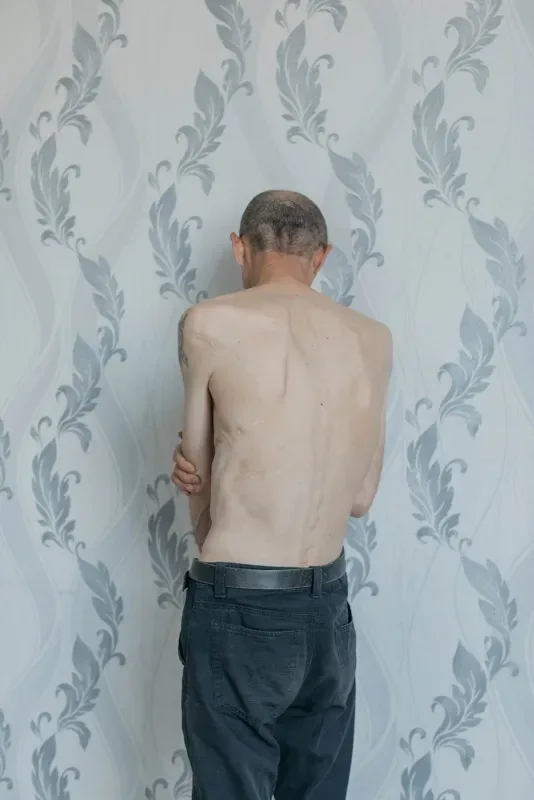
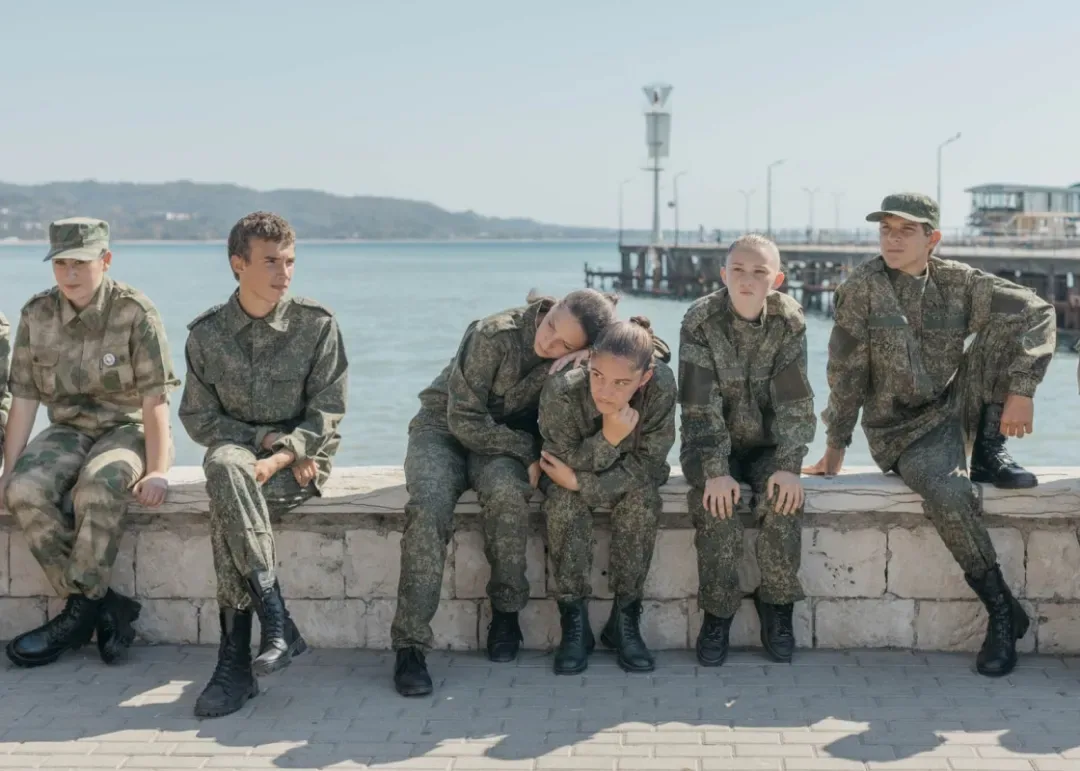
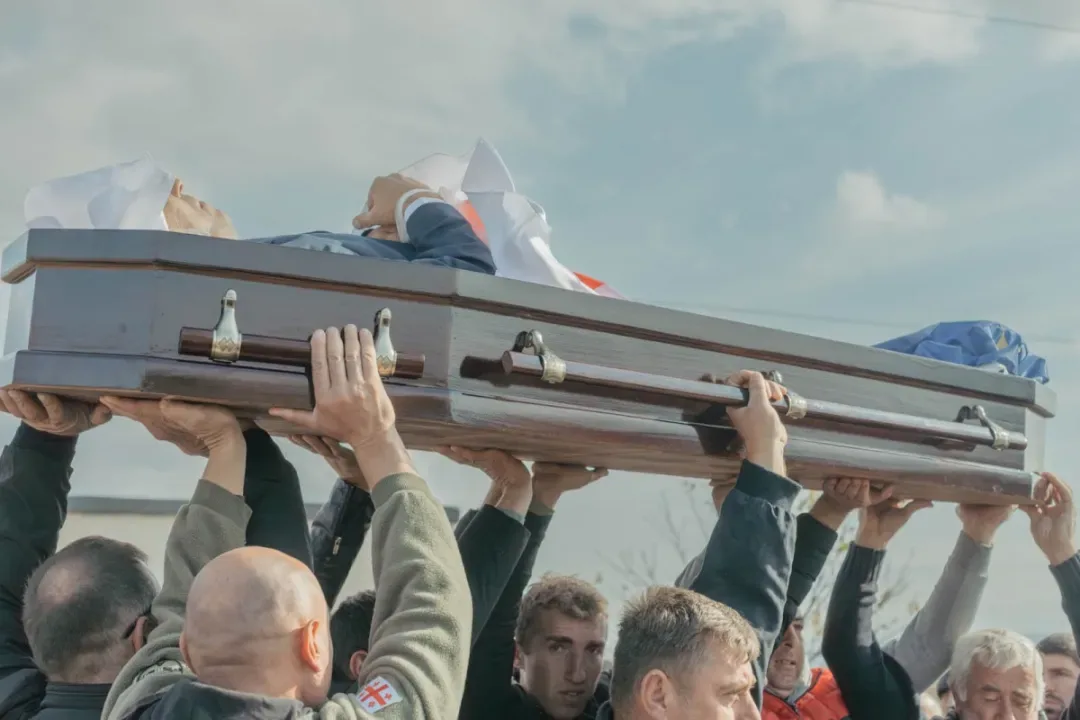
The main award went to Davide Monteleone's "Critical Minerals", a series exposing environmental pollution and humanitarian crises in the mining industry behind new energy (at 4:43 in the video). Thomas sees it as two sides of the same coin with Guțu's win: she triumphed on emotion and artistry, while Monteleone's frames chase nothing spectacular — instead they radiate rigor and rationality.
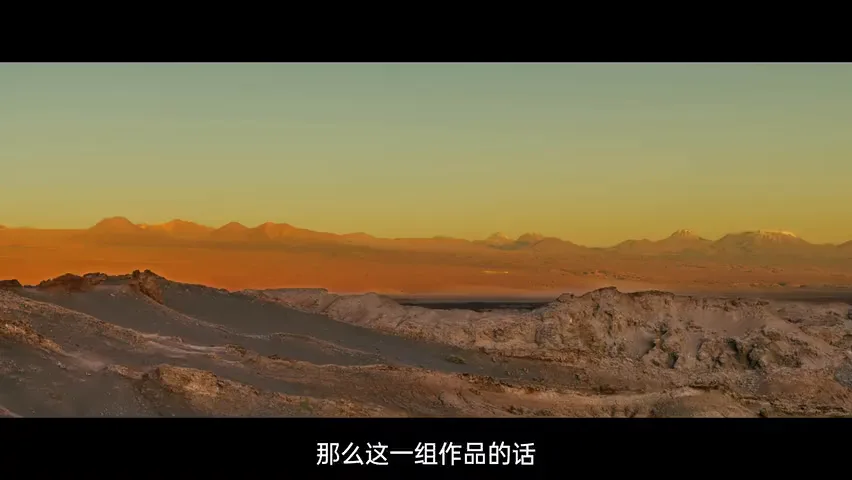
His win owes much to unearthing a genuinely fresh subject (at 5:16 in the video). With the current mood in Europe — and the war in Ukraine leaving the continent at a relative disadvantage in the new-energy industry — skeptical voices keep rising, and attention naturally turns to other problems inside the industry, such as the pollution and environmental damage from mining lithium, cobalt and copper shown in this series (at 5:51 in the video).
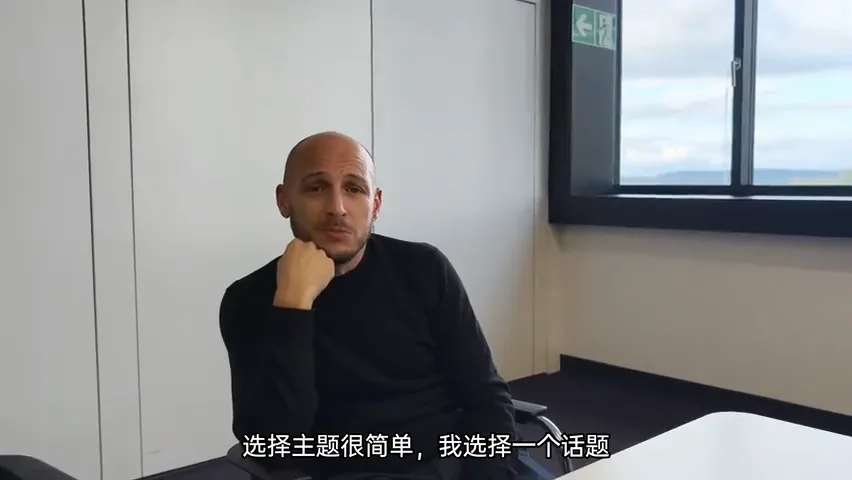
Monteleone comes from an academic background in socio-economics, and Thomas believes his win stems largely from his subject choice, his grasp of society's pulse — so he asked him exactly that: how do you choose a theme? (at 6:18 in the video.) His answer: choosing is the easy part — pick a topic, decide to build a project around it, and first verify that it can actually be done.
05 The Takeaway: Tell Your Story with Your Own Strengths
Placing the two winners side by side, the conclusion is crystal clear: every photographer must draw on their own strengths and cultural background to unearth the subjects that belong to them (at 7:10 in the video). Guțu, a film-school-trained woman photographer with a delicate sensibility who herself grew up in a left-behind family, produced a melancholy, artistic body of work about her homeland; Monteleone, with his political-economy background, makes strikingly sober photographs on strikingly original subjects.
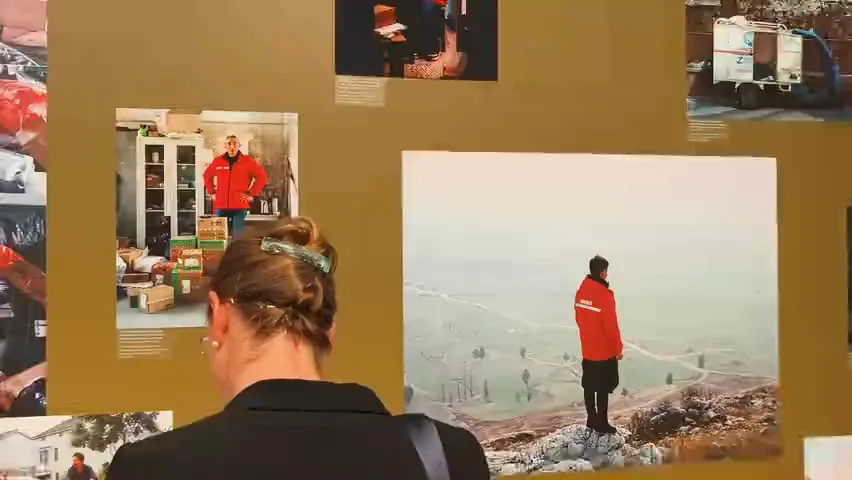
For Chinese photographers, whether telling China's own stories well or examining the problems inside Western industries, broadening this kind of vision is essential (at 8:08 in the video). Equally important is the quality of the pictures themselves: how these photographers tell their stories — the narrative approach, the visual language, how the artist statement is written, how the series is edited — all of it deserves our careful study.
1. A series is won on subject and unified atmosphere: with black-and-white tonality and natural expressions, Guțu captured the melancholy of villages draining their people; 2. Sorrow is far harder to photograph than a smile — it depends on language, culture and long-built trust, not a tourist snapshot; 3. Monteleone proves the subject itself is power: a fresh topic with rigorous, rational storytelling can take the main prize; 4. Mine the subjects only your own strengths and background can reach, and keep honing the fundamentals of narrative and series editing.
Works Appreciation
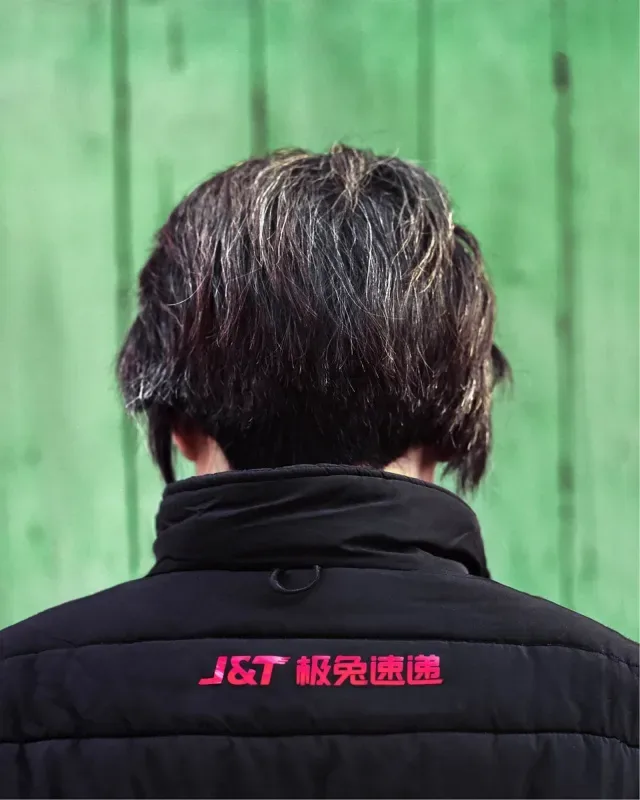
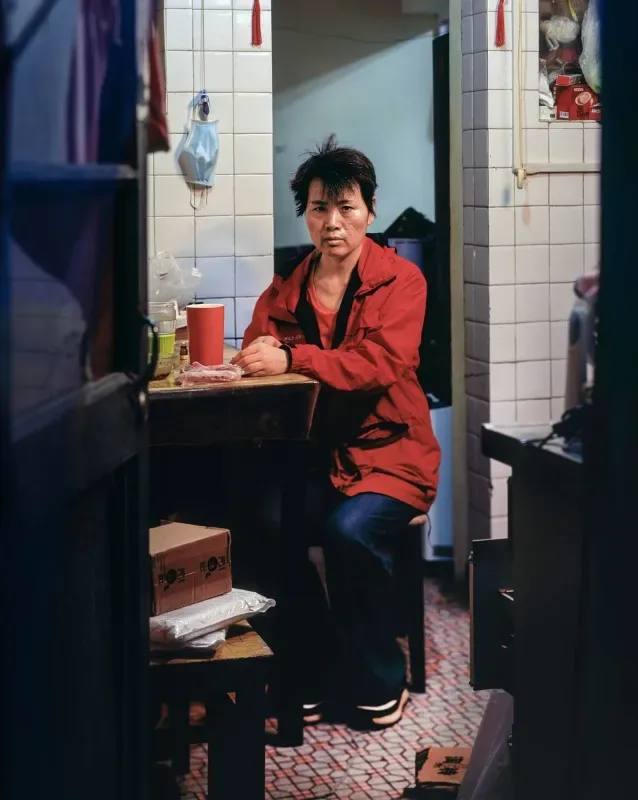
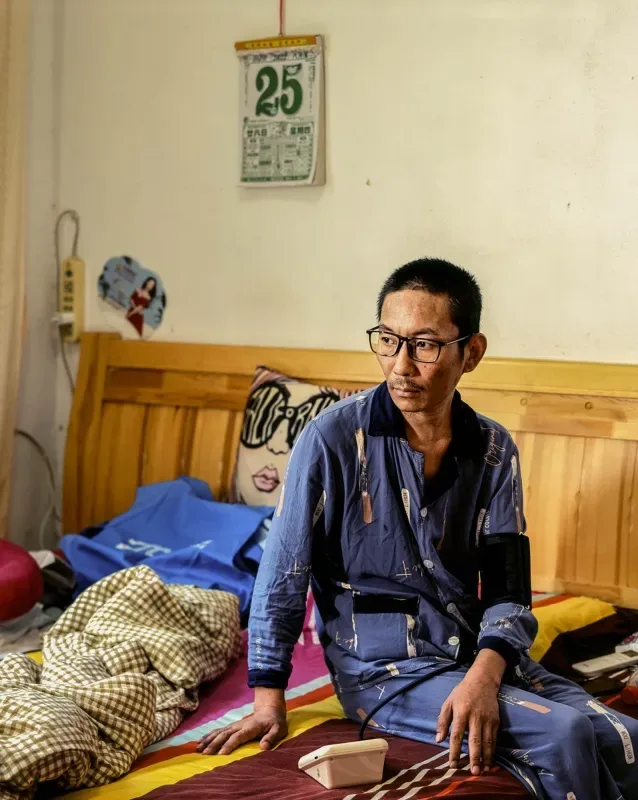
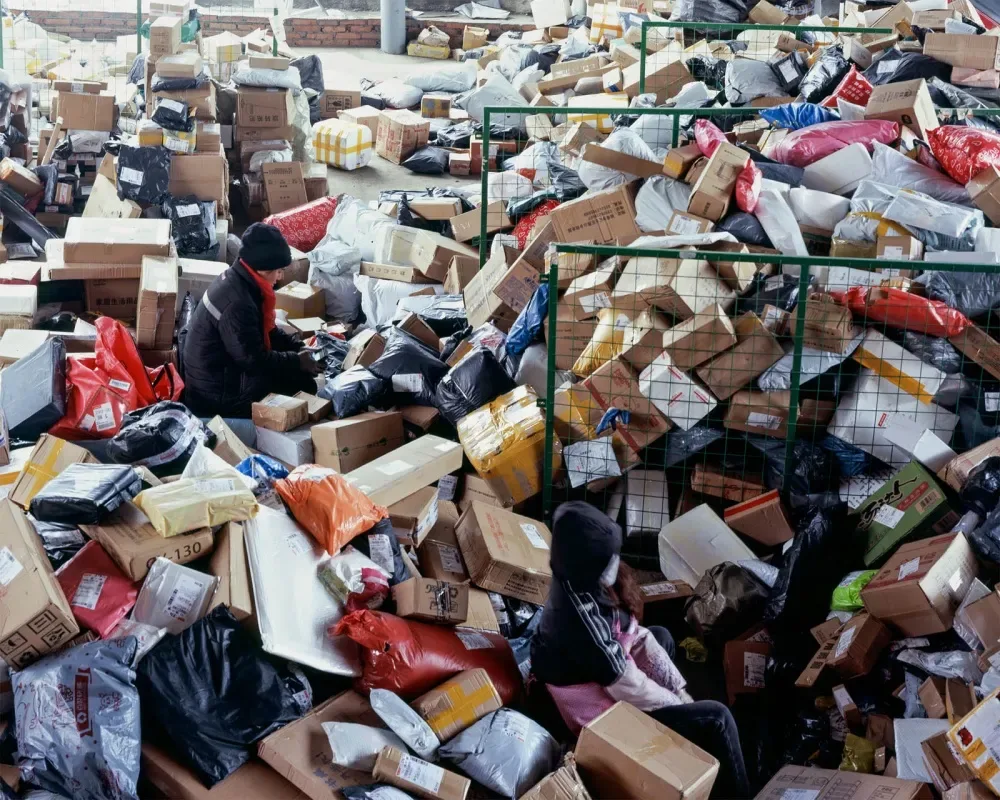
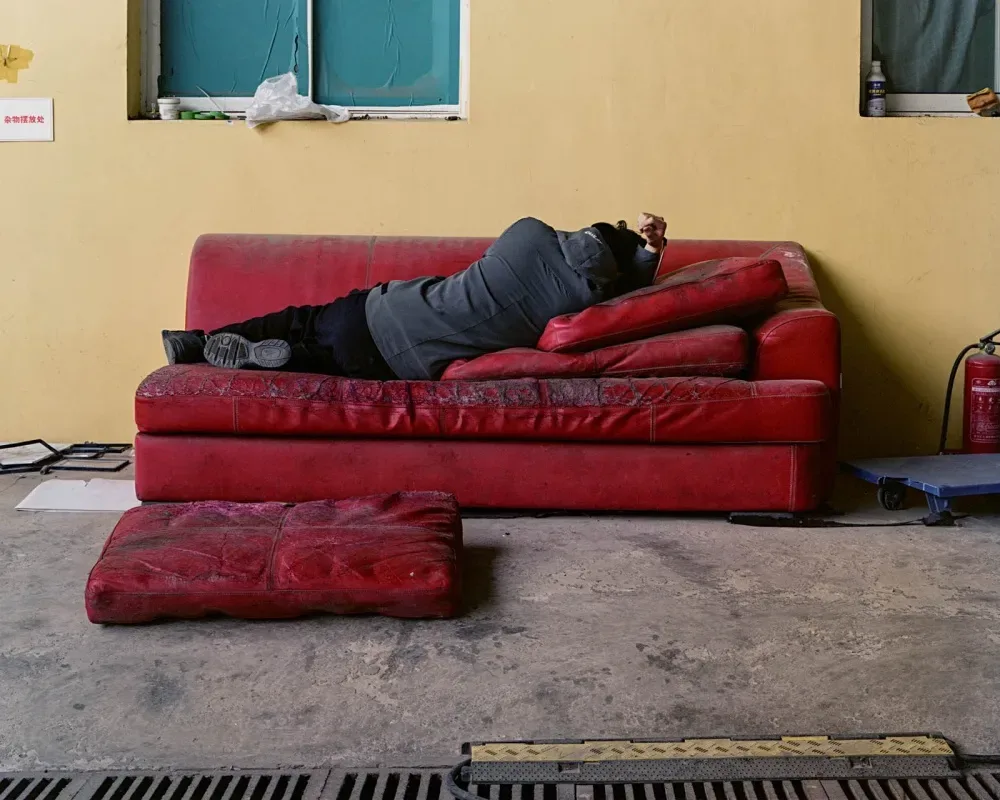
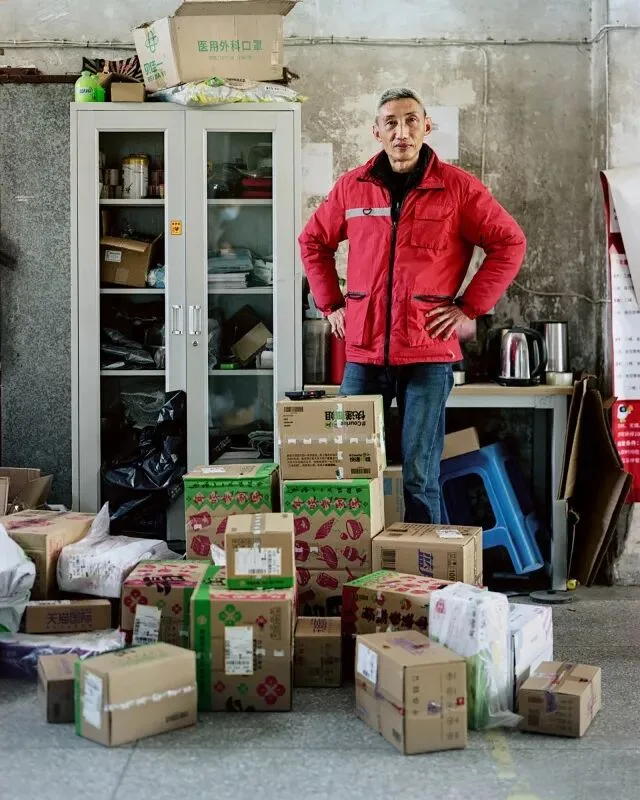
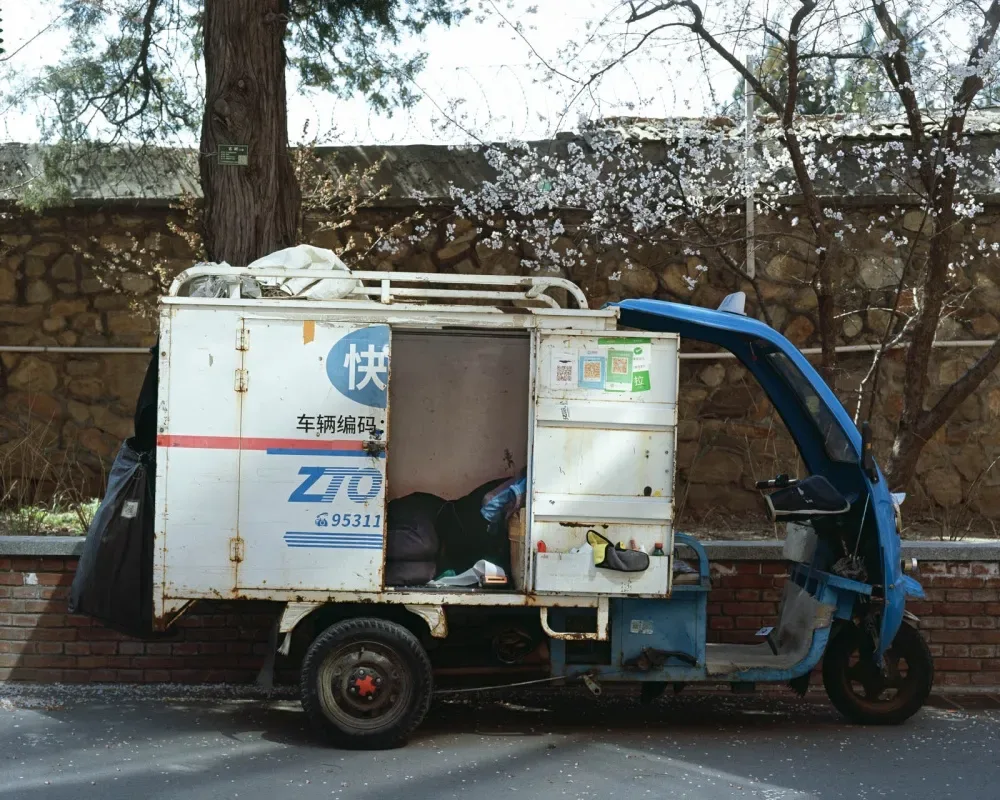
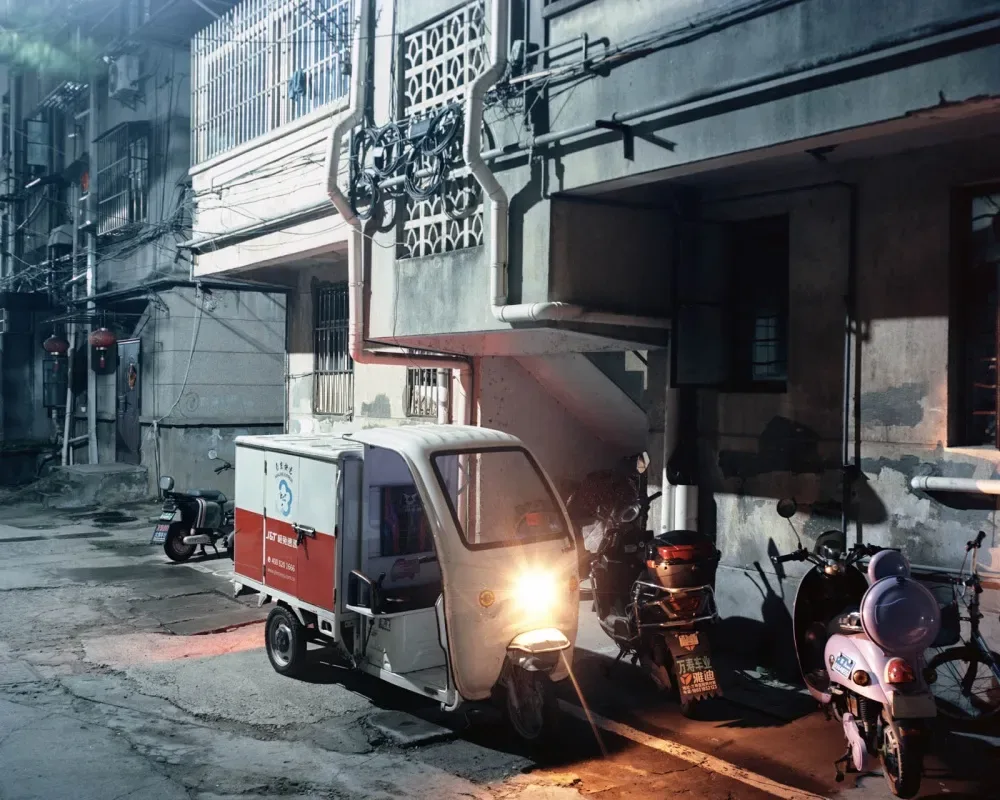
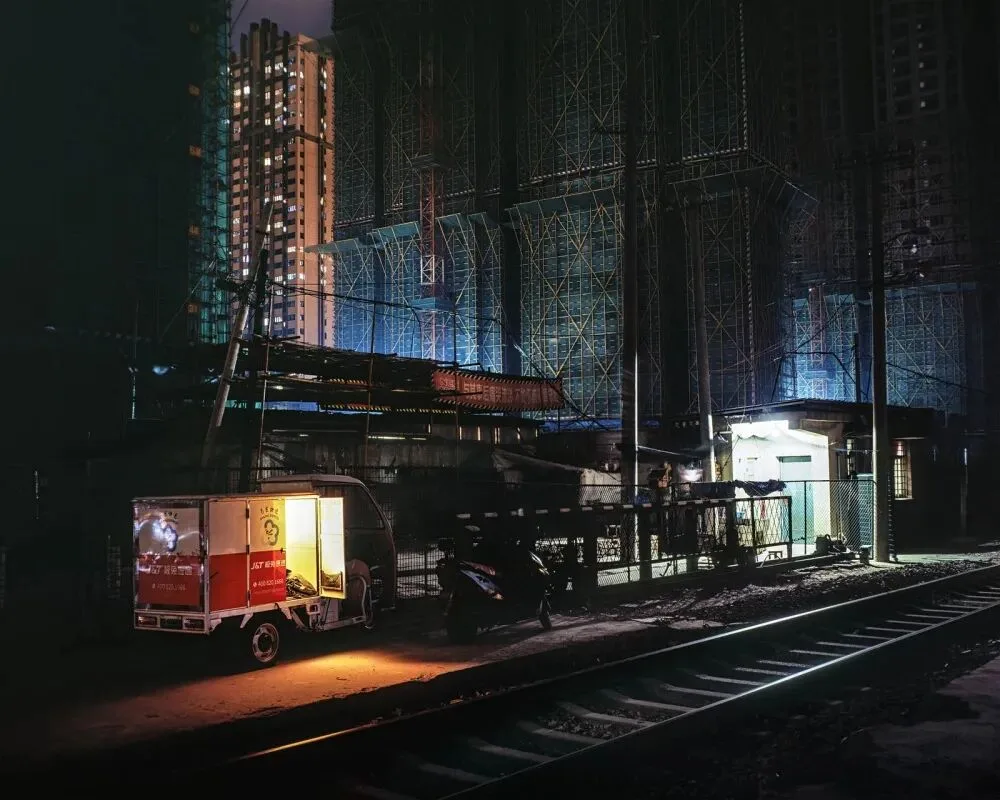
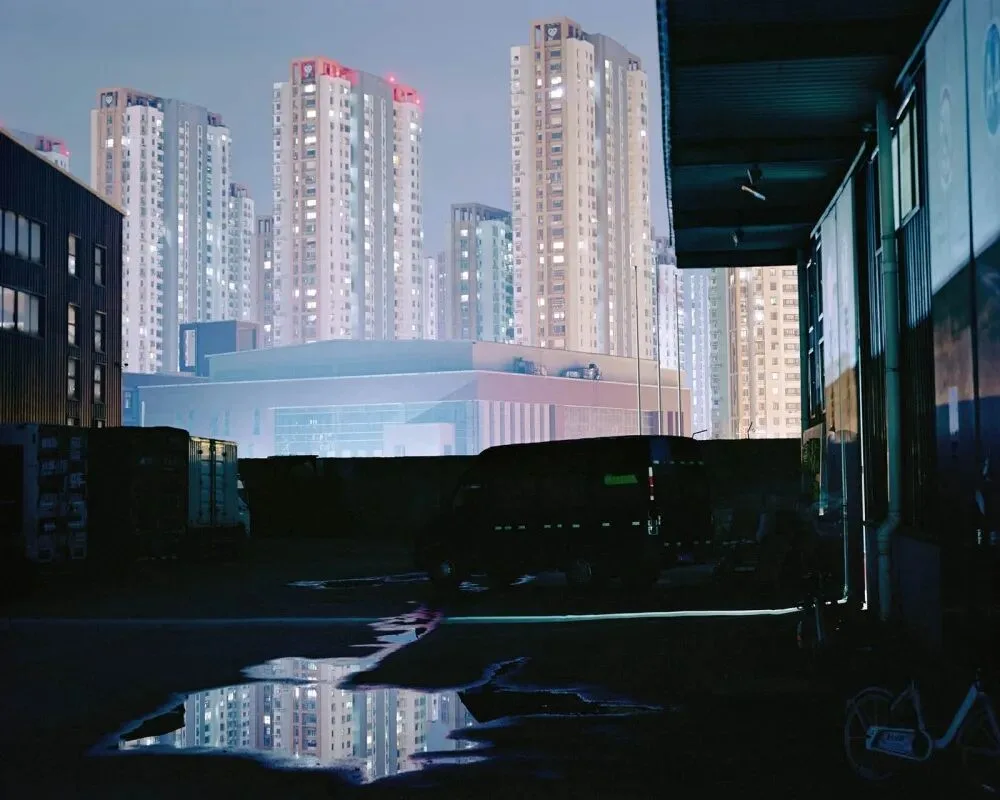
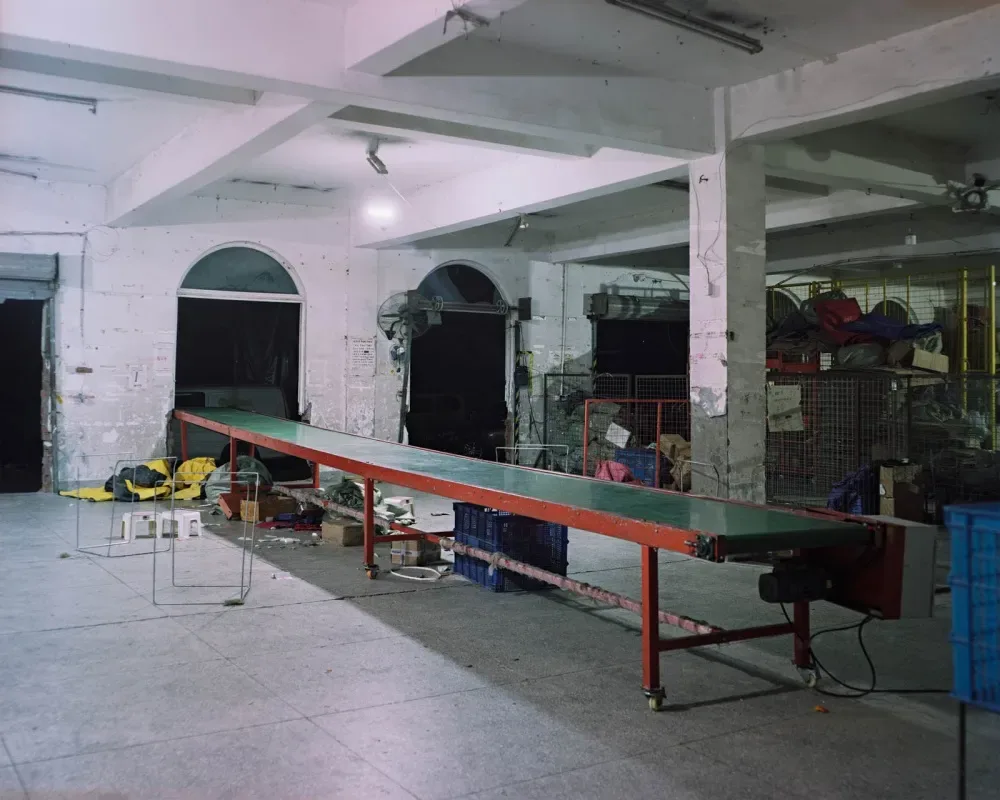
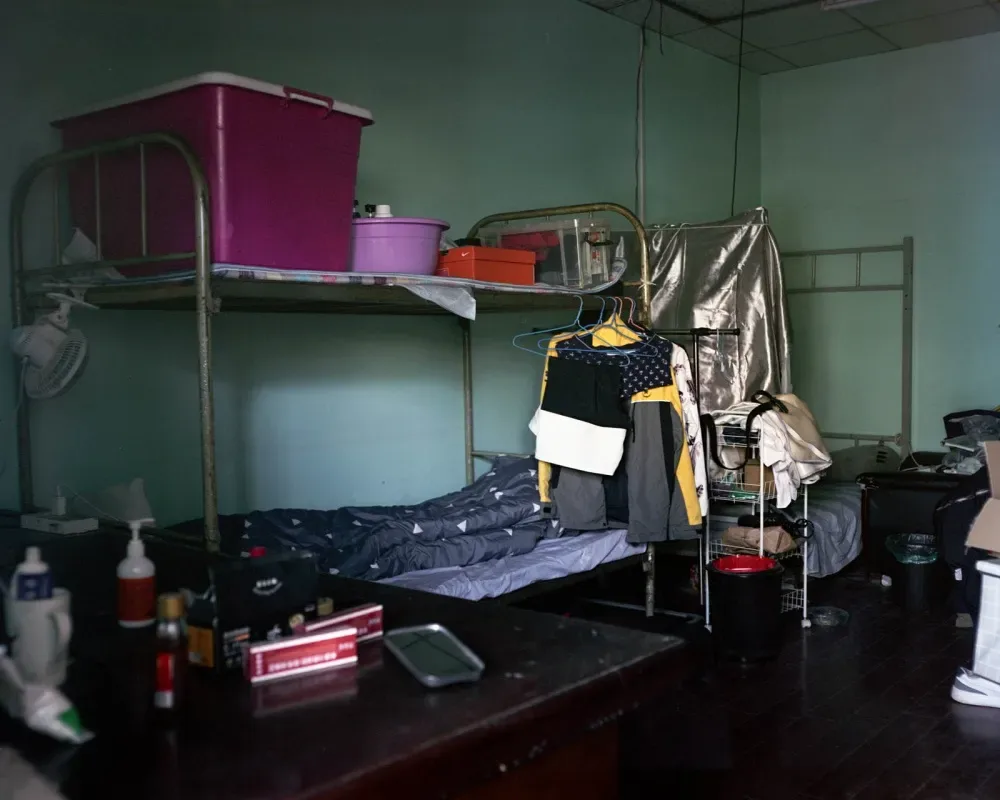
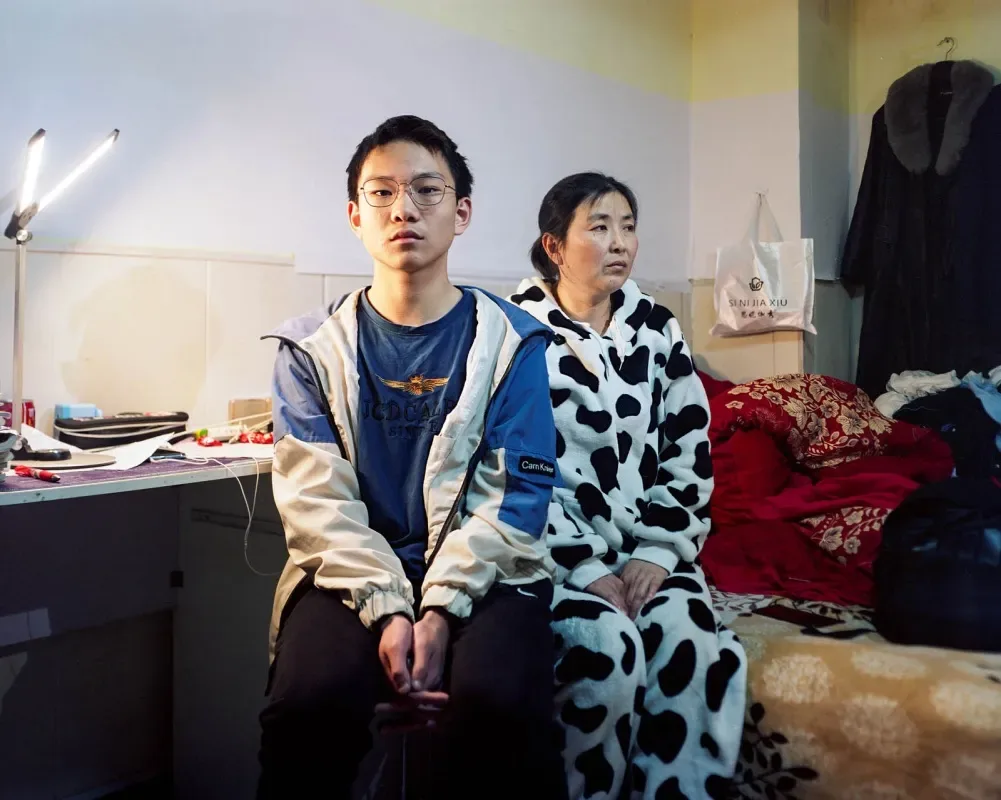
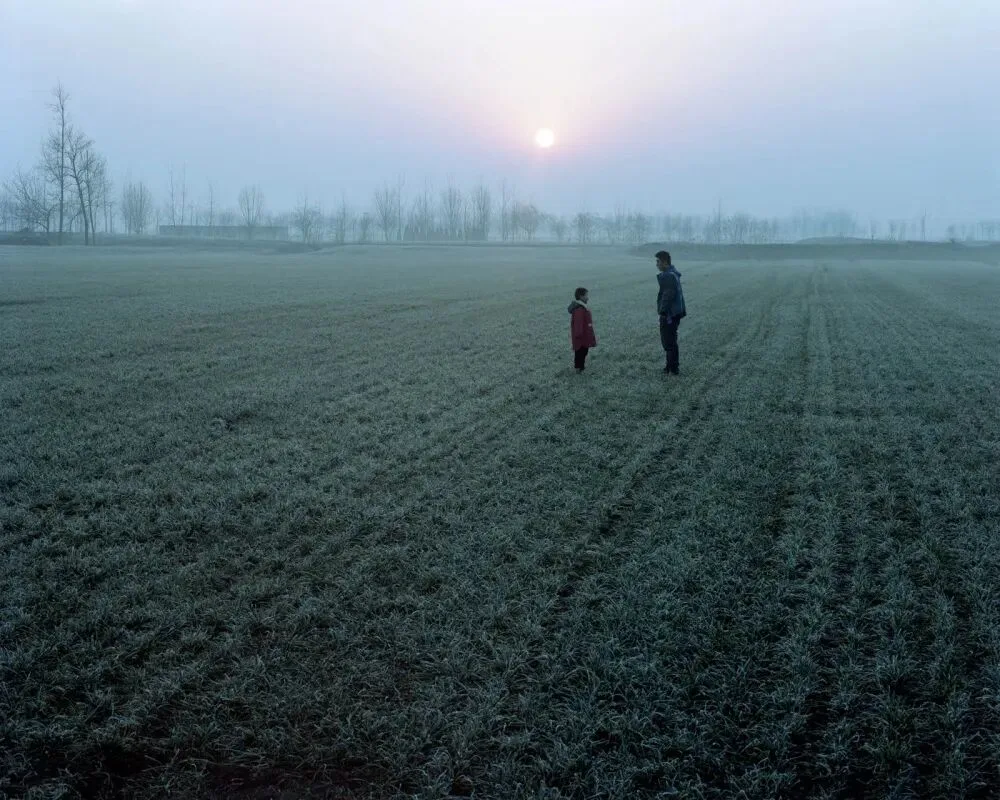
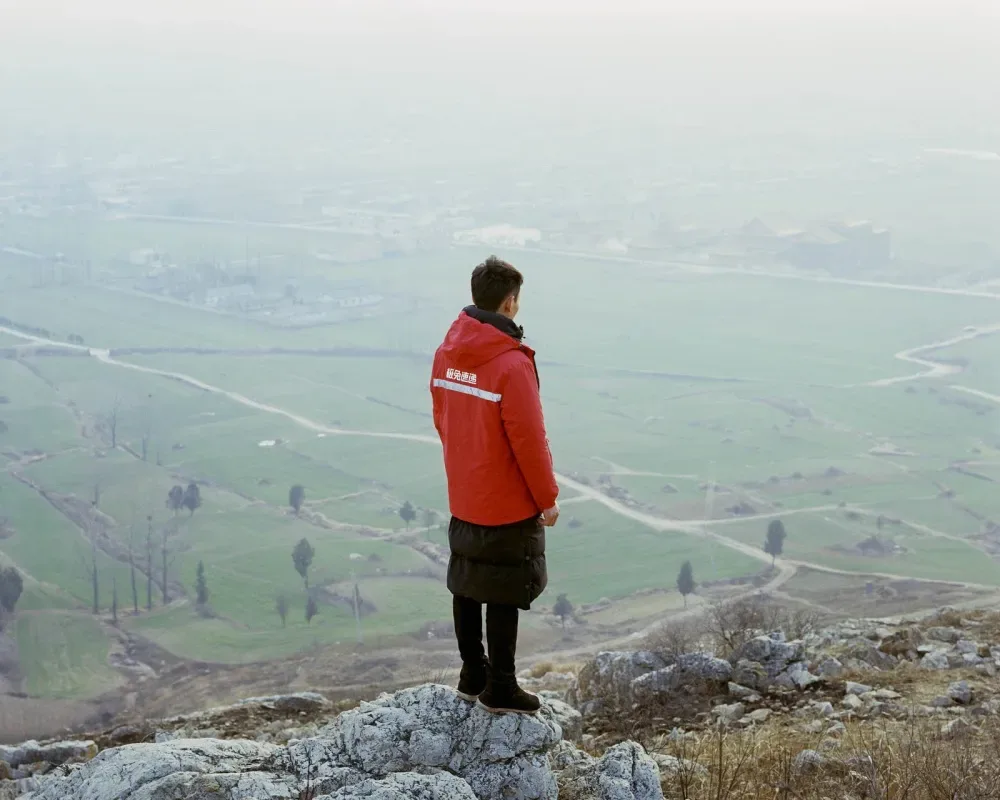
Tong Niu:Express Delivery
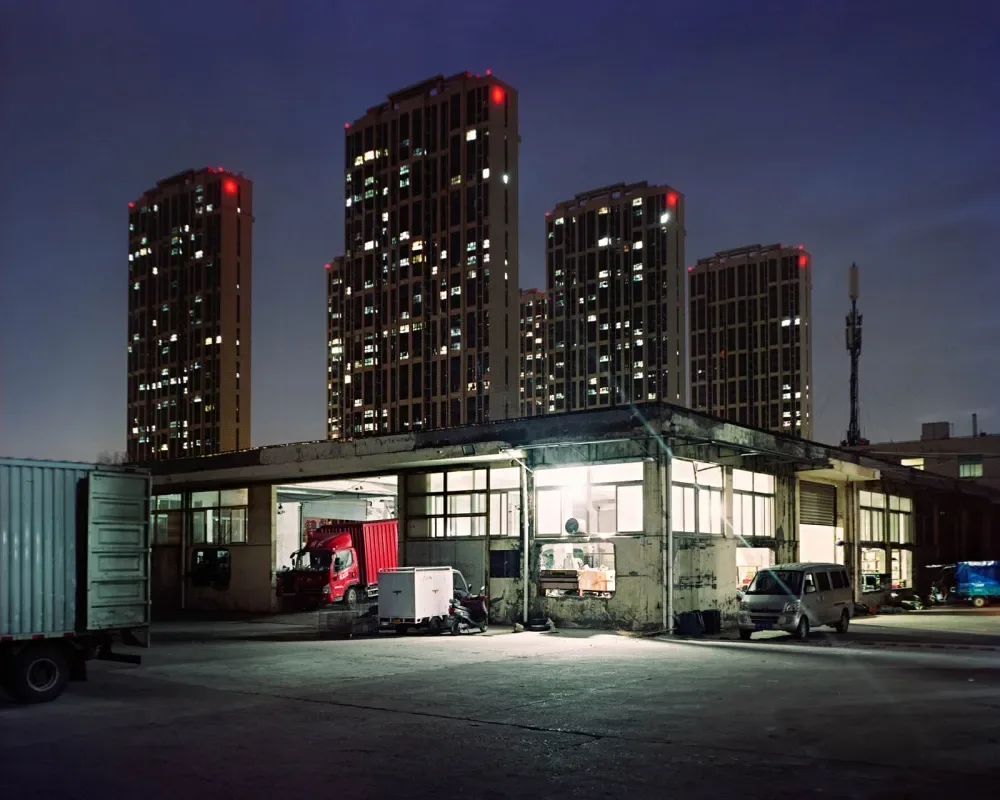
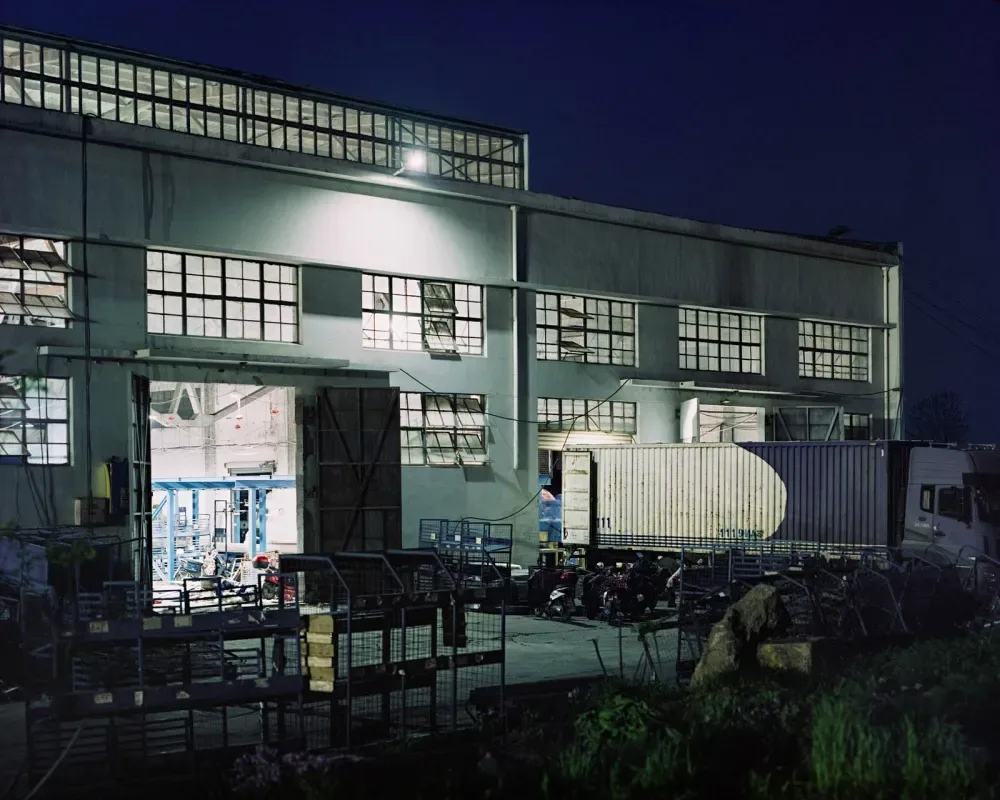
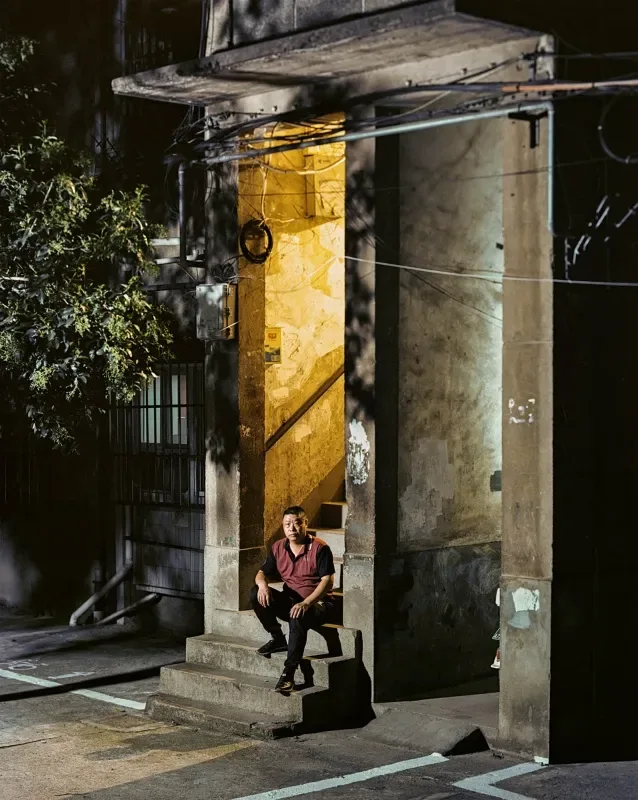
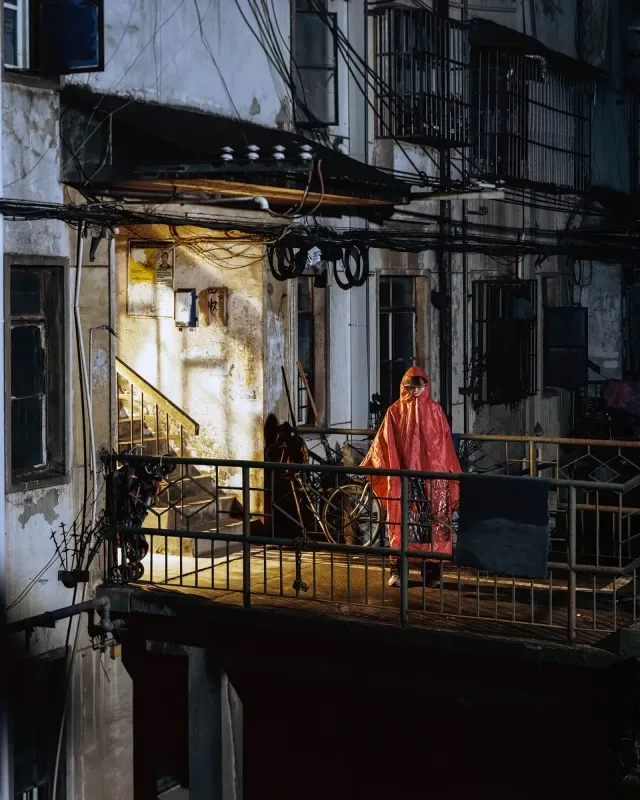

Maria Guțu:Homeland
Ingmar Björn Nolting:An Anthology of Changing Climate
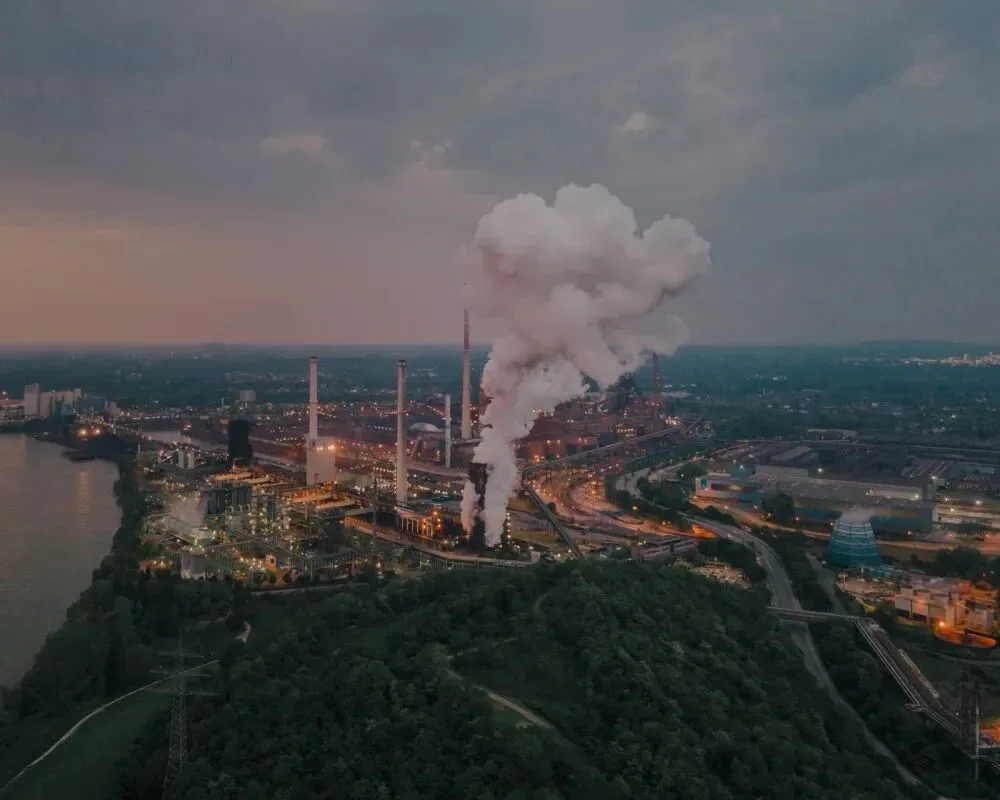
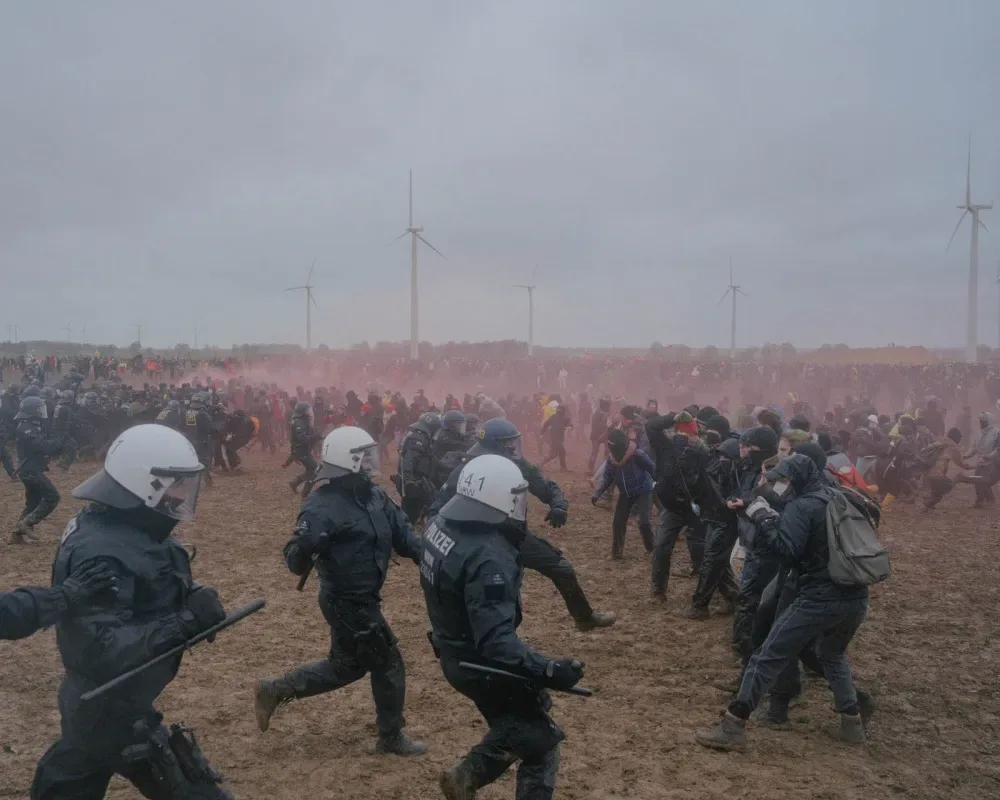
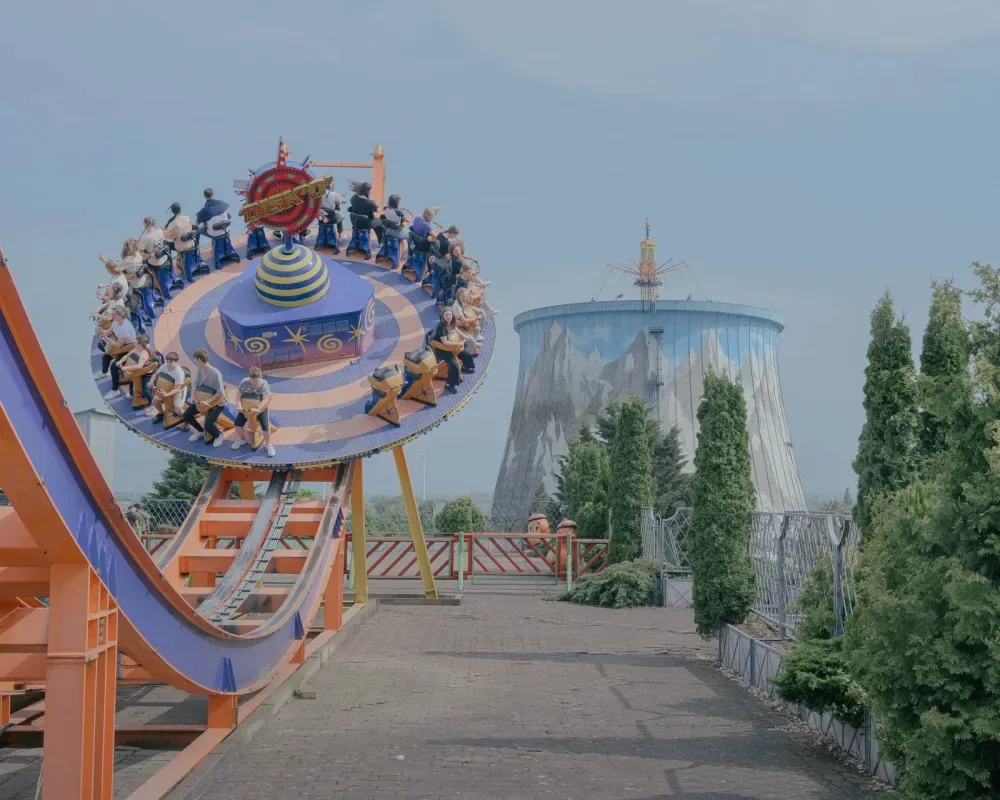
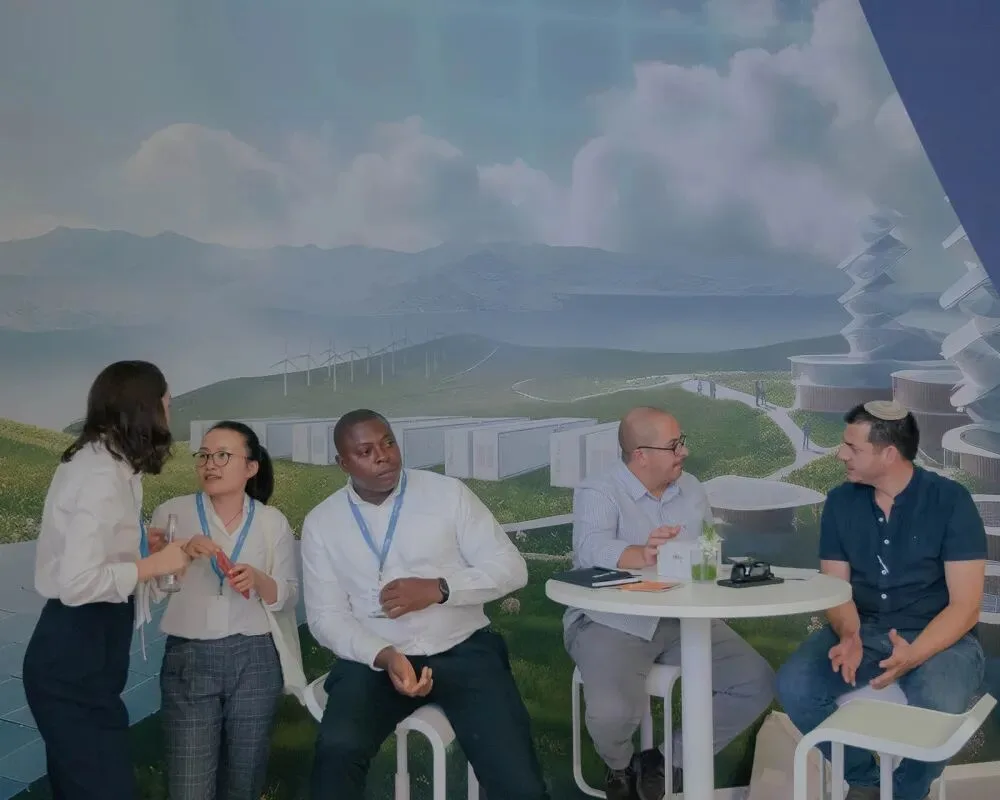
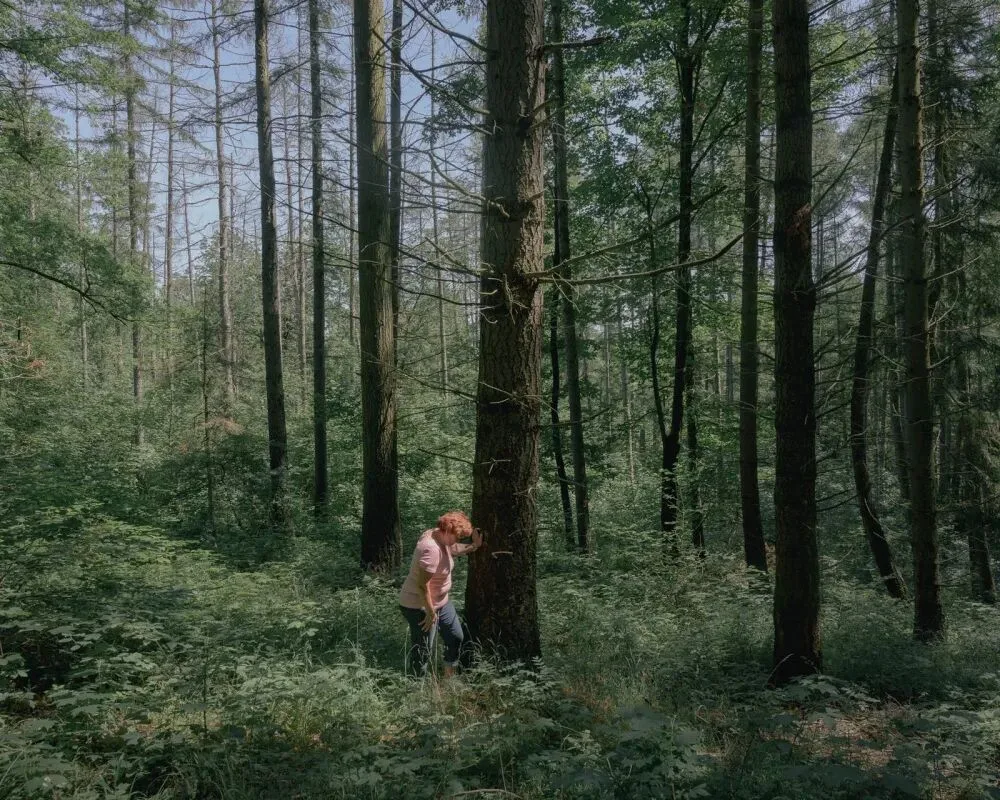
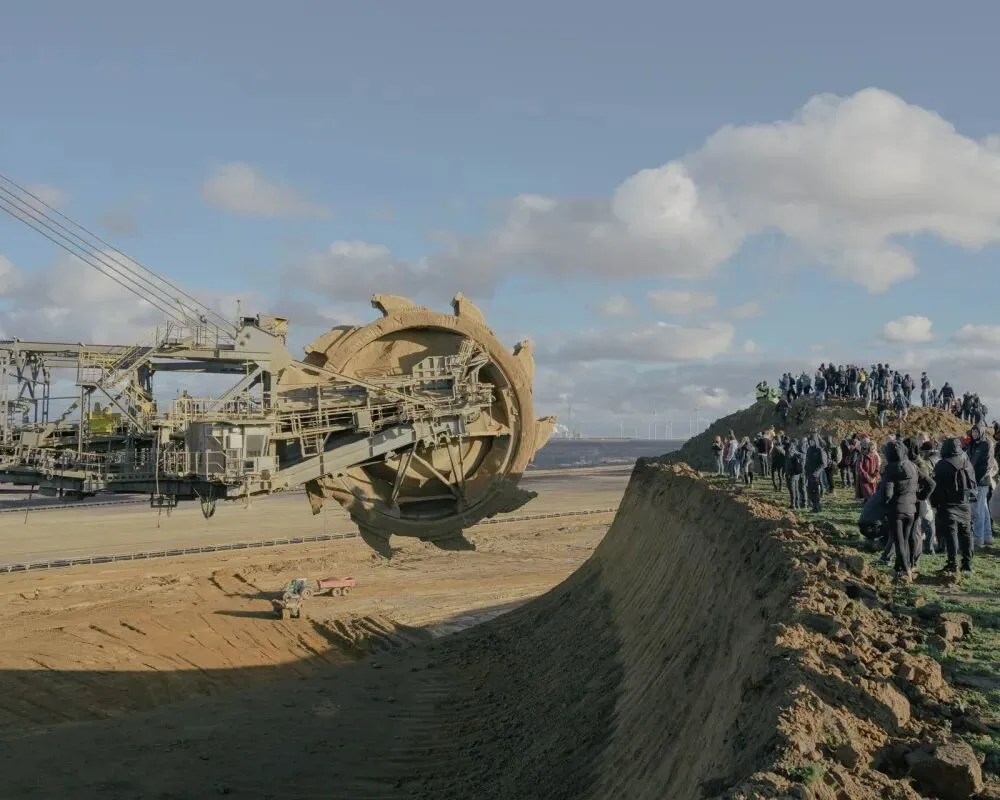
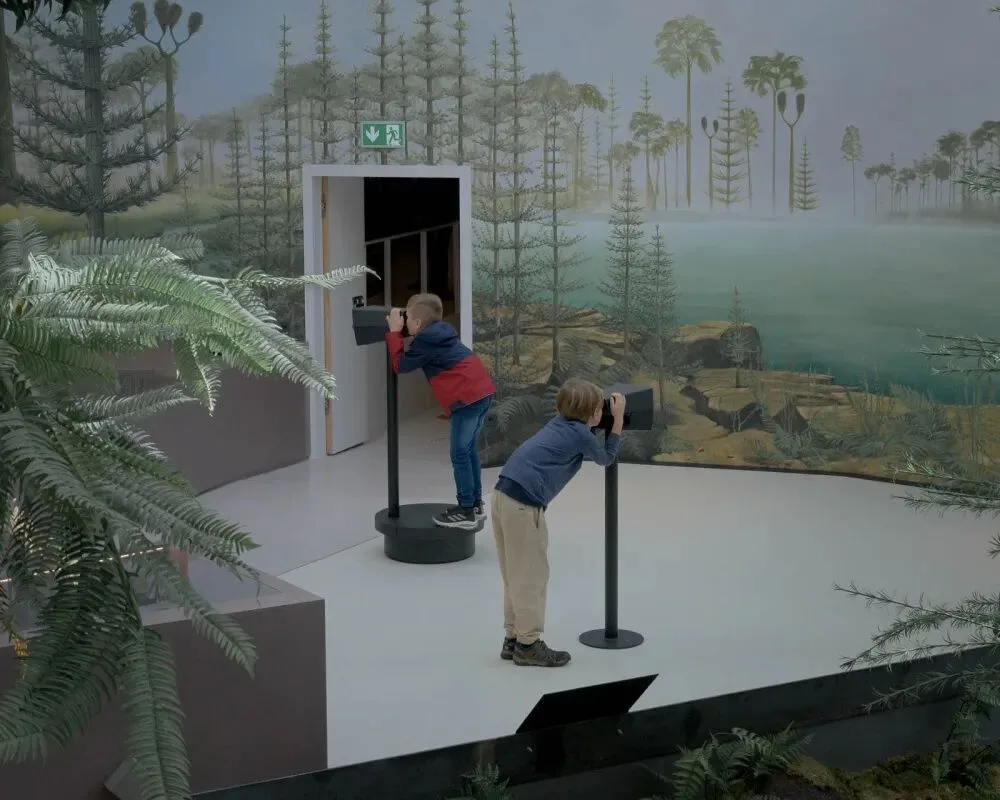
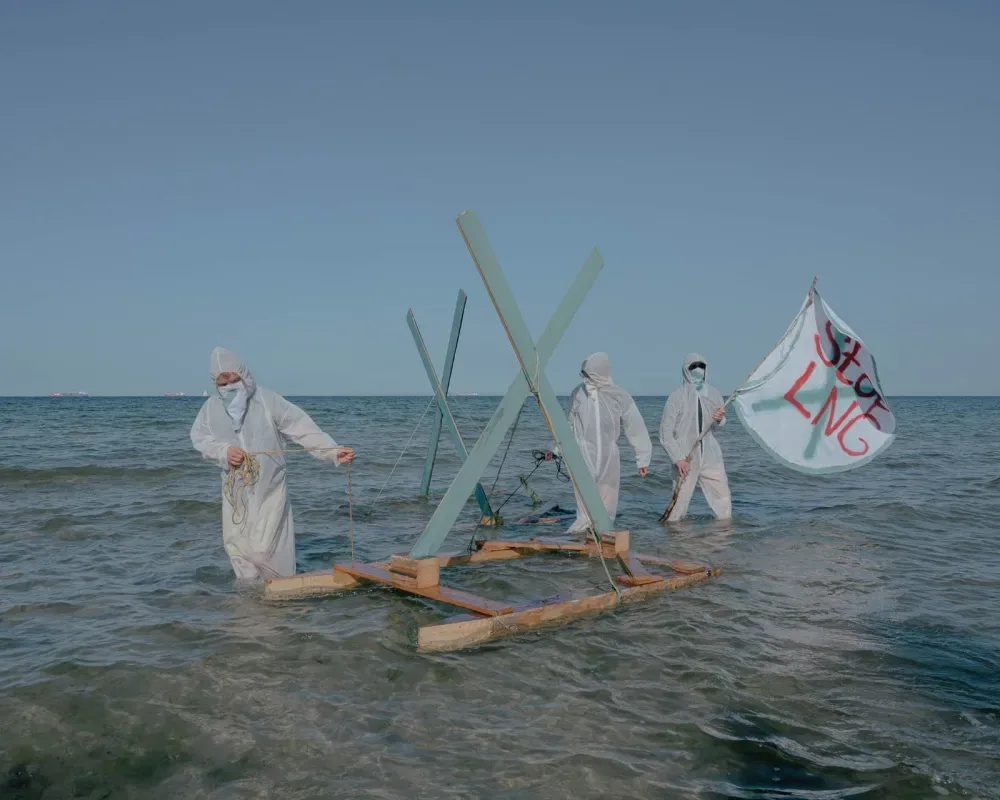

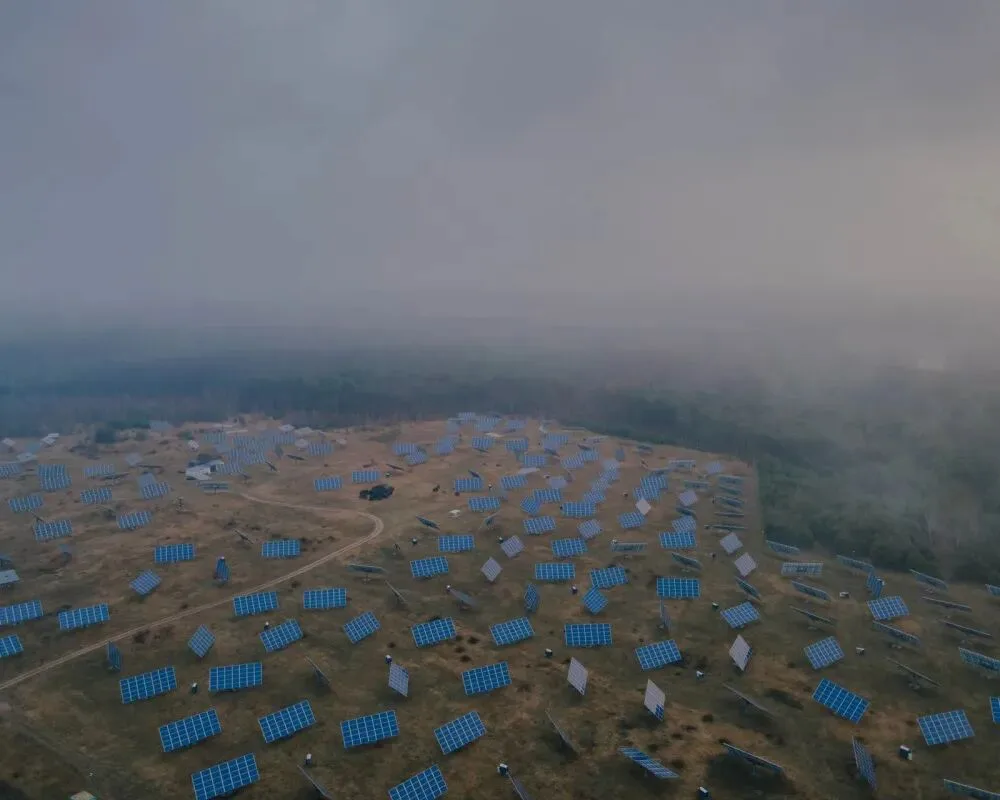
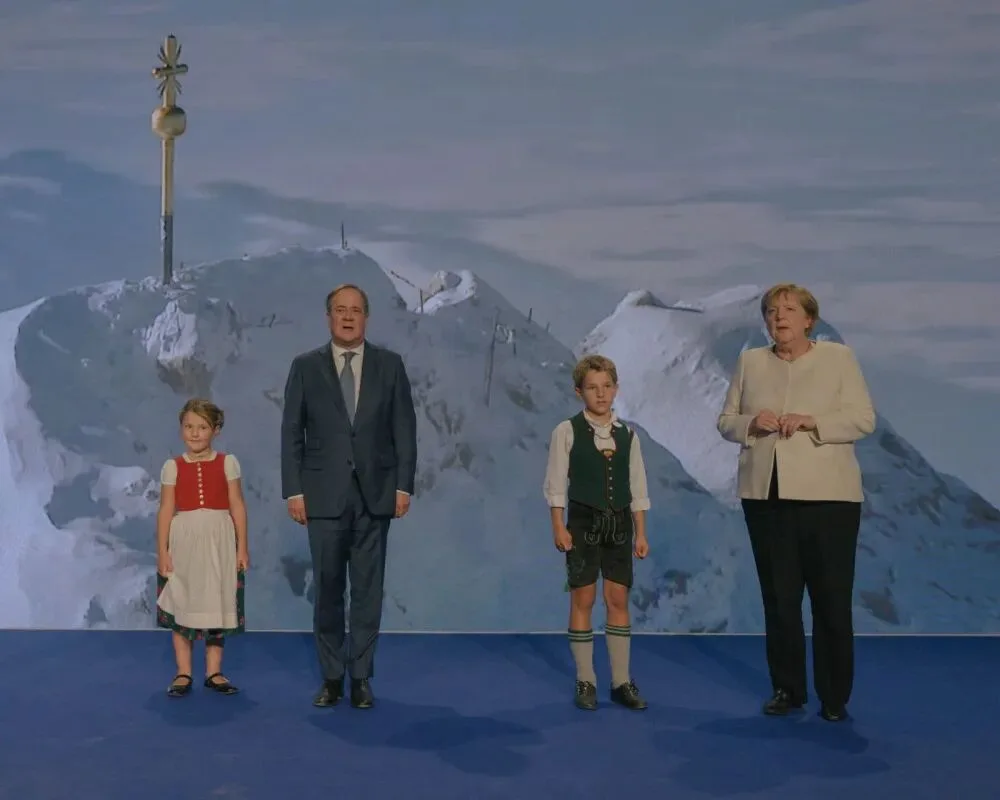
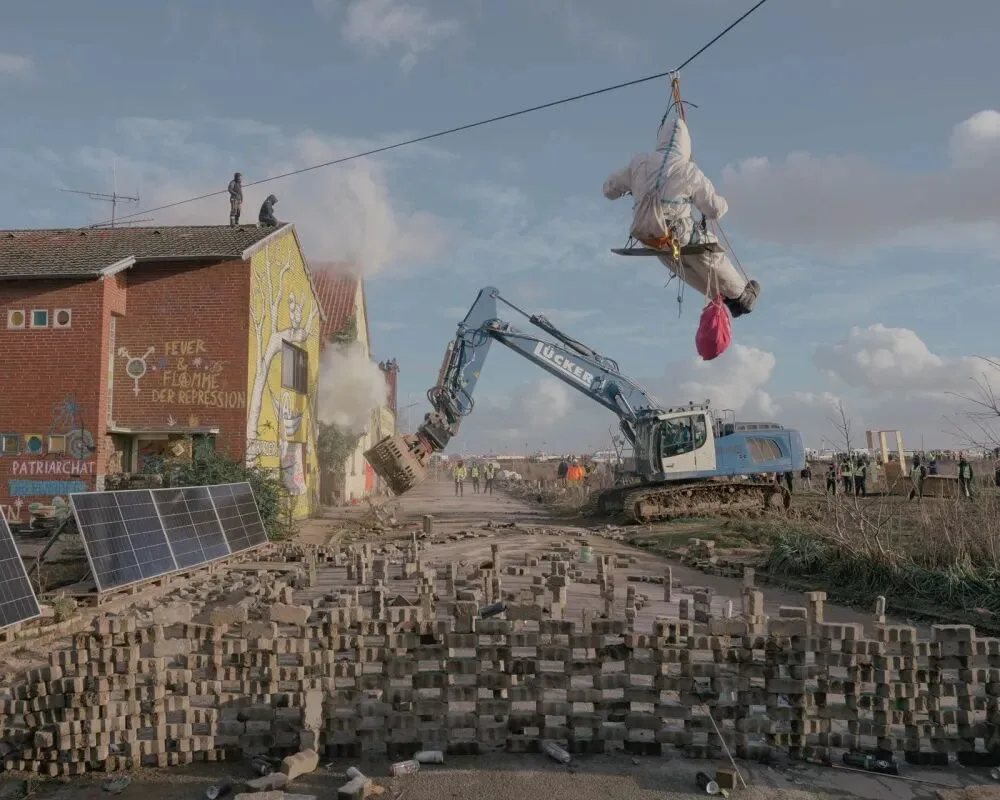
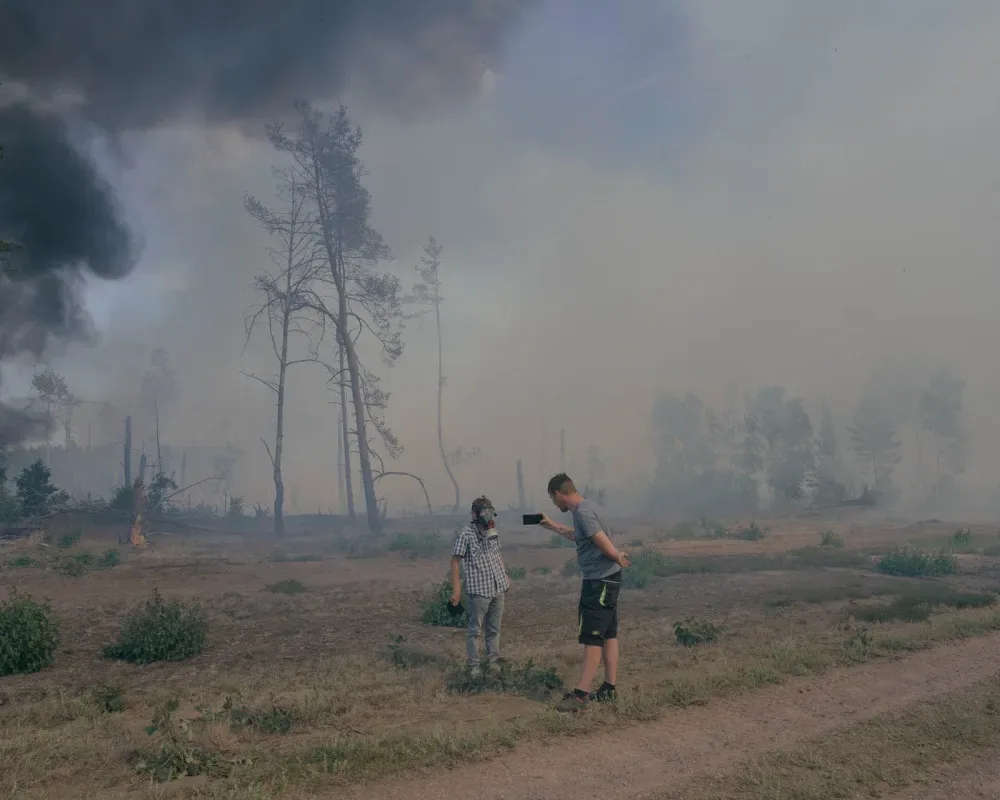
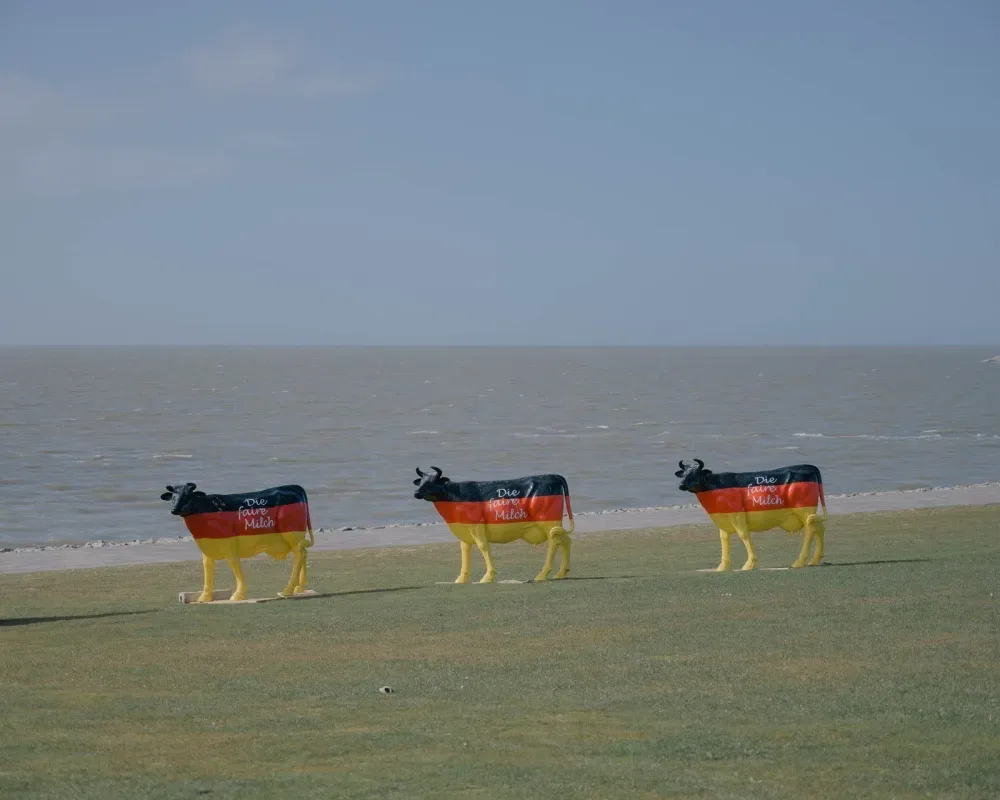
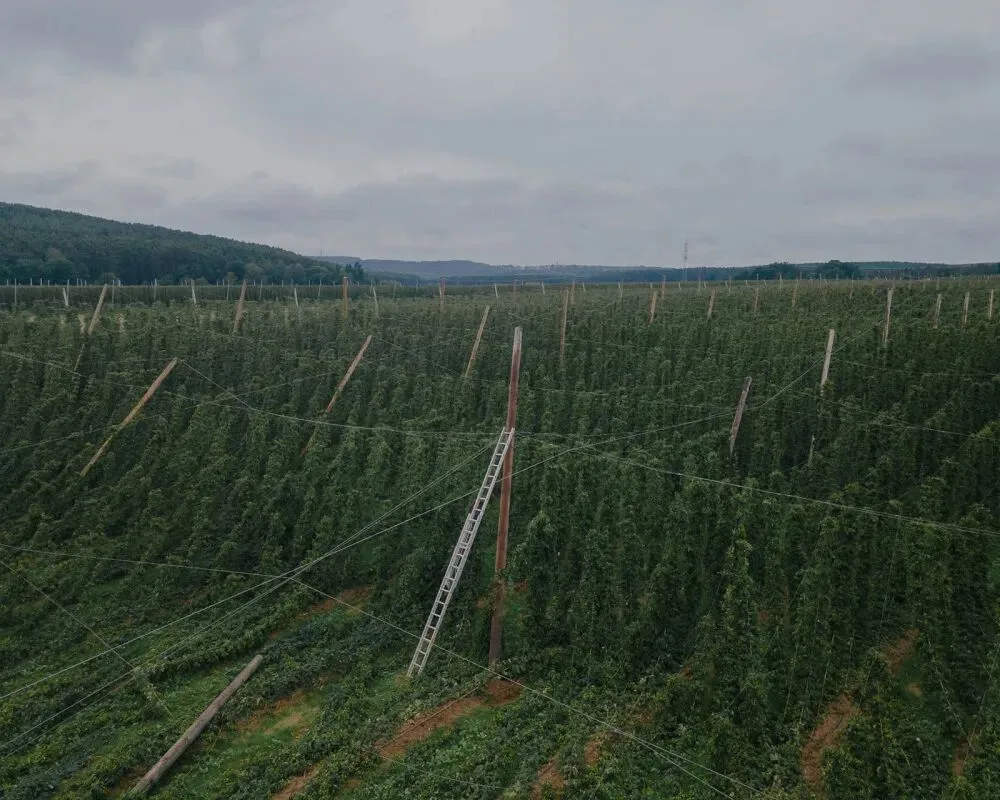
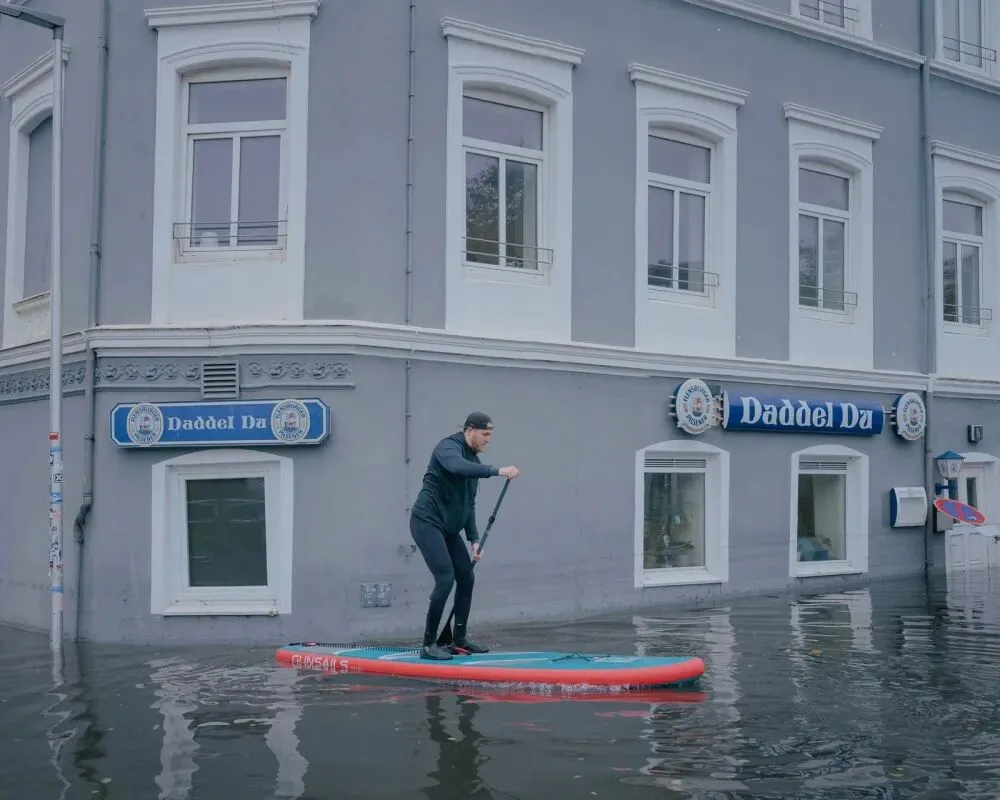
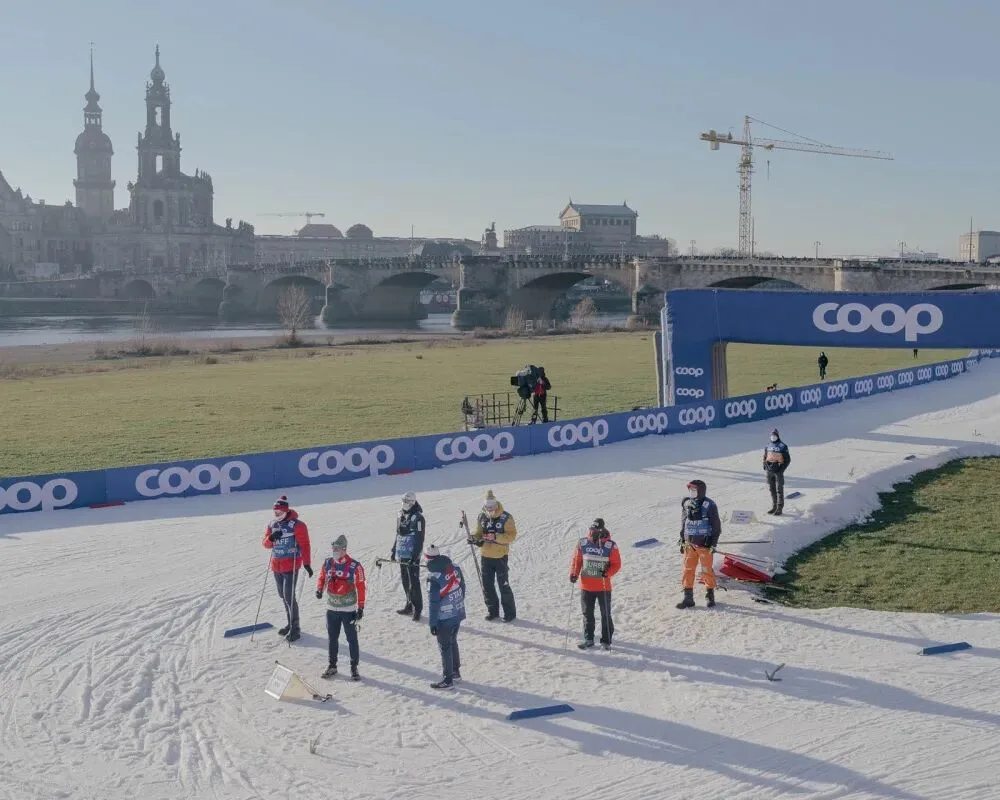

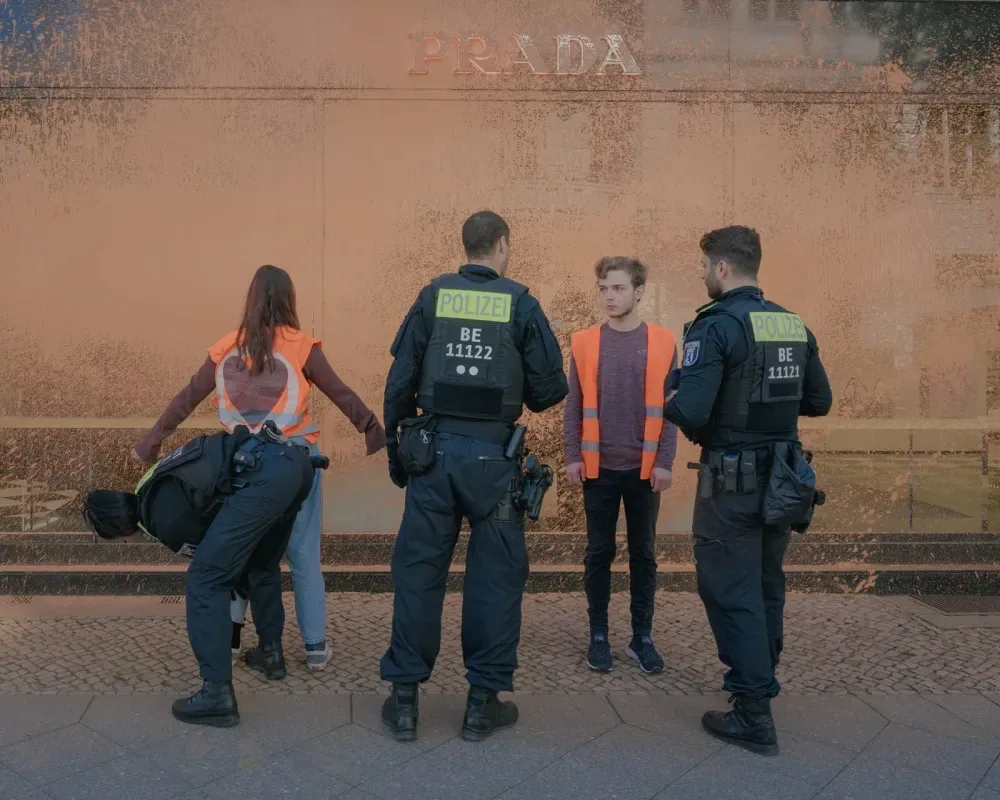

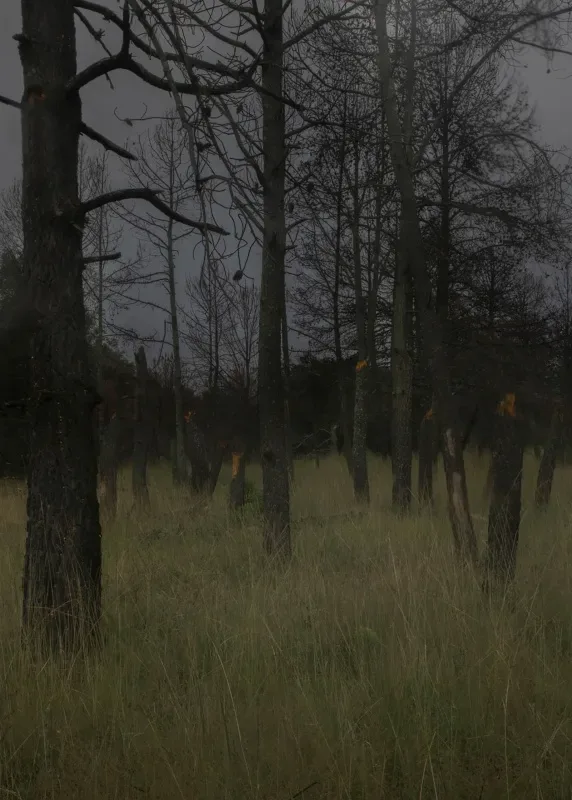
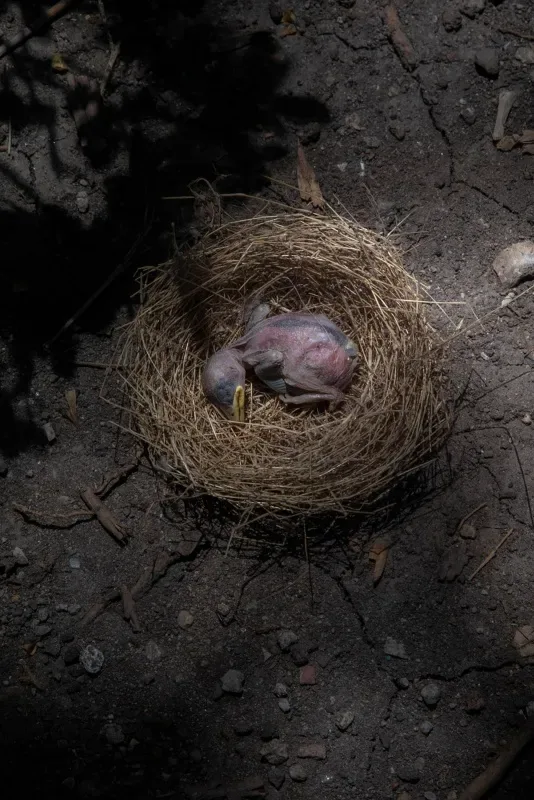
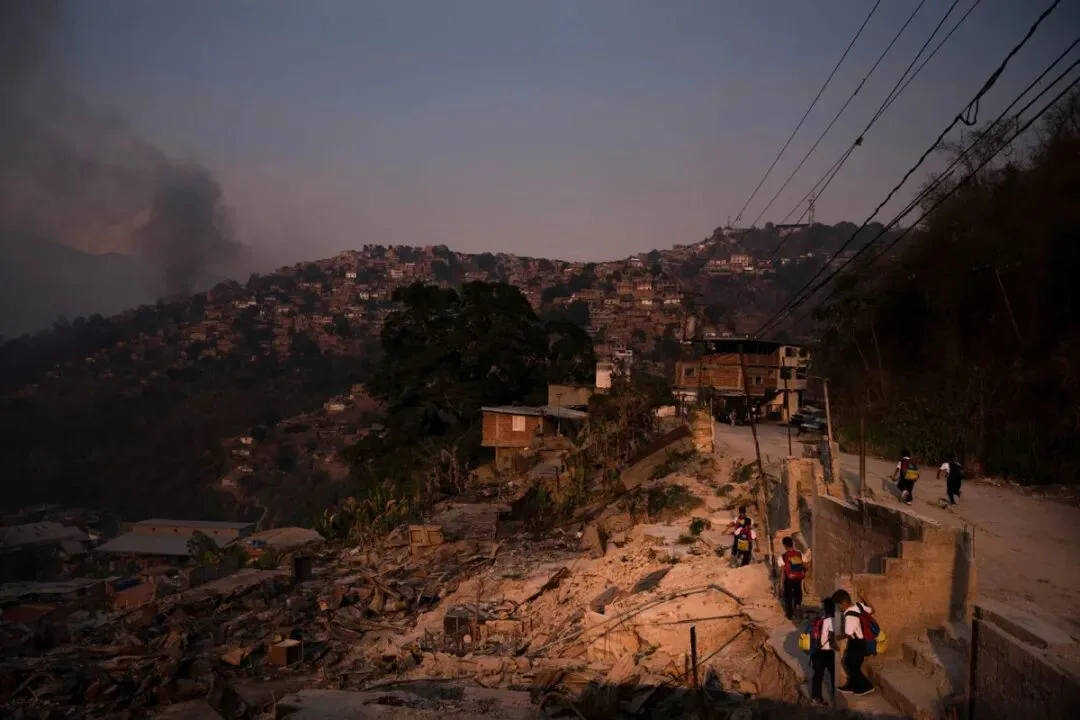
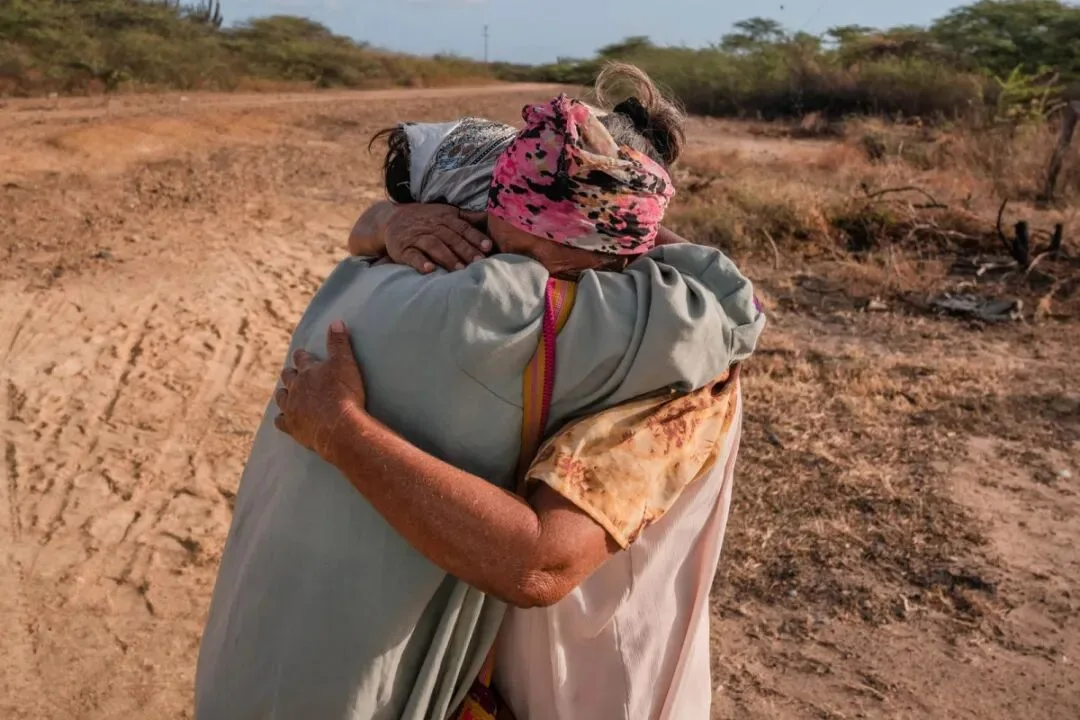
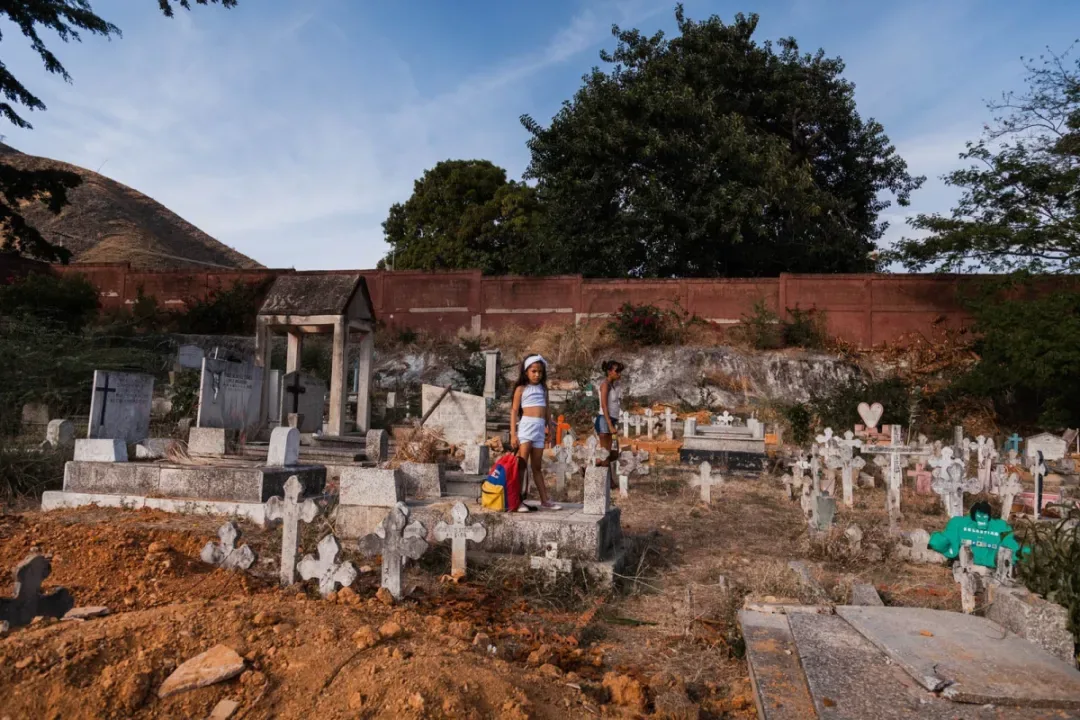
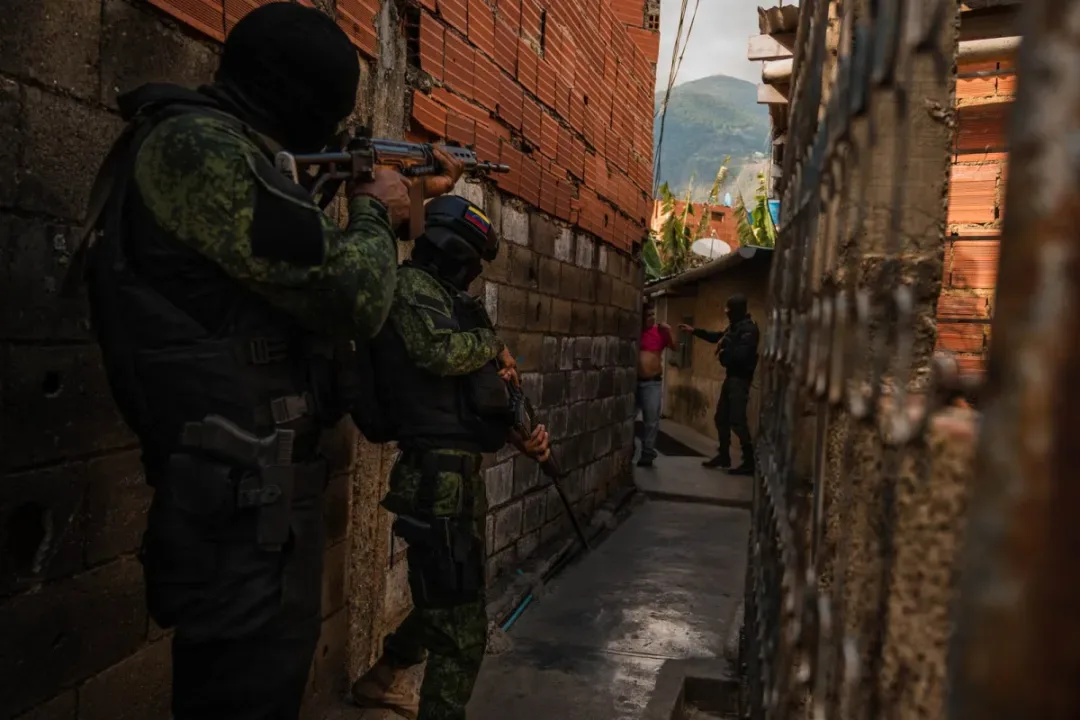
Davide Monteleone:Critical Minerals – Geography of Energy
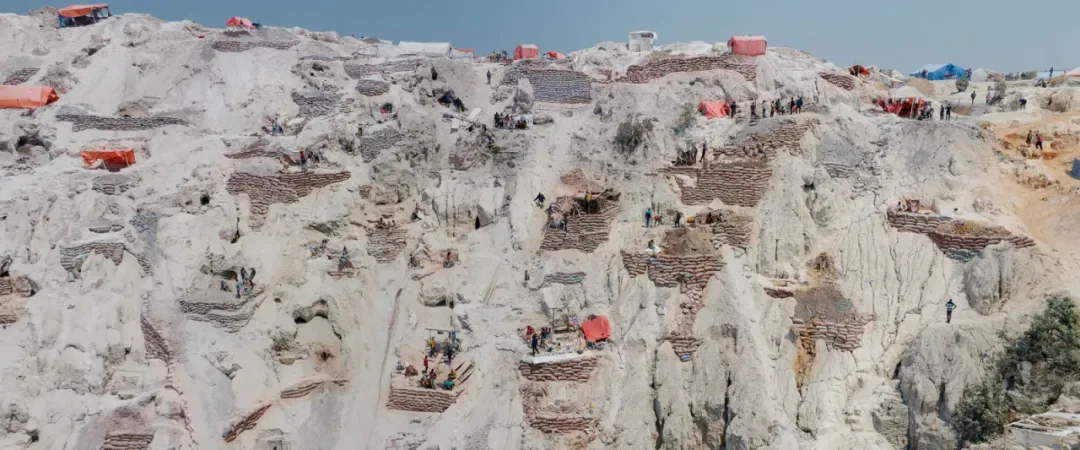

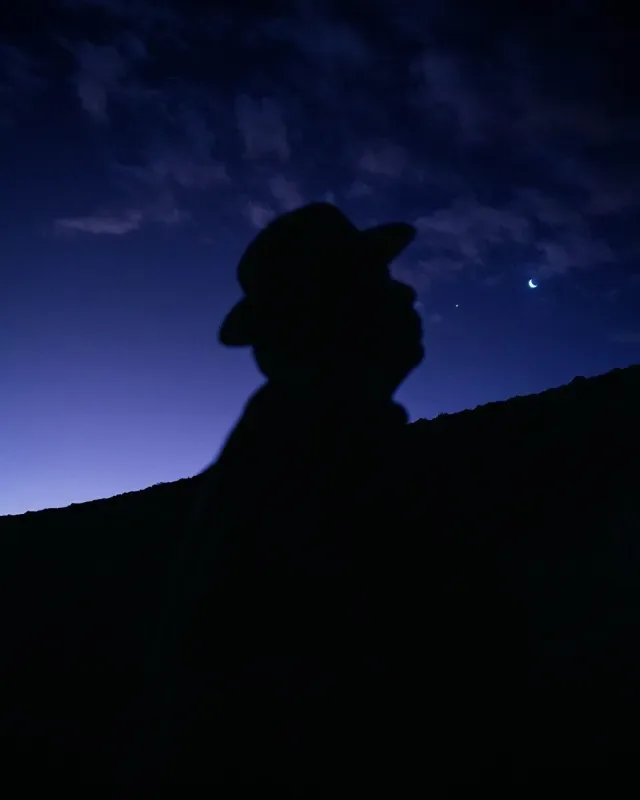
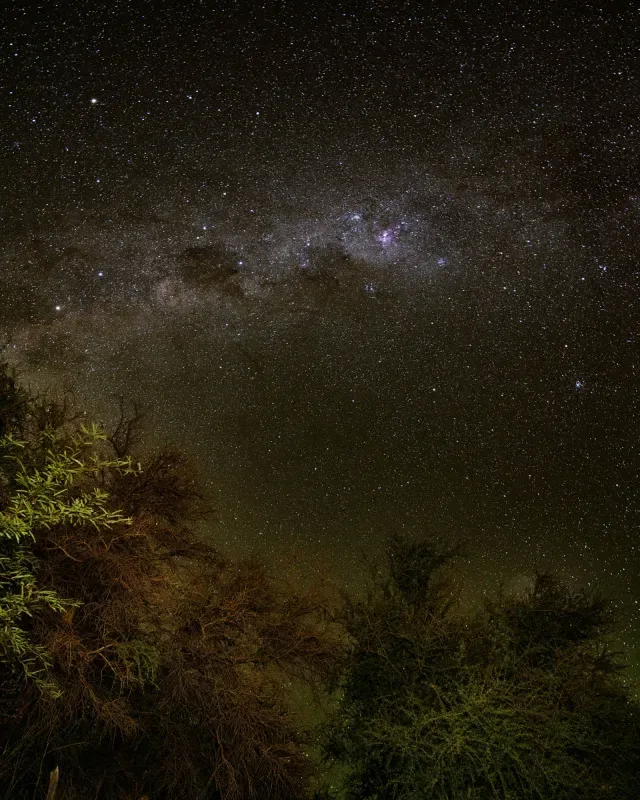
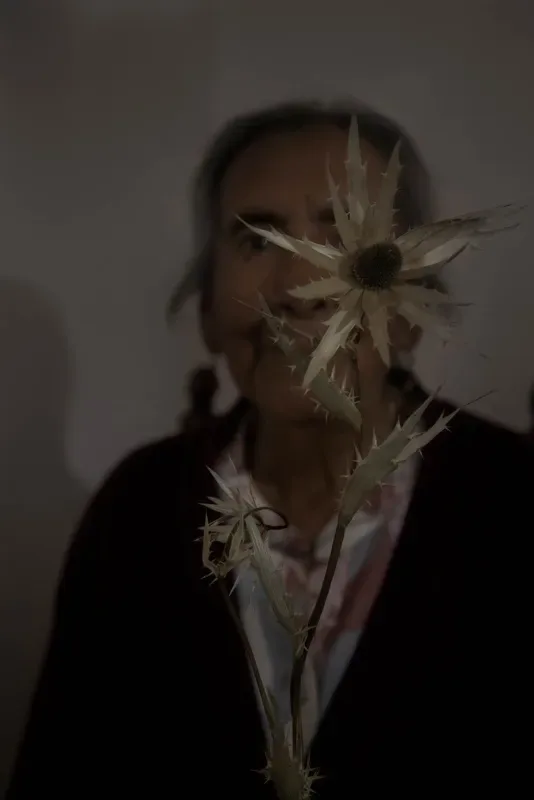
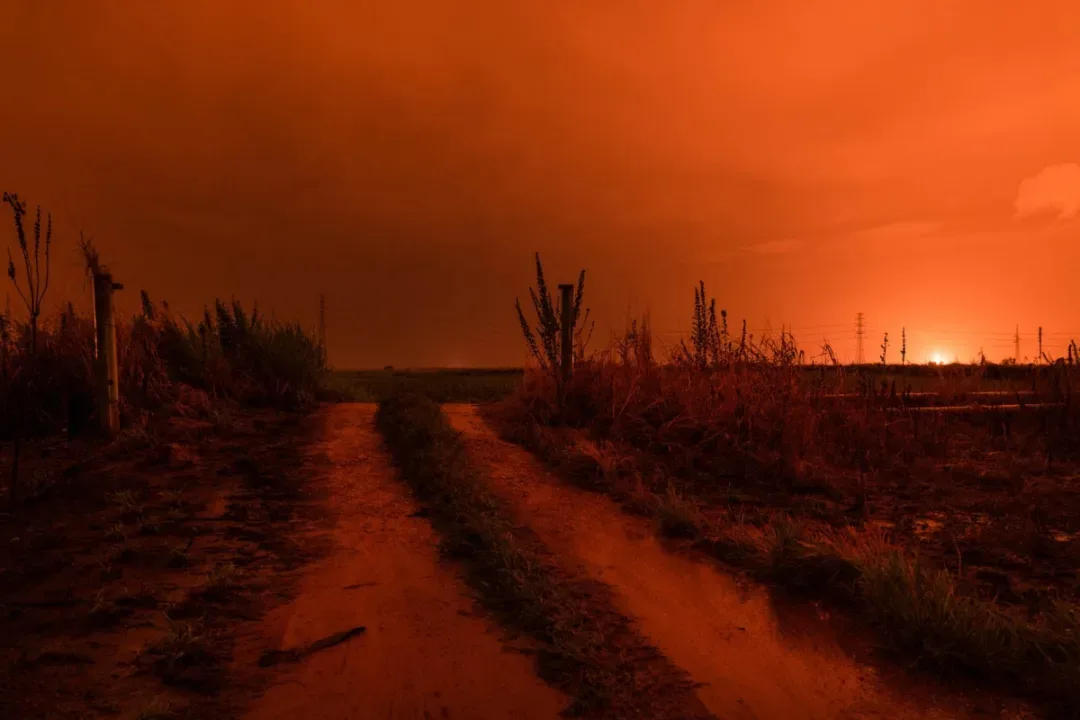
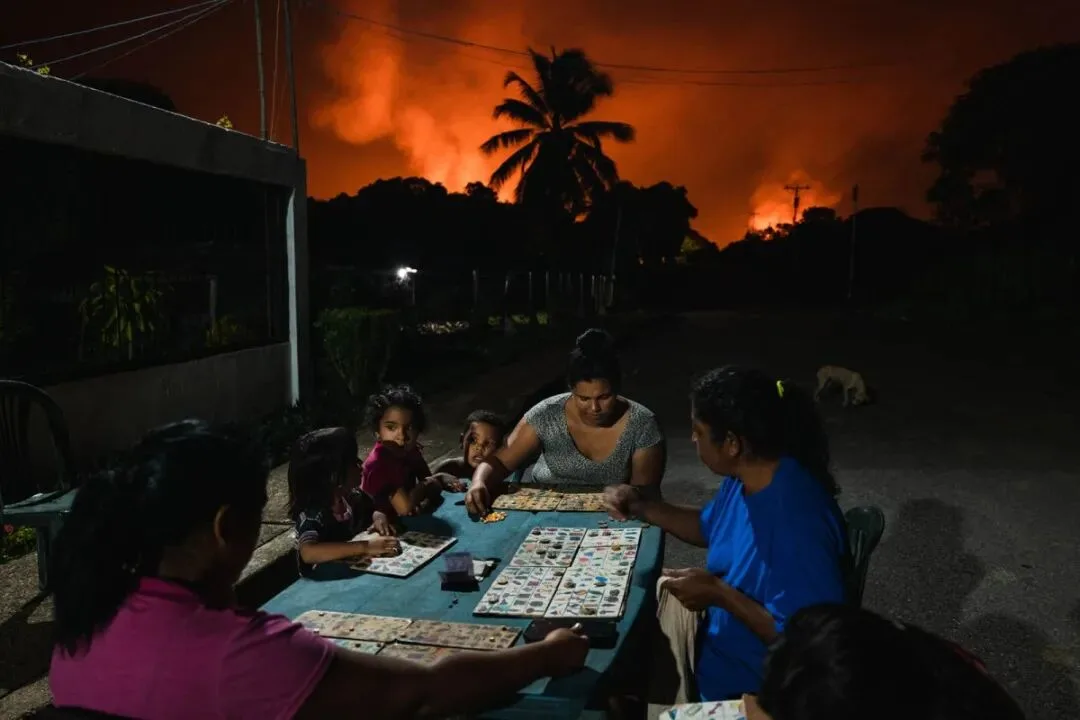
Adriana Loureiro Fernández:Paradise Lost
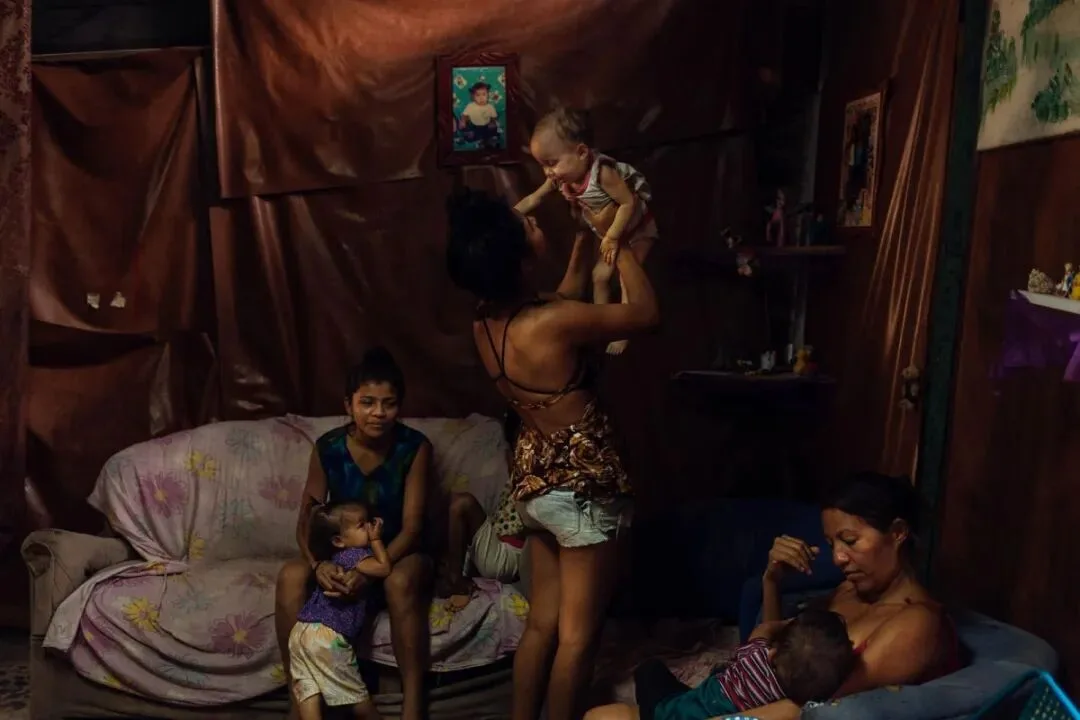
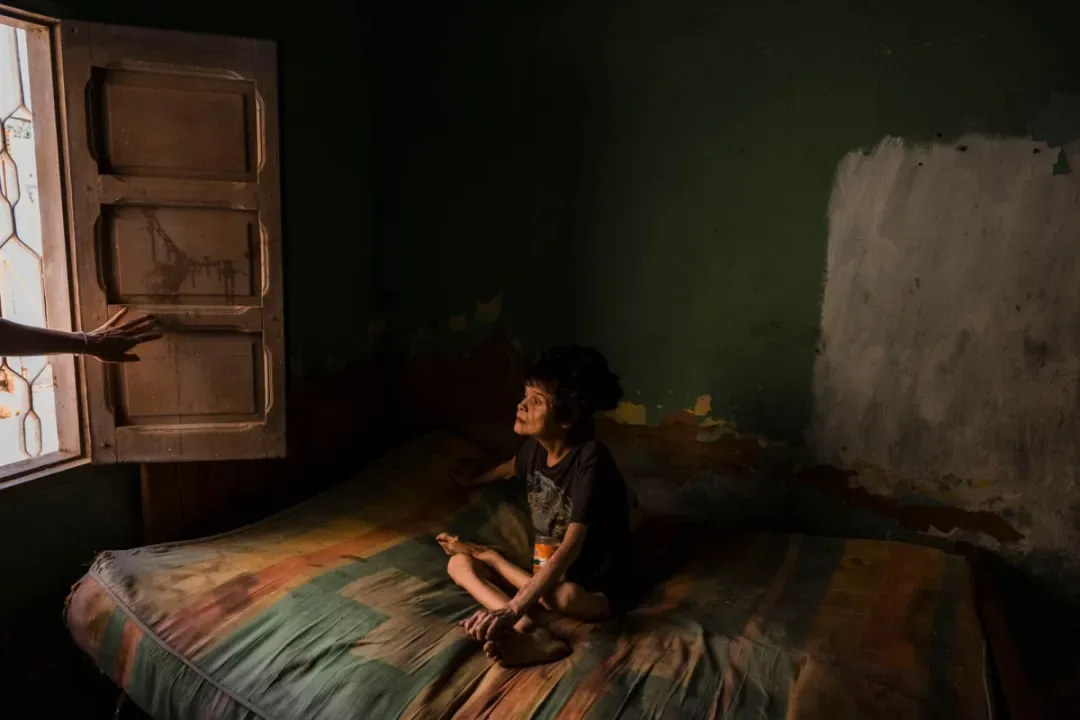
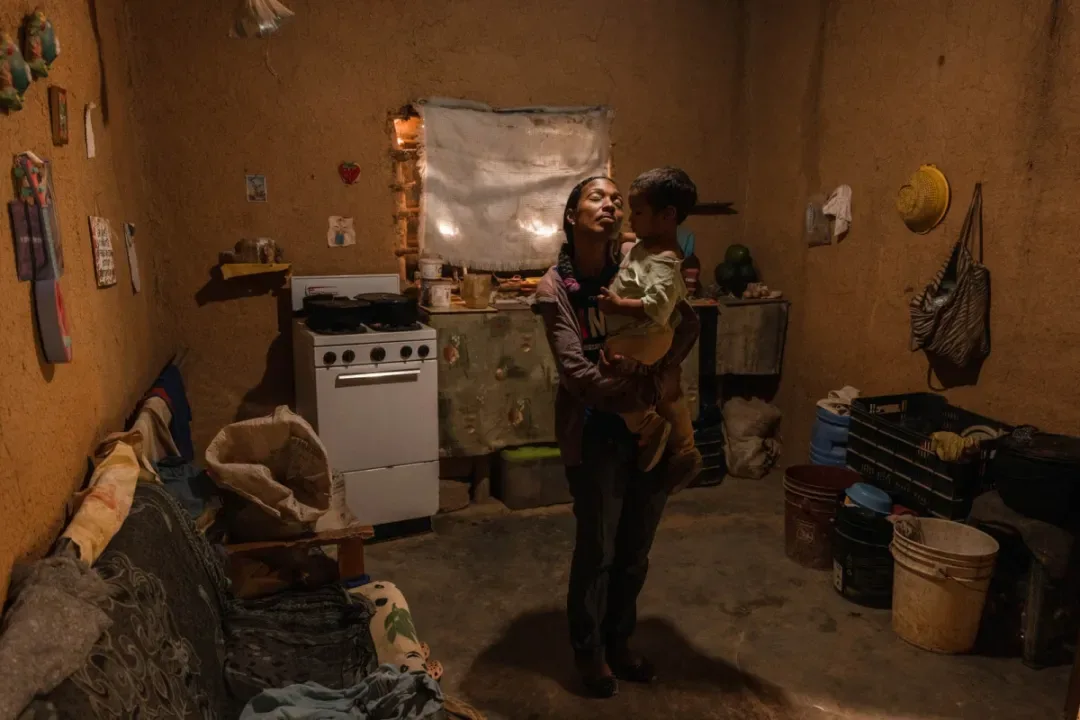
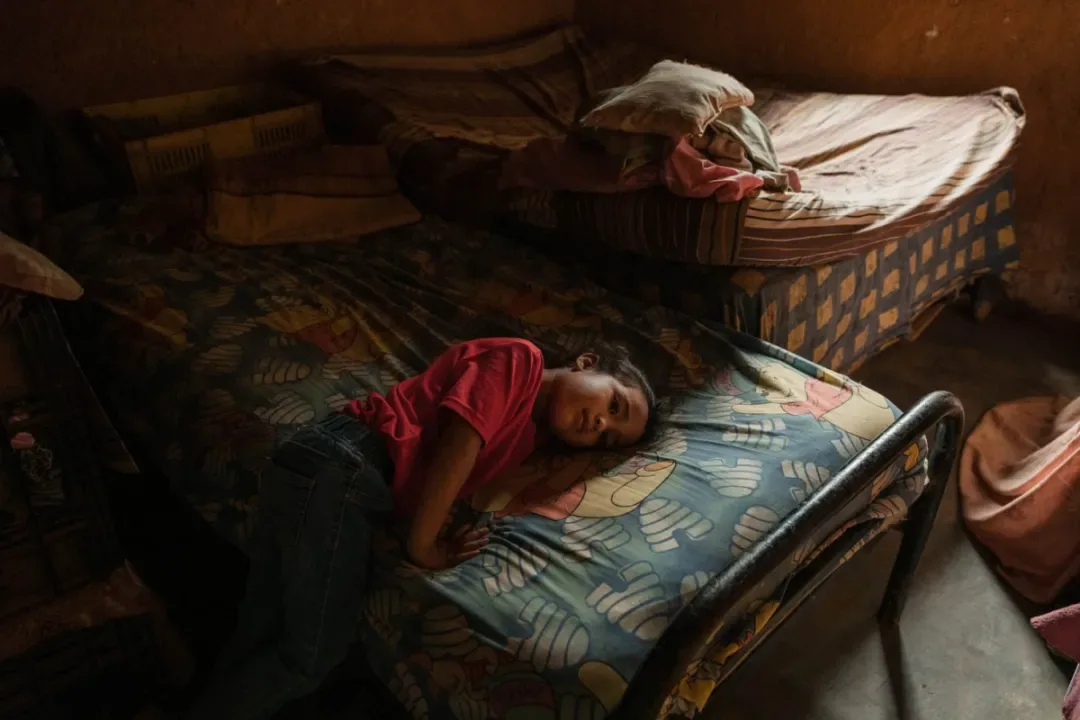

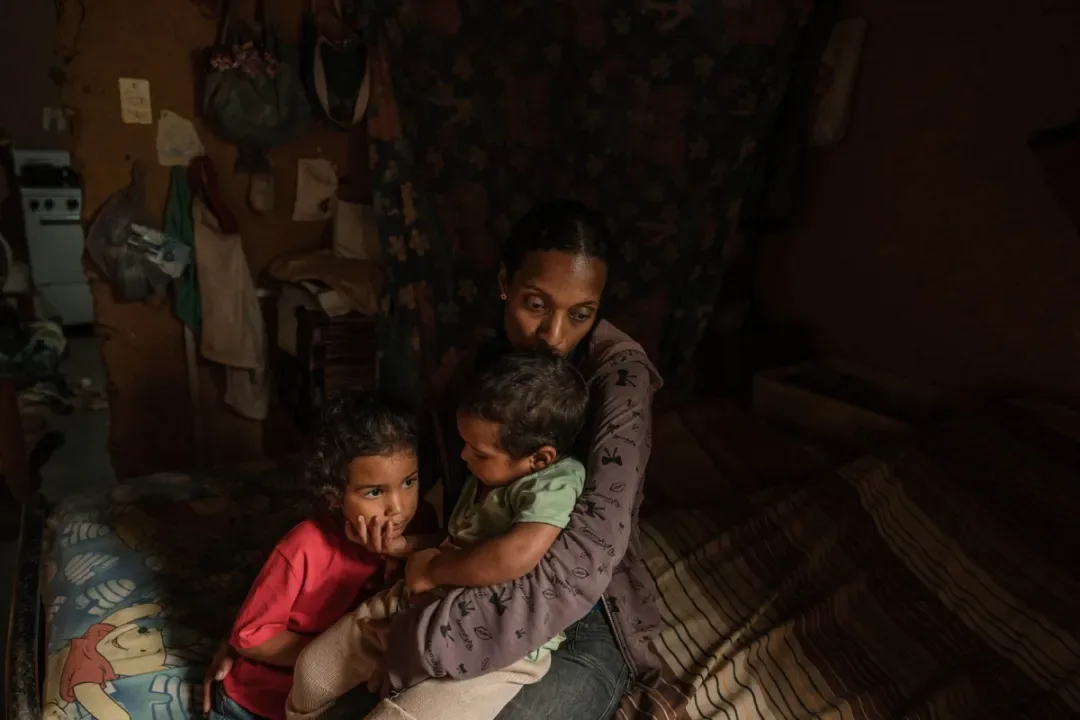
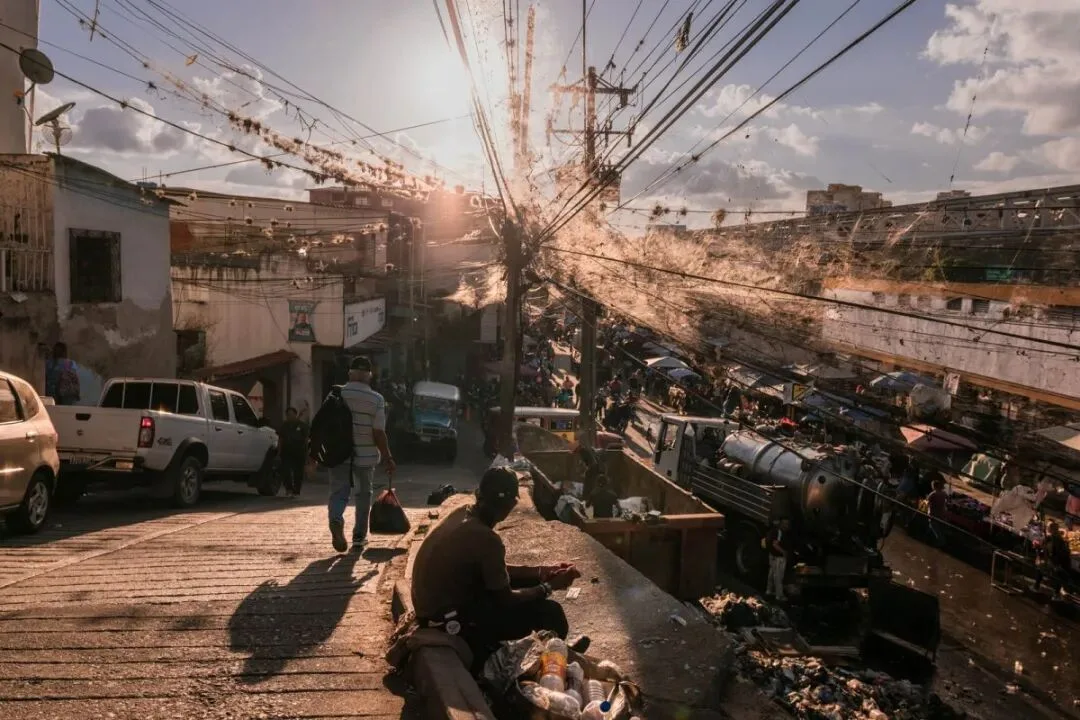
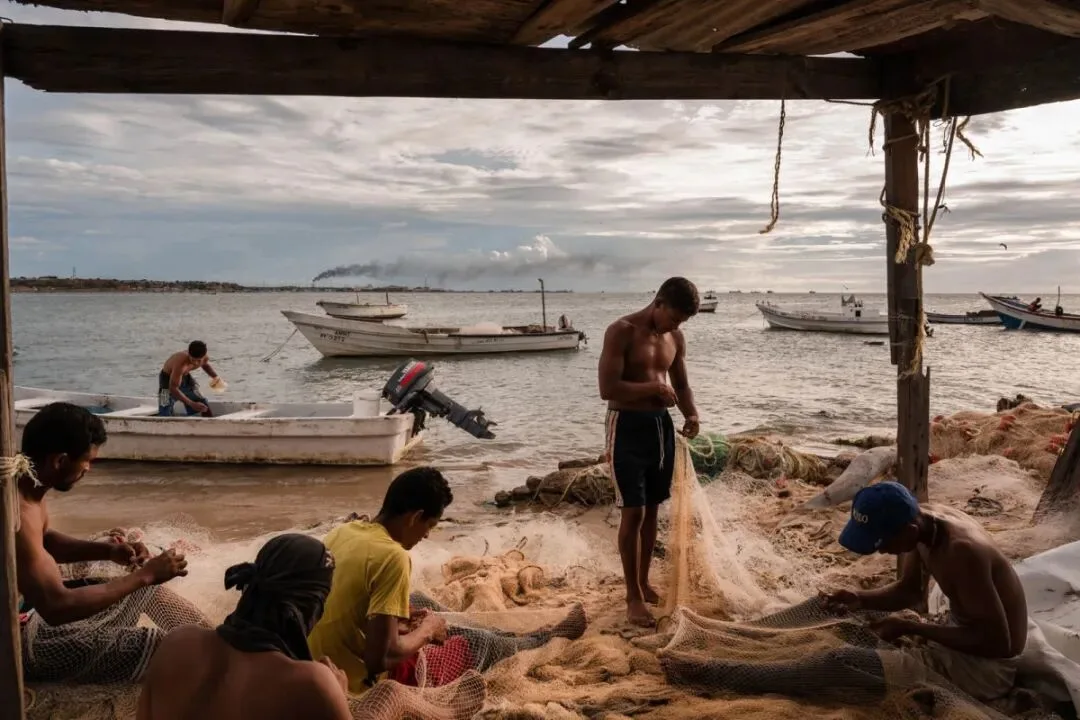
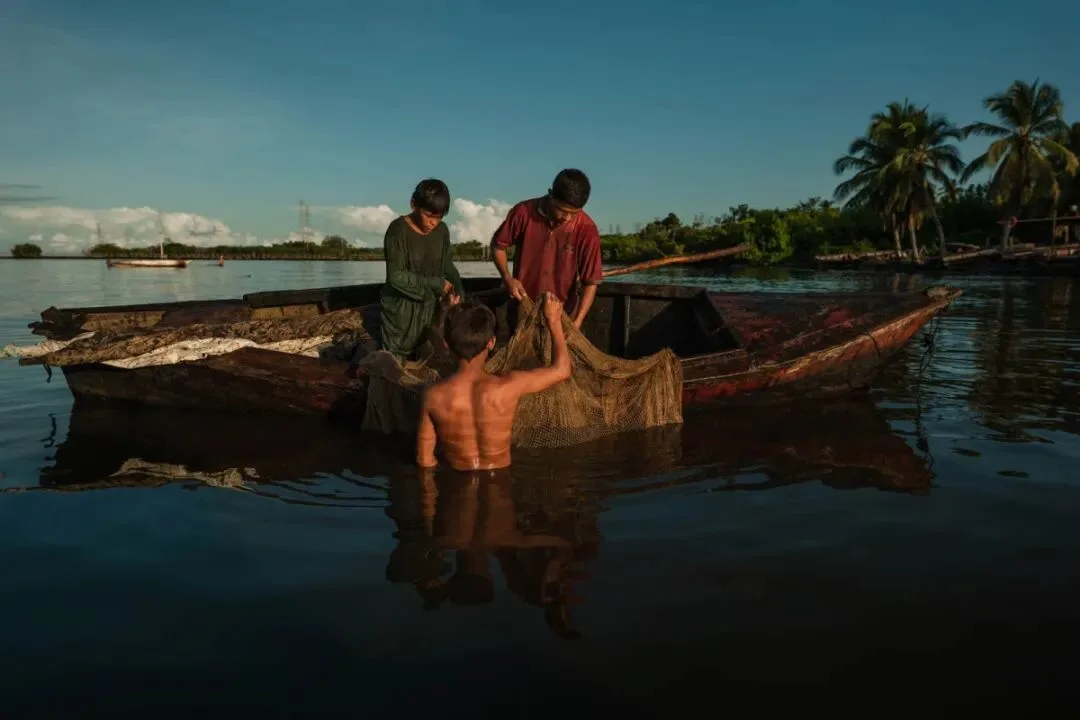
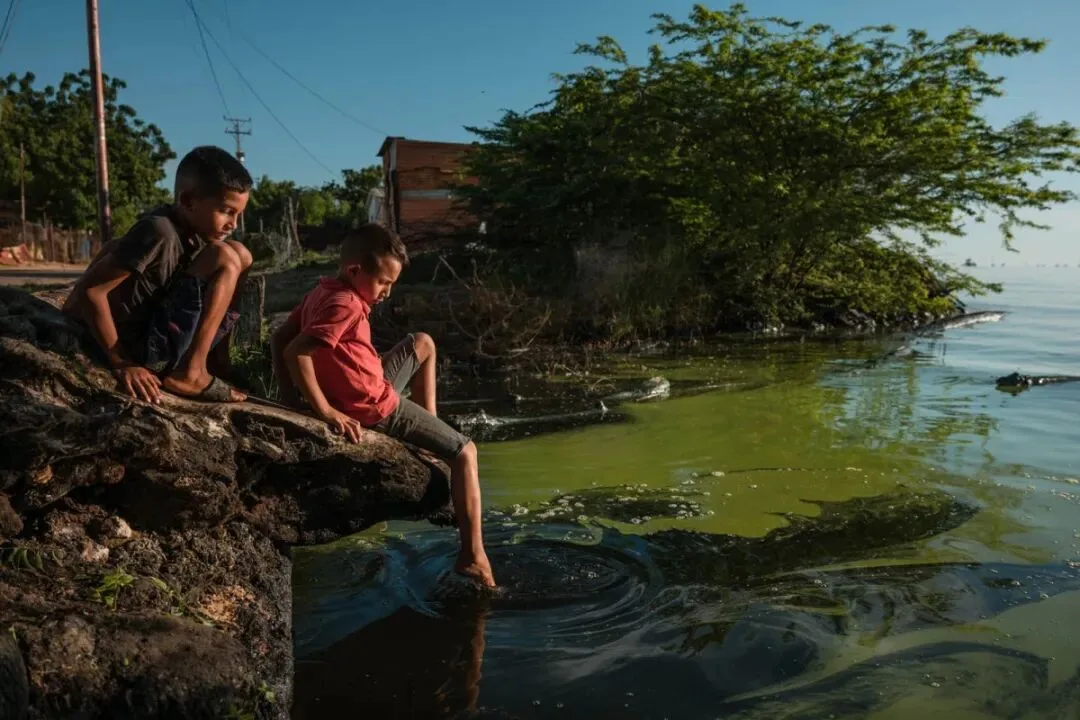
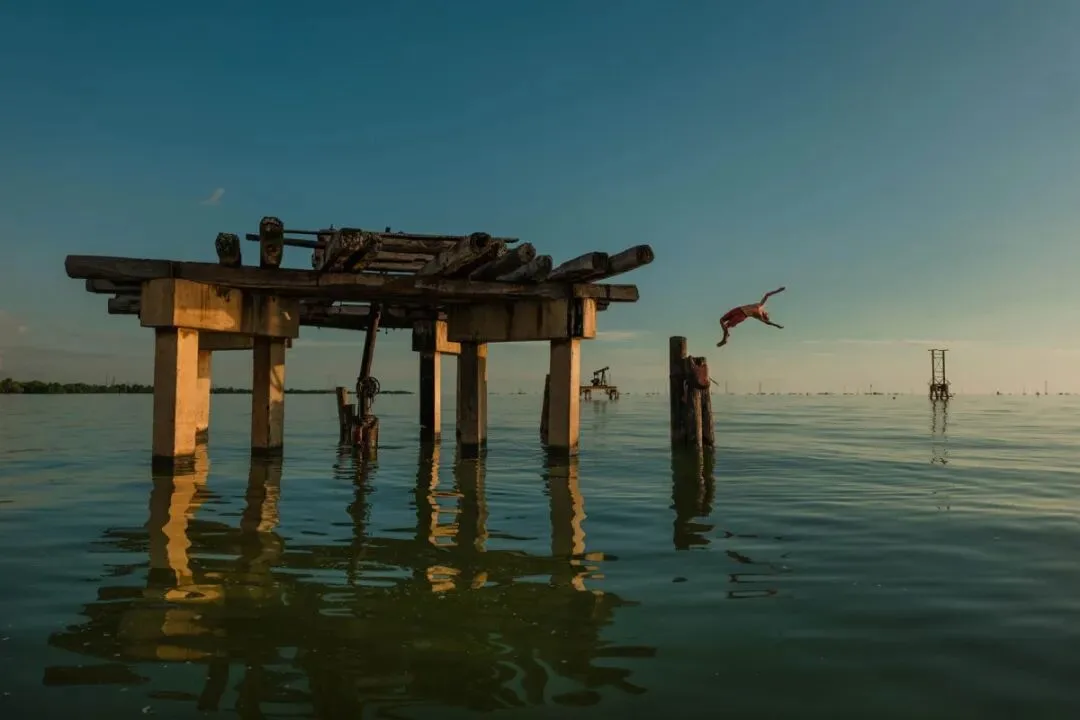
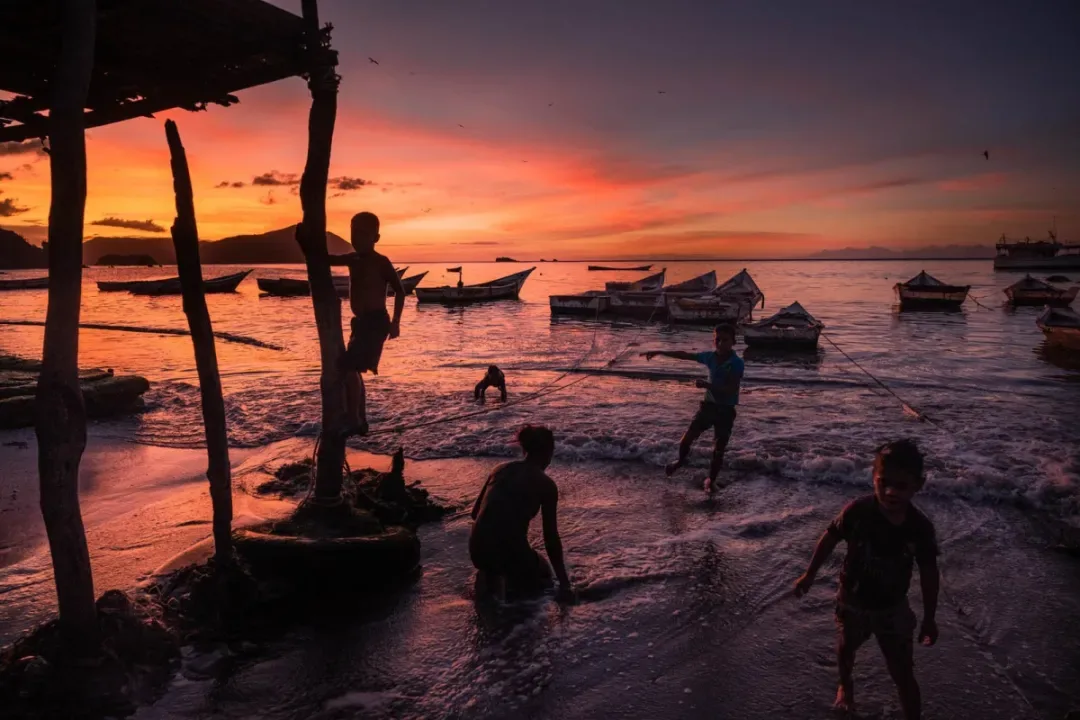
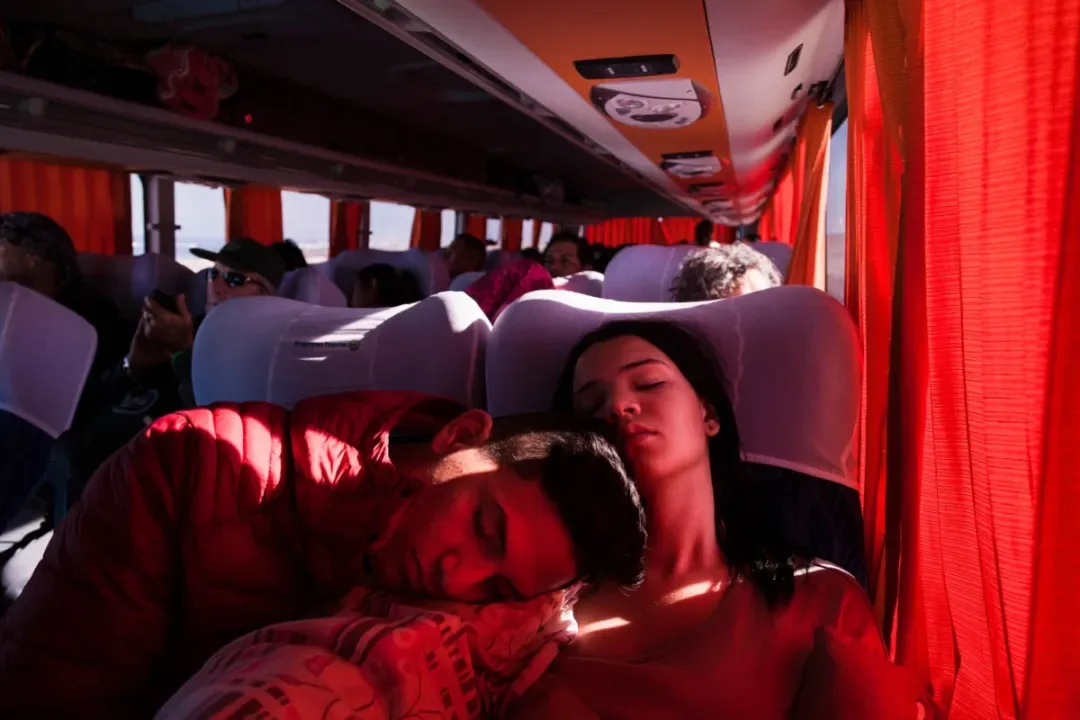
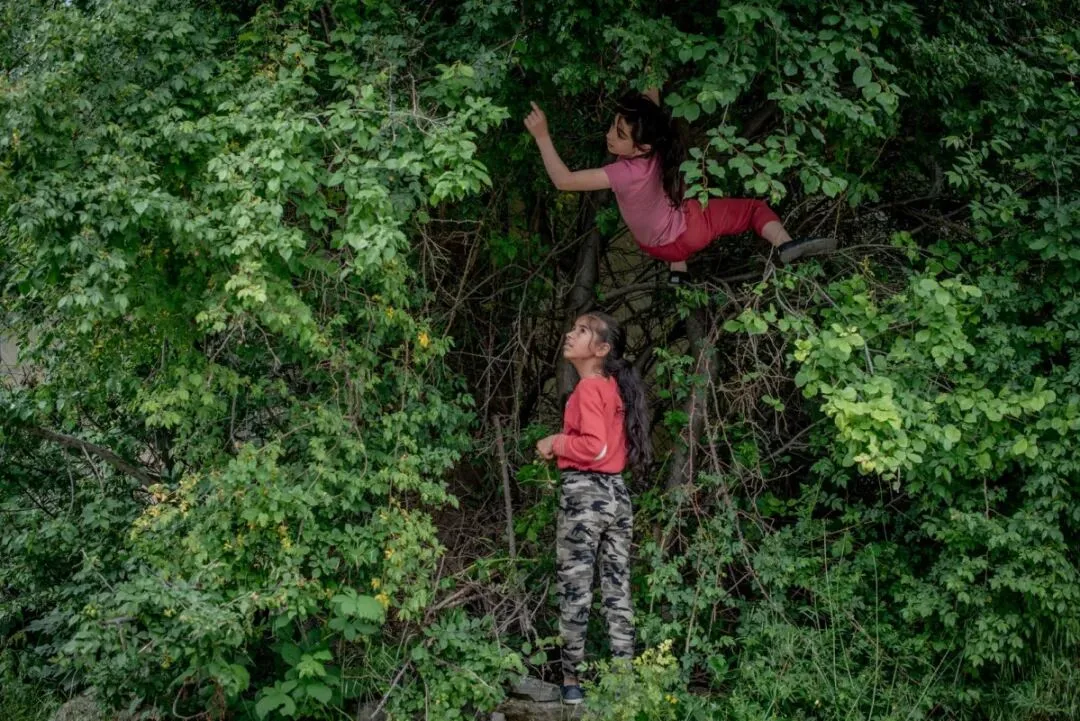
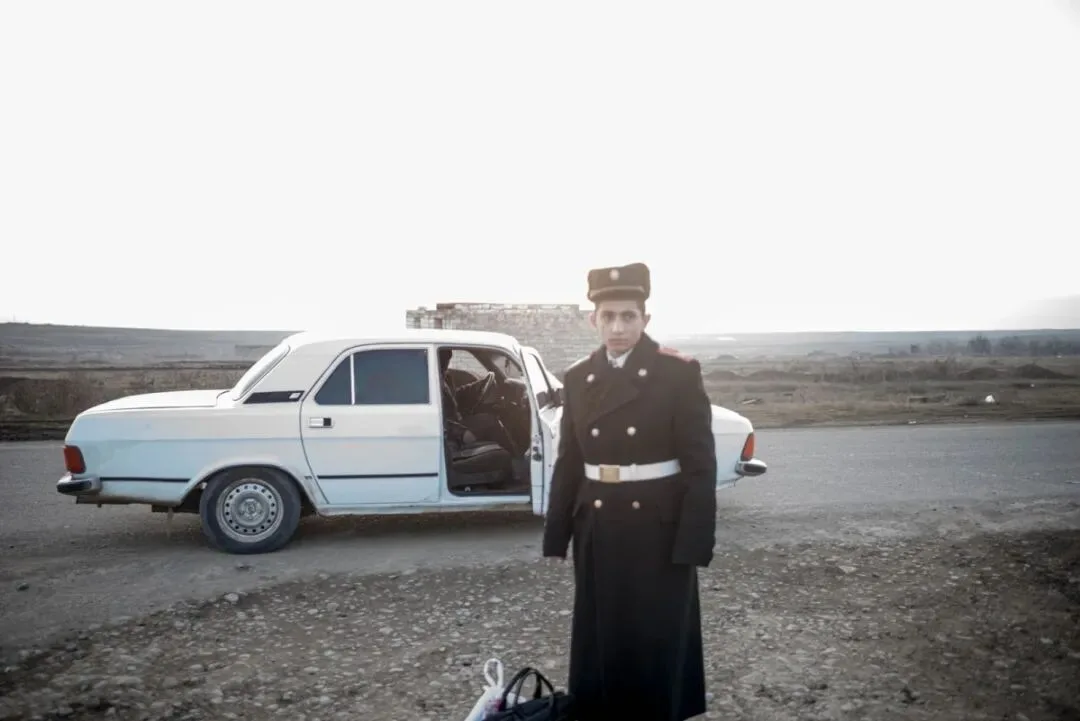
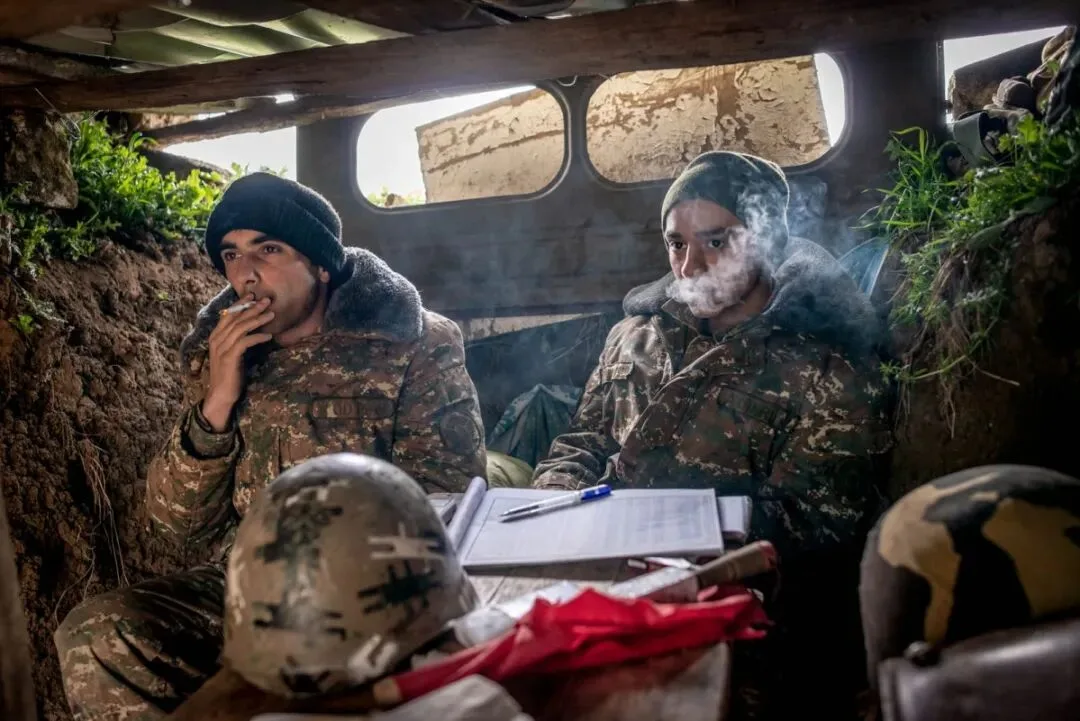
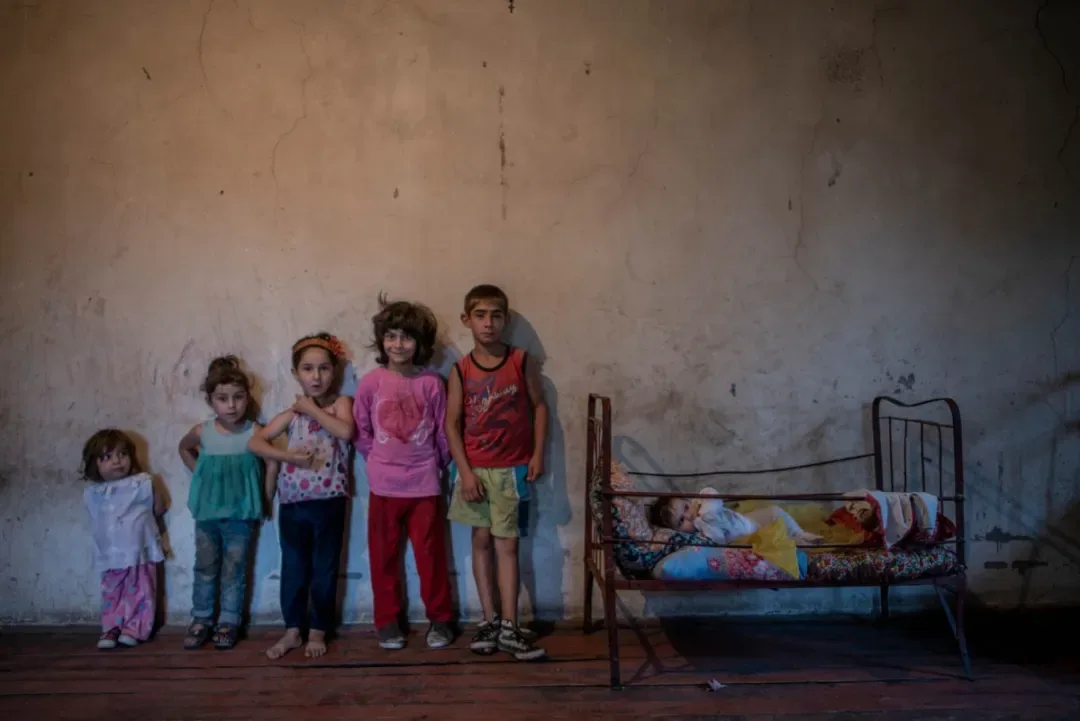
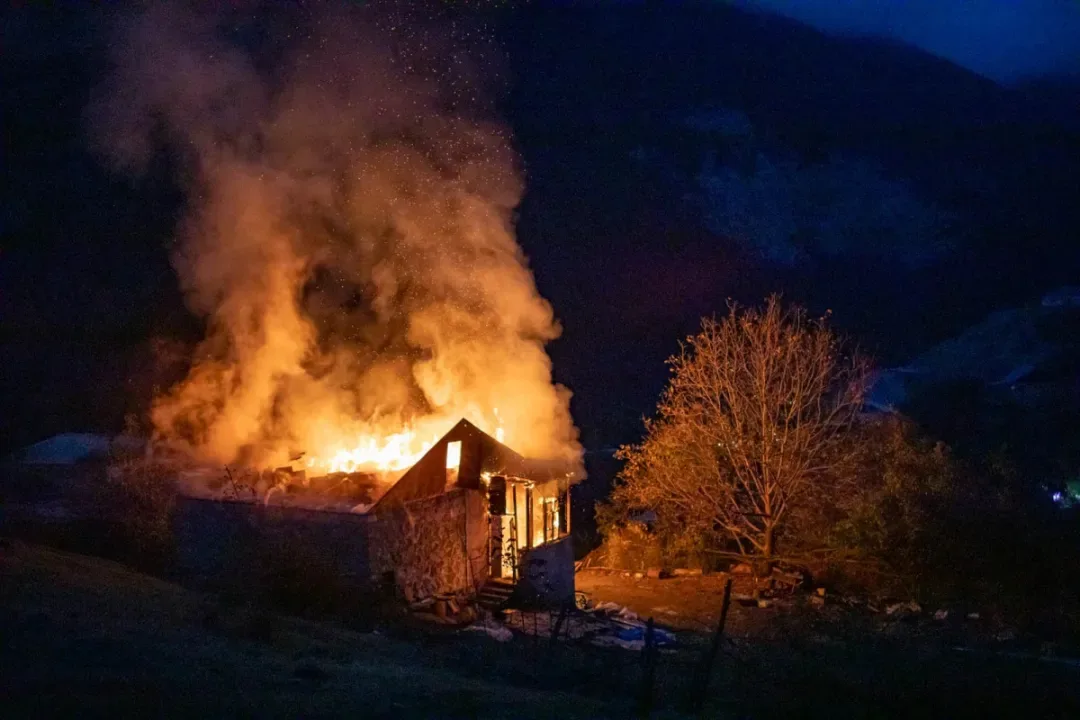
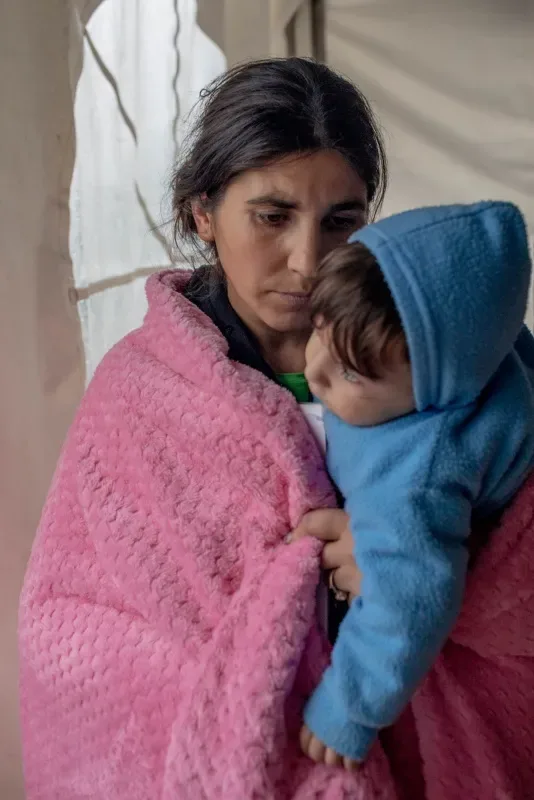
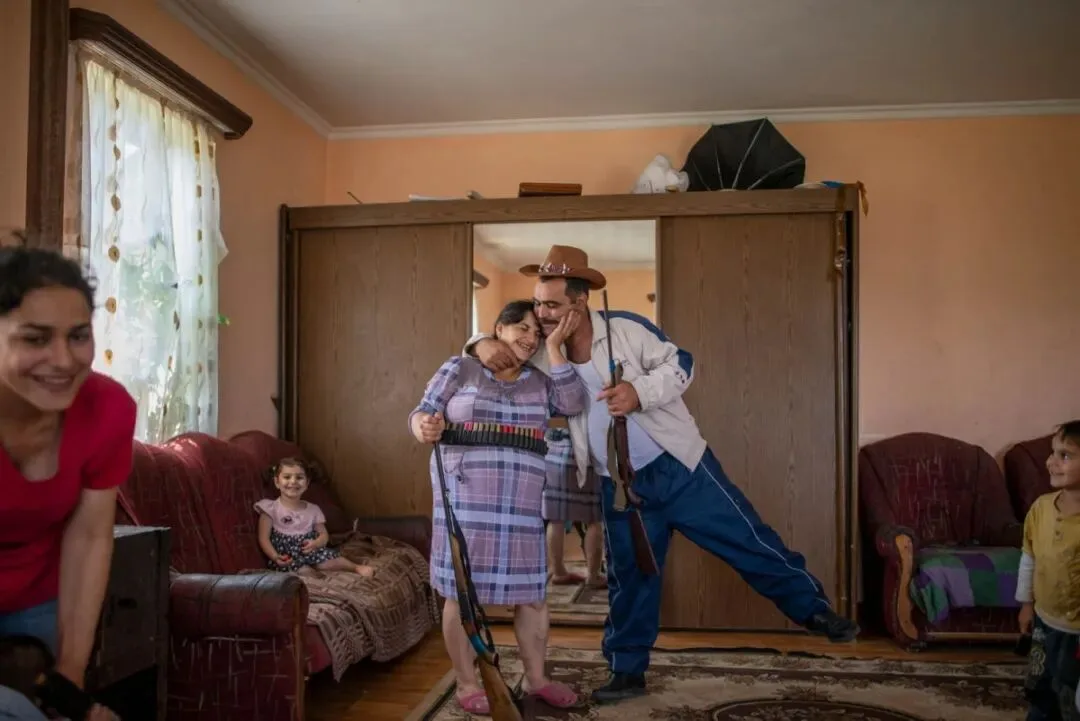
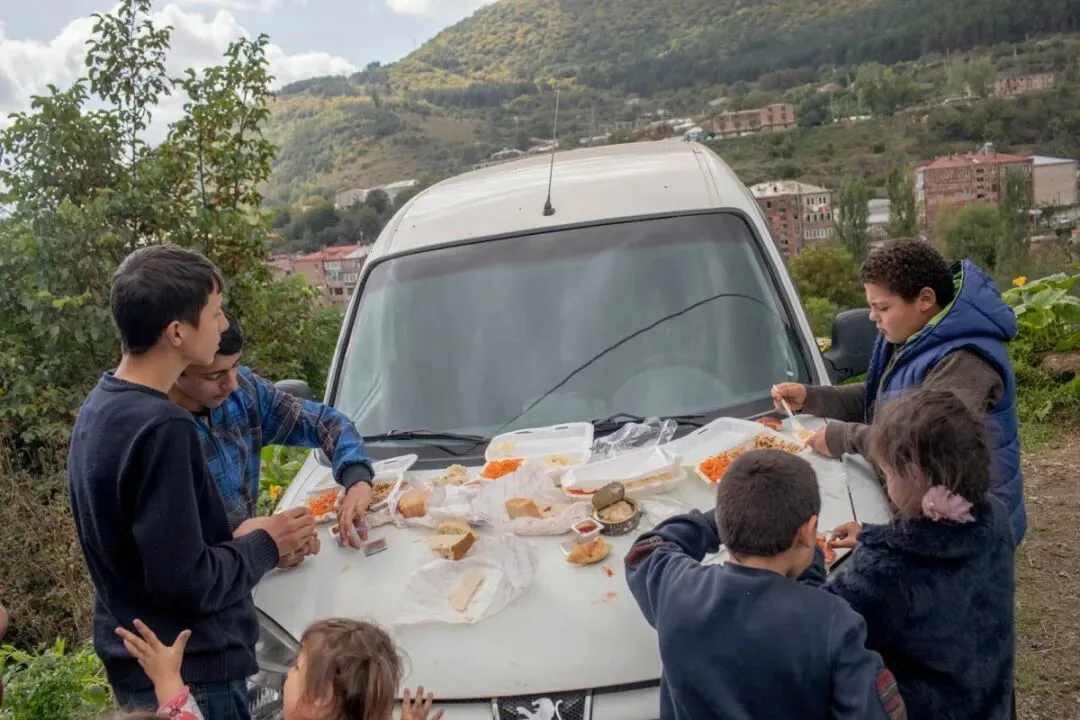
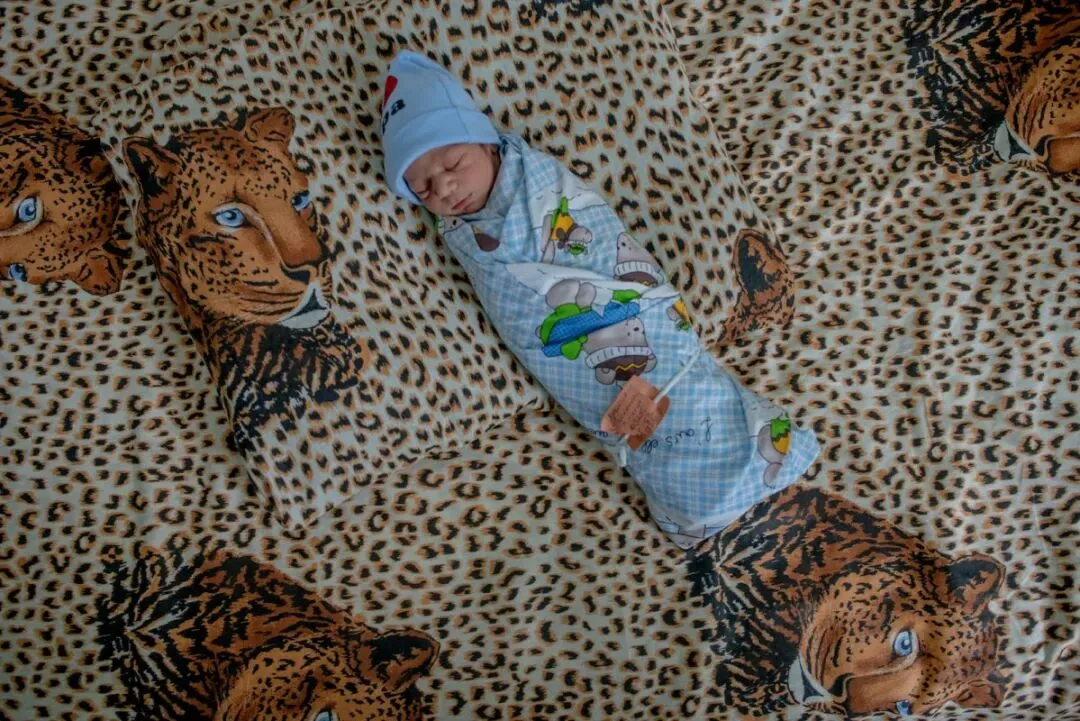
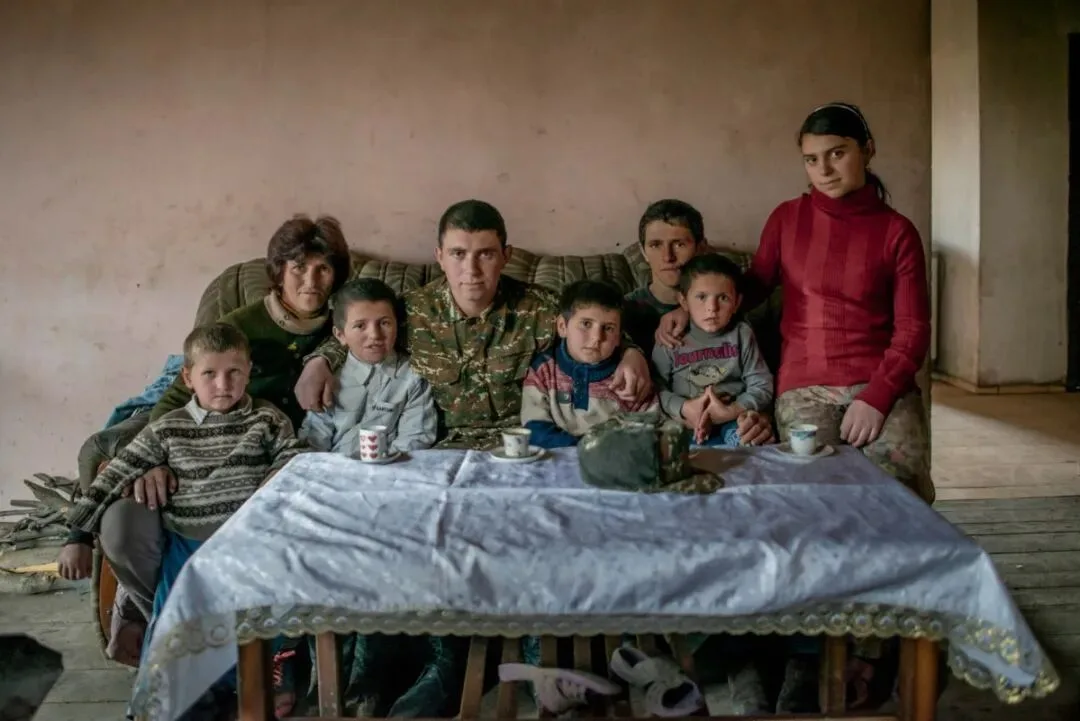
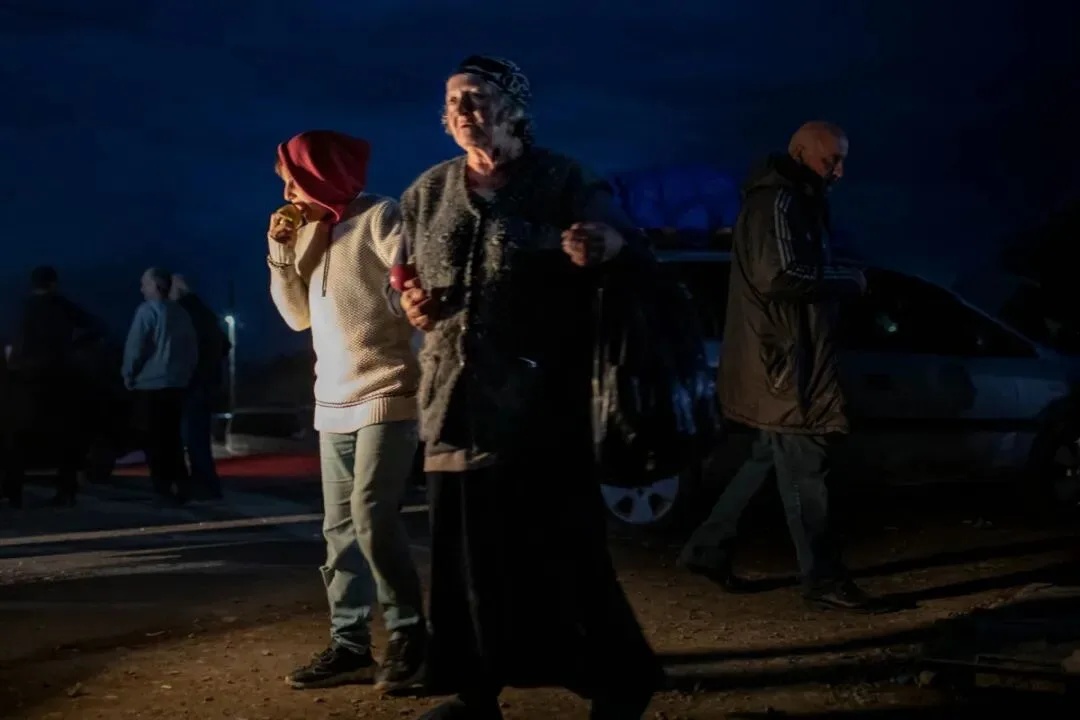
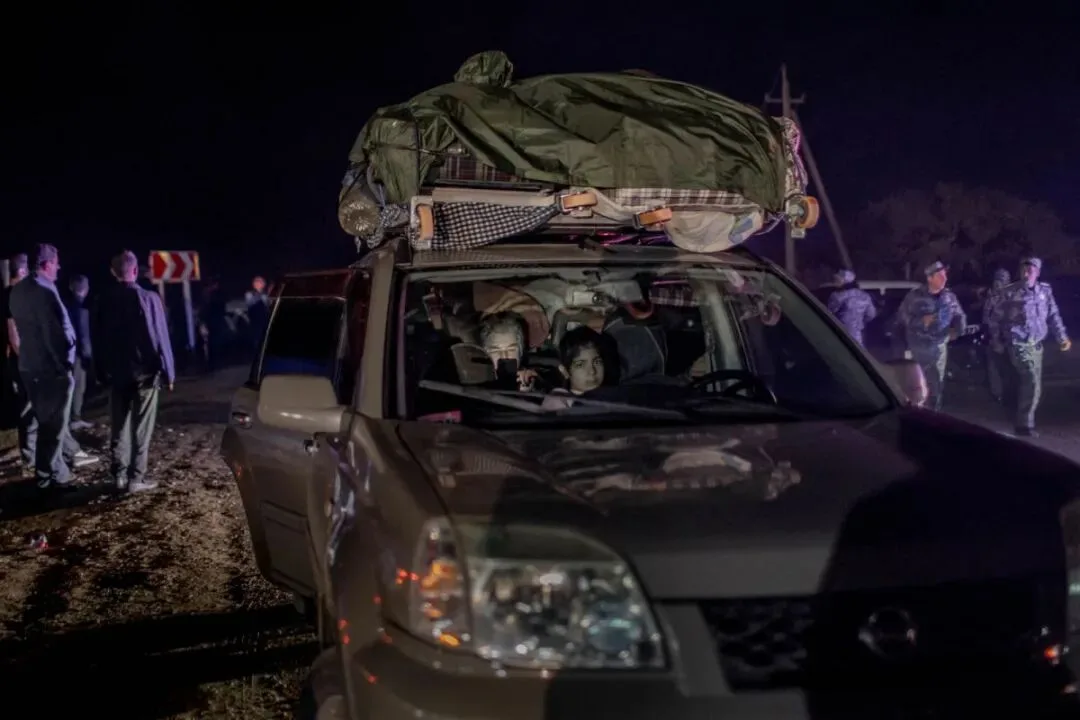
Anush Babajanyan:Nagorno-Karabakh War and Exodus
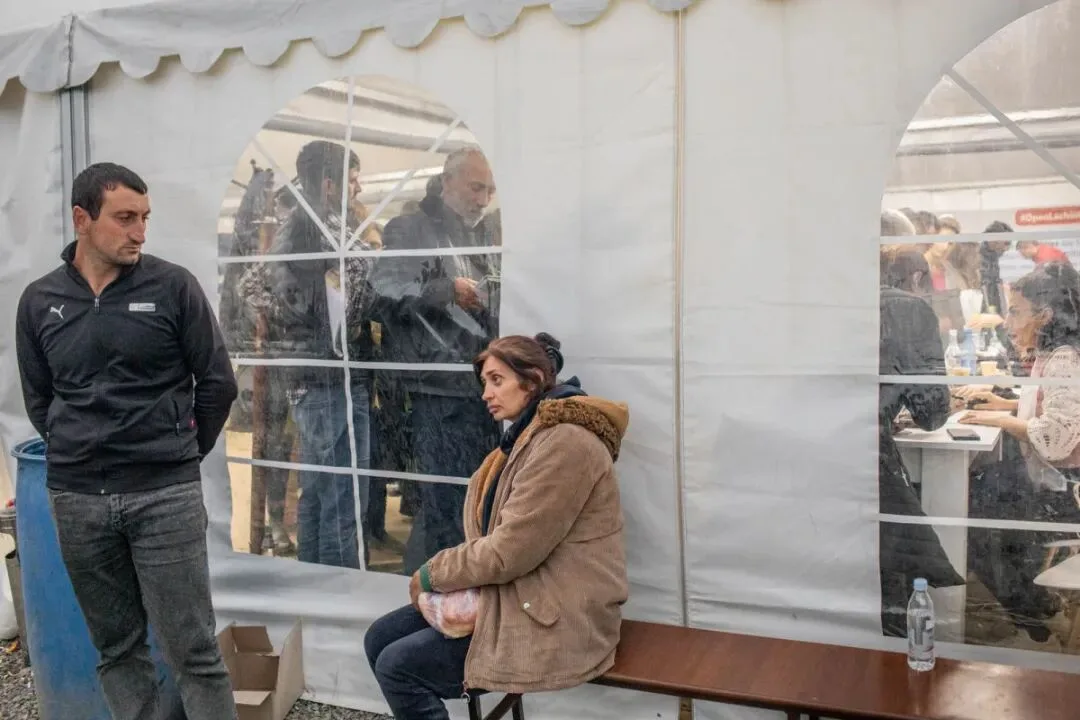
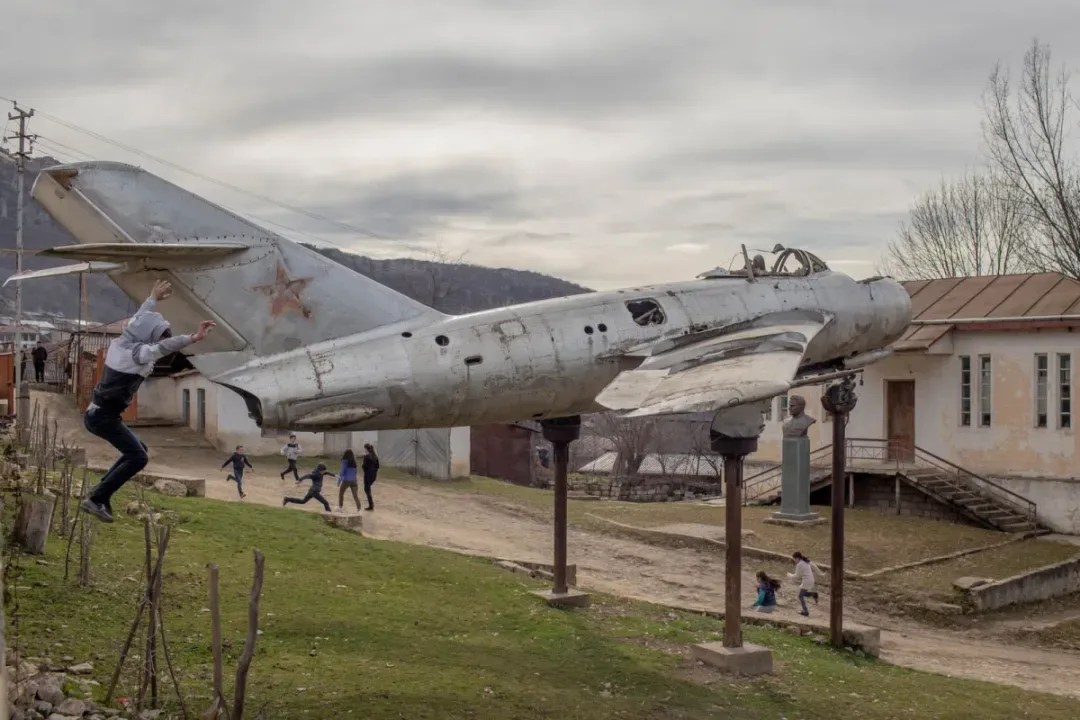
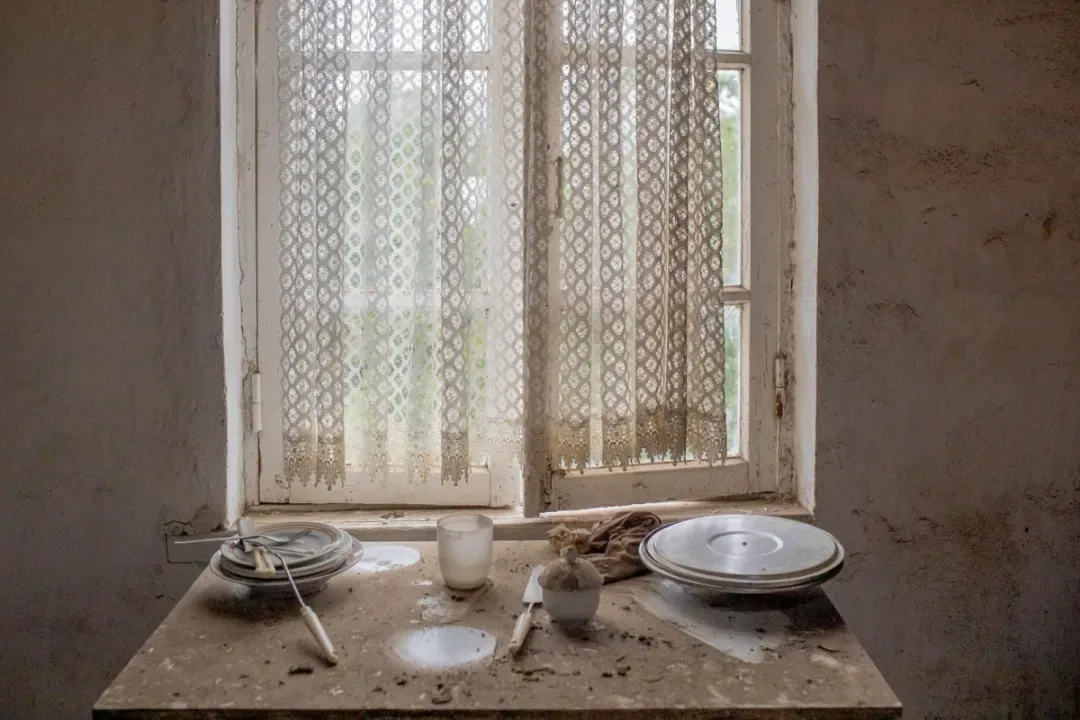
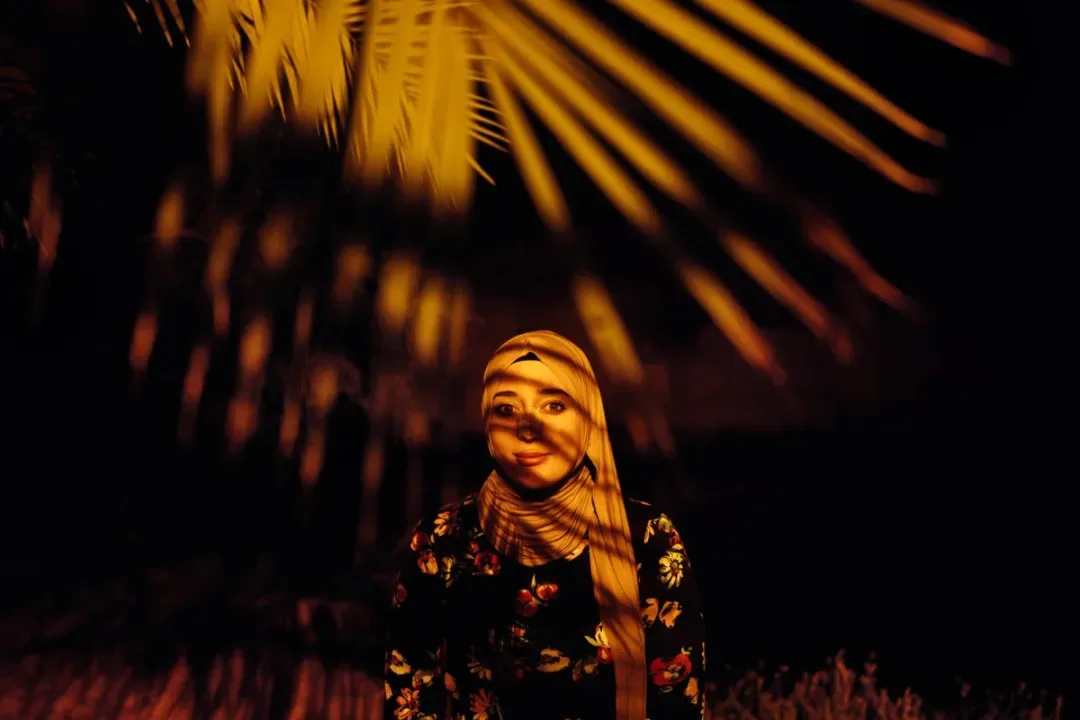
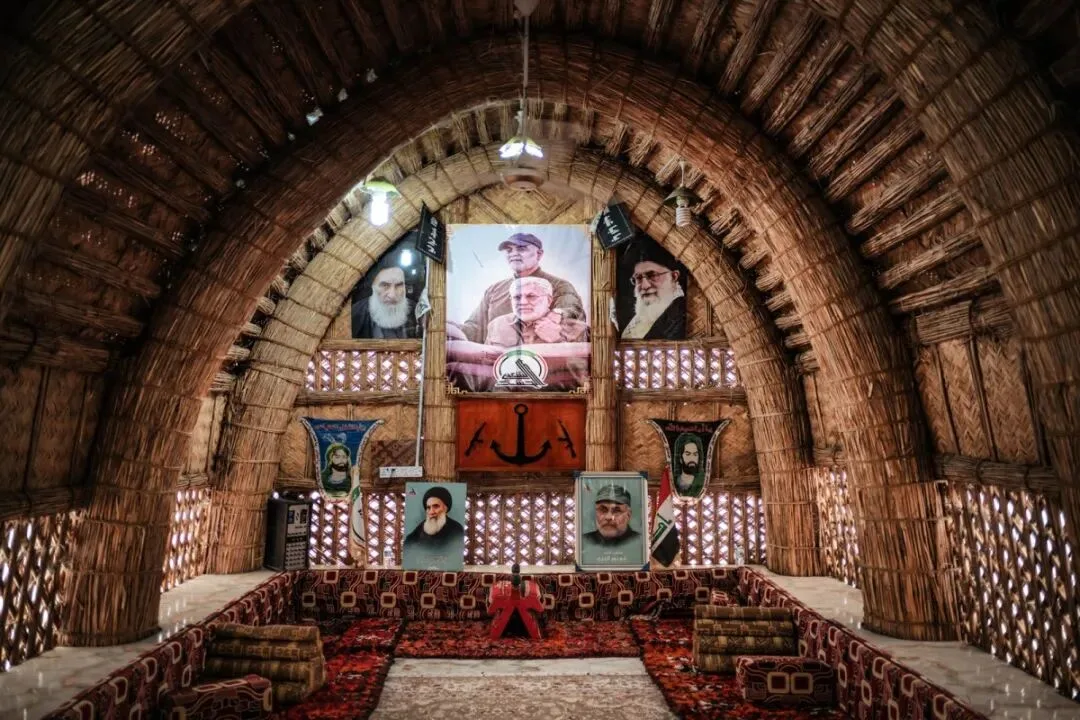
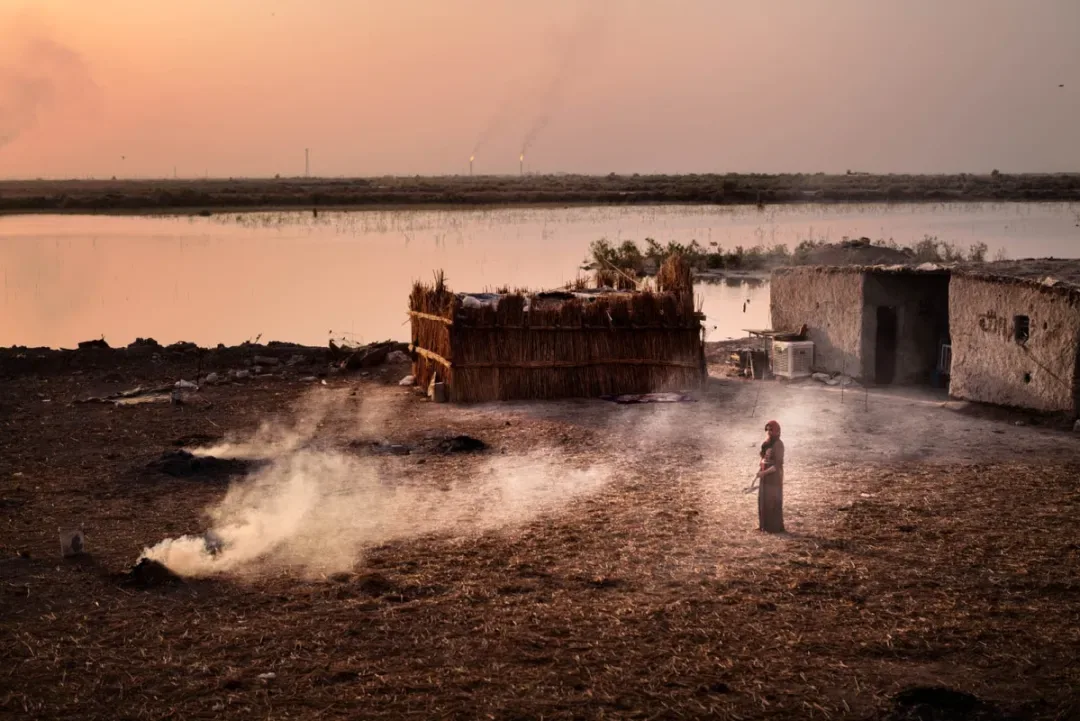
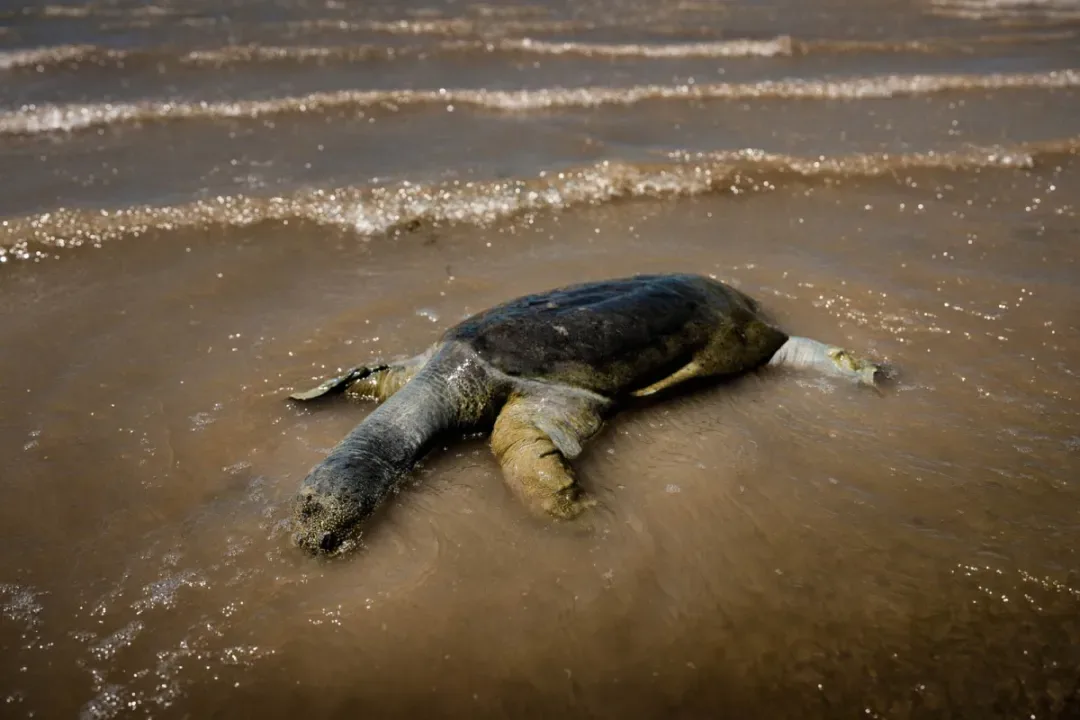
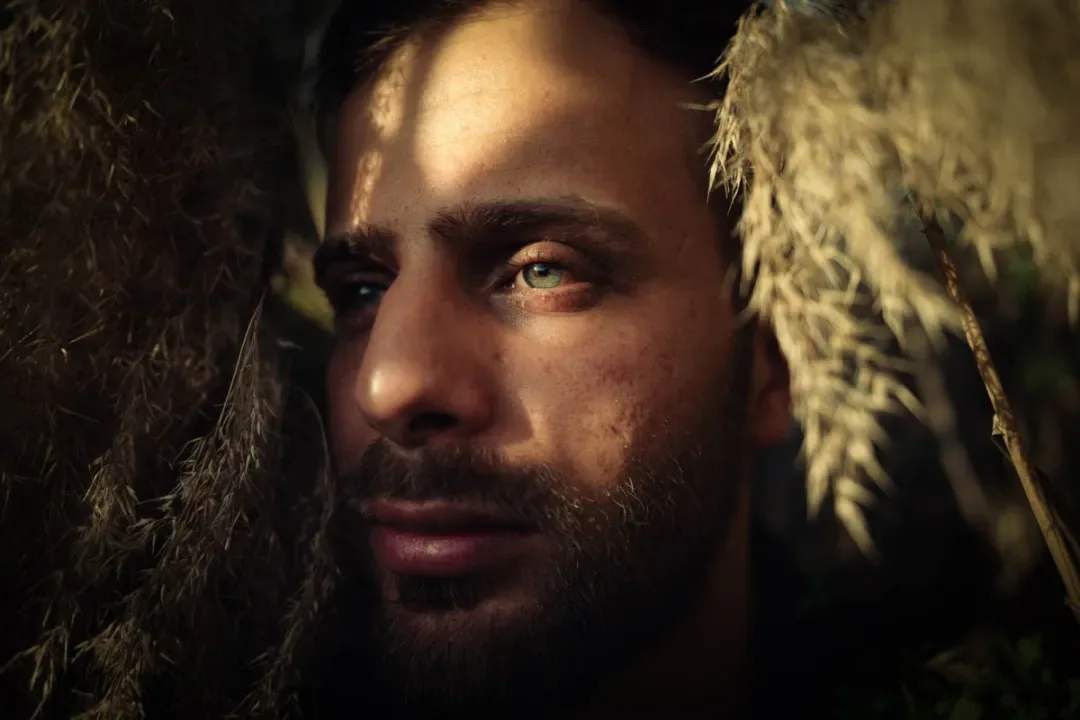
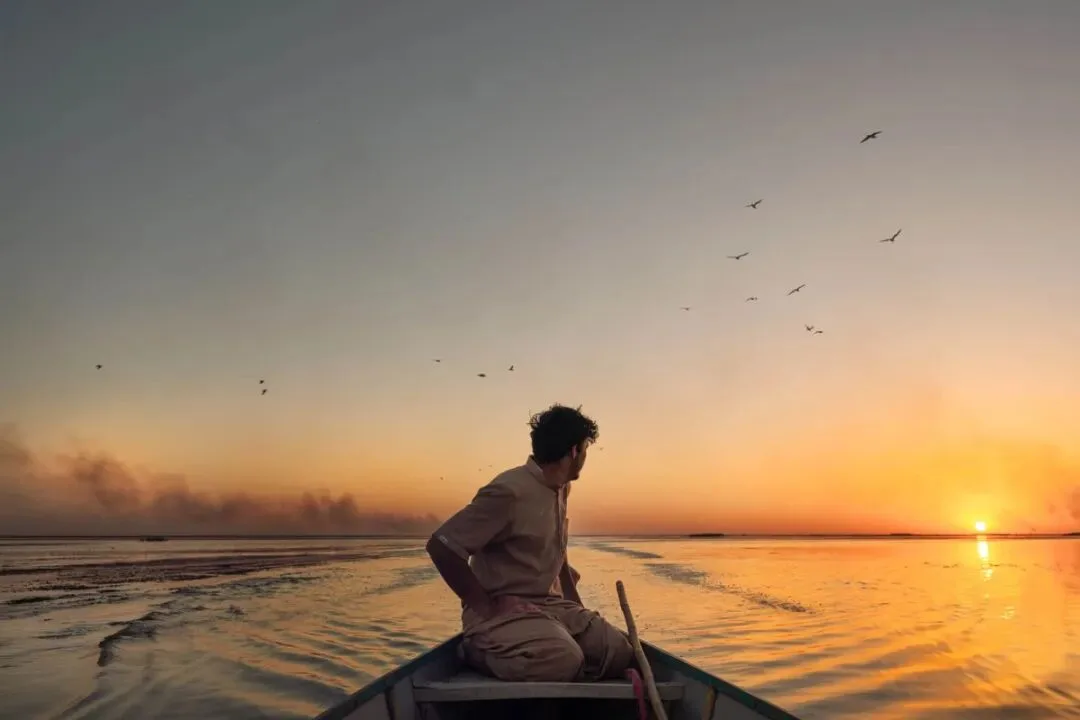
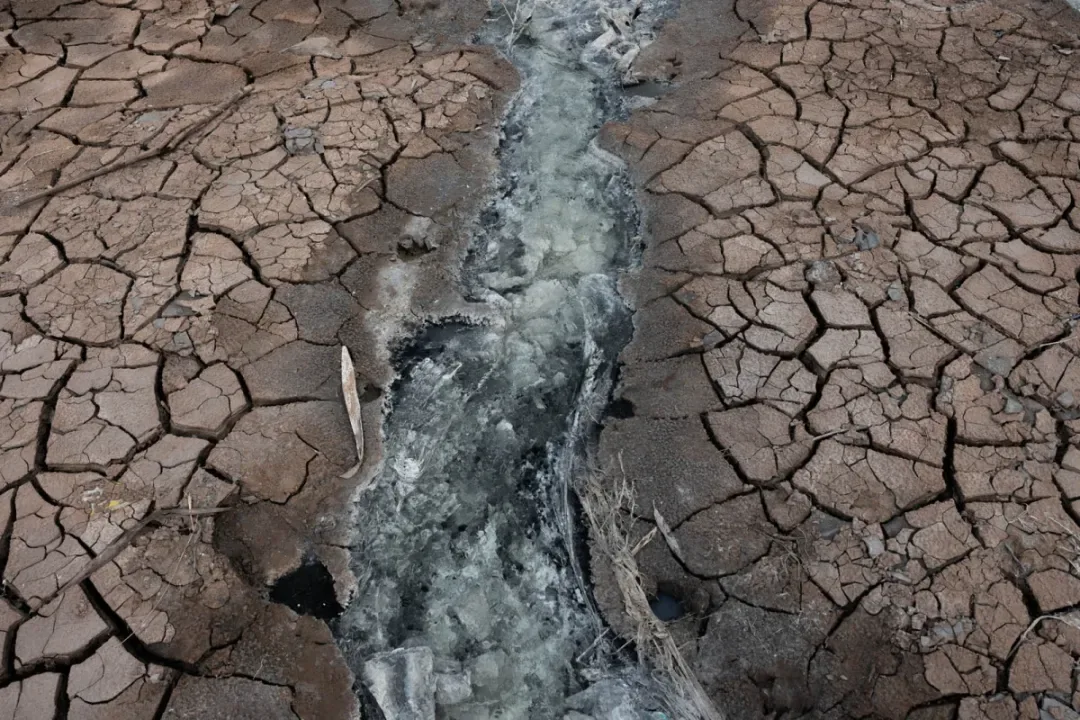
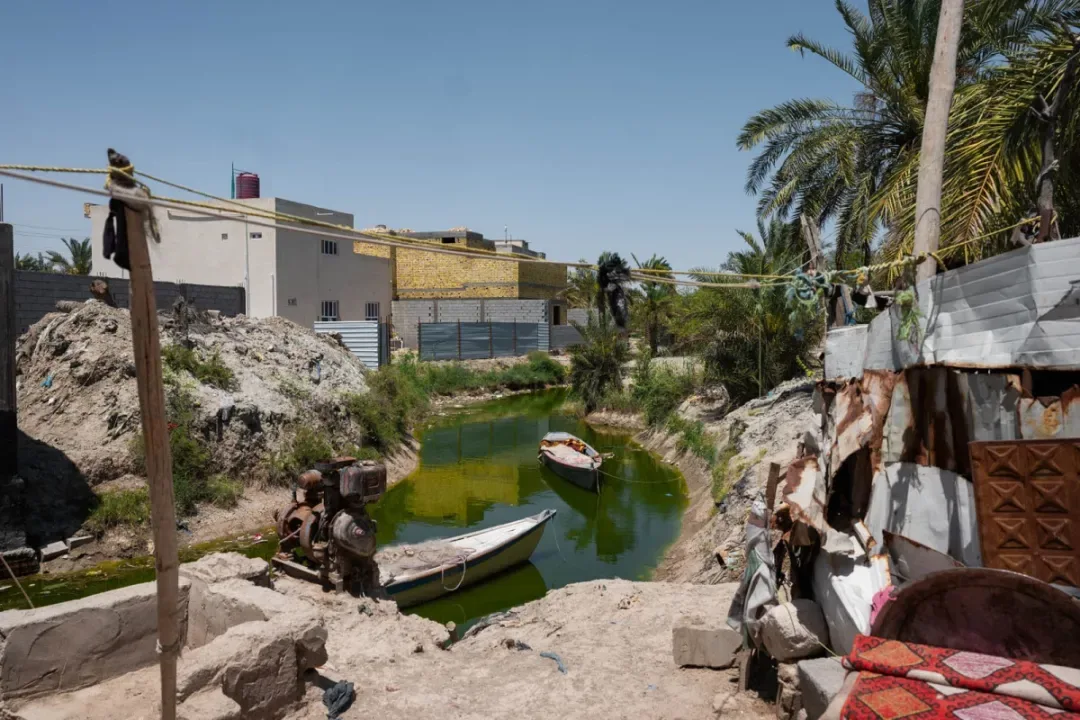
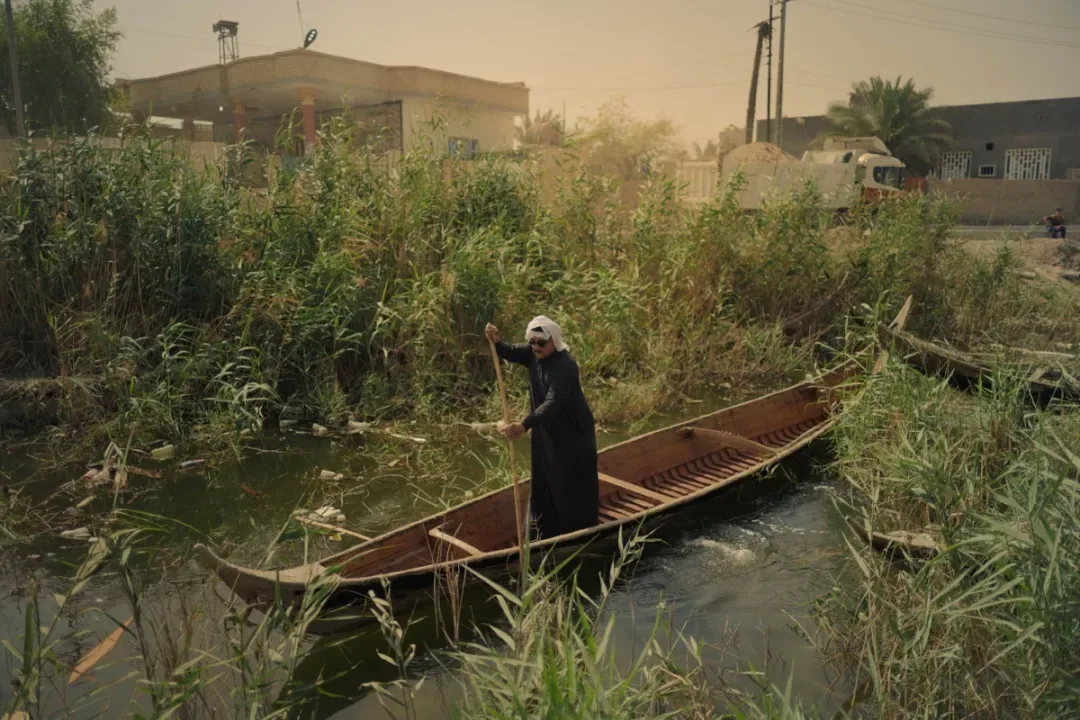
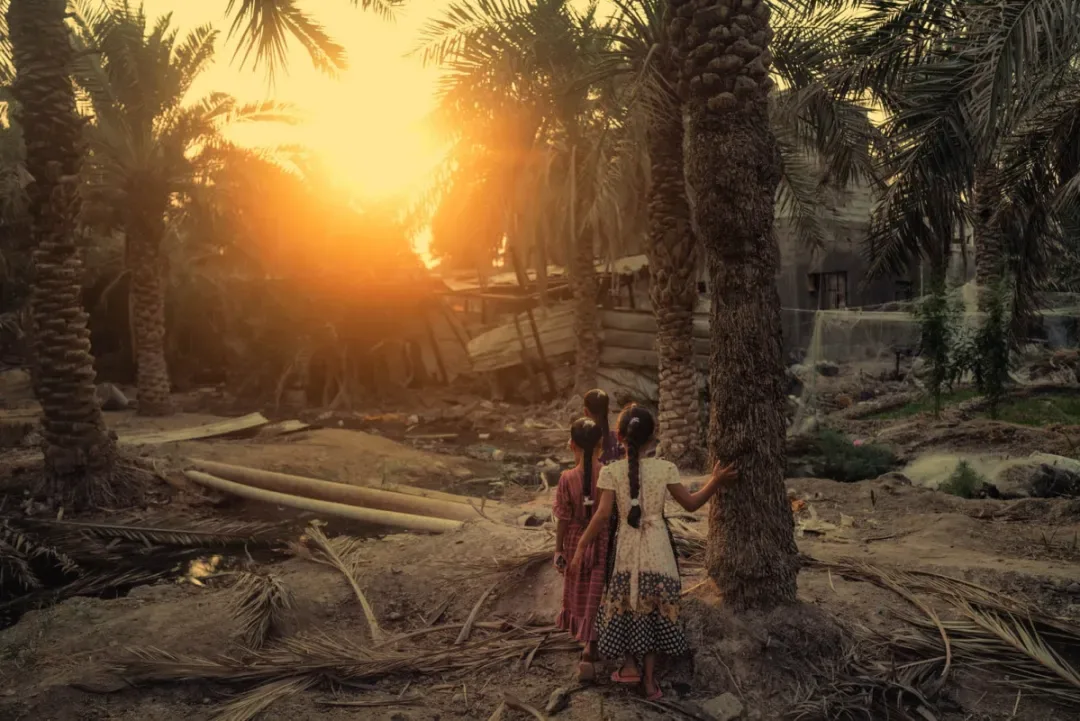
Emily Garthwaite:Tears of the Tigris

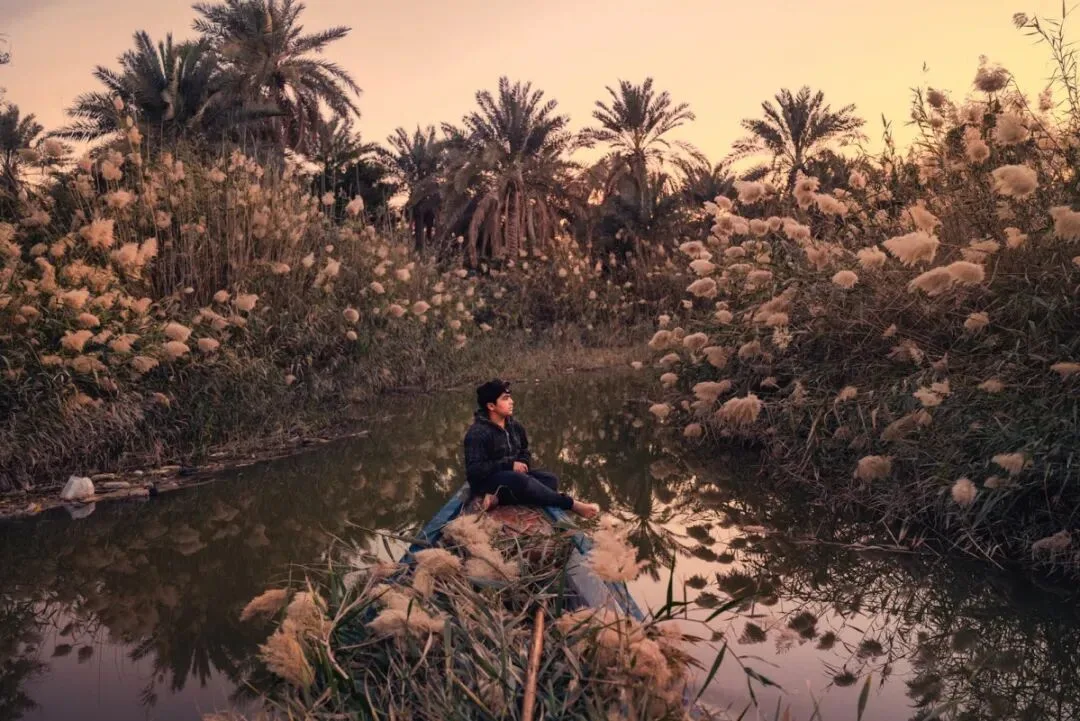
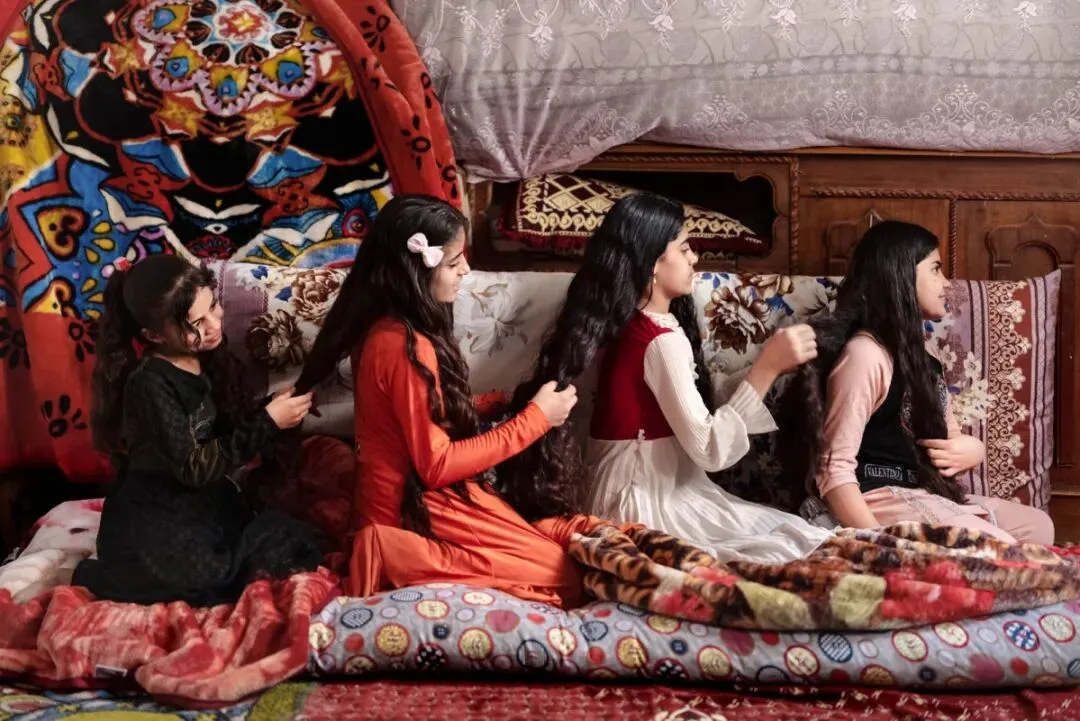
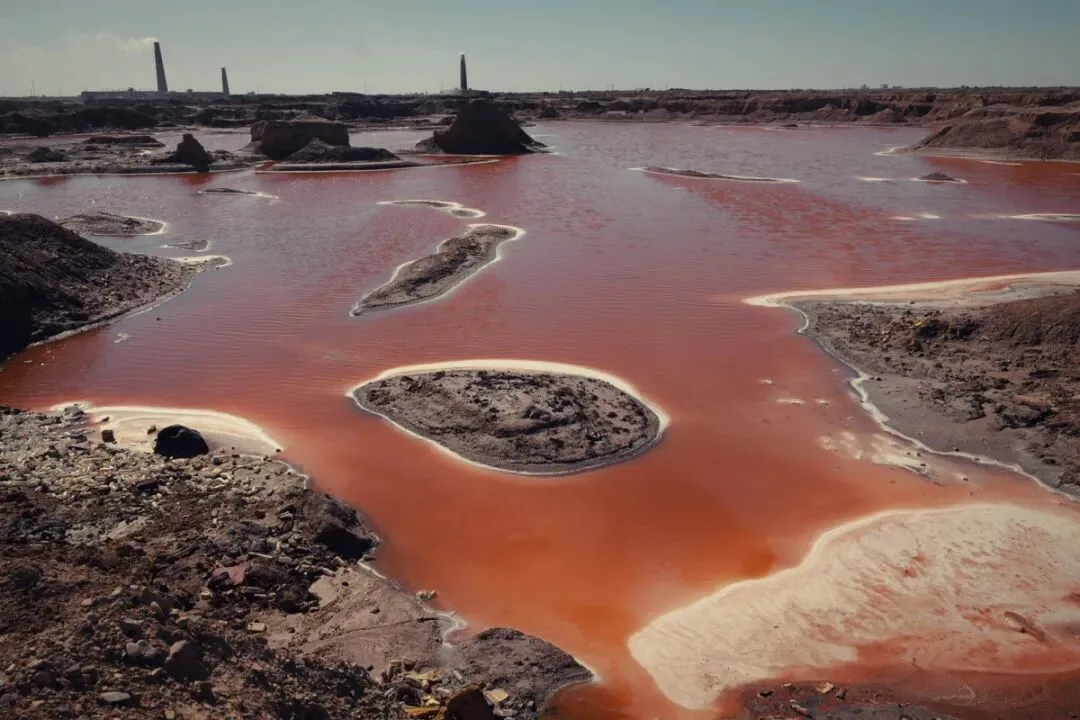
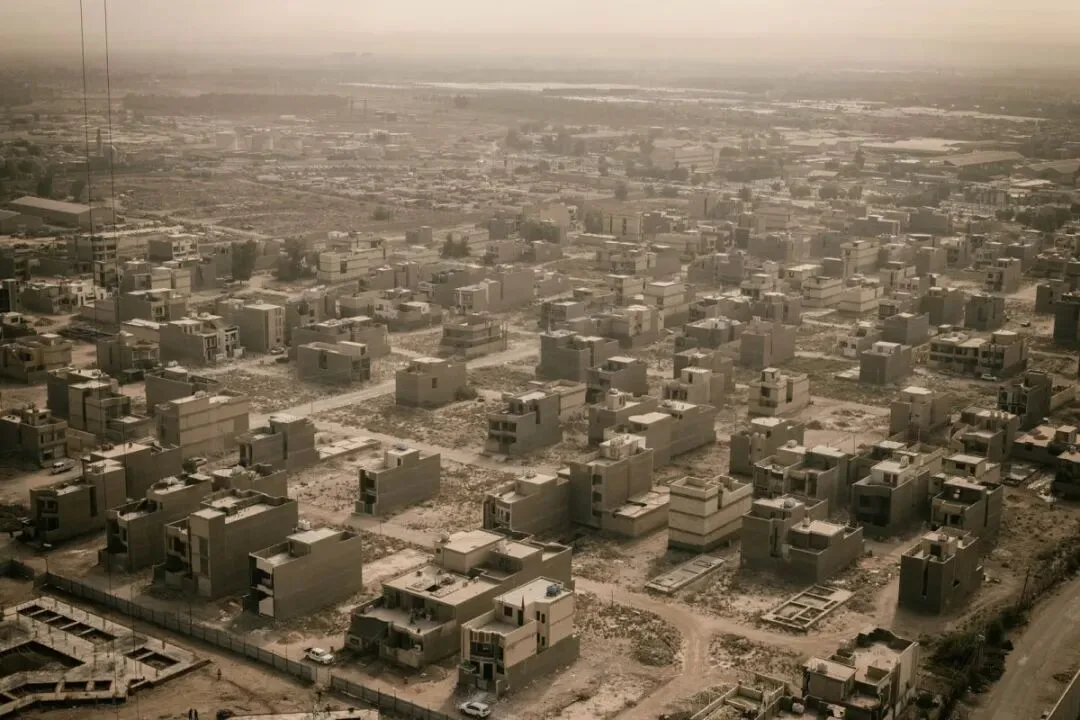
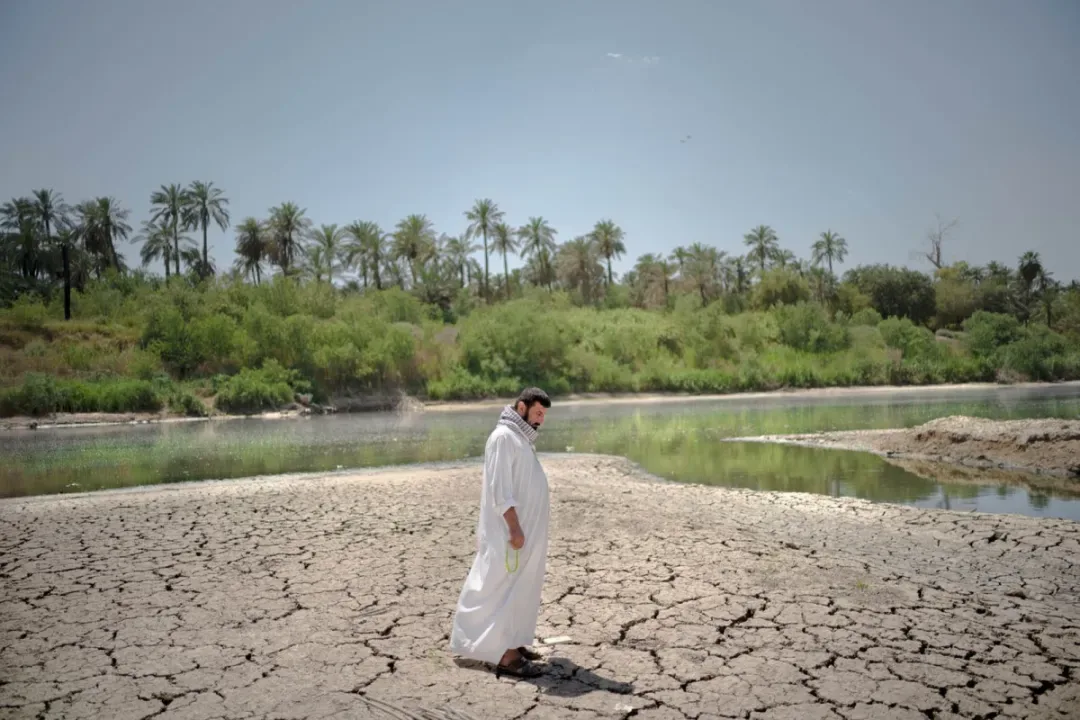
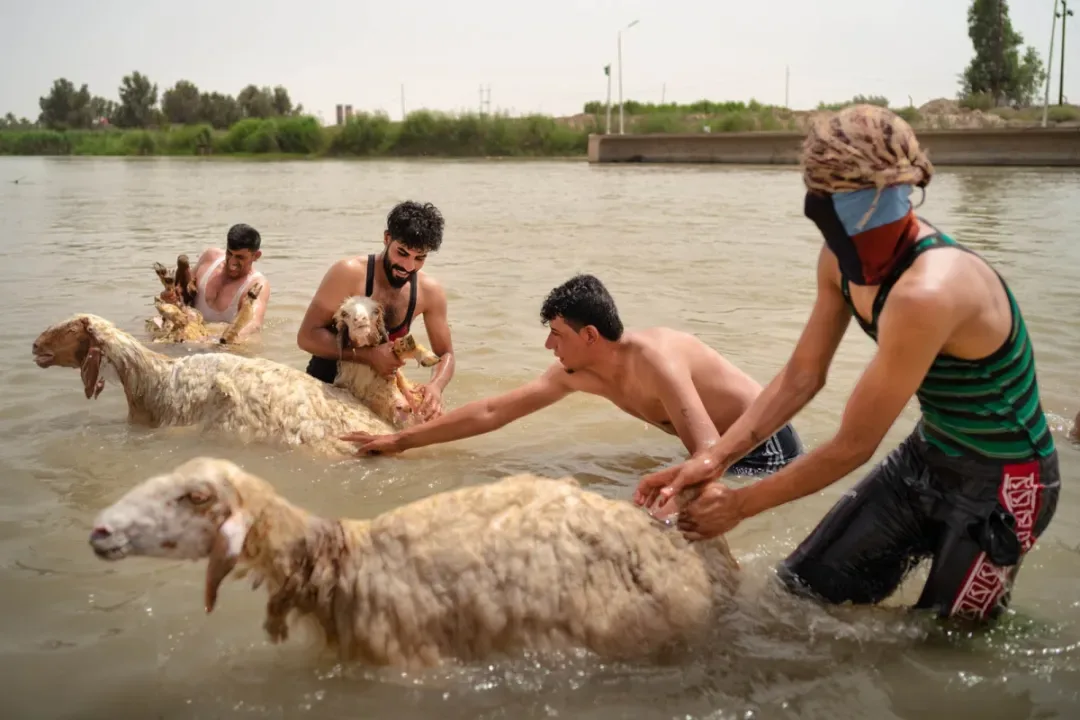
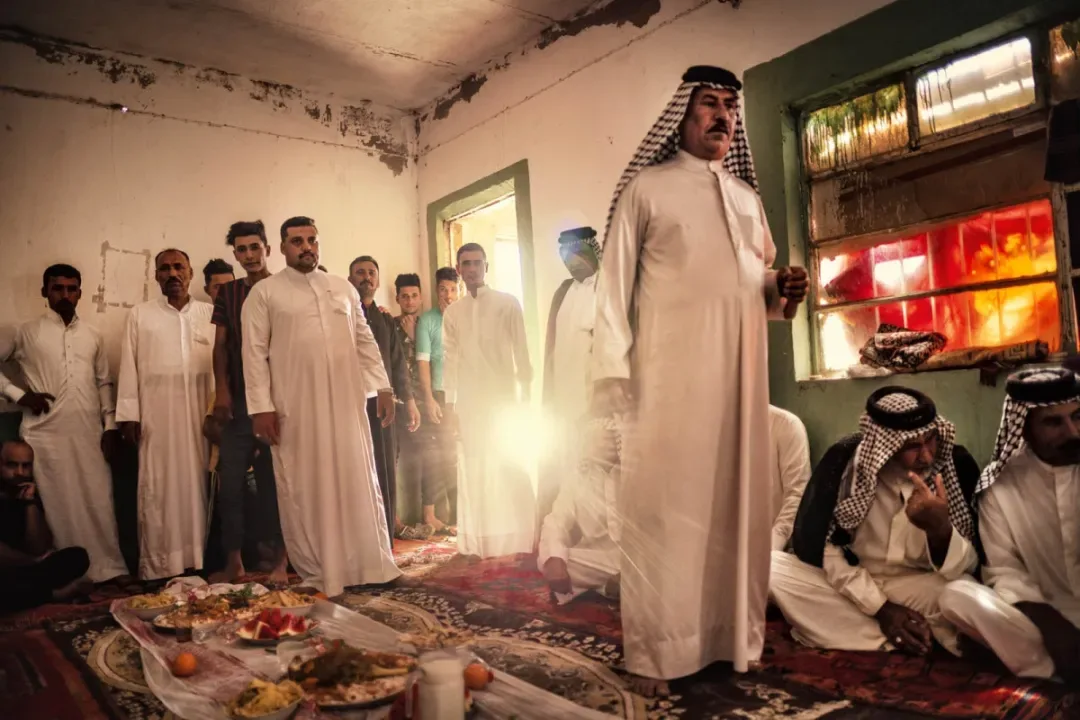
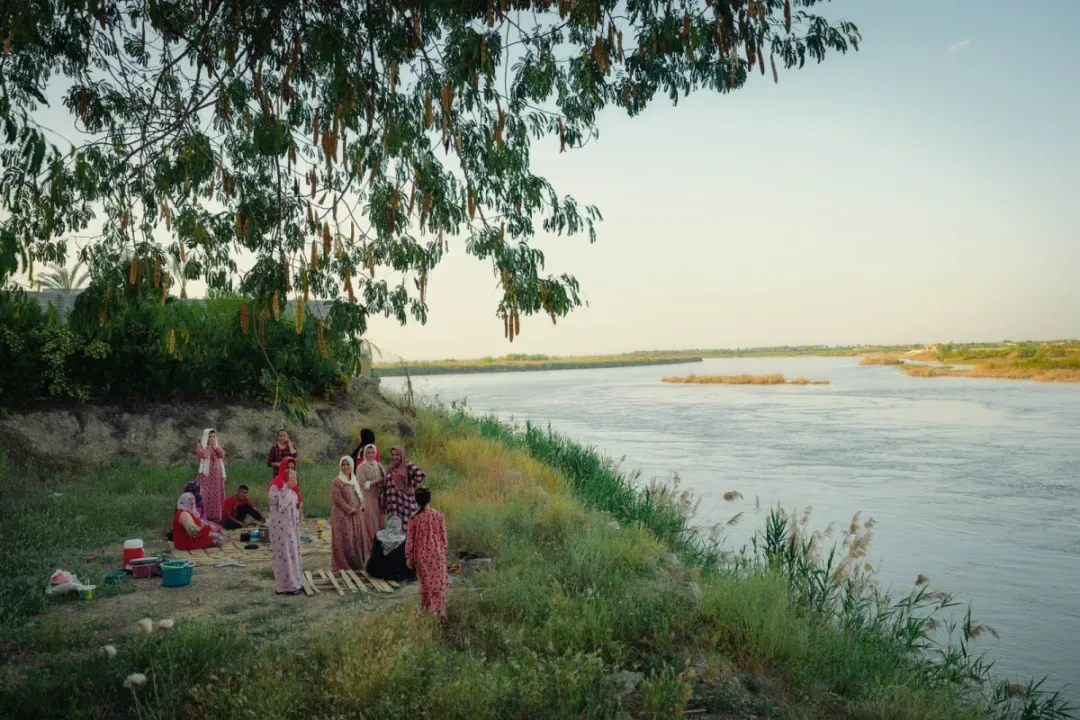
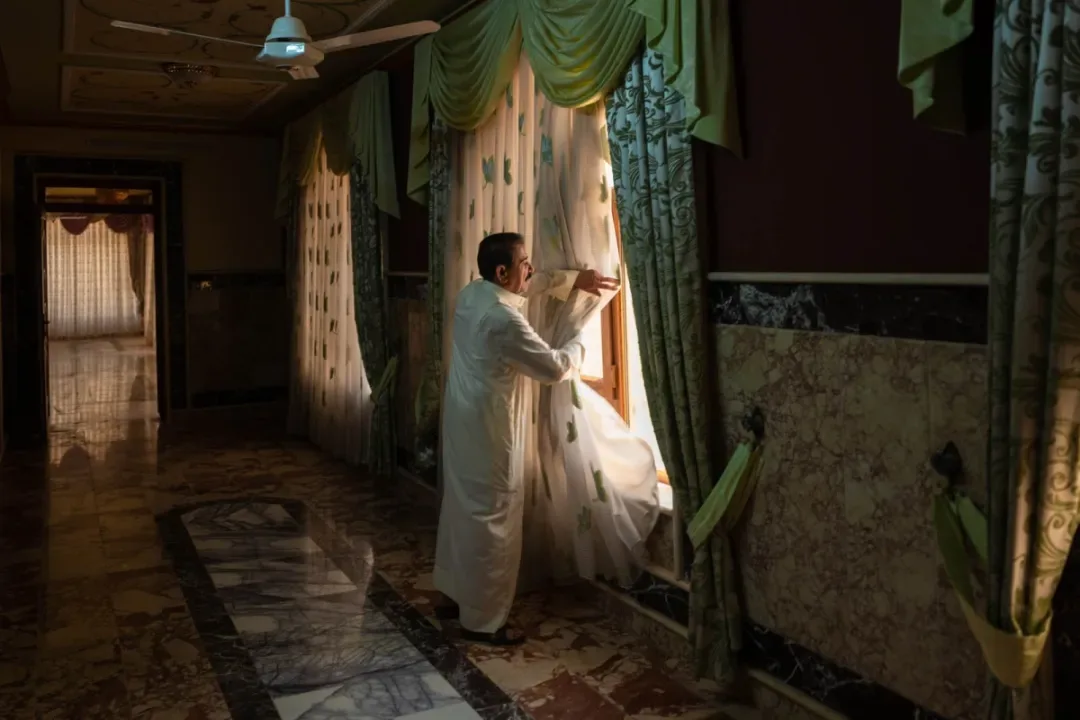
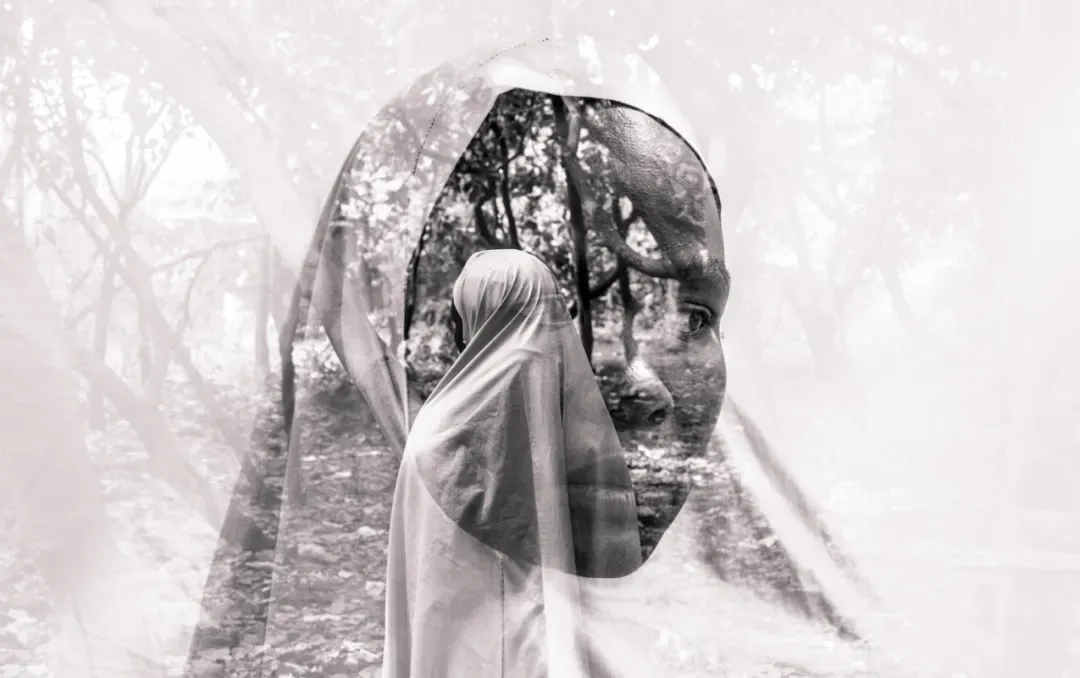
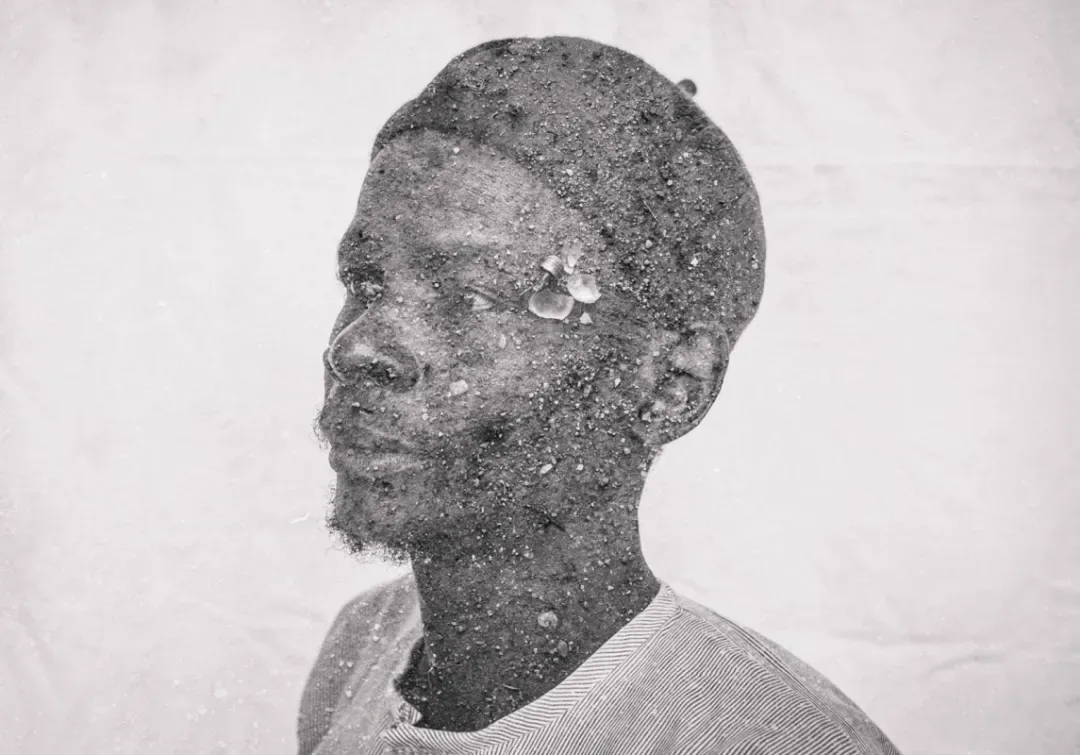
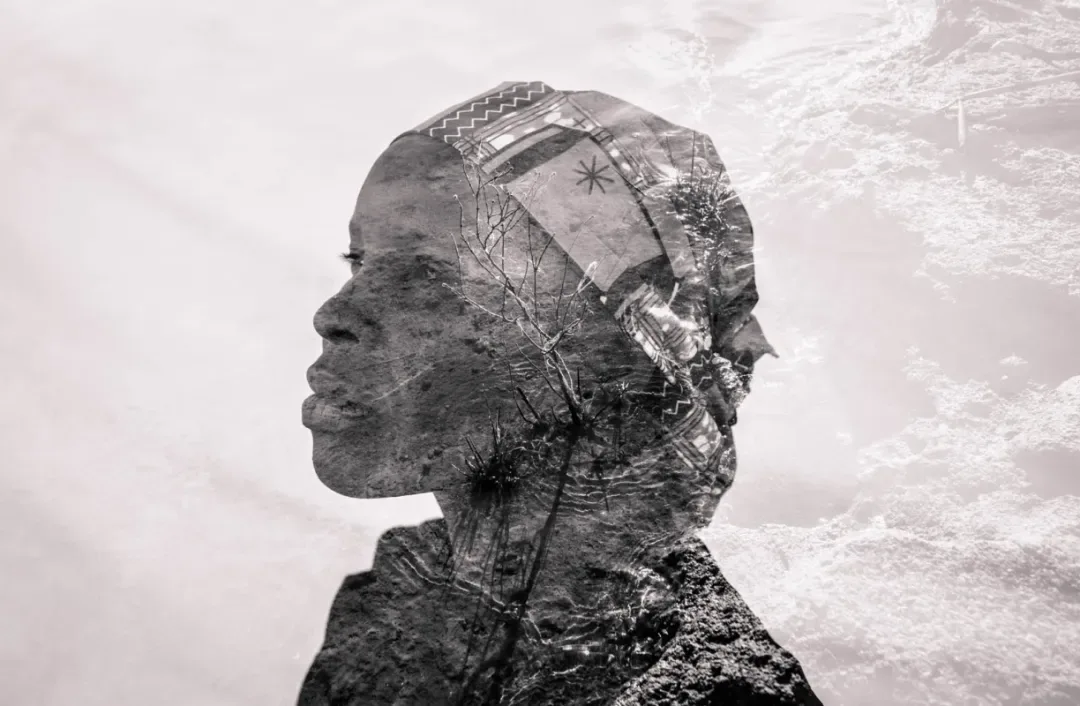
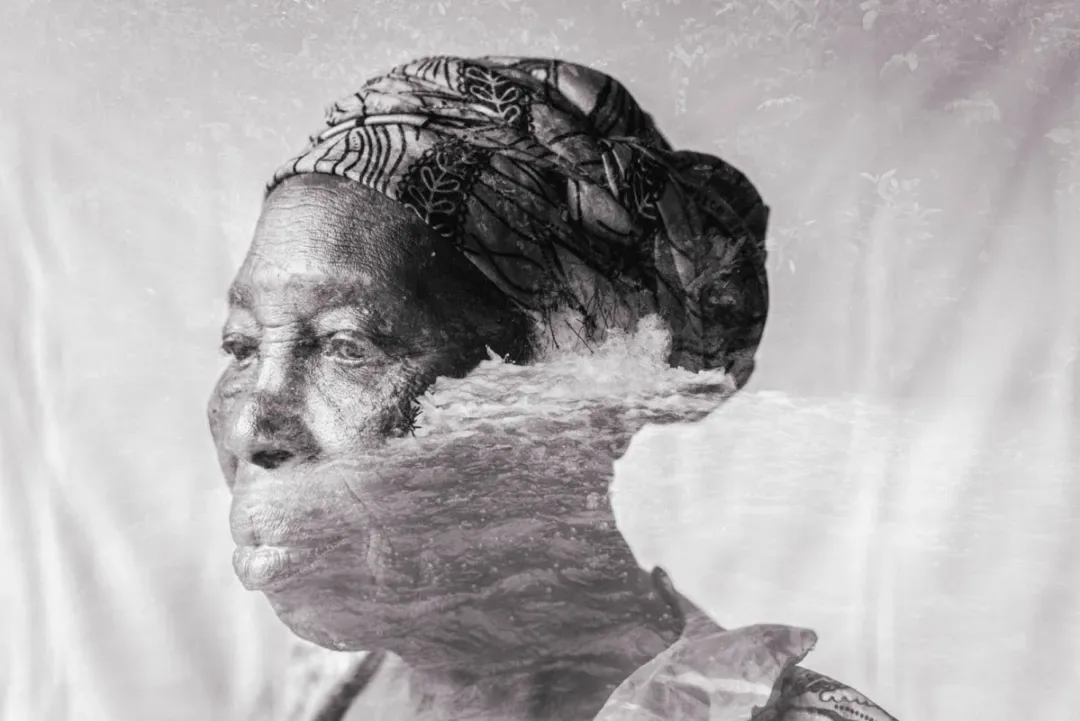
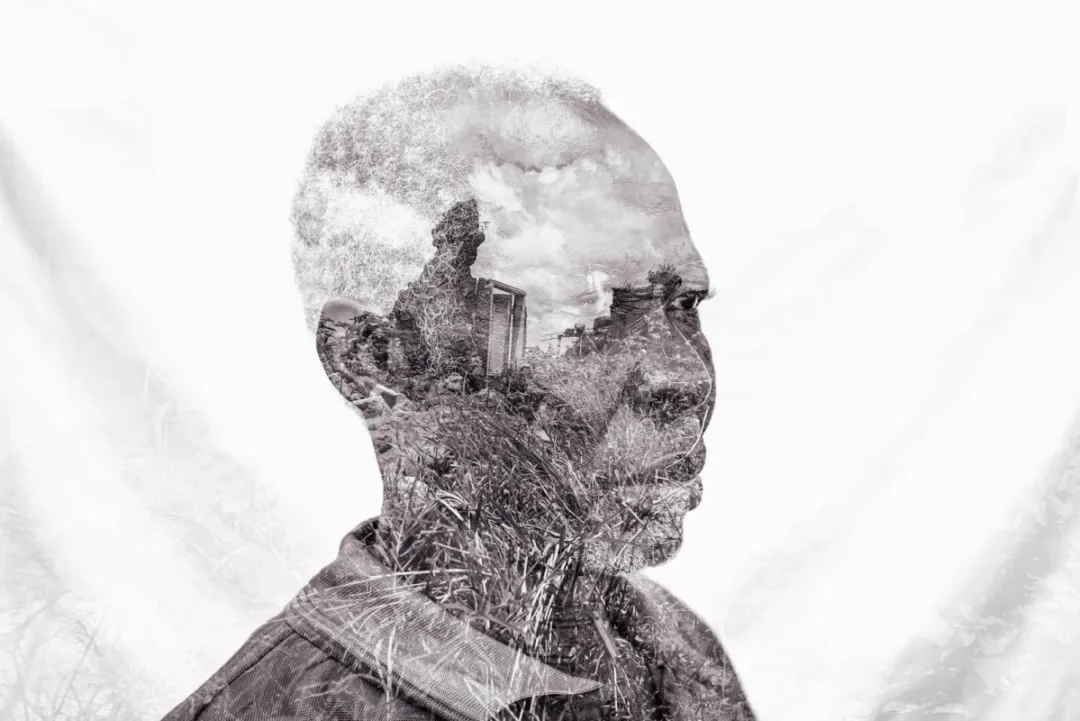
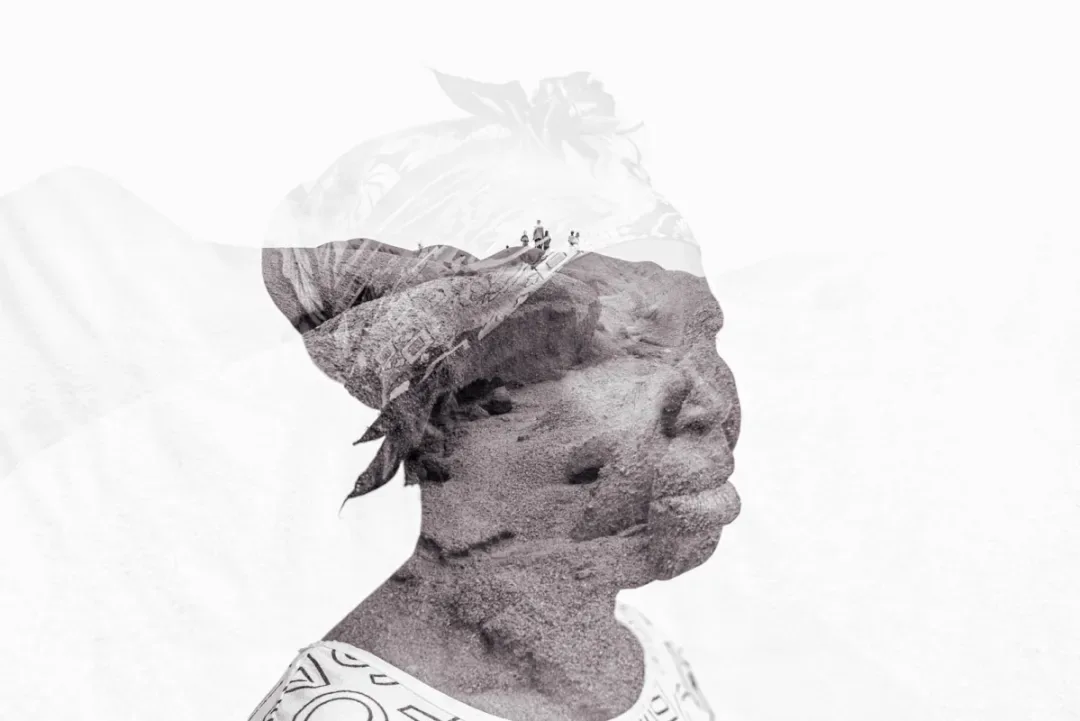
Etinosa Yvonne :It’s All in My Head
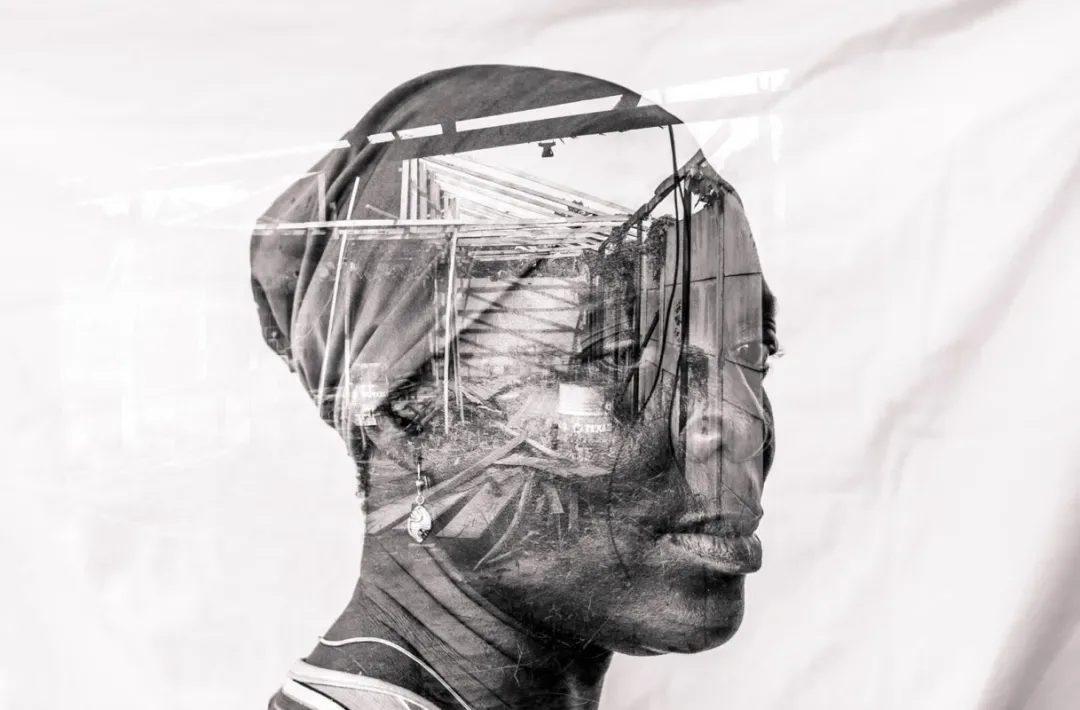
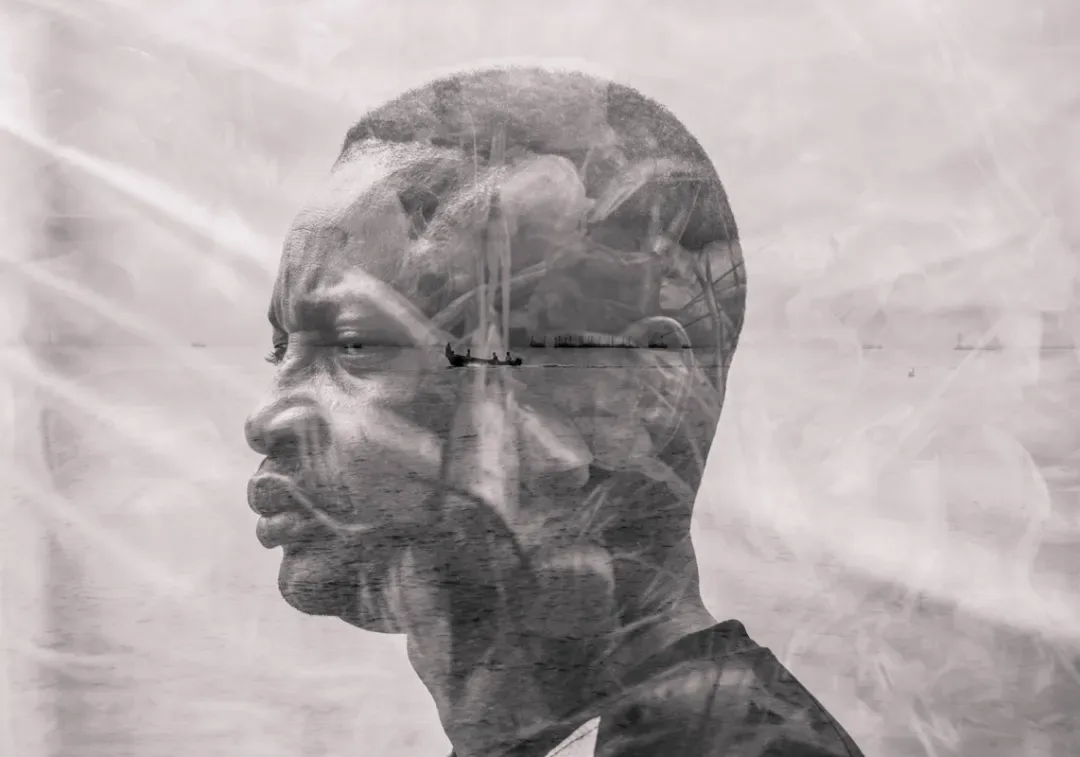
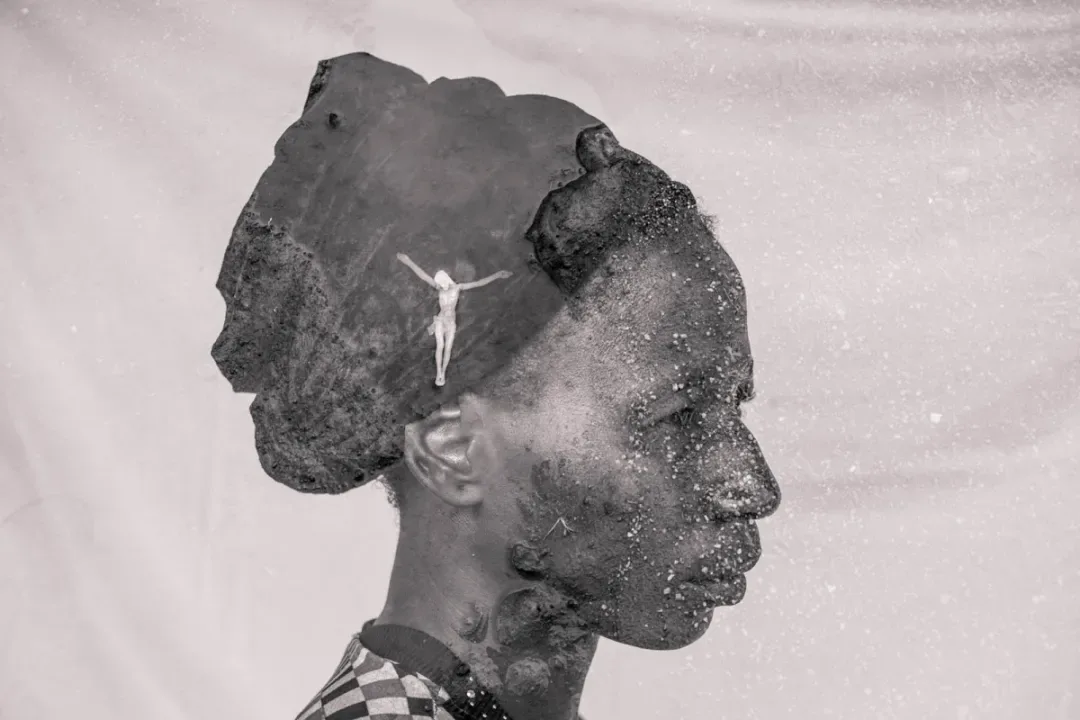
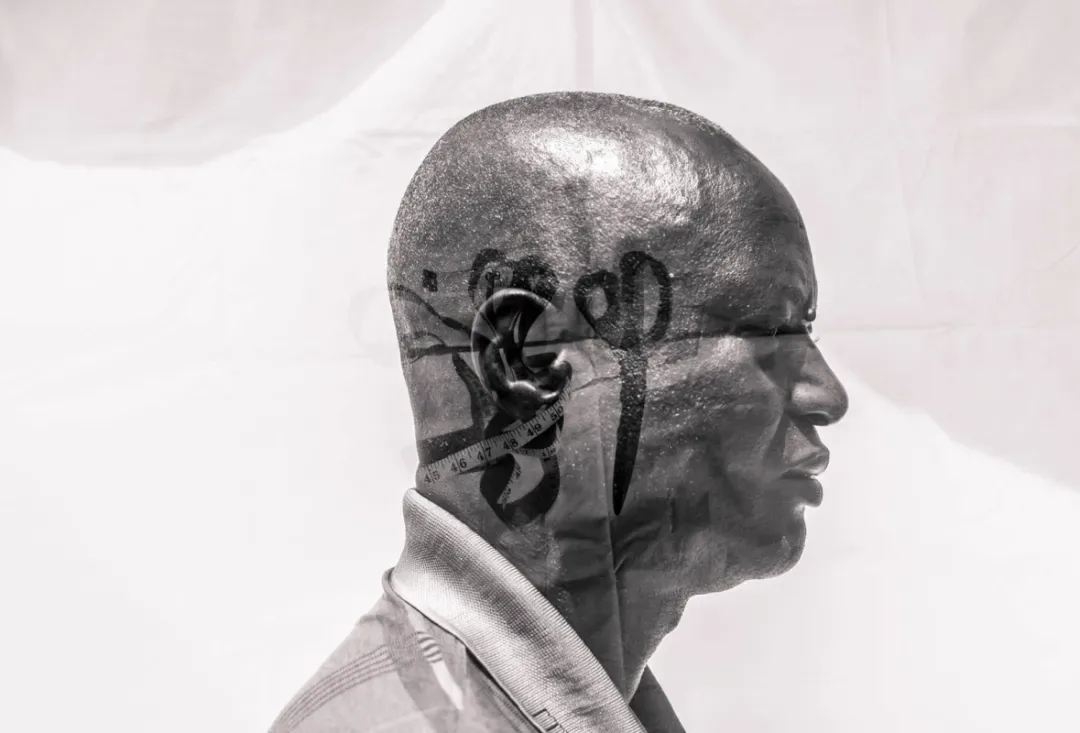
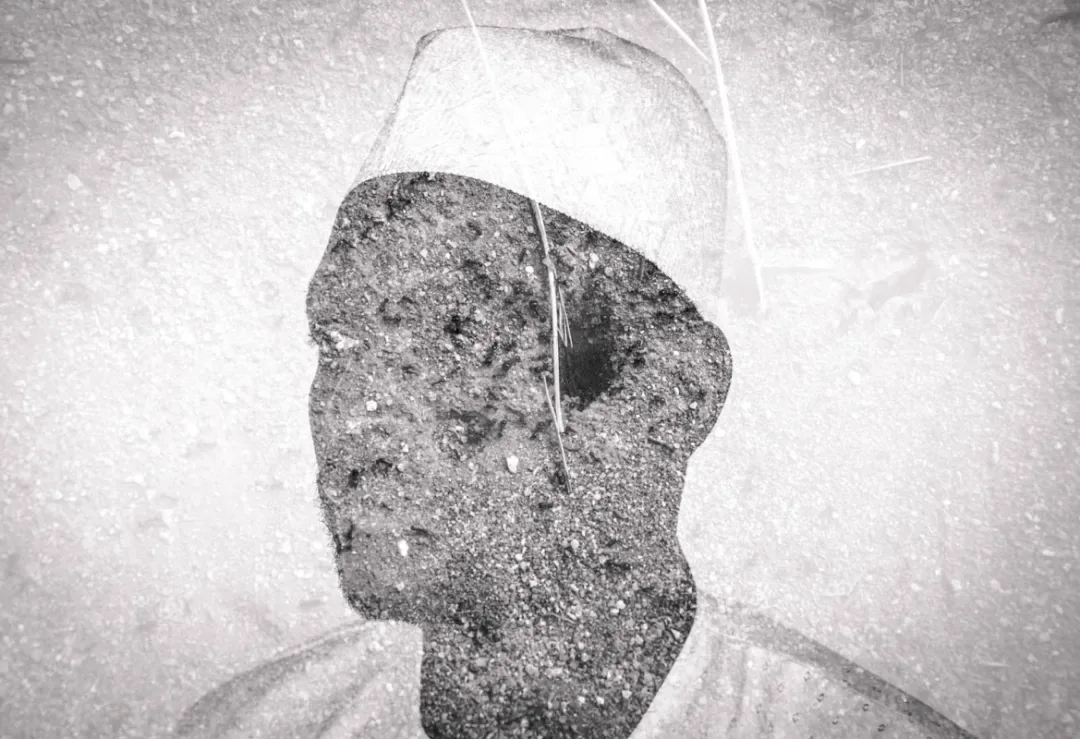
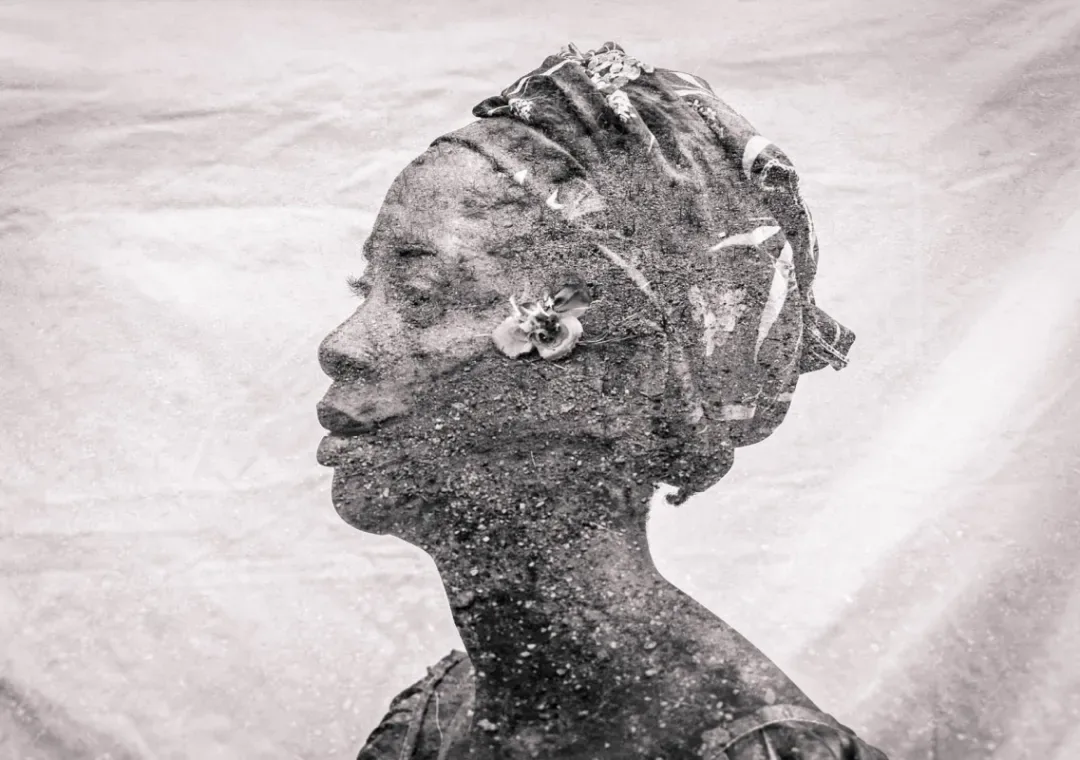
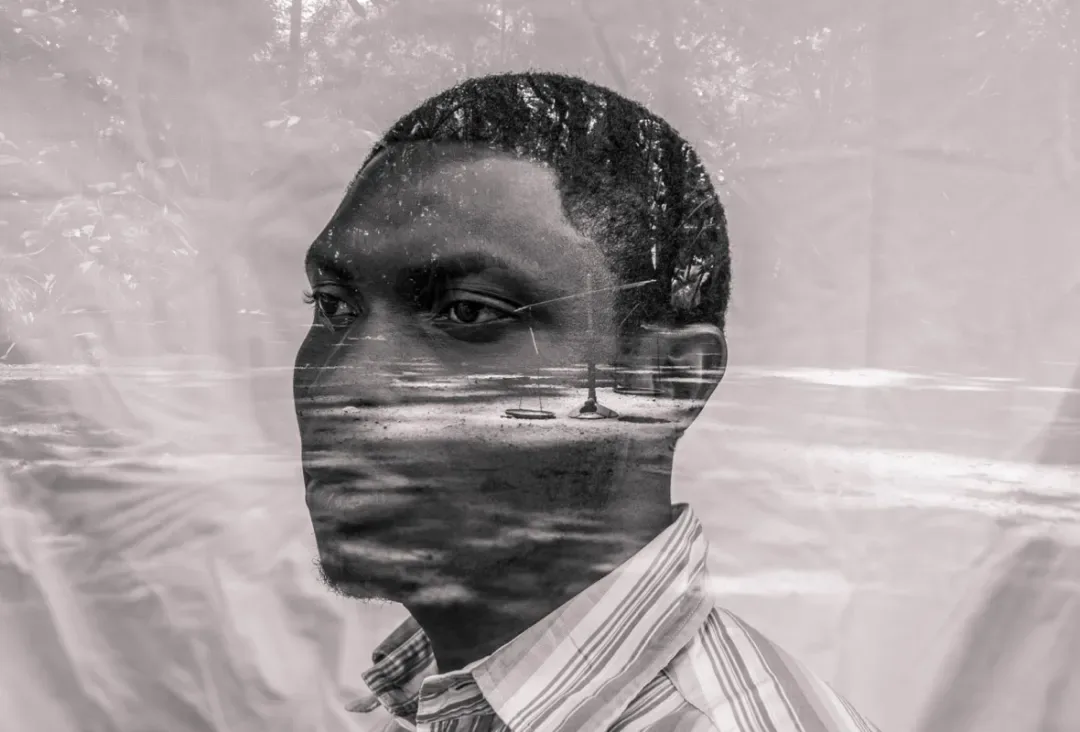
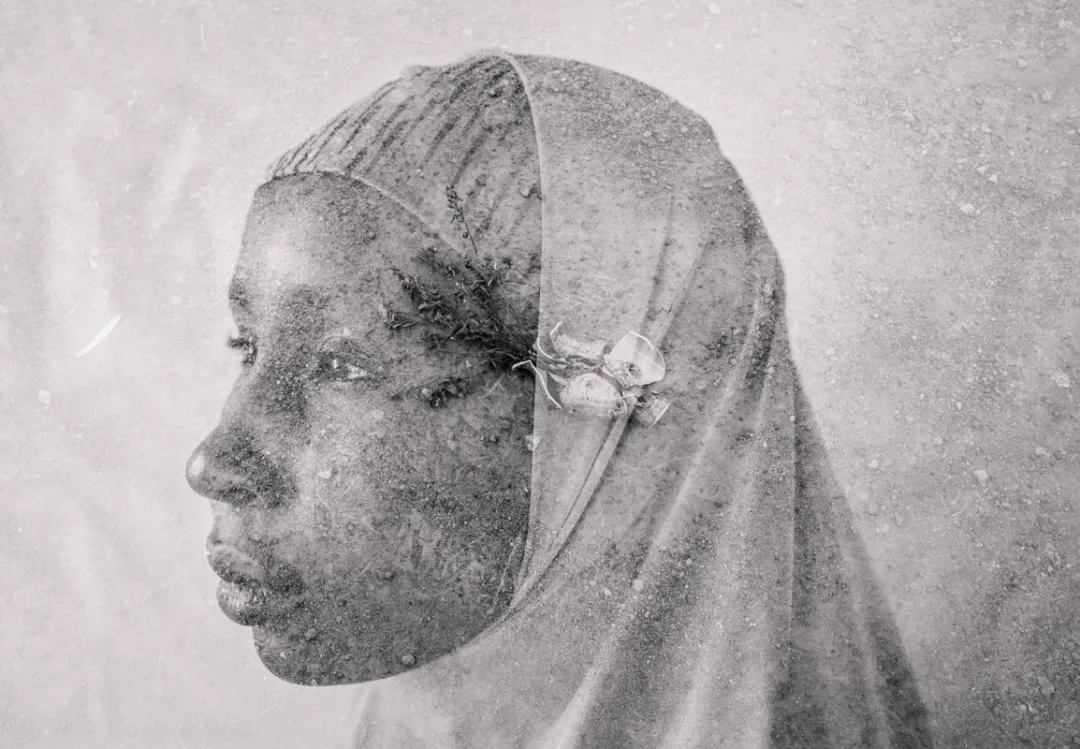
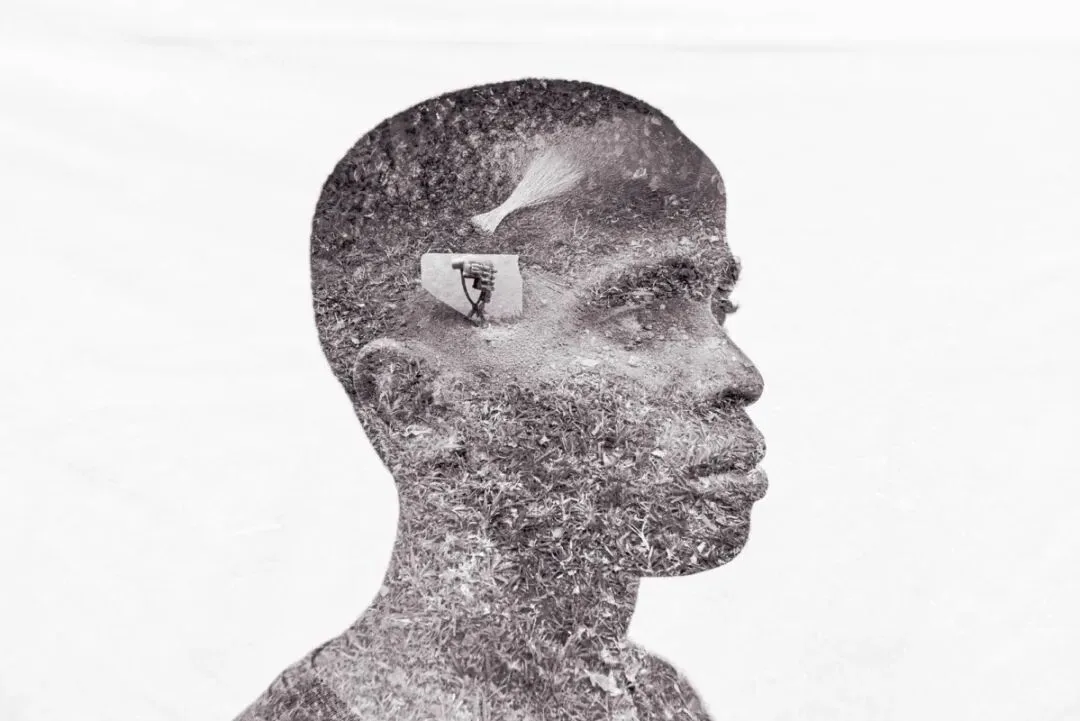
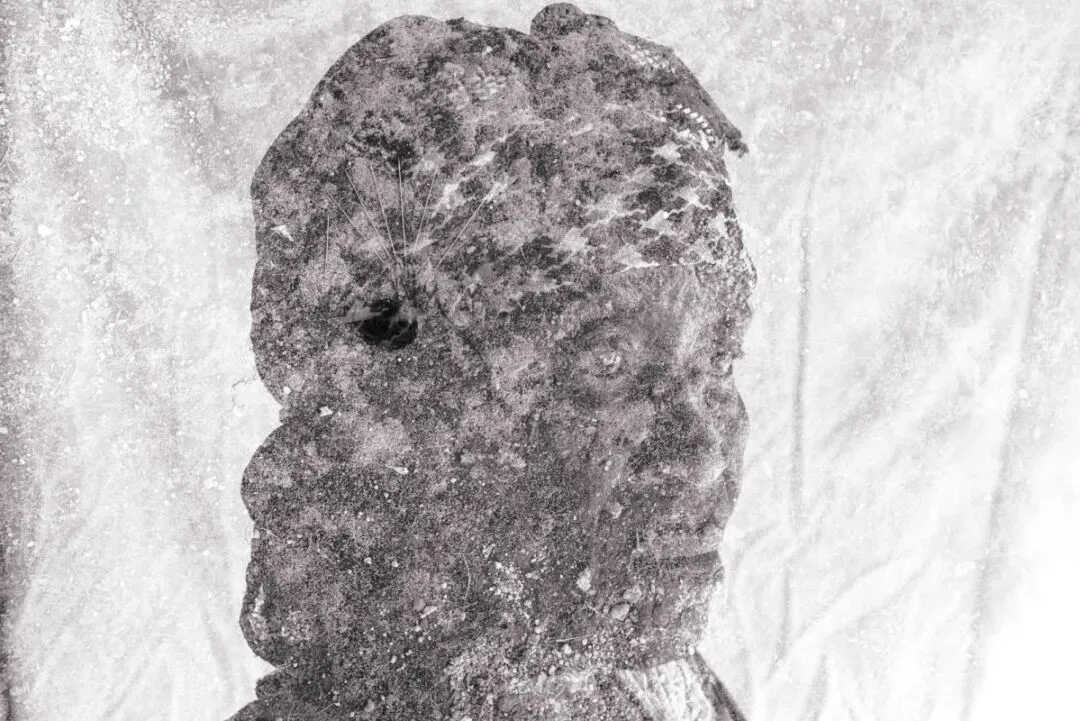
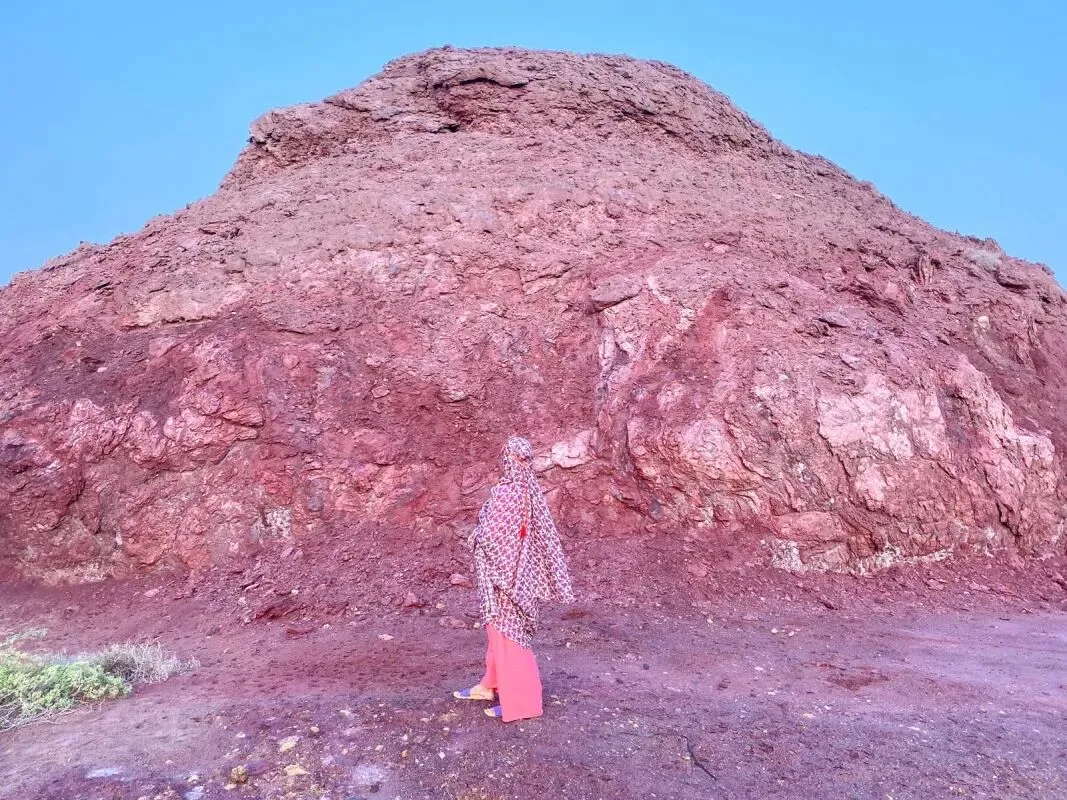
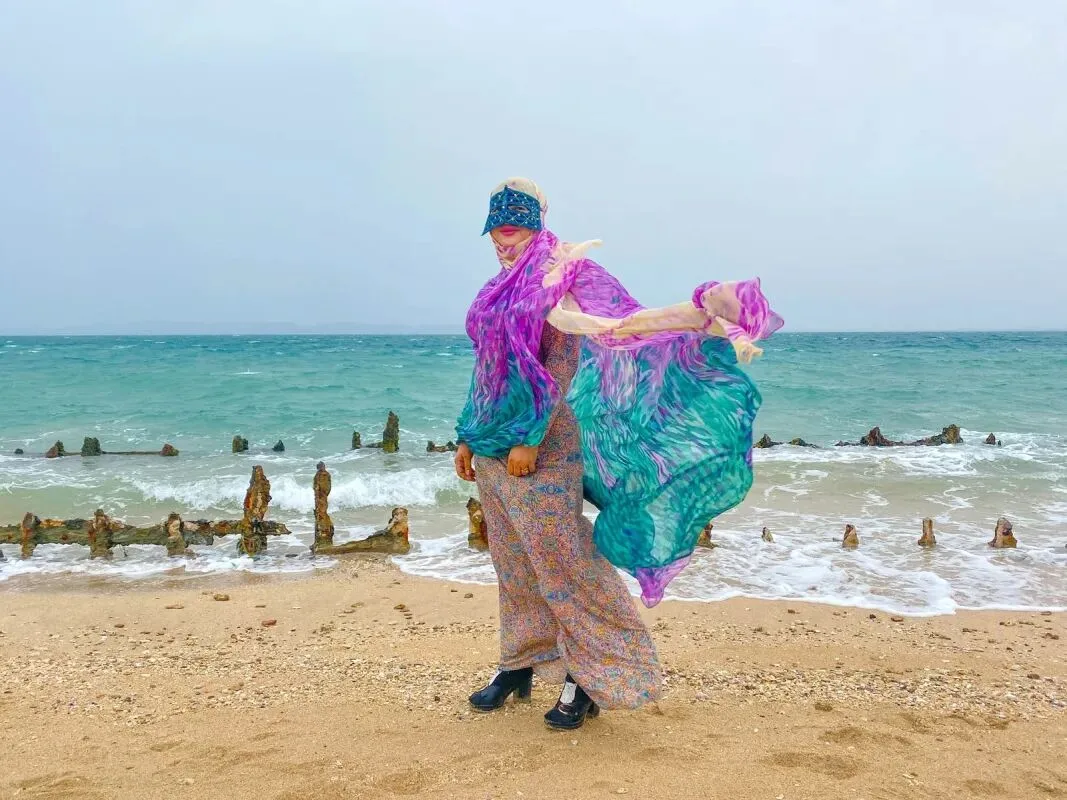
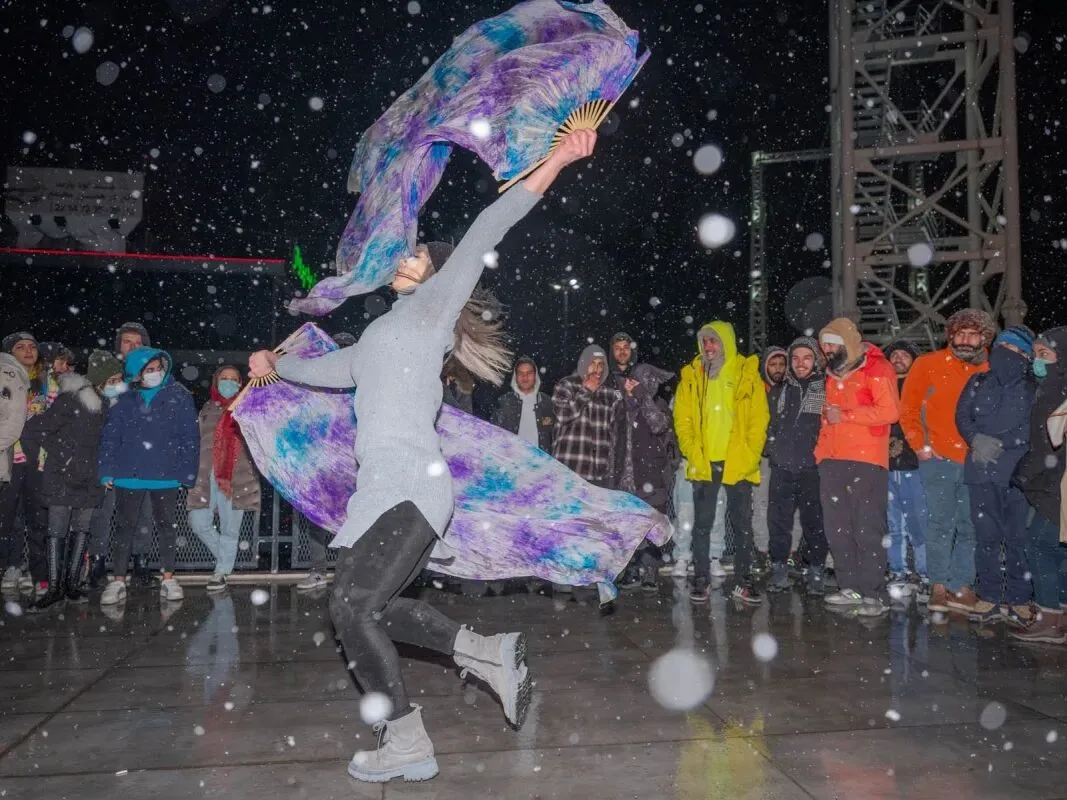
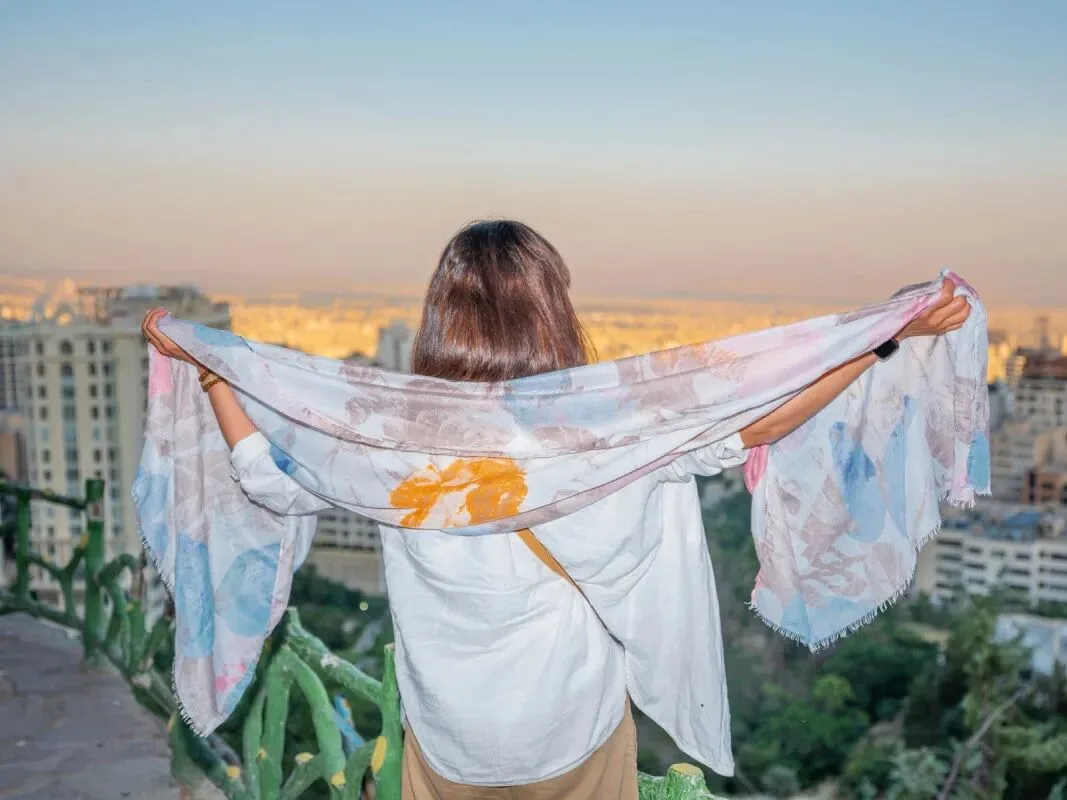
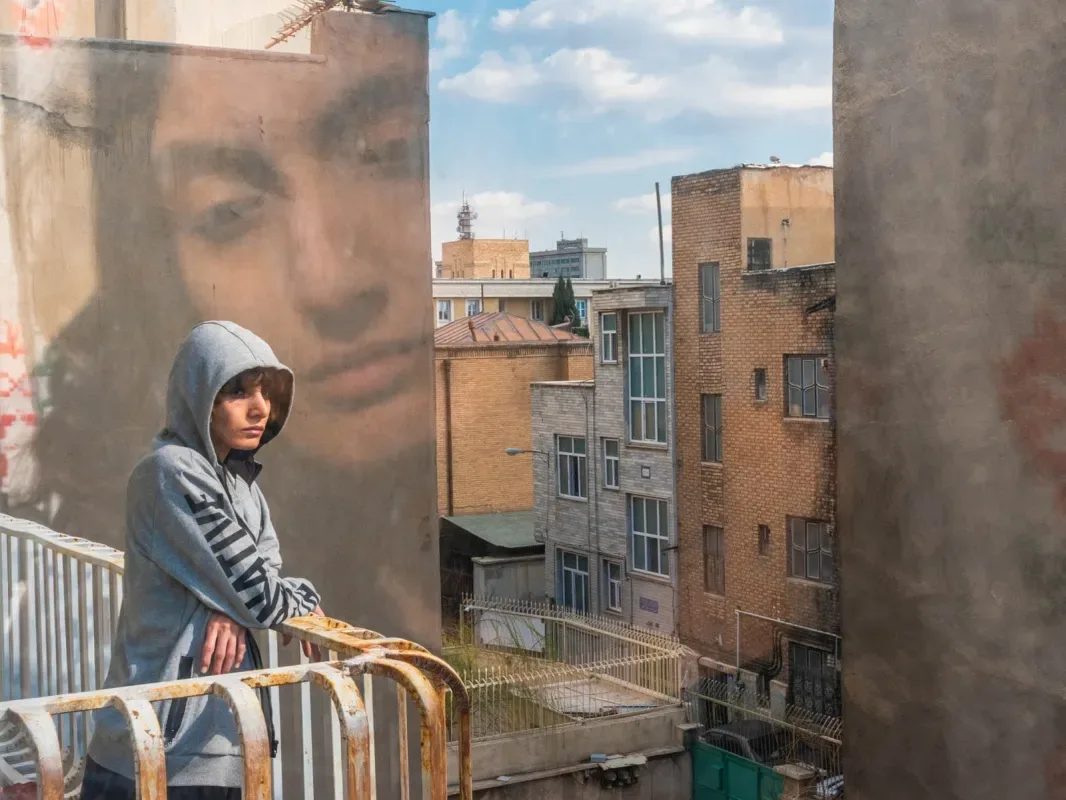
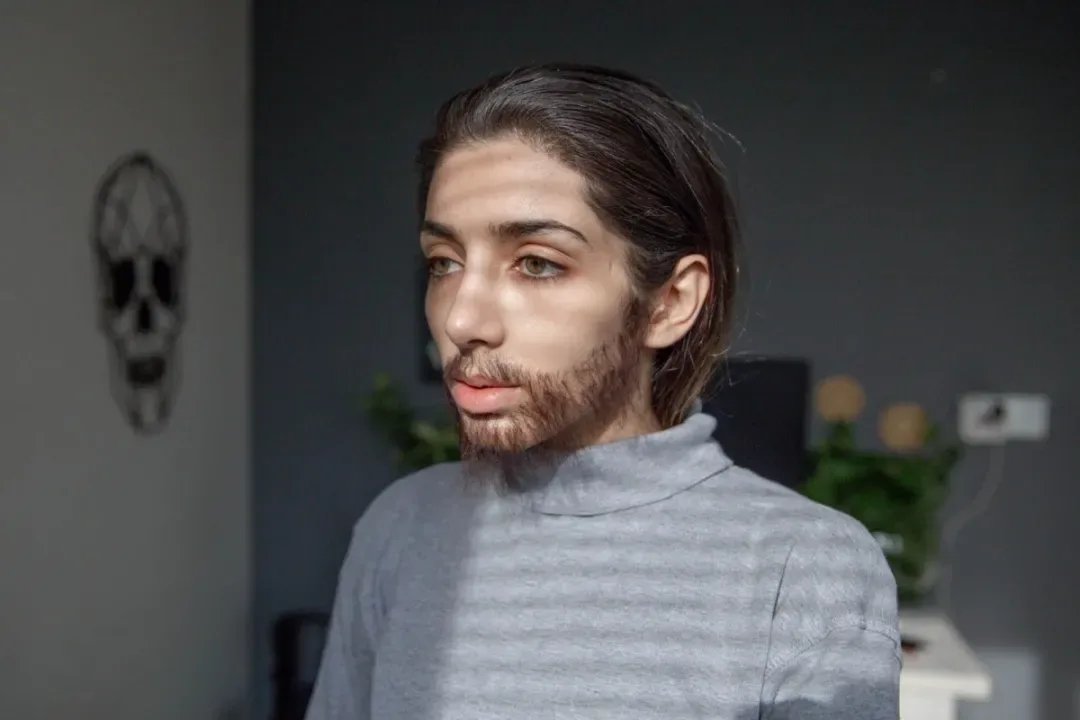
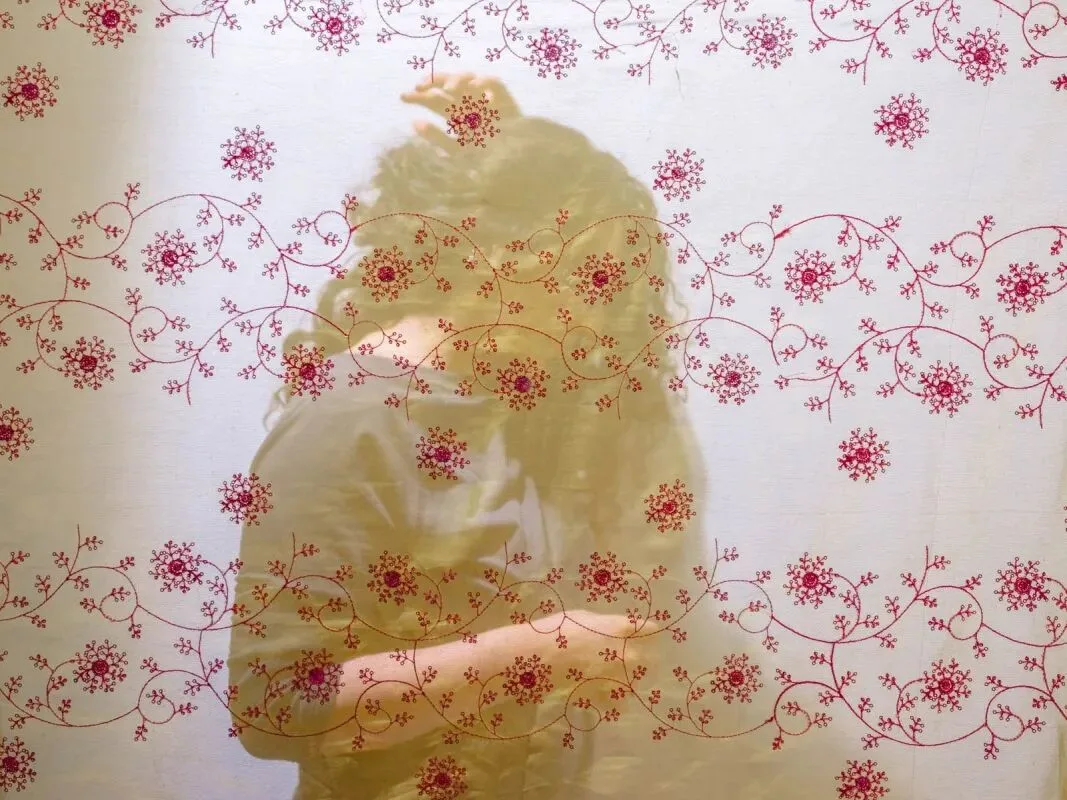
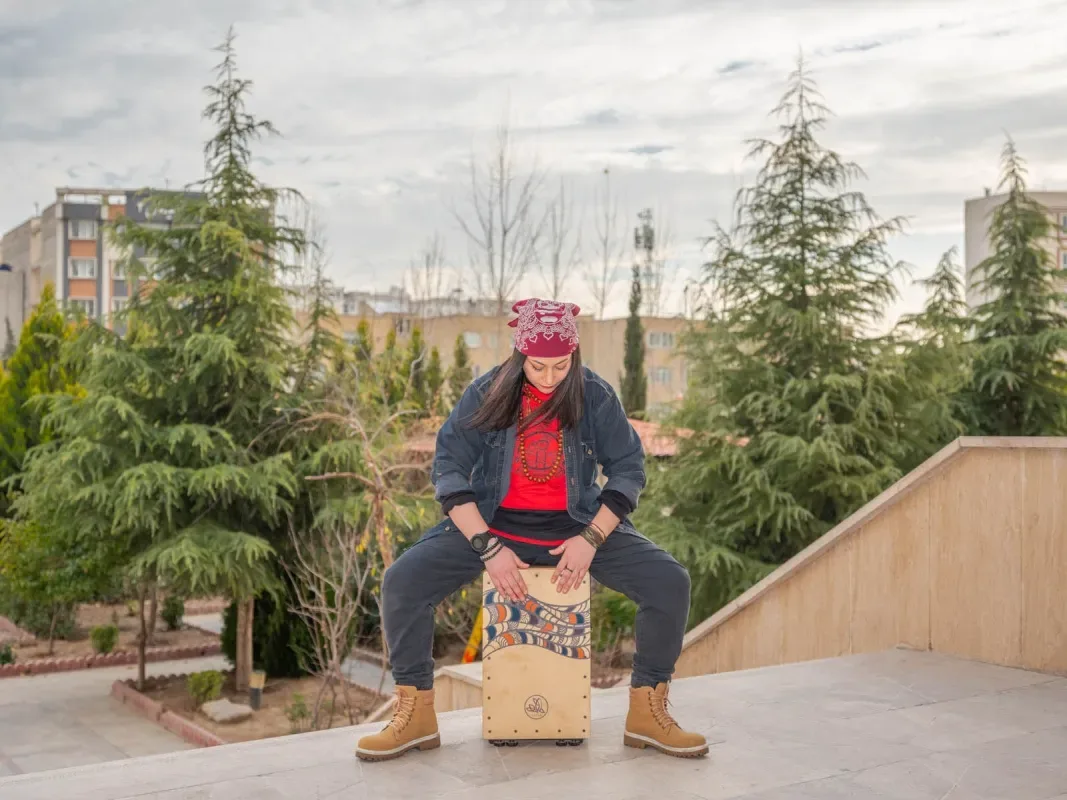
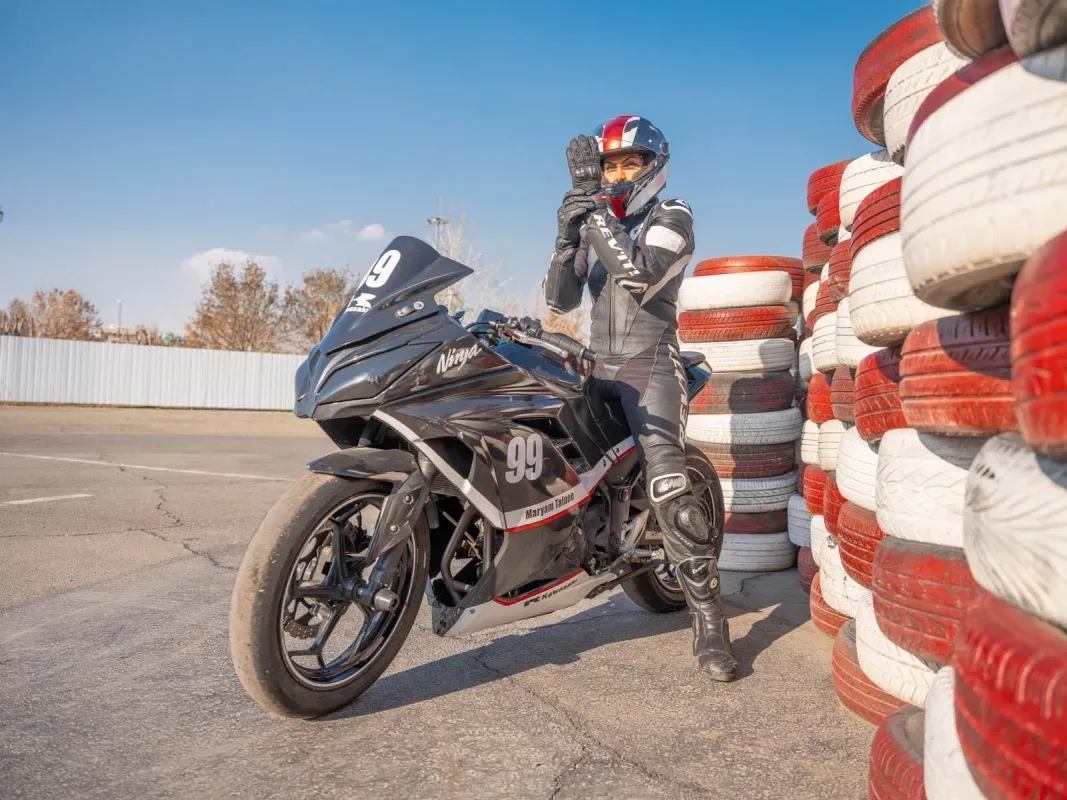
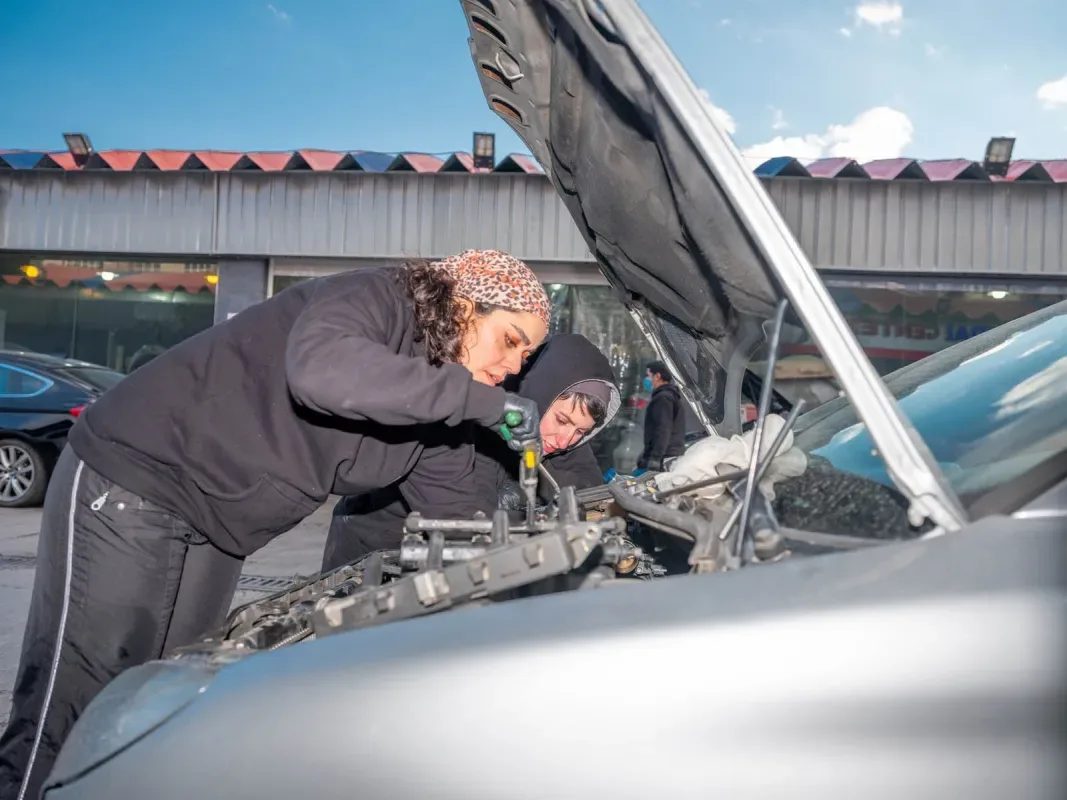
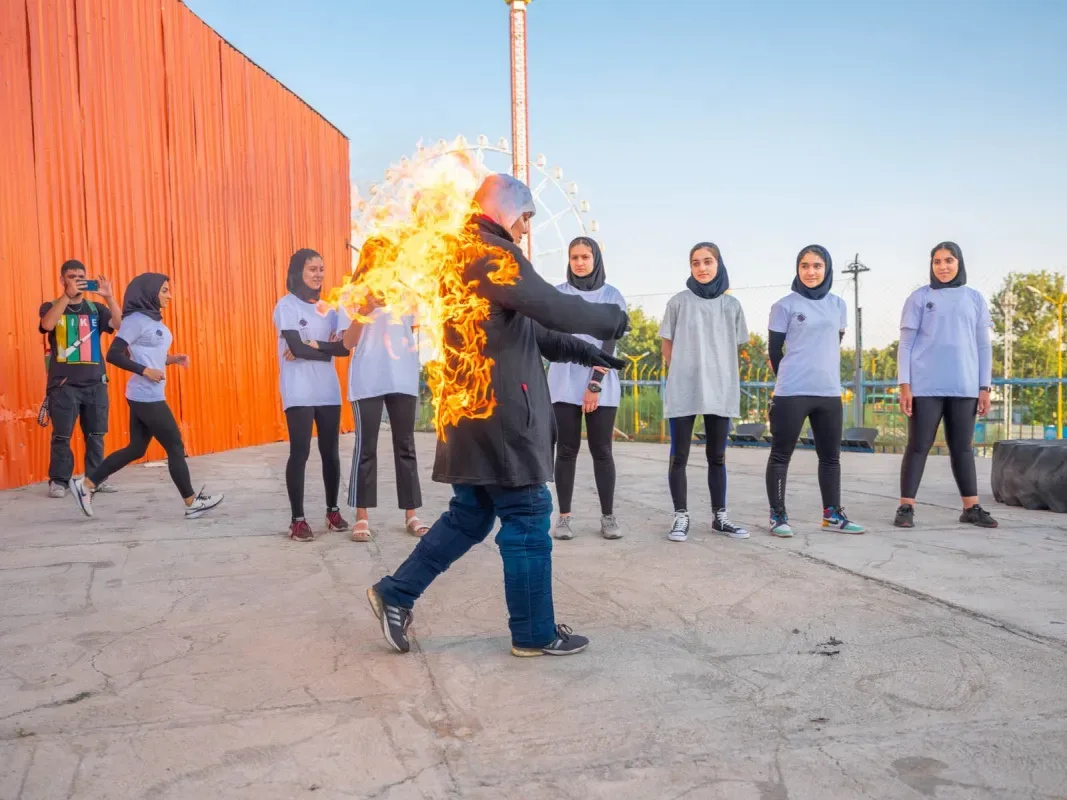
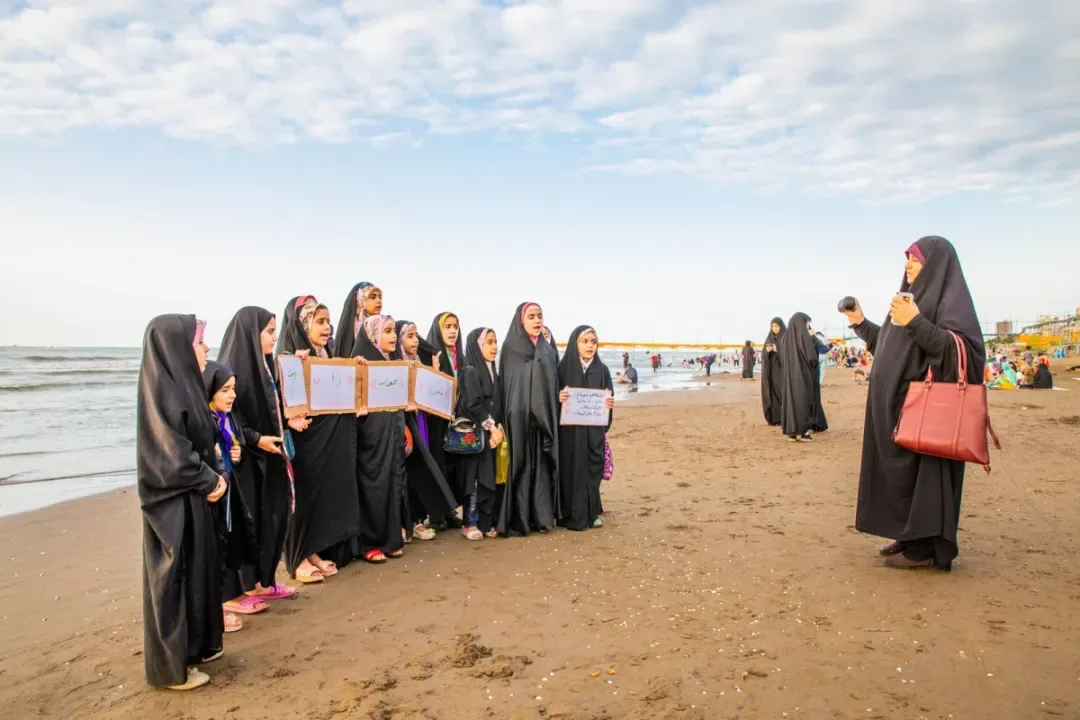
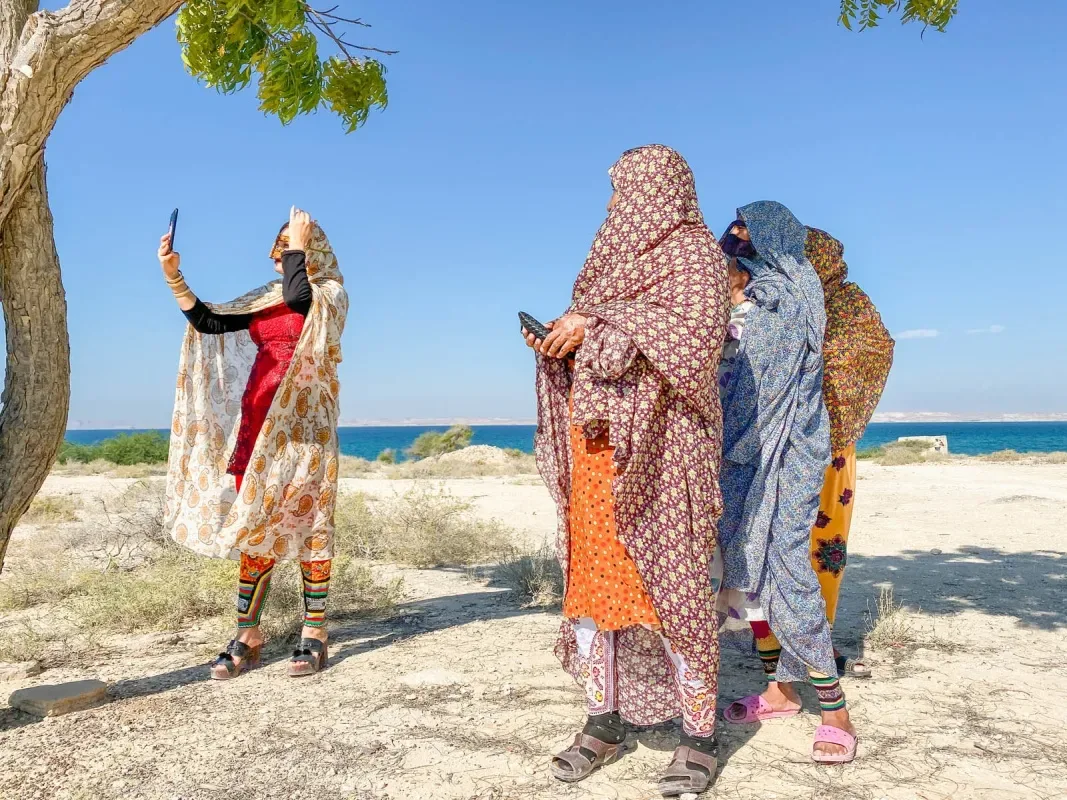
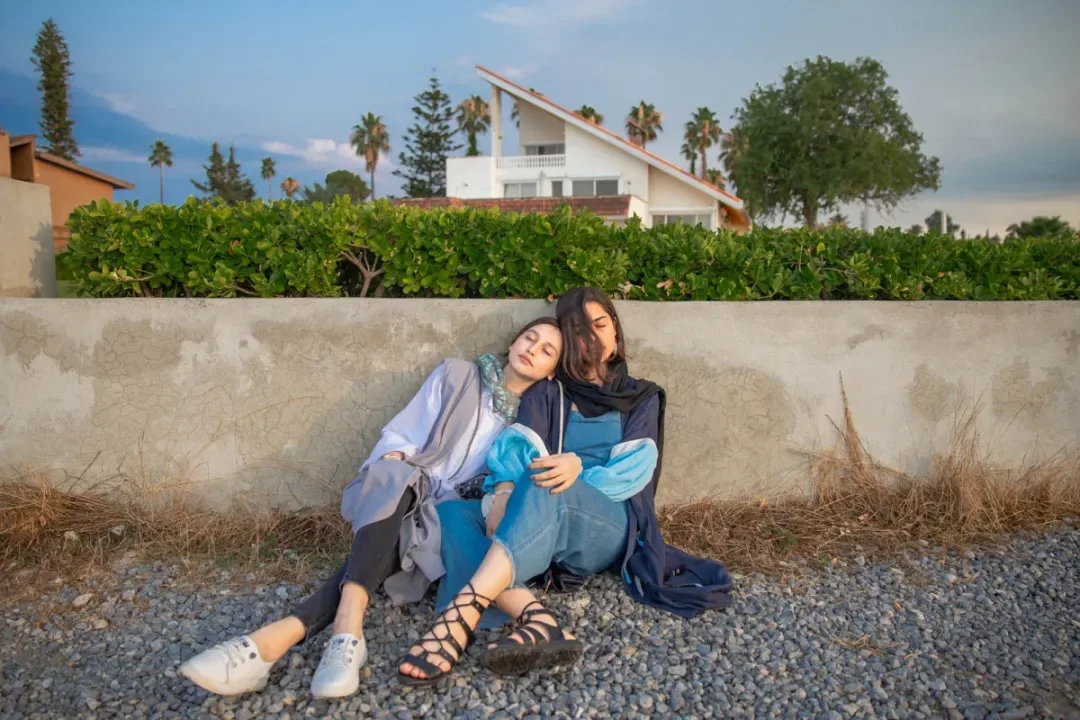
Forough Alaei:The Underneath of the Calm Streets of Iran
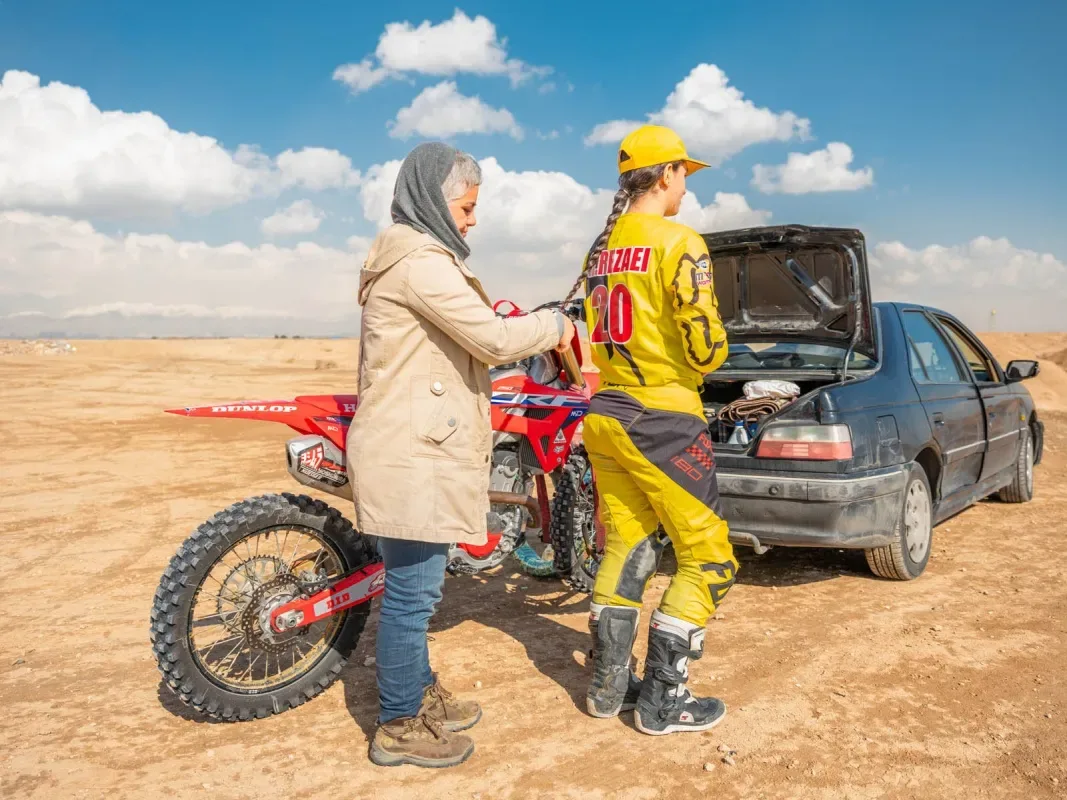
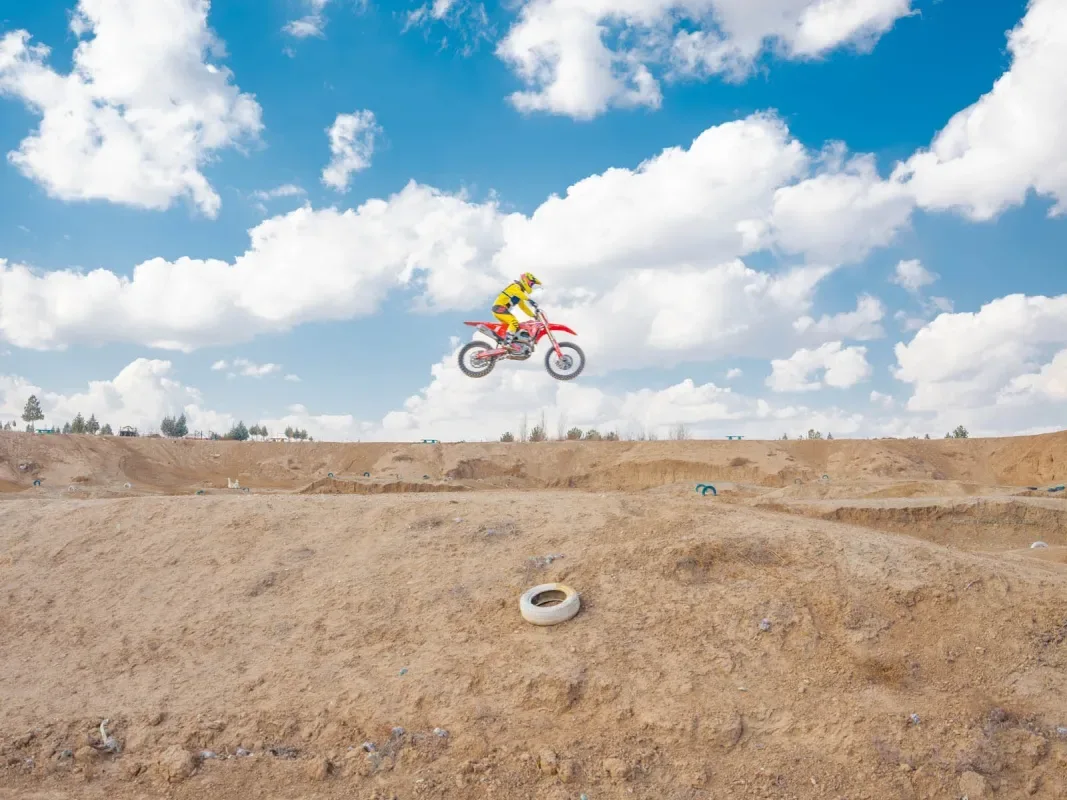


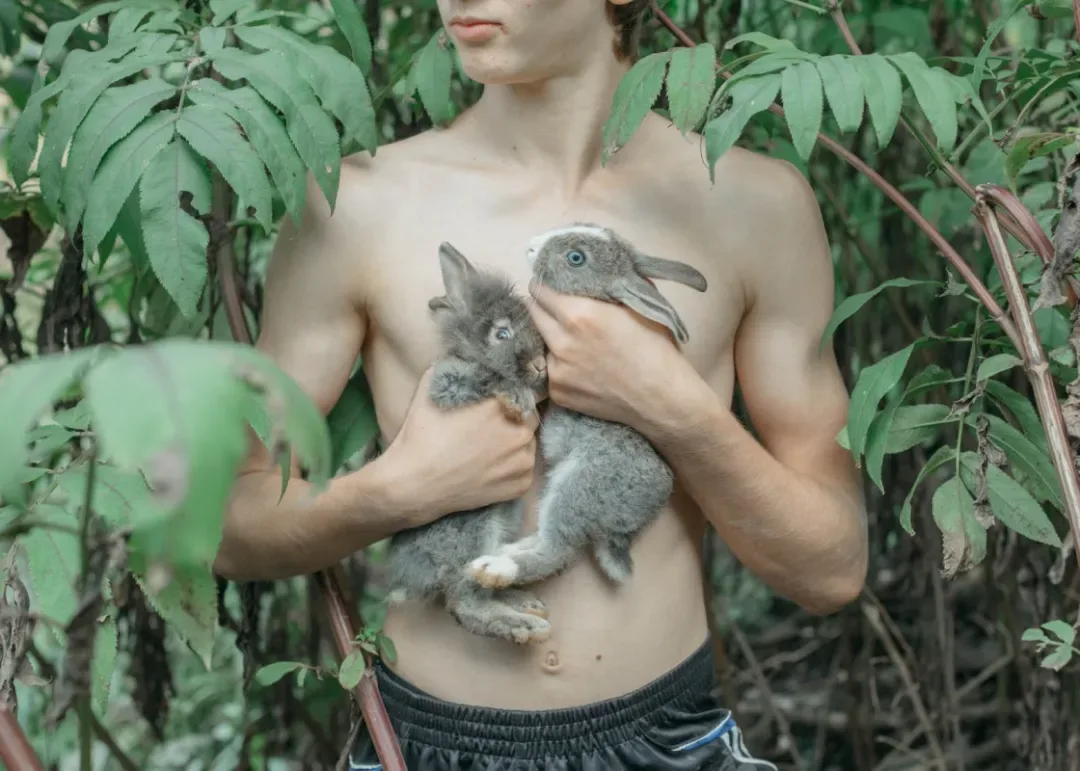
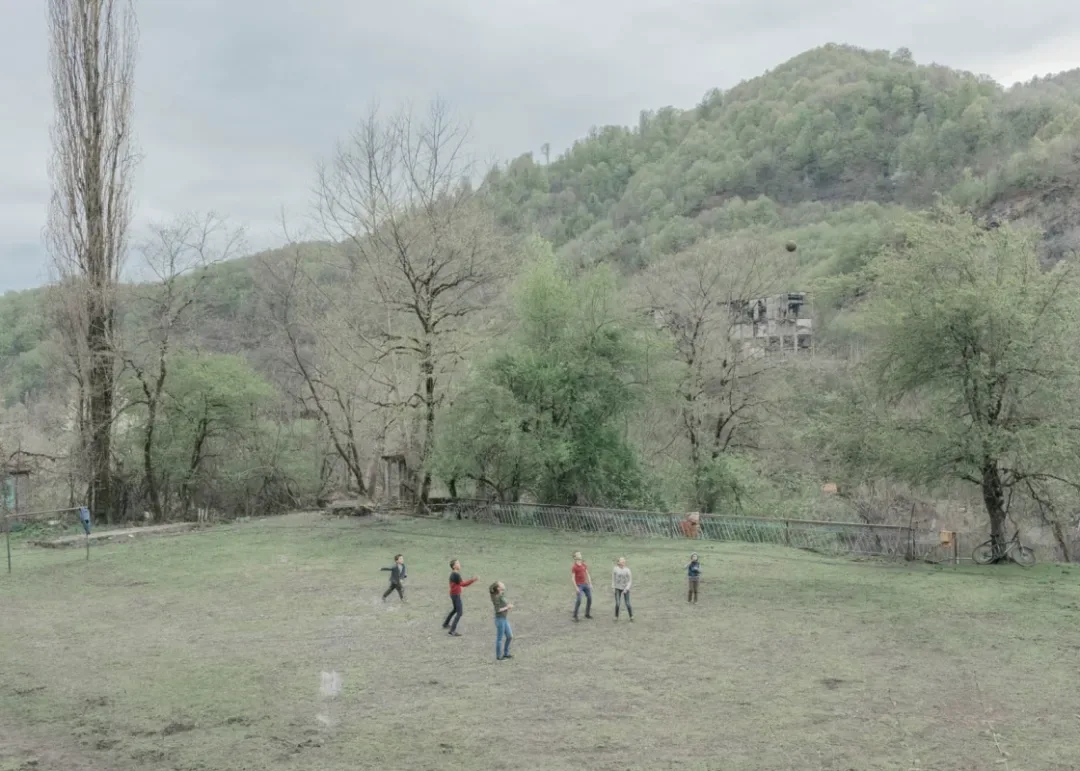
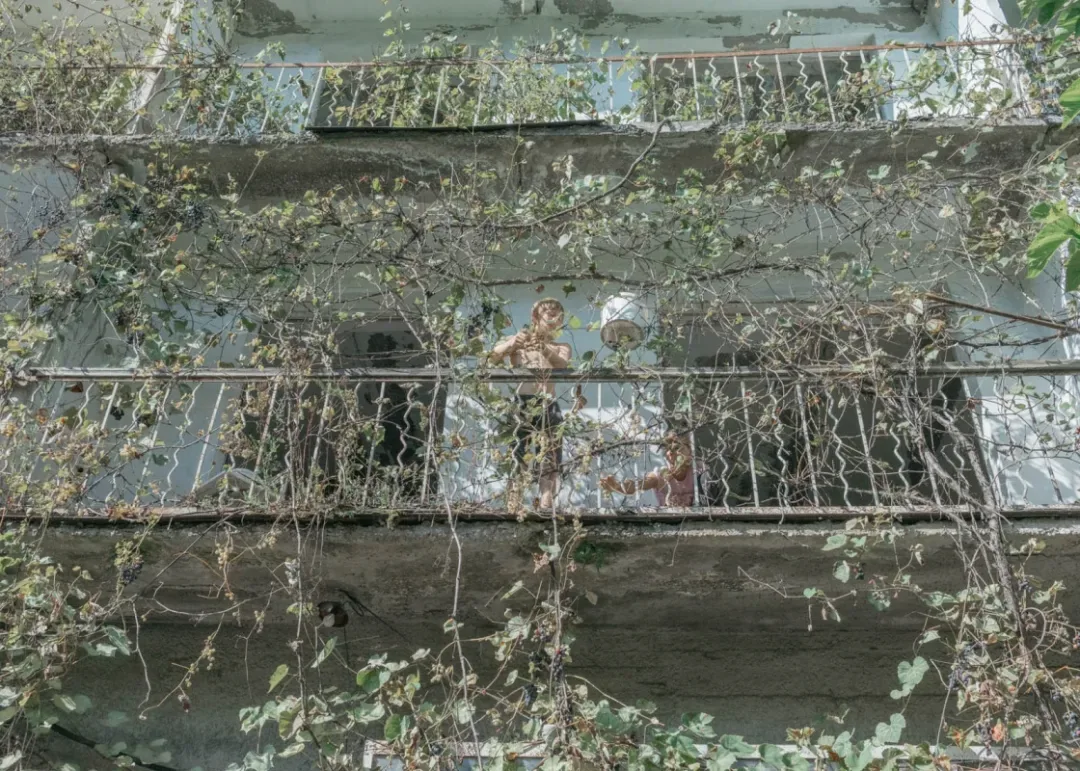
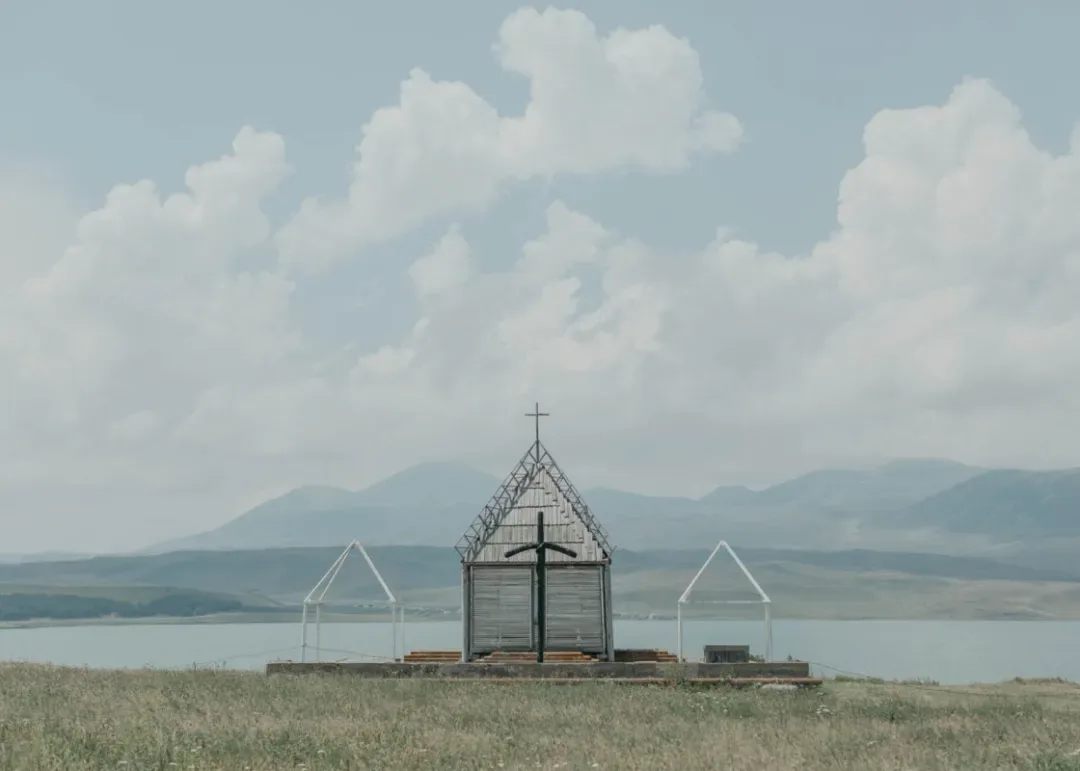
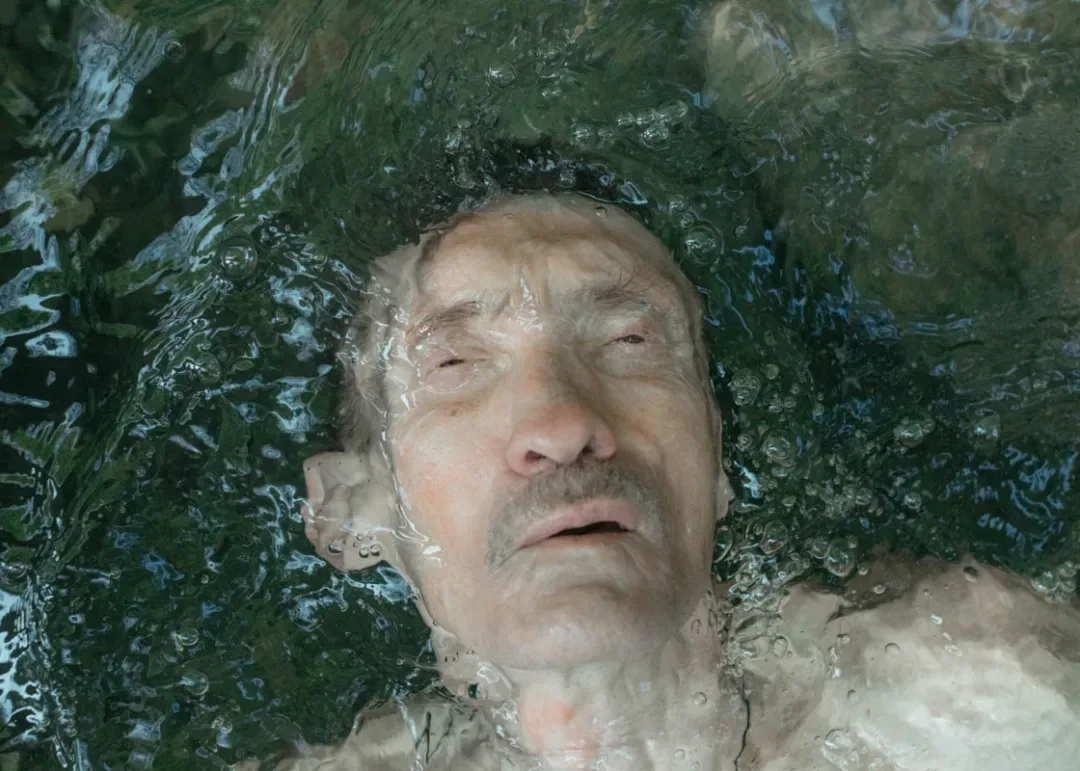
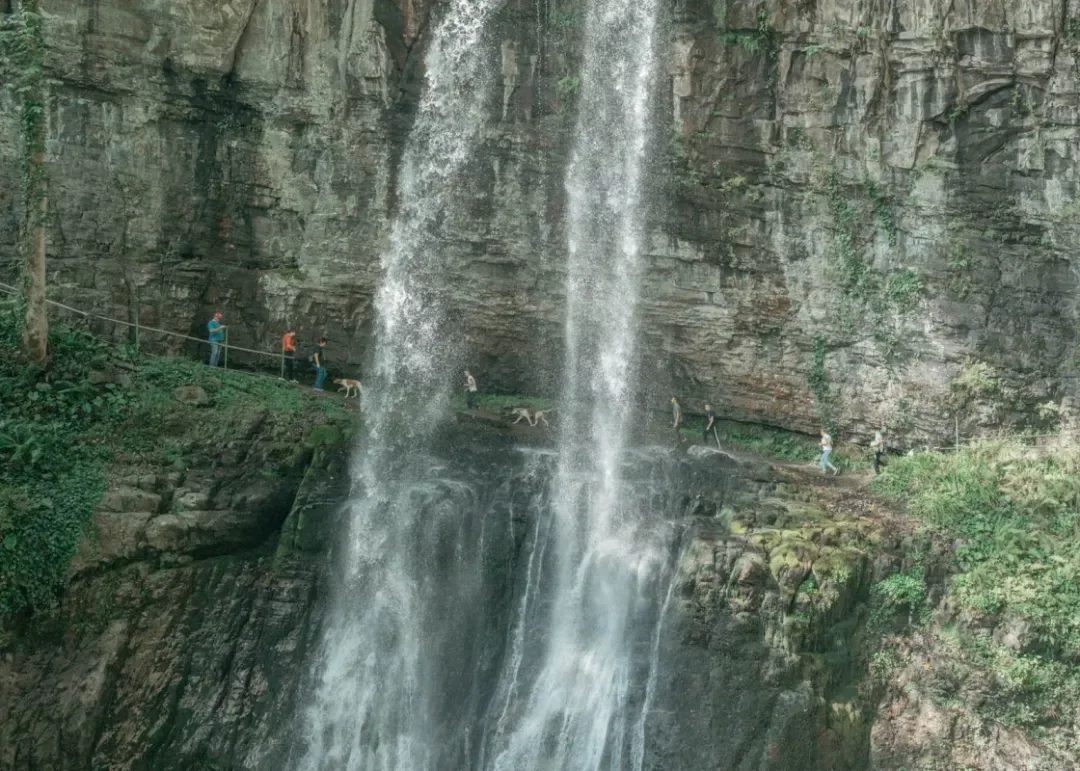
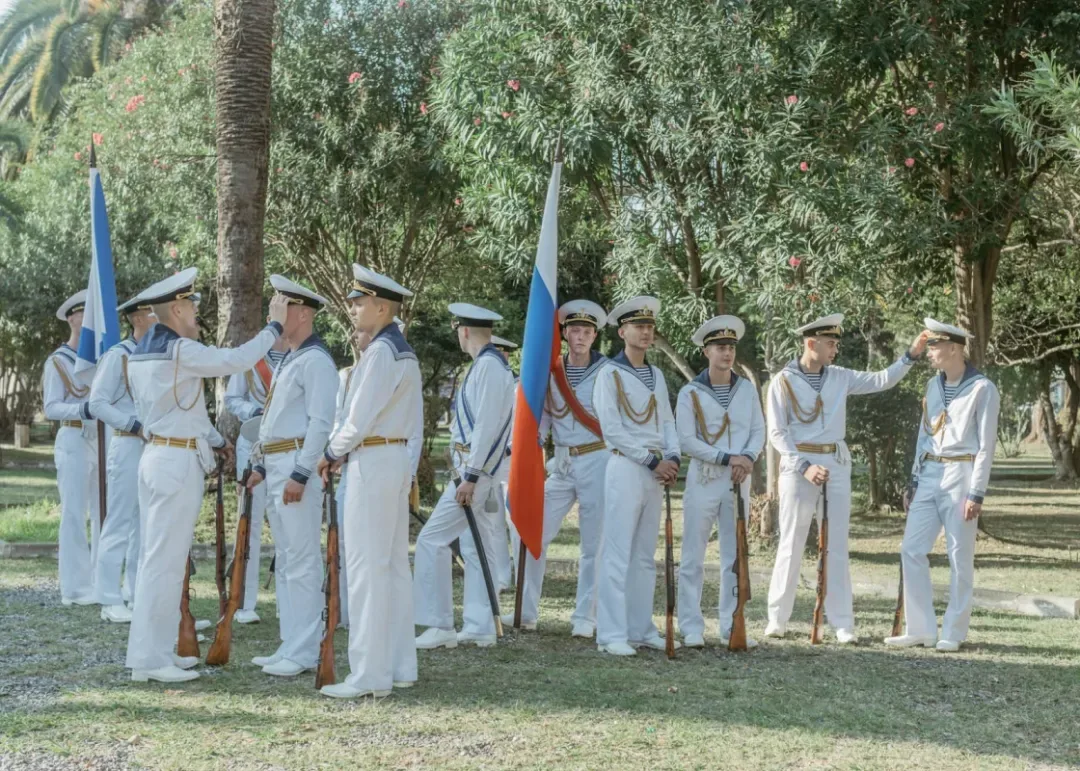
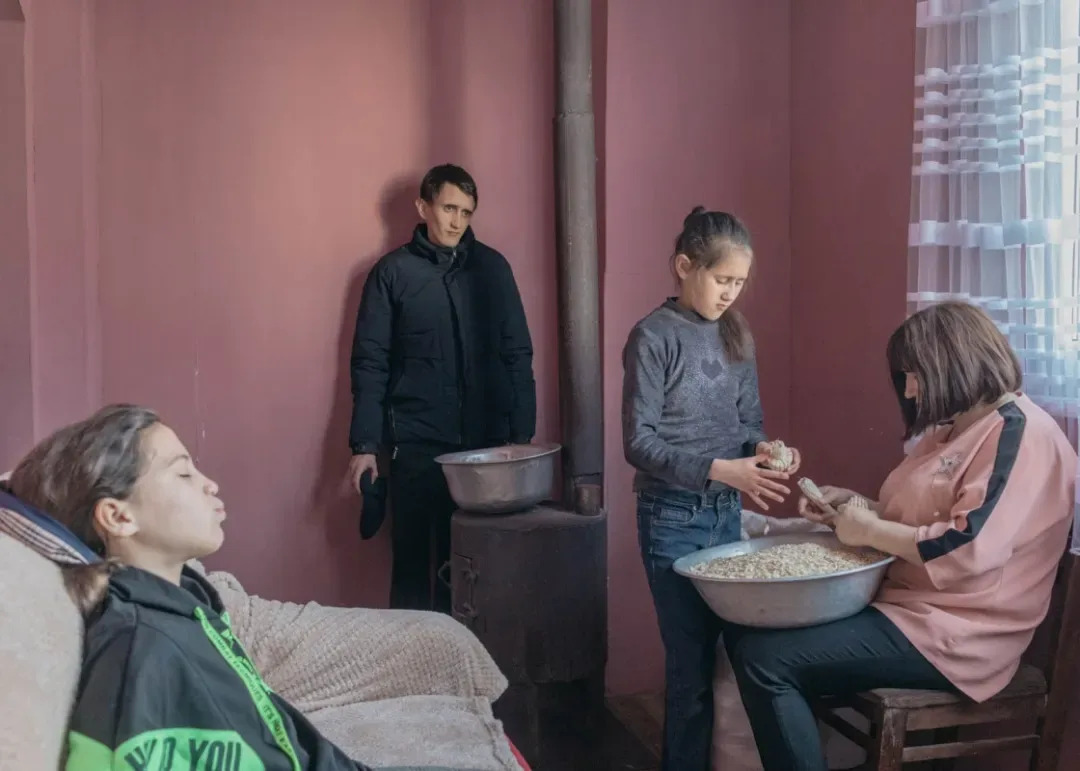
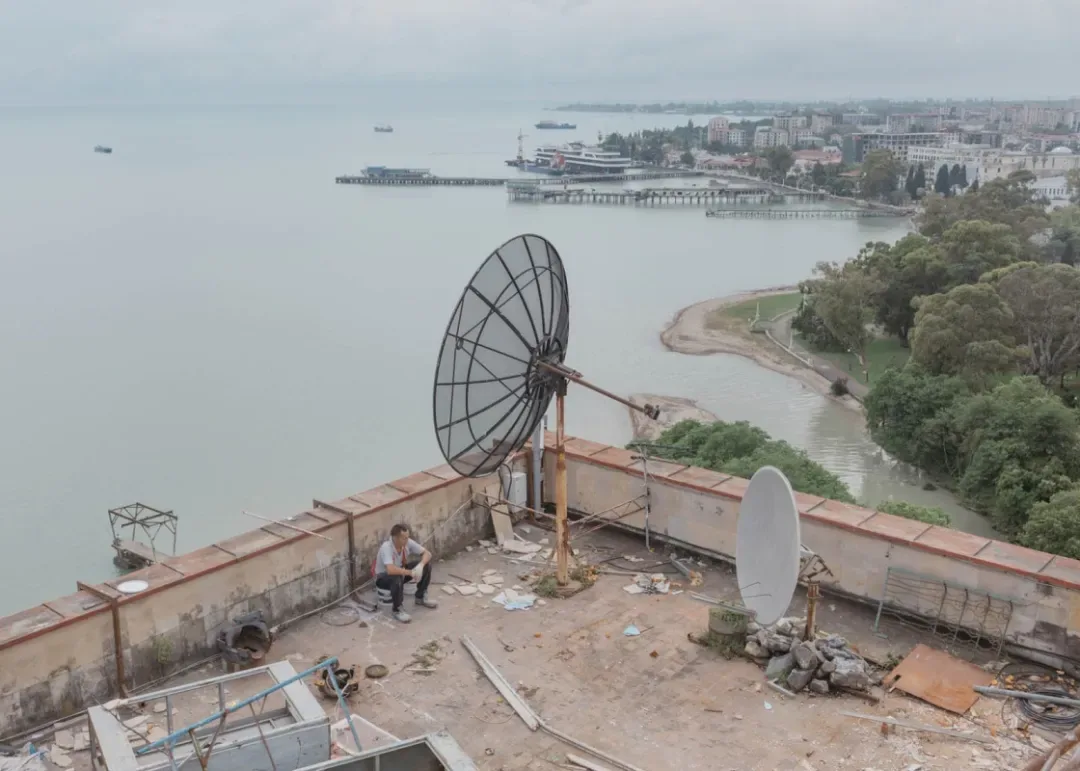
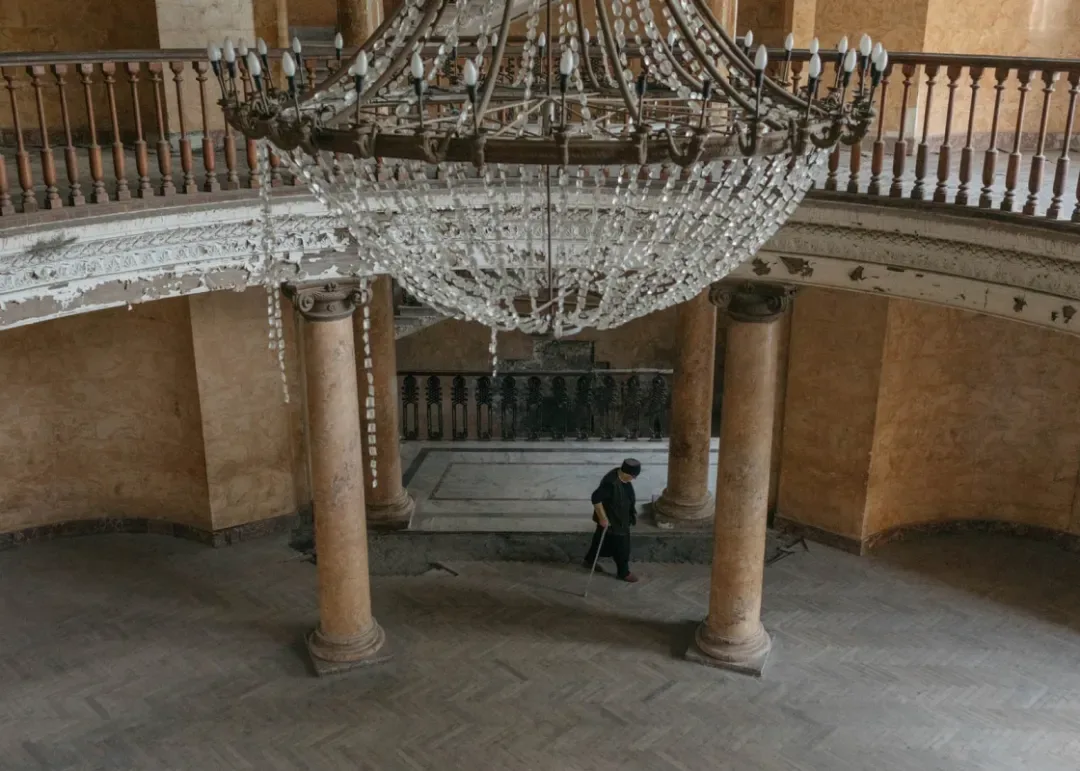
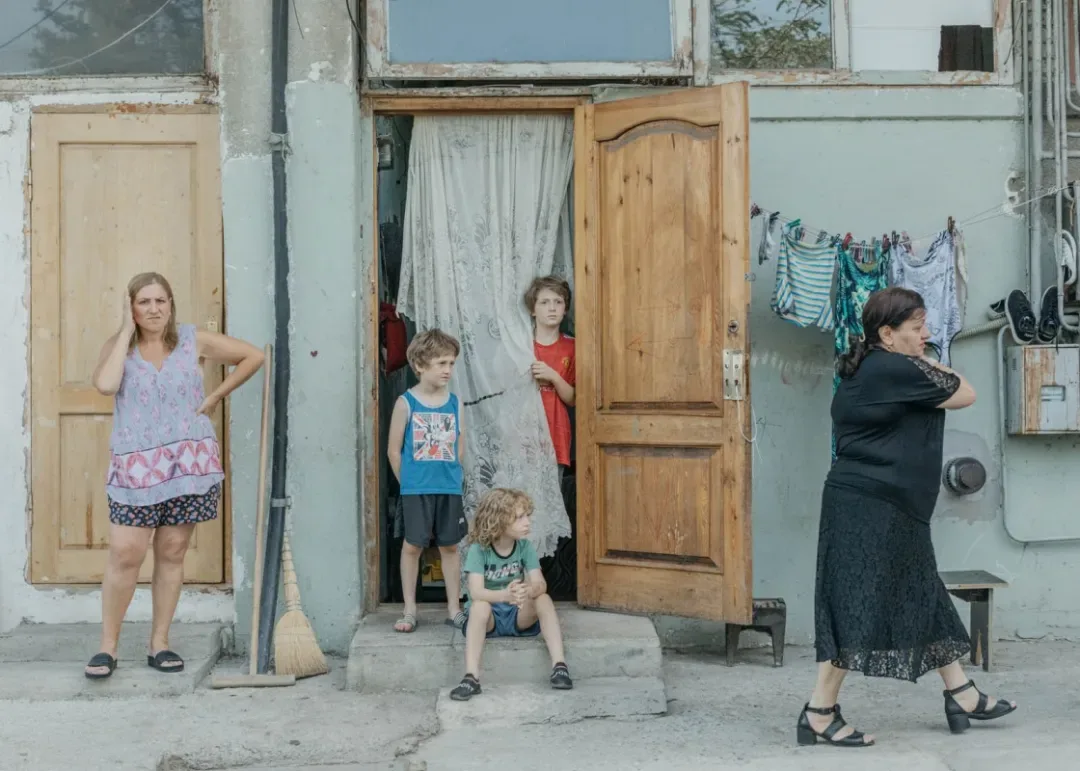
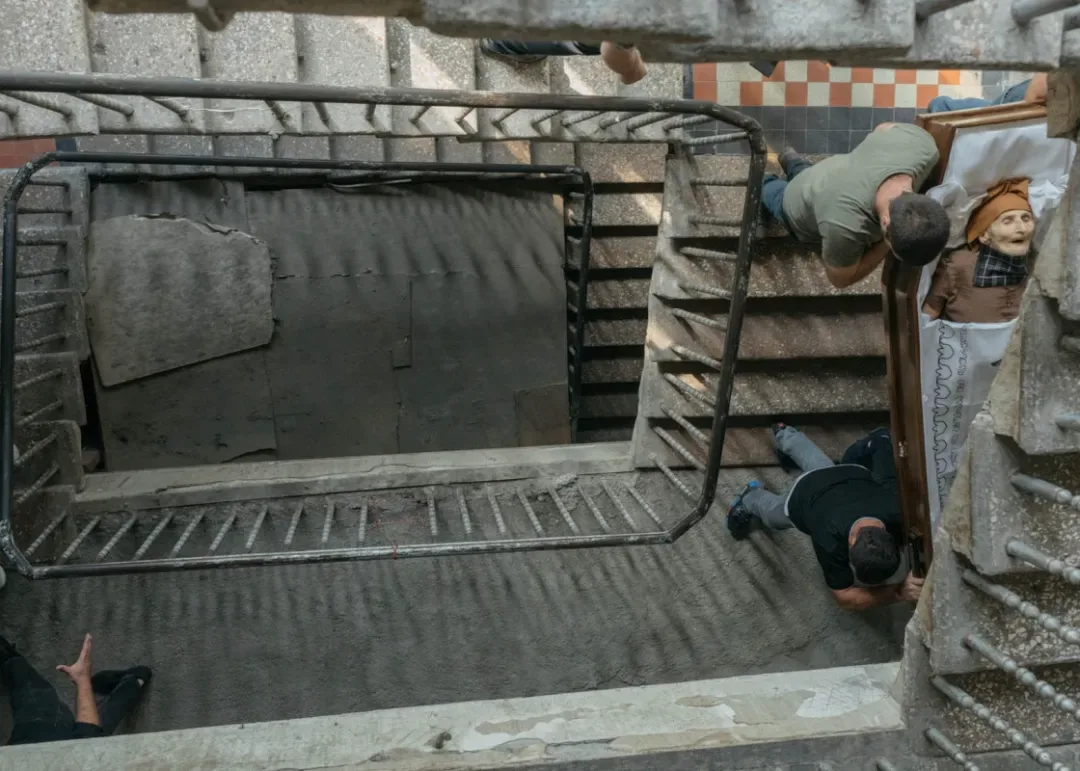
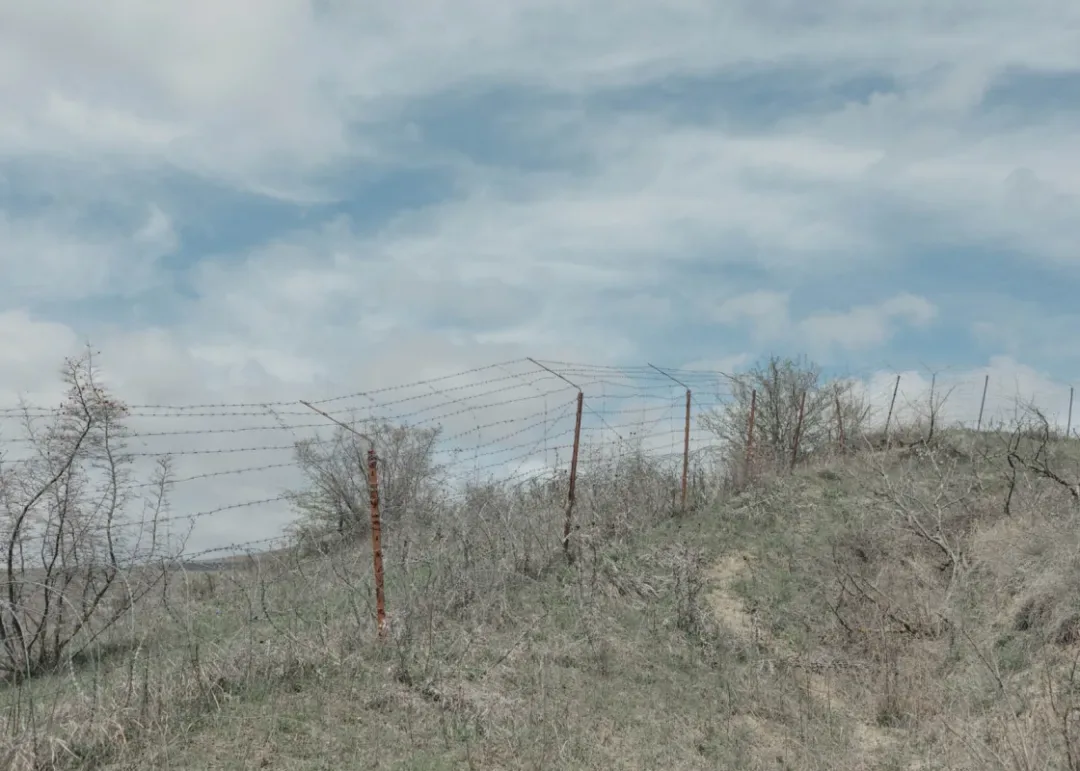
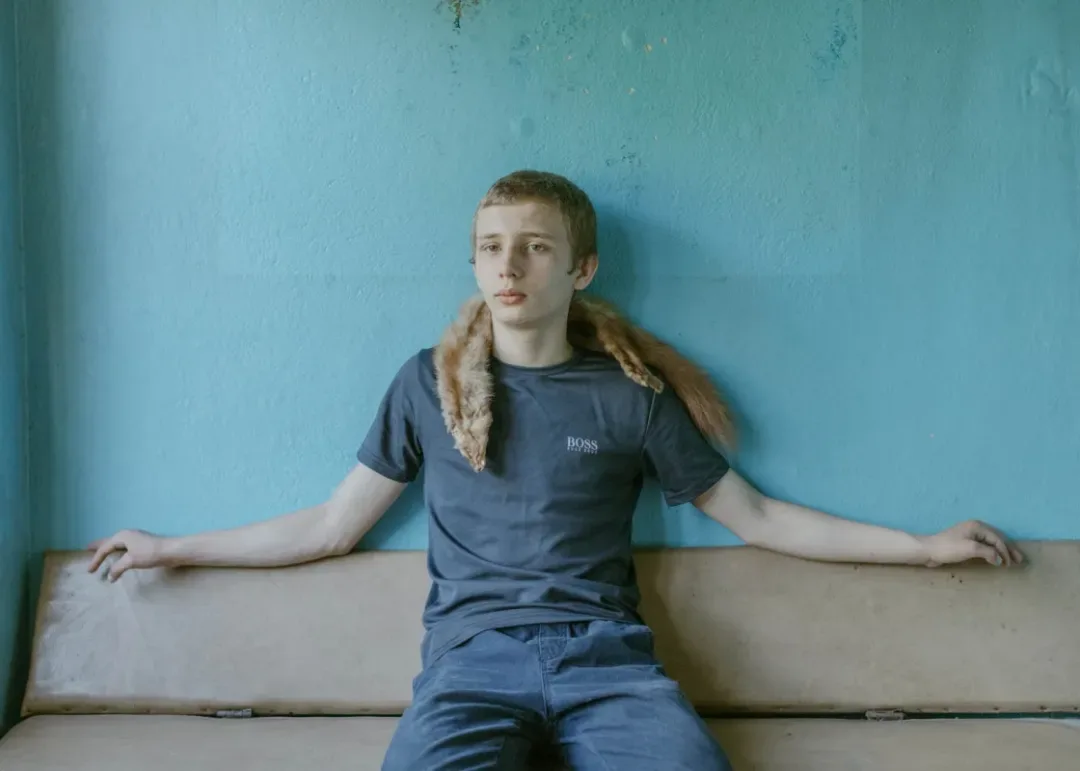
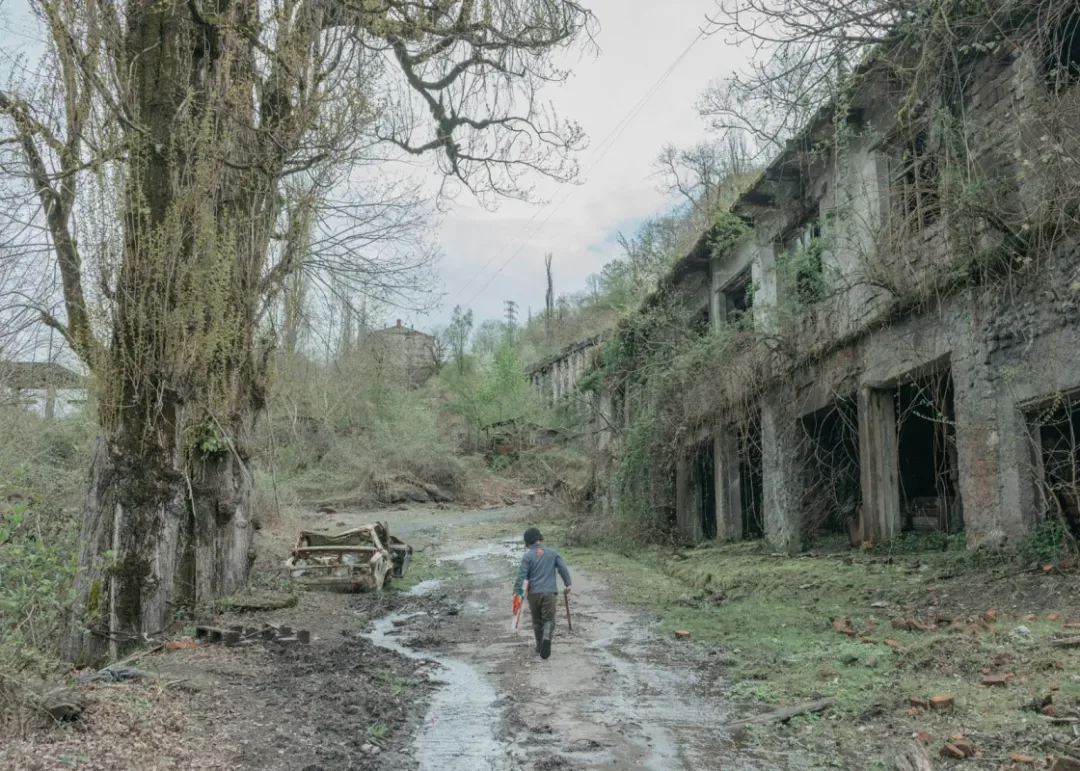
Ksenia Ivanova:Between the Trees of the South Caucasus

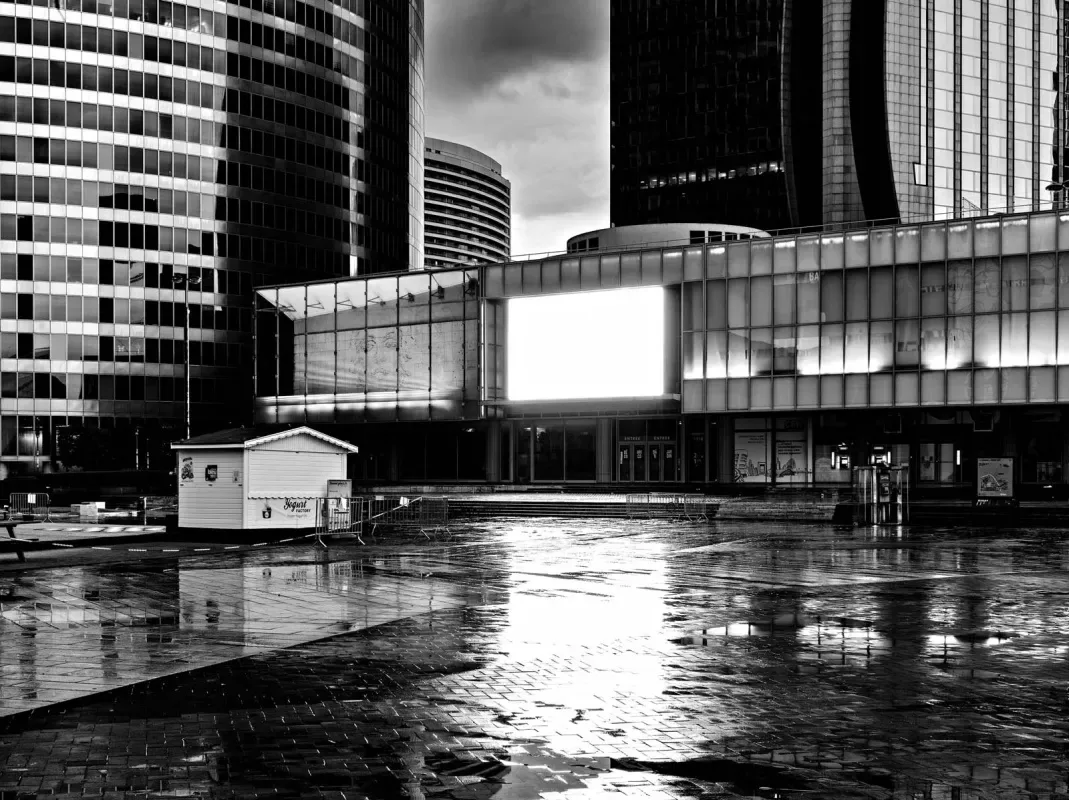
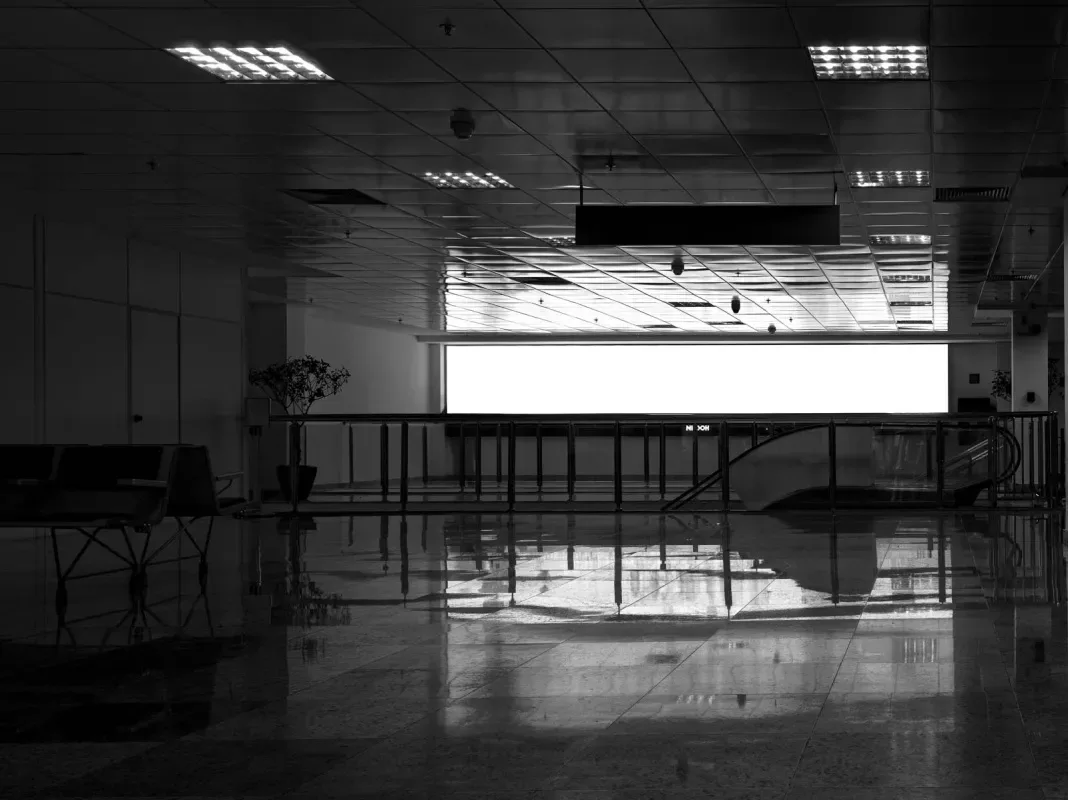
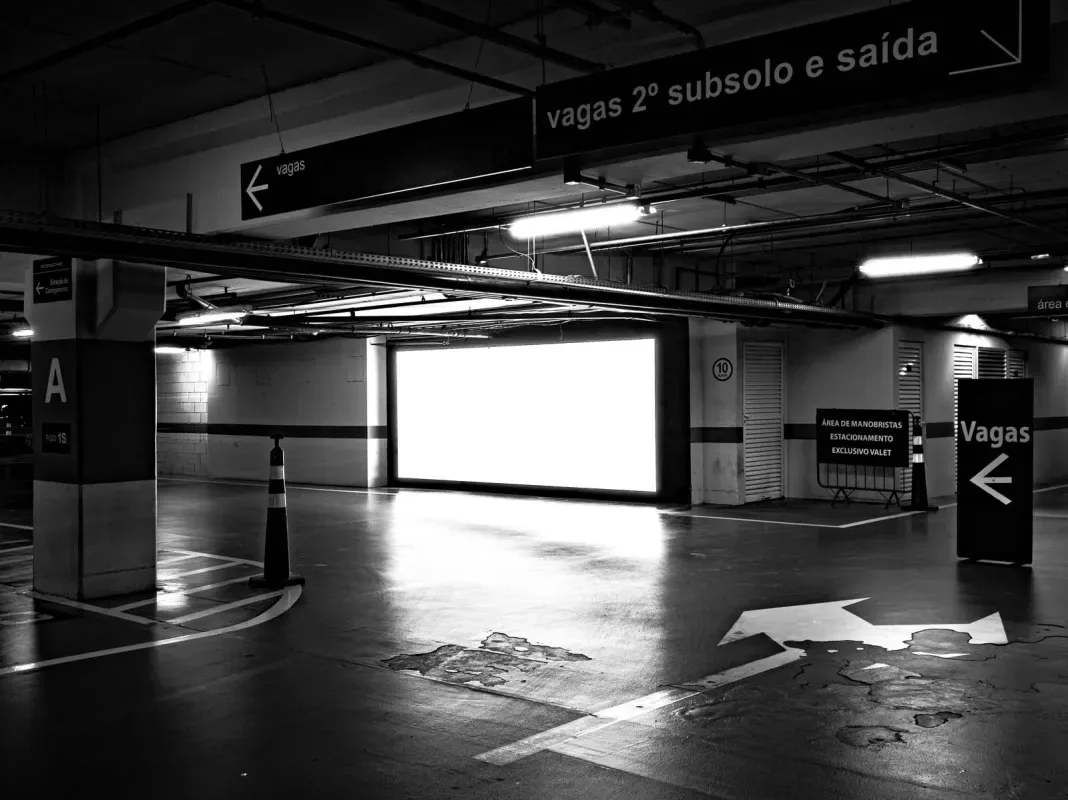
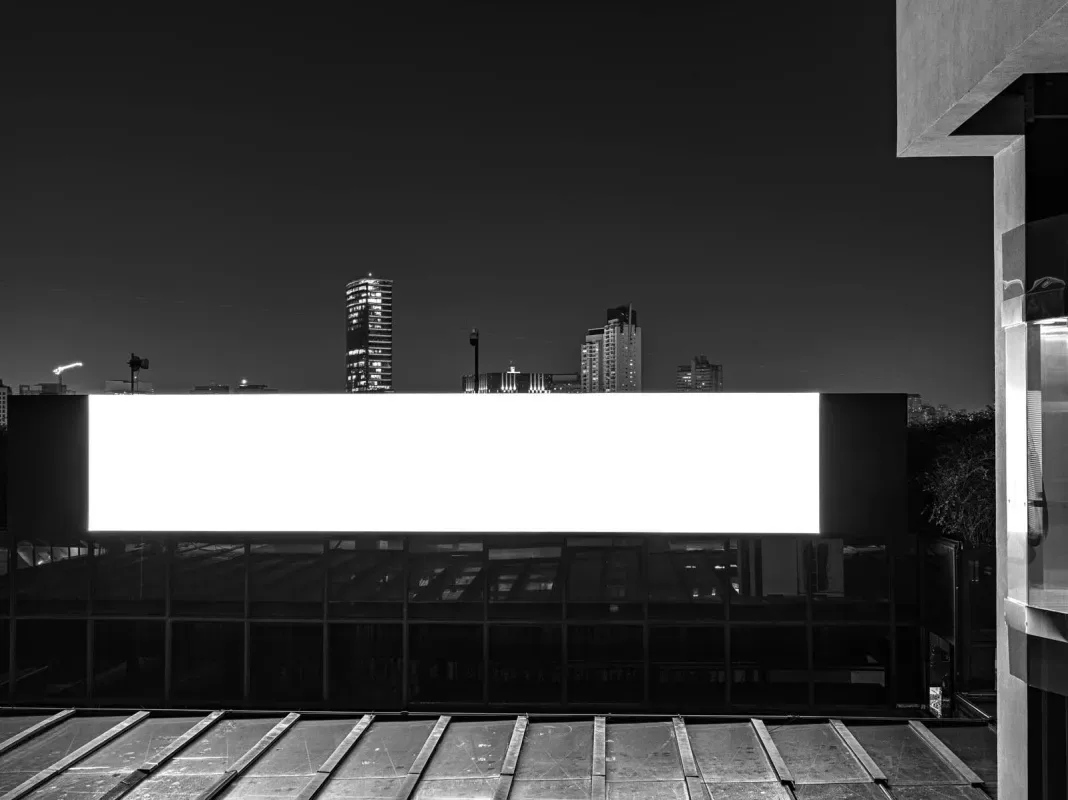
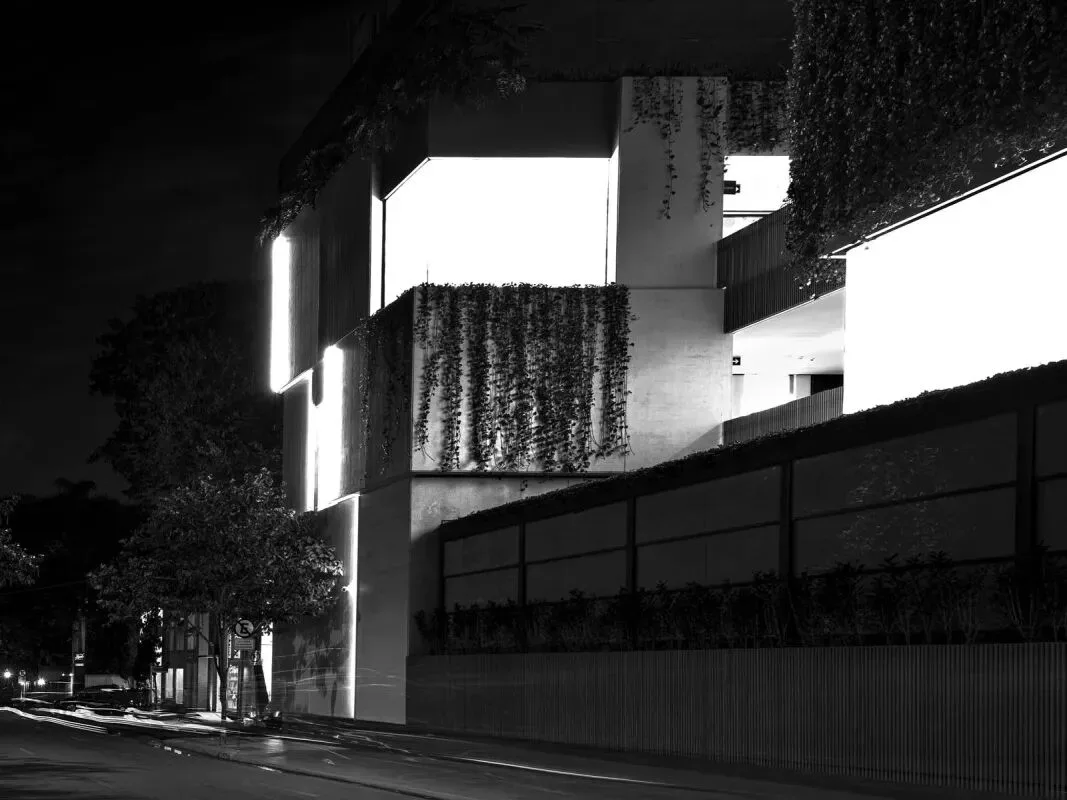
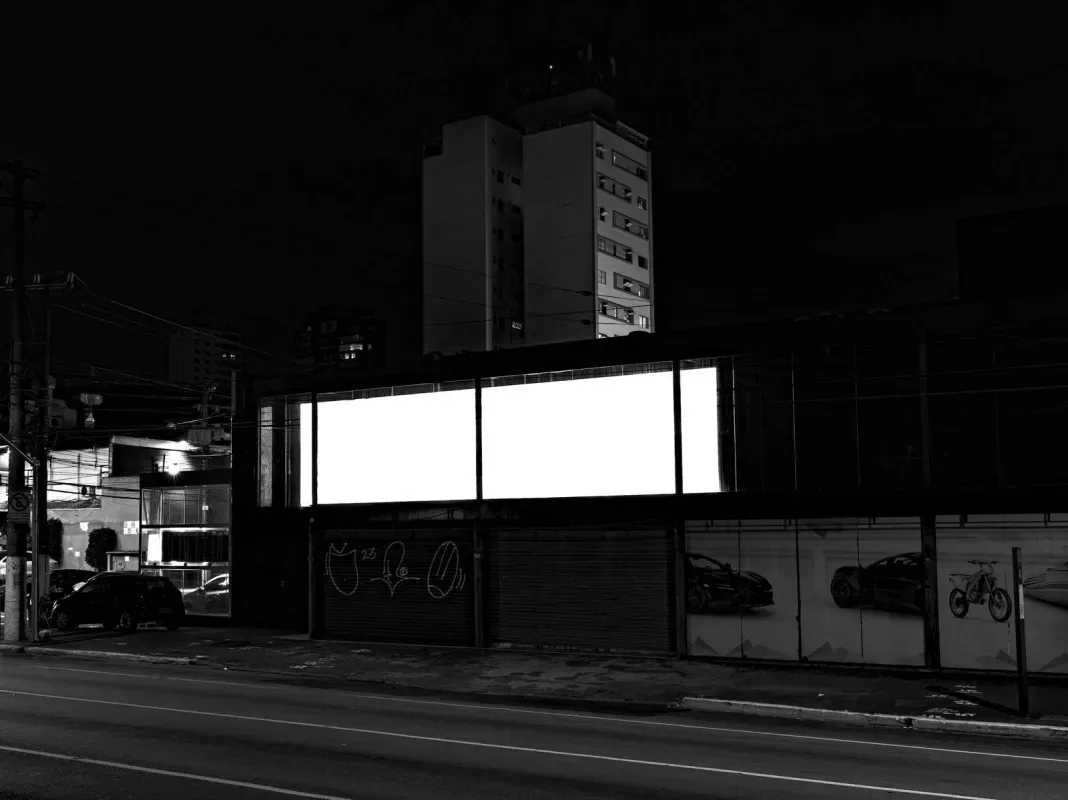
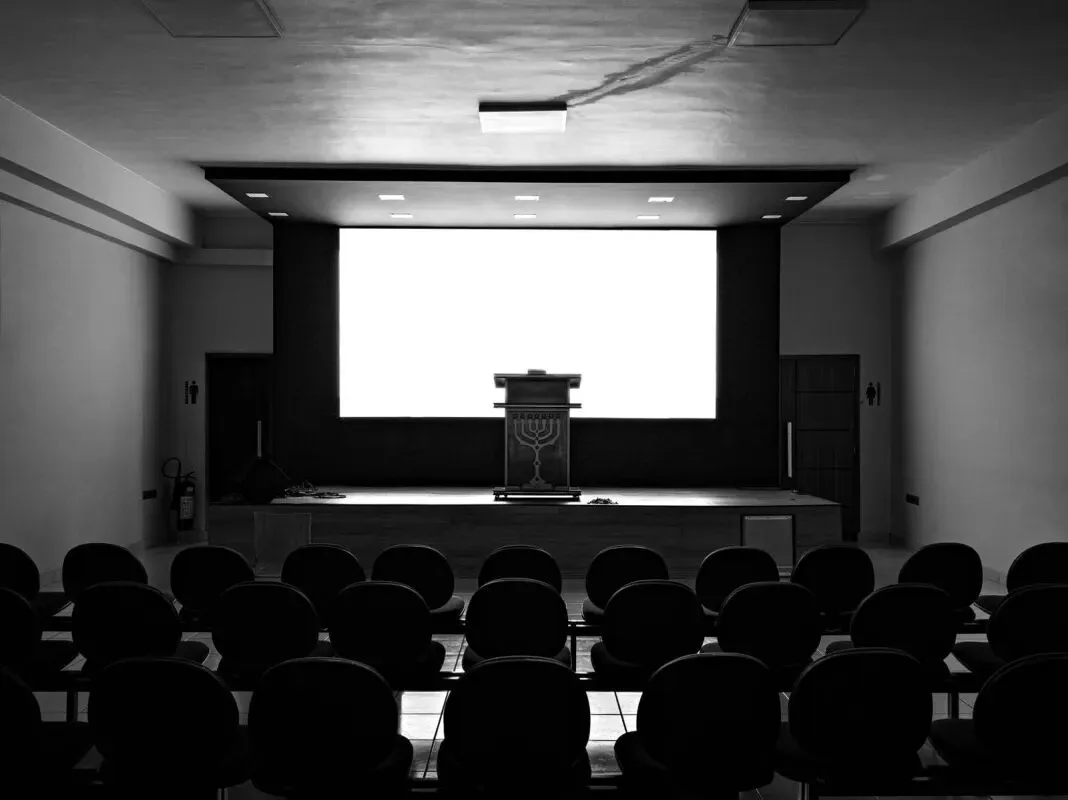
Lucas Lenci :Inattention Era





Sara Meneses Cuapio:Raízhambre