Photography Tutorial · 2020-05-02
Can You Shoot Masterpieces in Nearby Parks? This Photographer May Inspire You!
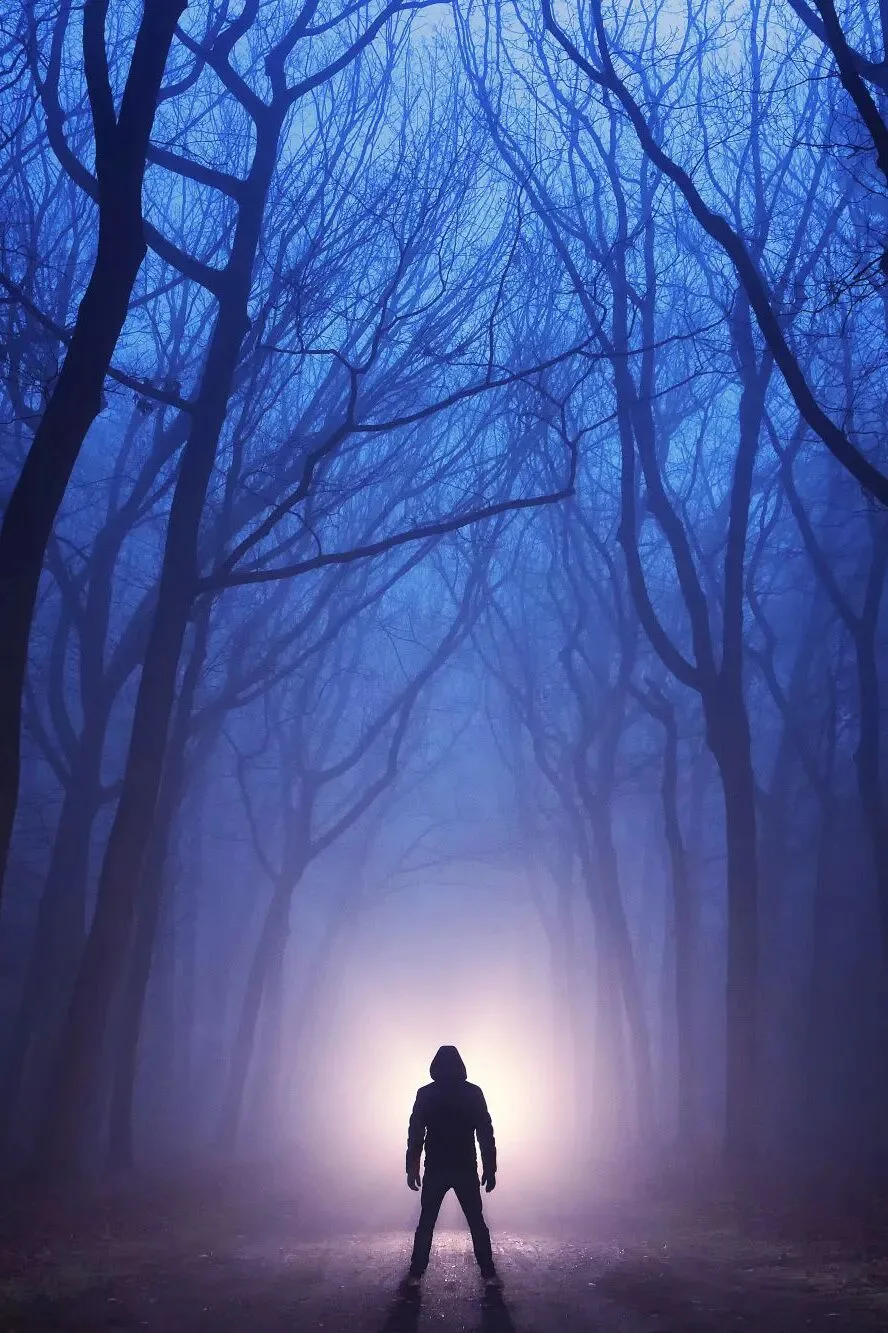
▲ Martin Podt in the forest
This article is the fourth installment of the "Dialogue with Landscape Masters" interview series
Martin Podt
The Netherlands
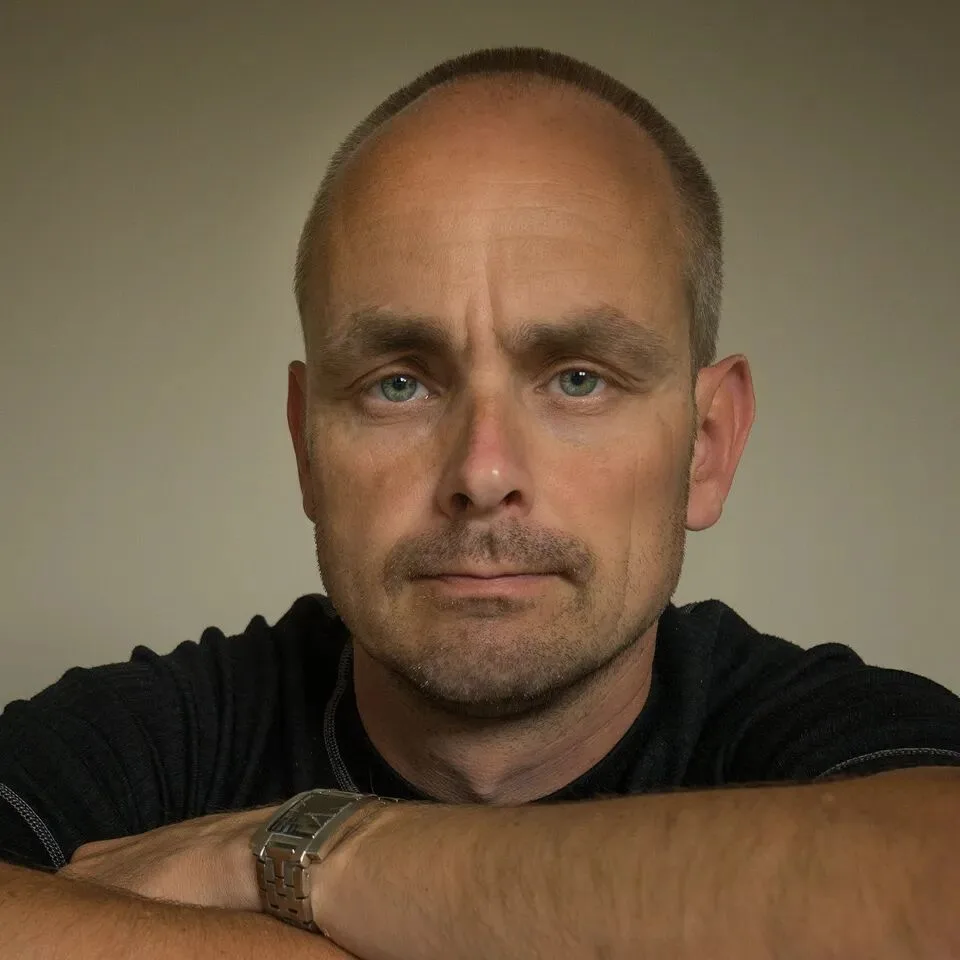
- Meeting Photography -
Q
When and why did you first connect with photography? And what made you eventually become a (professional) landscape photographer? Do you have any unforgettable decision-making experiences?
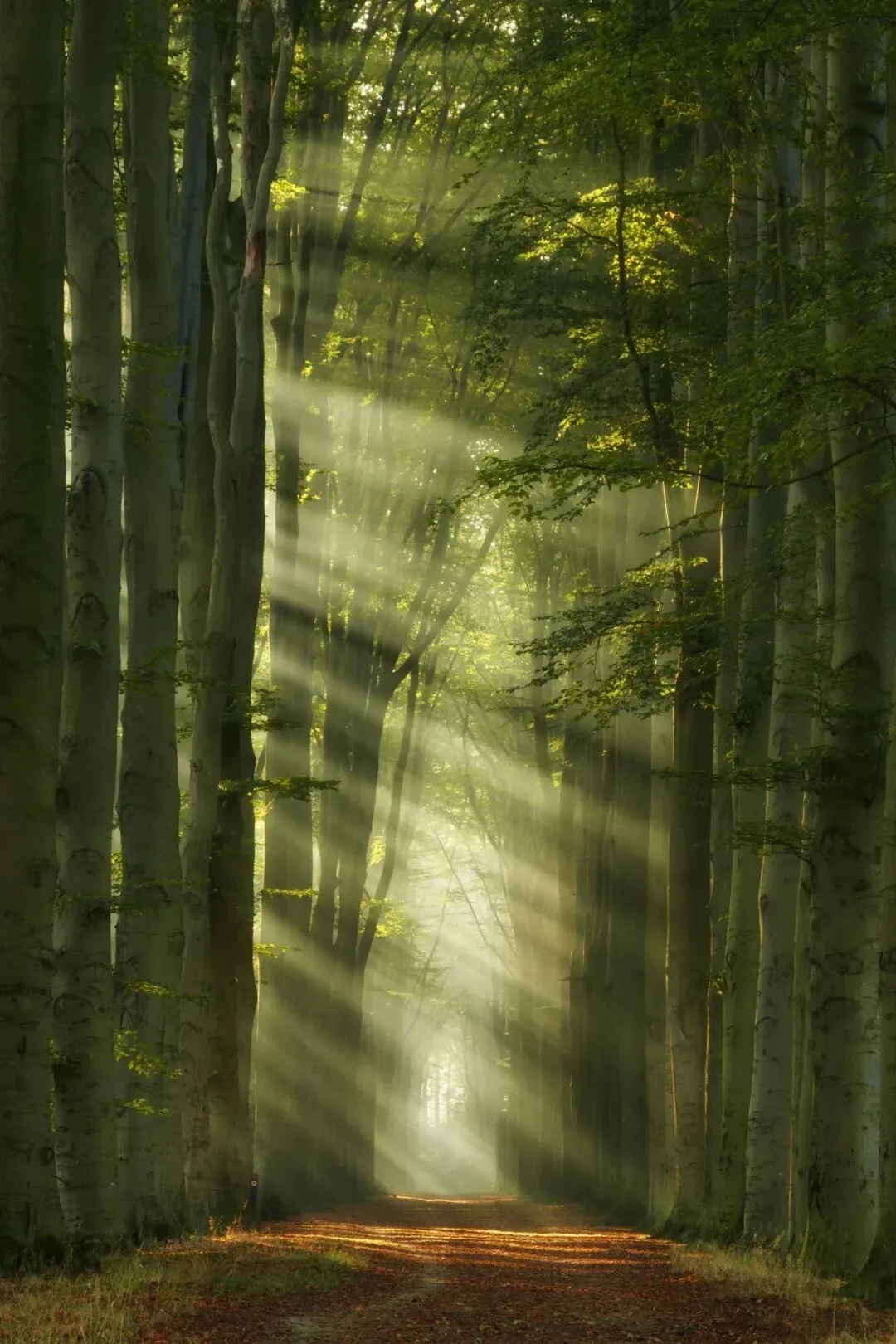
Martin: "When I was very young, I came into contact with photography through my father. On every family trip, he'd let me take photos with his DSLR, and at the same time, I fell in love with landscape photography. In photography, I've received much praise for my photos of Dutch rural scenery — especially my forest works shot near my area, which bring me endless inspiration. I never intended to become a professional photographer; for me, photography is a passion, not a career."
▼ The Netherlands
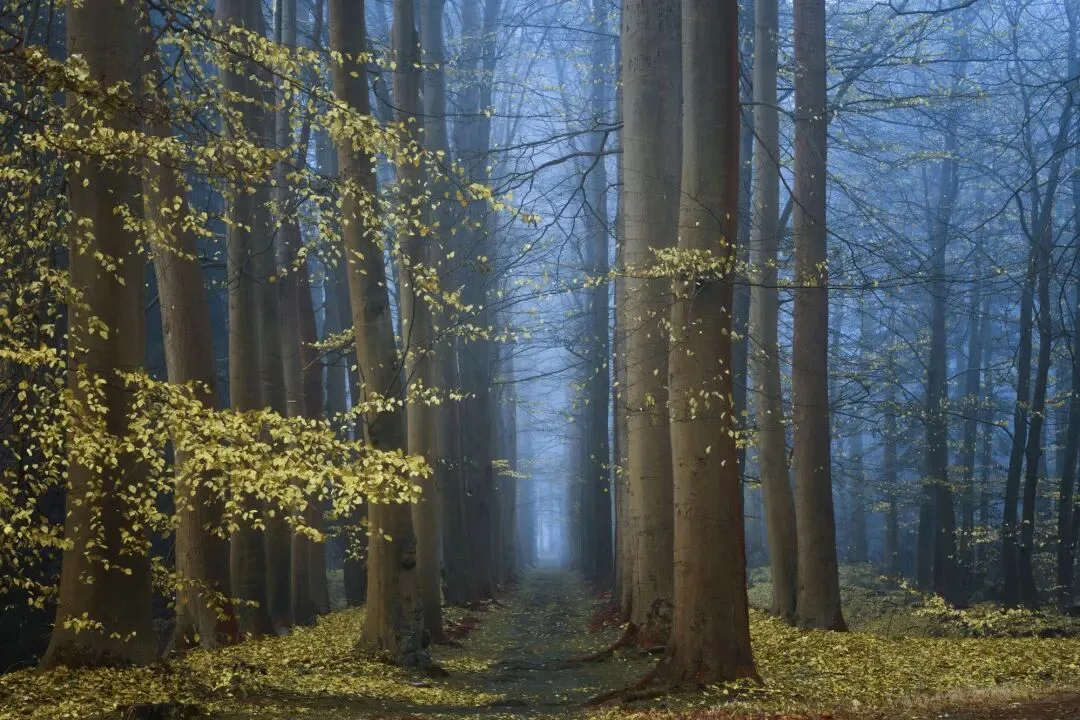
▼ The Netherlands
Q
Does photography hold extraordinary significance in your life?
Martin: "Yes, photography holds great significance in my life. But actually, what's more important to me is going out into nature, and I love capturing the special moments I happen to encounter there. My son has a disability, which has filled my family with stress for many years. Going into nature makes both my son and me feel relaxed and free; sometimes we also go out shooting together."
▼ The Netherlands
▼ The Netherlands
- Along the Creative Journey -
Q
Before each creative session, what preparations do you make to make your works better?
Martin: "If I plan to shoot somewhere far from home, I'll carefully check the weather forecast first. But if I'm shooting near home, I simply grab my camera and go out once the weather is good. My camera is almost never away from me, so I can make sure I never miss any special moment."
▼ The Netherlands
▼ The Netherlands
Q
I have to say, for me and Chinese photographers, the most memorable thing about you is your vast collection of forest works — varied and diverse in every way. Why do you shoot so many forest photos? What insights can you share about forest photography?
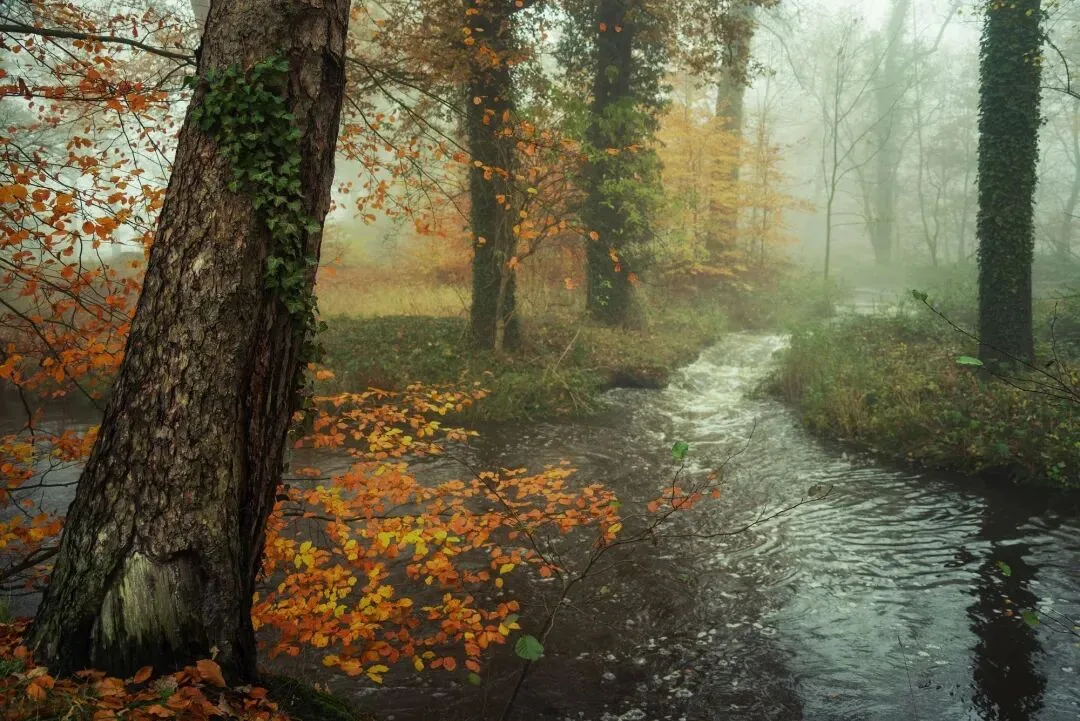
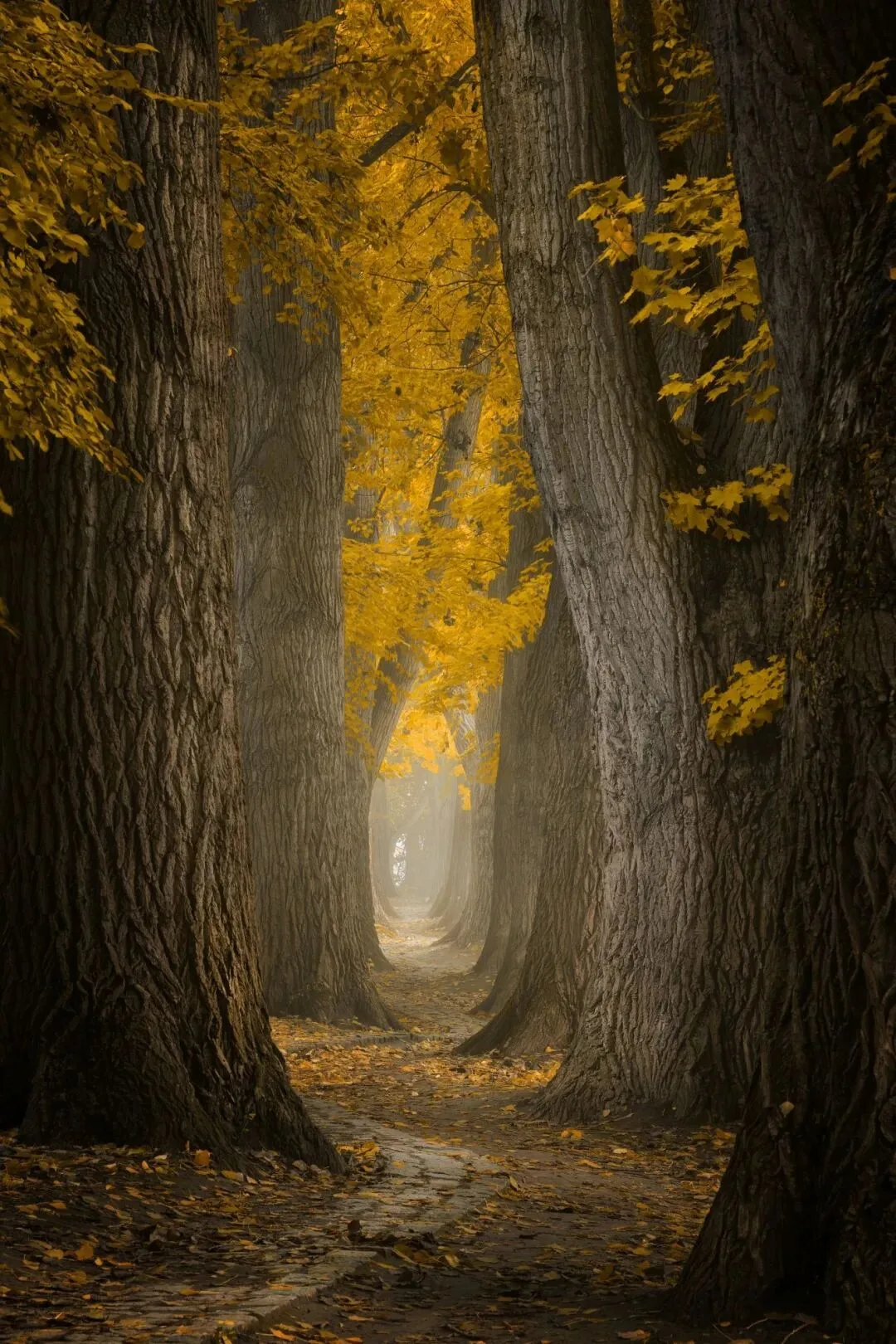
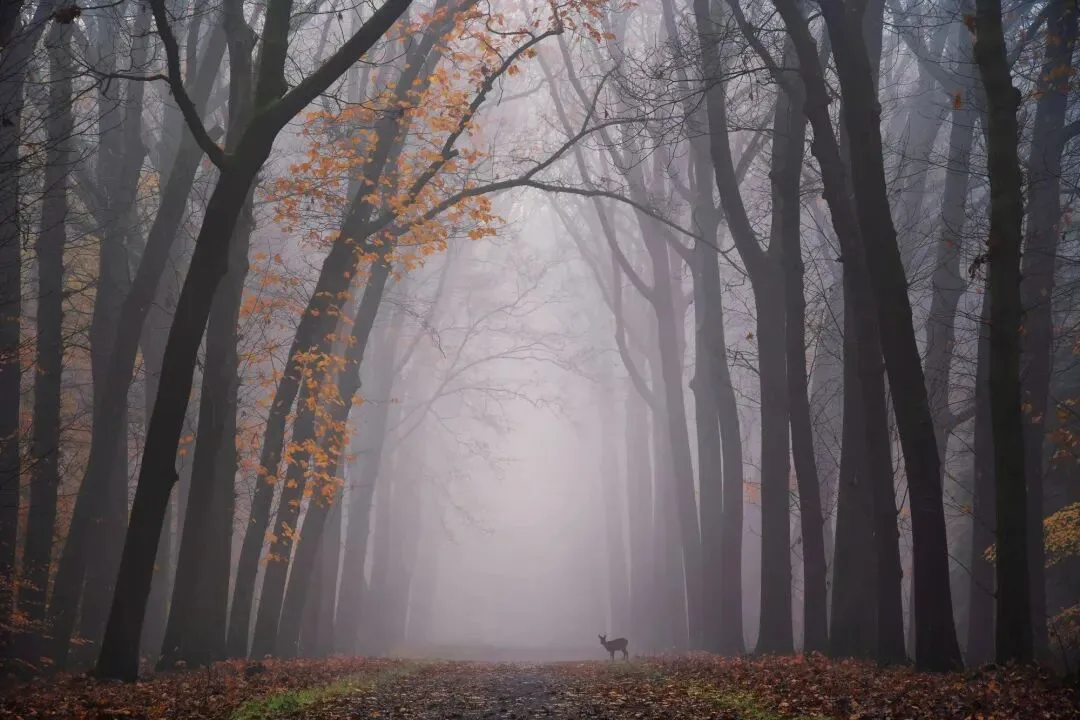
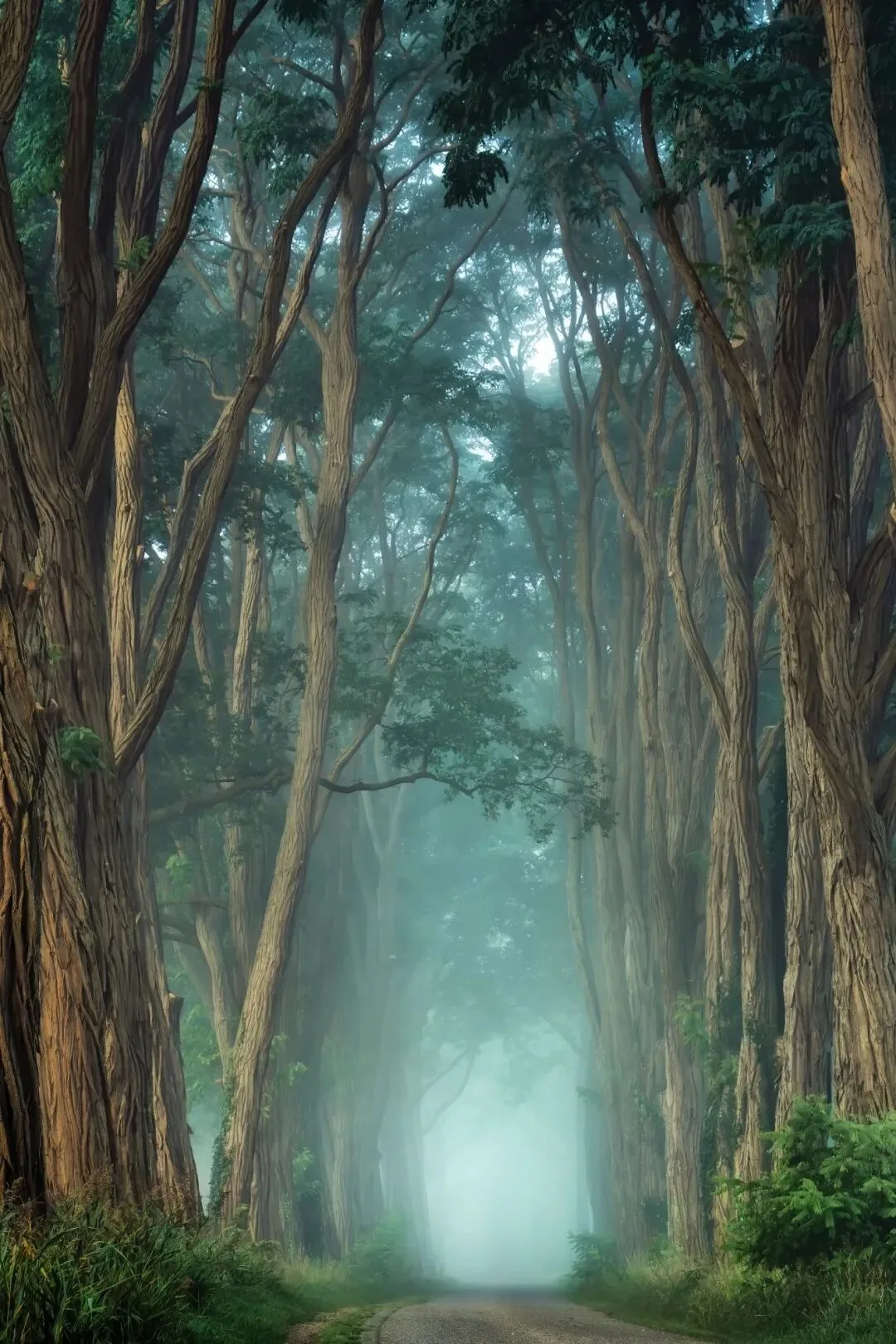
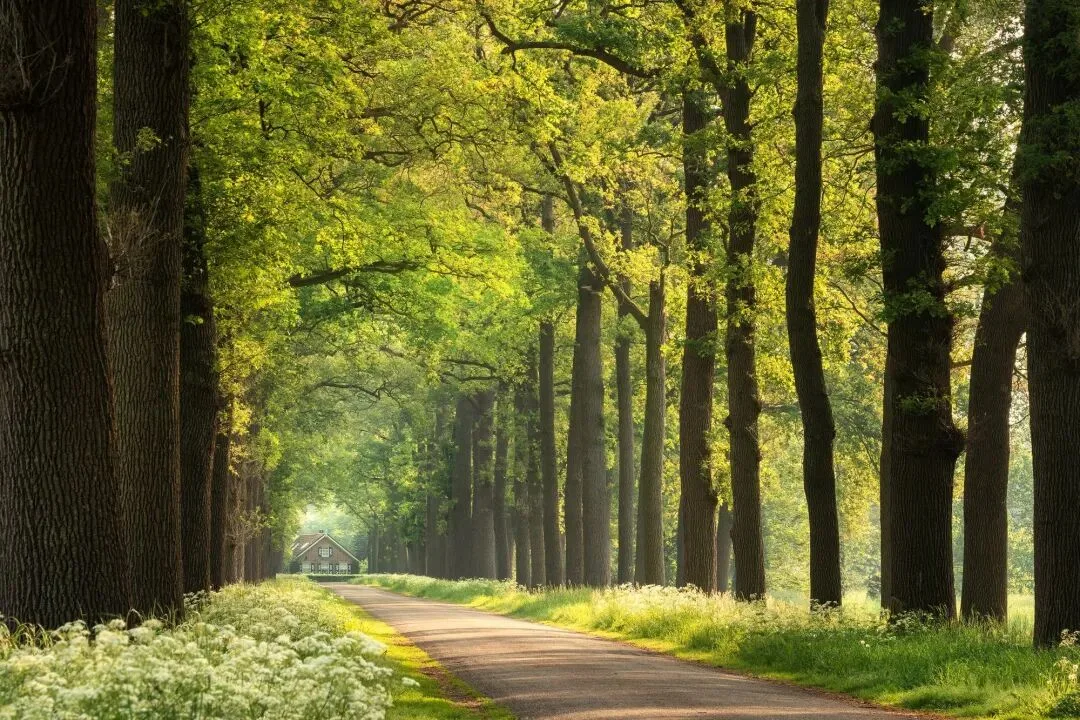
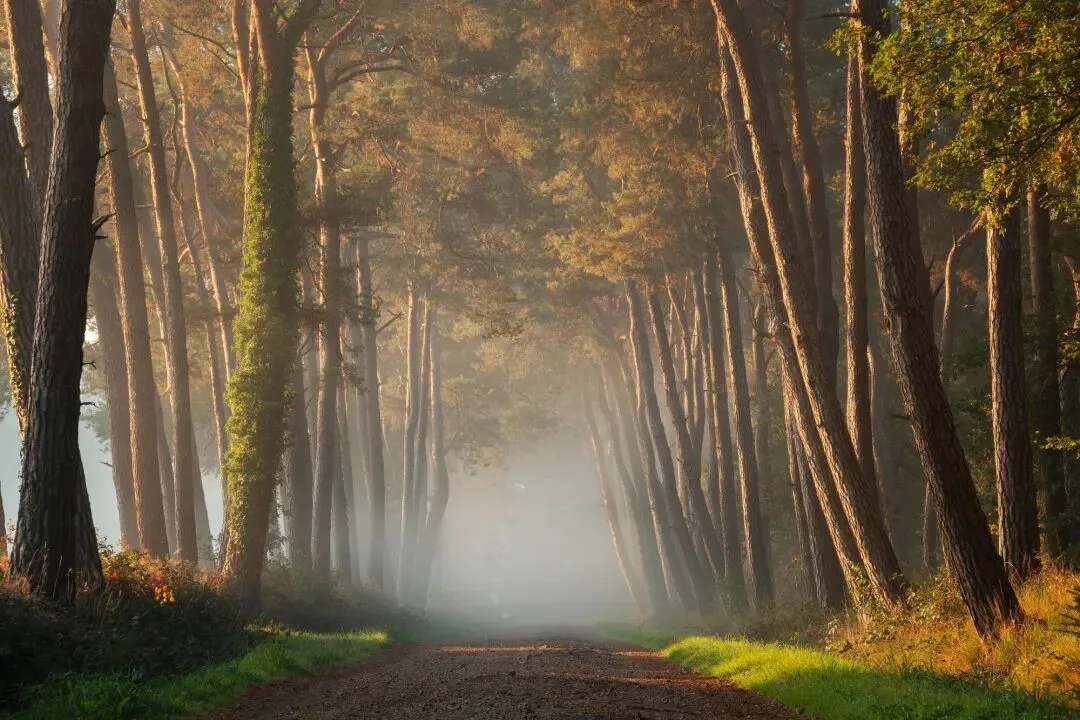
Martin: "Thank you for the compliment. The main reason I focus on forest photography is that forests are close to me, and I think the forests near home are quite unique in the world. For example, in an estate near my home there are many ancient tree-lined avenues you can't see in most places in the world. Some people might say Dutch forests are more like big parks, but what I want to say is that apart from forests, there's no scenery closer to nature in the Netherlands. Compared with other forests, you can capture cleaner images in Dutch forests. Regarding forest shooting and post-processing, I'm also planning to organize photography workshops with my friend Edwin Mooijaart and a few Chinese friends, welcoming photography enthusiasts from China."
▼ The Netherlands
▼ The Netherlands
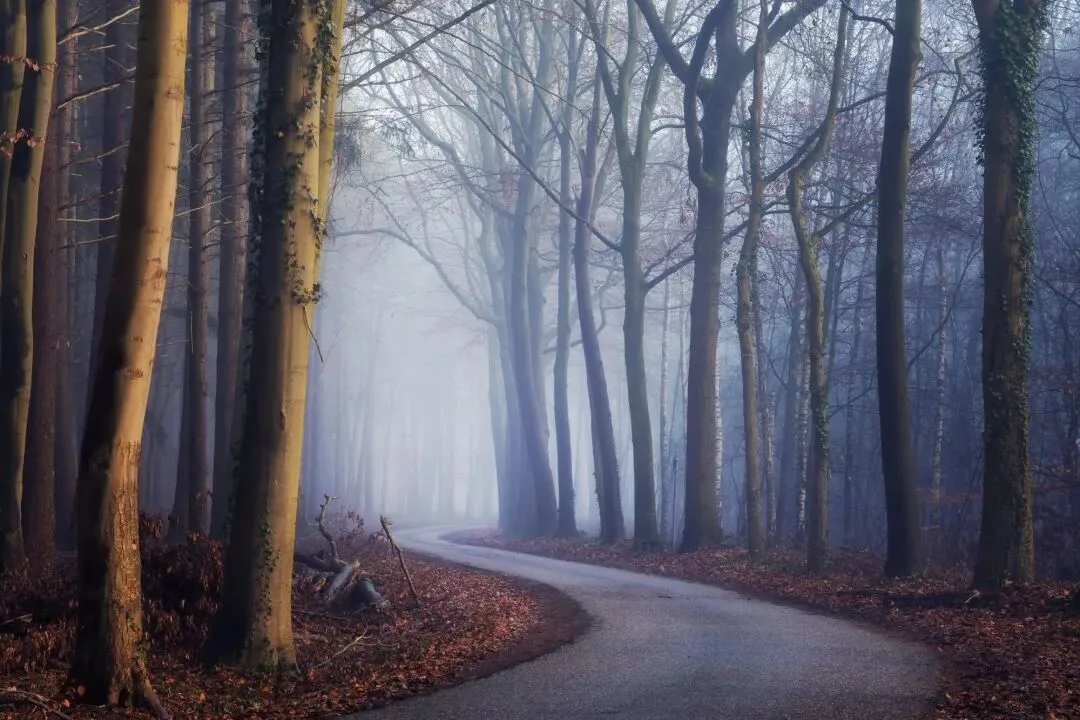
Q
You must have had many unforgettable experiences while shooting landscapes — are there any particularly memorable ones you can share?
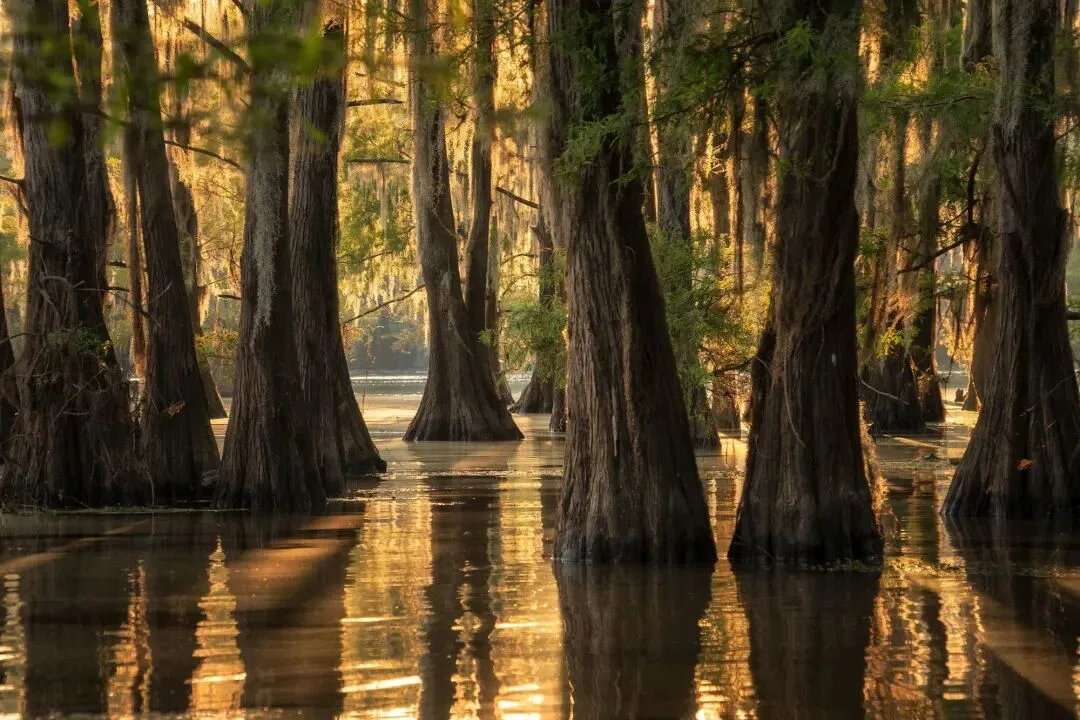
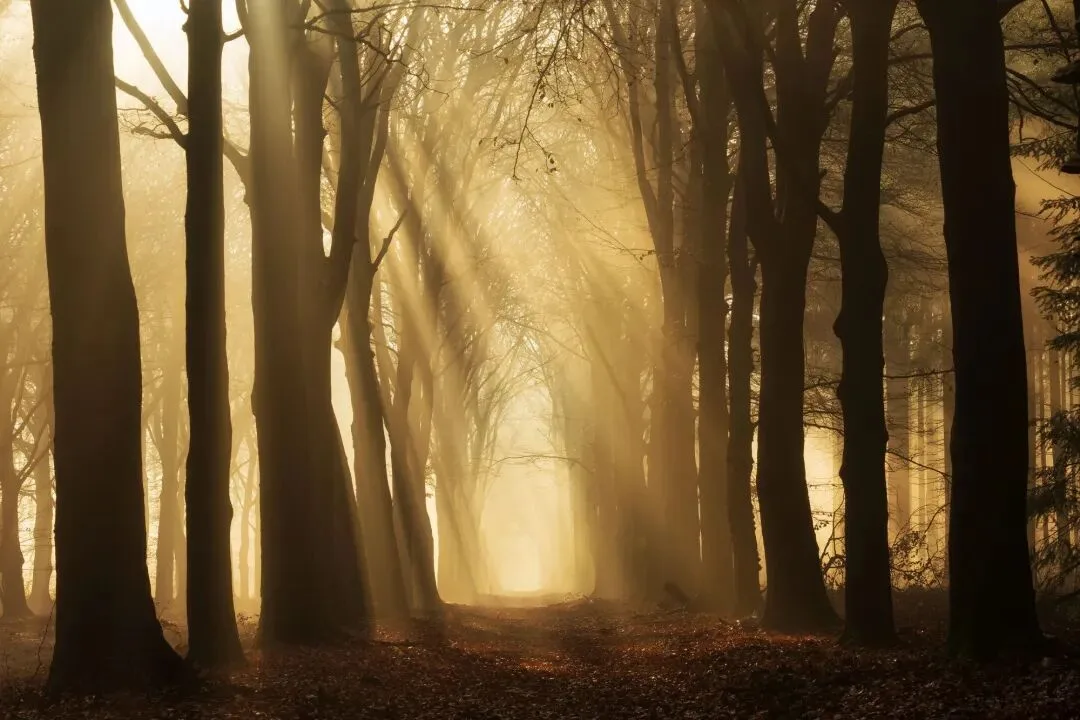
Martin: "So far, my most unforgettable experience was in the swamp wetlands of the southern United States, spending several days paddling a canoe through cypress forests. Those swamps are stunning, and enjoying the scenery there with companions is truly a once-in-a-lifetime experience. But in the forests near home, watching light pour through the gaps between trees and listening to birds singing is also a very precious experience. I've been fortunate to witness such moments many times, yet every one of them is special."
▼ United States
▼ The Netherlands
Q
What gear combination do you most often bring on each trip? It's a basic question, but I think many people care about it.
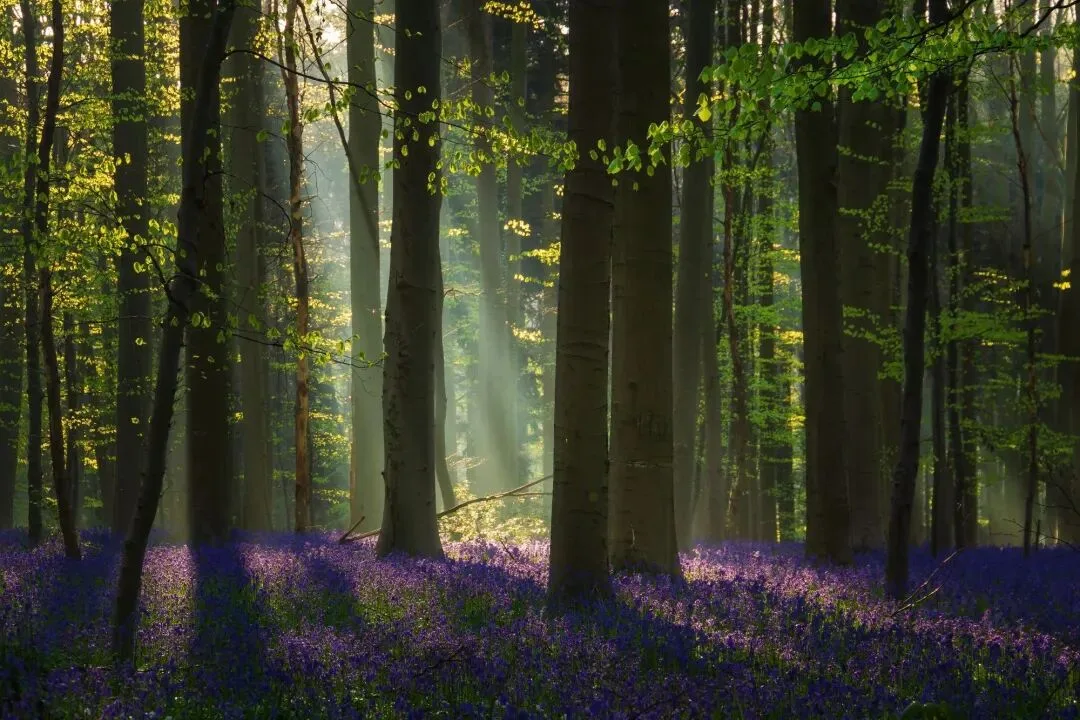
Martin: "I like to keep it light, so when shooting forests I often use a Sony A6500 with the Sony 18-200mm and 10-18mm lenses, plus a remote control. The rest is just some spare batteries, memory cards, and a very light carbon-fiber tripod — that's all. I also have full-frame gear (Sony A7R III) and many lenses, but those are prepared for portraits and macro; I don't bring them for forest shooting."
▼ Belgium
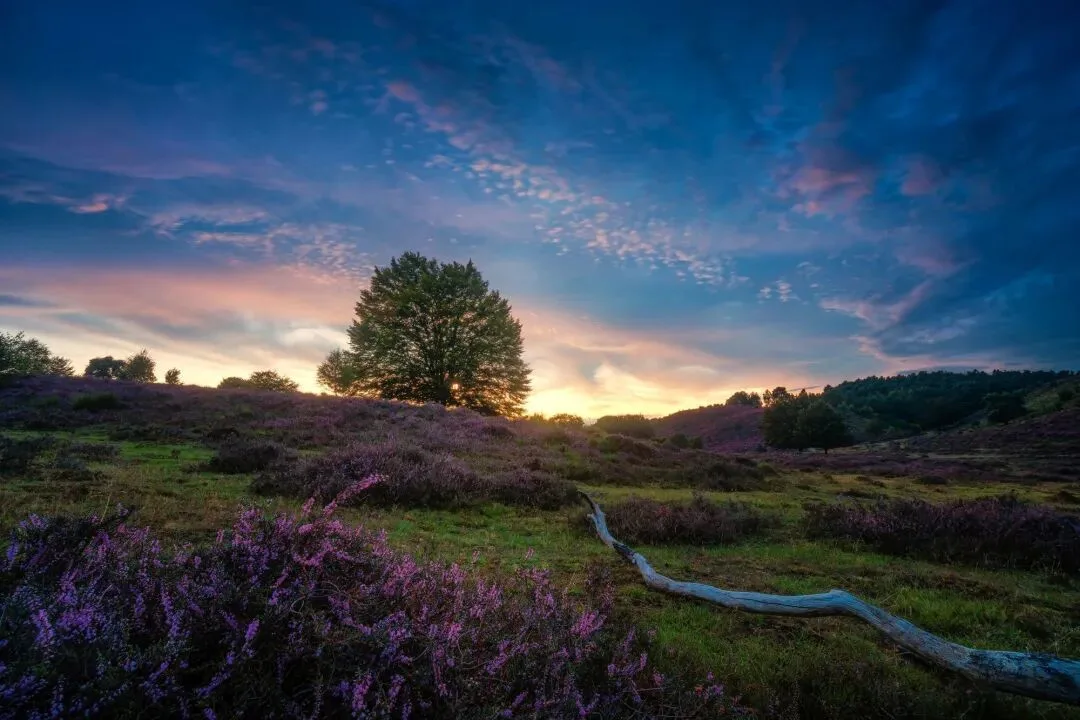
▼ The Netherlands
- The Path of a Master -
Q
There's another famous forest photographer in the Netherlands: Lars Van De Goor. No offense intended, but in your view, what are the similarities and differences between your works and philosophies?
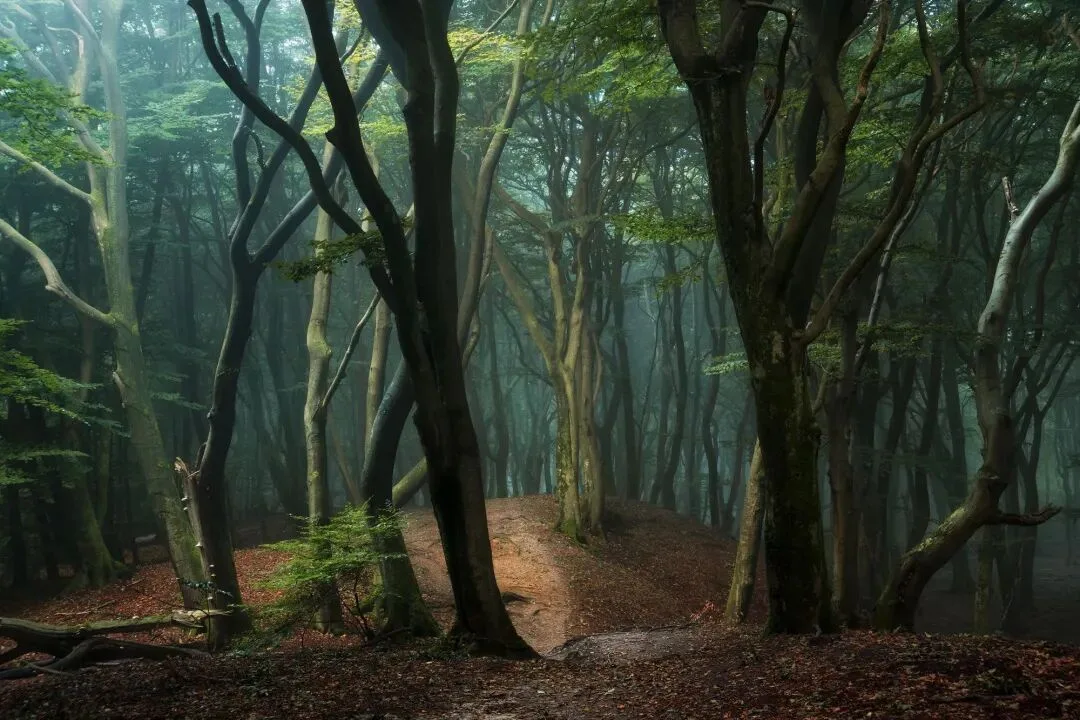
Martin: "Our biggest similarity is that we both love shooting forests. In the past, we also collaborated on photography workshops, and I found that the techniques and post-processing software we used were very similar. He also lived in my area for a few years, while I grew up here and never left. When you look at our works, you'll find he focuses more on creating more fantastical, dreamlike photos, while my photos appear closer to nature. My post-processing is centered on realism, while his post-processing goes to some extremes — like completely transforming colors or adding elements that weren't originally in the frame. As for post-processing, I've also developed my own exclusive Photoshop actions, which interested people can download from my website to make post-processing easier and faster."
▼ The Netherlands
▼ The Netherlands
Q
How do you view your current works, and how will you create going forward? Besides forests, what other subjects do you like to shoot, and why?
Martin: "My style is getting closer and closer to nature. In the past, I also did some extreme processing on photos, but I realized that I stopped liking most extreme processing shortly after. So I found my style shifting — in-camera shooting has become more important to me, simply because I love being outdoors. In the past, I'd spend hours post-processing a single photo; now, with a new workflow, my post-processing has become much faster. I really enjoy teaching others forest photography techniques and hope to do more of it in the future.
Besides forest photography, I also enjoy shooting mountains and seascapes, but unfortunately I live far from both mountains and the sea, so I'll keep focusing on forests. I also like portrait photography. In the future, I hope to combine portrait and forest photography better, but that's also very difficult, because getting a model to the right place under the right conditions isn't easy."
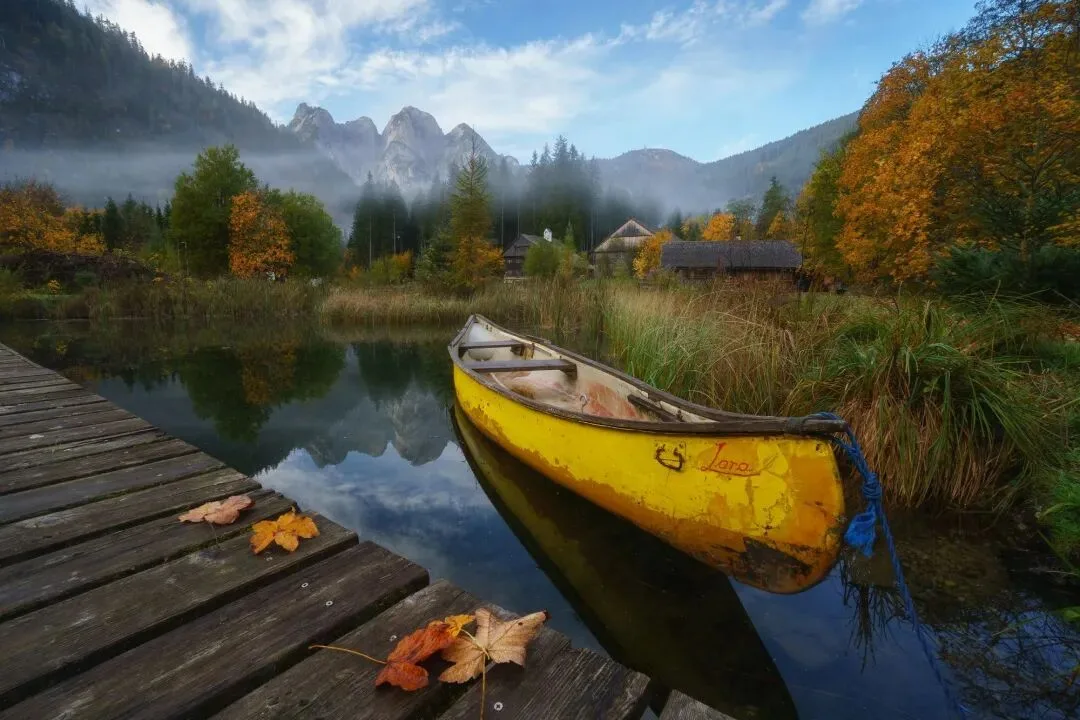
▼ Austria
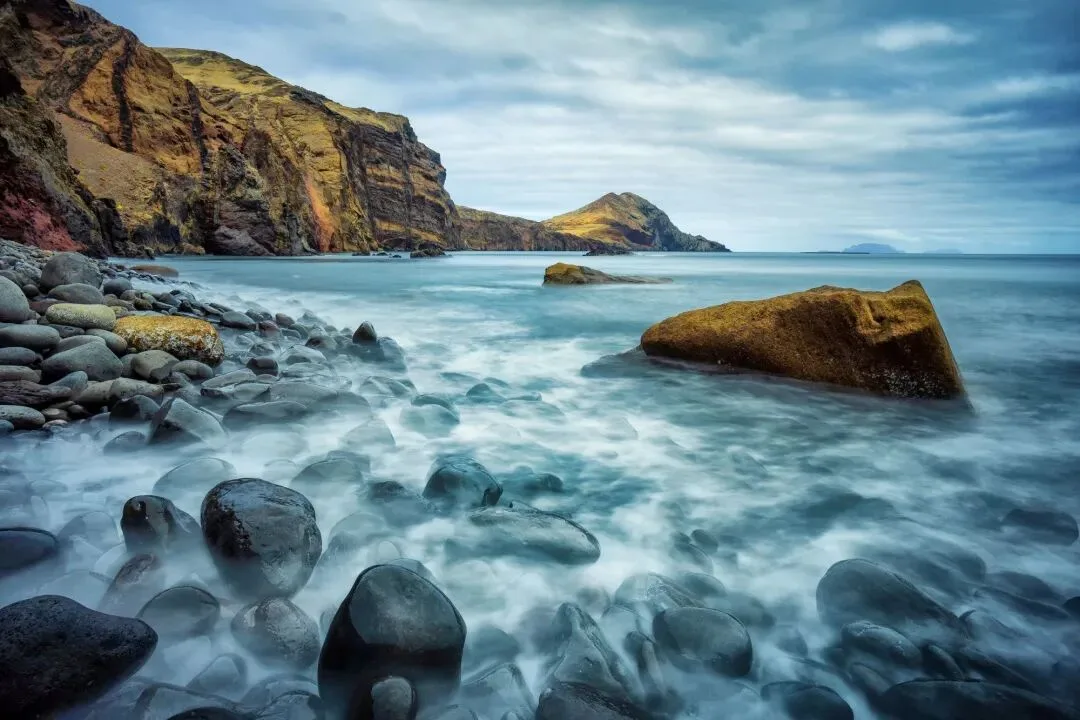
▼ Portugal
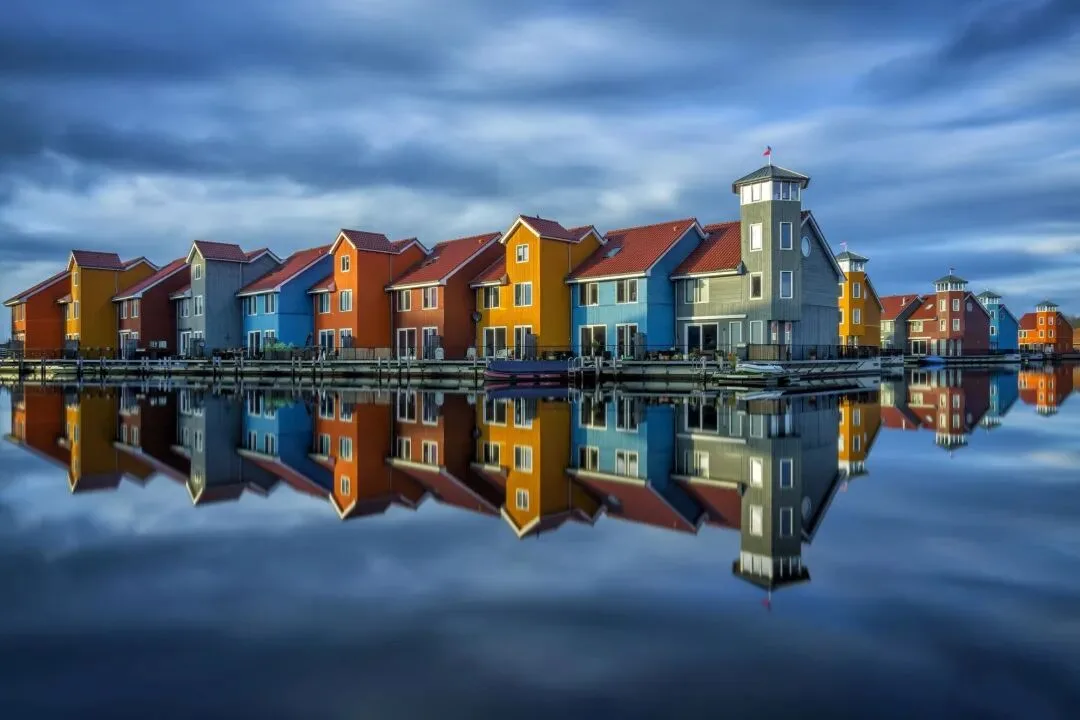
▼ The Netherlands
Q
In recent years, landscape photography has shown a "fast-consumption culture" and "check-in culture." Many photographers travel to the same locations to reproduce the same compositions in imitation of masterworks. What do you think of this? And how do you think one can shoot truly original photos?
Martin: "That's true. I think by looking at others' works and trying to imitate them, you can learn and improve your technique. However, I find that many places are now crowded with photographers and Instagram players (I wouldn't call everyone a photographer), which brings a very negative impact to these areas. People travel long distances to a place just to shoot an image that's already been photographed countless times. You wonder what the point is, and the conclusion is often that it's not great. For this very reason, I don't like sharing the exact locations of my photos; I want to do my best to protect these places from being ruined by too many people.
If you want to shoot more original photos, the method is simple: try not to go to very popular shooting locations. When you capture a beautiful photo no one has ever taken, you feel deeply satisfied. The core advice is to find suitable shooting spots in your own area: what's the most unique thing in your area? How do you get it into the frame?"
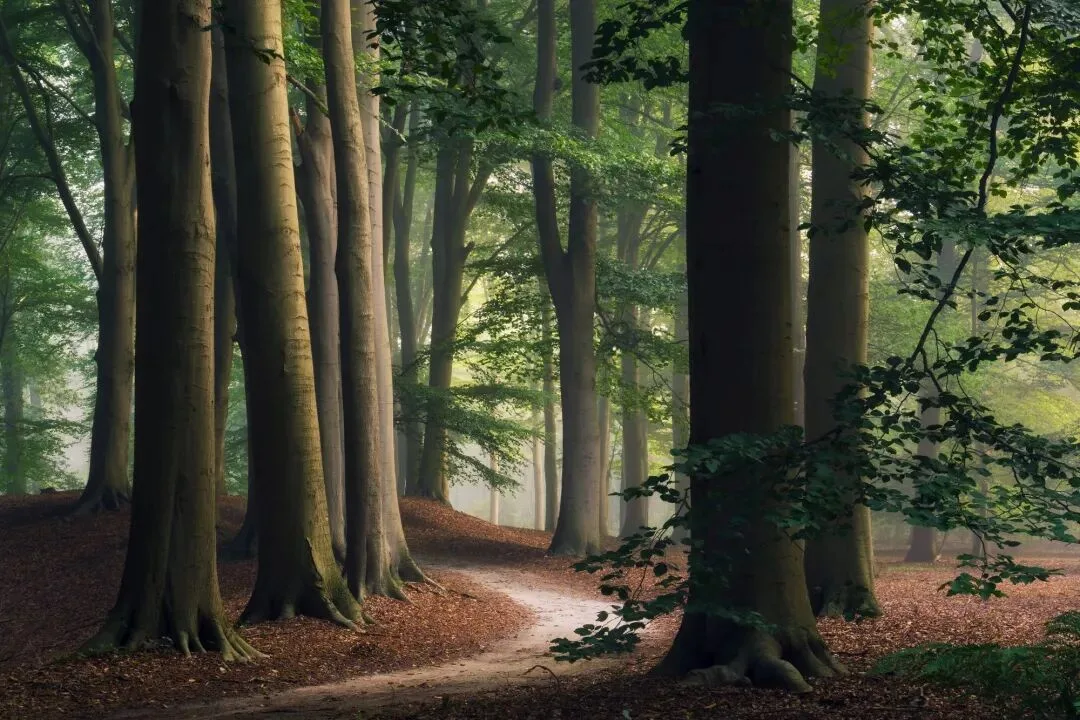
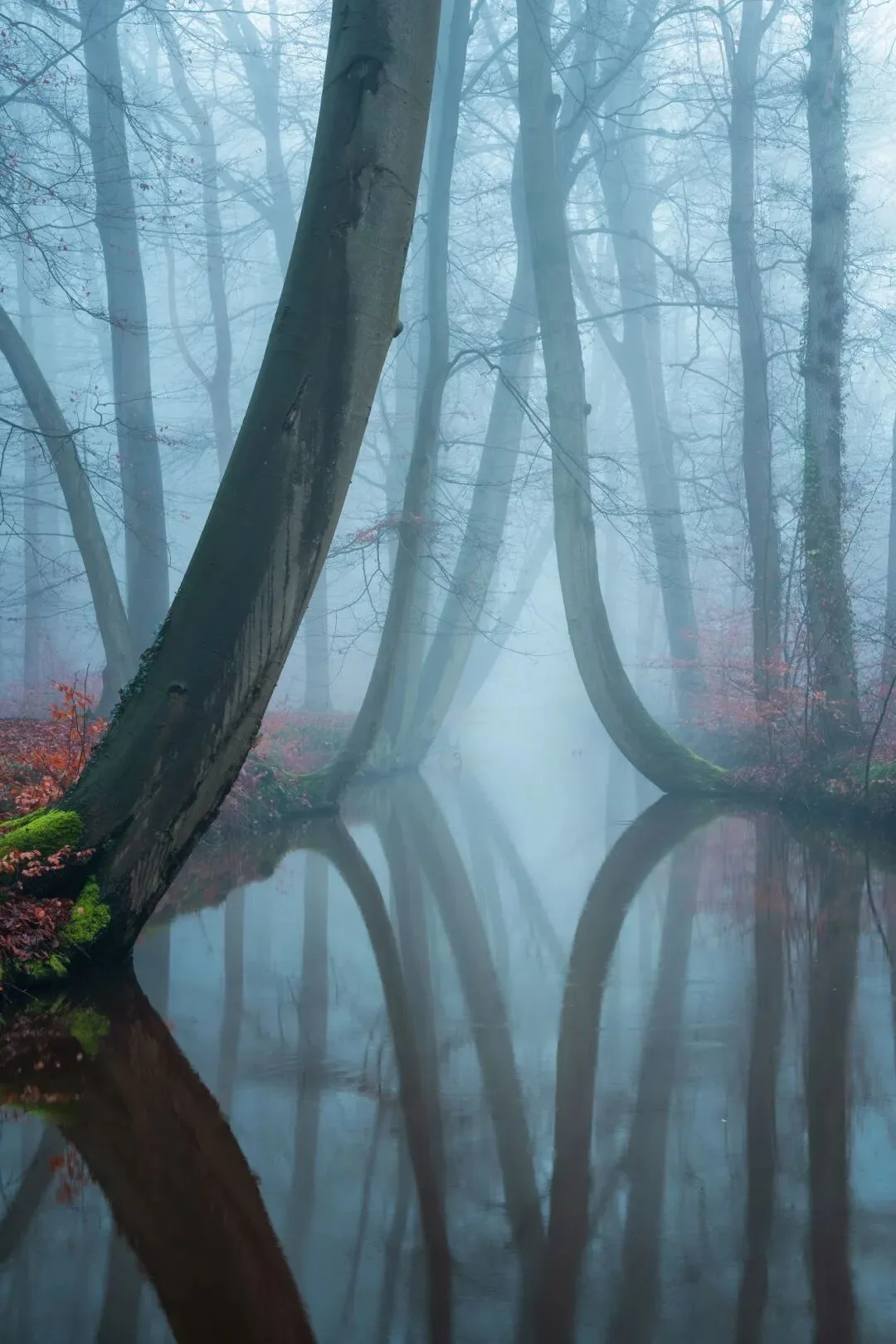
▼ The Netherlands
▼ The Netherlands
Q
In landscape photography, are there other photographers you really like? Why?
Martin: "Many photographers have inspired me for different reasons, not only landscape photographers. These include Trey Ratcliff, Max Rive, and Jimmy McIntyre, who have fantastic photos and post-processing techniques. But likewise, companions who travel and shoot with me, or people who inspire me to find new shooting locations, can also be the ones who bring me inspiration."
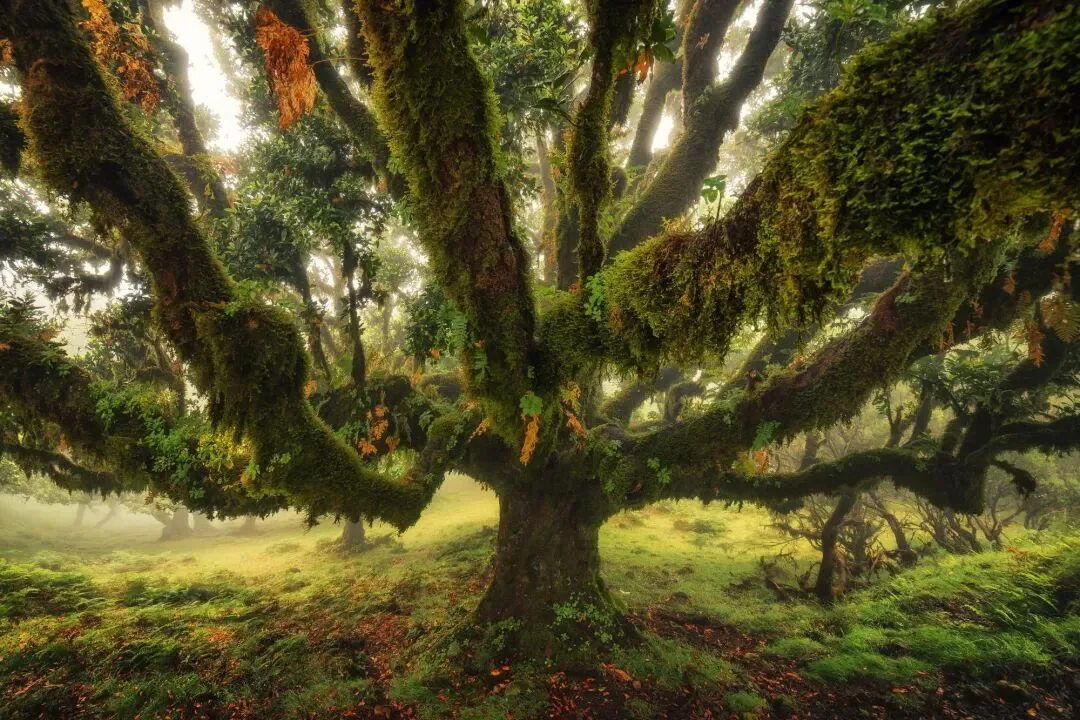
▼ Portugal
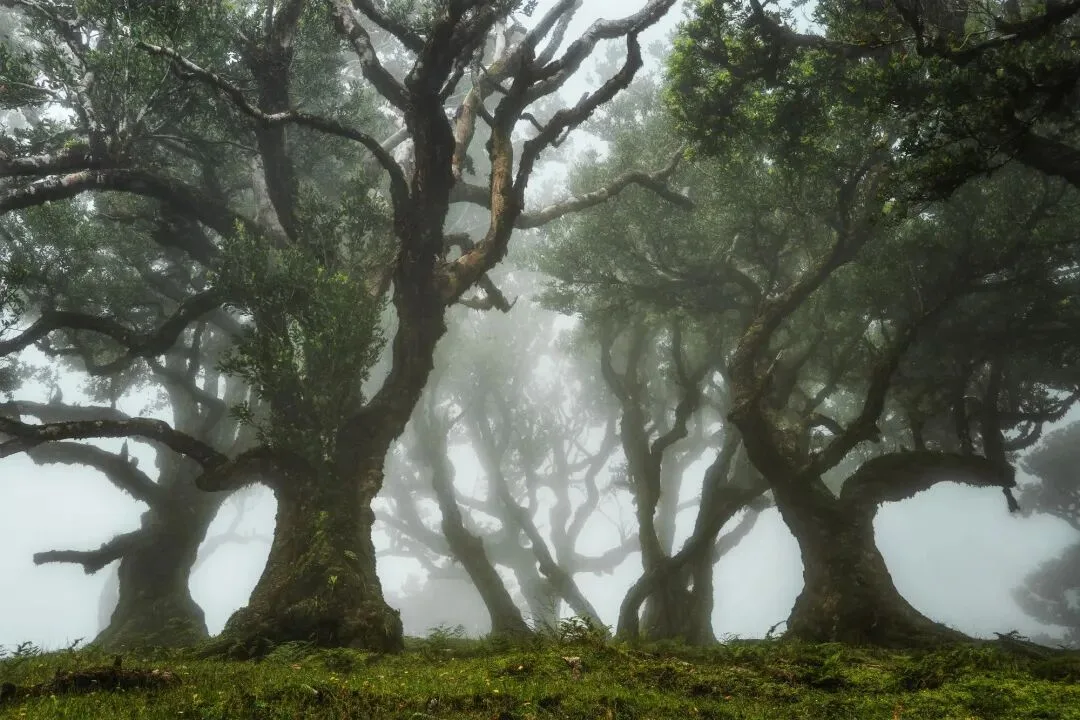
▼ Portugal
Q
Is there a sentence that summarizes your devotion or belief in photography, or what insights do you have about landscape photography?
Martin: "Do what you love most. Don't focus on how to get likes and followers on social media, unless that's your goal. But if that is your goal, then perhaps photography isn't your true passion. To improve your photography skills, you can find a very good spot in your area and visit it often to shoot. By frequently shooting at the same place, your photos will get better and better, and you'll clearly learn which weather conditions aren't suitable for shooting — so when you encounter such conditions later, you won't need to go. And these valuable experiences will also help you when shooting elsewhere."
▼ The Netherlands
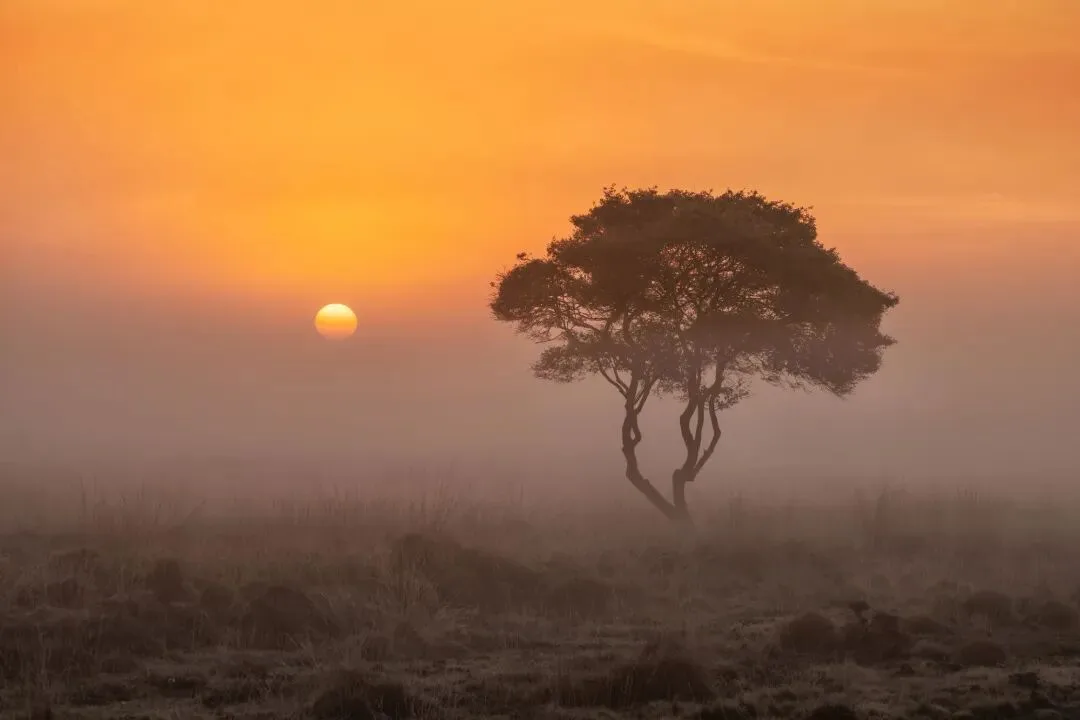
▼ The Netherlands
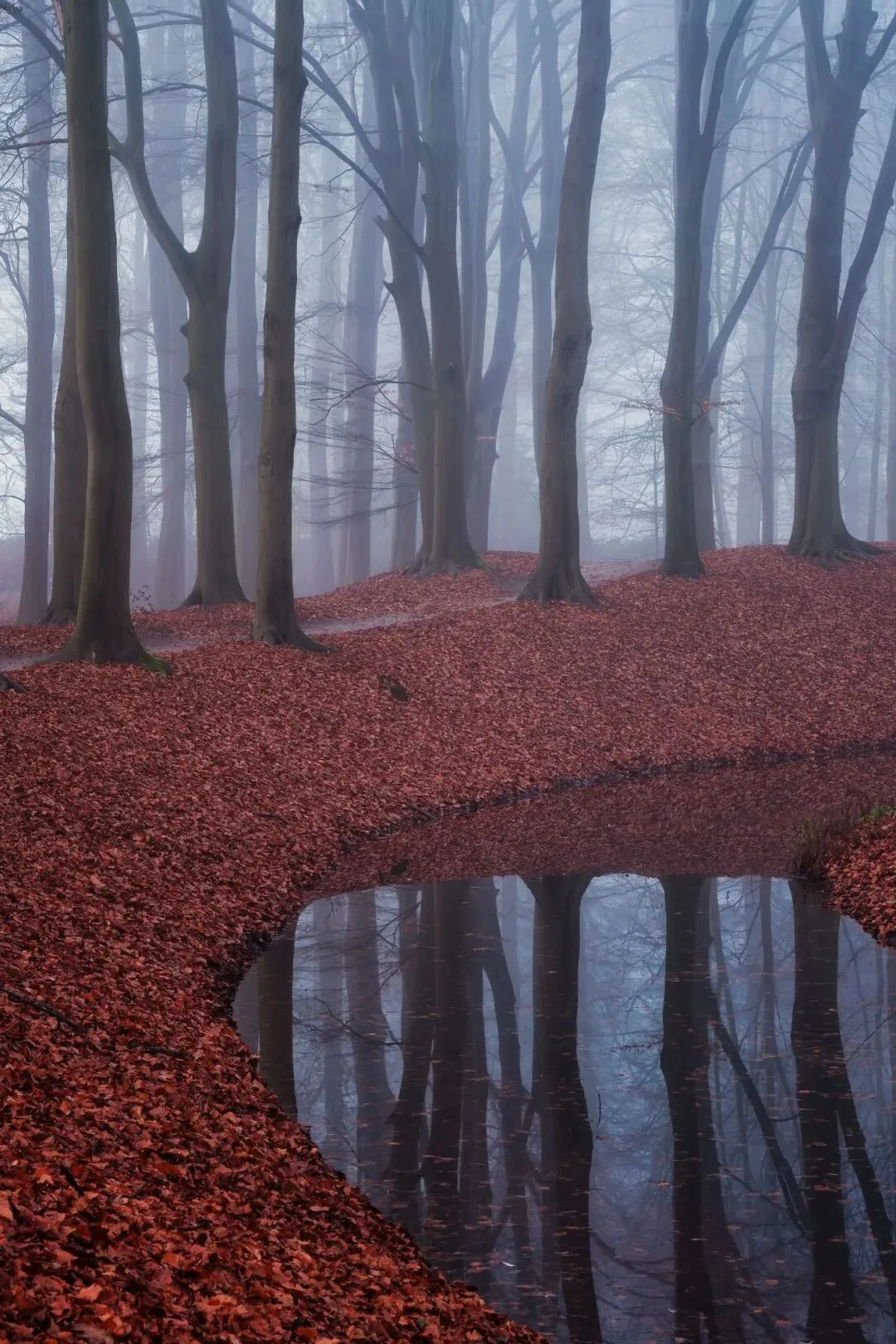
We hope that through this interview
everyone can get to know a more authentic Martin Podt
one who excels at discovering beauty around him
roaming the kingdom of forests
and fairy-tale worlds
Martin Podt
For more of his works, please visit
www.martinpodt.com
We believe that around everyone
there are unique landscapes
waiting for you to discover
(The End)
About the Author
Liu Bai YantingLiu (刘白YantingLiu)
Nature landscape photographer