Photography Tutorial · 2022-09-12
How Photographers Shoot the Moon: Aesthetics and New Ideas
The moon is a subject you can shoot 365 days a year. It looks simple, but photographing it well is not easy.
Today's photography tutorial is a video for expanding your aesthetic horizons and appreciating great works.
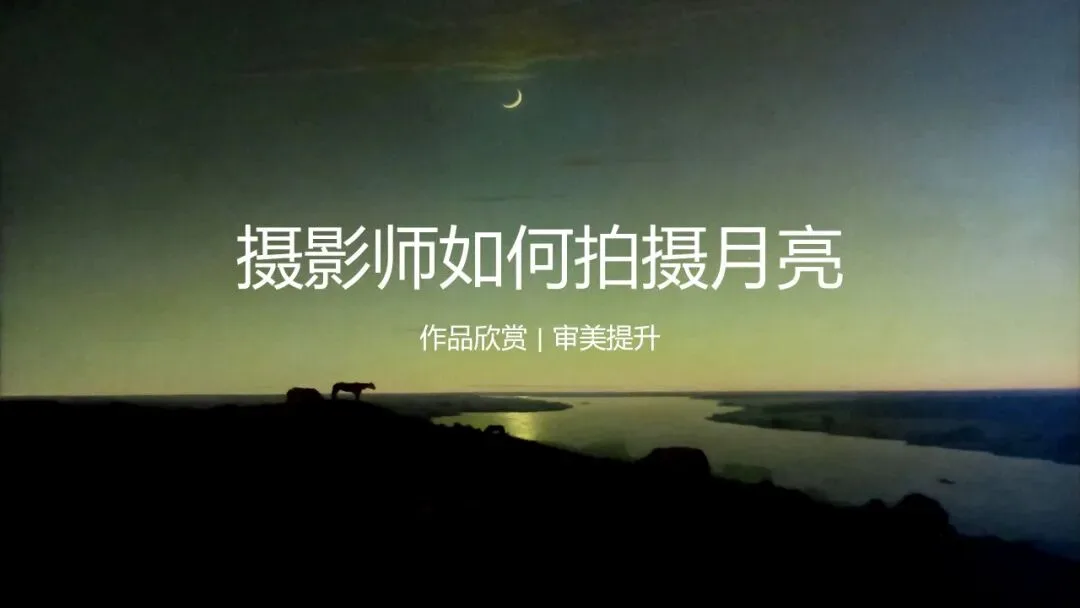
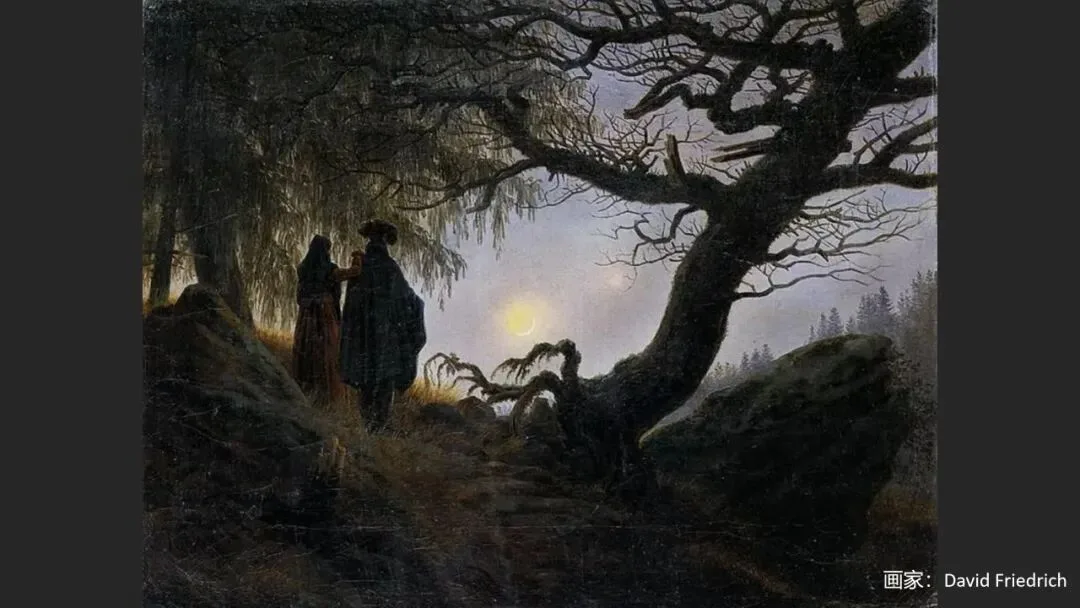
In the works I comment on, you will find photos by young Chinese photographers, masterpieces by classic masters such as Ansel Adams and Edward Steichen, and works by painters — fellow artists in the flat picture plane. I believe they will inspire you.
Video
▶ Watch the video tutorial on Bilibili
This is the fully illustrated companion to the video above. The moon can be photographed 365 days a year — it looks easy, but doing it well is not. Thomas sorts moon photography into three broad directions, then moves from classic paintings by Turner and Aivazovsky to milestone photographs by Steichen and Ansel Adams, and on to the telephoto moon work of young Chinese photographers — a large set of excellent images to widen your own thinking.
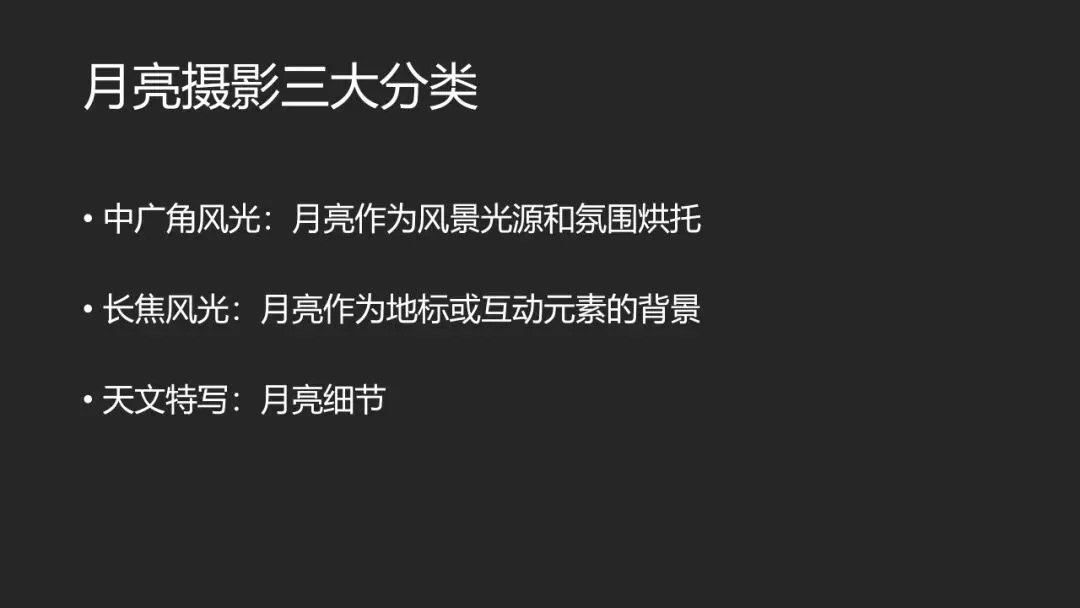
Start with the overview. This classification card comes from 1:29 in the video and frames the whole tutorial: wide-to-medium landscape, telephoto landscape, and astrophotography close-ups — the first two are unpacked below.
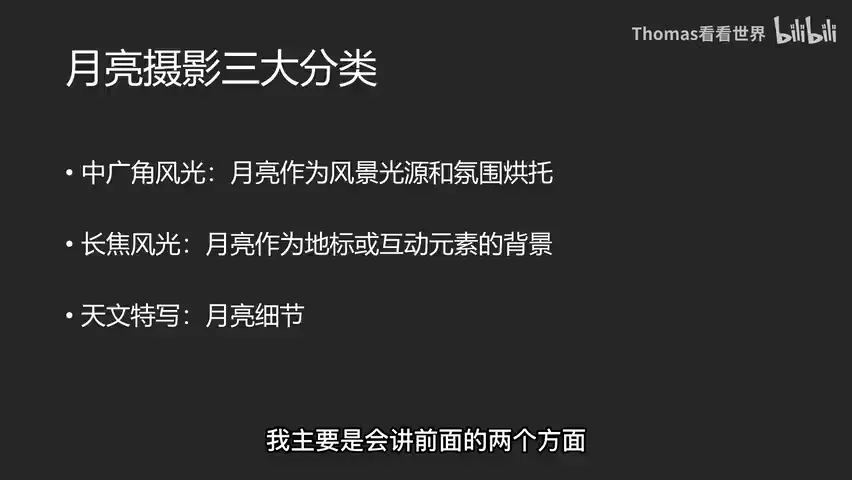
01 Three Directions in Moon Photography
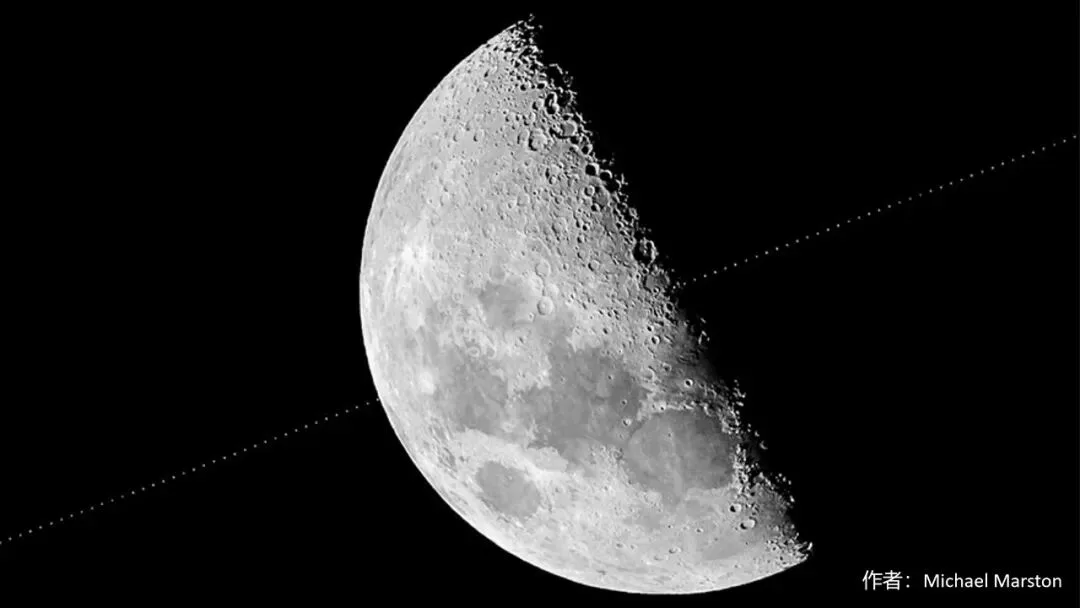
Thomas sorts moon photography into three broad directions (at 0:47 in the video). The first is wide-to-medium landscape: the ground scene's own atmosphere and mood matter most, and the moon serves only as the landscape's light source and mood-setter. The second is the currently popular telephoto moon shot — not aiming at the moon directly, but using it as a backdrop for landmarks or interactive elements, letting the foreground converse with it. The third is astrophotography of the moon's own detail, which this episode sets aside.
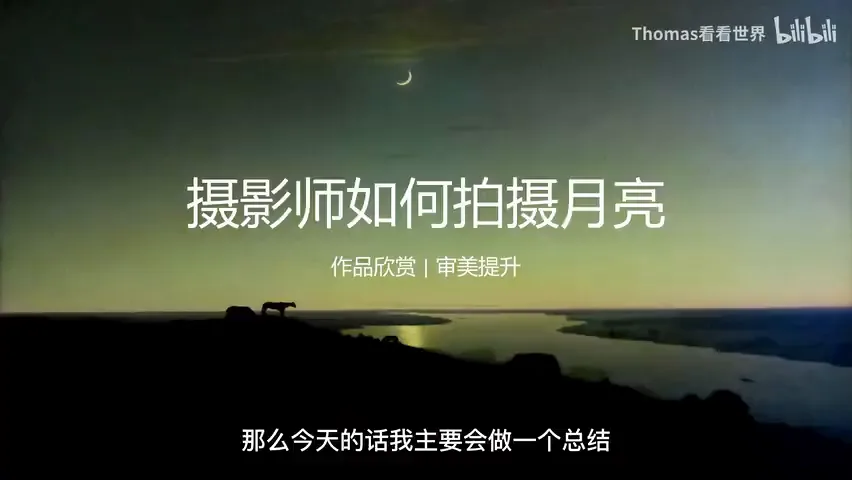
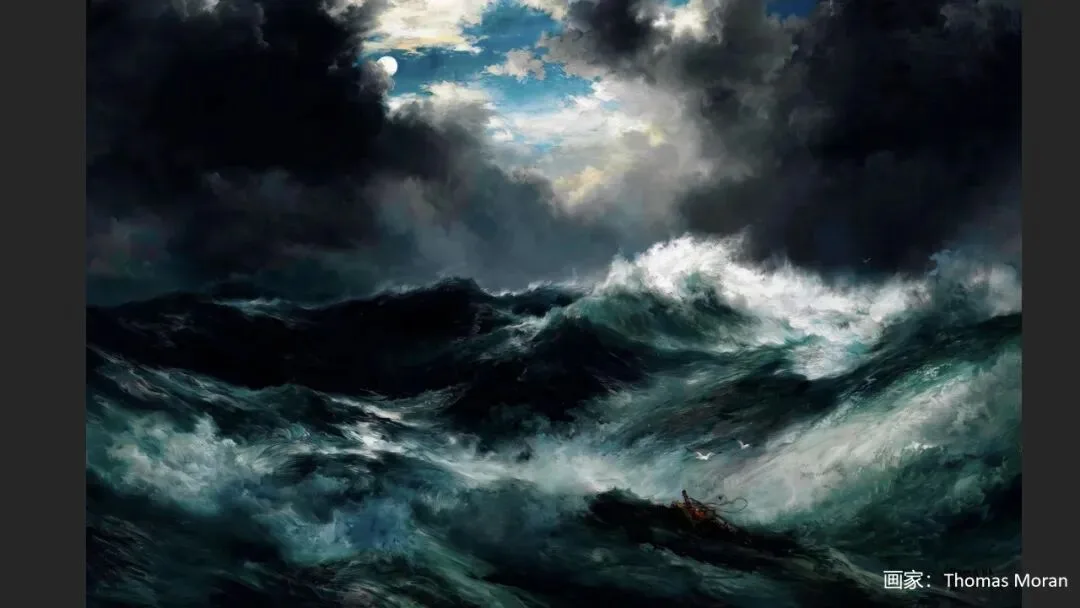
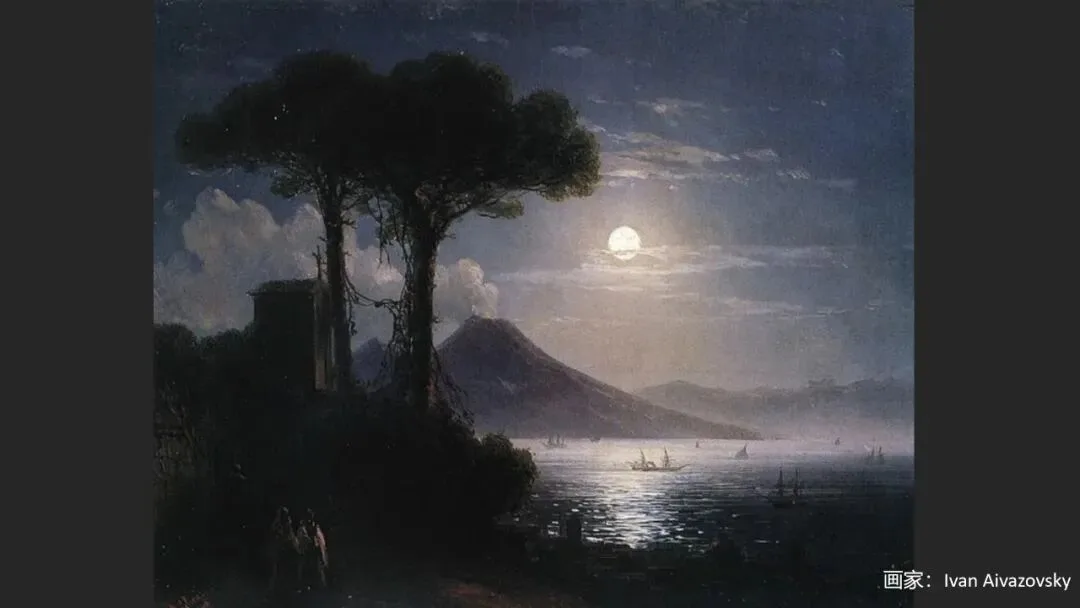
Before the main course, Thomas shows a batch of moon works by famous painters, photographic masters and today's young photographers (at 0:30 in the video). He starts with painting because the wide-angle moon landscape has a long, glorious history on canvas — and paintings, being flat visual works just like photographs, offer direct lessons in how a wide-angle moon should actually be shot.
02 Moonlight Is an Emotional Light Source
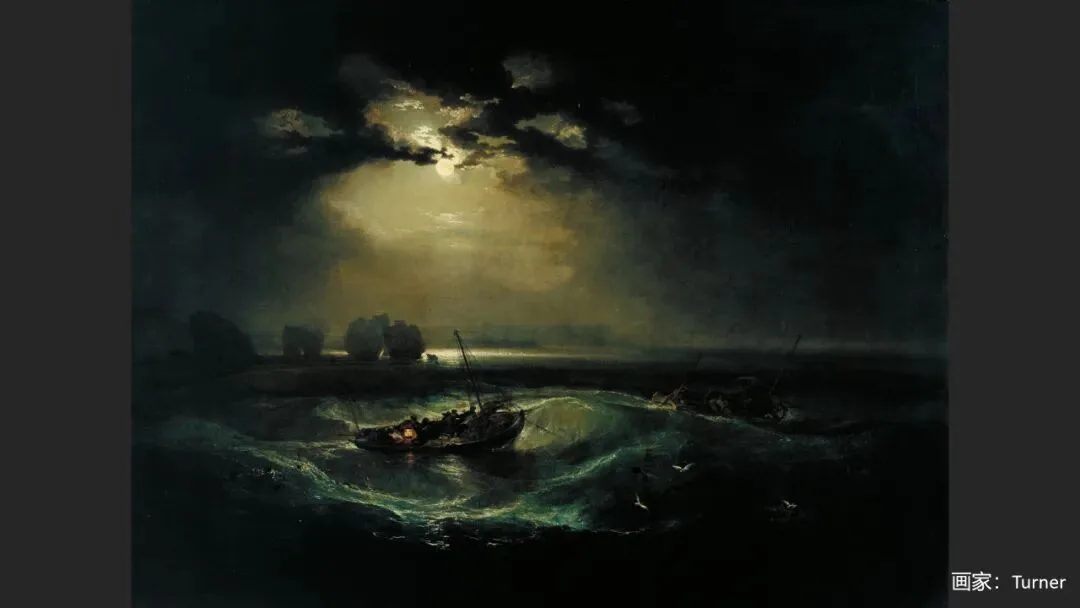
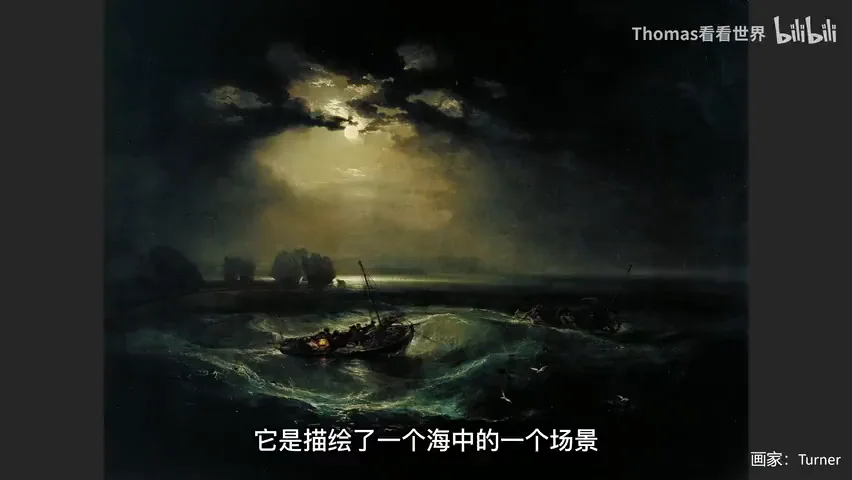
Turner's famous painting (at 1:56 in the video) shows a fishing boat at sea battling waves under moonlight. Why moonlight and not daylight? Thomas's answer is that the moon excels at building and heightening mood — under its glow you can sink much of the canvas into black, and that low-key treatment carries an unfathomable helplessness and an air of mystery.
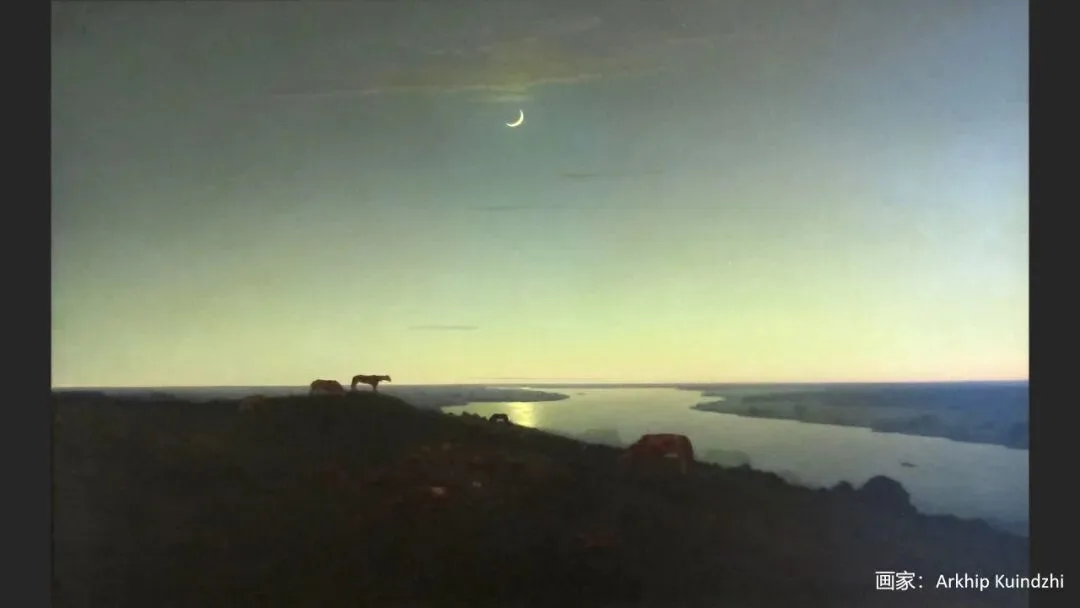
Many painters put this trait to work. Beyond oppression and mystery, the moon carries another moods: stillness (at 2:41 in the video). For calm, serene scenes moonlight beats daylight hands down; for scenes of dread and mystery, it is again the better fit (at 2:56 in the video). The moon's defining power is that, as a light source, it lifts the emotion of the whole frame.
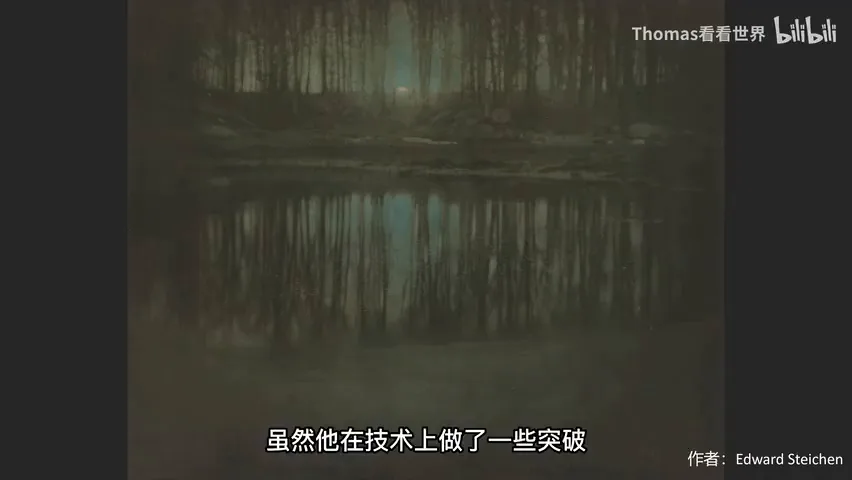
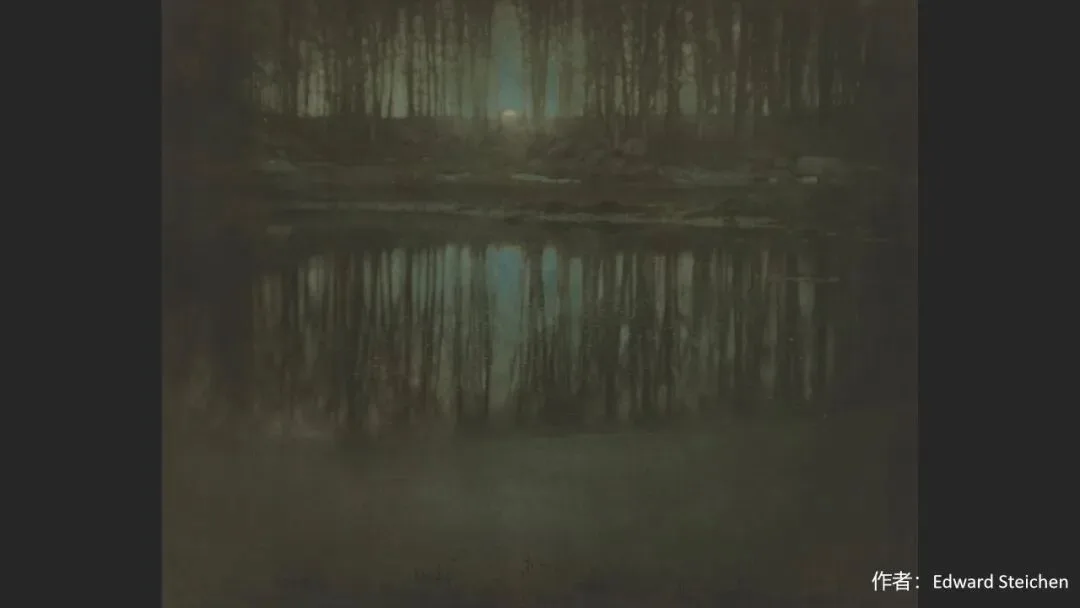
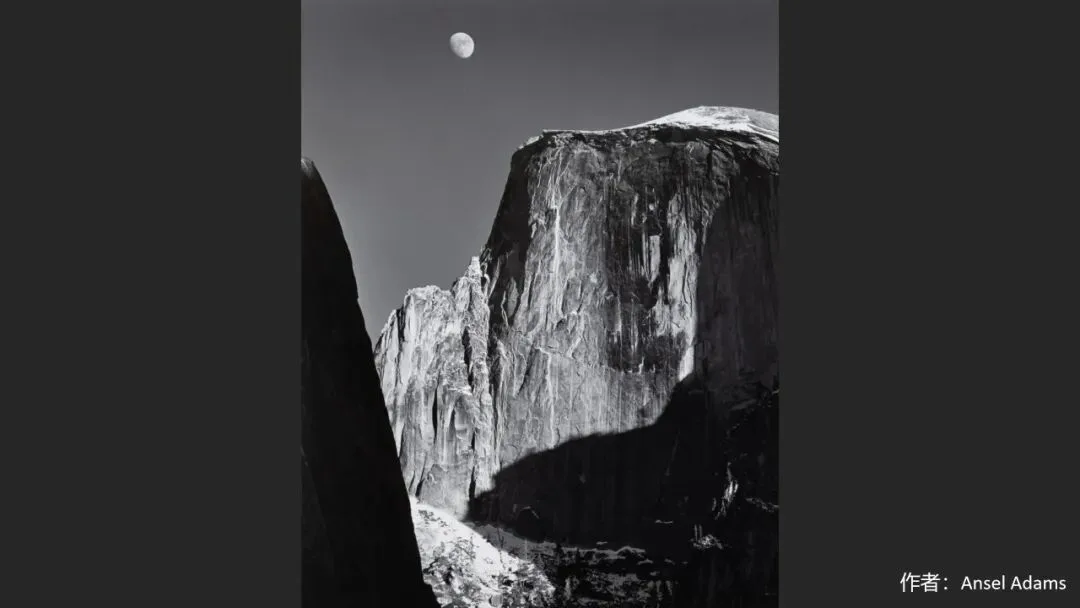
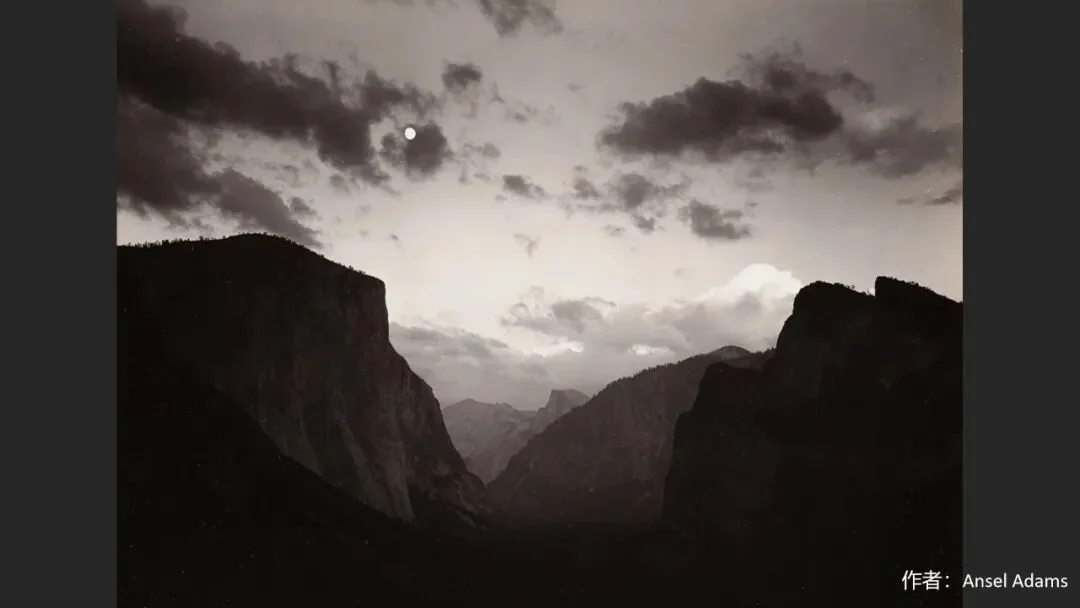
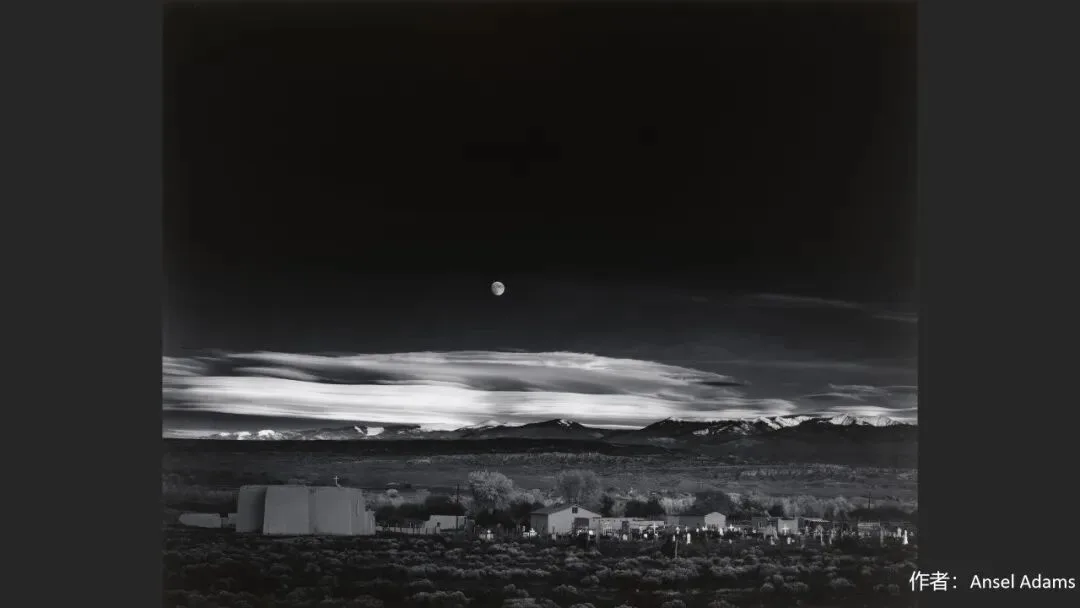
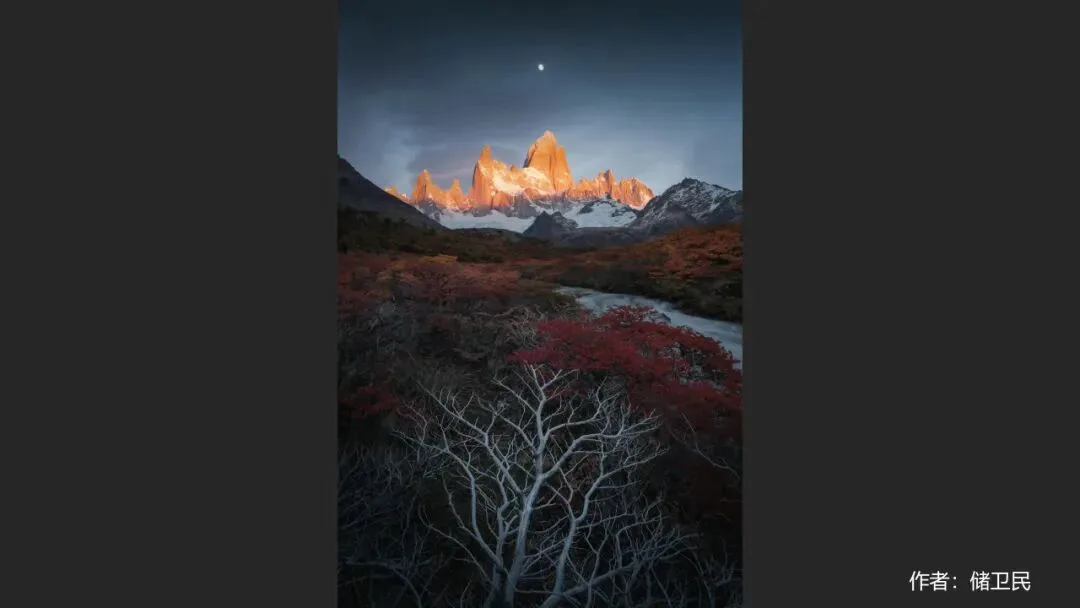
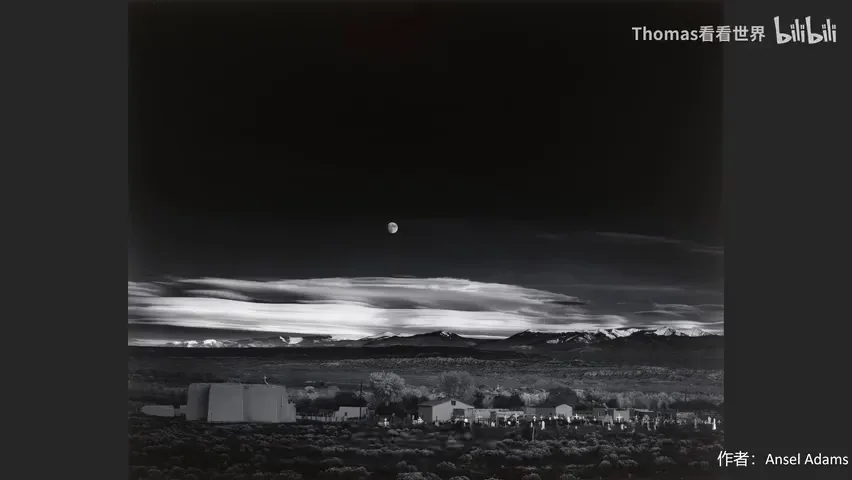
The most expensive moon photograph in history, Edward Steichen's The Pond—Moonlight (at 3:15 in the video), proves the point: it broke technical ground, but atmospherically it lands exactly where the painters did, using moonlight to wrap its pond in dream and mystery. Ansel Adams's Moonrise (at 3:48 in the video) teaches the other half: in such pictures the moon is mostly a light source and a foil — what you are really photographing is the landscape beneath, and the prize goes to images that, like Steichen's, convey mystery, solitude or power under the moon.
03 Wide-Angle Moons: the Landscape's Mood Comes First
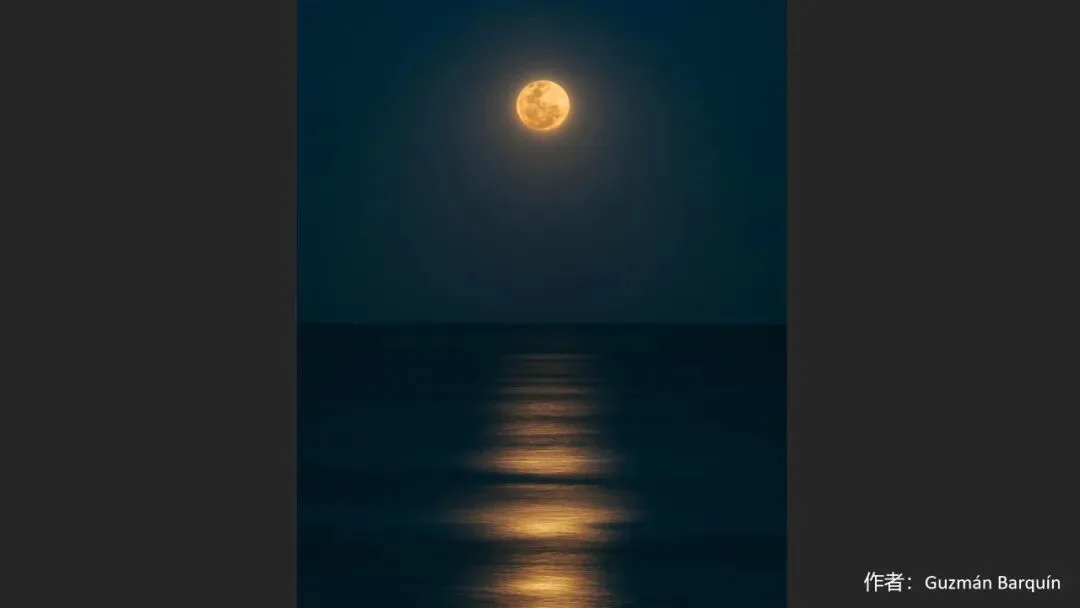
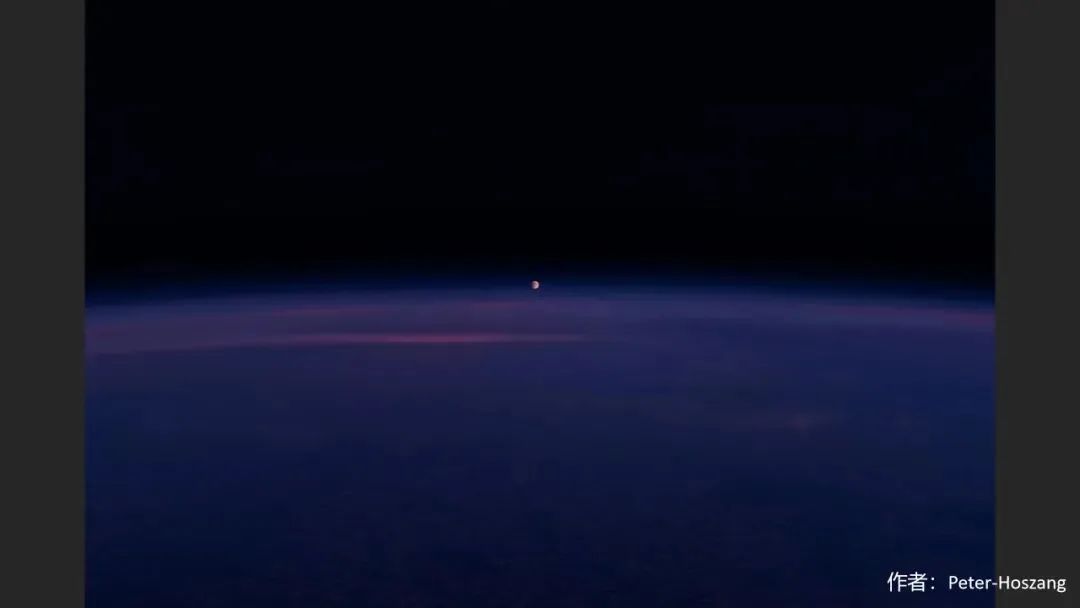
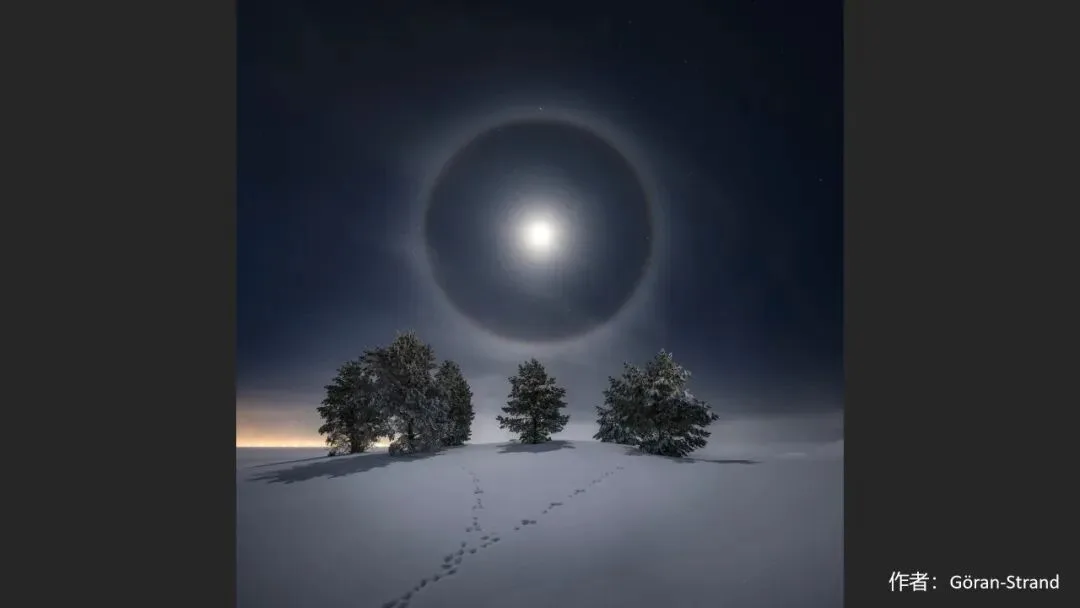
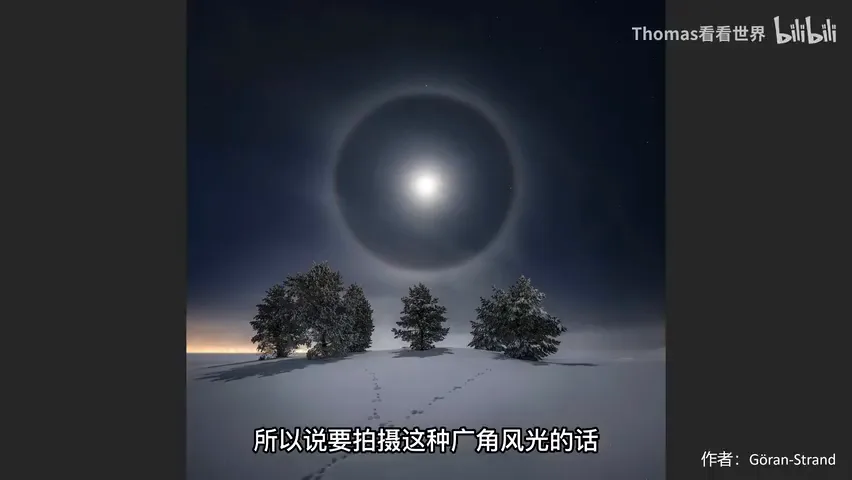
In practice, wide-angle moon landscapes come in rich variety: moonlight can illuminate the sea, just as painters long painted the sea by its light (at 4:21 in the video); one photographer shot the moon from a plane over the vast earth below — empty and stunning (at 4:29 in the video); and in the lunar-halo image at 4:41 in the video, the ground scene is again a dreamlike snowfield. For wide-angle work, the point of focus should never be the moon itself but how the landscape builds a dreamlike, mysterious atmosphere.
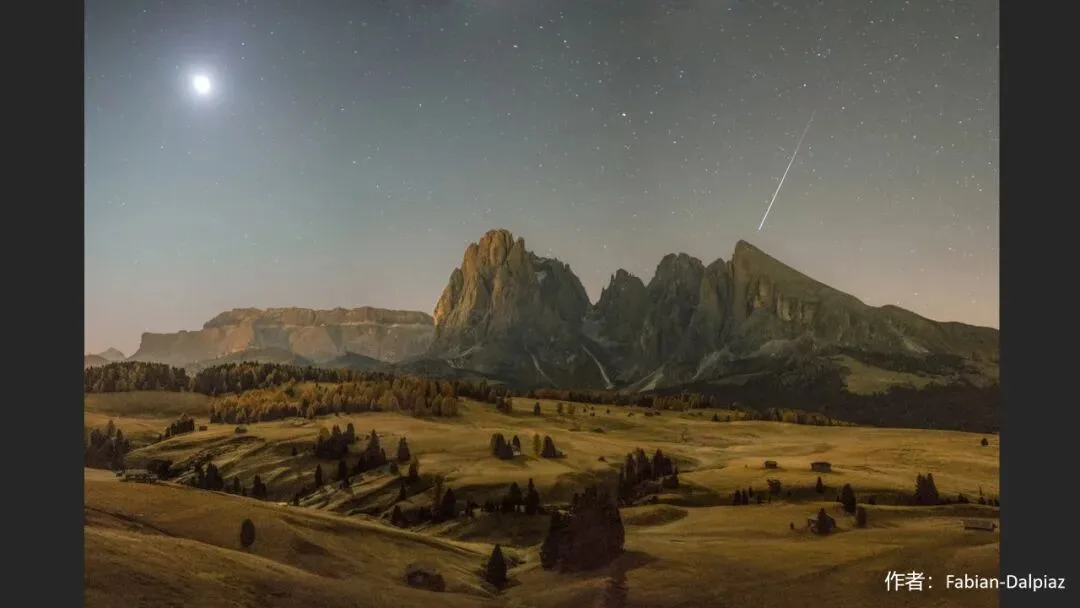
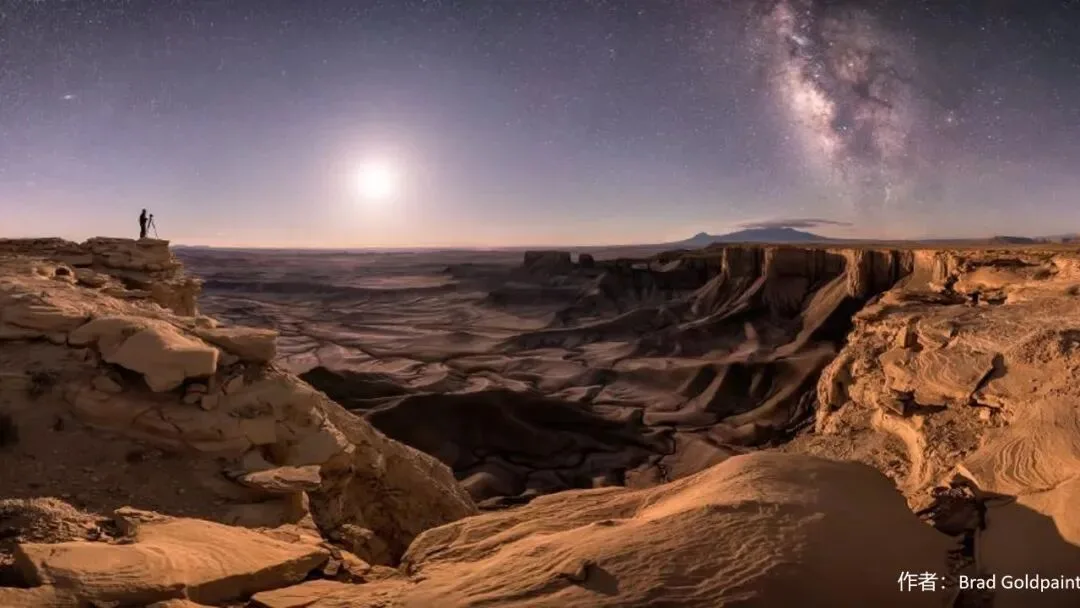
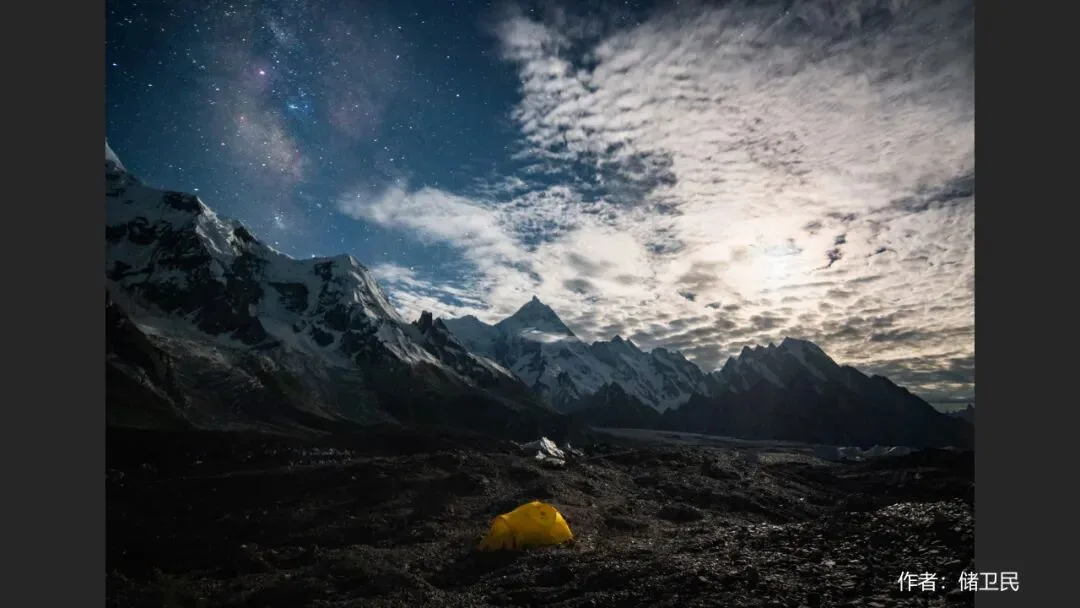
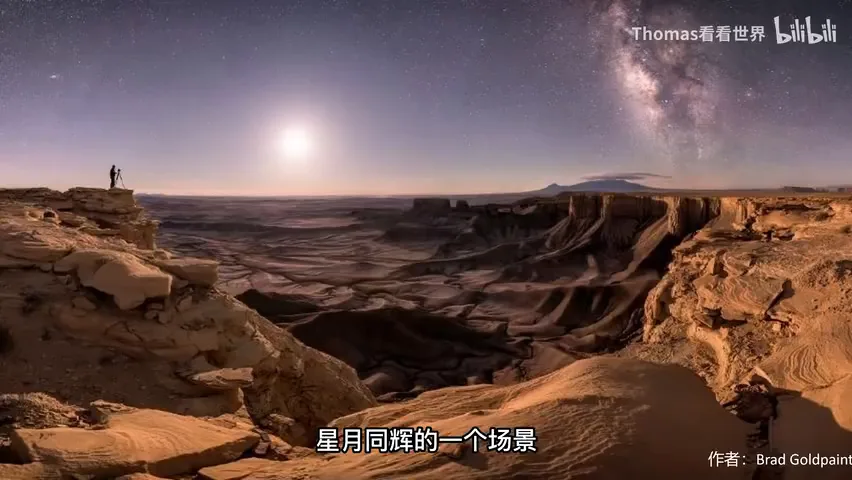
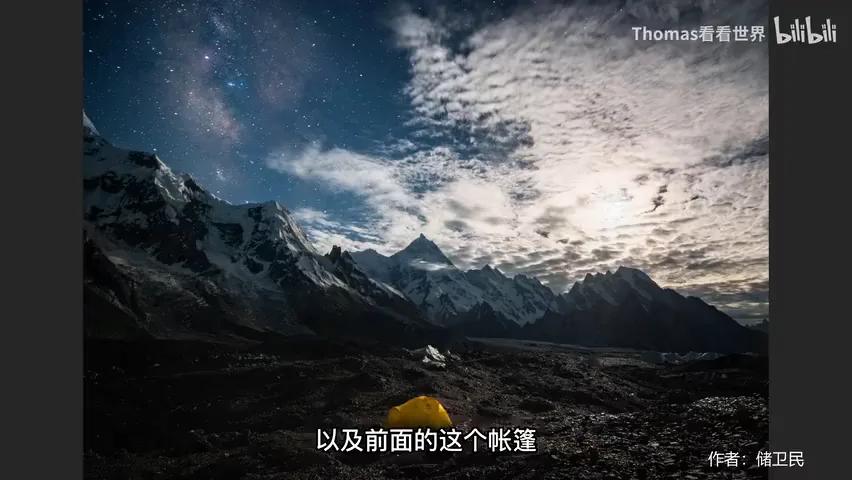
Pairing the moon with the Milky Way is a classic wide-angle theme (at 5:01 in the video): besides the moon and stars themselves, the moonlit peaks below often make the picture. Thomas has captured such a scene too (at 5:17 in the video) — yet his attention stayed on the foreground: the glacier ahead, the snow mountains, and a single yellow tent, expressing human courage and strength in exploring nature; the moon and stars, that other frontier humans are exploring, lend the frame's emotion an enormous assist.
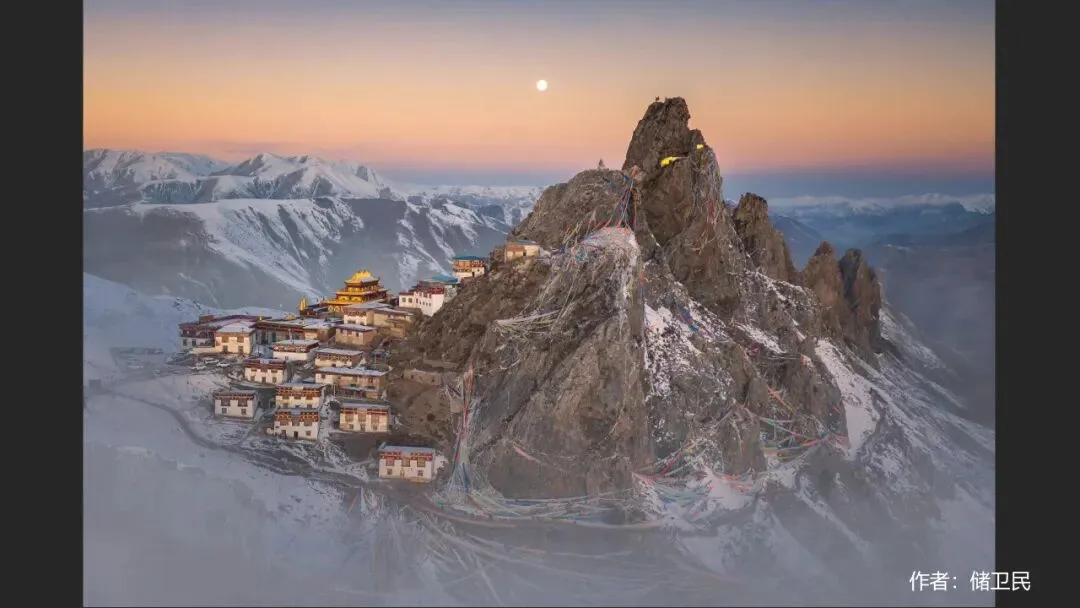
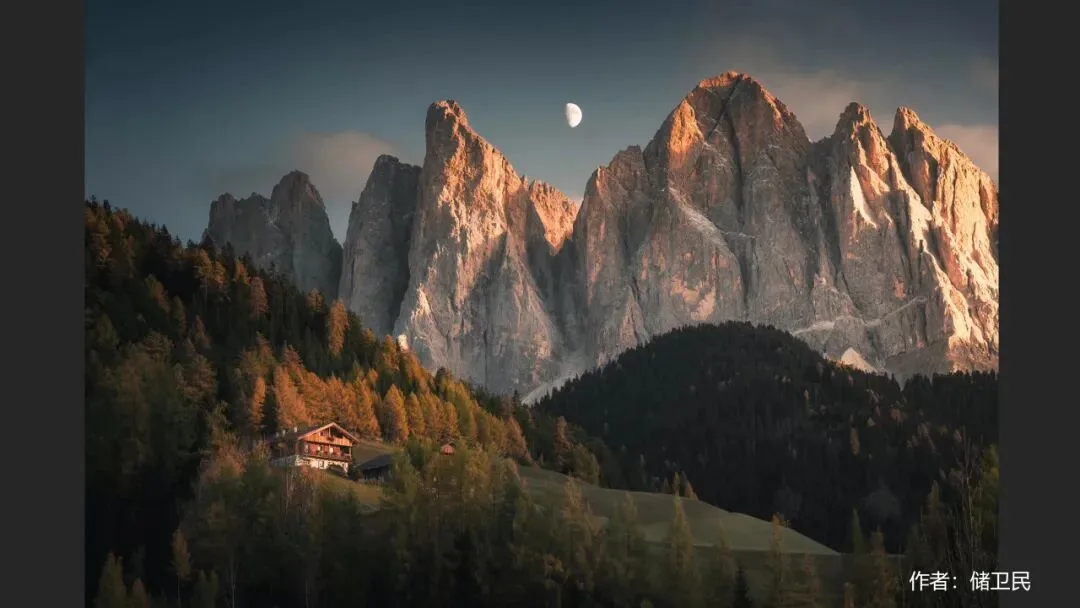
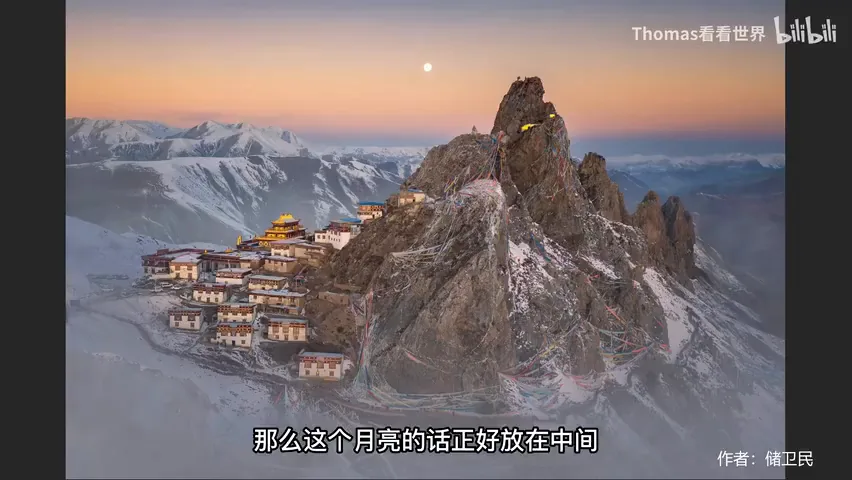
As for technique, if you want a detailed moon and a lit landscape in one frame (at 6:14 in the video), one route is exposure bracketing; another is to seek low-contrast light — shoot around sunrise, sunset or the blue hour, when moon and landscape are close in brightness, and even a single frame can hold both. The landscape's mood can vary freely: for a divine, religious theme, the mountaintop monastery is majestic on its own and the moon placed dead-center becomes the finishing touch (at 5:45 in the video); for pure tranquility, the moon and the scene are perfectly in tune (at 6:05 in the video).
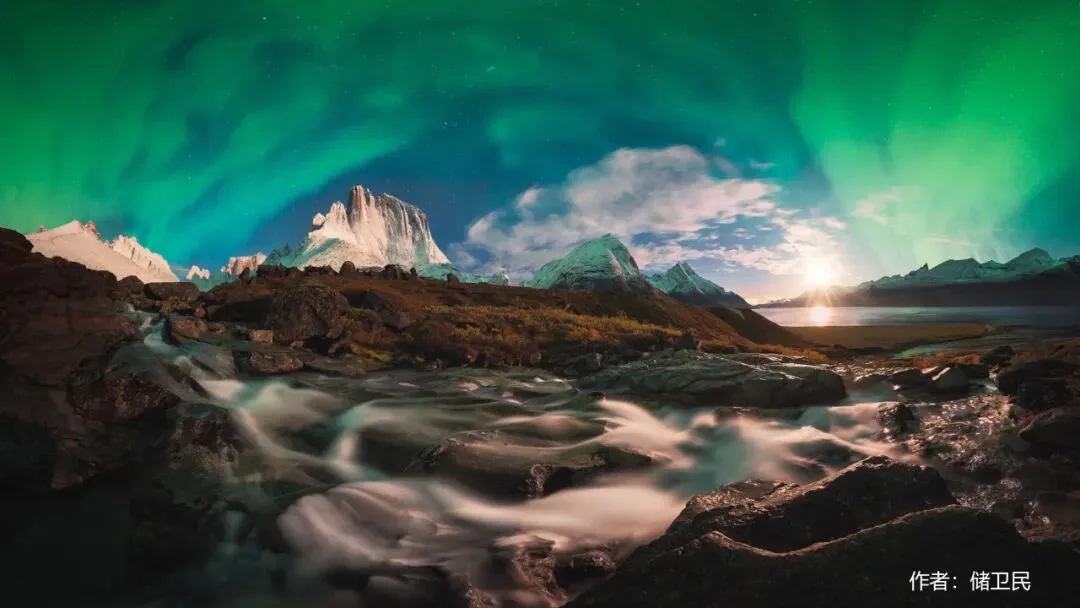
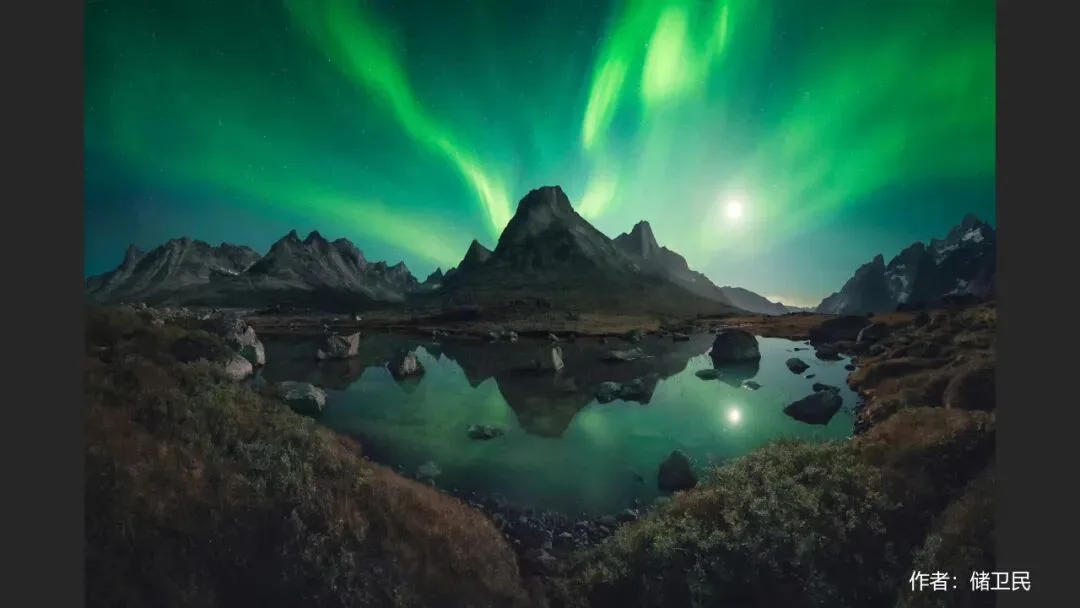
You can also put moon and aurora in one frame to answer each other, making the photograph grander and more stunning (at 6:40 in the video); the work at 6:52 in the video takes on life itself — life and death, sun and moon, cross-reading opposites by nature. To sum up (at 7:08 in the video): in wide-angle landscapes the core is building the landscape's mood, and the landscape should never be arbitrary — it should echo the moon. Exploration, divinity, tranquility, mystery, a fight against the sea — these distinctive moods are what pair best with it.
04 Telephoto Moons: Give the Moon a Foreground
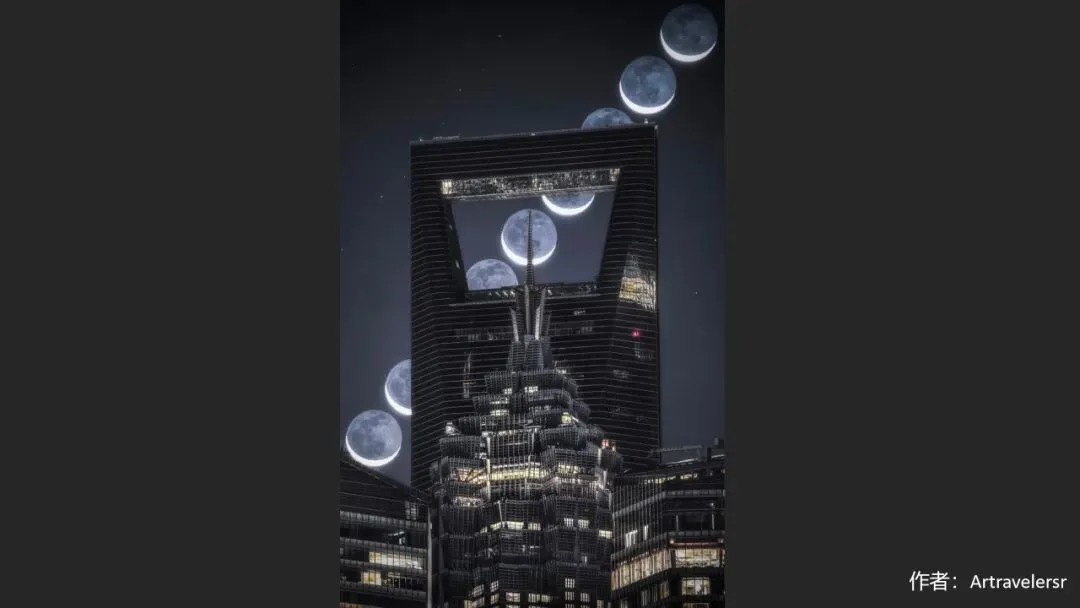
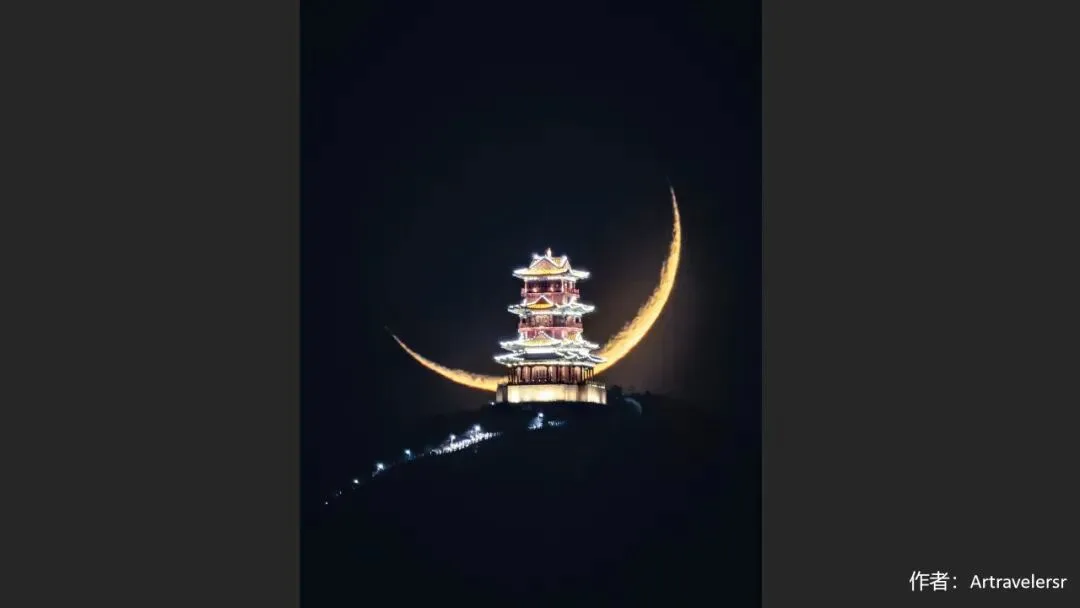
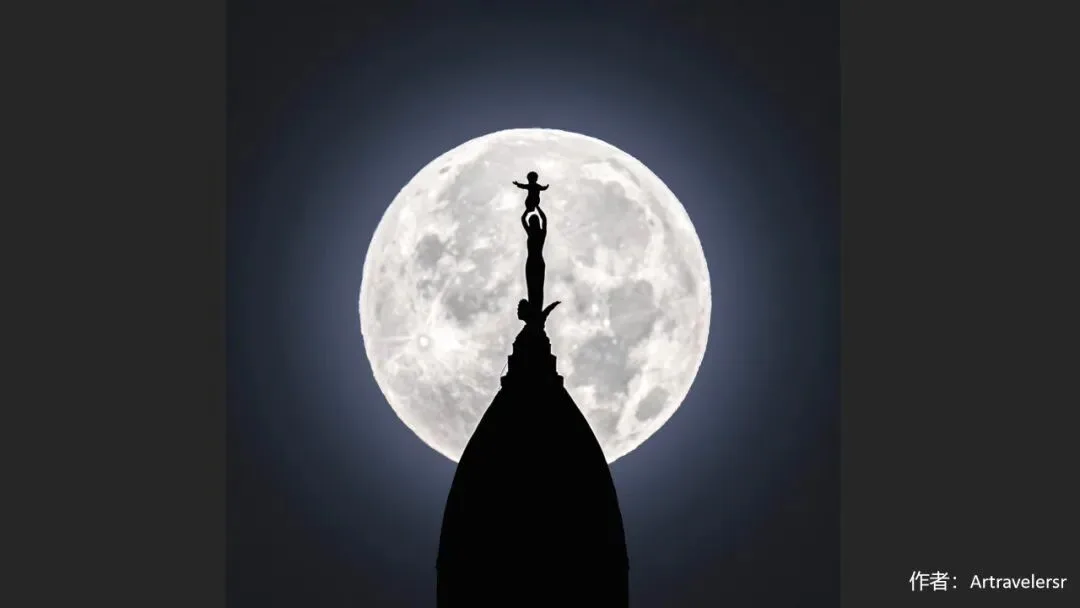
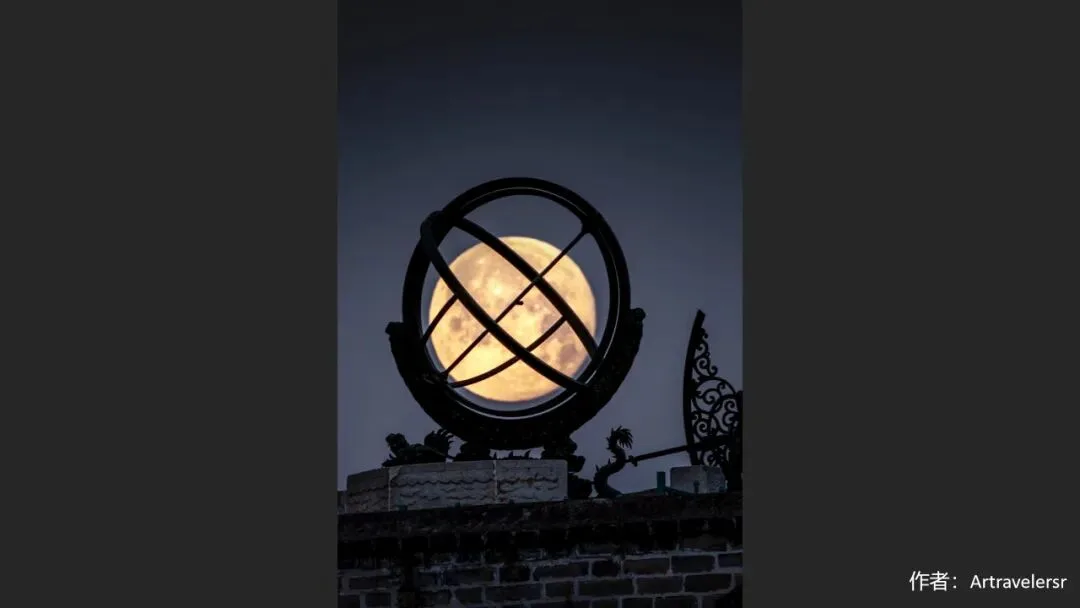
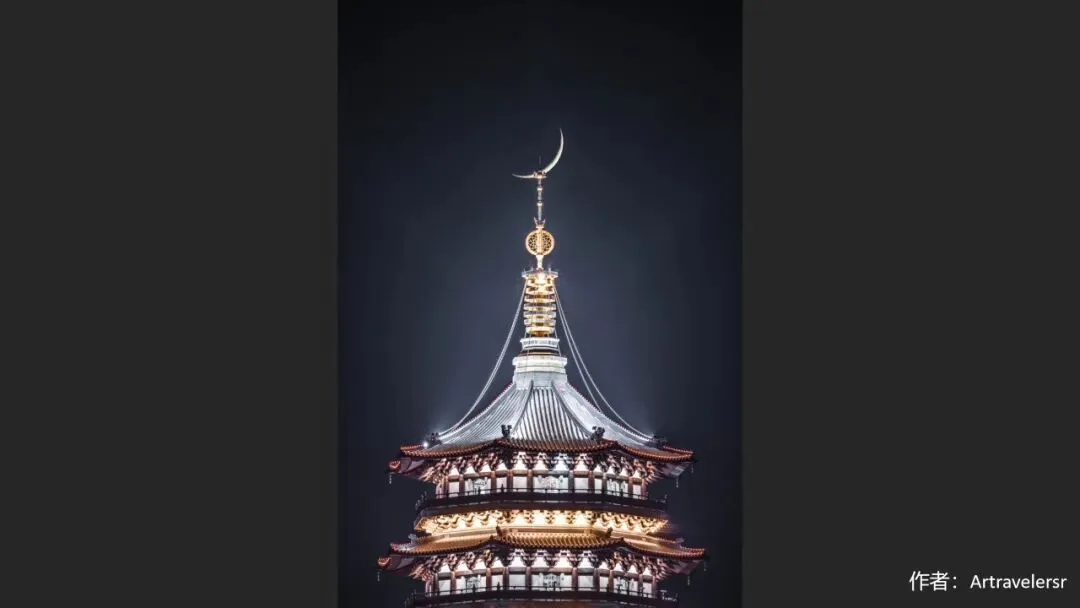
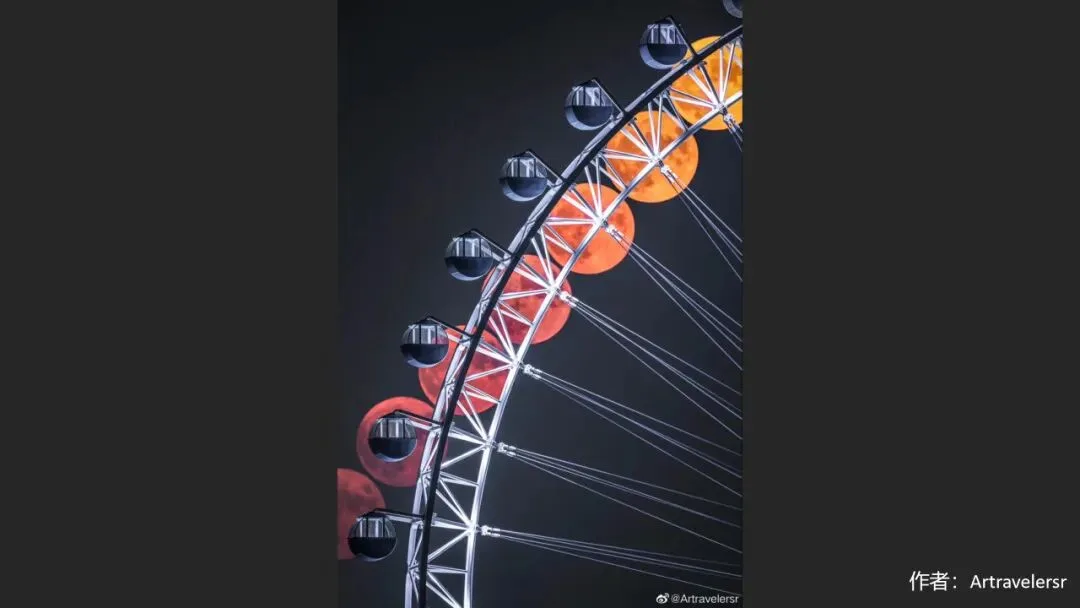
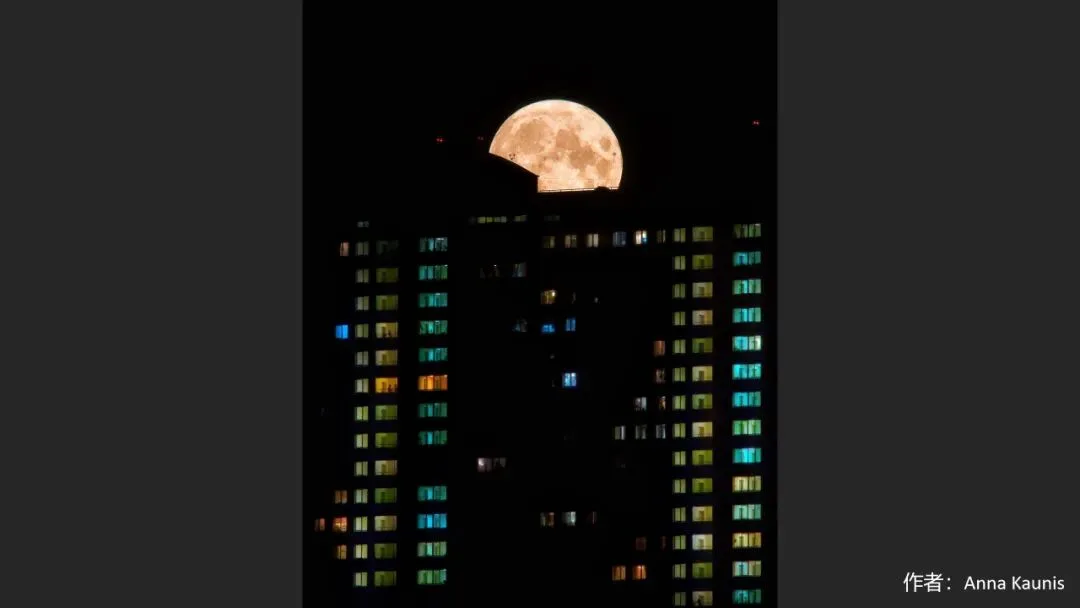
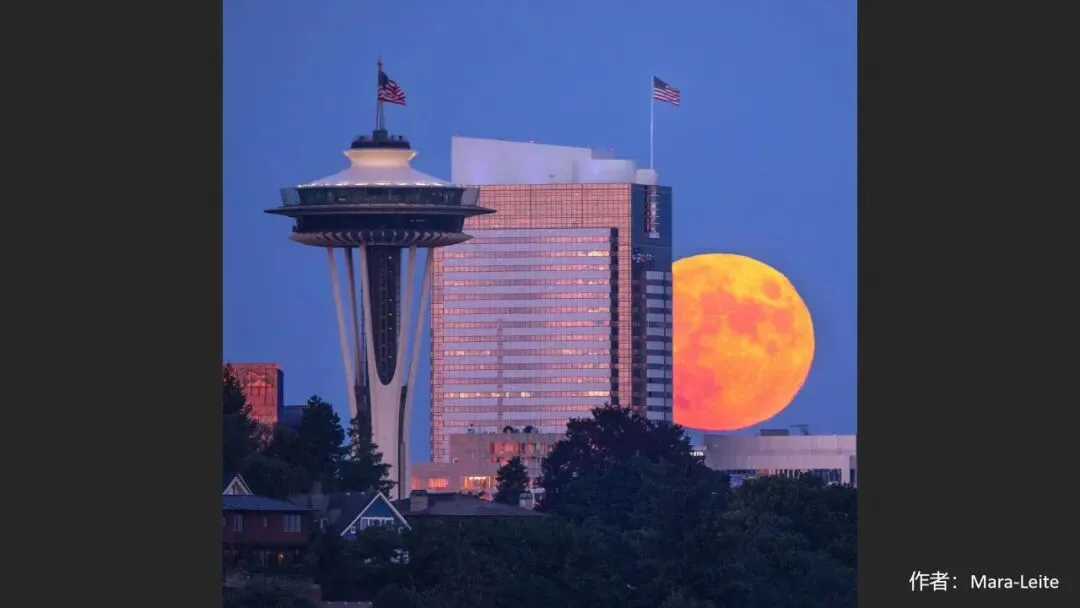
The second direction is the telephoto landscape: the moon works best as a backdrop for buildings or for people in interaction (at 7:43 in the video). Lately many young Chinese astrophotographers have produced outstanding telephoto moon work — Traveler on Weibo, for example: his moon trilogy sets the moon against Shanghai's skyscrapers, he has photographed trains passing it, and famous buildings, statues, even astronomical instruments all interact with the moon in his frames; his recent Ferris wheel versus moon shot (at 8:32 in the video) is especially worth studying.
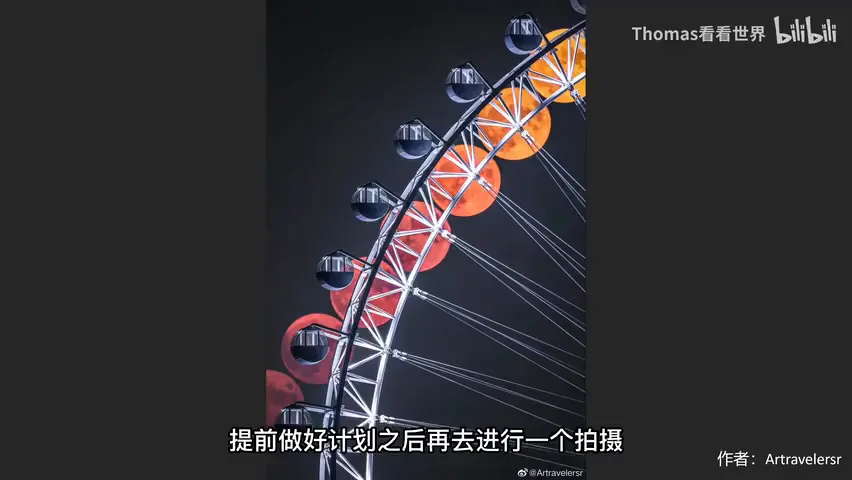
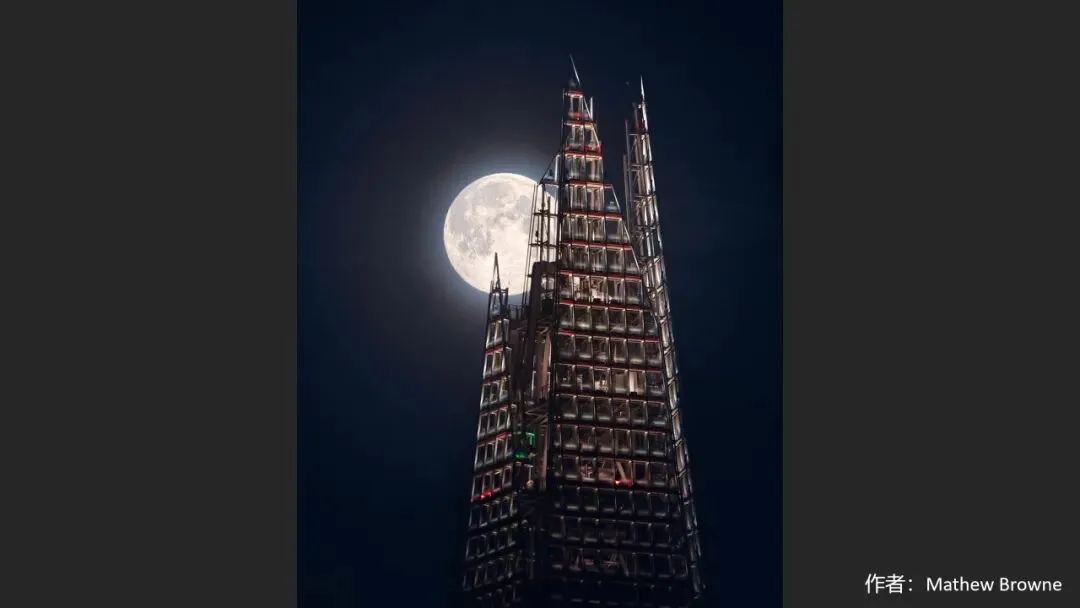
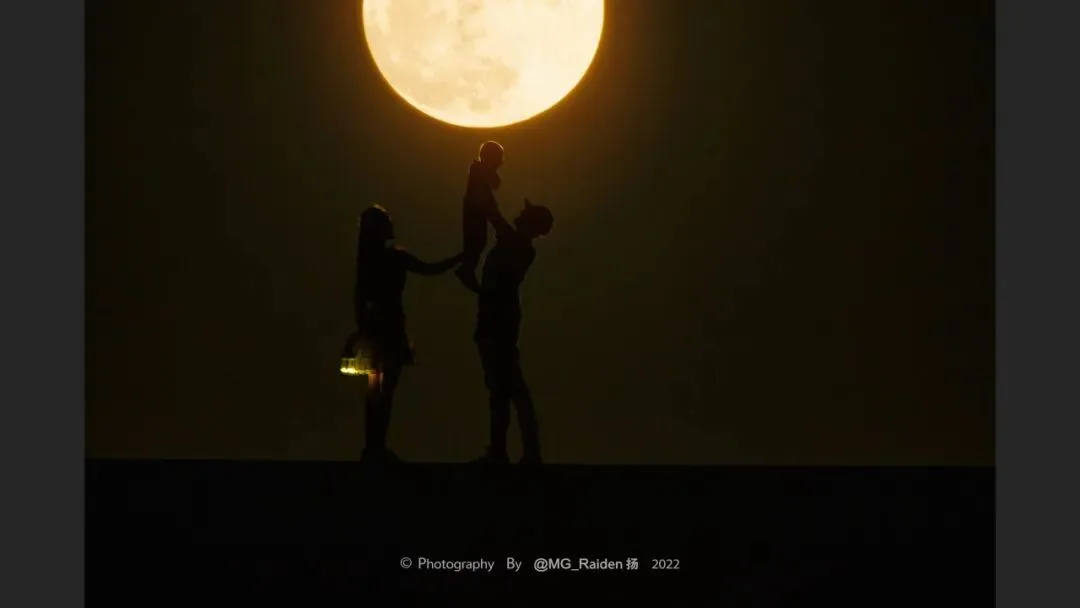
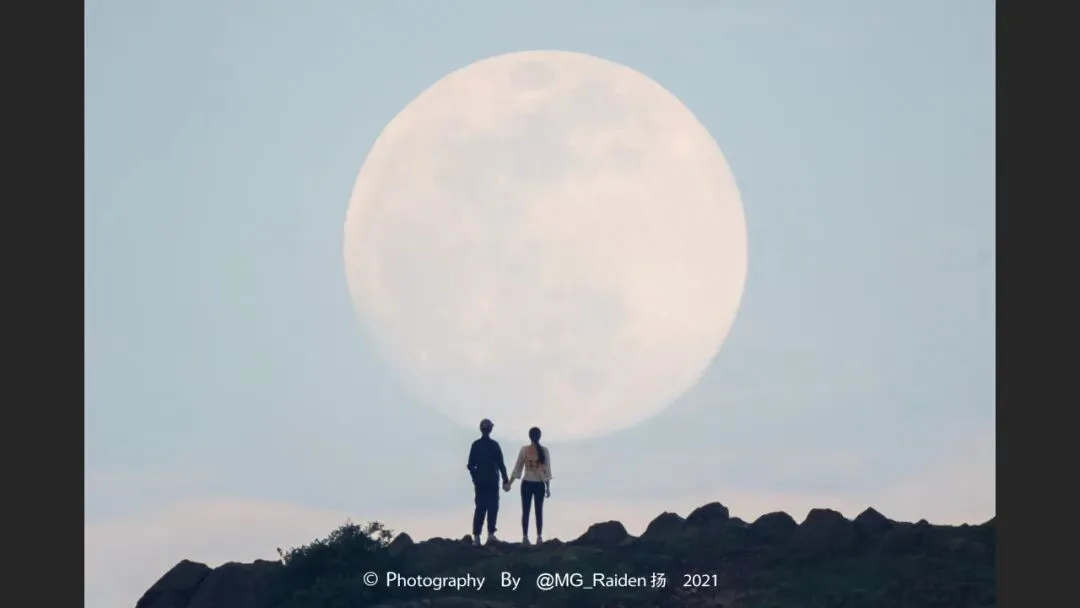
This kind of shot demands planning ahead — computing the moon's position and timing with dedicated tools like PlanIt! before heading out (at 8:39 in the video). Overseas photographers do the same: British landmarks and their signature lights answering the moon, a frame of city lights and moon together that is pure poetry; classic landmarks plus the moon is an evergreen telephoto theme. Human interaction shines too — in Red and Yang's work a couple watches the moon together, a shared goal, a shared longing, a perfectly apt scene (at 9:09 in the video).
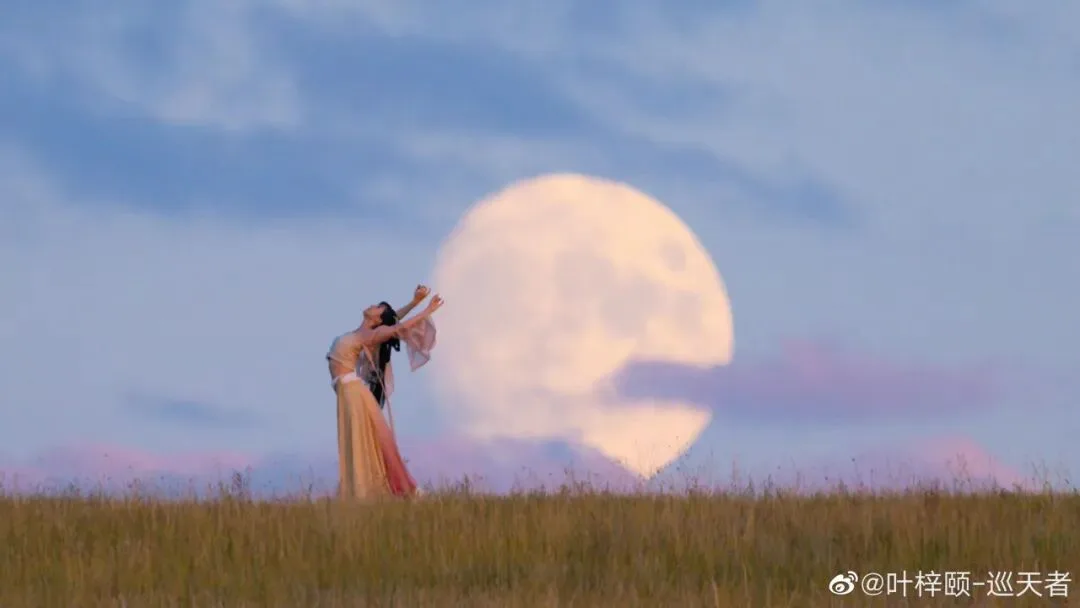
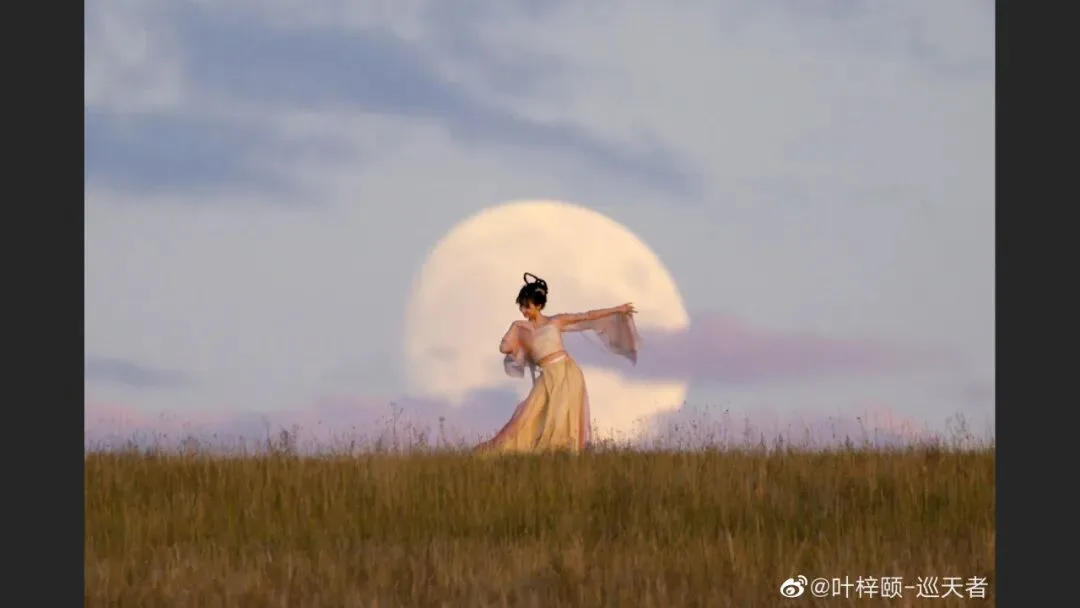
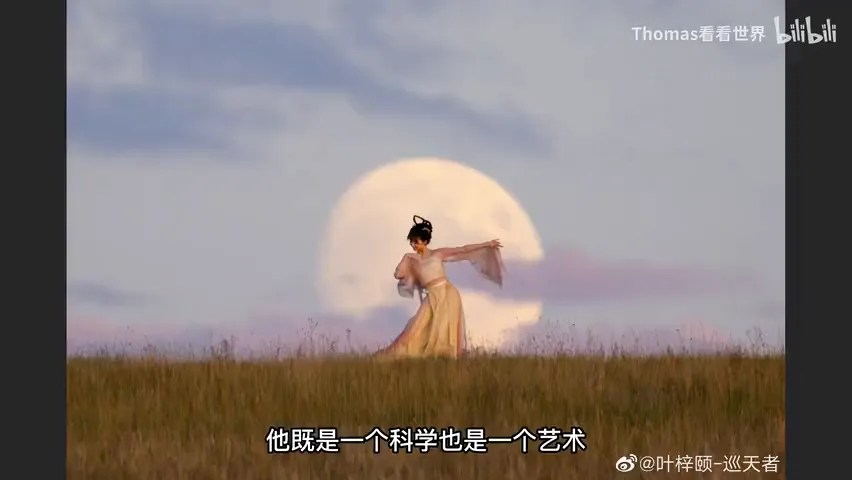
Astrophotographer Ye Ziyi's recent series (at 9:26 in the video) takes Chang'e as its theme: a dancer in hanfu twirling before the moon — utterly graceful. The moon and a beauty dancing alone beneath it: mood and artistic conception could not match better. Work like this demands meticulous planning and on-site coordination, and in Thomas's view such moon photography is both science and art (at 10:04 in the video) — deeply worth learning from.
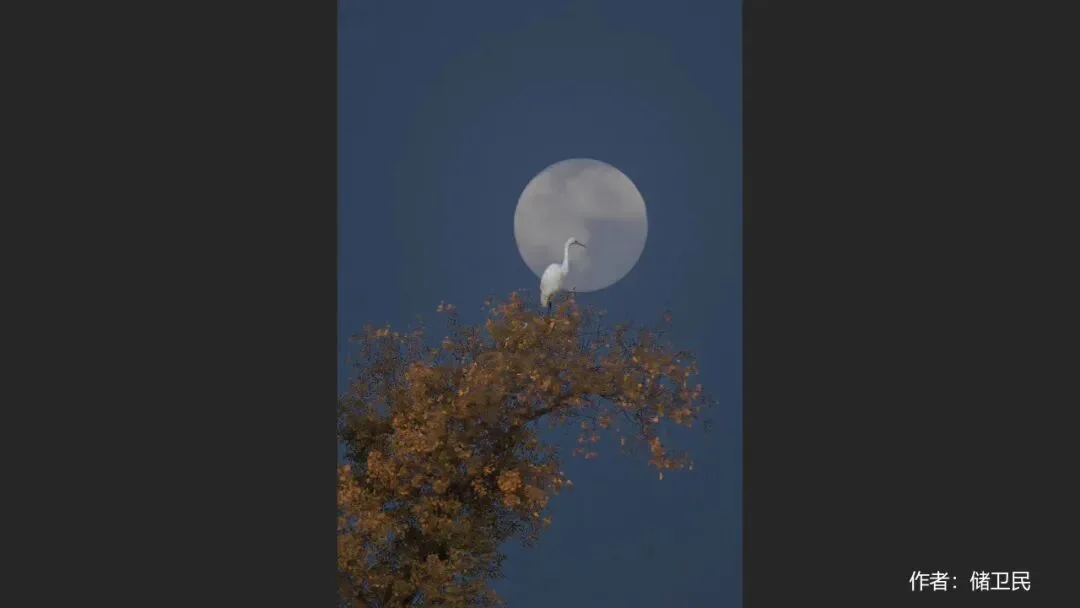
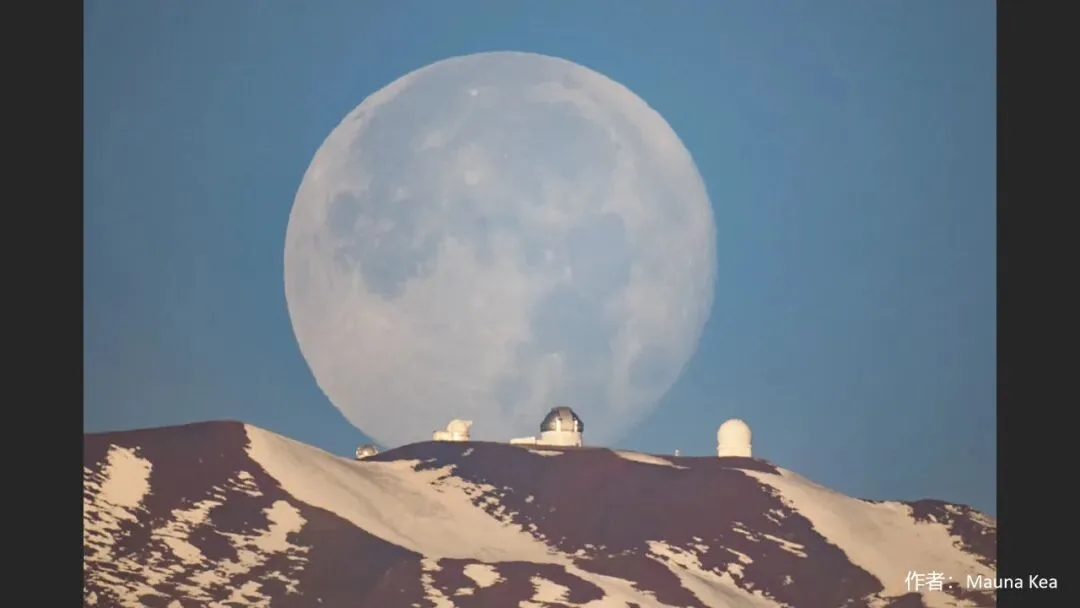
Thomas's own photograph — an egret perched on a branch before a full moon (at 10:06 in the video) — was no planned shot, just a lucky encounter, yet it still distills the moon's poetry: the free-roaming egret and the round moon speak straight to the imagery of Chinese tradition. There are also observatories with the moon, satellites or space stations crossing it — the theme of exploration chimes perfectly with what the moon itself evokes (at 10:43 in the video).
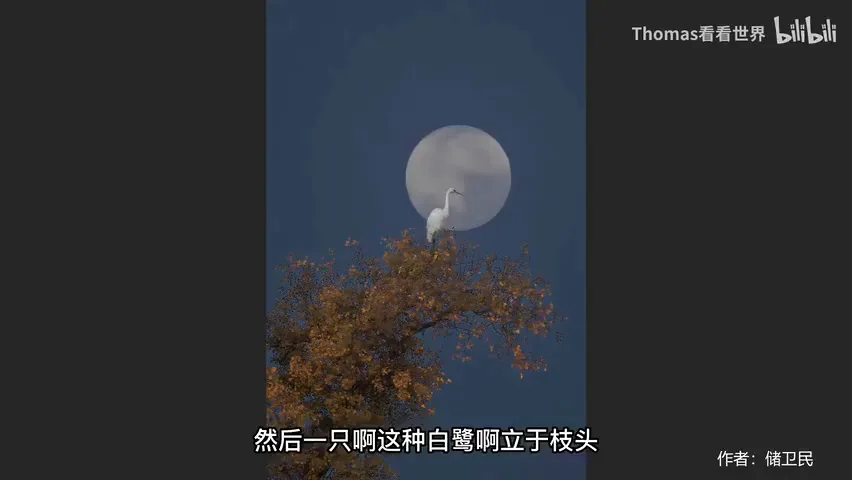
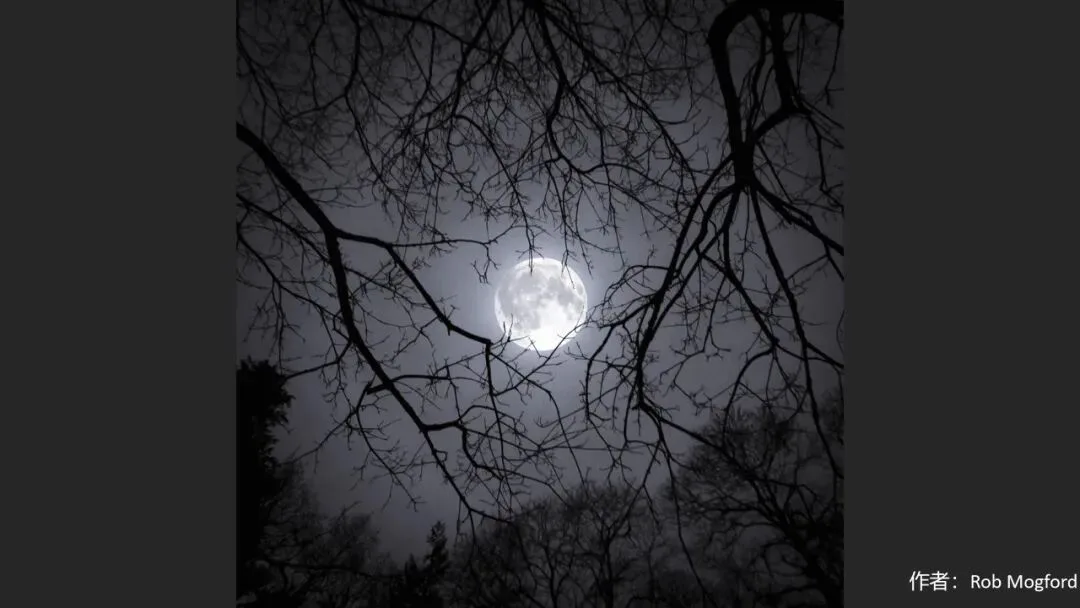
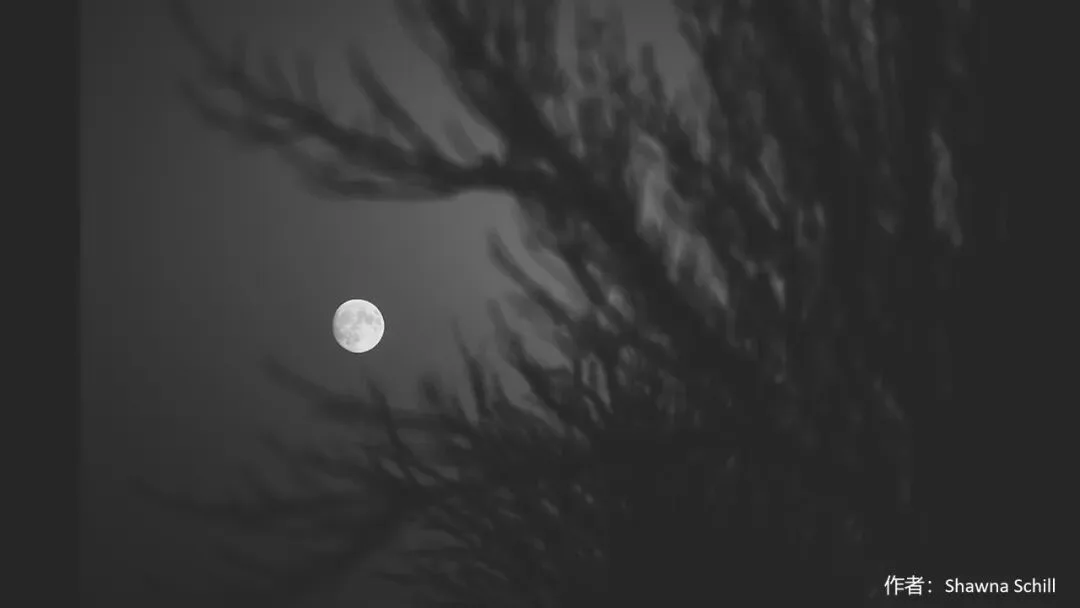
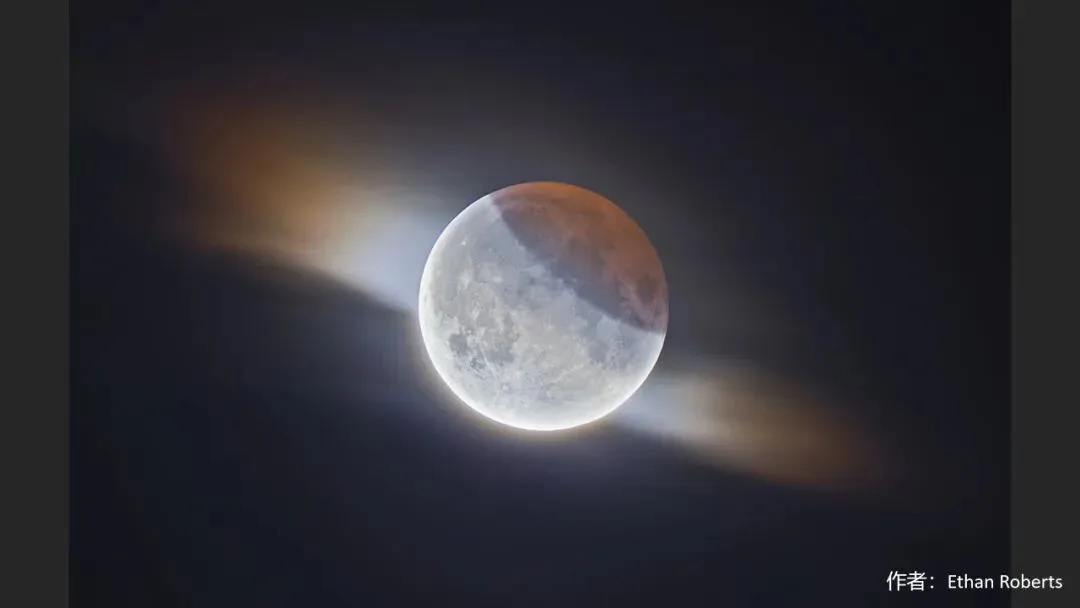
If you cannot yet find such foregrounds — telephoto moon work truly does demand fine planning and preparation — the simplest entry points are shooting the textured silhouettes of branches against the moon (at 11:04 in the video), or composing the moon with clouds; both are easy ways in. To recap the video's thinking (at 11:17 in the video): in wide-to-medium landscapes the moon is the light source and mood-setter for the scene, amplifying the land's emotion; in telephoto landscapes, find landmarks, human interactions or playful elements and connect them to the moon in meaning and feeling. The moon can be photographed 365 days a year — share your results and ideas in the comments.
1. Moon photography has three directions — wide-to-medium landscape, telephoto landscape, and astro close-ups; the first two are about the land and the foreground, never the moon alone. 2. Moonlight's greatest value is mood — low-key, mysterious, quiet, lonely — from Turner to Steichen alike. 3. In wide-angle work, build the landscape's mood and let it echo the moon: exploration, divinity and stillness all work, and in low-contrast light a single frame can hold both lunar detail and a lit landscape. 4. In telephoto work, give the moon a foreground and plan with tools like PlanIt!; without the conditions, start with branch silhouettes and clouds.
HD video:
https://www.bilibili.com/video/BV1GT411M7CA/
PPT