Photography Tutorial · 2019-08-11
Are These Sun-and-Stars Composites? On Photographing Moonrise & Moonset
Thomas Chu Photo
When night photography comes up, everyone thinks of Milky Way shots first; few pay attention to moonlit scenes, especially moonrise and moonset.
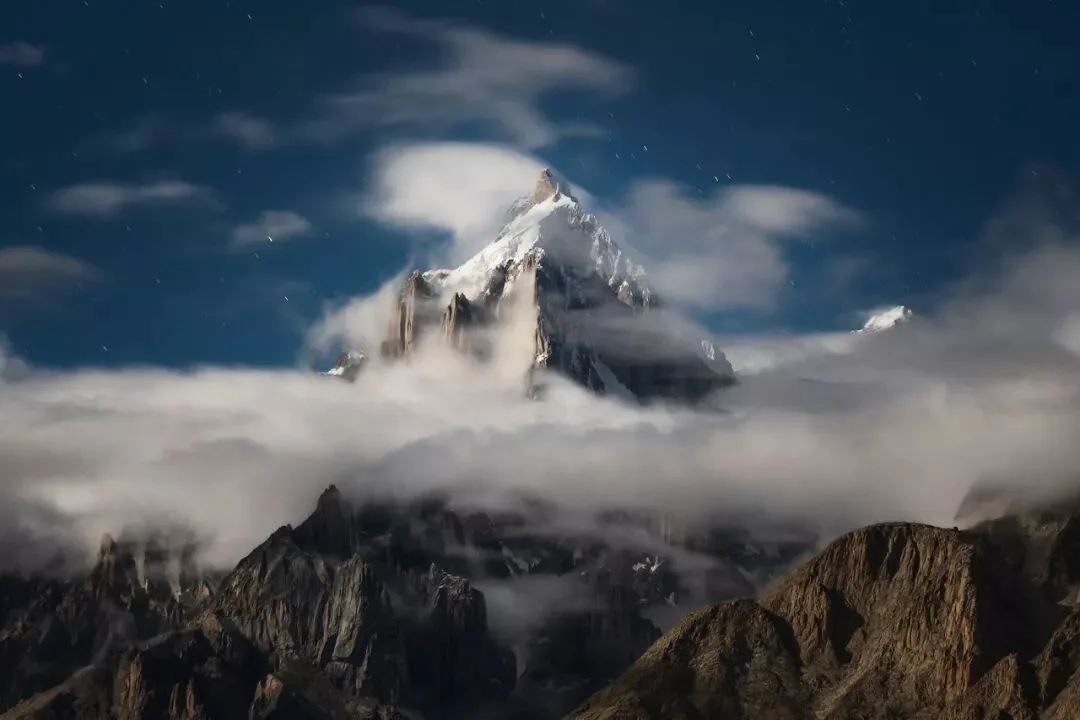
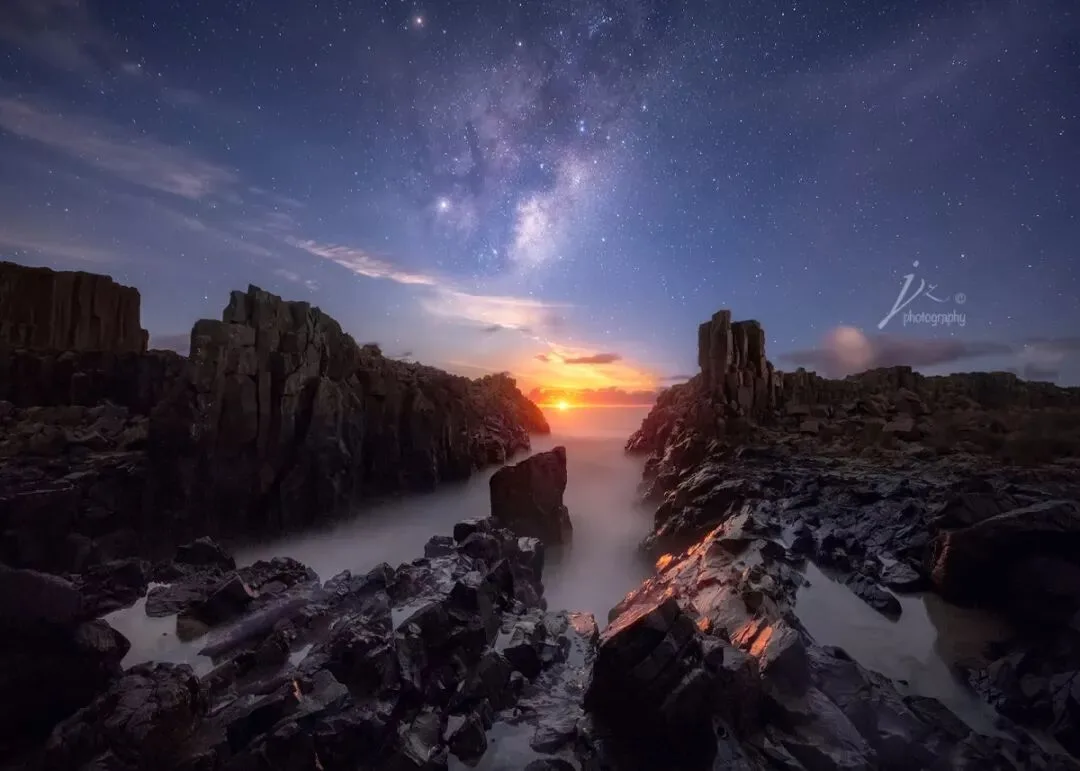
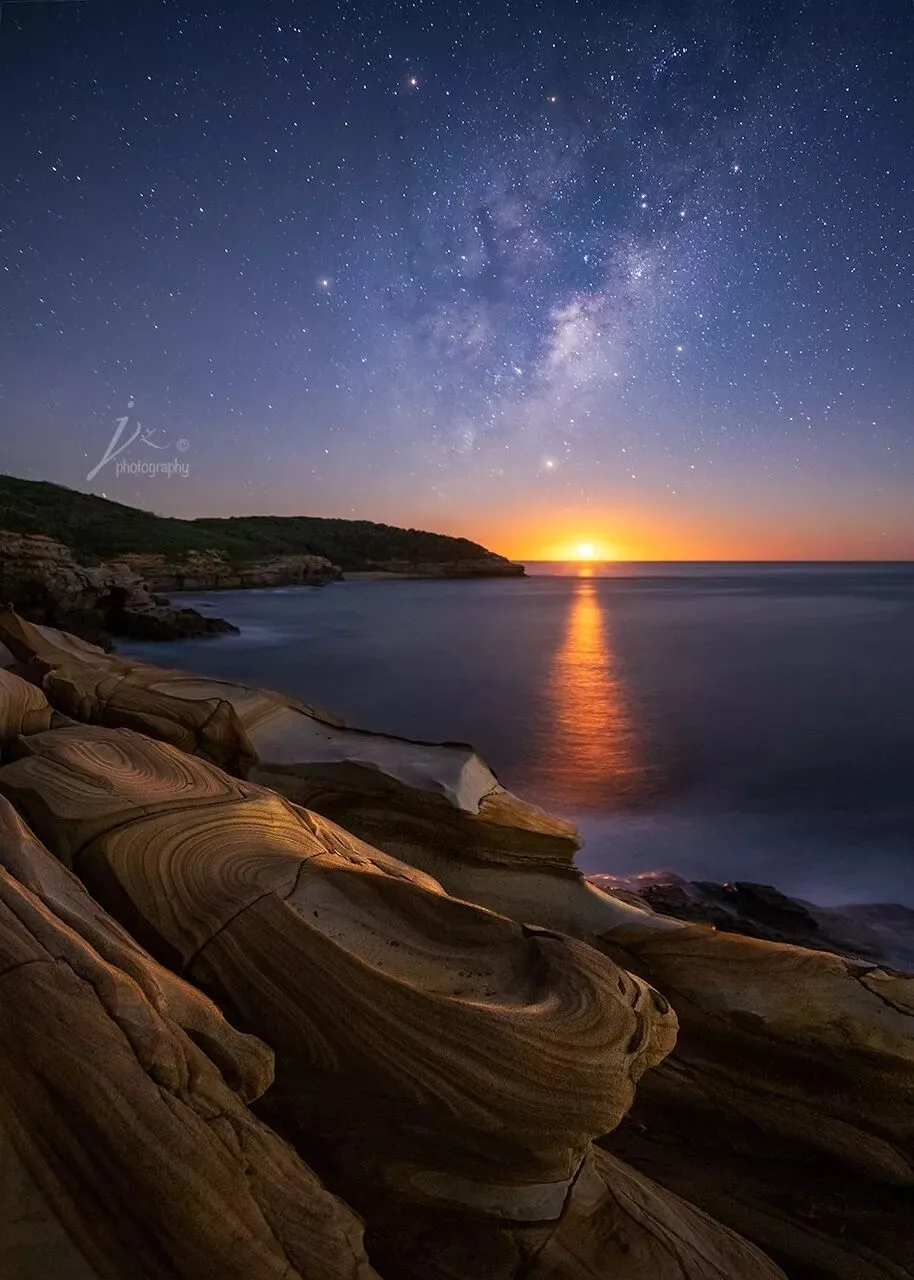
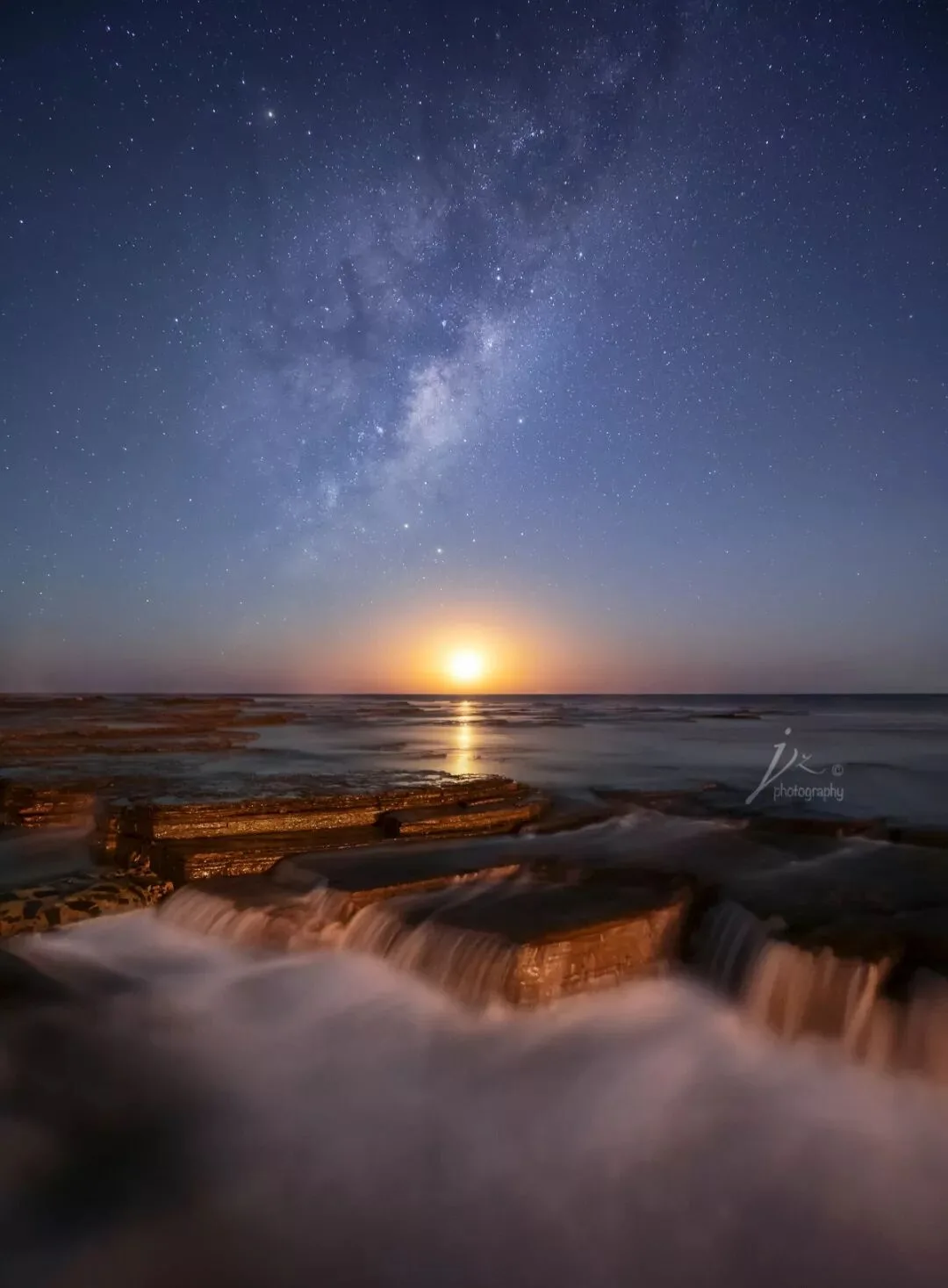
Yet moonlight is an incredibly soft and comfortable light. The two photos below were actually both shot by moonlight.
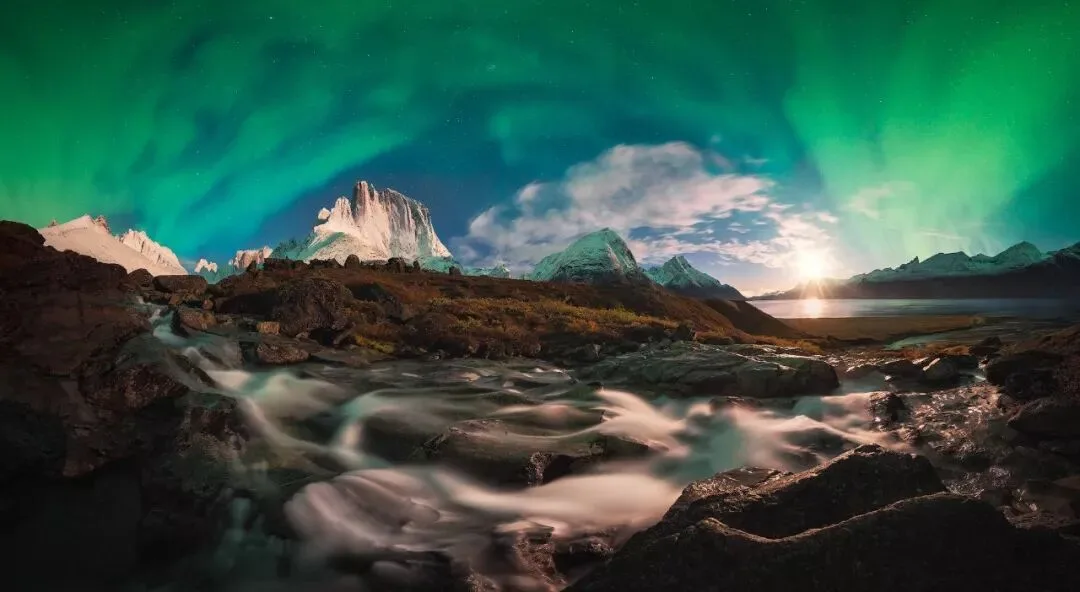
In today's article, AdventureX's teacher Zhu Jingshu shares tips for shooting in moonlit conditions.
'Compositing the sun and the Milky Way together looks so fake!
Why did you Photoshop the cool moonlight to look like the sun?
Nice editing skills, but it violates the laws of nature!
How did you capture the Milky Way under strong sunrise light?
With a moon that bright, the Milky Way still came out clear — did you stack it?'
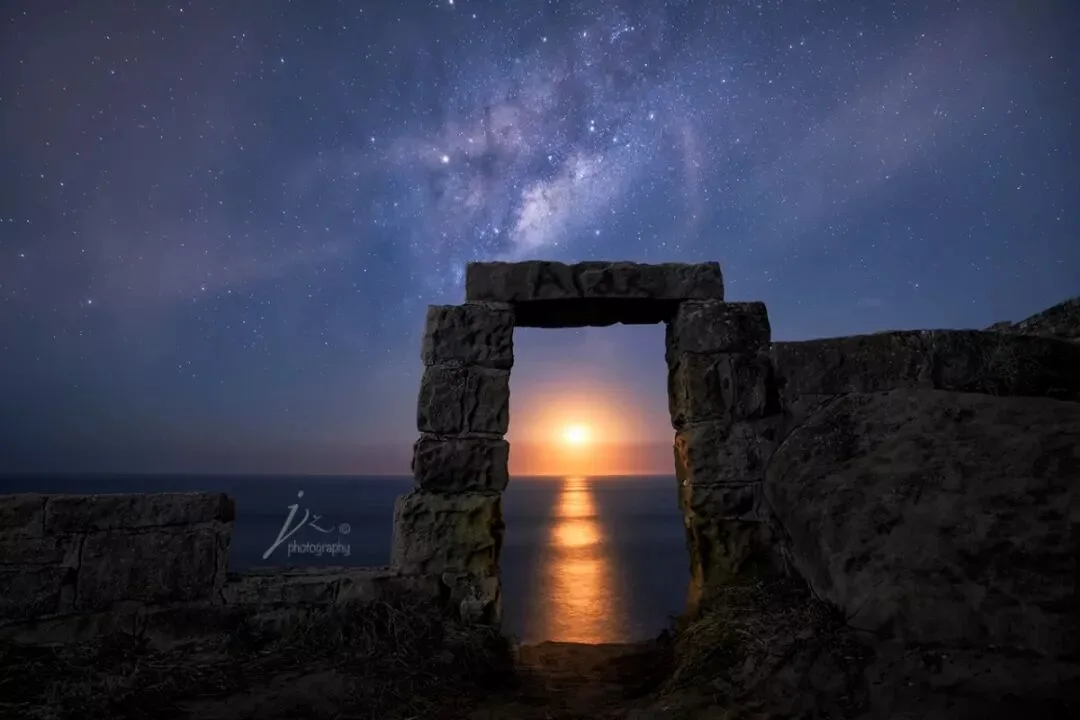
Whenever I post a carefully planned moonrise-plus-Milky-Way photo online, I get many such doubts. To stop people mistaking the moon for the sun, I include words like 'moonlight', 'moonrise' or 'bright moon' in the titles — but it doesn't seem to help!
I can't reply to every comment, and how the moon and Milky Way can be captured together isn't explainable in a sentence or two — so I decided to write this article about the moon and the Milky Way. Consider it a sequel to my two earlier astro tutorials.
This article focuses on how to capture the moon and the Milky Way together during the brief moonrise window. Shooting methods, gear, seasons and noise reduction for the Milky Way itself are not repeated here; if you're unfamiliar with those basics, read the tutorials below first — they'll help you understand this article.
Possibly the most detailed beginner's guide to astrophotography — save it now! (Part 1)
All the astrophotography techniques revealed, including star trails and noise reduction! (Part 2)

About the Moon

I'm no astronomy enthusiast and can't explain phenomena from a deep astrophysics angle — I can only understand and describe the patterns from a photographer's perspective. For a photography lover, knowing 'how it works' at this level is enough.
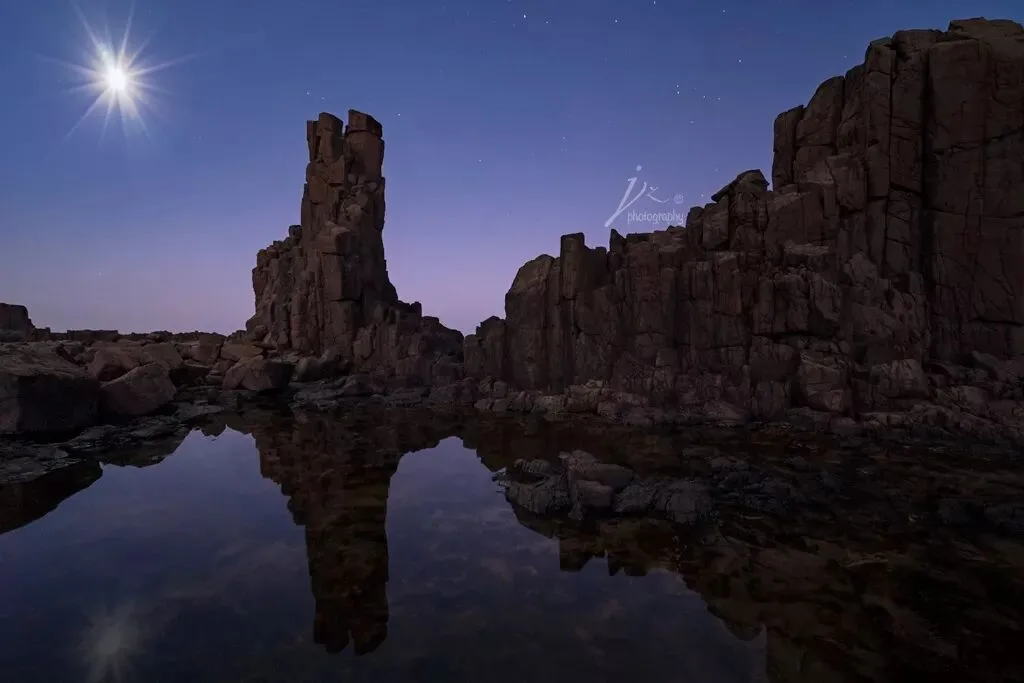
Anyone who has shot the Milky Way knows: moonlight is so bright that when a full moon hangs high, its glare swallows the stars and few remain visible — the very picture of 'bright moon, sparse stars'.
A night with a bright moon high overhead
As shown at right, moonlight directly dims the Milky Way, with very unsatisfying results.
A moonless night
As shown at right, the Milky Way's details are crystal clear.
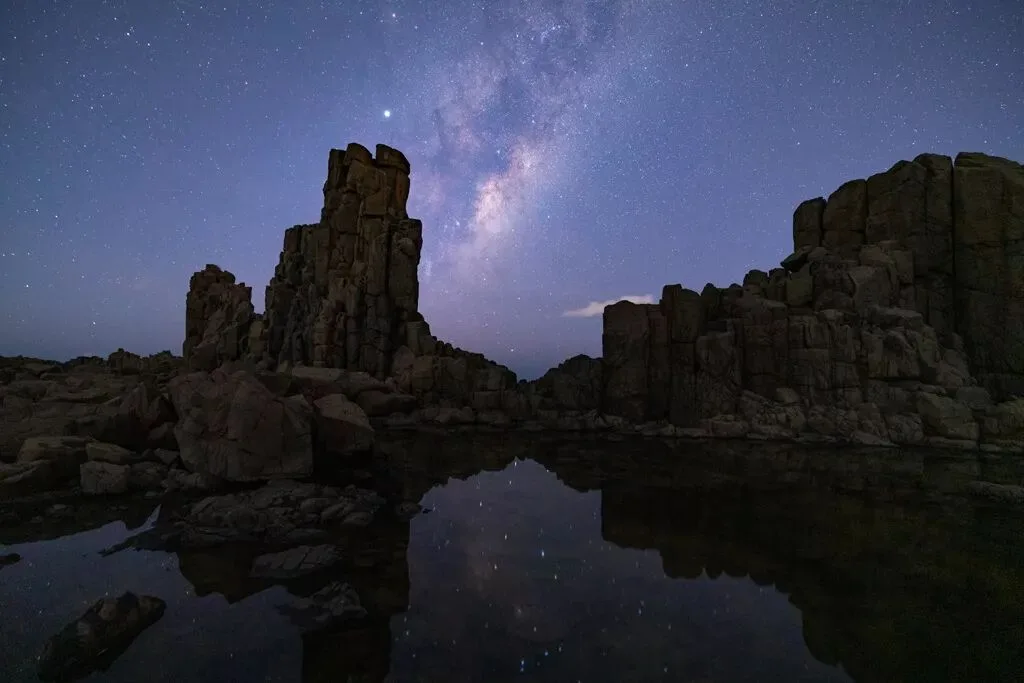
Comparing these two photos from the same spot, Bombo, the moon's influence on the Milky Way is obvious.
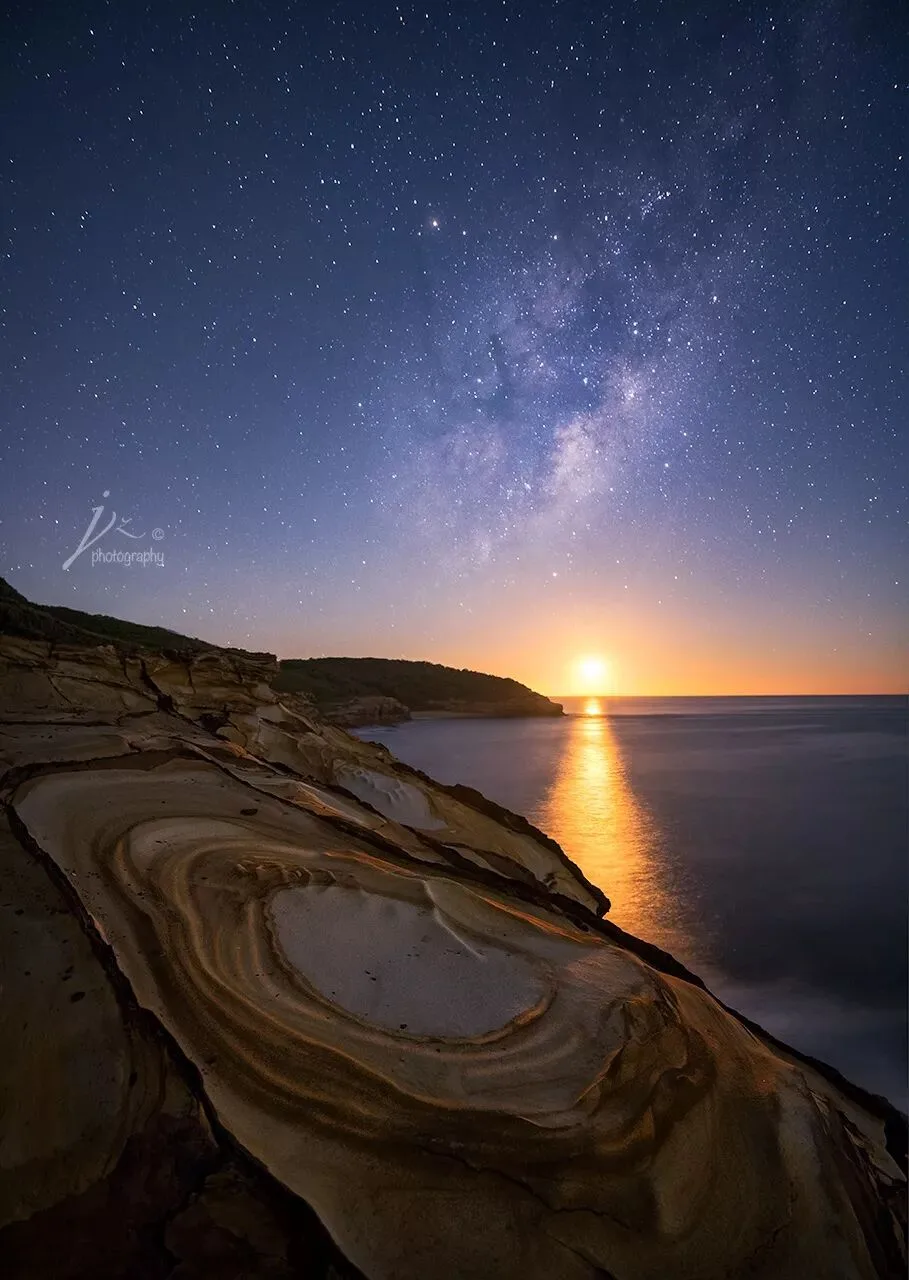
So how can the photos above show the moon and a clear Milky Way at once? The key lies in choosing the date and time. You can't shoot the Milky Way under a high bright moon — but you can shoot when the moon has just risen above the horizon.
Very few people have watched a moonrise, but most have seen a sunrise — so let me use sunrise as a more intuitive analogy.
When the sun rides high, its light is blinding. But at sunrise, the light is a soft, warm tone, and we can watch the whole process.
At sunrise the sun is orange-red; as it climbs, the visible color fades until there's almost none — by then the sunlight is fiercely strong.
The moon behaves the same way: as it leaps above the horizon, it's the same orange-red as the rising sun. A freshly risen moon glows softly — far weaker than a high bright moon — and its effect on Milky Way detail is limited, so the two can be captured together.
If you've never watched the moon rise over the sea, you must find a chance to witness golden light spilling over the earth in the dark of night — even more magical and gorgeous than a sunrise.
Because so few have seen a moonrise, moonlight is usually perceived as cold and pale. Hopefully the above answers the question 'why Photoshop cool moonlight to look like the sun'.
Planning Ahead
Thorough planning is the key to a successful shoot. This complete chain of thinking — from the initial idea to the detailed plan — leaves no step out.
Because moonrise times and the Milky Way's position keep changing, the suitable shooting dates and times differ every month. I recommend the Planit Pro app (Chinese name: Qiaoshe) by Qiao Wenjie for planning — available in Chinese and English.
This photography-planning powerhouse can simulate all the information in a virtual viewfinder: the exact spot, the precise time and the best composition — all known in advance. Even if you've never been to a place, you can plan everything ahead of time.
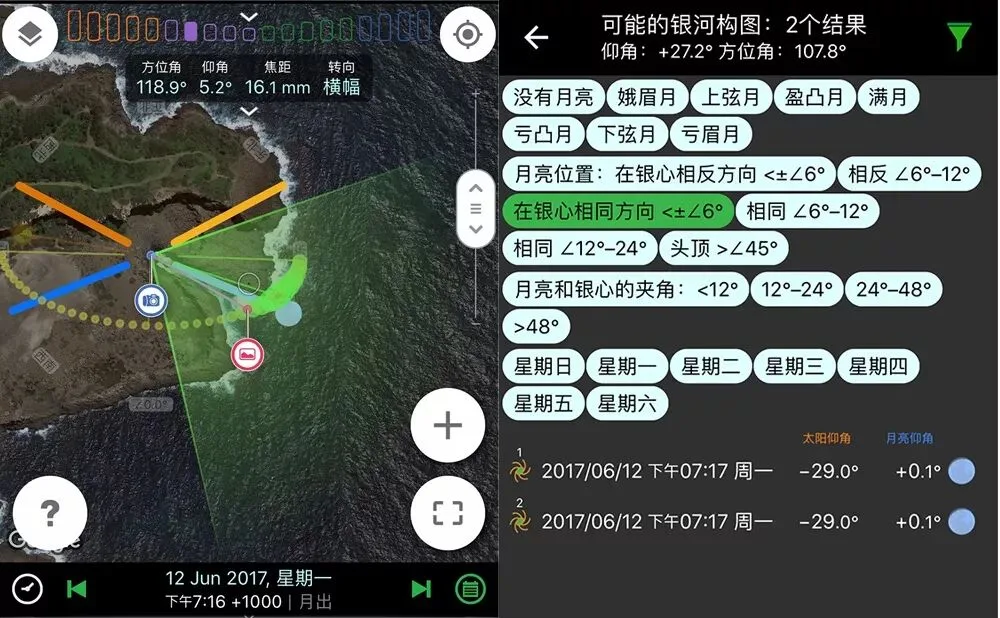
Planit Pro moonrise-Milky Way plan file
Many people assume the moon always rises at night. In fact, moonrise is delayed by about 50 minutes each day, so moonrise and moonset aren't synchronized with day and night — sometimes the moon rises in daytime, which is why you can see the sun and moon shining together.
That also means every month has nights with no moon at all, and nights with the moon up all night.
As the Earth rotates, the Milky Way's position in the night sky also shifts. The resulting constraint: at moonrise, the galactic core must not be too high, or you can't fit both the moon and the core in one composition.
So, due to these two factors — moonrise time and the galactic core's position — only 2-3 nights per month have a matching moonrise and core position, and you still need a clear, cloudless sky.
In theory, no more than about 10 days a year are suitable for moonrise-plus-Milky-Way shots; in practice, 4-5 good chances is already ideal, since clouds often make shooting impossible.
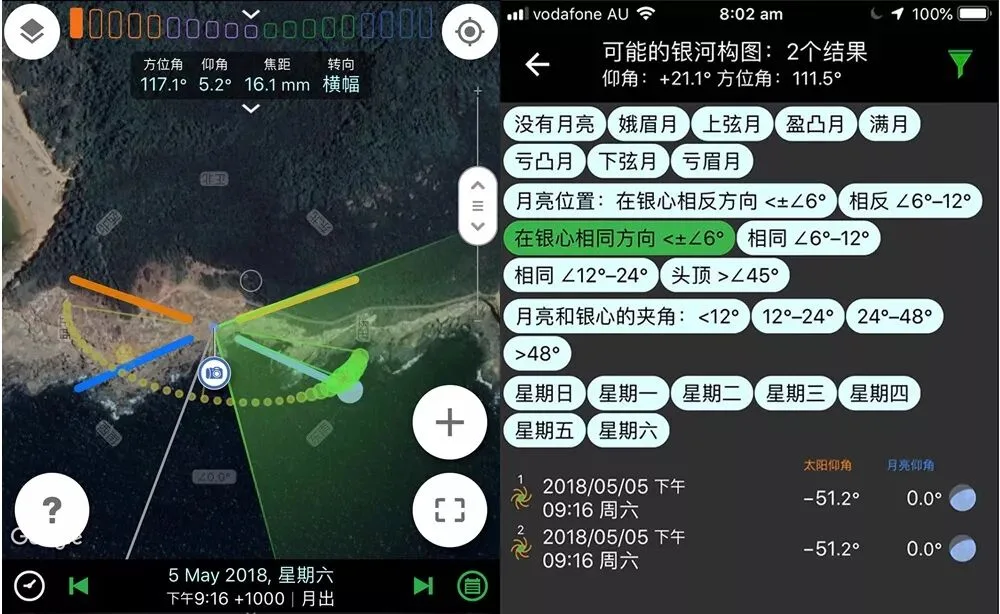
Planit Pro moonrise-Milky Way plan file
Shooting on Location
Moonrise plus Milky Way is not easy — skilled technique is the guarantee of success.

The best shooting window lasts only about ten minutes from moonrise; after that, the moonlight starts eroding the Milky Way's detail.
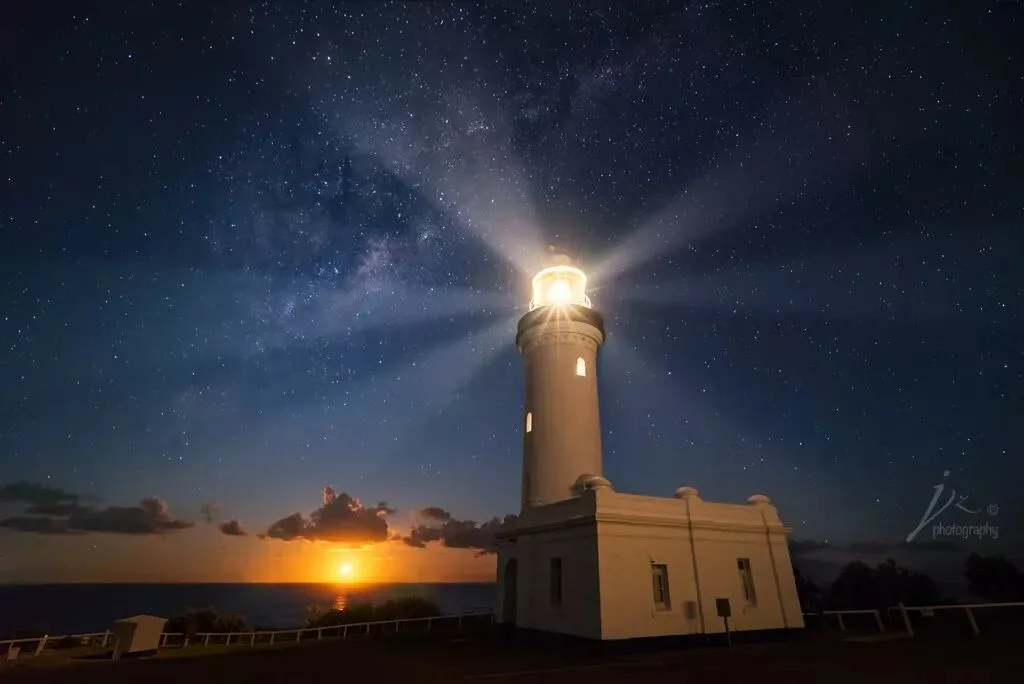
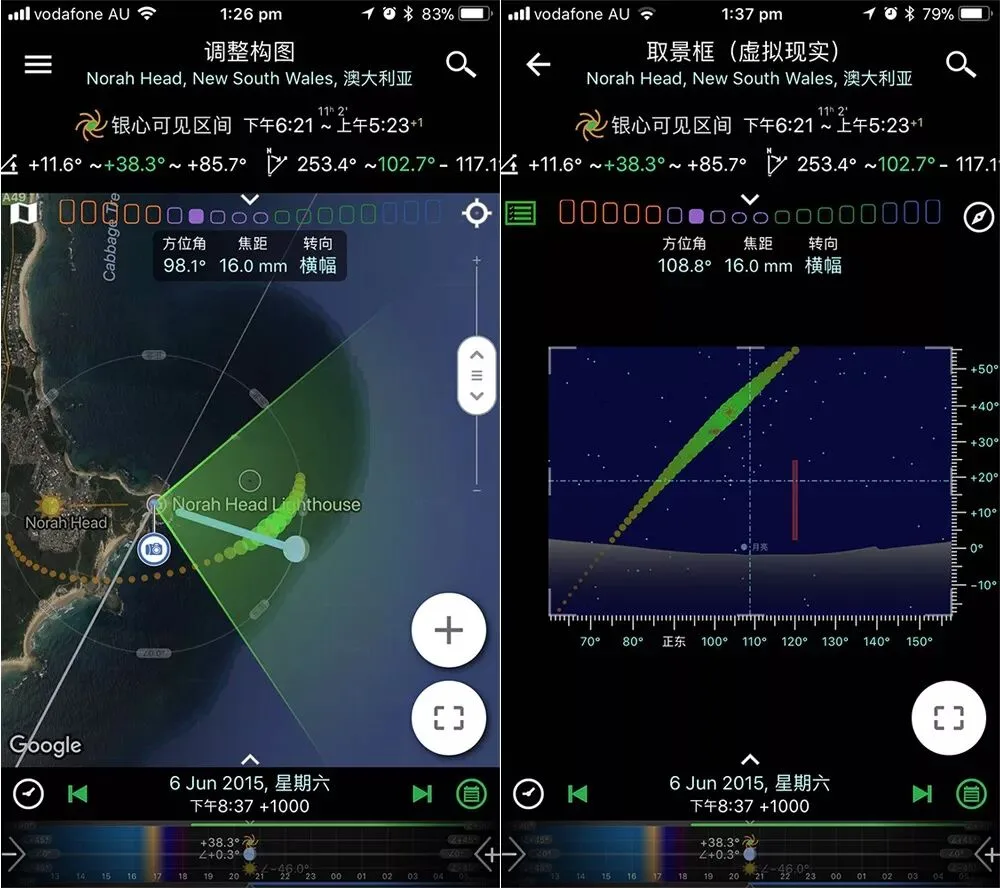
Planit Pro plan file & virtual viewfinder
Since Milky Way shooting requires dark locations with little light pollution, the site will be pitch black. Scout it in daylight first: learn the terrain and pick your spot. If it's by the sea, also check whether the tide schedule suits your plan.
Arrive an hour before moonrise, test-shoot to find the best composition, then wait for the moment.
Settings for moonrise-plus-Milky-Way are the same as for the Milky Way: ISO 3200-6400, widest aperture, shutter around 15-25 seconds (ultra-wide focal lengths). Whether to stack for noise reduction depends on your quality requirements. For detailed methods and settings, see:
Possibly the most detailed beginner's guide to astrophotography — save it now! (Part 1)
Portions of this article are excerpted from Zhu Jingshu's bestselling book 'The Road of Chasing Light'