Photography Tutorial · 2018-12-16
Why Did These Photos Win National Geographic Photography Awards?
Thomas Chu Photo
The annual National Geographic photography contest is one of the most influential mass-participation photography contests. The 2018 winning works have been announced. Besides appreciating these wonderful photos, photography enthusiasts can also learn a lot from them.
Grand Prize / First Place, Places Category
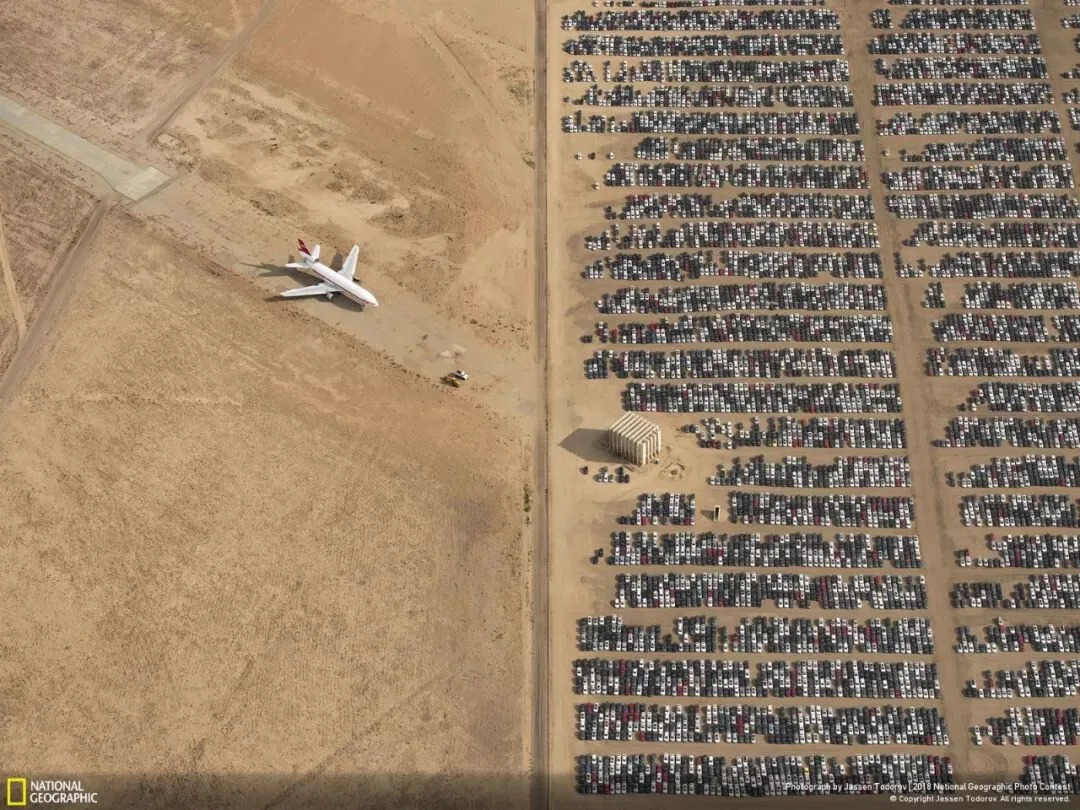
Photographer: JASSEN TODOROV
Work title: "An Unreal World"
Description: Tens of thousands of Volkswagen and Audi cars are parked in California's Mojave Desert. Volkswagen used cheating methods in some models produced from 2009-2015, trying to falsify emission tests to pass the US EPA emission standards. After the scandal broke, Volkswagen recalled millions of vehicles. By shooting works like this, I hope everyone gains a clearer understanding of our beautiful planet and does more to protect it.
Thomas has mentioned in his book that a photo can be broken down mainly into four dimensions: equipment, technique, form, and content.
Just as writing an essay requires a pen and shouldn't have too many typos, equipment and technique are a foundation of photography. Most top-ranked works in photography contests have no mistakes in these aspects; the competition is more about form and content.
The grand prize photo has a very strong sense of form, presenting a visual spectacle through the structural arrangement of points, lines, and planes on the ground.
The land is divided in two by the road through the middle. The empty area on the left shows us what nature looked like before it was changed, while the densely packed scrapyard on the right shows us the natural terrain after human alteration — truly striking.
This photo's composition is not only full of rhythm in form, but also greatly reinforces the expression of content.
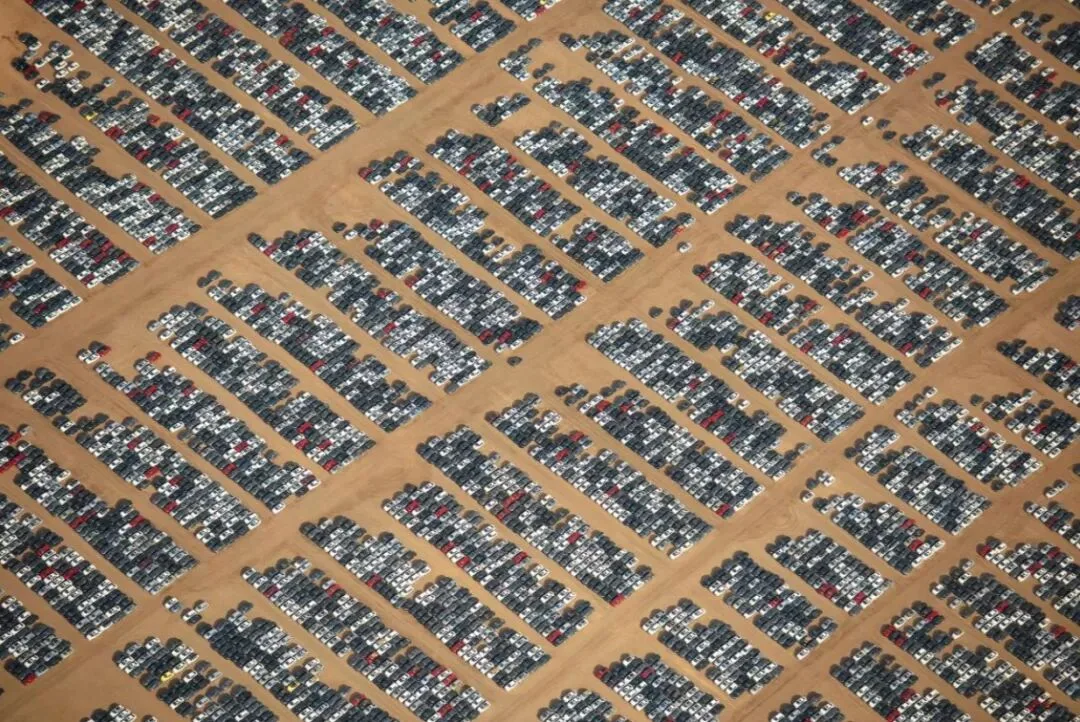
This is another aerial photo the author took at the same place. Though wonderful, its composition falls a bit short compared with the grand prize work.
The later photo has a stronger overall sense of rhythm, but lacks some climactic elements — that is, the contrasts found in the grand prize work.
For example, in the grand prize work, the contrast between the pristine terrain and the human landscape on either side of the road undoubtedly greatly strengthens the theme.
And the plane on the left side of the road not only serves a visual balancing role, but also forms contrasts of scale, quantity, and even direction with the group of cars on the right, making the photo visually more striking.
As I mentioned in my article "The Secret of Good Photos — Contrast and Conflict," the method of contrast is a common expressive technique not only in photos, but also in articles, paintings, films, and other narrative languages.
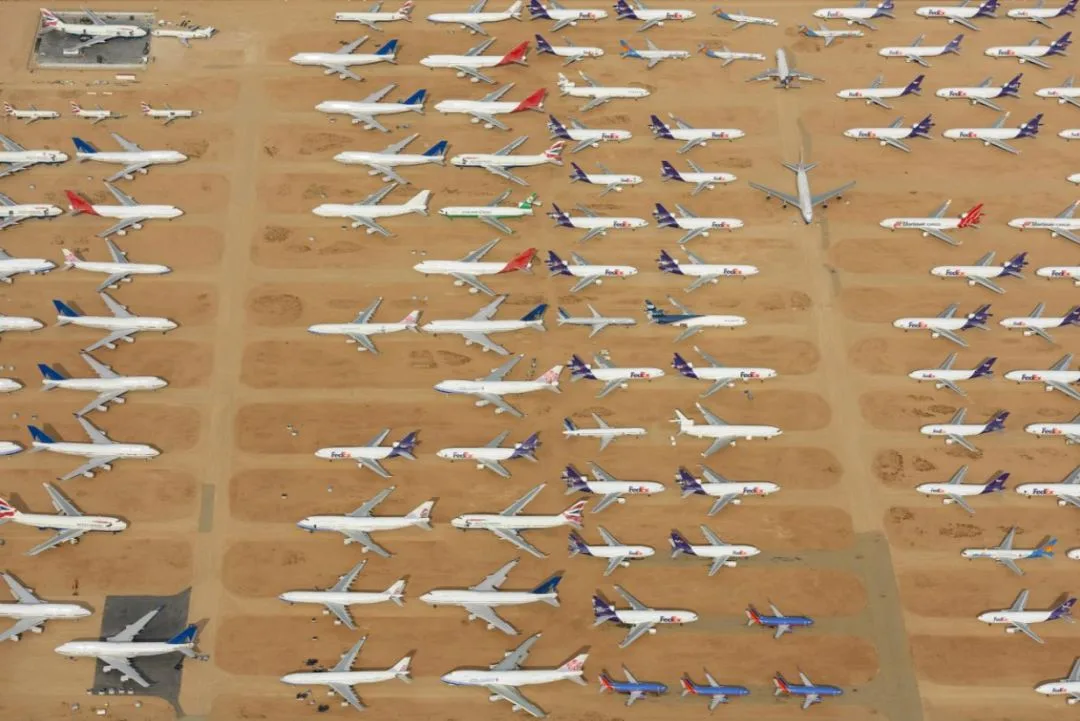
Of course, the grand prize work ultimately won mostly for content reasons. The Volkswagen emissions-cheating scandal was a sensational social event with many related photos, but they all had some flaws in terms of spreadability.
While photographing the aircraft boneyard in the American desert, the photographer keenly seized upon this car graveyard full of historical resonance and uniqueness, cutting neatly into this event and the broader environmental and social issues behind it.
Innovation in content is a major highlight of this photo. In high-level contests, judges face hundreds or thousands of photos that are excellent in both content and form. To stand out, a photo's innovativeness — or its sense of unfamiliarity — is very important.
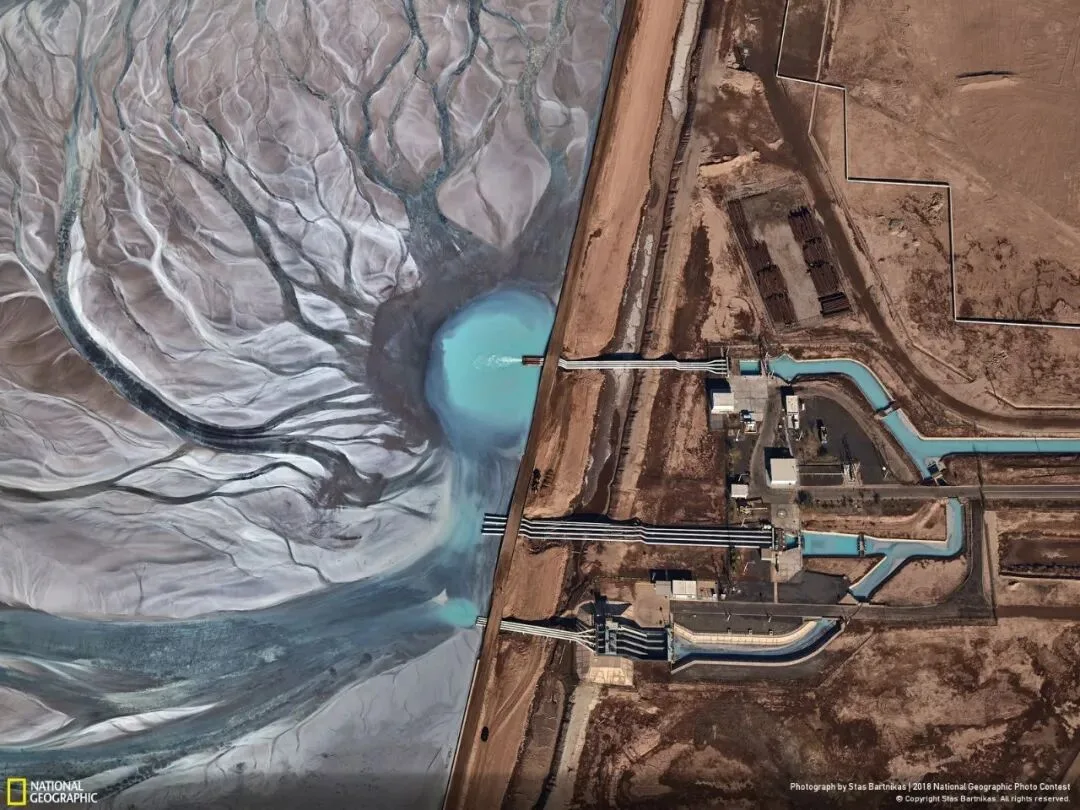
This photo by STAS BARTNIKAS is one of the editor's picks of this contest; in content it's also an environmental theme, and in form it's impeccable. However, there are already many photos depicting factory chemical emissions and this type of aerial photography. So compared with the equally profound yet more zeitgeist-y "Volkswagen scandal" themed photo, it falls short in innovativeness.
These two aerial abstract photos by JASSEN TODOROV, of Iceland and Mexico, are a bit like parallel prose in essays — more poetic.
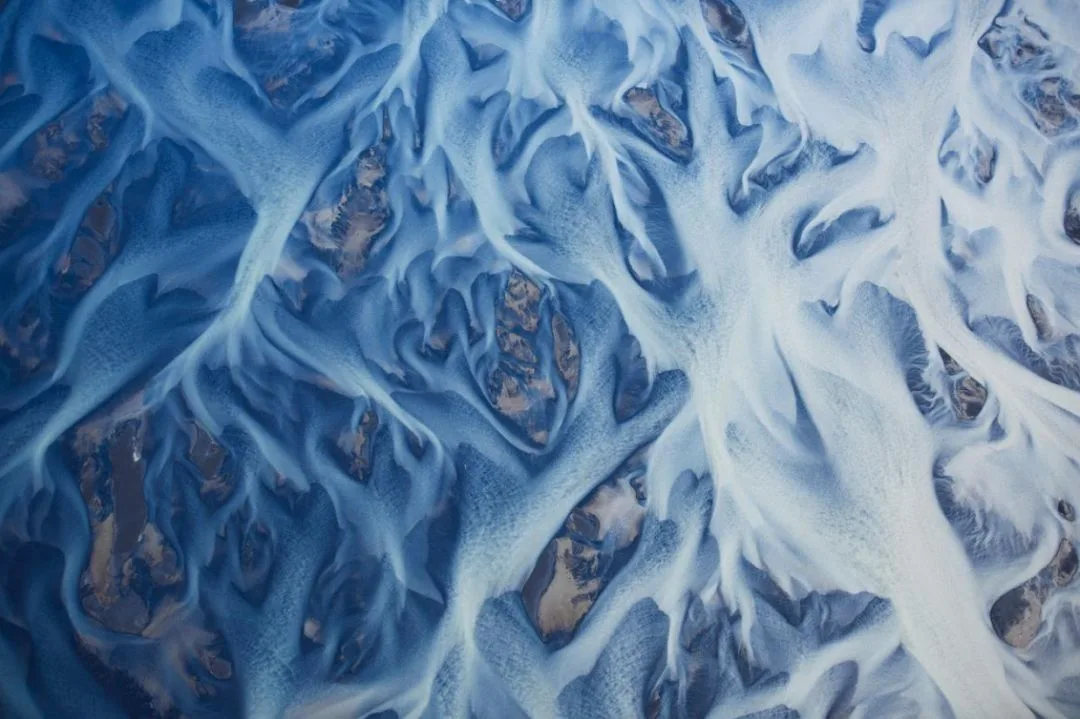
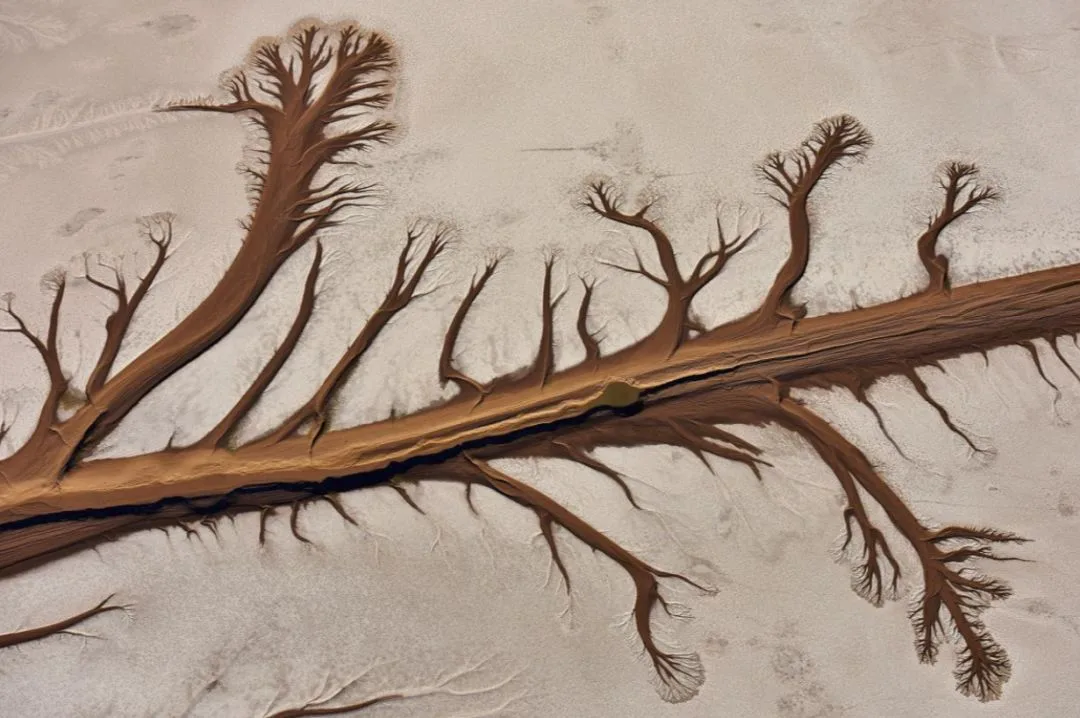
However, aerial photos of these two places have won many awards in various contests in recent years. As the public and judges grow aesthetically fatigued, their future exposure frequency will keep decreasing.
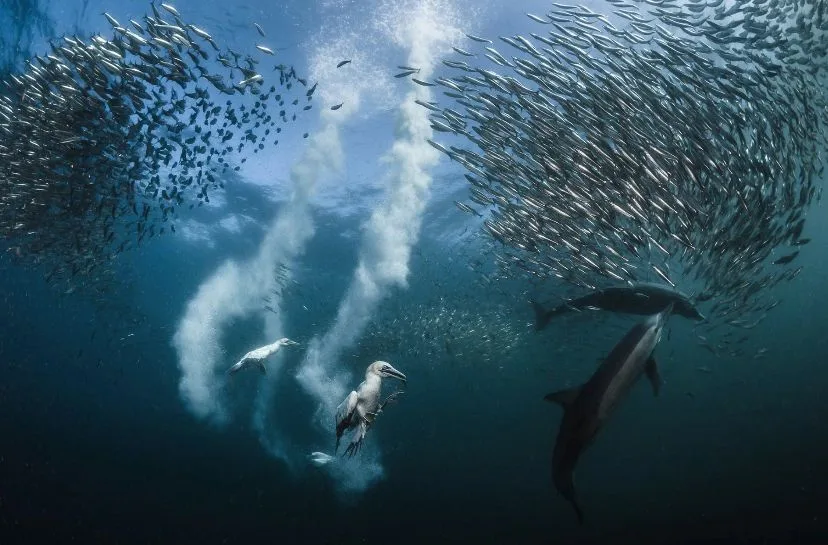
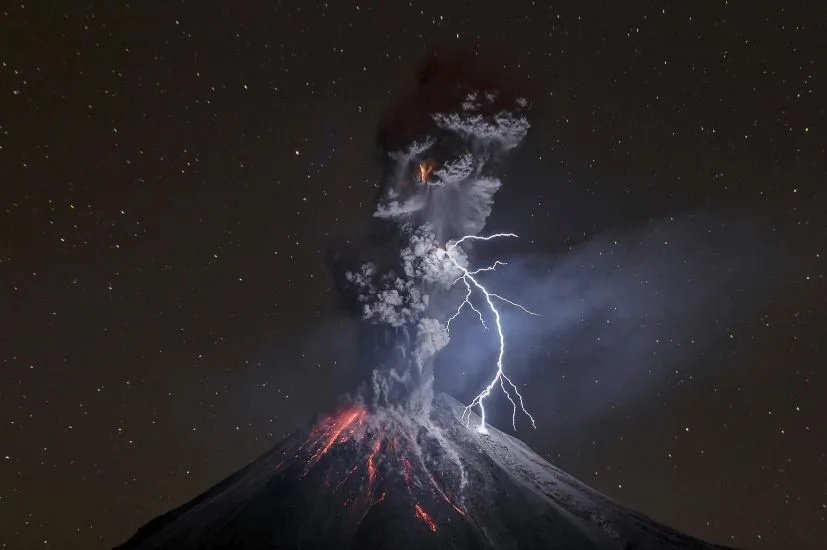
Although somewhat subjective, in the judging of single-image categories, innovativeness, uniqueness, and unfamiliarity are the core influencing factors among masters competing — a glimpse of this can be seen in past grand prize works.
Second Place, Places Category
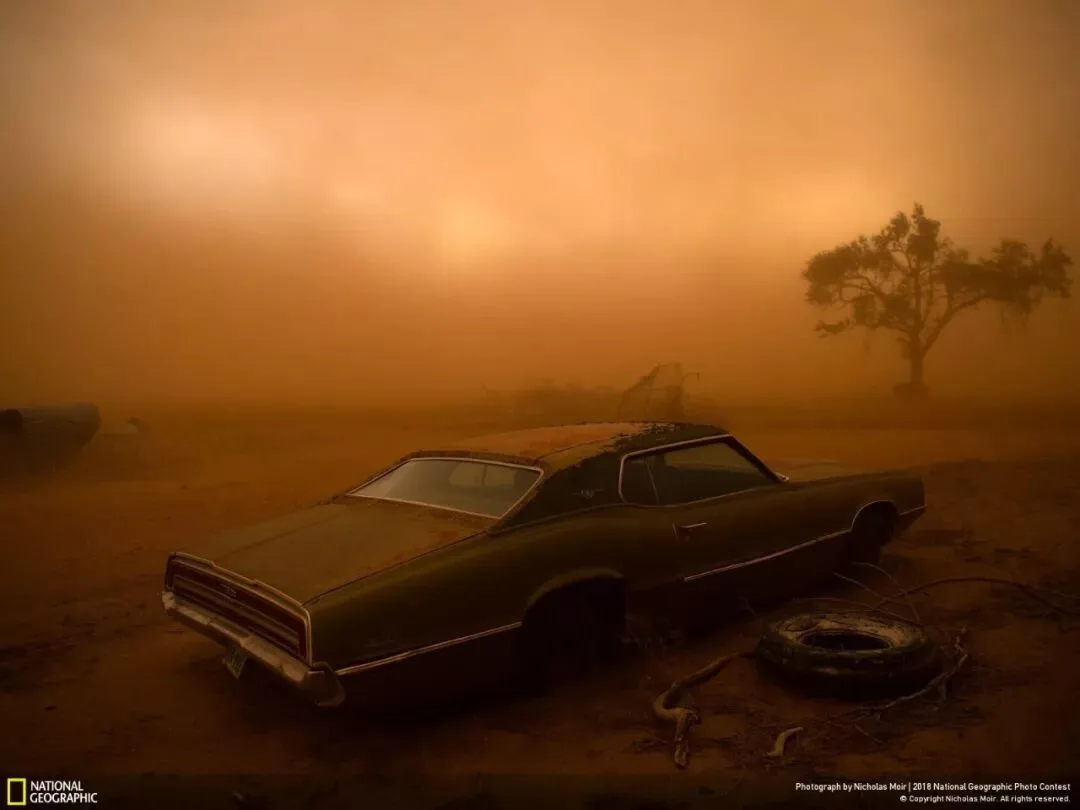
Photographer: NICHOLAS MOIR
Work title: "Thunderbird in the Dust"
Description: In Ralls, Texas, a rusty Ford Thunderbird is covered in red dust brought by a supercell storm. The fields of the Texas Panhandle are very dry, and the high winds from the thunderstorm exceeded 140 km/h, easily picking up the topsoil and carrying it further south. At the time, I was leading a group of photographers and videographers chasing storms in Tornado Alley. This was a successful chase on our last day; over 10 days we witnessed 16 tornadoes in total.
The content of photos is diverse: it can be a social issue, a philosophical concept, or a scene presentation.
For scene-presentation photos, the sense of story, atmosphere, and personalized emotion are among the most crucial highlights.
In this photo, the photographer constructed a strange atmosphere with a strong sense of story: yellow dust filling the sky, hazy trees, and a vintage car covered in dust and already battered.
Where is this? Why is a vintage car parked here? Readers step into this scene carrying one question after another.
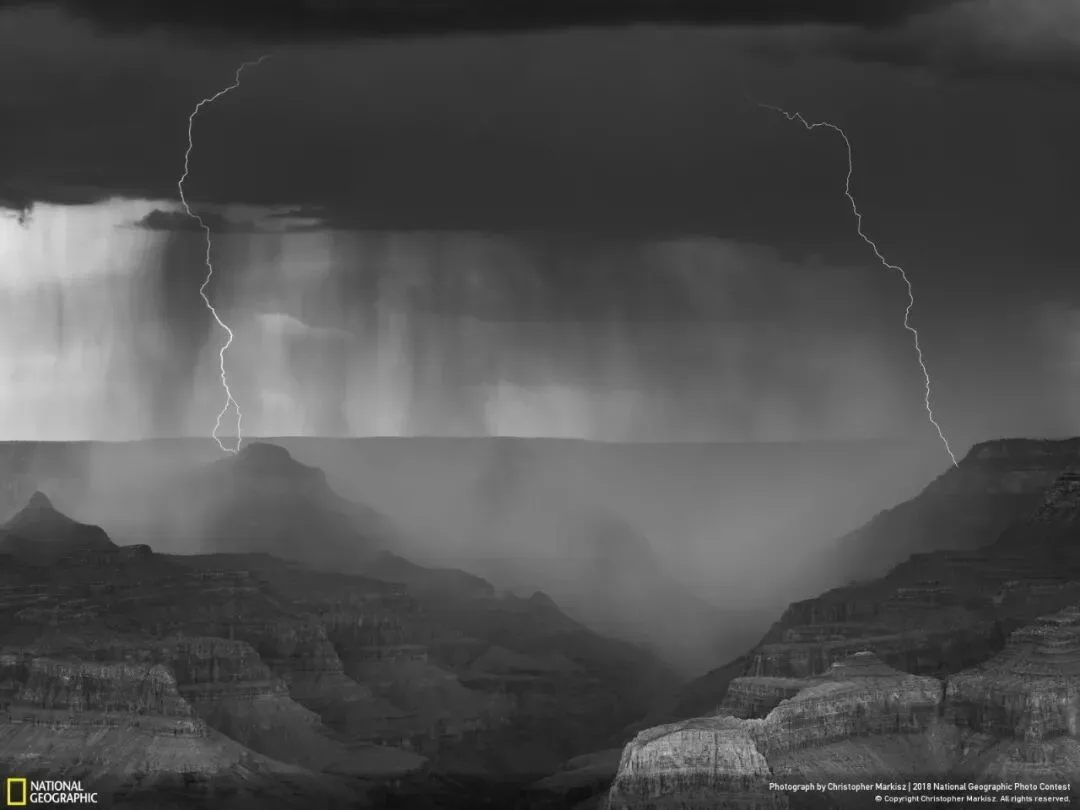
To depict tornadoes, storms, and lightning, we often see a presentation angle like the one below. Presenting it through dust filling the sky also demonstrates the photographer's innovation and deep-exploration ability.
Third Place, Places Category
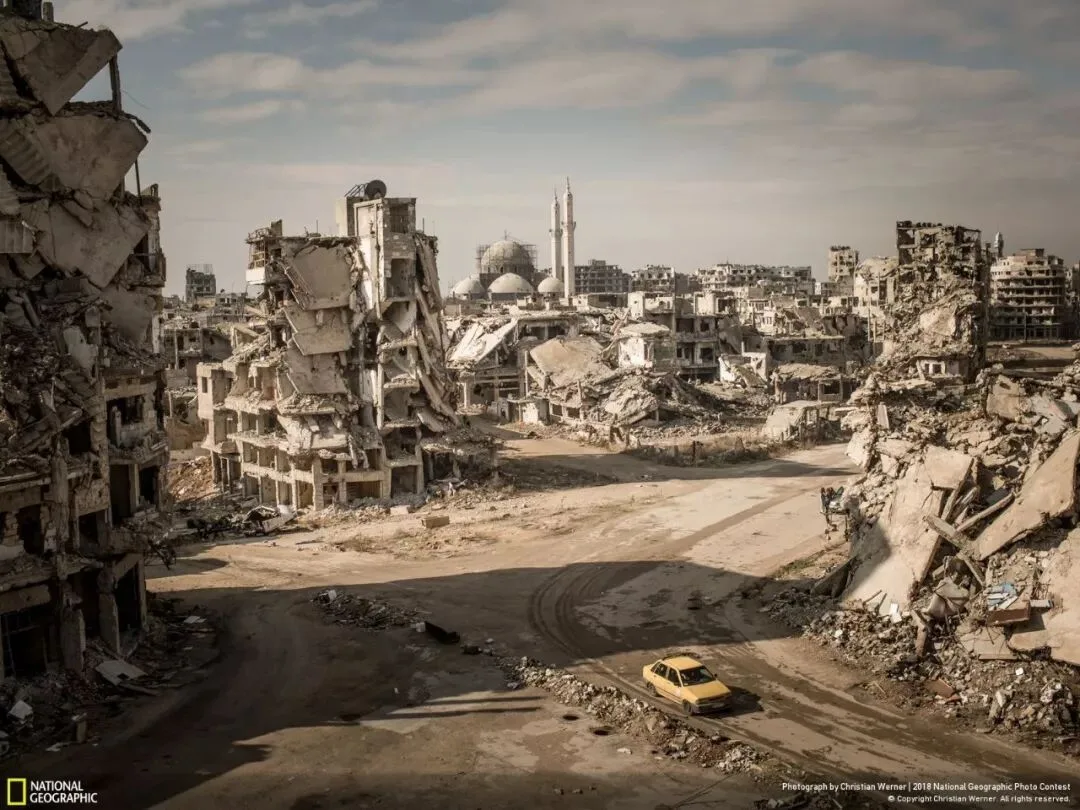
Photographer: CHRISTIAN WERNER
Work title: "Road of Destruction"
Description: While on assignment for Germany's Der Spiegel, we drove through Syria documenting the current state of Syria's major cities. When I first entered the Khalidiya district of Homs, I was deeply shocked by what I saw. To shoot this photo, I asked a Syrian soldier in charge of the area whether I could climb onto one of the ruins. The soldier allowed me to climb, but required me to assume the risk myself. I climbed onto the ruins of an old house, which was strewn with improvised explosive devices, but I still took the risk to capture this work.
This photo is striking in both form and content.
The author climbed high at great risk, and the angle and composition are highly layered, with the sun's shadows making the photo more three-dimensional. Yet this detail-rich city is entirely ruins and rubble, like the end of the world, prompting deep reflection.
The only intact thing in the photo is the small car in the foreground — undoubtedly the finishing touch of the frame. This sense of story and drama plunges viewers into deep unease.
Editor's Picks, Places Category (Part)
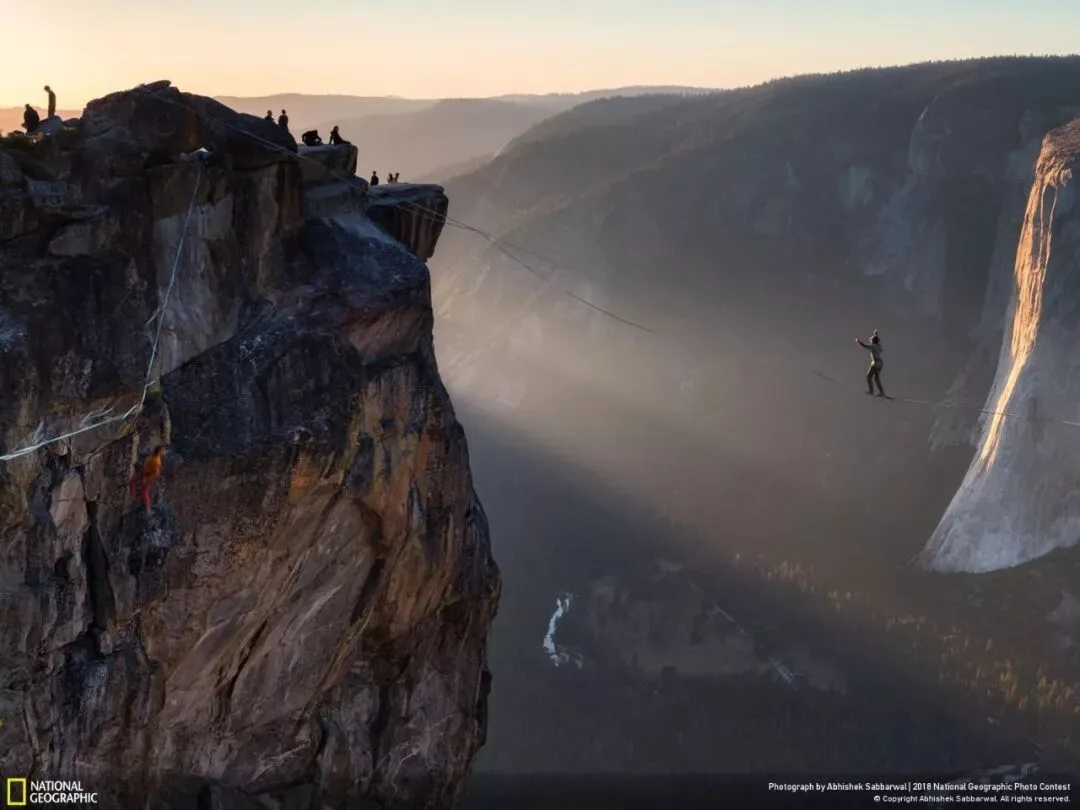
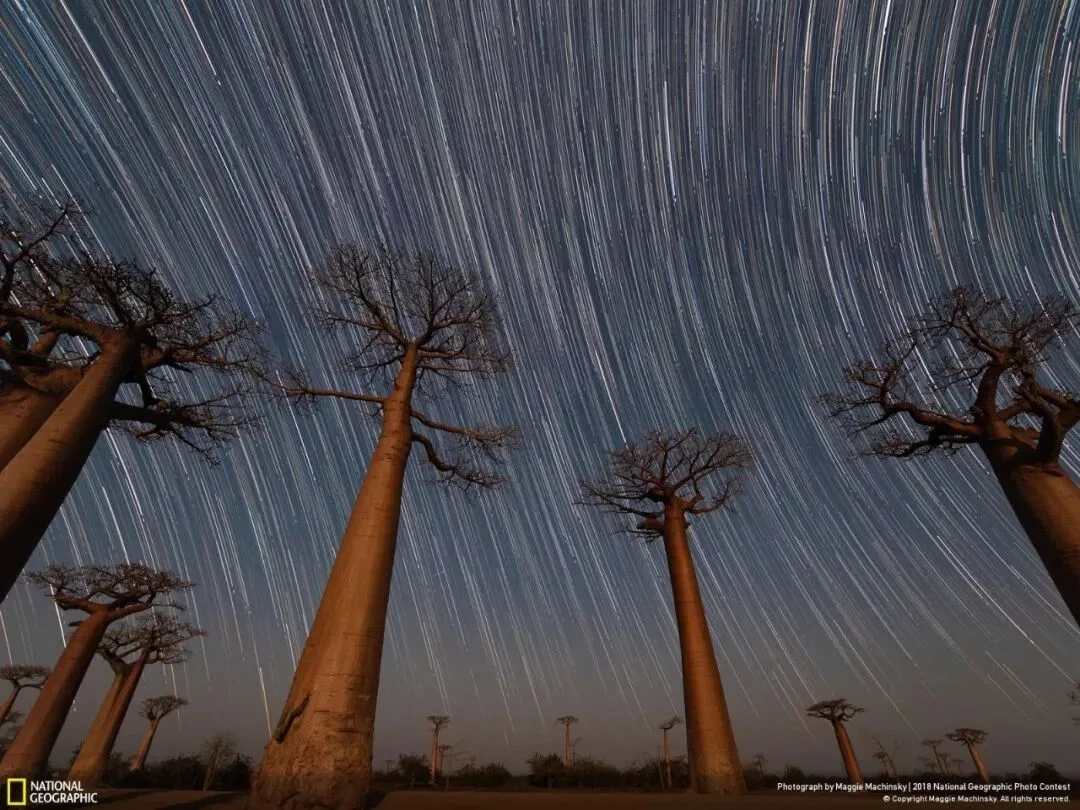
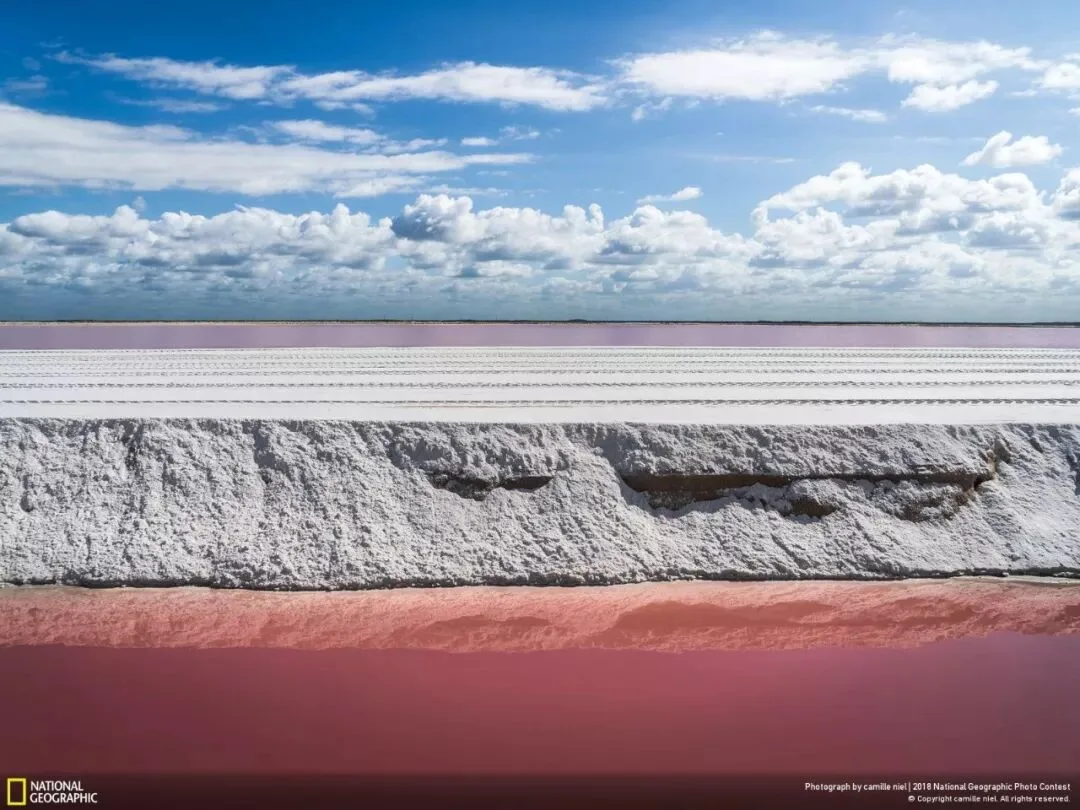
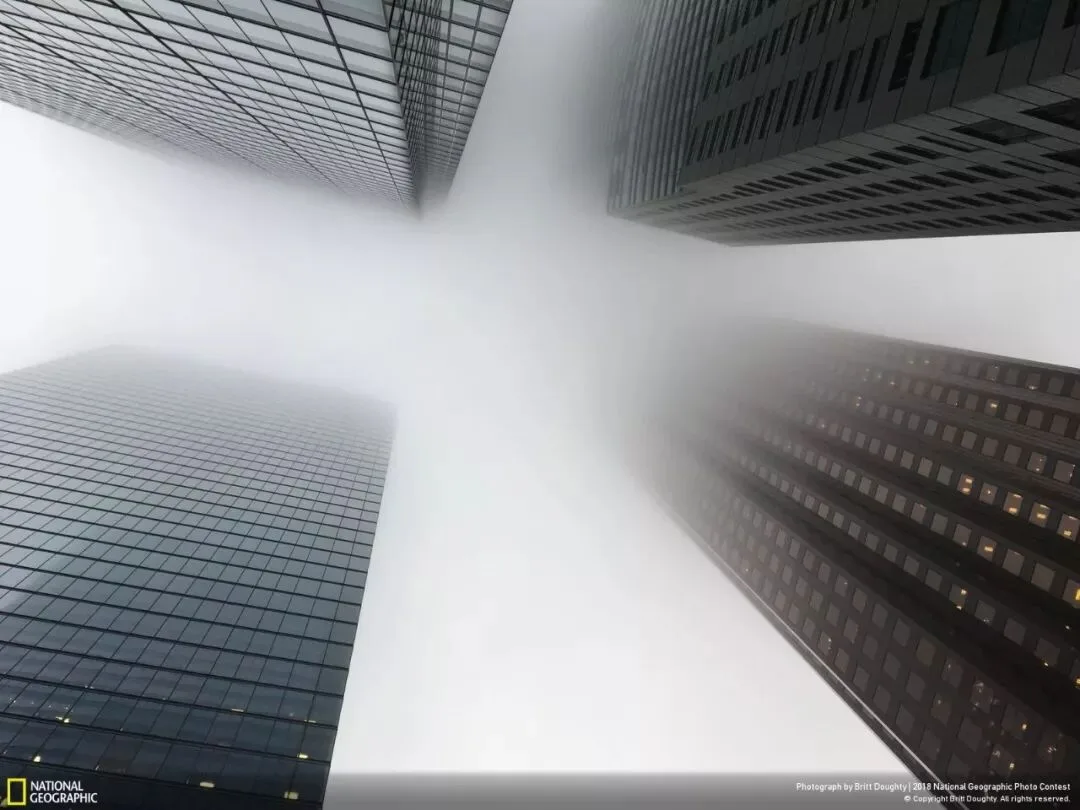
The photos below are all selected works from this National Geographic contest. This contest also has two other categories — Nature and People. Due to space limitations, not all can be shown here; everyone can view them on the National Geographic website.
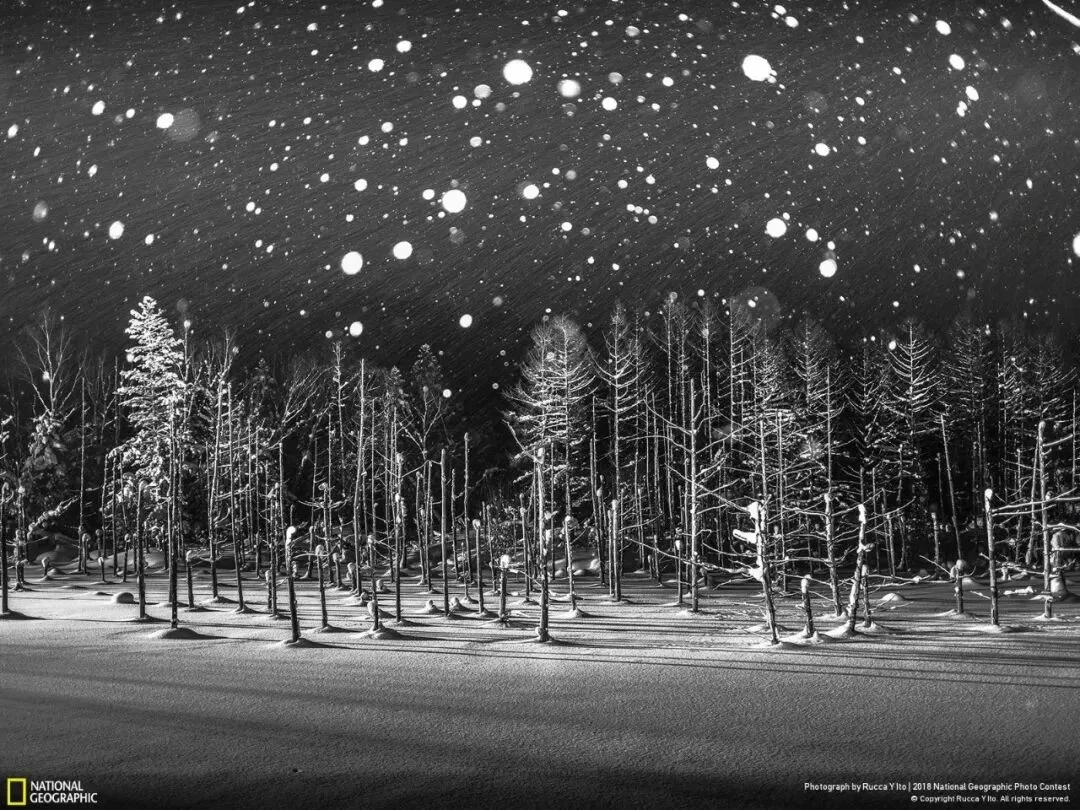
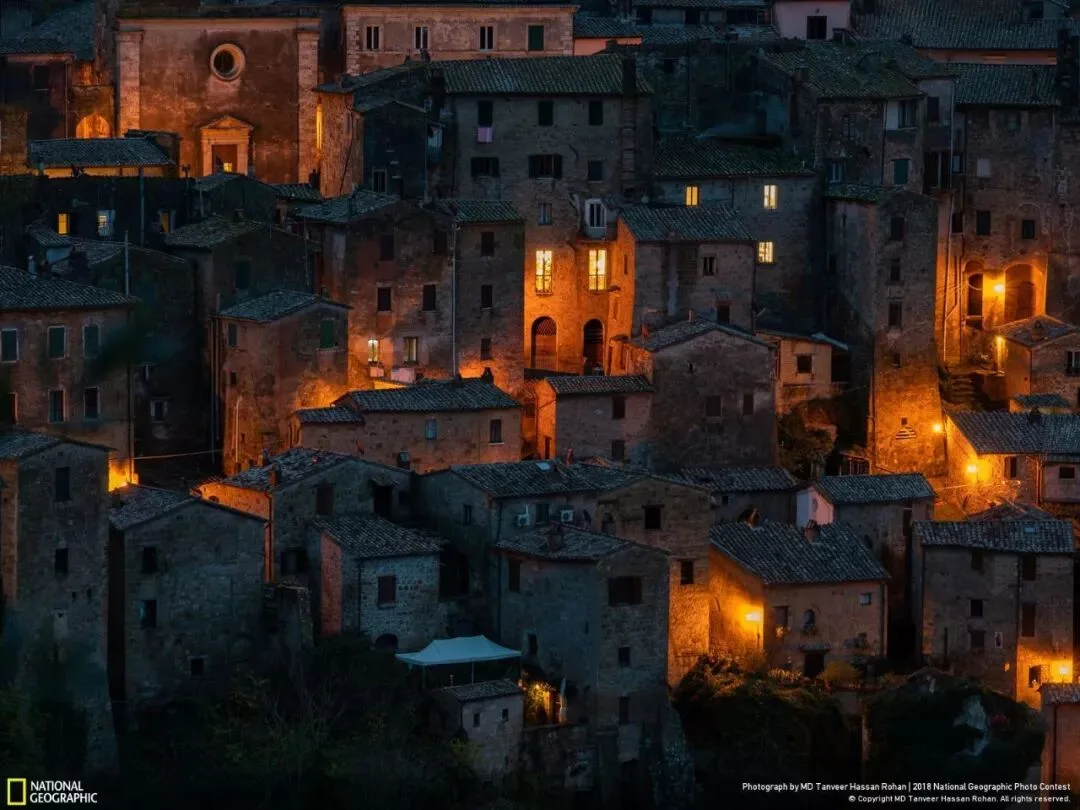
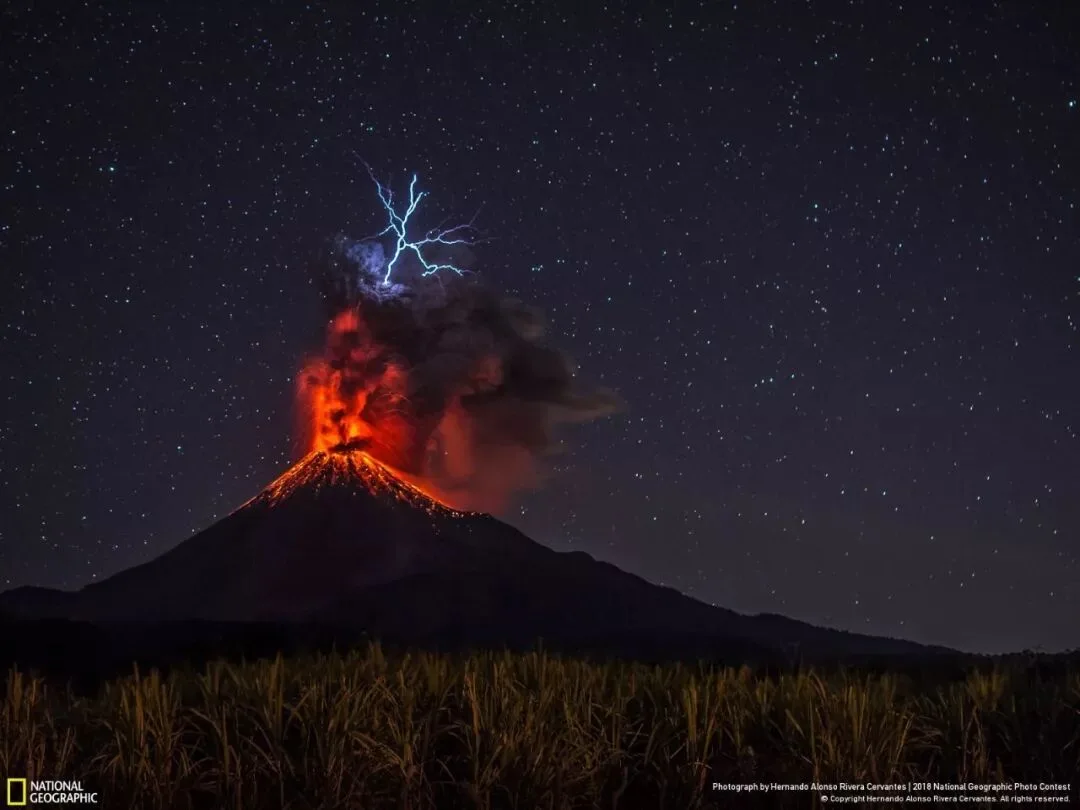
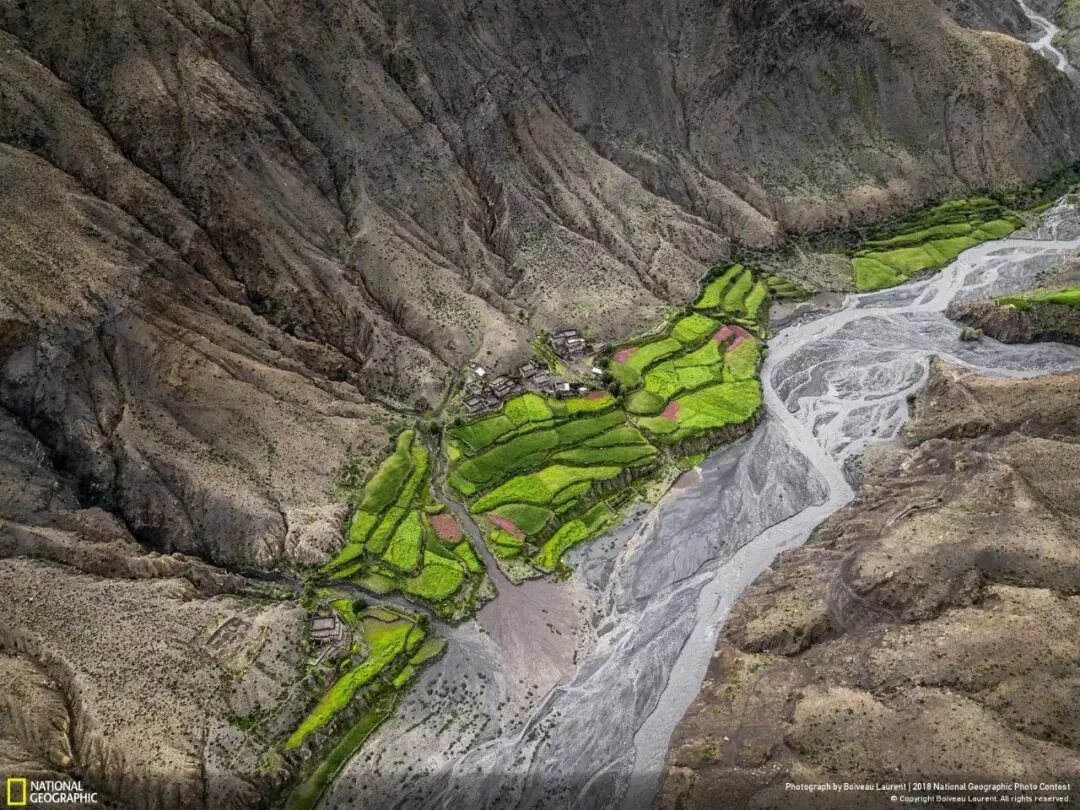
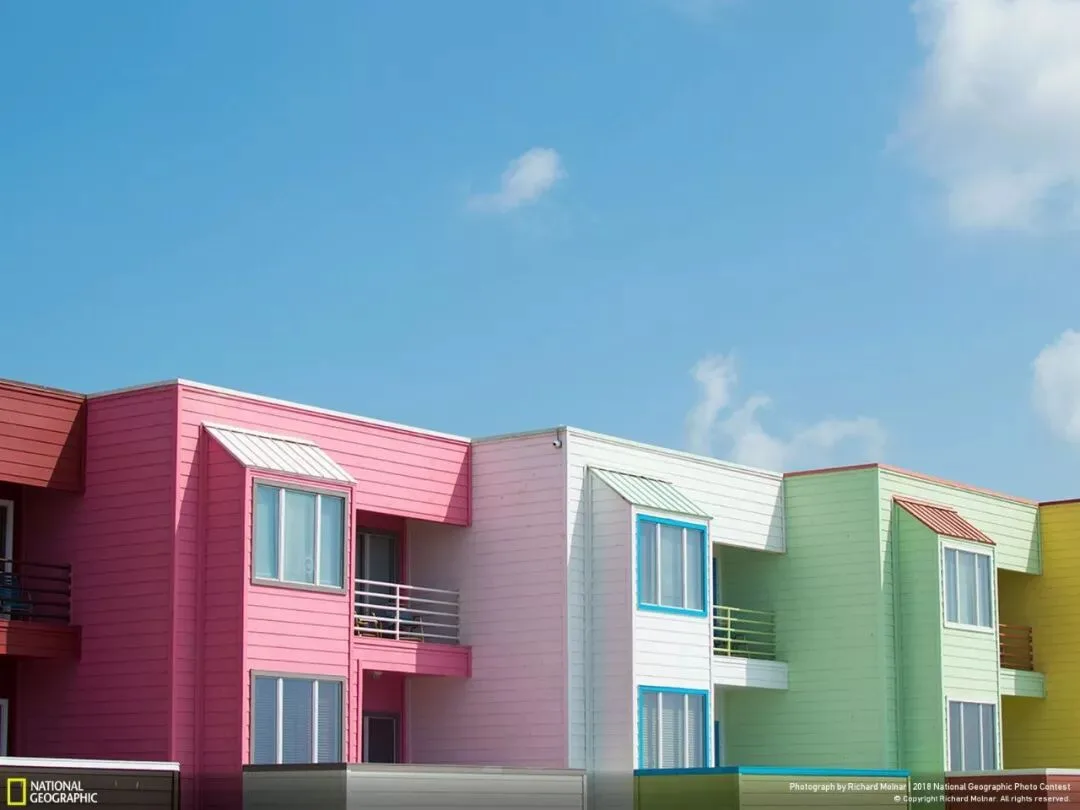
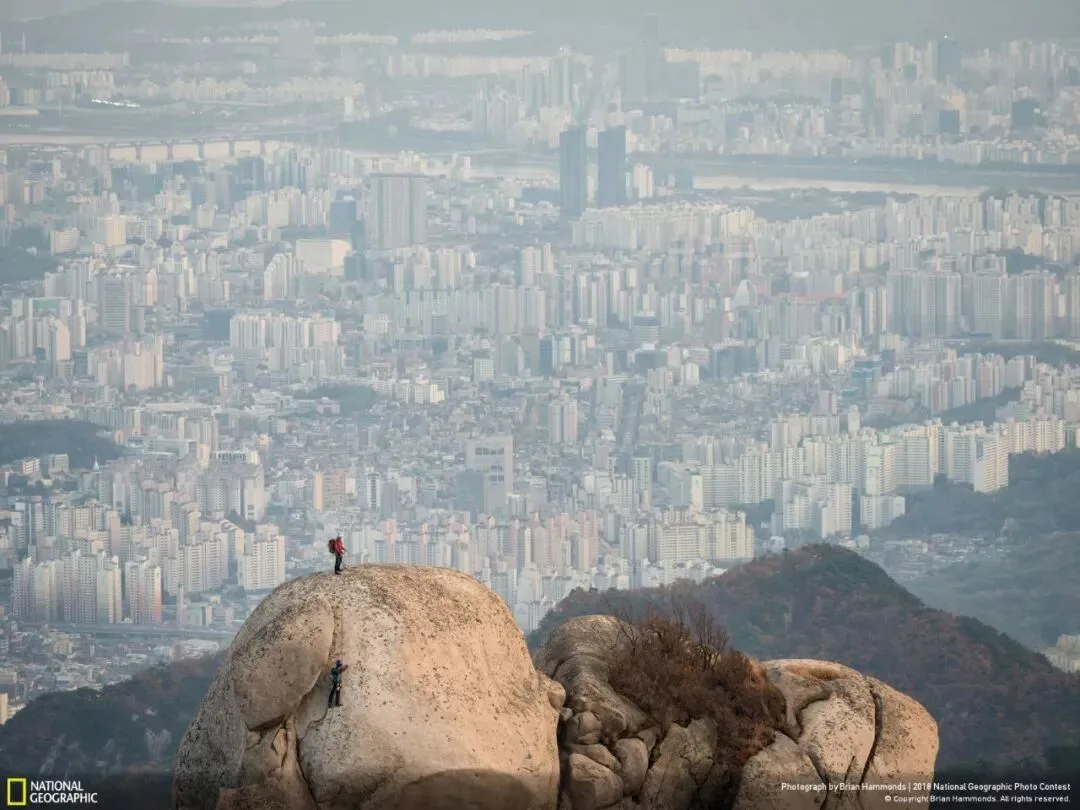
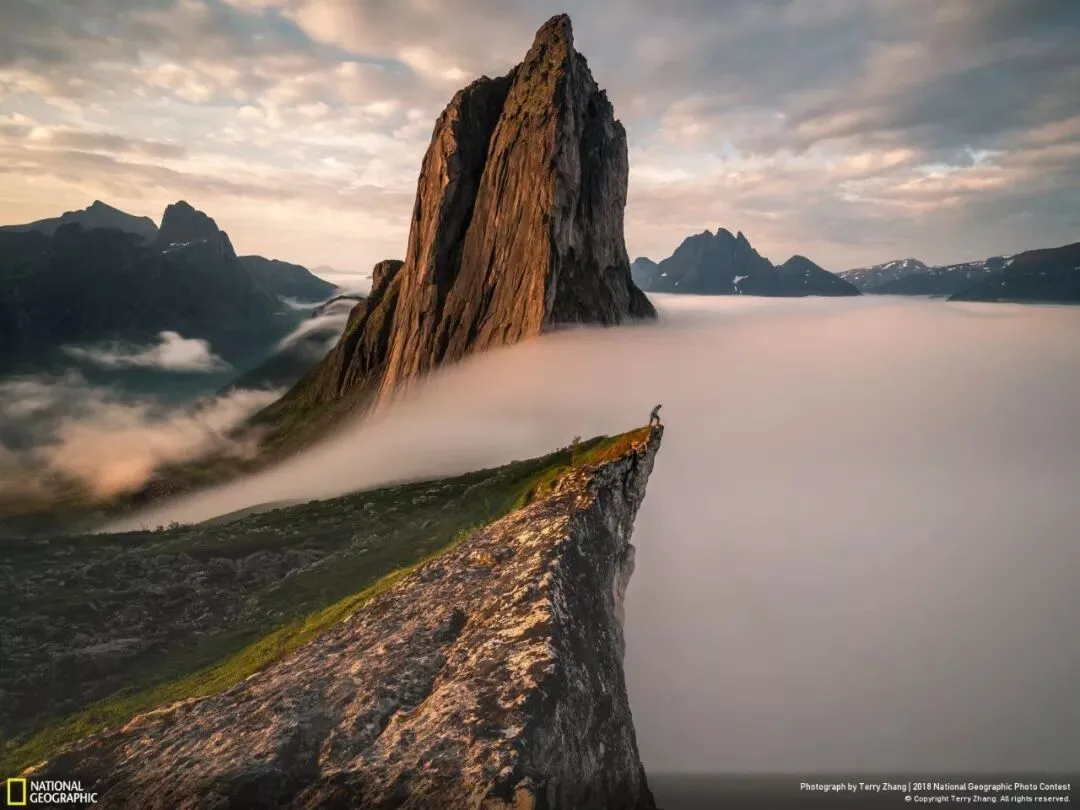
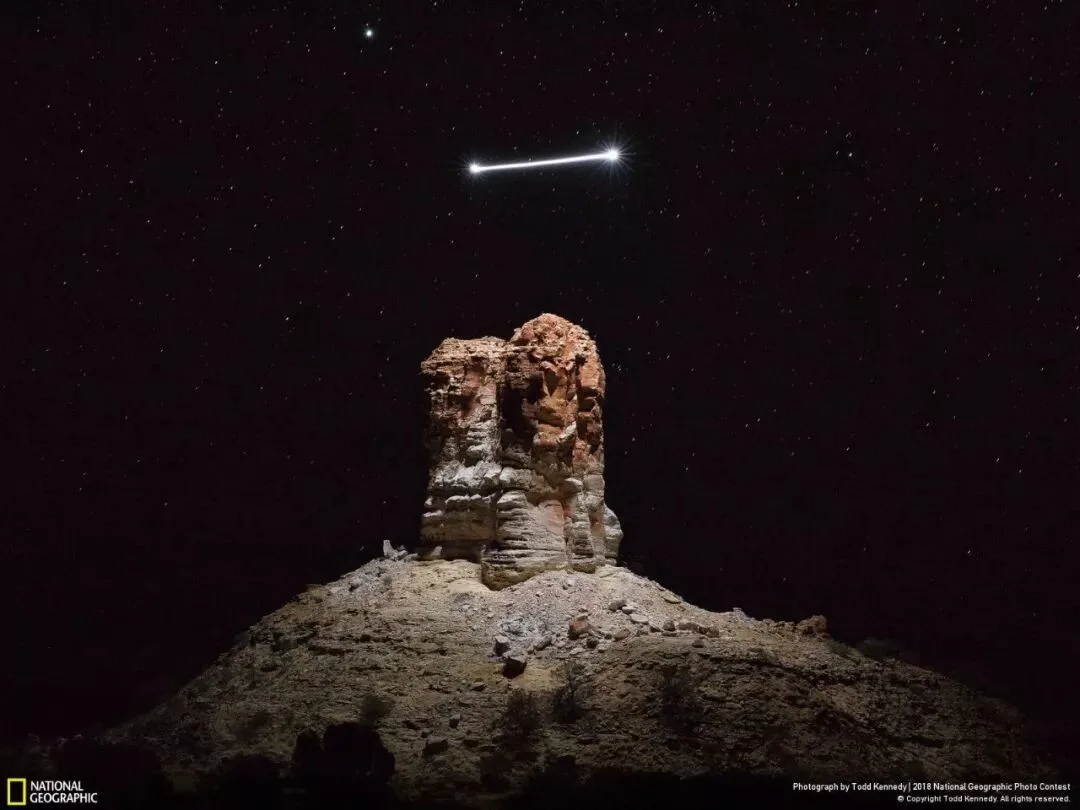
All images above are from the National Geographic website, and the Chinese photo descriptions are from National Geographic China's website.