Photography Tutorial · 2020-04-26
What Does the Raw NatGeo Award Photo Look Like? Shooting and Post-Processing Video
Thomas Chu Photo
In future photography tutorials, Thomas will pick selected photos as examples and share the complete shooting and post-processing workflow behind them.
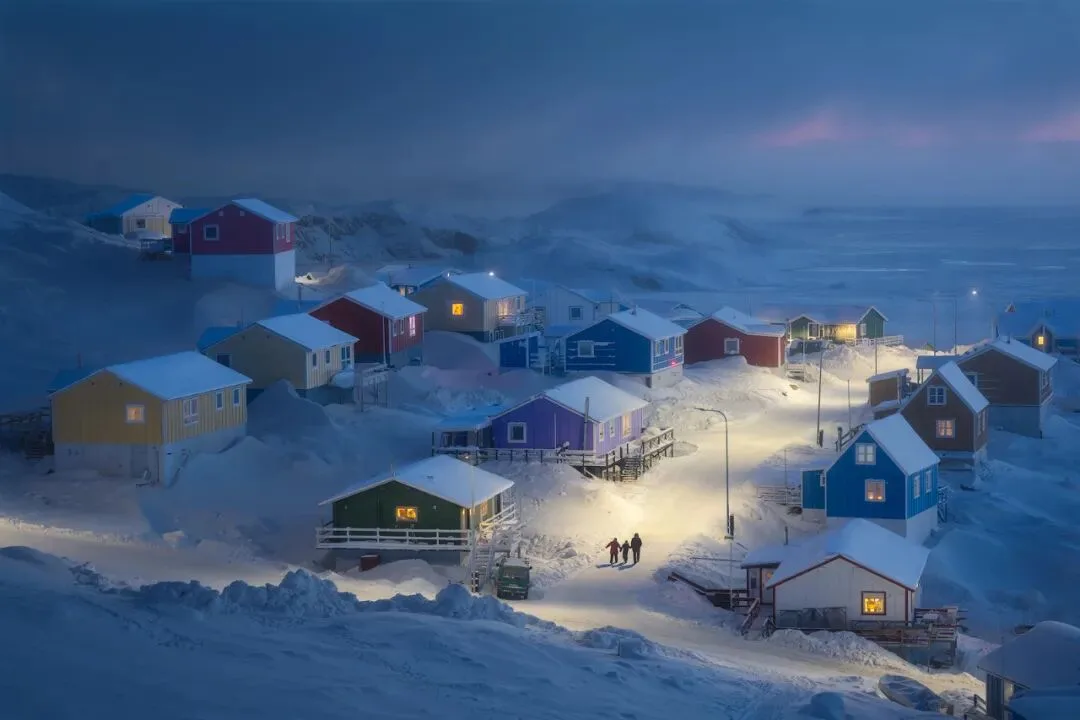
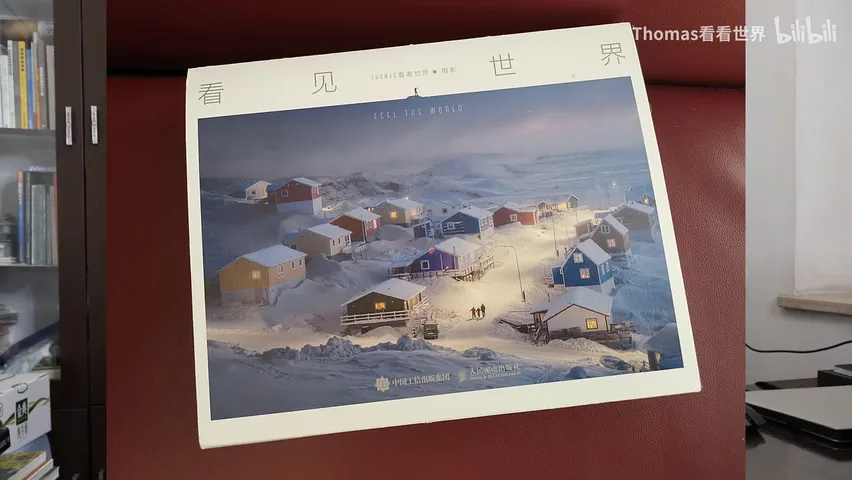
Today, Thomas shares in video form the shooting and post-processing of the cover photo of my 'Seeing the World' weekly calendar — the global grand prize image of the 2019 National Geographic photography contest.
Video Tutorial
▶ Watch the video tutorial on Bilibili
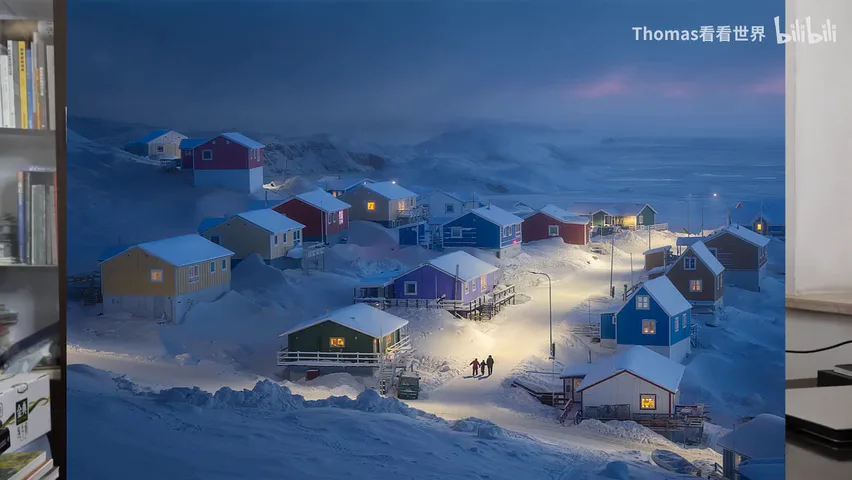
This is the full illustrated write-up of the video above, and the first episode of Thomas's complete-workflow series. The star is the cover image of his 'Seeing the World' wall calendar — the Grand Prize winner of the 2019 National Geographic photography contest. For the first time, Thomas reveals the original raw file — an ISO 3200 frame two stops underexposed — and the whole journey from scouting a Greenland settlement and catching a family of three, to rescuing the file in post.
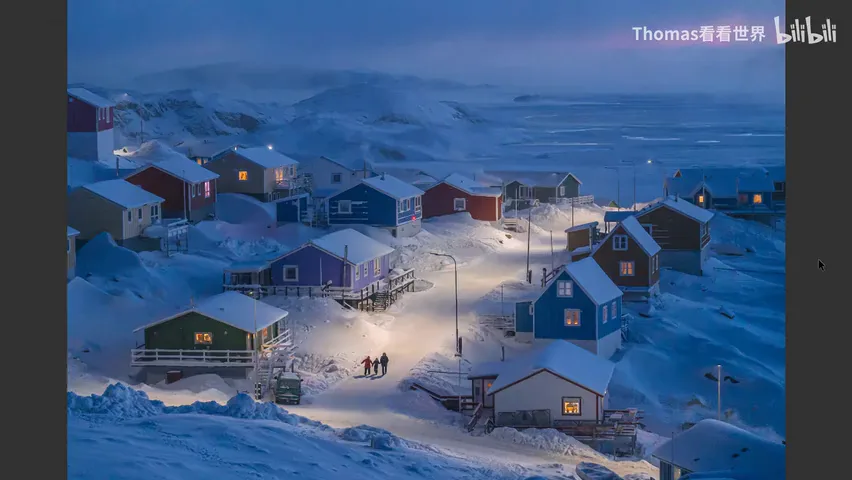
First, the final award-winning image and where it came from (0:41-0:48): a snowy night, a street lamp, brightly colored houses, and the long shadows of a family of three stretched across the snow.
01 The Drone Intel Map and Three Points of Conception
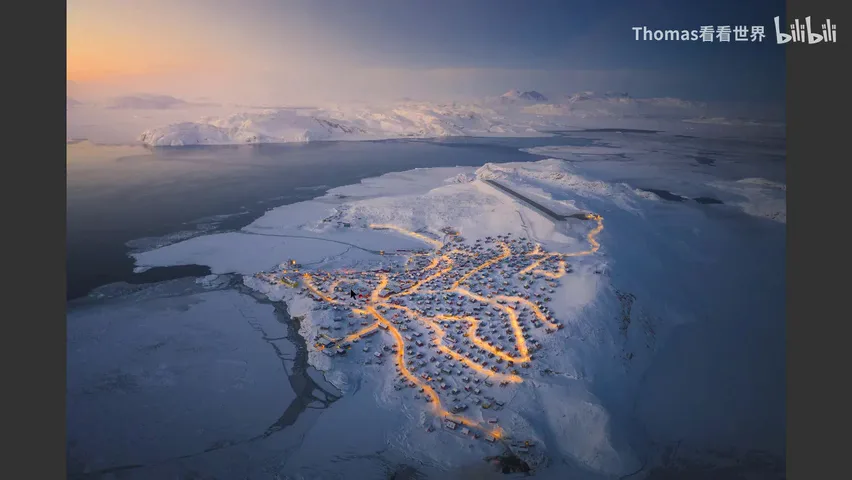
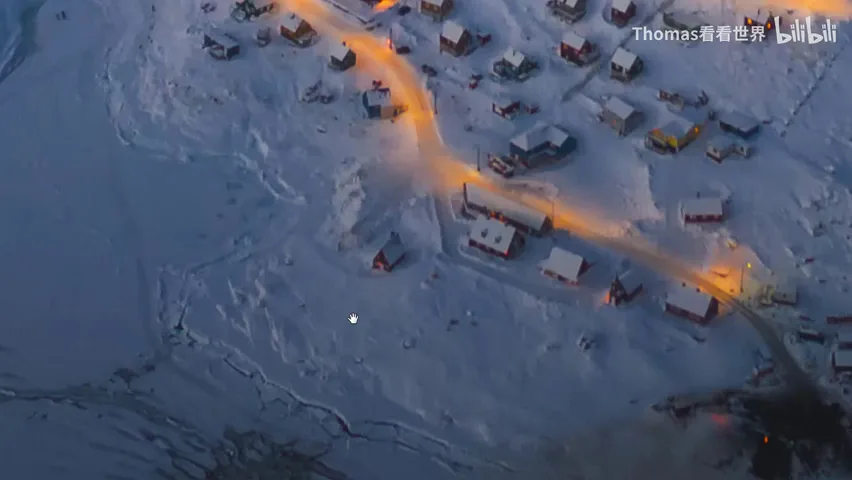
The location is Upernavik, a local fishing village in Greenland — Thomas deliberately went in March, the coldest time of year, to see how locals survive such a winter. Tourists never come and online material is scarce, so on arrival he first flew his drone to build an 'intel map' of the surroundings (1:02-1:50).
Three questions guided the concept: first, having come in winter, the photo must convey winter's mood; second, find the representative geographic and human elements of Greenland — so it reads as 'Greenland in winter', not Iceland or northeast China; third, look for order, structure and color in the scene to build its own aesthetic (1:50-3:05).
02 From Lone House to Street Corner: Finding the Viewpoint
With the drone map he quickly ruled out the mediocre frame — 'a bunch of small houses with no focal point'. The village church was a ready-made anchor; a lone house with the frozen sea behind it, shot from higher up, could become a minimalist study of one dwelling in an ocean of ice (2:58-3:26).
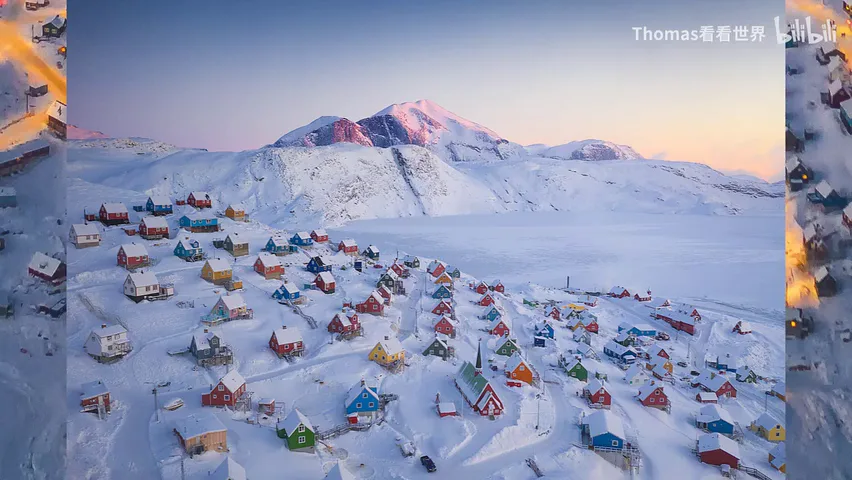
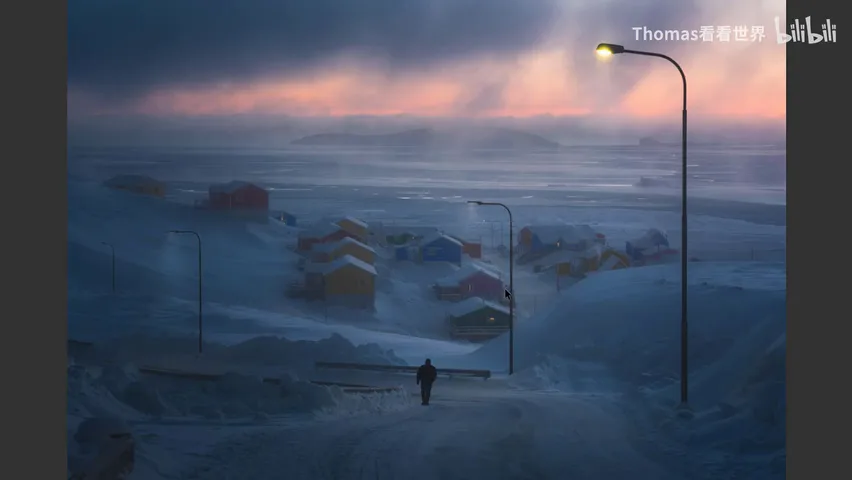
Daylight aerials confirmed Greenland's most vivid human signature: the rainbow of colored houses. The winning viewpoint, though, came not from the air — he stumbled on it while walking: a leading path, a row of houses that happened to bloom in every color, and beyond them the frozen sea, islets, and the huge icebergs found only in polar regions — Iceland and Lofoten have none (3:26-4:54). He also loved the glow of the street lamp in the foreground, and caught a passing airport worker for a first version.
03 Catching the Family: Shutter-First Decisions
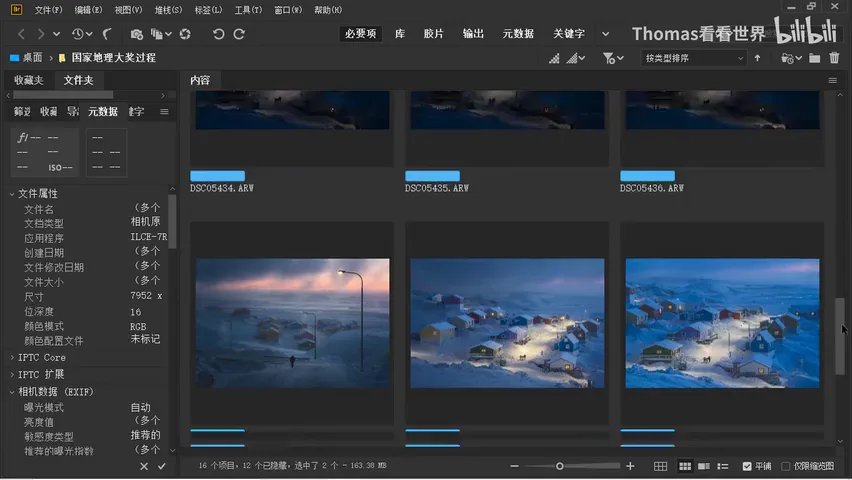
His starting settings were ISO 200, f/8, around 1/5 s. The flaw soon showed itself: the houses had color but no structure — one flat face, like a texture slapped onto a card. A few steps up the snowy slope revealed the buildings' sides, and color met dimension (5:29-6:20). At just that moment the family of three from the winning photo walked by — and at 1/5 second, they were a blur.
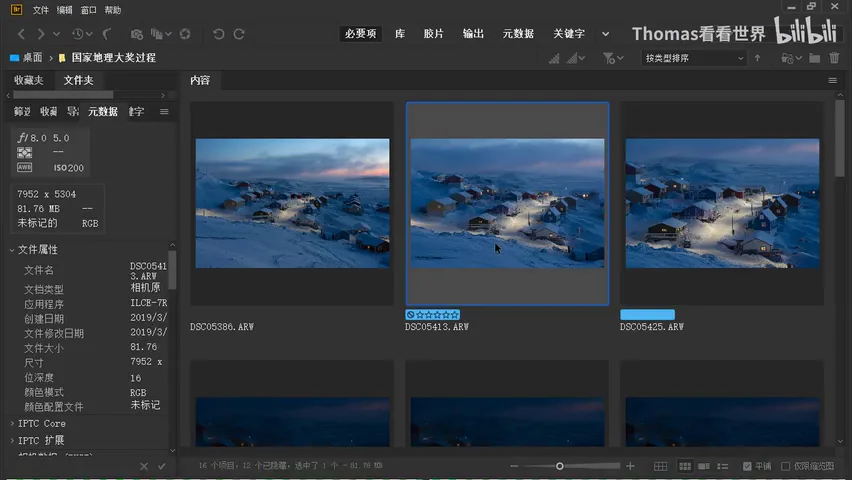
The decision took a few steps' worth of time: first decide what matters most right now — shutter speed. Experience said the figures, walking mostly toward the camera at an angle, would freeze at 1/30-1/40 s; so the aperture went straight to f/4 (the widest on his favored 24-105mm), ISO jumped to 3200, exposure compensation held at -1.7 EV, and continuous drive fired in bursts (6:20-7:50). Only with shutter, aperture and ISO second-nature can such a call be made without hesitation.
04 Selecting the Frame: Shadows and Gestures
Two rulers guide the selection. The first is the shadow: in the early frames the figures are lit with shadows trailing behind — unremarkable; midway the shadows flatten into a single line — also weak; the best moment is when the lamp lights them from behind, throwing shadows toward the camera, unbroken and unstretched (7:52-8:29).
The second is gesture: one frame catches the trio at their most relaxed, hand in hand, warmth unmistakable, with a few other walkers placed just so in the distance. And by pure fortune, at the very moment the shadows peaked, the three stepped into a spot partly screened by a snowdrift — timing, place and luck converging into the final photograph (8:29-9:01).
05 Rescuing an ISO 3200, Two-Stops-Under Raw
Post begins with rescuing exposure: on this -1.7 EV file he brutally stretched 2.5 stops to pull the detail back; then lowered highlights, lifted shadows and blacks to soften the harsh contrast for a dreamy mood, nudged the white balance slightly toward violet, and warmed the temperature a touch (9:03-9:52).
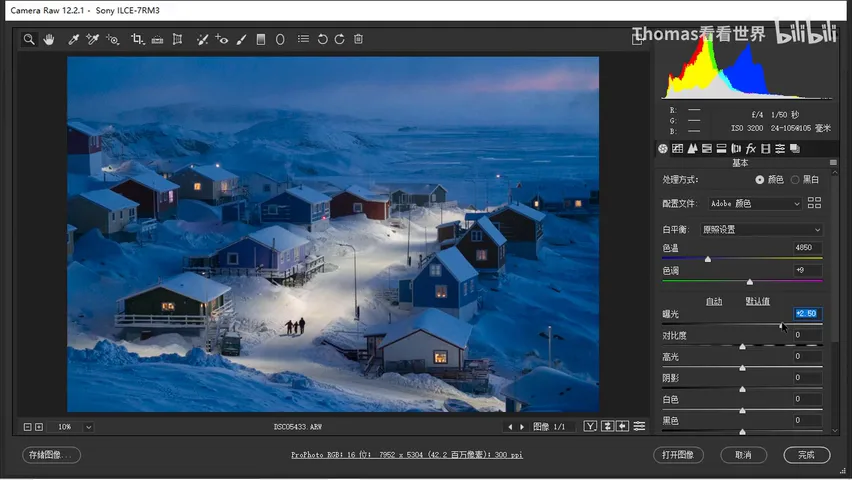
The most crucial step is noise reduction. Shot on a Sony A7R3 — excellent dynamic range, but at ISO 3200, two stops under, stretched out of nothing, noise is inevitable. In Camera Raw he raises the Luminance slider — and the side effect appears at once: the photo turns to paint, detail gone (9:52-10:54).
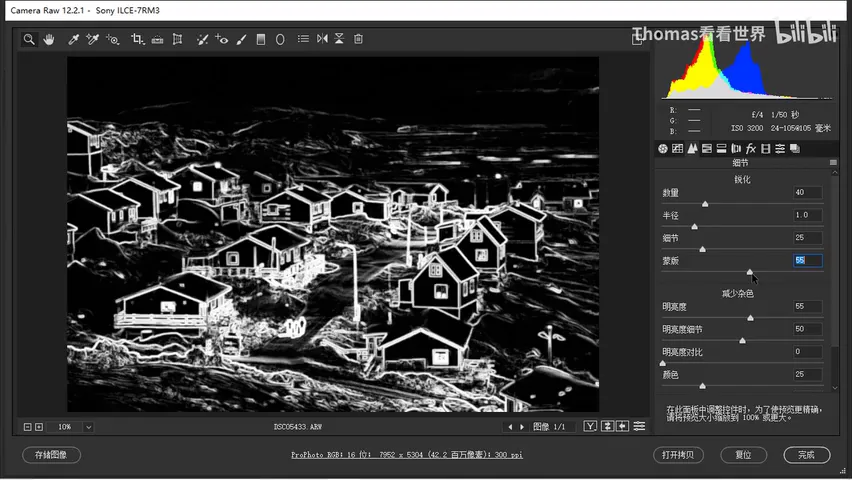
First rescue tool is sharpening: hold Alt while dragging to see exactly what the mask touches — he settled around 40, restoring the edges that matter, building outlines and lamp posts, while snow and clouds, soft subjects by nature, stay smooth and serene. Second comes Texture and Clarity: Texture recovers fine grain, Clarity restores larger contrast, and the image regains its backbone (10:54-12:23).
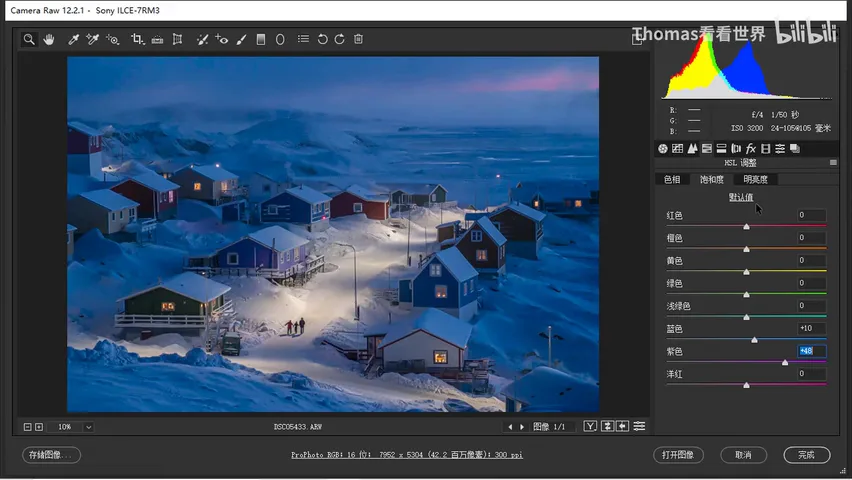
Then color: a touch more saturation in blues, violets, reds and greens, a slight hue shift on yellows — the dream intensifies; finally a curves lift at the bottom to banish true black (12:23-13:05). With that, the National Geographic submission version is done — the rules permit no pixel-altering edits.
06 Time Blending: a Second, Higher-Fidelity Version
The version posted online and printed on the calendar is another build. Before the burst he had shot clean frames at ISO 200, f/8; in post he masks the figures out of the high-ISO frame, aligns them over the clean plate, sets the blend mode to Darken, and paints them in — the merged file shows virtually no noise (13:05-14:31). One photograph, multiple versions for different needs.
Thomas closes on essentials: buy gear not over a fraction of sharpness but by knowing what light your camera handles, where it falls short, and whether bracketing, time-blending or lighting can fill the gap; learn settings not by rote but by knowing which of ISO, aperture and shutter to prioritize, then deriving the rest; and in post, understand the principles behind noise reduction, sharpening, texture and clarity — that is how an ISO 3200, two-stops-under file gets rescued. Every technique, mastered, serves the photograph's expression (14:31-17:21).
1. Shoot a drone intel map on arrival and conceive with three questions: mood, regional symbols, order and beauty; 2. For catching people, shutter comes first — 1/30-1/40 s for figures angled toward you, widest aperture, ISO 3200, burst fire as insurance; 3. When noise reduction kills detail, sharpen back the outlines and restore grain with texture and clarity — snow and clouds are allowed to stay soft; 4. Pair the high-ISO frame with a clean low-ISO plate: time blending hands you a third, high-fidelity version.