Photography Tutorial · 2023-05-28
How Do Master Photographers Shoot? Lessons from a National Geographic Masterclass
This week I attended a masterclass co-hosted by National Geographic and Songtsam Hotels, spending five days learning from National Geographic photographer and World Press Photo winner John Stanmeyer — an incredibly rewarding experience.
In today's tutorial, Thomas shares five key takeaways that many photographers and enthusiasts can reflect on and discuss!
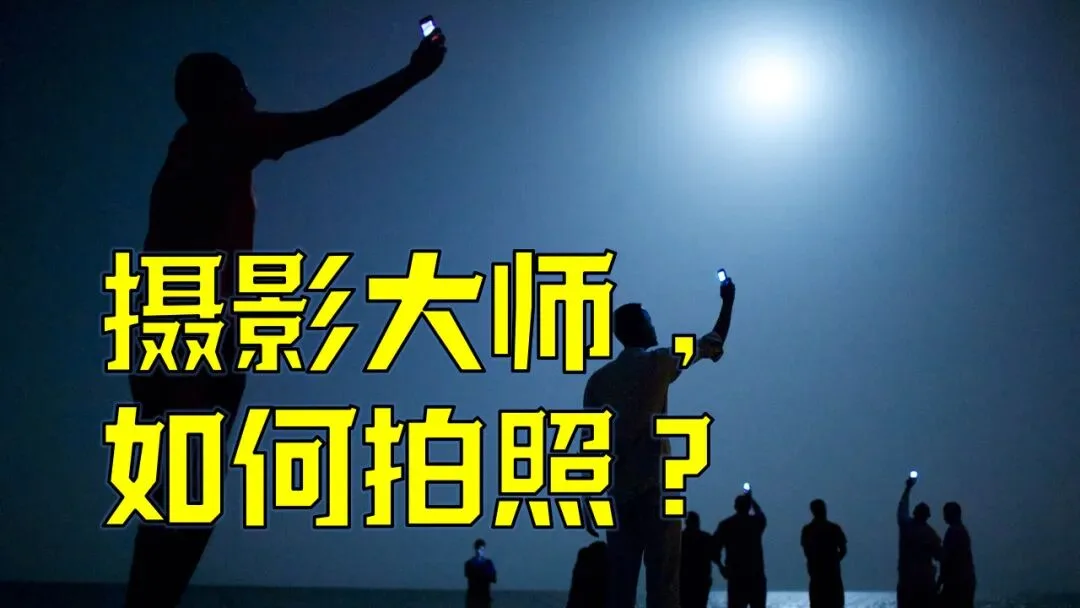
Video
▶ Watch the video tutorial on Bilibili
This is the fully illustrated companion to the video above. Thomas spent a week at the National Geographic masterclass co-hosted with Songtsam, taught by renowned NG photographer and 2014 World Press Photo winner John Stanmeyer. The video shares five takeaways — slow down and wait, don't blur foregrounds for their own sake, connect deeply before shooting, the power of the photo essay, and staying curious. Here those five points are laid out in text alongside the classic cases from the class: Signal, the Xi'an city wall, and the blurry monks frame.
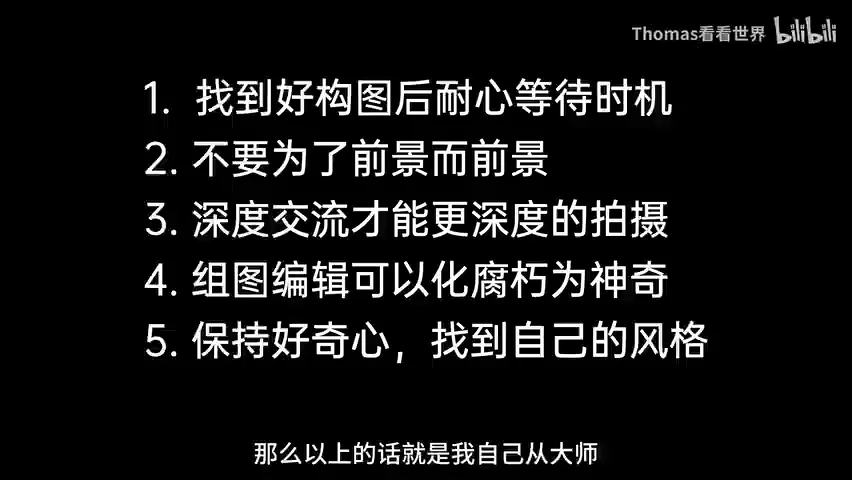
Start with the overview. This summary slide, captured at 6:24 in the video, lays out the five threads of the whole talk — wait patiently once you find a good composition; don't put a foreground in just for the sake of it; deep connection enables deeper photography; essay editing turns dross into magic; stay curious and find your own style. Each is unpacked below.
01 Slow Down: Great Photos Are Waited For
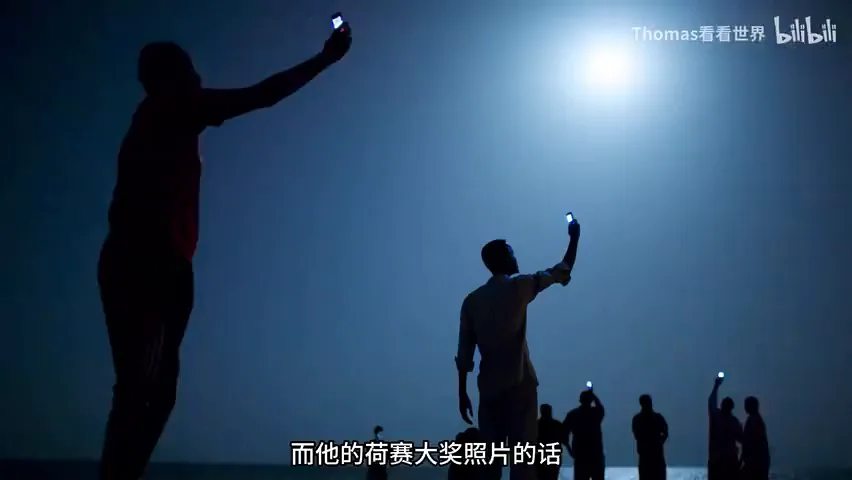
John spotted the class's common habit: shoot one spot and immediately rush to the next, instead of staying until the best moment arrives. His World Press Photo winner Signal was won exactly by waiting (at 0:43 in the video). On day one at the beach he noticed Somali migrants holding up phones, searching for a signal to reach home — fascinating, but too few people. He returned on day two and day three, and finally captured the staggering scene of a crowd holding phones skyward under moonlight.
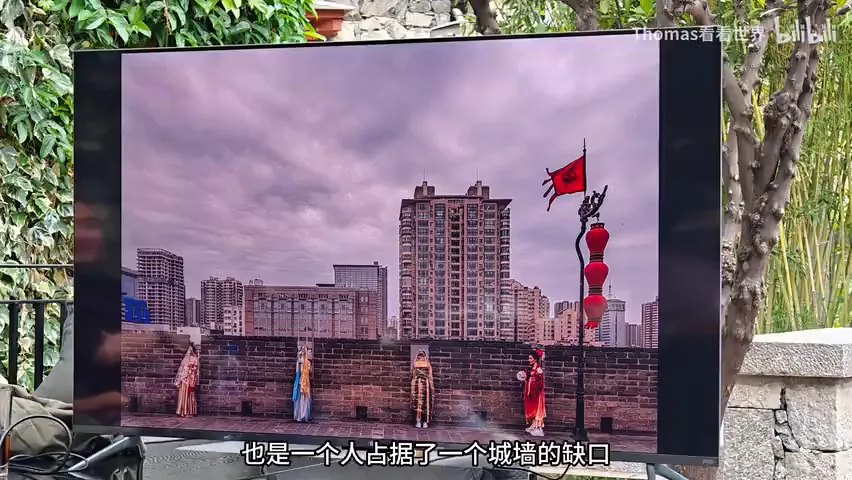
This year on the Xi'an city wall he demonstrated the same patience: many girls in Hanfu came to shoot, but everyone pointed cameras toward the ancient architecture. John found the more interesting picture in the contrast between Hanfu girls and the modern buildings on the other side of the wall (at 1:31). He waited two to three hours until a group of tourists from Inner Mongolia, also in Hanfu, showed up — curious about the view, they walked toward the modern side, and one of them claimed a gap in the wall to gaze out. He pressed the shutter (at 1:59). Find a good composition, then wait for the person, the light, the moment — lesson one of the masterclass.
02 No Foreground for Its Own Sake: Blur Is Not Information
His second piece of advice for enthusiasts targets the popular wide-open foreground blur in landscape shooting (at 2:27). John's question is blunt: if the foreground is blurred beyond recognition, it carries zero information — the viewer cannot tell whether you placed a teacup, a coffee mug or a box of salt there. Stop the aperture down a little, he says, keep the foreground readable, and let it deliver real information instead of acting as a smudge of color.
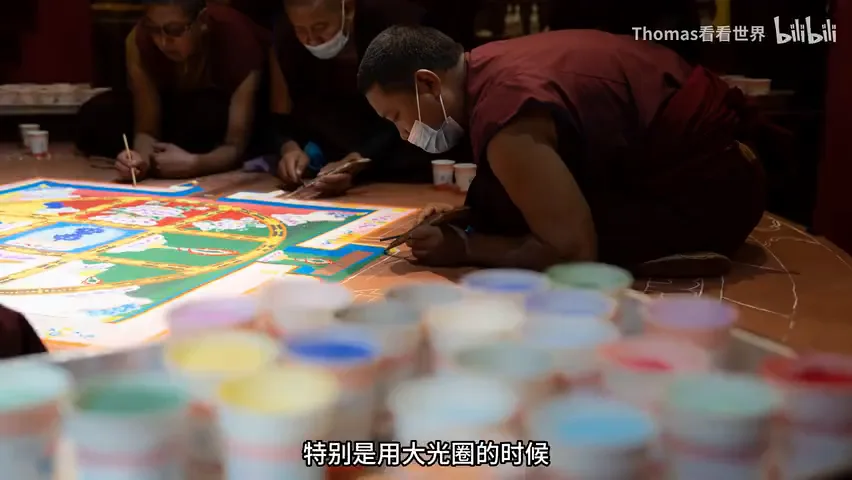
03 Put the Camera Down and Connect: Skip the Performed Smile
The third point hits home for many hobbyists: we all love photographing smiling children, night-market vendors, elders around temples. But John turns the question around — do you know the child's or the elder's name (at 3:02)? And such photos are often performances: the moment the subject sees a photographer and a camera, they put on a lens-facing expression. When that happens he puts the camera down, slowly talks with them, keeps shooting unhurriedly at the side, and only after the locals lose interest in him can he capture scenes in their original flavor.
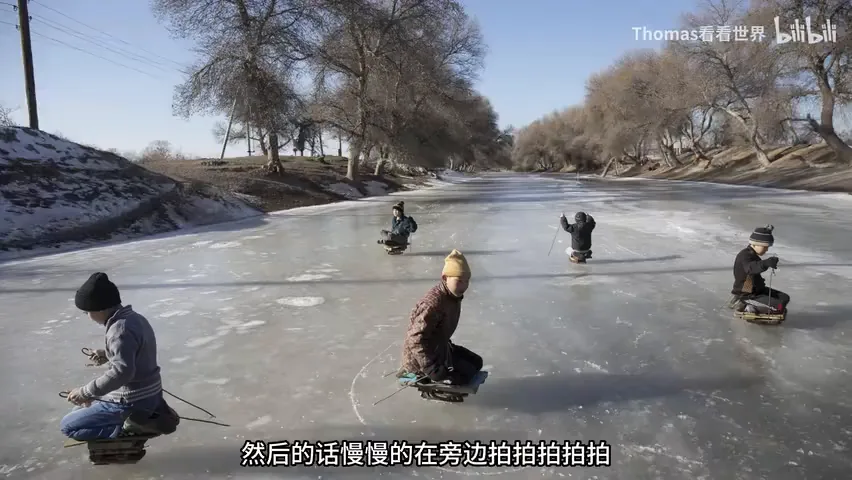
Thomas admitted his own frustration: ask "may I take your photo?" and the expression instantly stiffens (at 3:47). John's prescription is the same — spend an hour or two talking with the person, keep photographing throughout the conversation, and as they lower their guard and stop minding the lens, the most authentic documentary moments surface on their own (the examples at 3:59 and 4:09 were both "talked into being").
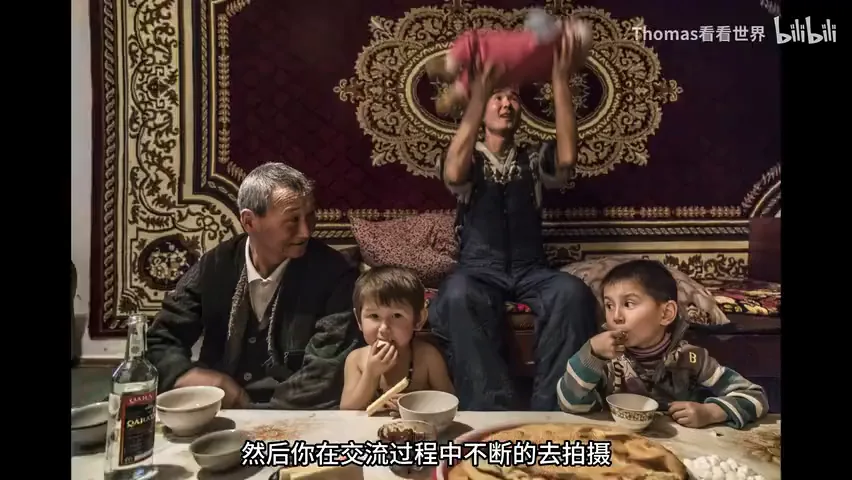
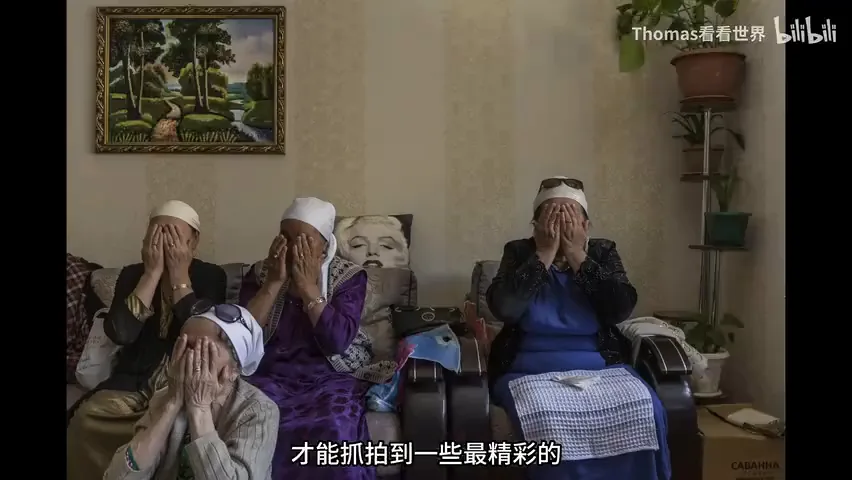
04 The Power of the Essay: Let Photos Talk to Each Other
The fourth point is about editing. Where tourists crowd in, a single frame rarely stands out — that is when you lean on the power of the photo essay (at 4:27). The case shown in class: a fellow participant's bokeh dots of city lights shot wide open, paired with an enlarged crop of star trails — everything in the pair is light emitted either by humans or by the sky (at 4:33). Each image alone might feel plain, but the edit makes them annotate each other, and together they turn far more interesting. When you cannot win with a single frame, win with a sequence.

05 Stay Childlike: Odd Angles, Failed Frames and Your Own Style
The fifth point returns to mindset: stay childlike, stay curious. At over-photographed spots, beyond the tourist photo everyone takes, always hunt for a different angle — even if it looks weird or experimental, try it (at 5:12). One detail shows John's eye: when reviewing work he ignores the frames students selected and goes through their raw files instead — the full take reveals shooting patterns and habits, and plenty of frames the shooters wrote off as failures he finds brilliant.
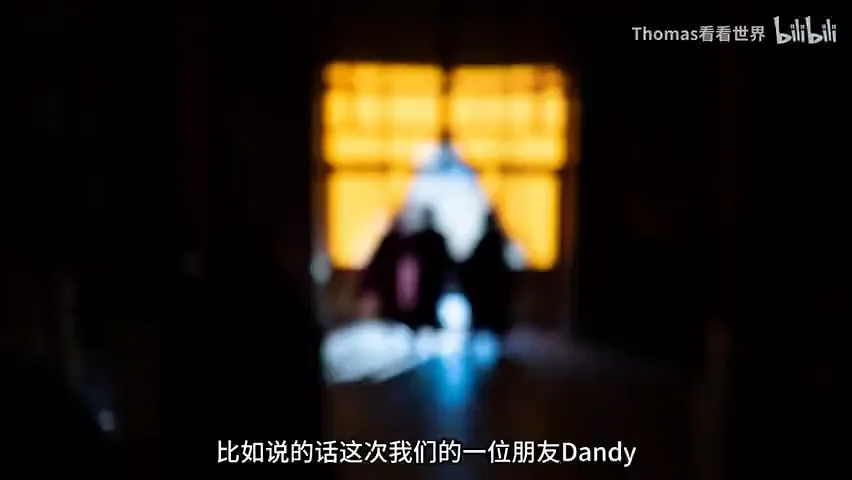
The frame at 5:46 is exactly such a "failure": their friend Dandy's hand slipped and the shot came out out of focus — yet the two blurry silhouettes of monks overflow with atmosphere, and that softness happens to fit the religious theme perfectly. The takeaway is individuality: in Tibetan monasteries everyone photographs monks and prayer-wheel spinners, but you can shoot your own ideas and compositions (at 6:07). Thomas showed John his "China by Train" series and received the same encouragement: create more personal work, find your own style, and never shoot like everyone else.
1. Once you find a good composition, wait: Signal took three days, the Xi'an wall two or three hours — waiting for people, light and the moment; 2. No foreground for its own sake: over-blurred foregrounds carry no information, stop down and keep them readable; 3. Deep connection enables deeper shooting: learn a name, talk for an hour or two while shooting, and authentic moments surface on their own; 4. Essay editing turns dross into magic: plain single frames stand up through their relationships; 5. Stay curious — find yourself in odd angles and "failed" frames; style means never shooting like everyone else.