Photography Tutorial · 2023-07-02
National Geographic Magazine Rumored to Cease Publication? Where Is the Future of Nature Photography?
A few days ago, National Geographic magazine was rumored to be ceasing publication.
Although it ultimately turned out to be only layoffs and stopping offline outlet sales, the fact that it's been on a steady decline is indisputable.
Where is the way forward for nature photography? What development directions remain? In today's video, Thomas will share his own views and opinions.
Video
▶ Watch the video tutorial on Bilibili
This is the fully illustrated companion to the video above. In the days when National Geographic was rumored to be shutting down, Thomas was shooting in northwest China, so this weekly episode is devoted to the story behind the rumor: where the reports got it wrong, why the century-old magazine has been sliding, and — from the perspective of a working landscape photographer — which three directions nature and geography photography still have ahead. No camera settings this time; it is an opinion piece, written out below in video order with keyframe screenshots.
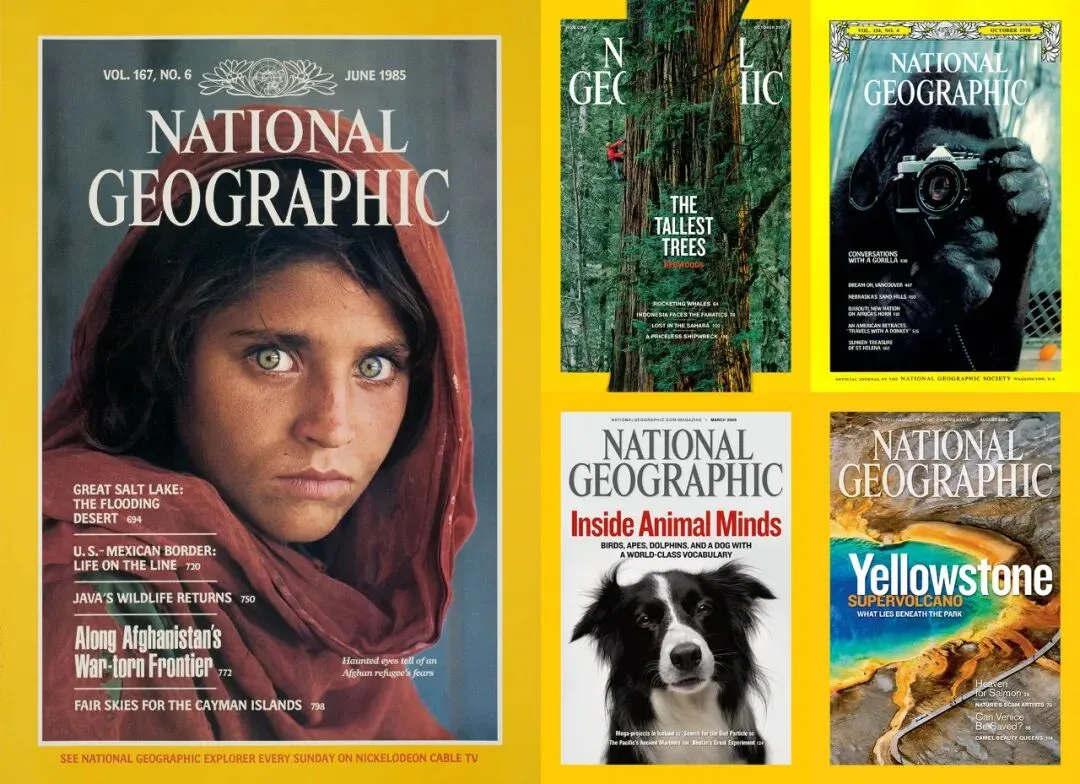
Start with the cover: this collage, captured at 0:40 in the video, gathers the Afghan Girl and the Yellowstone issue — icons of National Geographic's golden age that generations of readers grew up with, and the emotional backdrop for the question "can it go on?" that this piece explores.
01 The Truth Behind the "Shutdown" Rumor
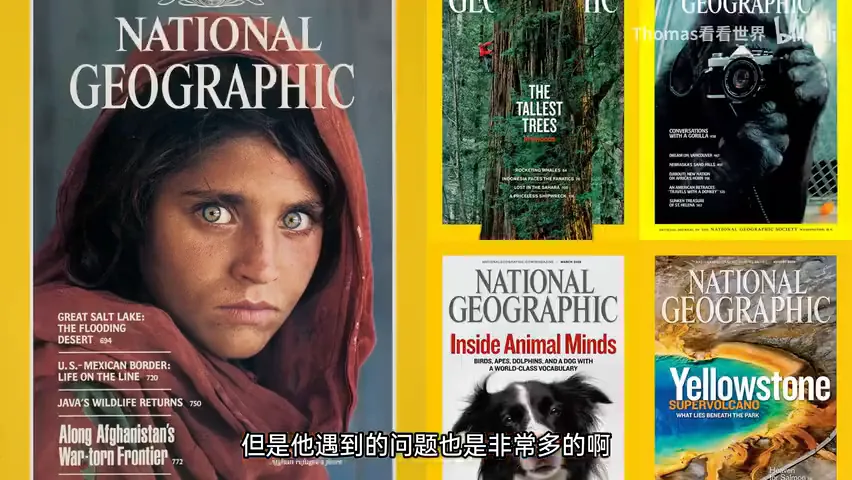
The story began with reports that National Geographic magazine "was ceasing publication" (at 0:06 in the video). On closer inspection the rumor turned out to be a misreading: the magazine merely stopped selling on US newsstands, while subscribers still receive their printed copies by mail; at the same time it went through layoffs, and all of its full-time staff writers will from now on work as freelancers (at 0:14 in the video).
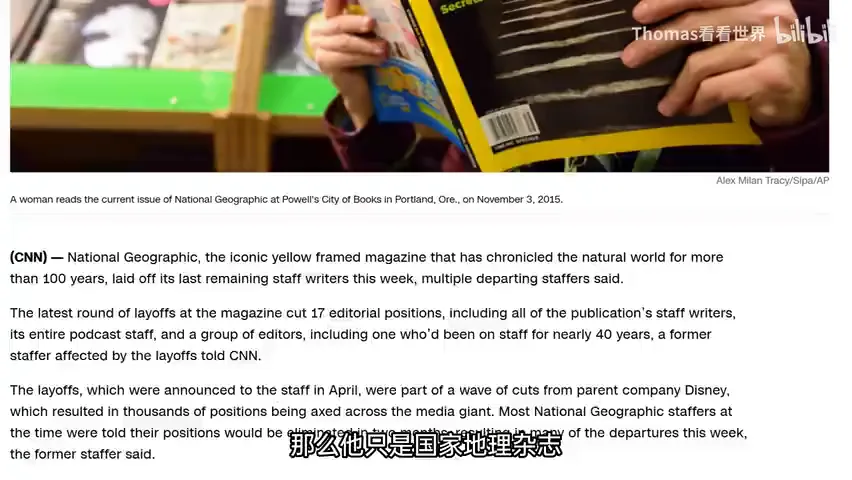
It is not shutting down, but its problems are real. At its peak National Geographic reportedly had over 12 million subscribers; that number has shrunk to a tenth, barely more than a million. As the readers who still subscribe to print slowly age out, circulation can only fall further — and in a few decades the magazine may truly cease to exist (at 0:52 in the video).

02 Three Headwinds Behind the Decline
The first headwind is social media's assault on traditional media (at 1:06 in the video). People read news and features online now, and print circulation suffers accordingly. But in Thomas's view this one is not fatal — a legacy outlet can go digital too, and that door is not closed.
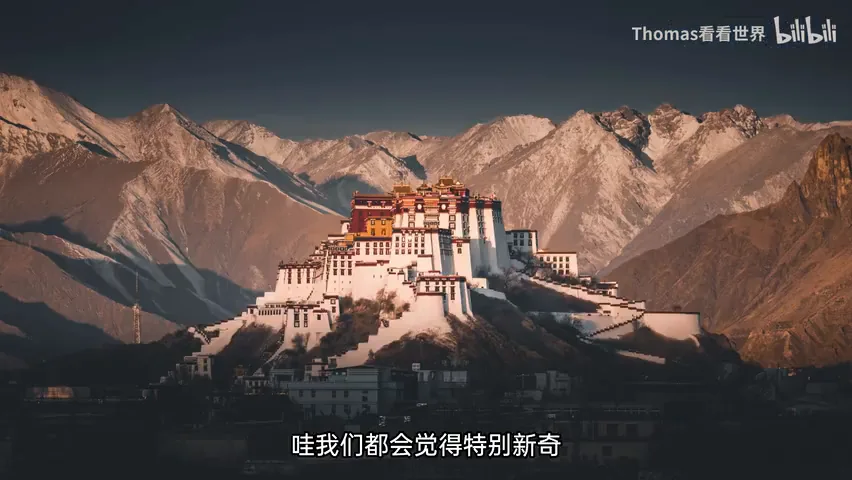
The second headwind runs deeper: information is more abundant than ever while the Earth stays the same size, so people are slowly growing aesthetically tired of exploration and of nature itself (at 1:20 in the video). Ten years ago a casual snapshot from Tibet felt marvelous; today an ordinary Tibet photo is commonplace unless it is truly exceptional (at 1:37 in the video). In a few years Iceland and Greenland will be the same — originality from those places is getting harder every year (at 1:46 in the video).
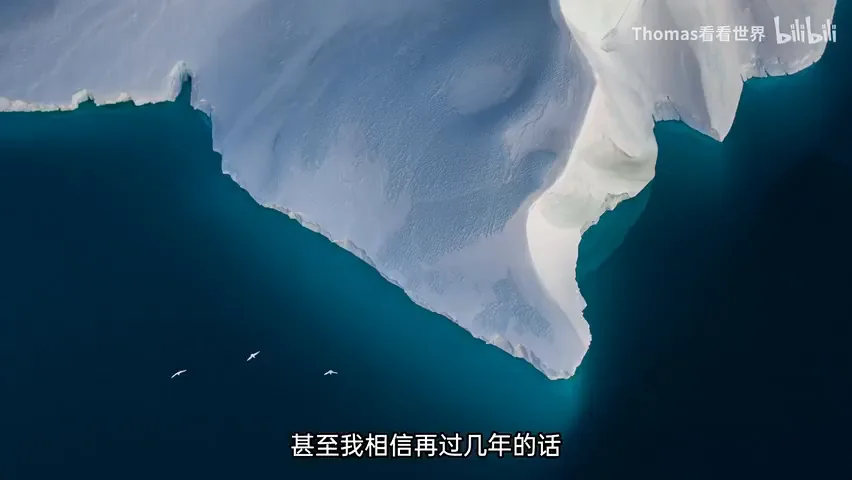
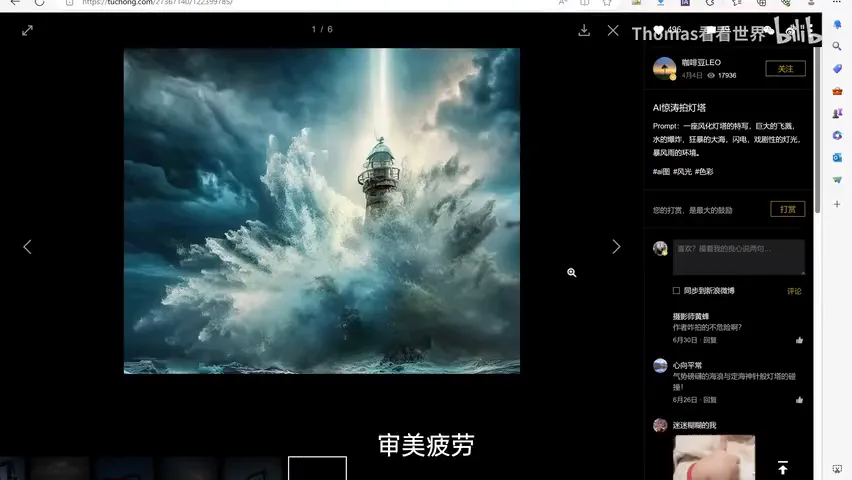
The third headwind is the deadliest: short video and AI imagery hitting nature and geography photography head-on (at 2:01 in the video). Geography photographers love to say "tell stories with pictures", but for storytelling a photo is rarely as immediate or as immersive as video — for fresh scenery and cultures people now scroll video feeds instead. Open photo communities like 500px or Tuchong and you will find AI images everywhere (at 2:52 in the video): landscapes that photographers once won through patient waiting and long treks can now be mass-produced by AI, and as the flood mixes real and synthetic, aesthetic fatigue with such "epic shots" arrives faster than ever (at 3:07 in the video). This is National Geographic's challenge — and the challenge facing all landscape photography.
03 Direction One: Going Video
The first way forward is, without question, video (at 3:23 in the video). The appetite for beautiful scenery and distant cultures remains, but it is increasingly satisfied in video form: not just showcasing landscapes and timelapses, but aerial work, and the whole process of exploration. Much of the joy of nature and travel photography lives in that process — the waiting, the trekking — and video is the best medium to convey it (at 3:38 in the video).
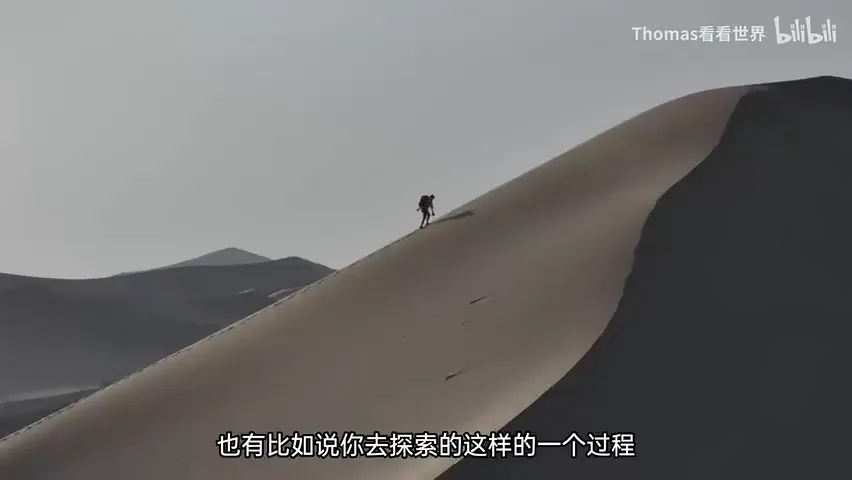
Thomas also answers the question his inbox fills with most: how to become a professional landscape photographer, or a magazine contributor? His answer is blunt — the era of the magazine photographer is over; if you still want to do this for a living, build your own channel around video and stand on your own feet as a freelancer (at 4:01 in the video). The frame expanding from still photos to moving records of the journey is this transition in miniature (at 4:18 in the video).
04 Direction Two: A Personal Signature
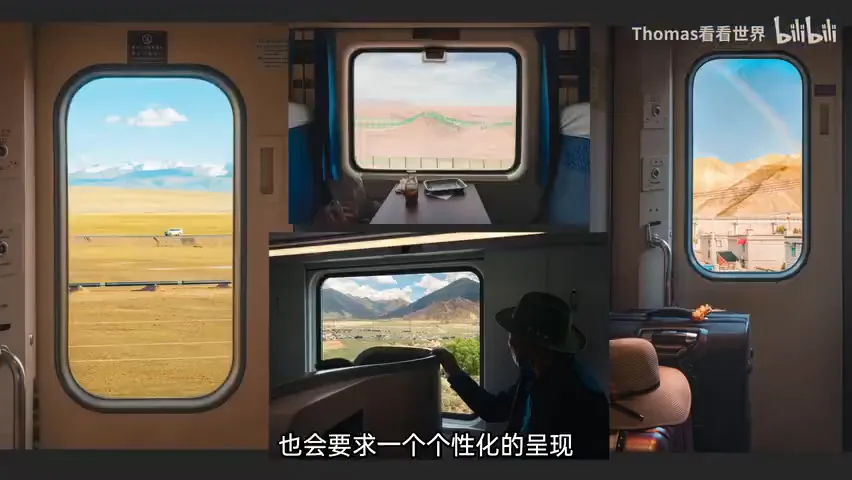
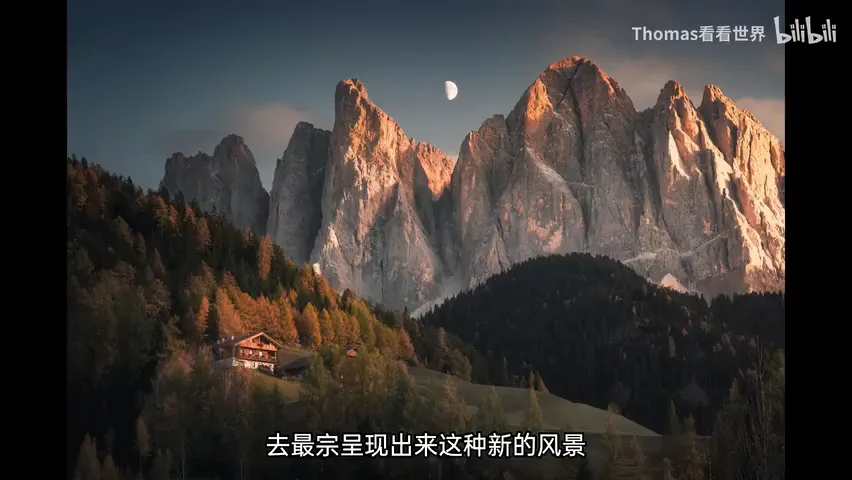
Landscape, nature and wildlife photography alike will increasingly demand a personal signature (at 4:13 in the video). Scroll Instagram abroad and you will notice that the photographers who stick in your memory all have strongly defined styles (at 4:20 in the video). As an art form, photography rewards nothing more than that personal voice.
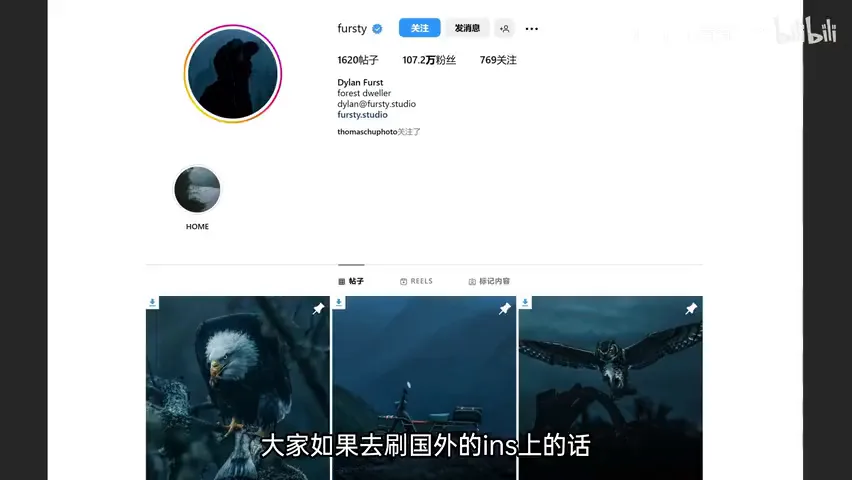
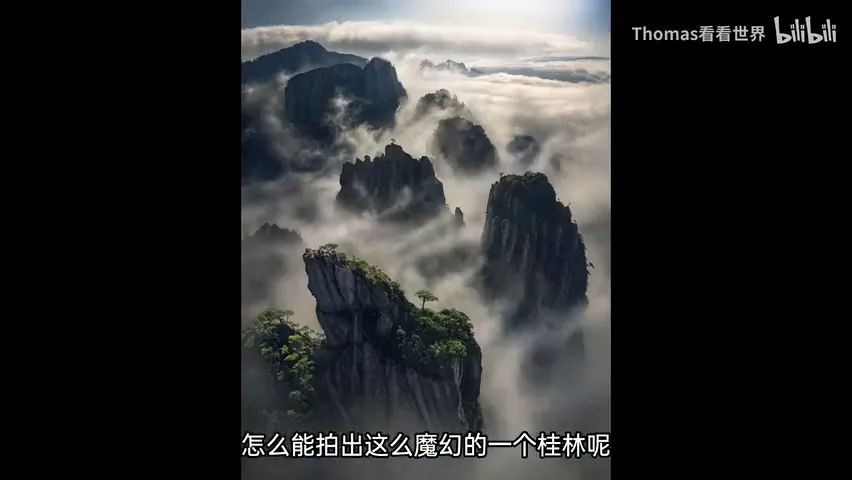
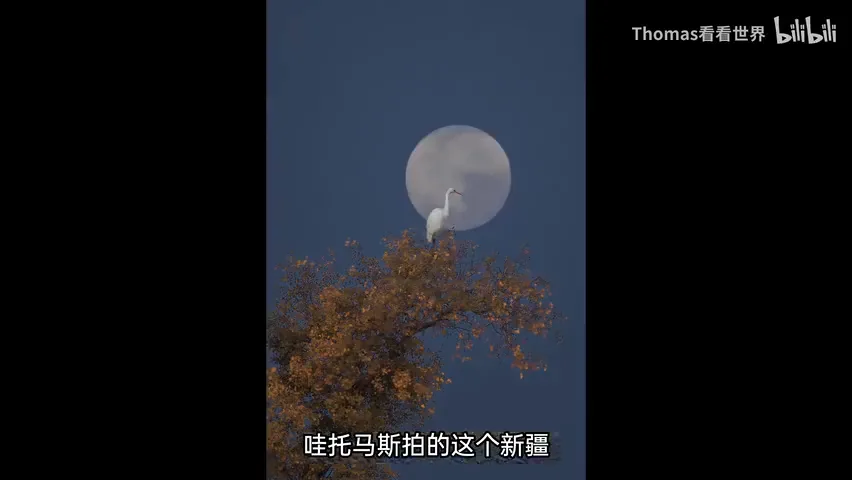
Concretely: the reaction you want is not just "wow, Iceland is gorgeous" or "what a beautiful Guilin", but "how did Max Rive make Guilin look so magical?" (at 4:43 in the video), "Thomas's Guilin has that telephoto eye of his", "Thomas's Xinjiang is unmistakably his" (at 4:54 in the video). Fold your own perception and subjective emotion into the landscape, and what people see is no longer a raw landscape but a new one, re-created through your observation, thinking, narration and presentation (at 5:17 in the video) — the second trend Thomas believes in.
05 Direction Three: Deep Features and the Yellow-Border Spirit
The third way forward is the traditional deep feature — especially landscape photography that engages with its era — and it will not disappear (at 5:24 in the video). Short video owns immediacy and breadth, but slow, narrative-rich feature storytelling keeps an irreplaceable value of its own. As for National Geographic itself, Thomas believes that whatever its prospects, a brand this large can keep operating for the long run.
More important is the spirit behind the little yellow border: humanity's challenge of the unknown, its exploration of nature, its constant discovery and understanding of new things (at 5:56 in the video). That spirit will live on in human society forever. As technology advances there may be no National Geographic one day, but there will be Planet Geographic, Interstellar Geographic, Cosmic Geographic (at 6:16 in the video) — the human spirit of exploration knows no end.
1. The shutdown is a misreading: National Geographic only left US newsstands and turned staff writers freelance, yet circulation has fallen from a peak of 12 million to roughly a tenth; 2. Three headwinds explain the slide: social media, aesthetic fatigue with nature's icons, and the diversion of attention to short video and AI images; 3. Three ways forward for nature photography: run your own video channel, build a personal signature, and craft era-engaged deep features; 4. The exploratory spirit behind the yellow border never ages — someday it may be Interstellar Geographic's turn.
HD video:
https://www.bilibili.com/video/BV1d14y1d7oN/
Scan the QR code above or click "Read More" at the end of the article