Photography Tutorial · 2017-07-02
Some New Photos and Thoughts
In the first half of this year, I was busy writing various tutorials and a new book, so I basically didn't travel far to shoot. Only in the last two weeks did I finally go to Indonesia, living a pure life of eating, sleeping, shooting, and retouching every day.
Today's article mainly showcases some new photos from this Indonesia trip, their shooting processes, and my own thoughts.
"The Traces of the Sea" (《大海的痕迹》)
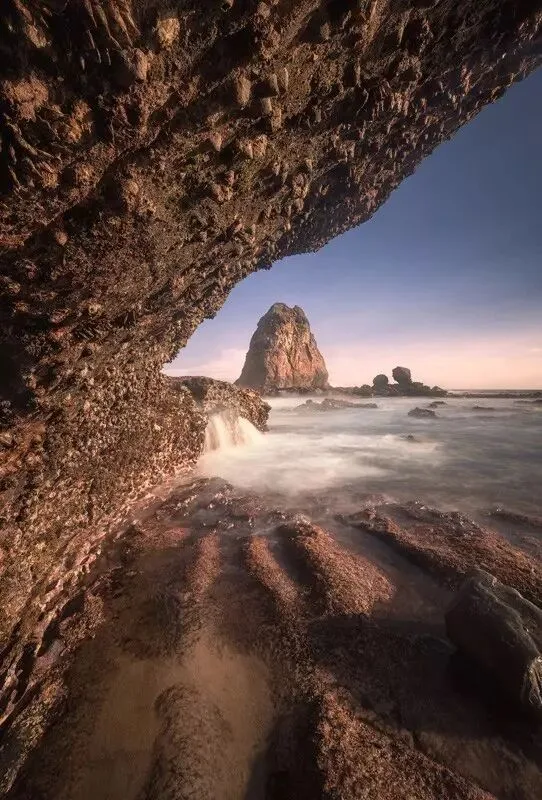
Lately I've been repeatedly studying the works of masters like Marc Adamus and Max Rive. One of their strong abilities is discovering novel foregrounds, making the perspective of the whole photo distinctive.
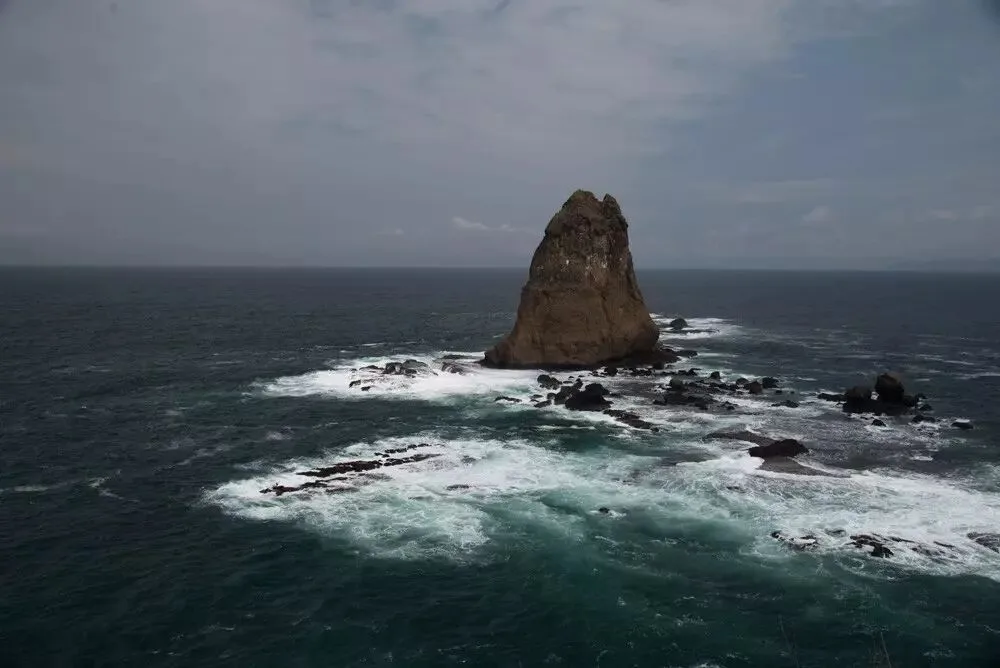
The ordinary view of this rock is just such a typical beach scene.
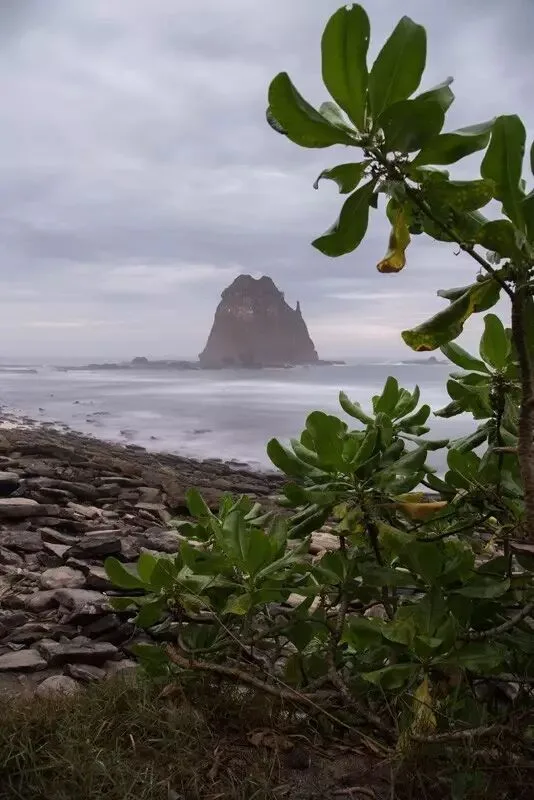
However, I spent half a day carefully searching around the beach, hoping to discover some novel compositions. I first found some shrubs.
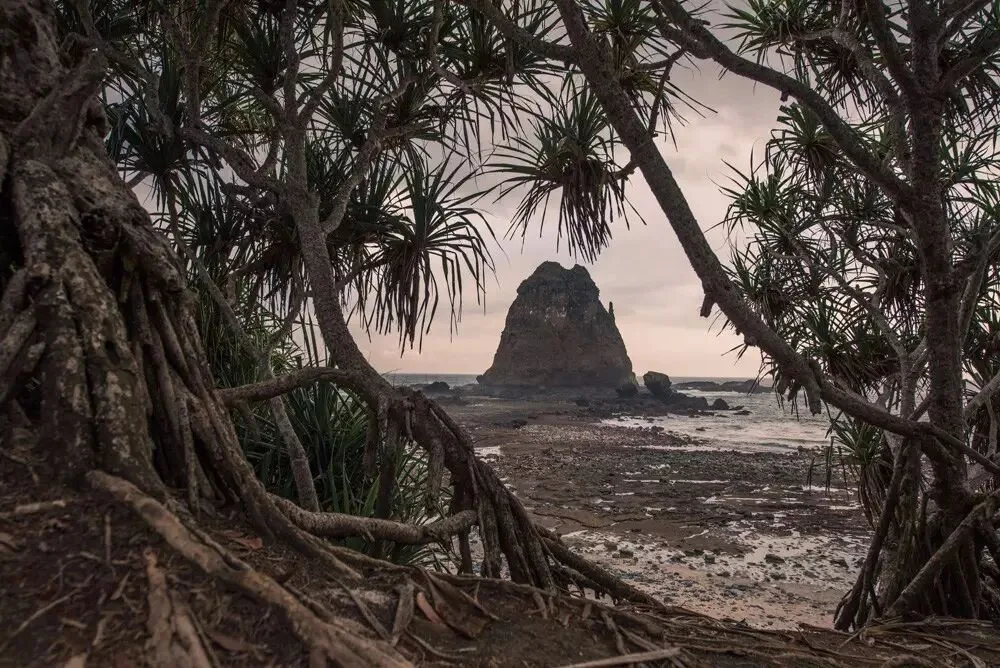
And some oddly shaped trees.
Later, I also spotted a tilted rock by the sea, where waves occasionally rushed over the stone, creating a waterfall-like effect.
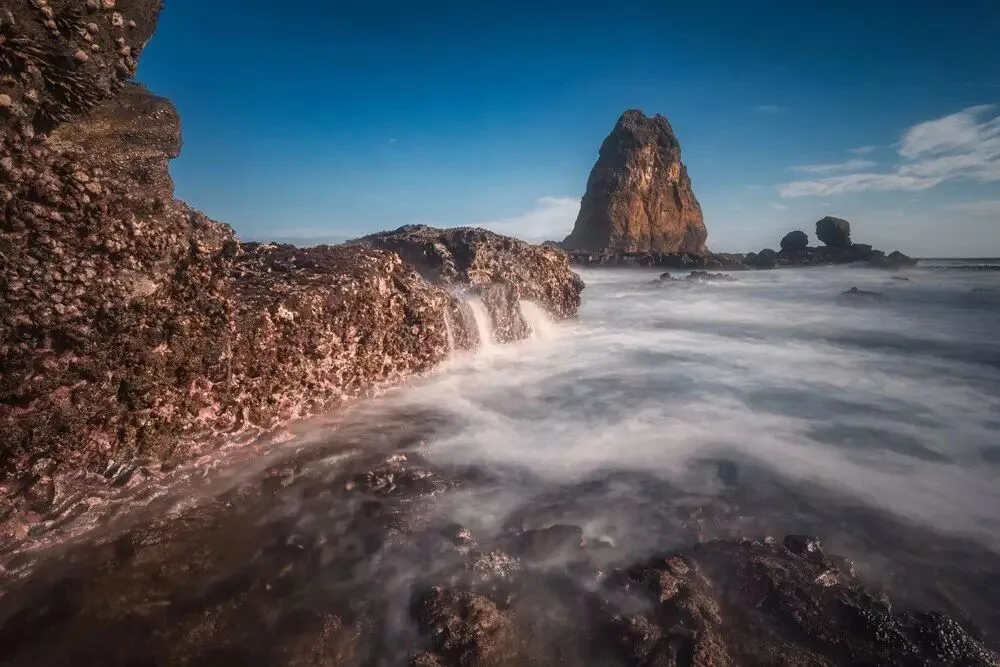
If I shot close to the tilted face of the rock, it might produce some very dramatic effects. The rock's slope was only about one meter tall, so I had to stuff my tripod inside and use the D750's tilting screen to focus and operate.
The nearest foreground here was only 0.2 meters away. If I focused on the distant rocks, the foreground would blur; if I focused on the foreground, the background would blur.
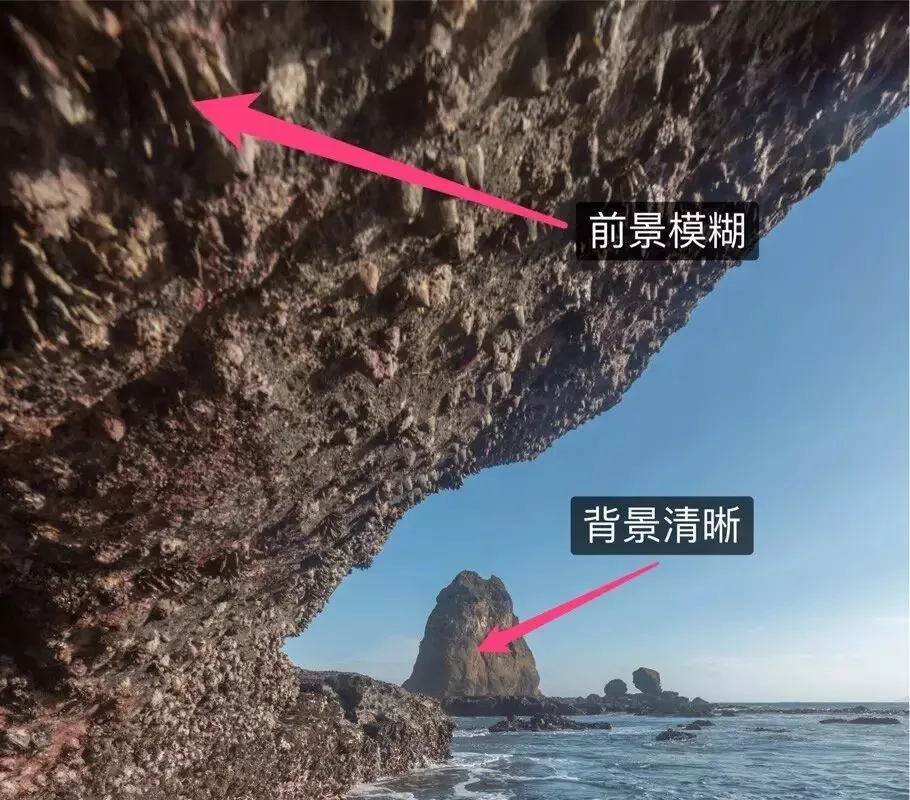
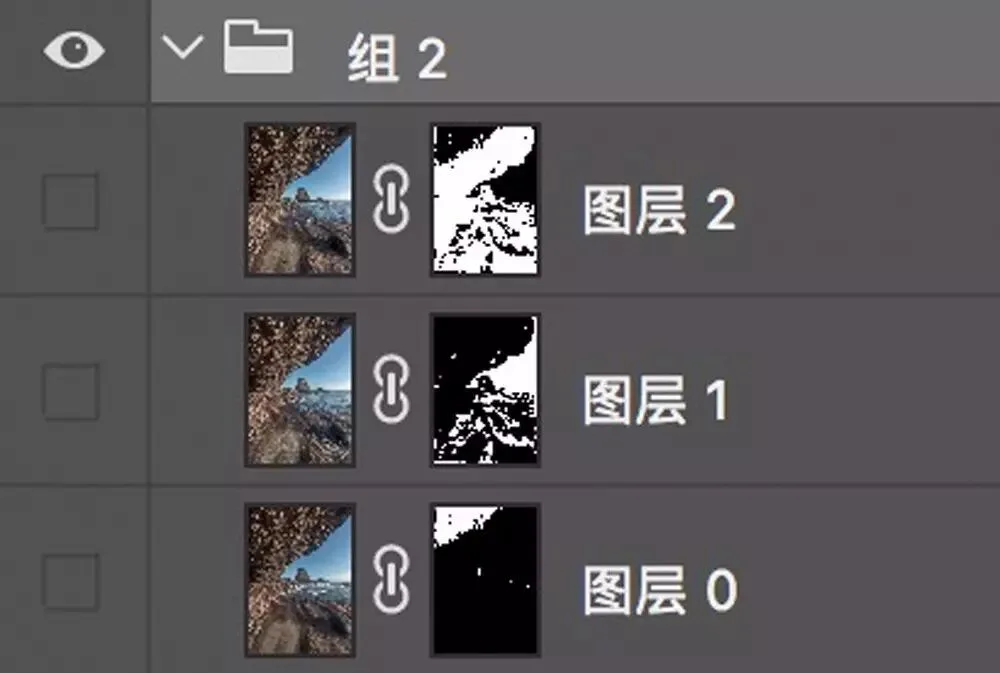
So I had to adjust focus manually, shooting 3 consecutive frames from 0.2m, 0.5m to infinity, then doing automatic focus stacking in post. The regions each of the 3 photos contributed during focus stacking.
After focus stacking, the clearly visible spray and foam didn't look good, so I put an ND1000 neutral density filter in front of the lens and shot slow-shutter waves.
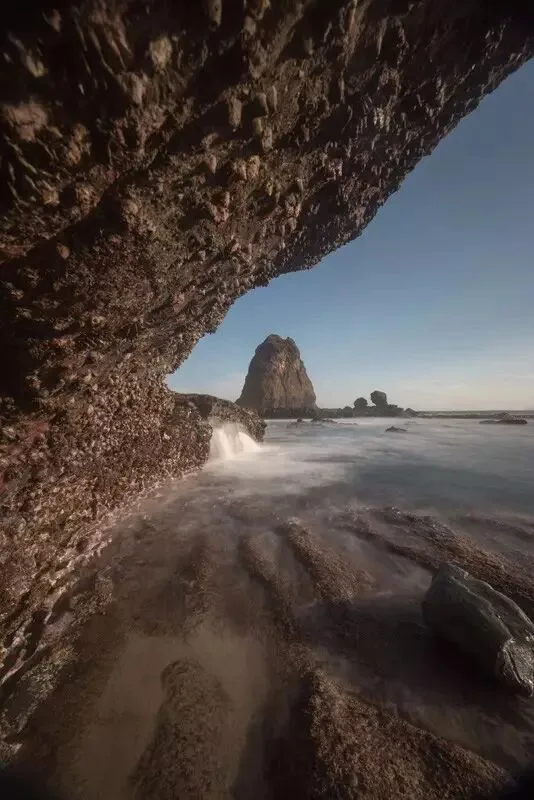
Finally, I blended them together with masks — the result after color grading.
"Return to the Jurassic" (《重返侏罗纪》)
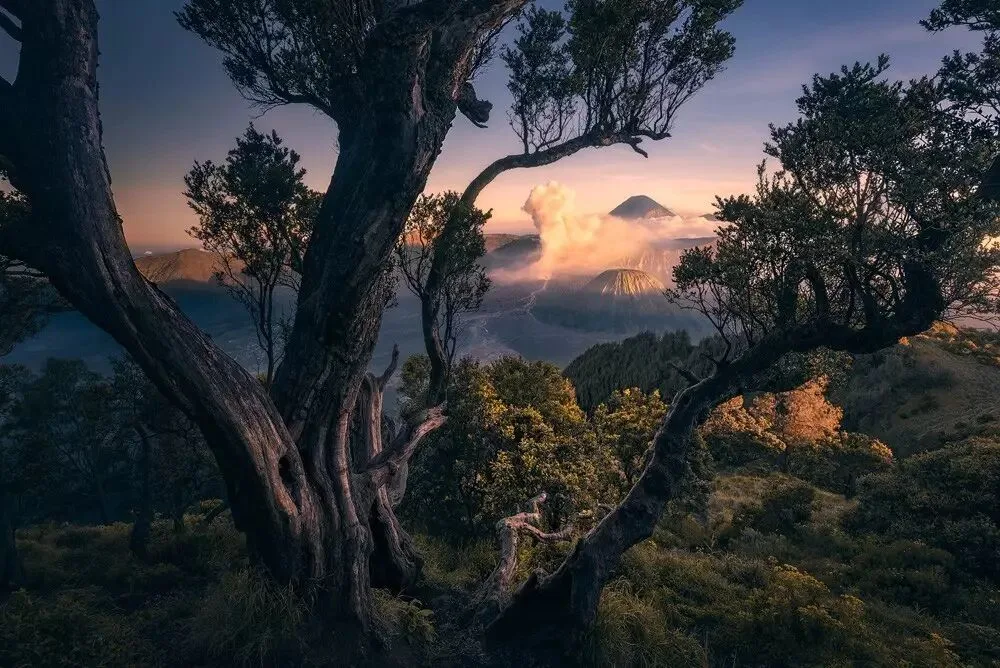
I'd visited Mount Bromo in 2013, and also shot a classic Bromo sunrise from the viewing platform back then. But on this overcrowded platform, thousands of photos with the same composition are produced every day — not much novelty.
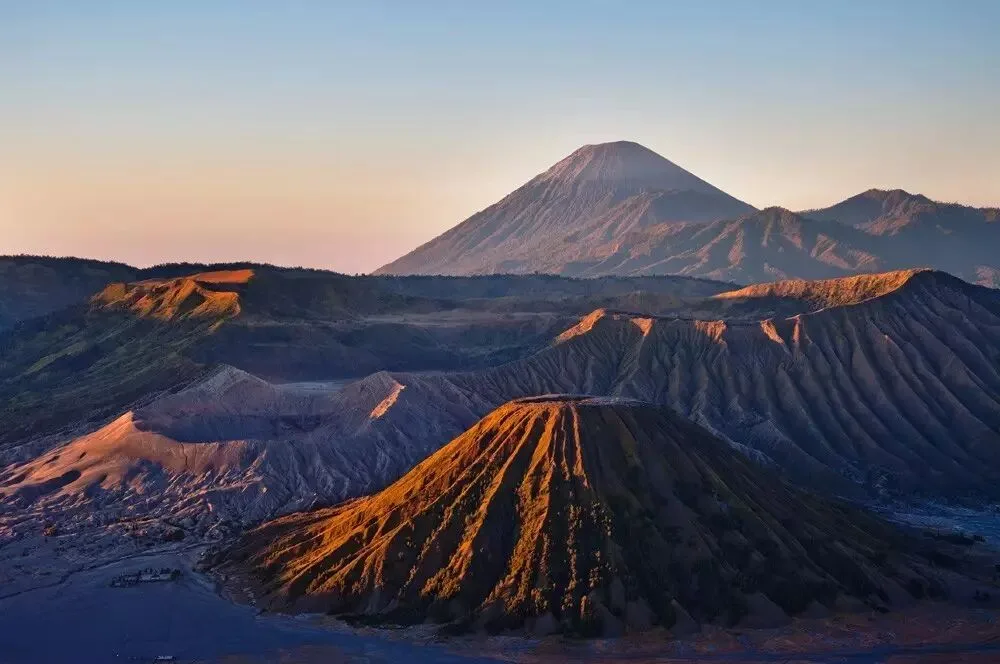
So on this trip, I stayed 5 days at Mount Bromo, carefully scouting the mountain's front slopes and finding many trees, flowers, and plants that could serve as foregrounds.
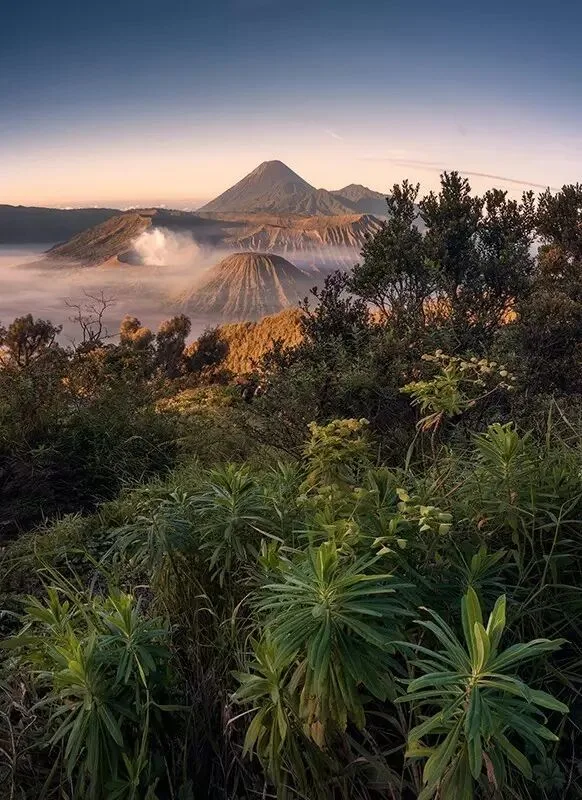
The tree in this photo is undoubtedly the most uniquely shaped. Combined with the volcanic sand terrain of the distant Mount Bromo and Mount Semeru, it repeatedly makes one feel transported back to a primordial era, or teleported to the moon.
Later, when exchanging opinions with other AdventureX team photographers, You Shen pointed out that although the horizontal composition featured a uniquely shaped tree, it also brought in unnecessary shrubs and sky, and the volcano occupied too little of the frame. He proposed a vertical crop. I also felt this composition better highlights the majesty of the distant volcano.
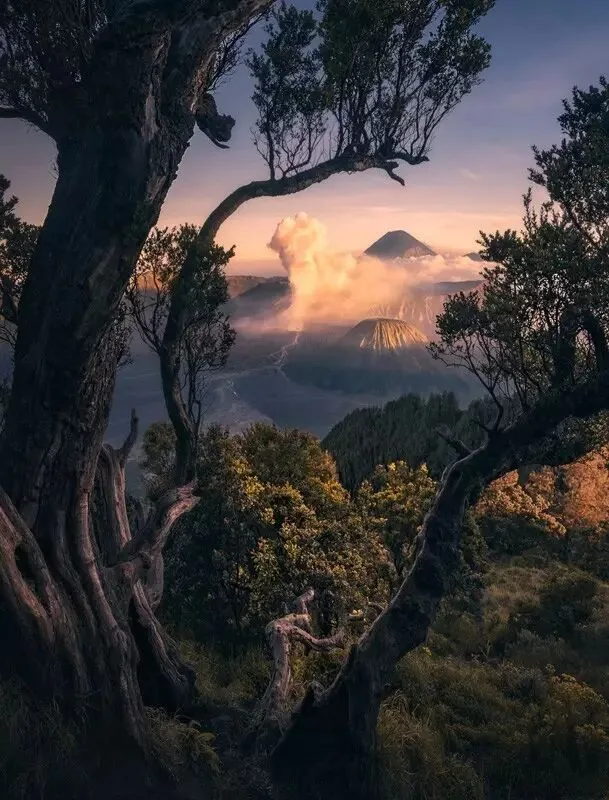
Which composition do you prefer? Feel free to share your thoughts in the comments section~~
"The Texture of the Earth" (《大地的纹理》)
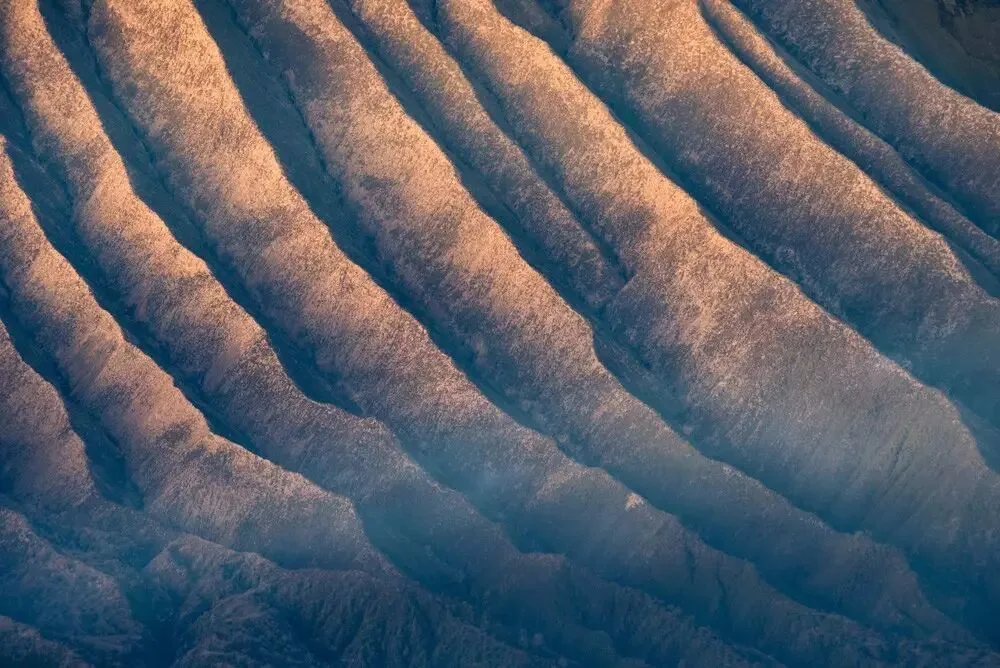
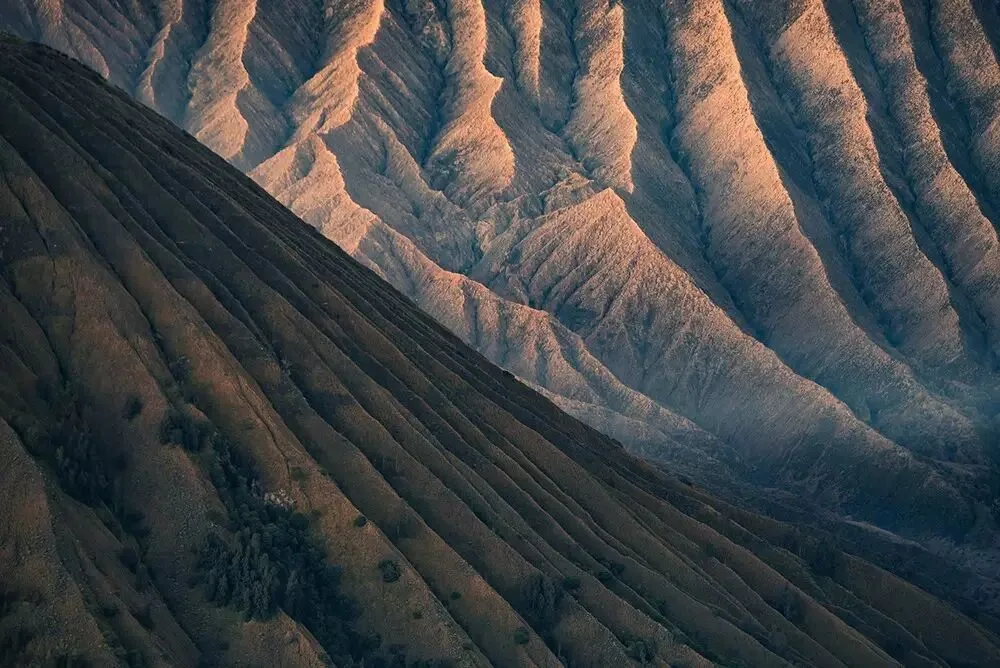
To shoot distinctive photos at popular spots, besides searching for different foregrounds, you can also use a telephoto lens to focus on easily overlooked scenes rich in texture, materiality, and atmosphere.
"Dreamlike Rocks" (《梦幻礁石》)
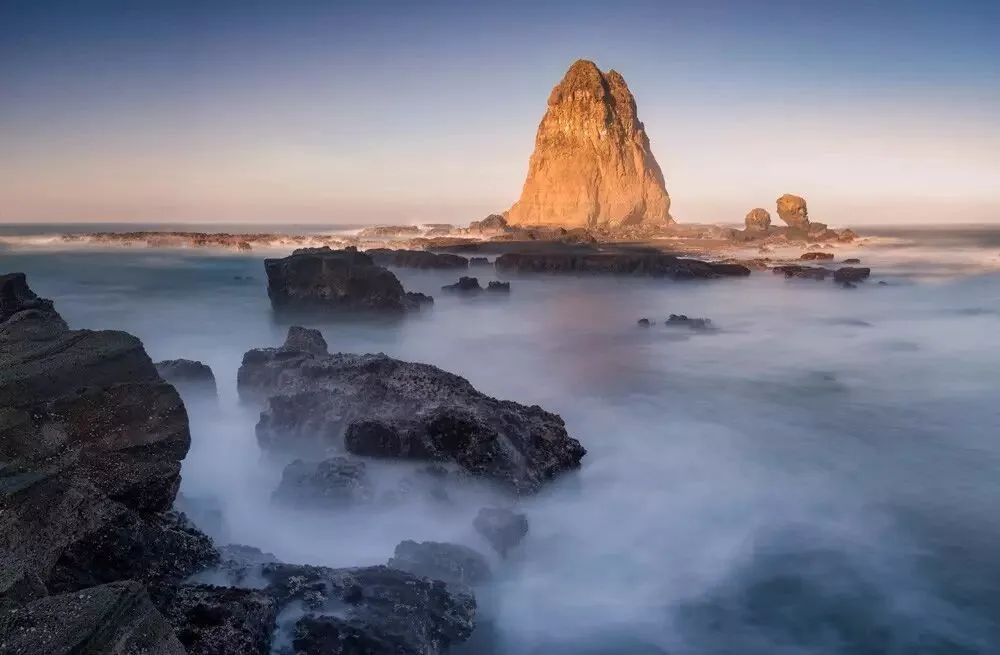
Scenes like this, with many rocks standing in the waves, are especially suited to ultra-long exposure, fogging the entire sea surface. The warm colors of the distant rocks at sunrise also contrast nicely with the cool-toned sea in shadow.
"Sea Waterfall Bay" (《海瀑湾》)
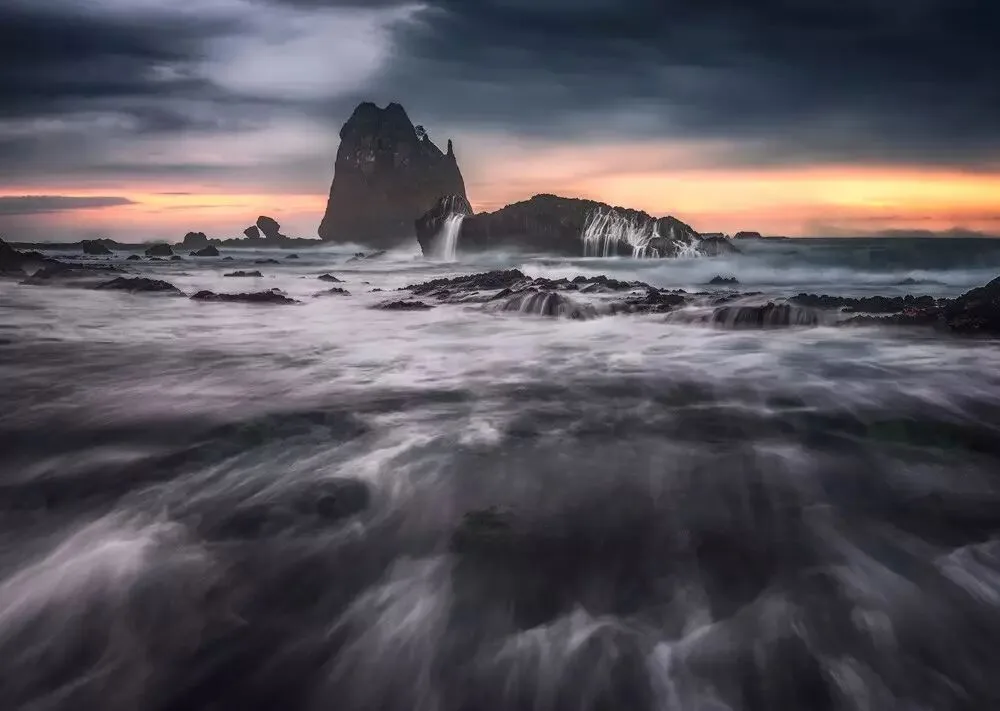
Besides fogging the sea with ultra-long exposure, you can also create silky streaks with shutter speeds of 1/3-1 second. Long-exposure fogging is actually an effect that makes the photo calmer, while sea streaking is better suited to conveying dynamic scenes.
"The Moon and Stars Competing in Brilliance" (《星月争辉》)
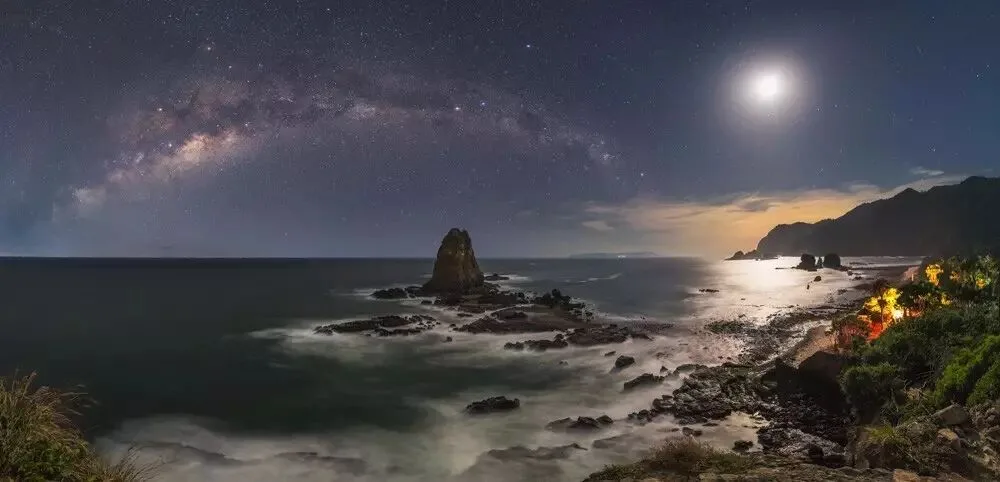
A 2-row horizontal stitch at 14mm focal length, capturing both the moon and the Southern Hemisphere's Milky Way arch. The stars and moon were shot with the same exposure settings: ISO 3200, 30s, f/2.8.
In reality, the tail of the Milky Way was directly above the rocks at the scene. But to keep the final composition from including the many weeds on the left, and to balance the frame, I selected the Milky Way in post and shifted it slightly to the right on its own.
Since it was a few days around the new moon, the moon was actually only a thin sliver; it only became a circle through severe overexposure. The dim moonlight also made it possible to record the starry sky simultaneously. For noise reduction, I used Nik Dfine 2's automatic noise reduction (see "A Noise Reduction Marvel Better Than PS - The Nik Dfine Plugin").
"The Wrath of the Sea" (《大海之怒》)
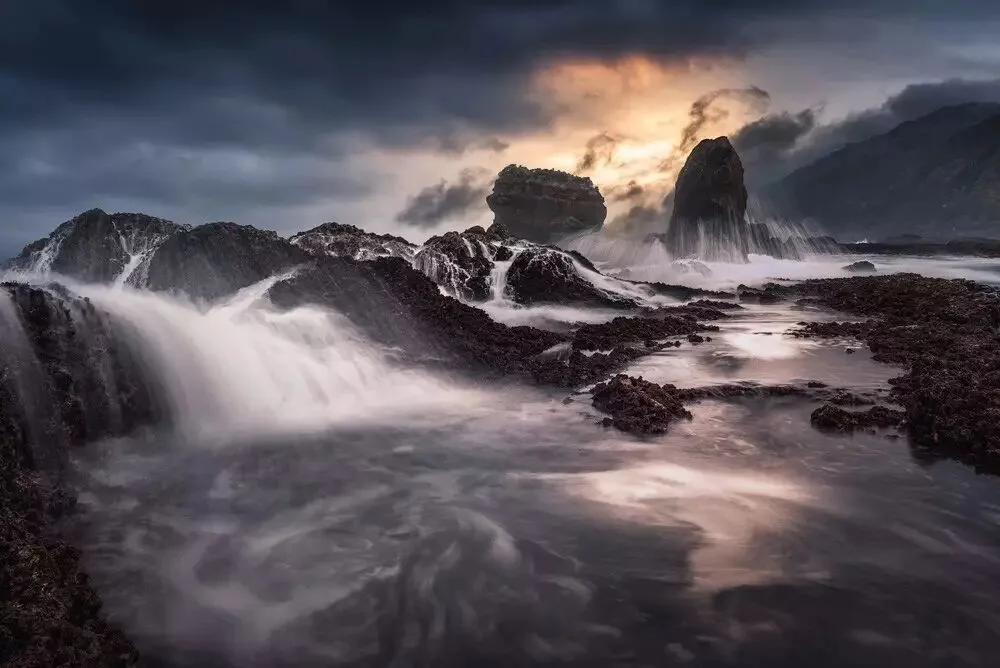
Another sea-sweeping streak photo. When waves crash against rocks and flow back down, they look like waterfalls under long exposure — a very peculiar scene. Since the dynamic range was very large, this one also required separate exposures for the sky and the waves, then compositing in post.
Those are some of Thomas's shares and thoughts today. I'm heading into the mountains to shoot again soon. For more photos from this Indonesia trip, everyone is welcome to follow my Tuchong: https://thomaskksj.tuchong.com