Photography Tutorial · 2020-04-19
Dialogue with Landscape Photography Masters | Nicholas Roemmelt: Recording Expeditions with Photography
▲ Nicholas Roemmelt in an expedition
Landscape photography is so fascinating
Photographers use their lenses to present a world of breathtaking beauty
And those well-known
photographers who can be called masters
do they have unique growth experiences and pursuits?
So
I launched the "Dialogue with Masters" interview series
and will interview 10 top international landscape photographers
They have distinct styles and lead their era
with their own views and pursuits in photographic art
In these interviews
you'll learn about their more vivid sides
hear them tell of their adventures and inner journeys
and even their worries and decisions
as well as their unique insights into landscape photography
I believe everyone will benefit greatly
This is the 3rd interview in this series
divided into 3 chapters
featuring the renowned landscape photographer
Nicholas Roemmelt
Austria
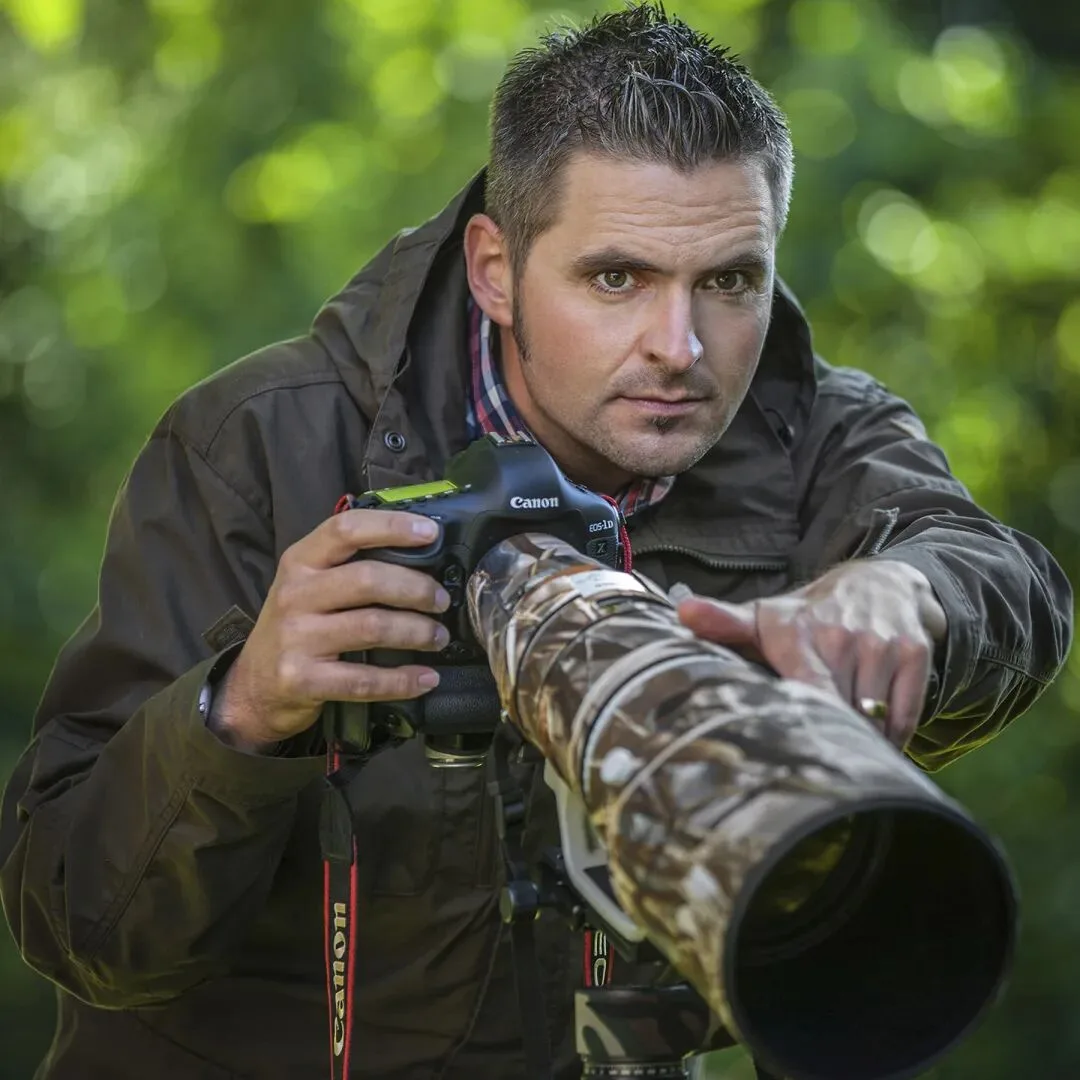
Let's now step into the photography world of Nicholas Roemmelt!
(All images used in this article were shot and authorized by @Nicholas Roemmelt. 8 extremely wonderful panoramic images — remember to view them in landscape)
- Meeting Photography -
Q
How did you connect with photography? And what made you eventually become a professional landscape photographer? Can you briefly introduce yourself?
Nicholas: "I'm a professional photographer, but to be honest, this isn't the whole of my career. I'm a dentist — I spend at least four days a week working with my wife (also a dentist) at my own dental clinic. Every Thursday night, after seeing my last patient, I often change into my gear and transform into a landscape and expedition photographer for the rest of the week. I do professional photography not out of a fantasy of making a living entirely from photography; it just supplements some extra income."
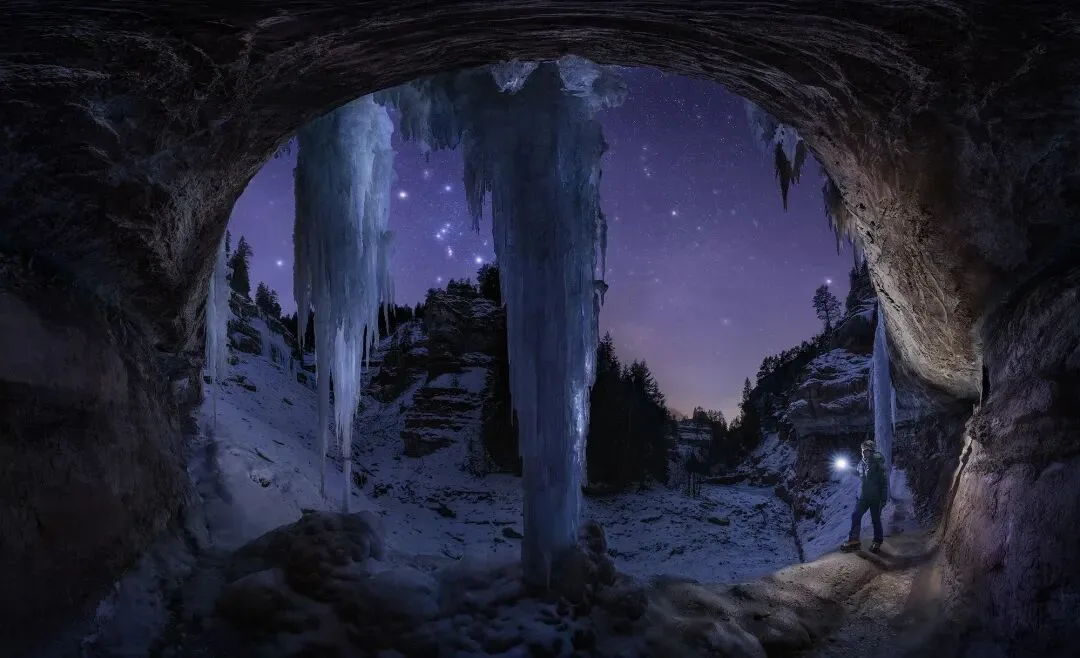
▼ South Tyrol, Italy
▼ South Tyrol, Italy
Q
Unlike the vast majority of landscape photographers, most of your works embody an adventurous spirit, often featuring scenes like rock climbing and ice climbing. Were these skills learned for photography, or...? Do you think these skills are important for photography?
Nicholas: "Long before I became a photographer — even before I ever thought about photography at all — I was already a 'climber' and outdoor enthusiast. When I'd just learned to walk, I was already hiking in the mountains of Germany and Austria with my father, so I didn't need to learn these skills for photography. I took up photography only to record and bring home my experiences from hiking, climbing, and kayaking expeditions, and I never imagined this interest would change my original intention.
If you plan to shoot in the mountains, of course the most important thing is to know what you're doing, to understand the potential risks, and to know how to find the best position. Today, too many photographers start hiking for the sake of shooting, but for me it's completely the other way around... I'm a 'climber,' so I picked up a camera."
▼ Tyrol, Austria
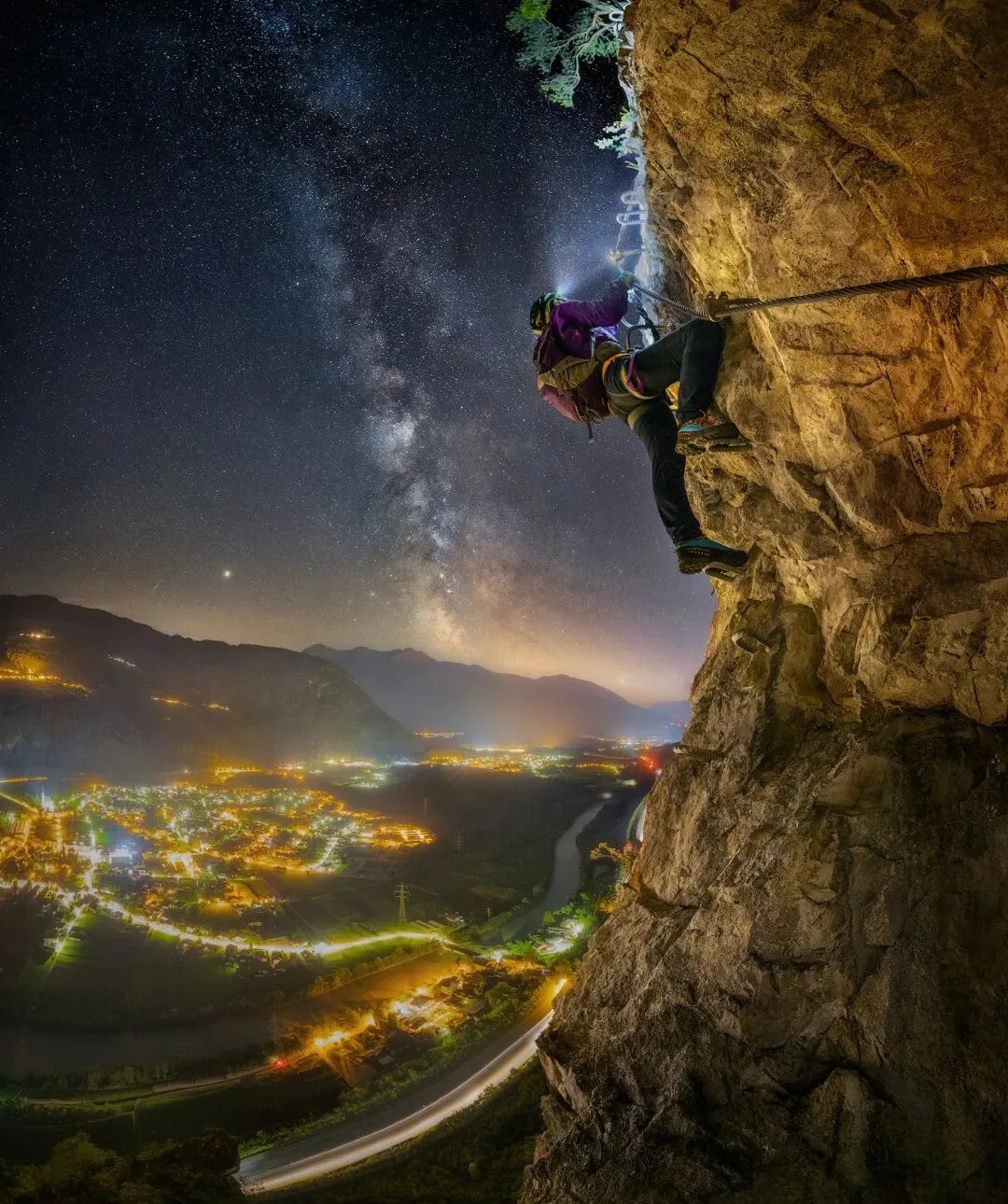
▼ South Tyrol, Italy
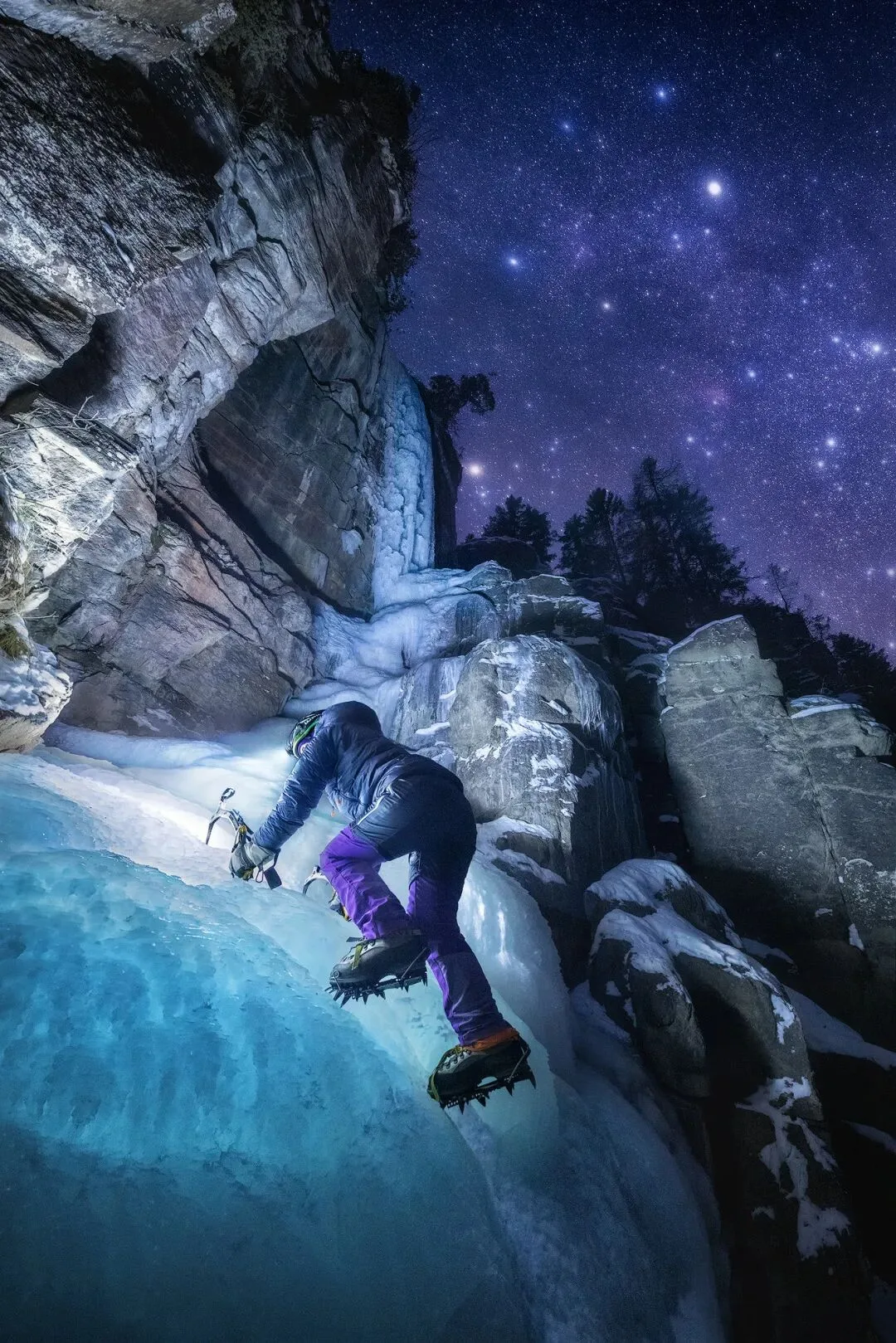
- Along the Creative Journey -
Q
Before each creative session, what preparations do you make to make your works better?
Nicholas: "I've never made elaborate plans to make my works better, nor am I saying I've already memorized the routes. I just want to pour all my heart, sweat, and tears into the journey of exploration and record these moments. Planning and searching for a possible exploration spot is the most important part of my creation, and when you explore in a remote mountain area, you must always watch out for any possible trouble — safety always comes first!"
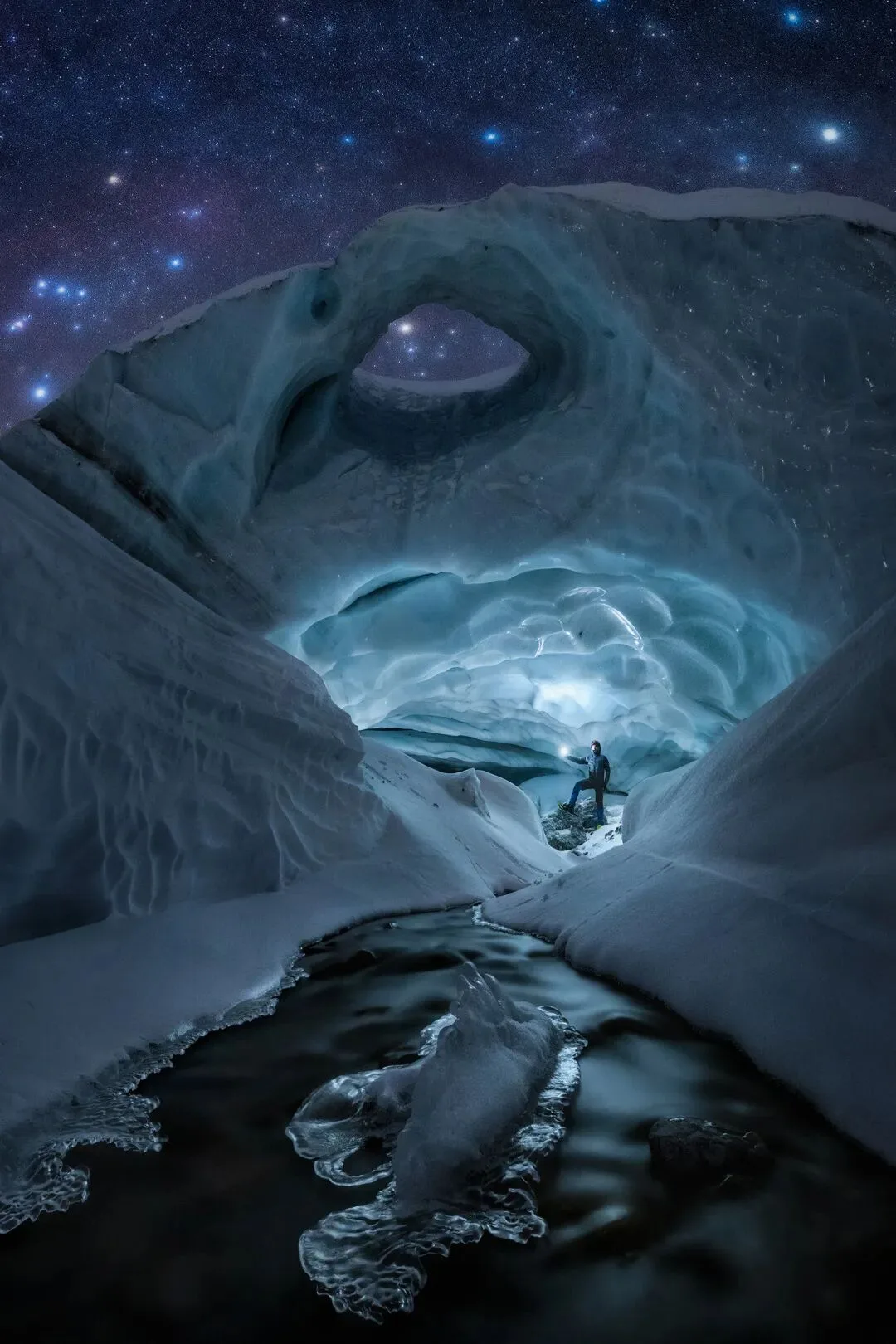
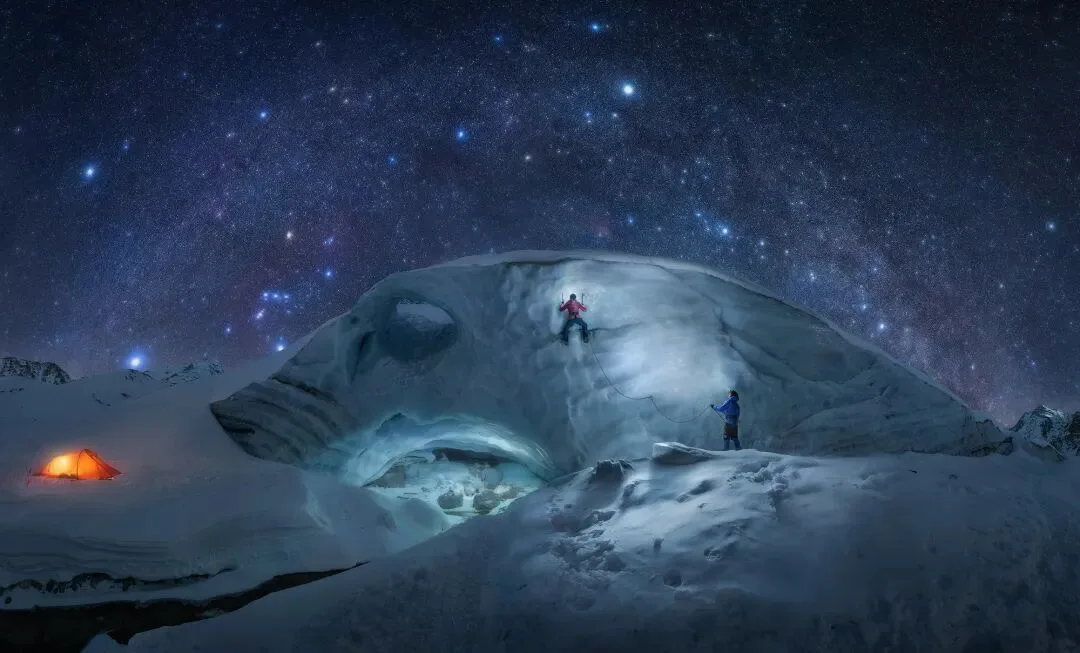
▼ South Tyrol, Italy (note the figure in the image)
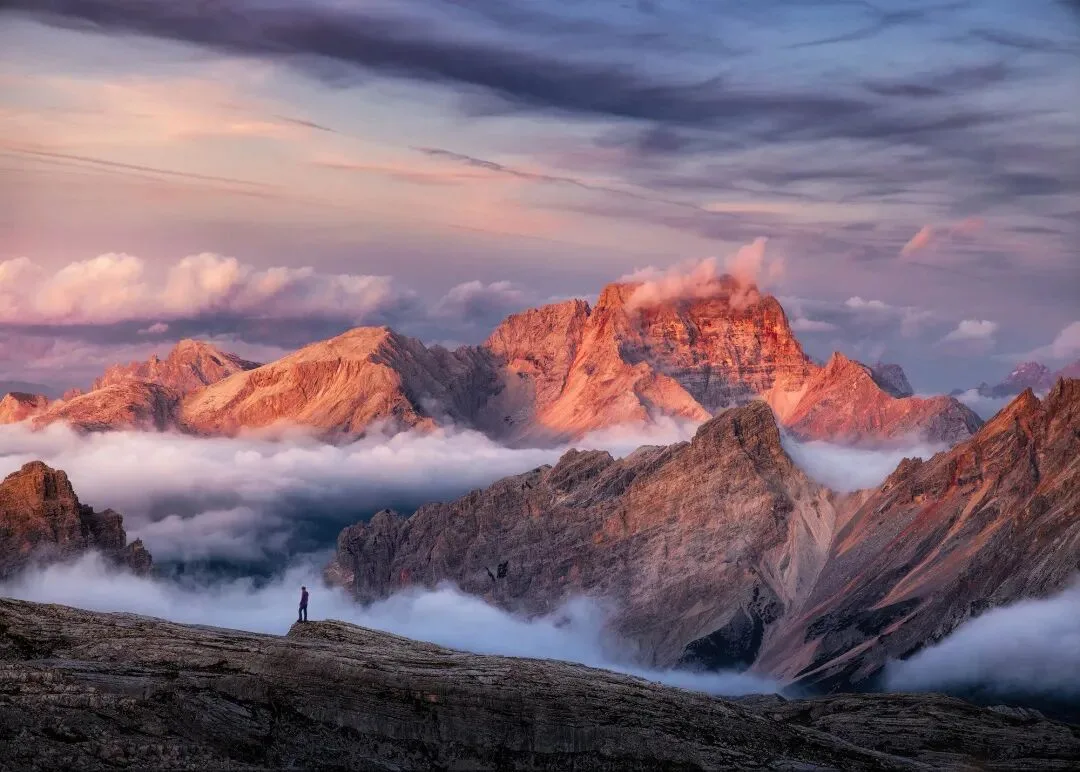
▼ Senja Island, Norway (note the figure in the image)
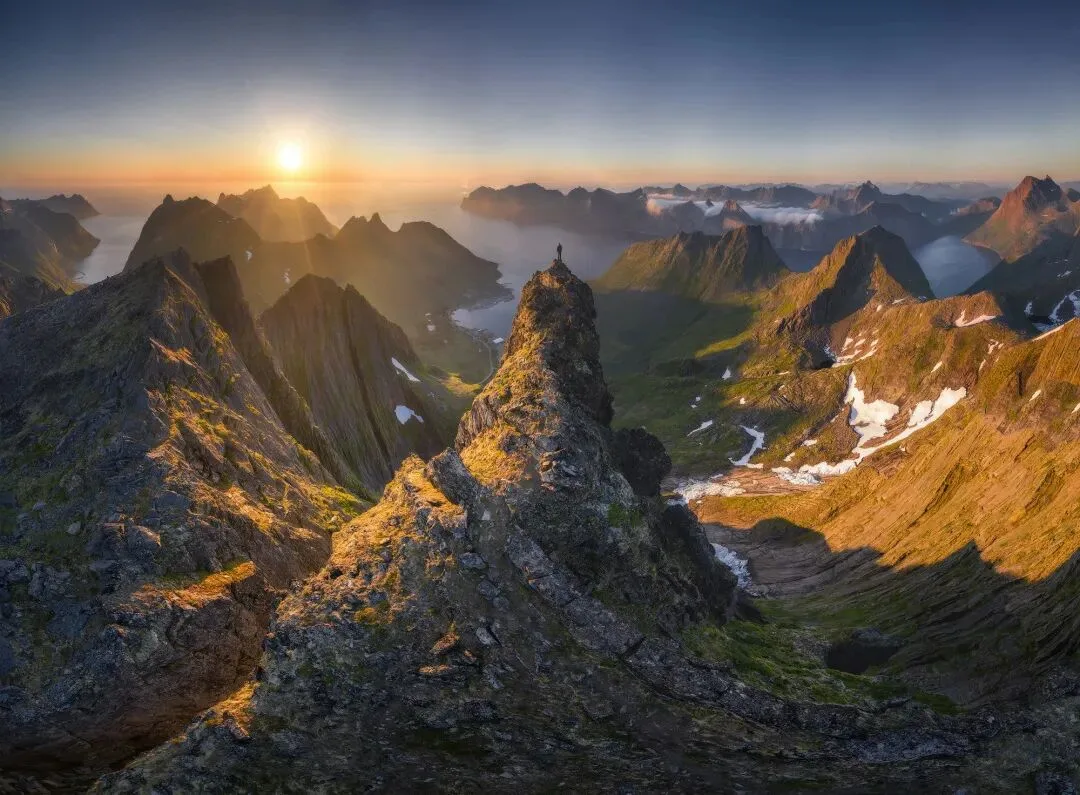
Q
You have many stunning works across various scenes, and most are completed with panoramic stitching. What would you like to share about panoramic photography?
Nicholas: "Being lighter and faster during exploration is very important. I never use a panorama head (too heavy) to shoot my panoramic works; I must keep my trekking load as light as possible. Camping in the mountains means carrying a tent, sleeping bag, sleeping pad, cookware, food, and many tools besides photographic equipment.
All my cameras are fitted with an L-bracket (100g), an extension plate (60g), and a leveling head (200g). That gives me everything needed to shoot a single-row panorama, and it's light enough. When a second row is needed for stitching, I just apply a simple little trick and complete it easily — very portable."
▼ The Dolomites, Italy (please view in landscape, note the figure in the image)
▼ Lofoten Islands, Norway (please view in landscape, note the figure in the image)
Q
You must have had many unforgettable experiences while shooting landscapes — are there any particularly memorable ones you can share?
Nicholas: "I've been fortunate to experience many unforgettable expedition moments, but I'd say the most dangerous one was in 2015. In August 2015, during the wildfire season, my wife and I came to Washington State. We were hiking in the mountains, and the nearest wildfire was dozens of miles away. The weather was clear, with no thunderstorm warnings, so we reached an excellent viewpoint and saw huge plumes of smoke from a raging wildfire far in the distance. Just as we were about to set up camp for the night, I suddenly had an instinct telling me to get out of there quickly... I can't describe the feeling, and I've never felt such fear again. The weather was calm, the sun was bright, there was no storm warning, and no nearby wildfire threat — but I just wanted to leave quickly... as fast as possible... Everything around was dead silent, not even a single birdcall... I told my wife, 'I don't know why, but I have a feeling we must leave, right now!'
We hurried back to the parking spot, which required several hours of hiking, and then we still needed to drive 30 minutes on a gravel road to get back to the highway... Just 30 minutes before we reached the parking spot, smoke suddenly billowed out of the valley, and soon thick smoke surrounded us — we couldn't even see our own hands. We coughed violently, and the smoke burned our eyes unbearably. If I hadn't had a GPS device with me, we might never have made it back to the car. Once we got in, I floored the pedal and sped toward the highway. When we reached the highway, we could see flames raging just a few meters from the roadside. Though sunset was still hours away, we were enveloped in darkness.
We sped back to Winthrop, but saw that local residents had already begun emergency evacuation... So we drove out of the danger zone as fast as we could, just in time. Hours after we left the warning area, the wildfire crossed the highway, sealing off where we'd been. Days later, we learned that 3 firefighters had died in that Twisp River wildfire."
▼ Nordland, Norway
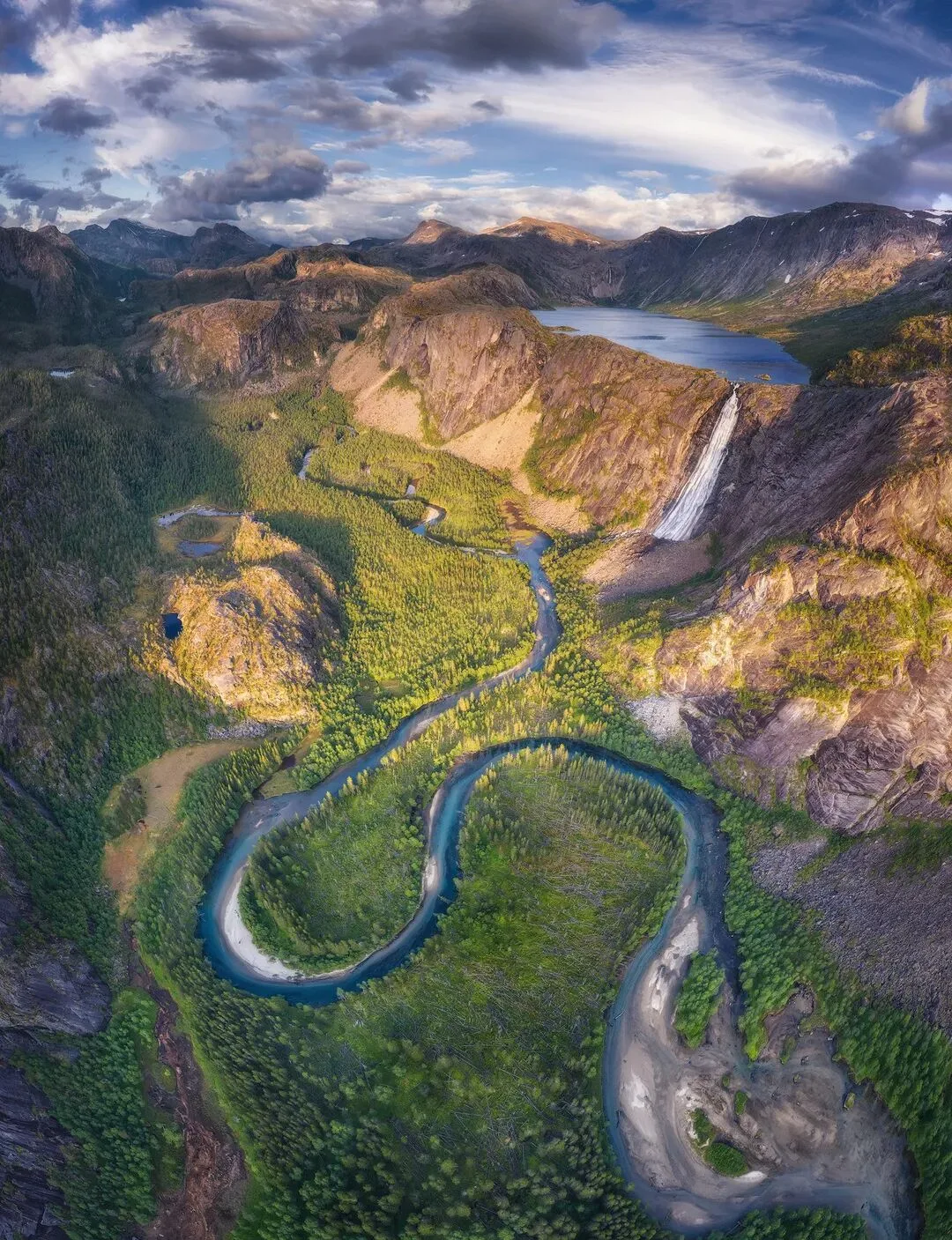
▼ Nordland, Norway
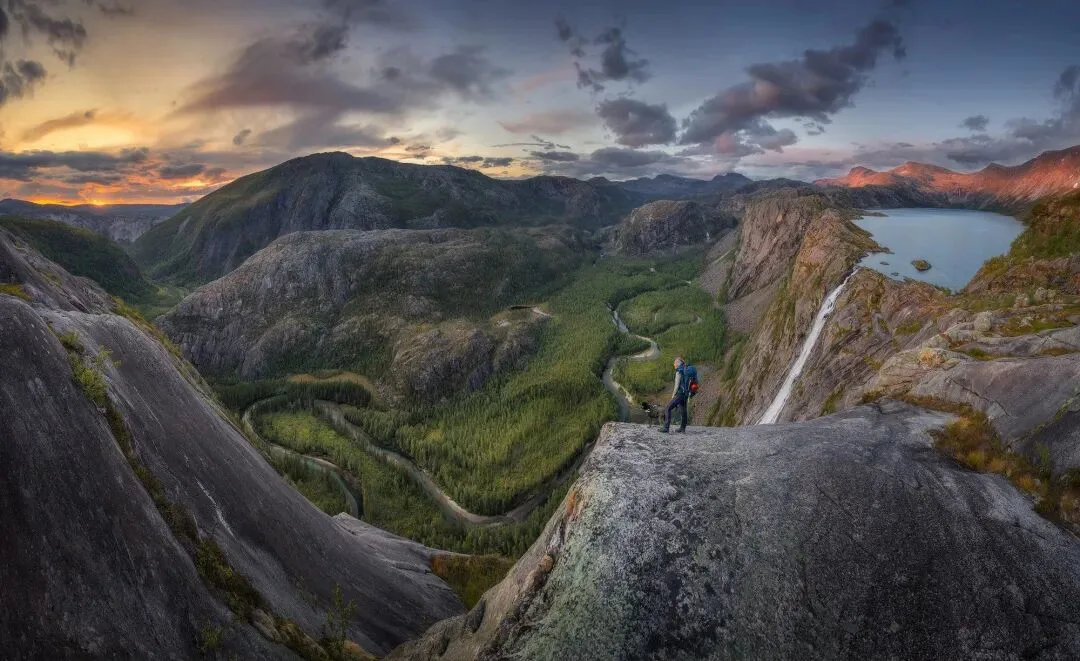
Q
What gear combination do you most often bring on each trip? It's a basic question, but I think many people care about it.
Nicholas: "I'm a loyal Canon user; I've never thought of switching systems, nor have I mocked Canon cameras' flaws like many people do. Cameras are just tools for work; they're made to be worked — through wind, frost, rain, snow, and desert heat, my gear has never failed me. Now I use a Canon EOS R, EOS 6D, and many Canon L-series lenses (red-ring) plus Sigma Art series lenses. I've sold my Canon EOS 1D X Mark II and am always ready to buy the much-anticipated Canon EOS R5.
For my panoramic photography, by day I often use my favorite Canon EF 11-24mm f/4 L lens, and when I stand beneath a sky full of stars or enjoy the 'green goddess' performance (meaning shooting the starry sky or auroras), I use the Sigma 14mm f/1.8 lens."
▼ The Dolomites, Italy (please view in landscape)
▼ Senja Island, Norway (please view in landscape)
- The Path of a Master -
Q
Your works have a very distinctive personal style. As mentioned earlier, you often use panoramic stitching. Why did you form this shooting habit and technique, and what was the inspiration? On the road to developing a personal style, what advice would you give everyone?
Nicholas: "Panoramic photography is my 'photographic language.' Whenever I stand on a mountaintop, I'm always in awe of the scenery and colors around me. A single photo can hardly tell 'the whole story,' especially when viewers have never been there — but a panoramic photo can come closer to that scene.
In my view, an important point for landscape photographers is to find your personal style at some point. Never imitate others' styles — you can be inspired, but don't imitate! Many excellent photographers constantly inspire me, whether now or in the future, but I've never tried to imitate them. I've always wanted to tell my own story, and the premise of all this is to first find your own positioning.
When you first start photography, going to some famous shooting locations helps you rapidly improve your technique, because hundreds or thousands of photographers have shot here before you, so you can easily find the best composition. But just as a famous Michelin three-star chef eventually reaches a point in his career where he no longer needs to follow recipes, to stand out you must find your own style and positioning."
▼ Senja Island, Norway (please view in landscape, note the figure in the image)
▼ Lofoten Islands, Norway (please view in landscape, note the figure in the image)
Q
In recent years, landscape photography has shown a "fast-consumption culture" and "check-in culture." Many photographers travel to the same locations to reproduce the same compositions in imitation of masterworks. What do you think of this? And how do you think one can shoot truly original photos?
Nicholas: "As I mentioned above, I won't imitate others' styles, and I try not to go to locations that many photographers have already visited, because works created there lack novelty and the challenges a photographer should face. Of course, I've also been to some world-famous photography locations, but I've also been fortunate to visit many areas that remain unknown to this day. Now I avoid those famous spots and the crowds... As I said before, I never pursue seemingly successful photos that can be taken without effort. What I pursue is exploration, going outdoors, merging with nature and fully enjoying her beauty, and simply recording the wonderful things I experience along the way."
▼ Bavaria, Germany (note the figure in the image)
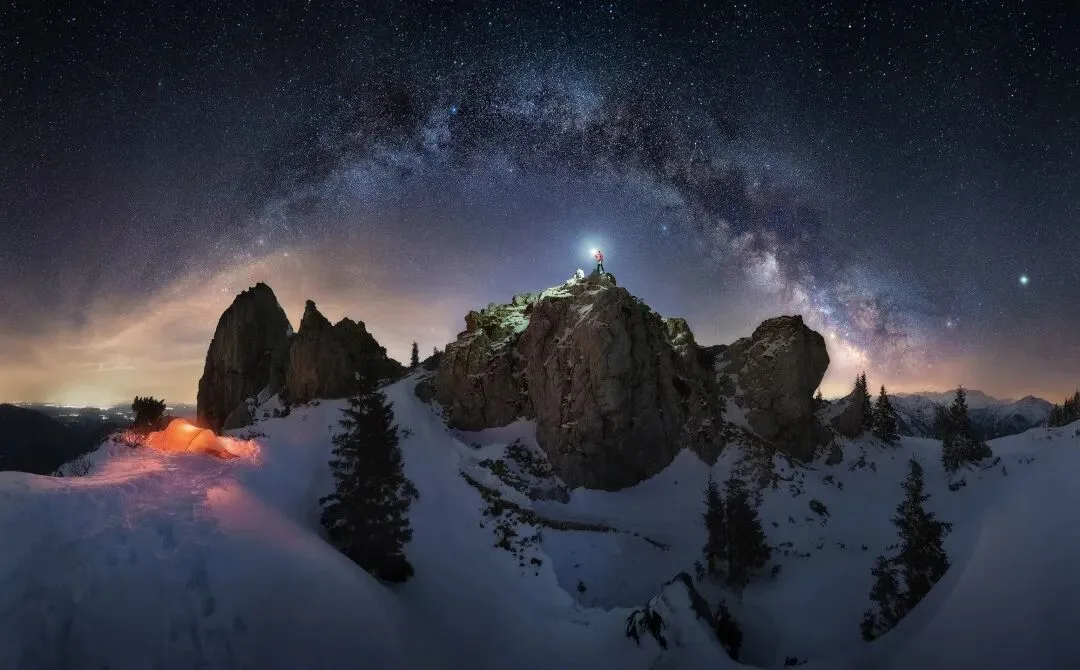
▼ Tyrol, Austria
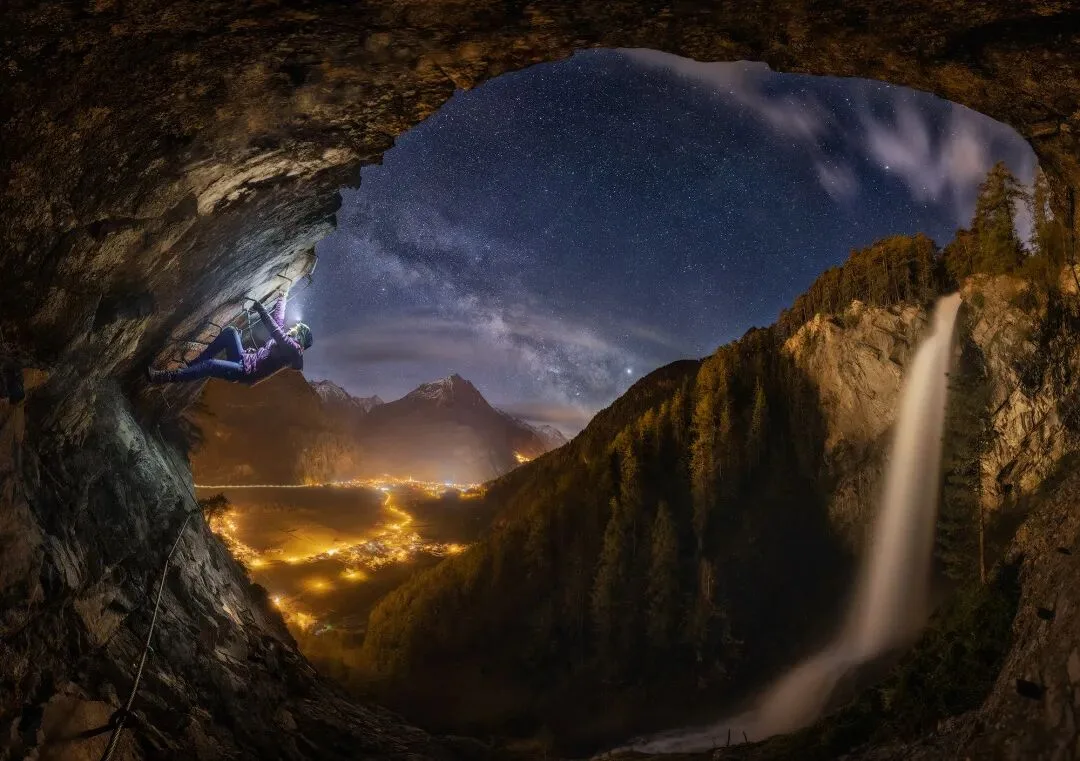
Q
How do you view your current works, and how will you create going forward?
Nicholas: "Alas, I've never been 100% satisfied with my photos, because they've never fully 'described' everything I witnessed and felt on site. So I keep striving to improve — learning new photography techniques to overcome technical flaws, making my works more artistic, enhancing my visual perception, and learning to 'listen' to nature's light and color... I've always believed that when you learn to 'listen' to nature and try to understand light, contrast, color, and so on, you'll gain deeper insights into landscape photography, rather than blindly pursuing the latest or most expensive gear.
If I truly had nothing more to learn in photography, I'd rather take up stamp collecting! So I'll keep going outdoors, exploring new areas, and discovering new scenes, even though my time as a dentist is very limited."
▼ South Tyrol, Italy
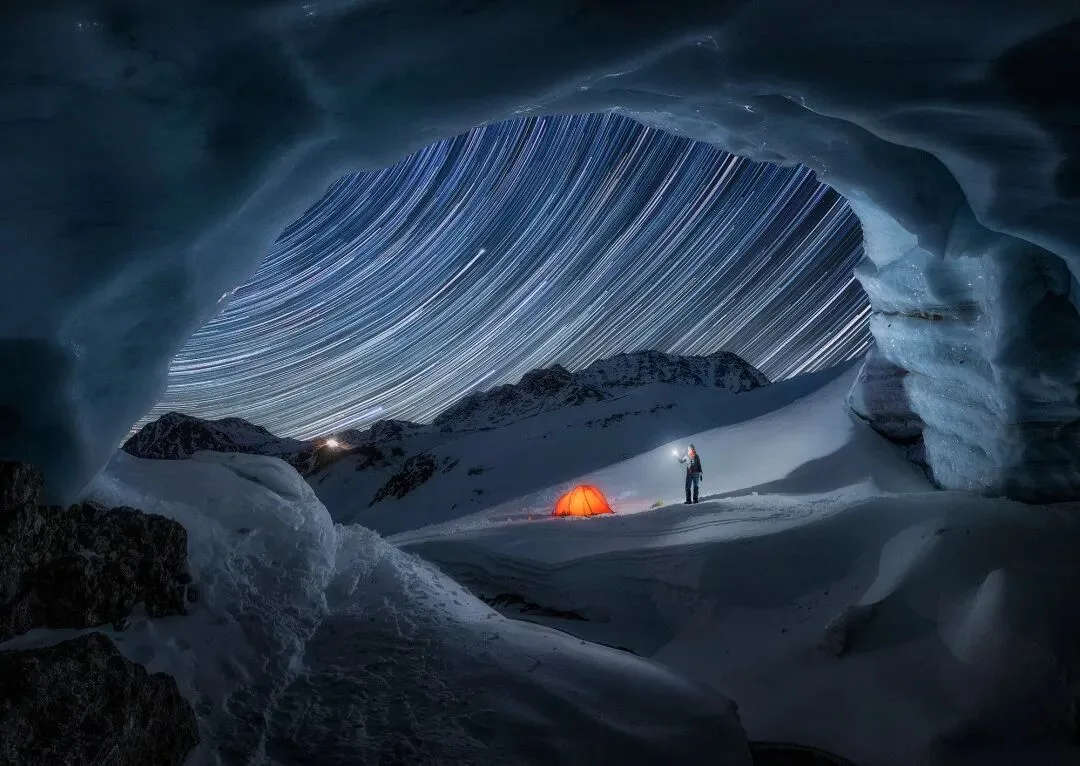
▼ South Coast, Iceland
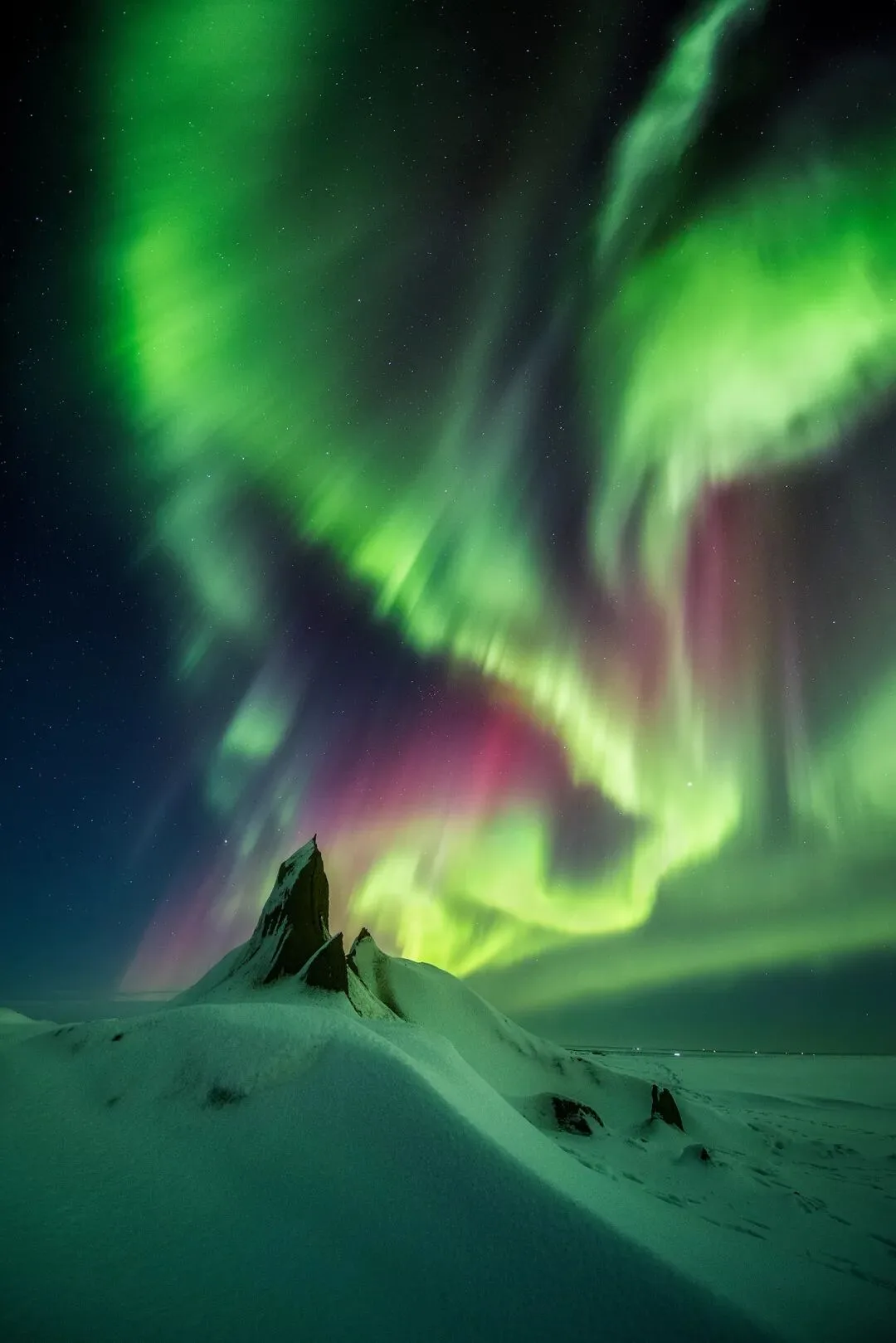
Q
Would you consider shooting in China in the future?
Nicholas: "Because my time for photography is very limited, I've always tried to explore around my home. Since I live in the heart of the Alps, I can step outdoors anytime, and without exaggeration, I can climb several mountains directly from my own yard, so I don't really need to travel to other remote parts of the world. But I'd very much like to go to China someday to see and photograph those amazing landscapes with my own eyes!"
▼ Tyrol, Austria
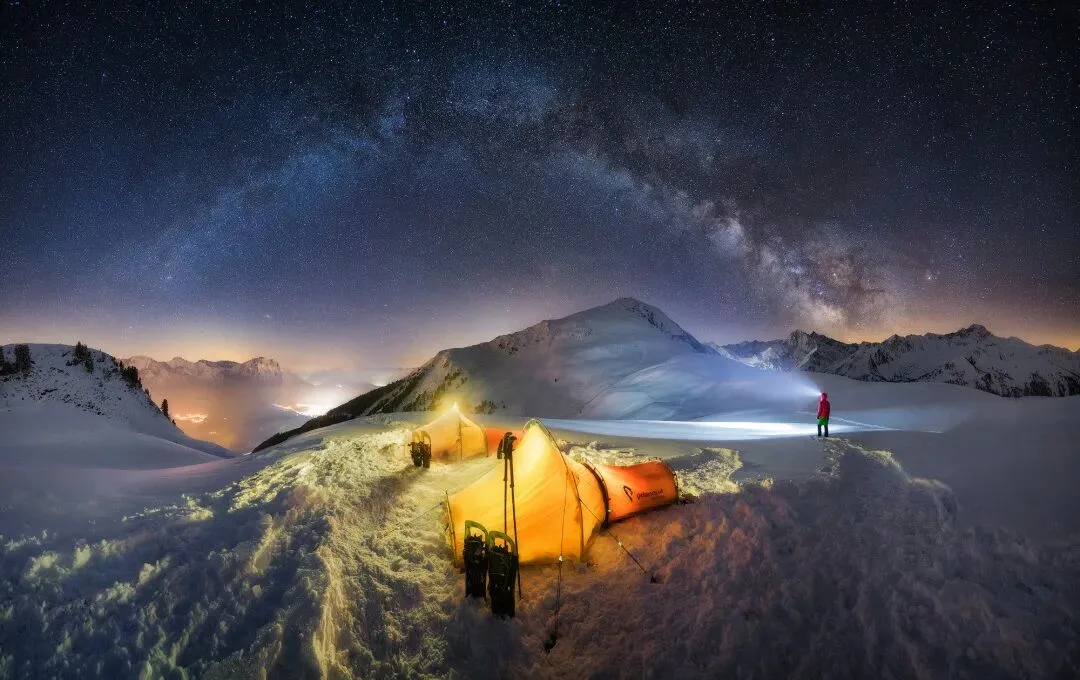
▼ Tyrol, Austria (note the figure in the image)
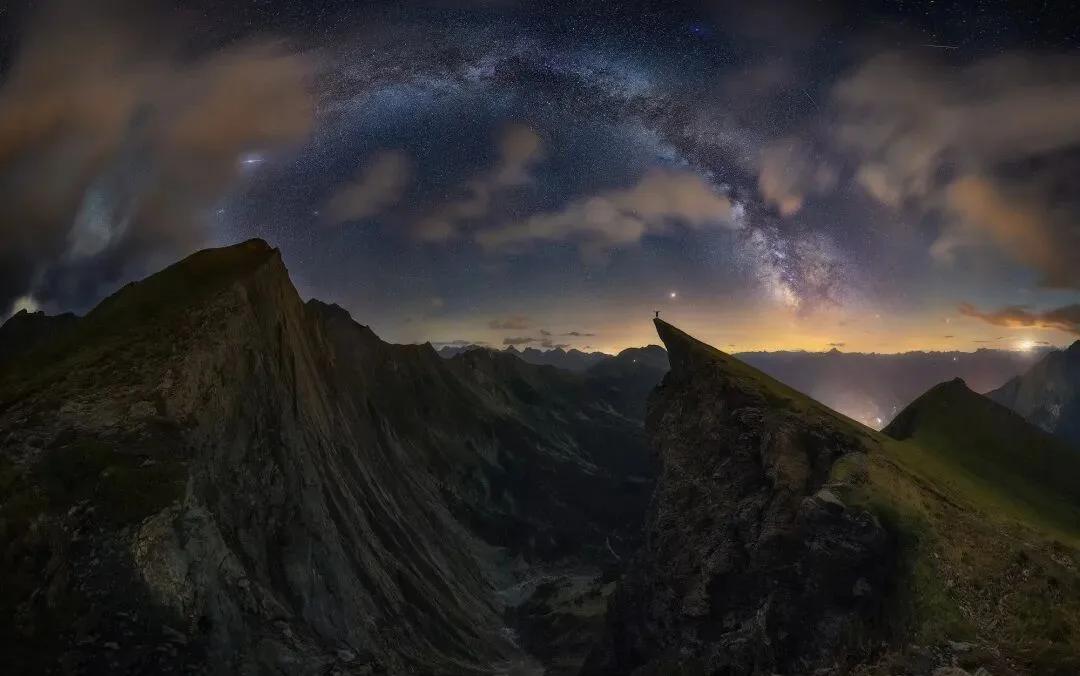
Q
In landscape photography, is there a photographer you really like?
Nicholas: "There are so many photographers I admire and who constantly inspire me. Some of the most important are probably: Marc Adamus, Max Rive, Ryan Dyar (click here to learn about Ryan Dyar), Jimmy Chin, Yuri Beletsky, Bernd Ritschel, Florian Schulz, and many, many more!"
▼ Tyrol, Austria (please view in landscape, note the figure in the image)
▼ Lofoten Islands, Norway (please view in landscape)
Q
What is your devotion or belief in photography?
Nicholas: "There's a saying I've never forgotten: Remember that no matter when, you must never forget the starry sky above your head — don't always stare at your feet; stay forever curious and always move forward! No matter how many hardships life brings, we can find ways to overcome them and fulfill ourselves; what matters is that we never give up! - Stephen Hawking"
▼ Roseggletscher, Switzerland
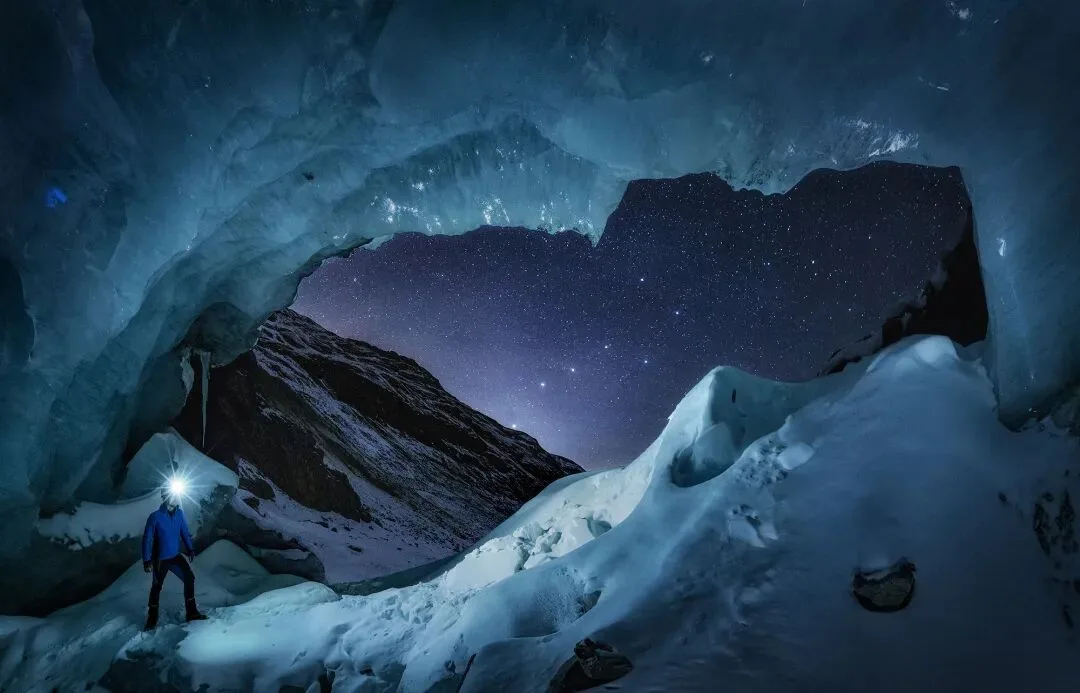
▼ Roseggletscher, Switzerland
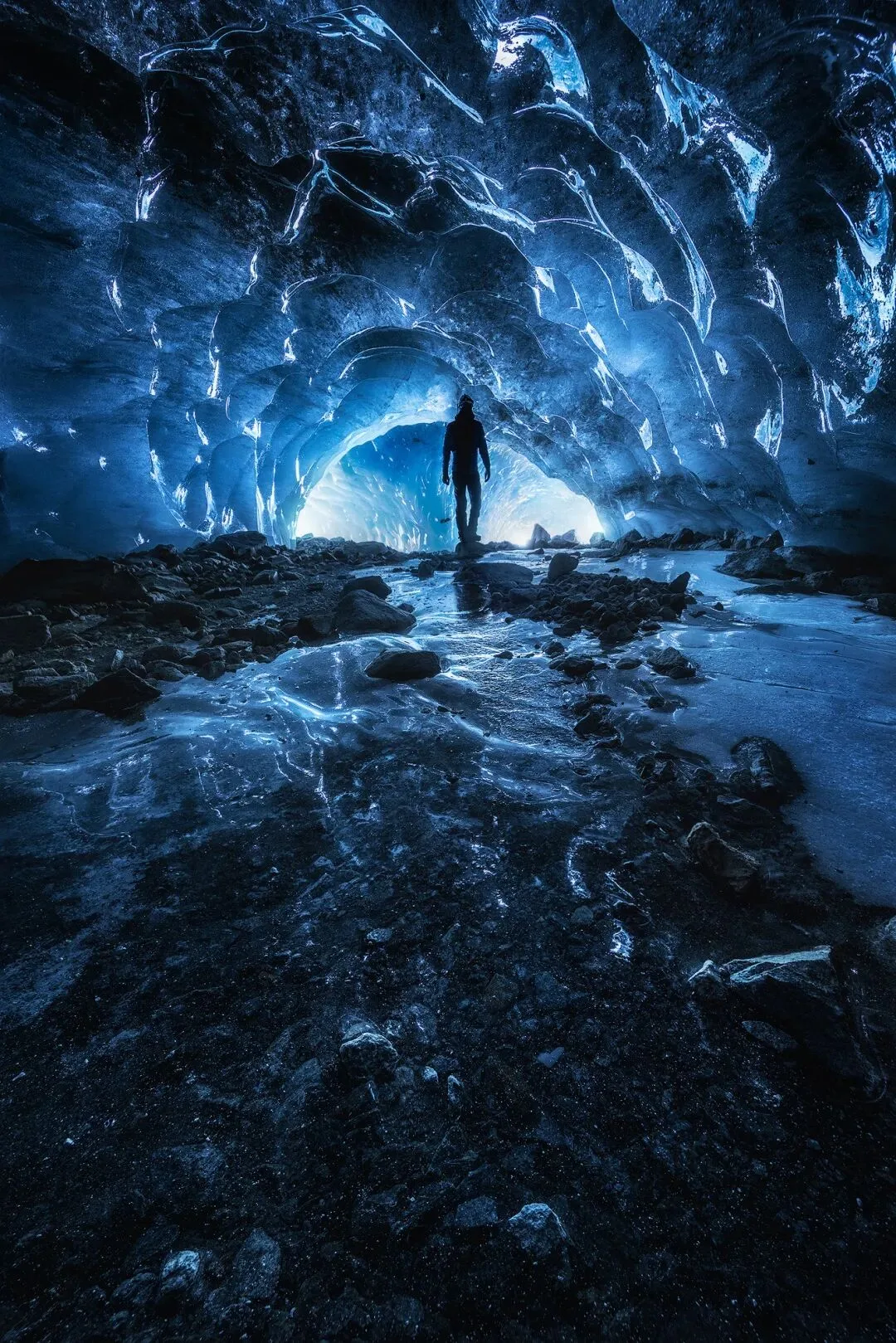
We hope that through this interview
everyone can get to know a more authentic
Nicholas Roemmelt
an explorer who enjoys the outdoors, is fascinated by nature,
fears no hardship or danger,
and is as brave as a fighter
For more of his works, please visit
www.venture.photography
No preview for the next episode
Leave a comment and tell us whose story you'd like to hear?
(The End)
Follow the official account to discover more photography substance!
About the Author
Liu Bai YantingLiu (刘白YantingLiu)
Nature landscape photographer