Photography Tutorial · 2017-01-25
A Photograph Is Not a Pile of Details and Technique
A photographic work is never a pile-up of details and techniques — it is the conveyance of story and emotion. The viewer is not looking at a picture; they are trying to understand a story and feel an atmosphere.
This article, "The Viewer's Vision, the Resonance of Humanity" (《读者的视觉,人性的共鸣》) by international photography judge John Fan, will surely bring you much inspiration.

(Photographer: Max Rive, maxrive.tuchong.com. Unless otherwise credited, the photos in this article are John Fan's works; all other added images are used with the photographers' authorization.)
Photography is a visual language. The purpose of a photographic work's existence is to be appreciated by viewers — even if that viewer is the author himself. So to talk about photographic composition, we must talk about the viewer's vision.
The human eye is roughly equivalent to a 22–24mm lens. Light passes through the eye and focuses on the retina to form the image we see. The retina is a remarkable sensor. Its static dynamic range is only about 10 stops — about the same as a low-end digital camera.
But the human eye constantly scans, adjusting the pupil according to external brightness as it scans. With dynamic adjustment, the eye's dynamic range can reach up to 24 stops, far exceeding any modern camera sensor. Moreover, the human eye can distinguish ten million colors.
Many beginners argue endlessly over a photograph's "authenticity." In fact, such debate has no absolute meaning, because for any camera to truly record the "real" scene seen by the human eye, compositing in post is unavoidable.
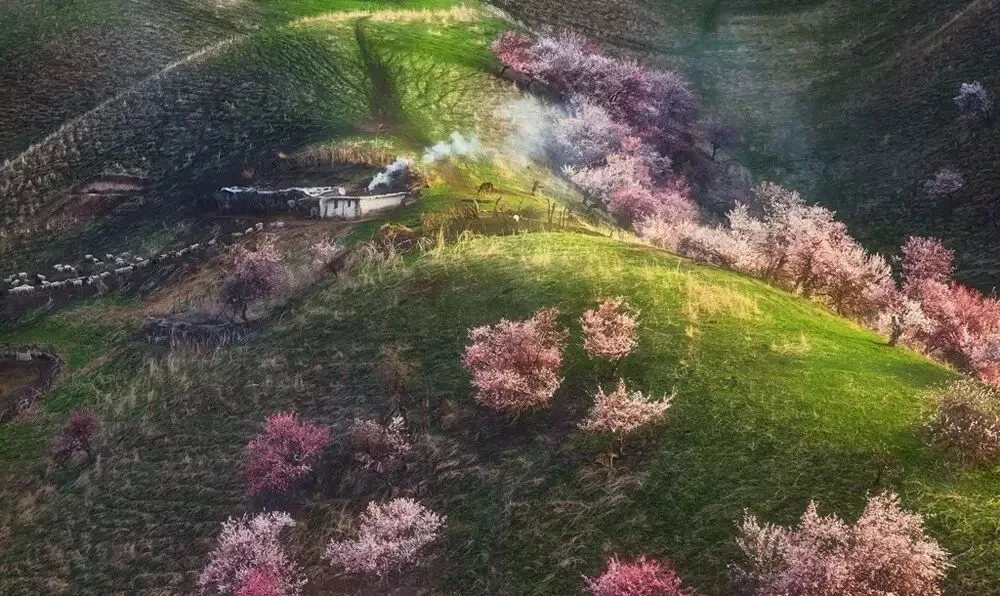
(Photographer: 曼联, manunited.tuchong.com)
Then is the picture seen by the human eye "real"? On the human retina, only the central 1.5mm-diameter "fovea" is a high-resolution sensor; the farther from the center, the lower the resolution — and it is nearly color-blind. The highest-resolution field of view is only about one degree. To see a scene clearly, the eye must keep turning, using the fovea to record small patches one by one, which the brain then stitches together into a large image in post-processing.
The image stored in the mind is no longer the raw state in the eye. So post-processing is a stage that both the human eye and photography must go through. For a photographer to skip post-processing was not something worth bragging about even in Ansel Adams's era — let alone today.
The moment a person sees a picture, they cannot immediately see all its details; they must scan the picture continuously with the eye's extremely narrow field of view. This determines that human attention at any given instant can focus on only one point. To study photographic composition, we must first understand the movement patterns of the human gaze.
Alfred Yarbus was a Soviet psychologist. In the 1950s and 60s he conducted extensive research on human vision. He invented an apparatus, had many volunteers wear it, and used a painting by the Russian painter Ilya Efimovich Repin to study the gaze trajectories of every volunteer who viewed it.

Alfred Yarbus found that the human gaze is drawn to points of interest rich in detail and contrast, full of information. Moreover, he further discovered that information richness is not the main reason the gaze lingers — the viewer is trying to understand the picture's content from those points of interest. When the gaze jumps from one person's face in the painting to another's, the viewer is not looking at a picture, but trying to understand a story.
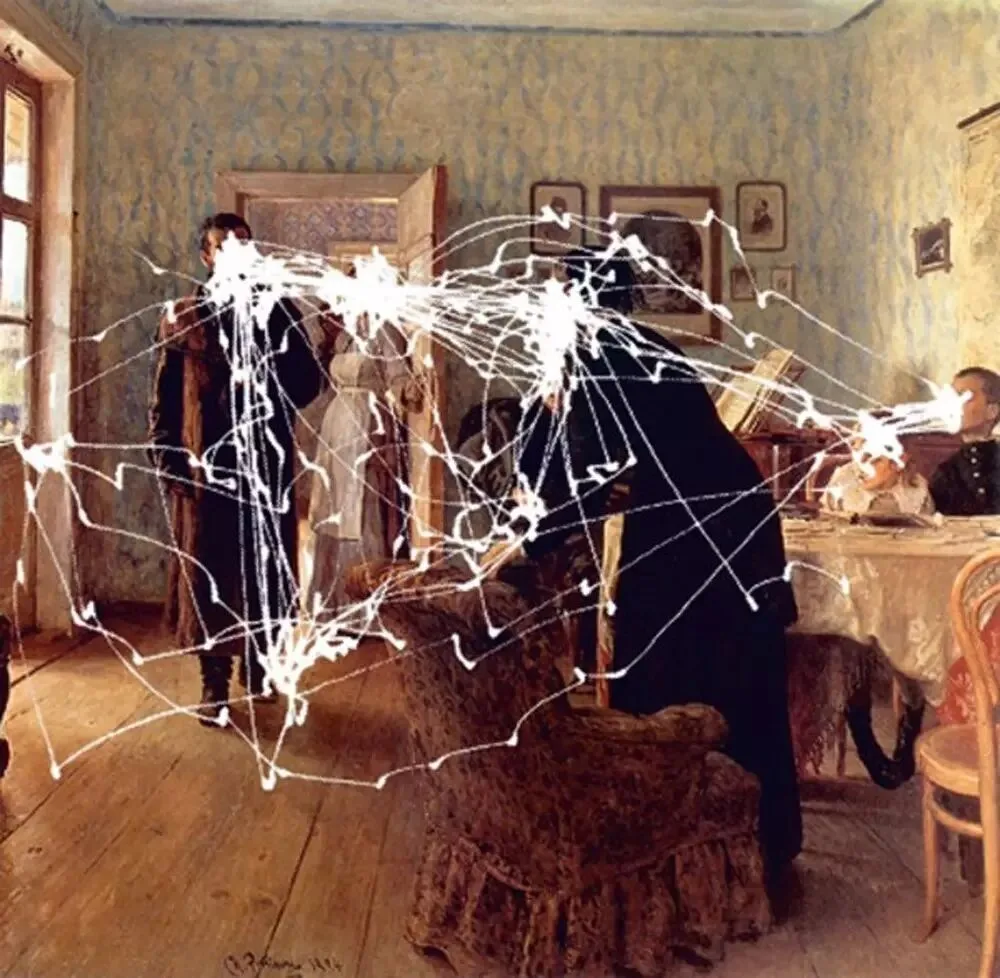
In the internet age, a viewer gives a work only half a second. A successful photographic work is not simply a pile-up of detail and contrast. It must seize that fleeting golden half-second and guide the viewer's gaze into the subject, rather than wasting the viewer's precious time where they shouldn't linger. Fail to win that first half-second, and the viewer's vision will immediately leave the frame.
Painting is addition: a painter actively chooses elements consistent with the theme and paints them from nothing, never wasting energy on dispensable things. Photography, by contrast, is subtraction: the real world is full of points of interest, and the photographer's responsibility is to keep the elements consistent with the theme and exclude useless ones.

(Photographer: Pan Weihao, panweihao.tuchong.com)
Beginners' mistakes often lie in what they keep and what they cut: including too many irrelevant elements — detail for detail's sake, color for color's sake, blur for blur's sake. The principle of all artistic creation is that content determines form, not the other way around.
The arrangement and combination of points of interest in the frame is composition. The purpose of composition is to arrange these elements reasonably, highlight the theme, and hold the viewer's gaze.
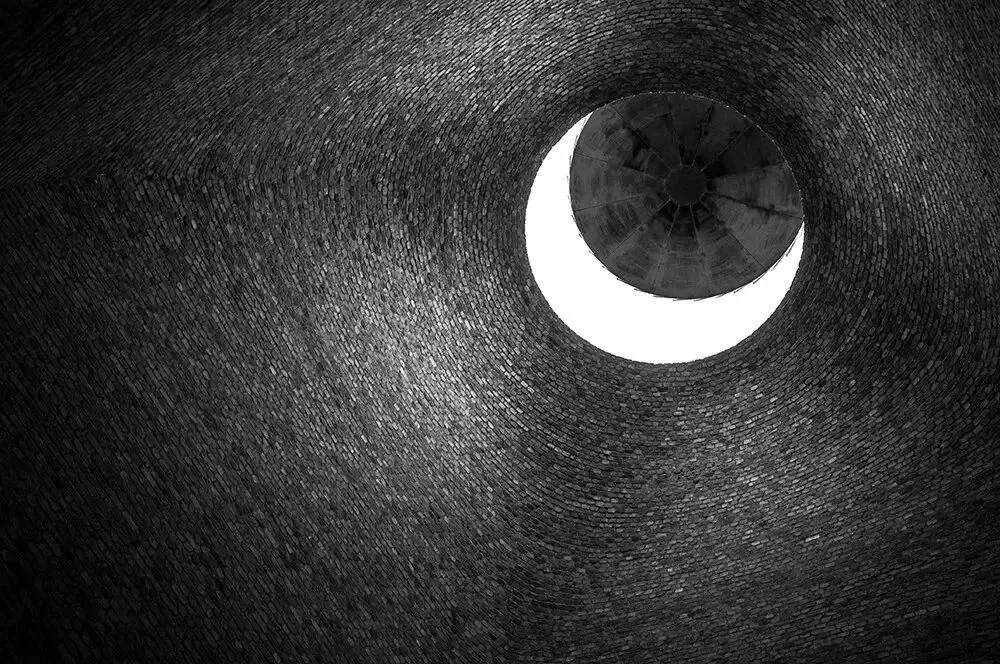
(Photographer: Thomas Chu Photo, thomaskksj.tuchong.com)
I have repeatedly said before that one of the keys to a successful photographic work is its impact. What is impact? Since photography is a visual language, the impact spoken of here is of course visual — simply put, it is nothing more than a work that moves the viewer's heart.
A successful landscape and nature photographer can use many means to create visual impact: capturing unique light, color, climate, and other environmental elements, plus brilliant moments of the animal world, to shake the viewer visually; using exaggerated means beyond the viewer's visual habits — ultra-wide angle, super telephoto, macro, bracketed exposure, HDR, and so on — to attract attention; and employing all kinds of ingenious composition techniques to express tension beyond the viewer's imagination.
But the impact a viewer feels often comes not only from these explosive shock waves, but also from an ordinary atmosphere — a touch like a trickling stream. This sense of déjà vu often satisfies some longing deep in the viewer's soul.
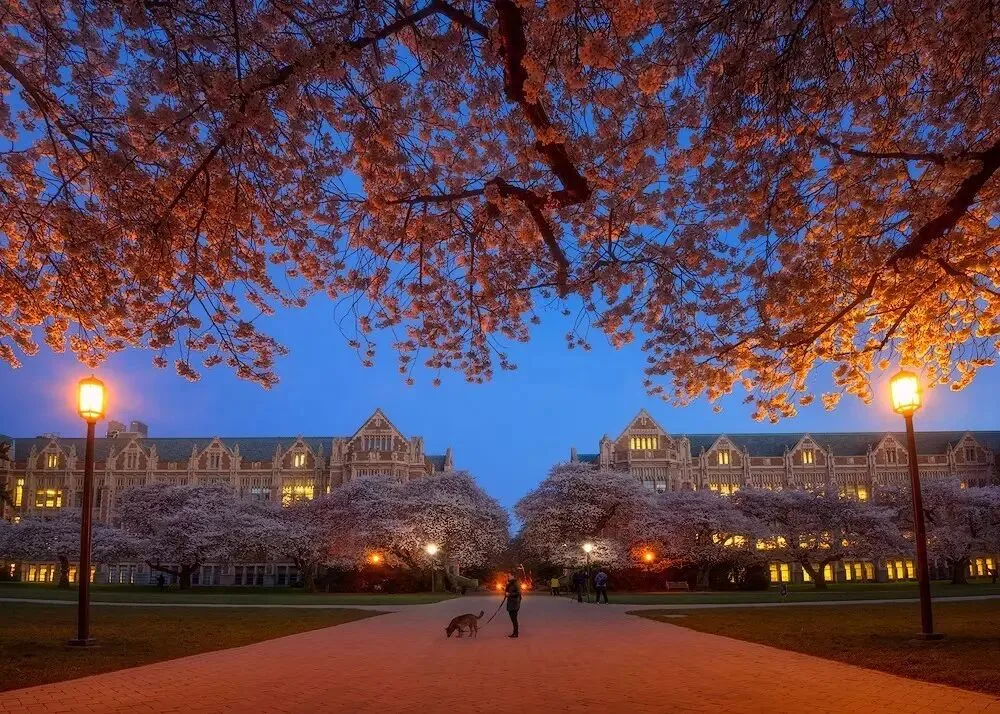
(Photographer: 史炎冰, tuchong.com/408037/)
For a person (the viewer), which objects are most familiar? First of all, people. The resonance between people is an innate commonality, unmatched by anything else. North American landscape photography generally requires works to exclude traces of people (the hand of man). This is because once a person appears in the frame, no matter how tiny, the visual attraction they bring is unmatched by any other natural substance — they inevitably become the subject of the work.
Such a landscape work can no longer be considered pure landscape photography. But people are also part of all things under heaven and earth — they need not stand in opposition to nature. If a photographer makes proper use of the human presence within a landscape, it often brings unexpected impact to the work.
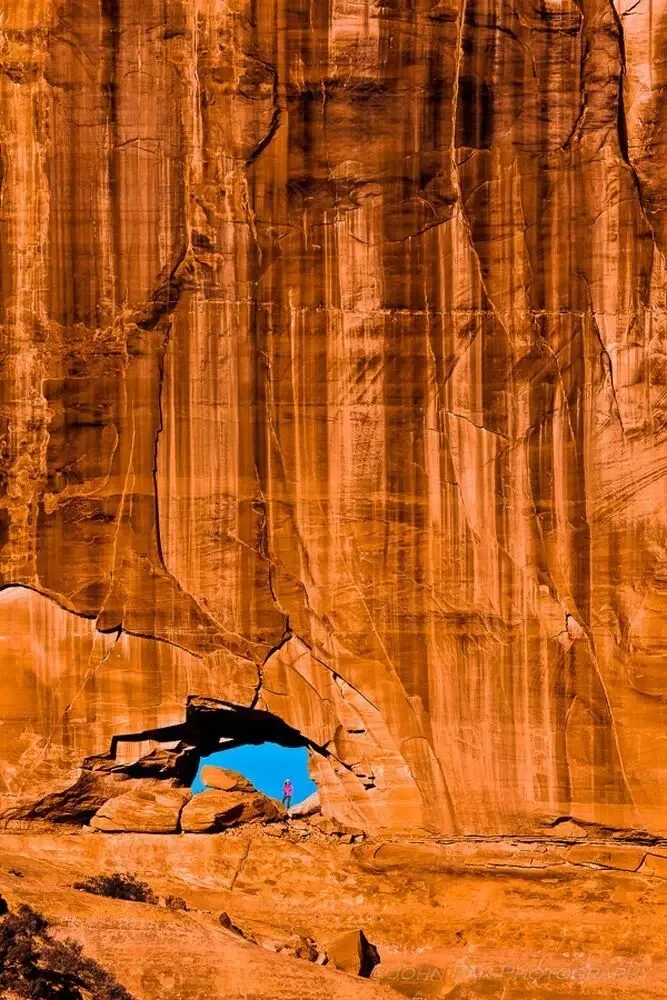
This is a rock wall in Utah, where I deliberately let a person appear in the scene. Although the person is already as small as can be in the frame, the strong resonance between people makes the viewer's first attention fall on the person in the cave rather than the rock wall. The commonality between people also lets the viewer immediately grasp the person's size — and what follows is an appreciation of the cliff's magnificent scale. Without this person, the viewer might well have taken it for a roadside boulder.
The resonance of familiarity can also come from the intimacy of familiar scenes around us. Today we travel across oceans chasing sights no one has seen, yet often overlook the ordinary wonders beside us.
Autumn colors are right before our eyes. A red leaf at our doorstep — before learning photography we thought it beautiful; after improving at photography we instead find it ordinary. But calm down and appreciate it again, and you will find the Creator did not favor one over another: a single leaf reveals autumn — why seek far and wide? When we say a work is "down to earth," we mean exactly this intimacy of familiarity it gives the viewer. This autumn color is in the viewer's own backyard.
I am often surprised by viewers' choices when purchasing works from my website: the down-to-earth, ordinary scenes are often my most popular works. Every plant and every living creature in the works is no longer mine — it belongs beside the viewer. Beginning in the ordinary and returning to the ordinary — the most ordinary yet most profound thing in the world is, after all, humanity.

When viewing a work, viewers often look for a story. Whether that story is the author's original intent or one the viewer bestows upon it no longer matters. A successful photographer tries to include storytelling in the work. When viewers see the story of their own hearts in the work, the impact that follows is long-lasting.
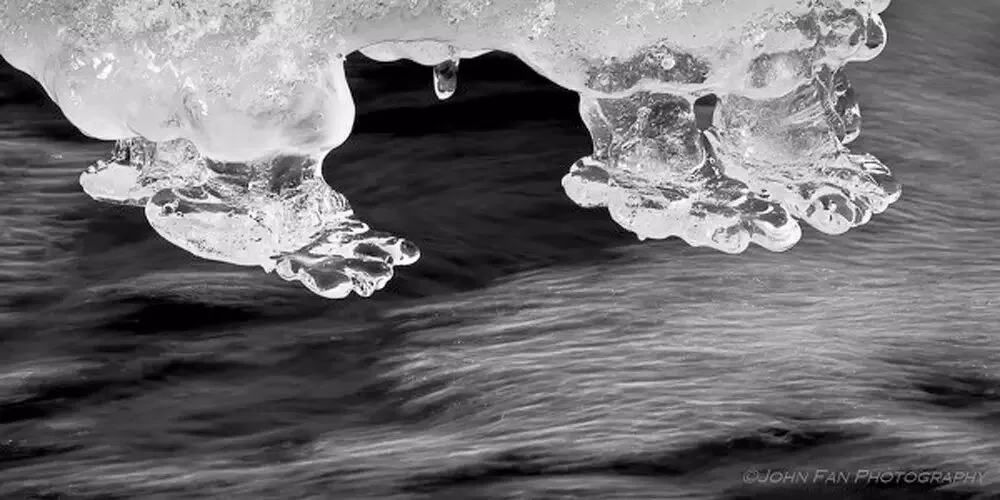
This, too, is a down-to-earth northern scene nearby. From the ice by the river, I saw children's feet playing in water. When I present it in a work, it triggers endless reverie in viewers. What are the two children doing? Probably a boy and a girl? Why are only three feet visible — where is the fourth? The final story may no longer be mine, but the viewer's own. Photography is a visual art: triggering the viewer's reverie and holding their gaze — that is a successful work.
Landscape photography has humanized resonance; the storytelling of wildlife photography is even more of a top priority. Wildlife photography without a story is no different from documentary footage — as Teacher Jef (杰夫) of Four Apertures often says, it's just the difference between "a dull bird" and "a flying dull bird."
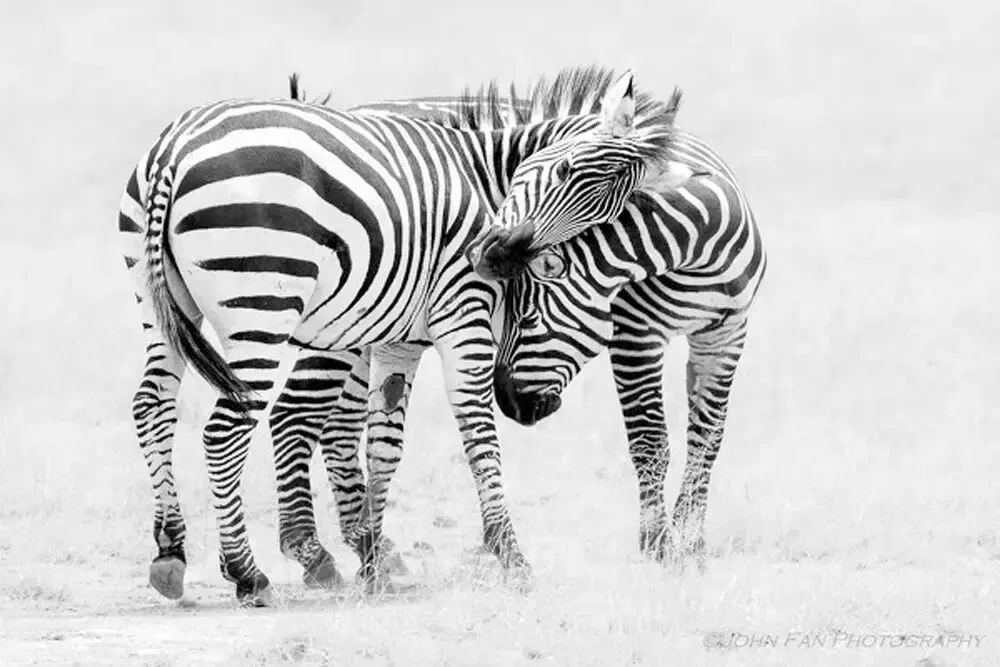
A pair of zebras on the East African savanna were originally creatures unrelated to humans. With their interaction, a humanized story emerges. Perhaps they are in a life-and-death fight, yet this instant gives a feeling of warmth. The viewer is not watching the zebras' true story — they are bestowing their own story upon the pair. With the viewer's own story, the work gains depth, and the creatures in it take on the humanity poured in by both author and viewer.
Landscapes and wildlife are both non-human subjects; beginners often see only the scene before the mountain, not the meaning within it. Don't record in a hurry like a tourist on a whirlwind visit. Calm down and feel, and you will sense the rich spirituality bestowed by heaven upon all things. When that spirituality connects you with your viewers, you have endowed your work with humanity — and through your work you can shake every viewer's soul.
About the Author
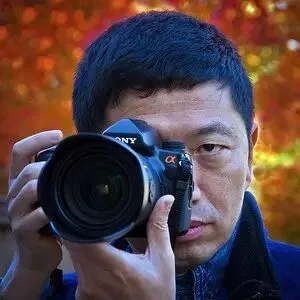
▲ John Fan (范朝亮)
Renowned US-based landscape photographer
Judge at the top photography website 1x.com
Member of Four Apertures (四光圈)
Personal website: johnfanphotography.com
Thanks to Teacher Fan for this brilliant article. A photographic work is never a pile-up of details and techniques — it is the conveyance of story and emotion. The viewer is not looking at a picture; they are trying to understand a story and feel an atmosphere. A photographer must learn to guide the viewer's vision and evoke the viewer's resonance.
Follow @Thomas Chu Photo, and learn one photography skill every week.
If you found this article useful, please share it with more friends.