Photography Tutorial · 2024-09-17
Unboxing a Six-Figure Drone: Phase One 150MP Medium-Format Aerial System Tested
In today's sharing session, Thomas unboxes a six-figure Phase One 150MP medium-format aerial system and takes it into the field for a hands-on test.
Price aside, this system — mounted on the DJI M350 industrial drone platform — is truly outstanding in image quality, portability and outdoor capability.
It is also the first officially certified Phase One industrial aerial system in Asia used for photographic creation.
Video
▶ Watch the video tutorial on Bilibili
The video above is a rare unboxing and field test: Asia's first Phase One medium-format industrial aerial system used for photographic creation — a DJI M350 industrial platform carrying a 150-megapixel medium-format camera and aerial telephoto lenses, with a price tag well into seven figures. Thomas structures it around three questions: why medium-format aerial, why the Phase One + M350 combo, and what the image quality is actually like. This is the illustrated companion, with all the key frames captured as screenshots.
01 Why Medium-Format Aerial: the China New Towers Project
These days 70% of Thomas's photographs are made by drone — especially since the Mavic 3 series' 3x and 7x telephoto cameras opened up shooting angles in the sky that never existed before (at 0:59 in the video). But his new series "China New Towers", started last year, ran into a ceiling: at this year's solo exhibition in the 798 art district, works shot on the Mavic 3 Pro telephoto could not be printed large, and a close look reveals visible grain and softness (at 1:27 in the video).
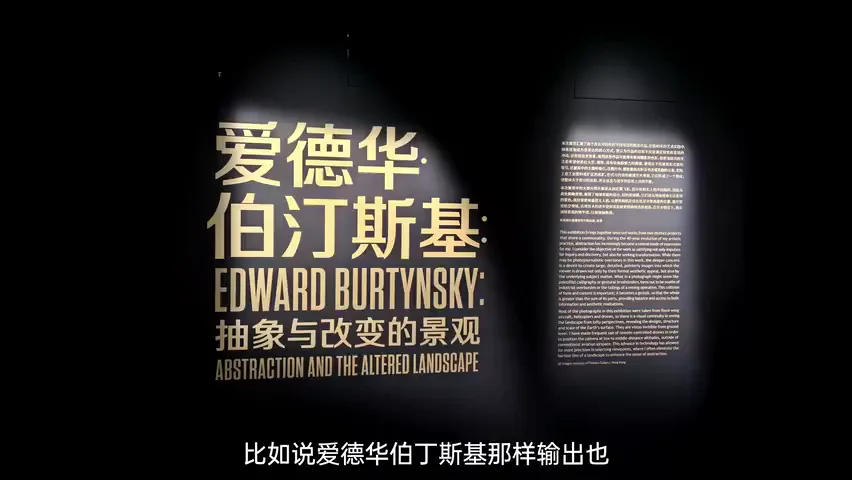
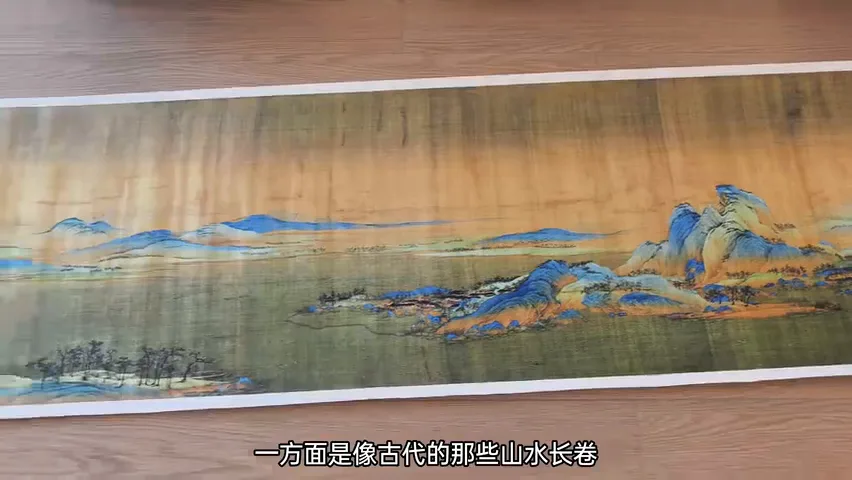
What the project demands is, on one hand, meter-long or ten-meter landscape scrolls in the spirit of the classical painting A Thousand Li of Rivers and Mountains, and on the other, the giant prints of contemporary landscape photography — the path of Edward Burtynsky, who shoots industrial landscapes from helicopters with medium- and large-format cameras (at 1:52 in the video). The conclusion was clear: he needed better image quality with an aerial telephoto, which led him to research mounting a medium-format aerial camera on a drone.
02 Why Phase One + M350: an Industrial Platform with Real Glass
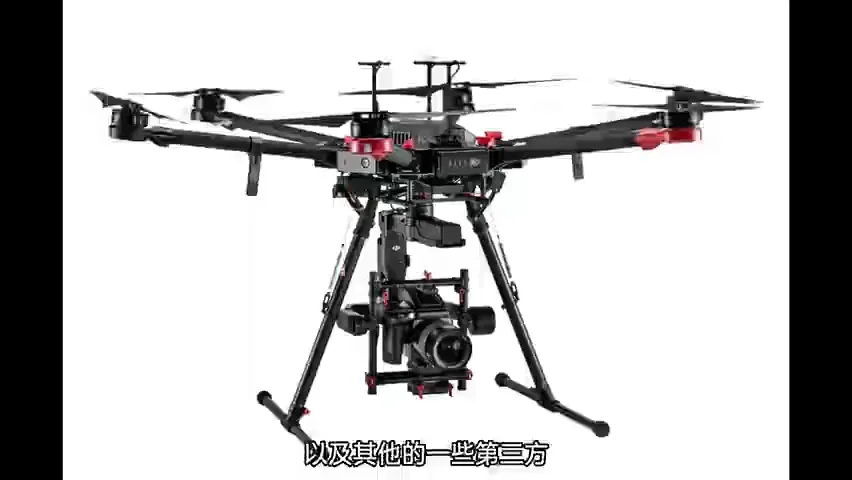
The traditional approach is a larger drone such as the DJI M600 carrying a civilian ground medium-format camera, but the flaws are obvious: many components designed for ground work are useless in the air, and the M600-class systems fall short on endurance, stability and outdoor capability (at 2:16 in the video). Thomas often shoots over storm-battered seas, or flies three to four kilometers out deep into the mountains — he needed an industrial platform proven in power-line and wind-turbine inspection, one that truly withstands high winds.
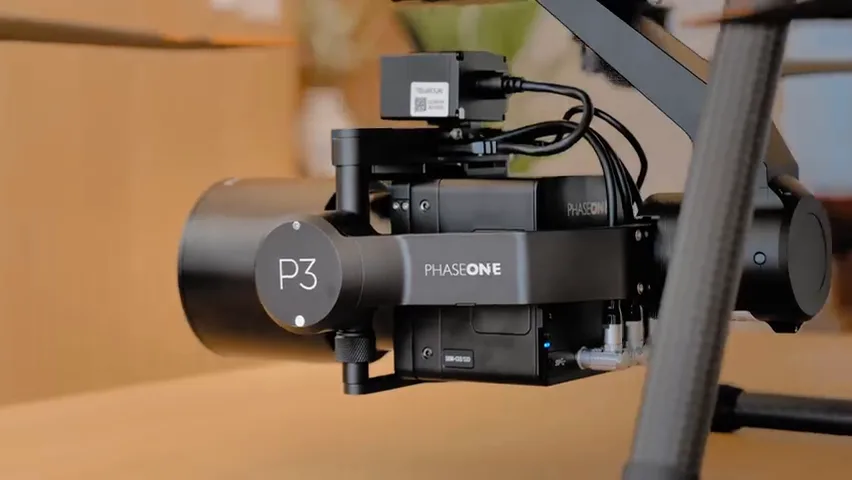
He settled on the DJI M300/M350 — a battle-tested industrial airframe with unmatched stability, endurance and outdoor capability; and while several manufacturers offer medium-format payloads for it, his core requirement was "a genuine medium-format aerial telephoto lens" — and only Phase One's solution had one (at 3:31 in the video). In the full rig, the M350 sits on top, the Phase One P3 gimbal hangs in front, with the camera and lens beneath; Phase One's civilian cameras already sell for four to five hundred thousand yuan, and this aerial system costs even more.
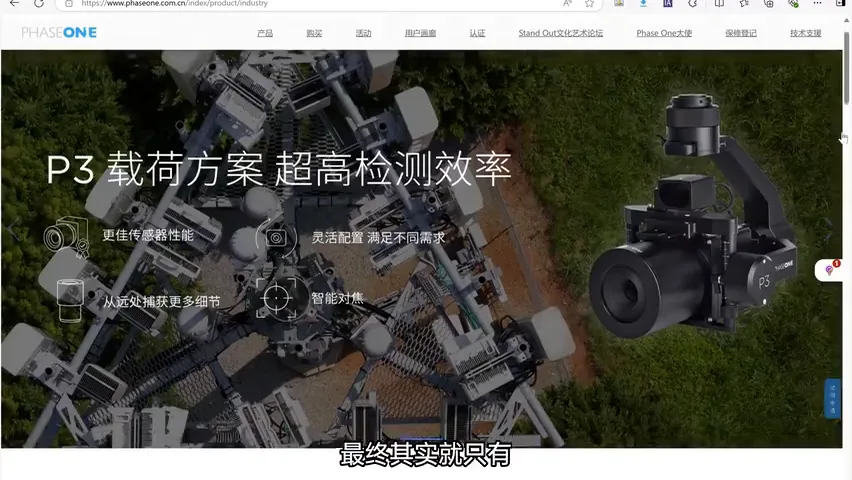
03 Unboxing and Assembly: the Industrial Ritual
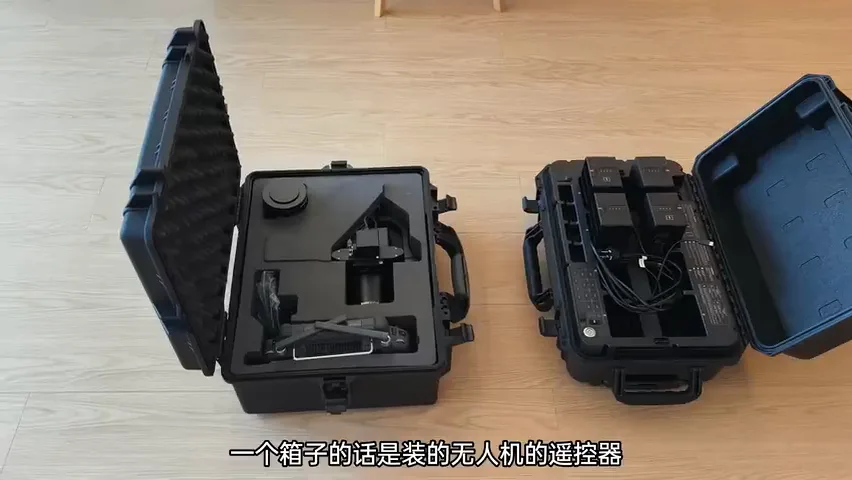
The camera carries many aerial-specific designs: no viewfinder at all, and every component — including the cables — is secured with screws; even the lens bolts to the body rather than twisting off, because in flight it must be absolutely secure (at 4:10 in the video). The mounted lens is a 150mm prime, complemented by 30mm and 80mm lenses covering nearly every outdoor scenario. Packing means three cases: one for the drone, remote controller, camera and lenses; one battery-charging case; and one for the airframe itself plus screwdrivers and maintenance gear (at 4:51 in the video).
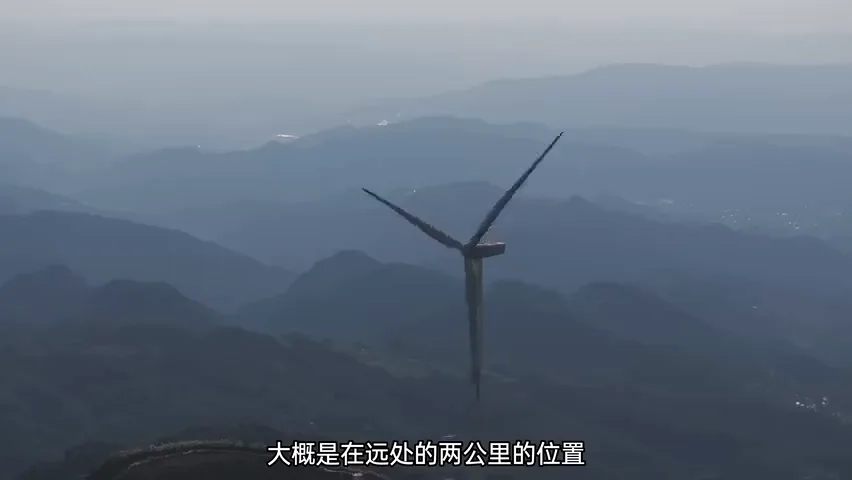
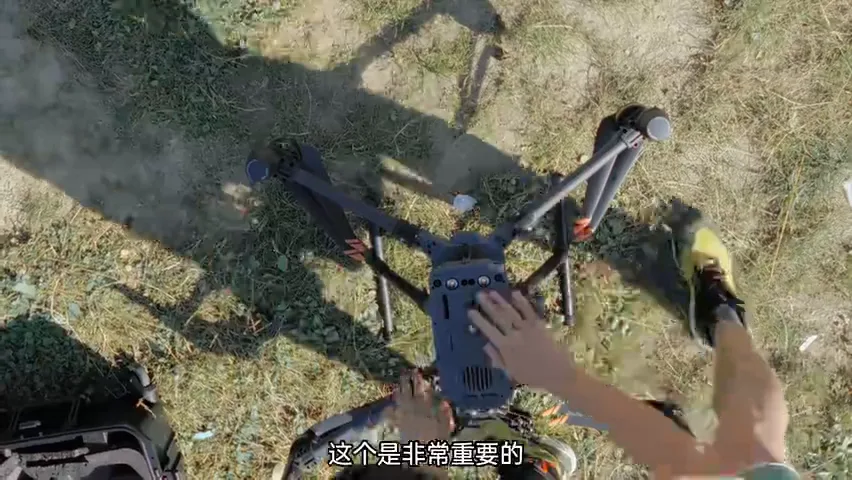
On location he scouts first with a Mavic 3 Pro: the wind-turbine cluster two kilometers out is the planned camera position, while also scanning for power lines and other hazards (at 5:17 in the video). Assembly then becomes a ritual: landing gear first — without it the gimbal would strike the ground — then unfolding both arms simultaneously, locking them by hand, confirming the four white alignment dots, and checking the red locks on the landing gear as well (at 6:12 in the video).
Then the Phase One gimbal goes on: align the unlock key with the mark, tighten the locking knob, and wait for the crisp click; after removing the lens cap and inserting the storage card, check that the camera self-balances without pitching — only then will it fly steady (at 6:44 in the video). The industrial-drone tax hides in every detail: even swapping a CFexpress card means unscrewing a cover plate; finally two enormous batteries are seated and locked before power-on (at 7:32 in the video).
04 Shooting: a 150mm Prime on a Turbine 2 km Out
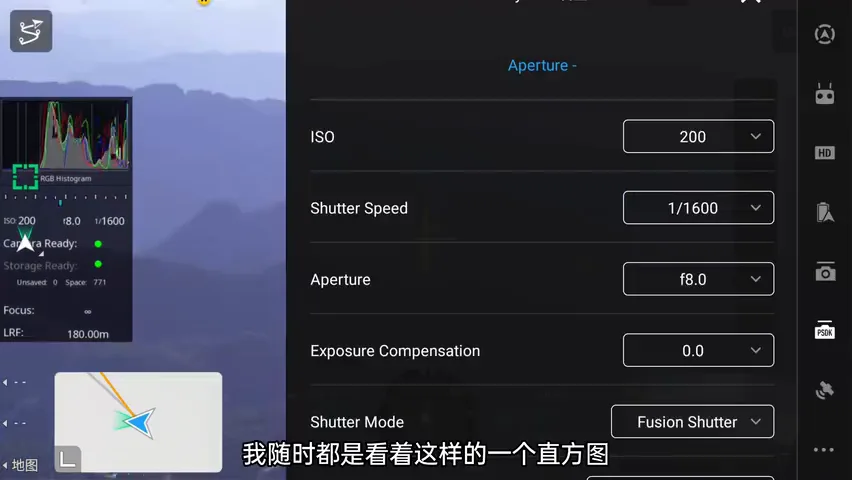
After takeoff he flies to the planned position on the onboard wide camera and nudges the airframe to frame the shot (at 8:00 in the video); the moment he switches to the Phase One feed, you feel how long a 150mm medium-format telephoto really is. Exposure is set manually through the Phase One SDK interface: aperture around f/8, ISO 200-250, with the histogram on the left always guiding the exposure (at 8:31 in the video).
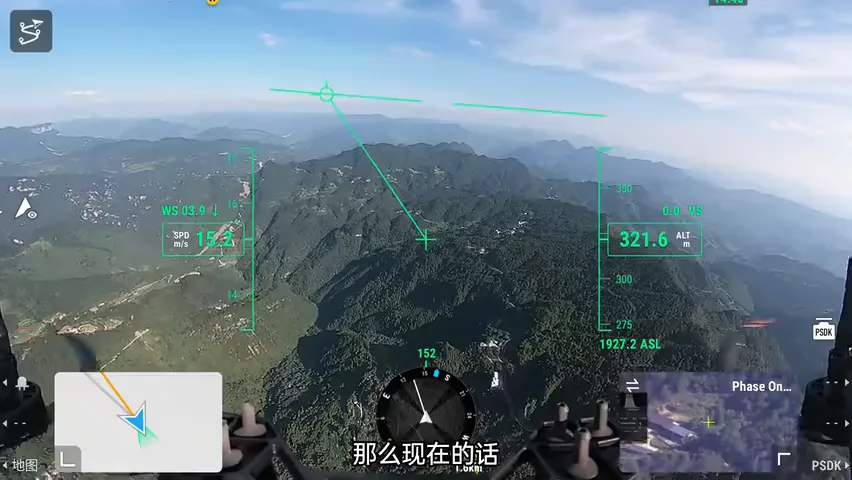
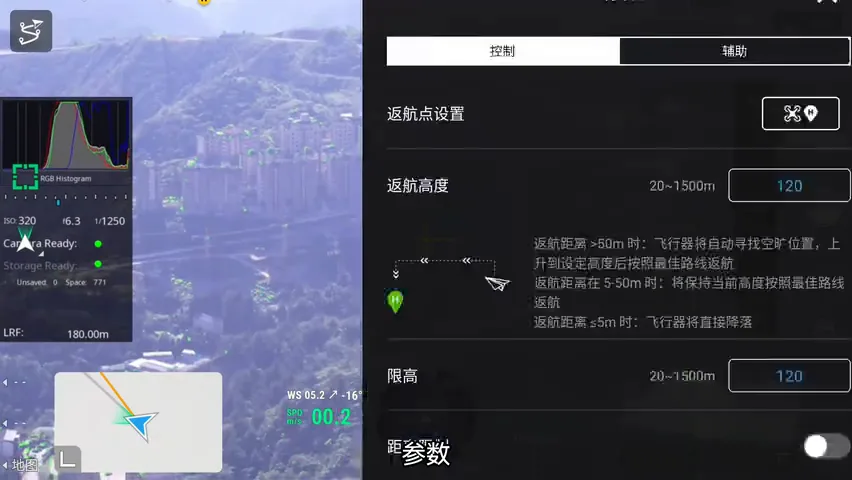
Focusing is the most peculiar part: the laser AF only reaches 180 meters, so a turbine two kilometers out demands manual focus with peaking assist, and a double-tap zoom to verify — the subject sits over a thousand meters away, and fine-tuning in the wind takes patience (at 8:48 in the video). The gimbal is of course less nimble than a consumer Mavic, but every shutter press is a considered one. The small inconvenience: no in-air preview — the photo must wait until it is imported into a computer.
05 The Verdict: Detail Born for Giant Scrolls
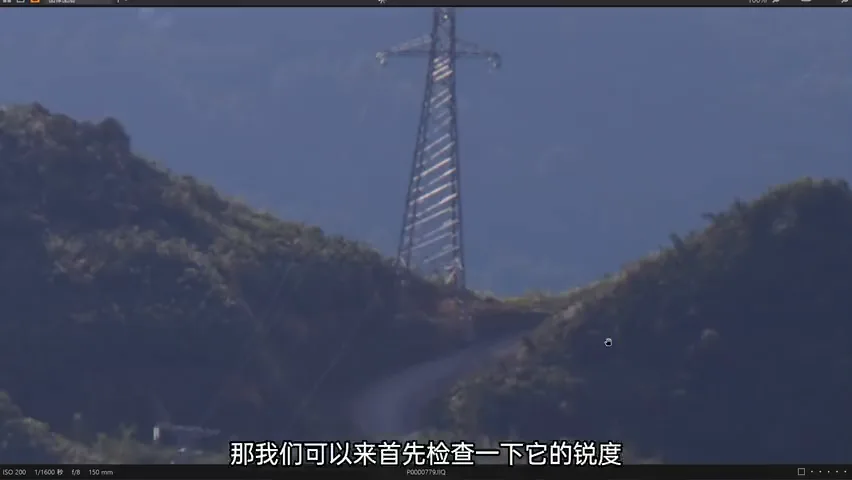
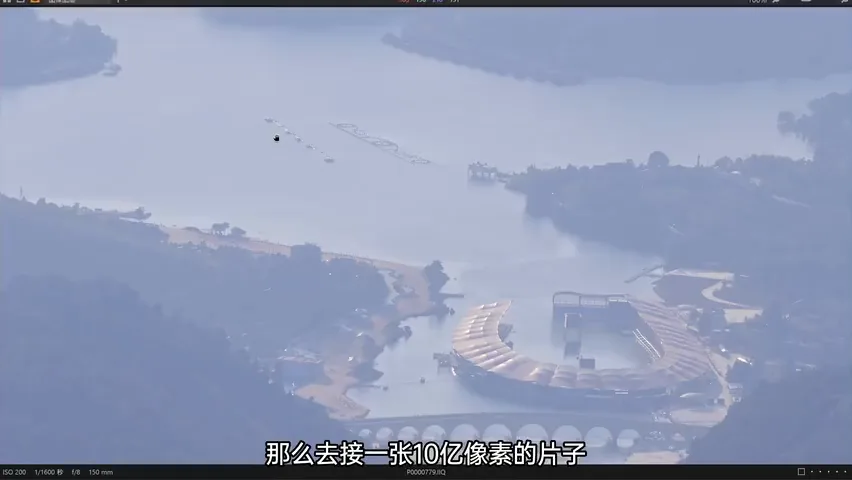
Back at the computer, the first job is a sharpness check. Zoomed to 100%, the transmission tower in the lower-right corner shows its steel frame and every single wire crisply, and the vegetation beside it is impeccably sharp — and that is just one corner of the frame (at 9:44 in the video). Zoom further under the wind turbine: every person, every car is clearly readable. Stitched into panoramas with this telephoto, a one-gigapixel print promises to be spectacular (at 10:13 in the video).
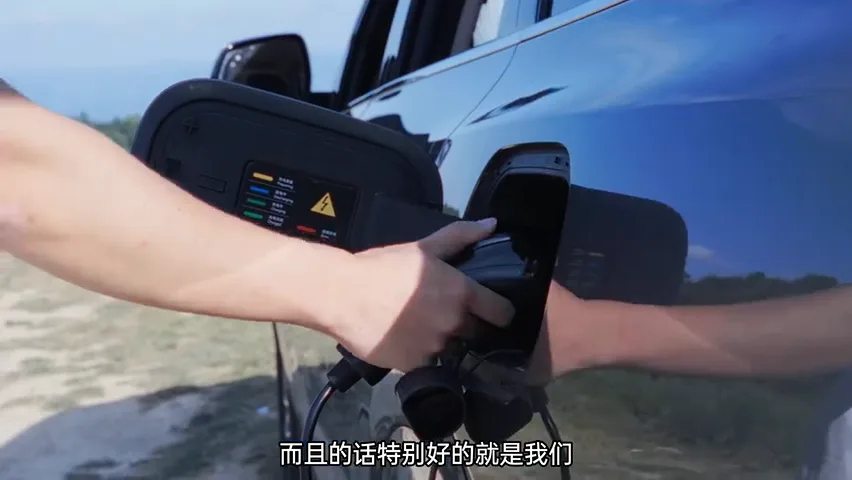
To echo the wind-power and new-energy theme, this shoot featured an AITO M7 in frame — which also brought a convenience: the car's battery can recharge the drone's big packs directly (at 10:27 in the video). Summing up: the image quality is truly top-tier, fully satisfying future outputs of meter- or even ten-meter landscape scrolls; the price is industrial-grade complexity — fiddly settings, plus a few focus-misalignment incidents in the field, though the after-sales support is excellent, with engineers coming on-site twice to fix things (at 11:21 in the video). Next, Thomas will keep carrying it through "China New Towers" and more aerial series.
1. Gear follows the project: prints of the "China New Towers" scrolls at meters to tens of meters exceeded the Mavic 3 Pro telephoto — hence medium-format aerial; 2. The choice logic: the industrial M300/M350 platform buys endurance, stability and wind resistance, and Phase One was the only solution offering a true medium-format aerial telephoto lens; 3. The industrial tax: no viewfinder, everything bolted, cards behind screwed covers, two huge batteries, and a pre-flight locking checklist; 4. Settings and focus: manual exposure via the SDK at around f/8 and ISO 200-250, laser AF capped at 180 m so distant subjects need manual focus with peaking — while at 100% zoom every wire stays sharp, and telephoto stitching reaches a gigapixel.