Photography Tutorial · 2025-05-13
How Much Can a Photograph Sell For? Finding Out at PHOTOFAIRS Shanghai!
How much can a photograph sell for as a collectible?
What kinds of photographs sell better in China?
How can you start selling your own photographic works?
Today Thomas will find the answers together with you at PHOTOFAIRS Shanghai!
Video
▶ Watch the video tutorial on Bilibili
This is the illustrated companion to the video above. This time Thomas visits Photofairs Shanghai — an art fair where every photograph on the wall carries a price tag. What makes a photo sellable, and how much can it fetch? He surveyed prices across the floor and interviewed gallerists and artists, and distilled the primary-market price tiers and the market logic behind them into this piece.
First, the theme. This chapter card, captured at 0:26 in the video, poses the question the whole video answers — "How much money can a photo sell for?" The piece unfolds in three parts: price tiers, advice from galleries, and what actually sells.

01 The Primary Market: Three Price Tiers
After tallying the prices of works on display, Thomas concluded that price relates to the artist's background, edition size, dimensions, printing materials and production method — but the single most important factor, without question, is who made it (at 0:26 in the video). He roughly divides the primary market into three tiers.
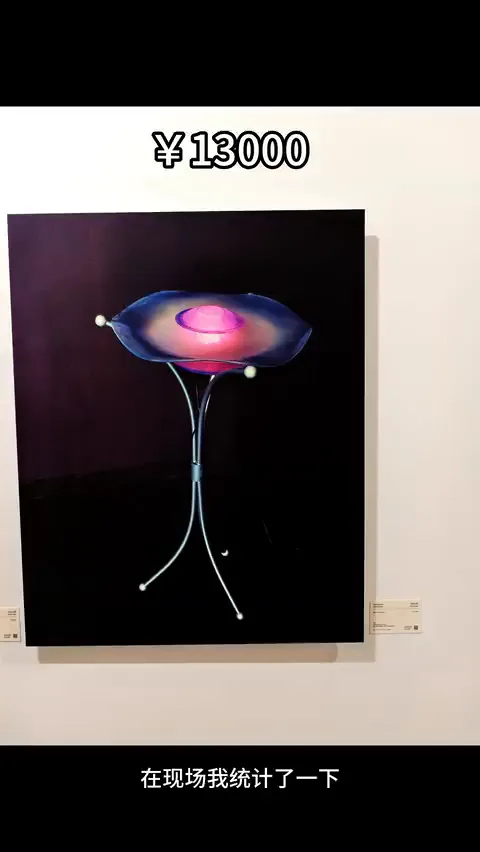
The first tier is photographers newly entering the market, whose works mostly sit between 3,000 and 5,000 RMB. Thomas adds a caveat: offline production and distribution costs are what they are, and framing alone is a real expense, so a framed piece can hardly sell for less (at 0:46 in the video). The second tier is photographers established in the domestic market, mostly ranging from 15,000 to 50,000 RMB (at 0:57 in the video).
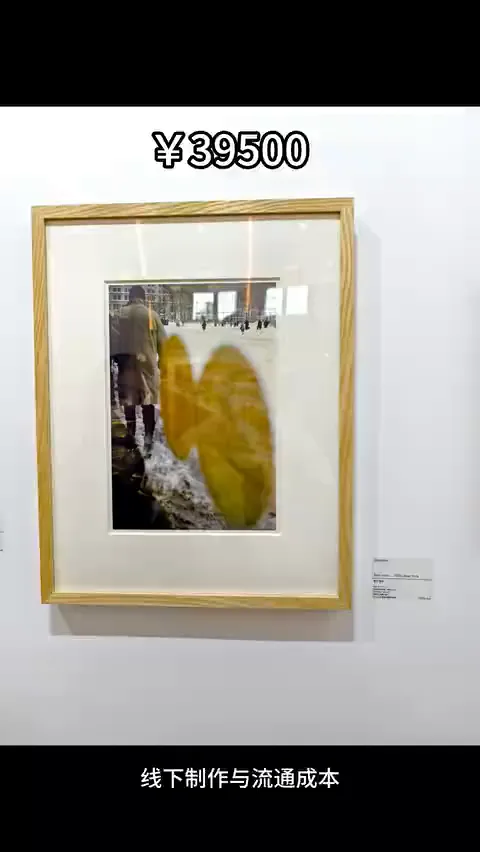
The third tier covers large-format works by photographers highly recognized in the domestic market, plus small-to-medium works by top international photographers — prices reaching well above 100,000 RMB (at 1:02 in the video). The lightning piece below, tagged at 300,000 RMB, is a textbook example.
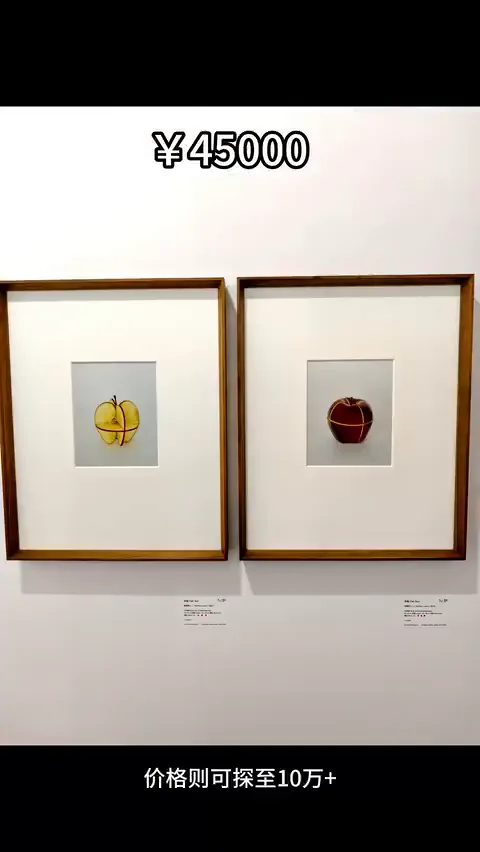
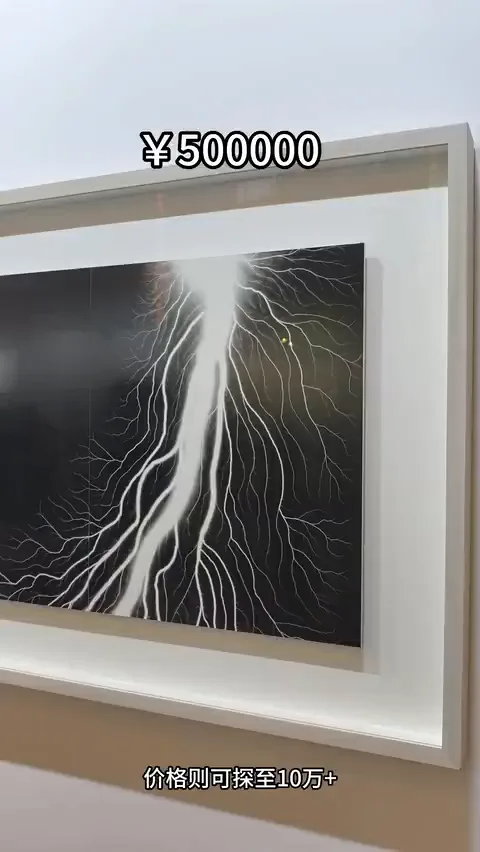
All of the above is the primary market — first sales through galleries and fairs. The secondary market, meaning auctions of top photographers' works, has no ceiling at all (at 1:14 in the video). The video also lists the most expensive photographs ever auctioned: the number one lot closed at 12 million US dollars.
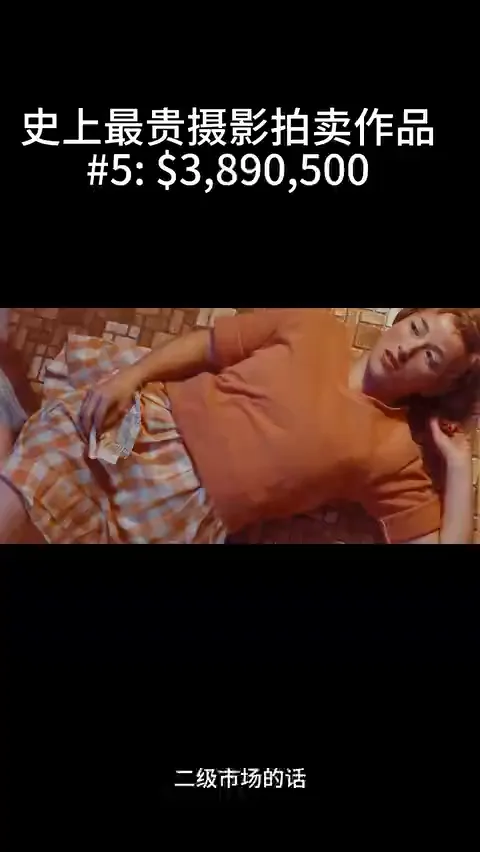
02 The Gallery's View: How Newcomers Break In
For newcomers who have never entered the sales market, one gallerist's advice is: first, keep creating and have a system — creation needs consistency, not shooting whenever you feel like it, because galleries look for artists who create continuously, keep improving and keep innovating (at 1:28 in the video). Second, treat your own works with care: overall maturity, from shooting to production and presentation, demands refined thinking — you cannot shoot well and then phone in the print. Framing included, everything is part of the work's completeness (at 1:52 in the video).
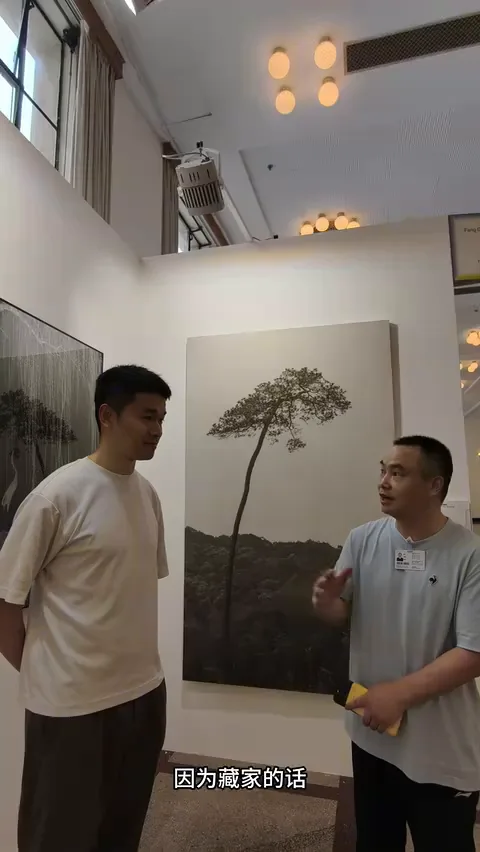
A respondent who runs a mixed-media gallery — photography alongside painting, sculpture and installation — puts it more bluntly: she sees the person not merely as a photographer but as an artist — which museums have lent their work, which galleries have shown it in group exhibitions, what collecting systems it has entered. That track record is what a gallery really reads (at 2:39 in the video).
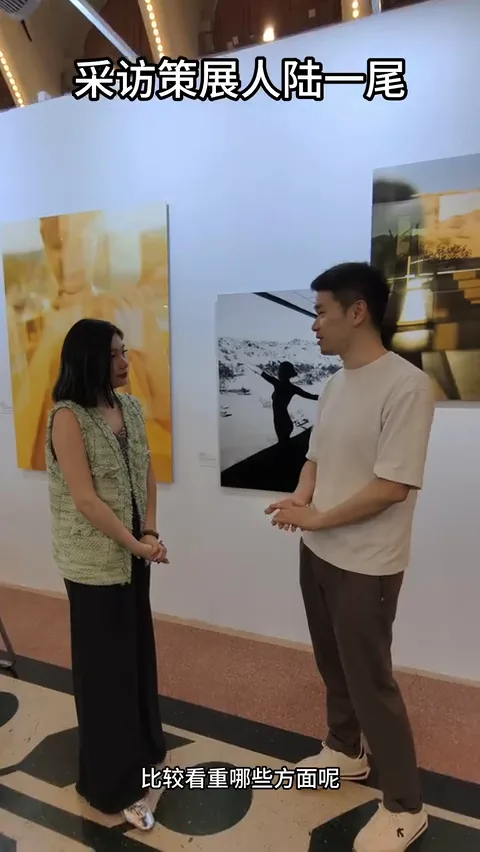
03 What Kind of Work Actually Sells
Thomas's own observation from the floor: at the low end, looks are justice — a piece barely needs a justification; at the high end, what competes is concept, completeness and the artist's system. And beyond that, galleries, exhibitions, fairs, academic endorsement, collectors and museums together form a complete art-market apparatus that keeps running — that is what ultimately decides how expensive your work can get (at 3:12 in the video).

Cultural taste plays its part too. A respondent who opened her Los Angeles gallery in 2019 notes that with Hollywood next door, people there love the photographic image almost by nature — a collecting culture that already exists, needing little market education; in China, photo collecting is comparatively new and still a market to be cultivated (at 3:30 in the video). As for collectors' tastes: in Eastern culture the landscape carries the literati tradition, while the West, human-centered since the Renaissance, favors the portrait — so collectors on the two sides differ sharply in what they prefer to collect (at 4:01 in the video).
On site there was also a photographer who uses extensive hand-coloring. Asked about his answer to the AI era, he says purely digital work always feels like something is missing, so he counters AI through handcrafted textures and the combination of different materials — because these works carry the warmth of the hand and human emotion (at 4:47 in the video). And when asked whether the handmade touch also means higher collectible value and easier edition control, he admits that is indeed part of the thinking.
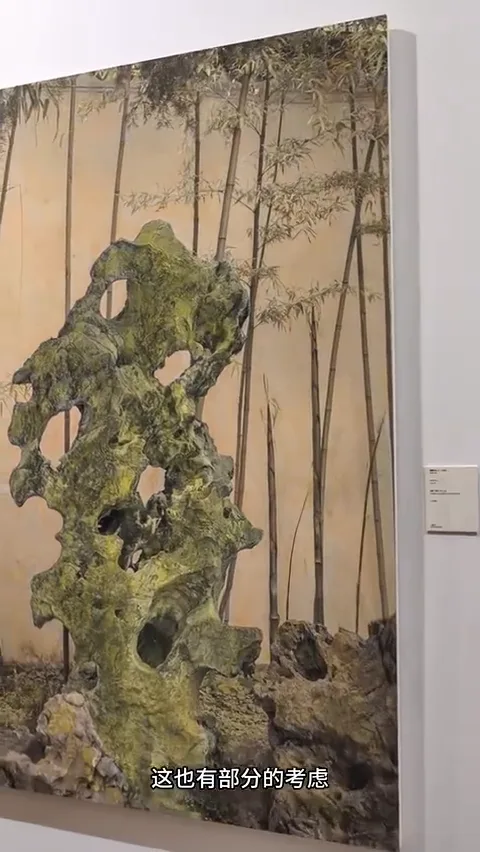
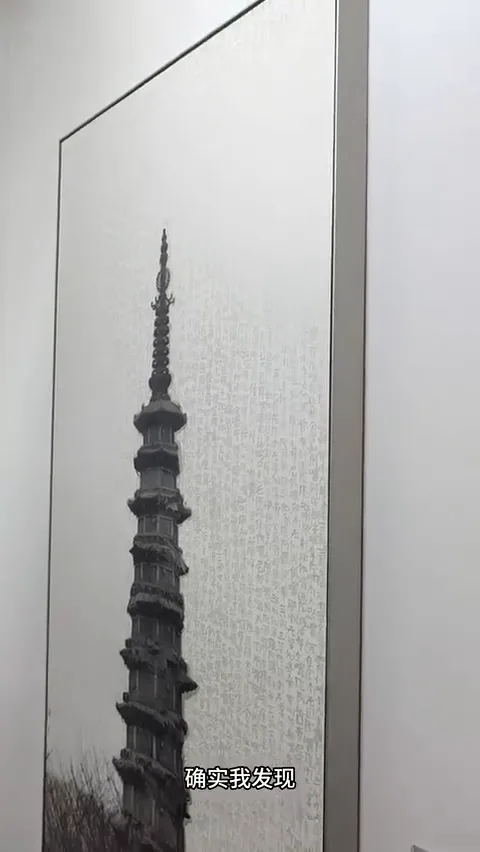
Thomas also noticed two very Chinese phenomena: first, photographs related to traditional Chinese painting and calligraphy were selling exceptionally well (at 5:16 in the video); second, the best-selling photos showed almost only figures from behind, or no face at all — after all, in Chinese culture hanging a stranger's face in your home does feel odd (at 5:29 in the video). On the floor, a red dot on the label means the piece has been sold.
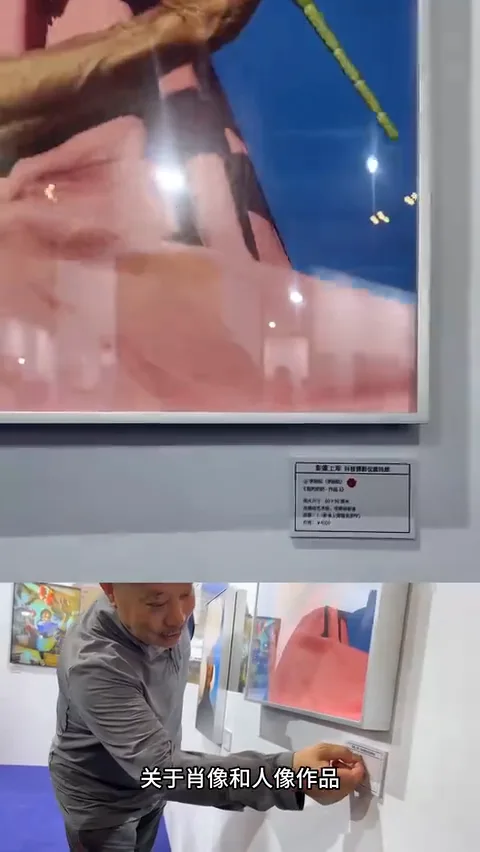
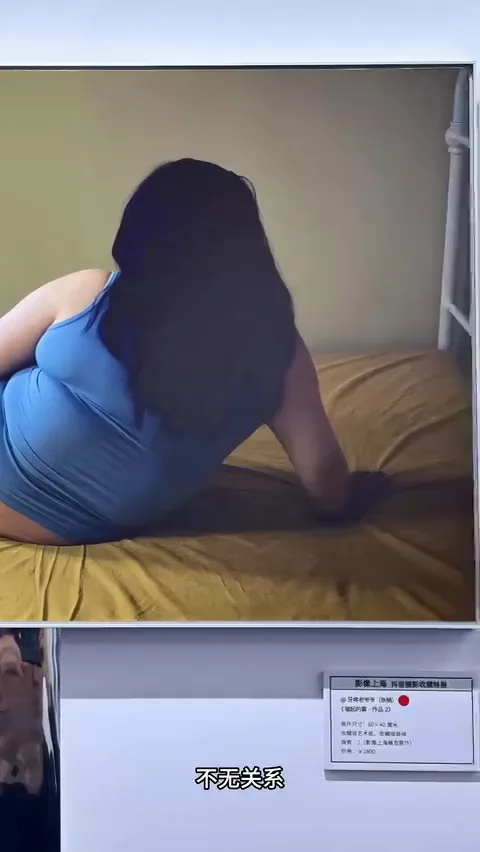
1. Three primary-market tiers: newcomers at roughly 3,000-5,000 RMB, established photographers at 15,000-50,000 RMB, and market-recognized large formats plus top international names above 100,000 RMB — with the auction secondary market capped by nothing; 2. What galleries look for in newcomers: continuous, consistent, systematic creation, plus completeness of the work from capture to framing; 3. The low end sells on looks, the high end on concept, completeness and the endorsement of a functioning art-market system; 4. Culture shapes the market: the East favors landscapes and literati sensibilities, the West favors portraiture — and the warmth of the handmade is the best answer to the AI era.