Photography Tutorial · 2025-01-14
How to Become a Photography Blogger with Ten Million Followers? Lessons from the Pingyao Influencer Photography Exhibition!
In today's photography tutorial, Thomas looks back with you at "The Era of Pulsating Images" (《影像跳动的时代》), a photography exhibition held last September in Pingyao.
The artists in this group exhibition are 13 internet bloggers with hundreds of thousands or even tens of millions of followers. What can their ways of shooting and presenting work teach us?
Today I will try to sum up what they have in common. Let's appreciate the works of Liang Tian (良田), Li Qihang (李啟航), Wuya Jewey (乌鸦Jewey), Thomas Chu Photo, Ye Ju (叶巨), Xia Qiji (夏弃疾), Tongjie (拍照的童解), Yateng Laoyeye (牙疼老爷爷), Huan Ahei (宦阿黑), Fan-Texi Li (范特西李), Ding Yiran (丁亦然), Cai Zhongyang (蔡仲杨), and Buzhiming Gezi (不知名鸽子).
Video
▶ Watch the video tutorial on Bilibili
This is the illustrated companion to the video above. The "Image Beat" Douyin special exhibition held in Pingyao last September was extraordinary — all 13 exhibiting photographers are highly influential online creators, some with over ten million followers on a single platform. What do their works share? What about their shooting and distribution is worth learning? After seeing the show and talking at length with several of the photographers, Thomas distilled the lessons into three points.
First, the exhibition floor itself. For works that traveled from online to offline, Thomas sums up the biggest commonality in one keyword — "beautiful, with individuality" (at 0:41 in the video), unpacked below.
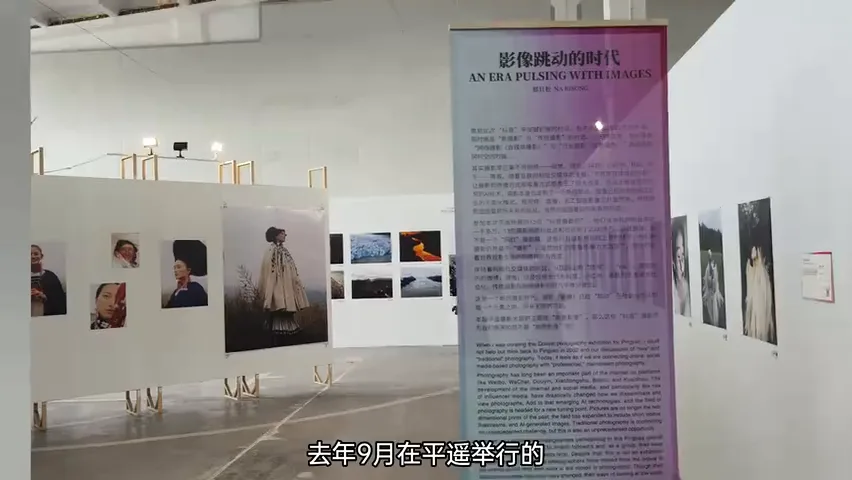
01 The Keyword: Beautiful, with Individuality
The keyword has two parts. First, "beautiful": to travel widely on the internet, a work's visual impact and aesthetic appeal must be outstanding. Second, individuality: in the social-media era, an ocean of photos is produced and posted every day, and to get noticed your photos must not only be beautiful — they must be beautiful in a way that is unmistakably yours (at 0:52 in the video). Thomas has long stressed style in earlier tutorials, and this exhibition proved the point.
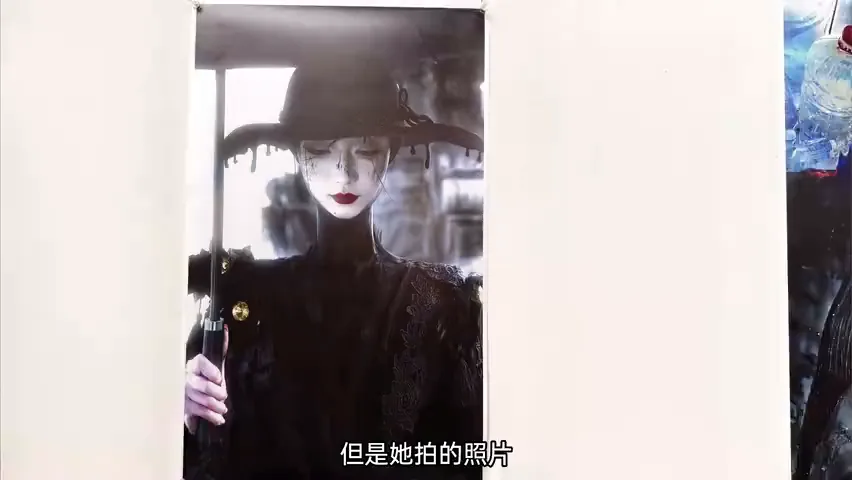
Take the ancient-style photographer Xia Qiji, an art-photography blogger with over a million followers on Douyin: her ancient-style work departs from the tradition, telling wildly imaginative little tales of spirits and strange happenings — drawing inspiration from mythology, ancient aesthetics and animation, with instantly recognizable results (at 1:26 in the video).
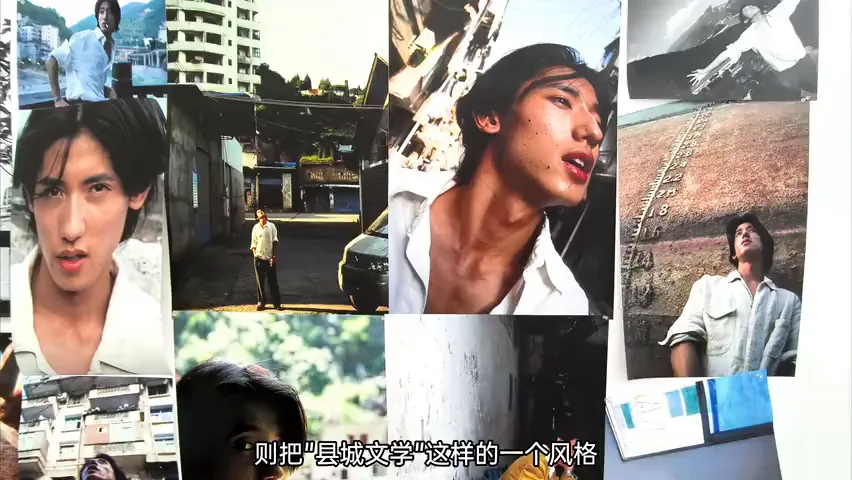
Another portrait photographer, "Wuya" (Crow), pushed the "County-Town Literature" style to its extreme: for the exhibition he imitated the form of old movie posters, tiling an entire wall with densely packed photos; his works — in their color grading, choice of models and styling — all evoke small-town youth of the last century, standing out from the brutally crowded field of portrait photography (at 1:53 in the video).
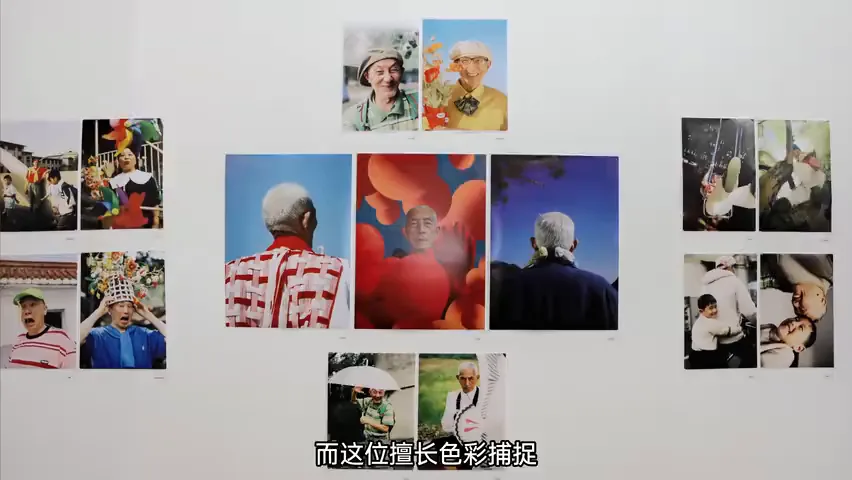
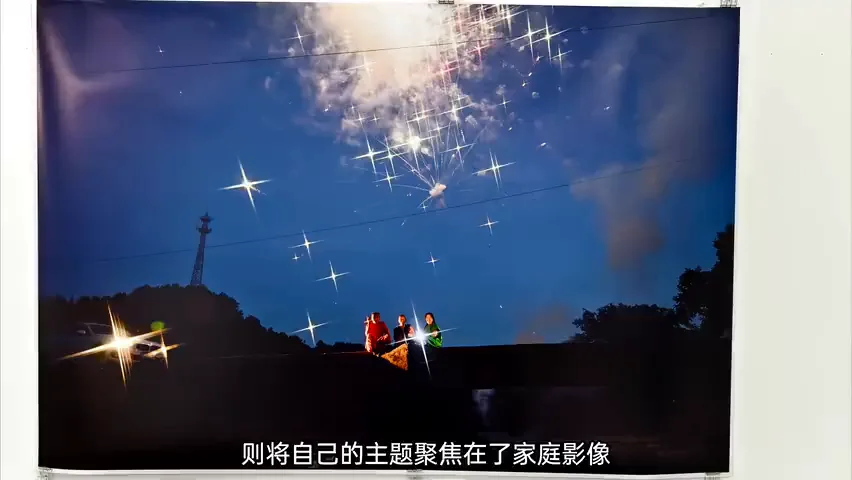
Several other portrait photographers each had their own signature; and one photographer, skilled at using color to capture emotion, focused her lens on family images: vivid, fresh and natural, they remind viewers that the ordinary beauty of life is right beside us — it only needs to be recorded and cherished (at 2:30 in the video).
02 Look Close to Home, Dig Deep for Years
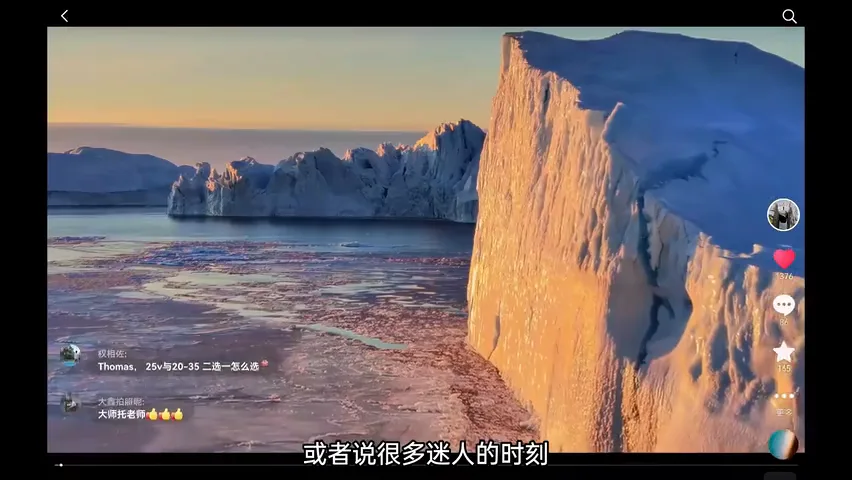
Thomas's second takeaway: to make good work, you truly need to attend to the stories around you, the people around you, or subjects you have followed with deep, long-term interest (at 2:52 in the video). His own exhibited Greenland series is one example — he has been shooting it since 2017. Greenland is a place profoundly shaped by globalization and climate change, and recently it hit the headlines again over geopolitics; as a photographer with an engineering background, Thomas cares deeply about such themes and keeps exploring their photographic possibilities (at 3:09 in the video).

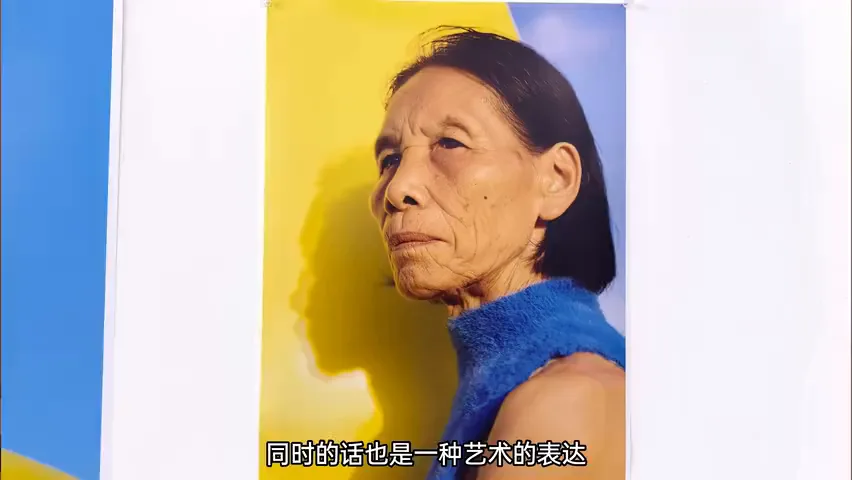
Likewise, two other exhibitors have long been based in Greenland, making unique images no tourist could capture (at 3:34 in the video). And one photographer's exhibited work is titled "My Grandma" — a long-term project he has kept up since high school: through his lens, a grandmother who farmed all her life has many, very cool moments; by blending fashion photography with the fields of the countryside, he turned family images into more than record — into artistic expression (at 3:48 in the video).
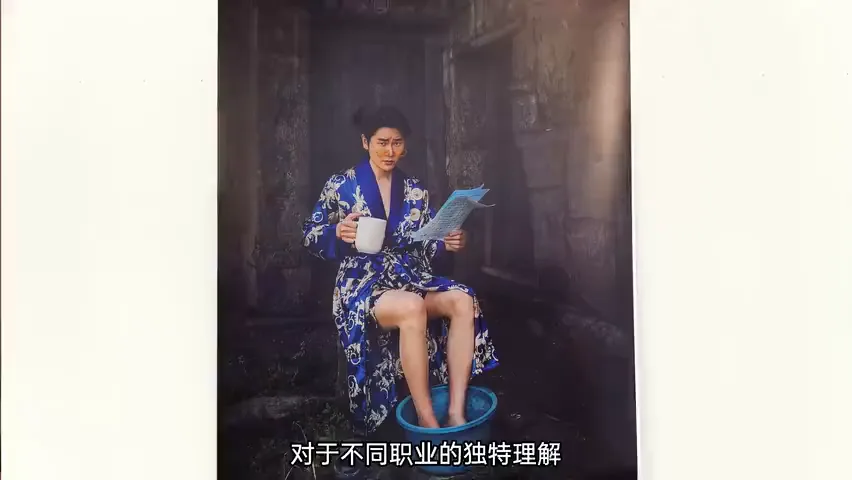
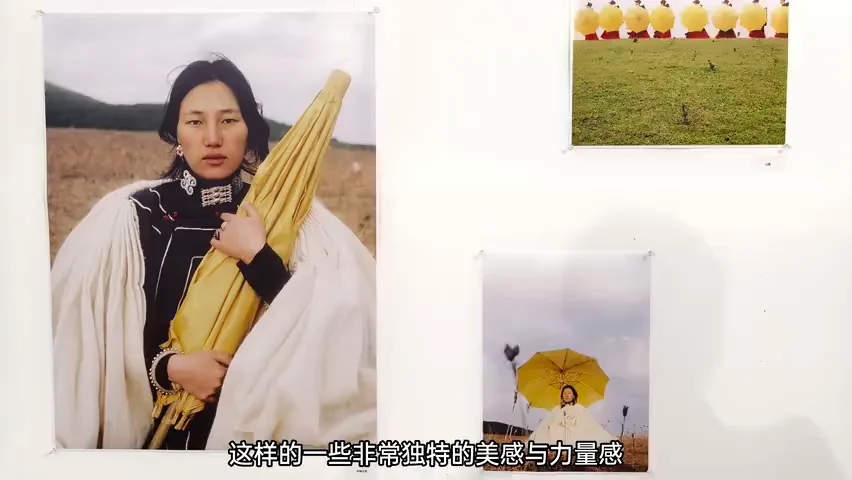
Still another photographer uses role-play as an artistic form to express his unique understanding of his hometown and of different professions (at 4:10 in the video); one has long been rooted in the Liangshan region where he went to college, recording Yi-portraits with the singular beauty and strength of a "daughter of the moon", giving ethnic portraiture the feel of a world-class fashion editorial (at 4:27 in the video); and another photograph deeply attends to people with depression — in these pictures subjects sink into dark water, are trapped in bathtubs, or wander cluttered rooms unable to find a exit for the soul; emotional details magnified through imagery into concrete, comprehensible states (at 4:40 in the video).
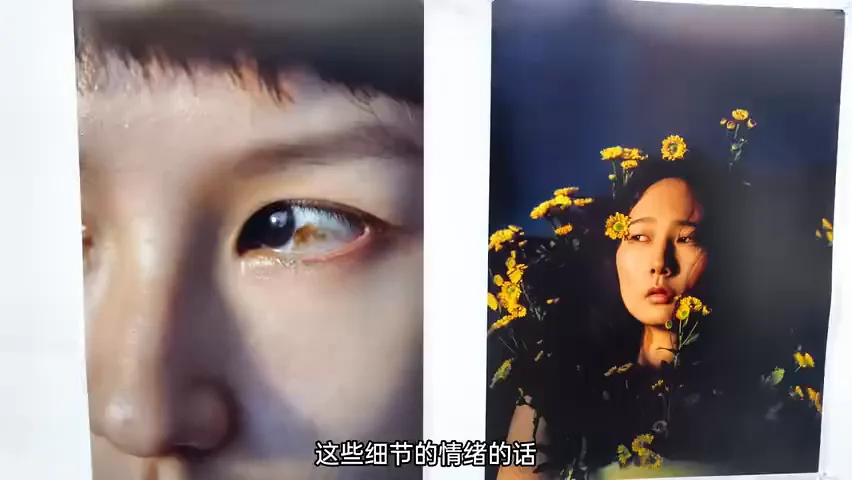
And one more photographer uses scenes close at hand to blend dreamlike fantasy with reality, while conveying reflection and critique of social phenomena and life events (at 5:10 in the video). Look across them all: these photographers dig into what is near, take subjects they love or have long followed, and mine them deeply — and that is how social influence grows.
03 Turn Short Video into Photography's Amplifier
Third, what these photographers share is full use of social media and the internet, combining short video and other new forms with photography for distribution (at 5:37 in the video). Talking at length with many of them offline, Thomas found their presentation strategies differ widely. The photographer "Wuya", for example, often threads different photos into a sequence and pairs it with a beautiful piece of music (at 5:58 in the video).
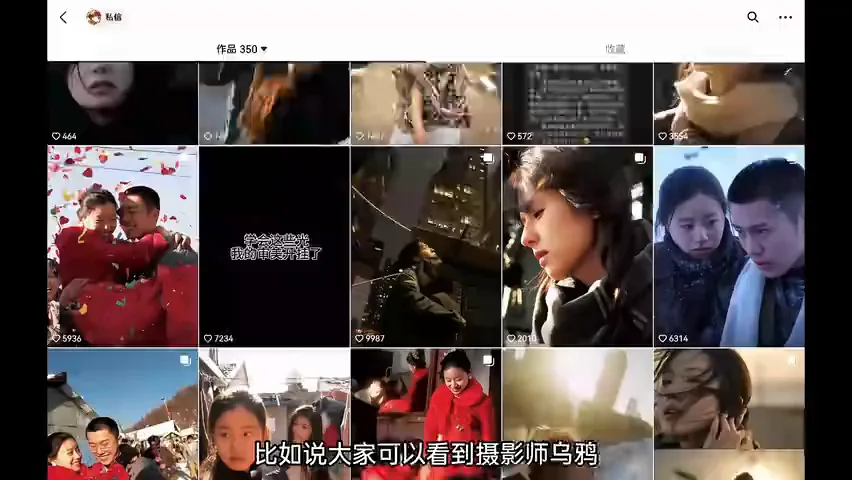
"Buzhiming Gezi", meanwhile, pushes the short-video medium itself to the extreme, producing distinctive and strikingly beautiful aesthetics while communicating the theme at heart (at 6:07 in the video). Many more photographers use video to document the shooting process, the ideas and the color grading, then present them in contrast with the final photographs (at 6:22 in the video).
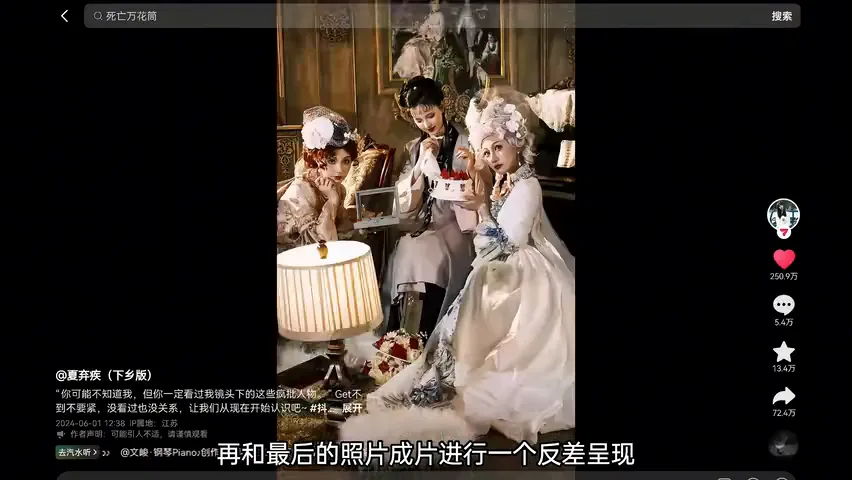
This remedies the weakness of the photograph as a flat medium — thin, not built for narrative or rich expression, better at metaphor and the decisive moment. For landscape photographers, it is the journeys over mountains and rivers that hold the most emotion and the most enchanting moments — video shows them better than the final frame ever could (at 6:54 in the video). For portrait photographers, the choice of props, the concept, the styling, the set design — all the ingenuity, contrast and sparks of inspiration — also come across better on video (at 7:08 in the video). In the short-video era, we should not confine ourselves to still photography: combine the two, and the expression becomes richer (at 7:32 in the video).
Back to the exhibition: these internet-famous photographers' works cannot be dismissed as saccharine "sugar-water" pictures — they are beautiful with individuality, attentive to the people and events around them, digging deep into social issues they care about, and thereby generating broad social influence; and in an era where images are in motion, they used short video and other new forms of distribution and expression to give their work a fuller, more contemporary reach (at 7:42 in the video). All of this is well worth learning from.
1. Be beautiful with individuality: beauty first, but beauty that is recognizable — from mythic ancient-style tales to County-Town Literature, style is the strongest memory hook; 2. Attend to what is near: family, hometown, the subjects that fascinate you — years of deep digging yield a depth no one can take away; 3. Use short video well: document the process, thread photos together, present before-and-after — it fixes still photography's weakness at narrative; 4. The success of internet-famous photographers is no accident — it is individuality, deep cultivation and new channels of distribution working together.