Photography Tutorial · 2021-09-12
Incredible! This Post-00s Photographer Filled a Gap in Our Country's Photography!
Thomas Chu Photo
In 2011, I first heard of storm photography as a genre. In the US, Australia, and Europe, there's a group of photography enthusiasts who specifically chase and shoot all kinds of extreme weather.
Today I'll recommend a domestic storm photographer — and he's post-00s: @Range Sifang (@Range四方). The photos he submitted to the #Star Cluster Project# are incredible too!
Video tutorial
▶ Watch the video tutorial on Bilibili
This is the fully illustrated companion to the video above, in which Thomas reviews a set of works submitted to the Xingxiu Program by Range Sifang, a post-2000s storm photographer — tornadoes, lightning, mammatus clouds and supercells, extreme weather phenomena rarely documented systematically in China until a young Chinese photographer took them on. Below, Thomas's shot-by-shot commentary and composition advice are arranged in the order of the video, with keyframe screenshots.
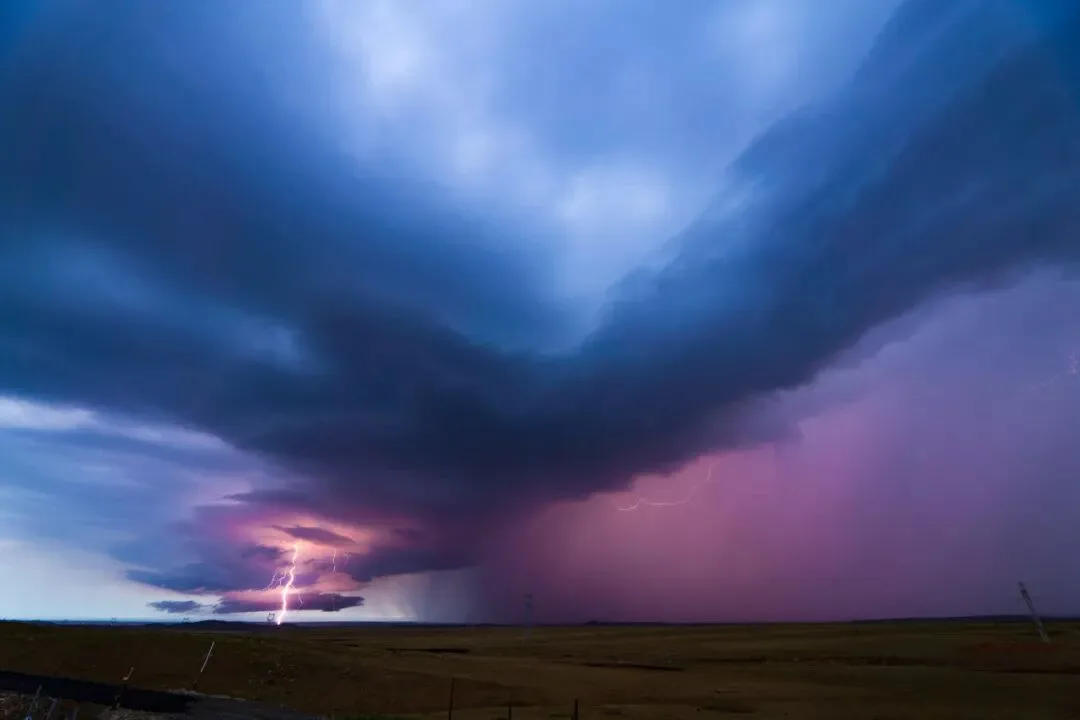
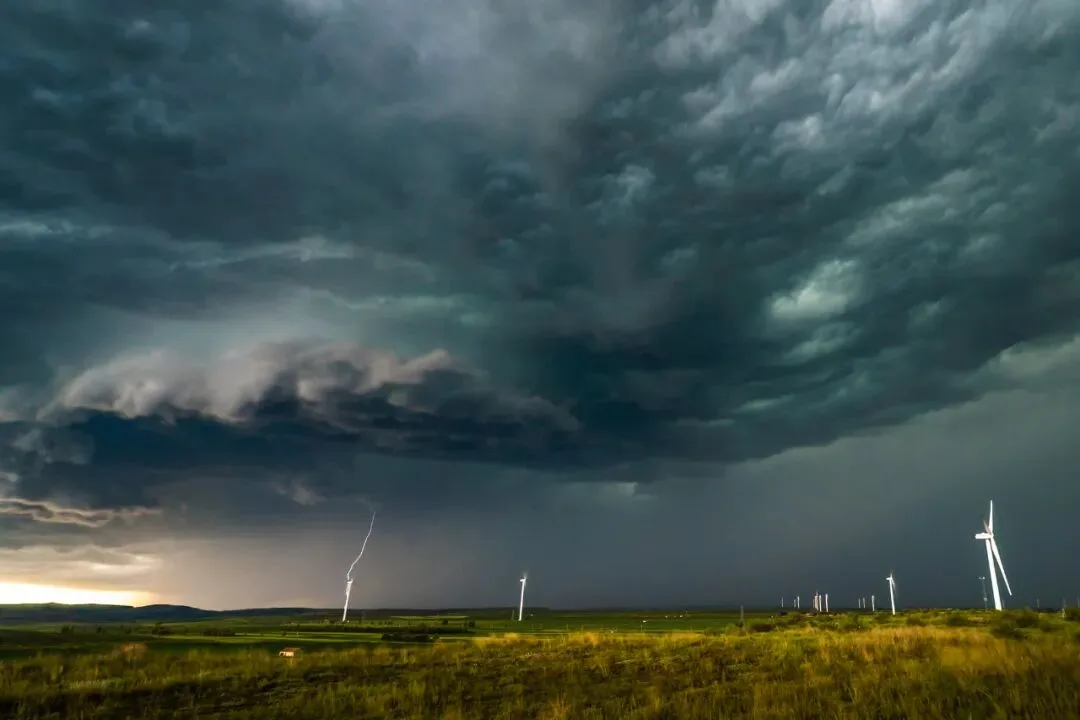
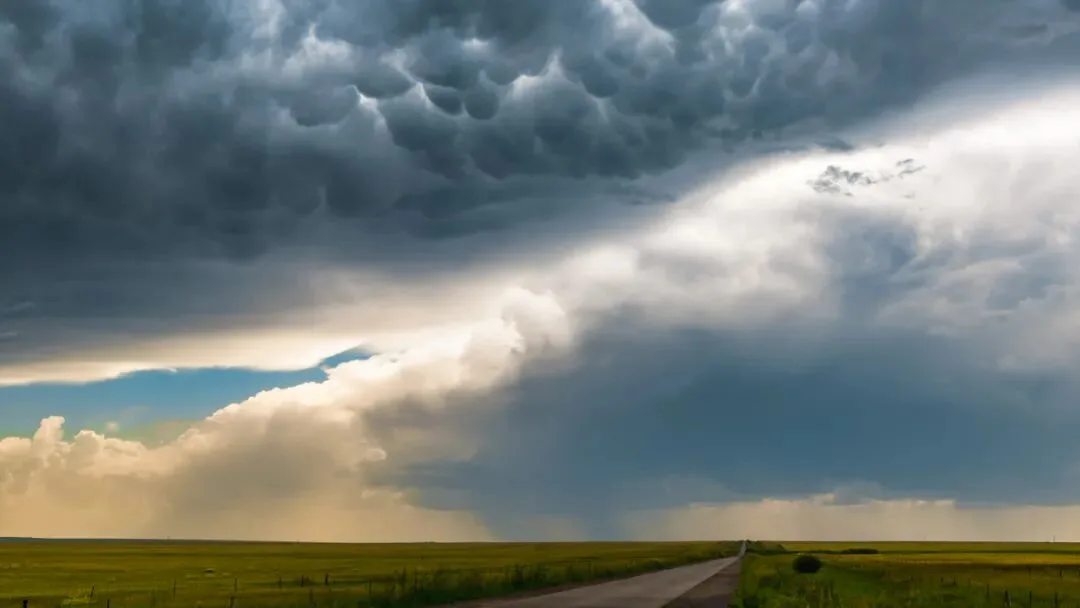
Start with the opening. The frame below, captured at 0:45, is the kind of image storm chasers bring back — nature at its most violent and most breathtaking.
01 China's Storm Chasers
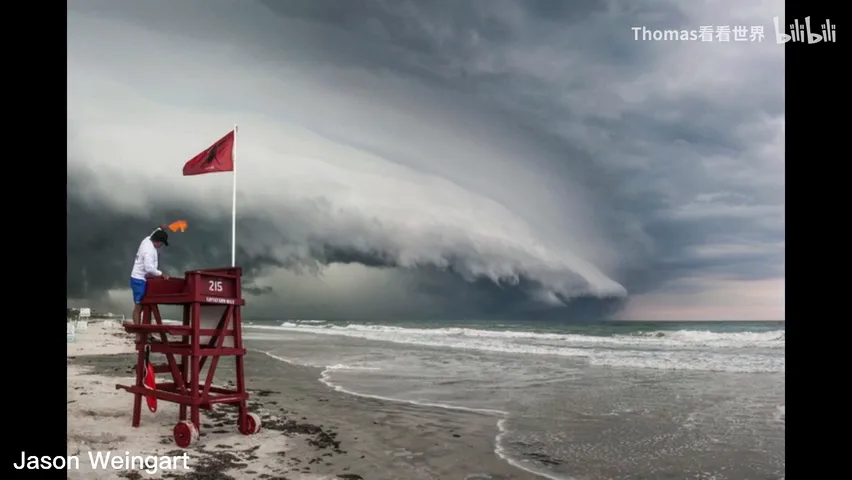
Thomas first encountered storm photography in 2011, through a National Geographic article: in Europe and America a group of photographers devote themselves to chasing tornadoes, storms, lightning and other extreme weather, producing breathtaking work (at 0:41 in the video). This submission showed him that a group of young people in China are now doing the same.

The photographer goes by Range Sifang. When he publishes photos and videos on Weibo and Bilibili, he also explains in detail how these storms form and how they move (at 1:08 in the video) — well worth following. Below, Thomas reviews his stills one by one from the angle of composition and craft.
02 The Landscape Anchors the Storm
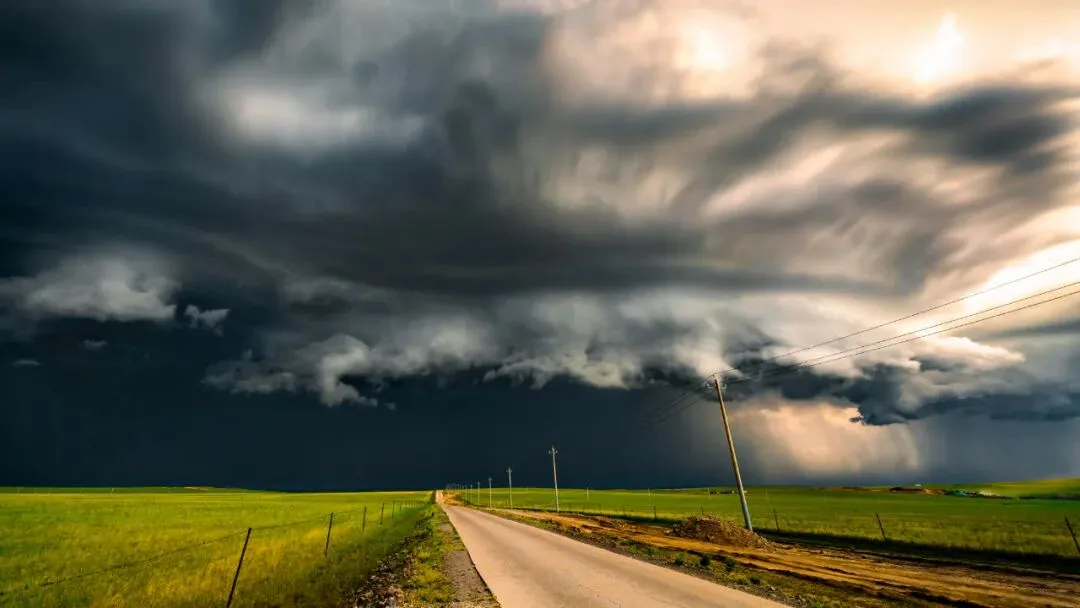
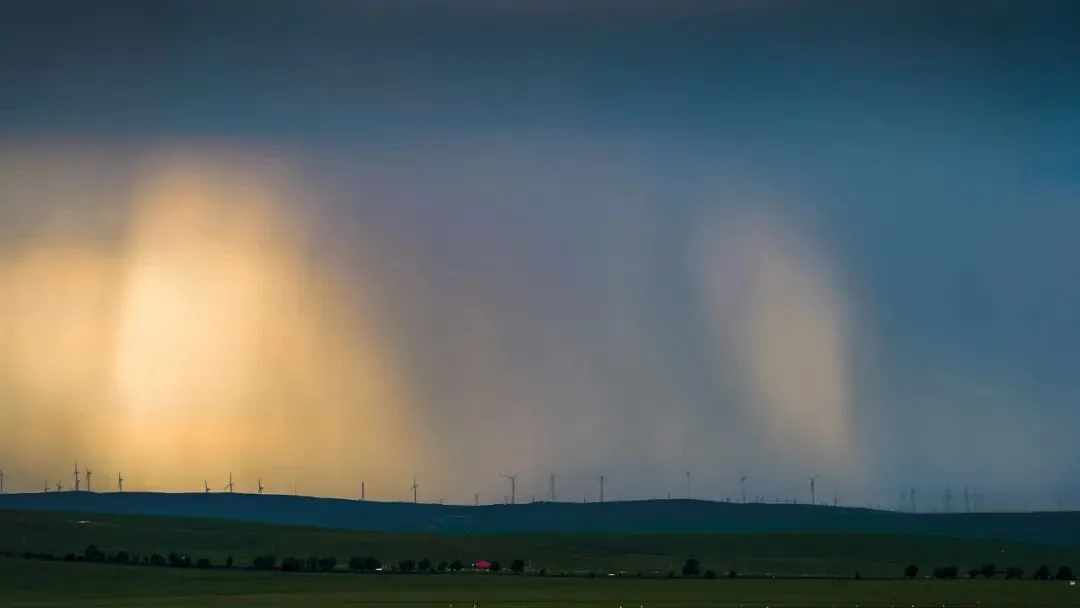
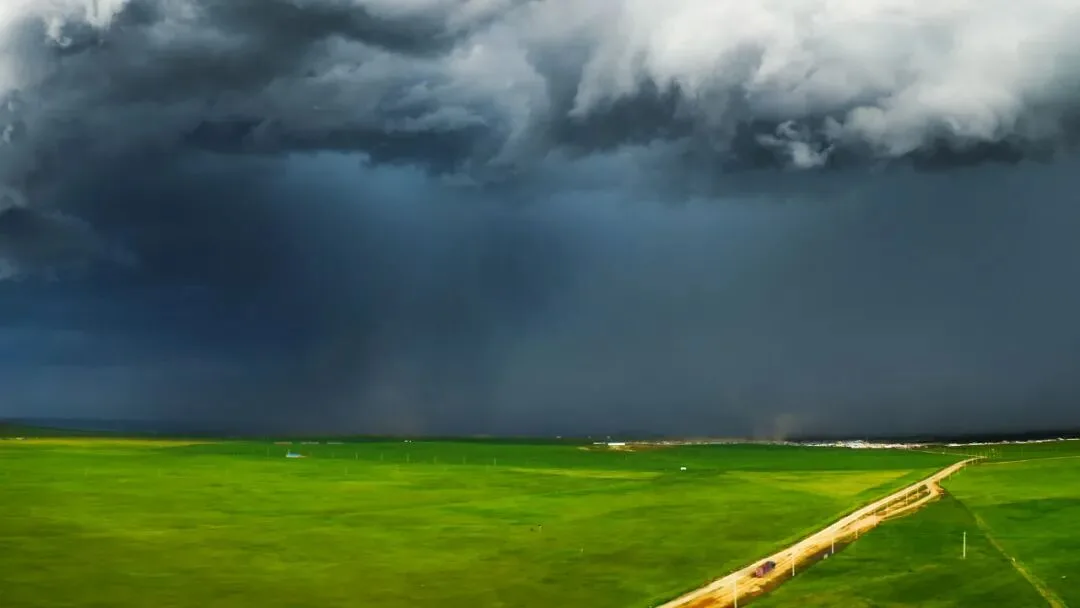
For the first photo, shot in the rain, Thomas judges composition alone: keeping only the left portion would be strongest, with the whole frame darkened and the blue saturation pulled down — making the contrast between light and dark even more pronounced (at 2:42 in the video).
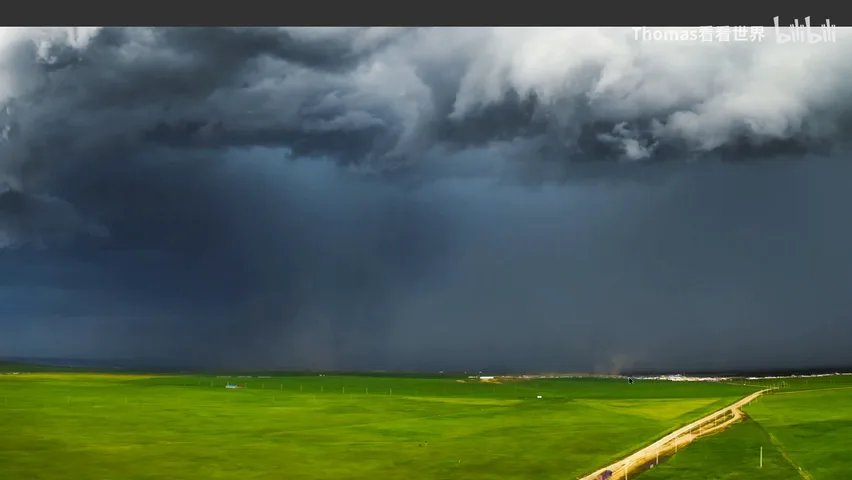
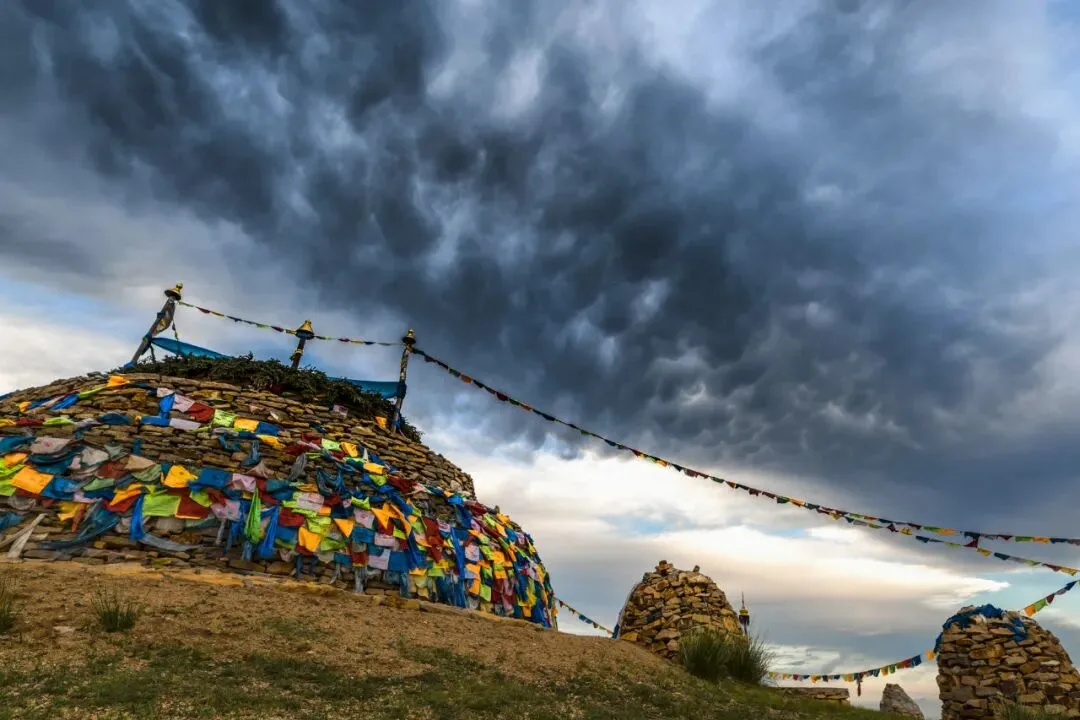
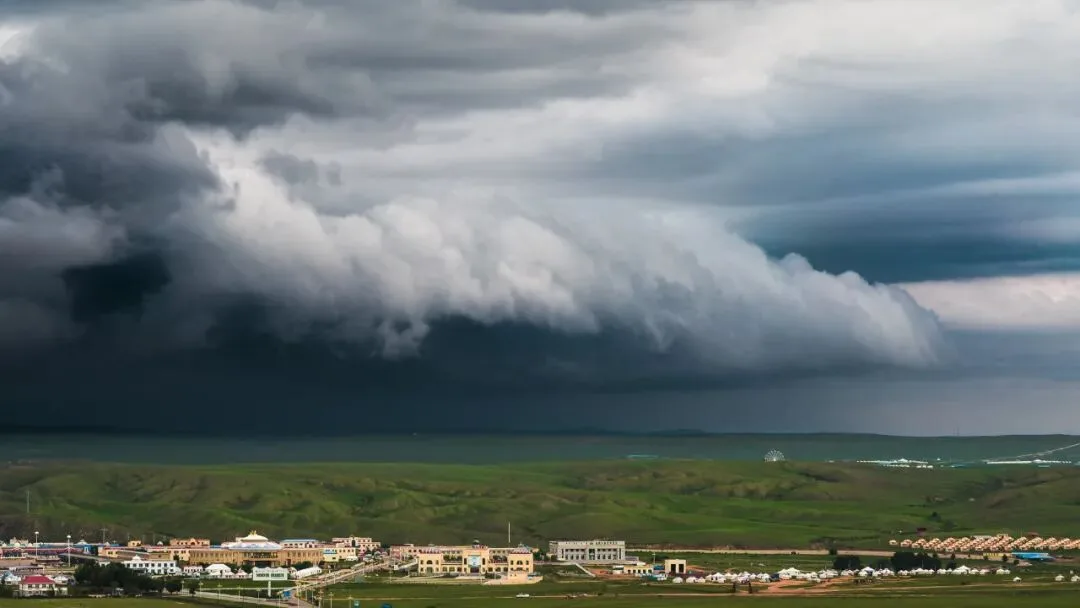
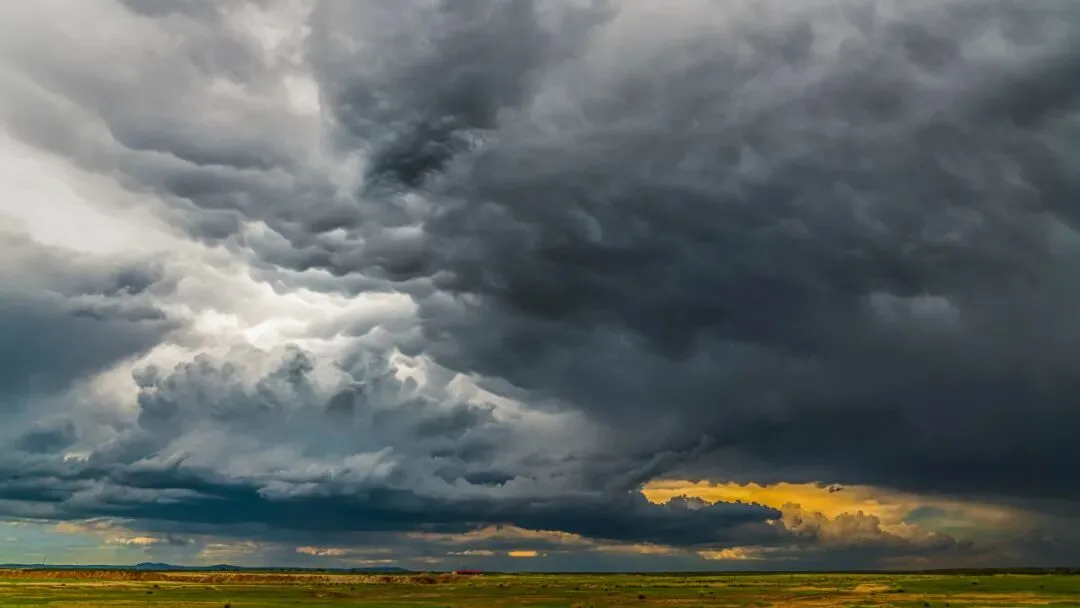
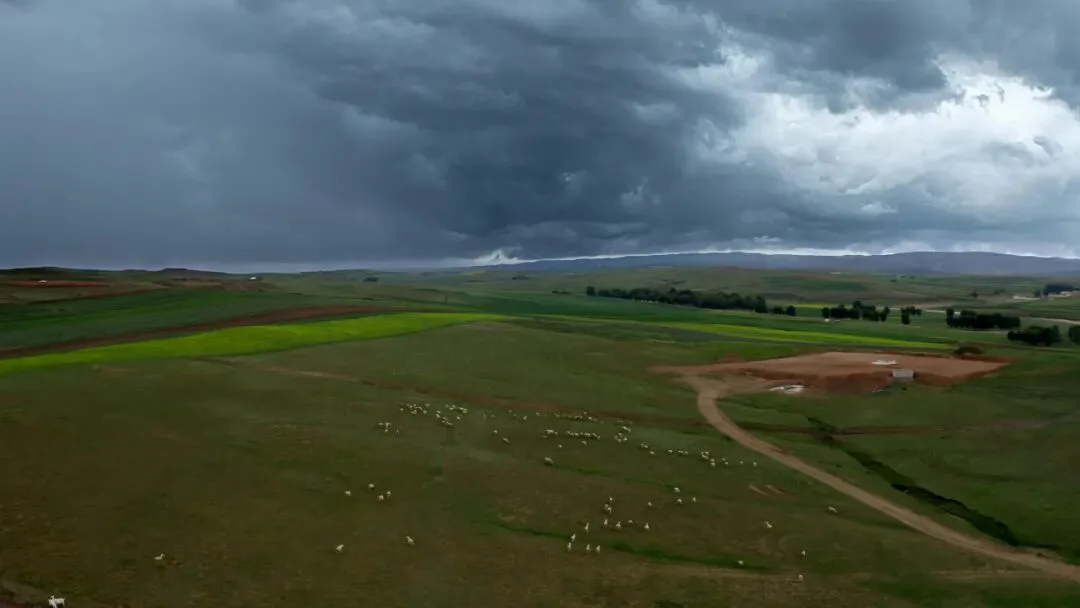
This frame captures the sheer spectacle of a storm's arrival — the tornado-like swirl of flying dust and stones is striking. It was shot by drone, which could have flown closer to the foreground: nearer to the prayer-flag-covered mound, making it the subject. One vast storm, one lonely blue structure beneath it — that contrast grips the viewer (at 3:04 in the video).
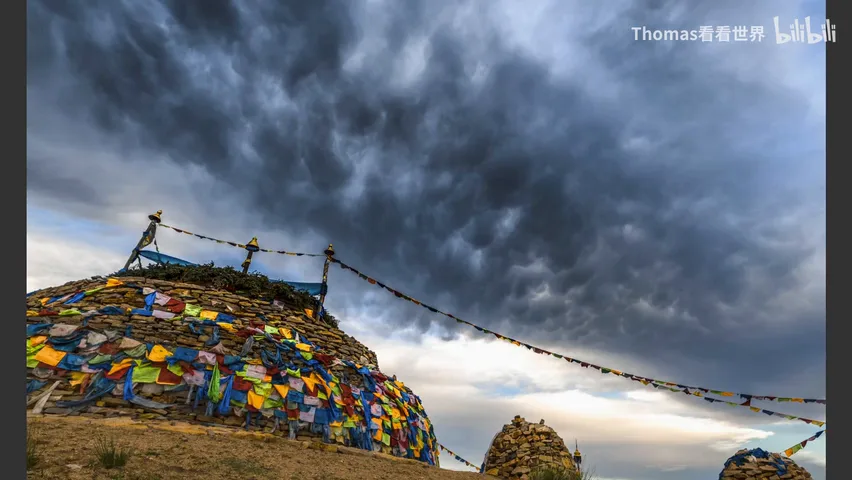
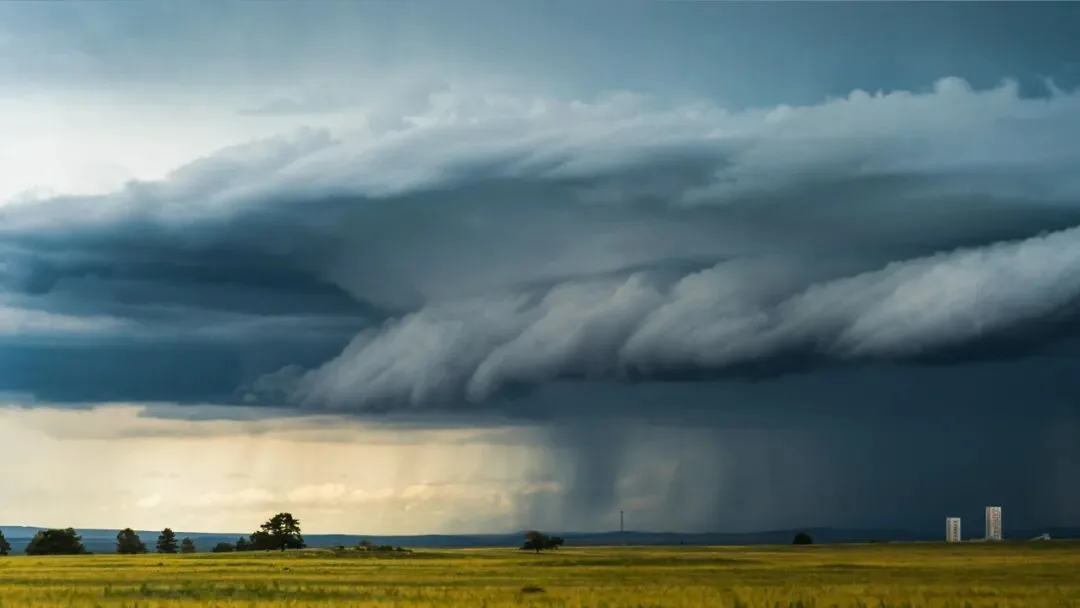
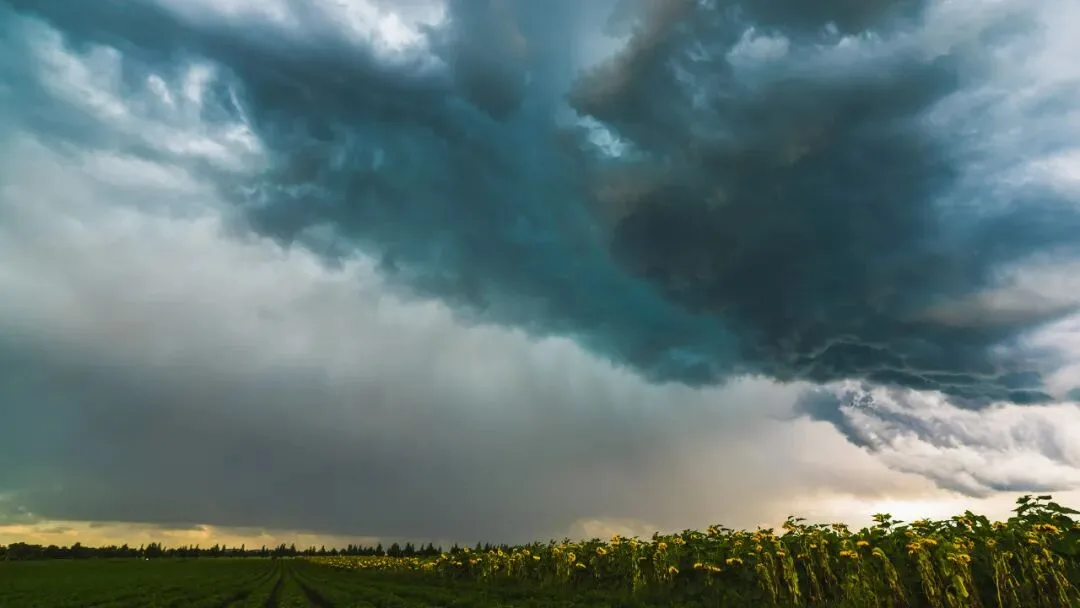
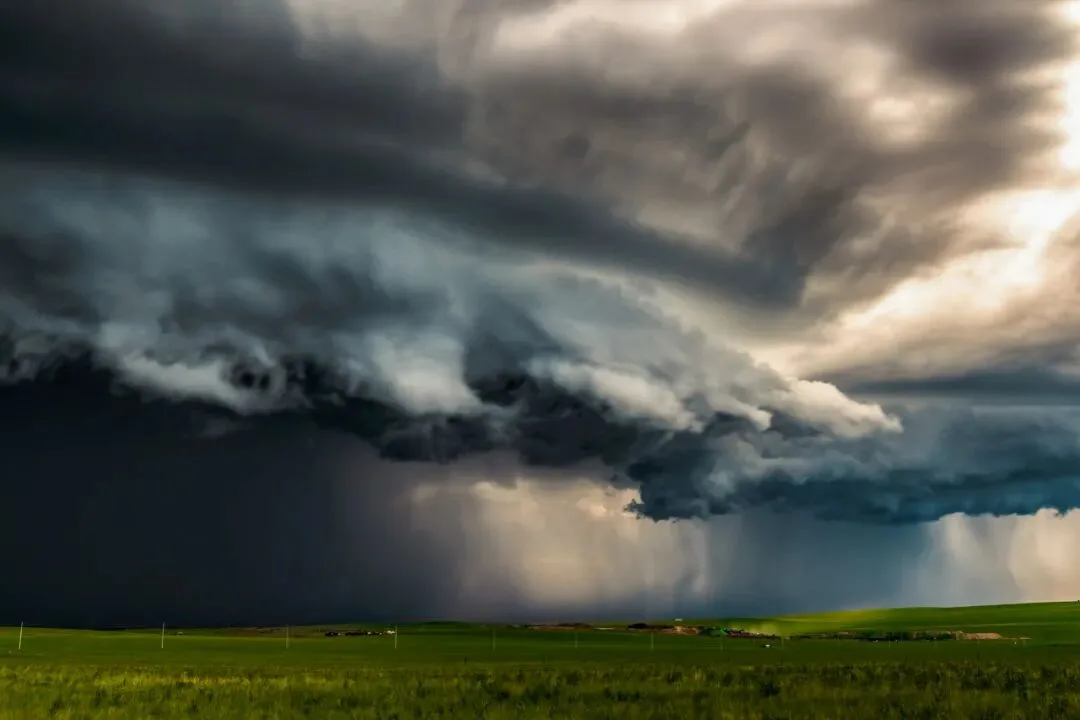
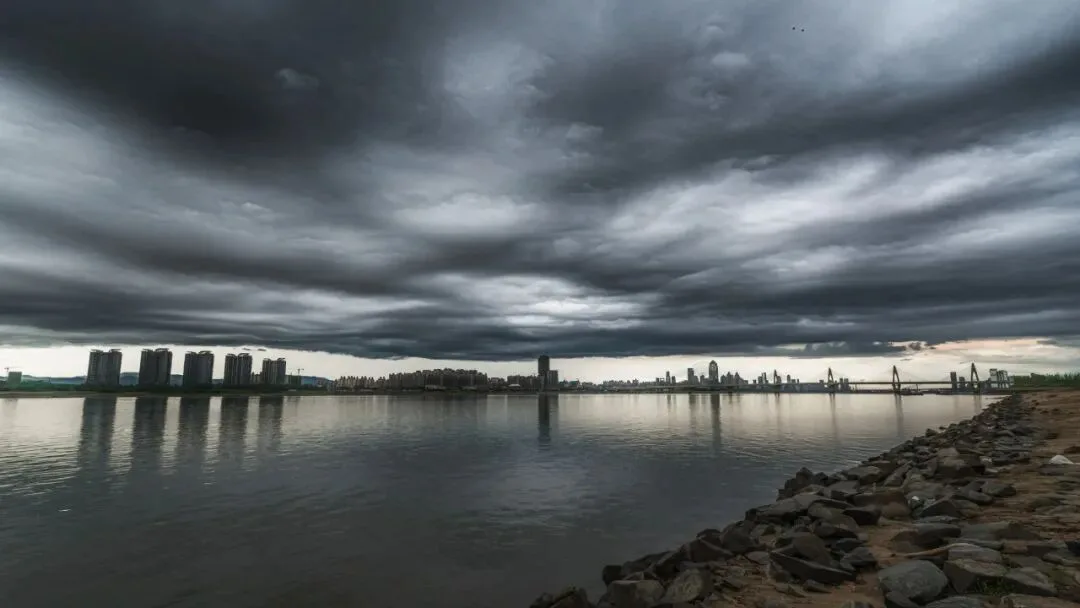
In storm photography the ground matters as much as the storm: the landscape is shaped by the weather and echoes it. In this frame of a lone tree under a shelf cloud, had there been time — storm light is fleeting — moving closer would have made the tree larger and thinned out the surrounding trees, strengthening the image (at 5:20 in the video). The building nearby or the antenna tower in the distance would also make fine subjects. Storms change by the second; capturing a moment like this is already remarkable.
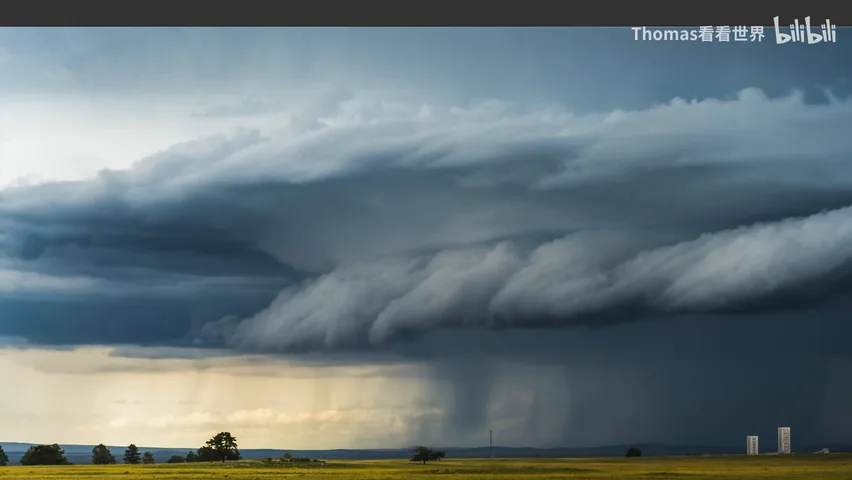
03 Telephoto Views of the Storm
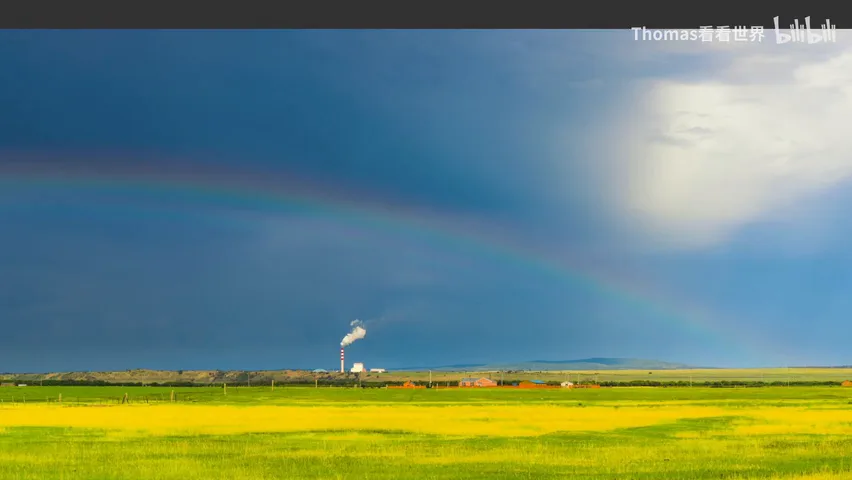
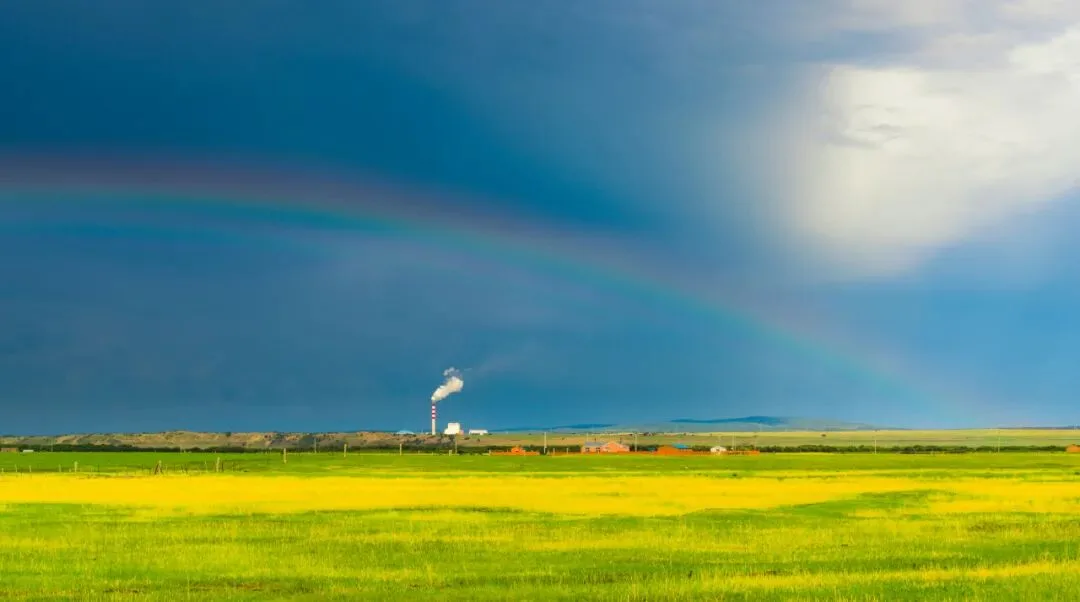
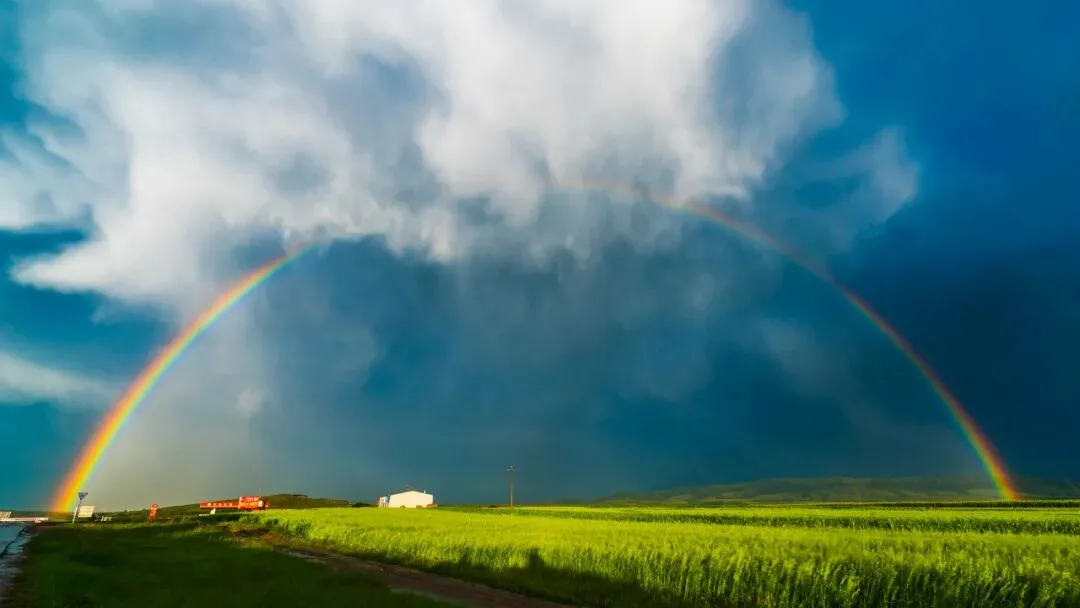
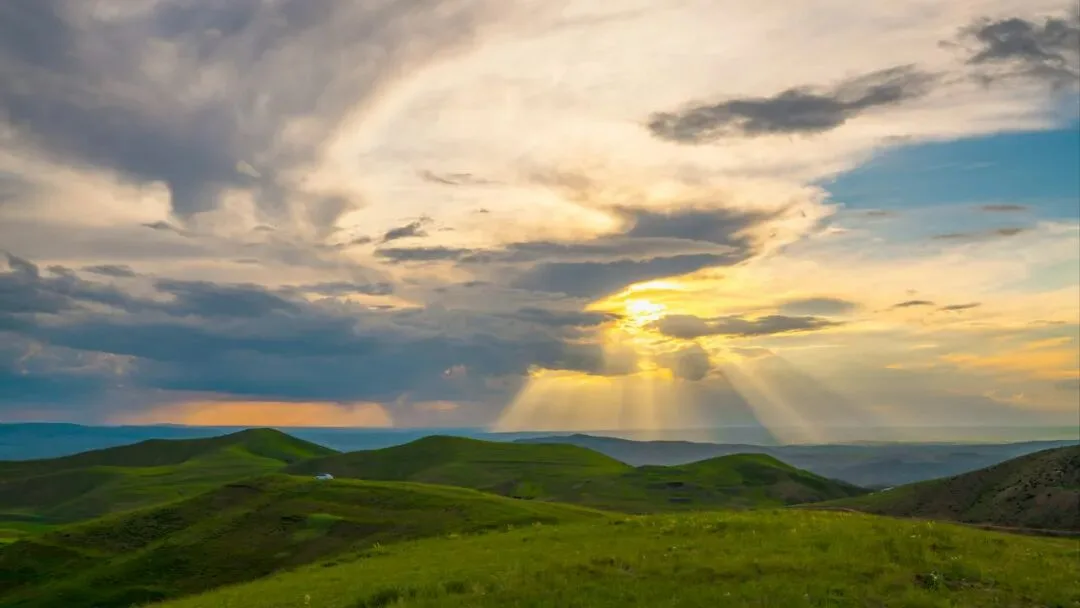
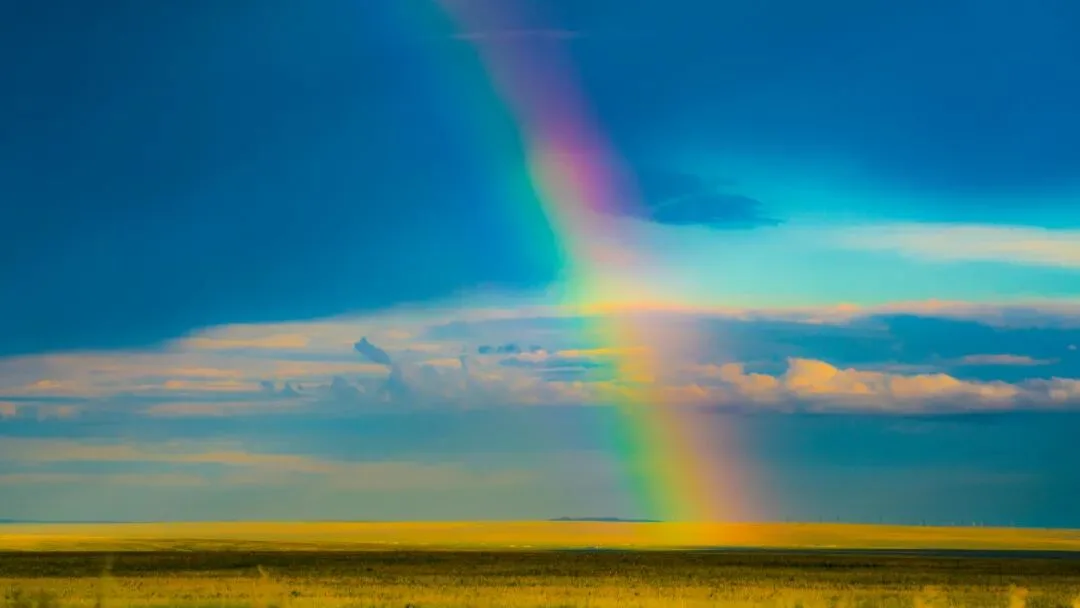
As for this rainbow, Thomas had honestly never seen one so spectacular (at 3:44 in the video). Capturing such extremes is not about wandering around hoping for luck — it takes meteorological knowledge: knowing how and where these clouds form is what raises your hit rate.
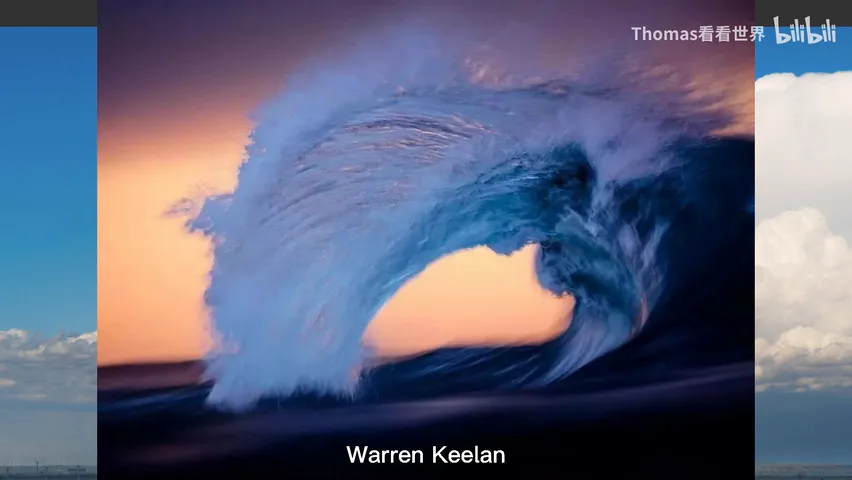
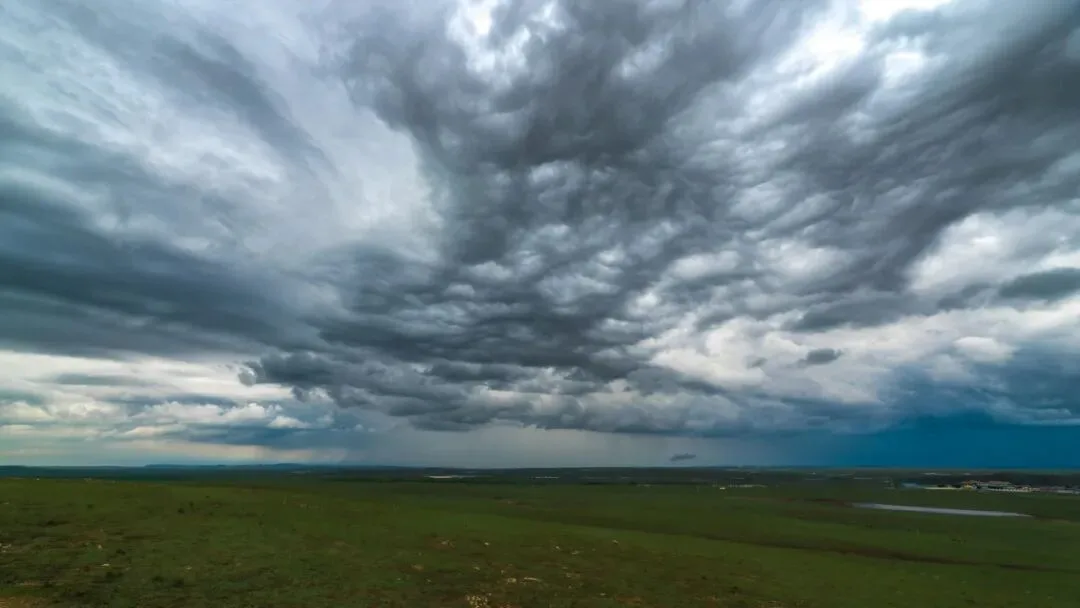
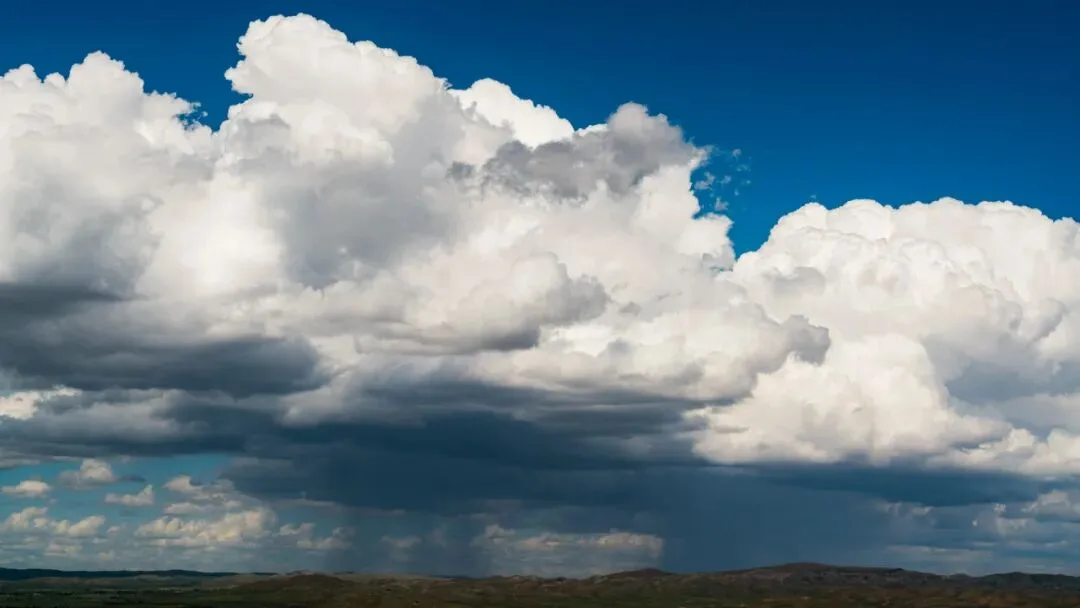
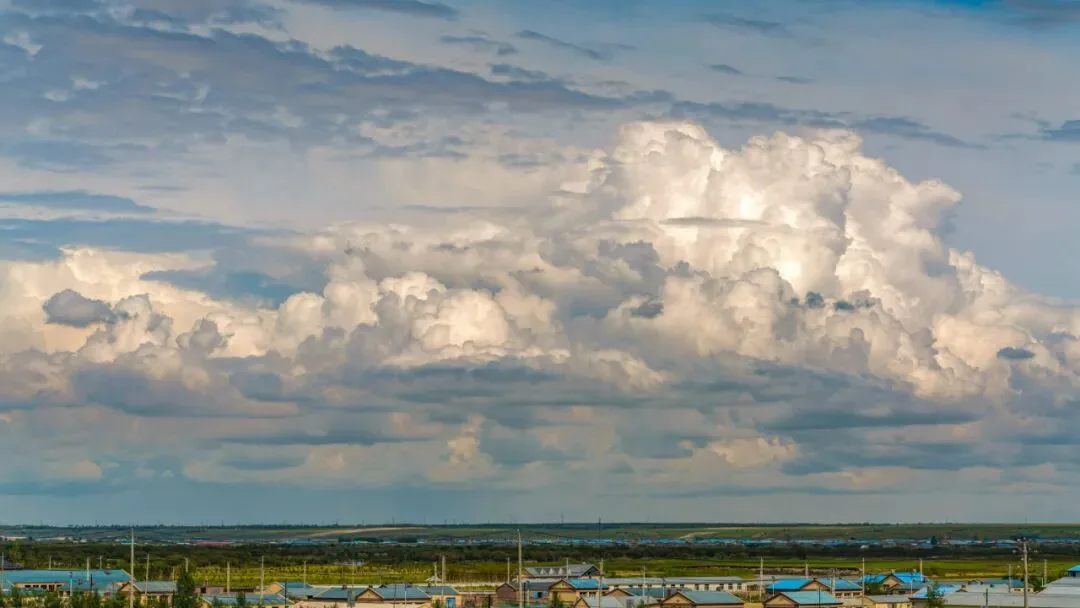
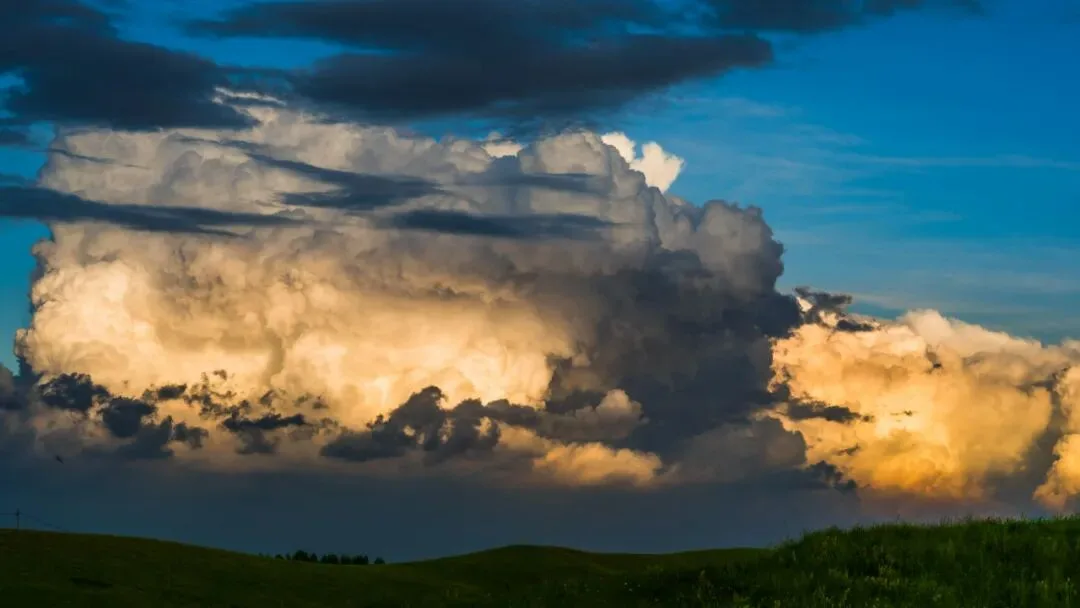
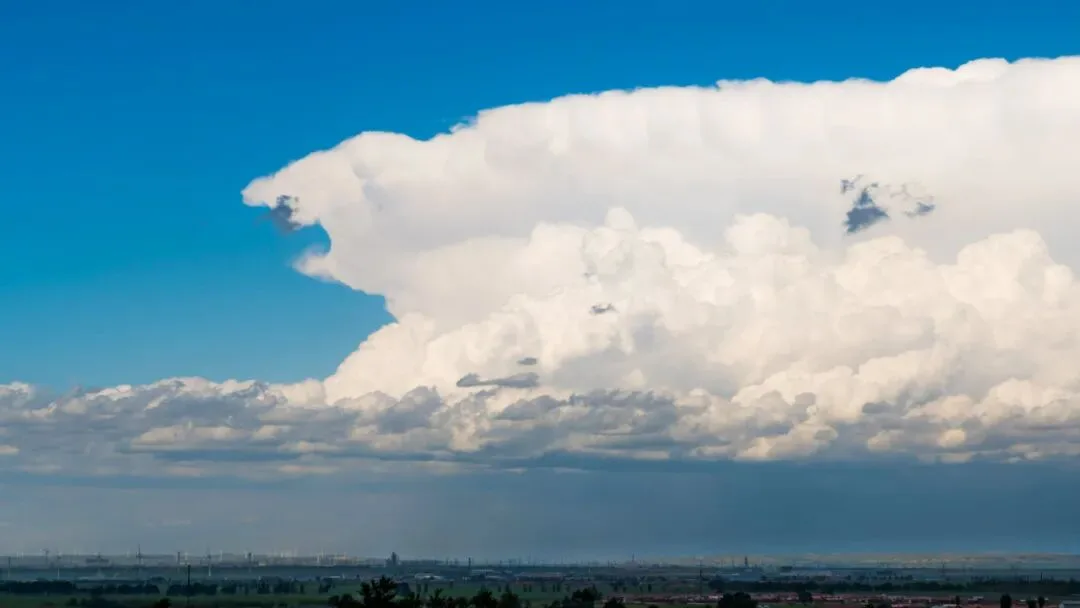
Beyond wide-angle shots of the whole storm, a telephoto can isolate details: this storm resembles an animal, almost a turtle, its interior churning like breaking waves (at 4:00 in the video). It reminded Thomas of a seascape photographer — most people photograph the sea as a whole, but that Australian photographer specializes in wave details (at 4:20 in the video). A long lens on the wave-like details of clouds should prove just as distinctive and stunning.
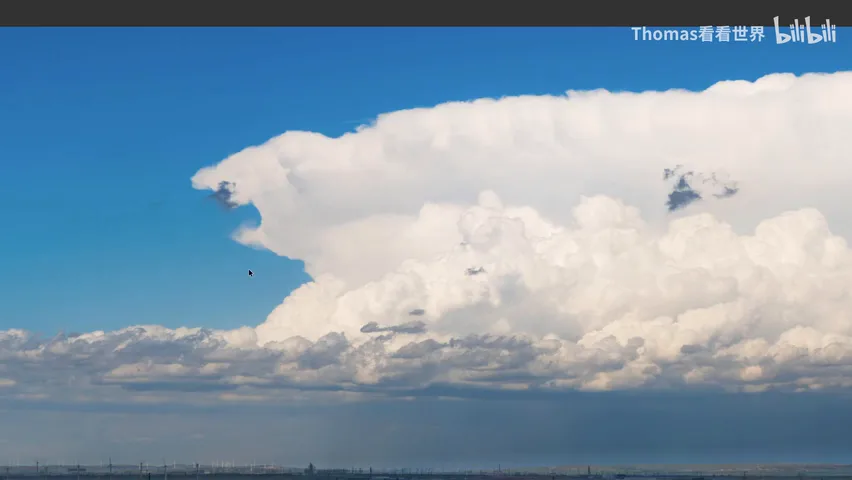
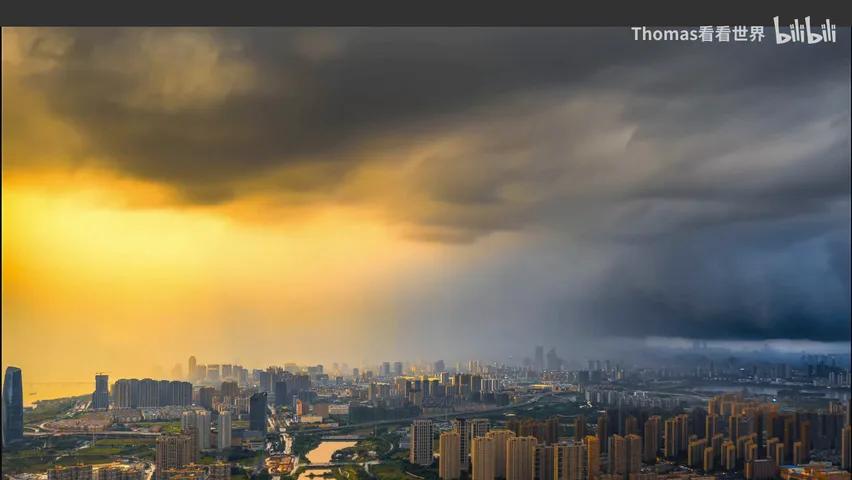
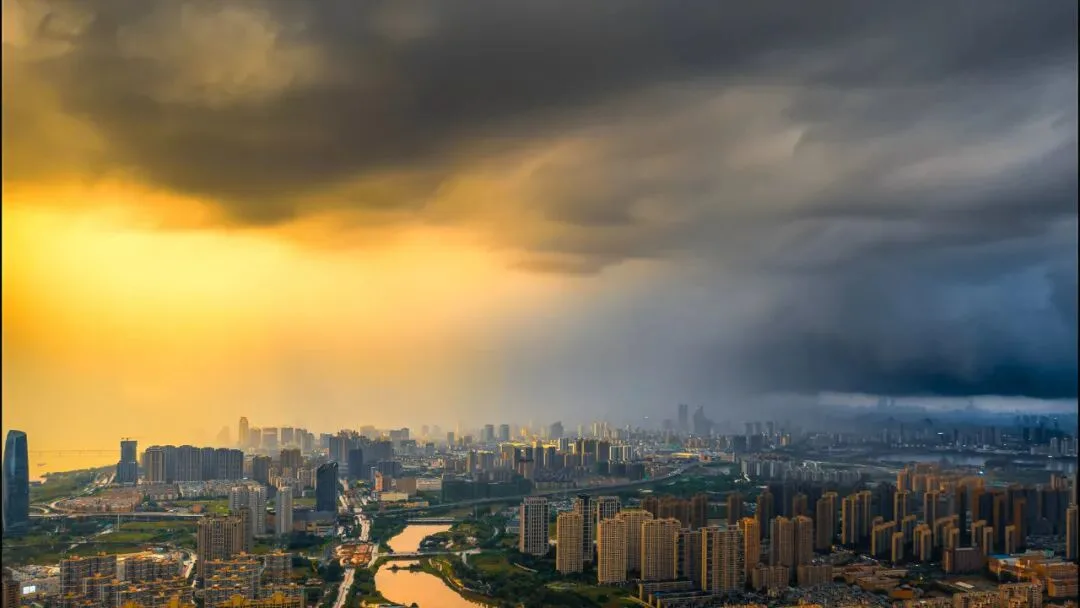
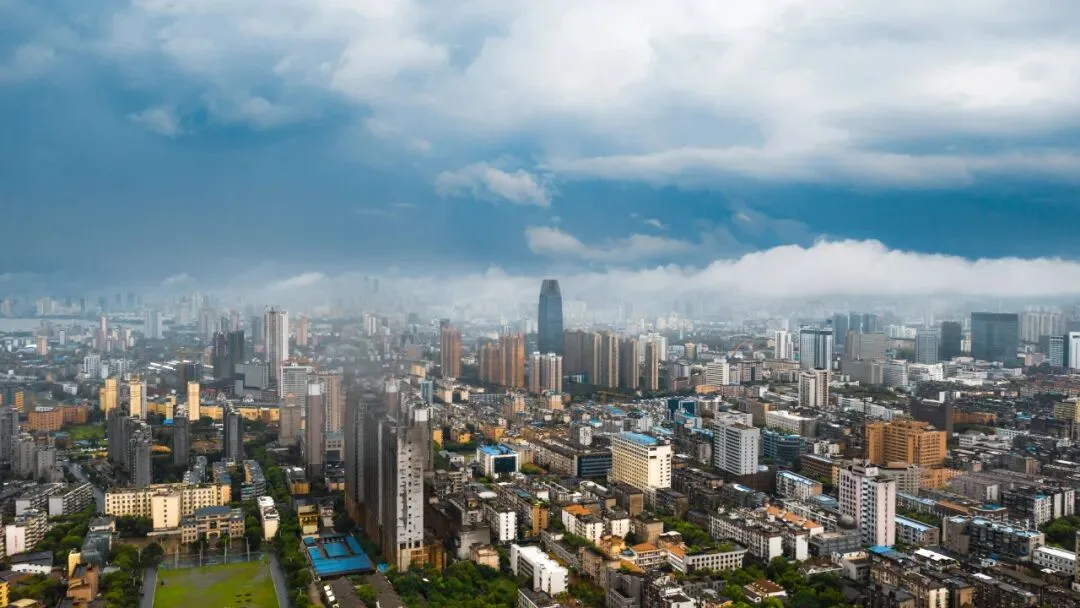
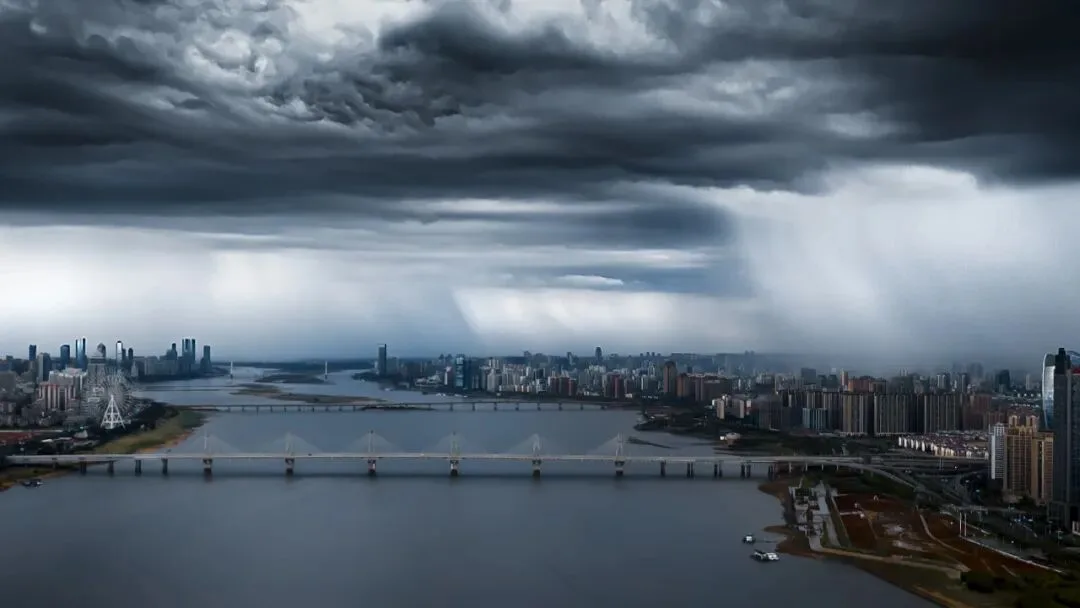
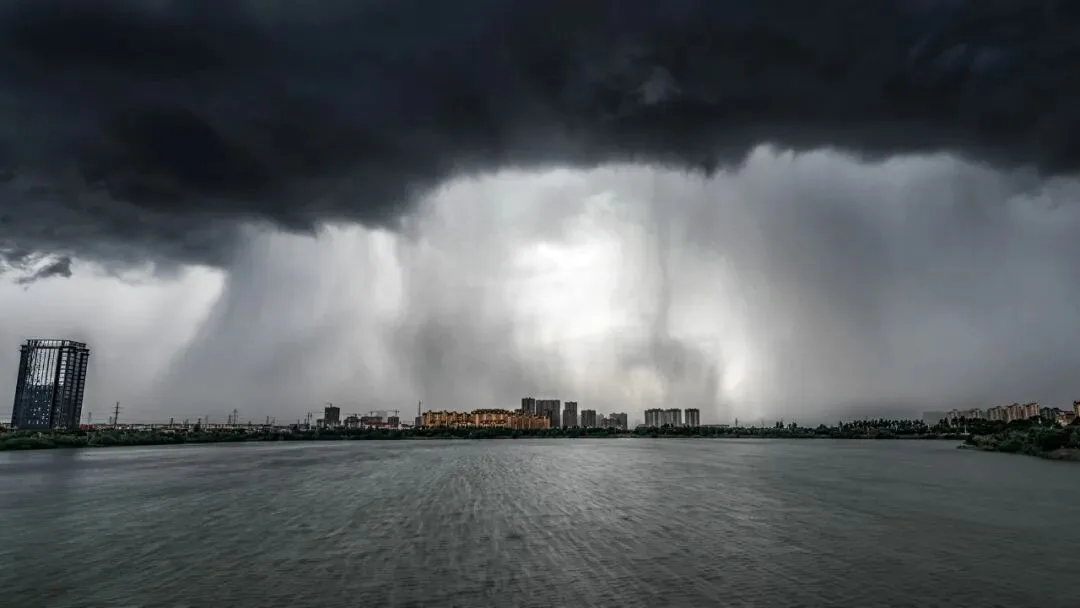
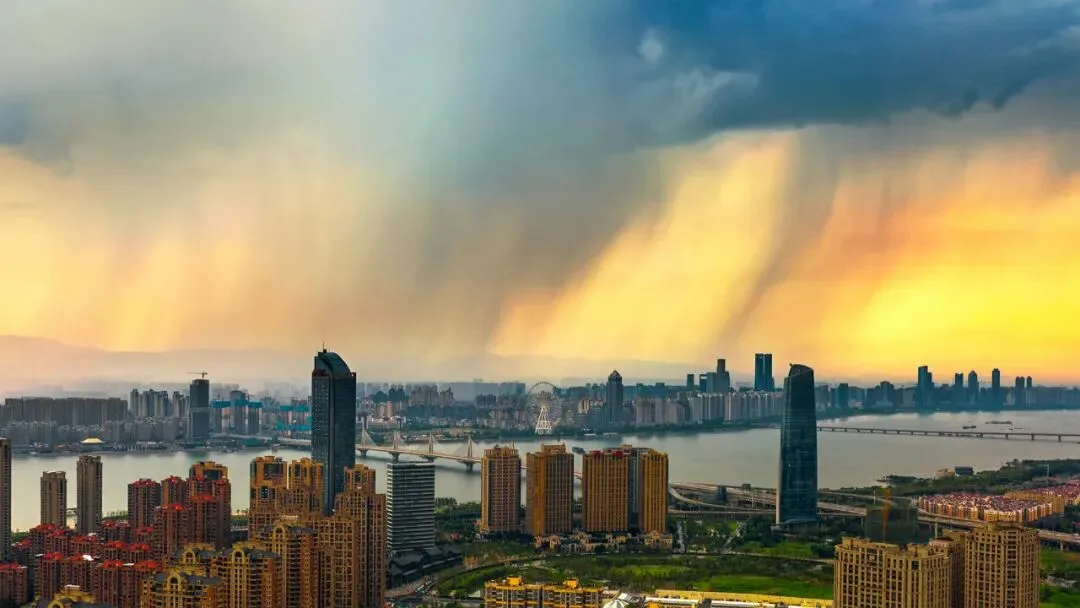
The same logic applies to the city frames: you don't need that much city — a strip of skyline is enough. A bigger storm does not automatically mean a more striking photo; keep only a corner of city and let the storm dominate, and you truly feel how tiny even a megacity is before nature (at 4:44 in the video).
04 Mammatus and Lightning
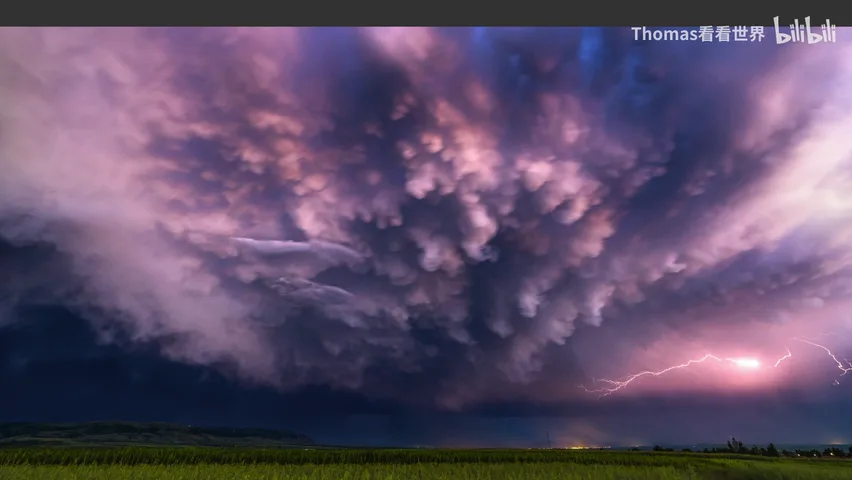
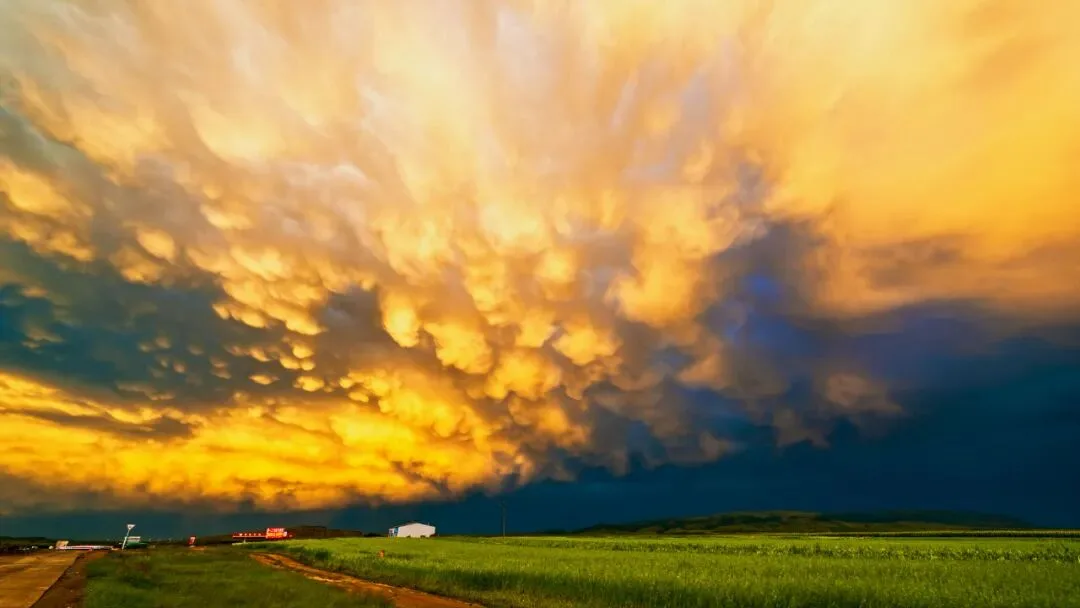
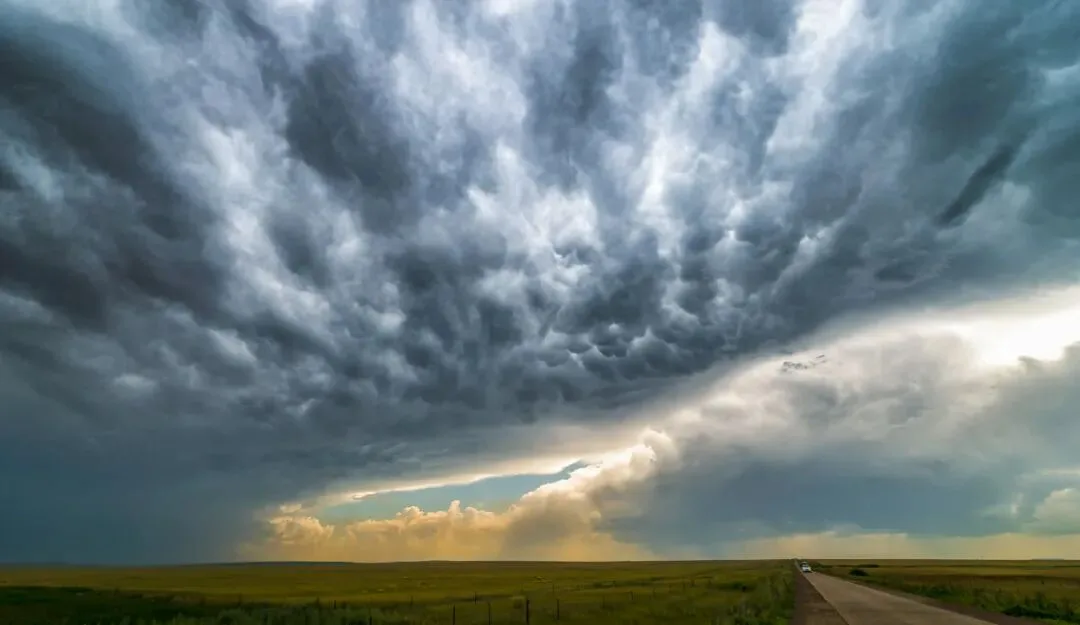
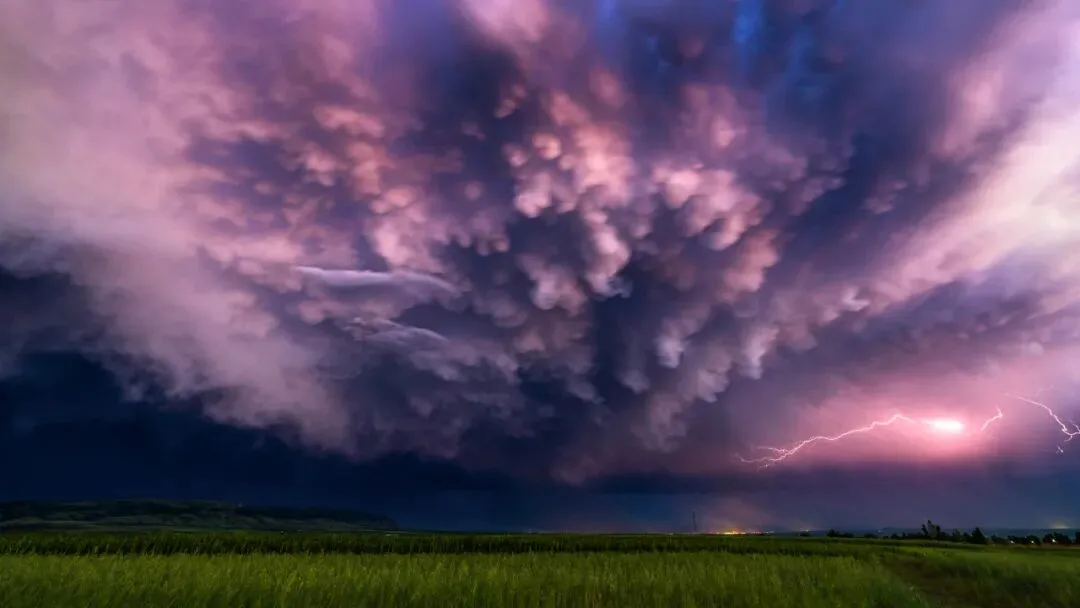
Mammatus clouds like these, Thomas had never seen in all his years shooting outdoors — spectacular and astonishing. In some of these frames the most dramatic part is the fog-swirled mass on the left, not the familiar formations on the right; medium and long focal lengths help isolate exactly such regions (at 6:05 in the video).
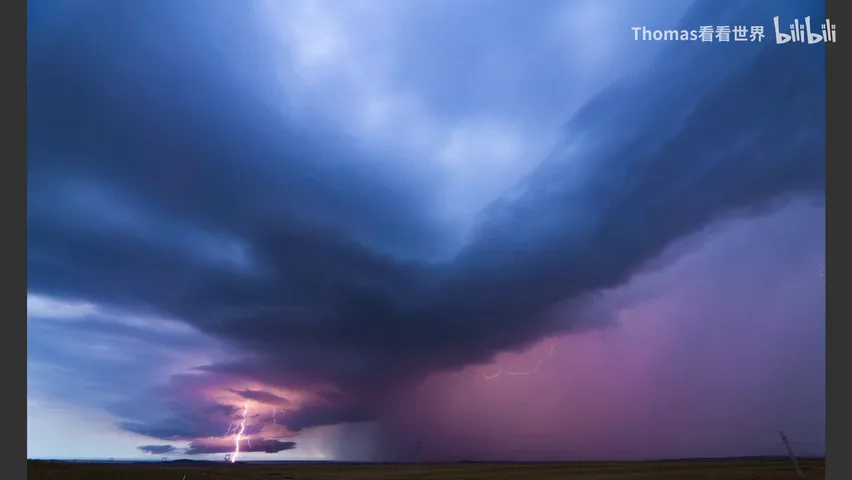
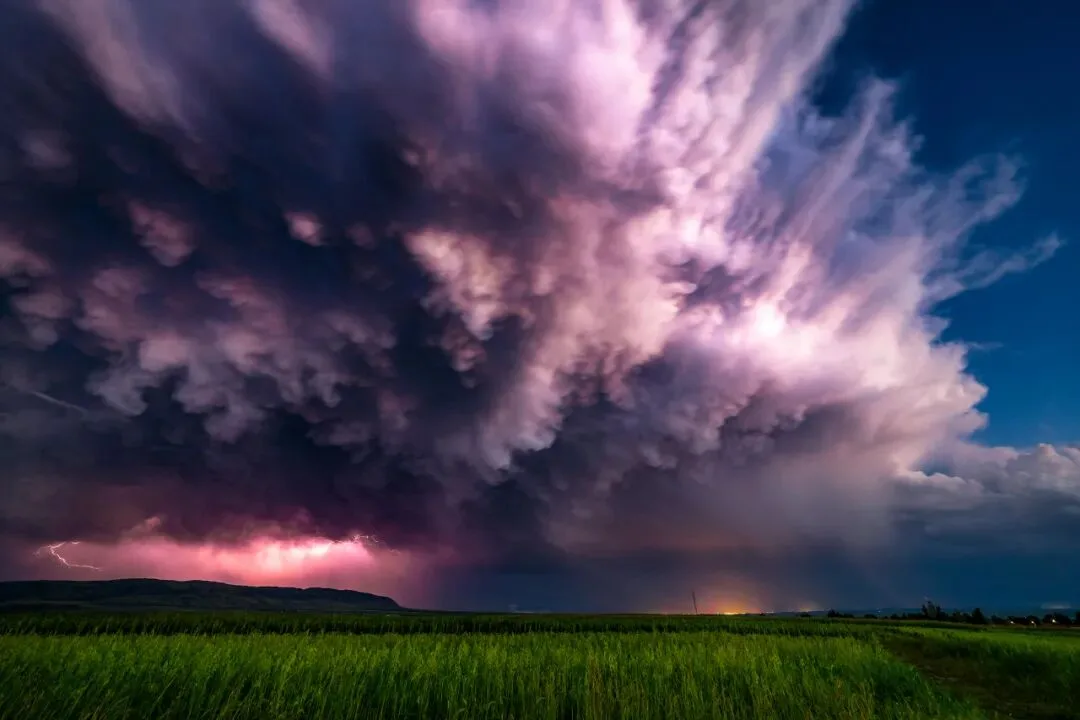
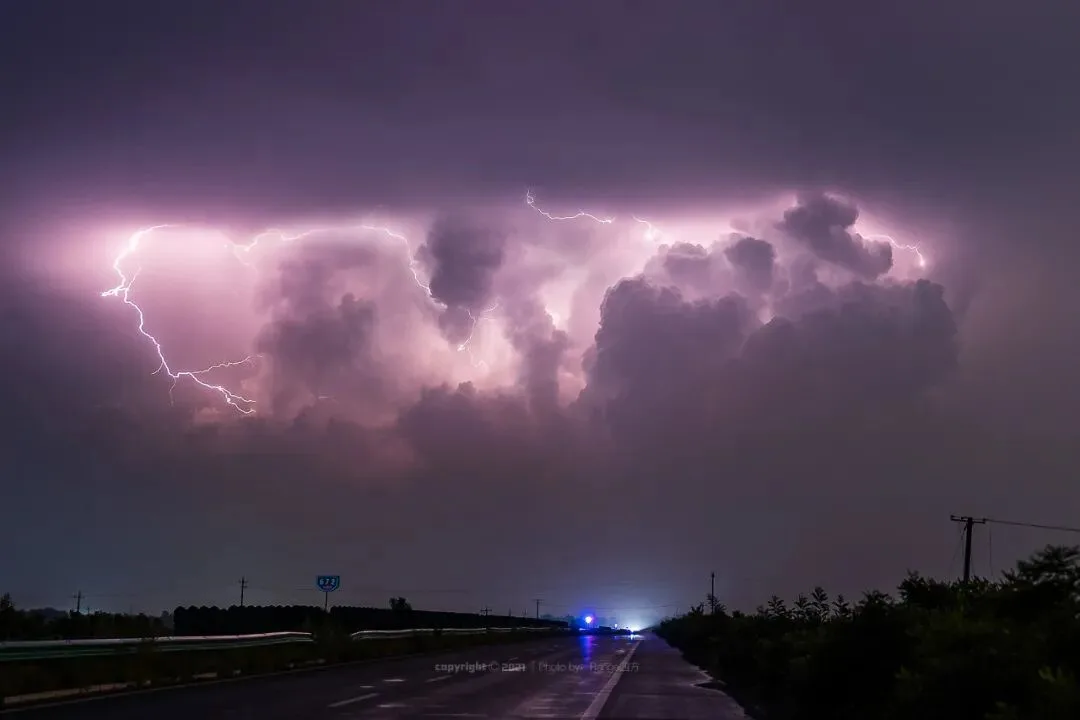
And in thunderstorm weather it takes real courage — plus proper safety precautions — to record lightning like this: a rare and brilliant catch (at 7:07 in the video).
05 Room to Grow Further
Overall, this body of work is distinctive and systematic — the first high-quality, systematic documentation of extreme weather phenomena by a Chinese photographer, filling a genuine gap in the country's photography. There is plenty of room to grow: Western storm shooters favor wide angles, but a long lens on the distant, ever-shifting abstract forms of a thunderstorm could be just as powerful.
Extreme weather offers more than the single spectacular instant: a photo series or essay could follow its before, during and after. Photograph not only the tornado at its height but its aftermath — snapped trees, grass bent flat by the wind. These are not storm pictures in the literal sense, yet they carry a distinctive aesthetic, plus social value and meaning.
Do follow and support this post-2000s storm photographer: his Weibo and Bilibili are full of popular-science knowledge and a genuine love of nature, of the sky, of weather itself (at 8:53 in the video). And if you love photography, you are welcome to submit your own work to the Xingxiu Program.

1. Storm photography rests on meteorology: knowing how and where extreme phenomena form is what raises your hit rate; 2. Let the landscape answer the storm — move closer to your anchor, keep just a strip of skyline; the contrast between the small and the vast is what moves people; 3. Don't rely on wide angles alone: a telephoto on the storm's details is just as distinctive and stunning; 4. Shoot the instant, but also consider a series covering before, during and after — even the traces a storm leaves behind.
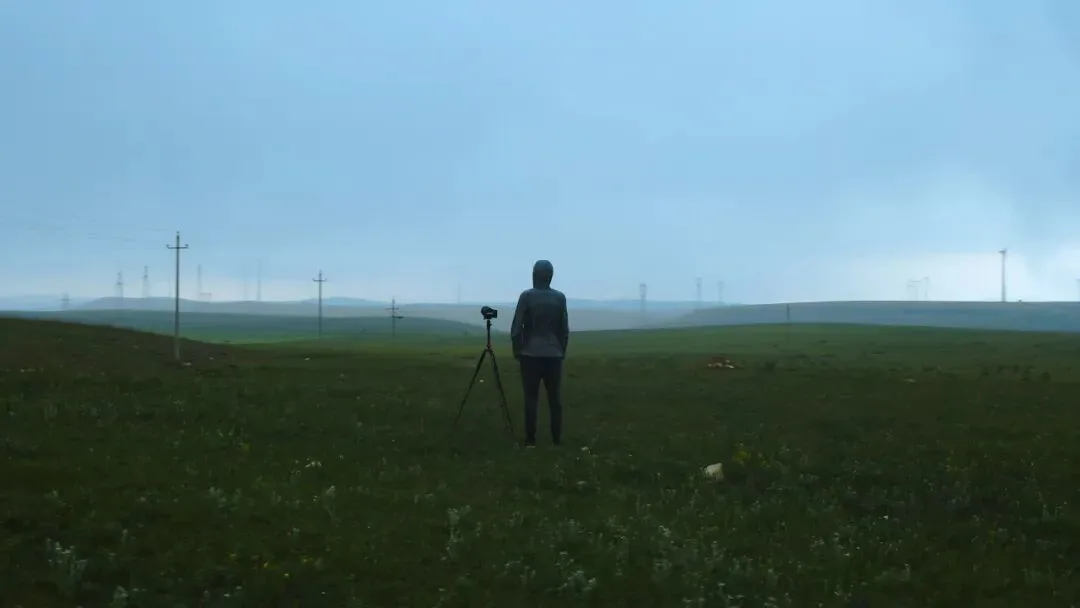
Storm shooting is dangerous. Remember to learn enough meteorological knowledge and keep a safe distance before imitating it!
HD video:
https://www.bilibili.com/video/BV1e34y1Q7Sr/
Works Appreciation
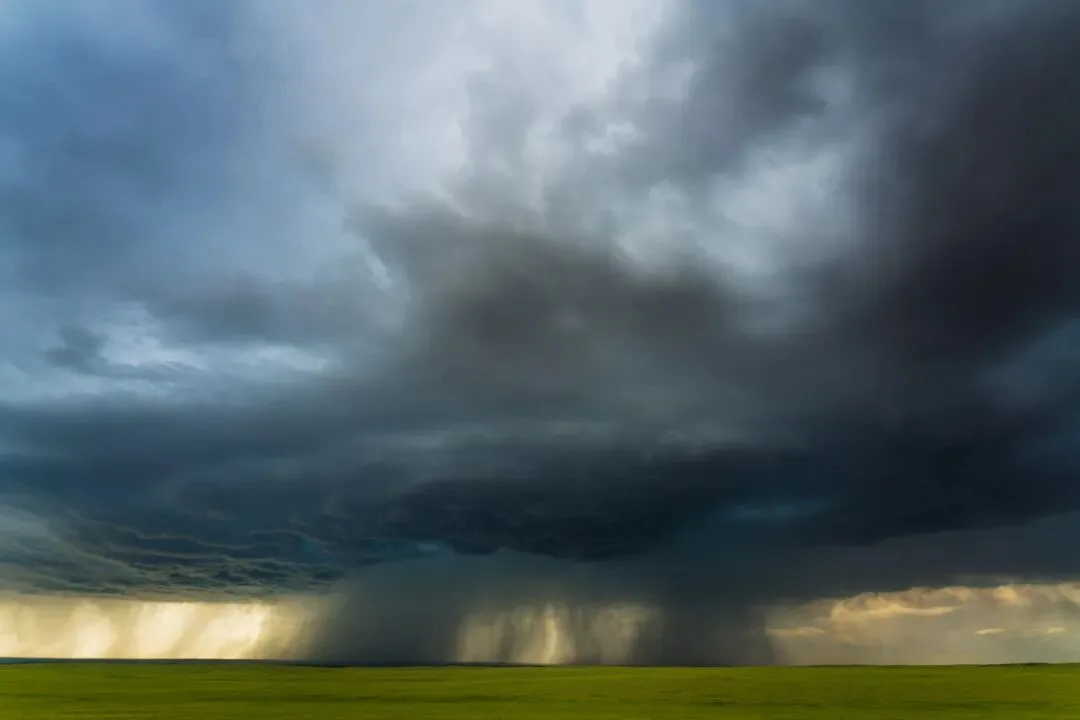
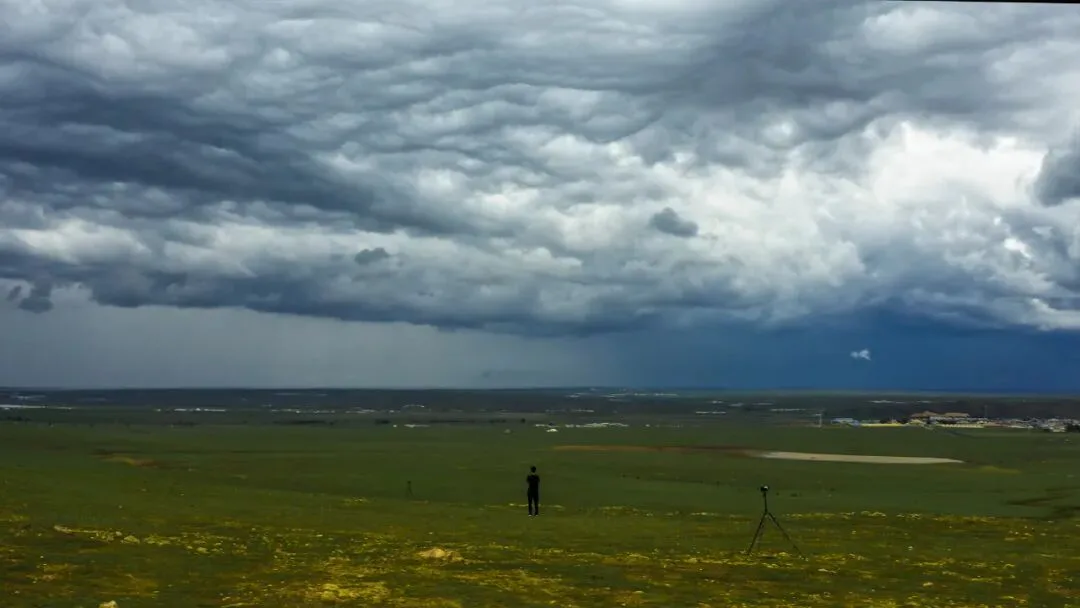
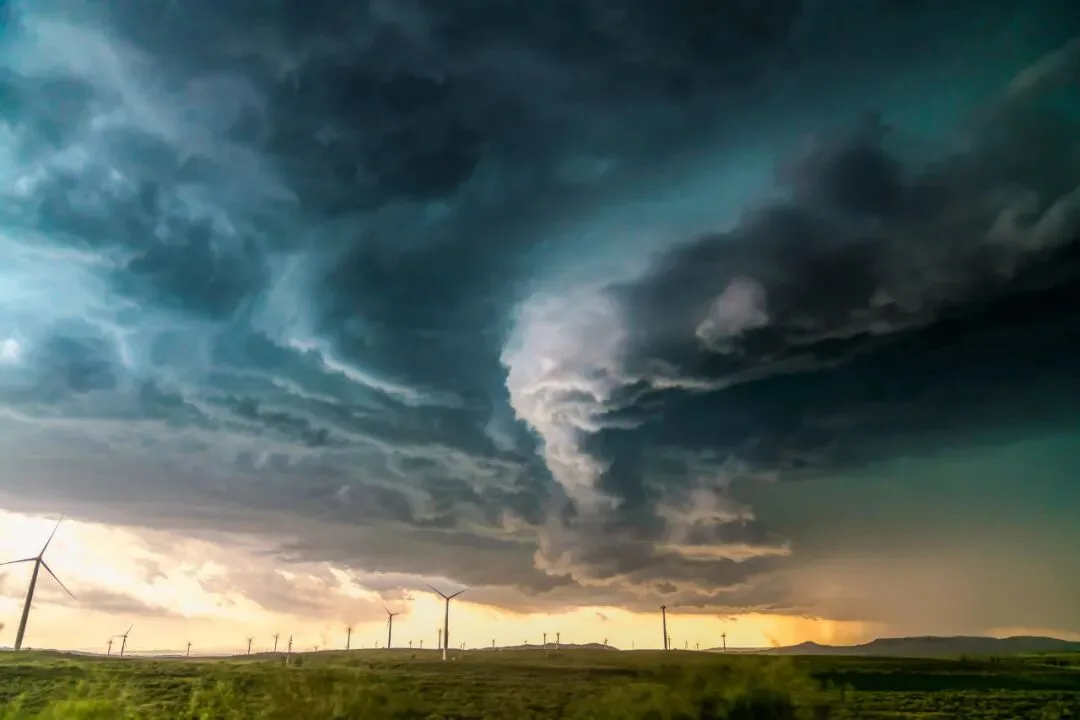
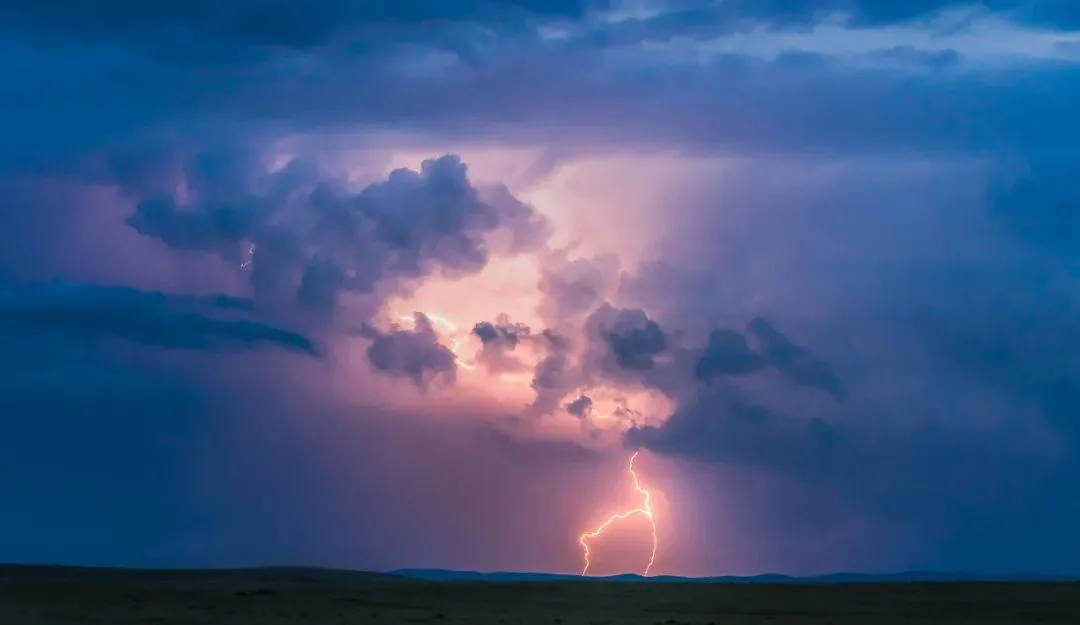
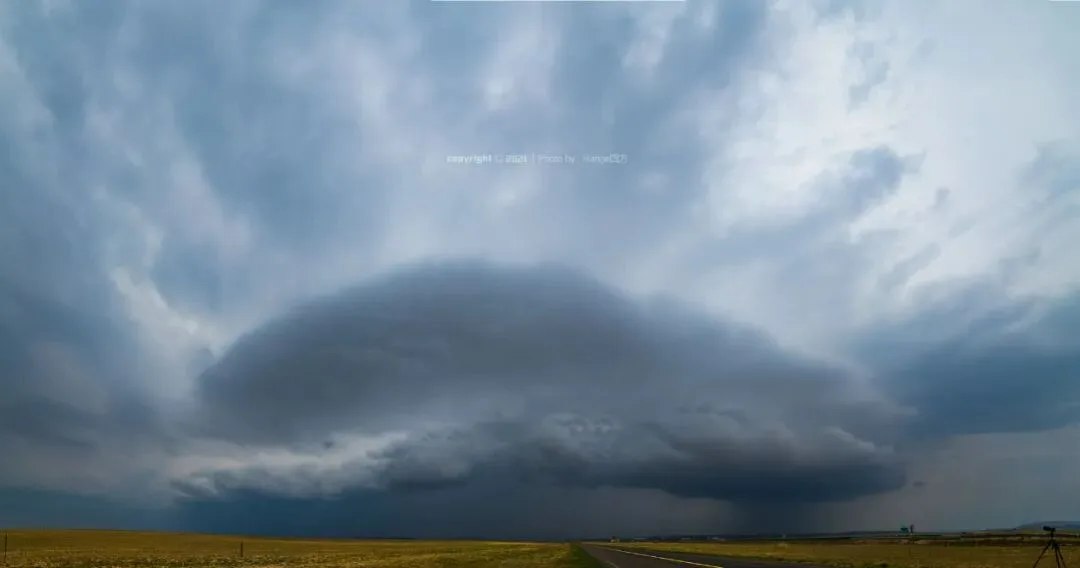
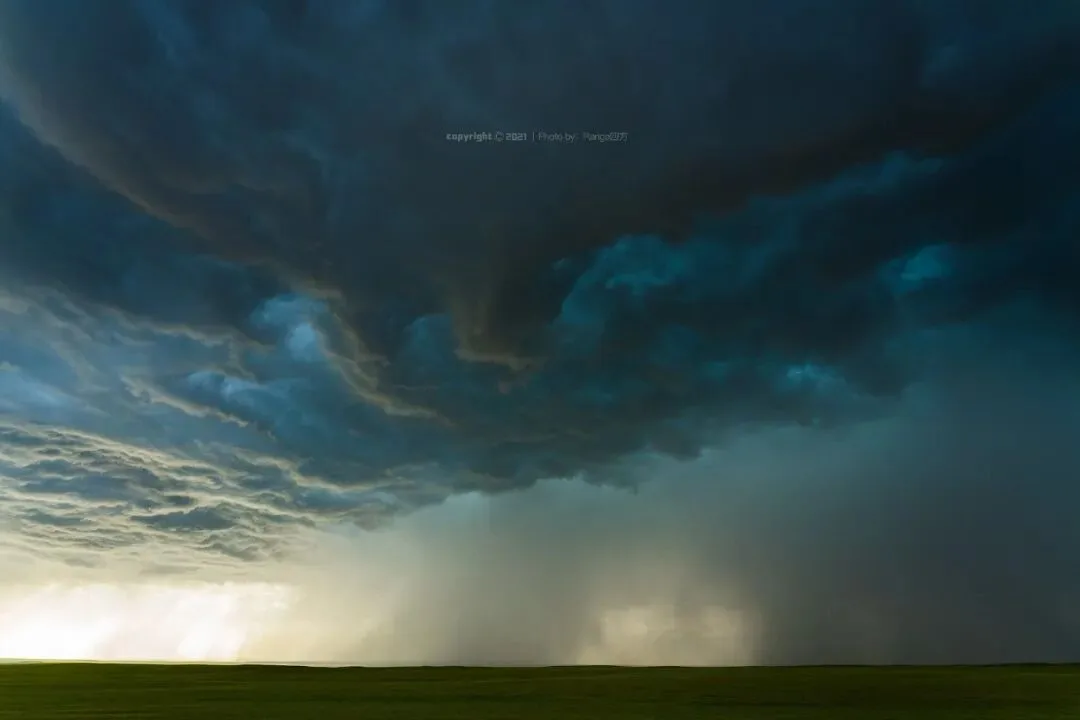
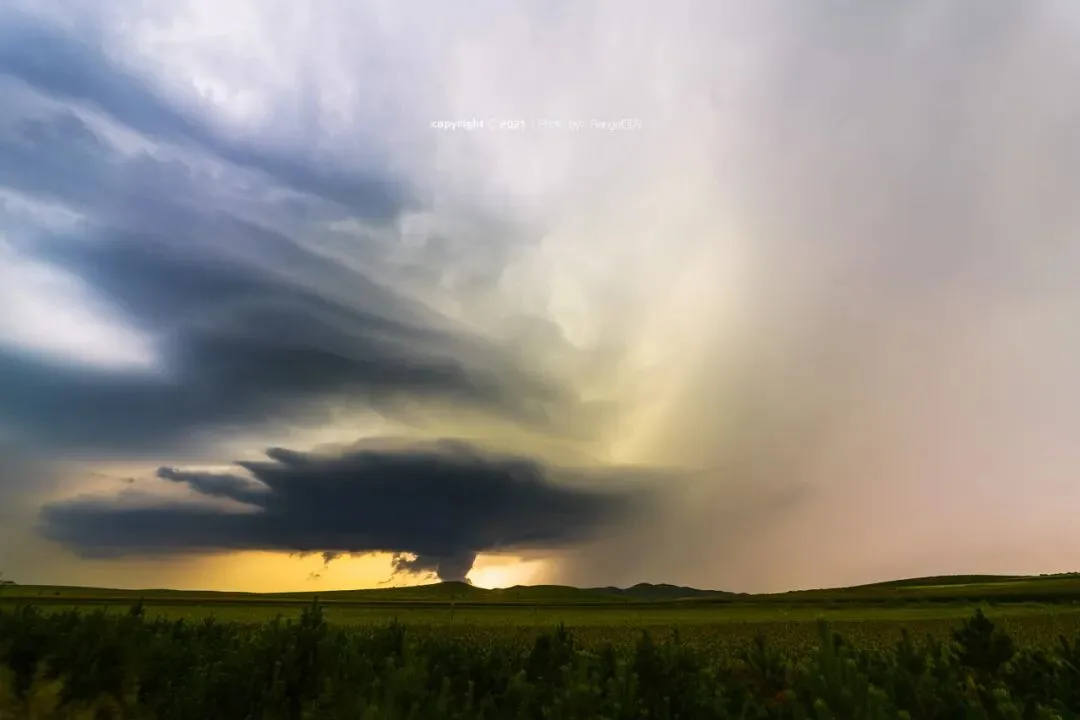
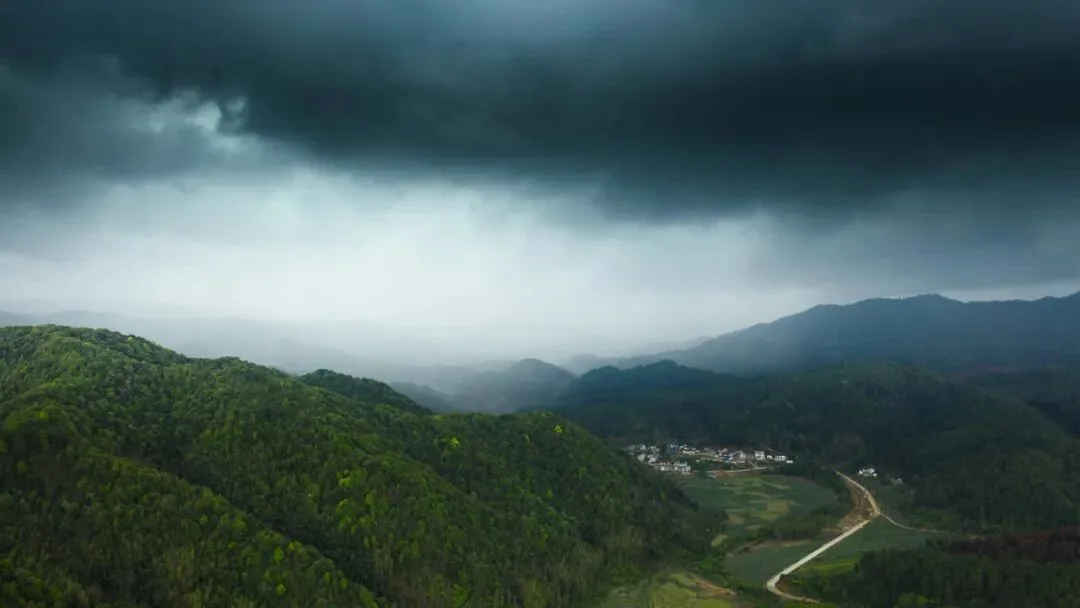
Storm shooting is dangerous. Remember to learn enough meteorological knowledge and keep a safe distance before imitating it!
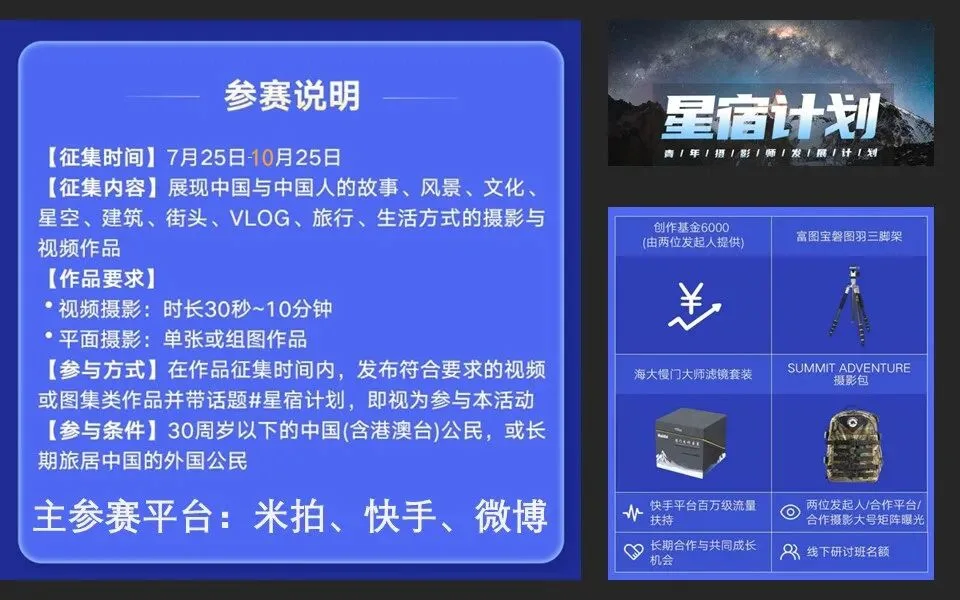
During the #Star Cluster Project# collection period, many excellent young creators and works have emerged. So my co-founder Ye Ziyi and I have decided to extend the #Star Cluster Project# deadline to October 25. Everyone is welcome to submit enthusiastically!