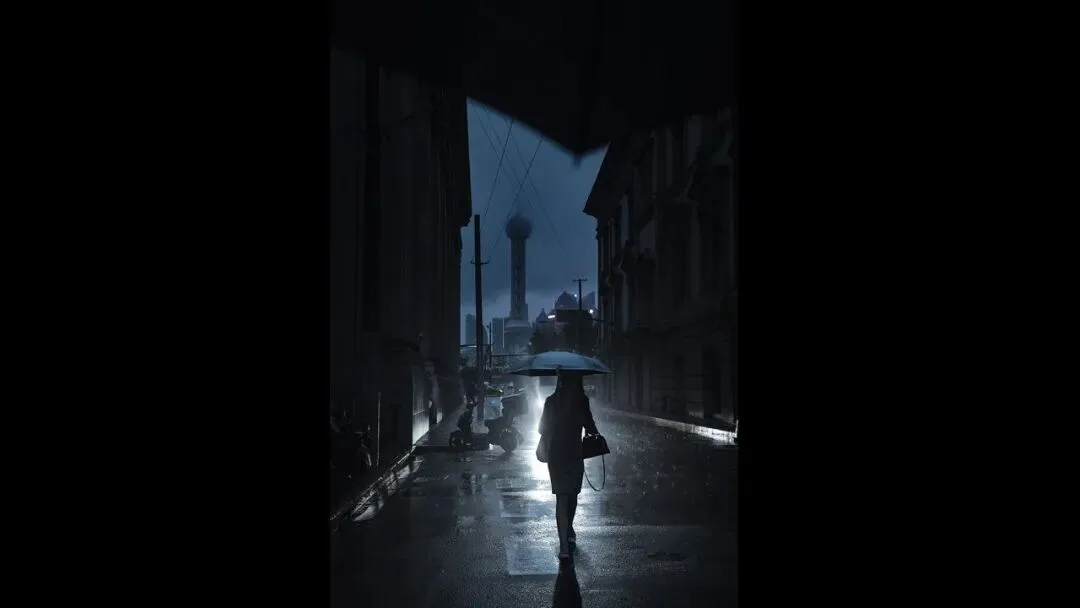
Photography Tutorial · 2022-04-03
Why Do City Photographers Love Rain? Shooting in the Rain Is Simply Stunning
Thomas Chu Photo
Do cityscapes and street moments only look good under blue skies or burning red clouds?
From my long-term observation, many foreign photographers actually prefer shooting cities in the rain!
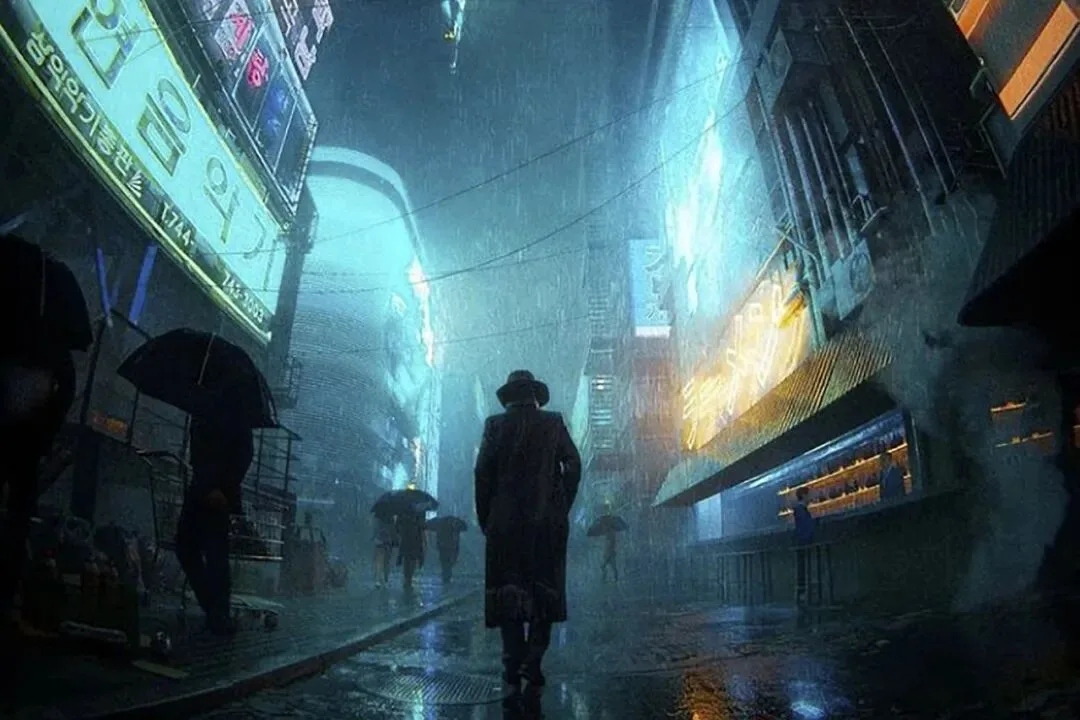
Why does shooting cities in the rain look so good? What visual symbols and color moods of rainy days can we use? Can you shoot street scenes in the rain back home?
In today's tutorial, Thomas will share some ideas for shooting in the rain — so you can make masterpieces no matter the weather!
Video
▶ Watch the video tutorial on Bilibili
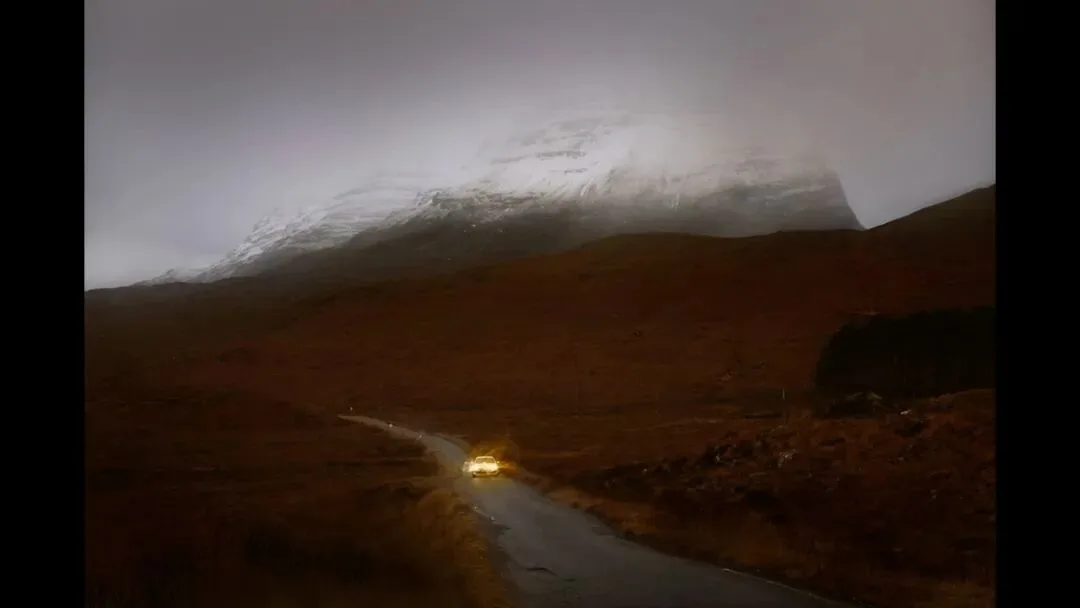
This is the fully illustrated companion to the video above. Rainy cities are a favorite subject of urban and street photographers abroad, and Thomas unpacks why rain photographs so well: five unique visual symbols, an almost unlimited emotional range, and its practical boost to your hit rate. The notes below follow the video's order with keyframe screenshots — images by @street_gammlers, @mindz.eye, @neriifilm, @beansmeansphotos, @christophe.jacrot, @ravyenyeune and others, plus Thomas's own rainy Shanghai work.
Start with the outline. This card, captured at 0:25 in the video, frames the episode's question: once you broaden your horizons, why is the rainy city such a spectacular subject?

01 The Umbrella Figure: Rain's Signature Symbol
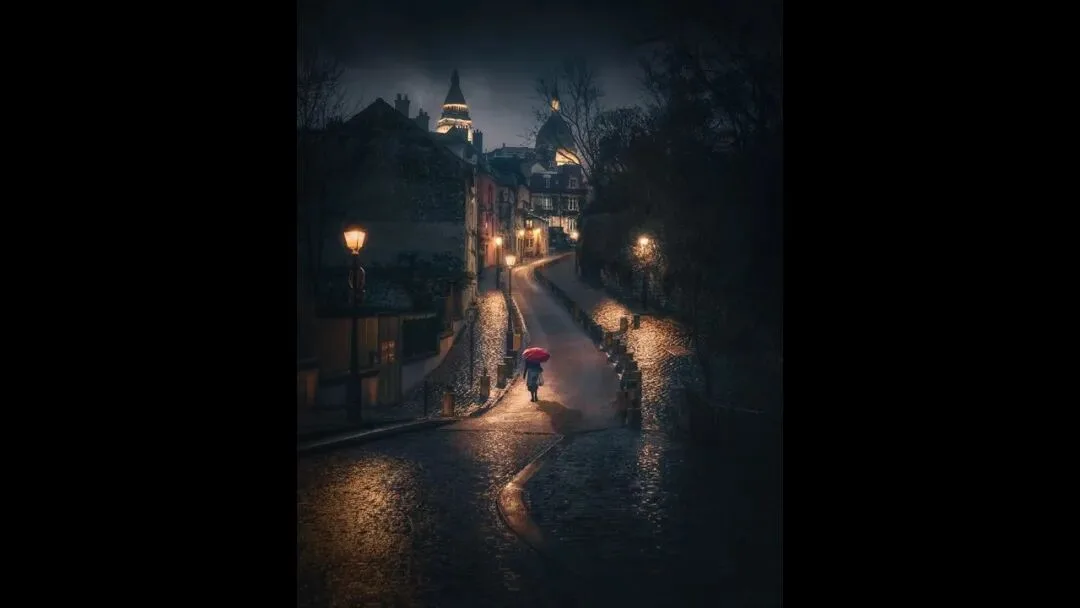
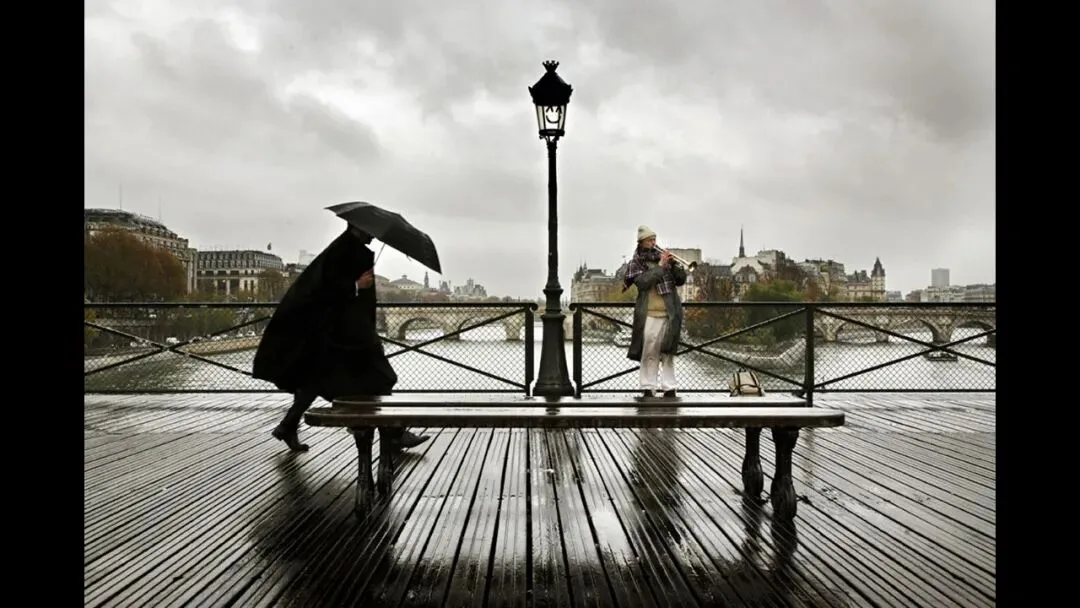
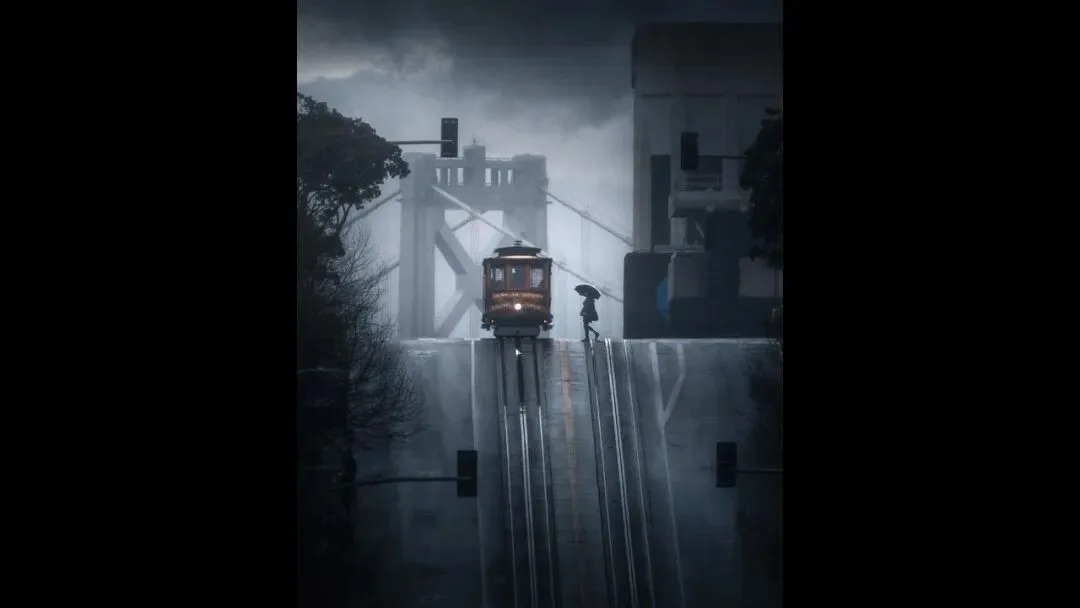
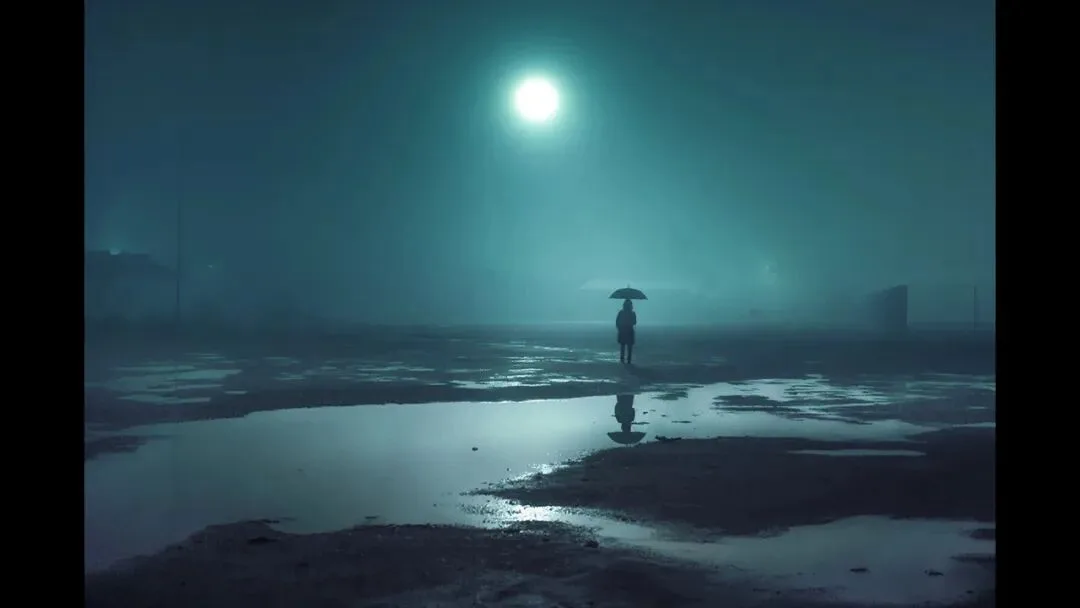
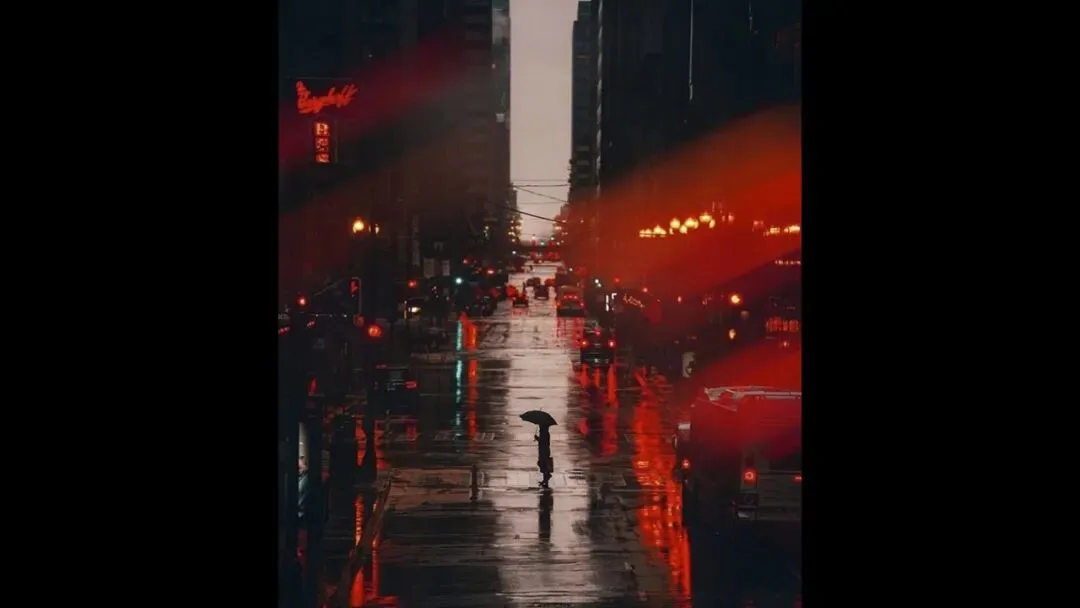
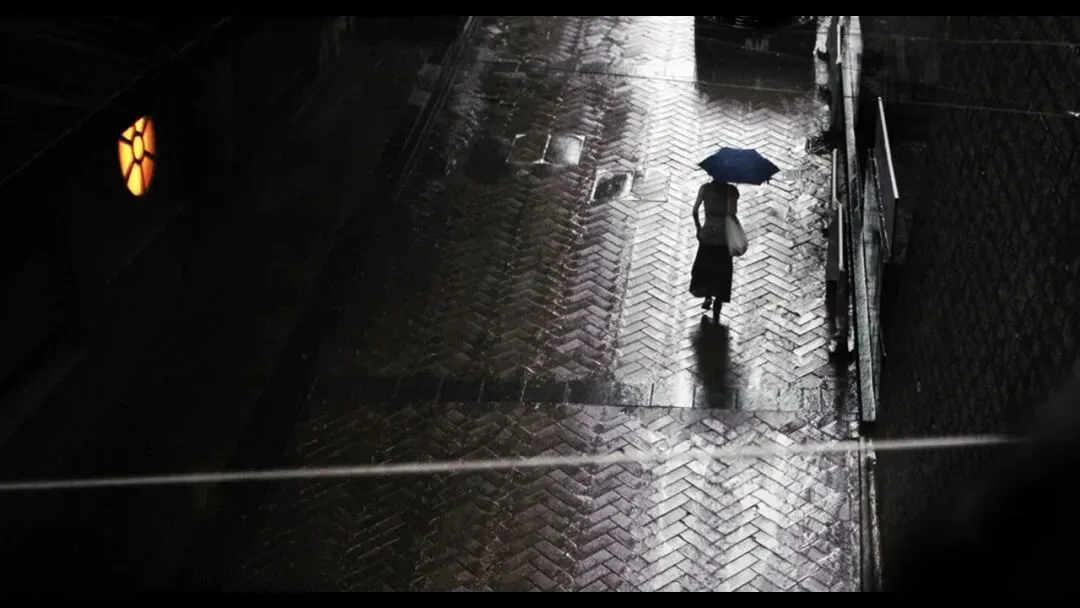
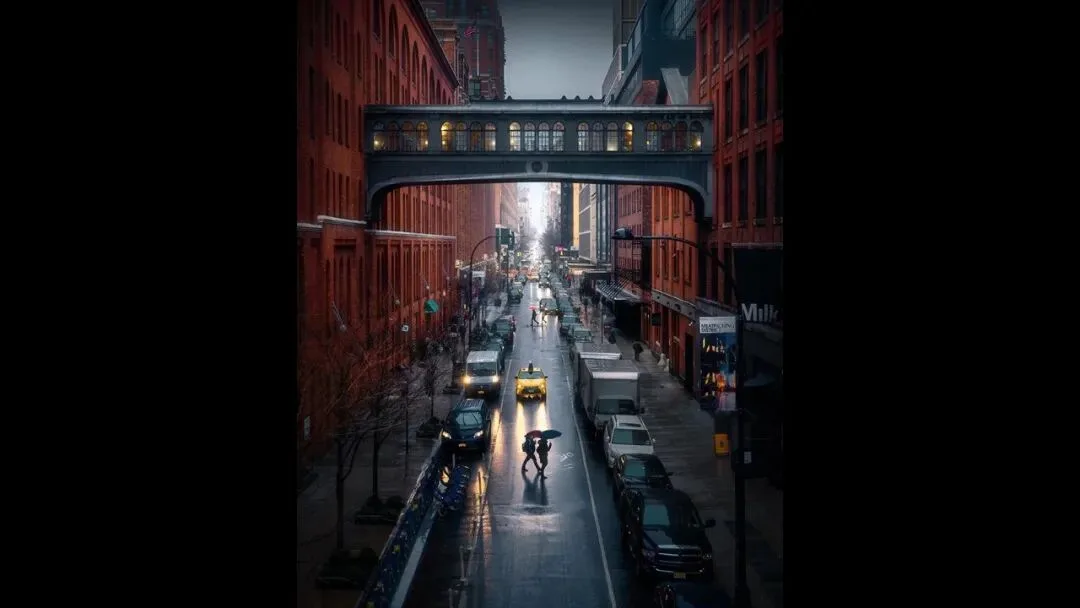
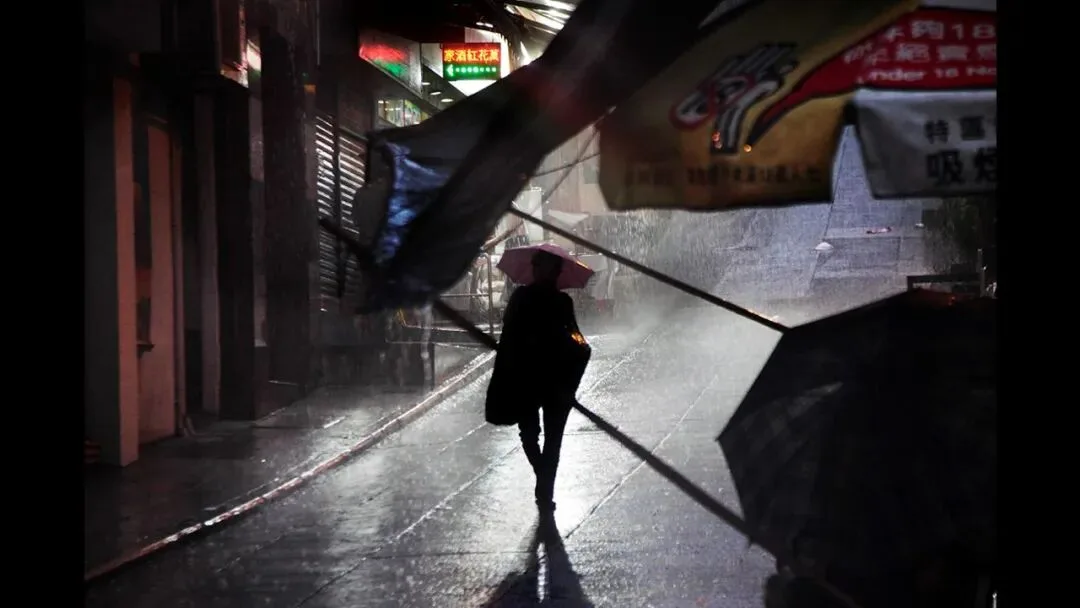
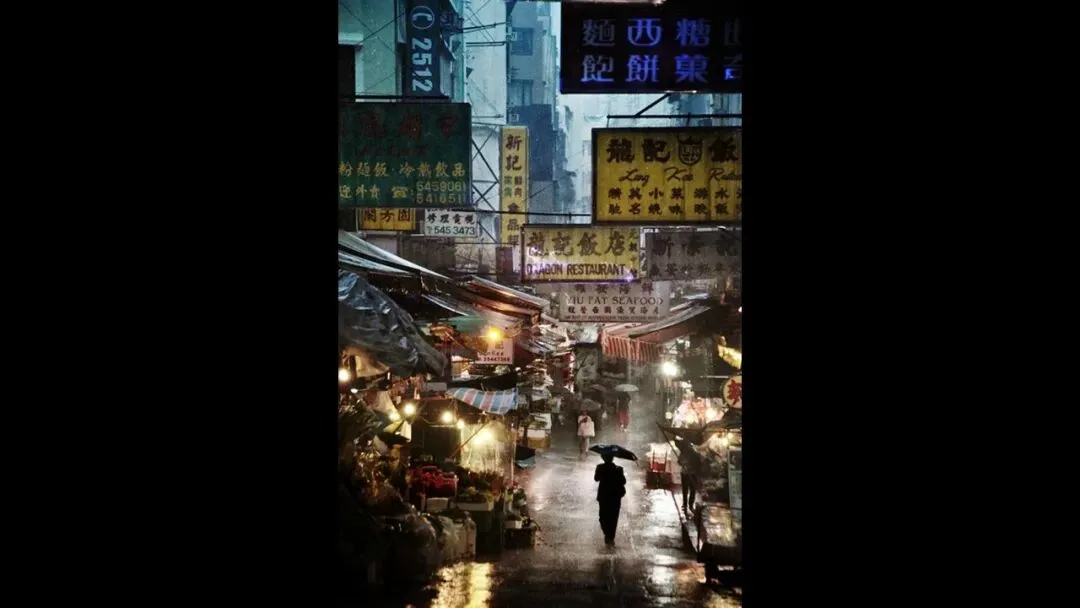
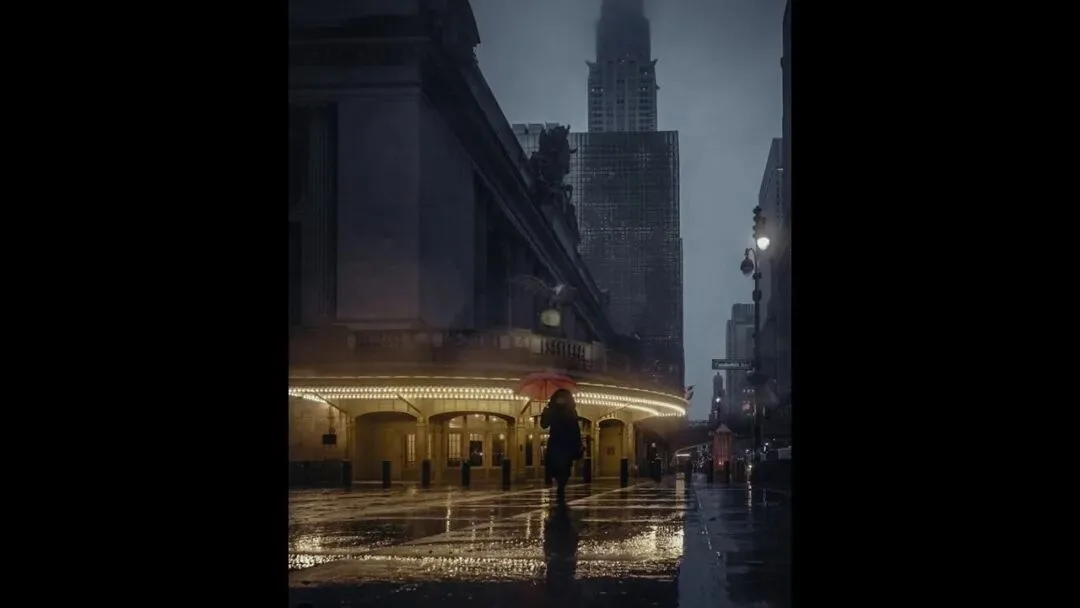
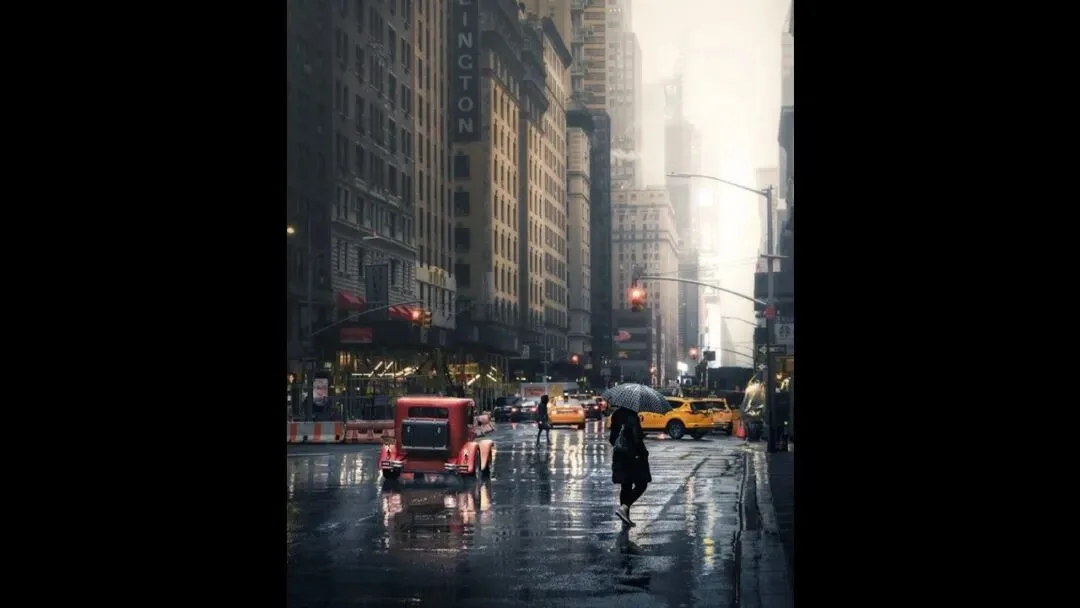
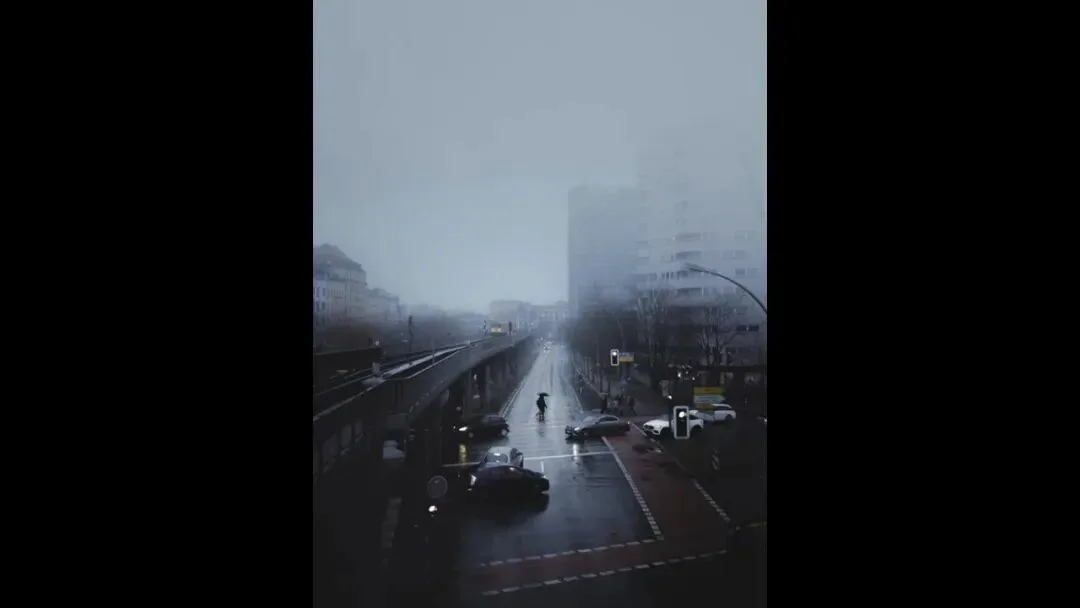
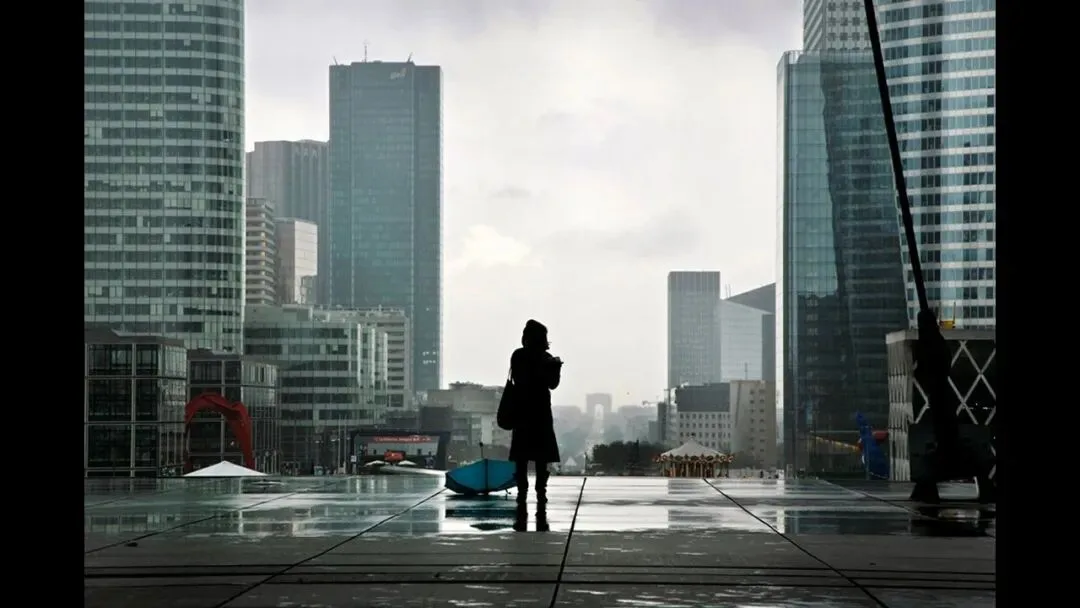
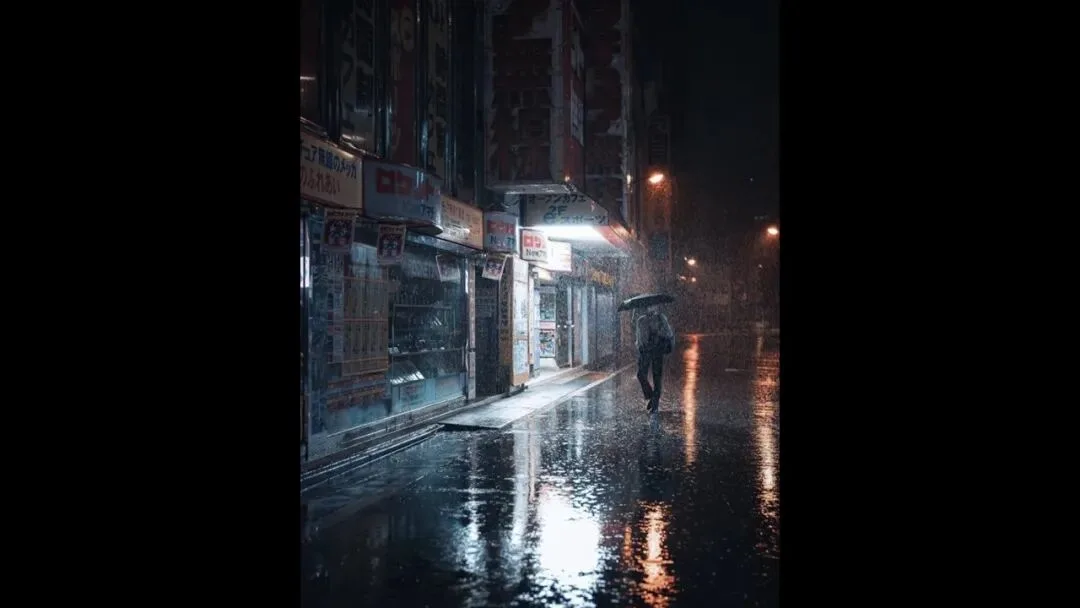
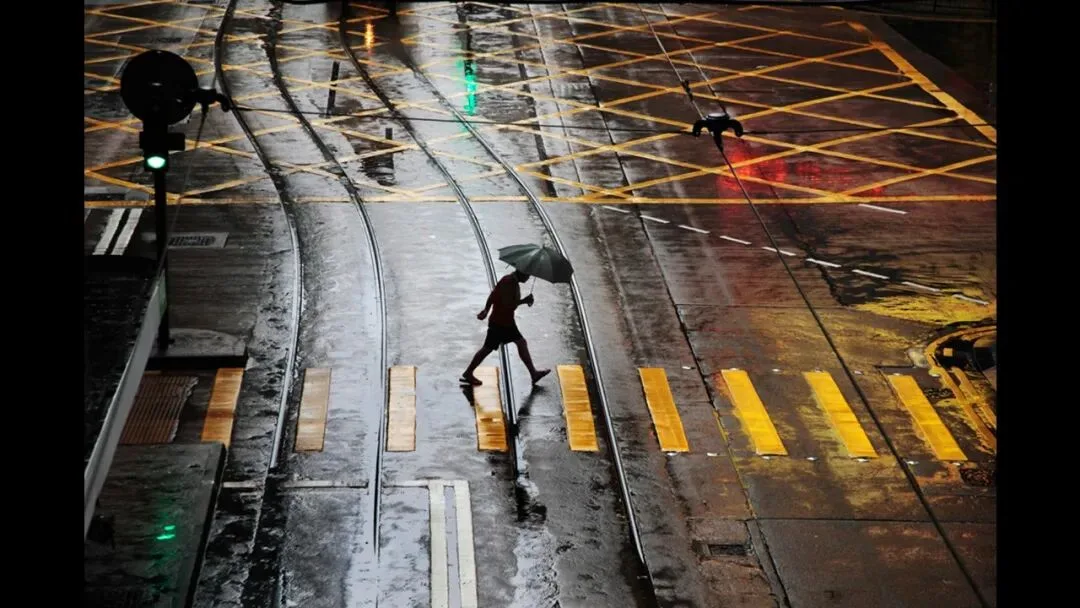
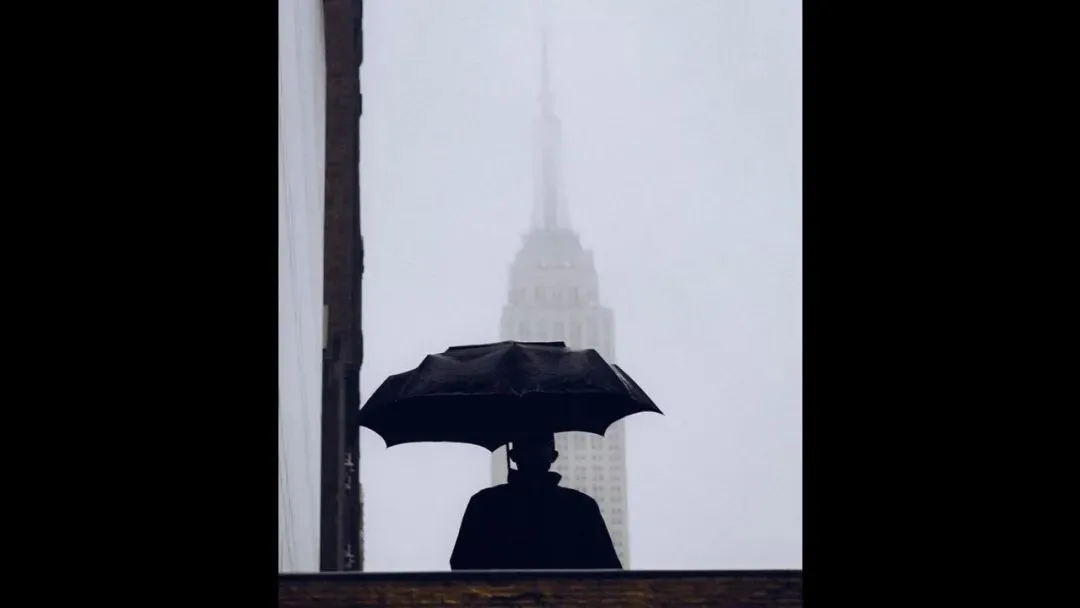
Rain's first visual symbol is the figure with an umbrella, hood or raincoat. Someone walking through the rain can look dashing and free, quiet and lonely, or hurried — and you can render them sharp, slightly blurred, or as a silhouette, each choice a different feeling entirely (at 1:28 in the video).
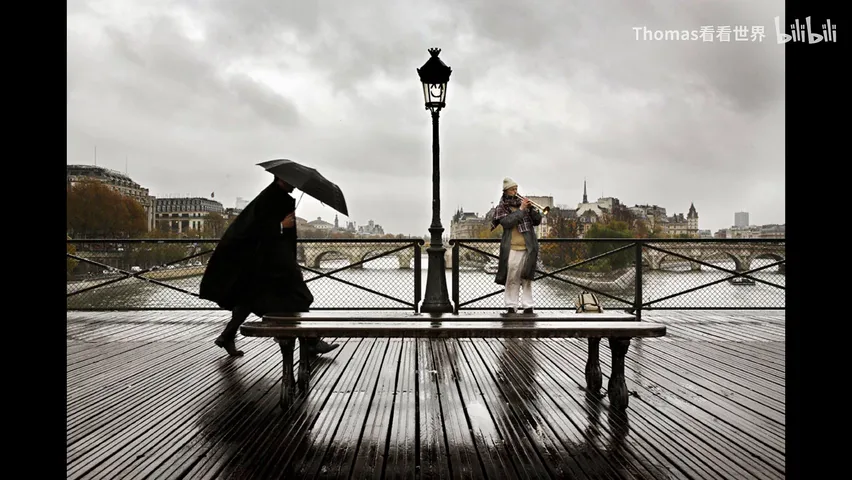
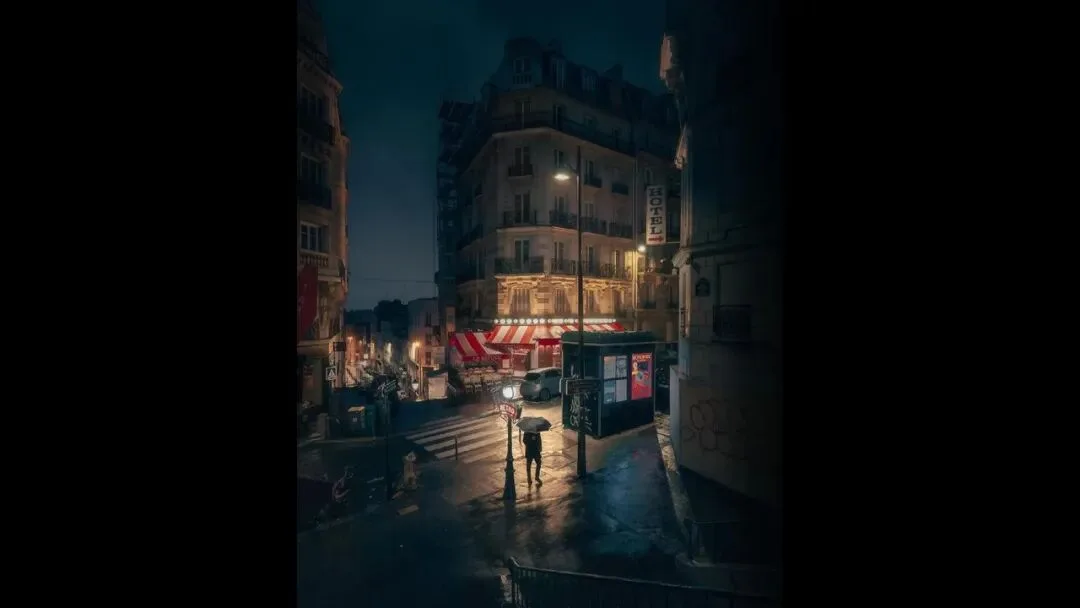
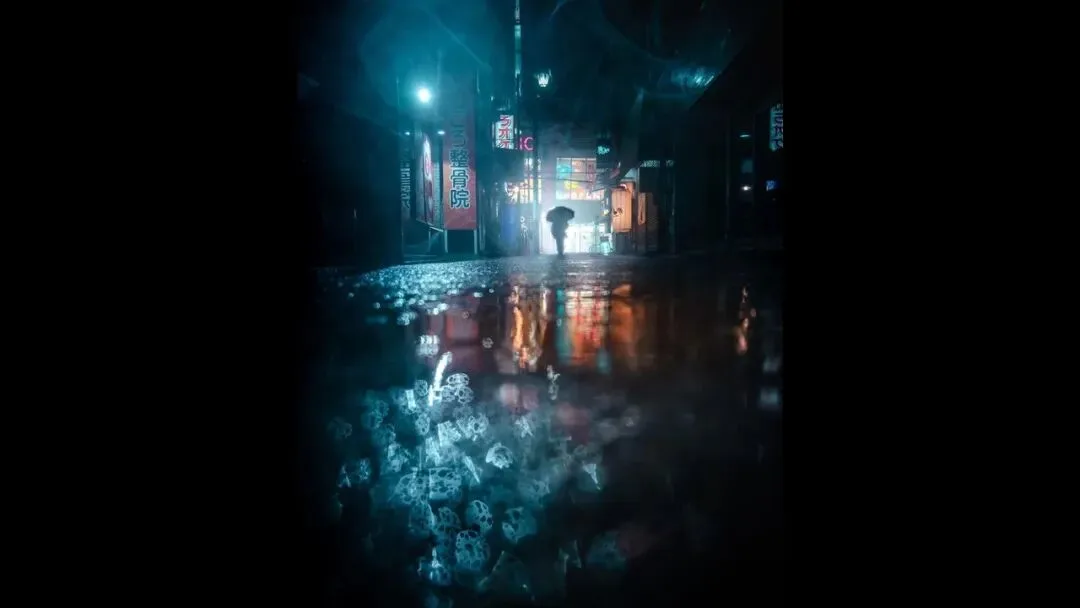
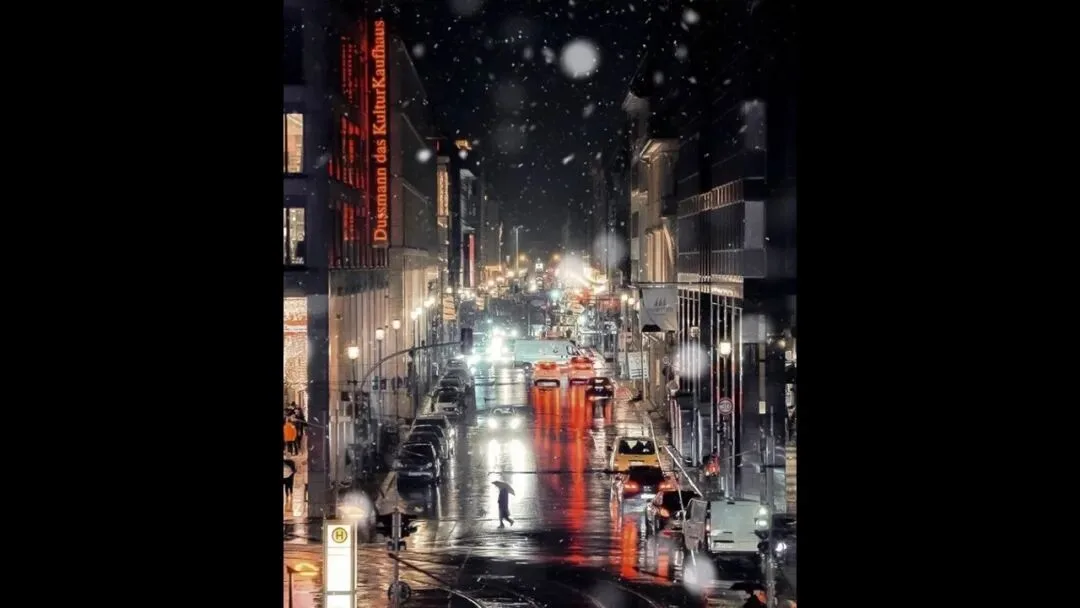
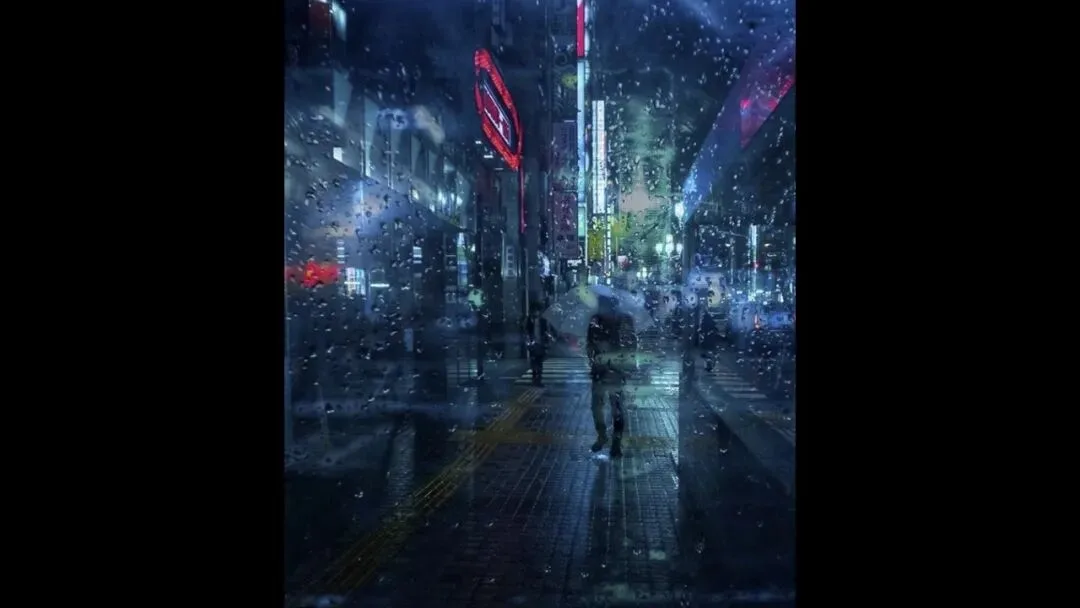
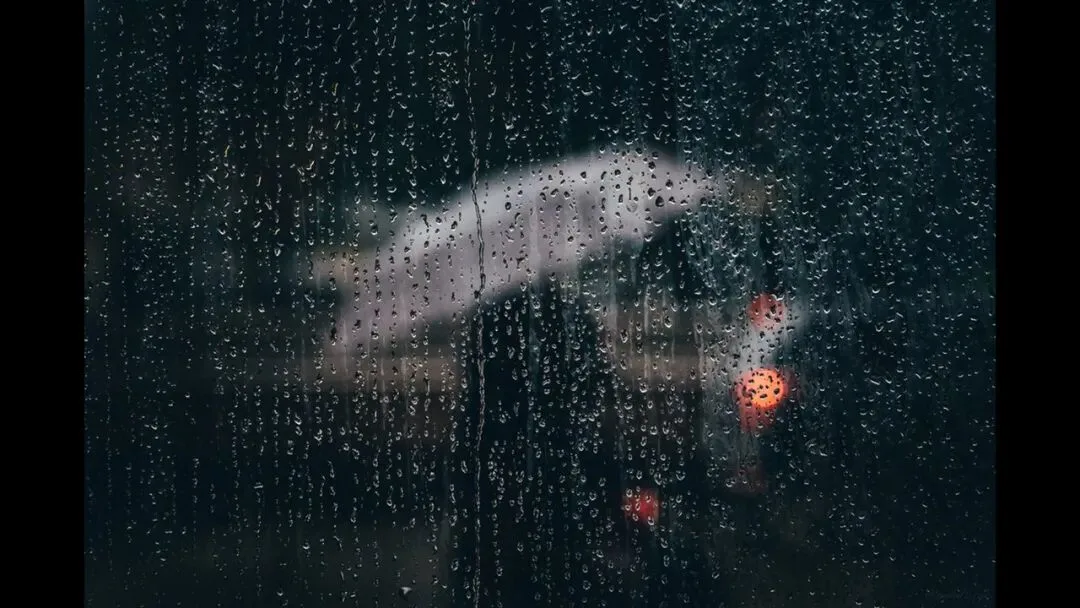
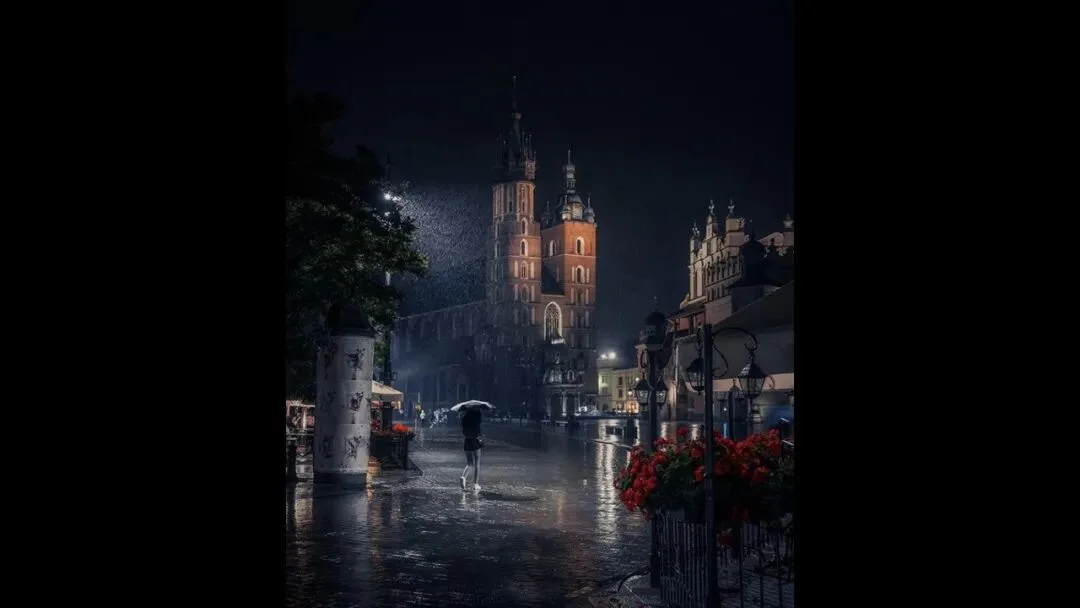
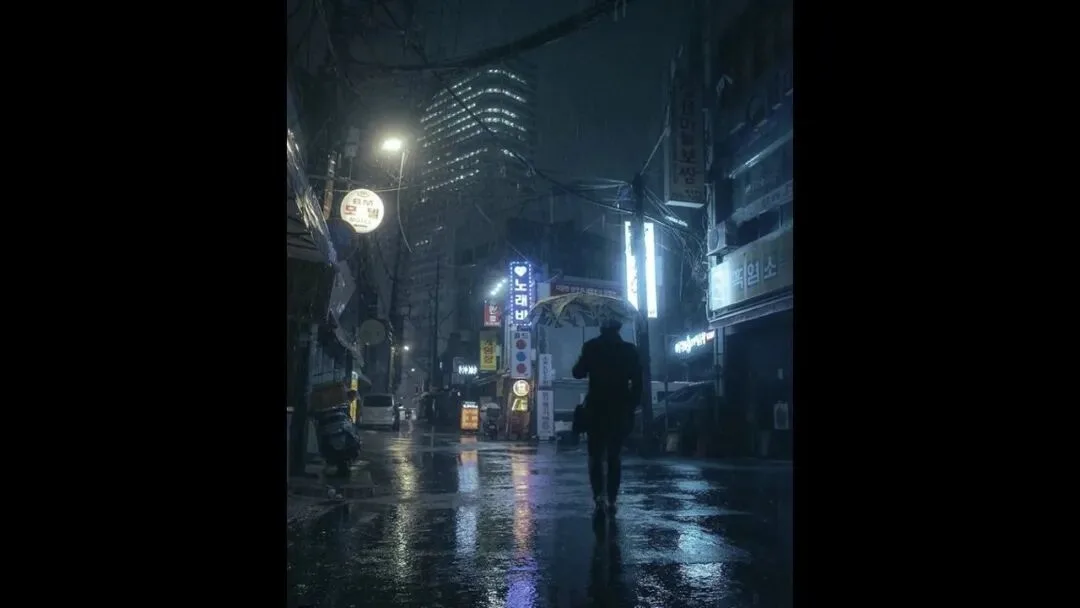
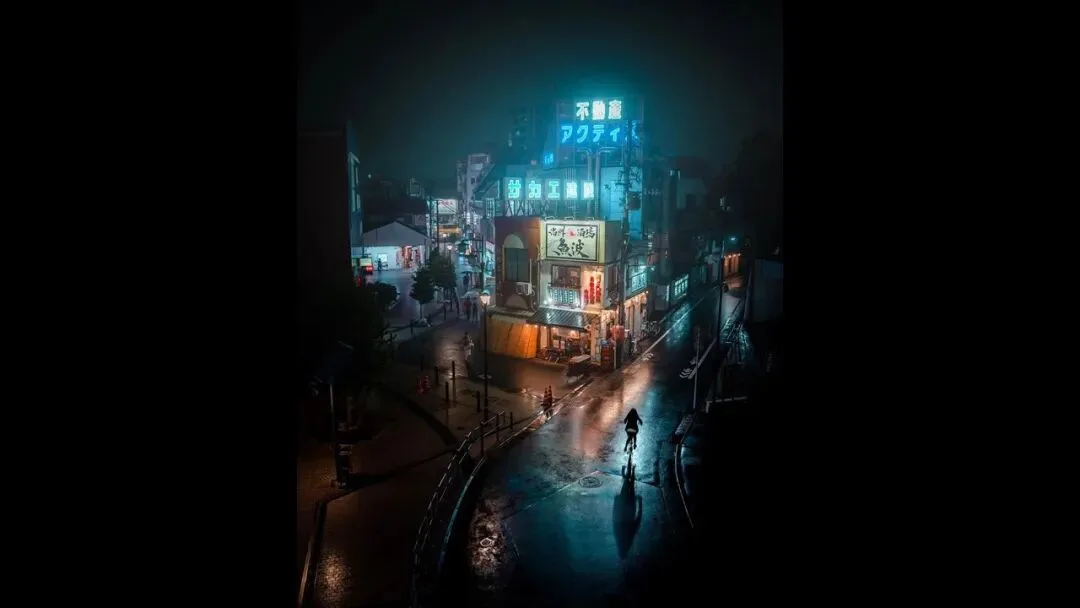
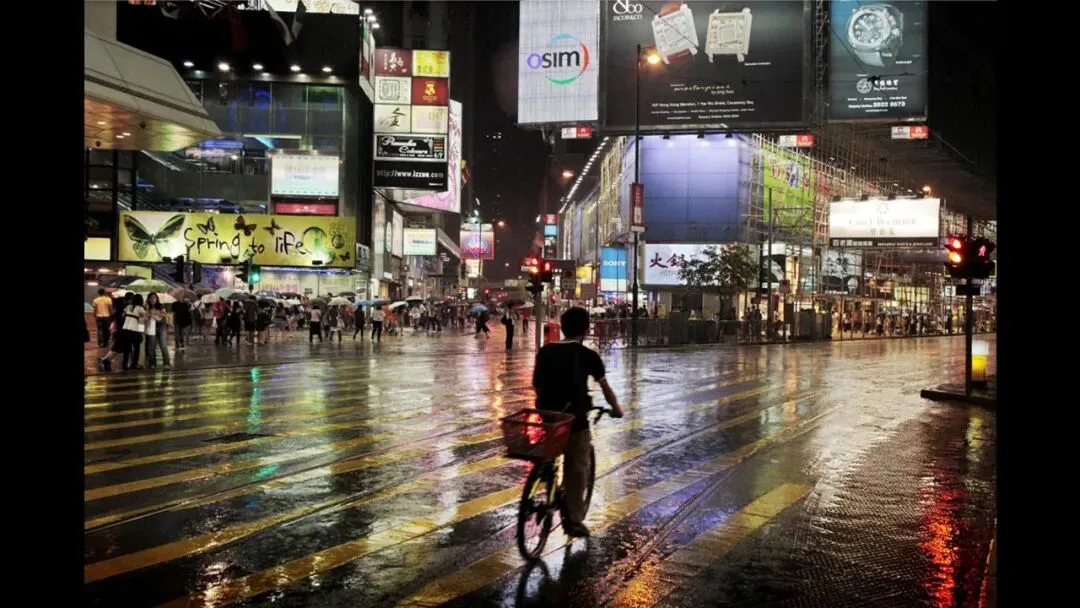
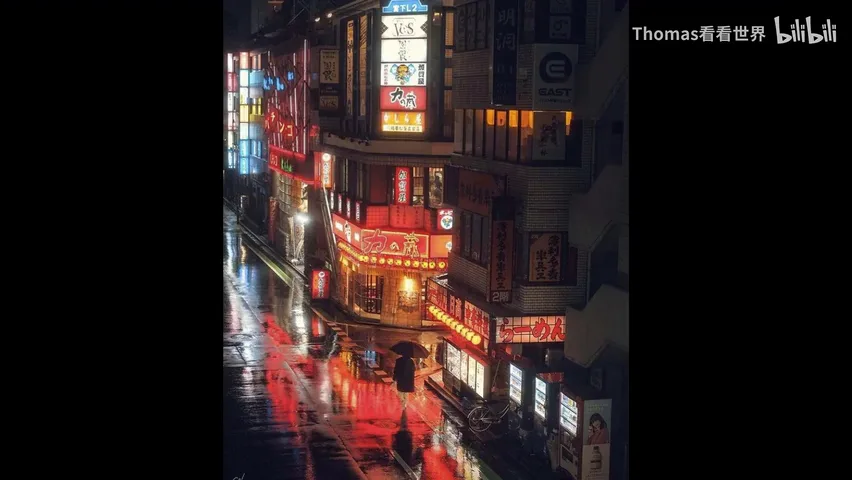
Such figures are often the finishing touch of the frame, and a rainy photo rarely relies on a single symbol: in the night scene below, the umbrella figure stacks with street lamps and the soaked pavement, and the mood clicks into place (at 2:08 in the video).
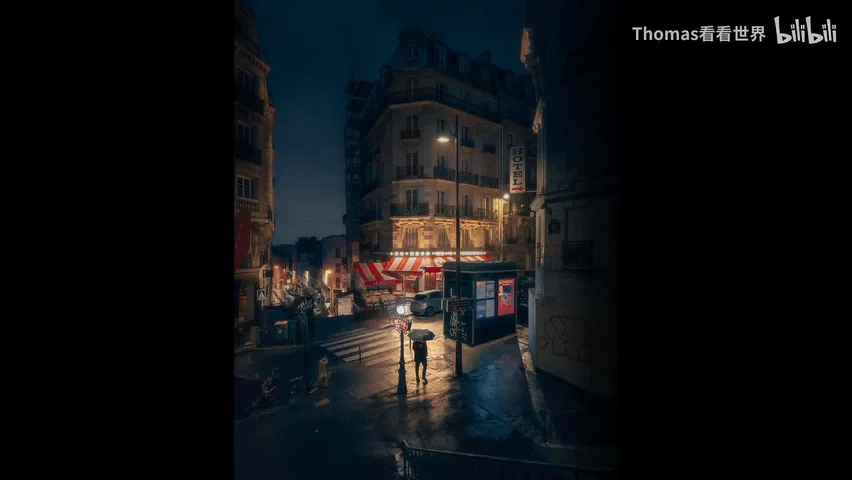
02 Puddle Reflections: Double the Light
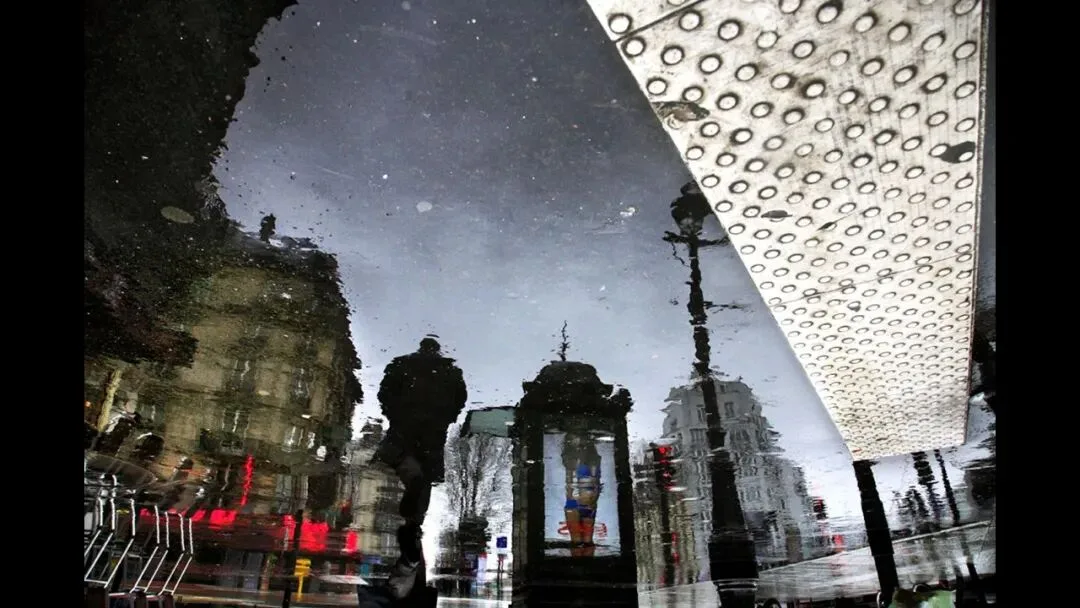
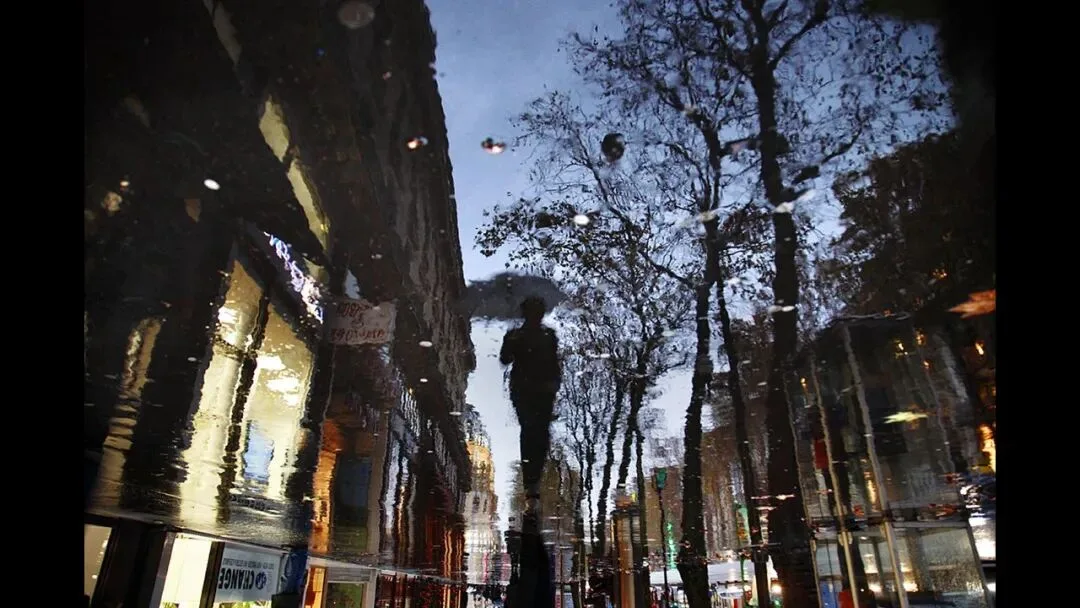
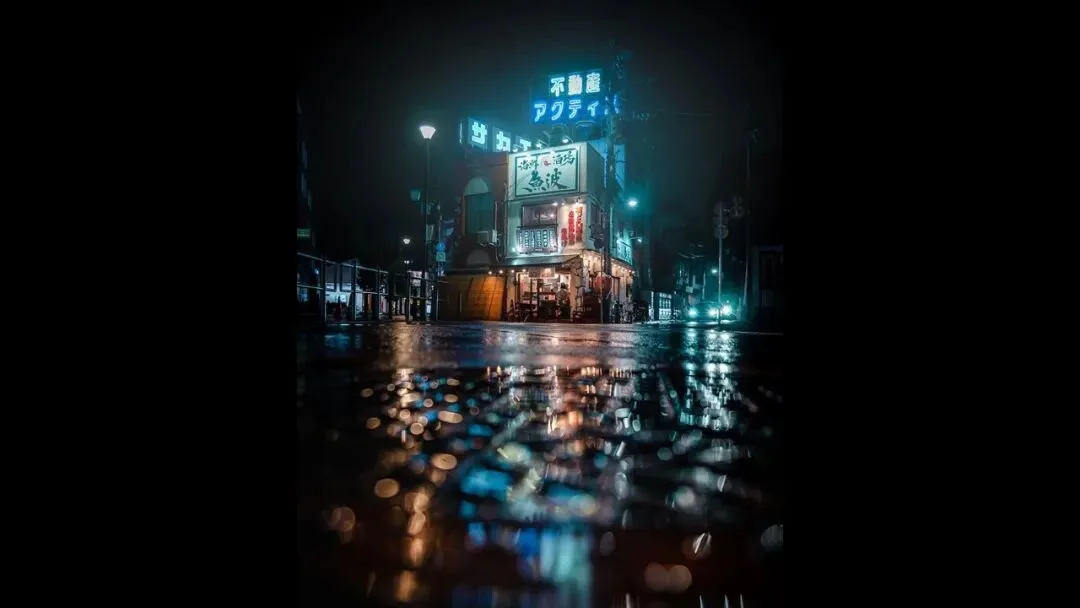
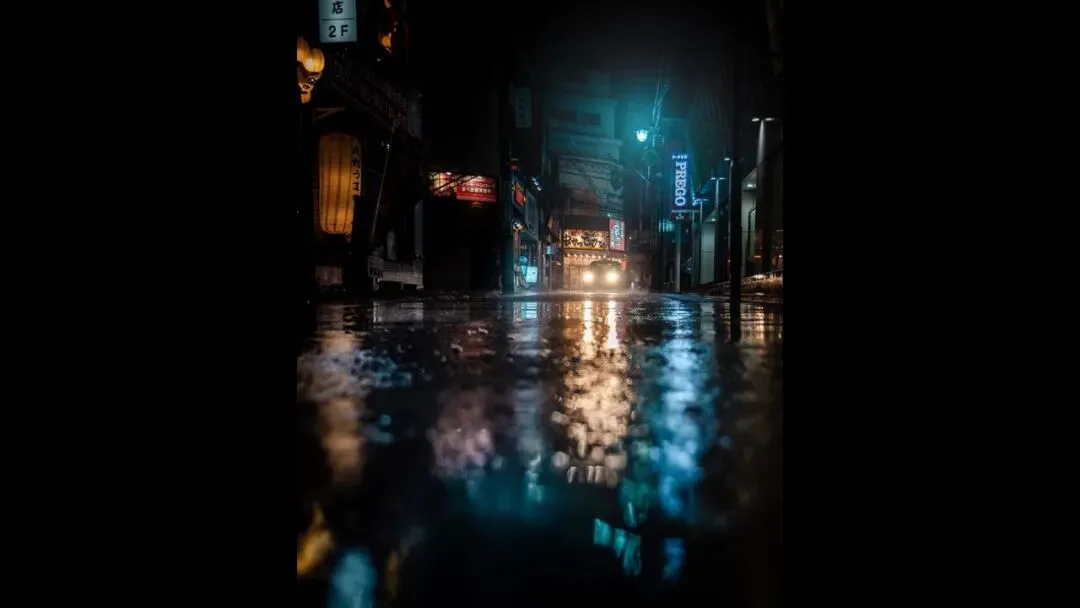
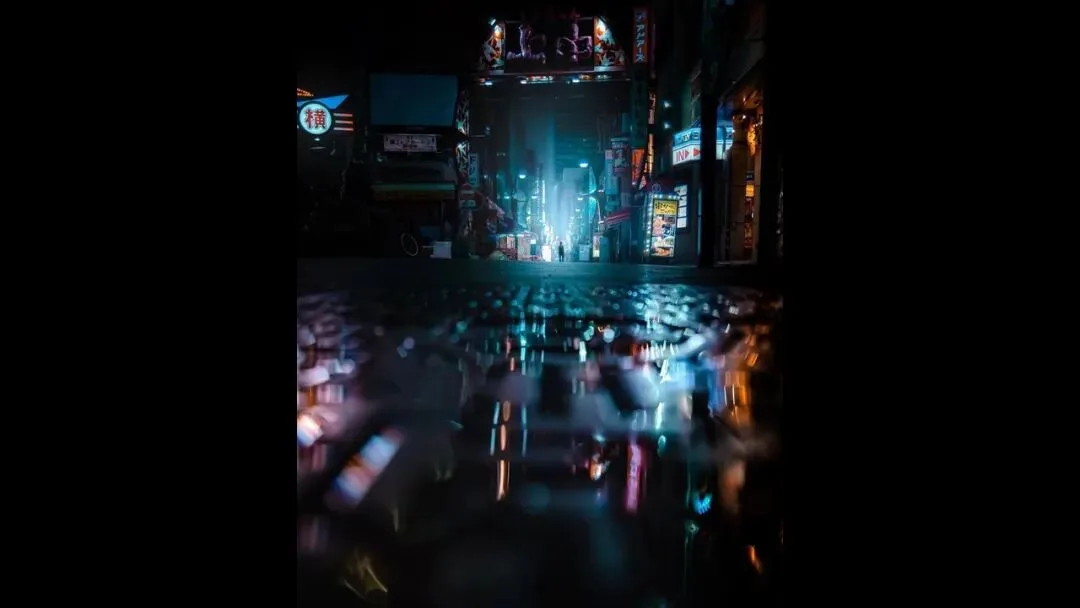
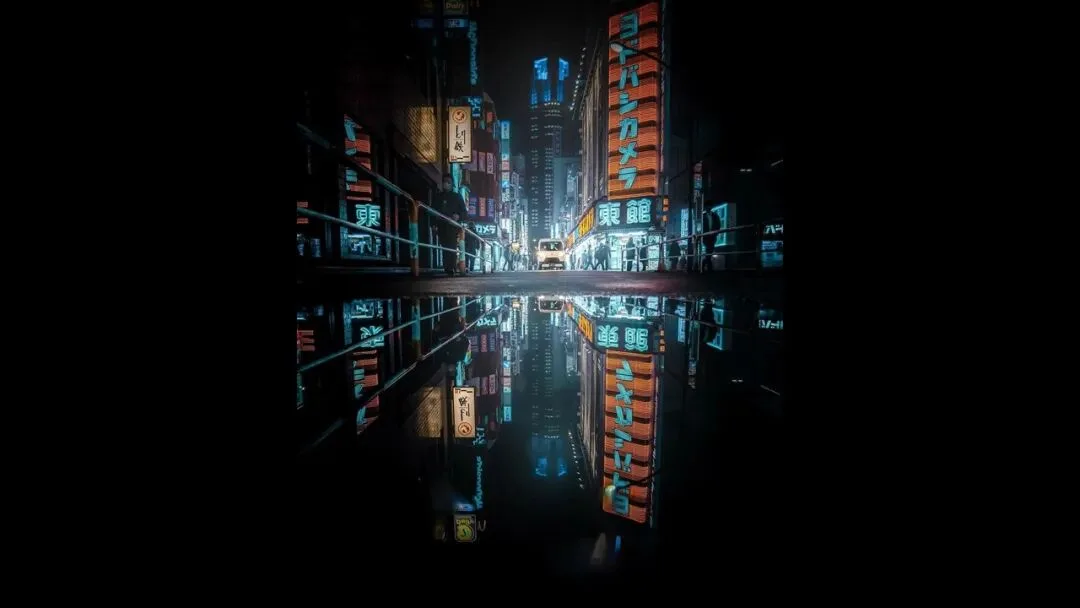
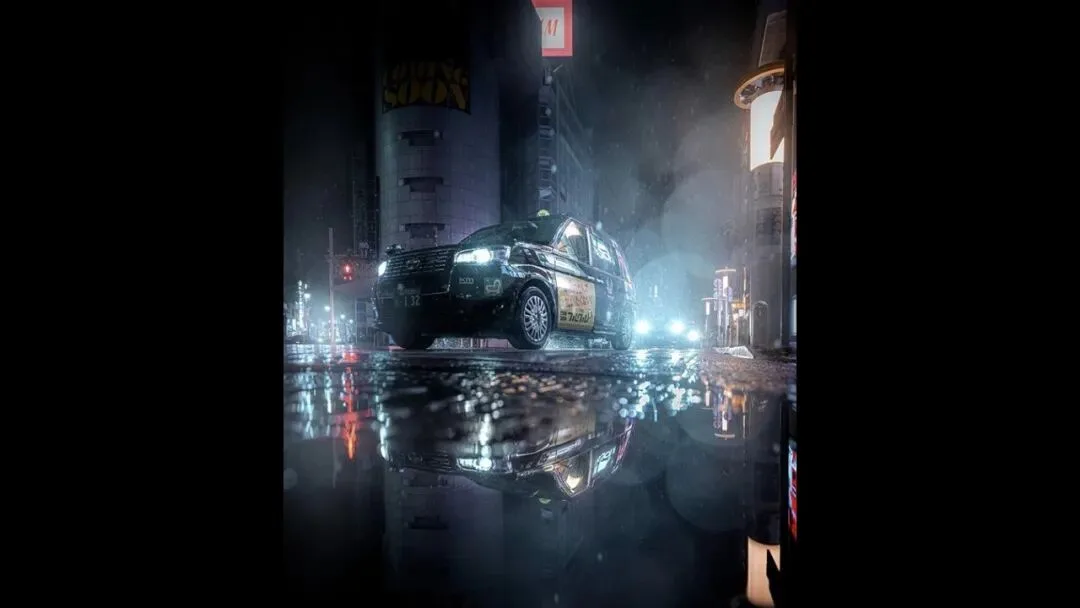
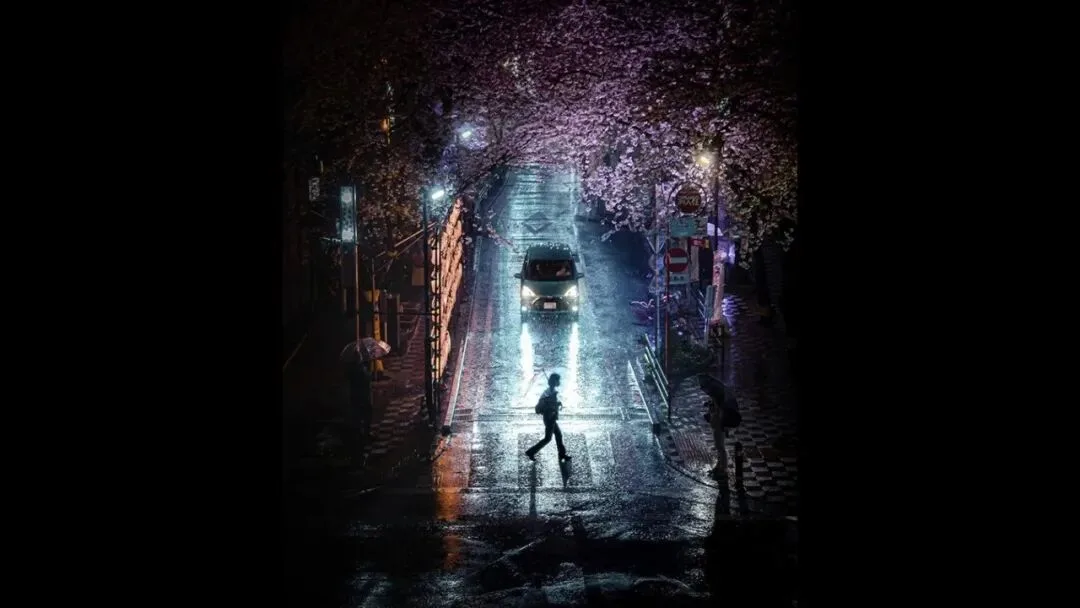
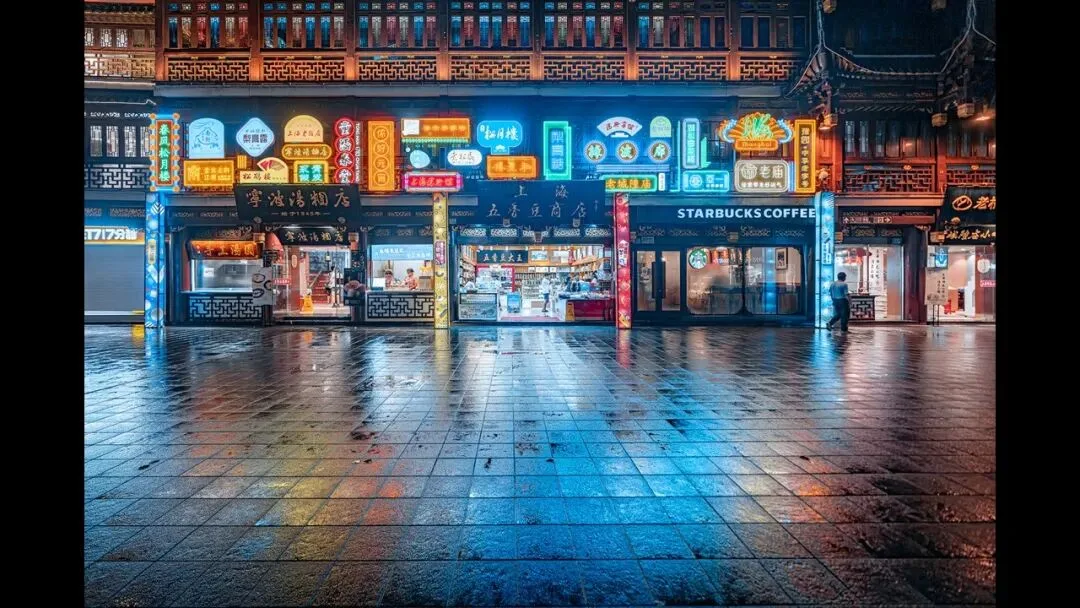
The second symbol is standing water and its reflections. Thomas highlights a Japanese photographer — featured in his earlier articles — who often sets the camera extremely low, almost on the ground, using rain puddles and reflections for texture-rich images (at 2:57 in the video). On dry days the ground offers no such mirror; after rain, the frame gains double the light and atmosphere. Umbrella figures or cars alike: headlights smeared on wet asphalt, silhouettes floating in reflections — a texture completely absent in dry weather.
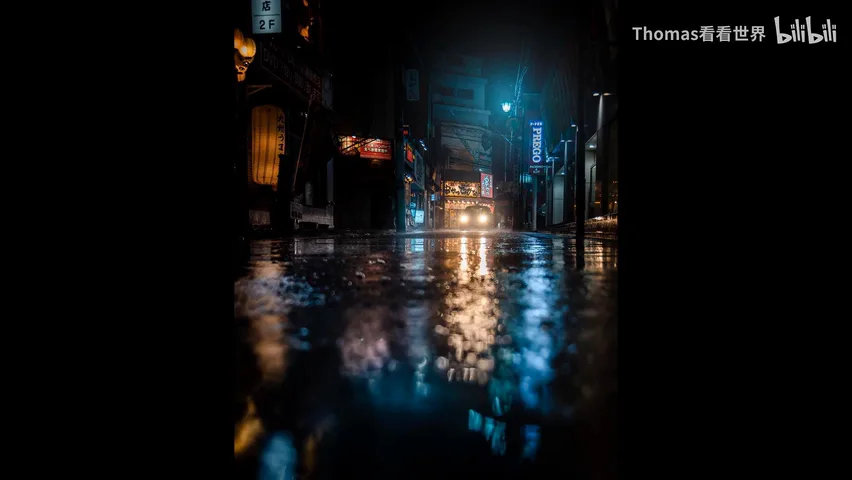
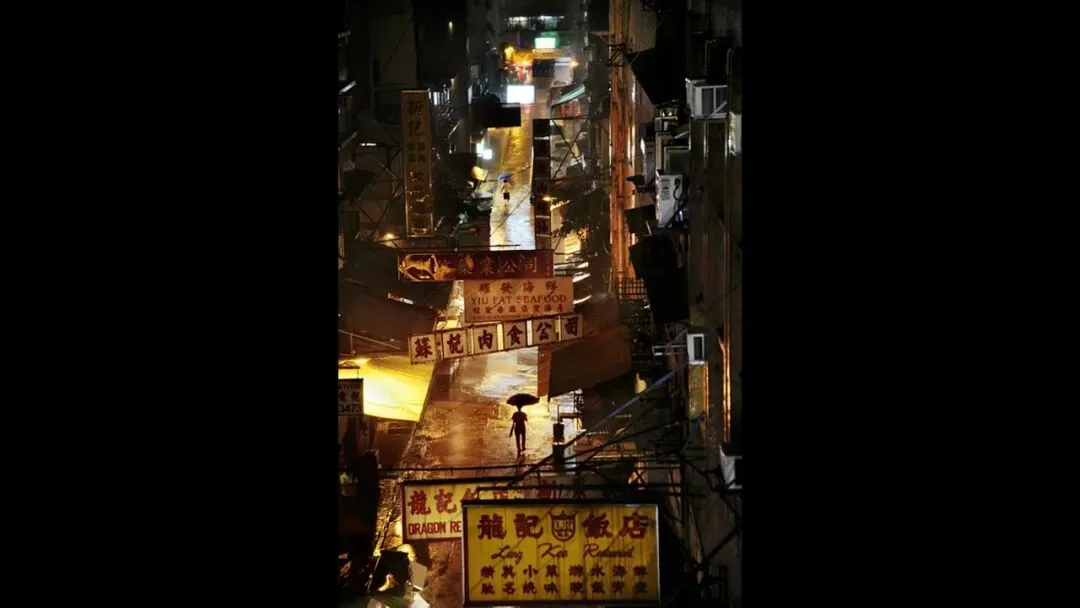
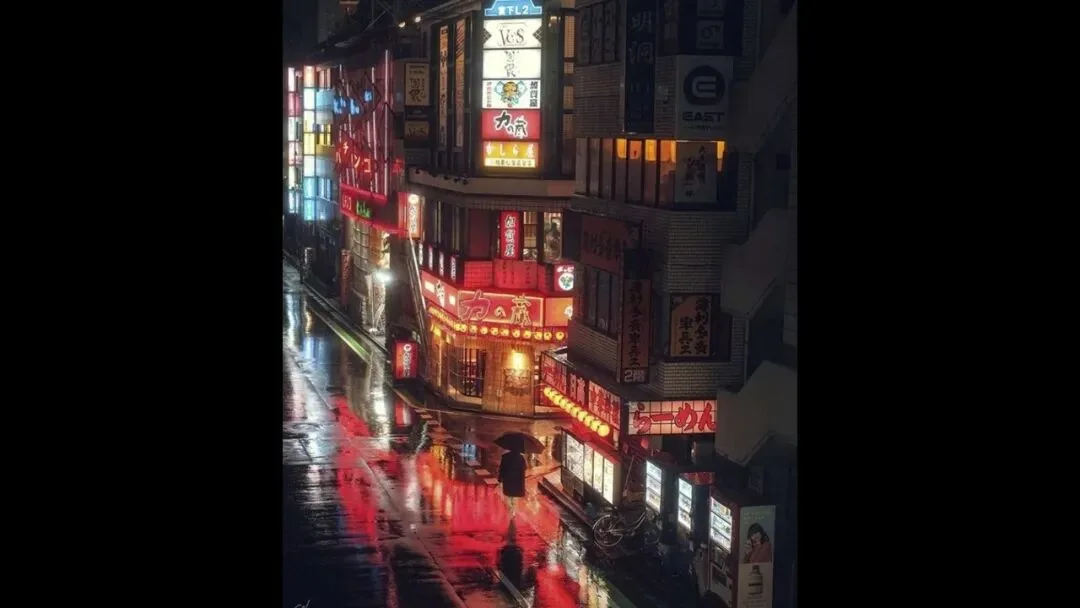
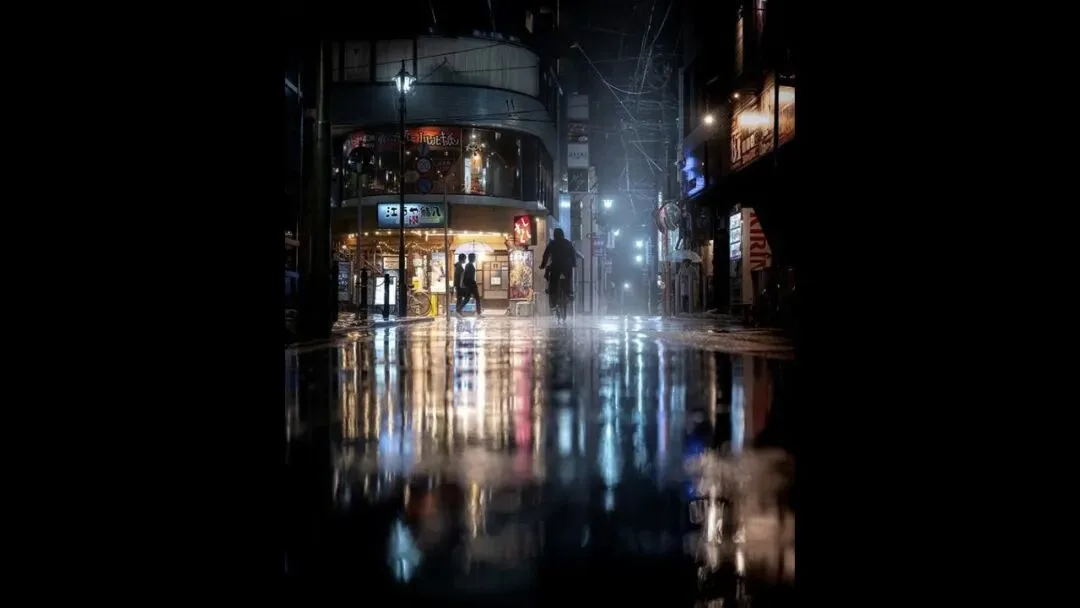
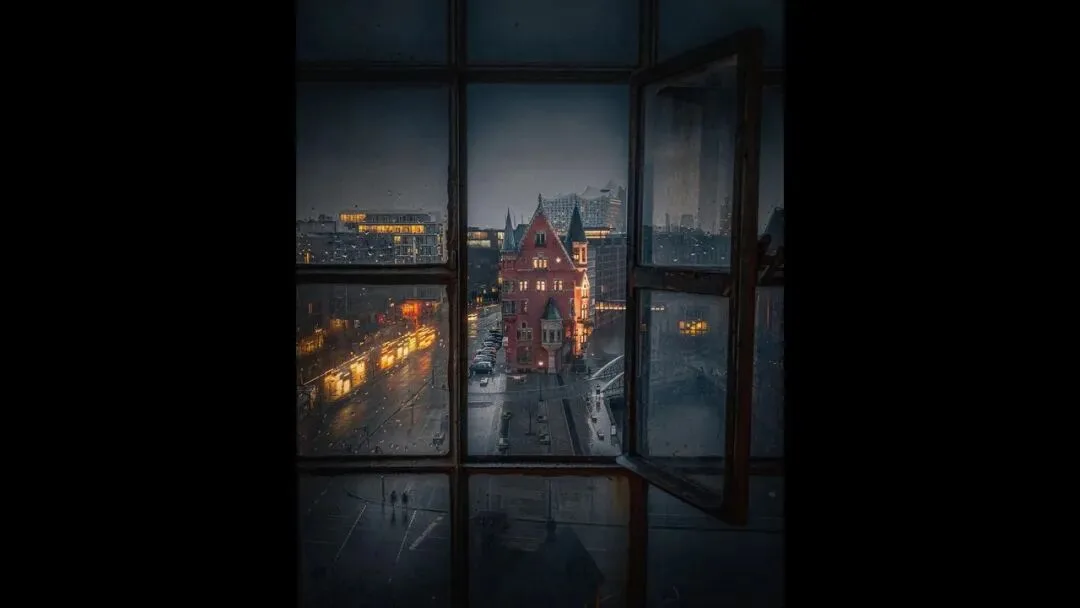
One more lesson: most rain shooting happens at night. Rainy daylight tends to be flat and low in contrast, while night brings the city's lights into play and the texture multiplies — like this frame of red lanterns over a soaked street, a gift of rainy nights (at 1:55 in the video).
03 Glass and Droplets: An Oil Painting in the First Person
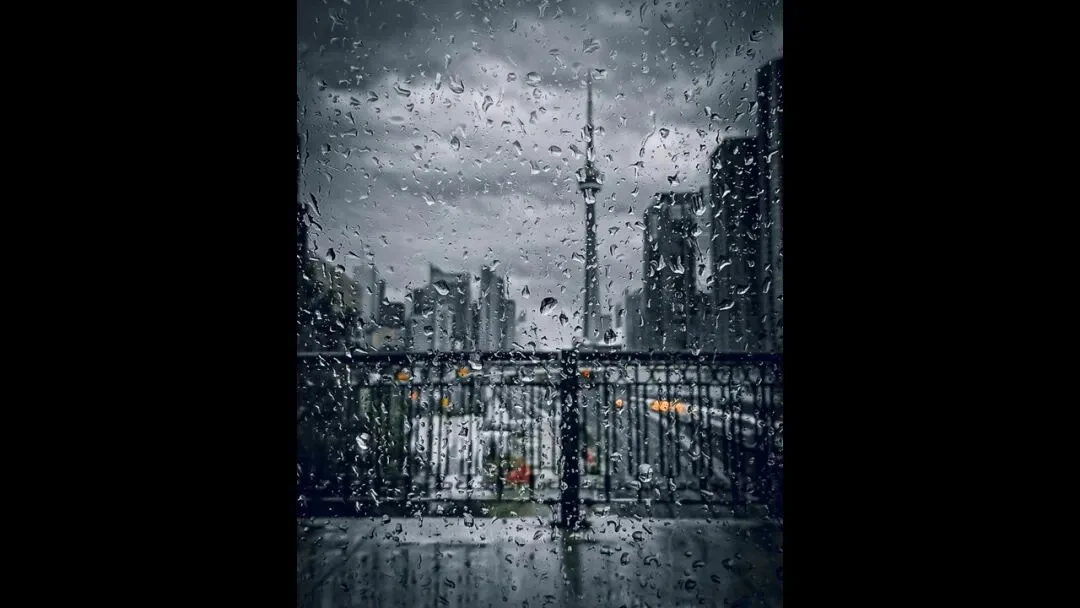
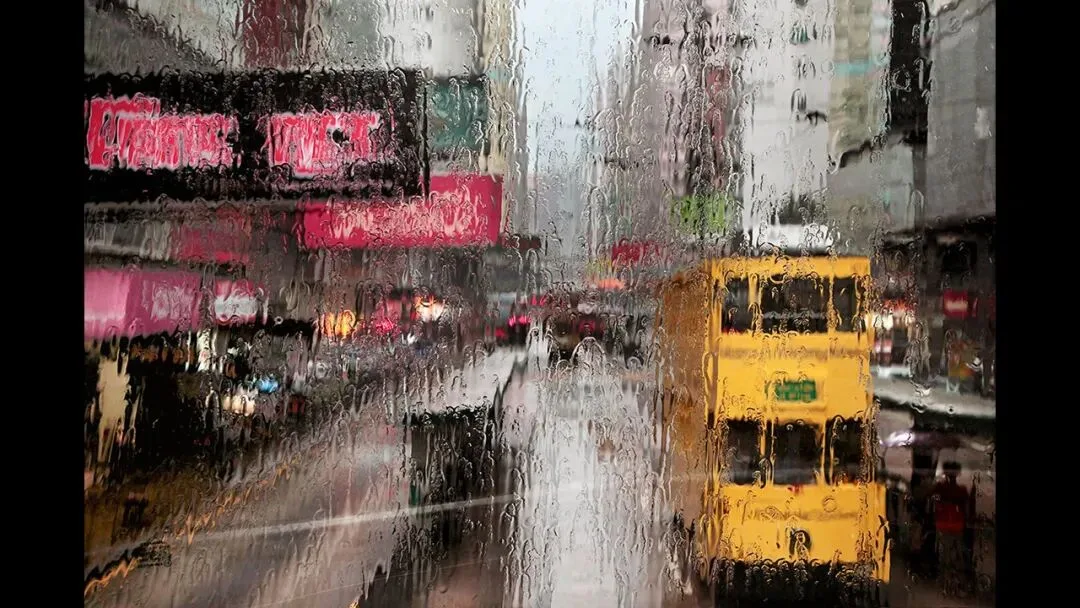
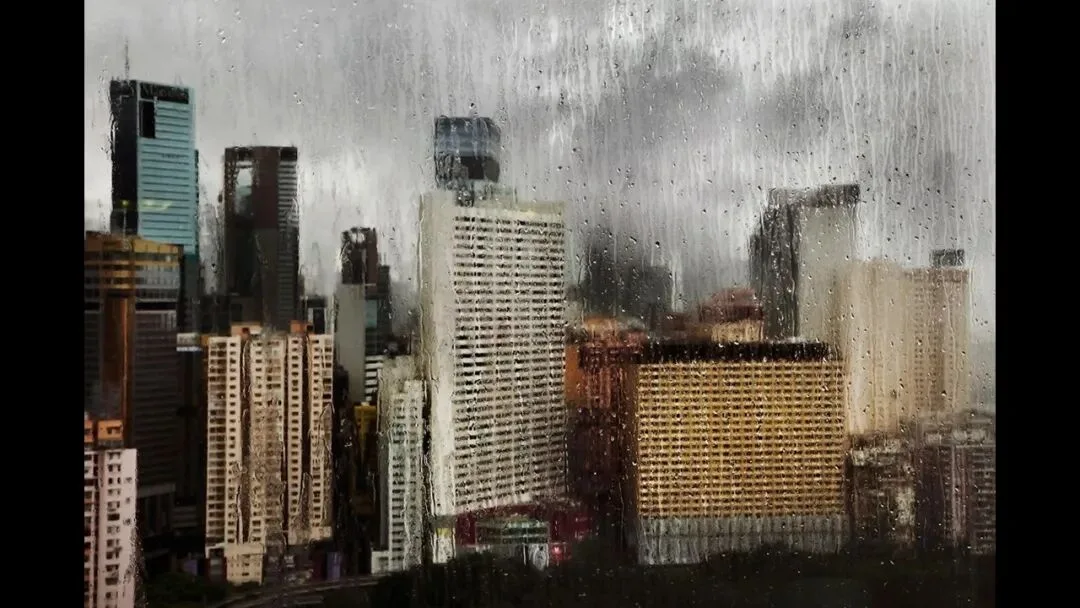
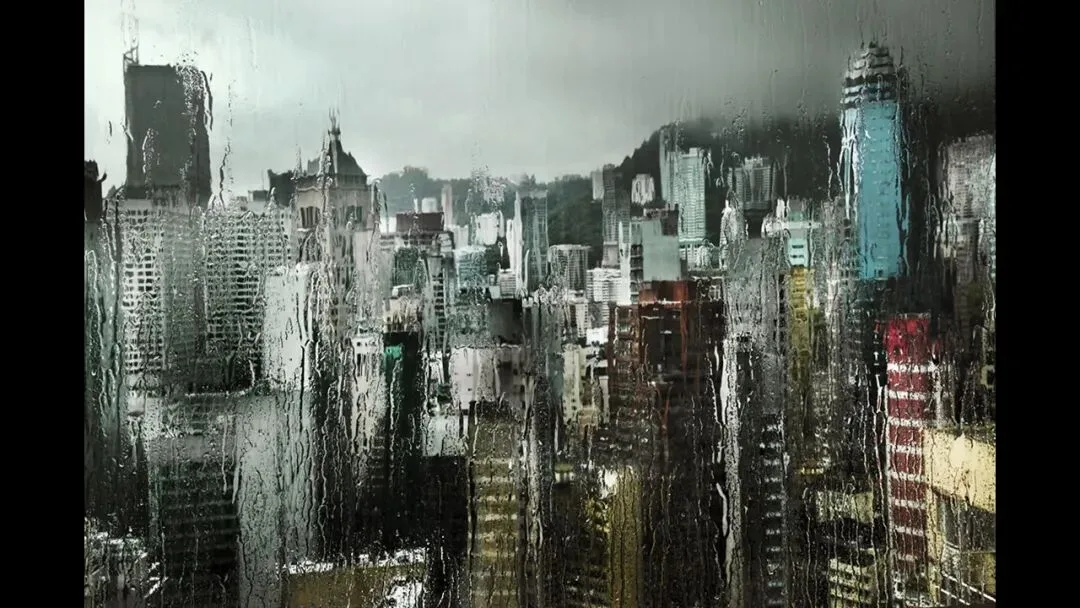
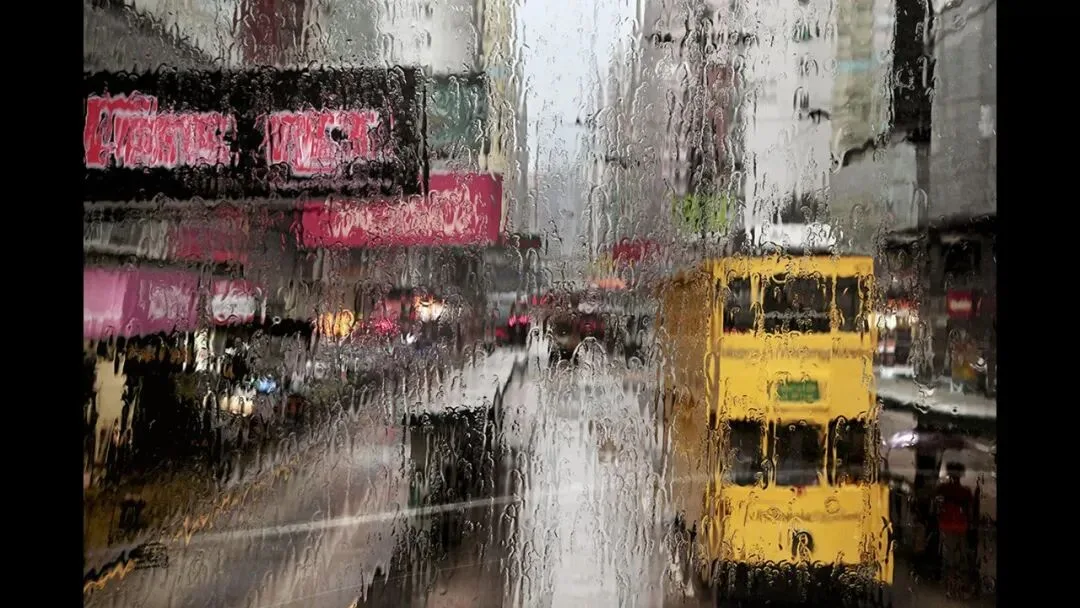
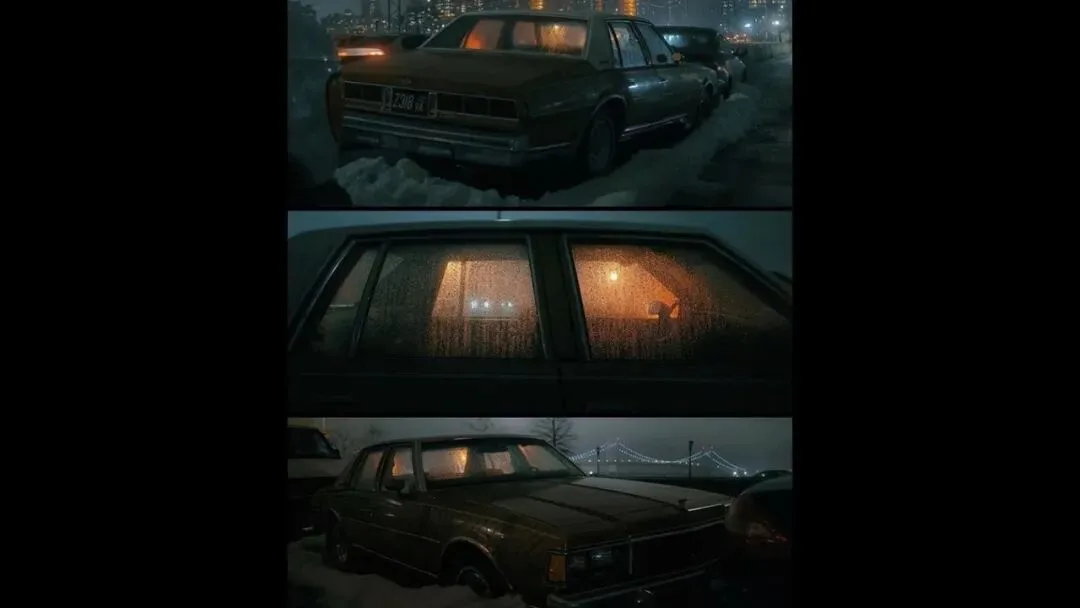
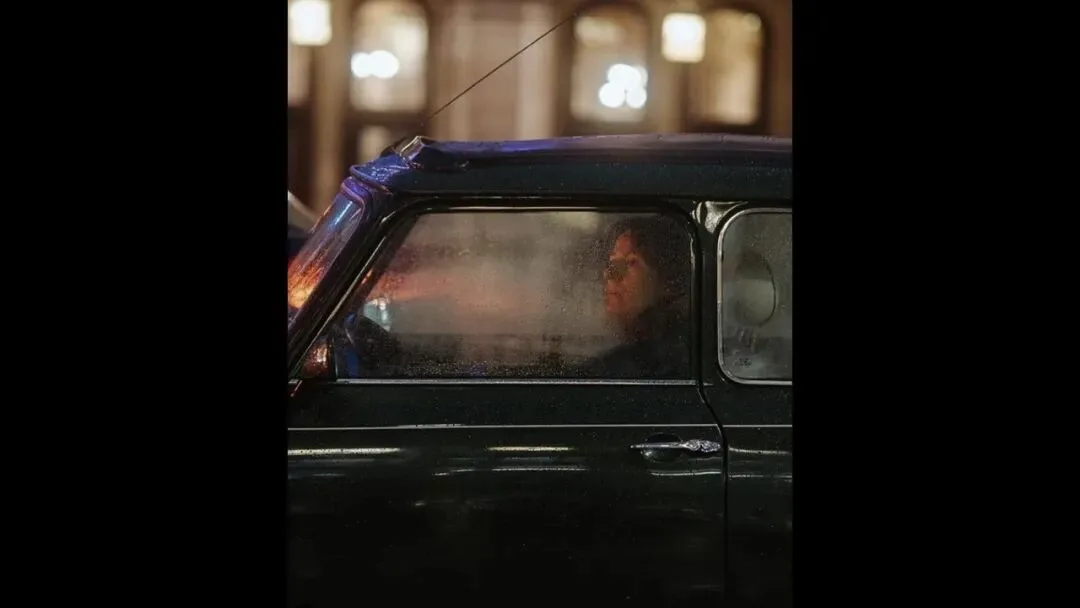
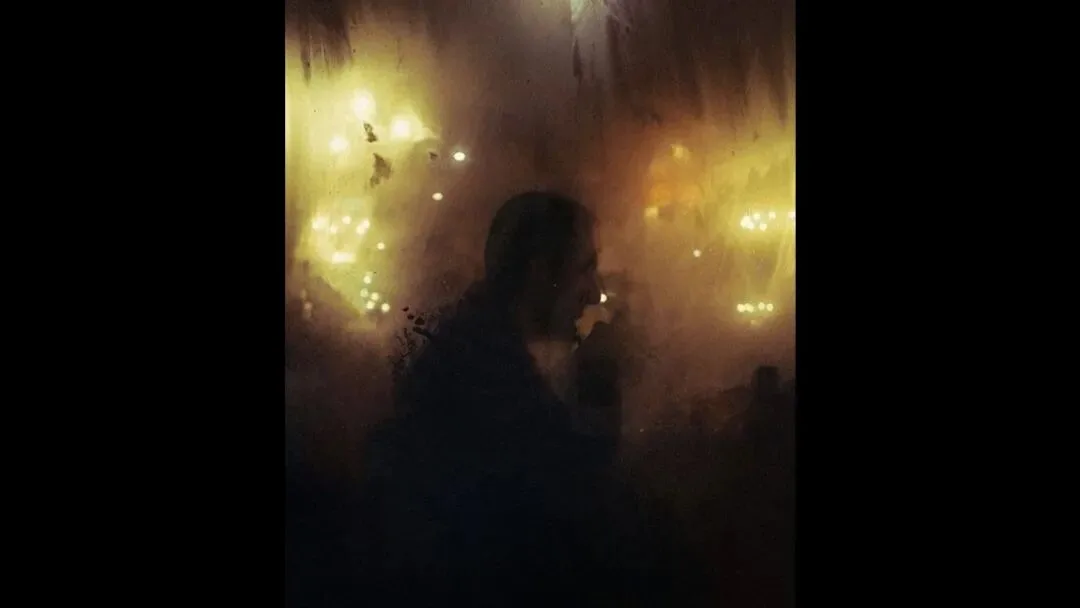
The third symbol stacks with the previous two: car windows and building glass. Focus on the droplets and the city behind dissolves into a blur streaked with street reflections (at 4:29 in the video). Looking at Hong Kong's towers through a rain-streaked window delivers an atmosphere unlike any other.
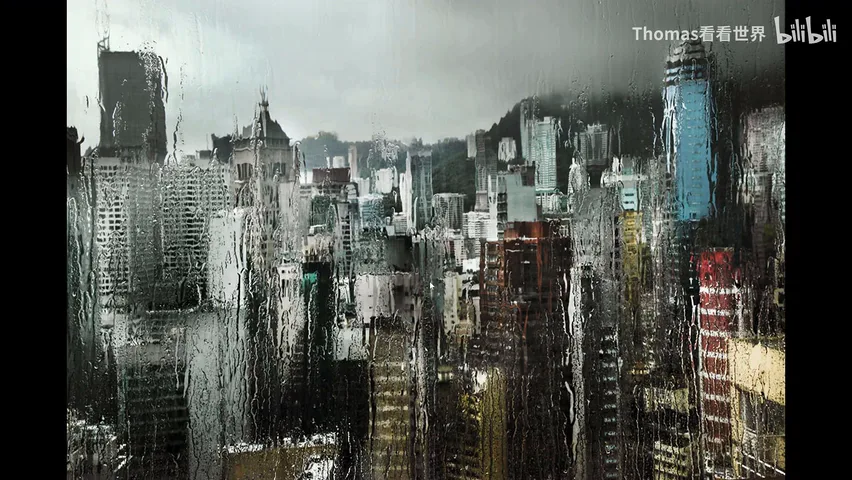
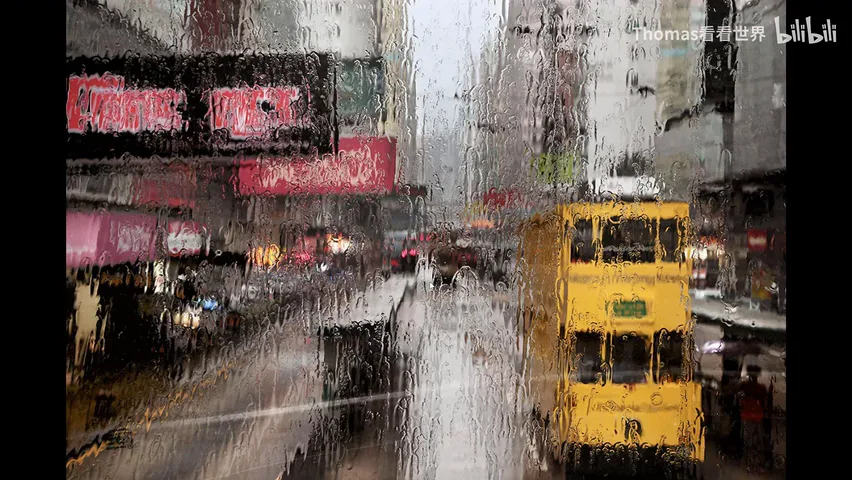
Glass also works as a mirror: besides reflecting the buildings, the droplets on it turn from blur to sharp once you stop down, which has its own charm. And shooting through a car window turns the outside world into an oil painting with a strong first-person presence — as if you were sitting inside, letting the storm rage while you watch the street: pure storytelling (at 5:37 in the video).
04 Raindrops and Mist: Backlight and Depth
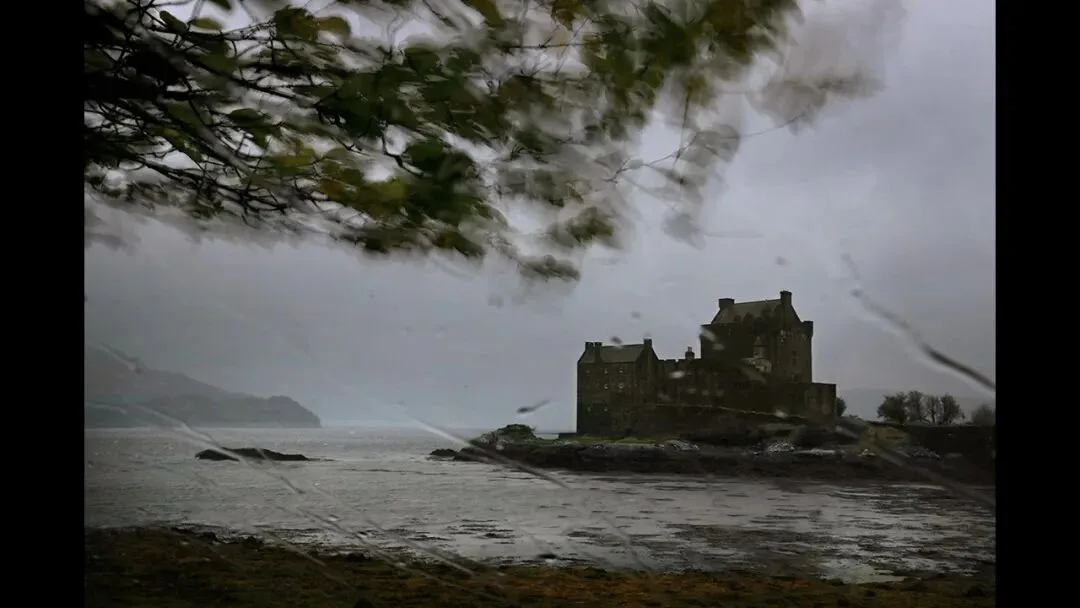
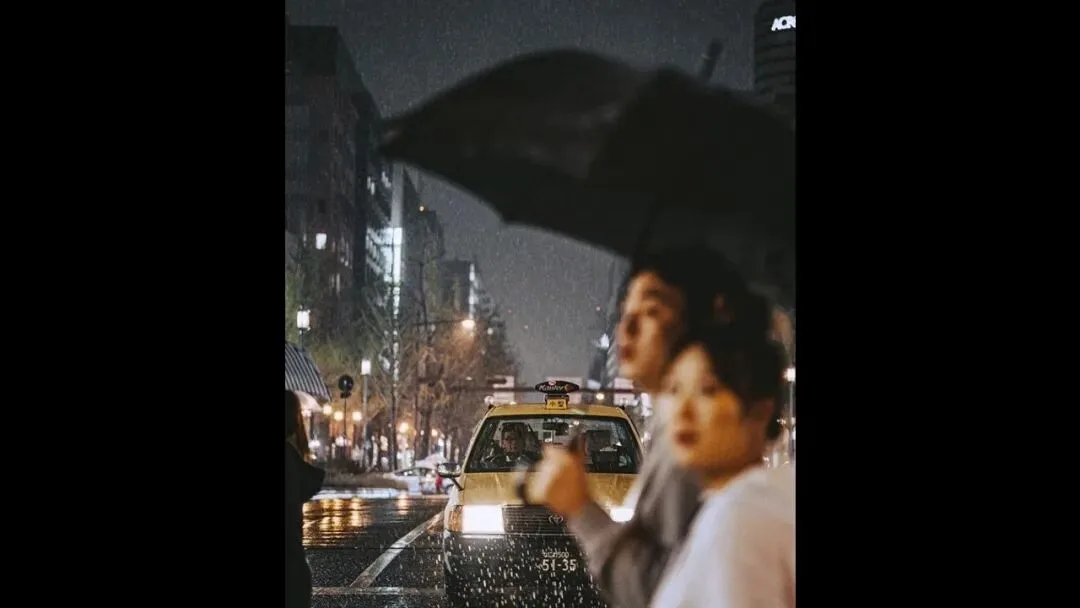
The fourth symbol is the falling rain itself. To make raindrops glow you generally need backlight — a light source behind them illuminates every drop (at 6:05 in the video). In the frame below, focus sits on the taxi behind and its headlights light up the foreground rain beautifully. And don't rush to wipe the drops off your own lens — they sometimes add to the rain-day atmosphere.
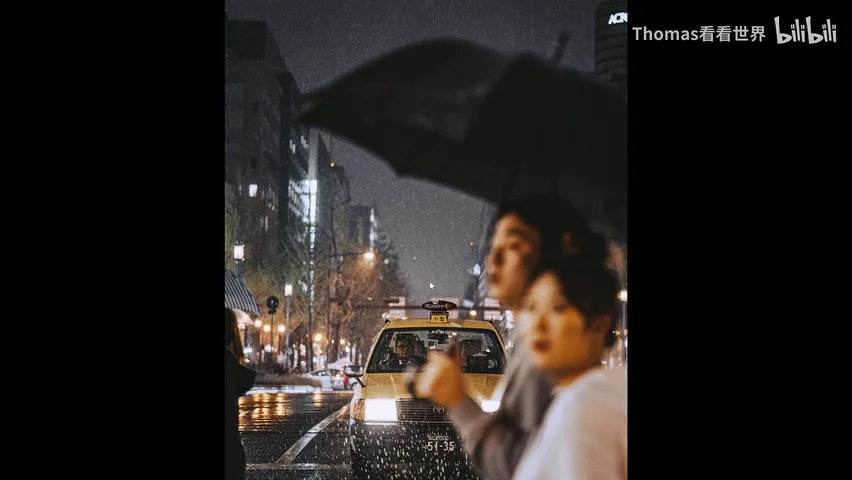
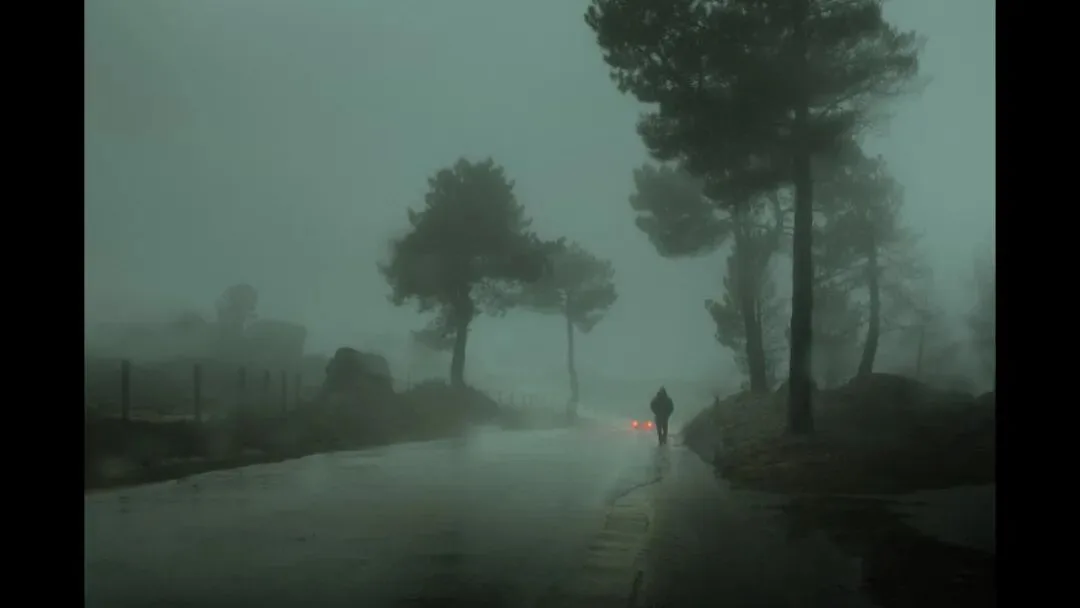
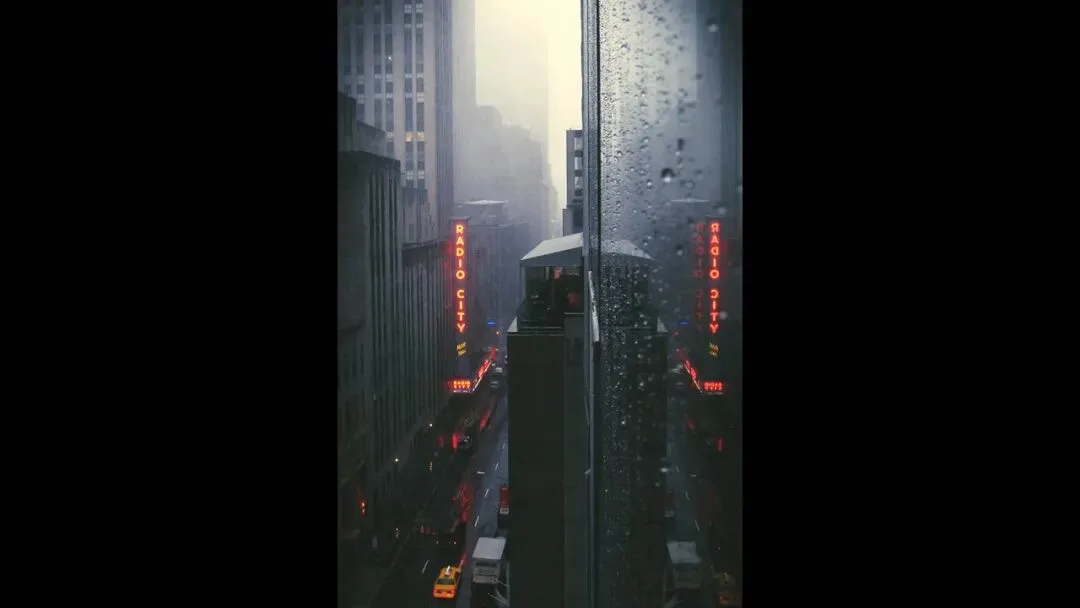
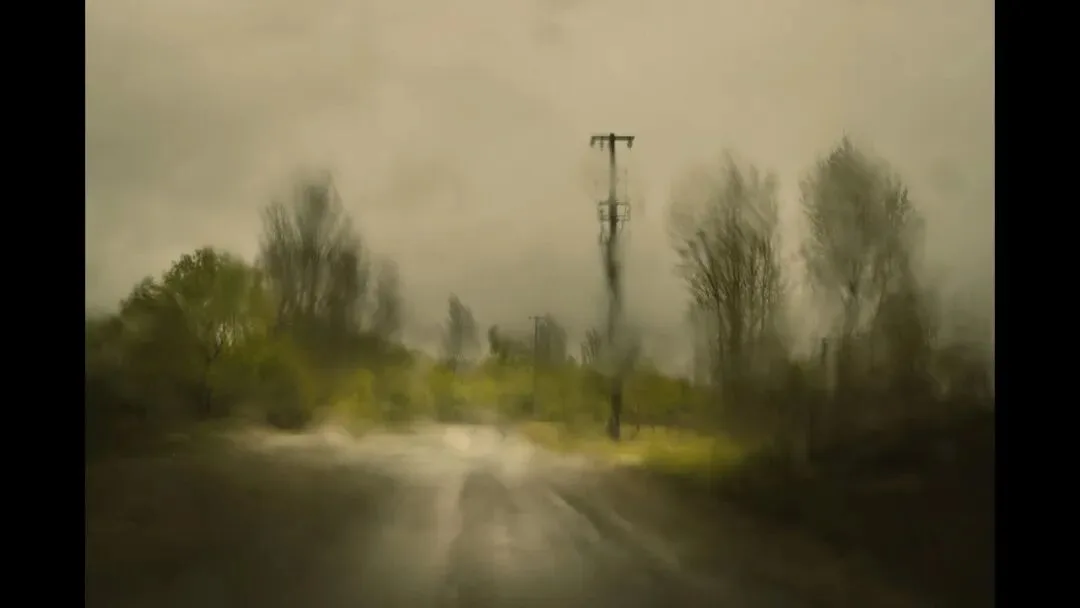
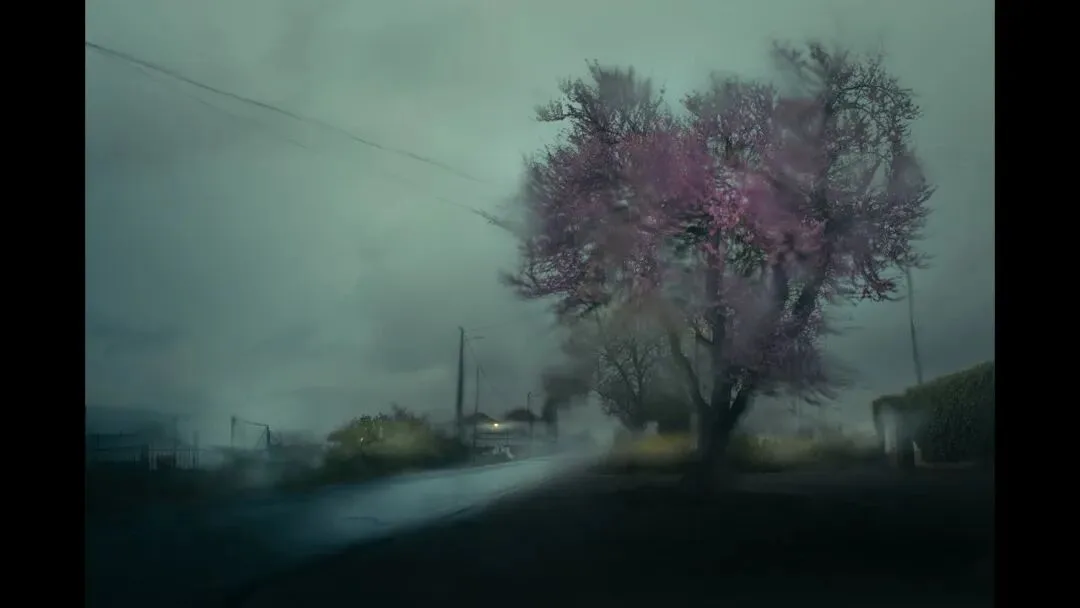
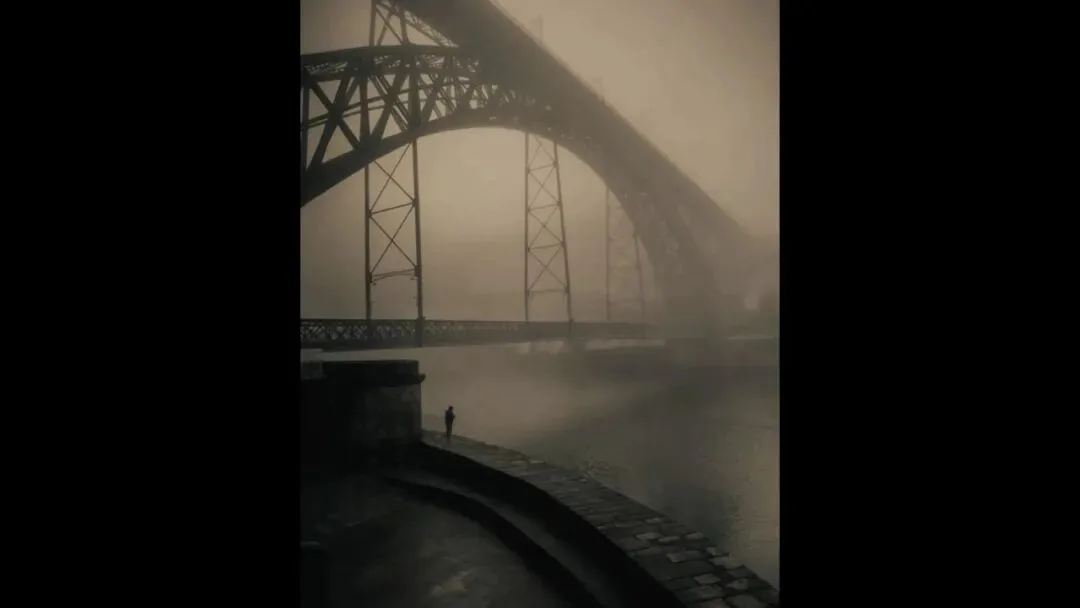
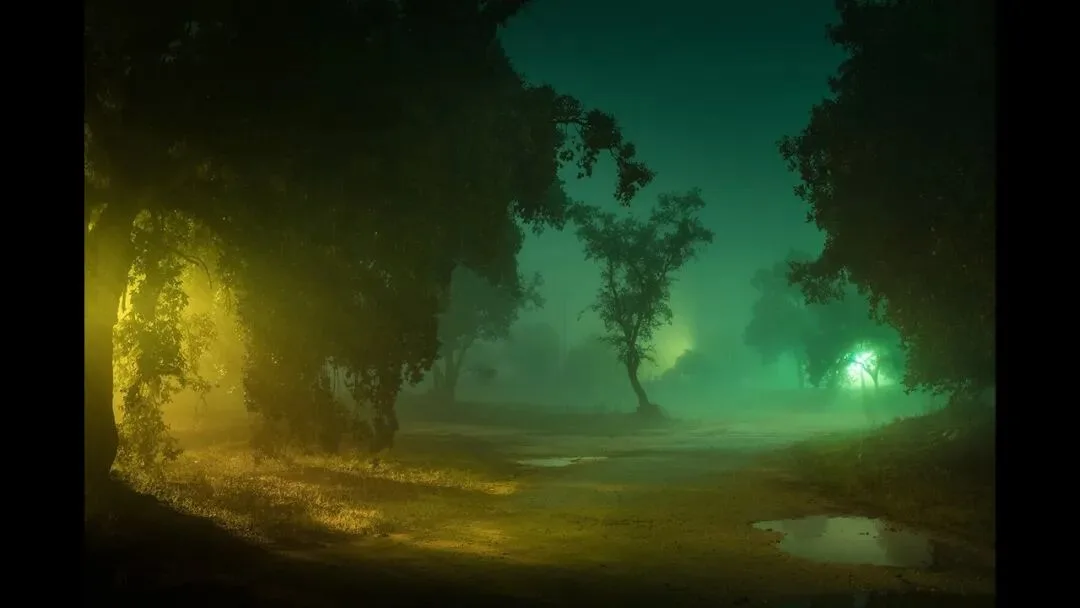
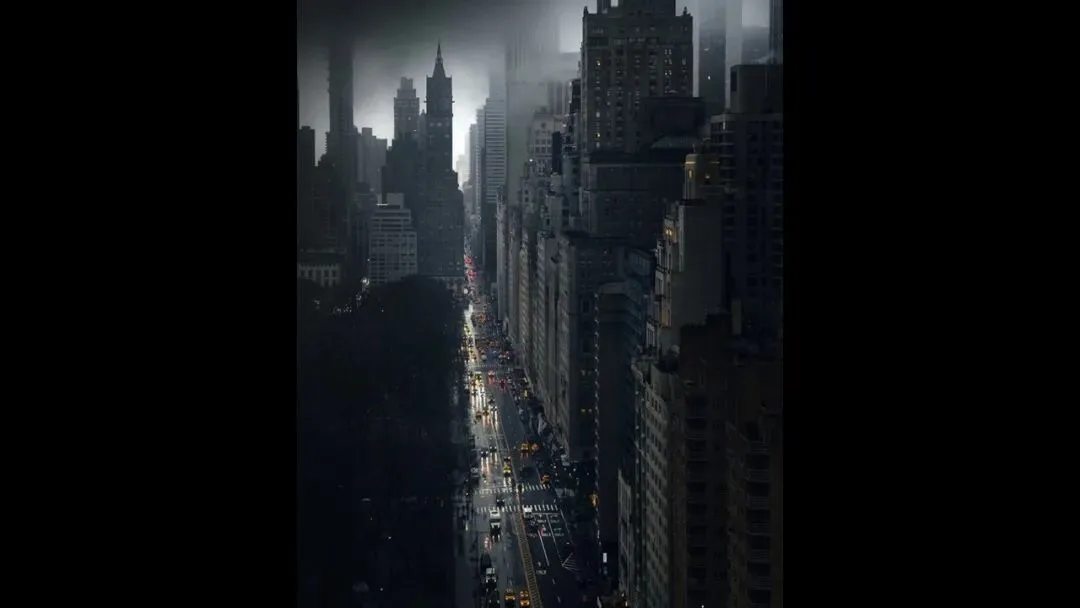
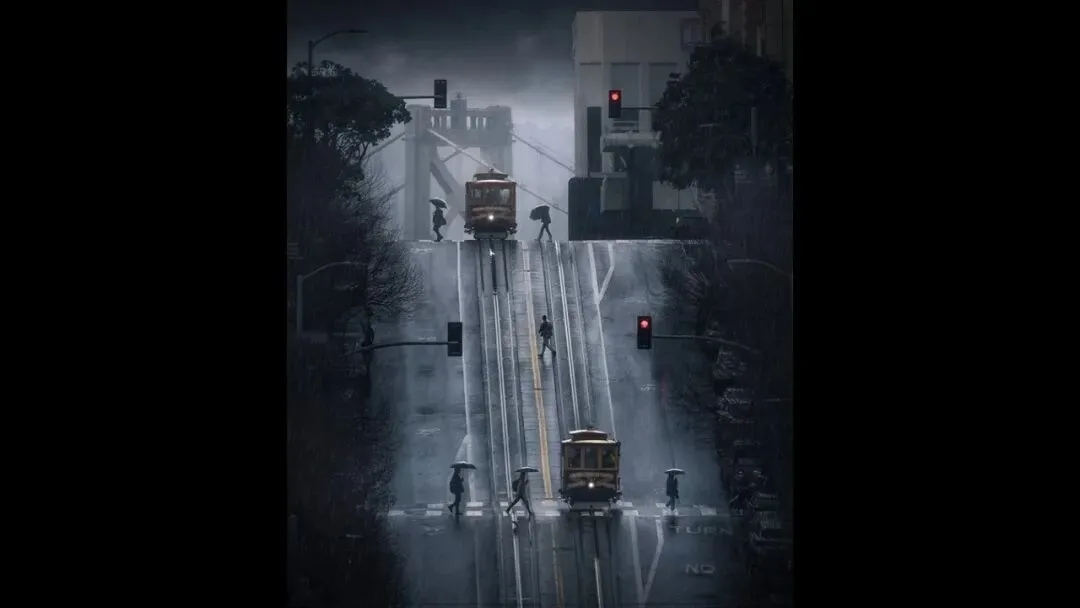
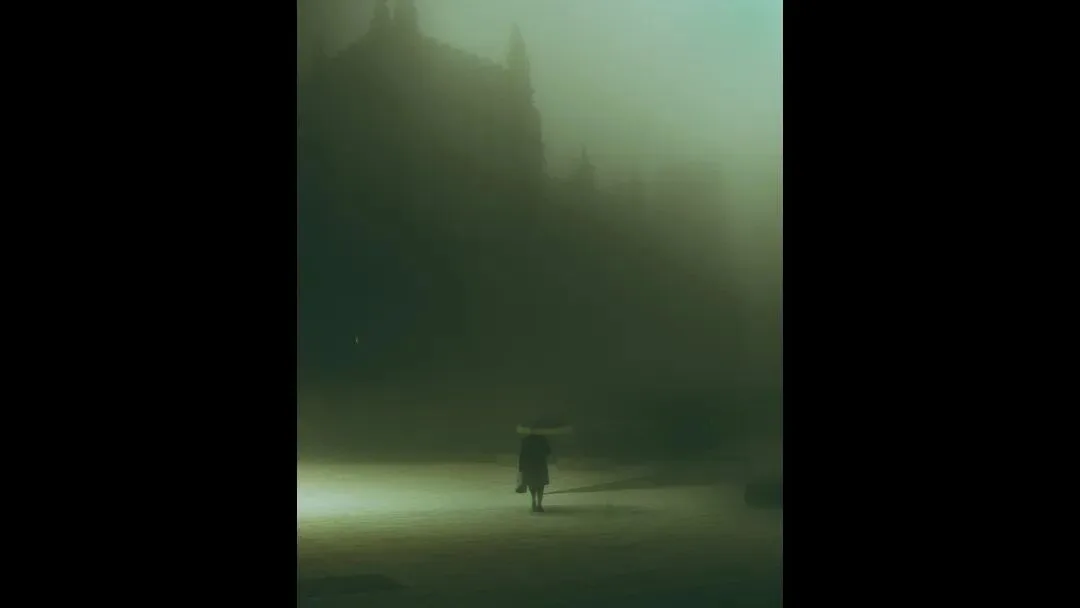
The final motif is mist: the fog of rain feels oppressive, mysterious, almost magical. Paired with city lights it creates remarkably rich color moods, and the progression from sharp foreground to blurred distance lends the photo layers naturally (at 6:52 in the video).
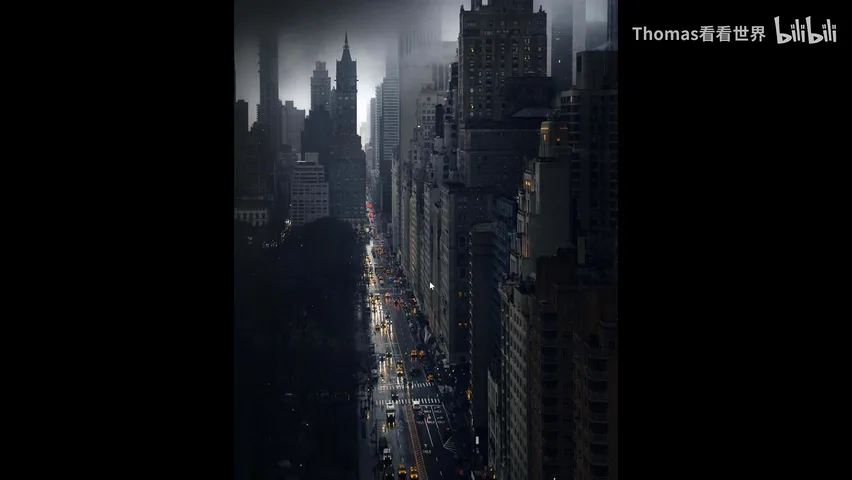
05 Rain's Moods — and Your Hit Rate
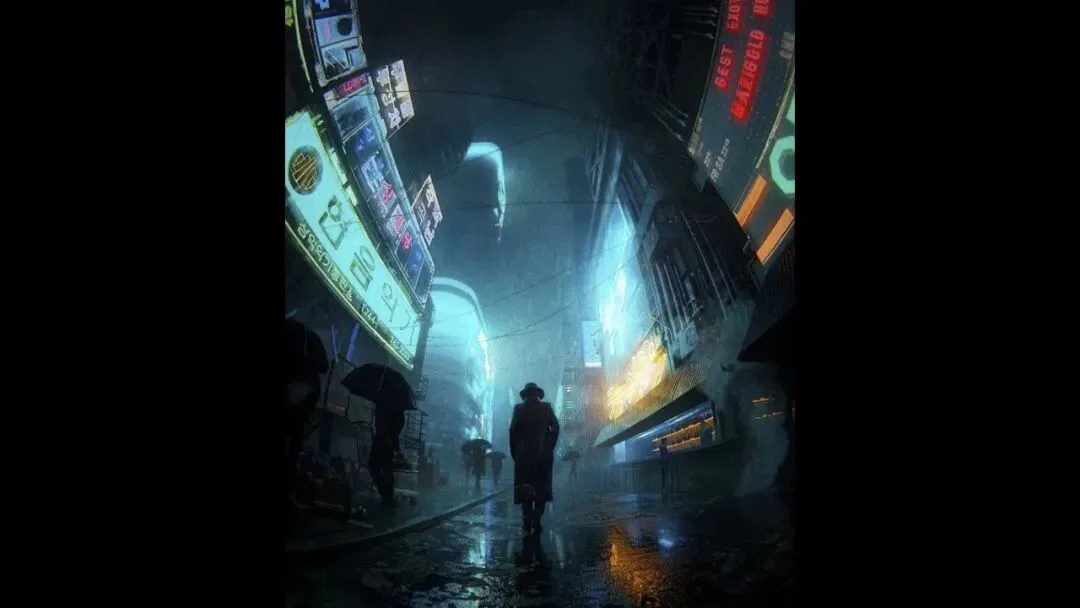
Why do photographers abroad love rain so much? The second reason is its built-in emotion, endlessly variable: oppressive, lonely, lost, mysterious, dreamlike — or calm and serene, even dazzling when the colored lights come out (at 7:02 in the video).

A foggy street suits disorientation; a lone figure in the rain expresses loneliness far better than the same figure on a sunny day. Rain also hides flaws: a scene cluttered with wires and messy lights gets its defects masked by the atmosphere — night lights, a passing umbrella figure, reflections in the puddles, all working together (at 7:29 in the video).
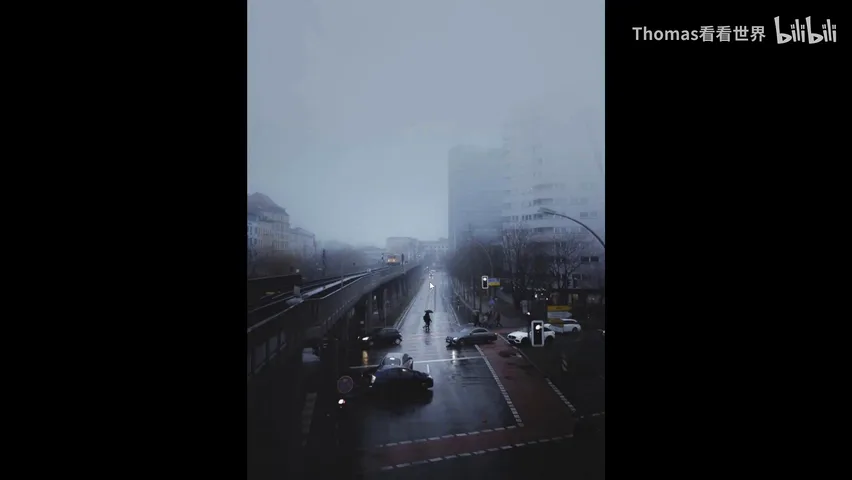
For that overworked 996 hurry, rain helps too: let the figure rush past with a not-too-fast shutter so they blur slightly, and the feeling appears. Fill the frame with people, or catch a cyclist streaking through — motion against stillness is striking; so is shooting a tavern or café's customers through a rain-fogged window (at 8:53 in the video).
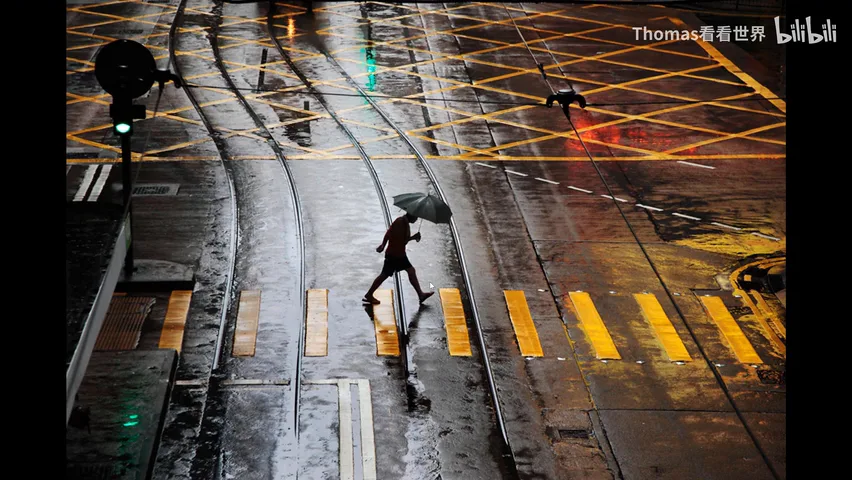
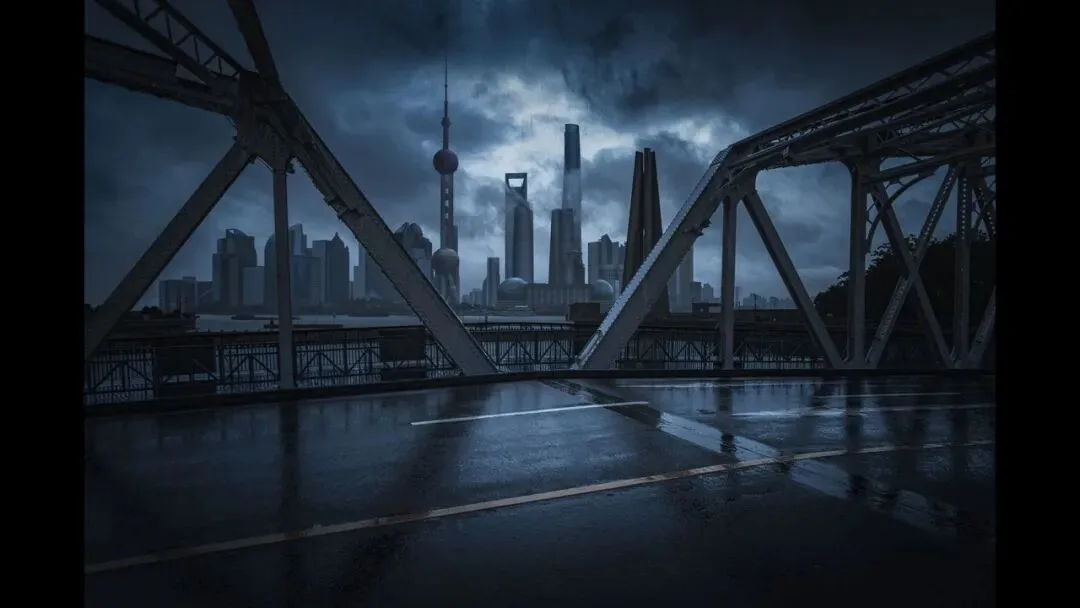
Learning to shoot in the rain genuinely raises your hit rate in the city: everyone knows blazing clouds and clear skies produce keepers, but with rain technique in hand, a wet travel day or a rainy evening at home becomes an opportunity too. Thomas's own awakening came in Shanghai, stuck in days of rain, inspired by the foreign photographers' work (at 9:53 in the video). Layer the reflections, the umbrella figures, the office worker rushing past glued to a phone, your own umbrella in the frame, and the story deepens; include a car so its backlight ignites the raindrops; and the Oriental Pearl Tower wrapped in fog looks nothing like its postcard self (at 10:35 in the video).
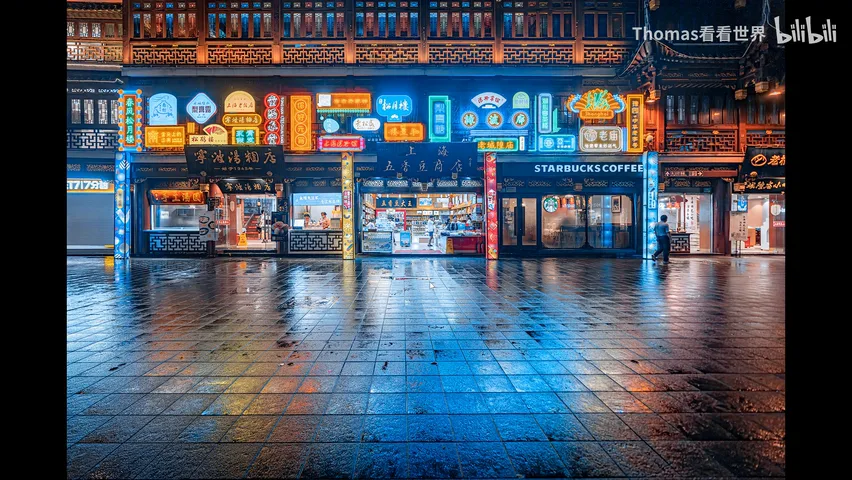
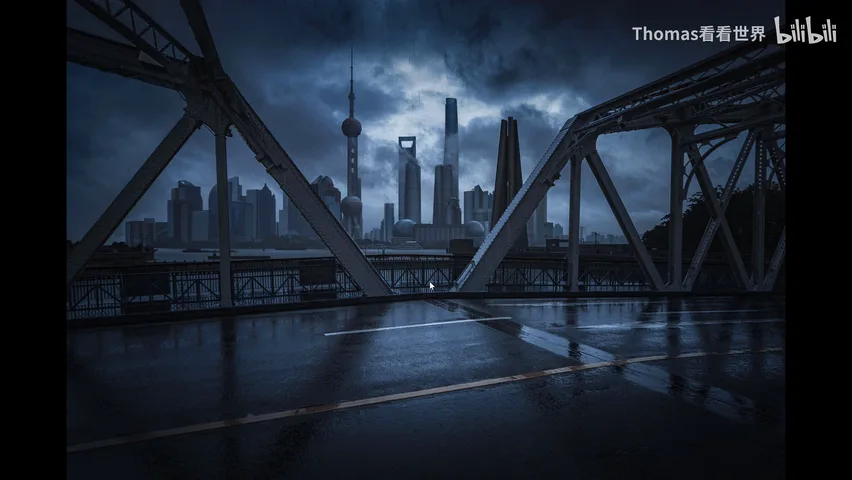
1. Rain offers five unique symbols: the umbrella figure, puddle reflections, droplets on glass, backlit raindrops and mist; 2. A rainy frame usually stacks several of them, and standing water doubles the light; 3. Shoot rain at night — the city's contrast of lights is where texture comes from; 4. Rain's emotional range is huge: it hides clutter, sets any mood you want, and is a real opportunity to raise your city-shooting hit rate.
PPT