Photography Tutorial · 2022-07-31
Rainy Days Aren't Good for Shooting? This Photographer Specializes in Rainy City Masterpieces!
Are rainy days not good for photography, forcing you to stay home?
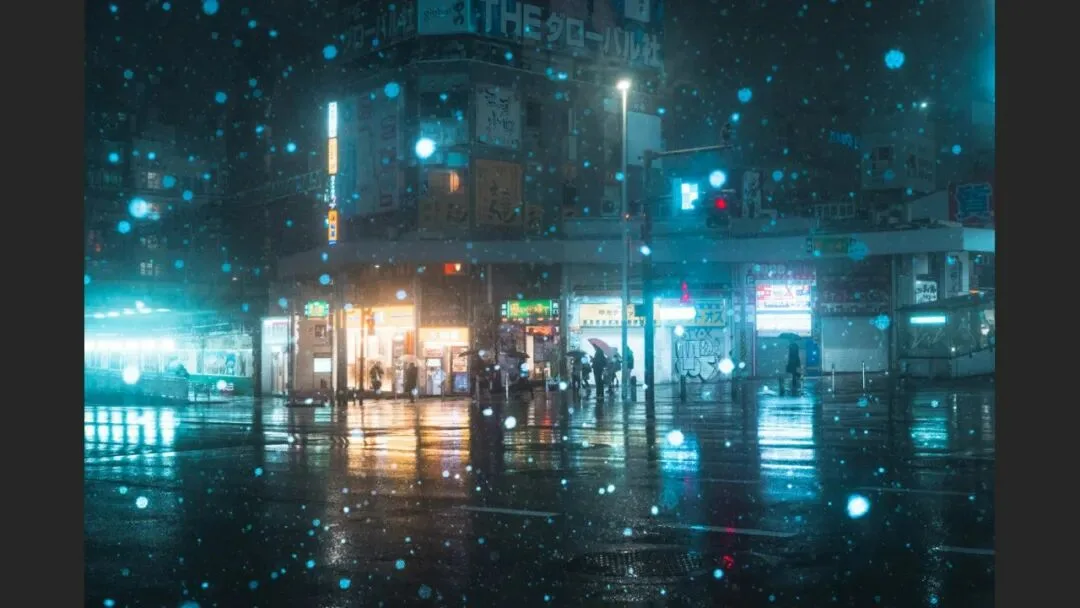
The Finnish photographer Teemu introduced today specializes in rainy city masterpieces.
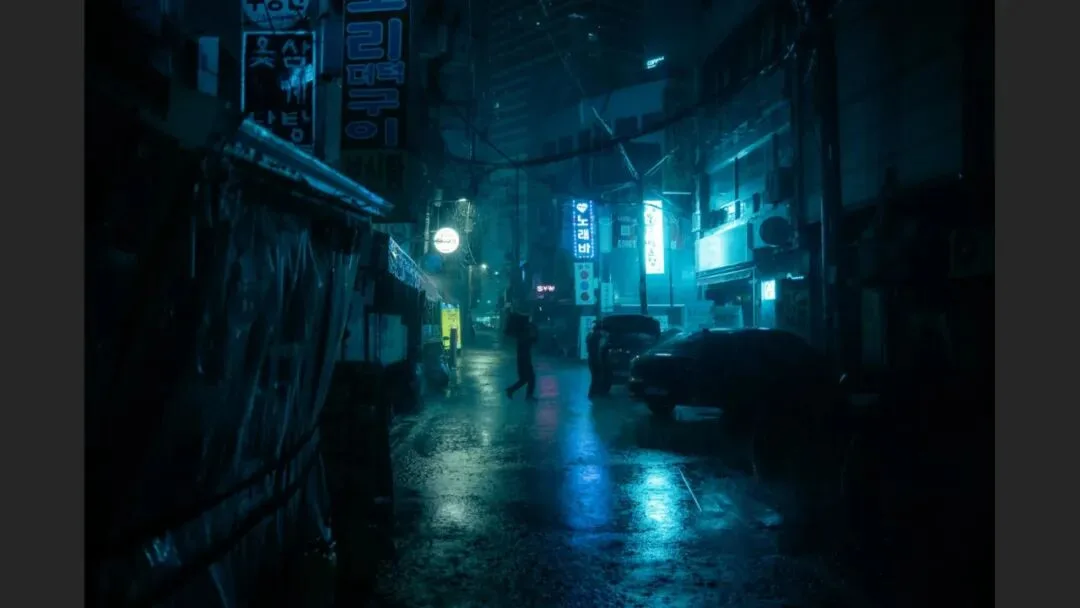
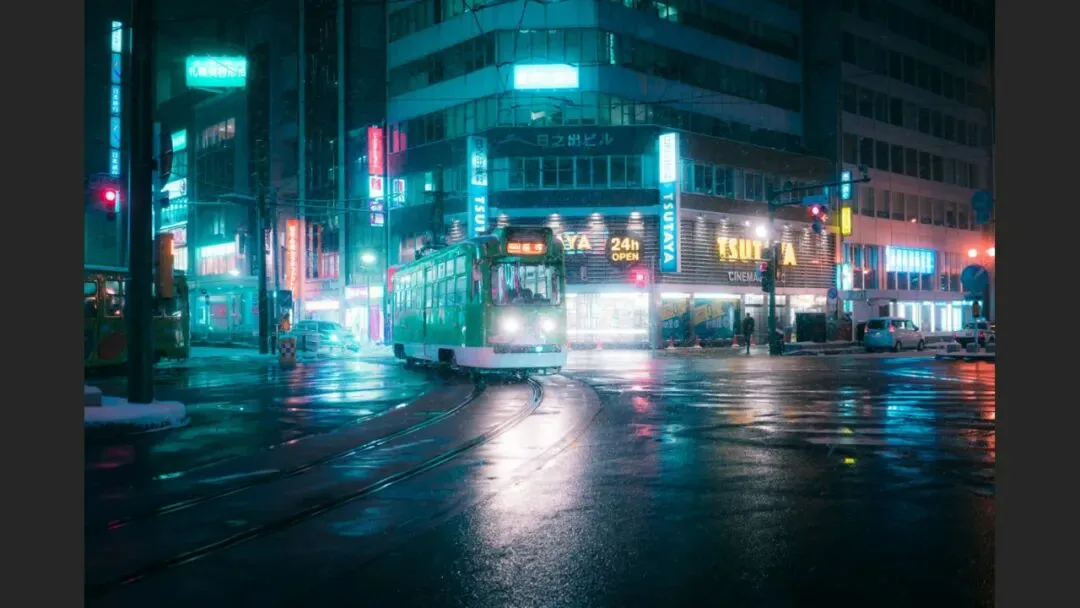
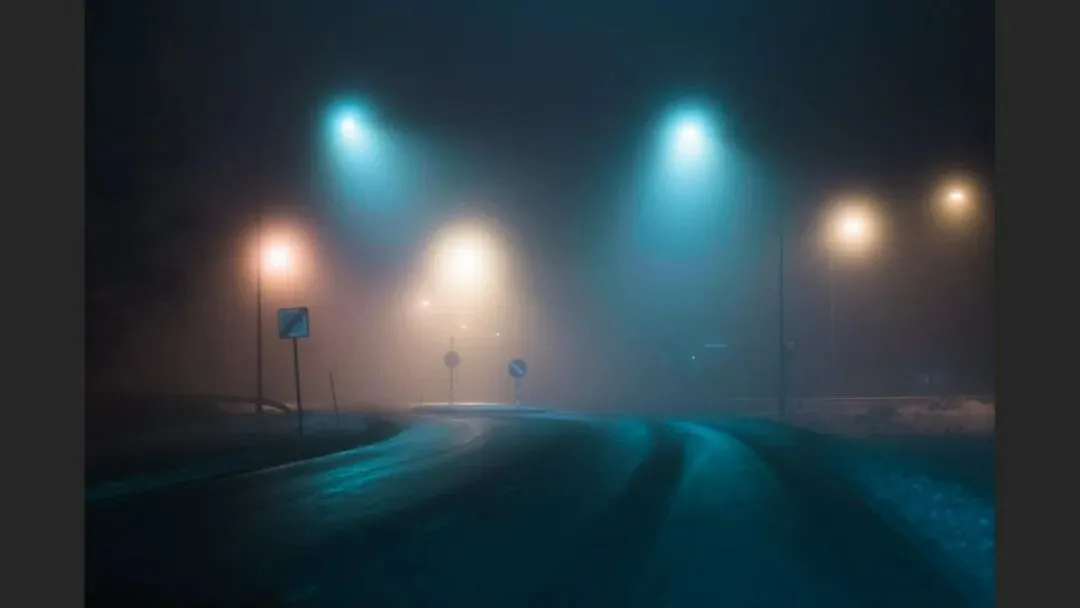
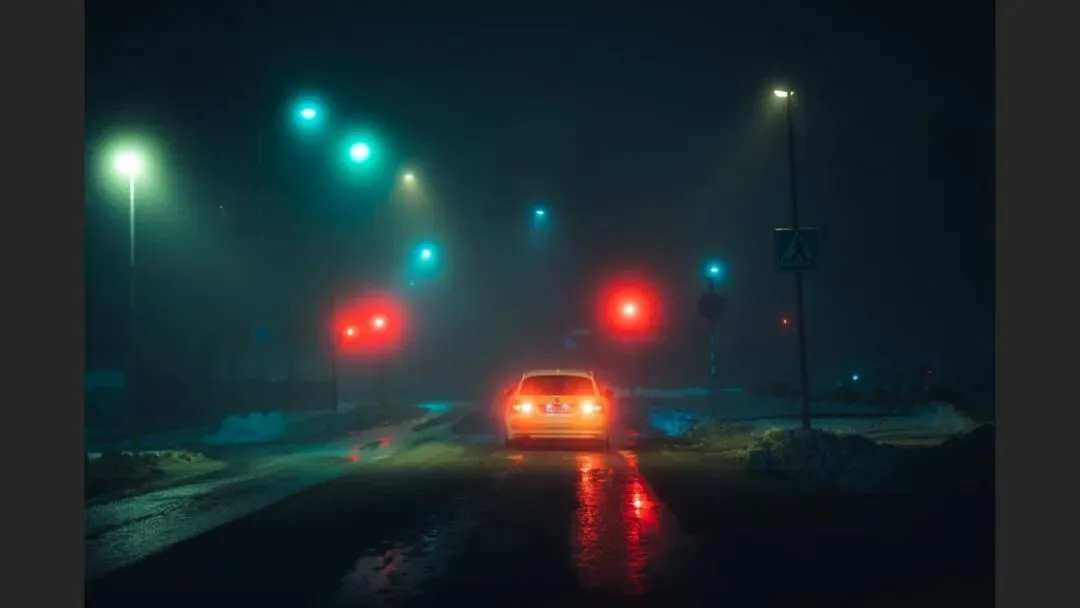
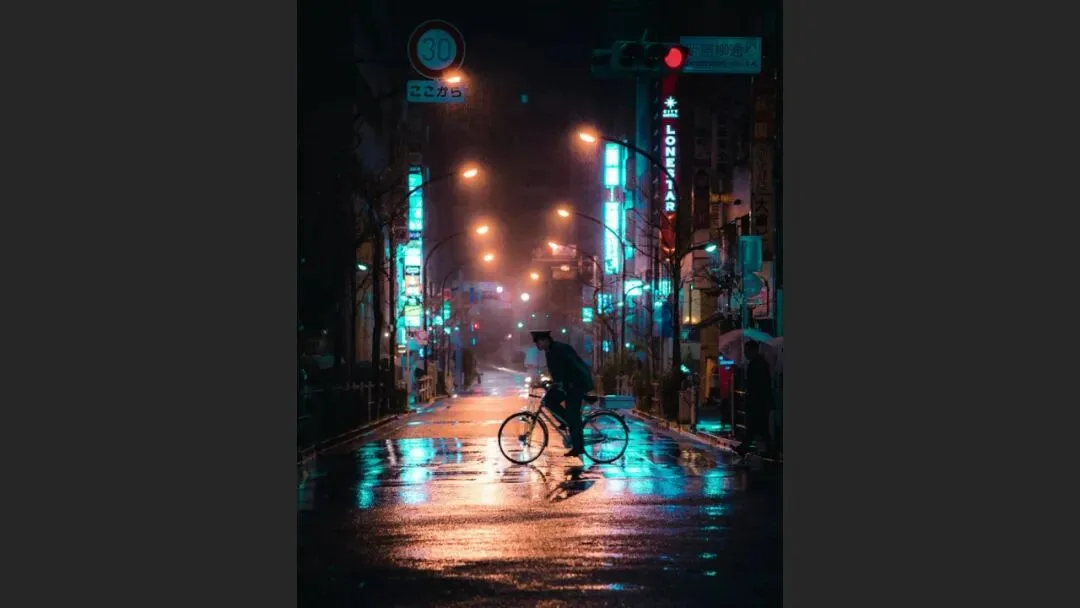
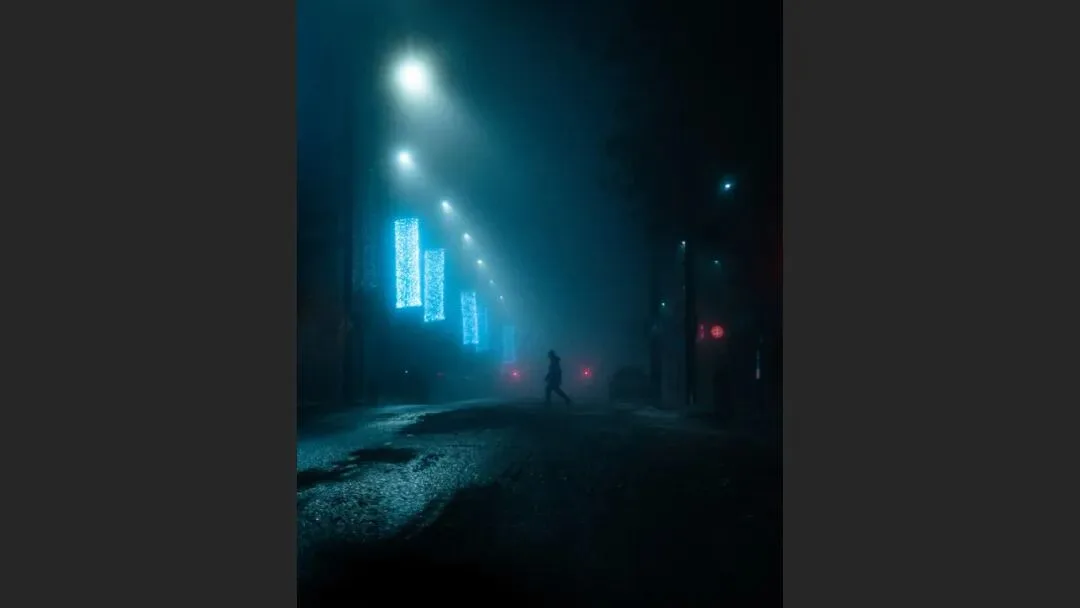
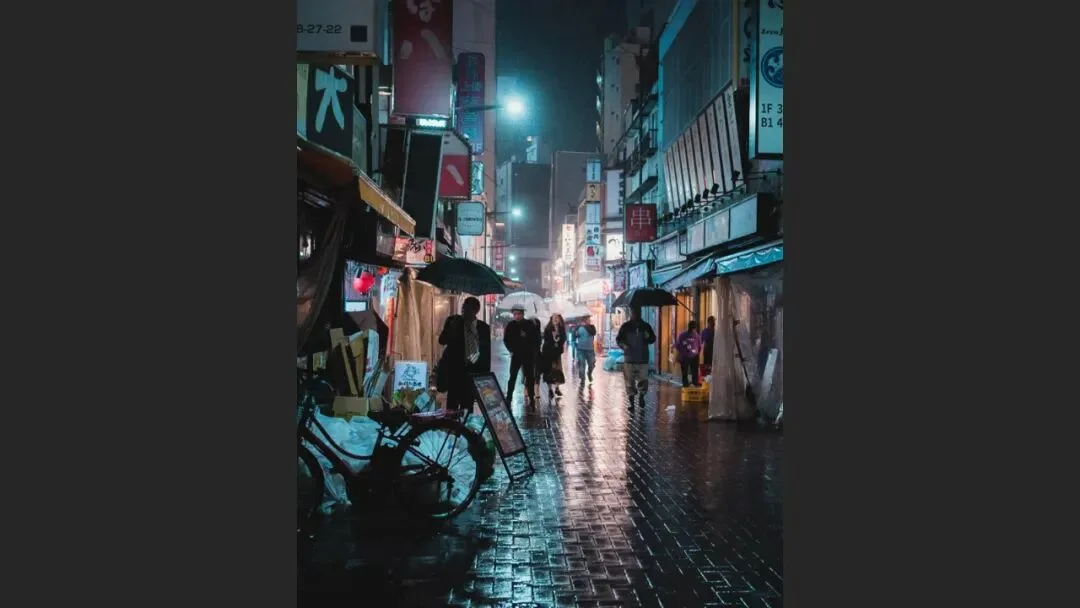
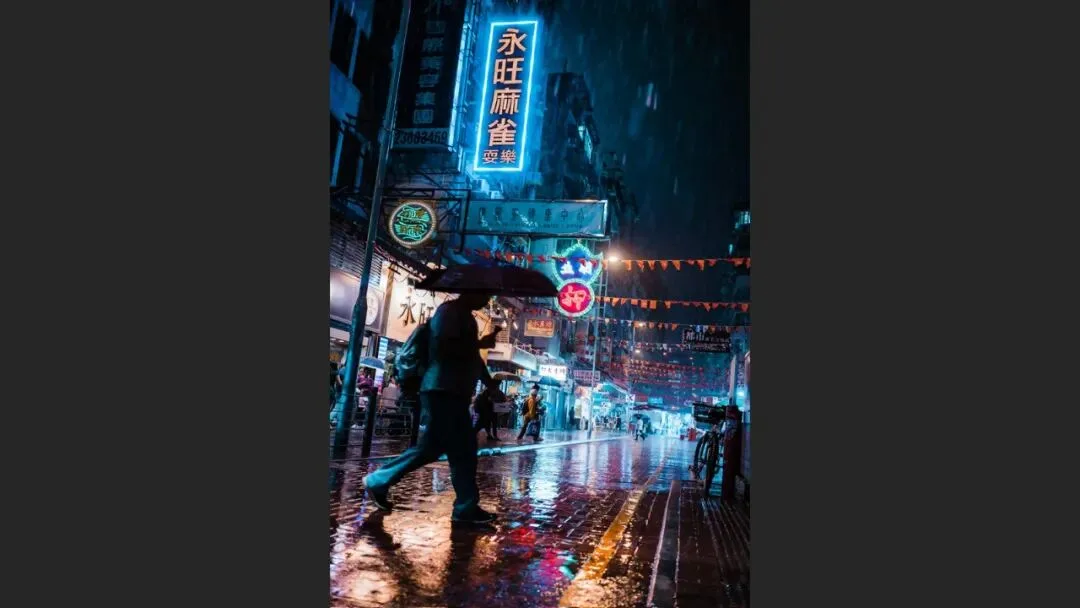
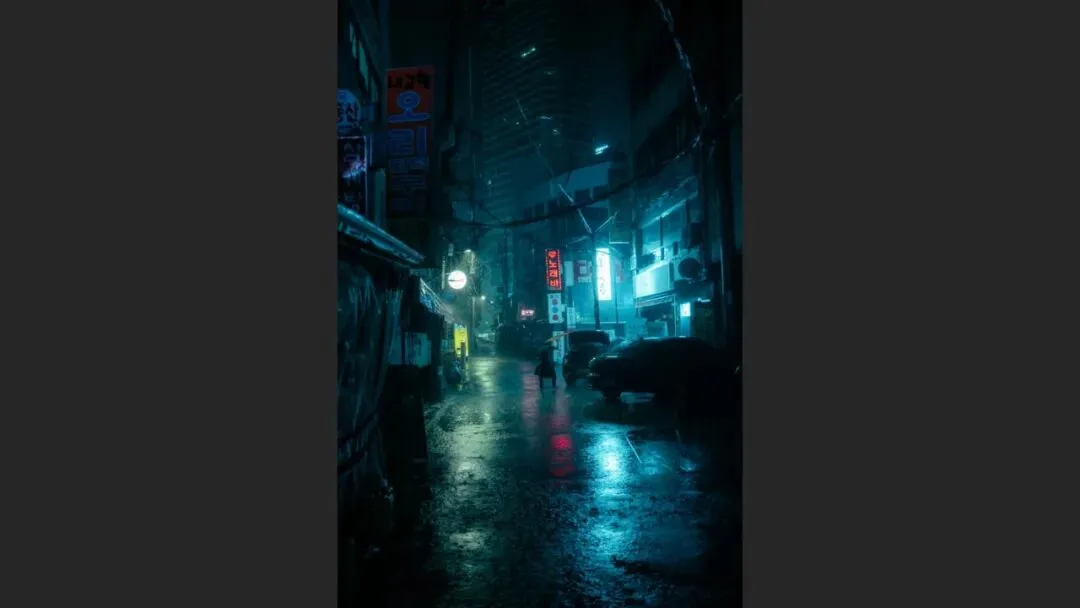
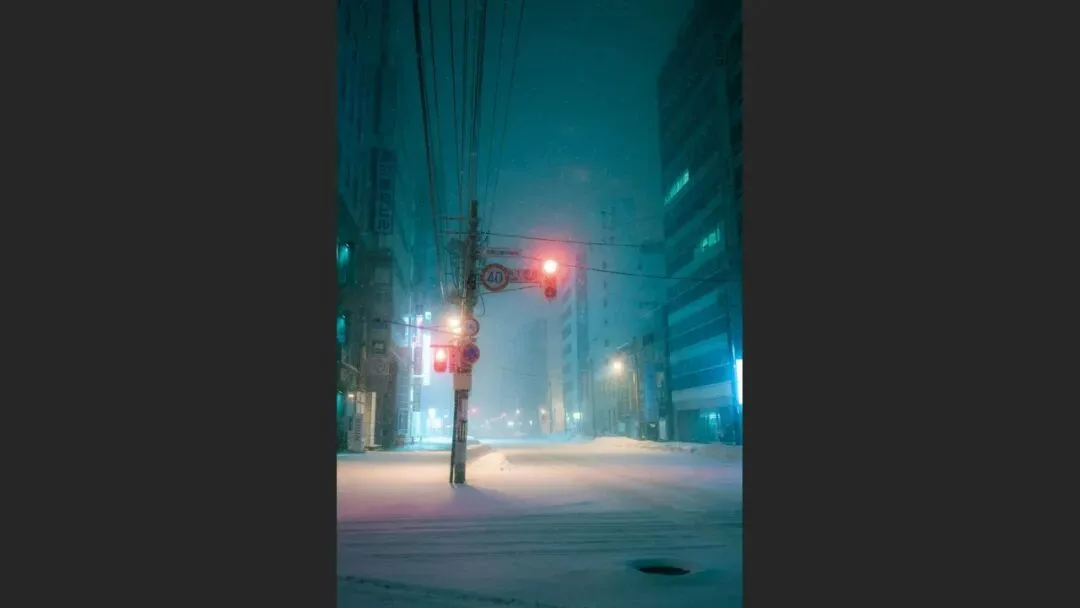
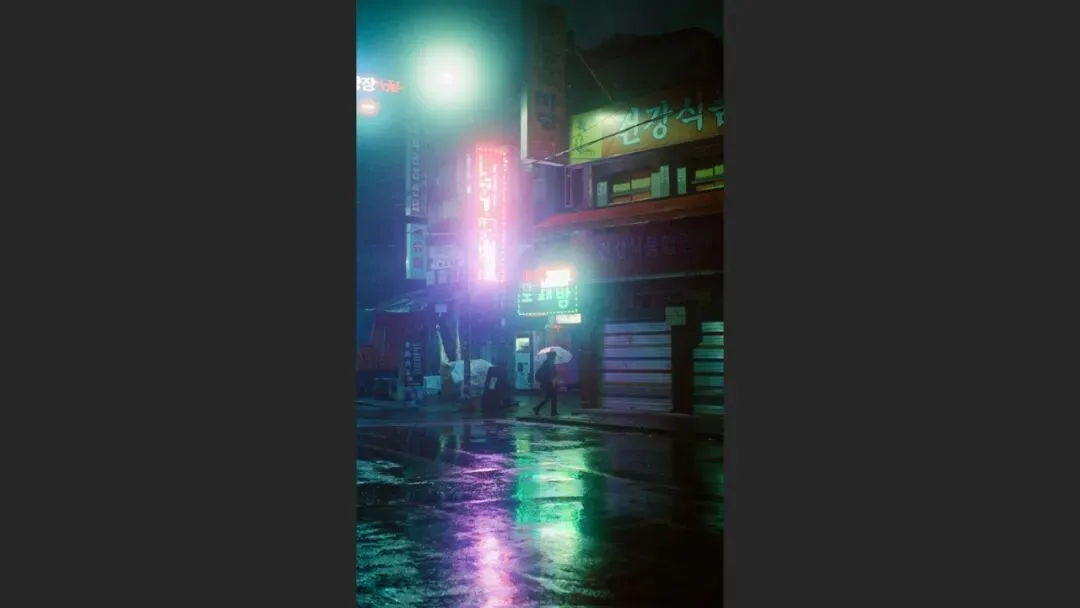
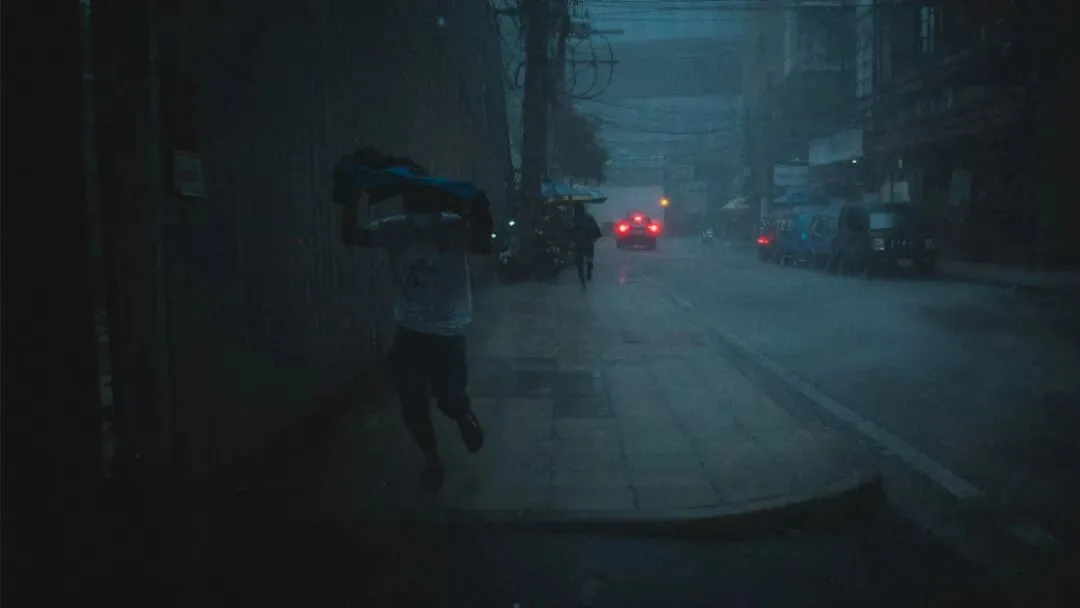
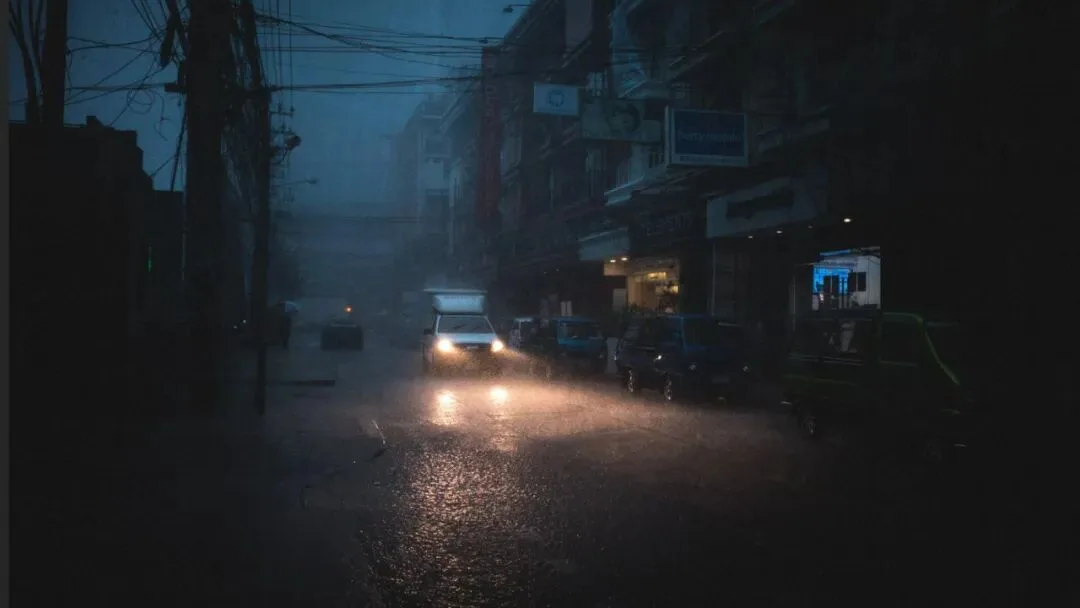
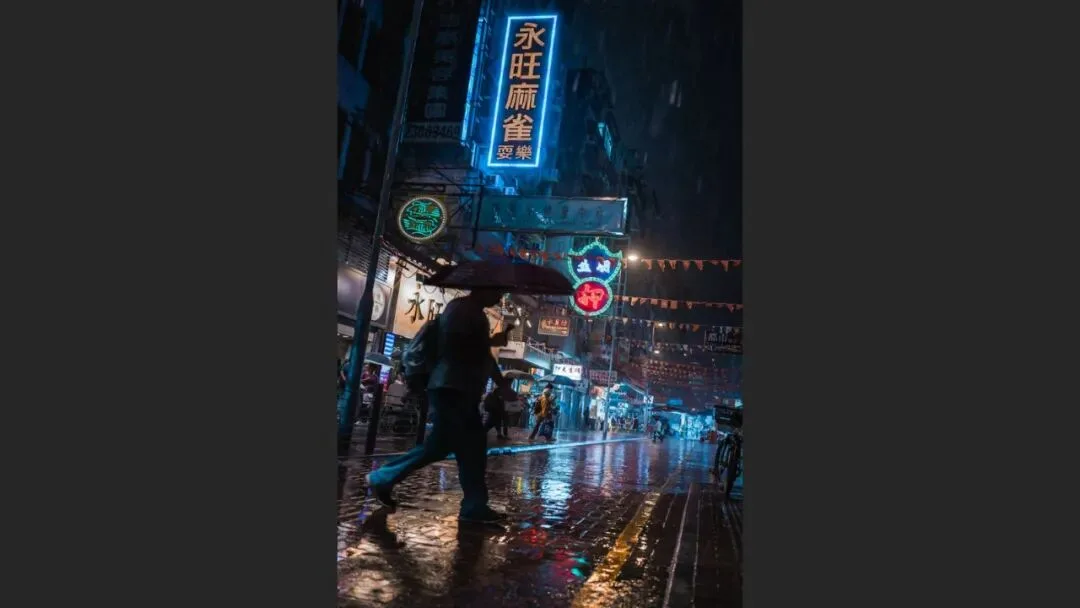
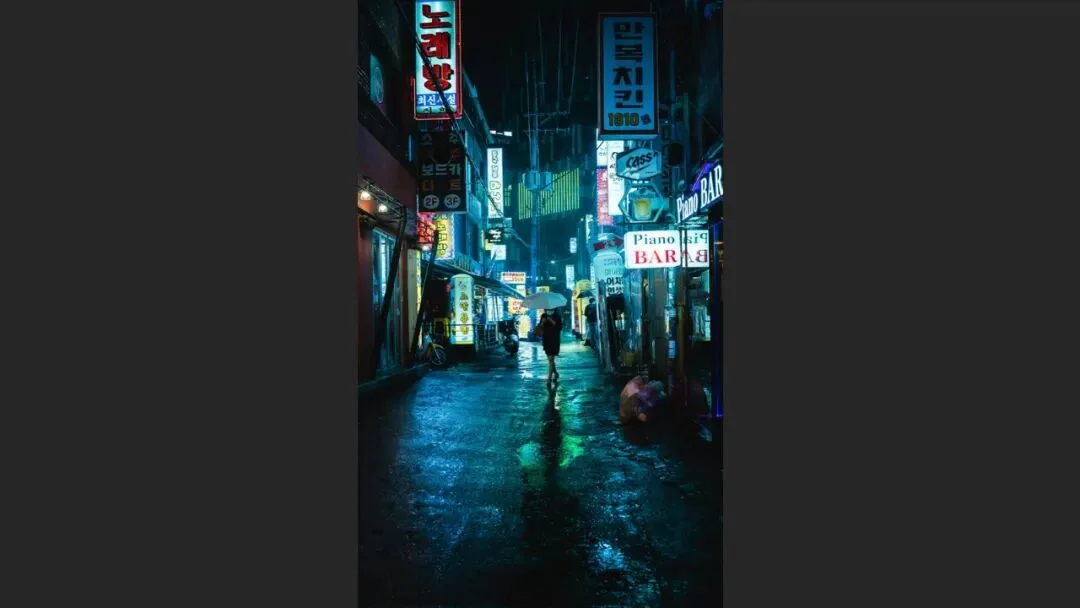
Streets in pouring rain and buildings in thick fog after the rain — the atmosphere is simply amazing! With these inspirations, hurry and shoot the city scenes around you in the rain~
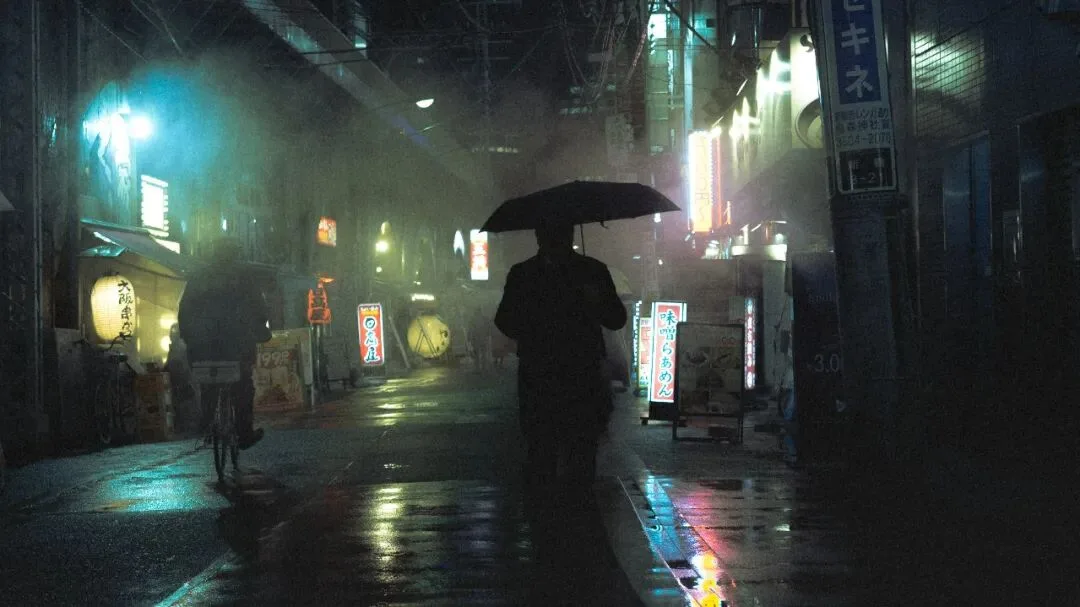
Video
▶ Watch the video tutorial on Bilibili
This is the fully illustrated companion to the video above. The Finnish photographer Teemu (t1mu) is not a professional, yet he has given rainy cities an unmistakable style — cyan nights, silhouetted figures, lamps glowing in fog. Thomas breaks down five transferable lessons: unconventional weather can deliver portfolio shots, light and silhouette build rhythm, reflections and droplets become texture, people bring story, and a dominant hue with accent colors ties it together. The notes below follow the video's order with keyframe screenshots.
Start with the overview. This card, captured at 1:20 in the video, is Teemu's first lesson: unconventional weather and unusual hours can absolutely produce portfolio-grade images.

01 Unconventional Weather, Portfolio Results
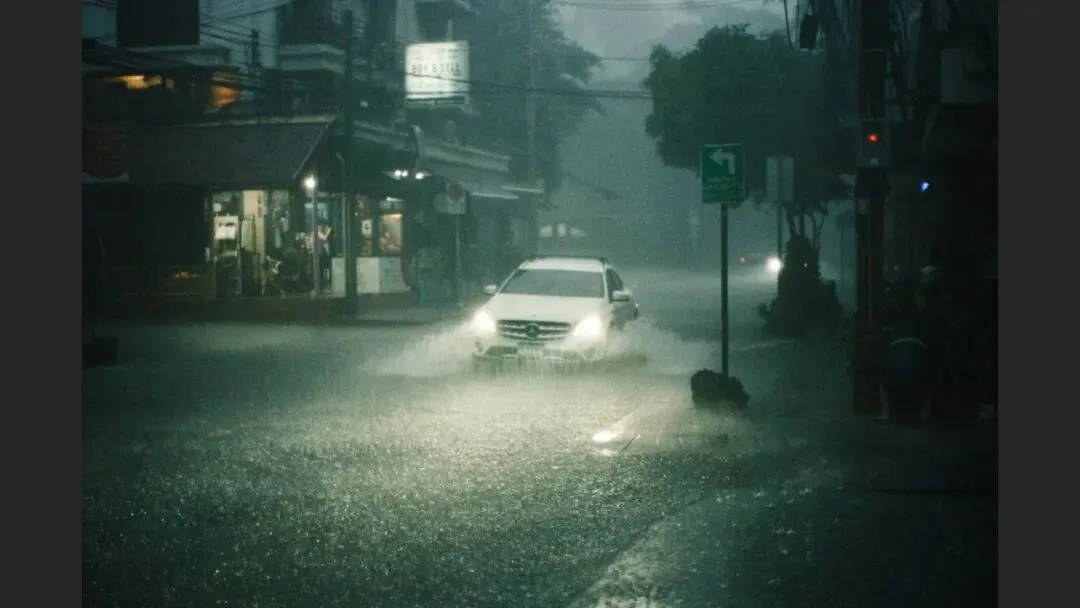
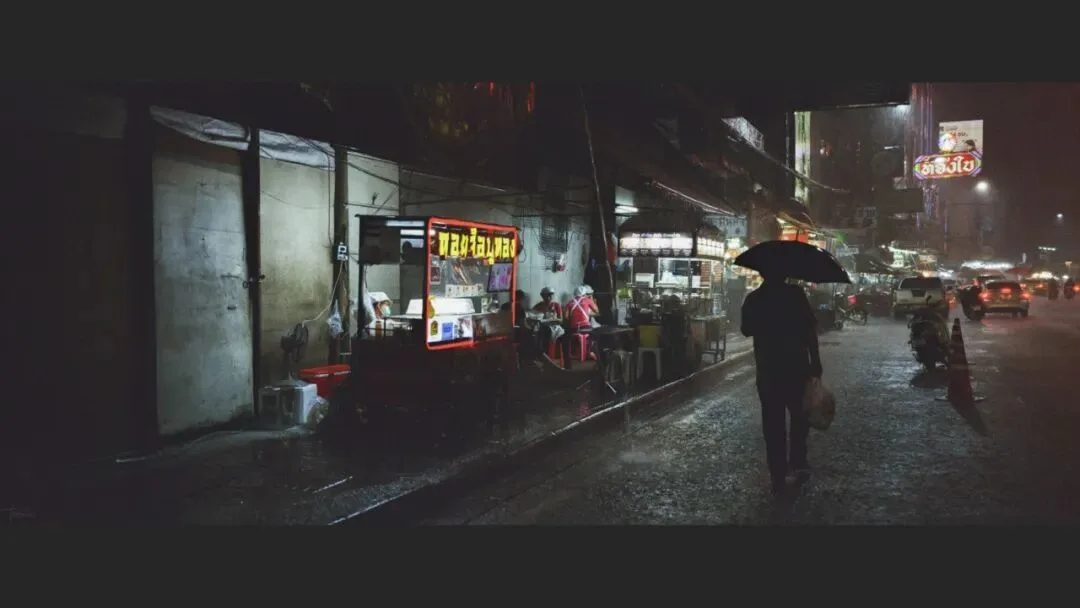
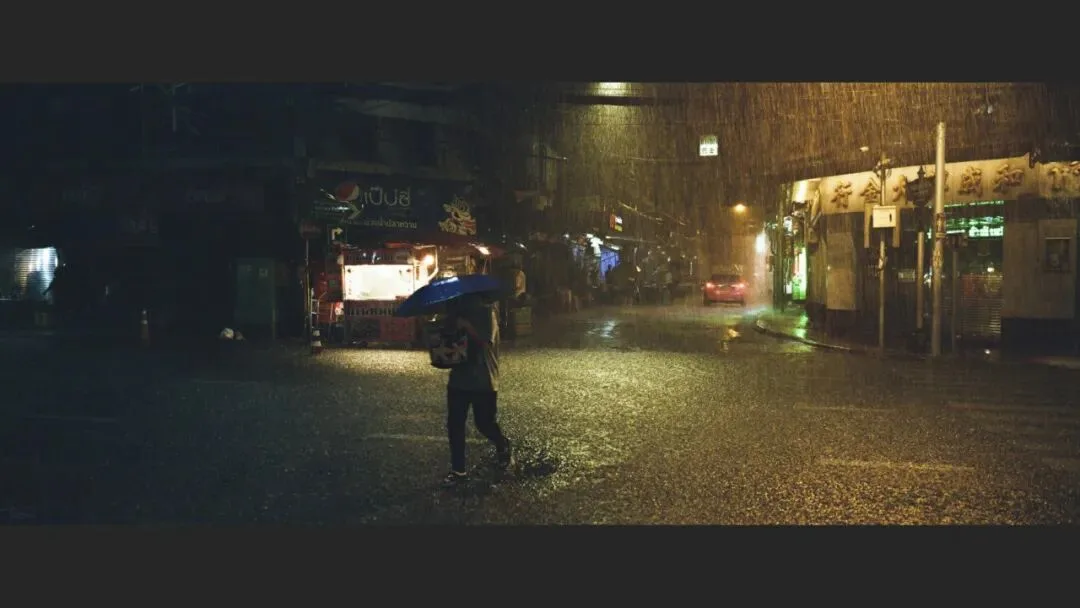
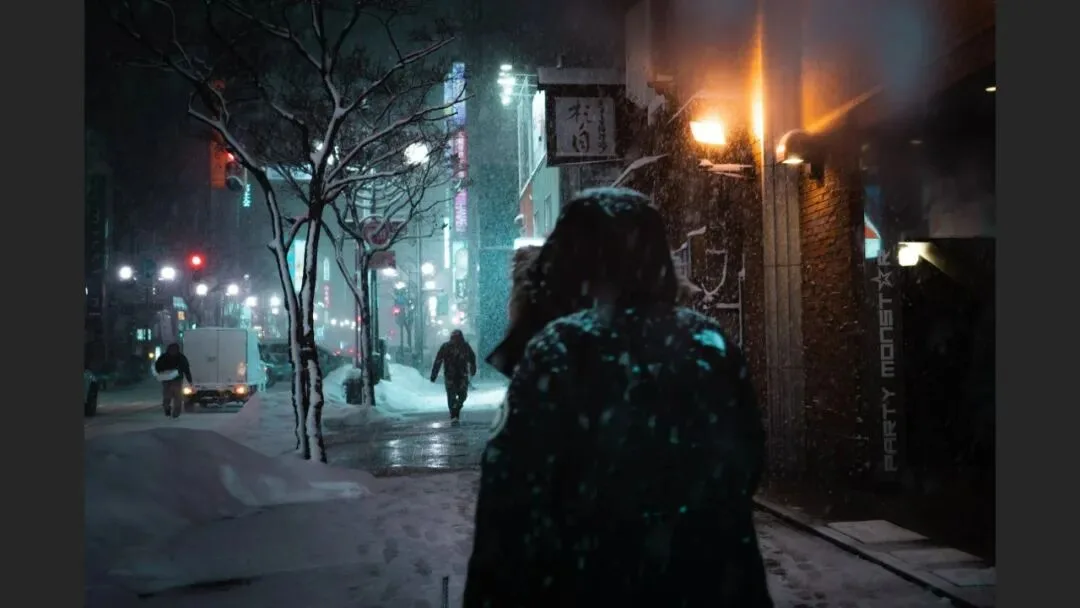
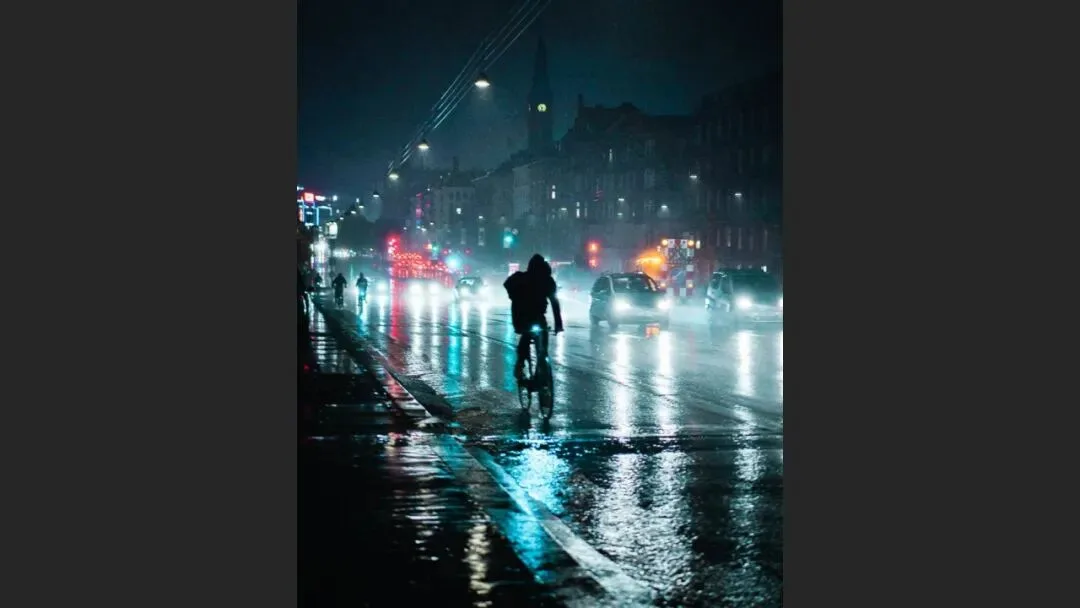
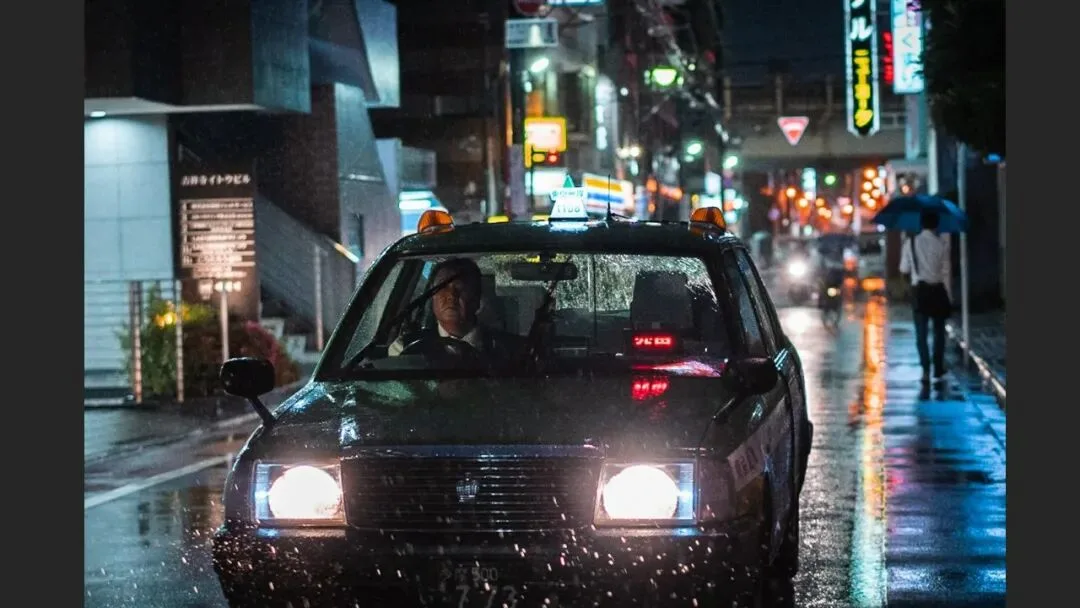
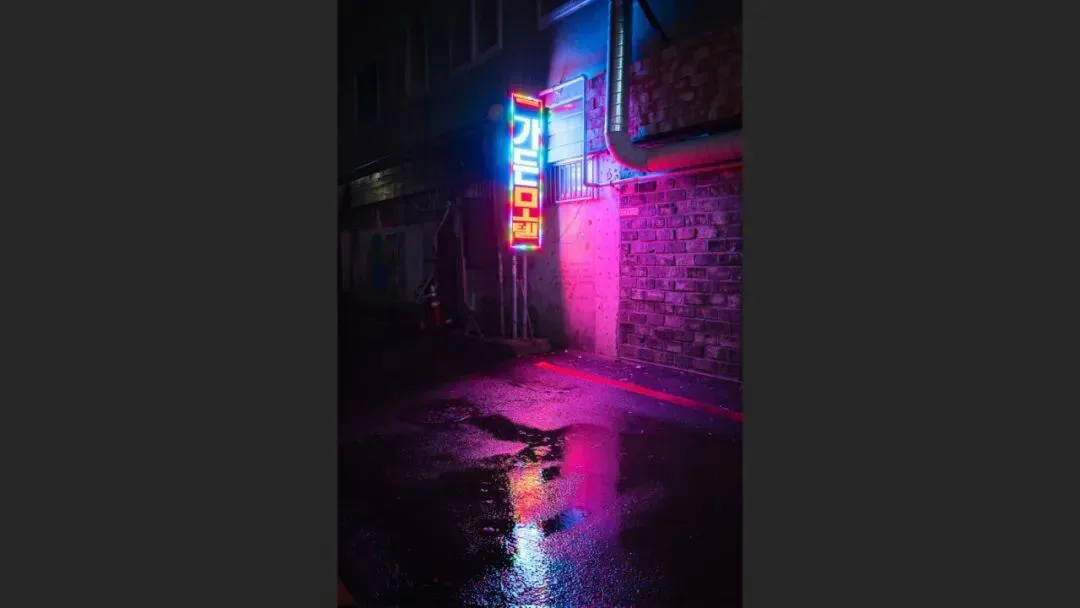
When we think of shooting the city we usually wait for clear or cloudy skies; Teemu deliberately picks rain — often while it is actually falling. In that moment, hurried traffic and crowds, raindrops caught in lamplight and splashes on the ground create a texture rarely seen in street photography, and it grabs attention immediately (at 1:20 in the video).
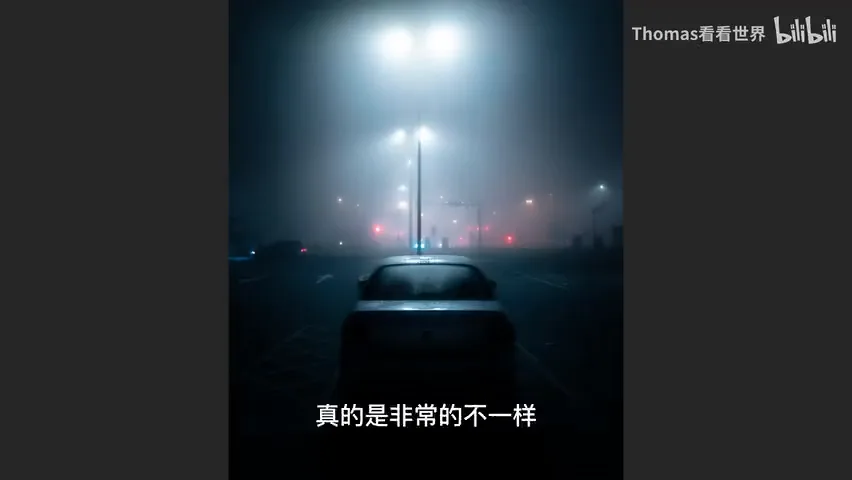
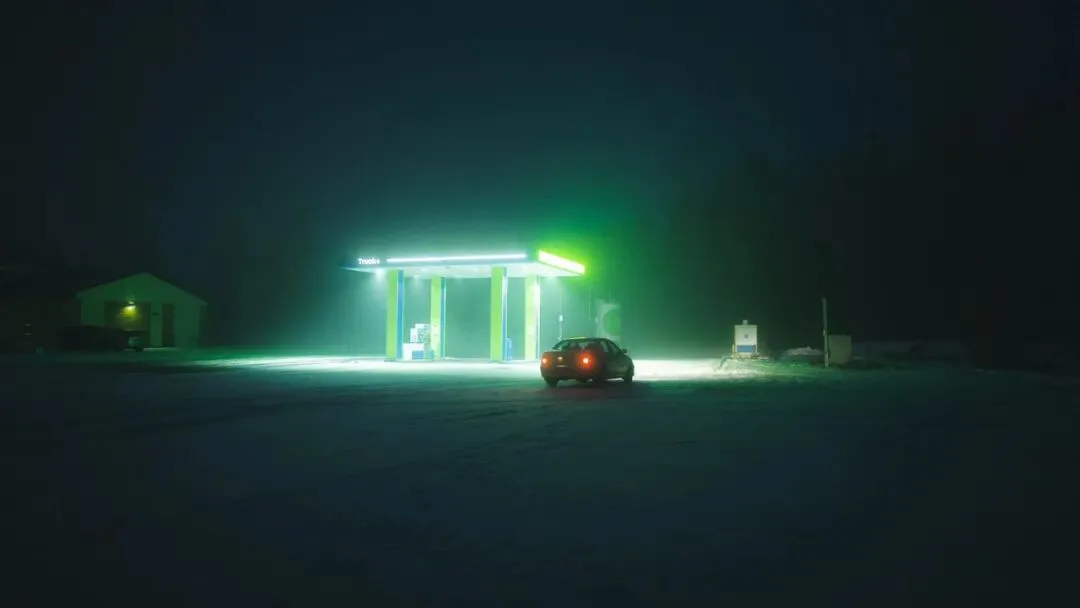
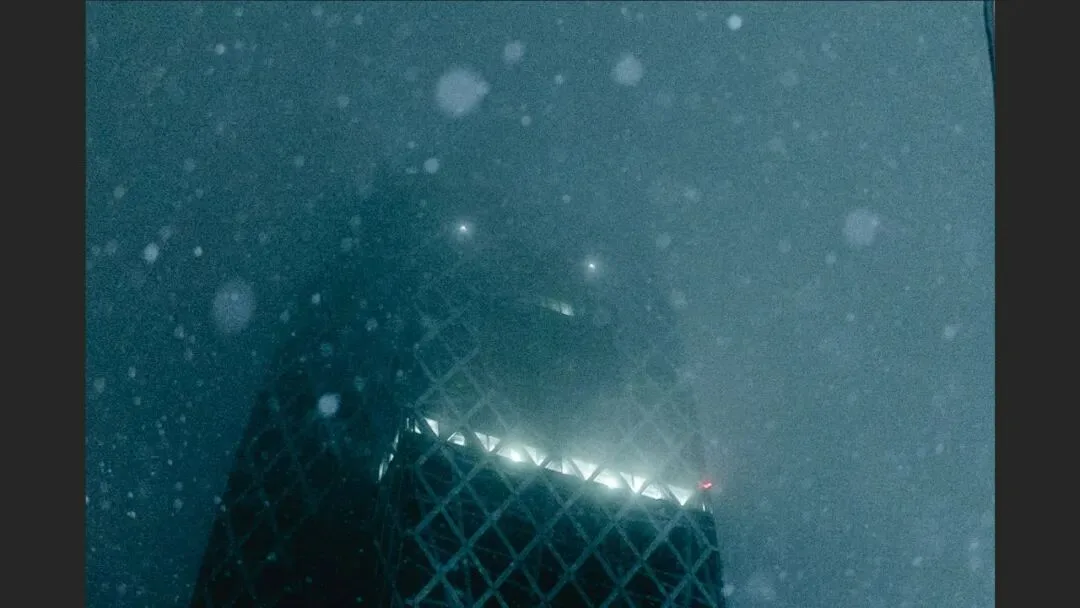
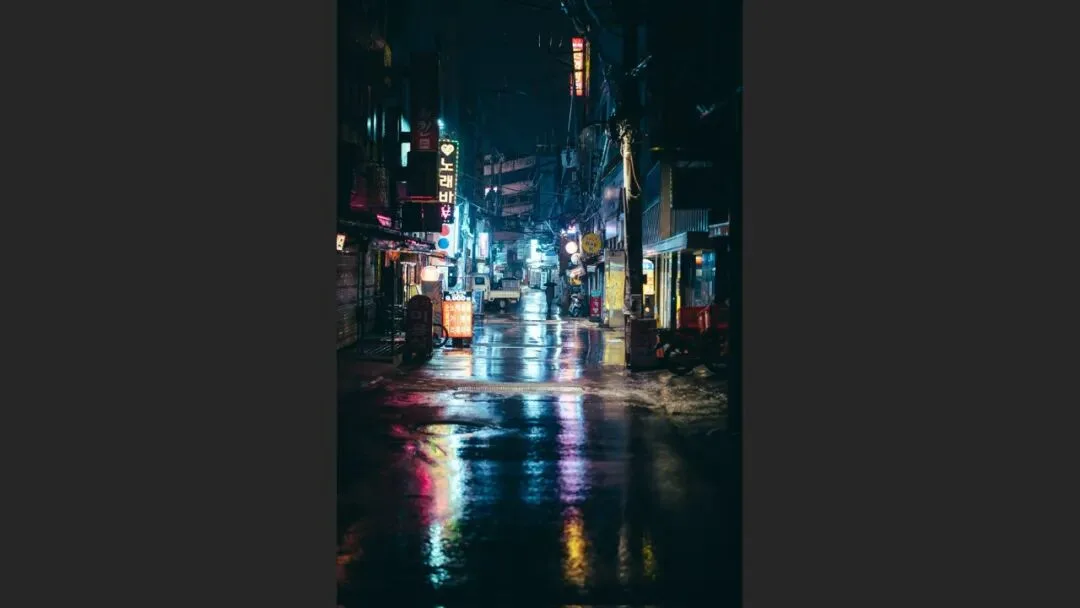
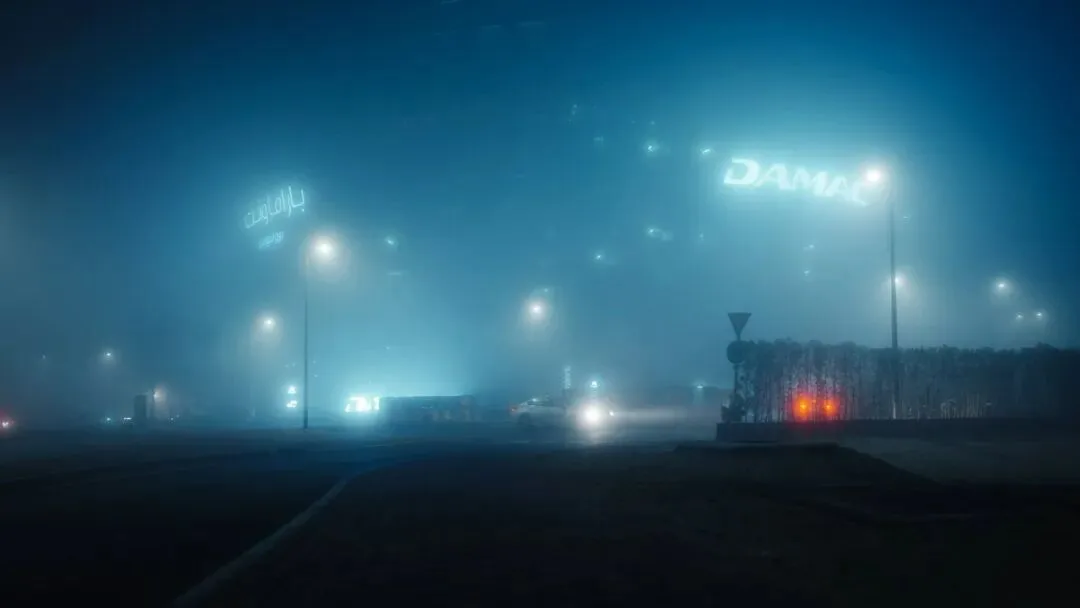
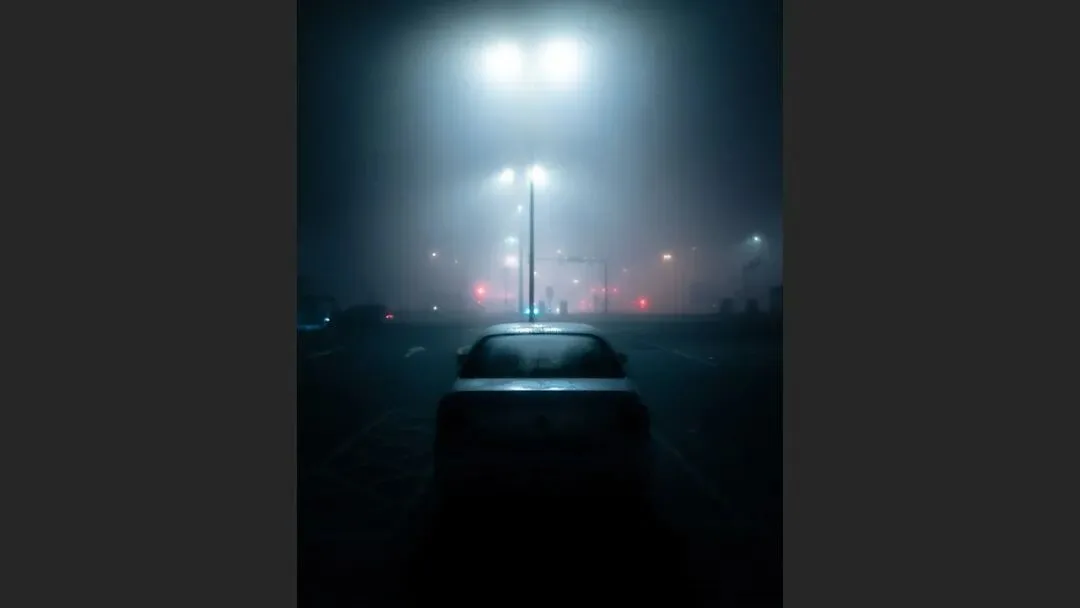
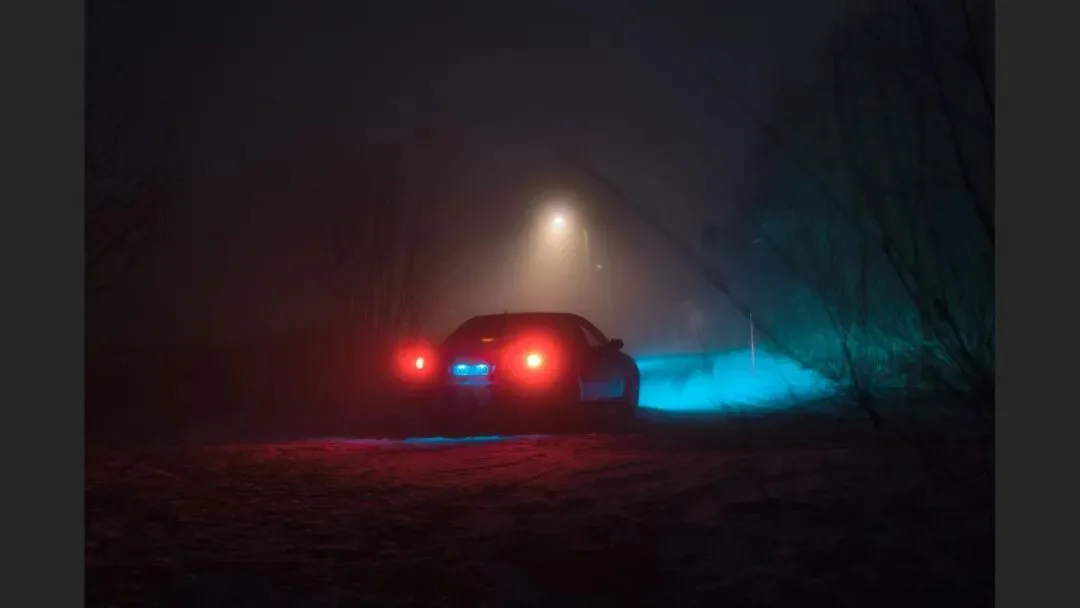
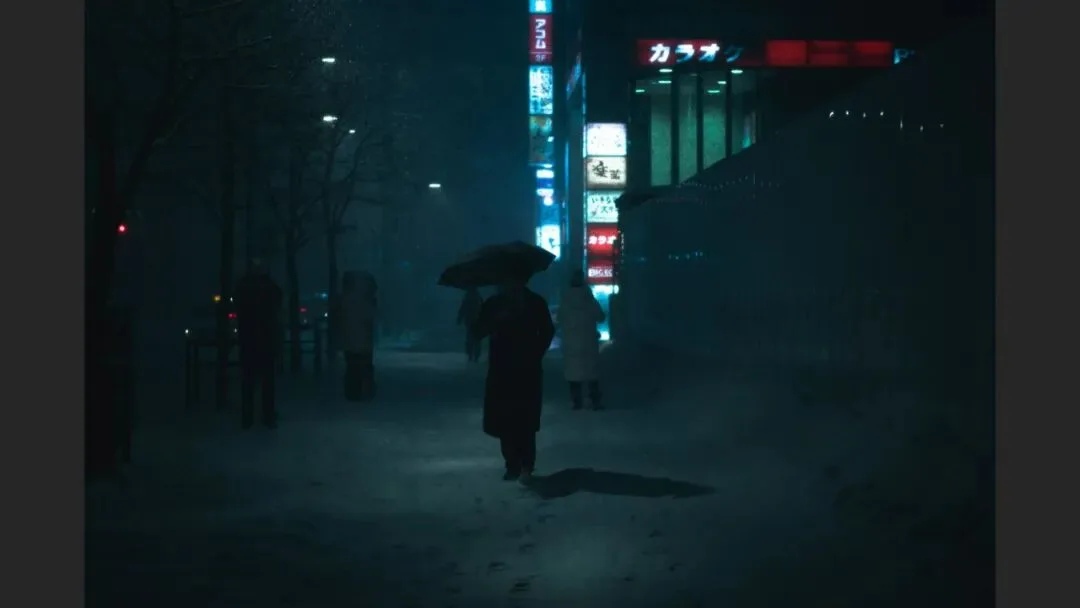
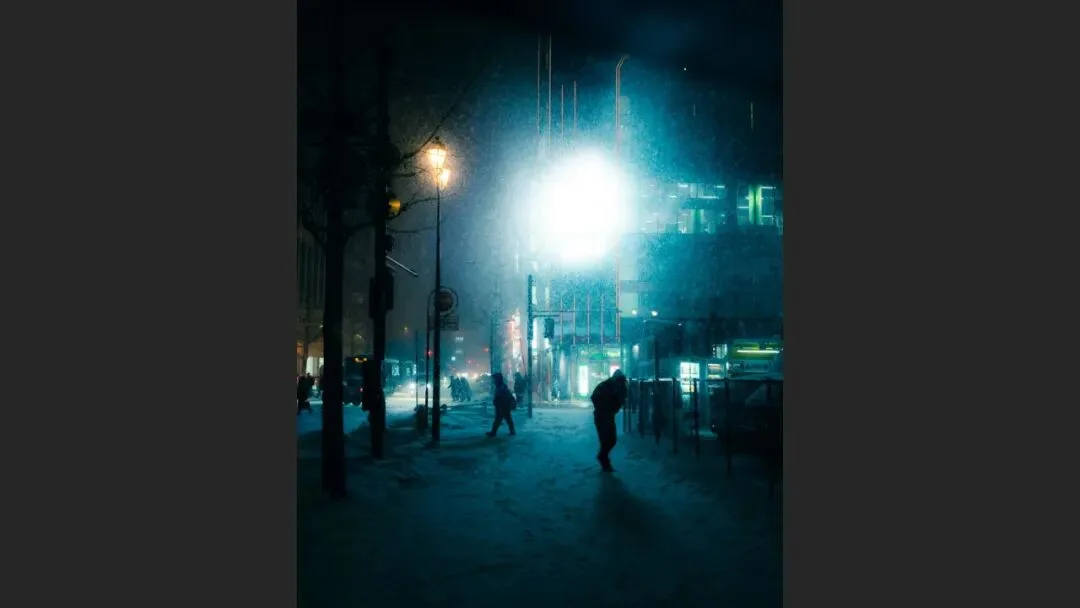
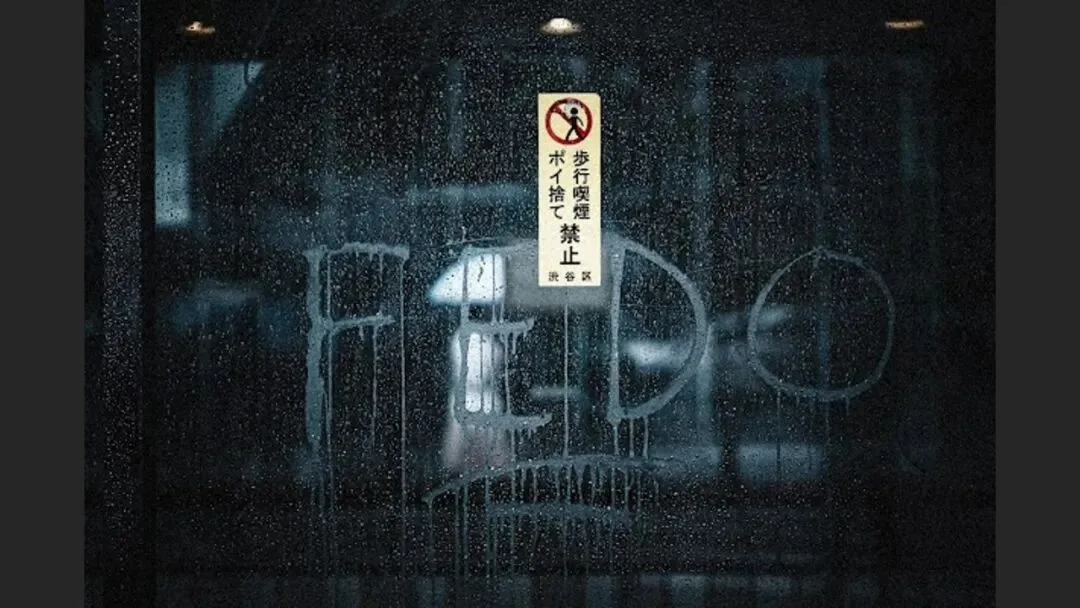
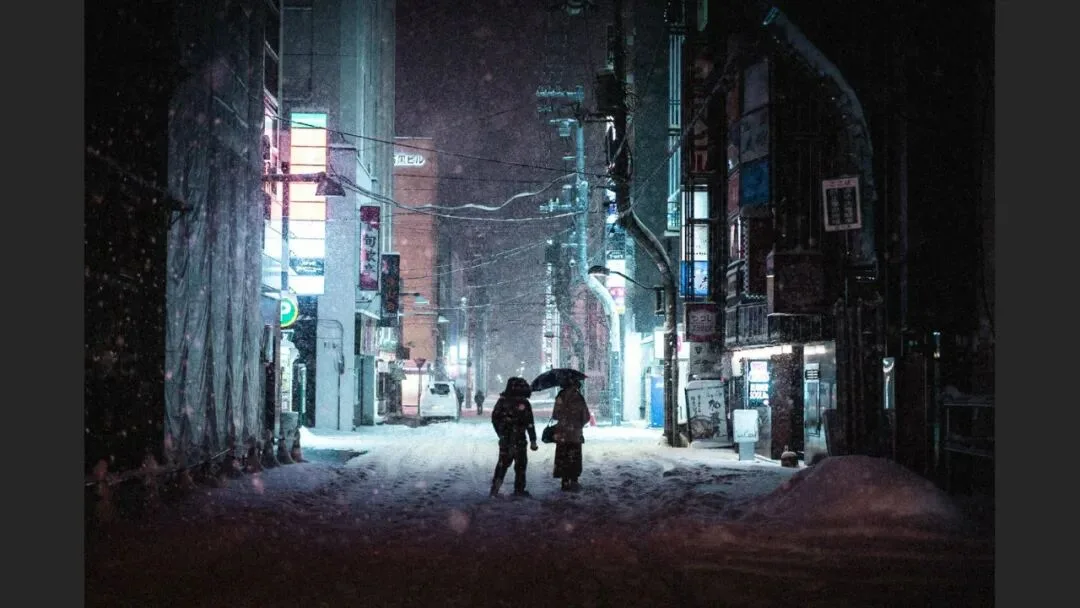
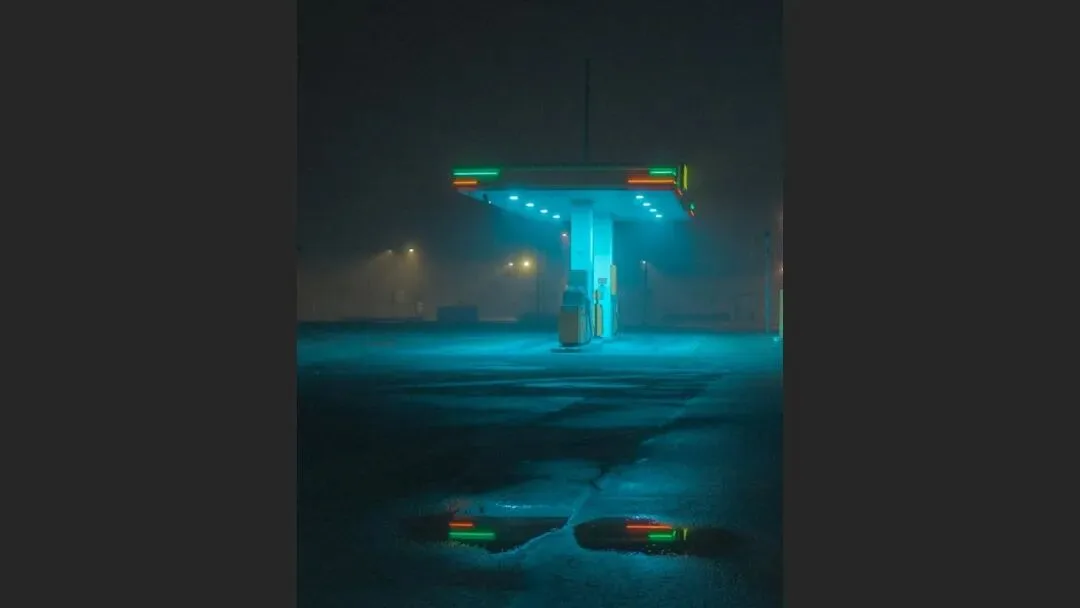
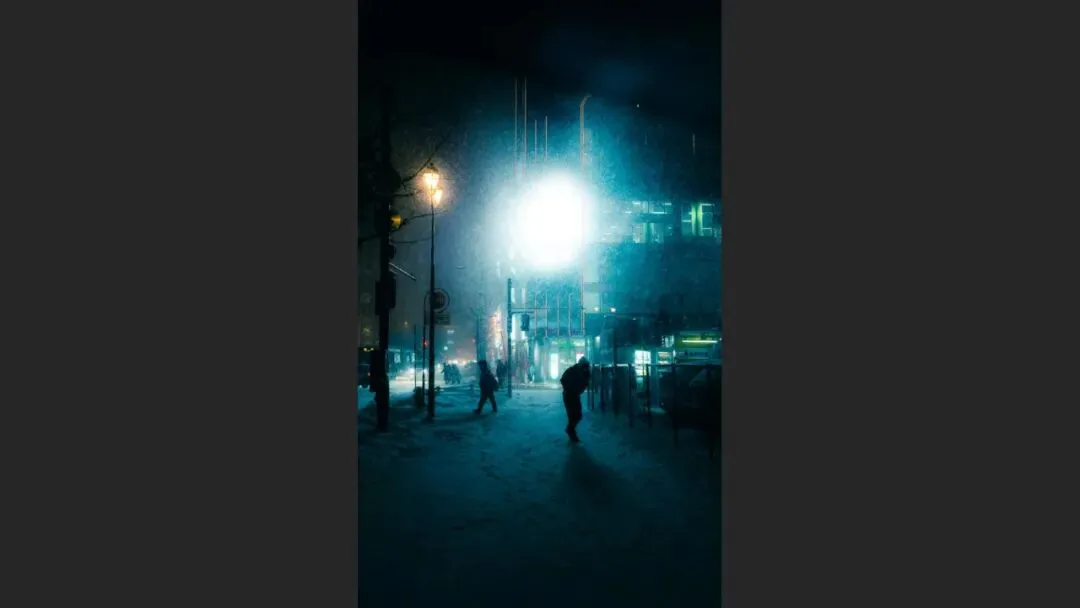
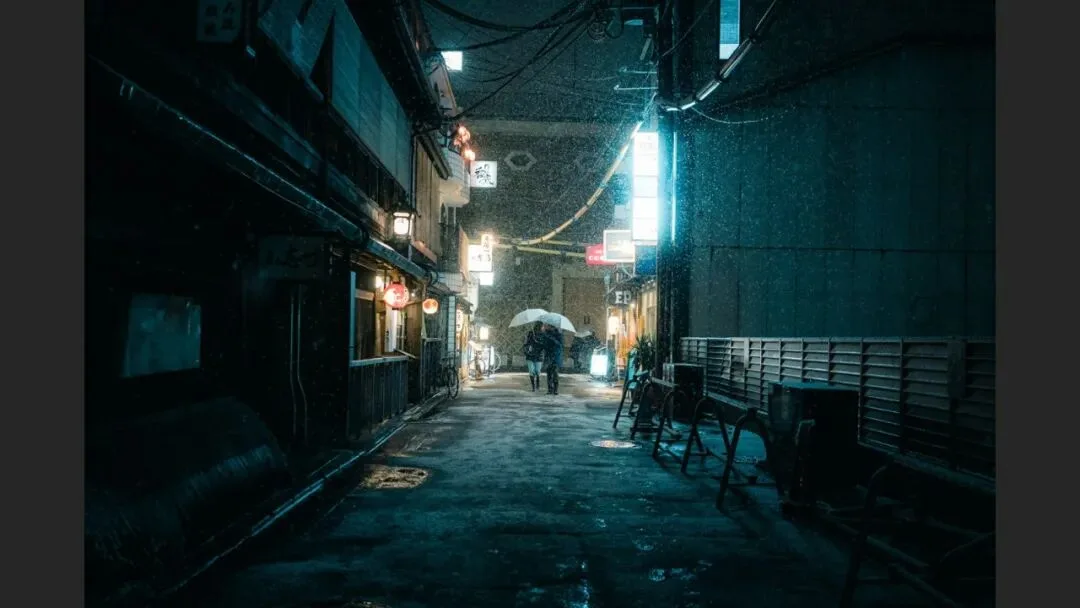
Better still, his locations are anything but rare: rain and snow falling through fog, a CBD skyline dissolving into mist, the alley around the corner, a tight telephoto framing — even a parking lot in the rain, with drops beading on car bodies and lights diffused by wet haze — all lend themselves to the same approach (at 2:23 in the video).
02 Light and Silhouette: Contrast as Rhythm
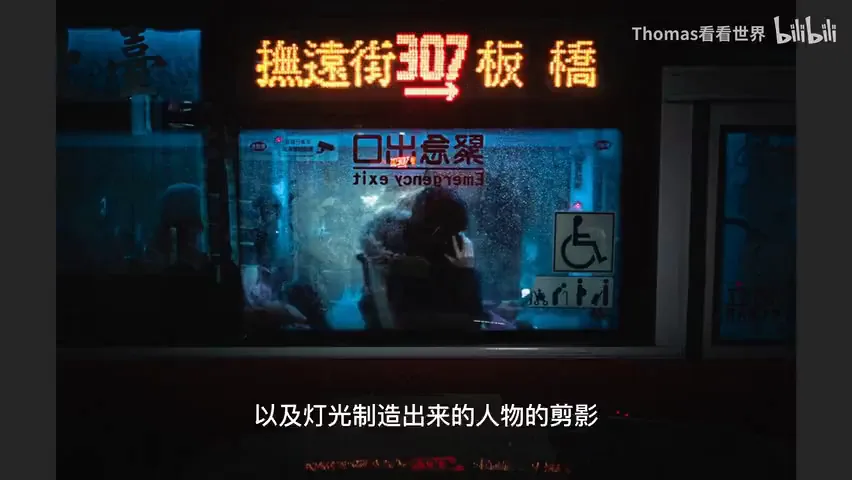
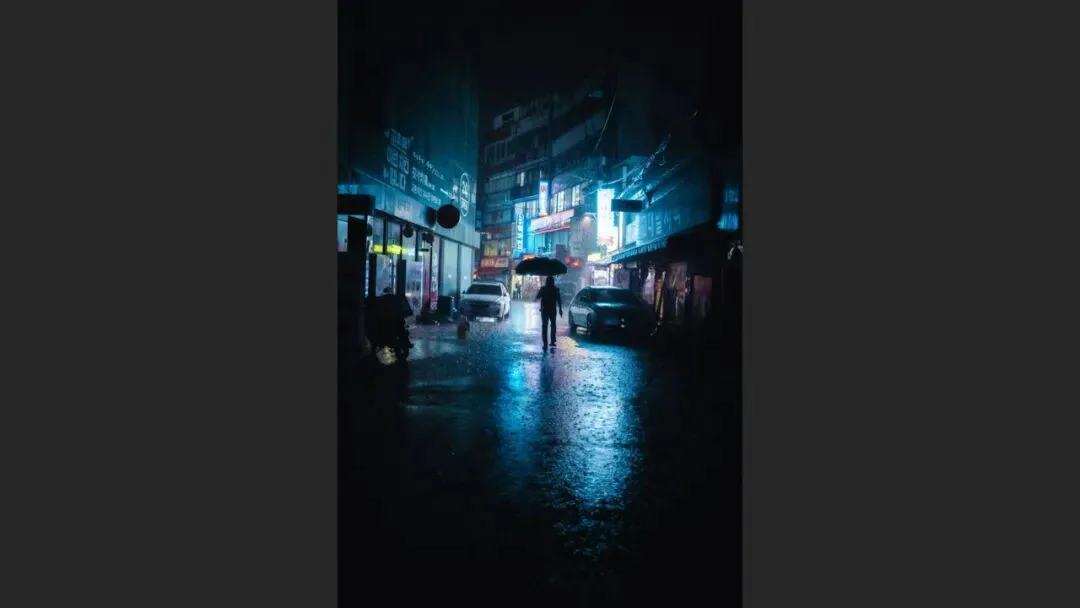
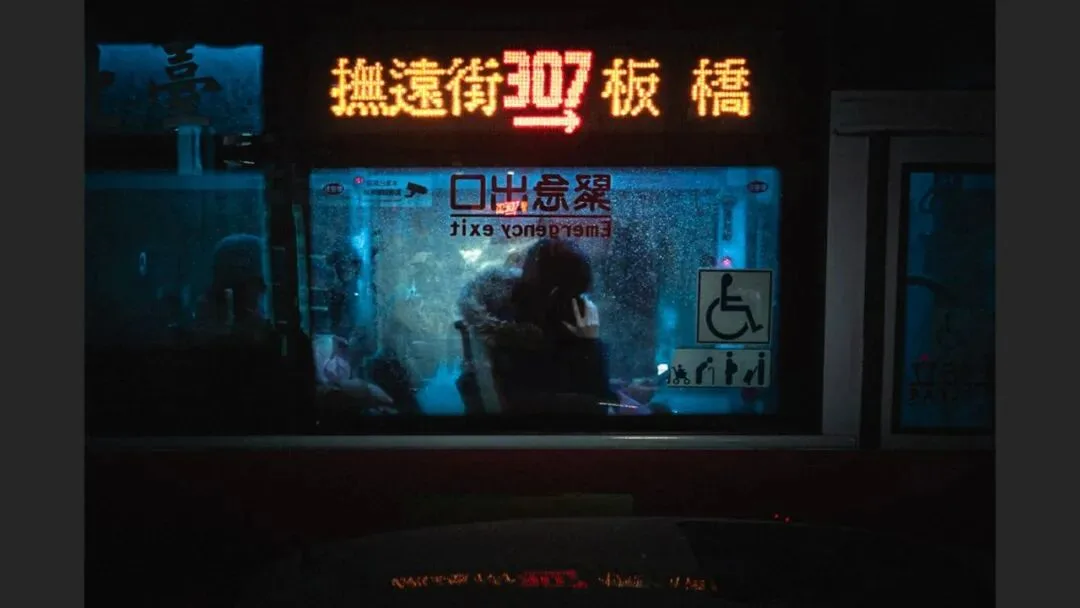
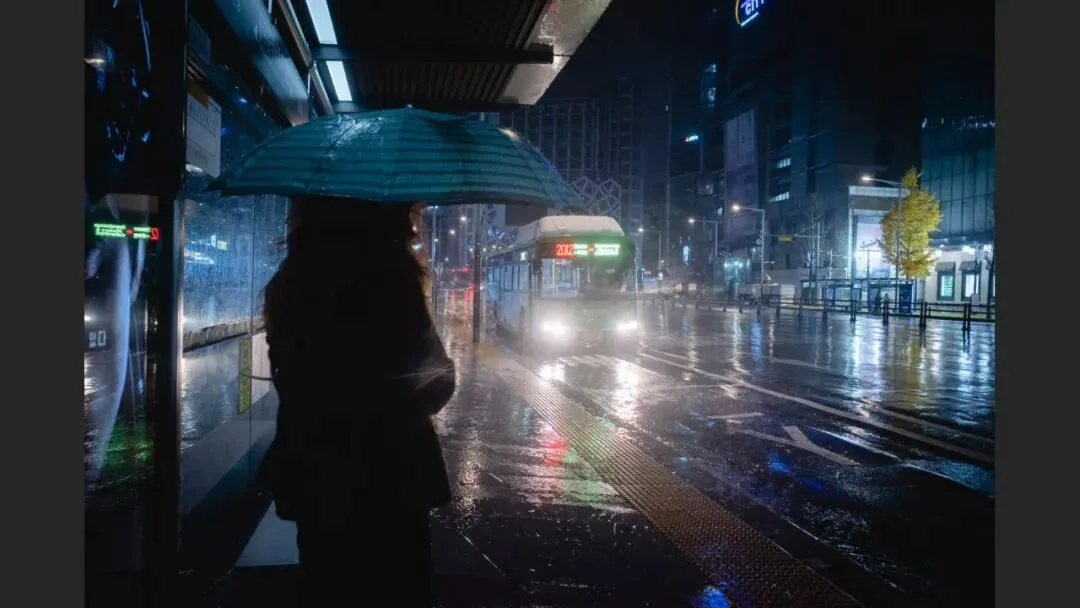
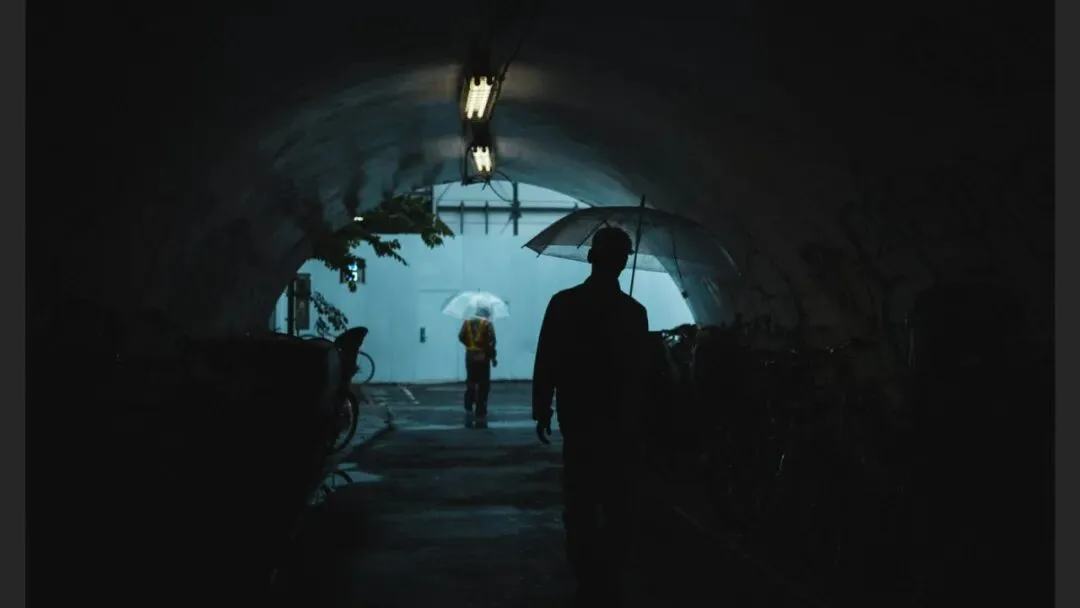
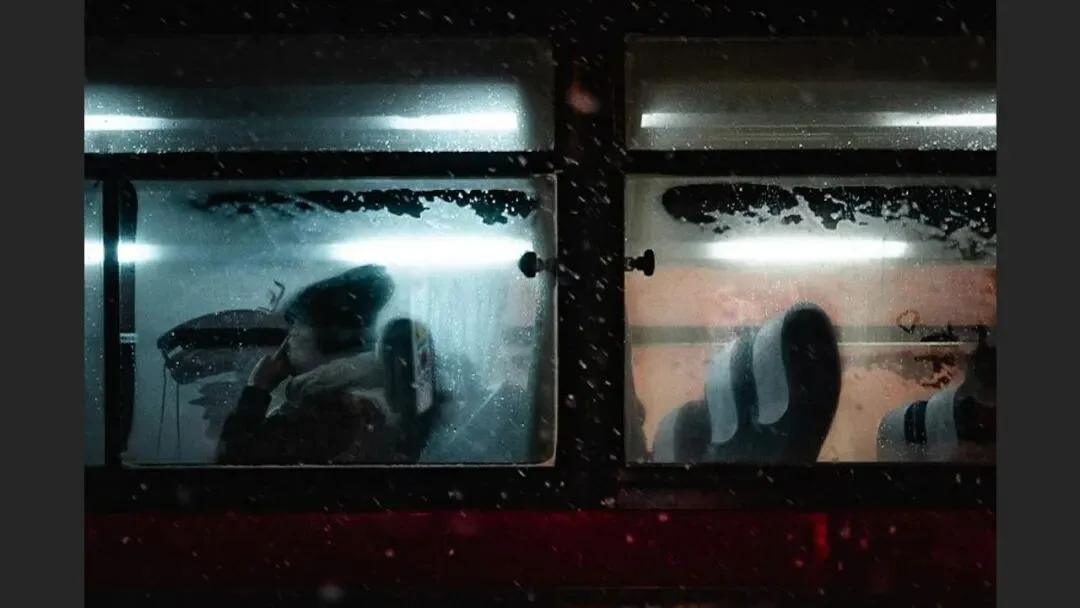
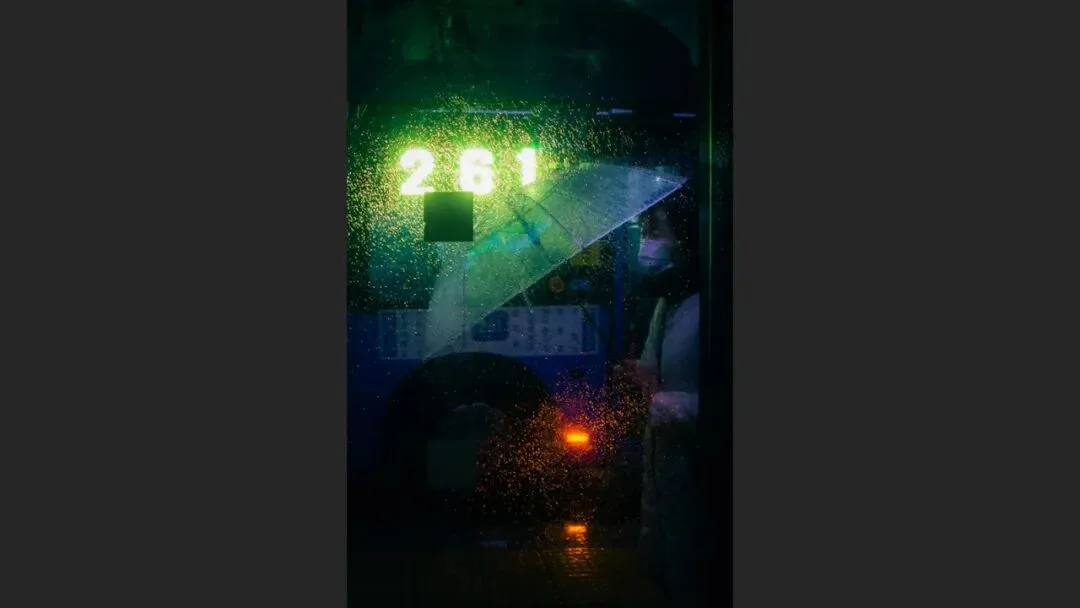
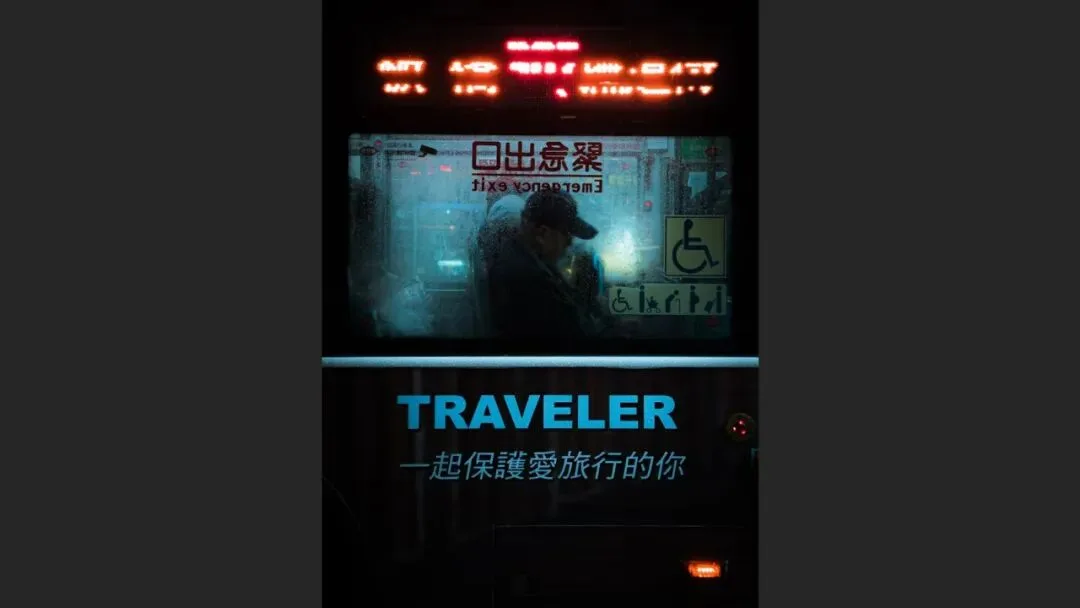
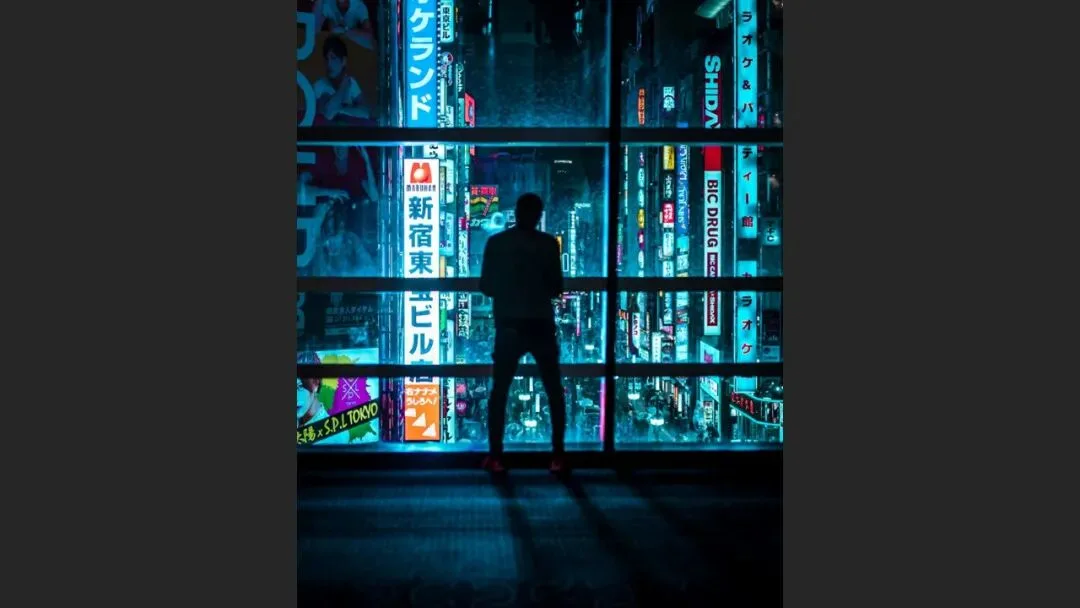
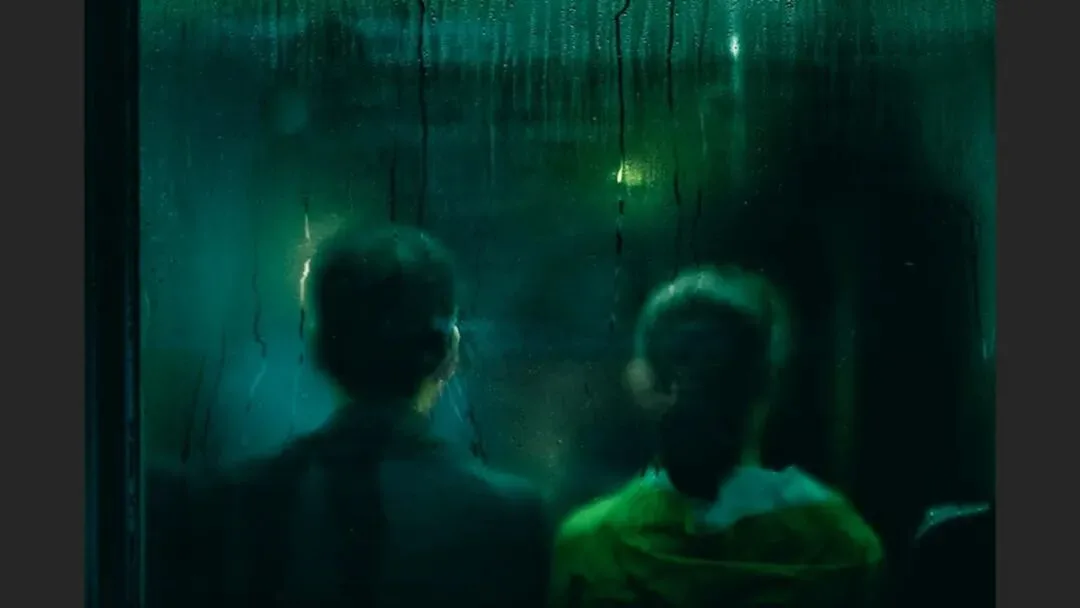
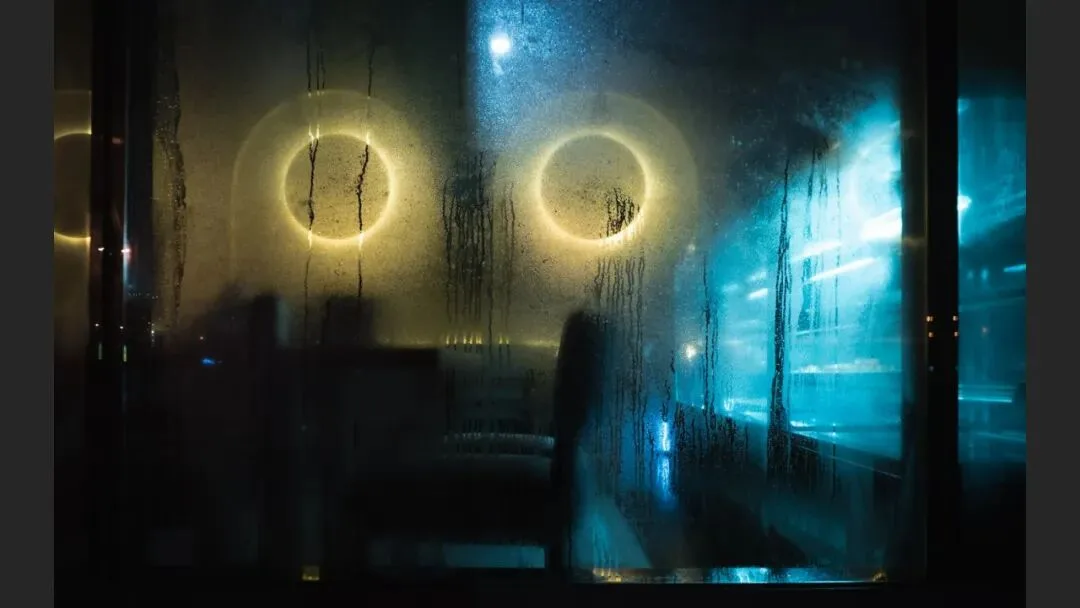
The essential skill in rain is using light and silhouette to build contrast and visual rhythm — photography is after all a two-dimensional visual art, and creating attraction on that flat surface is the real game (at 2:28 in the video). Teemu constantly hunts for distinctive lights, often very ordinary ones like the interior lamps of a bus, and lets them cast figures into silhouette: where the lamp is, the frame is bright and colored; where the silhouette is, it goes dark — and the contrast organizes everything.

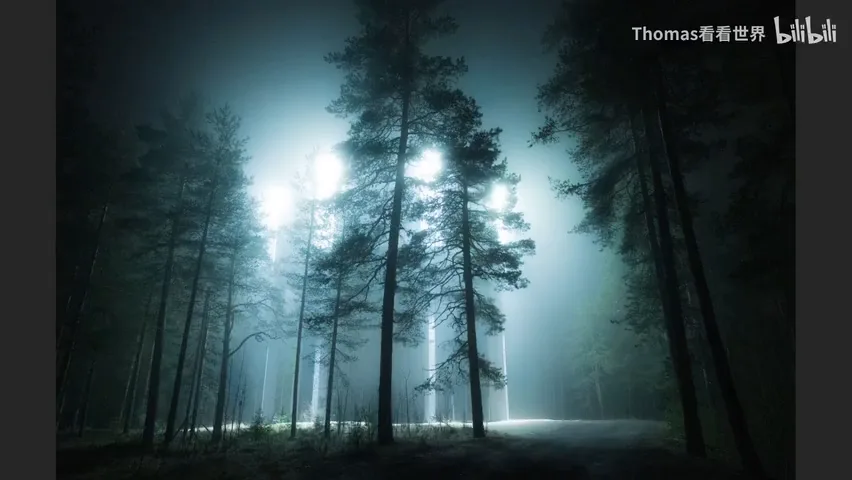
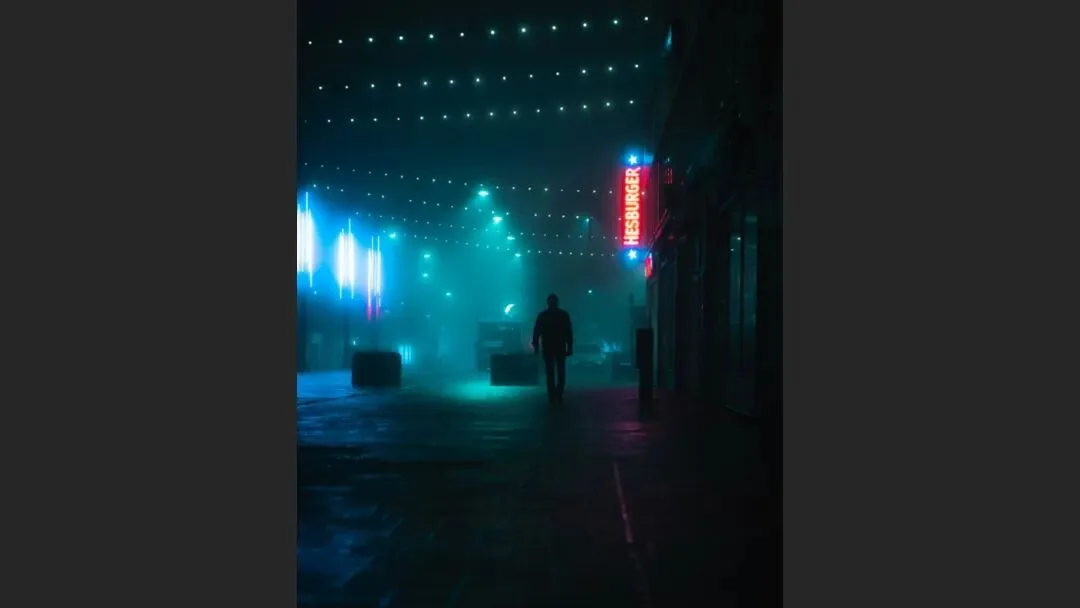
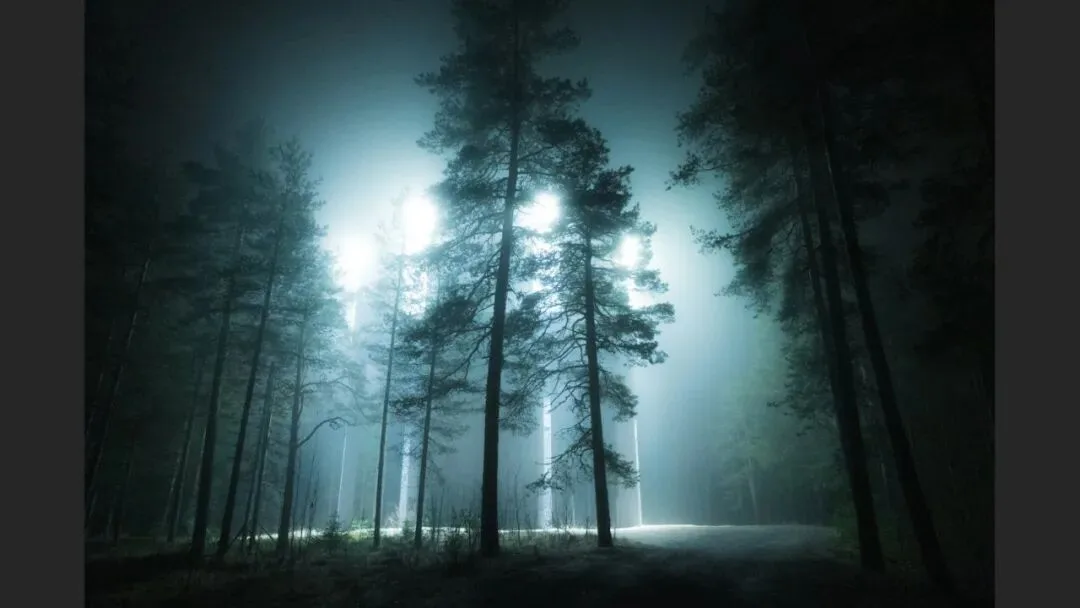
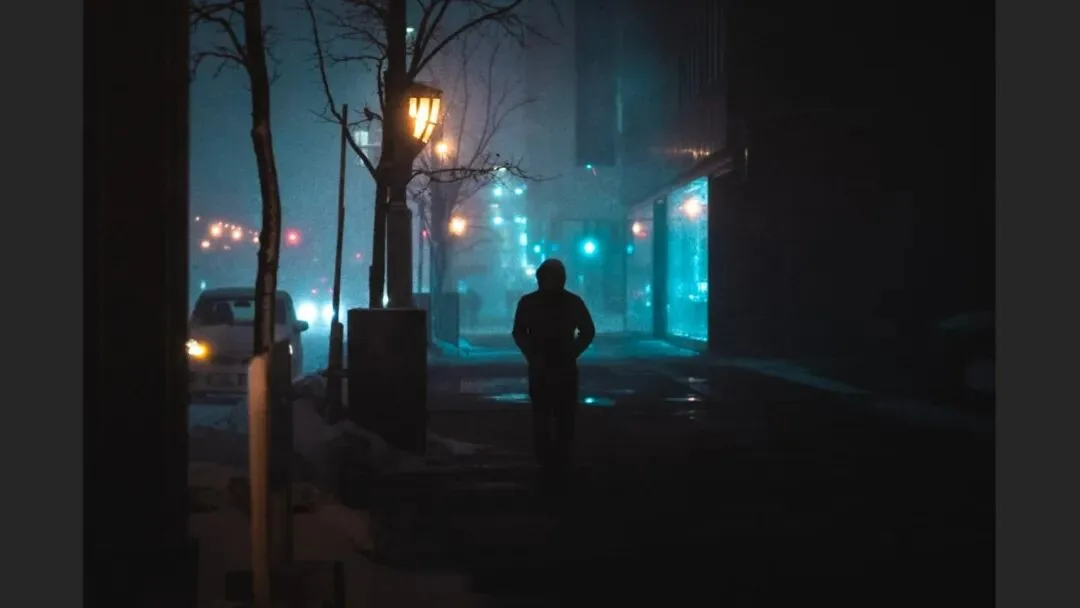
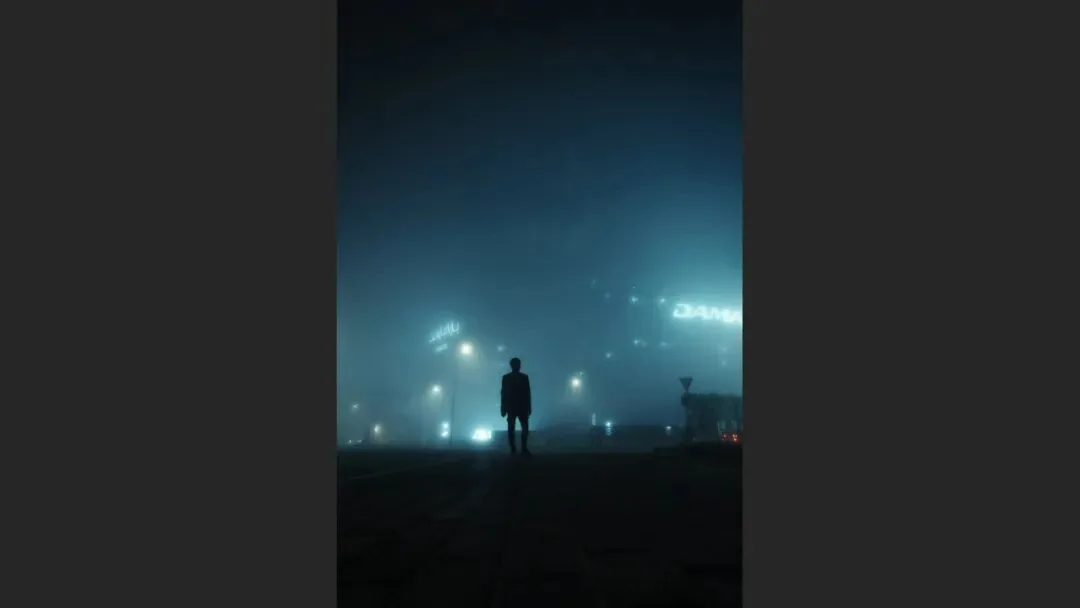
The trick even works in an ordinary forest on a foggy day: light and silhouette alone can turn it theatrical (at 3:12 in the video). One more detail — many of his frames were likely shot before dawn; otherwise the streets could never be this empty.
03 Reflections, Raindrops, Droplets, Mist
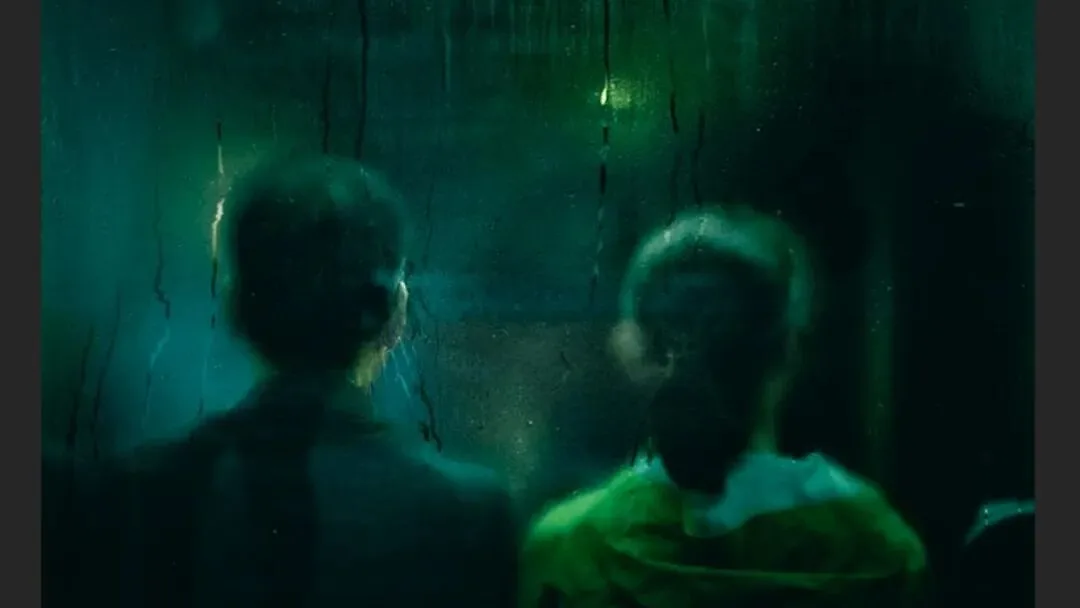
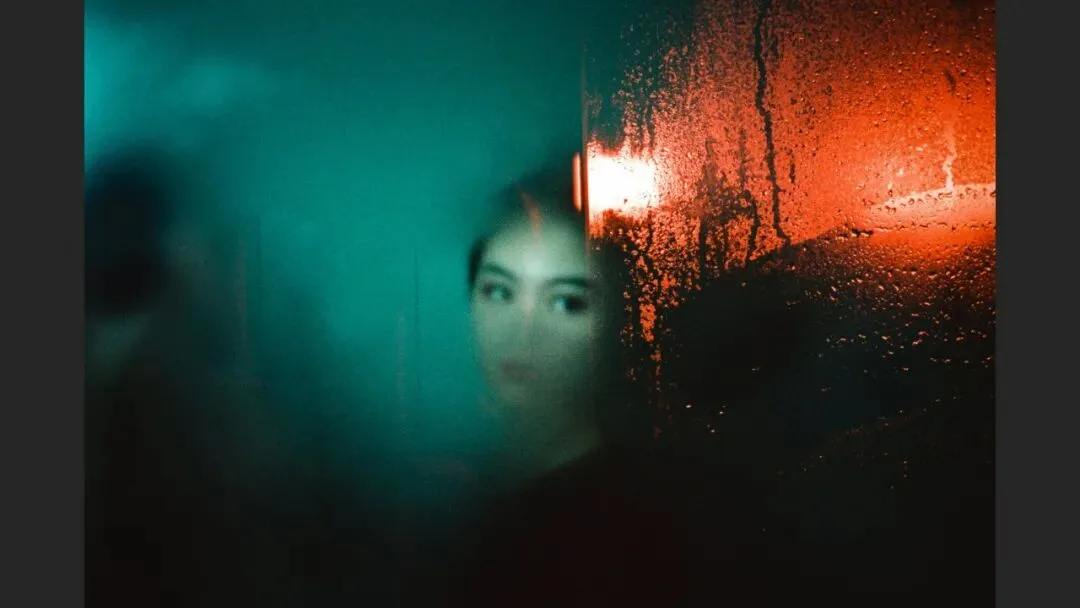
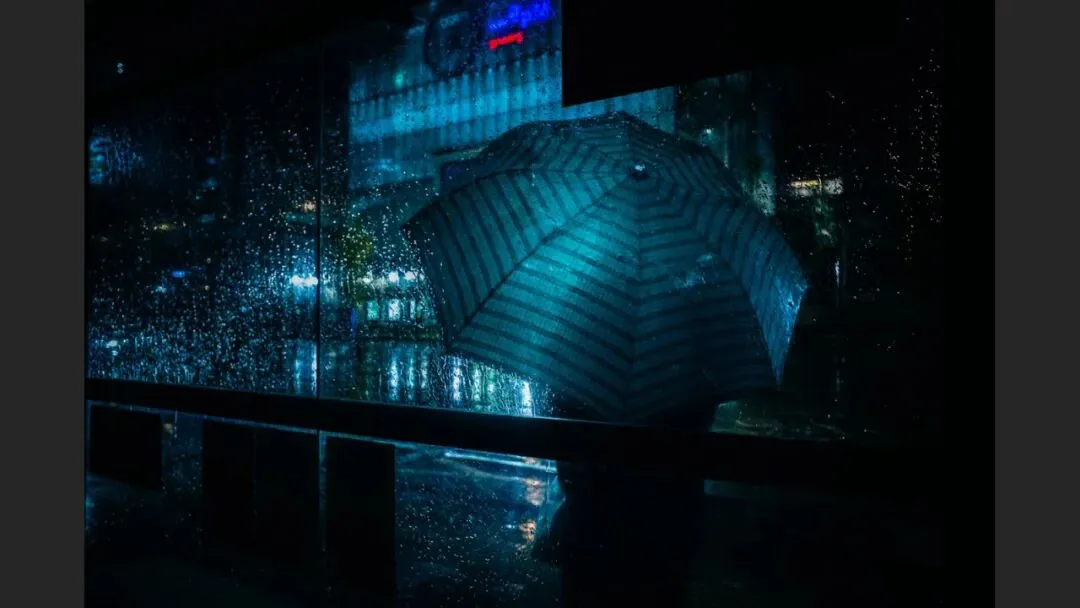
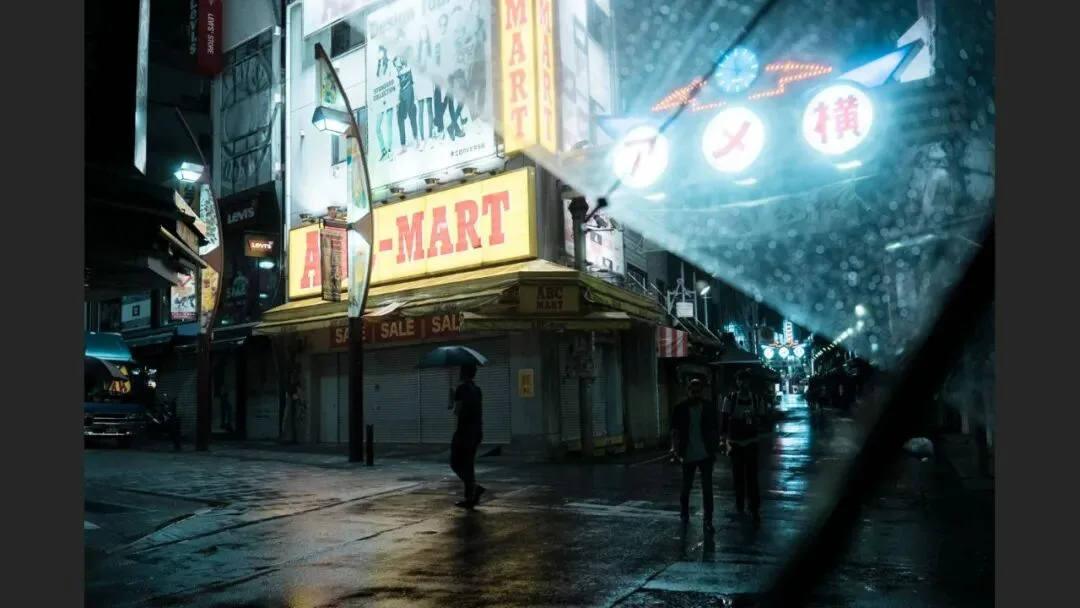
The third lesson: he excels at turning reflections, raindrops, droplets and mist into texture. The bus-window photos live on the interplay between fogged glass inside and beaded rain outside (at 3:50 in the video); other frames combine mirror-wet streets with drops caught mid-fall.

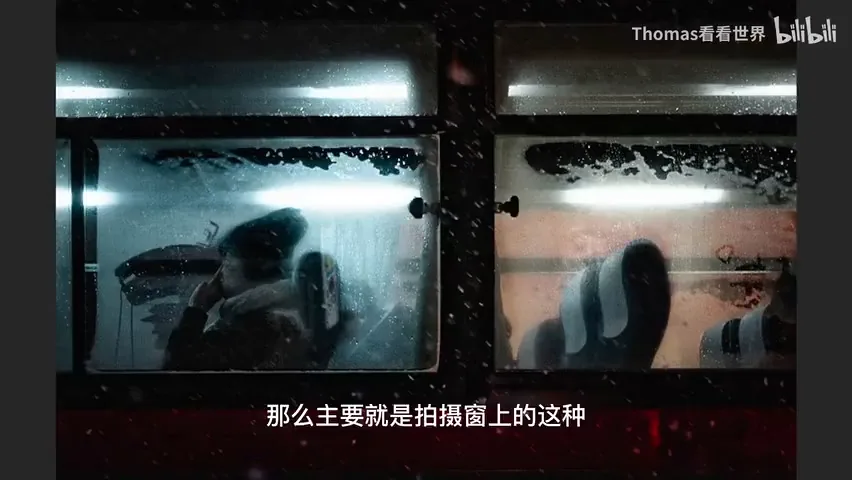
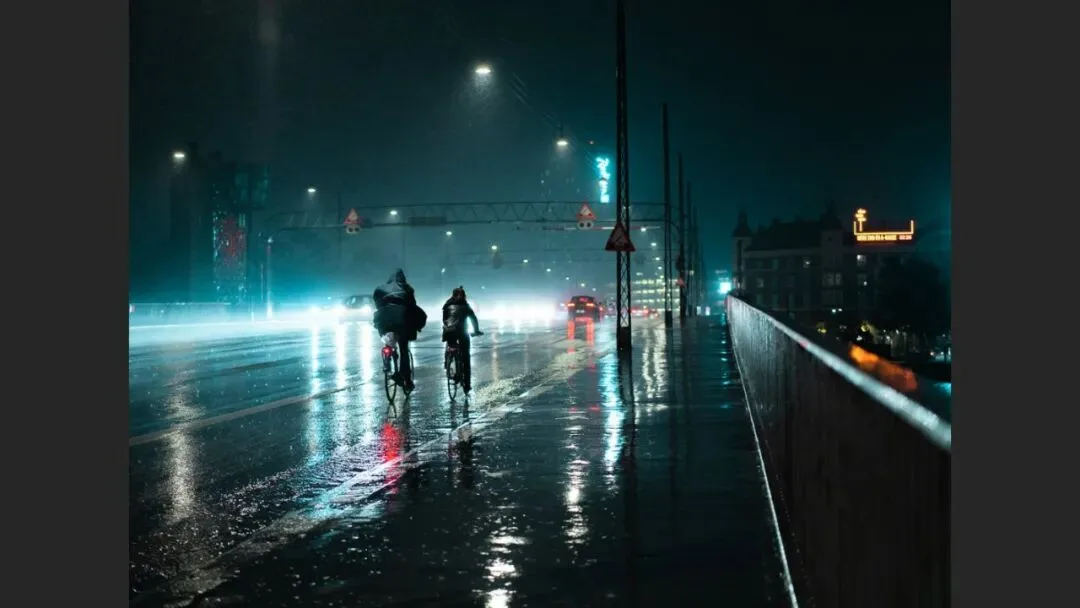
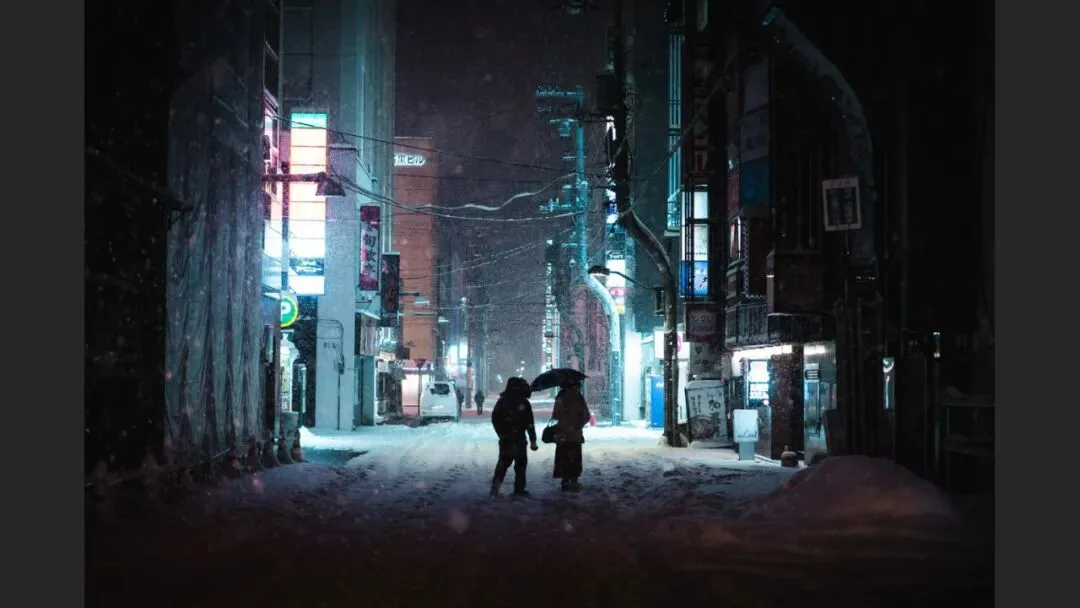
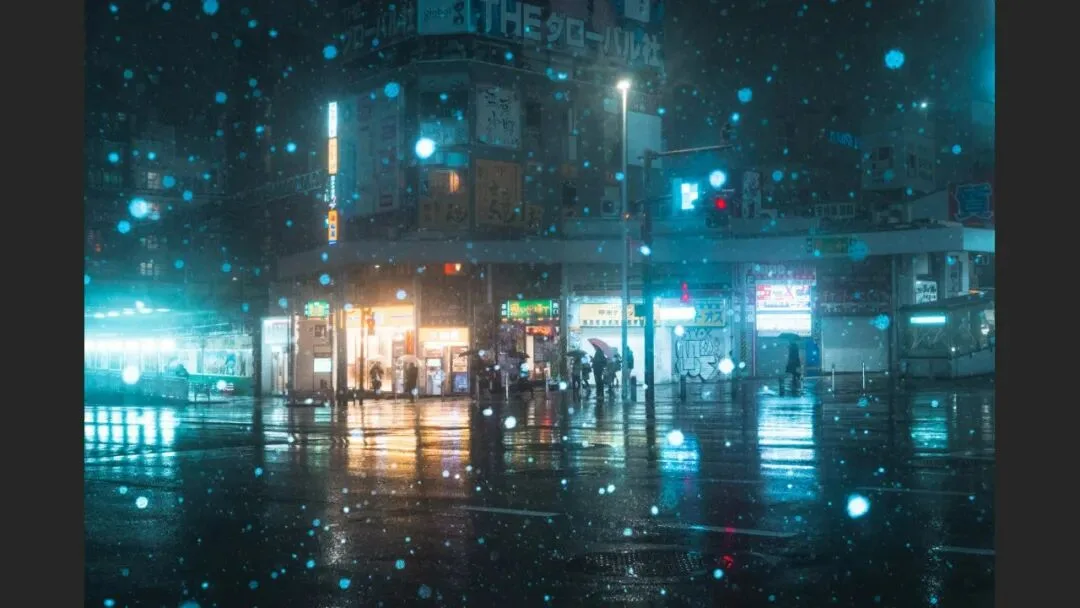
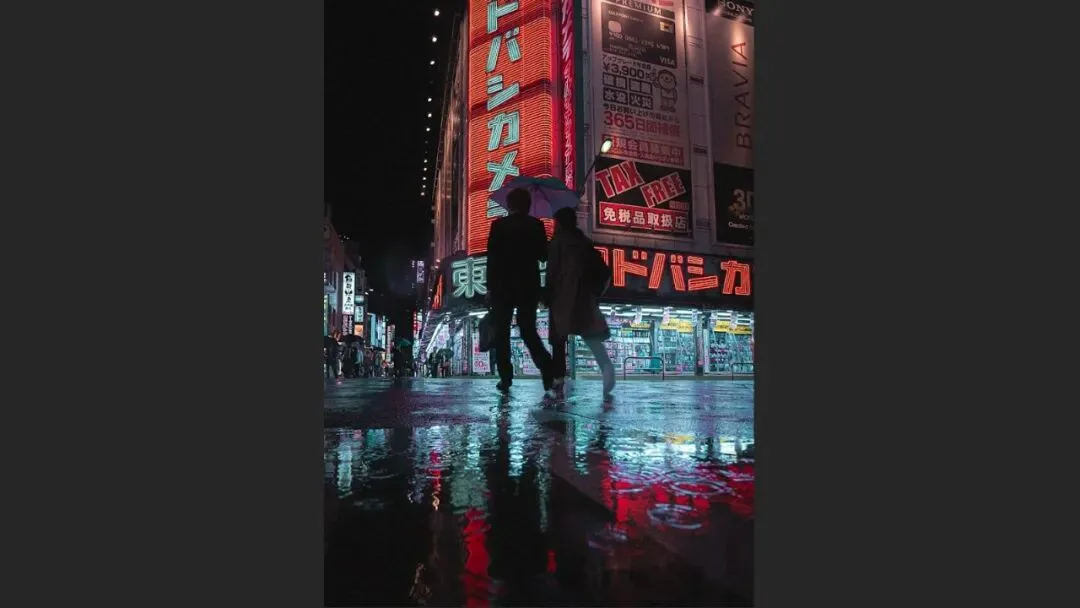
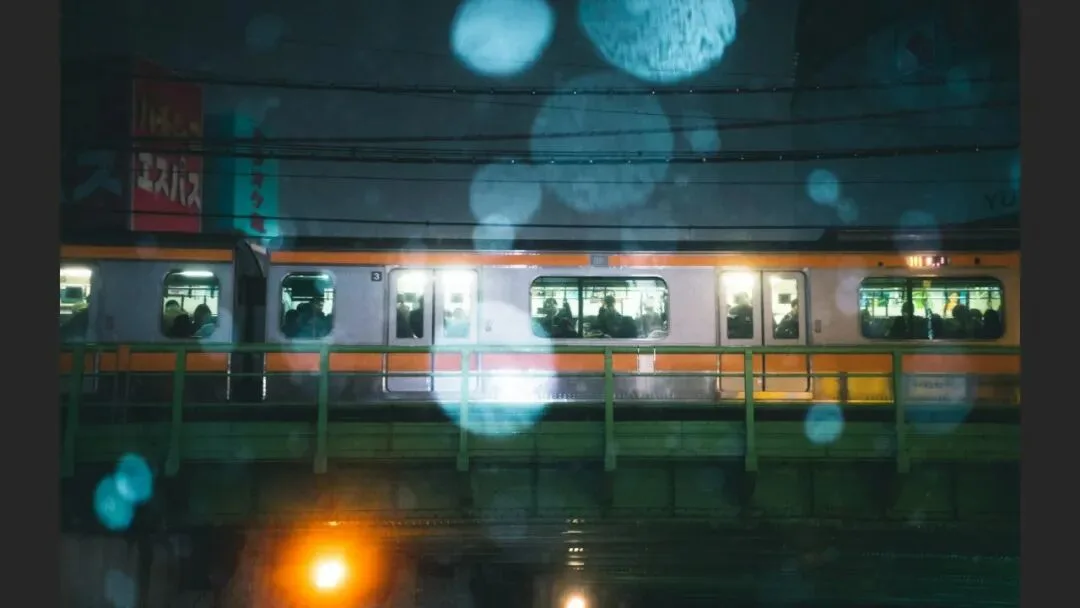
To render falling drops sharply you need some backlight — headlights or street lamps catching the rain; snow and fine droplets can be flashed into visibility too (at 4:25 in the video). Low angles over reflective water, shooting through rain-spattered glass at the texture behind, a touch of grading — all highly productive, and even drops landing on the front element can become part of the picture.
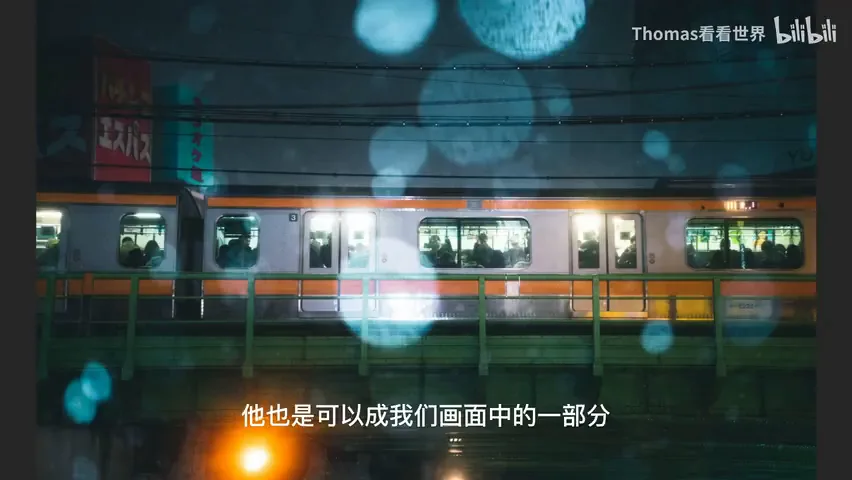
04 People Bring the Story
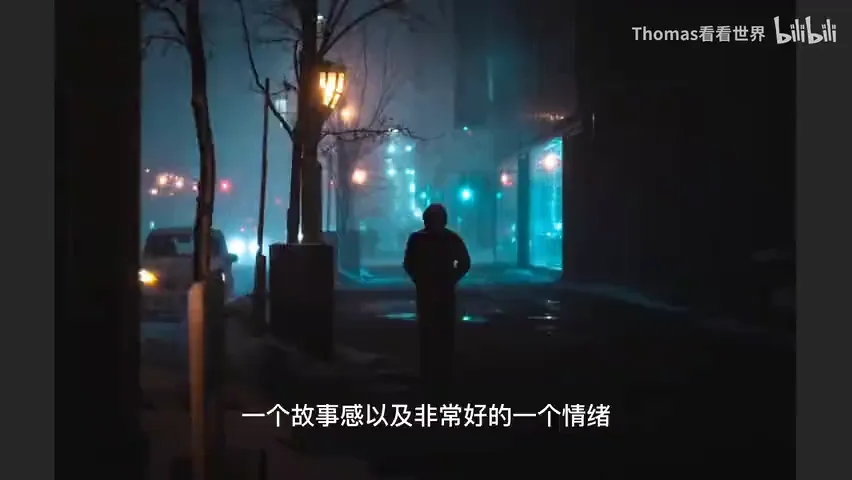
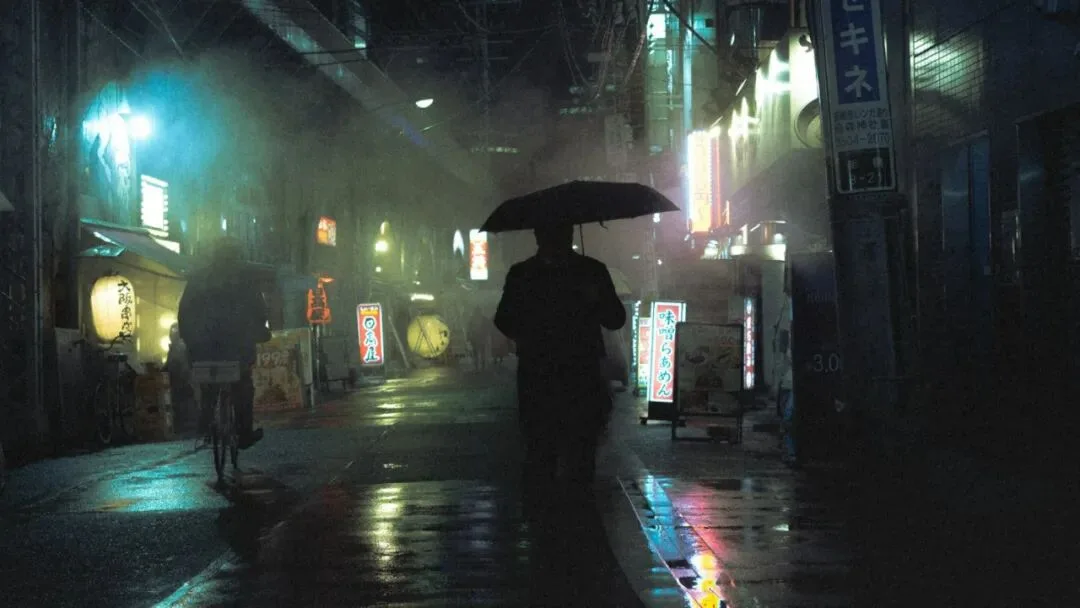
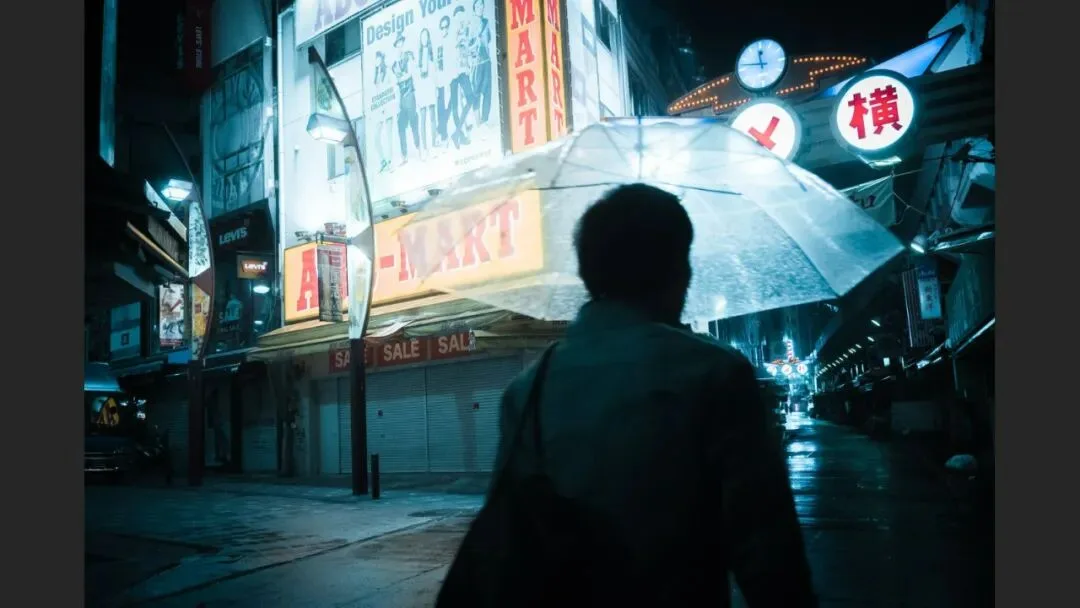
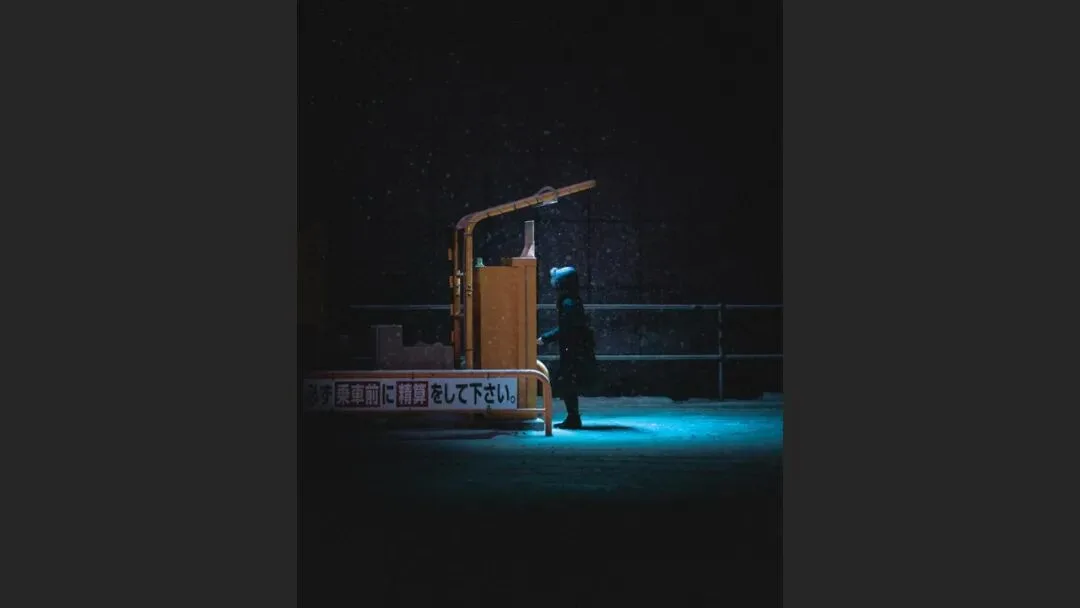
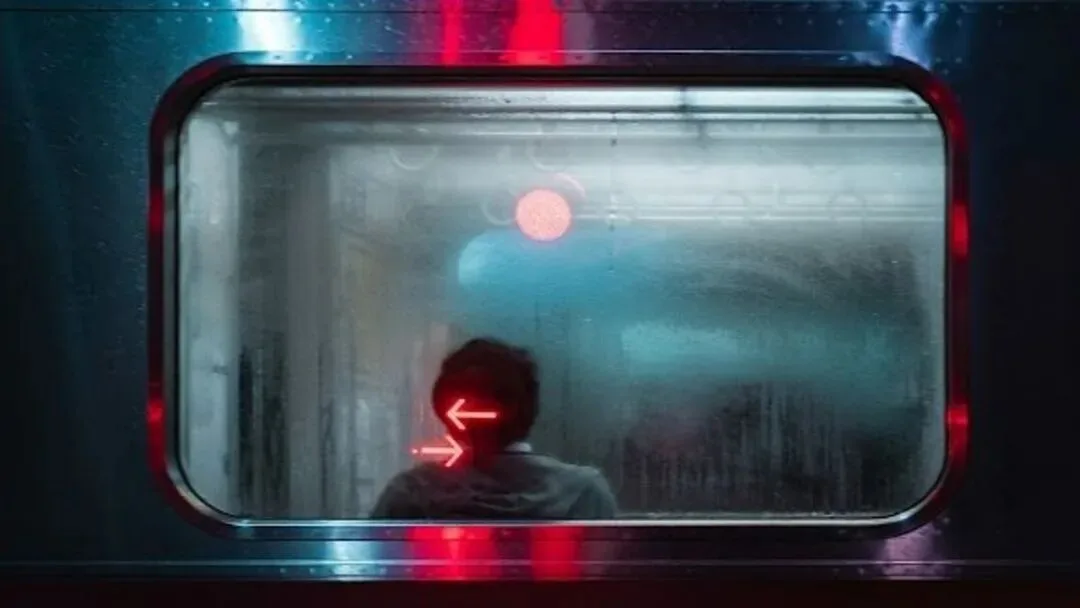
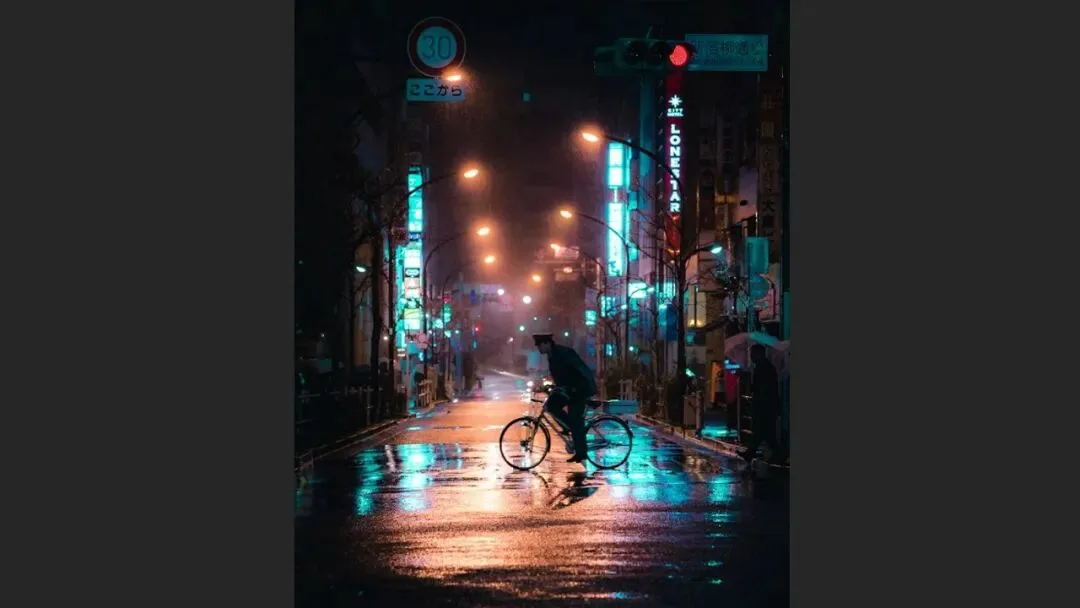
Fourth: when shooting city nights, waiting for a person to interact with the environment or strike a distinctive pose delivers story and emotion in one move (at 5:06 in the video). And whenever people appear, he renders them as silhouettes or figures from behind, echoing the lights behind them — leaving the viewer room to imagine, which is exactly what makes the photos so magnetic.

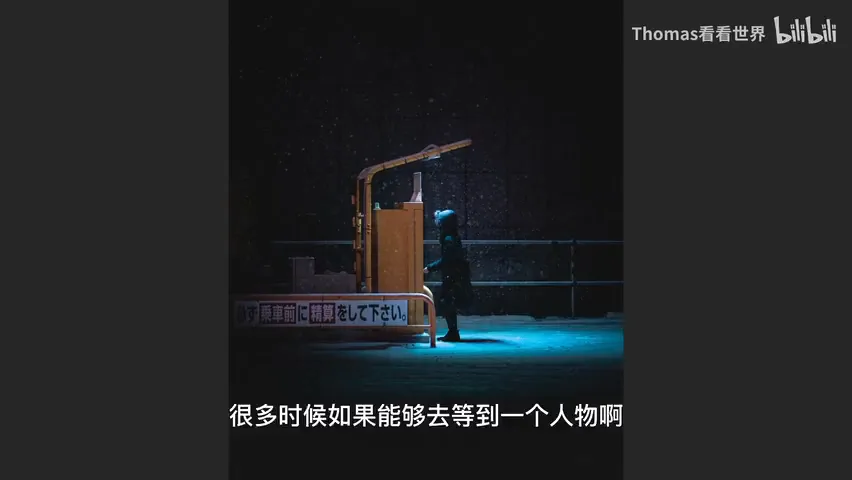
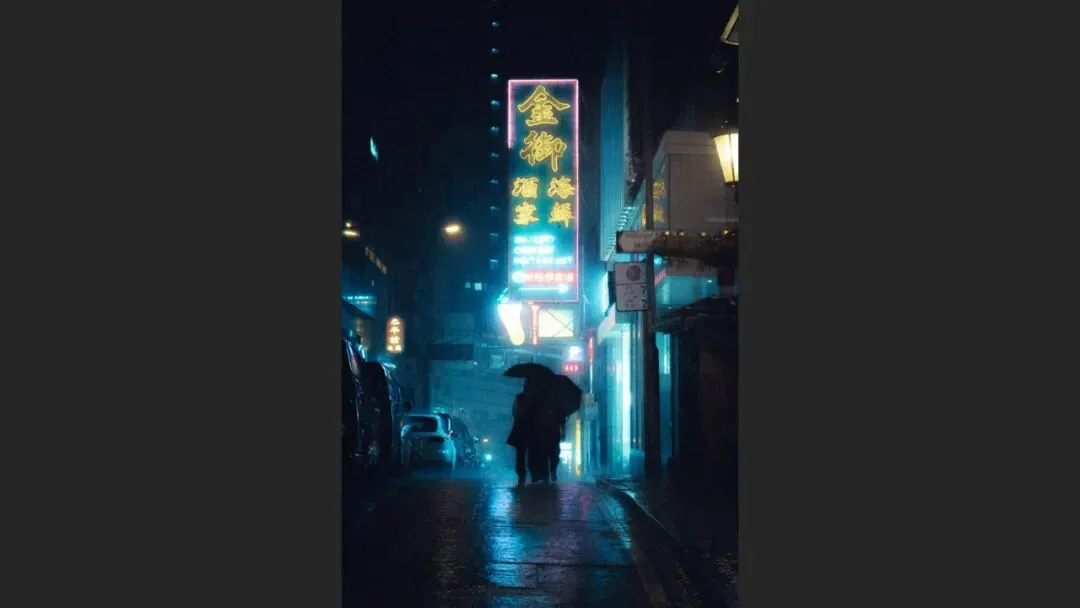
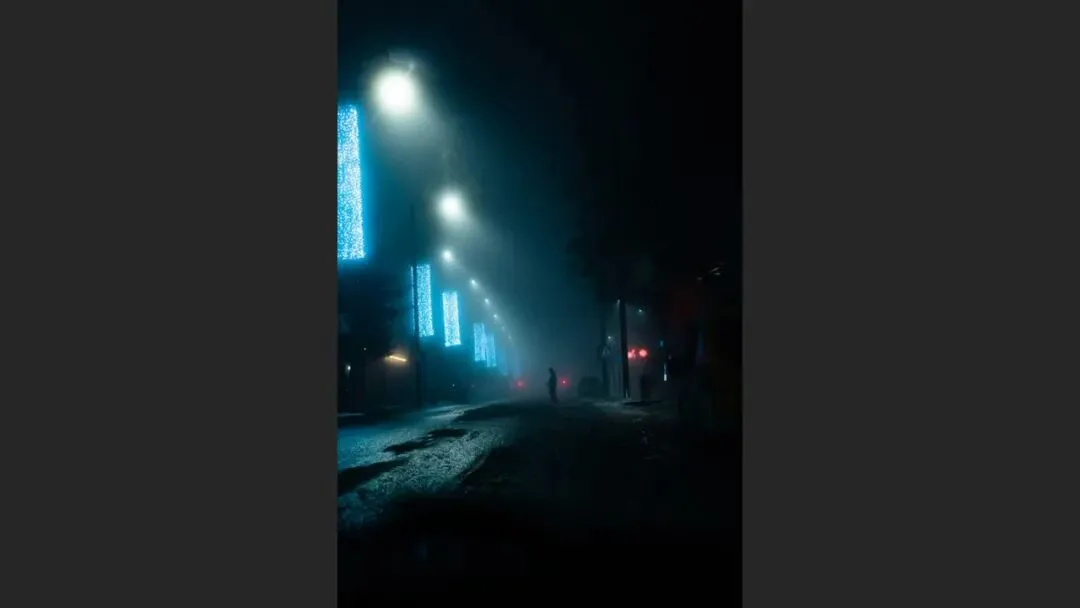
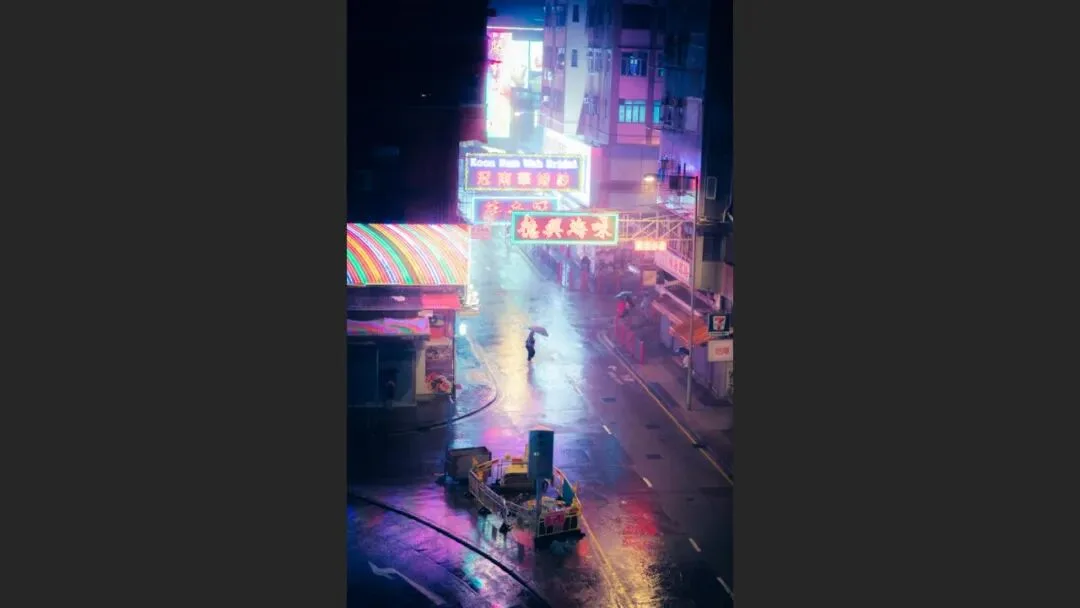
A lone figure under a lamp in the fog can carry the whole story on its own (at 5:25 in the video); the same goes for catching people scurrying from the rain — the interaction between figure, downpour and backdrop makes the content genuinely interesting.
05 A Dominant Hue and Its Accents
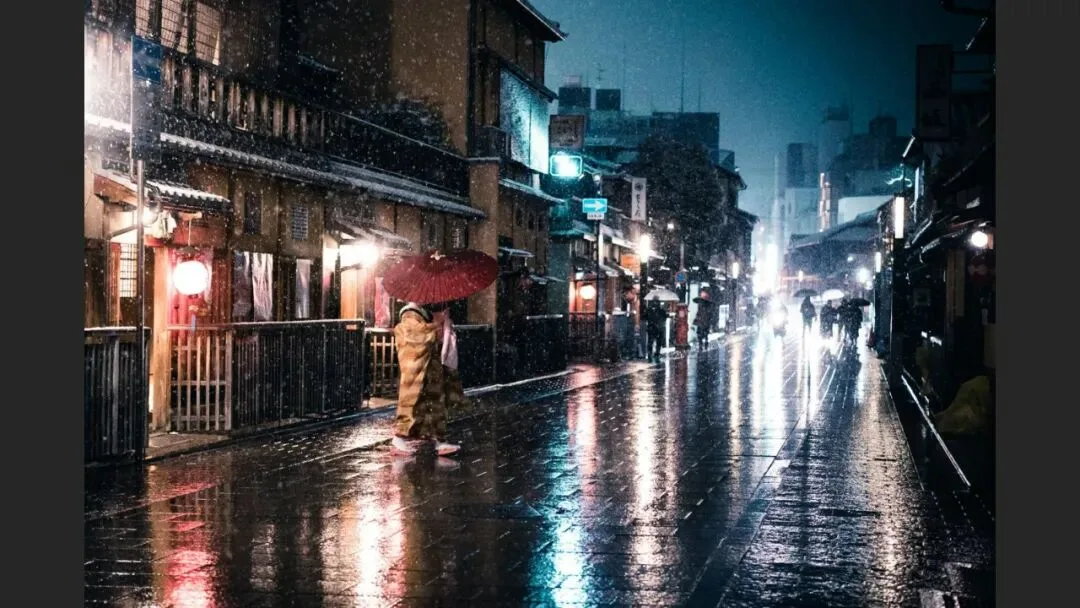
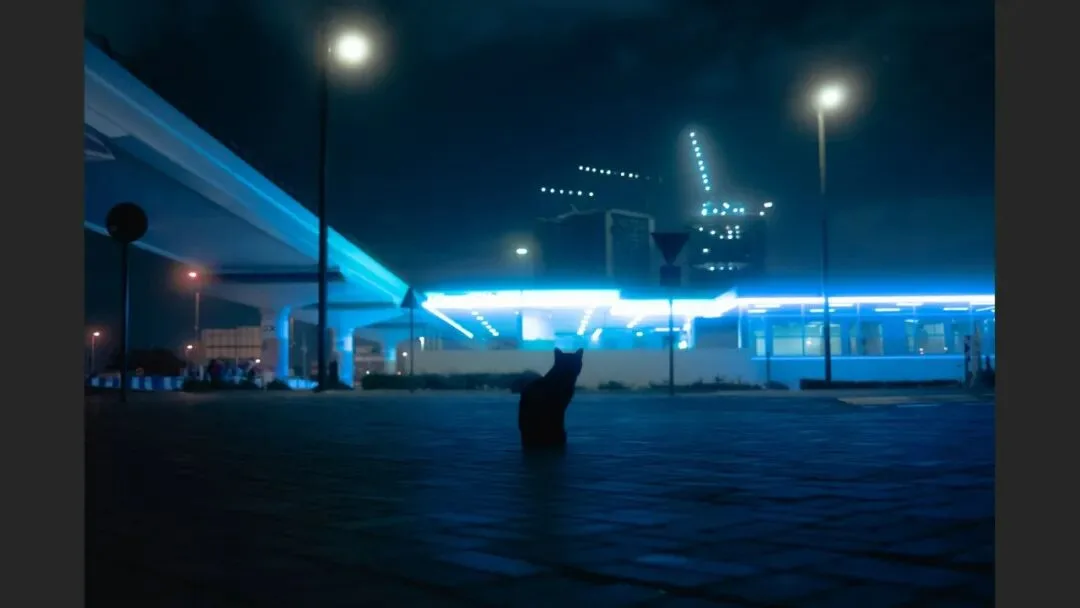
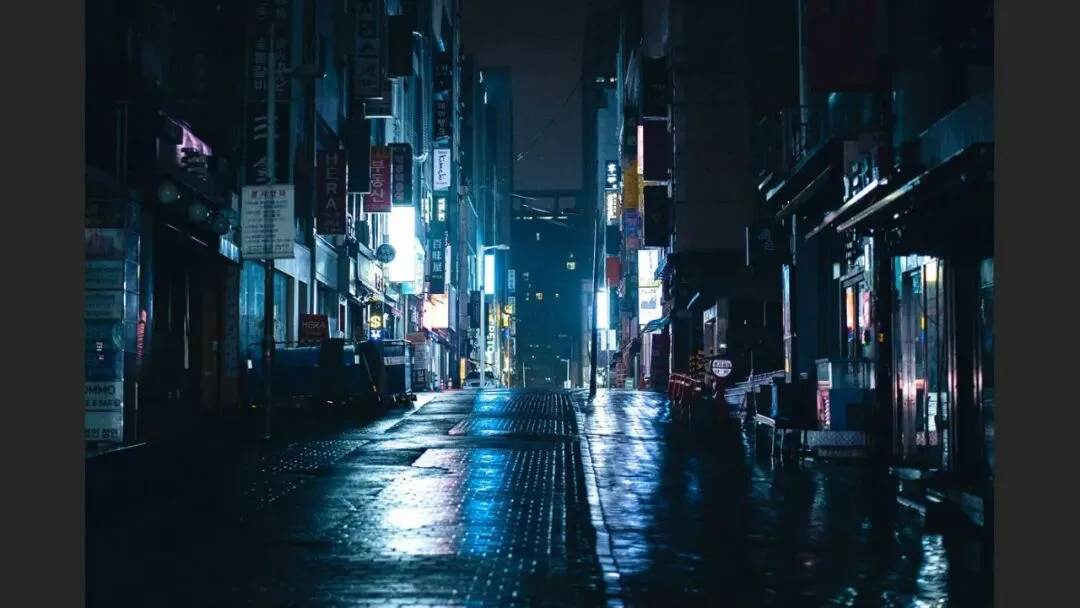
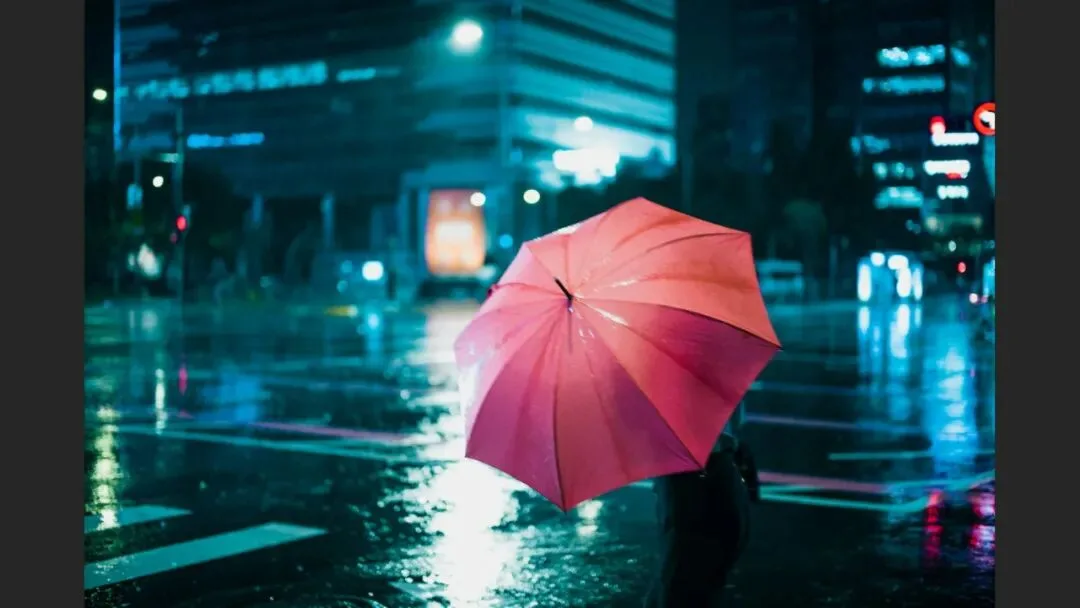
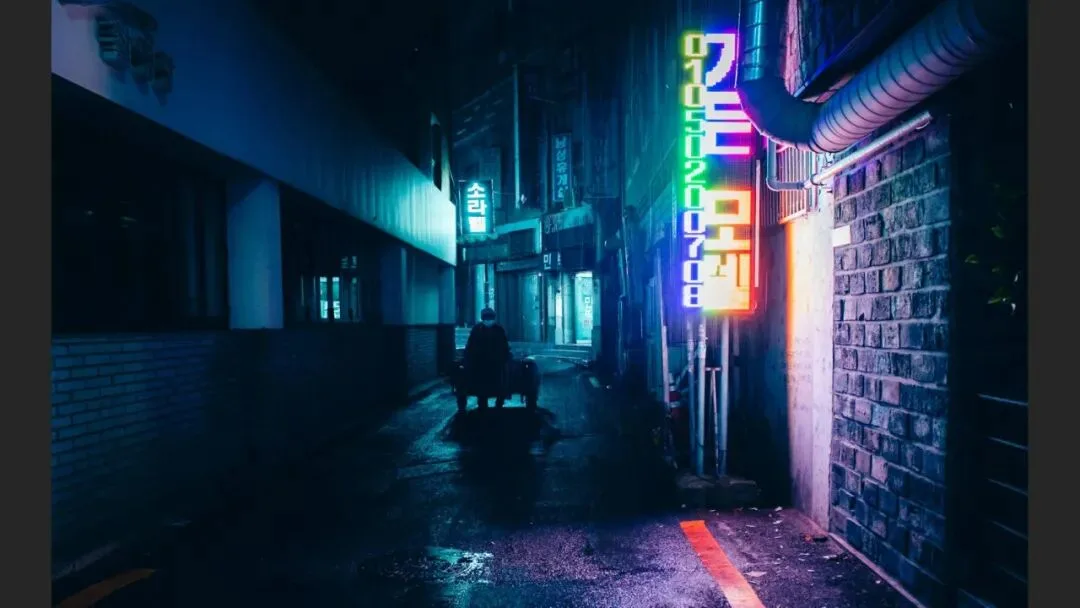
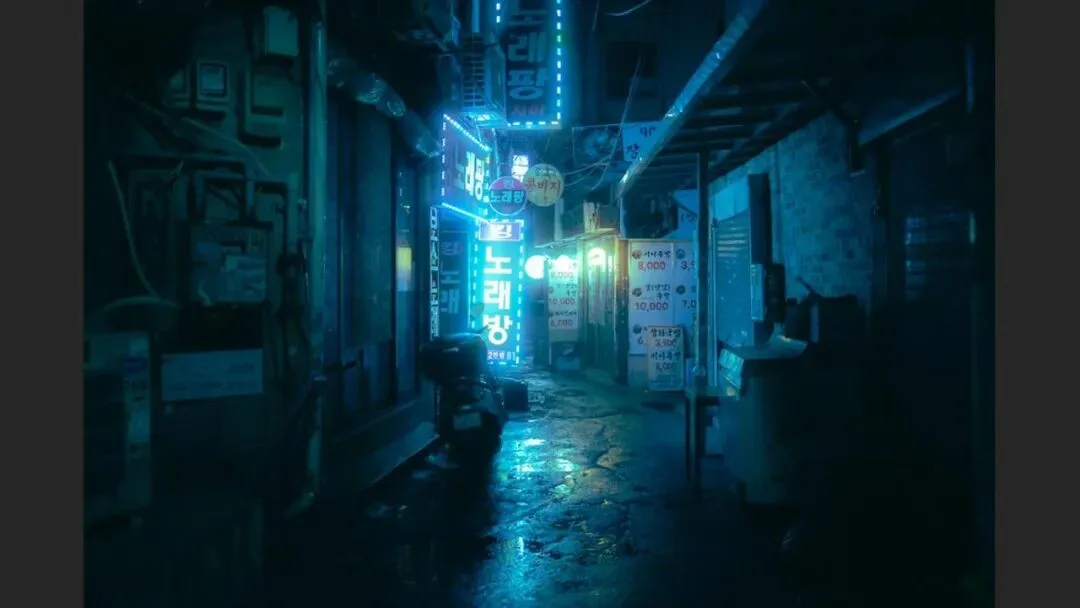
Finally, the grading: a normal city night shot lives in greys and blacks; Teemu shifts the whole palette with white balance or split toning — cyan and blue being his favorite dominant hue, shared by many of the popular urban photographers on Instagram (at 6:40 in the video).
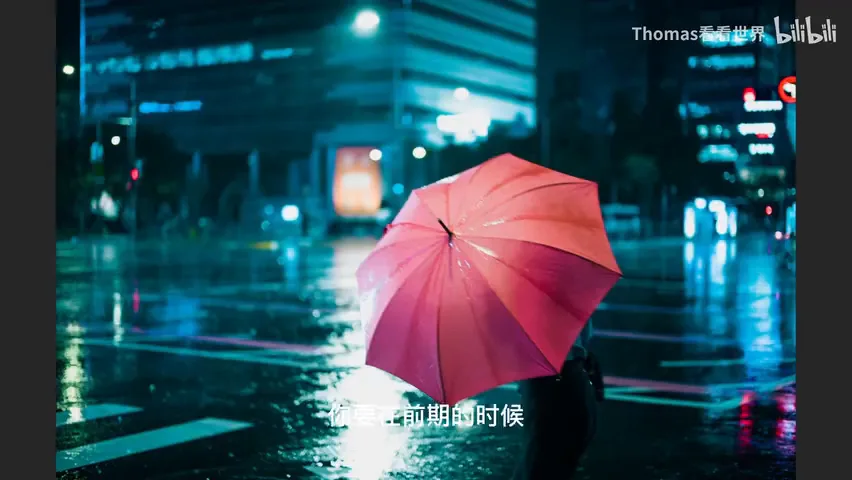
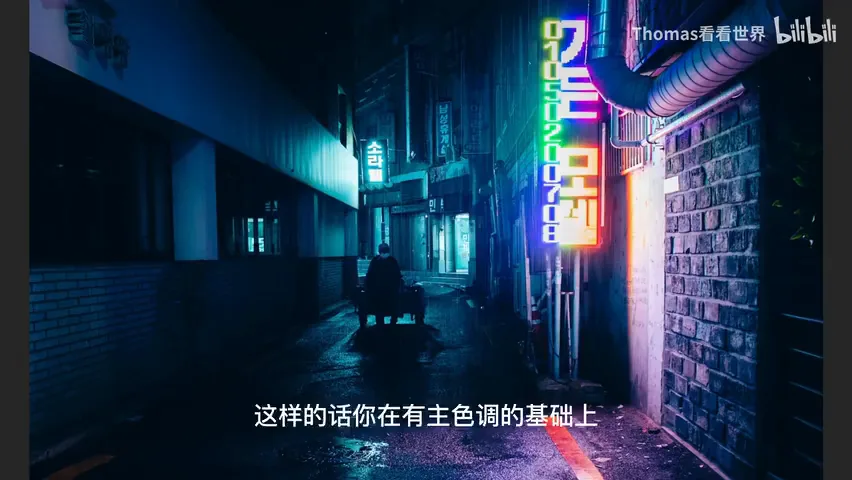
The dominant hue then needs accents sought out in the field: a red umbrella, colorful neon, decorative lamps and billboards. A rich accent layer on top of a unified base is what makes the photos dreamlike and seductive (at 6:58 in the video).
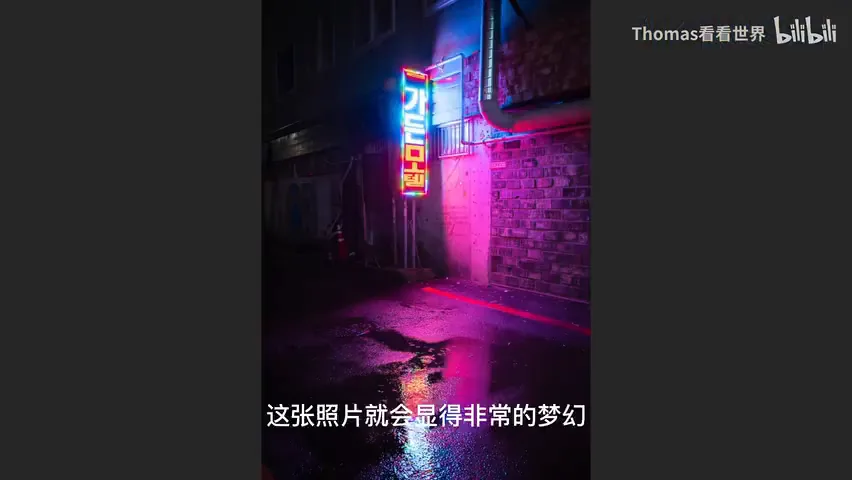
1. Bad weather is an asset: shoot while it rains — raindrops, splashes and hurried crowds are rare texture in street photography; 2. Organize the frame with light and silhouette — even an ordinary lamp builds contrast and rhythm, and empty pre-dawn streets help; 3. Sharpen raindrops with backlight or flash, and mine reflections, low angles and wet glass for texture; 4. Render people as interactive silhouettes from behind, then unify the scene under a cyan-blue hue with red umbrellas and neon accents — story and dreaminess at once.
HD video:
https://www.bilibili.com/video/BV1ue4y1X7SX/
PPT







Click here to view the index of 400+ other photography tutorials
Other related tutorials:
"The Core Technique of Photography Composition - Not the Rule of Thirds, Nor Subtraction"
"Subtraction Alone Isn't Enough — How to Do the 'Addition' in Photography?"
"Only Applying the Rule of Thirds? Teaching You to Understand Photography Composition from Its Roots - Balance and Tension!"
"Important Composition Concepts Summarized from Thousands of Photos — 'Repetition and Echo' Loved by Photography Masters"
"About Common Photography Composition Patterns — Everything You Want to Know Is Here"
"Learn Post-Processing Color Grading, Starting from Understanding Color"
"How to Grade Colors to Look Good? I Summarized 3 Major Rules from Popular Photography Masterpieces!"
"Learn Common Color Matching Principles, and Never Fear Post-Processing Color Grading Again"
"A Chat on Photography Post-Processing Color Grading - No Feeling for Color? Three Major Colors Help You Render Photo Atmosphere"
"Appreciating the Stunning Stills of 'The Wandering Earth' and Talking About Color in Photography"
"How to Enhance the Emotional Expressiveness of Landscape Photography Works and Shoot Different Photos?"
"The Magic of Darkness! Why Do Photography Masters Love Using Dark Tones?"
"Why Do My Photos Lack Layering? These Three Points Transform Photography Works!"
"A Concept Important in Both Portrait and Landscape Photography: Visual Separation, Have You Noticed It?"
"How Can Photos Be More Three-Dimensional and Spacious? There's a Trick!"
"Learn These 5 Tricks, and Your Photos Will Have More Layering and Depth!"
"Photos Lack Texture? These Two Tricks Solve It!"
"The Secret of Good Photos - Contrast and Conflict"
"Good Photography Works Require Learning to Guide the Viewer's Eye"
"Finding Expression Inspiration for Landscape Photography from Painting"