Photography Tutorial · 2021-07-18
How to Shoot Drone Photos? Analysis and Interpretation of Aerial Photography Contest Winning Works Is Here~
Thomas Chu Photo
Excellent photography works have not only individuality, but also many commonalities.
Following photography contests is a great way to broaden your photography thinking and keep up with industry trends.
In this week's tutorial, Thomas will share and interpret the winning works of the top aerial photography event - DJI SkyPixel Photo Contest this year.
Video tutorial
▶ Watch the video tutorial on Bilibili
This is the illustrated companion to the video above. Because many viewers said they could not understand contest winners, Thomas not only reviews the results of the 2021 DJI SkyPixel 6th Anniversary aerial contest but also reveals the judge's perspective for the first time: how an aerial contest is actually judged, what judges get to see, and where winning images gain their edge. Key screenshots from the video are preserved throughout for easy reference.
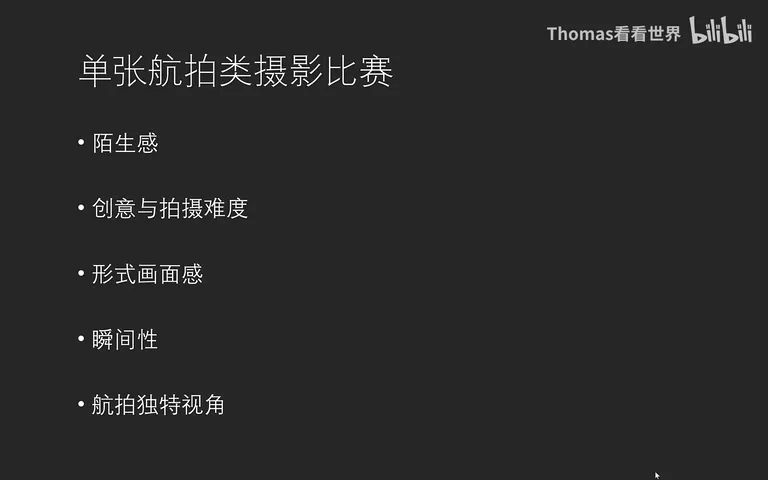
Start with the overview: this summary slide, captured at 2:11 in the video, lists the five qualities that elevate a single aerial photograph — novelty, creativity and shooting difficulty, formal visual impact, the decisive moment, and a distinctly aerial perspective. Each is unpacked below.
01 Understand the Contest: How Judges Decide
Before reading any results, understand the contest itself. Different contests have different tonality and preferences: some lean toward travel and lifestyle, some prize bold composition and visual impact, and some want ideas and a point of view in the work. Results are also shaped by the tastes of judges and staff — long-running contests carry a stable tonality, while newer contests run by phone or camera manufacturers are heavily influenced by each year's judging panel (at 0:43-1:16 in the video).
Why does the staff matter? Because major contests receive tens of thousands of entries. The invited final-round judges only see what survives the first cut — roughly forty to fifty works per category — and that first cut is made by the brand's or magazine's editors and staff. So don't rush to ask "why didn't my photo win" — chances are the judges never even saw it (at 1:16-1:48 in the video).
That said, strong works do share common traits. First-prize and grand-prize images are the product of discussion among multiple judges and always carry real merit; we can summarize those patterns and popular approaches and let them inform our own shooting (at 1:51-2:09 in the video).
02 Five Qualities That Elevate a Single Aerial Frame
First — and the shared standard for all single-frame work — is novelty. In an era when billions of images are produced every day, if your picture shows a scene people have seen and a technique they know, the audience is long numb to it and judges struggle to care (at 2:22-2:47 in the video). How to create that novelty is unpacked below through the actual winners.
Second is creativity and shooting difficulty: a fresh idea, a place few can reach, an angle that is brutally hard to pull off — all of it earns points. Third is formal visual impact: a single frame is like a poem among written forms, where rhythm and cadence matter enormously. Fourth is the decisive moment: many winners fold in a fleeting element, which brings both novelty and unreplicability. Fifth is a distinctly aerial perspective — if your drone shot looks like it was taken from a tower or from the ground, it misses the point of an aerial contest (at 2:48-3:43 in the video).
03 Grand and First Prizes: Novelty and Formal Beauty
This year's grand prize captures the instant a goldfish leaps out of the water (at 3:50 in the video). The subject itself is hardly new — most previous versions were shot from a boat with a camera, catching the moment of splashdown. But this is the first time someone has looked straight down at it from the air, in the classic ninety-degree aerial perspective — unfamiliar and brilliant at once.
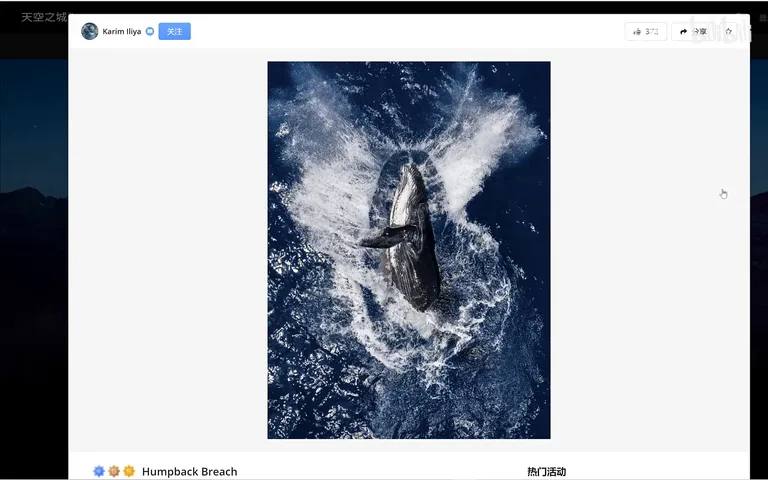
This frame collects nearly every quality listed above: a fierce decisive moment, captured against real difficulty — drone burst shooting is clumsy, one press at a time with a pause in between, unlike a camera's unlimited burst, so a fraction of a second's delay loses the scene (at 4:22-4:39 in the video). Compositionally, the splashdown uses a centered framing of great formal beauty, and the lit spray radiates power and the tension of life. As a grand-prize work, it was unanimous (at 4:41-5:05 in the video).
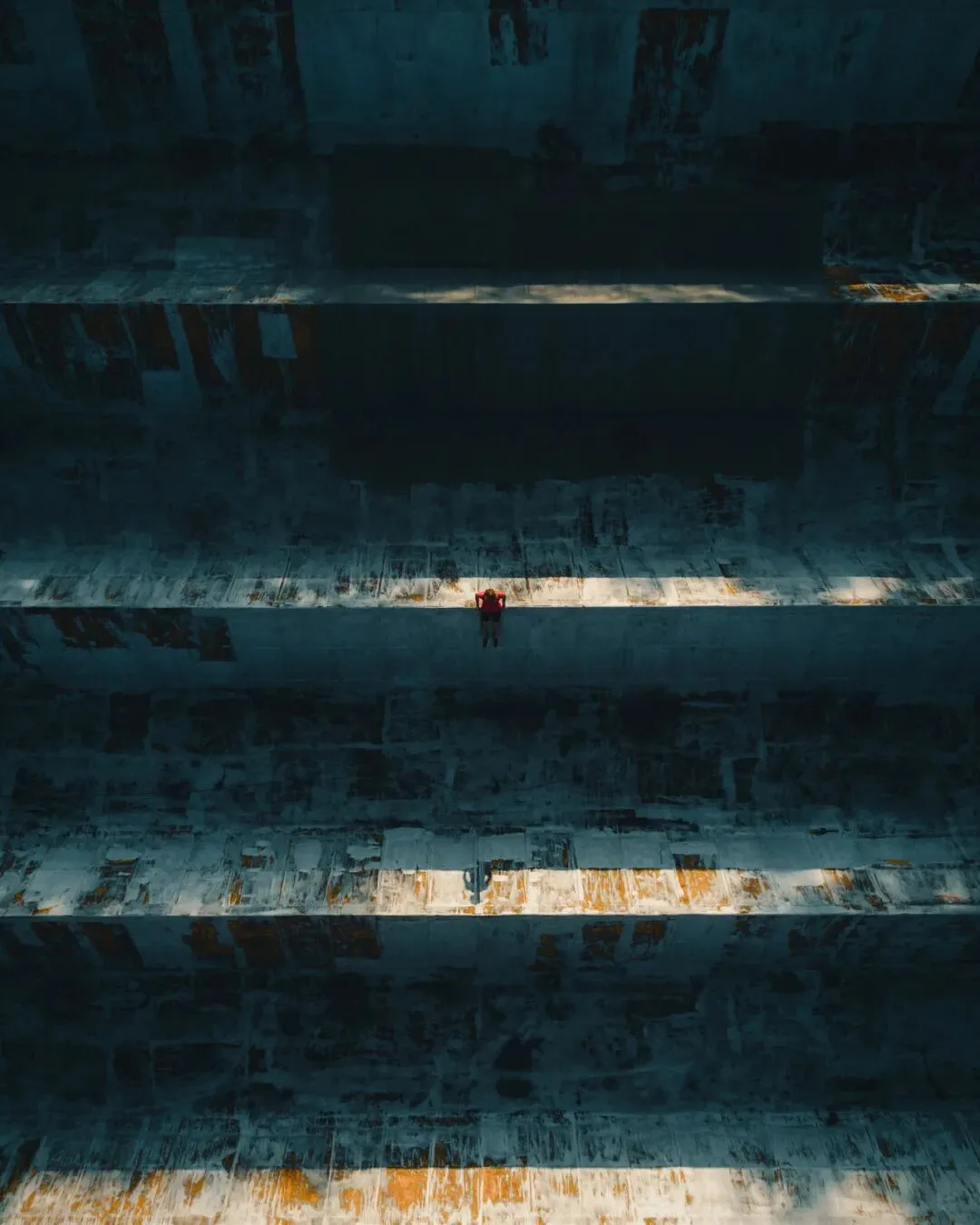
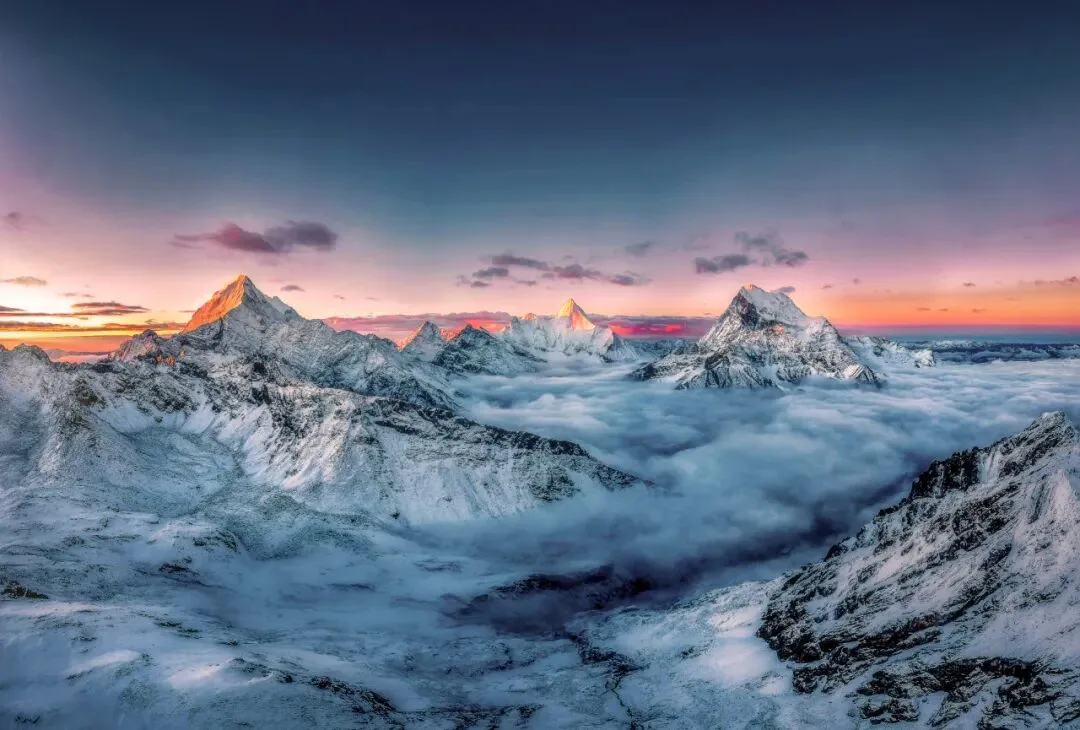
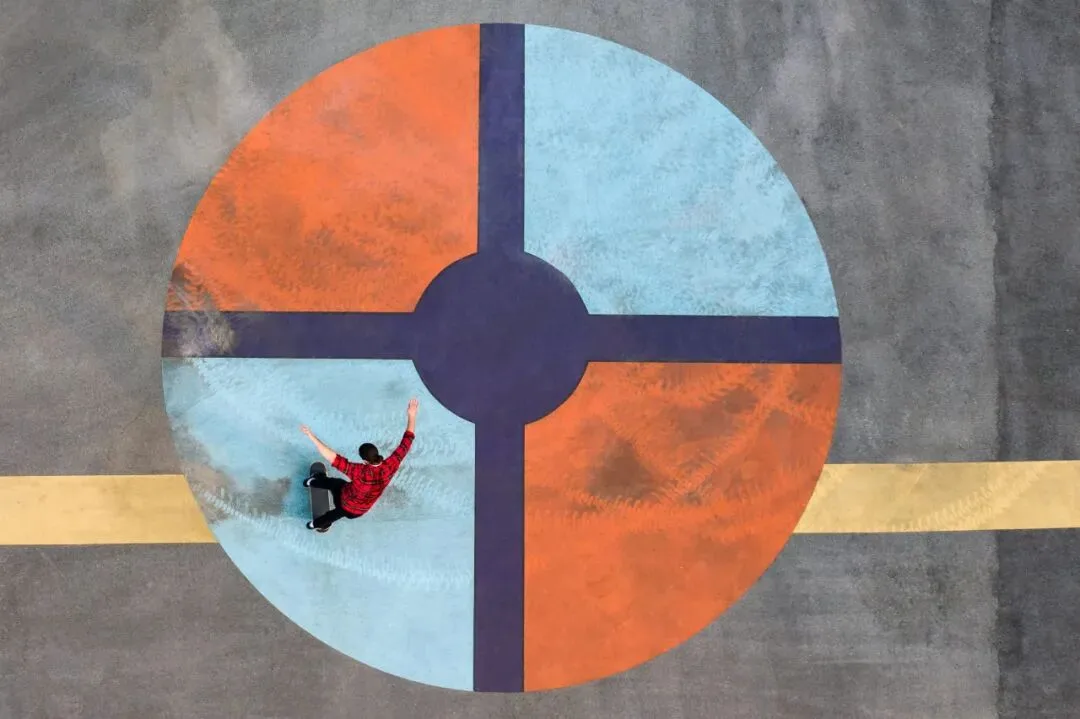
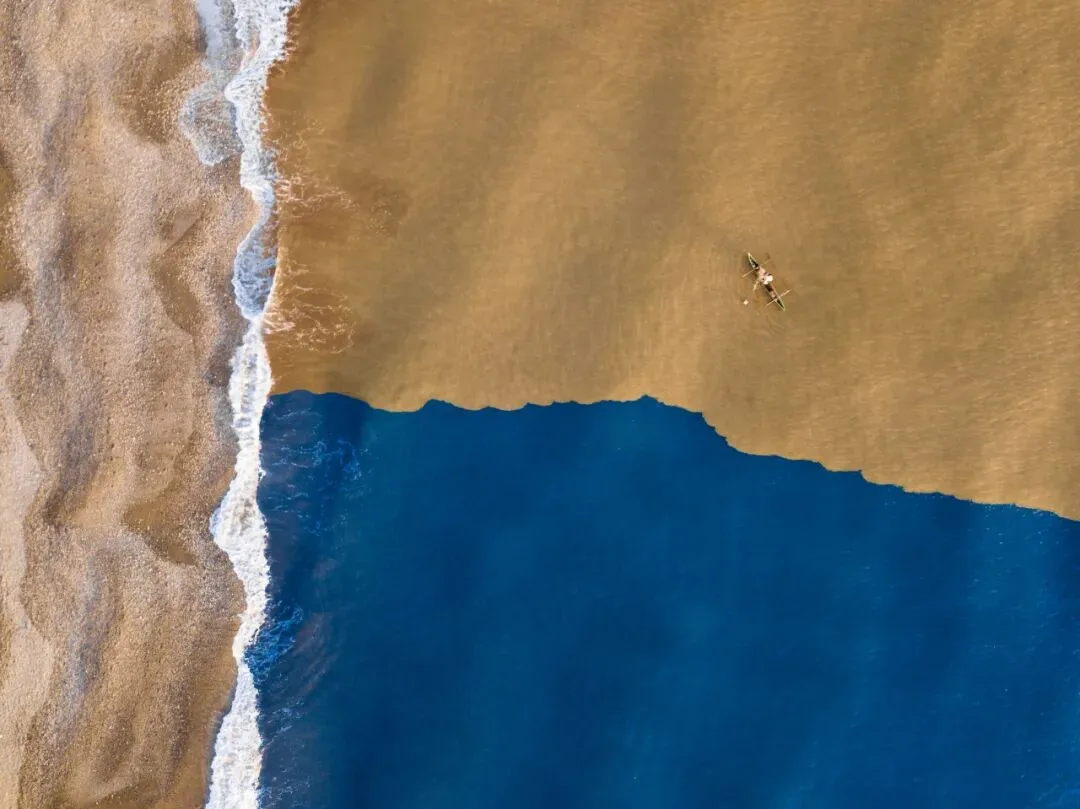
Next, what the first prizes share (at 5:13-5:47 in the video). Aerial work does not require wildly complex scenes — the winners are mostly simple frames: a few large color fields, warm-cool contrast, geometric compositions in red, white and blue. The higher you fly, the less detail matters; what aerial photography does best is precisely this abstract geometry.
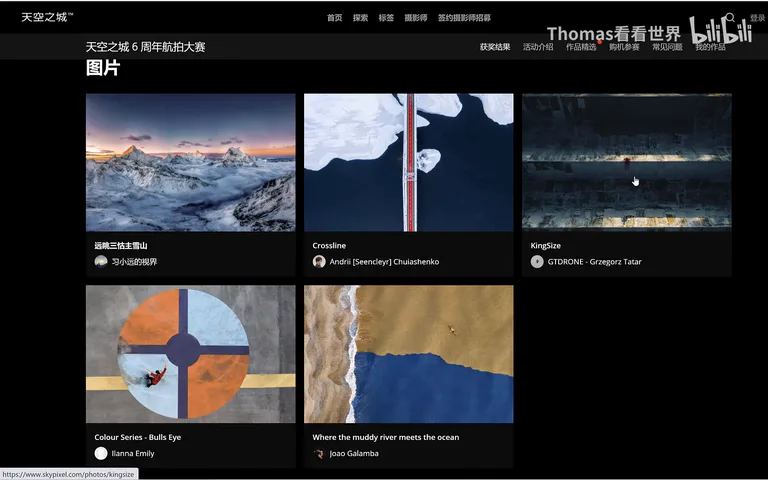
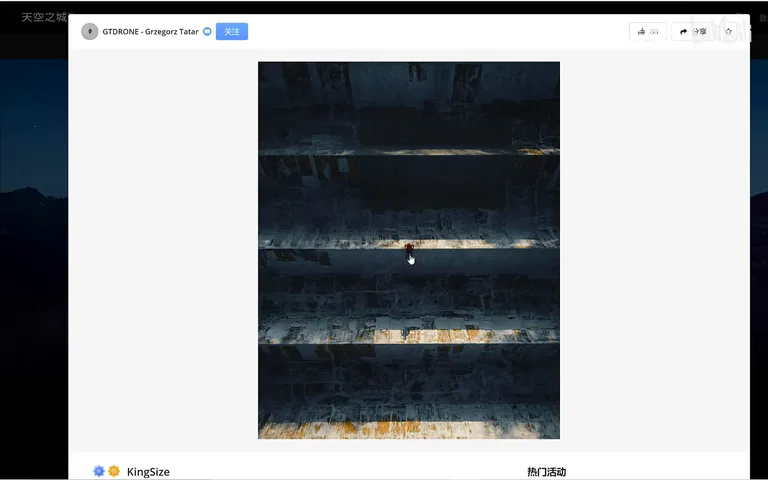
Another group of first prizes all carry a finishing touch — a human figure. Whether a boat or a seated person, it adds narrative on one hand and a sense of scale on the other (at 5:58-6:14 in the video). Take "KingSize" at 6:18: without the tiny figure in the middle you would see nothing but an ordinary flight of steps; with him, you realize it is a structure as vast as an Indian stepwell — and the person instantly becomes the focal point.
That said, this batch is not beyond critique. The red bridge at 7:04, for instance, works better in a horizontal crop — the vertical one leaves too much empty, redundant space. And the stunning sea of clouds at 7:16 has had clarity pushed too hard in post, leaving the black areas slightly dirty. Overall, though, the novelty, impact, compositional beauty and captured moments all hold up — worthy first prizes (at 6:57-7:33 in the video).
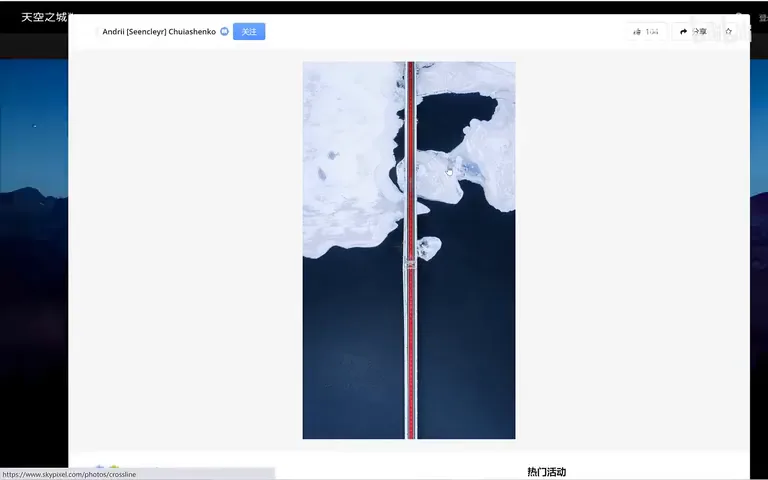
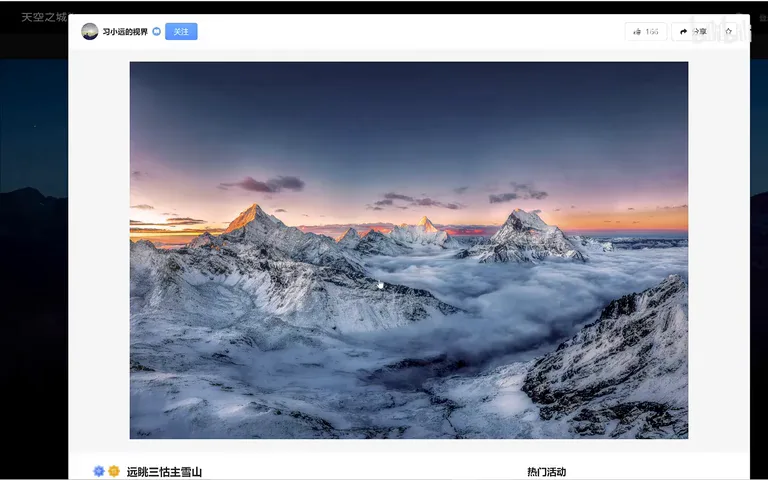
04 Second and Third Prizes: Highlights and Flaws
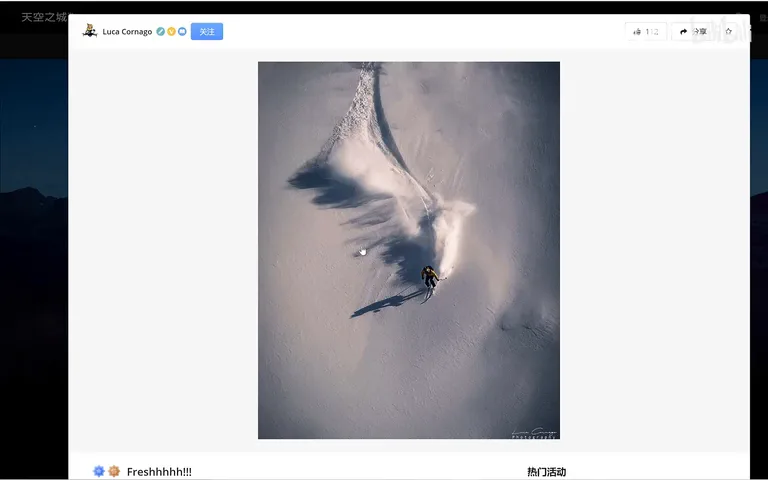
Second- and third-prize works all have merit, but each carries a flaw too (at 7:35 in the video). The frame at 7:42, for example, is a bit plain, yet its eye-catcher is the pair of fish — one black, one white — arranged like two contrasting spirits. And the shadow-as-subject approach at 7:52 — skiers, camel caravans and the like — already produced several winners in earlier SkyPixel editions and has become rather overdone; the same photo would have ranked higher in past years, but now it slips down the list.
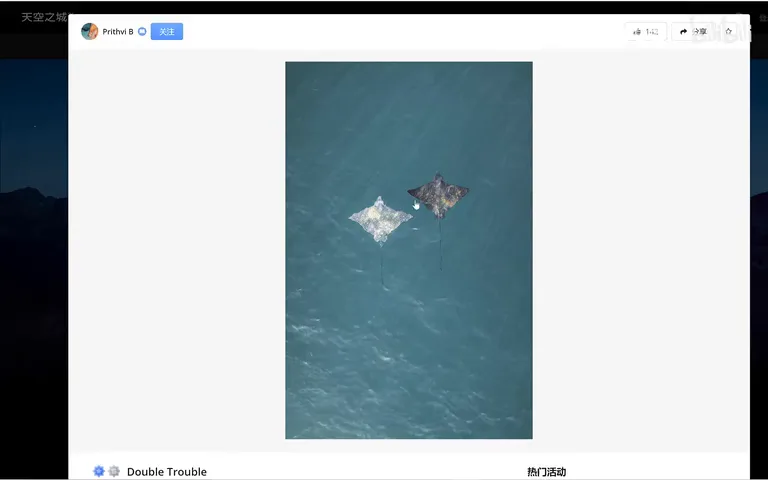
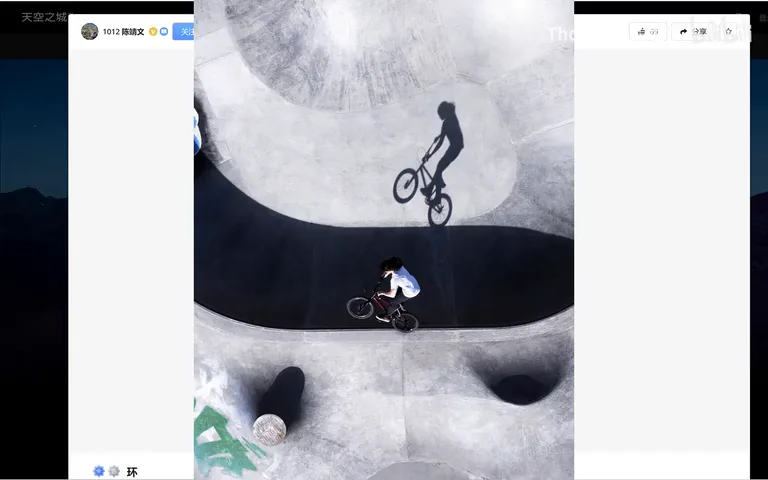
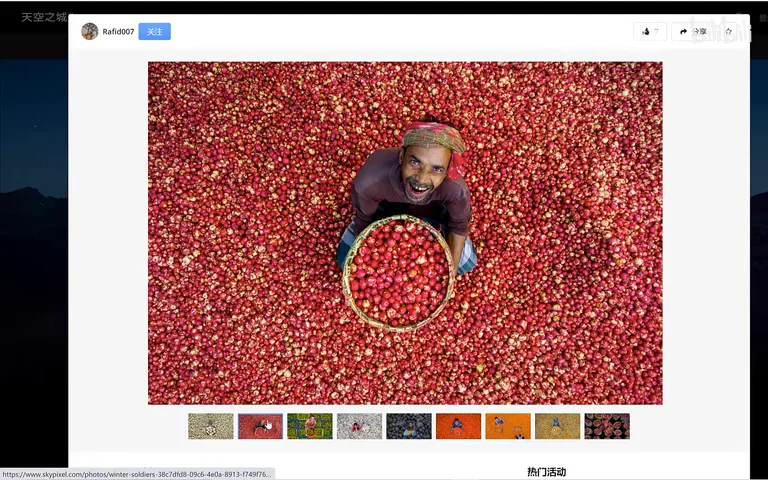
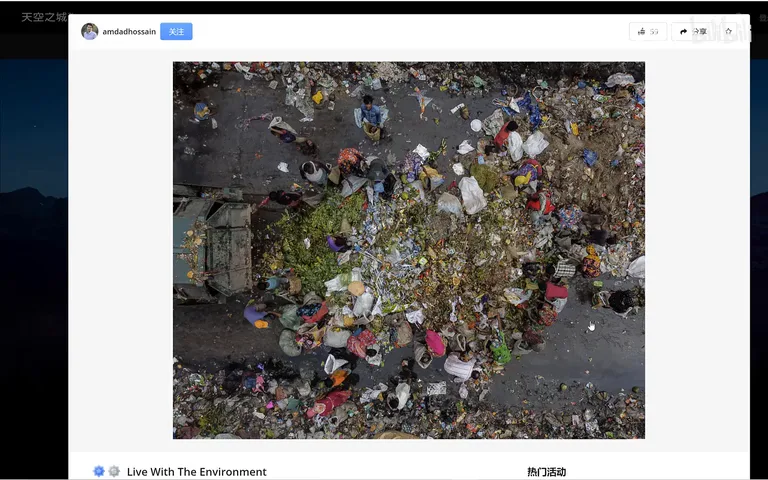
The series at 8:16 documenting a local harvest is a pity: the joy, and the sheer visual shock of dense harvest produce framed against tiny figures from the air, is genuinely stunning — freed from the single-frame format it might even have contended for the grand prize (at 8:16-8:43 in the video). Similarly, the photo at 9:05 about people and their living environment is less convincing as a single frame; as a series it would carry far more force, and might do better in other contests.
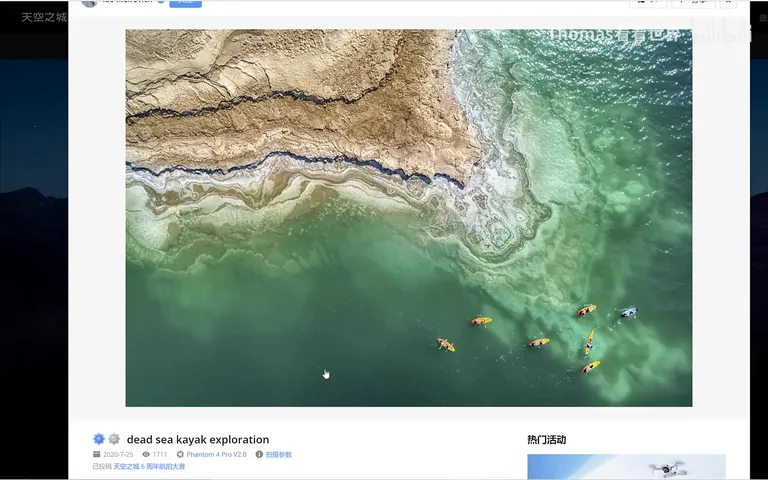
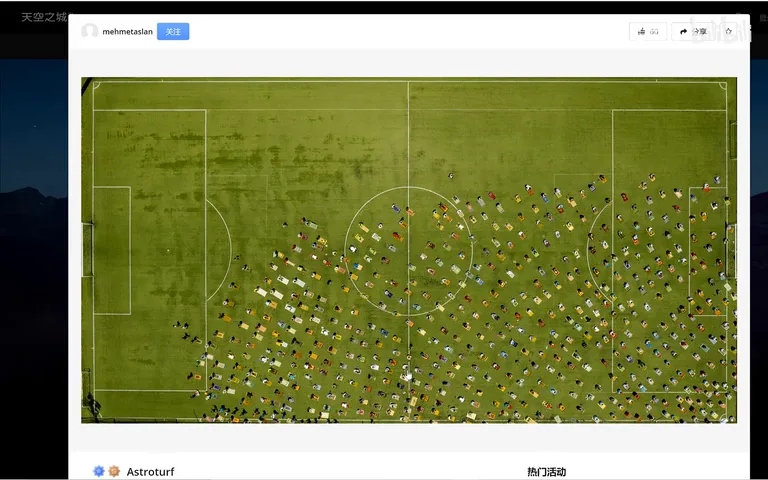
Cropping and selection decide rankings just as much. The coastline frame at 8:51 keeps too much sand, crowding the boats into a corner; cropping to a small section that emphasizes the textures of water and white sand would be far more striking (at 8:46-9:01 in the video). The football field at 10:19 makes the same point: squeezing the entire pitch into frame works worse than taking one corner — letting the densely packed people, their personal belongings, the shapes of their sheets and their sleeping postures become the subject would be more interesting and more powerful. Some images win on the big picture, some on detail; here detail clearly beats the whole (at 10:19-11:05 in the video).
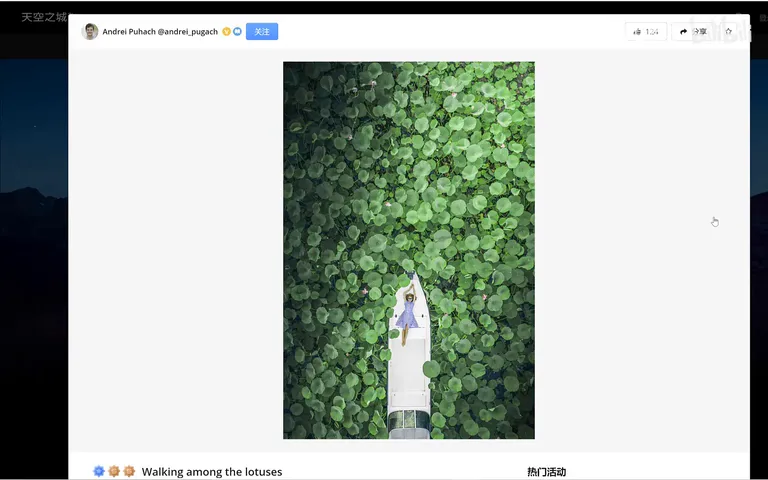
A few third prizes reward a closer look. The pavilion above the clouds at 9:36 is ethereal, but such scenes have become familiar, so it could not rank higher; the work at 9:44 of a figure walking among lotus leaves shows lighting that feels a touch contrived — like a manufactured glow from post — and the green carries a slightly artificial cast (at 9:22-9:58 in the video). The ski shot at 10:04 was genuinely hard to make — flying a drone over snowy mountains to catch that scene is no easy feat — so its prize is deserved, even if its beauty, moment and idea fall a little short of the winners above it.
The football field at 10:30 makes a fitting closing note: it reminds us that both looking at and making photographs demand clarity about what is actually interesting. That concludes this review of the SkyPixel 6th Anniversary aerial contest — these are Thomas's subjective takes, not gospel, so share your own reading in the comments (at 11:11-11:26 in the video).
1. Read a contest's tonality first: every contest prefers different things — pick the right arena for your work and respect the reality of staff pre-screening; 2. Five qualities elevate a single aerial frame: novelty, creativity and difficulty, formal beauty, the decisive moment, and a truly aerial perspective; 3. The winners' habits are reusable: clean geometric color fields, warm-cool and light-dark contrast, and a human figure as the finishing touch; 4. Subjects age while cropping reveals mastery — the same approach ranks lower a few editions later, and choices like horizontal vs vertical, whole vs detail decide the outcome.
HD video:
https://www.bilibili.com/video/BV1mV411H7Nf/
Winning Works Appreciation
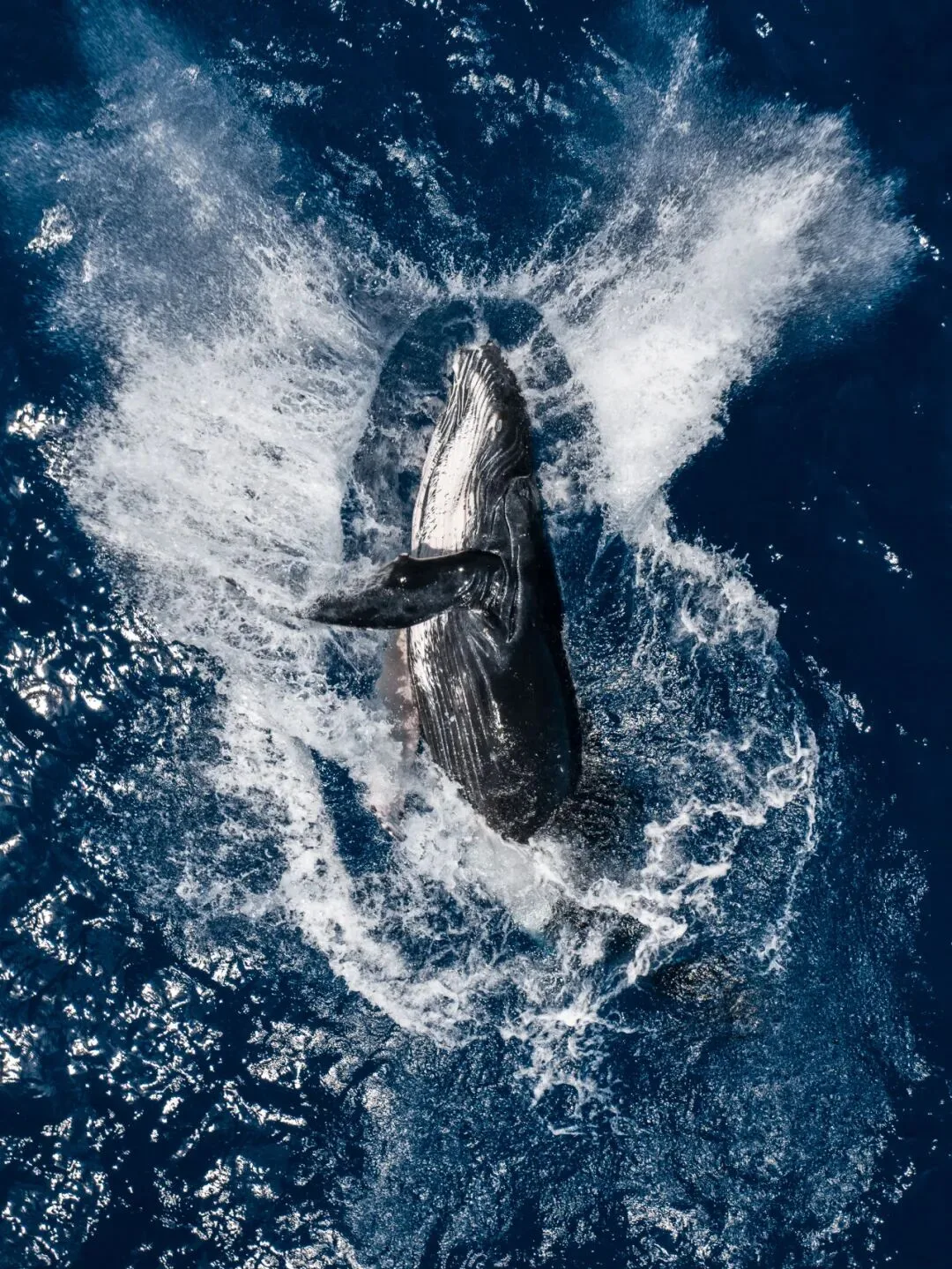
Photography Grand Prize of the Year
Photo: Karim Iliya
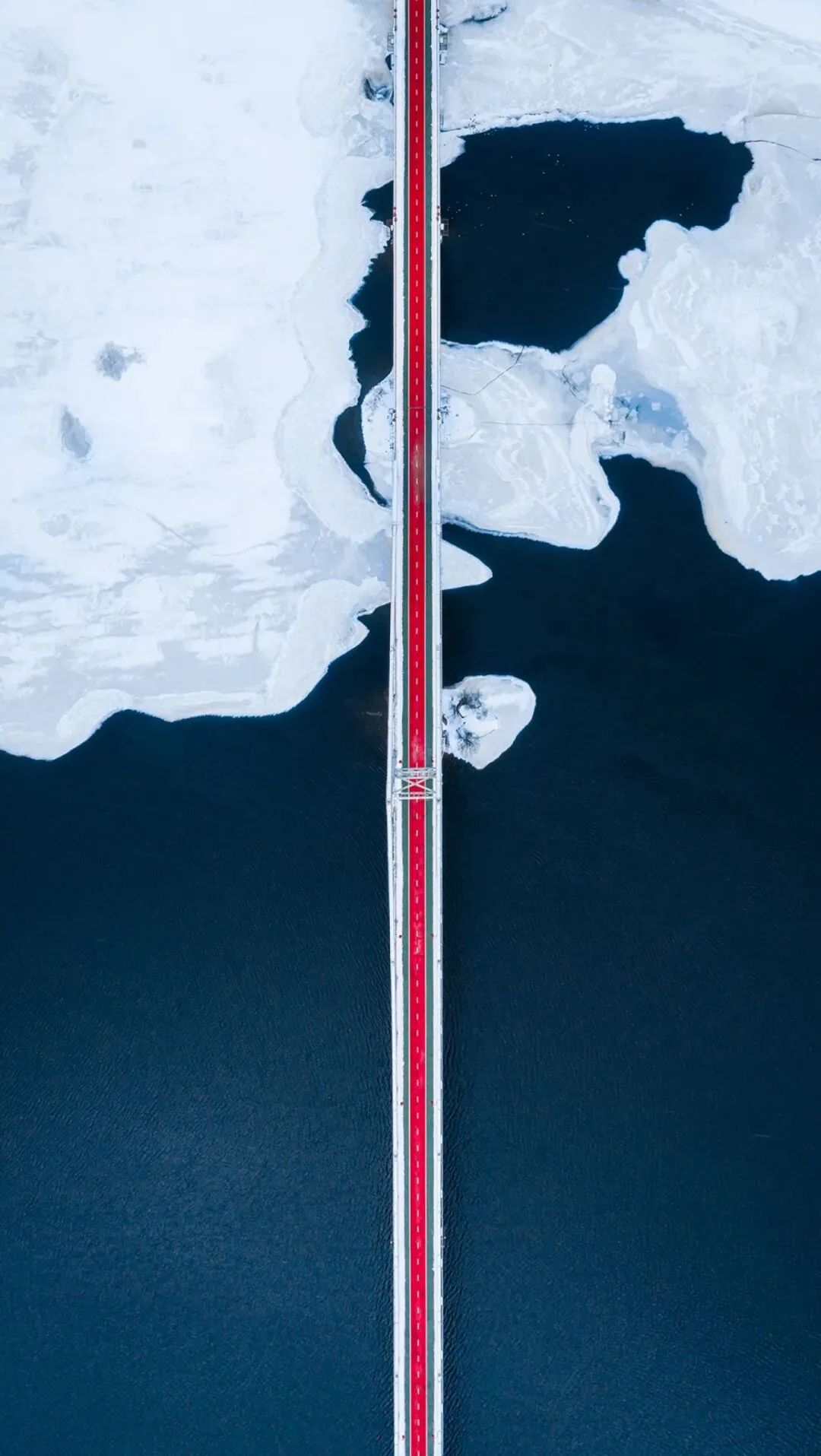
First Prize
Andrii Chuiashenko
First Prize
Grzegorz Tatar
First Prize
Xi Xiaoyuan's Vision (习小远的视界)
First Prize
Ilanna Emily
First Prize
Joao Galamba
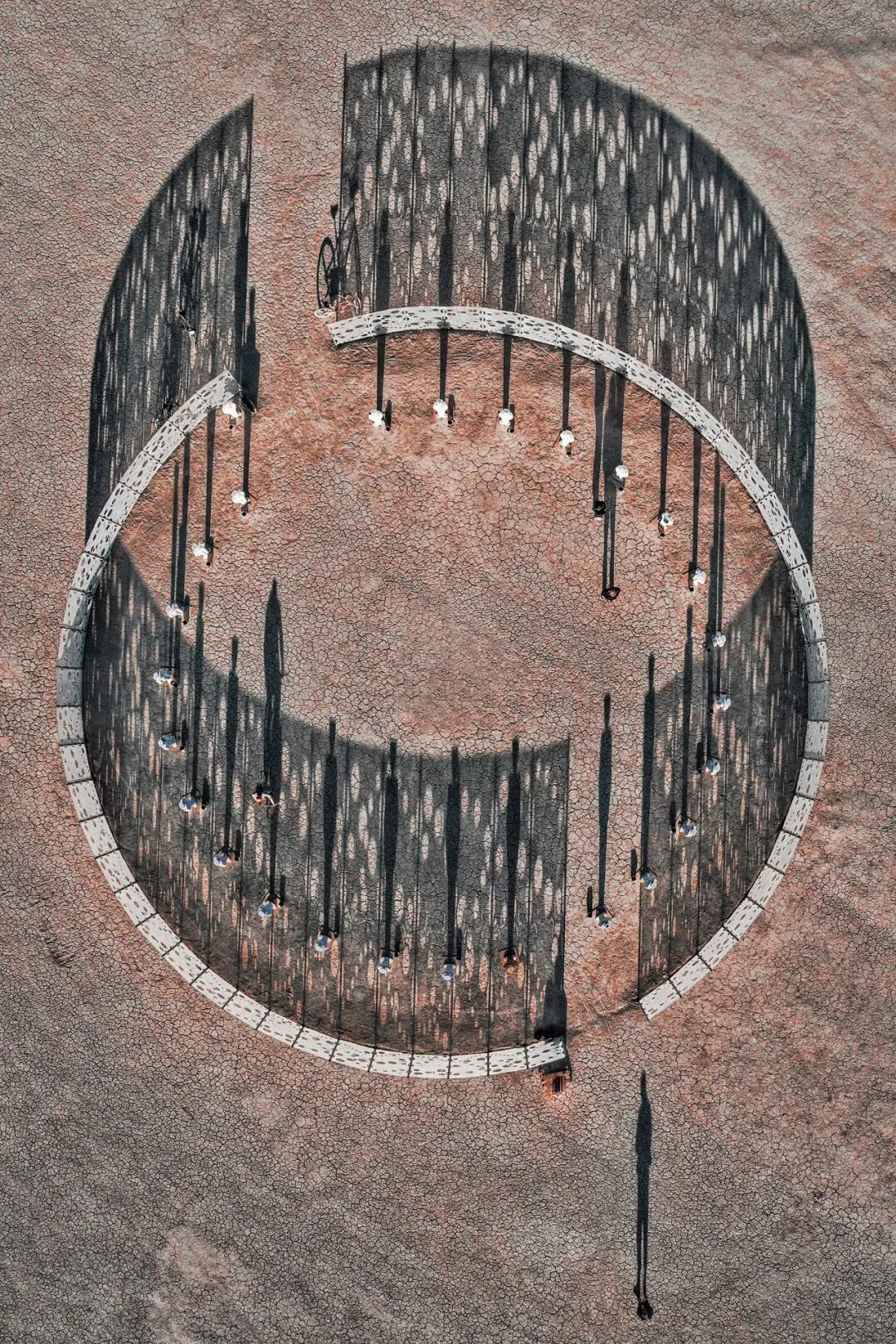
Second Prize
Chen Jingwen (陈靖文)
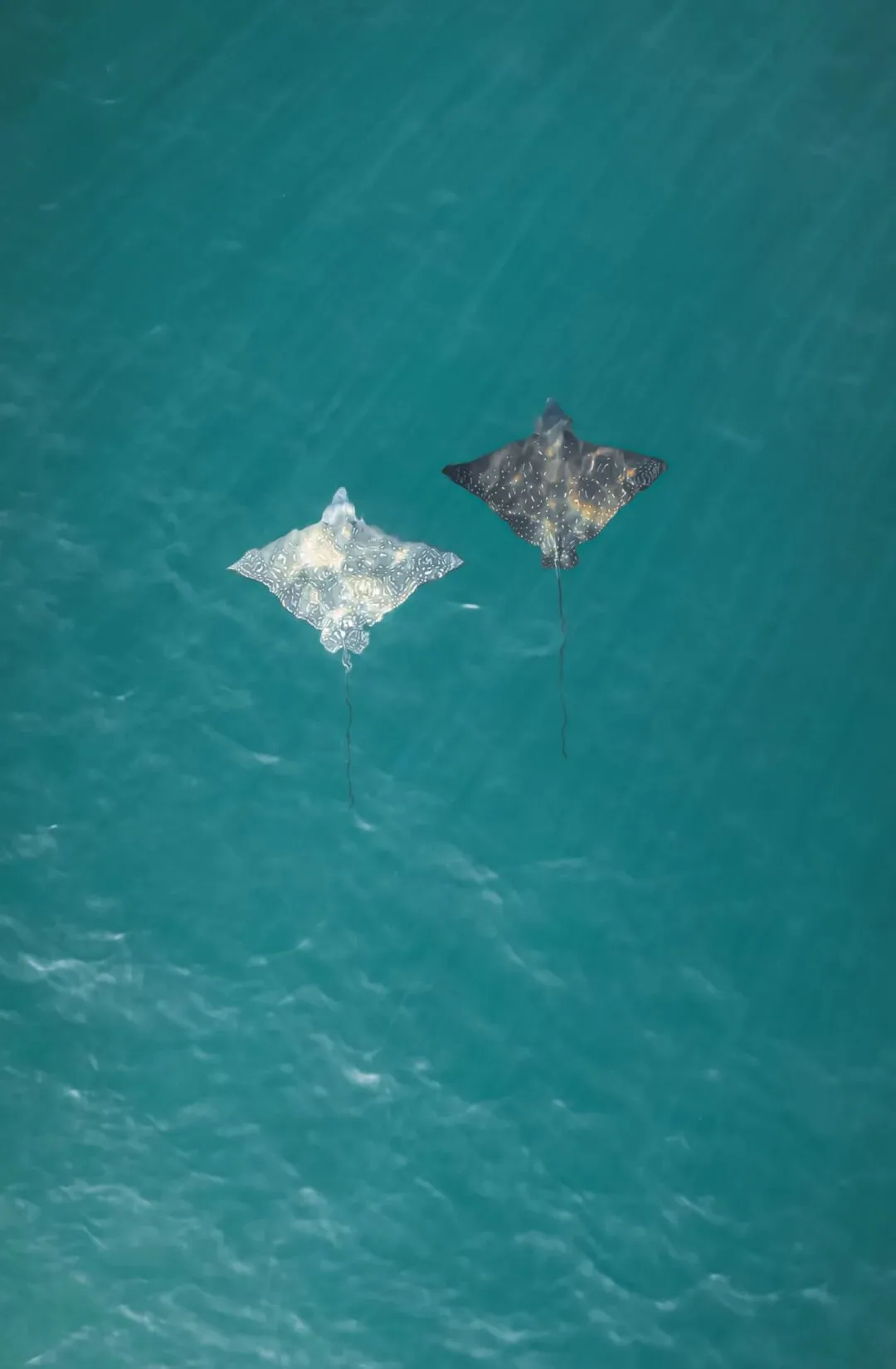
Second Prize
Prithvi B
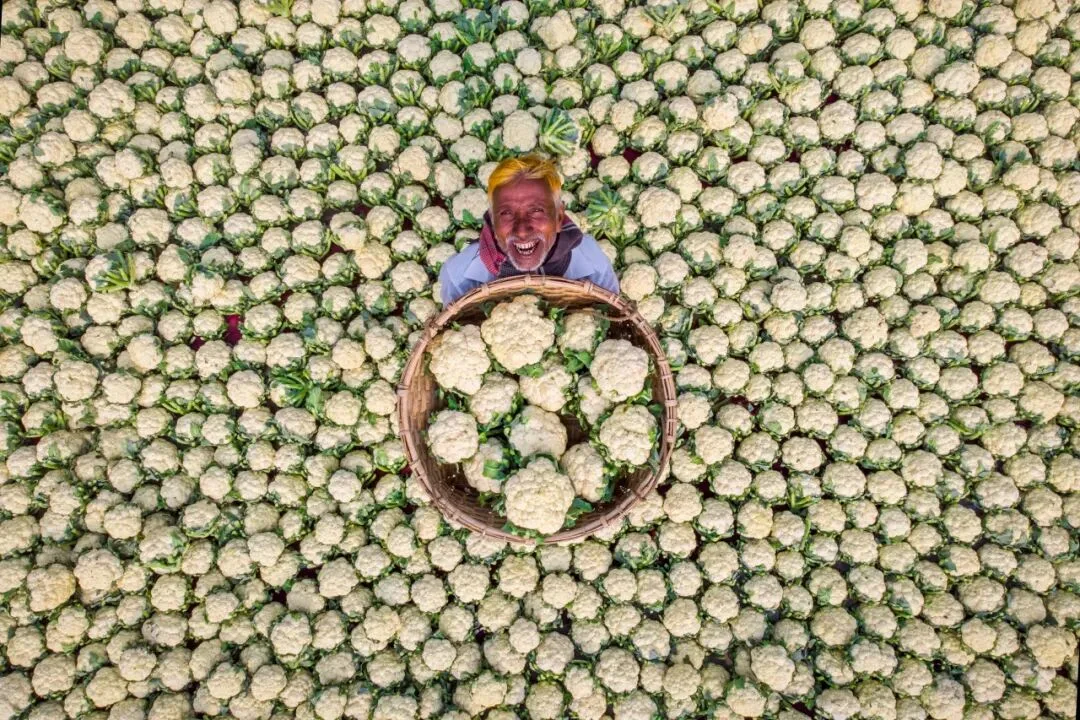
Second Prize
Rafid007
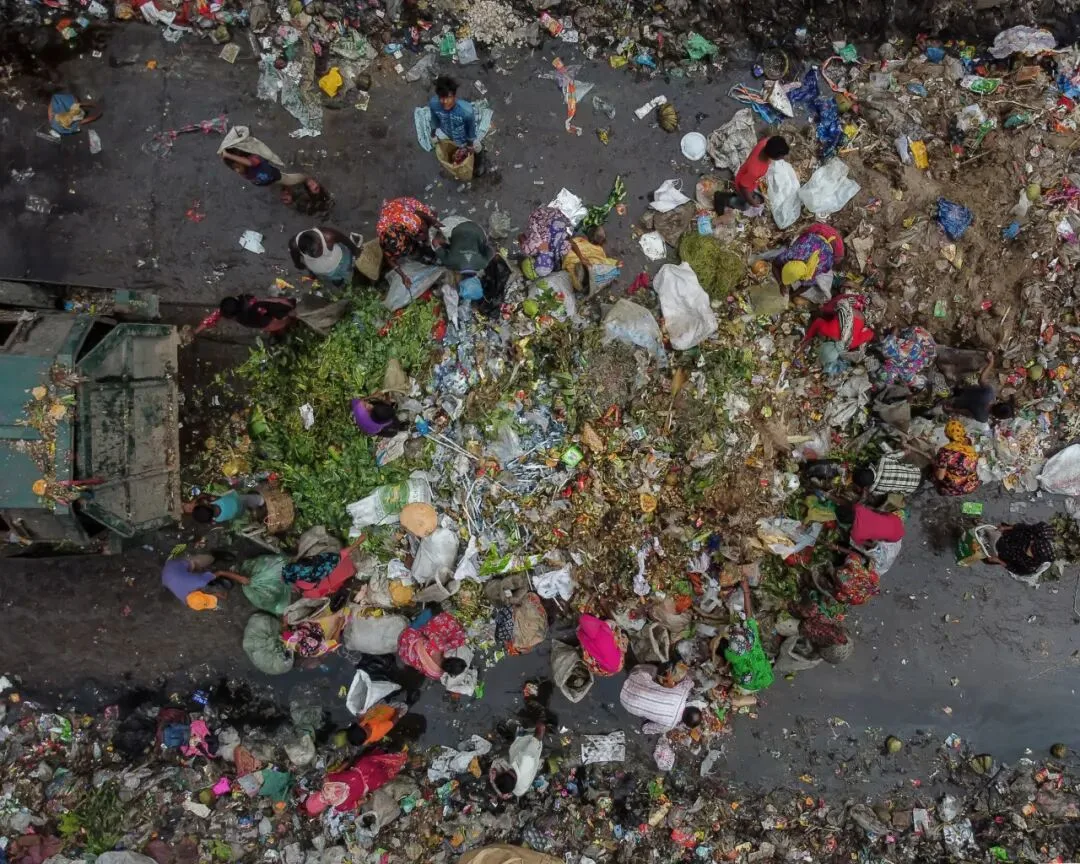
Second Prize
amdadhossain
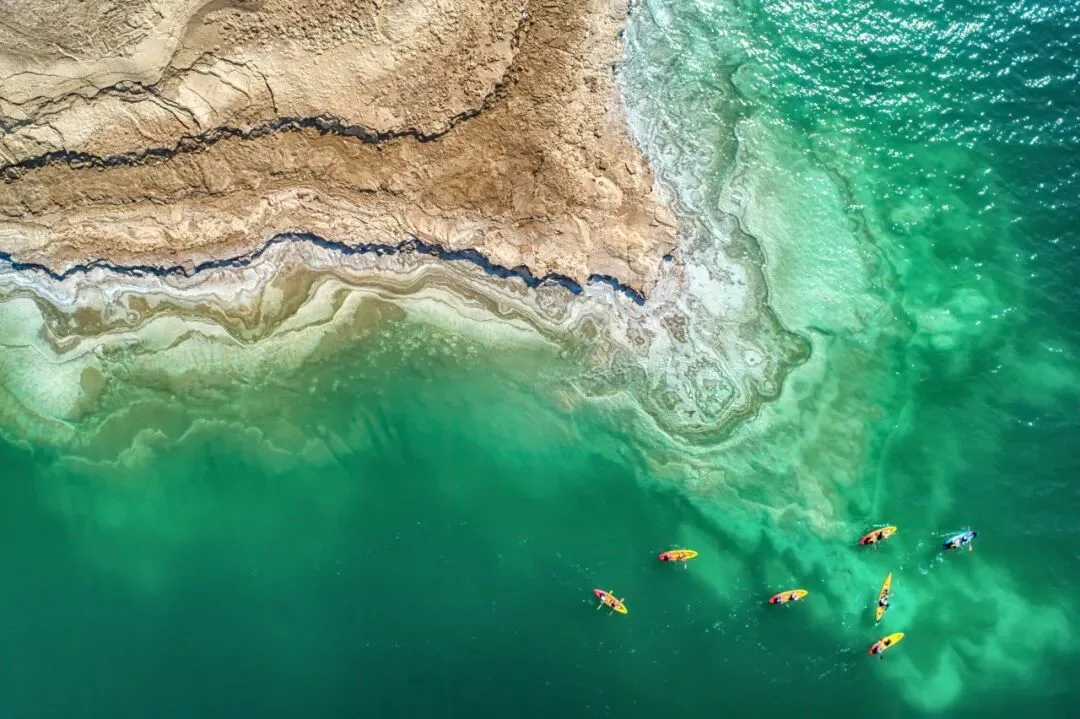
Second Prize
Ido meirovich
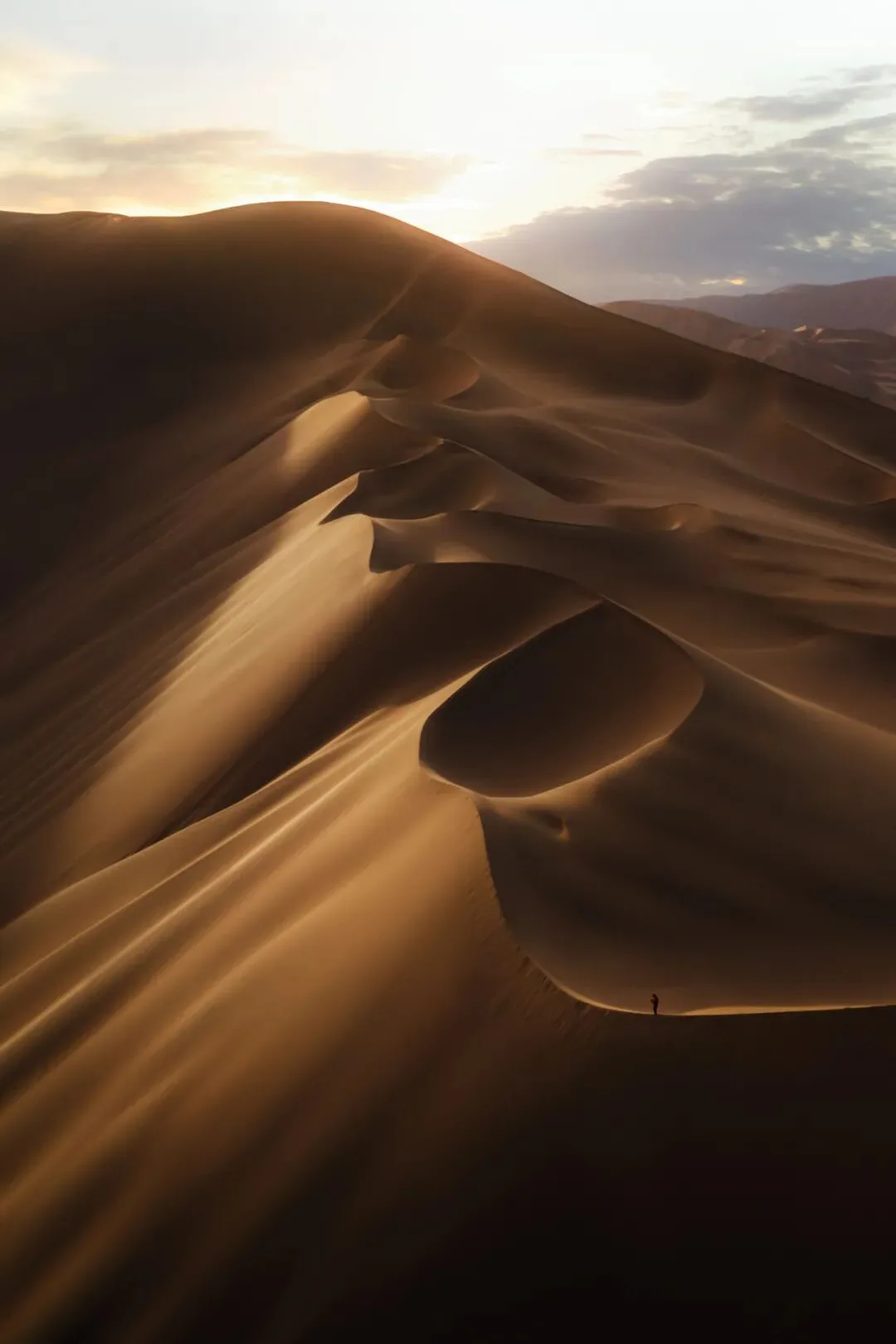
Third Prize
Jing Yan (静言)
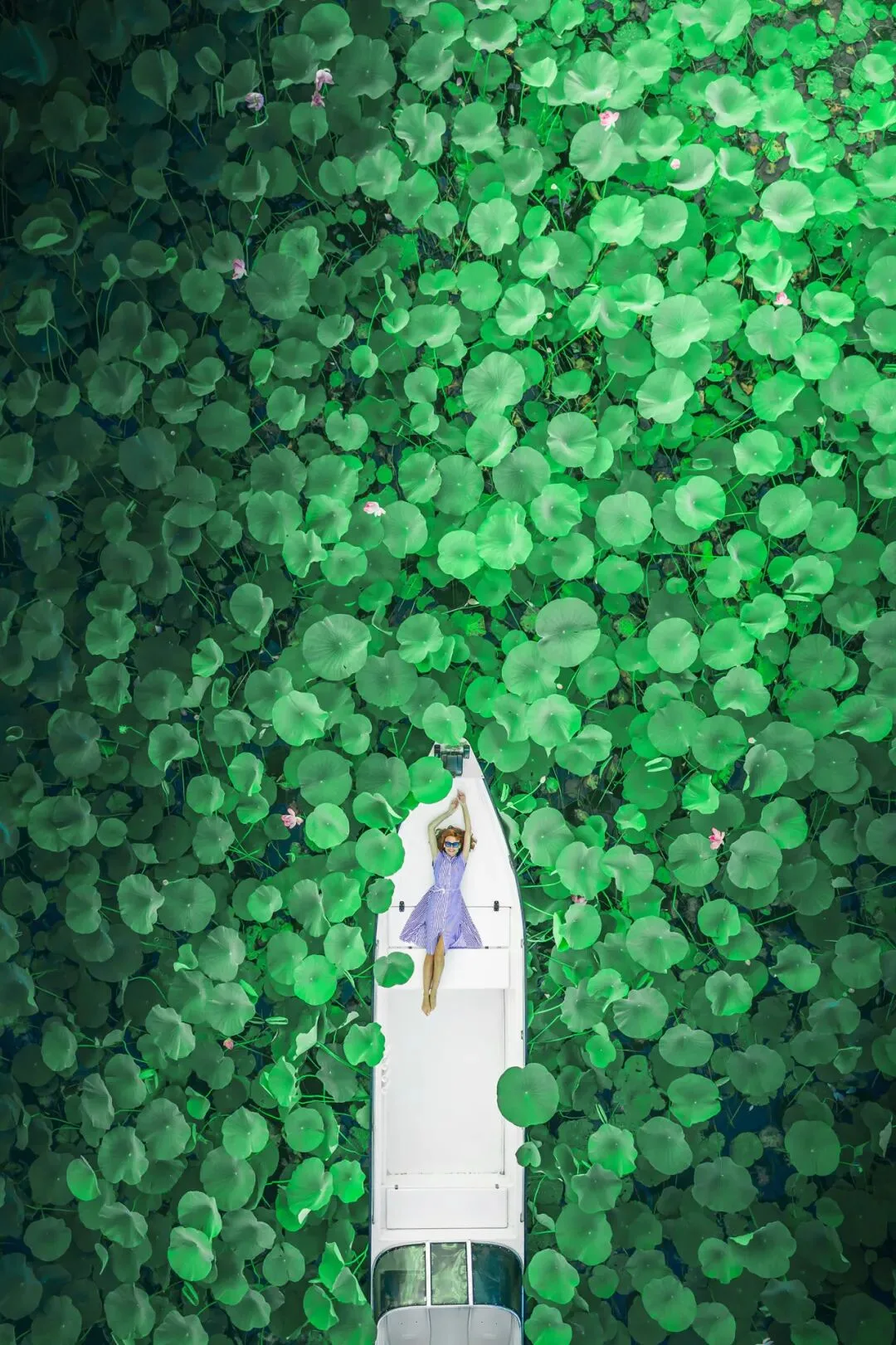
Third Prize
Adrei Puhach
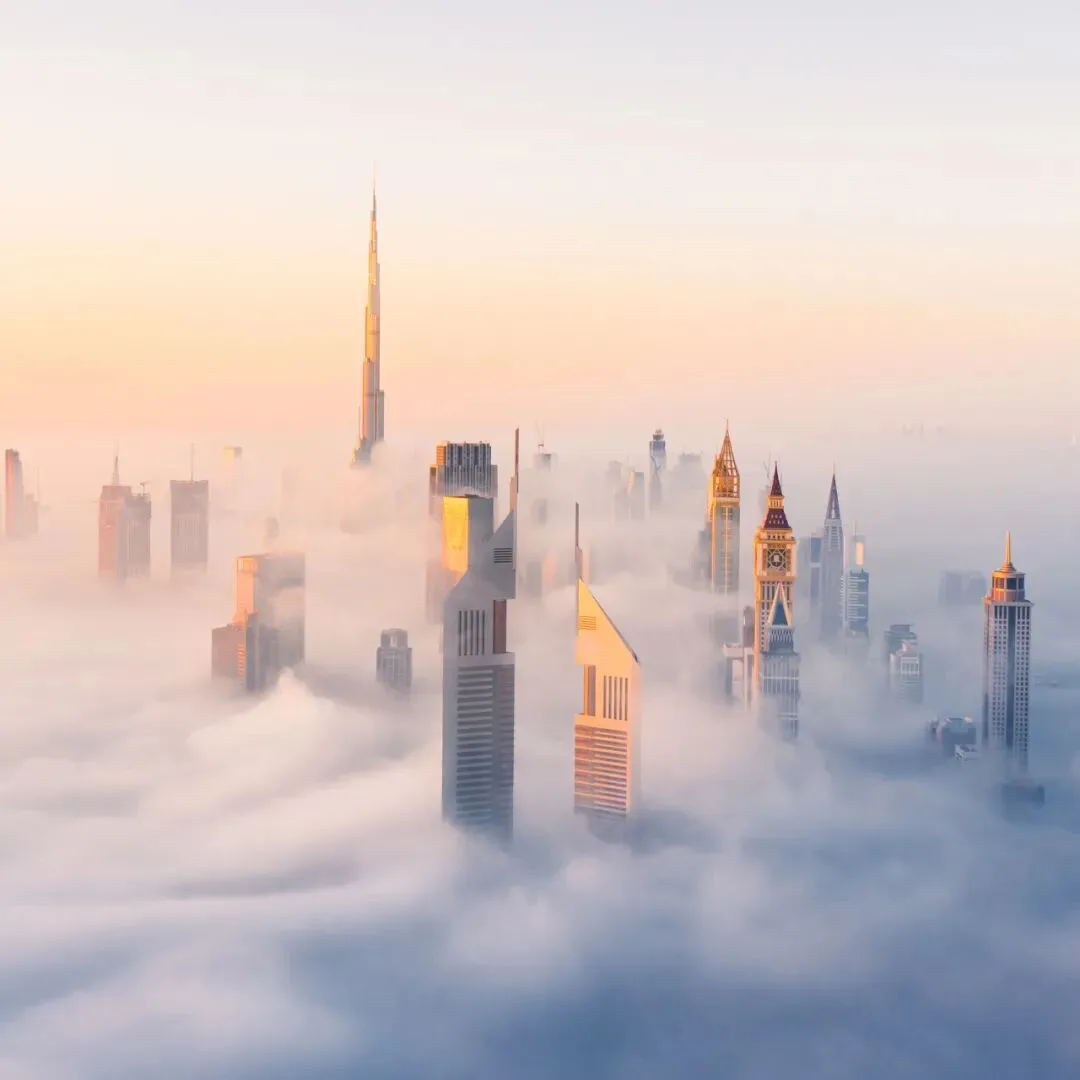
Third Prize
Hugo Healy
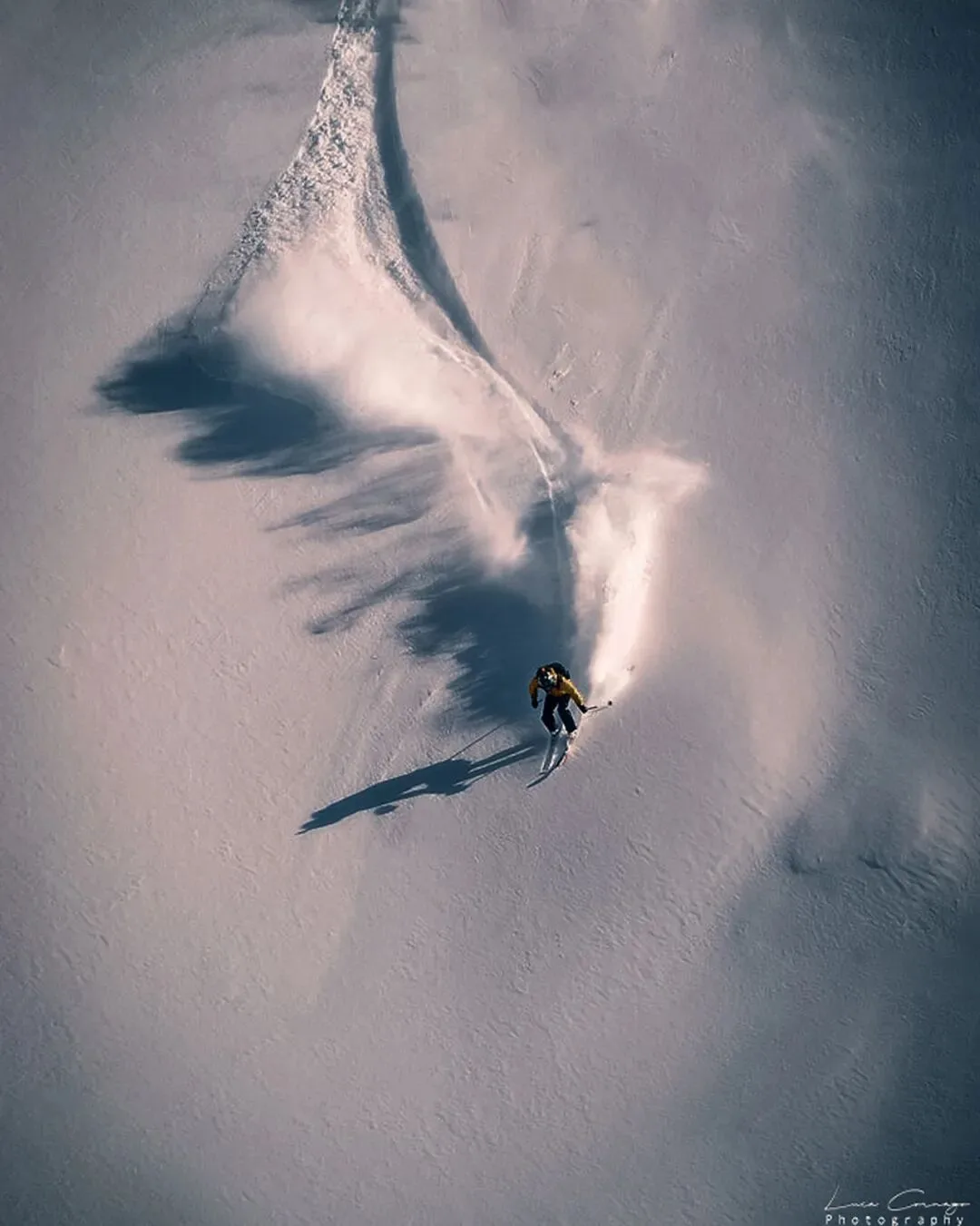
Third Prize
Luca Cornago
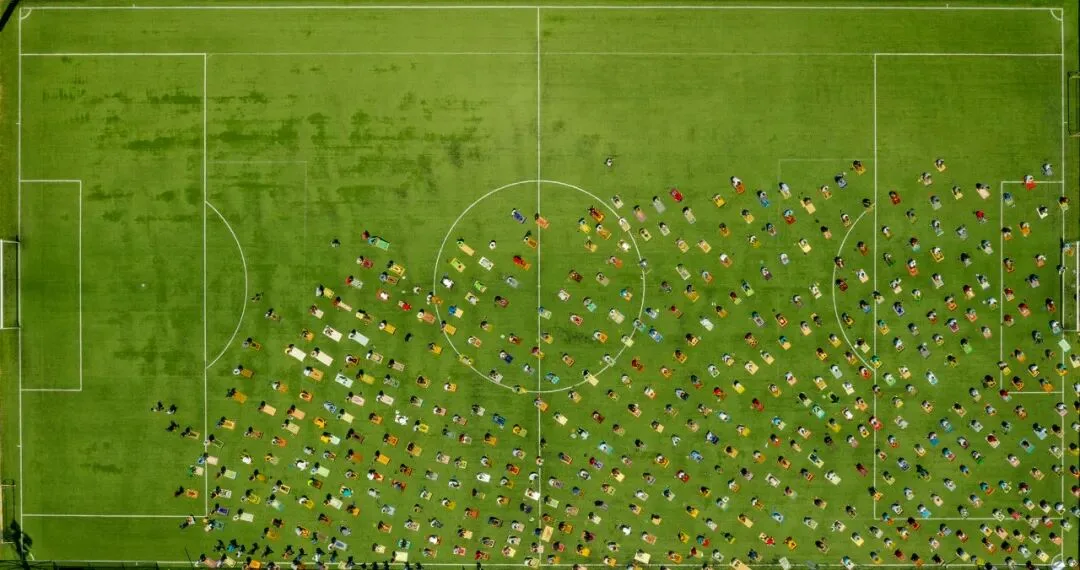
Third Prize
mehmetaslan
Related recommendations:
"Why Did These Photos Win the 2018 National Geographic Photography Awards?"
"International Photography Awards 2019 Winners Announced — These Winning Works Are All Amazing!"
"A Visual Feast: The 101 Most Beautiful Nature Landscape Photos of 2018"
"These Landscape Photos Are So Stunning! Appreciating the Gorgeous 2019 Nature Landscape Photography Contest Winning Works"
"Can Phones Produce Masterpieces Too? See How These One-in-Ten-Thousand Photos Were Shot (HUAWEI Next Image 2019)"
"These Panoramic Stitches Are So Spectacular! 2019 Pano Awards"
"2020 IPA Photography Awards Announced — These Winning Works Are All So Powerful!"
"How to Shoot Panoramic Photos That Look Great? The Most Visually Impactful Panoramic Photos of 2020 Are All Here!"
"The Most Beautiful Landscape Photos of 2020 — This Contest's Winning Works Are Too Stunning!"