Photography Tutorial · 2023-03-05
How Can Photography Series Be Shot? Appreciation of the 2023 Sony World Photography Awards Winning Works (Professional Category)
In today's photography tutorial, Thomas will study and appreciate this year's Sony World Photography Awards Professional category winning works with everyone.
Actually, the only difference between the Professional category and the Open category is that the Professional category requires a series of 6-10 images, while the Open category accepts single images.
So what's the difference between a series and a single image? What do excellent photography series look like? Today's tutorial happens to use the appreciation of the winning works to discuss this with everyone.
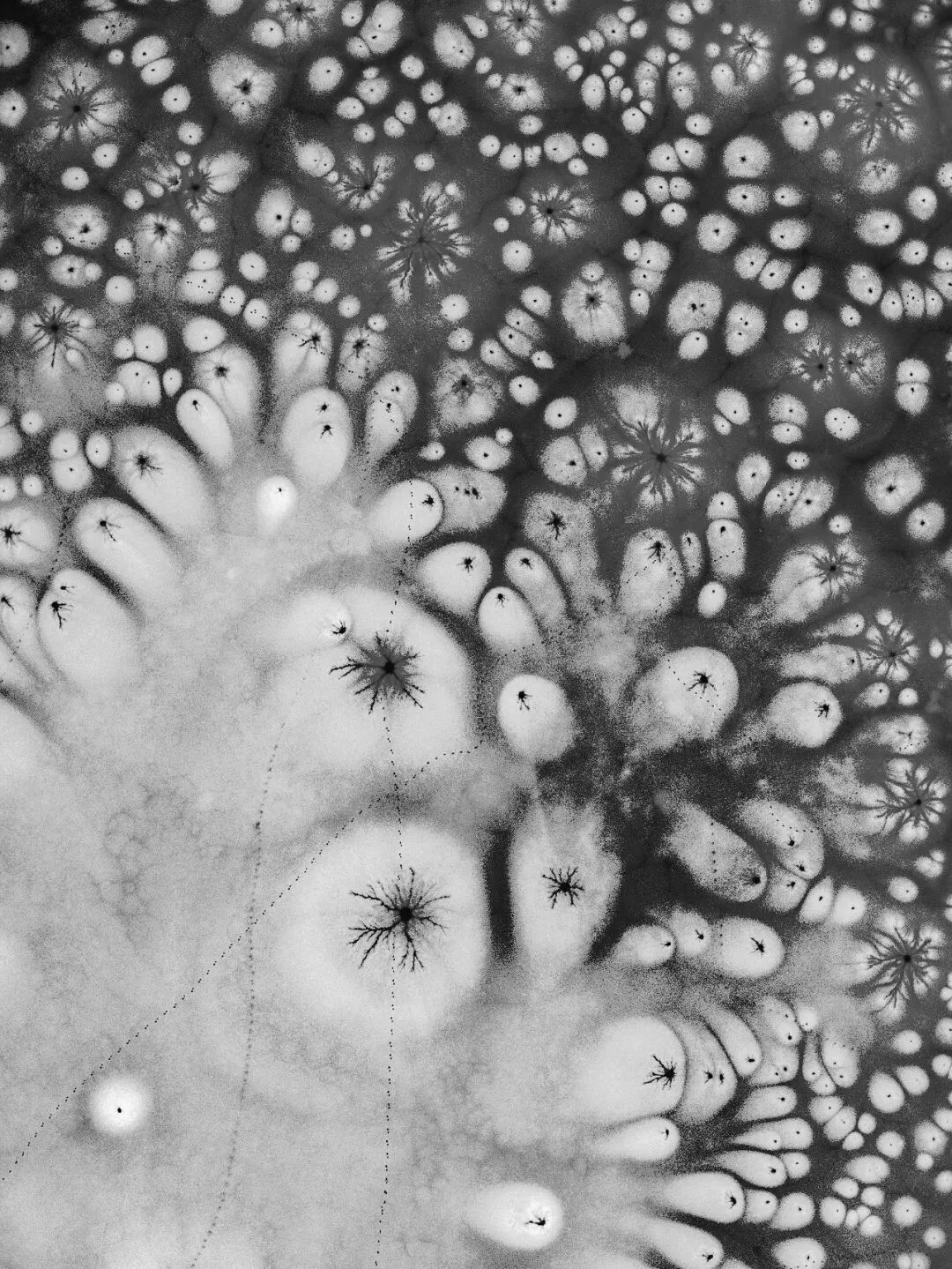
Video
▶ Watch the video tutorial on Bilibili
This is the illustrated companion to the video above. As the 2023 Sony World Photography Awards shortlist was announced, Thomas reviews several of his favorite professional-category series and uses them to unpack the craft of the photo essay: how a series differs from a single image, and how strong series choose their subject, shoot it, and edit it. Keyframe screenshots from the video — including the title cards with each series name and author — accompany the text.

First, a common misconception: the Sony World Photography Awards splits into Professional and Open categories, but that does not mean only professionals enter the Professional section, nor that its photos are inherently "more professional". The sole difference is that the Professional section requires a series — generally 6 to 10 images — while the Open section is single images (at 0:17-0:47 in the video). The card at 0:19 above says exactly that.
01 Series vs Single: Short Poems and Long Novels
Single-image photography is what most of us hobbyists live in, and Thomas likens it to the short poem in literature: with just one frame, visual impact is paramount, and the story, creativity, ideas and atmosphere must all live inside that one picture (at 1:02-1:25 in the video). A series of ten or even thirty photos, on the other hand, is a novel, a long essay — and the judging criteria shift accordingly (at 1:30-1:43 in the video).
The first gate of a series is the most overlooked question: what to shoot. What story does this body of work tell, what issue does it care about — much of this year's shortlist won on subject choice alone. Second is how to shoot it, presenting the theme; third is how to edit and present: which image opens the series, whether the order follows a narrative, and how you pick ten keepers from a project of tens of thousands of frames — these mark the biggest differences from single-image work (at 1:45-2:39 in the video). With these three yardsticks, let us look at the work.
02 Architecture: a Typology of Livestock Sheds
The first series, "Stal - Vernacular Animal Sheds" (Servaas Van Belle, Architecture & Design Finalist), photographs the sheds that farm animals live in (from 2:44 in the video). Like the German photographer shared the previous week, it uses a typological approach: the same viewpoint, the same foggy weather, the same restrained grading (at 3:03-3:16 in the video).
What makes it work? A unified structure and theme, yet rich variation from frame to frame (at 3:27-3:35 in the video). The selected sheds are each distinct: one has a tree growing straight out of it; one was originally a house, later extended into an odd hybrid; one is just four steel posts with a rain roof, housing livestock; others range from a more modern tin-and-plank build to traditional brick (at 3:38-4:11 in the video) — wildly varied forms, all carrying a sense of history and age.
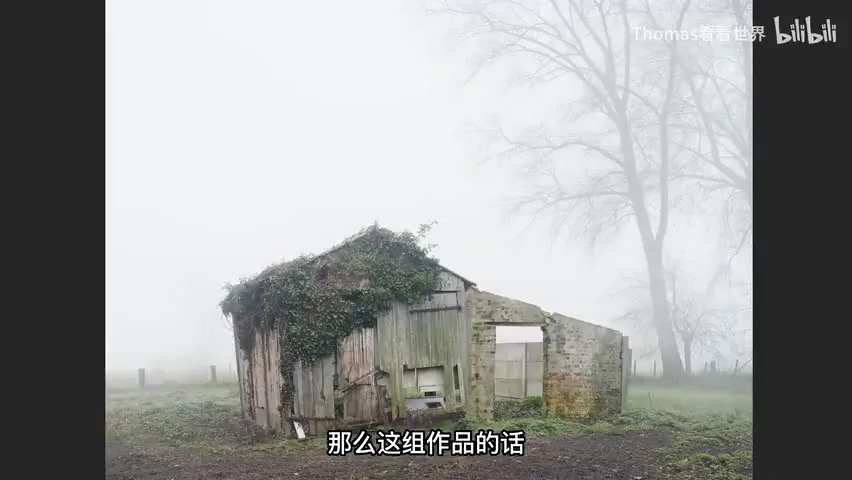
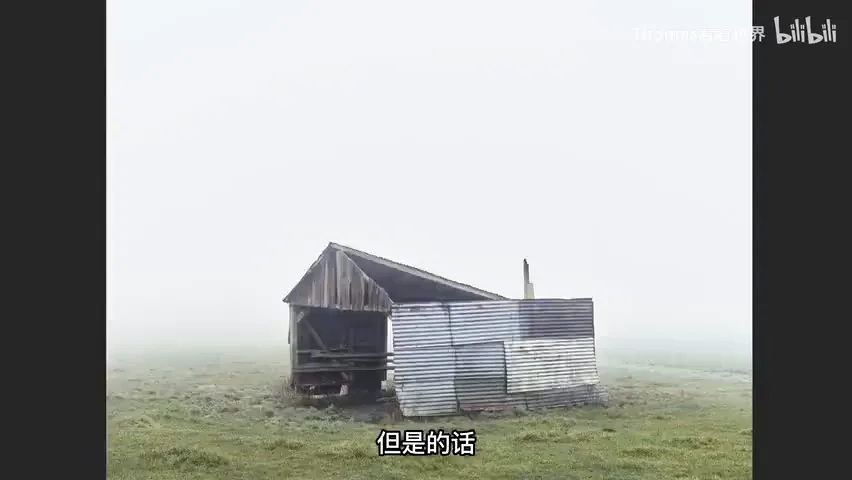
The subject turns our eyes to things daily life overlooks, then delivers them as a body of work (at 4:12-4:21 in the video). Here Thomas spells out the charm of the series format: enter any single frame alone and winning would be nearly impossible — one image says too little and shocks too gently; seen as a whole group, the impact lands instantly (at 4:22-4:40 in the video).
03 Wildlife: a Million Fireflies and Beasts of the City
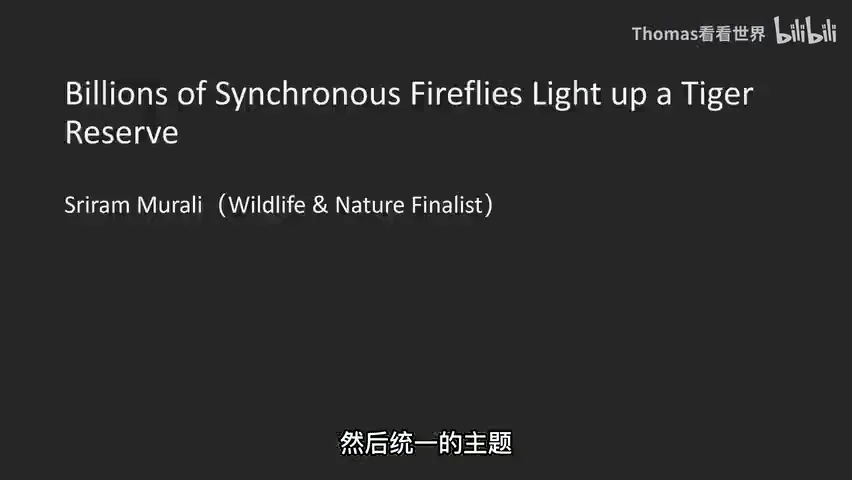
The second series, "Billions of Synchronous Fireflies Light up a Tiger Reserve" (Sriram Murali, Wildlife & Nature Finalist), photographs fireflies in a forest — by the author's count, as many as a million of them (at 4:43-5:02 in the video). Stacking in post combines the dense swarms into one spectacular visual (at 5:05-5:15 in the video; the screenshots around 5:32 above show the stacked ribbons of light).
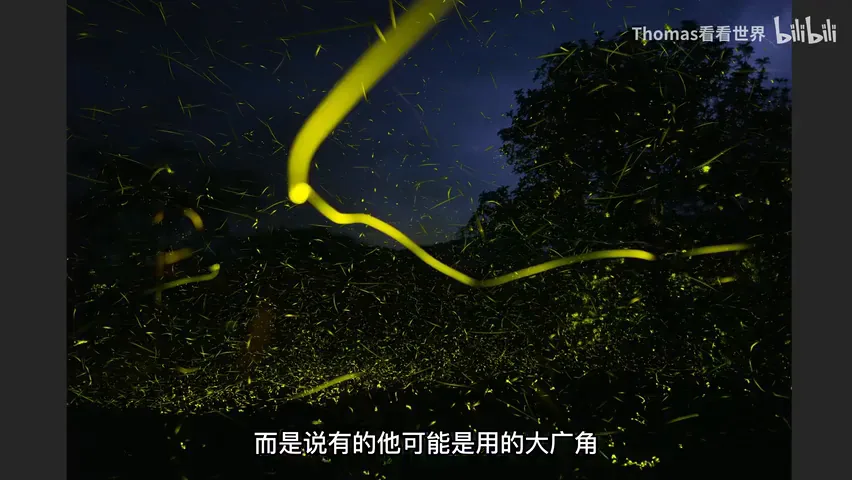
Its editing is a textbook too: not one uniform viewpoint, but wide angles to set the scene, close details to show the fireflies' motion, and a view out of a forest-cabin window framing the glow (at 5:17-5:39 in the video). Thomas has seen plenty of firefly photos, but as a series presented at this density, it truly conveys the force of nature.
The third series shines even brighter in theme. "Cities Gone Wild" (Corey Arnold, Wildlife & Nature Finalist) explores how, as human cities keep expanding, some animals gradually weave themselves into urban life (at 5:50-6:24 in the video). The photos show how grizzlies, cubs and coyotes carve out their own niches among skyscrapers — even using humans directly to get food, their habits rewired (at 6:25-6:46 in the video). Wildlife is not confined to the wild; cities hide remarkable animal lives too (at 6:49-6:58 in the video). The screenshot around 6:44 above — a resident in a face mask holding a raccoon — is exactly that change in portrait.

04 Landscape: Ice from a Paramotor, Sudan under Water
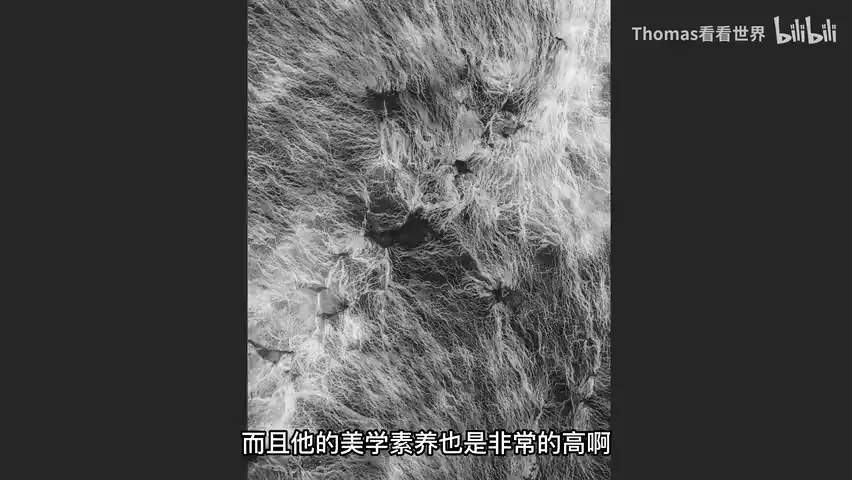
The first Landscape series, "Event Horizon" (Kacper Kowalski, Landscape Finalist), photographs textures on ice — frost, meltwater and the ice sheet crossing into unique structures (at 7:00-7:11 in the video). He does not use a drone but rides a powered paramotor, shooting with a camera at medium-telephoto angles (at 7:13-7:24 in the video), producing images that are highly abstract yet strikingly forceful — fresh to the eye and evidence of superb aesthetics, exquisitely refined (at 7:27-7:41 in the video). The series again proves the point: a group reads more powerfully than a single frame, and its theme cuts through (at 7:43-7:50 in the video).

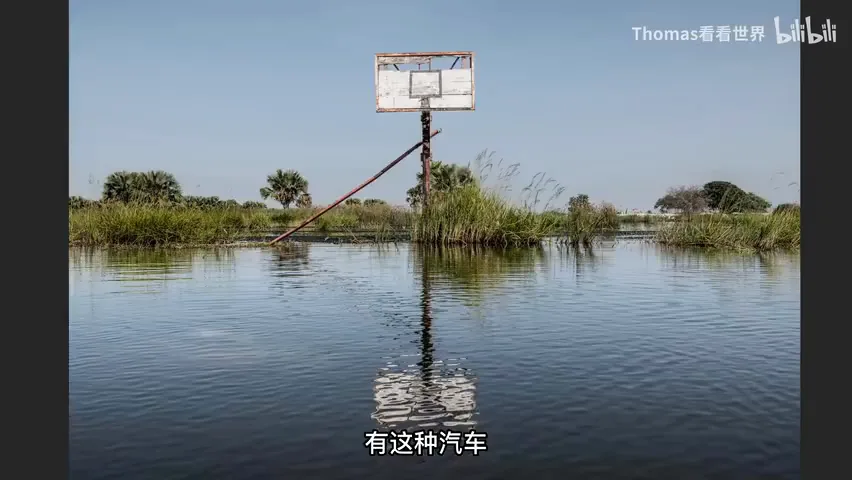
The second Landscape series, "Loss and Damage" (Fabio Bucciarelli, Landscape Finalist), takes another road: using landscape photography to engage a social issue — the floods in South Sudan (at 7:52-8:04 in the video). After the waters rose, all kinds of submerged scenes entered the frame: abandoned factory buildings, cars, a school's basketball hoop (at 8:05-8:15 in the video; the screenshot around 8:11 above shows the hoop standing in water). Through these flooded landscapes the author shows the butterfly effect of global warming playing out in Africa (at 8:21-8:27 in the video). Landscape photography can carry very serious questions — and that subject choice is precisely what gave this series its edge toward the final awards (at 8:32-8:43 in the video).
05 Still Life, Reinvented: Hanging Trees and Tower Cranes
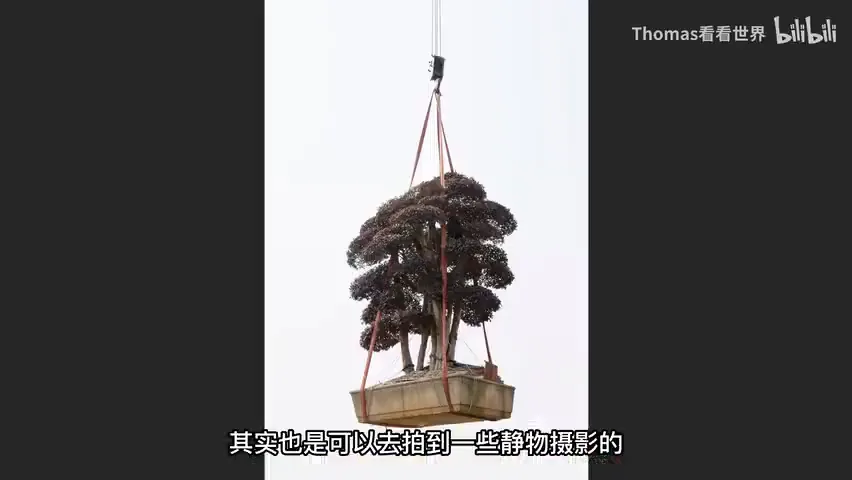
The last group comes from Still Life. Mention still life and we picture arranged flowers, props and plates — one quick search on Bing, Thomas notes, fills the screen with exactly that (at 8:58-9:06 in the video). But "The Sky Garden" (Kechun Zhang, Still Life Finalist) proves still life can be made outdoors in the city (at 9:06-9:14 in the video): the photographer focuses on bonsai and nursery trees hoisted for transport at flower-bird and decoration markets, shooting deliberately on overcast days so the sky becomes a sheet of white cardboard isolating an impeccably clean subject (at 9:16-9:38 in the video). One frame with leaves whirling down in mid-air is pure poetry (at 9:42-9:46 in the video). Placed among studio-lit still lifes, this series detaches itself at once (at 9:56-10:00 in the video).
Interestingly, another series with an almost identical device also made the shortlist — "Temporary Artworks" (Klaus Lenzen, Still Life Shortlist, roughly the top ten; the previous group ranked in the category's top three). This photographer turned his eye to the construction sites every city has: tower cranes hoisting rebar and structural members (at 10:18-10:31 in the video). Sites usually read as pure clutter, yet through shooting, observing, and some post-processing, the results feel genuinely artistic — lending artistry to fleeting things in a messy environment, which is deeply instructive (at 10:33-10:54 in the video).
With the two side by side, the comparison writes itself. Thomas judges "The Sky Garden" the stronger: crane-lifted rebar is commonplace in every city, while hoisted potted trees are rare in real life — possibly photographable only in Asia (at 11:19-11:37 in the video). And what hangs there is not concrete and steel but living plants that belong elsewhere, being ferried somewhere new — leaving far more room for the viewer's association and reflection (at 11:39-11:58 in the video). In both presentation and angle of observation, the earlier series wins (at 12:01-12:07 in the video). Photography contests are full of such delights: how series are put together, how photographers observe — and the standing question of why we never think to shoot the scenes we pass every day (at 12:08-12:35 in the video).
1. The Professional and Open sections of the Sony World Photography Awards differ only in series (6-10 images) versus single images; a series is a long novel, judged on what to shoot, how to shoot it, and how to edit and present. 2. Typology — same viewpoint, same weather, same grading — is a classic series solution; the "Stal" sheds show the power of unity with variation. 3. Subject choice sets the ceiling: "Cities Gone Wild" and "Loss and Damage" answer serious issues with photography. 4. Break category thinking: "Event Horizon" shoots abstract ice from a paramotor, "The Sky Garden" finds clean subjects in hoisted street trees under overcast skies — do the unexpected within a genre and you rise above the pile.
HD video:
https://www.bilibili.com/video/BV18M4y1d7Bp/