Photography Tutorial · 2025-03-09
A Flare-Covered "Reject" Won an Award? Reviewing the 2025 Sony World Photography Awards!
Can a "technical reject" covered in lens flare really win an award?
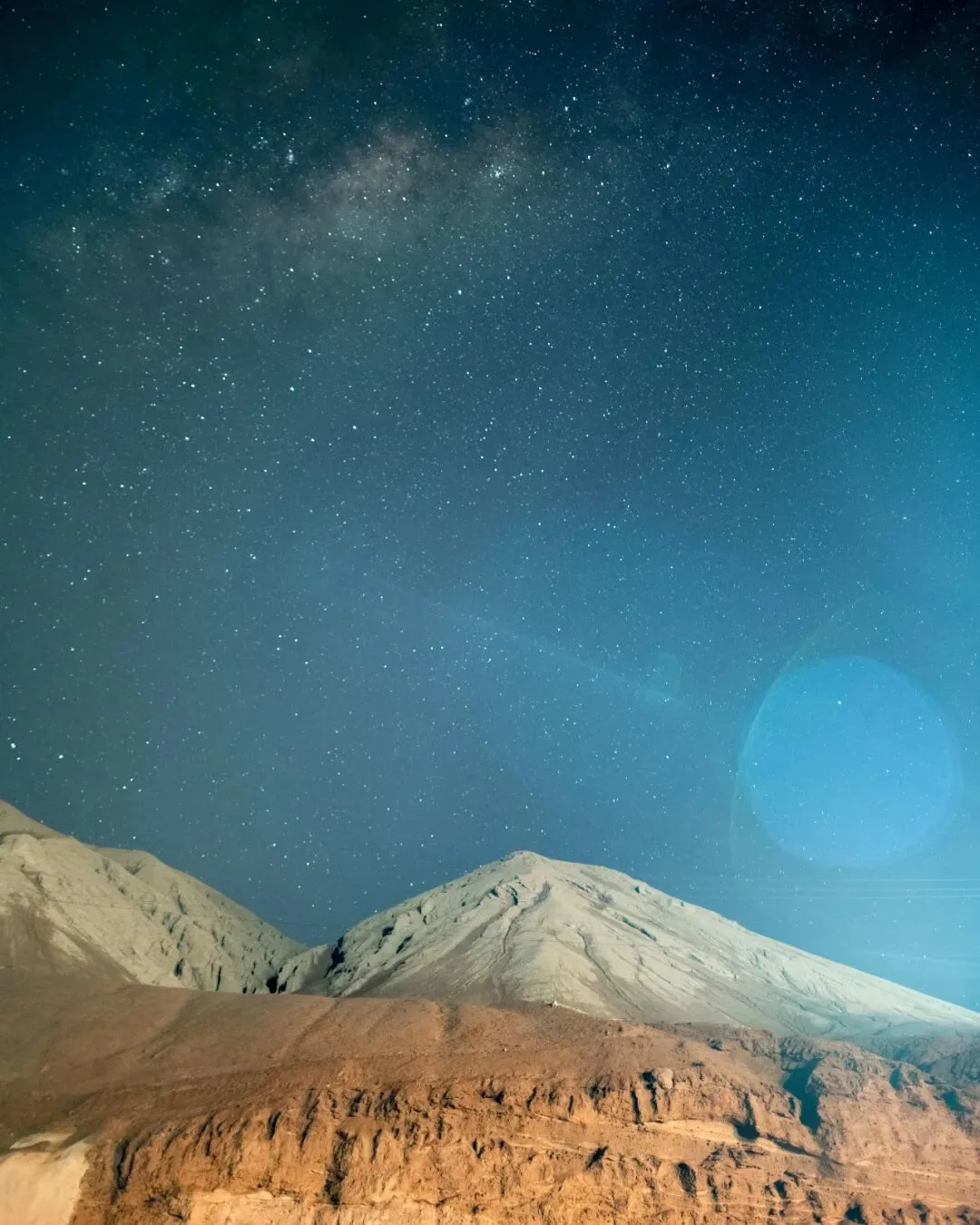
Can a photo that makes no sense win an award?
Can a photo with unremarkable visual impact win an award?
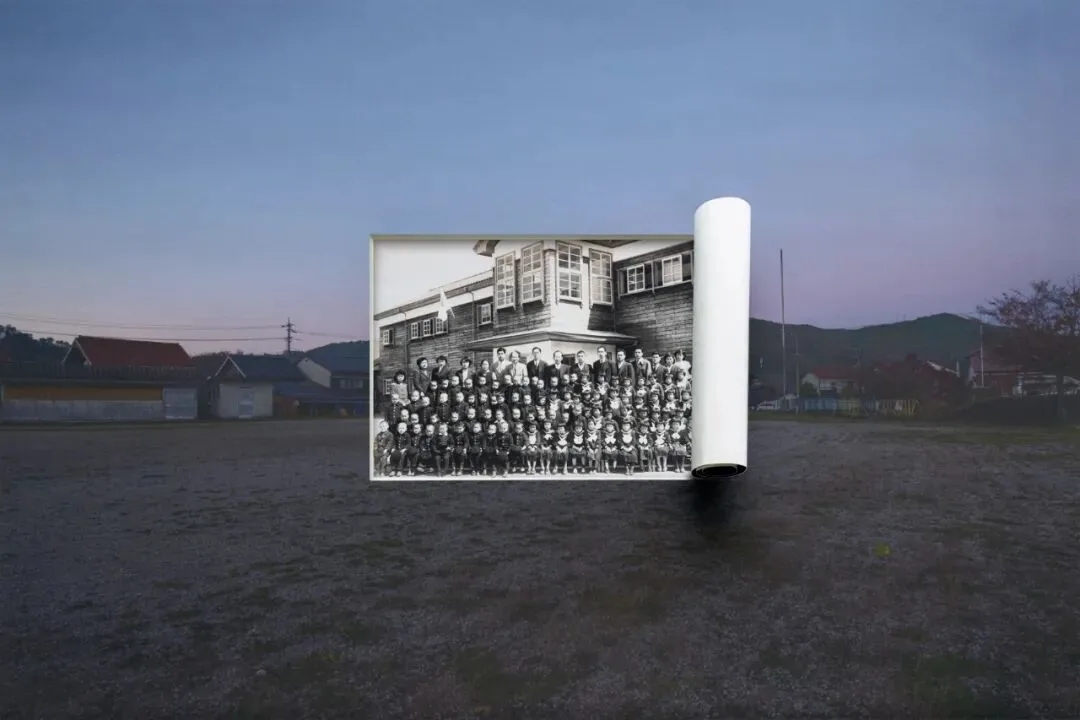
In today's photography tutorial, Thomas reviews selected shortlisted works from the Landscape category of the 2025 Sony World Photography Awards, which should answer all these questions!
Video
▶ Watch the video tutorial on Bilibili
This is the illustrated companion to the video above. When the 2025 Sony World Photography Awards shortlist came out, many viewers' first reaction was "I don't get it" or even "that's it?" — flare-wrecked technical failures and foggy suburbs making the cut? Thomas walks through several finalist and nominated series in the landscape category: why they won, and how landscape photography can engage with social issues.
Start with the overview: this slide from 0:55 in the video shows that the Sony World Awards' landscape category prizes the exploration of social, environmental and philosophical issues, plus fresh modes of presentation — the key to understanding every nominated work this year.

01 A Japanese Artist's Tear-Open Scroll of Time
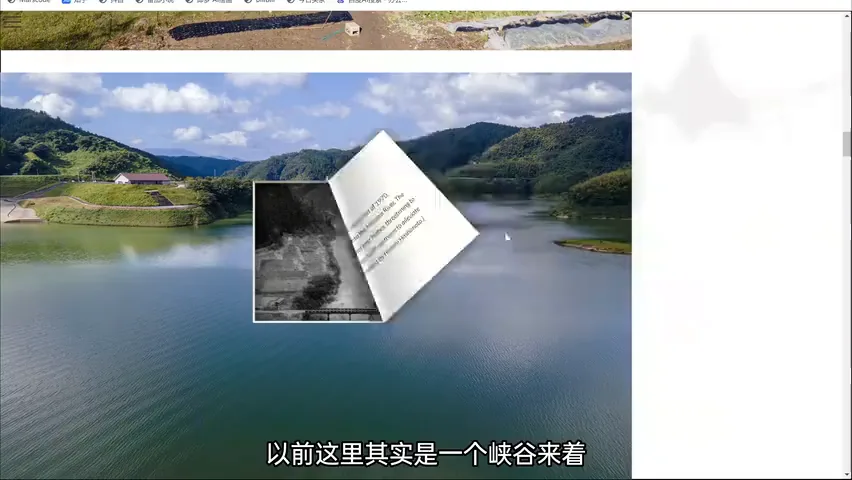
The first finalist series comes from a Japanese photographer (at 1:04-1:13 in the video). Thomas had the Doubao browser assistant translate the statement on the spot: the project overlays archival photographs from the 1940s-1960s onto present-day pictures of the exact same locations, a collage that makes the transformation of one place across time immediately visible, and asks viewers to weigh what national development means — its gains and its costs, with pollution, land and population woven into the frames (at 1:23-1:56 in the video).
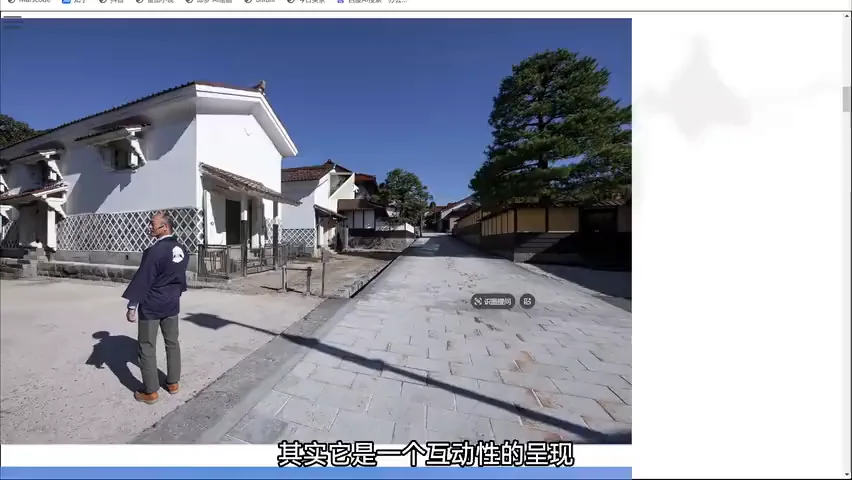
On the photographer's own website the project becomes fully interactive: you can tear a photograph open with your mouse to reveal the archival print beneath; the two eras of the same street are matched in perspective; and every image carries a caption explaining its context (at 2:05-2:25 in the video). Take the steel town at 2:31: once bustling, hollowed out as the steel industry declined, converted into a tourism destination by the town's leading family — and still losing people.
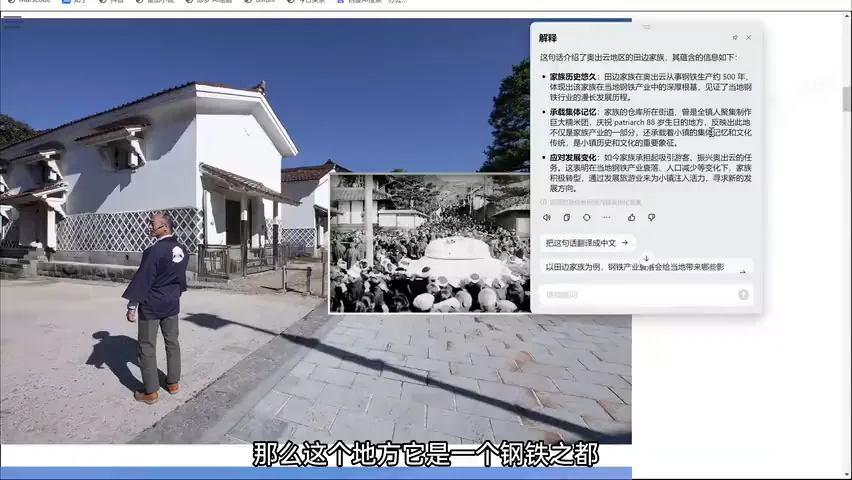
More contrasts are just as direct: a landscape once mined is now covered in trees; a gorge has become a reservoir; the bank mid-river was artificially filled (at 2:46-3:15 in the video). What carried this series into the landscape category's three final slots is exactly its social inquiry and its tear-open scroll presentation — since an interactive website can't be submitted, the author turned each spread into a fold-out panorama (at 3:15-3:48 in the video).
02 Brazil's Rain and Fire
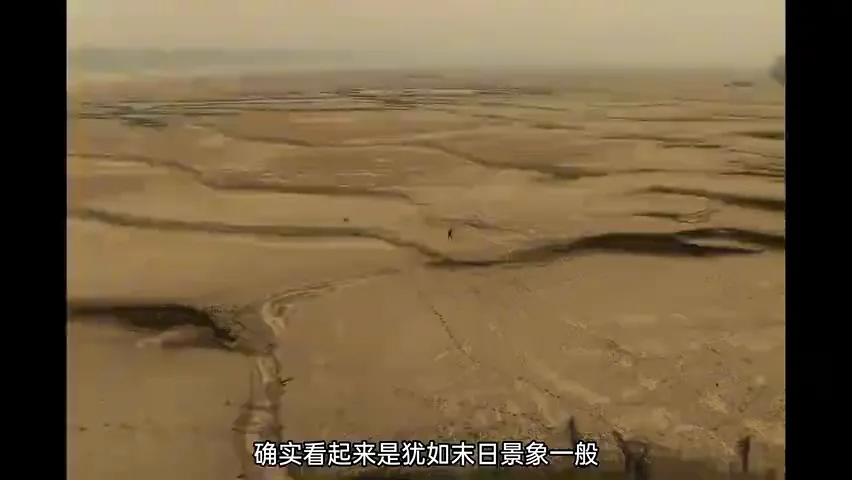
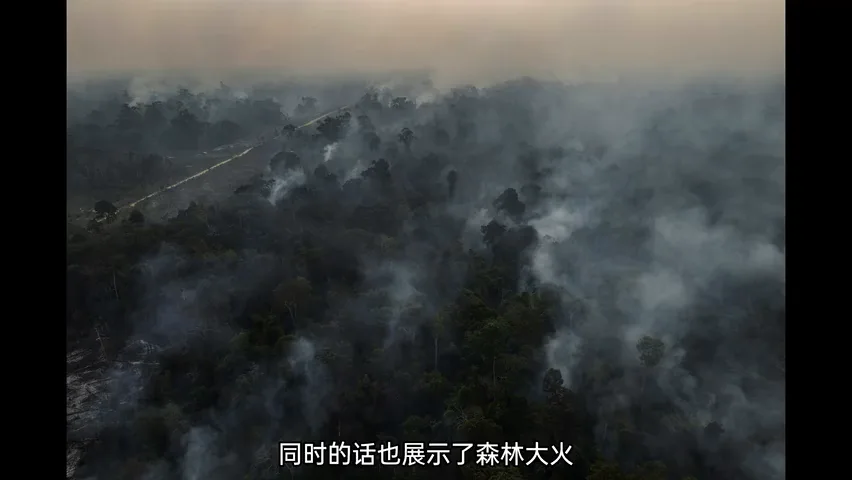
The second finalist series confronts an ecosystem in crisis (at 3:48-3:56 in the video). Many frames genuinely look apocalyptic: the drought of the Amazon rainforest, extraction and logging, and wildfire all appear (at 3:56-4:11 in the video). Once again the work uses aerial photography to probe social and environmental questions — which, honestly, fits the logic of photo contests perfectly (at 4:11-4:25 in the video).
03 The Broken American Suburbs
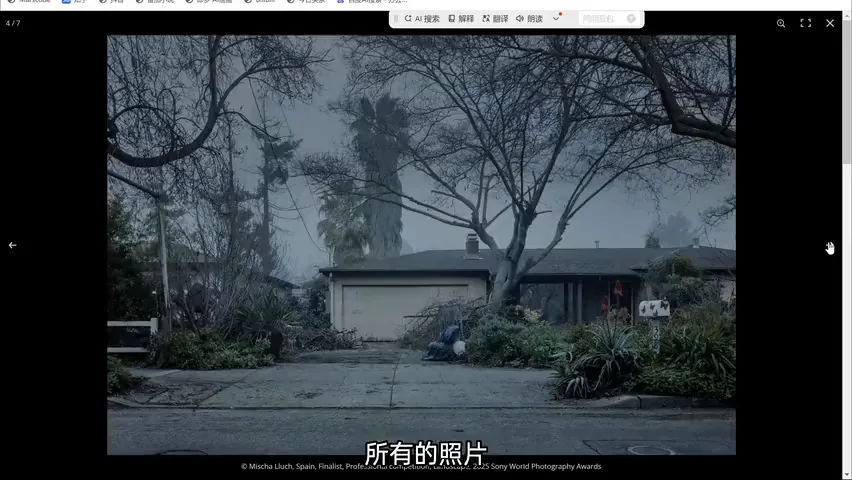
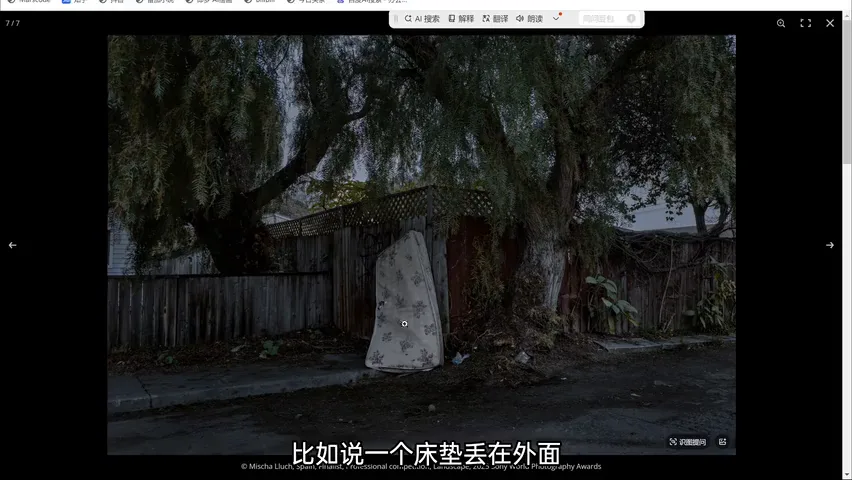
The next project documents the decaying American suburbs — a far cry from the hyper-developed country most people imagine (at 4:25-4:40 in the video). The presentation is distinctive too: the frames feel cinematic, drenched in desolate, run-down tones, while each image captures a different telling detail of suburban houses (at 4:40-4:59 in the video). A mattress dumped outdoors, growing into symbiosis with a tree — such imagination-provoking details are one key to why this series was awarded (at 4:59-5:06 in the video).
04 When Starry Skies Meet Light Pollution
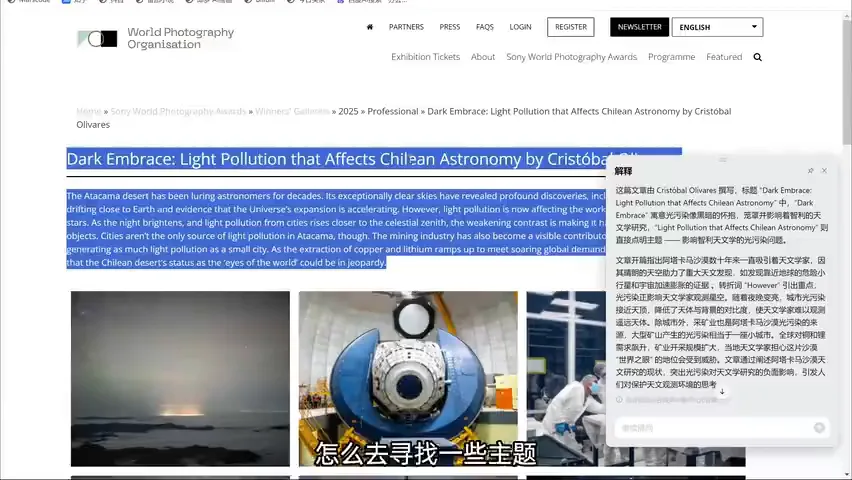
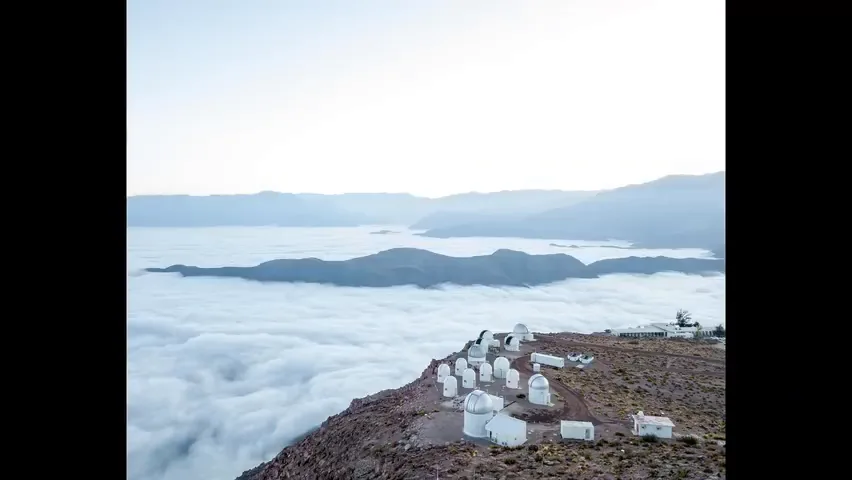
The environment category offers more inspiration — how does a landscape photographer find a theme? Starry skies, for instance, are photographed by everyone; this photographer pointed the lens at light pollution instead (at 5:17-5:30 in the video). Doubao's summary is rigorous: the series explores a desert that was once home to an observatory and a hub of astronomical research, now facing encroaching light pollution (at 5:31-5:48 in the video). The series holds observatory research scenes alongside light-pollution glows beyond a sea of clouds and star fields eaten by skyglow — and the pollution's sources include not only urban growth but mining, which deepens the theme (at 5:48-6:07 in the video).
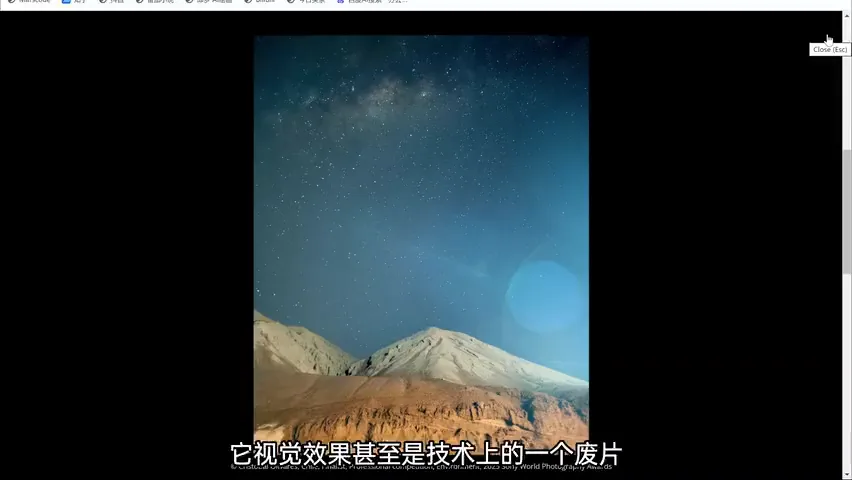
The cleverest frame comes at 6:08: shooting stars when a nearby streetlight or strong light blasts straight into the lens produces flare — the kind of photo most of us would delete on sight. This photographer put it into the series on purpose: an image degraded by light pollution and flare fits the theme flawlessly (at 6:08-6:40 in the video). A frame can be a visual, even technical, failure — deployed in the right theme at the right moment, it becomes an excellent work.
05 A Chinese Photographer's Old-Meets-New
Chinese photographer Lei Yuting's work was also nominated in the architecture category this year (at 6:52-7:01 in the video). Its theme is a familiar one — urban development: old buildings set against new, with a highly unified visual language that works beautifully; and its engagement with social issues is exactly what carried it into the nominations (at 7:01-7:21 in the video). The full list of winners and nominees is worth browsing on the Sony World Photography Awards website (at 7:21-7:28 in the video).
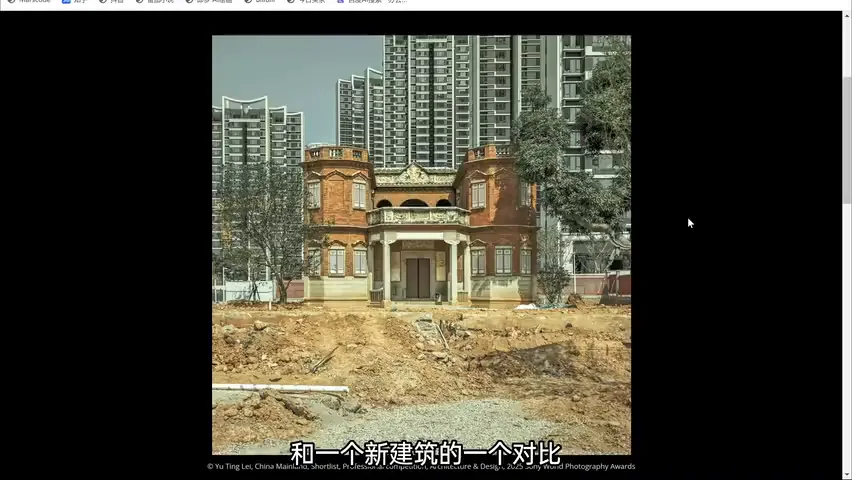
What do you make of photos that excel in social inquiry but not in visual spectacle? Thomas's own stance: learn from the strengths of every genre — how to make our landscape photographs more meaningful, how to let them interact with social issues, is exactly what landscape shooters chasing social-media traffic should study and reflect on (at 7:28-7:59 in the video).
1. The landscape category's keywords: social, environmental and philosophical inquiry, delivered through fresh presentation; 2. The statement is more than photos — tear-open scrolls, perspective-matched then-and-now collages and logically sequenced series are all part of the work; 3. Don't rush to delete your "failures": flare and light pollution, placed inside the right theme, become the most fitting language; 4. Teaching landscape photography to converse with social issues is the most valuable lesson these contests offer.