Photography Tutorial · 2023-09-11
Deep Shoot in Iceland, Norway & the Faroes: Can the Sony A7CR Anchor Landscape Work?
After 50 days of deep outdoor shooting in Northern Europe, why did I decide to make the Sony A7CR my main camera for future landscape work?
In today's video, alongside the beautiful scenery of Iceland, Norway and the Faroe Islands, I'll share hands-on experience with the A7CR and the 16-35mm GM II lens, plus a comparison between the A7CR and the Sony A7R V.
Video
▶ Watch the video tutorial on Bilibili
This is the illustrated companion to the video above. Thomas just spent 50-plus days hiking and shooting across the Faroe Islands, Iceland and Norway, testing the Sony A7CR with the 16-35 GM II every day from dawn to dusk. This piece turns that field experience into text: what the weight saving really buys you, the hidden advantages of a compact body, how the 61MP sensor and AI autofocus perform, and which compromises you should know about in advance.
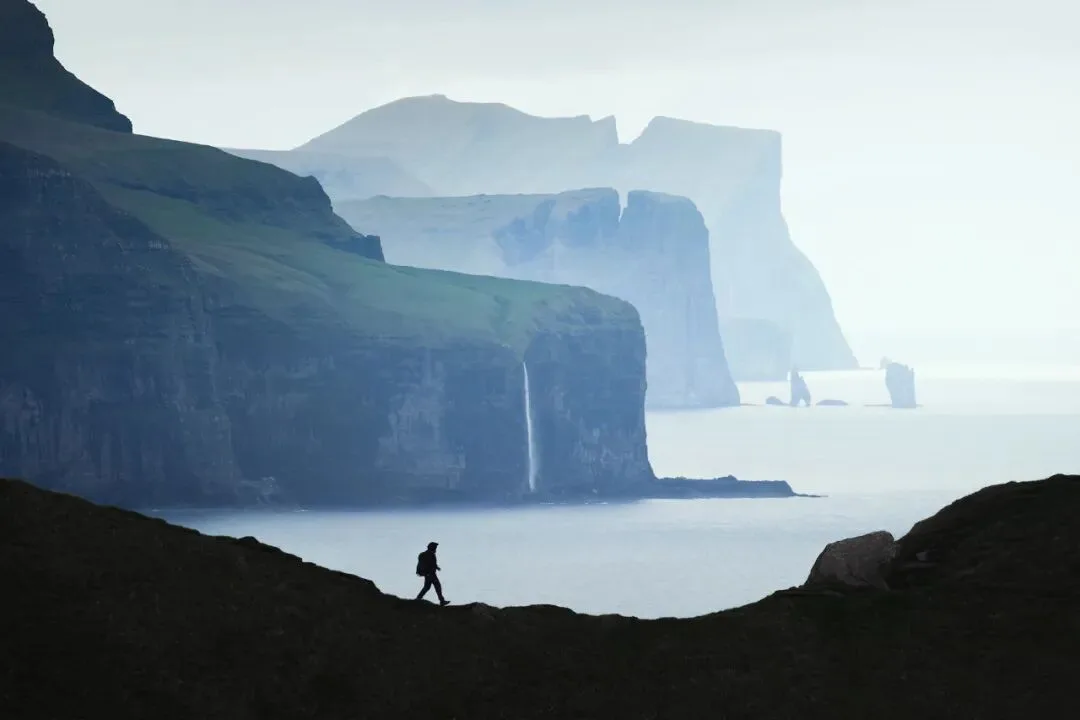
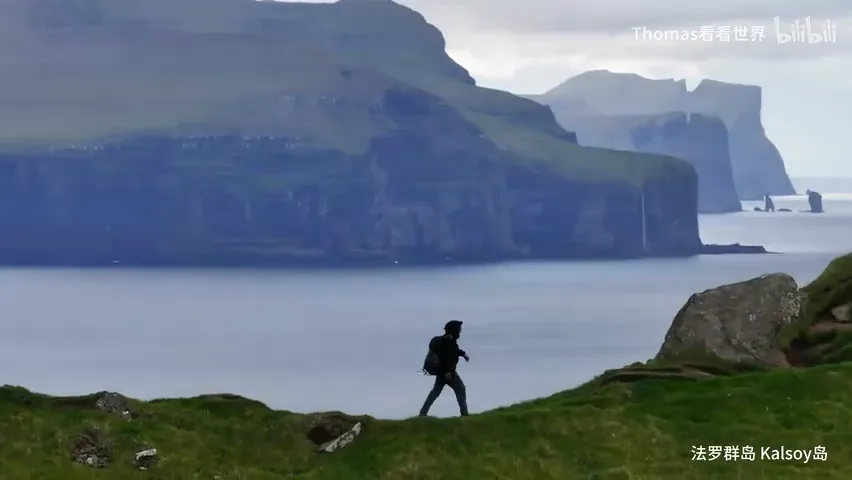
Start with one representative frame from the trip. This shot from 0:17 in the video — sea cliffs in the Faroe Islands — is typical of what the A7CR with the 16-35 GM II delivered through wind and rain.
01 300 Grams Lighter in the Pack
The A7CR belongs to Sony's compact A7C line, and its first highlight is the small body — the silver-and-black retro styling is genuinely handsome. It weighs just 515 g, more than 200 g lighter than the A7R5, and the 16-35 GM II drops another 100-odd grams versus the previous GM — together saving over 300 g in a hiking pack (at 1:55-2:35 in the video).
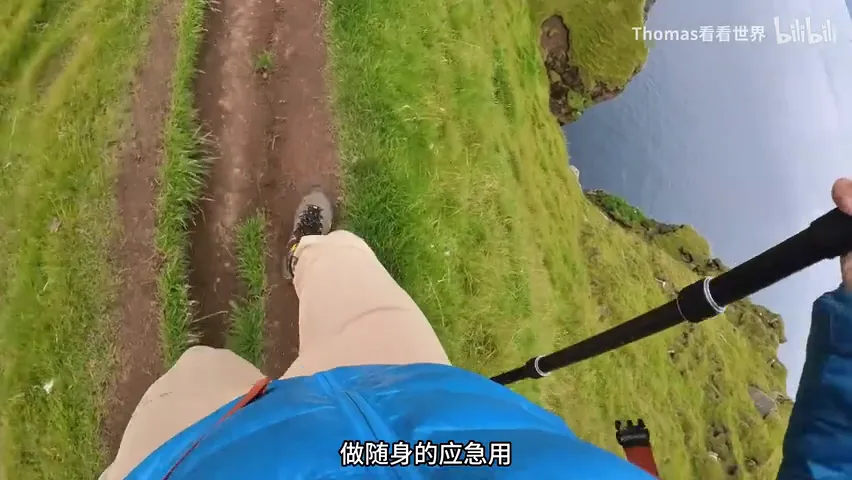
Never mind the triumphal "one summit, ten thousand mountains" of the finished photos — standing at the trailhead looking up, despair is honest, and every climb is a loop of questioning your life choices and pushing on anyway (at 2:36-3:00 in the video). Thomas's habit is a full pack inspection before each ascent: from his wallet he keeps only a few banknotes and one credit card for emergencies, leaving the extra tens of grams behind — because on the mountain, every single gram makes you ask why you carried it (at 3:00-3:22 in the video).
02 The Best Camera Is the One You Carry
Weather sealing is the other big question for outdoor photographers. On this trip it rained roughly two days out of three across Iceland, Norway and the Faroes, and Thomas even killed a Mavic 3 drone shooting in heavy rain — while the A7CR kept working perfectly, no issues at all in the wet (at 3:24-3:51 in the video).
The retro-compact body has another underrated benefit: photographing people stops being awkward. On trains, pulling out a huge professional rig used to make Thomas the most-watched person in the carriage, which made pointing the lens at fellow passengers even harder (at 3:55-4:29 in the video). This trip, several photos were made on ferries — a small body simply travels on your body. As Thomas likes to say: the best equipment is whatever is next to you when the decisive moment arrives (at 4:34-4:41 in the video).
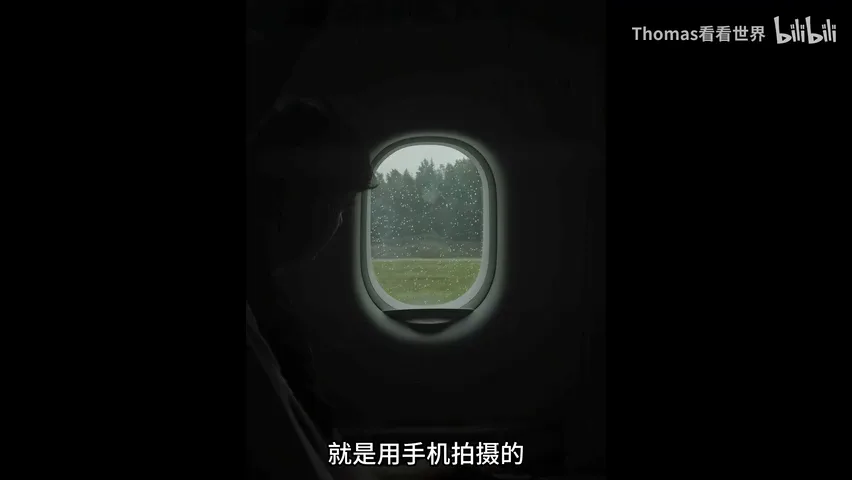
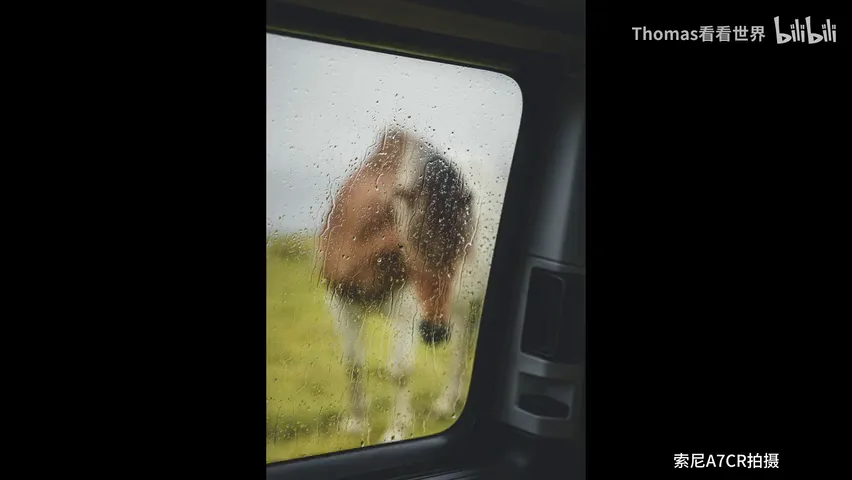
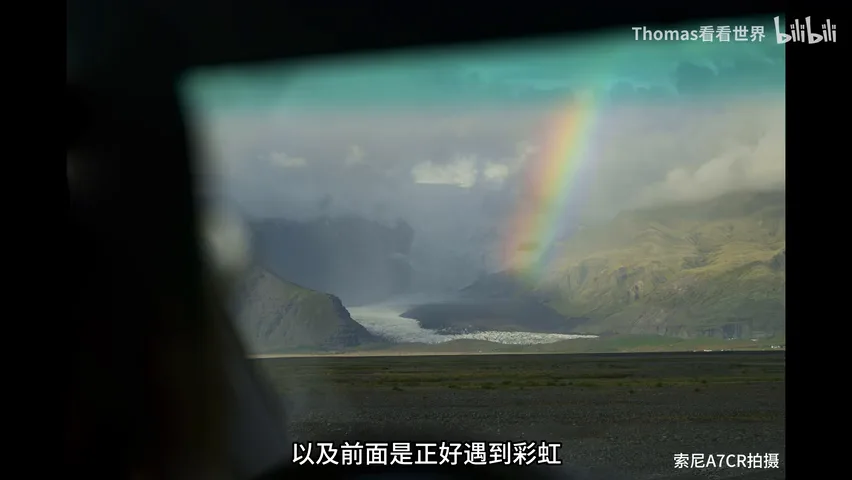
The frame at 4:44, for instance, was shot on a phone: the plane had just landed, rain falling over the Norwegian forest outside the window, and the moment demanded a photo from the pocket. The A7CR still can't match a phone's readiness, but it now lives around his neck, on his waist belt, or in his hand; where cameras used to be locked in the bag on car rides, this one slots into the seat-back pocket without getting in the way — the sheep outside the windshield, the rainbow that appeared mid-drive, the church sliding past in the rearview mirror: all new opportunities created by a small body (at 4:41-5:56 in the video).
03 61 Megapixels and AI Autofocus
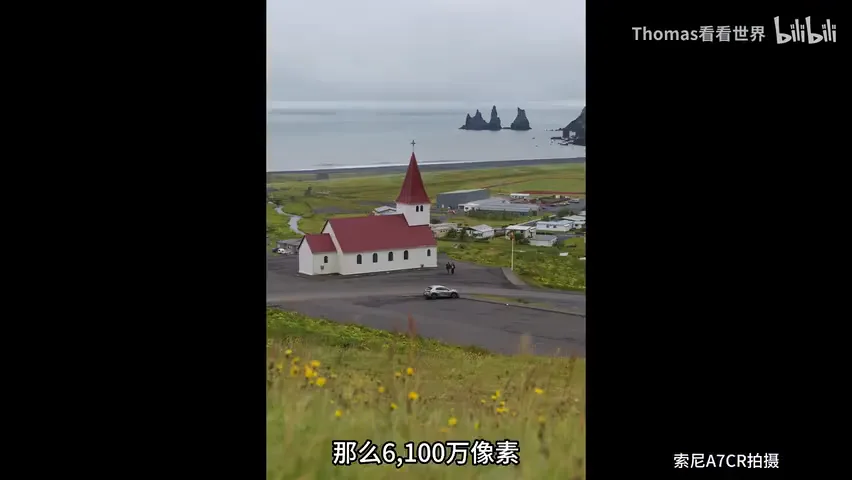
All this portability assumes no image-quality compromise. The A7CR shares the A7R5's 61-megapixel sensor, which buys enormous cropping latitude — many of the images shown were heavily re-composed in post and still retain tens of millions of pixels, far more than publishing needs; paired with the 16-35 GM II, sharpness holds from edge to edge (at 5:57-6:38 in the video).
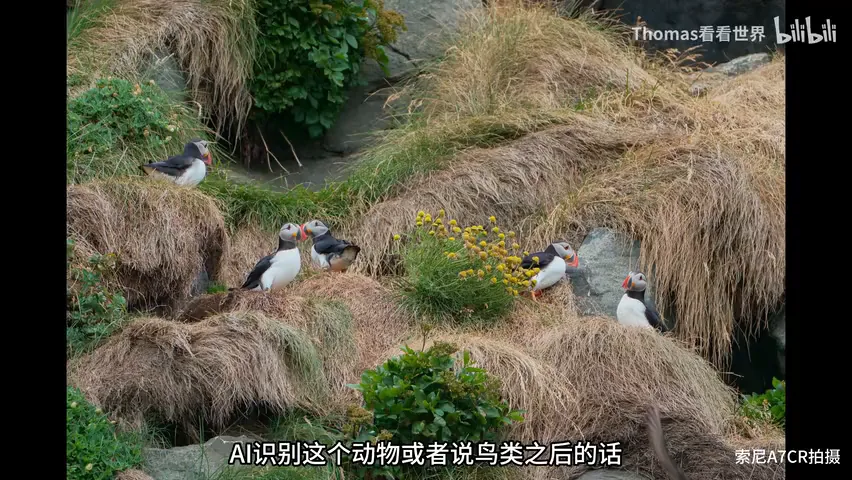
This generation also carries the A7R5's AI processing unit, and the autofocus is ferociously good. Thomas rarely shoots birds, but discovered that with AI subject recognition set to animal or bird, the camera finds the eye by itself — even through grass, flowers and intervening rocks. Switch AI off and the lens grabs the rocks in front; switch it on and it nails a puffin's eye, razor sharp (at 6:39-7:33 in the video).
04 The 16-35 GM II: Second-Gen Trinity Glass
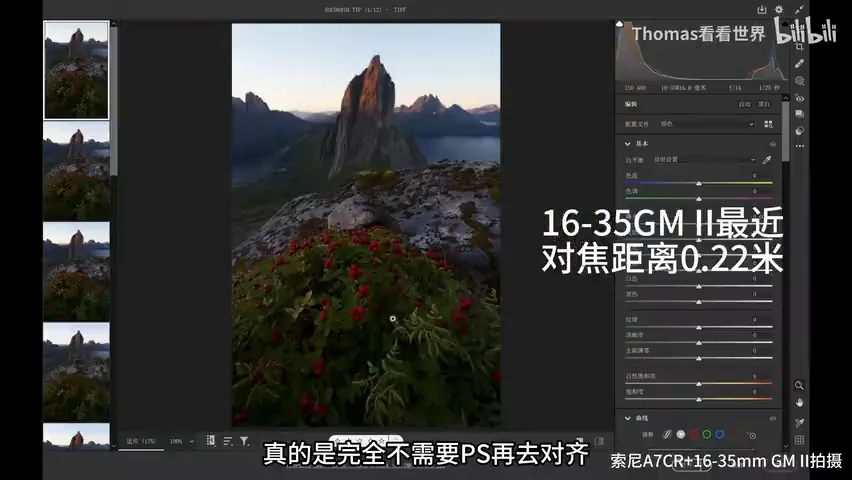
Three things about the 16-35 GM II impressed Thomas most (at 7:33-8:38 in the video). First, better optics in a lighter package — with its release, all of Sony's second-generation f/2.8 zoom trinity is out, saving roughly 700-800 g over the previous generation. Second, focus breathing is superbly controlled: after Thomas shared the source files of a focus-stacking series, viewers wrote in confirming the frames align perfectly in Photoshop with zero breathing shift (at 7:59-8:20 in the video). Third, flare and ghosting against bright light, and purple fringing in high-contrast scenes, are both excellently managed — true GM quality.
05 The Trade-Offs, and Fleeting Moments
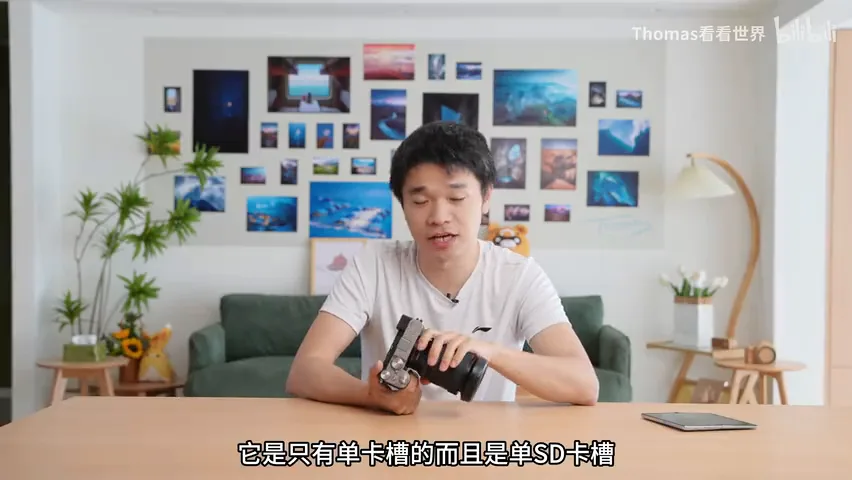
The A7CR does show Sony's usual product-line pruning. The most-asked question: it has a single card slot, and a single SD slot at that — genuinely limiting for commercial work, and Thomas will return to the R4/R5 with dual-card backup for future car advertising shoots (at 8:38-9:16 in the video). But for travel photography he'll happily trade the second slot for 200 grams: modern SD cards are reliable, he backs up every day in the field, so for him the single slot is a non-issue (at 9:16-9:35 in the video).
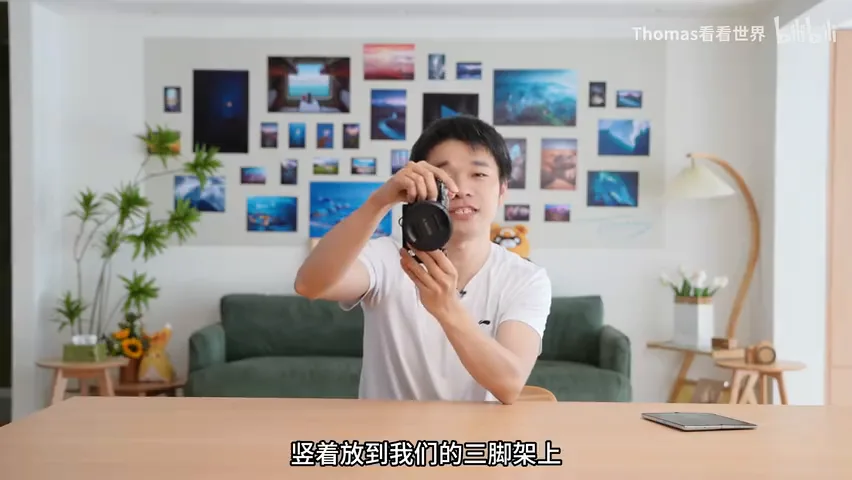
The screen and accessories involve trade-offs too. The A7R5's four-axis flip screen opens directly; the A7CR's swings out sideways before tilting — fine normally, but combined with the L-bracket that landscape photographers rarely remove, the screen gets blocked in vertical shooting and you end up craning to see it. For Thomas this is the A7CR's biggest pain point (at 9:36-11:03 in the video). As for the shutter dropping from 1/8000 to 1/4000 and the burst from 10 to 8 fps, he barely uses either — if you need those, a better finder, grip and dual slots, get the A7R5; for his own travel landscape work, the A7CR is the main body (at 11:06-11:59 in the video).
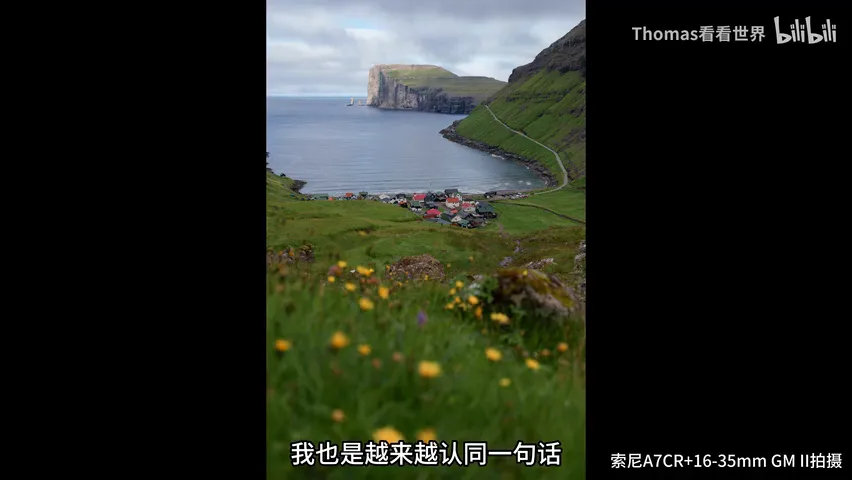
Near the end of the video, Thomas says the more he travels, the more he believes one thing: the most beautiful scenery is often not at the final destination, but in those fleeting moments along the way. And now every one of them can be recorded — with the A7CR that's always on his body, at full 61-megapixel flagship quality (at 12:19-12:36 in the video).
1. The A7CR plus 16-35 GM II saves over 300 grams in the pack — outdoors, every gram decides how far you'll go; 2. The compact body shrugs off rain and fits a seat-back pocket: the best camera is the one beside you when the moment comes; 3. 61 megapixels leave huge recomposing latitude, and AI subject focus turns bird photography from luck into technique; 4. The single SD slot and the screen-versus-L-bracket clash are real: choose the A7R5 for commercial work, and the A7CR will do for travel landscapes.